1/5
The Best Roller For Your Painting Projects, According To An Expert
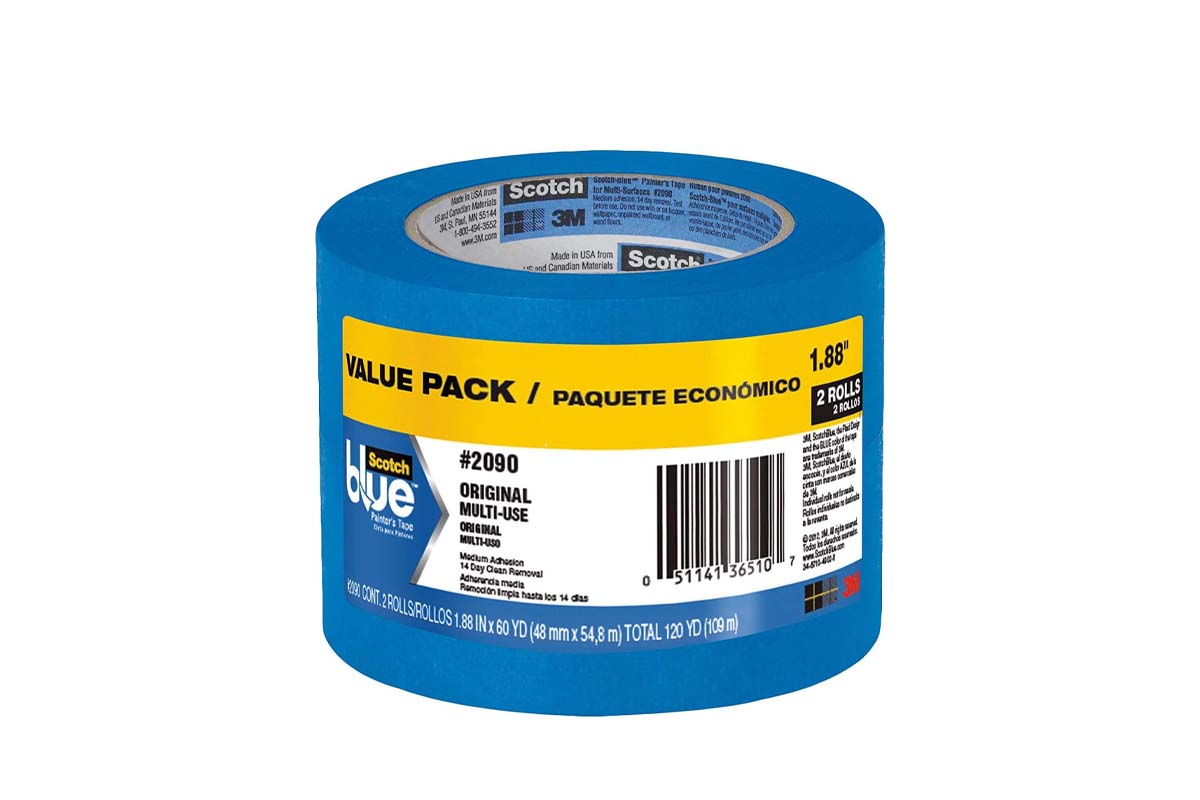
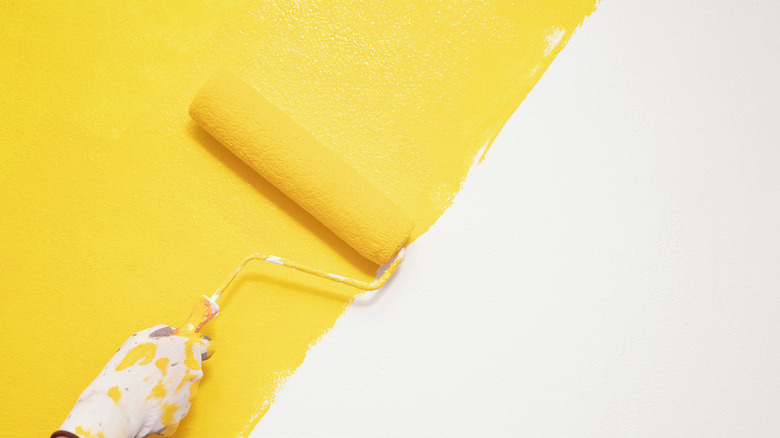
Successfully undertaking a painting project, whether it's refreshing a living room wall or updating a child's bedroom, often requires more than just paint. Common painting mistakes, such as neglecting painter's tape or failing to clean walls beforehand, can hinder professional results. A crucial aspect of avoiding such pitfalls is selecting the right tools, especially the paint roller. Damon Lee, owner of On A Roll Painting, provides expert insights into choosing the best paint rollers for various projects.
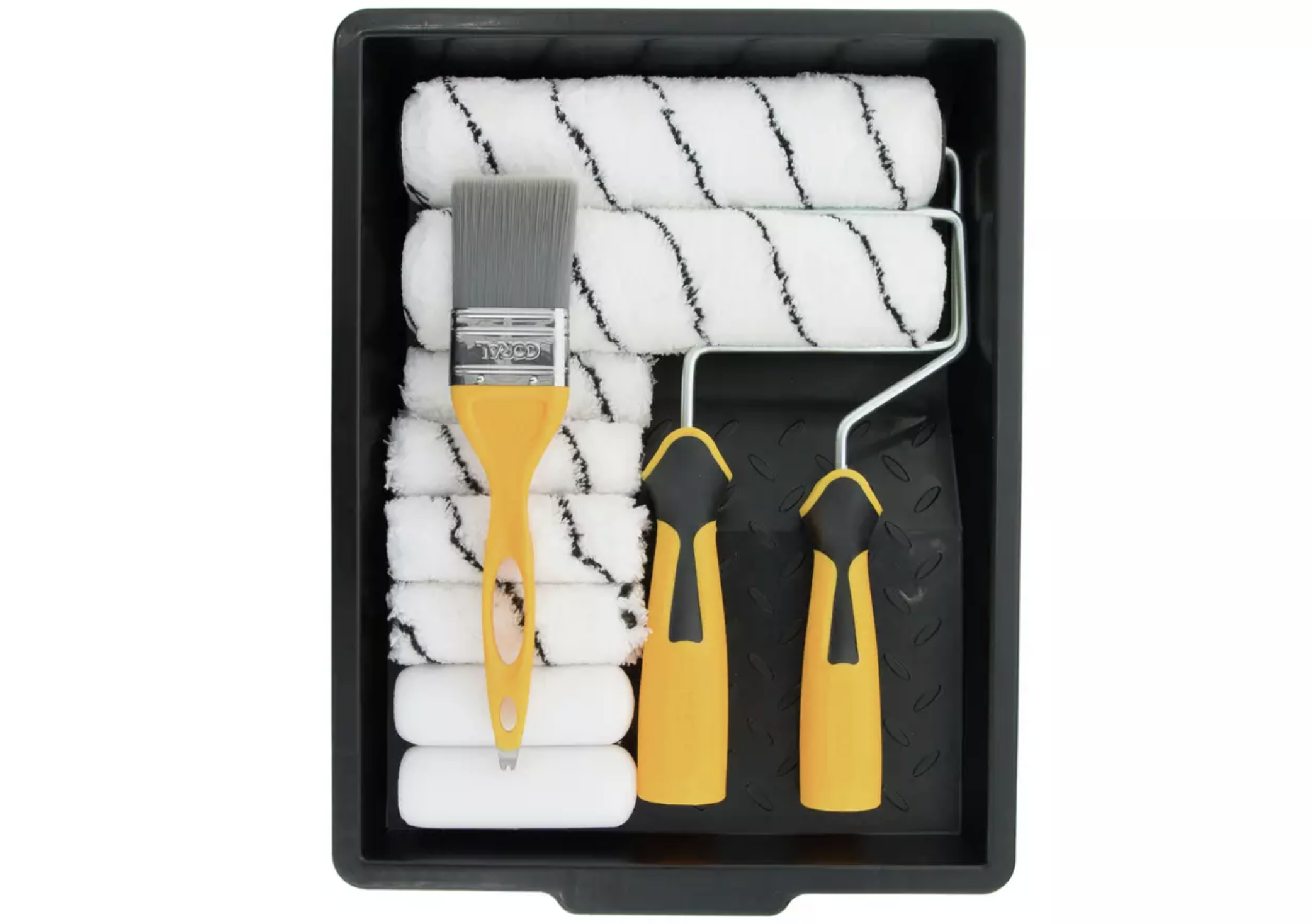
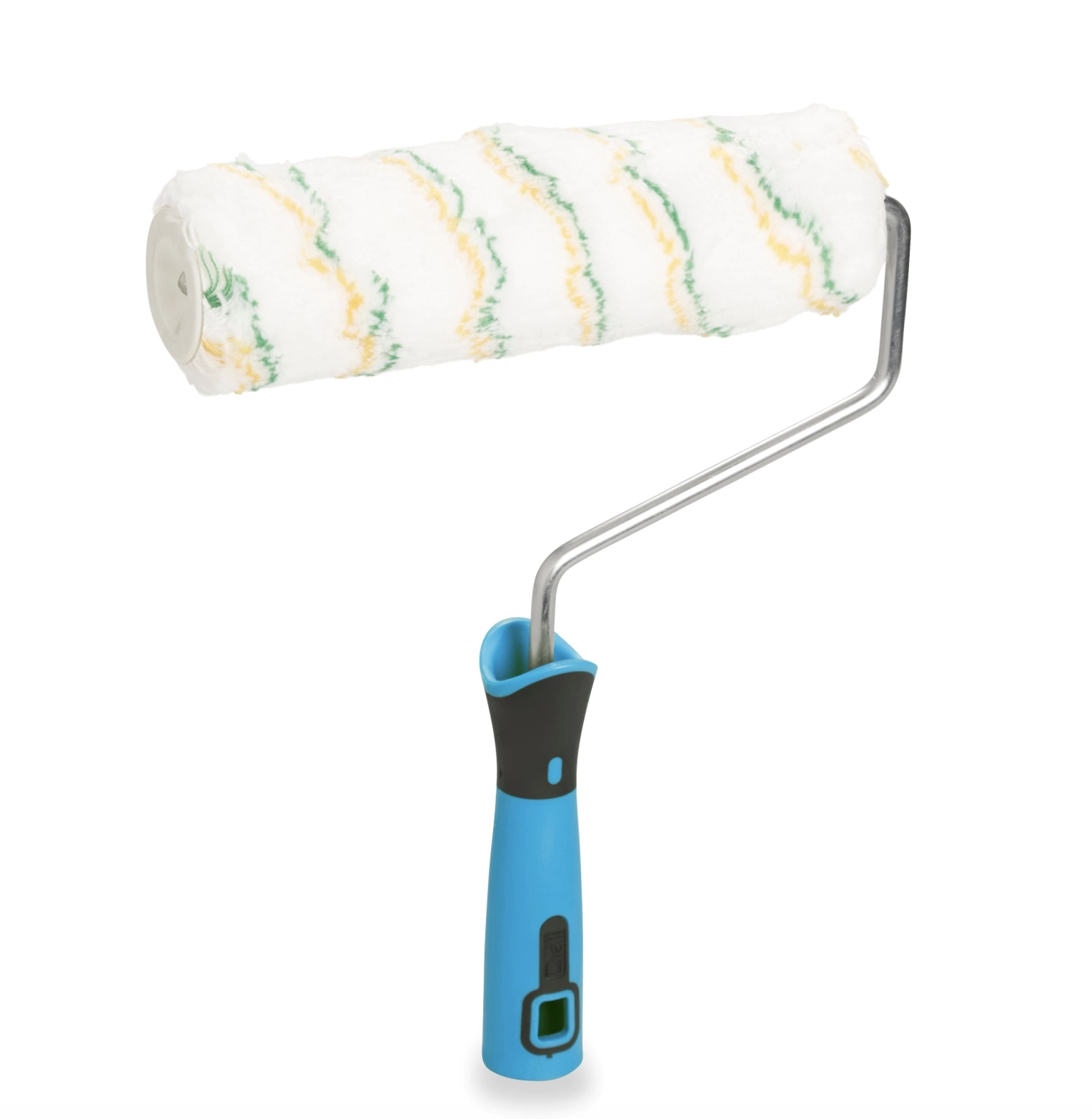
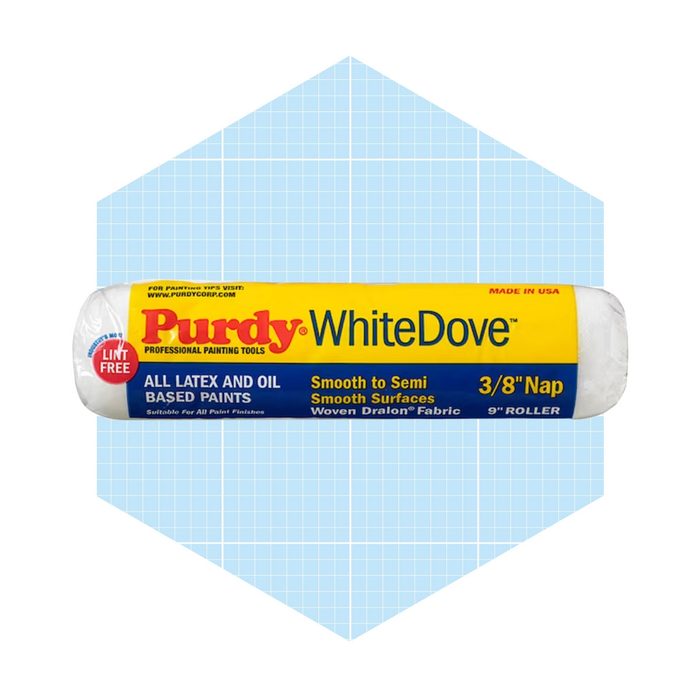
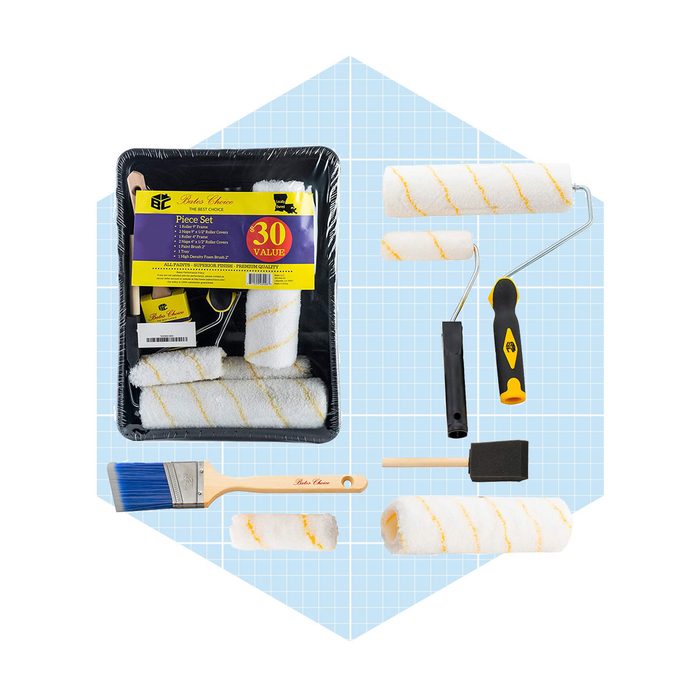
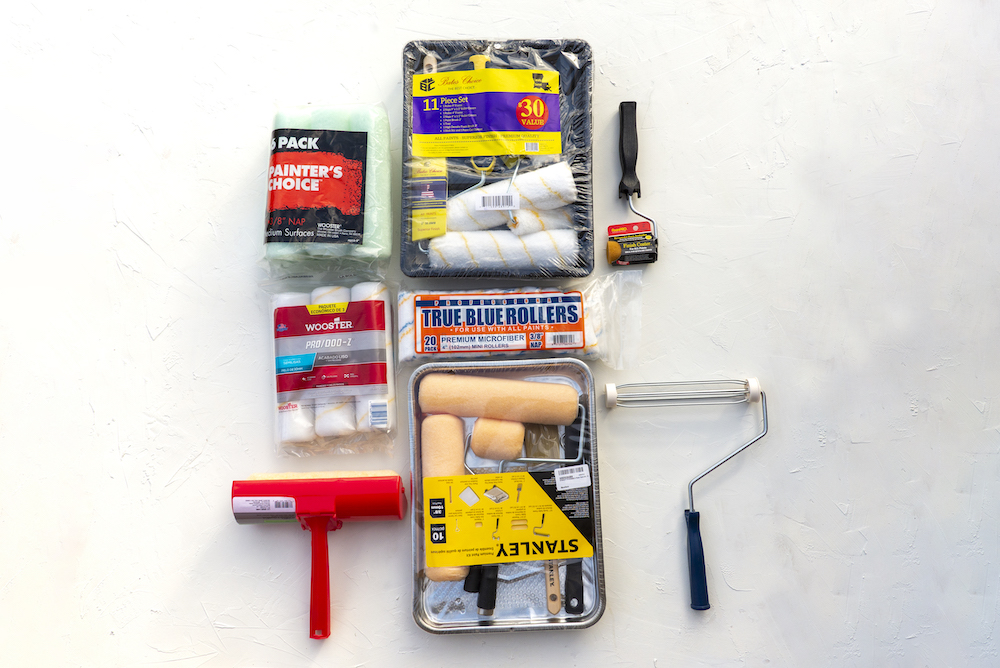
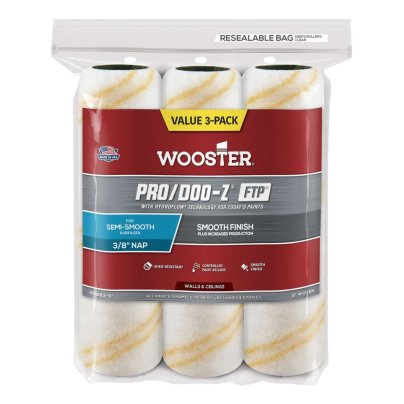
When entering a home improvement store, the array of roller options can be overwhelming. Lee emphasizes that the effectiveness of a roller depends on a combination of paint quality, surface type, and the roller cover itself. He cautions against choosing the cheapest option, as not all rollers offer equal performance. The nap, or thickness of the roller cover, is a critical factor, with different thicknesses suited for different surfaces. Lee advises that shed-resistant covers are preferable as they prevent fuzz from being left behind, especially important for paints with a sheen. He specifically recommends avoiding polyester rollers in favor of woven or knit materials for better quality and reduced splatter. Rollers come in various sizes, from small 4-inch mini rollers to large 18-inch options, and selecting the appropriate size is key to achieving a good finish.
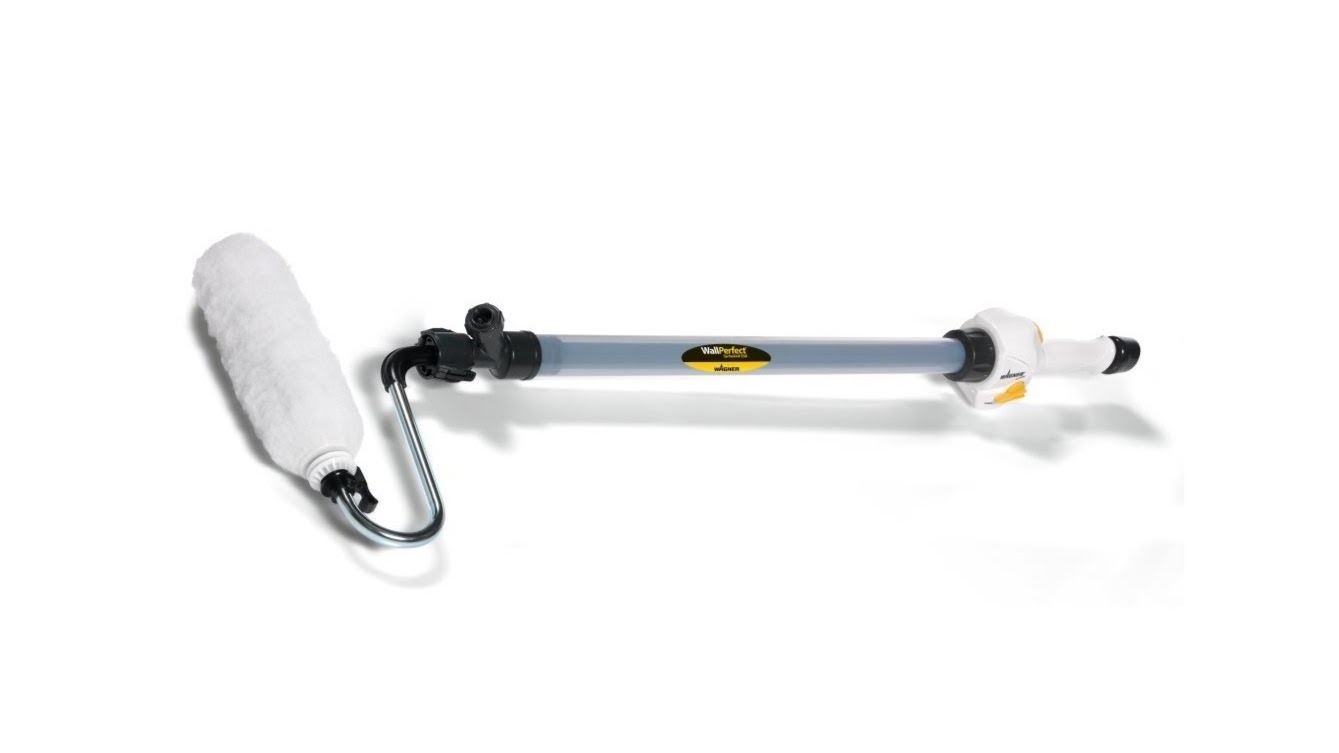
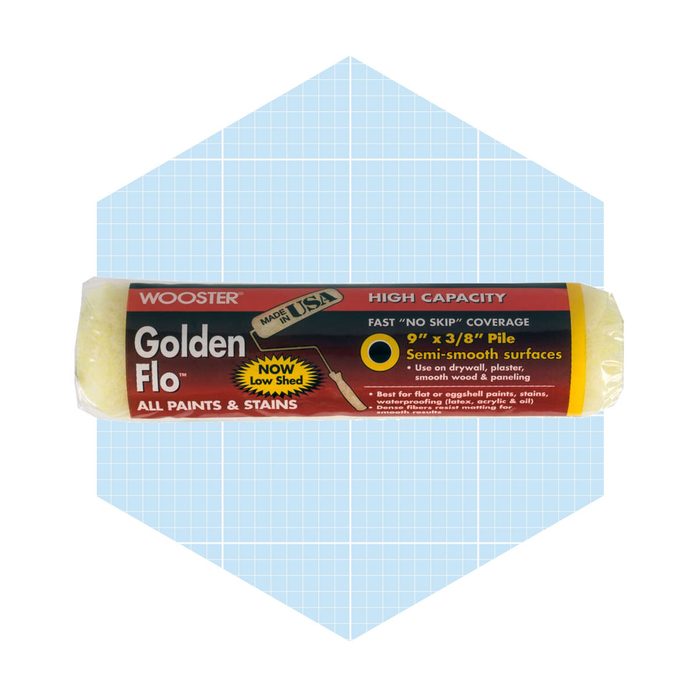
For smooth interior walls and ceilings, a 9-inch wide roller with a 3/8-inch or 1/2-inch nap thickness is recommended for optimal results. For textured surfaces, such as those with a knockdown texture, a 9 1/2-inch or 9 3/4-inch thick cover is more effective, as its thicker nap helps push paint into the texture's edges. While larger 18-inch rollers can cover more area quickly, they require special frames and buckets and are trickier to master due to their wider diameter and greater paint capacity. For hard-to-reach areas like behind toilets, appliances, or radiators, 4-inch mini rollers prove to be invaluable.
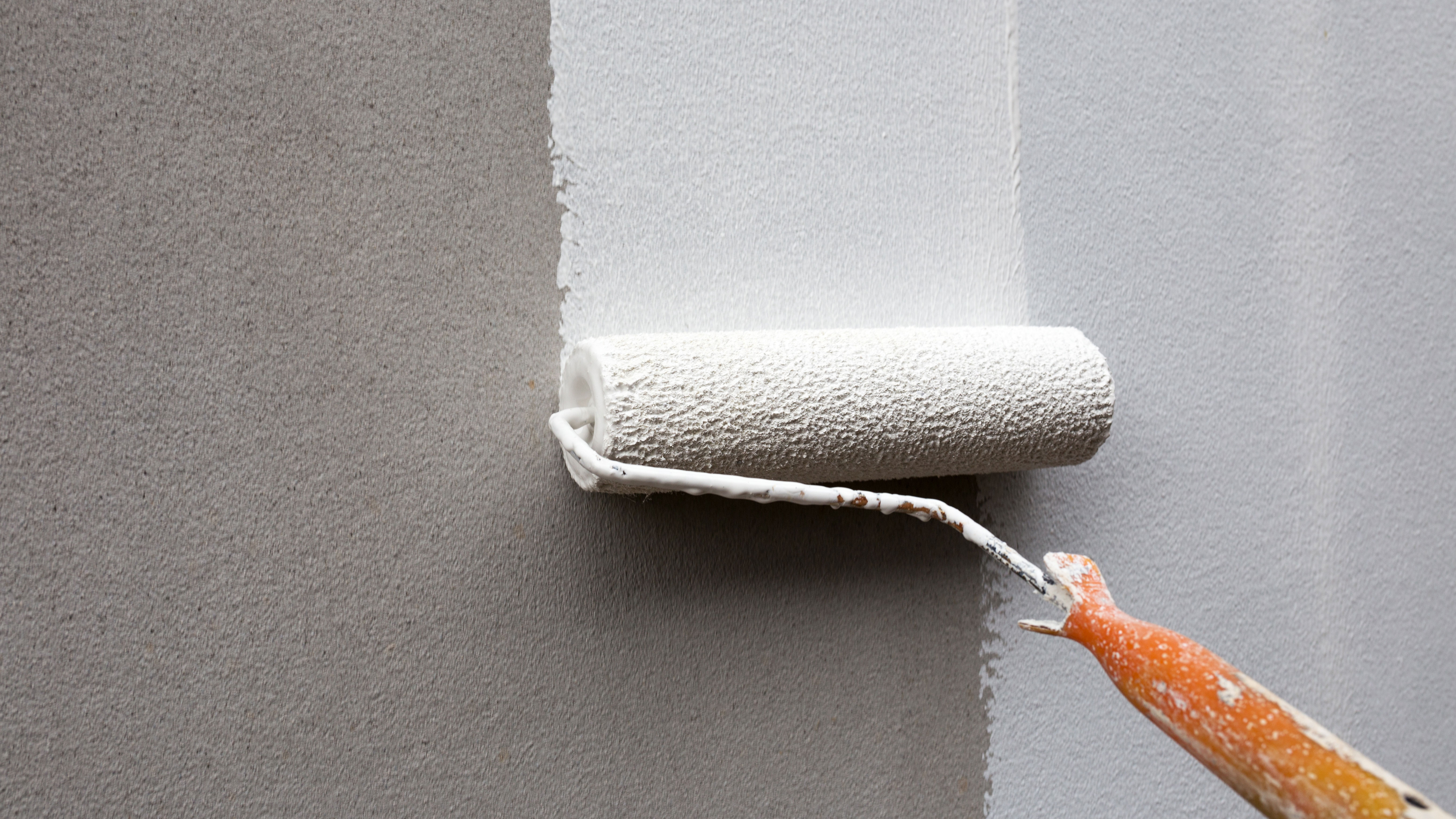
Painting exterior walls demands a different approach. Lee explains that exterior surfaces typically require rollers with thicker naps to apply more paint rapidly to larger areas. The pattern left by a thicker nap is less critical on exterior walls compared to interior ones, as they are not usually viewed as closely. However, quality remains important to prevent fuzz and ensure ease of use. Proper technique is also vital for exterior painting to avoid visible overlaps, as outdoor paint tends to dry more quickly, necessitating an even and continuous application.
For cabinets, trim, and doors, a shorter nap roller is essential to achieve a smooth and even finish. Flat panel doors, for instance, benefit from a 9-inch roller with the shortest possible nap. The shorter nap provides greater control over paint application, crucial for surfaces that are frequently inspected. Lee specifically recommends the Wooster Jumbo-Koter Mohair Blend, a 4 1/2-inch wide roller with a 1/4-inch nap. This setup, he notes, operates like a smaller version of a 9-inch roller frame, offering smoother rolling and easier, more consistent coats compared to mini roller frames with metal bars that can make rolling difficult.
#PaintRollers #HomePainting #DIYHomeImprovement #PaintingTips #InteriorPainting #ExteriorPainting #PaintTools #ExpertAdvice #DamonLee #PaintRollers #HomePainting #DIYHomeImprovement #PaintingTips #InteriorPainting #ExteriorPainting #PaintTools #ExpertAdvice #DamonLee
0 комментариев всего
 Комментариев пока нет
Вам также может понравиться
These are the best paint rollers

The Best Painting Tools

20 Essential Painting Tools for Your Next Project, According to Painting Pros

These Paint Sprayers Make Any DIY Painting Project a Total Breeze

The 6 Best Paint Rollers of 2025
These Are 2025's Best Paint Brushes for Cabinets to Give Your Kitchen or Bathroom an Updated Vibe
Paint tips from a pro!

9 Best Paint Edging Tools for Painting Trim
The Best Paint Rollers and Covers, Tested and Reviewed
The Best Paint for Furniture Makeovers, According to Expert DIYers
This paint edger tool saved me hours of painting time – and I would never redecorate without it

These Master Tips Will Help You Avoid Choosing The Wrong Type Of Paint
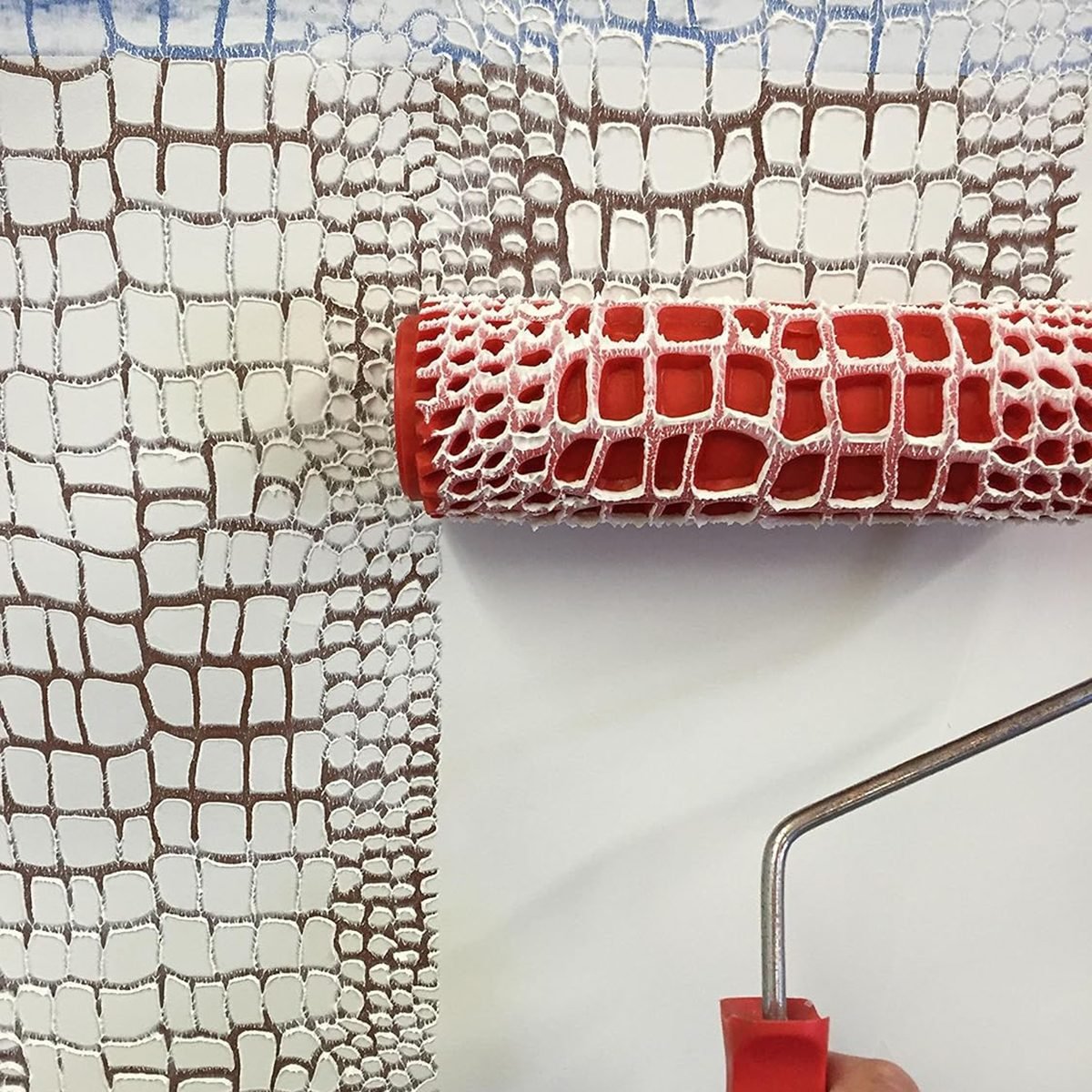
8 Tips for Painting With a Textured Roller
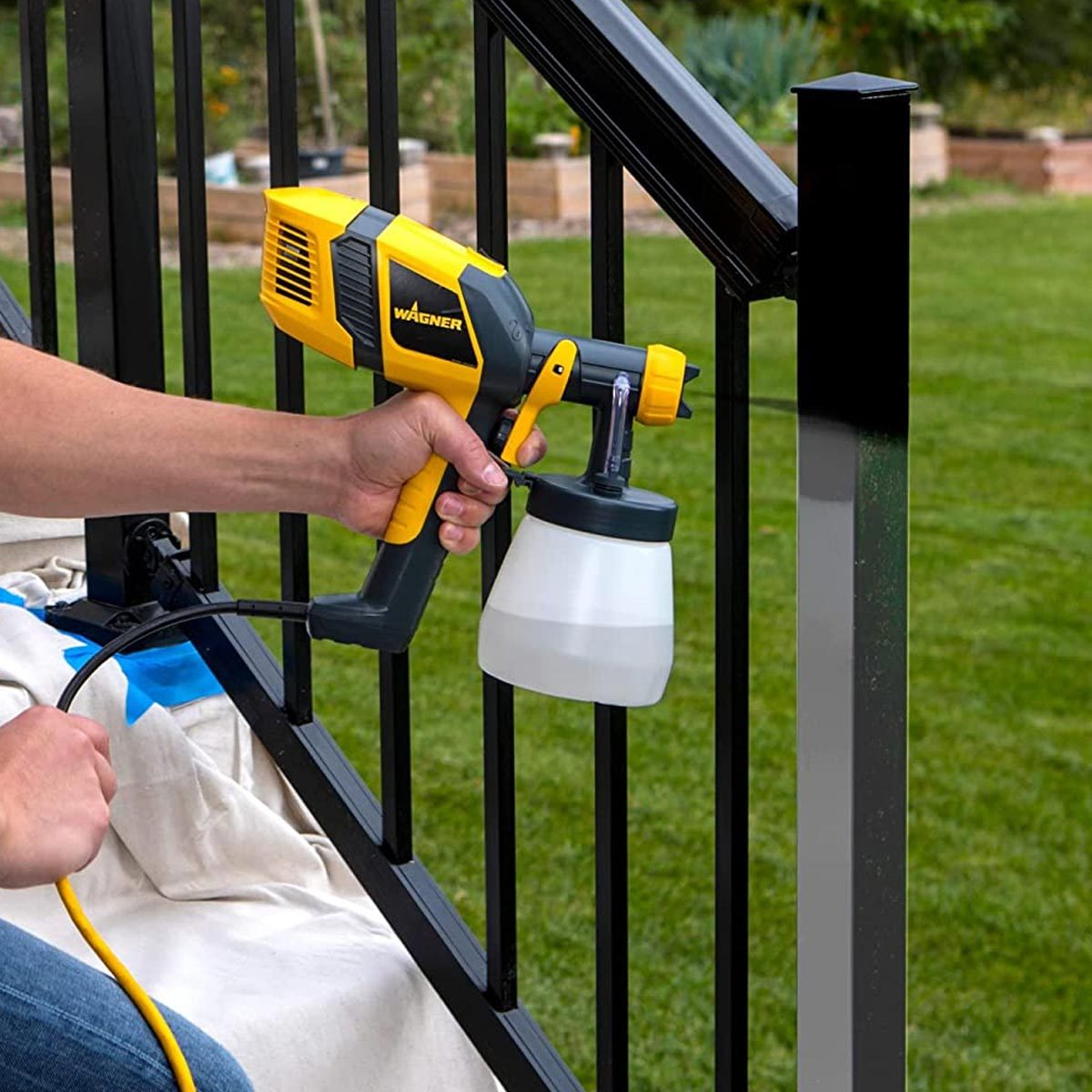
Best Painting Tools on Amazon for House Painting Projects & More
The Best Paint Sprayers For Cabinets
The Best Paint Brushes, Tested and Reviewed

Paint Rollers & Trays

Best Paint Sprayers for DIY Projects, Tested and Reviewed by a Painting Pro
The 7 Best Painters Drop Cloths and Tarps
Painting Your Walls? Here Are 16 Tools You Need for a Professional-Looking Job—and 7 You Don't