1/12
The 6 Best Propane Tankless Water Heaters for Low-Waste On-Demand Warmth
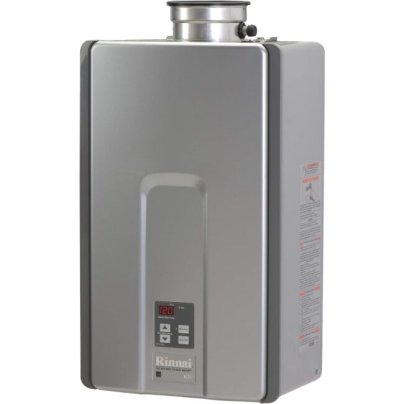
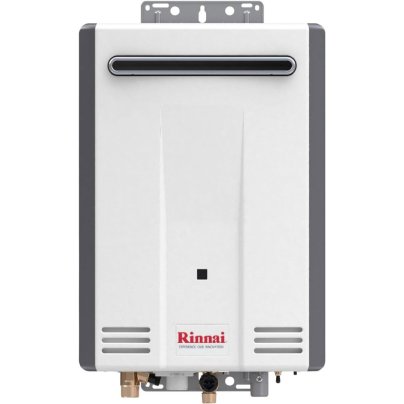
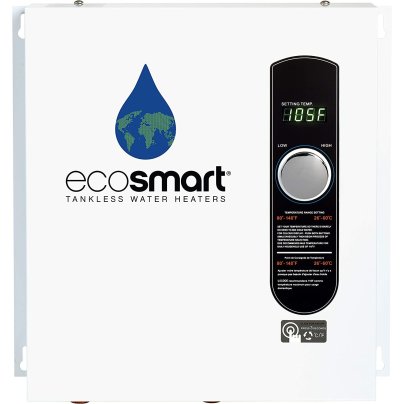
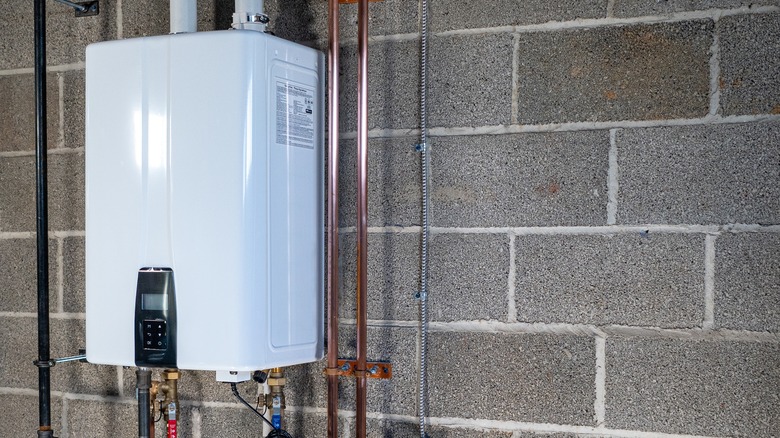
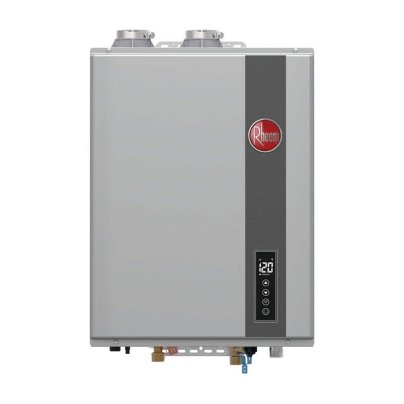
Propane tankless water heaters offer an energy-efficient and eco-friendly solution for on-demand hot water, minimizing waste and potentially reducing long-term costs. Unlike traditional tank-based systems, tankless models heat water only when needed, eliminating the energy expenditure associated with continuously heating a large tank. This guide provides an overview of six top-rated propane tankless water heaters, categorized for different household sizes and applications, including indoor, outdoor, small home, RV, and portable options.
Key considerations for selecting a propane tankless water heater include whether it's an indoor or outdoor model, its flow rate (GPM), and its power output (BTU). Indoor units offer compact designs but require careful consideration of gas supply and proper venting for carbon dioxide. Outdoor units are simpler to install but need protection from extreme weather. The flow rate, measured in GPM, indicates how much hot water the unit can deliver, with accuracy dependent on the incoming water temperature. A typical faucet uses about 1 GPM, while a shower uses 2 to 3 GPM. A 5 GPM unit generally suffices for small homes, while 7-10 GPM is suitable for medium to large residences. Power output, measured in BTUs, signifies the consistent heat a unit provides, with higher BTU ratings indicating greater heating capacity. Manufacturers often provide guidance or online calculators to determine appropriate BTU requirements.
Efficiency rating is another critical factor. The Uniform Energy Factor (UEF), an independent measurement standard established by the U.S. Department of Energy (DOE) in 2017, allows for accurate comparison of energy efficiency across different models. UEF values typically range from 0.8 to 0.93, with higher numbers indicating better efficiency. The article also discusses condensing versus noncondensing models. Condensing models are more efficient as they recirculate steam to recover heat, resulting in significant energy savings, although they are generally more expensive upfront. Noncondensing models vent hot steam directly, leading to greater energy loss. Proper ventilation is essential for all propane tankless water heaters, requiring ducts for combustion air intake and carbon dioxide exhaust, often using PVC or stainless steel venting.
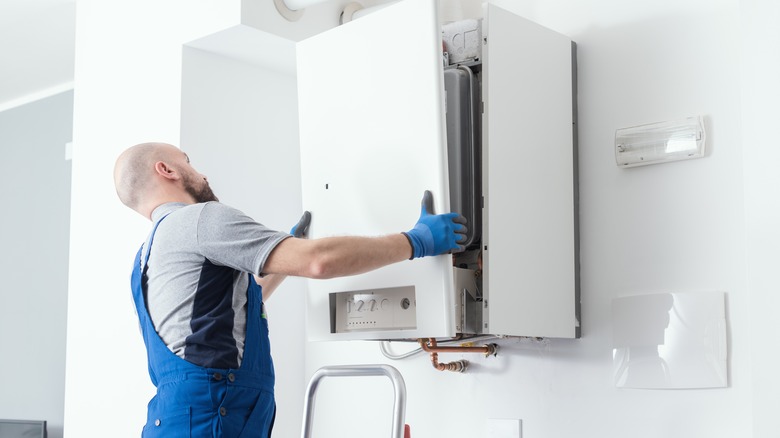
Physical dimensions are important for installation planning, as tankless heaters are typically wall-mounted and less than 15 inches deep, saving space compared to traditional boilers. Portable models are even more compact. Additional features can enhance usability, such as summer/winter settings for ambient temperature adjustments, digital displays for precise temperature control, and Wi-Fi connectivity for app-based operation. Many portable units come with gas regulators and showerheads. Installation often requires professional plumbing and minor construction, with specific regulations for permanent propane tanks. Regular maintenance, including installing cold-water filters in hard-water areas and annual flushing with white vinegar, can extend the lifespan of these durable units, which can last up to 20 years. The article concludes by addressing frequently asked questions regarding the operation, tank size requirements, whole-house suitability, flushing procedures, gas pressure checks, and life expectancy of propane tankless water heaters.
#PropaneWaterHeaters #TanklessWaterHeater #EnergyEfficiency #HomeImprovement #PlumbingSystems #DIYHome #ApplianceReviews #IndoorOutdoor #RVLife #PropaneWaterHeaters #TanklessWaterHeater #EnergyEfficiency #HomeImprovement #PlumbingSystems #DIYHome #ApplianceReviews #IndoorOutdoor #RVLife
0 комментариев всего
 Комментариев пока нет
Вам также может понравиться
The Best Tankless Gas Water Heaters for Your Home
Today's Water Heaters Aren't Built Like They Once Were—They're Better

The 6 best smart thermostats to control your heating from anywhere

What Did Your Heat Pump Water Heater Installation Cost? We Want to Know
We Vetted The 8 Best Electric Tankless Water Heaters to Save Space and Cut Costs
What Do a National Lab, a Home Builder, and an Elephant Have in Common?
Water Heater Cost in 2025: DIY or Professional Installation?

6 of the best heater ideas to warm up your home this winter

The 9 Best Water Heaters for Efficiency and Performance
Handyman: Make sure water heater is ready for cold days
This Central Heat Pump Water Heater In Chicago Was One Of The First To Be Installed In A Cold Climate
7 Best Handheld Steam Cleaners of 2026, Tested and Vetted
Handyman: Tank versus tankless hot water heater
How Much Should You Spend On A New Electric Water Heater?

6 affordable ways to heat your bathroom in winter
5 bathroom heating options, and our expert advice on which is best for you

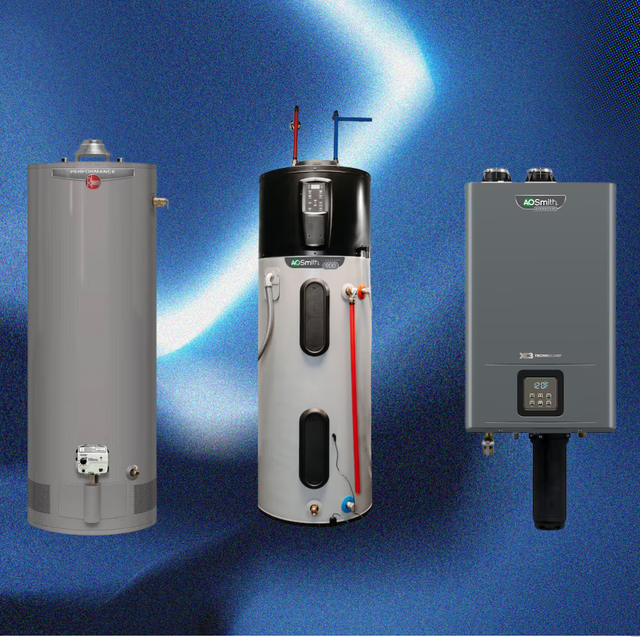
The Most Reliable Water Heaters You Can Buy, According to Testing

Best boiling water taps: our top 9 boiling and hot water taps for your home

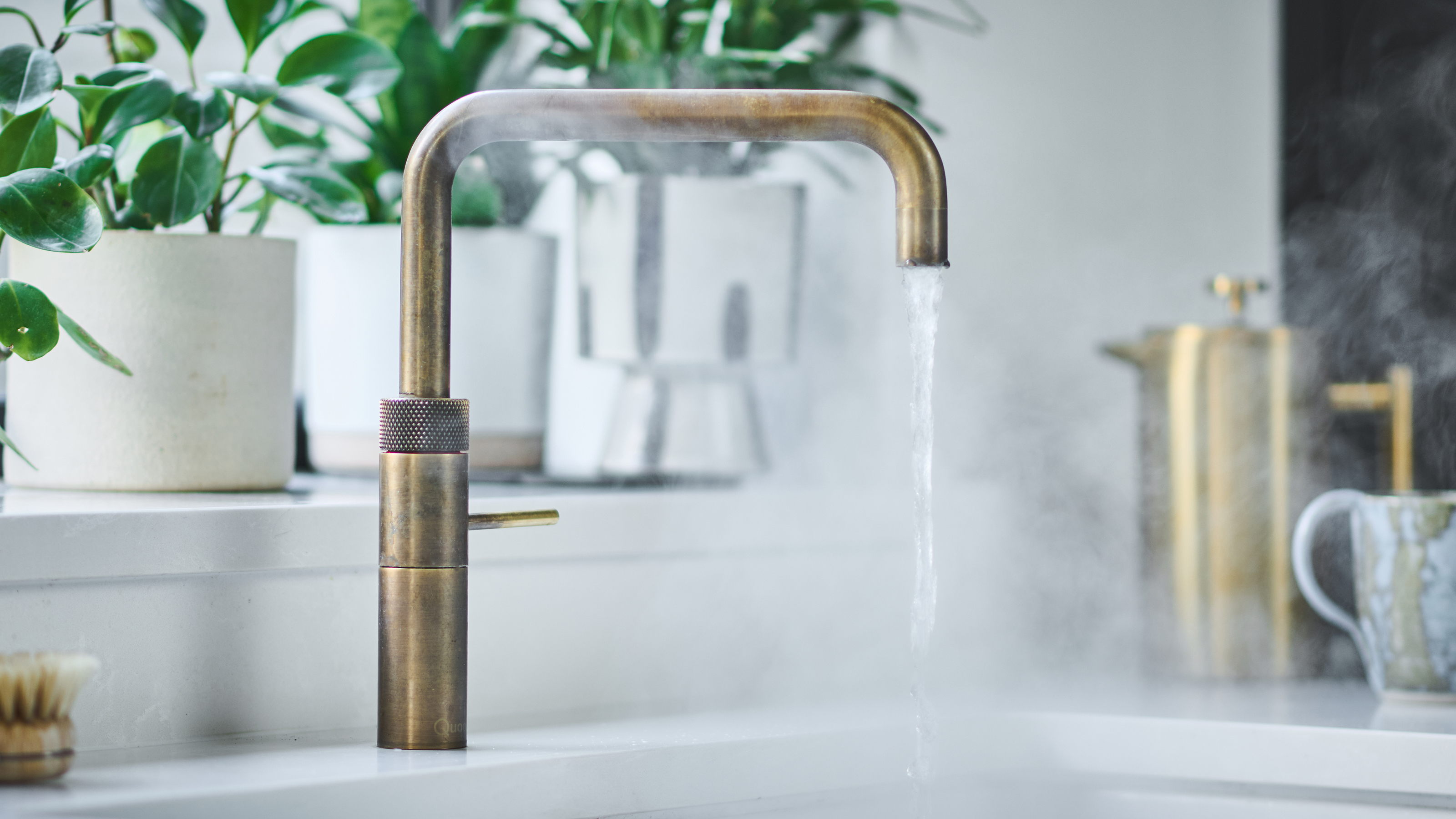
After testing the best boiling water taps, I’ve ditched my kettle for good – here are the top 8 I tried
Installing The New Ruud® Hybrid Water Heater