1/14
Story ideas from the Federal Reserve’s Beige Book: March 2024
The Federal Reserve's Beige Book, a high-level anecdotal overview of economic sentiment across its 12 districts, serves as a valuable resource for journalists covering economic issues. This March 2024 edition, based on information gathered in January and February, highlights various regional economic trends and offers specific story ideas across multiple beats, including business, elections, education, health care, and criminal justice. Overall, inflation has moderated, but businesses are hesitant to pass on increased transportation and health insurance costs due to price-sensitive customers. A significant concern across several major metropolitan areas is the impending maturity of commercial real estate loans, particularly for office buildings, raising fears of defaults given reduced demand for downtown office spaces post-COVID-19.
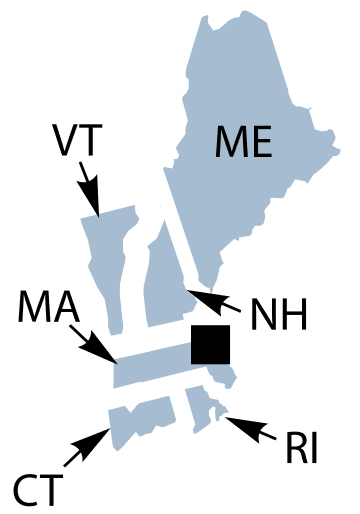
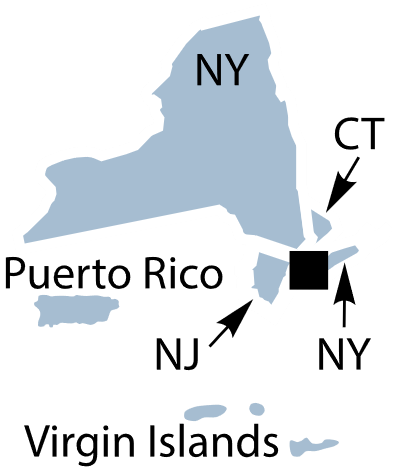
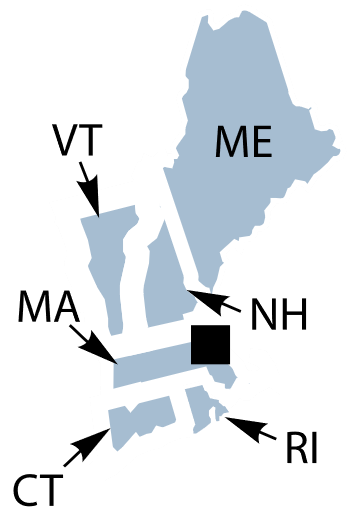
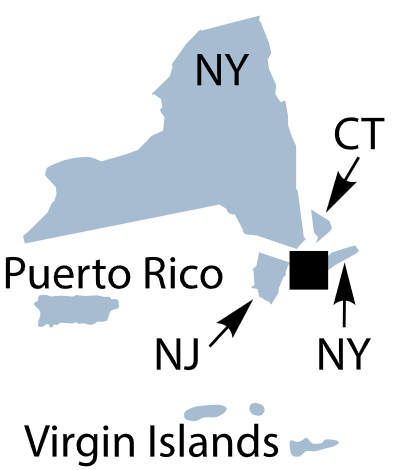
District 1 (Boston) reports a shift in bargaining power from workers to employers, with fewer sign-on perks and a move away from remote work. The office lease market remains weak, and the fate of maturing office loans is uncertain. A unique story idea from this region focuses on the economic impact of 'Dry January' on food and beverage sales. District 2 (New York) notes moderate wage growth influenced by minimum wage increases and rising input prices for raw materials like cocoa and copper. New York City also faces financial strain in its office leasing sector, anticipating increased defaults. A potential story revolves around public safety concerns, including hate crimes and retail theft, and the 'loss prevention measures' businesses are implementing, comparing current crime levels to past eras.
District 3 (Philadelphia) indicates supply chain issues are no longer a major concern, but labor shortages and payment problems among low-income households persist. Electric vehicles are unpopular, and leisure travel is down due to poor skiing conditions. A compelling story idea here examines the 'downstream effects' of weak home sales on the moving industry, with one contact stating conditions are the worst since 1968. District 4 (Cleveland) contrasts with others, showing increased staffing in commercial construction due to demand for manufacturing space. Restaurants are absorbing rising food costs. The region also presents a story on why trained younger workers are increasingly taking gig jobs, even after receiving training for other fields.
District 5 (Richmond) presents a mixed labor market. Shipping saw increased consumer goods and higher spot rates due to disruptions in the Panama and Suez canals. An interesting narrative arises from election economics, where a design firm anticipates reduced demand from larger companies conservative with budgets during election years, prompting an investigation into how political uncertainty affects small businesses. District 6 (Atlanta) highlights the impact of expiring pandemic-era financial aid on households, particularly regarding housing costs. Home sales are below seasonal norms, and lot prices are a significant impediment for new home builders, offering a story on the escalating costs of land.
District 7 (Chicago) experienced a consumer sales slump due to cold weather, but businesses are investing in physical assets, indicating optimism. High interest rates, however, deter some capital expenditures. A story from this district focuses on the struggles of pandemic-era start-ups with sustainability, questioning whether their online-centric models can adapt to the post-pandemic economy. District 8 (St. Louis) observes a lack of interest in electric vehicles and sluggish sales in downtown retail and restaurants due to price increases. Commercial real estate faces challenges with office vacancies, but retail space demand remains strong. A story explores how small businesses, like theaters, make decisions on absorbing or passing on increasing costs to patrons, especially when data is limited.
District 9 (Minneapolis) reports worker confidence in finding jobs, primarily in healthcare, education, and manufacturing. However, unseasonable warmth significantly impacted winter sports and related tourism, leading to local business declines. This presents an opportunity to localize the effects of climate change on specific industries and their workforce. District 10 (Kansas City) faces a tight labor market, with firms retraining existing workers and focusing wage increases on enhanced capabilities. Rising household medical debt and credit card defaults, particularly among low-income households, offer a story on the challenges people face in accessing credit and understanding financial assistance programs.
District 11 (Dallas) experienced slowed oil refinery output due to cold weather, leading to upward pressure on fuel prices. Panama Canal drought issues affected container volumes at Gulf Coast ports. An unusual trend in office leasing in Dallas is prospective tenants assessing landlord credit, suggesting a story on this shift in the commercial real estate dynamic. Finally, District 12 (San Francisco) saw economic boosts from events like the Super Bowl but seasonal fluctuations impacted leisure and hospitality. A notable story idea revolves around remote workers seeking second jobs, prompting an investigation into this trend and its implications for the labor market.
#FederalReserve #BeigeBook #EconomicTrends #RegionalEconomy #CommercialRealEstate #LaborMarket #Inflation #ConsumerBehavior #SmallBusiness #ClimateChangeImpacts #HealthcareCosts #FederalReserve #BeigeBook #EconomicTrends #RegionalEconomy #CommercialRealEstate #LaborMarket #Inflation #ConsumerBehavior #SmallBusiness #ClimateChangeImpacts #HealthcareCosts
 Комментариев пока нет
Story ideas from the Federal Reserve’s Beige Book: December 2024
Story ideas from the Federal Reserve’s Beige Book: April 2025

The Block 2024 Rumpus And Office Reveals


January/February 2024 Resources


Home Stager Reveals 4 Hot Trends for 2024