1/14
Story ideas from the Federal Reserve’s Beige Book: April 2025
The Federal Reserve's Beige Book, published eight times a year, offers a detailed anecdotal overview of current economic conditions across the 12 Federal Reserve districts. This April 2025 edition provides valuable insights and story ideas for journalists covering various sectors, including business, tourism, transportation, vocational training, and food, highlighting the rapid changes in national and regional economic landscapes. The book compiles reports from district directors, business owners, community groups, and economists, surveying hundreds of 'contacts' anonymously to gather broad economic perspectives.
A recurring theme across districts is the widespread uncertainty caused by tariff policies and their impact on businesses. Many firms are experiencing higher production costs and plan to pass these increases on to consumers, despite the risk of reduced sales. International tourism, particularly from Canada and Mexico, has declined across the U.S. due to negative reactions to U.S. tariff policies and other factors. This uncertainty also deters businesses from making long-term commitments to hiring or large capital purchases, such as new manufacturing equipment.
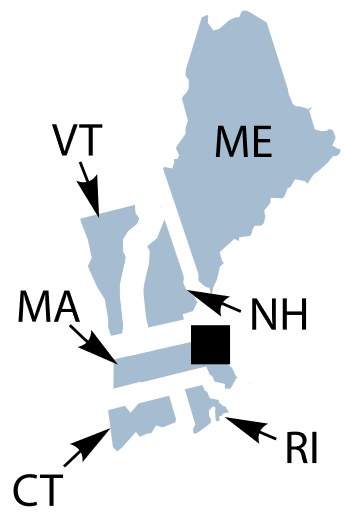
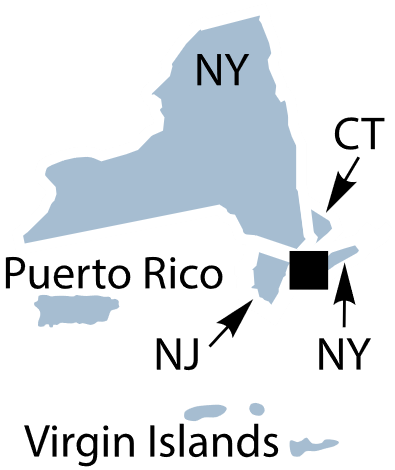
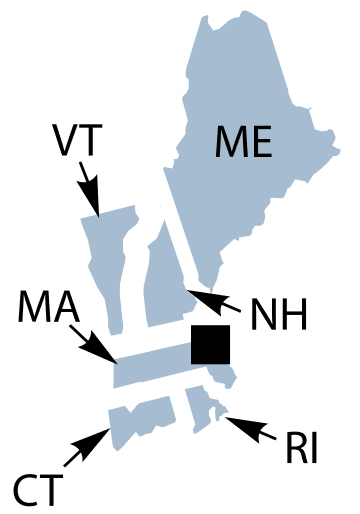
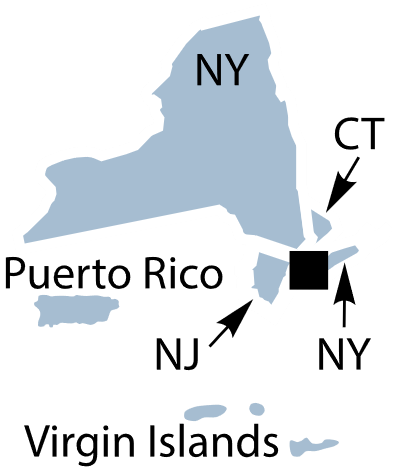
Specific regional observations include Boston (District 1) facing challenges in residential real estate due to inflation and tariffs, and a softened tourism outlook from Canada, Europe, and China. Manufacturers in this district are considering fully passing on tariff-related costs to consumers, with some shortening price quote durations to adapt quickly. In New York (District 2), firms reliant on imported goods are concerned about profit margins, and small retailers are seeing reduced sales. Auto dealerships, however, are experiencing a boost as customers preemptively buy vehicles before tariff-driven price increases. A notable issue in New Jersey is the high cost of training workers who lack proper vocational skills, suggesting a potential decline in vocational program enrollment.
Philadelphia (District 3) reports strong auto sales driven by consumers anticipating tariff-related price hikes, but overall businesses have tempered sales forecasts due to economic uncertainty. Consumer spending is more conservative, impacting businesses like coffee shops and restaurants, and the tourism industry is affected by government travel cancellations and a significant drop in international visitors. The non-participation of many restaurants in a local 'Restaurant Week' due to an inability to offer discounts highlights the financial pressures on the industry. Cleveland (District 4) sees slower foot traffic in food and hospitality, with concerns about future consumer spending. Bankers note increased core deposits, indicating a public shift from equities to more stable savings. Community service nonprofits report that low-to-moderate income households are increasingly relying on credit cards for basic needs, a trend that may be linked to higher debt-to-income ratios in certain metropolitan areas.
Richmond (District 5) shows stable employment but layoffs among federal government workers and contractors. Firms are postponing new investments due to tariff uncertainties, and manufacturers report a tepid economic climate. A proposed port call tax from the U.S. Trade Representative could significantly increase cargo handling costs and impact ports, including existing multi-million-dollar tariff bills on Chinese cranes. Atlanta (District 6) observes fewer available workers in some sectors due to immigration policies and a slight increase in workforce reductions. Companies are passing on tariff costs to consumers, and even non-tariff-affected firms are raising prices due to reduced competition. International tourism, especially from Canada, is declining. Timber demand is low, and lumber manufacturers face high uncertainty, affecting their long-term forecasts and potentially harming U.S. manufacturers whose markets are primarily overseas.
Chicago (District 7) experiences wage increases in line with historical averages, but manufacturers struggle with future planning due to tariff-related uncertainties in sale and input prices. Businesses have reduced capital expenditures, and hesitancy to make large purchases reflects economic uncertainty. Food pantries in the district face challenges in sourcing adequate amounts of protein, such as eggs and chicken, due to rising prices. St. Louis (District 8) reports widespread business uncertainty related to tariffs, with one retailer expecting a 5% cost hike. Rainy weather has negatively impacted delivery firms and delayed crop planting for agricultural producers, though government supports are expected to mitigate losses for row-crop farms. The bourbon industry in Kentucky faces planning difficulties due to constantly changing trade rules, potentially affecting hiring decisions. Minneapolis (District 9) sees metal prices increasing rapidly, and manufacturers experiencing a bump in orders as customers build inventories before anticipated price hikes. Wage increases are declining, raising concerns about whether wages are keeping pace with inflation, particularly for average households. Kansas City (District 10) notes weakened expectations for business activity and consumer spending, with heightened uncertainty impacting job growth and leading to a reluctance to add labor. Travel bookings are down, and food pantries report funding cuts affecting services for seniors and overall food price pressures. Dallas (District 11) faces concerns about planning due to tariff uncertainty, immigration policies, federal layoffs, and spending cutbacks. Airlines see softened demand from reduced federal government travel, and energy executives anticipate layoffs. Nonprofits relying on federal funding are trimming budgets and reducing programming, with landlords becoming less willing to rent to tenants dependent on federal funds. San Francisco (District 12) observes cautious spending from households and businesses, with a deteriorating labor market outlook leading to layoffs. While wages saw slight growth, minimum wage hikes pushed up some service sector wages. Imported goods and inputs have higher prices, impacting a wide range of materials and retail food items. Leasing activity for warehousing, retail, and wholesale space has decreased as tenants pause expansion plans, and cross-border tourism with Canada and Mexico has dropped significantly.
#FederalReserve #BeigeBook #EconomicTrends #TariffPolicy #RegionalEconomy #BusinessUncertainty #ConsumerSpending #EmploymentTrends #TourismImpact #Inflation #FederalReserve #BeigeBook #EconomicTrends #TariffPolicy #RegionalEconomy #BusinessUncertainty #ConsumerSpending #EmploymentTrends #TourismImpact #Inflation
 No comments yet
Story ideas from the Federal Reserve’s Beige Book: March 2024
Story ideas from the Federal Reserve’s Beige Book: December 2024

The Block 2024 Rumpus And Office Reveals


January/February 2024 Resources


Tom Fereday's 2025 NAU Collection: Four Pieces That Speak Through Materia