1/14
Story ideas from the Federal Reserve’s Beige Book: December 2024
The Federal Reserve's Beige Book, published in December 2024, offers a detailed, anecdotal overview of economic conditions across its 12 districts, serving as a valuable resource for journalists seeking localized story ideas. This edition, compiled from reports by district directors and interviews with business owners, community groups, and economists during October and November, reveals varied economic sentiments and trends. Across districts, prices showed a modest increase, but profit margins for firms were often reduced due to rising input costs. A notable national trend was a slowdown in home furnishing sales, attributed to homeowners' reluctance to enter the market given high interest rates for new purchases.
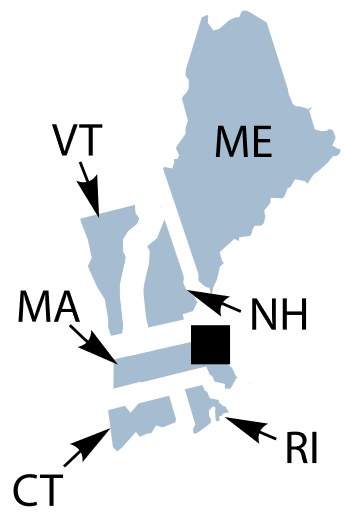
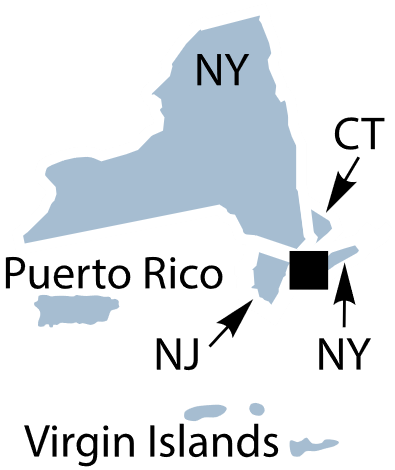
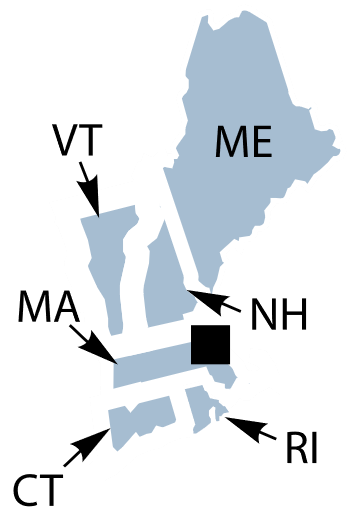
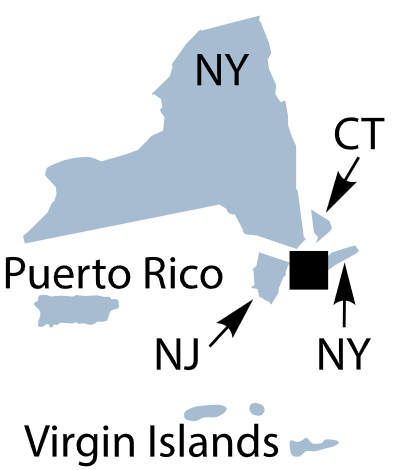
District-specific insights highlight diverse challenges and opportunities. In Boston (District 1), a warm fall negatively impacted cold-weather sales, but retailers were optimistic about the holiday season. A persistent shortage of qualified managerial applicants in the restaurant sector was identified as a potential story. New York (District 2) experienced softening labor demand, particularly for skilled manufacturing workers, though tourism in New York City remained strong. Federal guidance allowing states to use Medicaid for social determinants of health presents an angle for health-related reporting. Philadelphia (District 3) noted slight price increases, with manufacturers anticipating further hikes and expressing concerns about tariffs. The contrasting housing markets—high prices for single-family homes versus increased competition and incentives for renters in multifamily units—offer a narrative on market dynamics.
Cleveland (District 4) saw some manufacturers reduce workforces due to margin compression, but overall hiring expectations were positive, especially in business services and auto repair. A significant story idea emerged around rising childcare costs and staffing shortages, impacting women's workforce participation. Richmond (District 5) reported reduced consumer spending where Hurricane Helen hit, offset by increased demand for repair services. Residential construction projects were noted for developers' creative approaches to zoning, suggesting a story on local government and trade association dynamics. Atlanta (District 6) observed a surplus of entry-level workers and increased interest from retirees seeking employment. The growing demand for renewable energy and electricity, coupled with concerns about existing infrastructure, signals an important story on grid modernization and its economic implications for fast-growing cities.
Chicago (District 7) experienced rising wages for some retail workers due to cost of living increases, but also reports of forgone adjustments in manufacturing. Consumers showed price sensitivity, driving sales at discount stores. A unique agricultural story focused on the "best ever" tomato crop, despite overall low commodity prices for corn and soybeans. St. Louis (District 8) witnessed a decline in spending across various industries and income brackets, with consumers opting for more basic goods. An interesting cultural and economic story involves wealthy clients reducing spending on professional holiday decorators, indicating a shift in luxury service consumption. Minneapolis (District 9) faced labor challenges in rural areas, with one Montana grocery store owner recruiting immigrant workers and offering housing, highlighting federal immigration policy's regional effects. Kansas City (District 10) reported abnormally low worker turnover, but low-wage workers were still achieving wage gains through job hopping, indicating a story on labor market mobility. Dallas (District 11) saw increased business air travel and optimism among retailers for 2025, despite concerns over potential tariffs. A critical story arose from an executive order directing hospitals to collect citizenship information, leading to increased demand for social services from immigrants and fear among some families seeking medical care. Finally, San Francisco (District 12) noted reduced mental health services coverage by some firms due to rising insurance costs, and elevated demand for food assistance. A downturn in California wine sales, particularly from Asian markets, presents an opportunity to explore the broader wine industry's challenges and international demand shifts.
These varied reports collectively underscore the dynamic and often contrasting economic conditions across different regions and sectors, offering a rich tapestry of potential stories for journalists.
#FederalReserve #BeigeBook #EconomicIndicators #RegionalEconomy #LaborMarket #HousingMarket #ConsumerSpending #Agriculture #Retail #PublicPolicy #FederalReserve #BeigeBook #EconomicIndicators #RegionalEconomy #LaborMarket #HousingMarket #ConsumerSpending #Agriculture #Retail #PublicPolicy
 No comments yet
Story ideas from the Federal Reserve’s Beige Book: March 2024

Material matters - 31 Dec 2025 - The English Home Magazine


Story ideas from the Federal Reserve’s Beige Book: April 2025

The Block 2024 Rumpus And Office Reveals


January/February 2024 Resources


This is the Tile of the Year for 2024