1/5
Smart home technology still isn't good enough for my latest home upgrade project and this is a huge problem
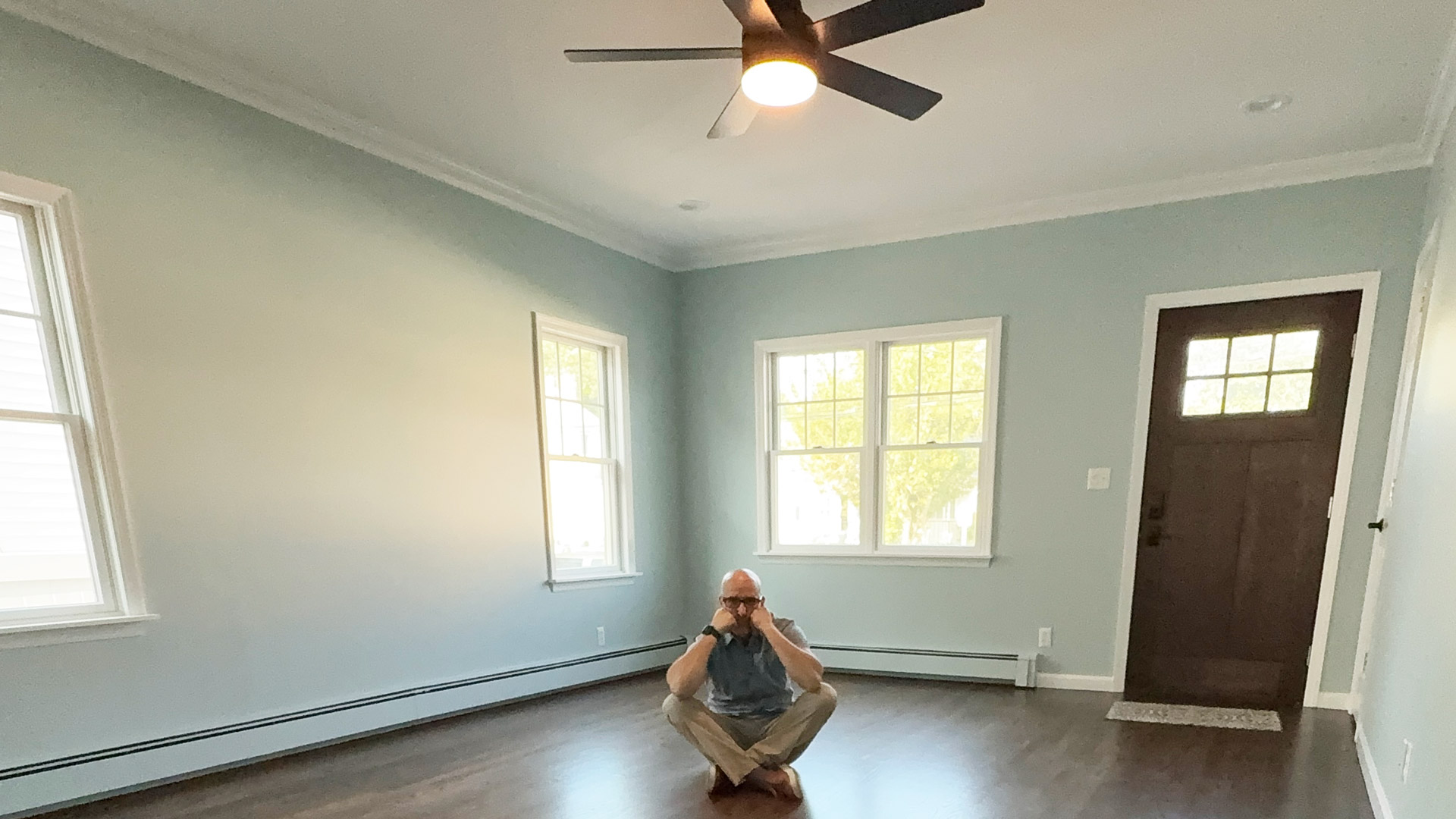
The author embarked on a living room renovation project, which included redoing wood floors, replacing doors, and adding a ceiling fan. This upgrade presented an opportunity to integrate smart home technology, but the author approached it with skepticism due to past experiences with unreliable and complex smart devices. Despite initial aspirations for a fully smart living room, the author ultimately decided against incorporating many smart features due to concerns about ease of use, long-term support, and interoperability issues.
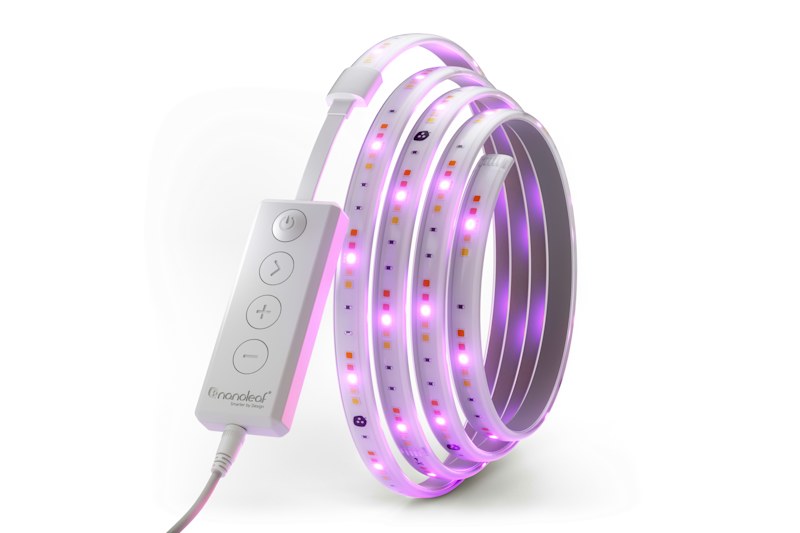
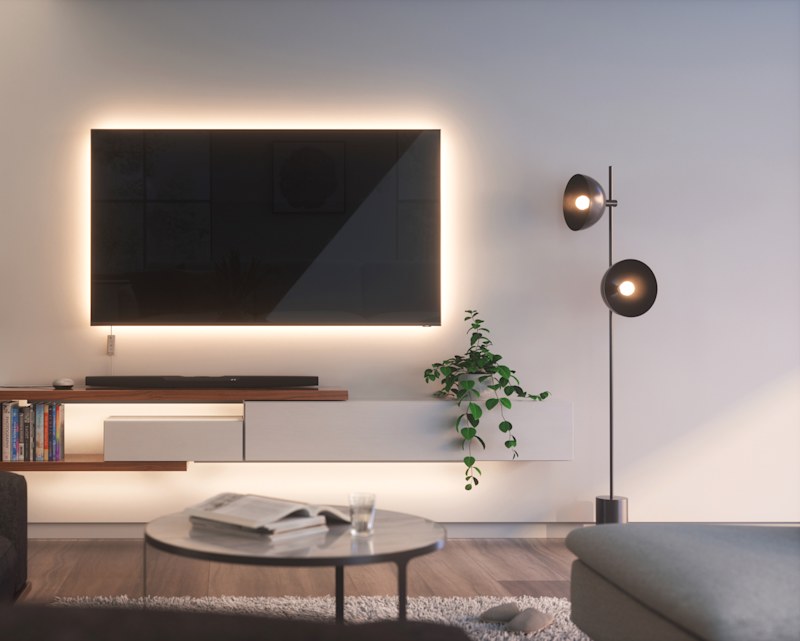
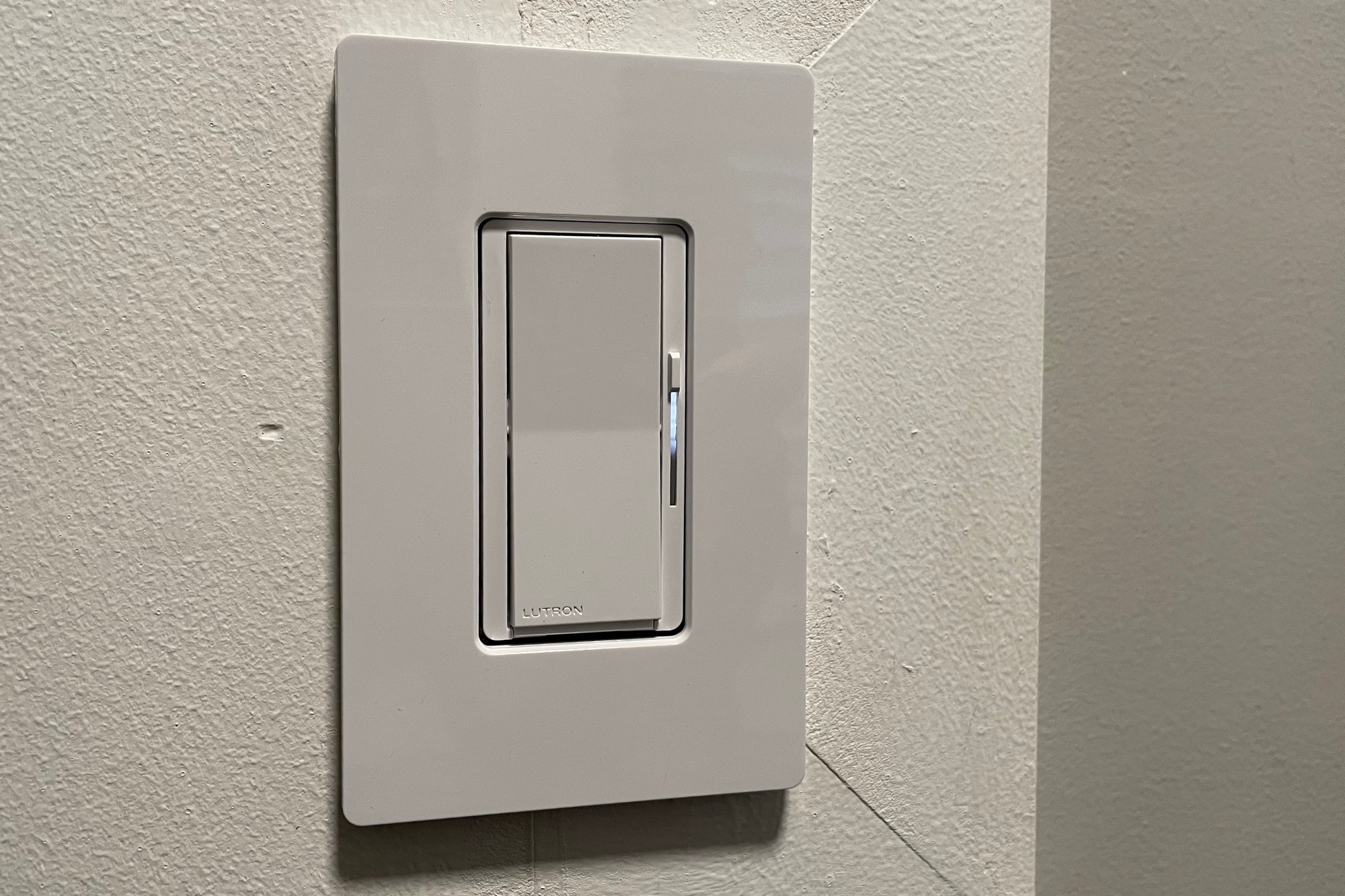
The renovation involved several key decisions regarding technology. For instance, instead of a smart ceiling fan, the author chose a remote-controlled unit. The rationale behind this decision was the potential for smart fan apps to fail, lose connection, or become unsupported if the manufacturer ceased operations. Similar considerations led to the choice of analog LED lights, controlled by a traditional switch, avoiding the complexity of smart lighting systems that might require app control or proprietary hubs. The author highlights that the simple setup of these non-smart devices ensures consistent functionality without concerns about software updates or network connectivity.
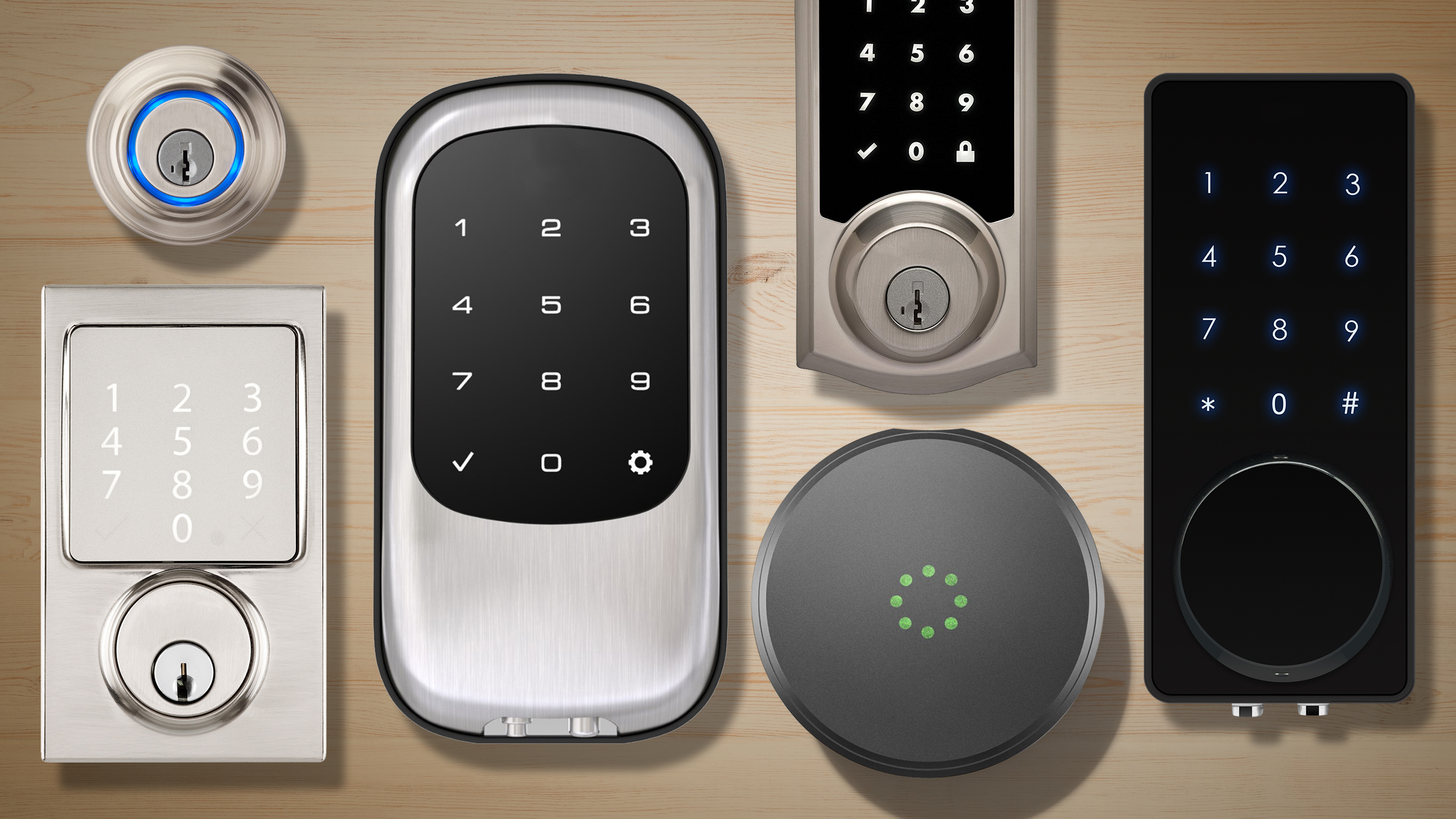
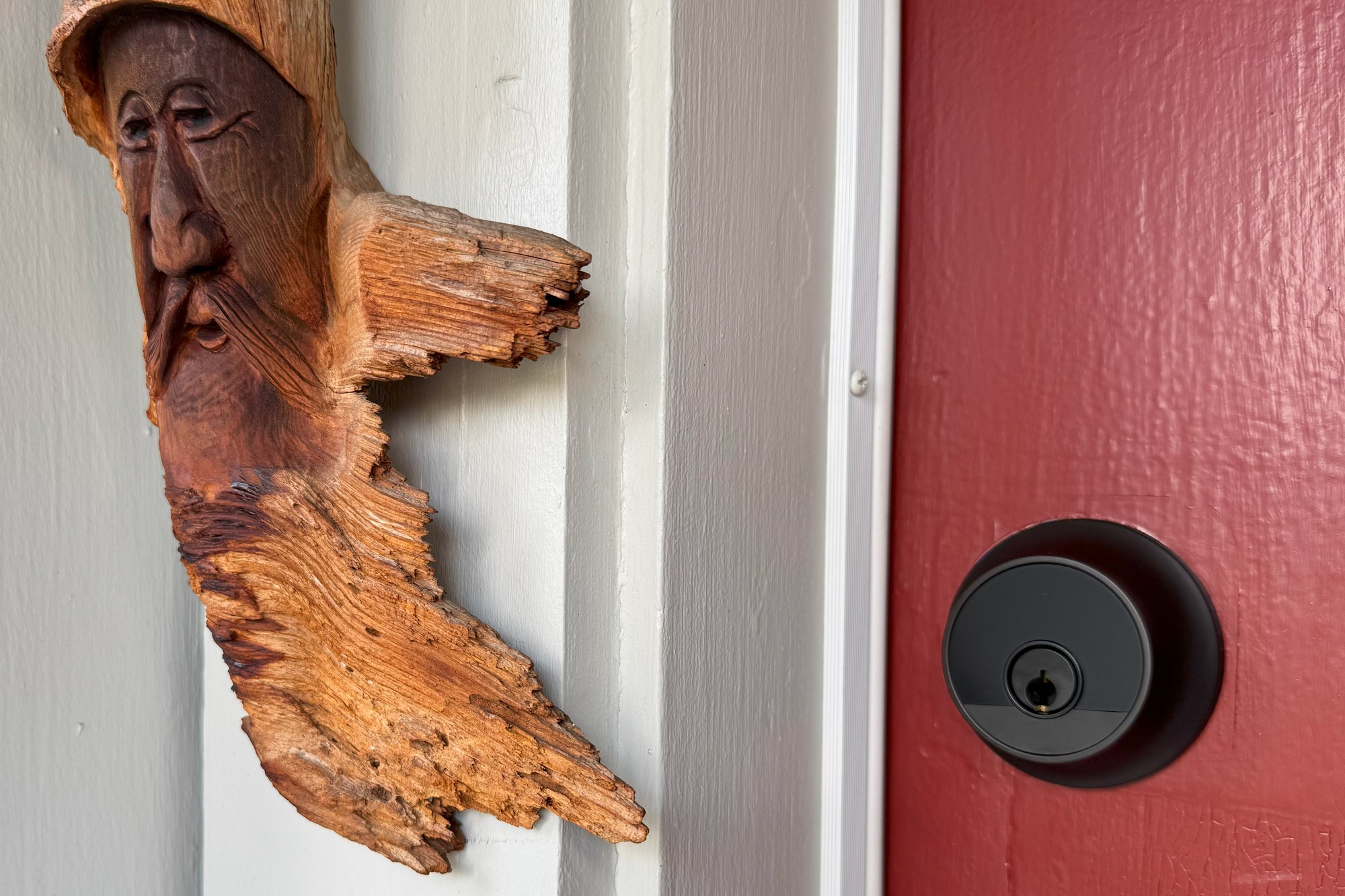
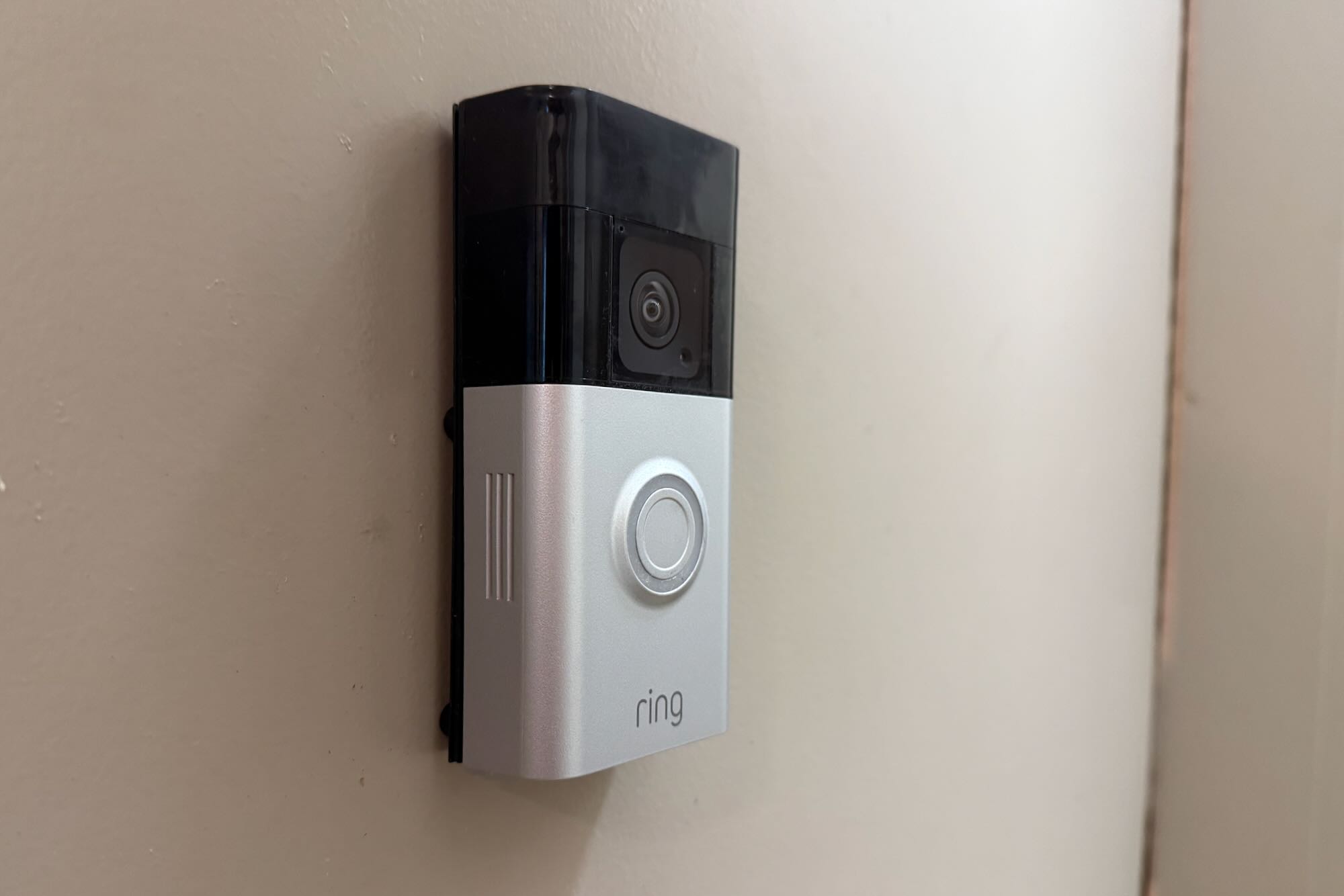
However, the author did opt for a smart lock, replacing an older Nest Video Doorbell with a Ring Video Doorbell to support testing of Alexa+. While the Ring doorbell works effectively, it lacks integration with Google Home, where other security cameras are managed, creating a fragmented smart home ecosystem. For the front door, a Schlage Encode smart lock was chosen for its functionality and Apple HomeKit compatibility, although it also does not integrate with Google Home. The Apple Home system further complicated matters by prompting for an update without specifying the device, and requiring simultaneous updates from multiple user devices to proceed.
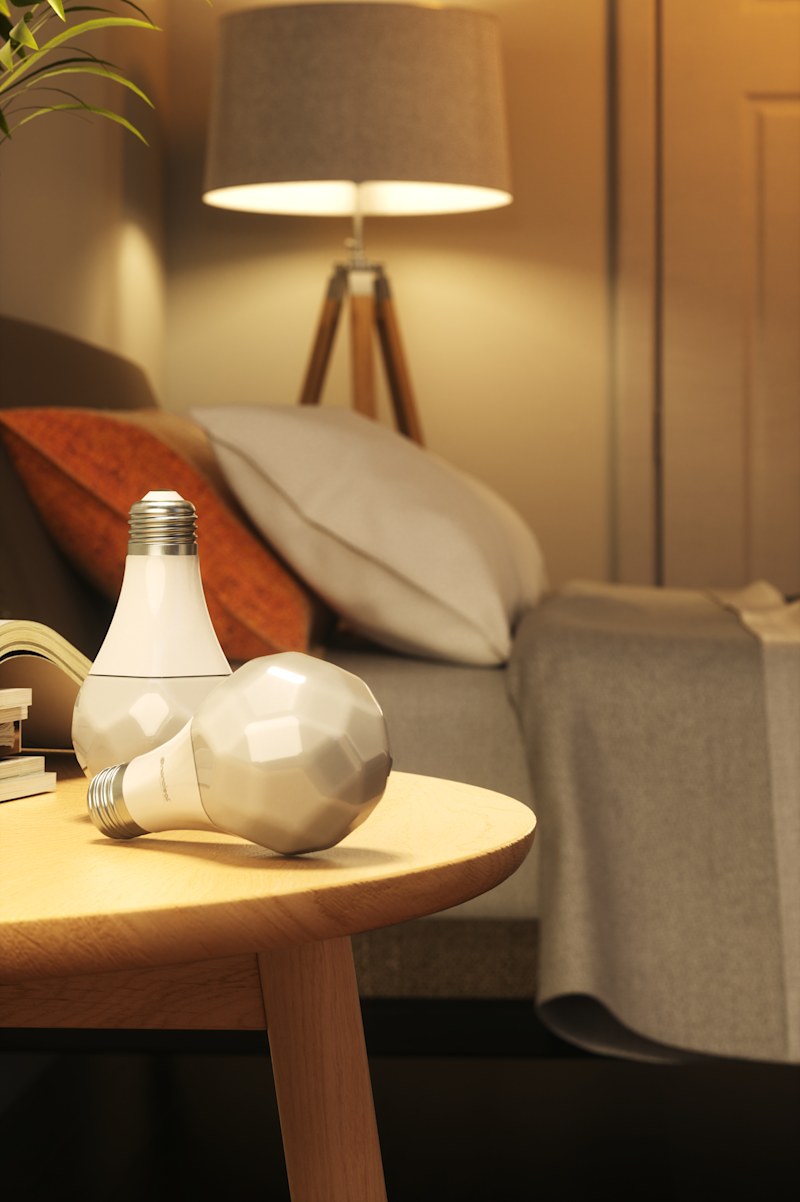
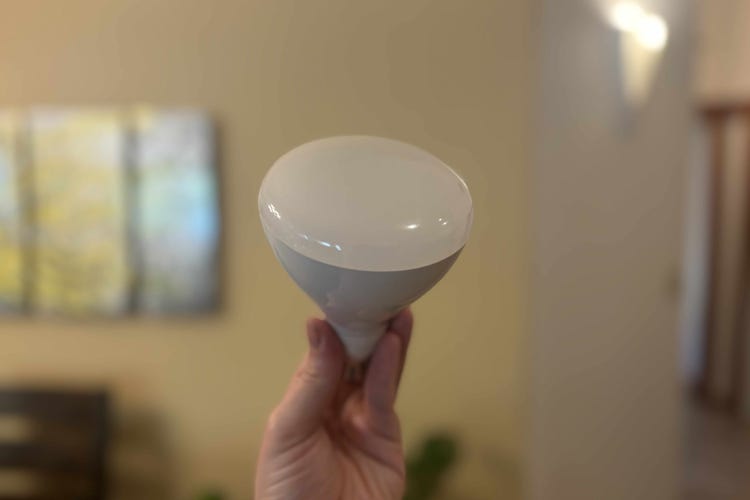
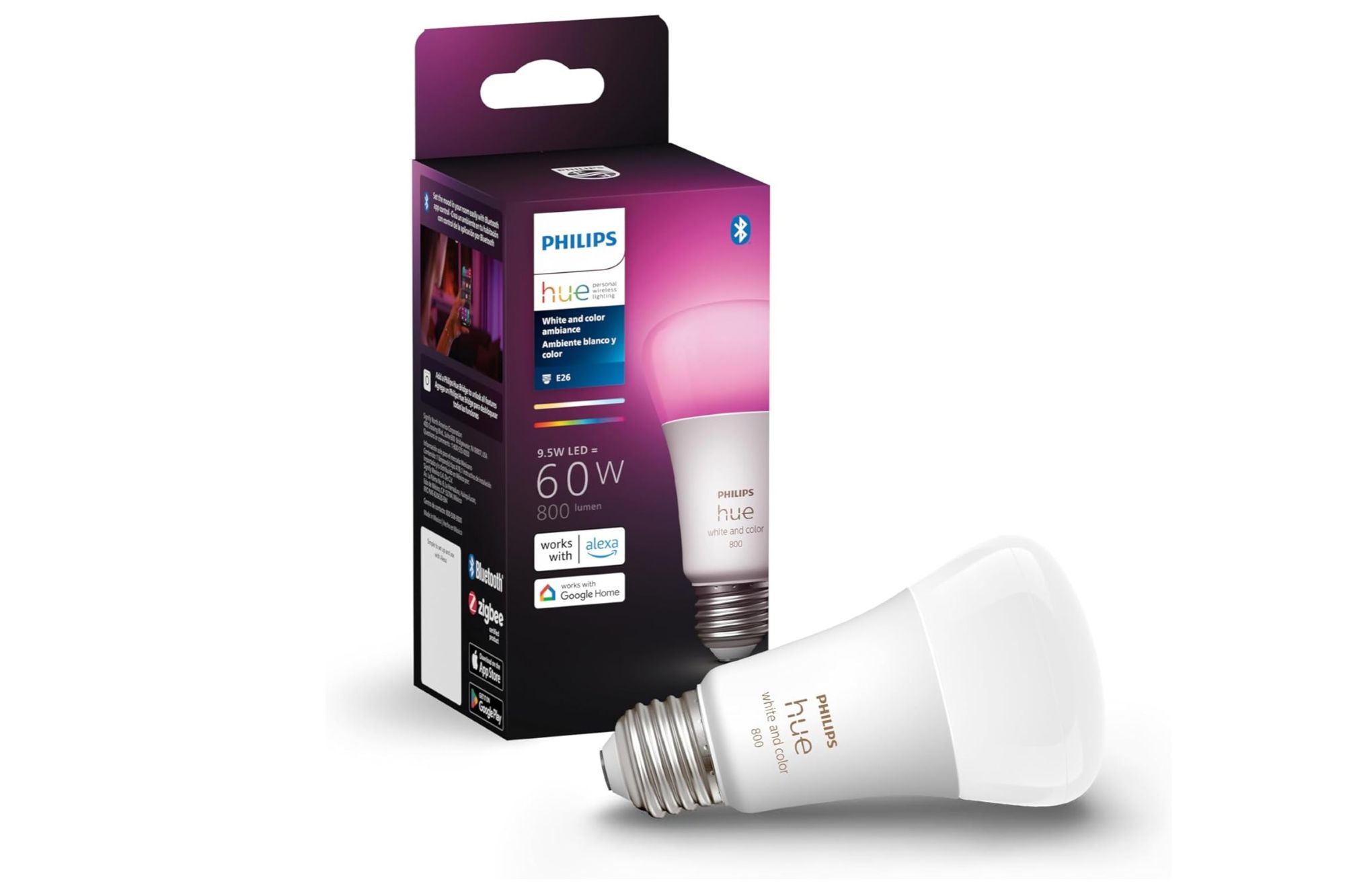
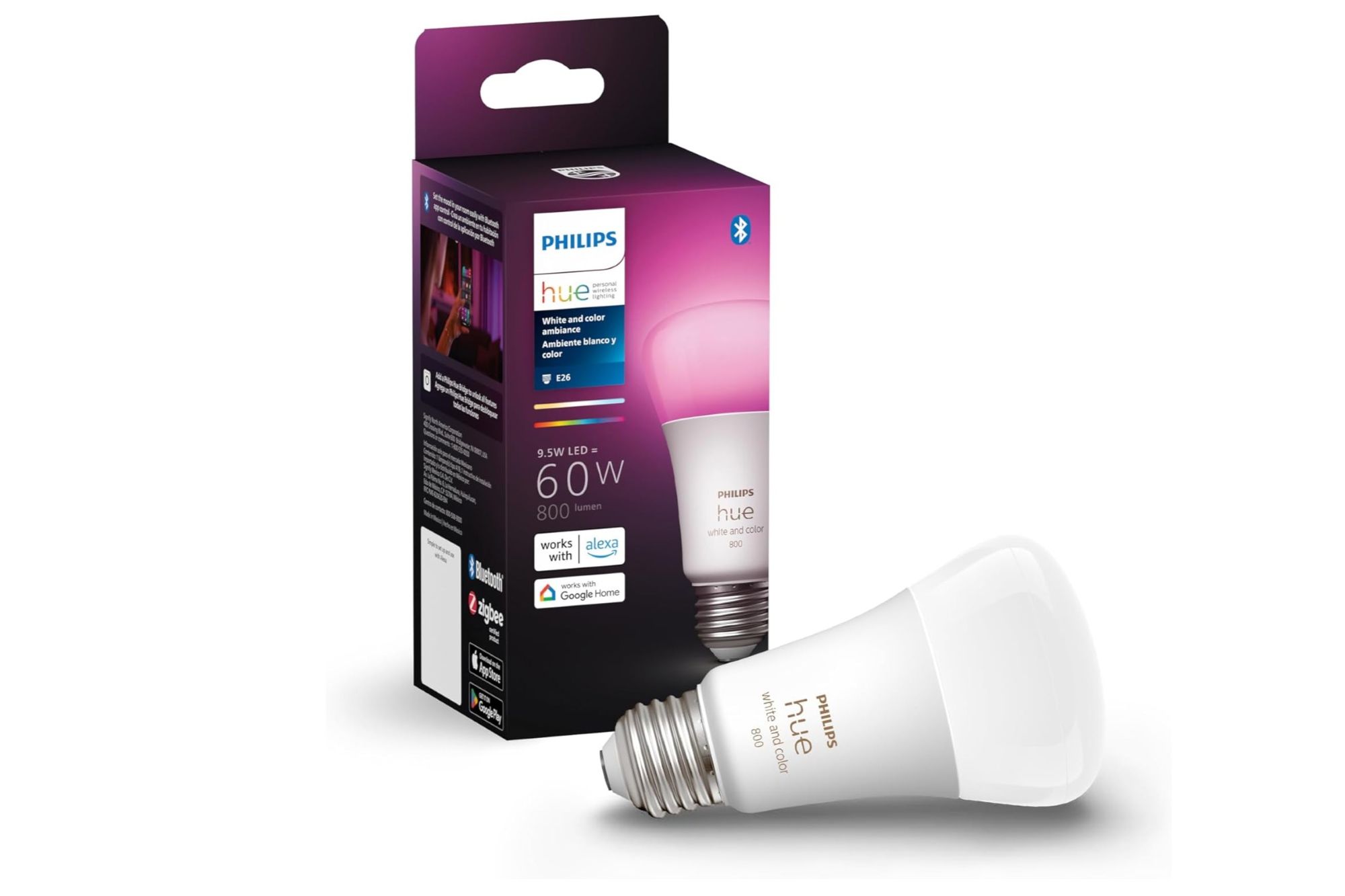
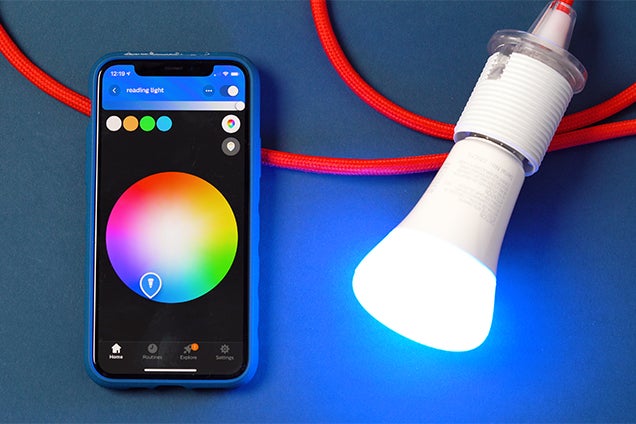
Another attempt at smart integration involved a Cync smart lightbulb for the porch light. Despite its "Made for Google Home" label, direct setup through Google Home failed. The author had to install the manufacturer's Cync app, create an account, manually connect the bulb, and then link it to Google Home. Setting up basic routines for sunset and sunrise activation also proved cumbersome, requiring two separate routines with limited customization options, and an unclear process to ensure they were active. This experience underscored the persistent challenges in setting up and managing even seemingly simple smart devices.
The author concludes that the vision of a fully automated smart home remains a distant dream. The current landscape of smart technology is characterized by fragmented platforms, interoperability issues, and devices that often cease to function predictably. Consequently, the author decided to limit smart technology adoption to areas where the benefits clearly outweigh the complexities, prioritizing reliability and simplicity for most new additions to the living room. The newly ordered living room furniture will not be smart, reflecting a pragmatic approach to home technology based on real-world usability challenges.
#SmartHome #LivingRoomUpgrade #HomeAutomation #SmartDevices #GoogleHome #AppleHomeKit #TechnologicalChallenges #ConsumerTechnology #SmartHome #LivingRoomUpgrade #HomeAutomation #SmartDevices #GoogleHome #AppleHomeKit #TechnologicalChallenges #ConsumerTechnology
0 комментариев всего
 Комментариев пока нет
Вам также может понравиться
This smart lighting strip gave me 12 hours of hell
Smart home must-haves – the 8 smart products to upgrade your home and lifestyle

Renters, rejoice! 8 easy smart home upgrades that won’t leave a trace

Electrical Tech Co. Teams With A-Lister to Make New Smart Product

Best Smart Home Devices of 2026: Home Upgrades for Anyone


The next generation Nest thermostat
My family spent $36,000 renovating our home after 35 years. These 7 upgrades had the most dramatic effect.
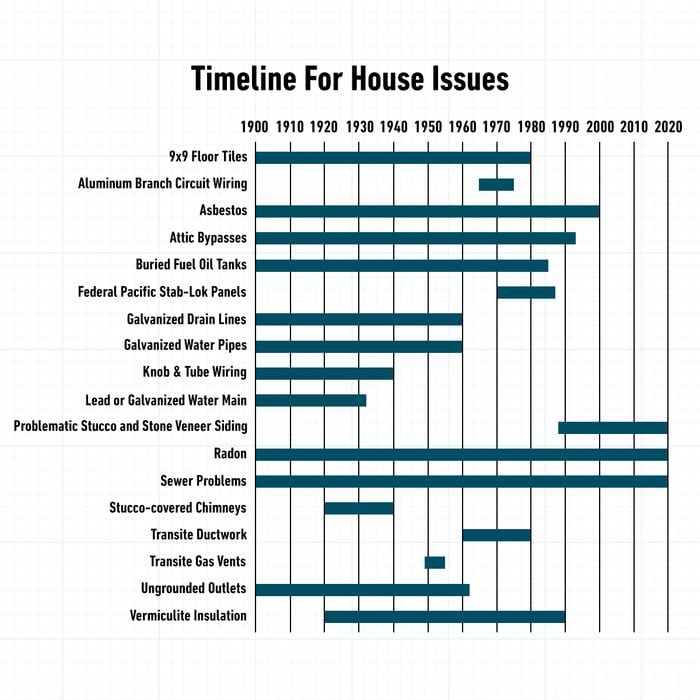
Common Older Home Problems


Discussing Smart Home Automation


10 High-Tech Home Innovations
The best smart home products of 2025-26
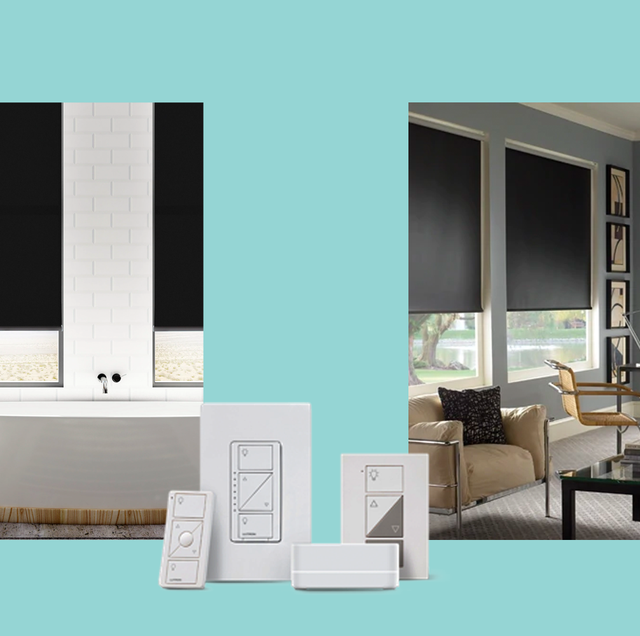
7 Best Smart Blinds and Smart Shades, According to Pros

Installing smart-home technology in an old house? It’s a lot easier — now
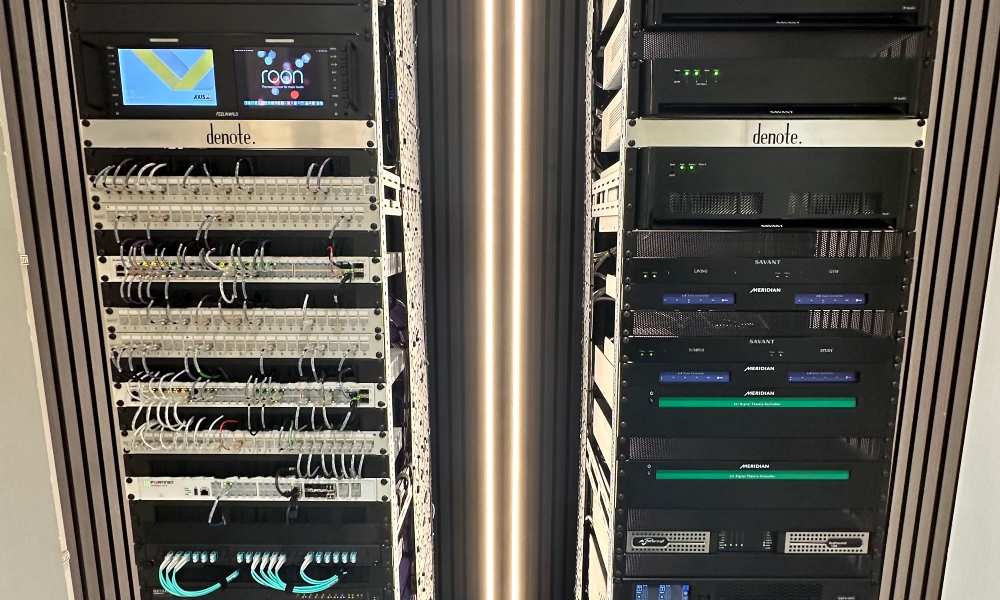
From Cupboard to Equipment Hub, This Server Rack Setup is Remarkably Compact


6 Easy Smart Home Essentials for Renters


I Tried New AI Project Planning Tools From The Home Depot and Lowe's—Here's What Happened

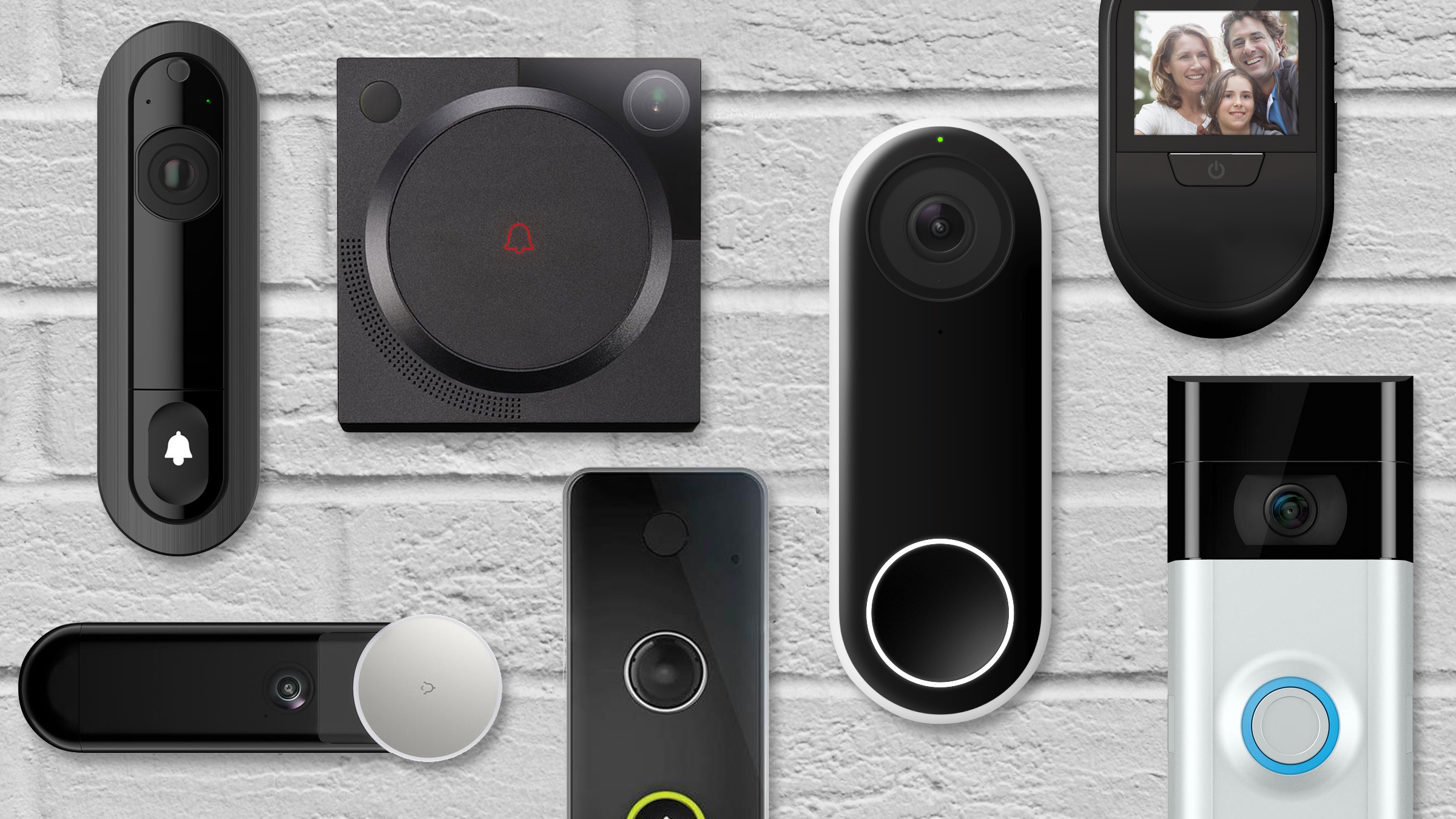
Latest Smart Home Security Best Picks
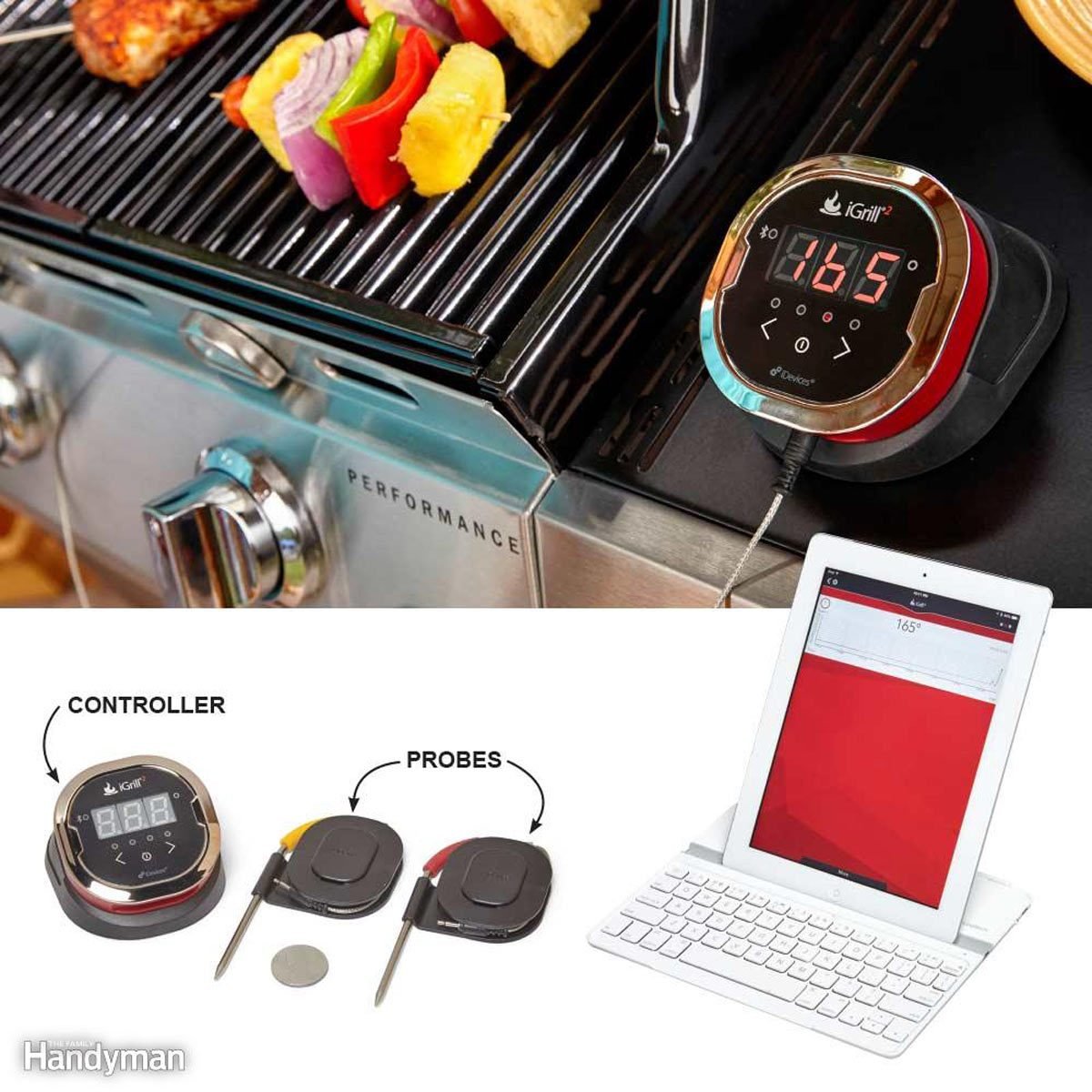
15 Cool Tech Gadgets That Turn Your Home into a Smart House
30 Home Features That Jumped in Popularity This Year


Property Brothers’ Tips for Older Homeowners | Members Only