Rustic and Elegant: French Country Decor and How to Embrace It in Your Space
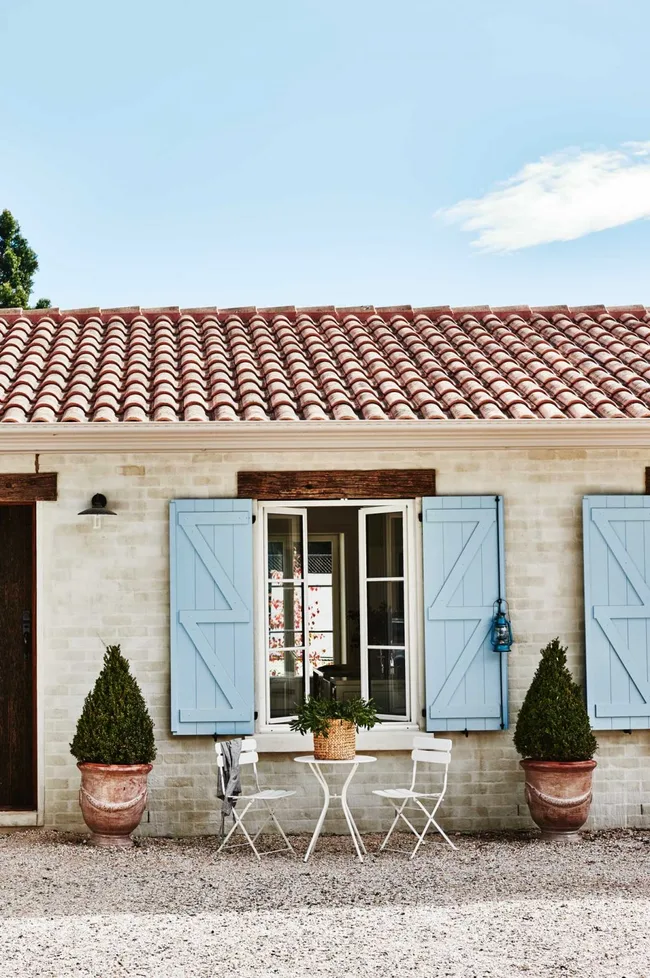
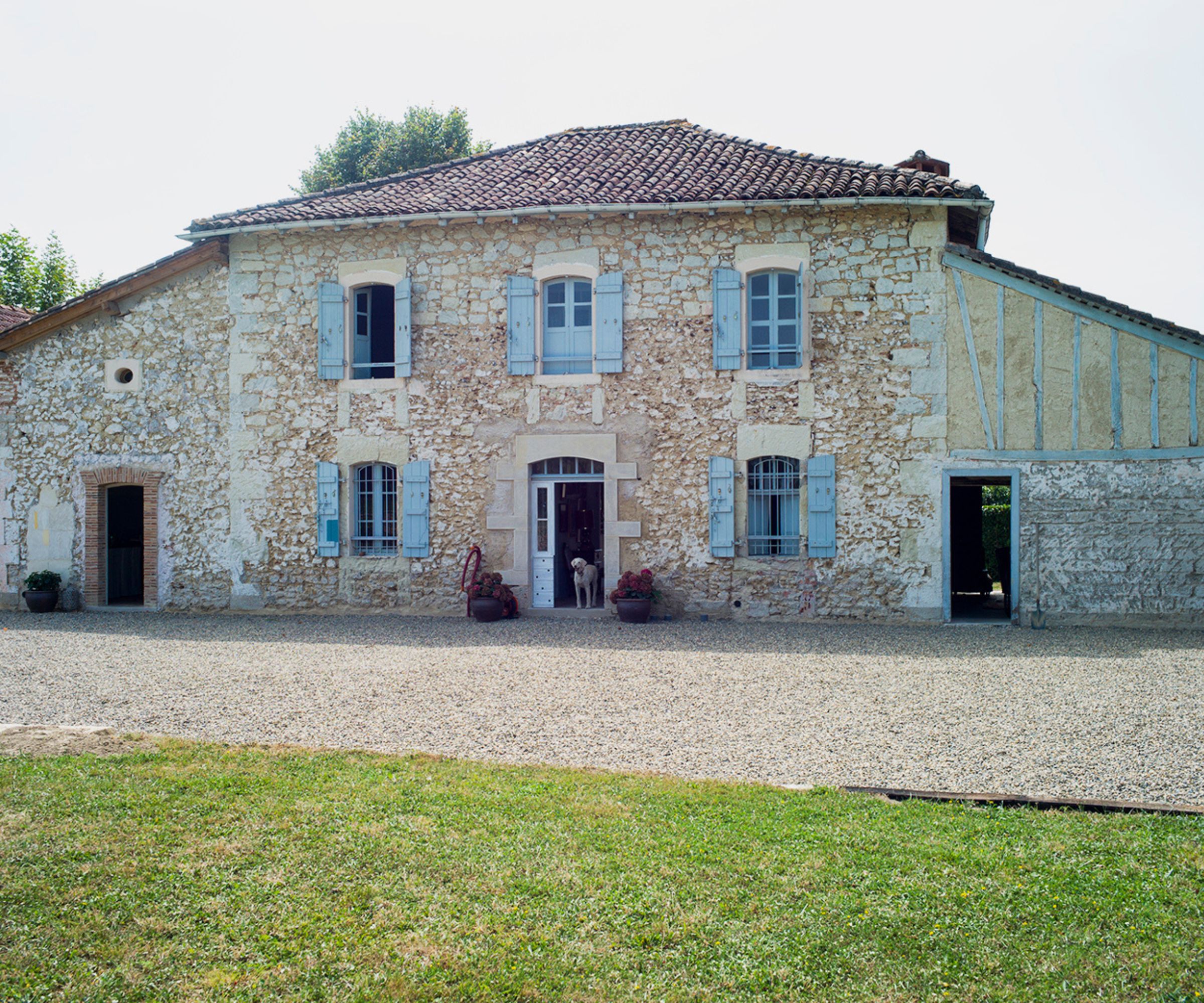
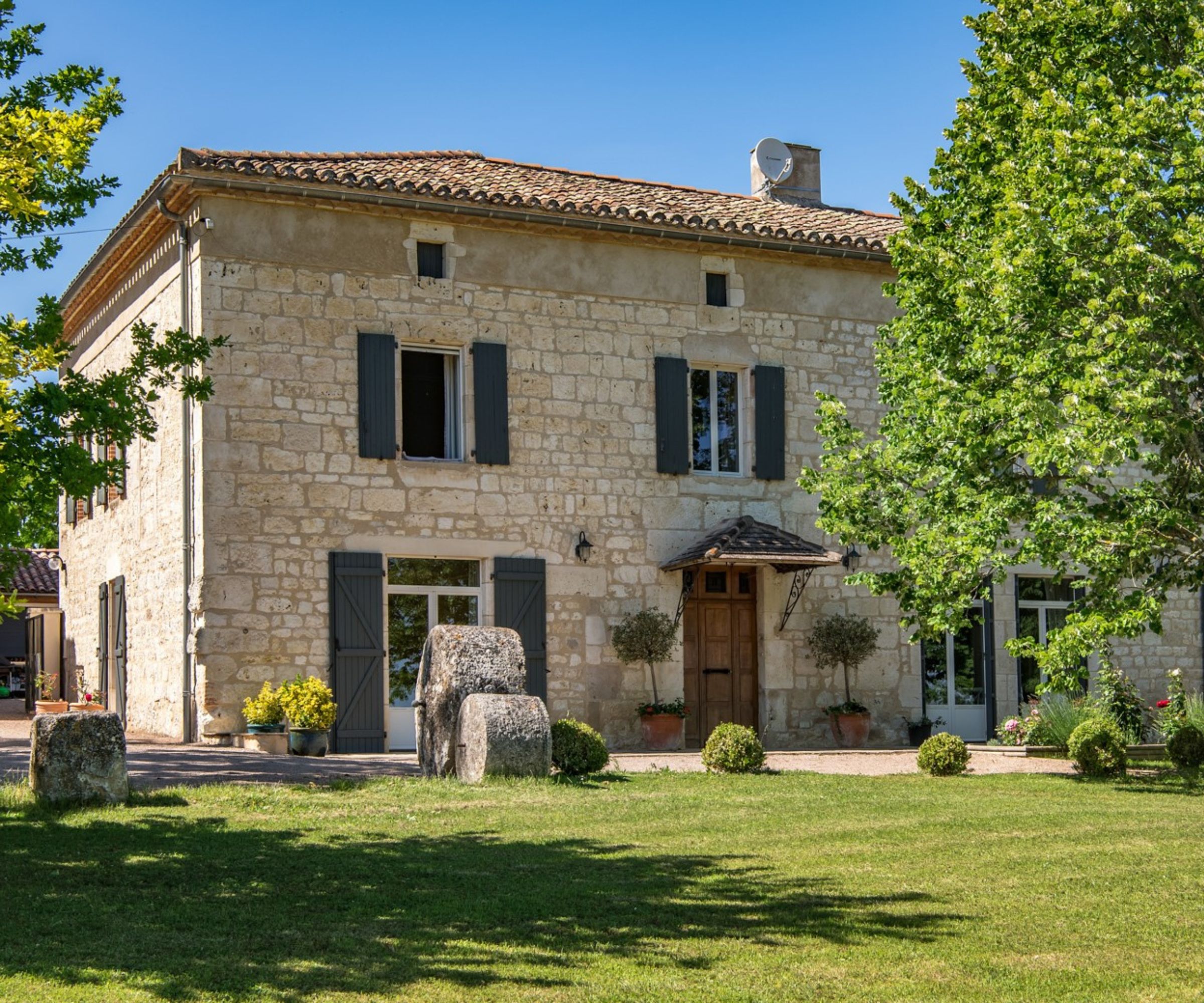
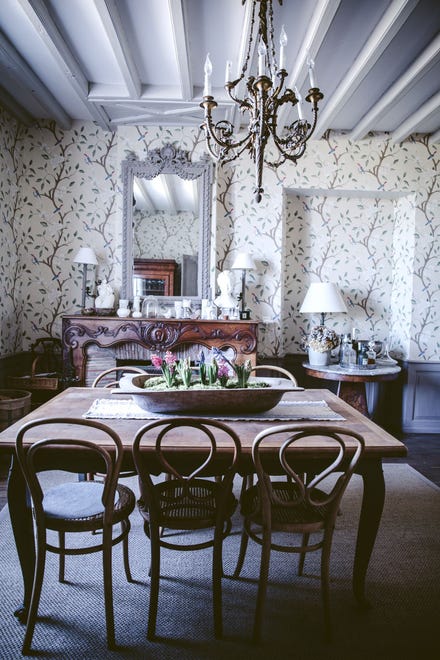
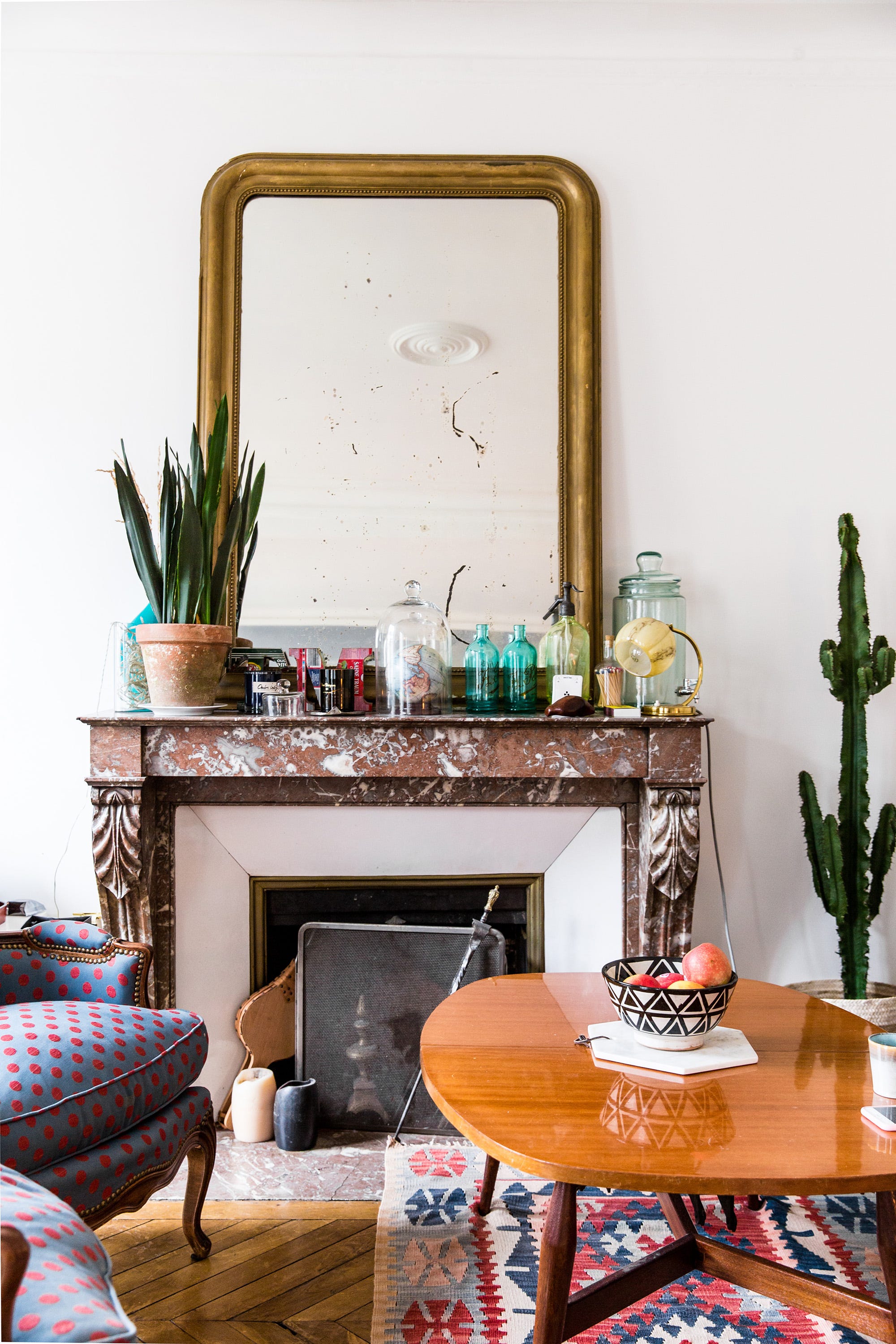
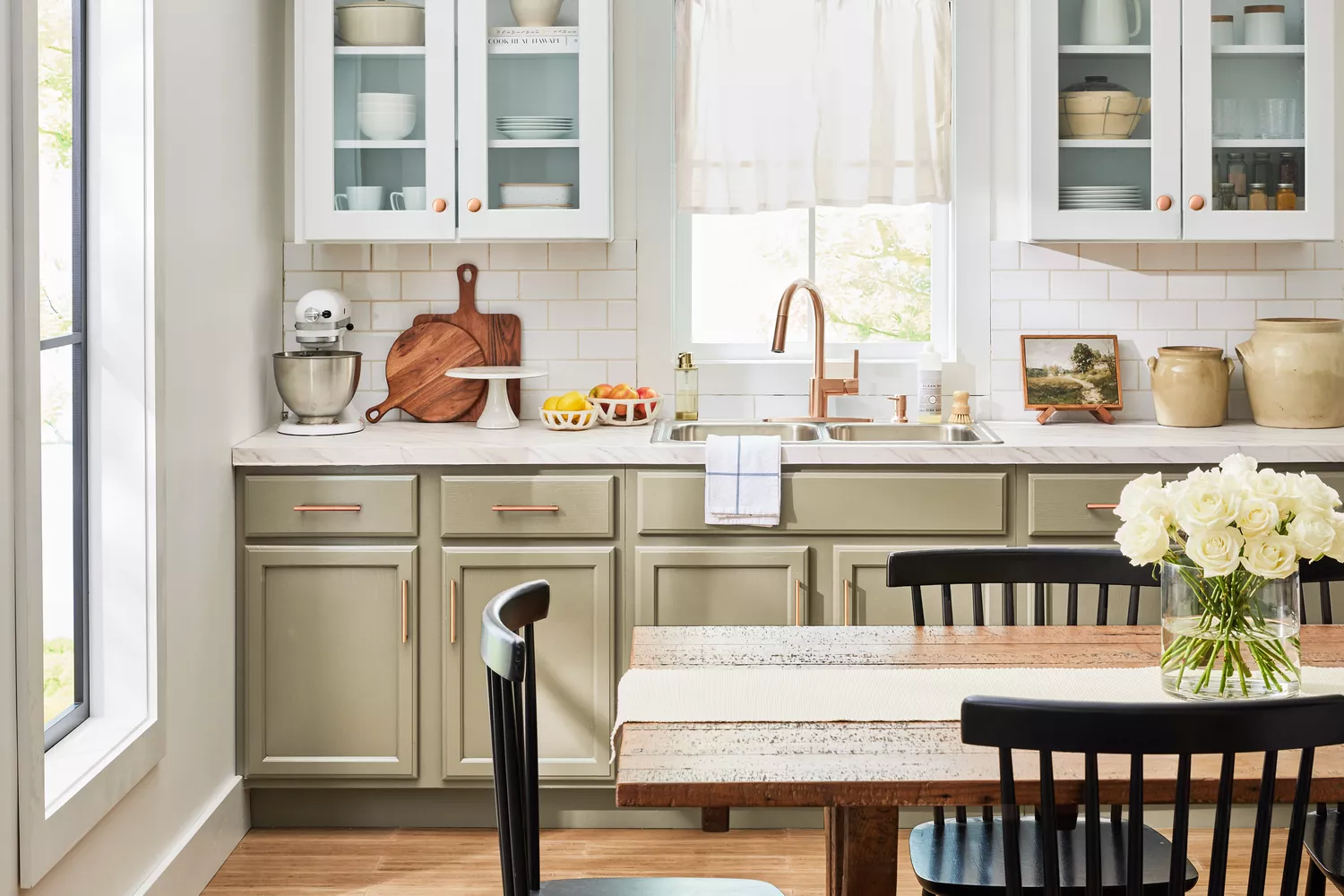
French country decor is a design style that blends rustic and elegant elements, drawing inspiration from the French countryside. This style, which originated in the 17th century, is characterized by antique furnishings, ornate details, weathered finishes, a palette of warm neutrals and soft colors, and rustic patterns. It aims to create a timelessly elegant yet comfortable and lived-in atmosphere. While often confused with similar styles such as French provincial, farmhouse, and shabby chic, French country distinguishes itself through its balanced approach, avoiding the extreme rusticity of farmhouse or the overt distress of shabby chic, and maintaining a refined polish without being overly fancy.
The article clarifies the distinctions between French country and related styles. French provincial, for instance, typically features a more formal and elegant aesthetic with richer colors, bolder patterns, and gold accents, although some of these elements can be selectively incorporated into French country design. Farmhouse style, while also drawing from rural aesthetics, is primarily inspired by traditional American farms and emphasizes comfort, airy spaces, and natural materials, often lacking the touch of Parisian elegance found in French country. Shabby chic, a sub-aesthetic of French country popularized in the 1980s by Rachel Ashwell, leans towards a more rustic and relaxed feel, contrasting with the elegant and refined focus of French country.
The historical context of French country style dates back to the early 1700s, when King Louis XV's excursions to the countryside popularized a regal-meets-rustic design. The style later resurfaced in the U.S. in the 1920s, influenced by soldiers returning from World War I, who brought a desire for French manor-like architecture. Its popularity surged again in the 1970s and gained significant traction in American interiors in the 1990s, largely due to designer Charles Faudree, evolving slightly to be more casual while retaining its elegant essence.
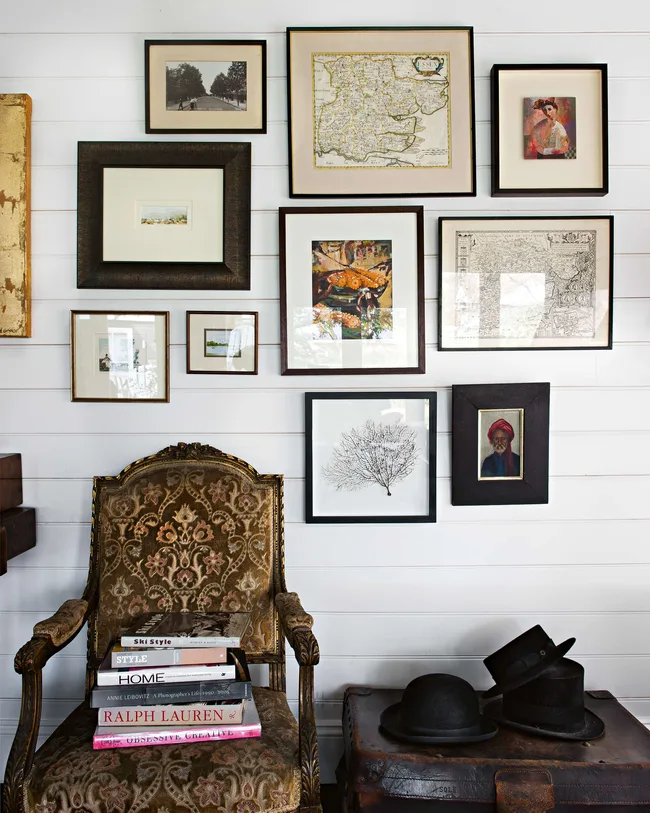
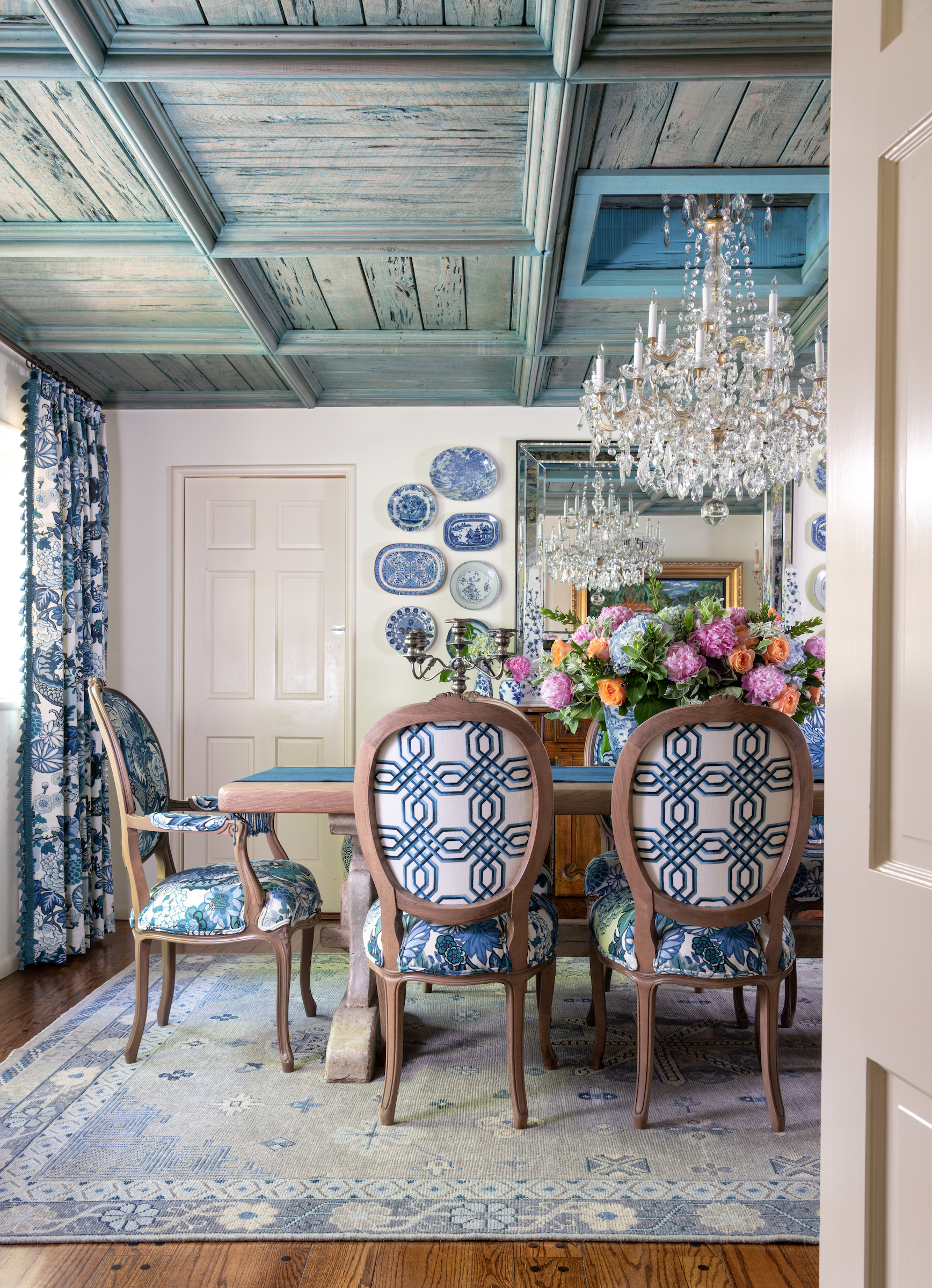
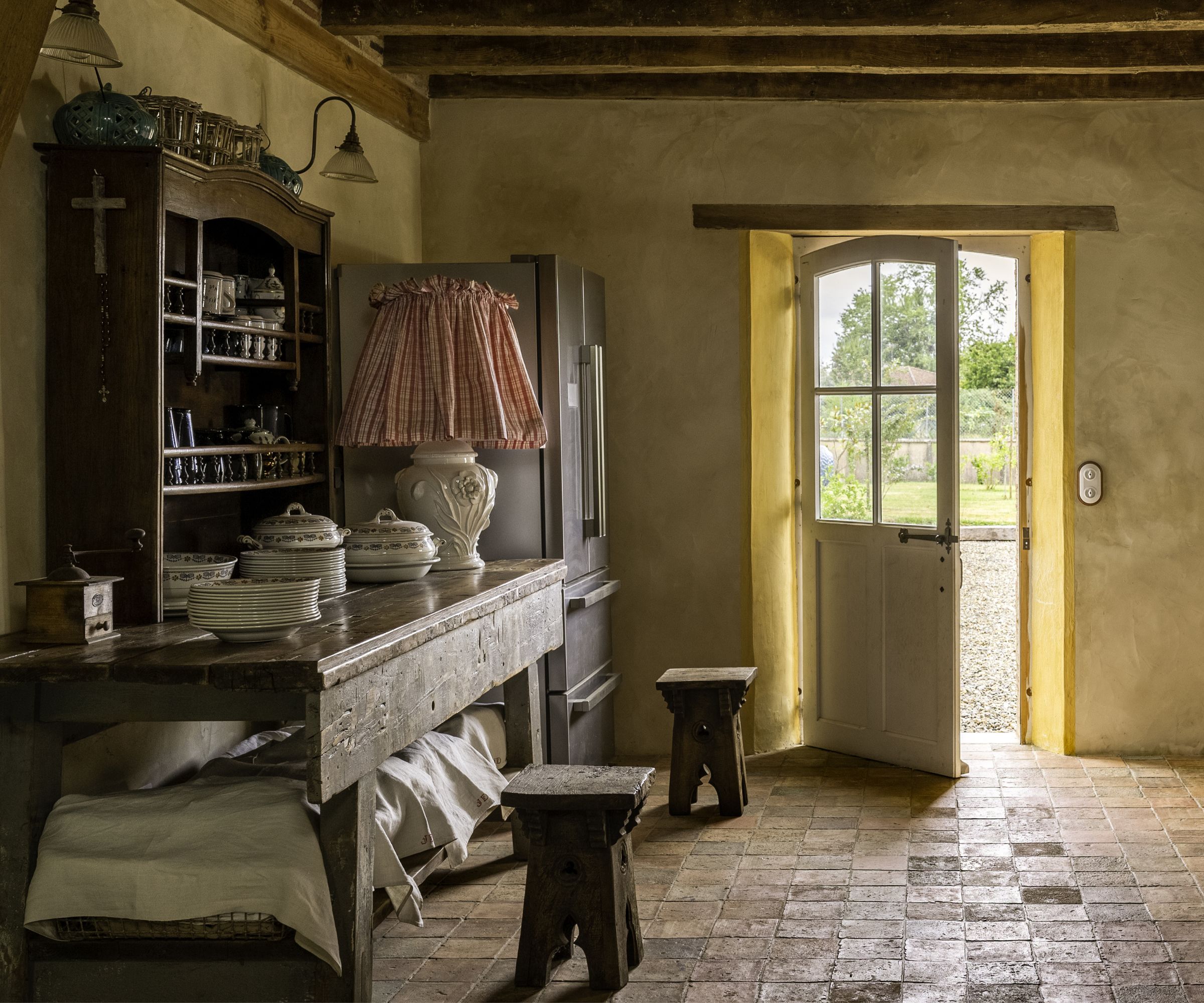
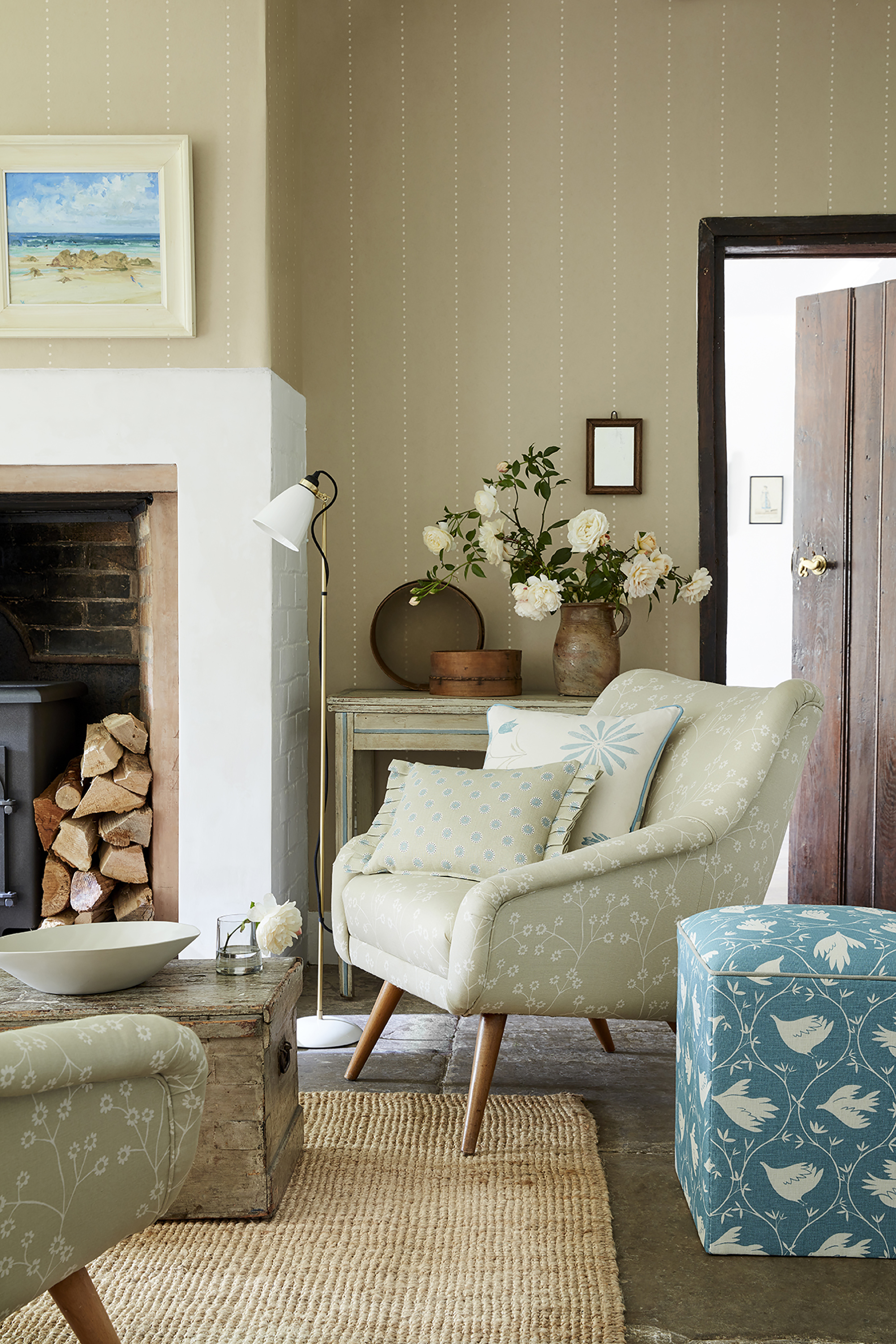
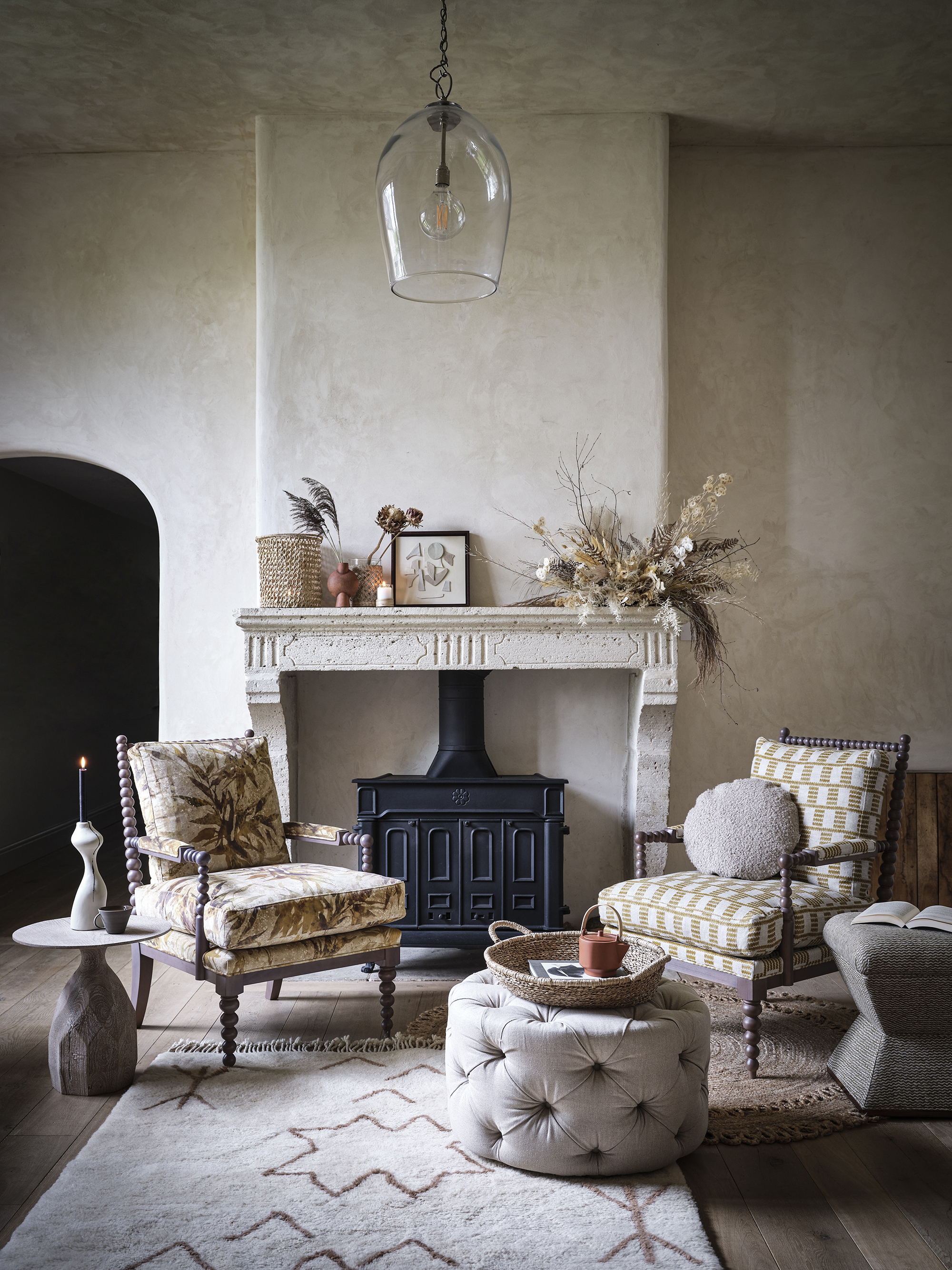
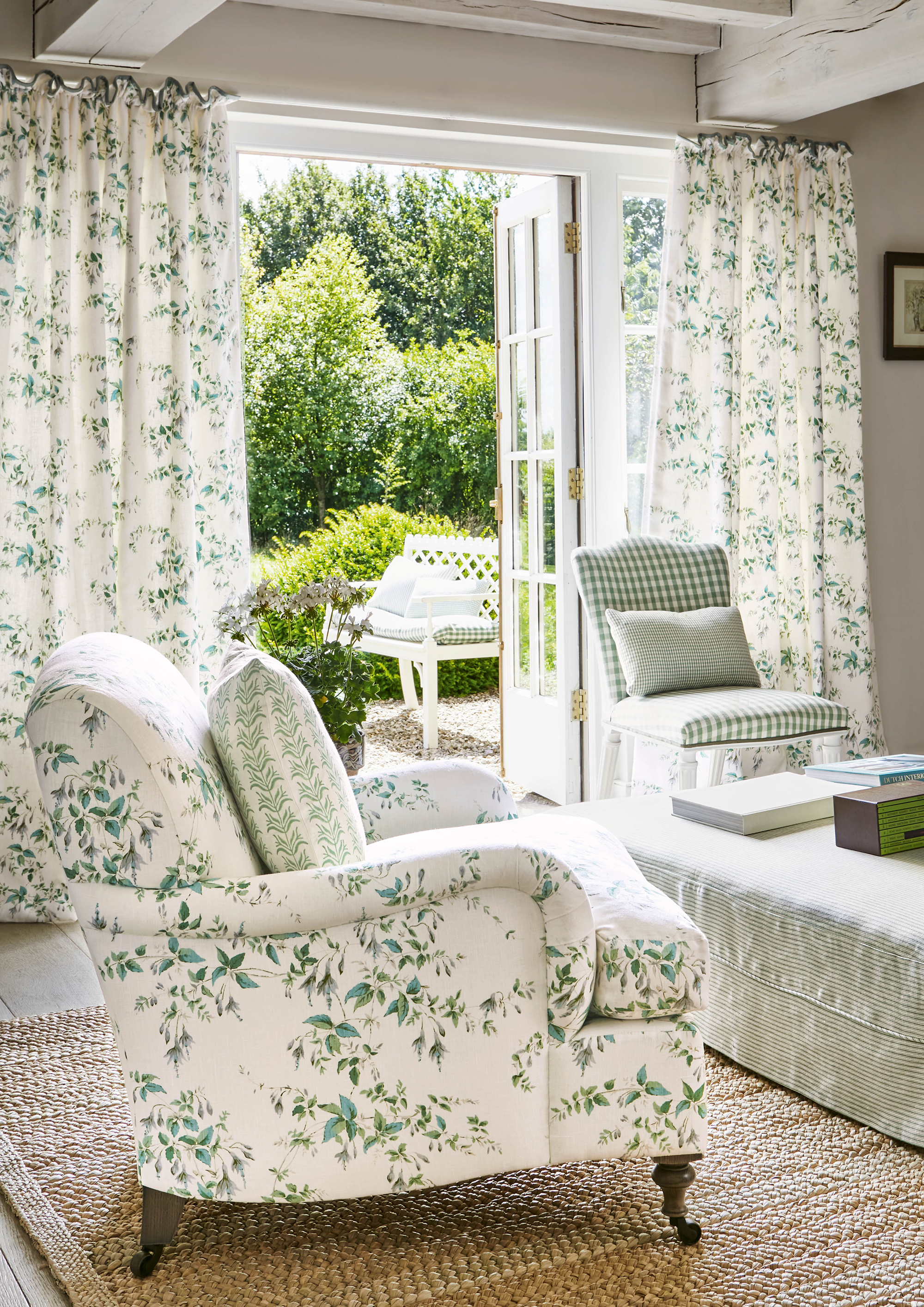
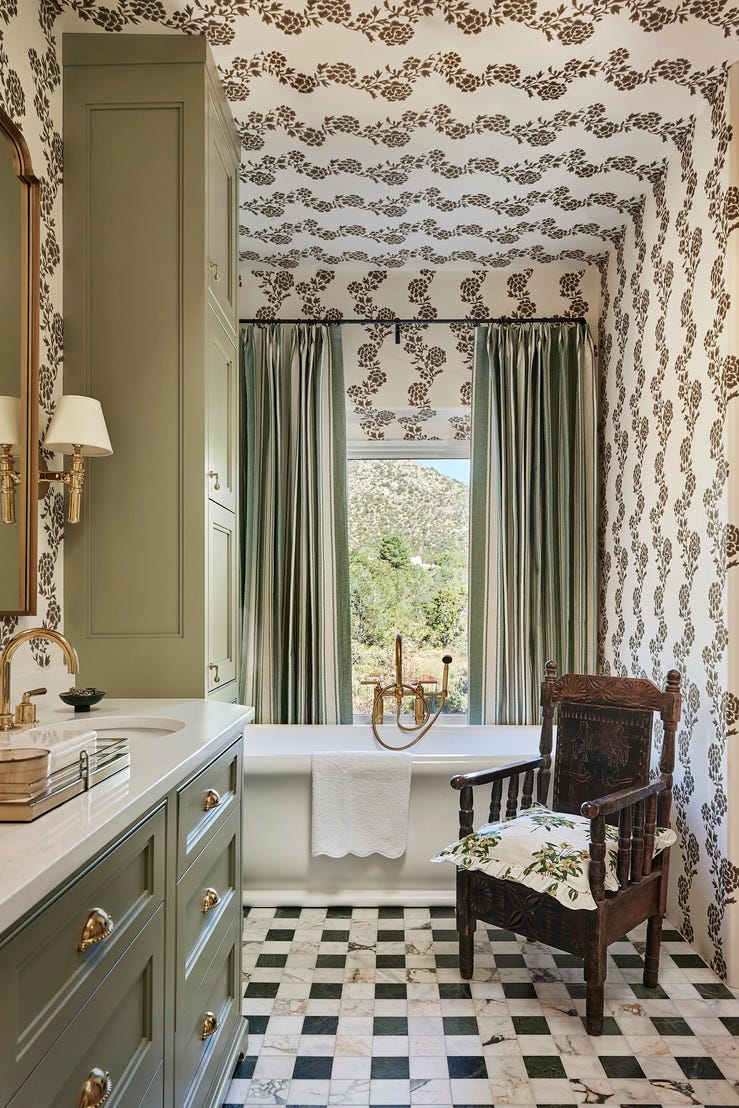
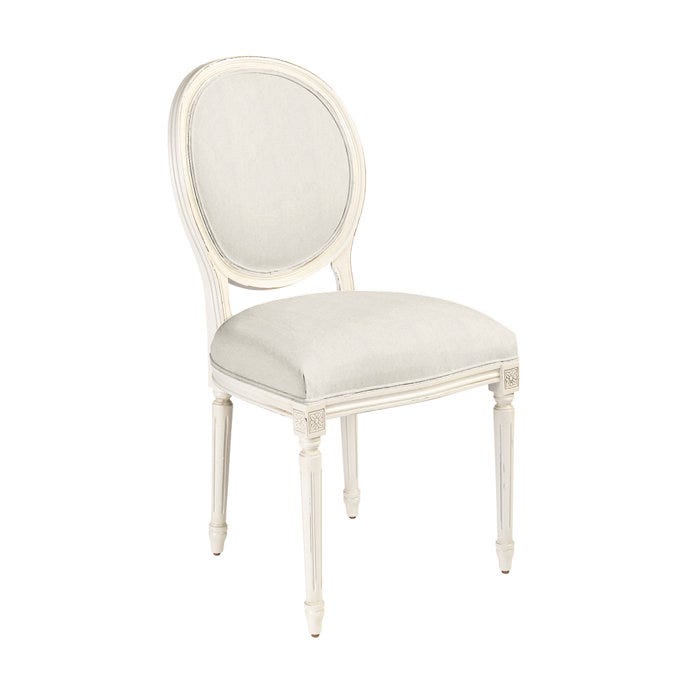
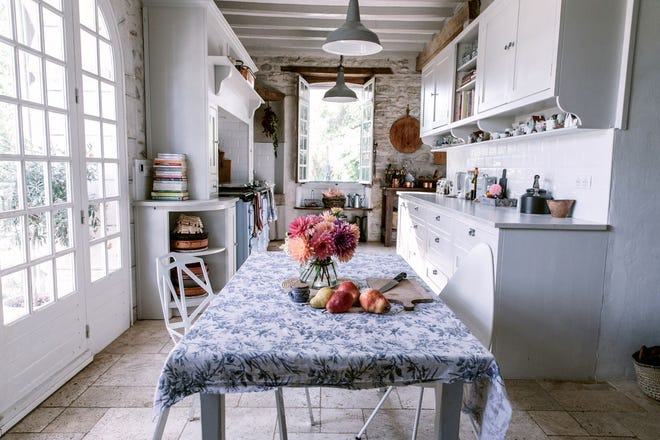
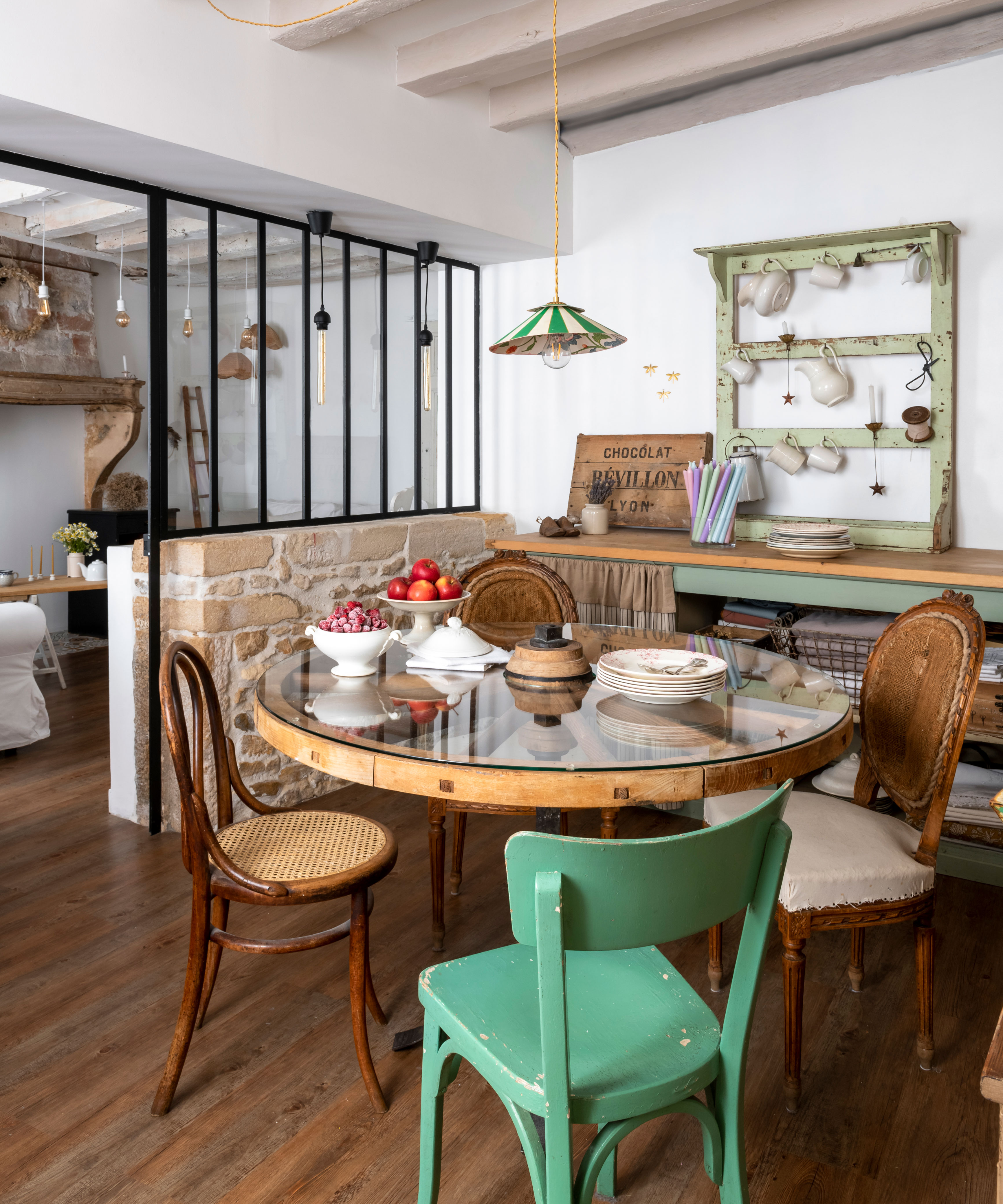
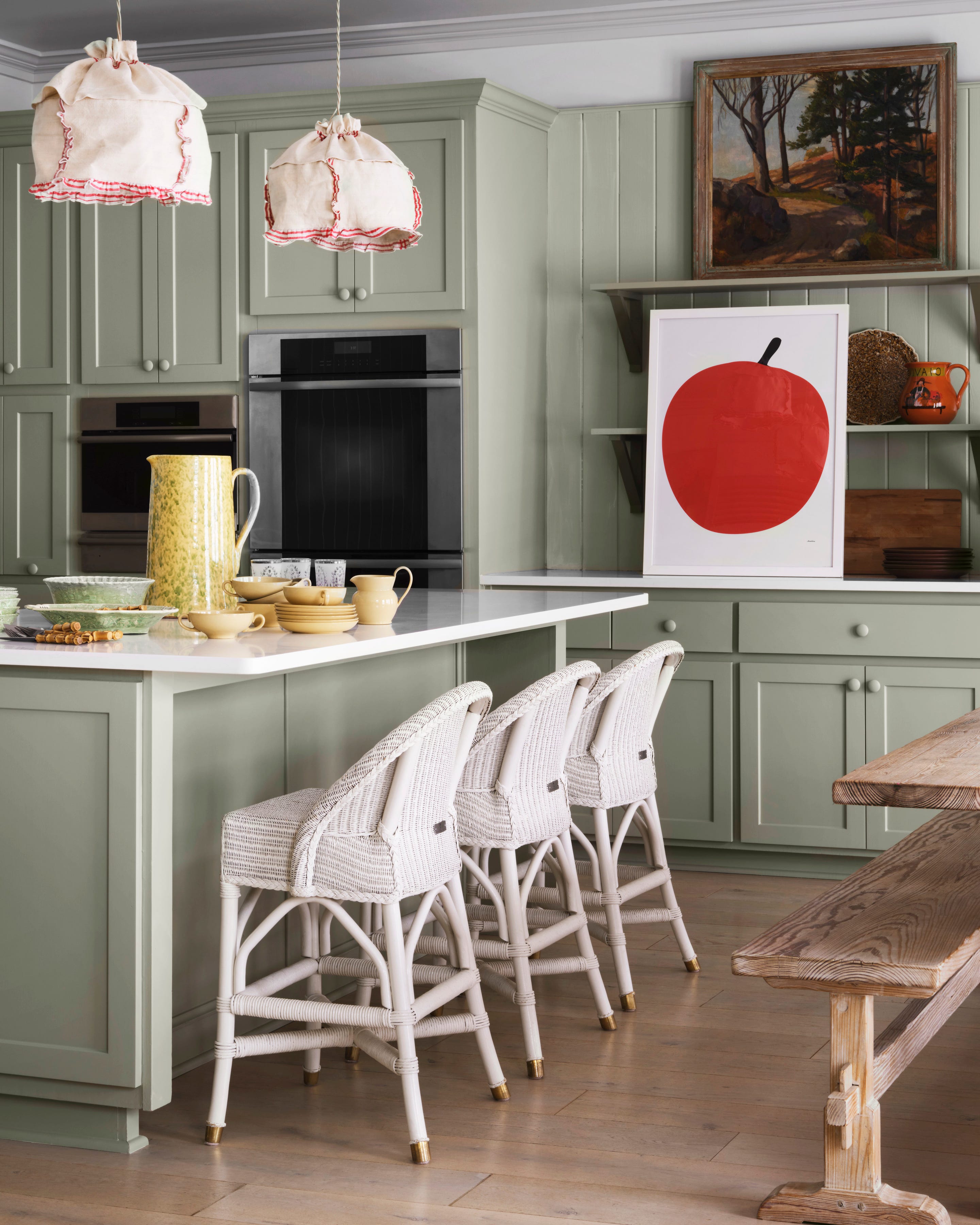
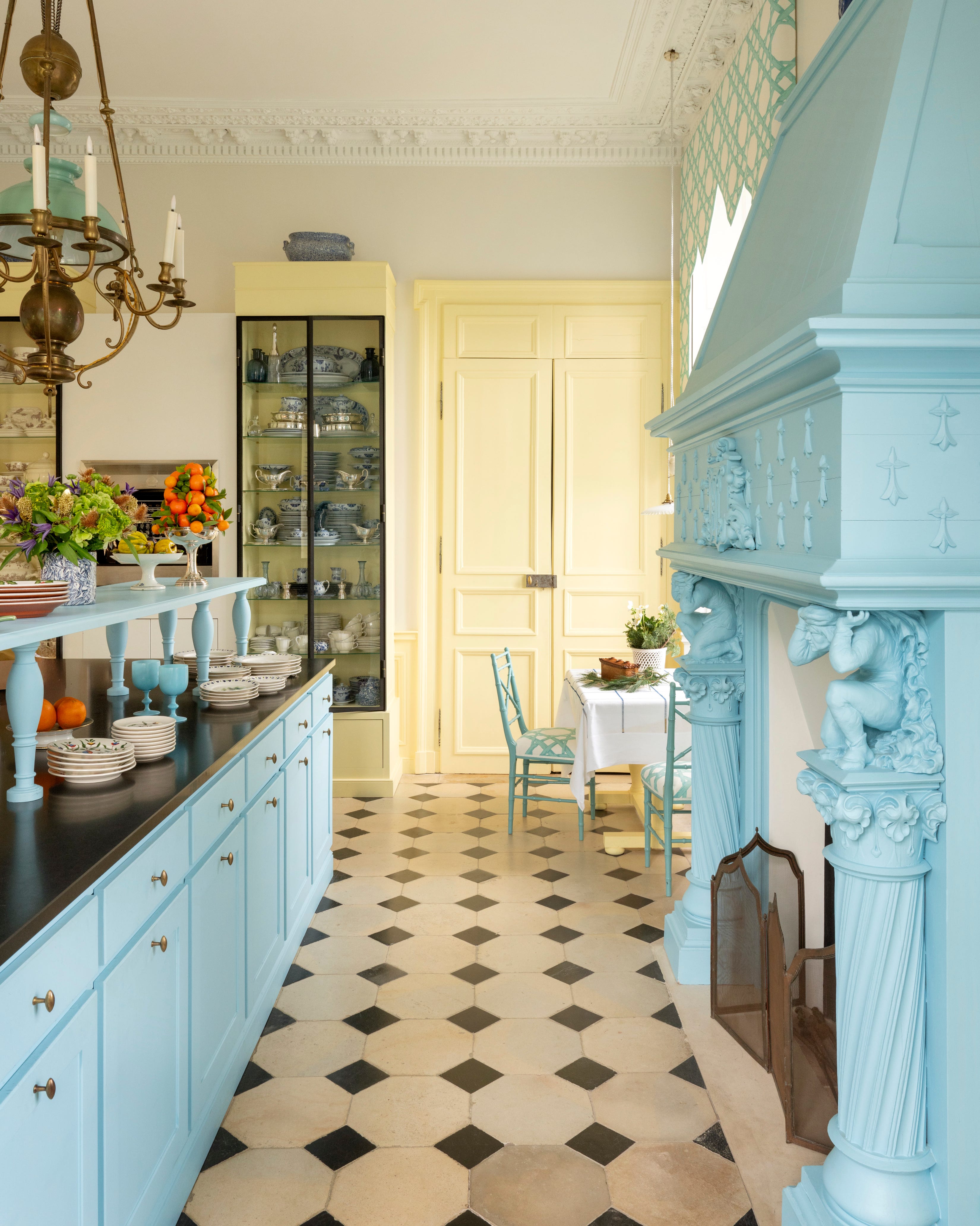
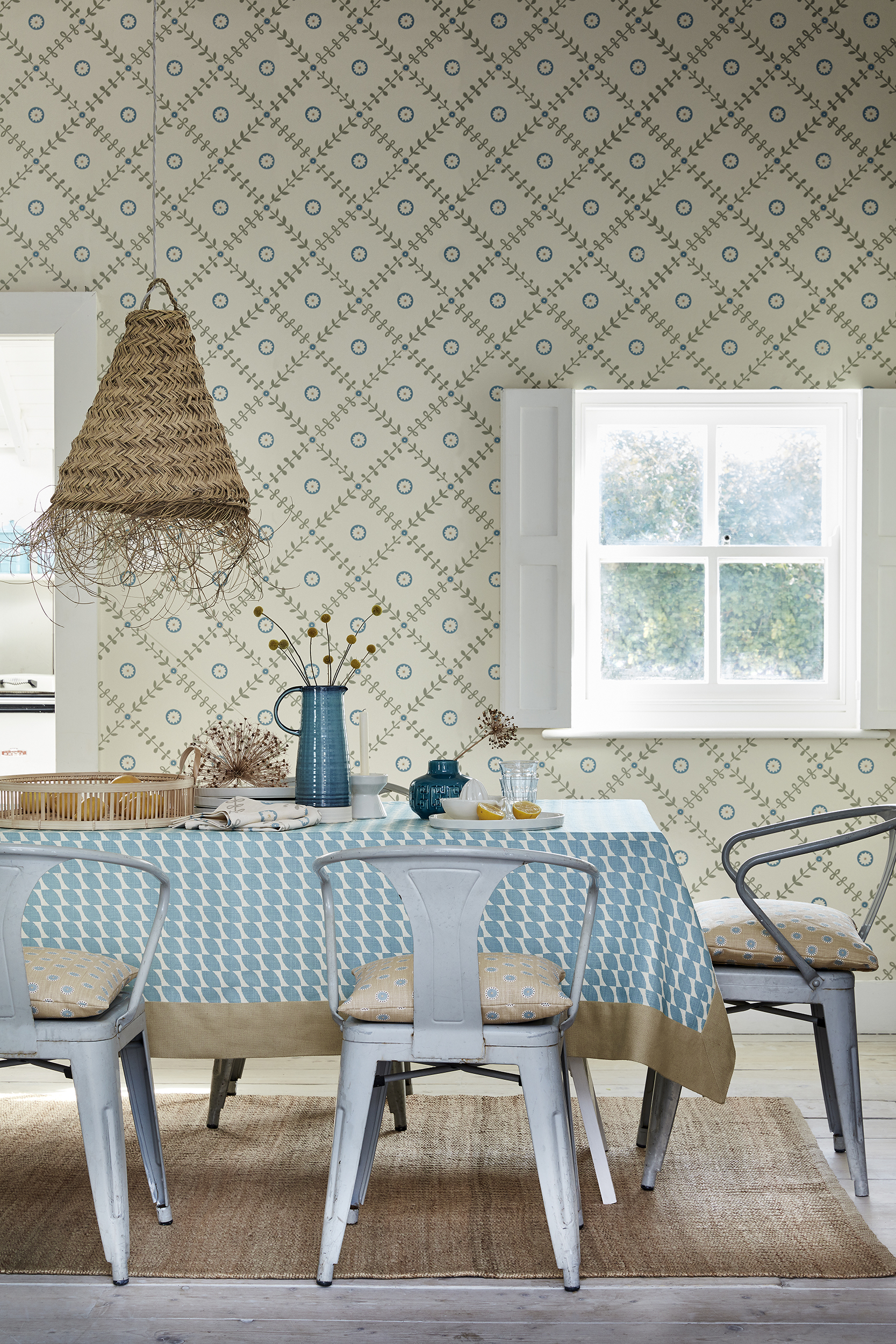
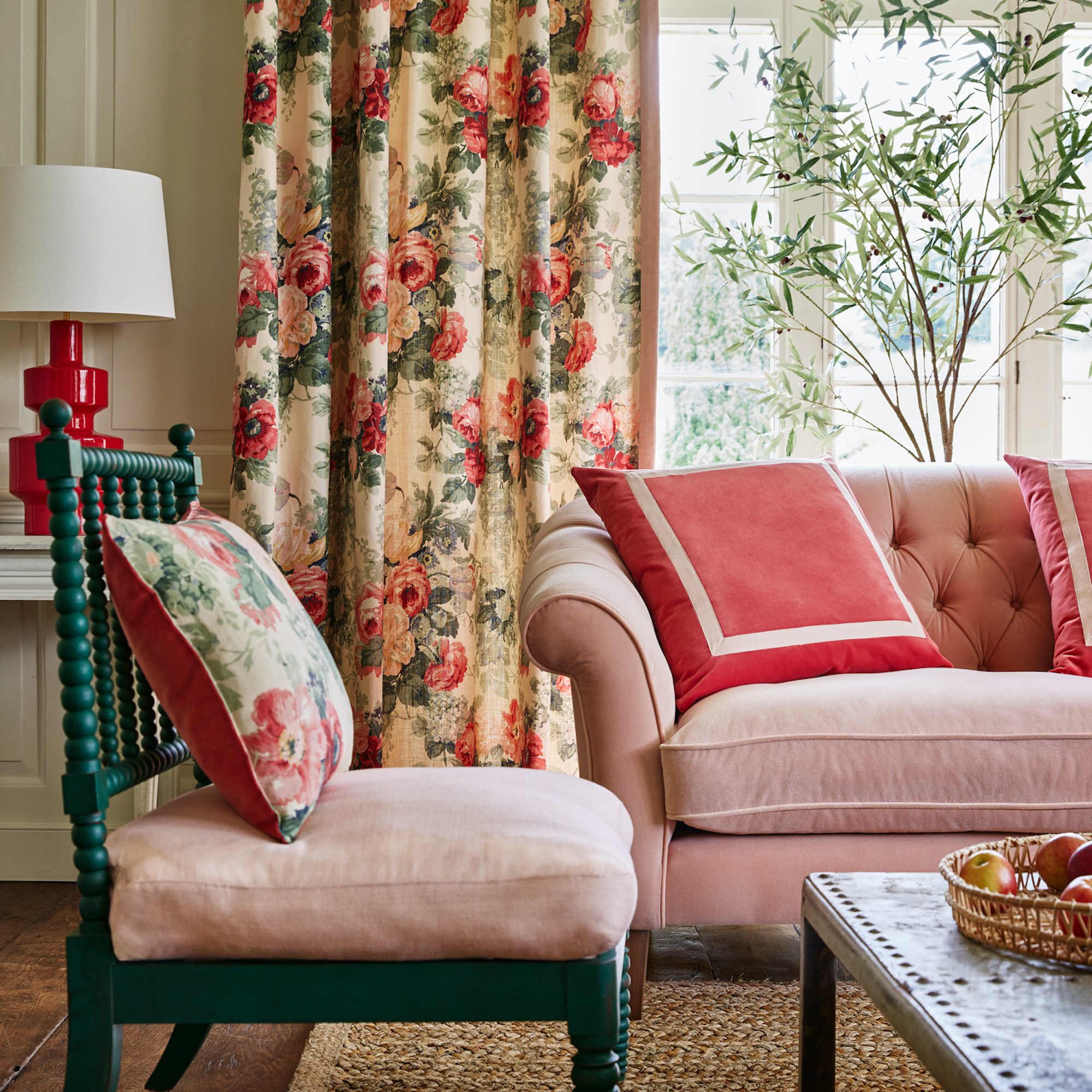
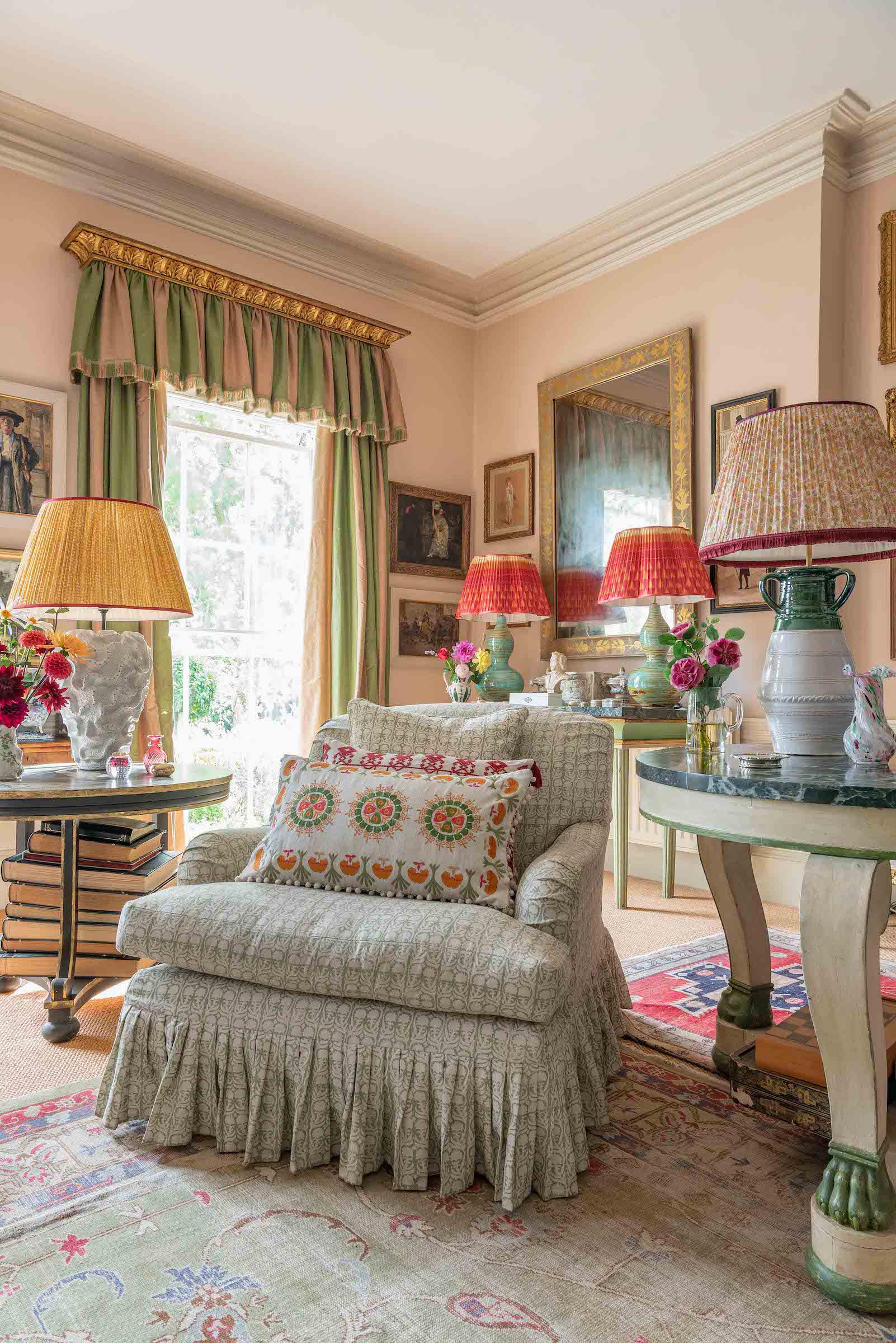
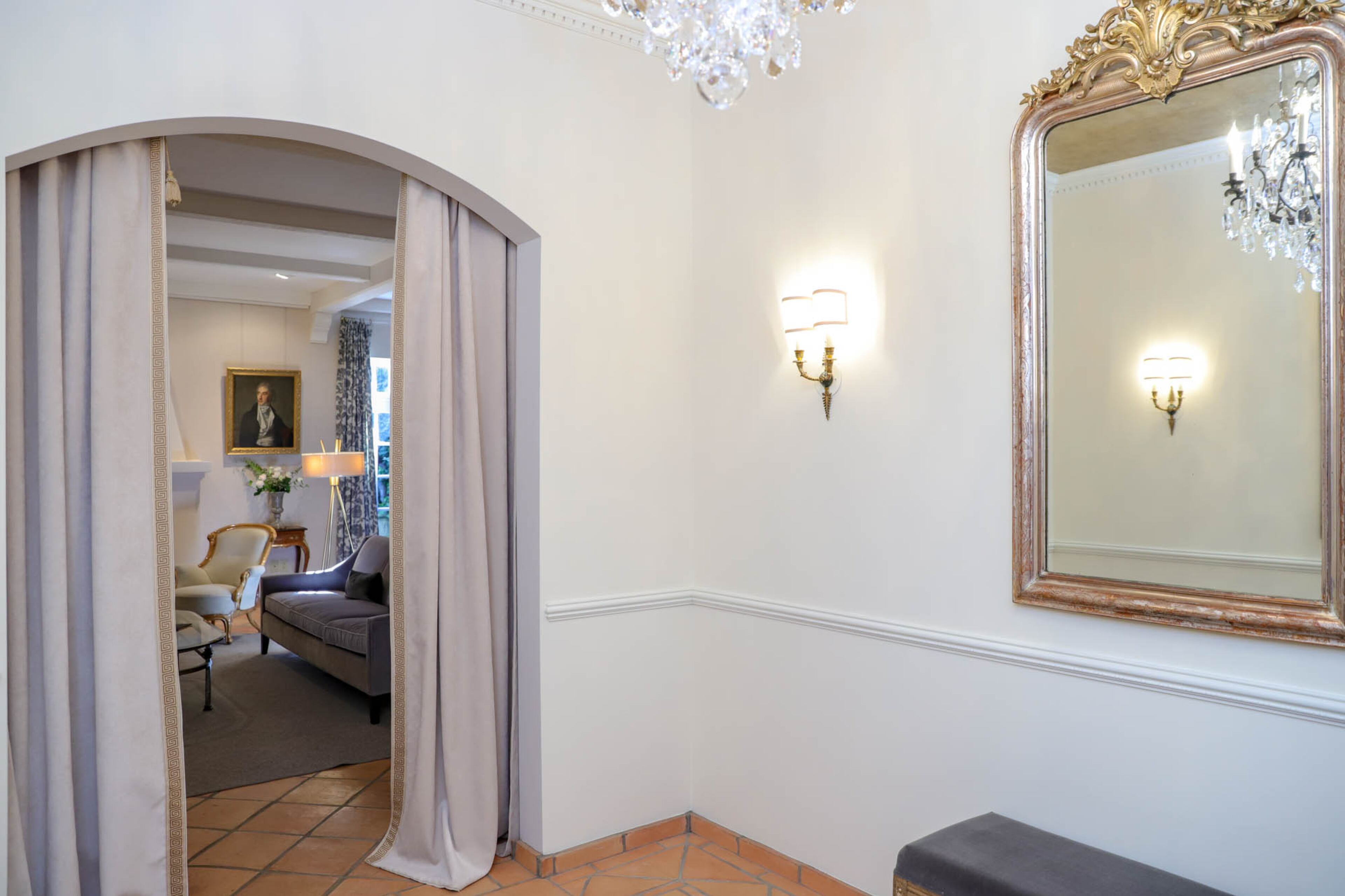
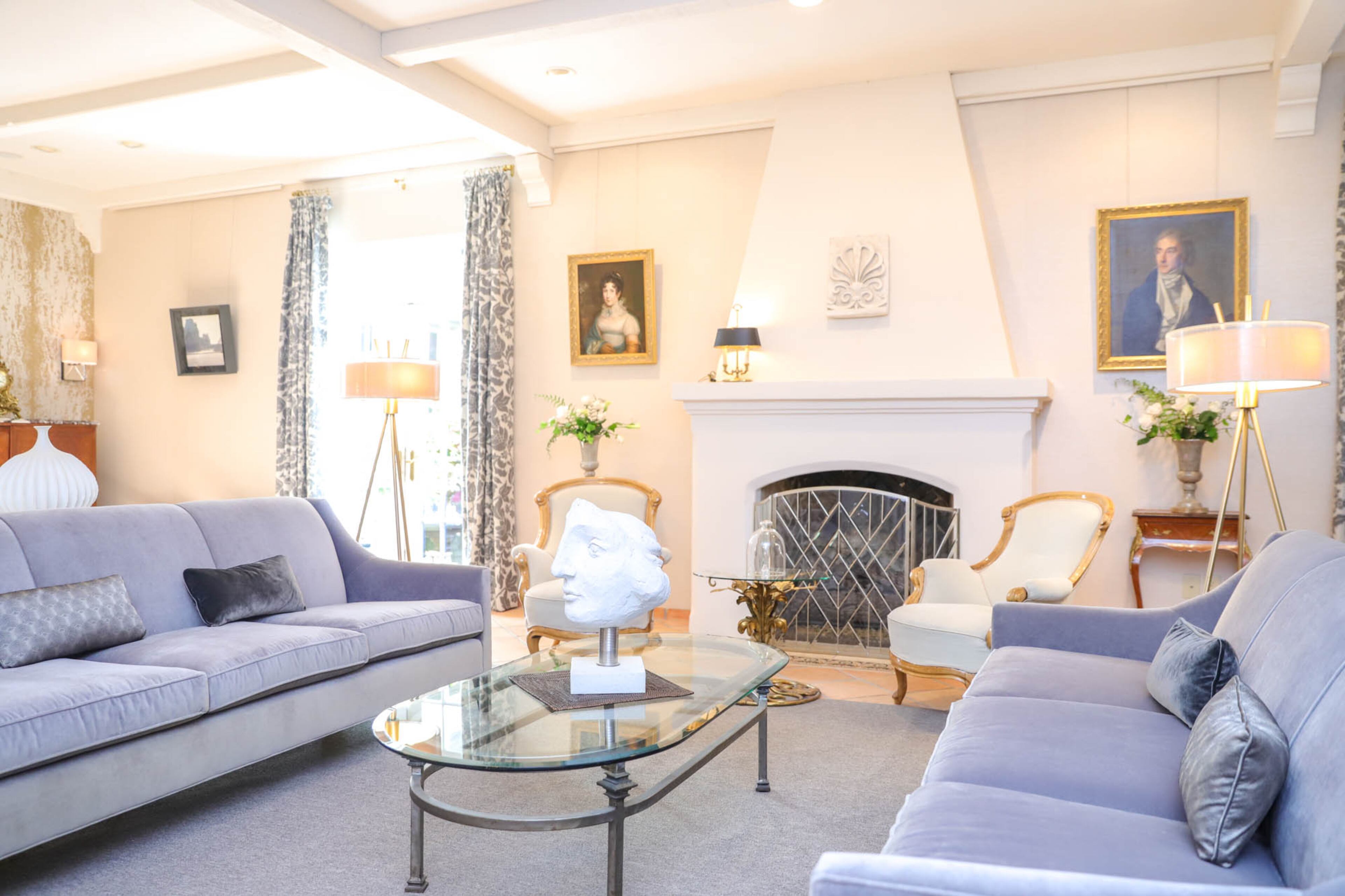
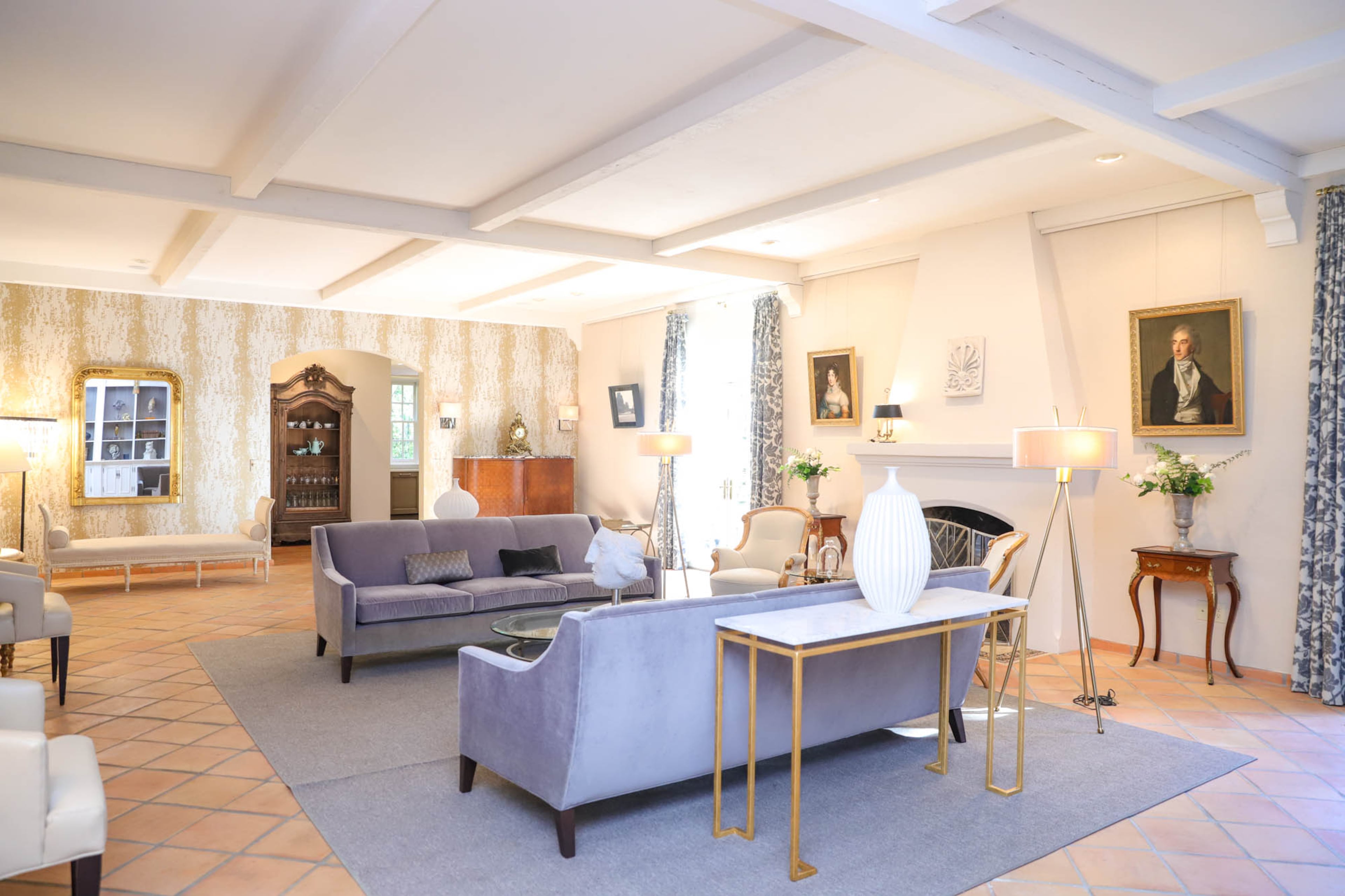
Key characteristics of French country decor include antique furnishings such as wooden accent chairs, dining sets, and armoires, which can be left natural or distressed with milk or chalk paint in white or light colors, or dark wood stains. The color palette primarily consists of warm, soft colors like creams, blush tones, faded blues, and soft greens, avoiding bright or overly saturated hues. Delicate prints are a hallmark, with gingham, small florals, plaid, checks, stripes, and especially toile (Toile de Jouy) being prominent. Toile, a traditional pattern featuring detailed pastoral scenes in a single soft color on a white or beige background, is used for upholstery, drapery, and wallpaper. Ornate details, such as antique chandeliers, crystal vases, gold picture frames, and oil paintings, contribute to the refined elegance. Finally, the incorporation of natural materials like wood, metal, clay, linen, and fresh flowers is crucial for bringing authenticity to a French country space.
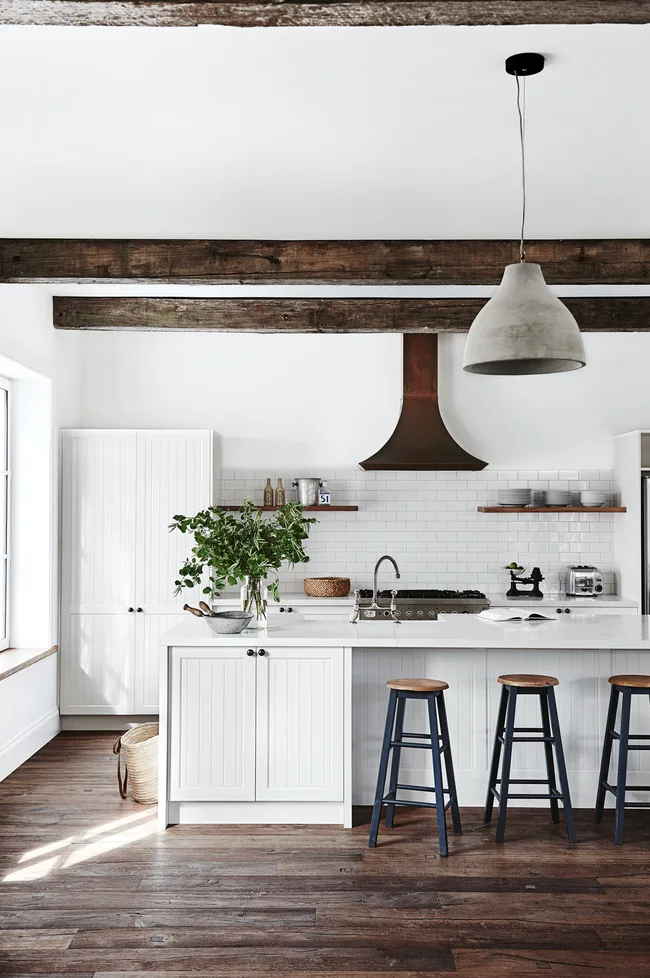
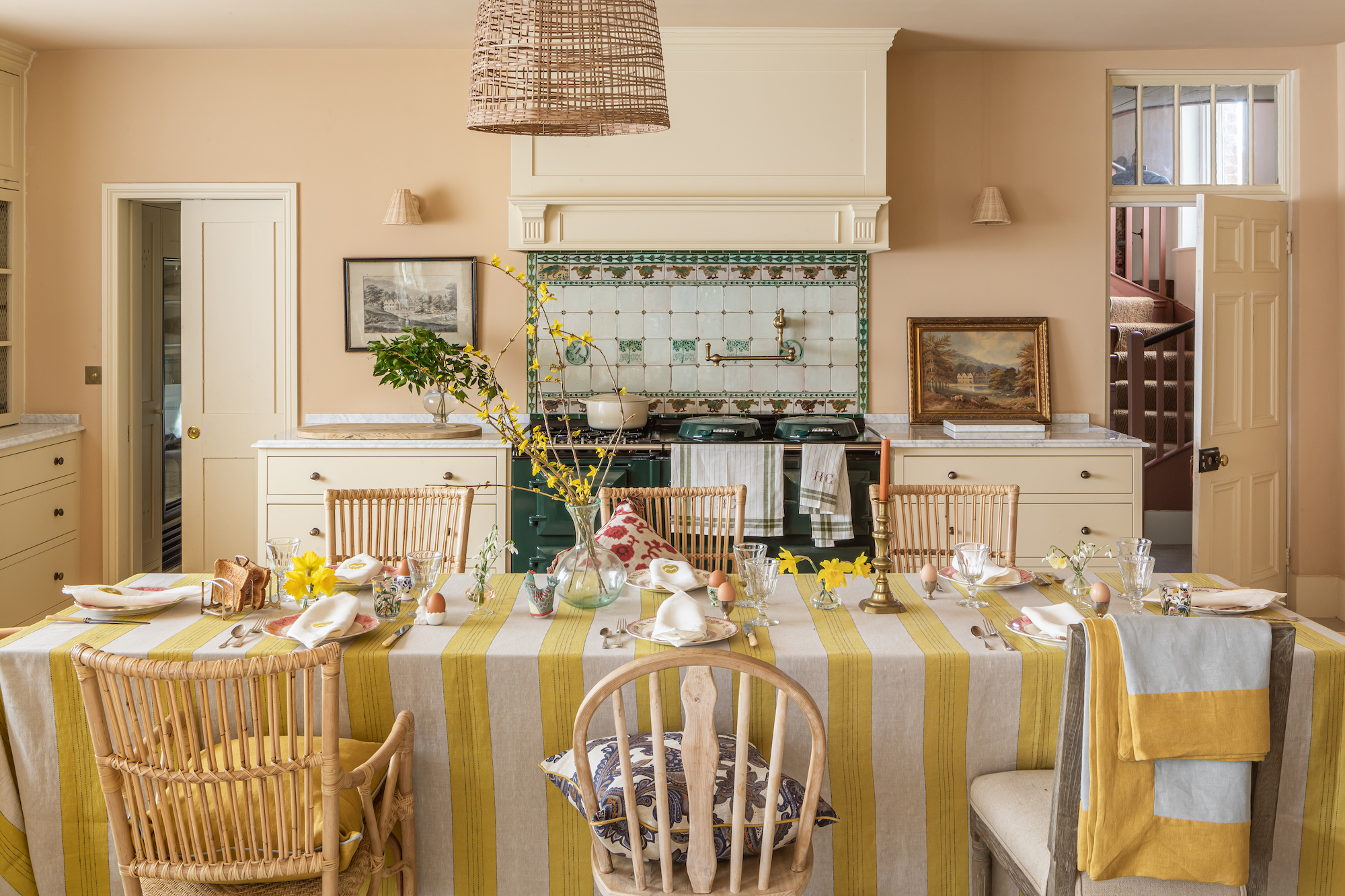
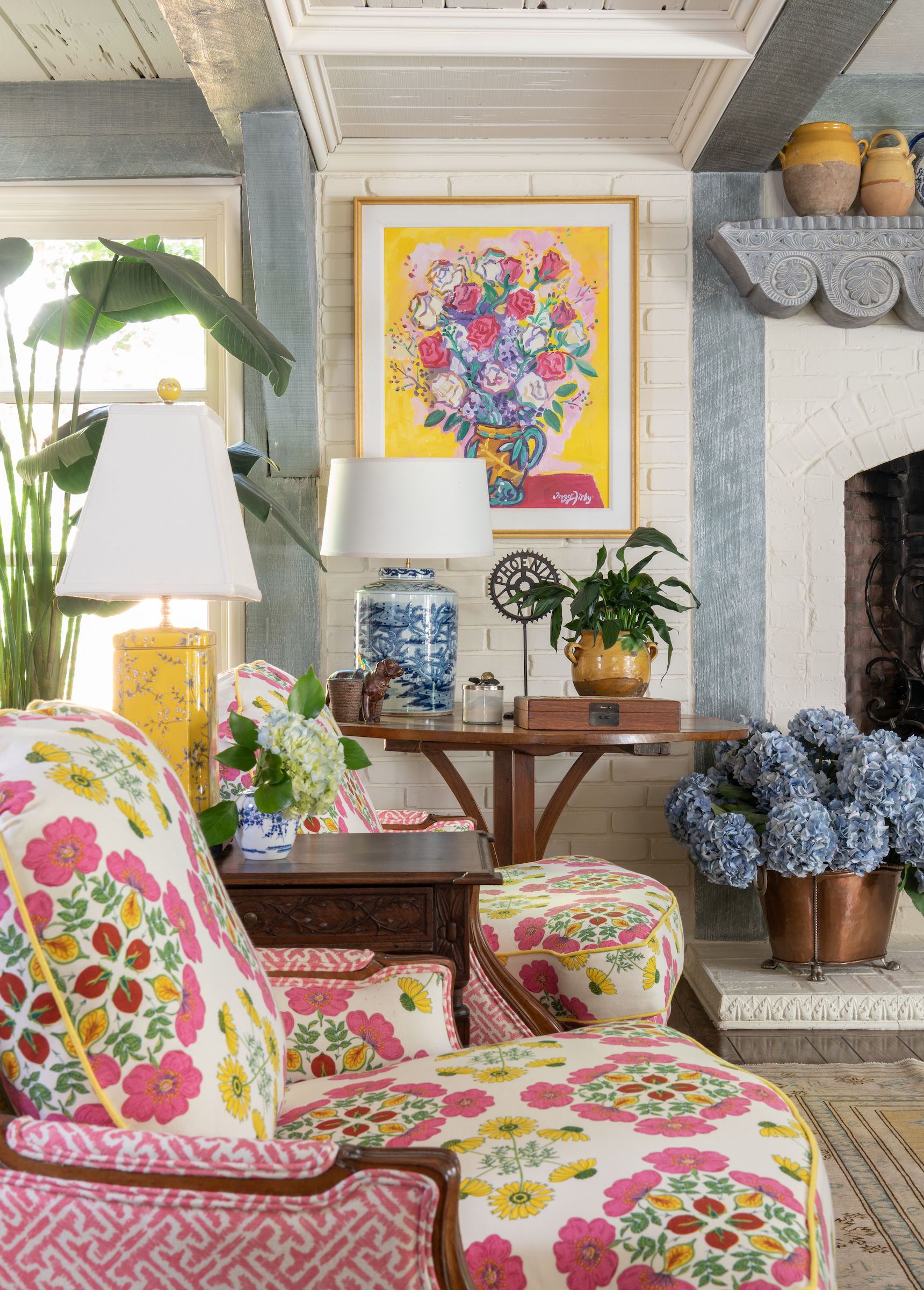
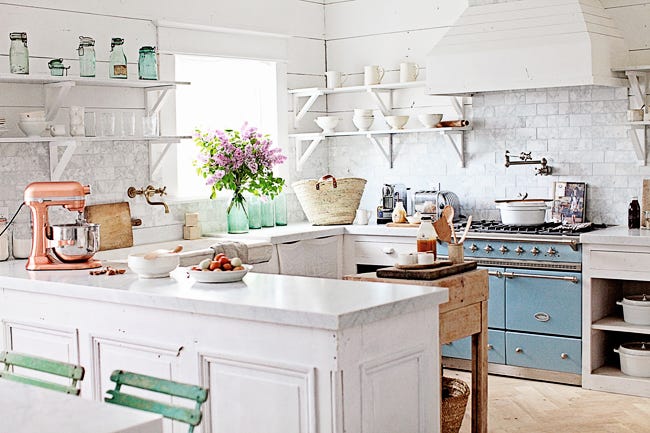
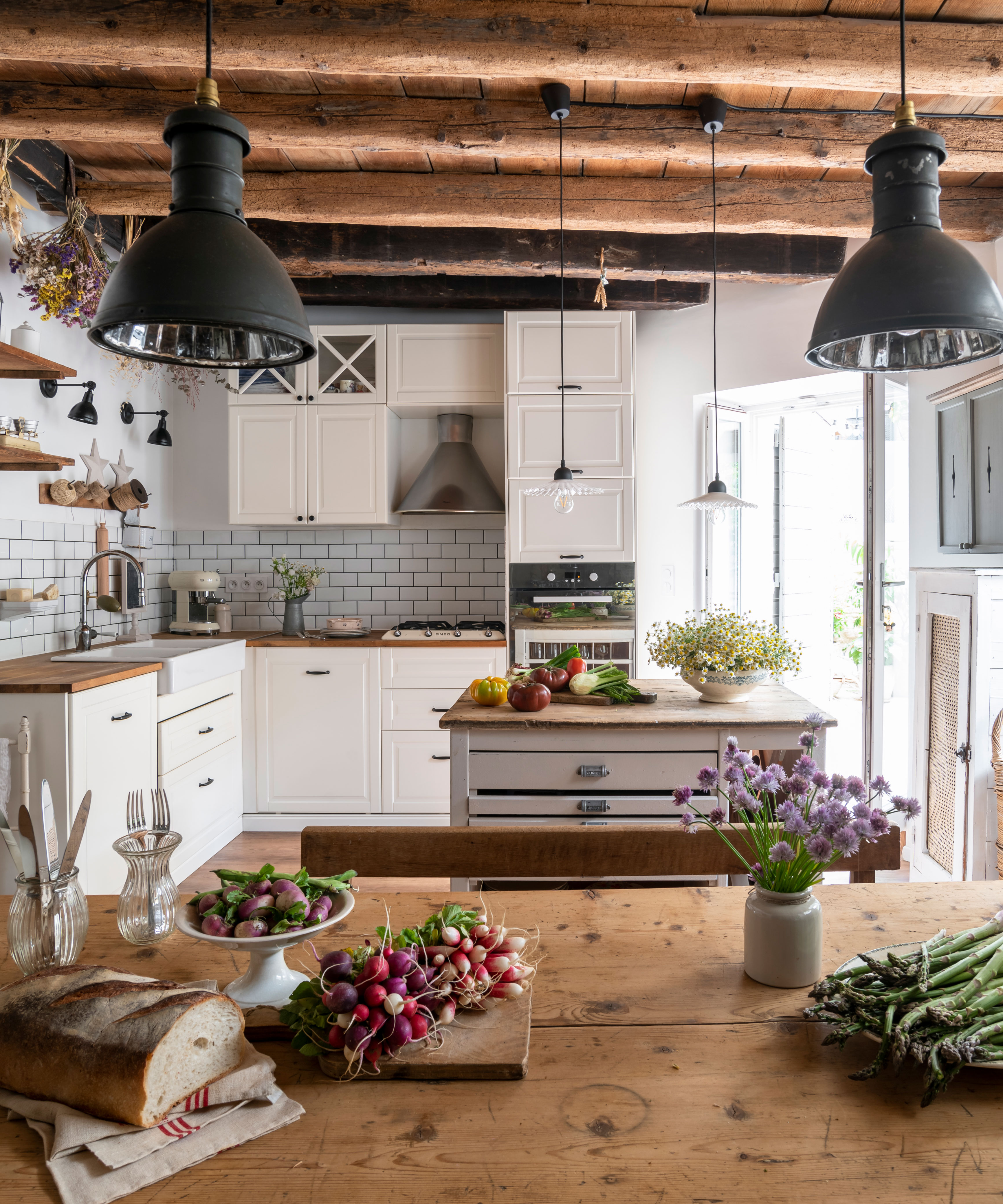
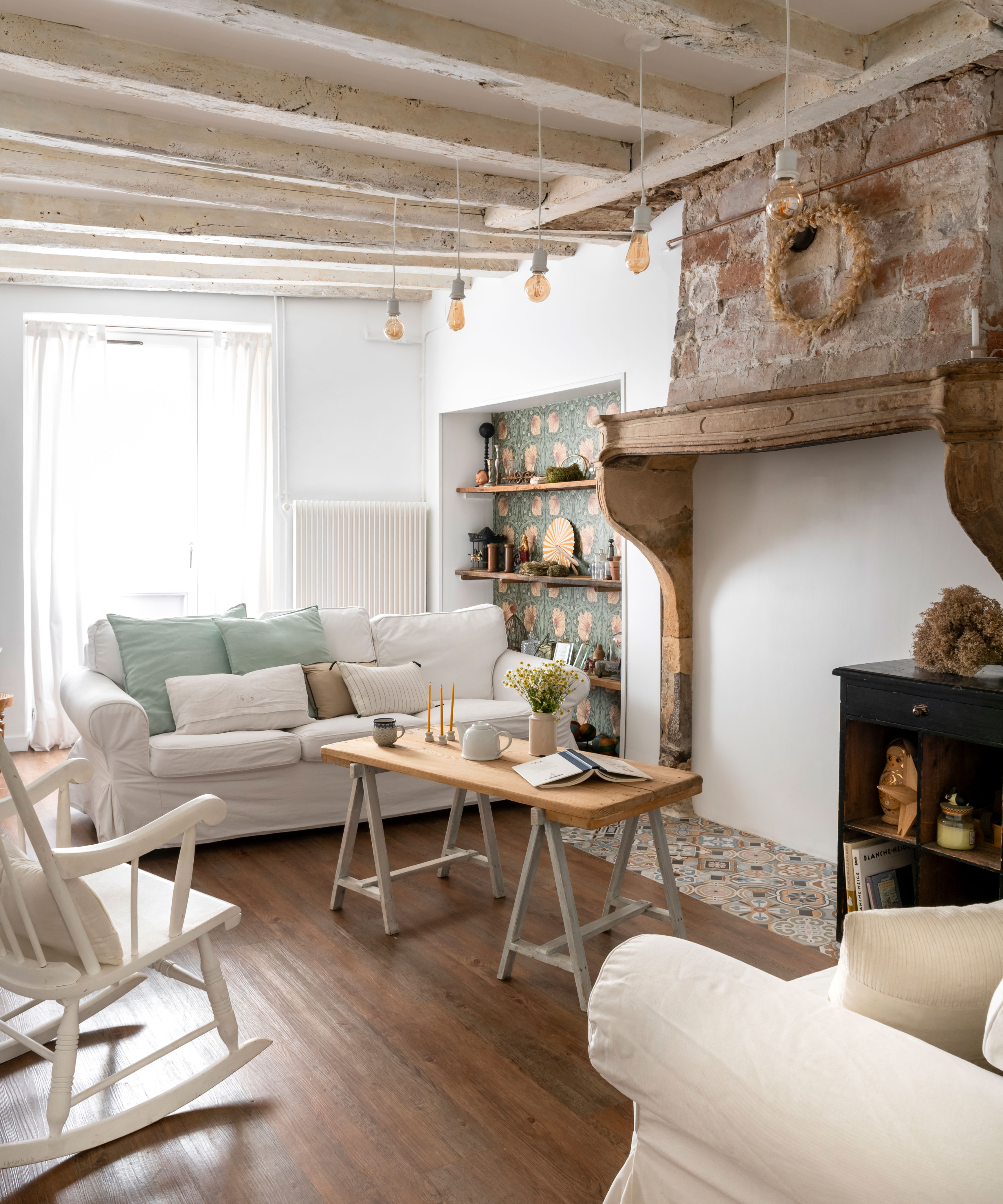
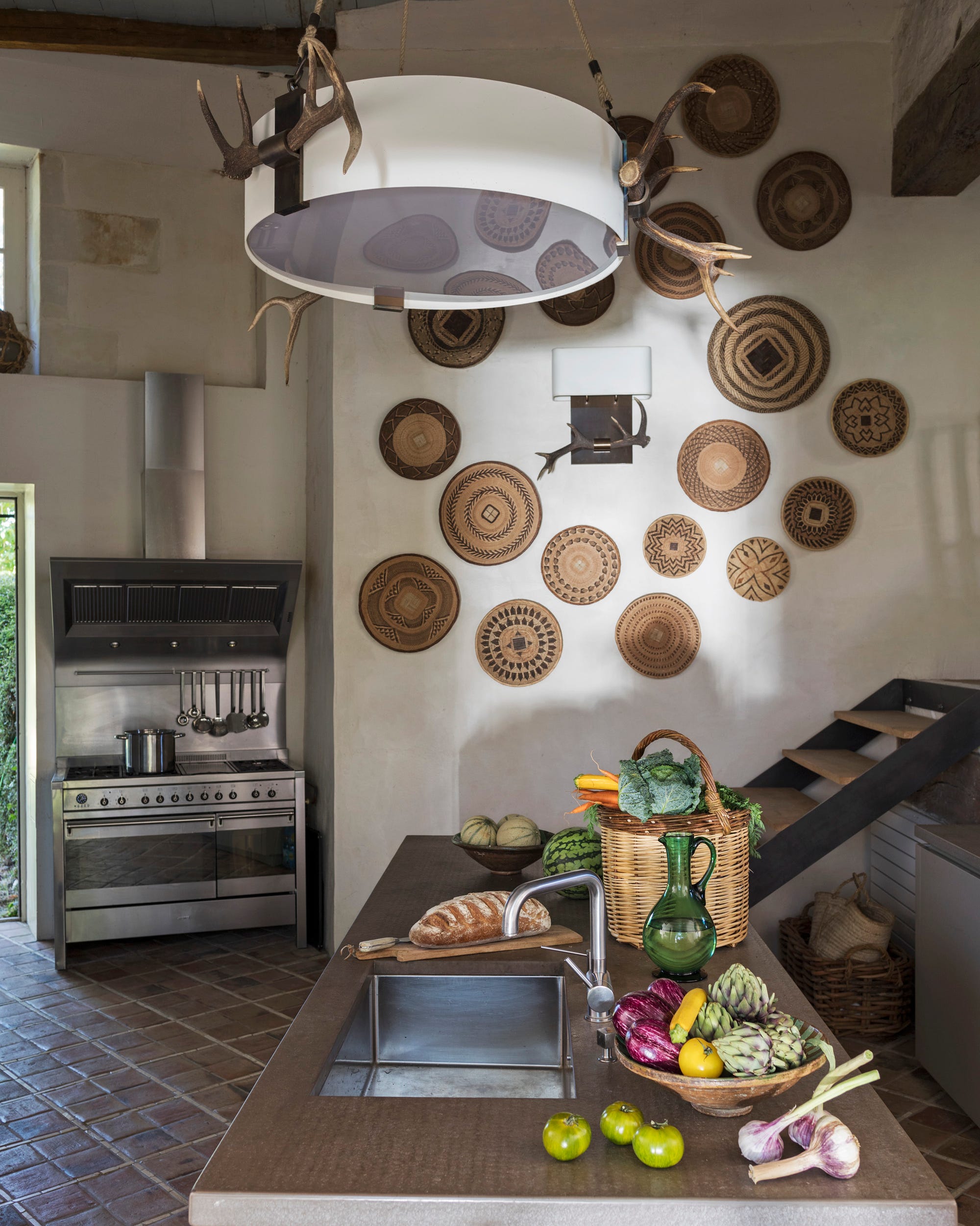
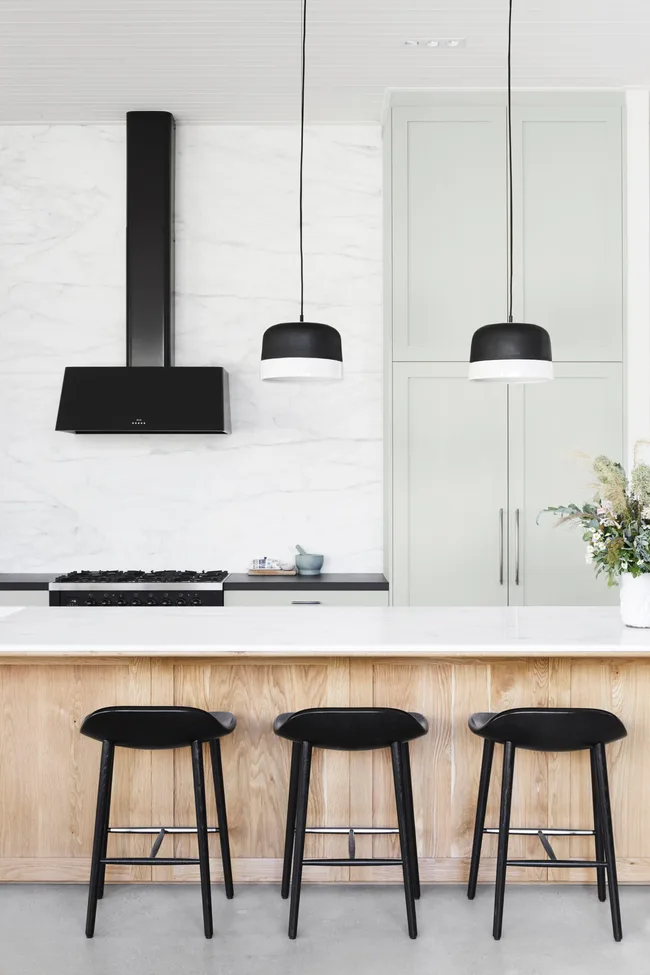
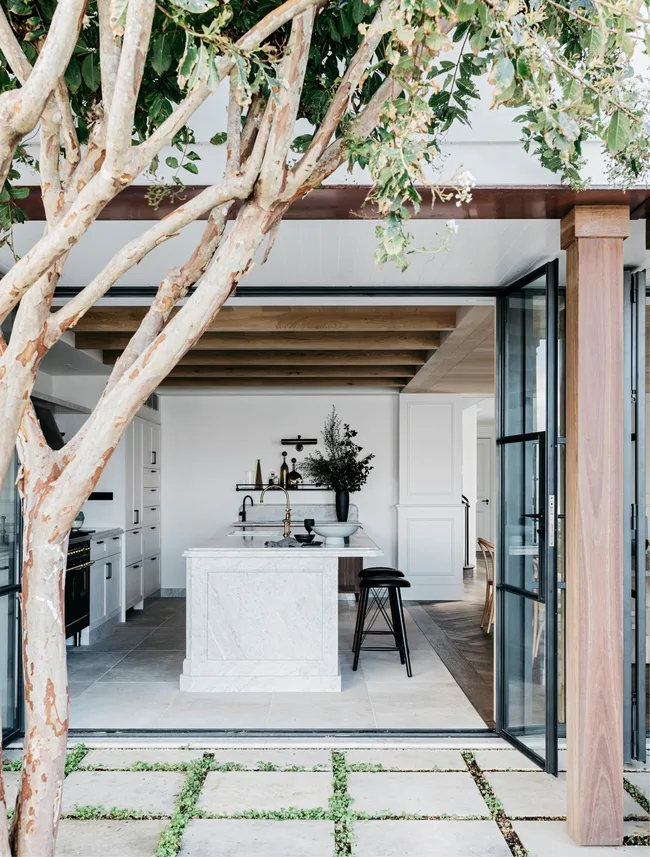
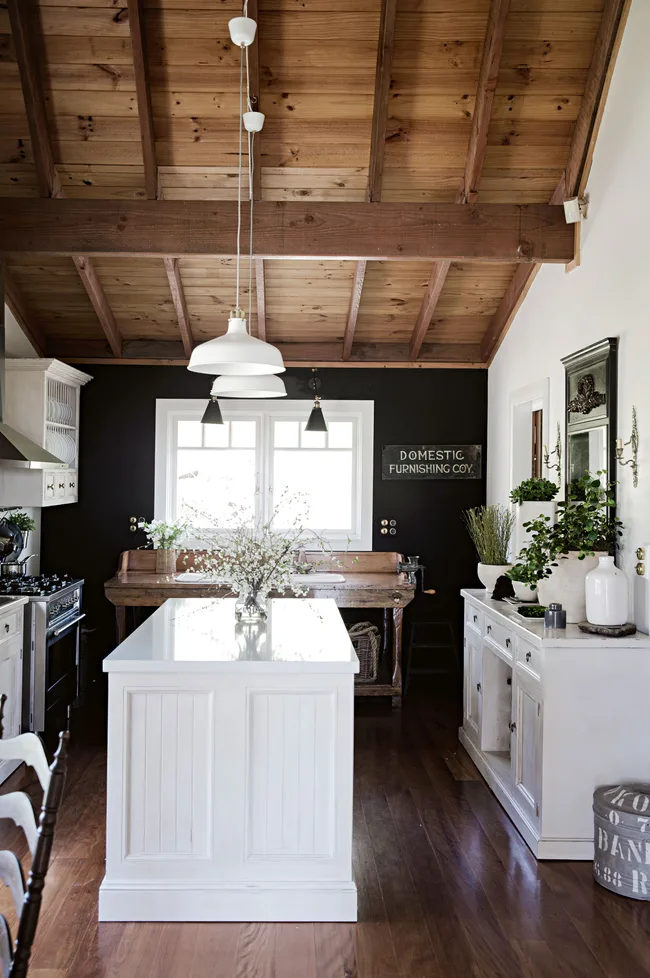
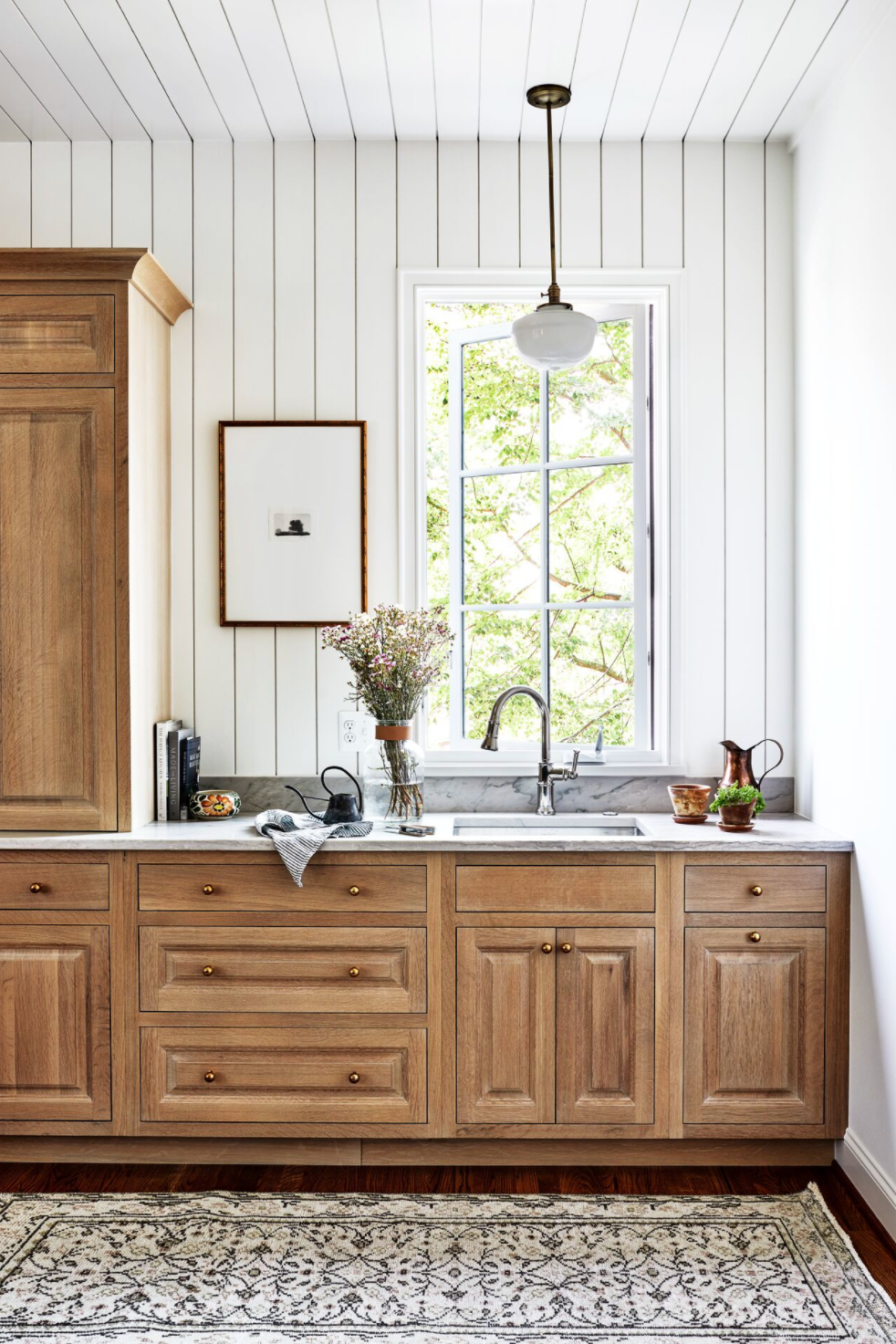
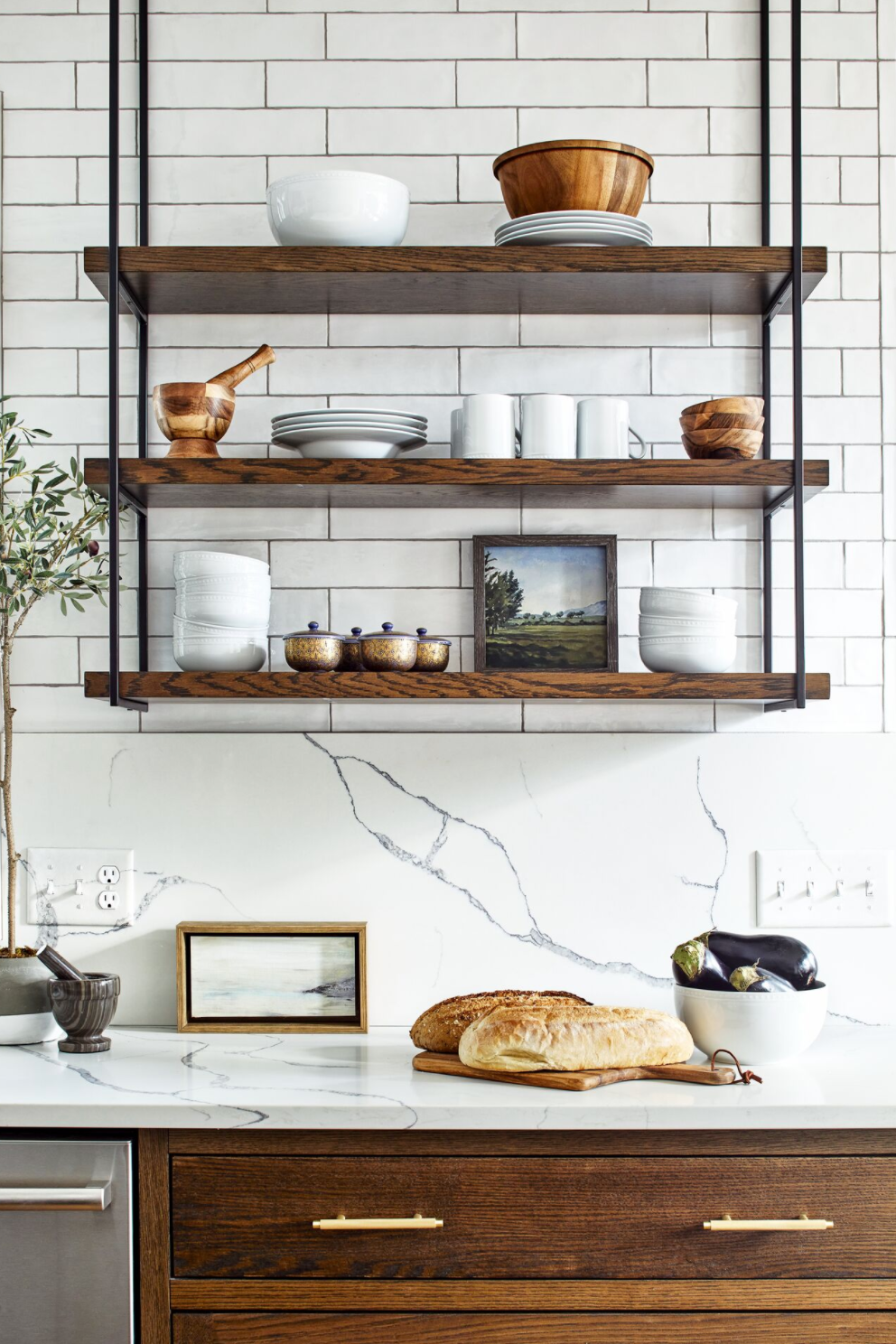
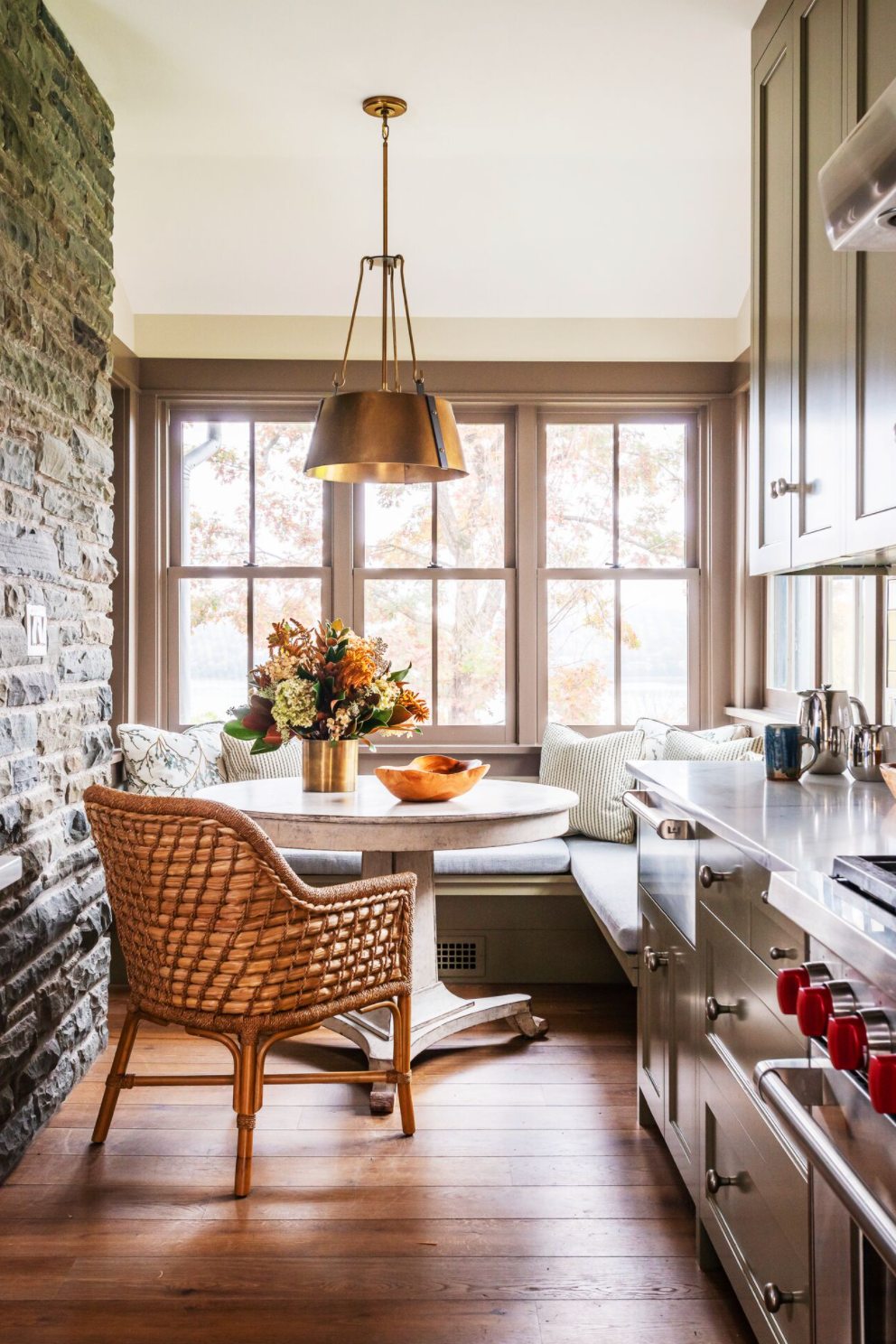
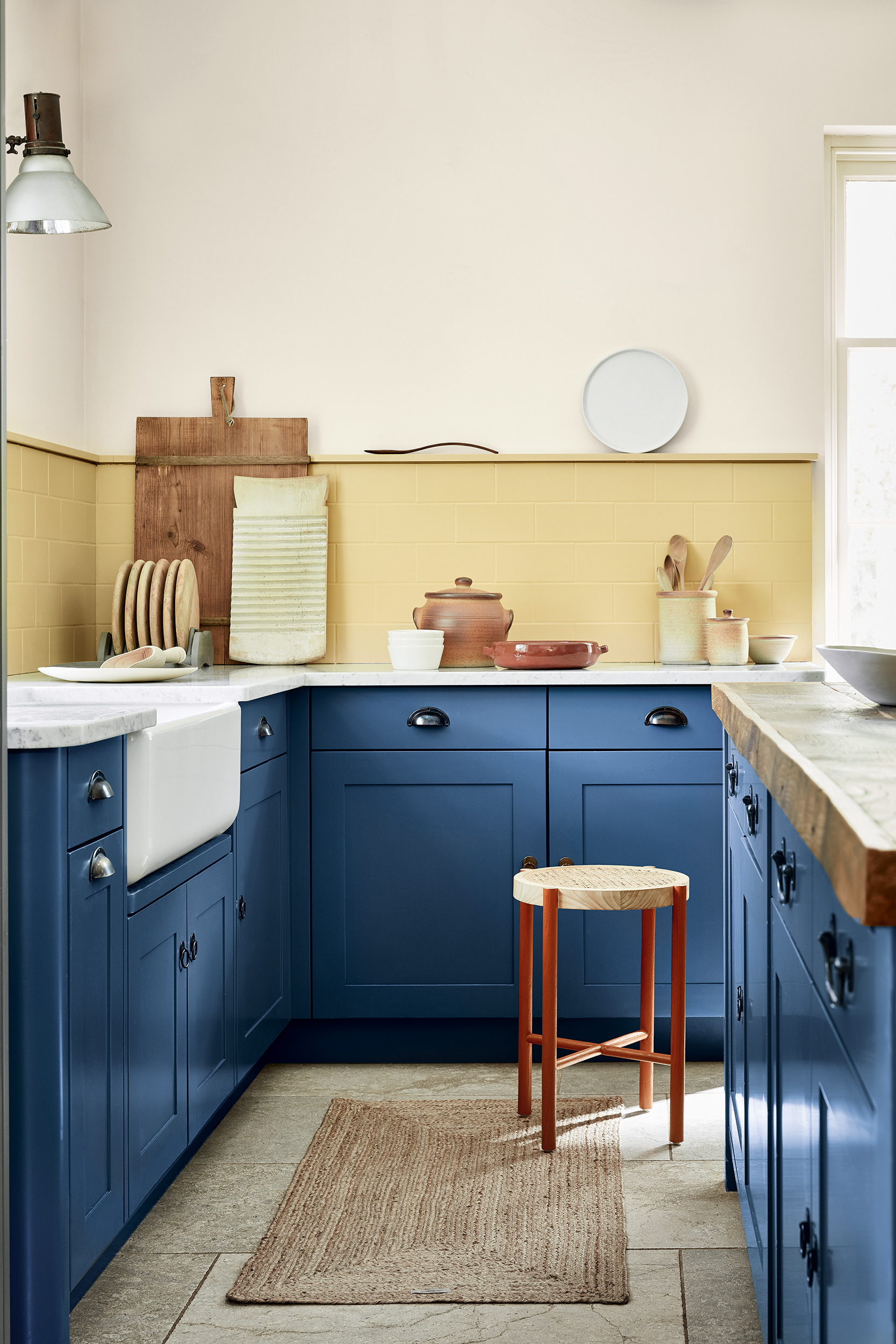
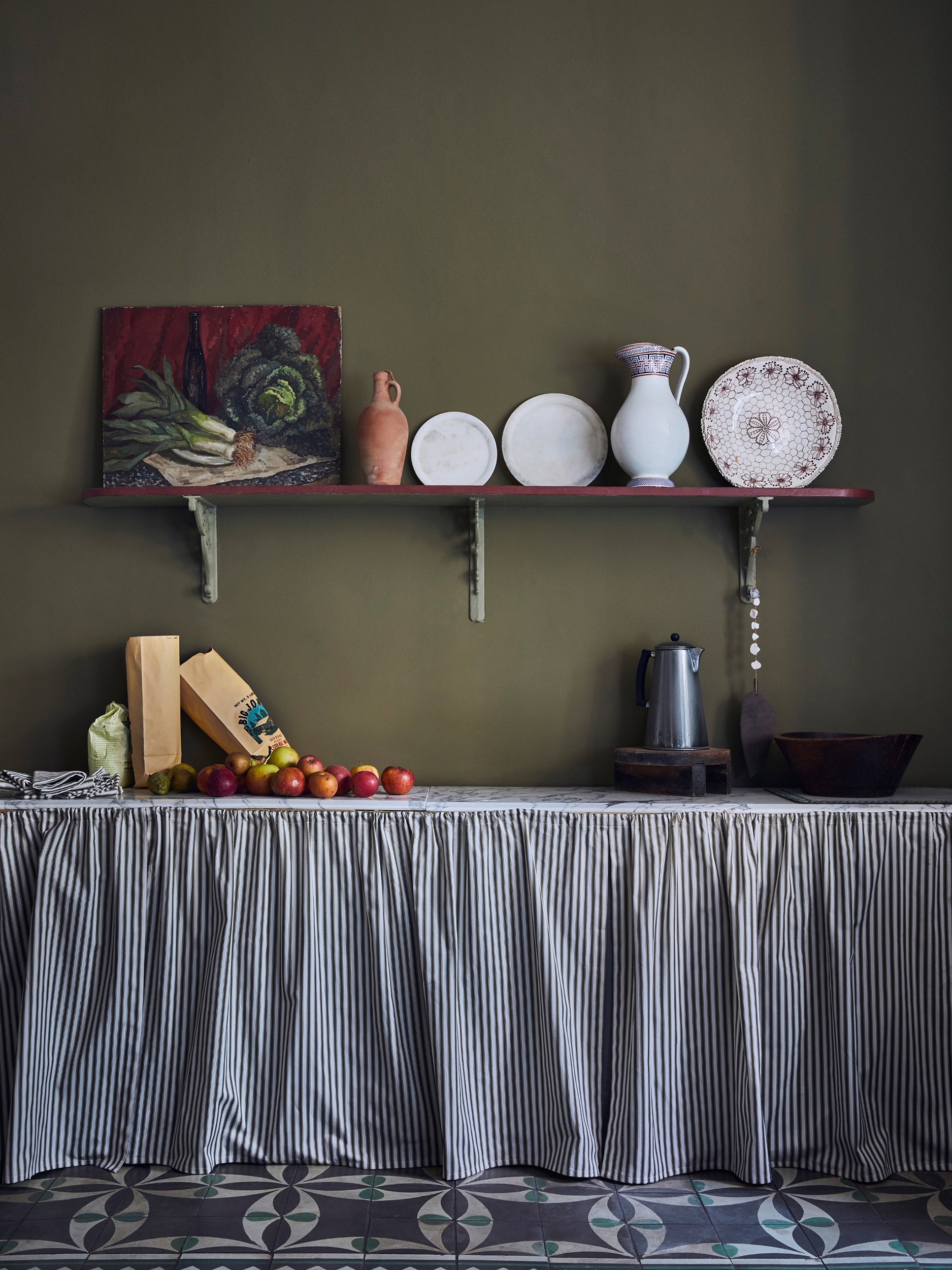
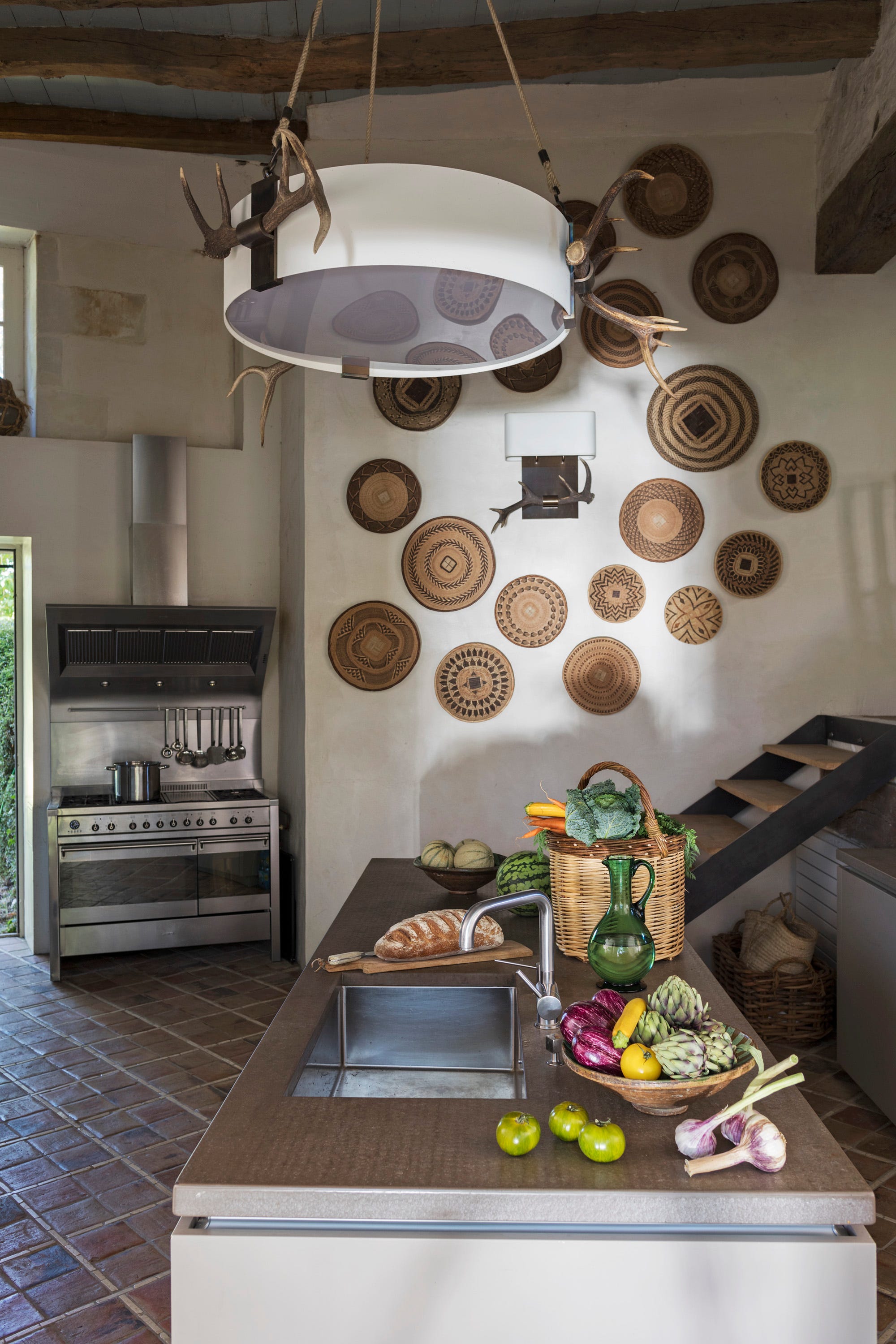
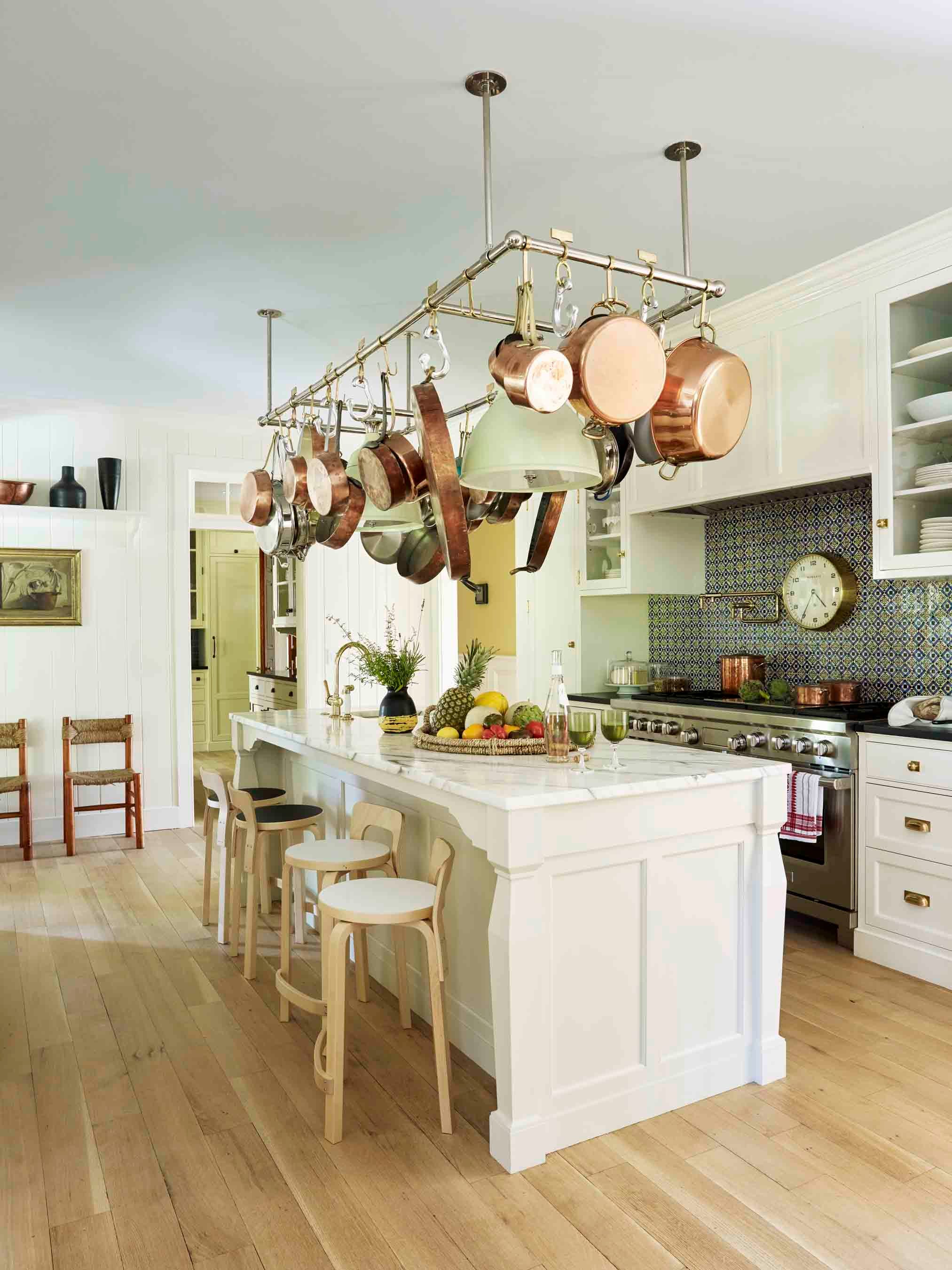
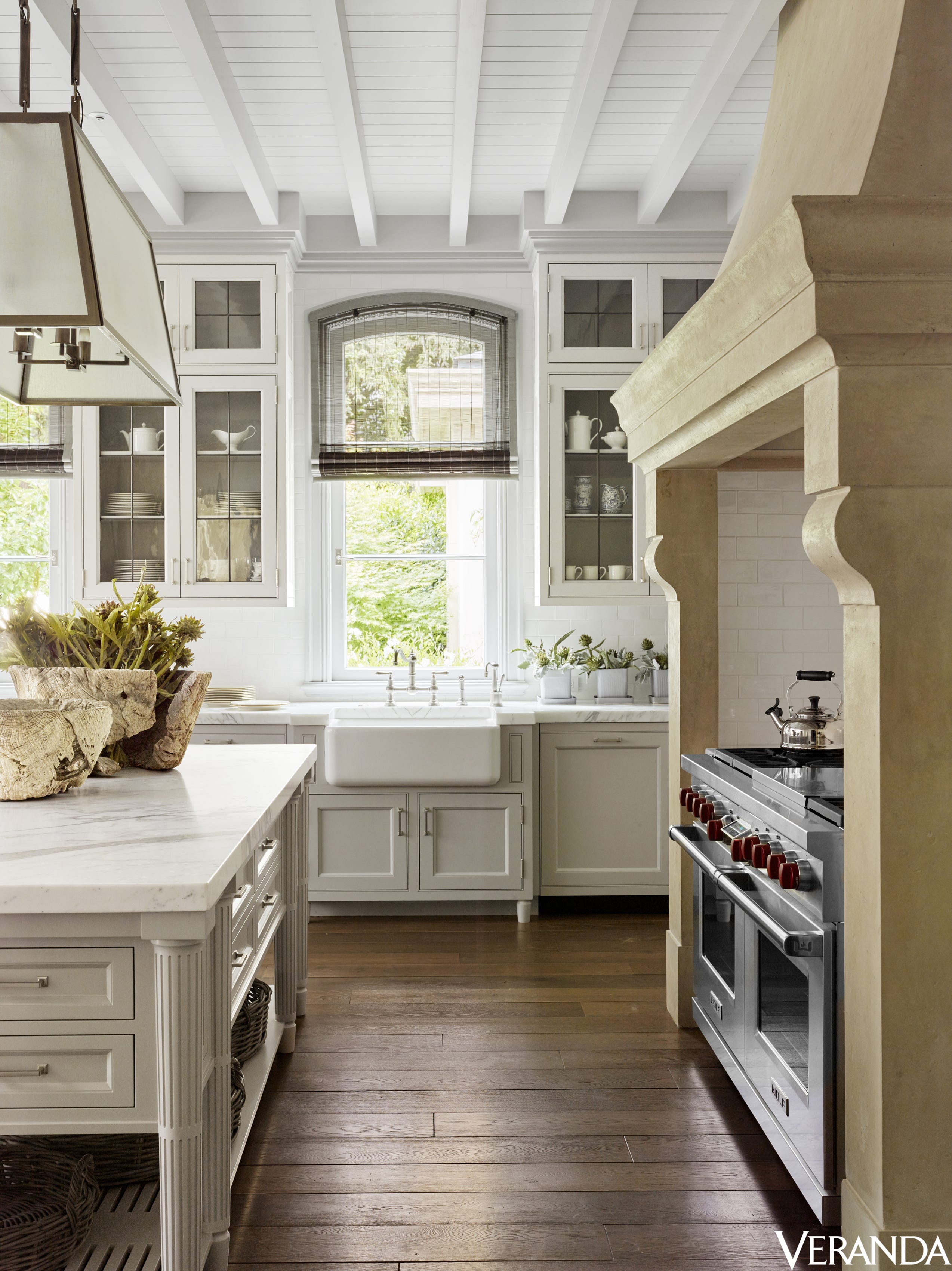
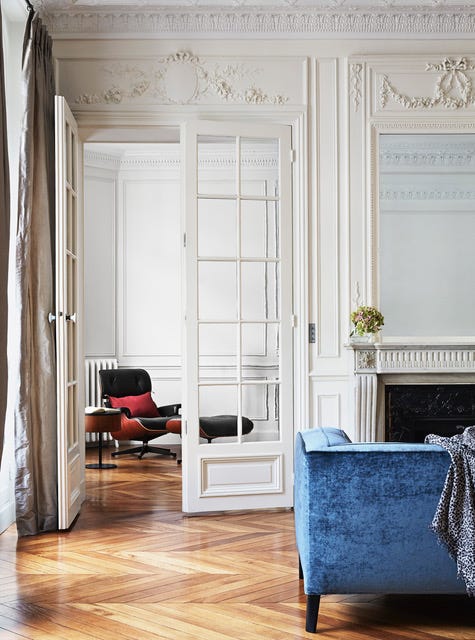
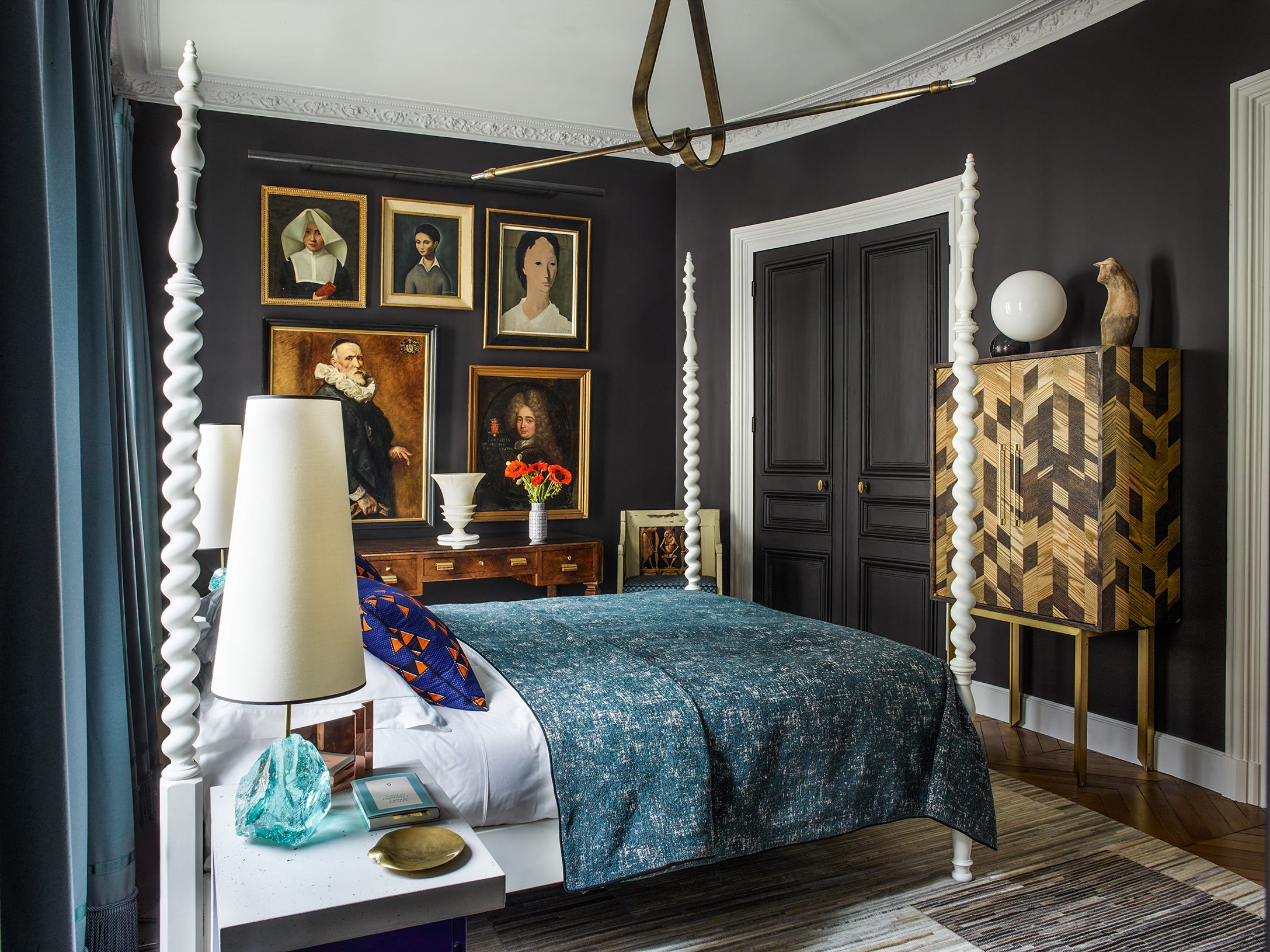
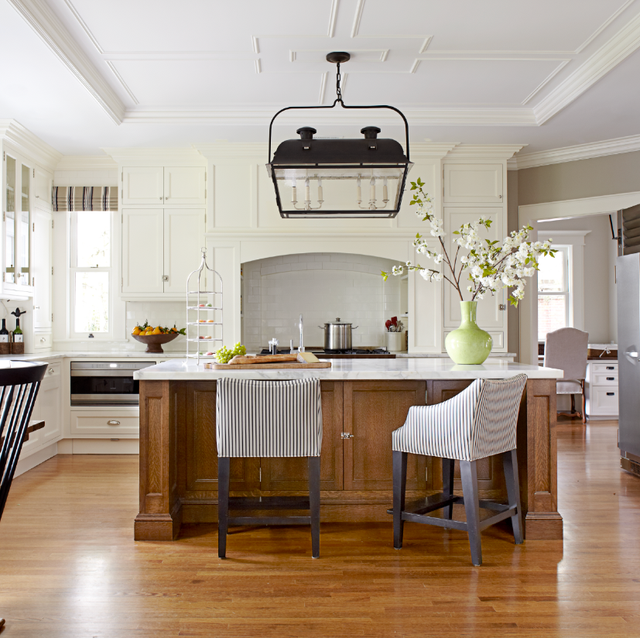
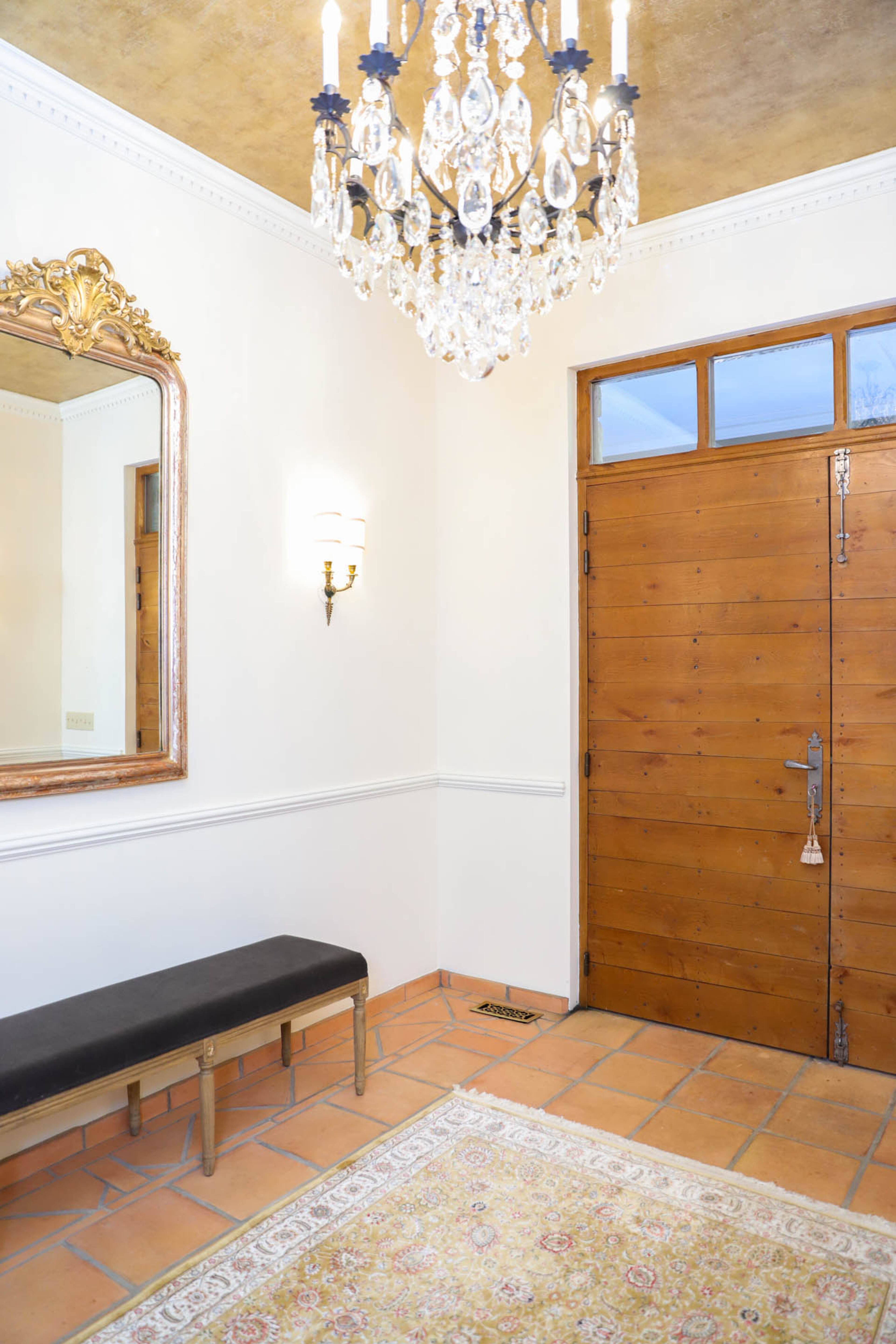
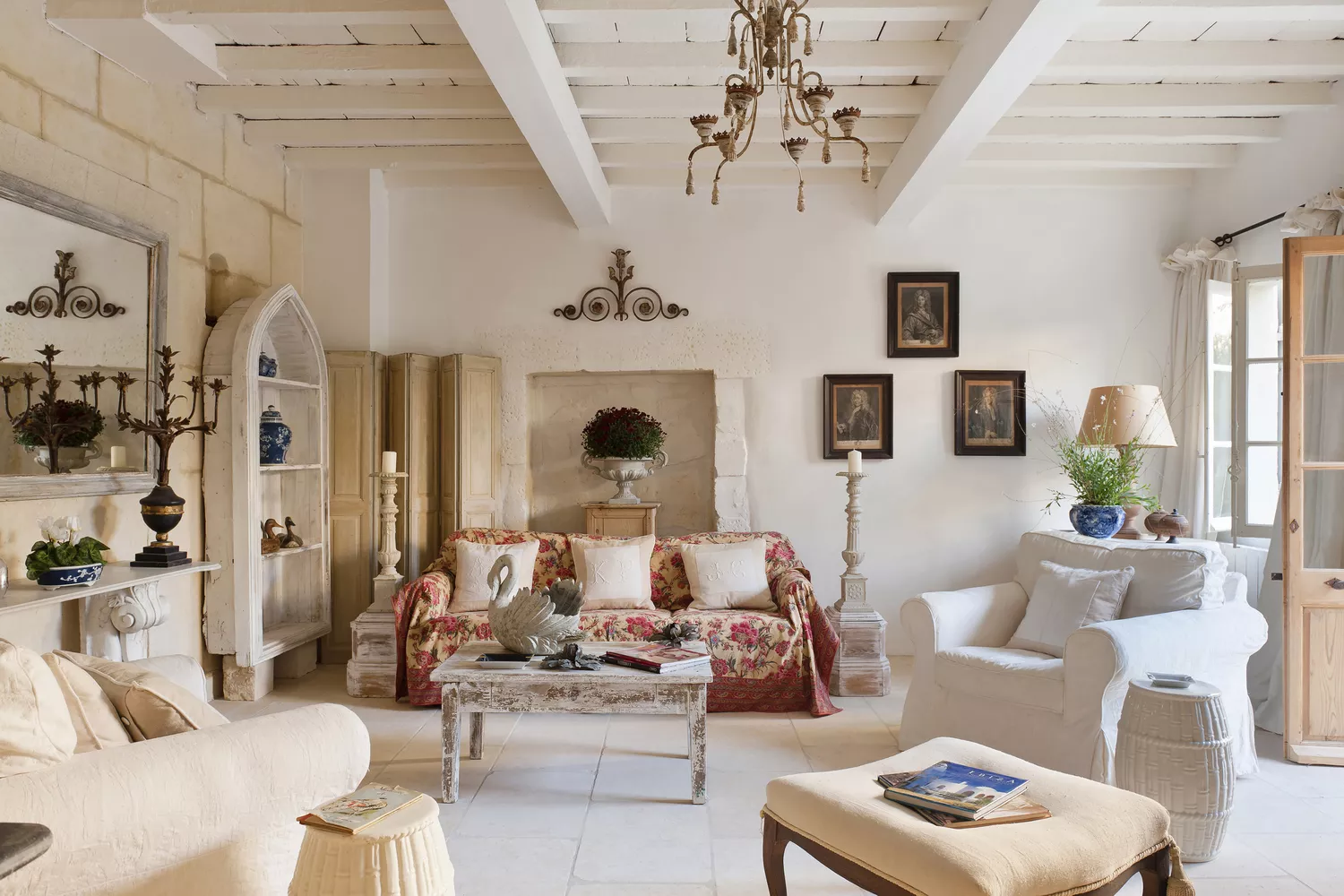
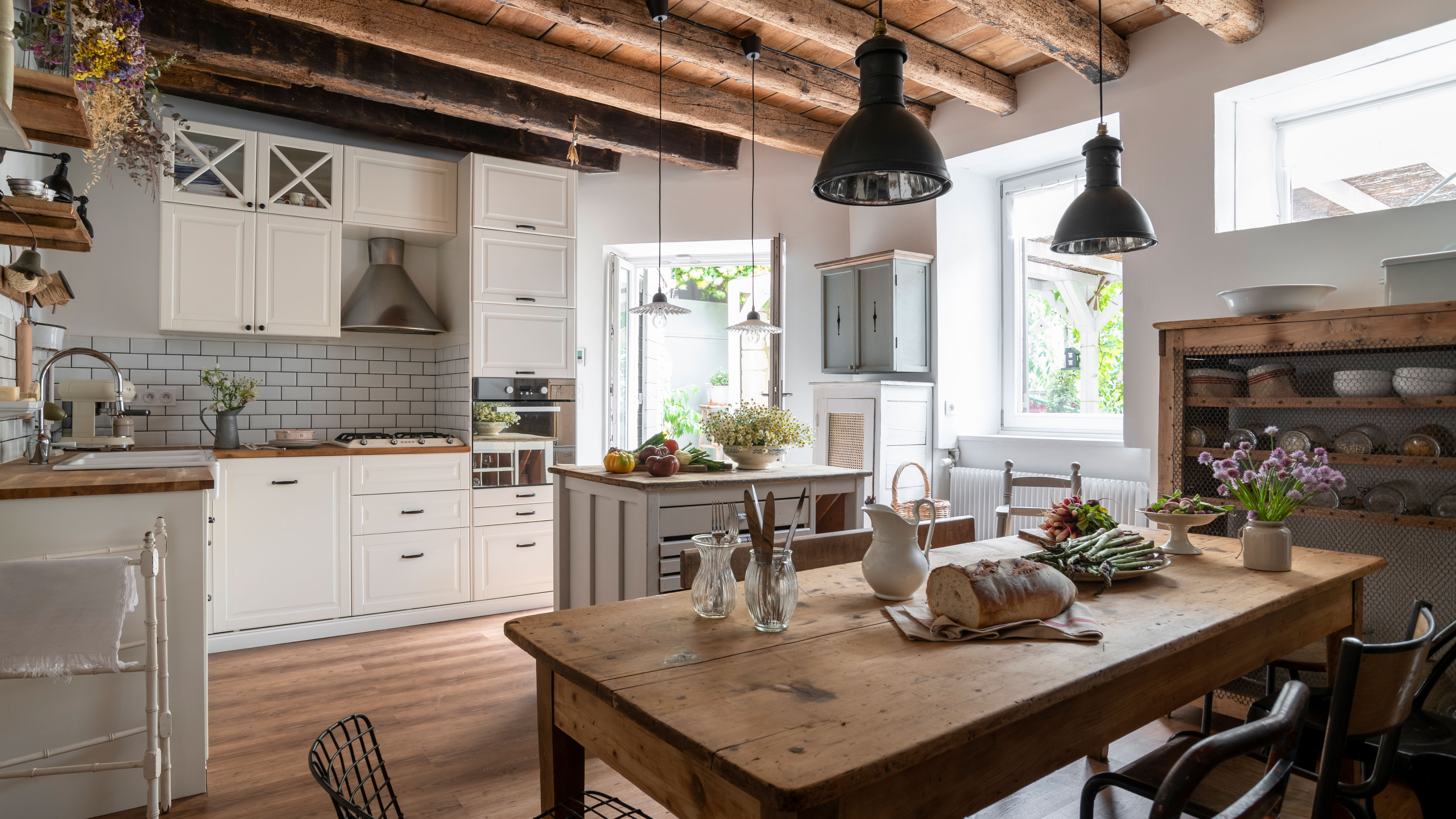
The article provides examples of French country aesthetics across various rooms, including bedrooms, bathrooms, living rooms, laundry rooms, children's bedrooms, and kitchens, illustrating how the blend of lived-in luxury, rustic elements, and ornate touches can be achieved. Design tips emphasize avoiding matching sets in favor of a collected look, mixing beautifully worn pieces with elegant fabrics, and combining rustic with polished elements. Designers recommend steering clear of bold and cool colors, modern shapes, simple lines, and overly cold finishes to maintain the authentic French country aesthetic.
#FrenchCountryDecor #InteriorDesign #RusticElegance #HomeDecorStyles #AntiqueFurnishings #Toile #DesignTips #HomeStyling #FrenchCountryDecor #InteriorDesign #RusticElegance #HomeDecorStyles #AntiqueFurnishings #Toile #DesignTips #HomeStyling
0 комментариев всего
 Комментариев пока нет
Вам также может понравиться
8 ways to nail French country style

This Is What French Country Design ACTUALLY Means

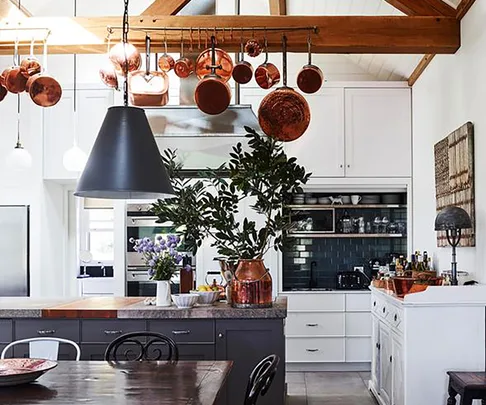
The best French provincial kitchen ideas on Pinterest
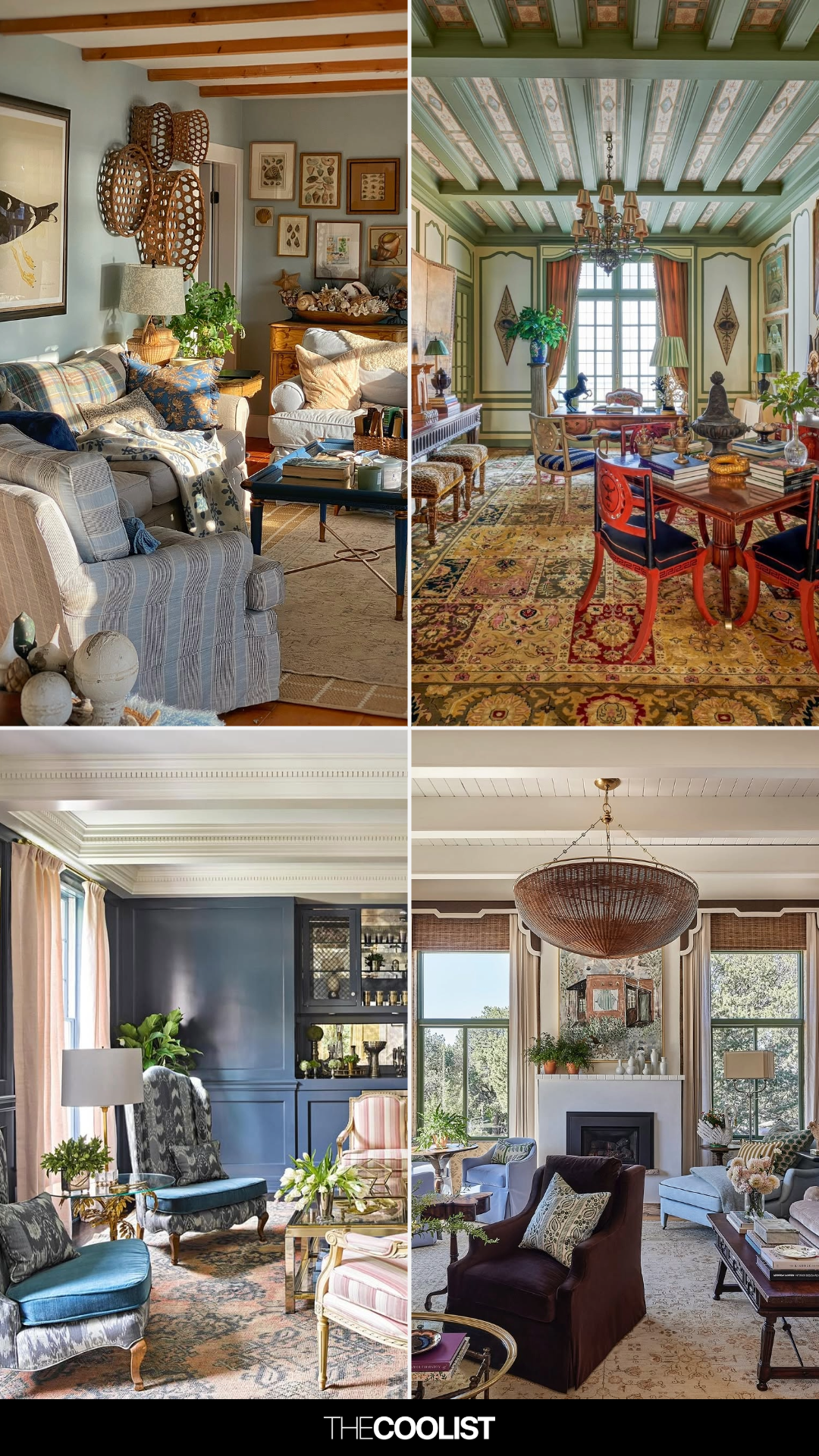
23 French Country Living Room Ideas That Feel Collected and Cozy
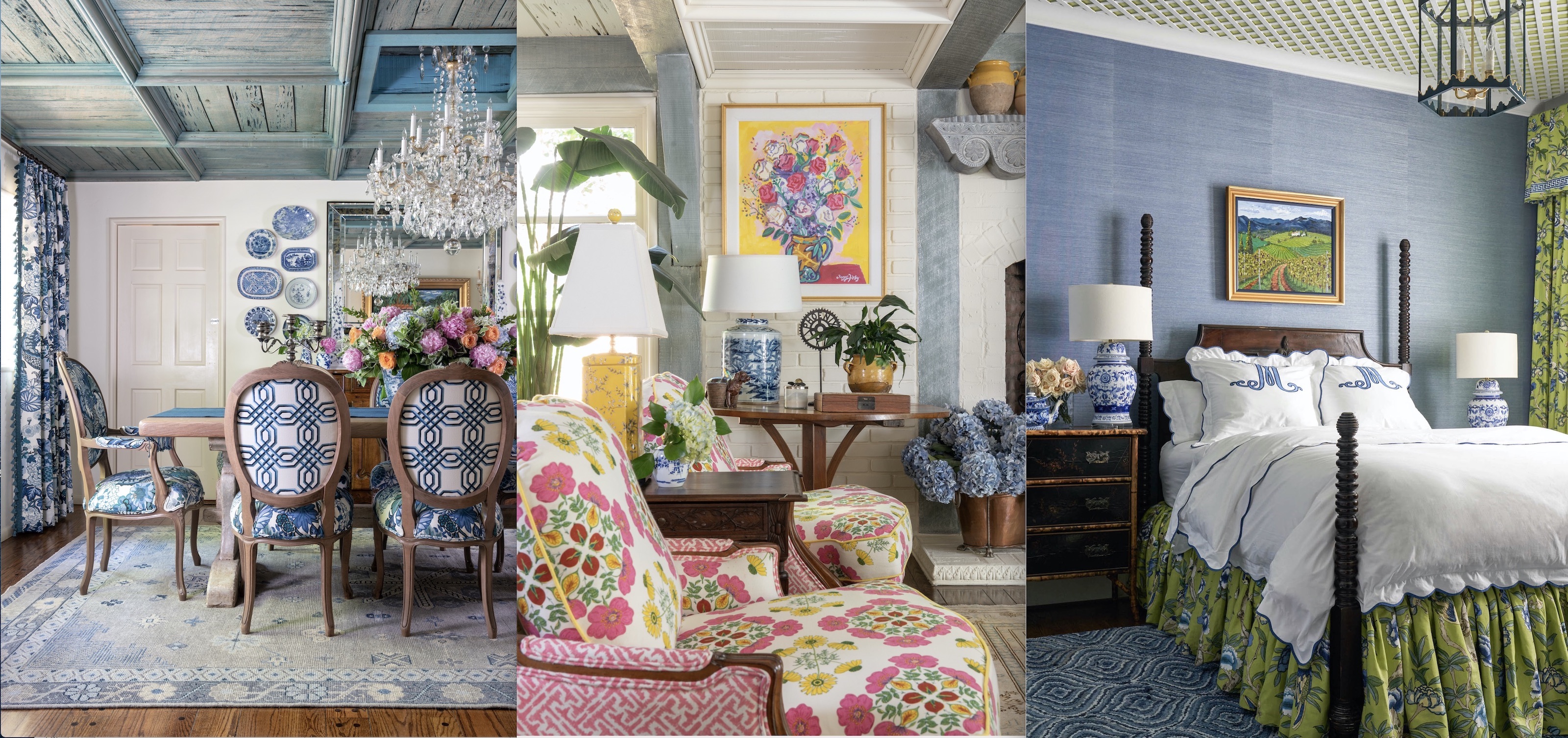
French country decor ideas – 36 beautiful looks for every room

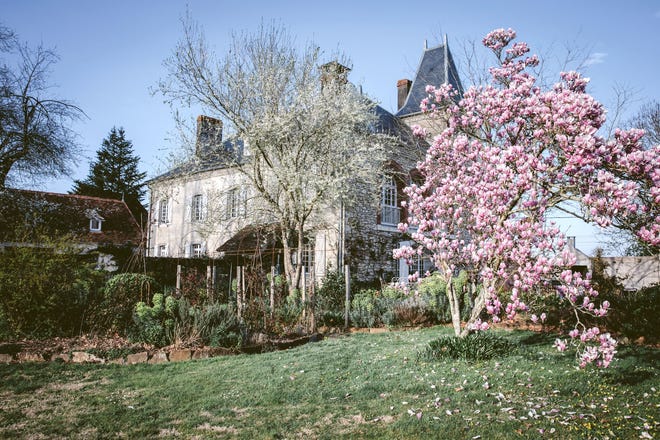
Homestyle: "How to French Country"
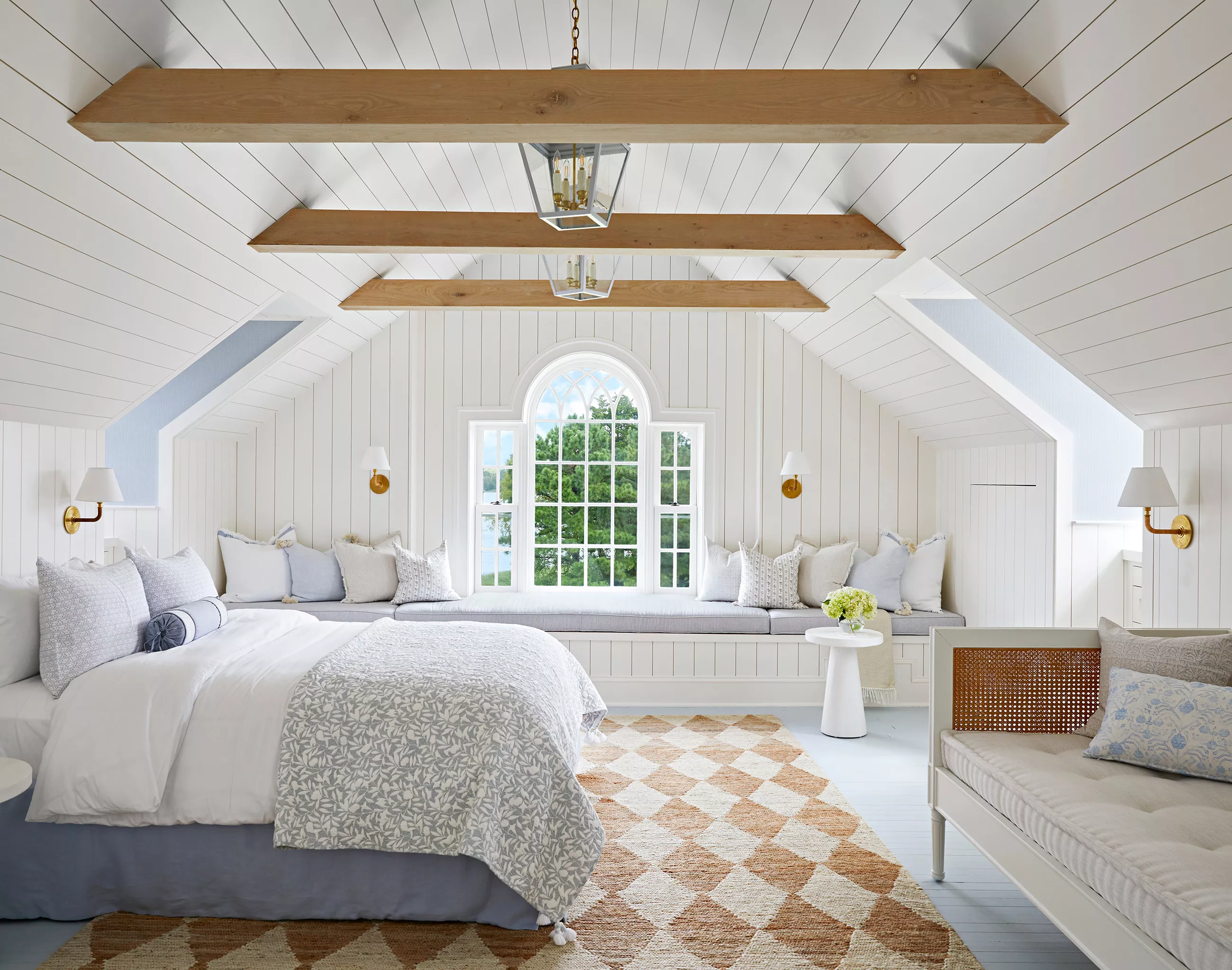
20 French Country Bedroom Ideas for a Dreamy Oasis

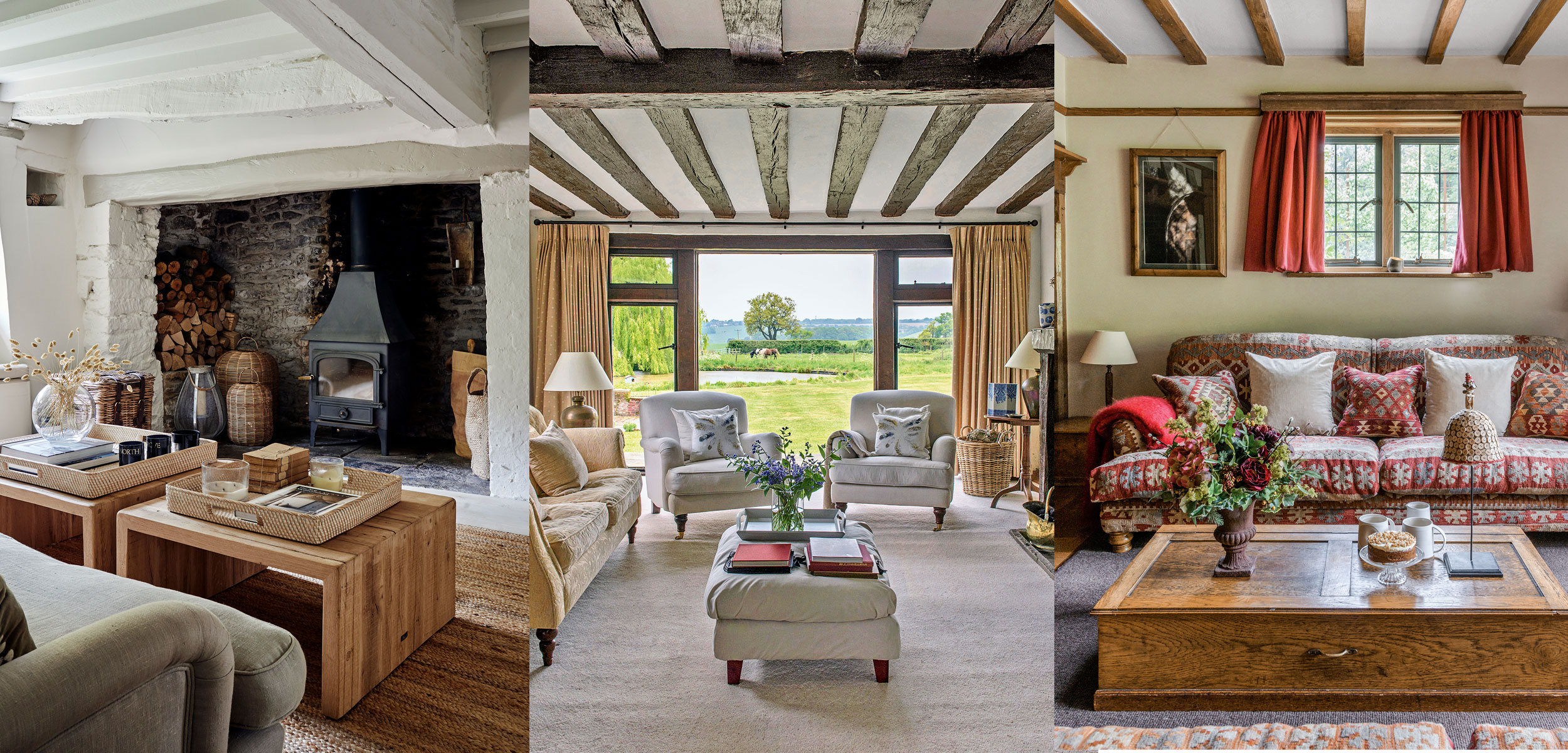
Country living room ideas – 45 rustic looks for your lounge
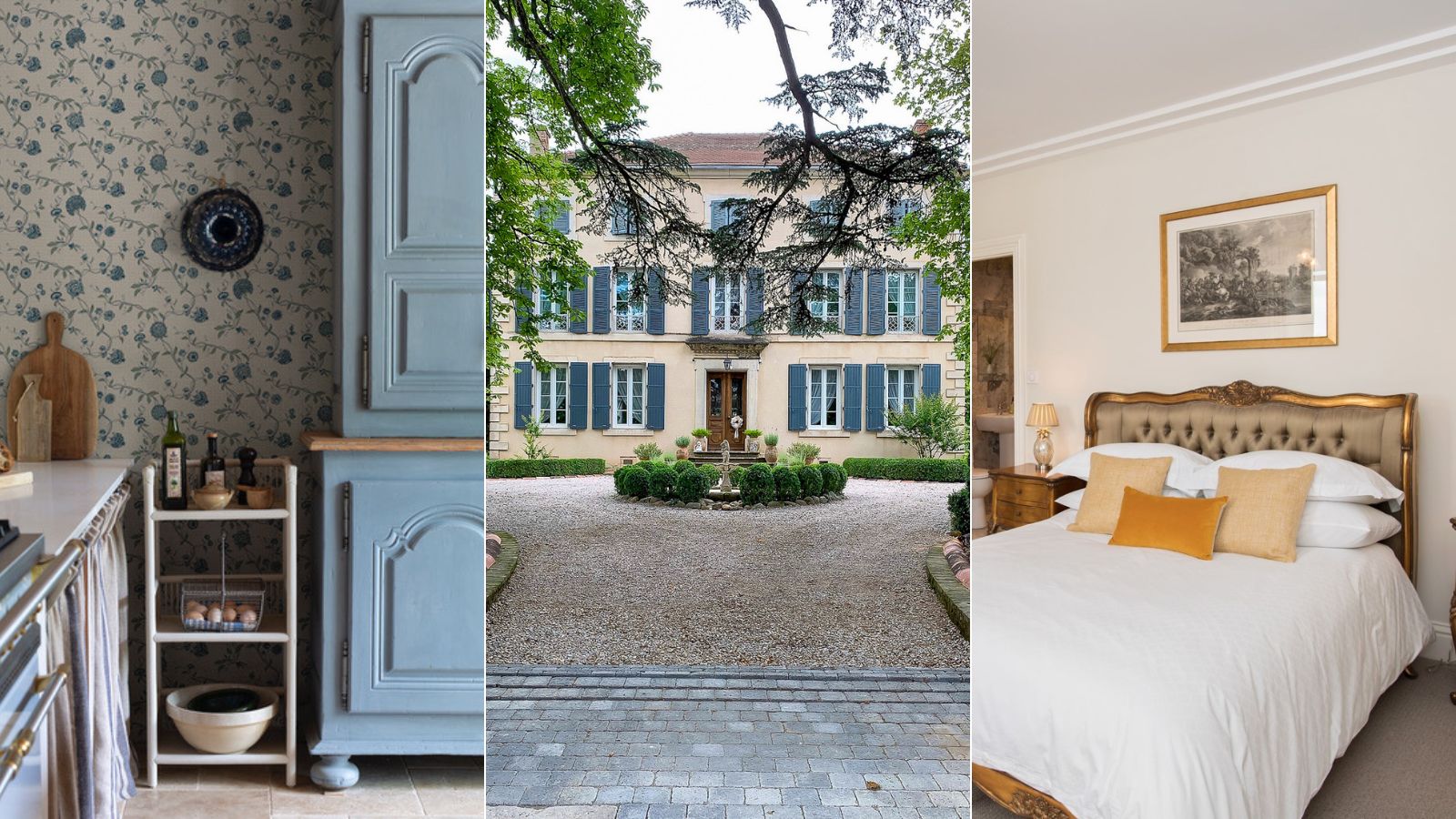
These French country houses are a lesson in the classic rustic style – here's what we learned from the designers
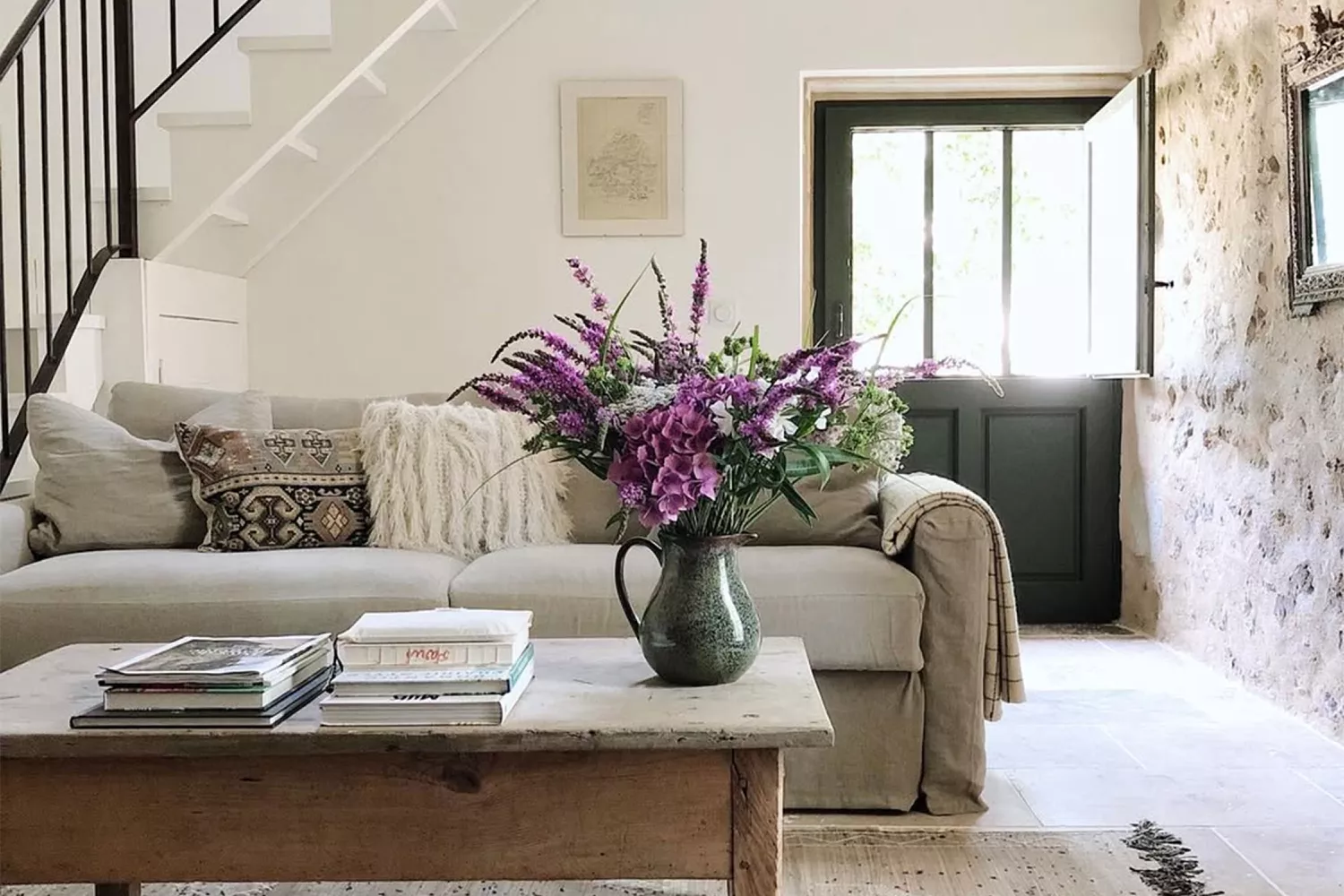
I'm Renovating a Farmhouse in the French Countryside, and These 12 Decor Secrets Created My Cozy Dream House
30 French Country Kitchen Design Ideas For a Modern and Timeless Look

Marietta home brings French style to Georgia
French Country Decor 101: How to Get This Cozy-Yet-Elegant Style

This 400-year-old rural French house is oozing authentic rustic charm
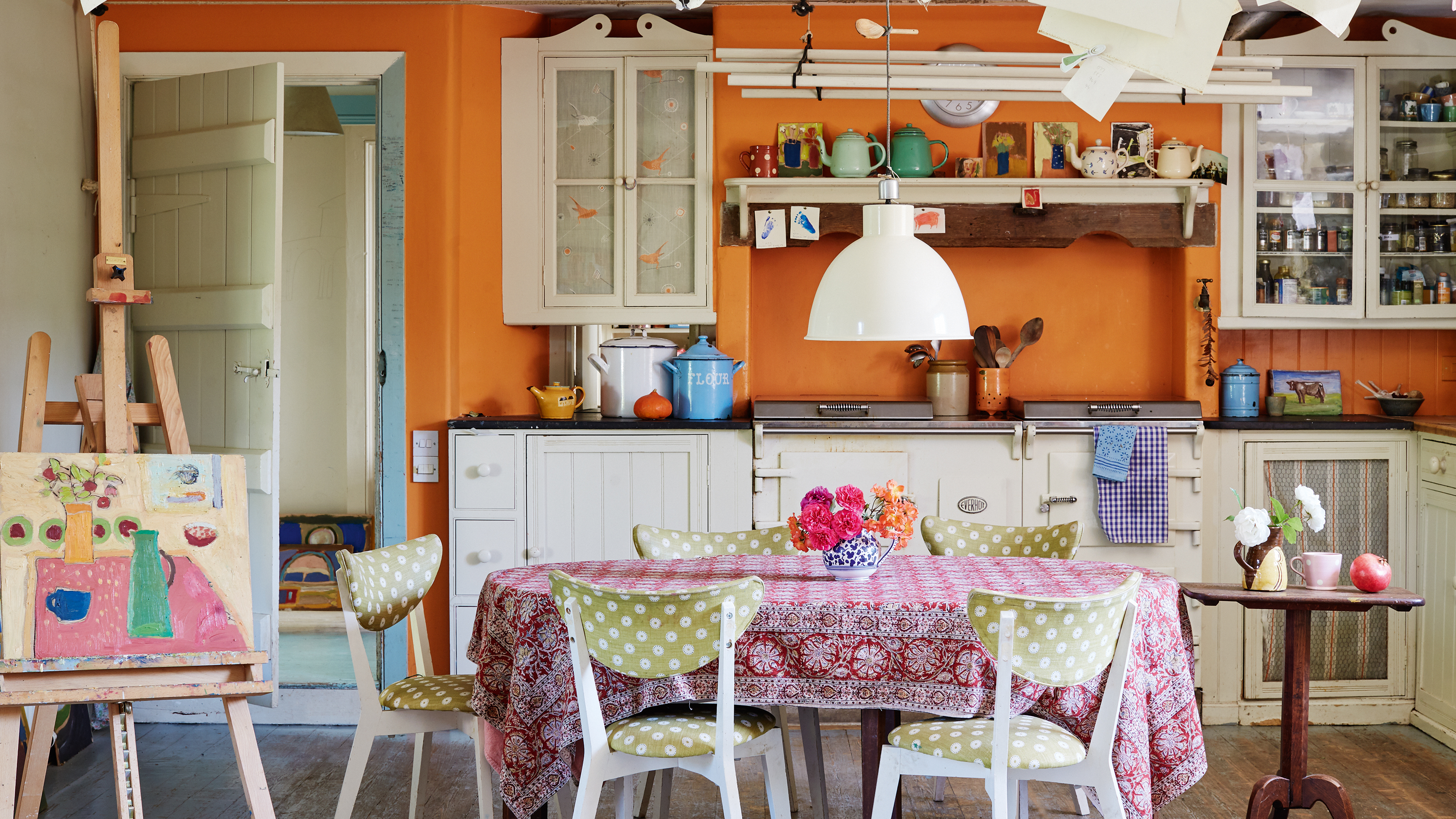
10 new country decorating ideas

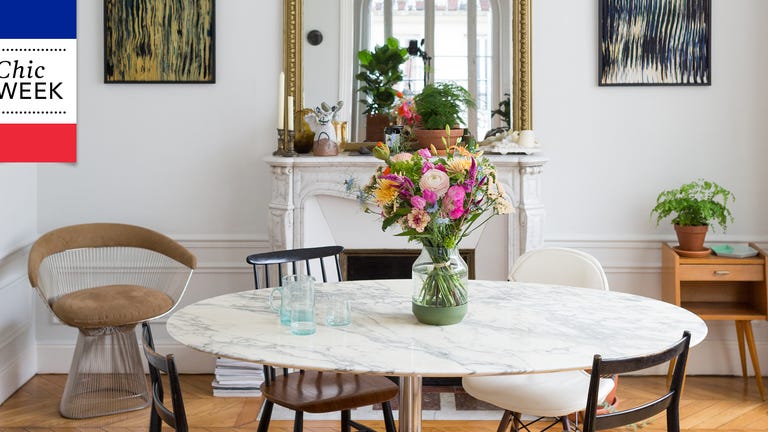
7 French Interior Design Rules To Live By For An "Effortlessly" Chic Lifestyle
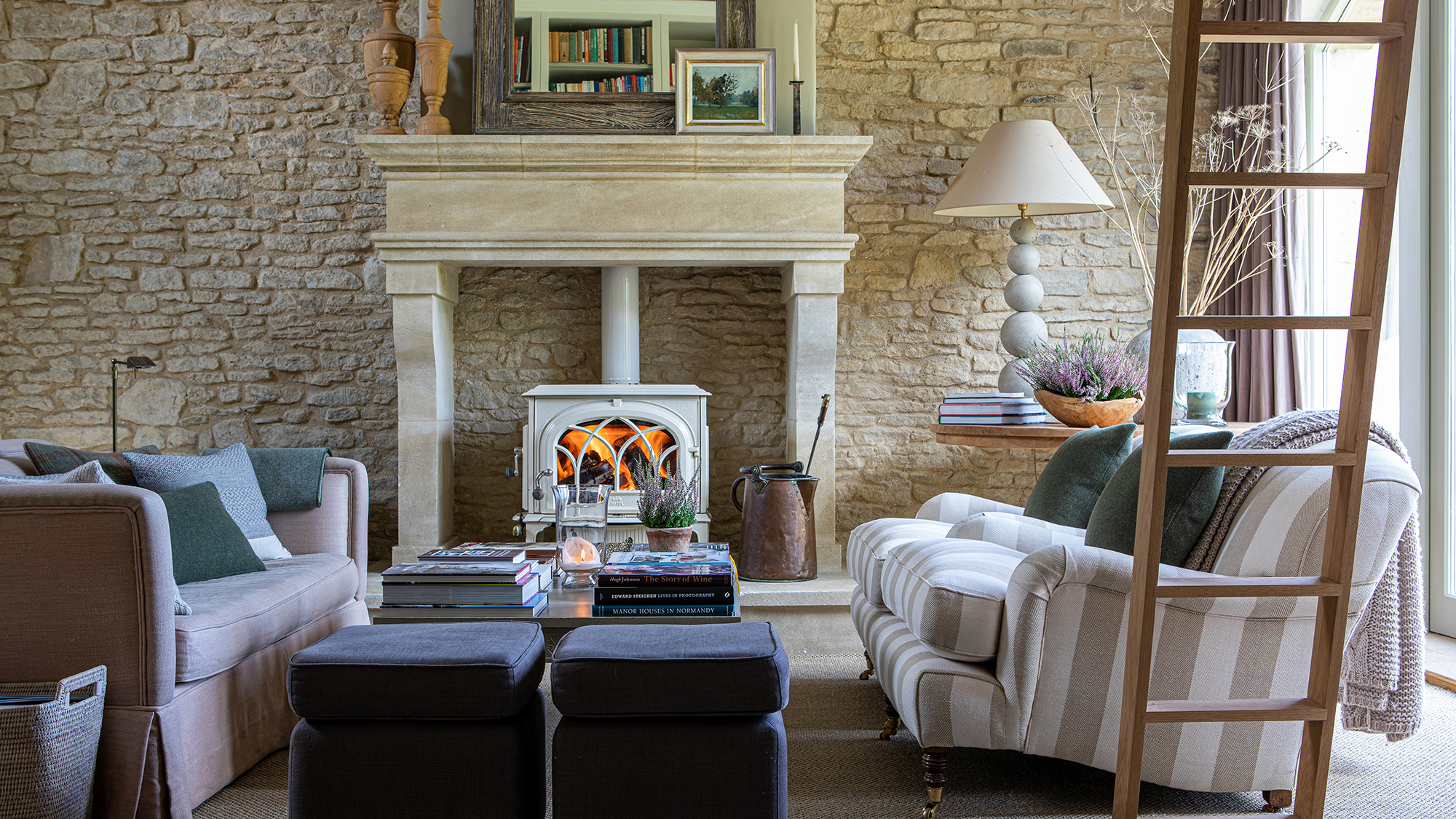
French country living room ideas – 10 ways to add timeless elegance
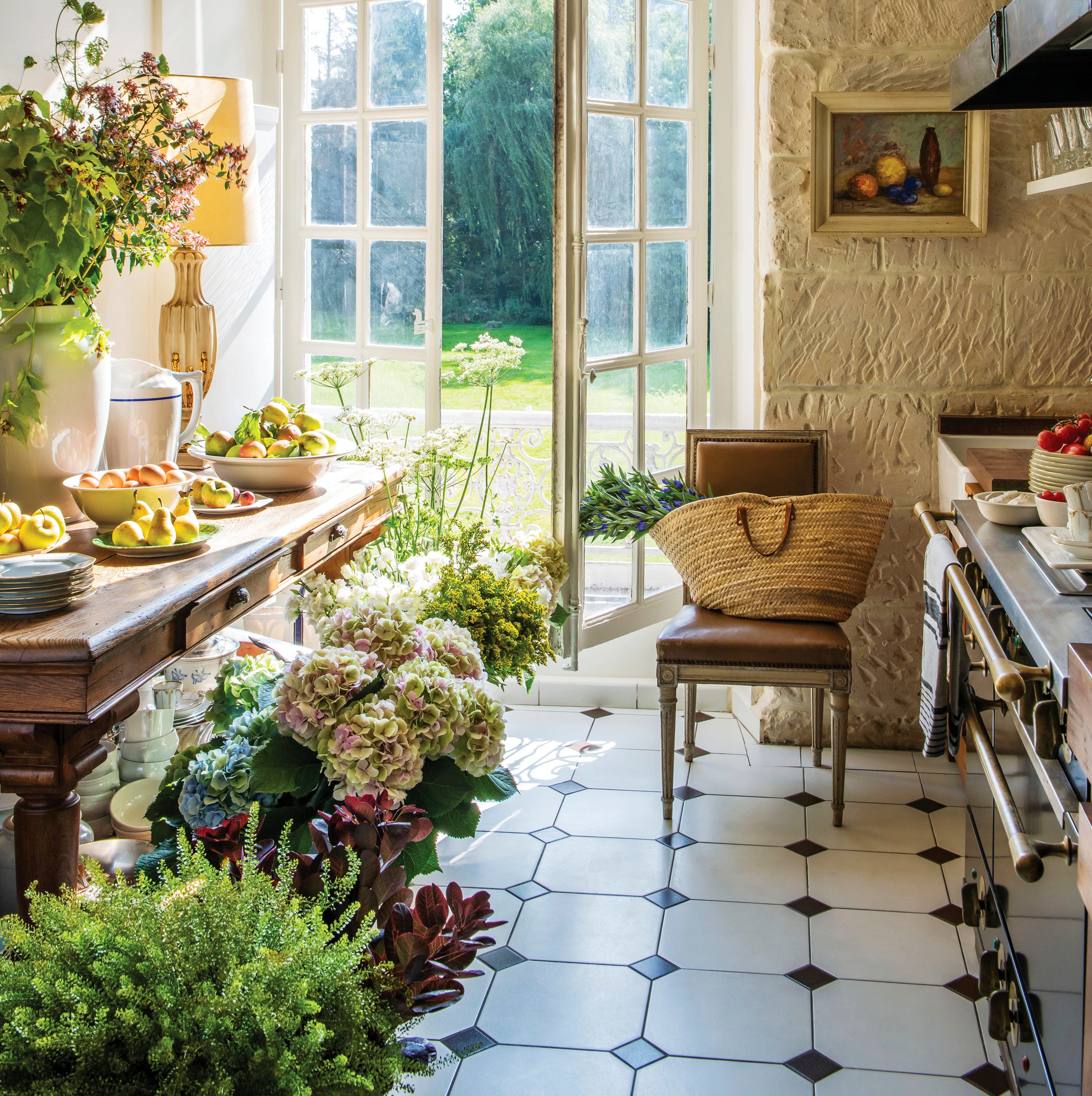
These 22 French Country Kitchen Ideas Will Instantly Transport You to Provence

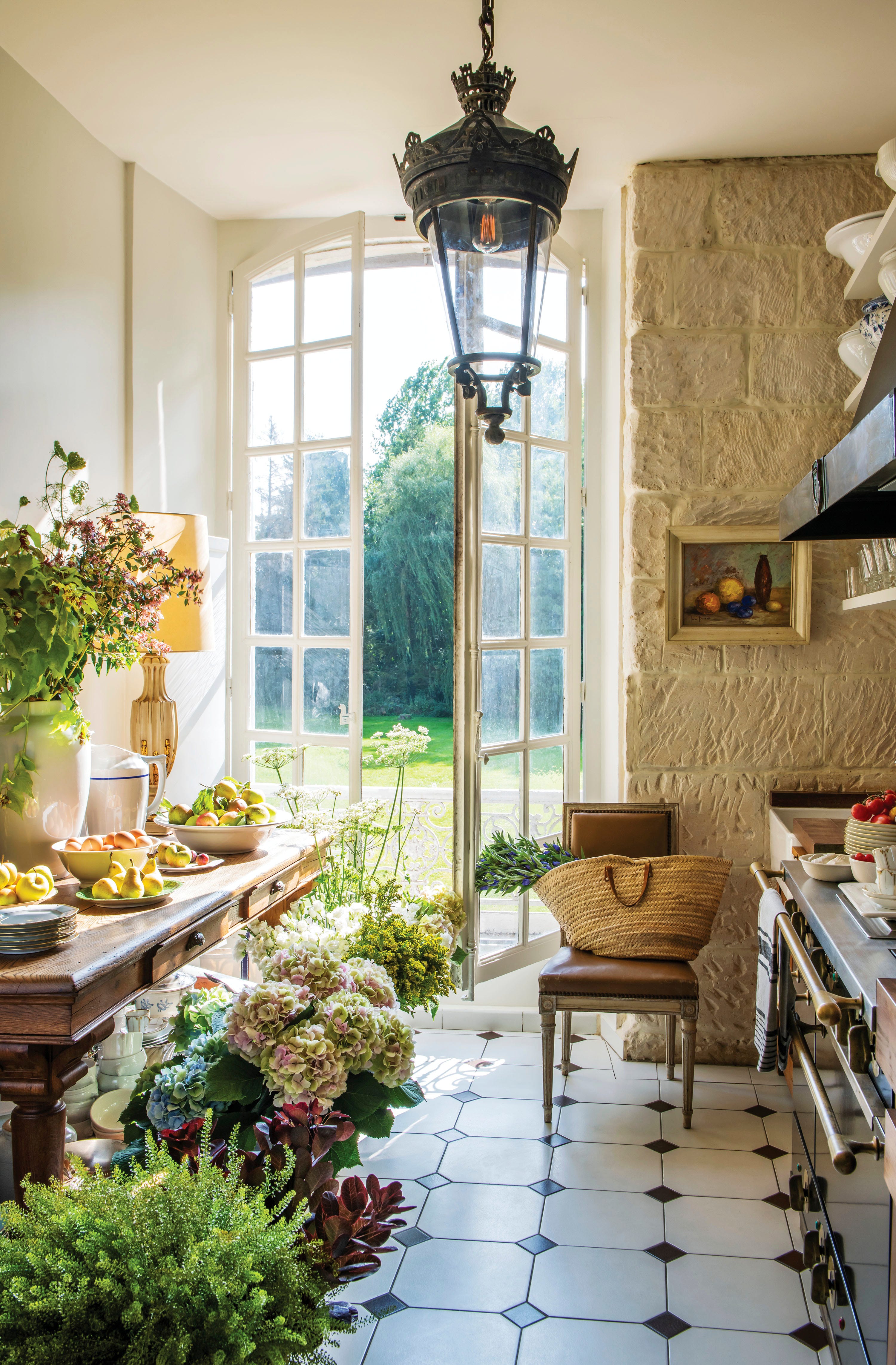
These French Country Kitchen Ideas Will Instantly Transport You to Provence

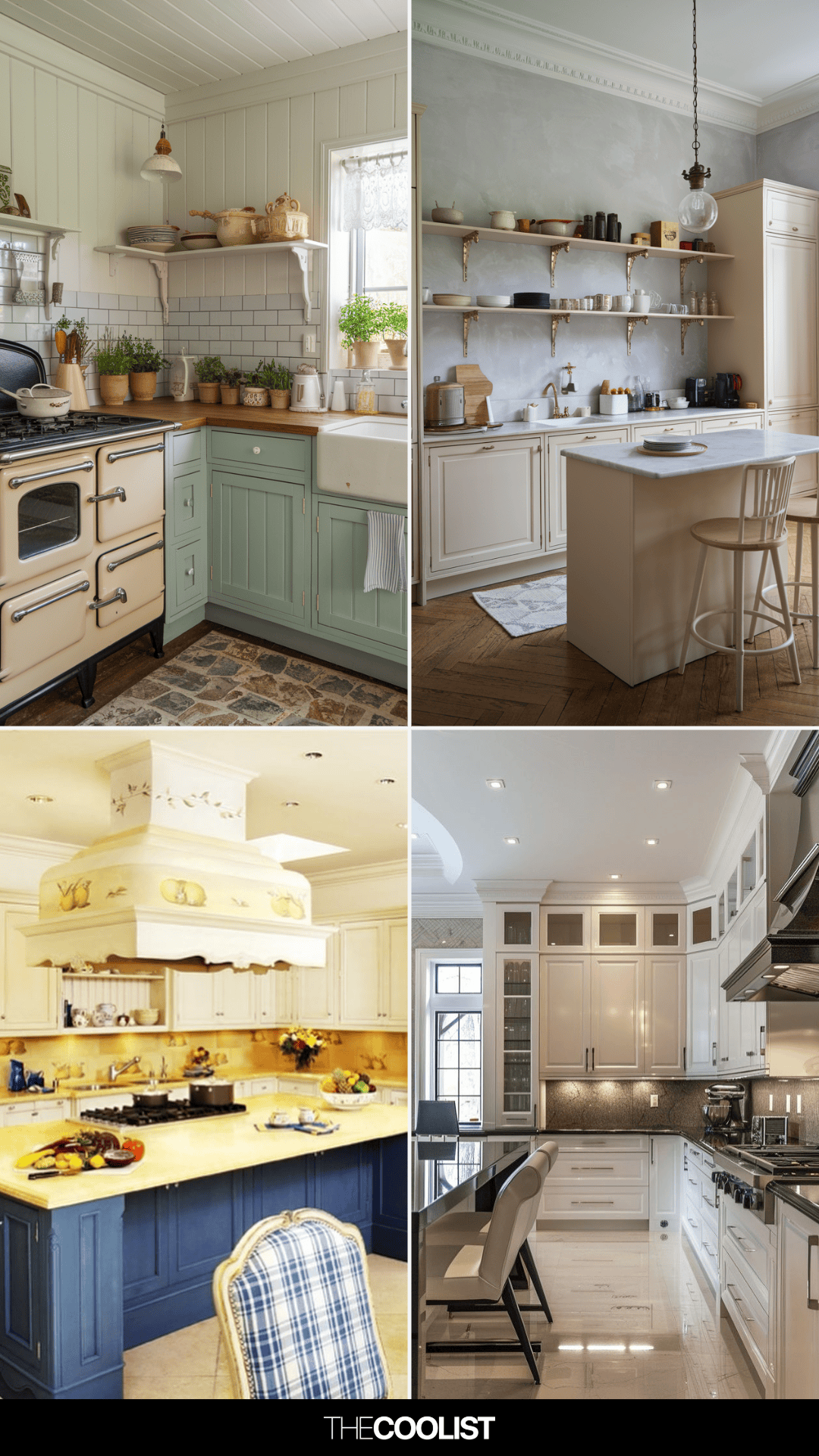
21 French Kitchen Ideas That Capture Timeless European Charm