1/6
How Silicon Valley helps spread the same sterile aesthetic across the world
The article explores the phenomenon of "AirSpace," a term coined to describe the homogenized aesthetic and environment propagated globally through digital platforms and Silicon Valley's influence. This concept highlights how technology shapes not only online interactions but also physical spaces, leading to a worldwide sameness in cafes, bars, startup offices, and co-living spaces.
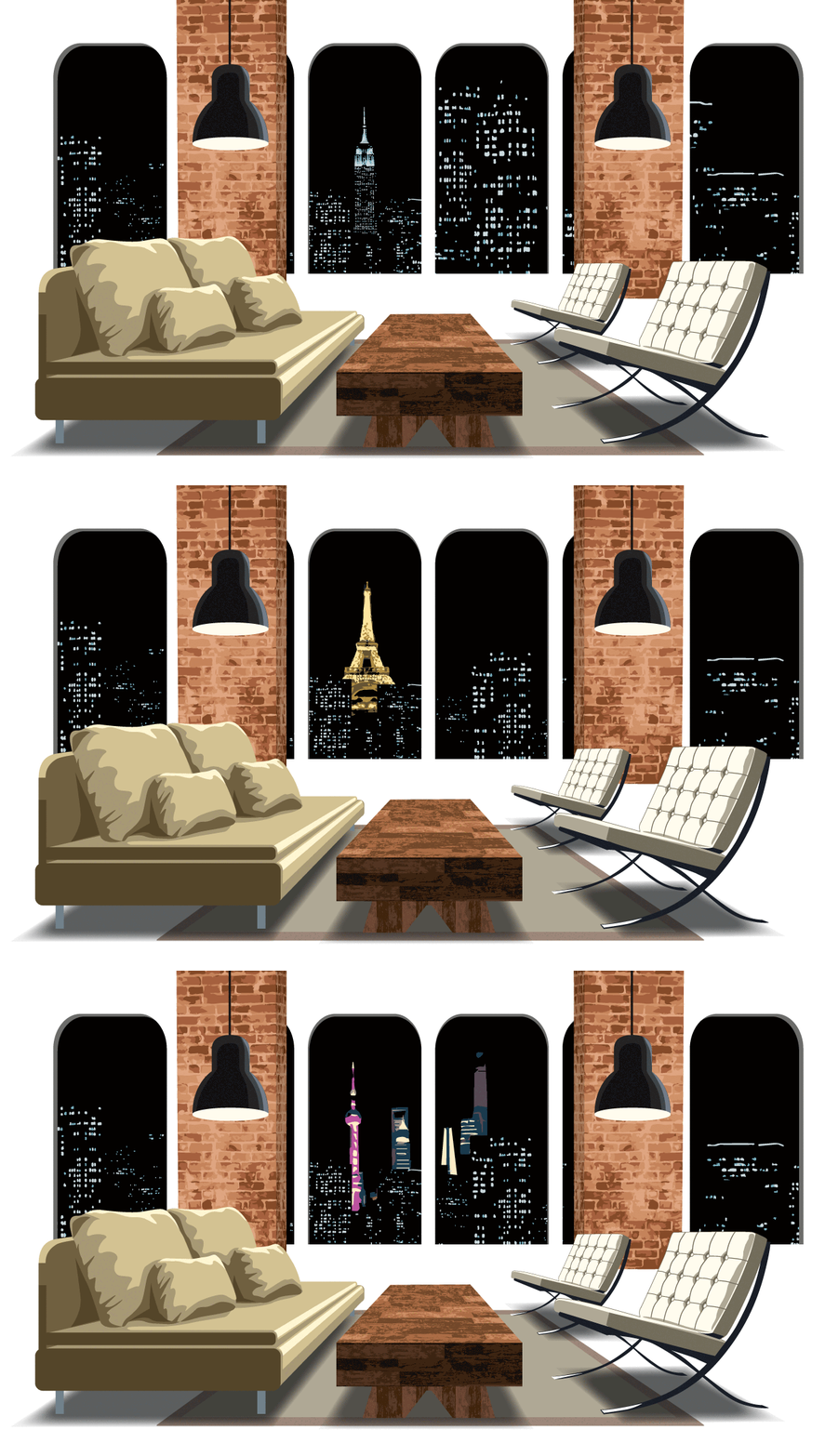
The genesis of this uniformity is illustrated through the experience of Igor Schwarzmann, co-founder of Third Wave, a strategy consultancy. He observes that Foursquare, a recommendation app, consistently directs him to cafes that share a strikingly similar faux-artisanal design—raw wood tables, exposed brick, and Edison bulbs—regardless of the city, from Odessa to Seoul. This isn't due to global chains but rather independent establishments adopting the same style, a "harmonization of tastes" facilitated by digital platforms.
AirSpace is characterized by minimalist furniture, craft beer, avocado toast, reclaimed wood, industrial lighting, and fast internet, appealing to a specific connoisseurial mindset. This homogeneity makes travel frictionless for a particular demographic, enabling people to move between locations without a significant change in environment, embodying a concept akin to anthropologist Marc Augé's "non-places" that now permeate everyday life. This placelessness is actively fostered by companies like Airbnb.
Airbnb, founded by Rhode Island School of Design graduates, transformed from a functionalist platform to one showcasing high-resolution, magazine-quality interior images. This shift propelled it past competitors by offering aspirational living spaces, promoting an "International Airbnb Style" that blends unfamiliarity with recognizability. Hosts, though not explicitly mandated, gravitate towards certain tasteful, mass-produced decor, leading to a consistent aesthetic across listings worldwide. This trend, while offering comfort and a sense of belonging for some travelers, also risks becoming generic.
The article also delves into the social implications of AirSpace, including issues of accessibility and discrimination. It references the #AirbnbWhileBlack hashtag and a Harvard Business School study highlighting racial bias within the platform, demonstrating that the comfort and belonging promised by AirSpace are not universally experienced. Furthermore, the article recounts a lawsuit against Airbnb by a French couple whose apartment design was replicated for a meeting room in Airbnb's San Francisco office, illustrating how the company actively participates in reproducing this aesthetic, blurring the lines between private and corporate spaces.
Startups like Roam exemplify the concept of AirSpace as a holistic lifestyle. Roam offers co-living spaces across different countries, promising users a consistent experience with shared kitchens, private bedrooms, co-working spaces, and specific furniture like Eames chairs, all for a monthly fee. This fulfills a demand for aesthetic homogeneity, with investors noting the familiarity this creates across diverse locations. The author raises a critical question: if one can be at home everywhere, does it mean one is truly at home nowhere? The article suggests this globalized aesthetic, while seemingly superficial, is a symptom of deeper conditions, fueled by the vast interconnectedness of social media, creating a global "grid" where tastes and desires converge. This leads to a form of "aesthetic gentrification" across urban centers, where economic divides manifest as a stylistic isolation between the "fashionable" (AirSpace dwellers) and the "unfashionable." The author, while acknowledging a personal fondness for the AirSpace style, calls for a reevaluation of its roots and negative implications, urging a conscious choice to seek out difference and invest in local experiences over mobile, generic ones to resist the potential depersonalization and stifling homogeneity of unchecked AirSpace expansion.
#SiliconValley #GlobalAesthetic #DigitalPlatforms #Airbnb #CoLiving #HomogenizationOfTaste #InteriorDesign #TravelTechnology #CulturalHomogeneity #SiliconValley #GlobalAesthetic #DigitalPlatforms #Airbnb #CoLiving #HomogenizationOfTaste #InteriorDesign #TravelTechnology #CulturalHomogeneity
 Комментариев пока нет
How Pink Salt Tiles Are Redefining Luxury Décor and Wellness Across the USA
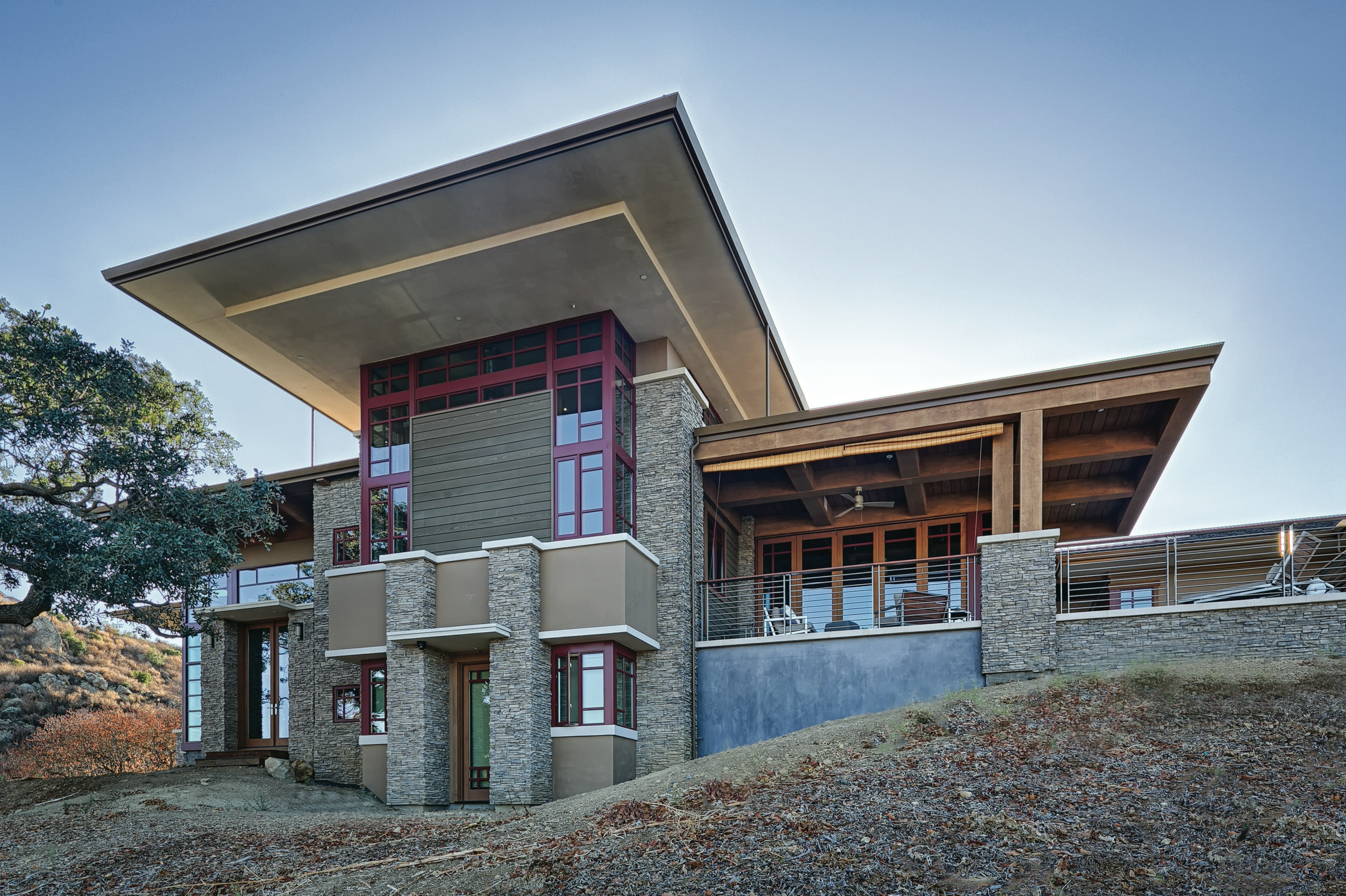
An Architectural Feat in Silicon Valley Tames a Rocky Landscape

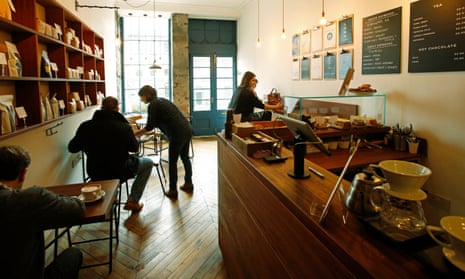
Same old, same old. How the hipster aesthetic is taking over the world

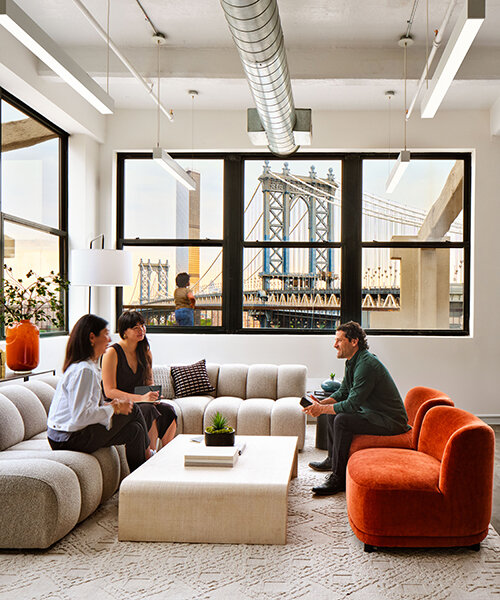
DUMBO becomes new york’s design district where creative firms collaborate and thrive