1/8
Creating Spa Bathrooms With The Latest Wellness Design And Technology Trends
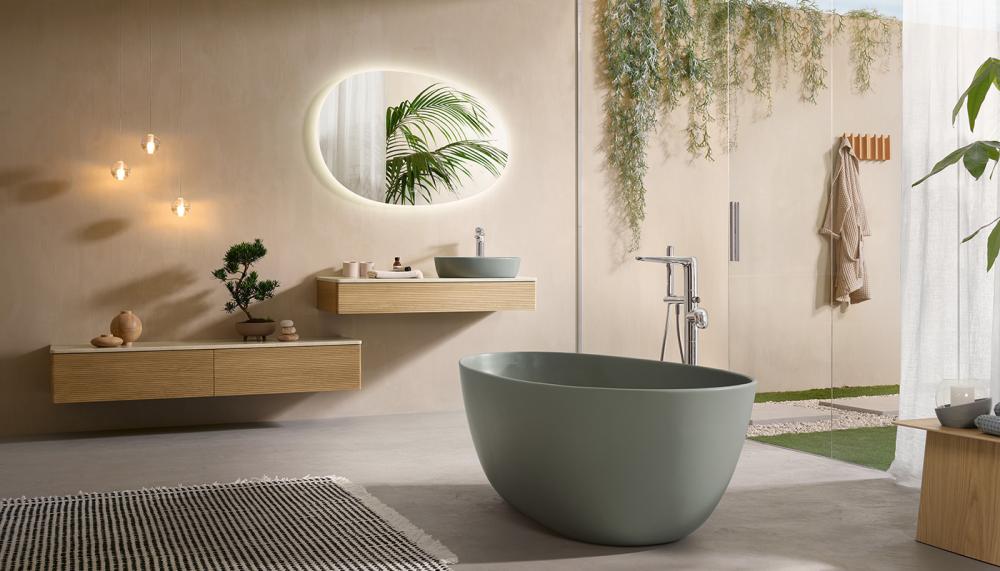
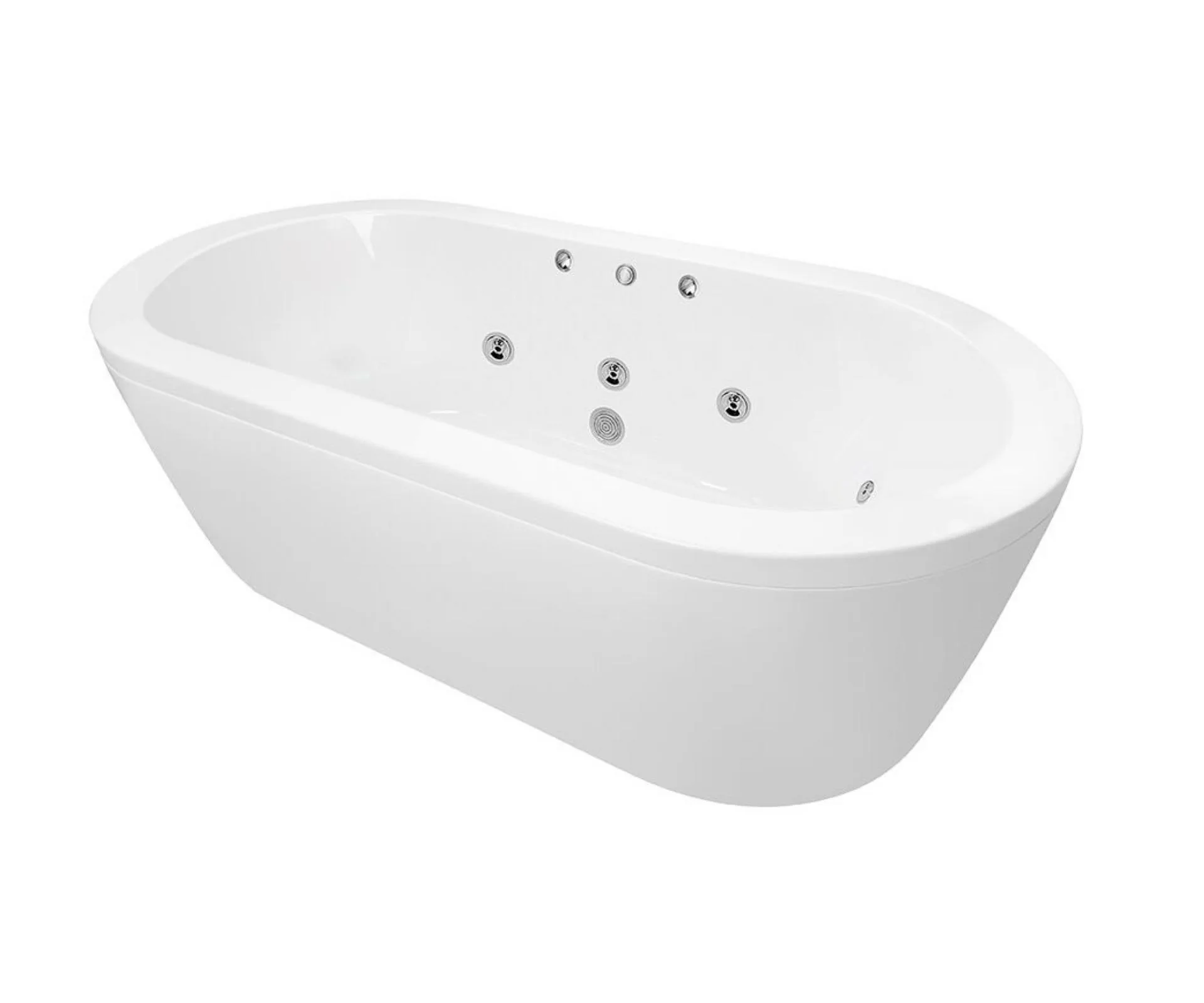
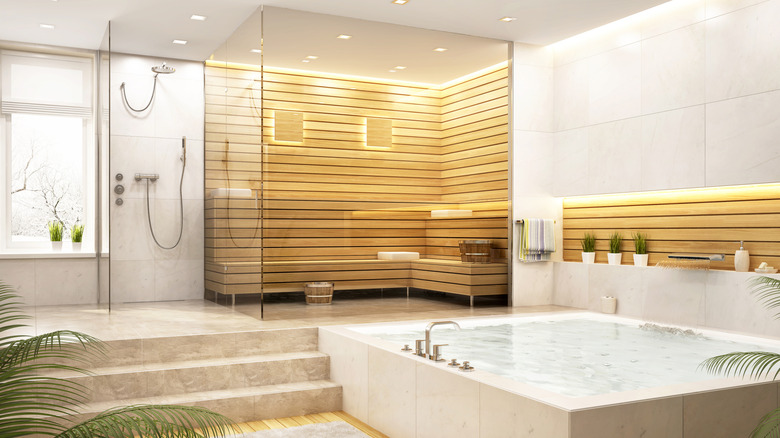
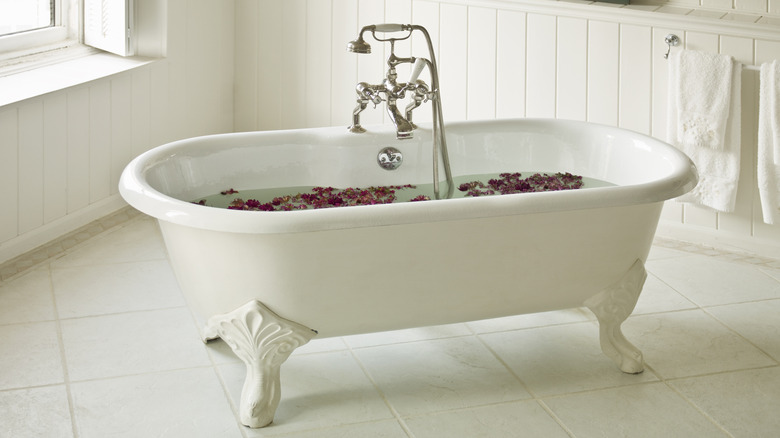
The demand for spa bathrooms in homes is growing, driven by a broader trend towards wellness and self-care, as well as the impact of recent global events. Interior designer Sharon Sherman notes that what was once an indulgence for the affluent has become a mainstream desire, with technology making these features more accessible. J. Philip Hotarek, a plumbing contractor, observes an increase in requests for features such as infrared saunas, enhanced steam shower systems, and whirlpool tubs, all integrated into a broader "health and wellness" plumbing trend.
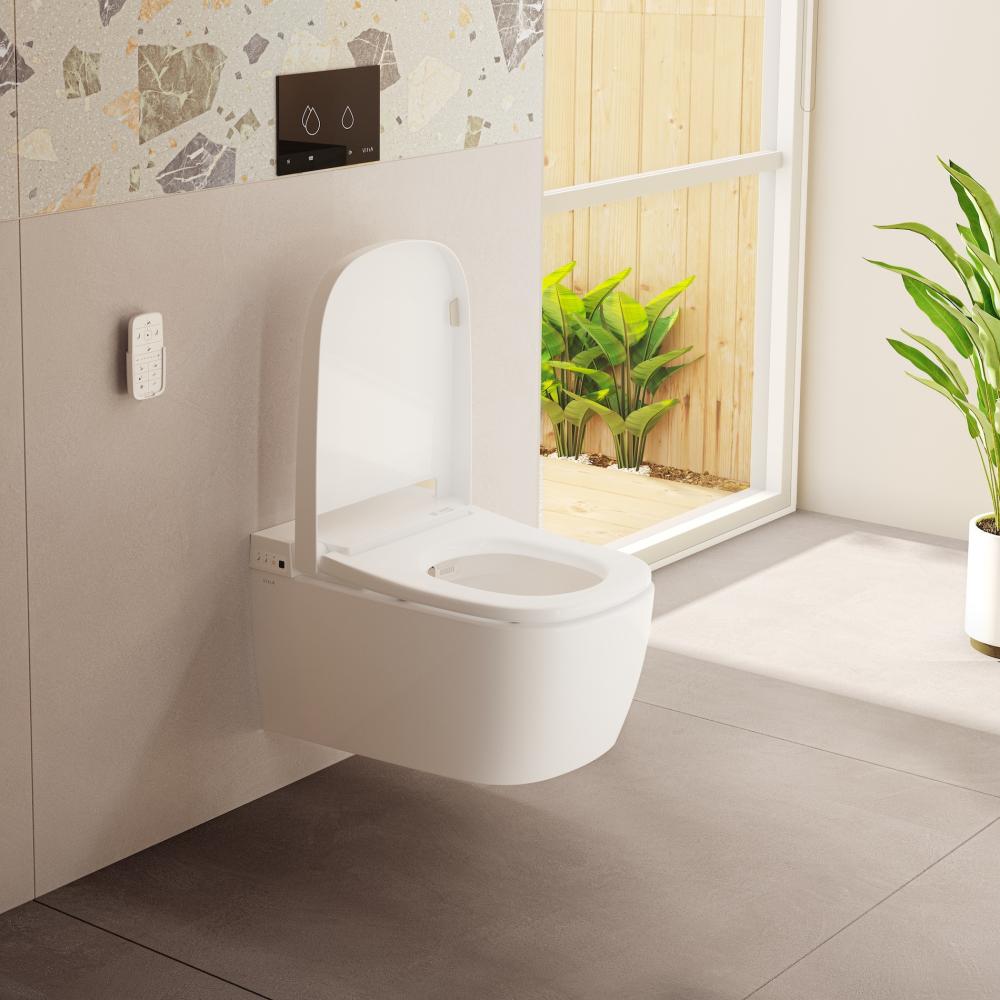
The pandemic significantly contributed to this trend. The need for relaxation and unwinding became a necessity to manage stress, extending beyond women to men. This period accelerated the adoption of steam showers, aromatherapy, chromotherapy, and air-jet tubs. The early 2020 toilet paper shortage also boosted the popularity of bidet functionality, which is now available in more affordable options, moving from luxury toilets to add-on seats with heated water and drying features for under $1,000. This increased accessibility was evident at the recent Kitchen & Bath Industry Show, where more manufacturers offered bidet functionalities across different price points.
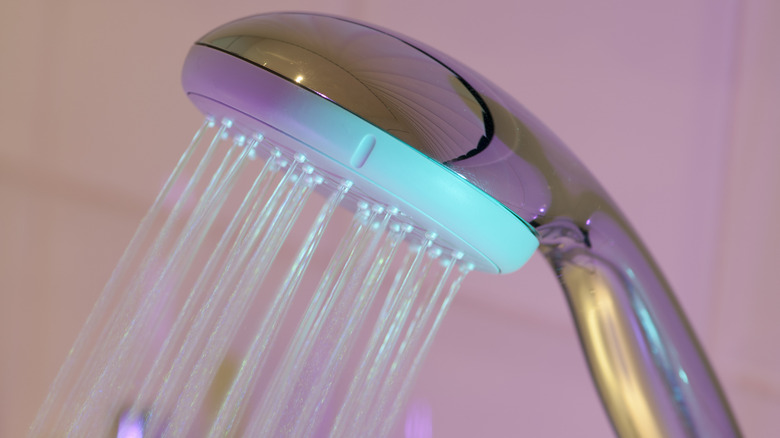
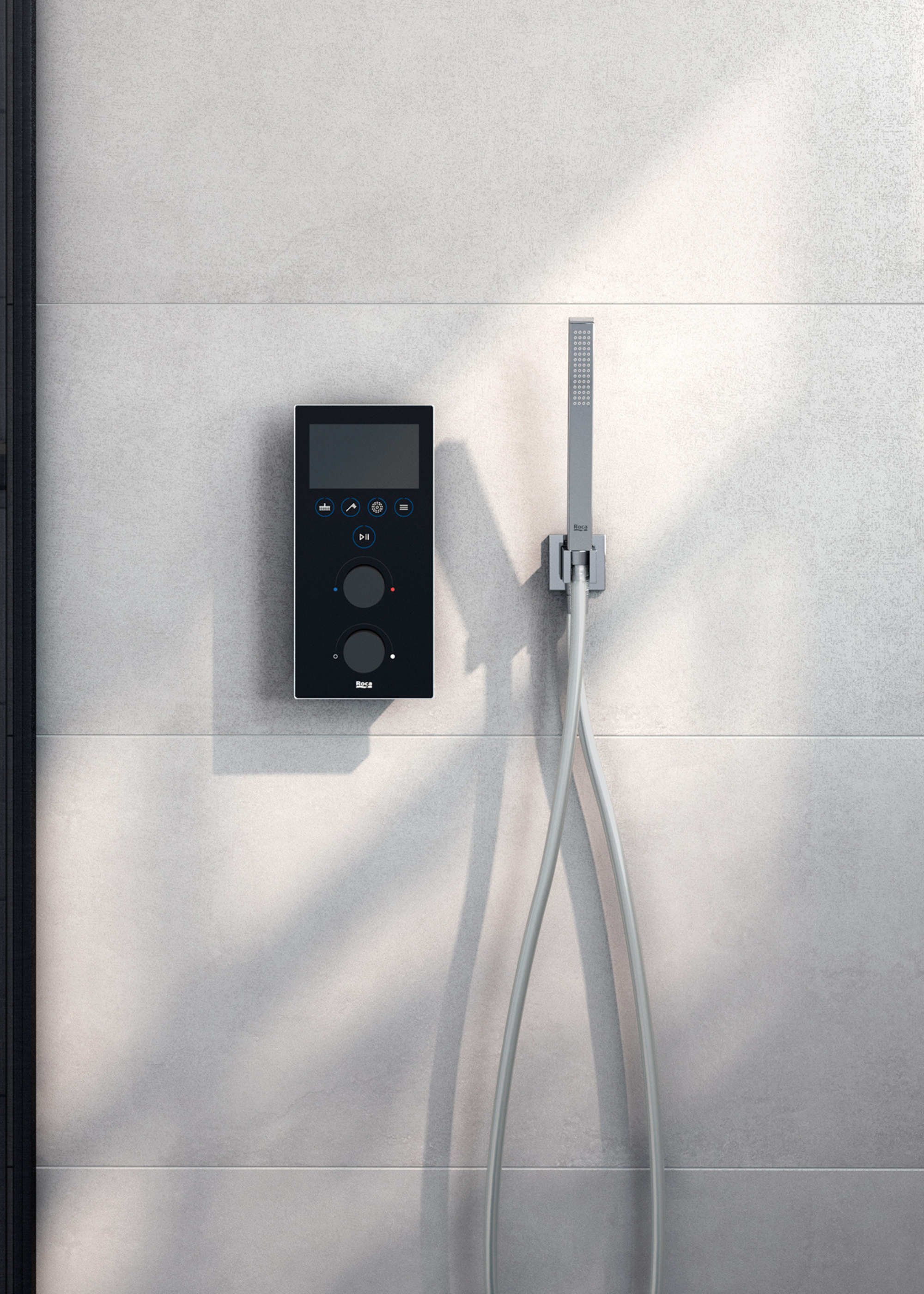
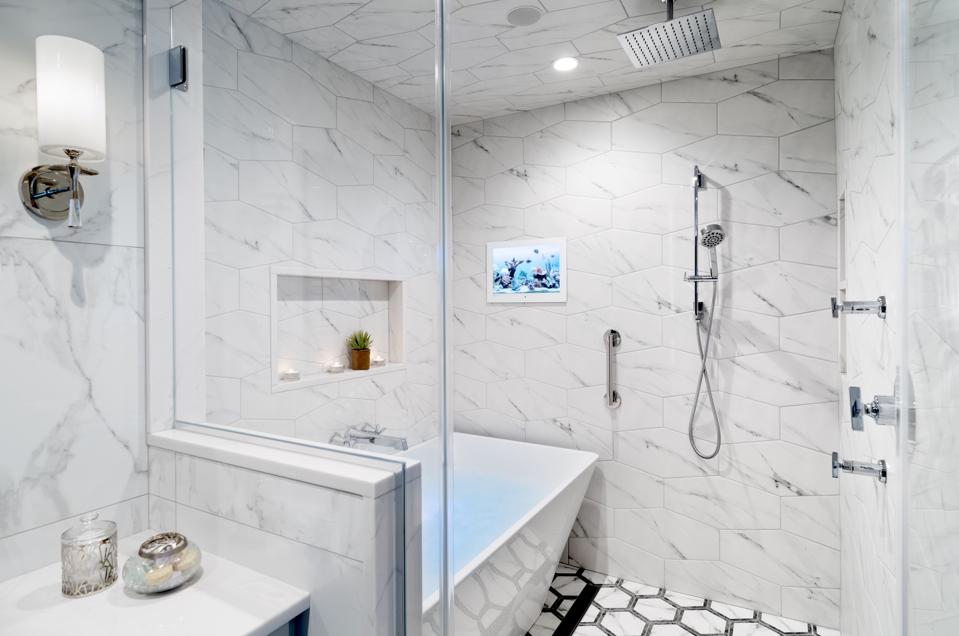
Technology plays a crucial role in modern spa bathrooms. Voice-activated systems, such as those from Alexa, control temperature, switch between showerheads or body sprays, and even turn off water. Multi-function showerheads are essential for a personalized showering experience, offering various spray modes. These systems can connect to on-demand water heaters, allowing users to preset their preferred temperatures and spray modes. Waterproof televisions are also being installed in wet rooms to enhance the immersive experience. Circadian lighting systems, integrated with smart home technology, adjust brightness and color temperature to align with natural sleep-wake cycles. Hotarek reports a rise in installations of chromotherapy, sound, and aromatherapy features in Bay Area bathrooms, reflecting the region's embrace of luxury tech. Other popular technological features include touchless faucets, Japanese soaking tubs, and extra-large rain heads with multiple water modes. Sherman highlights that contemporary showering systems are easier to integrate than older models, often coming as simple, pre-configured components. However, Hotarek cautions against hiring unqualified professionals for installation, emphasizing the challenges posed by expensive products and improper installation.
Beyond luxury, technology in spa bathrooms also offers significant safety benefits. Modern fall detectors, particularly useful in bathrooms, can alert others if someone falls, even if they cannot press a button or are disoriented. These are crucial given the bathroom is often considered the most dangerous area of a home. Occupational therapist Brittany Ferri points out that while natural light is a popular design trend, it can be problematic for individuals with low vision due to glare and contrast sensitivity. This underscores the importance of adjustable lighting and remote-controlled window coverings, ideally operable by voice commands, to create a safe and comfortable environment.
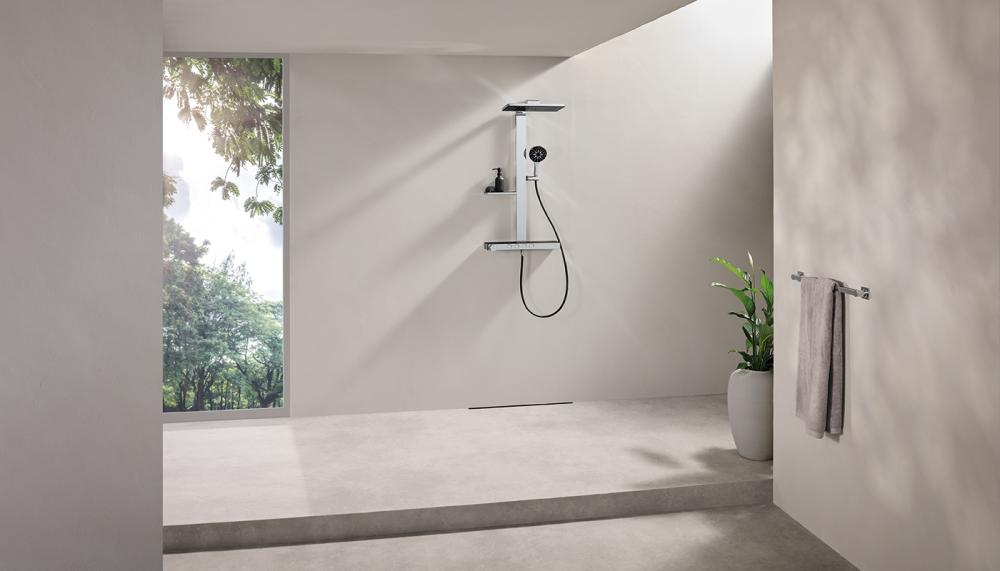
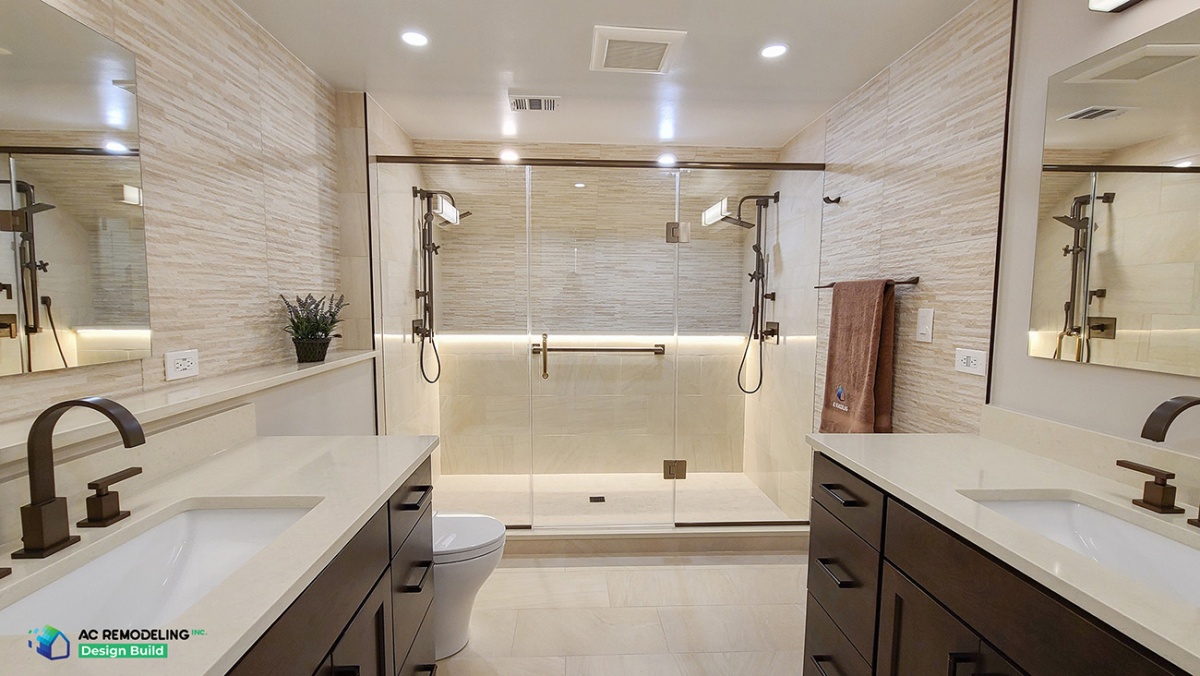
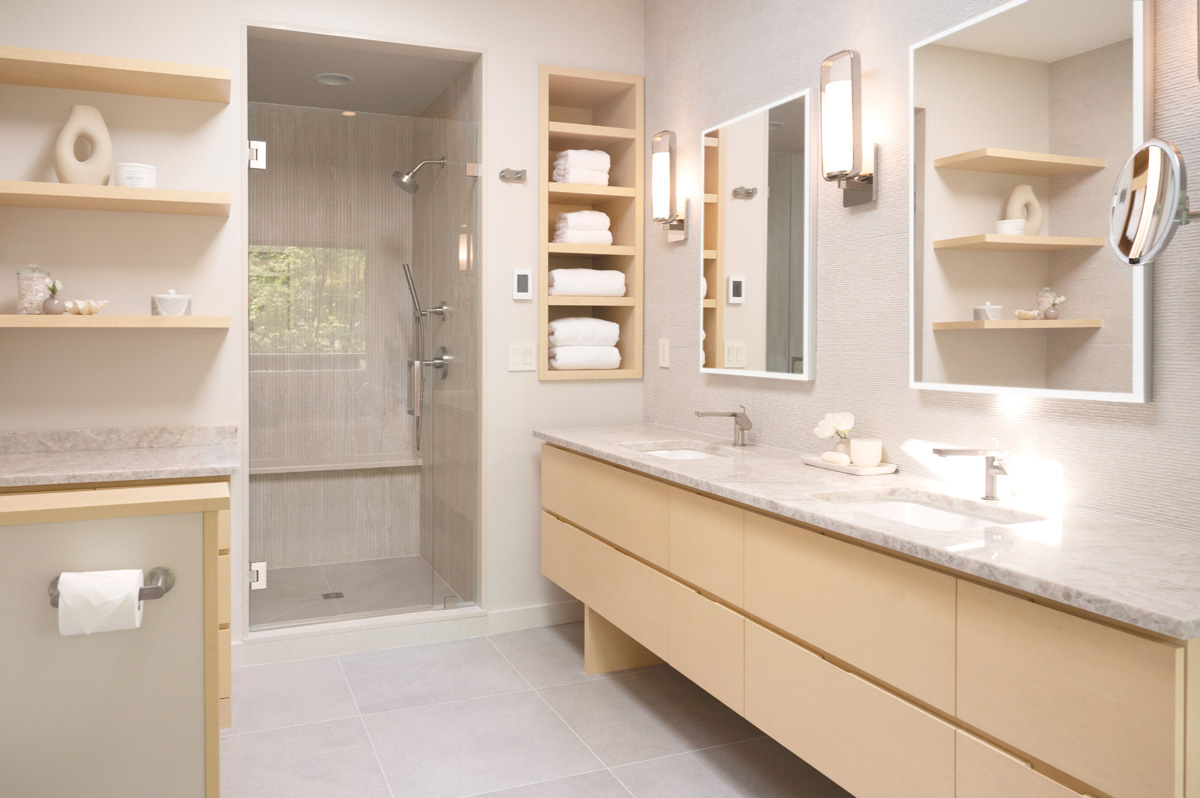
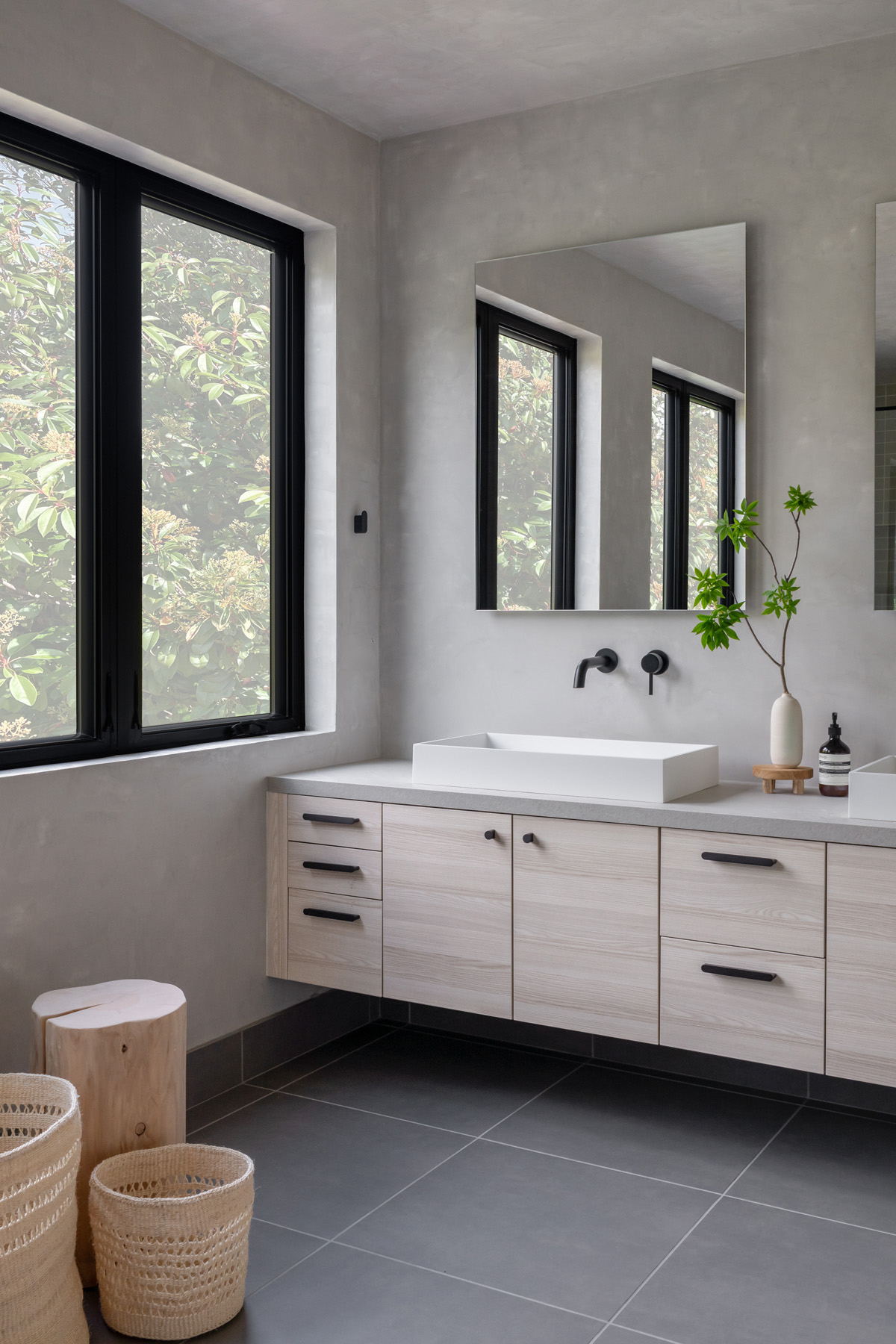
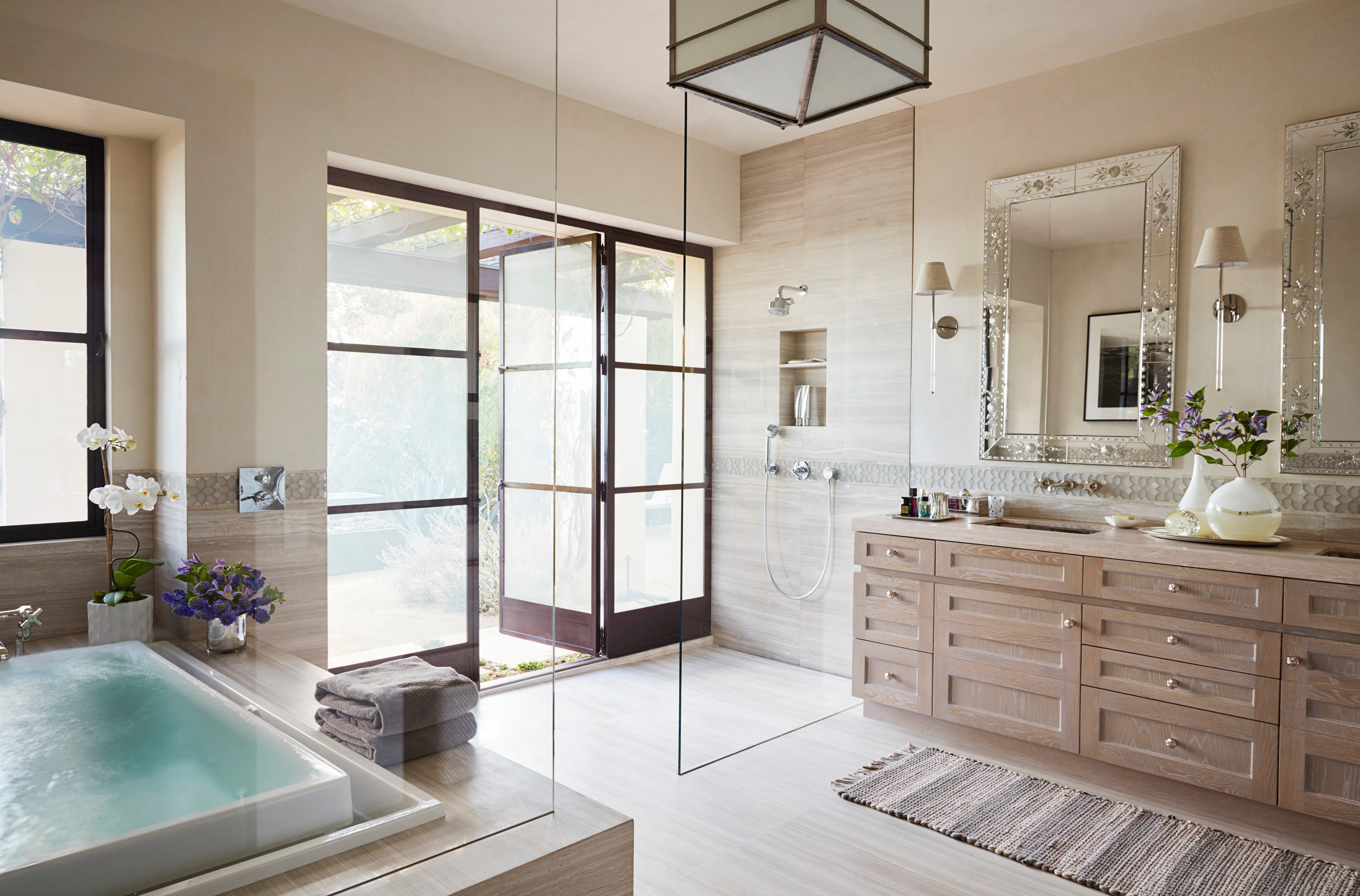
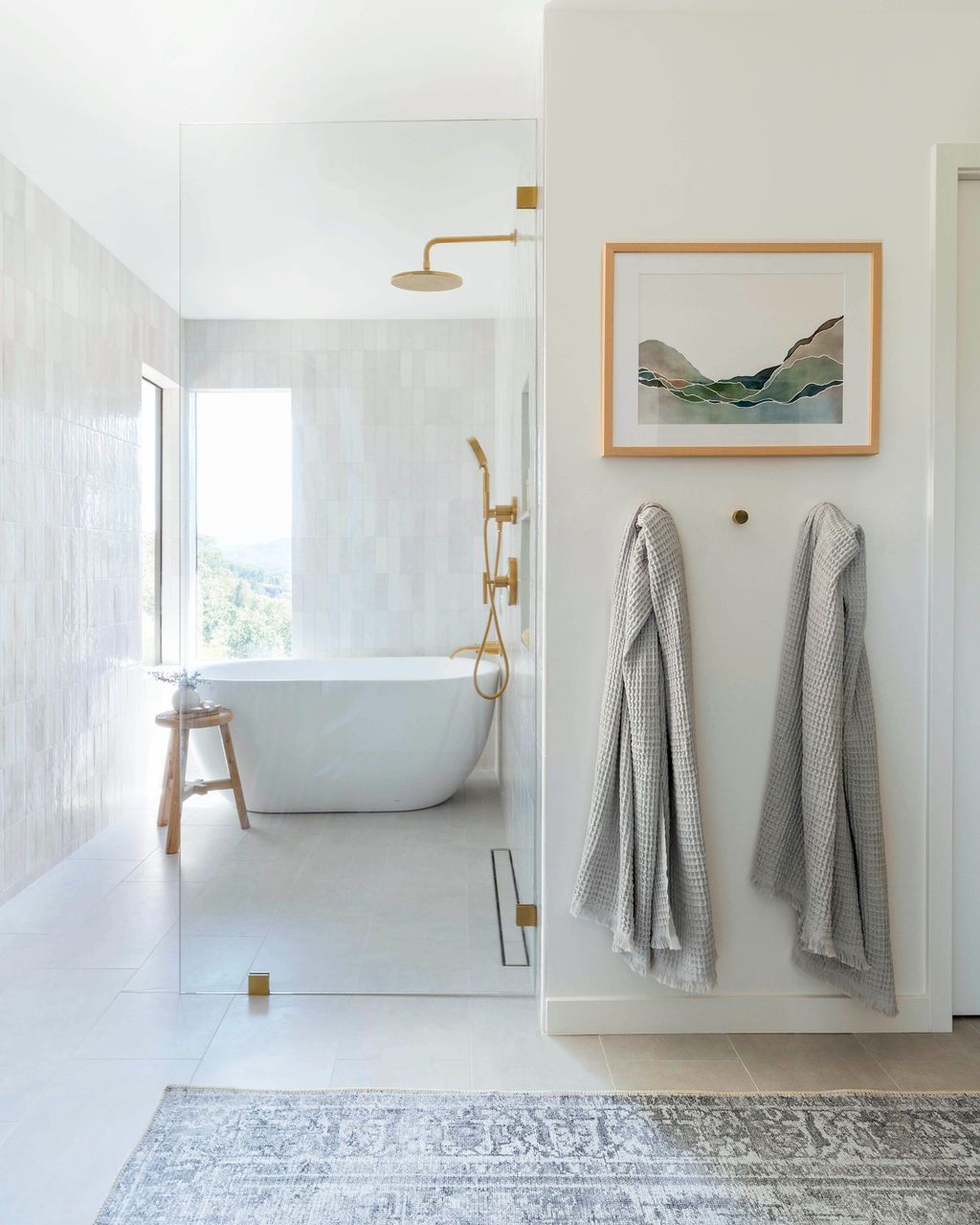
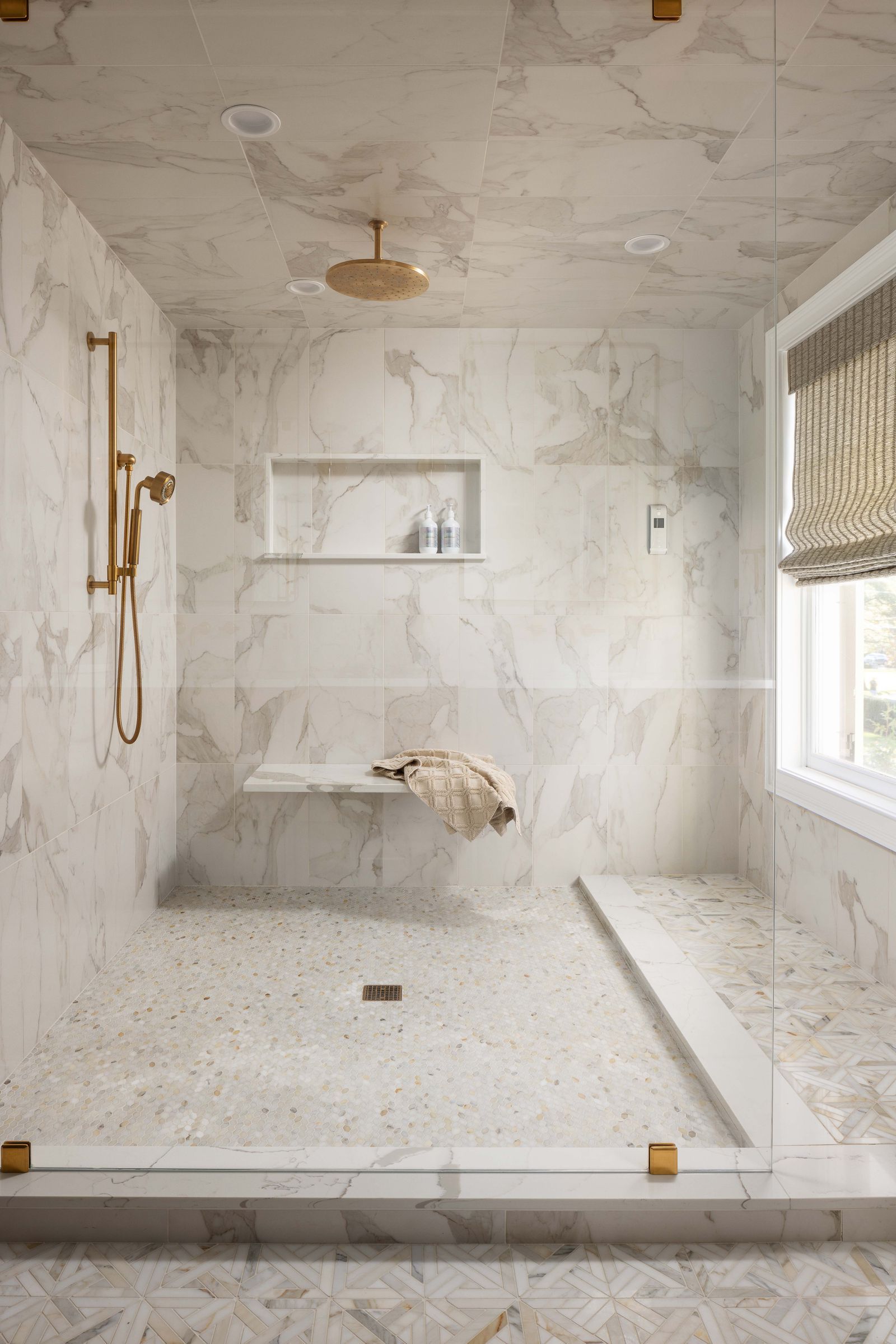
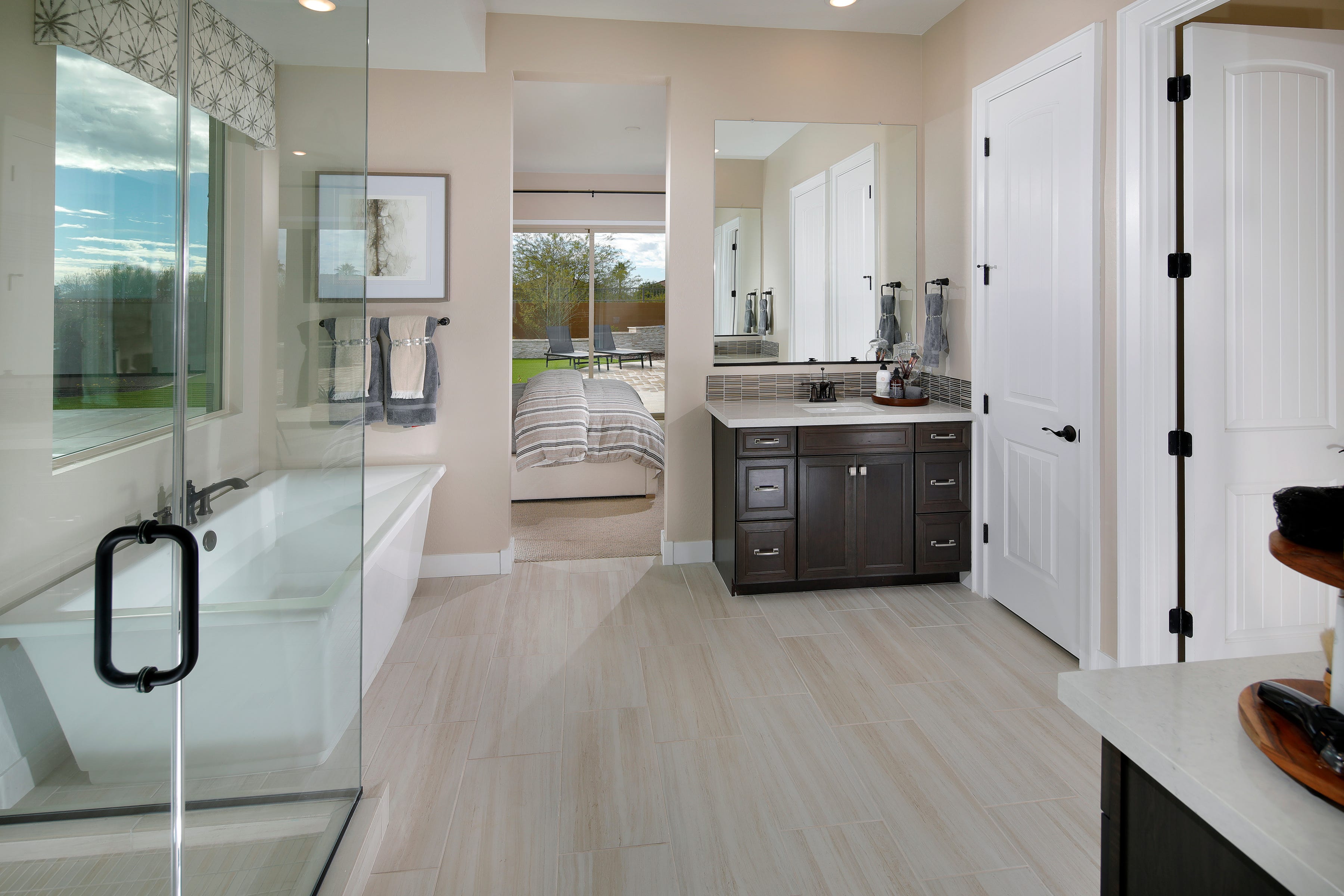
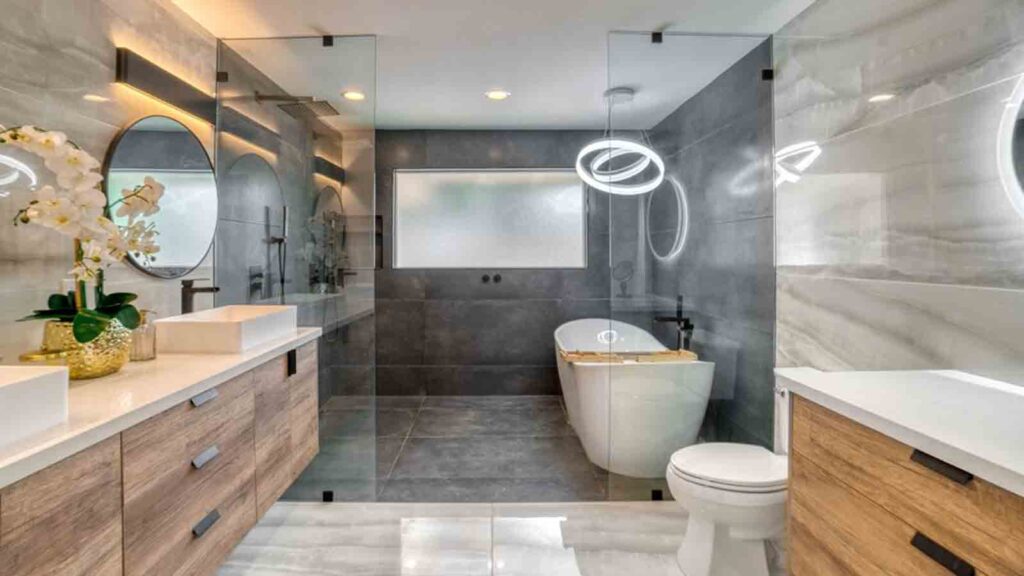
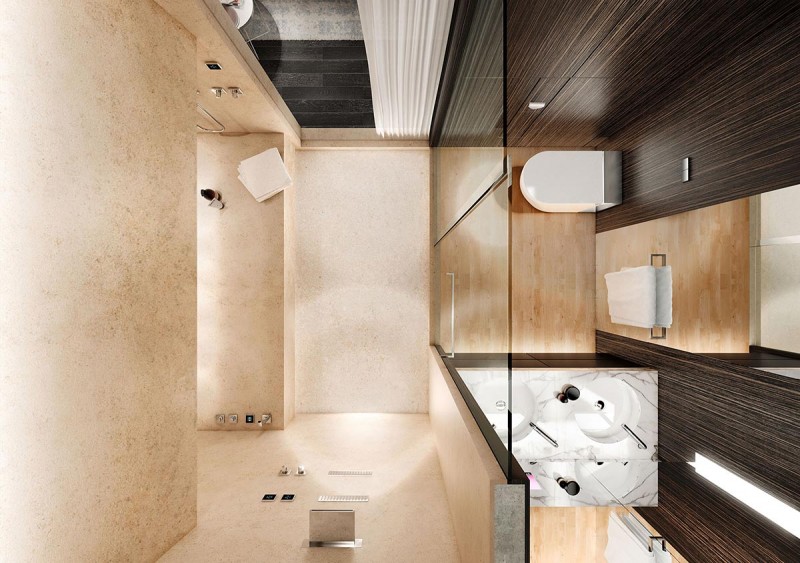
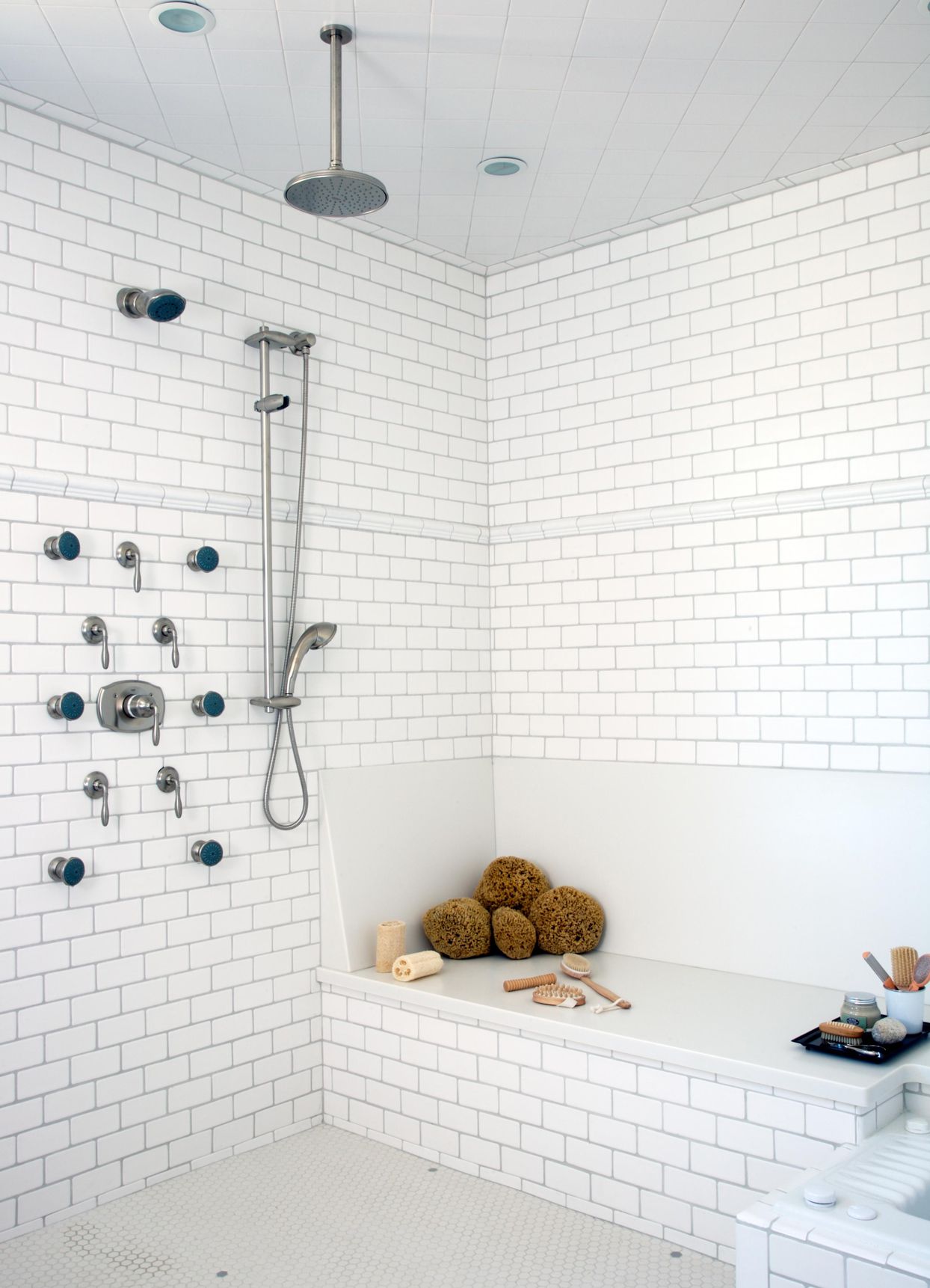
Accessibility is another key aspect of contemporary spa bathroom design. Modifying bathrooms to accommodate aging individuals or those with mobility challenges has become increasingly important, especially after millions of seniors moved into relatives' homes during the pandemic. Features like bidet functionality, decorative grab bars, wall-mounted toilets and vanities, and zero-barrier walk-in showers can provide independence while maintaining a luxurious aesthetic. These walk-in showers, often spacious and equipped with benches, handheld showerheads, and linear drains, are beneficial for a wide range of users, not just those with mobility issues. Ferri also recommends larger bathroom sizes, wider doorways, and open layouts between the toilet and shower. Vanity areas designed for seated use, such as roll-under wall-mounted cabinetry or console/pedestal sinks, further enhance accessibility.
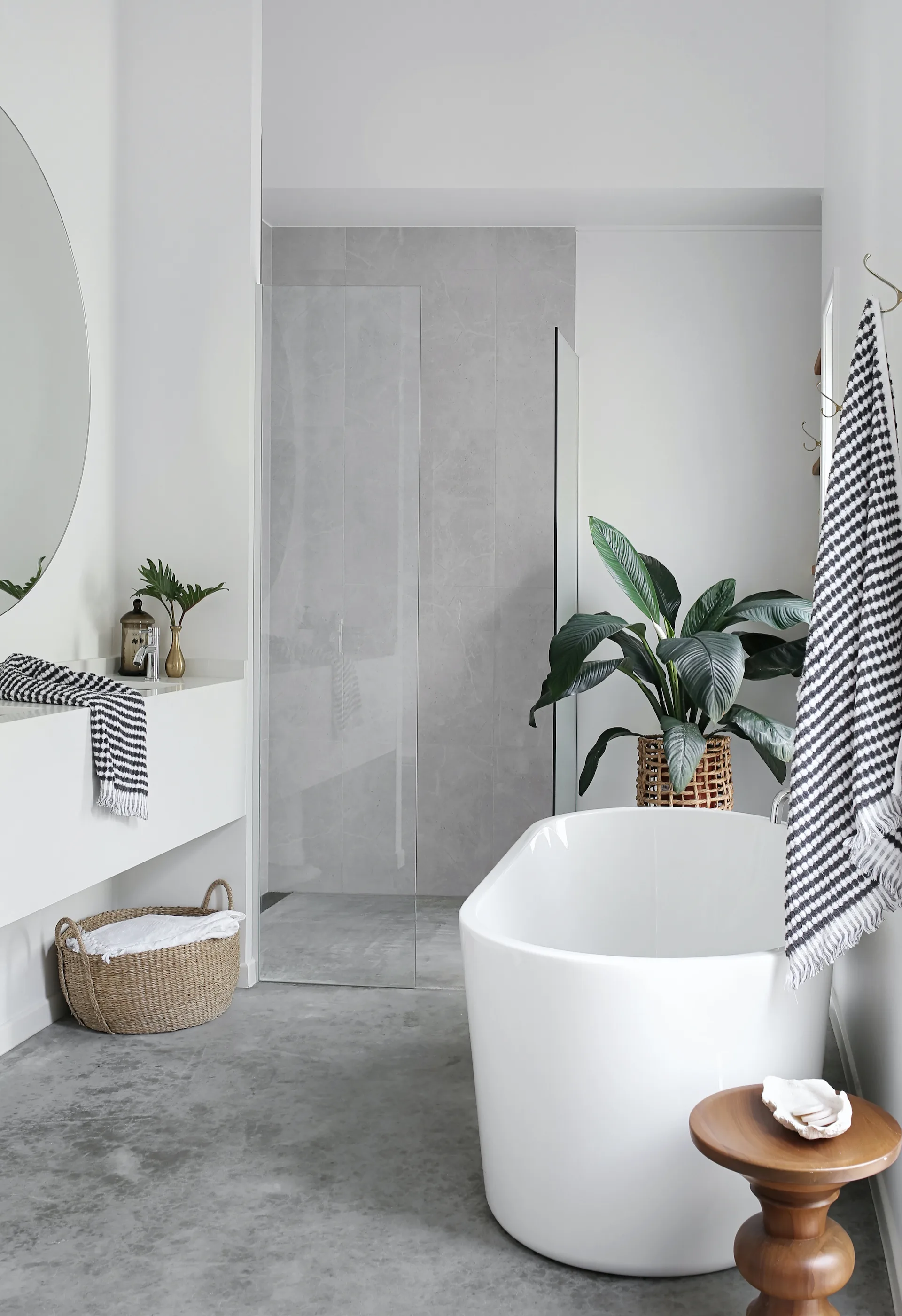
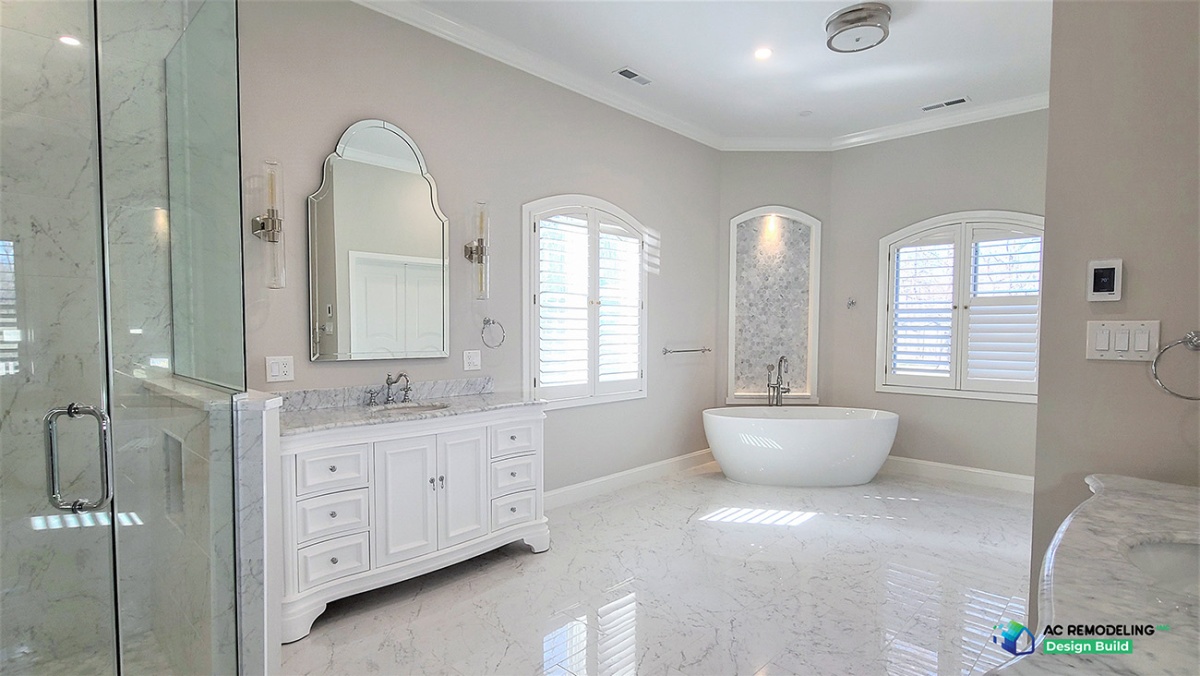
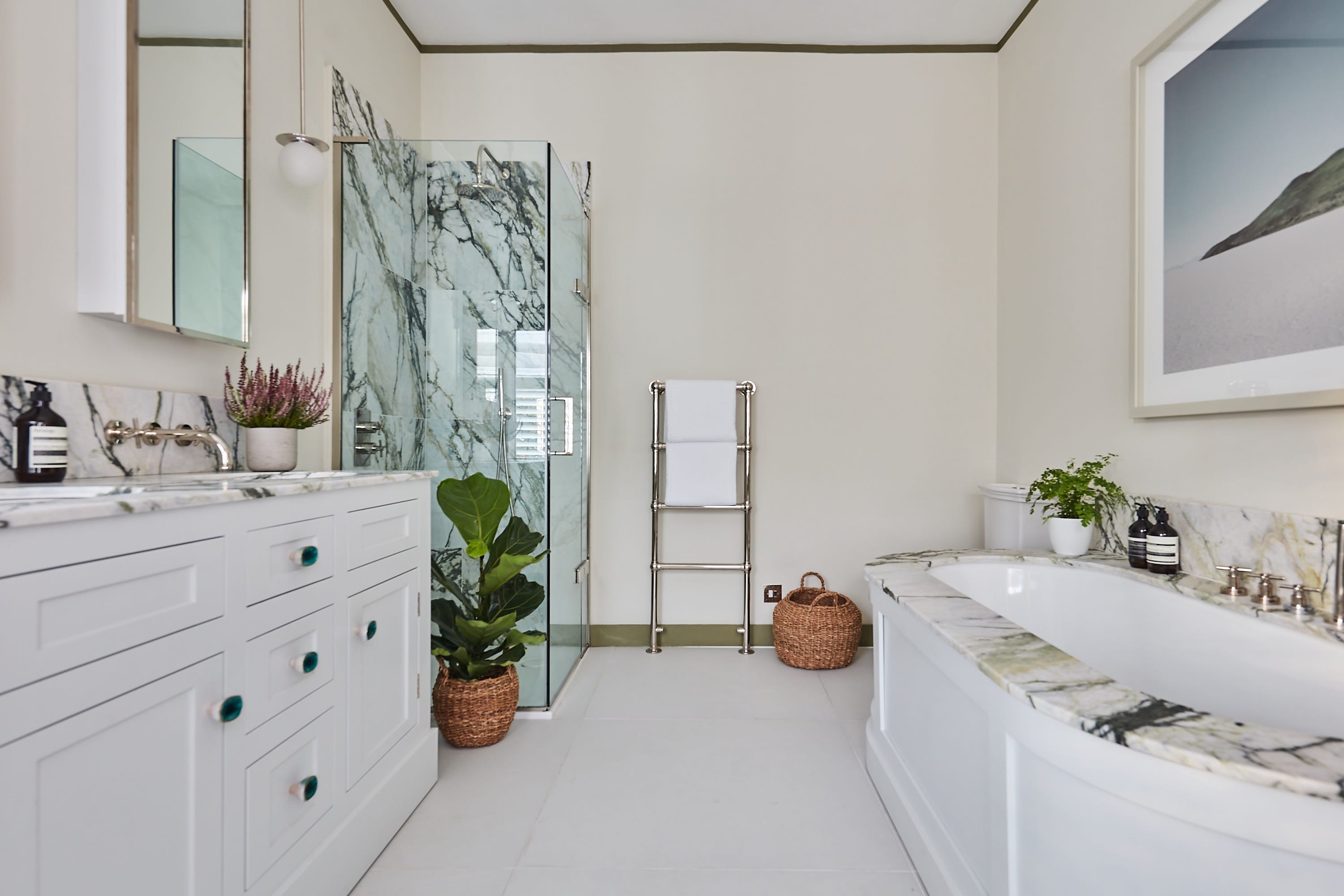
Leading design recommendations include bidet seats with automatic opening, closing, flushing, and sanitizing capabilities. Anti-microbial materials for fittings, features, and surfaces are favored, along with large-format tiles for shower walls to minimize grout. Multi-function showerheads and therapy tubs, heated floor systems, heated towel bars, optimized lighting, and quiet vent fans are also considered best-in-class features for a comprehensive spa experience. Decorative grab bars are also recommended for independent living. Ultimately, a spa bathroom should be more than just a collection of fixtures; it should be a thoughtfully designed space that enhances wellness and fits the client's lifestyle. Creating such an environment doesn't necessarily require a massive budget or extensive space, challenging limiting perceptions for both designers and clients.
#SpaBathrooms #WellnessDesign #SmartHomeTechnology #AccessibleDesign #InteriorDesignTrends #BathroomRenovation #LuxuryBathrooms #HomeWellness #SpaBathrooms #WellnessDesign #SmartHomeTechnology #AccessibleDesign #InteriorDesignTrends #BathroomRenovation #LuxuryBathrooms #HomeWellness
0 комментариев всего
 Комментариев пока нет
Вам также может понравиться
How the focus on relaxation is making wellness key to bathroom design
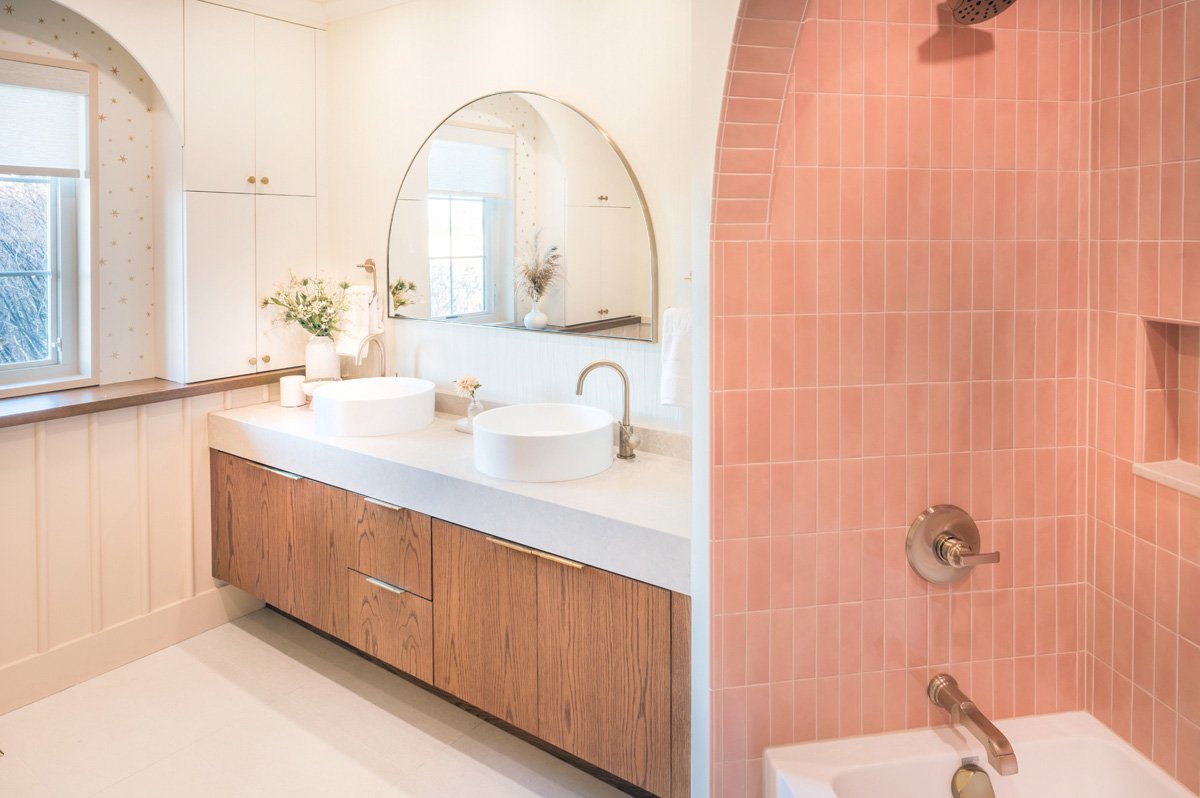
Reimagining the Spa Bath

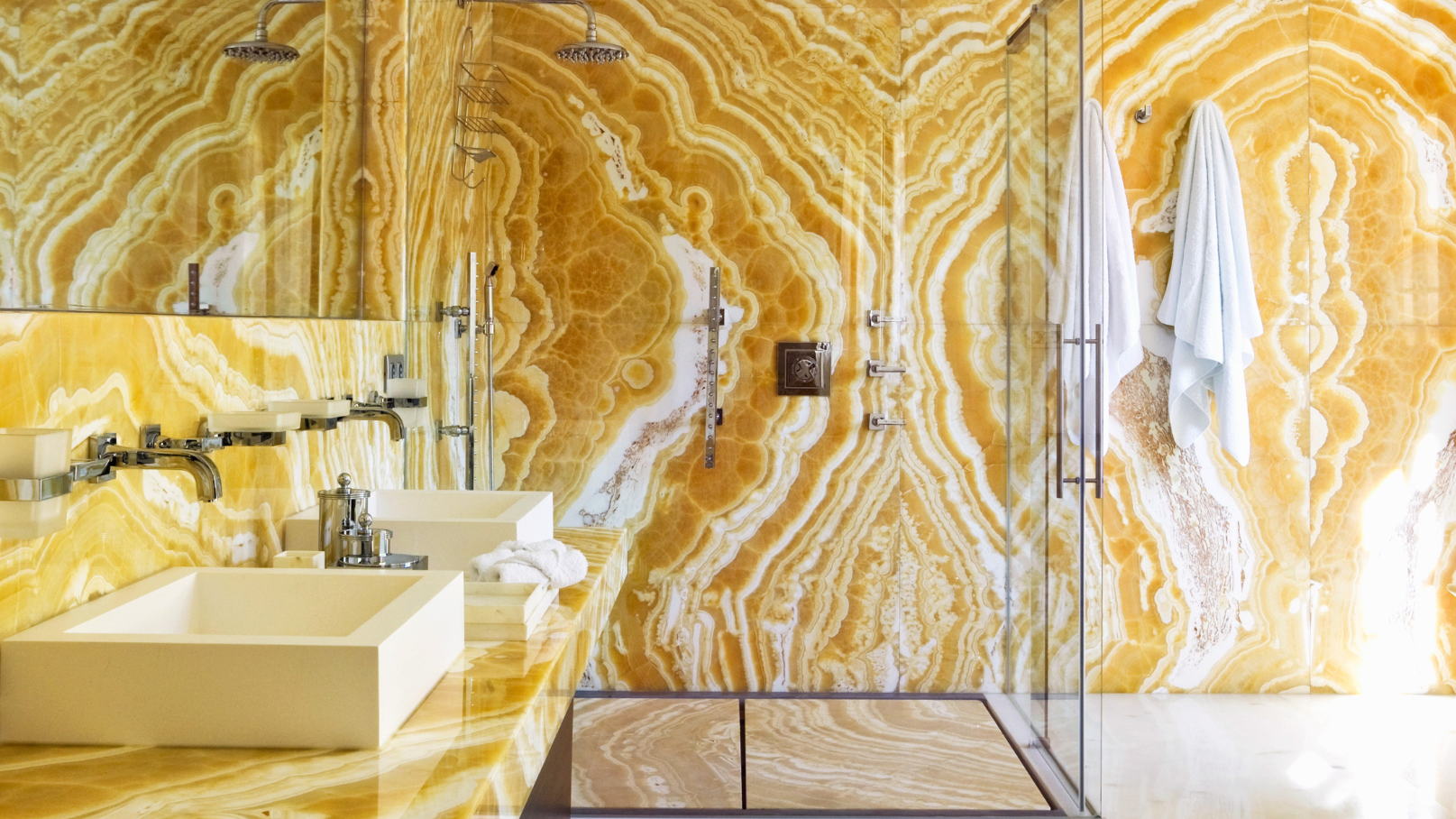
9 modern bathroom ideas to try for a spa-like oasis

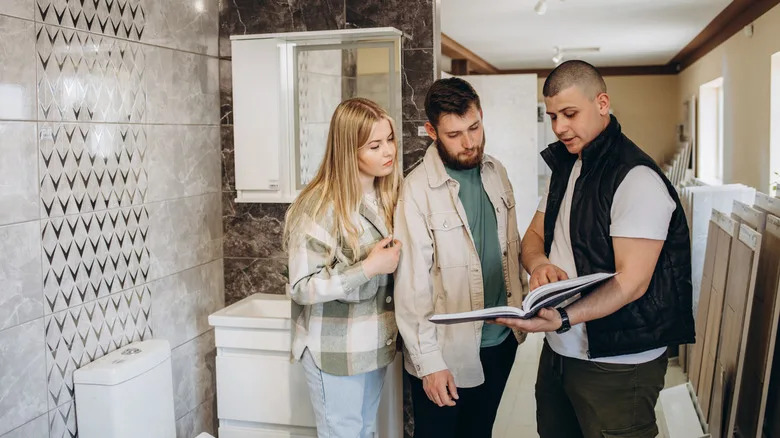
The Luxurious Bathroom Trend You Can Say Goodbye To In 2025

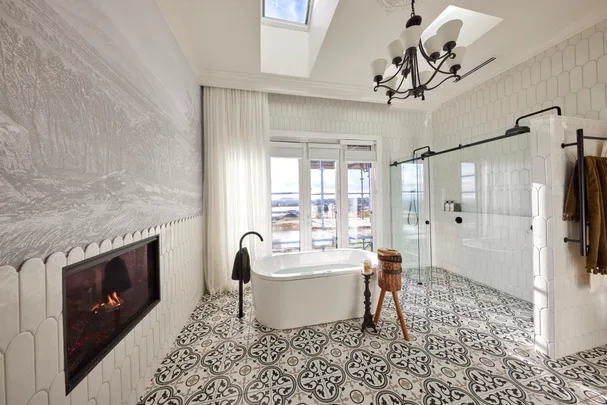
Are spa baths making a comeback?

The 5 Biggest Bathroom Trends for 2023, According to Designers
Latest trends, innovations in luxury bathroom design
9 Shower Trends to Know for a 2025 Bathroom Reno

6 ‘Wellness’ Additions Taking Priority in Bathroom Updates
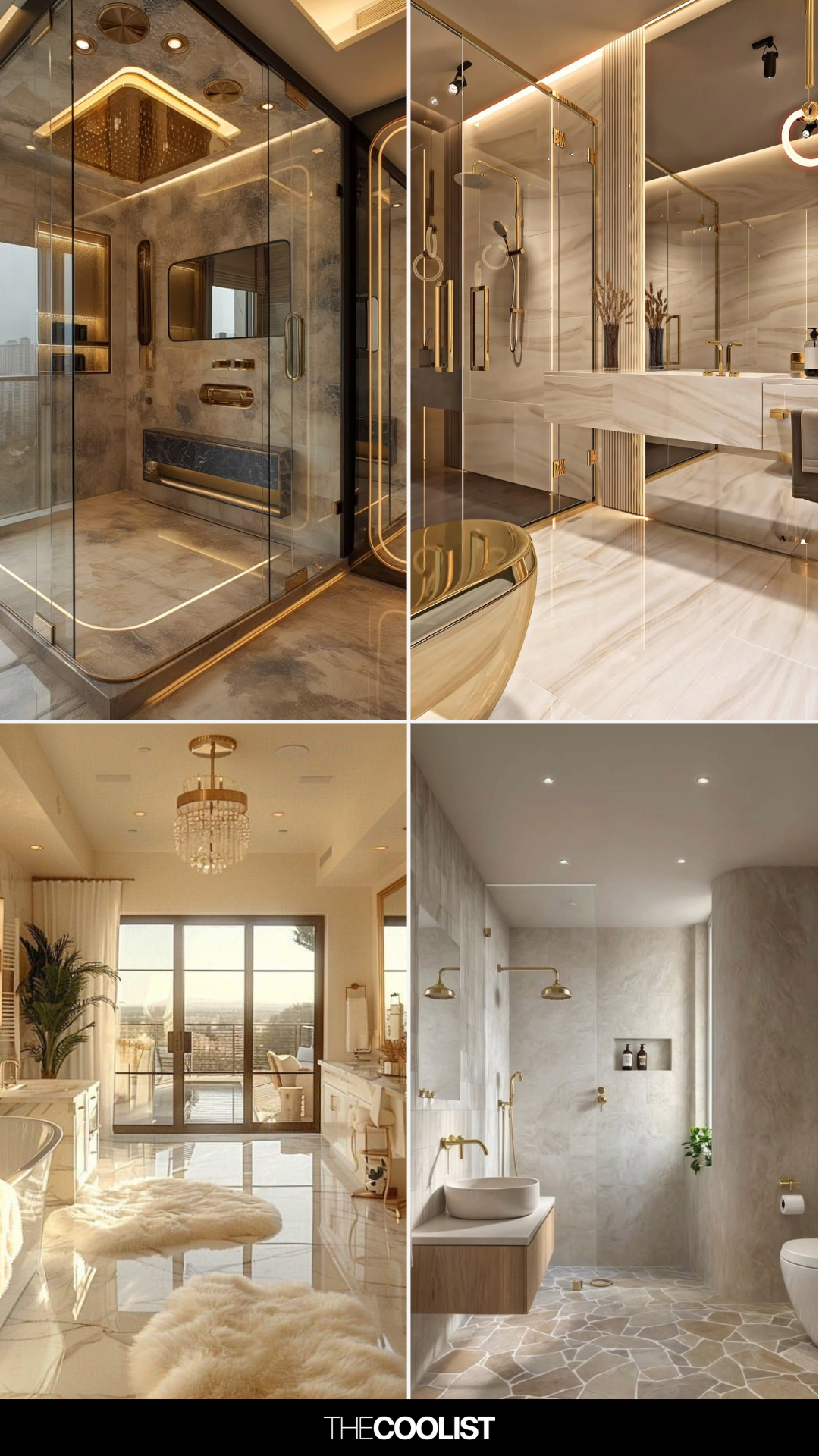
26 Inspiring Bathroom Ideas for 2026 That Designers Use When Clients Say “I’m Bored”

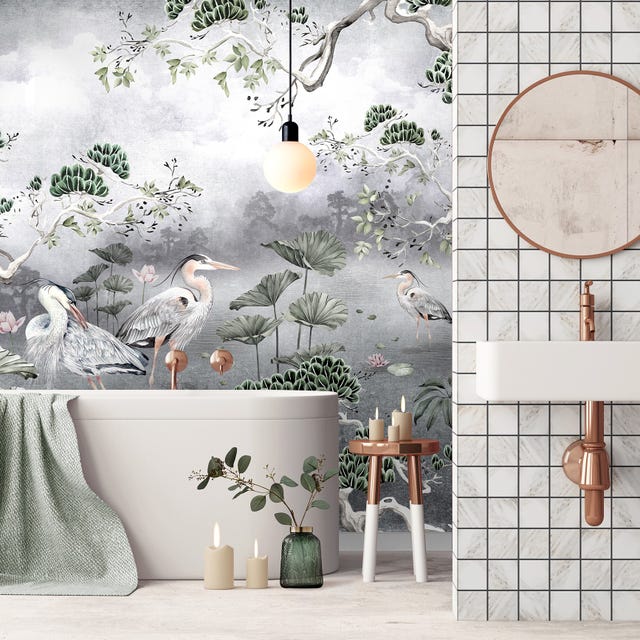
These Are the Bathroom Trends That Will Dominate in 2022

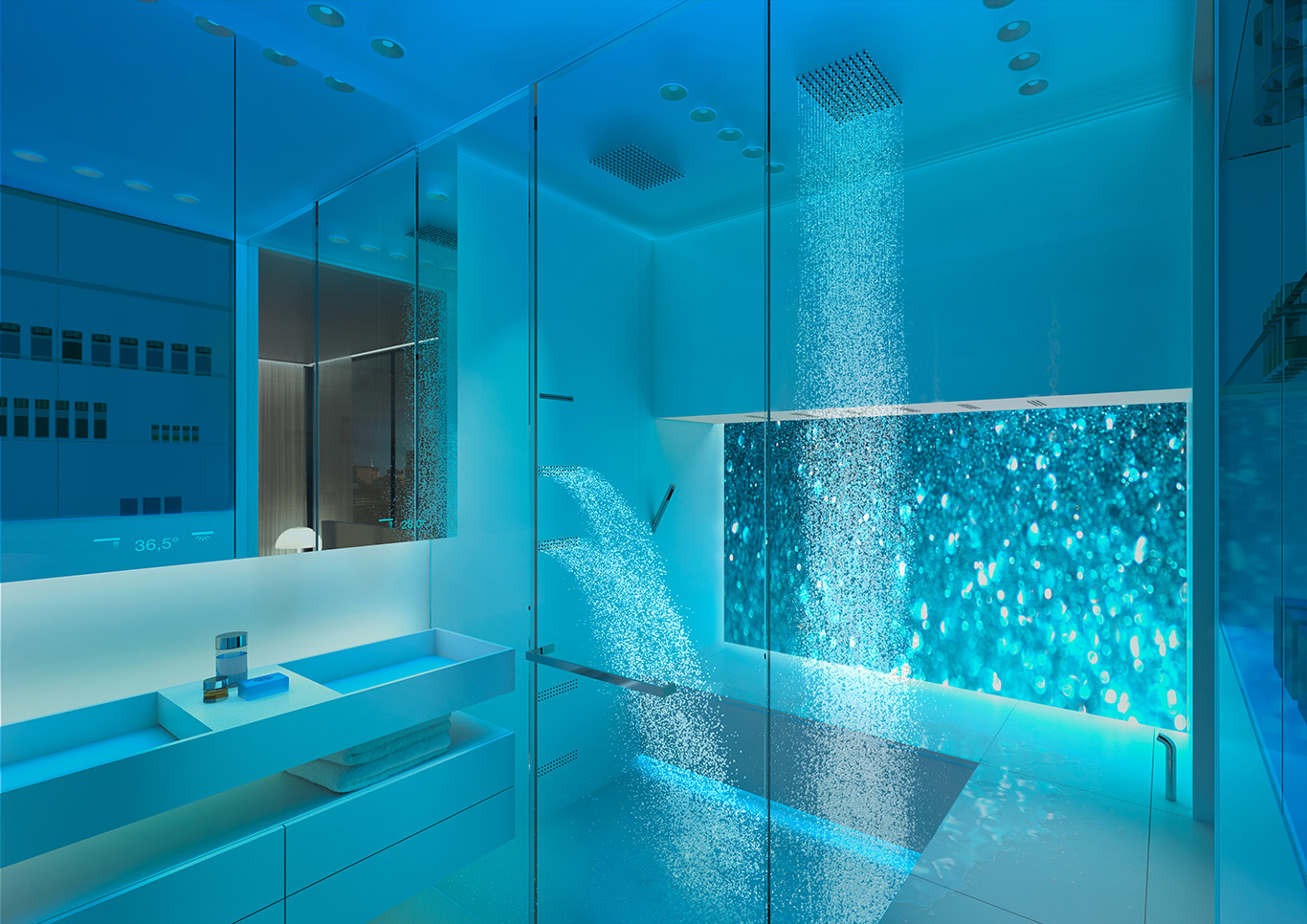
Could the bathroom spa become the hotel bathroom of the future?

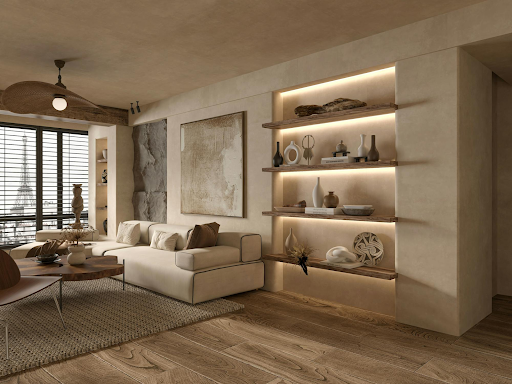
Spa Bathroom Trends in 2025: The New Standard of Luxury

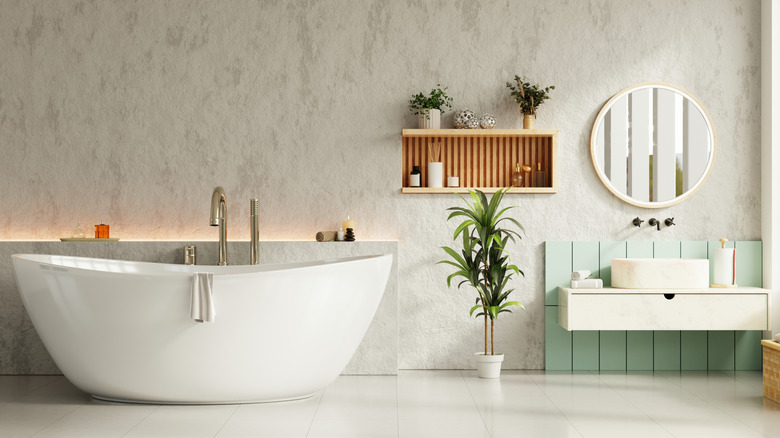
All The Bathroom Trends That Will Be Taking Over In 2026

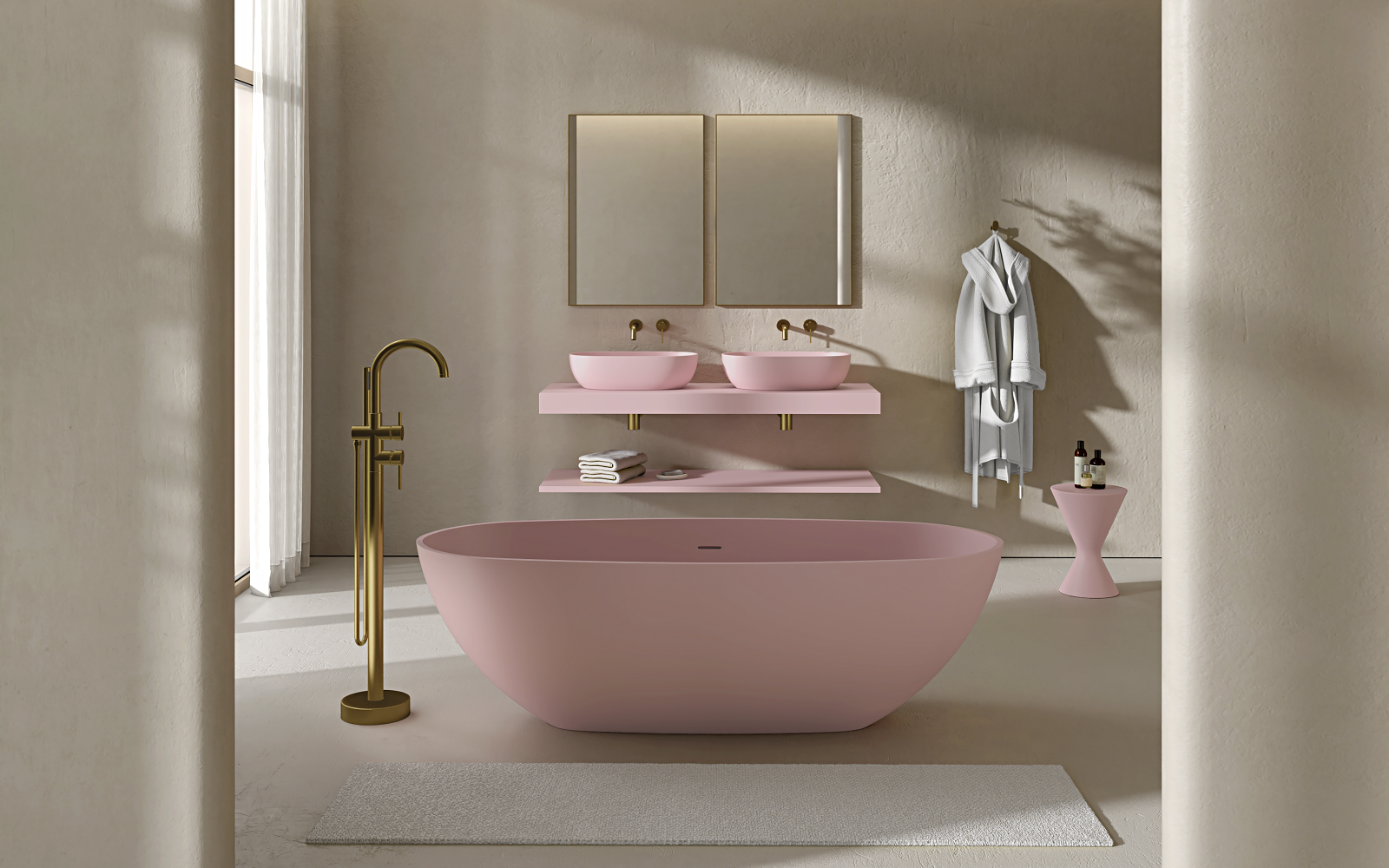
Soak in style – top bathroom trends from Nôsa
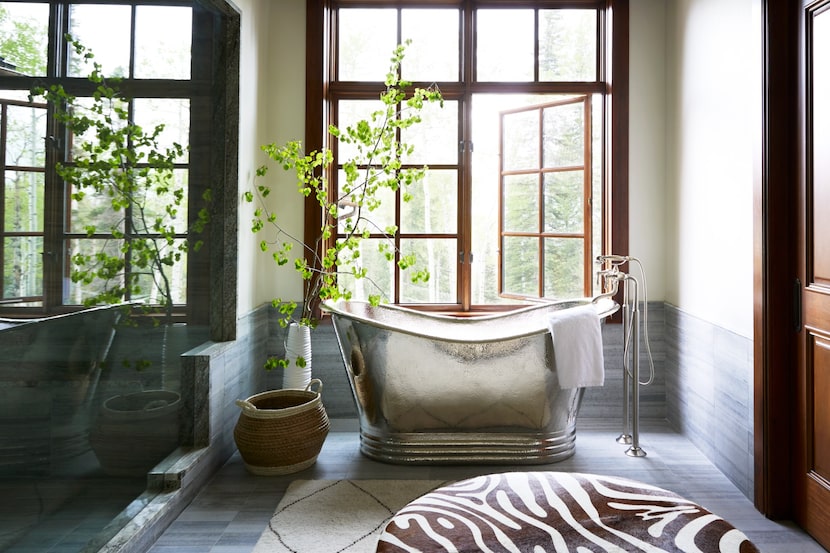
The luxurious touches to add to your bathroom for a spa-worthy experience

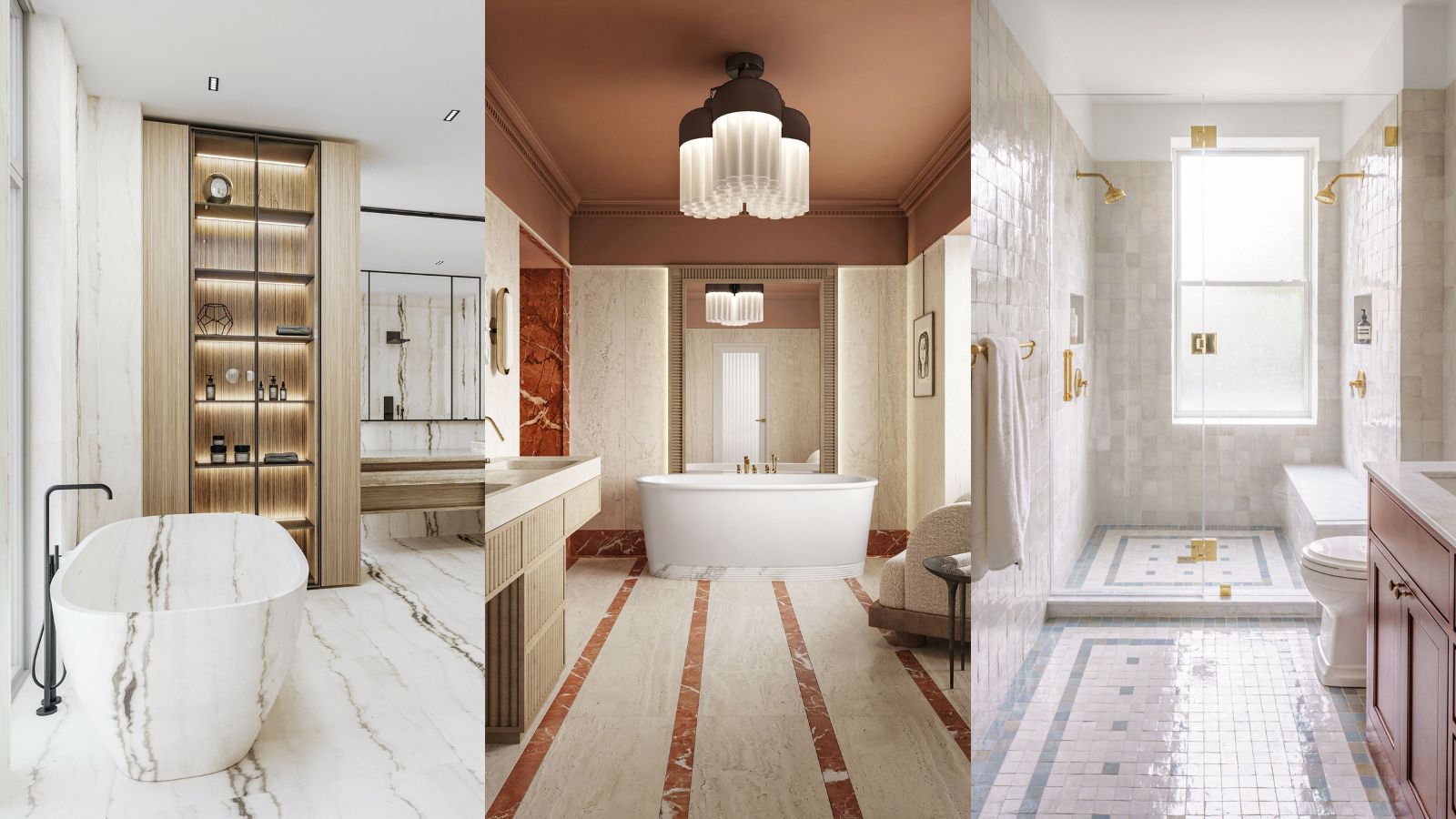
Wellness bathroom ideas – 9 elegant spaces that provide a multisensory experience
The nature of hotel bathroom design with SANIPEX GROUP
Make sure you know all these bathroom trends in 2024

The Top 2023 Bathroom Trends, According to Designers