1/3
Closed-Cell Foam Vs. Open-Cell Foam
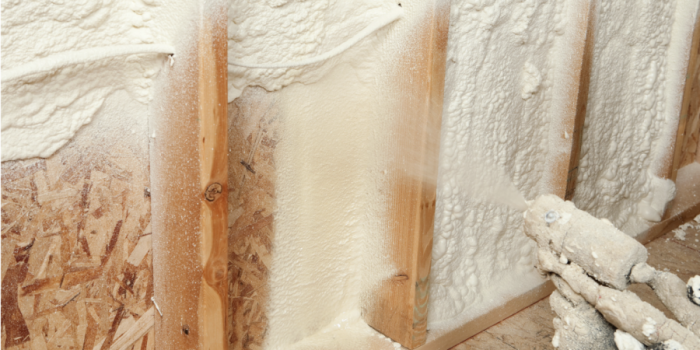
When considering spray polyurethane foam insulation for either commercial or residential buildings, understanding the differences between open-cell foam and closed-cell foam is crucial. These two types of foam differ significantly in performance, application methods, and cost. A primary distinction lies in their cellular structure. Open-cell foam has minuscule cells that are not entirely sealed, making the foam permeable to air and moisture. This characteristic results in a weaker, softer texture compared to closed-cell foam. Conversely, closed-cell foam features fully sealed cells that contain a gas, enabling the foam to expand and provide superior insulation.
In terms of physical properties, open-cell spray polyurethane foam, also known as half-pound foam, typically has a density of 0.5 lb. per cubic foot and an R-value of 3.5 to 3.6 per inch. Due to its open-cell structure, it is vapor-permeable, with three inches of open-cell foam having a permeance of 16 perms. This often necessitates the use of a vapor retarder in interior applications. Closed-cell foam, or two-pound foam, has a typical density of 2 lbs. per cubic foot and a higher R-value of 6 to 6.5 per inch. It acts as a vapor semi-impermeable retarder, with two and a half inches of closed-cell foam having a permeance of 0.8 perm.
The density of the foam is another key differentiator. Open-cell foams typically range from 0.4 to 0.5 lb./cu. ft. in volume. Closed-cell foam densities vary based on application; for insulation, they range from 1.7 lb./cu. ft. to 2.0 lb./cu. ft., while roofing applications utilize higher densities of 2.8 to 3.0+ lb./cu. ft. Higher density correlates with increased rigidity. Beyond insulation, polyurethane foam can be used decoratively, such as for interior molding, and can be stained or painted to mimic wood grain, with these decorative foams exhibiting very high densities of 30 to 40 lb./cu. ft.
Closed-cell foam offers greater resistance to water vapor and air leakage, enhanced strength, and a higher R-value compared to open-cell foam. However, its higher density translates to more material usage and consequently, a higher cost. Despite its superior R-value, the cost per R for closed-cell foam remains higher than that of open-cell foam. The selection between the two depends on specific application requirements, including vapor control needs, desired strength, and available space. Open-cell foam typically uses water as a blowing agent and provides an R-3.5 value, whereas closed-cell foam employs high R-value blowing agents to achieve an R-6 value.
Choosing the appropriate foam type is critical for effectiveness. For example, open-cell foam is unsuitable for applications where water absorption is possible, such as below-grade or flotation uses, because water significantly reduces its insulating properties. In contrast, closed-cell foam is the correct choice for roofing applications or scenarios demanding the highest possible R-value per inch. Before making a decision, it is advisable to request application and performance data from suppliers and discuss these details with the spray foam applicator to ensure the optimal foam is selected for the job.
#sprayFoamInsulation #openCellFoam #closedCellFoam #RValue #insulationDensity #vaporRetarder #buildingMaterials #homeInsulation #sprayFoamInsulation #openCellFoam #closedCellFoam #RValue #insulationDensity #vaporRetarder #buildingMaterials #homeInsulation
 Комментариев пока нет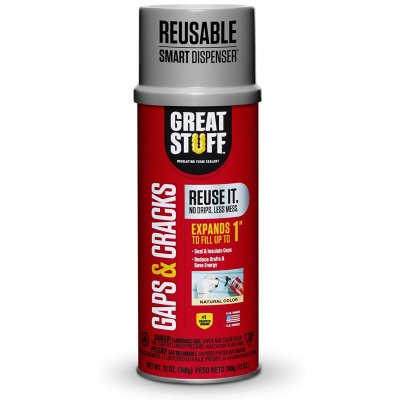
The Best Expanding Foams for Sealing Gaps, Tested

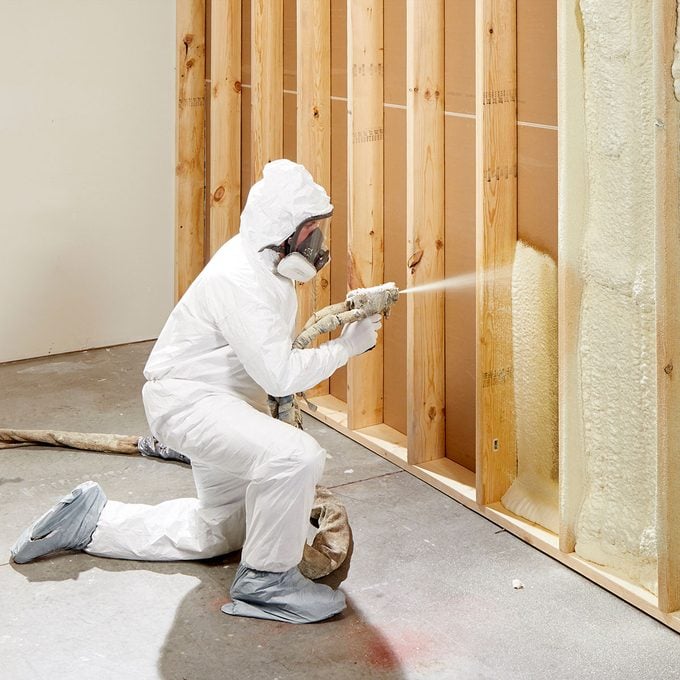
What Is Spray Foam Insulation?

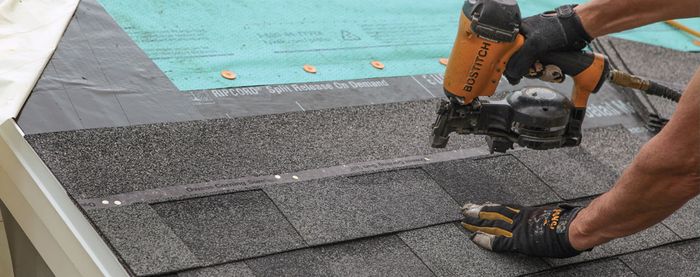
Should I Vent a Roof Insulated With Spray Foam?