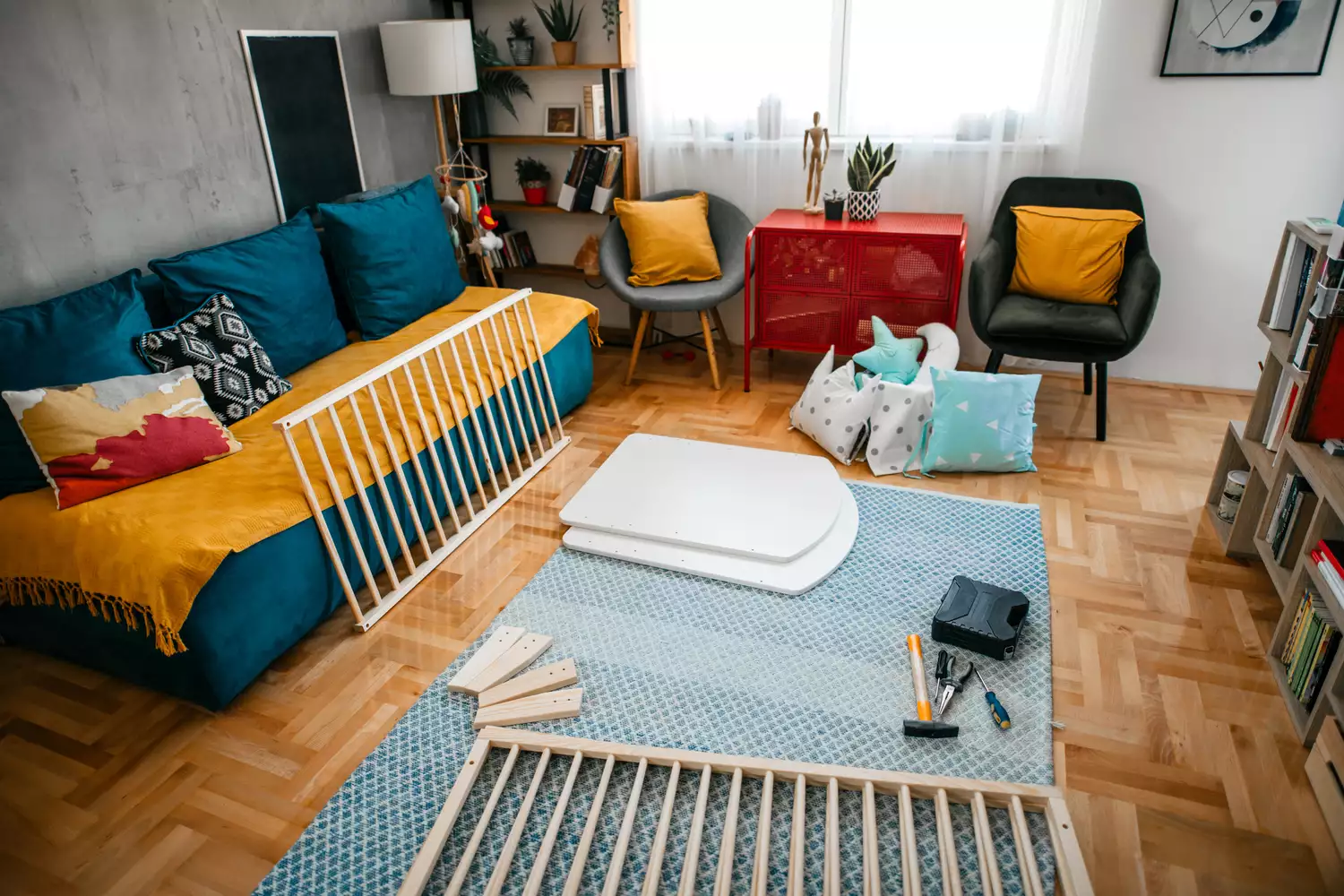
Can Flat-Pack Furniture Be Sustainable?
Flat-pack furniture, also known as ready-to-assemble (RTA) furniture, has transformed how consumers acquire and move furnishings, largely popularized by companies like Ikea. While offering convenience and affordability, this furniture model raises significant environmental concerns, particularly regarding waste generation and material composition. In 2018, furniture waste reached 12.1 million tons, a substantial increase from previous decades, with only a minimal fraction being recycled. This highlights the urgent need to assess the sustainability of flat-pack furniture.
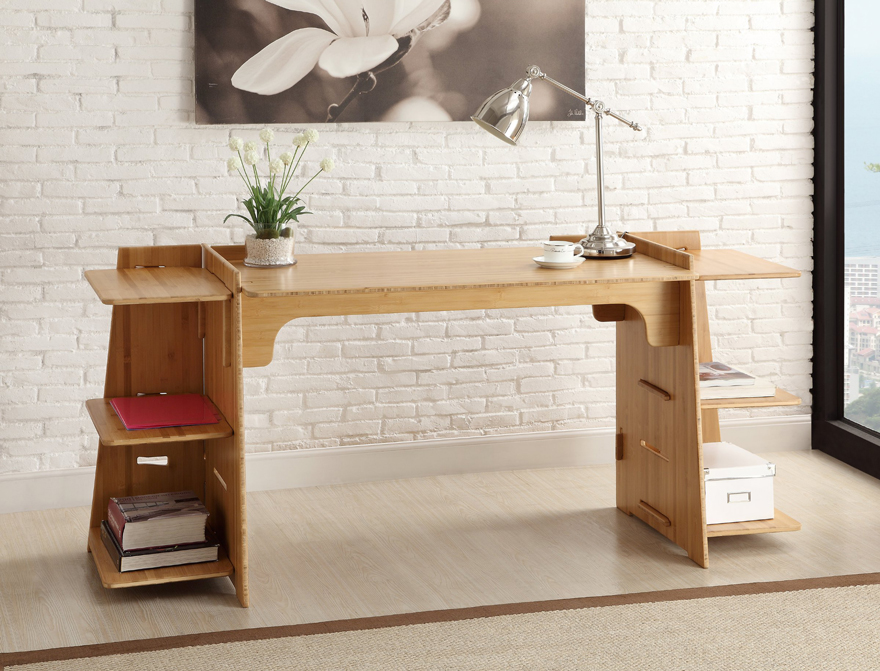
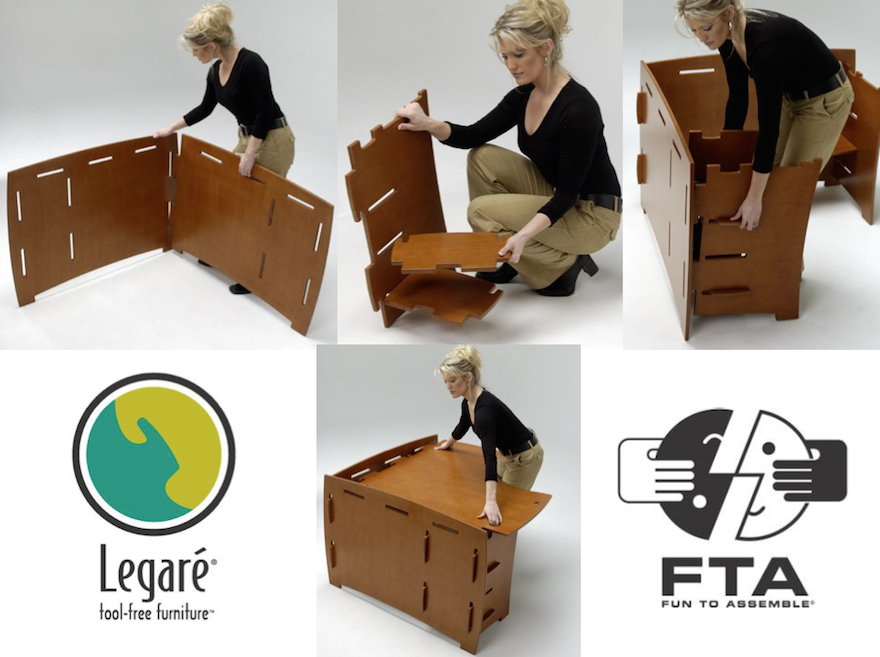
The convenience of flat-pack furniture stems from its ease of transport and assembly. It can be shipped directly to consumers or easily transported in personal vehicles, eliminating the need for expensive delivery services. Its lightweight and adaptable nature makes it suitable for small living spaces and frequent moves, and its modular design lends itself well to DIY modifications. A key appeal is its low cost, making home furnishing accessible to a wider demographic. The RTA market is projected to continue its growth, driven by ongoing innovations that simplify the assembly process, moving away from complex instructions and specialized tools.
However, the environmental drawbacks of conventional flat-pack furniture are considerable. The mass-produced nature often sacrifices craftsmanship and uniqueness, contributing to a culture of disposability and overconsumption. Unlike traditional, durable furniture that can be passed down generations, many flat-pack items have a limited lifespan and are difficult to repair or recycle. The materials commonly used, such as chipboard or medium-density fiberboard (MDF), are less durable than solid wood and often contain formaldehyde-based glues and plastic components, including polyurethane-coated paper foil finishes. These materials pose challenges for recycling and contribute to landfill waste, where they decompose slowly or release harmful substances. Furthermore, the perceived simplicity of assembly can often be misleading, with consumers frequently encountering difficulties with numerous small parts and vague instructions.
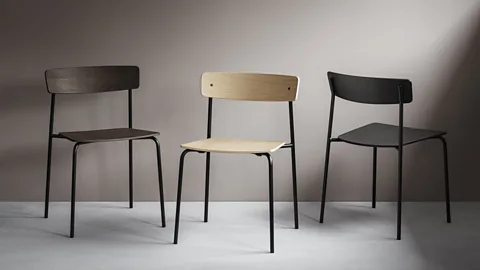
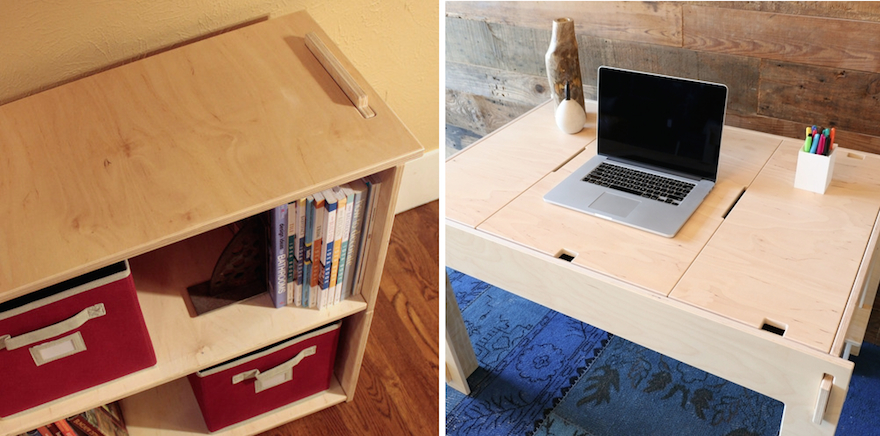
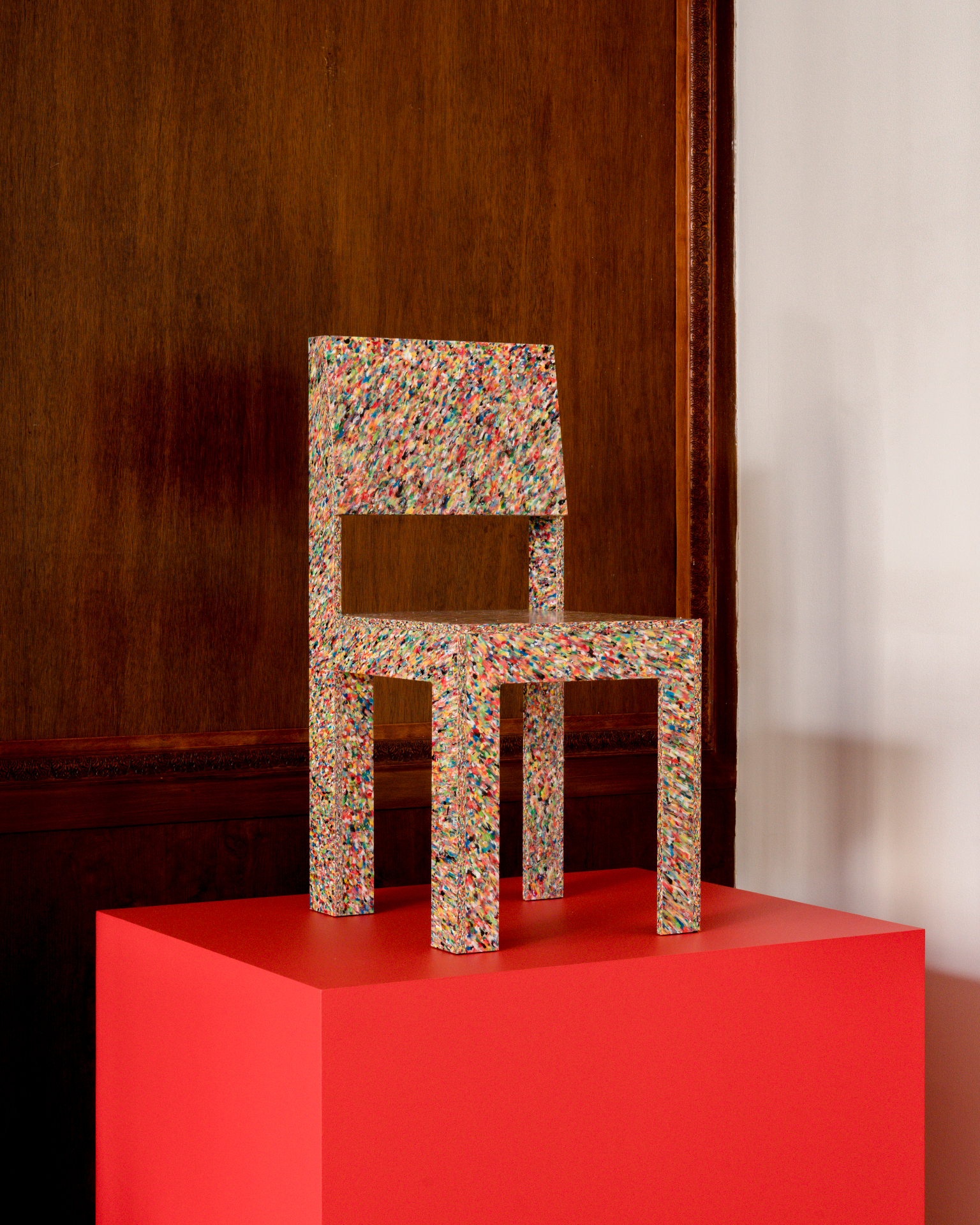
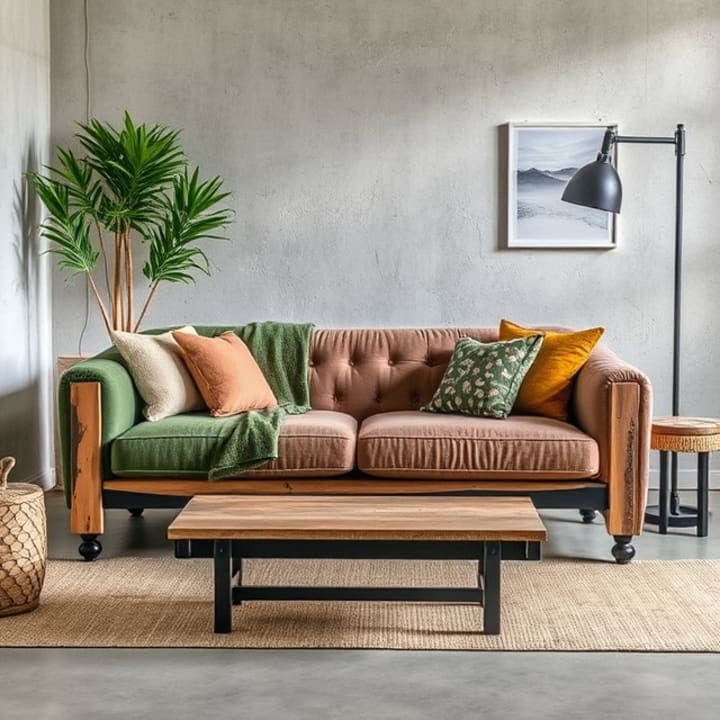
Despite these challenges, not all flat-pack furniture contributes equally to environmental degradation. A distinction must be made between 'fast furniture,' which is mass-produced in energy-intensive factories, and sustainably made RTA pieces. Some manufacturers are committed to responsible production, using durable, high-quality materials like real wood and steel, and avoiding toxic glues or chemical-treated fabrics. These companies often produce furniture locally, reducing transportation emissions, and may offer customization or lifetime warranties to encourage longevity. Examples include brands that handmake furniture to order, invest in reforestation projects, or design products with interchangeable components to adapt to changing styles rather than being discarded. The sustainability of flat-pack furniture largely depends on the manufacturer's practices, material choices, and commitment to the product's entire lifecycle, including end-of-life solutions like recycling or buy-back schemes. Consumers can contribute by choosing quality-made items, repairing furniture when possible, and inquiring about disposal options before purchase, as many low-quality items ultimately end up in landfills due to recycling difficulties.
#FlatPackFurniture #SustainableDesign #EcoFriendlyLiving #FurnitureWaste #GreenDesign #HomeFurnishings #ReadyToAssemble #MaterialSustainability #FlatPackFurniture #SustainableDesign #EcoFriendlyLiving #FurnitureWaste #GreenDesign #HomeFurnishings #ReadyToAssemble #MaterialSustainability
0 комментариев всего
 Комментариев пока нет
Вам также может понравиться
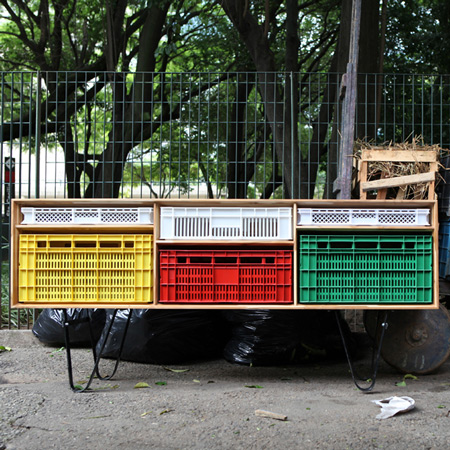
José Collection by Mauricio Arruda

Organizing Made Easier: Furniture Designs for Tool-Free Assembly


‘Furniture flipping’: the next big trend in home sustainability?

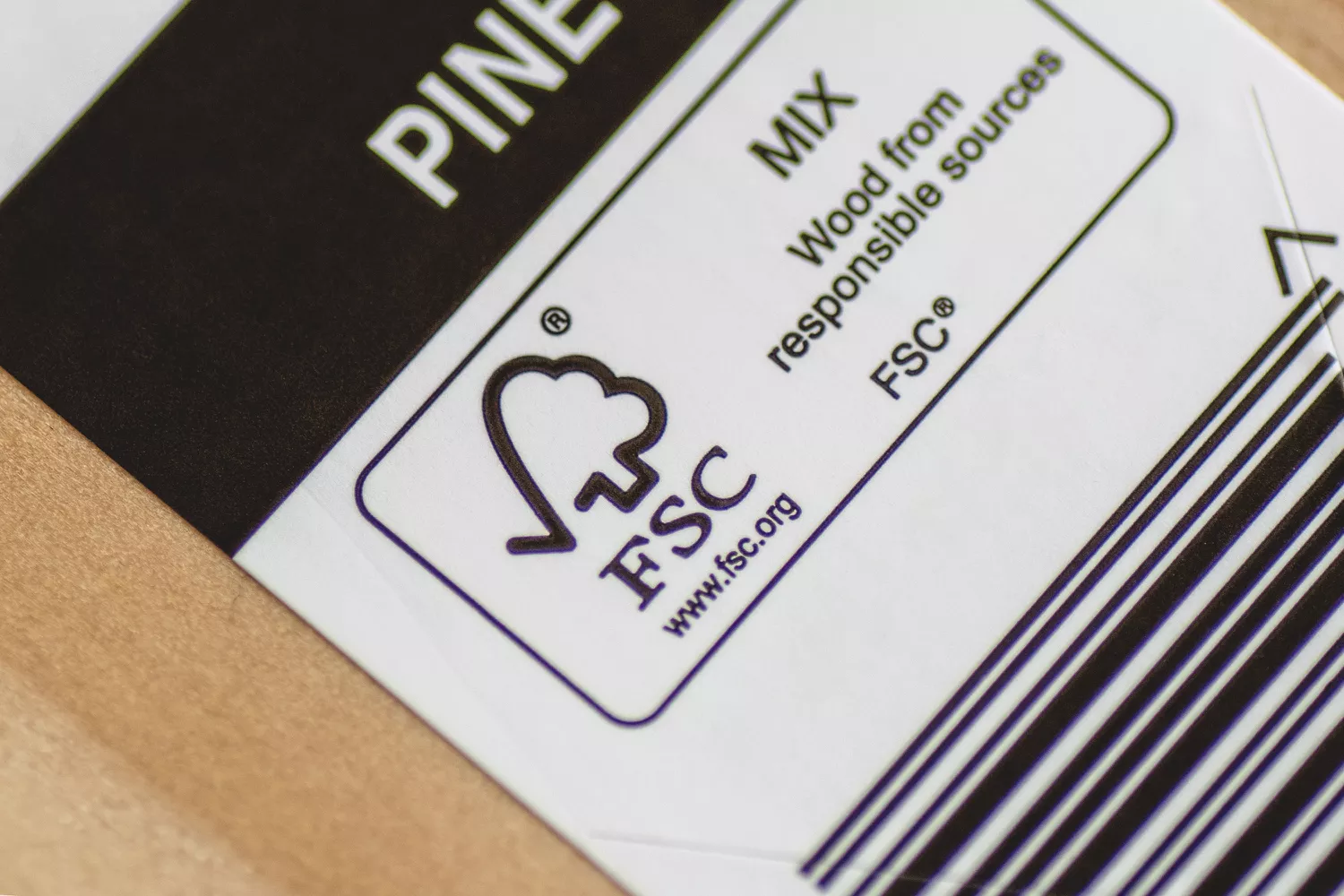
Why Should I Buy FSC-Certified Wooden Furniture?
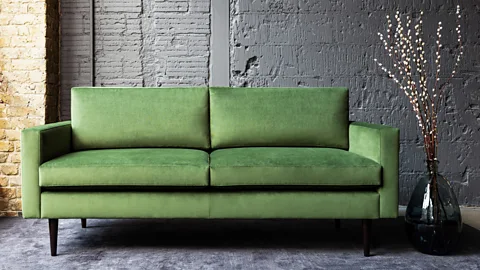
Is the future flat-packed?

Sustainable furniture: responsible chairs made from recycled materials

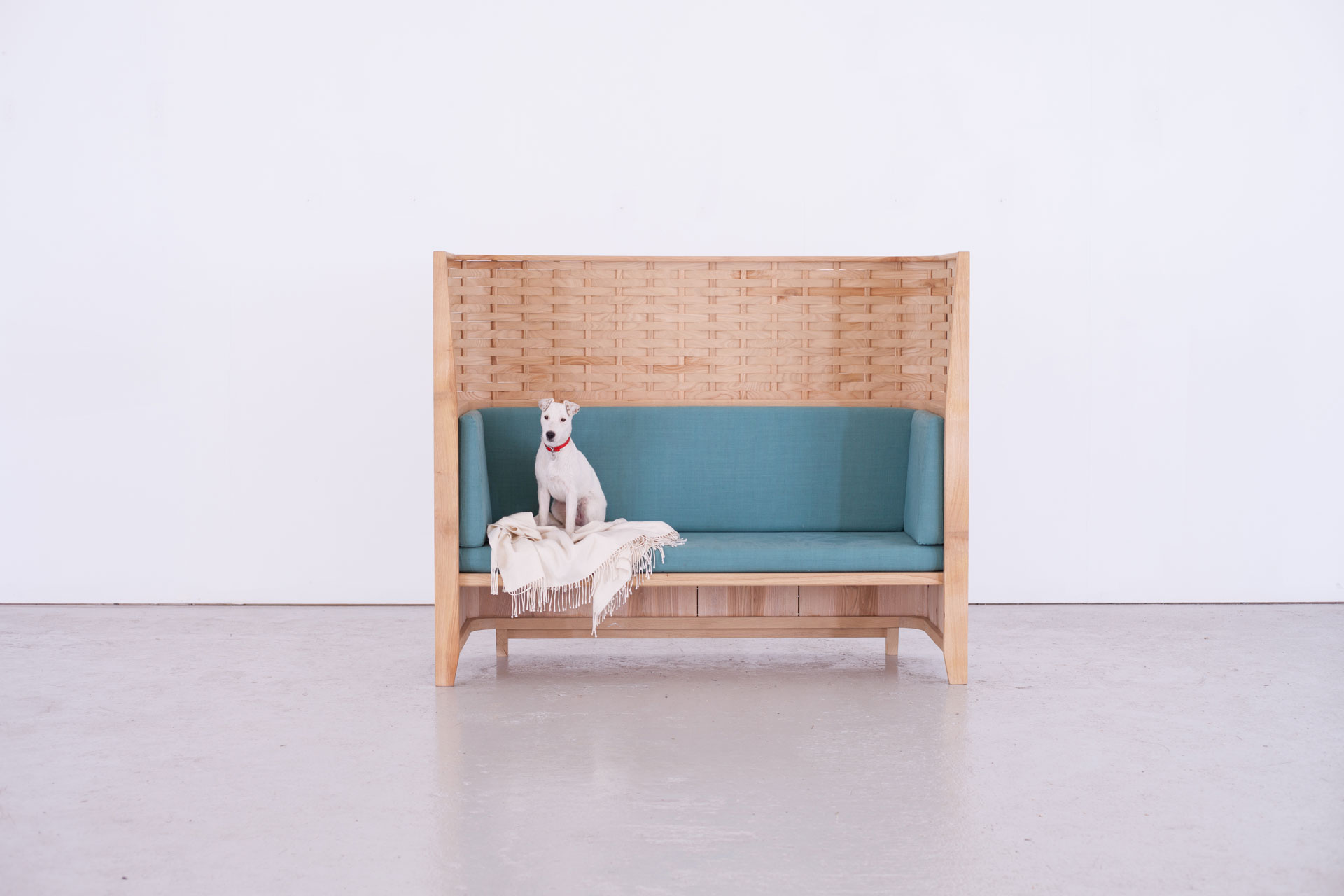
How to Shop for a Sustainable Sofa
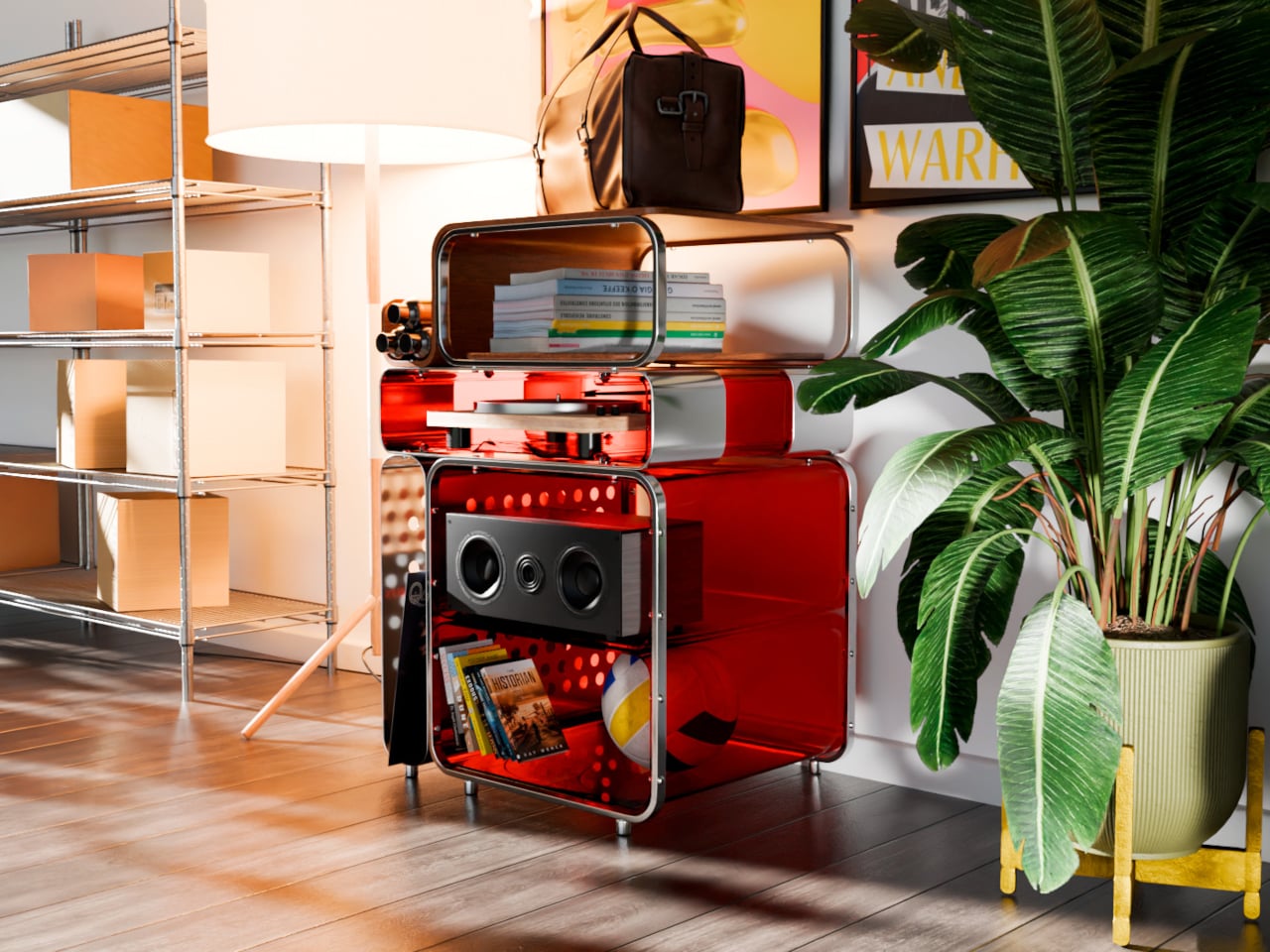
This LEGO-Like Shelf System Could Finally Fix IKEA's Biggest Problem


Ten furniture designs made from sustainable materials

Top 10 flat-pack designs that are super easy to carry + assemble
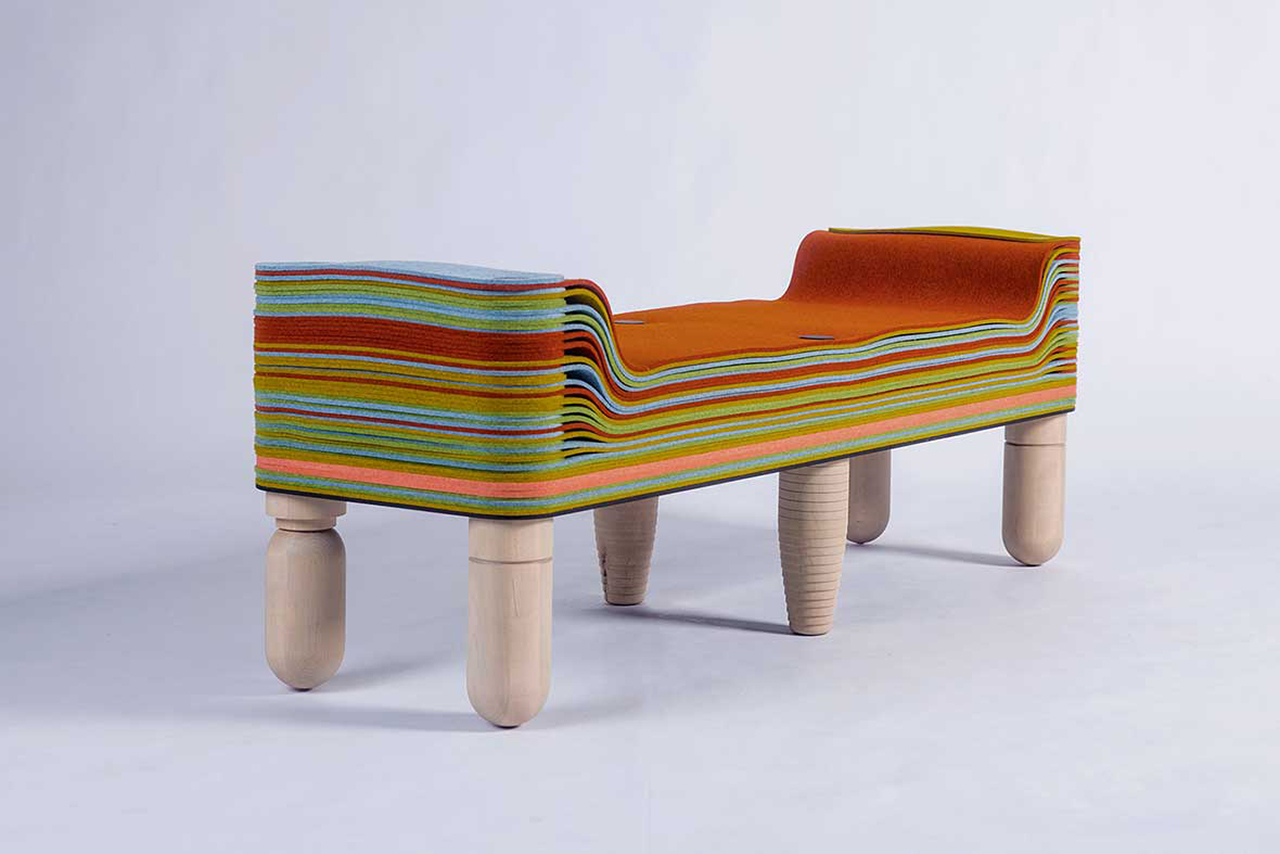
Stackabl Felt Furniture Is Turning Waste Into Wonder

Ditch the Area Rug: This Easy, Modular Carpet System Has Serious Green Cred

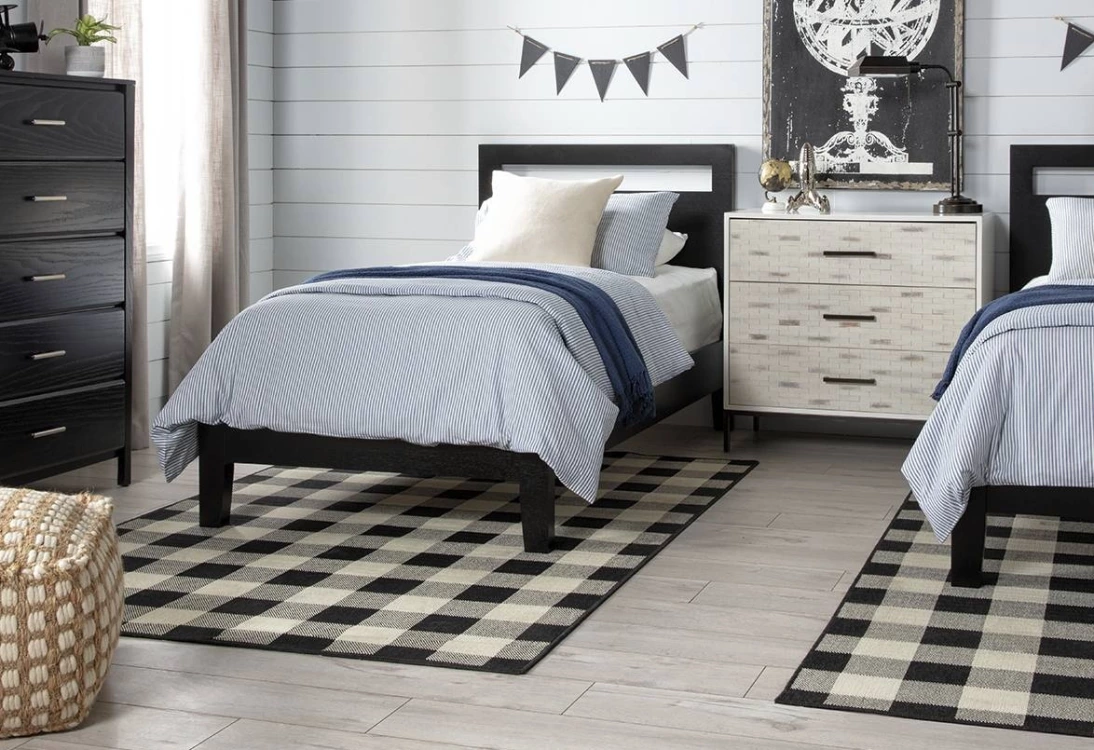
Timeless Eco-Friendly Home Decor for a Sustainable Living
2025 Sofa Trends: Eco-Friendly Styles for a Sustainable Future
SHIFT: A Flexible Shelf System by LAYER for Kvadrat Made From Upcycled Textiles

Alexander Schul on environmental-conscious design

Redecorating? Get Some Gorgeous Pieces From These Sustainable Furniture Brands


Earth Day 2025: Biophilic Design, Modular Multifunctional Furniture And Other Sustainable Home Trends That Are Here to Stay
TRASHY Transforms Recycled Styrofoam Into New Furniture Collection
transformer table's modular furniture sets adapt for modern-day interiors