1/7
Is the future flat-packed?
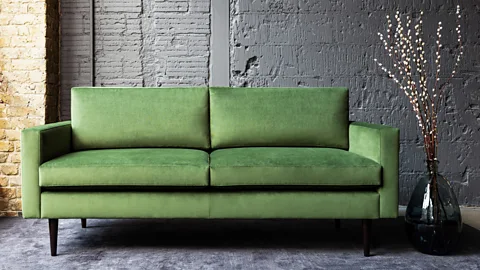
The article explores the evolution and future of flat-packed furniture, moving beyond the traditional association with low-cost, challenging self-assembly, exemplified by brands like Ikea. While Ikea revolutionized furniture transport and affordability with designs such as the Delfi table in 1953, the 'joys' of self-assembly often came with hidden costs in terms of time and effort. Designers like Tom Lloyd of PearsonLloyd and John O’Leary of Swyft acknowledge the mixed feelings within the design community regarding flat-pack's impact on quality.
A new generation of designers and manufacturers is working to elevate the flat-pack concept by integrating sophisticated design thinking with innovative assembly methods and sustainable practices. Companies like PearsonLloyd, in collaboration with Takt, have developed furniture like the Cross Chair, where the aesthetic is intrinsically linked to an intuitive assembly process that requires minimal fixings. The design of this chair, inspired by simple structural principles like a wine box, ensures stability from the initial steps of assembly.
Beyond ease of assembly, a significant aspect of this new wave of flat-packed furniture is its commitment to sustainability. Manufacturers such as Luken are creating products from recycled materials, like their Mecedora chairs made from high-density recycled plastic milk bottles. This approach not only addresses material waste but also produces durable items designed to last a century without the need for screws or glue. Similarly, Nomad in the UK has prototyped an Ocean Plastic Chair from 100% recycled ocean plastic, designed for tool-free assembly, and their sofas are crafted from single sheets of ply and fabric rolls to minimize production waste.
The distribution model for these contemporary flat-packed items often involves direct-to-consumer sales, eliminating intermediaries and allowing for higher investment in design and quality. This model benefits digital natives who are comfortable with online purchases and aligns with eco-friendly principles, as compact flat-packs significantly reduce shipping volumes and carbon footprints. The ease of disassembly and reassembly also caters to the 'Generation Rent,' offering flexibility for frequent relocation.
Even the contract furniture market, which supplies items for commercial settings, is seeing advancements in flat-pack design, although assembly is typically handled by specialists. However, there are instances, like Allermuir's Folk chair designed by PearsonLloyd, where the focus is on enabling easy assembly by end-users. Even Ikea is innovating, with inventions like the wedge dowel, to simplify their self-assembly process. These developments suggest a future where flat-packed furniture can offer high quality, appealing aesthetics, and practical advantages like portability and reduced environmental impact, challenging the notion that convenience must compromise quality.
#FlatPackFurniture #FurnitureDesign #SelfAssembly #SustainableDesign #Ikea #PearsonLloyd #Swyft #Luken #Nomad #InteriorDesign #FlatPackFurniture #FurnitureDesign #SelfAssembly #SustainableDesign #Ikea #PearsonLloyd #Swyft #Luken #Nomad #InteriorDesign
 No comments yet
Are Open Shelves Finally Out of Style in 2026? Designers Weigh In
What to Expect from Interiors of the Future

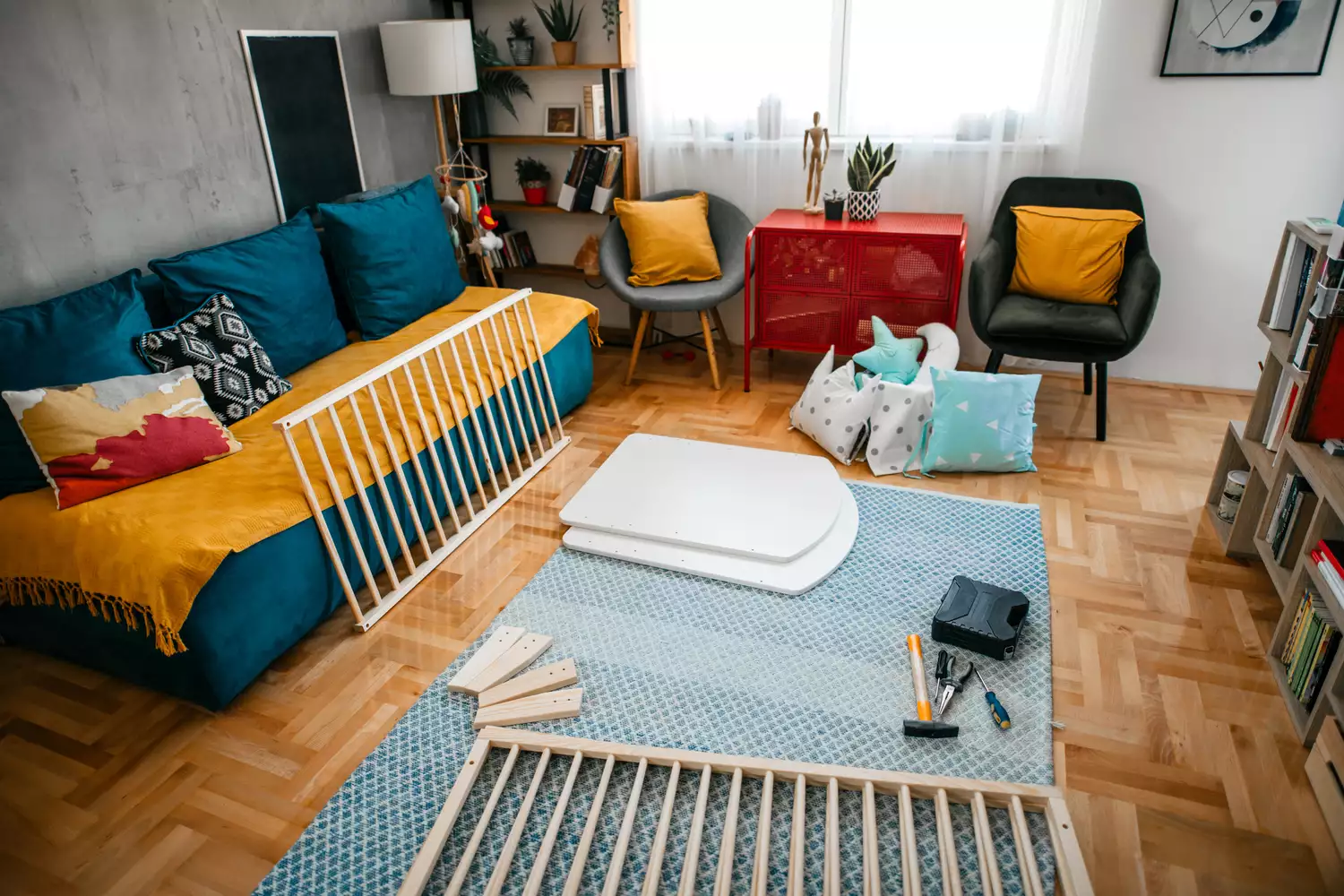
Can Flat-Pack Furniture Be Sustainable?
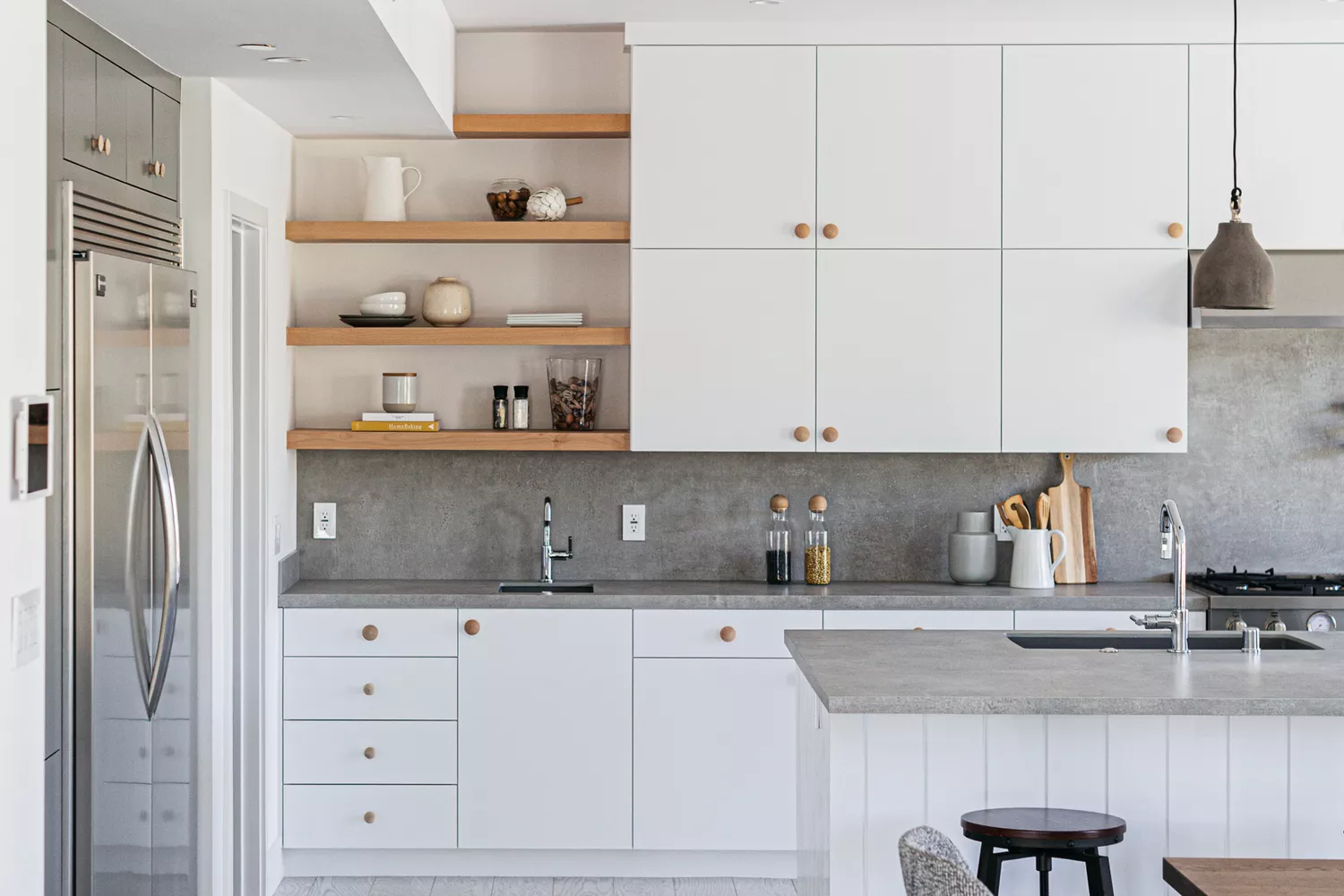
Are Open Shelves Finally Out of Style in 2026? Designers Weigh In

Is There a Future for Fabric-Formed Concrete Structures?