1/11
9 color palettes for minimalist bathrooms - instantly relaxing looks that feel elegant and expensive
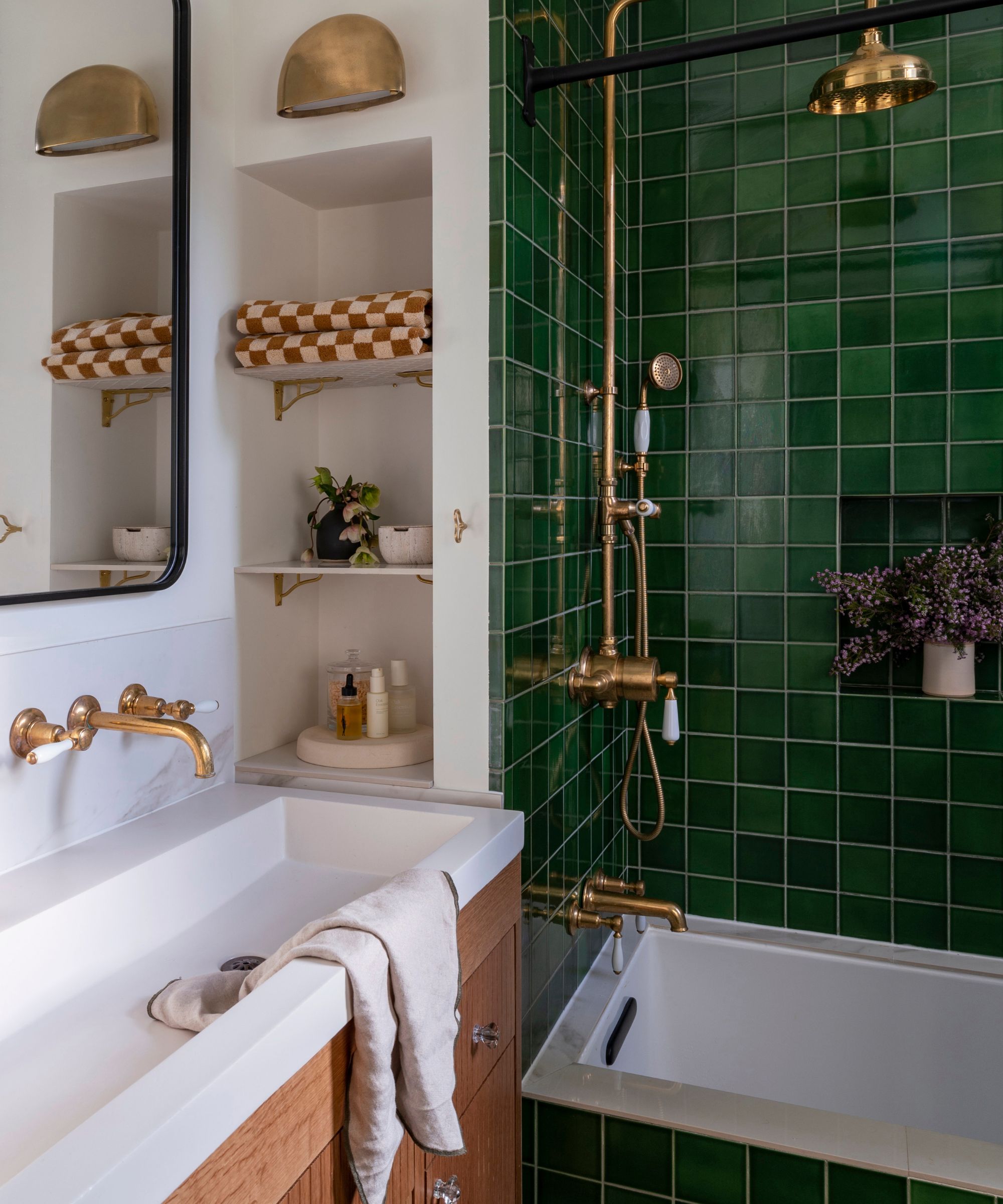
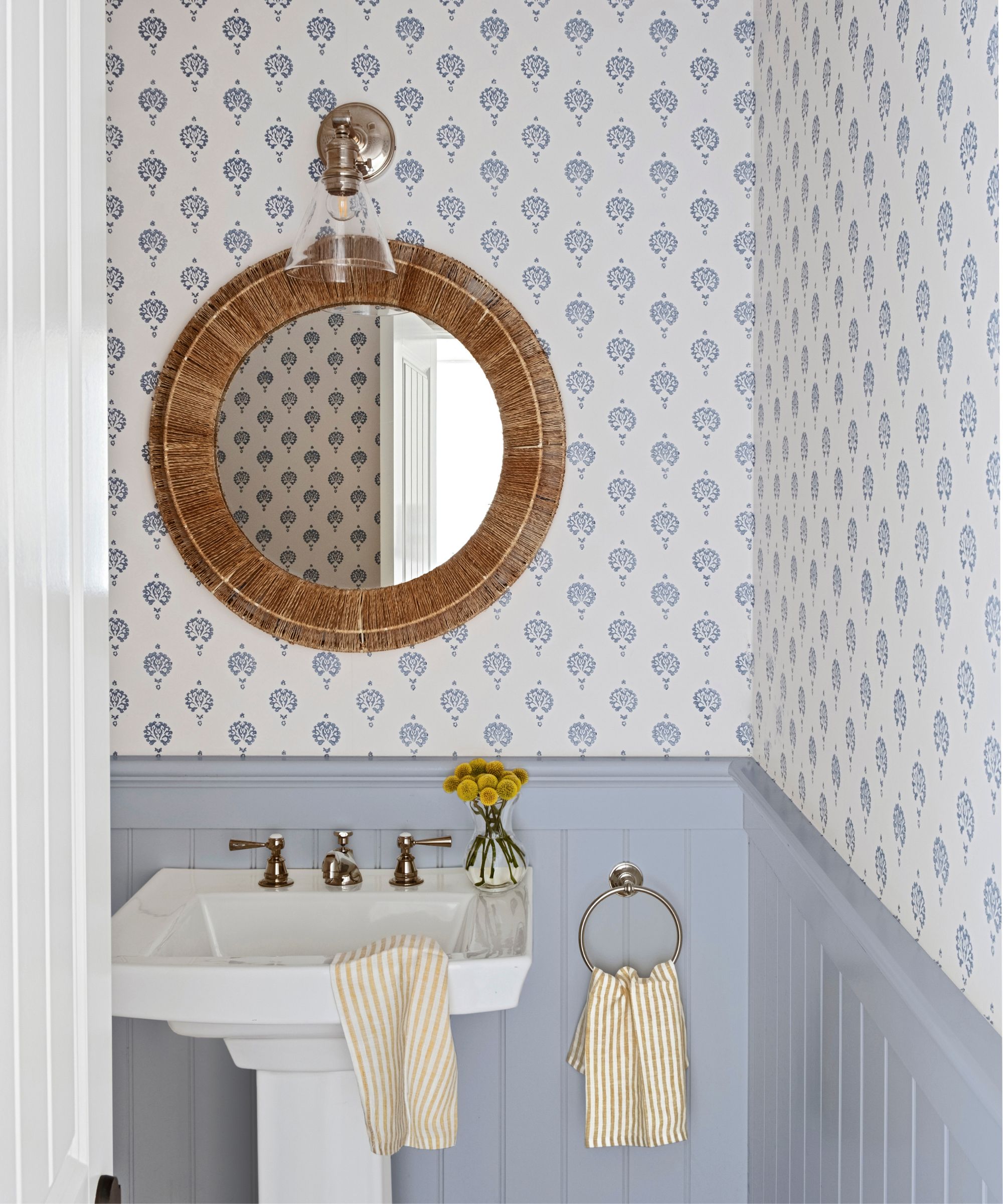
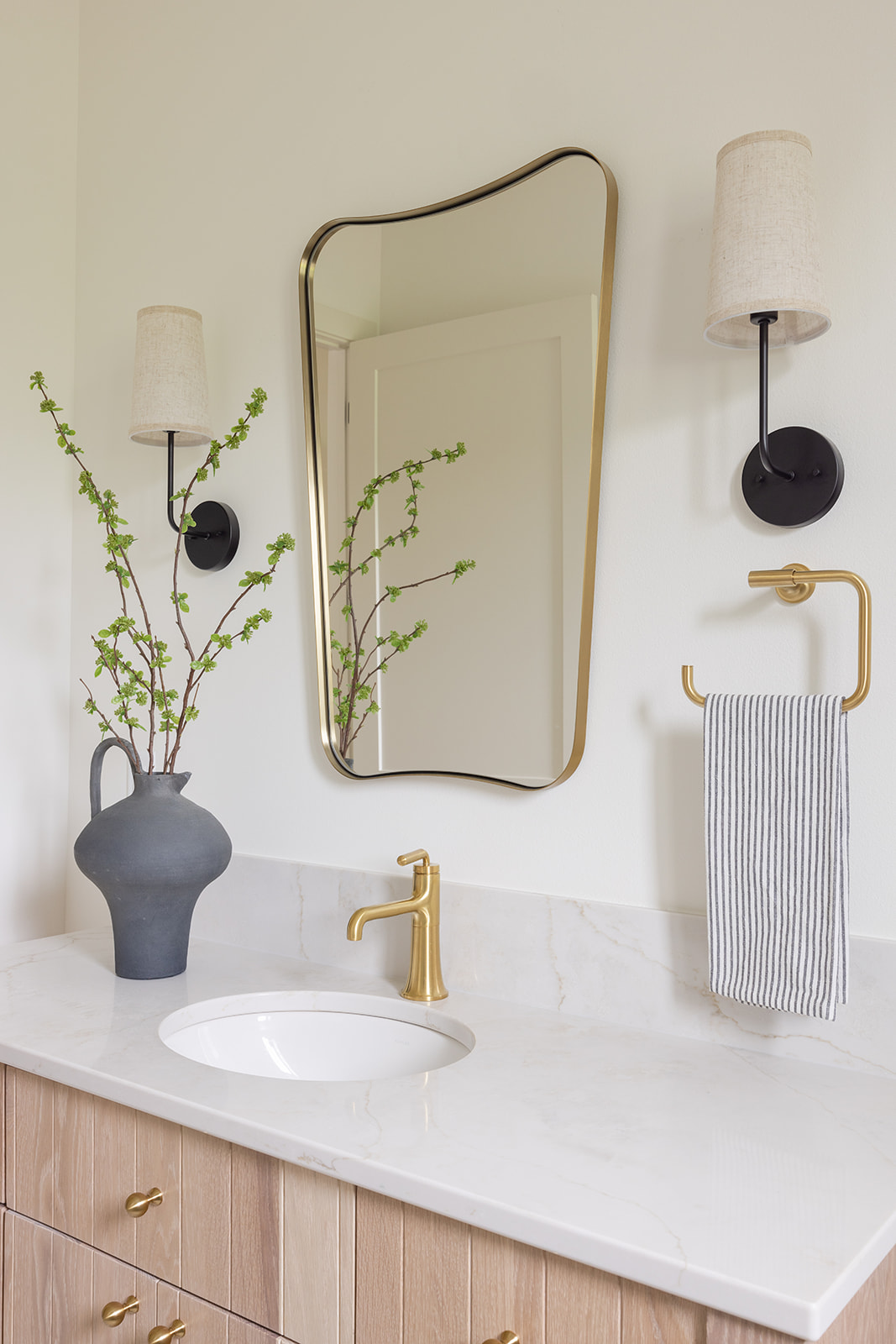
Minimalist bathroom design, characterized by a "less is more" approach, aims to create tranquil, contemporary, and luxurious spaces that enhance wellbeing. The core principle involves avoiding clutter and excessive ornamentation, prioritizing calming and cohesive color schemes over attention-grabbing hues or feature walls. Despite this conservative use of color, minimalist bathrooms can still achieve significant visual depth and interest by integrating a variety of neutral palettes with organic materials, as highlighted by leading designers.
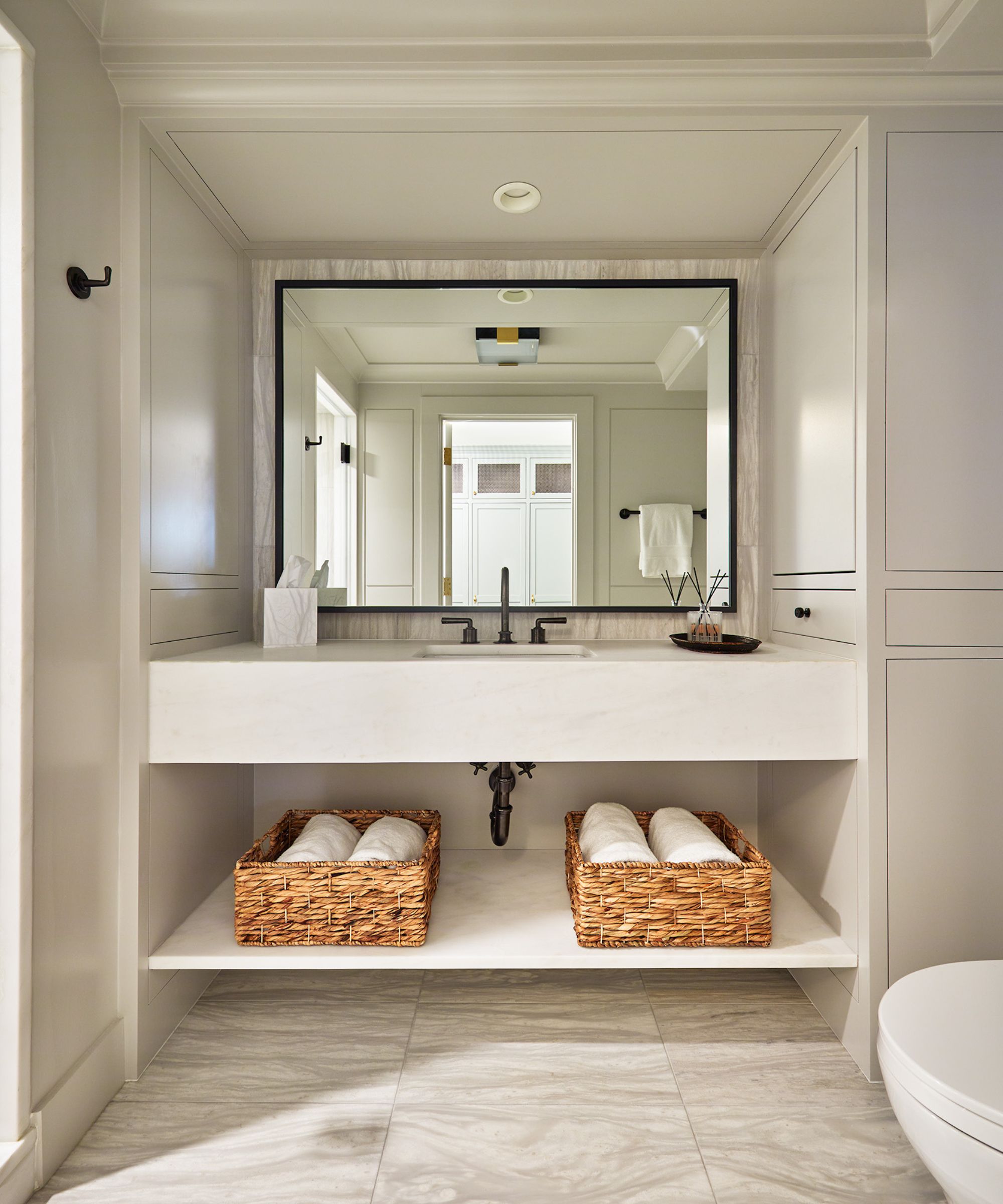
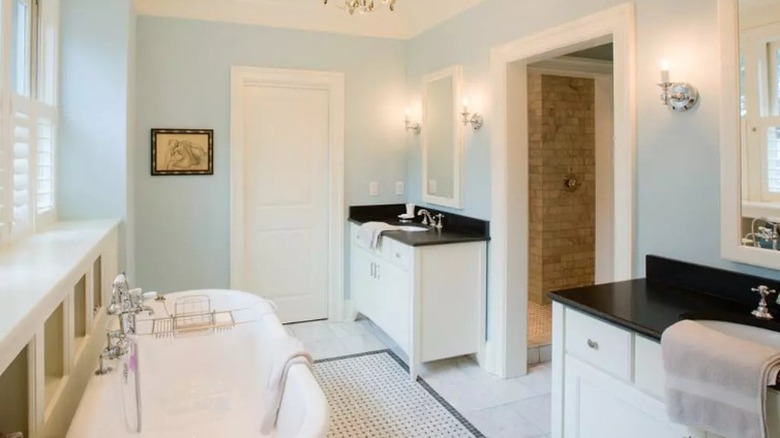
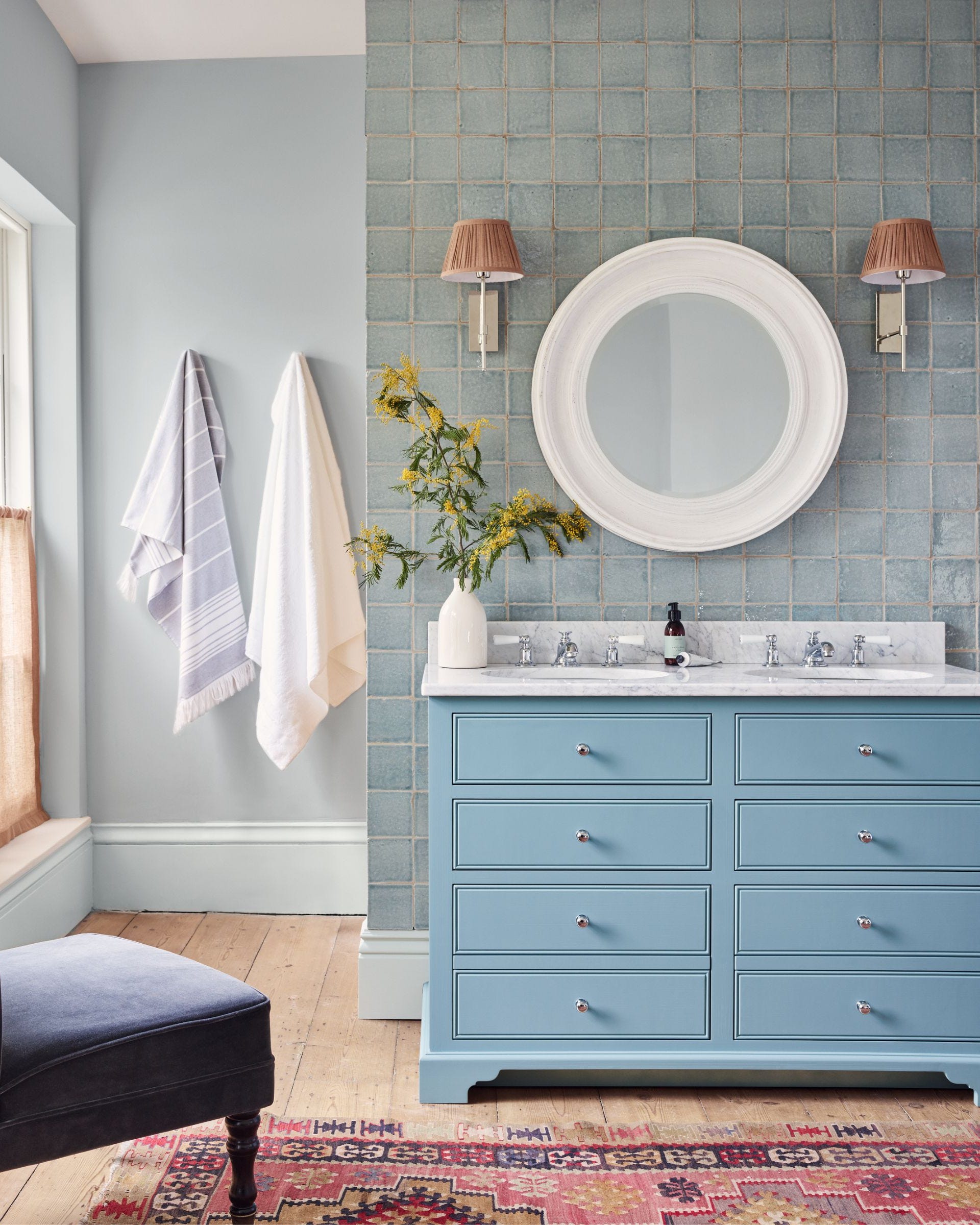
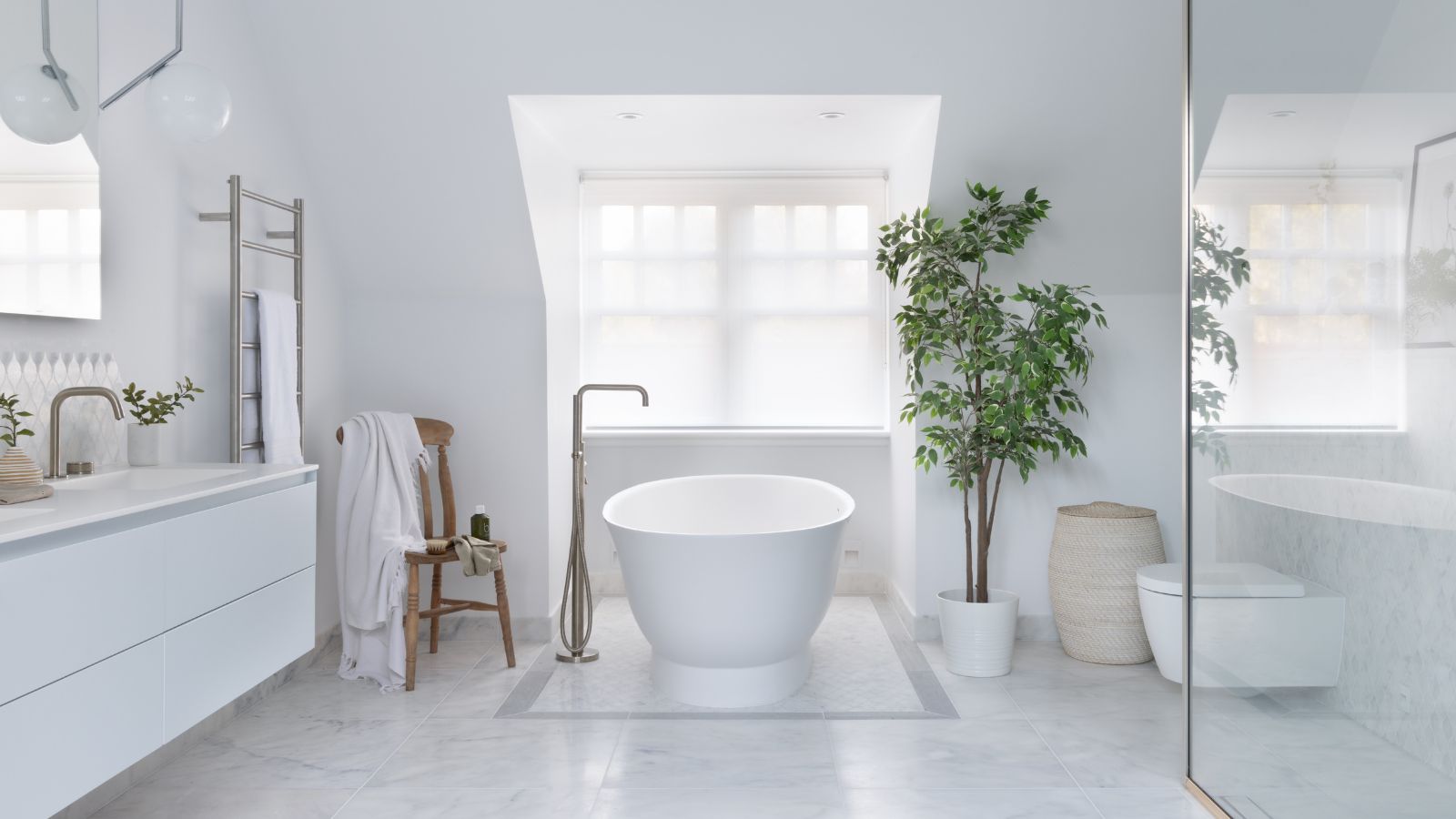
Nine distinct color palettes are presented to inspire minimalist bathroom designs. The first option features crisp, classic white paired with muted, cool grey tones. This combination, often seen in designs by Studio AM, utilizes white to bounce light, making small bathrooms feel larger, and integrates metal finishes and organic patterns in tiles to add depth without complexity. Polished nickel fixtures, sconces, and mirrors, alongside custom integrated stone sinks and statement tubs, contribute to an elegant yet unfussy aesthetic.
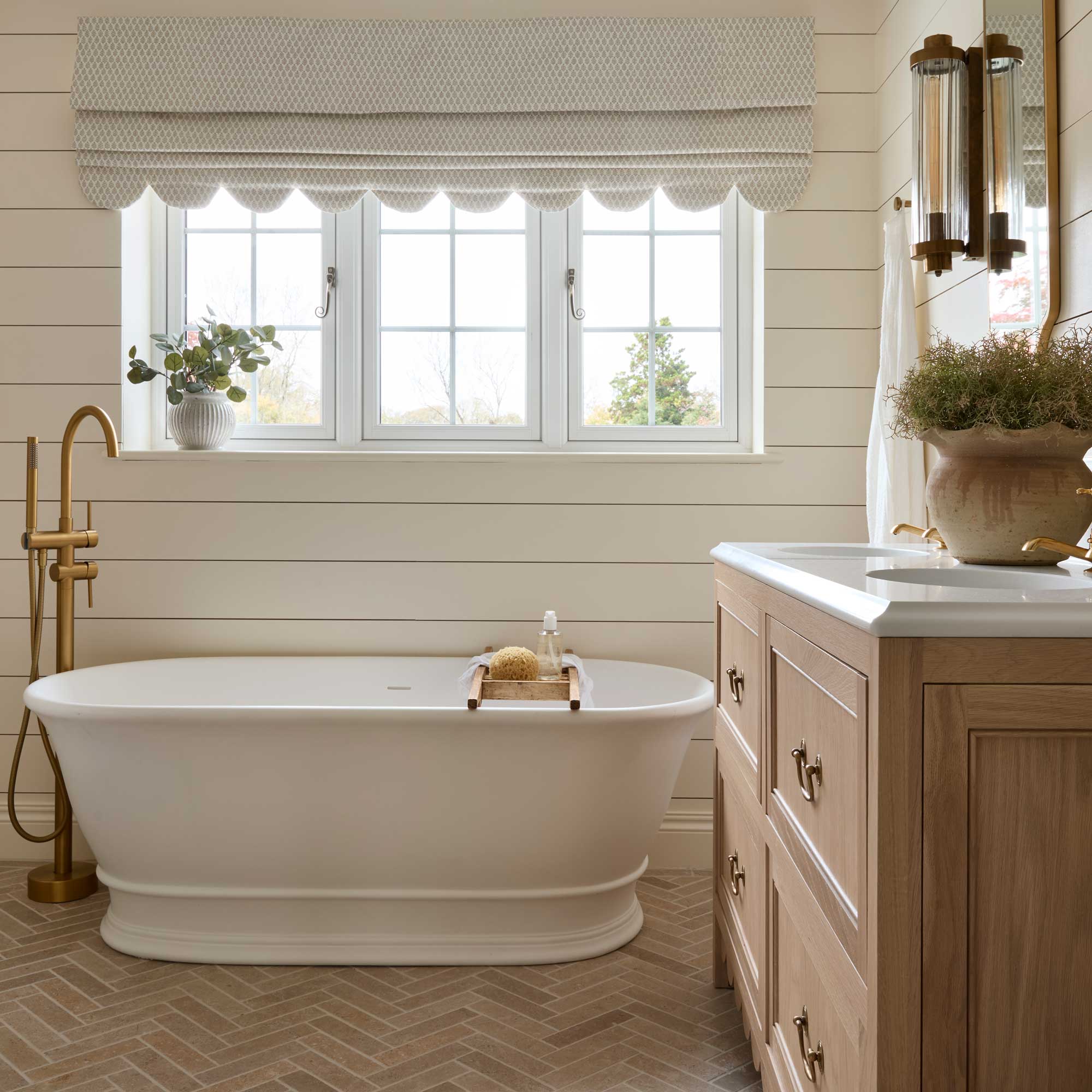
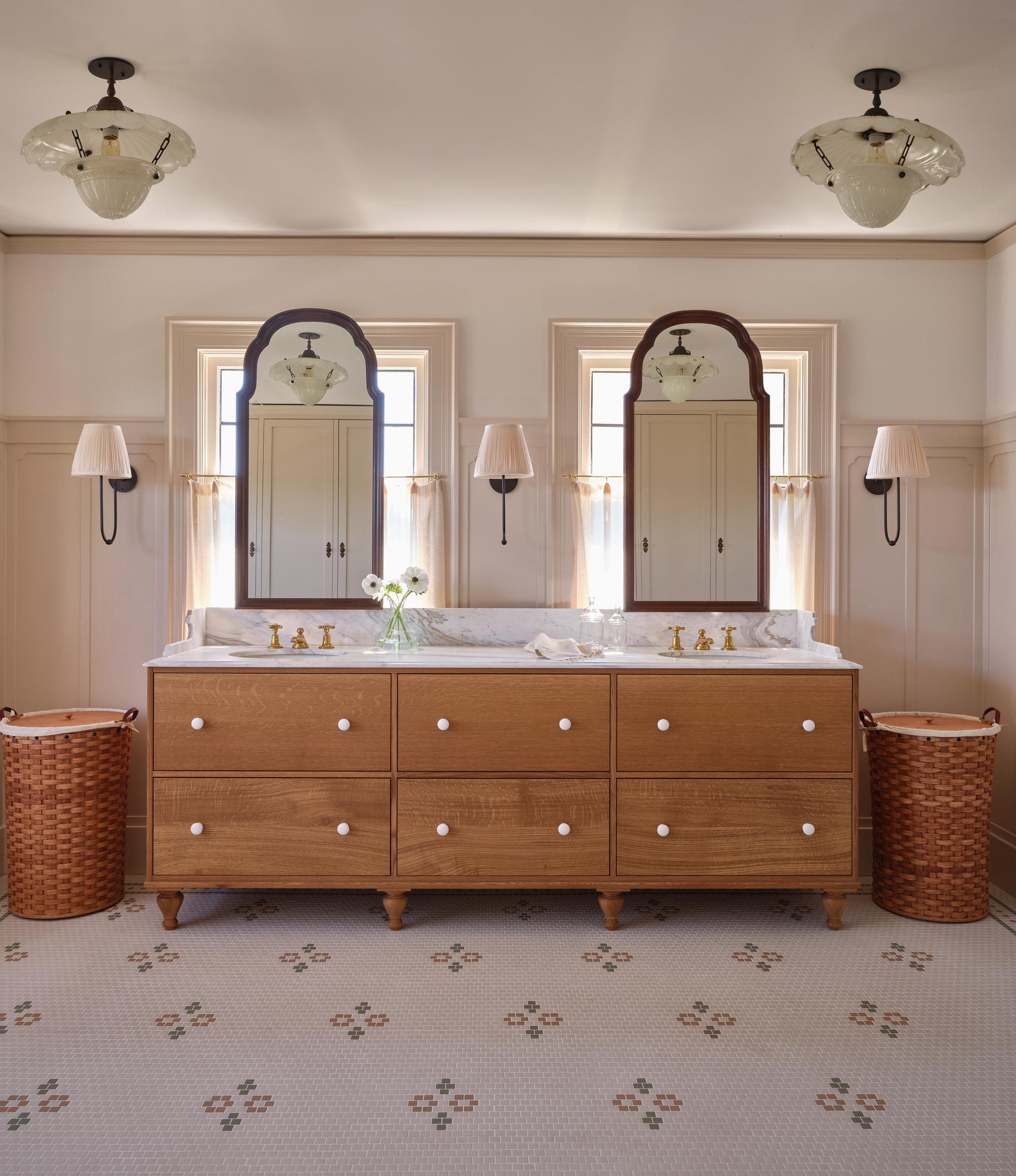
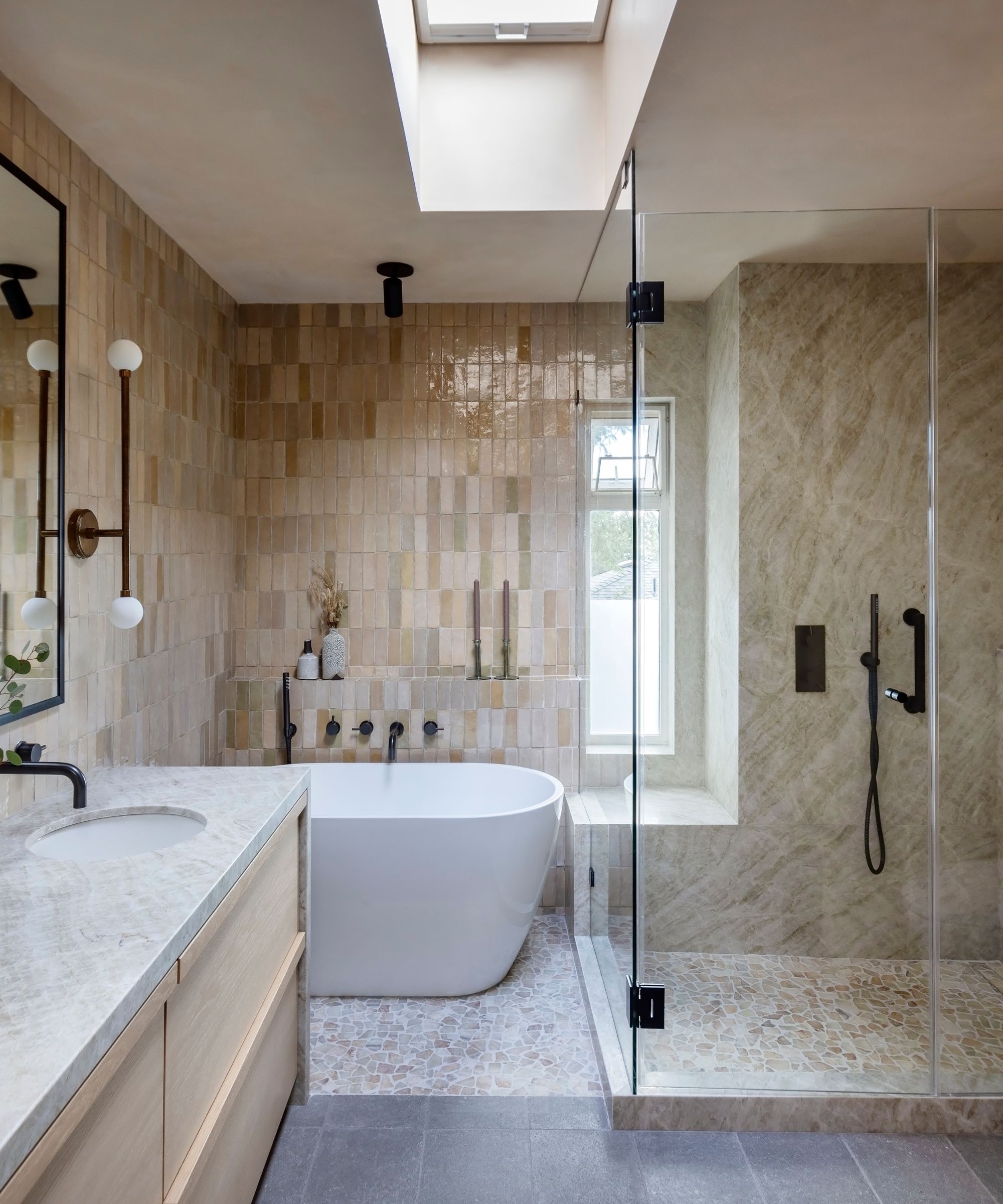
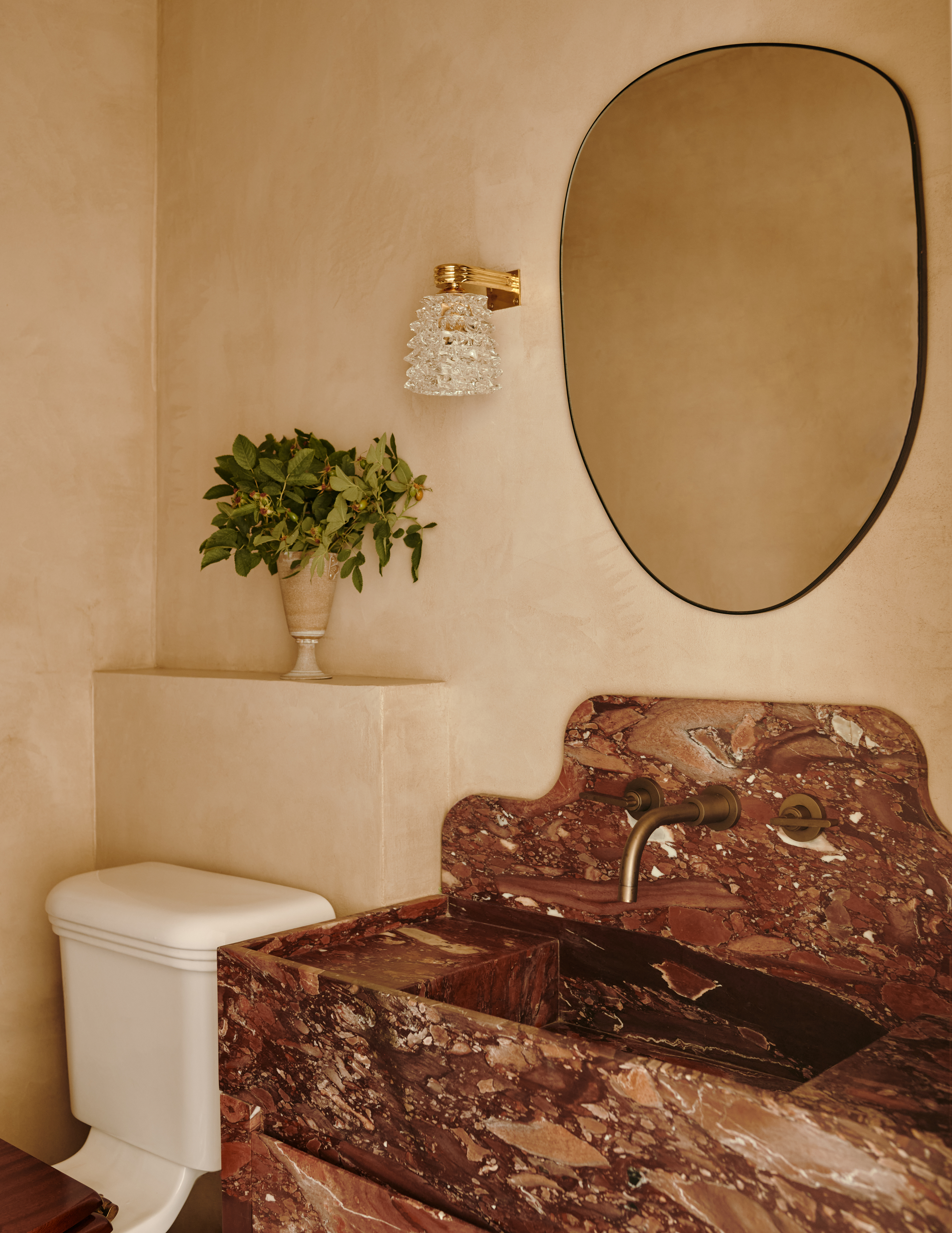
The second palette embraces warm beige, sand, and white. This neutral combination, also exemplified by Studio AM, is particularly effective for bathrooms with scenic views, directing the eye outdoors. Texture and layers are introduced through elements like soft red flowers and light pendants made of cracked, cast glass above polished stone countertops, creating a sense of coziness.
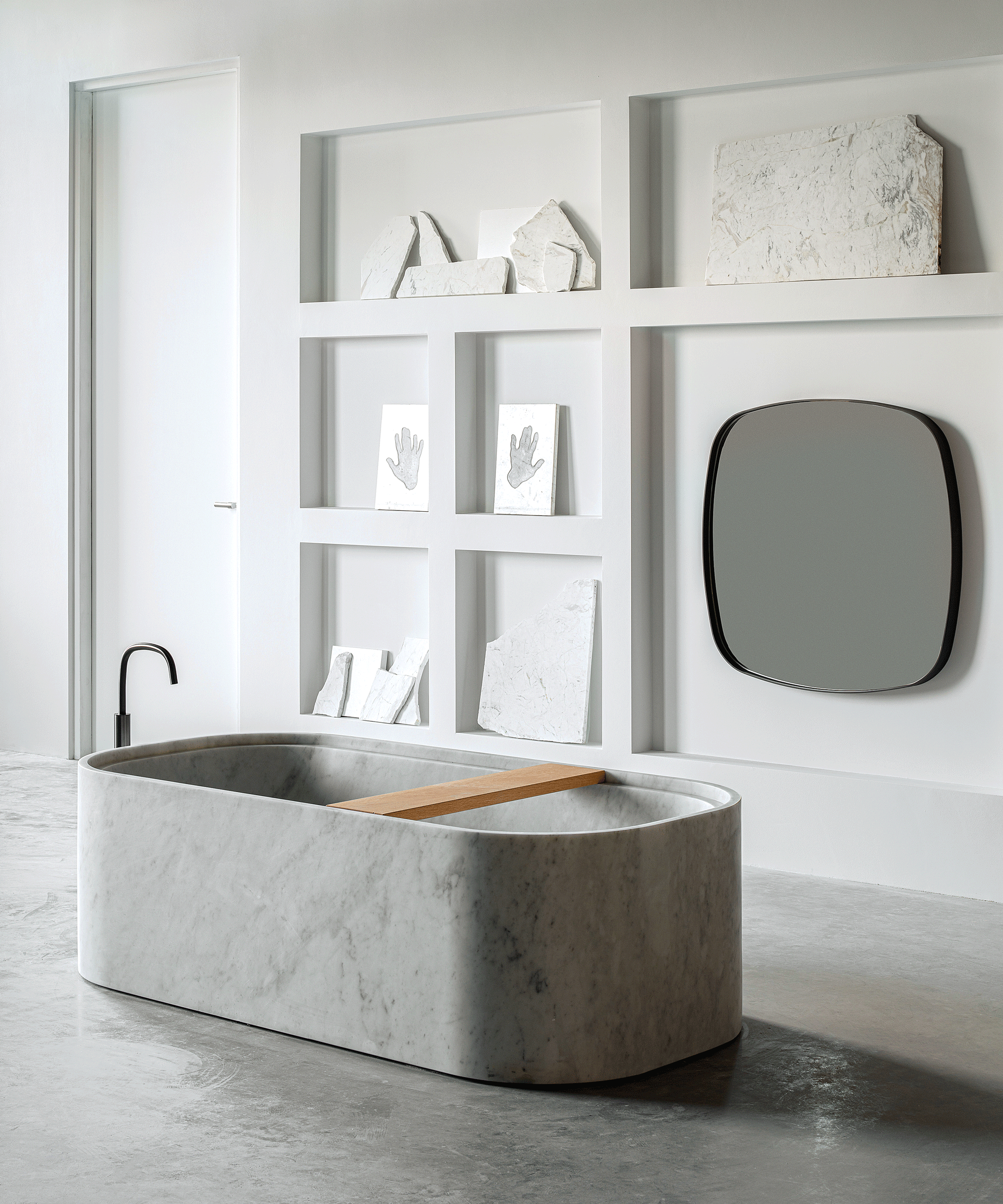
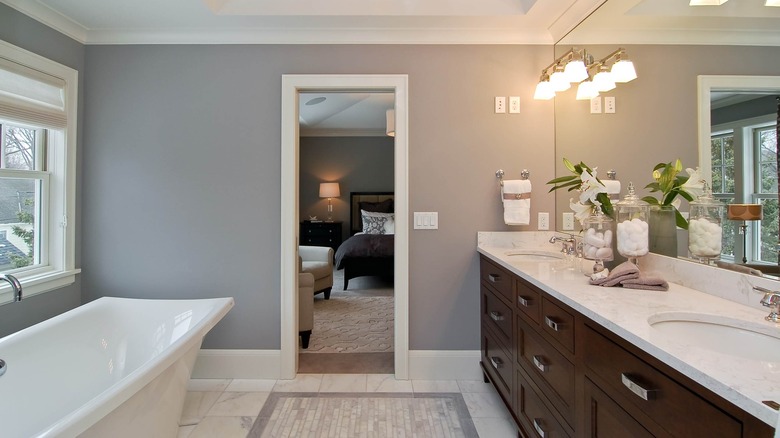
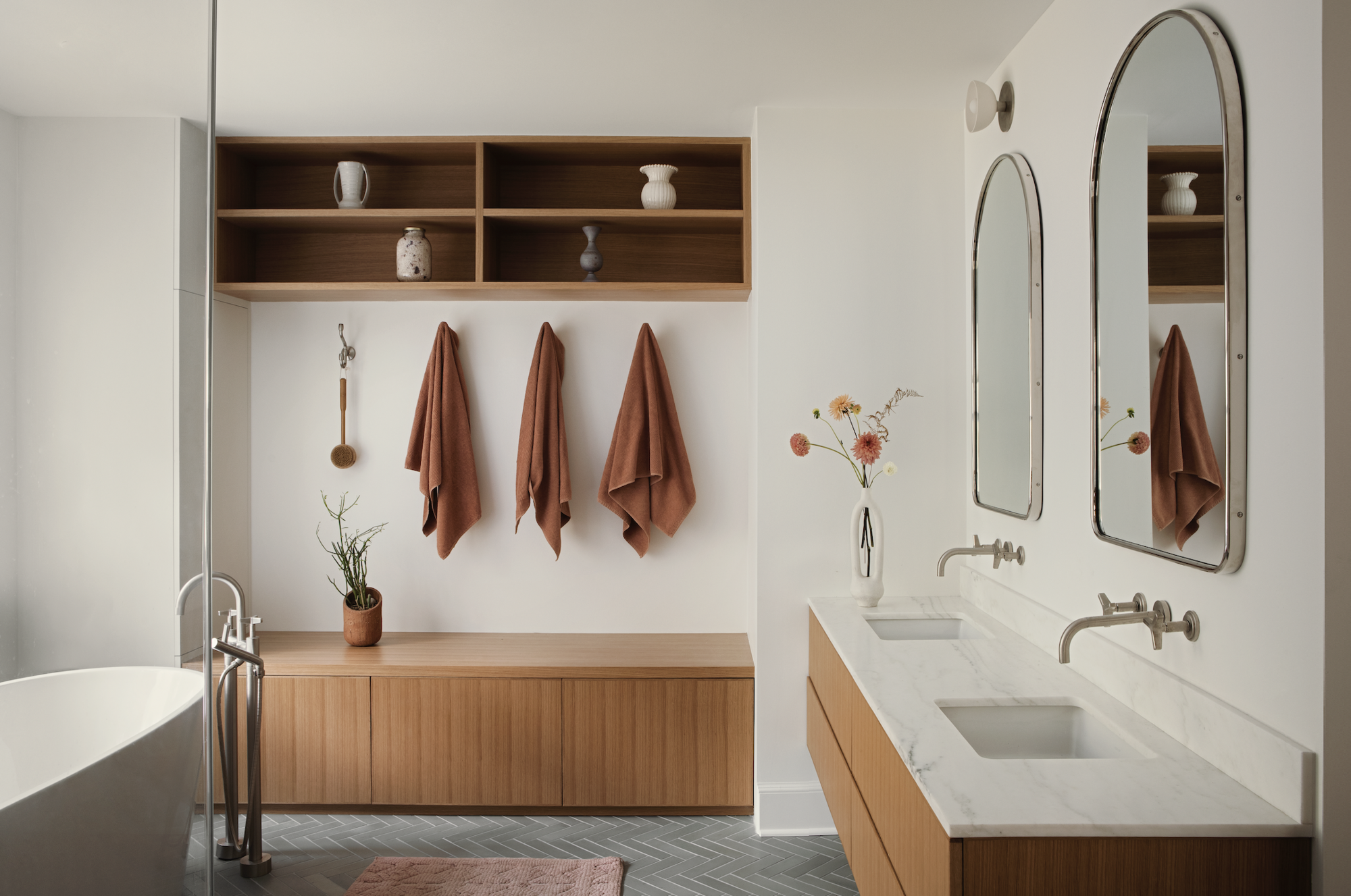
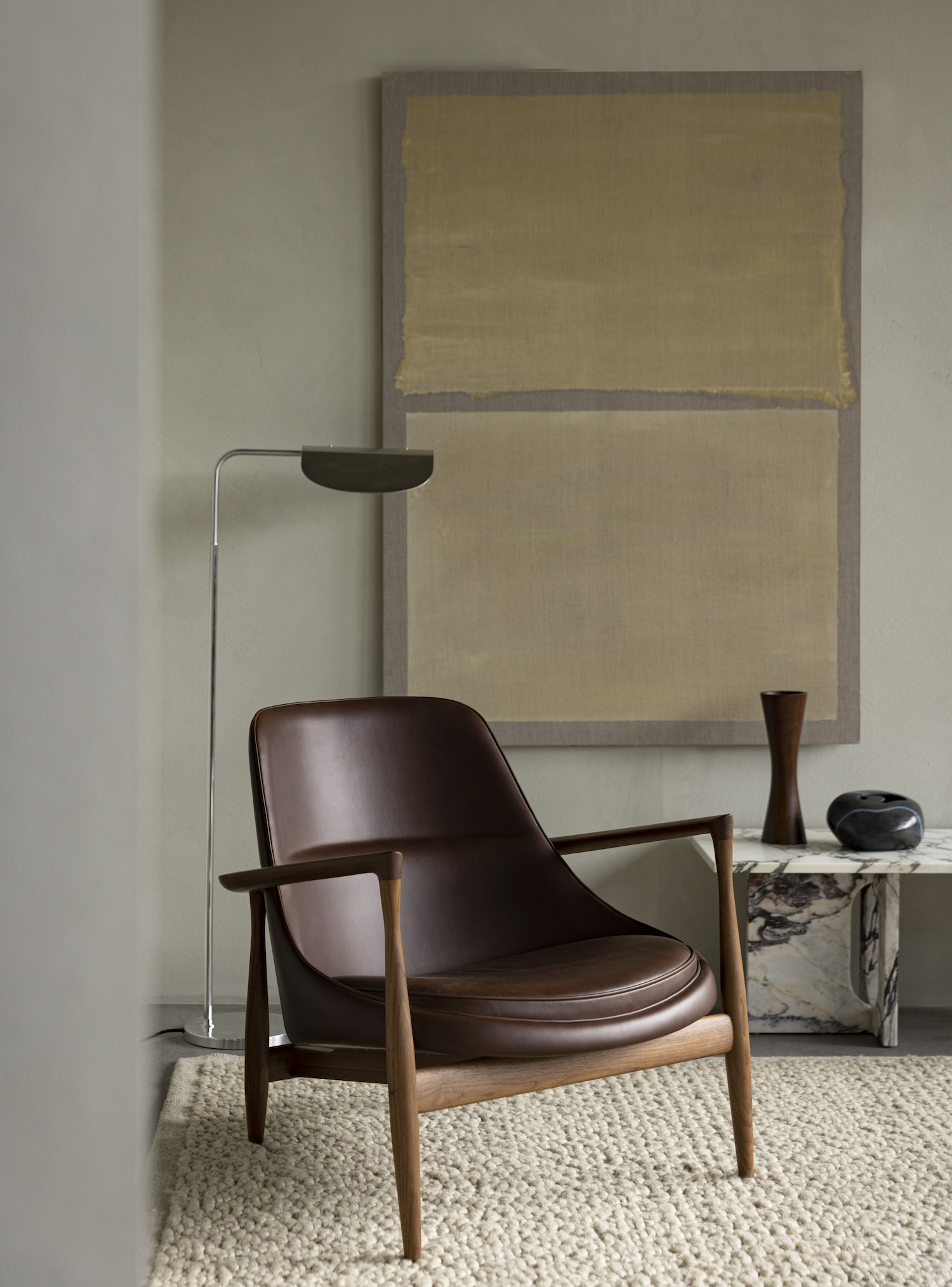
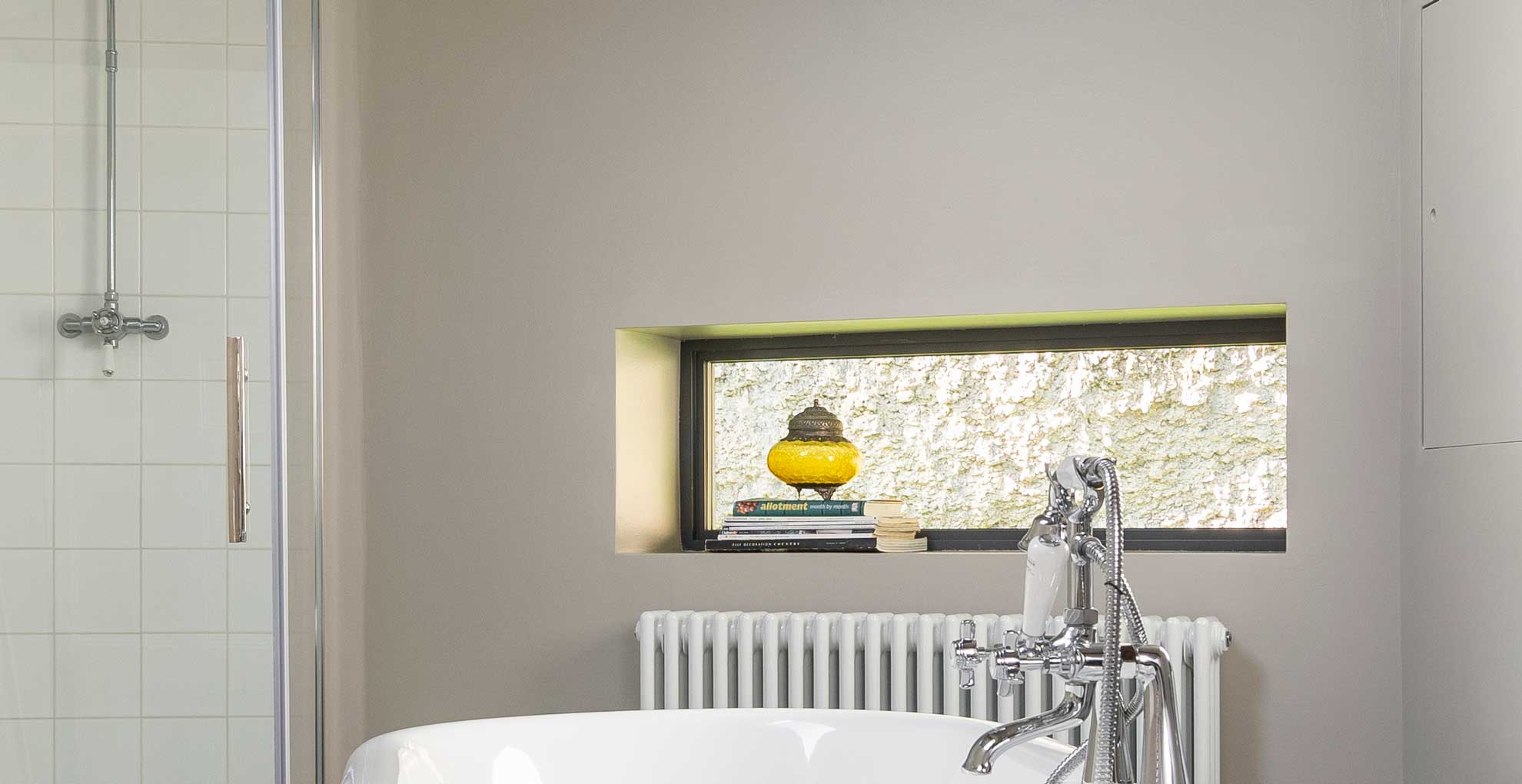
Third, a blend of brown, charcoal, beige, and gray incorporates natural materials, a key aspect of contemporary soft minimalism. Earthy neutrals, as advocated by brands like Salvatori, help reconnect occupants with nature, promoting a calming effect. The emphasis is on natural textures from stone and wood, fostering a warm and soothing atmosphere.
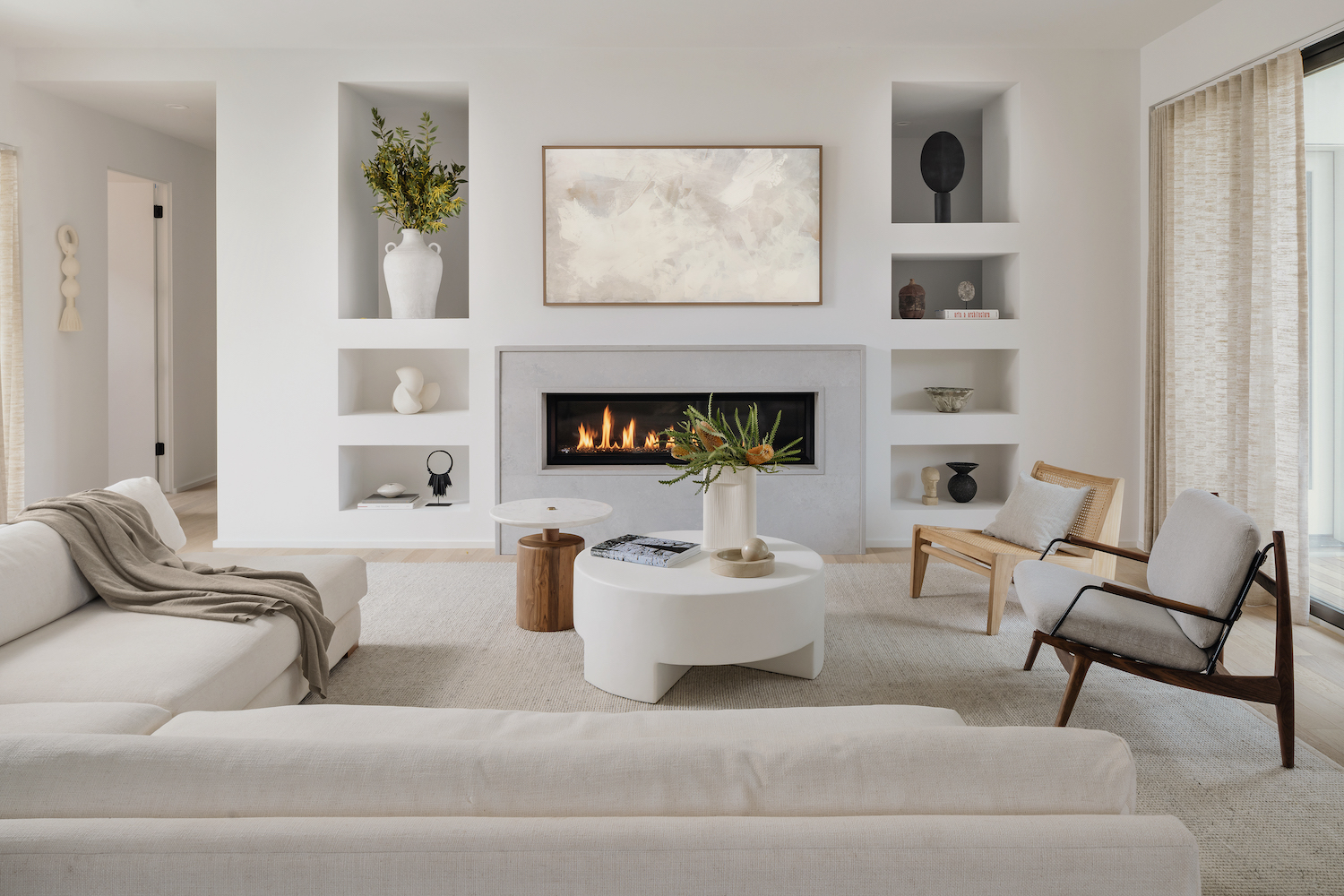
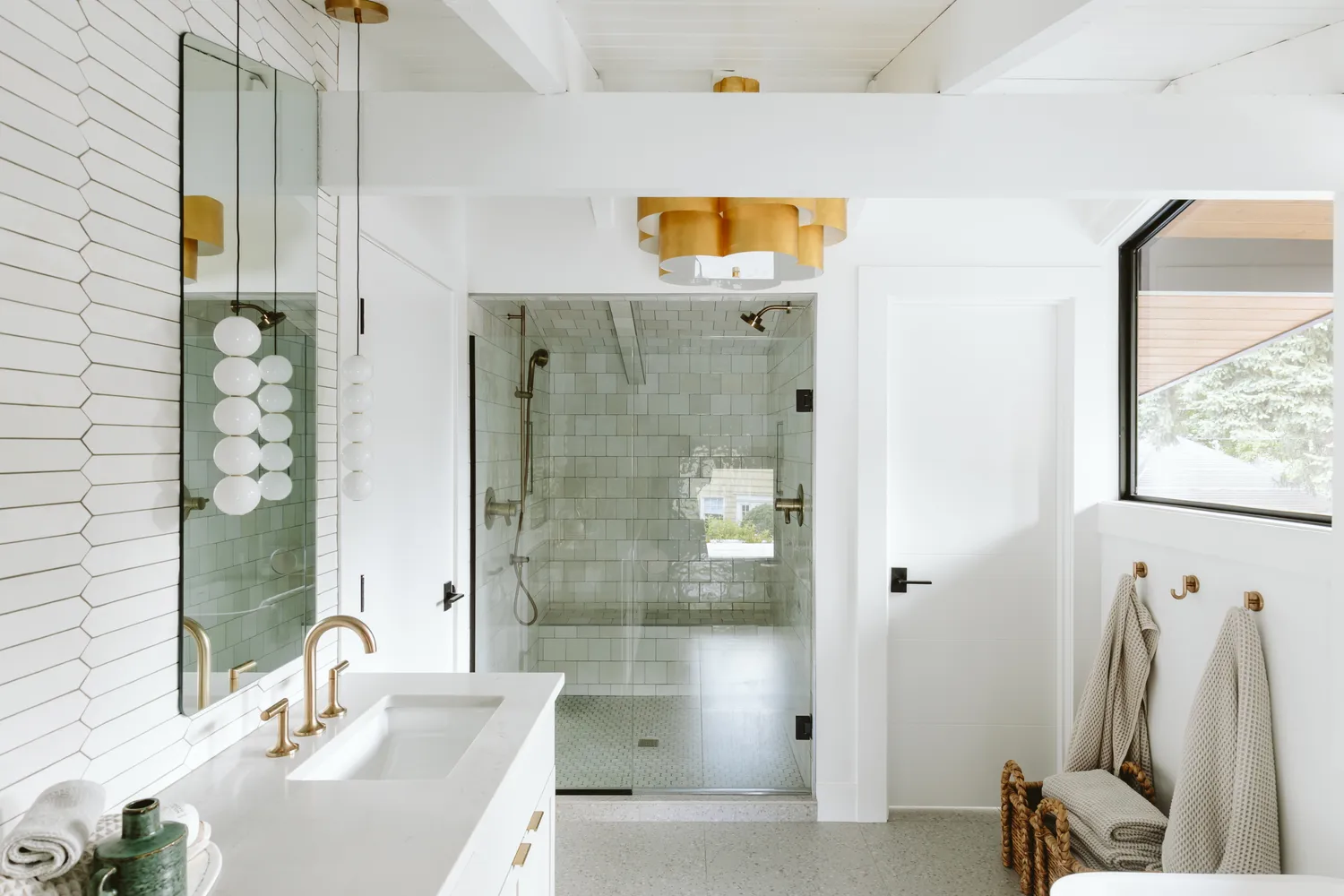
Fourth, the timeless combination of all-white with dark wood is explored. While all-white spaces are a minimalist staple for amplifying perceived space, especially in smaller or dimly lit bathrooms, the article stresses the importance of varied textures to prevent a sterile feel. This can be achieved through textured tiles, like Salvatori's Chevron in Bianco Carrara, or white marble accessories.
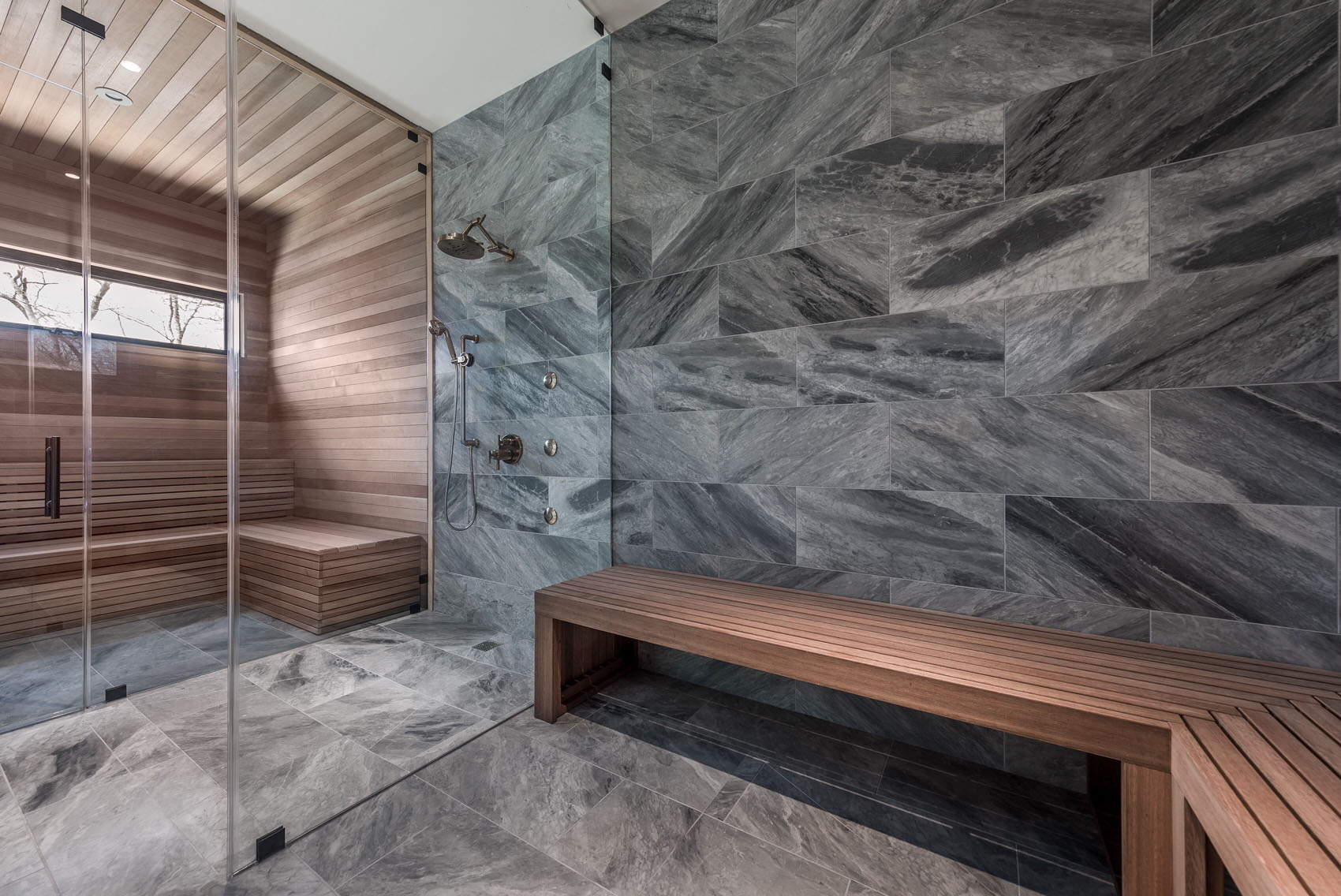
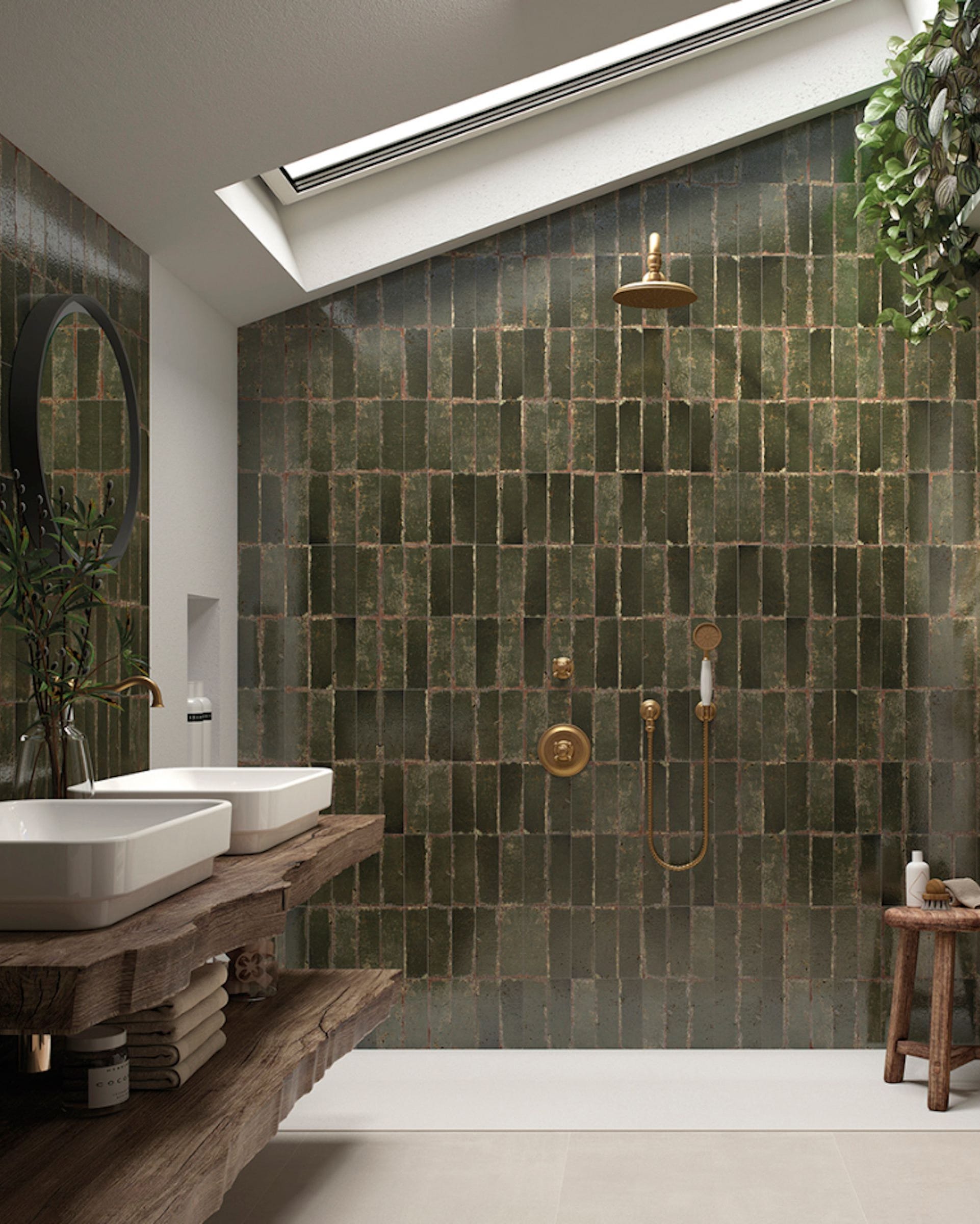
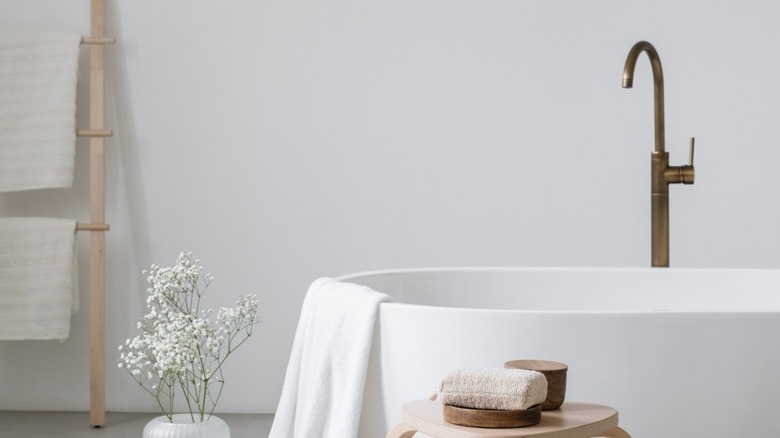
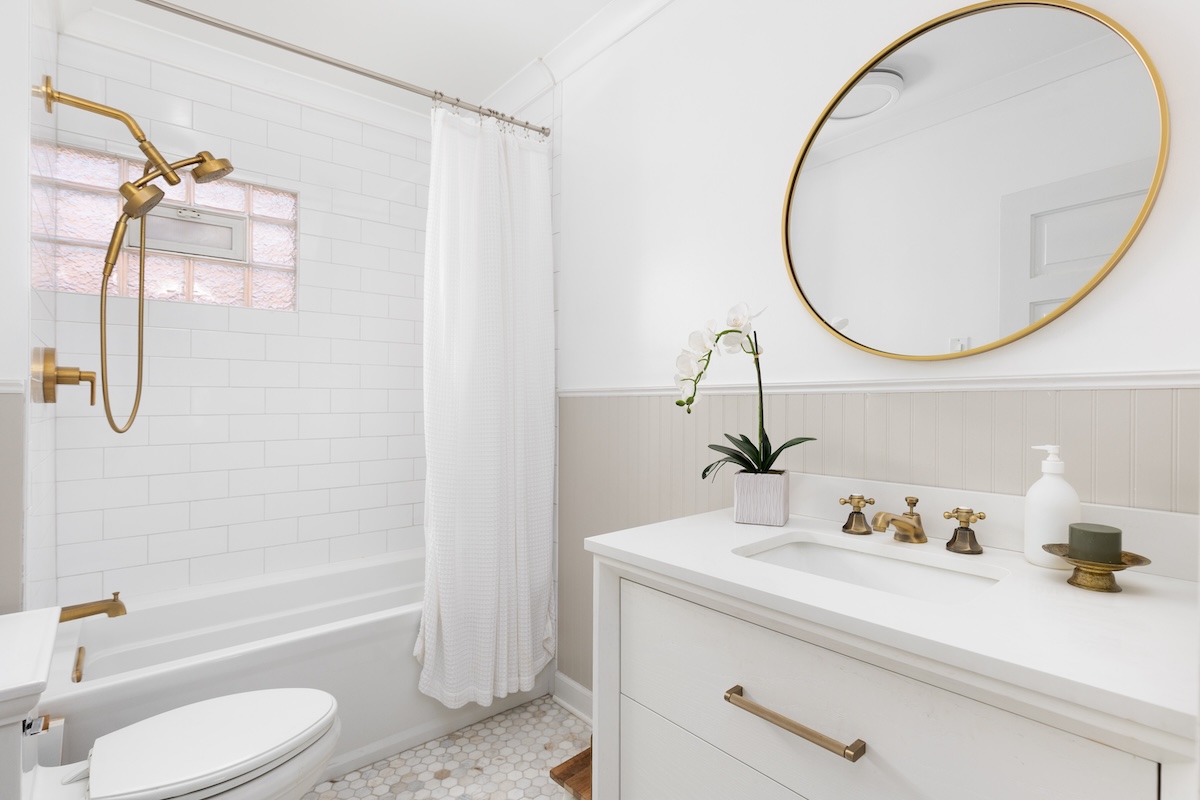
Fifth, grey marble, wood, and brass create a luxurious, spa-like environment. Designs by Studio Zung showcase how natural wood cladding and marble, with their inherent tonal variations and patterns, provide sufficient visual interest. This approach aims to craft a bath space that fosters solace, solitude, and mindfulness, drawing inspiration from Japanese and modern European hotel aesthetics.
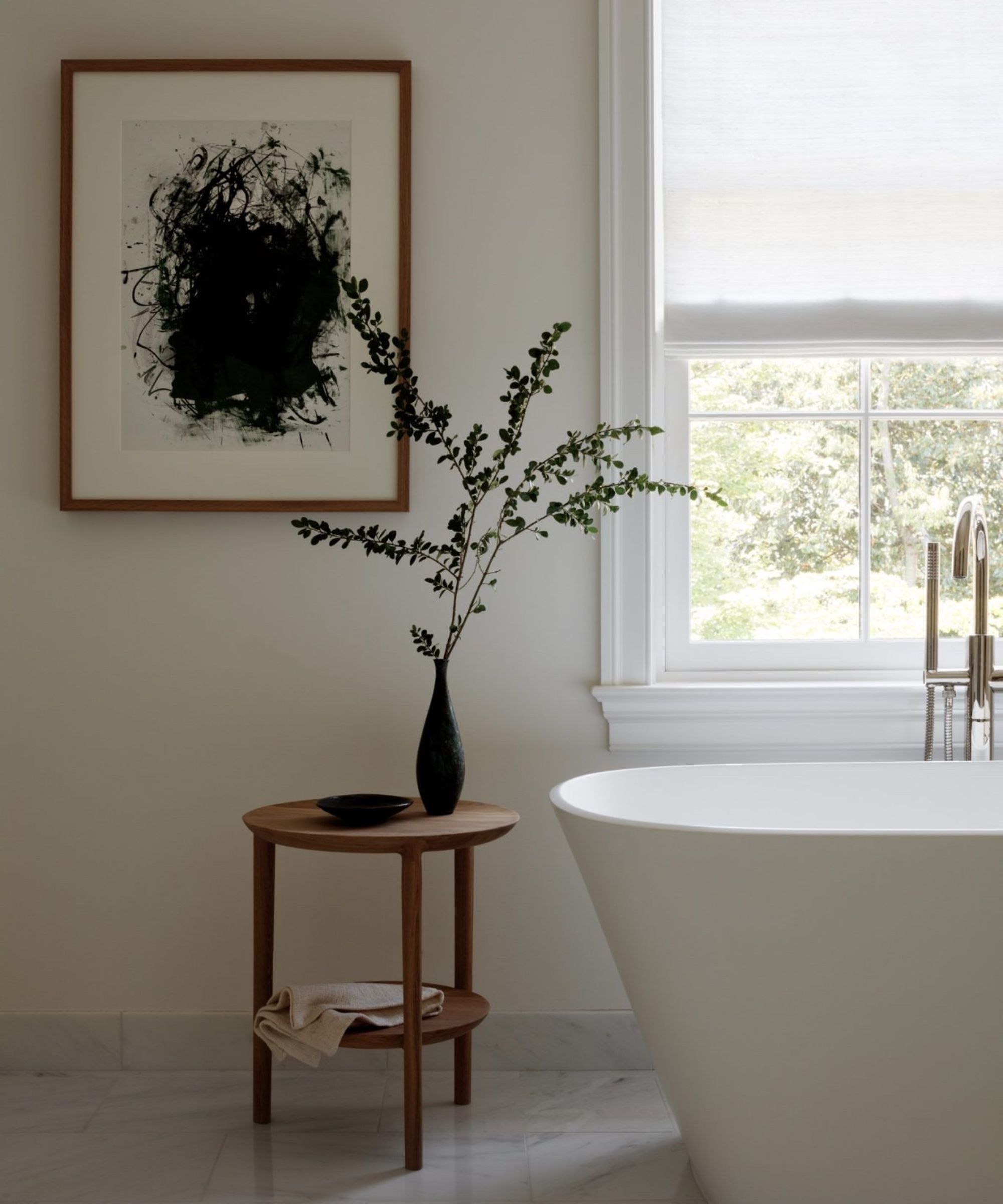
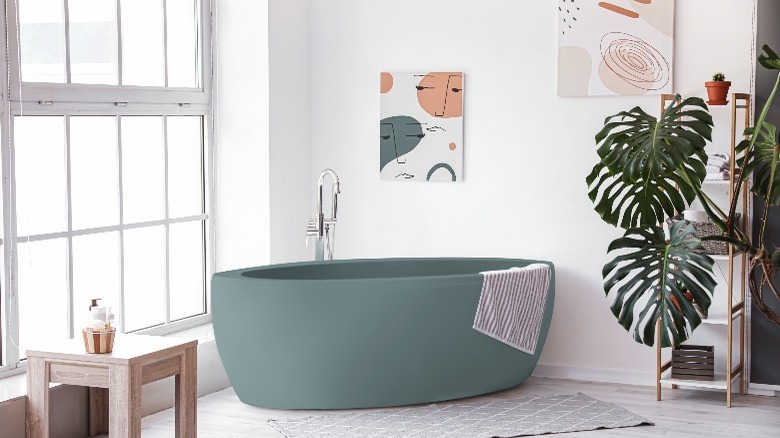
Sixth, white and wood are accented with a pop of orange. This strategy, demonstrated by Swivel Interiors, allows for a touch of vibrant color without sacrificing the minimalist ethos. The key is to maintain a neutral base with layered textures and repeat the accent color in various elements (e.g., rugs, art, vases) to ensure cohesion.
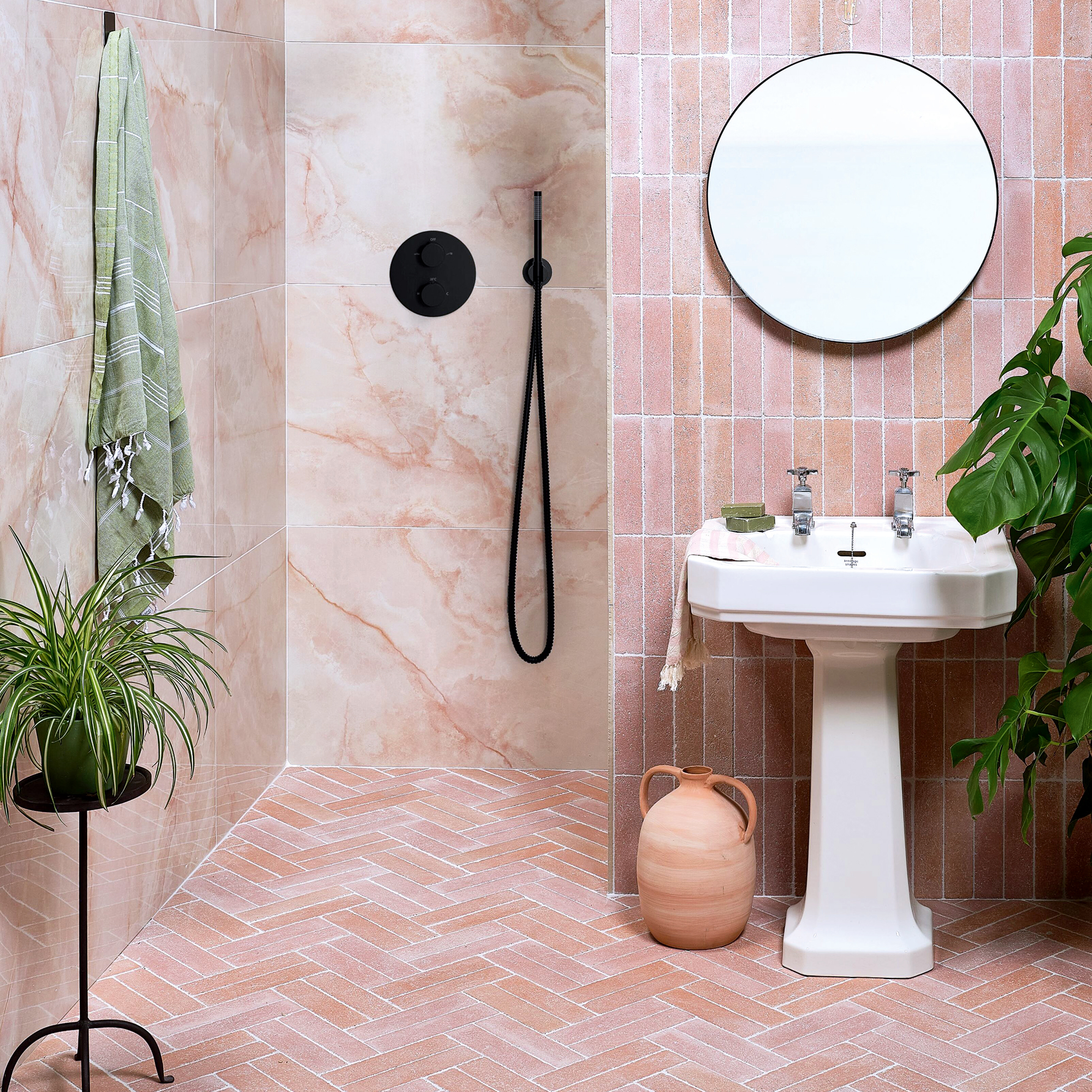
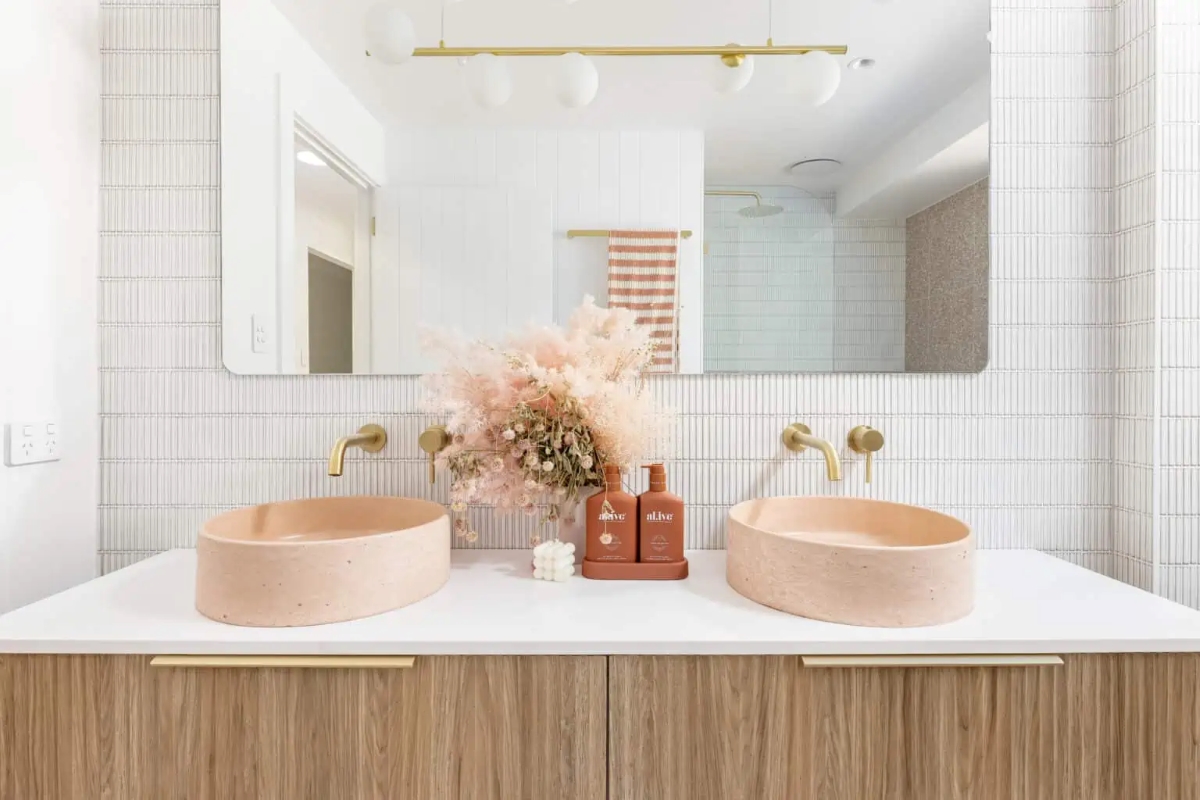
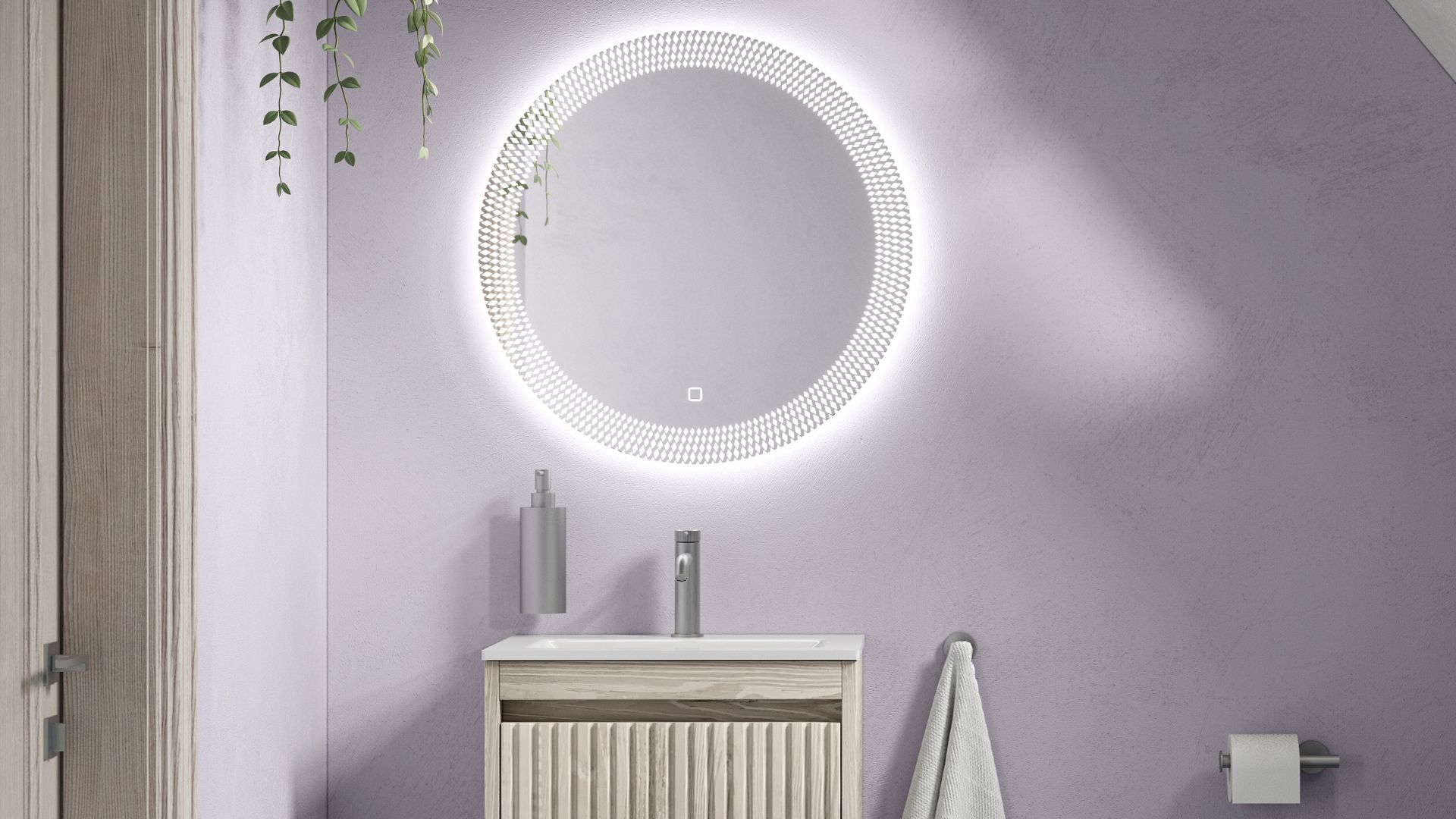
The seventh palette combines white and grey, often through natural materials like marble. Designers like Jessica Earp of Cushing Terrell suggest using whites with a hint of gray, such as Backdrop Home's Moonstone, to achieve a bright yet non-clinical feel. Alternatively, monochromatic schemes in unexpected colors, like Pantone's Pink Salt, can offer an uplifting touch.
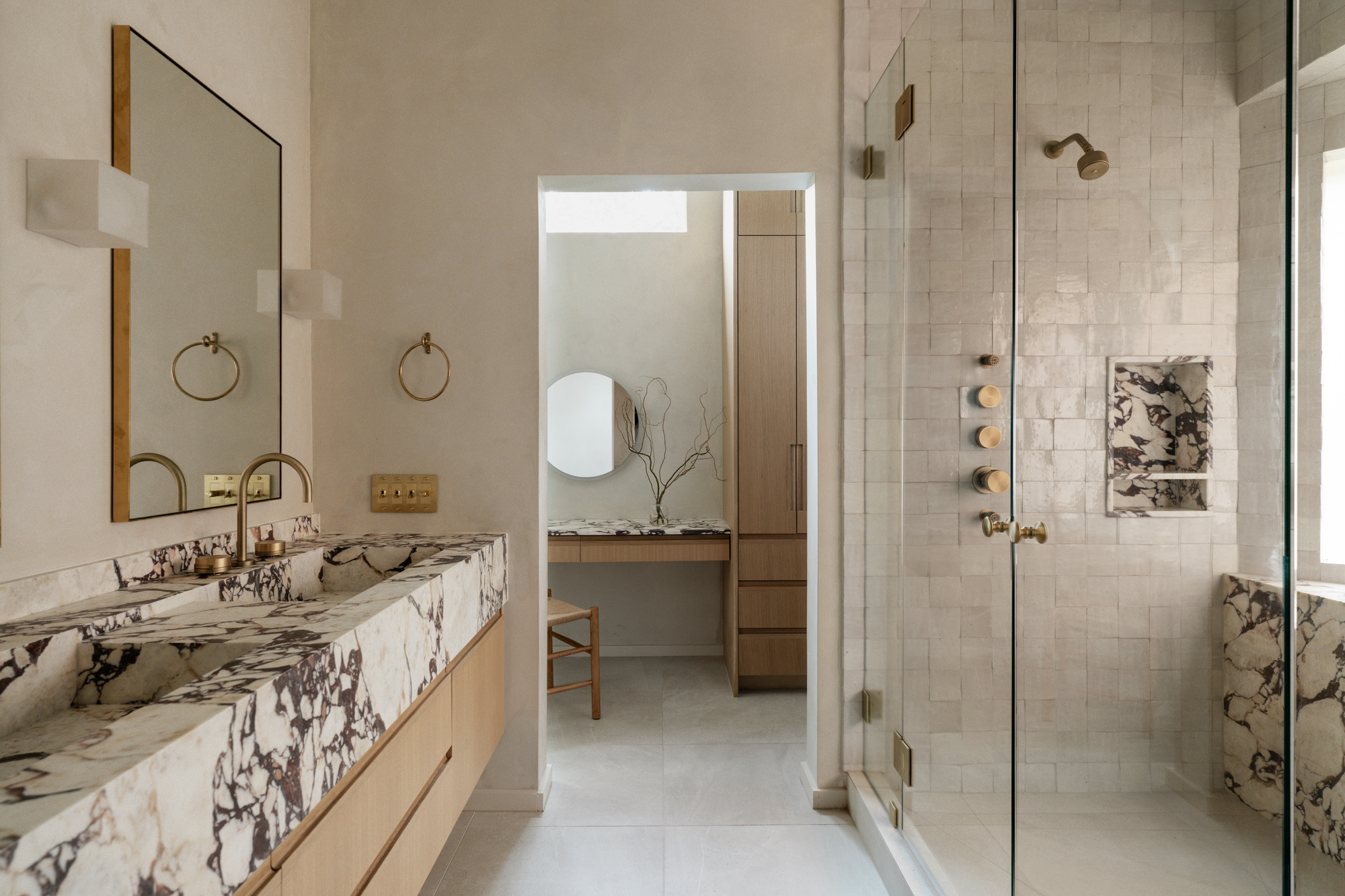
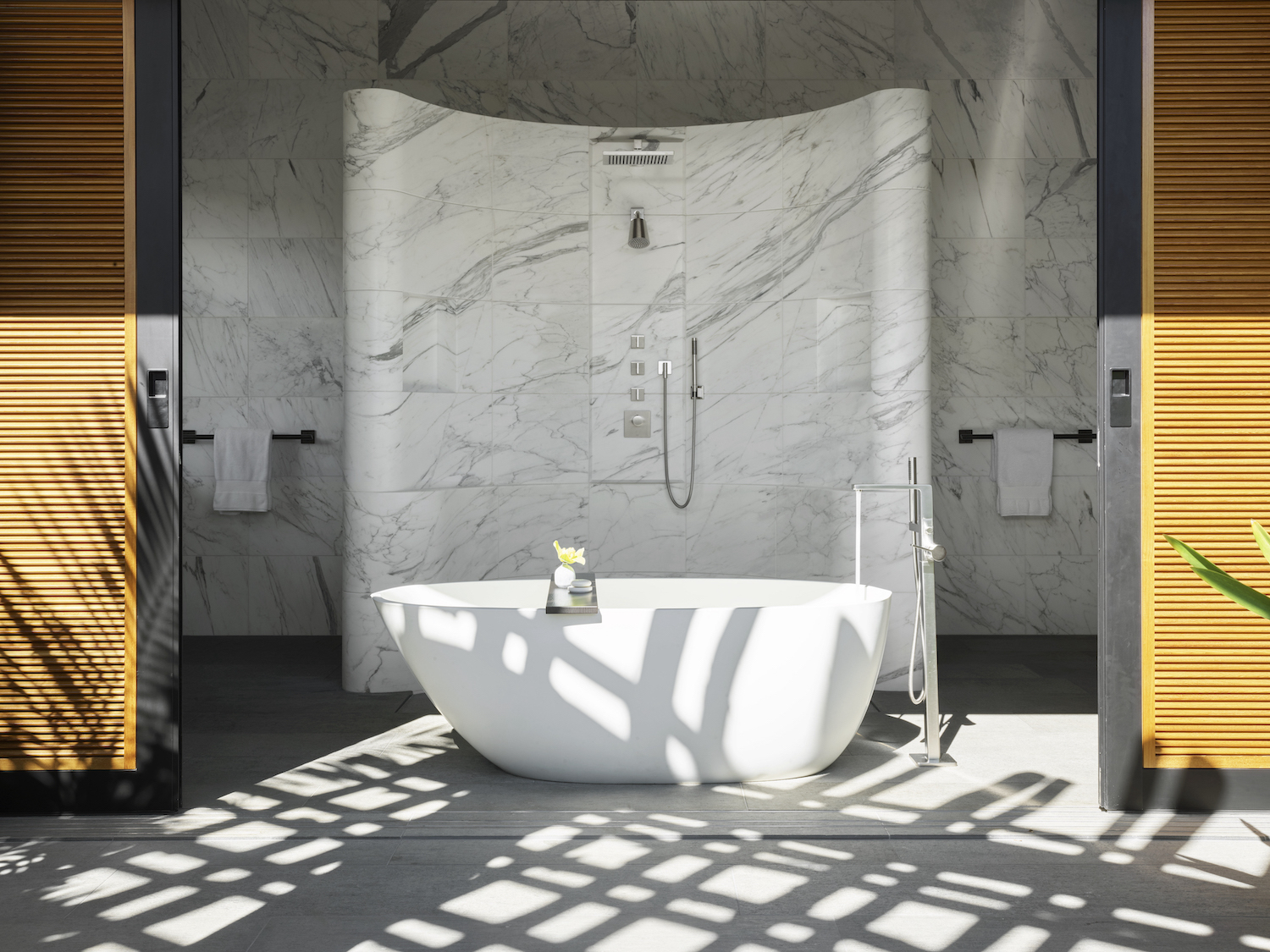
The eighth option focuses on white, grey, and wood, allowing material selection to dictate the color scheme. In indoor/outdoor bathrooms by De Reus Architects, for instance, Calacatta marble, light gray basalt stone floors, and light gray stained white oak ceilings and cabinetry form the entire palette. Geometric shapes and sculptural elements, such as a curved freestanding marble shower and tub, introduce compositional layers, negating the need for additional decoration.
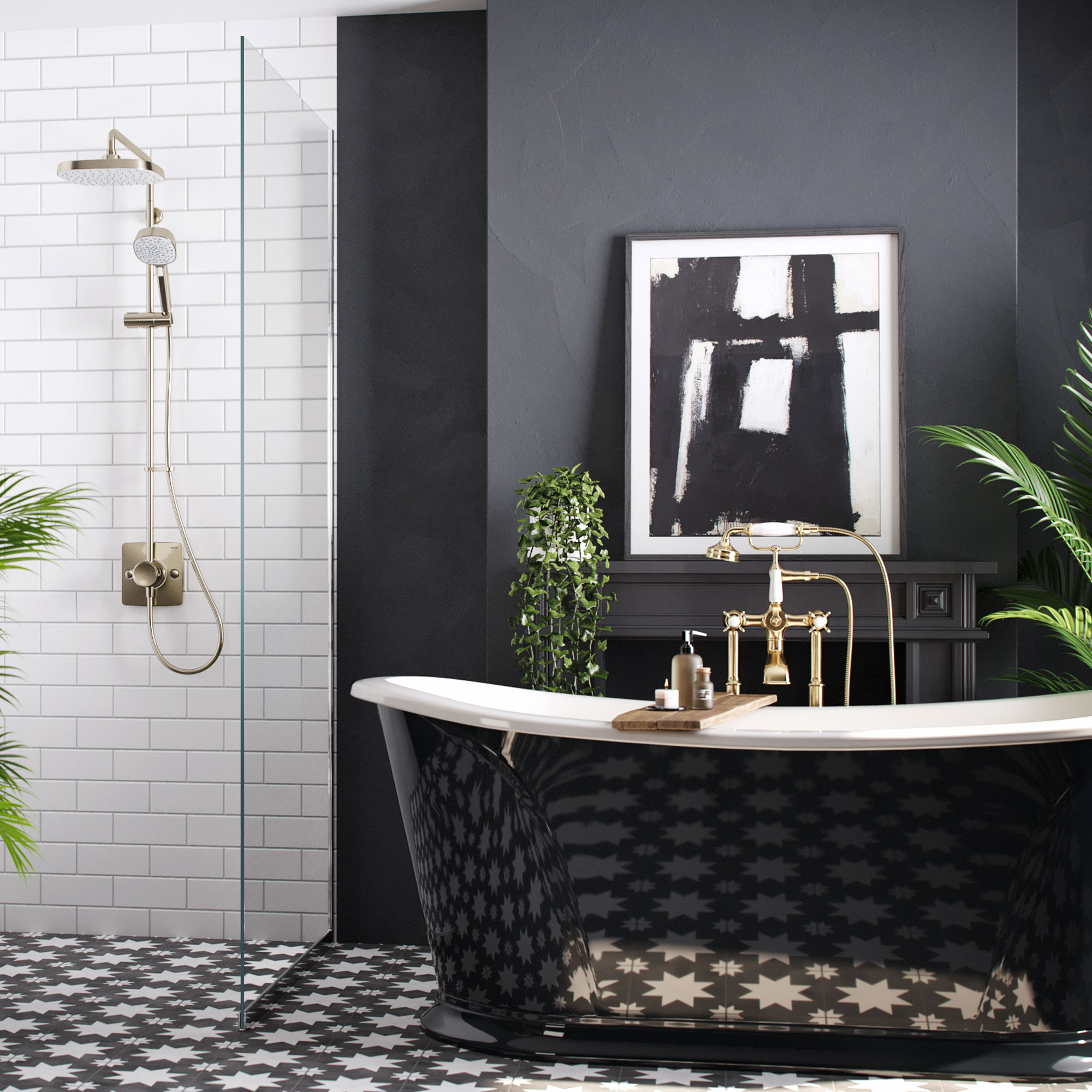
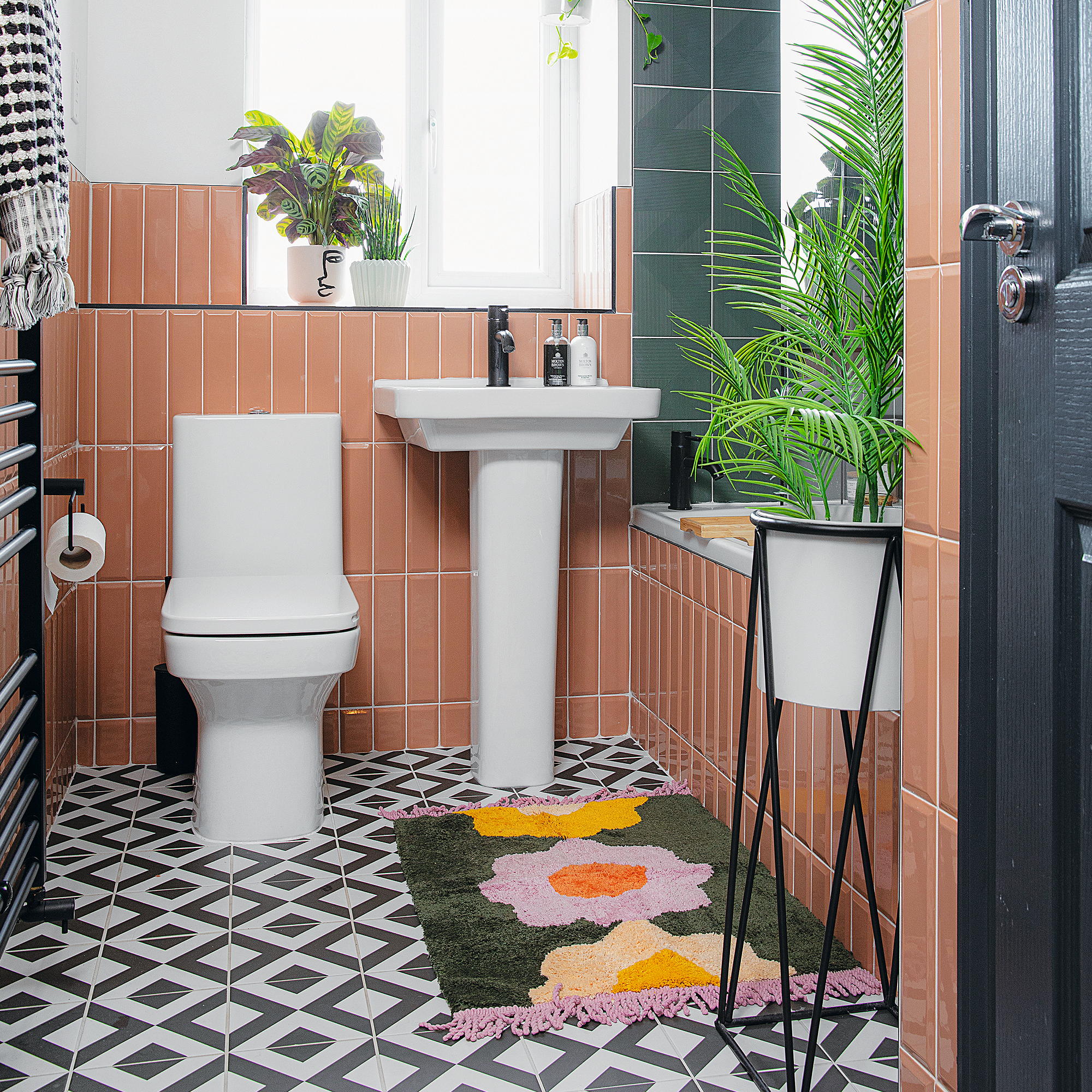
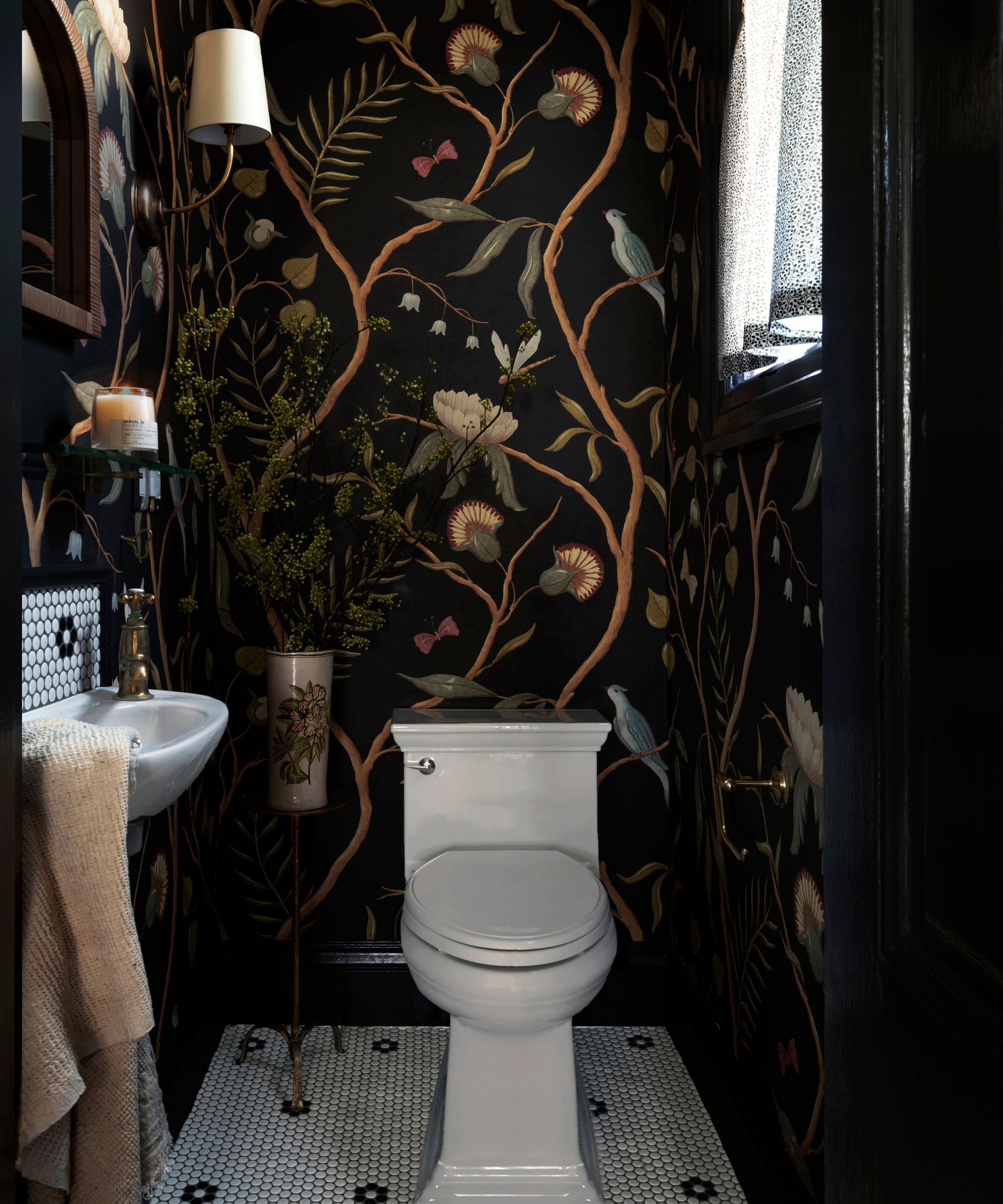
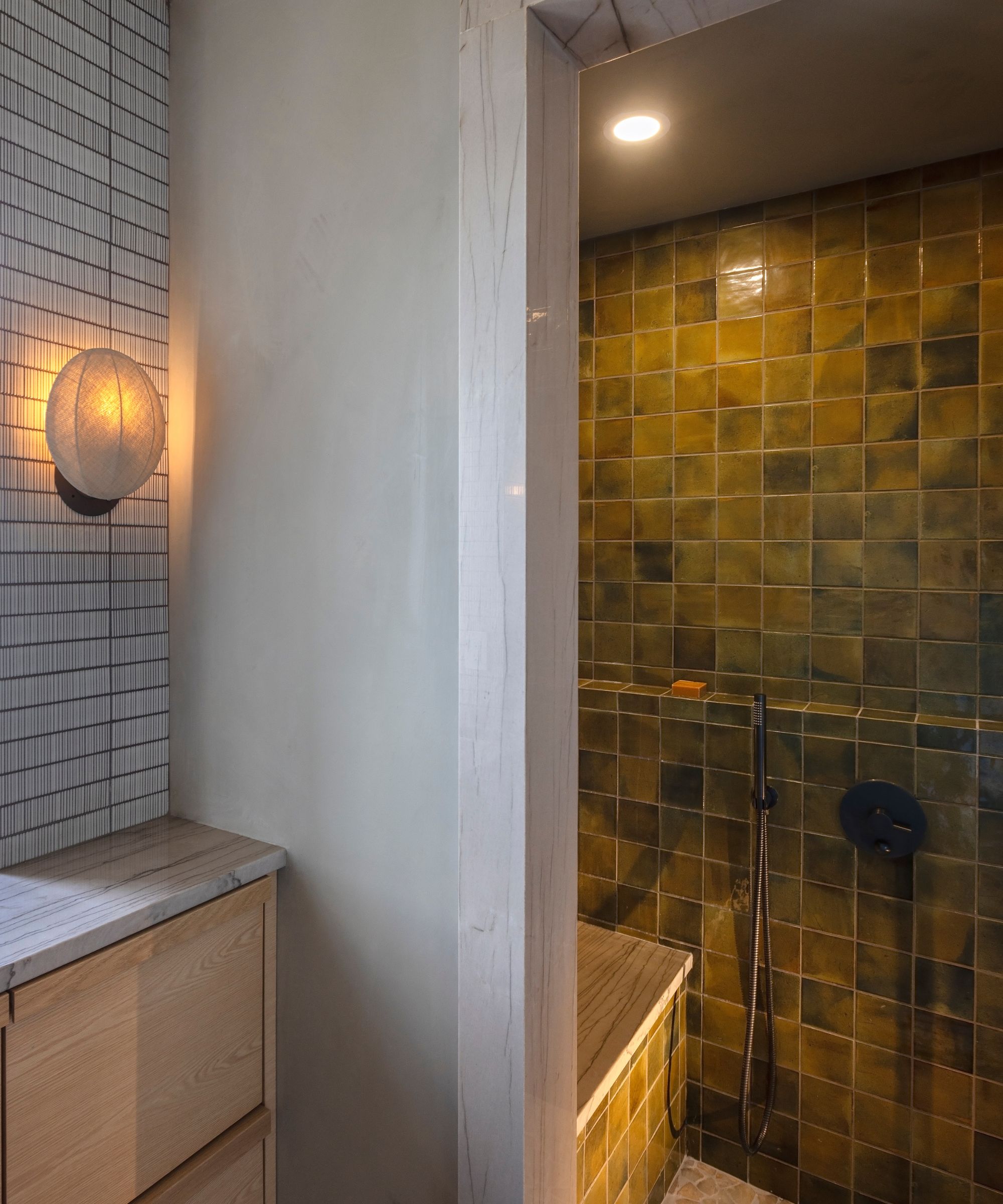
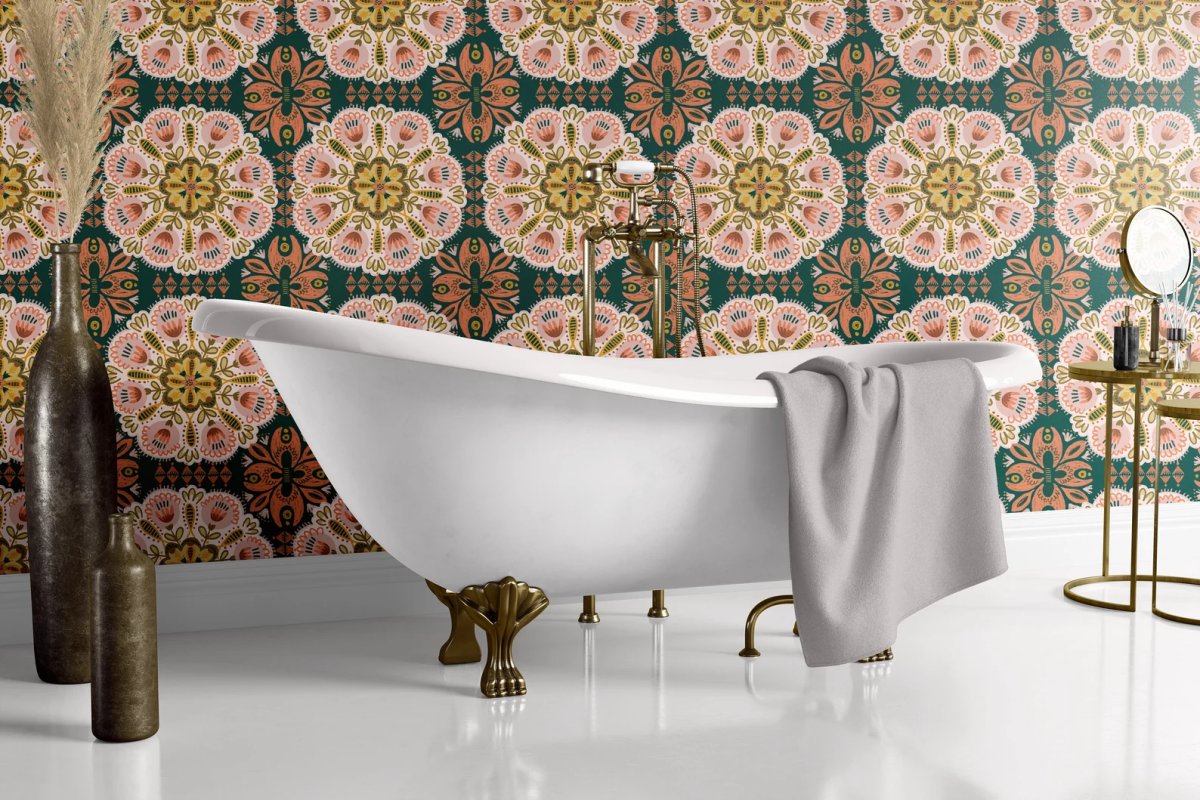
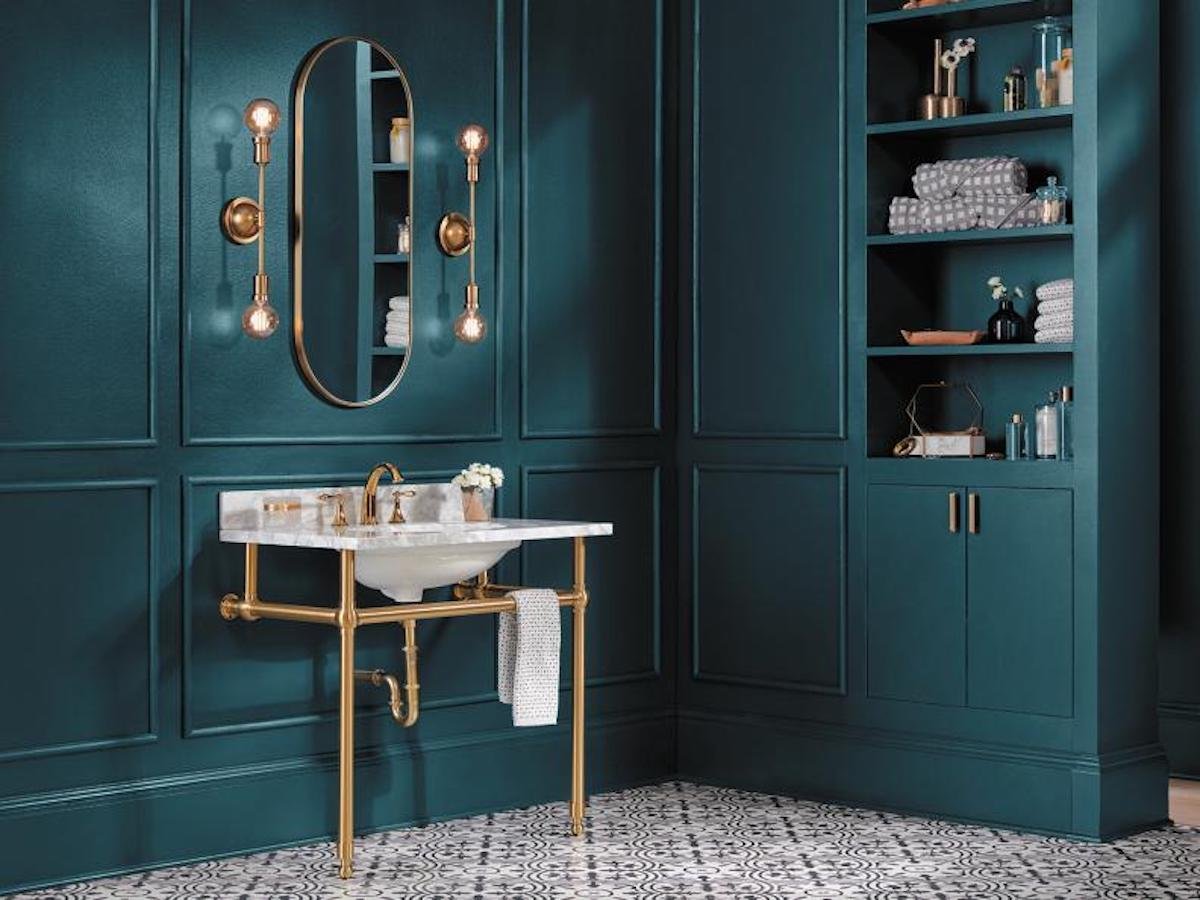
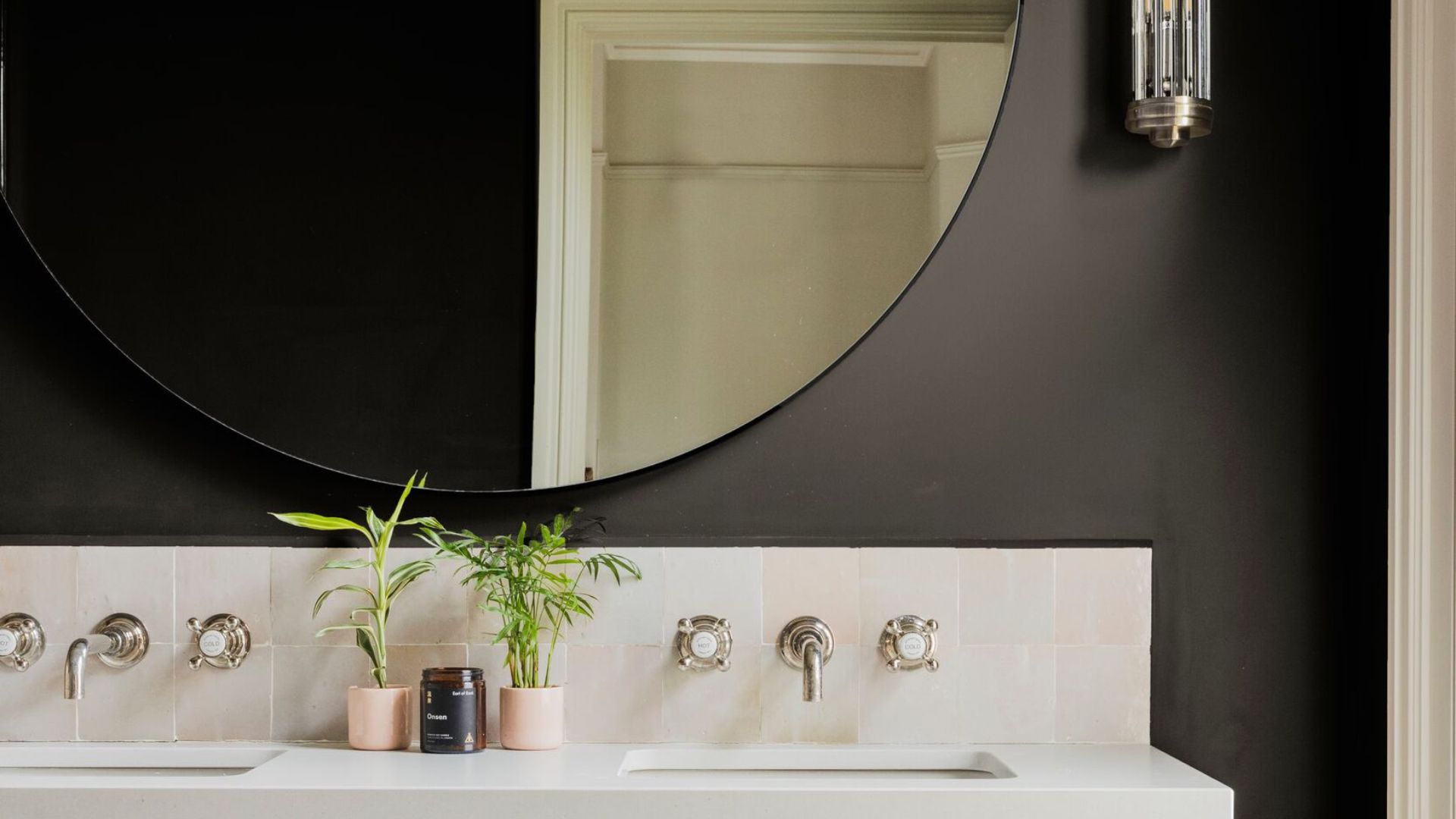
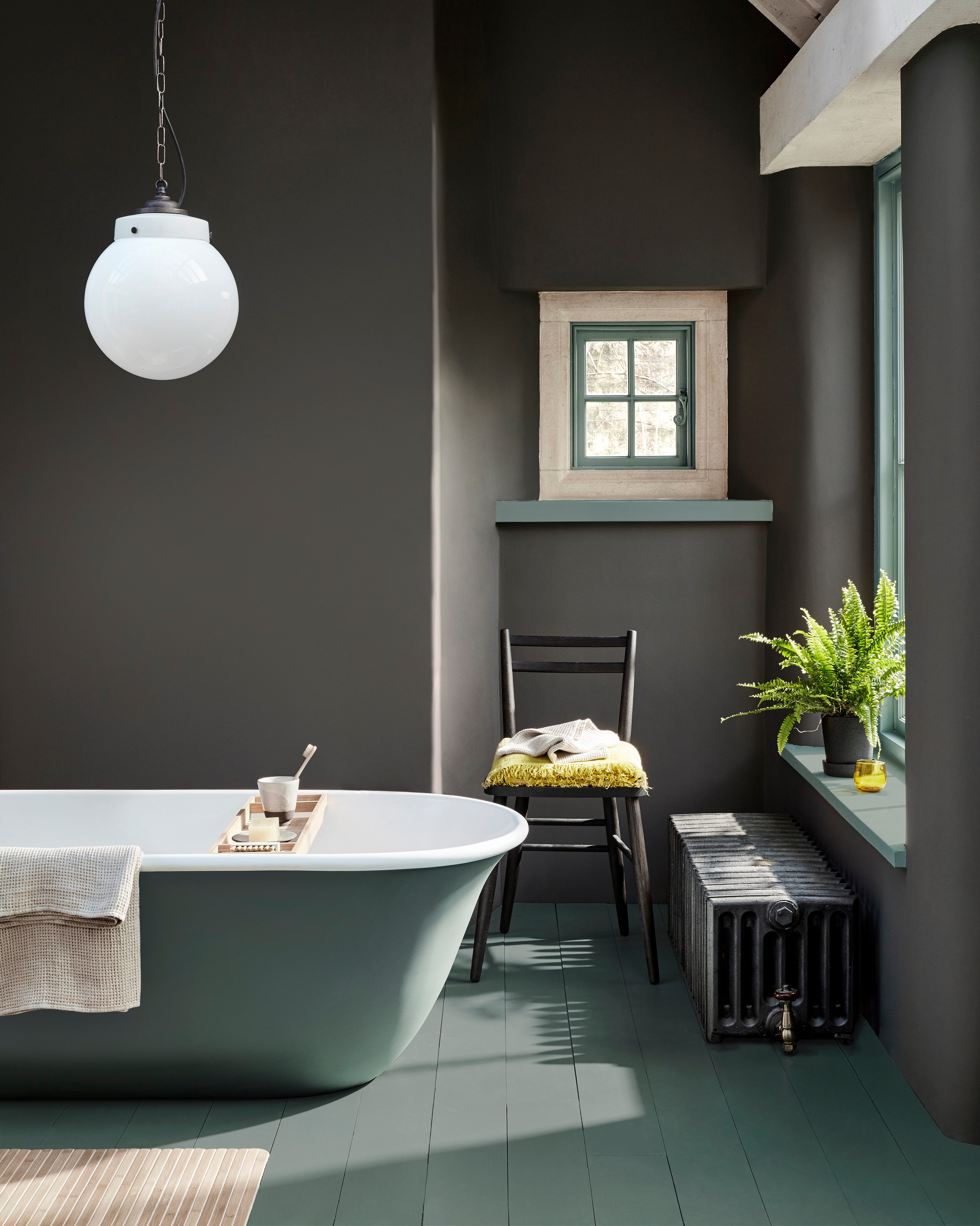
Finally, an all-charcoal approach creates an enveloping and modern minimalist bathroom. This option, shown by Salvatori, is suitable for those with maximalist inclinations within a minimalist framework. Layering textures softens the look, and alternative earthy shades like olive green or terracotta can achieve similar effects if charcoal is deemed too bold. These palettes demonstrate that minimalist bathrooms can be rich in design and sensory experience while adhering to principles of simplicity and tranquility.
#MinimalistBathroom #ColorPalettes #InteriorDesign #BathroomTrends #SpaLikeBathrooms #OrganicMaterials #NeutralColors #HomeDesign #LuxuryBathrooms #MinimalistBathroom #ColorPalettes #InteriorDesign #BathroomTrends #SpaLikeBathrooms #OrganicMaterials #NeutralColors #HomeDesign #LuxuryBathrooms
0 комментариев всего
 Комментариев пока нет
Вам также может понравиться
9 minimalist bathroom ideas that bring personality and interest to pared-back schemes
20 Gorgeous Shades Of Paint That Will Make Your Bathroom Feel Like A Relaxing Spa

The 10 Best Colors to Paint a Small Bathroom, According to Experts

10 Ways to Make Your Bathroom More Stylish on a Budget, According to Interior Designers

19 Bathroom colour schemes to inspire tranquil retreats, on-trend looks and standout schemes
Bathroom color ideas – 17 shades to try to bring calm and character into your space

30 Bathroom Paint Colors Ideas That Will Make You Want to Repaint This Weekend

11 Ways to Decorate Your Bathroom for a One-of-a-Kind Look on a Budget
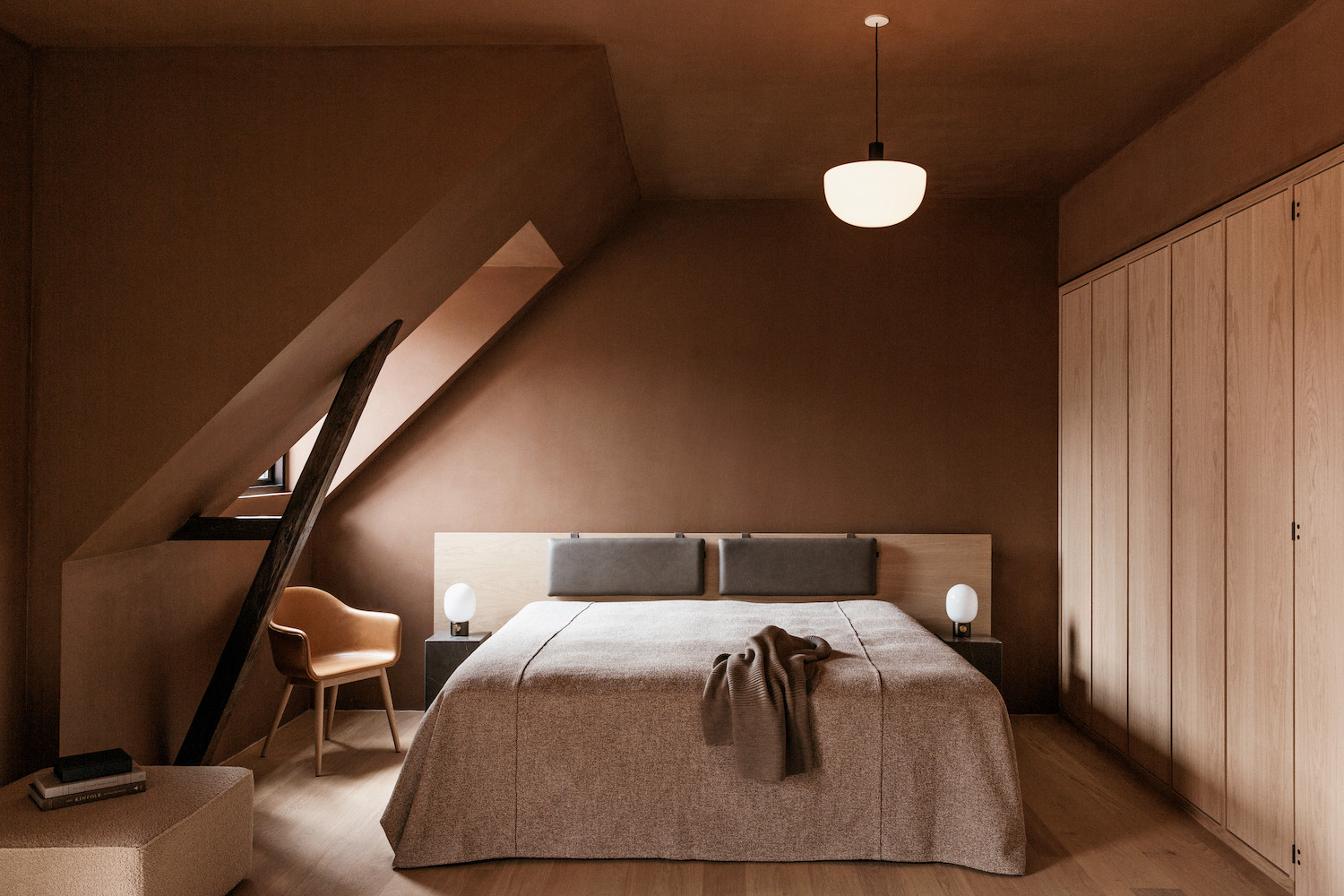
9 color palettes for minimalist bedrooms - instantly make your space calmer and more relaxing with these shades
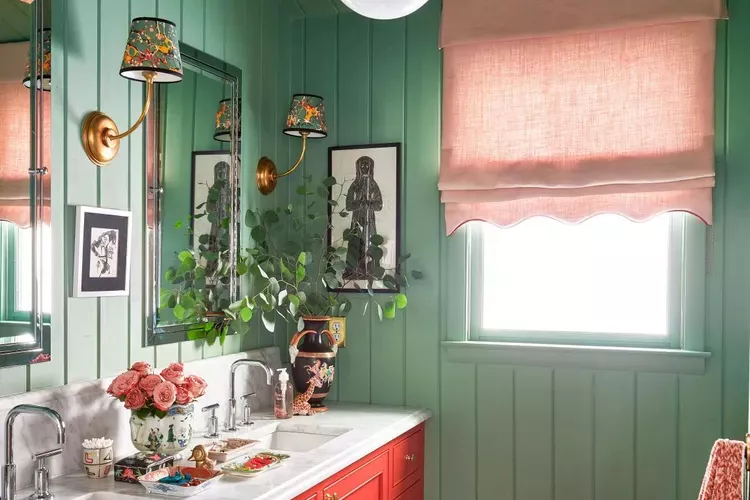
28 Best Paint Colors For Small Bathrooms
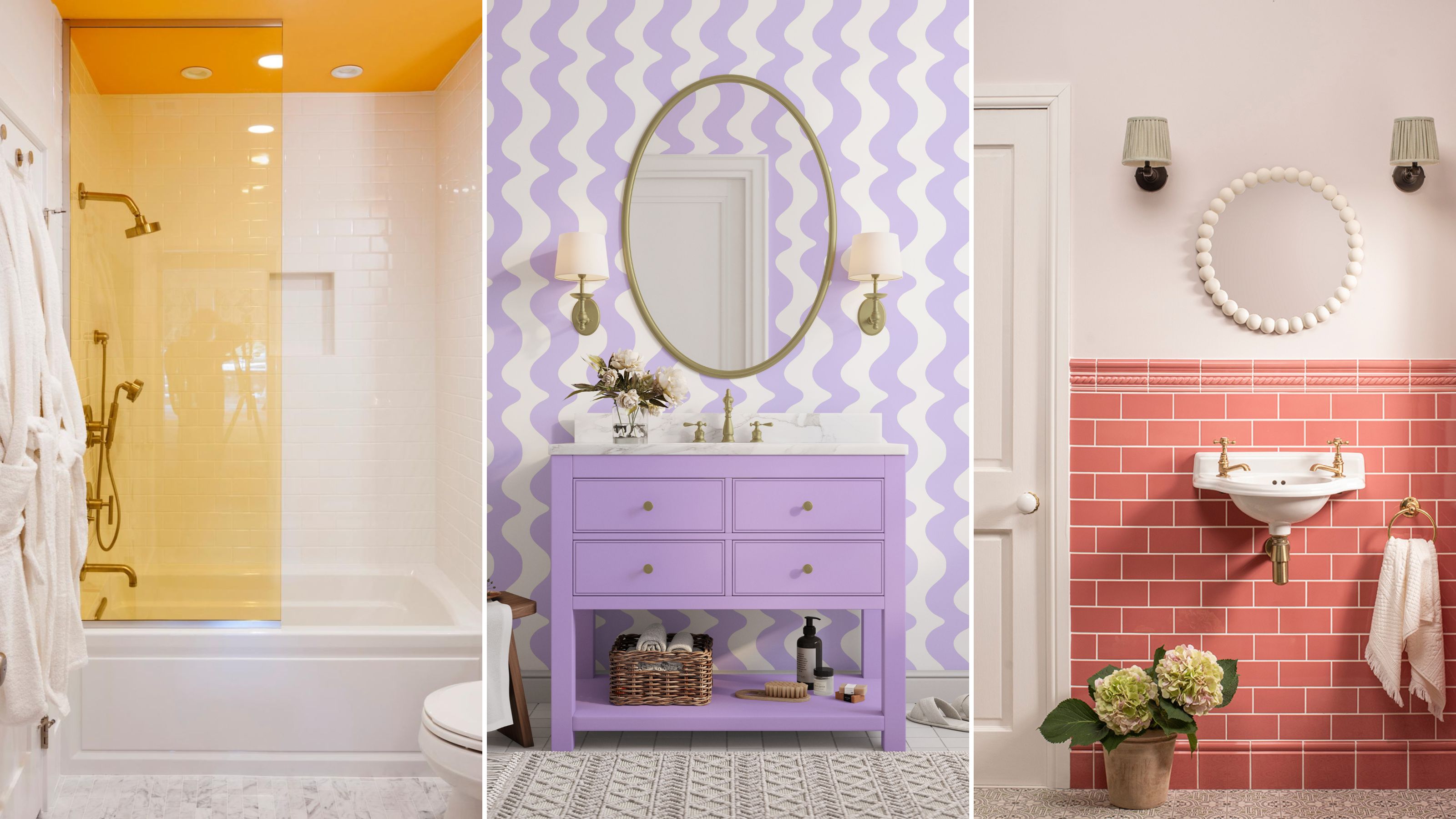
The 10 best paint colors for small bathrooms, according to design experts

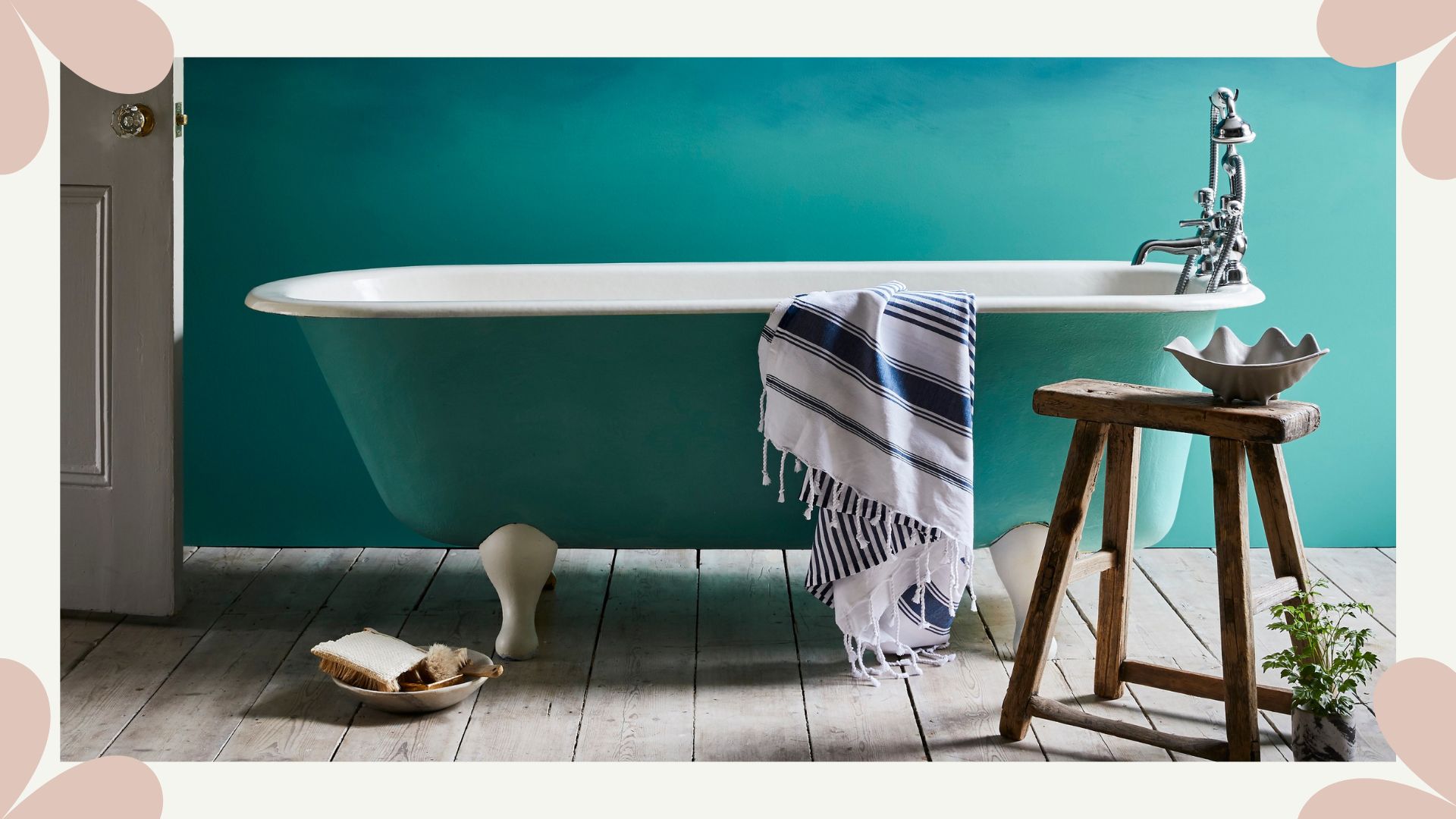
Paint color ideas for bathrooms: expert advice for choosing the best shades

9 Bathroom Layout Ideas for a More Relaxing, Tranquil Space
10 Neutral Bathroom Ideas That Will Help You to Relax by Holding Back on Color — "It's Like Breathing Out"
These are the 4 color schemes designers say will always make a bathroom look more expensive
7 bathroom colour ideas to refresh, revive and soothe you every day
10 small bathroom colour ideas to make a splash in a compact wash space
9 color palettes for minimalist living rooms - calming schemes which elevate neutral decor
8 bathrooms that perfect the "quiet luxury" trend - it's the secret to spaces that look expensive, never garish
7 Things Minimalists Never Forget to Do to Create a Relaxing Bathroom Retreat