1/9
9 color palettes for minimalist living rooms - calming schemes which elevate neutral decor
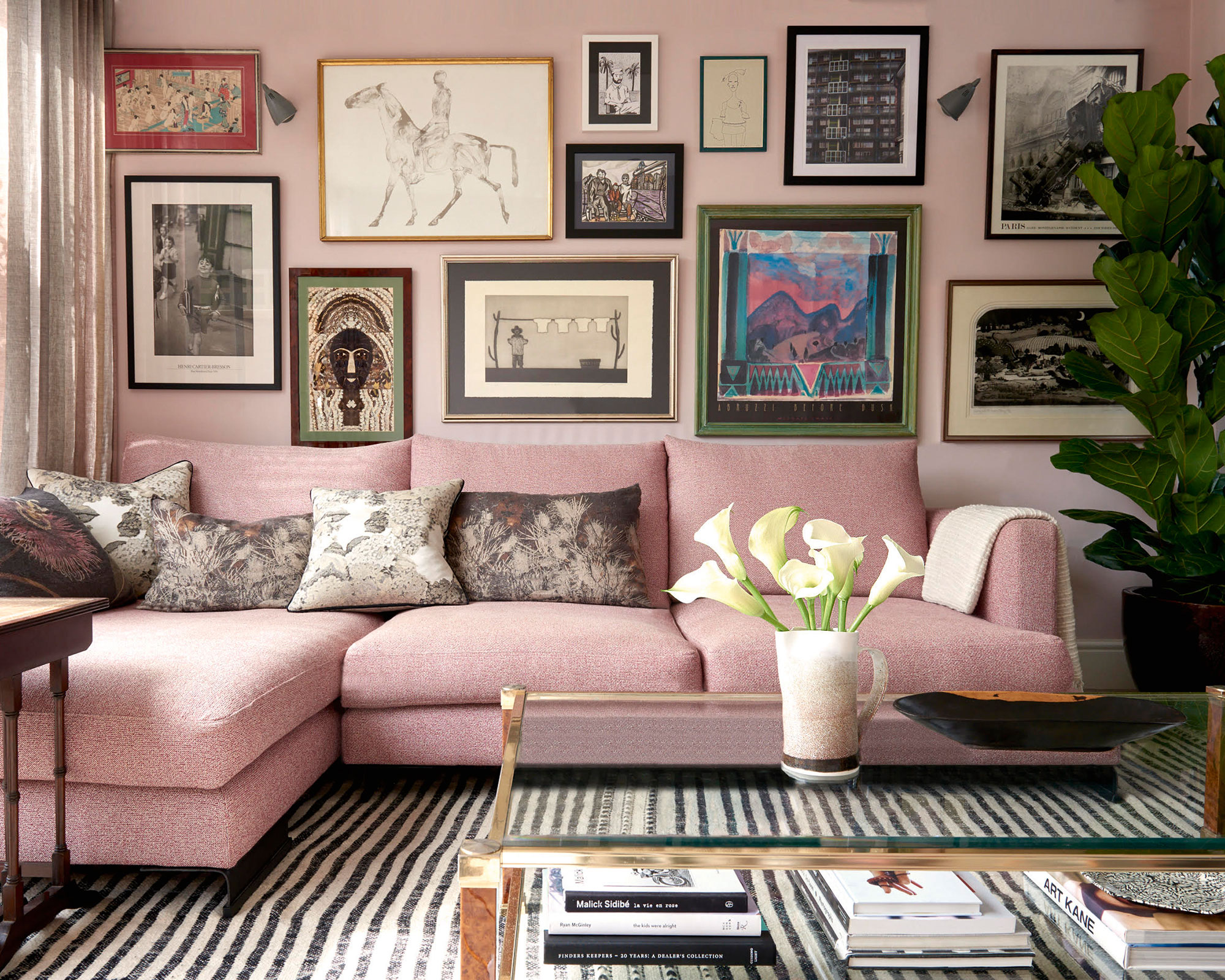
This article explores various color palettes that can be used to create minimalist living rooms, emphasizing that modern minimalism extends beyond stark white and can incorporate decorative objects and color intentionally. It highlights how these palettes contribute to a sense of calm and wellbeing while maintaining a stylish, uncluttered aesthetic.
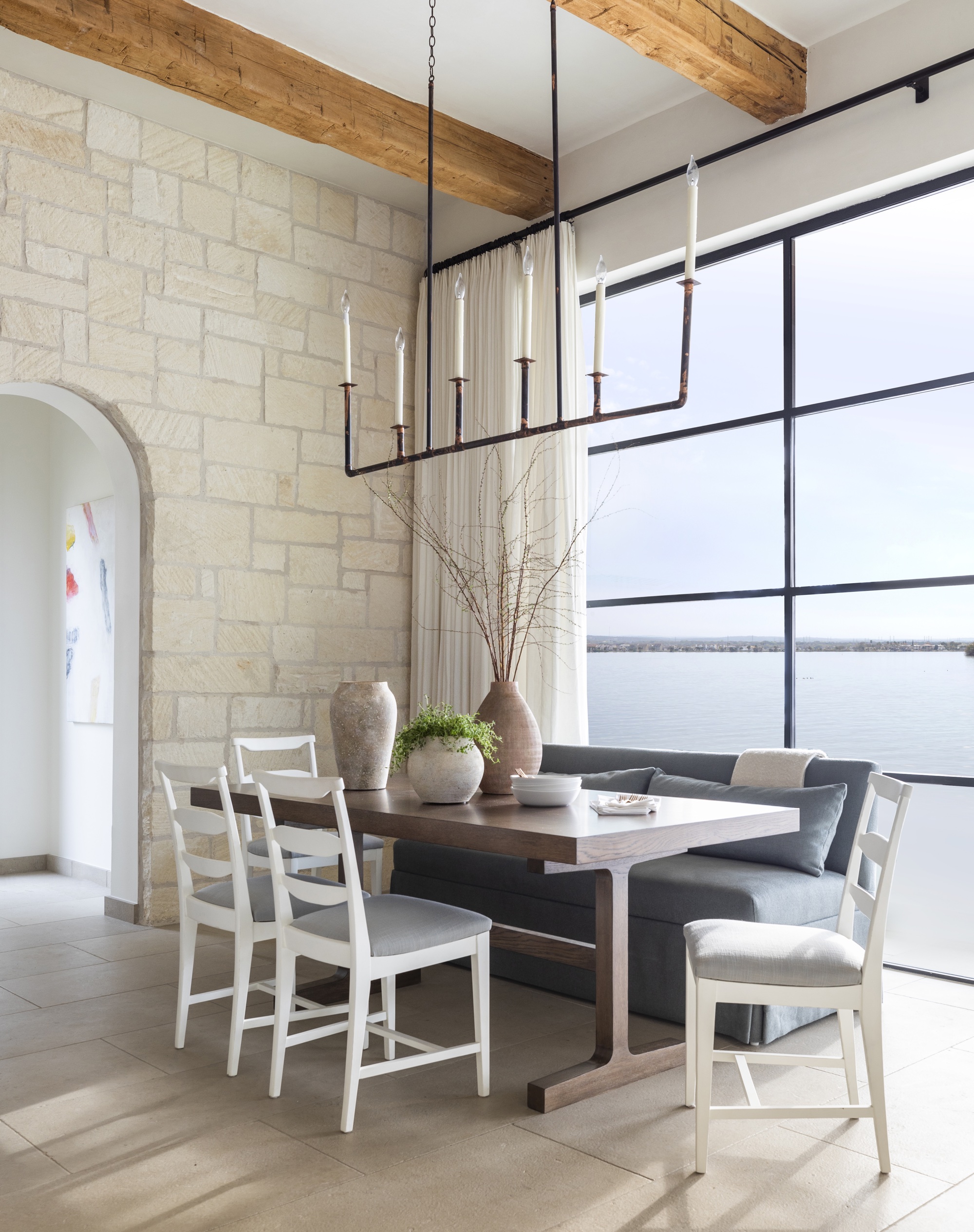
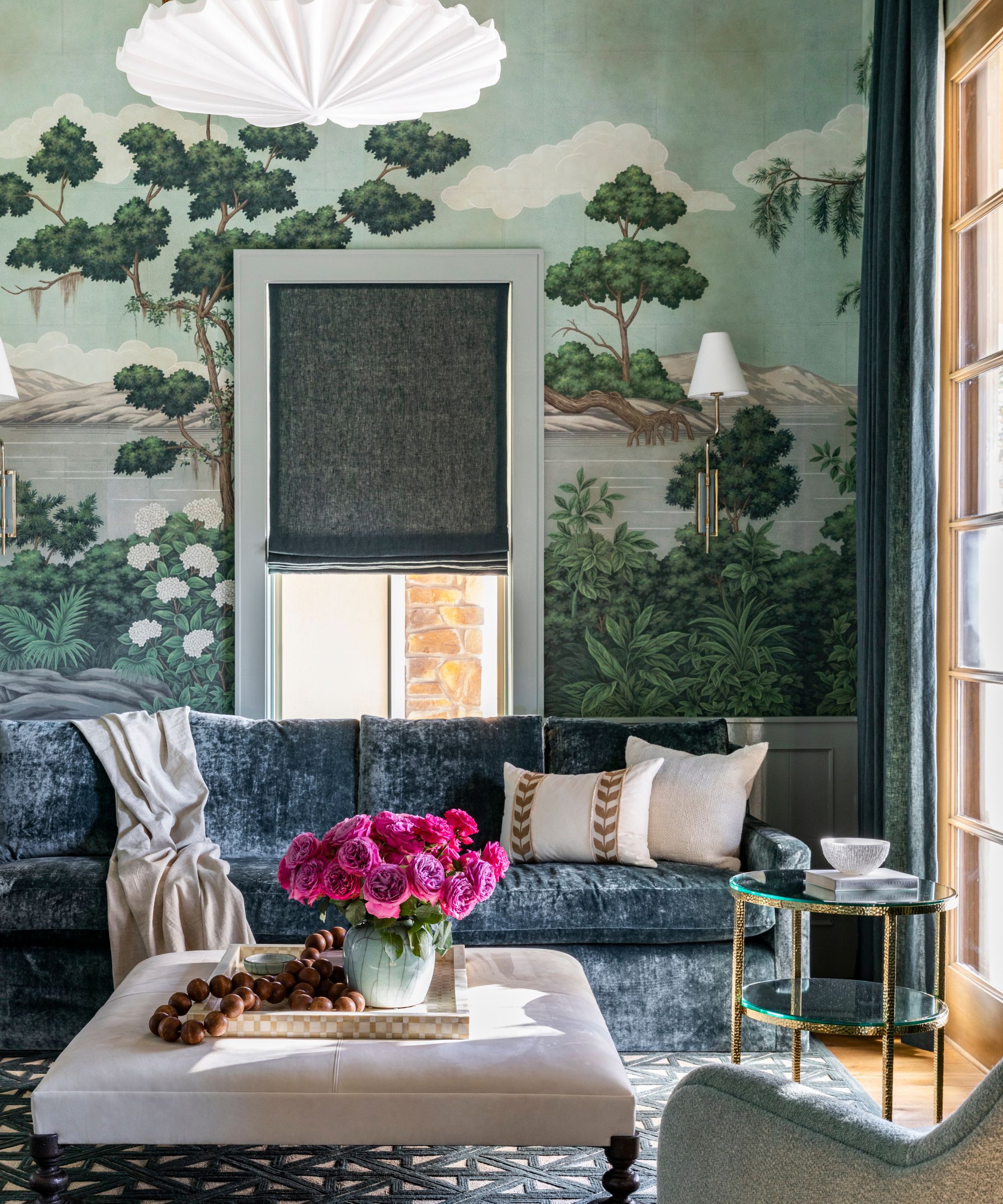
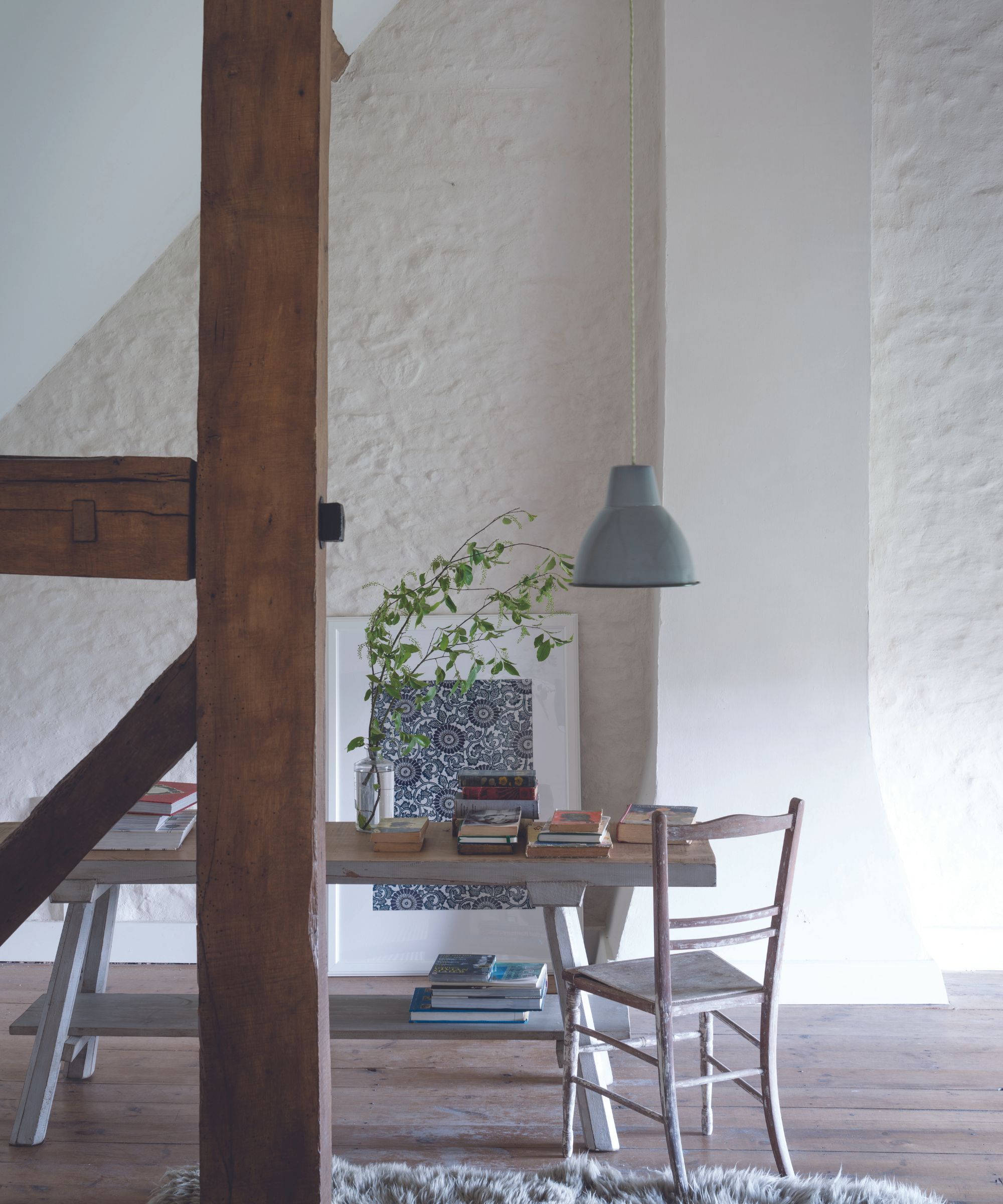
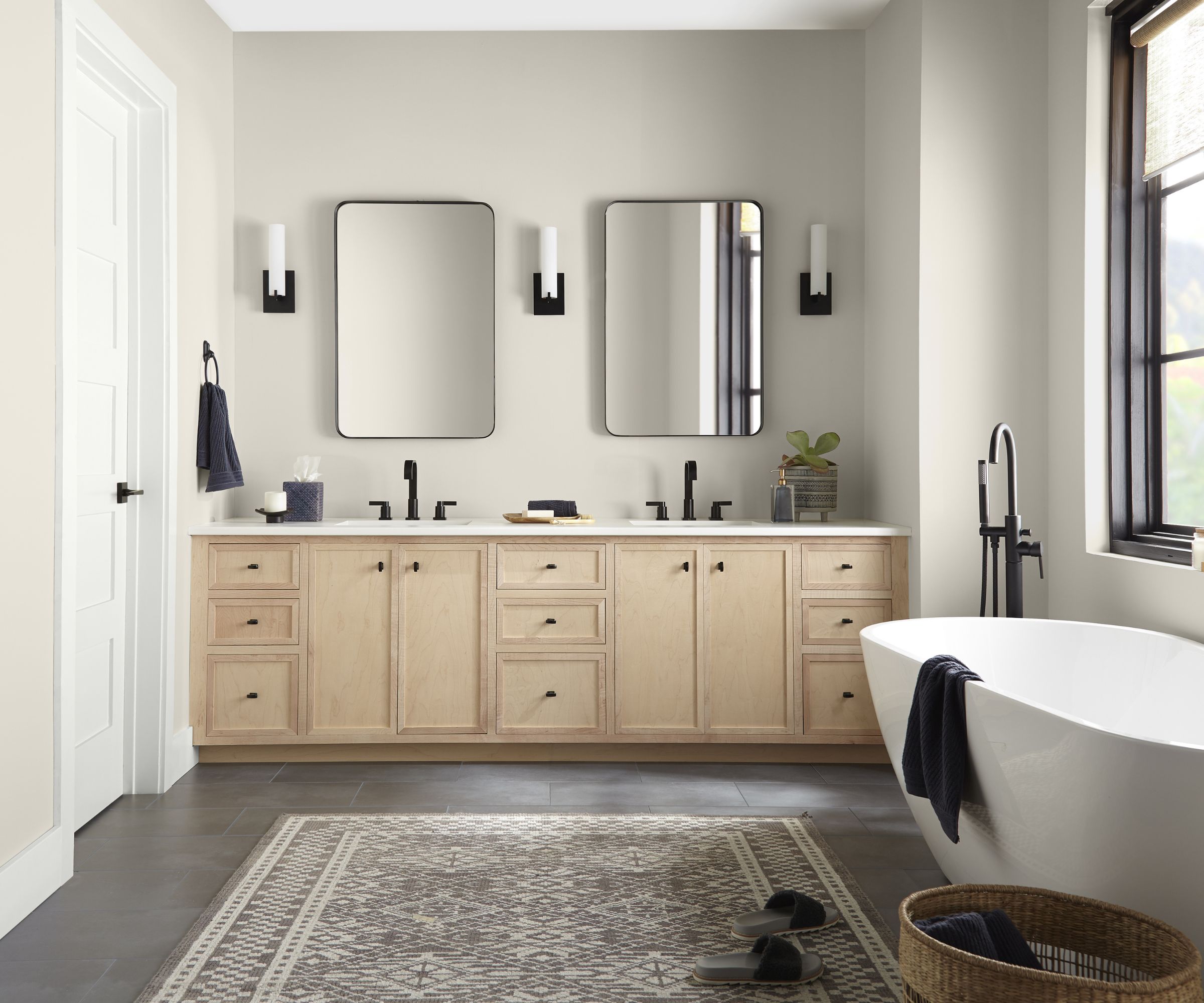
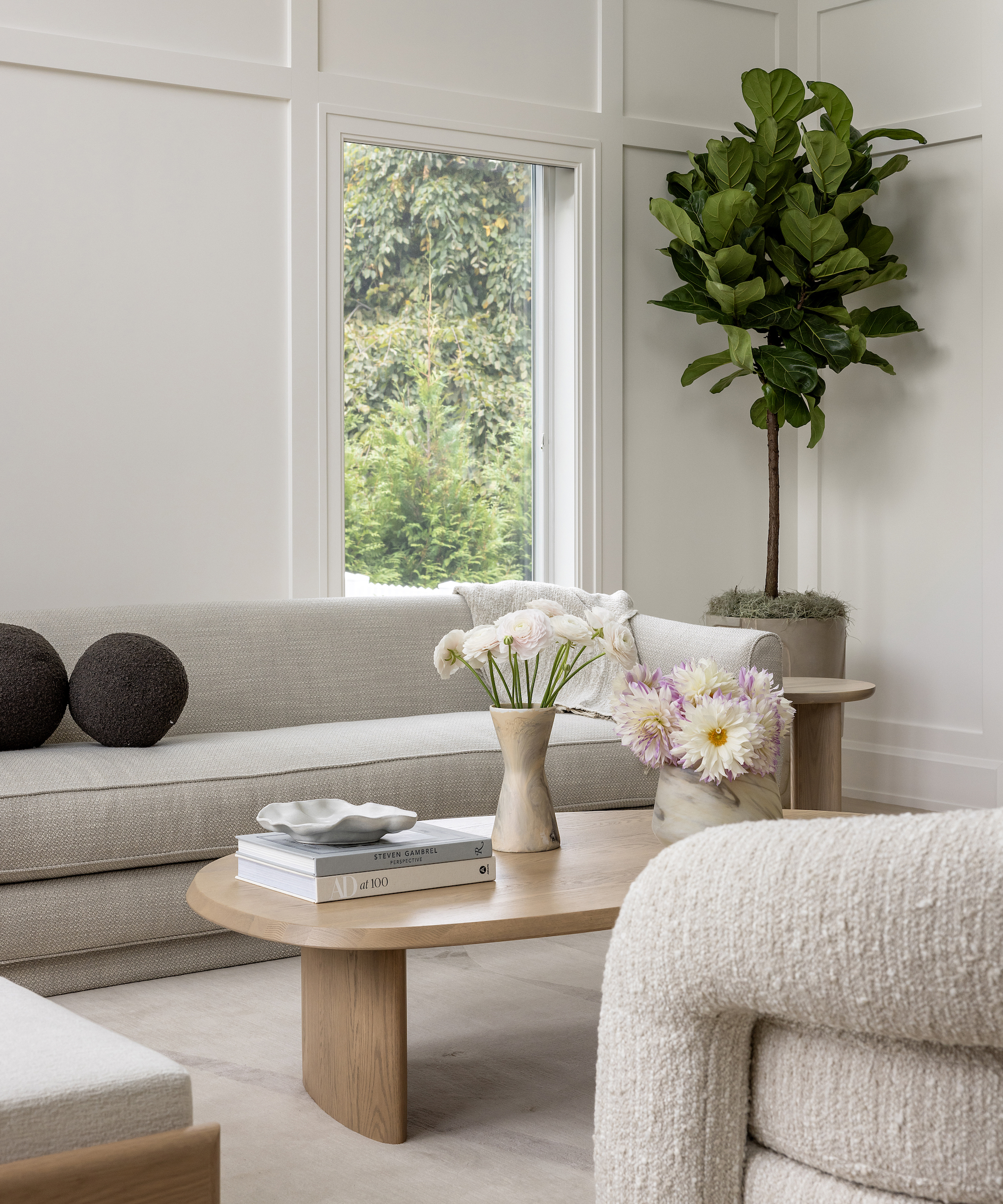
The first palette discussed is pale green, beige, and brown, often integrated with natural materials. This approach uses varying shades of neutrals, along with textures and patterns, to add dimension without overwhelming the space. Examples include soft greens like Sebring White, Vale Mist, and Boreal Forest, which are said to create a calming retreat.
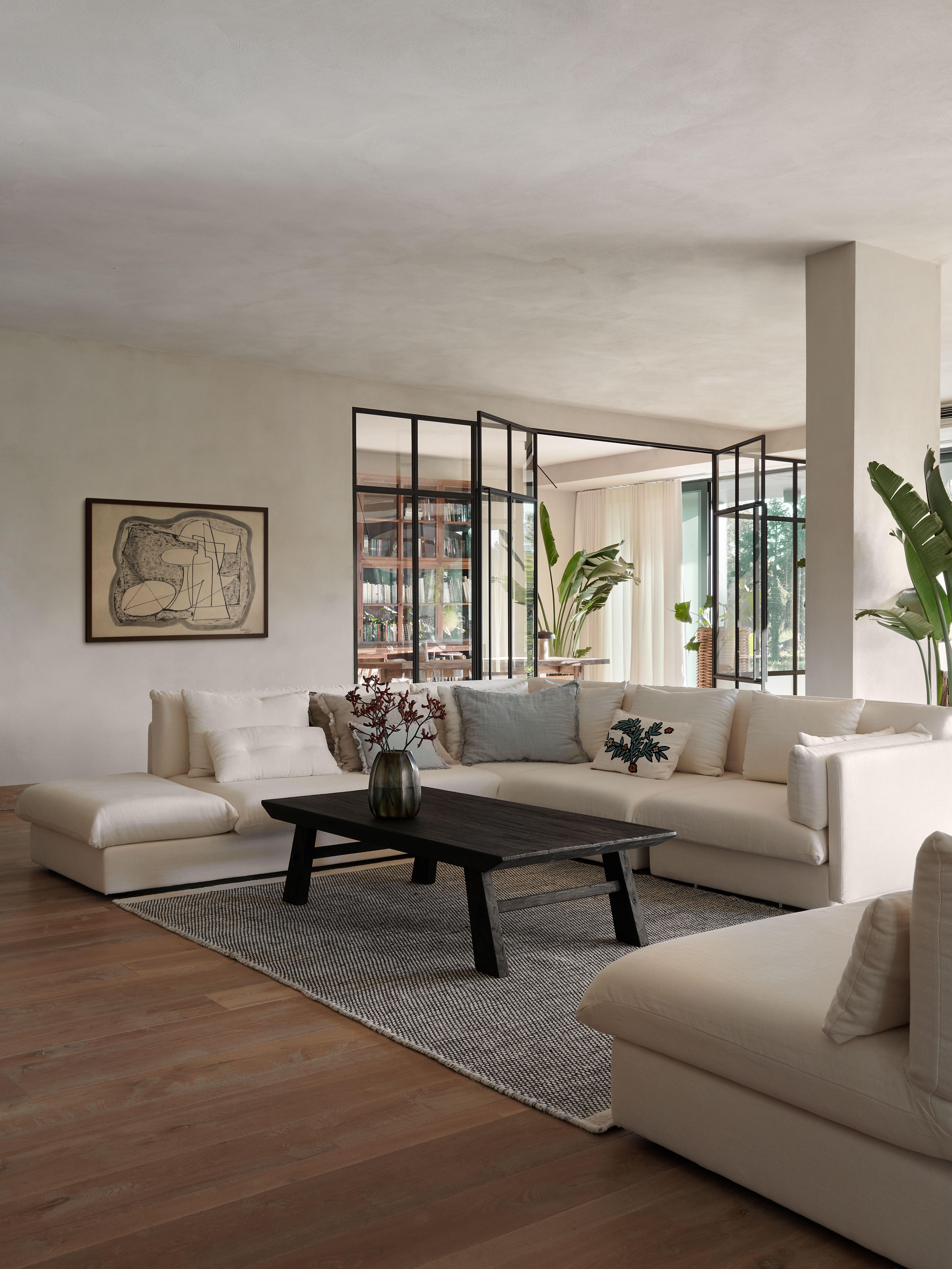
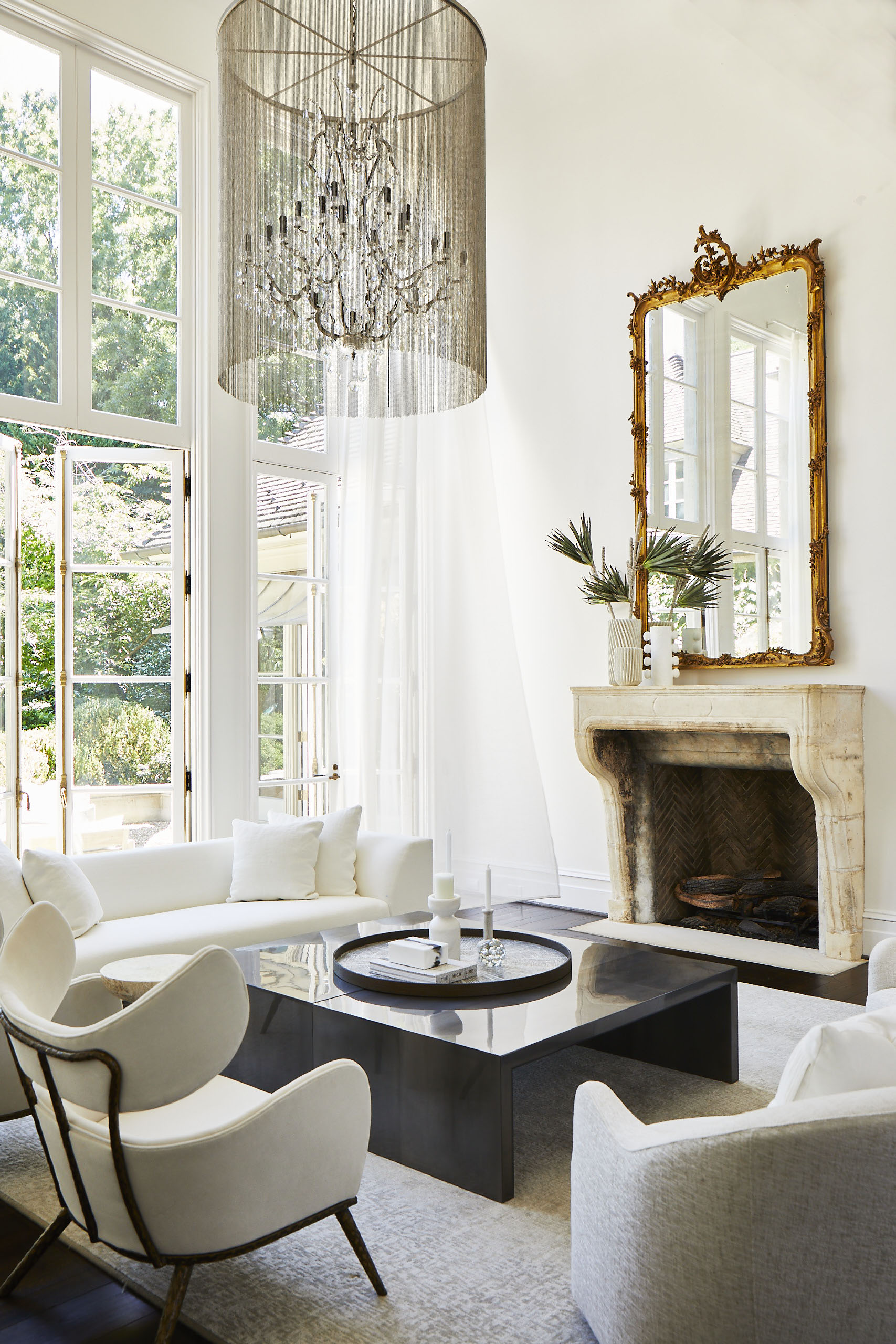
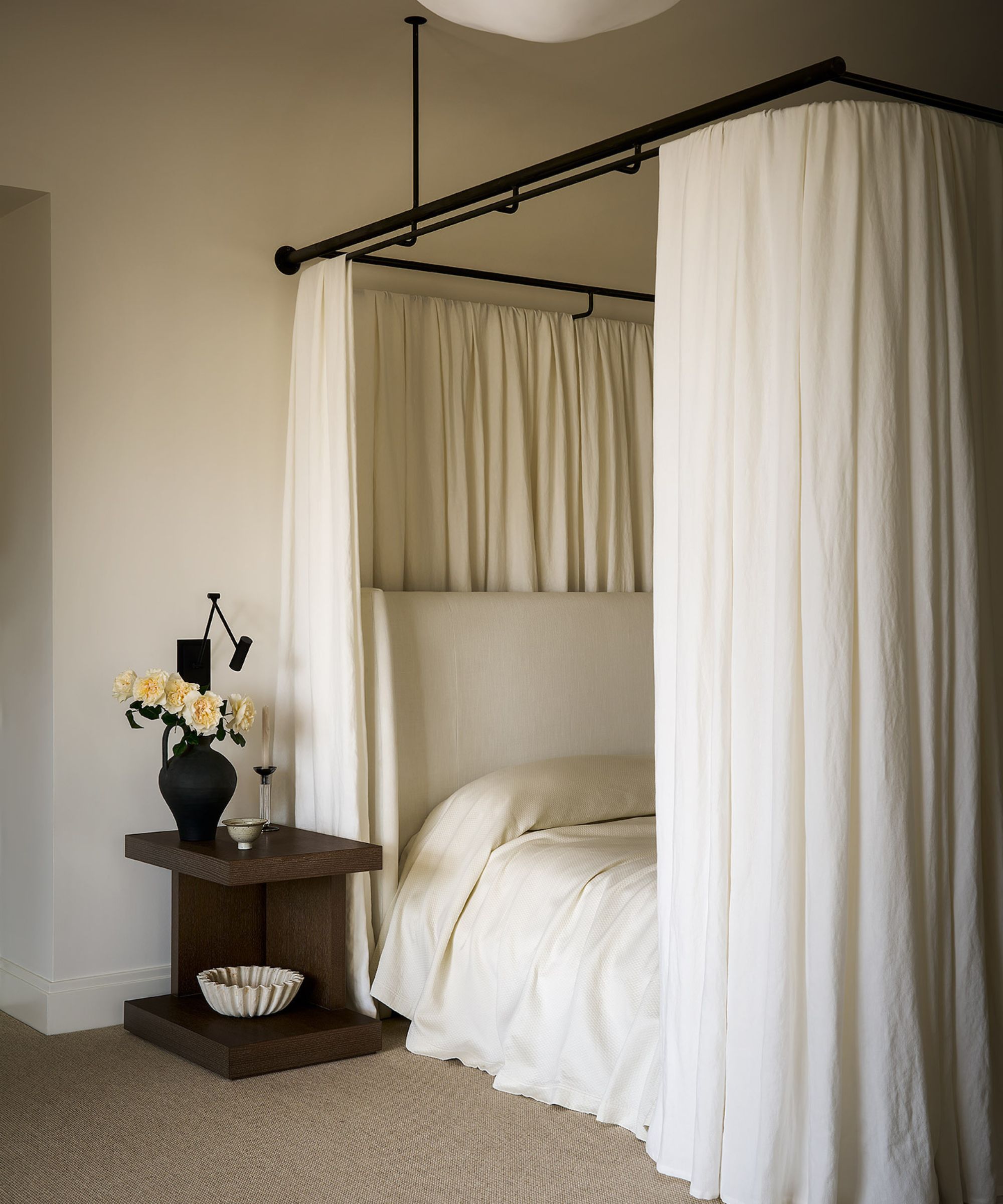
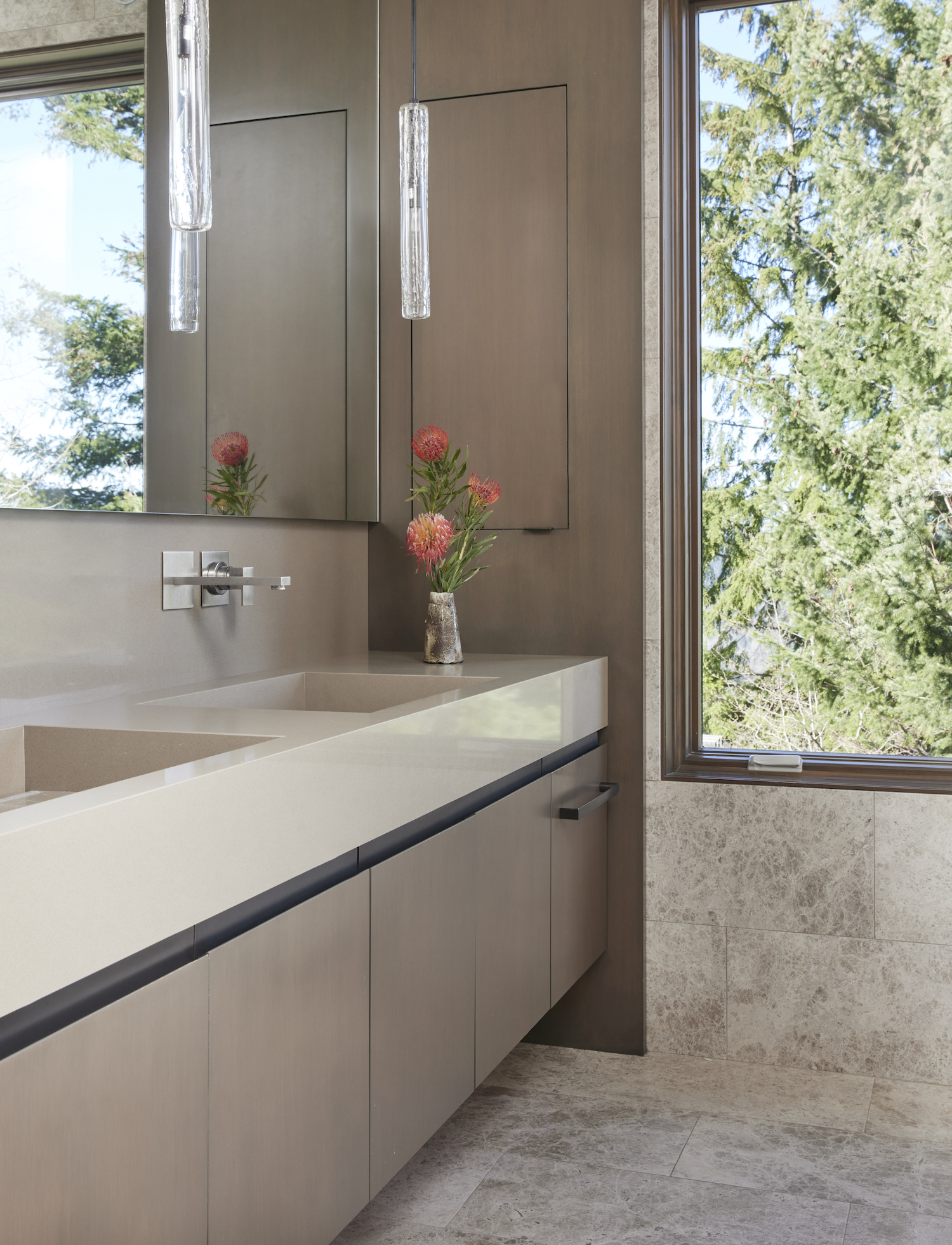
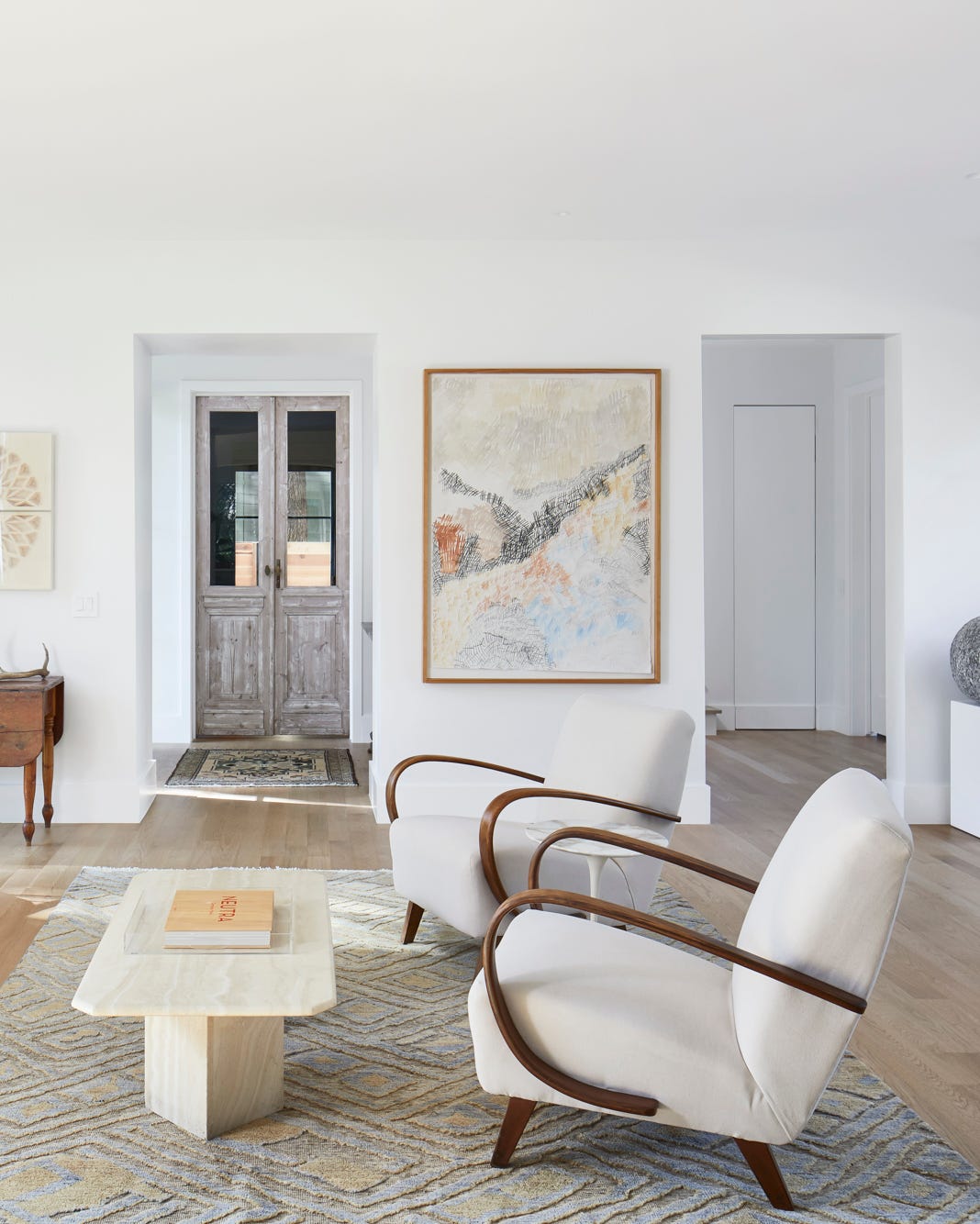
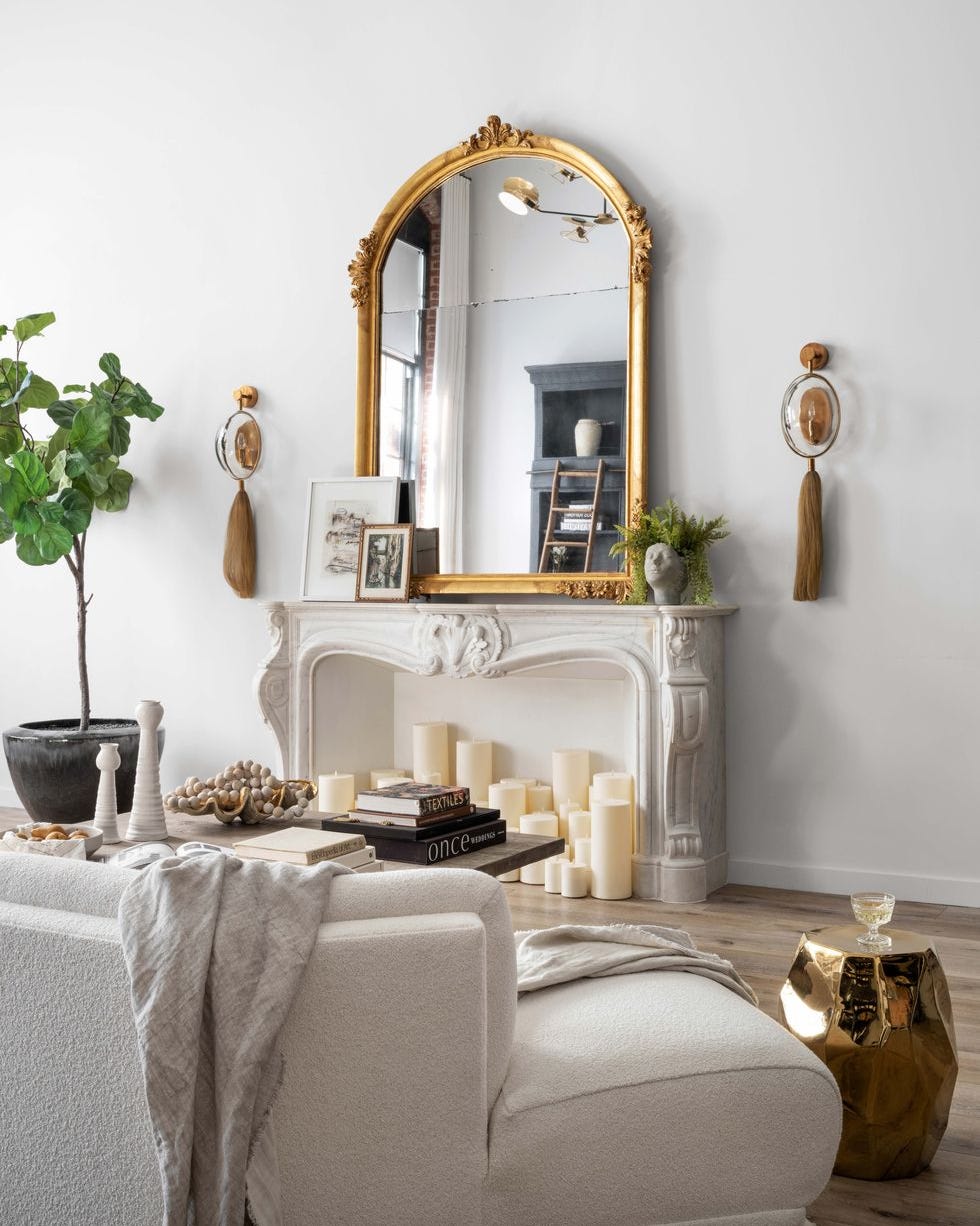
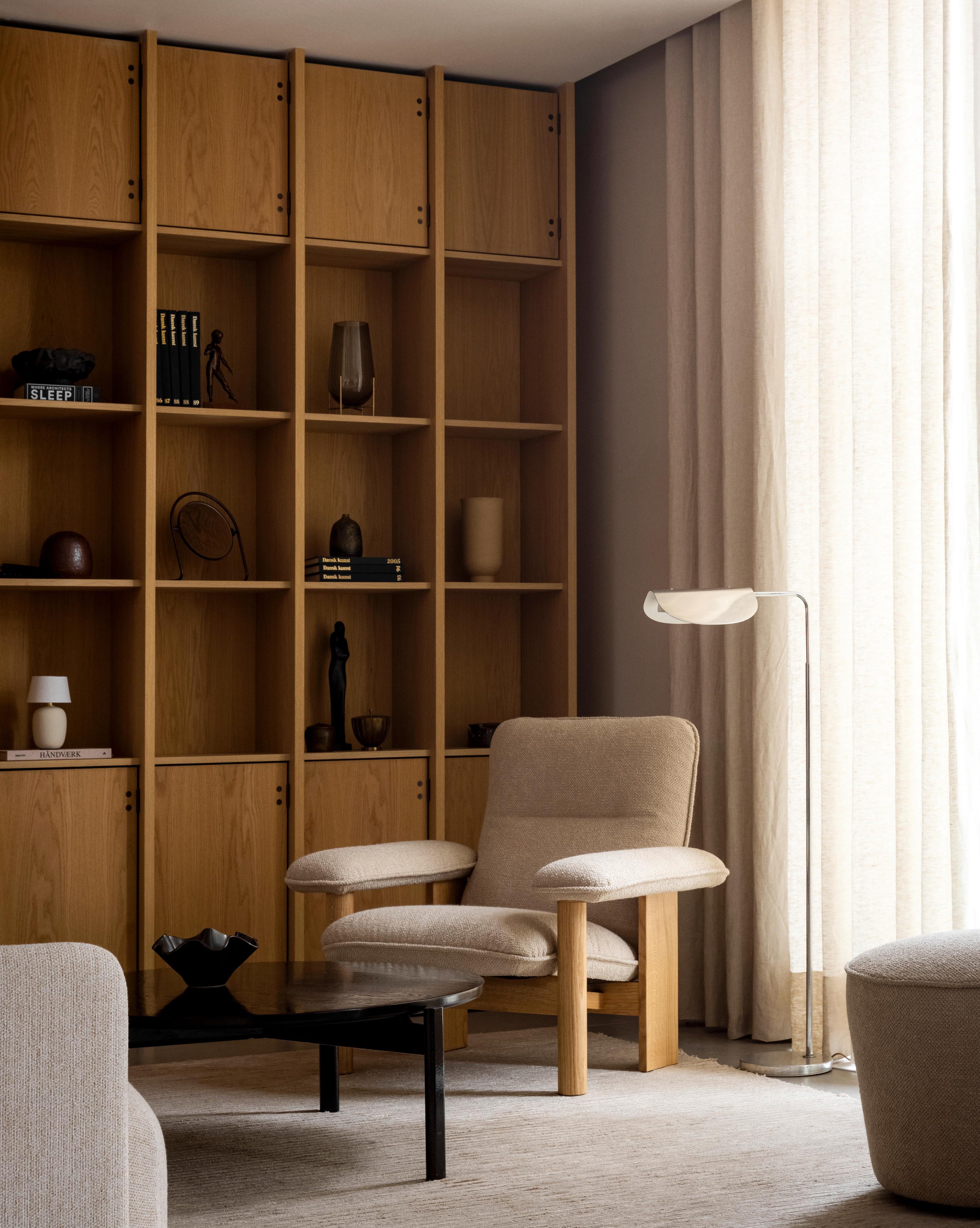
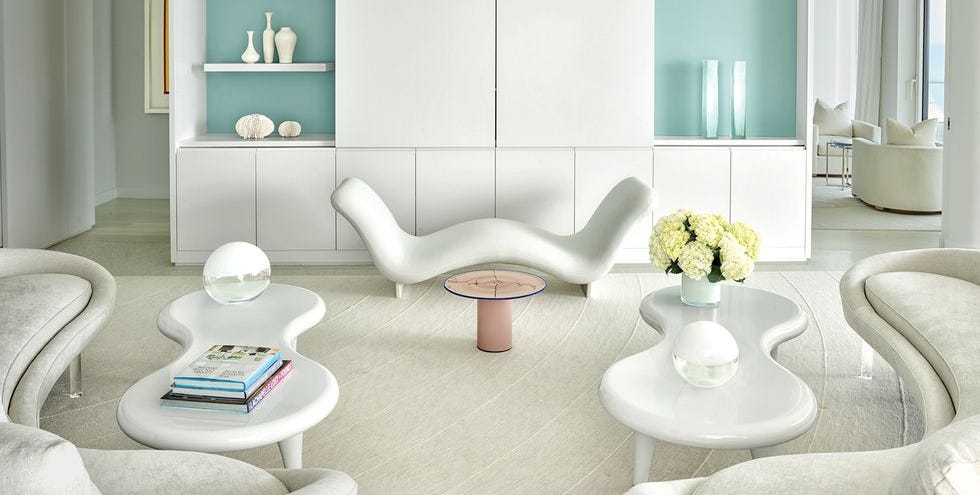
Next, the article covers taupe and white. These warm earthy tones are presented as an effective way to soften a white minimalist living room, preventing it from appearing stark and instead fostering a cozy atmosphere. Designers note that wood tones, natural stones, and plaster blend well with these lighter palettes, and muted earthy colors such as sage green or rich caramel also complement a minimalist space, allowing the room to act as a blank canvas for personal experiences.
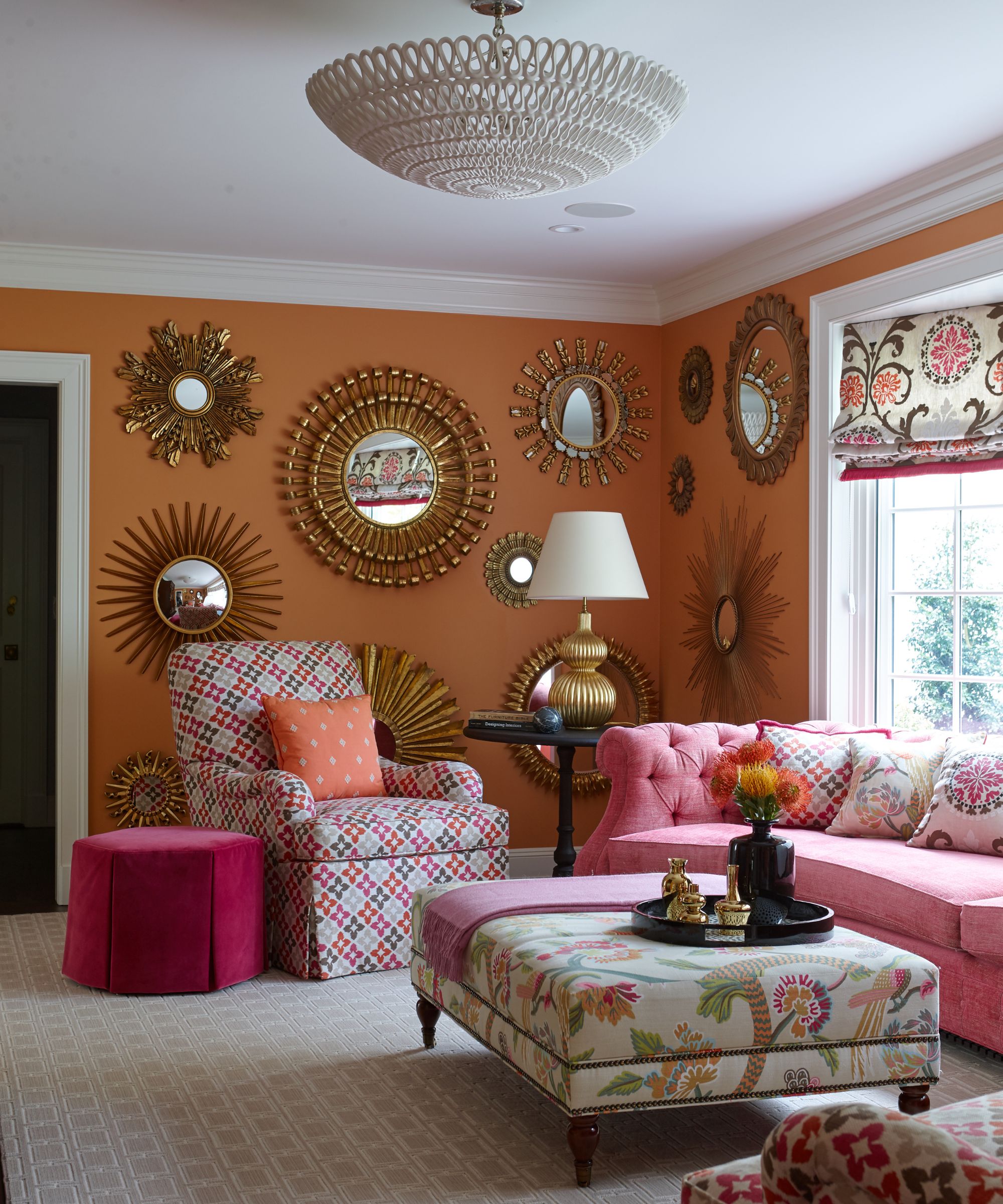
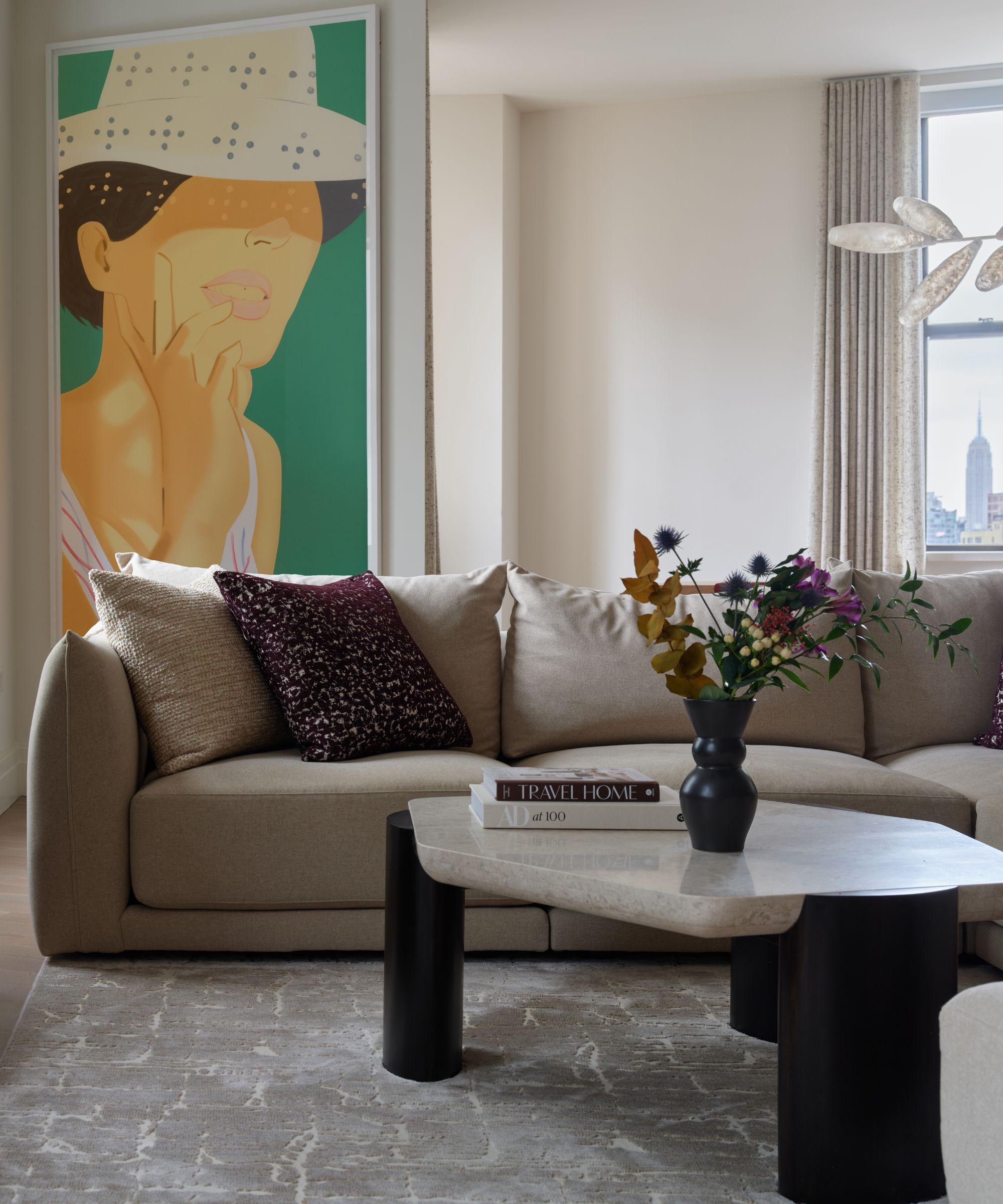
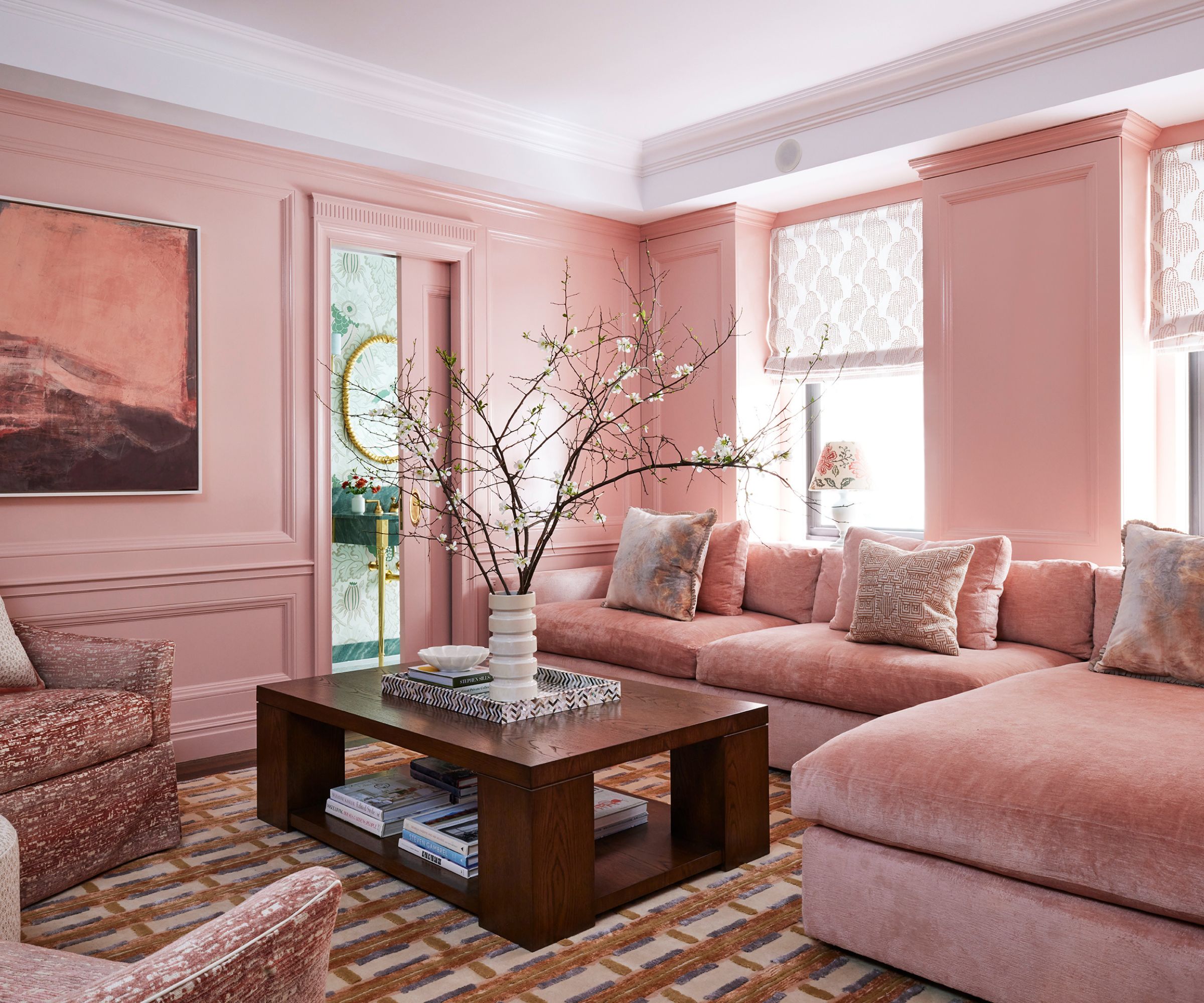
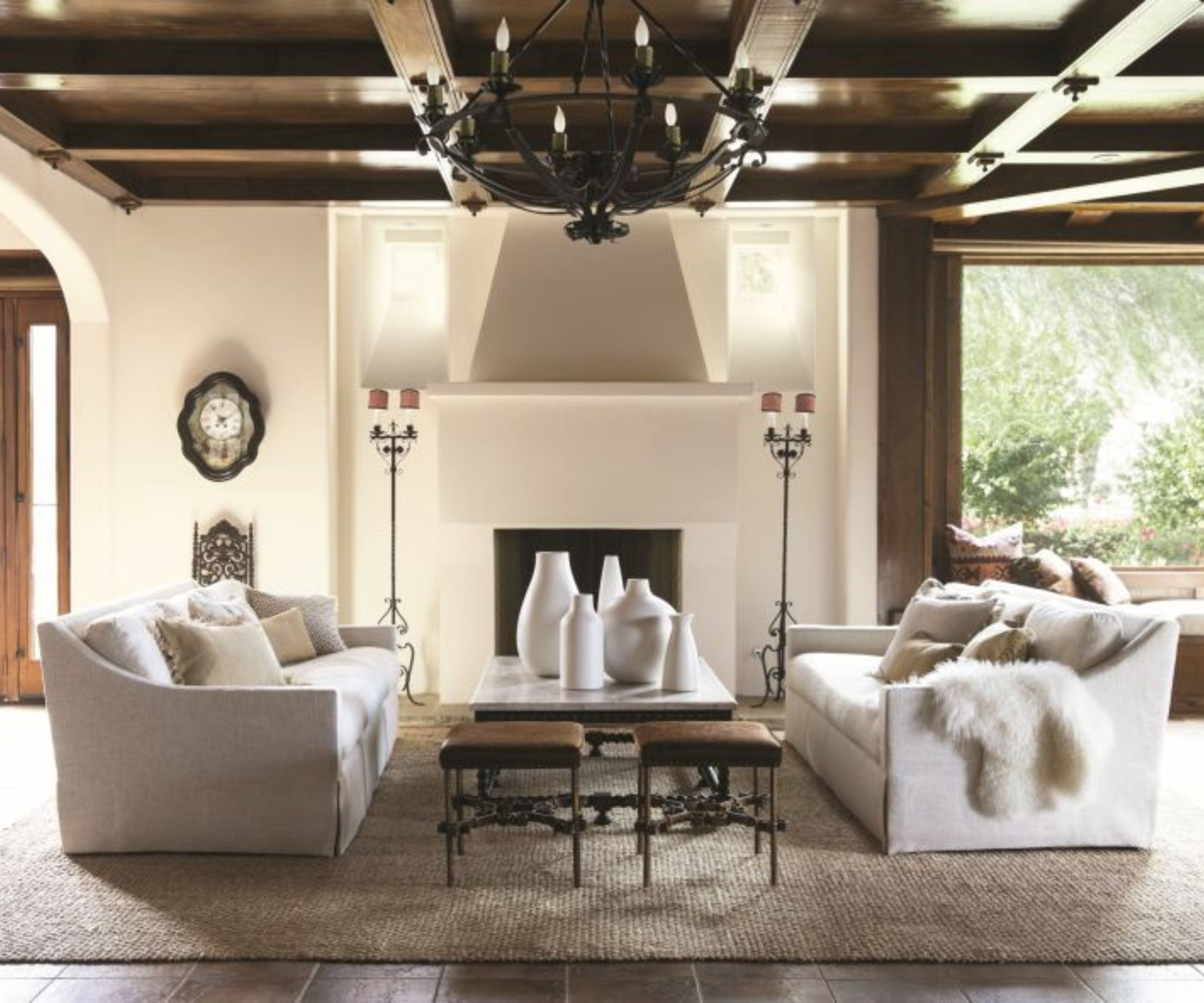
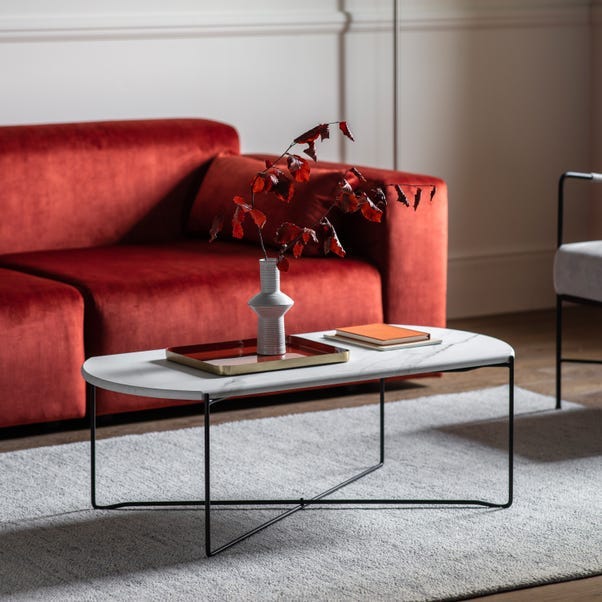
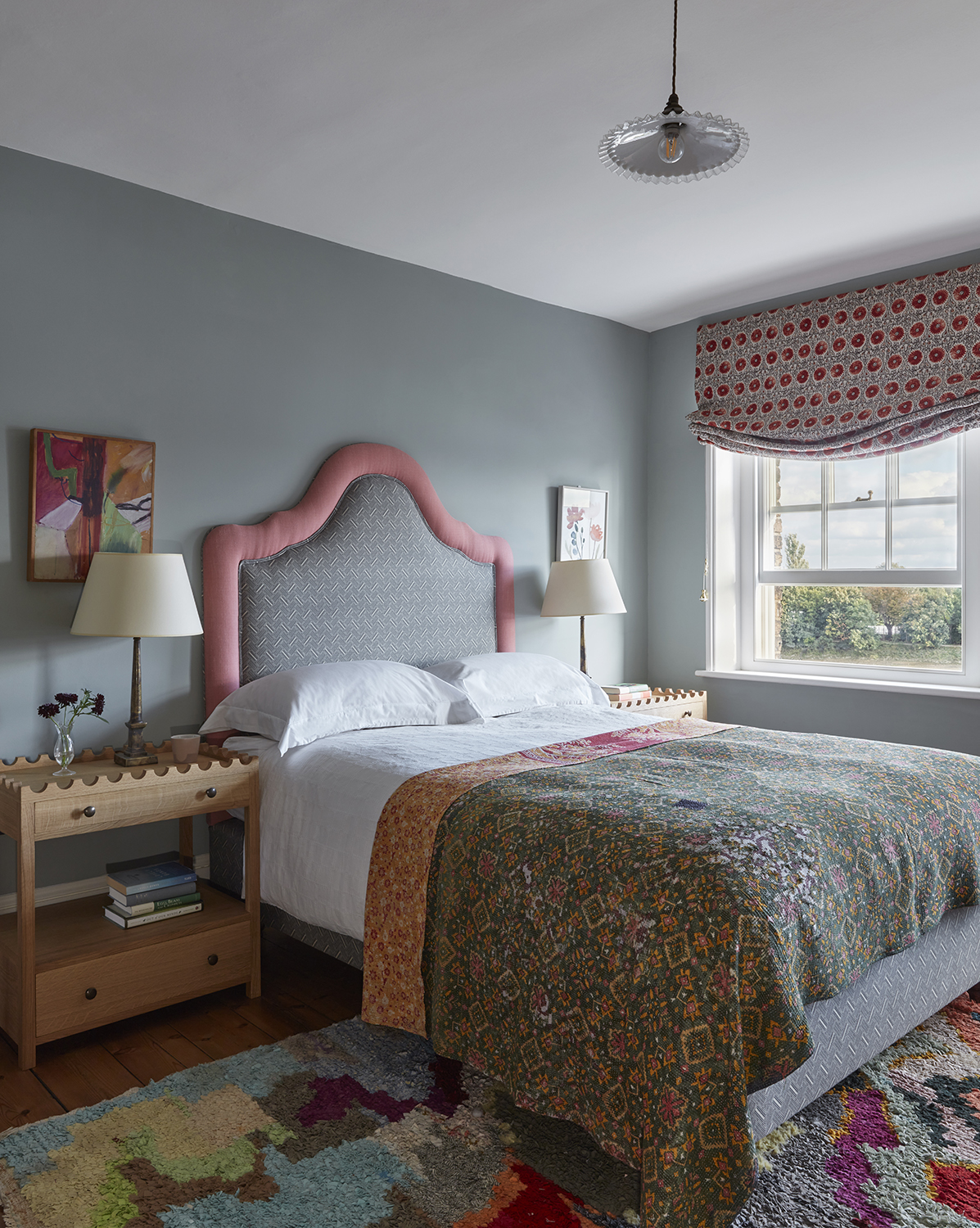
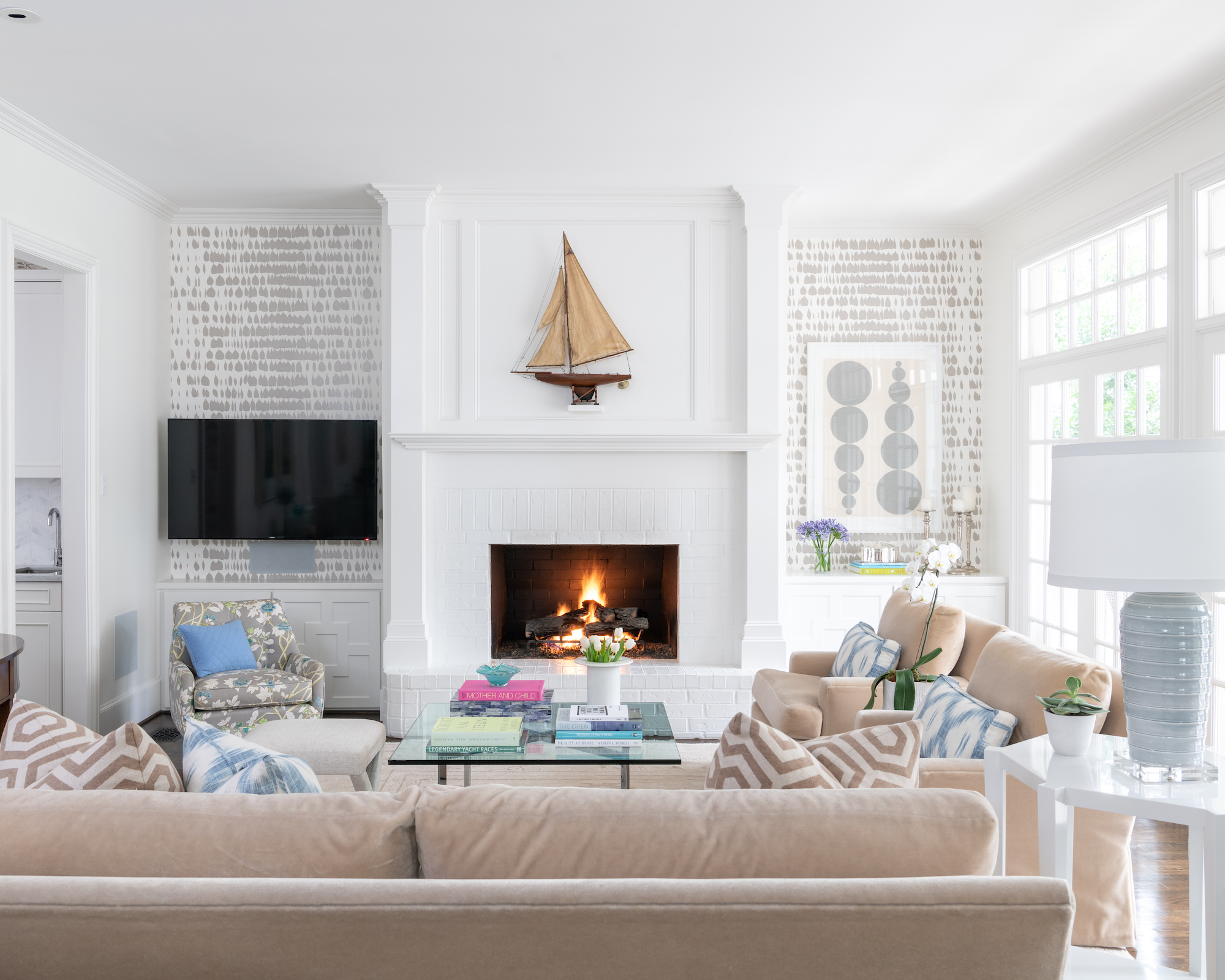
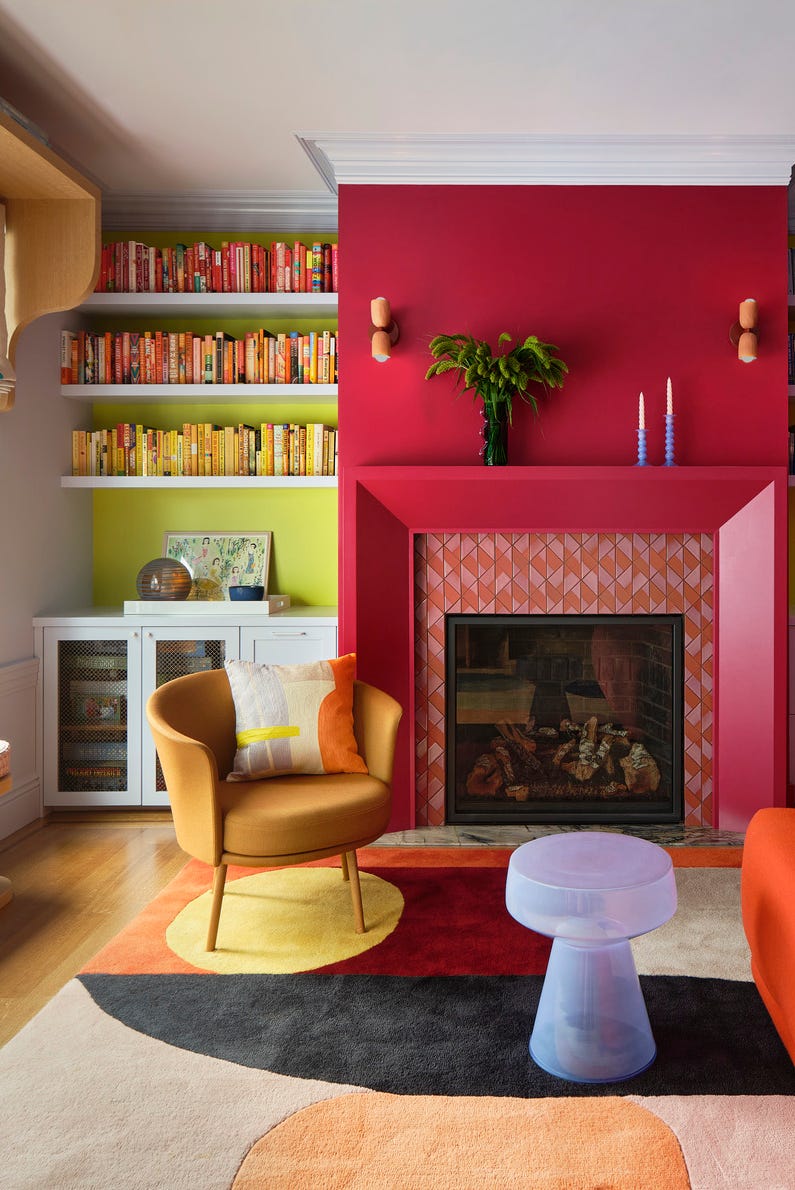
The third color scheme introduces white, beige, merlot, and turquoise. Rich reds, like merlot, can be added to minimalist living rooms in a disciplined mix of color, often in small accents, alongside apricots and beiges. This method emphasizes that a well-designed minimalist interior creates a balanced and inviting space, suitable for both relaxation and social gatherings.
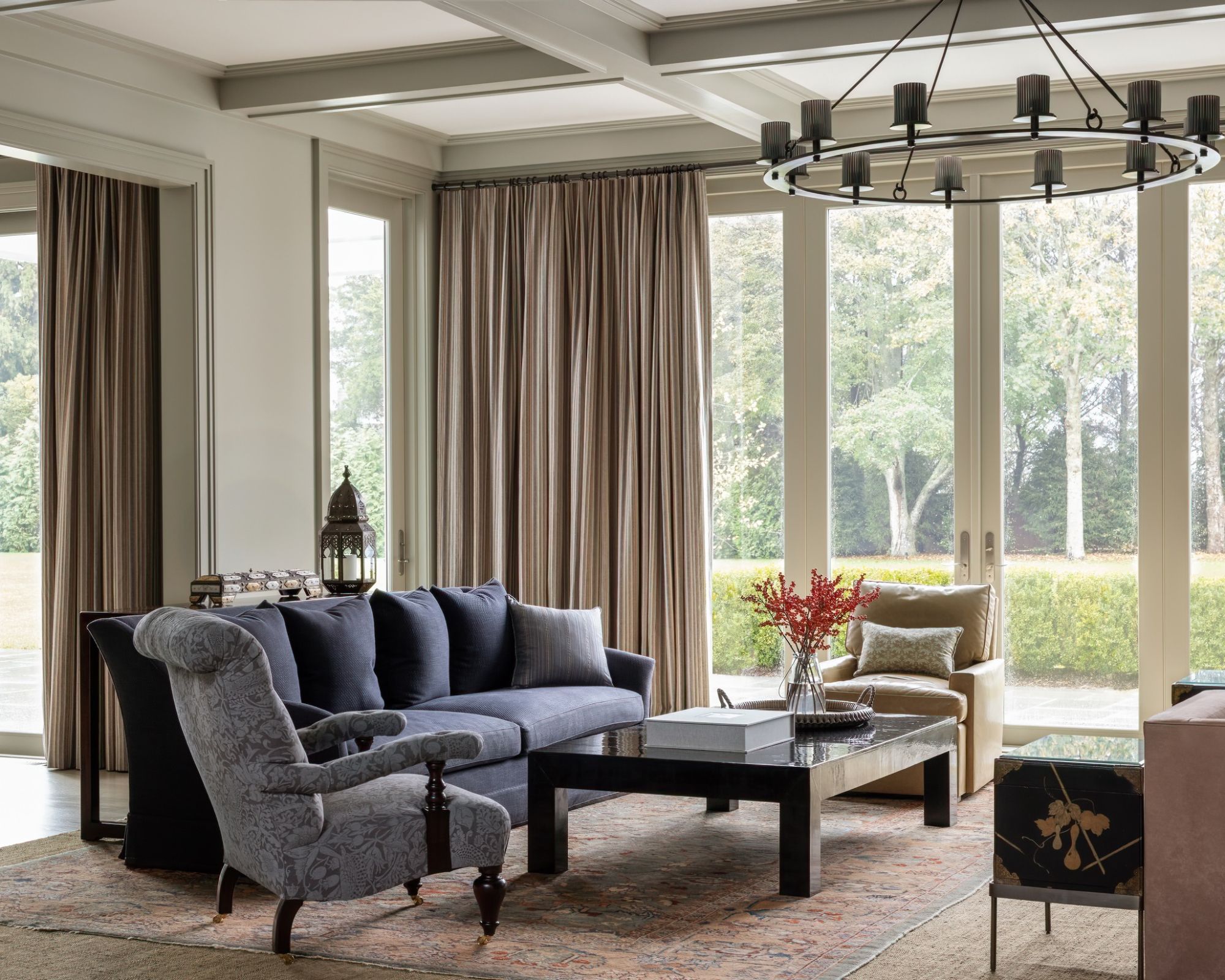
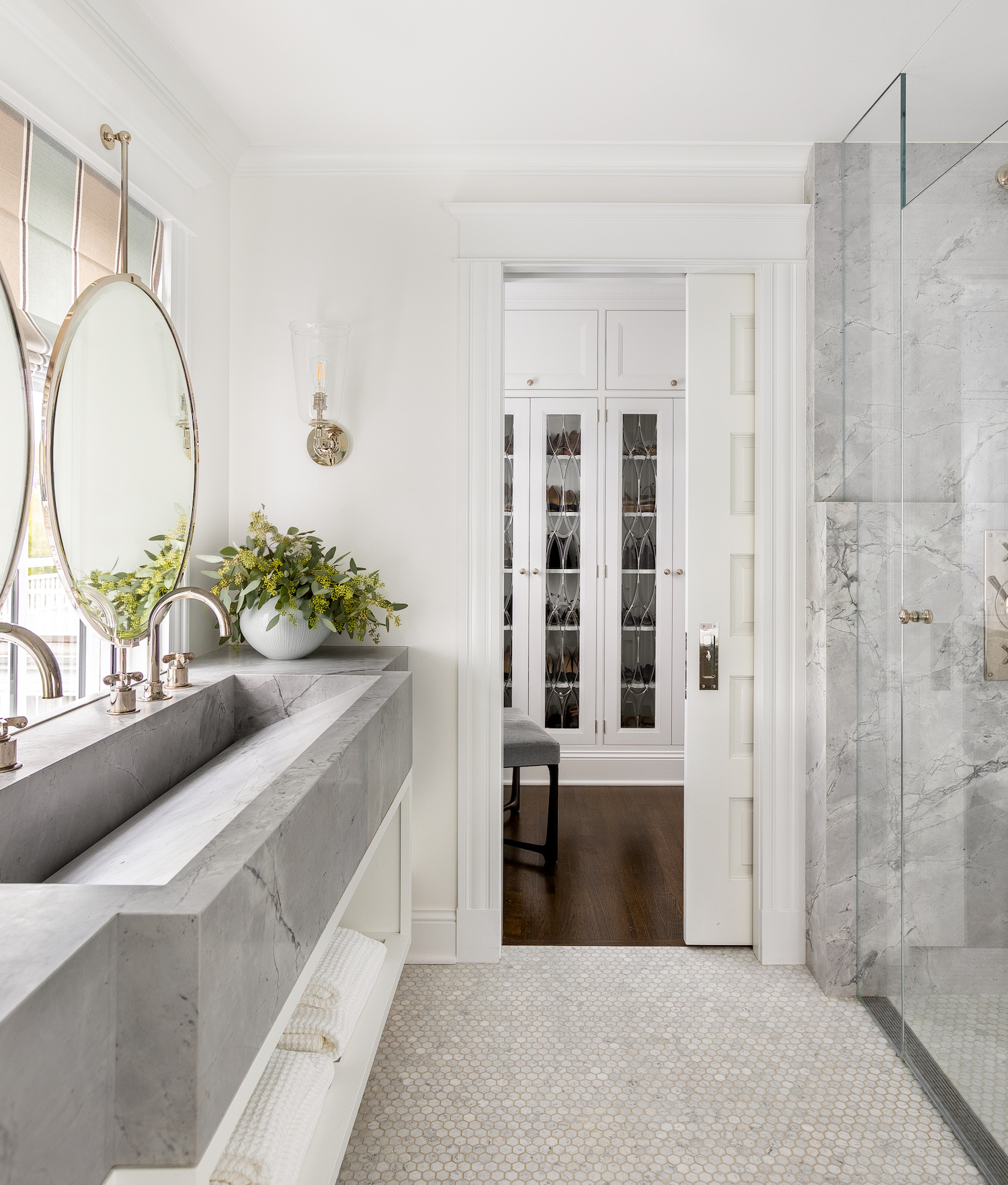
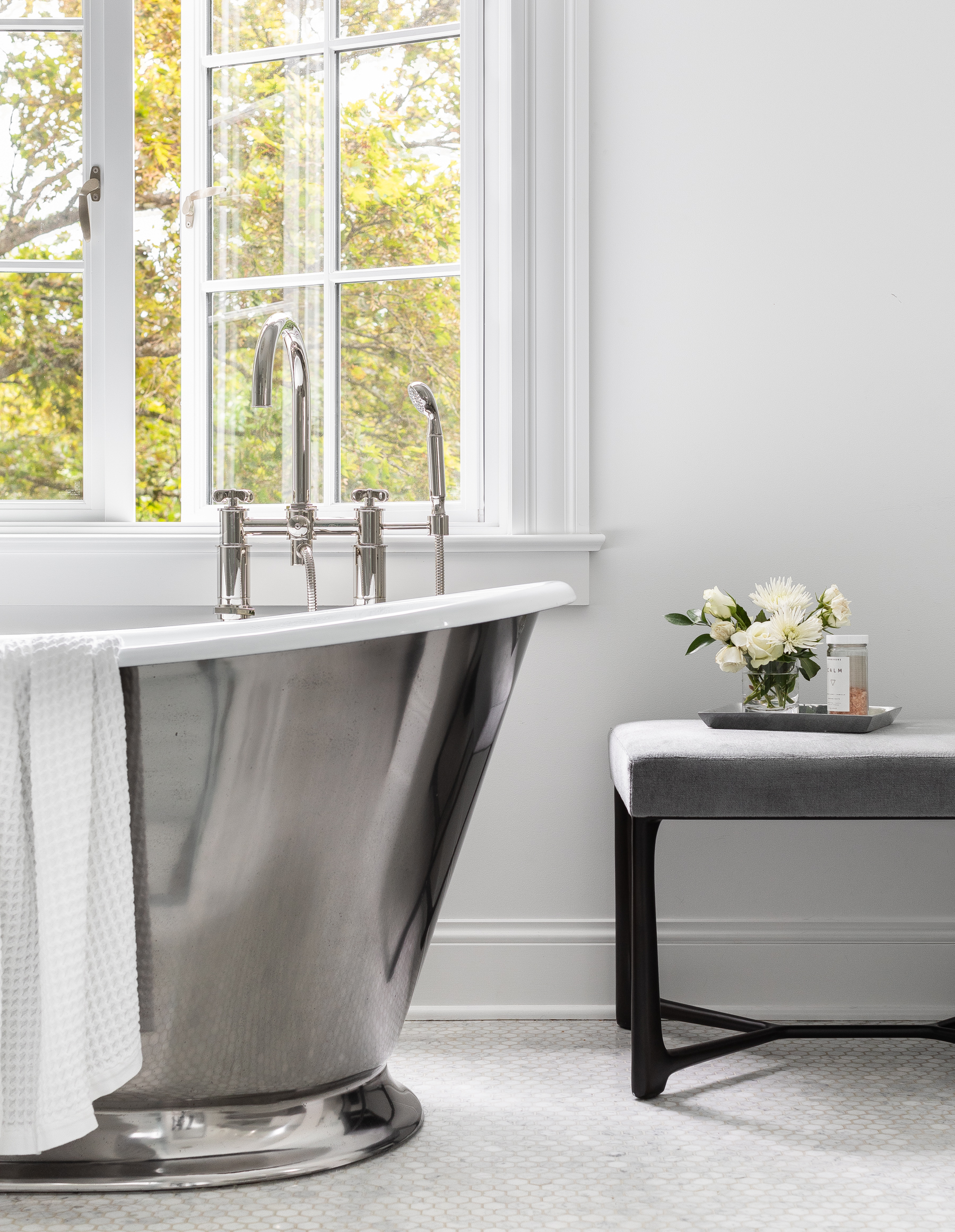
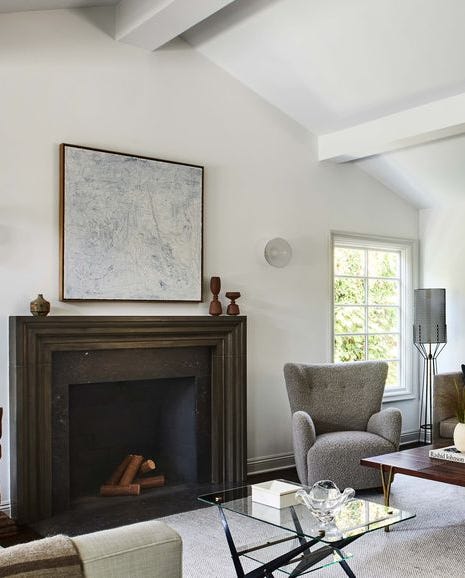
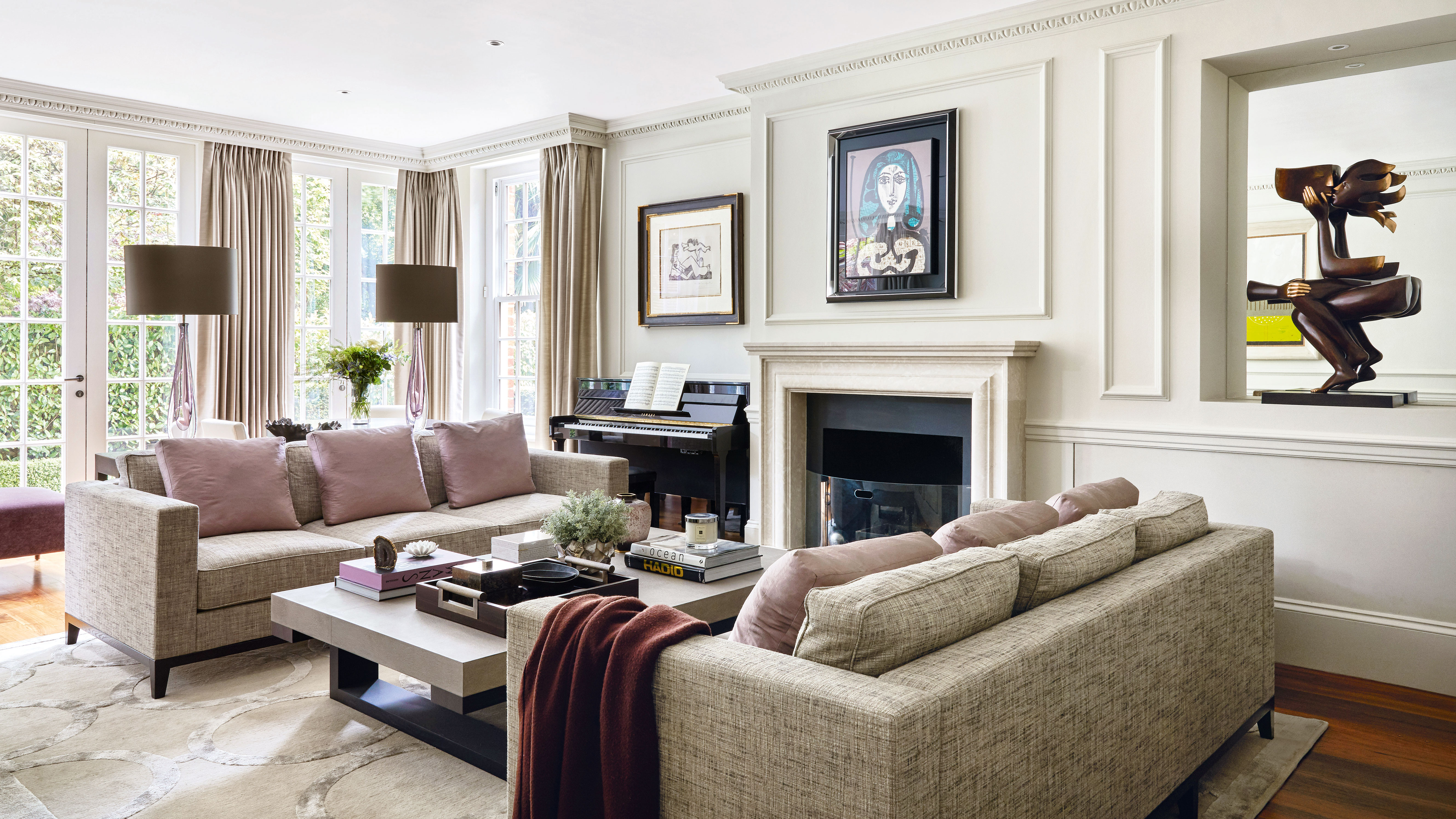
Layers of grey form another palette, demonstrating how grey can be cozy and warming when different tones are used. This technique often involves incorporating elements that bring nature indoors, such as metal accents reflecting natural landscapes. Using a single color in varying tones helps focus on the overall emotional tenor of the space rather than individual components.
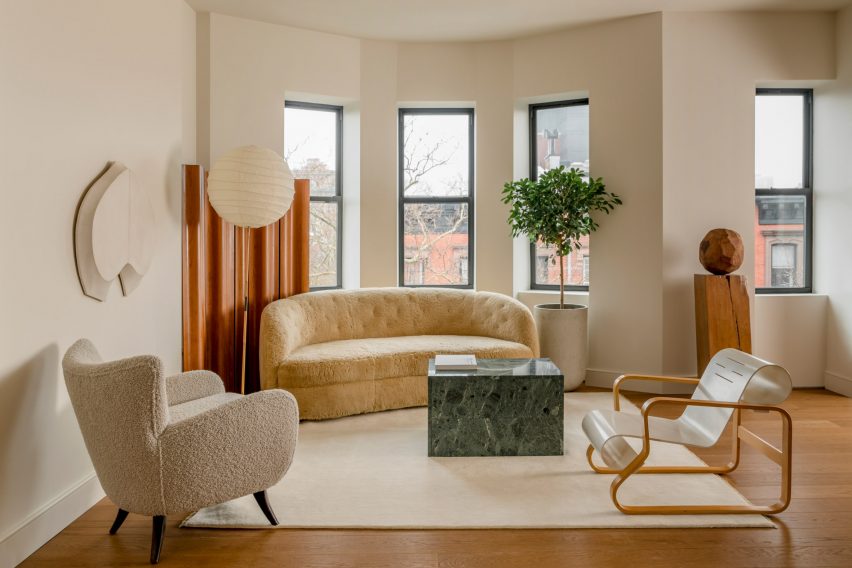
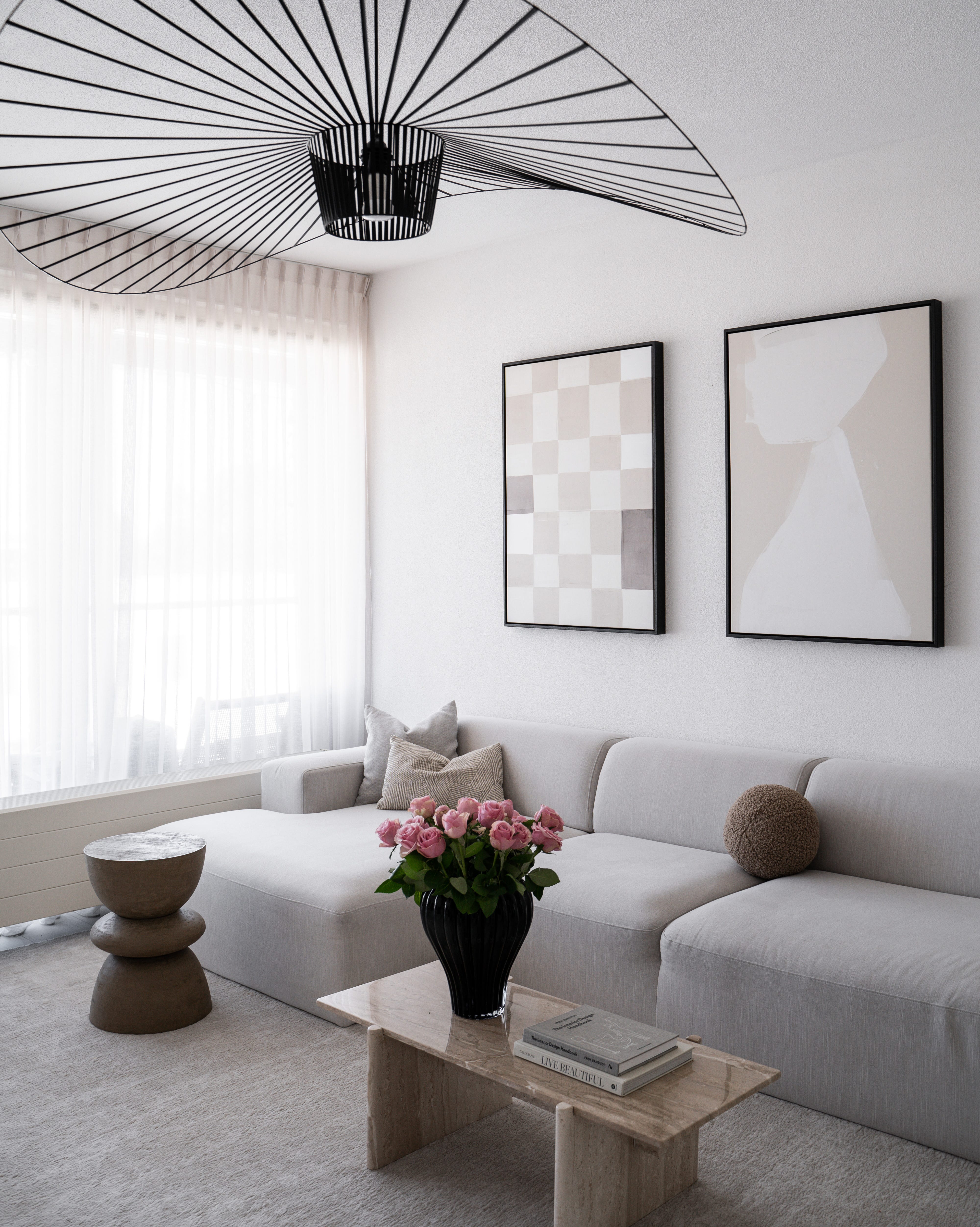
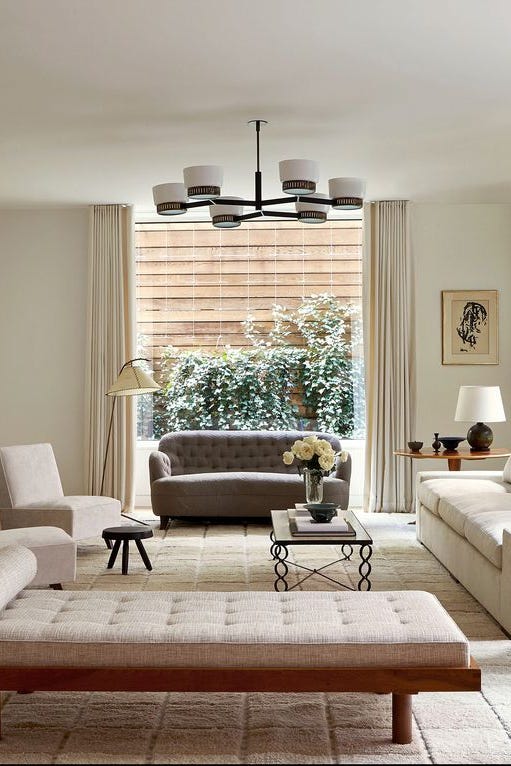
Similarly, layers of sand and beige are presented as a way to create a soothing, monochromatic living space. This approach relies heavily on natural materials like woven rugs, linen couches, and marble coffee tables to introduce subtle patterns and depth, ensuring they blend seamlessly with the chosen color scheme.
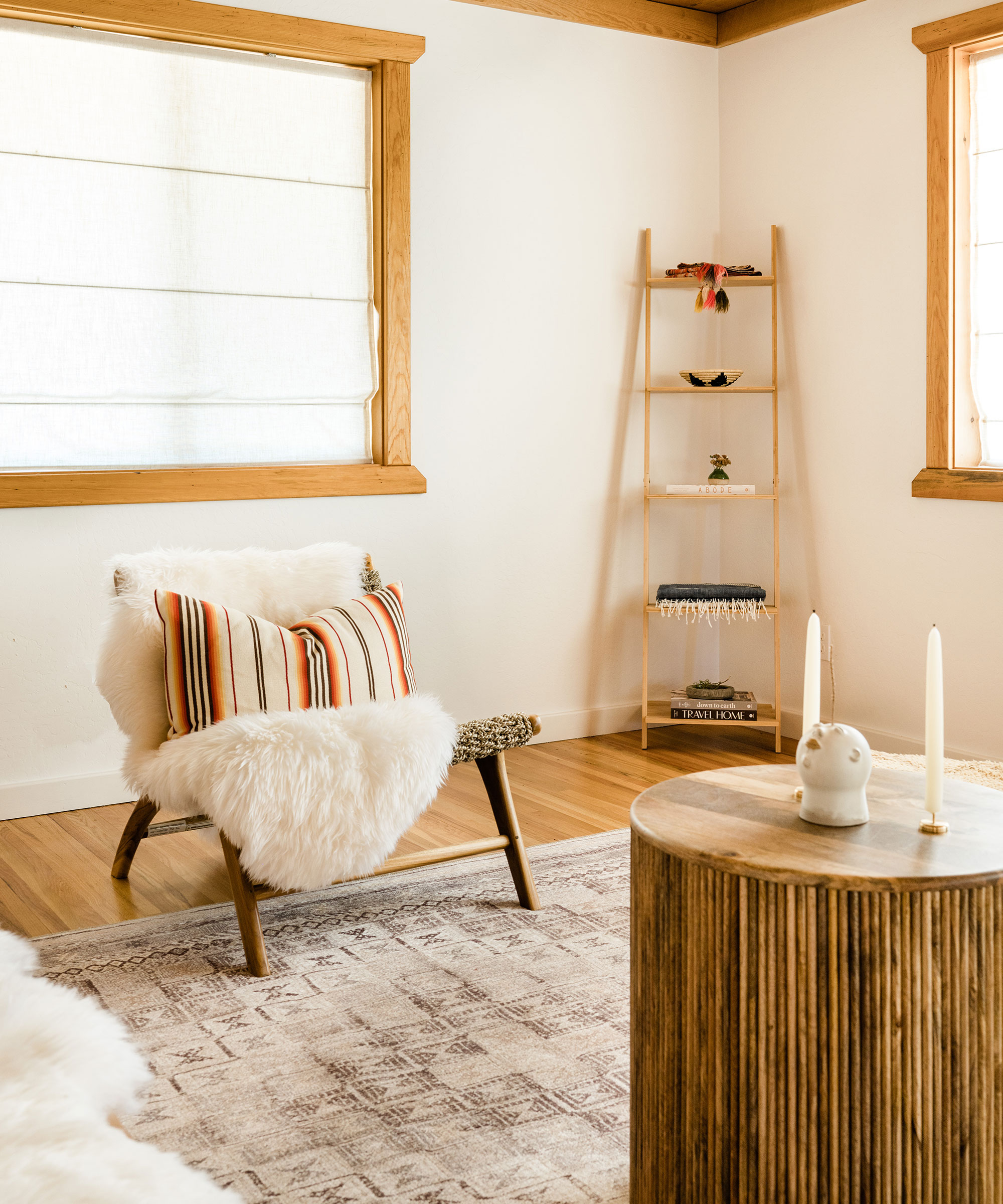
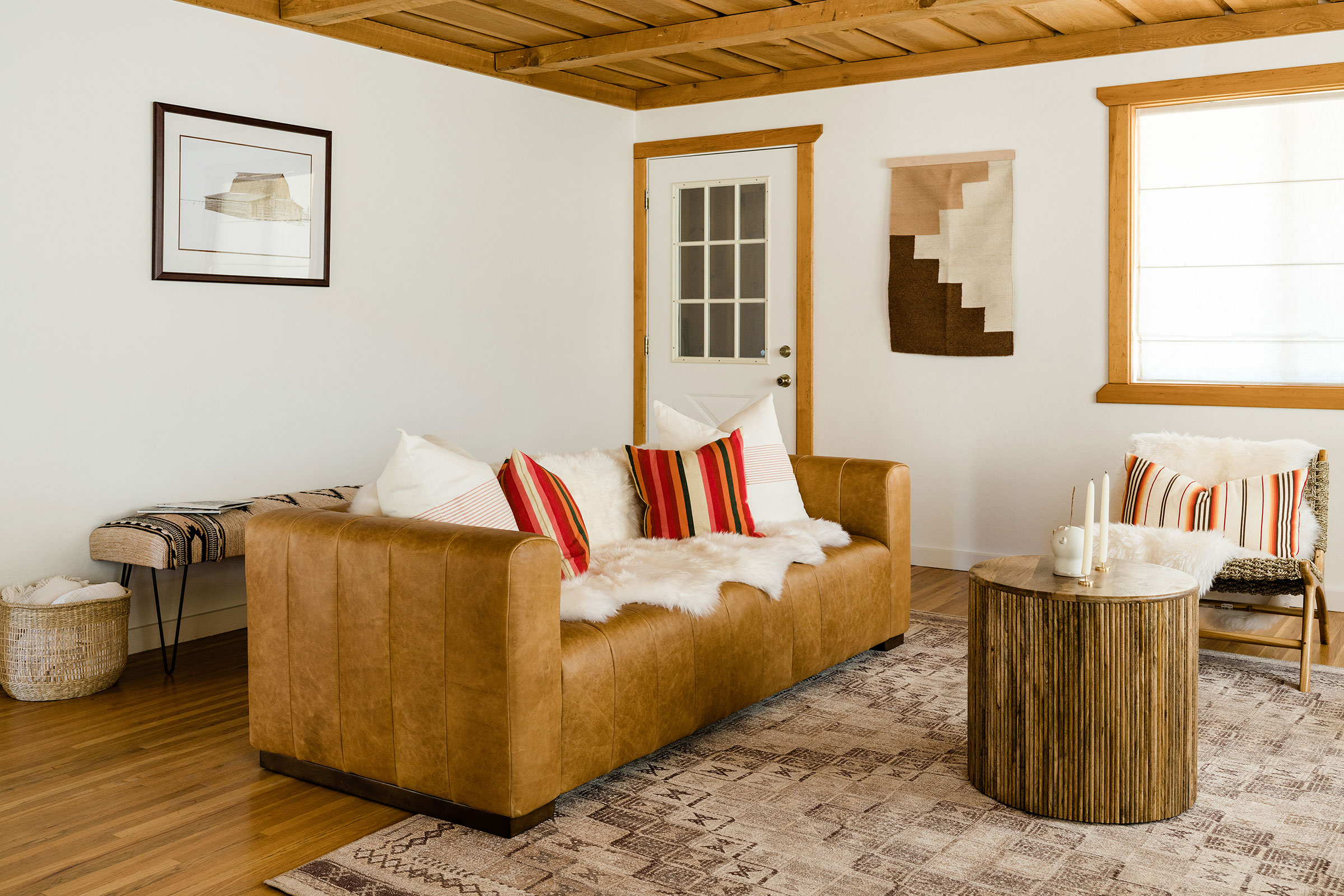
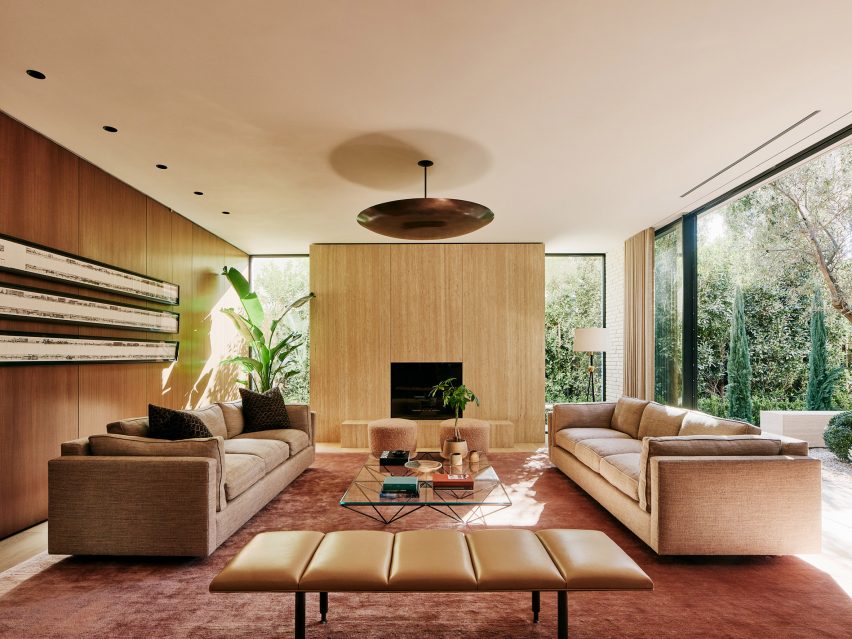
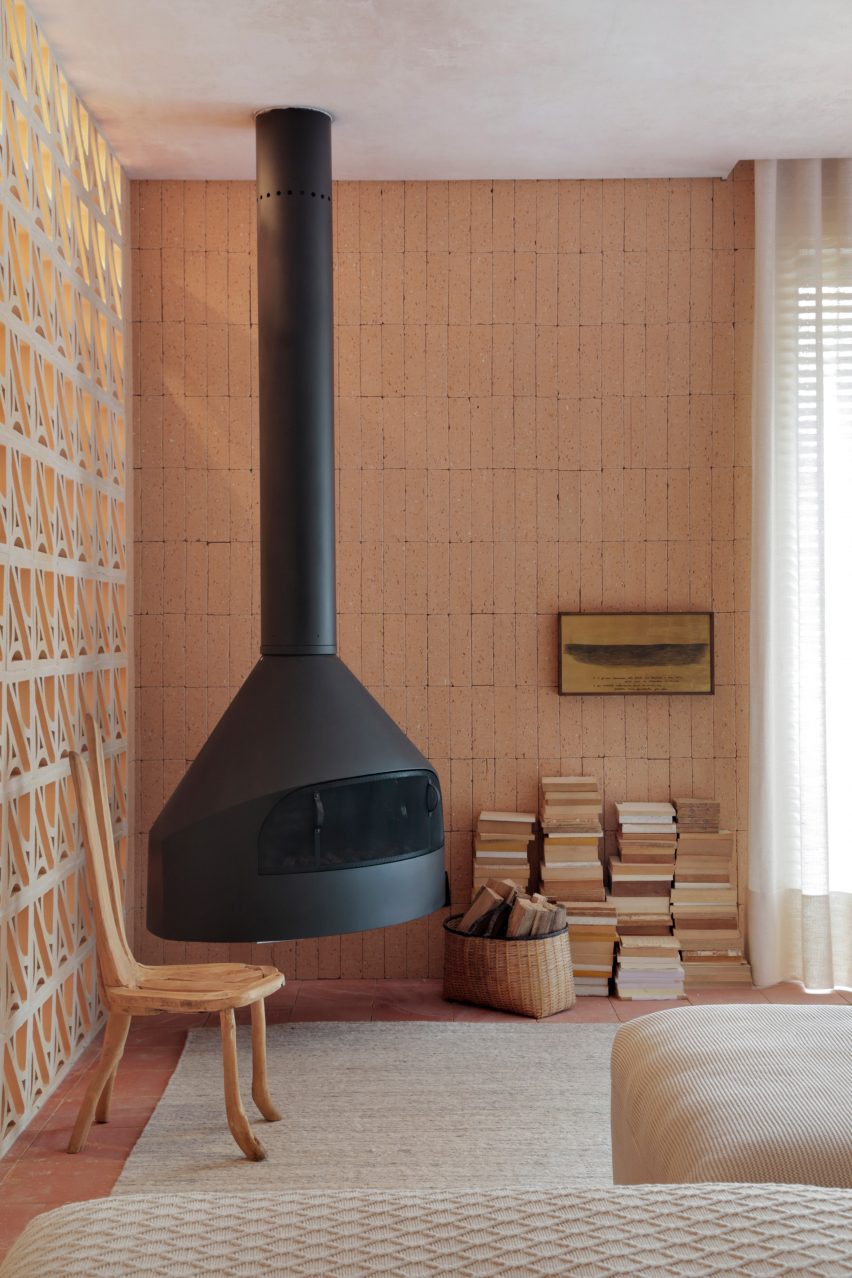
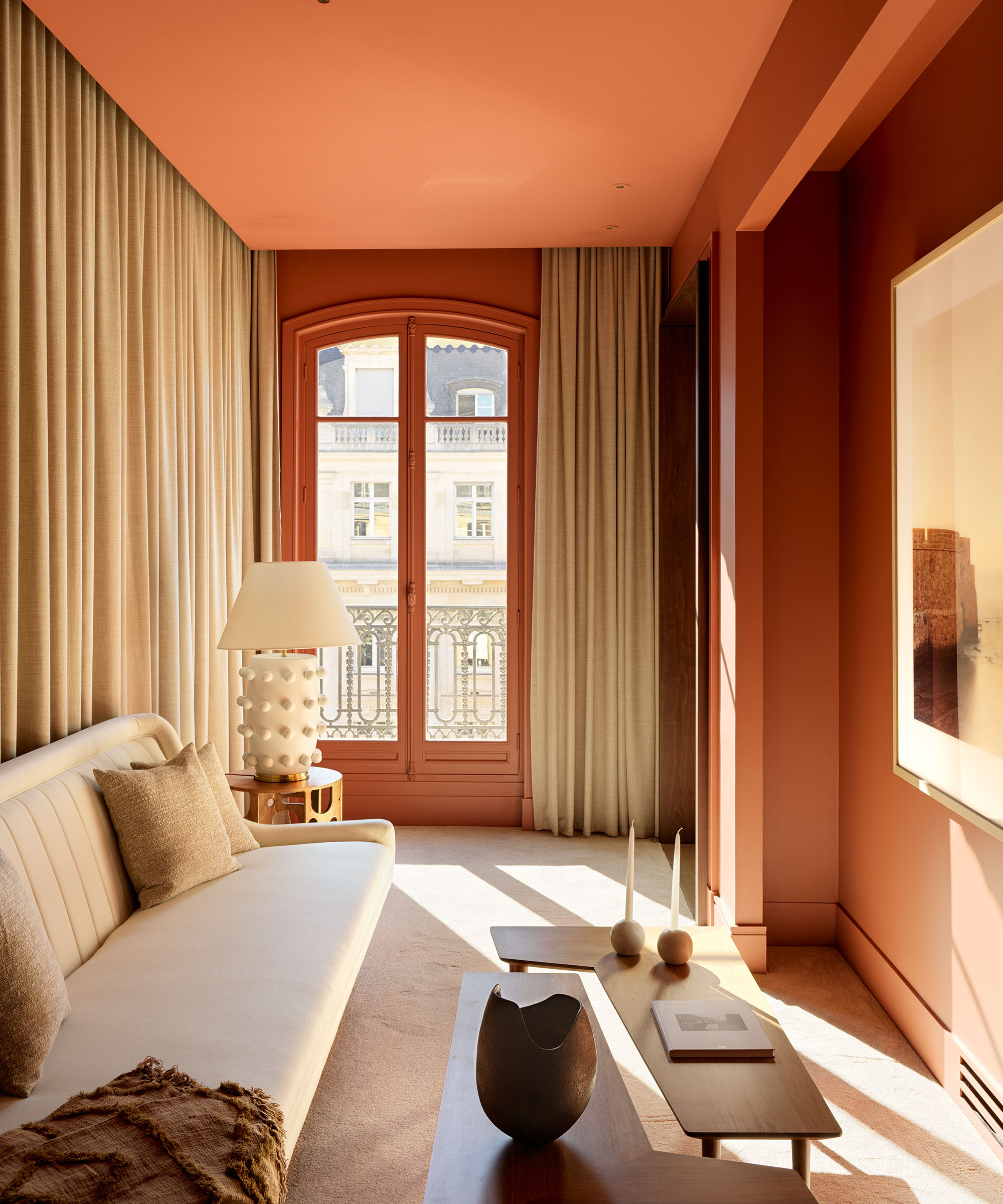
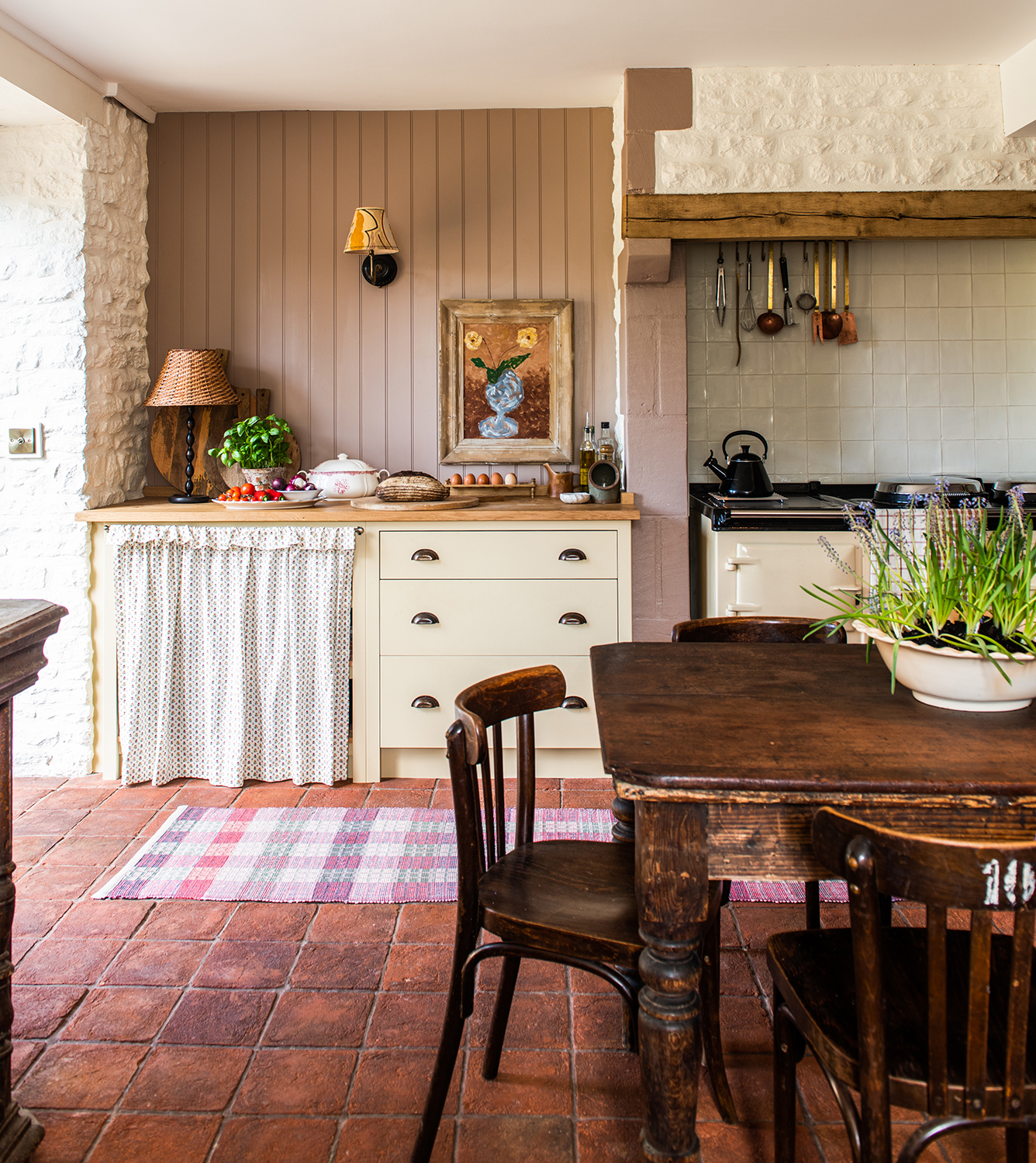
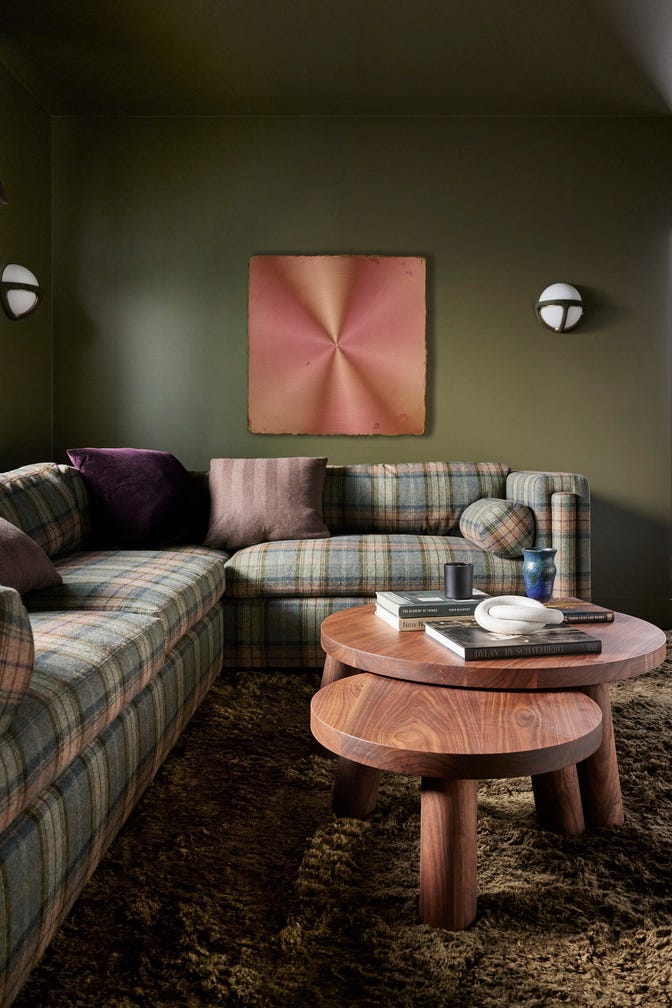
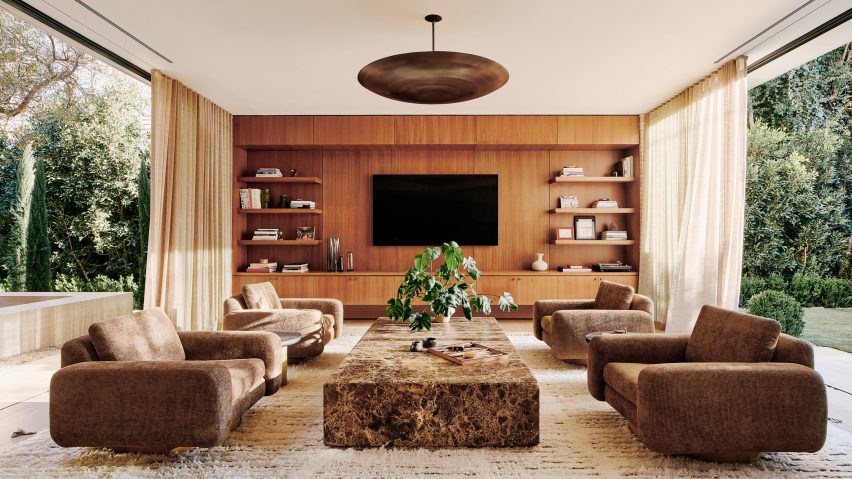
For those who prefer more color, a mix of terracotta, beige, and brown is suggested. This palette, featuring earthy tones, works well in minimalist settings when texture and interest are added through natural materials such as marble, linen, and exposed wood. The key is to view the space as a whole, where color, furniture, and materials contribute to an overall minimal impression.
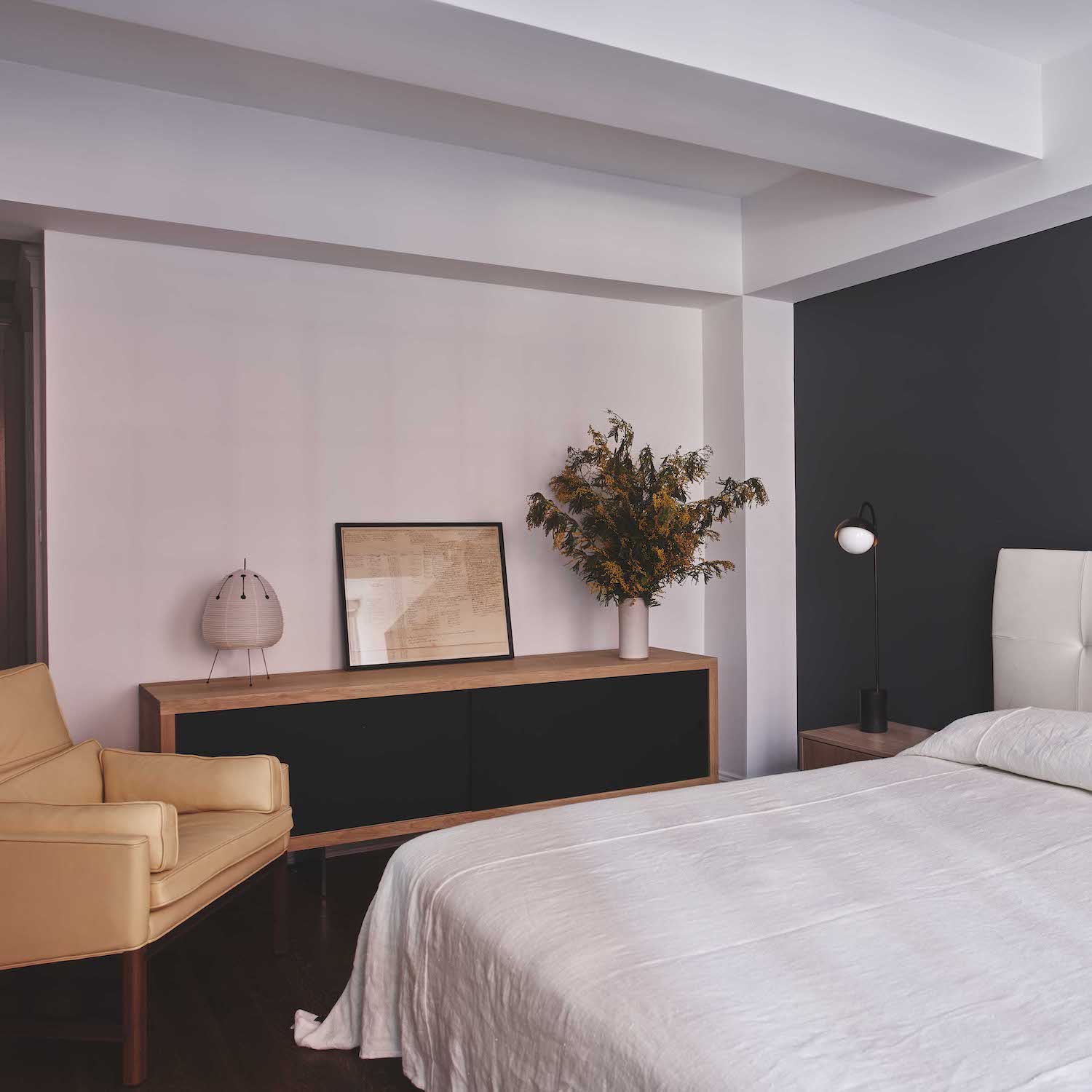
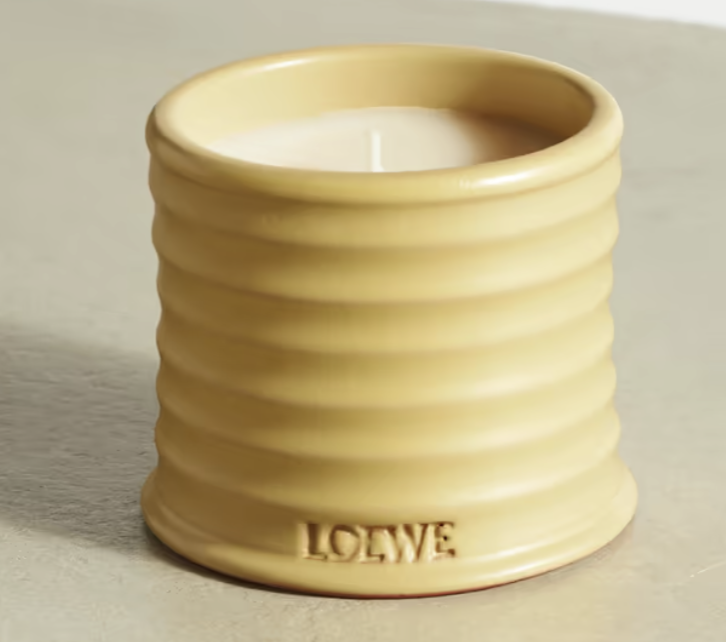
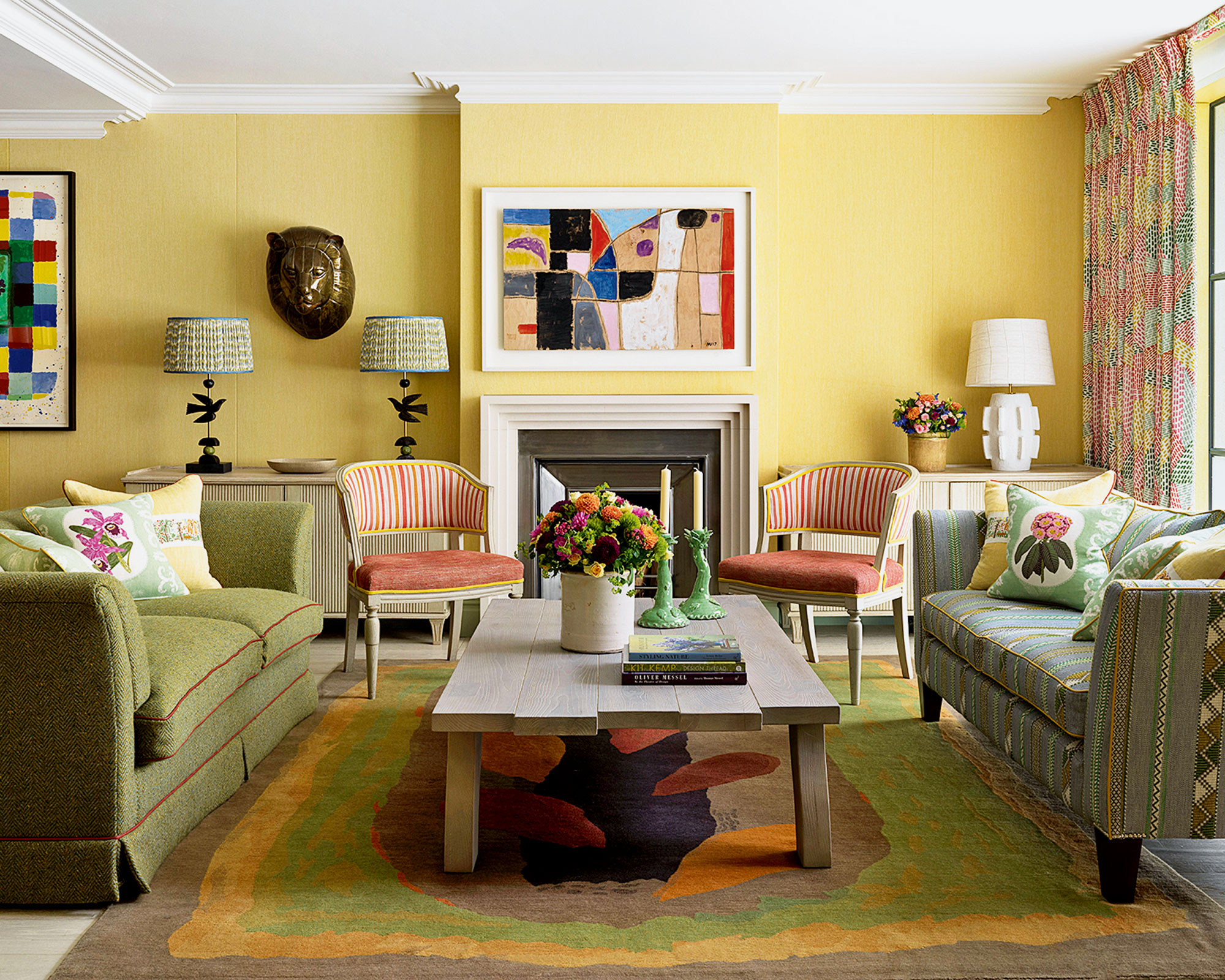
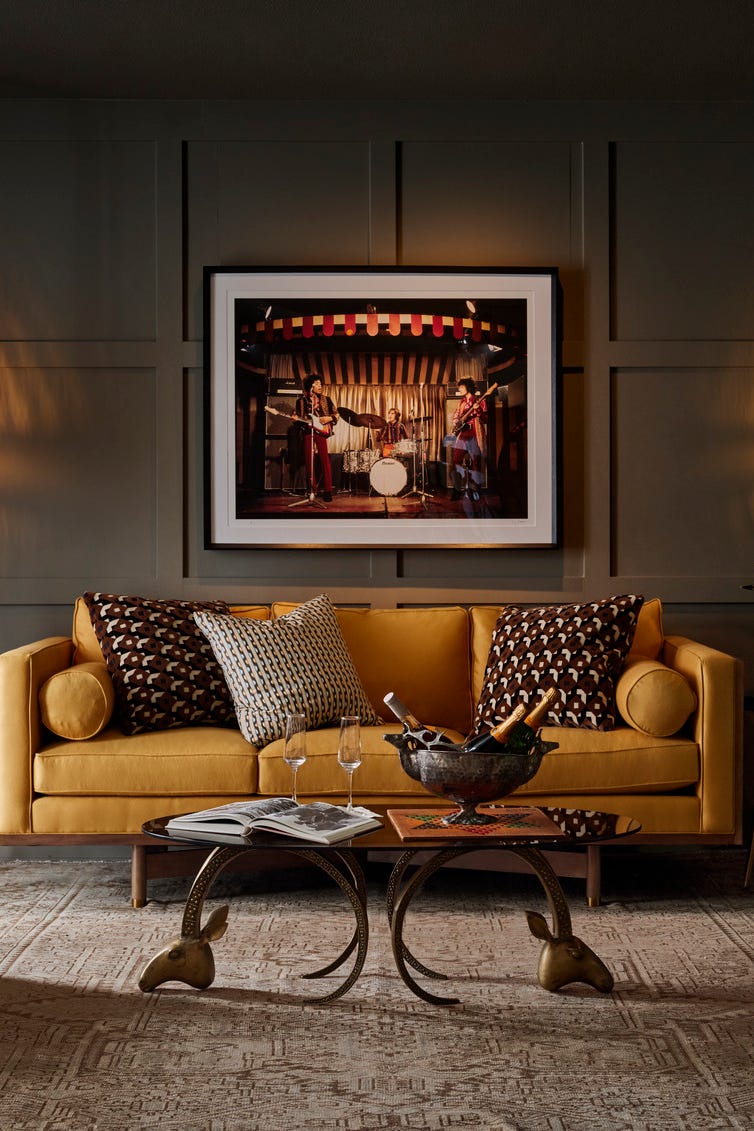
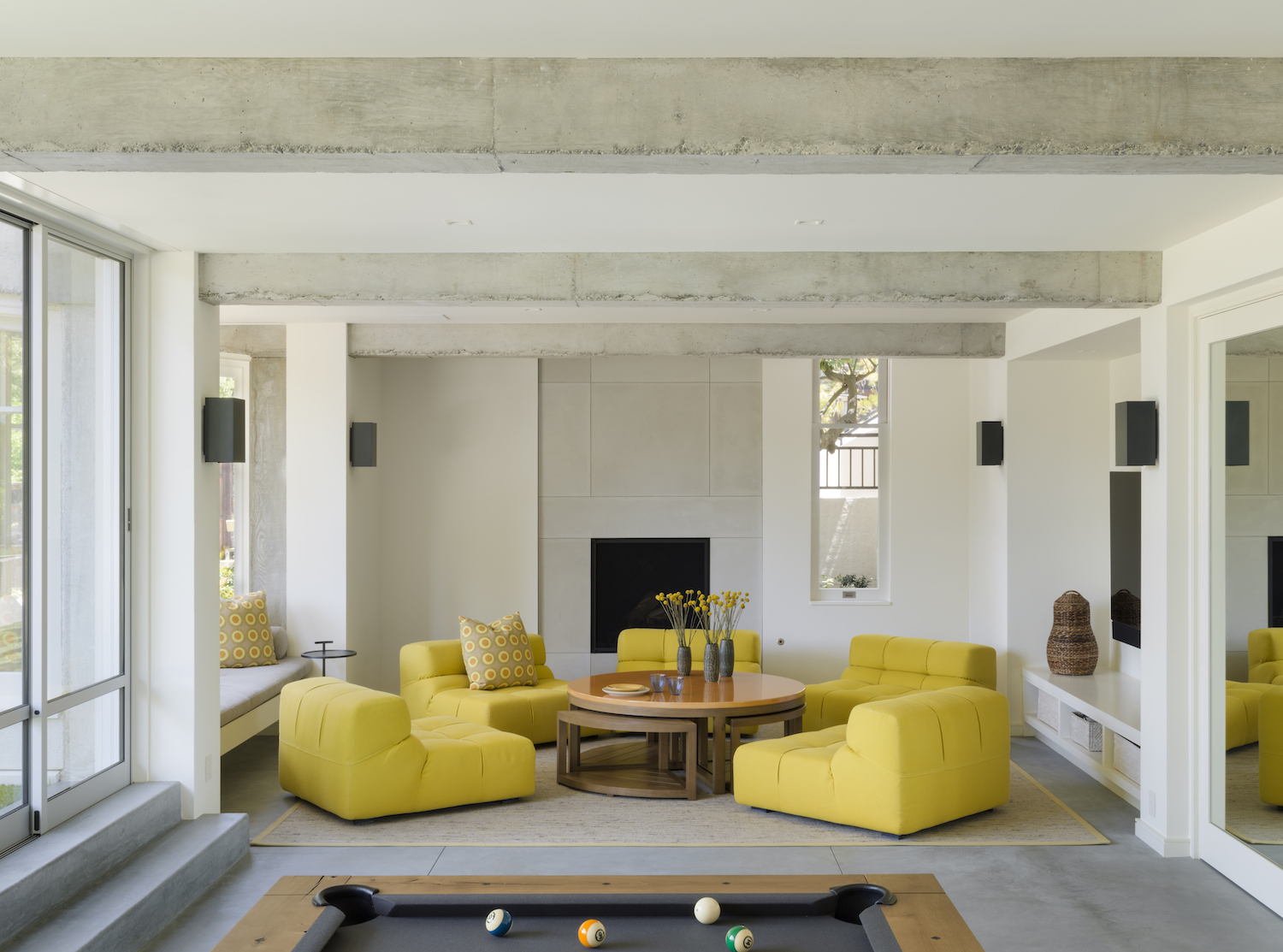
Bright yellow, off-white, and beige illustrate that bold colors can be incorporated into minimalist living rooms if surrounded by super neutral elements. Off-white walls and organic textures, such as exposed concrete beams, help soften and calm the vibrant hues. This approach allows for a pop of color while maintaining an uncluttered aesthetic.
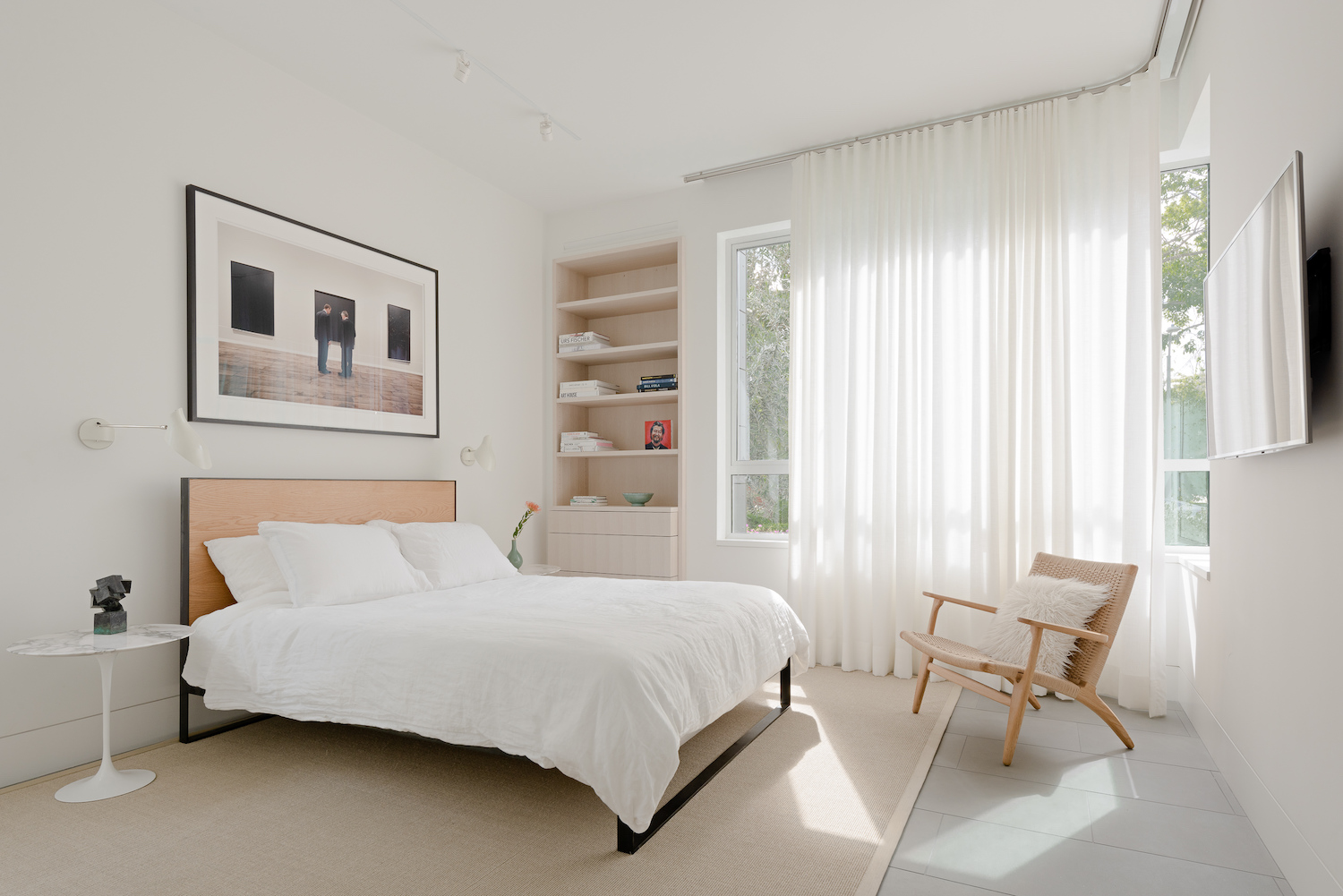
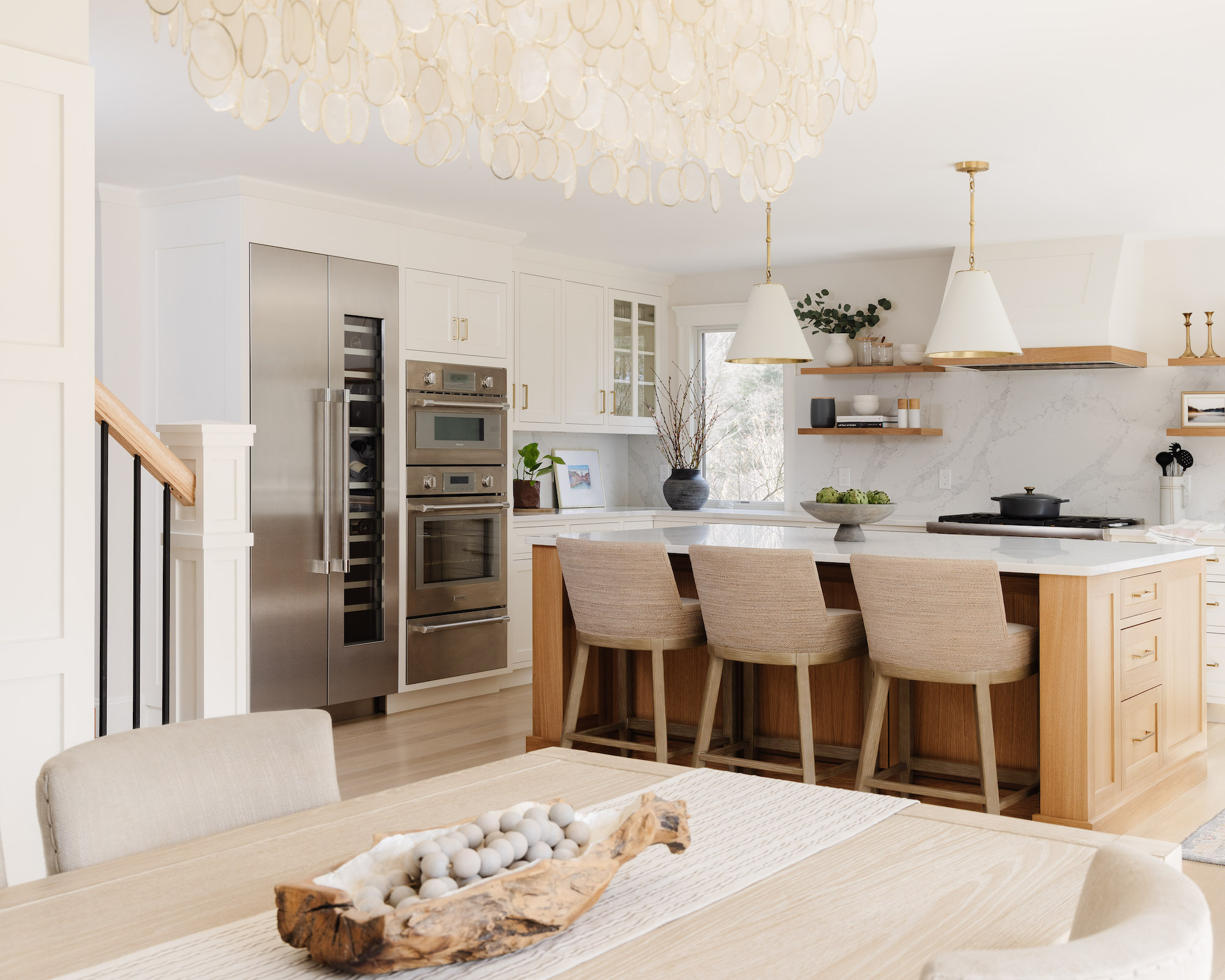
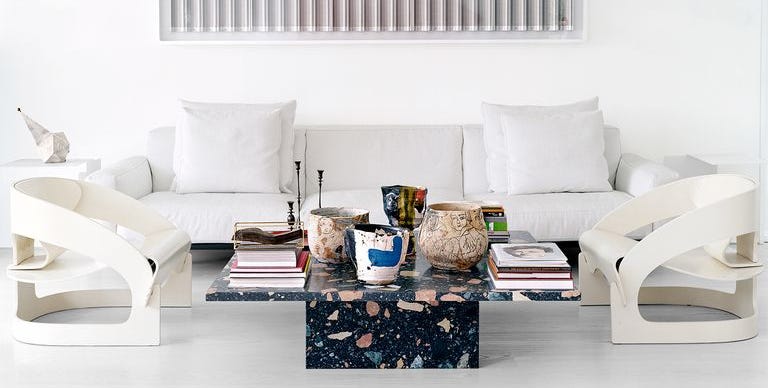
Finally, the classic white and black palette is discussed for a more traditional minimalist look. White and off-white paint colors are highlighted for their ability to convey a minimalistic style, bringing clarity and beauty to the space. Modern interpretations often soften this stark contrast with natural objects like clay pots and woven bar stools, enhancing an indoor/outdoor feel.
#MinimalistLivingRoom #ColorPalettes #InteriorDesign #NeutralDecor #HomeDecor #ModernMinimalism #NaturalMaterials #DesignTrends #CozyMinimalism #MinimalistLivingRoom #ColorPalettes #InteriorDesign #NeutralDecor #HomeDecor #ModernMinimalism #NaturalMaterials #DesignTrends #CozyMinimalism
0 comment in total
 No comments yet
You may also like
9 color palettes for minimalist bedrooms - instantly make your space calmer and more relaxing with these shades
Monochromatic color schemes – 9 single-color rooms that master this trend
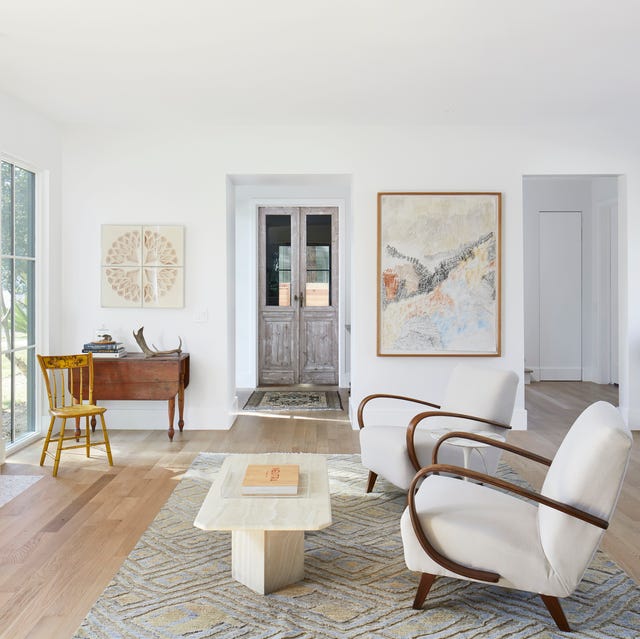
These Designer Living Rooms Prove That Minimalism Will Always Be in Style

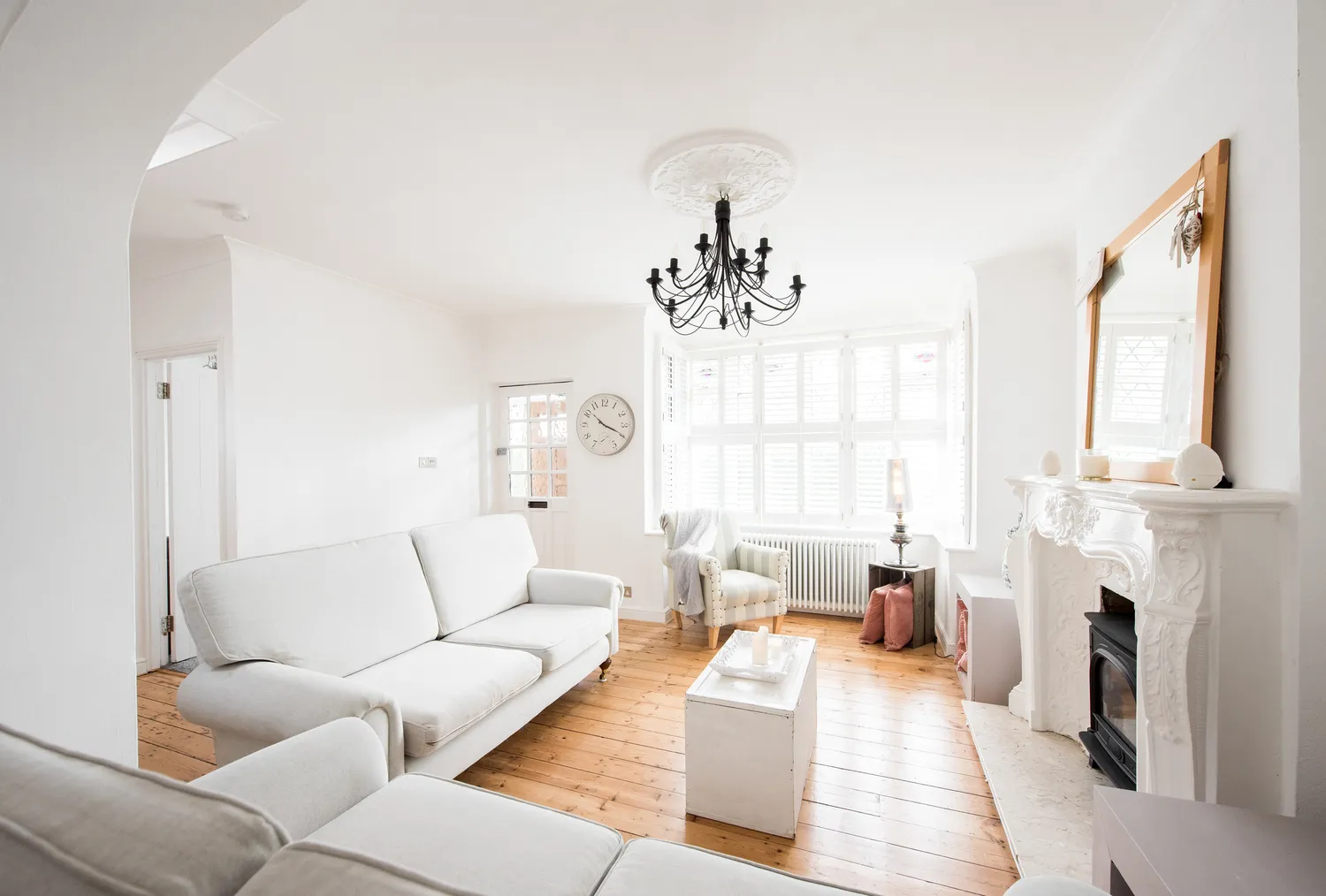
We Asked Designers Which Living Room Paint Colors People Always Regret—These 6 Came Up the Most

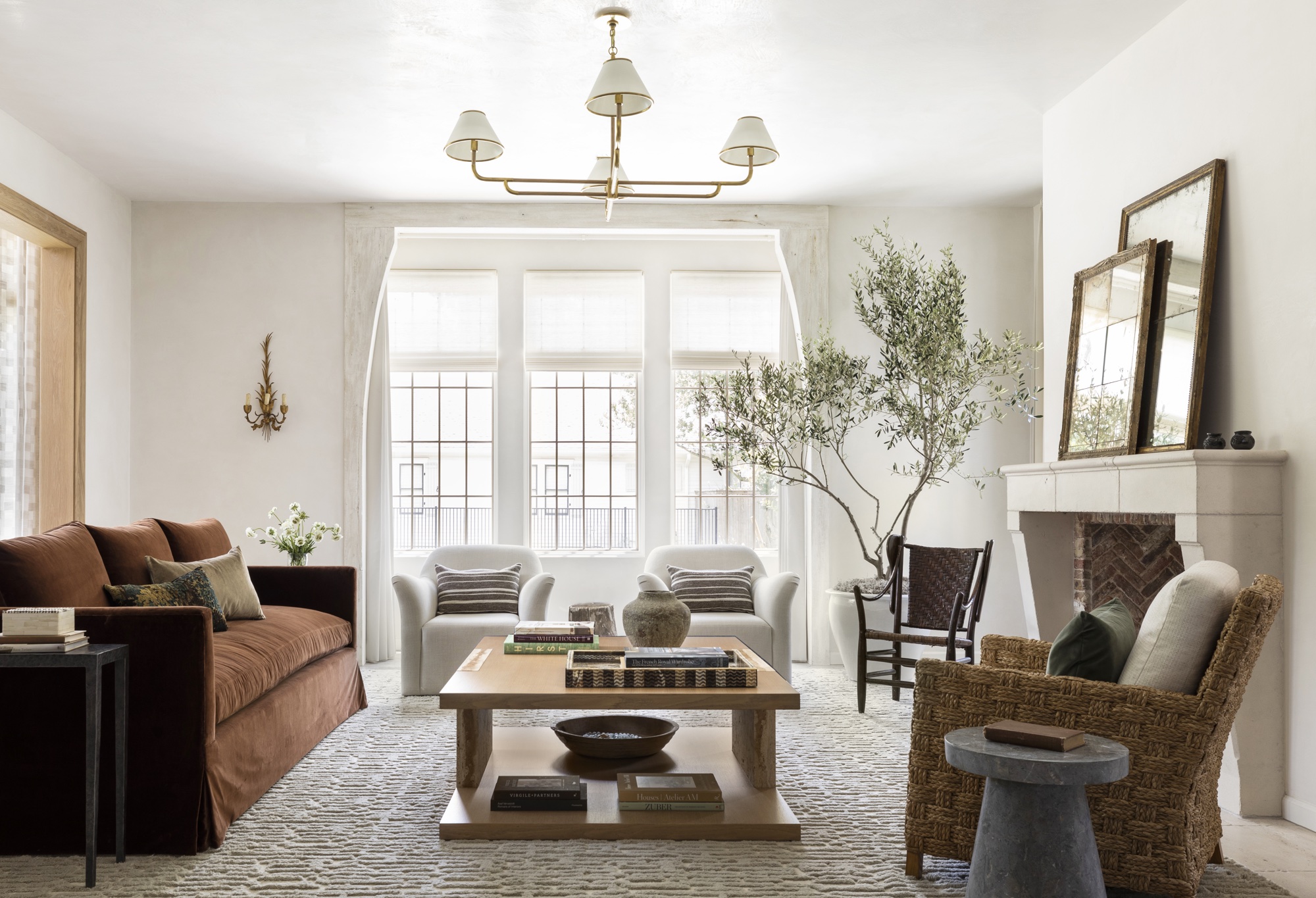
Designers agree on the perfect minimalist color palette - 'beautiful, pared-back, very curated'
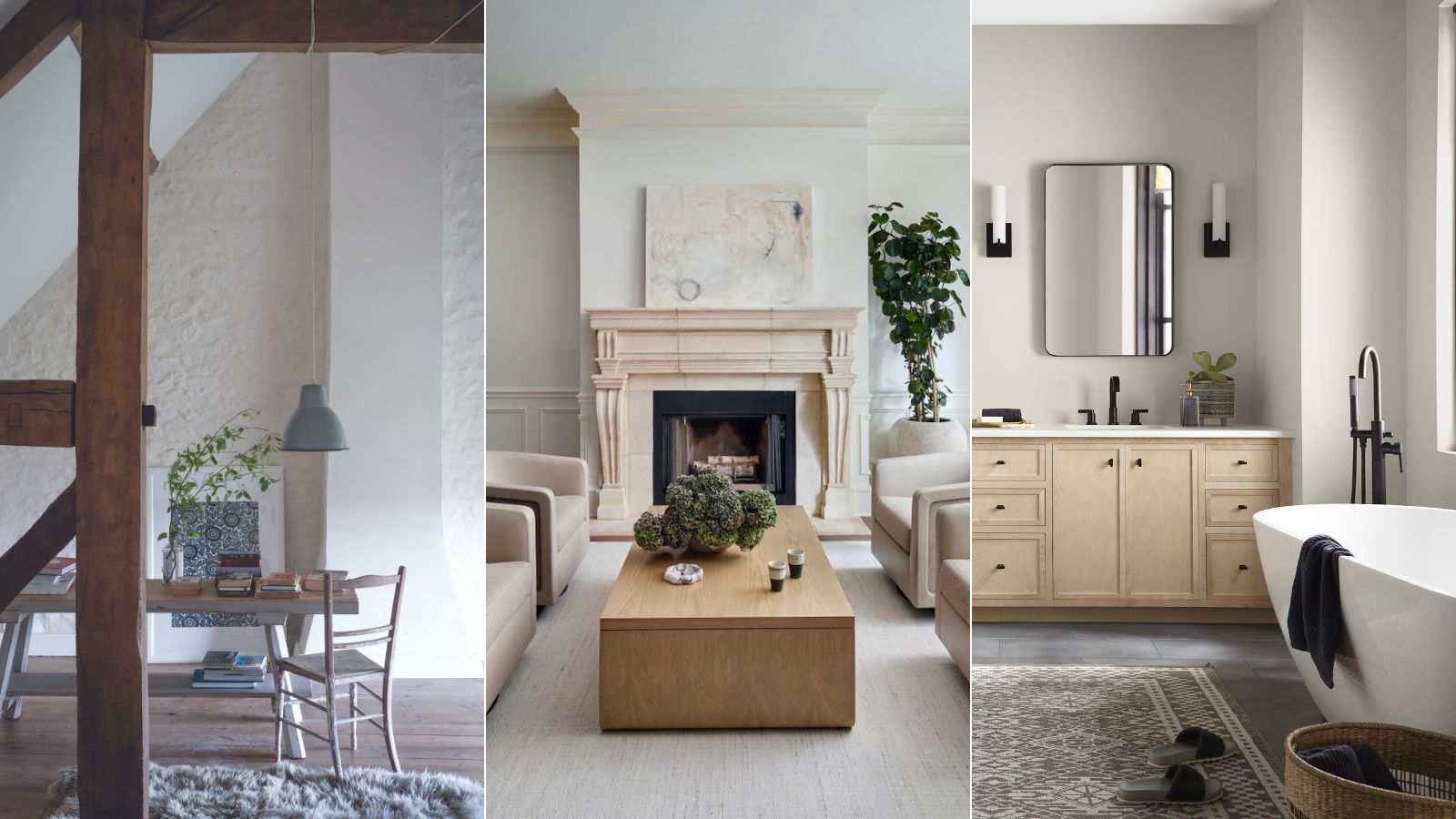
What colors work best with minimalist style? Interior designers weigh in on the best hues for a pared-back scheme

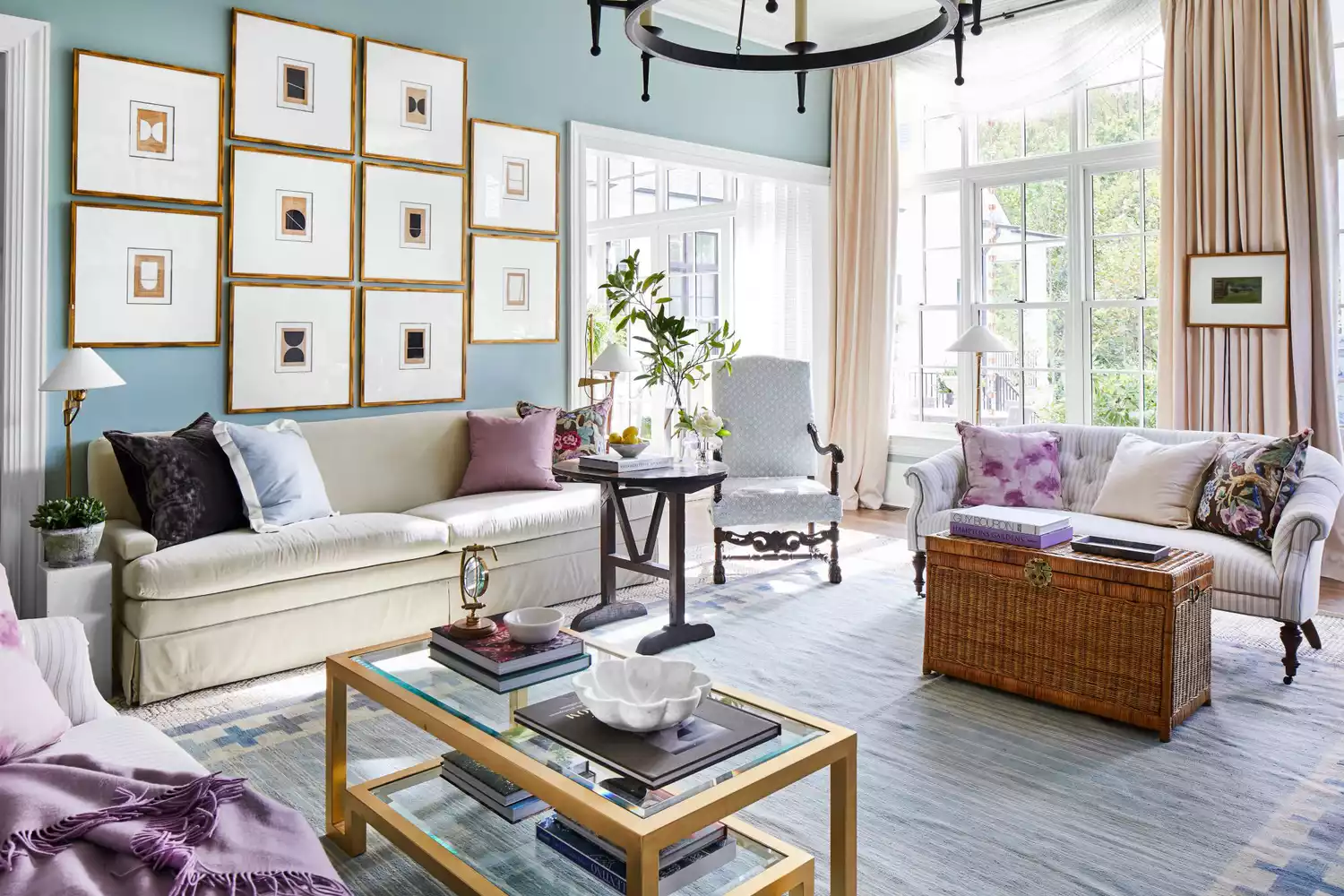
6 Calming Paint Colors Designers Swear By For A Relaxing Living Room
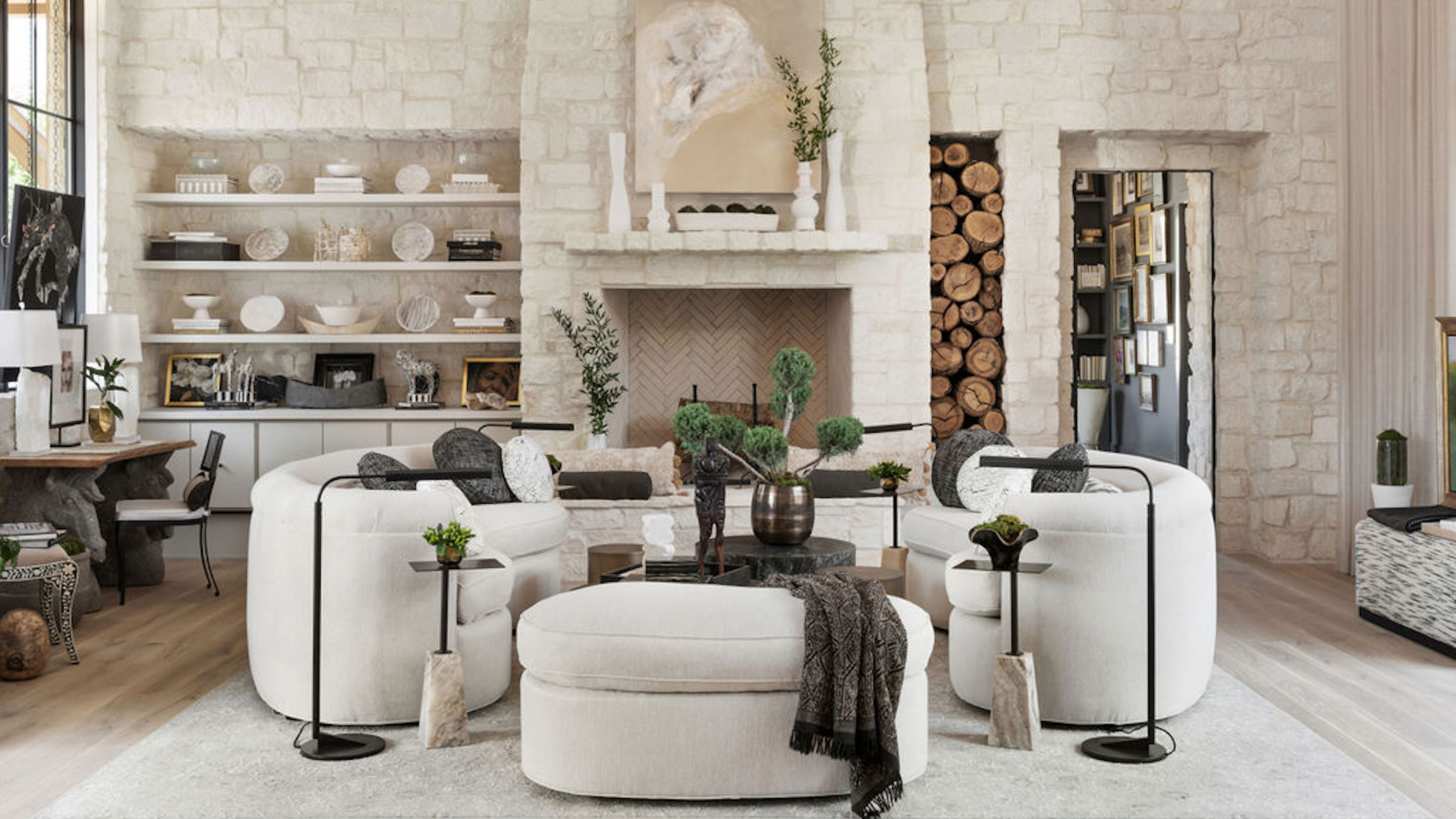
10 Neutral Room Ideas That Are Calming, Sophisticated — And Full of Decorative Interest
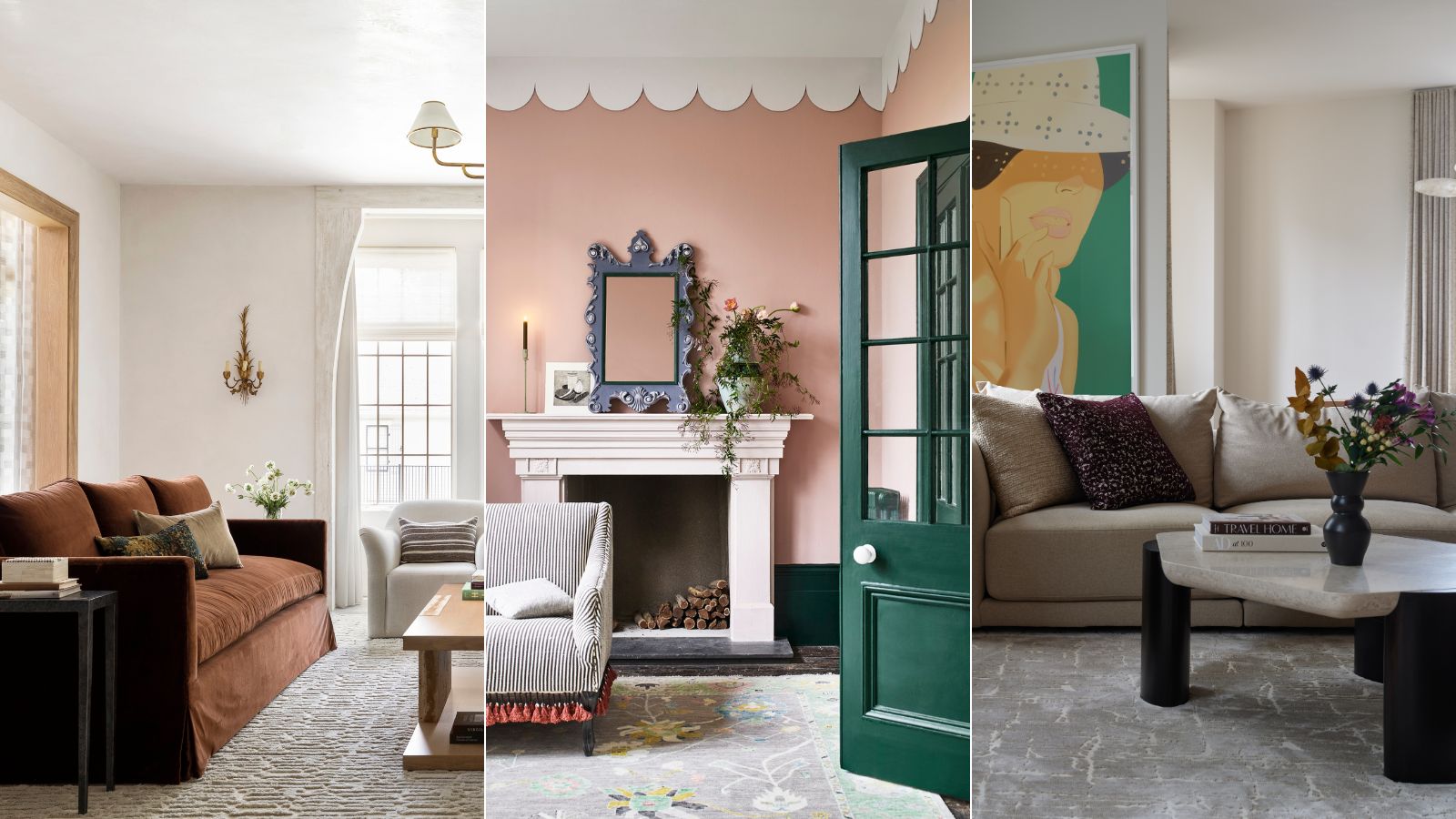
These are interior designers' favorite color combinations for living rooms – from neutral and calming to bold and playful
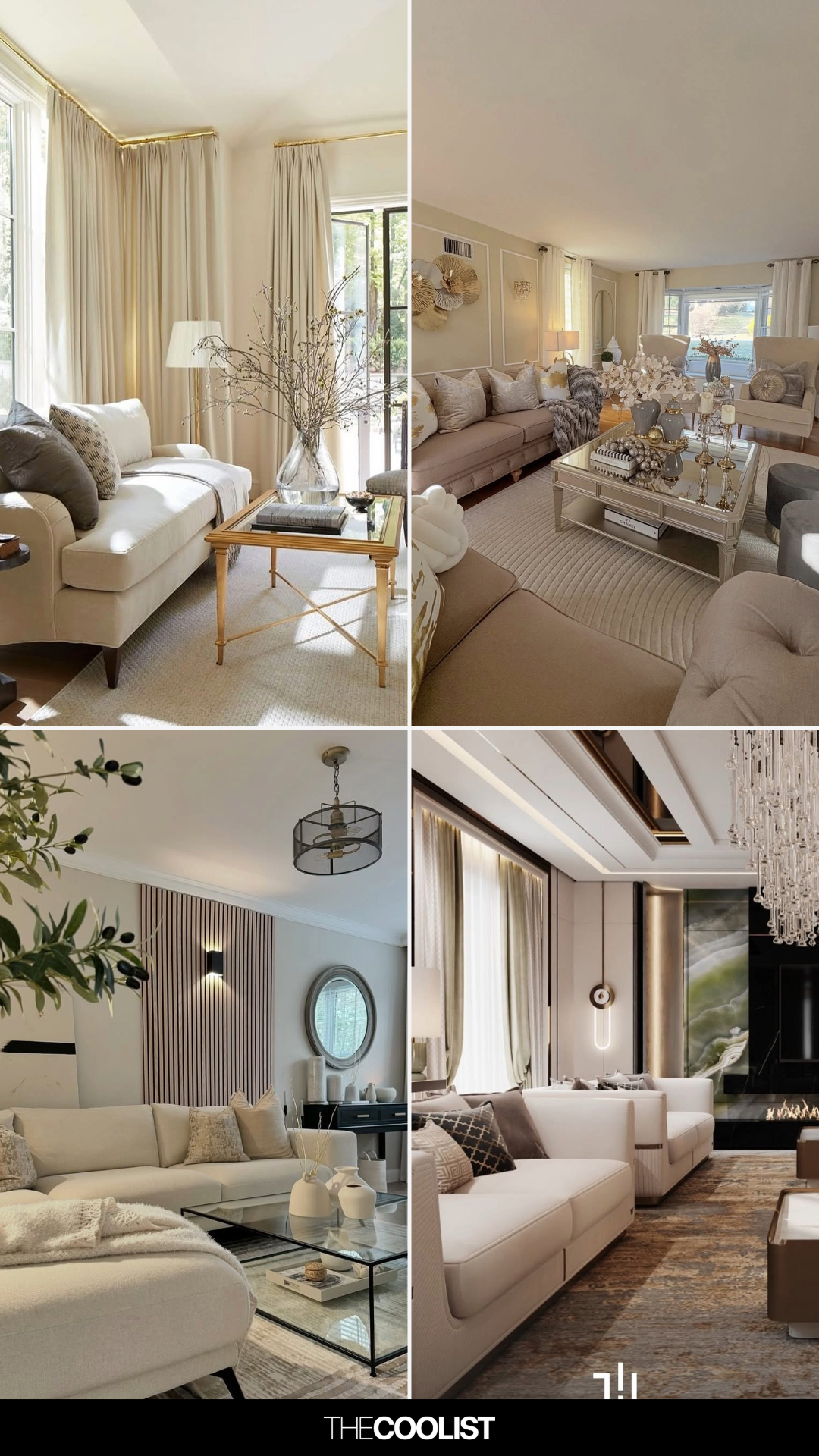
19 Neutral Living Room Ideas That Feel Warm, Balanced, and Beautiful
5 colors that will make your living room feel happier, according to interior designers
The Year's Best Living Rooms

16 Living Rooms Perfect for Those Who Only Want a "Pop" of Color
Ten living rooms that use warm neutrals to create a cosy ambience
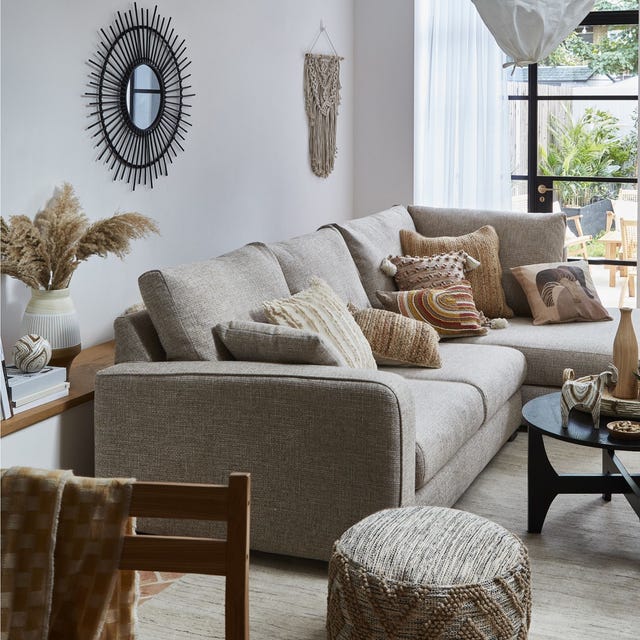
13 contemporary neutral living room ideas
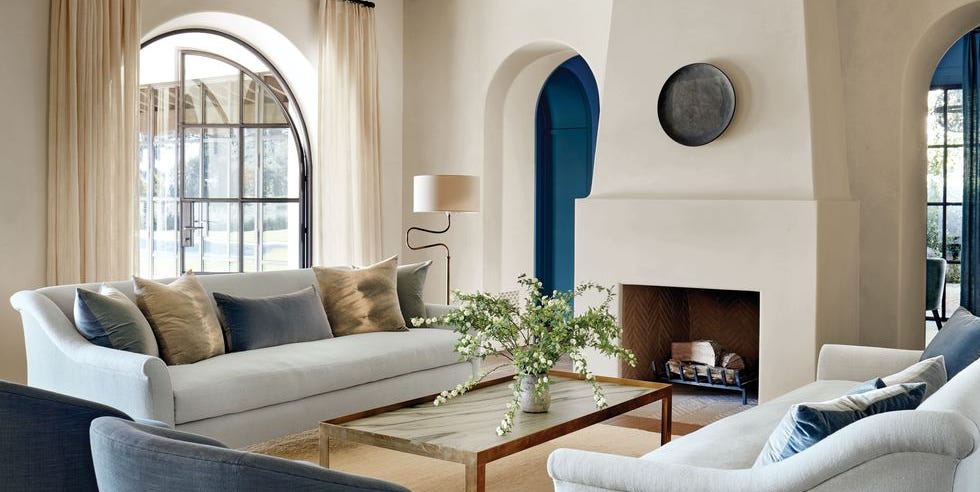
Must-See Minimalist Living Room Designs That Spark Joy

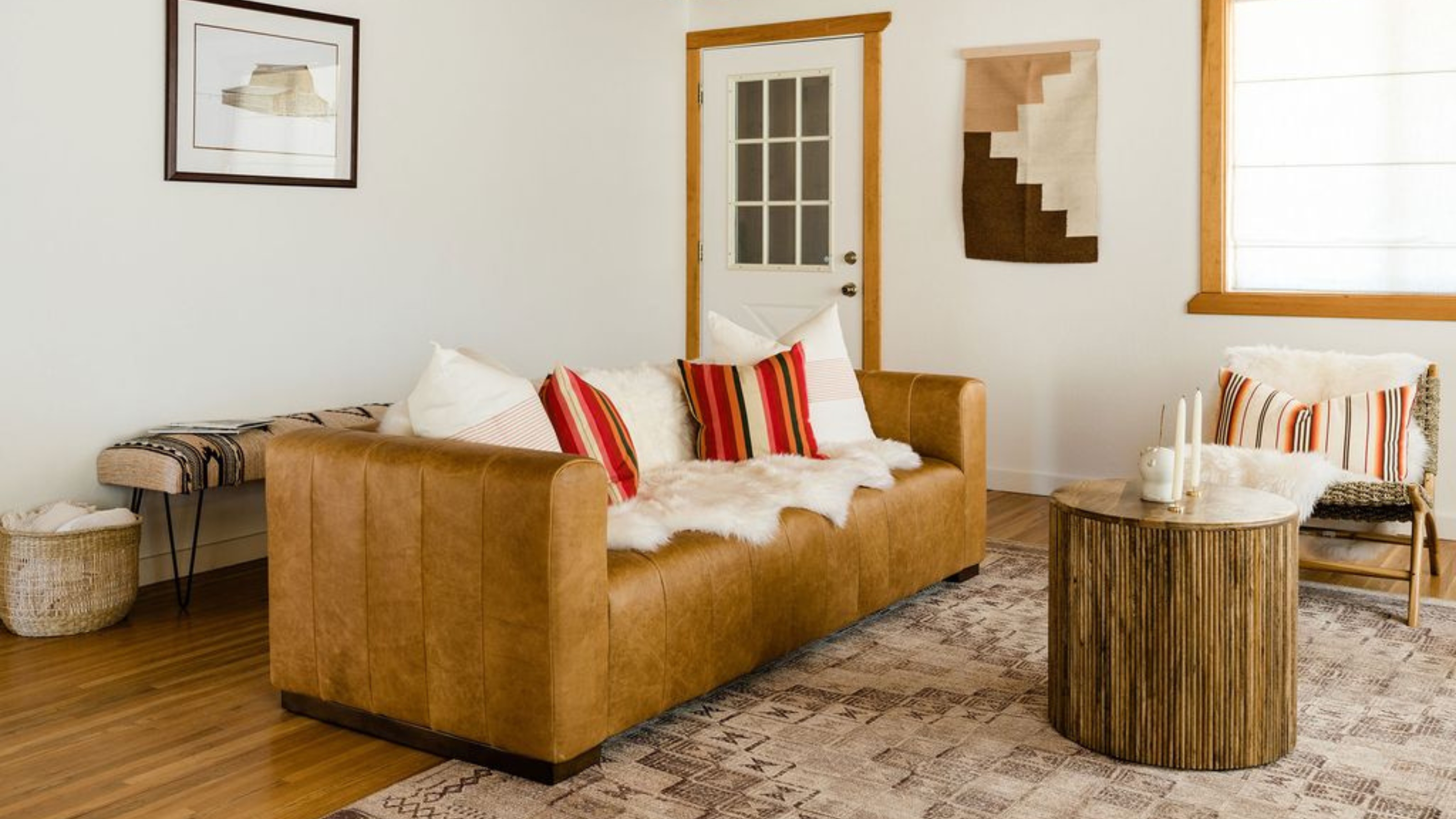
9 neutral small living room ideas that are truly not vanilla

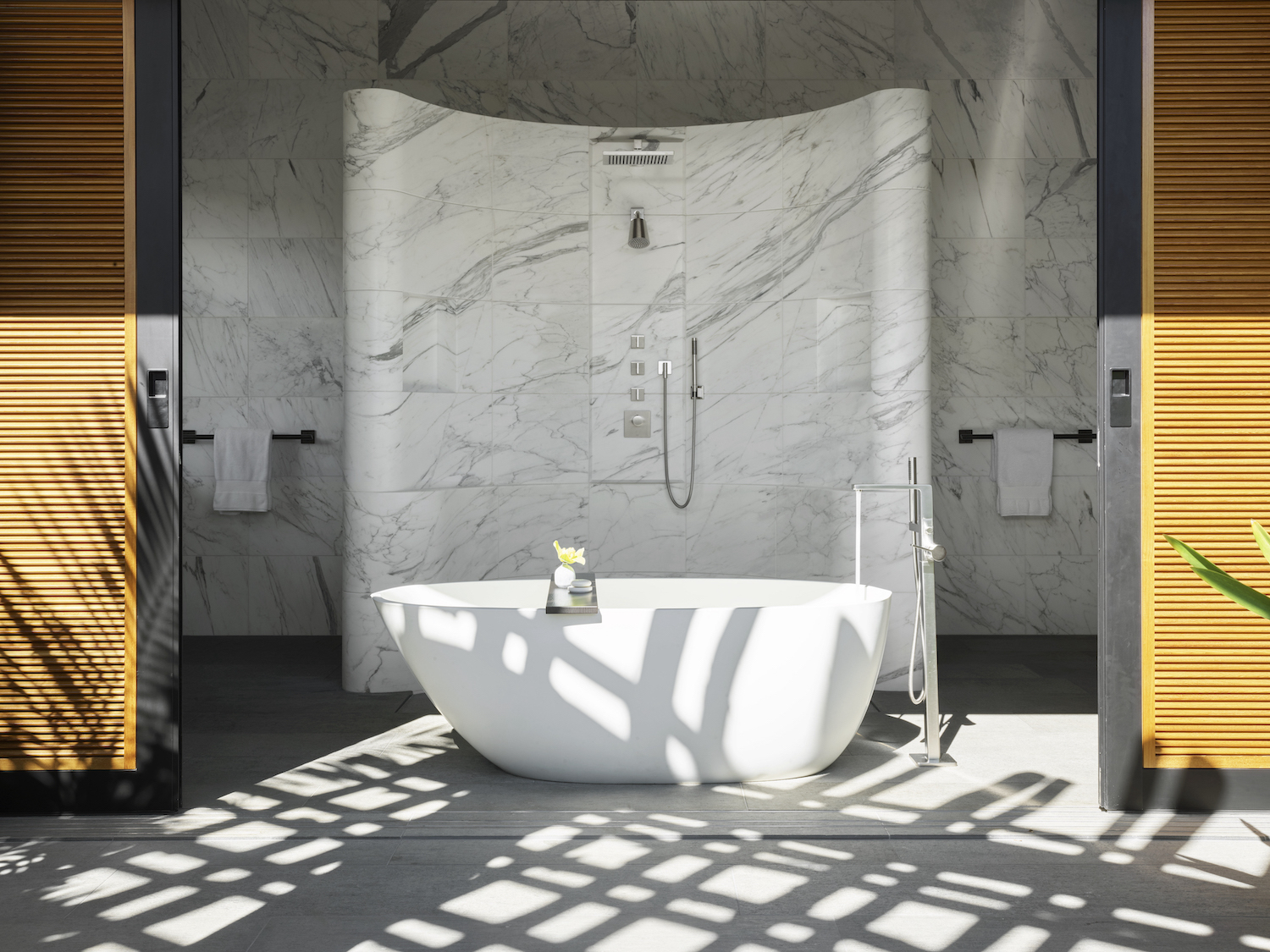
9 color palettes for minimalist bathrooms - instantly relaxing looks that feel elegant and expensive
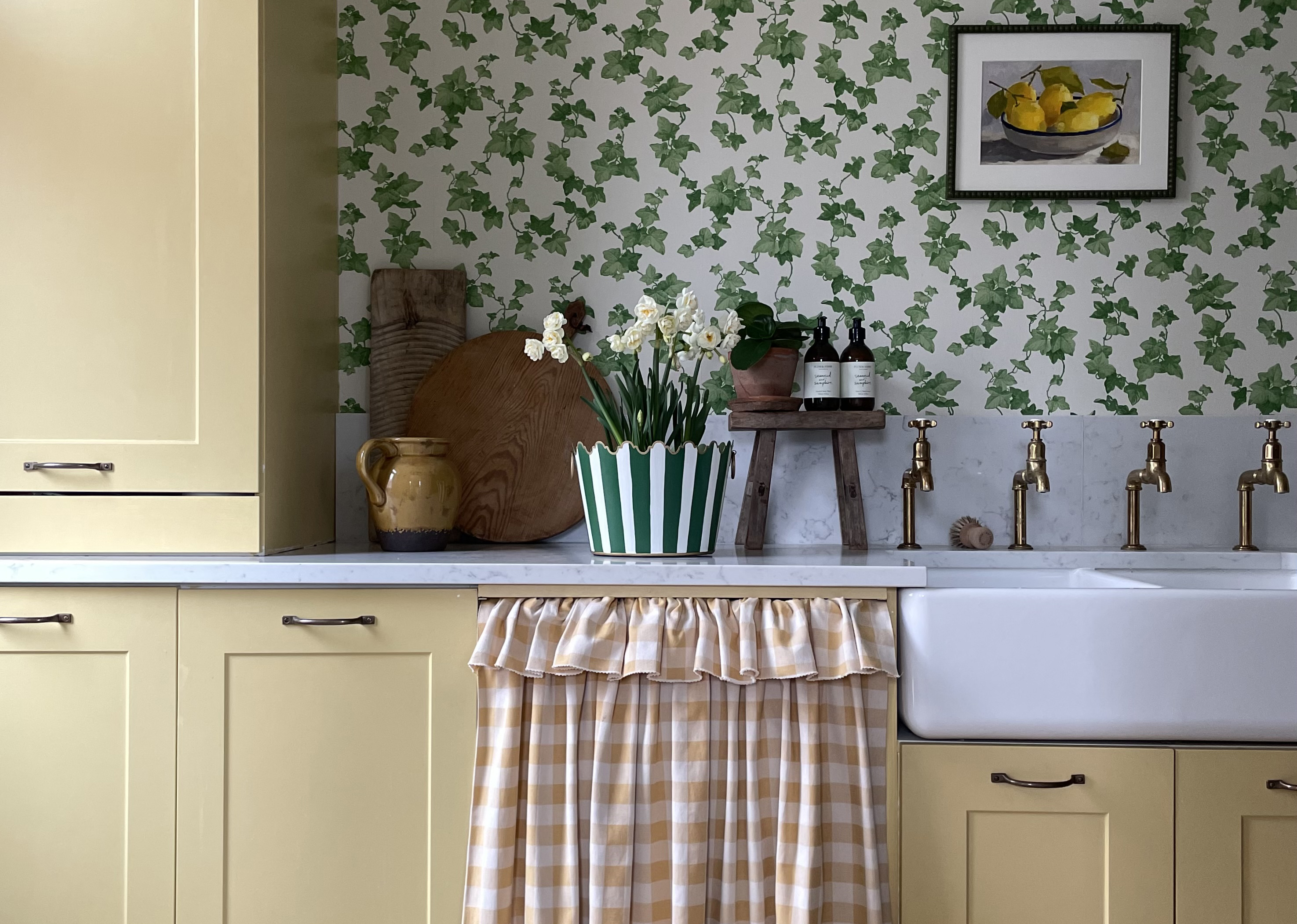
Cottagecore color palettes - 9 restful decor schemes with the perfect amount of modern design flair
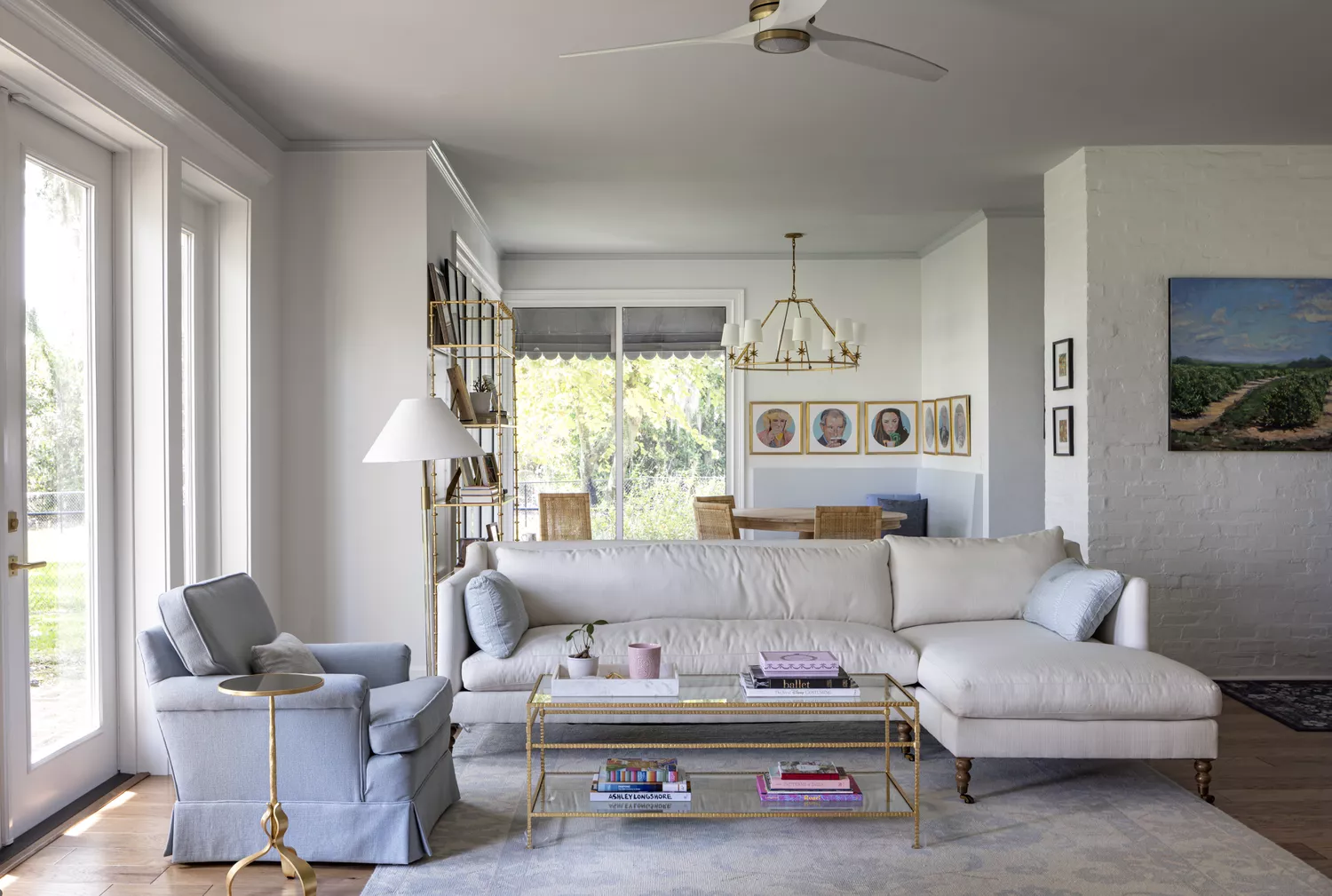
8 Calming Paint Colors Designers Use to Create a Warm, Welcoming Living Room