7 Wood Finishes That Are Making Your House Look Dated, According to Designers
Wood finishes contribute significantly to a home's interior aesthetic, offering warmth, texture, and beauty. However, interior design preferences evolve, and certain styles inevitably become dated. Finishes that are not naturally found on wood tend to be trendy, and once these trends pass, they can make a home appear outdated. Interior designers identify specific wood finishes that are currently considered outdated.
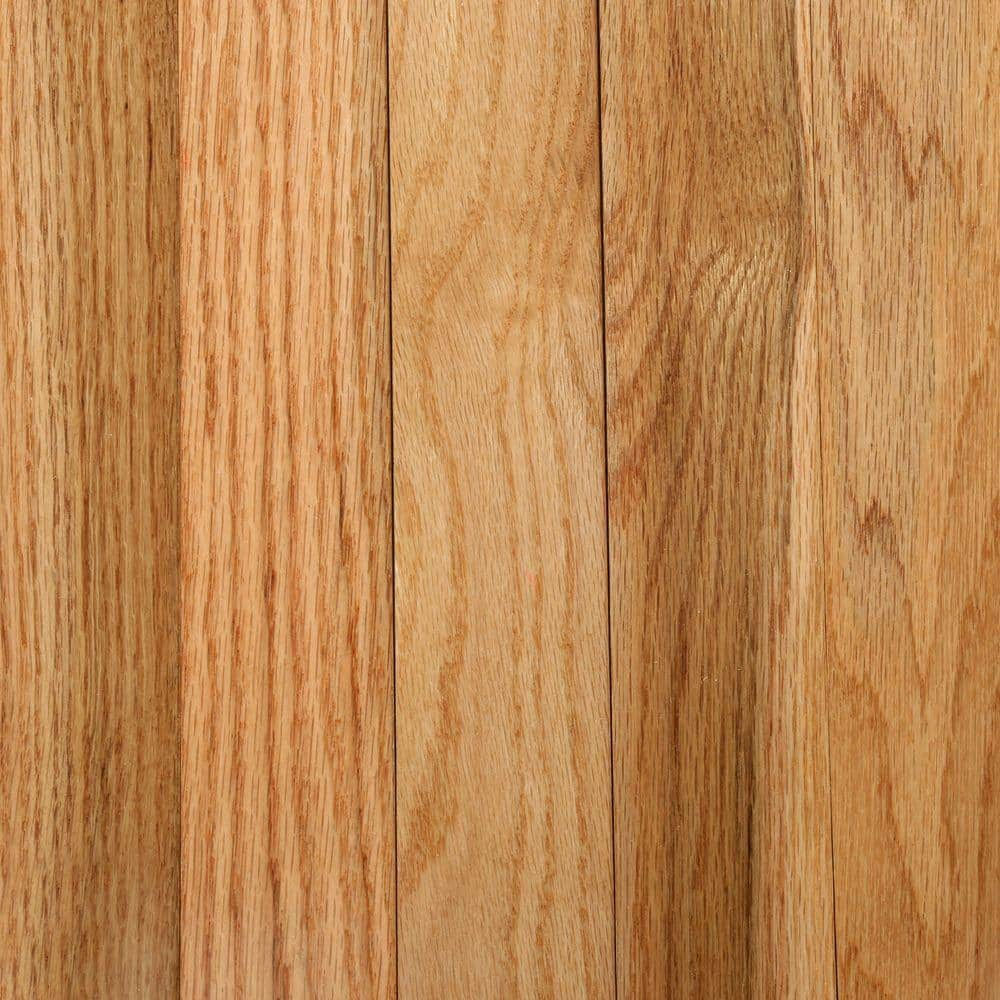
One such finish is orange-toned maple, prevalent in the 1990s and early 2000s for furniture, cabinetry, flooring, and trim. This look involved using orange or gold-toned stains to enhance maple wood’s natural warm undertones. While a staple in traditional designs, it now feels inconsistent with contemporary neutral and modern preferences. Although warm-toned wood finishes remain desirable, current tastes favor a more refined and subdued warmth, achievable with naturally warm-toned wood and simple finishes.
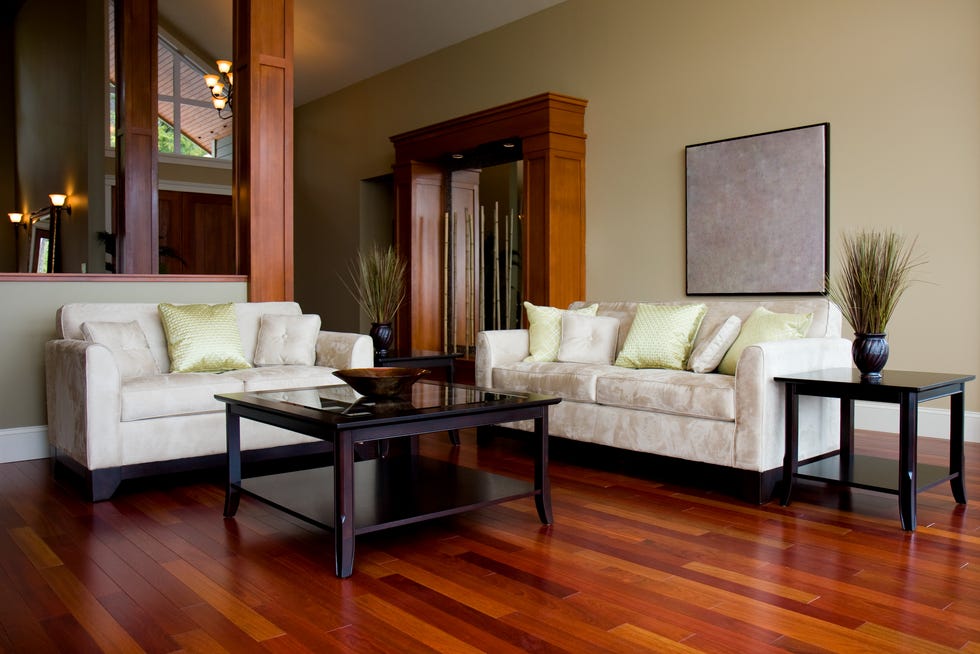
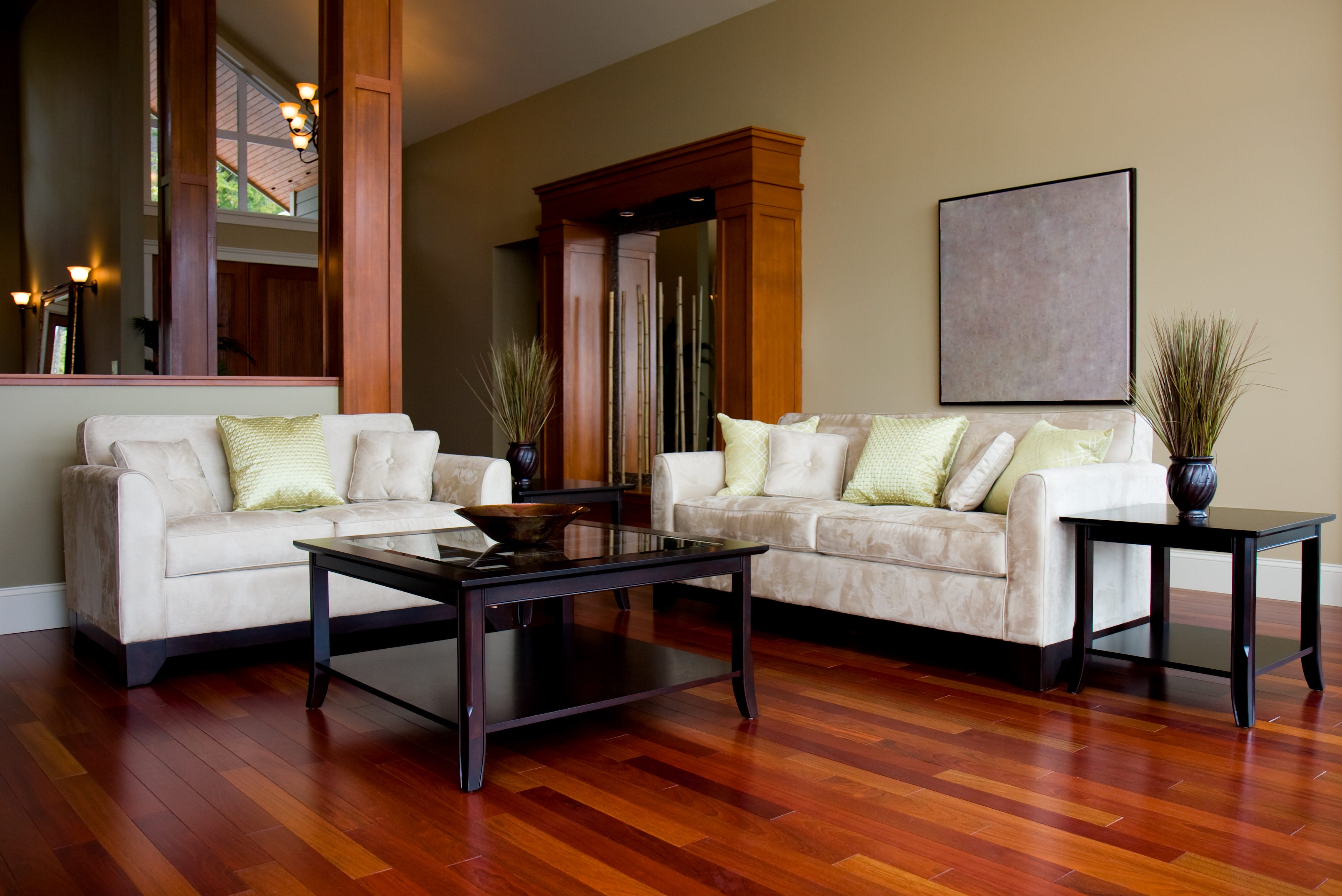
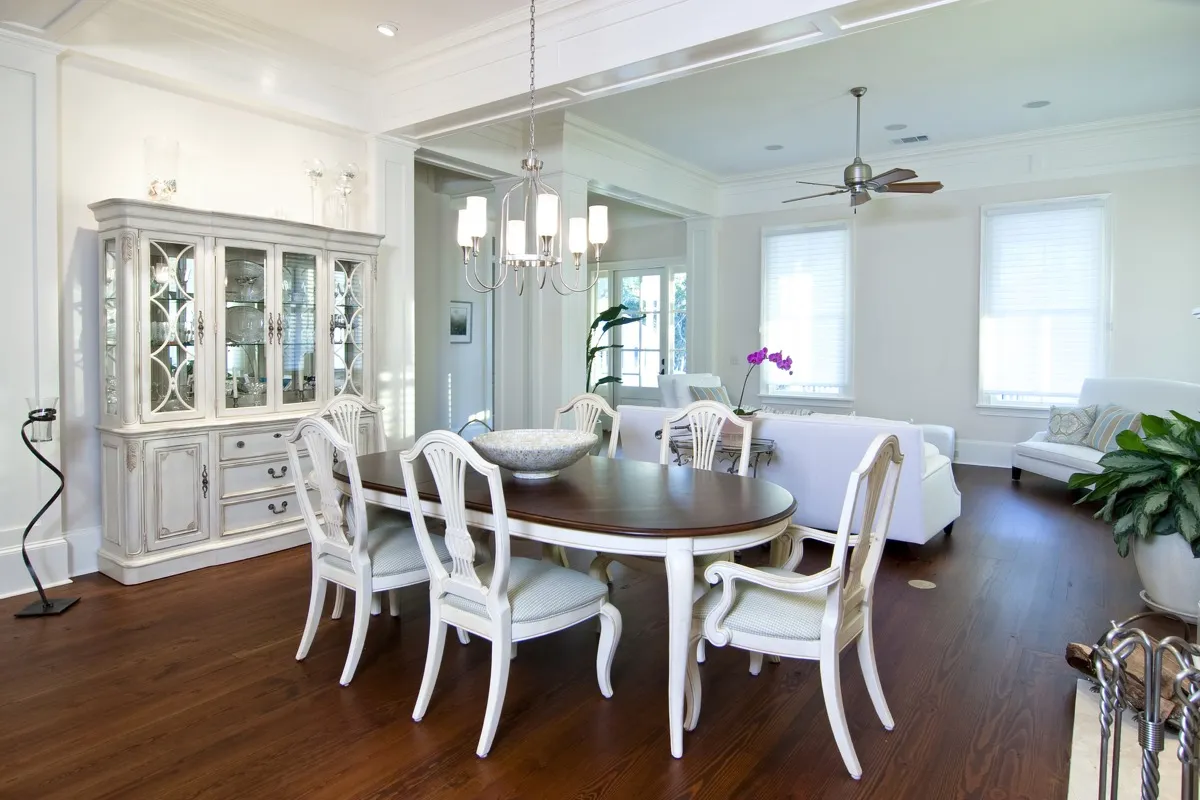
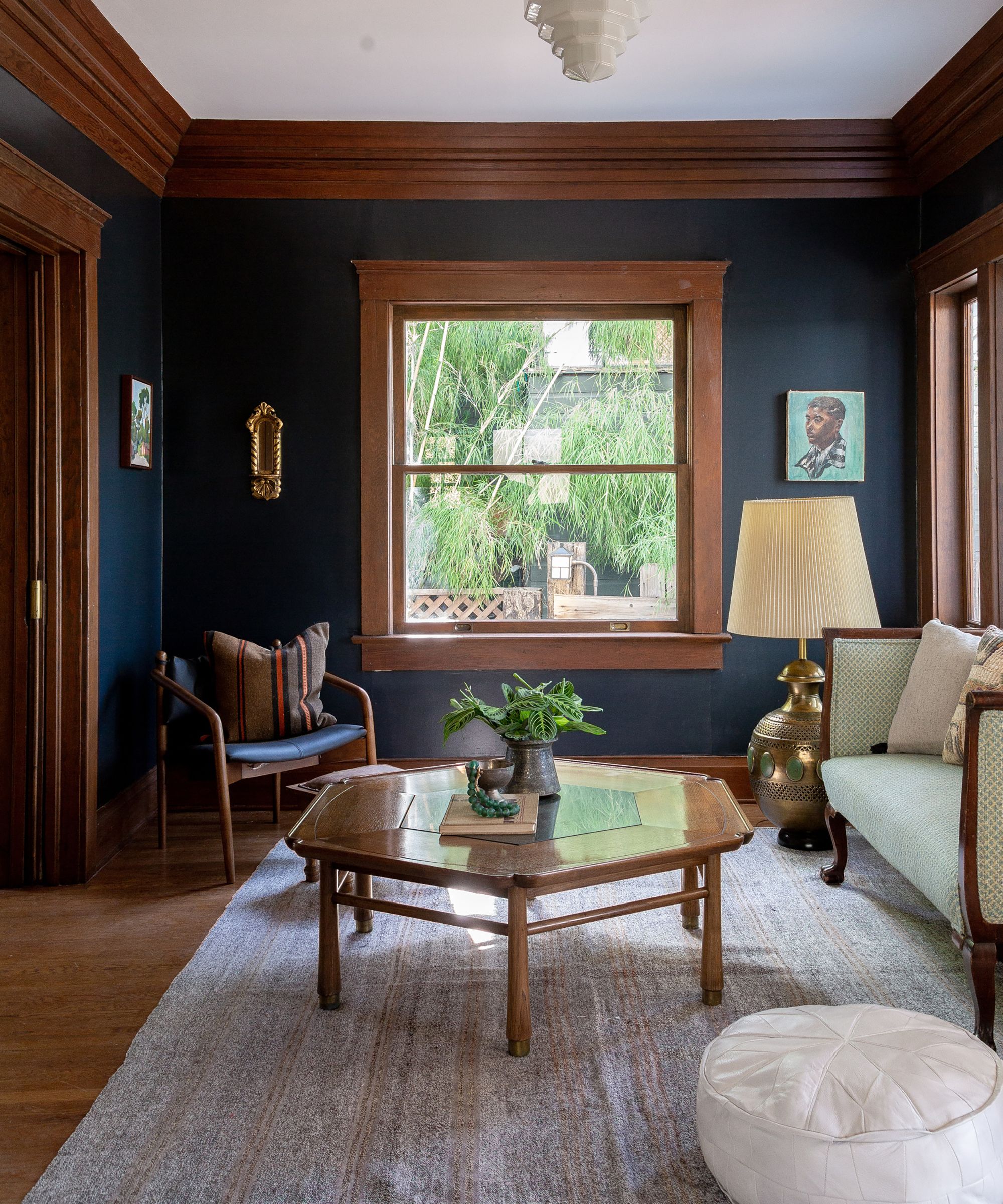
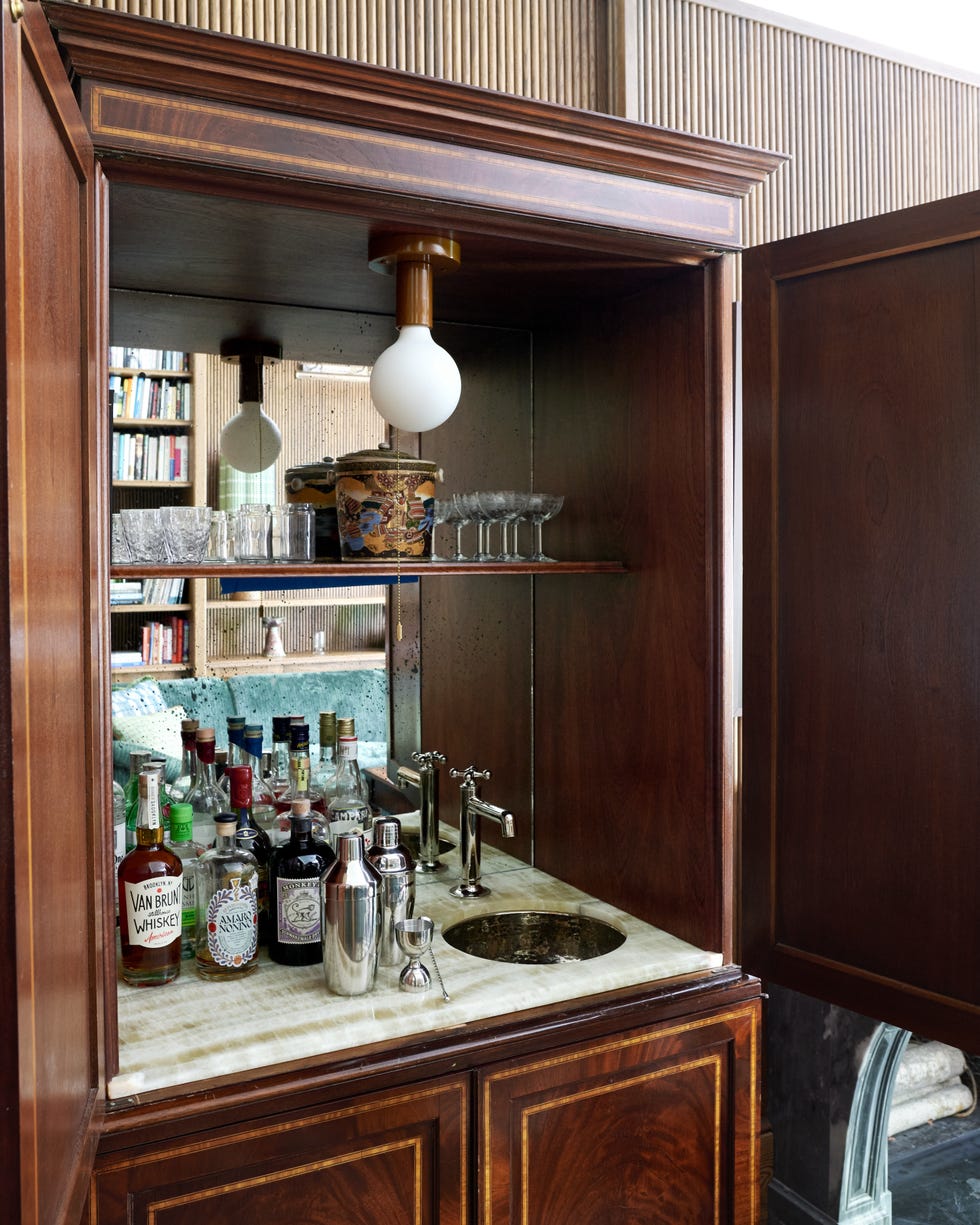
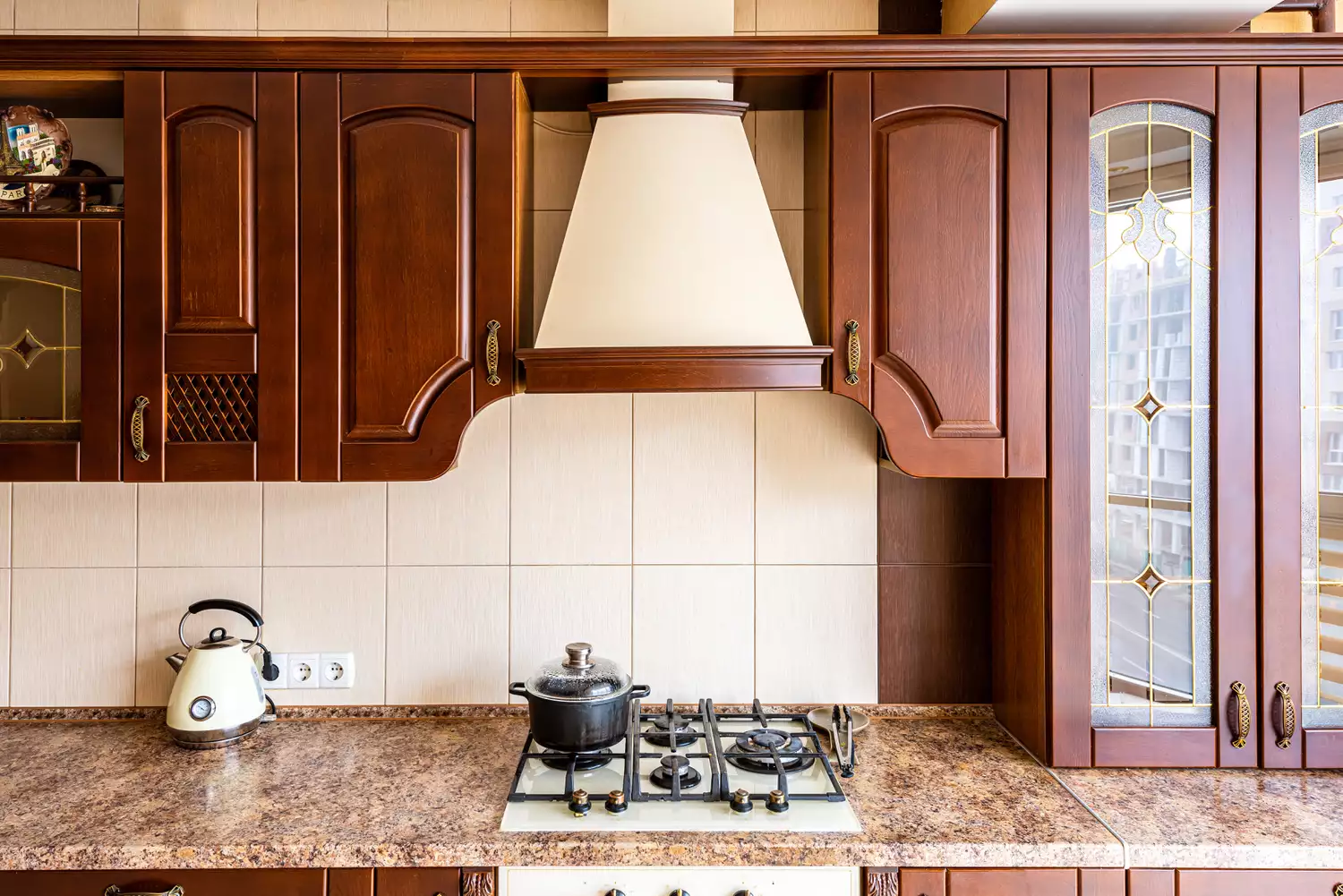
Dark cherry wood, particularly common in the 1990s and early 2000s, is another finish that can date a home. Its overly formal and heavy appearance no longer aligns with modern design. For those who prefer dark stains, avoiding overtly red or purple hues like cherry or mahogany is recommended. Instead, opting for neutral-toned shades such as dark walnut or chestnut, which provide a natural, chocolatey-brown color, offers a more current look.
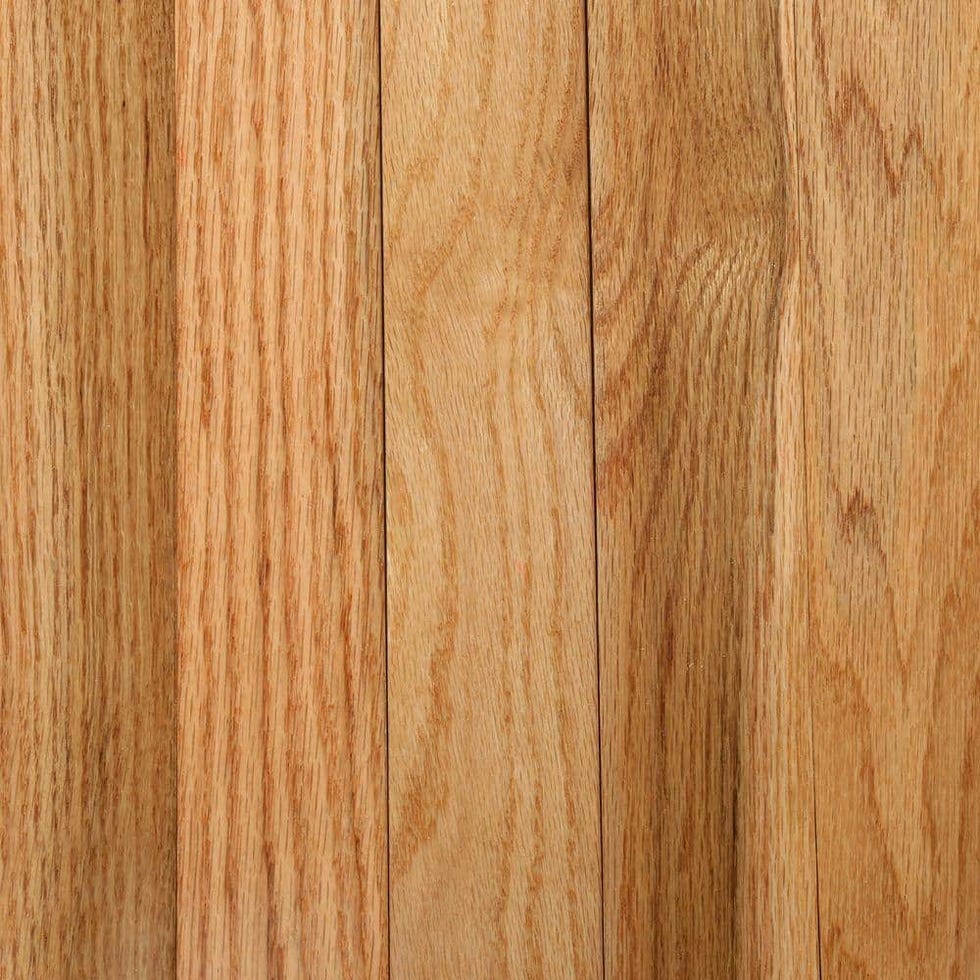
Rustic oak with a faux patina, a heavily distressed finish popular in the 90s, is now considered outdated and tired, often seen on cabinetry, furniture, trim, and flooring. Modern design favors natural oak finishes over this artificial distressed look. Similarly, red- or yellow-toned pine and cedar, reminiscent of mountain cabin decor, are out of step with the modern preference for neutral and subtle wood tones, especially in urban homes. Lighter woods, natural grains, and matte or satin finishes are preferred alternatives that highlight wood's inherent character.
Almost-black espresso stains, popular in the early 2000s for their formal, refined, and high-contrast appearance in furniture, cabinetry, and flooring, now feel heavy and outdated. The contemporary trend leans towards lighter, airier spaces and natural, nature-inspired finishes.
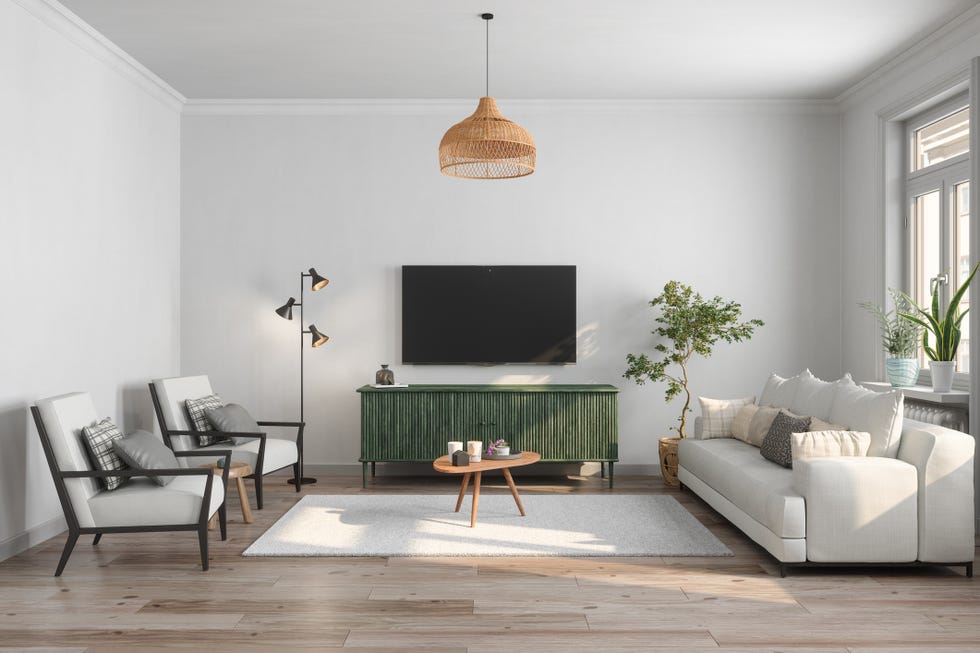
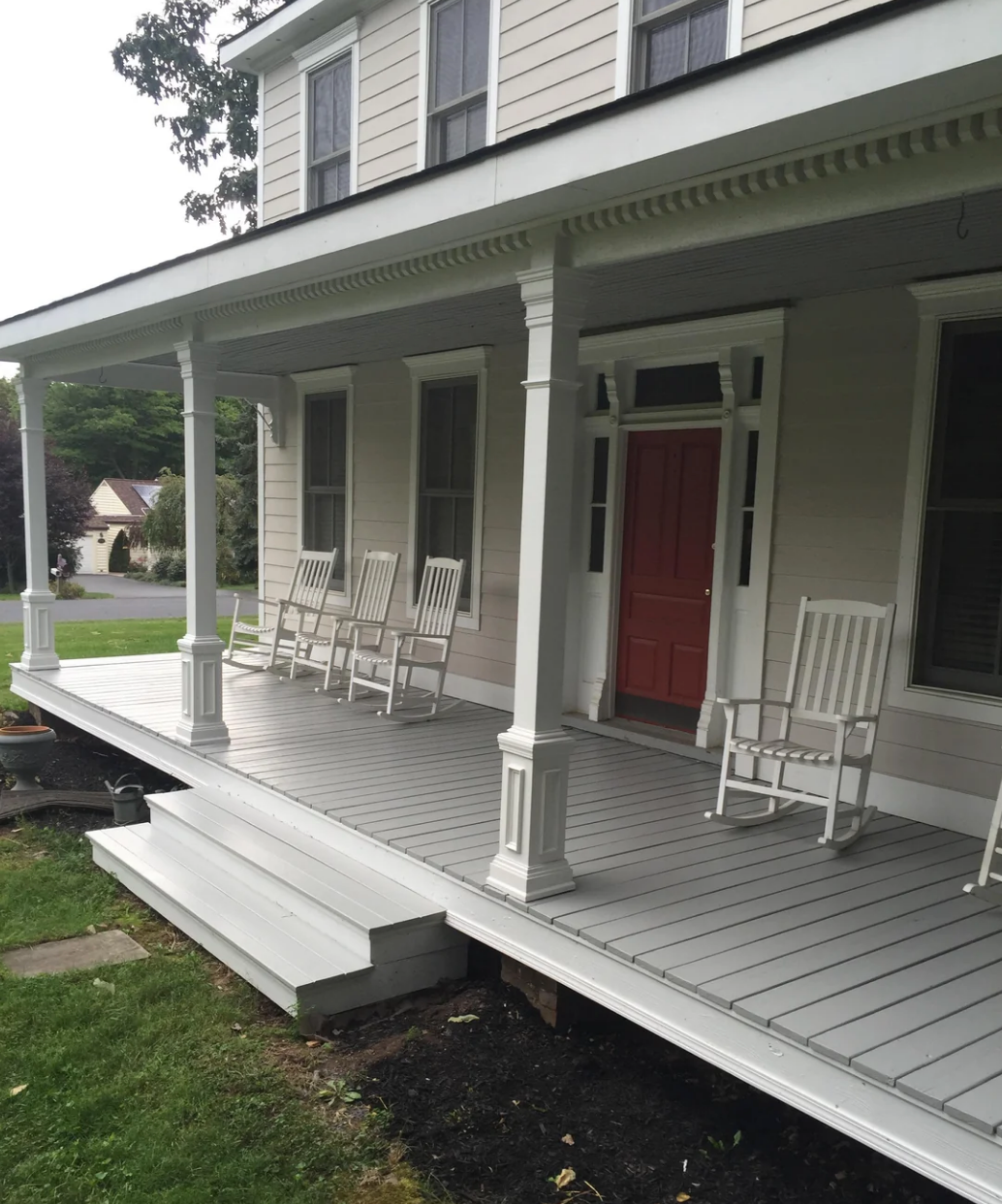
Gray-washed wood finishes, once valued for their neutral, rustic appeal and as a lighter alternative to dark stains during the industrial and farmhouse style booms of the 2000s and early 2010s, have also fallen out of favor. Used on furniture, flooring, and cabinetry to evoke weathered charm, these finishes now appear cold, artificial, and uninviting as design preferences shift towards more refined, minimalist, and contemporary aesthetics. Like espresso and faux patina, gray-washed wood is considered a fleeting trend that did not achieve timelessness.
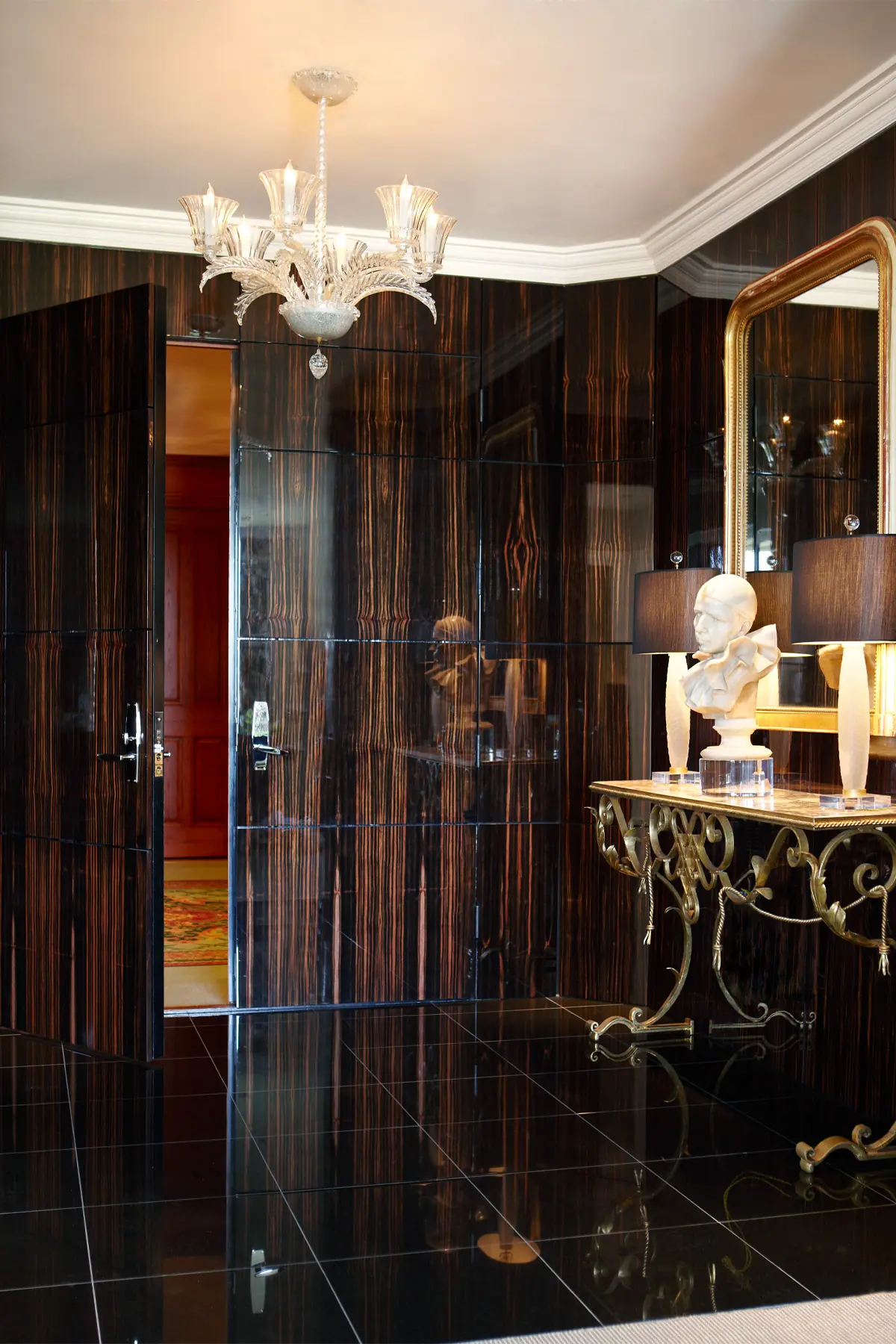
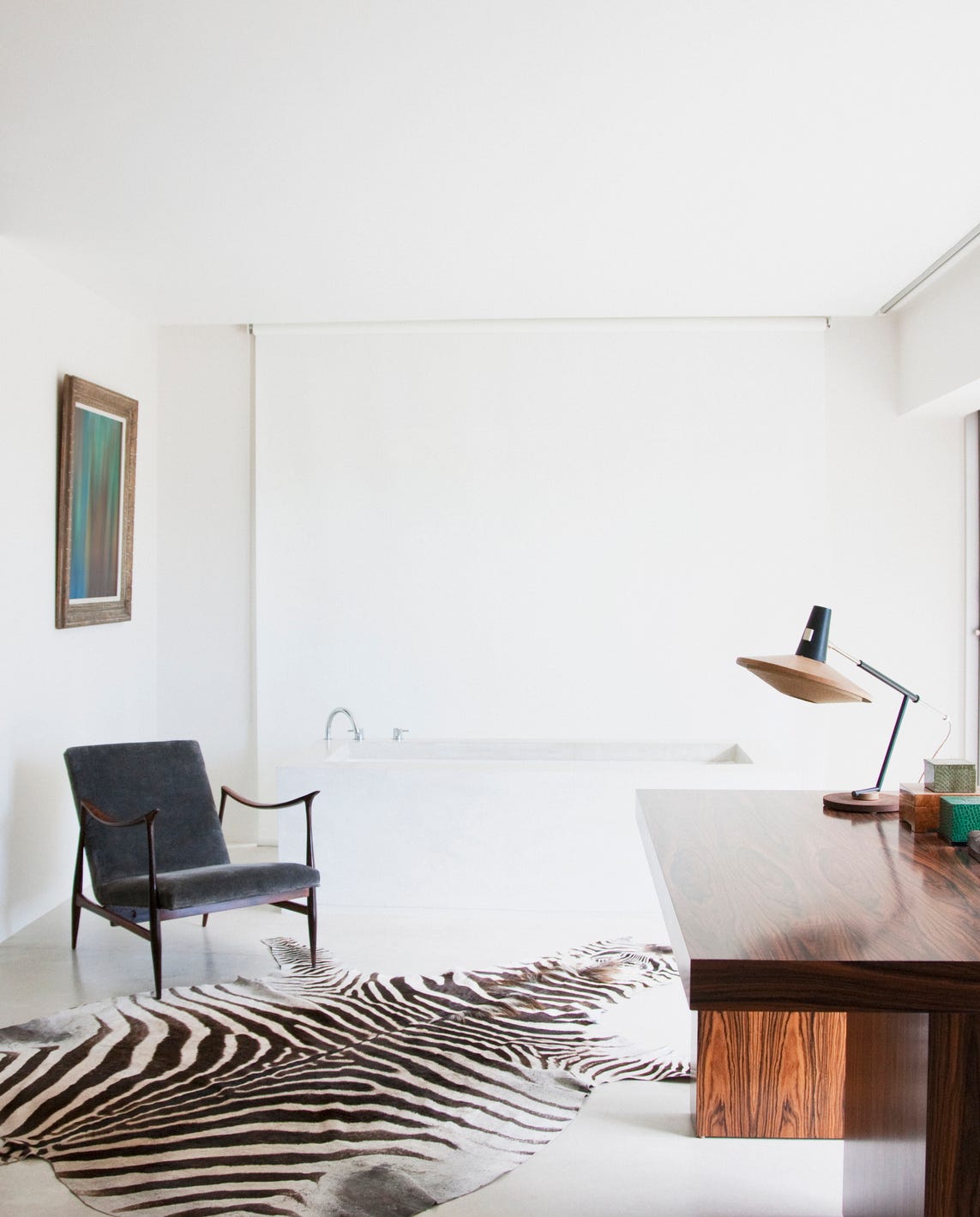
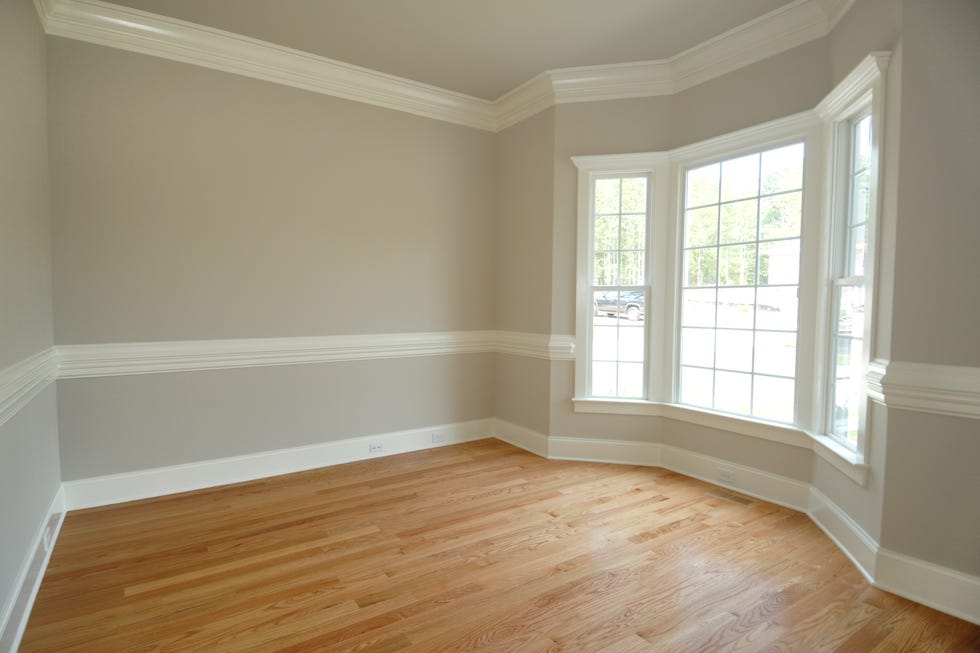
Lastly, high-gloss wood finishes, popular in the 1980s and 90s for furniture and flooring as symbols of wealth and prestige, are now avoided. Their sleek, shiny appearance can make wood feel overly processed and artificial, leading to uninviting and sterile spaces. To maintain a timeless feel, natural, matte, and satin finishes are recommended, as they showcase the wood's beauty without excessive shine, creating a sense of warmth, comfort, and understated elegance.
#WoodFinishes #InteriorDesign #HomeDecor #OutdatedTrends #ModernDesign #DesignTips #HomeRenovation #DecoratingStyles #WoodFinishes #InteriorDesign #HomeDecor #OutdatedTrends #ModernDesign #DesignTips #HomeRenovation #DecoratingStyles
0 комментариев всего
 Комментариев пока нет
Вам также может понравиться
5 Design Choices That Make Your House Look Super Dated, According to Designers

20 Unfortunate Ways Your Home Looks Super Dated, According to Experts
8 common design mistakes that make your home look dated — and how to avoid them
8 Things That Make Your Home's Exterior Look Dated
Interior Designers Reveal 6 Surprising Things Making Your House Look Dated

Wood as a Home Design Trend: Through the Archives to Today
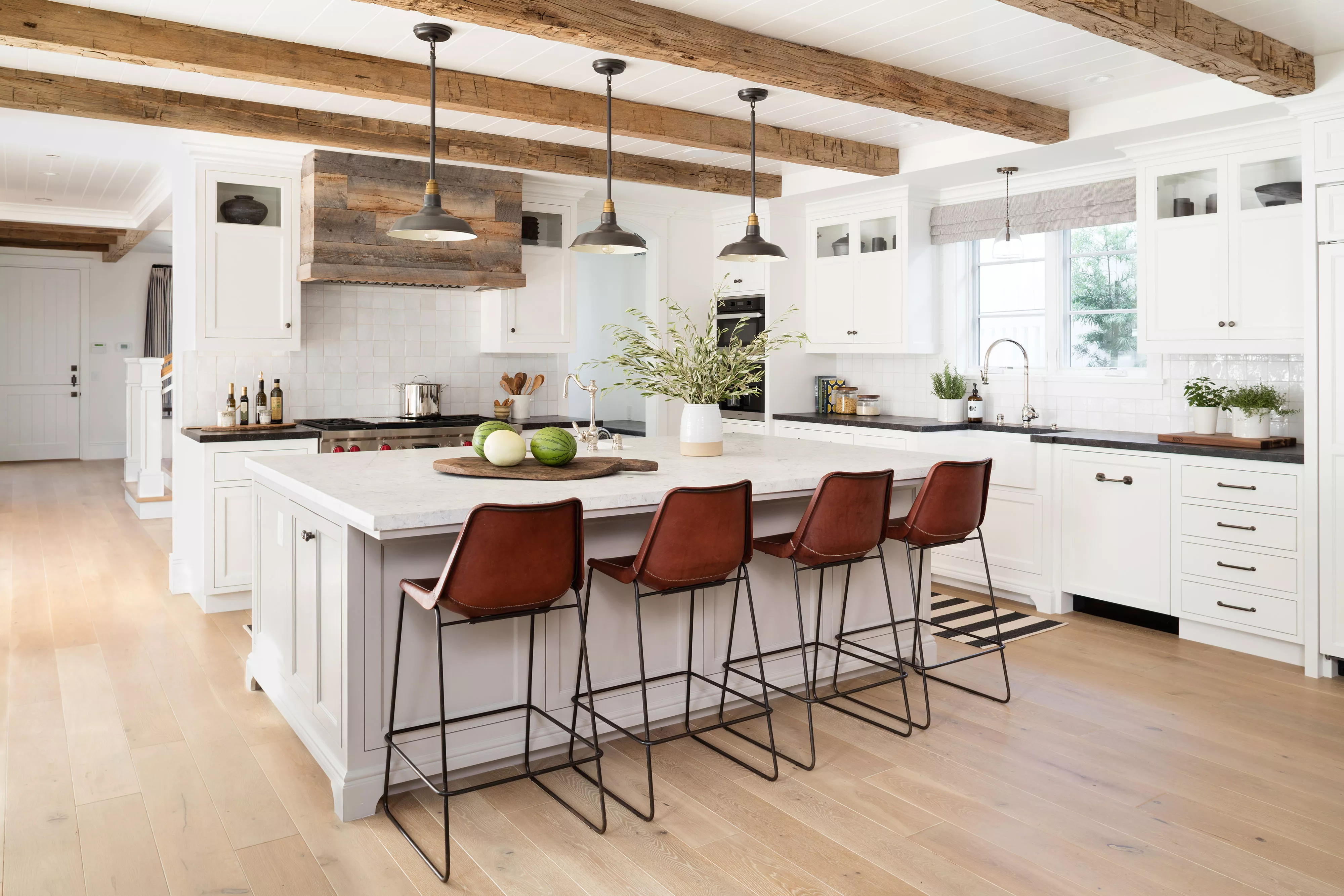
7 Flooring Styles Designers Say Are Making Your Home Look Outdated

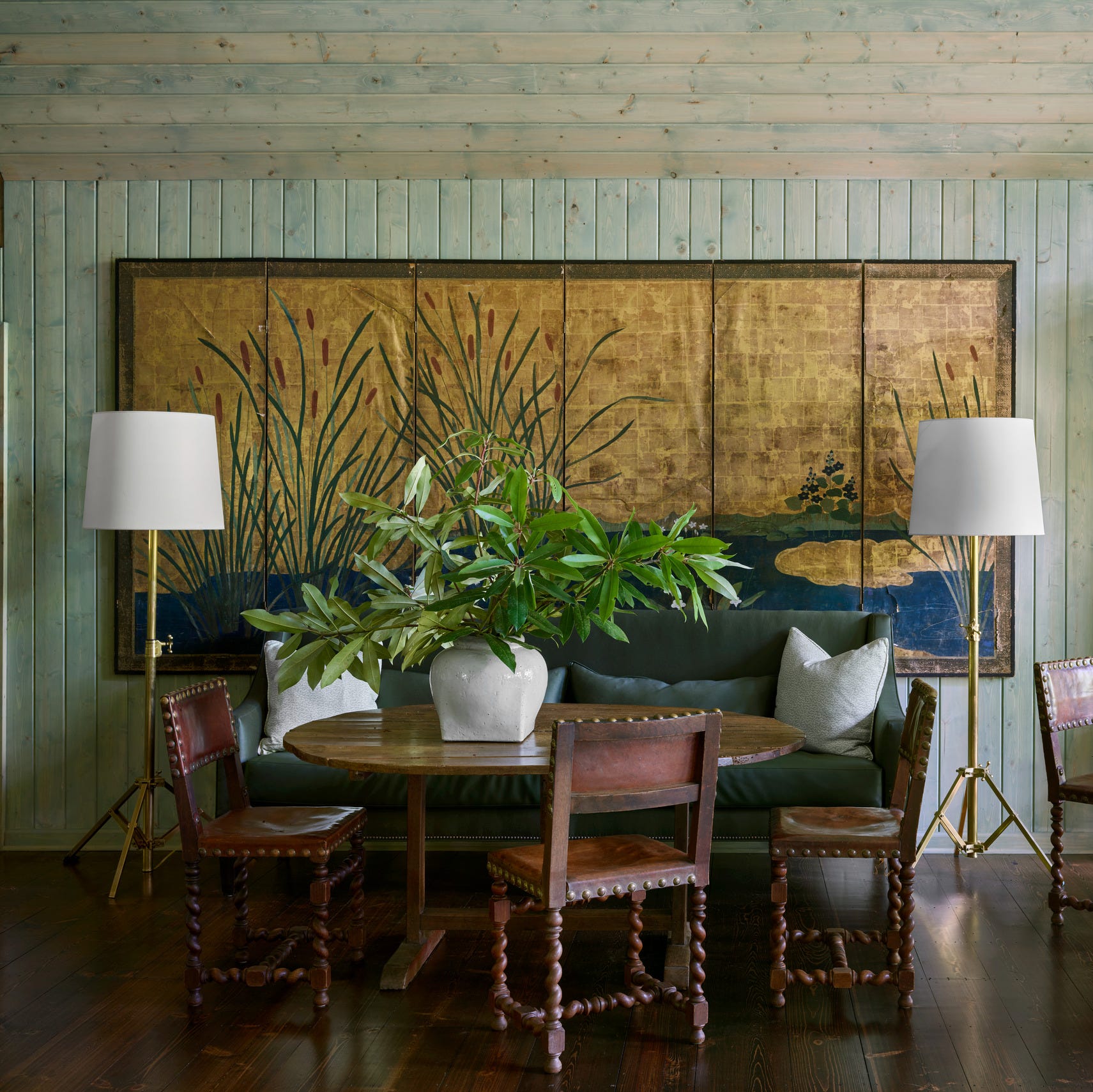
7 Vintage Home Decor Features That Designers Want to See EVERYWHERE in 2026

Expert reveals the interior design trends that will make your home look dated
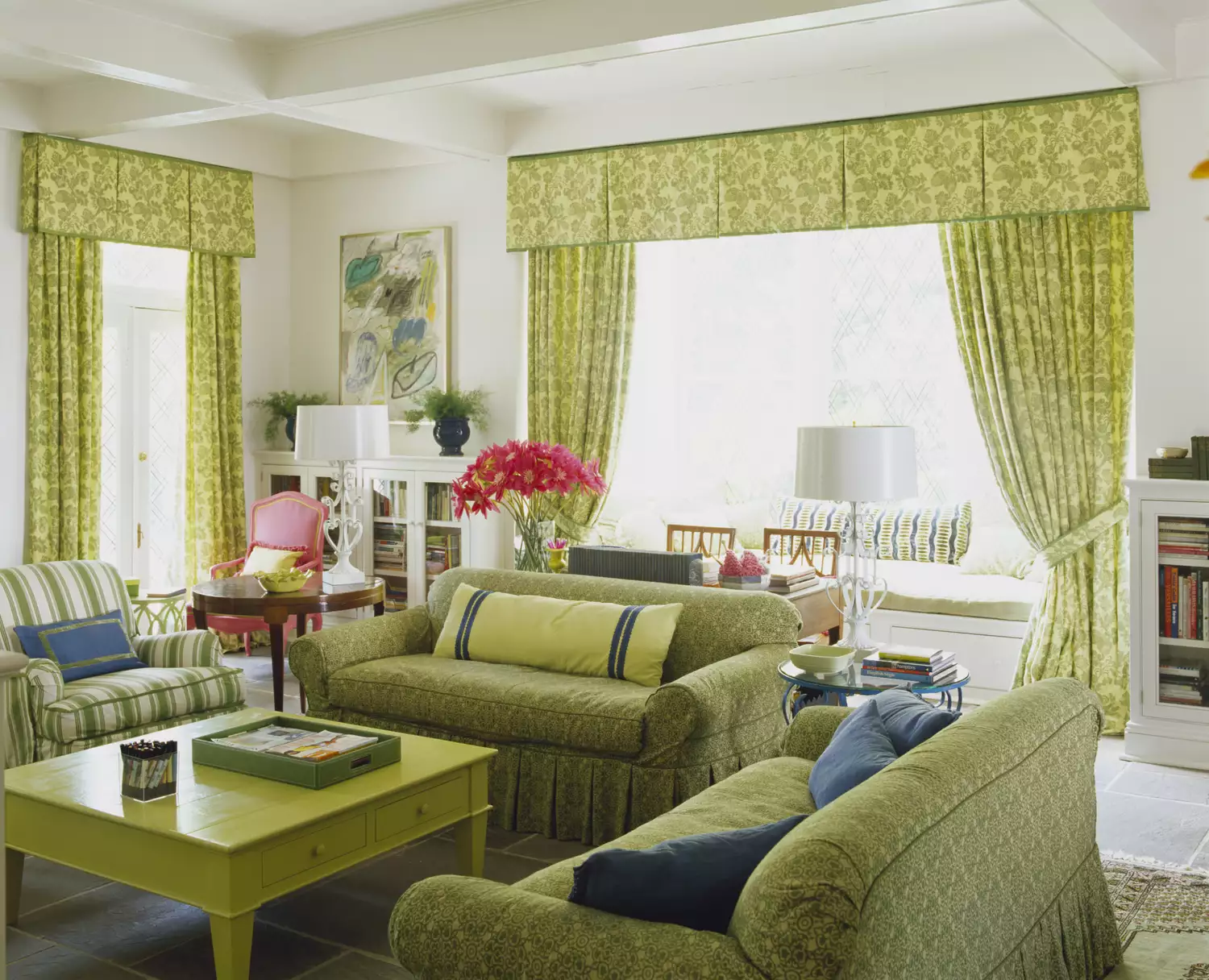
7 Window Treatments That Are Making Your Home Look Dated, According To Designers
12 Designer-Approved Tricks to Fill a New Home With Vintage Character

40 Outdated Home Trends We Hope Never to See Again
7 Reasons Your Home Looks Dated, According to Designers

7 things making the exterior of your home look dated – and what you can do about them

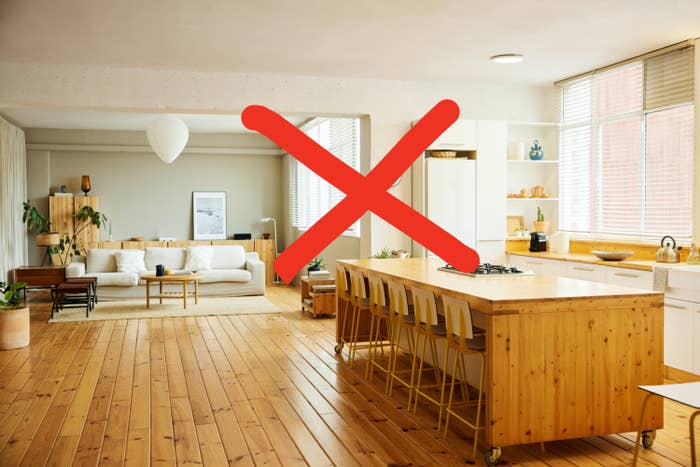
21 "Outdated" Home Design Trends That Are Sooo Much Better Than Modern-Day Trends

9 Popular Home Trends Interior Designers Say Won't Age Well

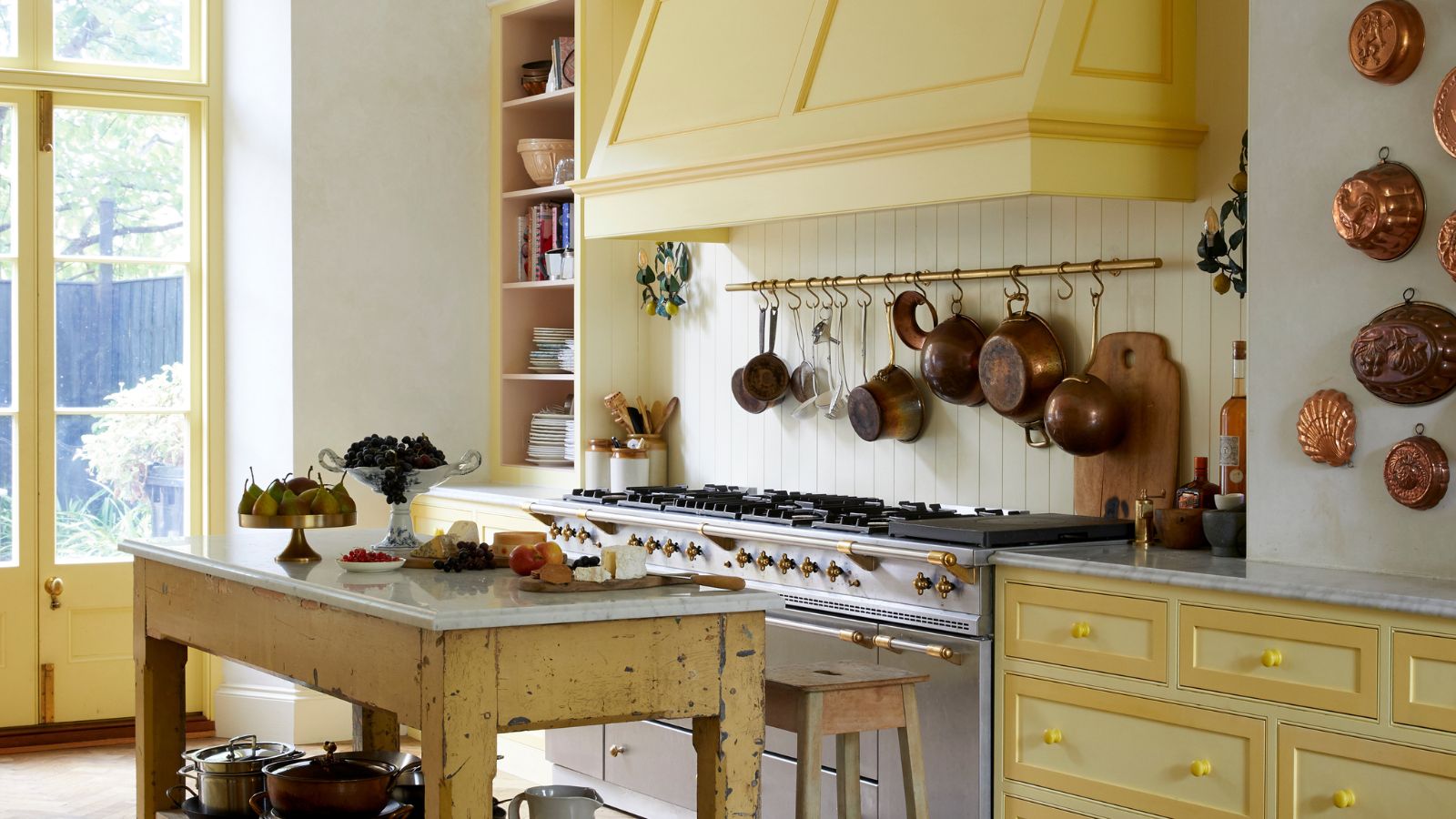
What's making a home look dated in 2025? Interior designers share the design icks that they say are aging your interiors
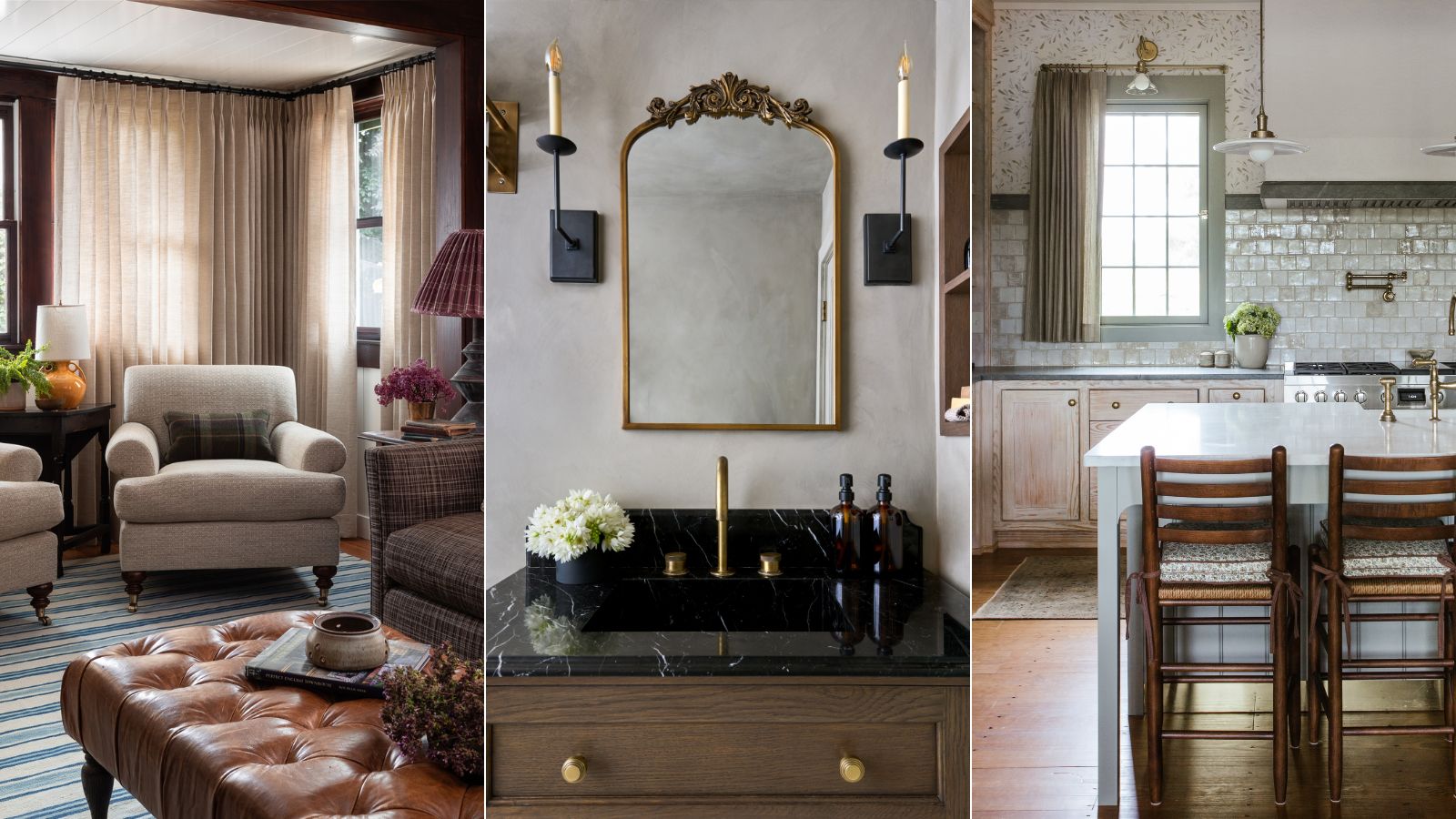
Are darker woods back on trend? Designers say this once-dated finish is in fact perfect for creating character
16 "Outdated" Home Design Trends That Are Wildly Better Than Modern-Day Trends
7 Features Designers Say Make Your Kitchen Look Outdated (Some May Surprise You)