1/12
Your "Boob Lights" Are Cheapening the Look of Your Home—Here's How Designers Fix Them
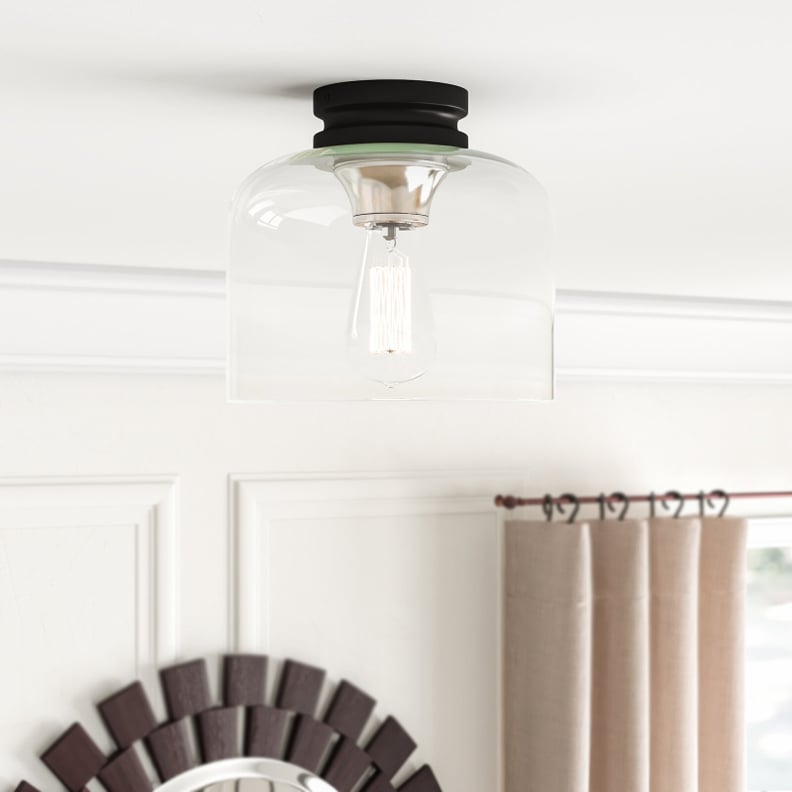
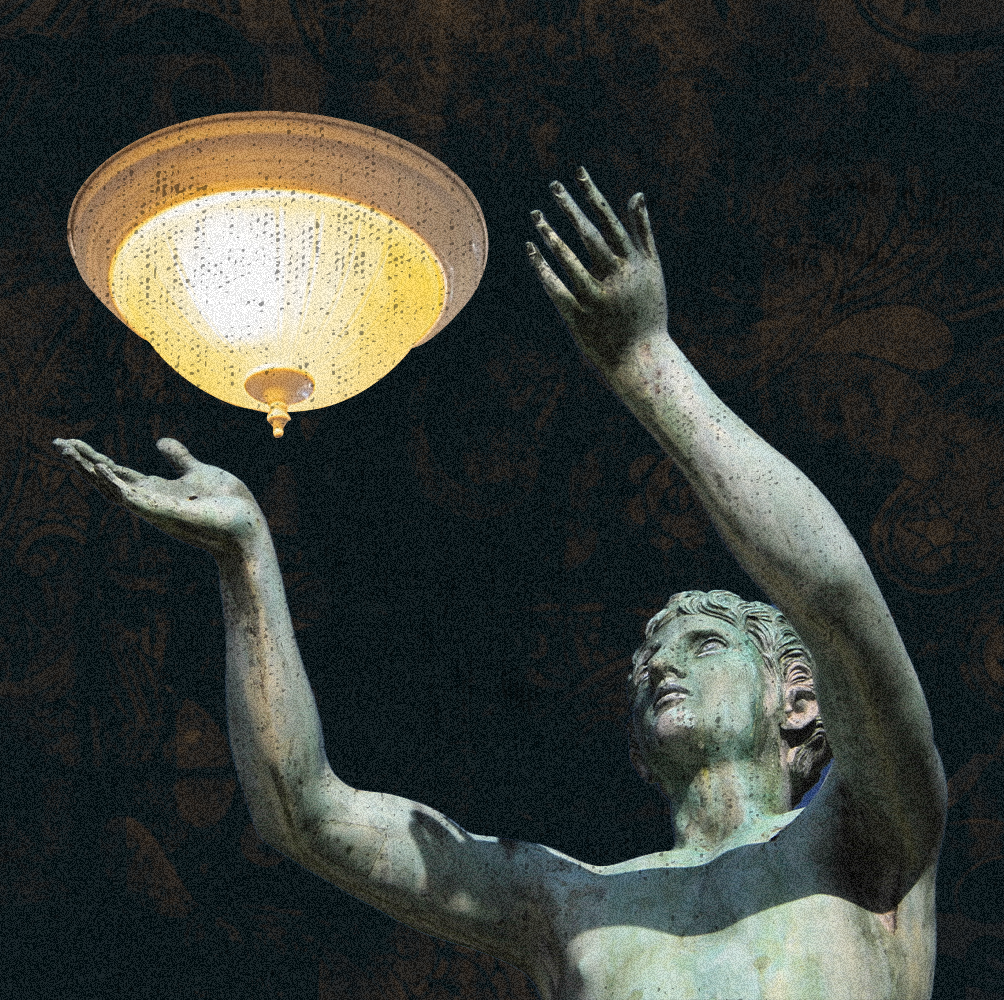
The term "boob light" refers to a common flush-mount light fixture, characterized by a simple, dome-shaped glass shade. These fixtures are widely used in apartments and new builds due to their inexpensive production, despite their unpopularity among designers and residents alike. From a design standpoint, these lights are often considered unflattering, failing to adequately illuminate a space. Frosted versions tend to diffuse light poorly, resulting in dim rooms, while clear versions can produce harsh, unappealing illumination. These lights have been a ubiquitous presence in various living spaces, from college dorms to urban apartments.
The origin of the boob light's simple design is rooted in practical considerations. Emily Orr, associate curator at the Cooper Hewitt, Smithsonian Design Museum, notes that the basic dome shape allows for easy replication and mass production, enabling faster distribution compared to more ornate fixtures. The similarity of the shape to female anatomy, while not officially cited as a reason for its popularity, did not hinder its widespread adoption. Historically, before the advent of cooler-running light bulbs in the late 19th and early 20th centuries, gas fixtures could not be placed close to ceilings due to heat concerns. As lighting technology advanced, flush-mount fixtures became safe and efficient, allowing designers greater flexibility in directing light and eliminating shadows that were common with earlier lighting methods. This development led to a demand for simple, functional designs, which the boob light fulfilled.
The continued prevalence of boob lights is primarily attributed to their low cost. David Calligeros, founder of Remains Lighting Company, suggests that landlords often opt for these fixtures as the cheapest available solution. Jason Saft, founder of Staged to Sell, concurs, highlighting that many people, including landlords and developers, tend to overlook lighting or choose the most economical options, assuming future occupants might replace them. Despite widespread aesthetic disapproval, these fixtures persist in rental properties and new constructions.
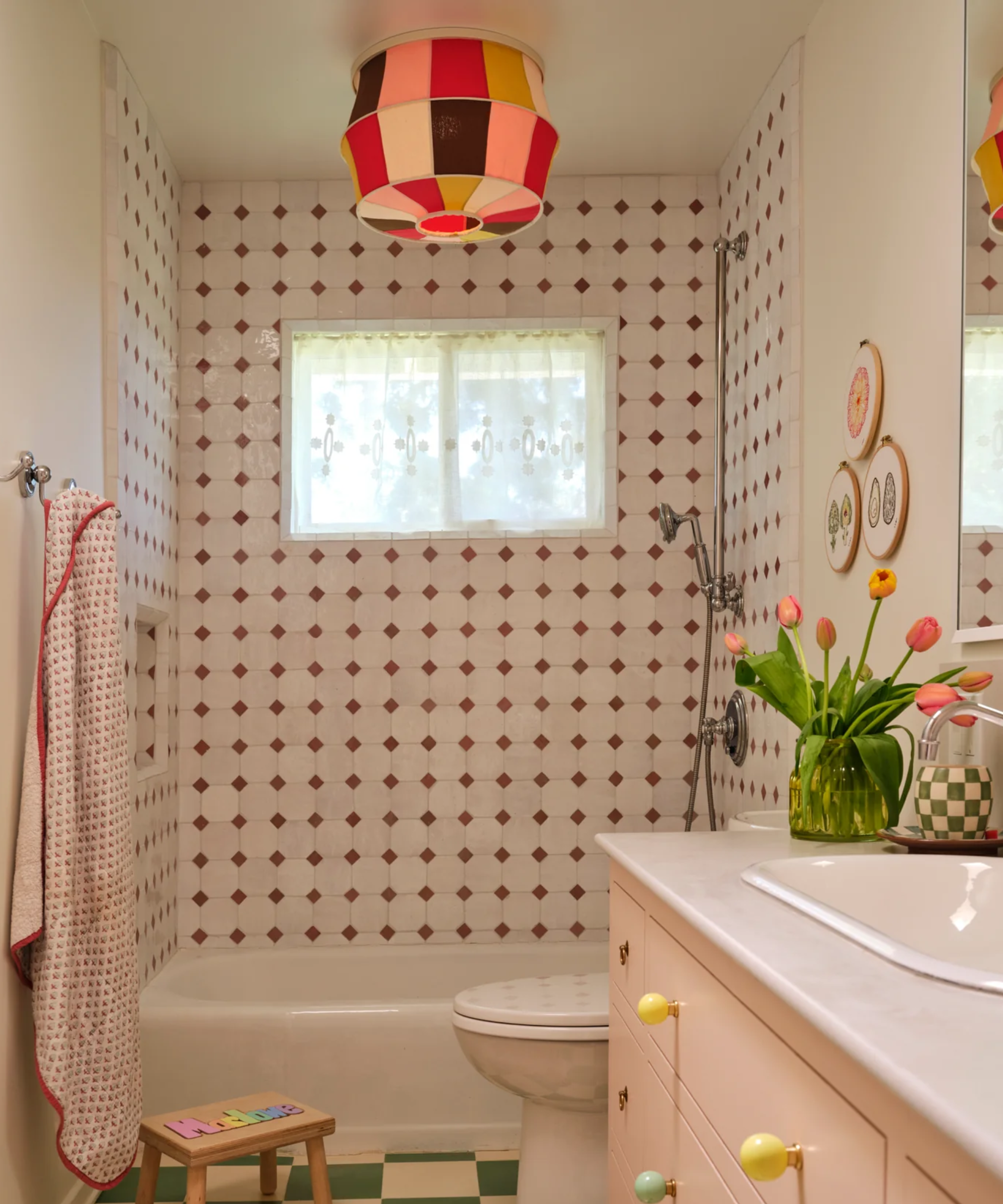
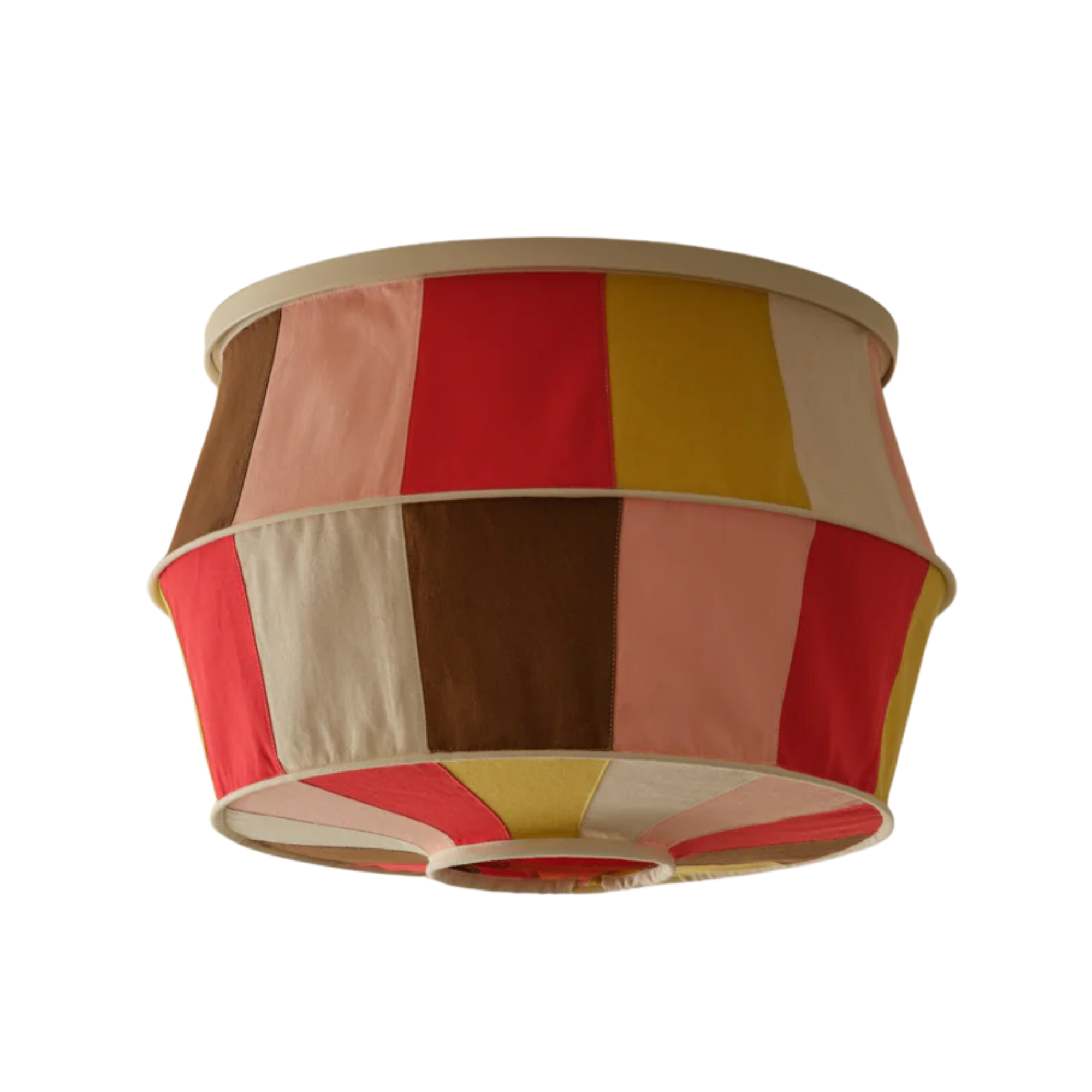
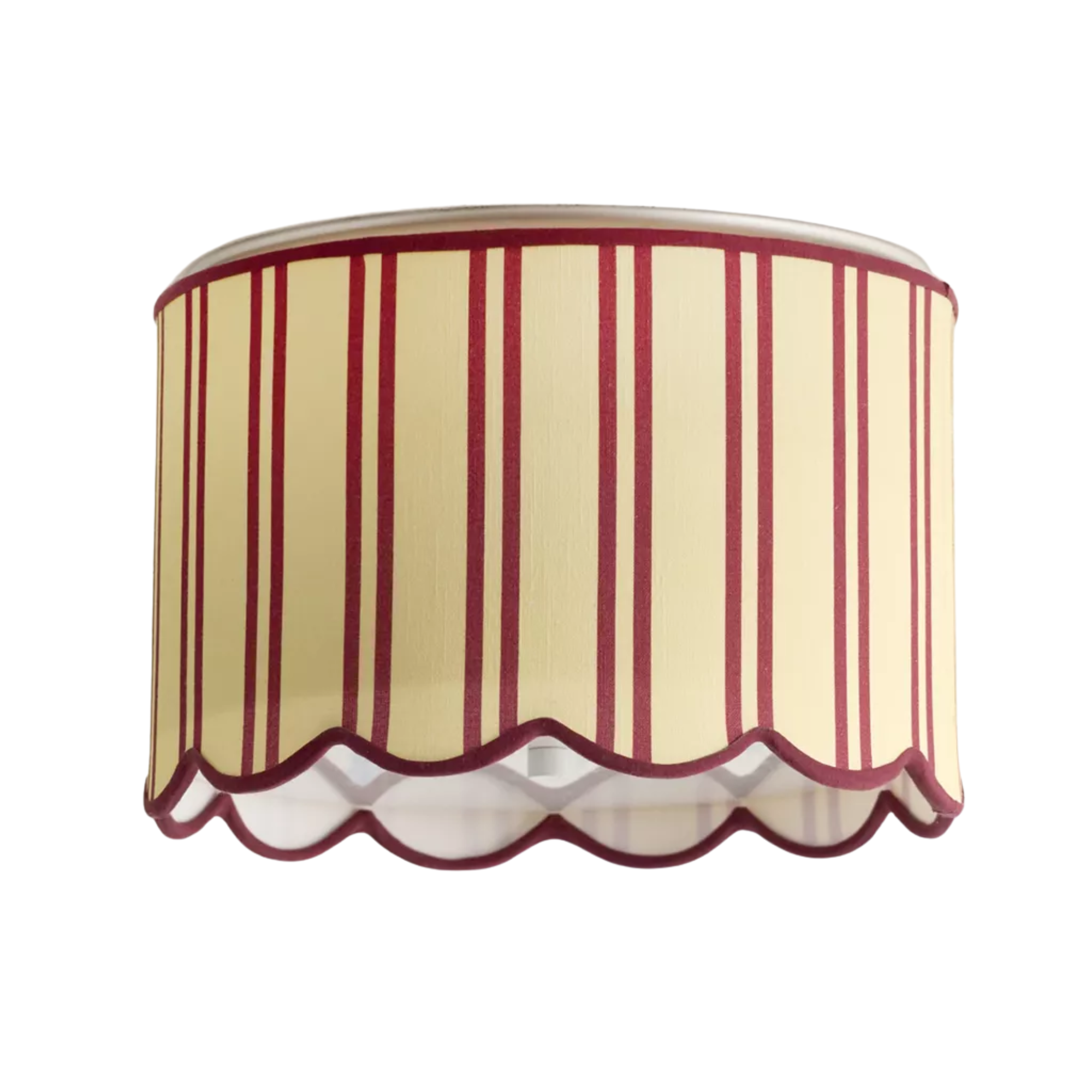
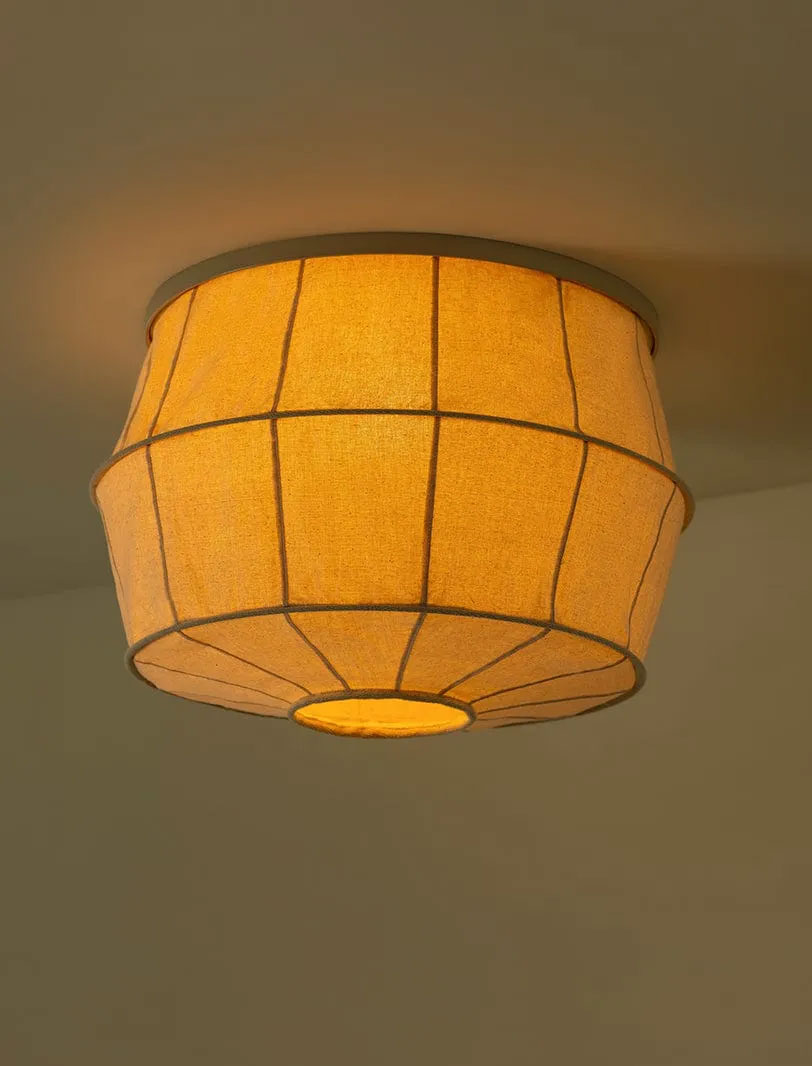
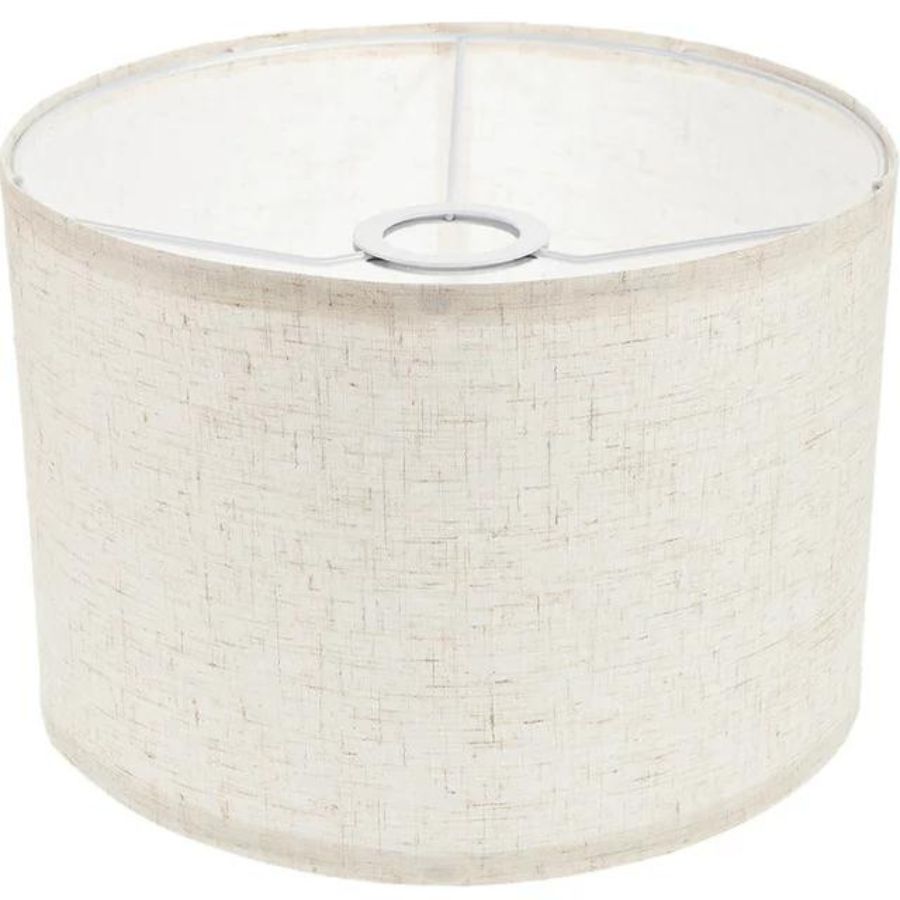
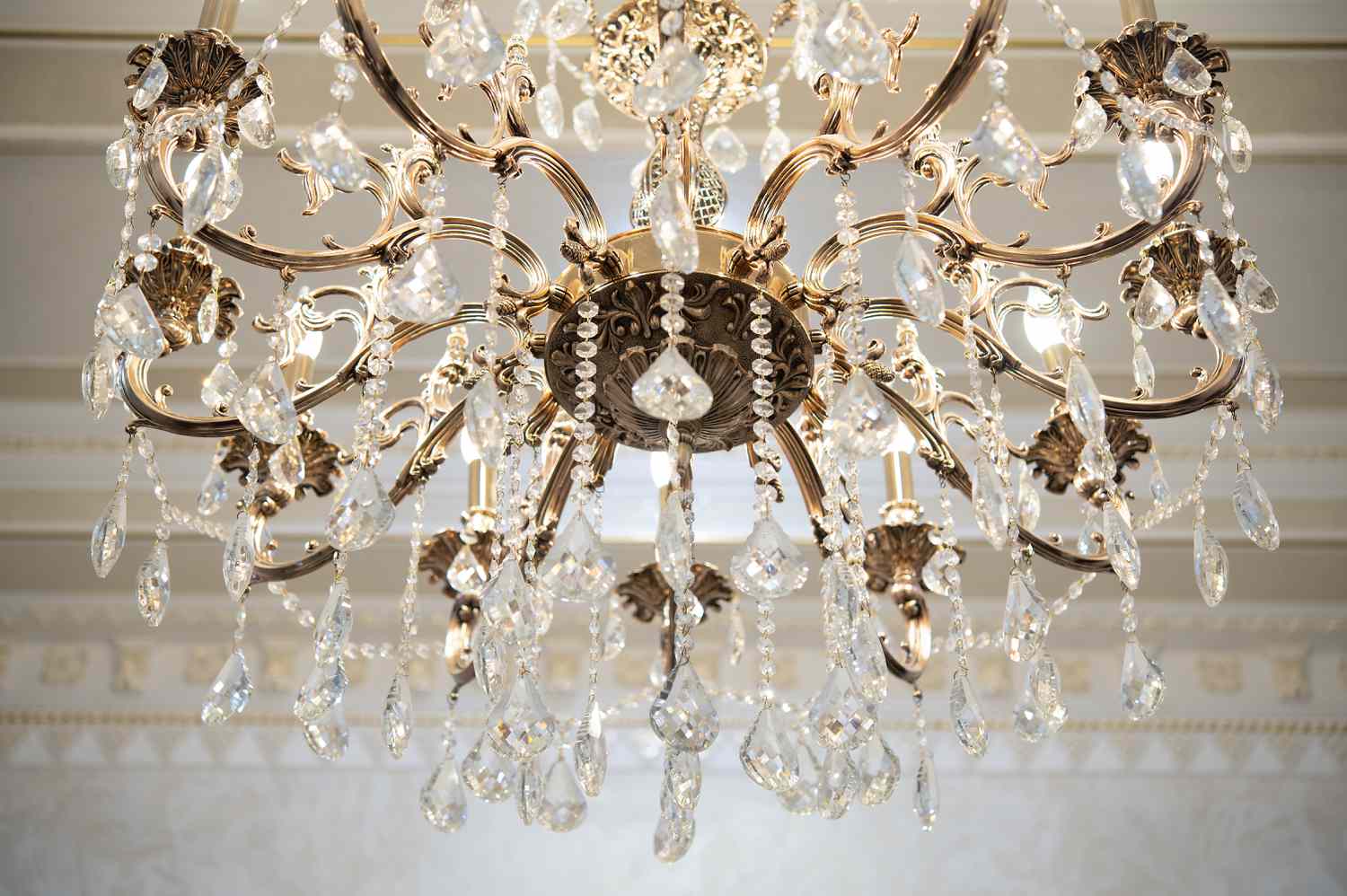
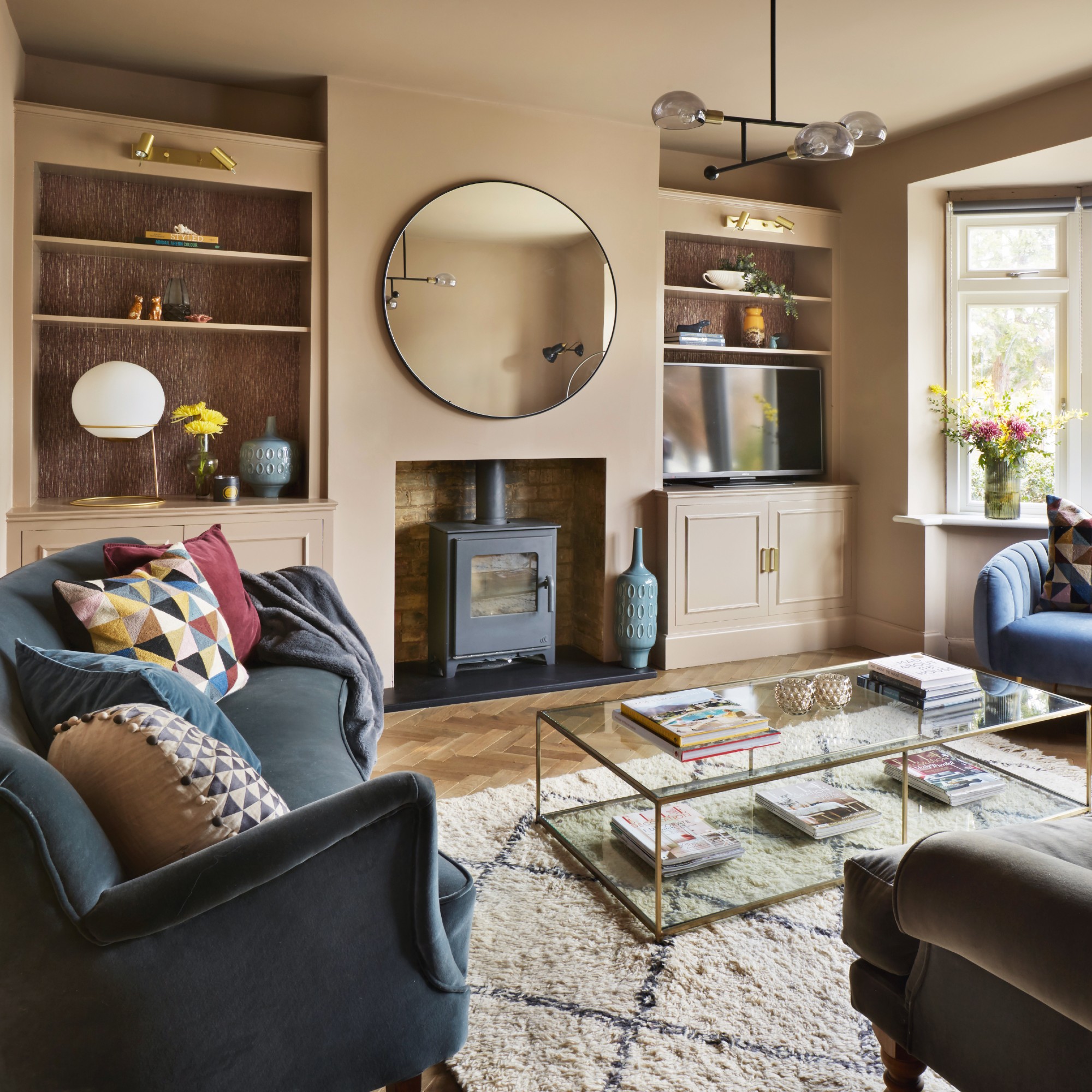
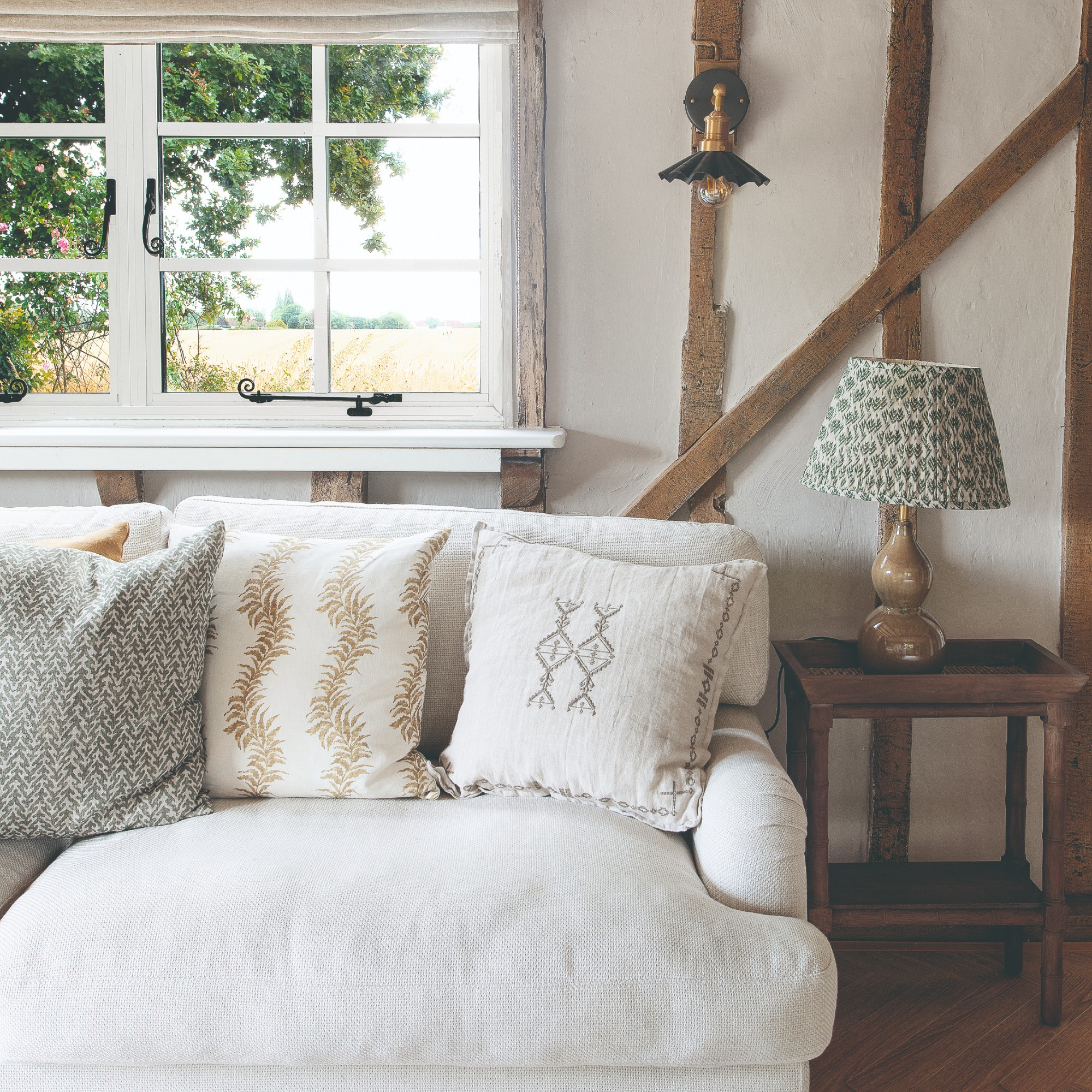
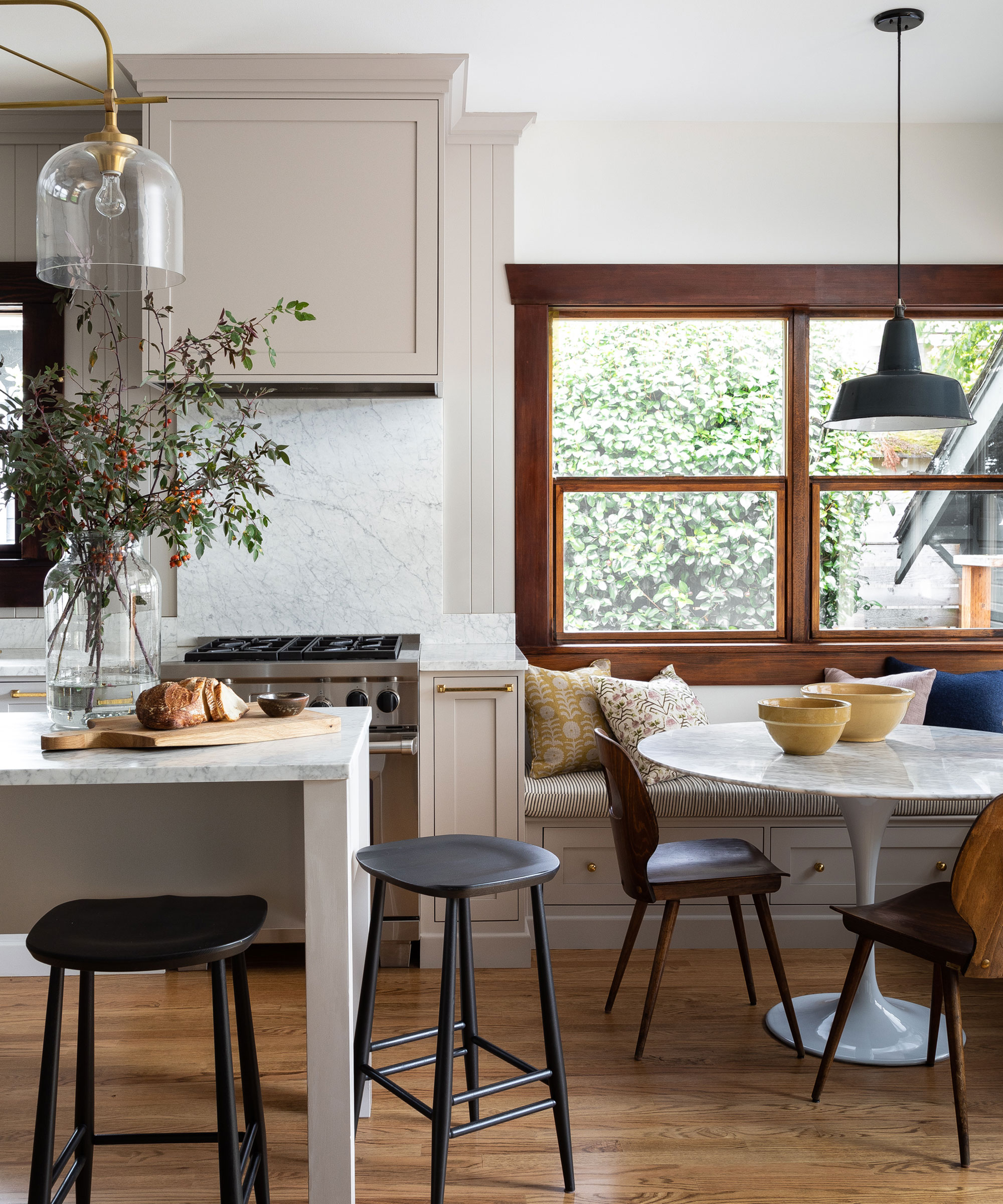
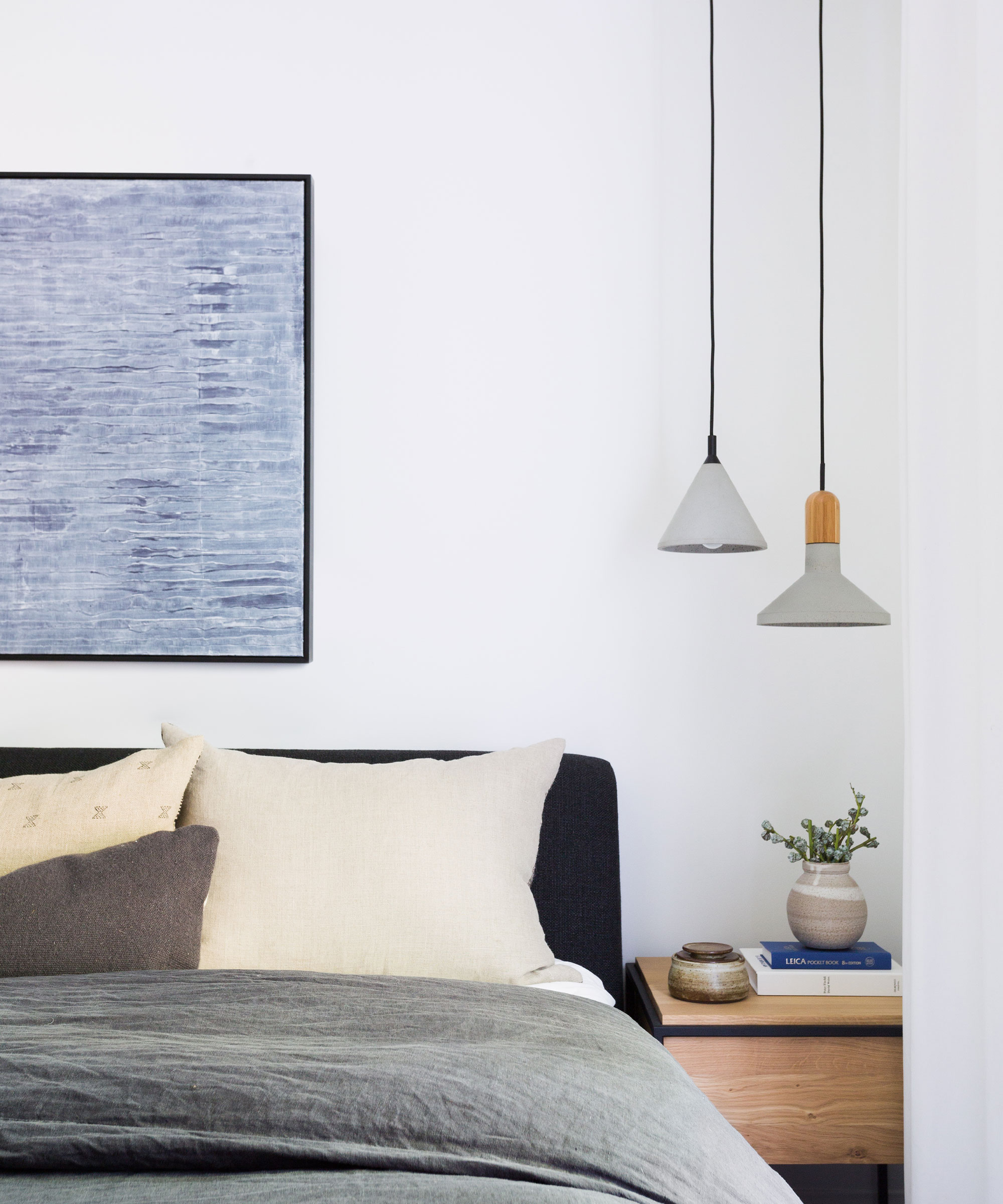
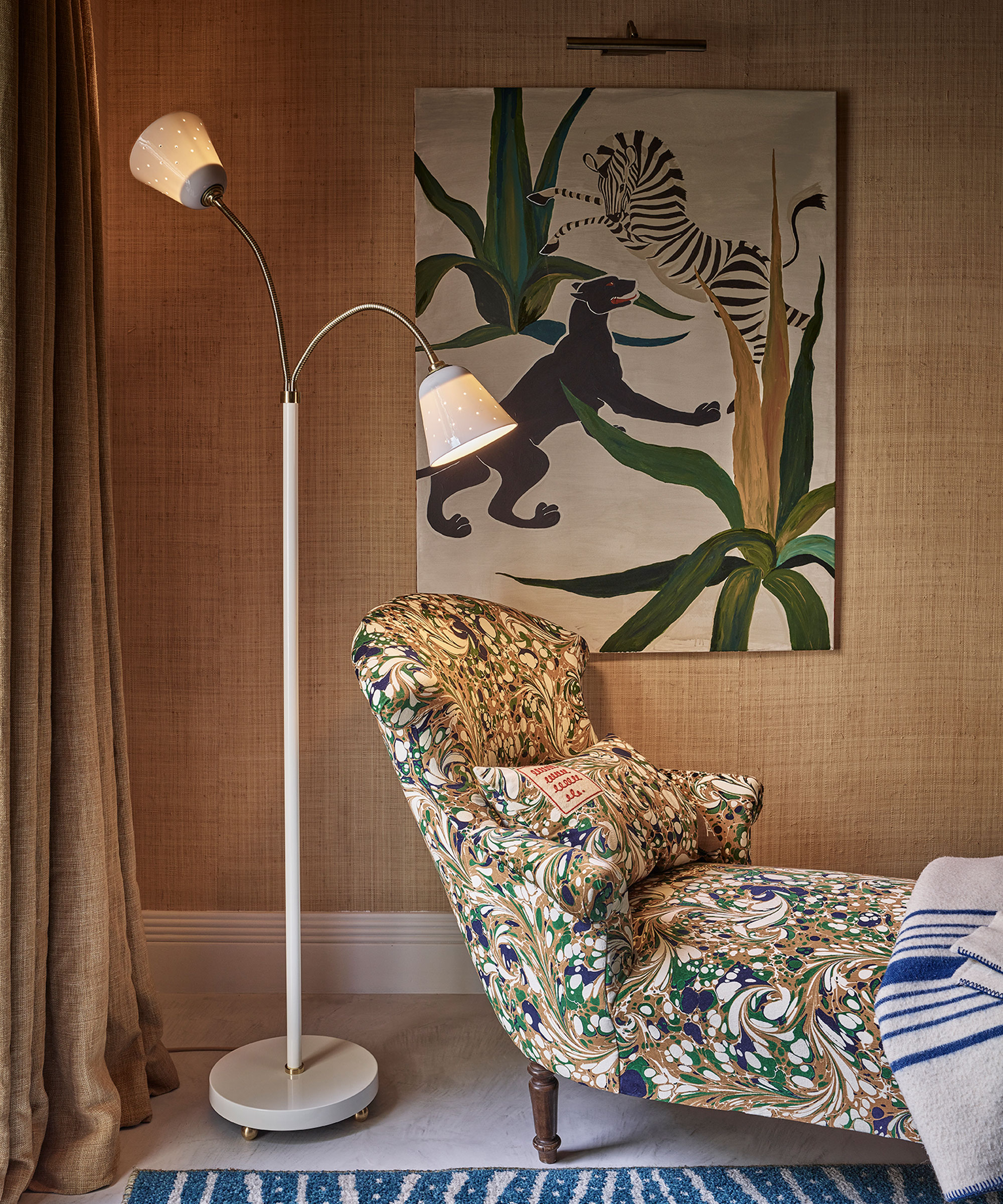
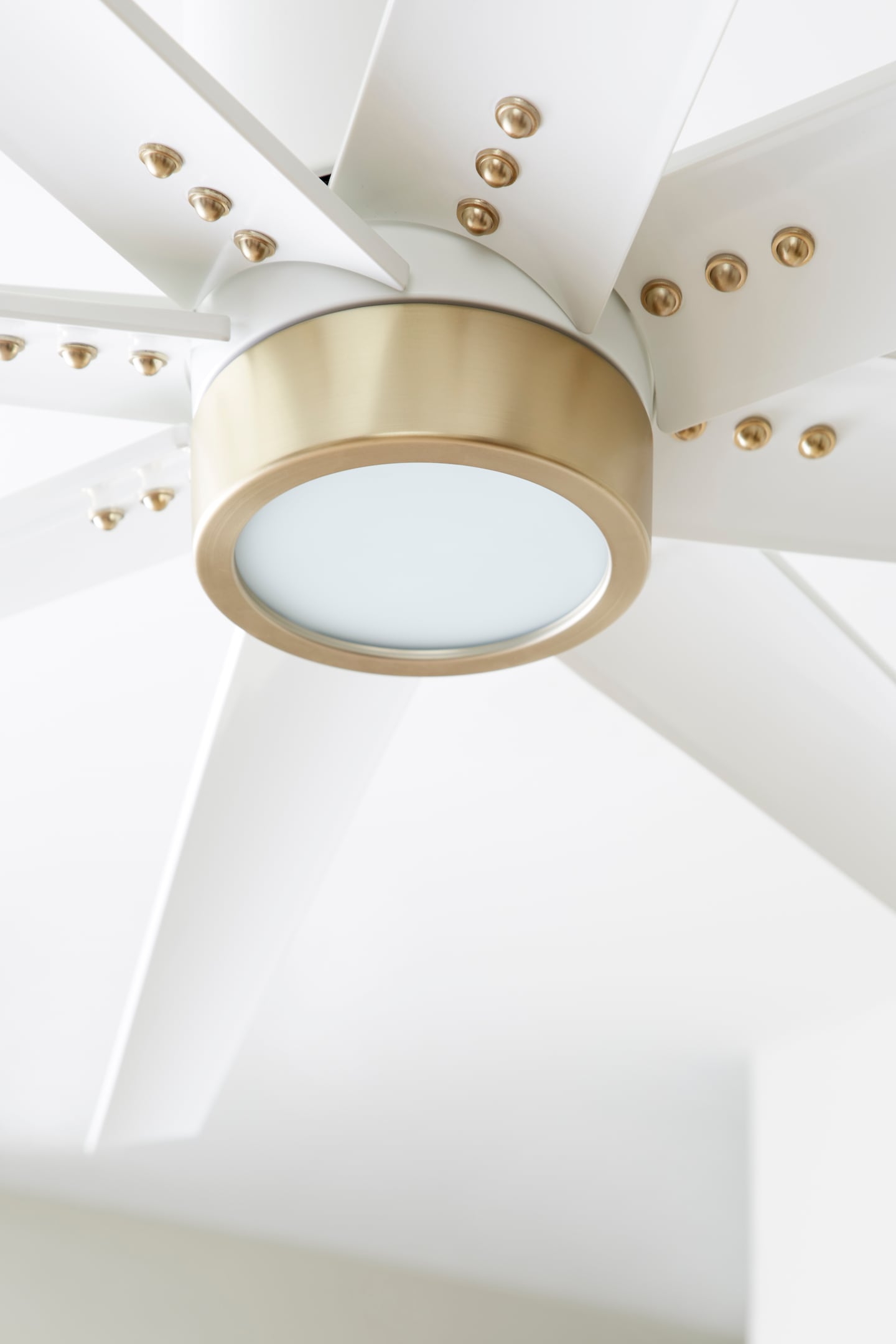
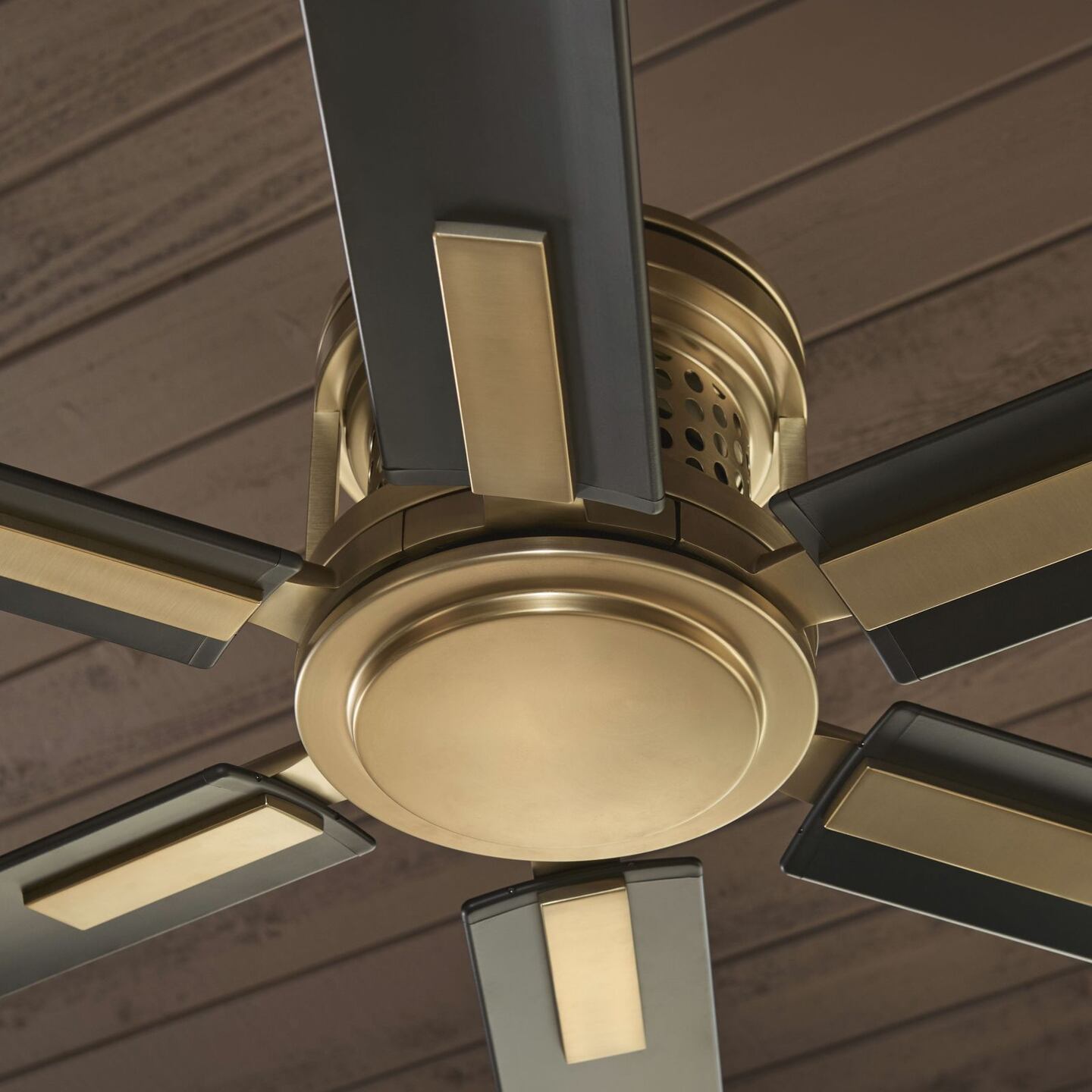
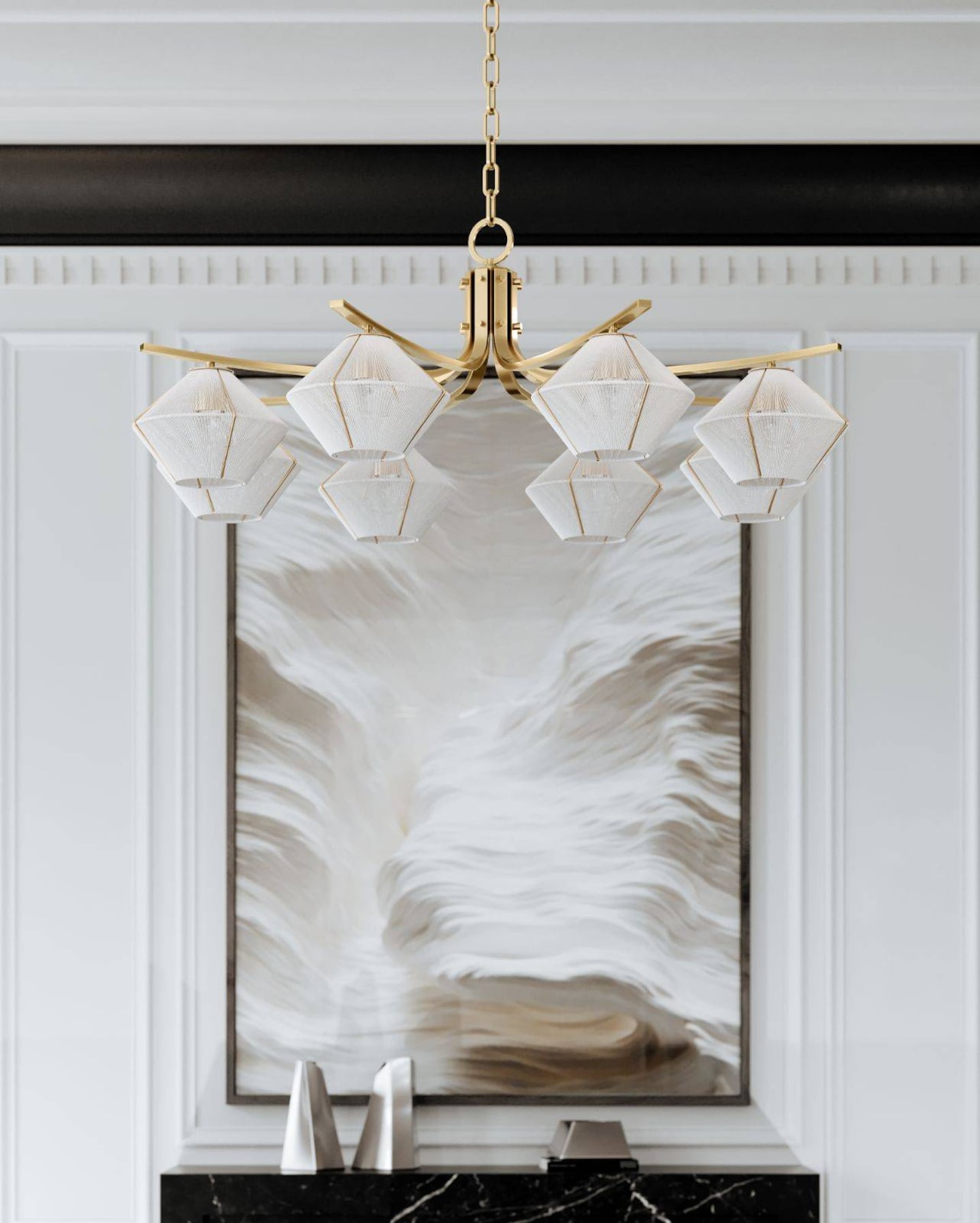
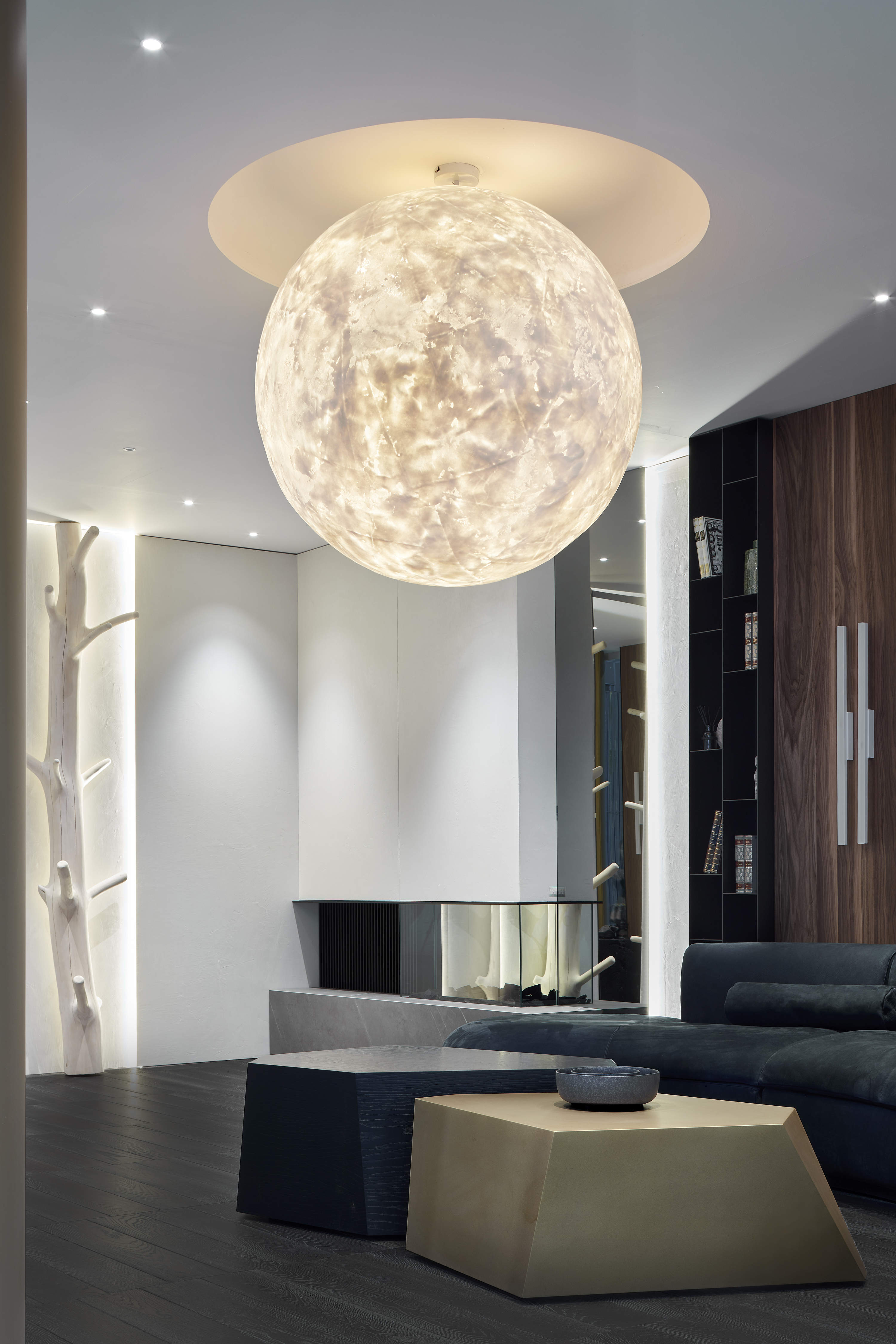
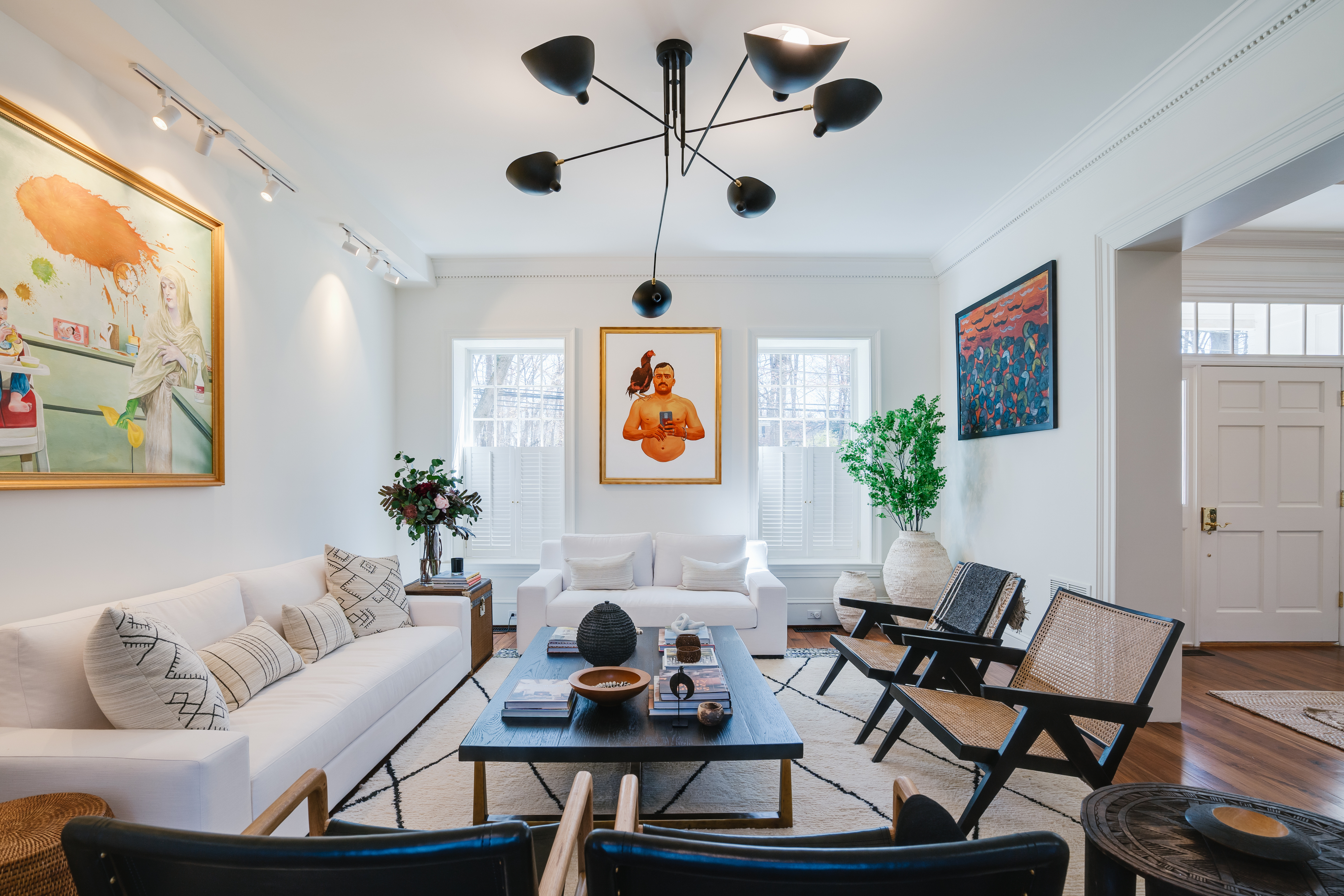
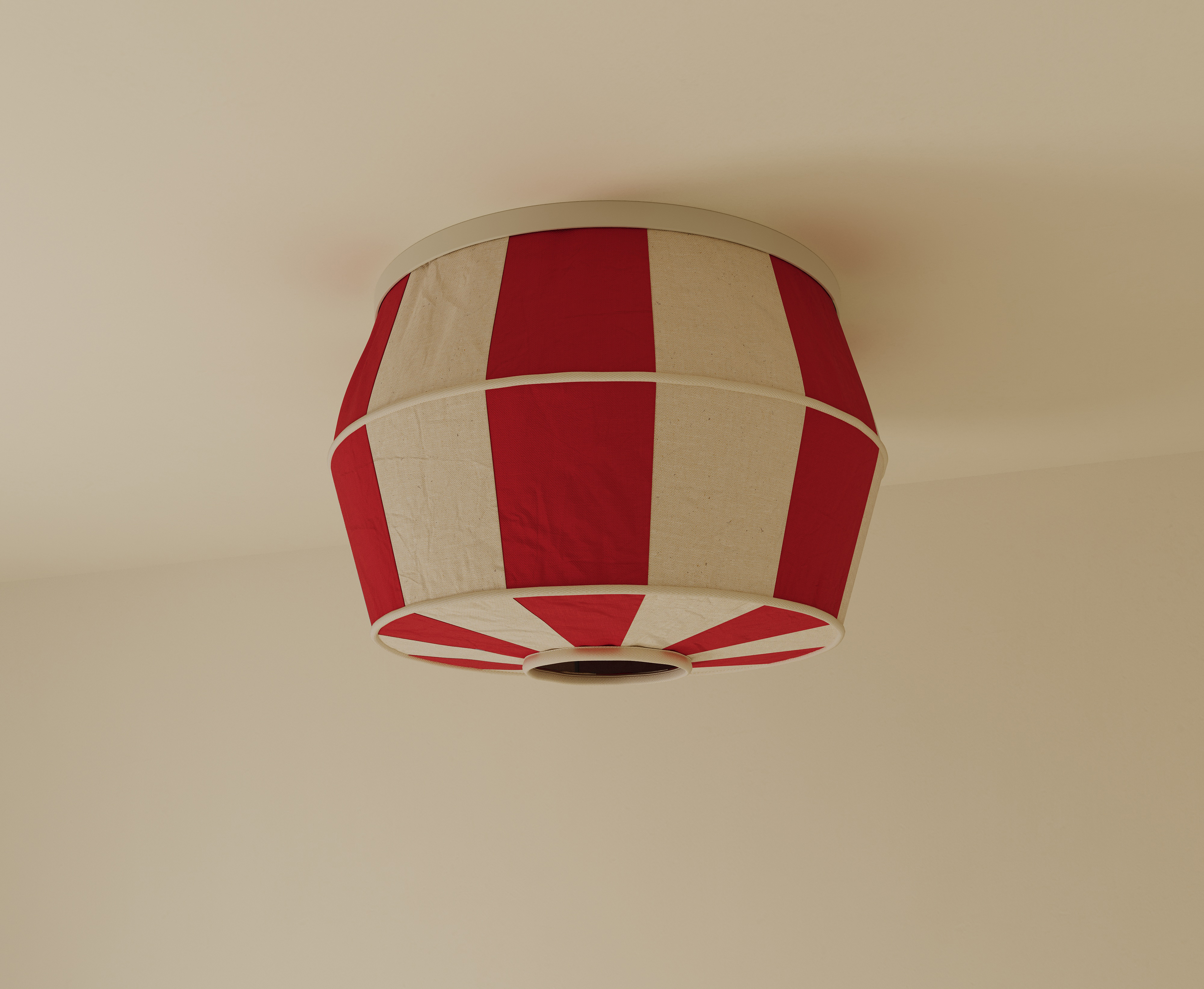
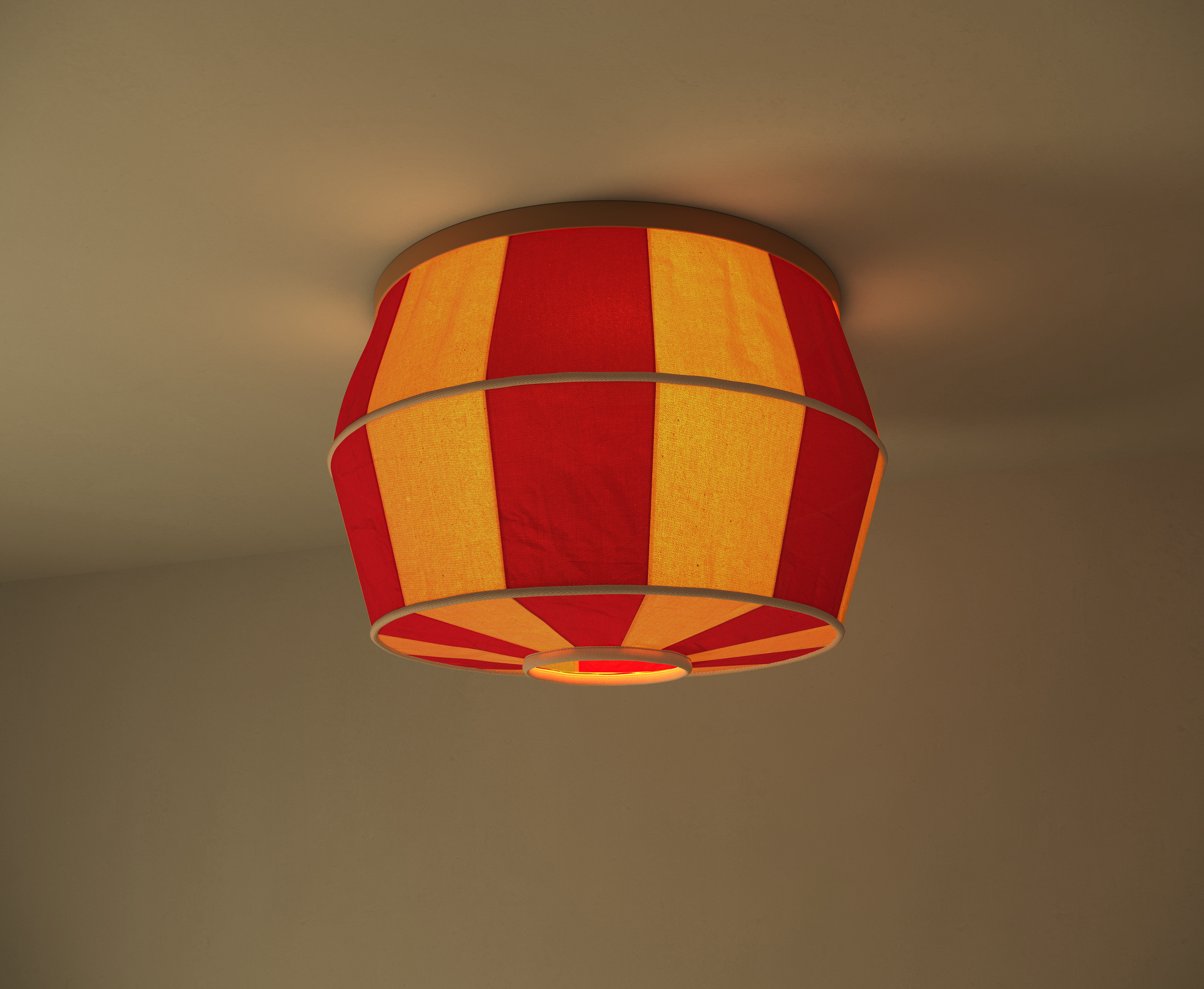
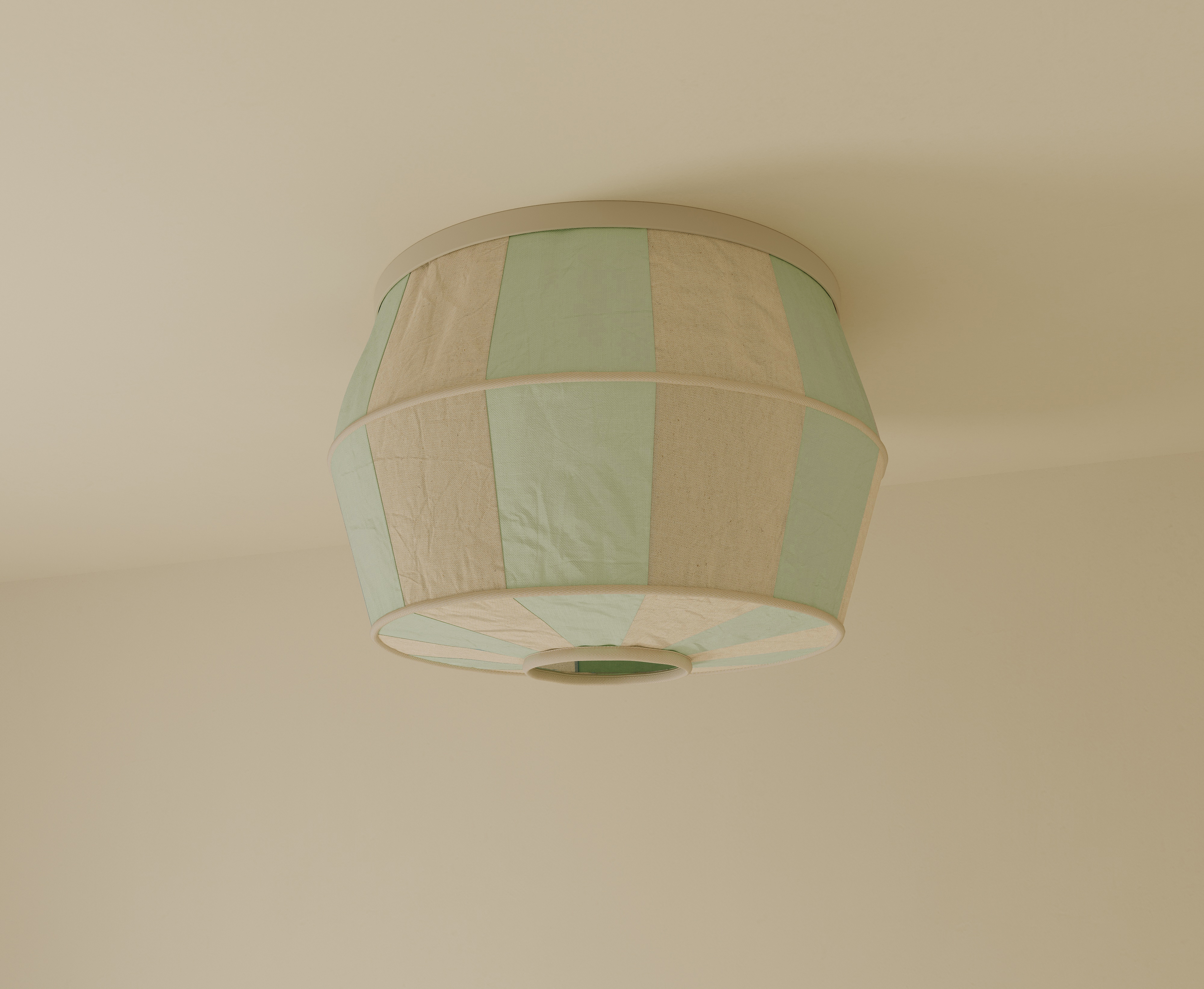
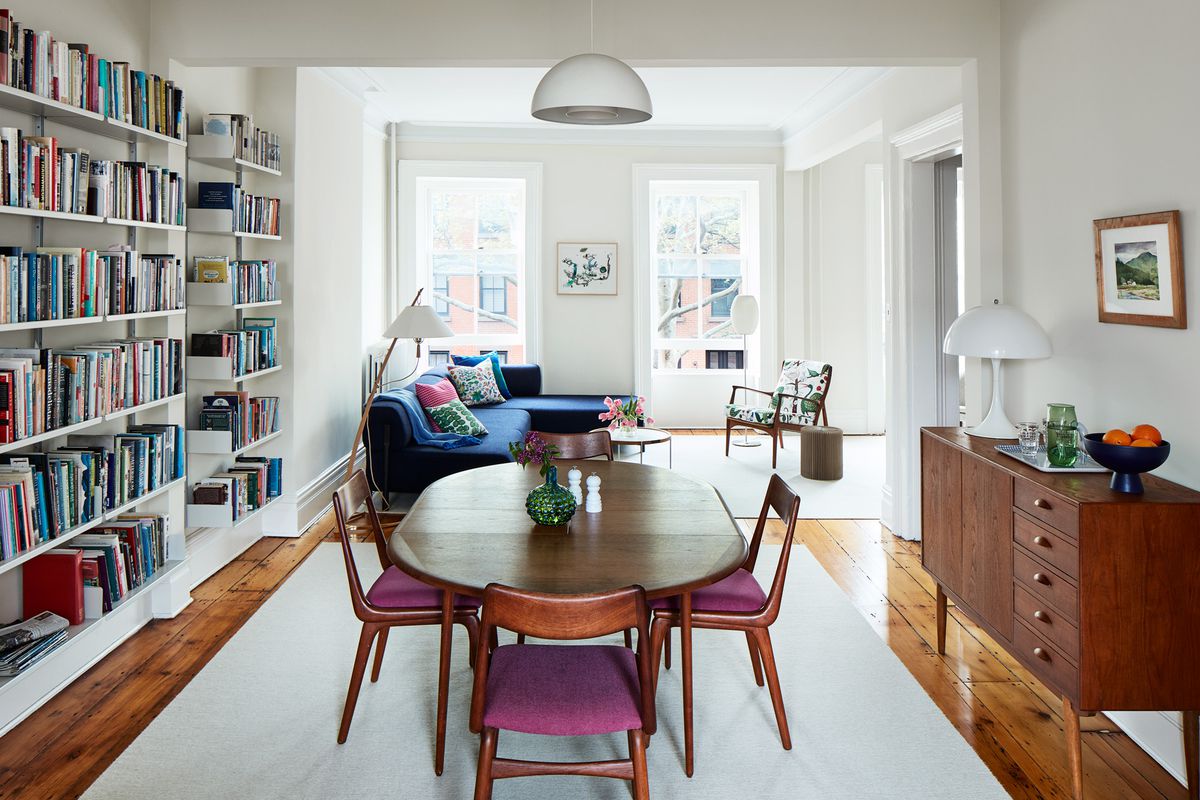
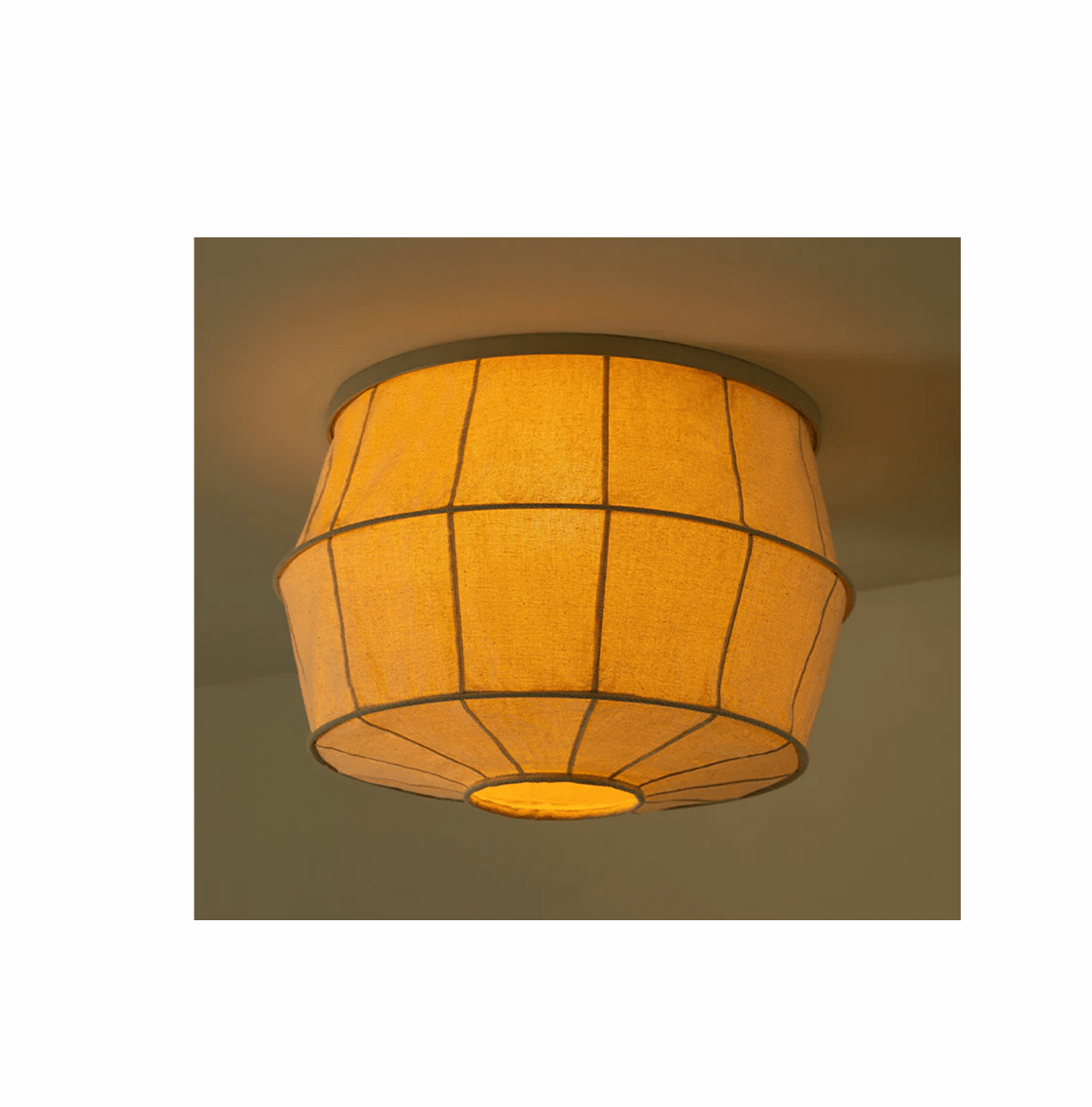
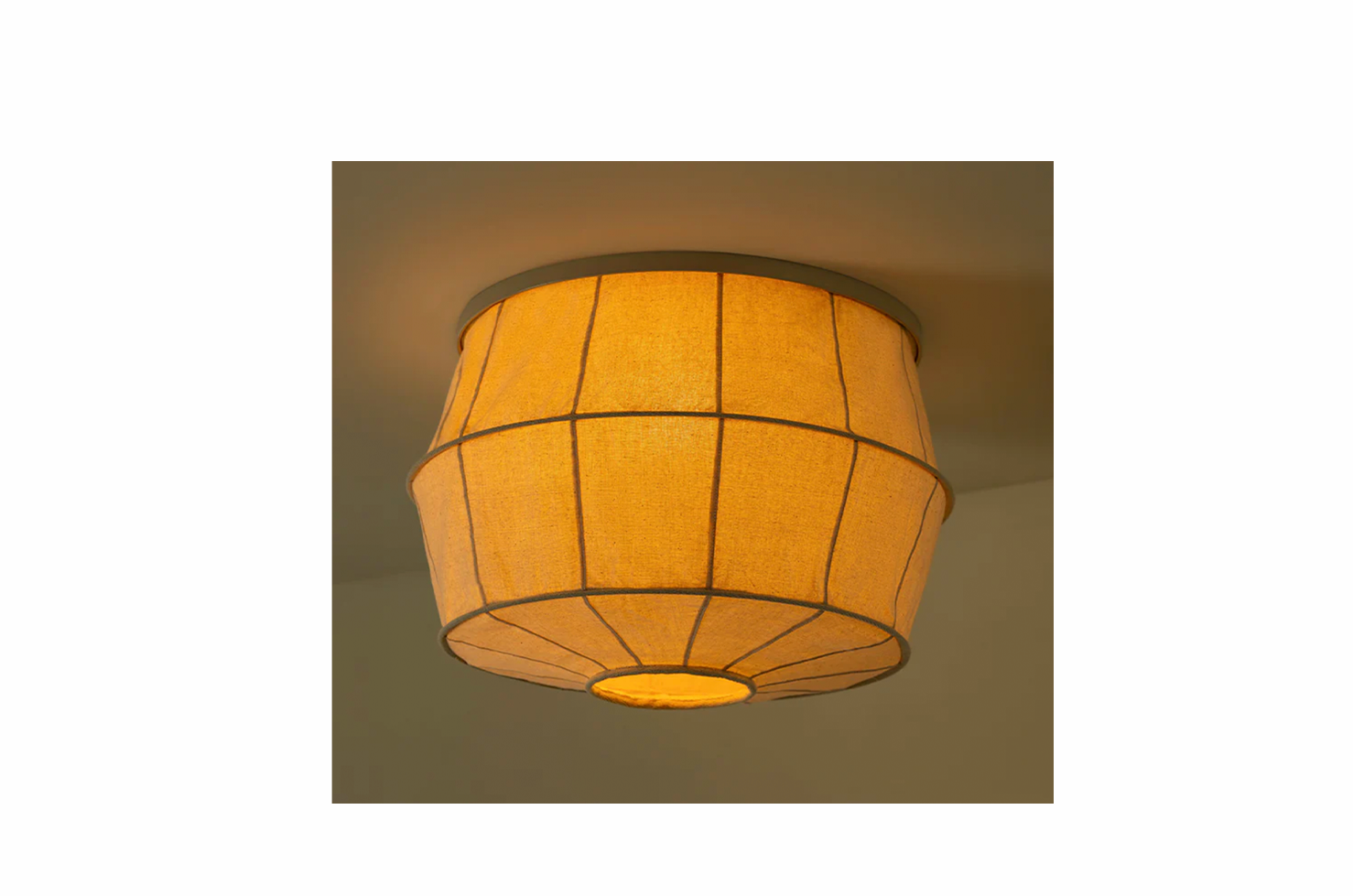
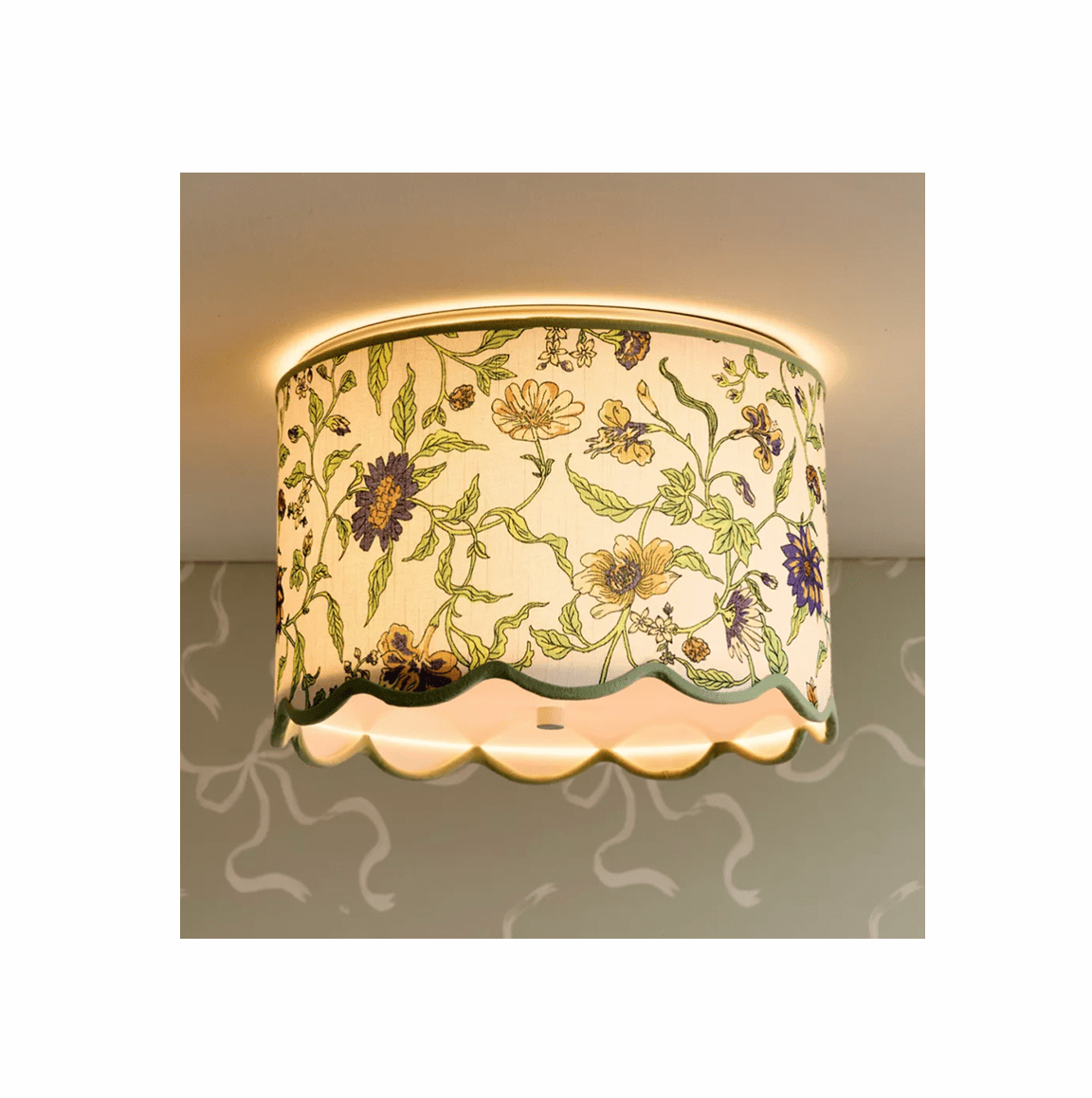
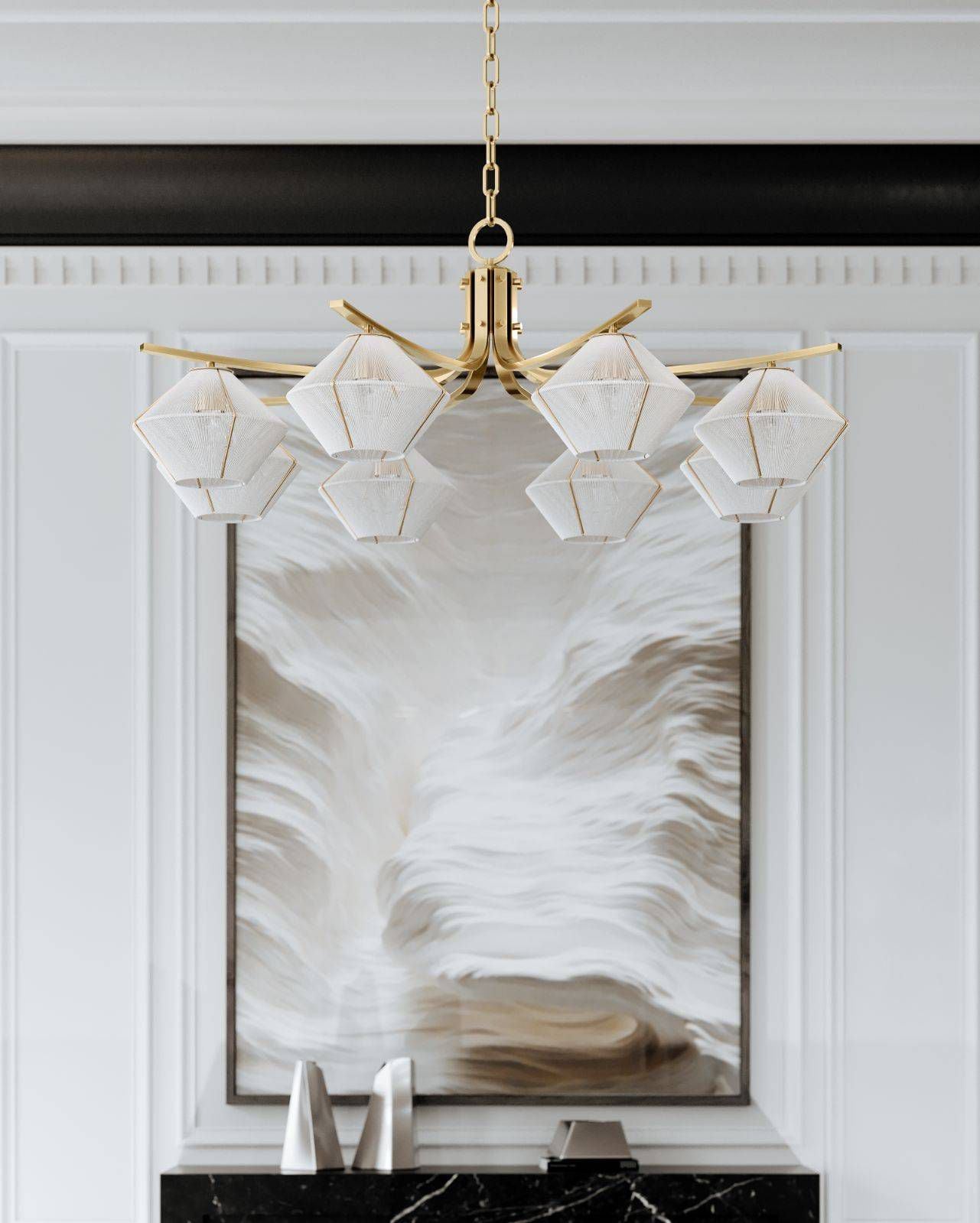
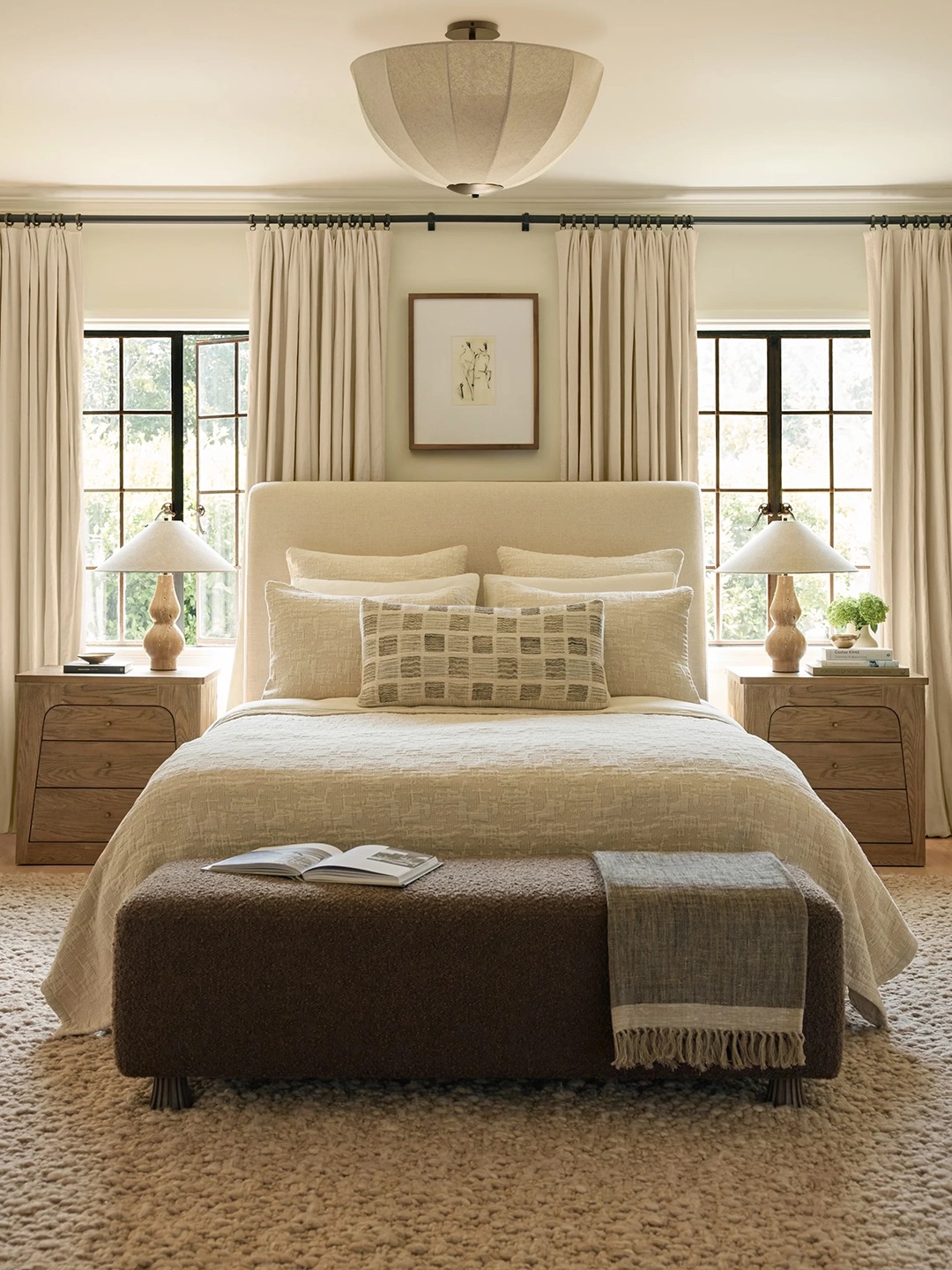
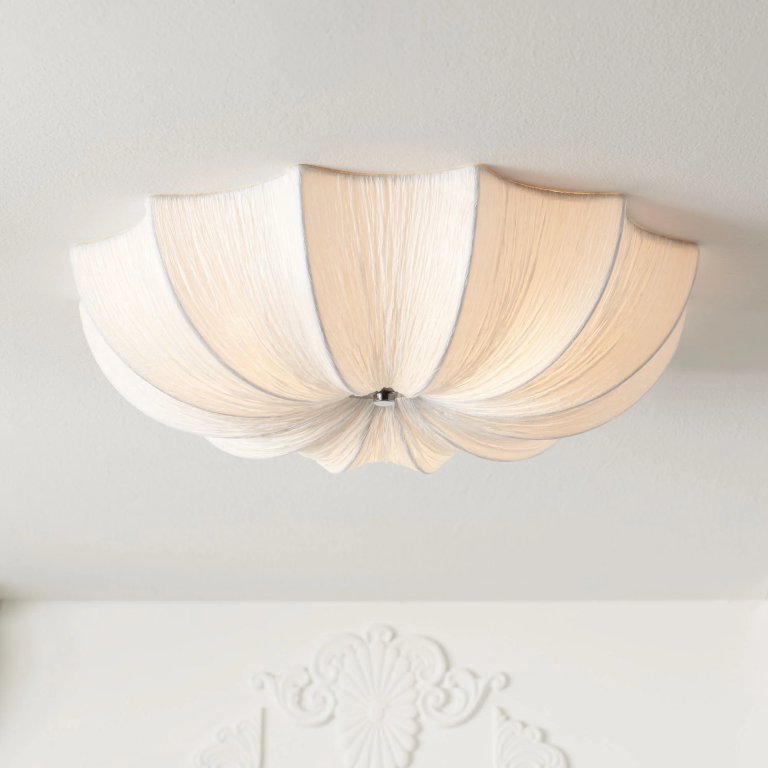
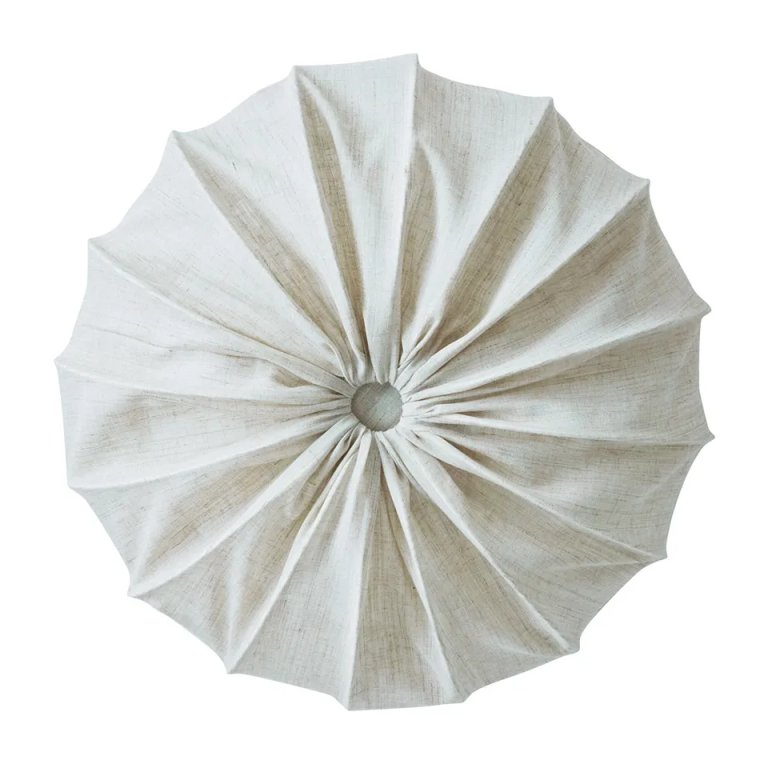
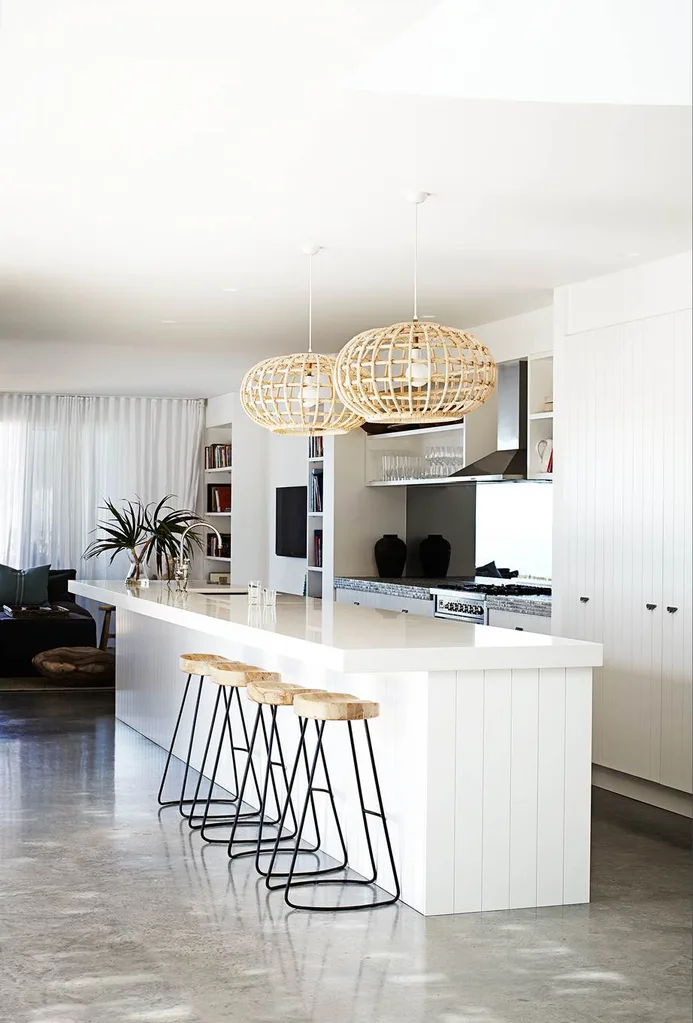
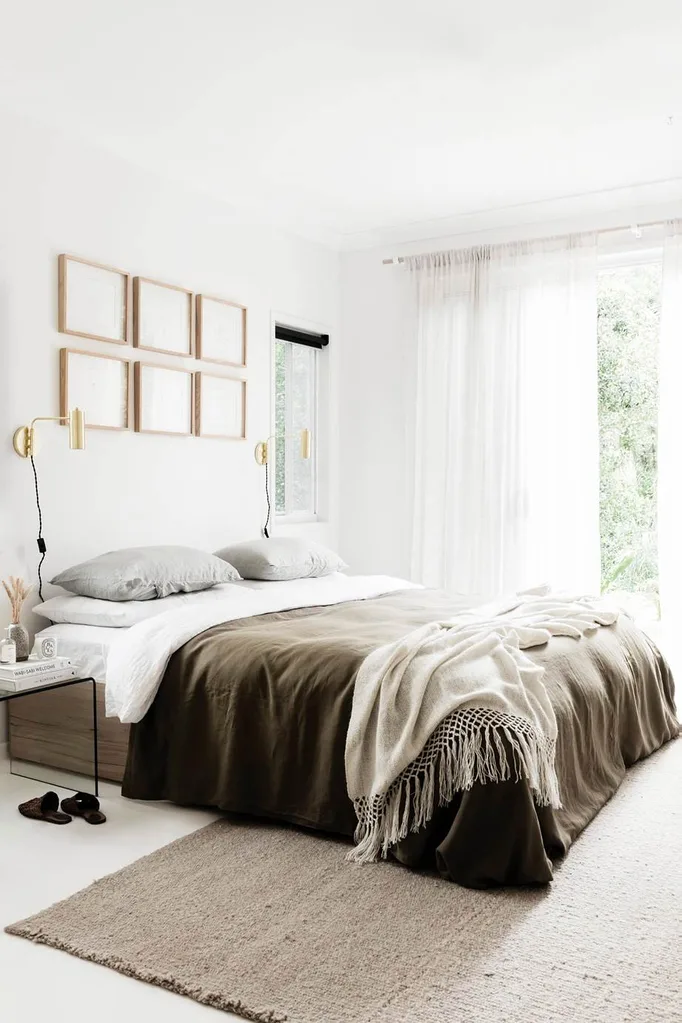
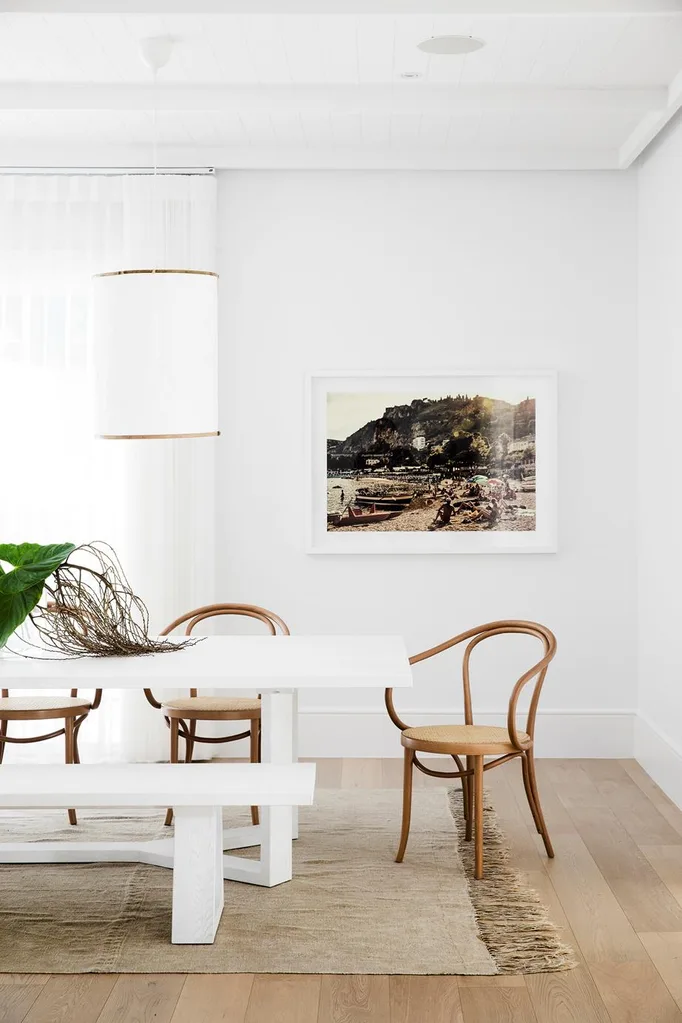
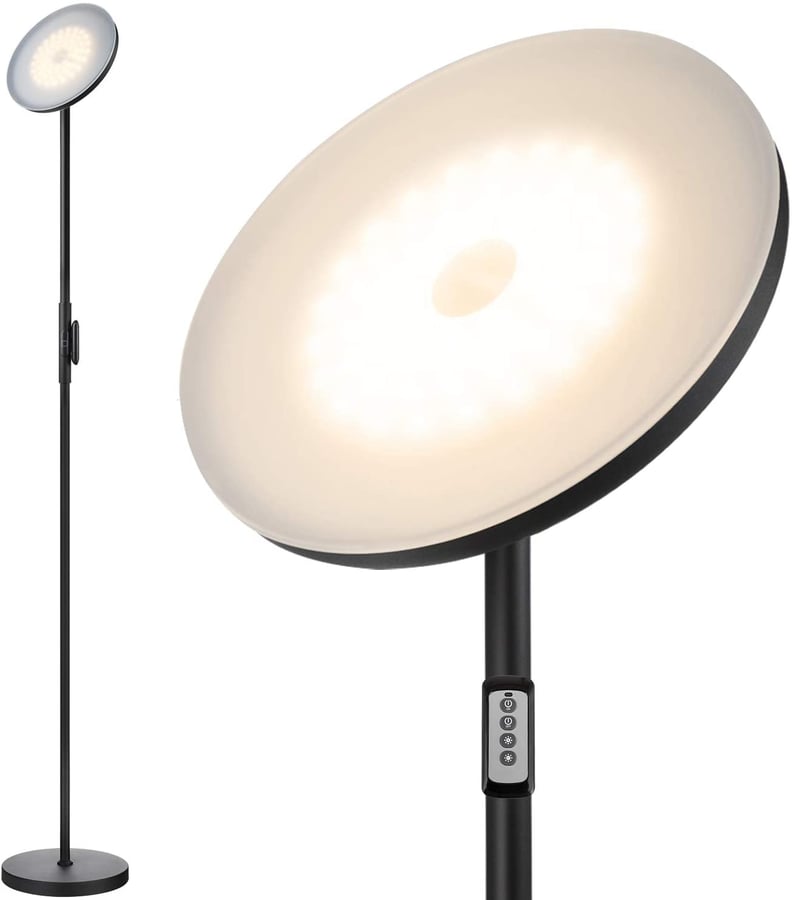
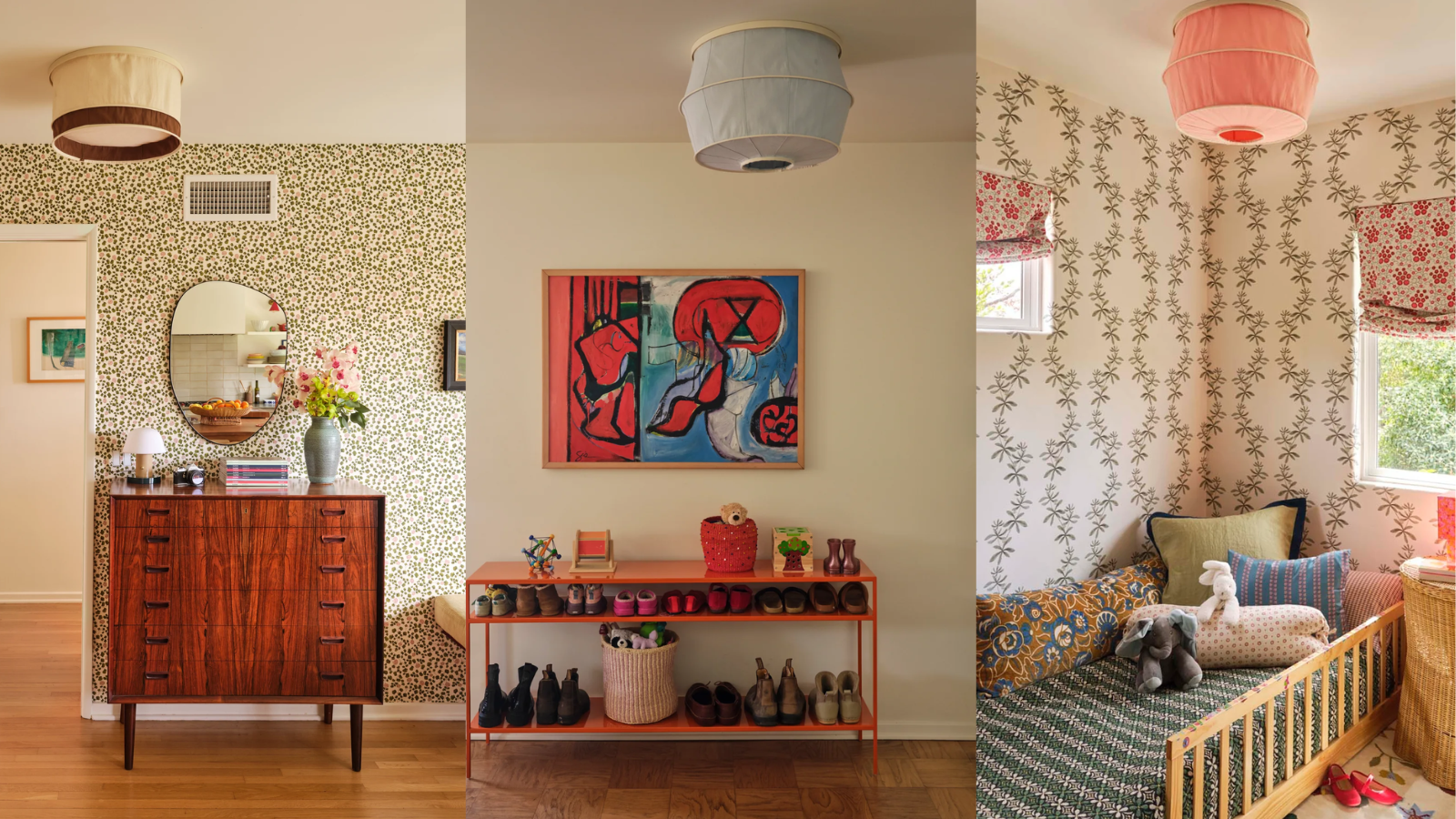
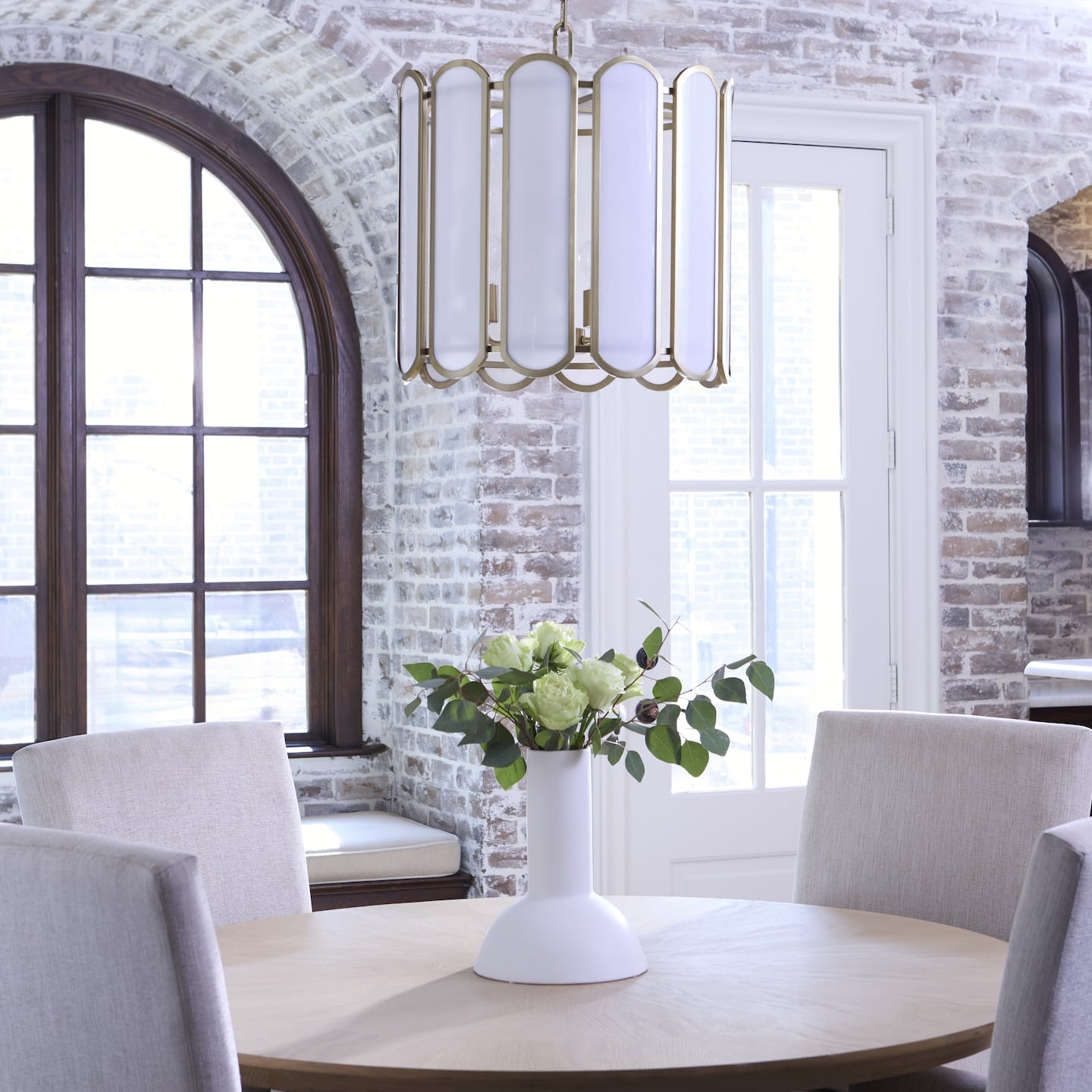
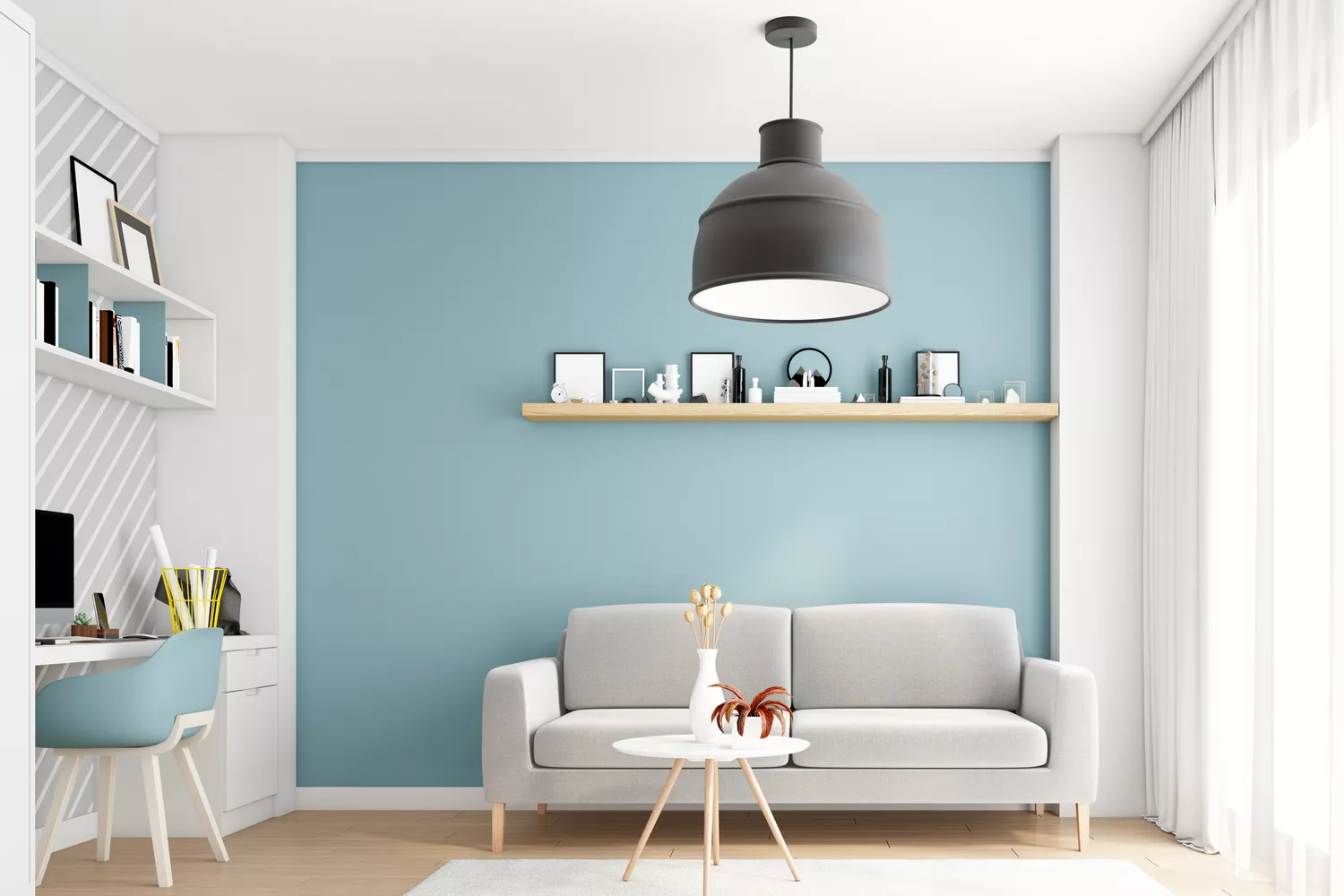
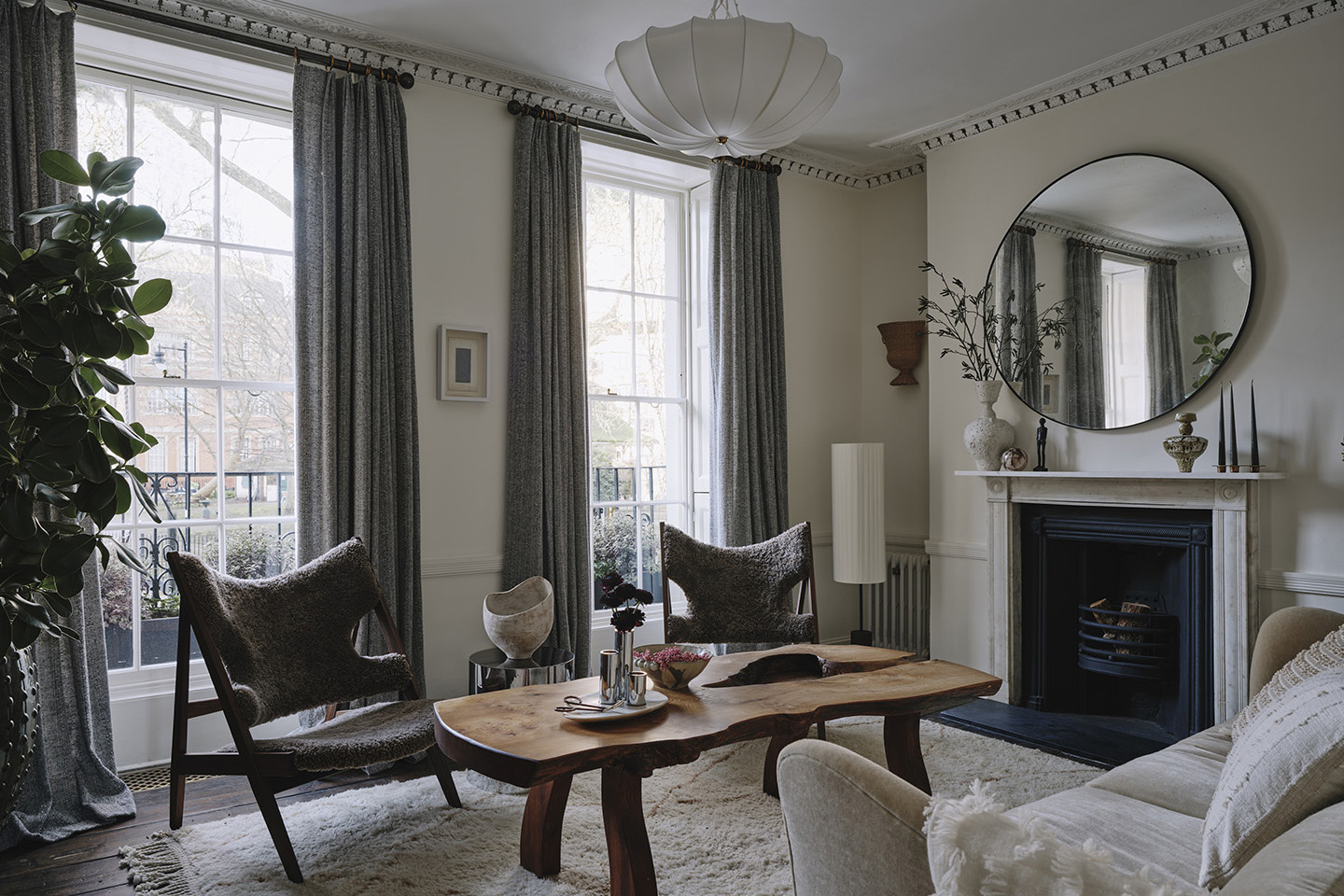
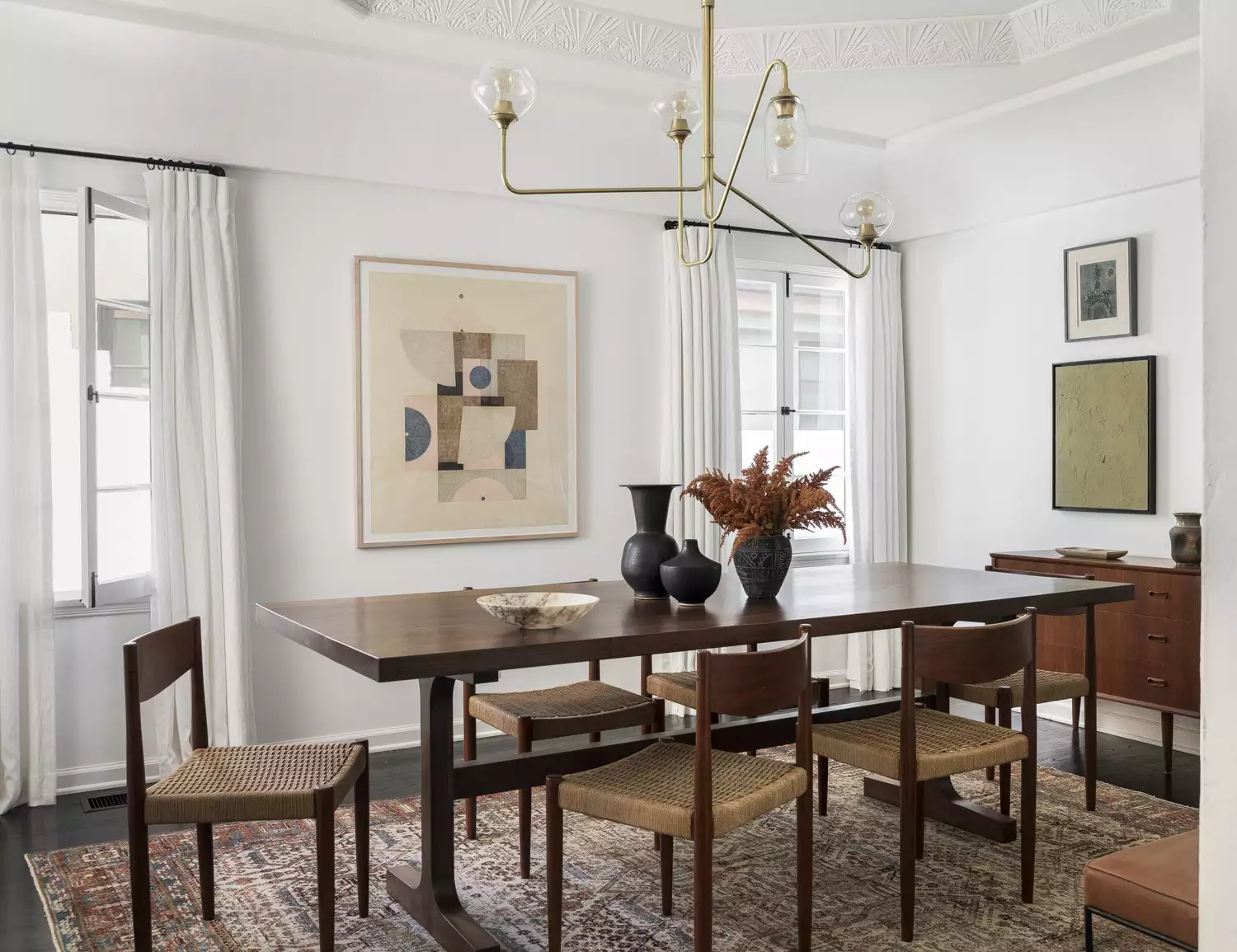
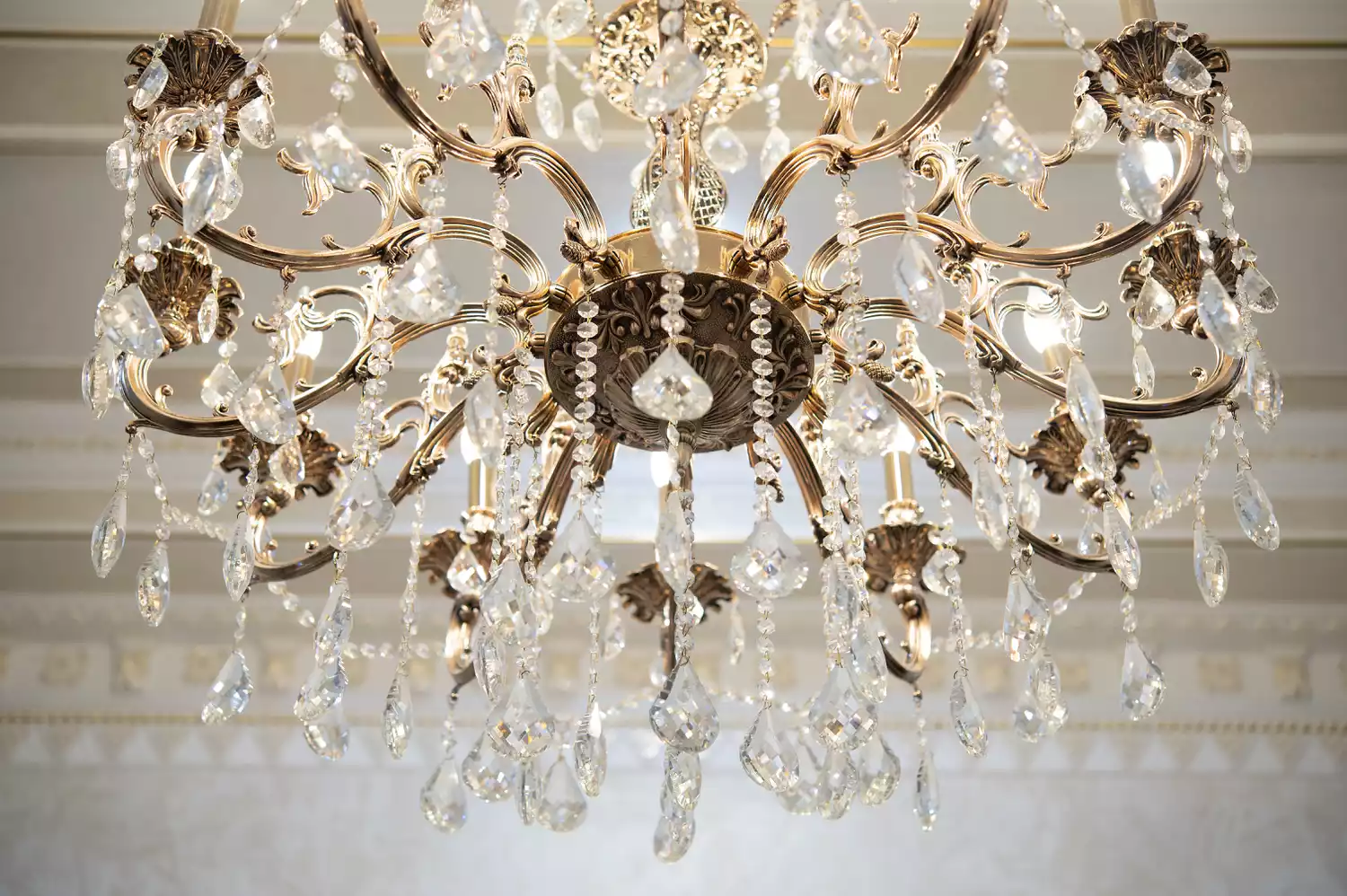
For those looking to replace these lights, several factors should be considered, most notably ceiling height. For rooms with high ceilings, hanging pendants or chandeliers are recommended to create a more expansive and visually appealing lighting scheme. Conversely, for lower ceilings, a drum shade or a smaller-scale fixture that does not extend too far from the ceiling is advisable. The function of the room also dictates the choice of fixture. For bedrooms, designers recommend fabric shades that offer softness and warmth, paired with supplementary lighting like floor and table lamps for diffused illumination. Dining rooms or entryways, however, can accommodate more dramatic, multi-armed fixtures. For renters or individuals seeking less invasive solutions, brands like Tulip Shades offer clip-on shades that can be easily attached to existing boob lights using tape and magnets, providing a renter-friendly and aesthetically pleasing alternative. This allows for an instant upgrade without complex rewiring. Ultimately, replacing boob lights is a worthwhile upgrade, especially for long-term residents, as changing a light fixture is often a straightforward process involving minimal alterations to existing wiring.
#HomeLighting #InteriorDesign #LightFixtures #HomeRenovation #RentalFriendlyDecor #LightingUpgrades #HomeDecor #HomeLighting #InteriorDesign #LightFixtures #HomeRenovation #RentalFriendlyDecor #LightingUpgrades #HomeDecor
Há 0 comentários no total
 Ainda não há comentários
Você também pode gostar
Be gone, 'boob light' – here's just how to fix unattractive ceiling lights

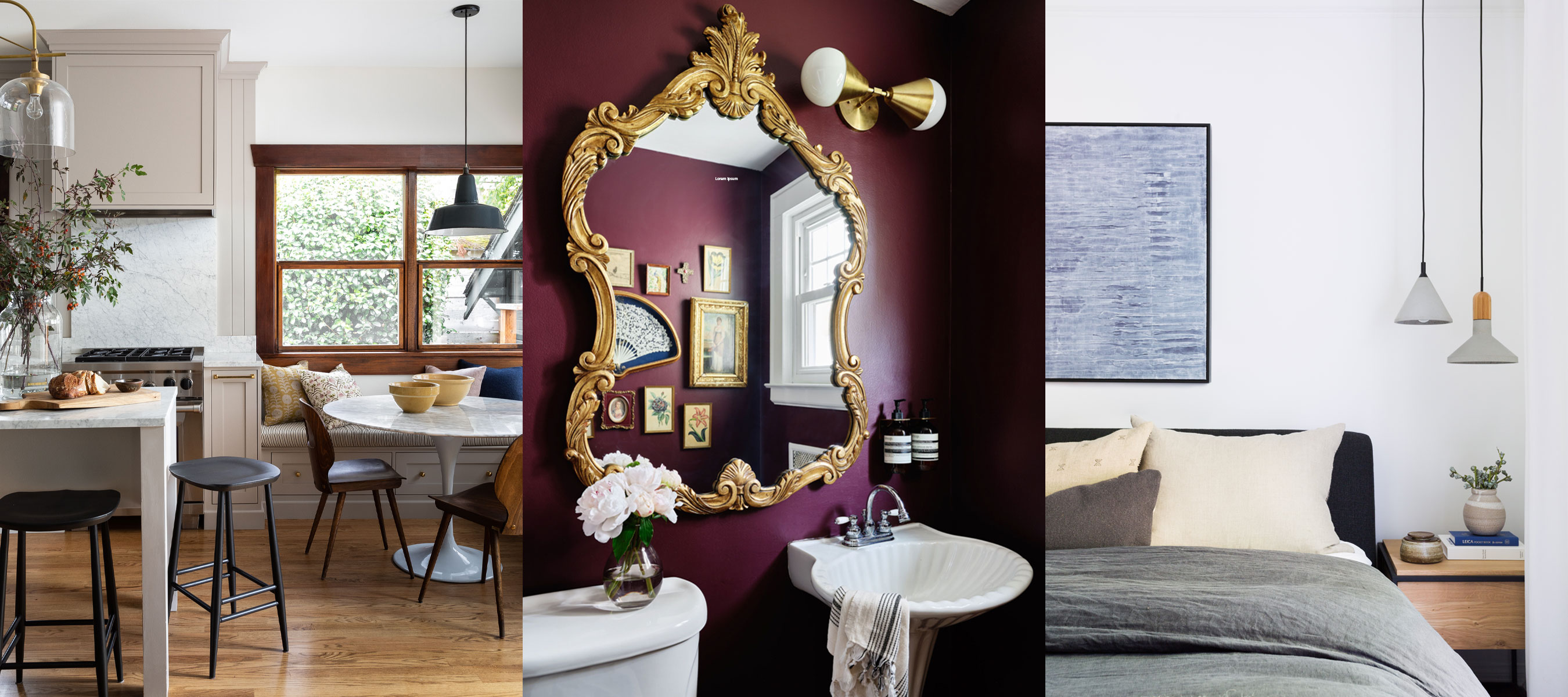
What lighting makes a home look expensive? 5 ideas from the designers in the know
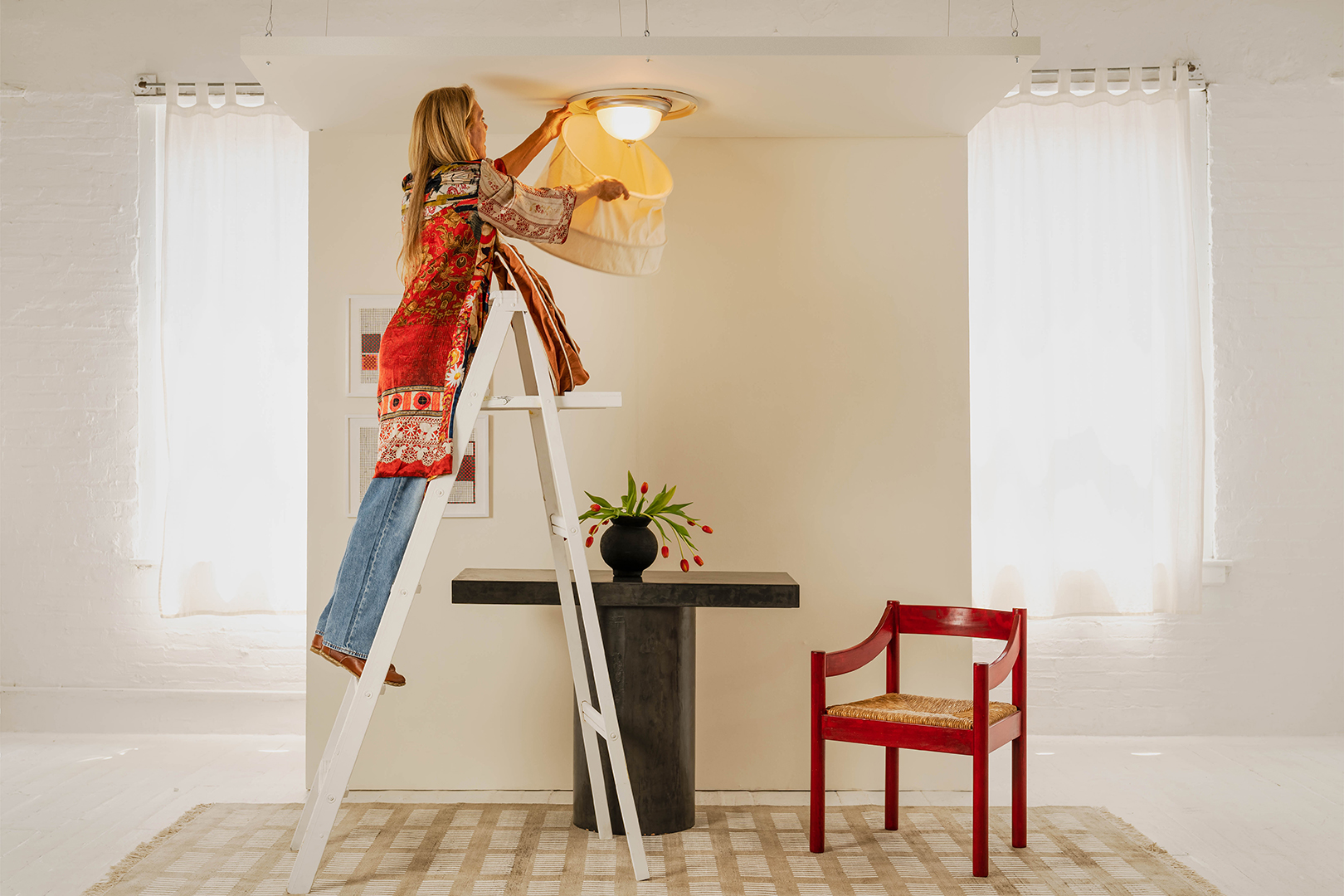
Our Favorite Boob-Light Hack Now Comes in the Pattern of the Moment

Pulling the plug on dated light fixtures is a great home update. Here's how to choose new ones
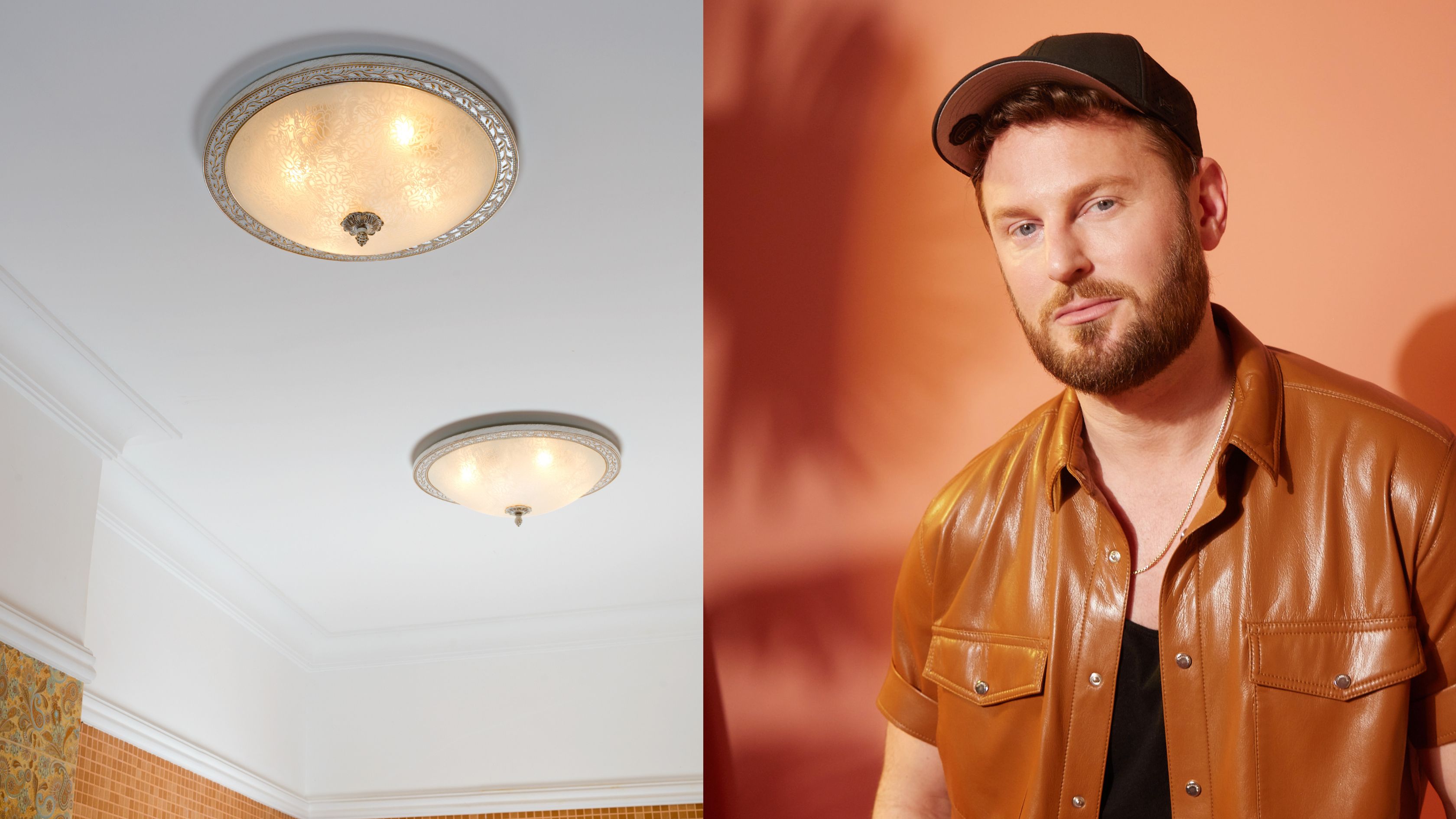
Bobby Berk's Genius Hack Helps Cover These "Eyesore" Light Fixtures People Hate — and It Works in Rentals, too

Design experts offer lighting tips for upgrades that shine

6 Lighting Mistakes That Are Ruining the Mood in Your Home—and How to Fix Them

This Boob-Light Style Is Becoming a Staple in Laid-Back Luxe Homes

Banish the “Big Light” Completely With Some Snazzy Lamps

Interior Designers Share Their Secrets for Upgrading Home Lighting—Without Breaking the Bank

Pro tips to improve your home’s lighting—without an electrician
An interior designer’s guide to lighting your home

Designers desperately want you to get rid of boob lights (and these 3 other outdated light fixtures!)
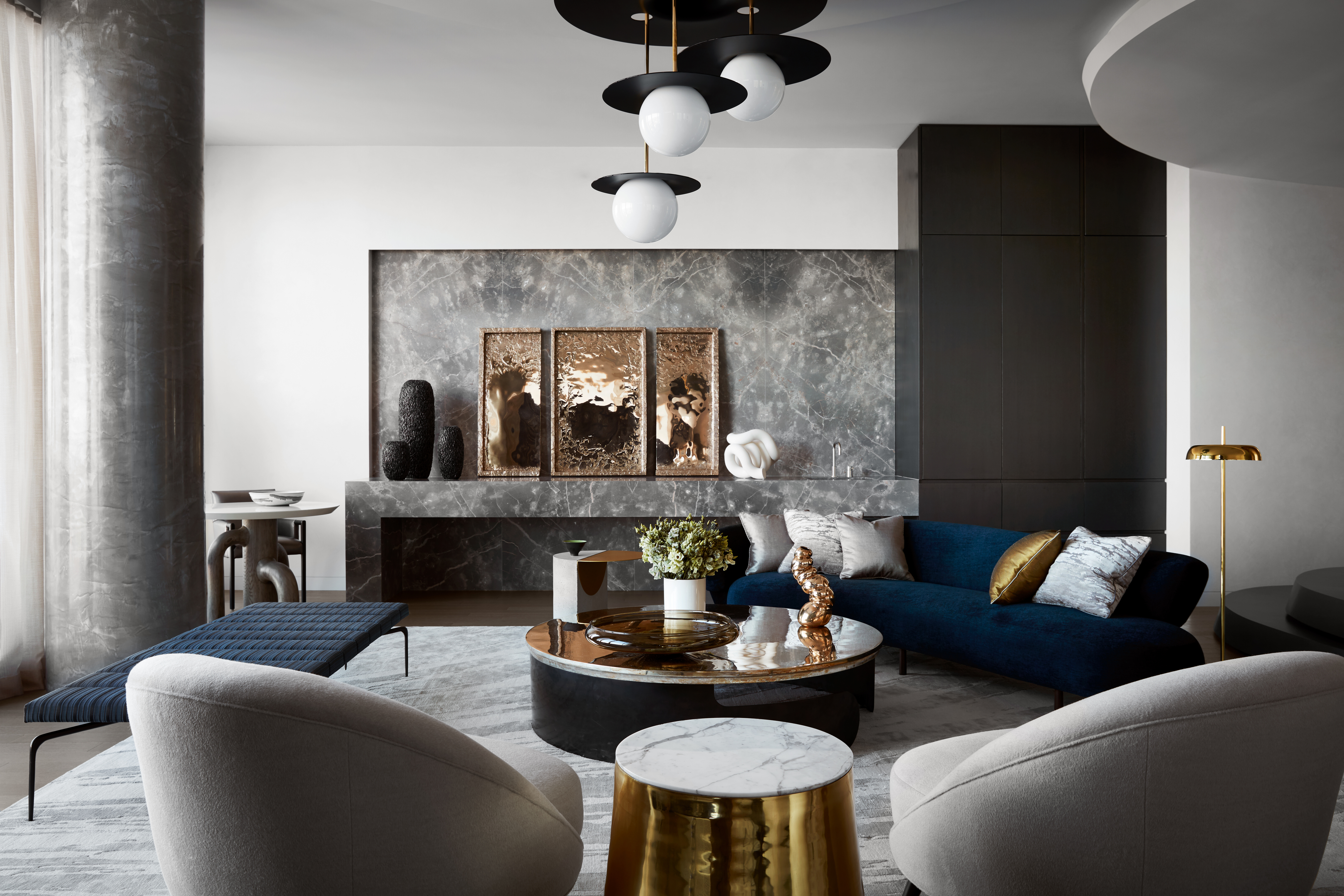
How do you make overhead lighting less harsh? 7 tips for a more flattering scheme
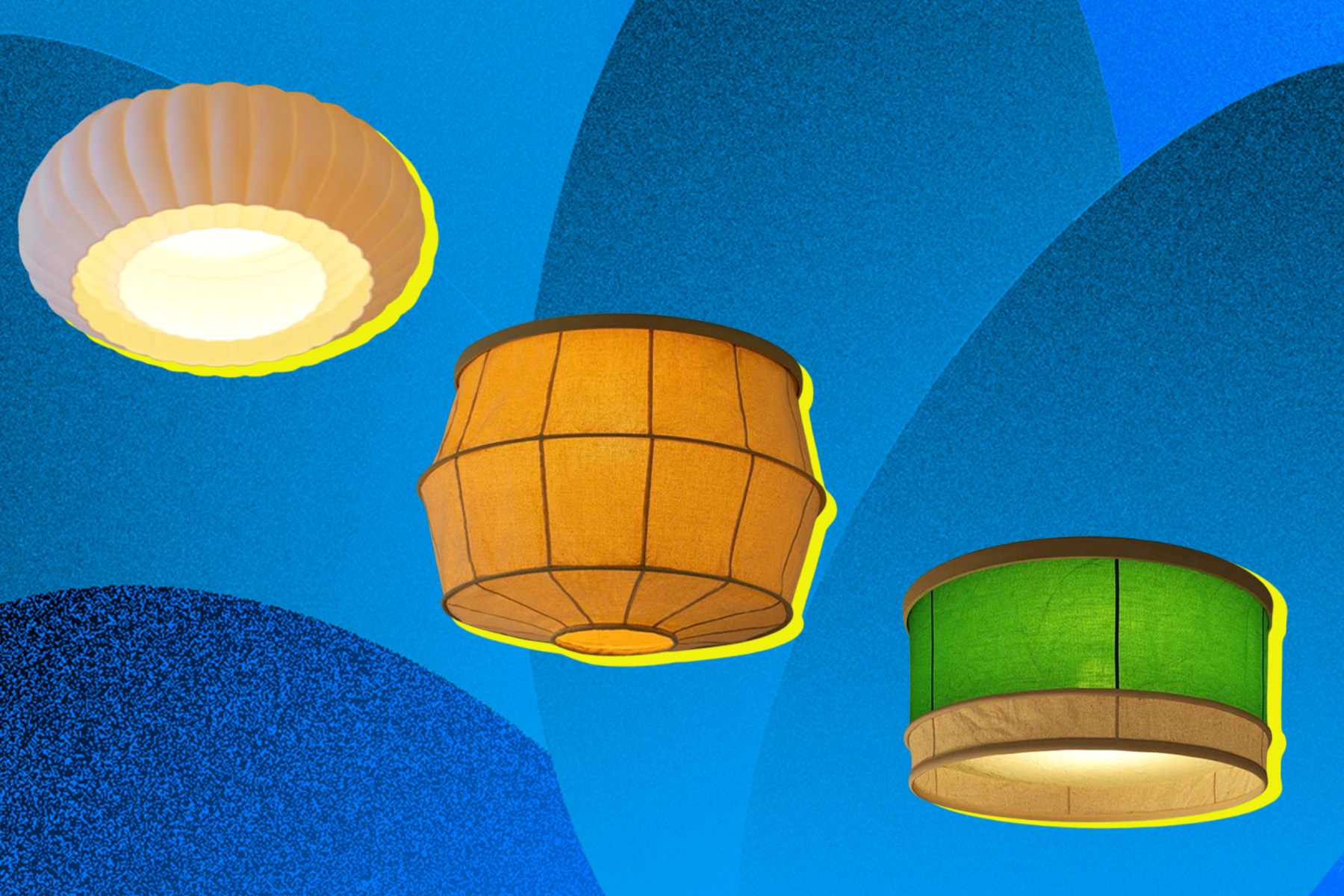
Does Your Kitchen Still Have a ‘Boob Light’? Let’s Change That
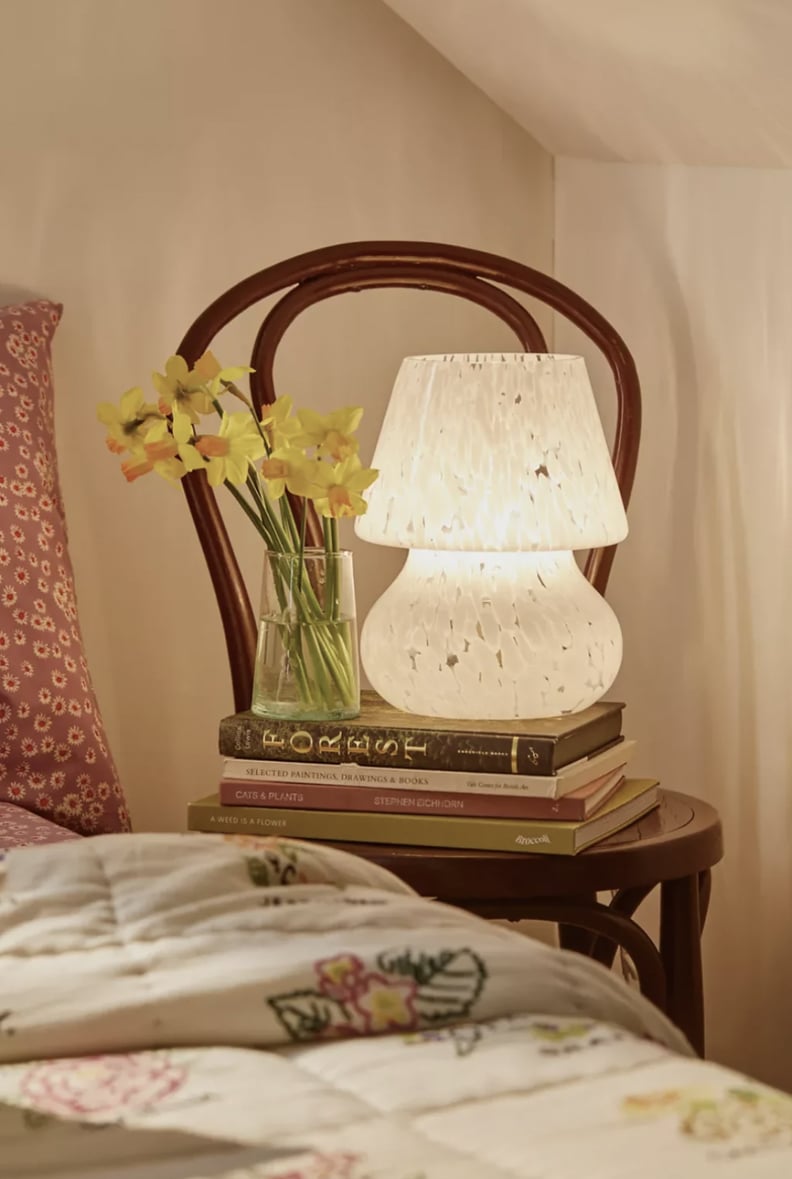
11 Light Fixtures That Will Brighten Up Your Space — and Your Mood
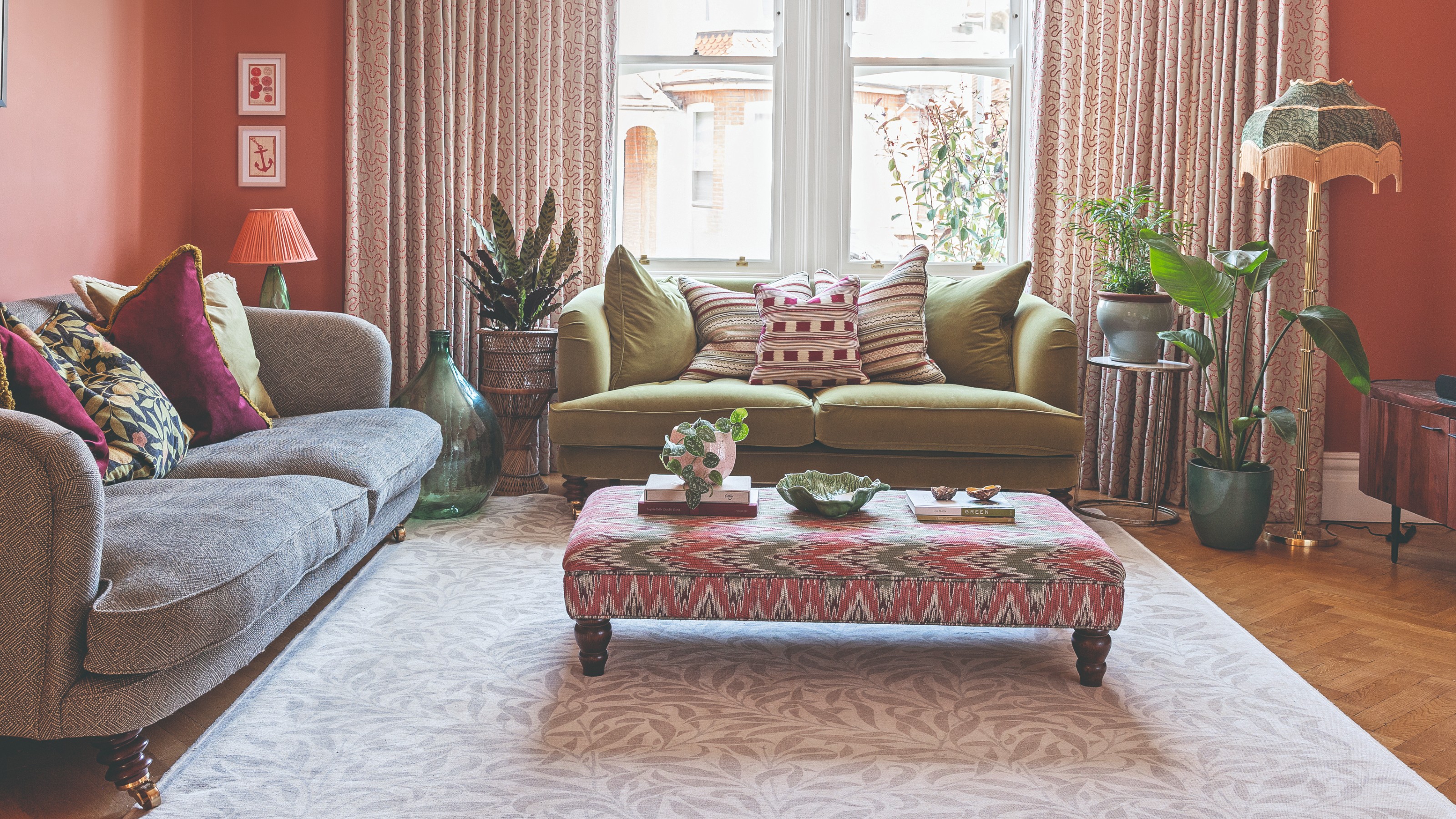
5 affordable ways to make your living room lighting look much more expensive than it actually is
How to Brighten Up Your Sad Kitchen Lighting, According to Interior Designers
New lighting? Designers offer tips for upgrades that shine.

5 Easy, Designer-Approved Lighting Hacks to Brighten Up Your Home