The Designer-Approved Way to Use Dupes and Flipped Furniture Without Looking Cheap
The article explores the rising trend of "dupe-it-yourself" (DIY) decor, where individuals recreate expensive design pieces using budget-friendly alternatives. This movement, gaining significant traction on platforms like TikTok and reflected in Michaels’ 2025 Creativity Trend Report, indicates a shift in how people approach home decoration. The report highlights a substantial increase in searches for DIY decor (up 146%) and furniture flipping (up over 400%) on Michaels.com, signifying a growing desire among homeowners to personalize their spaces through their own creative efforts.
Interior designer Allison Handler offers insights into how to thoughtfully integrate DIY dupes into home decor. She emphasizes that while the trend began as a budget-saving strategy, it has evolved into a form of self-expression. Handler acknowledges the appeal of DIY projects, particularly those that incorporate personal meaning or family items, stating that a home should feel personal rather than like a museum. She advocates for blending cherished personal items and family photos into designs to achieve a unique and meaningful aesthetic.
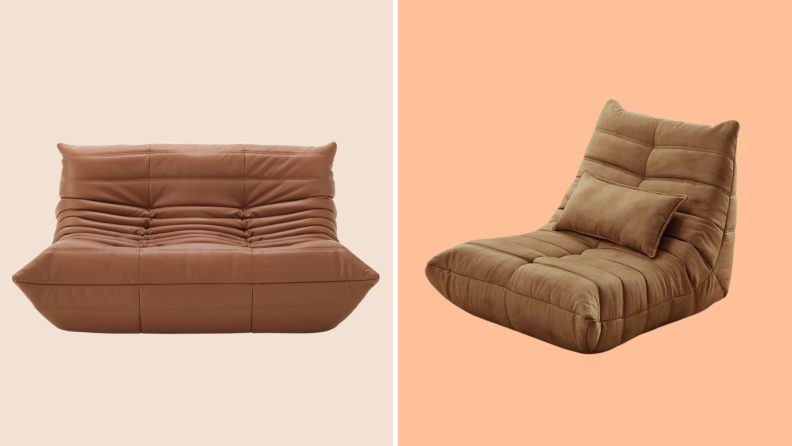
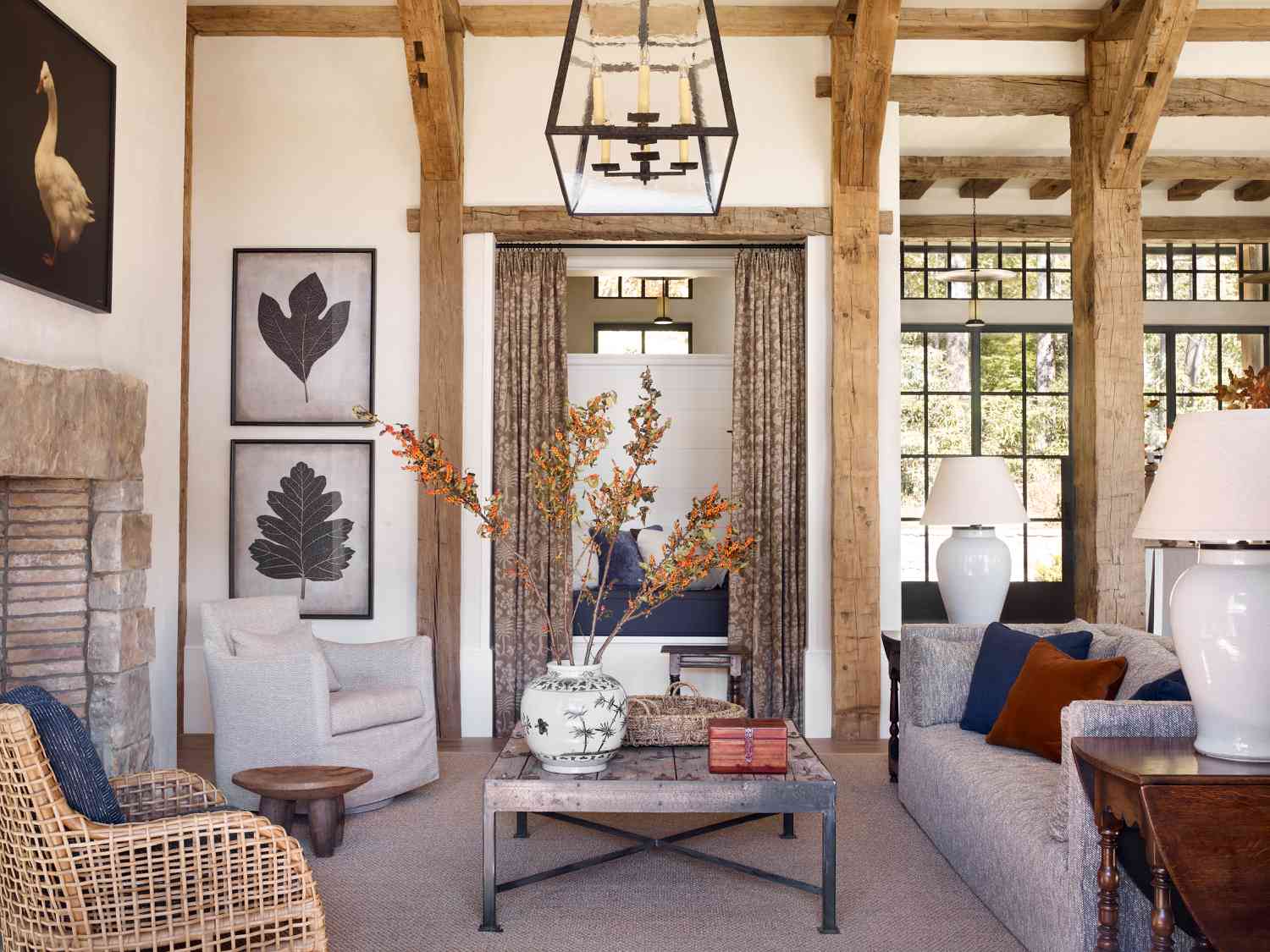
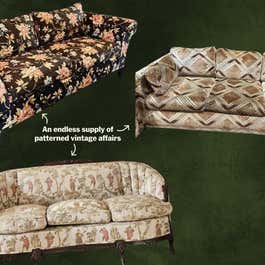
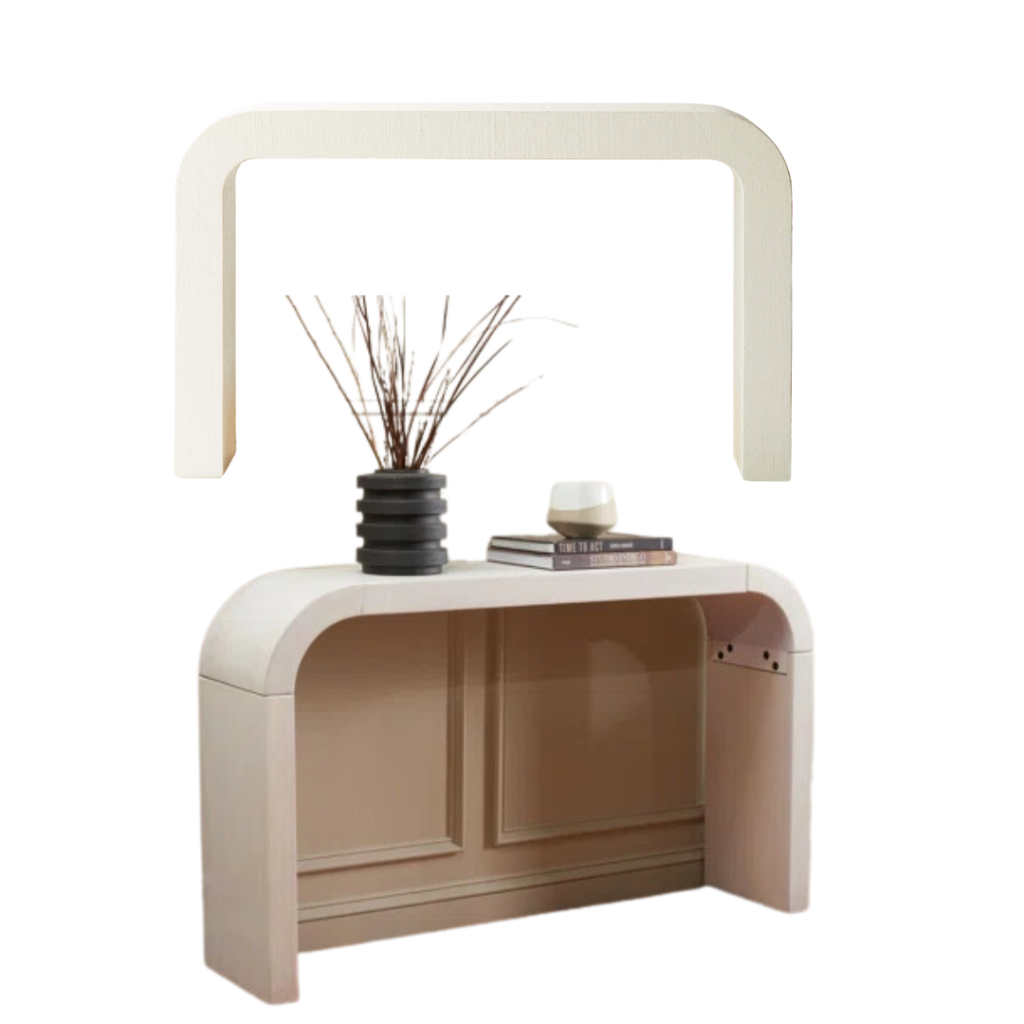
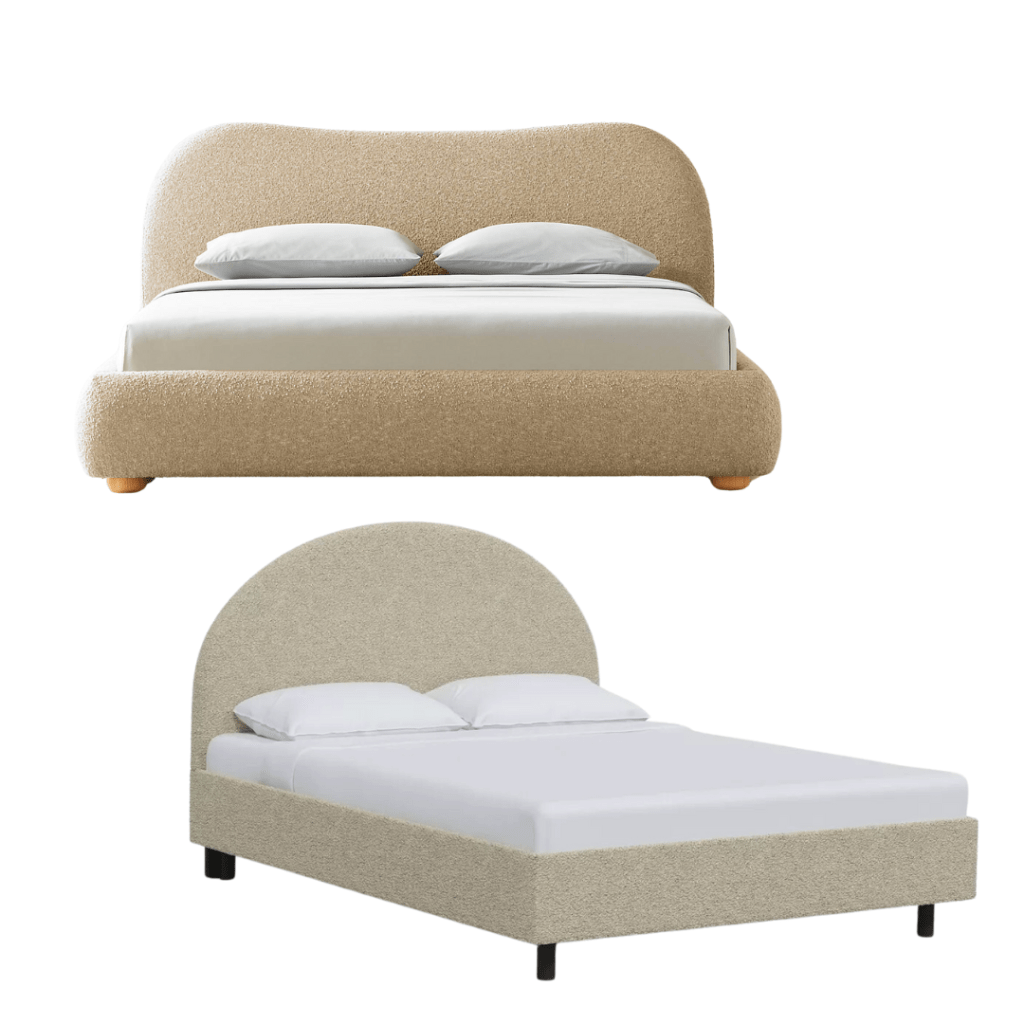
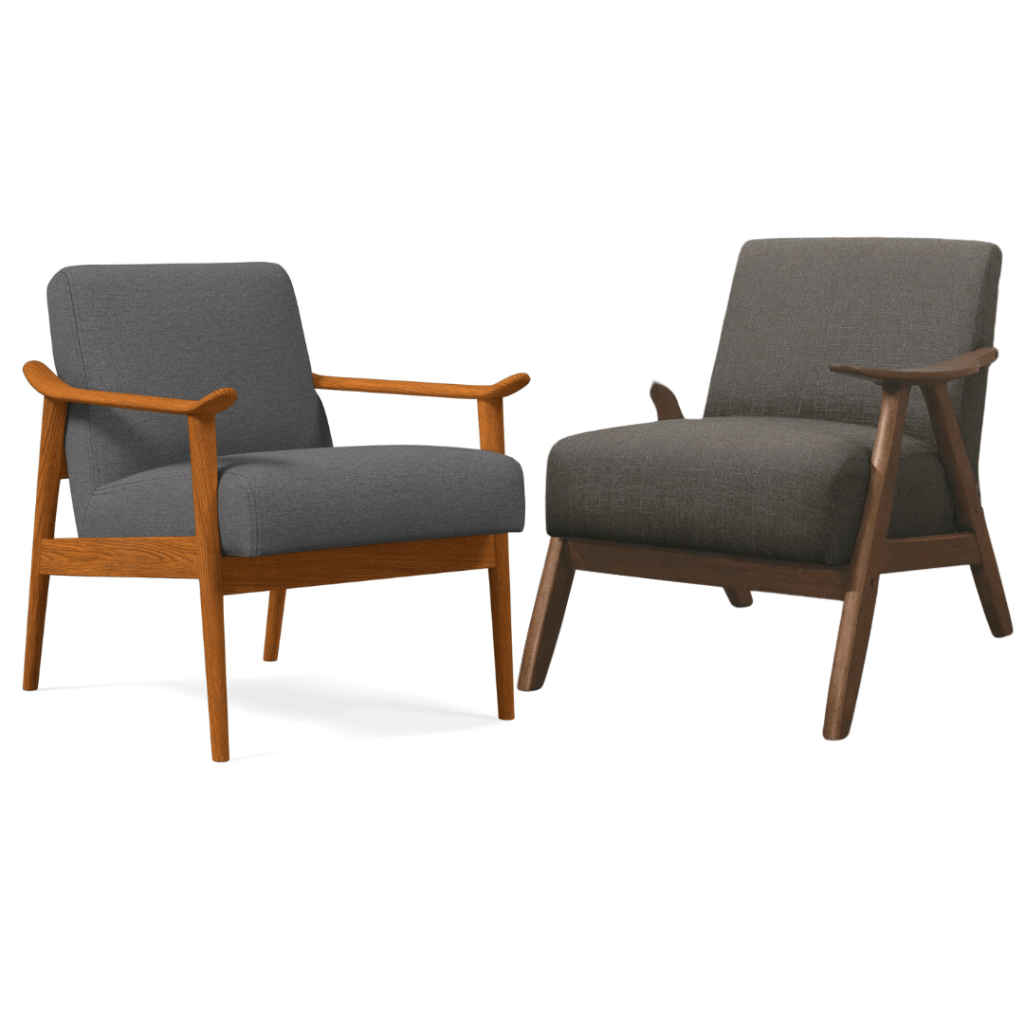
However, Handler also advises caution when approaching dupes. She notes that while dupes and knockoffs are widespread, it is often best to seek original sources for specific pieces to ensure quality and authenticity. As an alternative to directly duplicating, she suggests that vintage finds offer a fantastic way to achieve a unique look within a budget. Her perspective is that dupe decor does not inherently look cheap, provided that homeowners prioritize pieces that are personal and intentional.
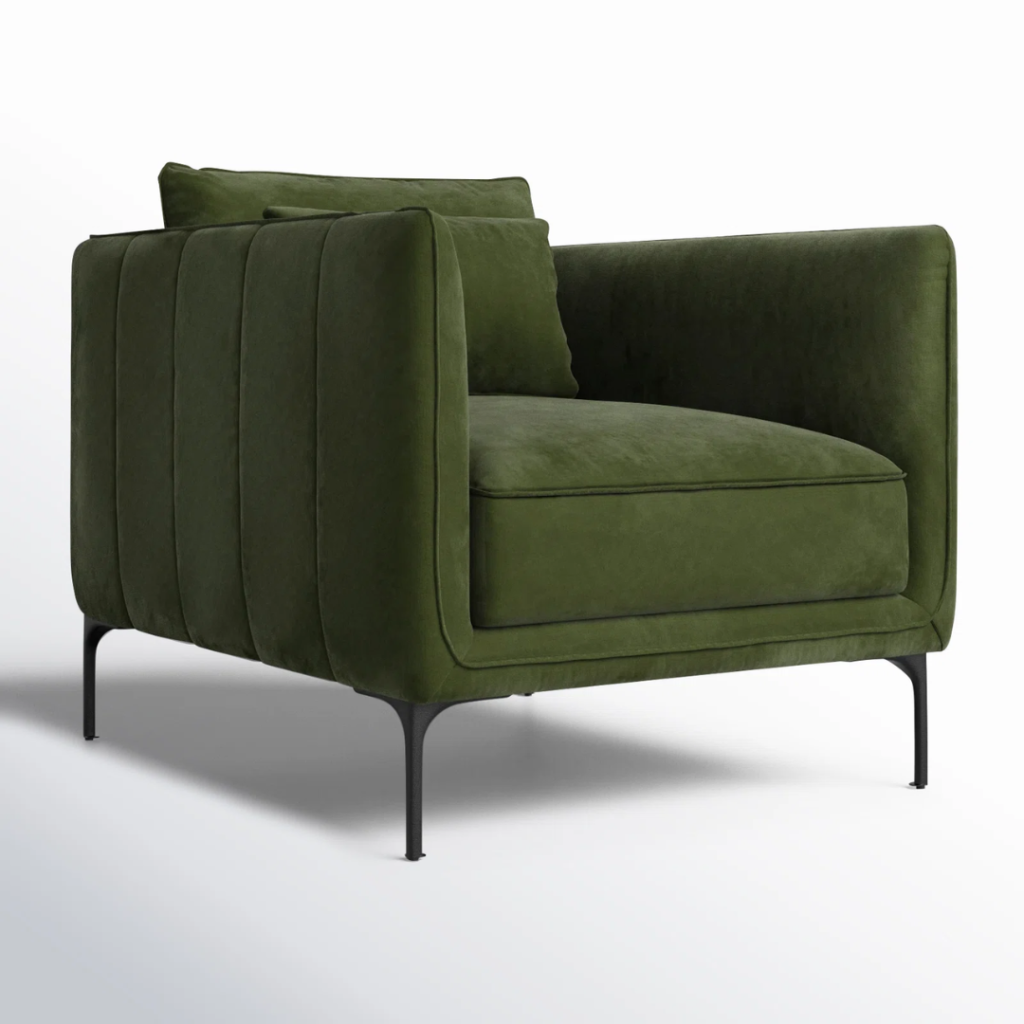
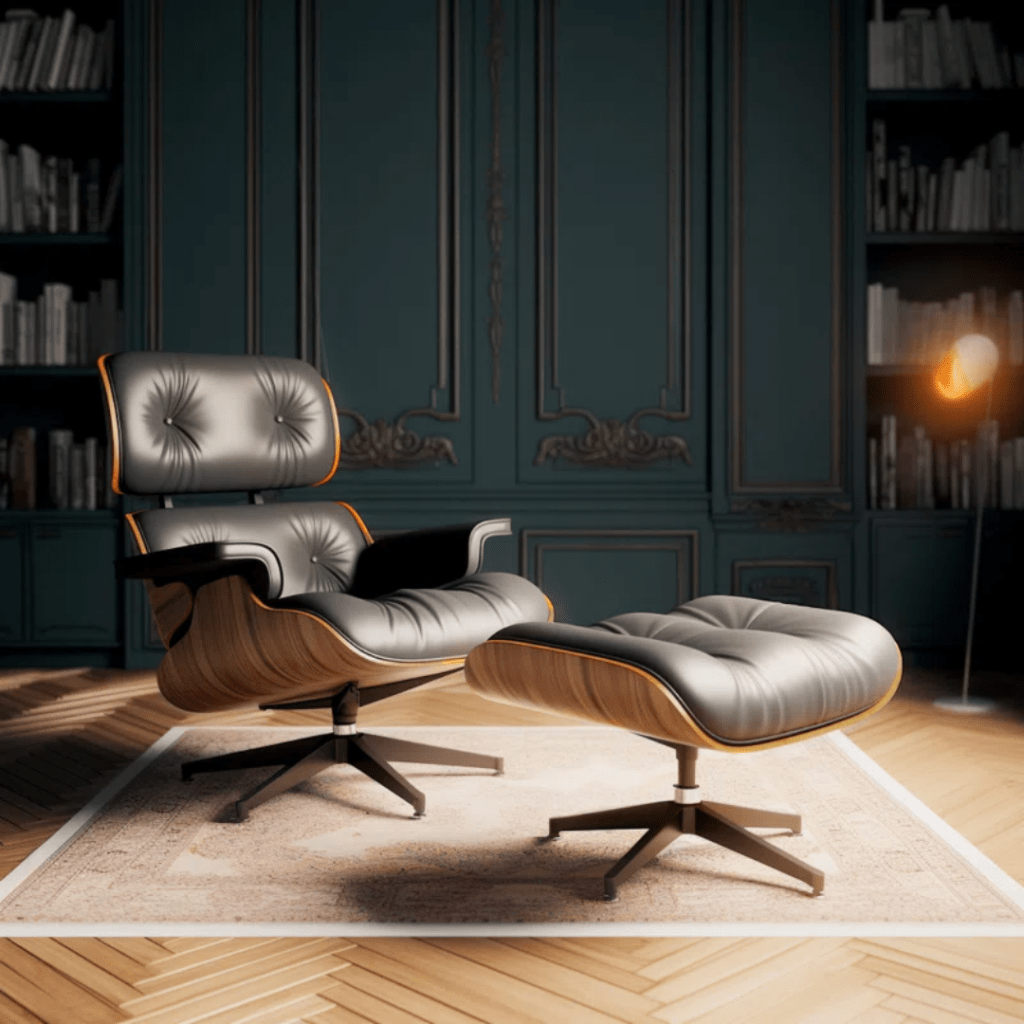
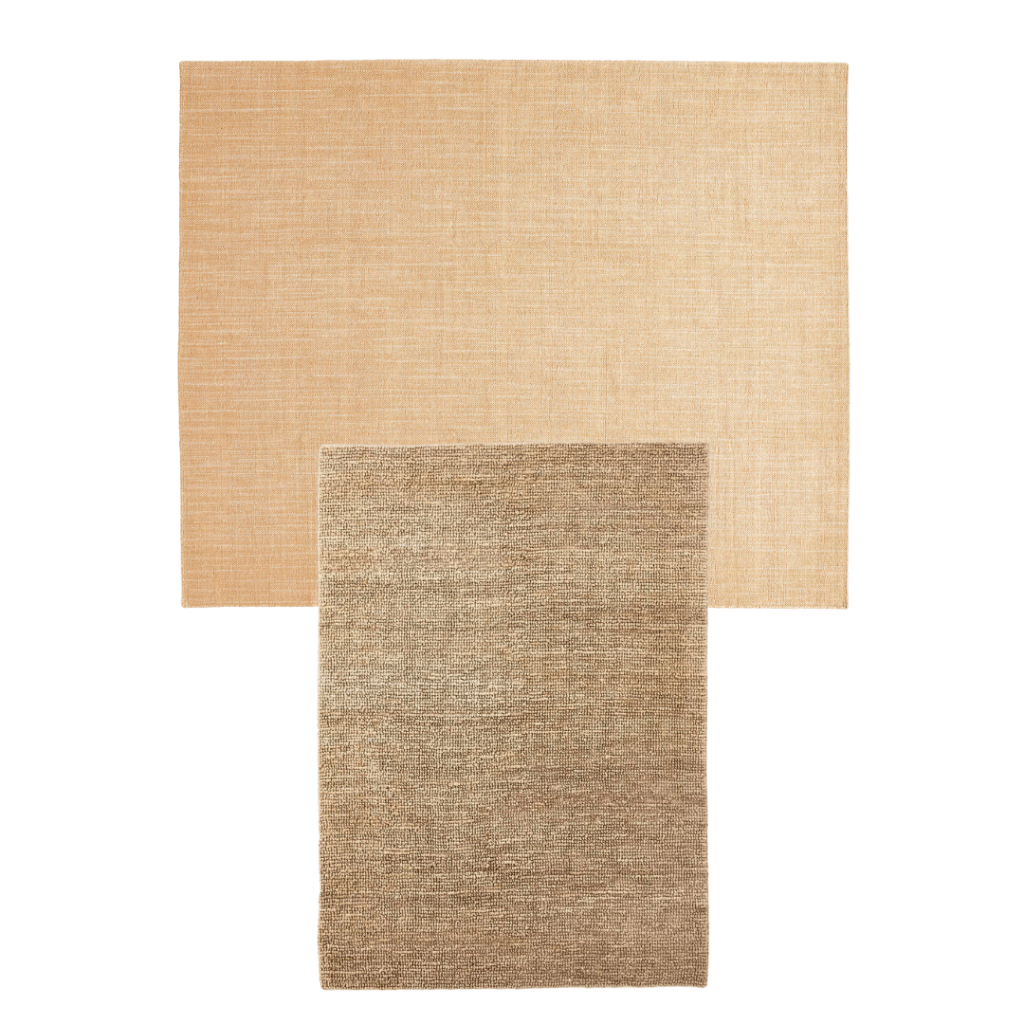
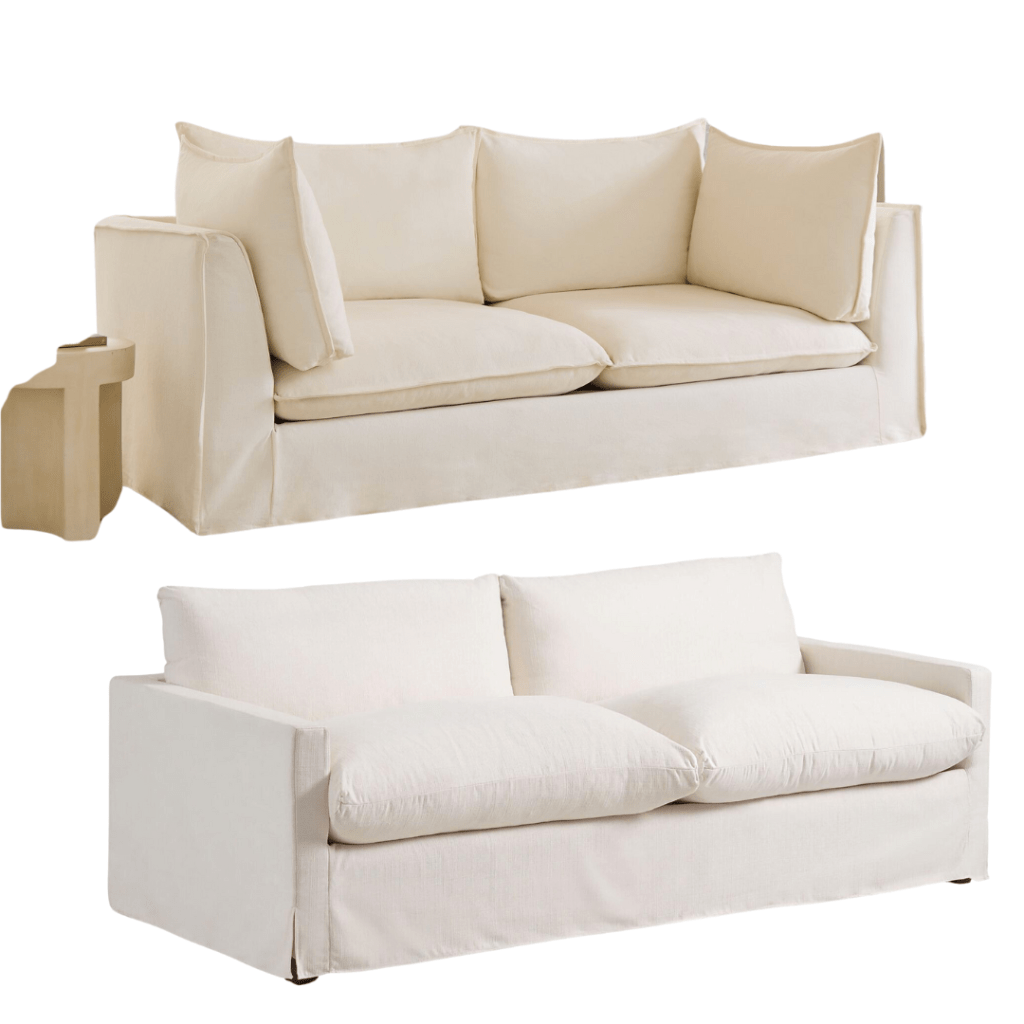
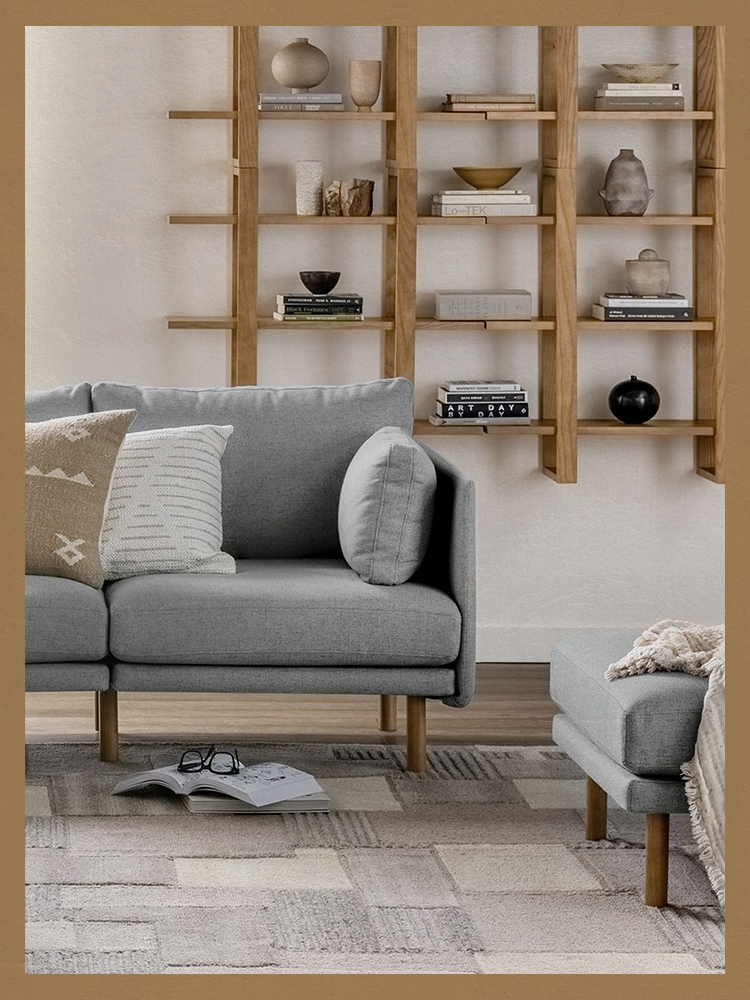
To achieve a refined and lasting look, Handler recommends a balanced approach, combining investment pieces with more affordable items. This strategy, which she terms a “mix of high and low,” involves pairing a single high-end, luxury item with less expensive accessories, rugs, or other decor elements. This allows for an elevated aesthetic that can withstand the test of time without requiring a large overall investment.
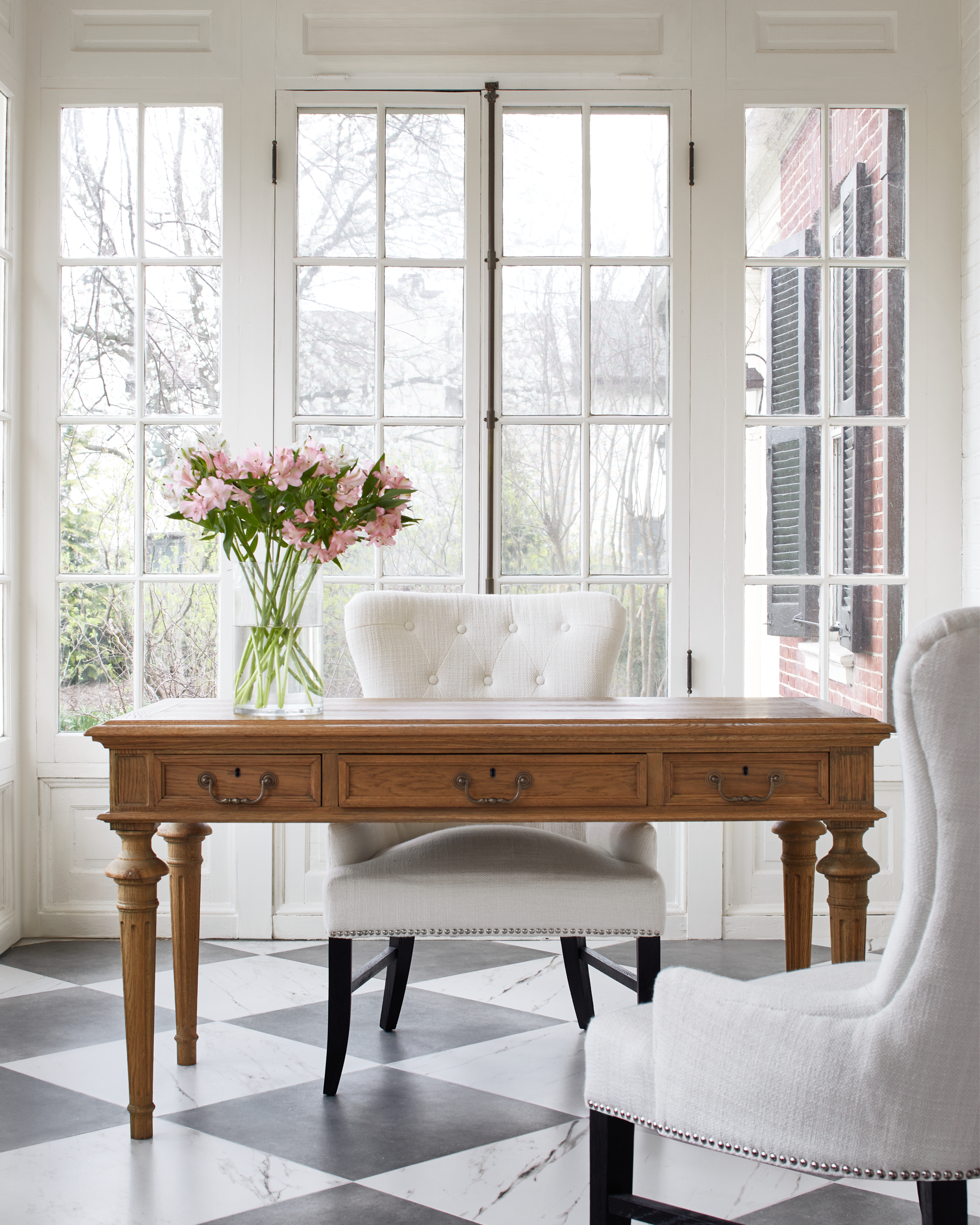
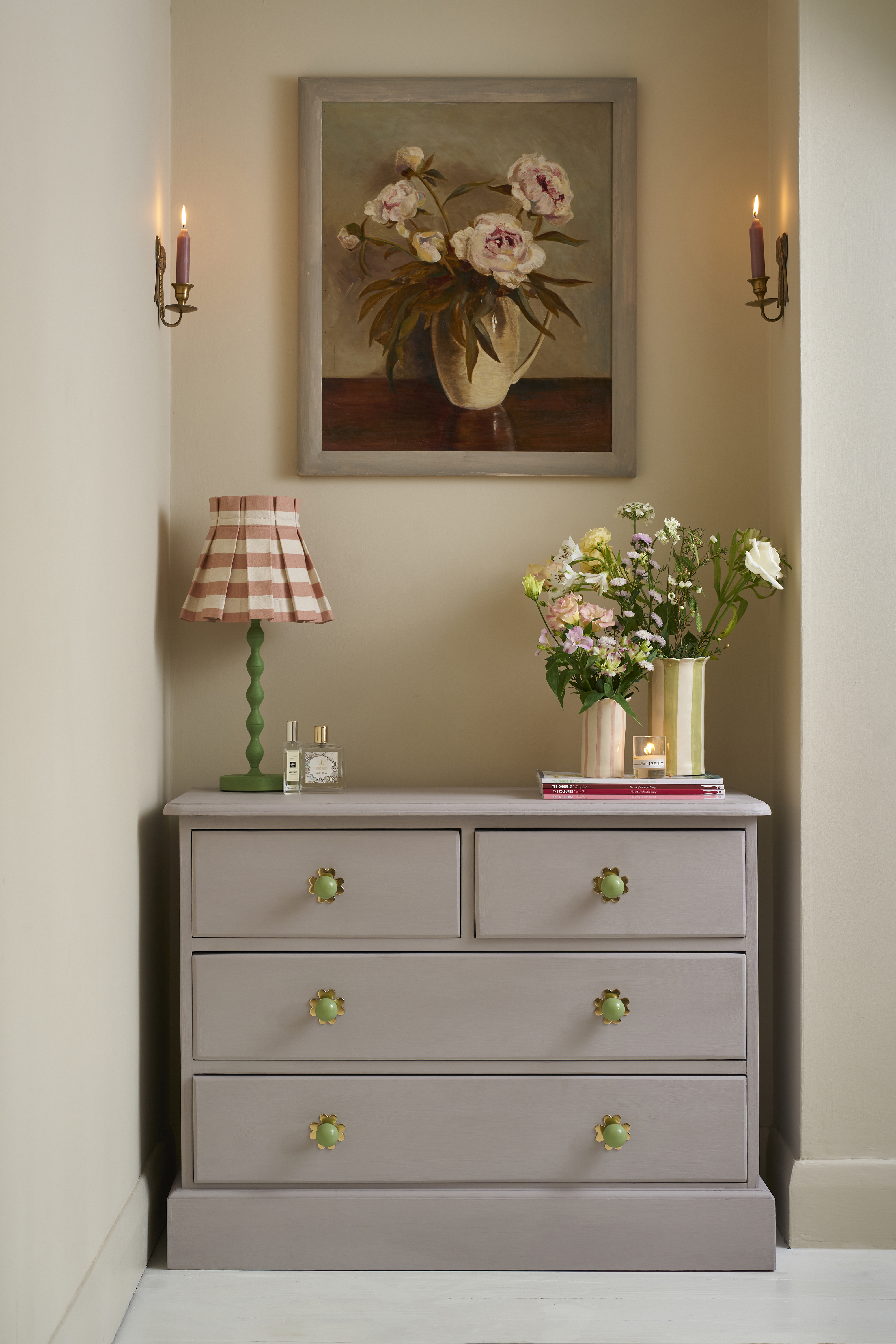
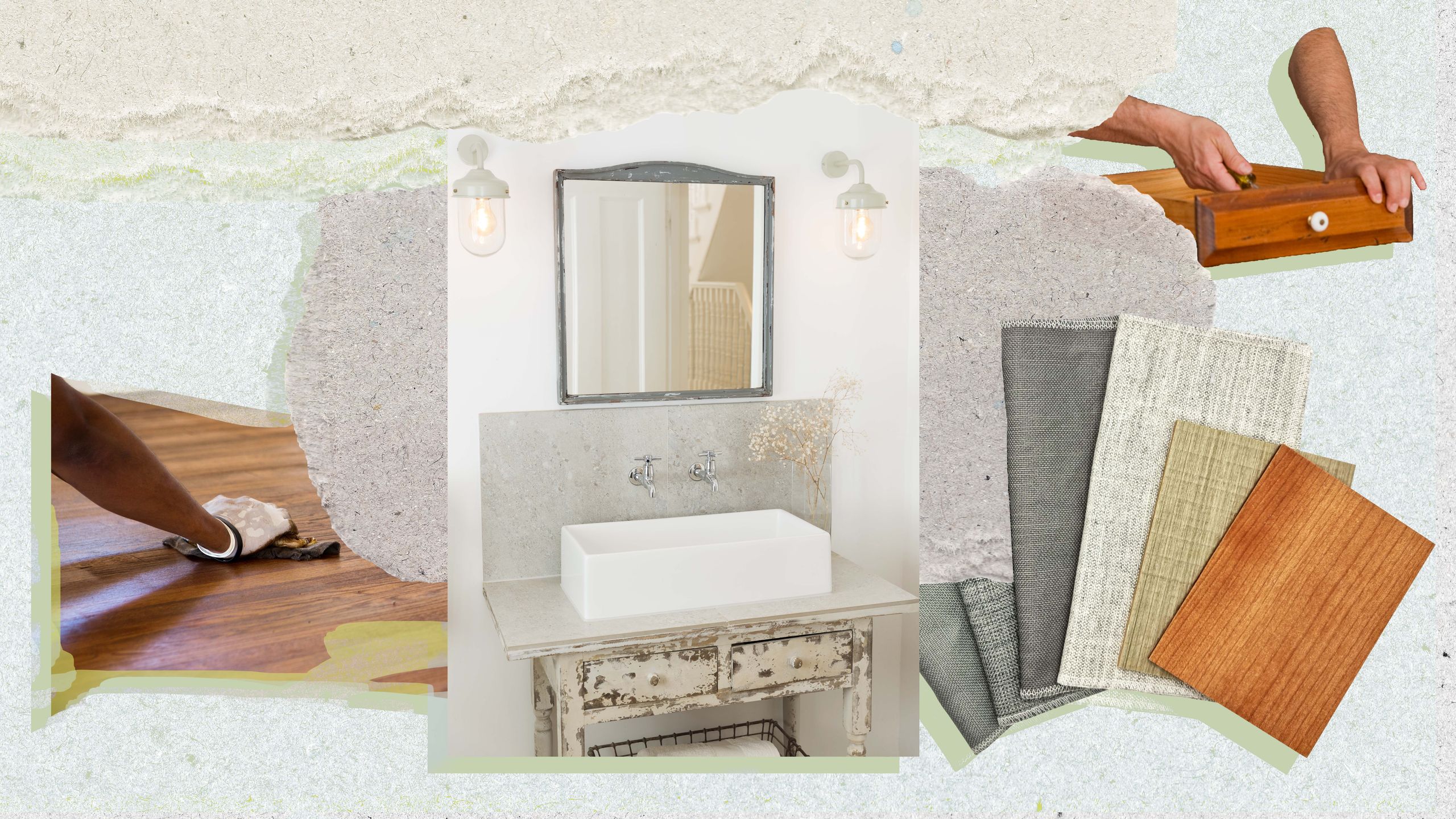
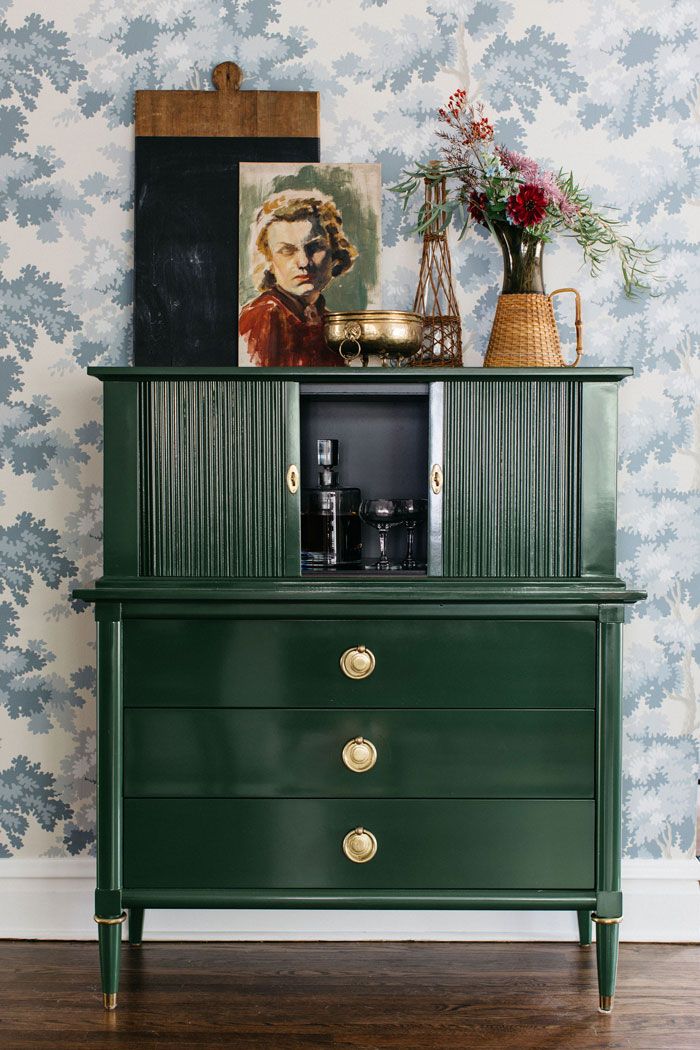
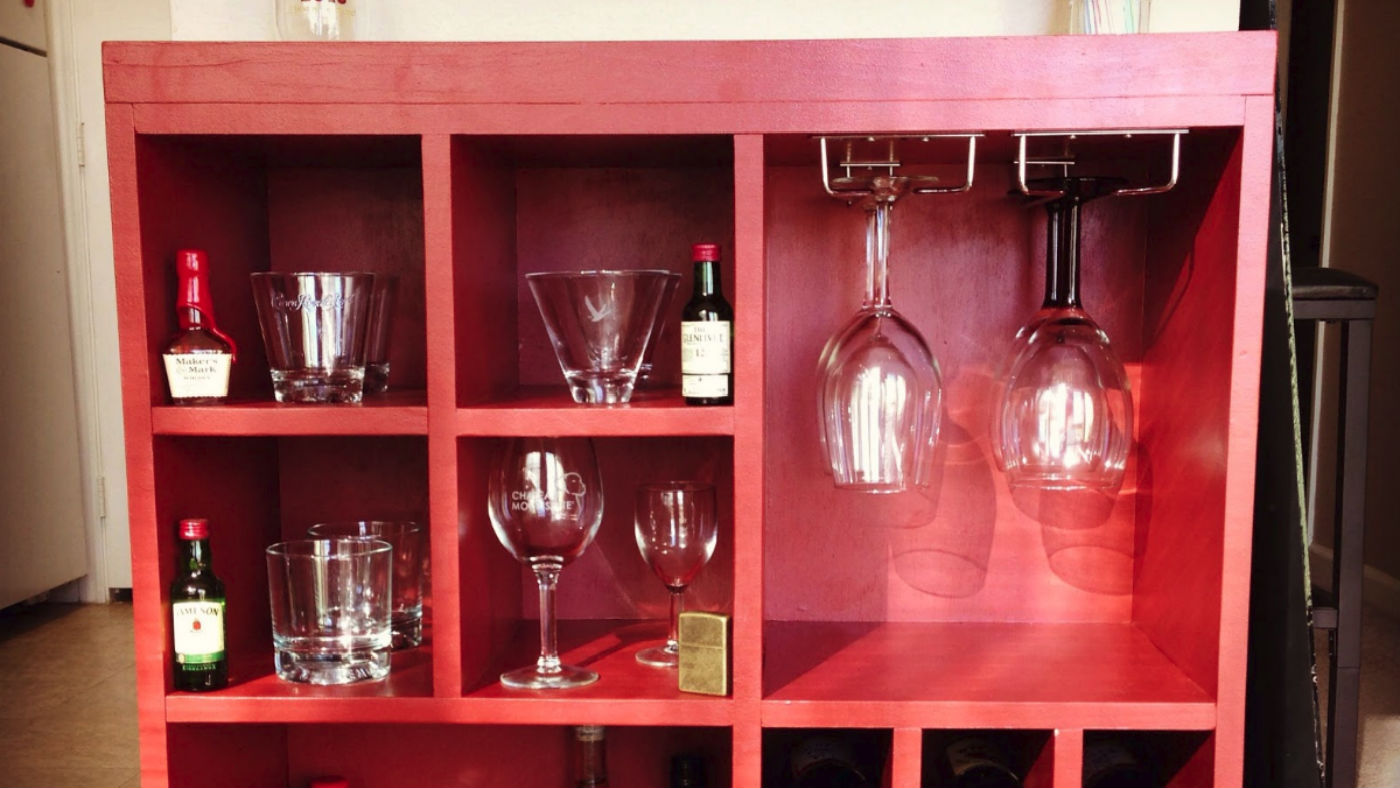
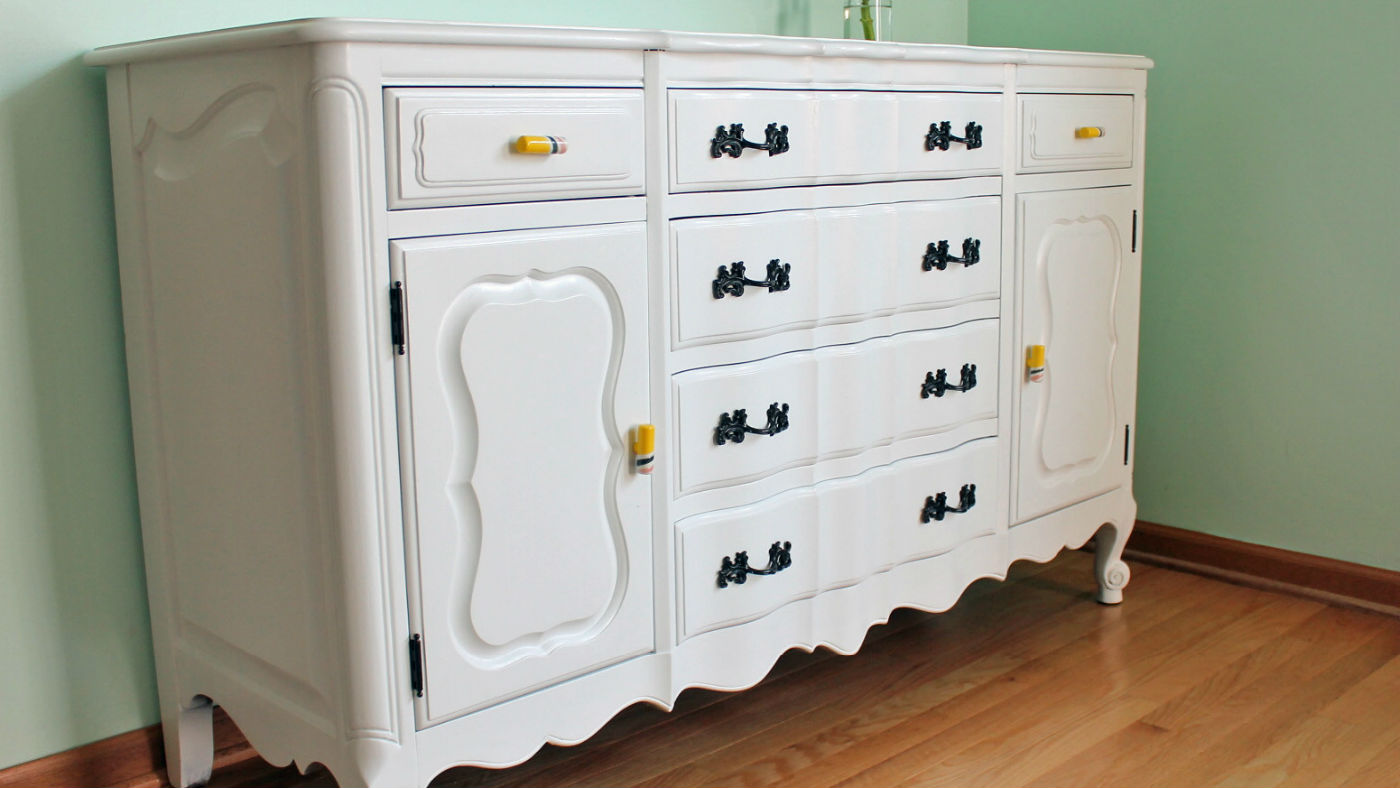
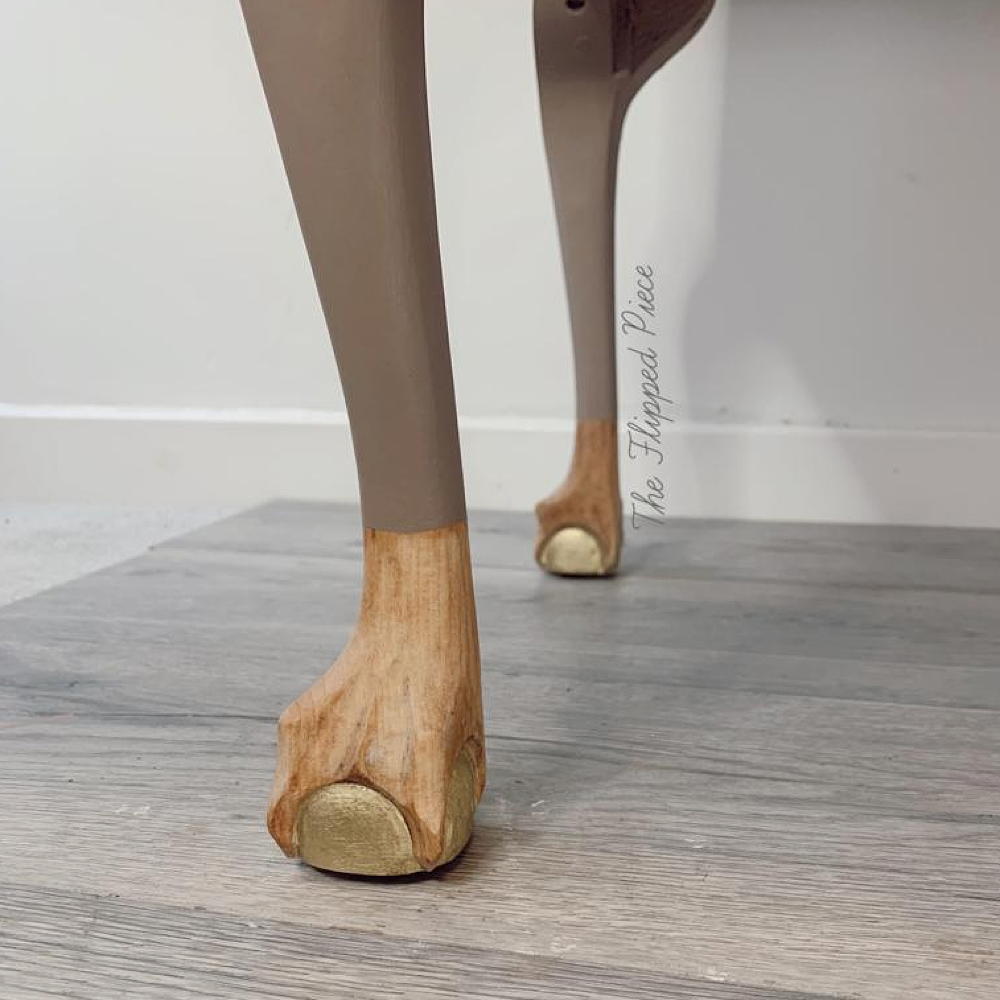
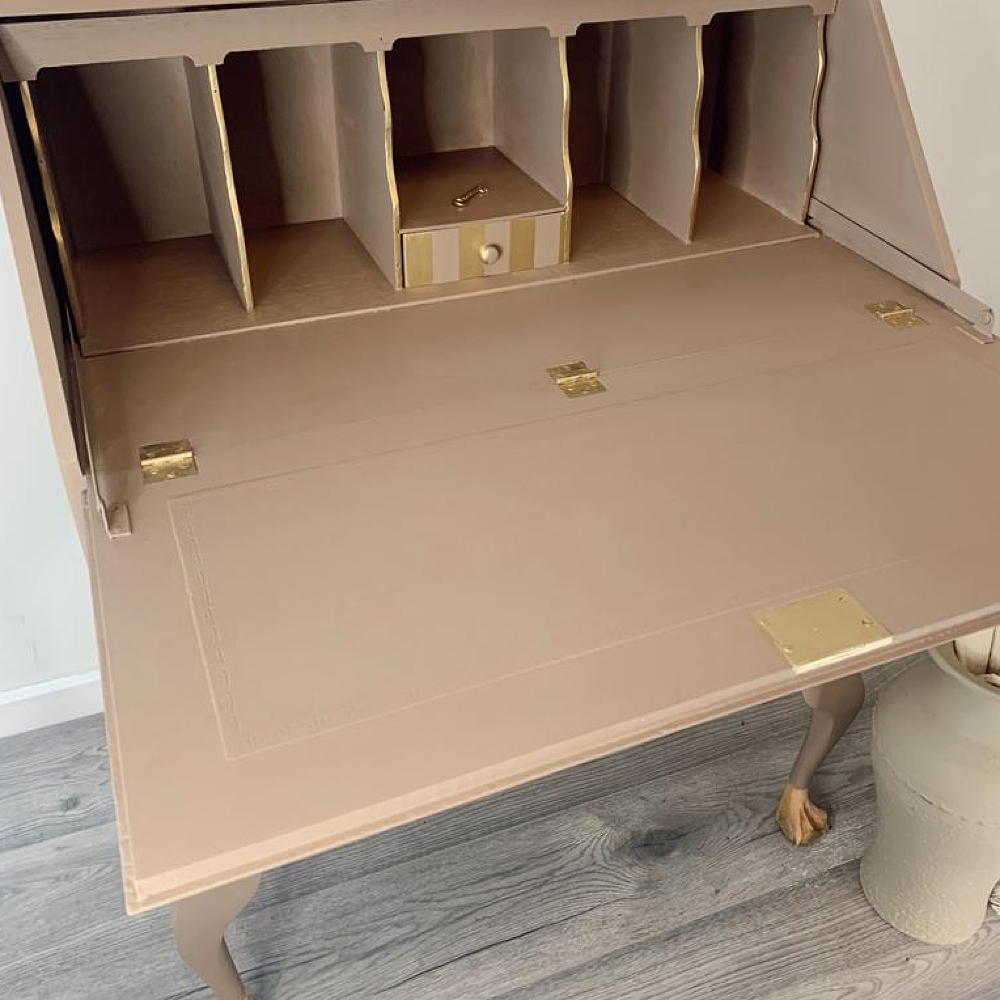
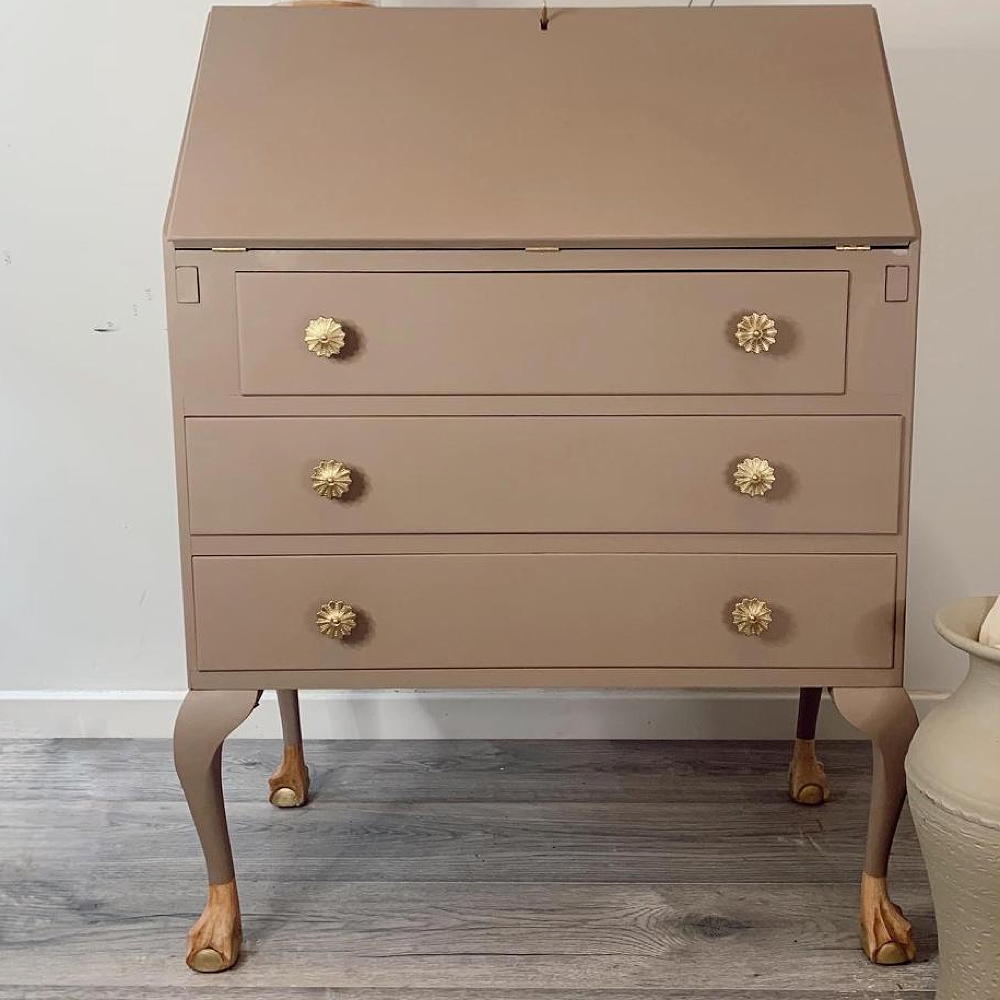
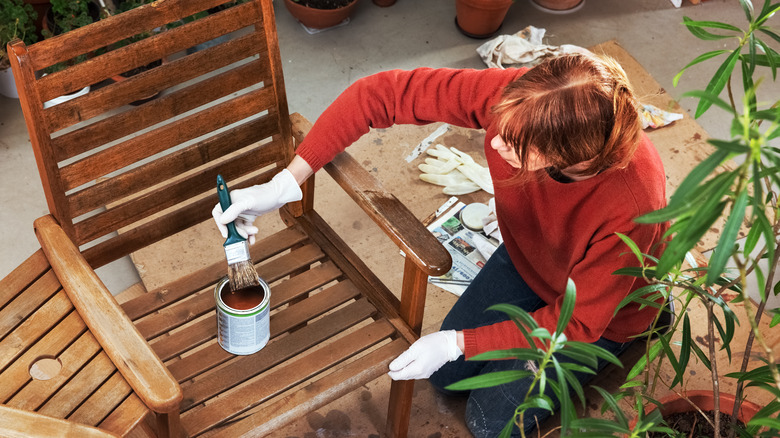
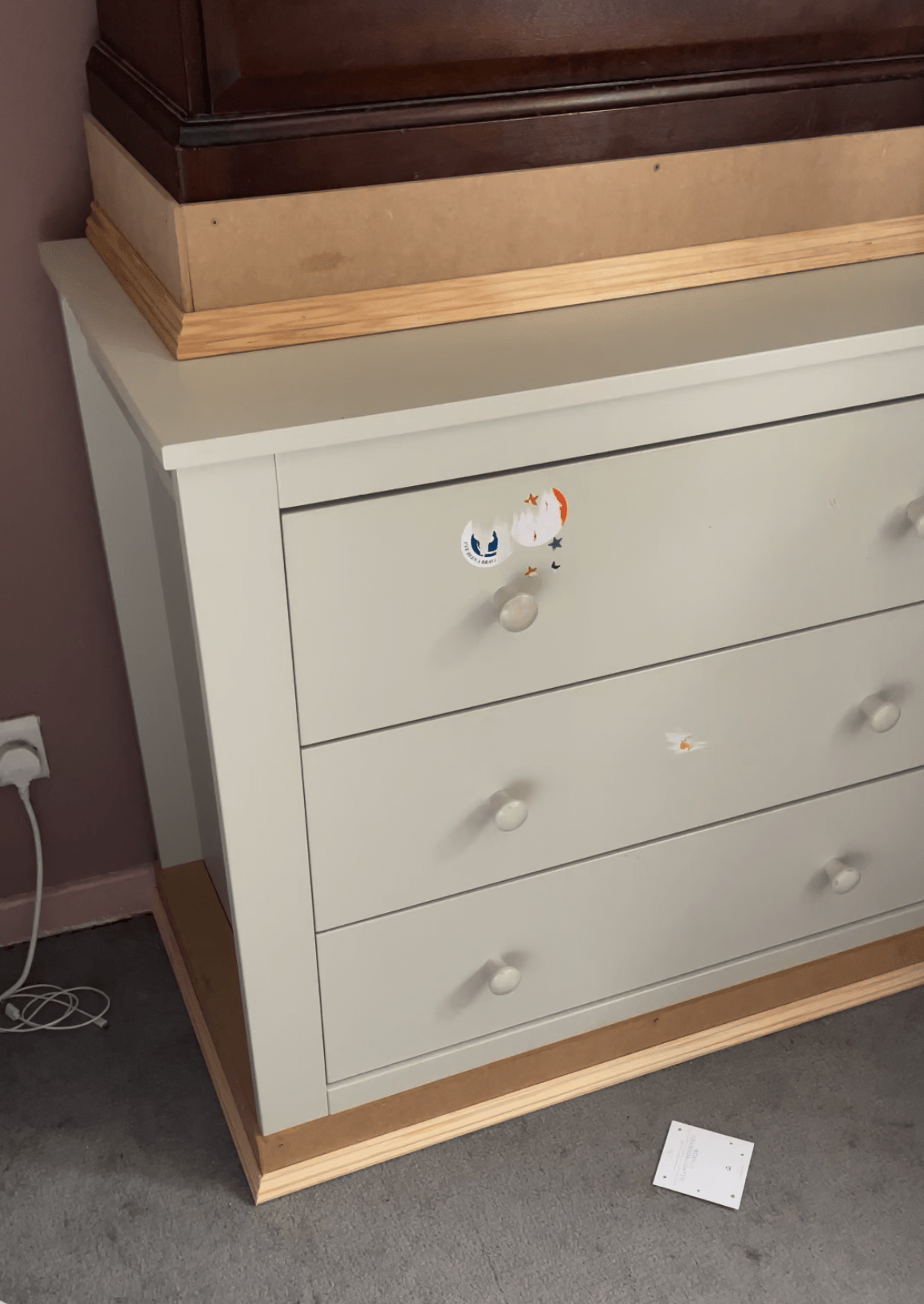
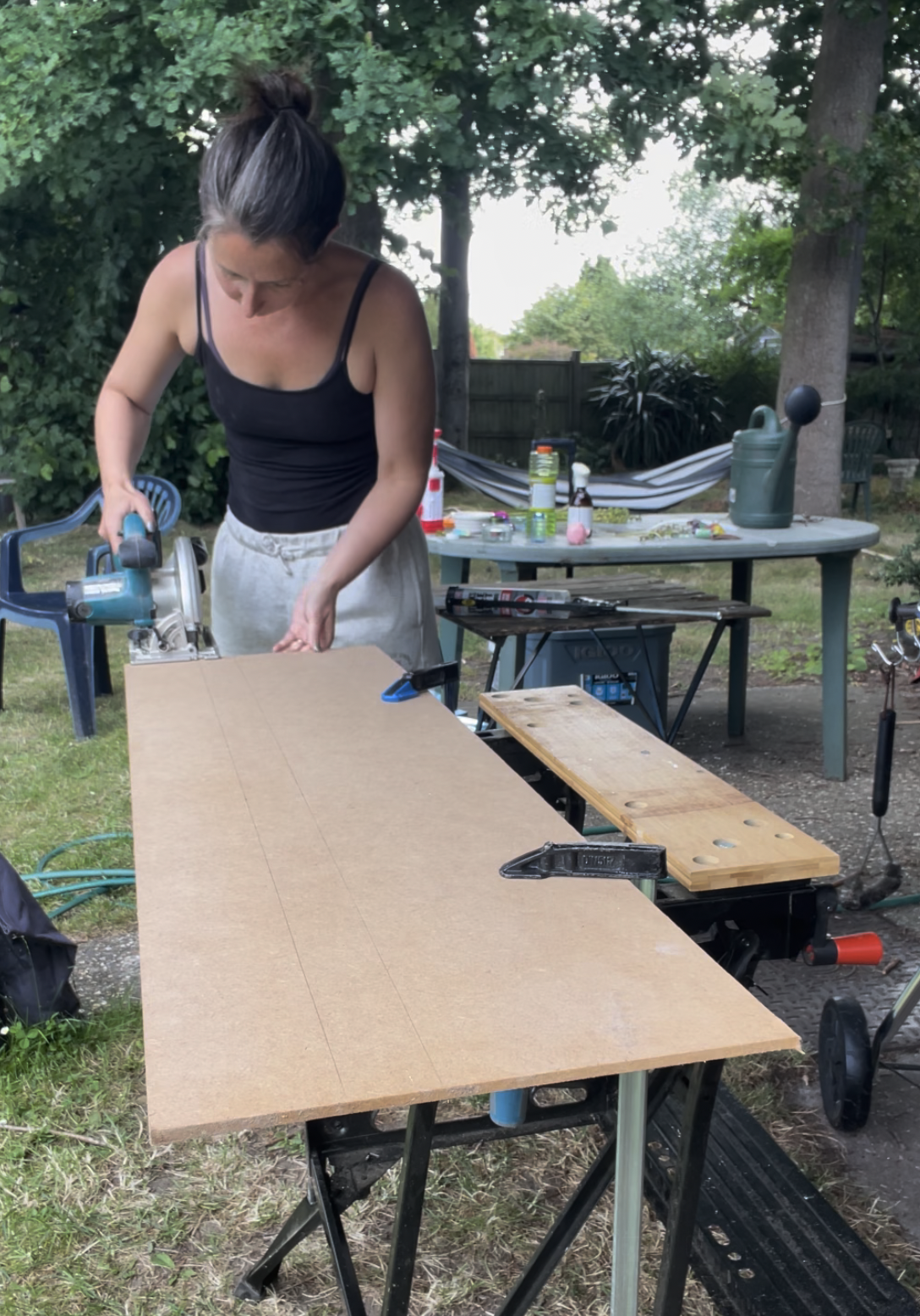
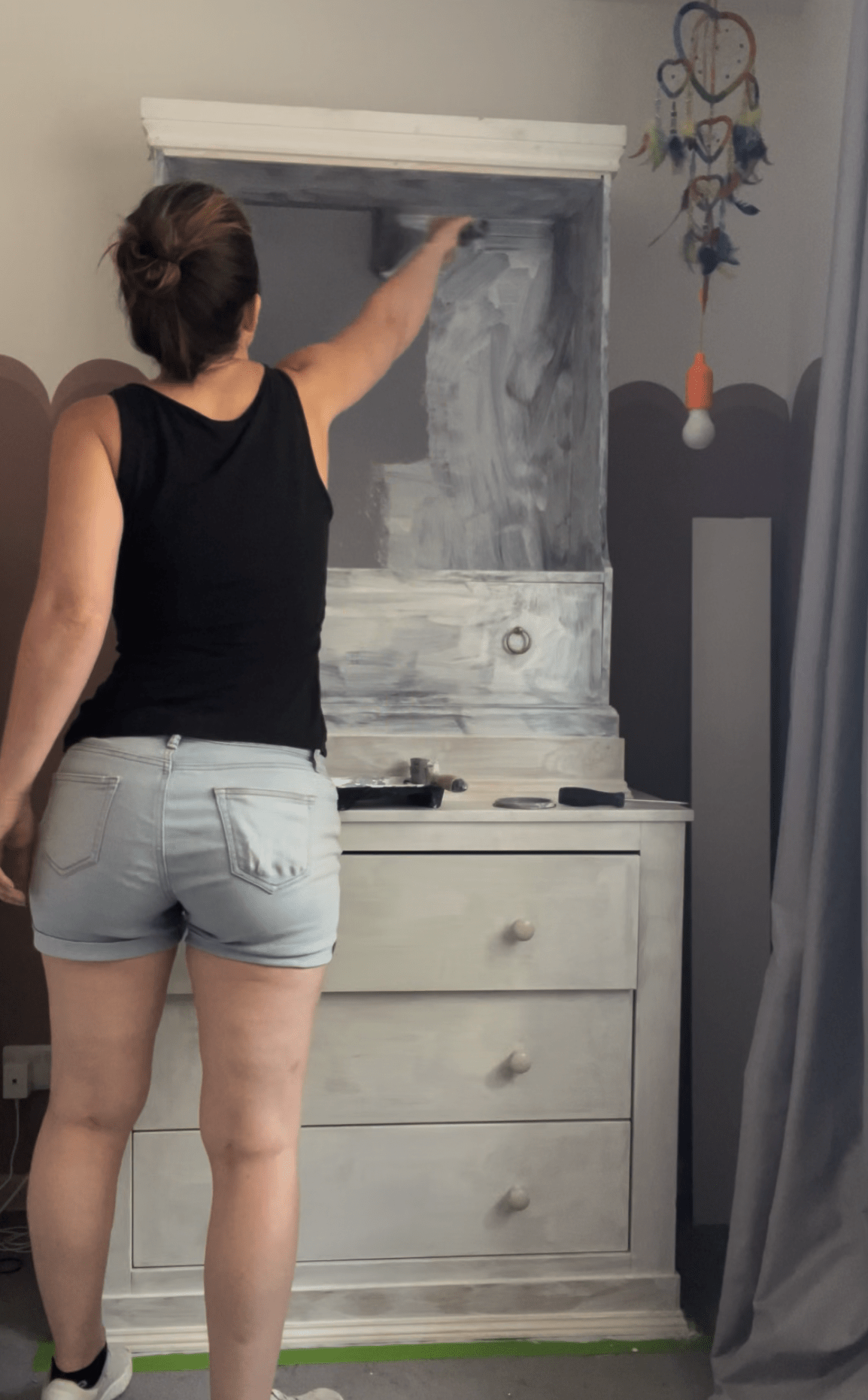
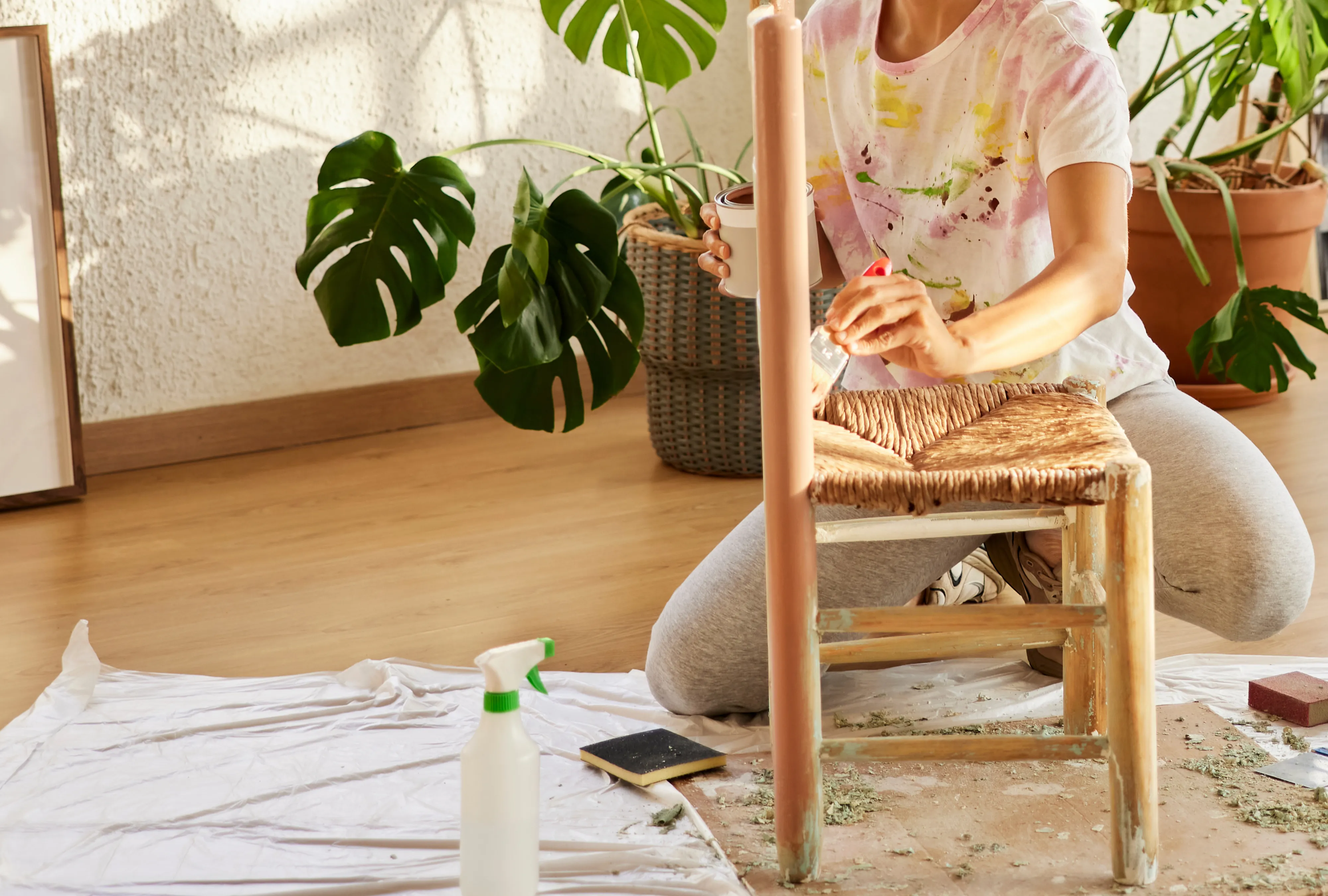
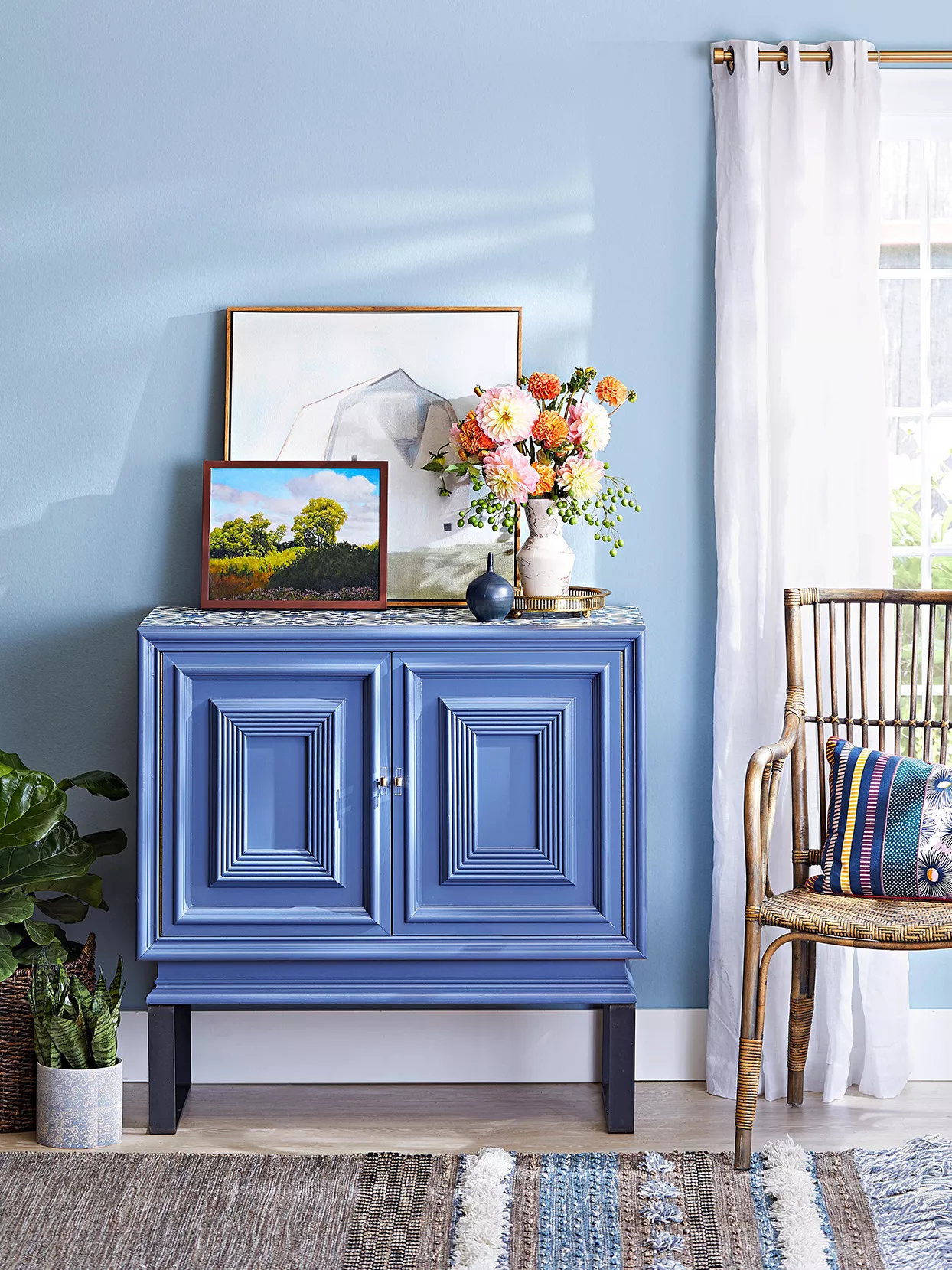
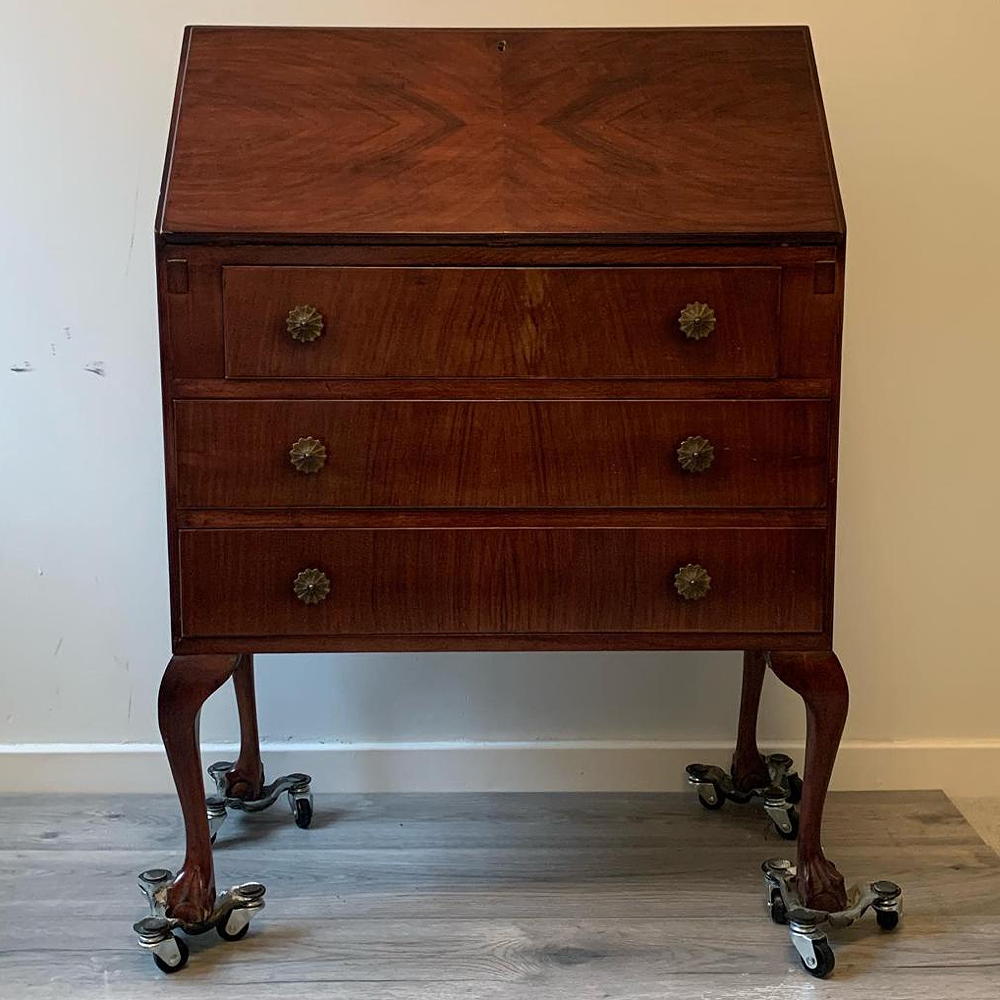
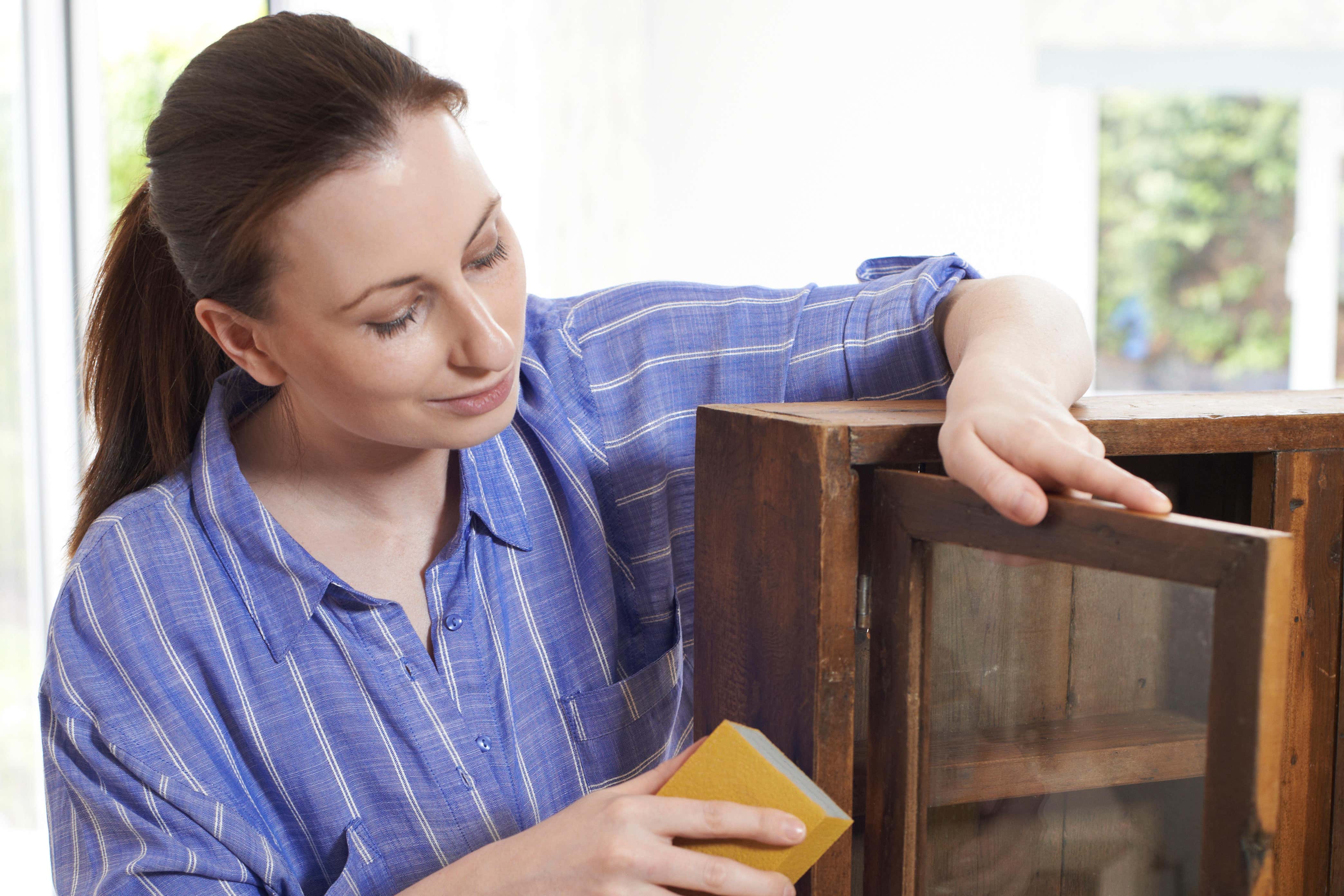
Furthermore, Handler expresses strong support for furniture flipping and repurposing vintage pieces. She considers sourcing vintage items a valuable part of her design process, highlighting their uniqueness, often superior quality, and one-of-a-kind nature. The article notes that social media has popularized furniture flipping, making it accessible for individuals to transform outdated pieces into statement furniture through tutorials. Handler suggests that reupholstering a thrifted chair or applying a fresh coat of paint or stain to a dresser can completely revive an item, giving it a modern feel. This approach not only provides unique elements but also contributes to sustainable decorating practices.
#DIYDecor #HomeDecor #InteriorDesign #BudgetDecorating #FurnitureFlipping #VintageFinds #CreativeExpression #HomeTrends #DIYDecor #HomeDecor #InteriorDesign #BudgetDecorating #FurnitureFlipping #VintageFinds #CreativeExpression #HomeTrends
Há 0 comentários no total
 Ainda não há comentários
Você também pode gostar
How to Flip Furniture — And Sell It for Profit, According to a 'Professional Thrifter'


15 Repurposed Furniture Ideas That Will Give Your Pieces a Fresh Look

10 Most Convincing West Elm Furniture Dupes That Look Expensive for a Fraction of the Price

Creative and Impressive Before-and-After Furniture Makeovers
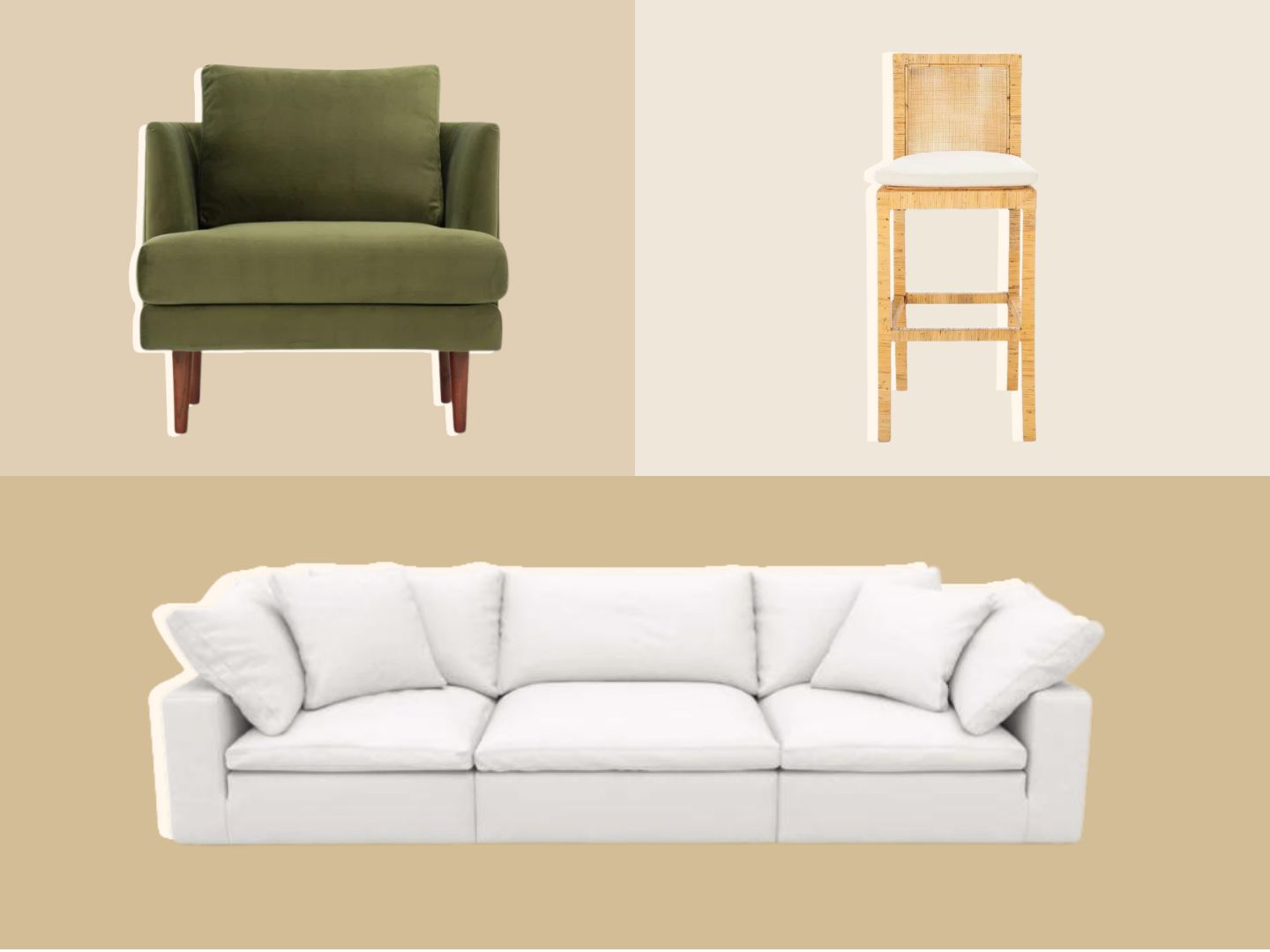
12 Shockingly Identical Designer Furniture Dupes (West Elm, Cloud Couch, & More) We Spotted at Wayfair

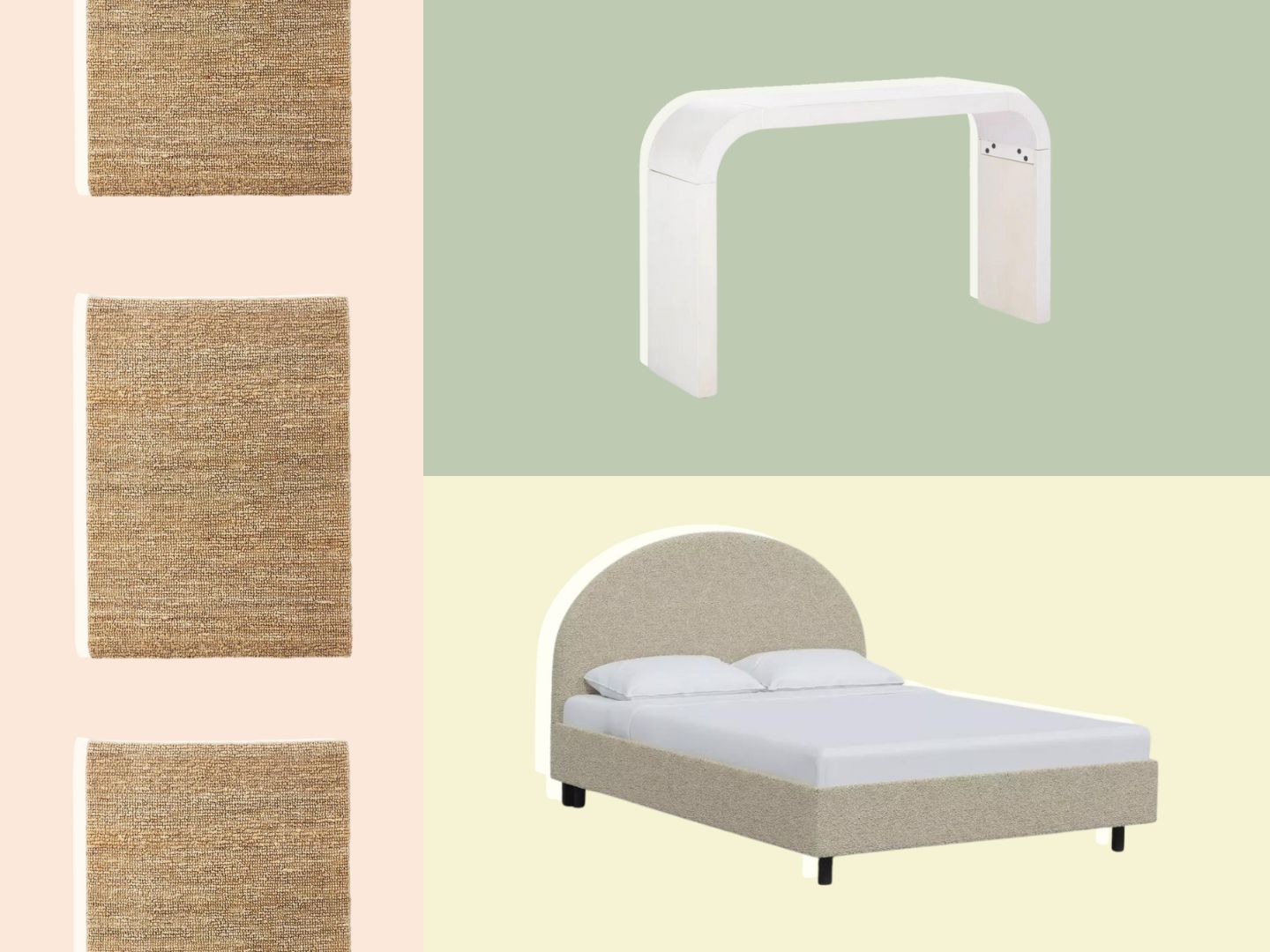
These Are the Best CB2 Dupes That Are Shockingly Similar for Half the Price
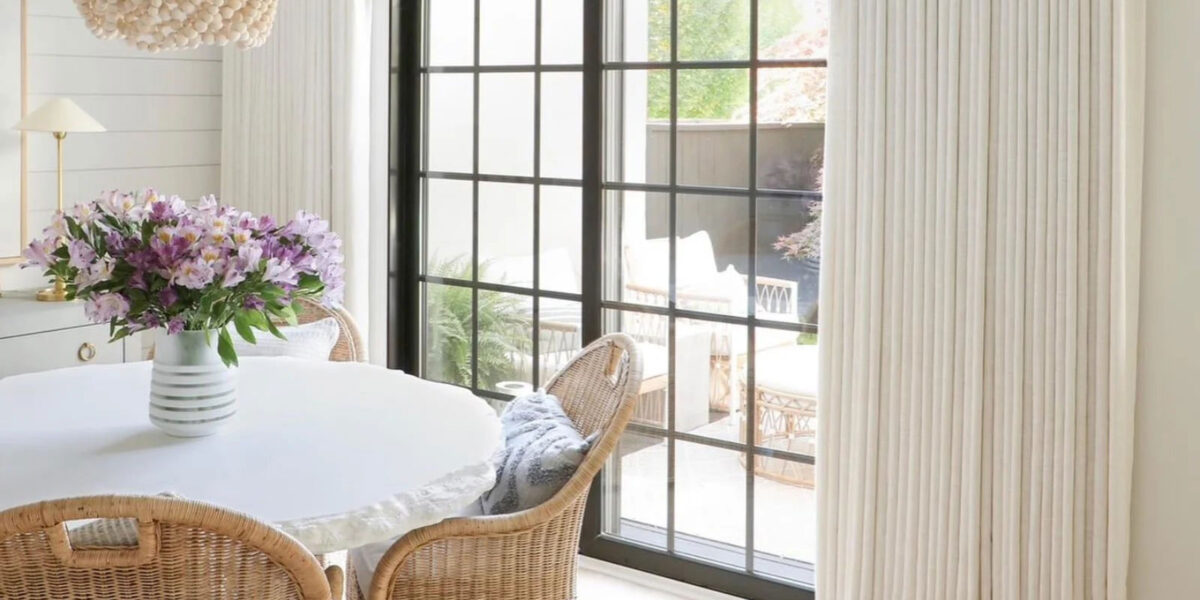
11 Home Decor Dupes That Are Designer-Approved
20 Stores Like Pottery Barn That You Should Definitely Have on Your Radar

The 10 best designer furniture dupes from Wayfair

9 Things Designers Would Never Buy New
Best Room Wins Star Genevieve Gorder's Tips For Designing On A Budget
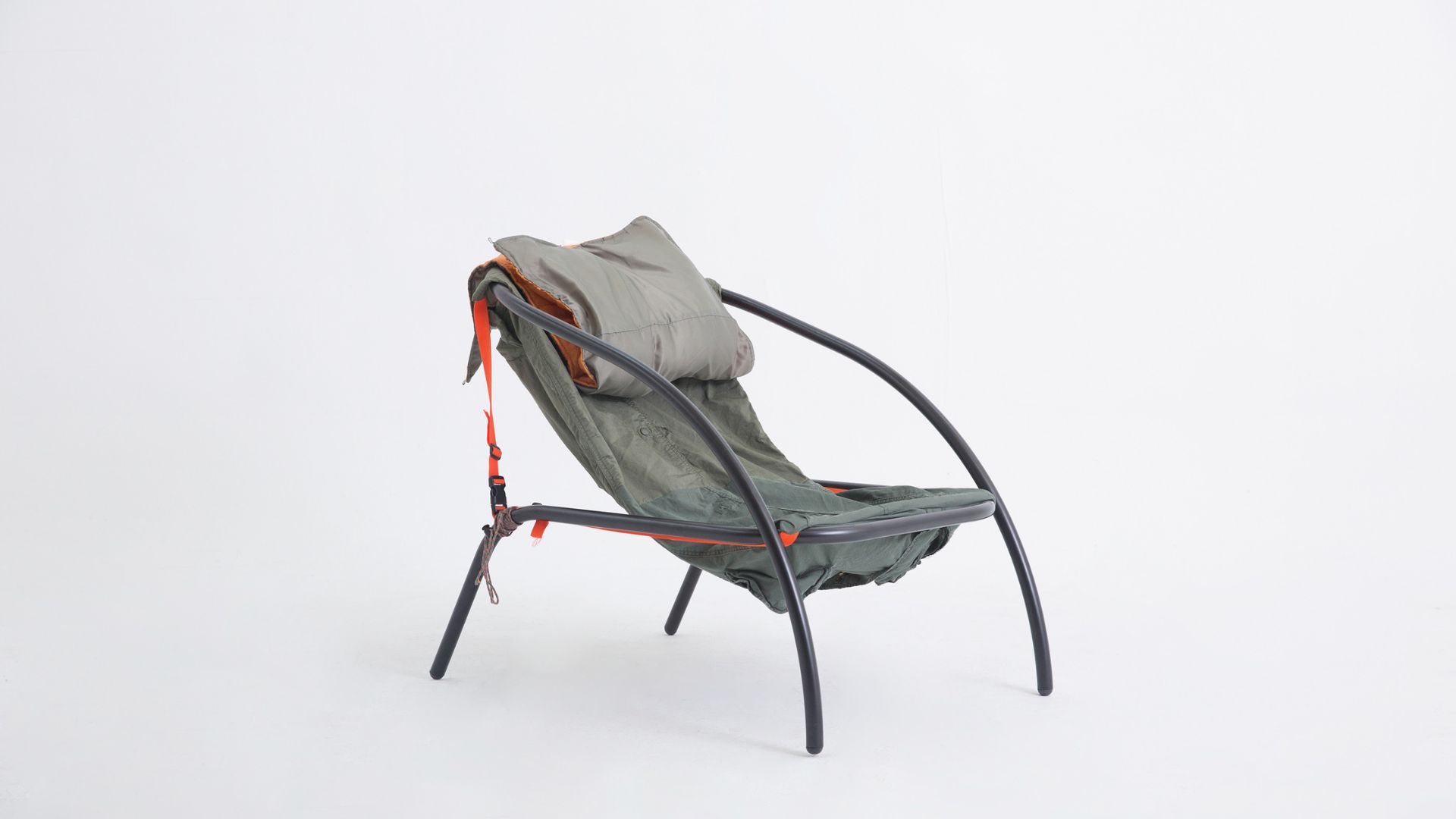
The Reborn project creates furniture using old clothes

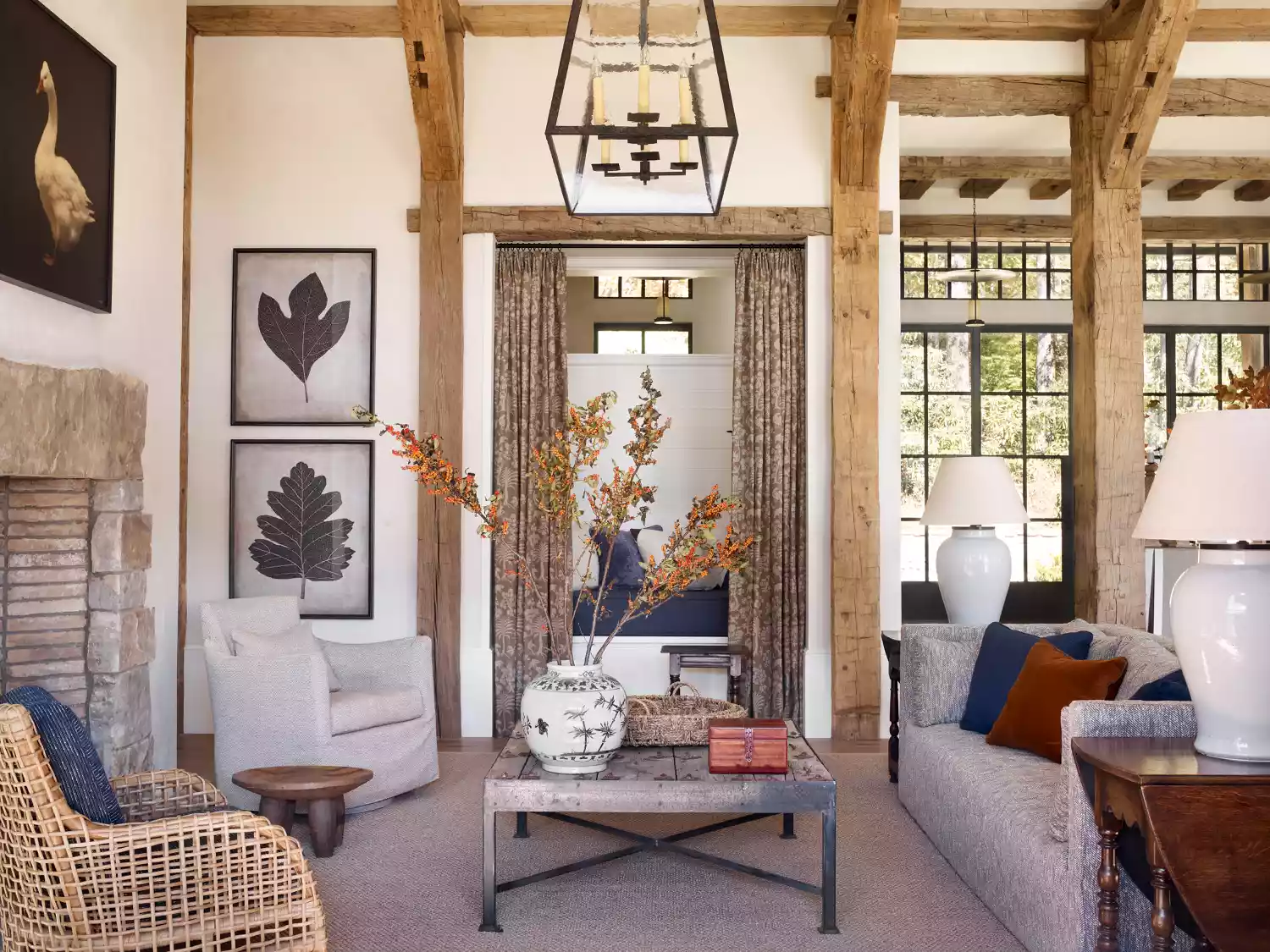
14 Mistakes To Avoid When Buying New Furniture, According To Designers
‘Furniture flipping’: the next big trend in home sustainability?


#Houseporn is unrealistic: Tips to style a home you actually live in

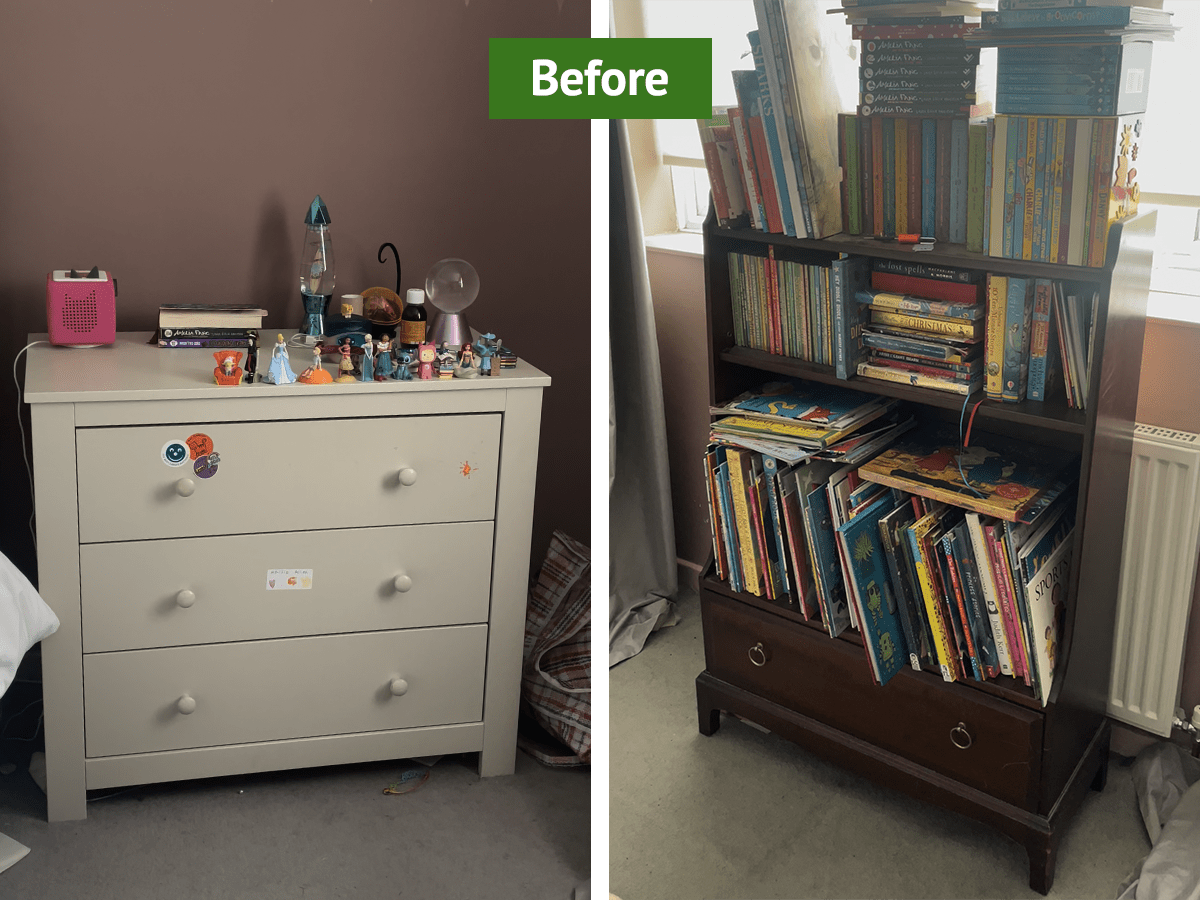
Before & After: Watch This Unique DIY Furniture Combo Come to Life

Shop Secondhand Like a Pro: How Our Decor Experts Find Worth-It Furniture on a Budget
A furniture flipper reveals her simple tips for how to source and upcycle furniture to sell on
Entry Level Elevated: The Best Affordable Furniture Brands

How to upcycle furniture like a pro