Skip the Window Treatments, This Designer Says — Here's Why
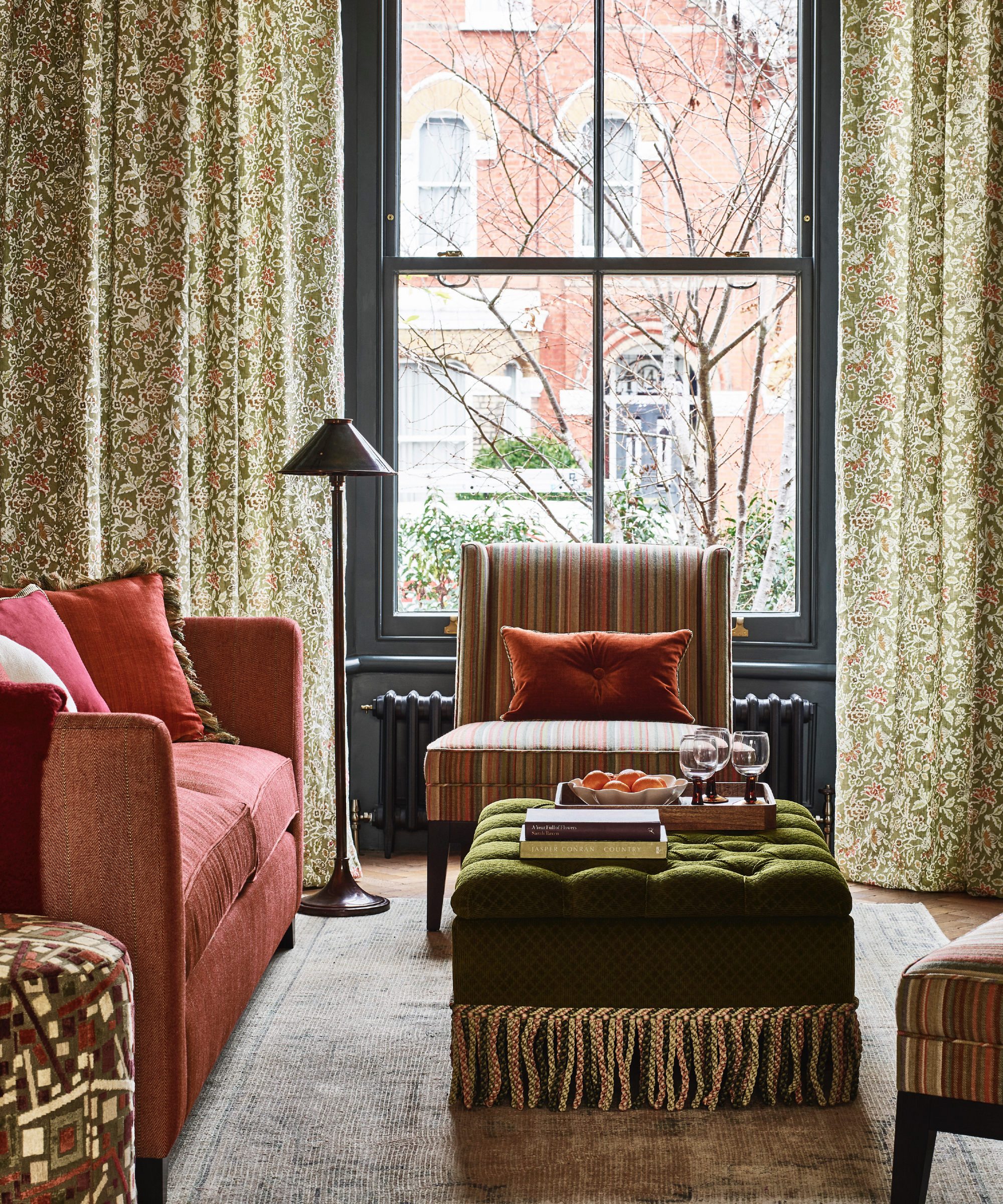
The increasing trend of leaving windows uncovered in home design is explored, with insights from interior designer Victoria Holly. This practice is gaining popularity, particularly in line with minimalist design aesthetics. Historically, ornate window dressings symbolized wealth, but currently, uncovered windows are seen as a modern indicator of prosperity, especially in homes where residents can manage potential downsides like increased utility costs due to higher quality windows or cultural practices. Holly notes that even when window treatments are used, they tend to be simple and unobtrusive.
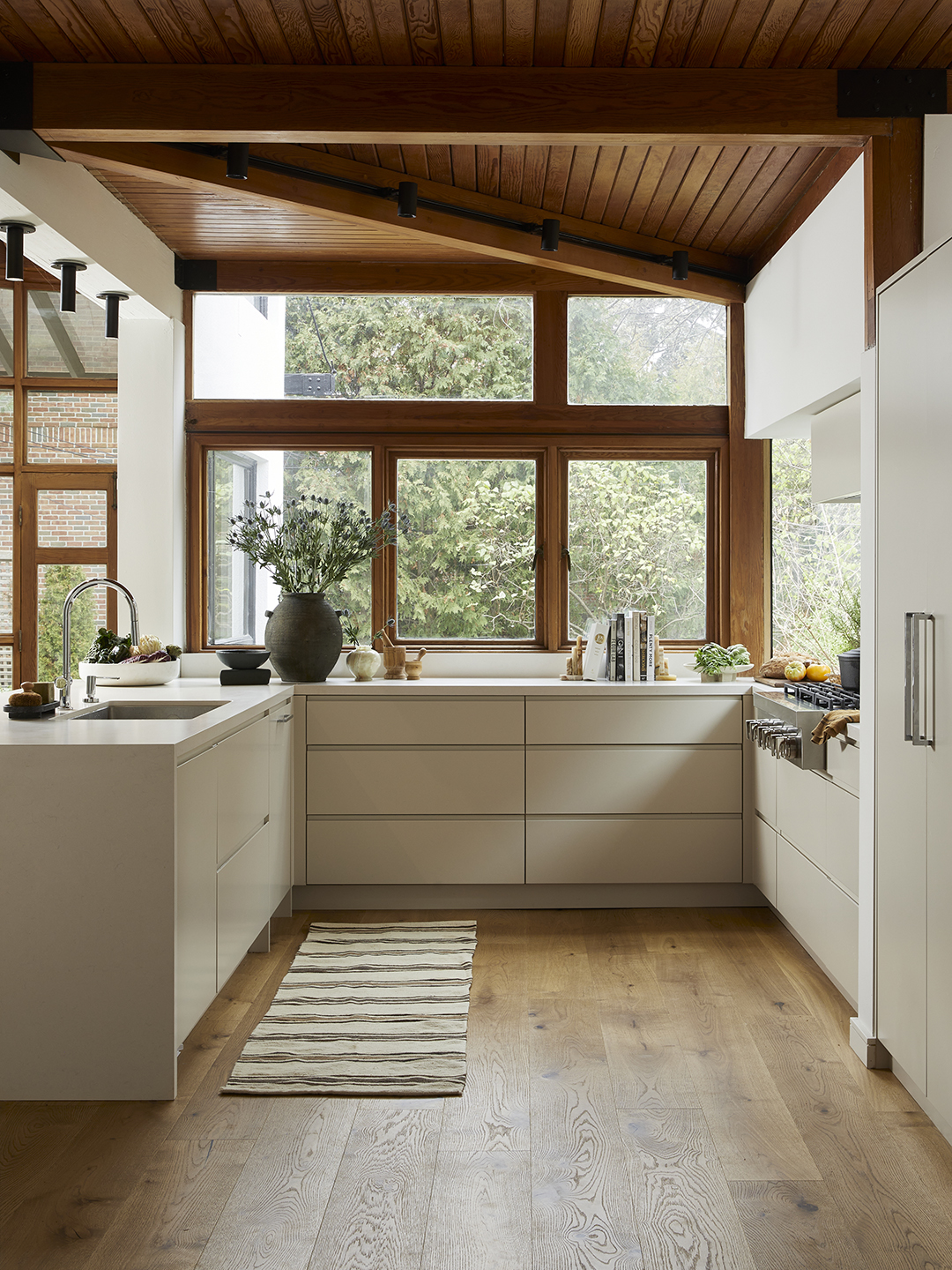
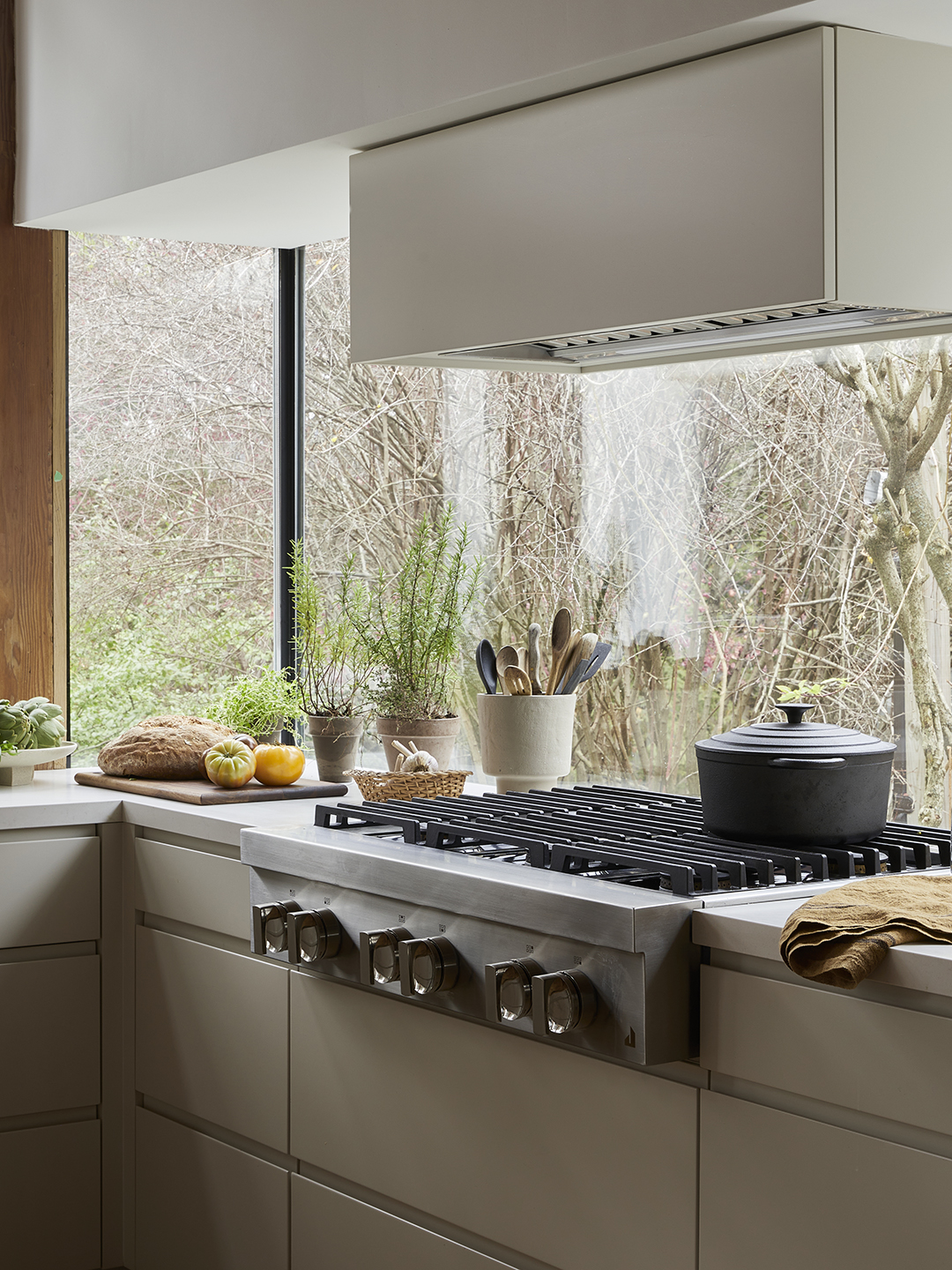
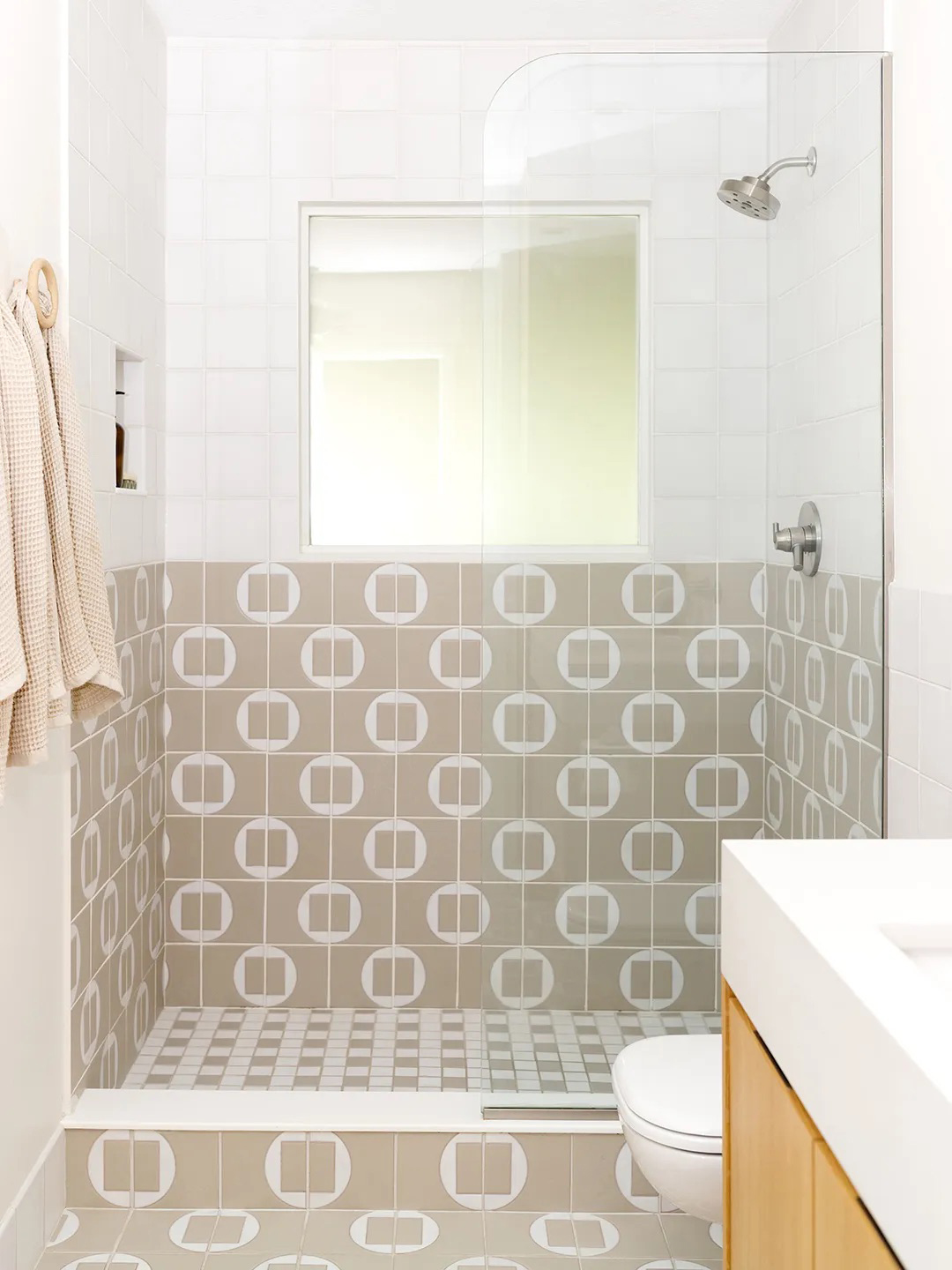
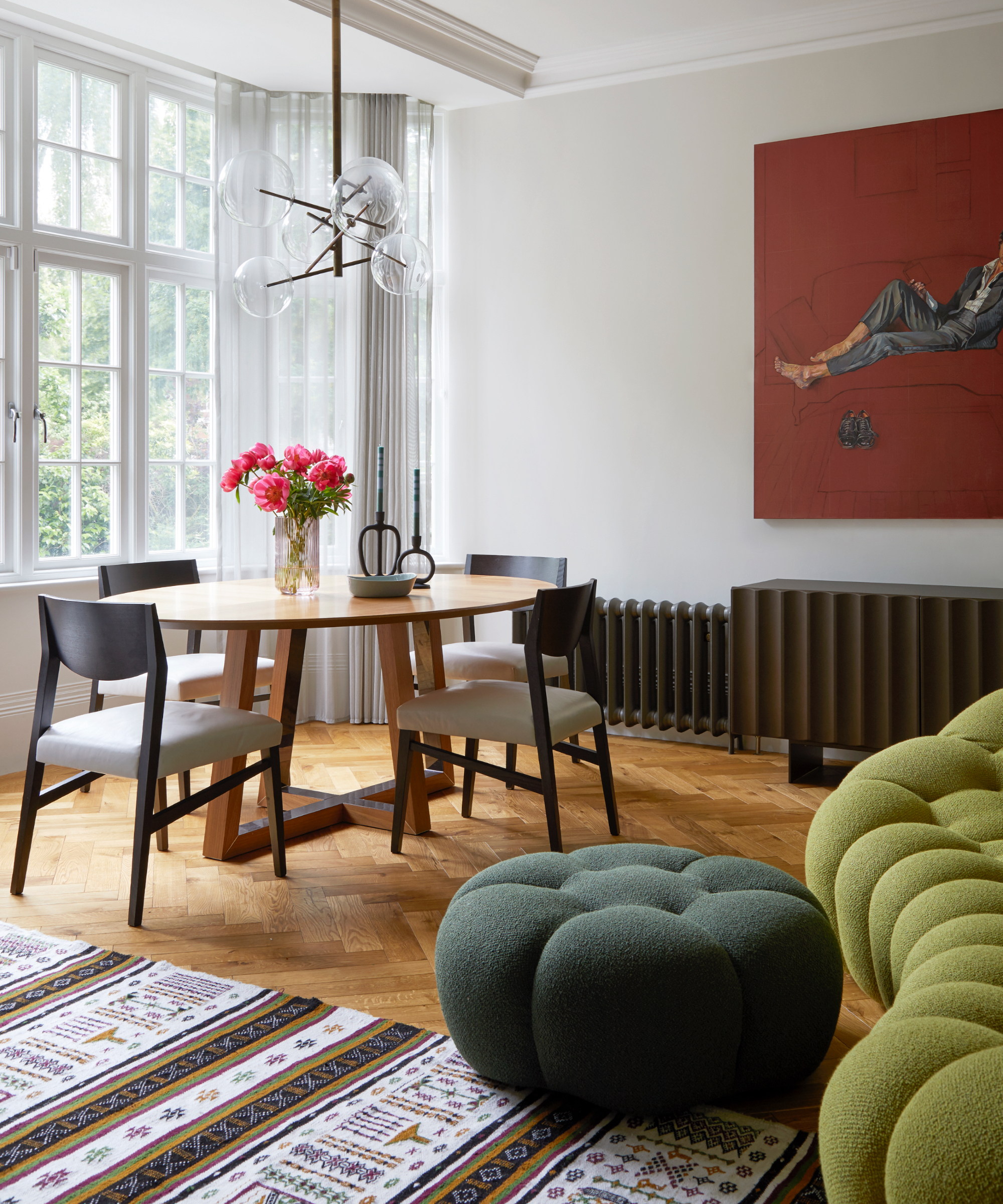
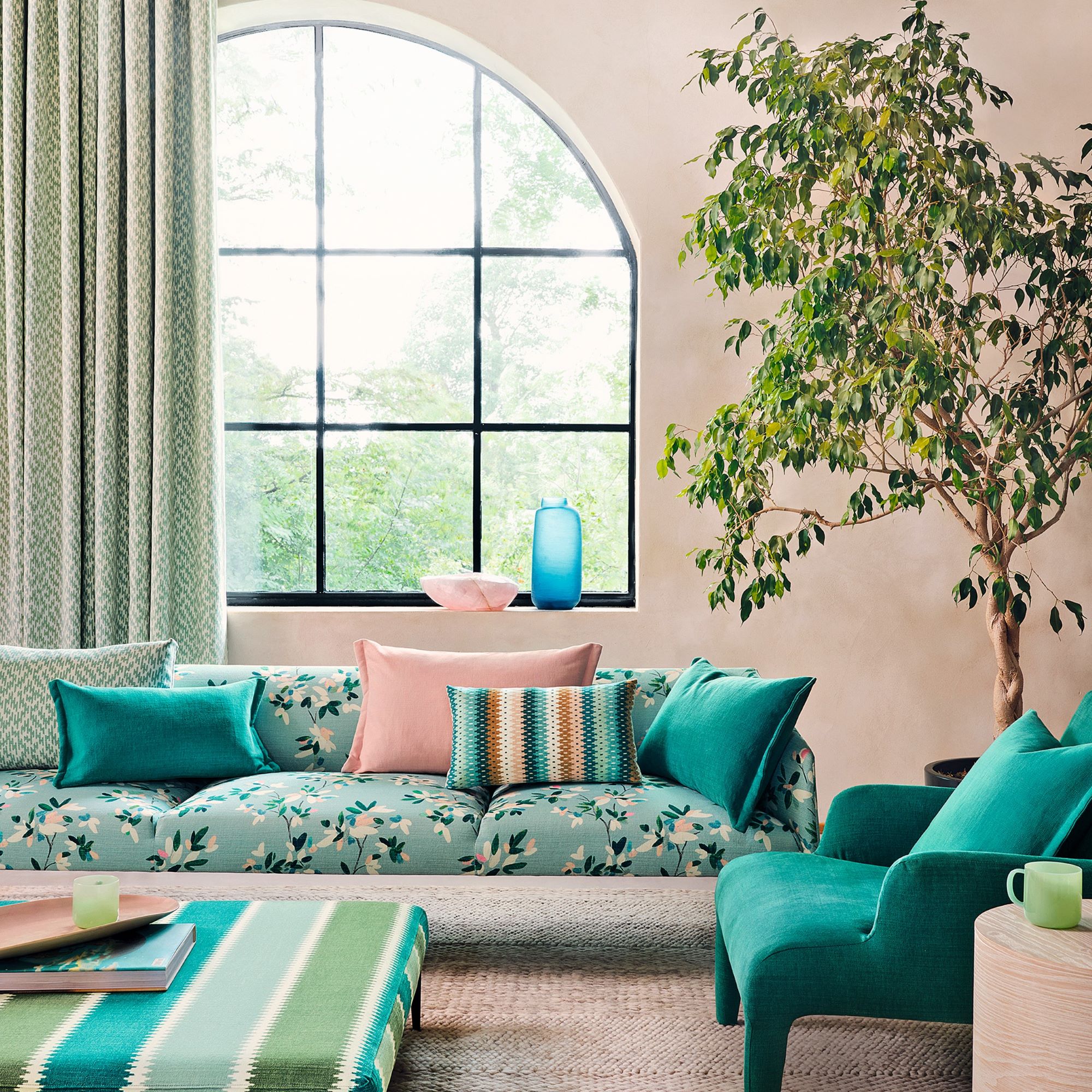
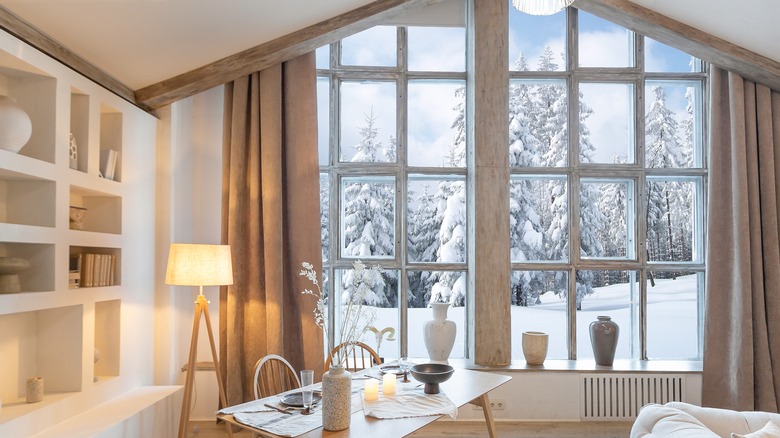
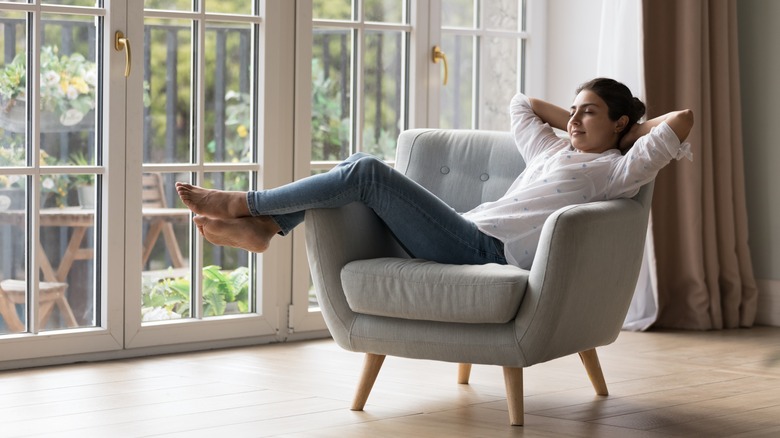
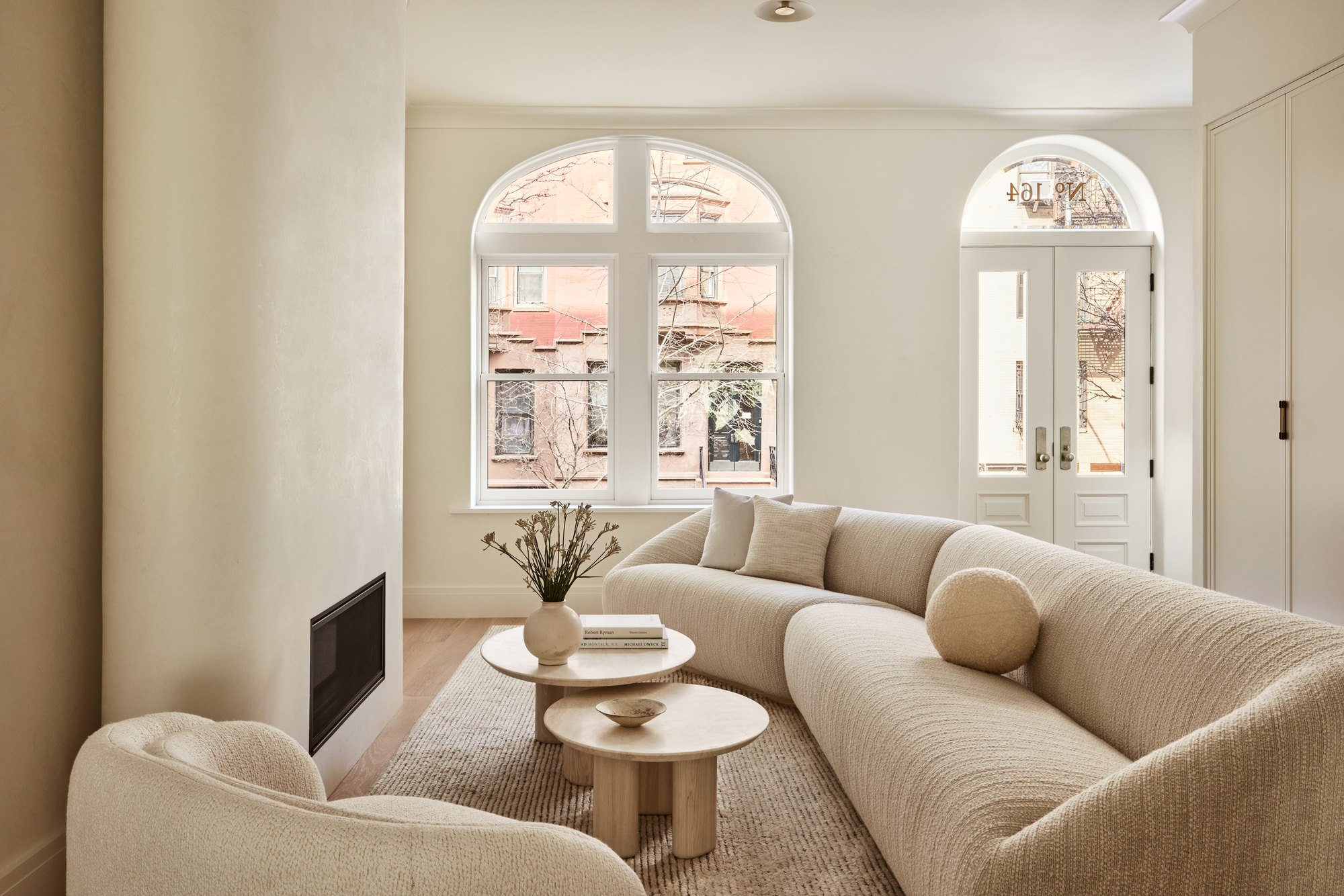
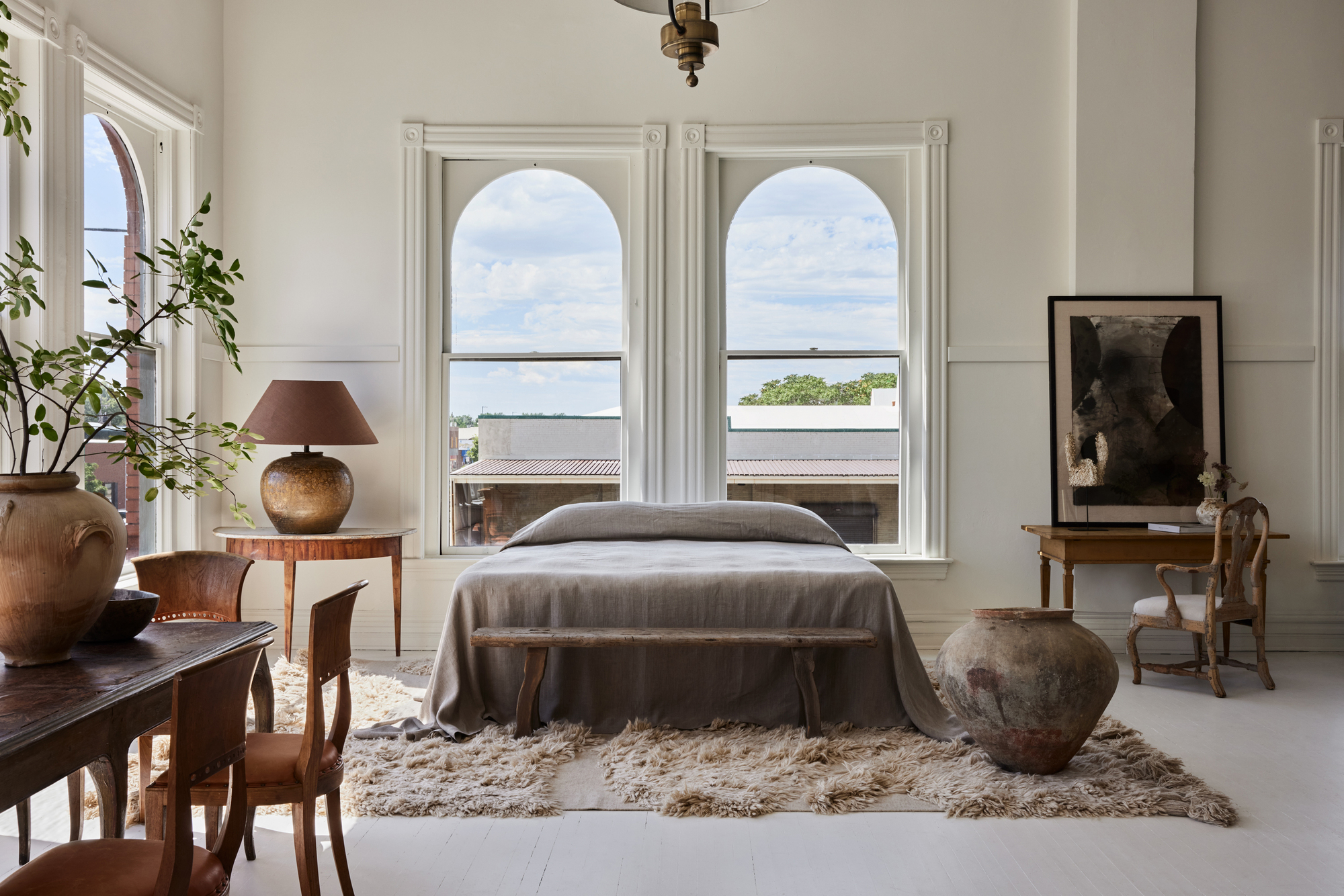
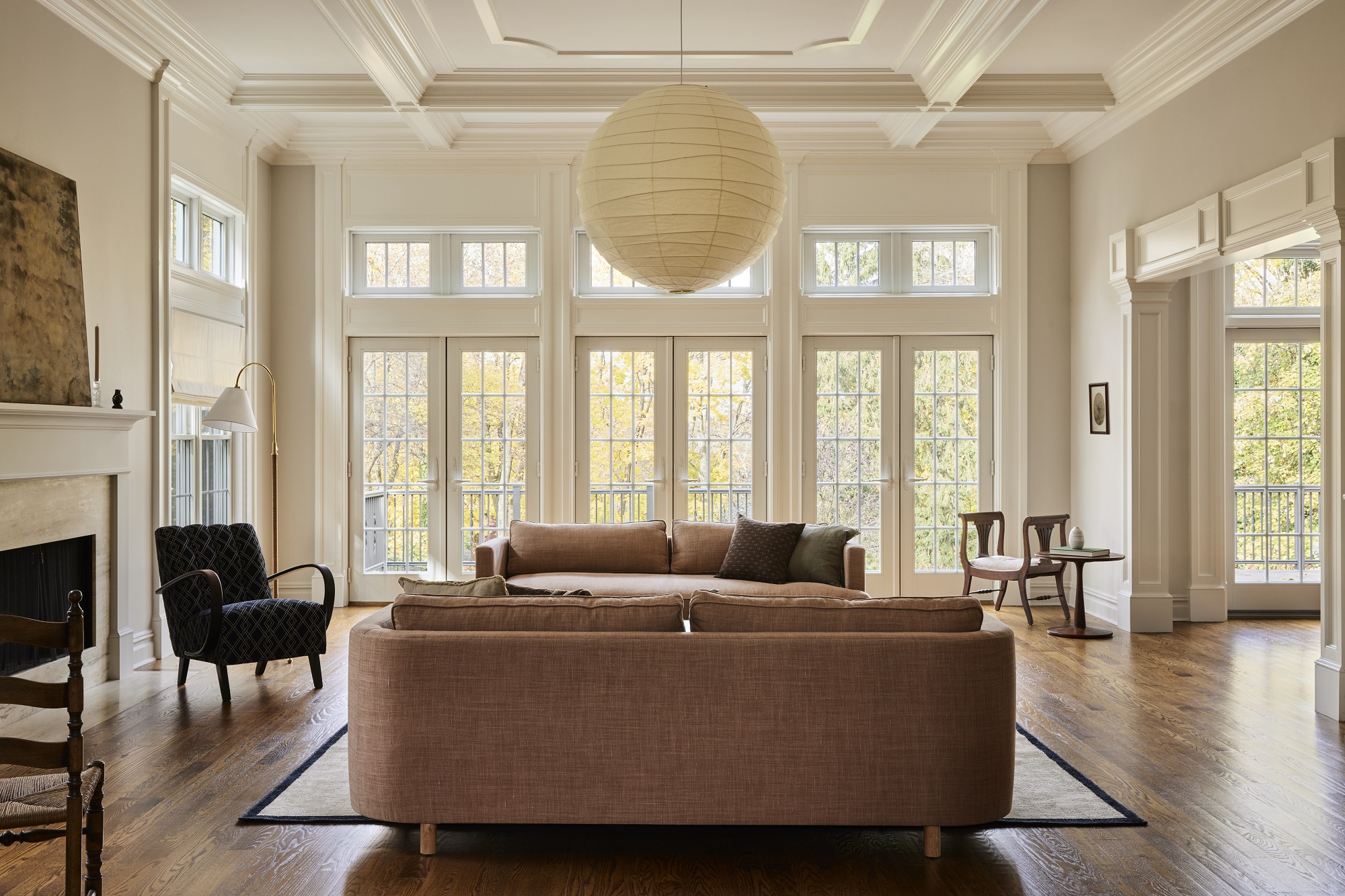
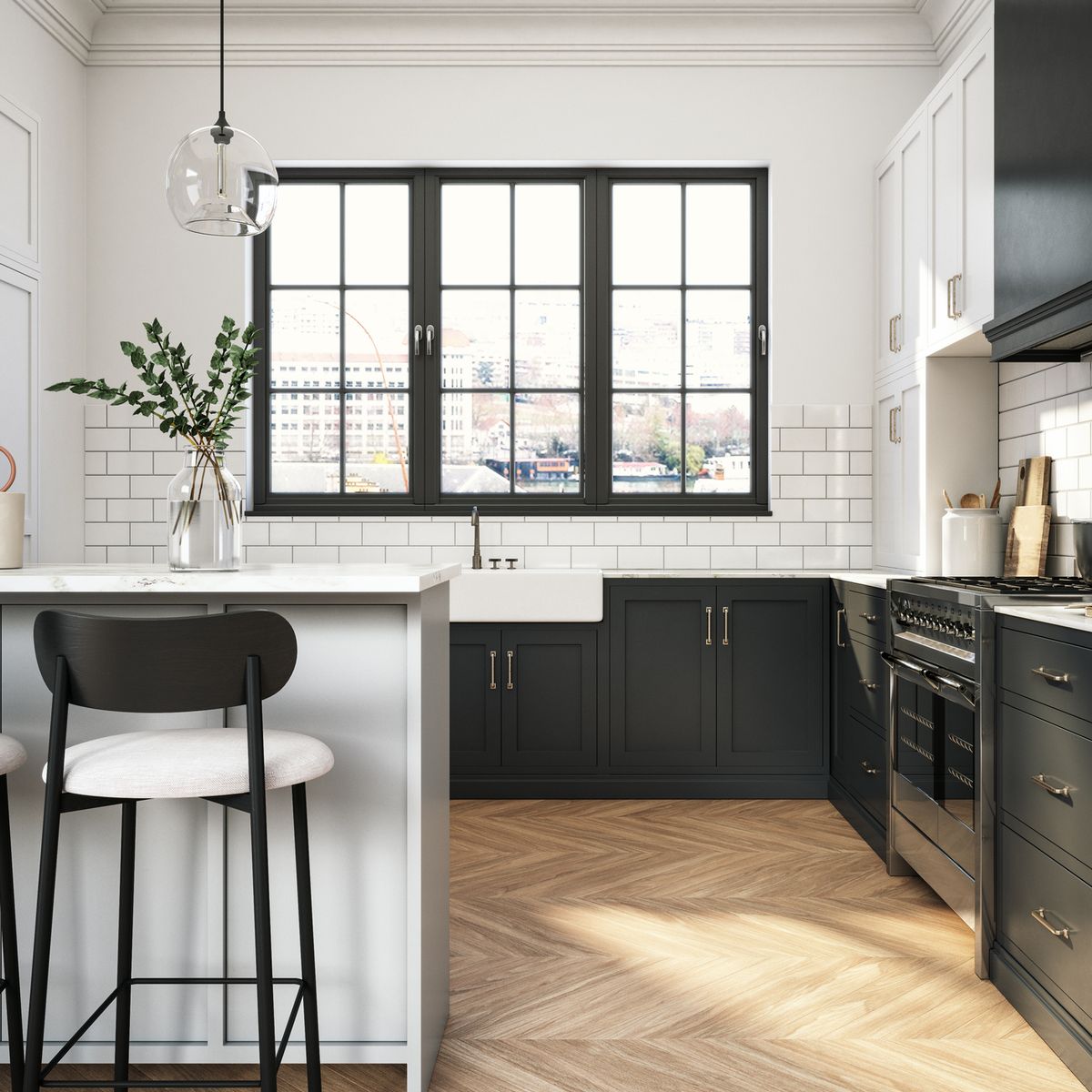
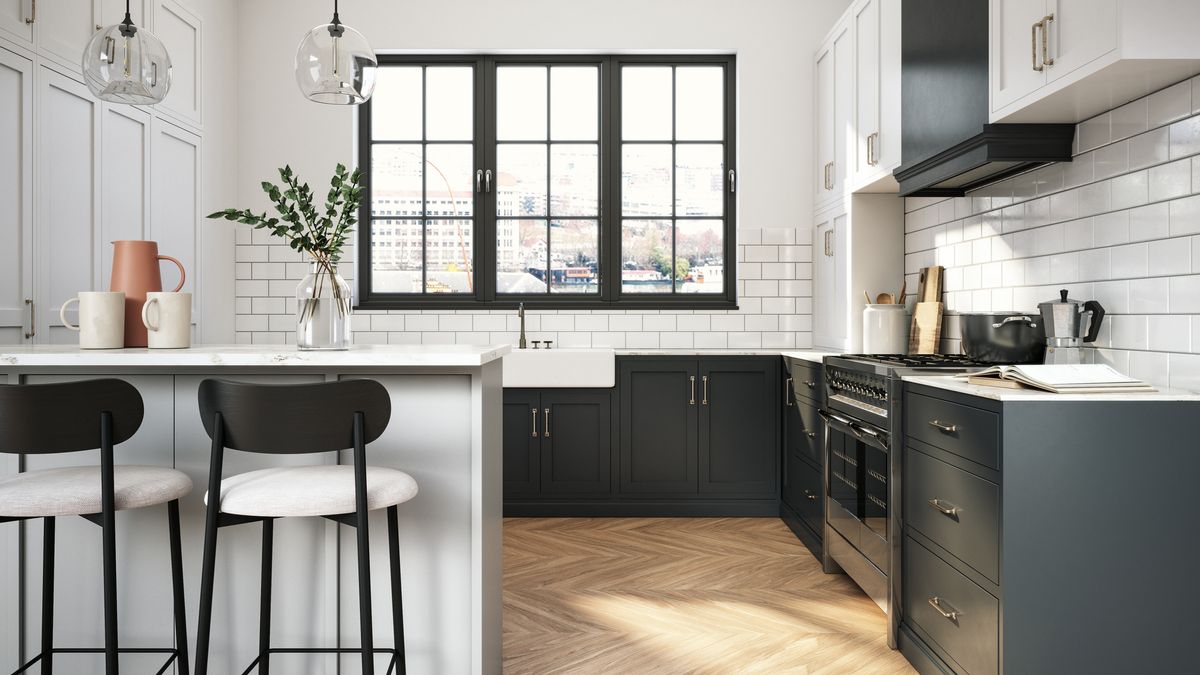
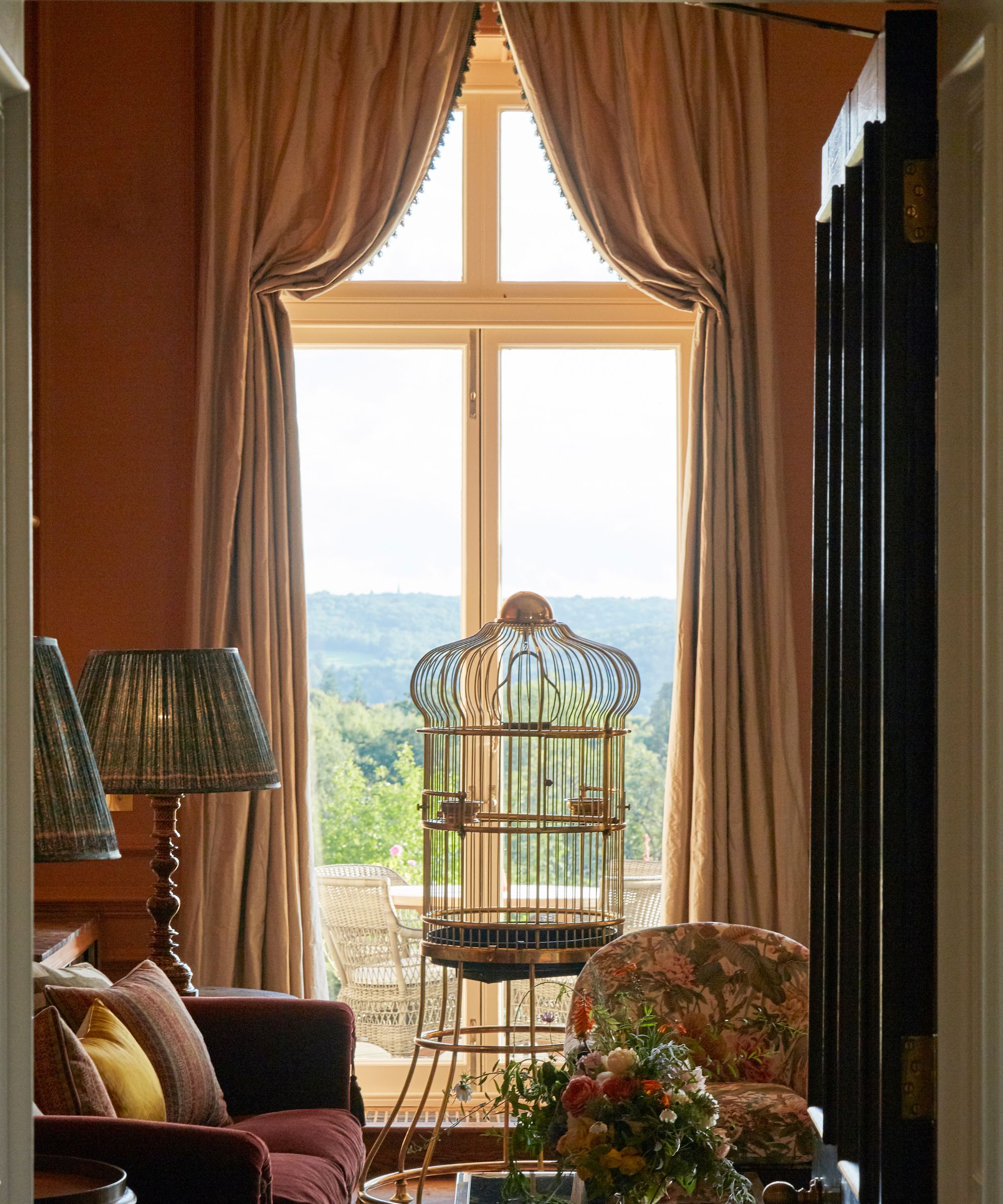
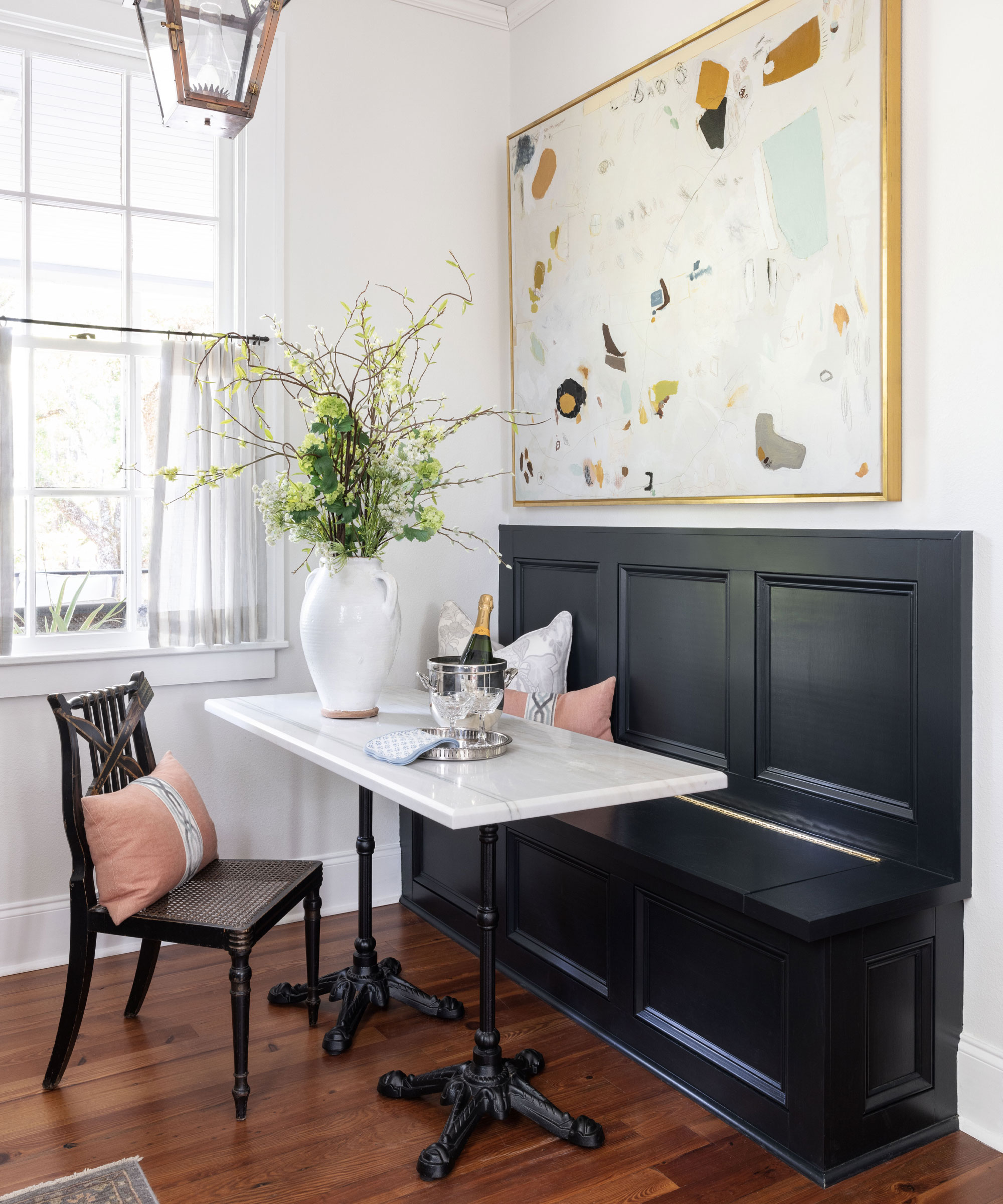
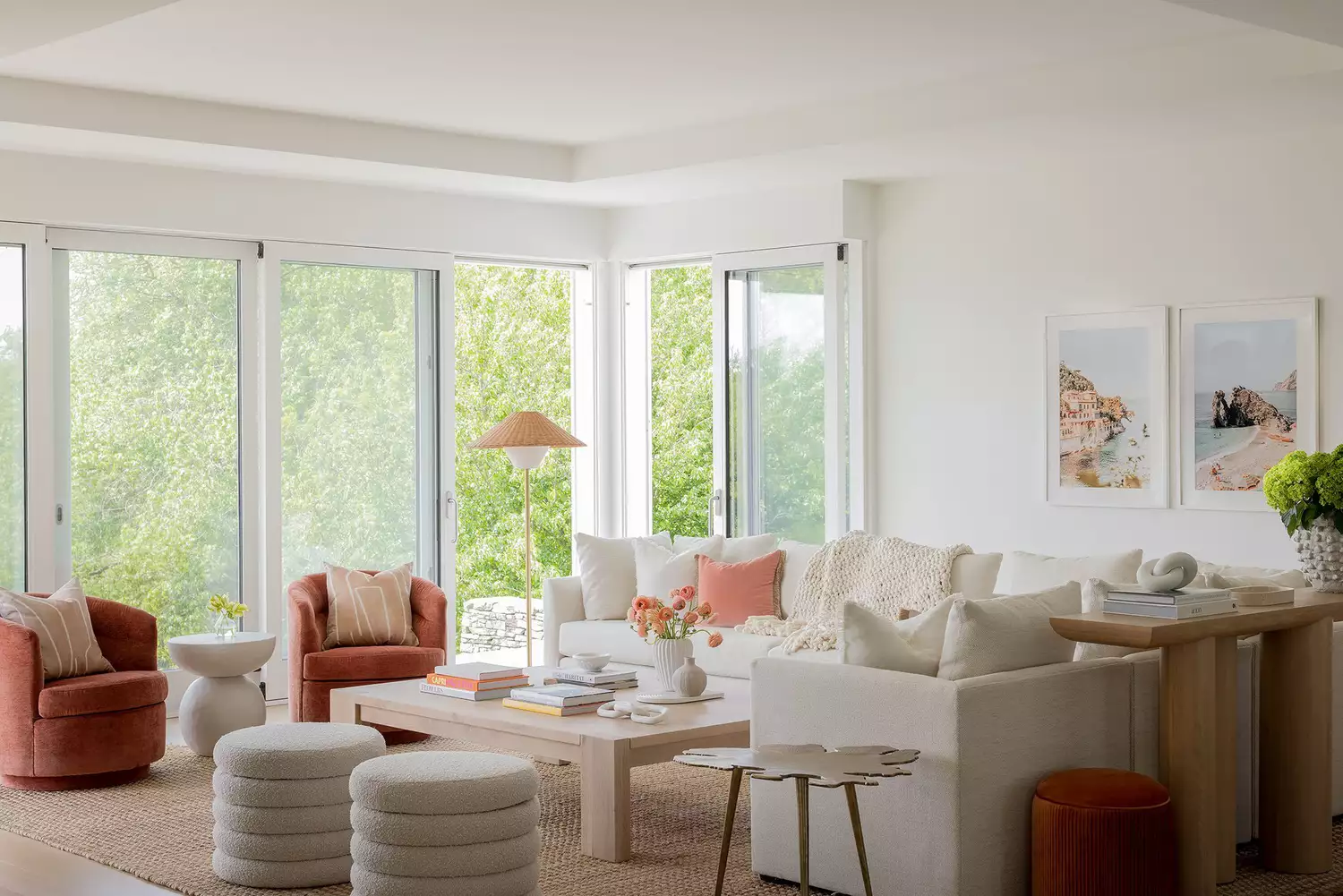
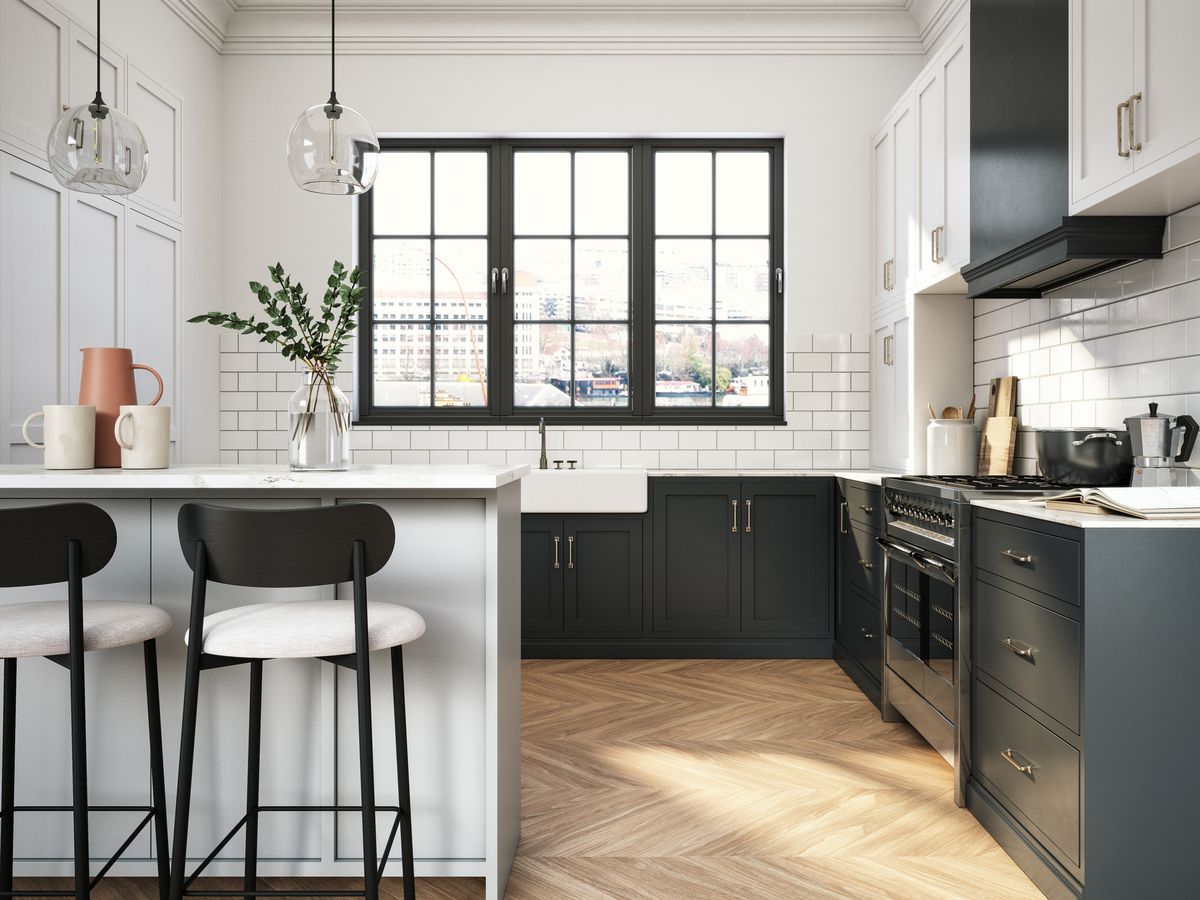
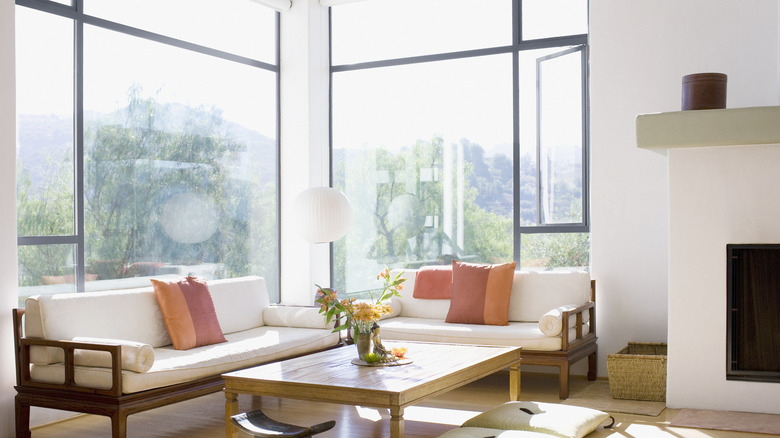
The aesthetic and practical benefits of uncovered windows are manifold. They enhance the architectural details of the windows, such as intricate panes or floor-to-ceiling designs, allowing these features to stand out without distraction from fabric coverings. Uncovered windows significantly boost the amount of natural light entering a home, a highly desired element in contemporary interiors. This approach also offers greater flexibility in decorating, as the absence of curtains removes a design constraint, enabling easier integration of diverse furniture styles, like blending traditional and modern pieces. The result is a cleaner, more streamlined design that appeals to those who favor a minimalist look. Furthermore, unobstructed views are a major advantage, allowing residents to fully appreciate outdoor scenery without any visual barriers.
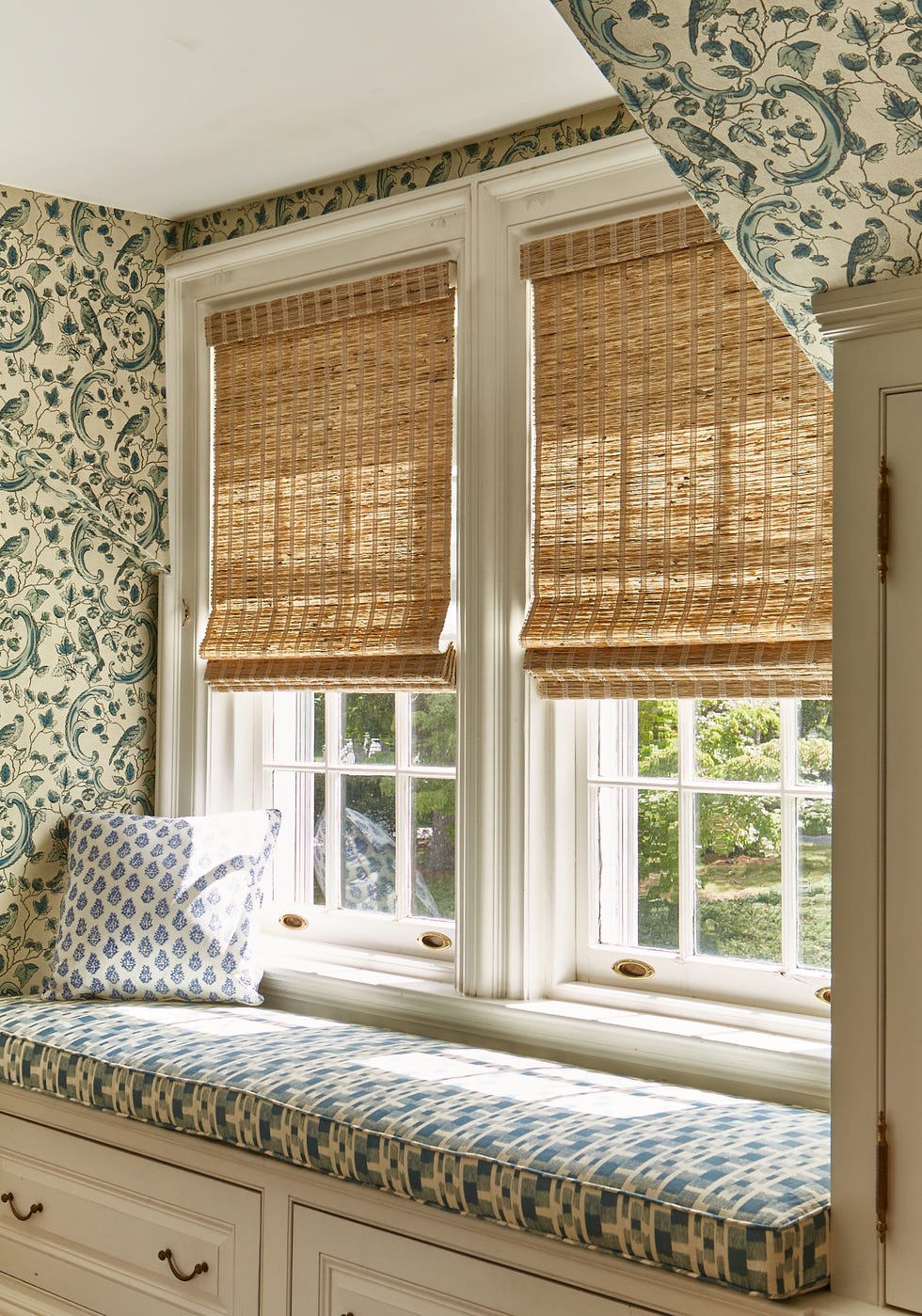
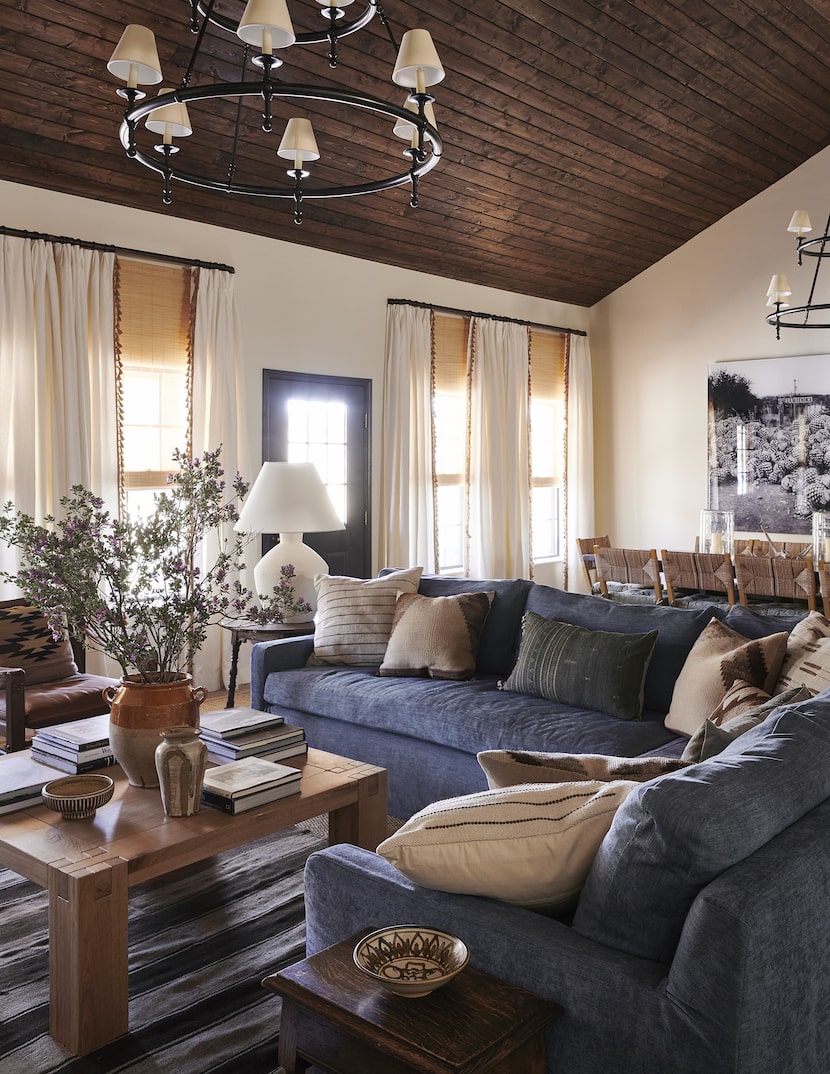
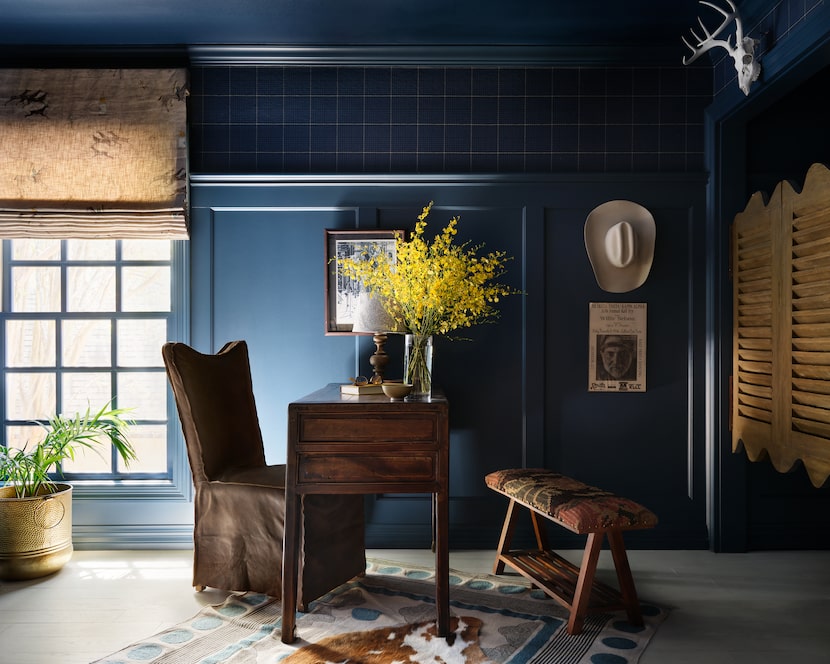
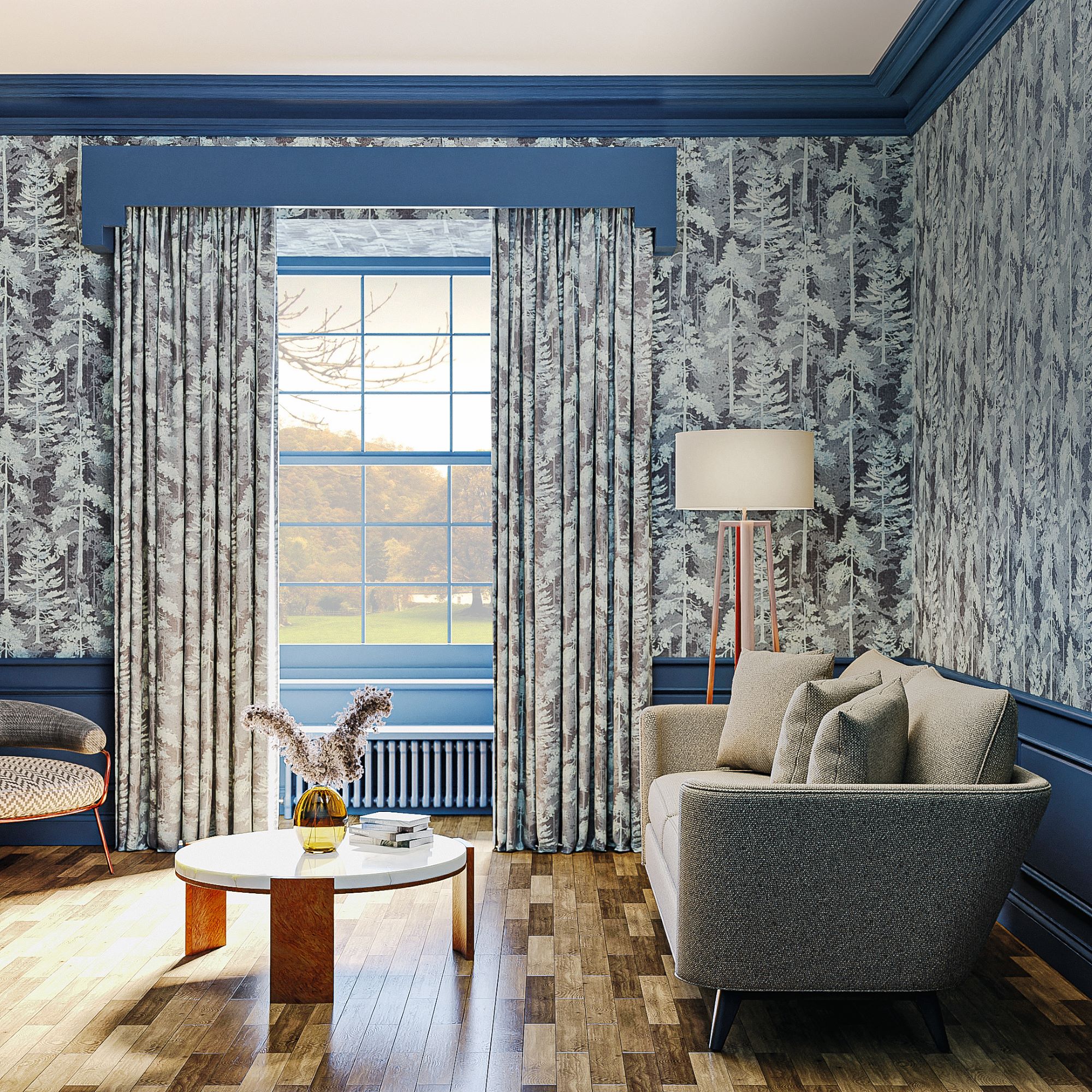
However, there are notable disadvantages to consider. A primary concern is the significant reduction in privacy and security, especially for homes that overlook neighboring properties or public spaces. Displaying belongings openly in highly trafficked areas can also be risky. Unsightly exterior views, such as trash bins or dumpsters, are continuously visible without window coverings. Economic implications include potentially higher utility bills, as window coverings can help regulate indoor temperatures by reducing heat loss in winter and heat gain in summer by up to 10 percent. Aesthetically, bare windows might make a space feel unfinished or stark. Holly suggests using textured or patterned wallpaper to add depth and 'dress up' the walls around uncovered windows without introducing fabric. The lack of lighting control is another drawback, as residents lose the ability to easily adjust natural light levels throughout the day.
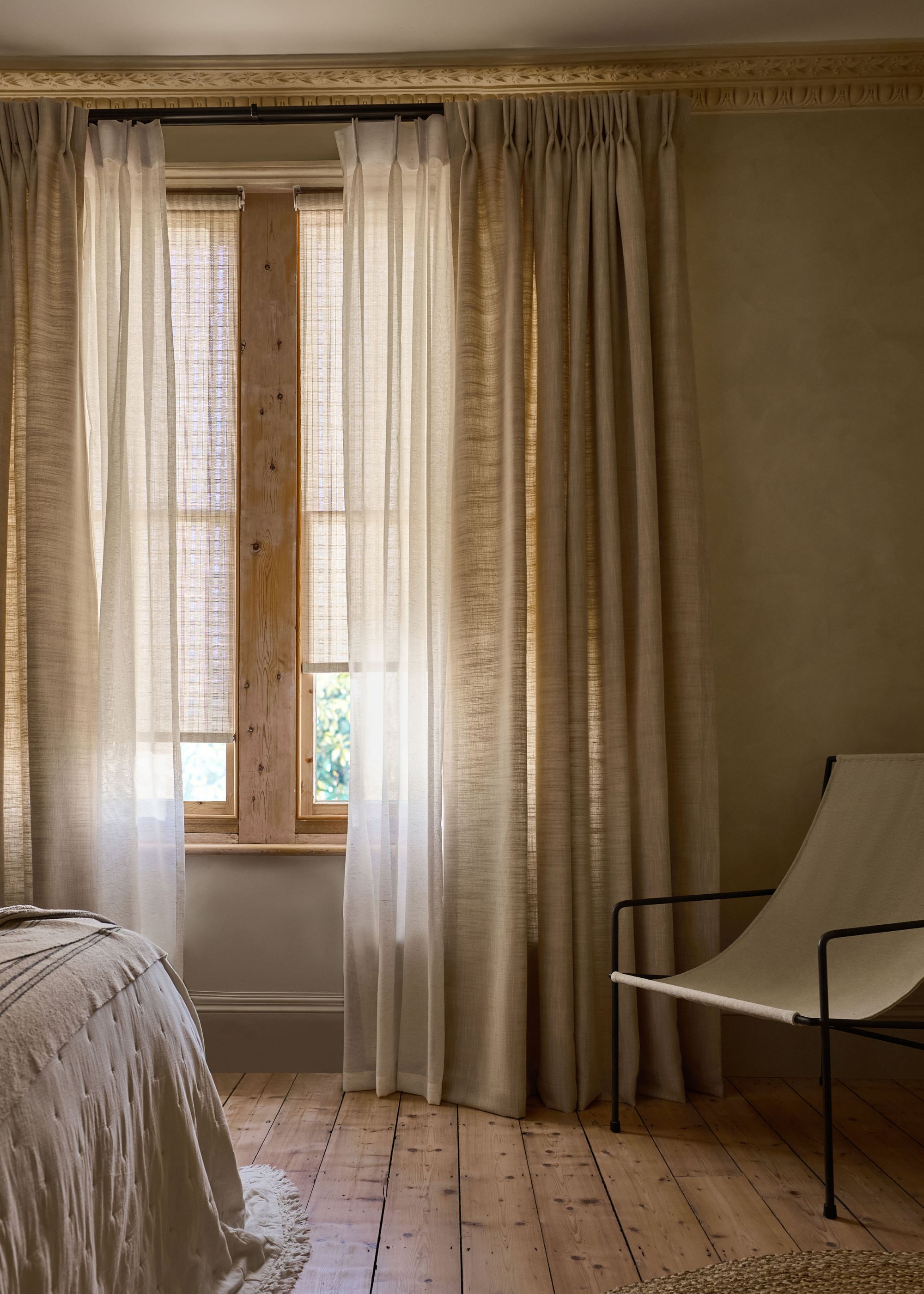
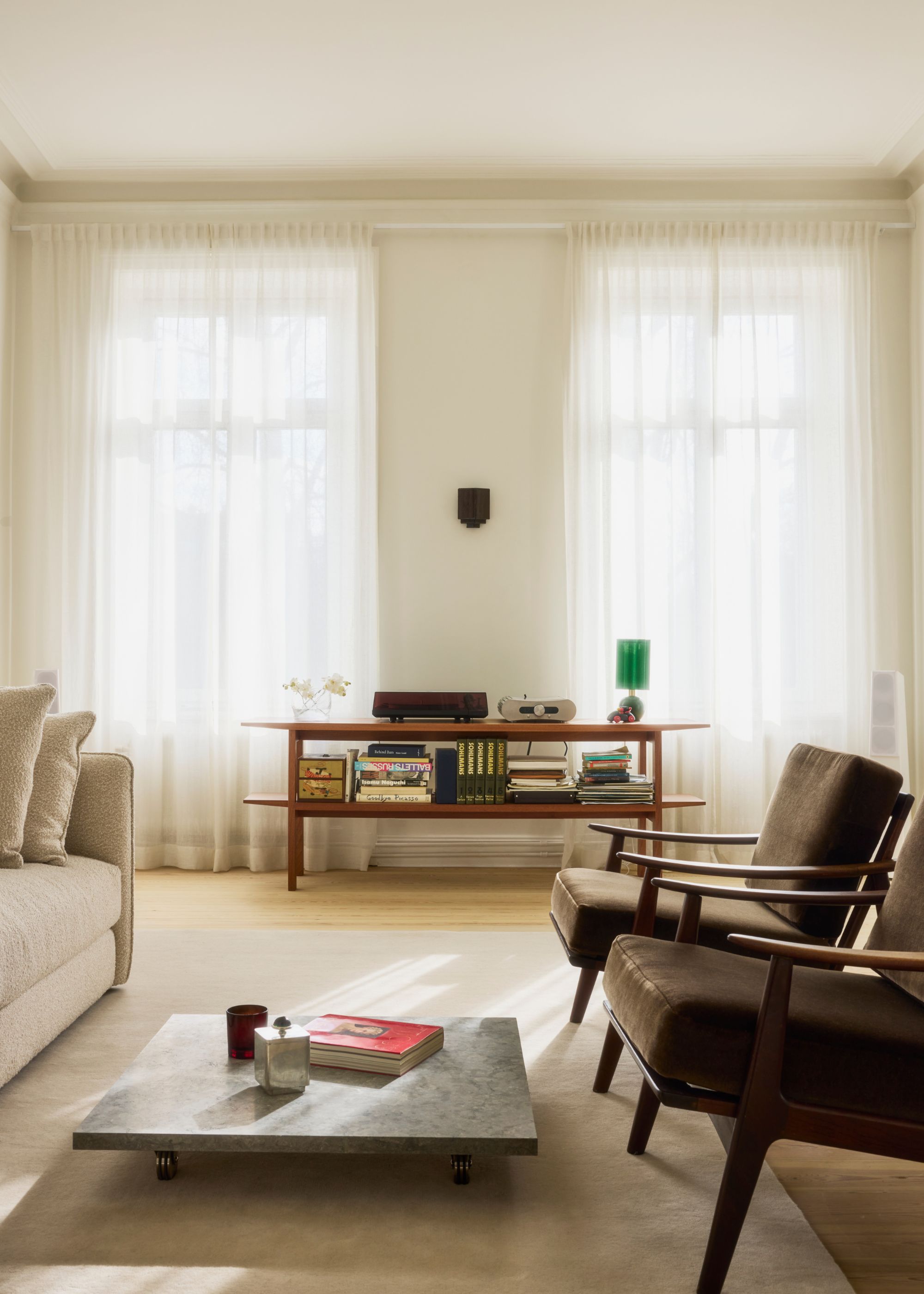
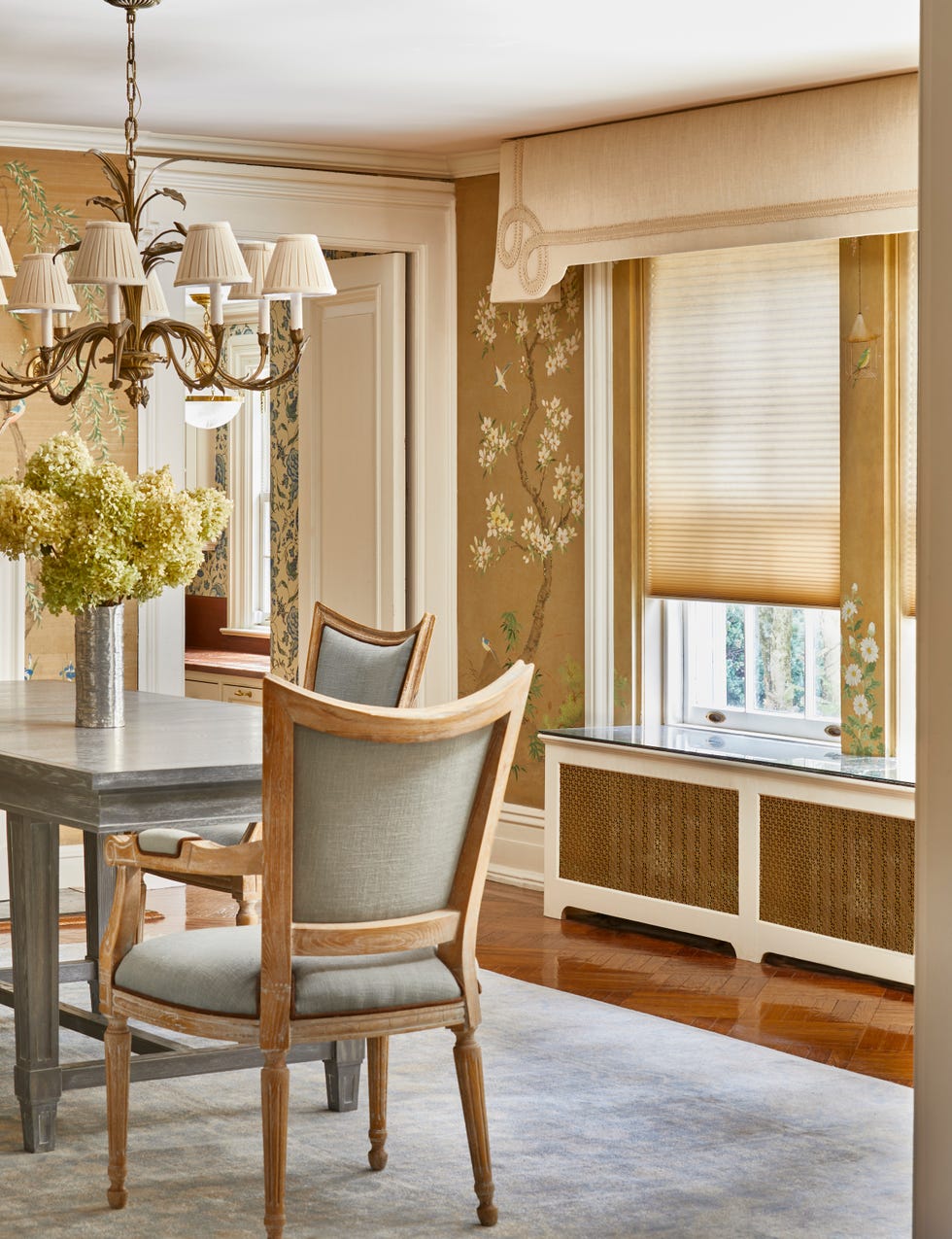
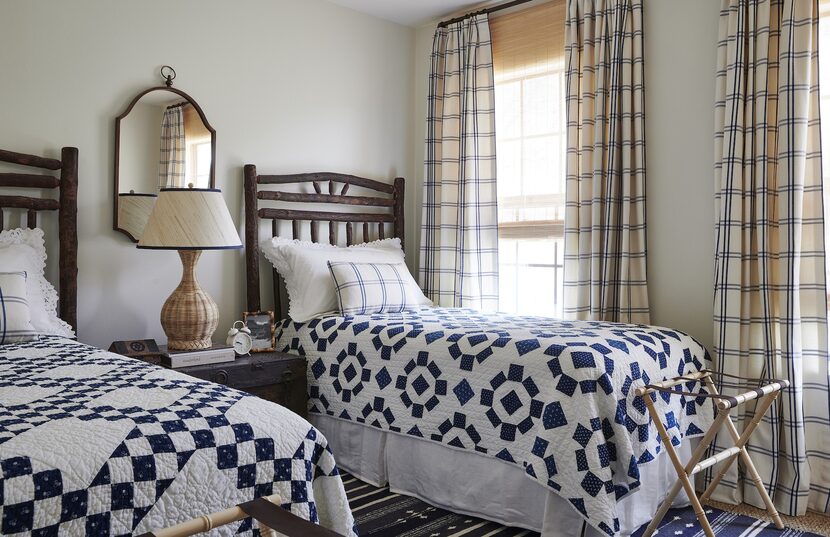
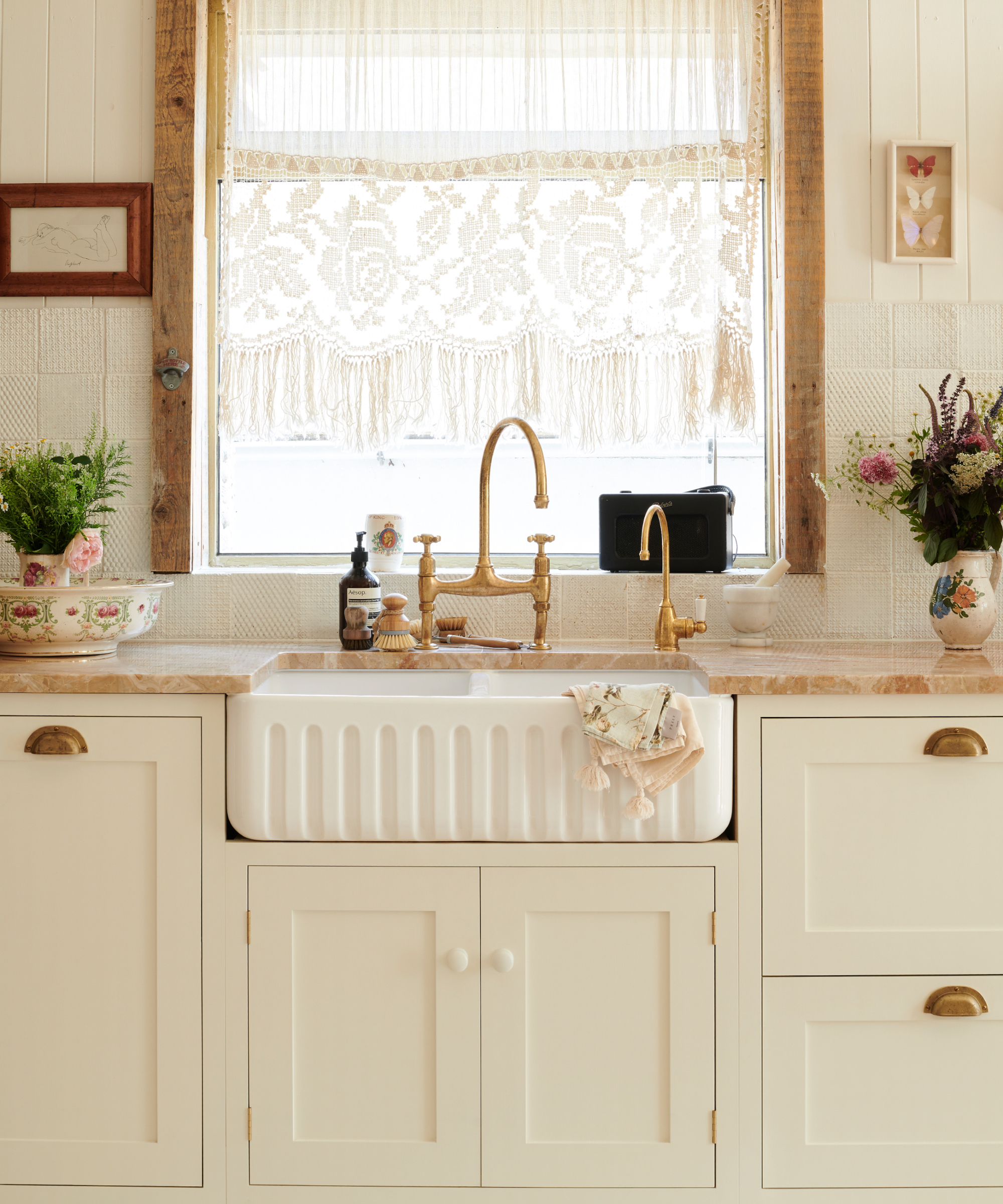
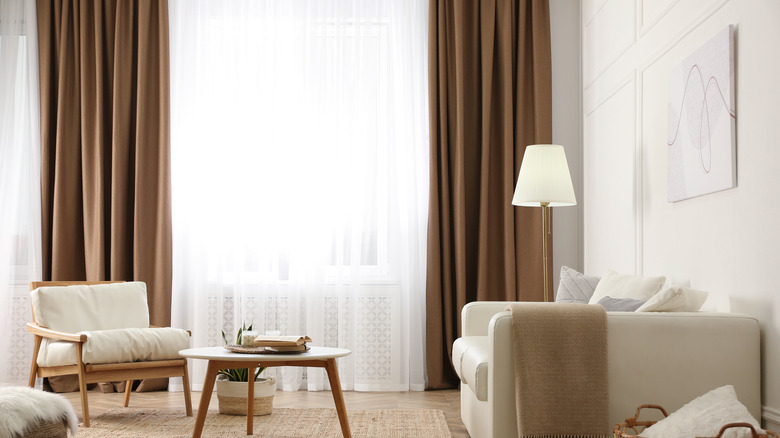
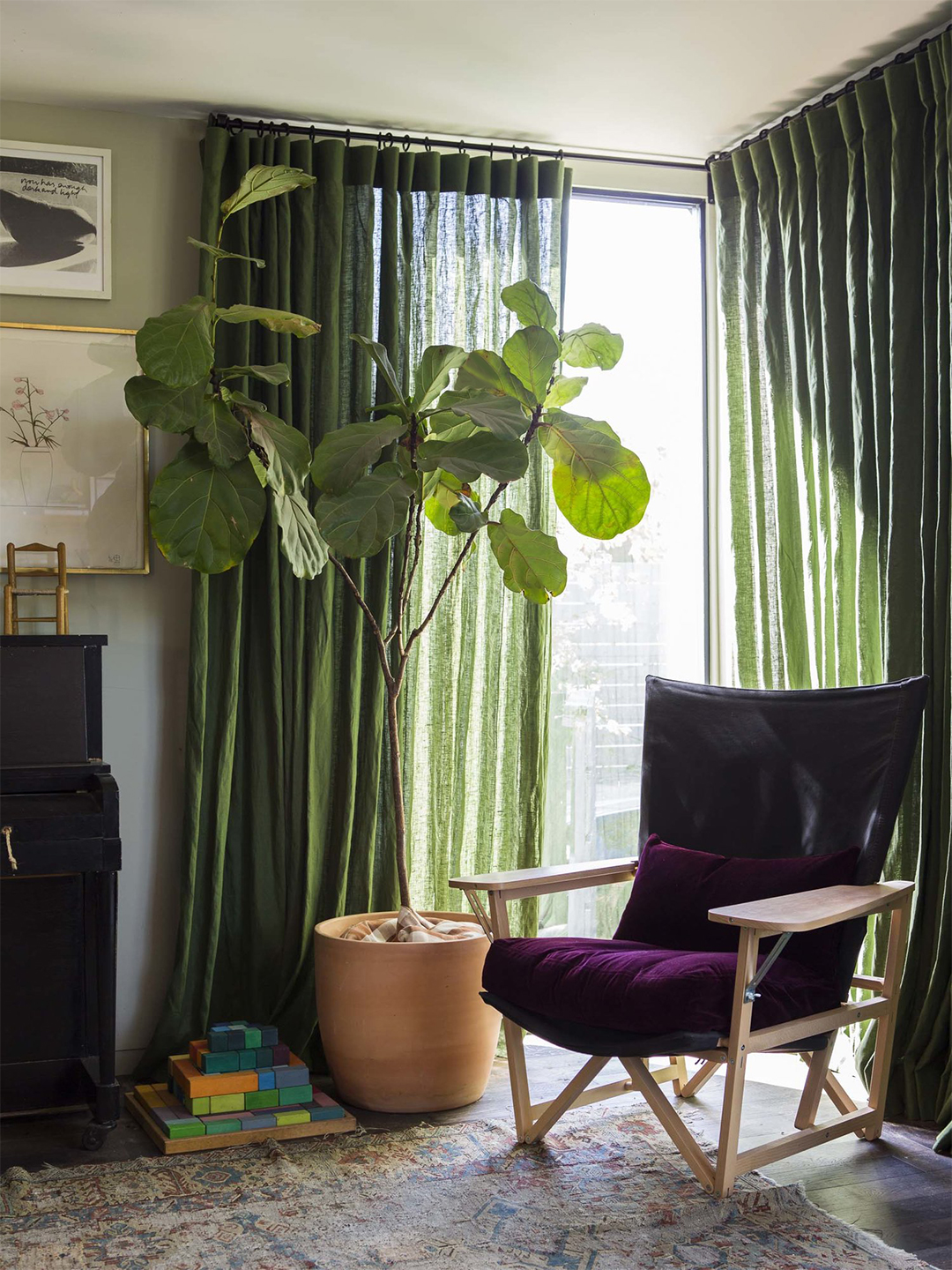
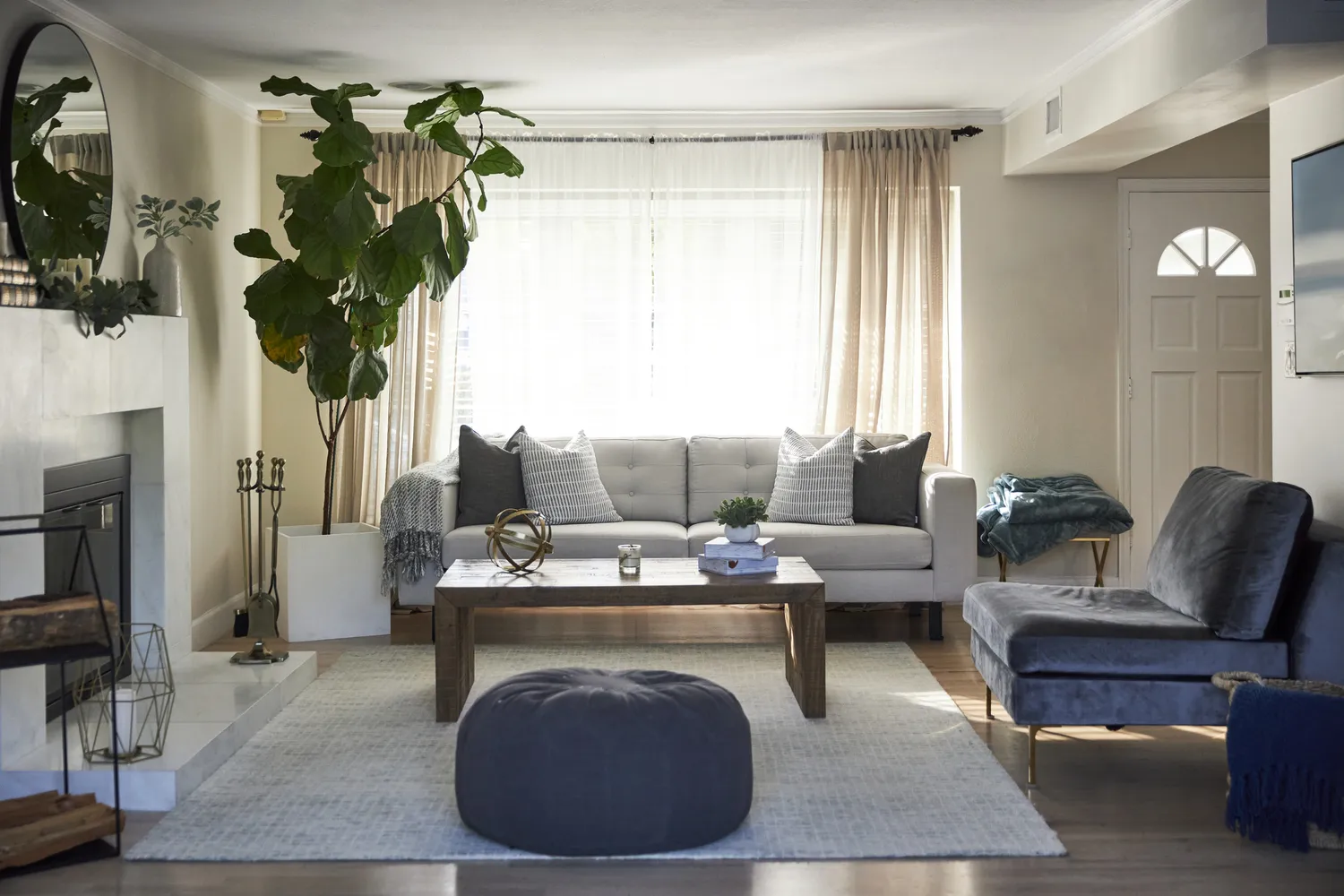
For those concerned about security but desiring uncovered windows, reflective privacy film offers a solution, allowing outward visibility while preventing inward glances. Ultimately, the decision to leave windows uncovered is a personal one, weighing the desire for airiness, streamlined aesthetics, and natural light against concerns about privacy, security, utility costs, and potential for a bare appearance. A compromise could involve using sheer curtains, which offer some privacy and light control without the heaviness of traditional drapery.
#HomeDesign #WindowTreatments #InteriorDesign #NaturalLight #MinimalistDesign #HomeDecor #PrivacySolutions #ArchitecturalFeatures #HomeDesign #WindowTreatments #InteriorDesign #NaturalLight #MinimalistDesign #HomeDecor #PrivacySolutions #ArchitecturalFeatures
Há 0 comentários no total
 Ainda não há comentários
Você também pode gostar
No More of These, Please — 4 Outdated Window Treatments Designers Don't Want to See You Using Anymore

Should you choose drapes or blinds? We asked interior designers which window treatment is best

Expert explains why you should avoid black and grey window frames in your home
We Asked Designers Which Window Treatments People Always Regret—These 6 Came Up the Most
Why You Should Never Skip Curtains, According to Top Designers

How to dress a window - three design experts explain how to plan the perfect window dressing


Window Dressing

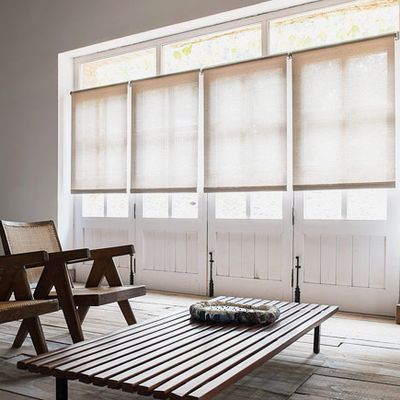
The Best Window Curtains and Shades, According to Interior Designers
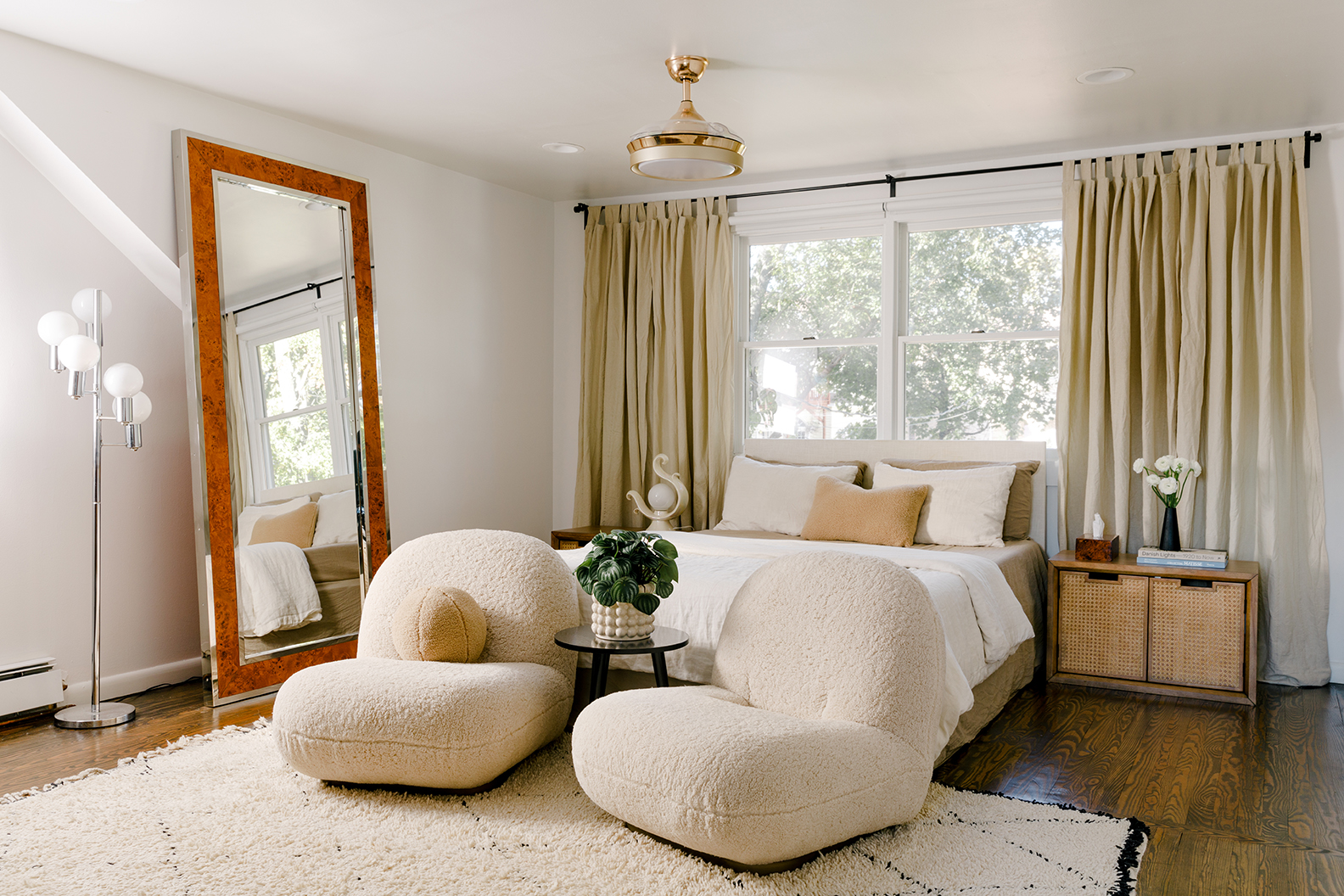
Awkwardly Placed Windows Are No Match for These Designer Tricks

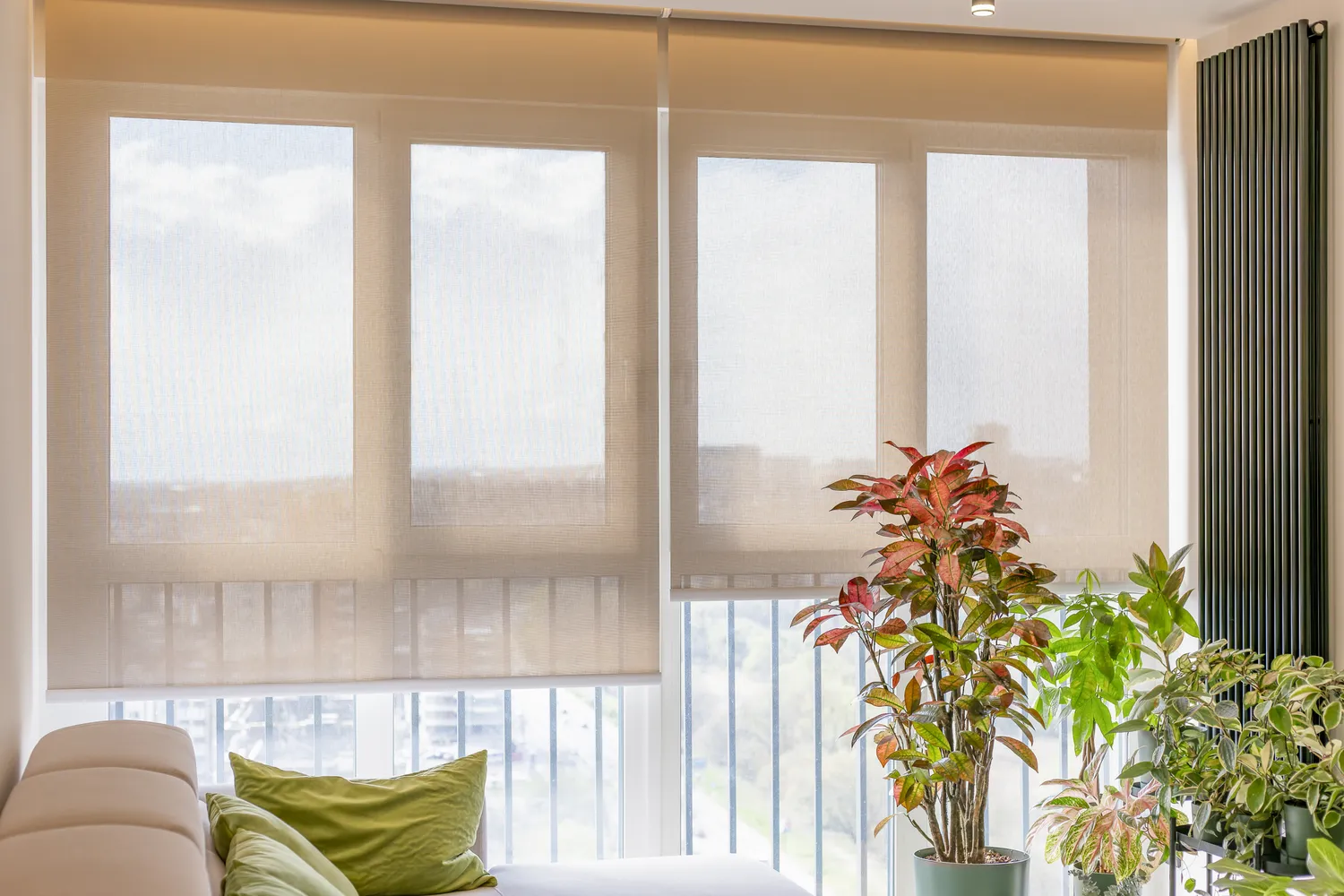
6 Outdated Window Treatments Interior Designers Are Tired of Seeing
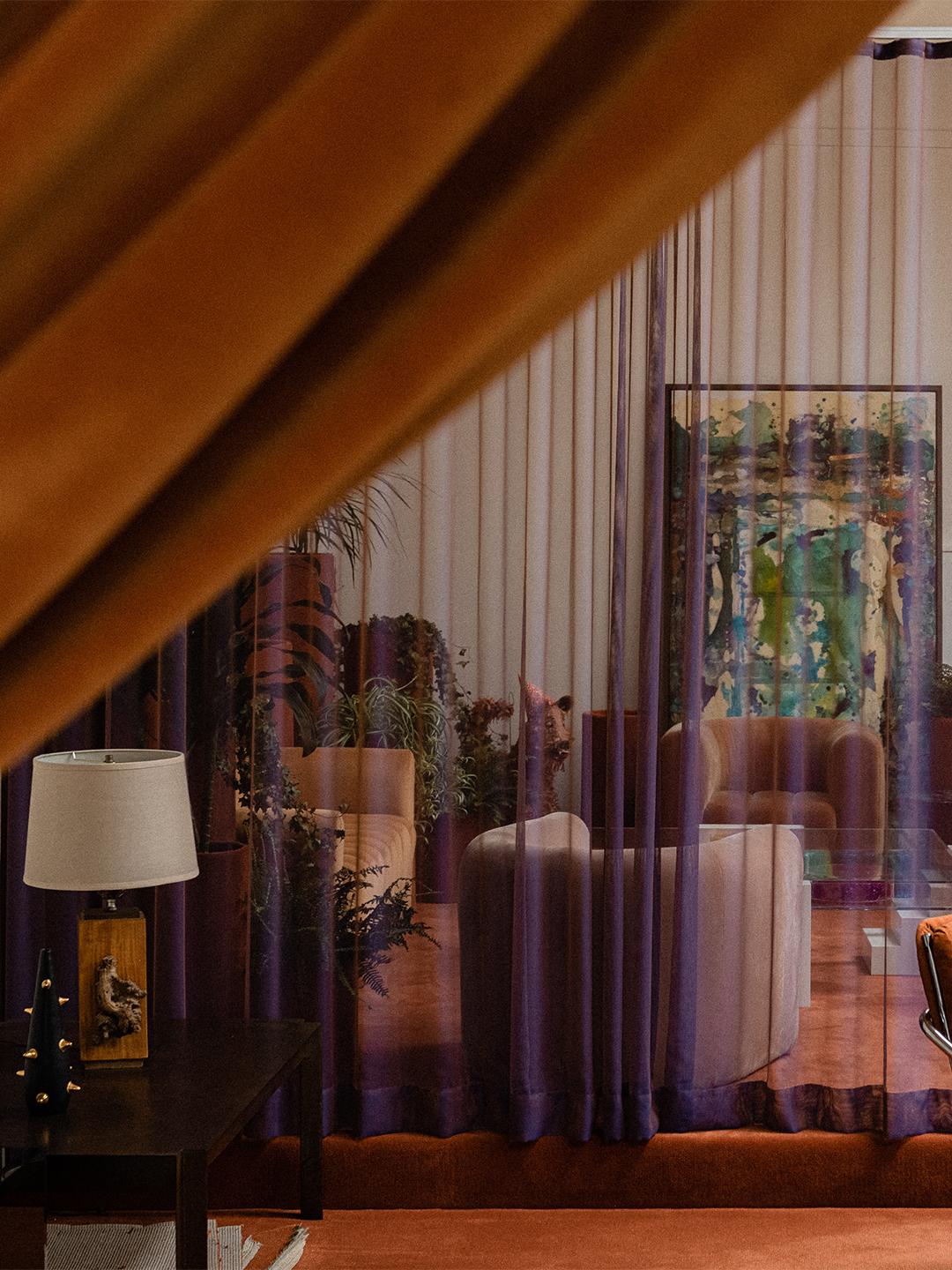
Why You Should Be Extending Your Drapes Beyond the Window Frame
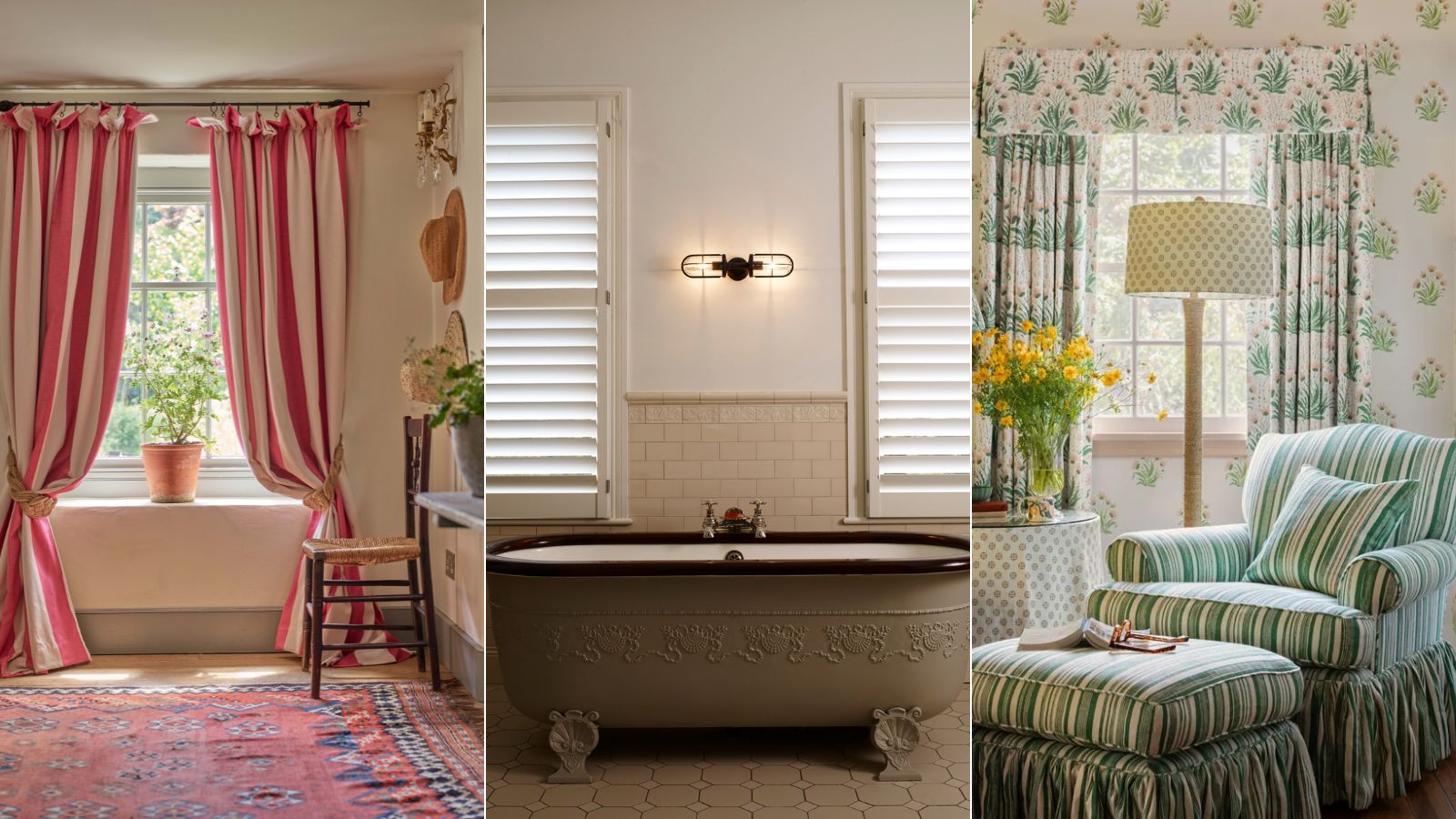
These are the dated window treatments interior designers are encouraging you to avoid in 2024
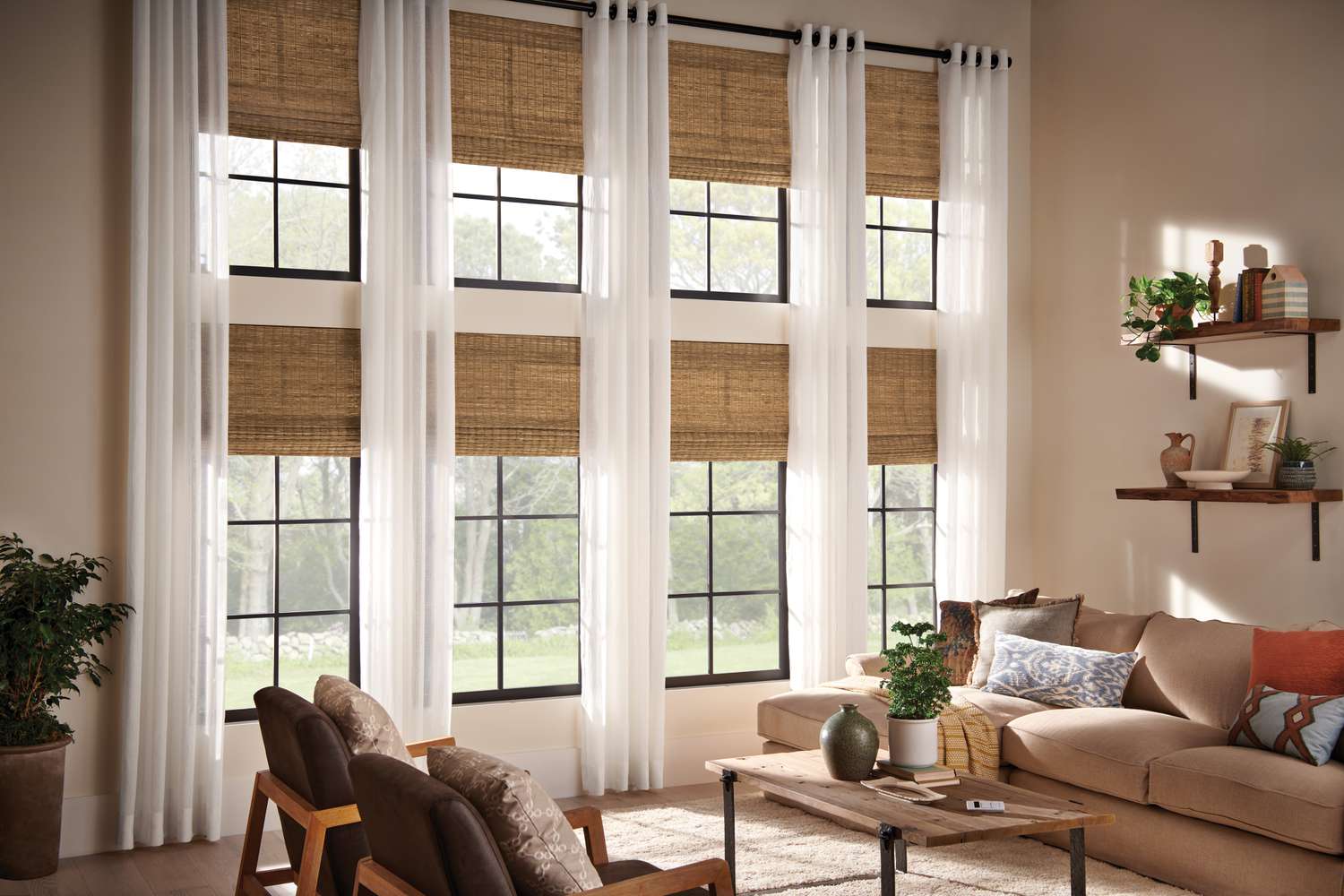
6 Window Treatment Mistakes Designers Are Tired of Seeing
An Interior Design Expert Explains How To Style Your Windows To Make Them Look Bigger

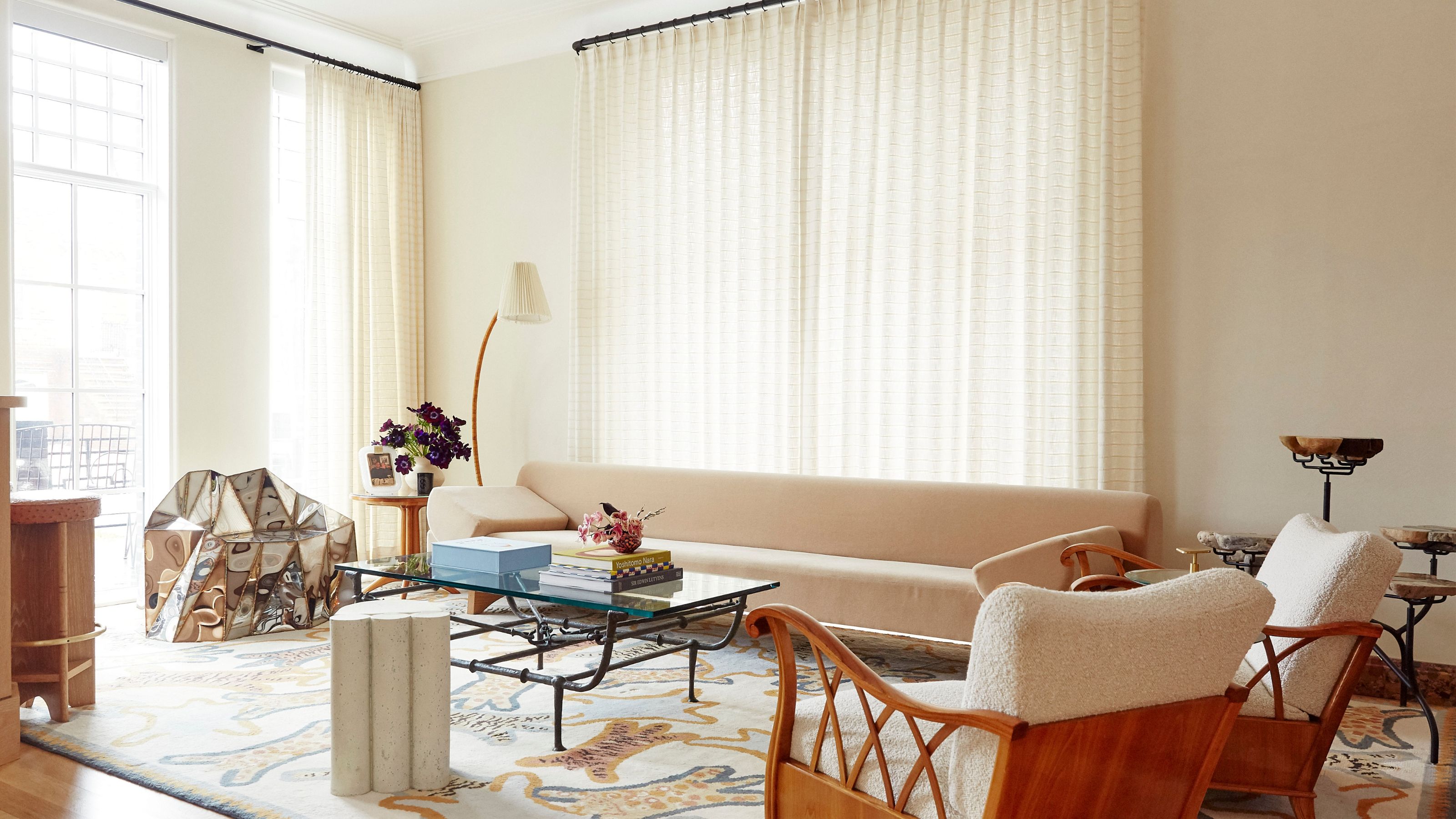
"Should All My Window Treatments Match?" Here's How Designers Decide, and Make It Work Either Way
6 window treatment trends that interior designers swear by for a quick and easy update
D-FW designers reveal the do’s and don’ts of window treatments

This Controversial Window Treatment Trick Might Just Make Your Room Feel Bigger and Brighter
Once-Popular Window Treatments That Are Now Dating Your Home
Curtain Call: Choosing Window Treatments