Should You Paint Trim Darker Than Walls? We Asked Designers If That Trend Will Last
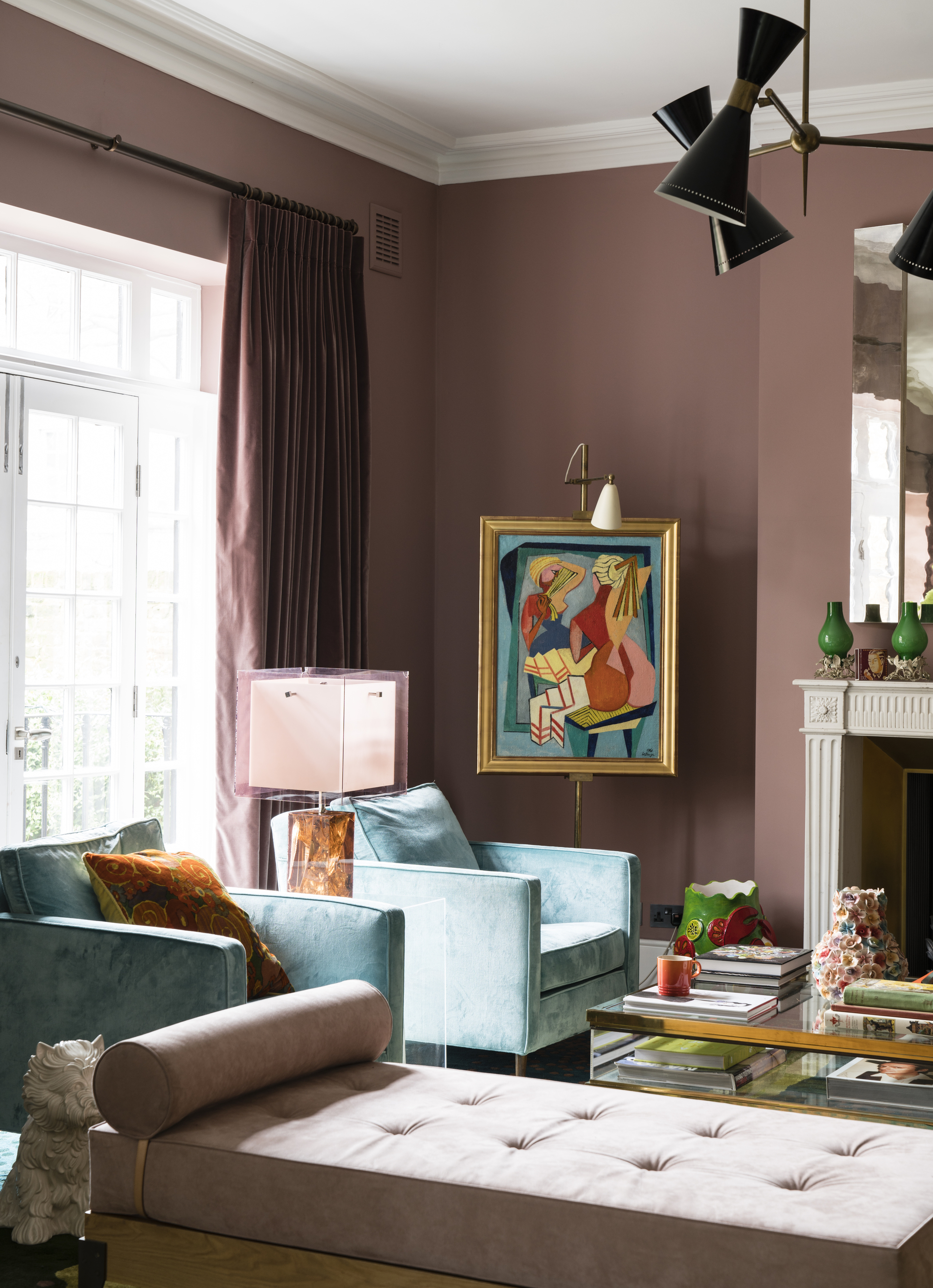
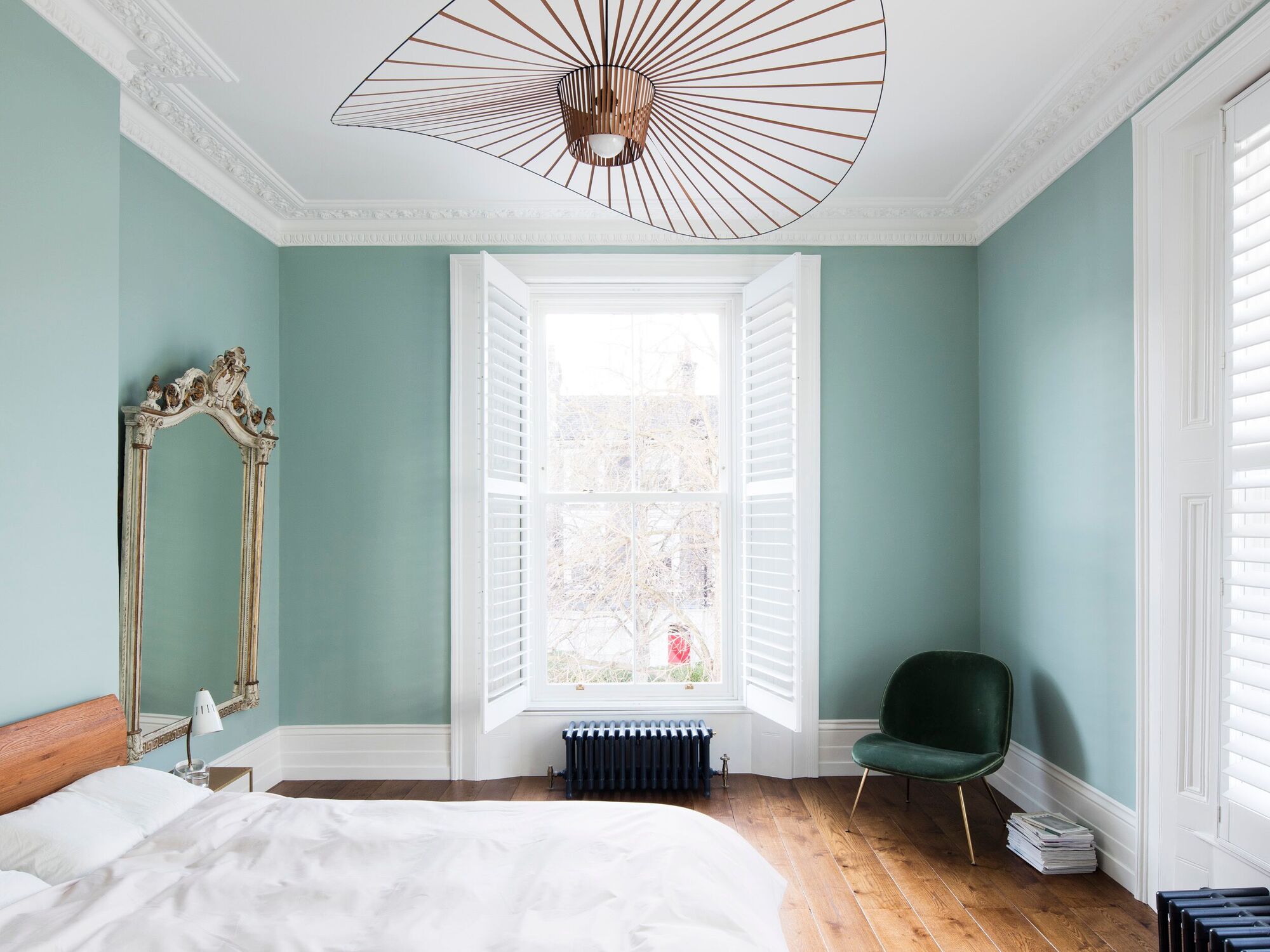
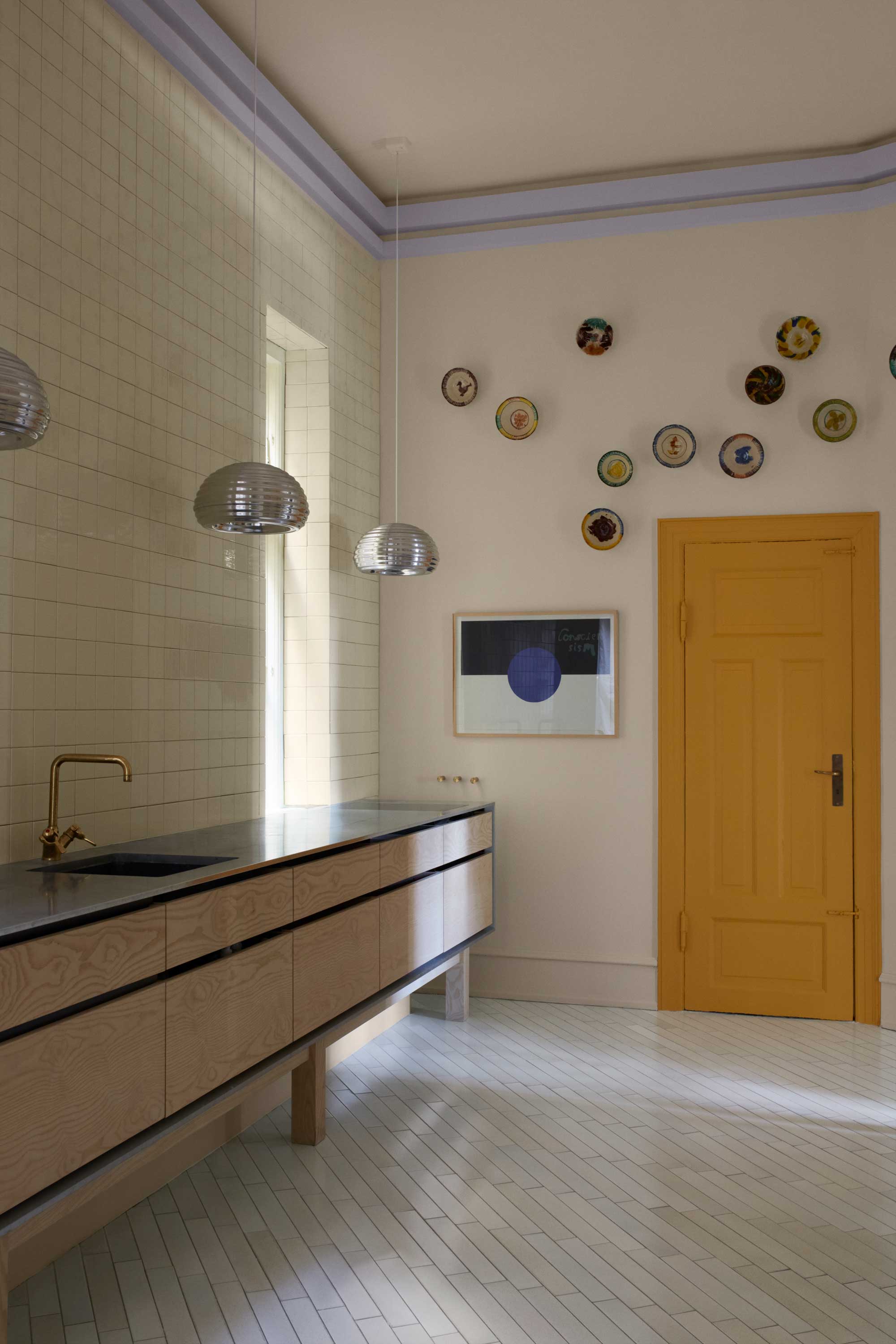
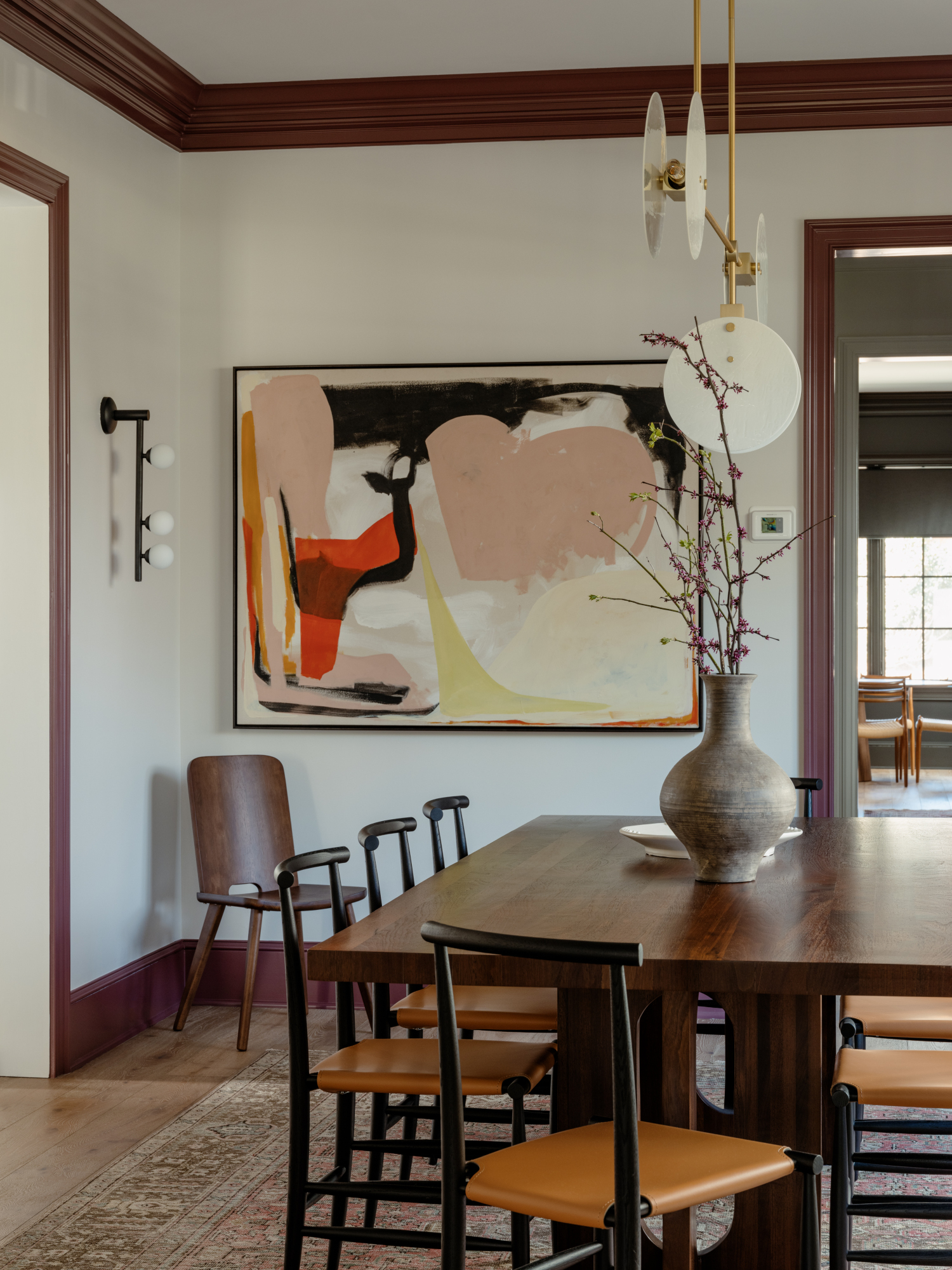
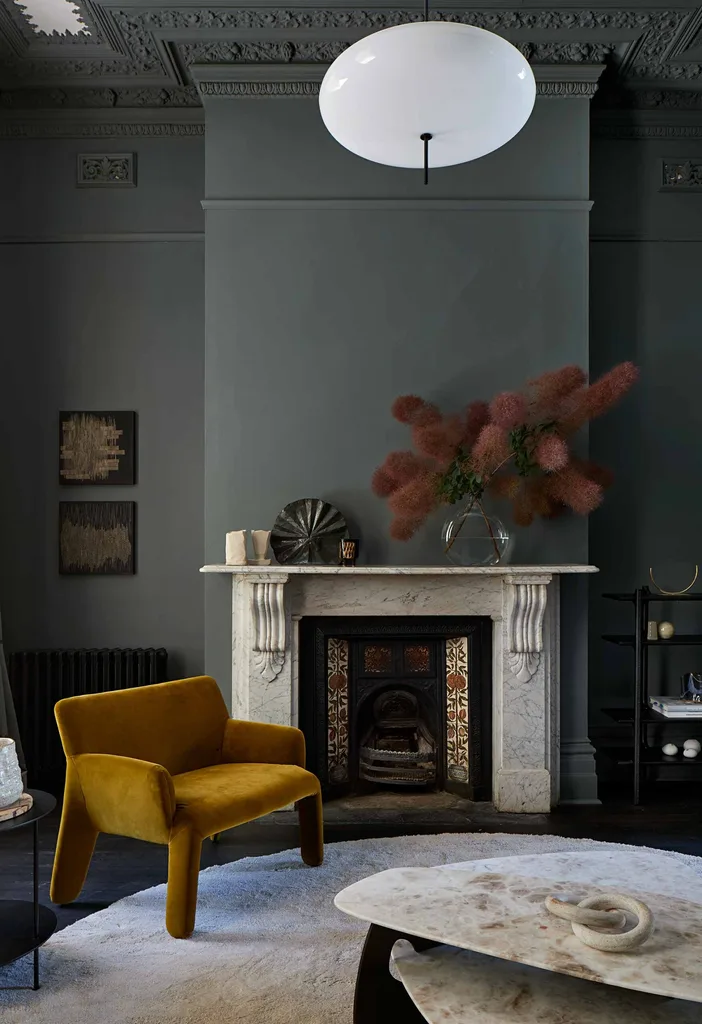
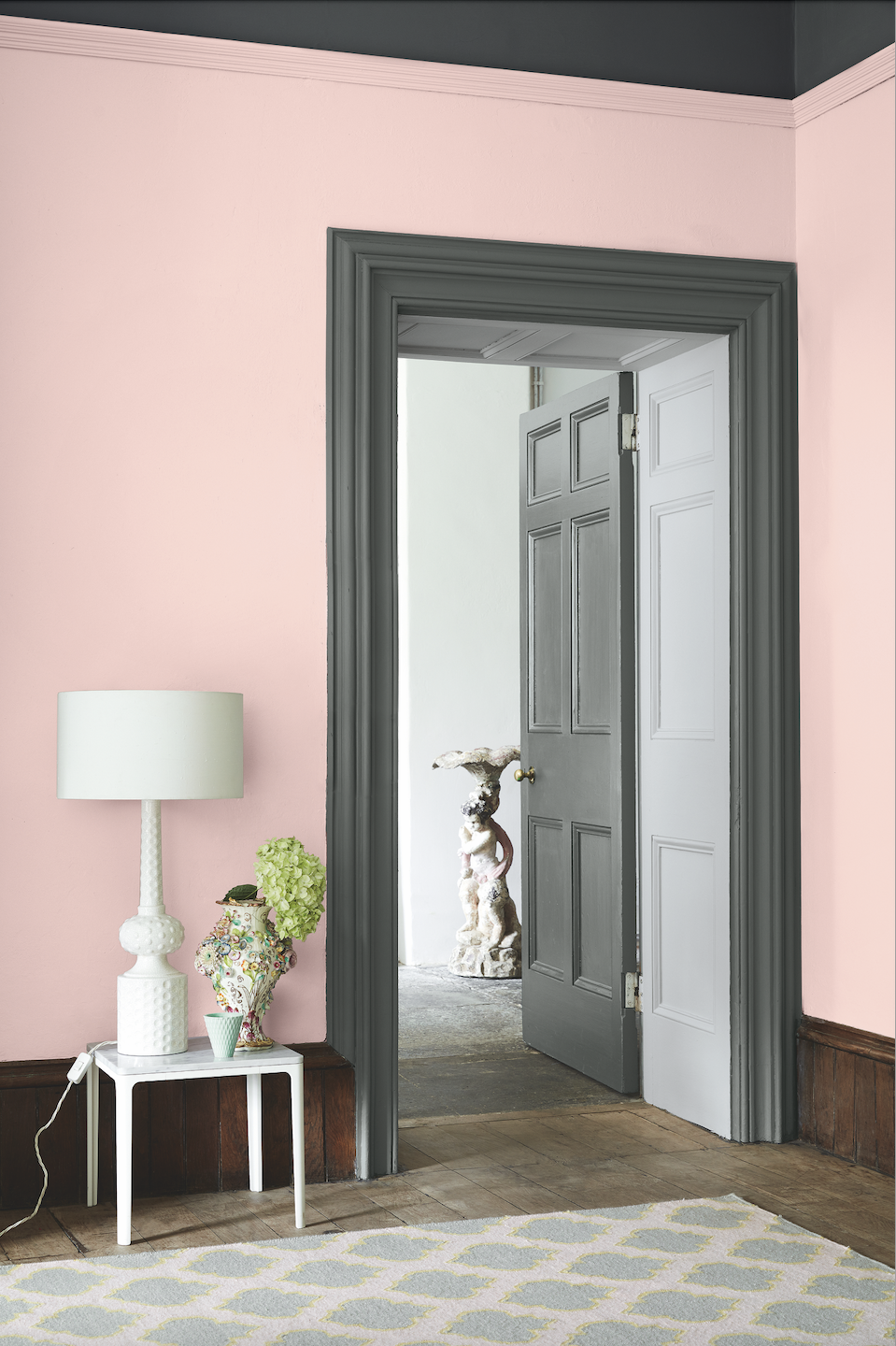
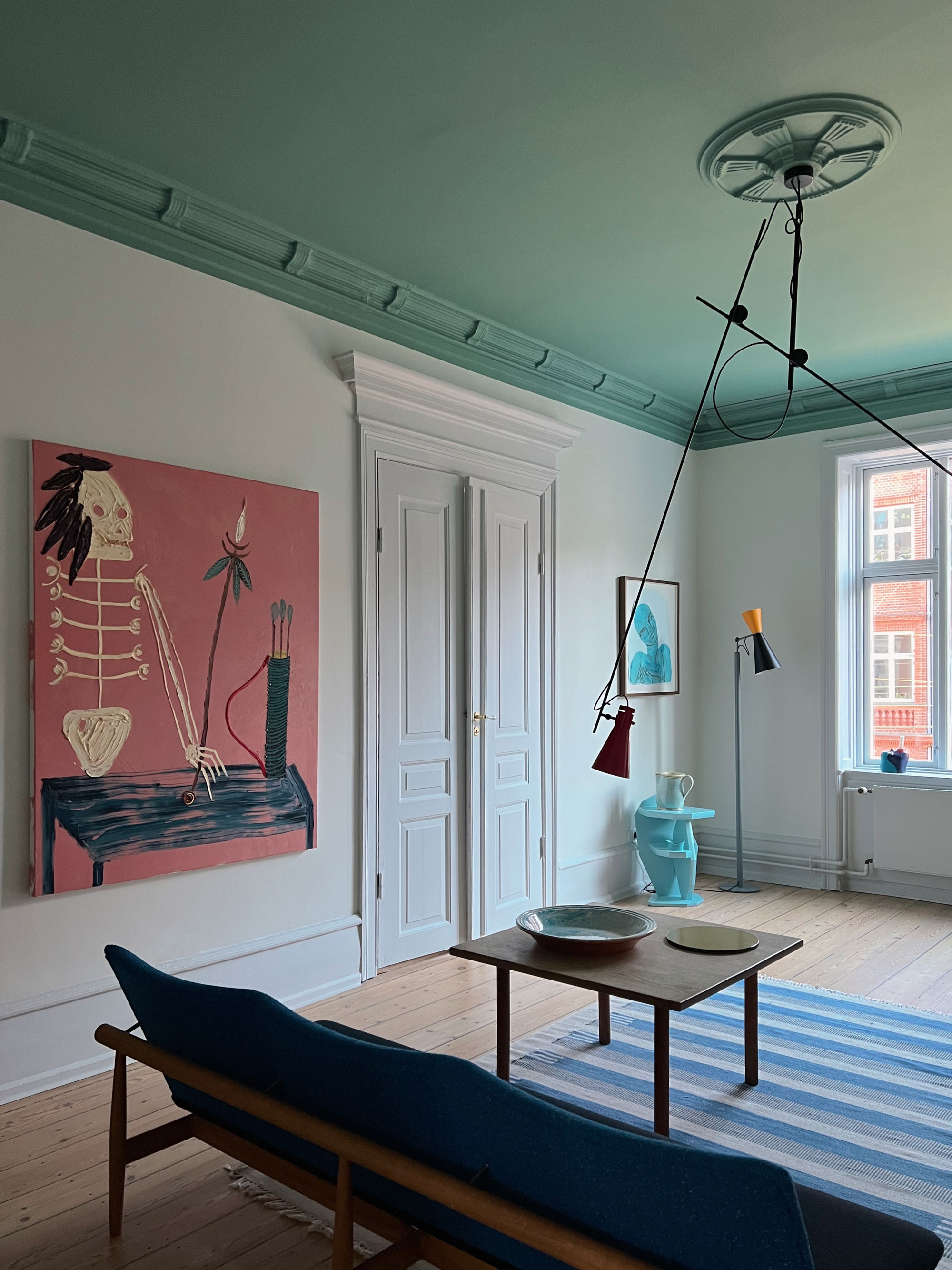
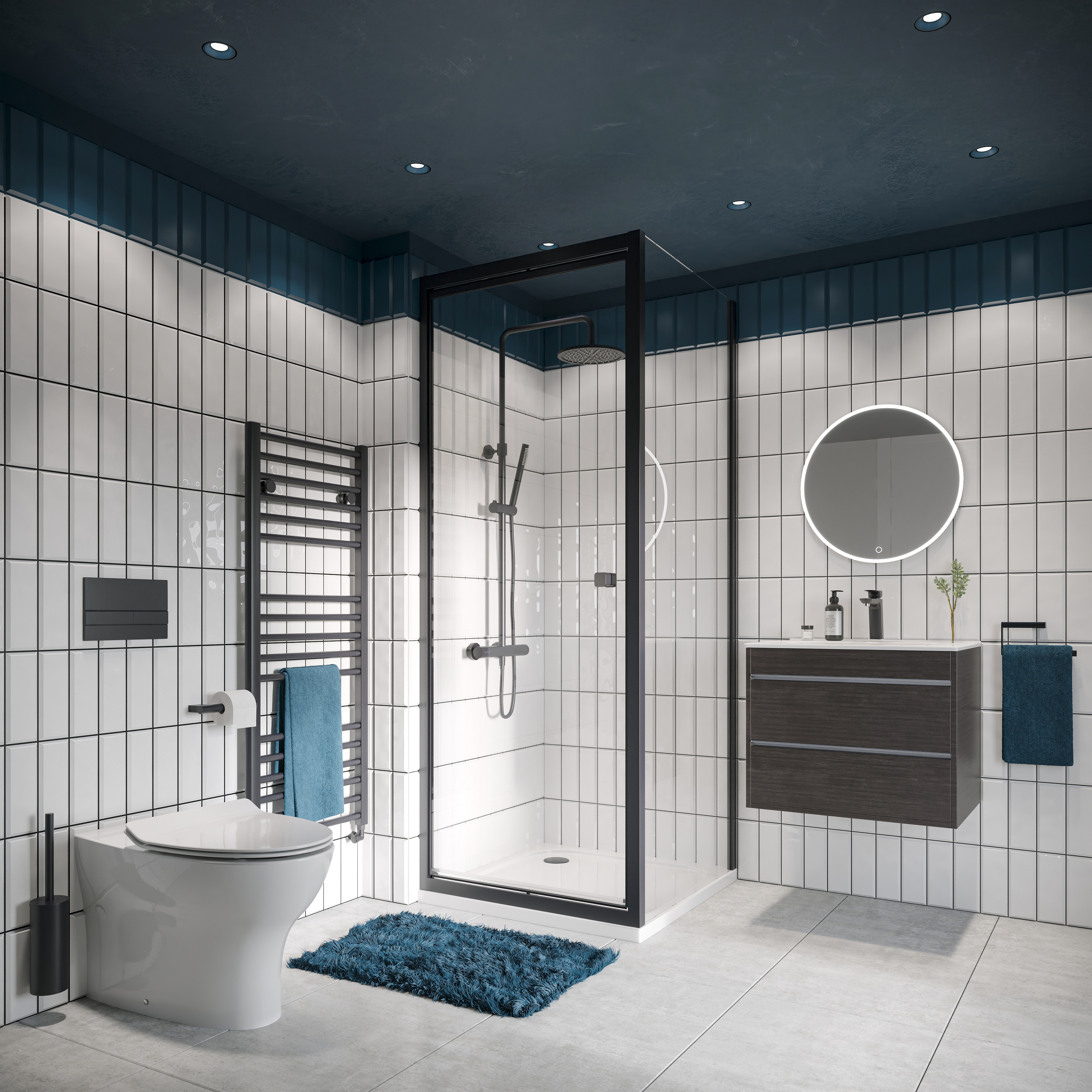
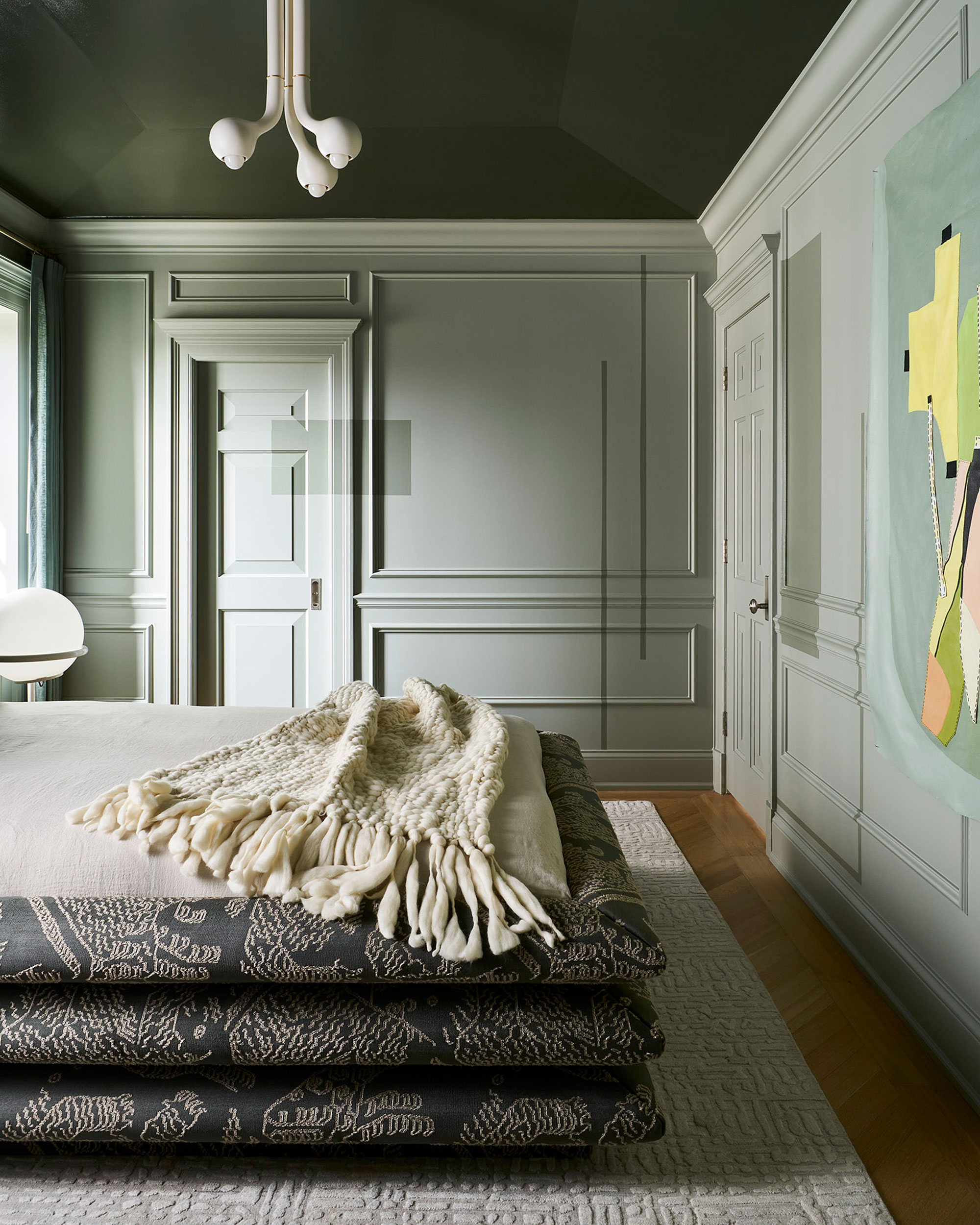
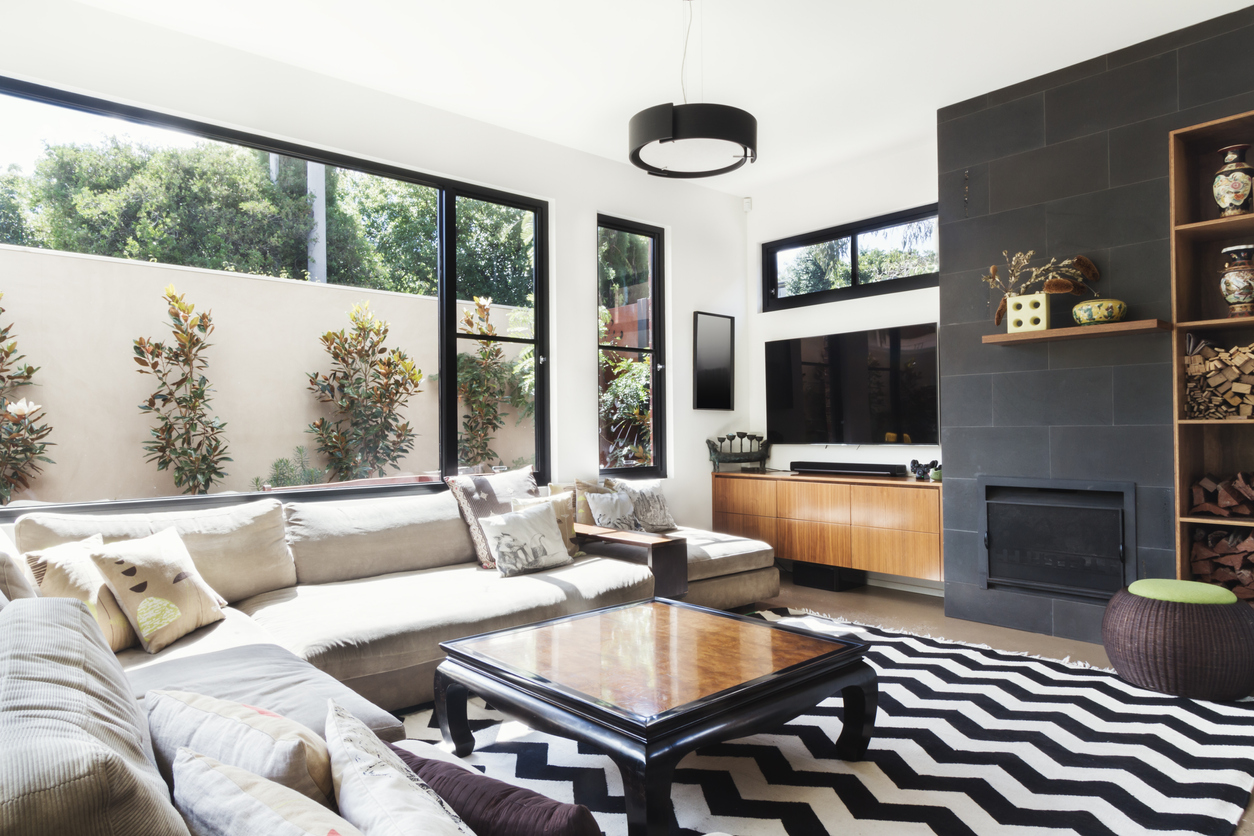
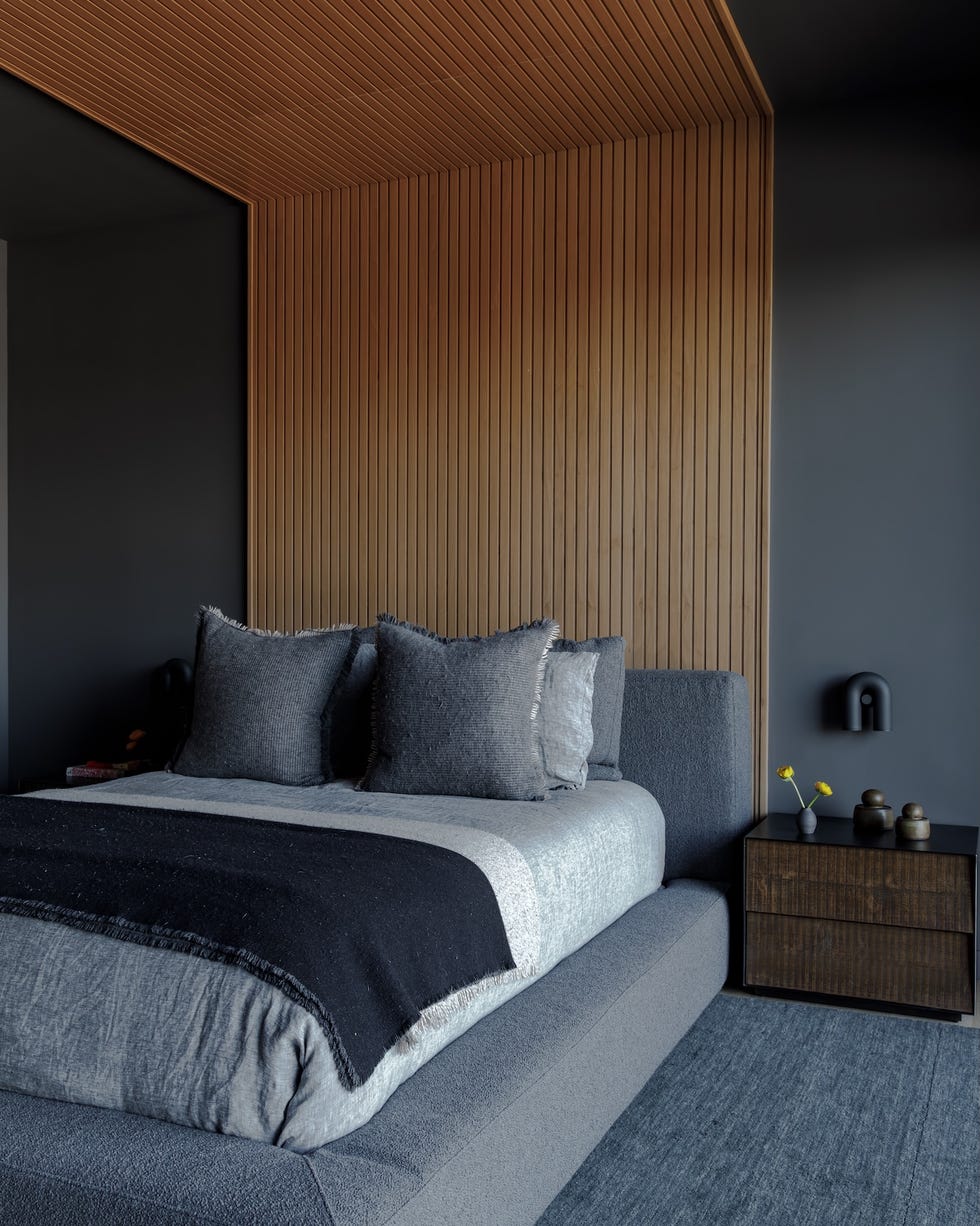
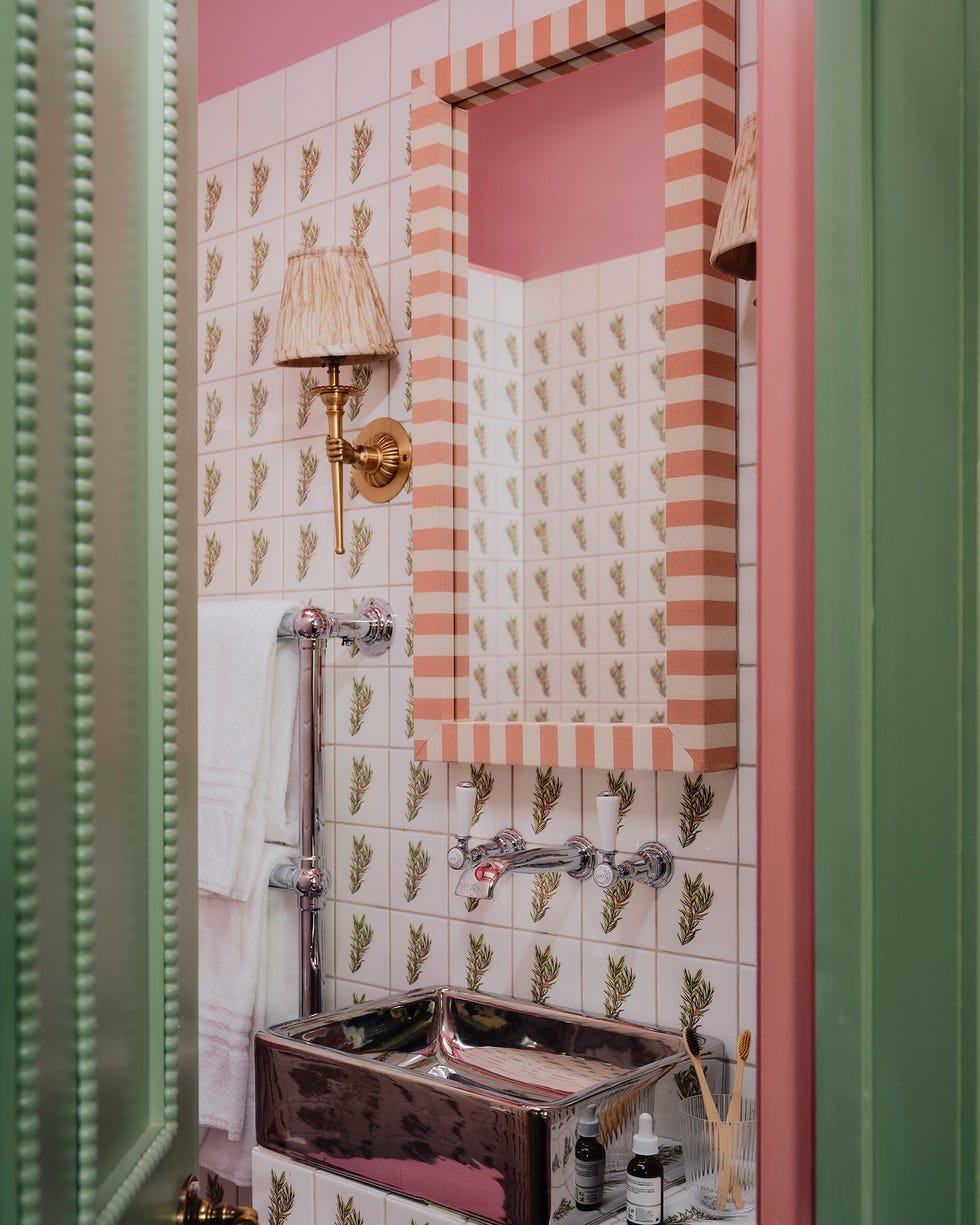
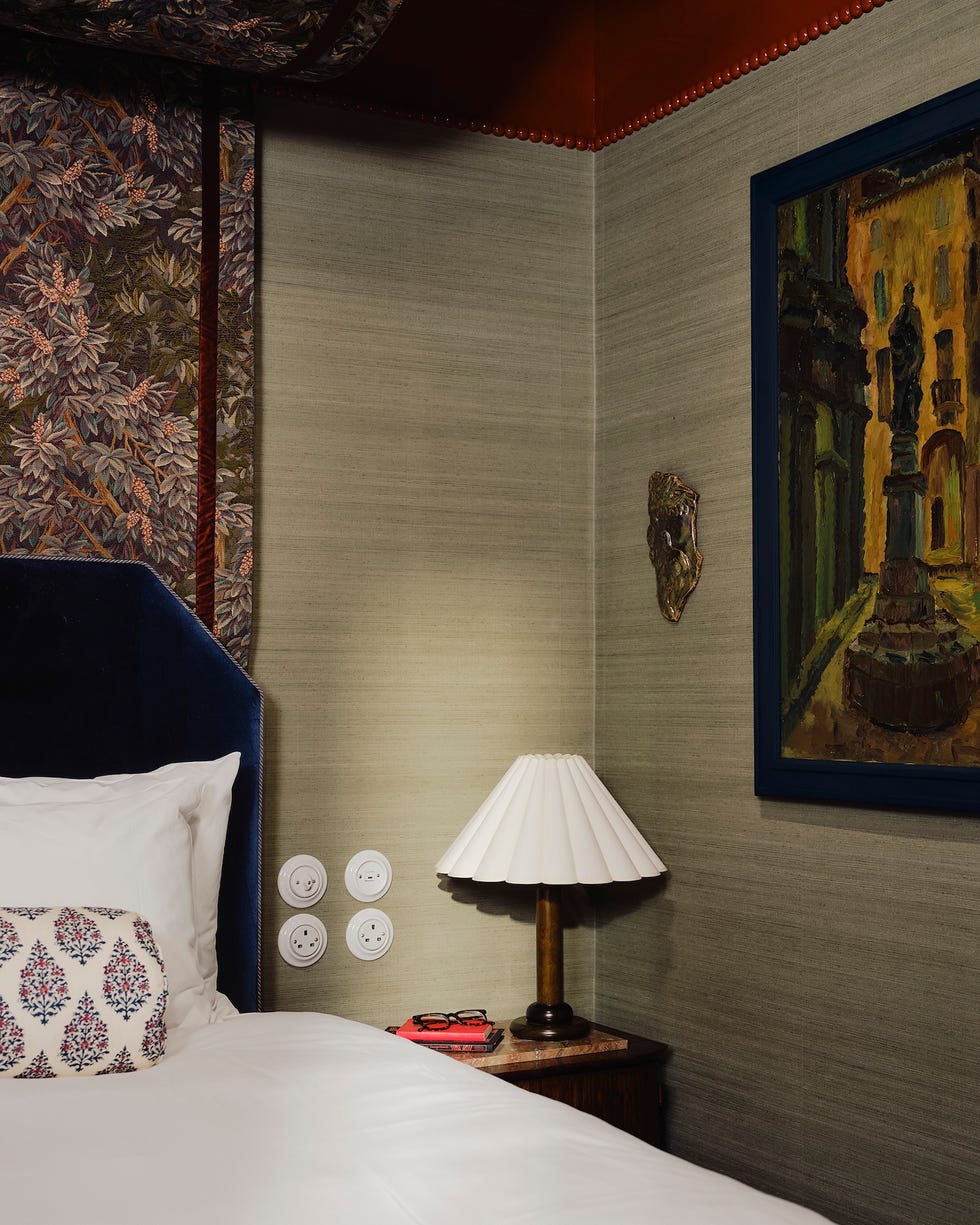
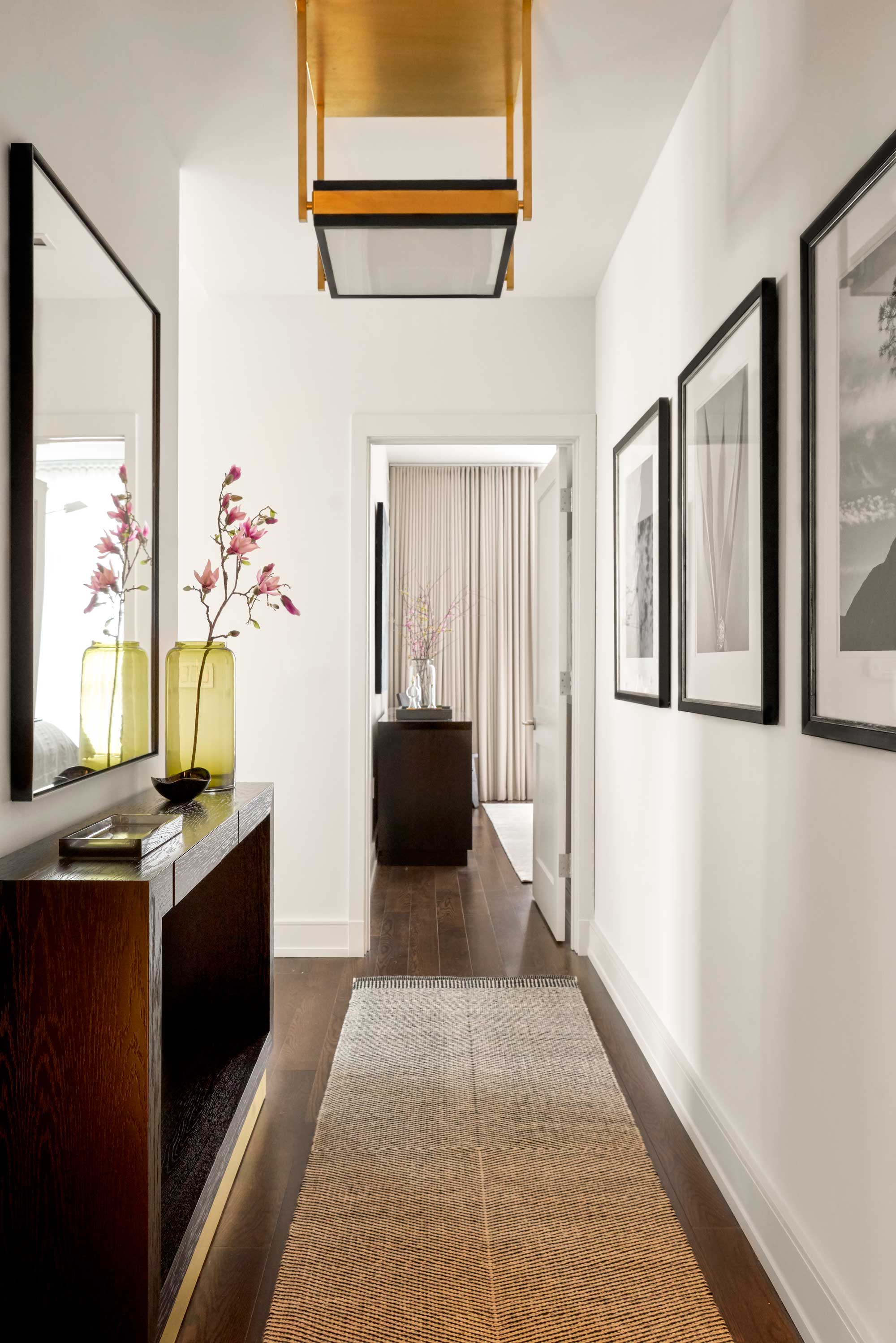
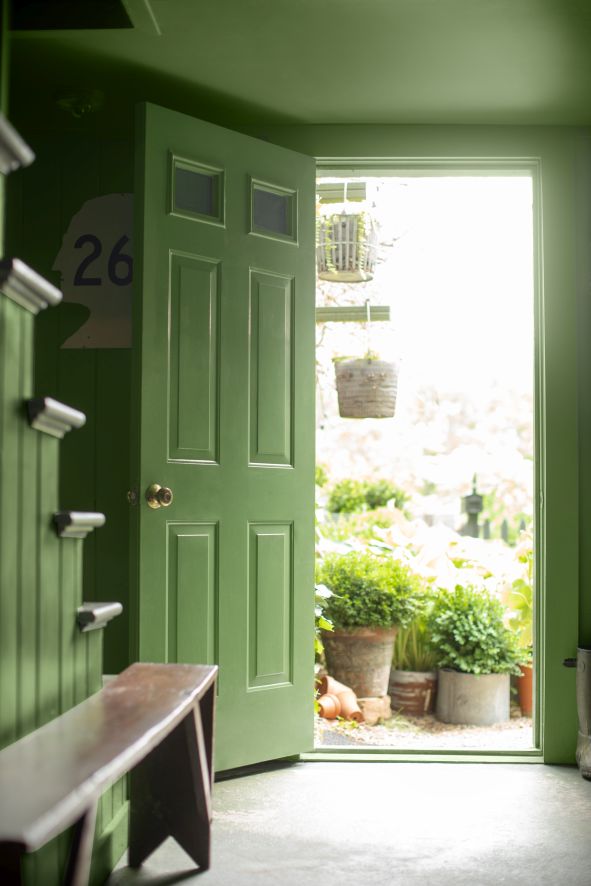
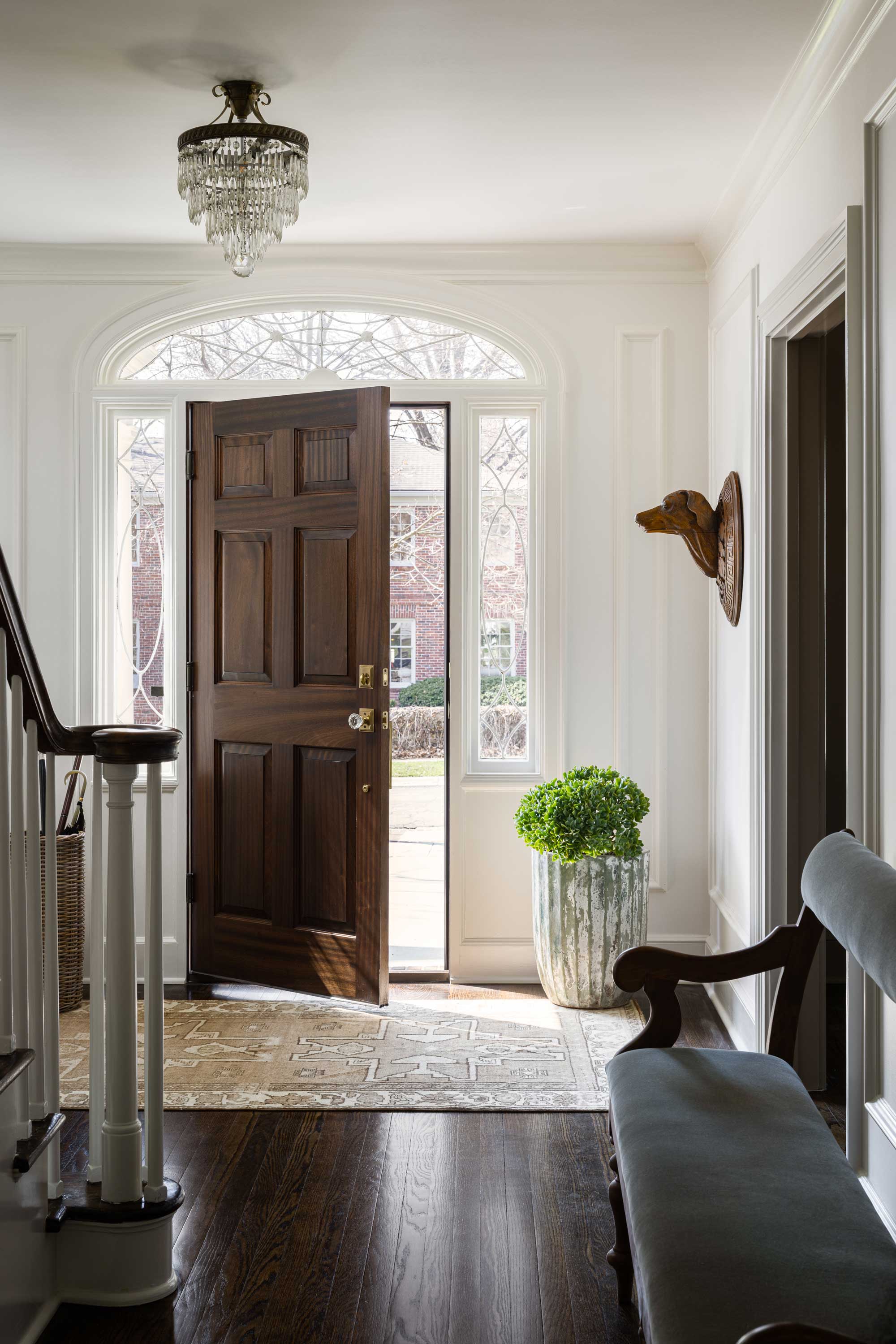
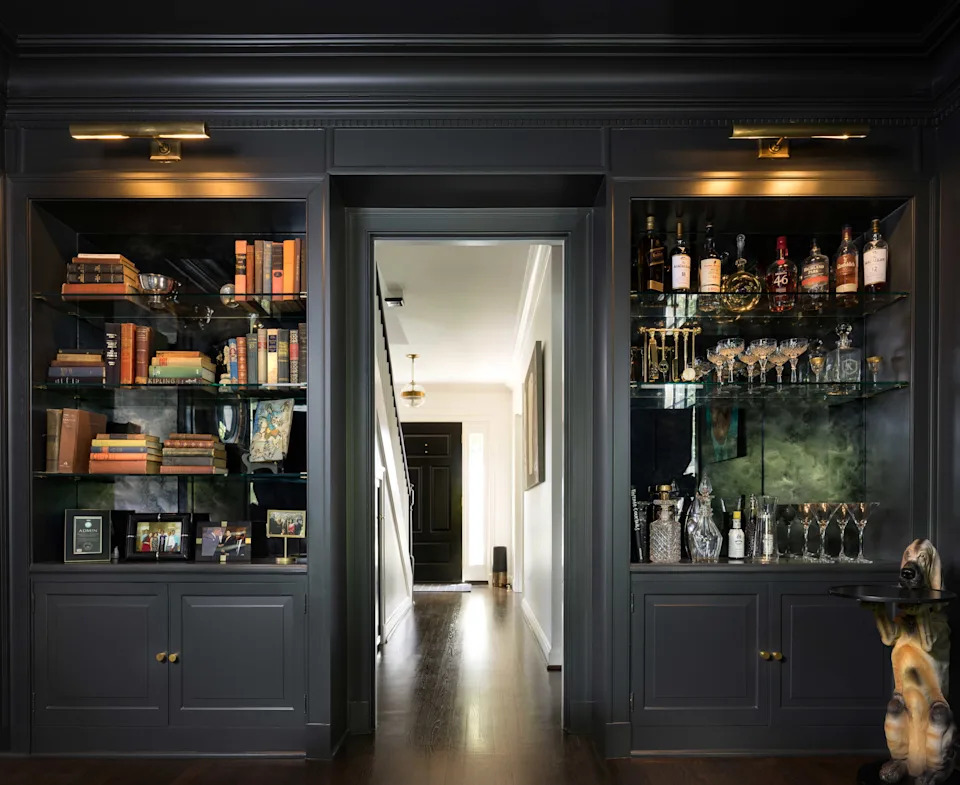
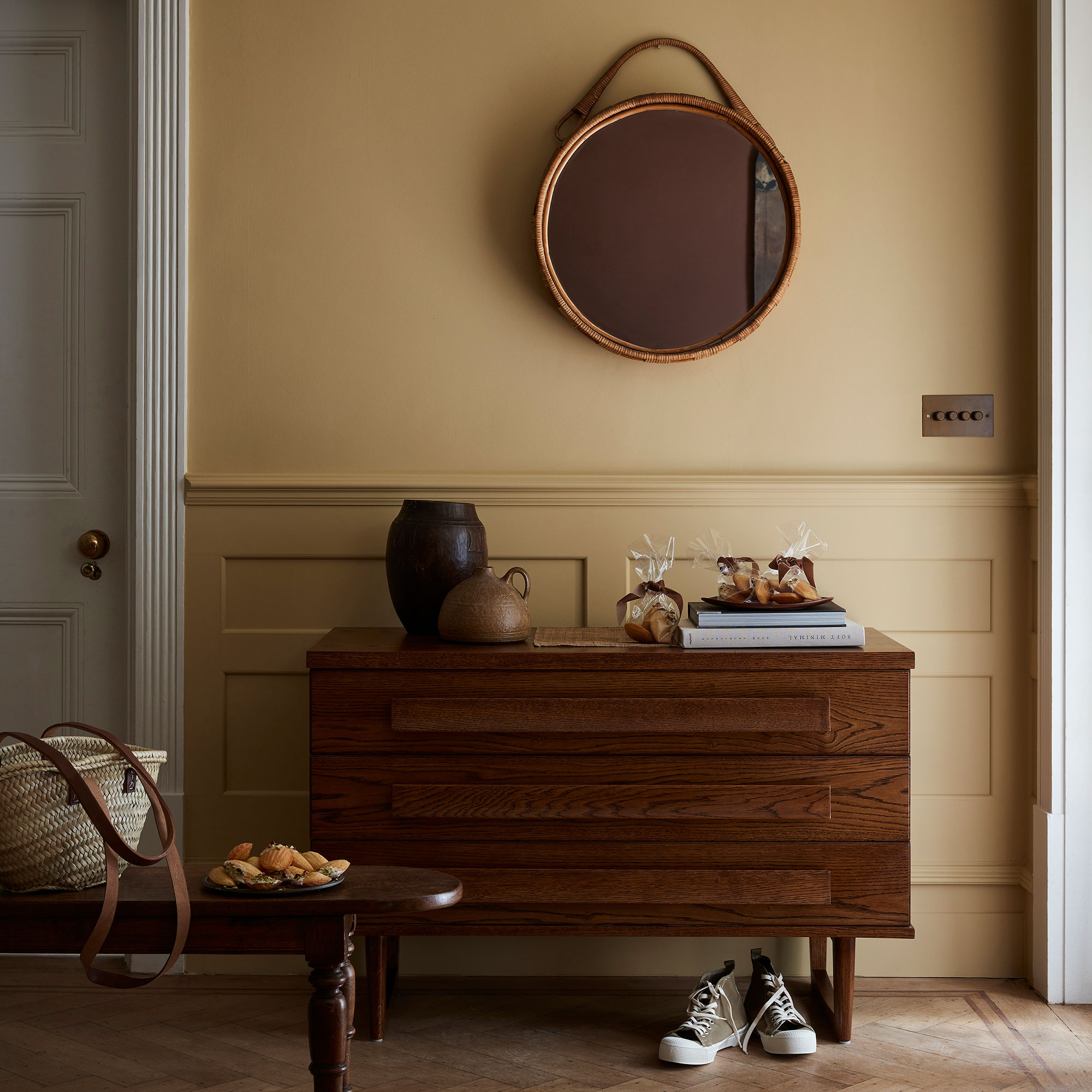
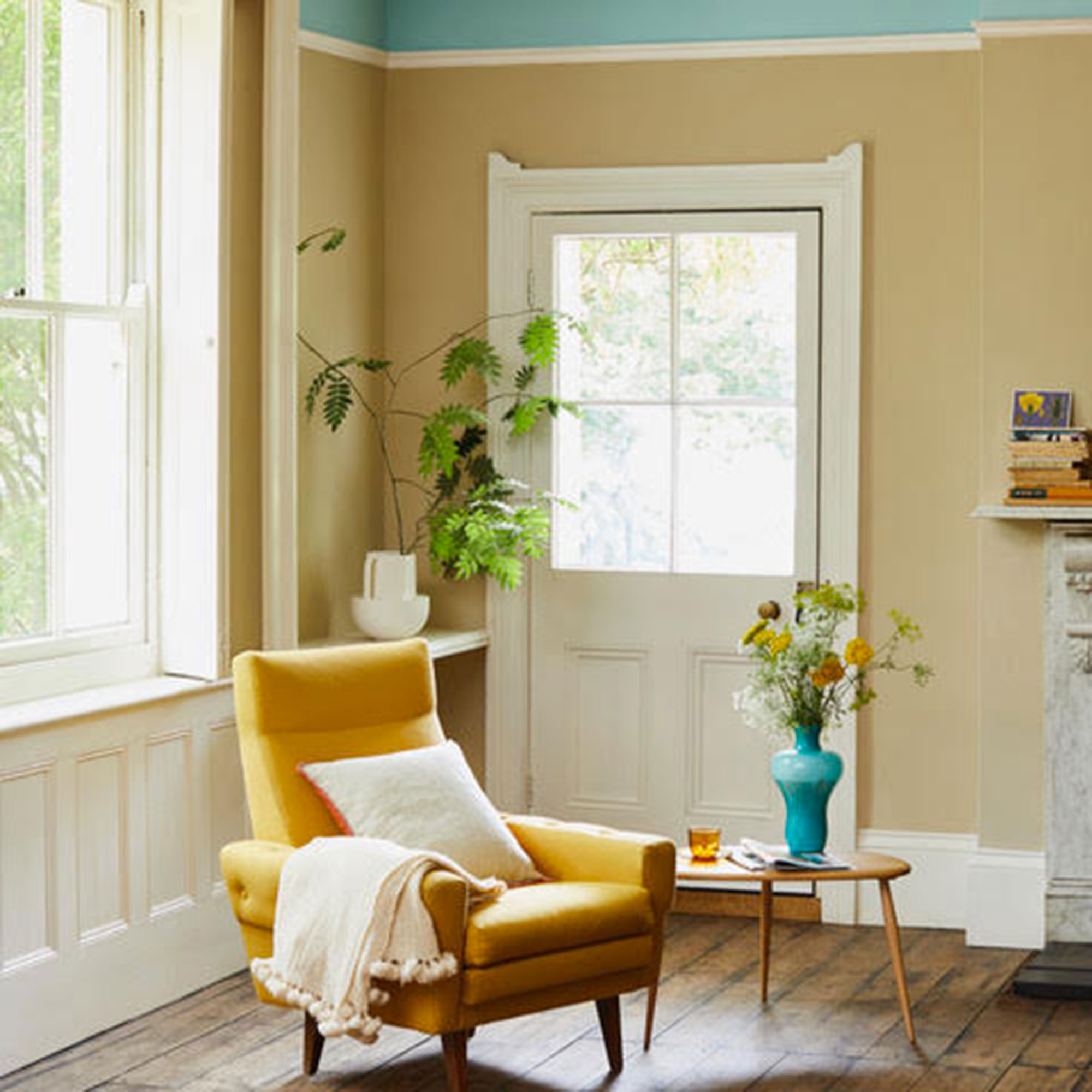
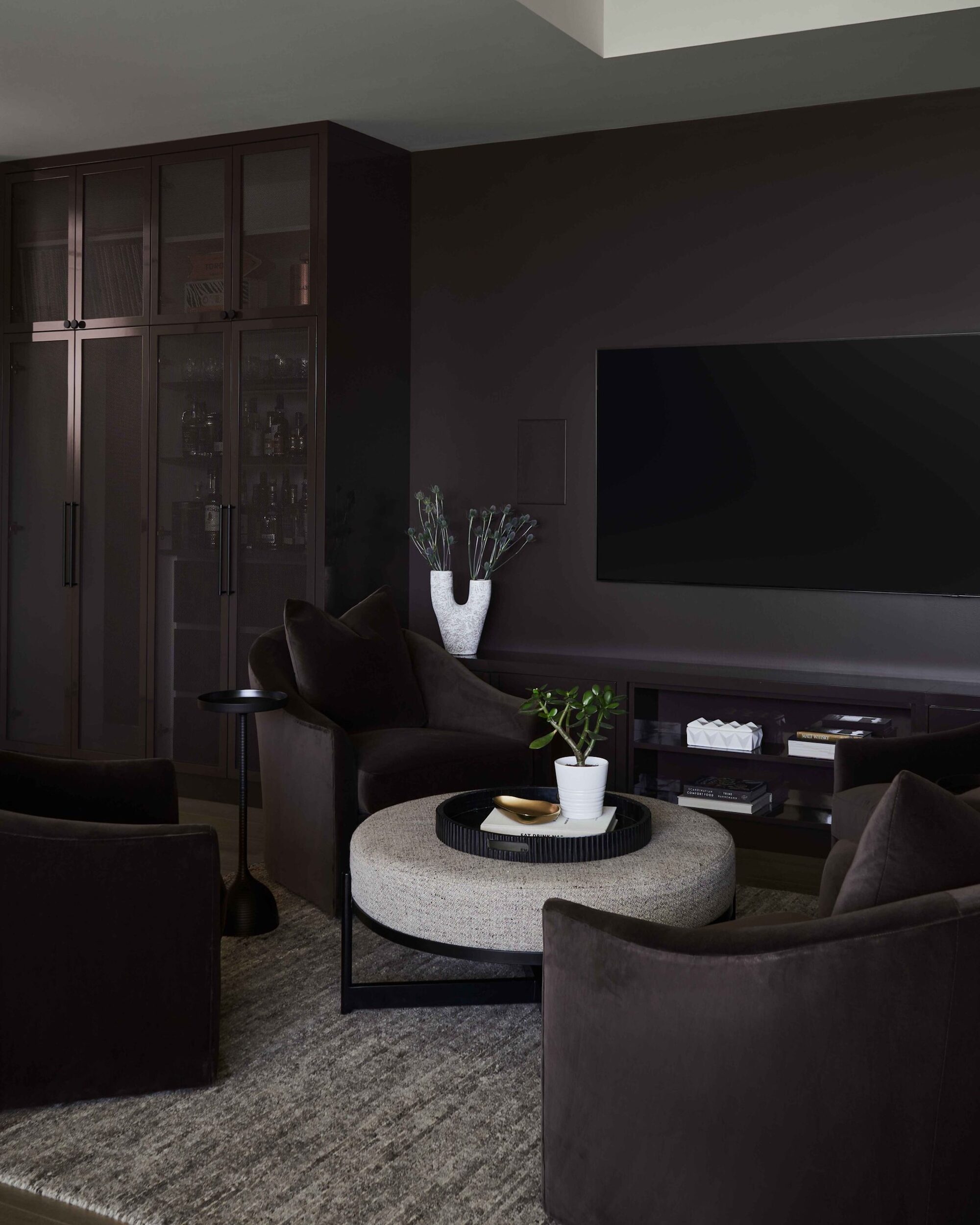
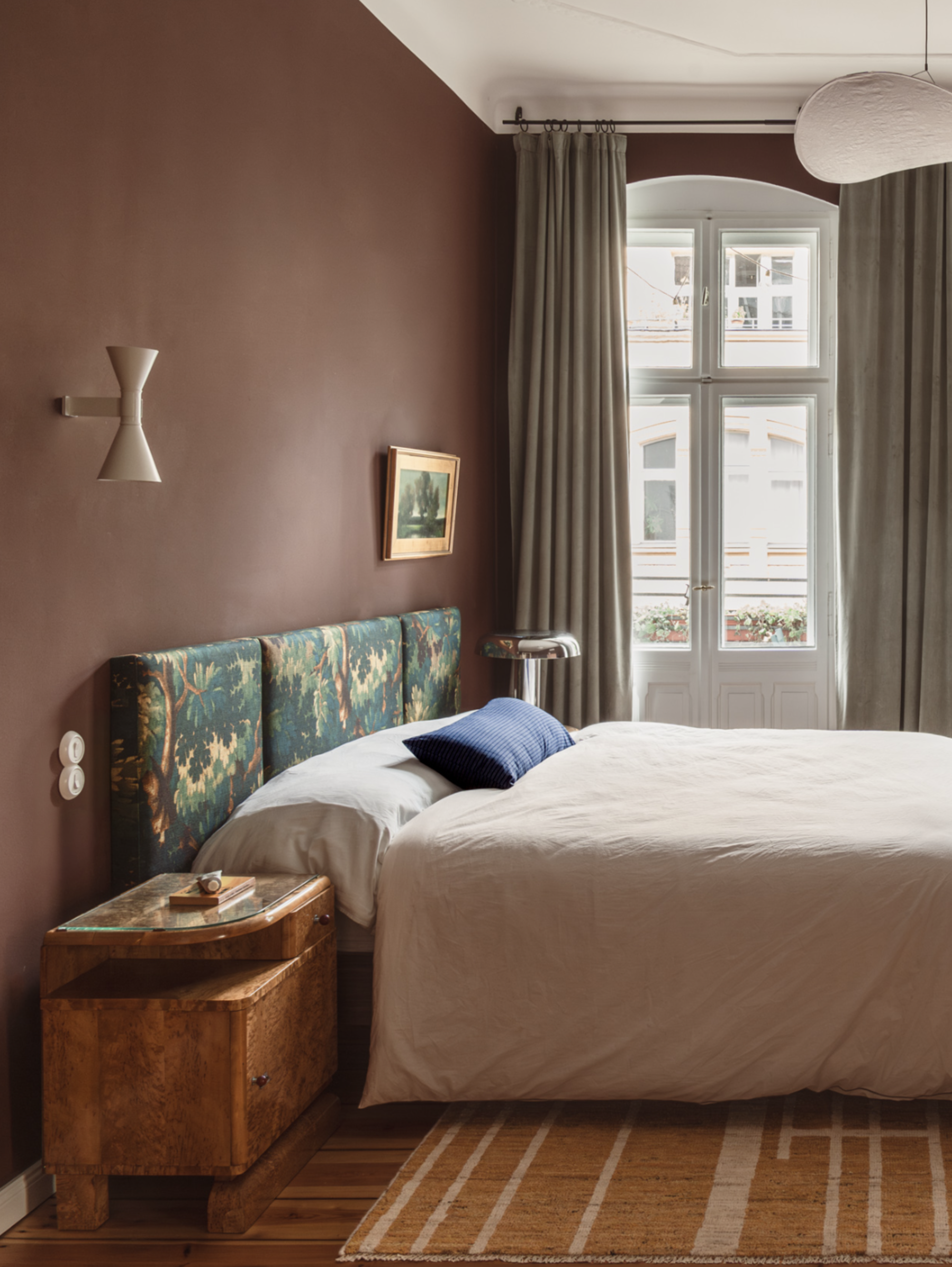
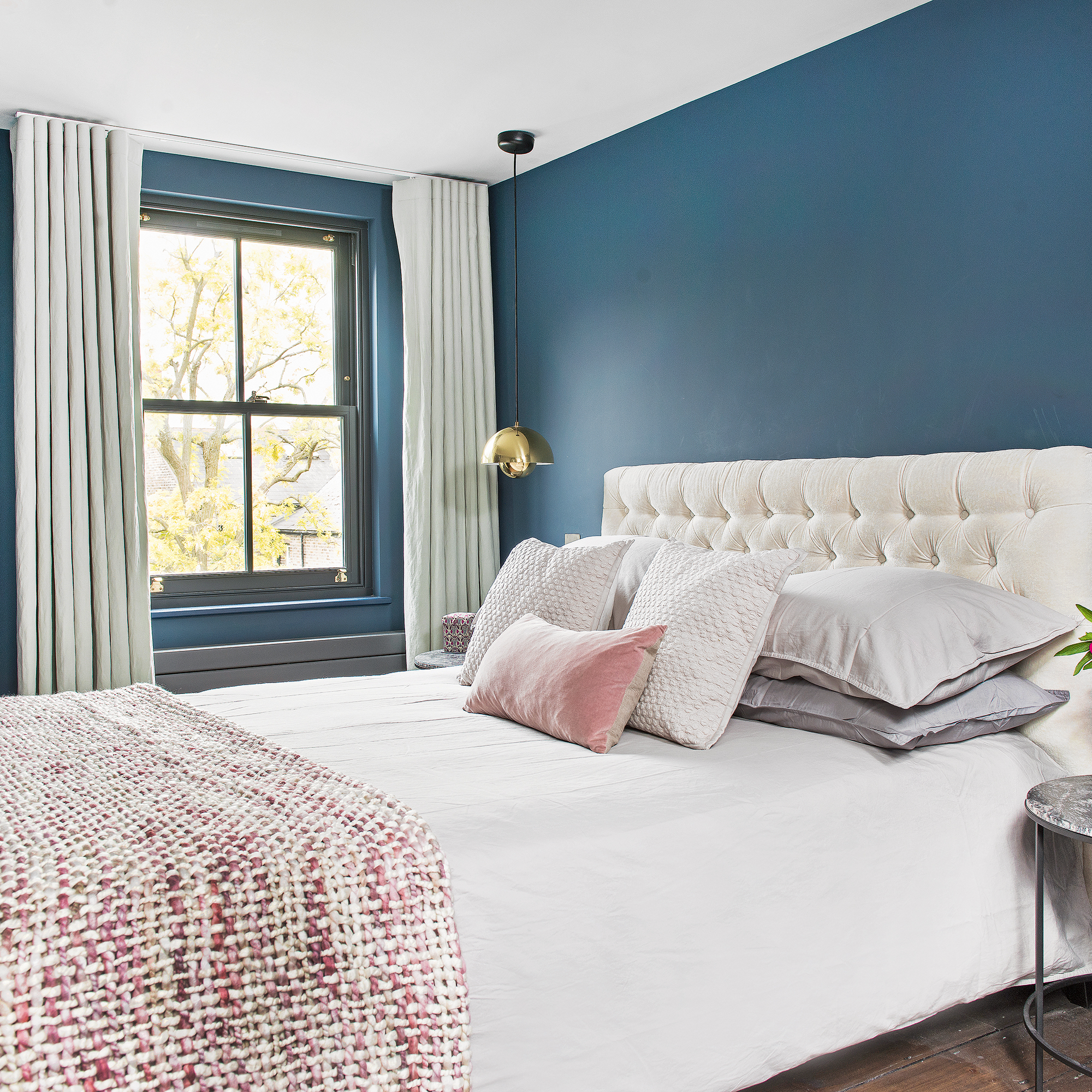
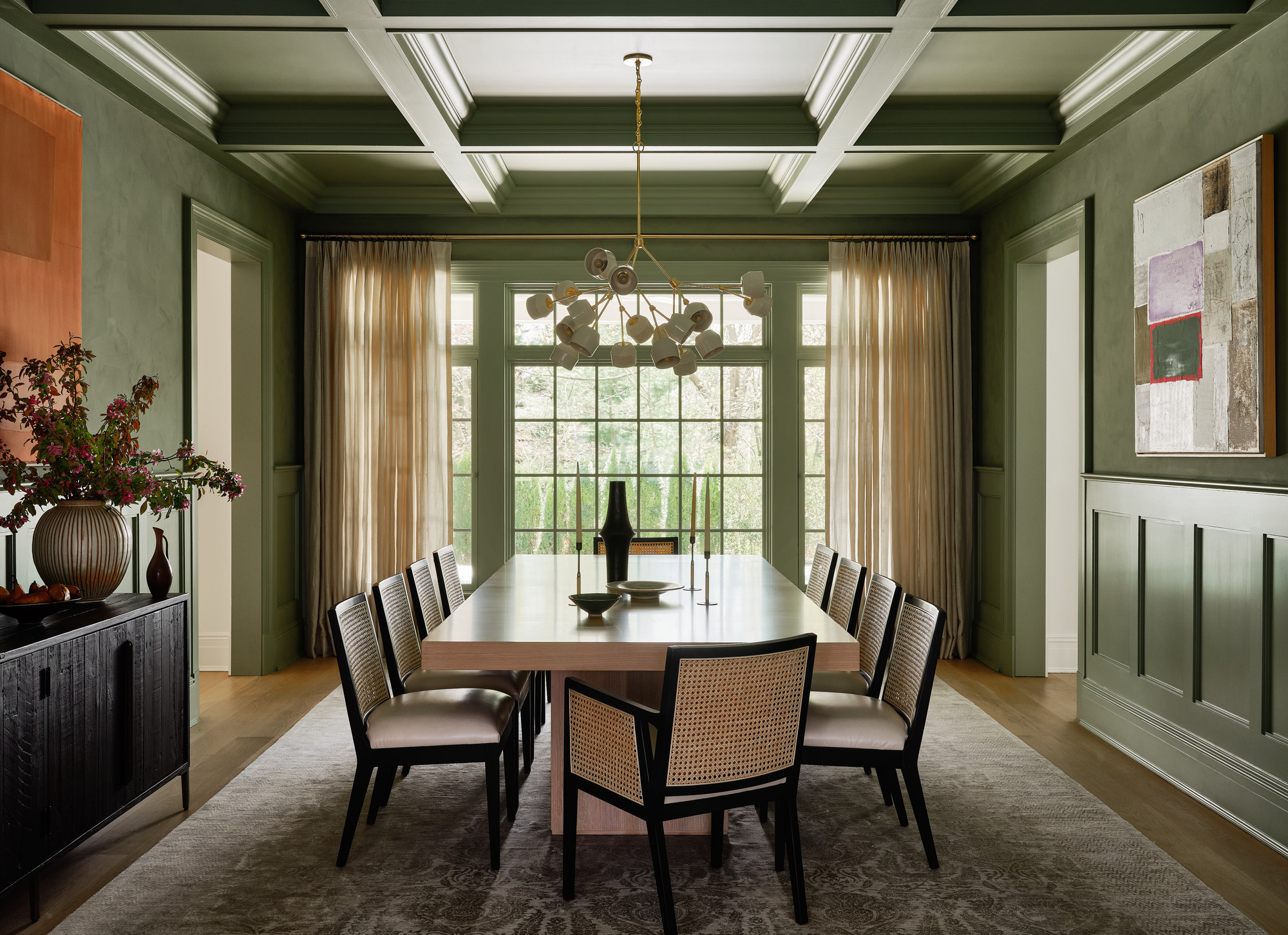
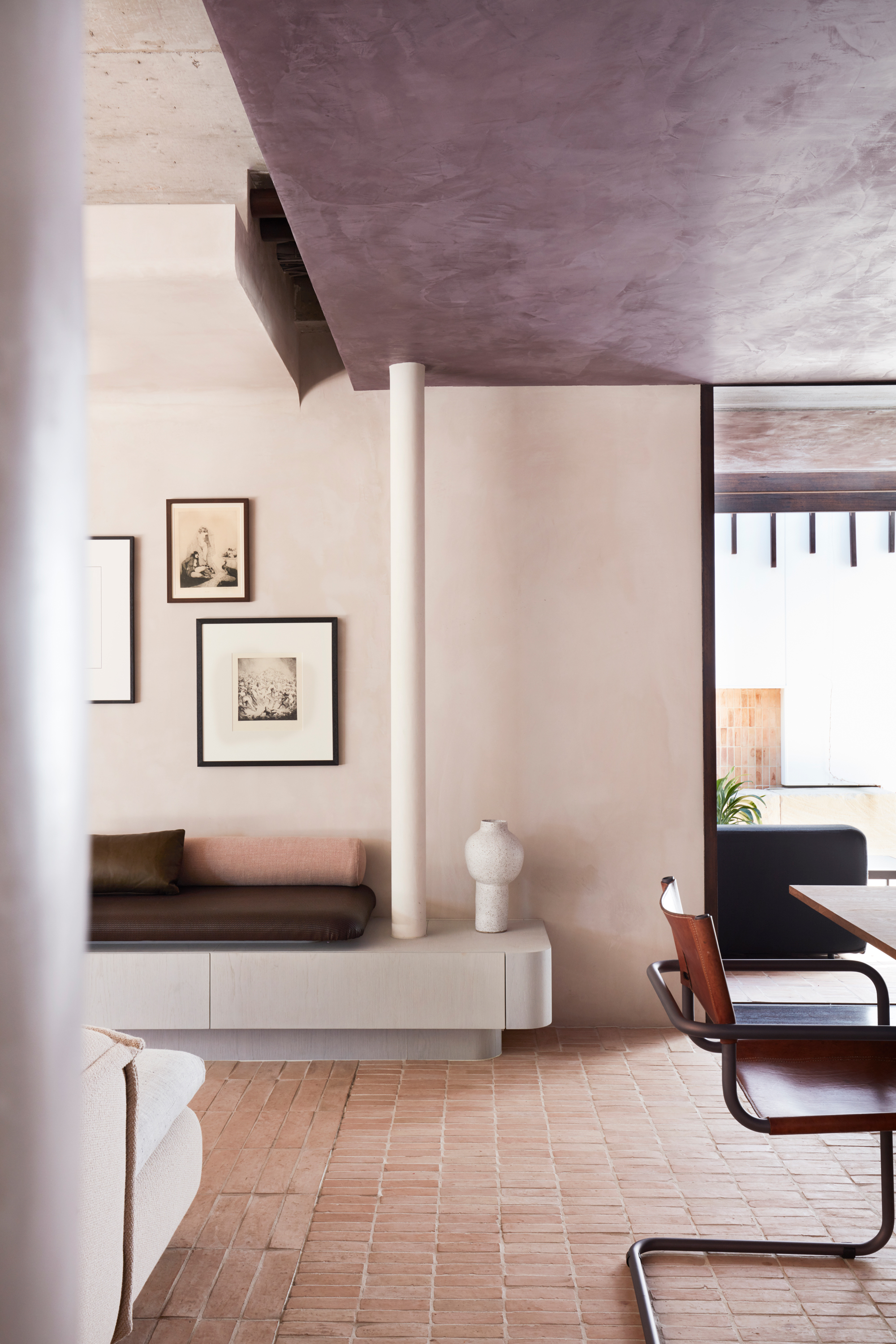
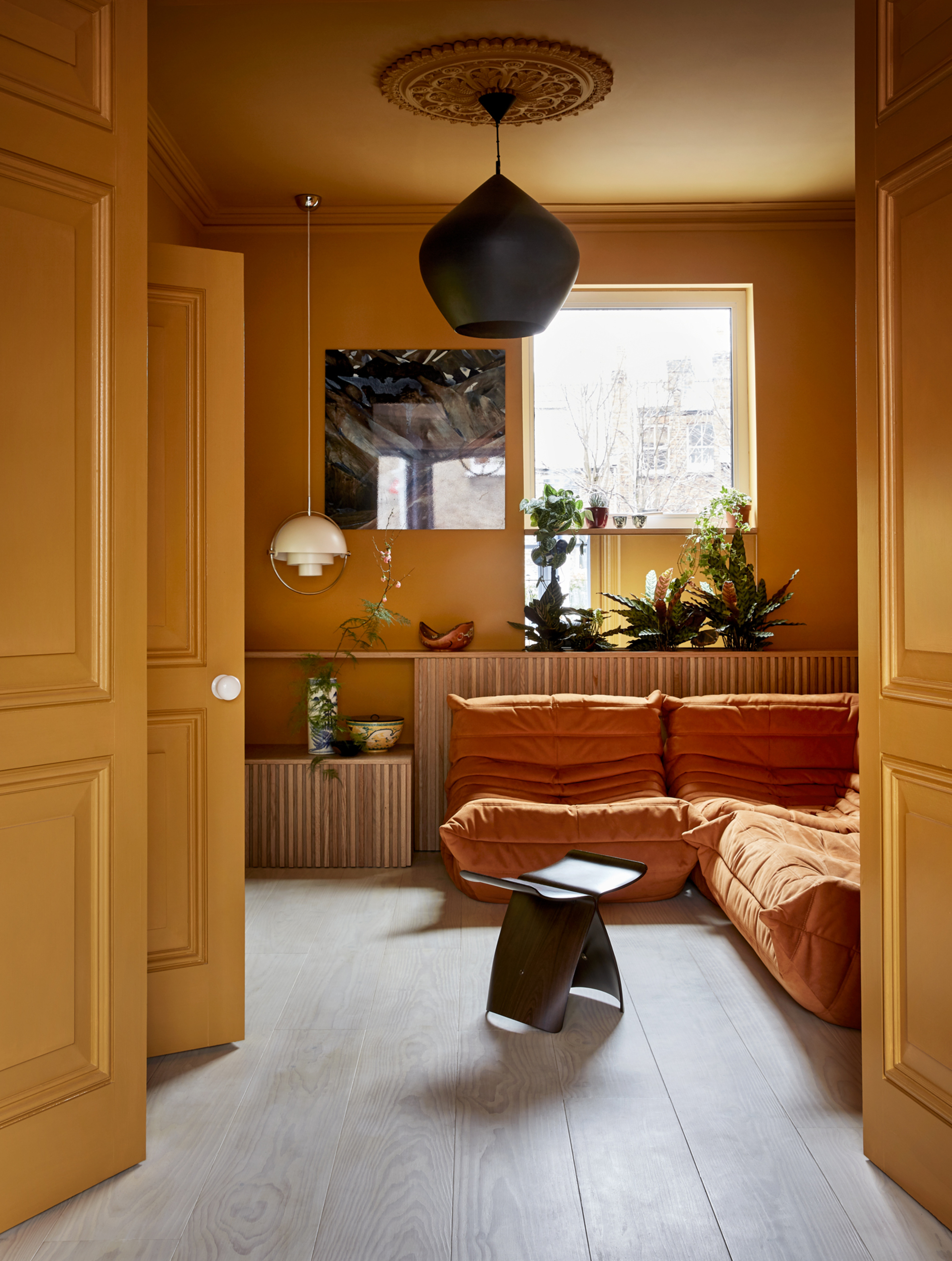
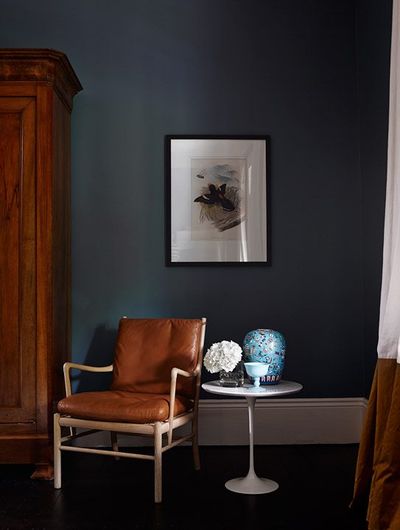
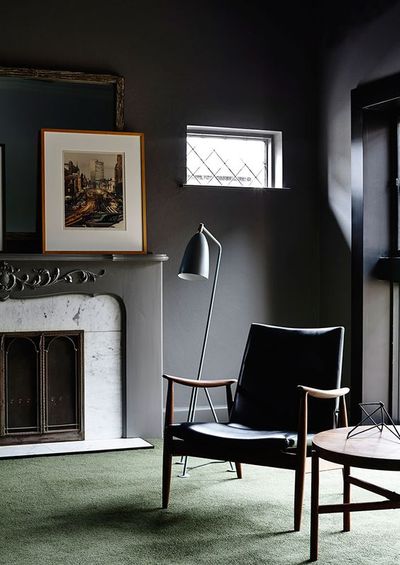
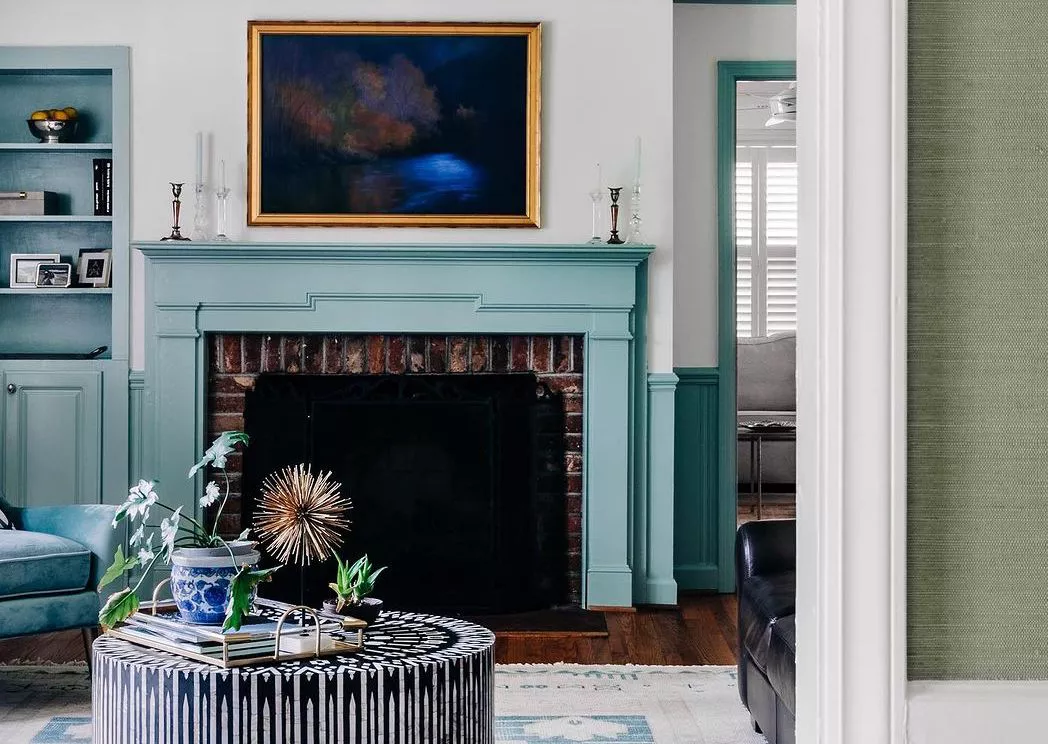
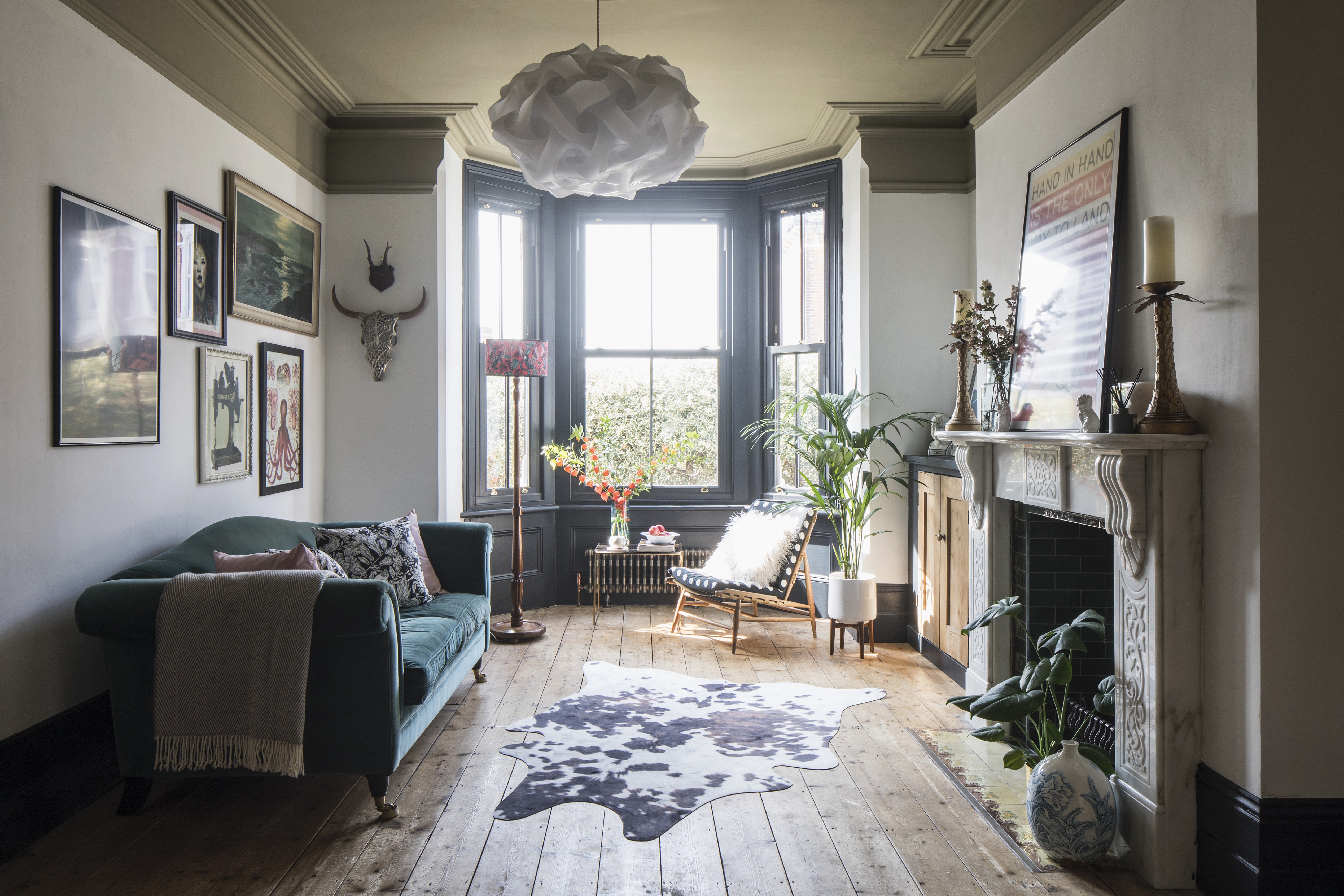
Painting a room's trim a darker color than its walls is a current design trend gaining popularity among designers due to its ability to highlight architectural features, create depth, and serve as an alternative to the traditional accent wall. This approach draws attention to existing special elements within a space, such as crown molding, baseboards, and window frames, as explained by Ashley McCollum, the PPG color expert for Glidden. By making the walls appear more recessed, this design choice introduces visual interest and complexity to a room, offering a sense of depth and dimension.
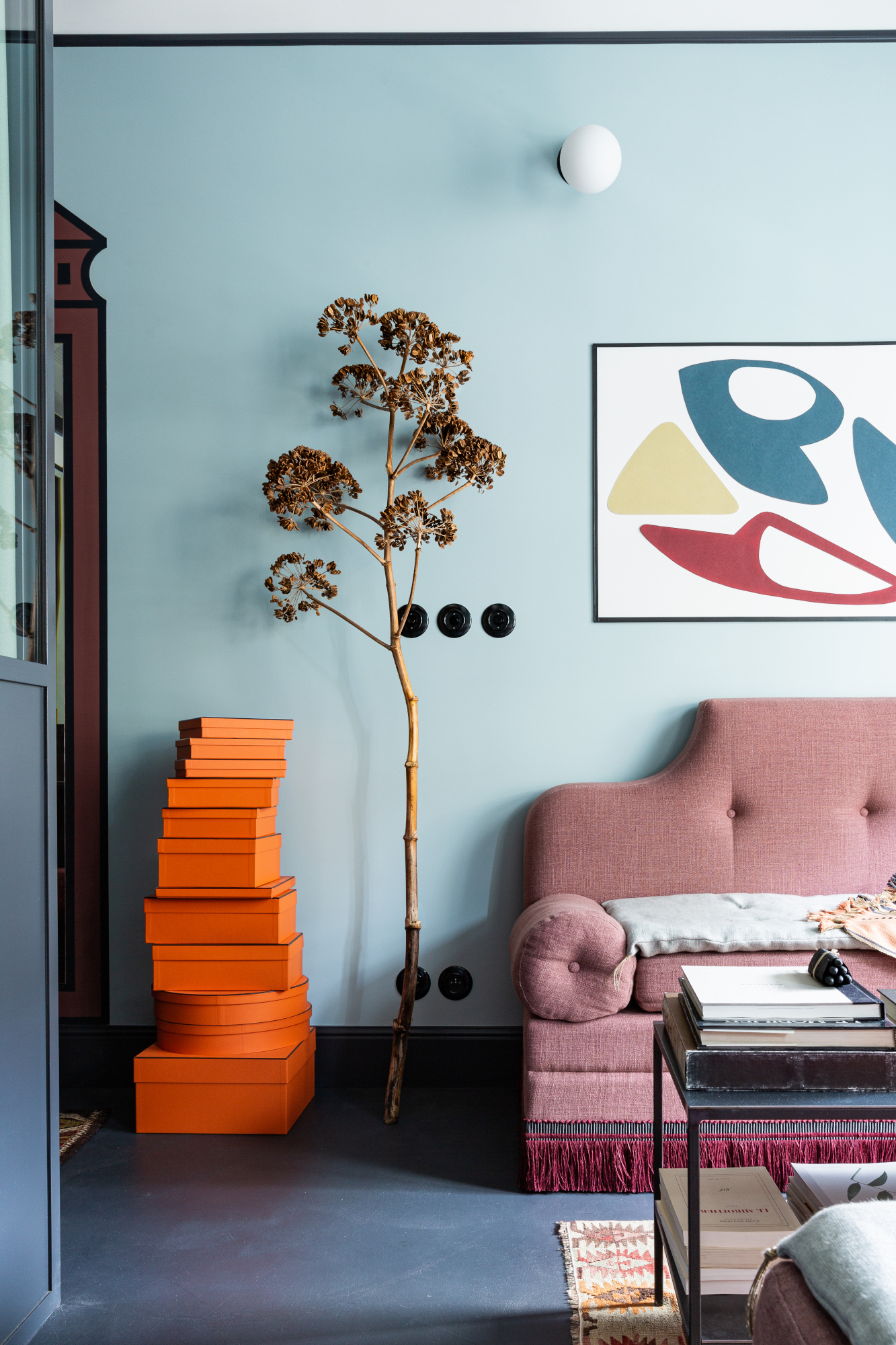
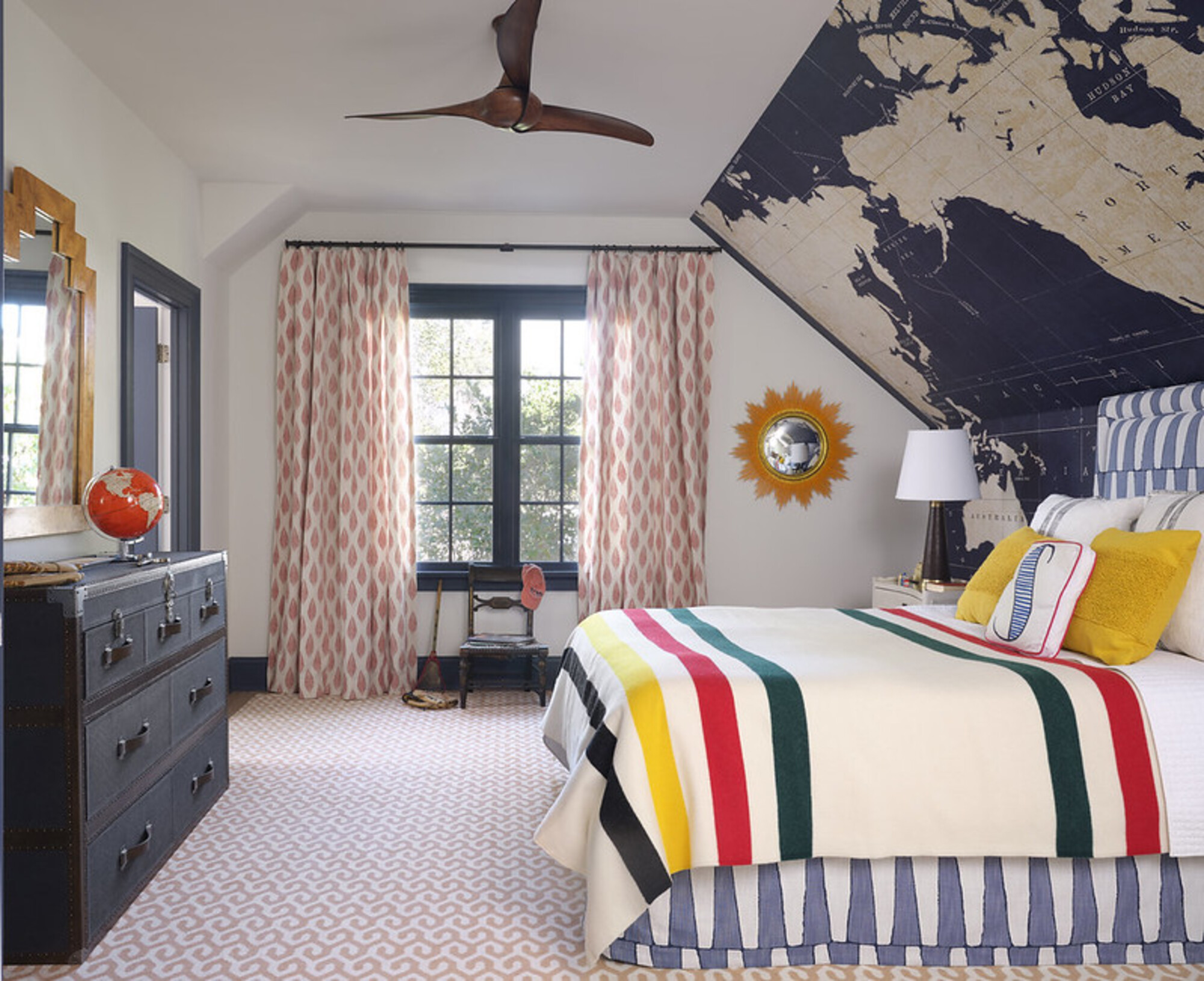
Emily Kantz, color marketing manager at Sherwin-Williams, notes that this trend offers a fresh alternative for those seeking to infuse character into a space without resorting to an accent wall. When considering this design strategy, designers offer several tips to ensure a cohesive and impactful outcome. Tracy Morris, founder of Tracy Morris Design, suggests looking to existing wallpaper patterns or other furniture pieces within a room to inform the trim color selection. This method helps to ensure that the chosen trim color harmonizes with the overall decor.
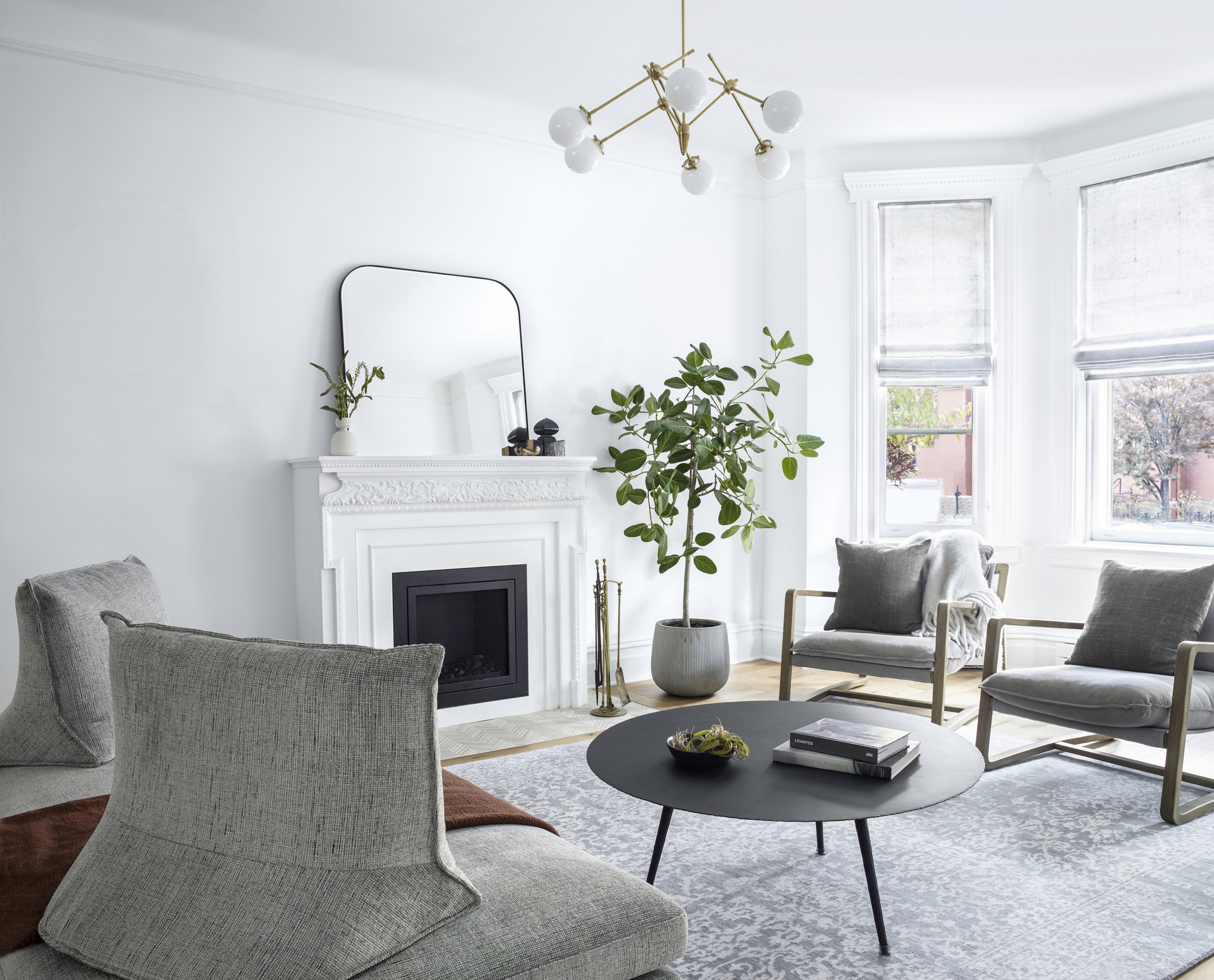
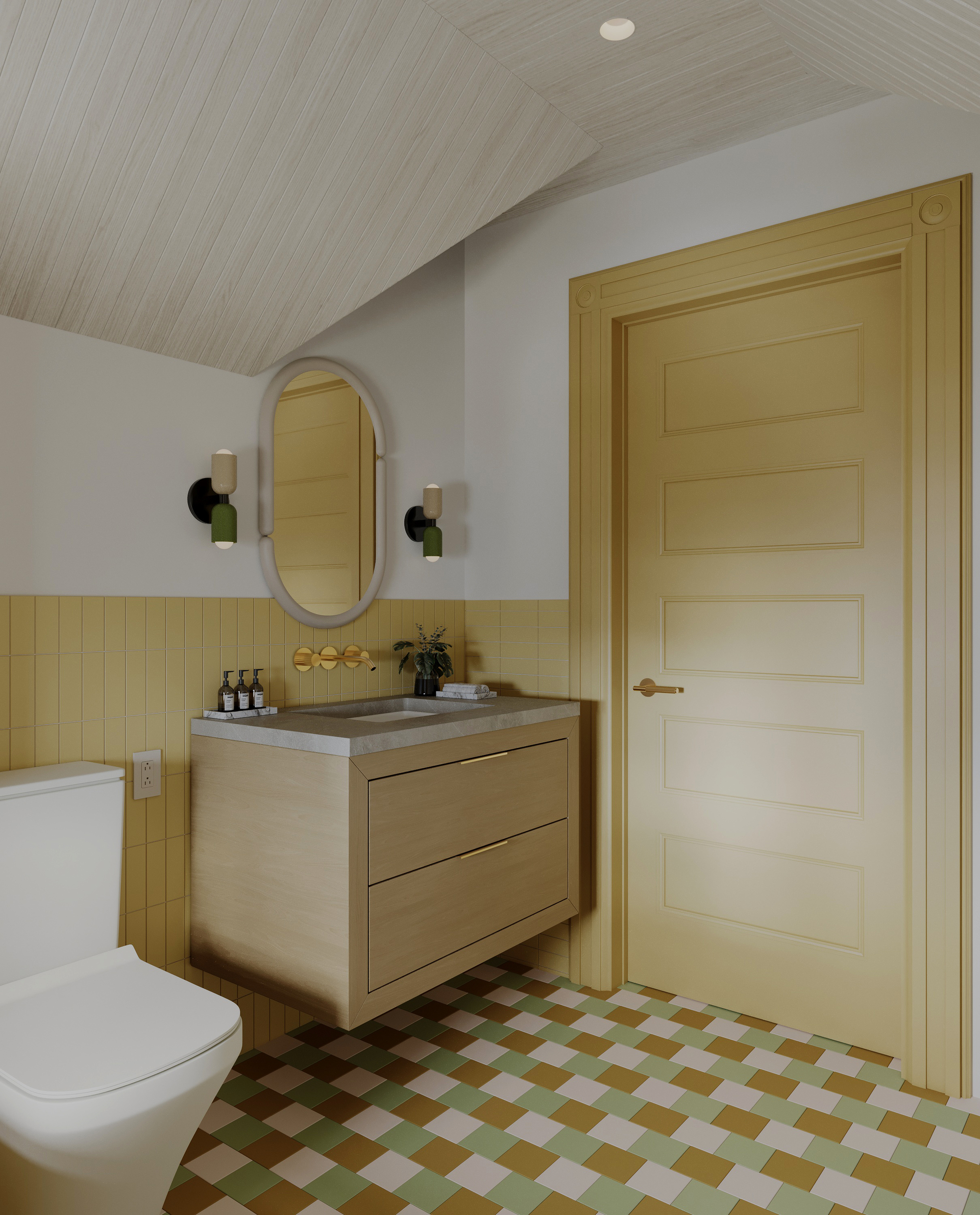
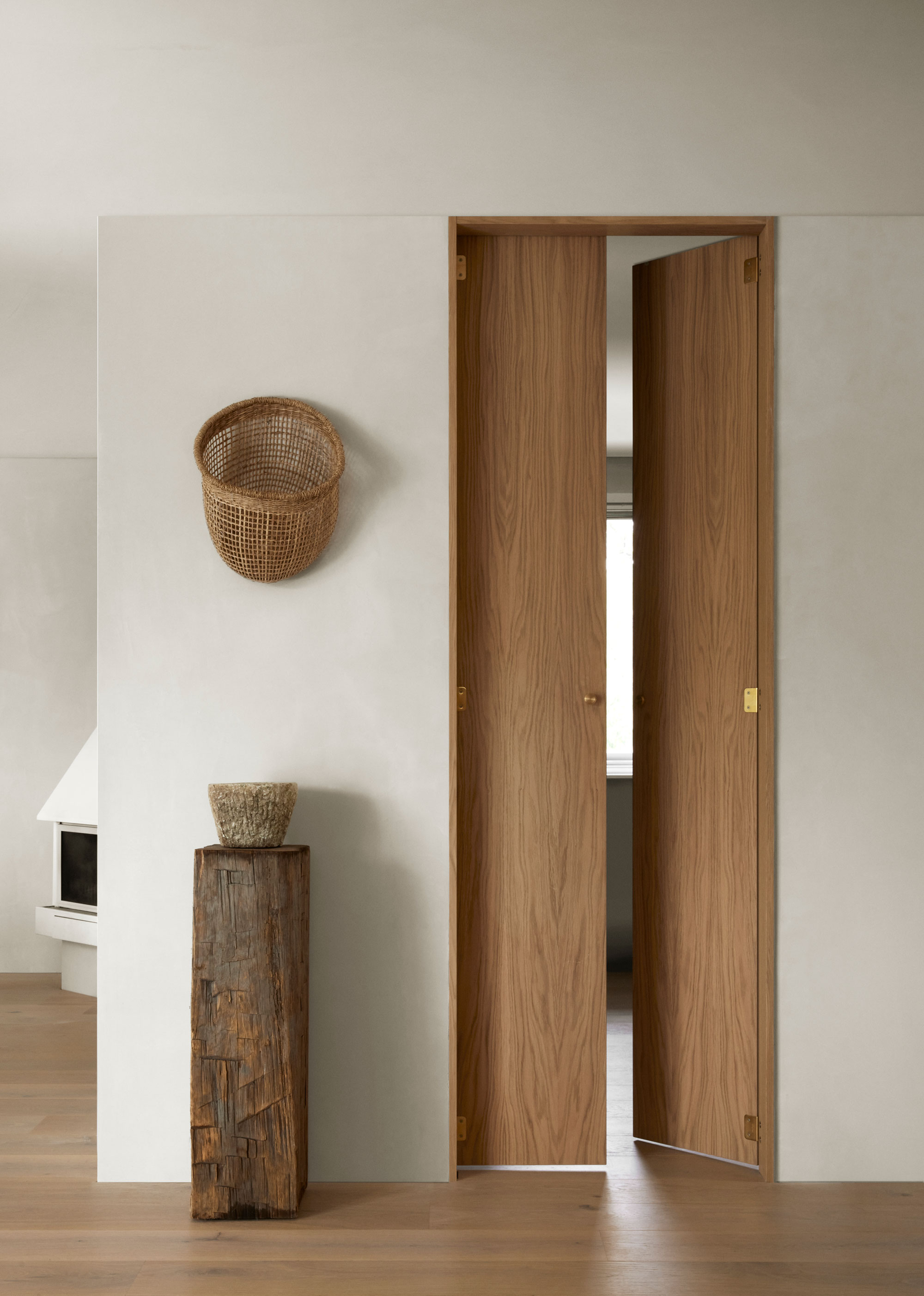
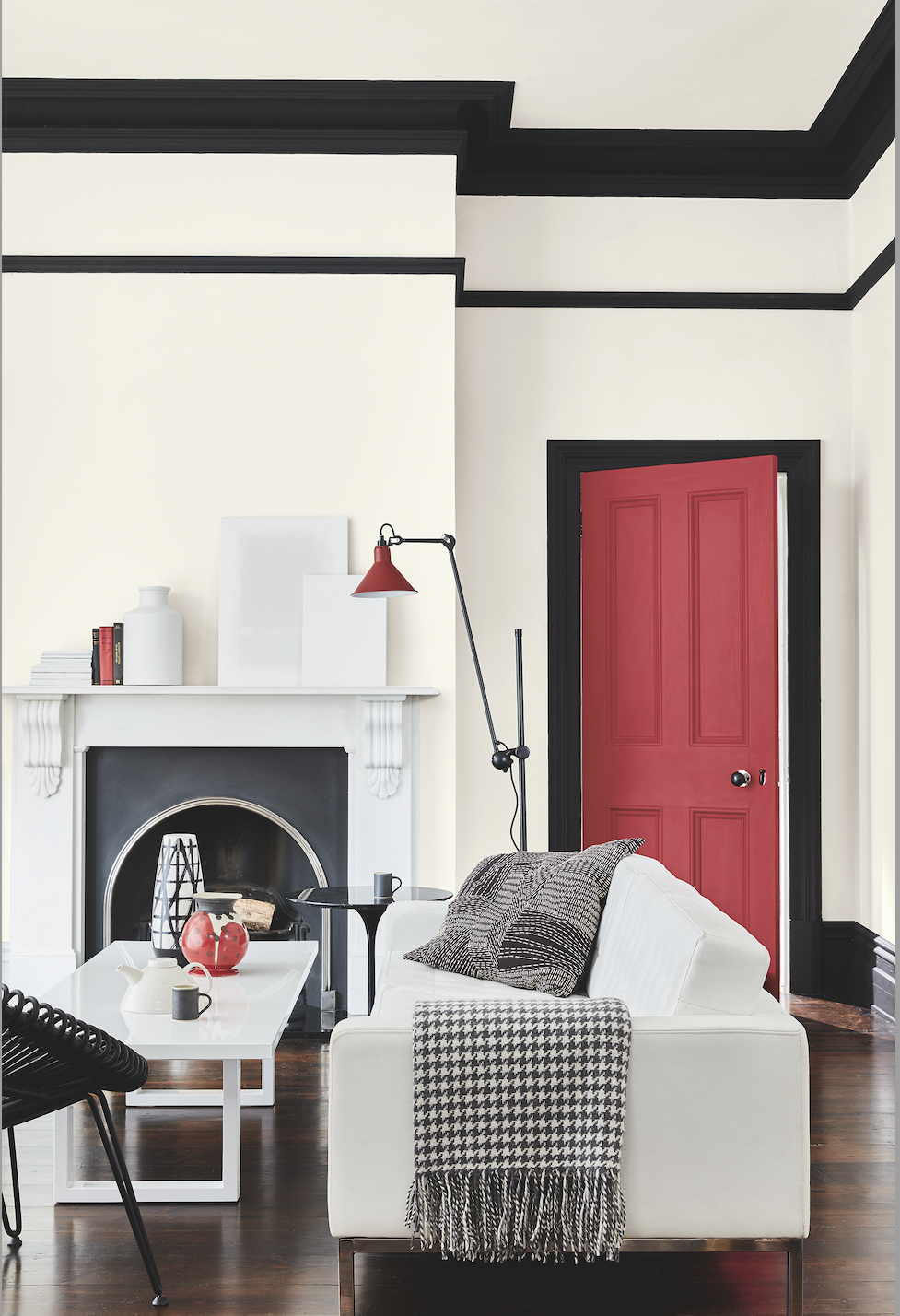
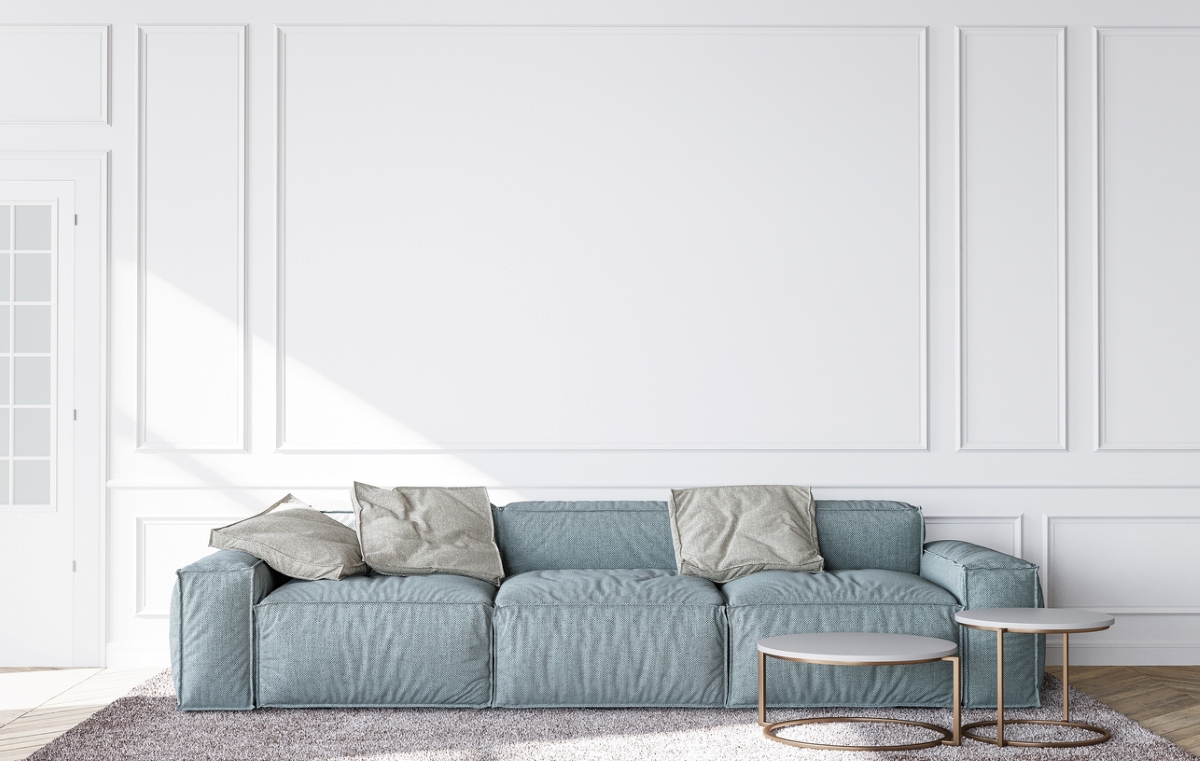
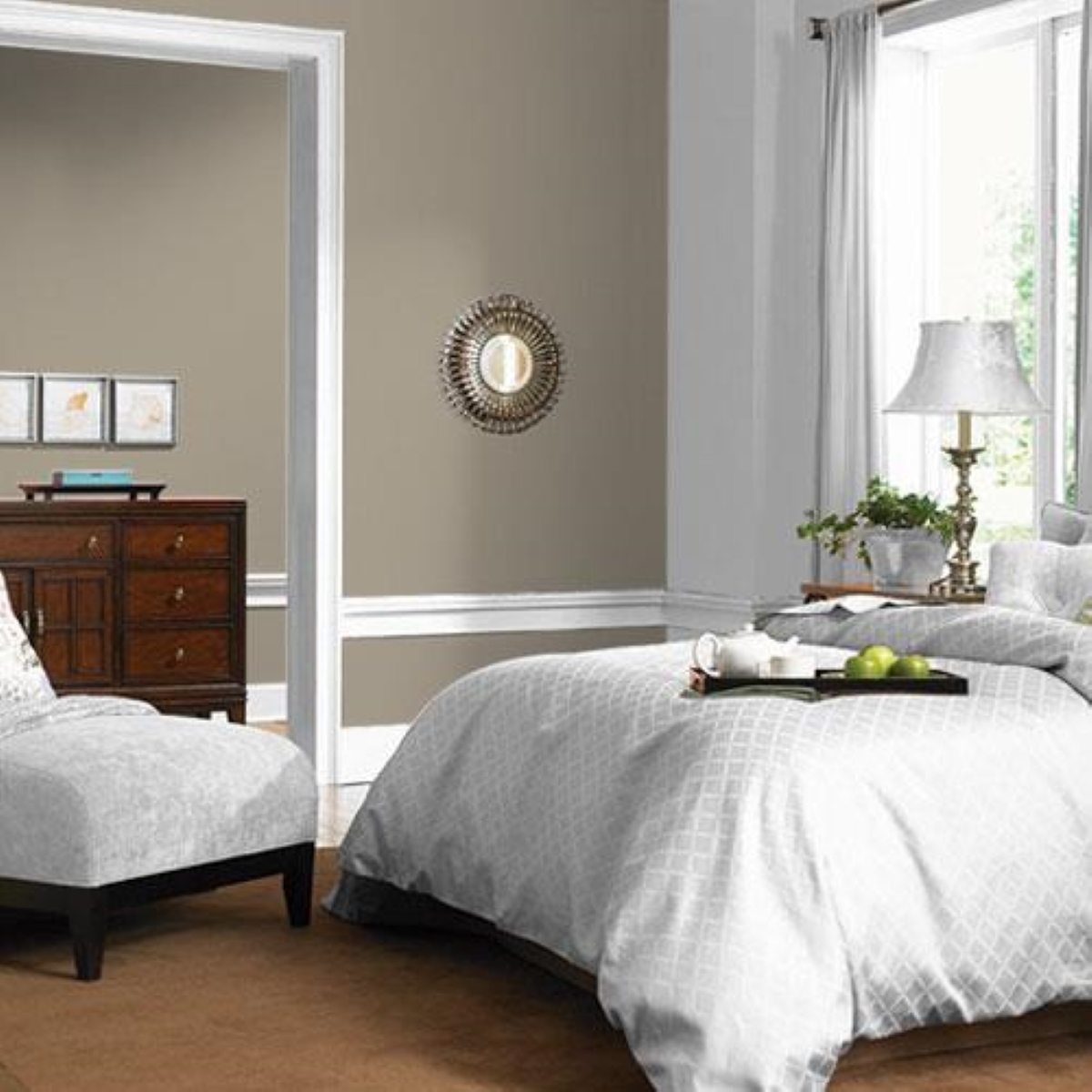
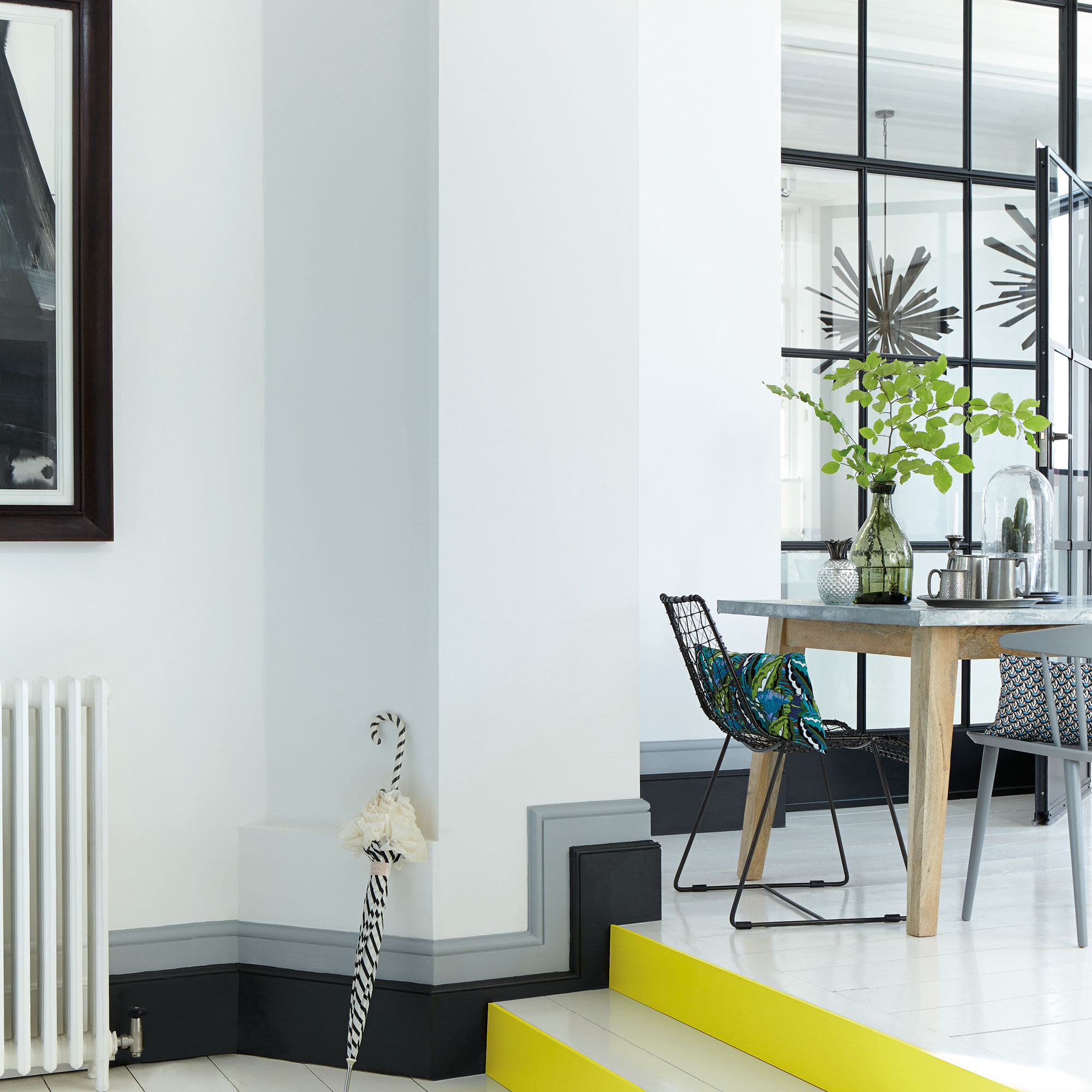
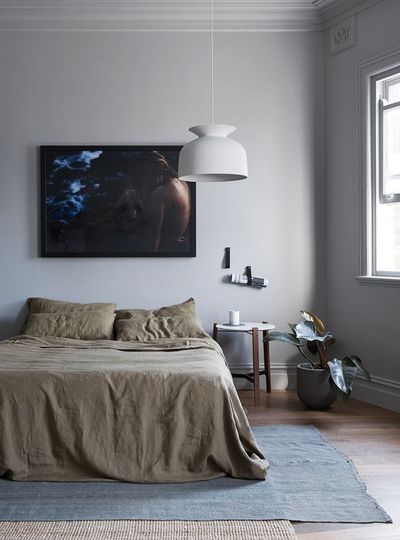
The desired mood of the room also plays a crucial role in color selection. For instance, pairing white walls with black trim can create a bold statement, while a more understated approach might involve using an off-white wall color and selecting a neutral trim a few shades deeper. This method provides depth without overwhelming the space. Furthermore, the size and layout of a room should influence the application of this trend. Smaller, enclosed spaces like powder rooms or dressing rooms are often easier starting points for experimenting with dark trim, as they do not require extensive consideration of neighboring finishes. In larger, open-concept layouts, it becomes essential to select a trim color that complements other materials and finishes throughout the home, including flooring and kitchen cabinetry, to maintain consistency.
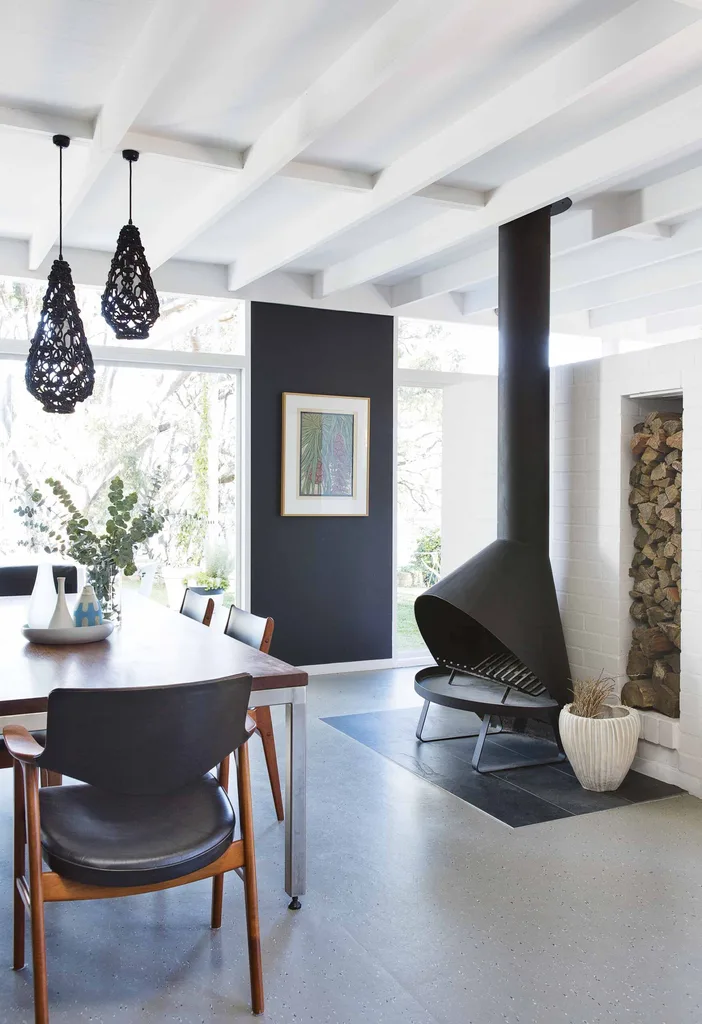
Finally, the home's architectural style should guide the choice of trim color to ensure a harmonious design. Different architectural styles often have specific color palettes and design conventions. For example, Victorian homes are known for their bright, eye-catching colors, while mid-century modern spaces typically feature warm, earthy, or neutral tones. Aligning the trim color with the existing architectural style helps to preserve the home's character and overall aesthetic integrity. By following these guidelines, homeowners can effectively incorporate the trend of painting trim darker than walls to enhance their living spaces.
#InteriorDesign #HomeDecor #PaintTrends #ArchitecturalFeatures #ColorPsychology #DesignTips #RoomDesign #Decorating #InteriorDesign #HomeDecor #PaintTrends #ArchitecturalFeatures #ColorPsychology #DesignTips #RoomDesign #Decorating
Há 0 comentários no total
 Ainda não há comentários
Você também pode gostar
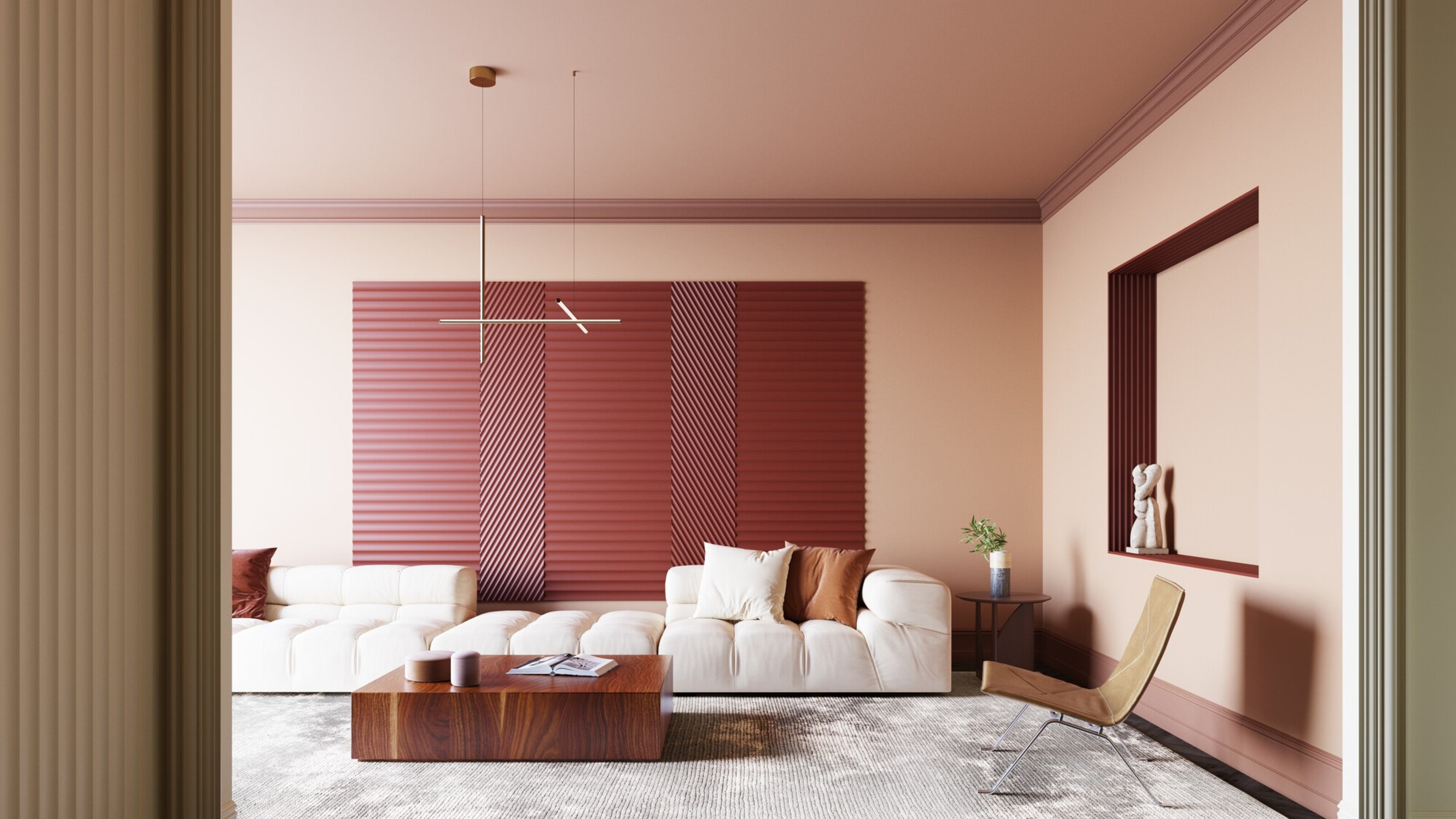
Should I paint my wall trim white? The pros and cons to painting your molding

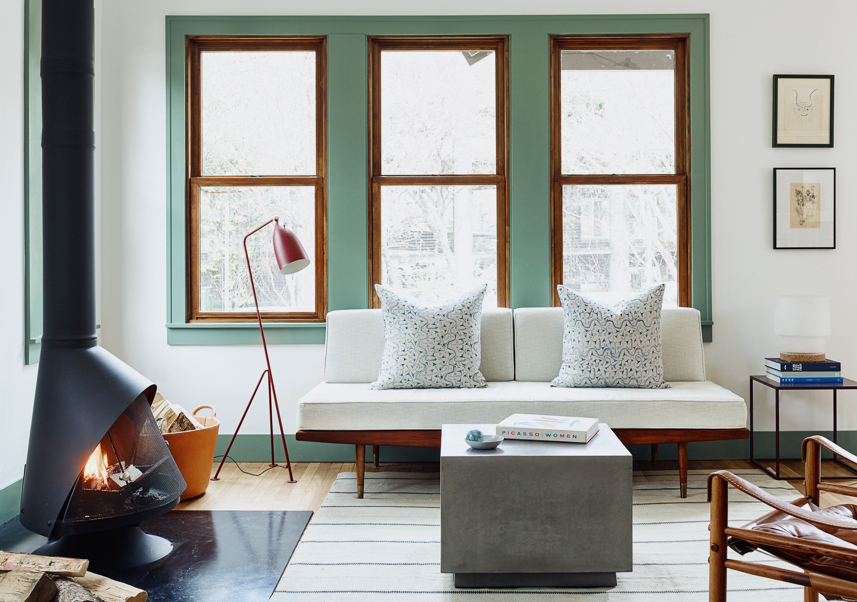
8 ideas for light walls with dark trim that capture this paint trend perfectly
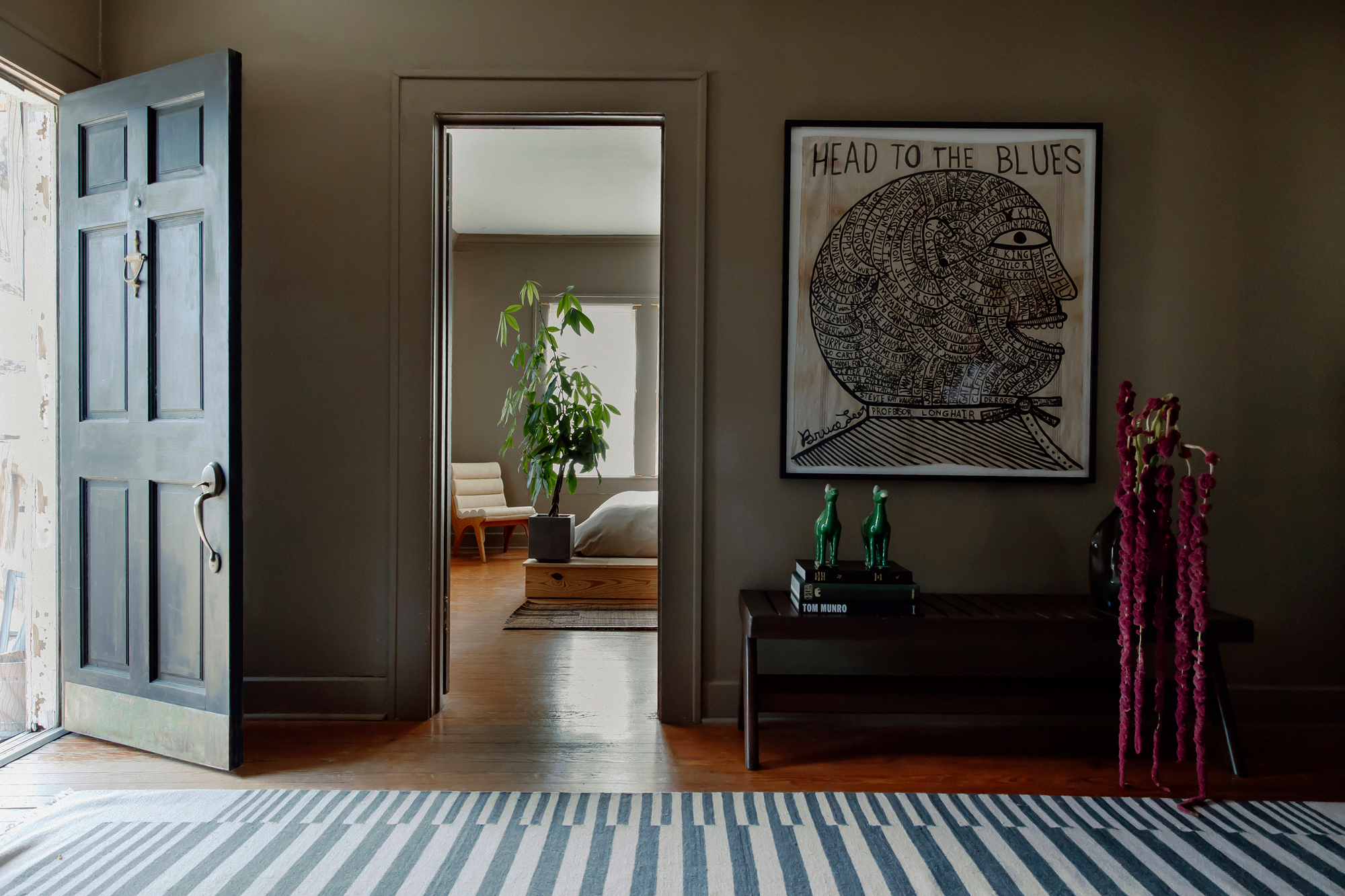
Should I paint an entryway light or dark? Here’s what the experts suggest

7 Dark Paint Colors That Will Convince You to Swap Your Neutrals

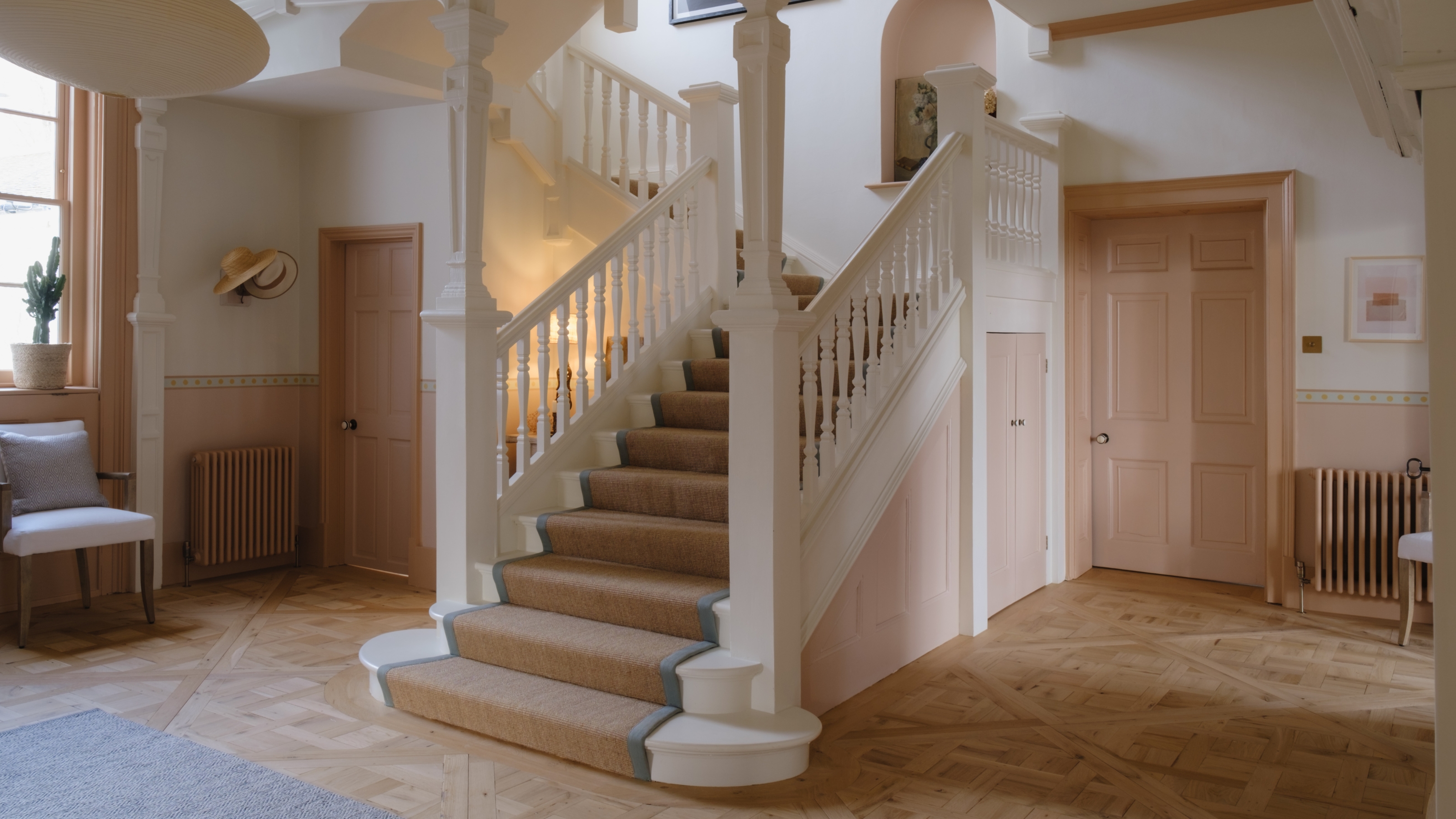
Should Doors and Trim be the Same Color? In 2025, Here's What Designers Are Doing
Should you paint dark ceilings with light walls? Experts weigh in on the pros and cons
6 Paint Color Mistakes To Stop Making, According To Designers

Is it better to paint small rooms light or dark? Here's what the top colour experts have to say
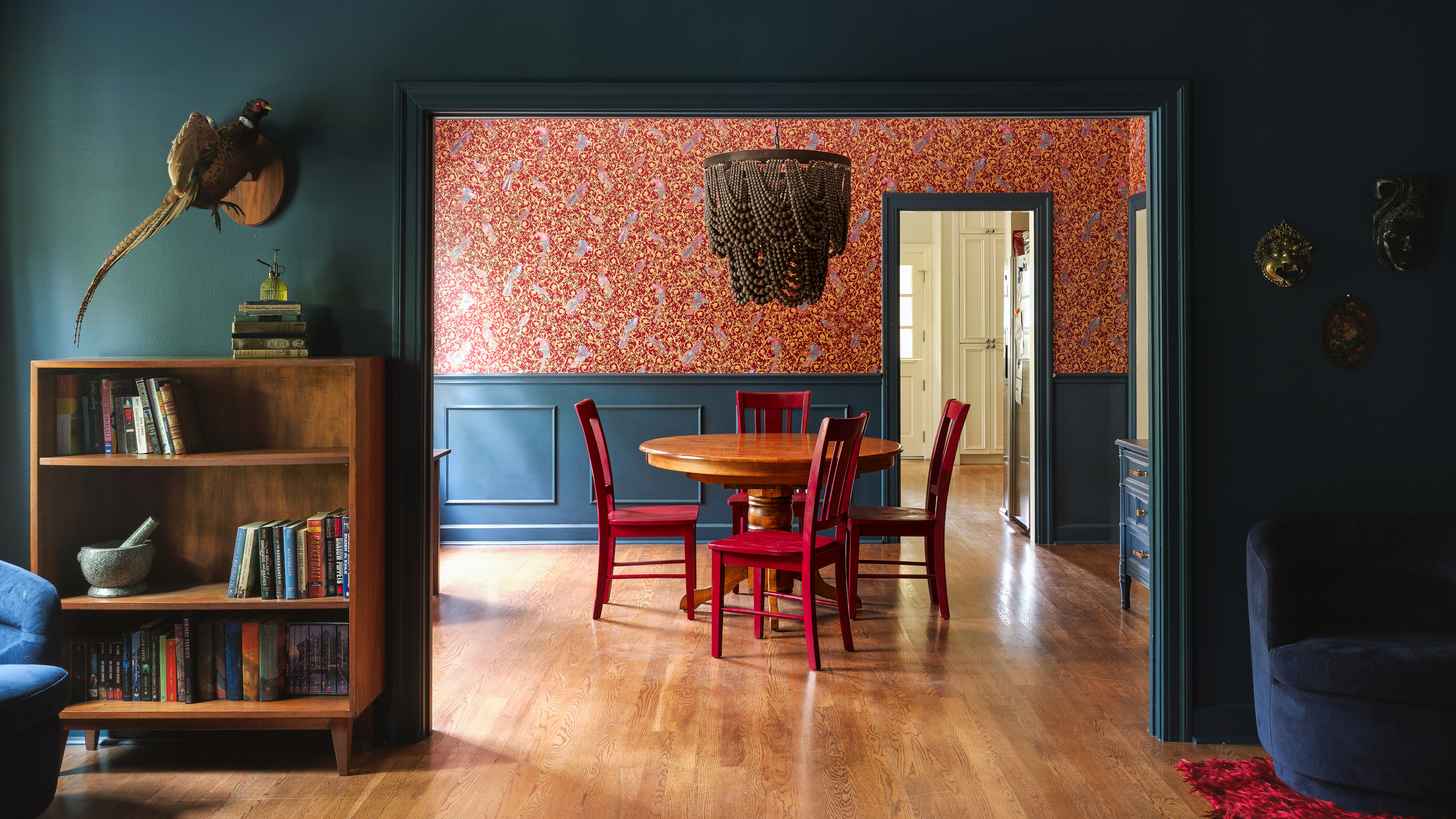
8 dark trim paint color schemes from interior designers that nail the look - 'they're cozy, cocooning and dramatic'
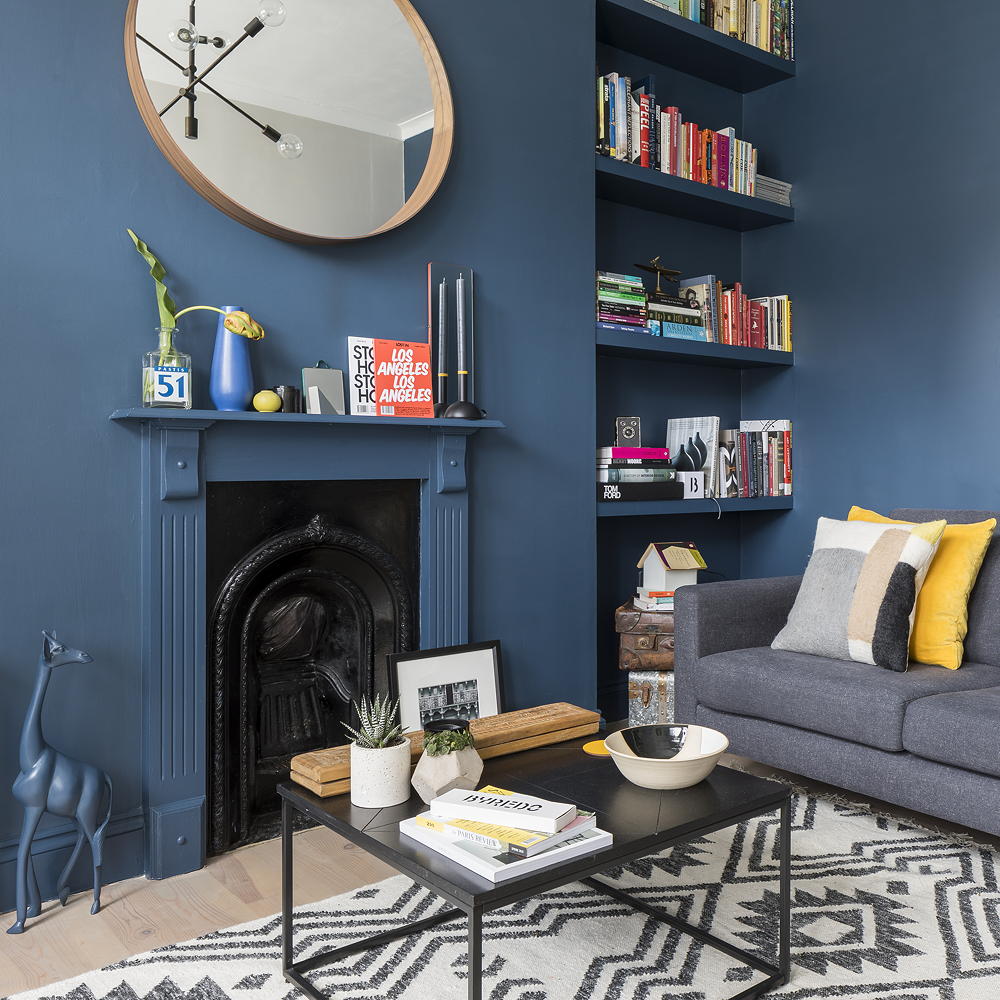
An interior expert reveals the one thing you should never do when painting your walls
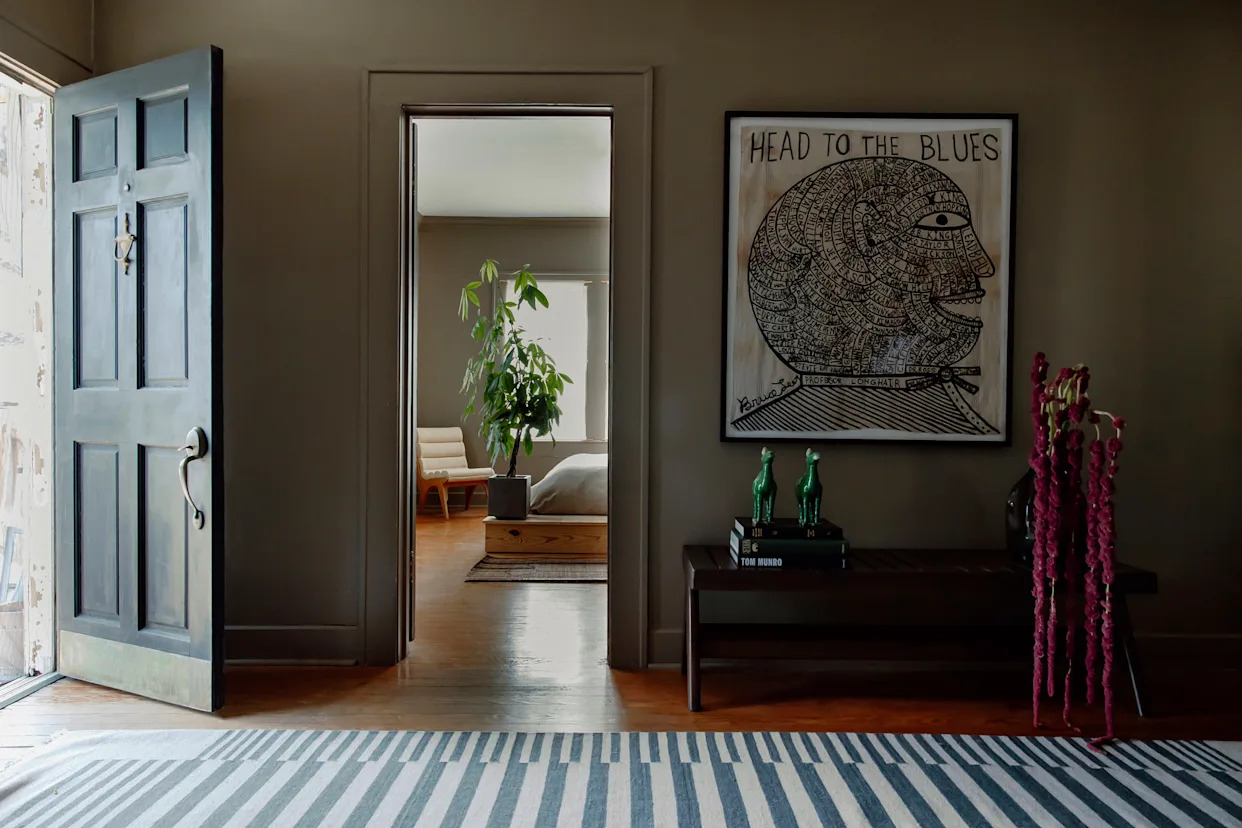
Should I paint an entryway light or dark? Here’s what the experts suggest
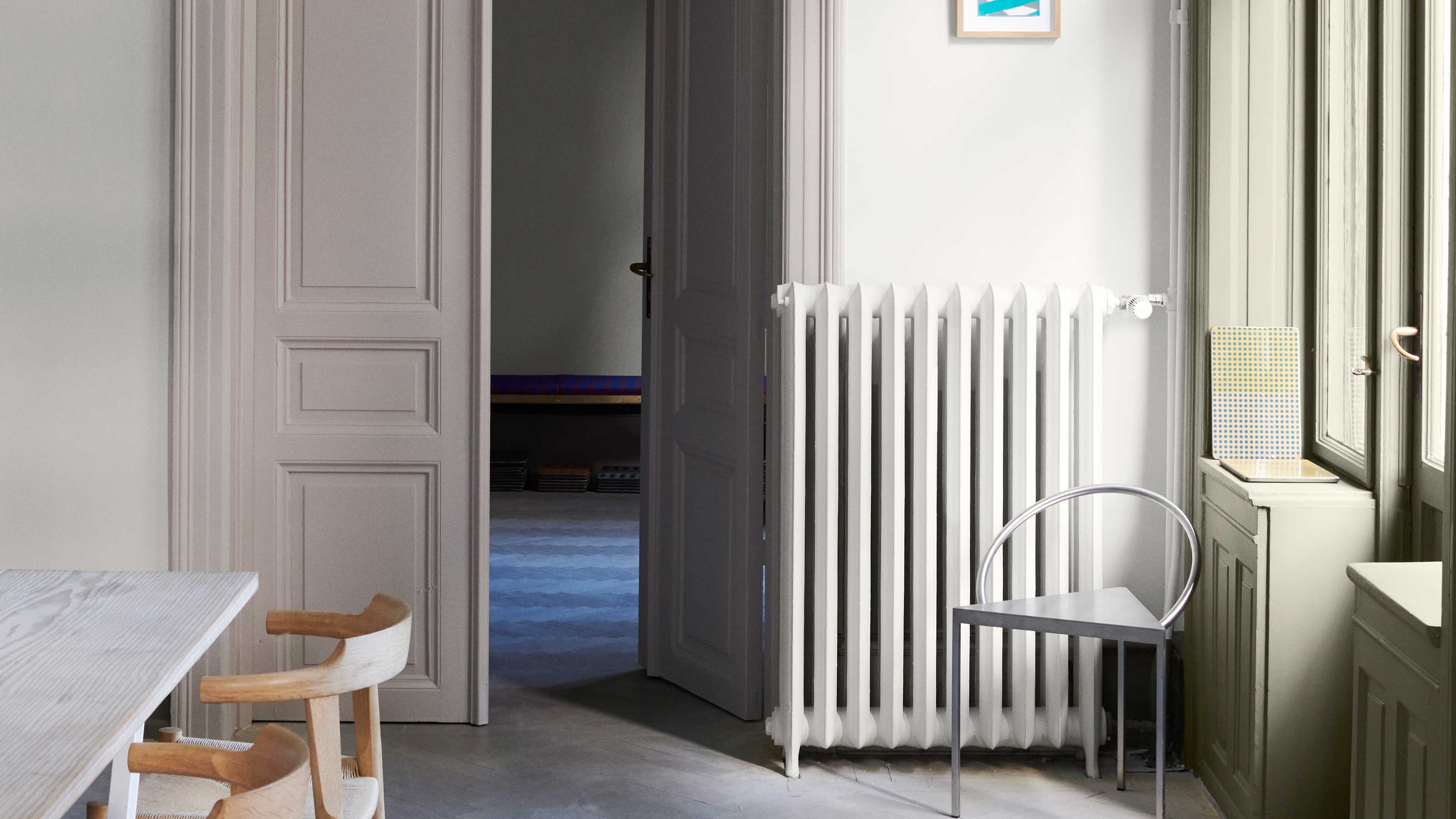
5 outdated paint trends that interior designers are glad to see the back of – and what they're doing instead
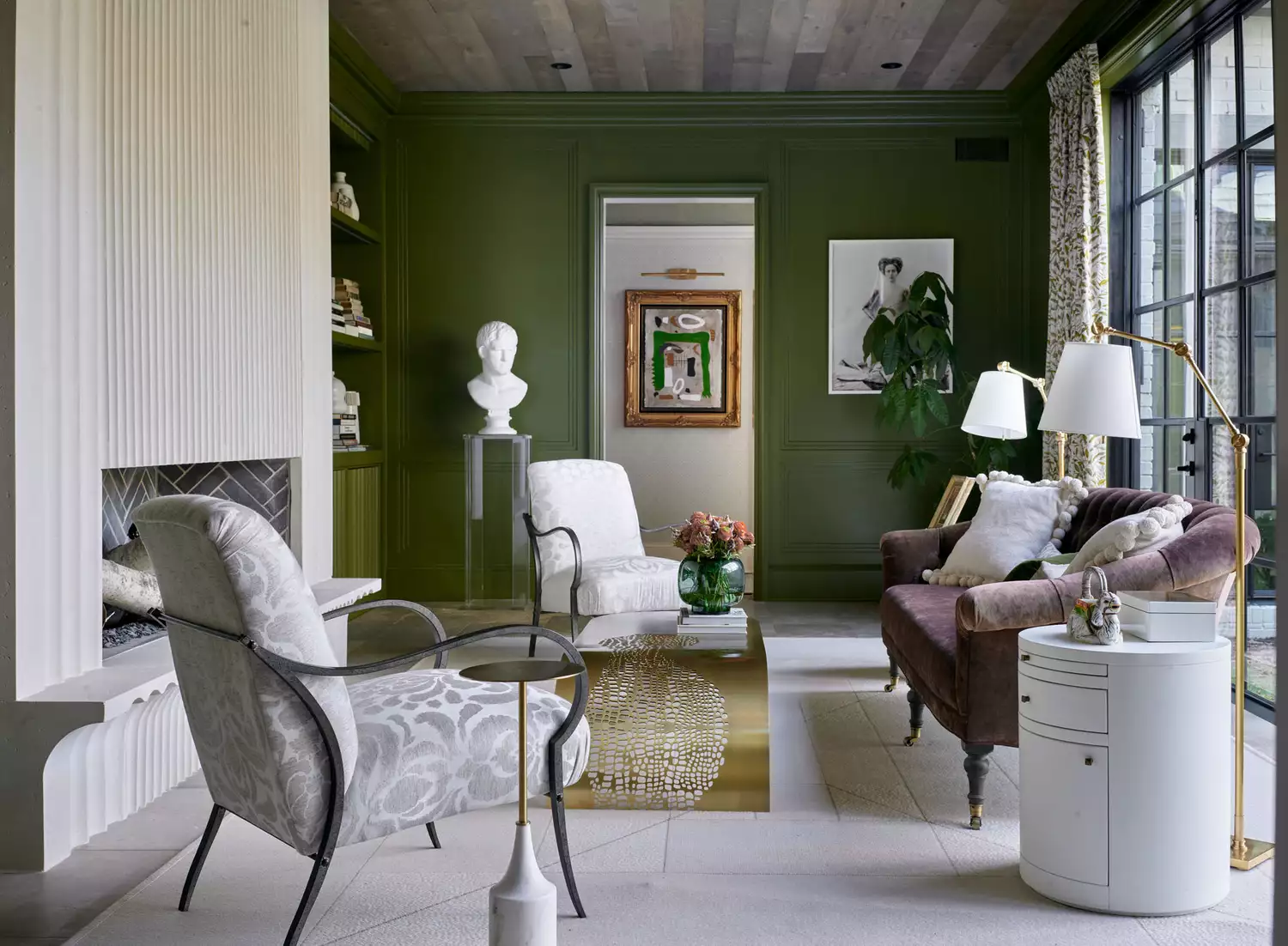
Should You Paint Your Trim And Walls The Same Color?
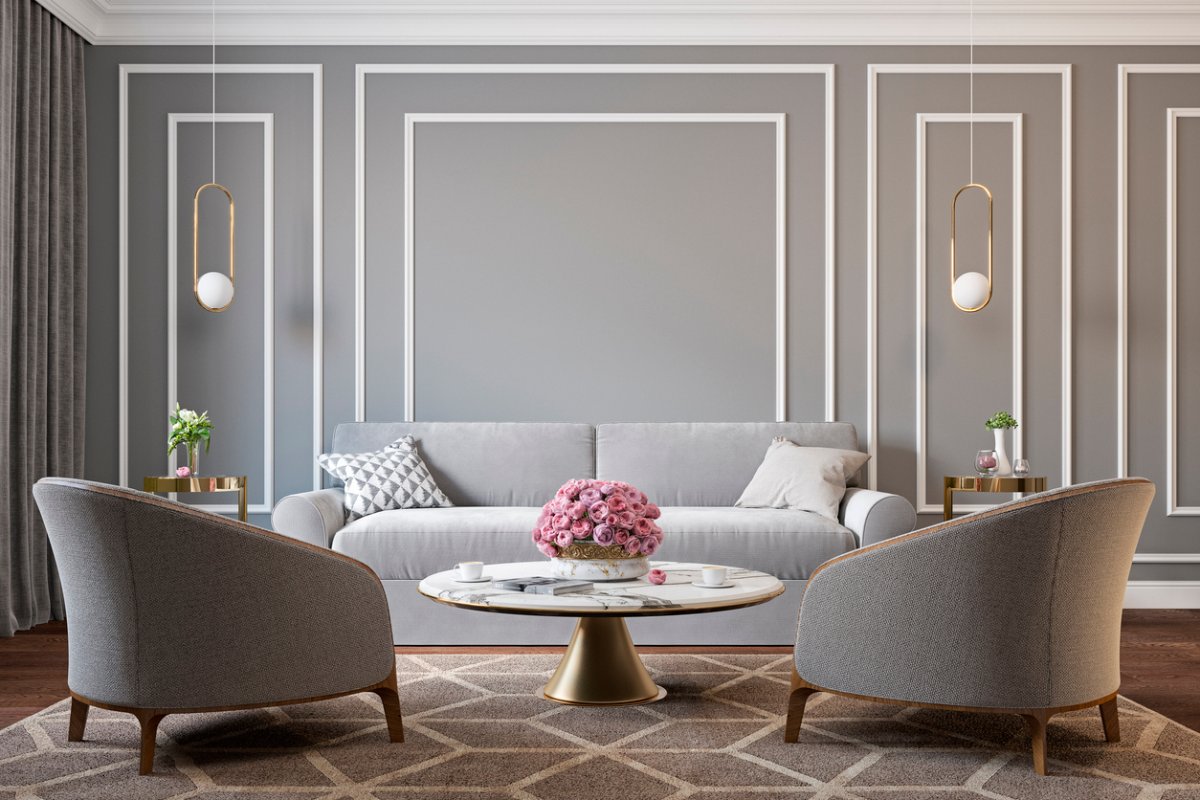
5 Classic Wall and Trim Color Combinations—and 5 for Rule-Breakers Only

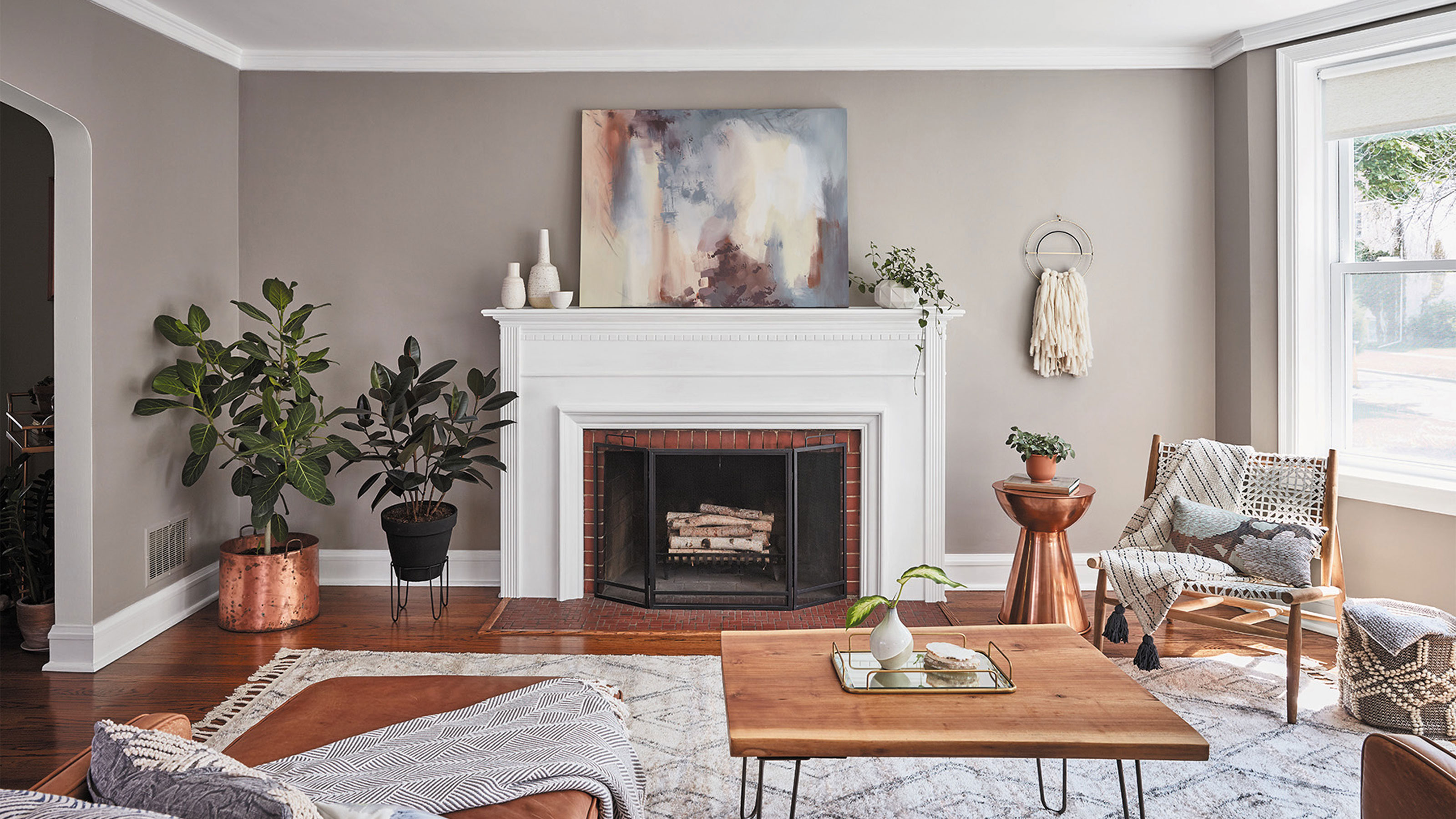
Should woodwork be lighter or darker than walls? The rules colour experts use to choose the perfect colour
How to make dark, moody walls work at home

8 of the best dark paint colours for your home and how to use them

Designers Are Ditching "Flat Painted Walls" for THIS Unexpected Trend

6 Dark Paint Colors That Designers Use to Bring Glamour
How Often Do Designers Really Recommend Painting a Home to Stay On Trend? We Got Answers