1/6
5 things you won't see in a luxury kitchen in 2025 and beyond, according to interior designers
This article discusses five kitchen design elements that are no longer considered characteristic of a luxury kitchen for 2025 and beyond, according to interior designers. As luxury kitchen aesthetics evolve, the focus is shifting away from certain trends towards more timeless and personalized approaches.
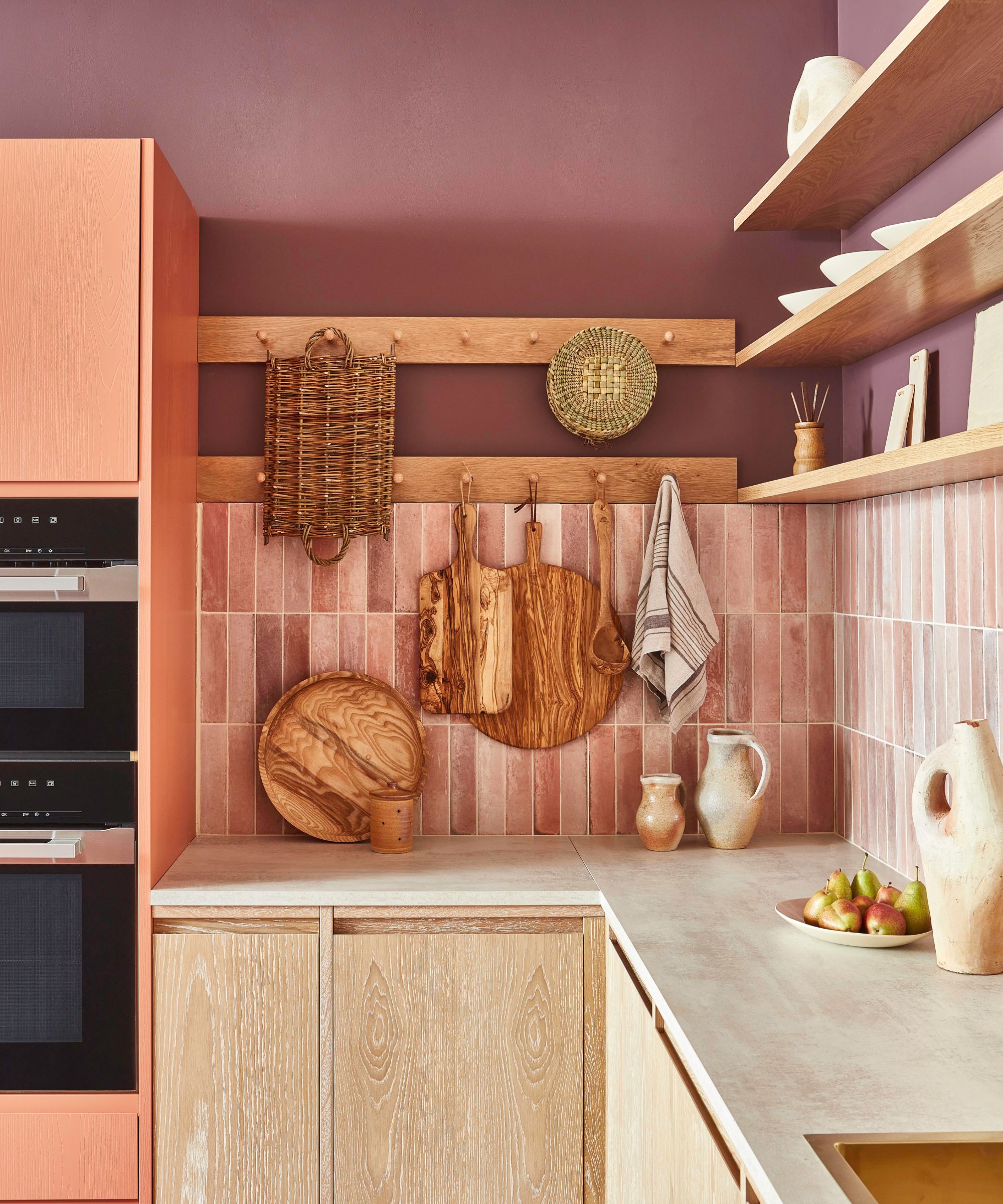
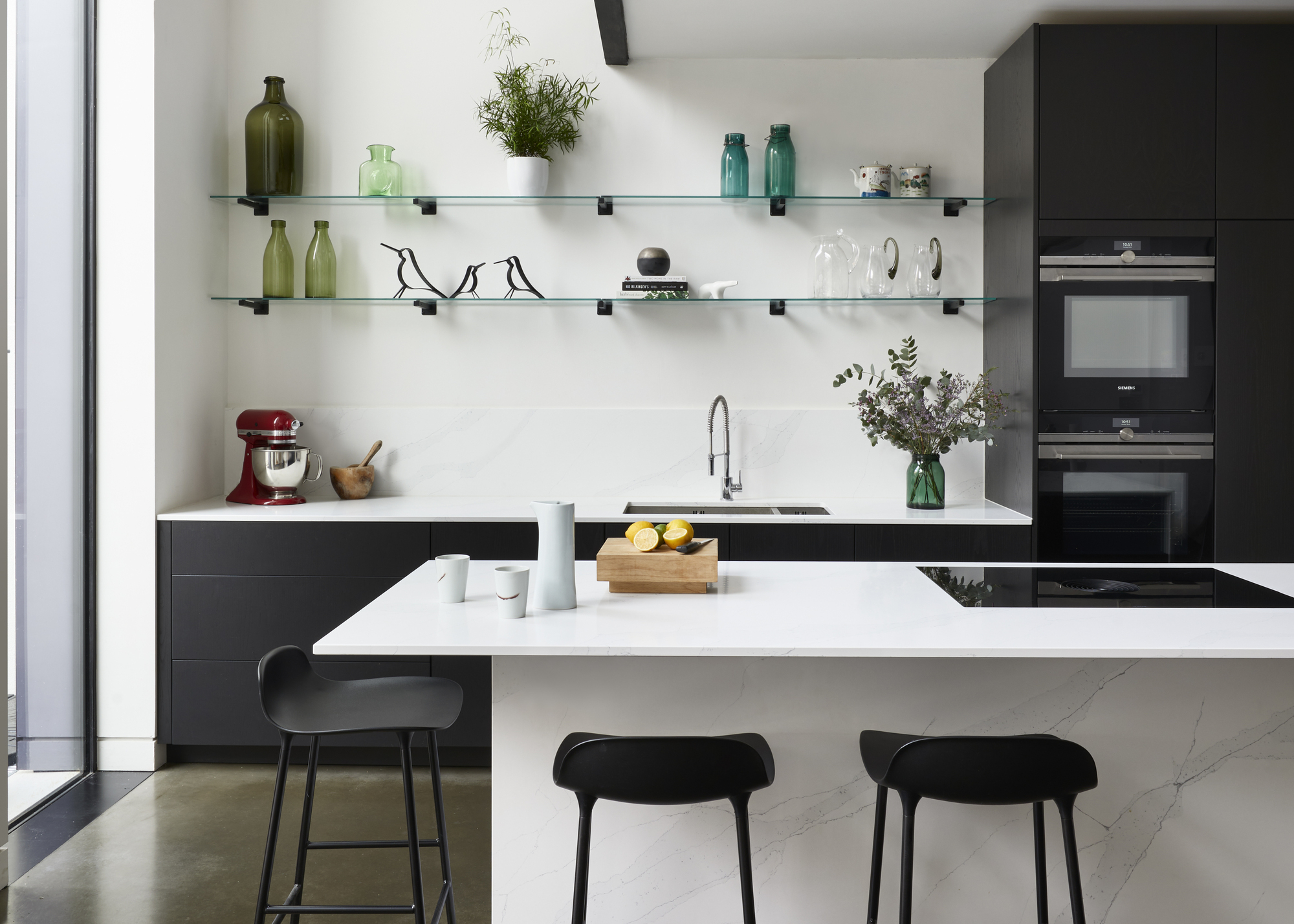
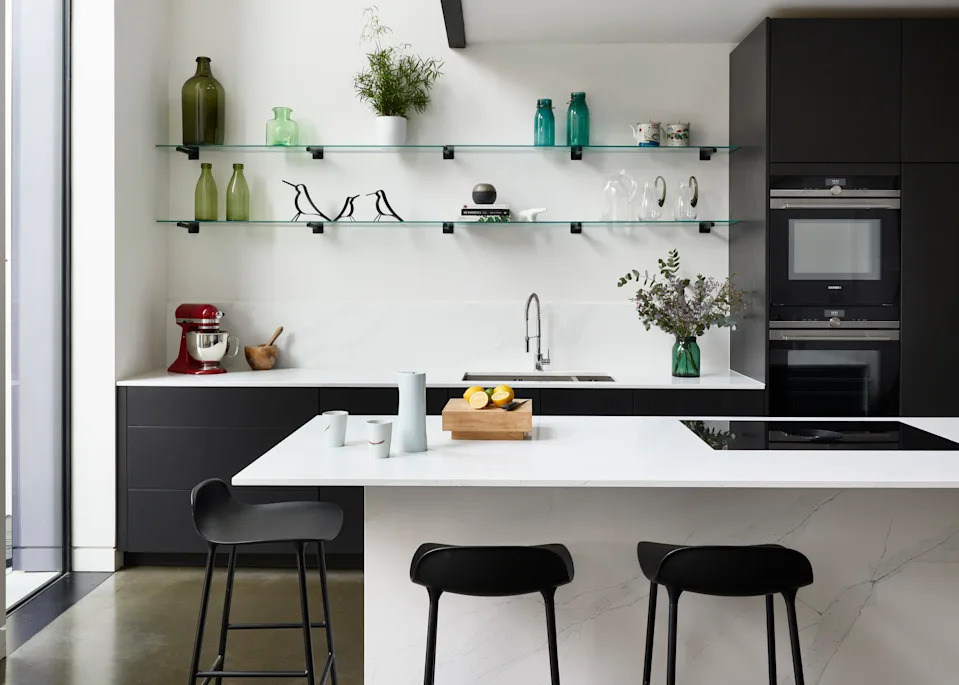
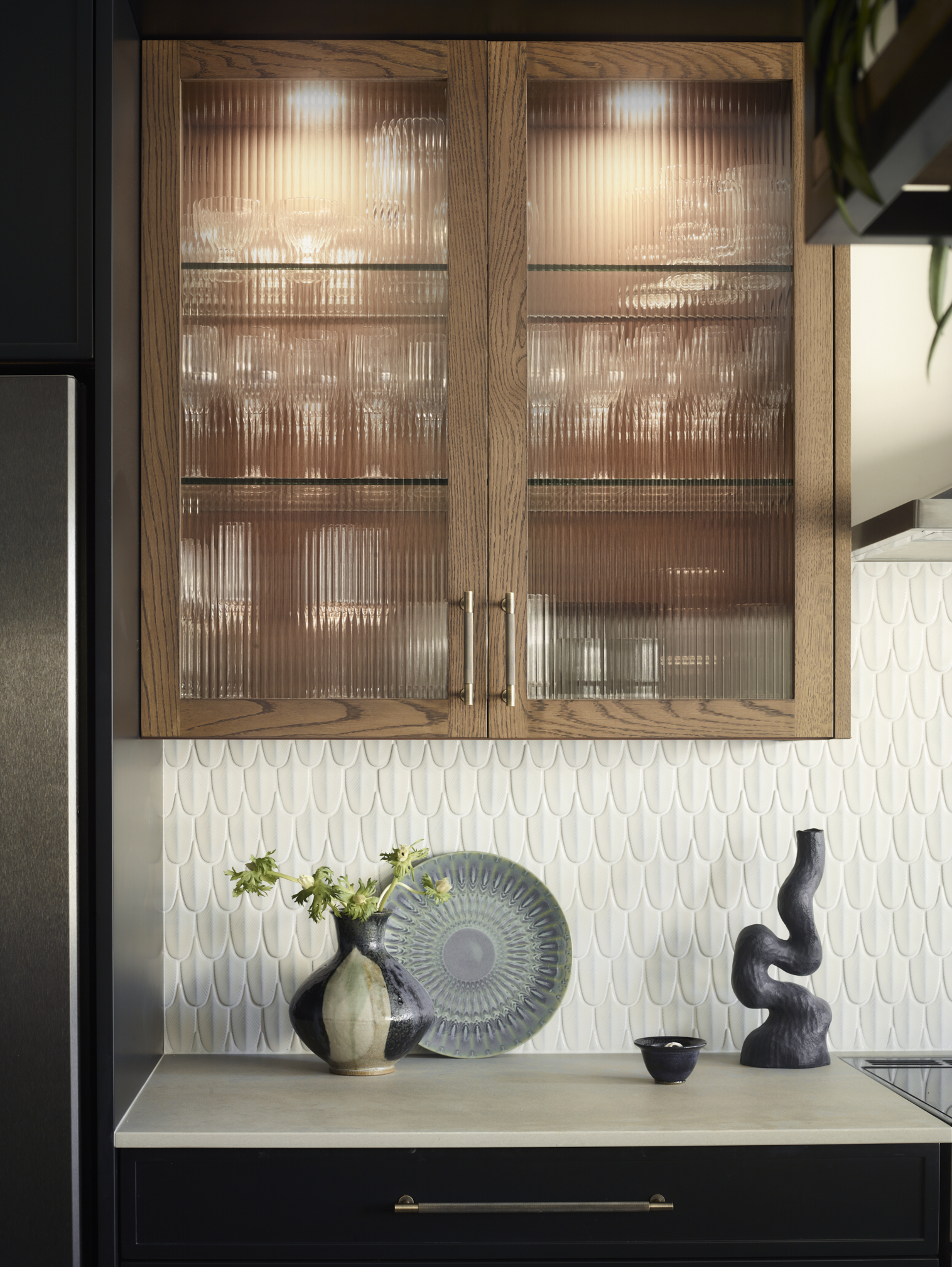
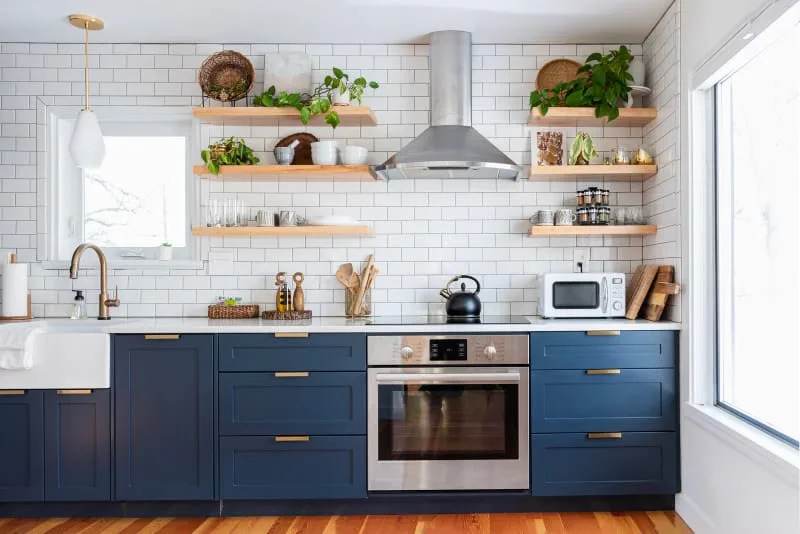
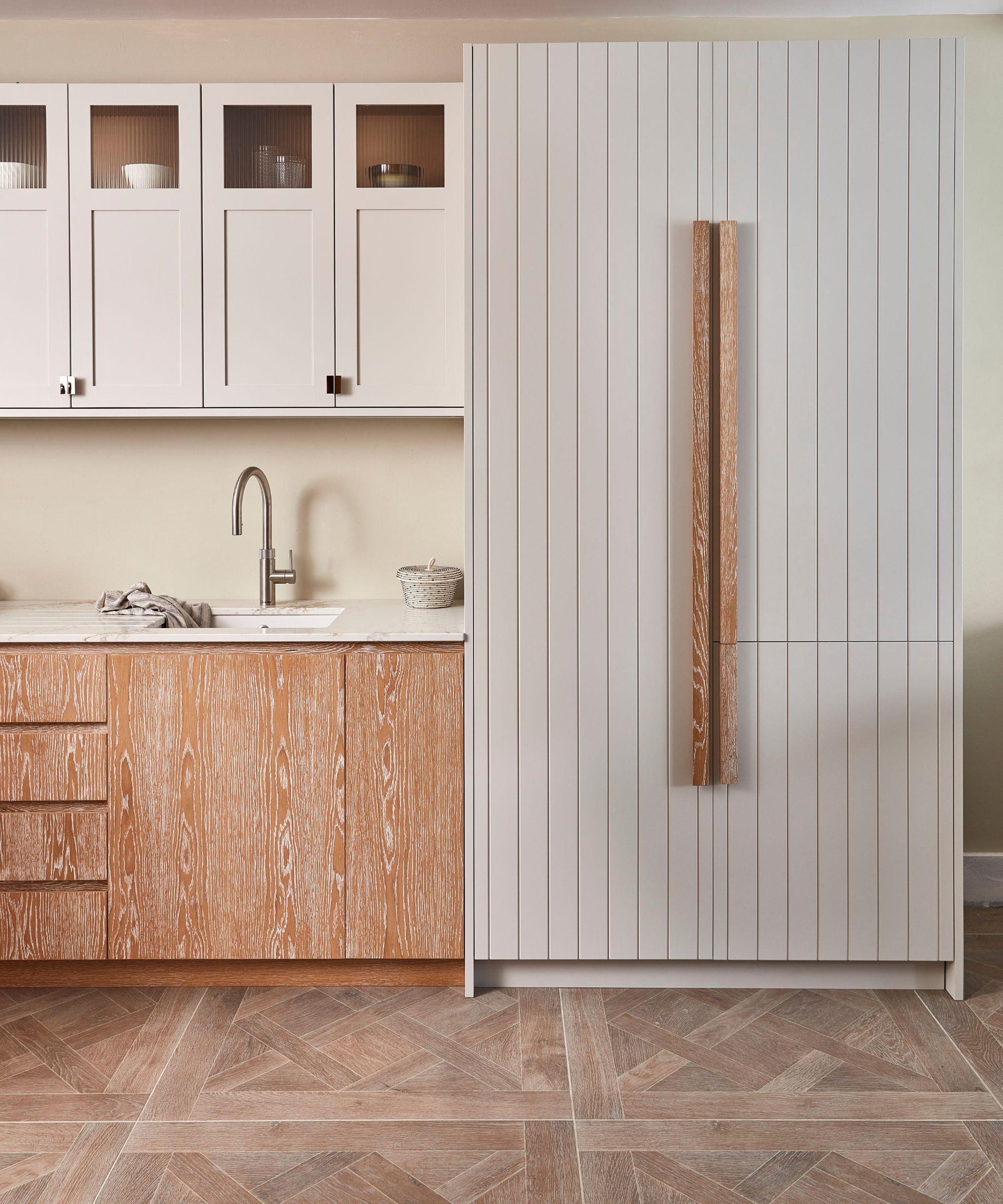
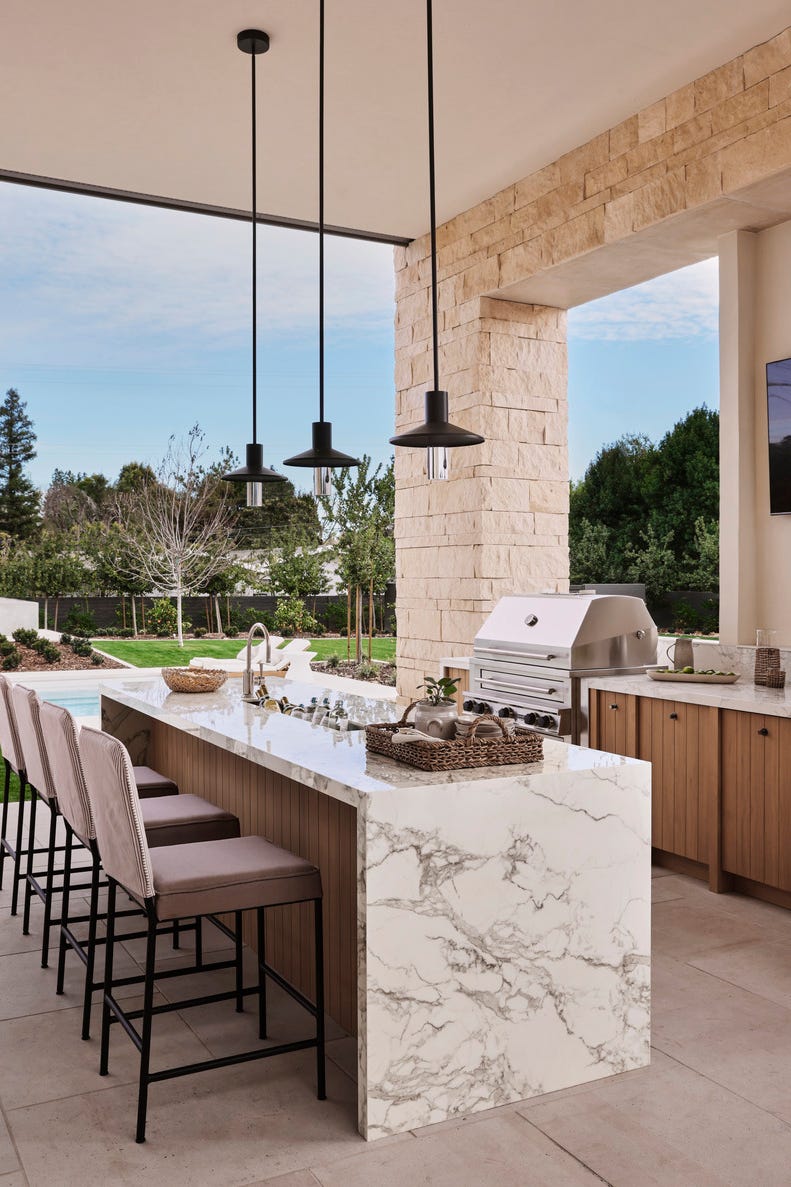
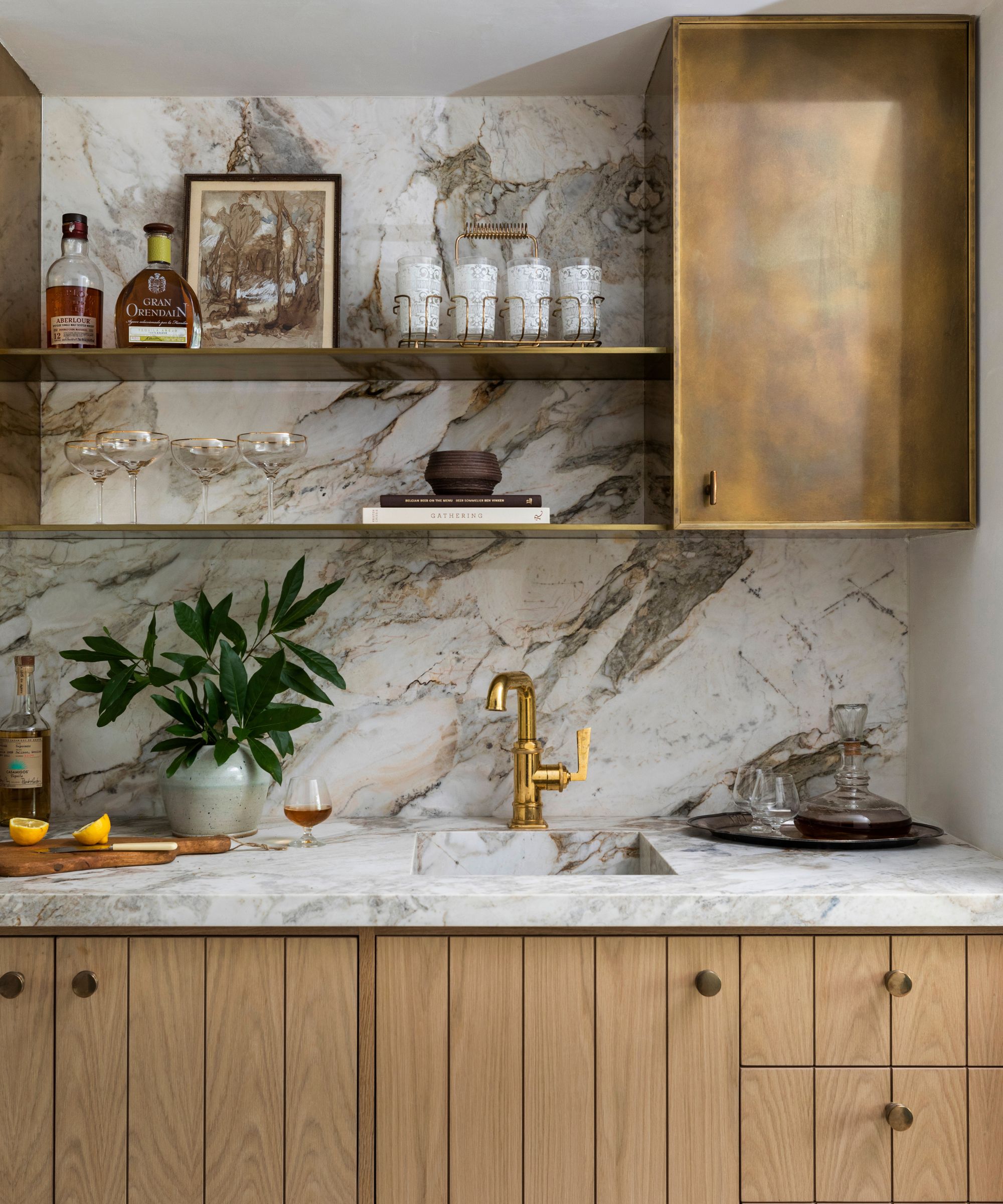
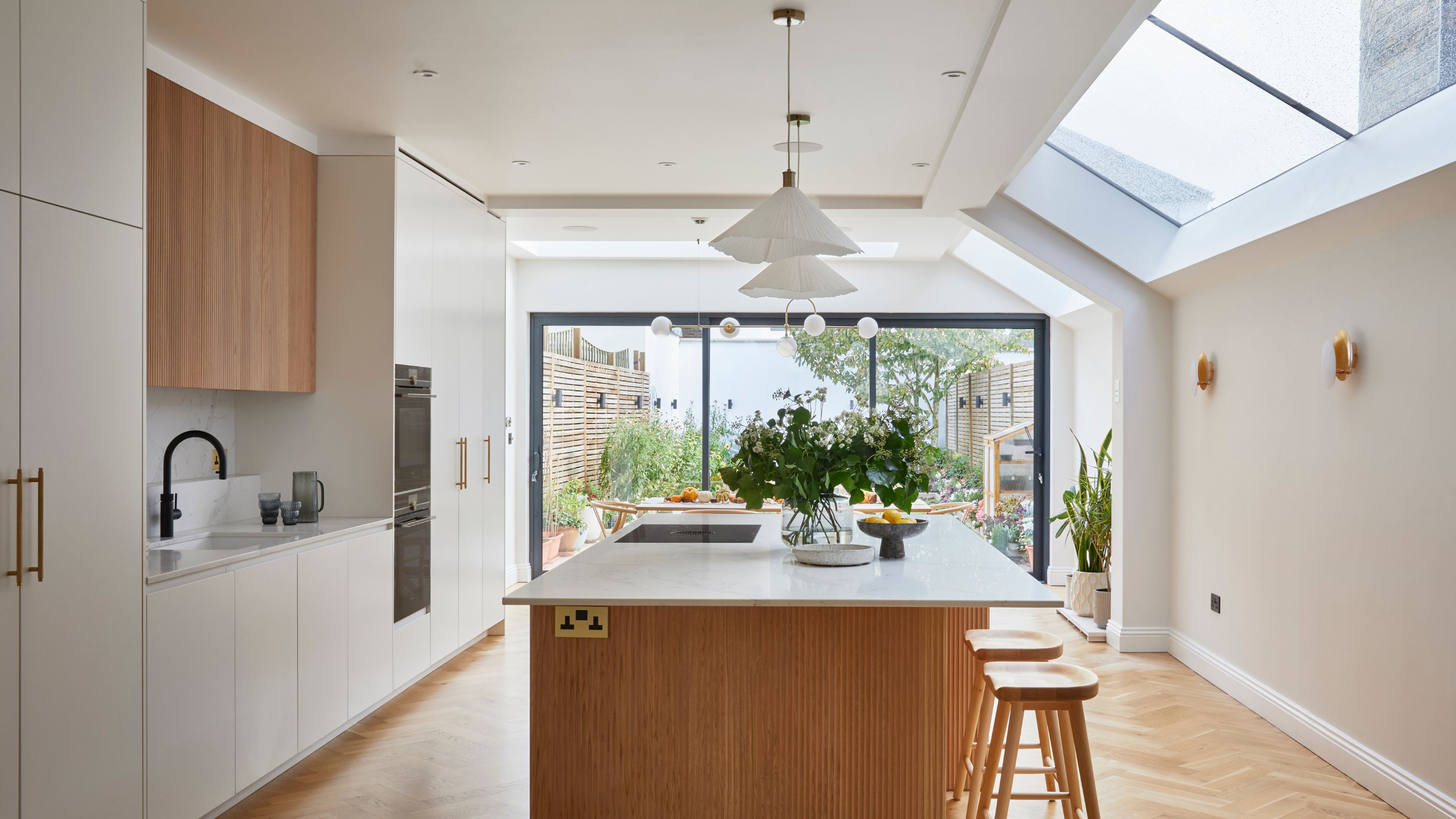
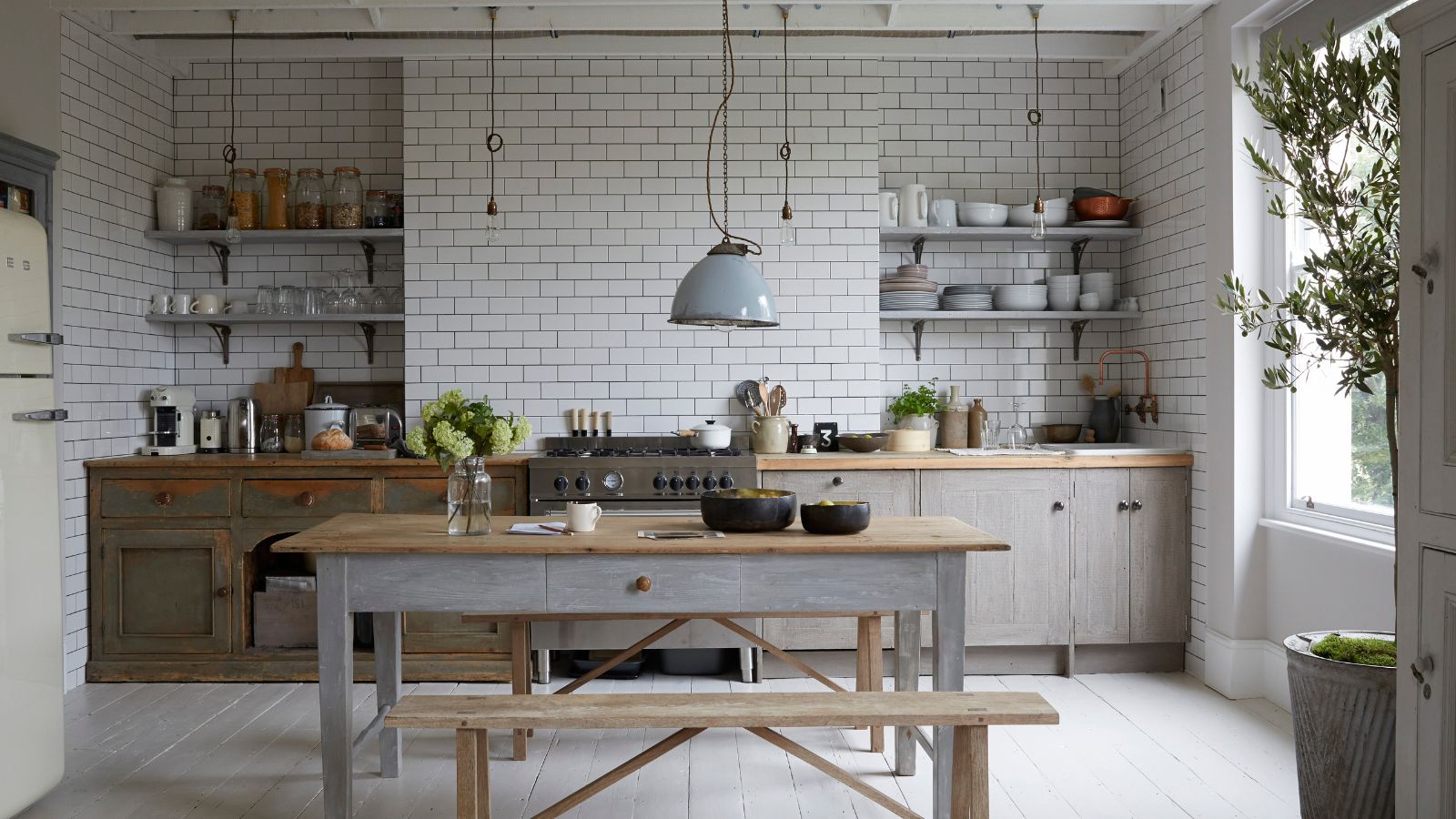
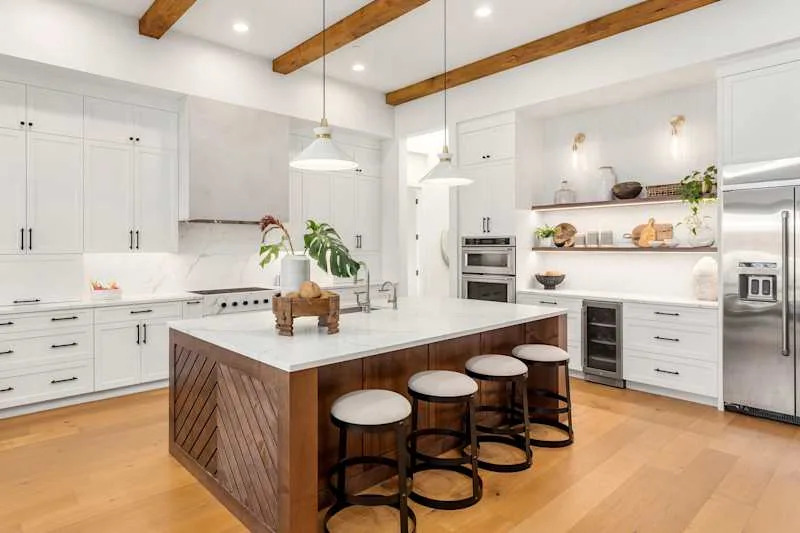
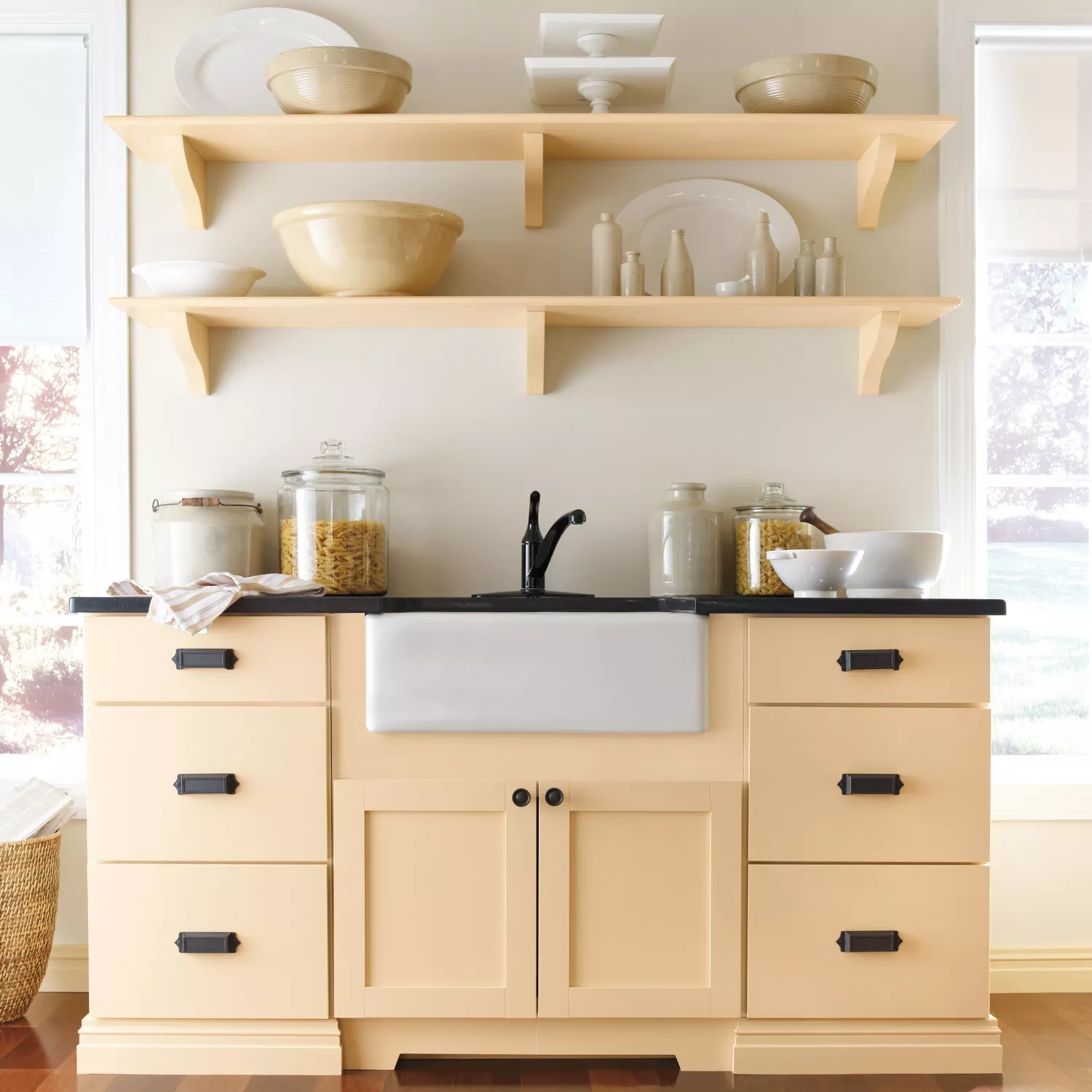
The first element to be phased out is fluted kitchen details. While popular in previous years, this design feature is increasingly seen as overdone and can be difficult to maintain and clean. Designers are moving towards open shelving and more streamlined wall spaces to create a cleaner, more open, and truly luxurious feel in kitchens.
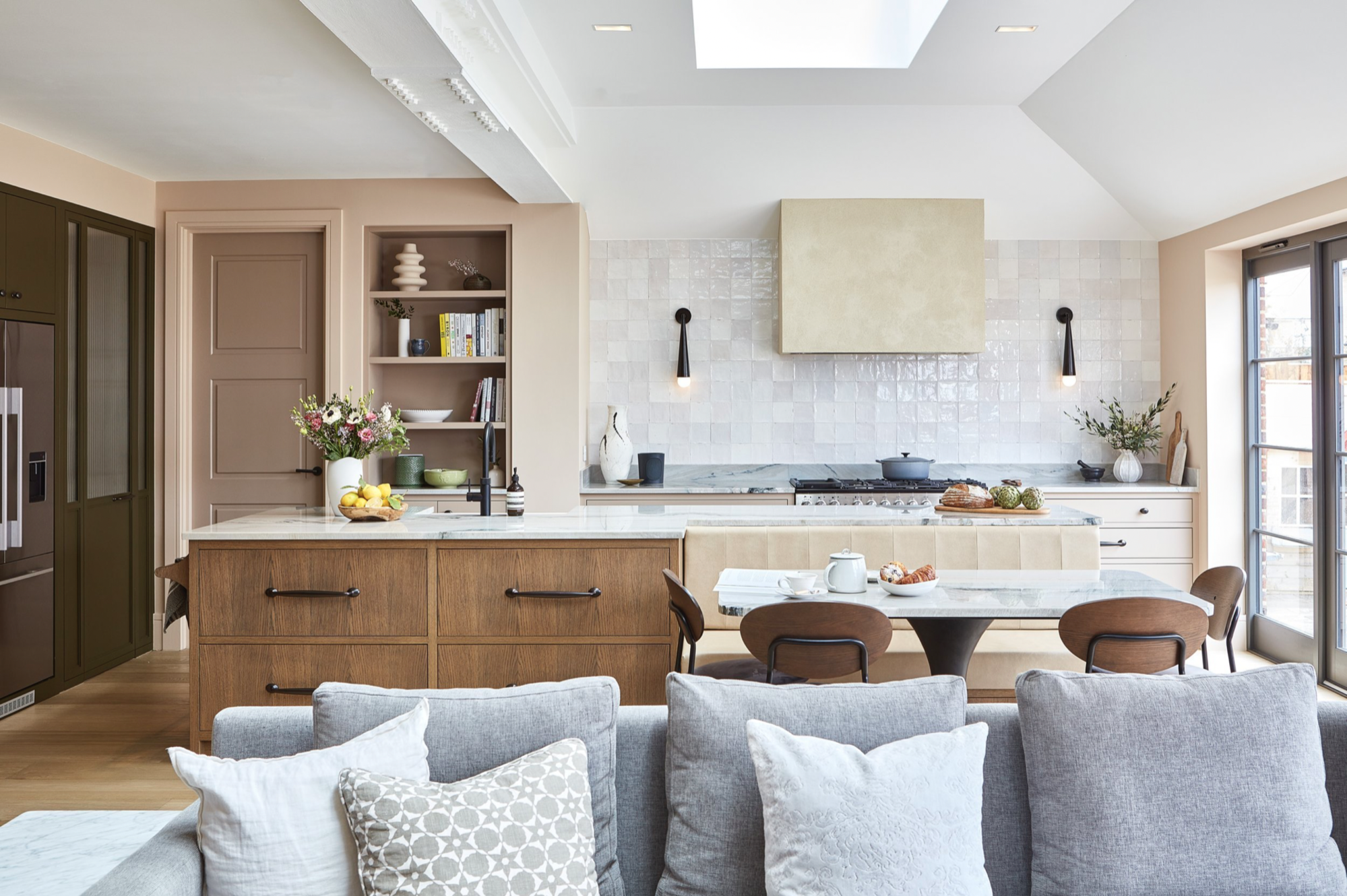
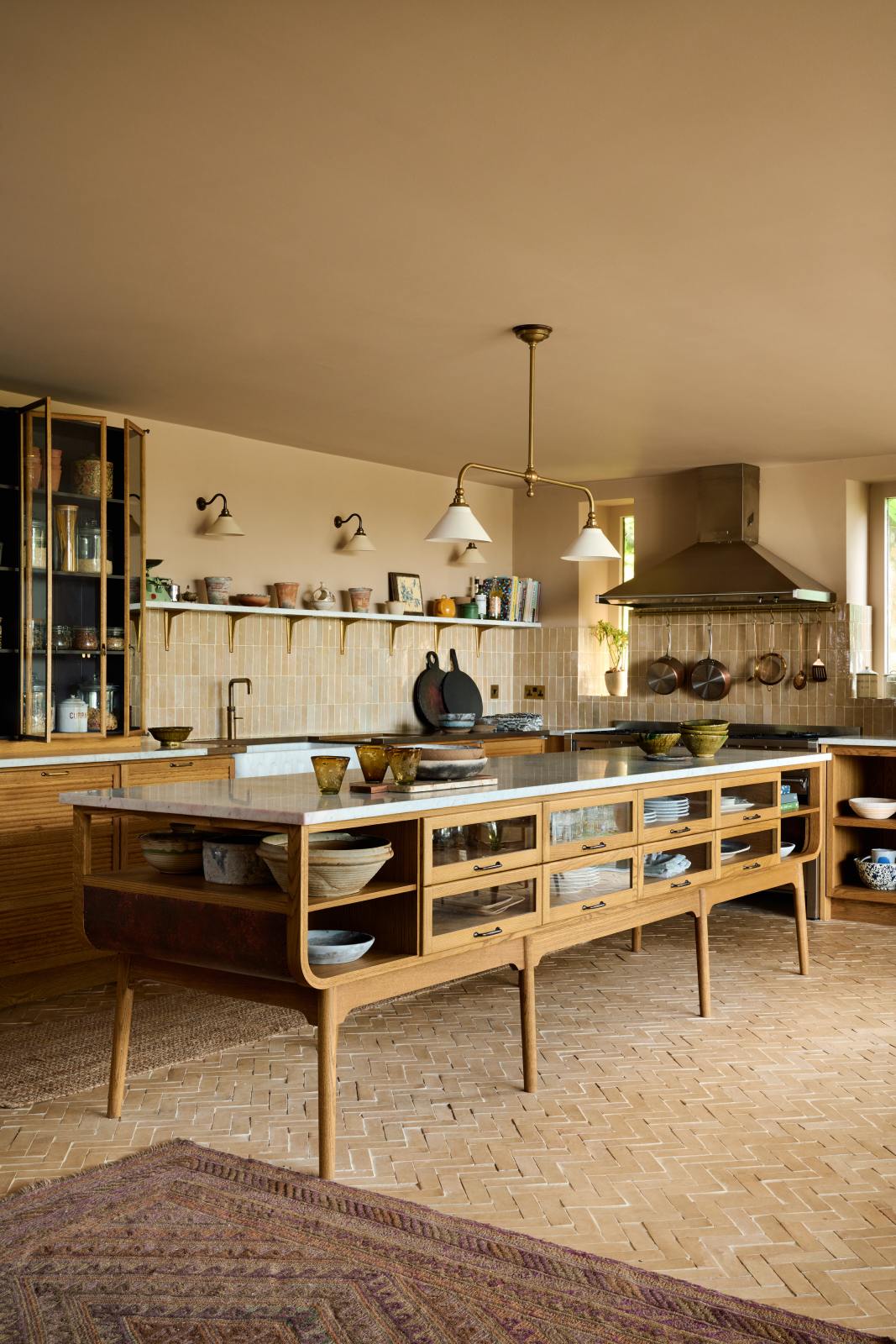
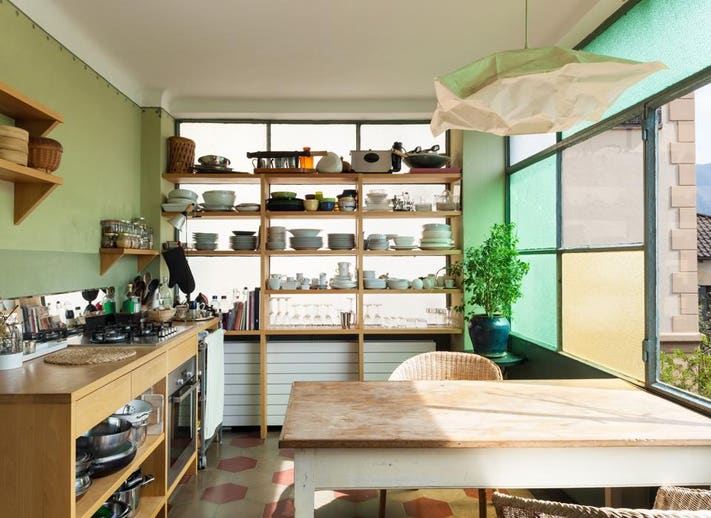
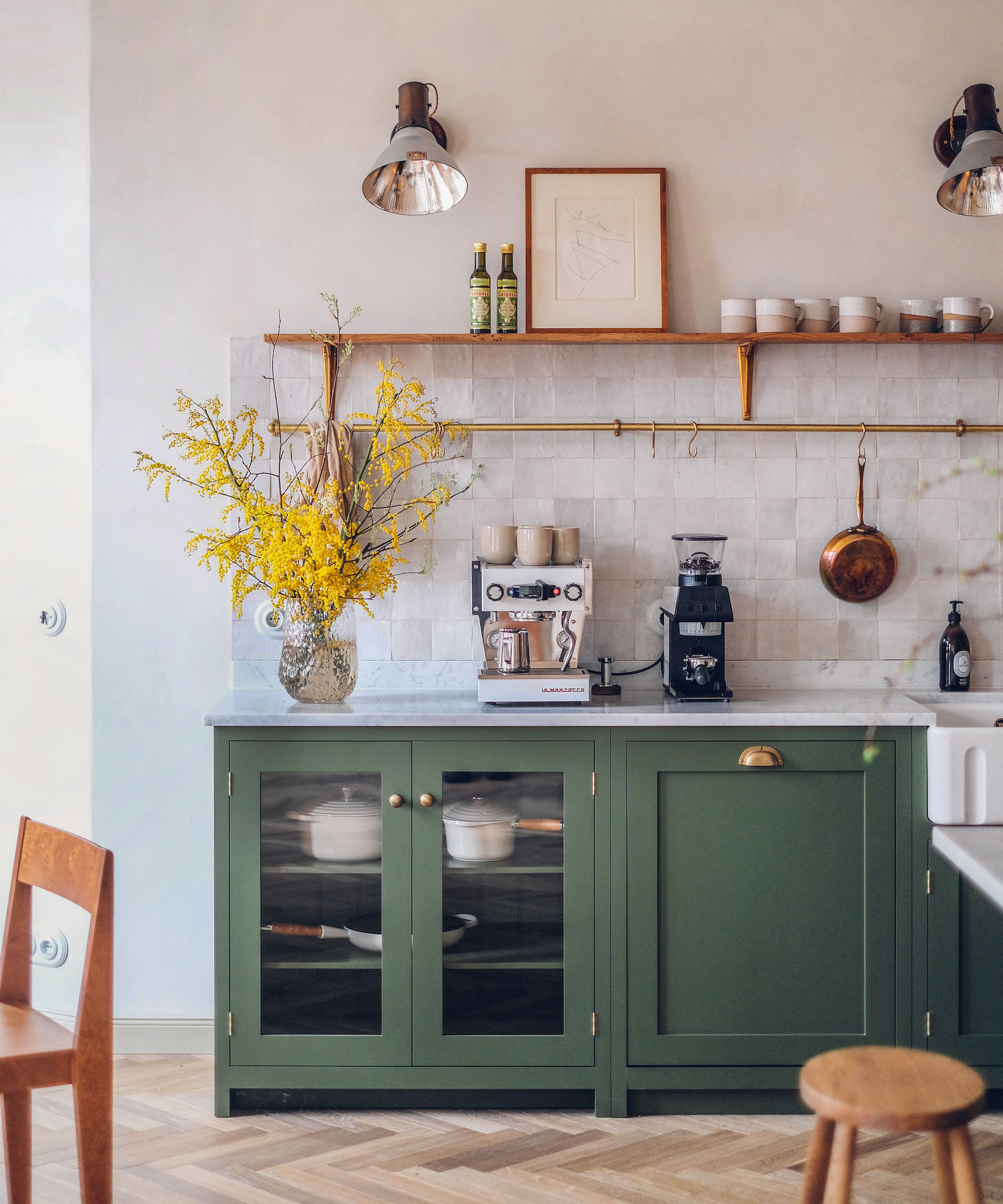
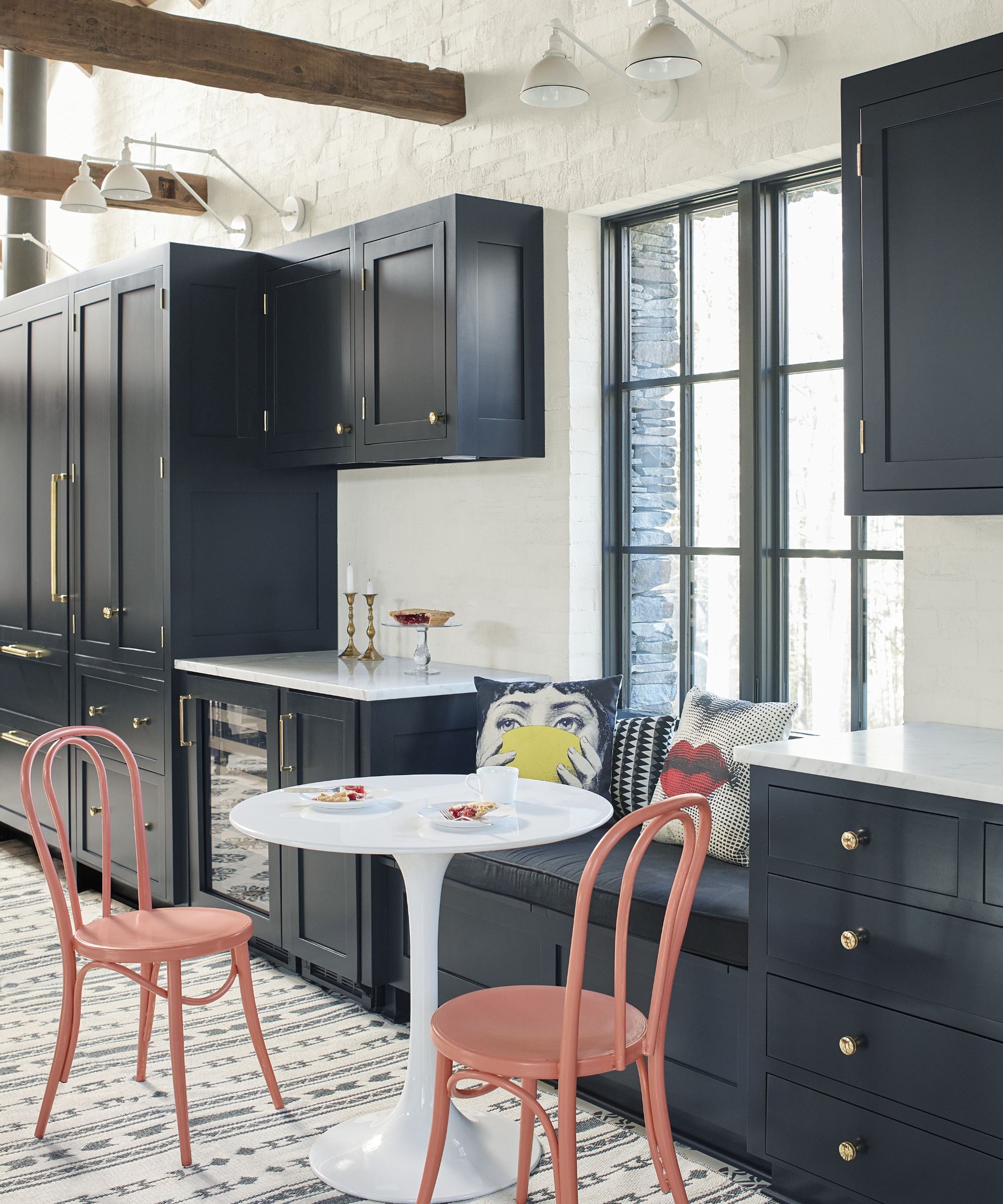
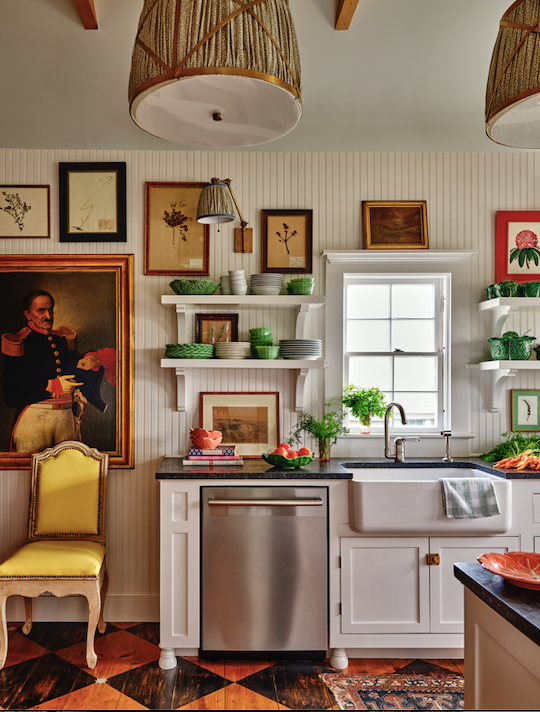
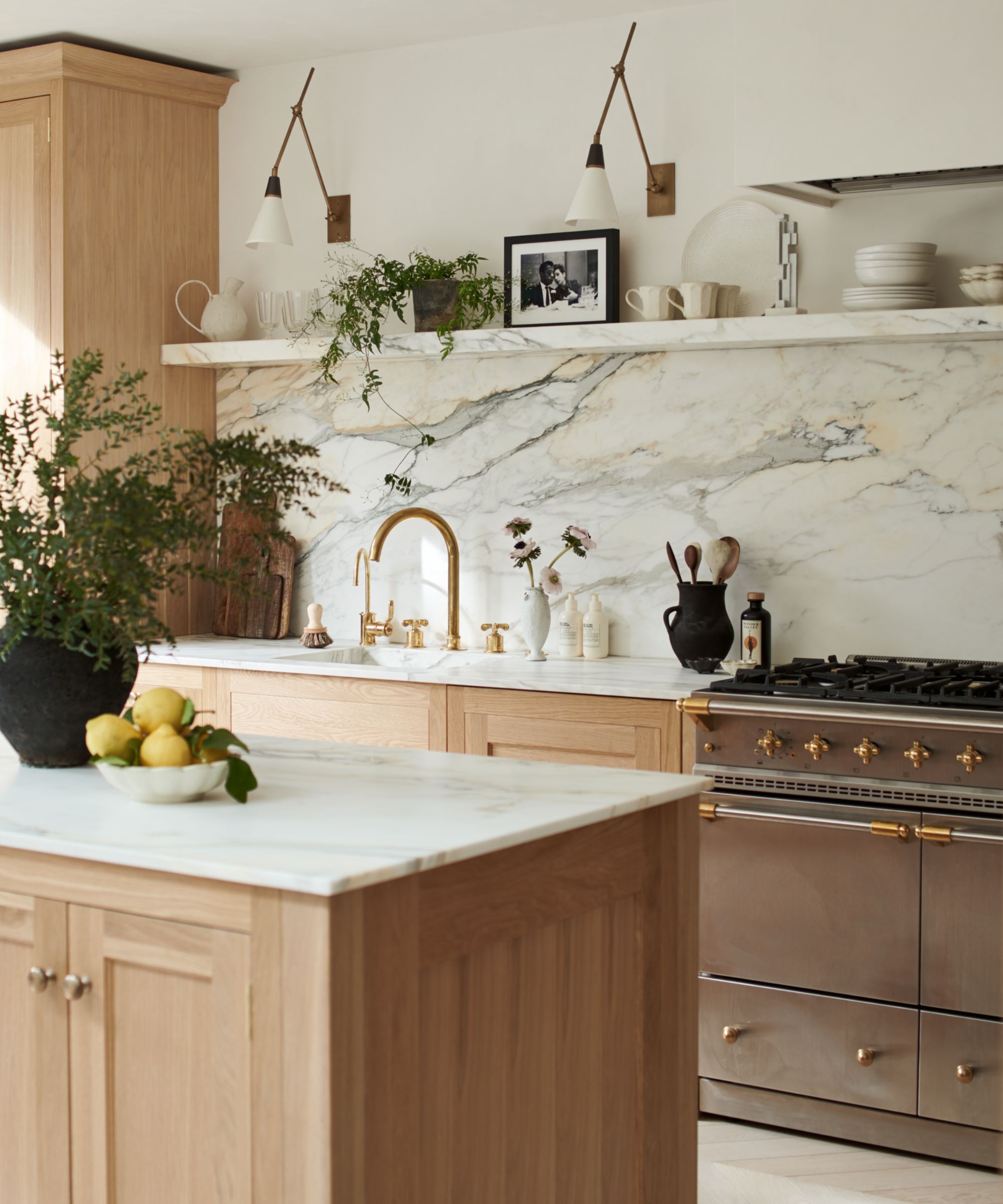
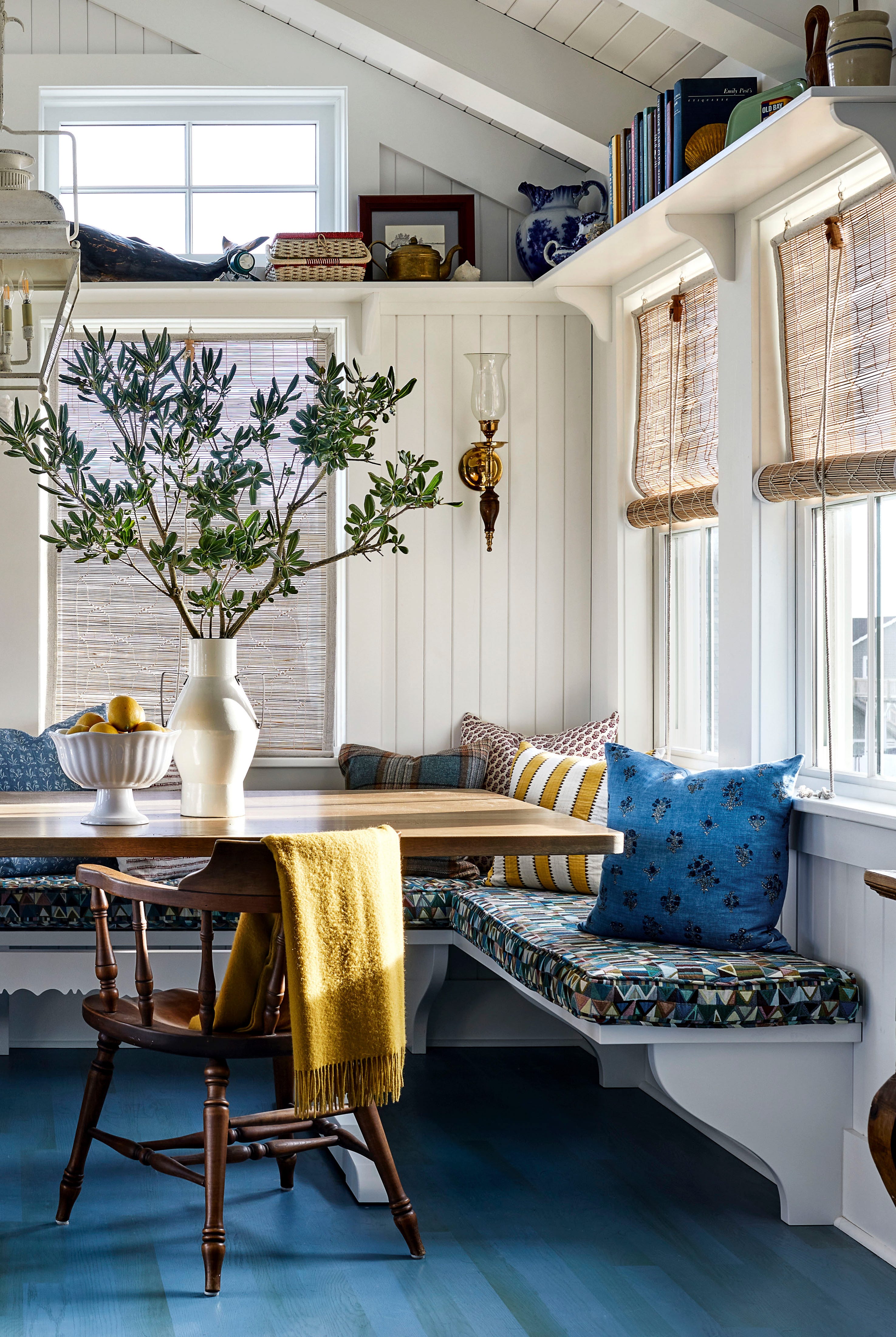
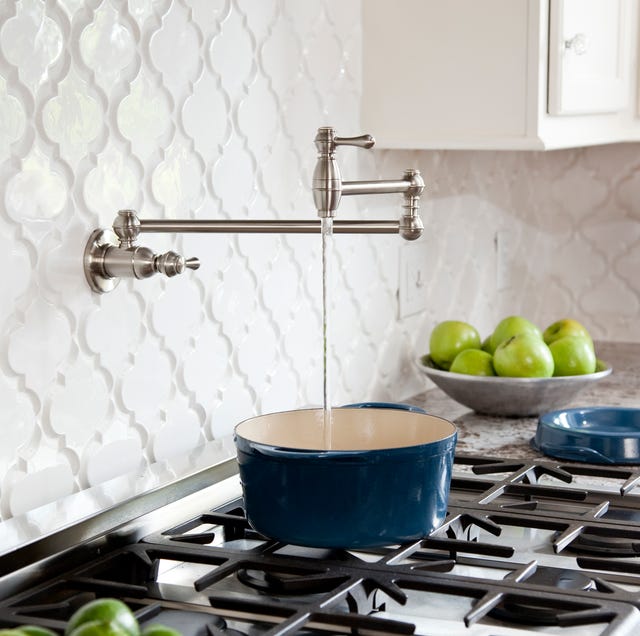
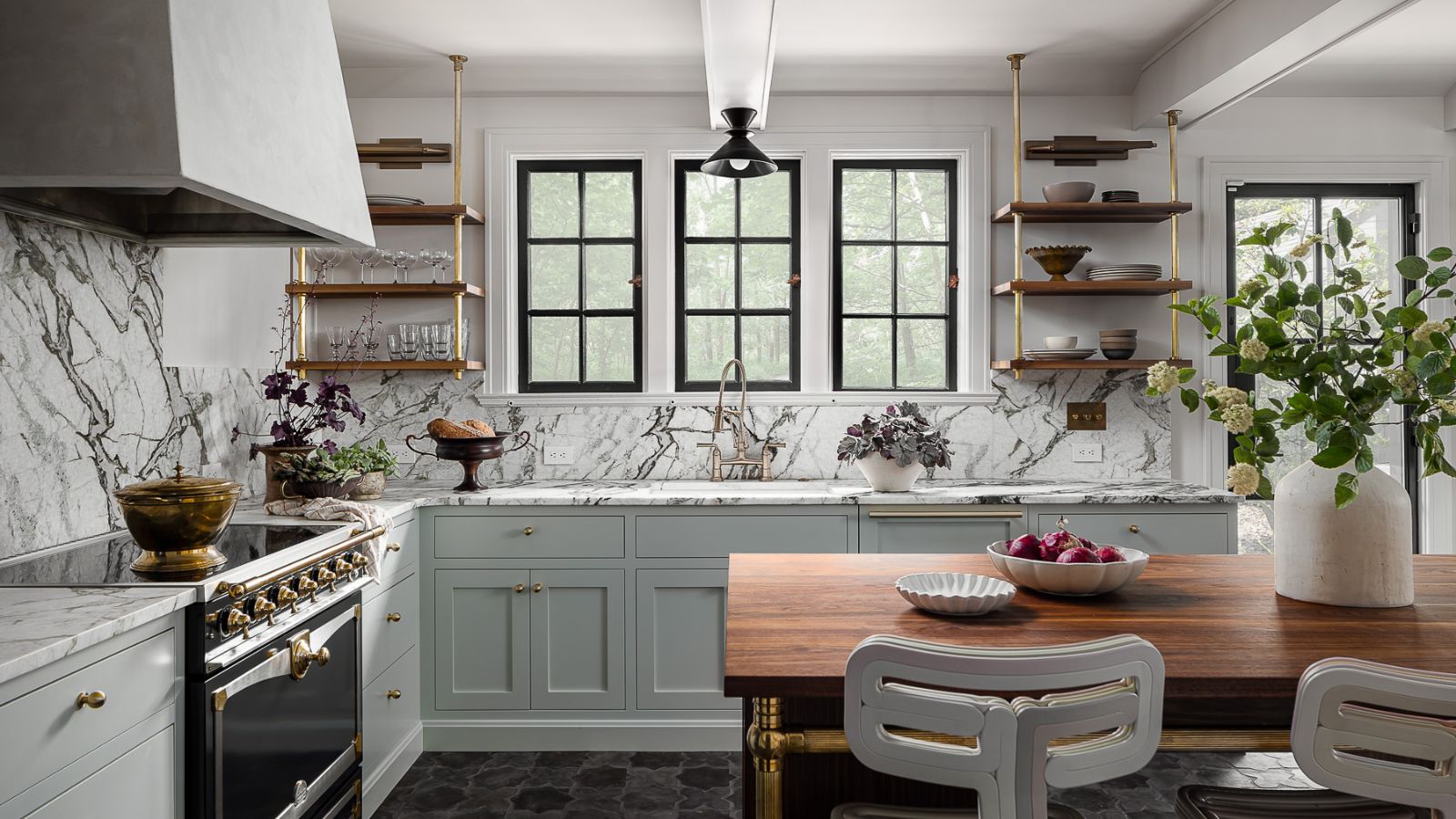
Secondly, overly curated spaces are becoming a thing of the past. The current trend emphasizes lived-in, personality-filled kitchens rather than meticulously styled showcases. This involves incorporating cozy dining nooks, open shelving that displays a mix of functional kitchenware and personal decor, and countertops that appear used but not cluttered. The integration of useful features like hot taps and built-in appliances is also highlighted to ensure functionality while maintaining a high-end look.
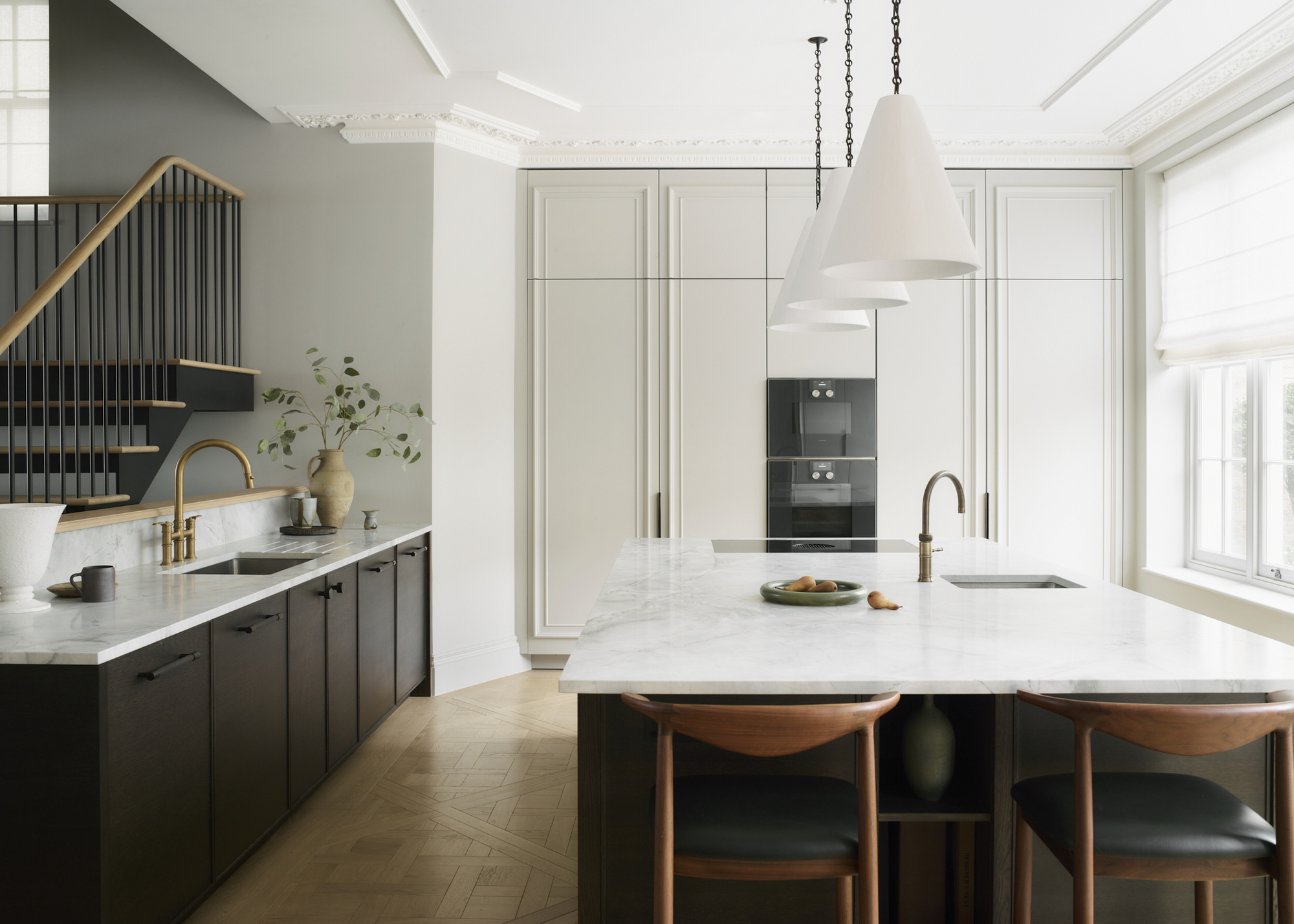
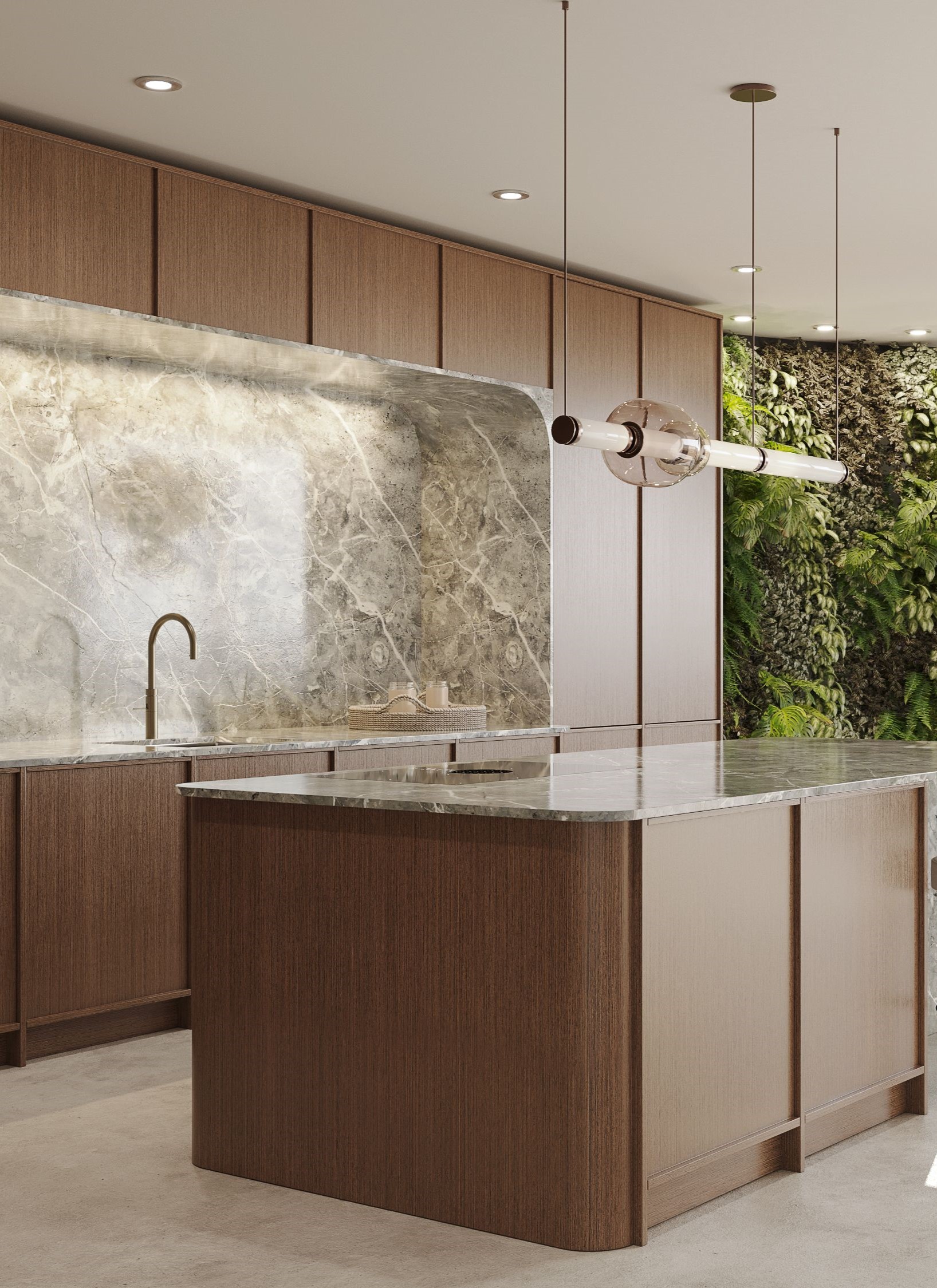
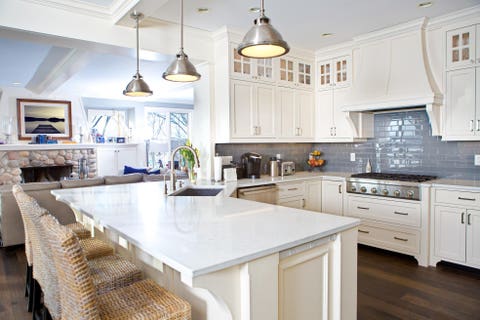
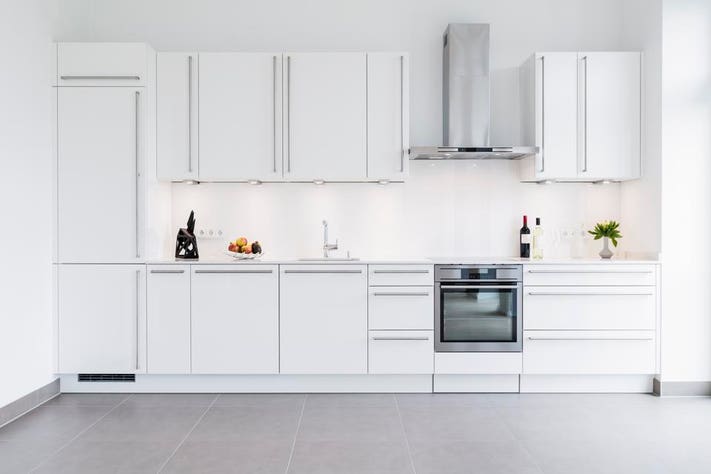
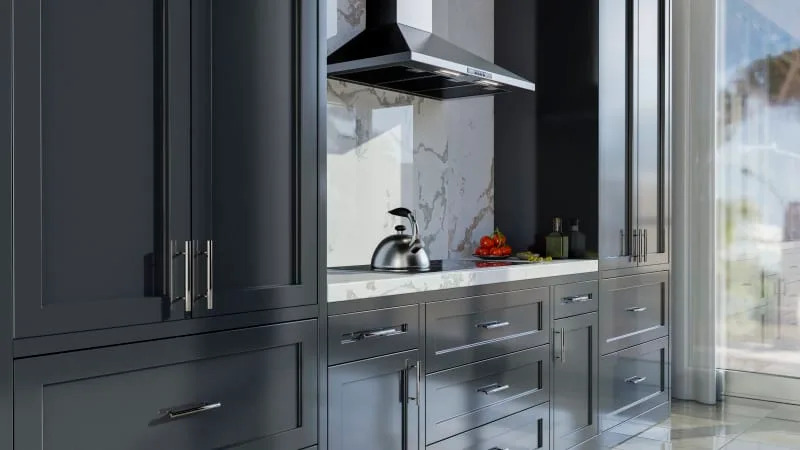
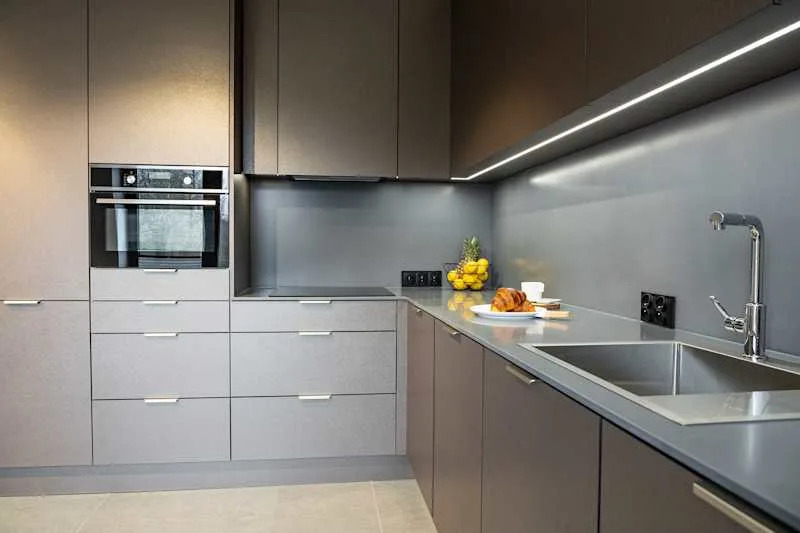
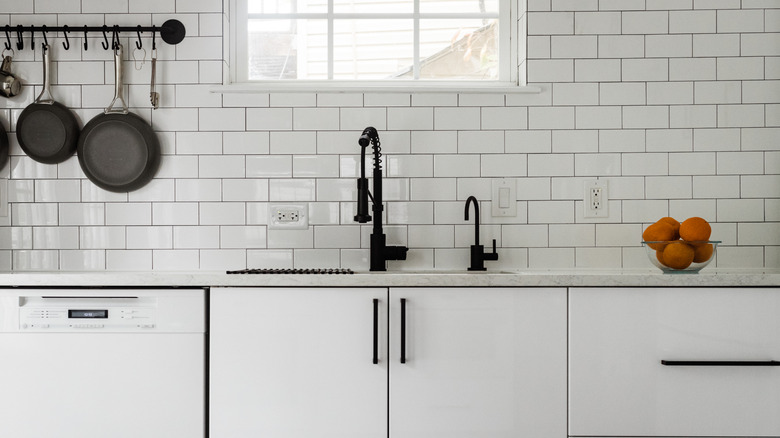
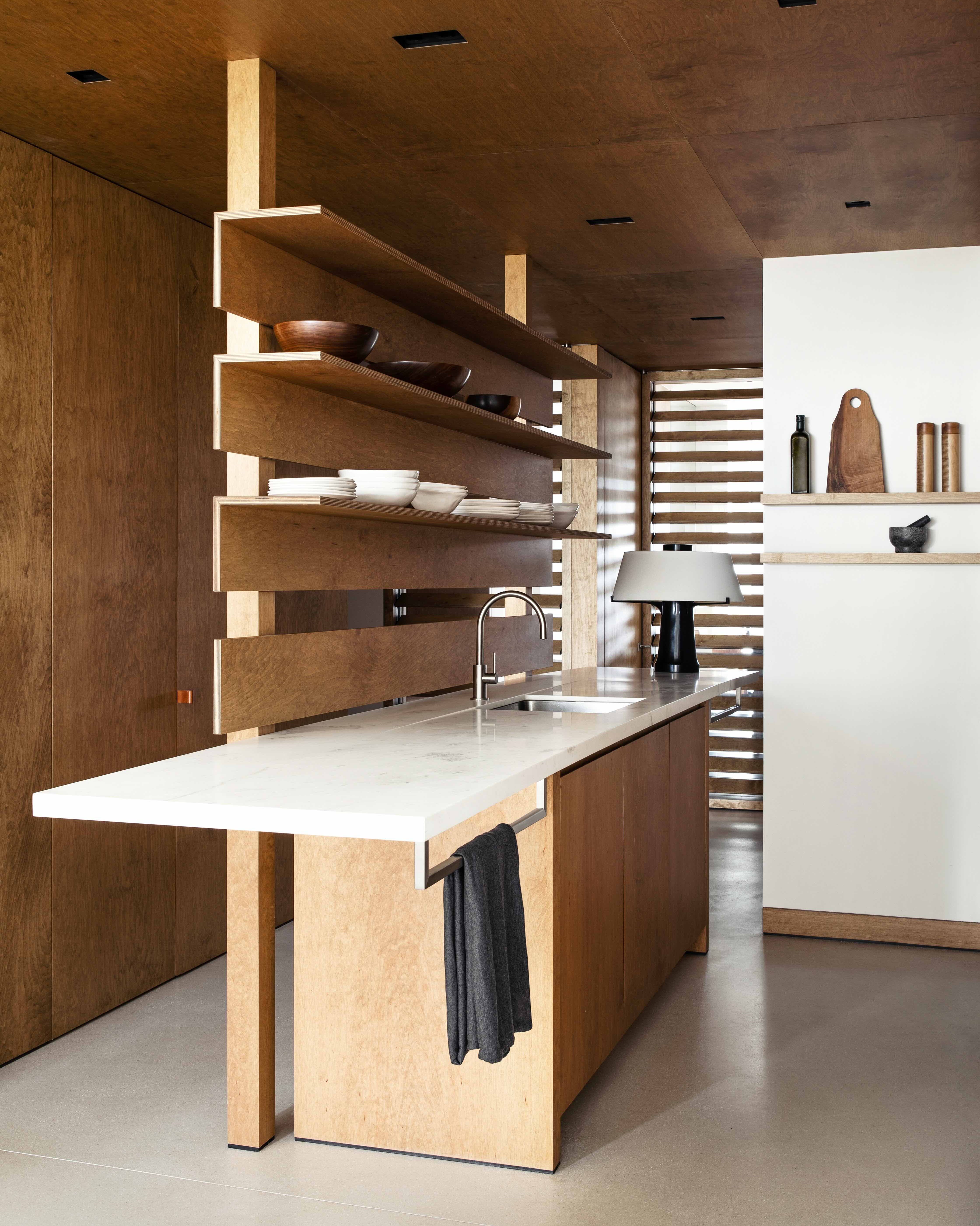

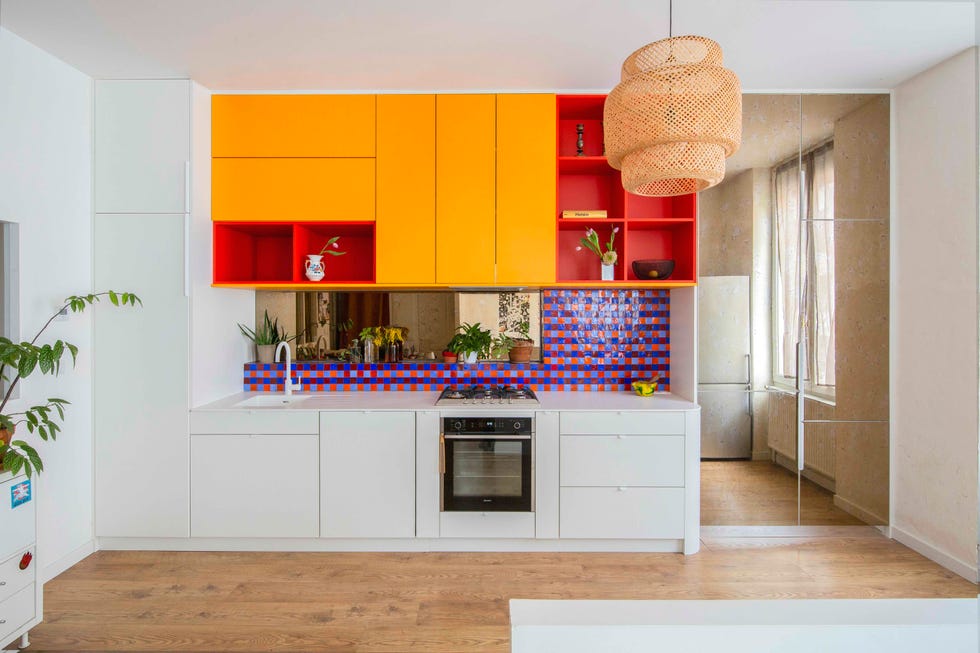
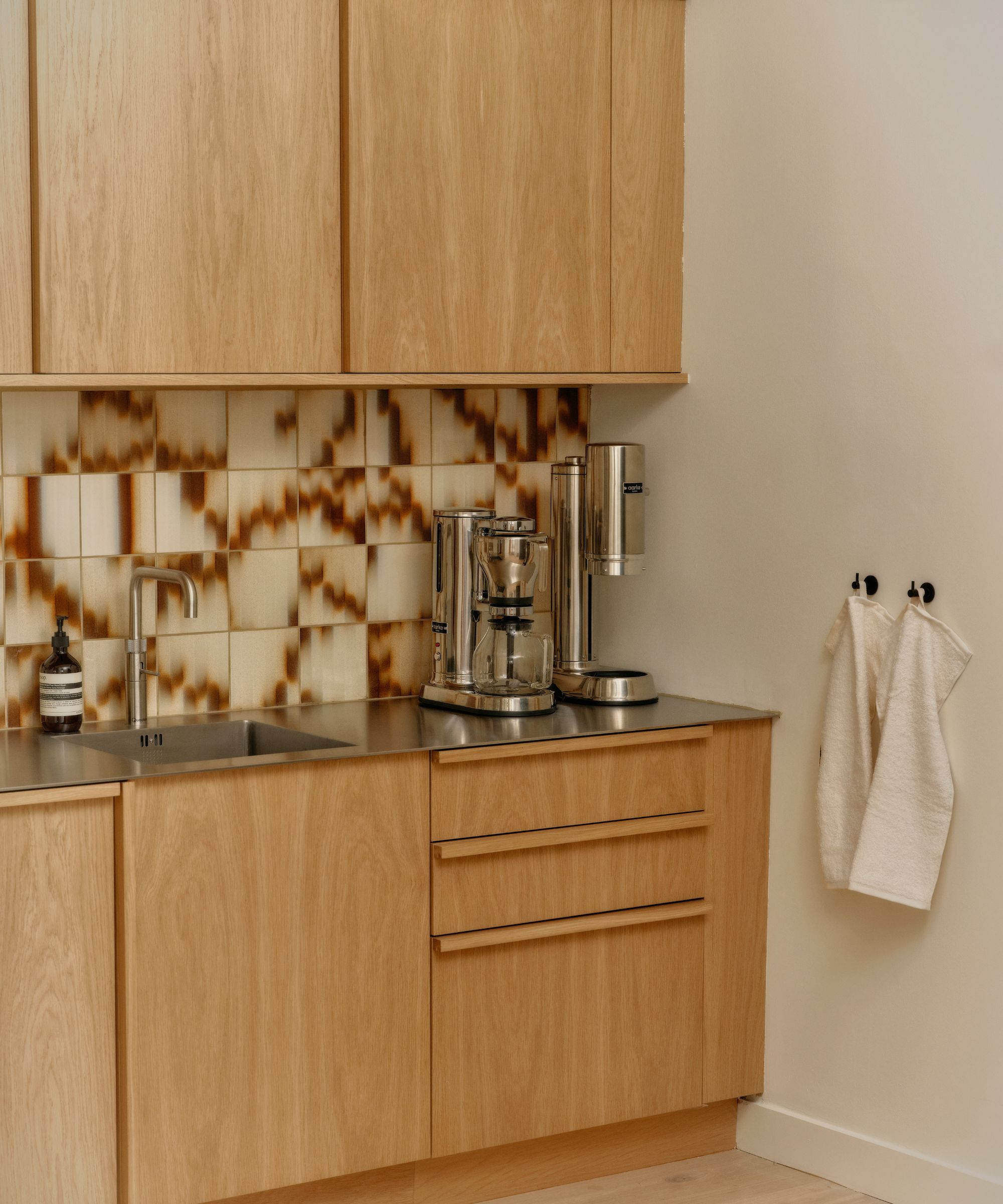
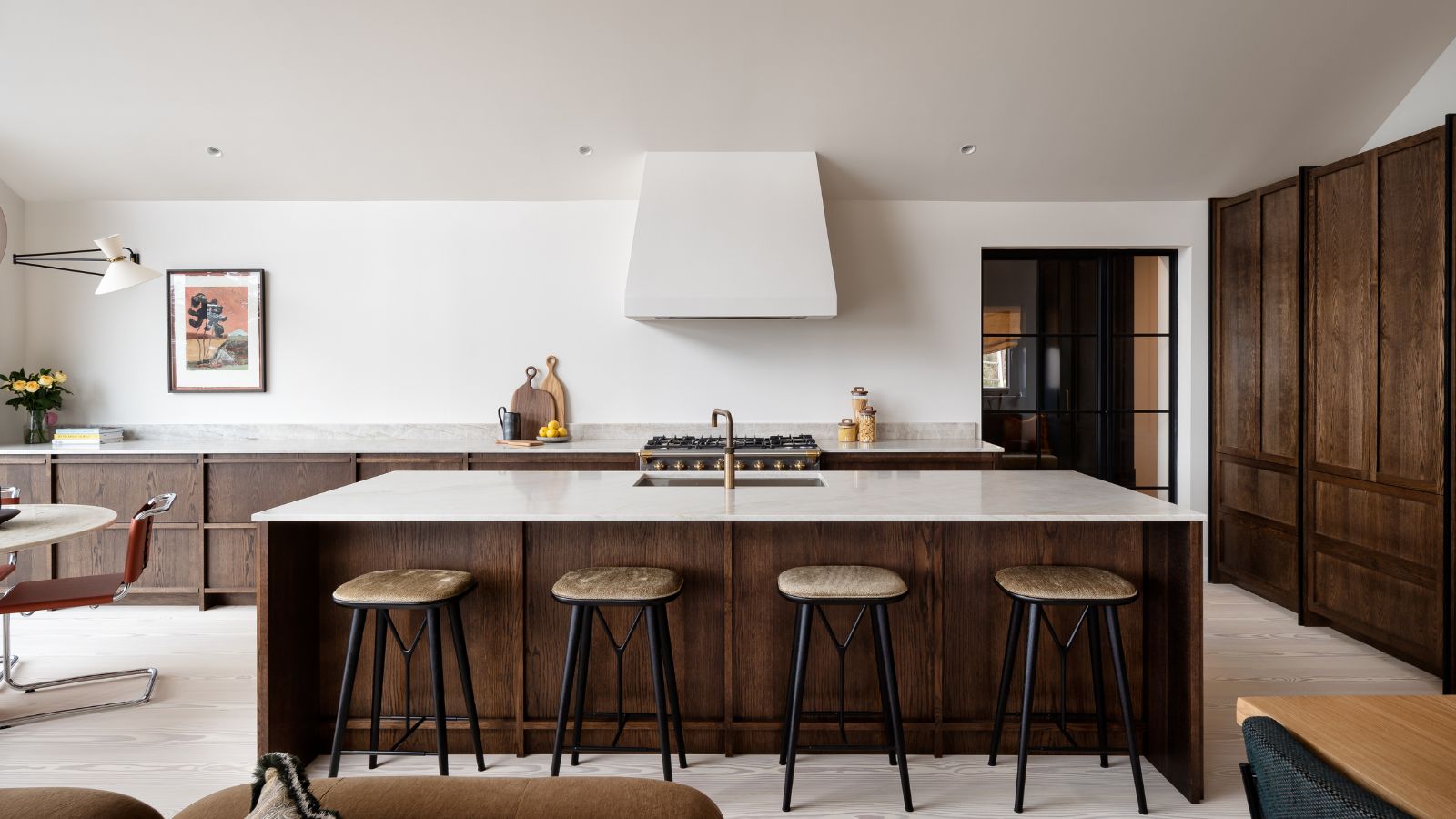
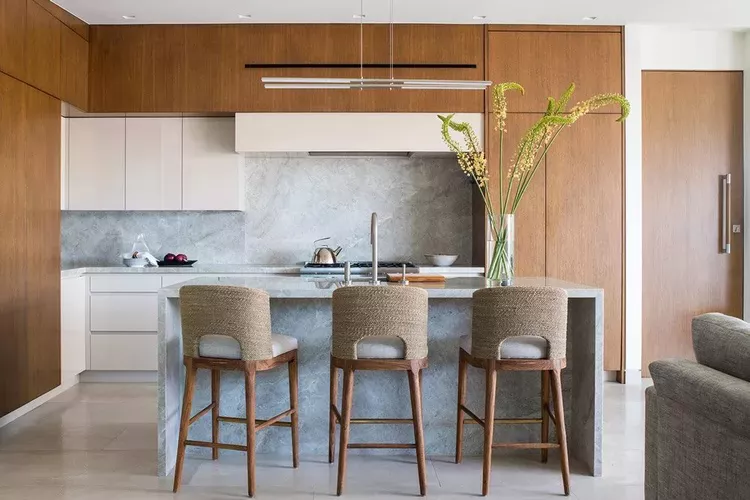
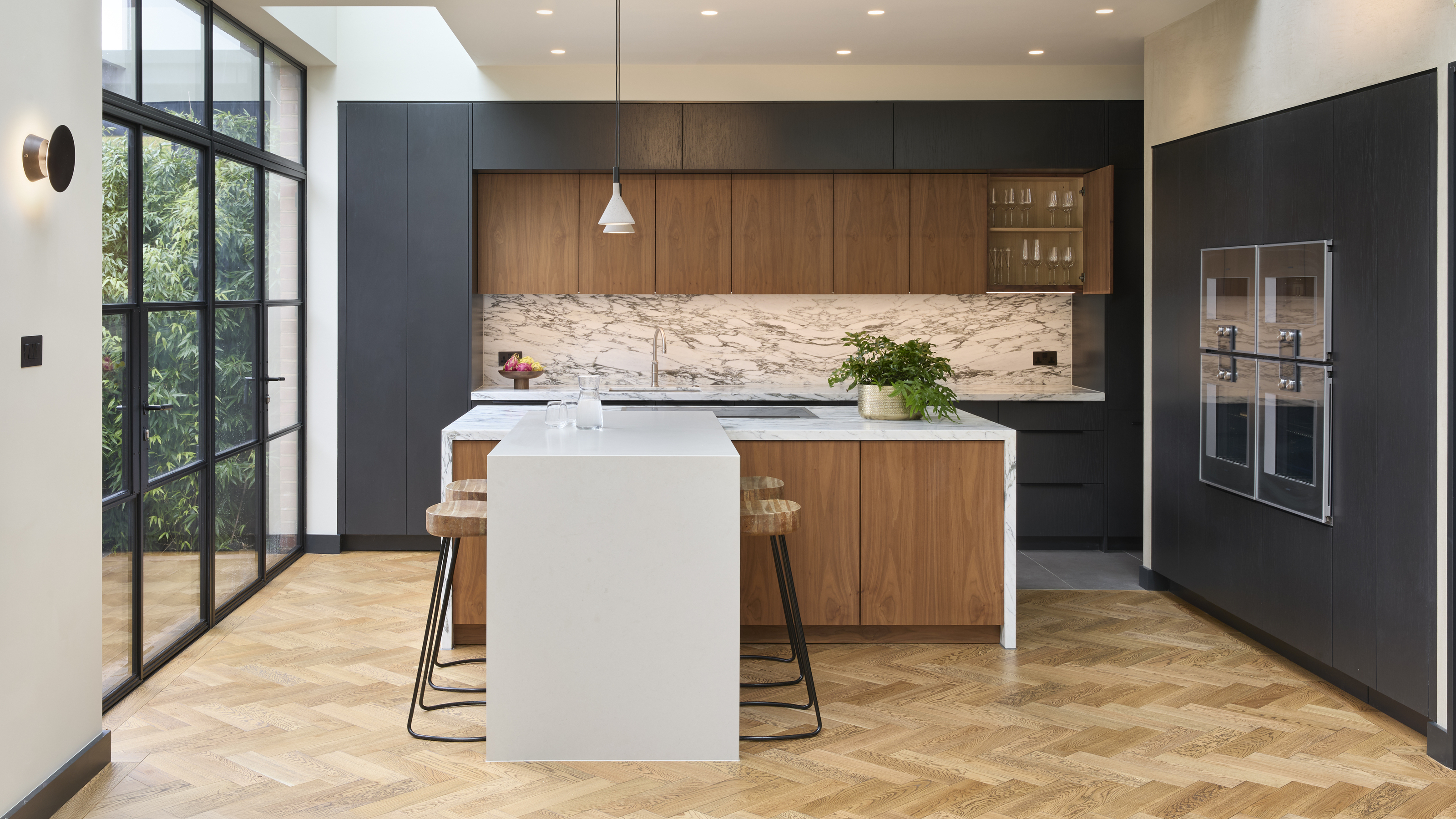
Thirdly, high-gloss finishes are losing their appeal in luxury kitchen design. This applies to paint, cabinetry, and even hardware. Ultra-reflective surfaces, once synonymous with high-end design, are now perceived as too slick and artificial. The preference has shifted towards more tactile and authentic materials, such as hand-painted cabinetry in soft, chalky hues, honed or leathered stone, and natural timbers that showcase visible grain and depth. This change reflects a desire for craftsmanship and longevity over glossy, man-made materials.
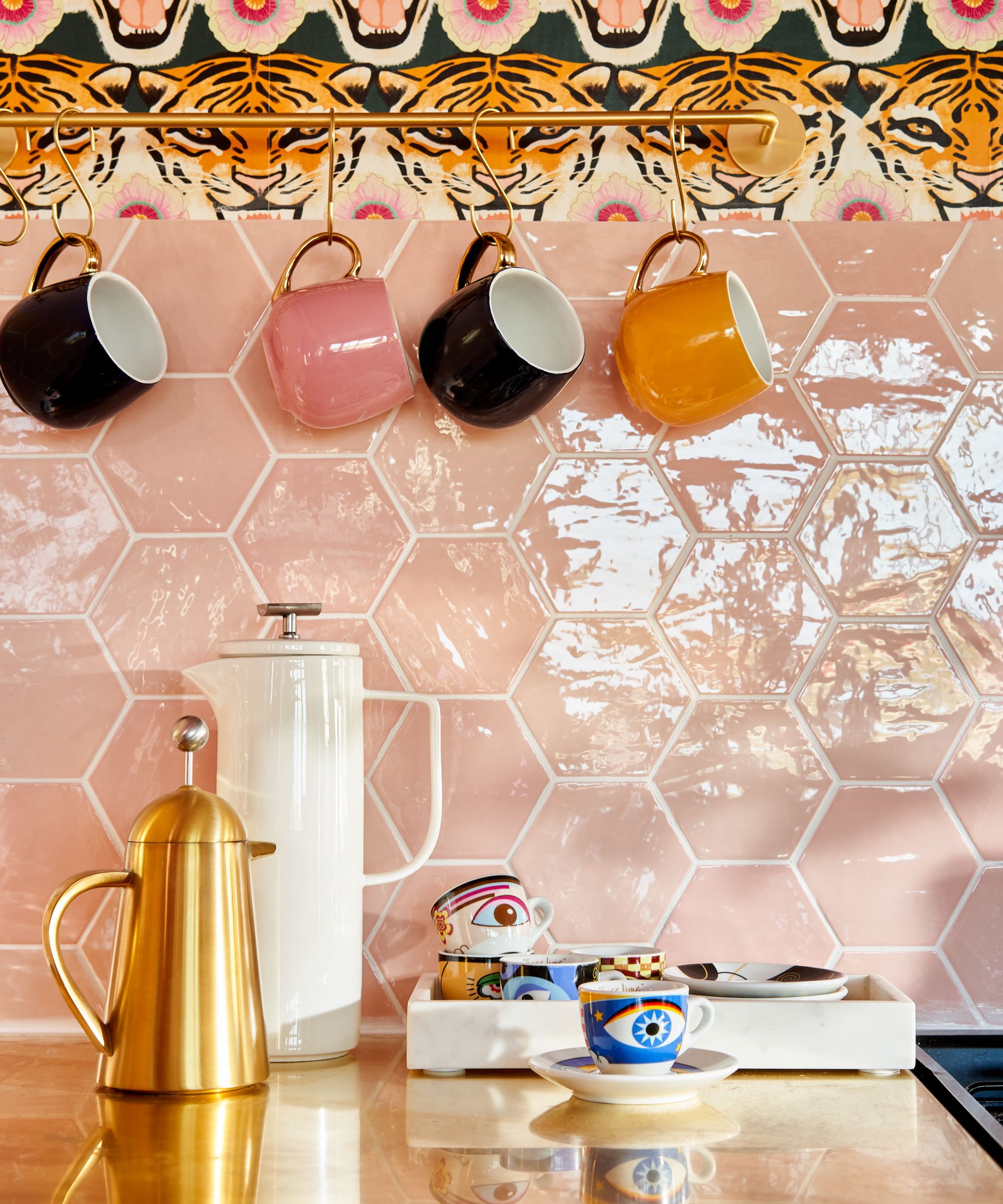
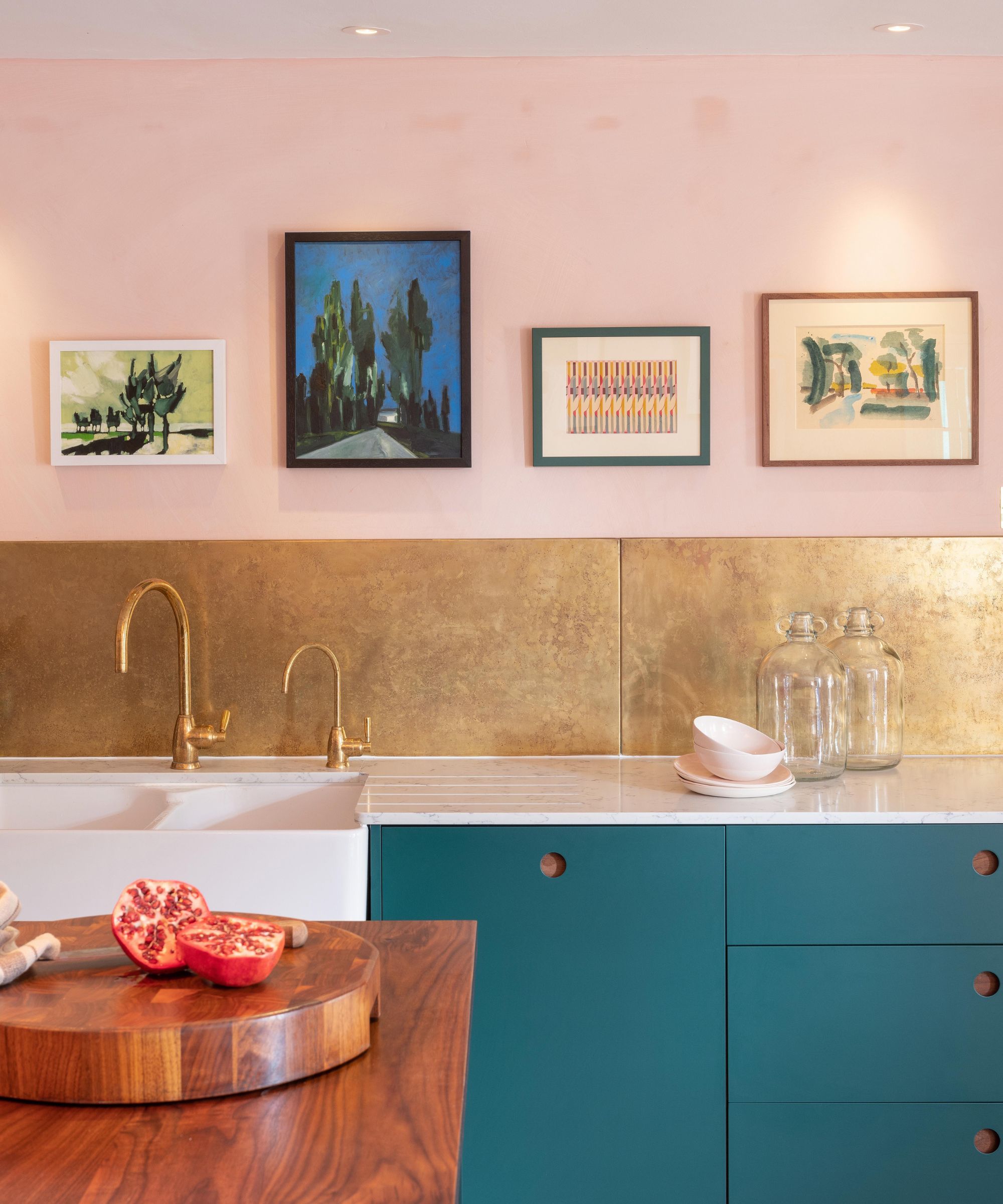
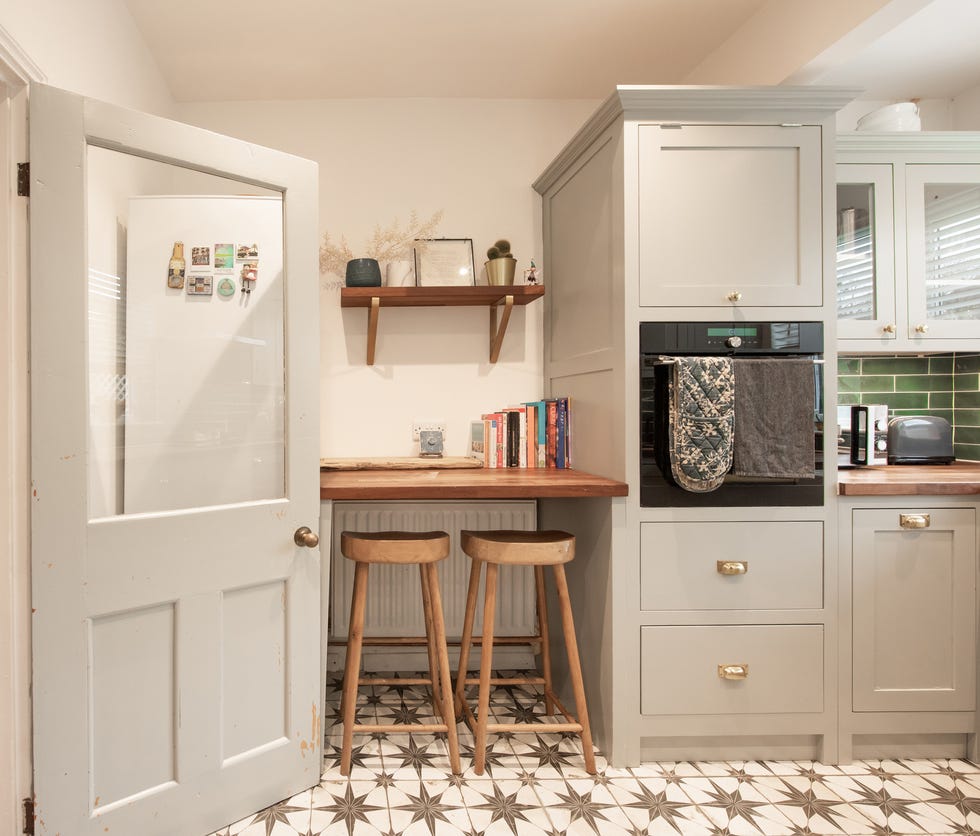
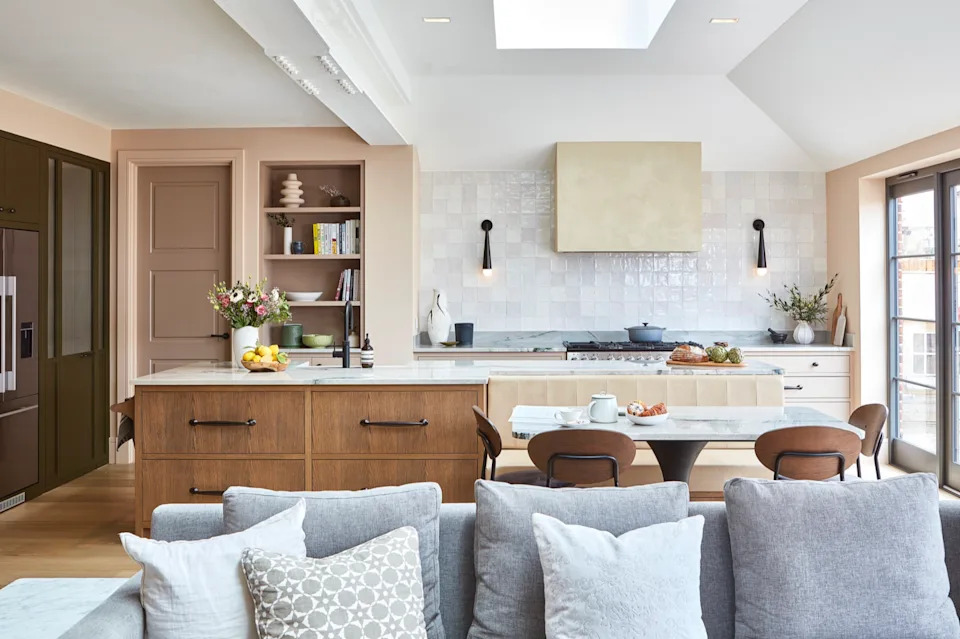
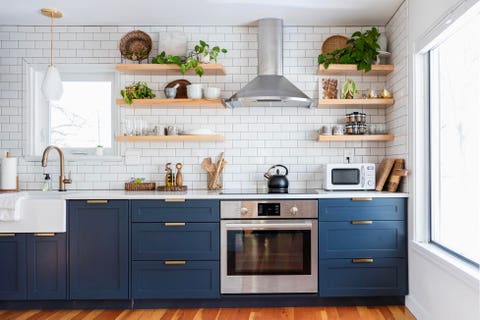
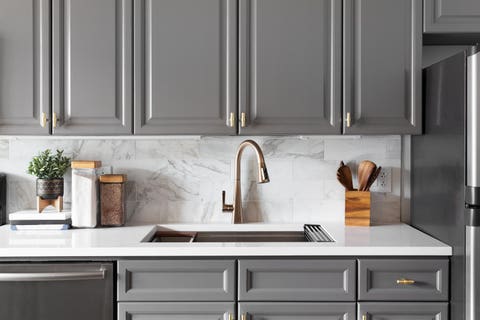
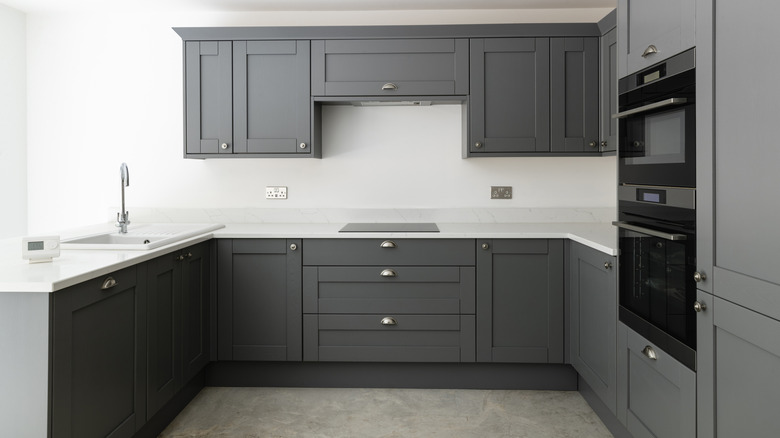
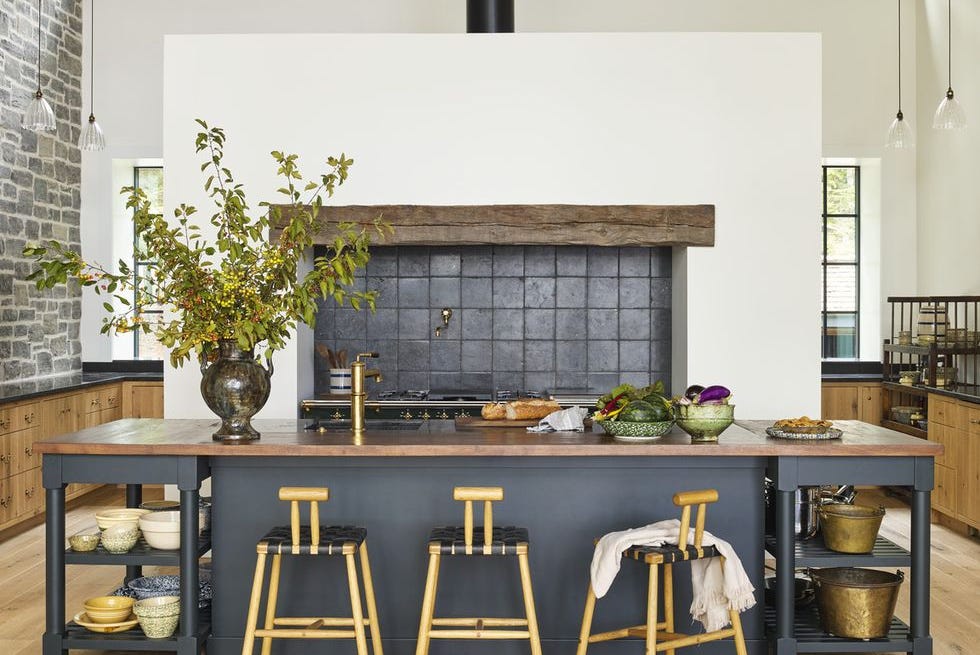
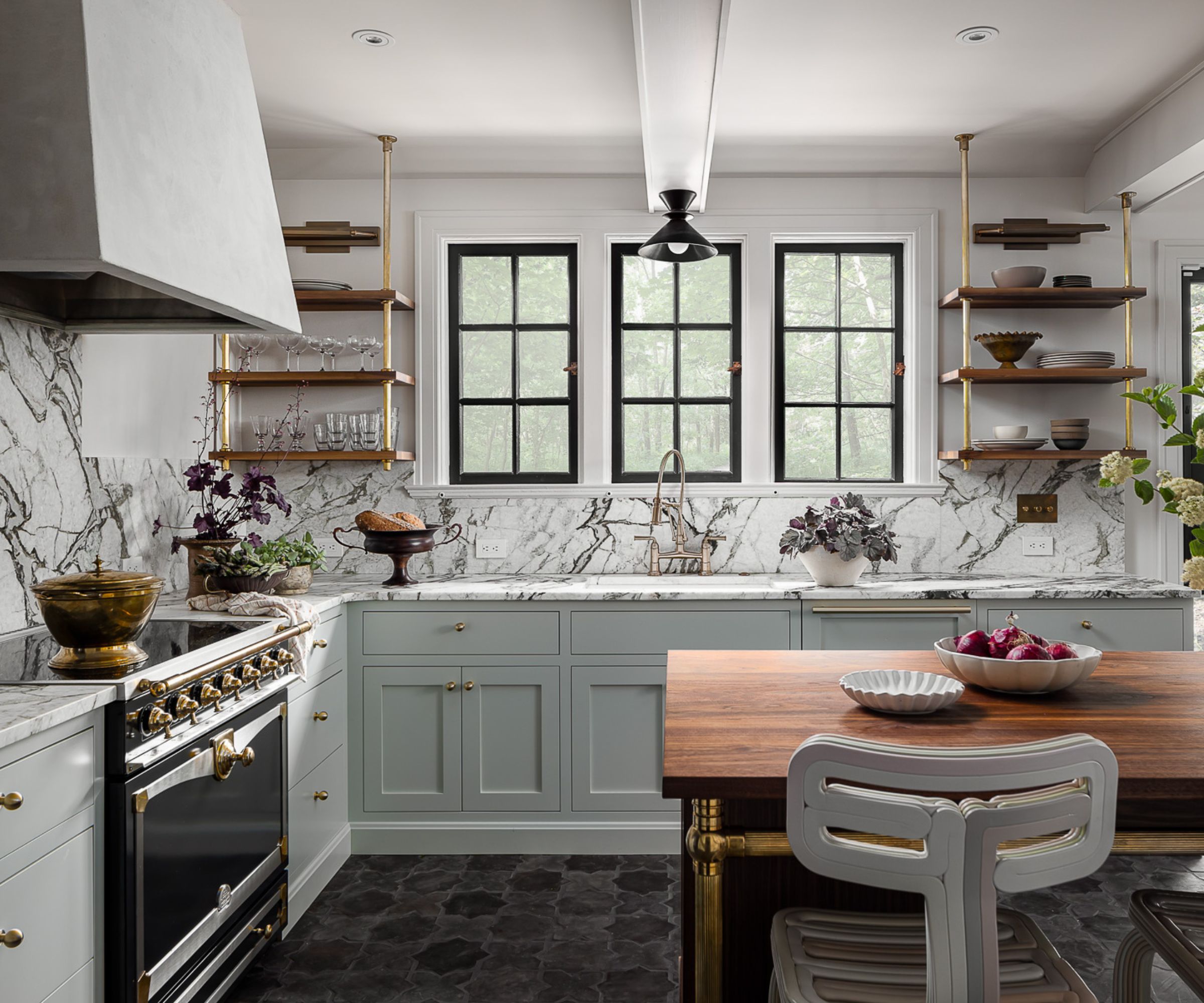
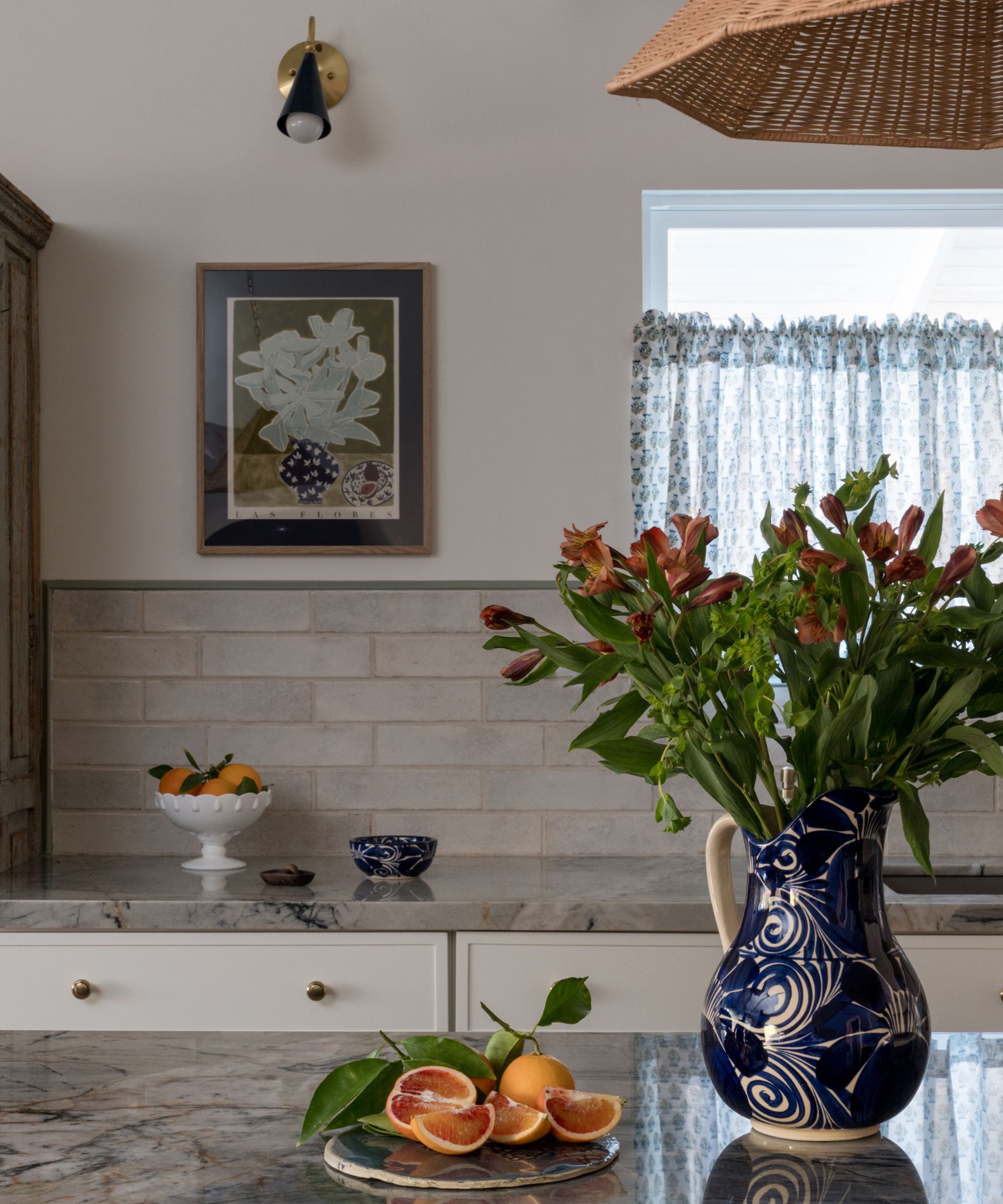
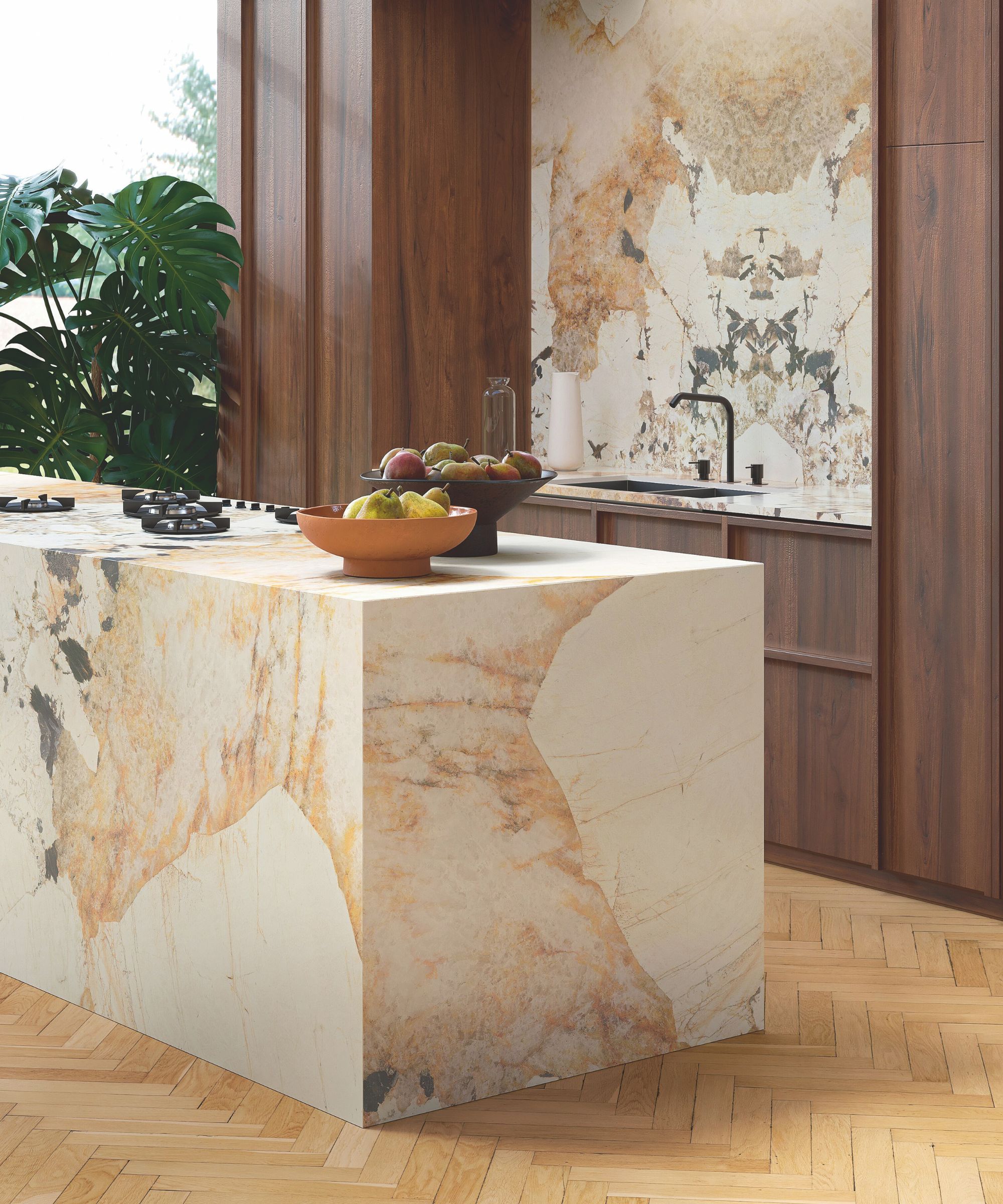
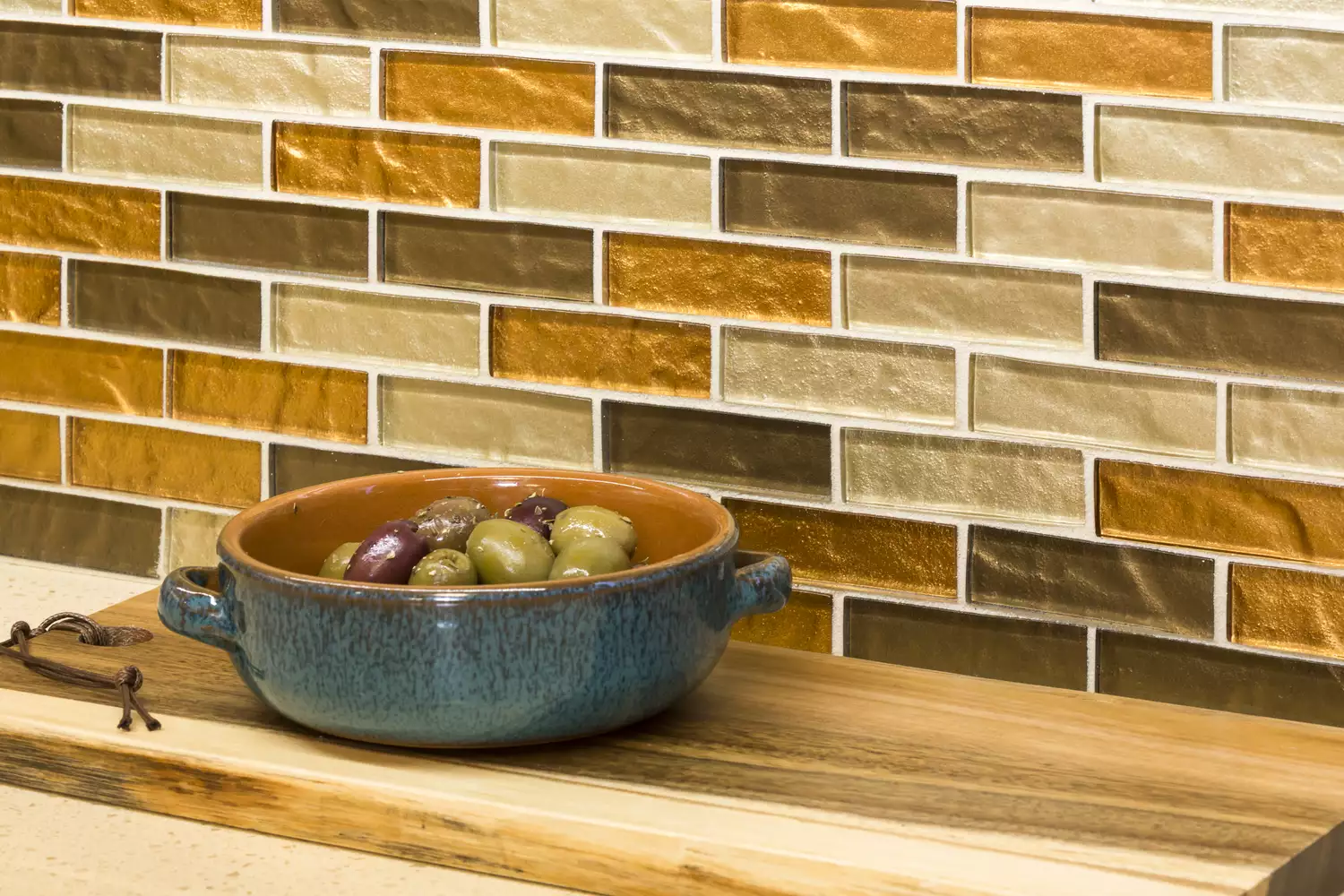
Fourth on the list of fading trends is gray cabinetry. Kitchen color choices significantly influence the overall ambiance of a space, and while certain warm whites and natural wood tones remain popular for luxury schemes, gray, especially glossy gray, is no longer favored by designers. Its widespread use across various home items has led to a sense of exhaustion with the color. Instead, warmer natural and neutral tones like soft ochre, beige, creamy whites, and soft apricots are being integrated into countertops, kitchen cabinets, and walls. Tiling is also gaining prominence, with zellige-like glazed tiles in shades of sage and peach, as well as marble and marble-replicating porcelain in burgundy and caramel tones.
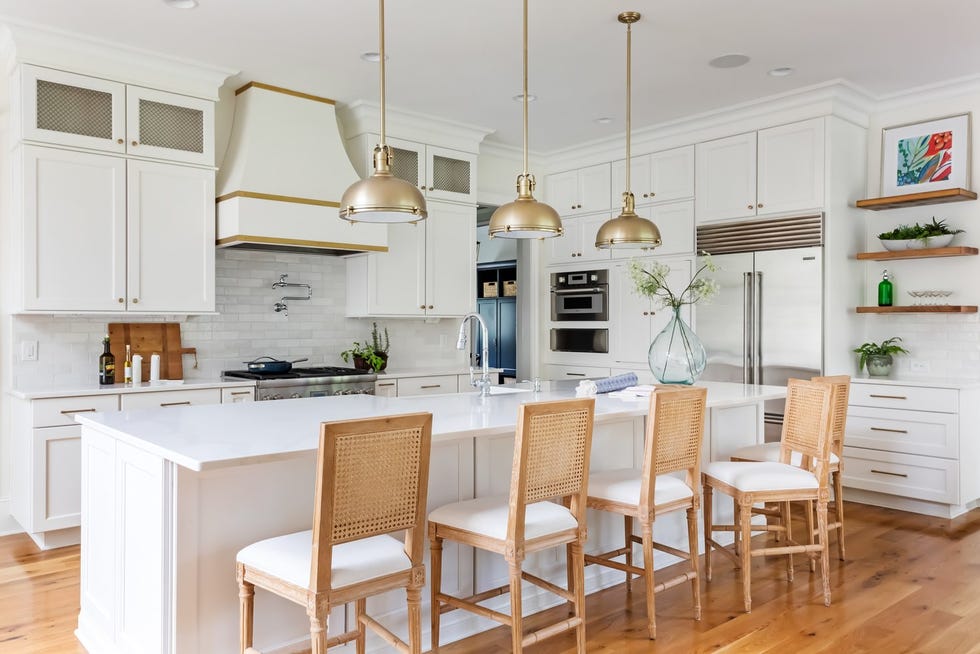
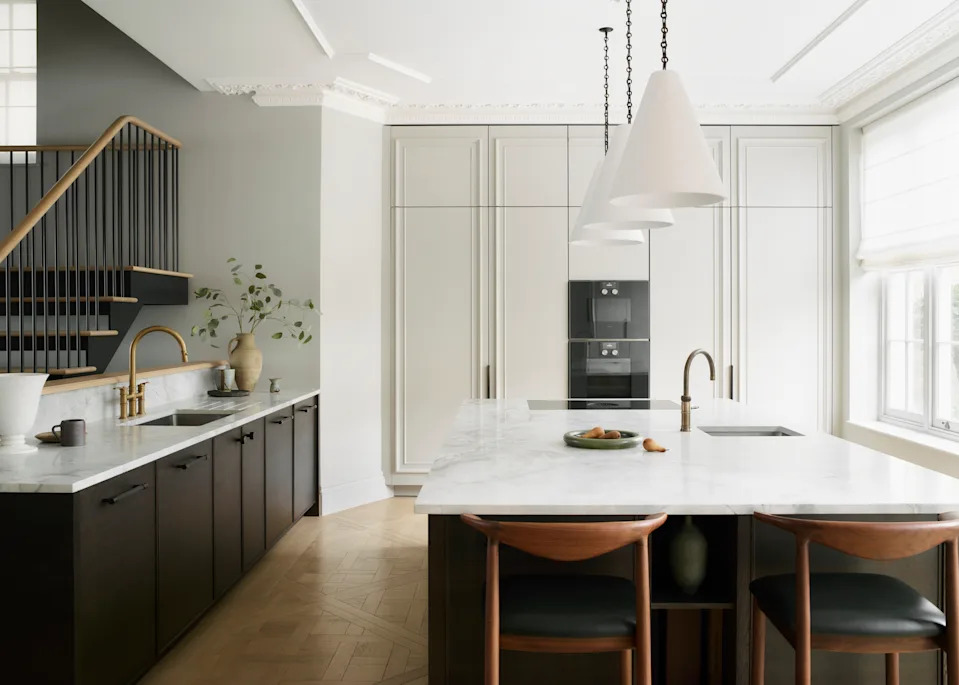
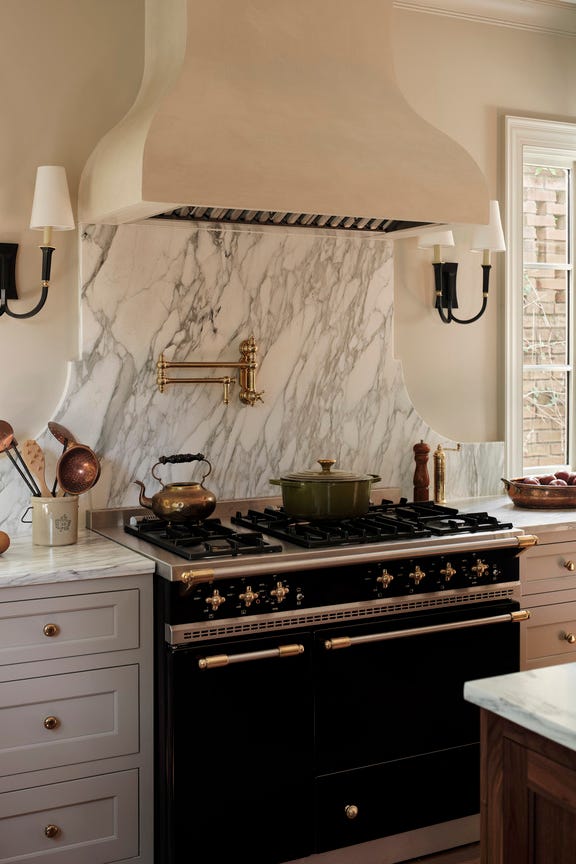
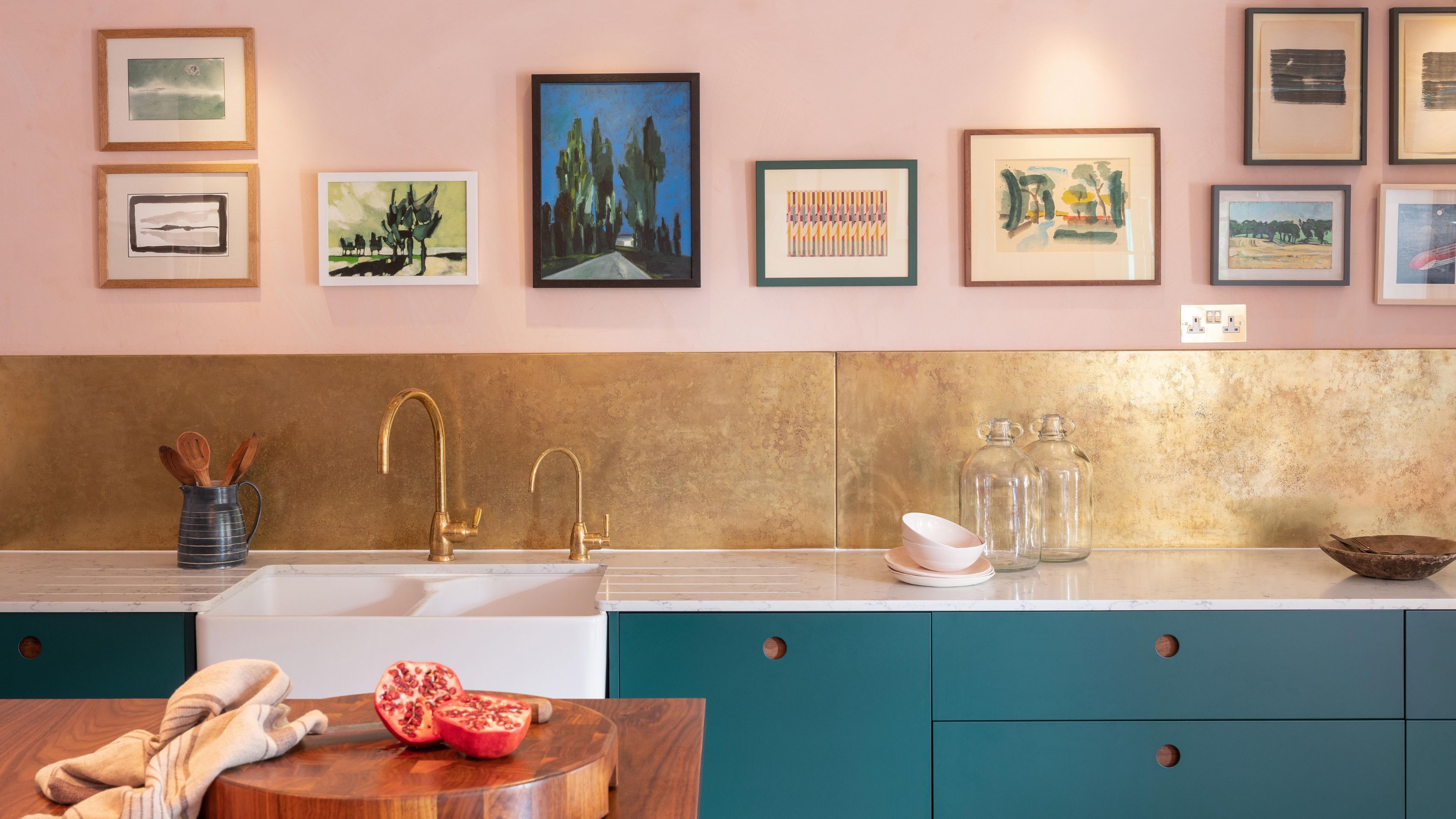
Finally, high-shine hardware is also being eschewed in luxury kitchens. This aligns with the broader move away from glossy finishes. Instead of overly decorative or shiny hardware, there is a growing preference for pieces that offer a more subtle quality. This includes softer silhouettes, matte finishes, and handles that complement the lines of the cabinetry. The emphasis is on balance and integrated design rather than bold embellishment.
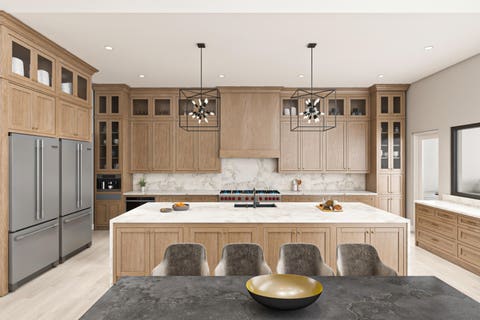
In summary, the concept of a luxury kitchen is evolving to prioritize personality, character, charm, depth, and interest. This means moving away from trends such as fluted details, overly curated aesthetics, high-gloss finishes, gray cabinetry, and high-shine hardware. Instead, designers are advocating for designs that reflect individual style, incorporate natural and tactile materials, and prioritize functionality with a refined, understated elegance.
#LuxuryKitchen #KitchenTrends #InteriorDesign #HomeDecor #KitchenCabinetry #KitchenHardware #ColorTrends #MaterialsAndFinishes #ModernKitchen #LuxuryKitchen #KitchenTrends #InteriorDesign #HomeDecor #KitchenCabinetry #KitchenHardware #ColorTrends #MaterialsAndFinishes #ModernKitchen
0 comment in total
 No comments yet
You may also like
The 5 kitchen trends designers say will be huge in 2025

6 Outdated Kitchen Trends Designers Say You Need to Avoid in 2025 — And What to Do Instead

These are the outdated kitchen cabinet trends designers say you should ditch in 2025
7 Kitchen Trends You're About to See Everywhere in 2025, According to Designers

8 Things Designers Would NEVER Add to a Kitchen in 2025

5 Kitchen Design Trends Going Away In 2026

5 Kitchen Cabinet Trends on Their Way Out in 2025 (and 6 Replacing Them)
5 kitchen countertop materials that are out of style for 2025, according to designers
5 Kitchen Layouts That Are Dated in 2025 — Plus the Contemporary Blueprints Designers Are Choosing Instead
5 Outdated Kitchen Trends Interior Designers Hope Never Come Back


Kitchen Trends That Are Being Left Behind In 2025 And Beyond
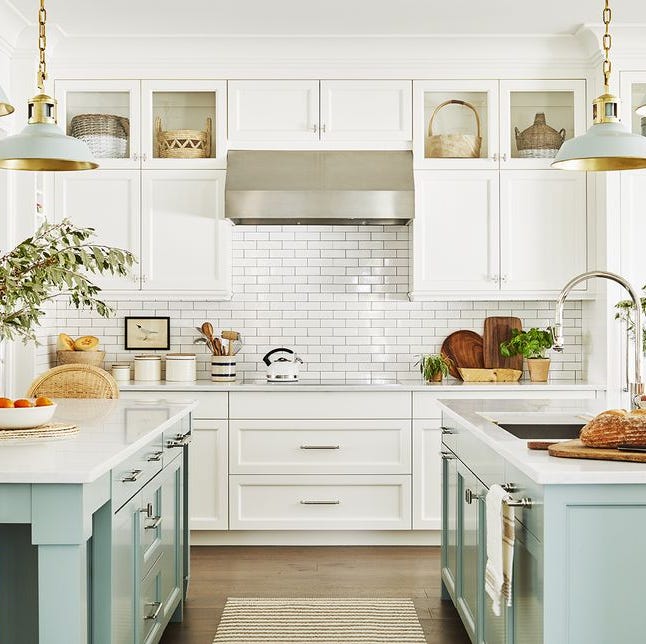
20 Kitchen Design Trends You’ll See Everywhere in 2025, According to Experts
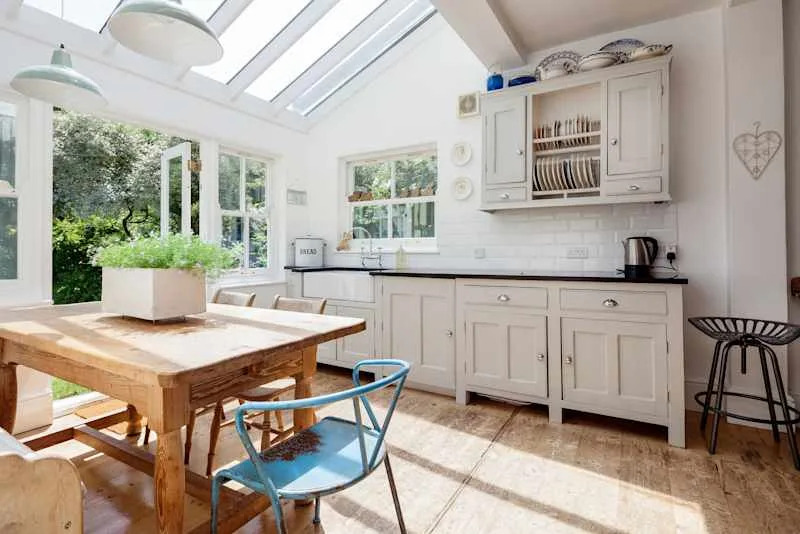
6 Kitchen Trends Definitely on Their Way Out in 2025, According to Designers
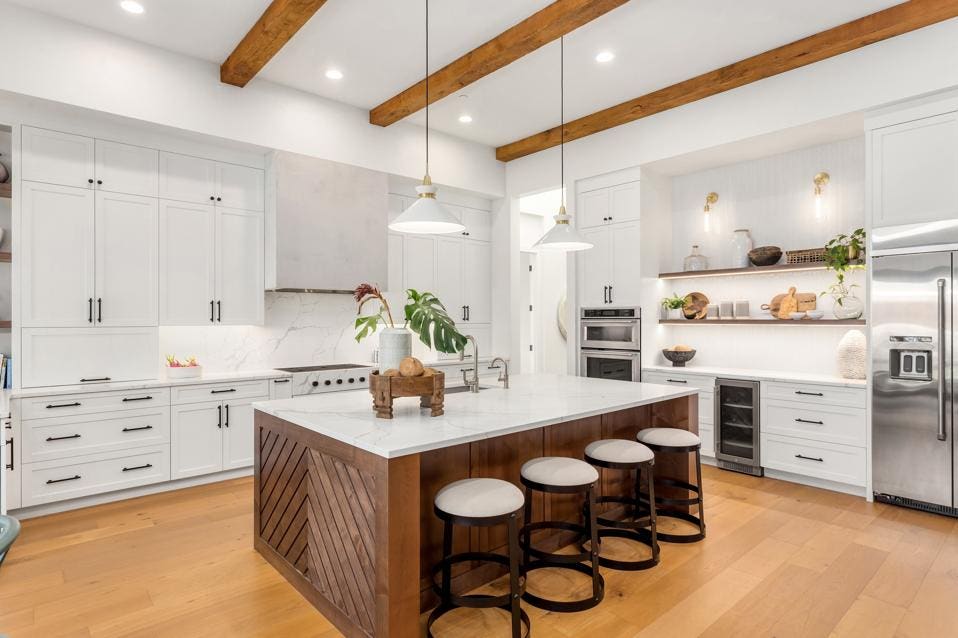
10 Kitchen Design Trends Going Out Of Style In 2025

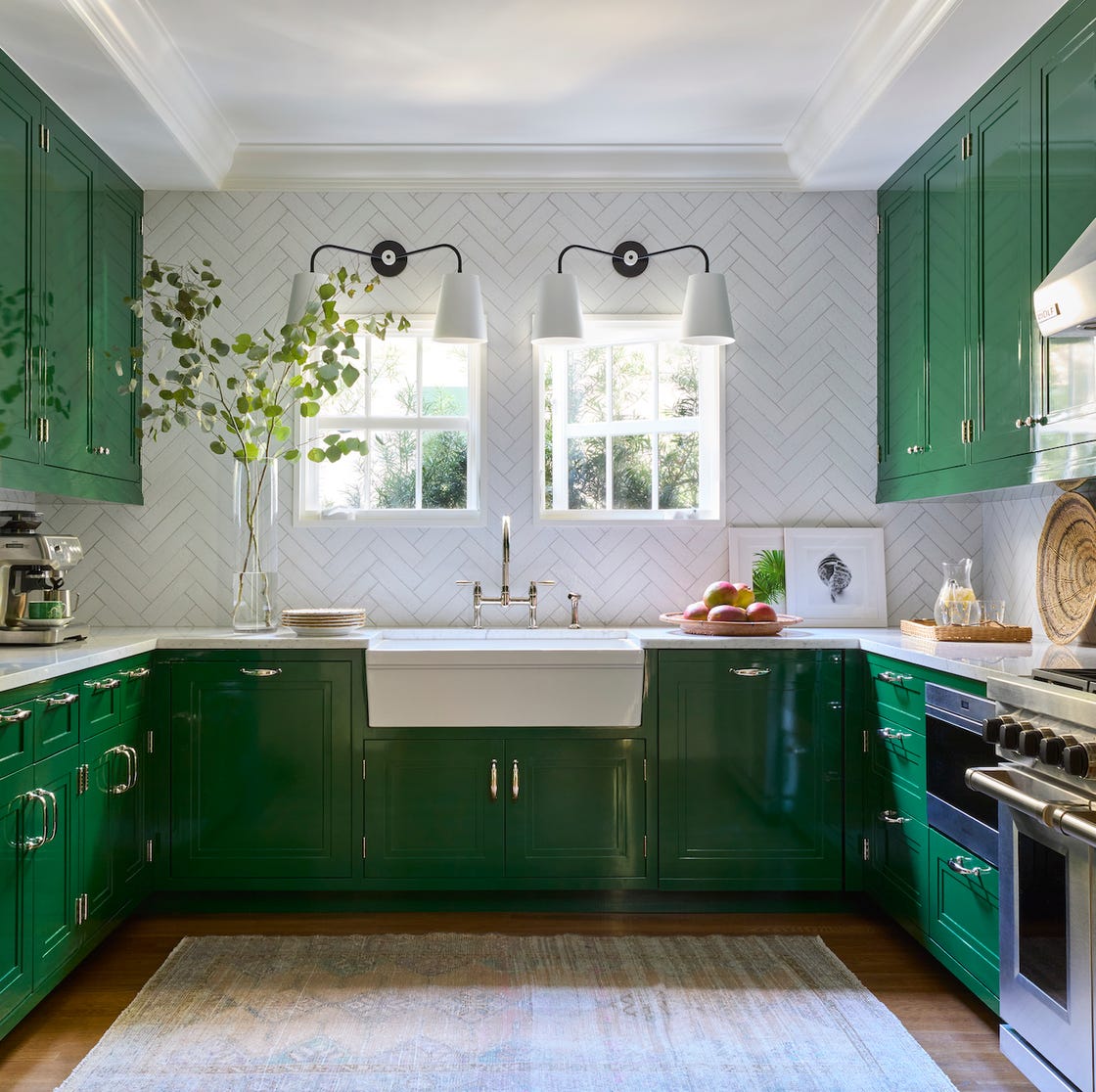
8 Kitchen Trends Designers Predict Will Be Everywhere in 2025

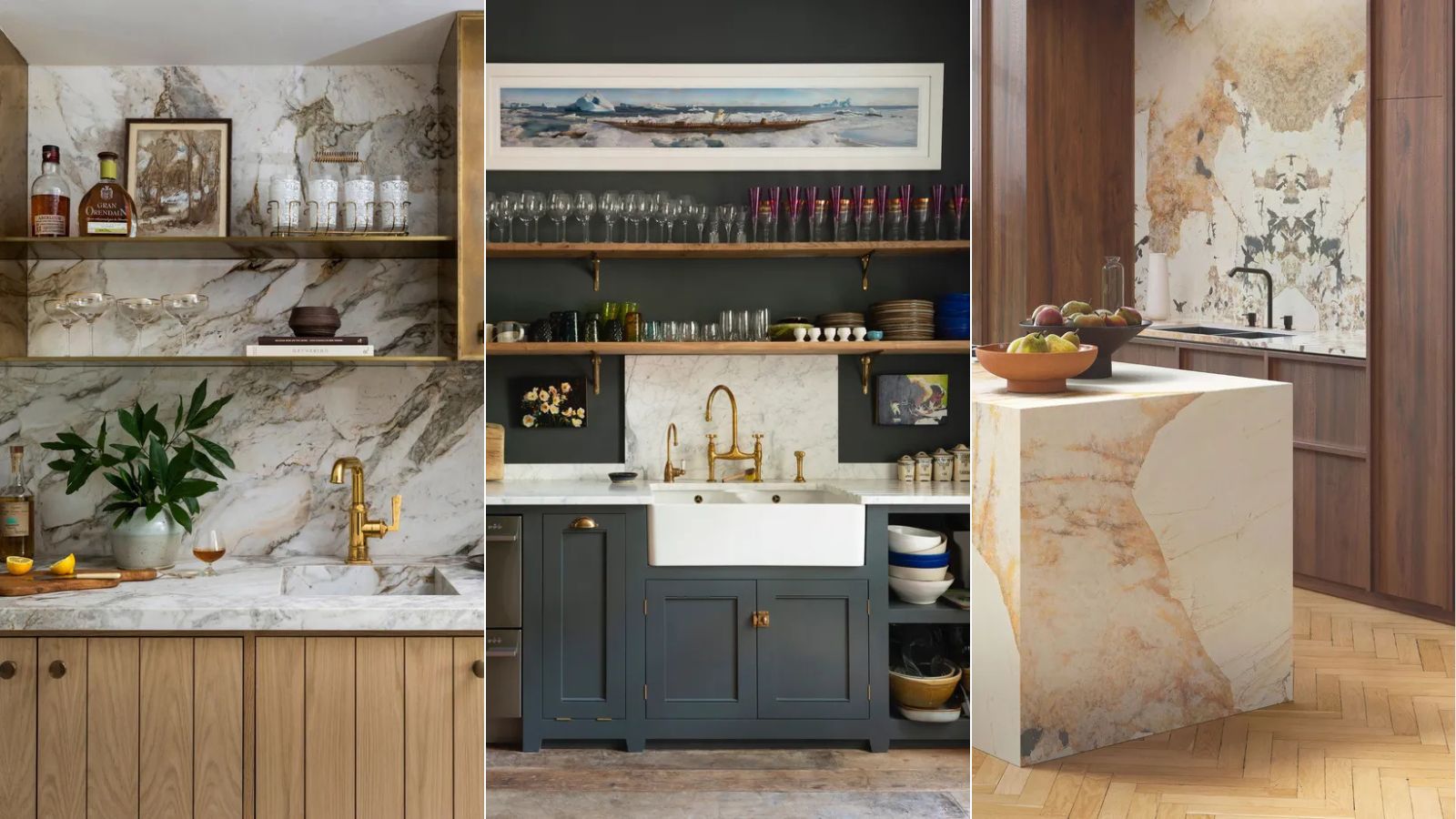
What's replacing modern farmhouse kitchens in 2025? 5 styles designers say you should consider instead

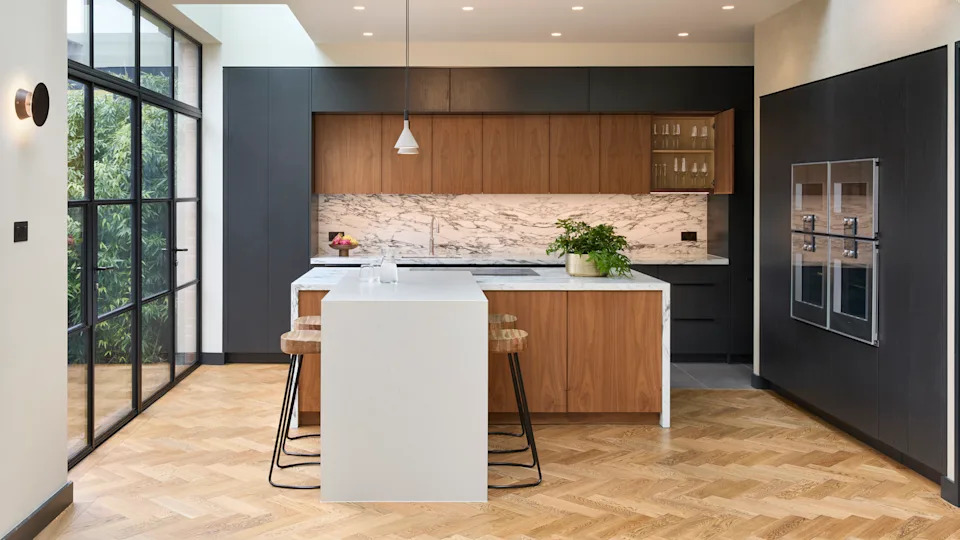
5 Kitchen Layouts That Are Dated in 2025 — Plus the Contemporary Blueprints Designers Are Choosing Instead
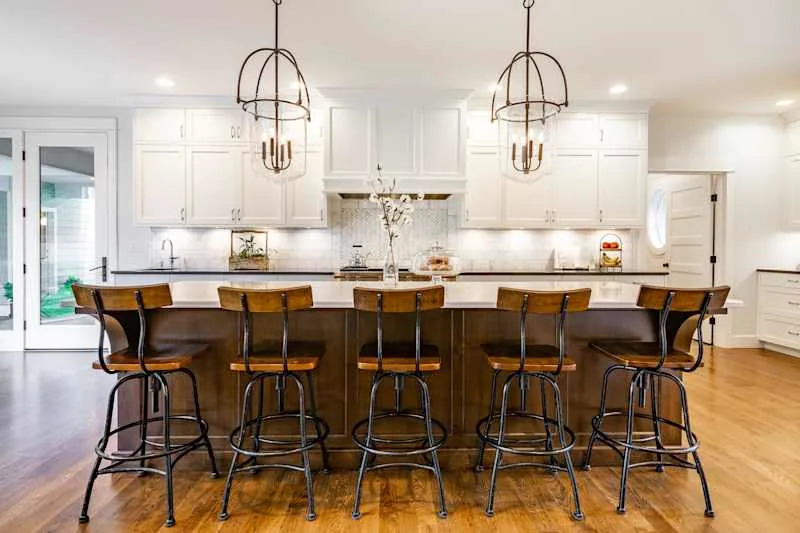
6 Kitchen Trends on Their Way Out in 2025, According to Designers
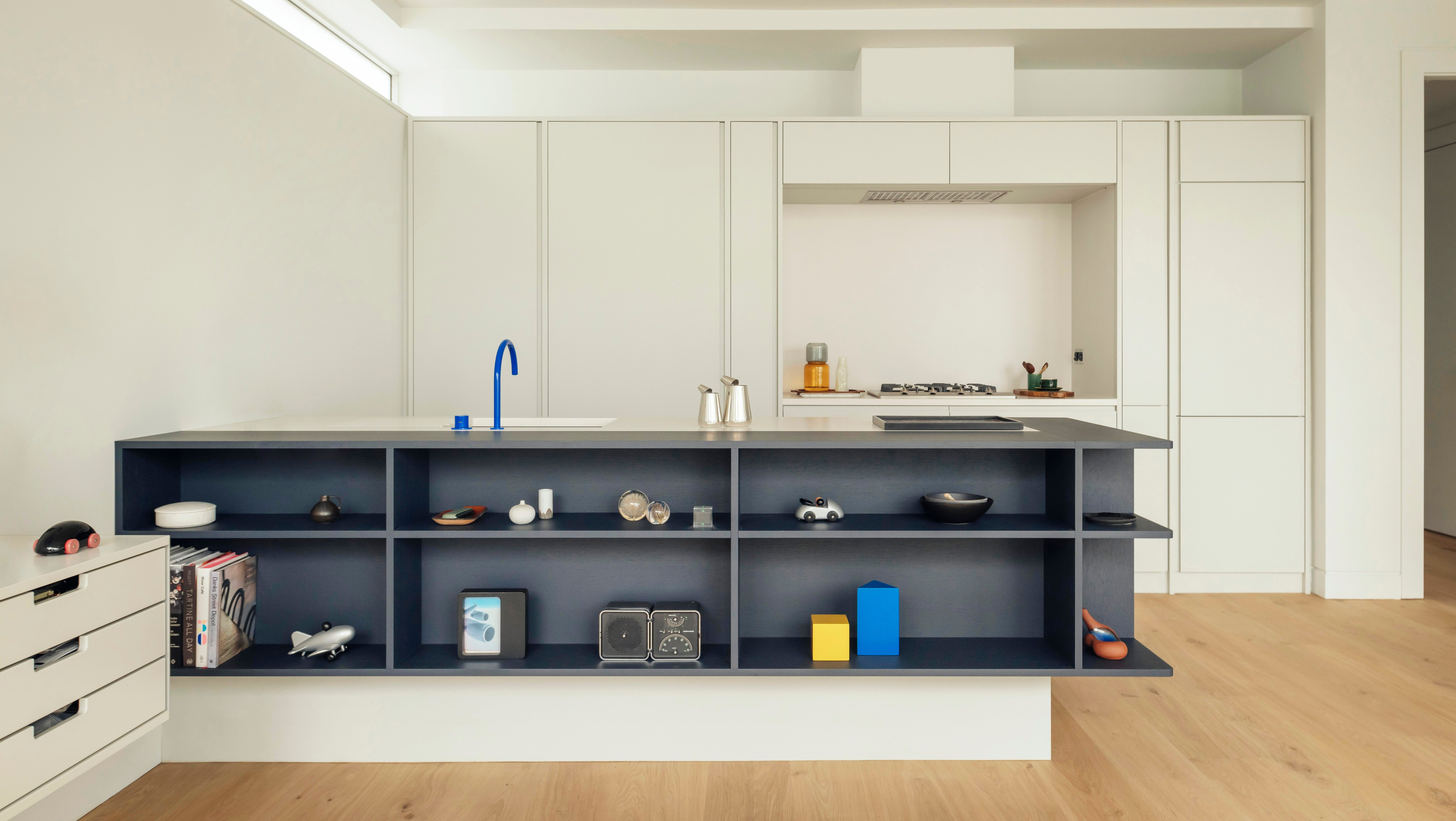
The big kitchen trends of 2025 explained by top designers

6 Kitchen Trends That Will Transform Your Space in 2025, According to Designers