1/14
Is Fringe Furniture Making a Sexy Comeback?
Fringe furniture is experiencing a notable resurgence in popularity within interior design, moving beyond its traditional ornamental role to become a prominent decorative and functional element in contemporary homes. This trend is evidenced by its adoption in celebrity residences, designer projects, and new furniture collections, signaling a departure from minimalist aesthetics.
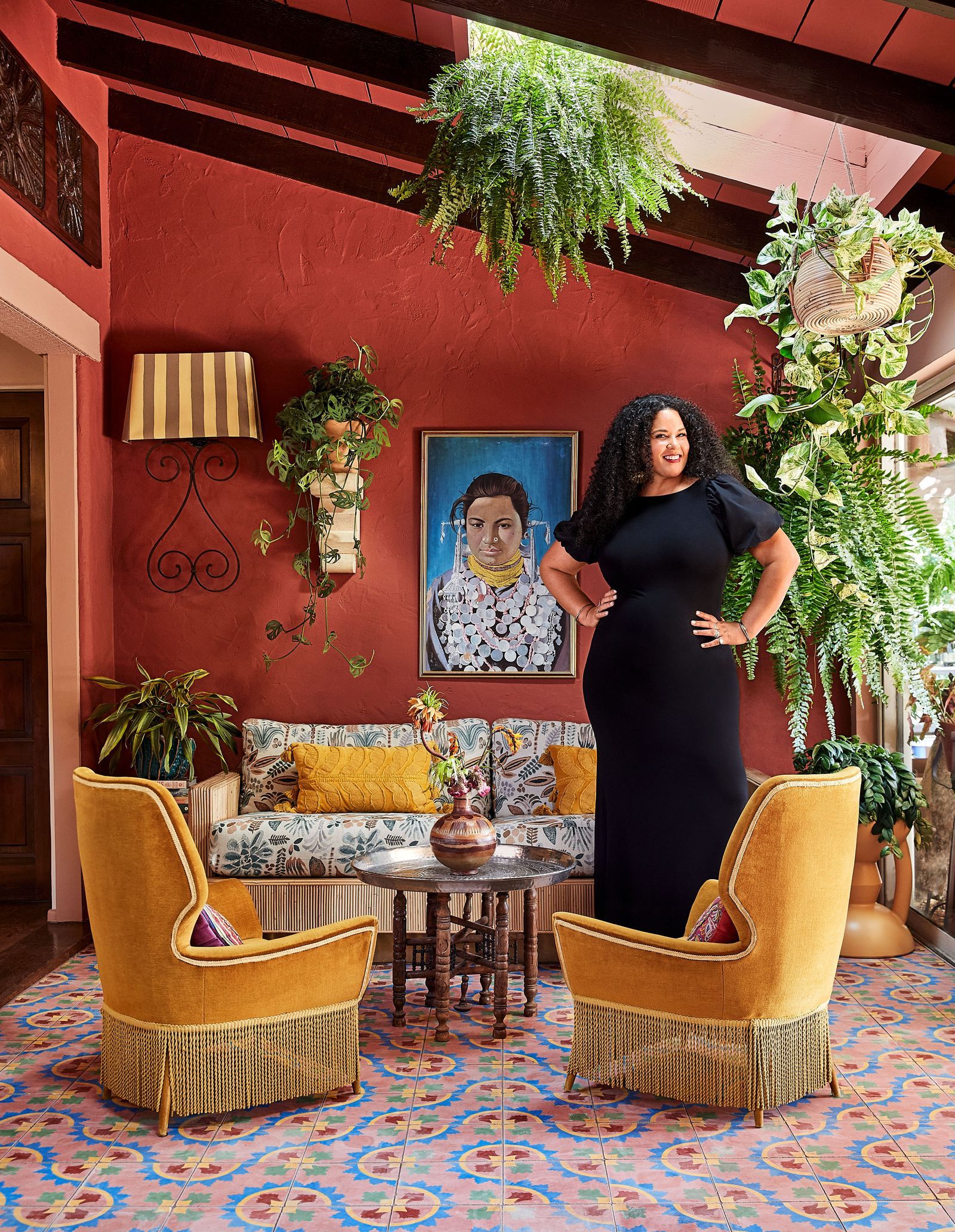
Several designers and tastemakers are championing this revival. Emma Roberts, for instance, has incorporated extensive fringe into her "grown-up dollhouse" through lampshades, curtains, and pillows, emphasizing its playful and maximalist appeal. Similarly, designers like Justina Blakeney and Jean Philippe Demeyer have long featured fringe in their personal and professional projects, underscoring its enduring charm. Chloe Fineman, an SNL star, commissioned custom fringe chairs, highlighting a growing desire for unique, statement-making pieces.
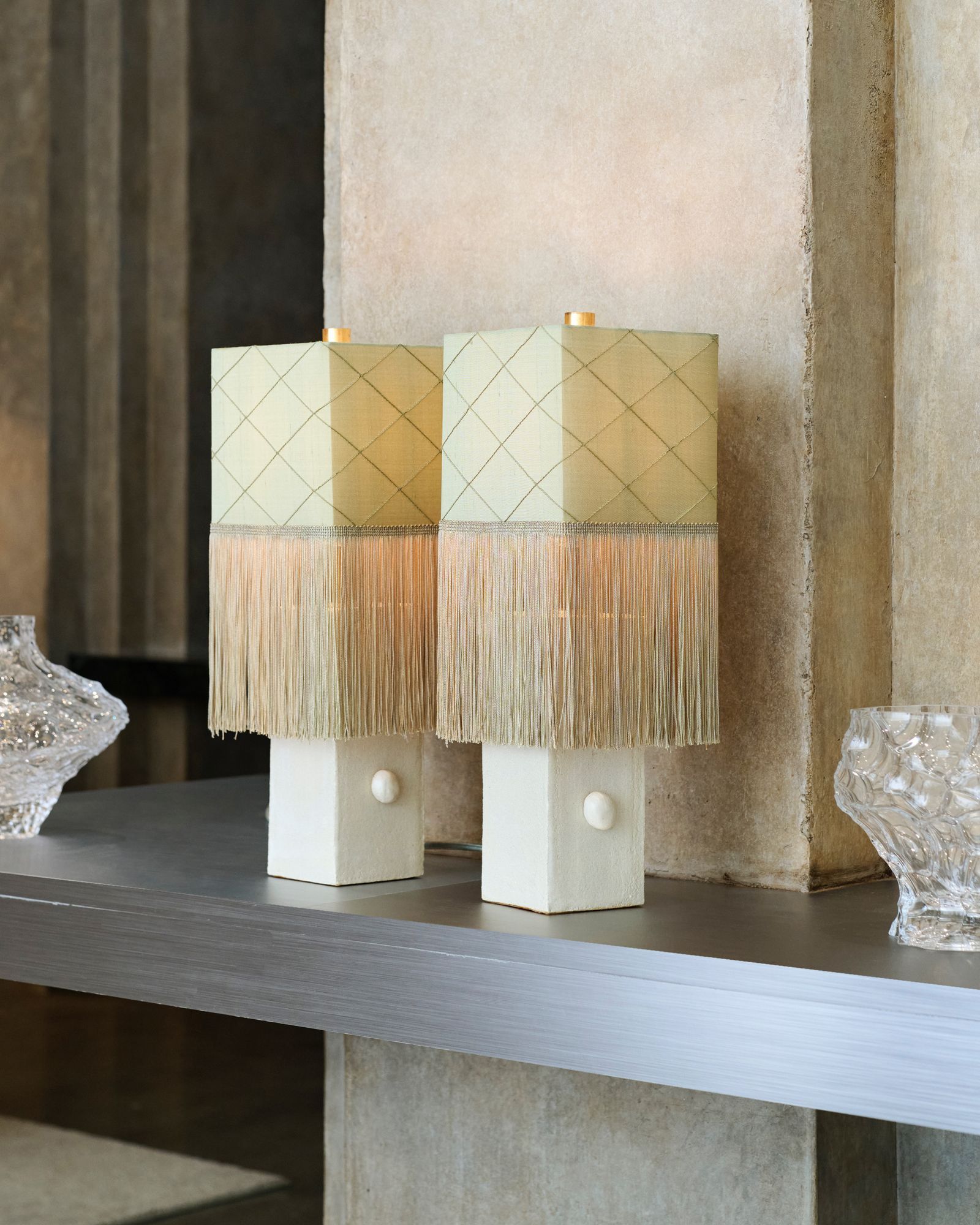
Analuisa Corrigan, a ceramicist and lighting designer, has been deeply involved in a "fringe journey" in her work, experimenting with different tiers of silk fringe. She observes that while fringe historically served practical purposes like preventing textile fraying, it has evolved into a purely decorative element. Corrigan notes that its initial ascent in fashion and design often signified an ostentatious display of wealth. Despite some public hesitation, she believes people will eventually embrace fringe for its playful qualities and its ability to diffuse light in unique ways, offering an alternative to traditional fabric or paper shades. She also links the resistance to fringe to a societal pressure for minimalist, calming spaces, suggesting that designers and consumers might be reluctant to integrate more playful elements.
Kristin Dickson-Okuda of Iko Iko and Waka Waka explores fringe's application in furniture beyond mere trim, suggesting exaggerated or mismatched uses. She views fringe as having a "bodily, scatological connotation," prompting artists to innovate with different materials, volumes, and textures. Her "chair dressings" and Frida Escobedo’s "Creek Chair," which uses metal ball chains, exemplify this creative exploration, demonstrating how fringe can transform expectations by serving as a decorative yet adaptable option.
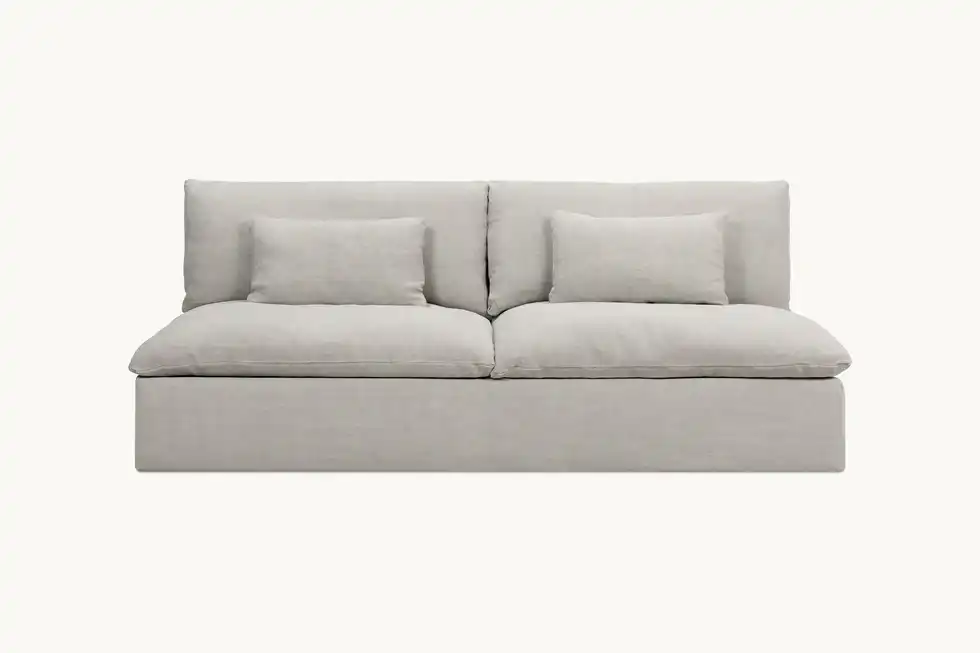
Madelynn Hudson, an interior designer, consultant, and creator, integrated bullion fringe into her Maiden Home sofa, finding it an easy DIY solution to add personality to a basic upholstered piece. She credits this resurgence to a wider shift towards French Art Deco and Venetian Secession influences, moving away from the "grandma’s sofa" perception to a "cool and sexy" aesthetic. Hudson sees fringe as contributing to a new era of "curated and collected homes," where pieces reflect individuality and character, contrasting with the "cluttercore" trend and the sterile nature of past minimalist designs.
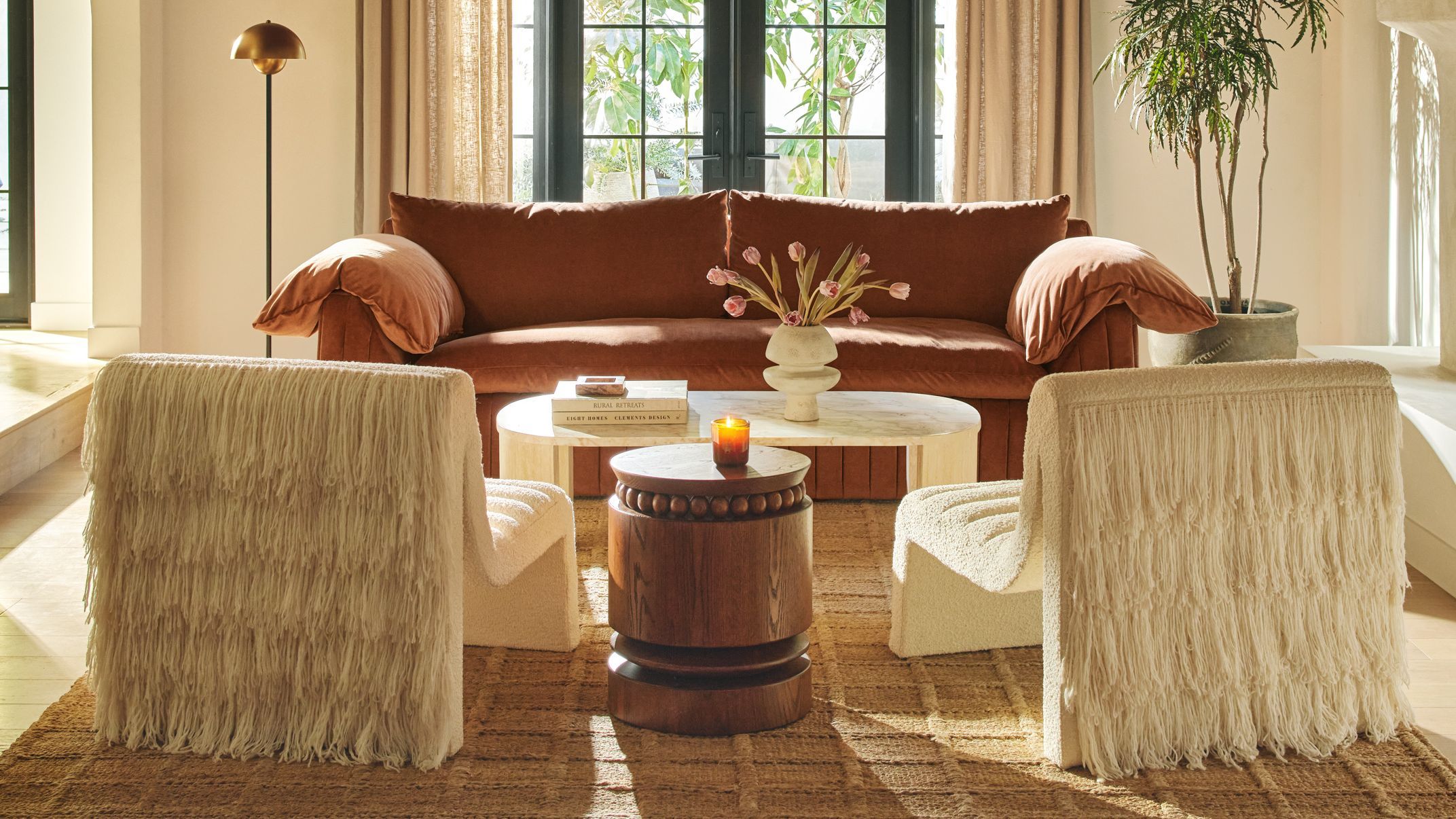
Carly Cushnie, in her debut furniture collection for Lulu and Georgia, incorporates fringe to create drama and movement, notably with a bouclé chair featuring a shaggy fringe train. She appreciates fringe's versatility in varying colors and textures, allowing it to either stand out boldly or blend subtly, creating dynamic and playful elements in a room. Francesca Grace, a Los Angeles-based designer, also advocates for fringe, particularly thick bullion fringe, for its ability to add personality and elevate a space. She suggests starting with pillows or lampshades for those hesitant to commit to larger pieces and notes its increasing presence in commercial spaces.
Tiffany Howell, founder of Night Palm, often draws inspiration from fashion, viewing fringe as the "skirt" of a furniture piece. She aims to make fringe timeless by juxtaposing nostalgic elements with contemporary furniture shapes, often using '70s-style fabrics. Howell believes the current gravitation towards "old-world boudoir vibes" stems from a desire for sentimental longing and sees fringe as a sculptural element that injects soul into a room. To achieve a modern look, designers suggest monochromatic color schemes and pairing fringe with luxurious fabrics like mohair rather than linen. The interactive quality and accessibility of fringe as a DIY element further contribute to its appeal, as it introduces movement and life into a space.
Élan Byrd, an artist with a fashion design background, uses raffia to create a fringe effect in her wall art, demonstrating how fringe can be the art itself. She highlights the desire for texture and movement in interiors as people move away from blank spaces, emphasizing the innovative ways fringe can be incorporated beyond traditional tassels, adding dimension even in monochromatic settings. This collective sentiment suggests that fringe is not merely a passing trend but a versatile and expressive design element that allows for personalization and character in home decor.
#FringeFurniture #InteriorDesignTrends #HomeDecor #MaximalistDecor #ArtDeco #VenetianSecession #TextileInnovation #DesignerSpotlight #DIYHomeDecor #FringeFurniture #InteriorDesignTrends #HomeDecor #MaximalistDecor #ArtDeco #VenetianSecession #TextileInnovation #DesignerSpotlight #DIYHomeDecor
Há 0 comentários no total
 Ainda não há comentários
Você também pode gostar
Why Fringe Furniture Making a Fun Comeback (and 11 Ways To Steal the Look)
Tired Furniture Trends That Are Now Becoming A Thing Of The Past
‘Furniture flipping’: the next big trend in home sustainability?

The Decades-Old Bedroom Trend That's Making A Hard Comeback In Homes Today
Outdated Furniture Pieces That Are Having A Comeback

This Furniture Trend From the 1920s Is Officially Back

This Bedroom Trend From Your '90s Childhood Dreams Is BACK and More Stylish Than Ever

Living room trends this year prioritise comfort, individuality, and artistry. From chunky armed sofas to kidney-shaped marble pieces, take your pick

8 Unexpected Furniture Trends That Are Coming Back In Style
The ’70s furniture trend making an unlikely (but welcome) comeback
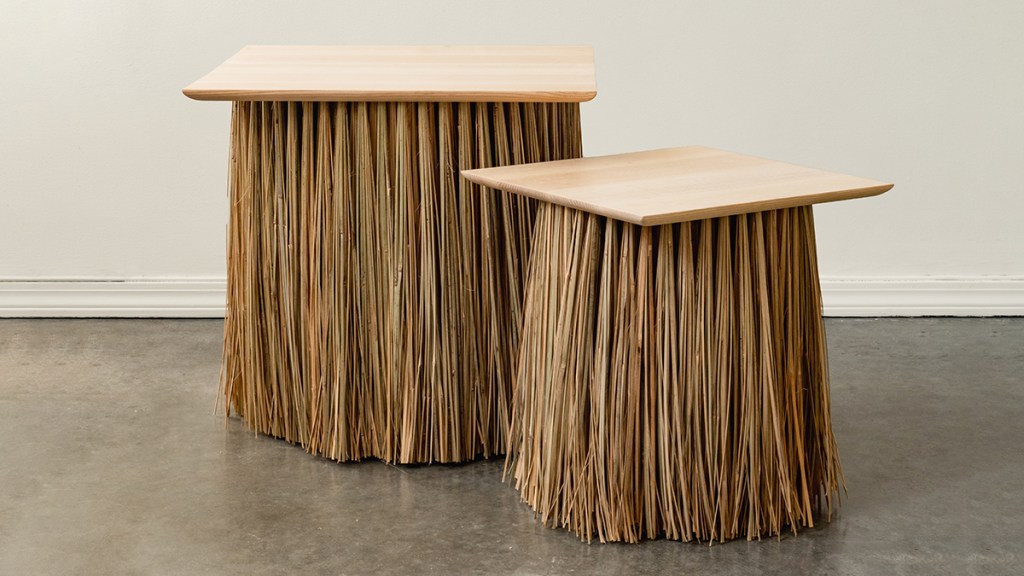
5 Modern Furnishings With Fun Fringe Accents

Comfy carpet, once dismissed as out-of-date, is back in vogue

This Classic ’90s Furniture Trend Is Back, and We’re Obsessed All Over Again

This Bedroom Trend From Your '90s Childhood Dreams Is BACK and More Stylish Than Ever
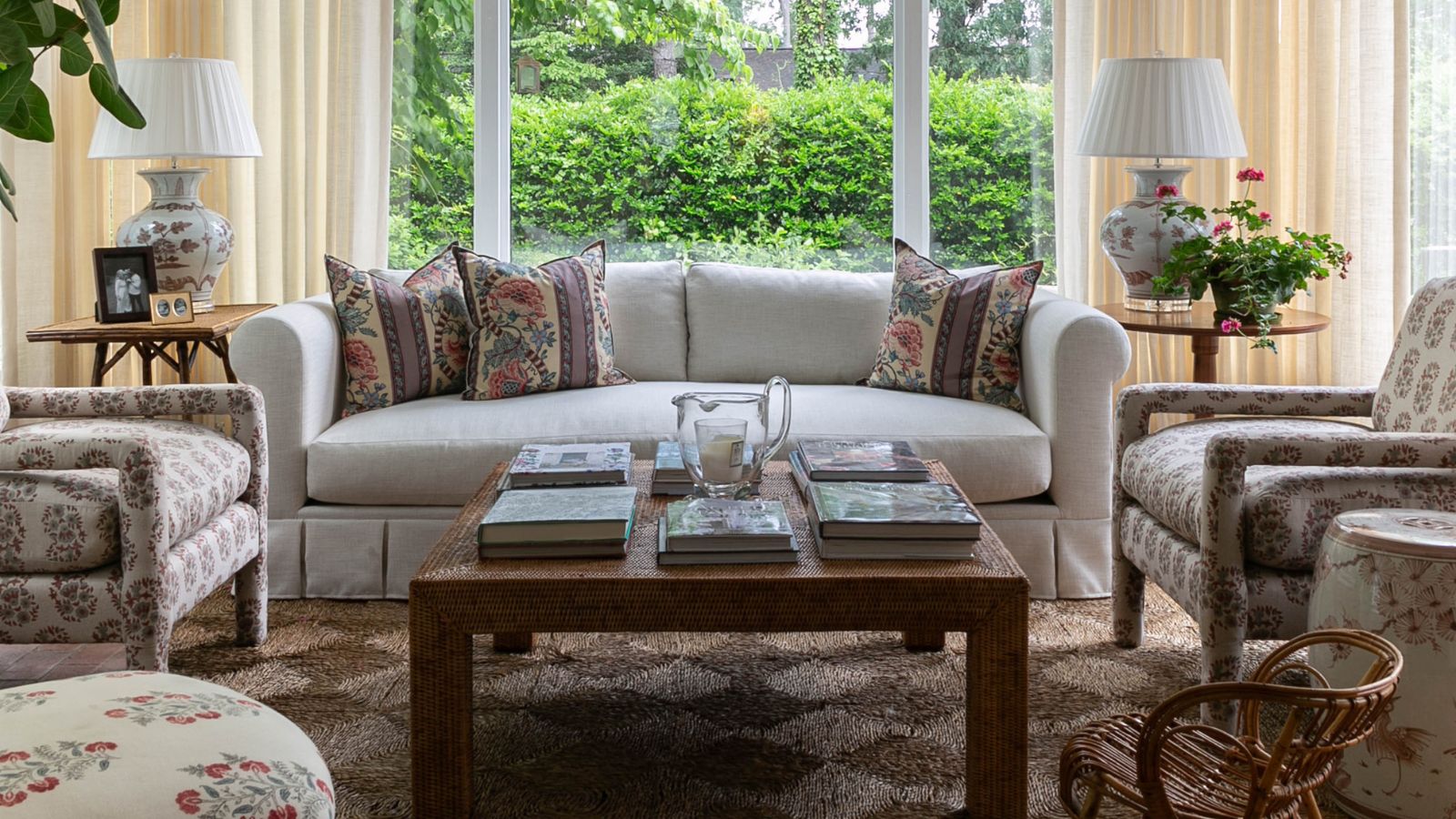
Skirted furniture trend – here are the pieces we're loving

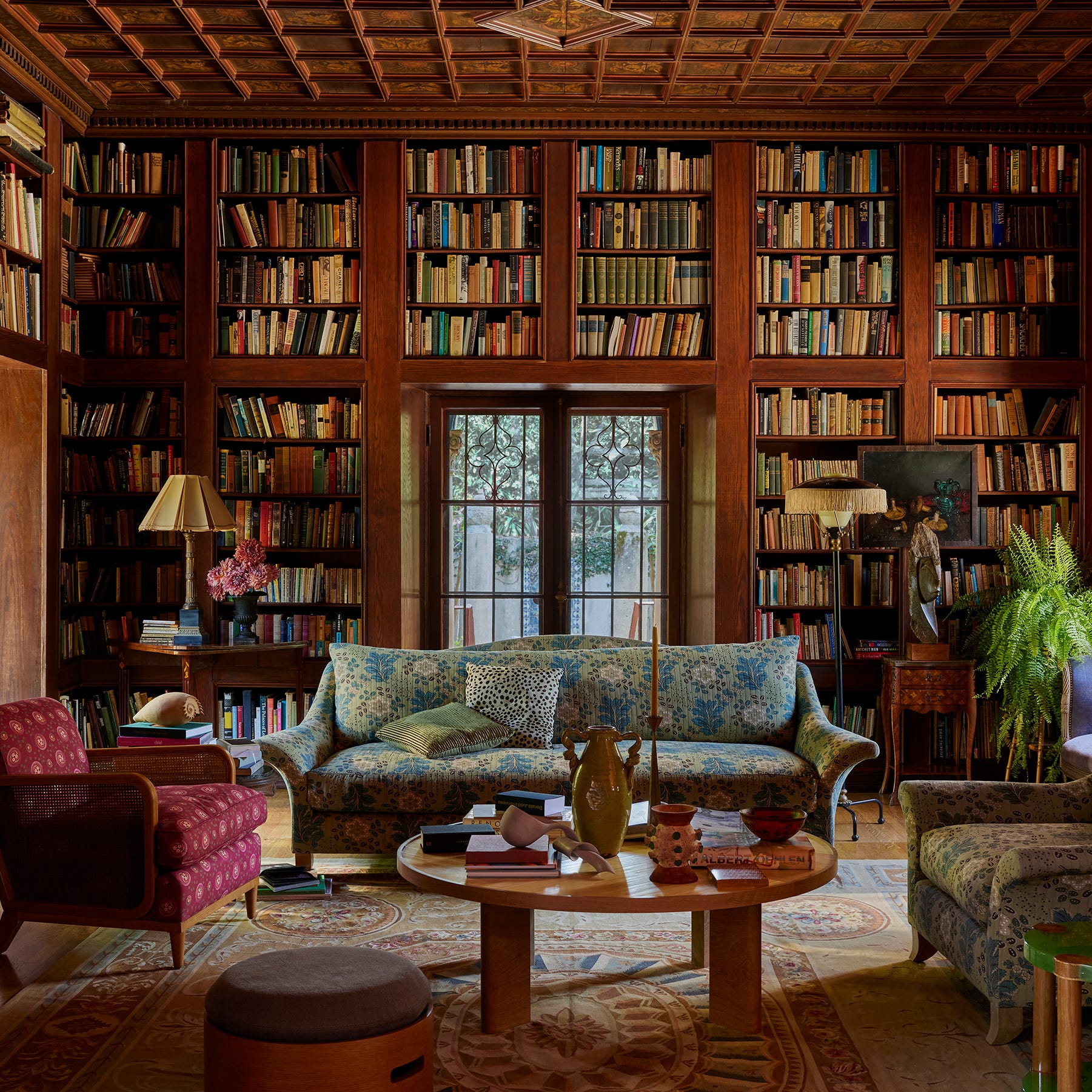
These New Furniture Pieces Are Future Heirlooms
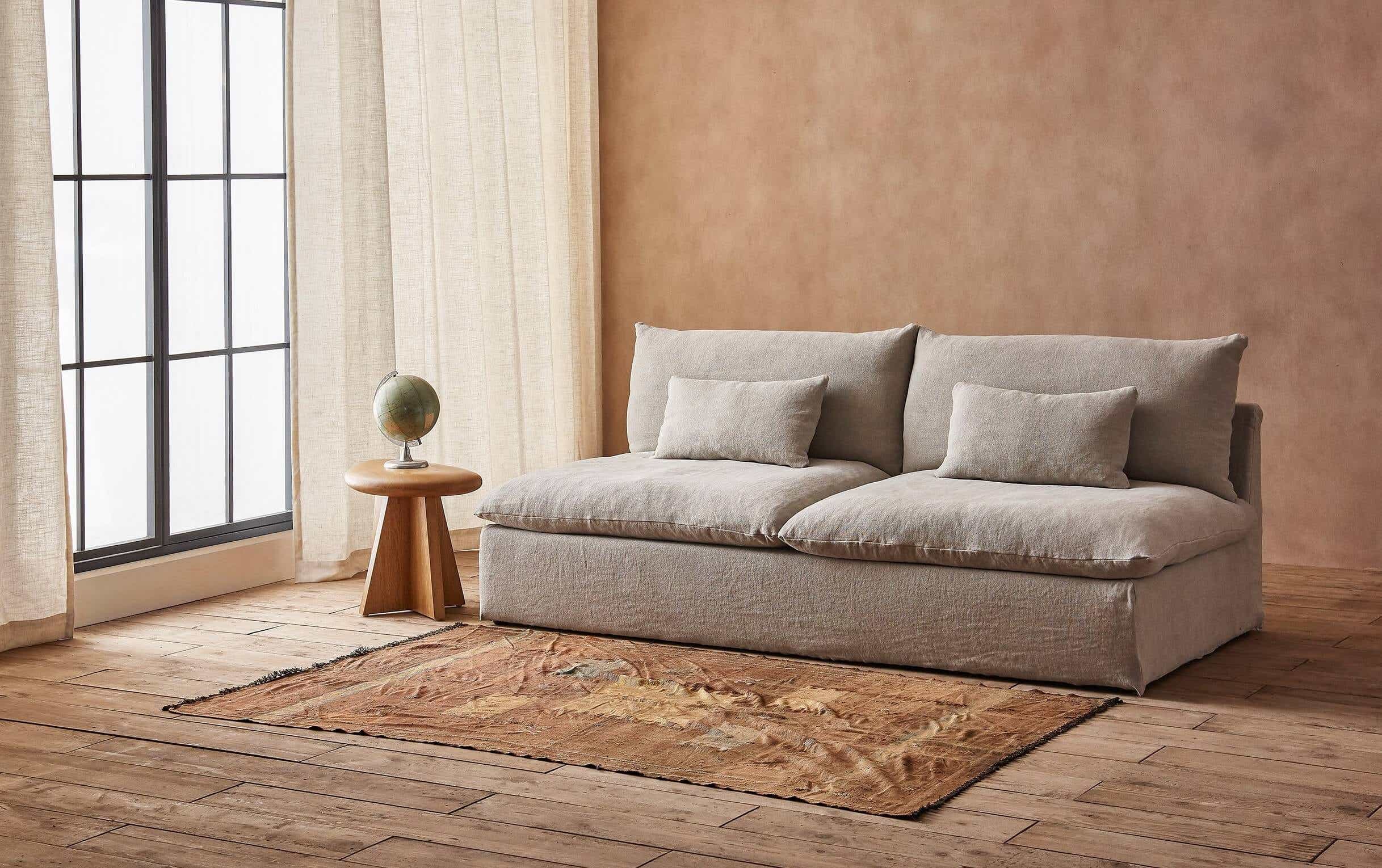
This Convenient Couch Trend Is Making a Comeback

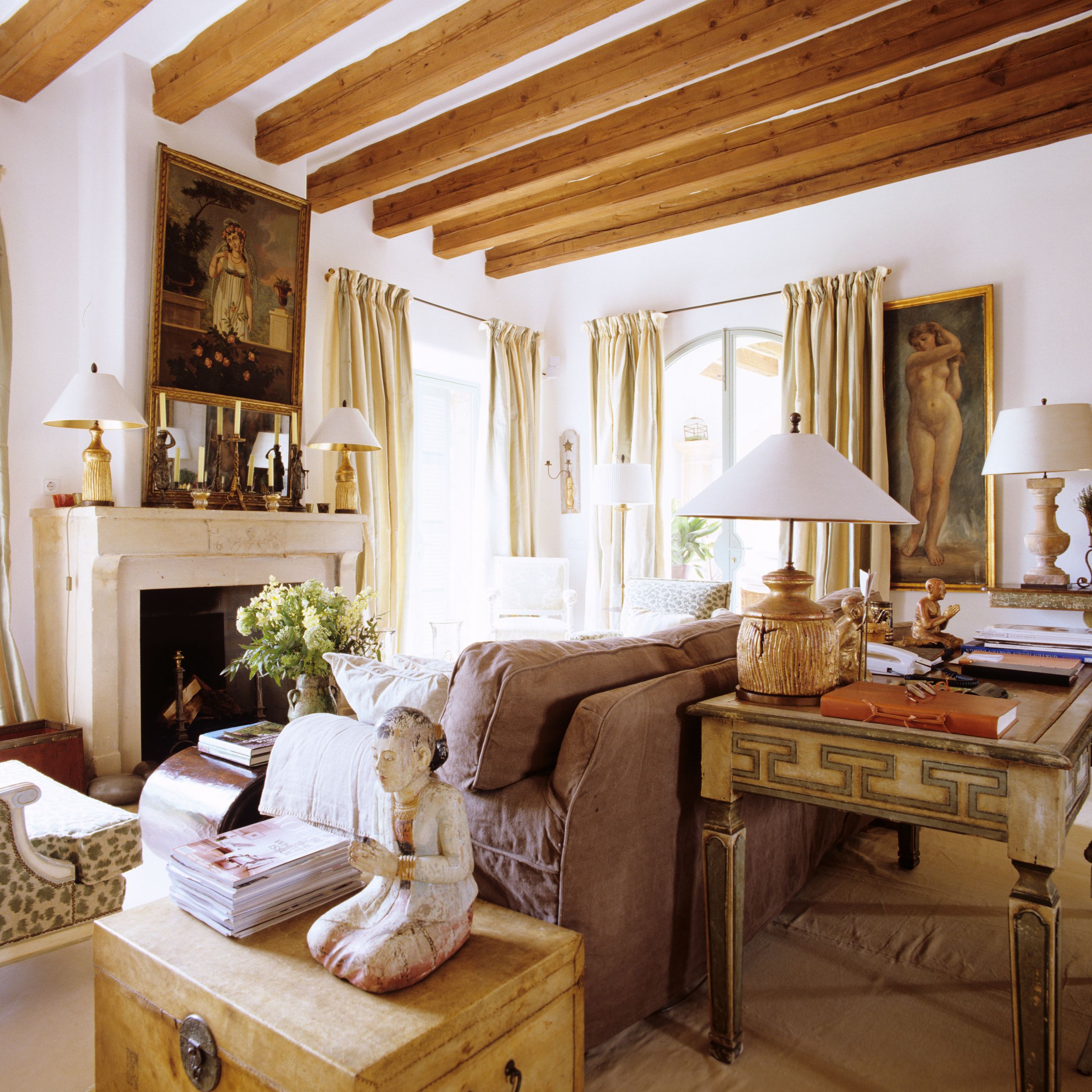
What’s Old Is New Again: Vintage Furniture Is The Hottest Home Decor Trend
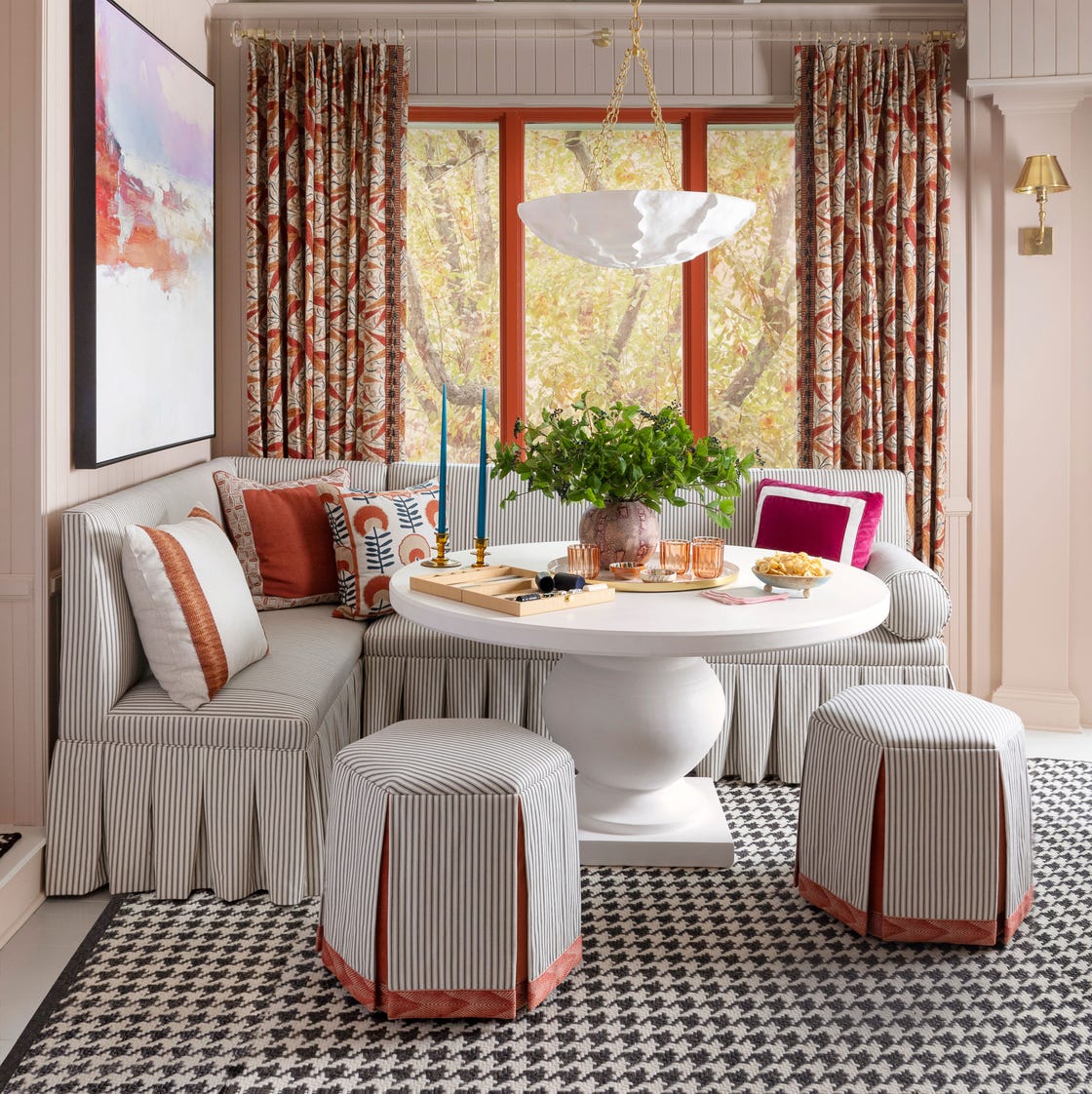
Skirted Furniture Is Really Having a Moment
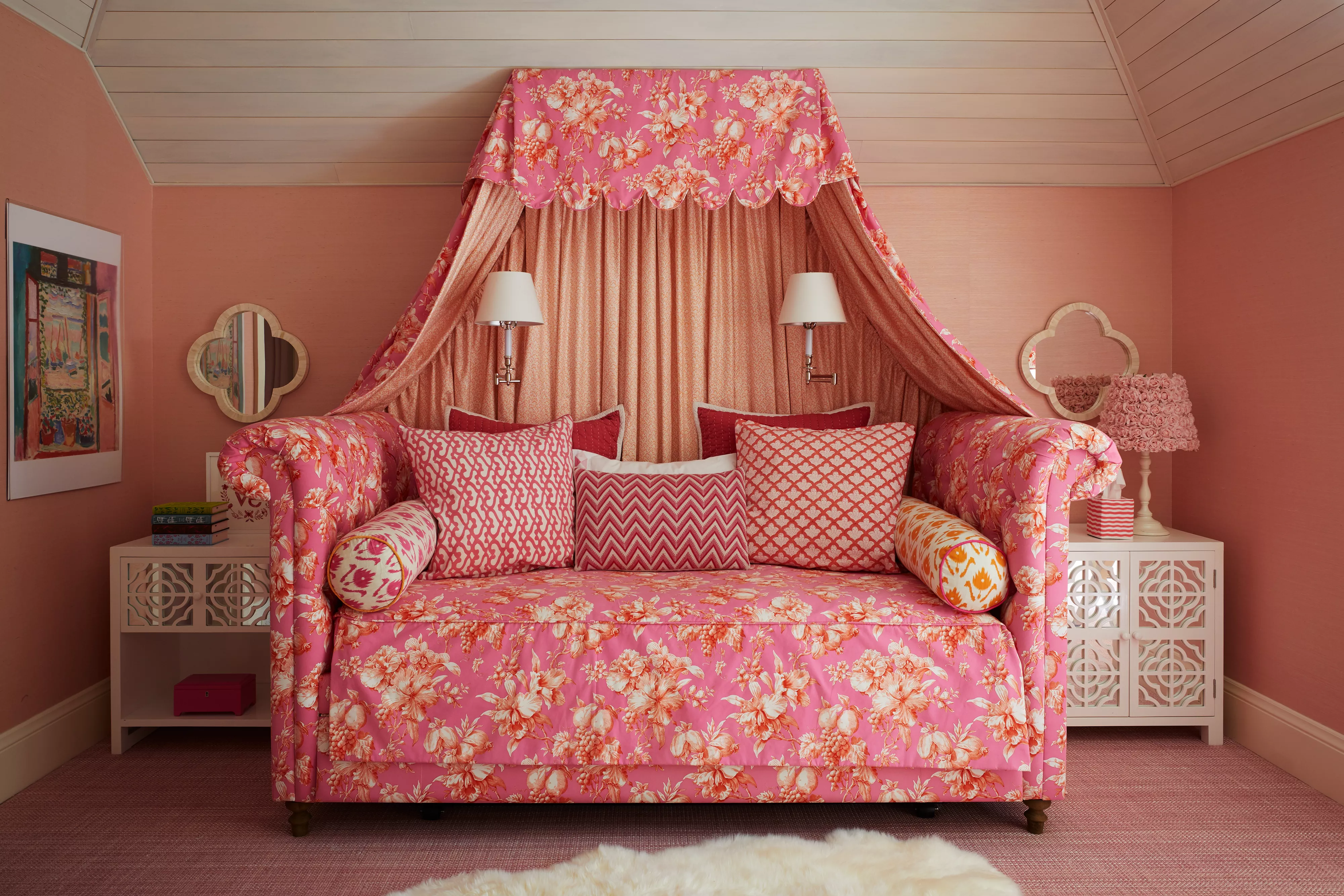
Floral Upholstery Is Making a Comeback in 2025 Thanks to the Vintage Eclectic Trend