1/6
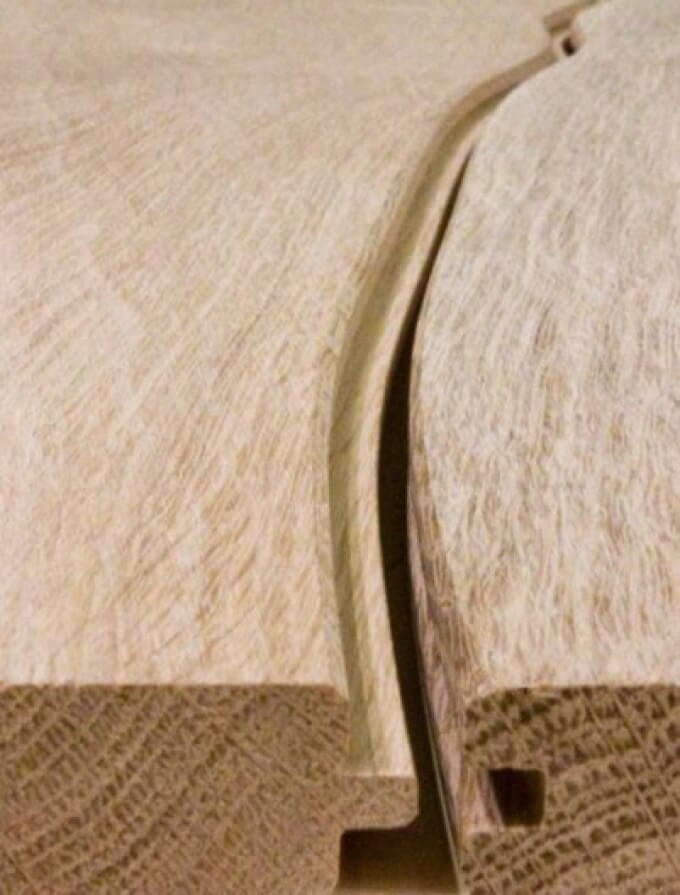
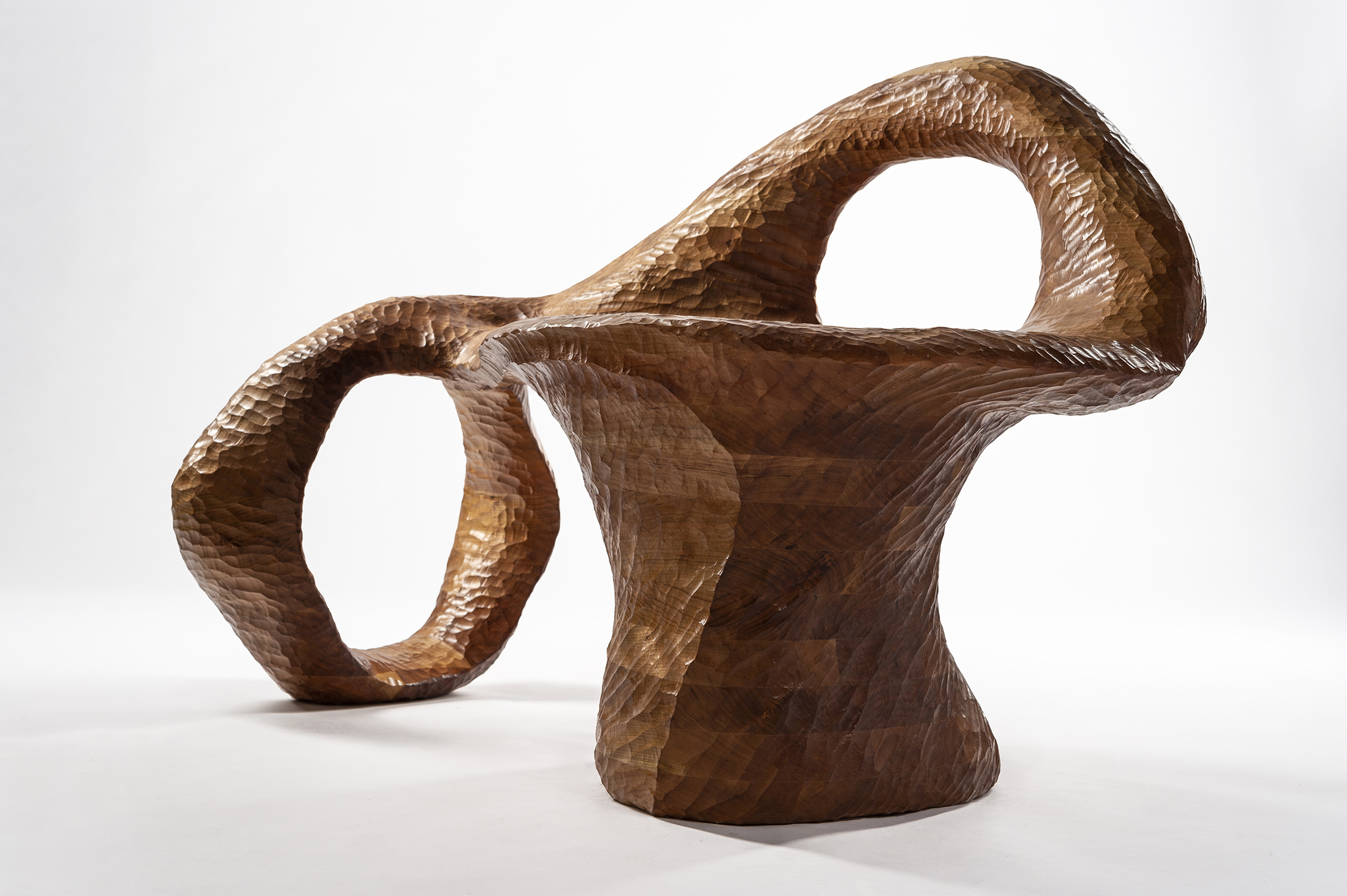
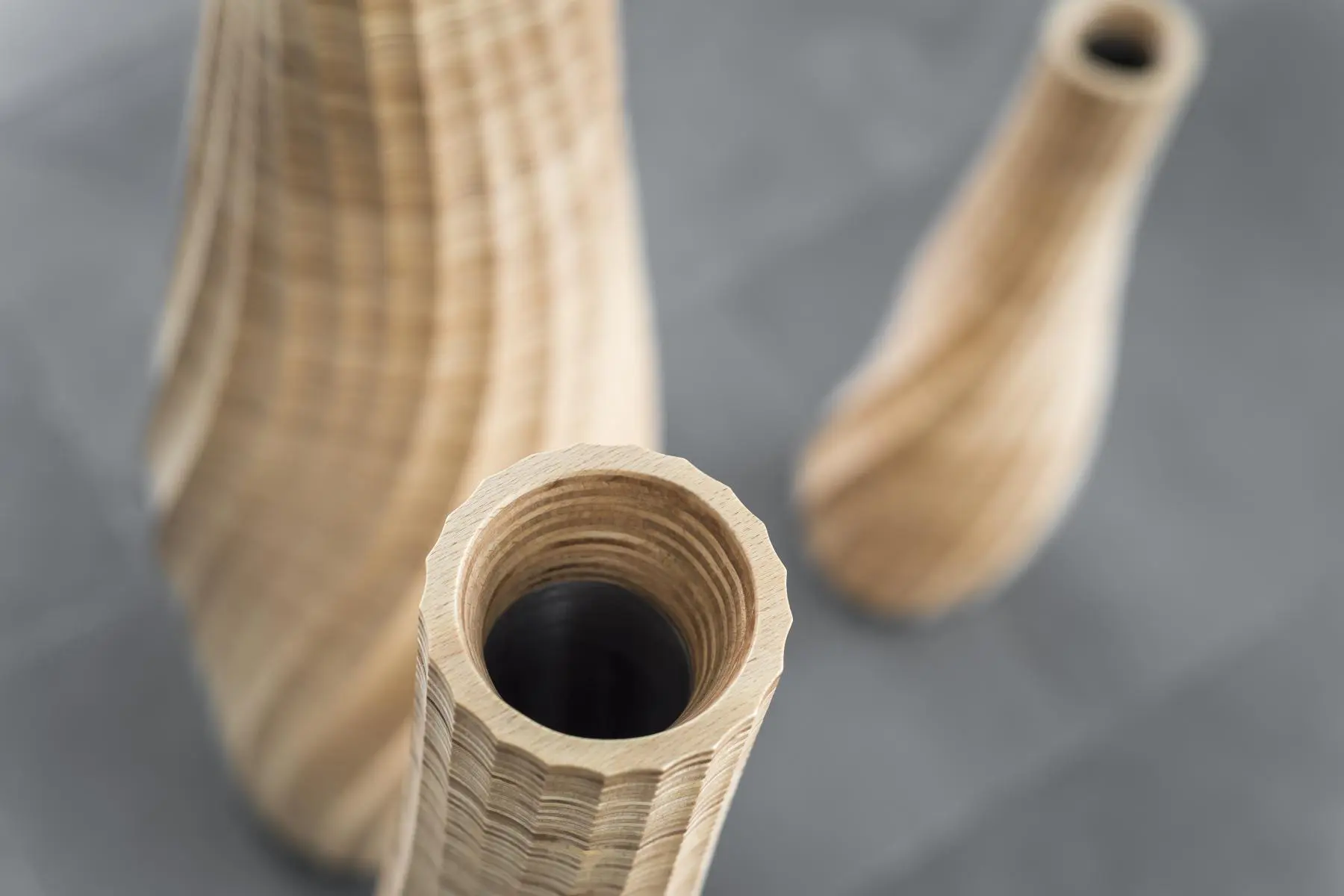
Hundreds of layers of beech wood are aligned, combined and gently sculpted
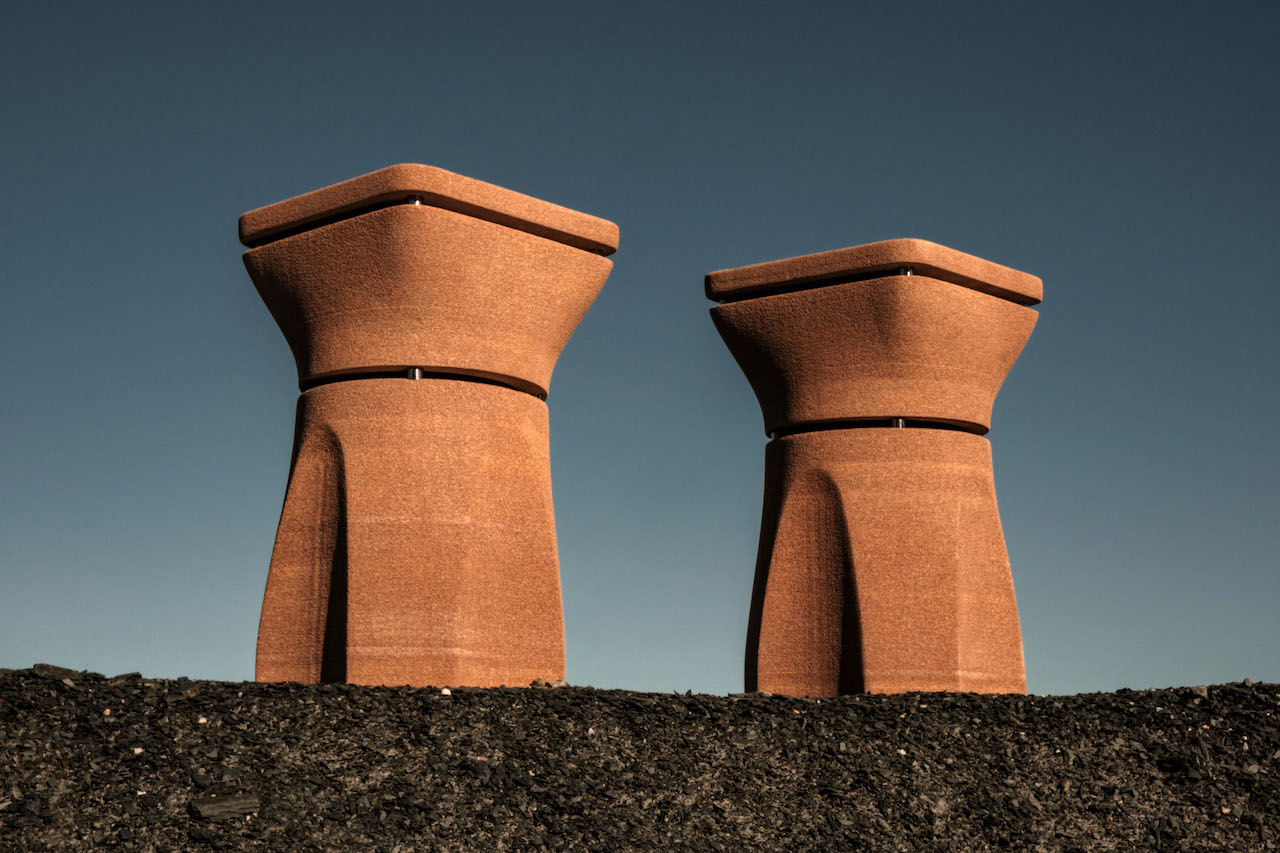
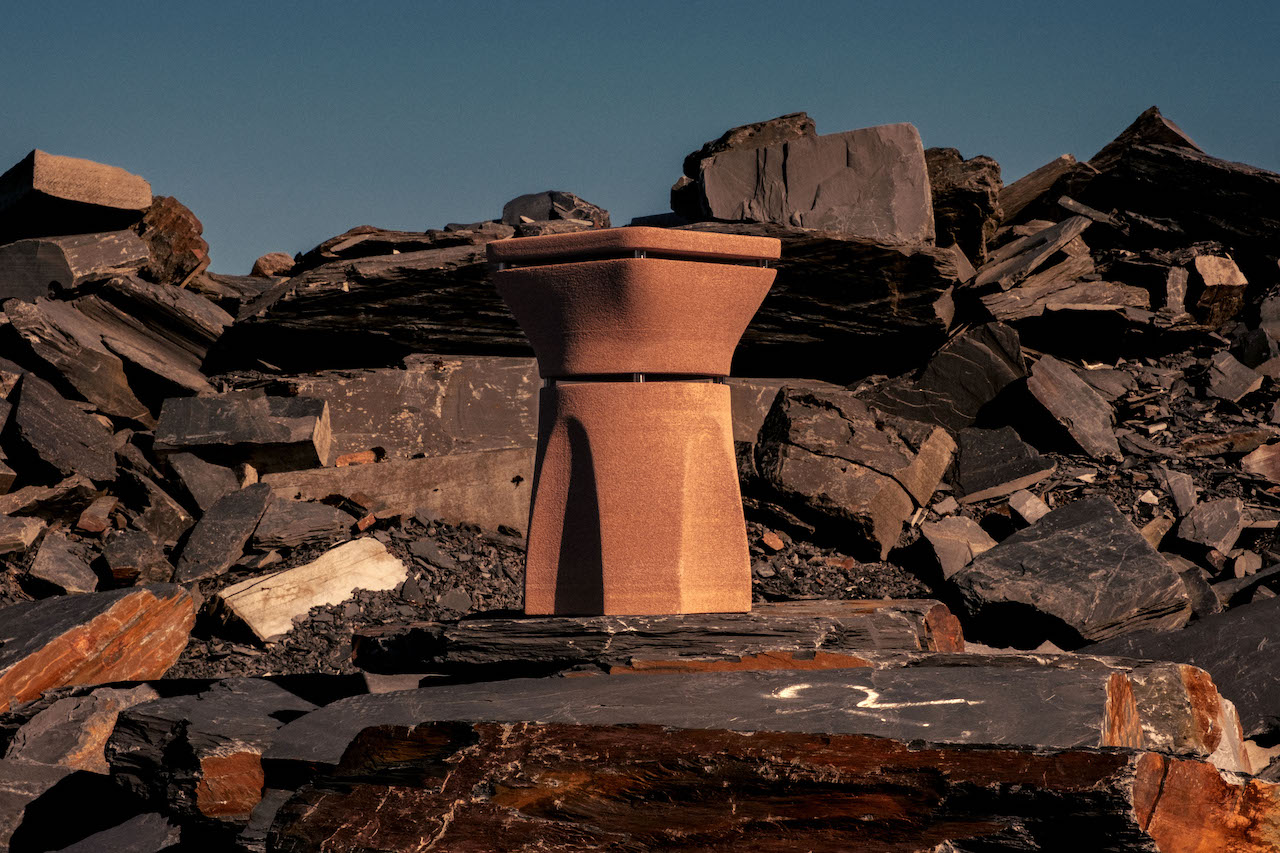
The AESTUS series of stratified wooden vases represents a fusion of traditional materials and contemporary technology, drawing inspiration from the dynamic interplay between nature and machinery. These vases, designed by architect and wood researcher Oliver David Krieg, are characterized by their soft natural curves and a futuristic, warm aesthetic, achieved through the precise alignment, combination, and gentle sculpting of hundreds of layers of beech wood. Each vase incorporates a stainless-steel internal cavity, which serves both as a water-resistant repository and a stable base.
Oliver David Krieg's design process for AESTUS intentionally blurs the lines between handcrafted artistry and automated manufacturing. The vases are carved by an industrial robot, capturing the fluidity of the machine's movements within the intricate texture of the wood. This approach yields unique, custom-made pieces, fabricated in Germany from premium beech wood, intended to highlight the emerging aesthetic possibilities within modern wood design. The project aims to celebrate the innovative application of technology to natural materials.
While not explicitly following trends, the AESTUS collection aligns with a broader movement in design influenced by digital design and fabrication processes. This trend allows for the creation of complex, three-dimensional shapes that were previously unattainable. AESTUS distinguishes itself through its dialogue between natural materials and advanced technology, prompting reflection on contemporary technological advancements and natural forms. The development phase presented challenges in balancing natural, physical, and digital elements, particularly in integrating the robot's movements as a primary design tool. Parametric software and digital simulation tools were developed to explore design possibilities and seamlessly incorporate robotic fabrication, complemented by the production of prototypes to understand robotic constraints and ensure consistent quality.
The future direction for AESTUS involves increasing exposure for Krieg's studio and attracting clients interested in either the specific product line or the underlying manufacturing process, which has potential applications across various surfaces and materials. Current efforts include developing new versions of AESTUS with alternative materials.
From the perspective of interior design, wood, as one of humanity's oldest and most natural materials, continues to hold allure for designers and architects. Despite a past perception of being outdated, wood has recently seen a resurgence in interest due to its sustainability, adaptability, and inherent tactile and visual depth. This renewed appreciation for natural materials coincides with the emergence of innovative digital technologies that empower designers to engage directly with novel fabrication methods. Consequently, the interior design and interior products sectors are increasingly prioritizing sustainability and responsible manufacturing. This shift does not necessarily signal the emergence of specific new styles but rather a renewed focus on modern and classic design solutions that incorporate wood.
#HomeDecor #ArtDesign #InnovationDesign #WoodenVases #DigitalFabrication #RoboticsInDesign #SustainableMaterials #InteriorDesign #BeechWood #HomeDecor #ArtDesign #InnovationDesign #WoodenVases #DigitalFabrication #RoboticsInDesign #SustainableMaterials #InteriorDesign #BeechWood
Há 0 comentários no total
 Ainda não há comentários
Você também pode gostar
Timber

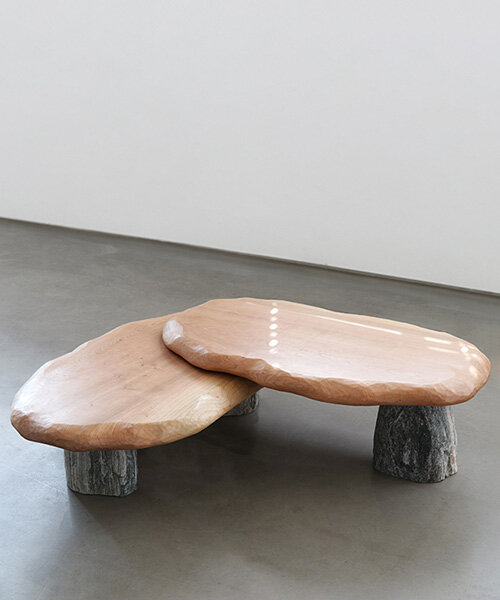
wood and stone shape mushroom-like tables in batten and kamp x henry d'ath collaboration
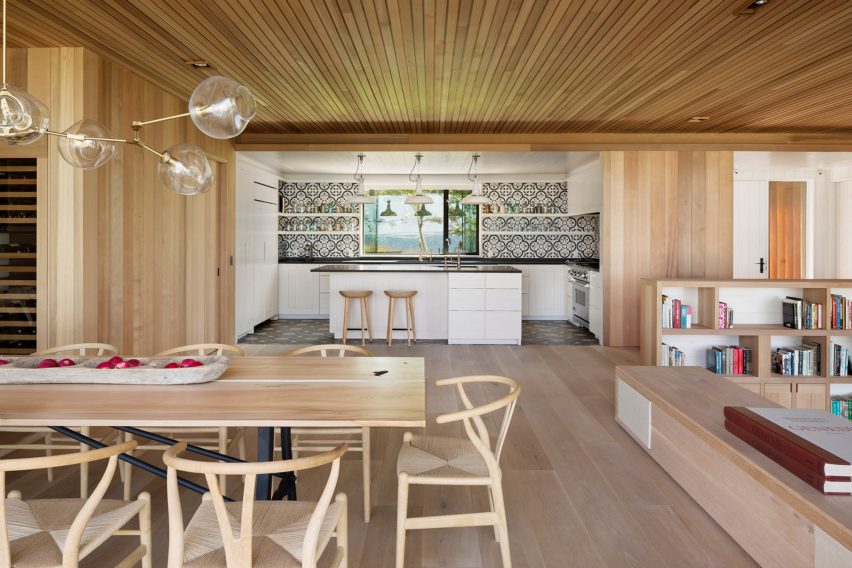
Ten projects that seamlessly integrate wood into the design
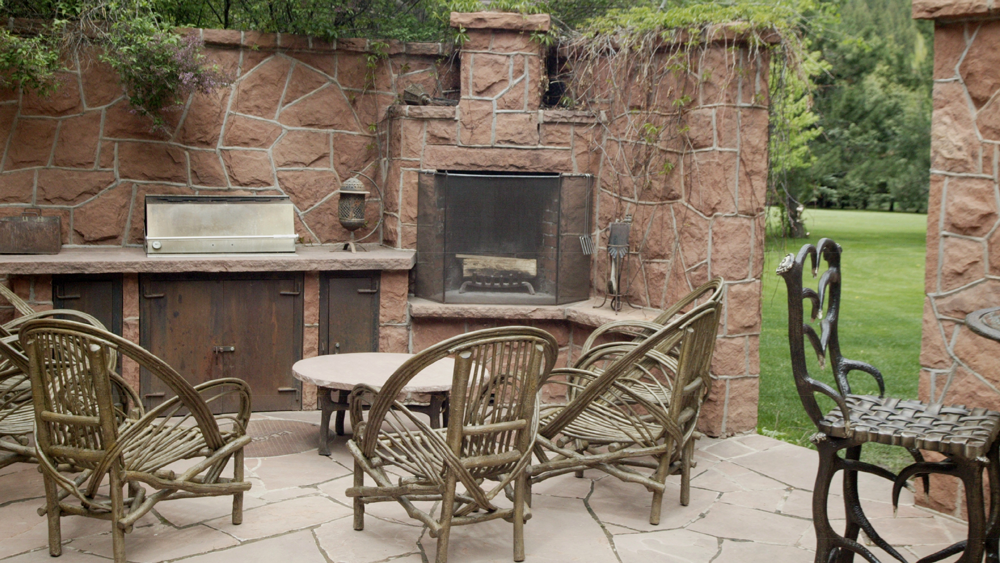
Crafted by Nature, Cast by Hand

Wood Treatments
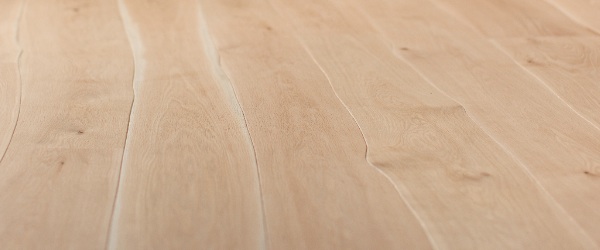
Bolefloor brings natural wood appearance to floorboards

Textured, character-rich wood offers relief from white

6 Hudson Valley Woodworkers Crafting Contemporary Furniture and Home Goods

See the Mesmerizing Interlocking Geometric Patterns Produced With This Ancient Japanese Woodworking Technique
handcrafted furniture explores organic relationship between solid maple wood and textiles
Sculpture and Furniture Design

15 Types Of Wood That Are Easy To Build With
Glue-Laminated Timbers

Nine designers work socially distanced wonders with wood
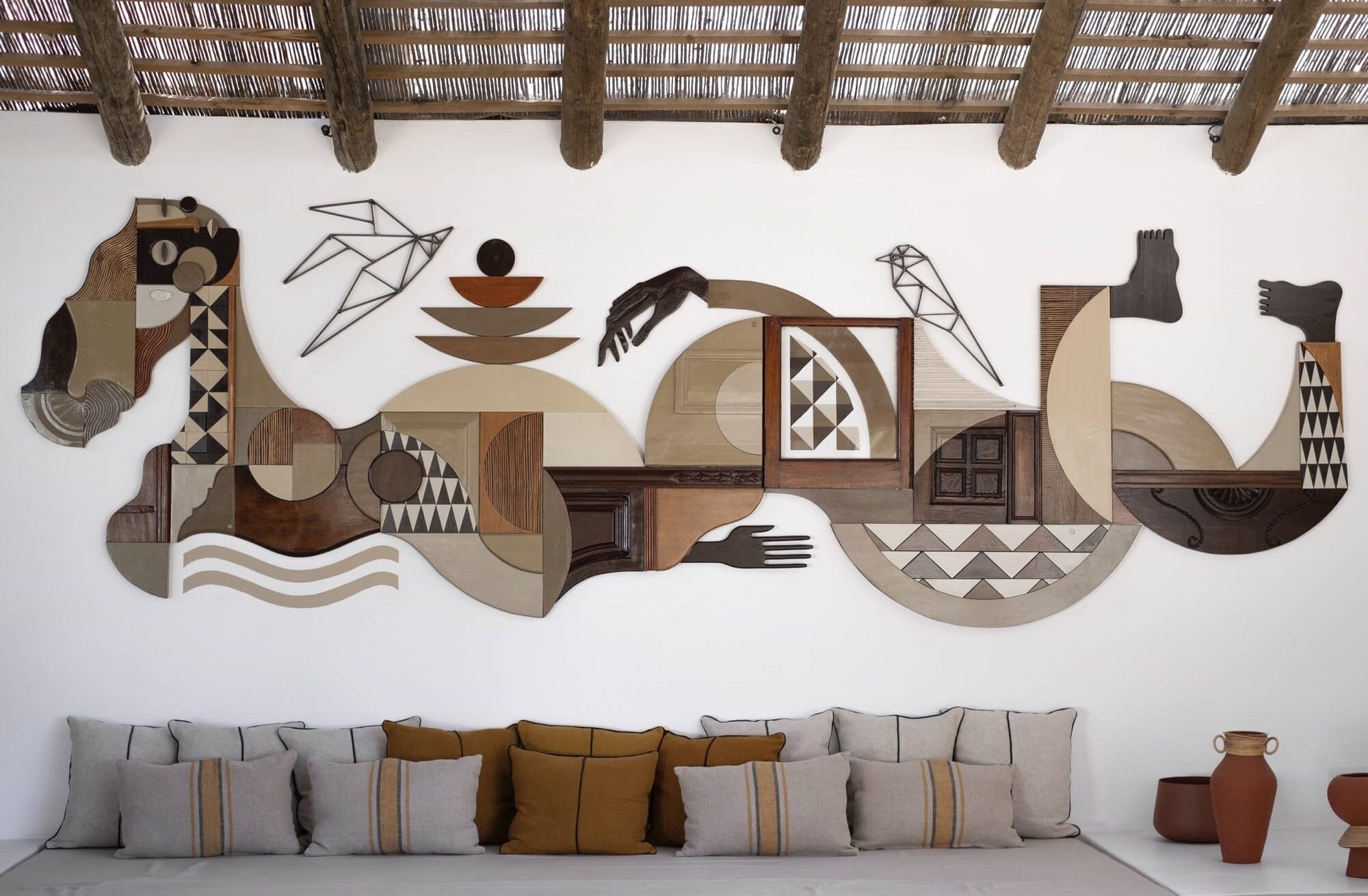
Wood and Ceramic ‘Guardian’ Assemblages by Expanded Eye Emphasize Earthy Materials

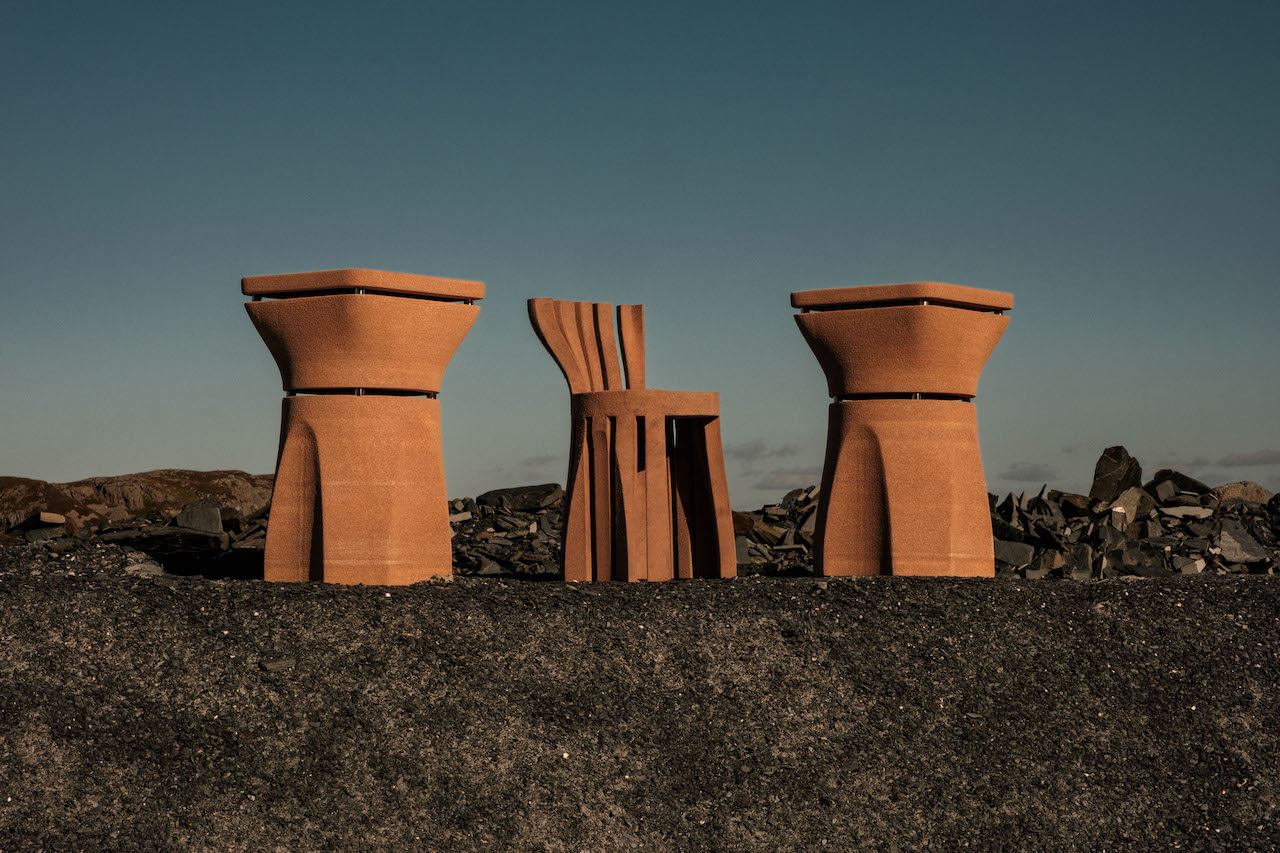
Roc H Biel Turns Wood Dust Into Column-Inspired Furniture
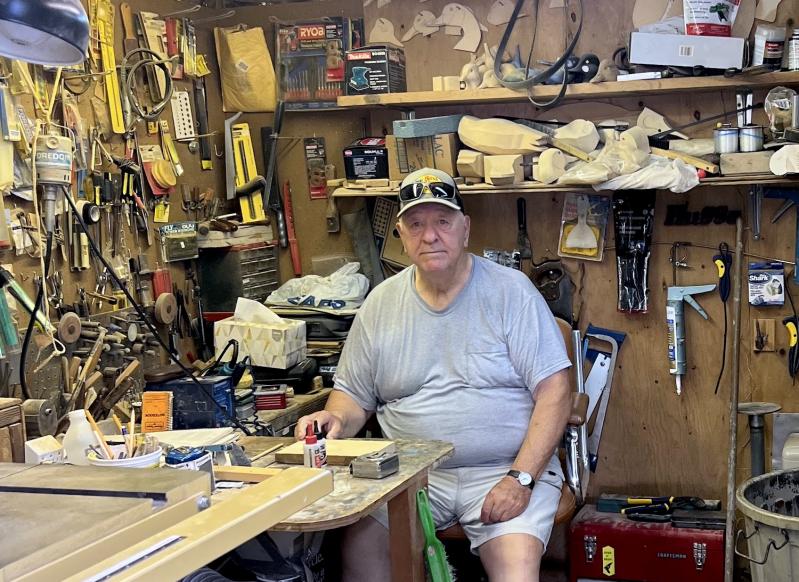
Master Carver Coaxes Feathers From Wood

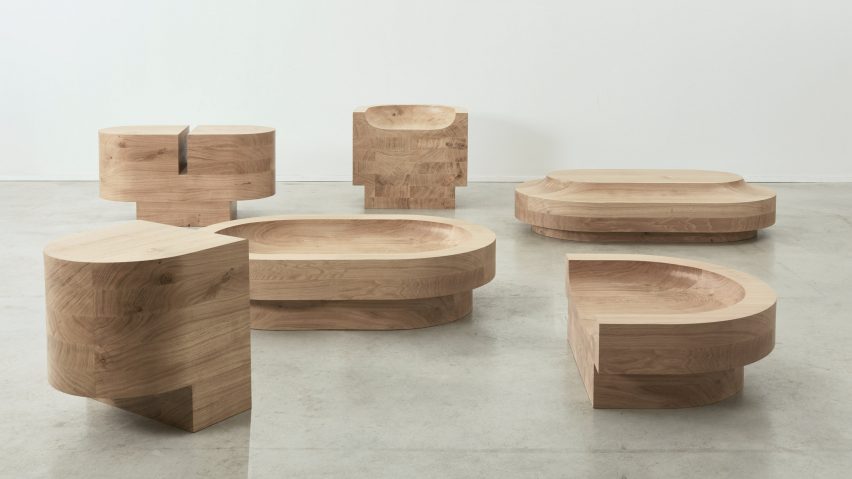
Benni Allan brings precise curves to solid oak with Low Collection
Move Aside, Ply—Designers Are Loving This Wood for Its Captivating Pattern

Tree Forks As Natural Composite Joints In Architecture