1/39
Guangzhou Yunxi Botanical Garden / AECOM + Architectural Design & Research Institute of SCUT + Guangzhou Landscape Architectural Design & Research Institute
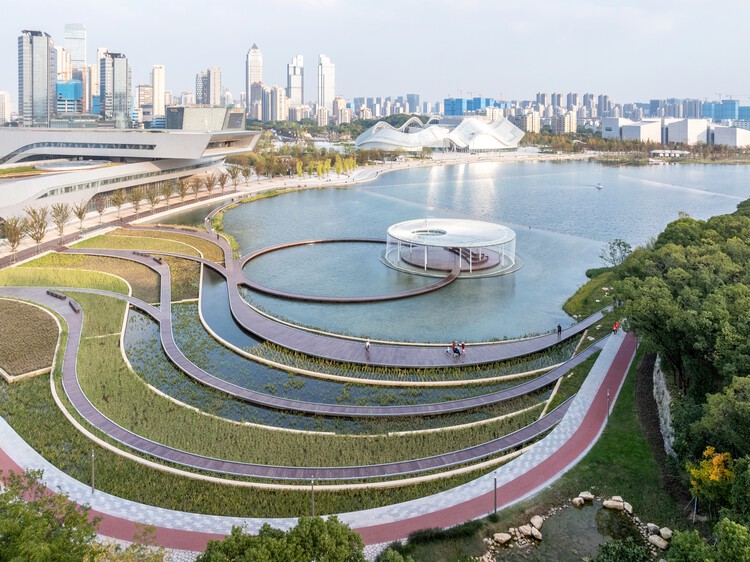
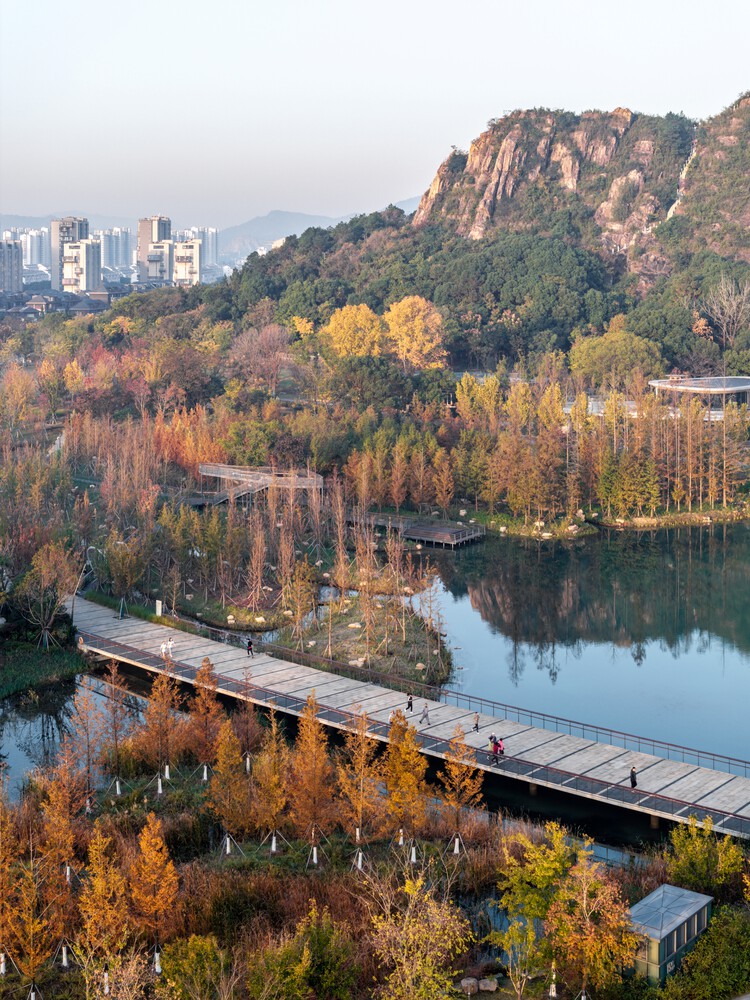
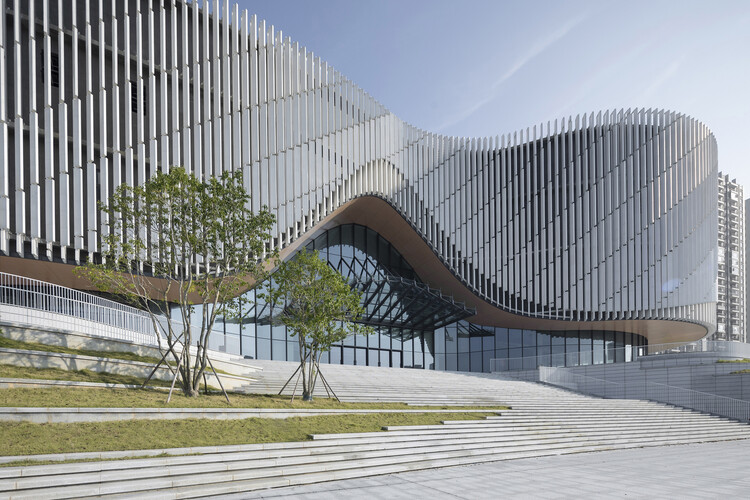
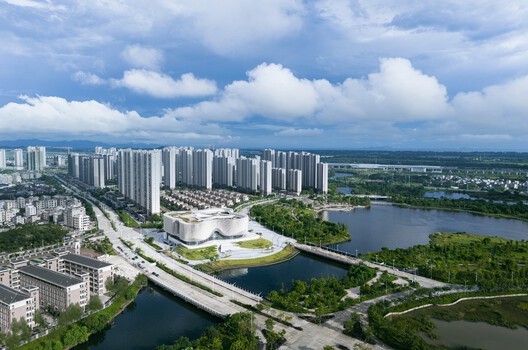
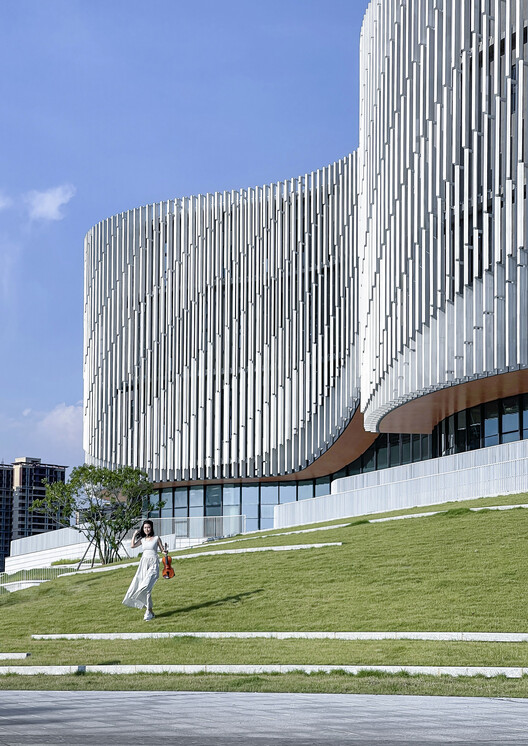
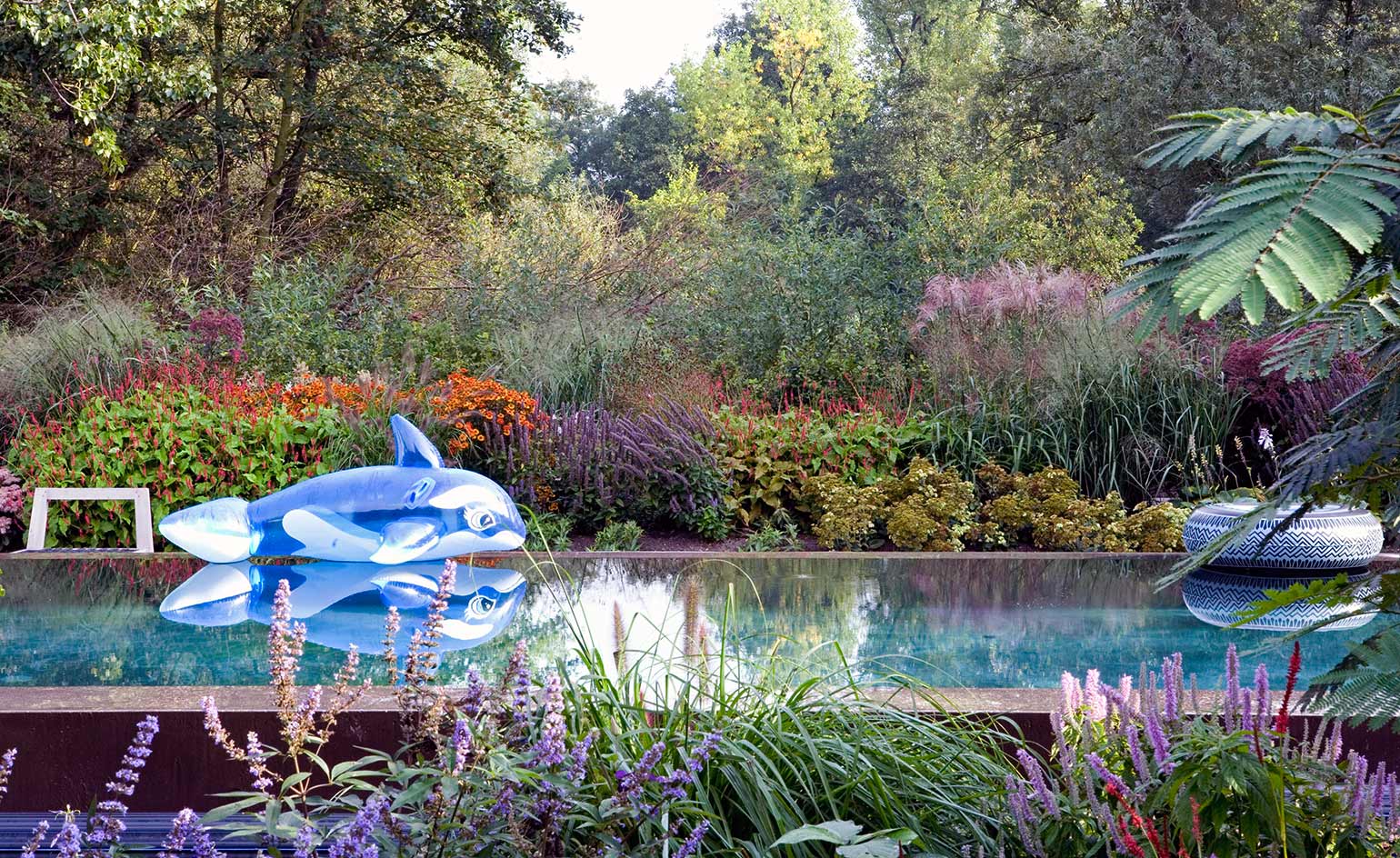
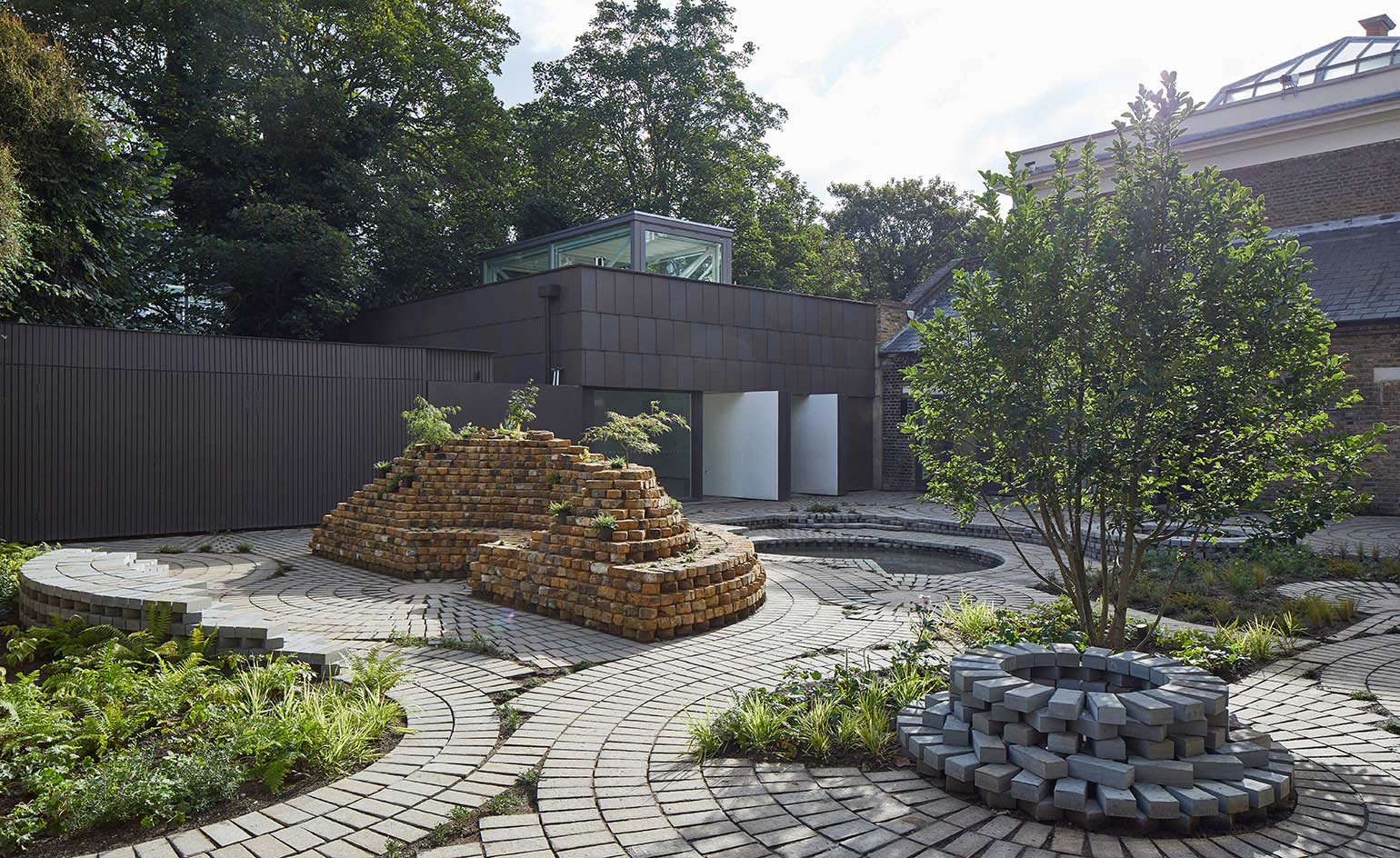
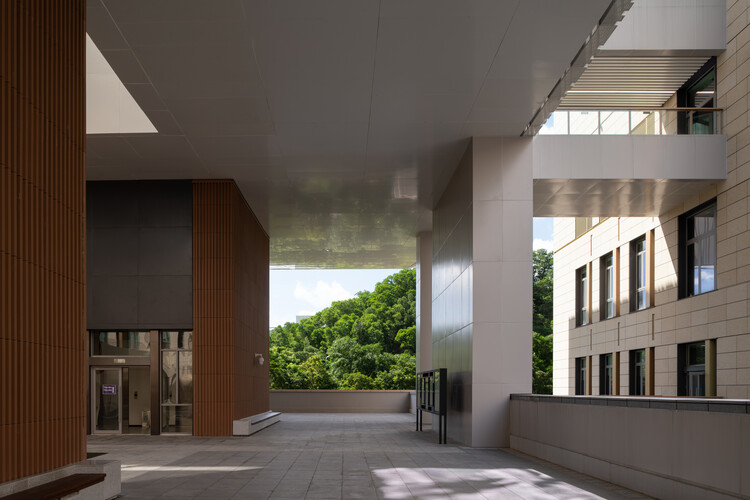
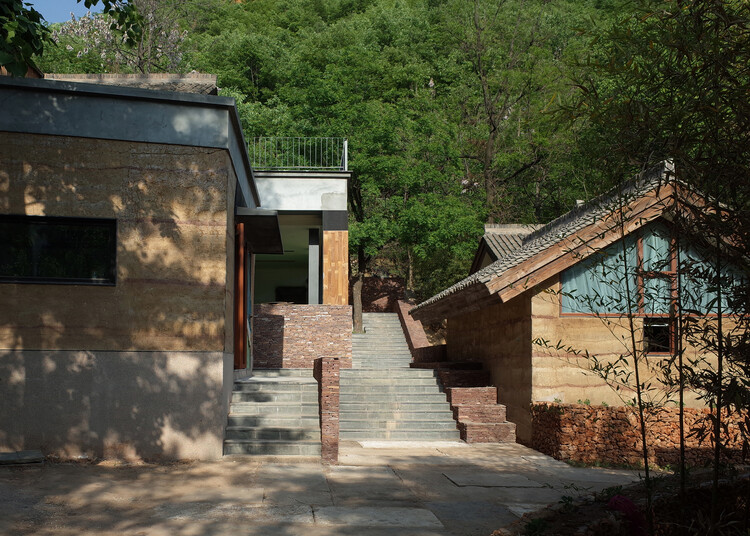
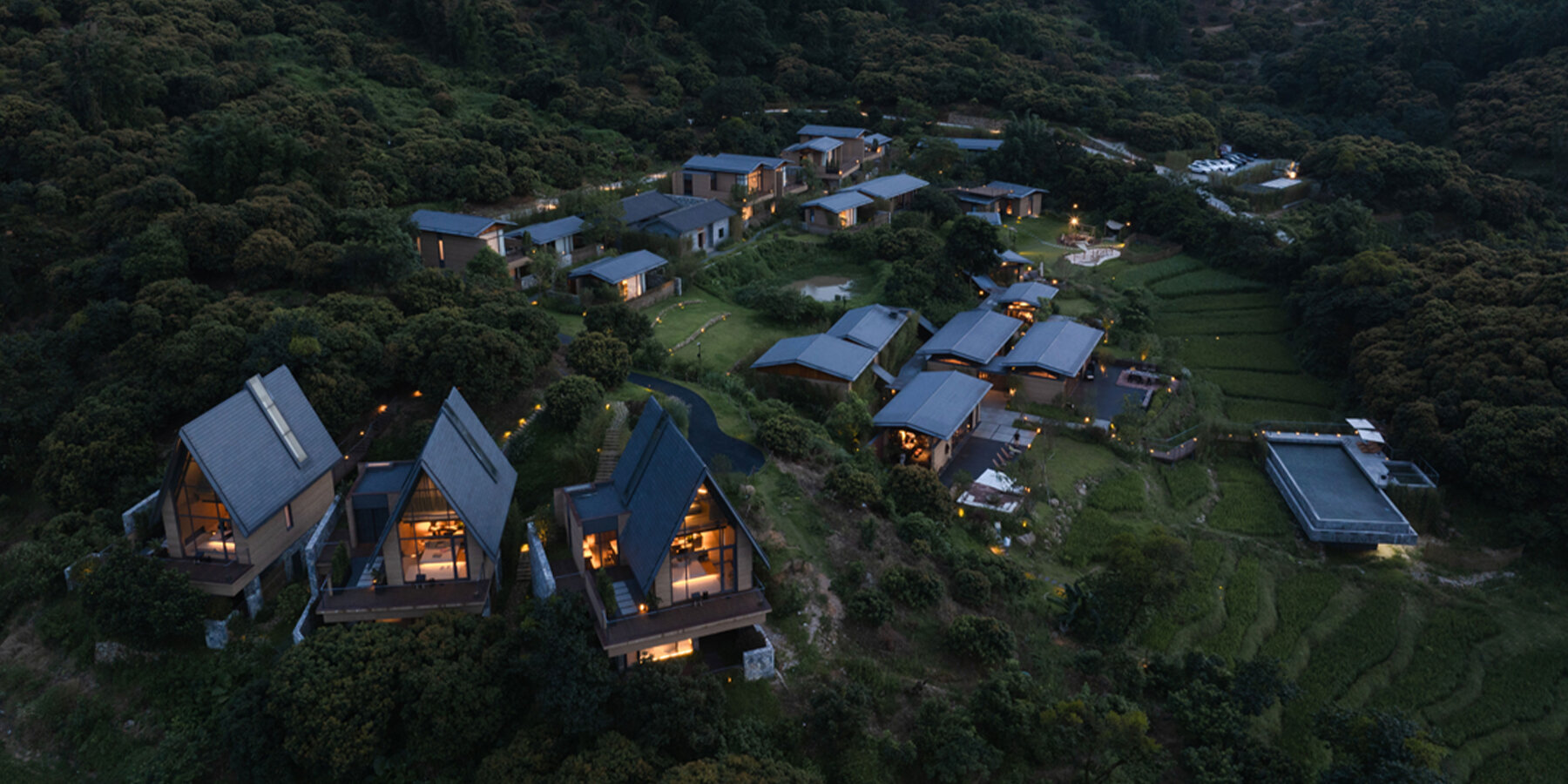
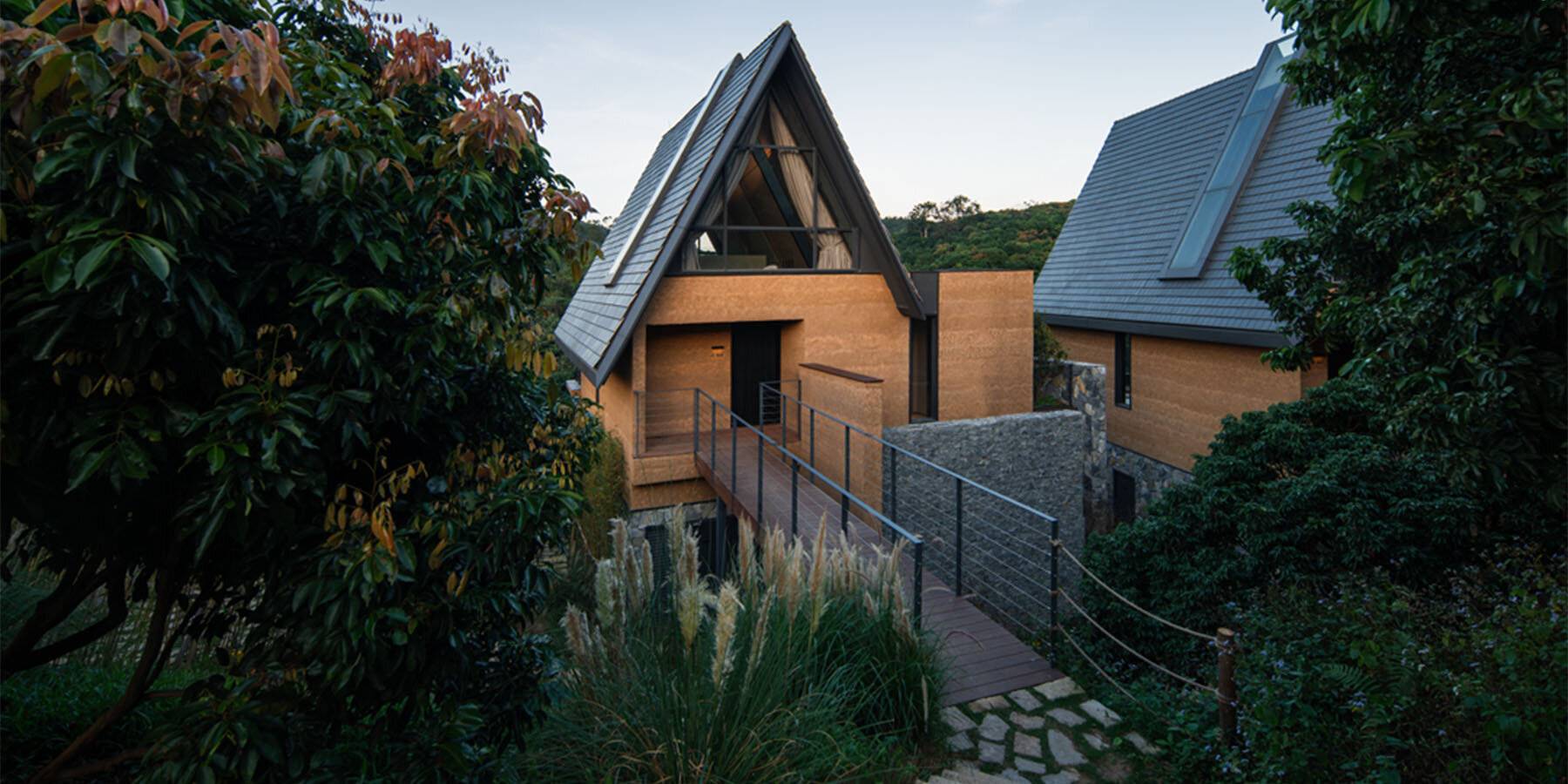
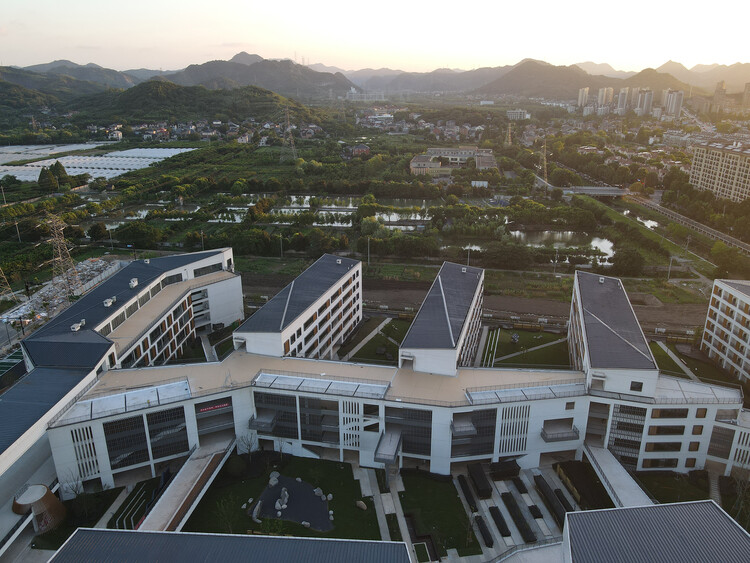
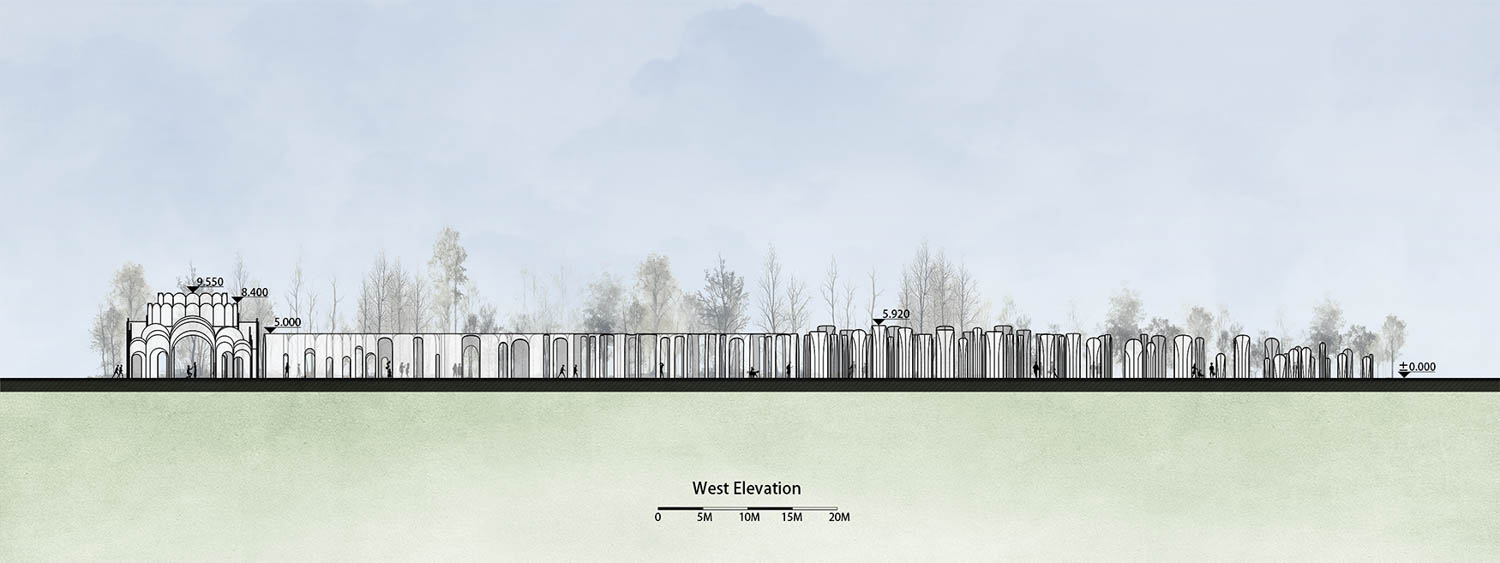
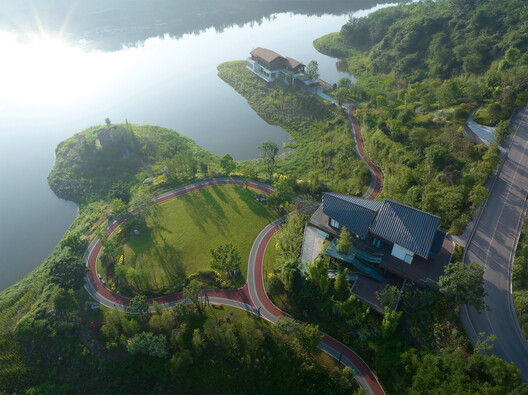
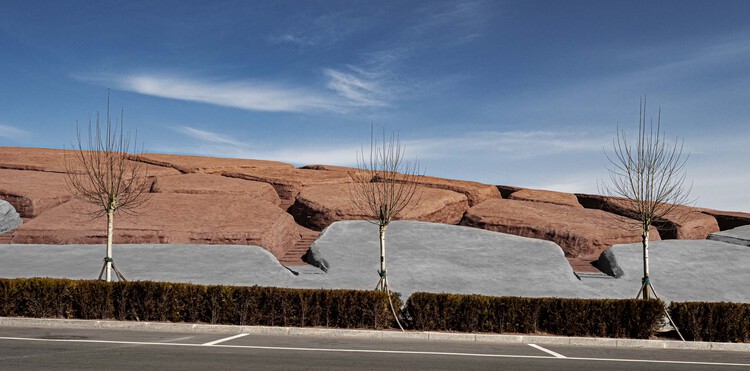
The Guangzhou Yunxi Botanical Garden project, a collaborative effort by AECOM, Architectural Design & Research Institute of SCUT, and Guangzhou Landscape Architectural Design & Research Institute, is a significant initiative aimed at advancing China's national strategies for biodiversity conservation and sustainable development in Guangzhou. This botanical garden serves as a crucial component within the city's "1+3+N" urban-park integration framework, a strategic plan to interweave green spaces with urban development. The vision for the garden is to create a comprehensive network that integrates plant conservation, scientific research, public education, and engaging visitor experiences. It represents a pioneering model for balancing the preservation of national botanical resources with the accessibility and utility of a community park.
The project emphasizes ecological restoration and sustainable design principles. The design team focused on creating diverse habitats within the garden to support a wide array of plant species, contributing to local and national biodiversity goals. This includes careful consideration of native flora and the establishment of various microclimates to accommodate different plant communities. The scientific research aspect of the garden is supported by dedicated facilities for botanical studies, aiming to deepen understanding of plant biology and conservation techniques. Public education is a key pillar, with interactive exhibits, guided tours, and educational programs designed to raise environmental awareness and foster an appreciation for nature among visitors of all ages. The garden is intended to be a living classroom, providing hands-on learning opportunities about botany, ecology, and sustainable living practices.
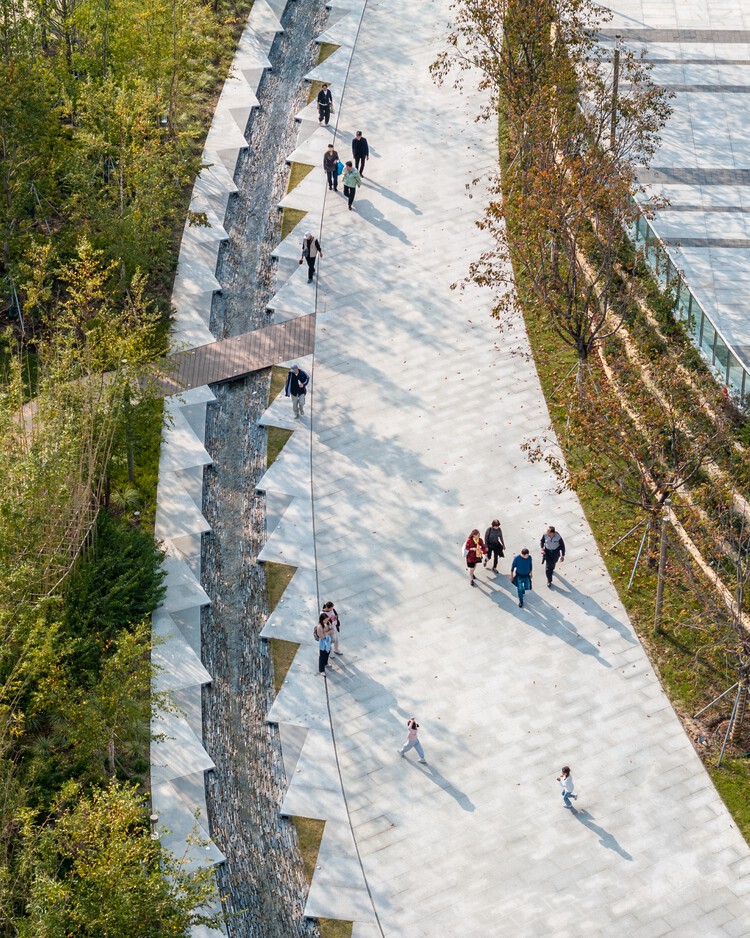
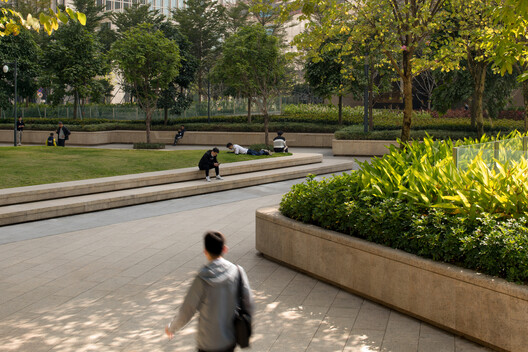
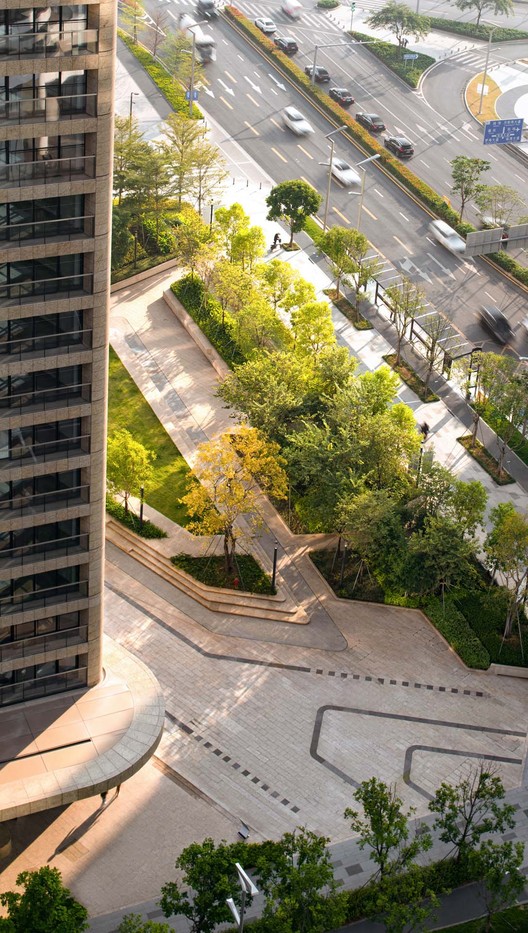
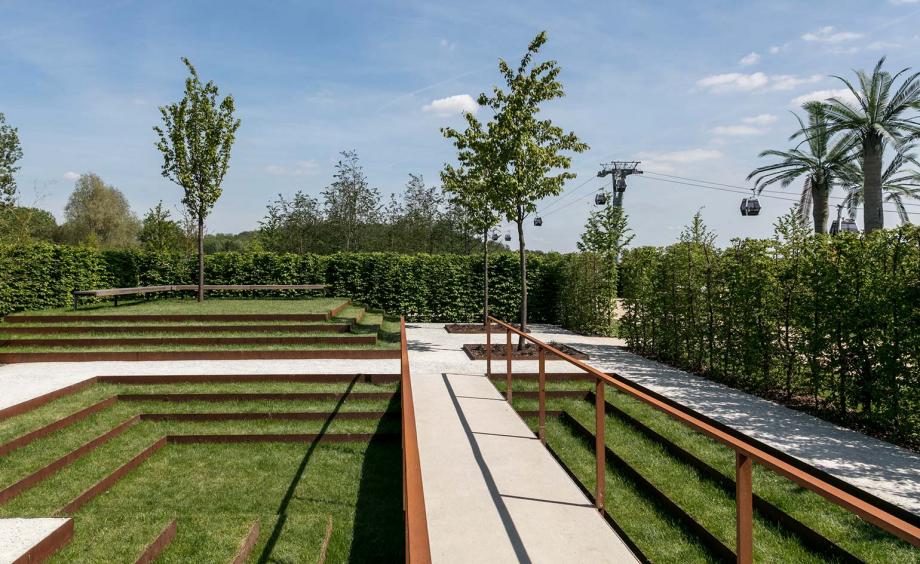
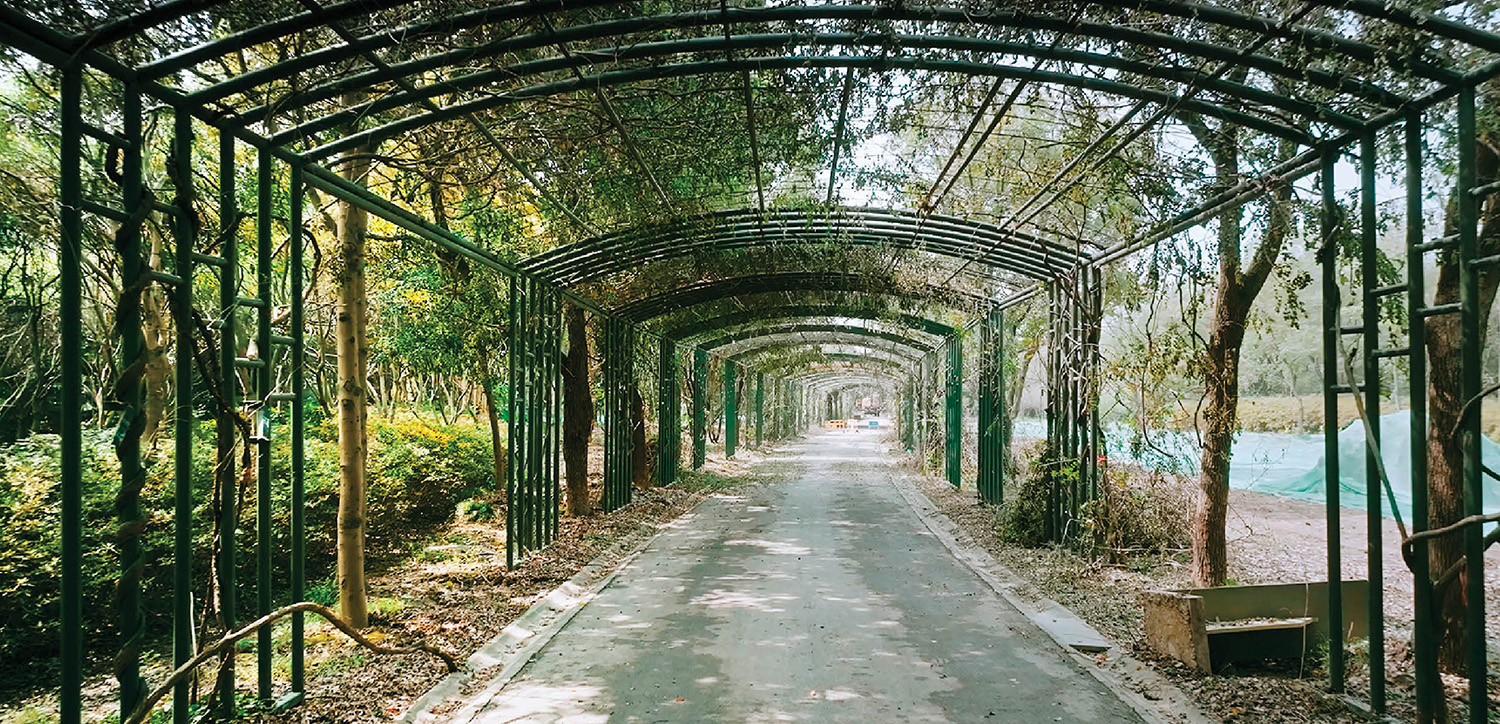
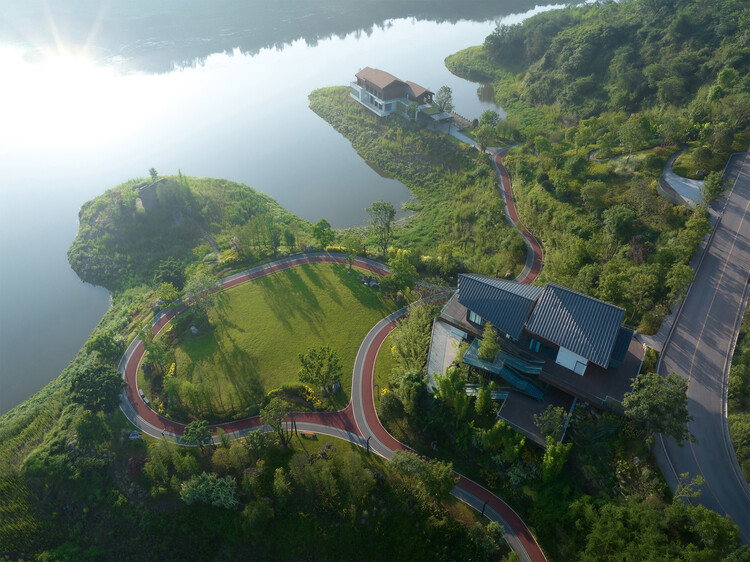
From a visitor experience perspective, the Yunxi Botanical Garden is designed to be an immersive and accessible destination. Pathways and viewing platforms are strategically placed to offer diverse perspectives of the landscapes and plant collections, while ensuring minimal impact on the natural environment. The integration of the garden into Guangzhou's urban fabric means it is not just a scientific institution but also a recreational space for the community. The collaboration between multiple design and research institutes highlights a multidisciplinary approach, combining expertise in landscape architecture, architectural design, and botanical research. This synergistic effort has been crucial in realizing the complex vision for the botanical garden, ensuring that it meets both ecological and societal needs. The garden's development is expected to contribute to Guangzhou's reputation as a green city, enhancing urban livability and providing a valuable resource for future generations.
#LandscapeArchitecture #BotanicalGarden #SustainableDevelopment #BiodiversityConservation #Guangzhou #ChinaArchitecture #UrbanPlanning #EcologicalRestoration #LandscapeArchitecture #BotanicalGarden #SustainableDevelopment #BiodiversityConservation #Guangzhou #ChinaArchitecture #UrbanPlanning #EcologicalRestoration
Há 0 comentários no total
 Ainda não há comentários
Você também pode gostar
Lion Mountain Park / TLS Landscape Architecture
Michigan’s Slice of Japan: Where Design Connects Humanity with Nature

chinese resort by line+ embraces terraced mountain rhythms with varied-slope rooflines
How to incorporate the elements into your garden to improve your zen

Yangjiang Cultural Center / Architectural Design & Research Institute of SCUT + Yifang Design Group
Innovative landscape architecture and garden design around the world

The Most Well-Designed Gardens in the World
Egret Bay Demonstration Area, Huiguhu Science and Innovation Town, Fuling / Yueji Architectural Design Office
Landscape Design of Hony Tower / ASPECT Studios
Beijing China Virtue Architectural Design Co., Ltd
Courtyard Renovation for the GuanZhong Mangba Art Festival / Daipu Architects
Blue Heart - Youkong Living Room / Wutopia Lab
Tongji Architectural Design (Group) Co. | Tag
This Taiwan Home Features a Private Zen Garden

Hangzhou Zhongtai Middle School / LZGC Quantum City Design Firm + Zhejiang Jianyuan Architectural Design and Urban Planning Institute
Kangbashi Trail / DAIKOSHA Architectural Design
Baiyunting Culture and Art Center / Dushe Architectural Design Co
Courtyardism: A Vision for a More Balanced Urban Future in the Greater Bay Area by Wang Weijen Architecture
Walk Through A Lush Pergola In Bogong Island Ecology Park
The Most Well-Designed Gardens in the World