Do You Really Need a Rug Pad? Experts Weigh In
When selecting an area rug, a critical consideration often overlooked is the necessity of a rug pad. Experts, such as Rachel Fasciani, brand marketing specialist at STARK Carpet, strongly advocate for their use, asserting that rug pads are indispensable for both functional and protective benefits within a home. These seemingly small additions serve multiple vital roles, encompassing safety, preservation, comfort, and cleanliness.
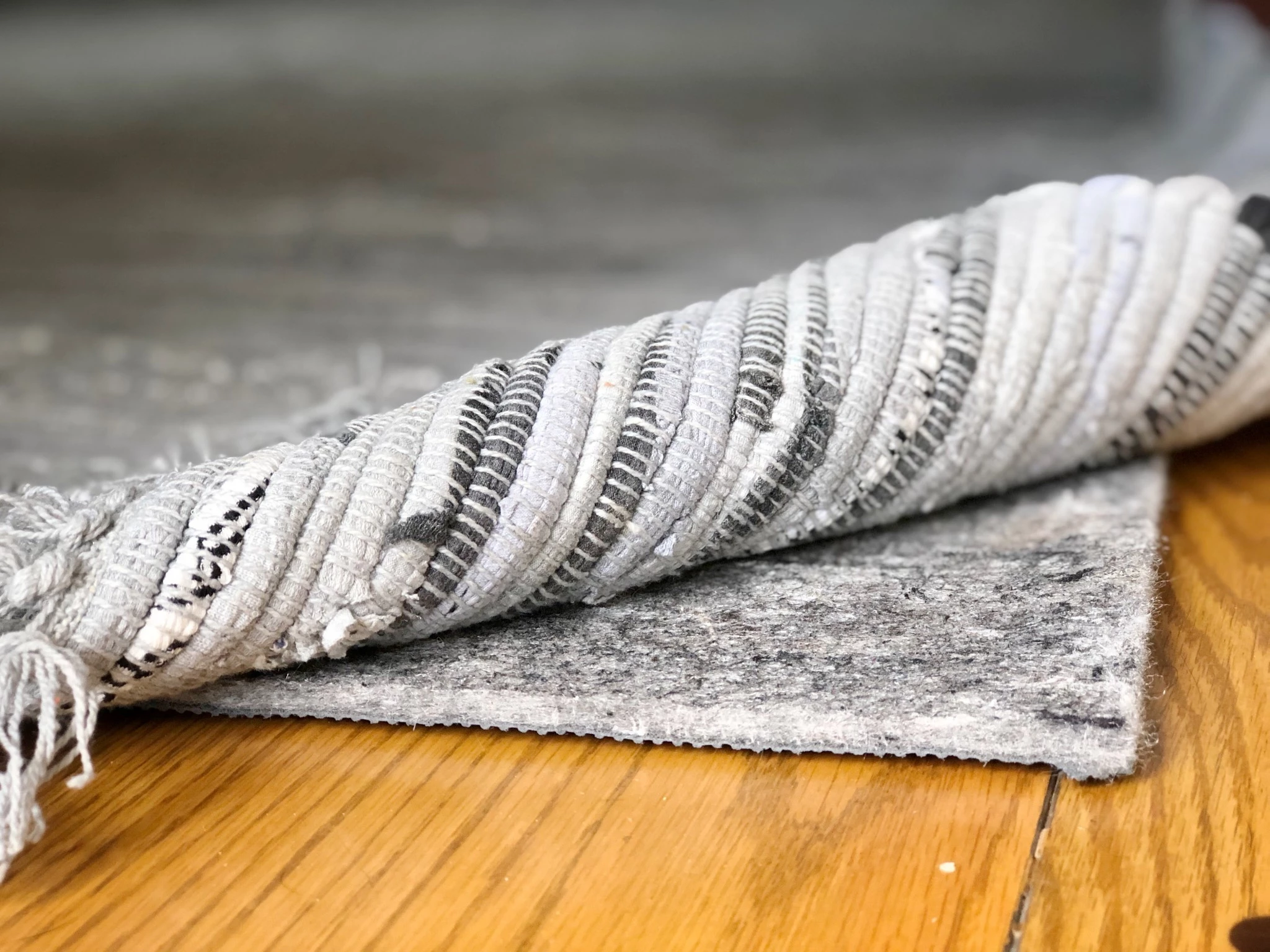
From a safety perspective, rug pads are crucial in preventing rugs from slipping, which significantly reduces the risk of accidents. This is particularly important in high-traffic areas or homes with children or elderly individuals. Beyond immediate safety, rug pads act as a protective barrier for flooring surfaces. They prevent the abrasive backing of a rug from scratching or scuffing hardwood, tile, or other delicate floor types. The pad creates a buffer, absorbing impact and distributing pressure more evenly across the floor beneath.
The longevity of both the rug and the floor is another key benefit. By keeping the rug stationary, a rug pad minimizes wear and tear on the rug fibers caused by friction against the floor. Additionally, the pad traps dust, dirt, and debris that sift through the rug, preventing these particles from accumulating directly on the floor and potentially causing damage. This also makes cleaning easier, as the pad acts as a secondary filter.
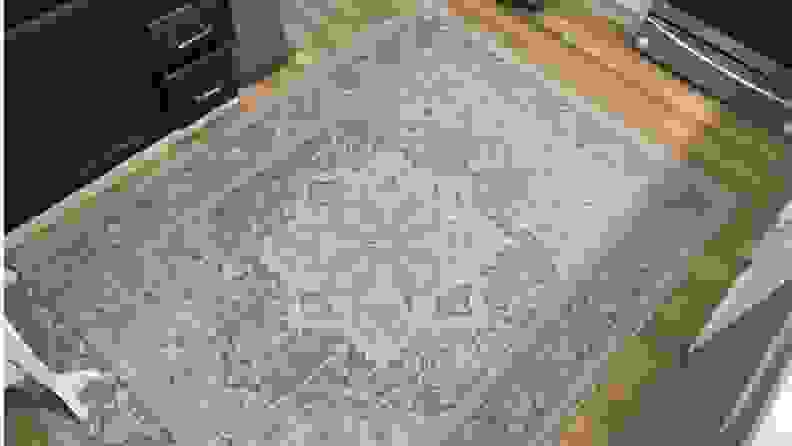
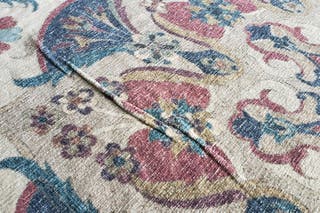
Rug pads also contribute significantly to the comfort and aesthetic appeal of a room. They provide an extra layer of cushioning, making rugs feel softer and more luxurious underfoot. This enhanced comfort is especially noticeable with thinner rugs. Moreover, a rug pad helps a rug lie flatter and appear smoother, preventing curling at the edges and bunching, which maintains a neat and tidy appearance.
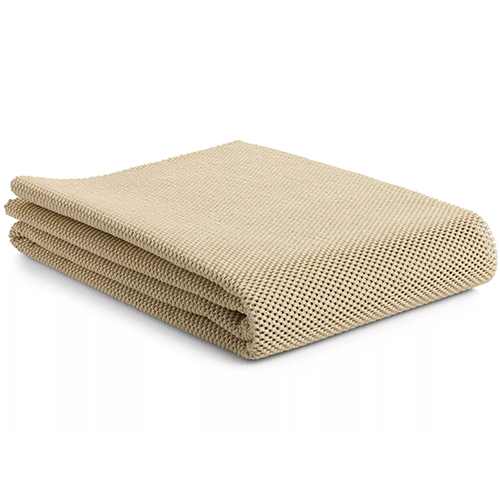
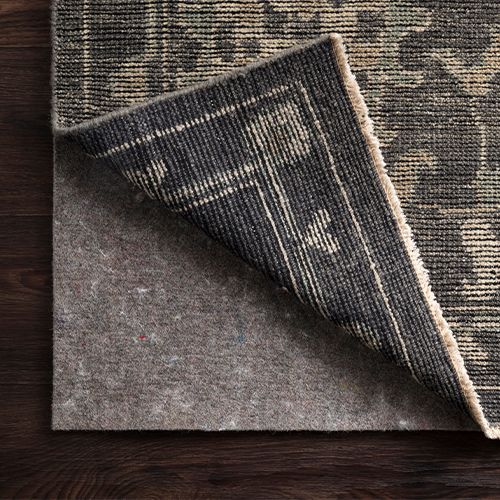
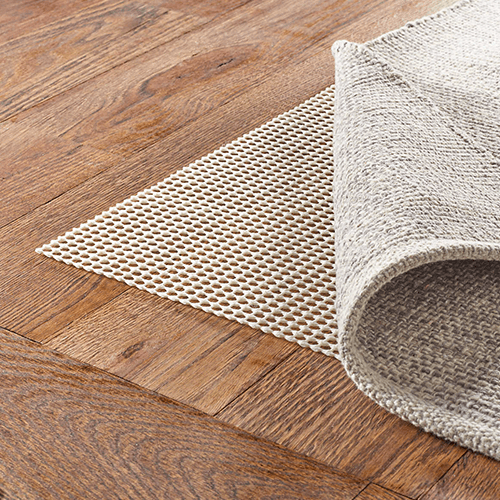
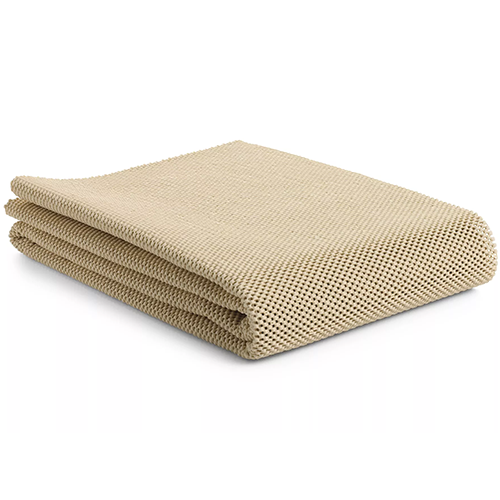
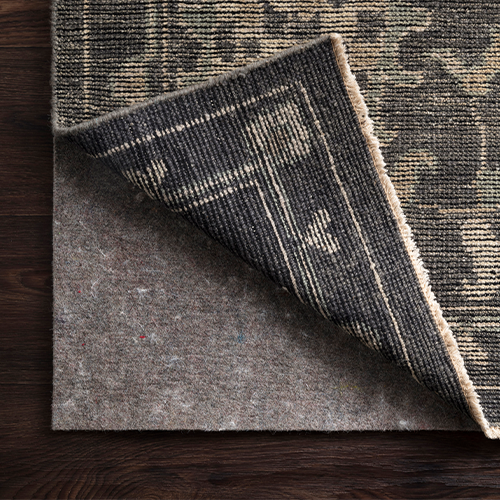
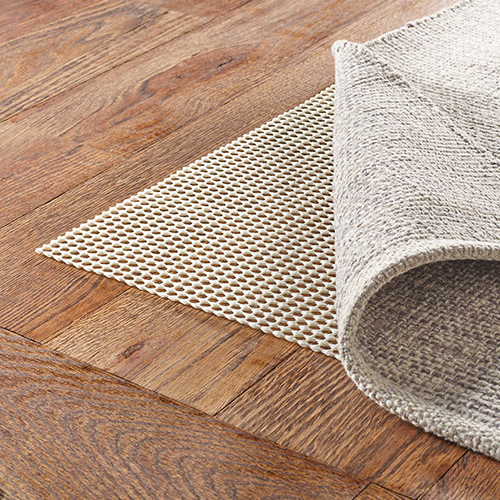
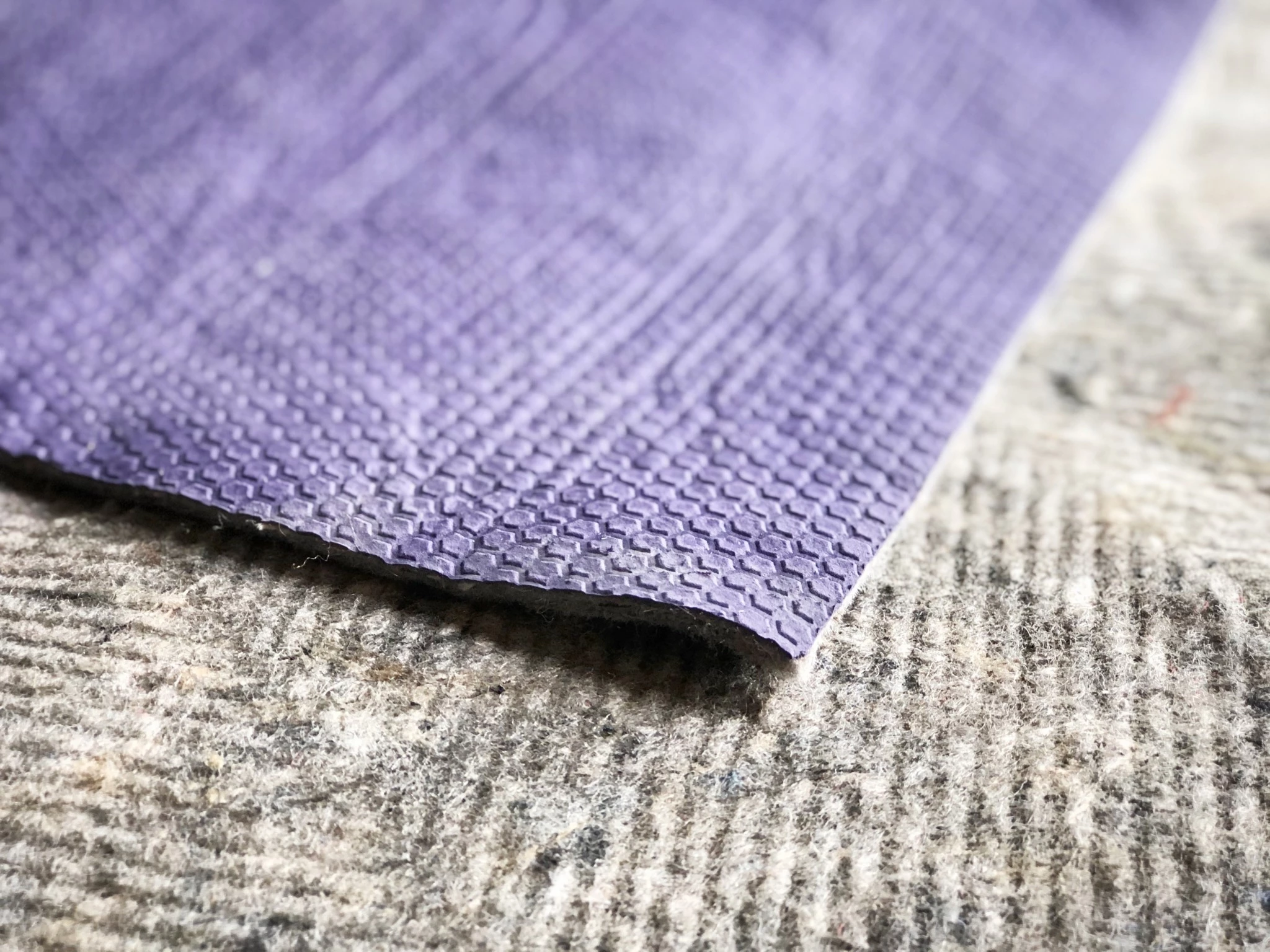
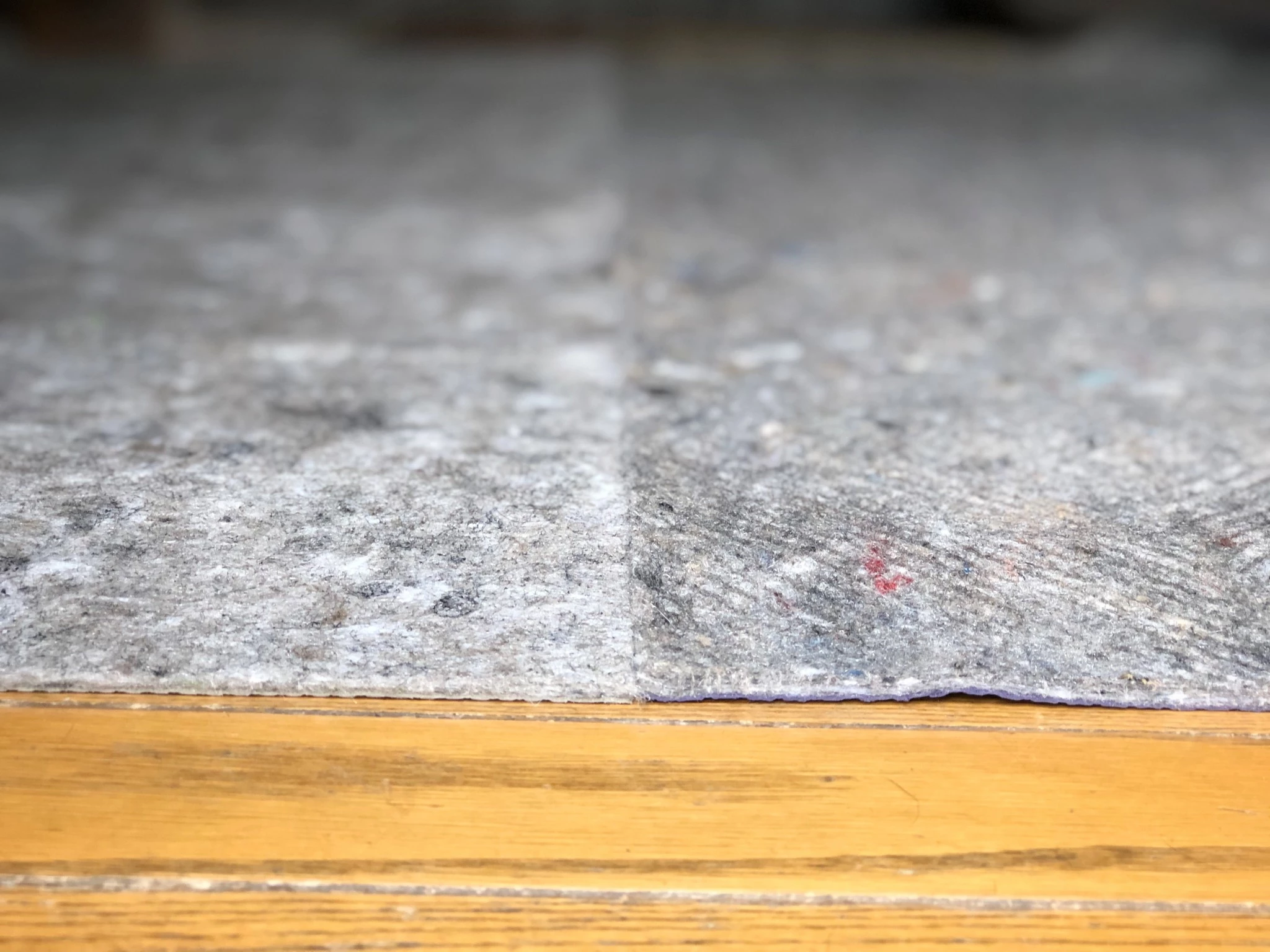
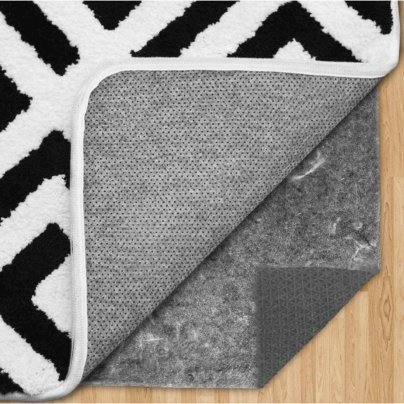
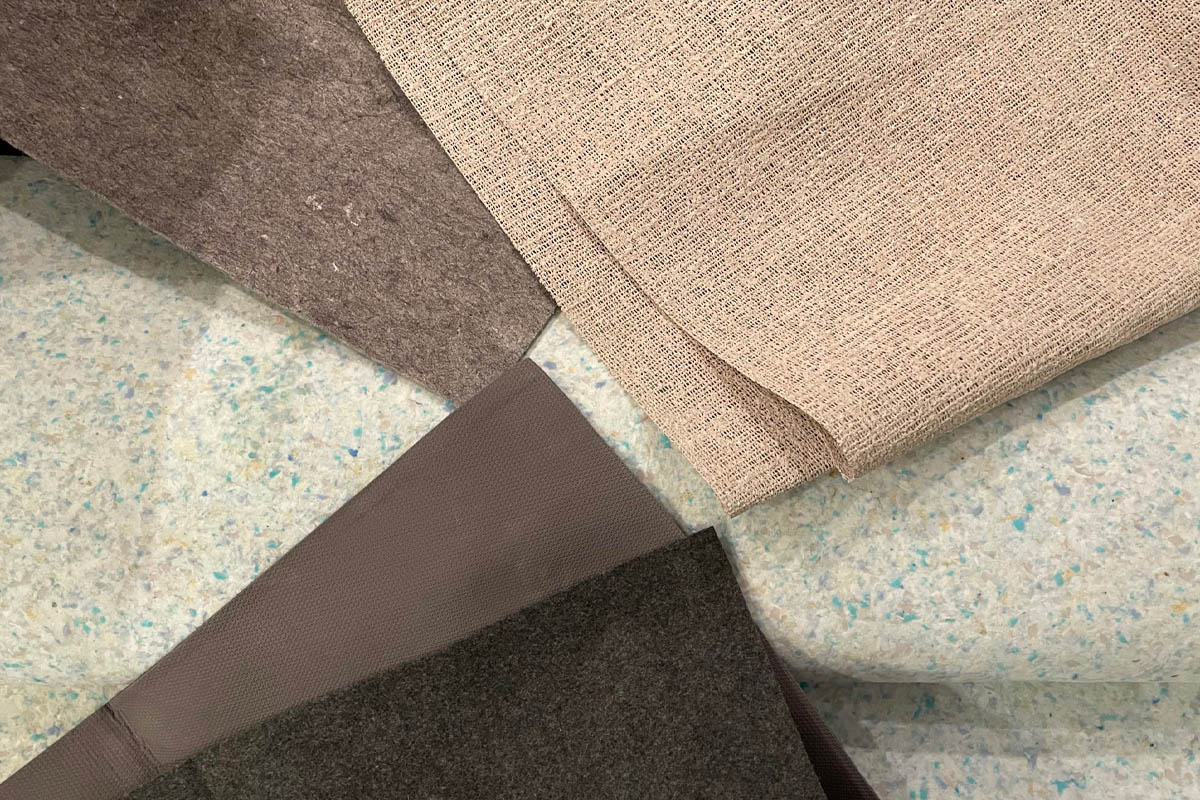
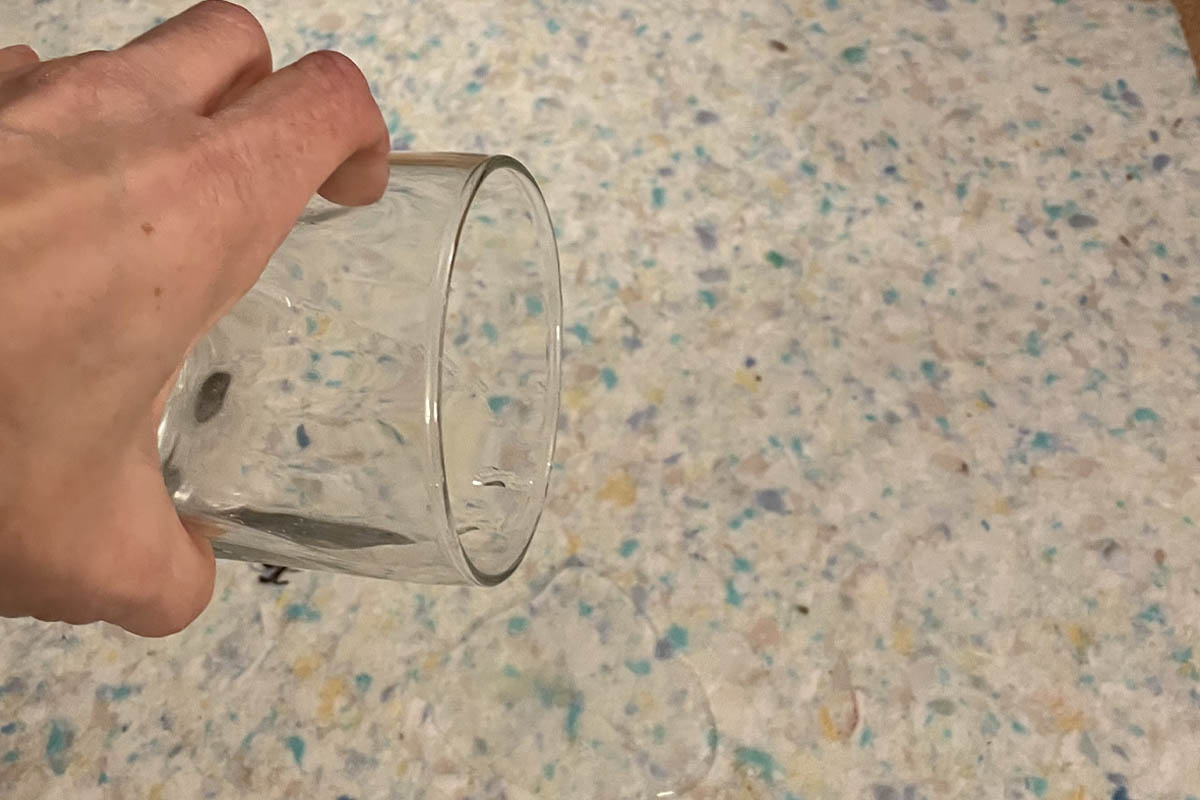
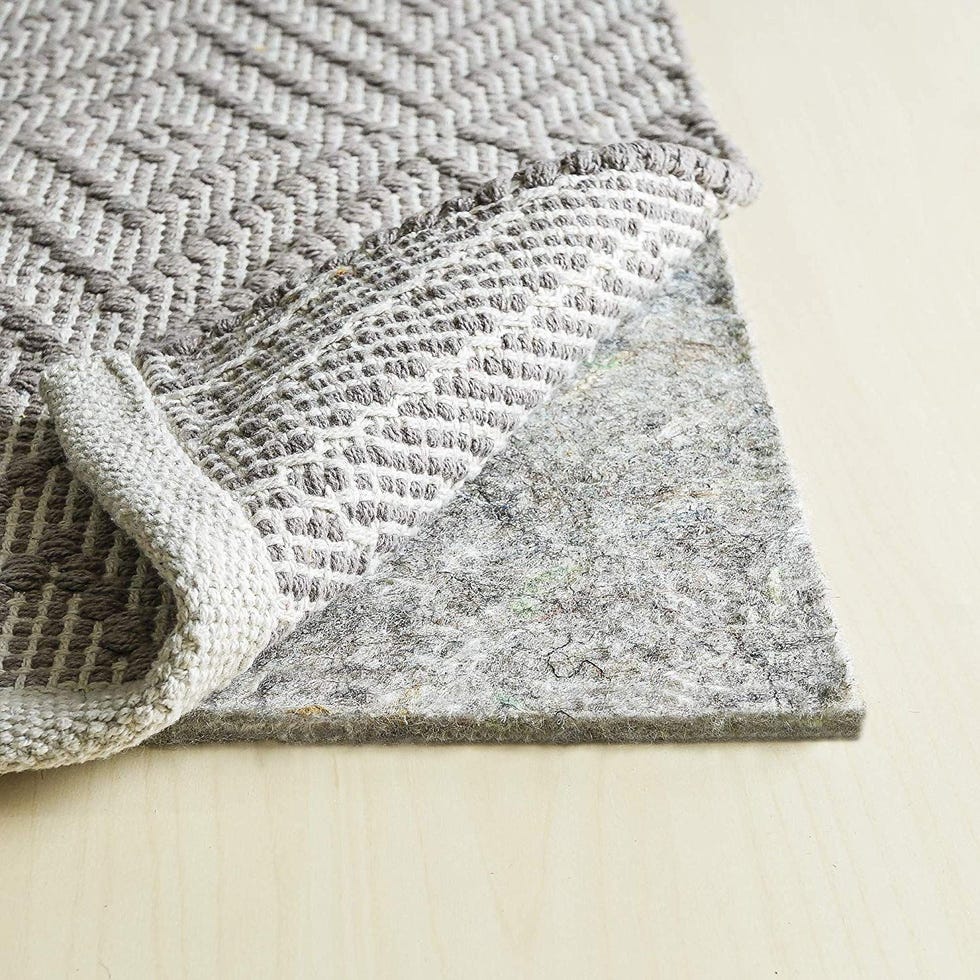
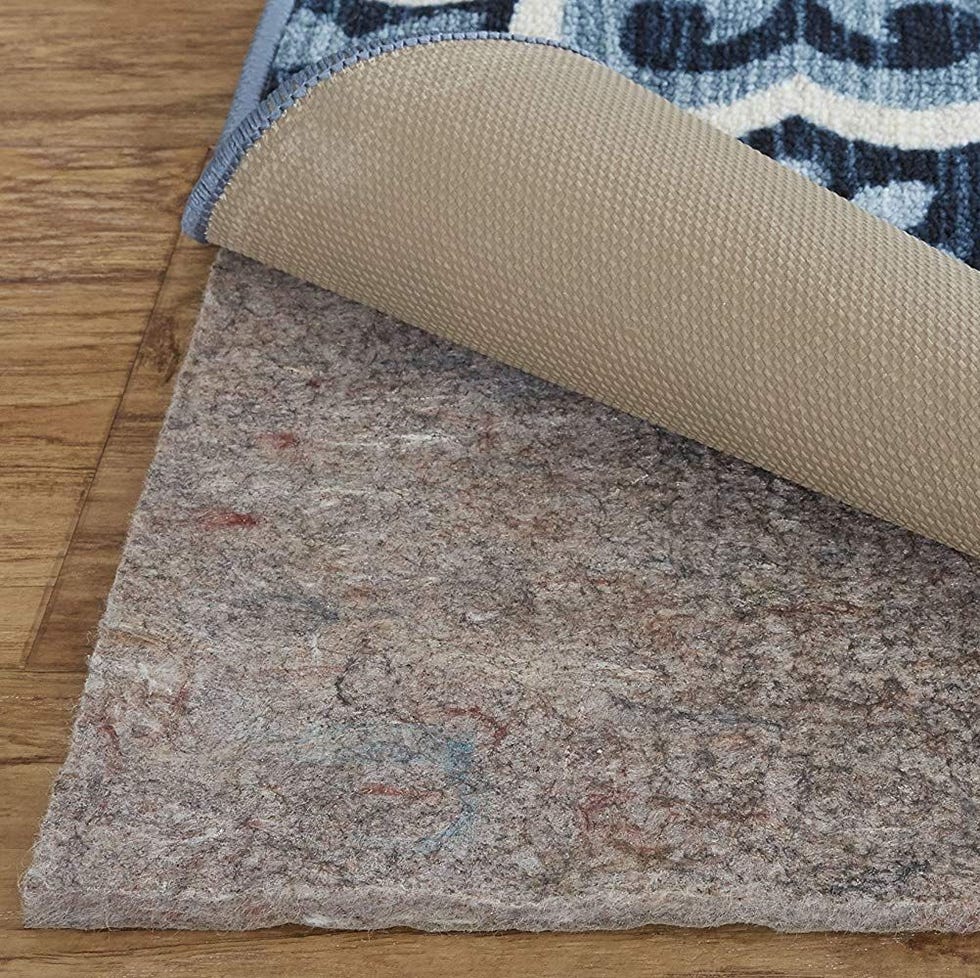
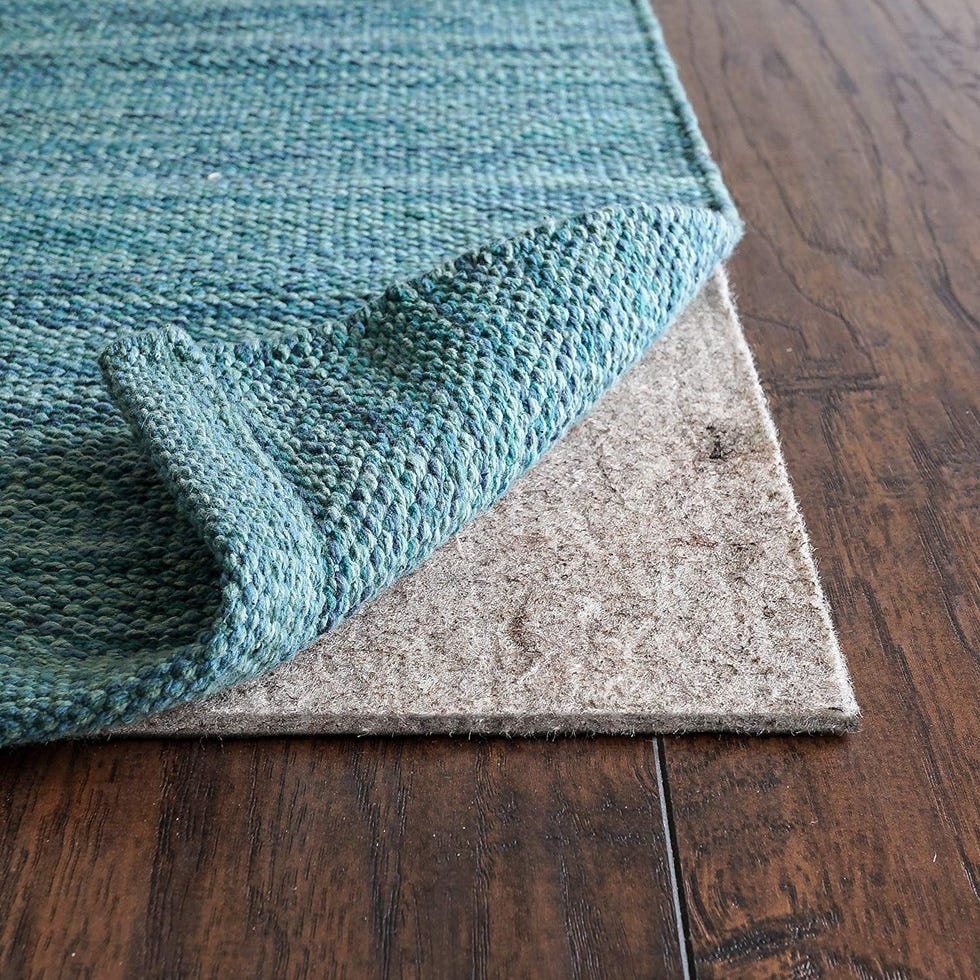
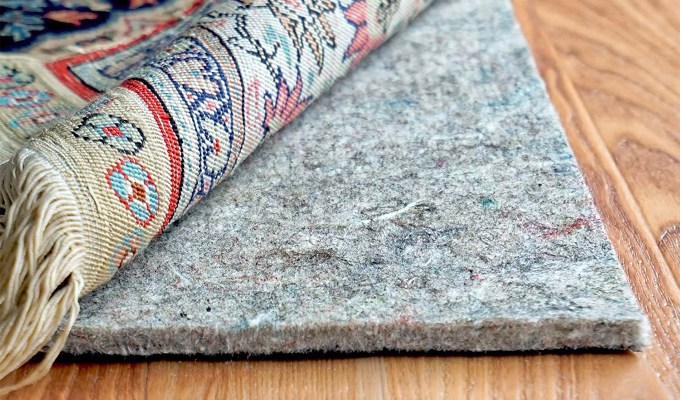
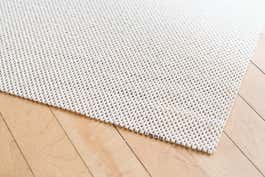
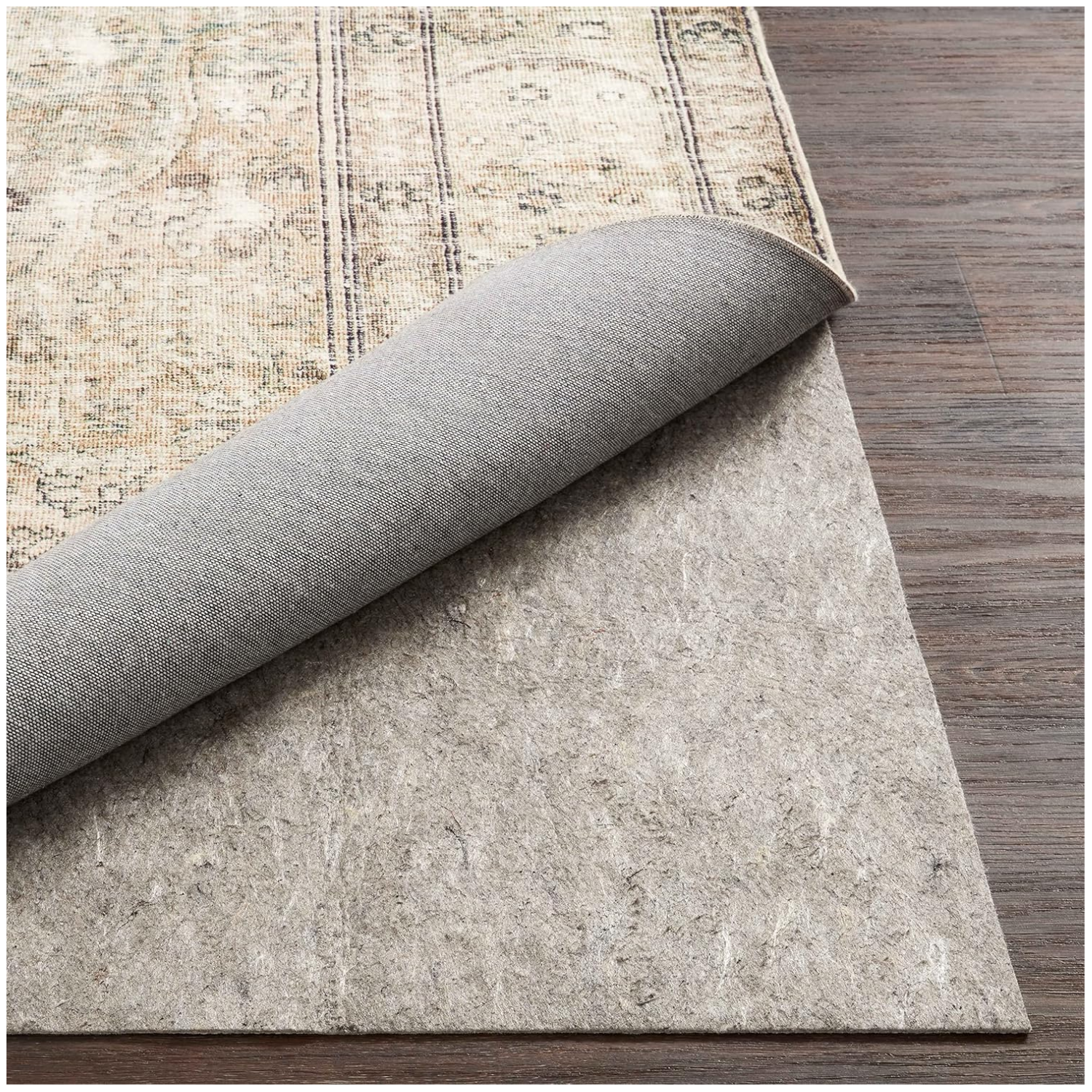
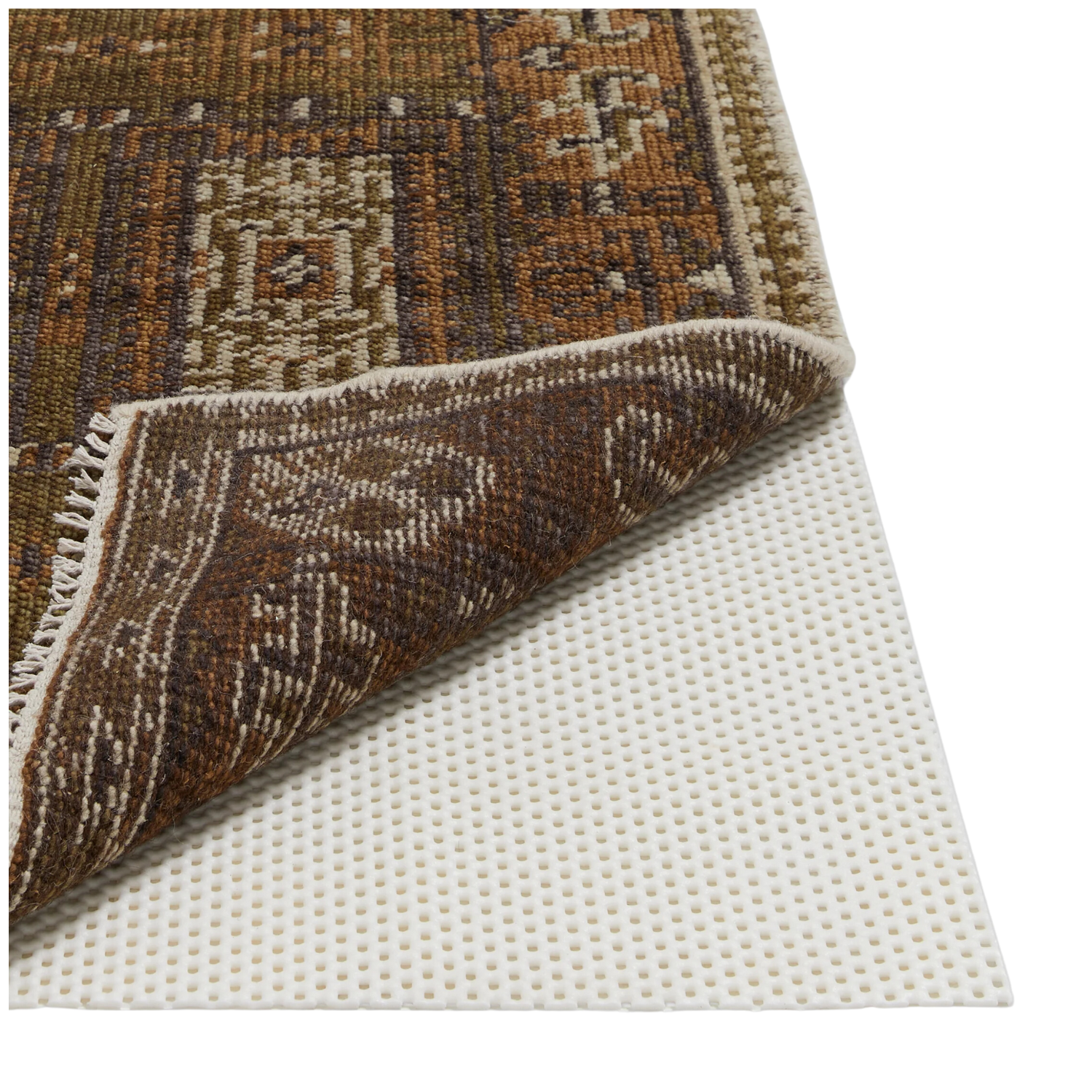
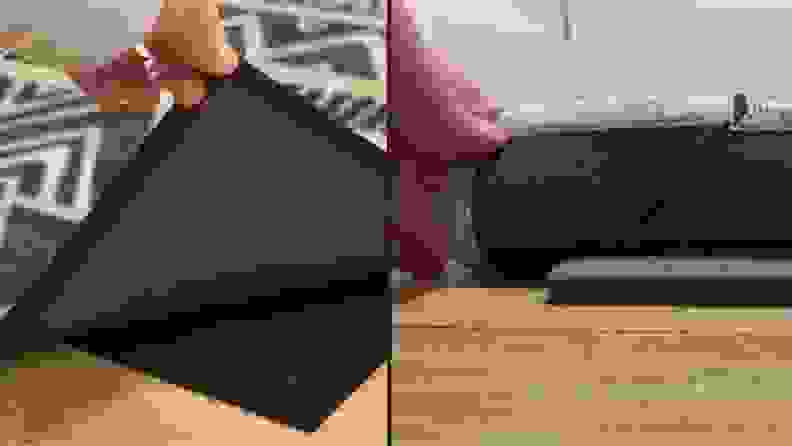
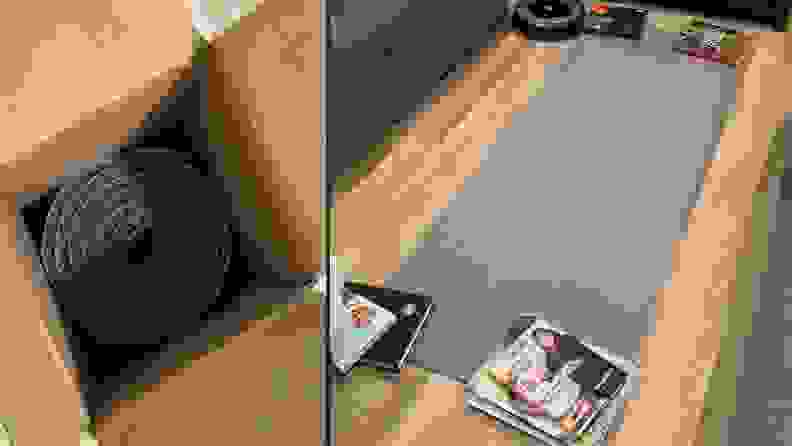
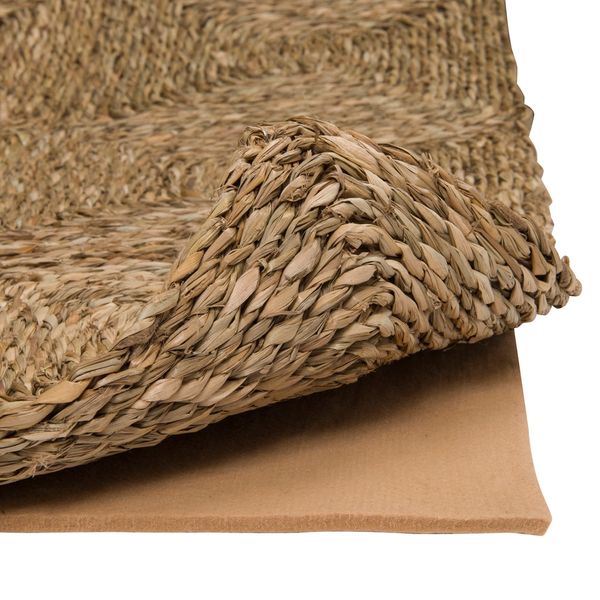
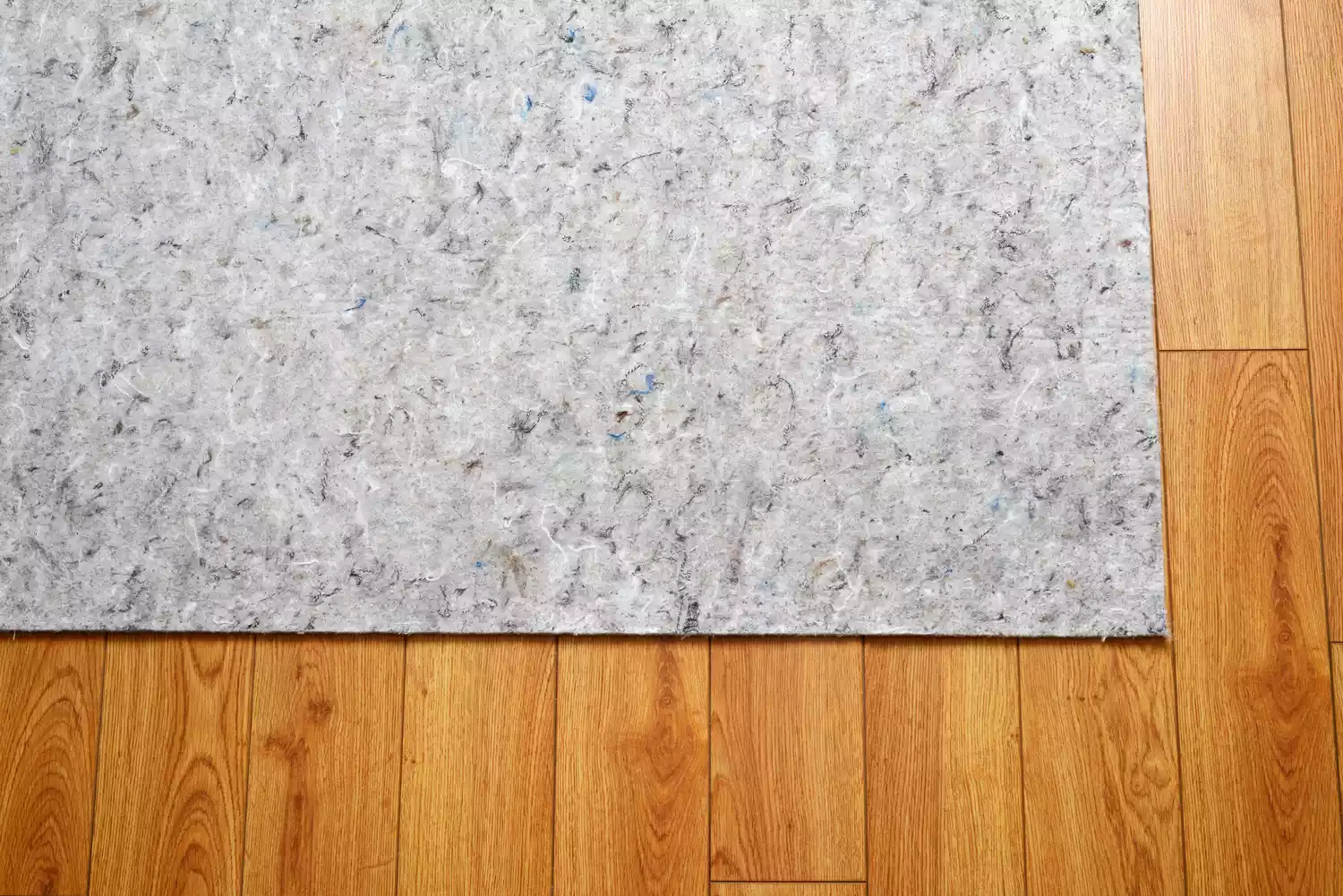
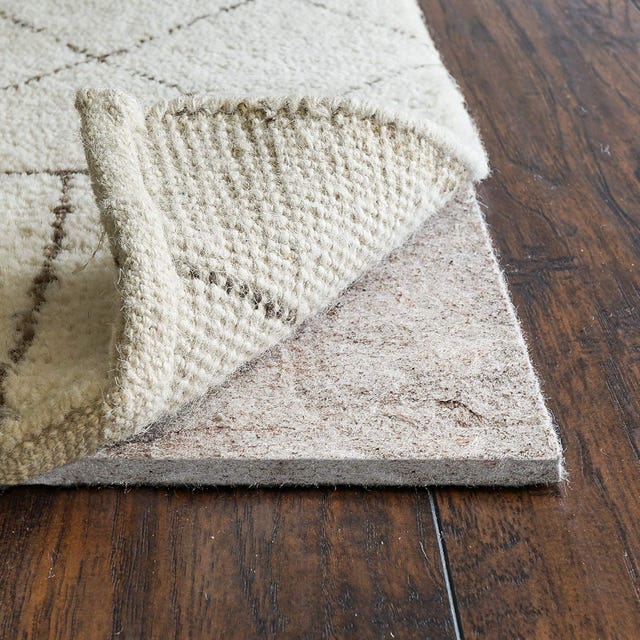
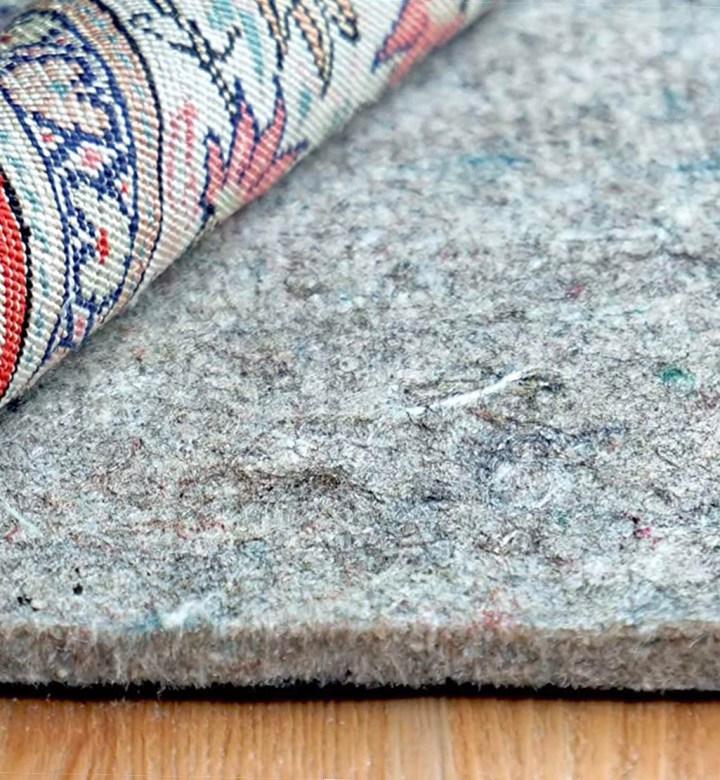
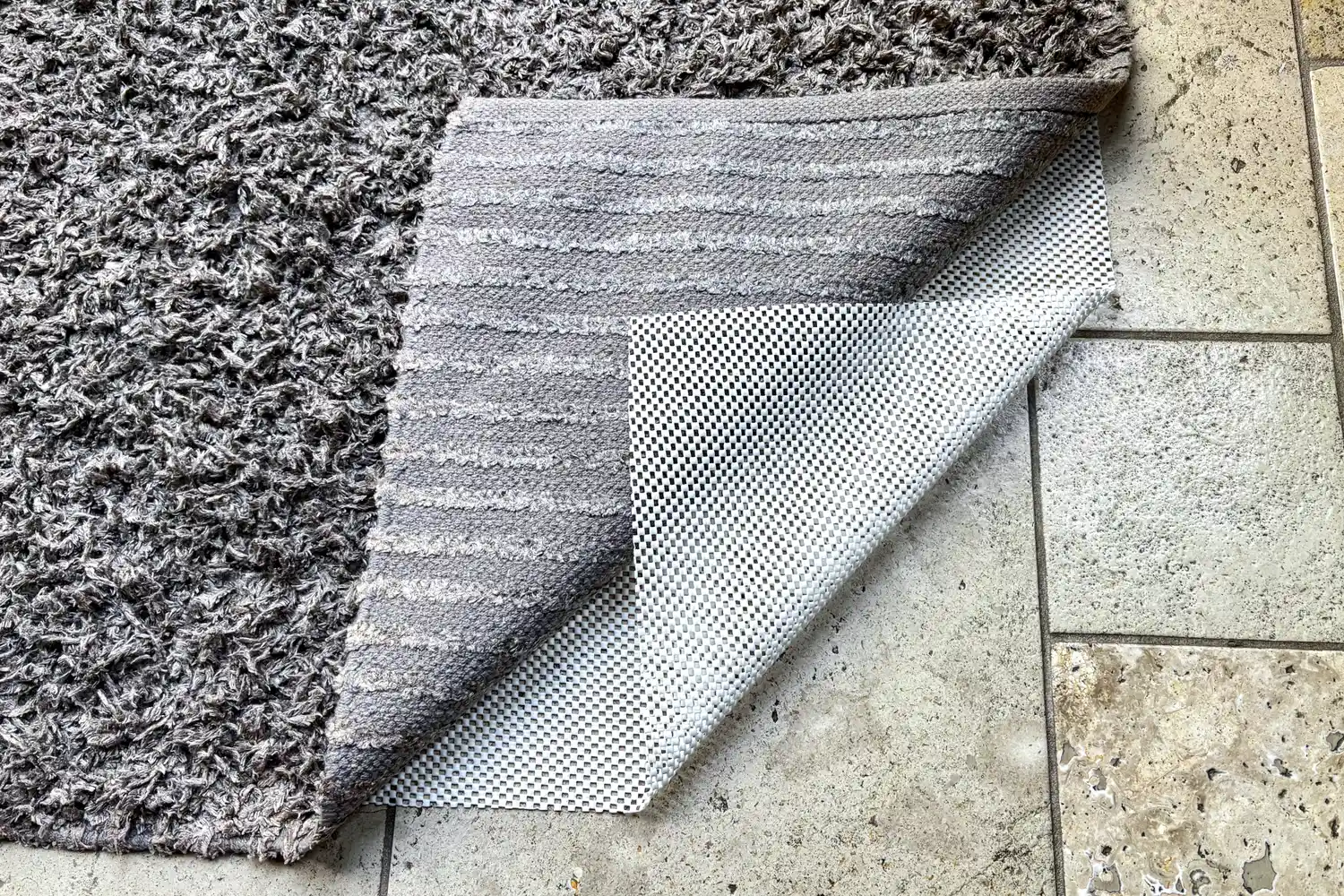
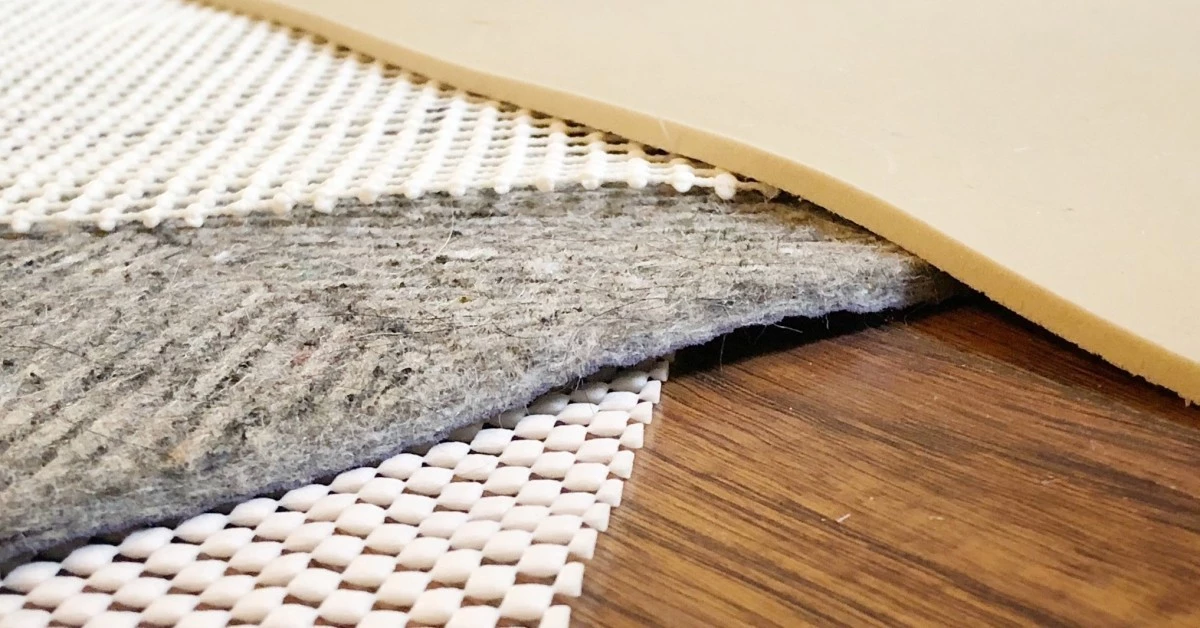
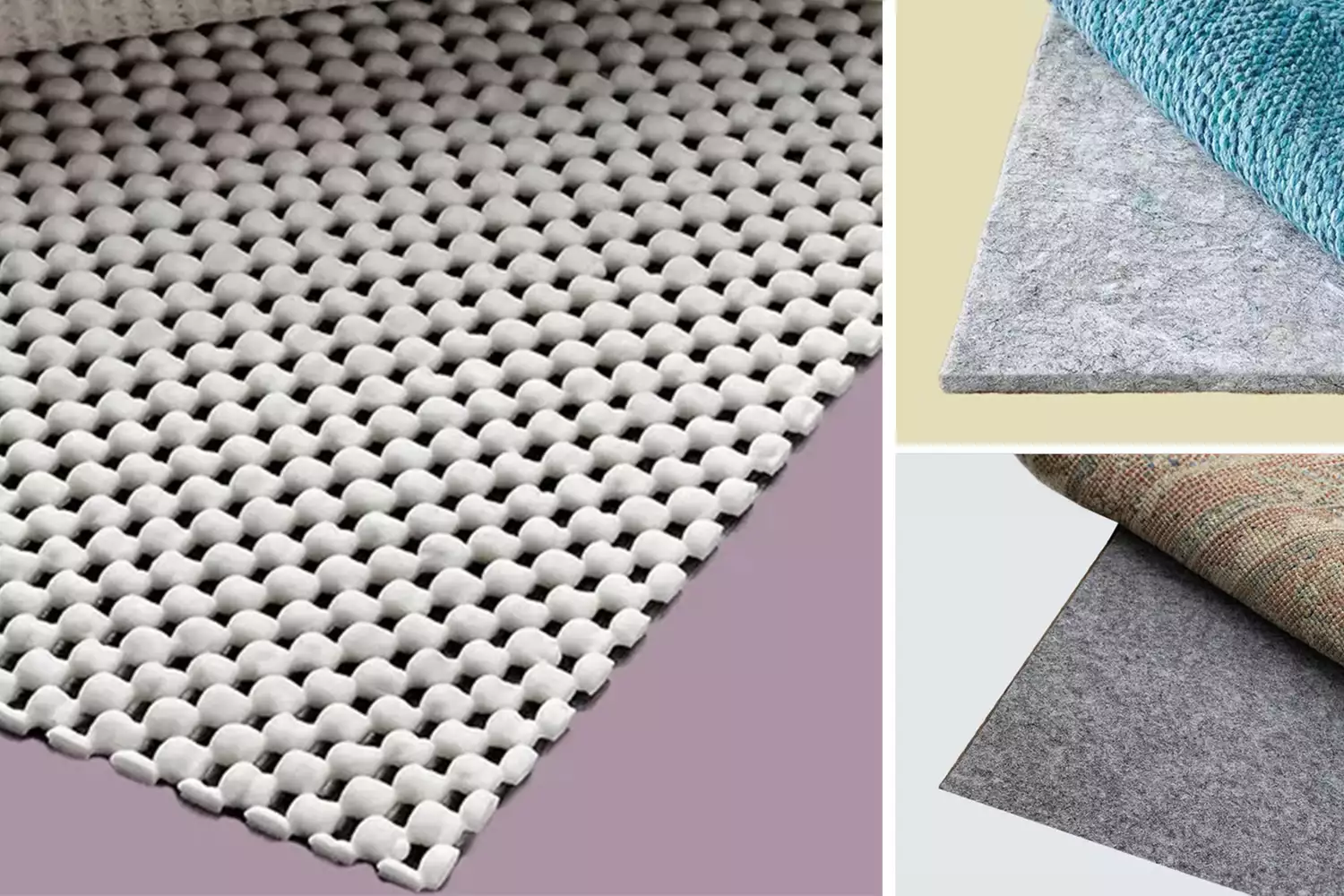
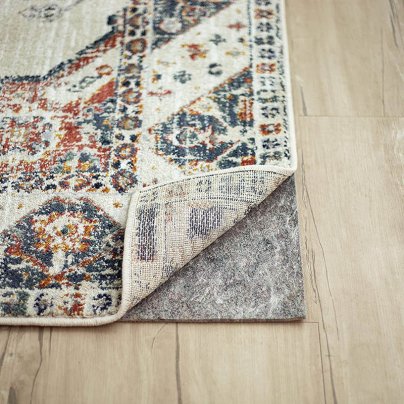
When choosing a rug pad, material and size are the primary considerations. Rubber pads are highly recommended for hard flooring due to their durability and superior non-slip properties, often being thinner for a low-profile look. Felt pads, conversely, are ideal for hardwood, tile, and even carpeted floors, offering substantial cushioning and sound insulation. For a comprehensive solution, combination pads (rubber and felt) provide both non-slip grip and added comfort, suitable for all floor types. Memory foam pads are also an option for hard floors where maximum cushioning, like in kitchens, is desired.
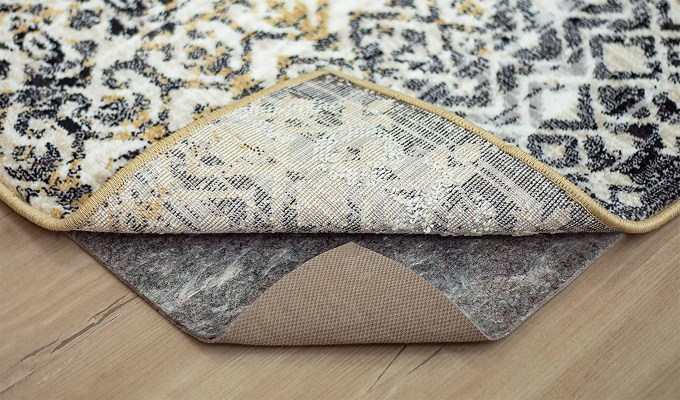
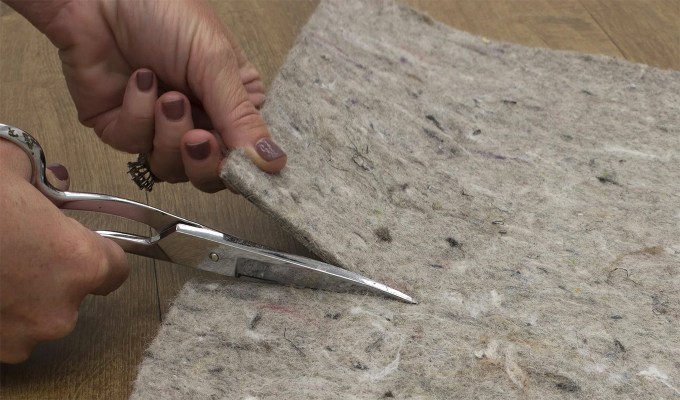
Regarding size, a rug pad should ideally match the dimensions of the rug or be trimmed to be one to two inches shorter on each side. This ensures the pad is not visible and does not extend beyond the rug's edges. If a pad is too large, it can be easily cut to size with scissors.
Proper care of a rug pad is essential for its effectiveness and longevity. Regular vacuuming on a gentle setting every few months is advised, along with spot cleaning with soap and water for spills. Rotating both the rug and its pad every three to six months helps prevent uneven wear and compression. Over time, rug pads will naturally lose their grip and cushioning ability, necessitating replacement to maintain their protective and comfort benefits for both the occupants and the flooring.
#RugPads #HomeDecor #FloorProtection #AreaRugs #InteriorDesign #HomeSafety #Comfort #Maintenance #RugPads #HomeDecor #FloorProtection #AreaRugs #InteriorDesign #HomeSafety #Comfort #Maintenance
Há 0 comentários no total
 Ainda não há comentários
Você também pode gostar
The Best Rug Pads Are More Than a Buffer of Protection for Your Floor

News Flash: You're Buying the Wrong Rug Pad

Ruggable's new Cushion Rug Pad is a cozy delight for hard floors

We Tested Dozens of Rug Pads. These 9 Stayed Put the Best.

The Best Rug Pads Are More Than a Buffer of Protection for Your Floor

Here Are 7 of the Best Rug Pads for Every Floor Type
We Tried the Best Rug Pads—These Ones Finally Stopped the Slipping


Ruggable’s Washable Rugs: Why We Love Them (but Also Hate Them Sometimes)
The Best Rug Pads

The 10 Best Rug Pads for Any Floor and Carpet Type

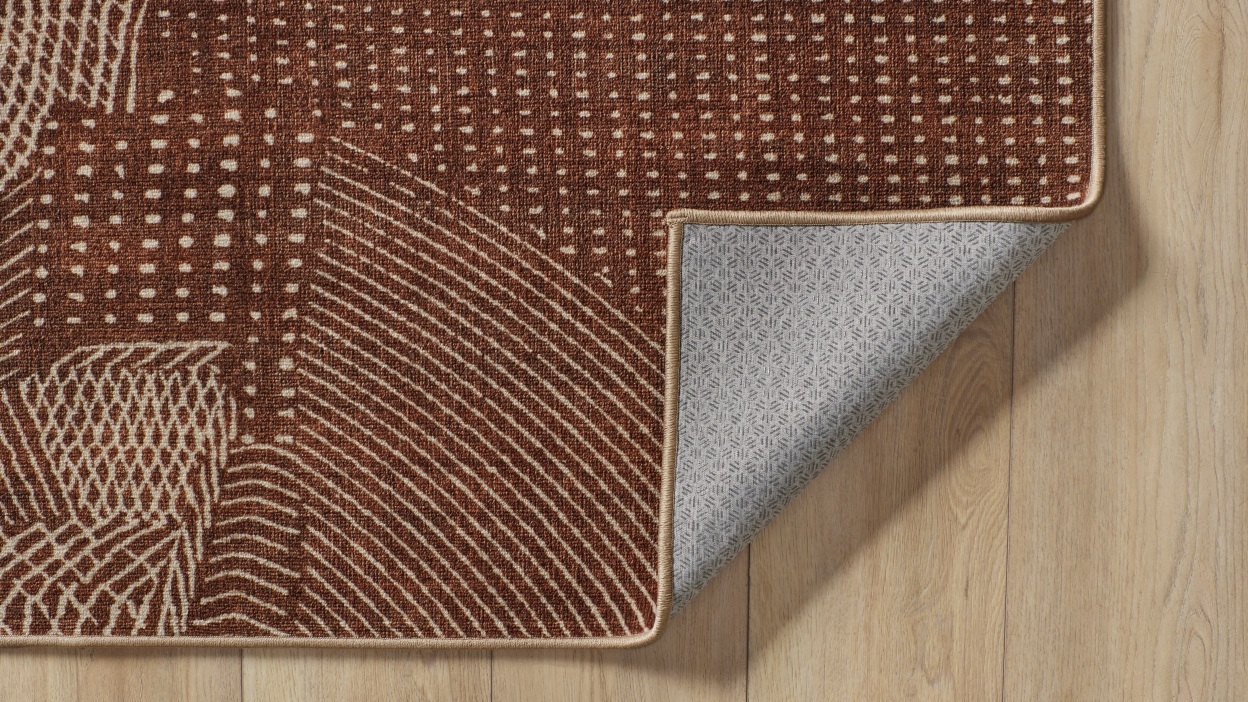
Ruggable's washable rugs now come with built-in rug pads


How Much Should You Spend on an Area Rug?

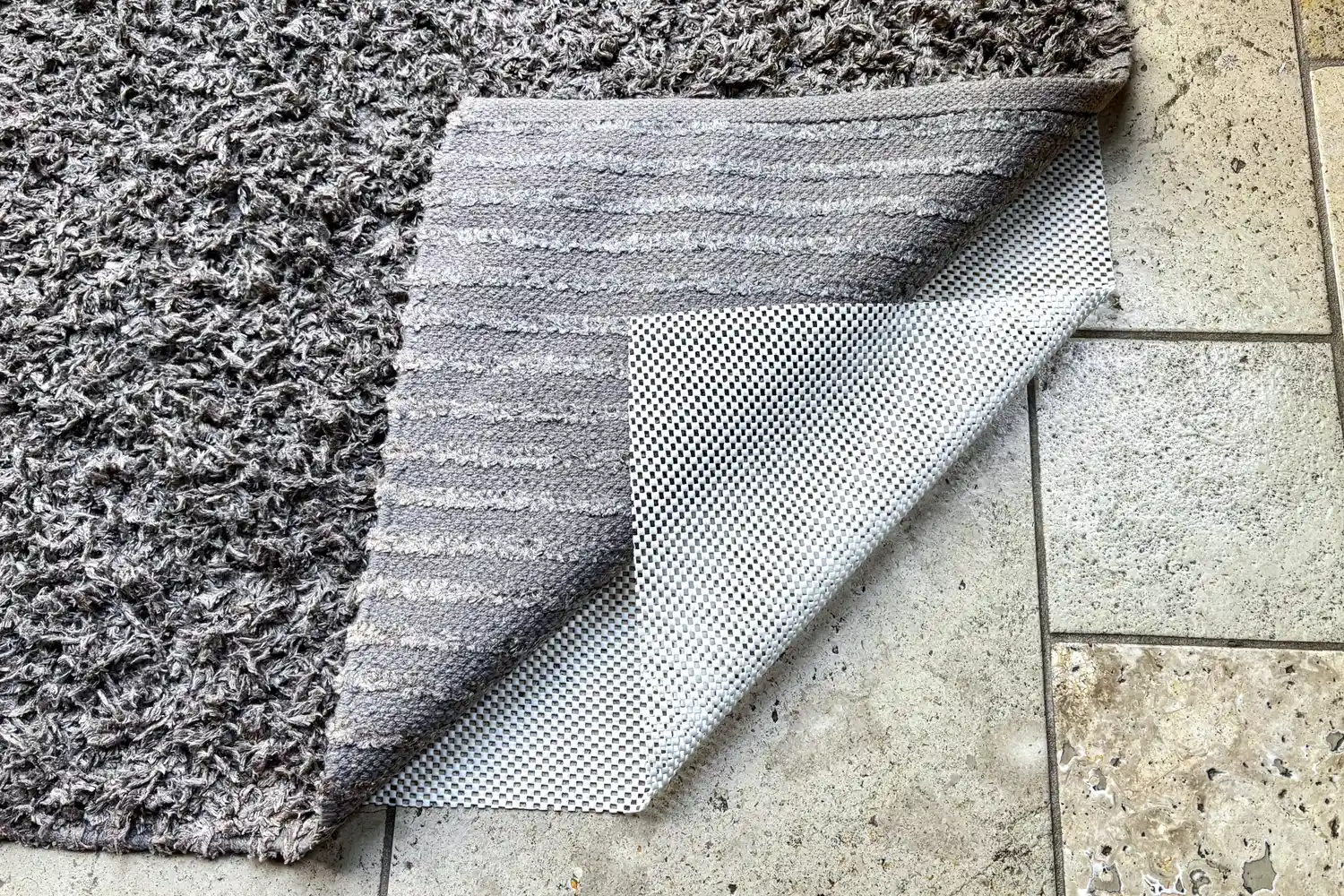
Keep Rugs in Place—And Add Comfort, Too—With Our Top 9 Rug Pad Picks
The Best Rug Pads | Reviews by Wirecutter
When should you use a round rug? The lesser-loved shape can often be the better choice, say designers

Does It Seem Like Everyone Has This Rug?
We Tested the Best Rug Pads to Keep Your Home Safer and More Comfortable—Here Are Our Recommendations

5 Fail-Proof Ways to Stop Your Rugs From Sliding — And Clever Buys to Keep Them Flat, Too

Professional cleaners never waste their time with standard mops on tile floors – this is the $13 essential they always recommend instead

Should All of Your Furniture Legs Be on the Rug? Designers Say There's a Right Answer