1/9
Crown Molding Ideas — 8 Ways to Make This Traditional Flourish Feel Modern
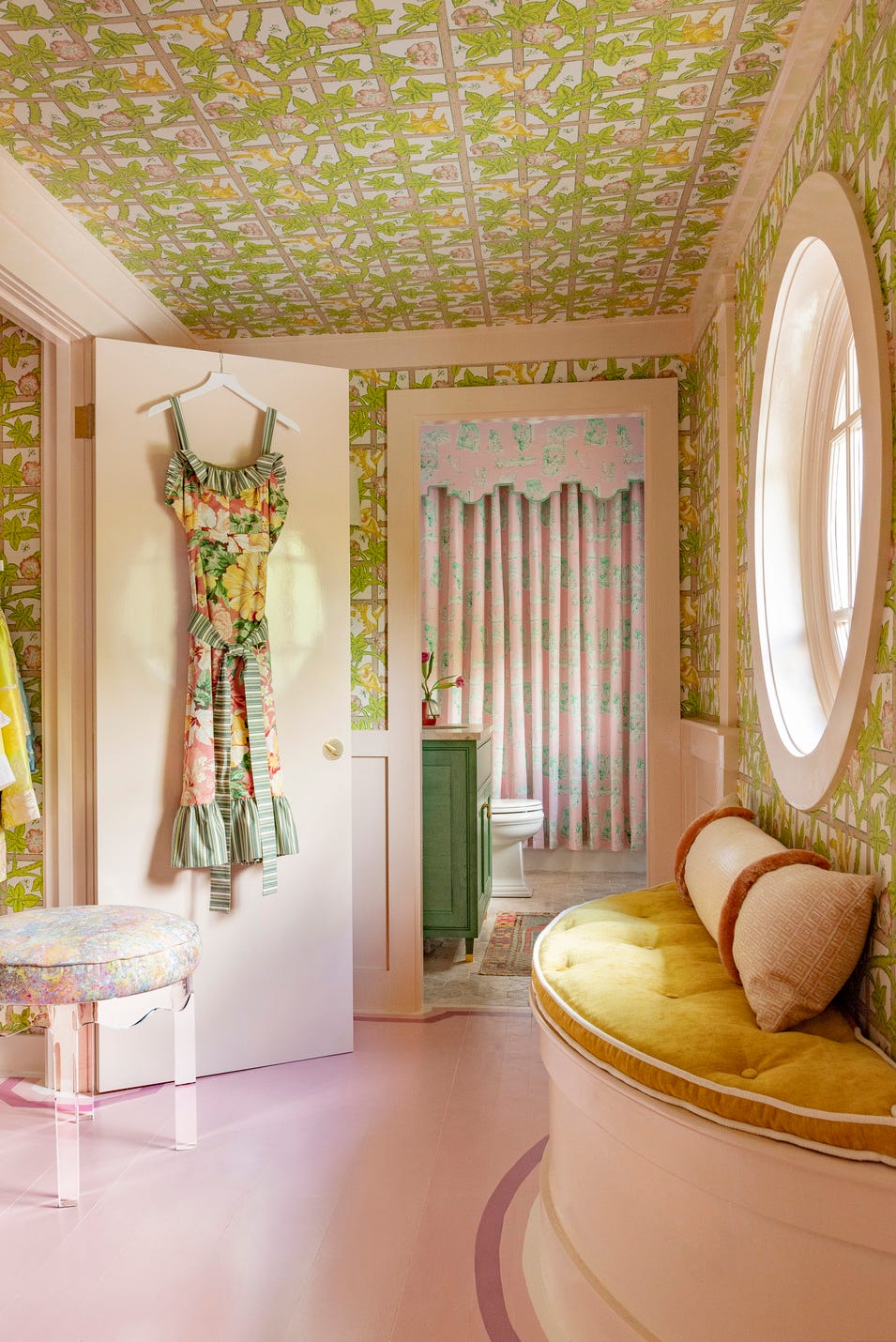
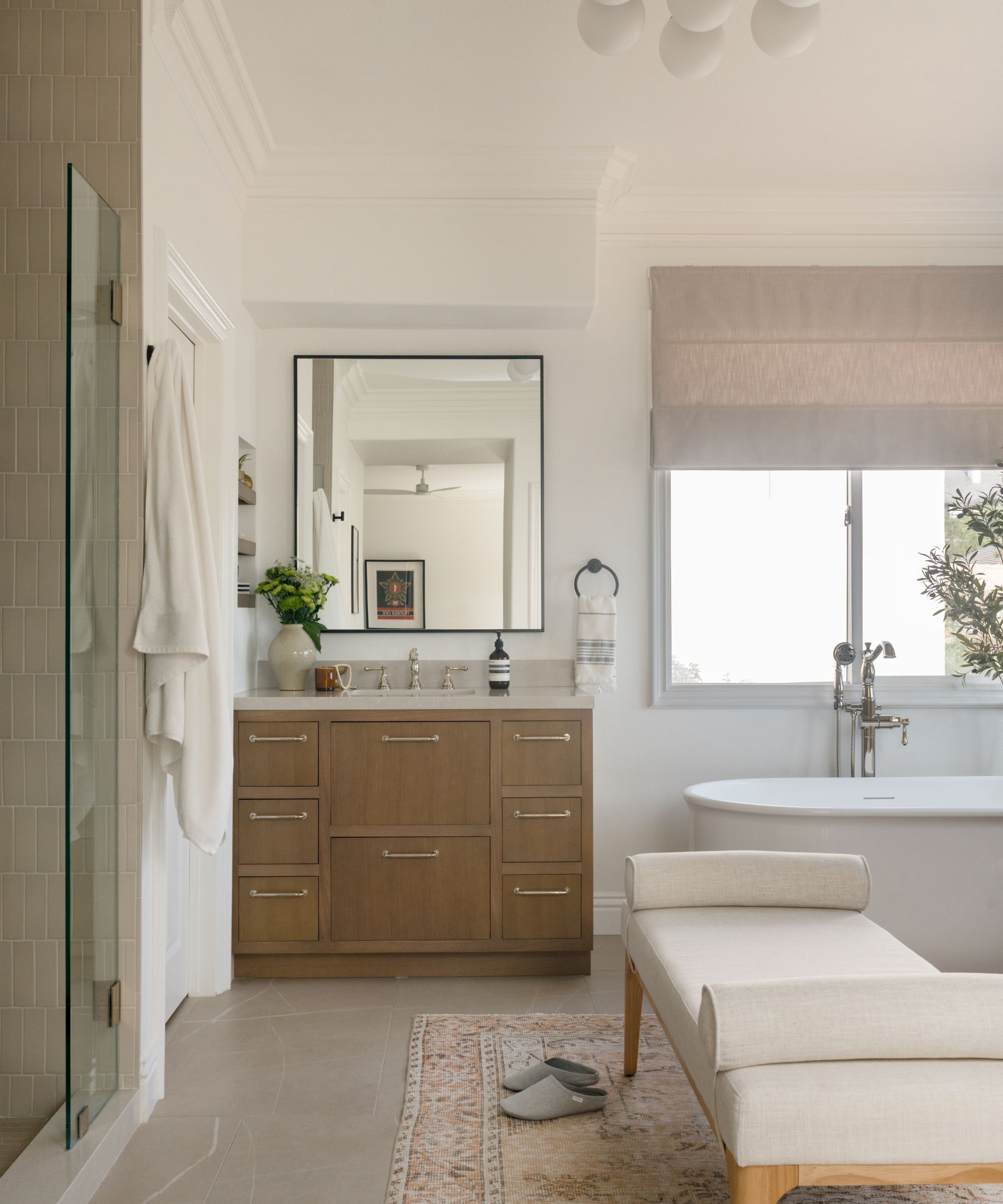
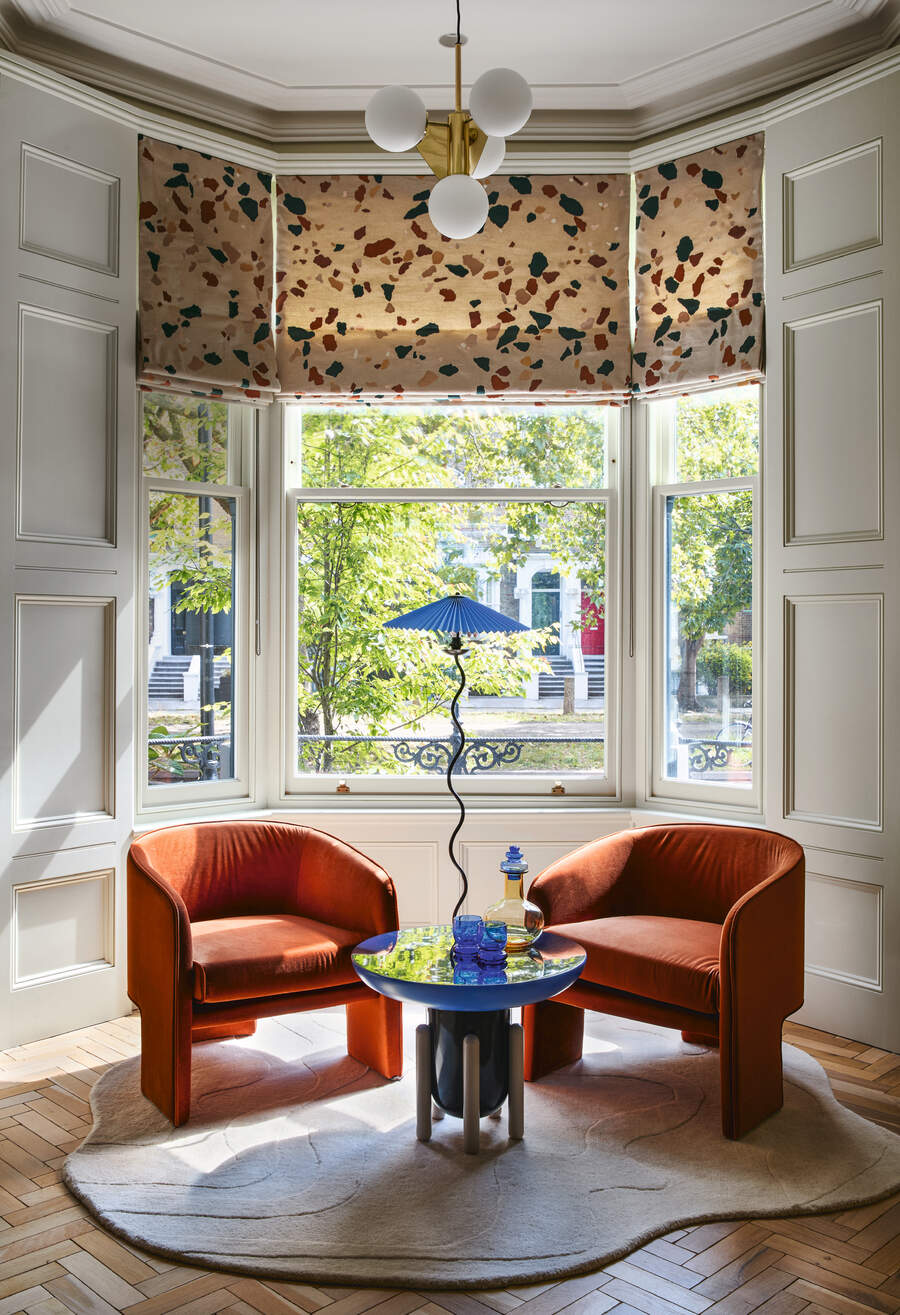
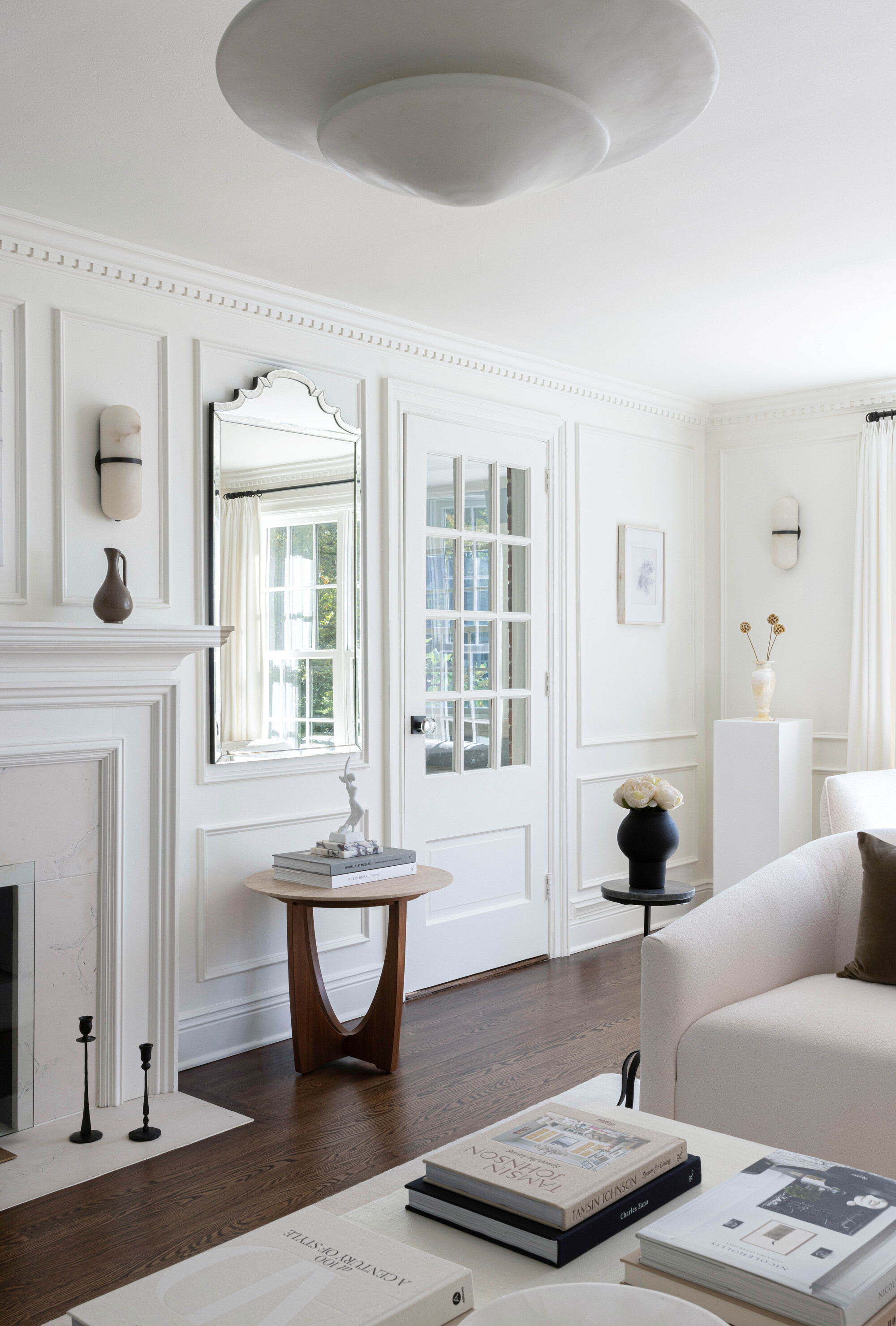
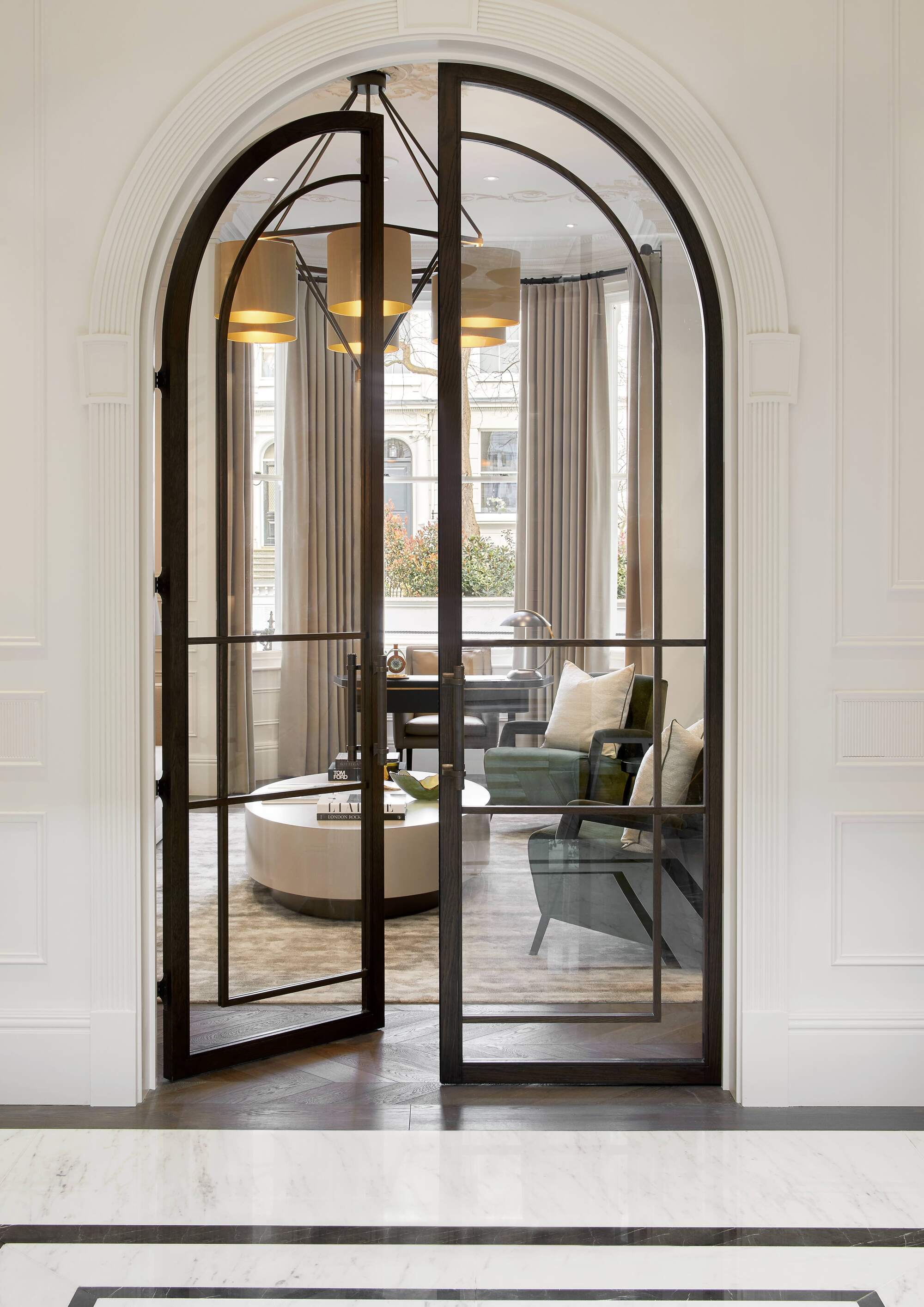
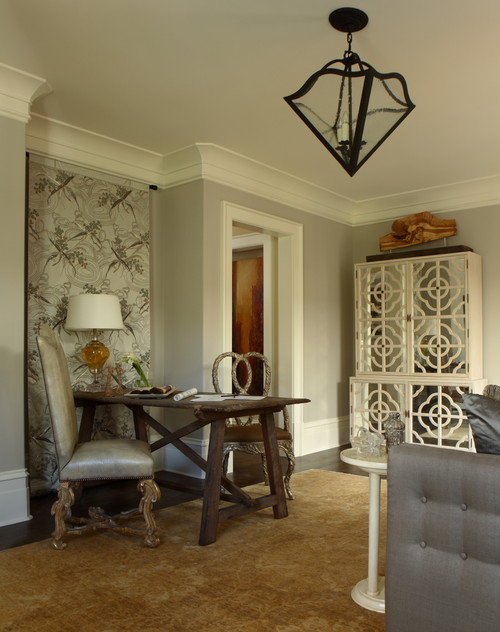
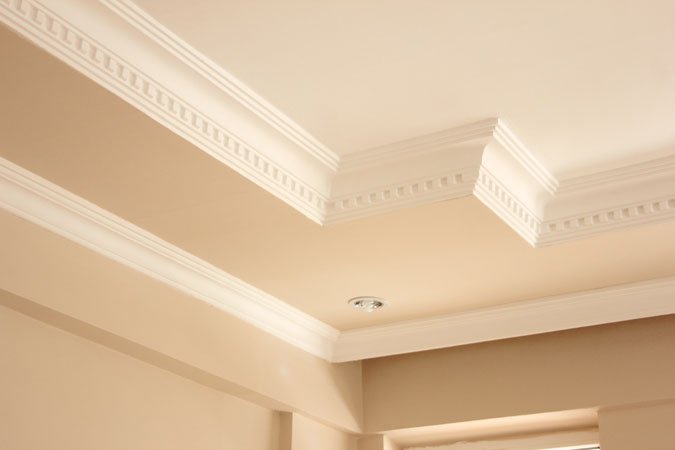
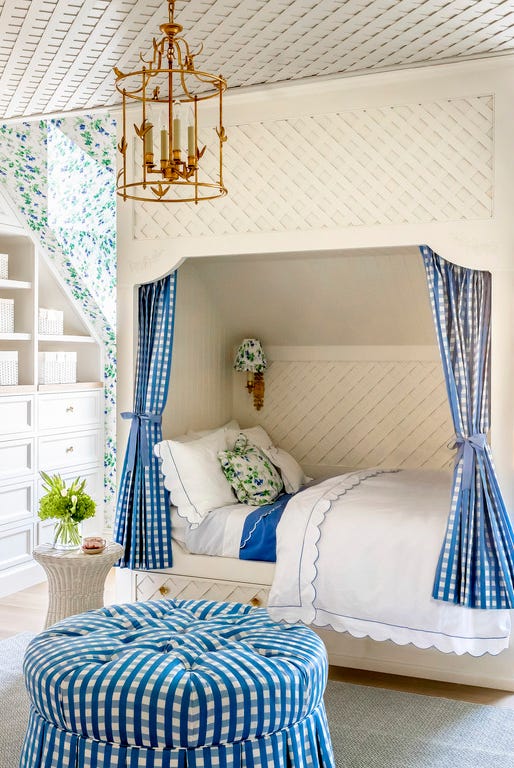
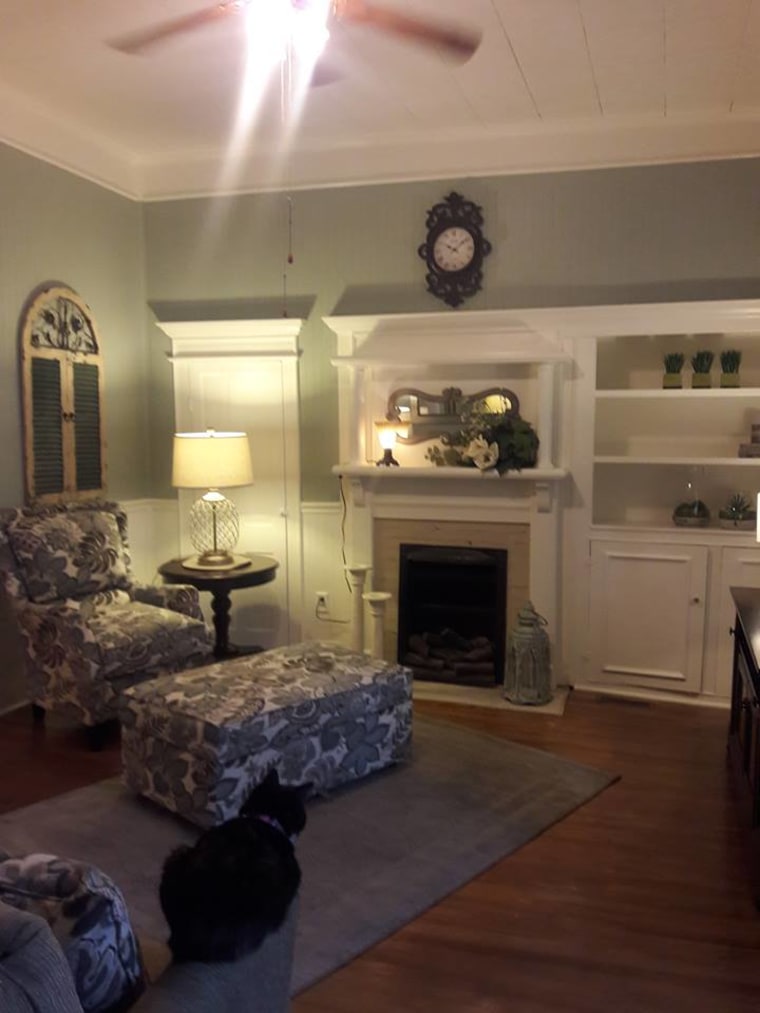
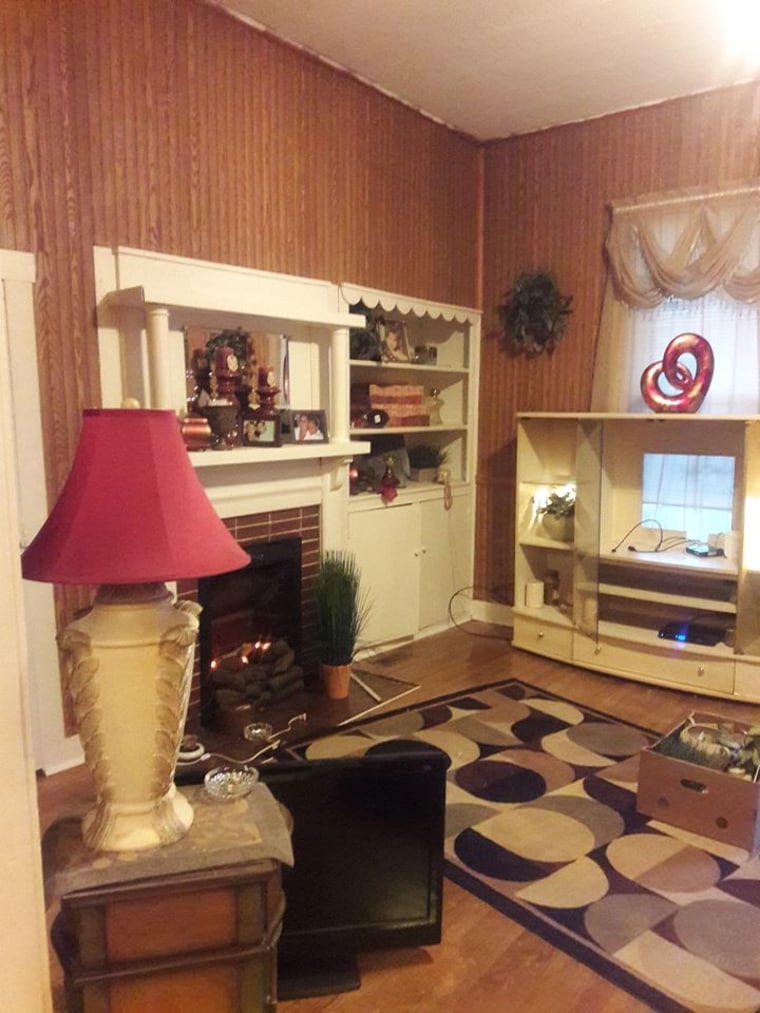
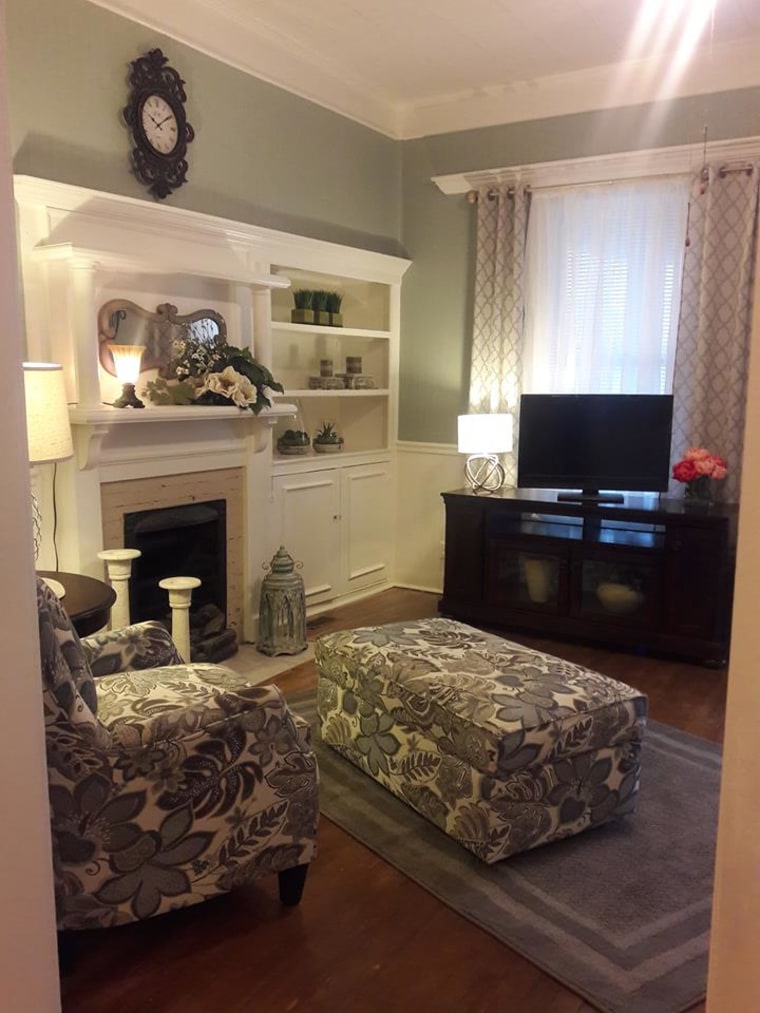
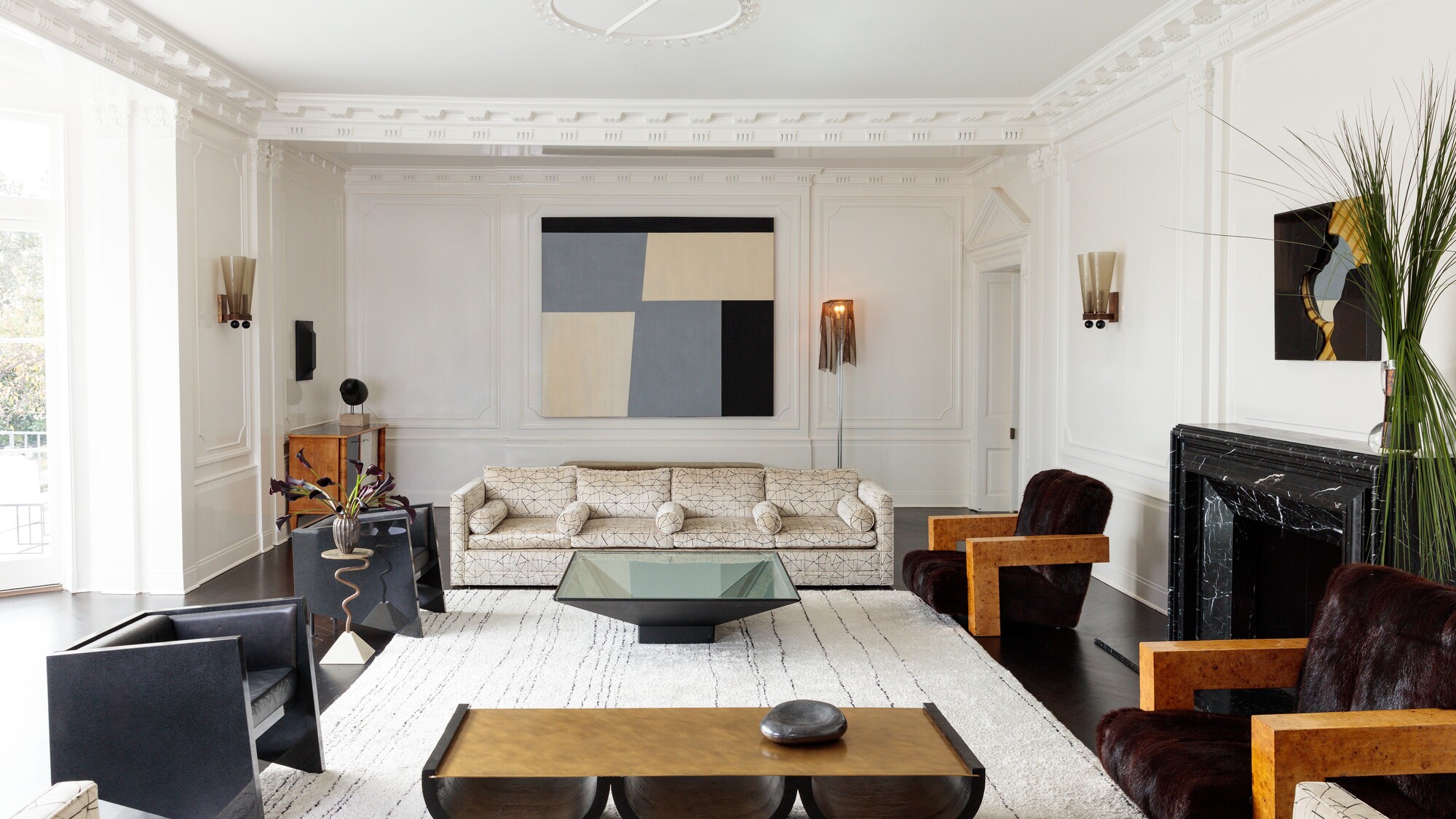
Crown molding, though often associated with period homes, offers a versatile design element that can significantly impact the overall aesthetic of a room. Its primary function extends beyond mere ornamentation, serving to establish order and lay the foundational groundwork for interior decoration. When considering crown molding, factors such as historical accuracy, style, size, and integration with paint schemes are crucial for a successful outcome.
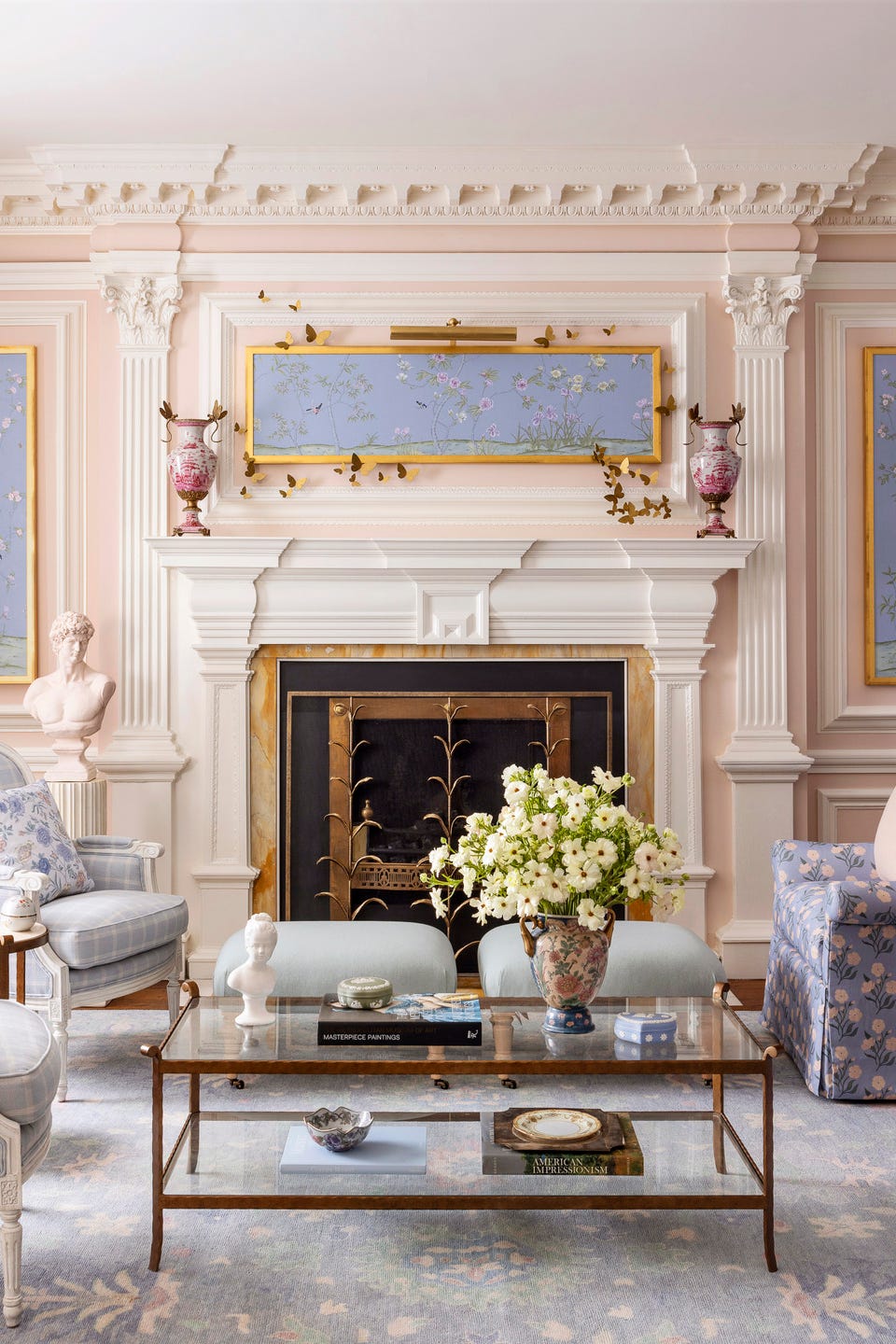
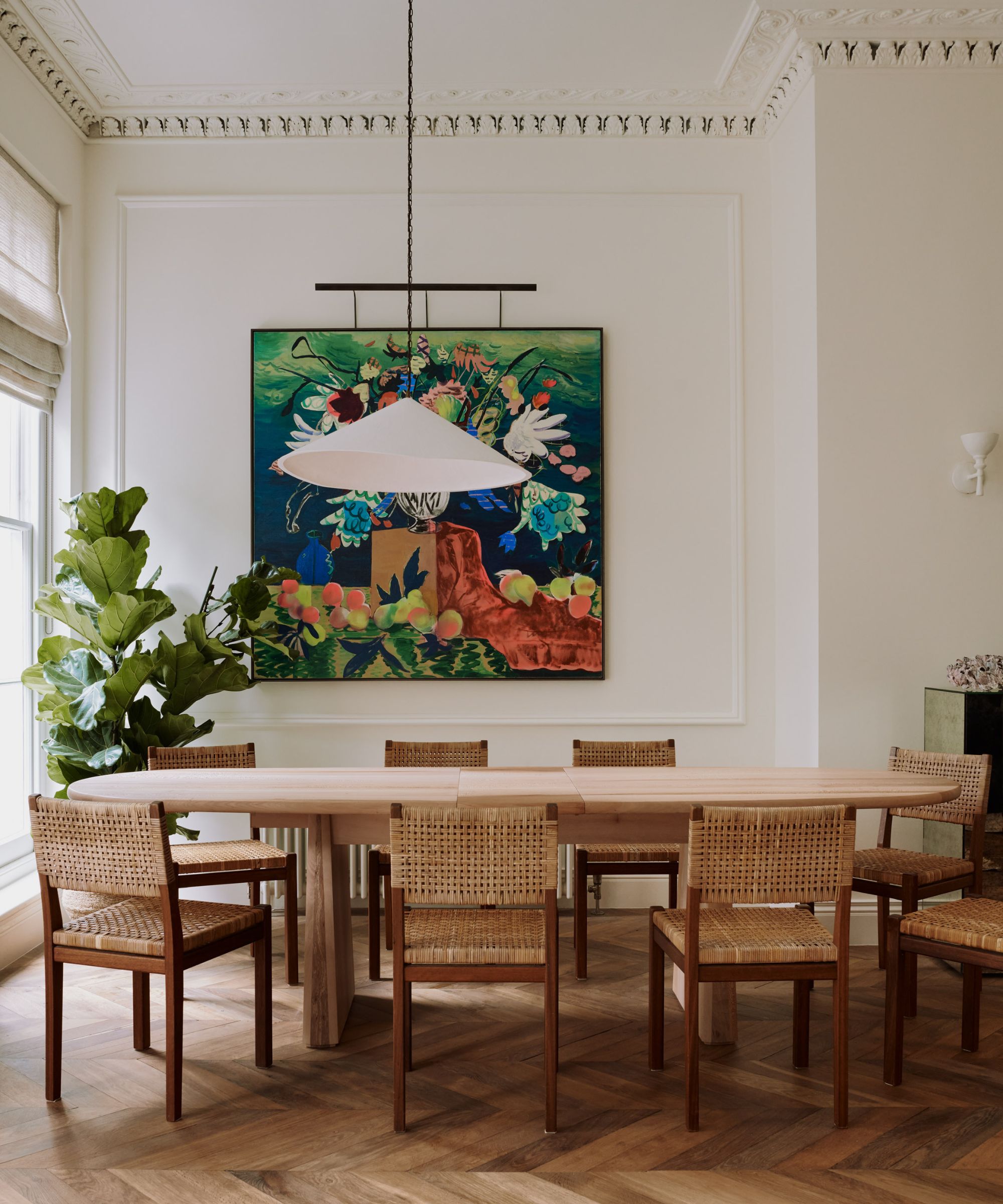
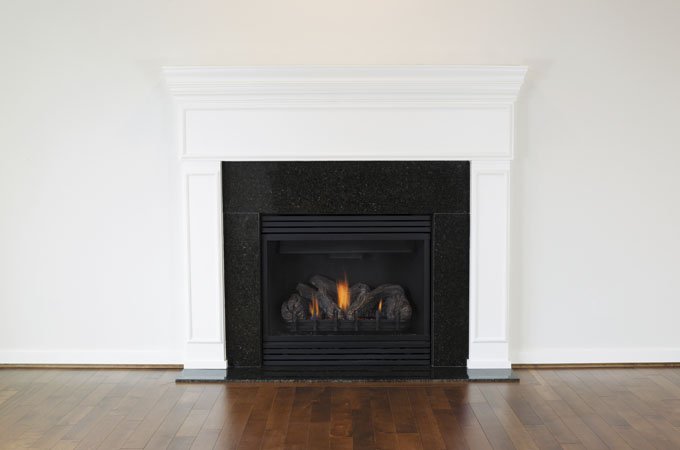
Historical accuracy is a key consideration, with crown molding styles varying across different architectural periods including Classical, Georgian, Regency, Victorian, Edwardian, and Art Deco. Classical moldings draw inspiration from Greek and Roman architecture, categorizing into Doric, Ionic, Corinthian, and Tuscan orders. Georgian and Regency styles are typically softer, while Victorian and Edwardian designs feature more floral and decorative motifs. Art Deco moldings, in contrast, are characterized by geometric shapes. While adhering to the period of the house is generally recommended, some flexibility is possible, opting for simpler designs if extensive ornamentation is a concern. Consulting existing interior architectural elements like skirting, dado rails, architraves, or fireplaces can provide valuable guidance for selecting appropriate molding styles.
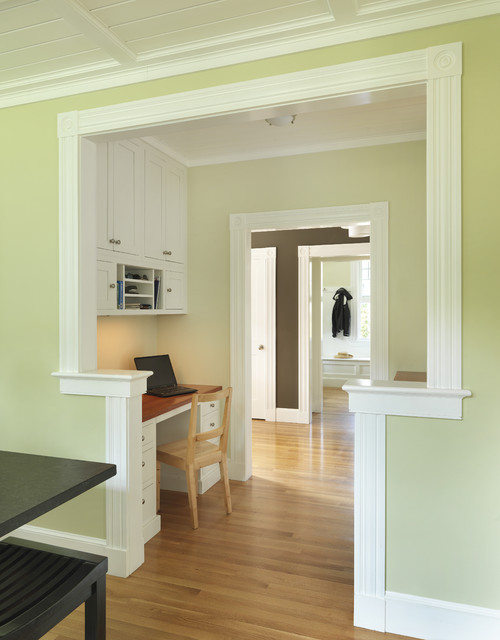
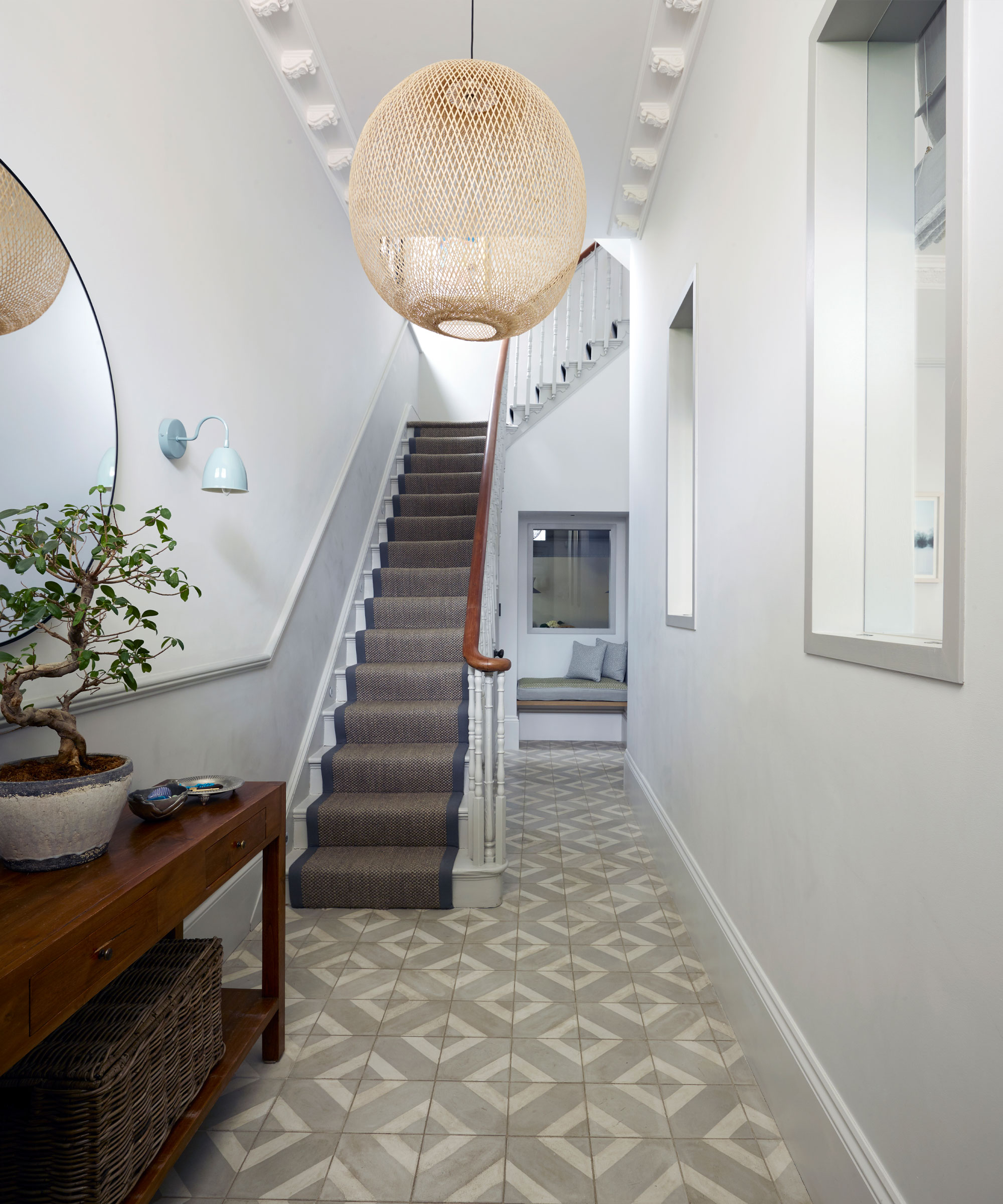
For a subtle yet refined look, plain crown molding, which features linear elements without elaborate embellishments, can create a seamless transition between the wall and ceiling. These moldings often have an arch shape to produce a coving effect and can be layered for added depth in a classic manner. Conversely, enriched crown molding incorporates floral or patterned designs, acting as a historical marker for a specific era. The quality of enriched cornices is evident in the definition of their embellishments. In period homes, enriched cornices are typically reserved for main rooms like reception areas and master bedrooms, while plain cornices are used in common spaces, hallways, bathrooms, and secondary bedrooms.
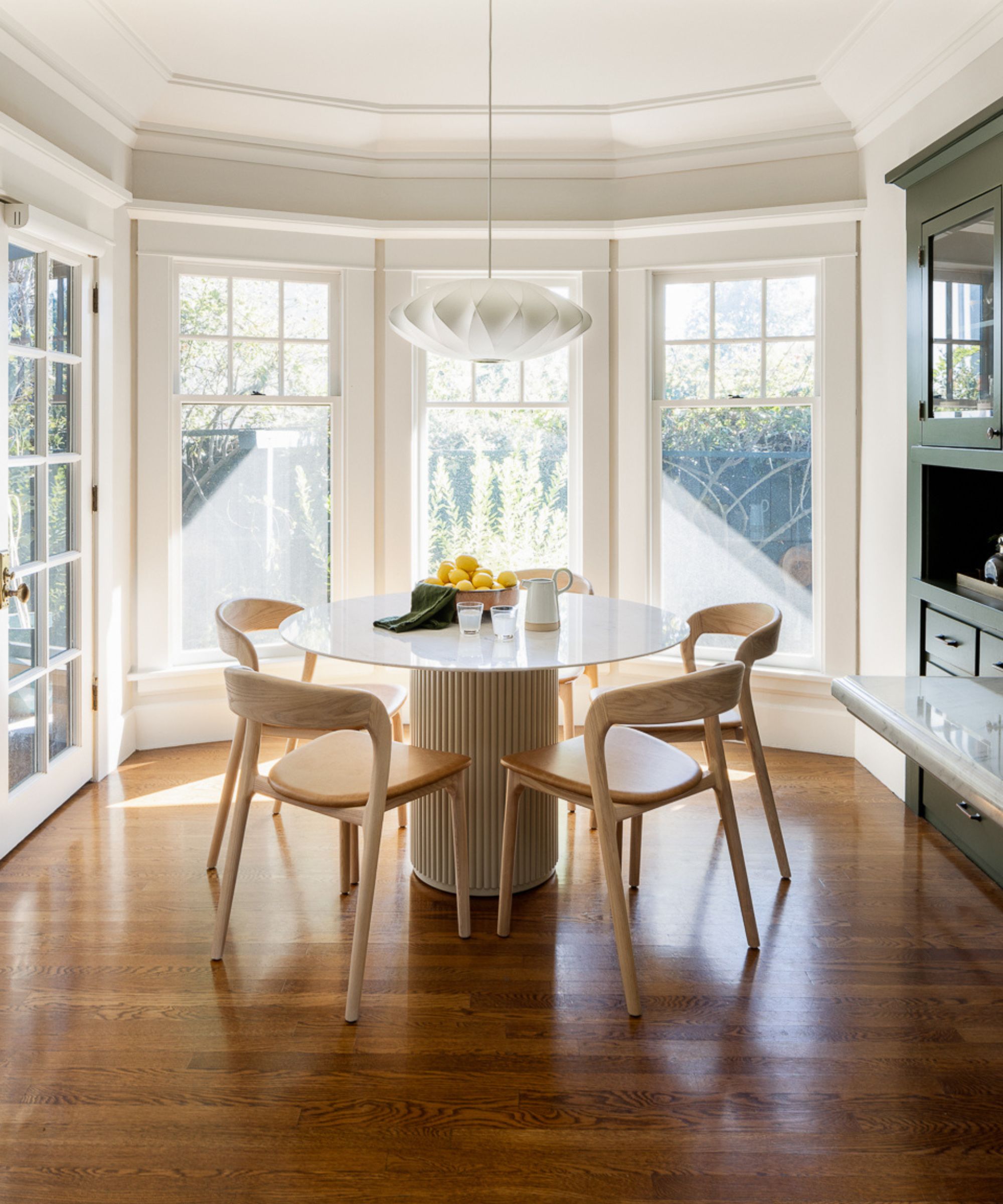
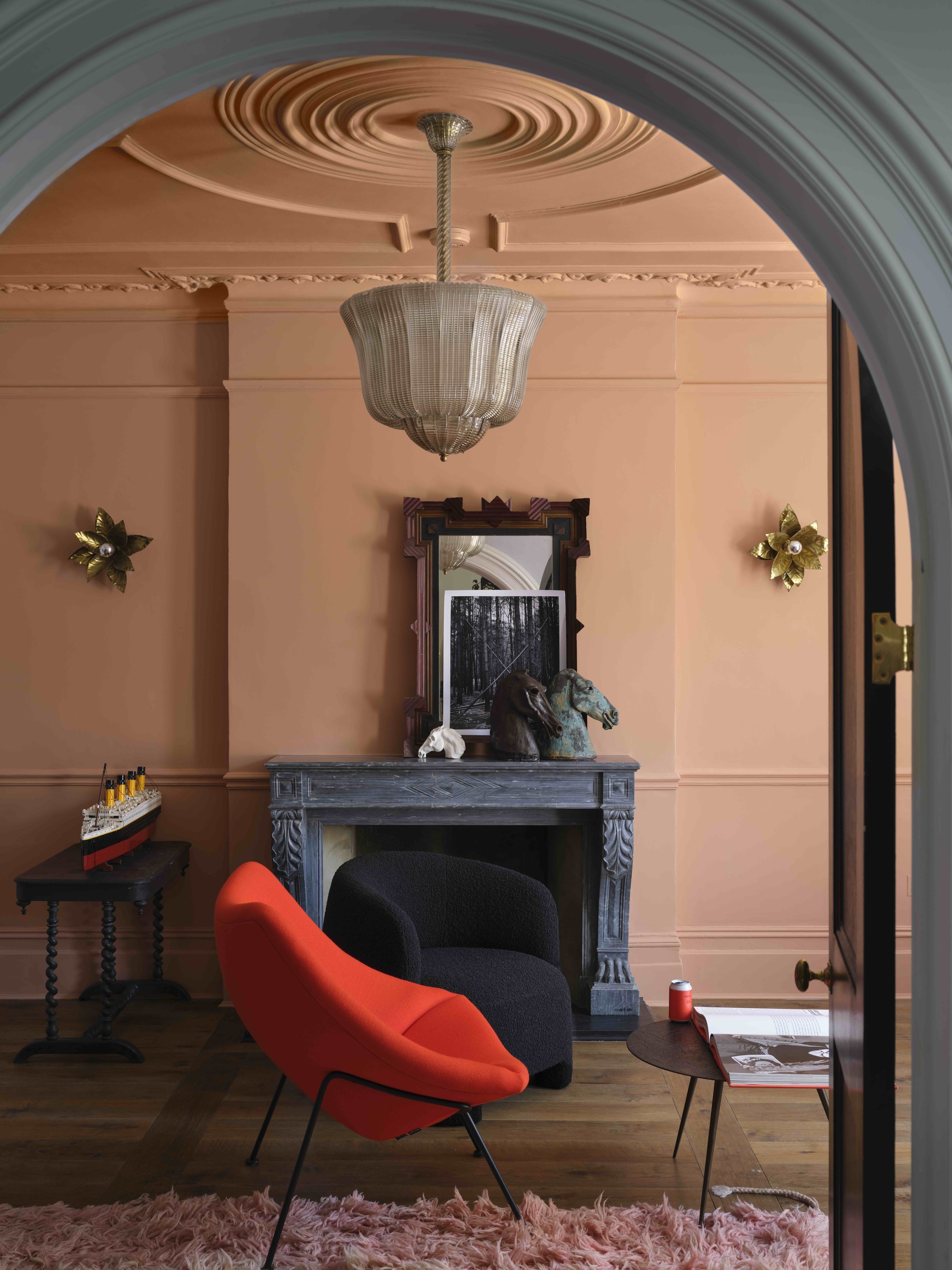
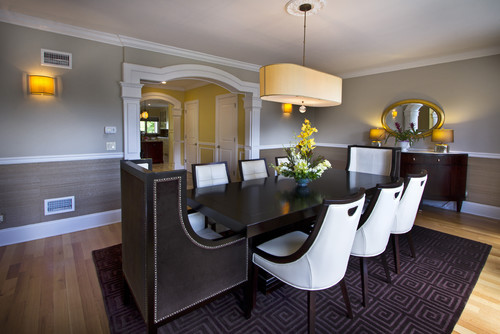
Proper sizing of crown molding is essential to avoid an out-of-proportion appearance. A general guideline suggests that higher ceilings can accommodate deeper cornices. For instance, a medium cornice in a Victorian house might have a height of 4 inches and a projection of 8 inches. Beyond cornices, ceiling roses serve as decorative central elements that frame light fixtures, complementing existing crown moldings. These can range from plain to highly embellished and are relatively easy to install. When selecting a ceiling rose, it is important to choose a size that does not overpower the room or the light fixture itself, ensuring the rose's diameter is not larger than that of the light.
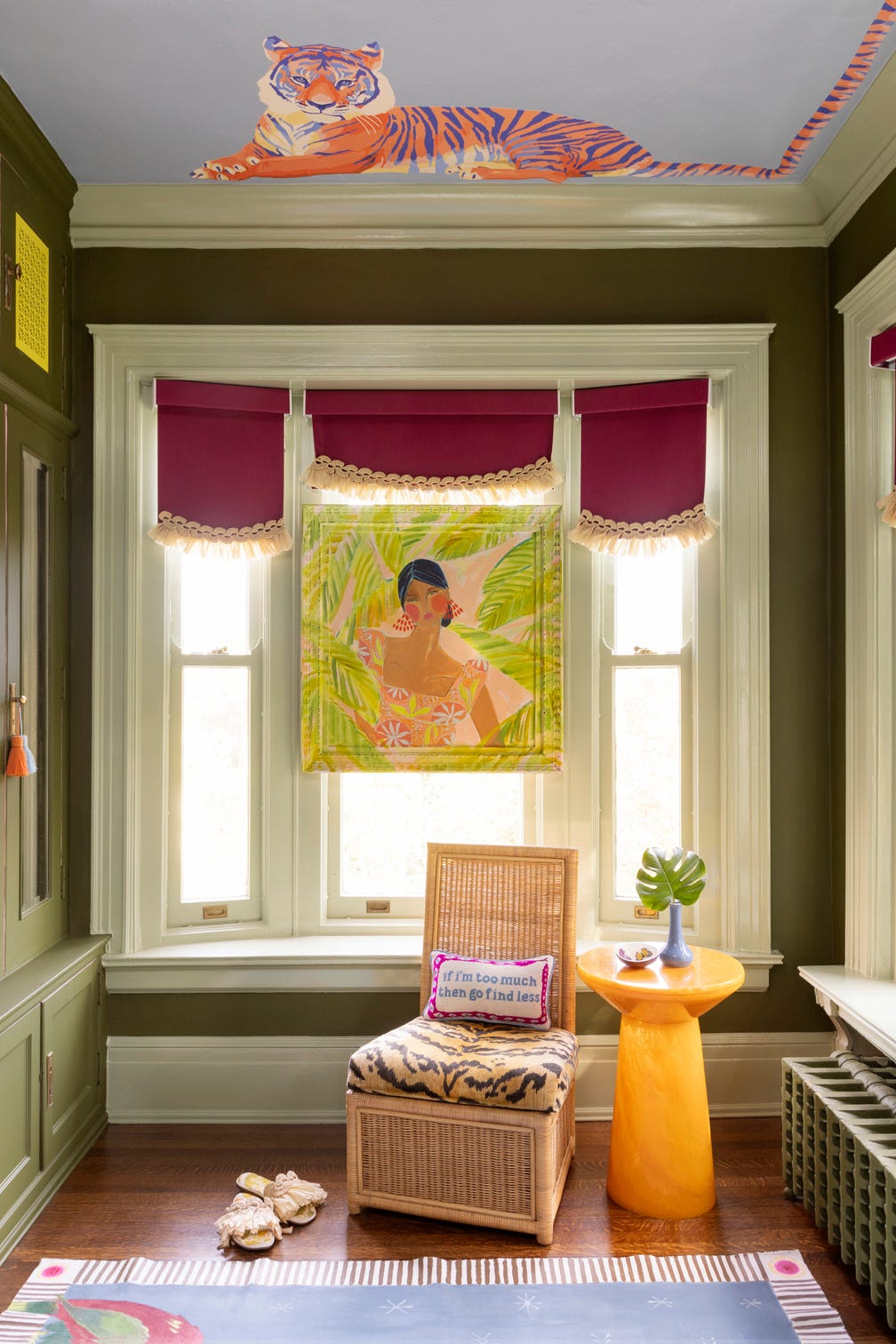
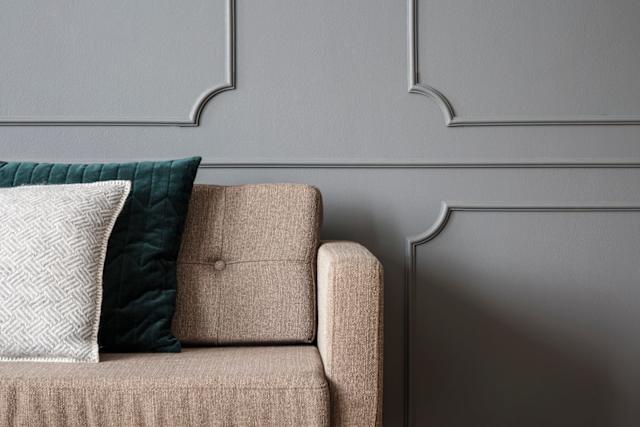
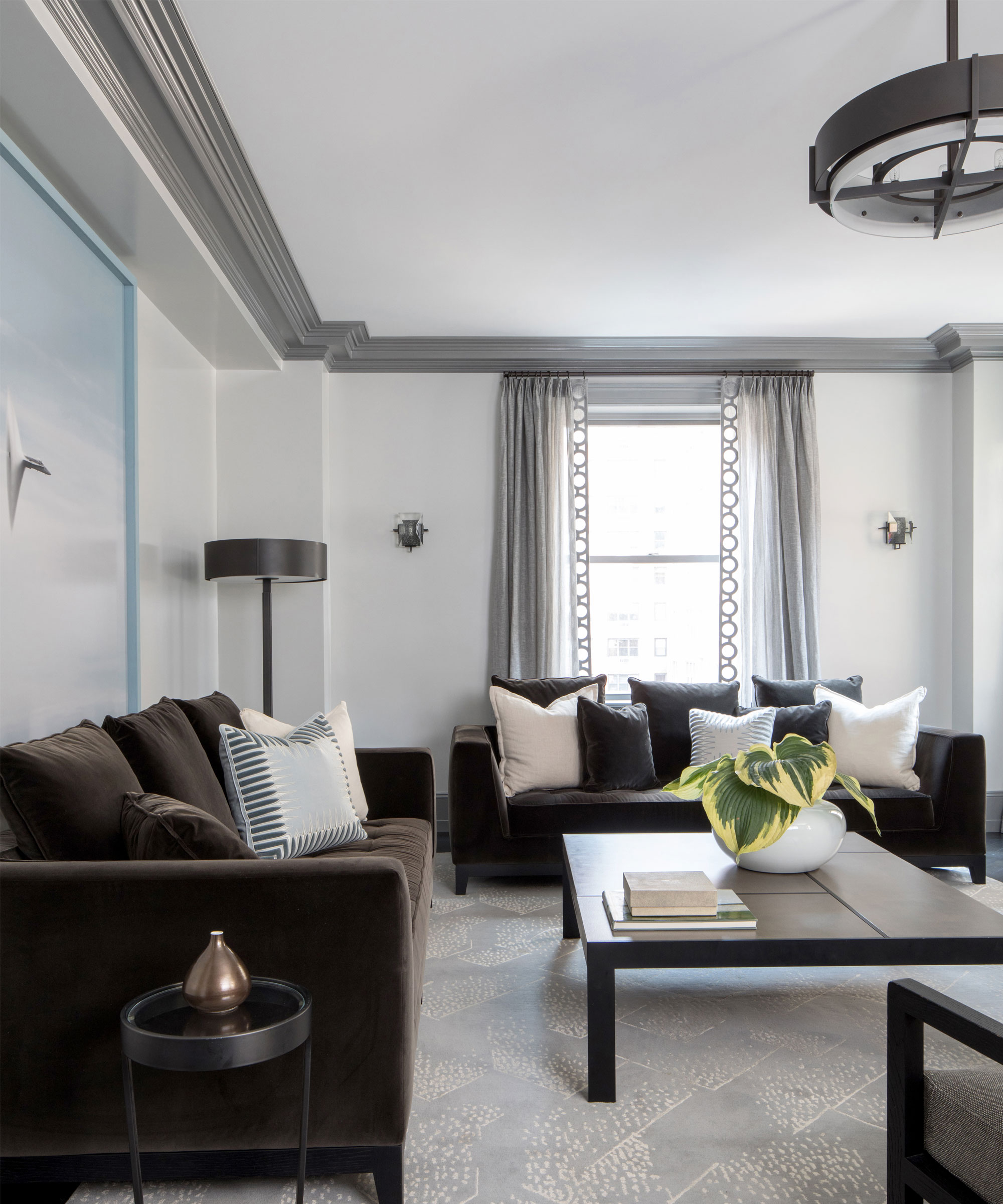
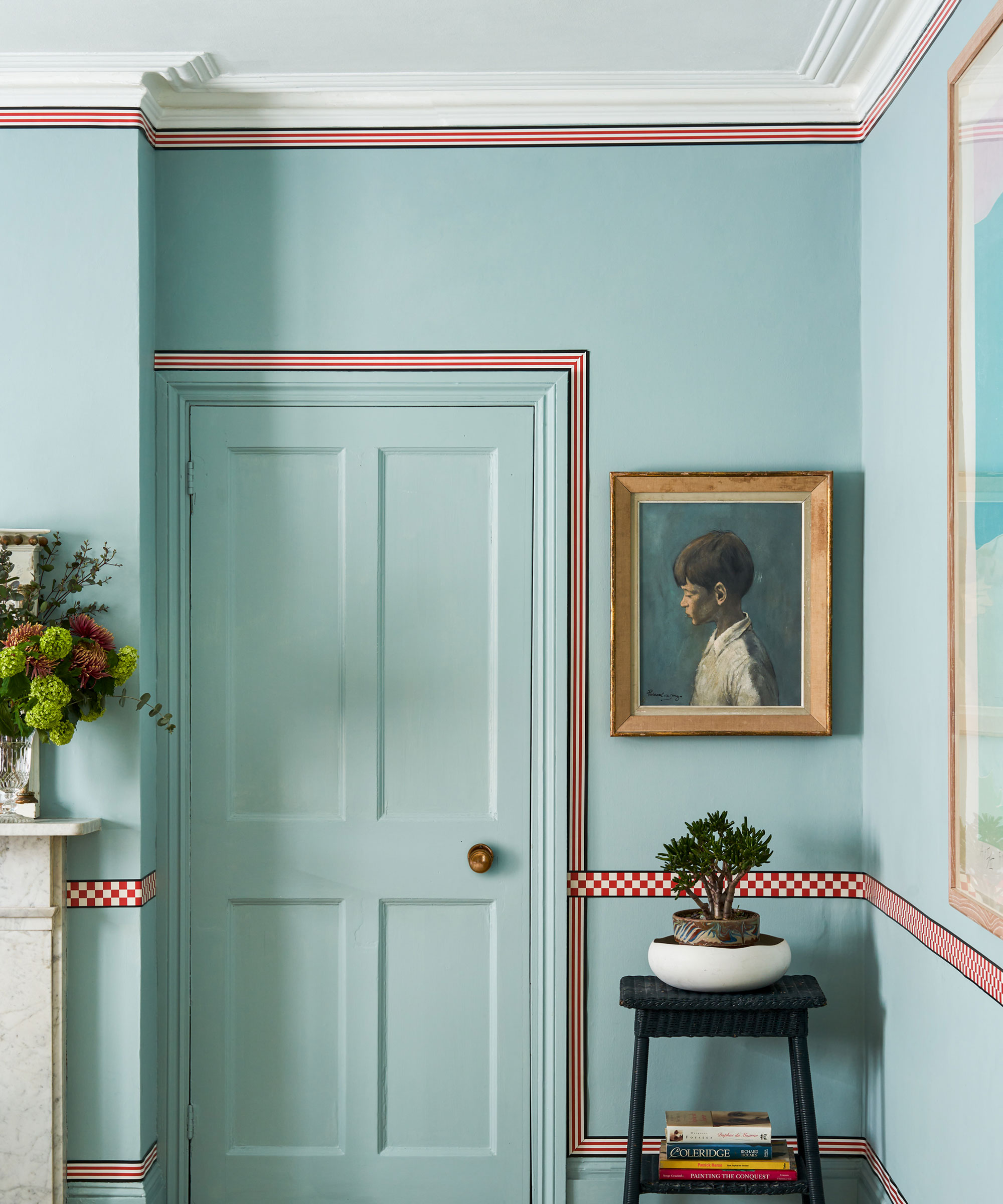
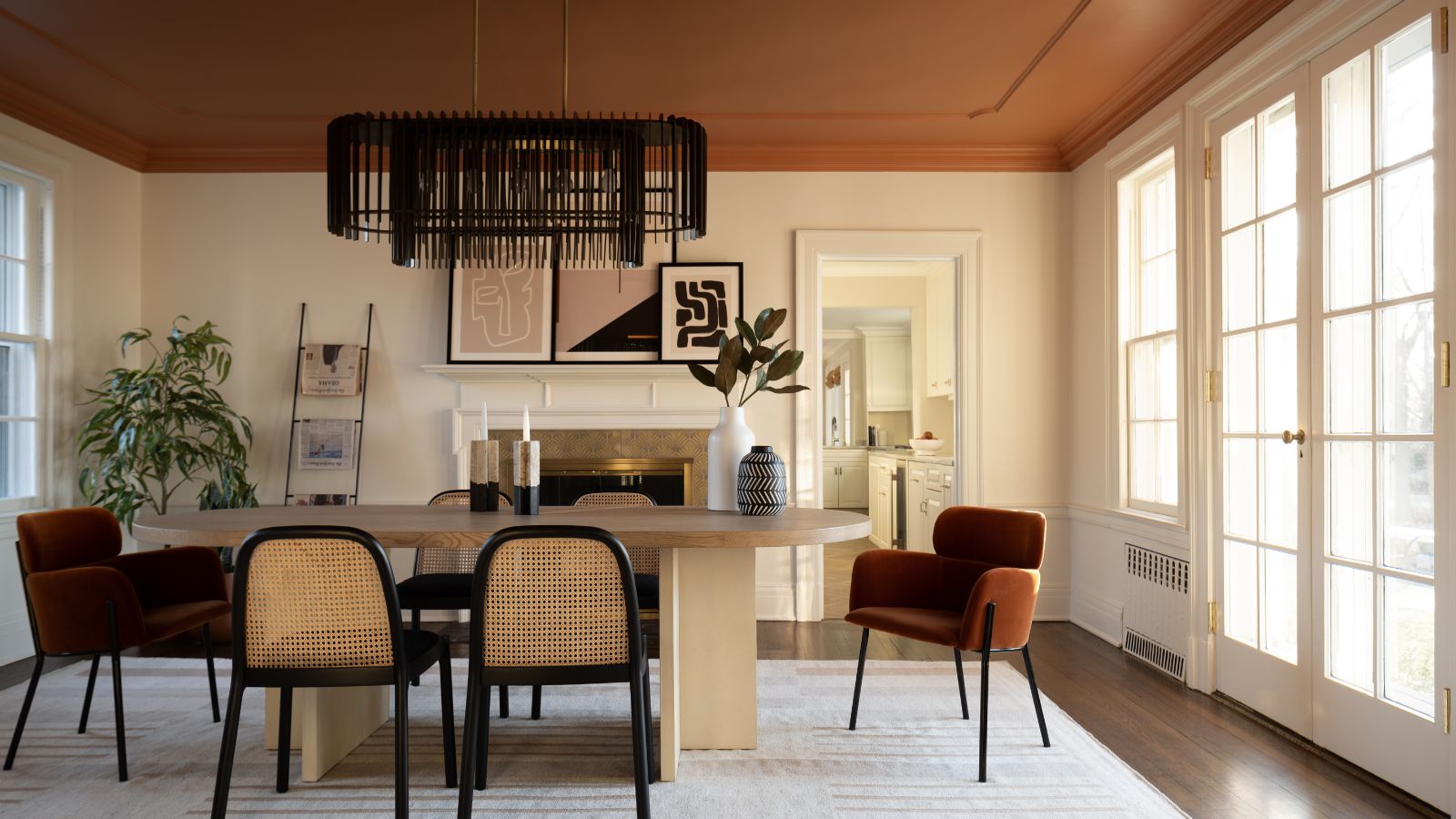
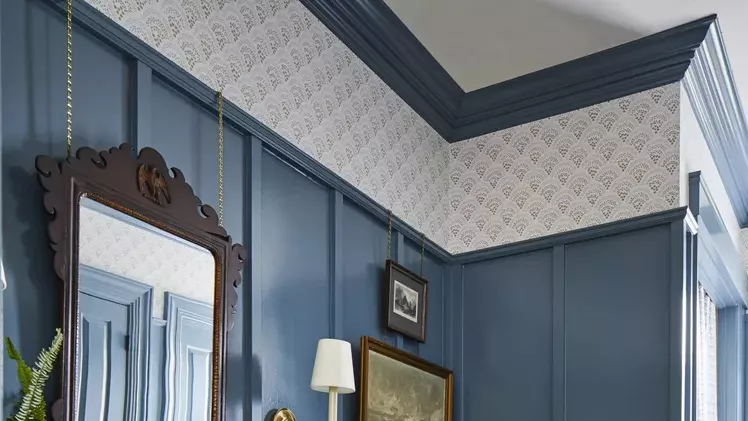
Creative use of paint can further enhance crown molding. The color drenching trend involves painting the molding and ceiling in the same or a subtly varied shade as the walls, creating an illusion of expanded space and a cozy atmosphere. Alternatively, painting crown molding in a contrasting color, such as black against neutral walls, can introduce a bold and dramatic effect, elevating the interior with a sleek finish. Crown molding also offers a practical application for integrating modern accent lighting, such as LED strips, which can be concealed within the molding to cast ambient light and create atmospheric shadows without serving as the primary light source.
Crown moldings are typically pre-manufactured from plaster, historically crafted by hand from plaster of Paris and lime putty. Modern methods involve pre-preparing 3-meter blocks using plaster of Paris and hessian, which are then installed, lightly sanded, and painted. Maintenance primarily involves regular light dusting for enriched cornices. Minor repairs like cracks can be handled by a decorator, while larger issues, such as missing sections, require professional attention.
#CrownMolding #InteriorDesign #HomeDecor #ArchitecturalDetails #PaintTrends #PeriodHomes #CeilingRoses #LightingDesign #CrownMolding #InteriorDesign #HomeDecor #ArchitecturalDetails #PaintTrends #PeriodHomes #CeilingRoses #LightingDesign
Há 0 comentários no total
 Ainda não há comentários
Você também pode gostar
16 Modern Crown Molding Ideas That Add SO Much Character

6 Types of Decorative Molding to Glam Up Walls and Ceilings

9 fresh ways to try the grandmillennial decor trend


Designing Built-up Crown Molding

Is crown molding out of style? Interior designers discuss this classic feature and decide if it has a place in 2025

11 Old-School Decor Ideas That Feel Surprisingly Modern
Designers Reveal the TINY Detail That Instantly Adds Character to Any Home
How to Paint Wood-Paneling

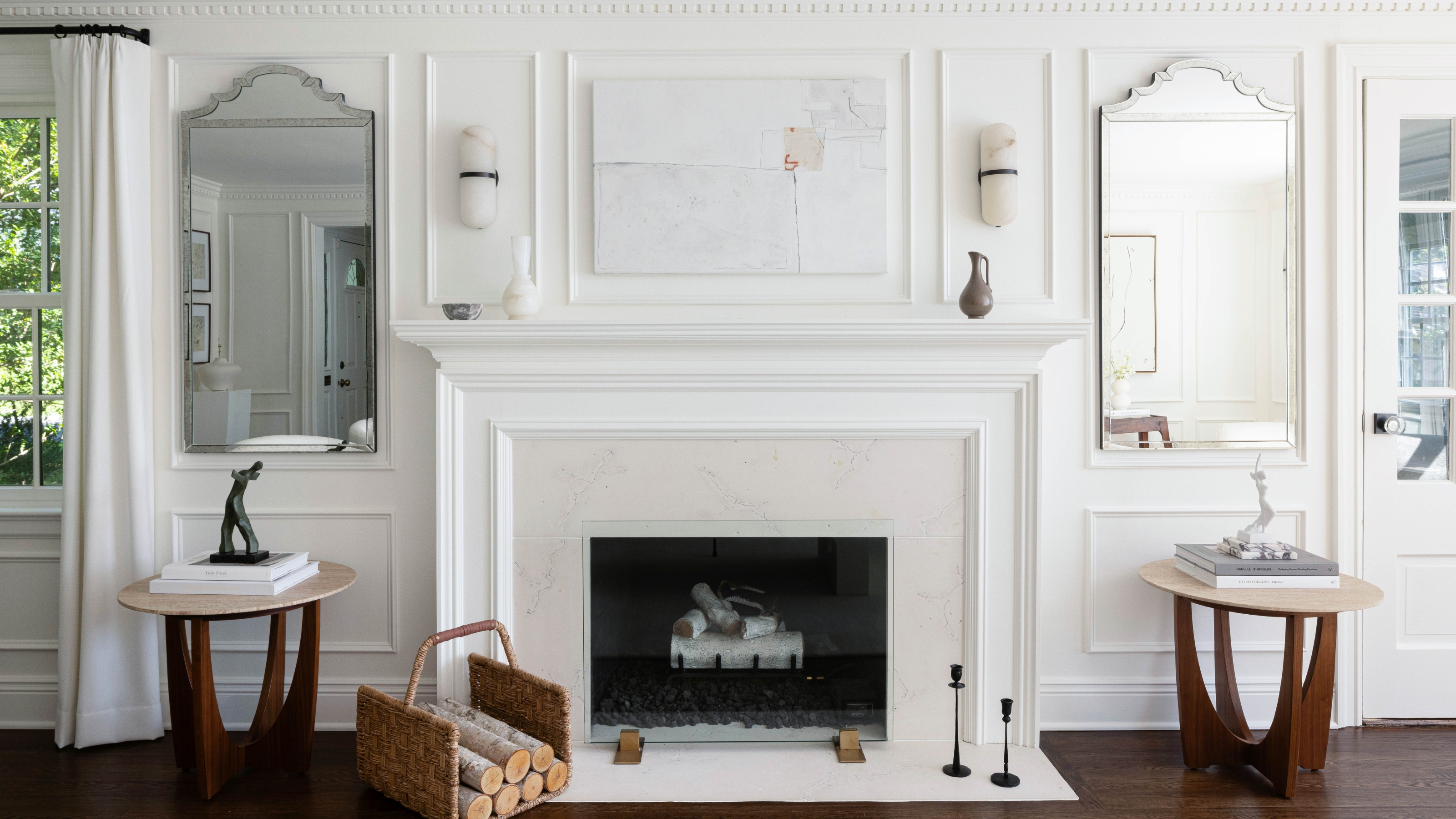
I Can't Help But Wonder If Crown Molding Is Out of Style These Days — Here's What Designers Say
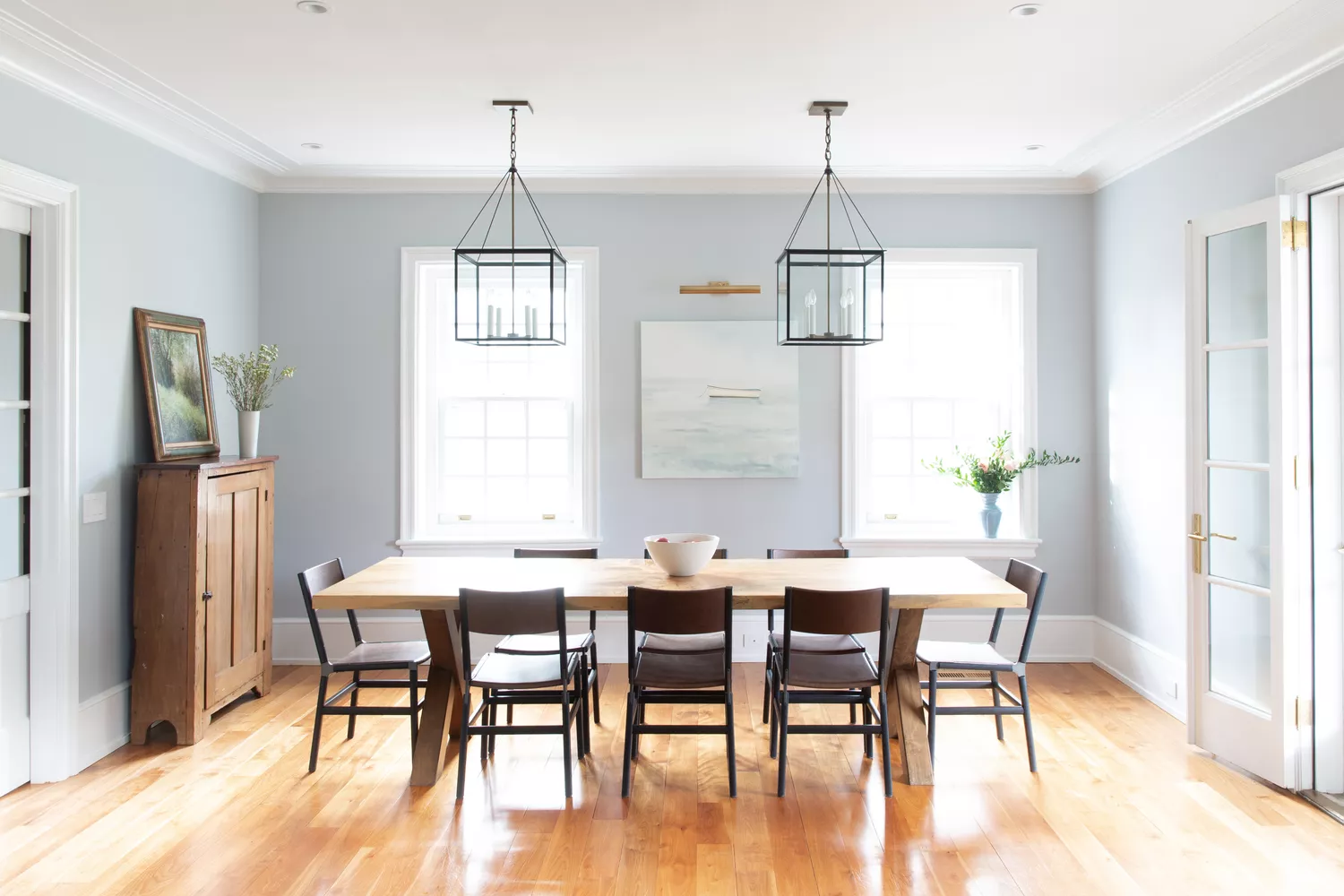
20 Crown Molding Ideas That Will Add Character and Elegance to Any Room
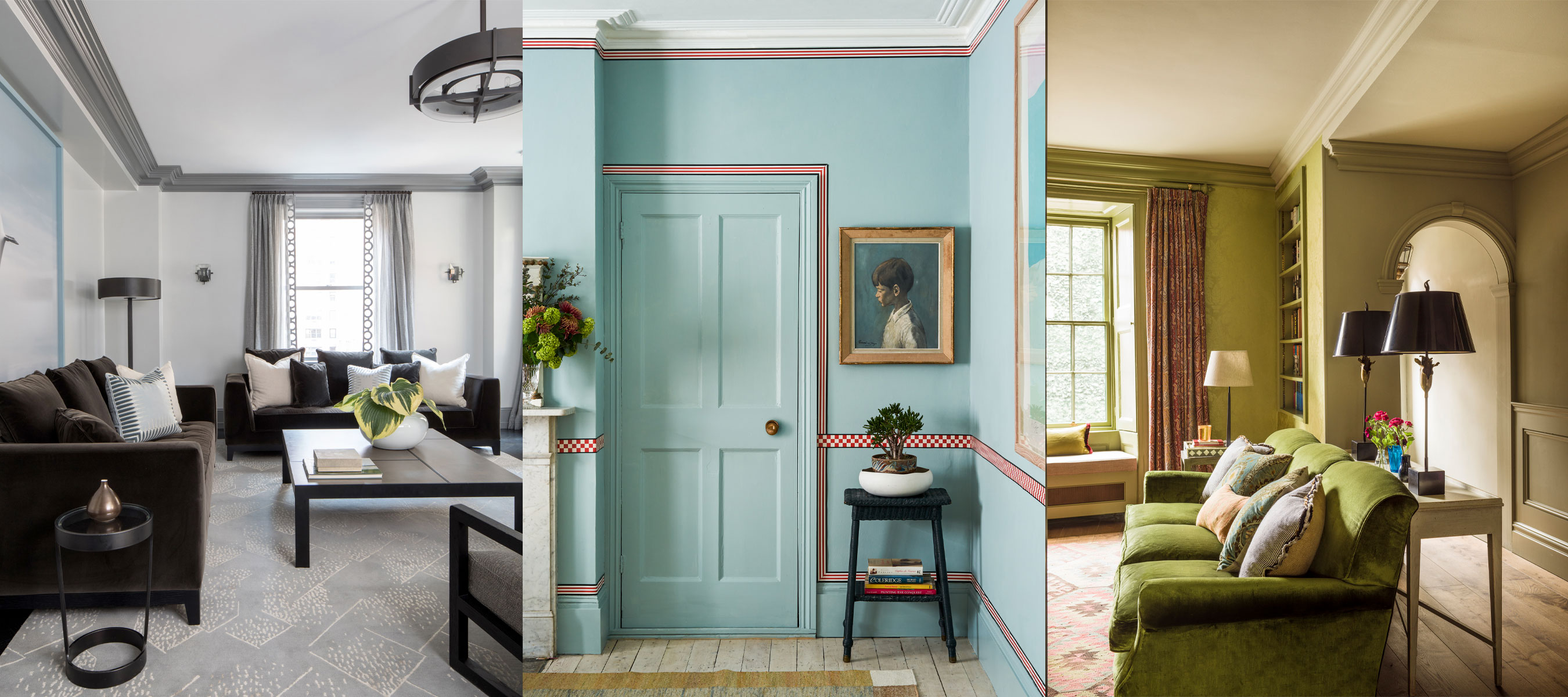
Ceiling trim ideas – 12 ways to enhance this architectural feature
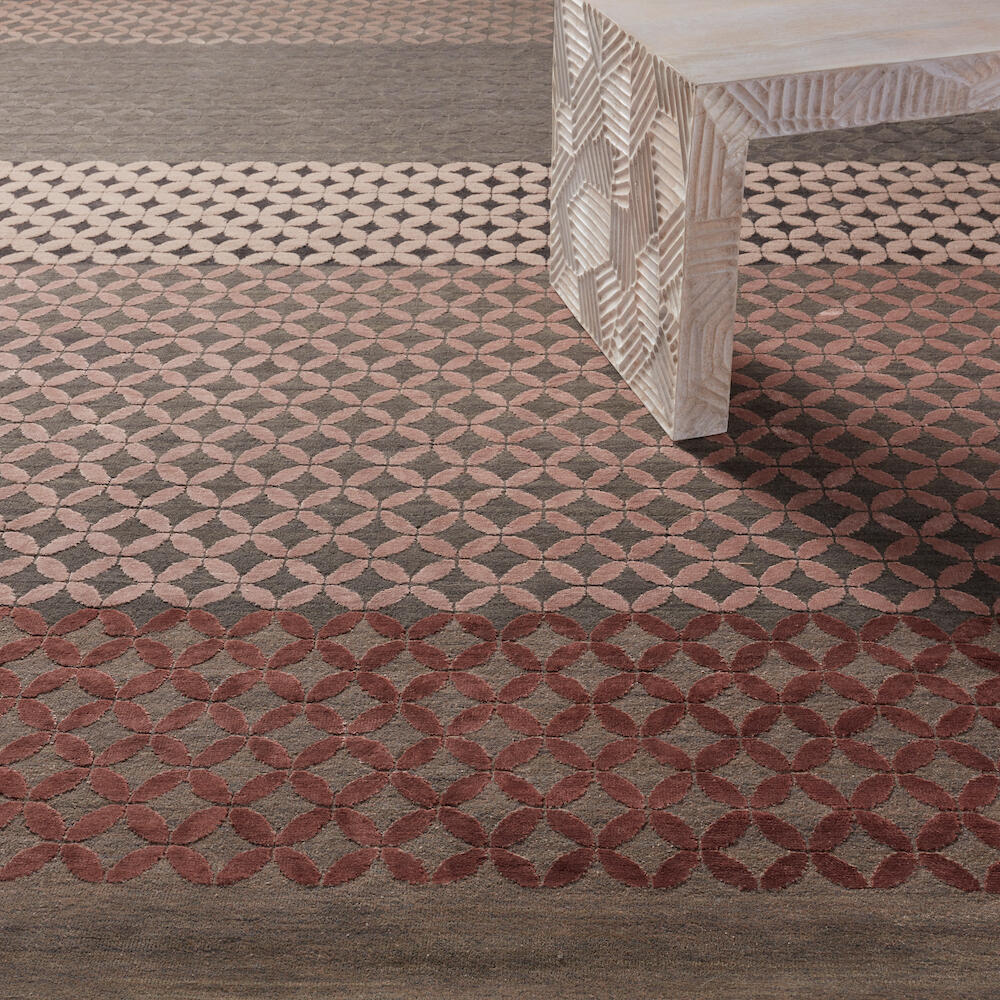
8 modern medallion motifs for a dash of symmetry
12 Crown Molding Ideas to Spruce Up Your Home

Finishing Touches
Modern heritage style – 5 ways to get the look
Decorating with antiques – 8 designer tips to channel the past in the chicest way
10 Ways to Use Architectural Moldings in a Contemporary Home
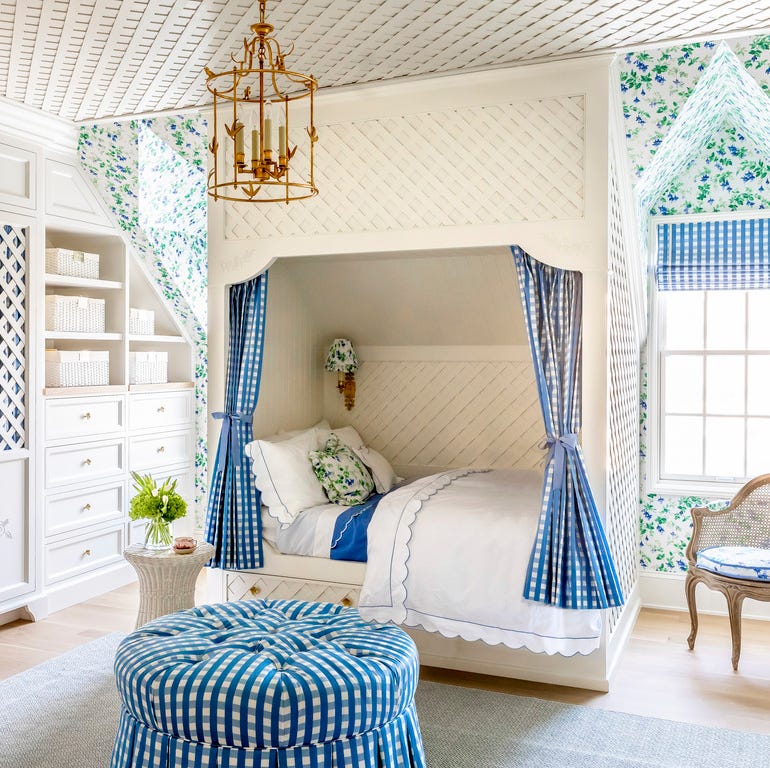
10 Easy Ways to Incorporate This Old-Guard Style Into Your Space


Mouldings | Decorative Moulding

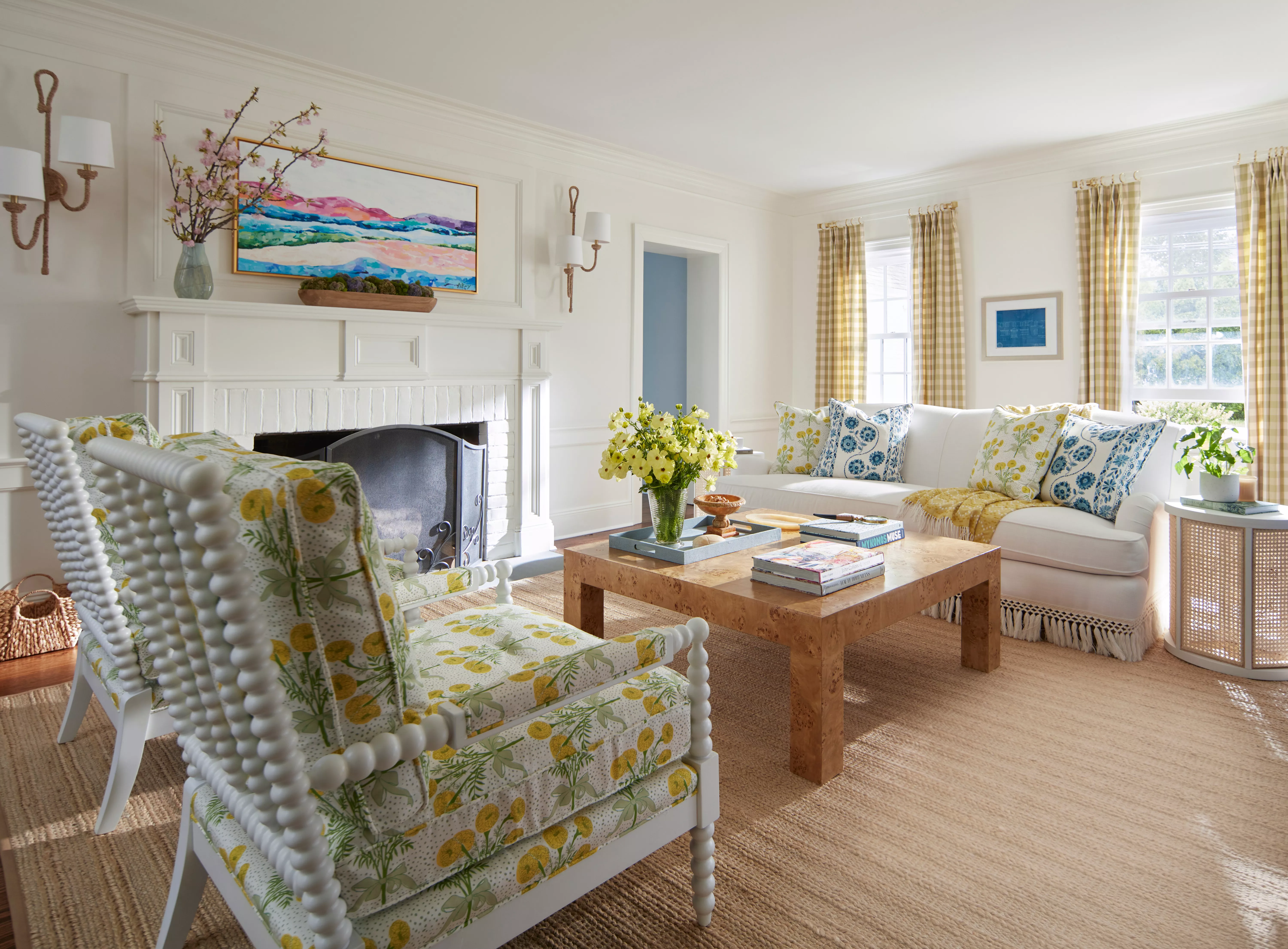
Today's Twist on Classic Colonial Style Is Fresher Than Ever—Here's How to Get the Look