Creating an Office Nook
In today's evolving work landscape, with hybrid and remote work becoming increasingly common, the need for a dedicated home office space is more important than ever. This article offers practical advice for establishing an efficient and comfortable office nook, even in homes with limited space. The primary goal is to carve out a functional workstation that promotes productivity and mental well-being, while seamlessly integrating with the existing home environment. The article outlines several key considerations for creating such a space.
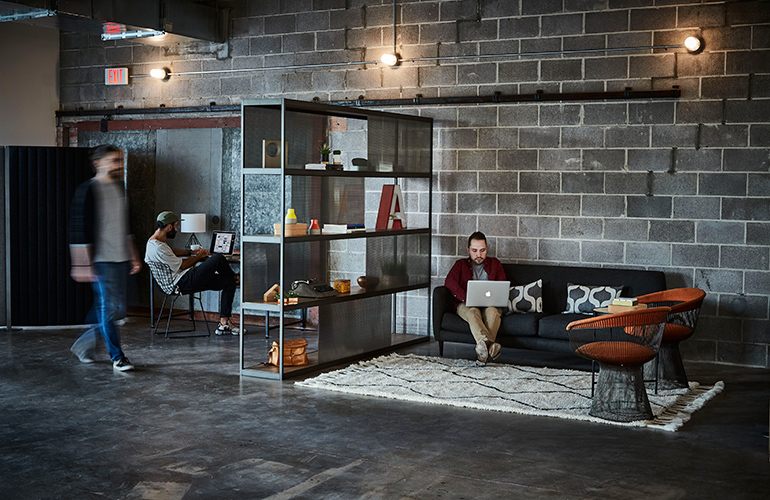
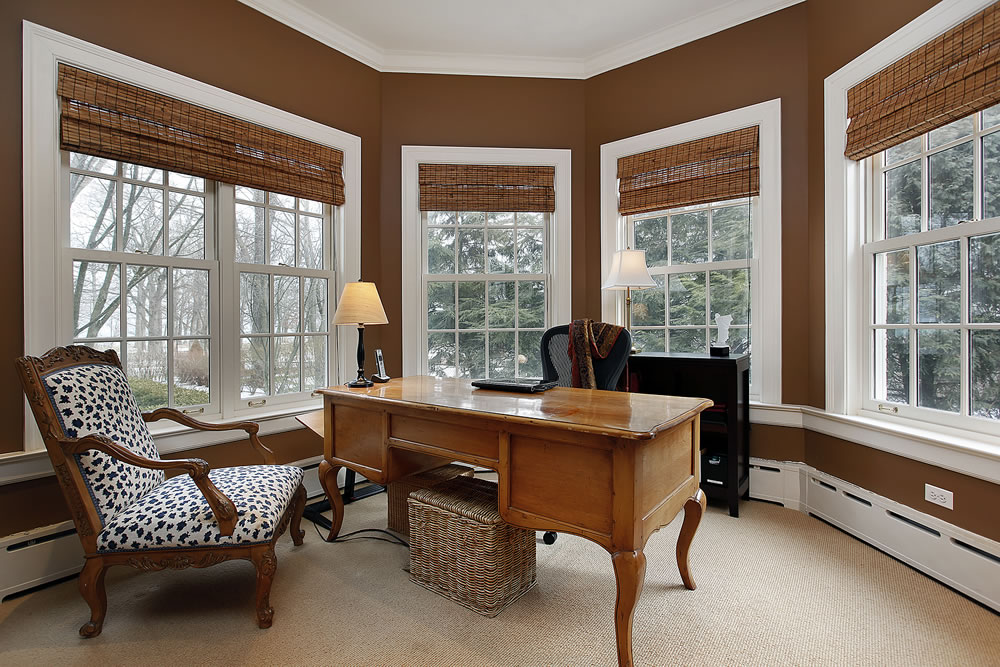
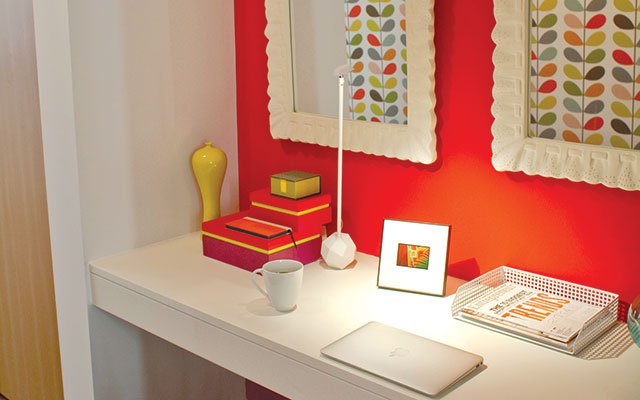
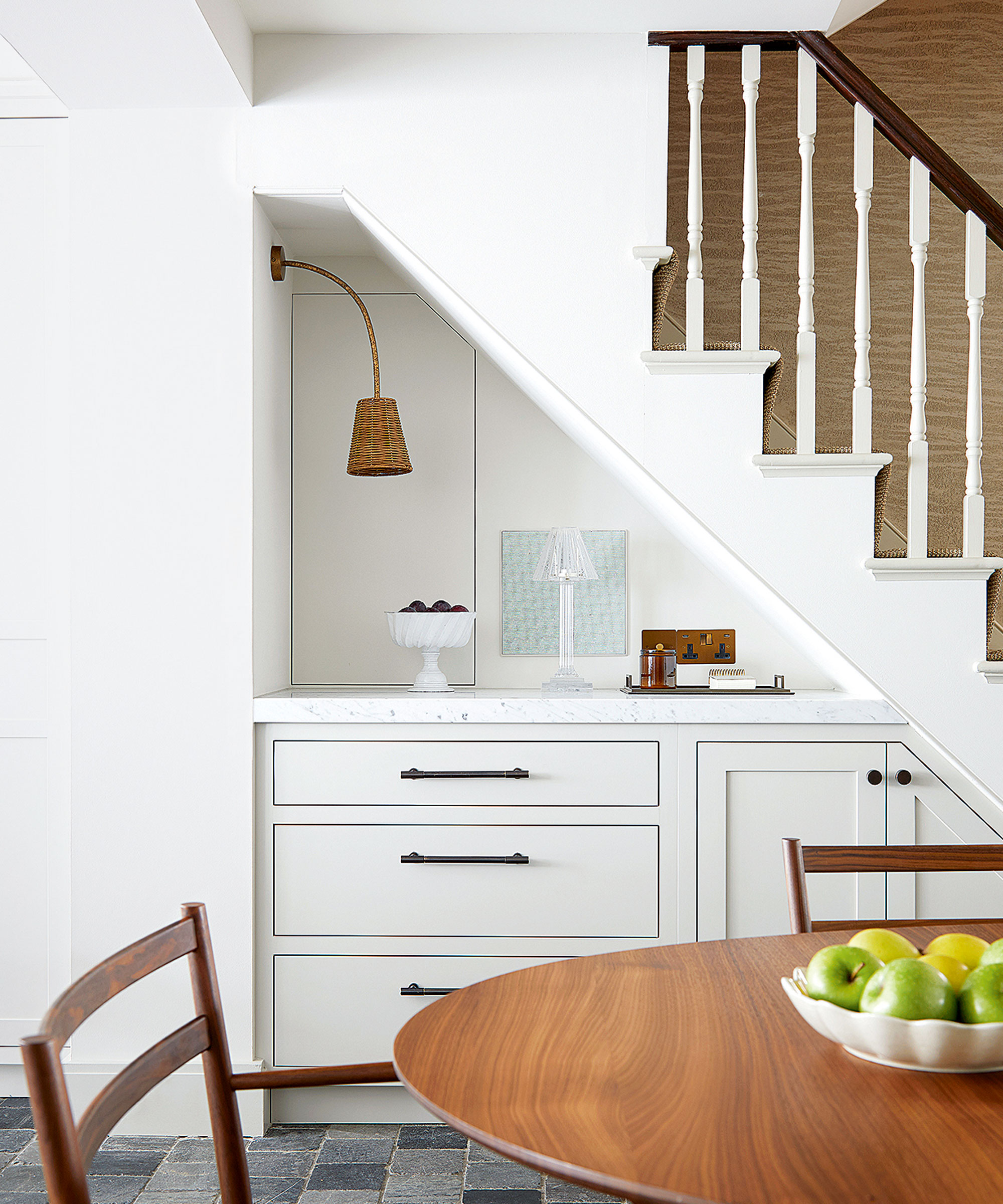
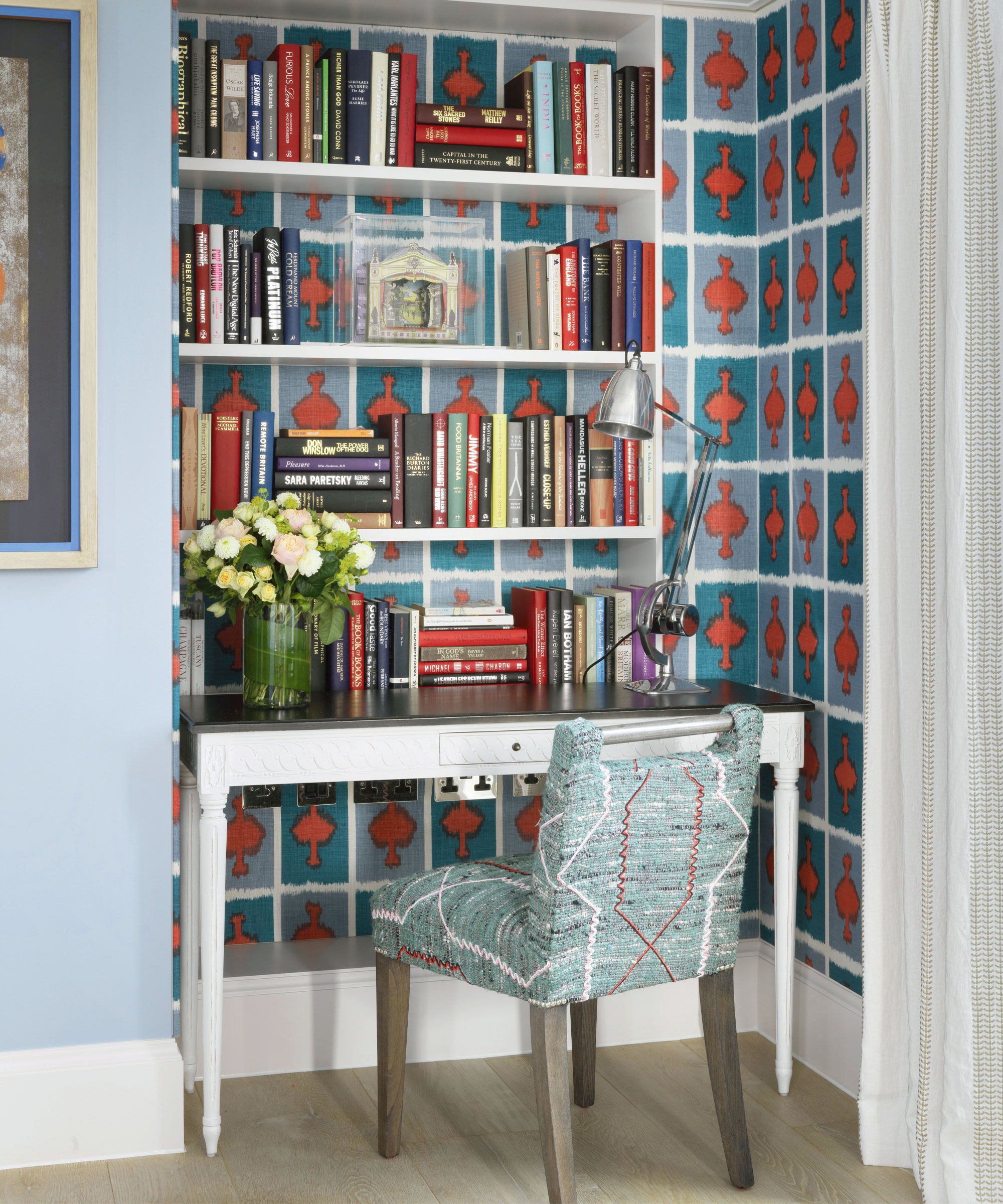
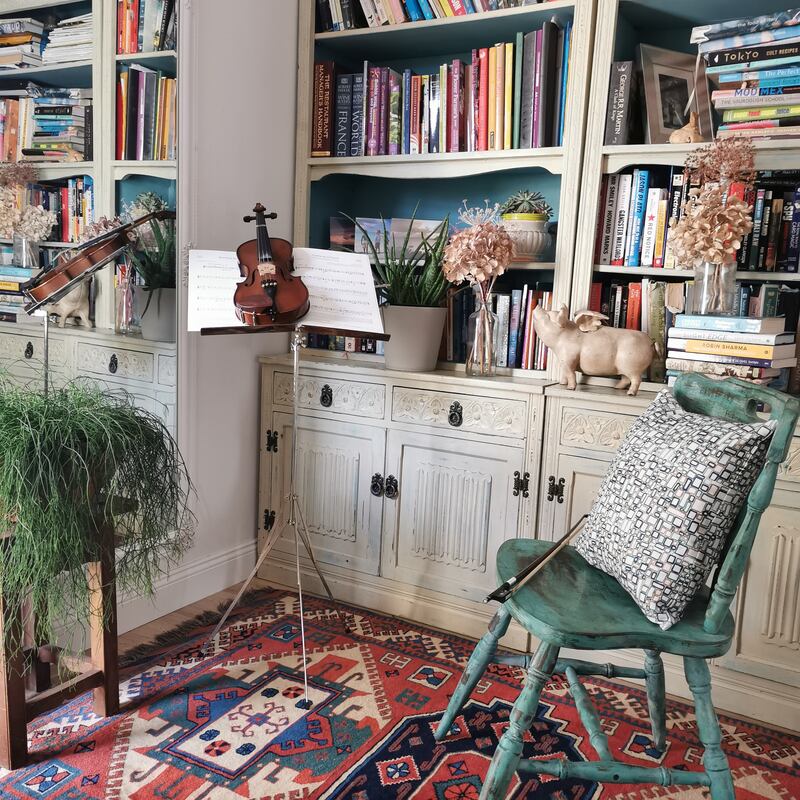
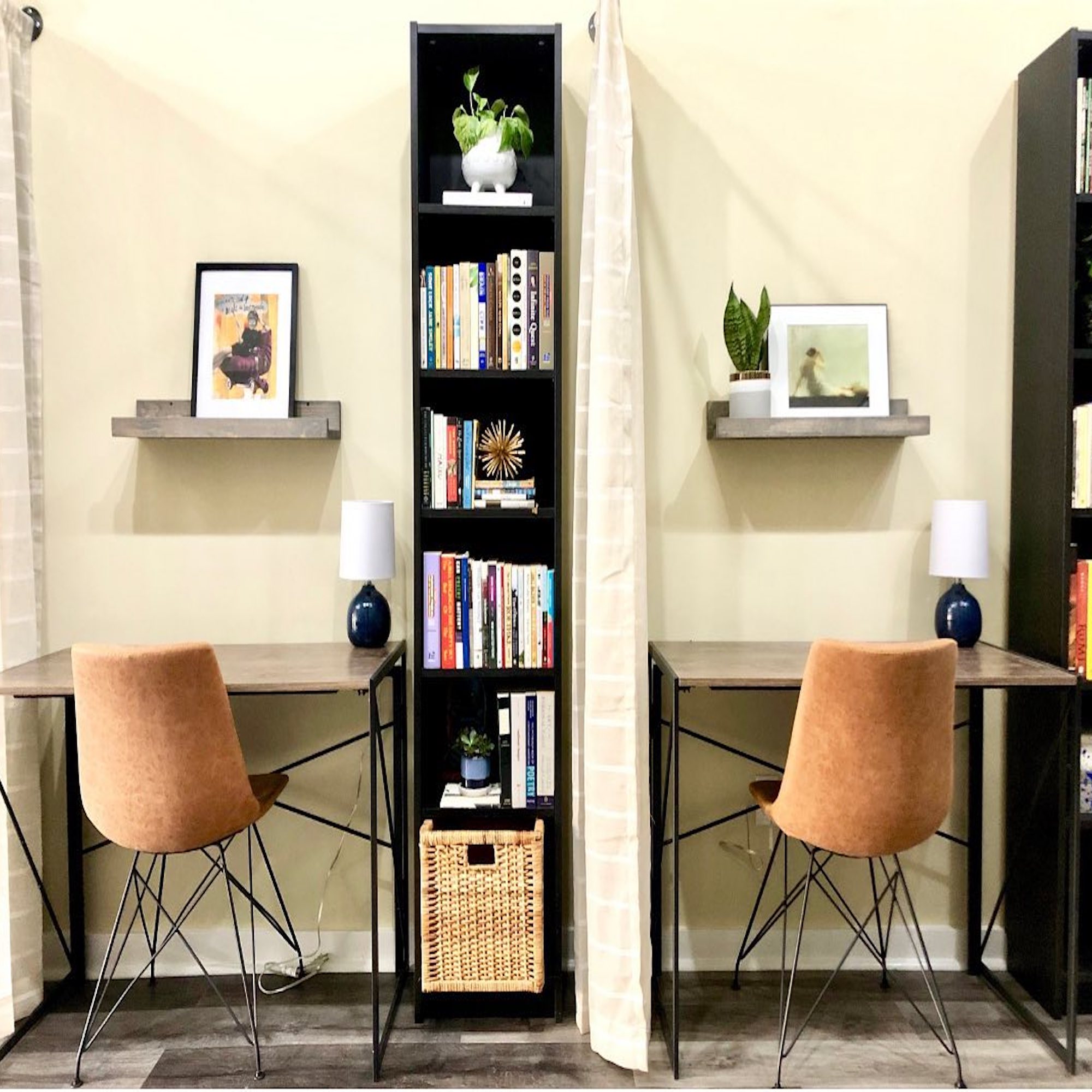
The initial step involves identifying the ideal location. This doesn't necessarily require an entire spare room; underutilized areas like a corner in the living room, a section of a hallway, or even a spacious closet can be transformed. The selection process should prioritize a spot that offers a degree of separation from daily household activities, minimizing distractions. Once a location is chosen, the focus shifts to defining the boundaries of the office nook. This can be achieved through various methods, such as strategically placing furniture, using room dividers, or incorporating tall plants to create a visual and psychological barrier. The aim is to establish a distinct work zone that signals a transition from personal to professional tasks.
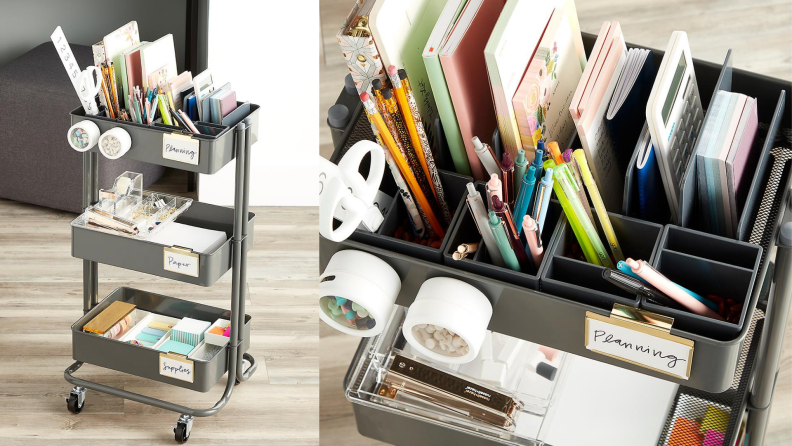
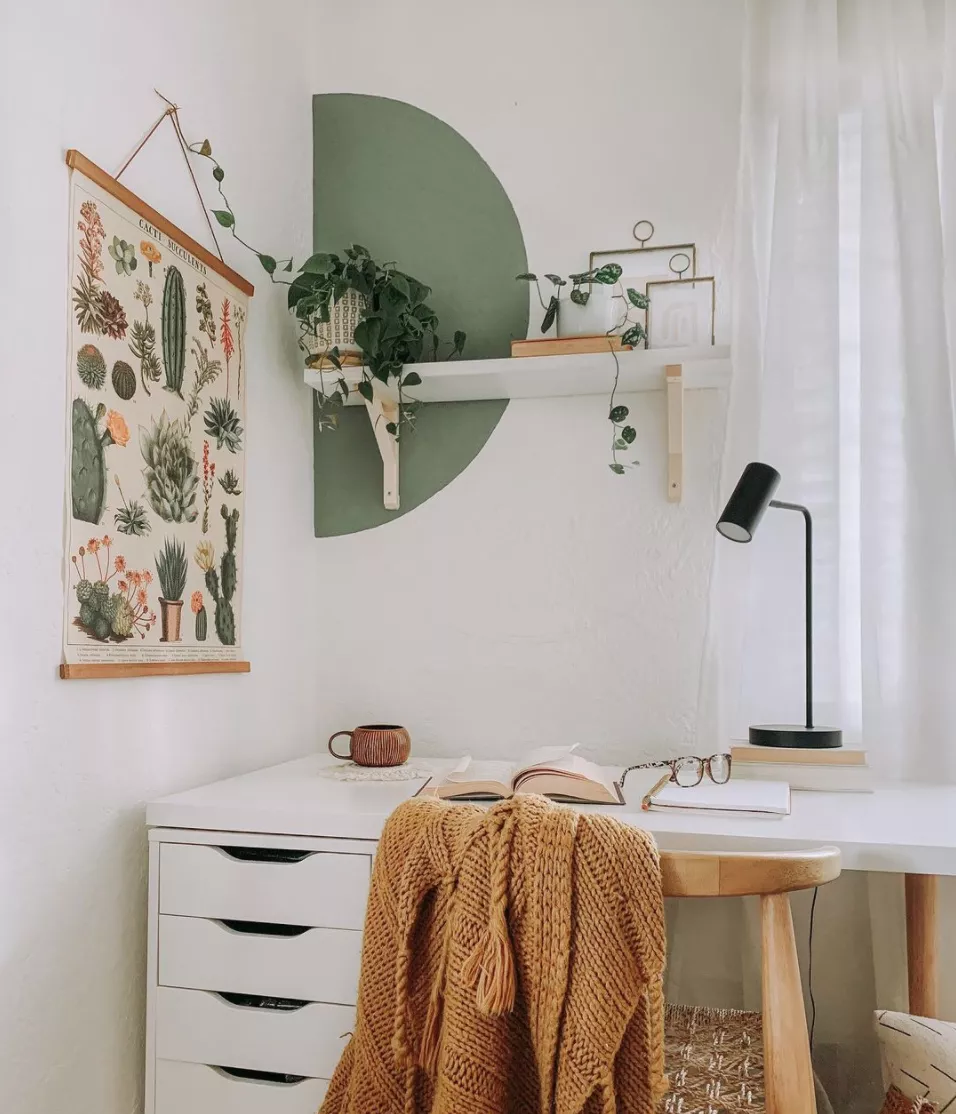
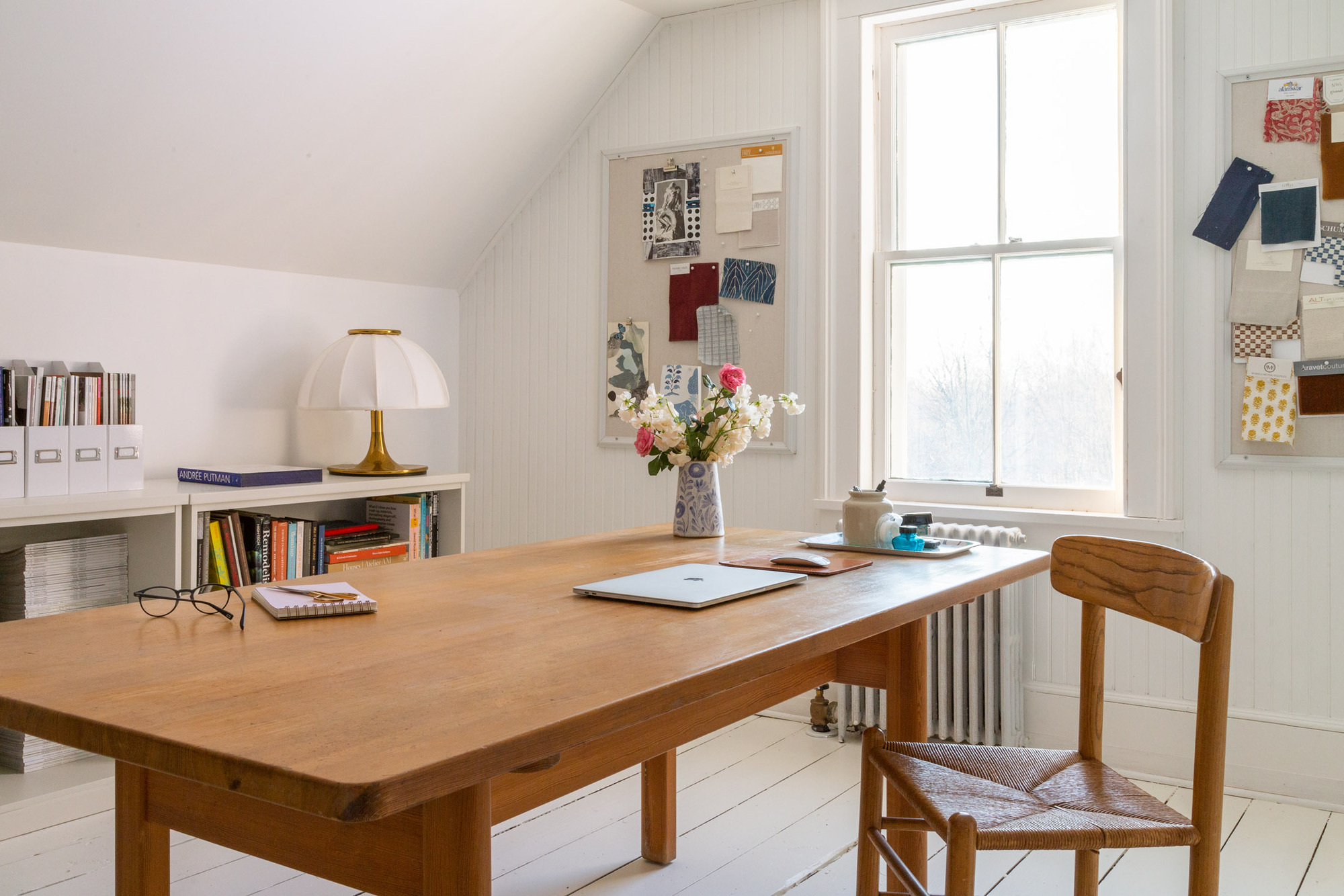
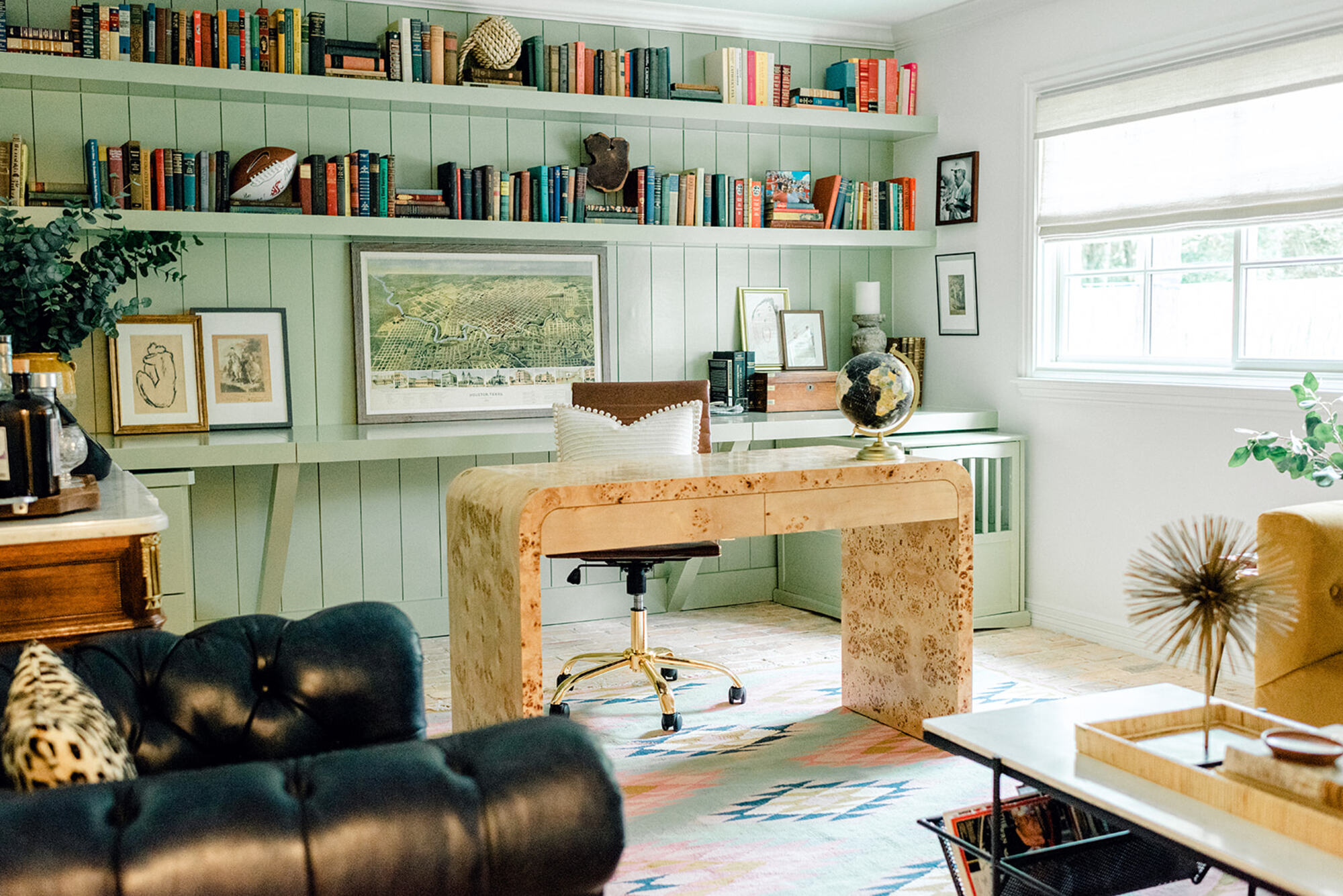
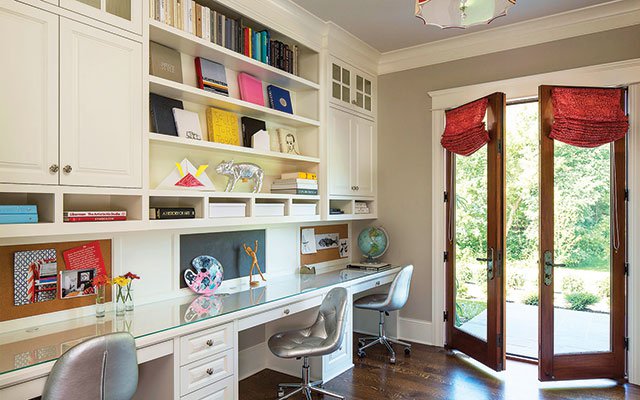
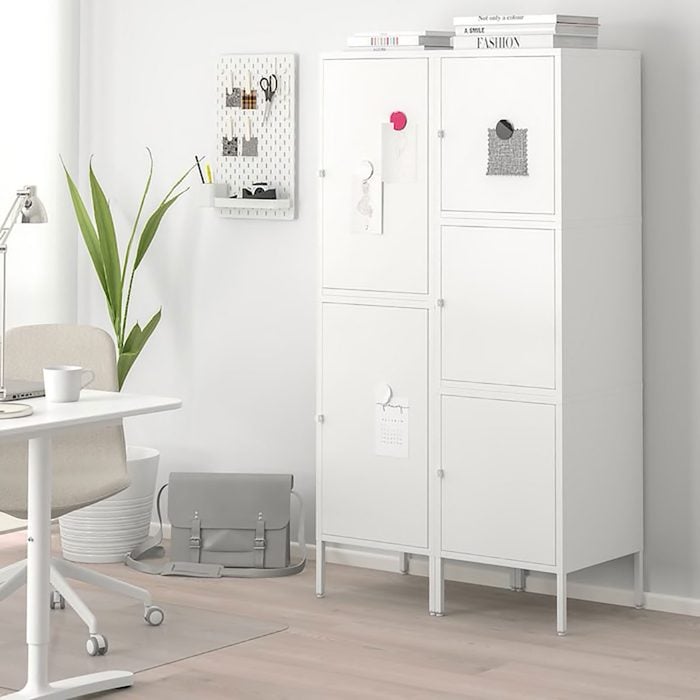
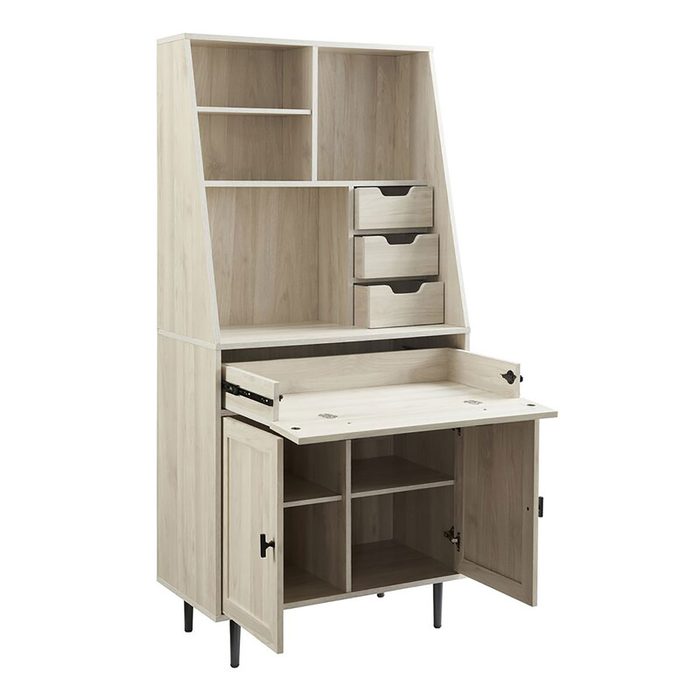
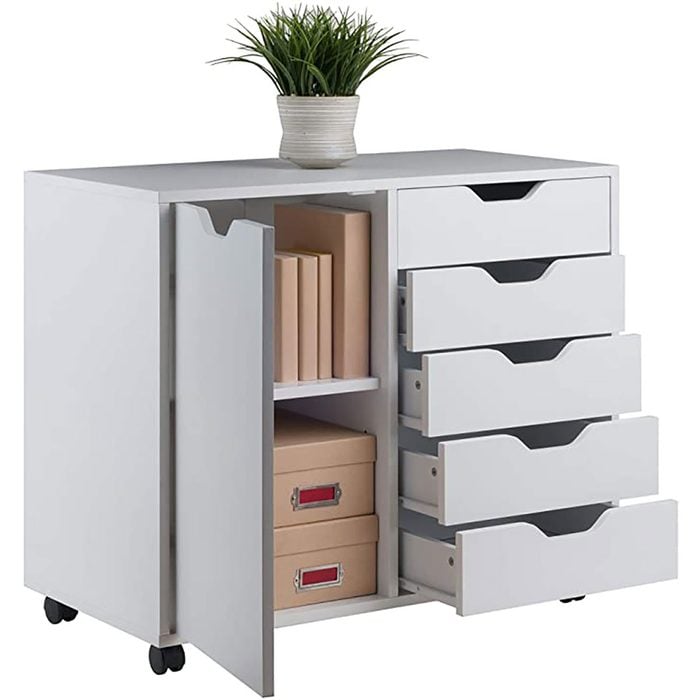
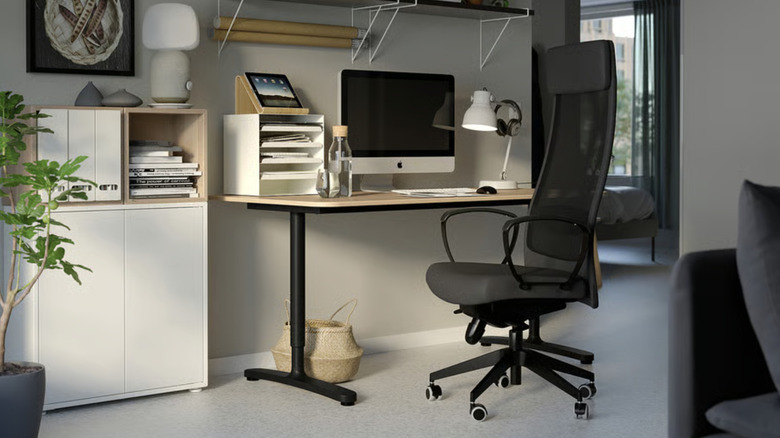
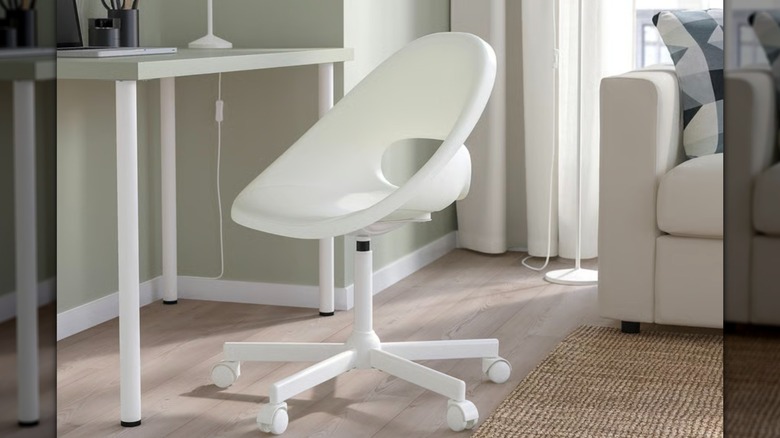
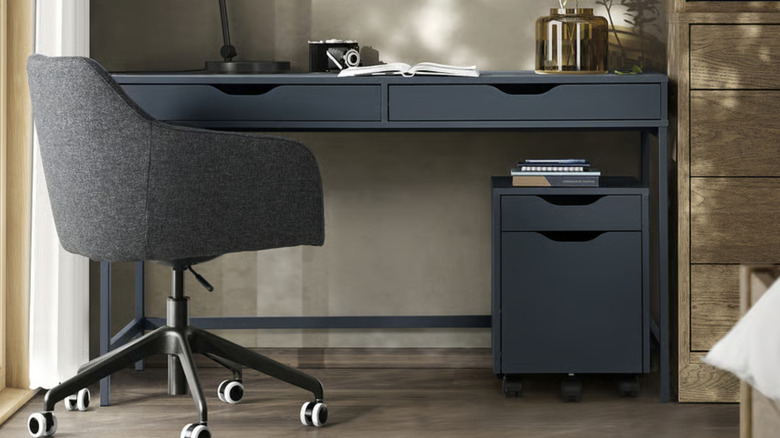
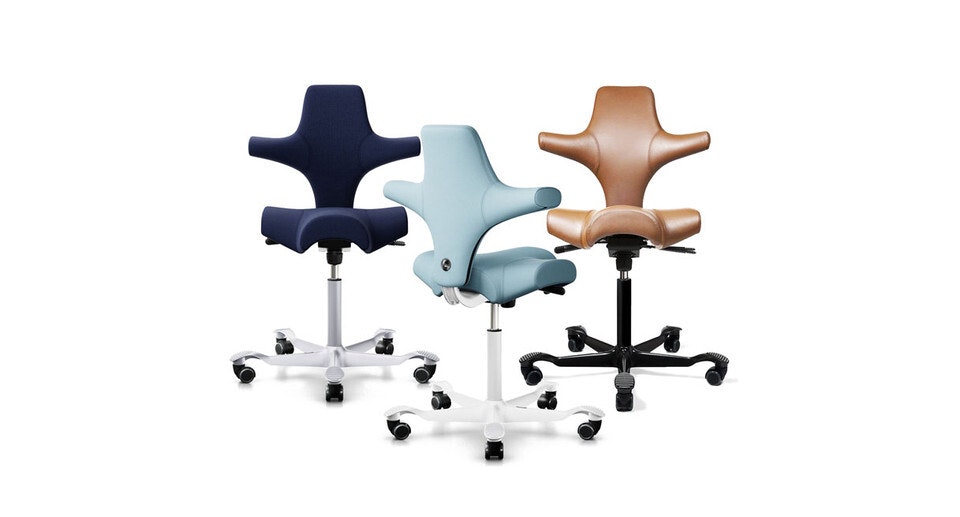
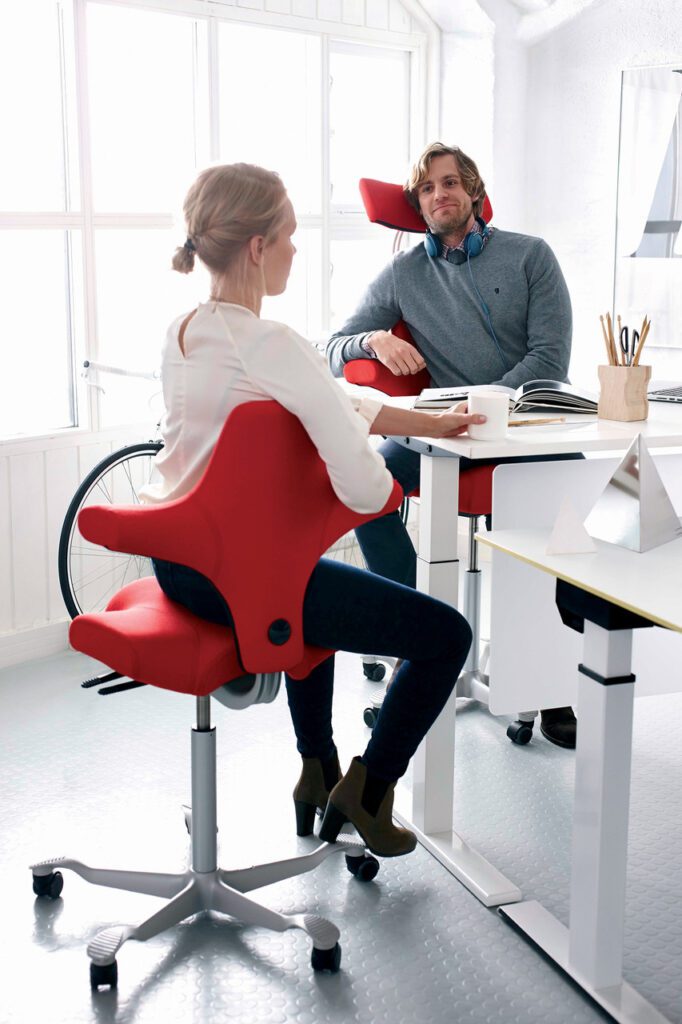
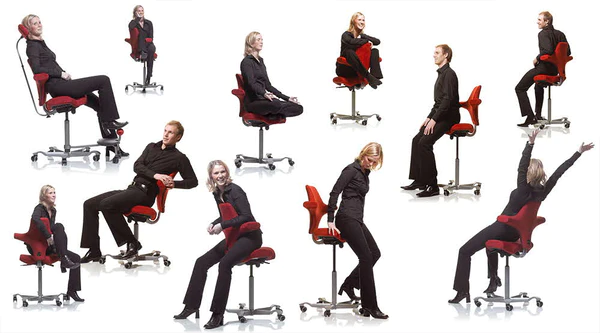
Optimizing the furniture selection is crucial for both functionality and comfort. Ergonomic considerations are paramount; an adjustable chair and a desk at the appropriate height are essential for maintaining good posture and preventing discomfort during long working hours. For smaller spaces, furniture with integrated storage solutions, such as desks with drawers or shelving units, can help maximize efficiency. Vertical storage, like wall-mounted shelves, is also highly recommended to keep the workspace tidy and organized without occupying valuable floor space. The article emphasizes decluttering and organizing the workspace as fundamental steps.
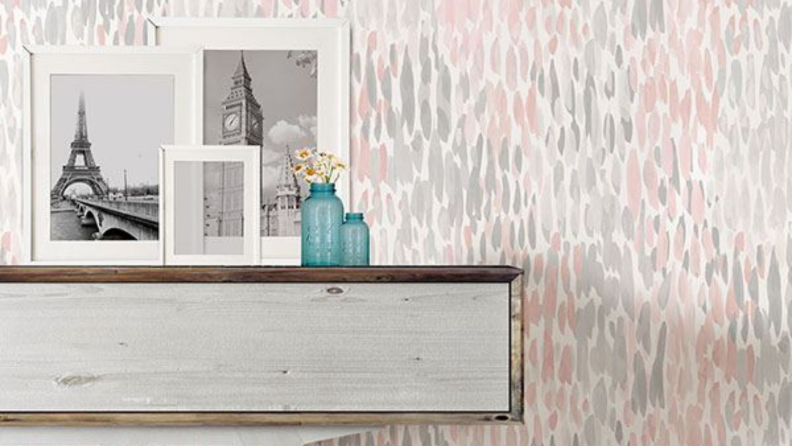
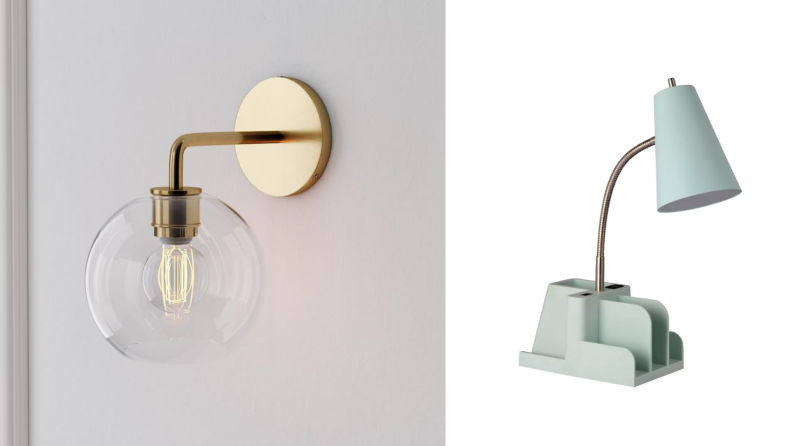
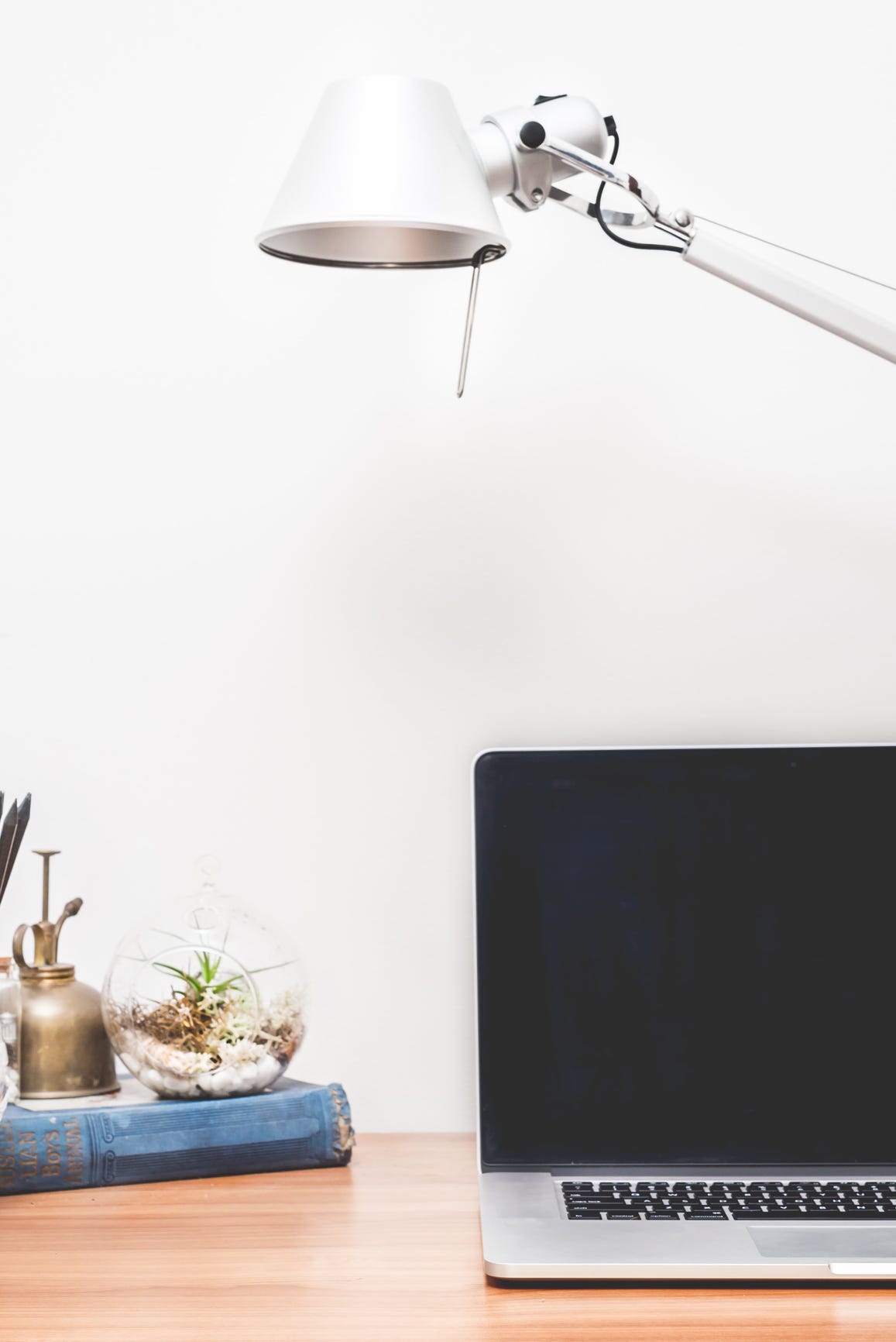
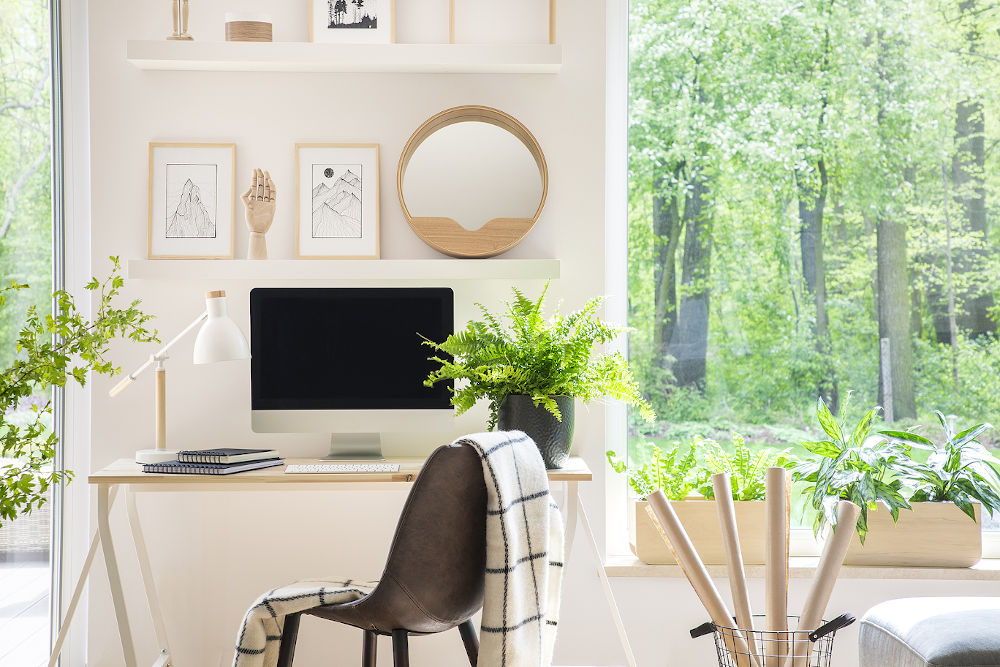
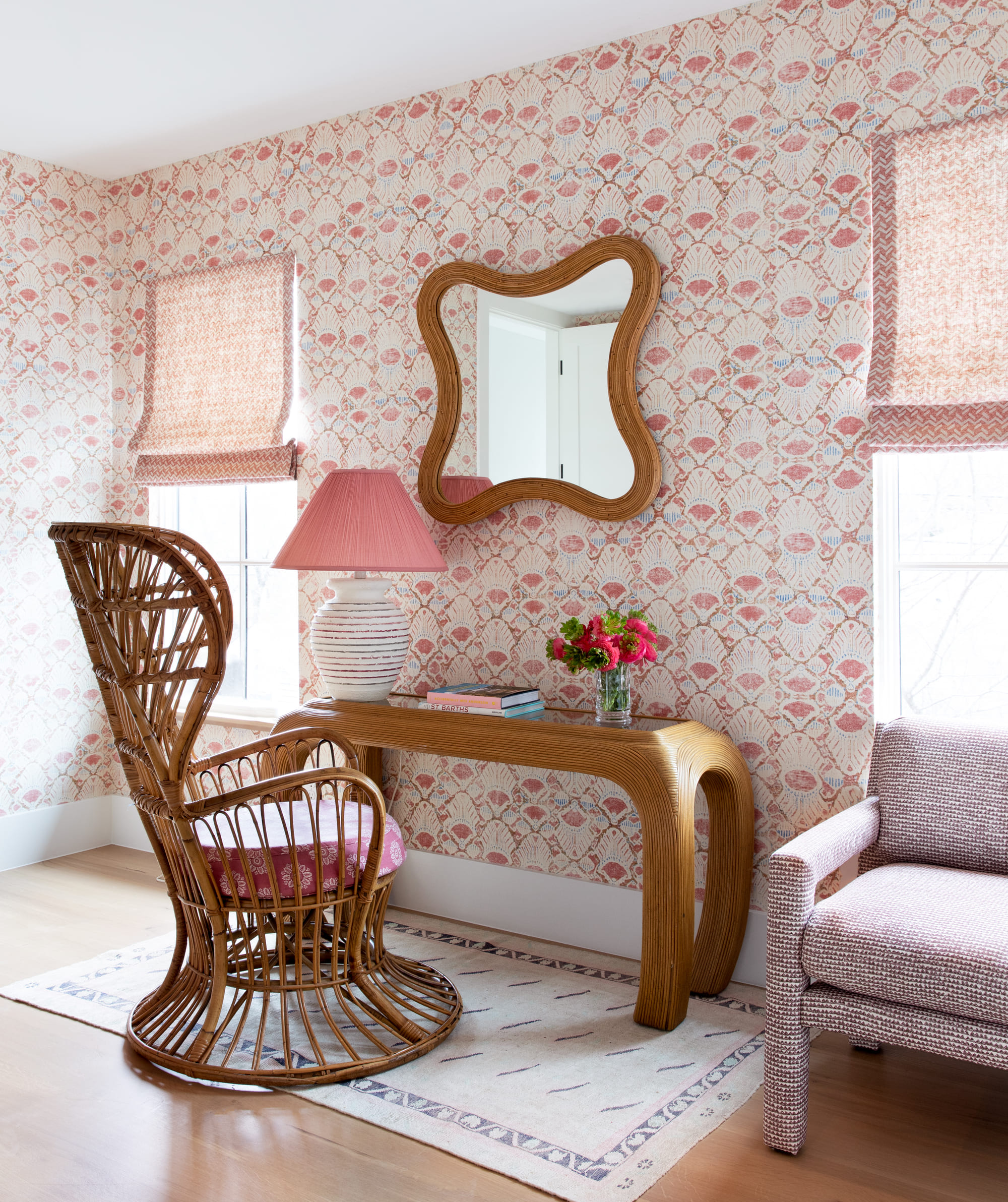
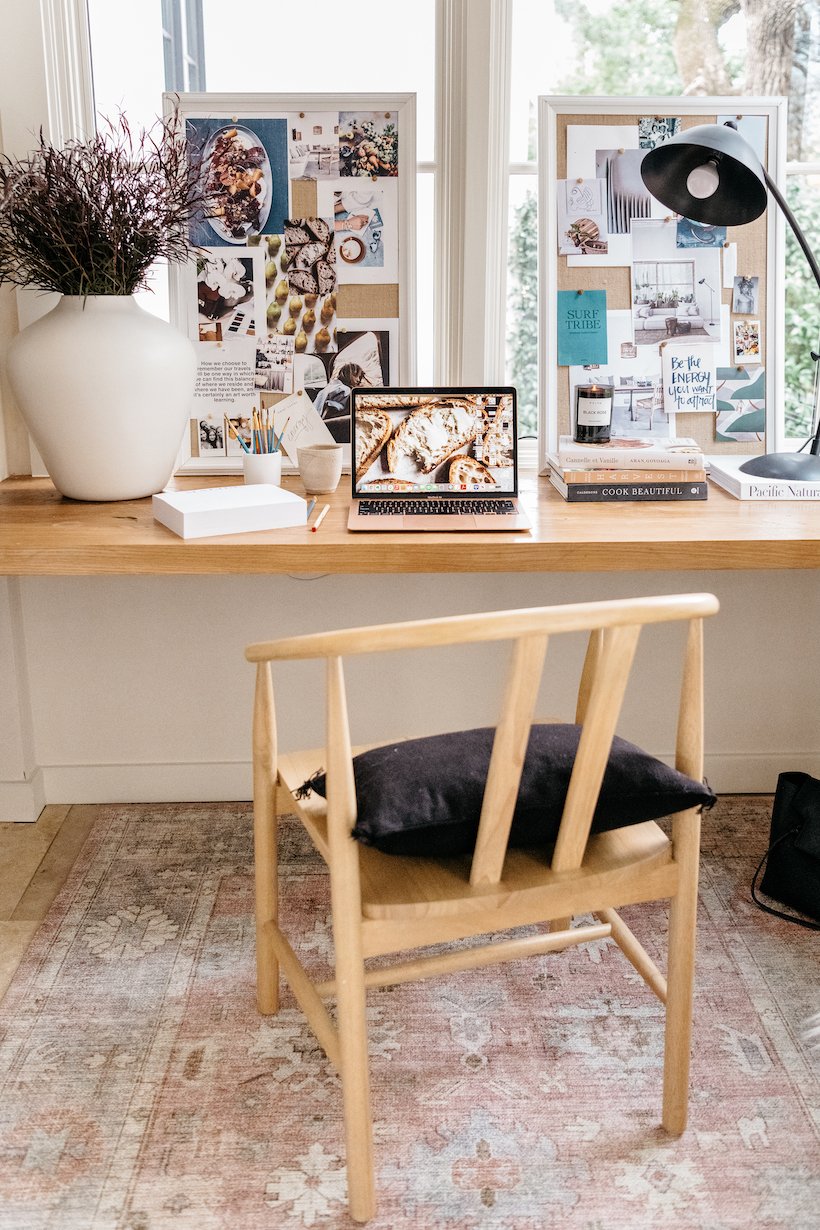
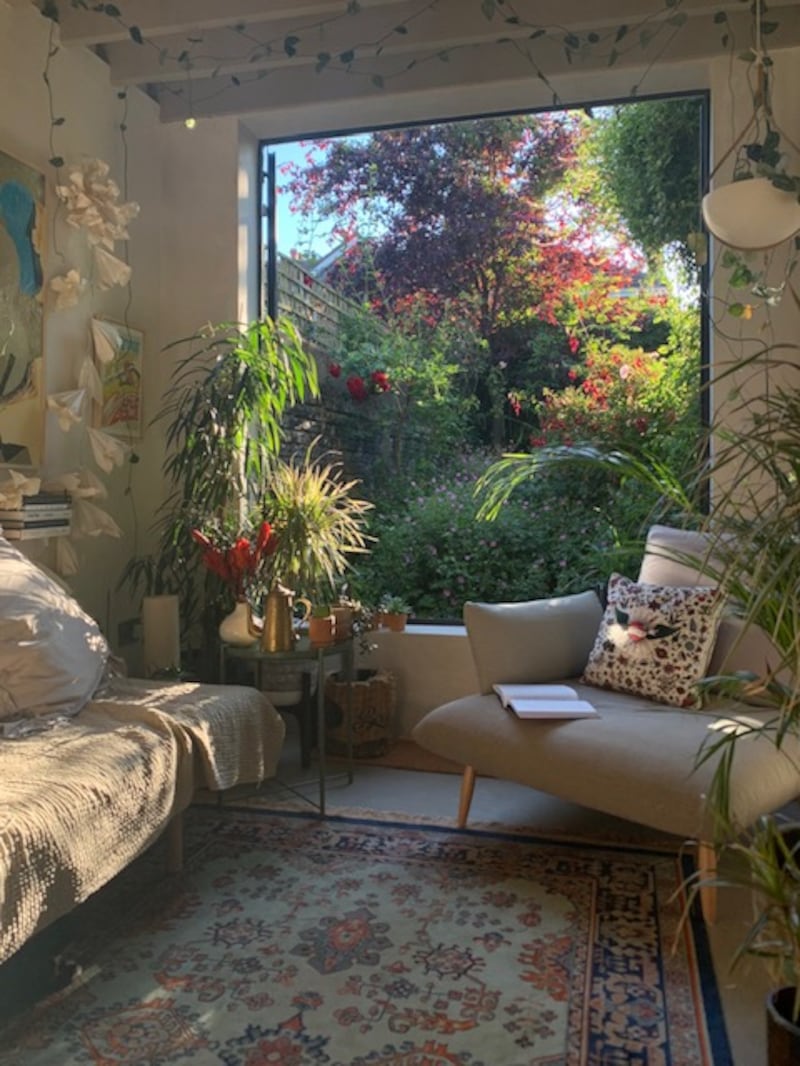
Effective lighting is another critical element. Natural light is preferred whenever possible, as it can boost mood and productivity. If natural light is limited, incorporating task lighting, such as a desk lamp, is vital to reduce eye strain. Overhead lighting should also be sufficient and not create harsh shadows. Personalization plays a significant role in making the office nook an inviting and inspiring space. Adding personal touches like plants, photos, or artwork can enhance comfort and reflect individual style. However, the article advises against excessive clutter, which can hinder concentration. The overall aesthetic should remain functional and conducive to work.
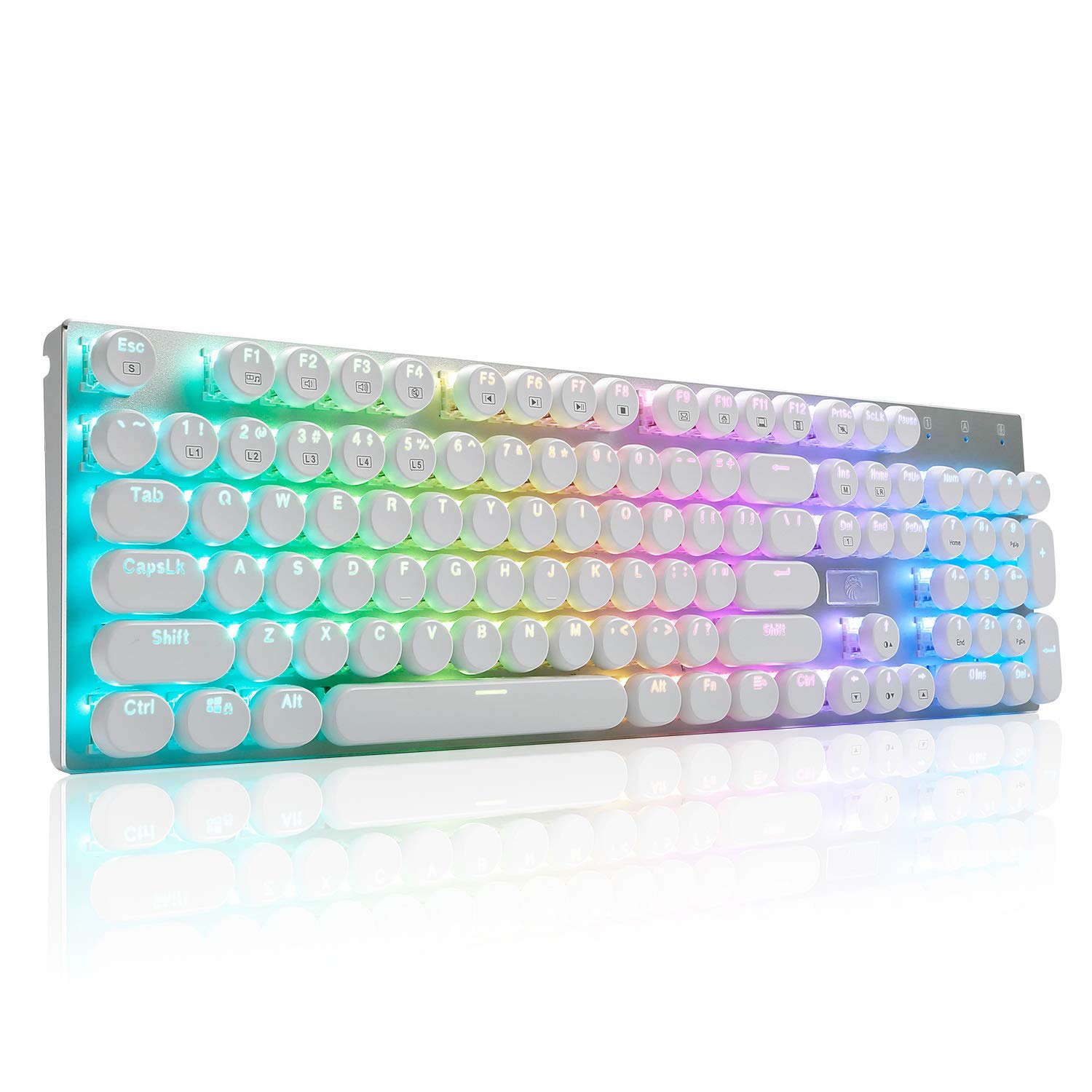
Technology and connectivity are integral to any modern home office. Ensuring reliable internet access is fundamental. Cable management is also highlighted as an important aspect, recommending solutions like cable organizers or ties to keep cords neat and prevent tangles, contributing to a clean and professional appearance. The article also touches upon sound management, suggesting the use of noise-canceling headphones or strategic placement of the nook away from high-traffic areas to minimize auditory disruptions. Ultimately, creating an effective office nook is about combining practical design choices with personal preferences to foster a productive and enjoyable work environment within the home.
#HomeOffice #OfficeNook #HomeDesign #InteriorDesign #RemoteWork #Productivity #SpaceOptimization #Ergonomics #HomeOrganization #HomeOffice #OfficeNook #HomeDesign #InteriorDesign #RemoteWork #Productivity #SpaceOptimization #Ergonomics #HomeOrganization
Há 0 comentários no total
 Ainda não há comentários
Você também pode gostar
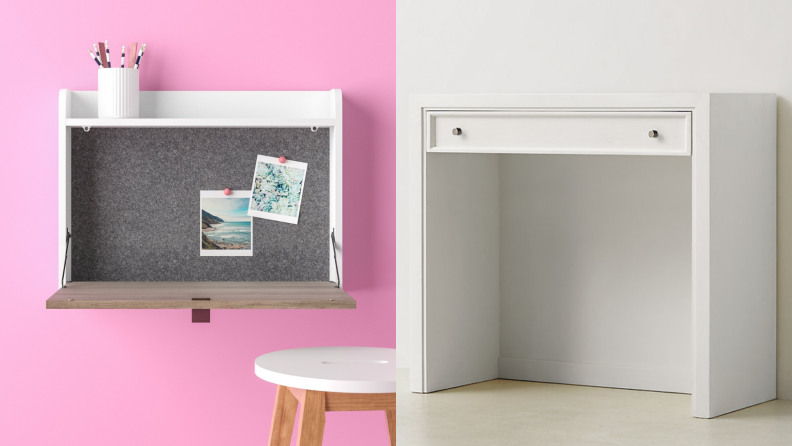
6 ideas for turning a spare closet into an office

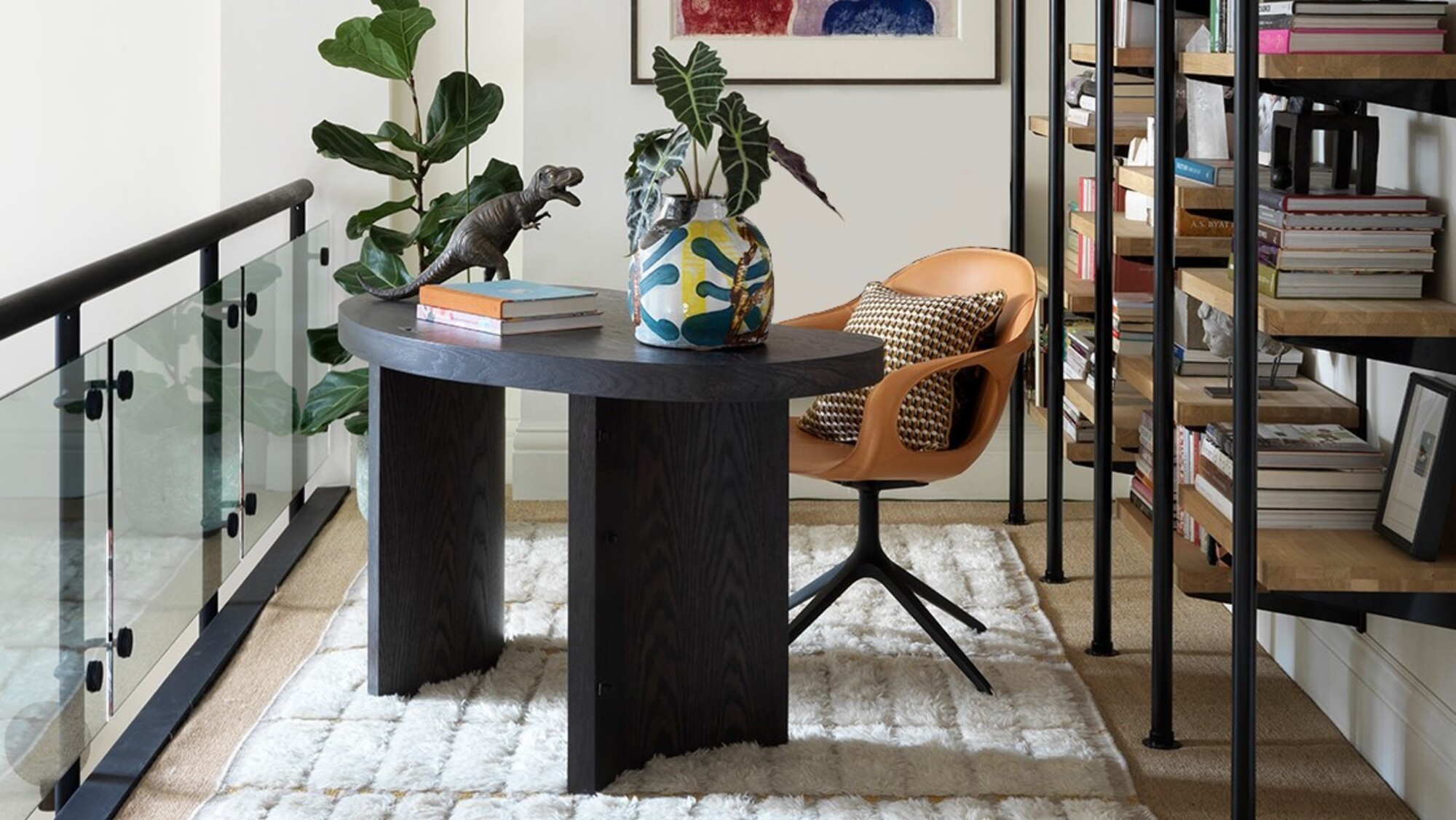
Home office ideas – 29 WFH spaces that marry practicality and style

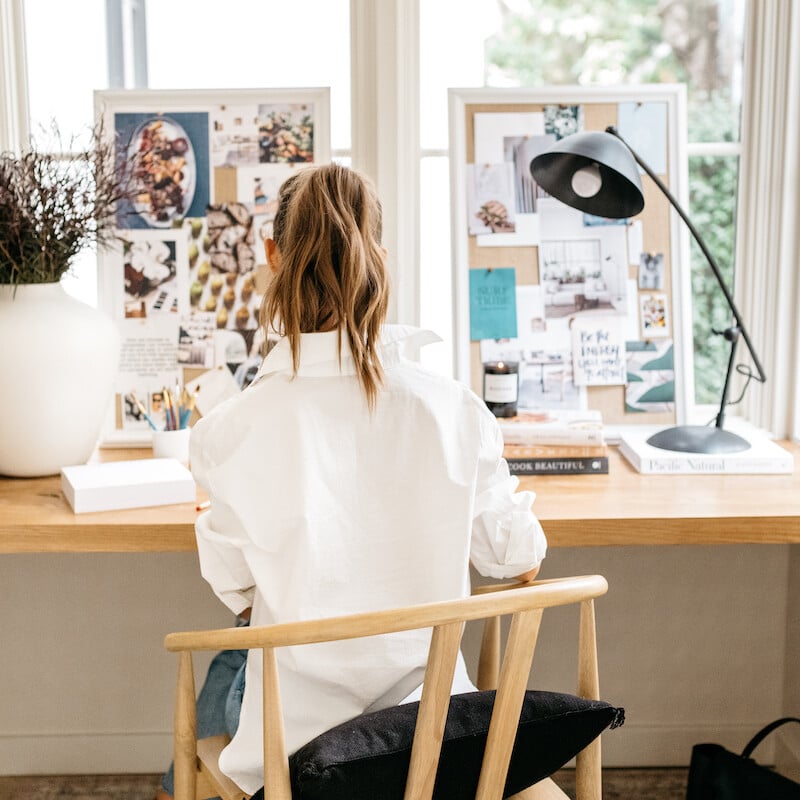
My New Home Office Proves That Sometimes, Less Really Is More
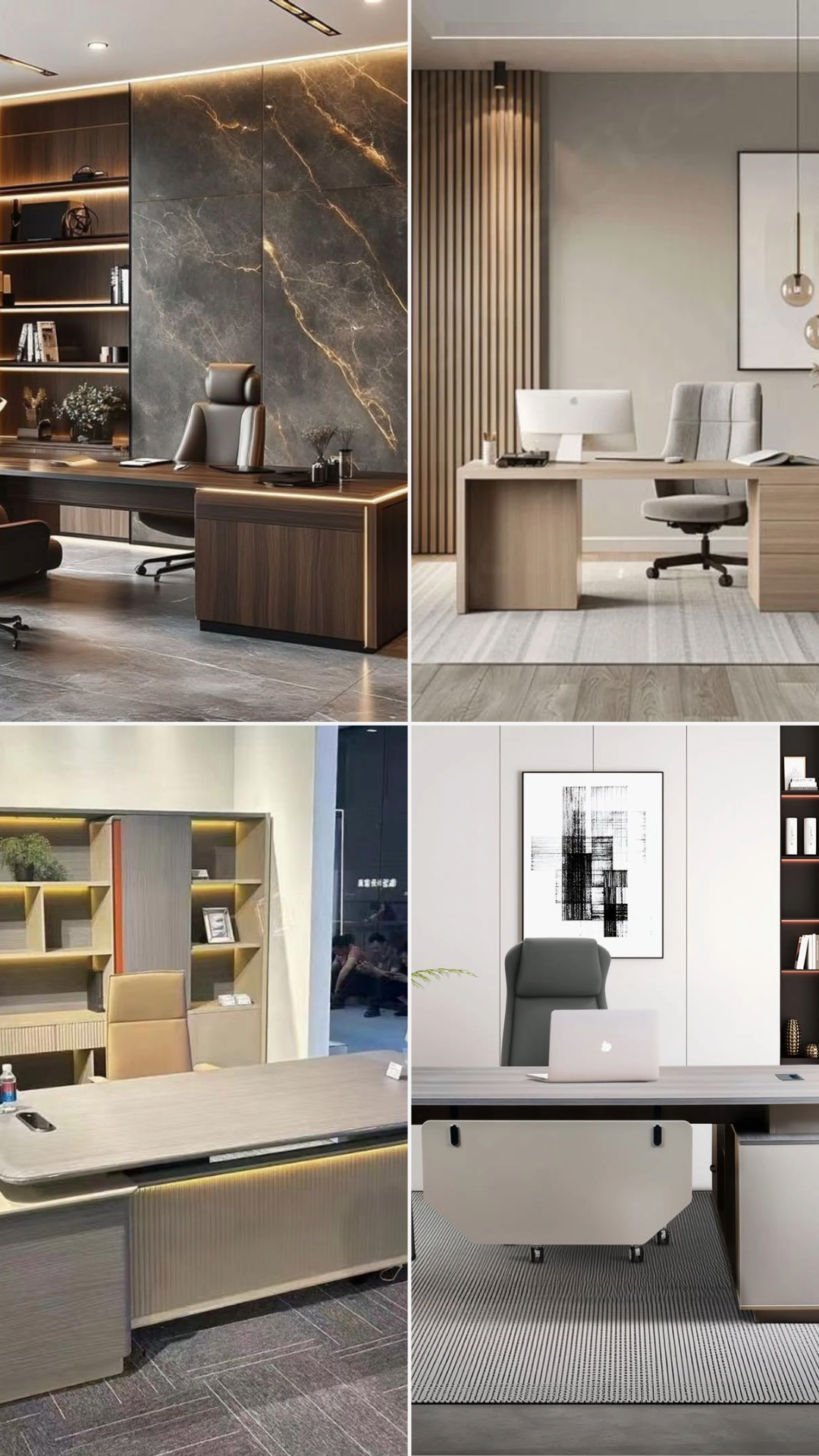
30 Office Desk Design Ideas That Help You Build a Workspace You’ll Actually Want to Sit At
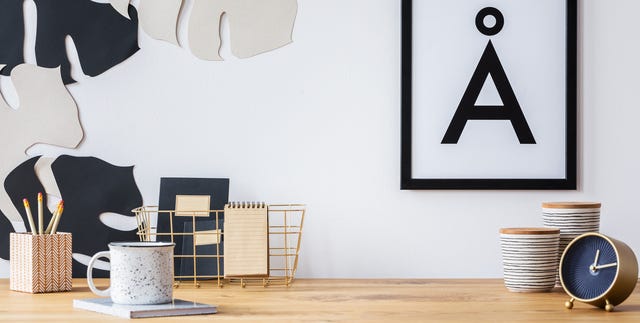
Our Favorite Decor Ideas for A Personality-Packed Cubicle
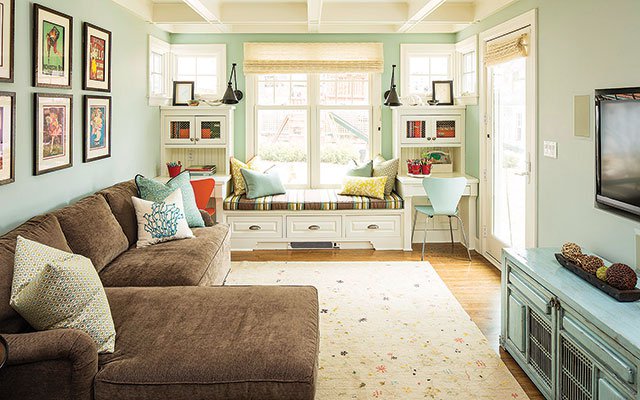
Stylish Study Break

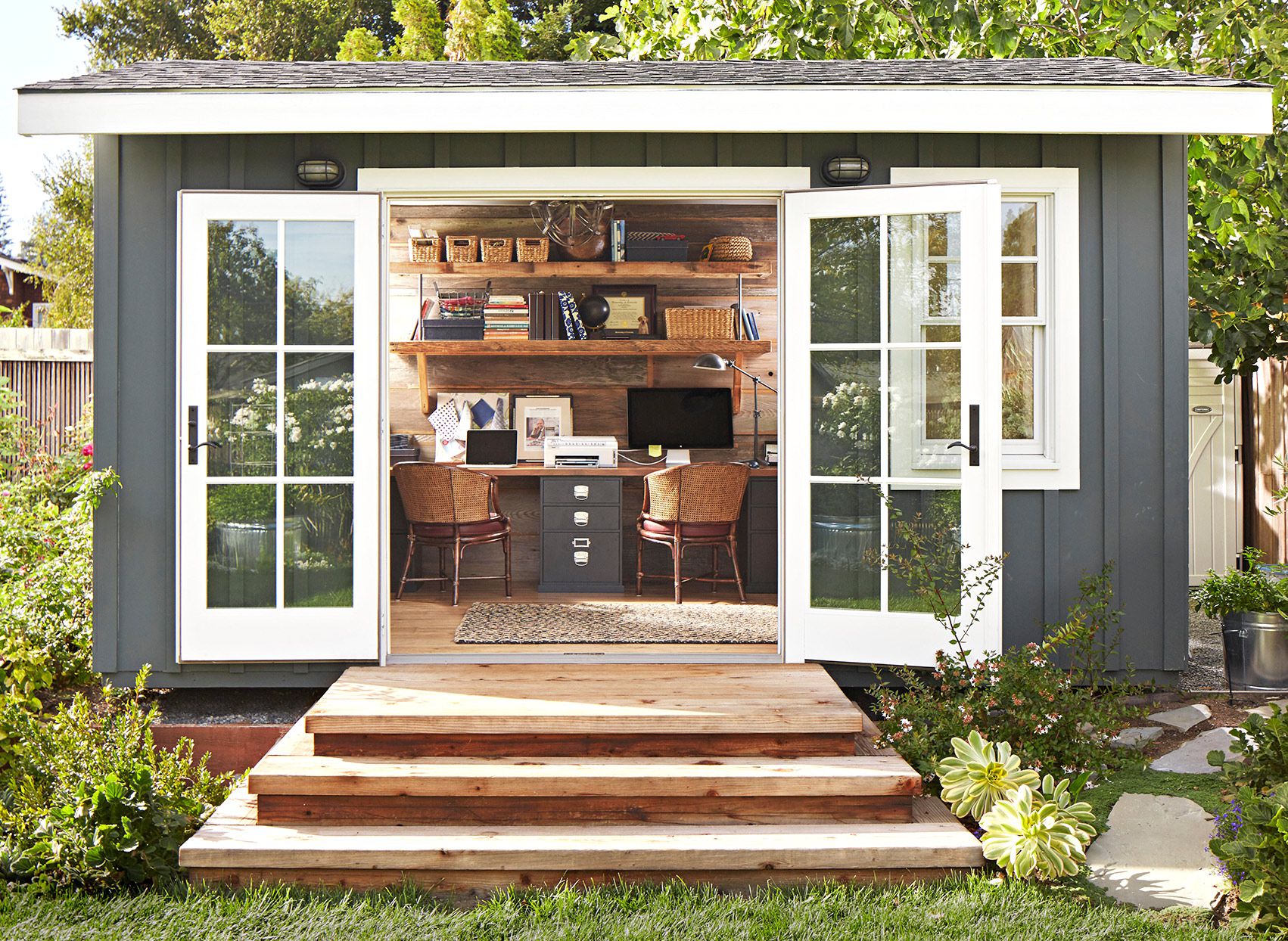
Small Office Ideas for Every Kind of Work-from-Home Setup


How to create a book nook – your own cosy corner to read and escape
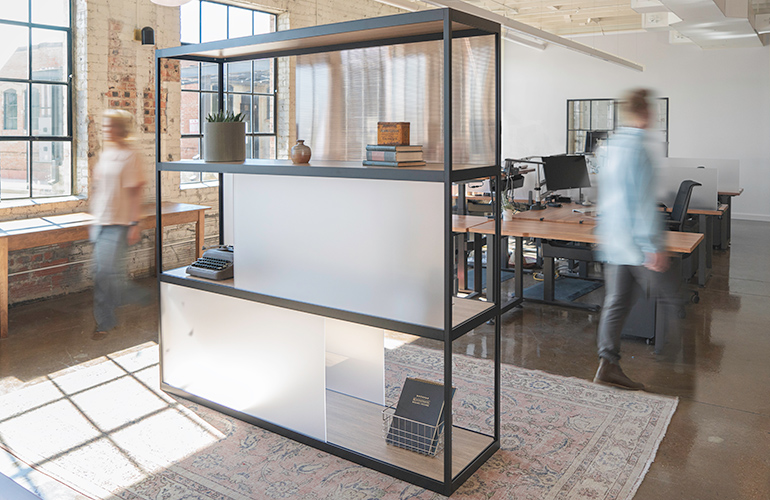
A New Solution for Open Office Shelving

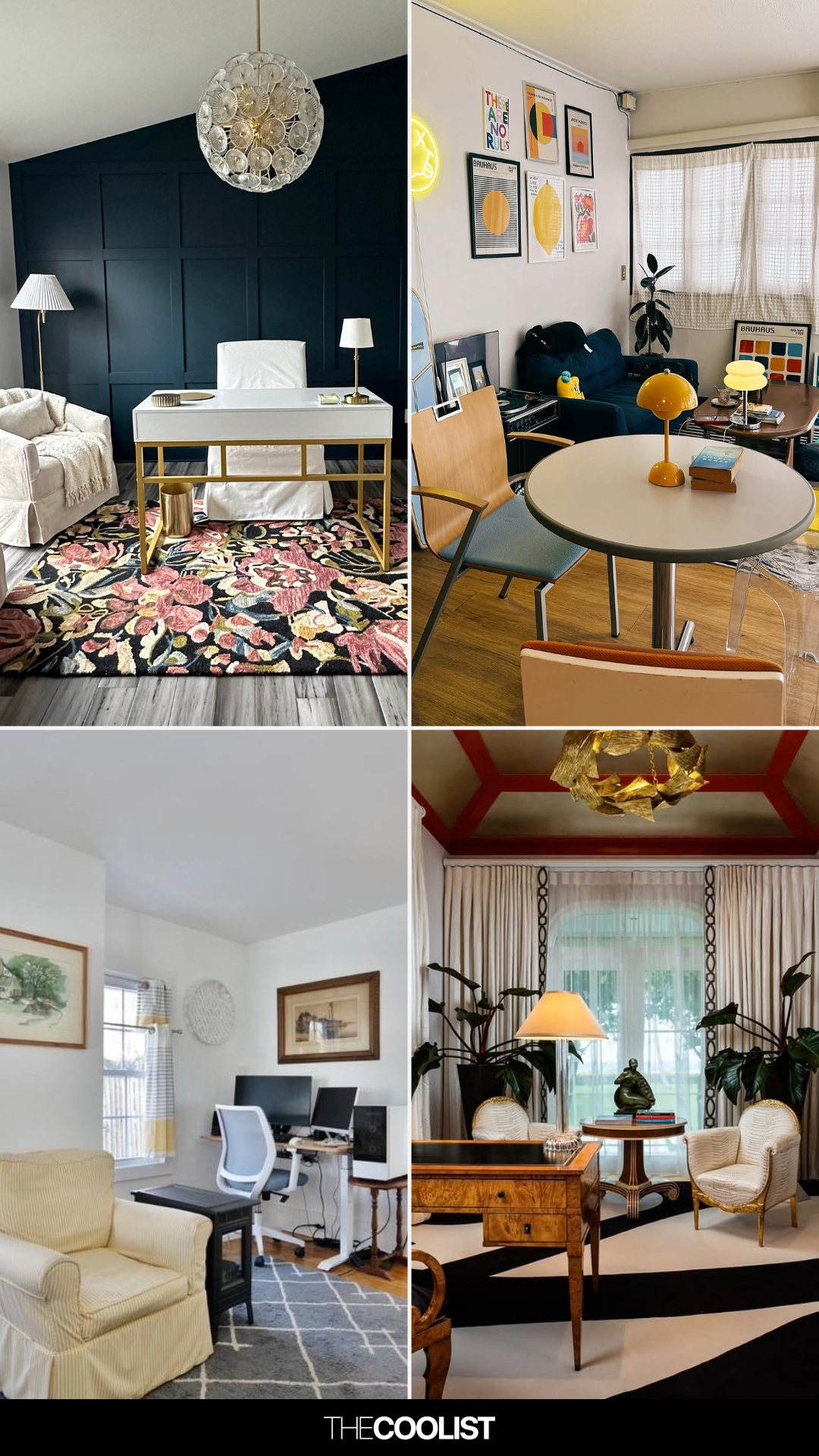
21 Living Room Office Combo Ideas That Maximize Style and Space
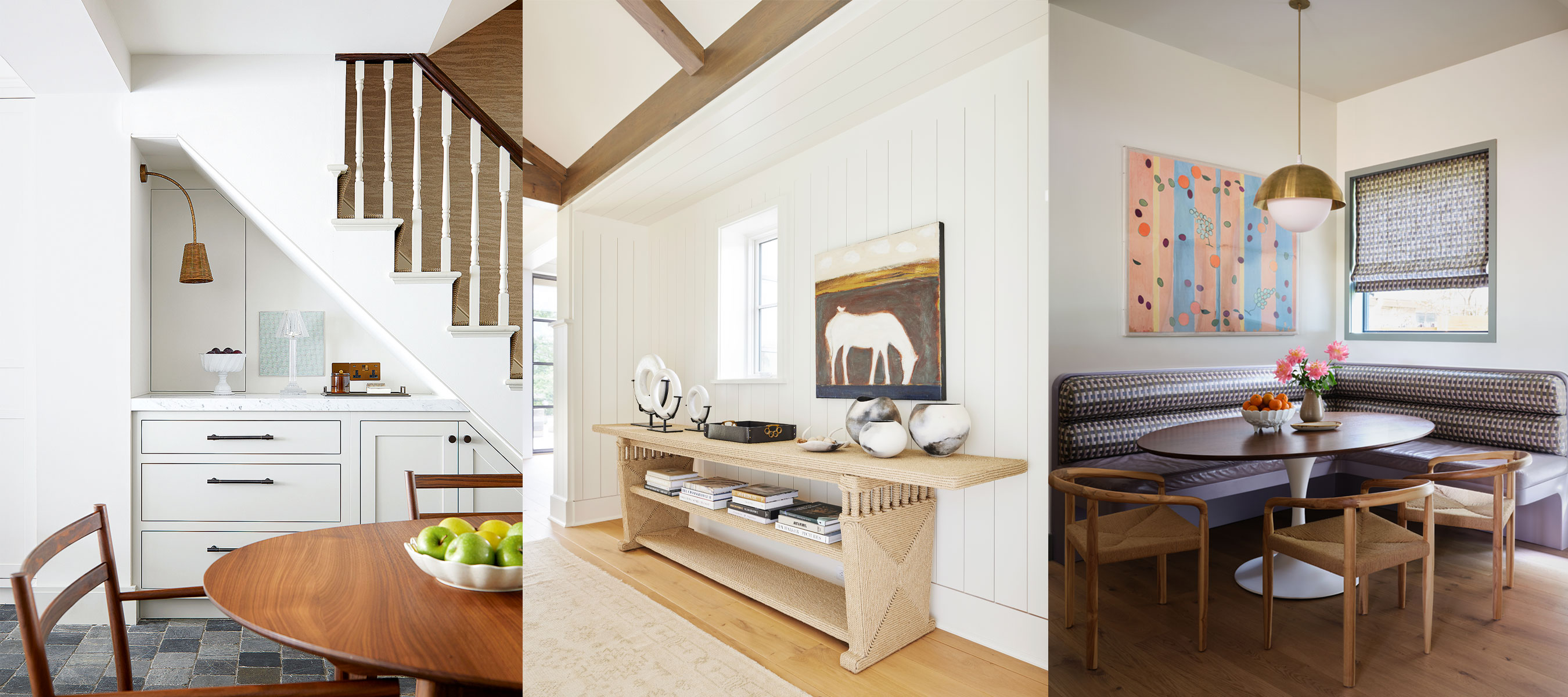
How do I fix dead space in my house? 7 transformative tips from designers

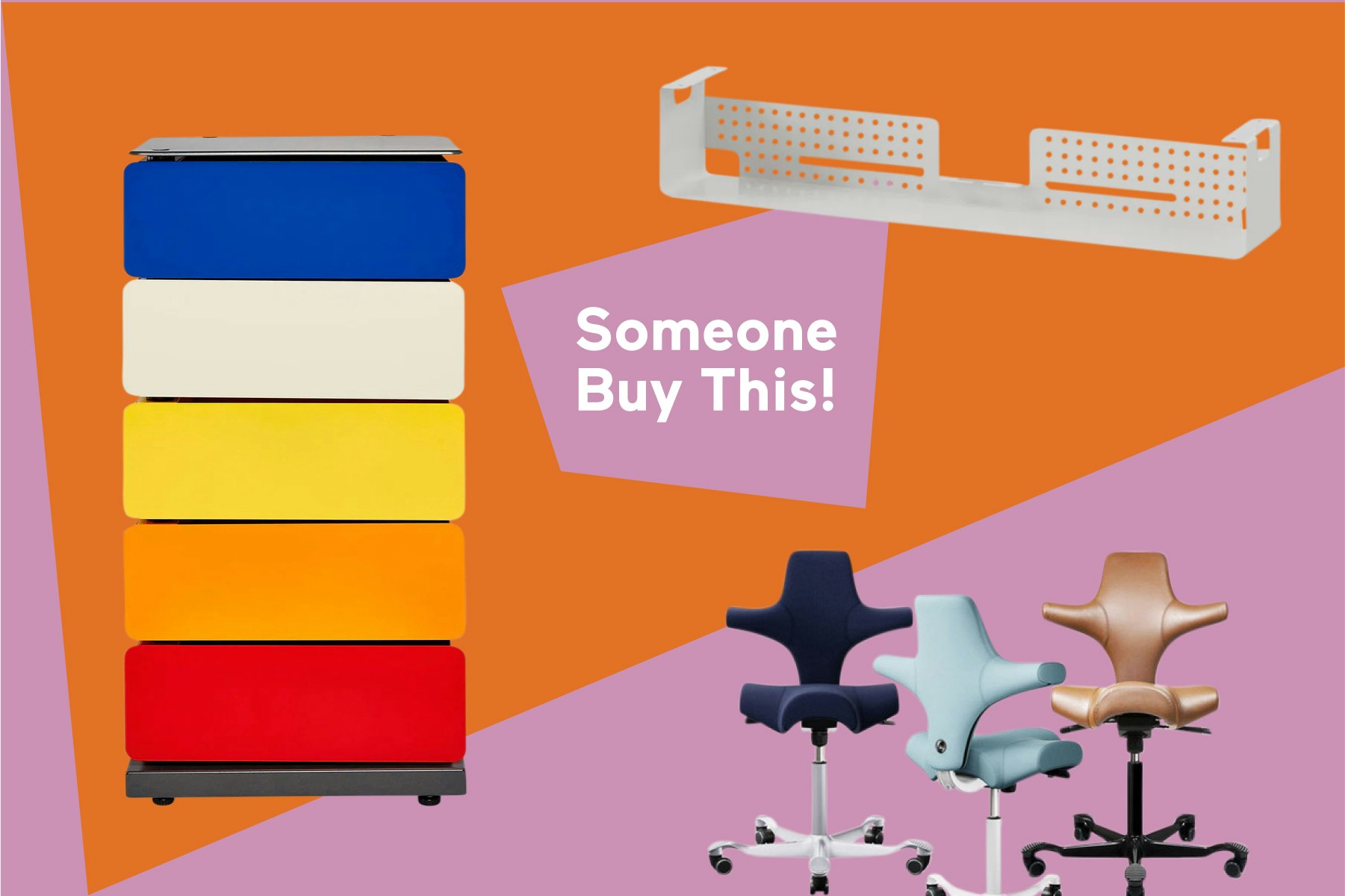
Four Years Into WFH Life, Here’s What You Need for an Aesthetically Pleasing Home Office

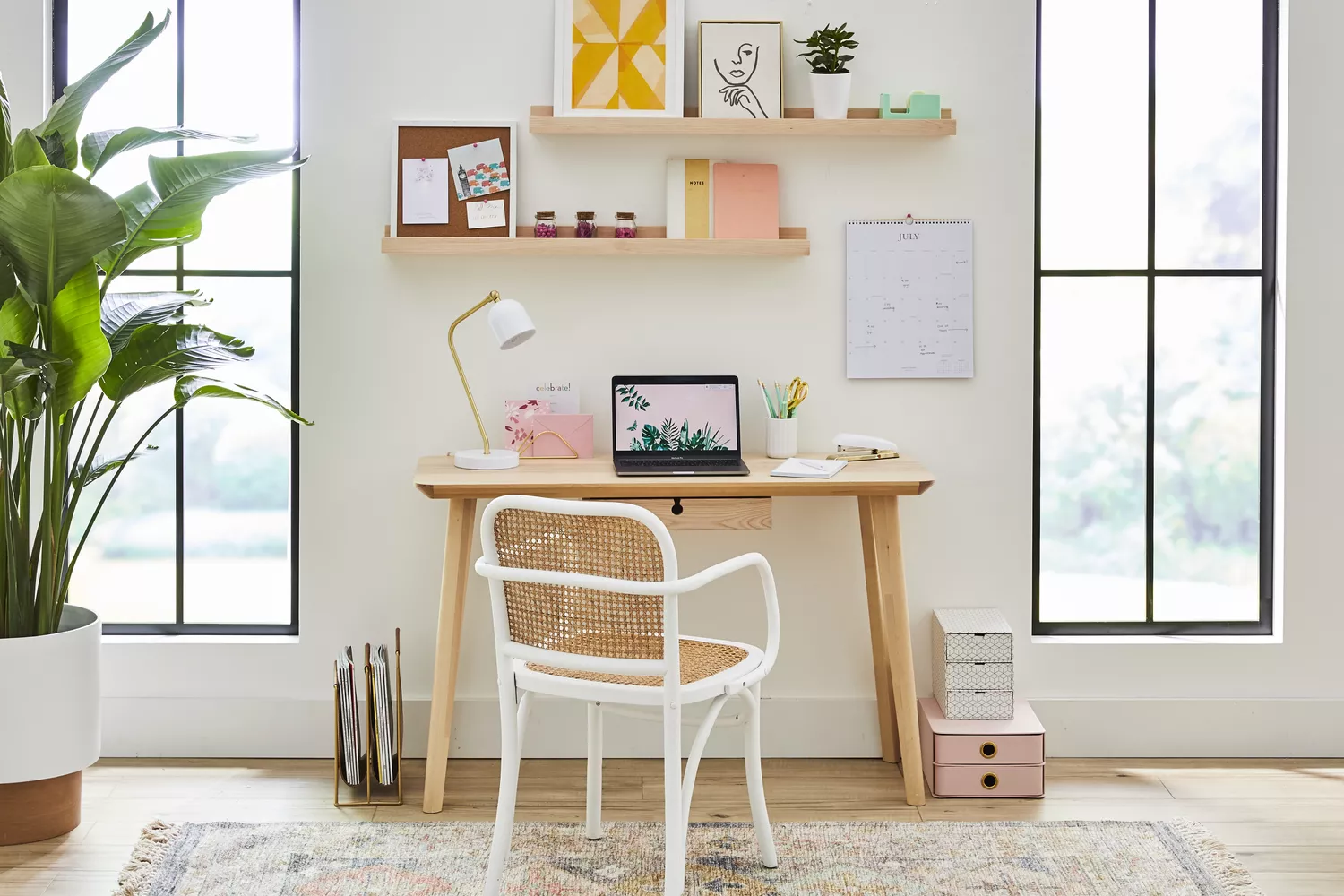
15 Desk Decor Ideas to Create Your Own Aesthetic


Need Serotonin? Try These 28 Cheerful WFH Desk Accessories

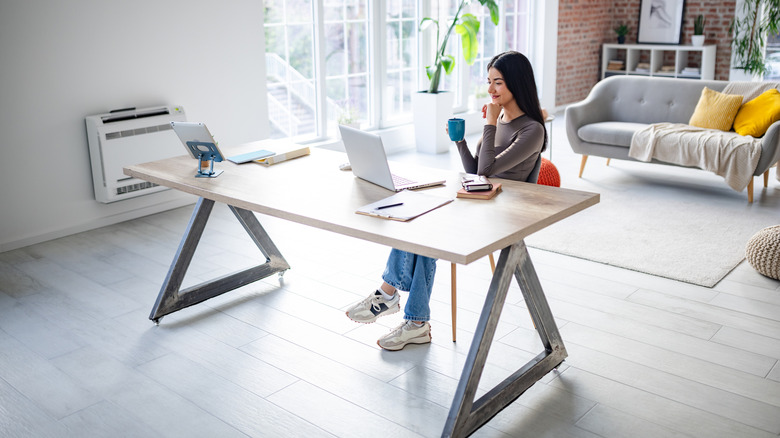
24 IKEA Essentials To Make Working From Home Simple And More Organized

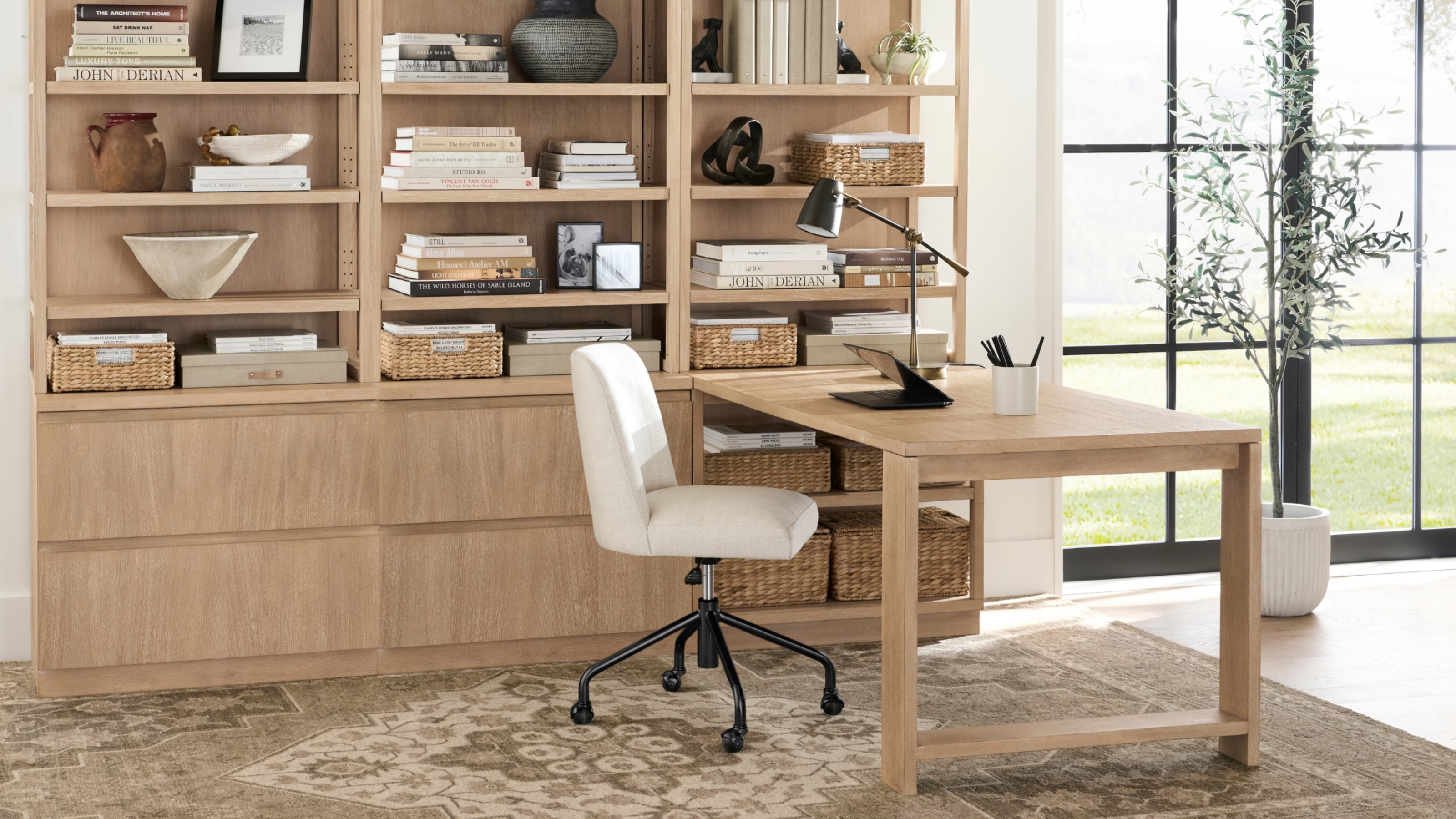
5 small office layout ideas you've never thought about before

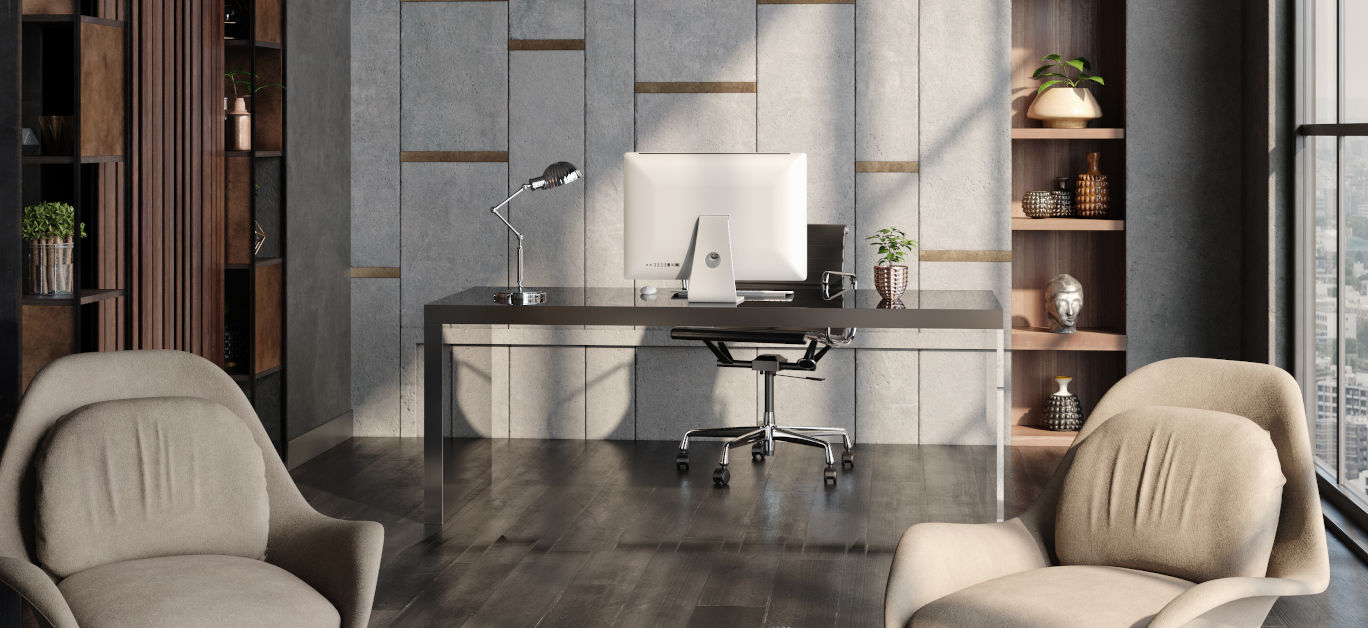
Creating a comfortable and luxury home office in 2024: From design to maintenance

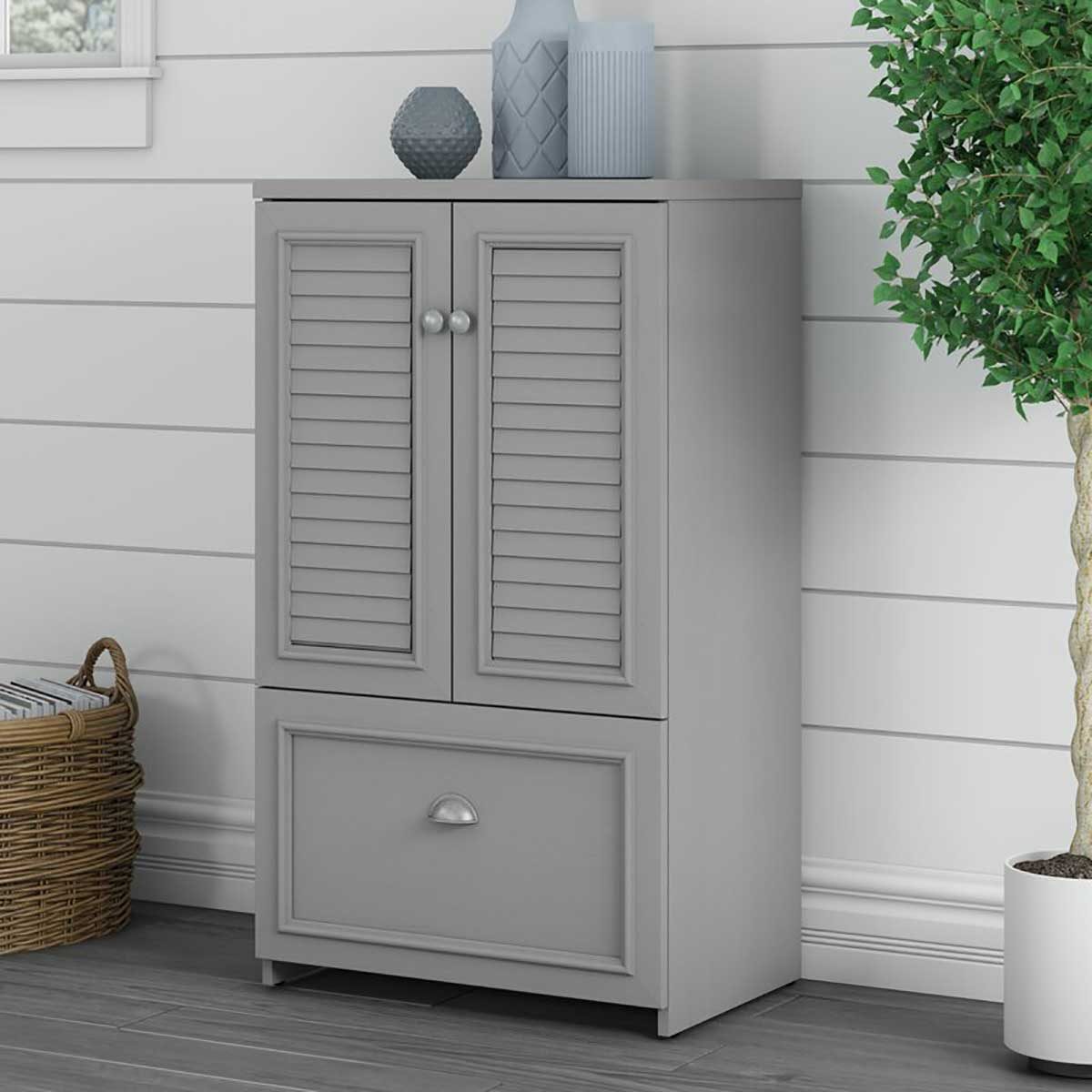
10 Best Storage Cabinets for Your Home Office

These 25 Cute and Functional Desk Accessories Are Sure to Spice Up Your Office
This Insta-Famous Office Will Inspire Your Next Design Project