1/4
Stylish Study Break
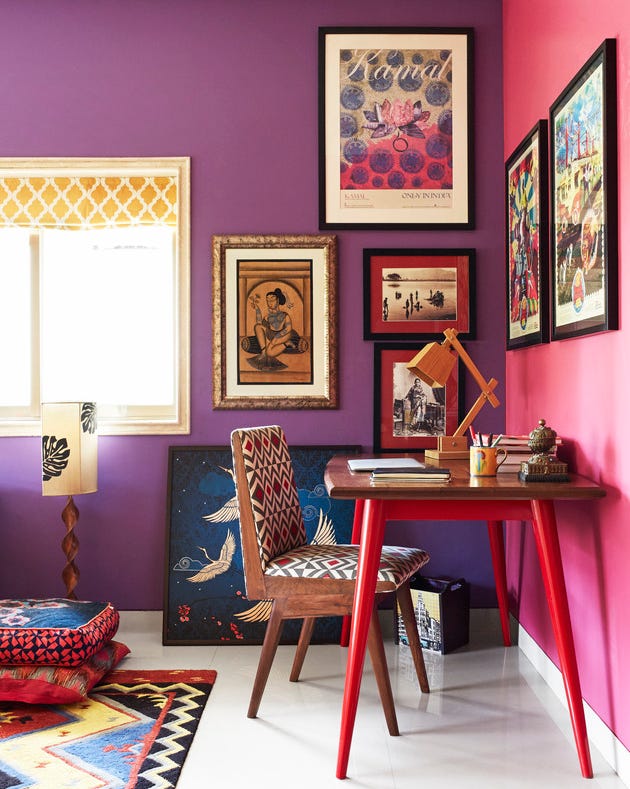
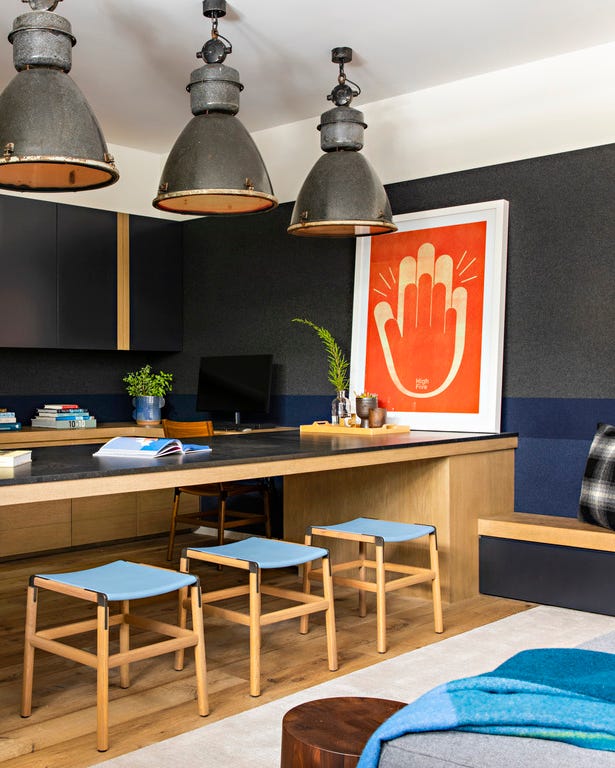
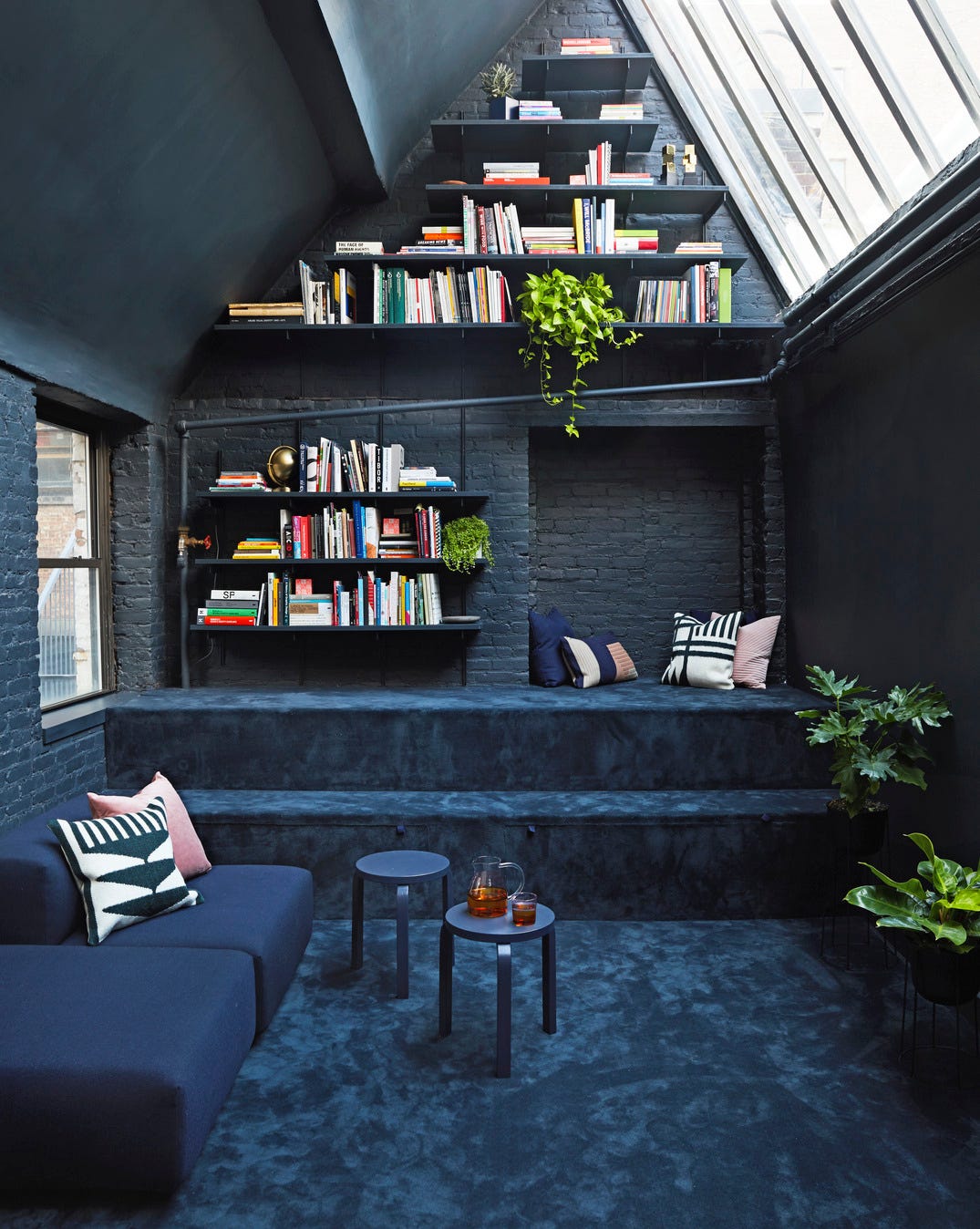
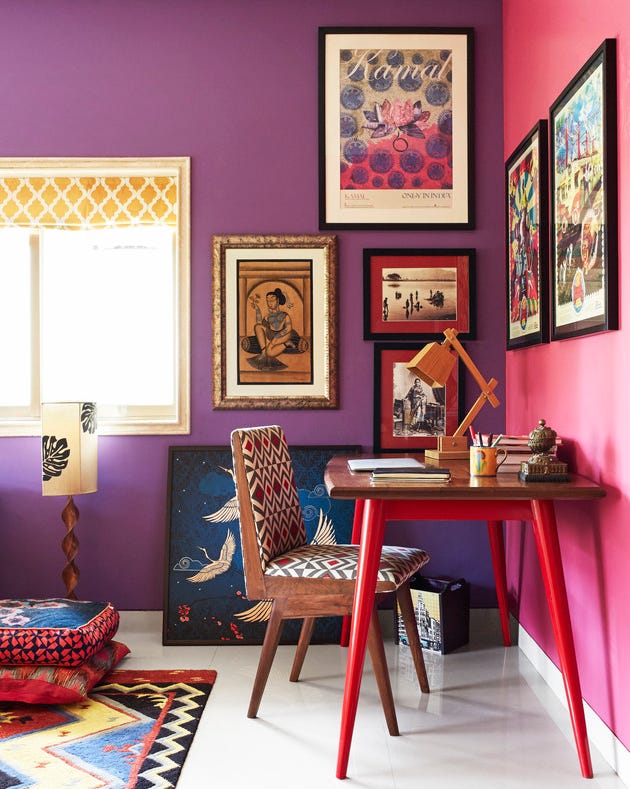
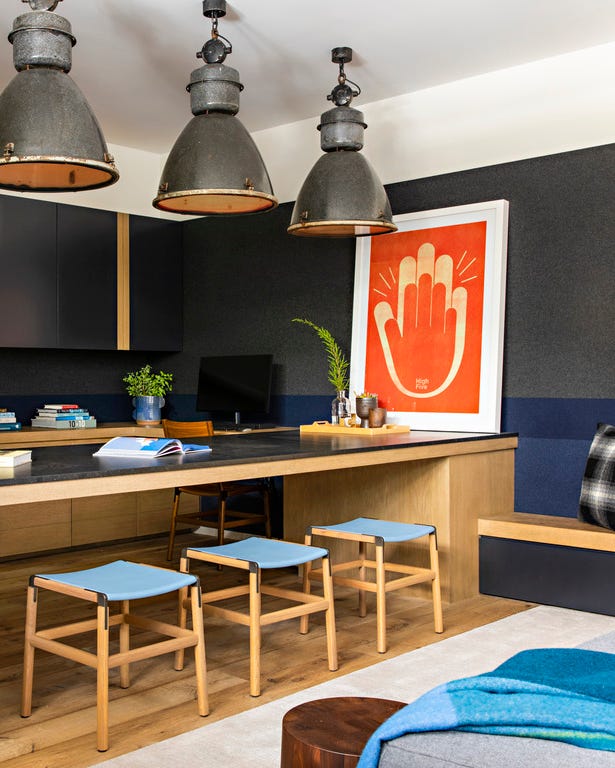
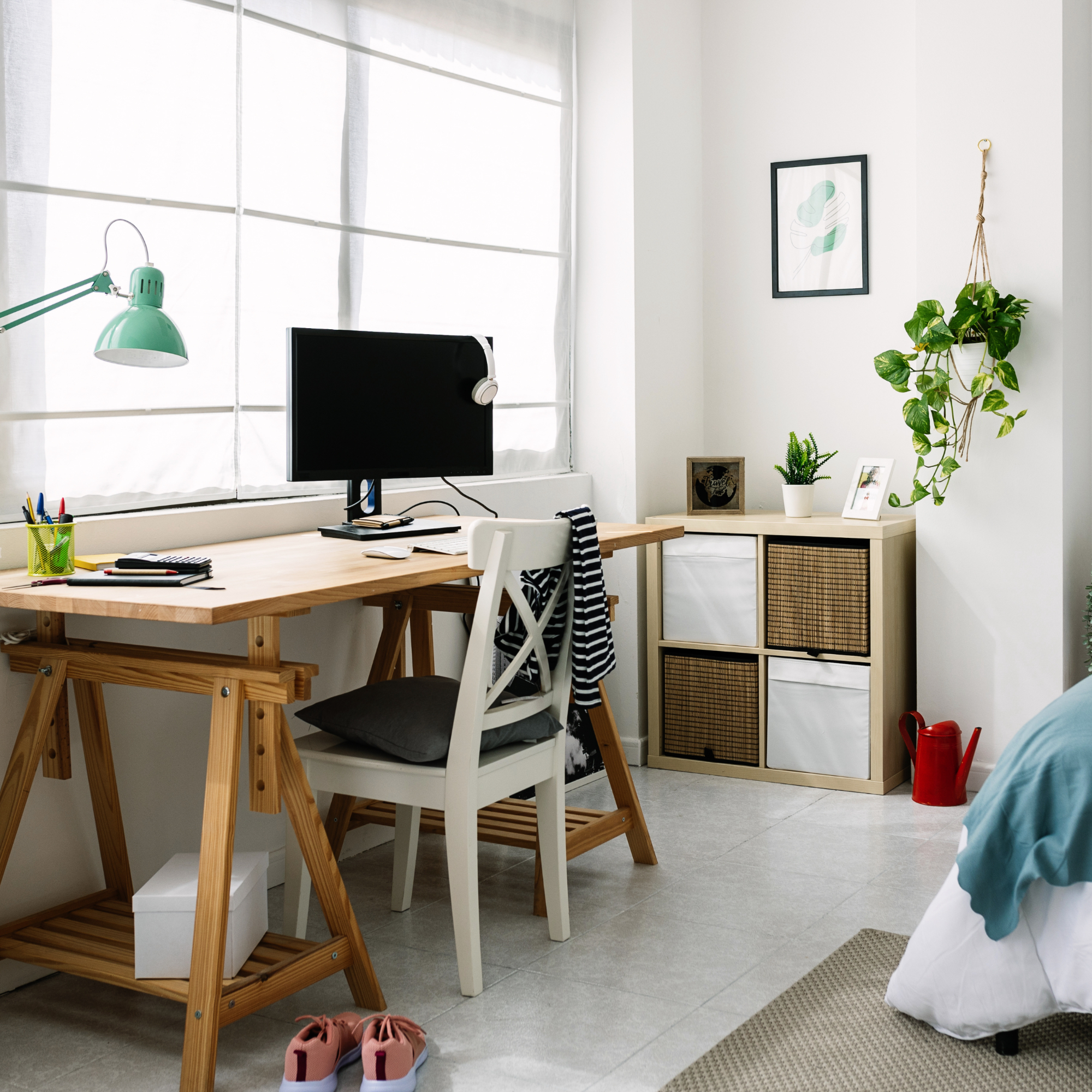
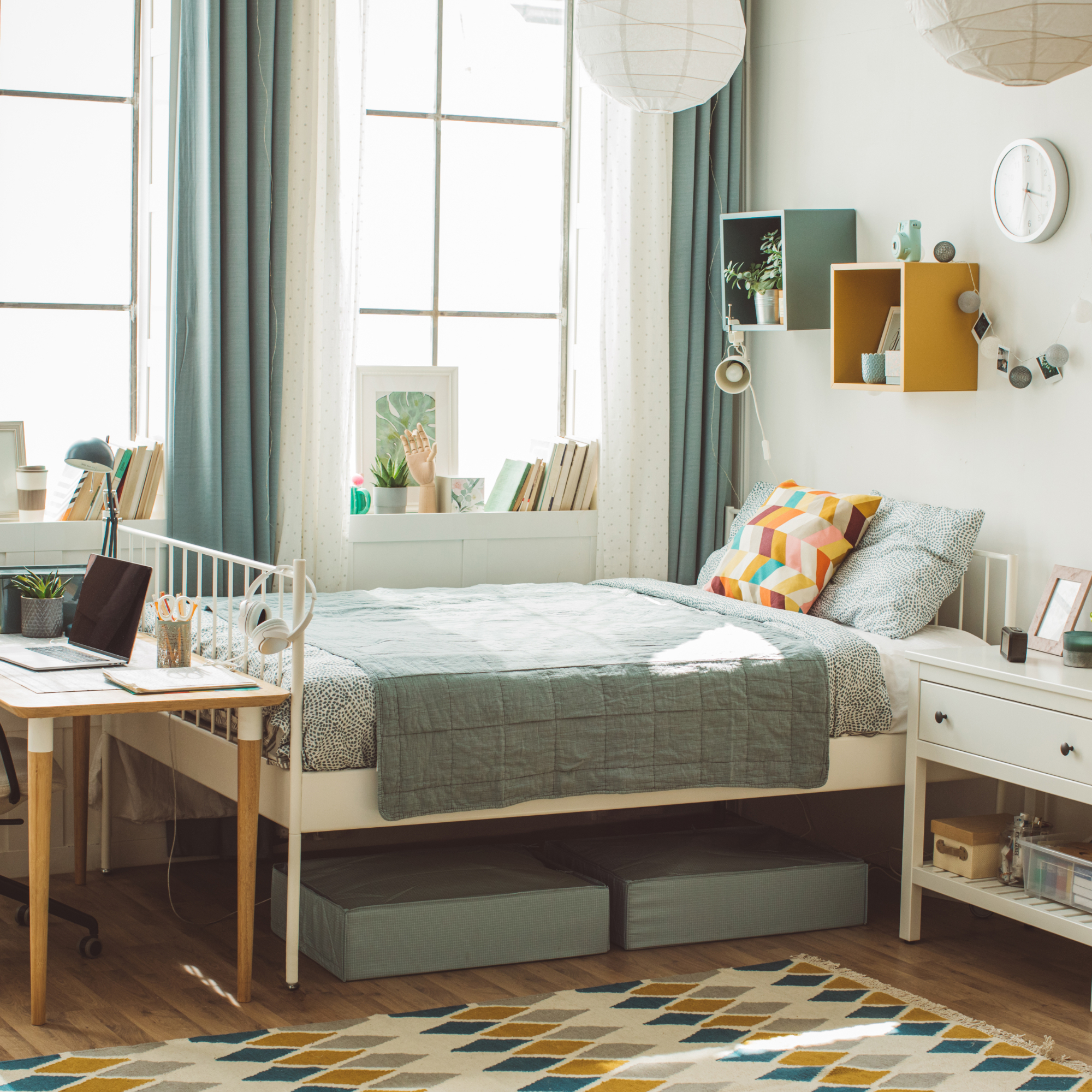
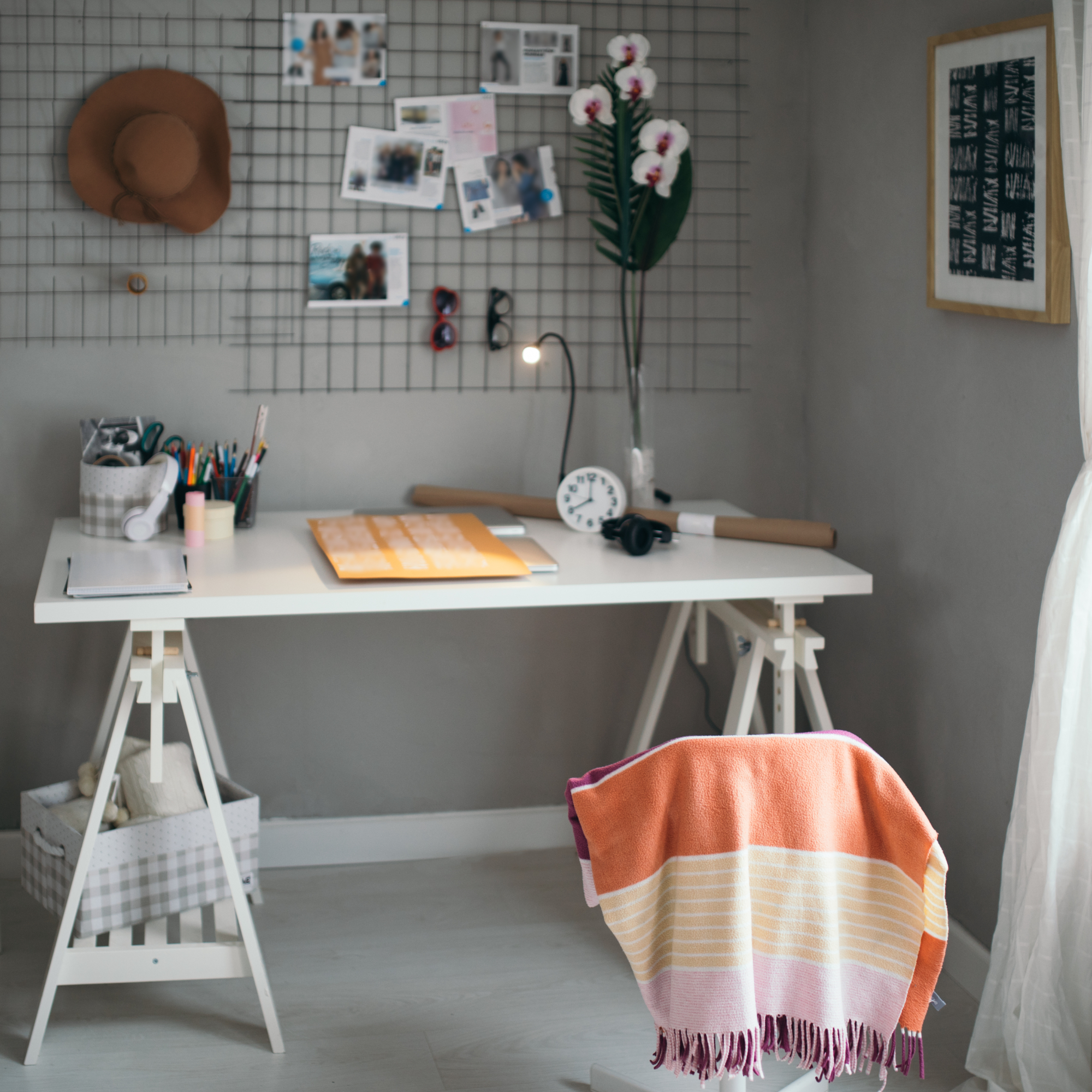
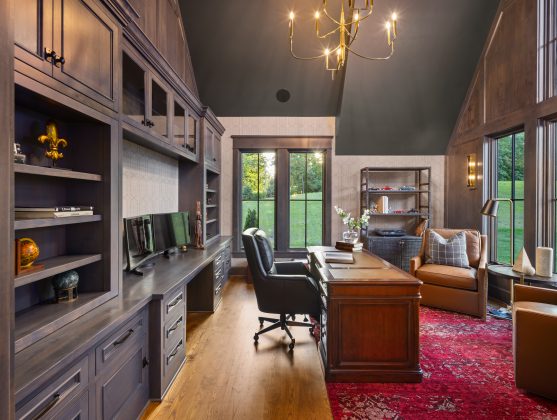
The modern approach to creating effective homework spaces for children has evolved beyond the traditional bedroom desk, emphasizing dedicated areas that promote focus and organization. Designers are increasingly transforming various parts of the home, such as hallways, mudrooms, or previously underutilized corners of family rooms, into specialized homework nooks. This trend reflects a desire to keep children engaged in their studies while allowing parents to supervise discreetly, often positioning these study zones near central household areas like the kitchen.
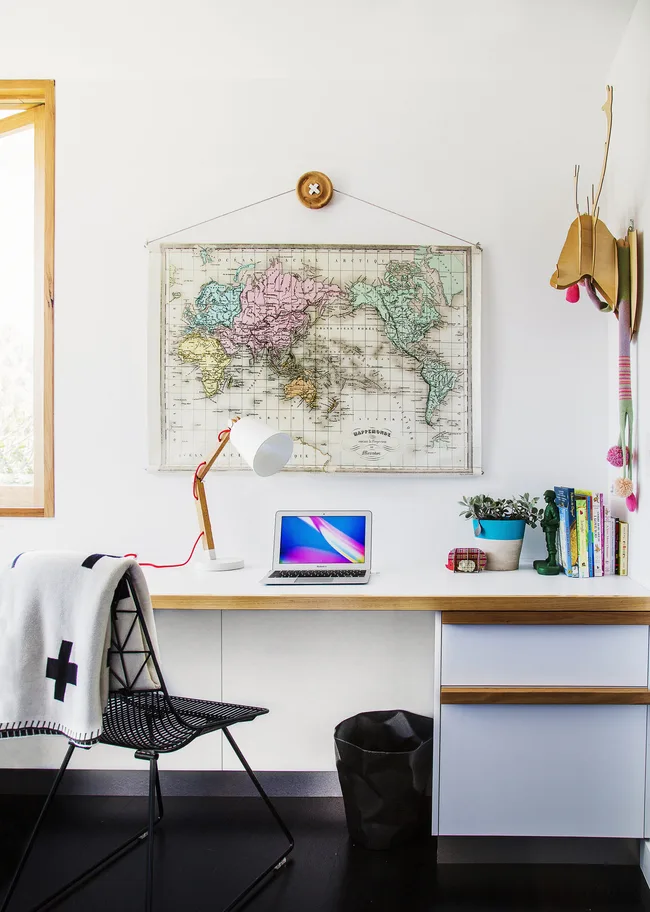
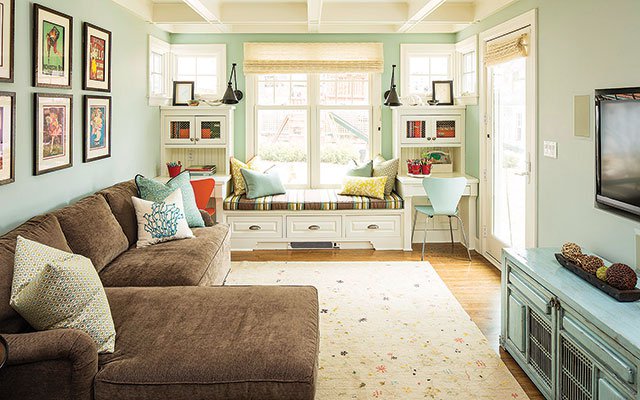
One prominent design philosophy, exemplified by designer Renae Keller, involves creating "on-the-go" workstations. These spaces are characterized by integrated storage solutions, such as those found under window seats and within built-in desks. The design prioritizes easy access to essential school supplies, chargers, cords, and art materials, ensuring that everything a child needs for their studies is readily available and neatly organized. This approach helps to minimize clutter and maximize efficiency.
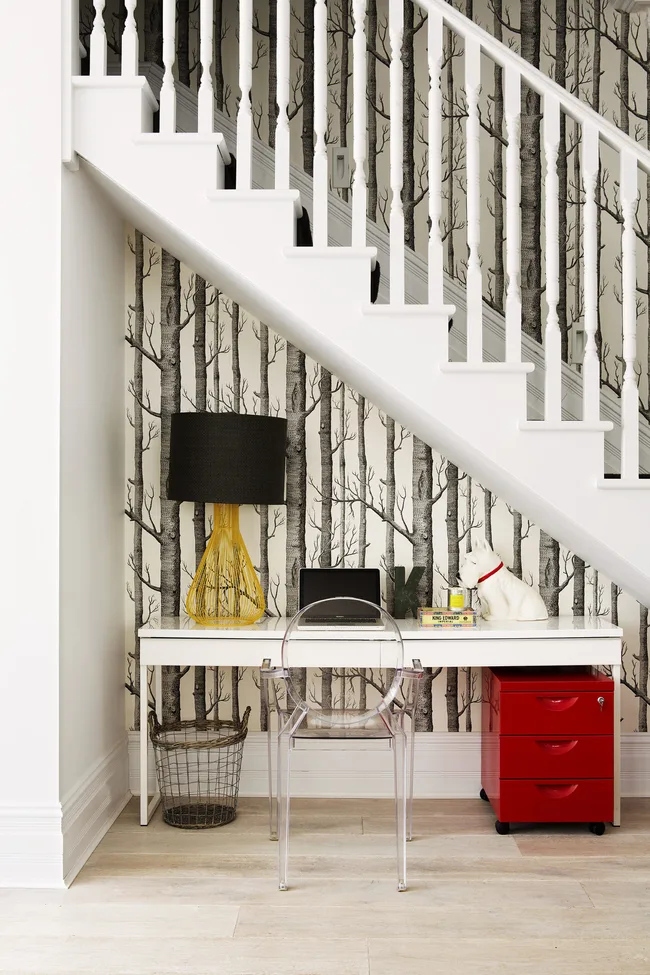
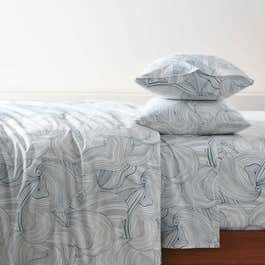
Another innovative concept involves repurposing existing spaces within a home to create functional study areas. For instance, designer Cy Winship demonstrated this by converting a hallway in the Brunsfield residences into a striking workspace. This transformation often incorporates visually appealing elements, such as distinctive wallpaper like the Orla Kiely pattern used by Winship, to make the space both inviting and stimulating. The goal is to create a compact and controlled environment that is conducive to concentration without being isolated from the rest of the home.
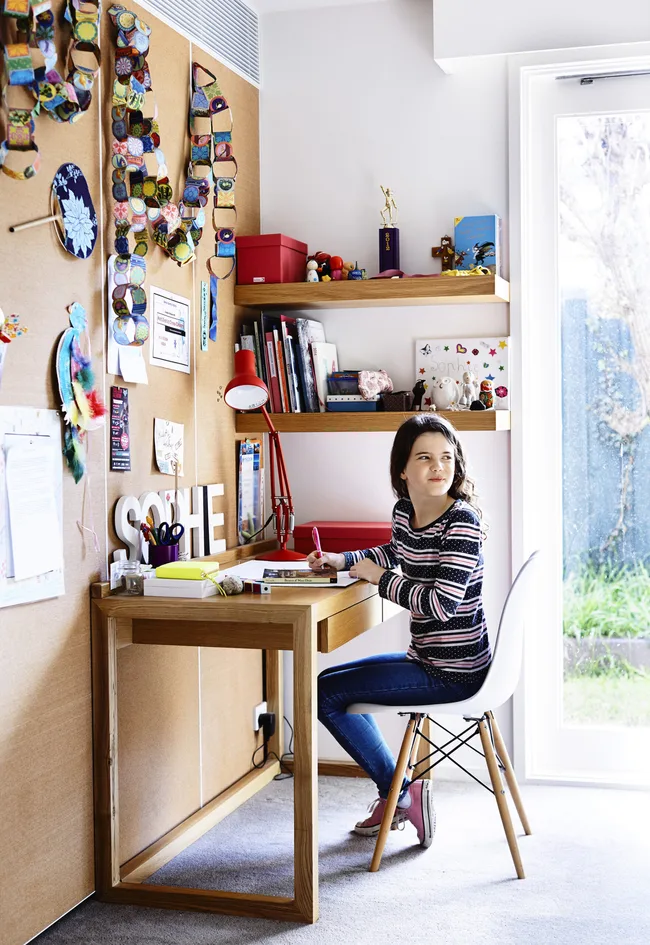
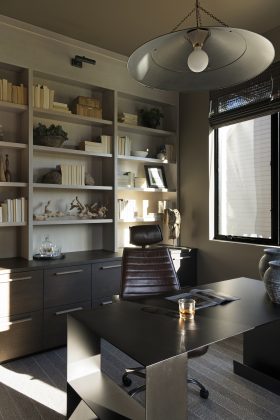
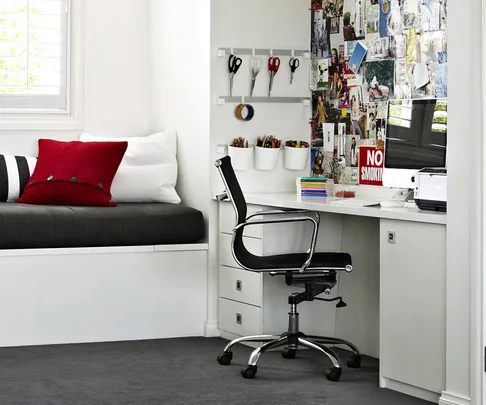
Interior design firm Martha O’Hara Interiors showcases a practical approach for children's study areas, incorporating versatile elements like chalkboard and corkboard surfaces. These features allow children to display their creative work, reminders, or academic achievements, fostering a sense of ownership and pride in their workspace. The design also balances open and closed storage options, enabling children to showcase cherished items while concealing less aesthetically pleasing school supplies or clutter, thereby maintaining an organized and appealing environment.
Regardless of the specific design, the fundamental principles for a successful homework nook remain consistent. These include selecting a location with minimal distractions, ensuring a comfortable and functional work surface, incorporating ample storage solutions to keep materials tidy, and providing space for children to display their work. The ultimate aim is to create an area where homework can be completed away from common household surfaces, such as the kitchen table, in a space that children genuinely enjoy using for their academic pursuits.
#HomeDesign #StudyNooks #KidsSpaces #InteriorDesign #HomeOrganization #WorkspaceDesign #FamilyHome #StorageSolutions #FunctionalDesign #HomeDesign #StudyNooks #KidsSpaces #InteriorDesign #HomeOrganization #WorkspaceDesign #FamilyHome #StorageSolutions #FunctionalDesign
0 comment in total
 No comments yet
You may also like
6 inspiring teen study spaces

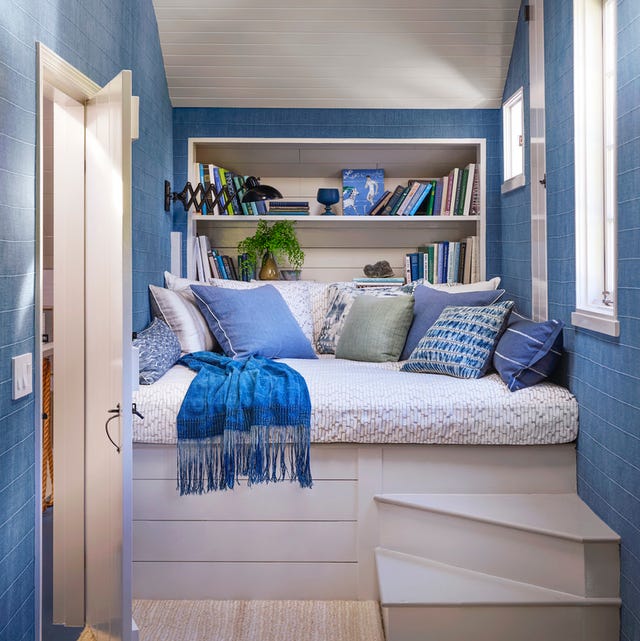
12 Home Study Room Ideas From Designers - Stylish Homework Rooms


A Look at Design School Dorms, Part 2: SCAD's Ultra-Modern Hive Complex

Feng shui can help your child focus
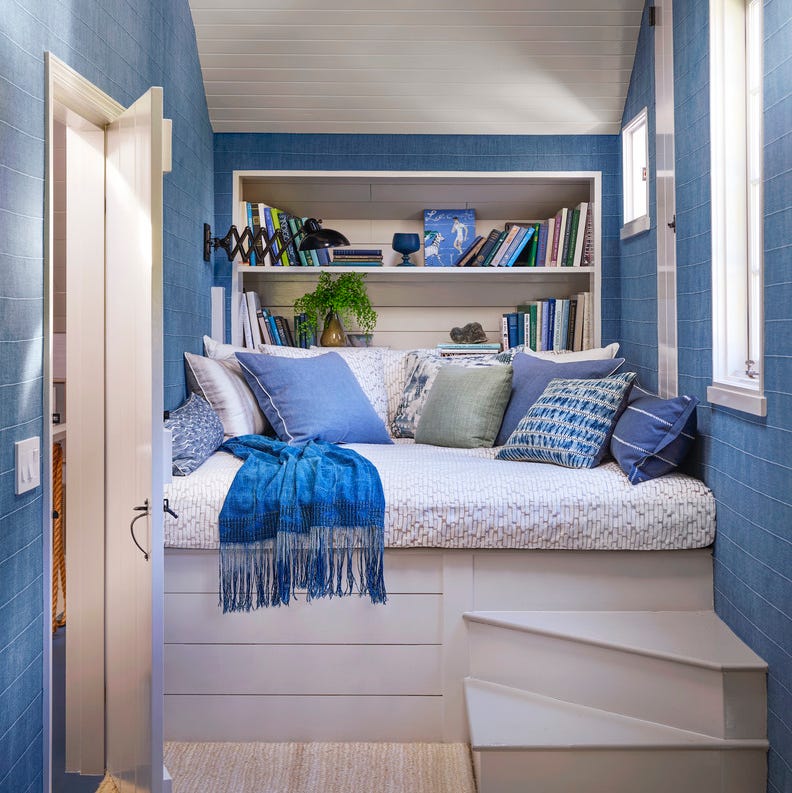
12 Chic Home Study Room Ideas From Designers
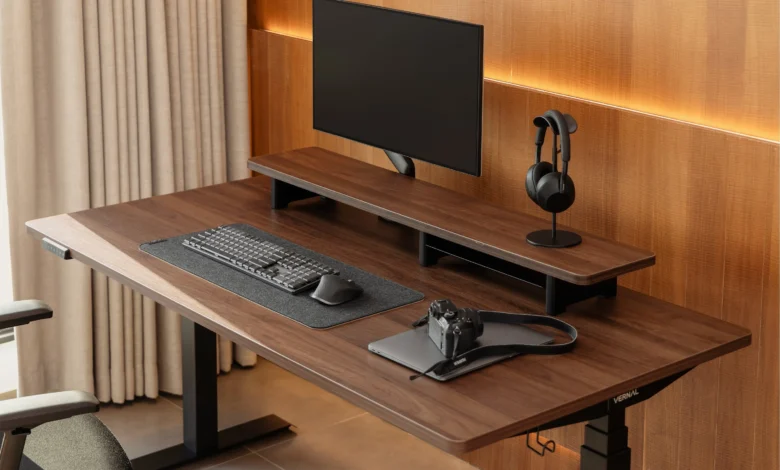
Vernal height-adjustable desk test: Sophisticated, stylish, absolutely great

Academia-Inspired Design Tips That Will Make Your Space So Cozy

Actually Good Dorm Decor That You’ll Want to Keep (Even After Graduation) | Reviews by Wirecutter

Cool crystals to add to your dorm for all of the good vibes this semester

How a Vastu-aligned study table can sharpen your child’s focus: Expert explains the impact | Hindustan Times

5 Libraries, Studies & Offices to Inspire Your Workspace

A Better Back-To-School Entryway
The FRENZY Around "Cool Dorm Decor" Is Getting Wilder Every Day
Parents, *please* don't send your kids off to uni with 'dorm grey' decor – try these colour schemes instead

'It's somewhere you can get lost in a book' - this interior trend is all about creating peaceful spaces for reading

School’s in: This classic interior design trend is inspired by all things academic

Best dorm room essentials for college students this back-to-school season


10 Cute Dorm Decor Items for Undergrads Heading Off to College
Industrial Design Student Work: Minimal-Waste Entryway Bench
28 Study Room Ideas Perfect for Productive Work Days