1/5
Industrial Design Student Work: Minimal-Waste Entryway Bench
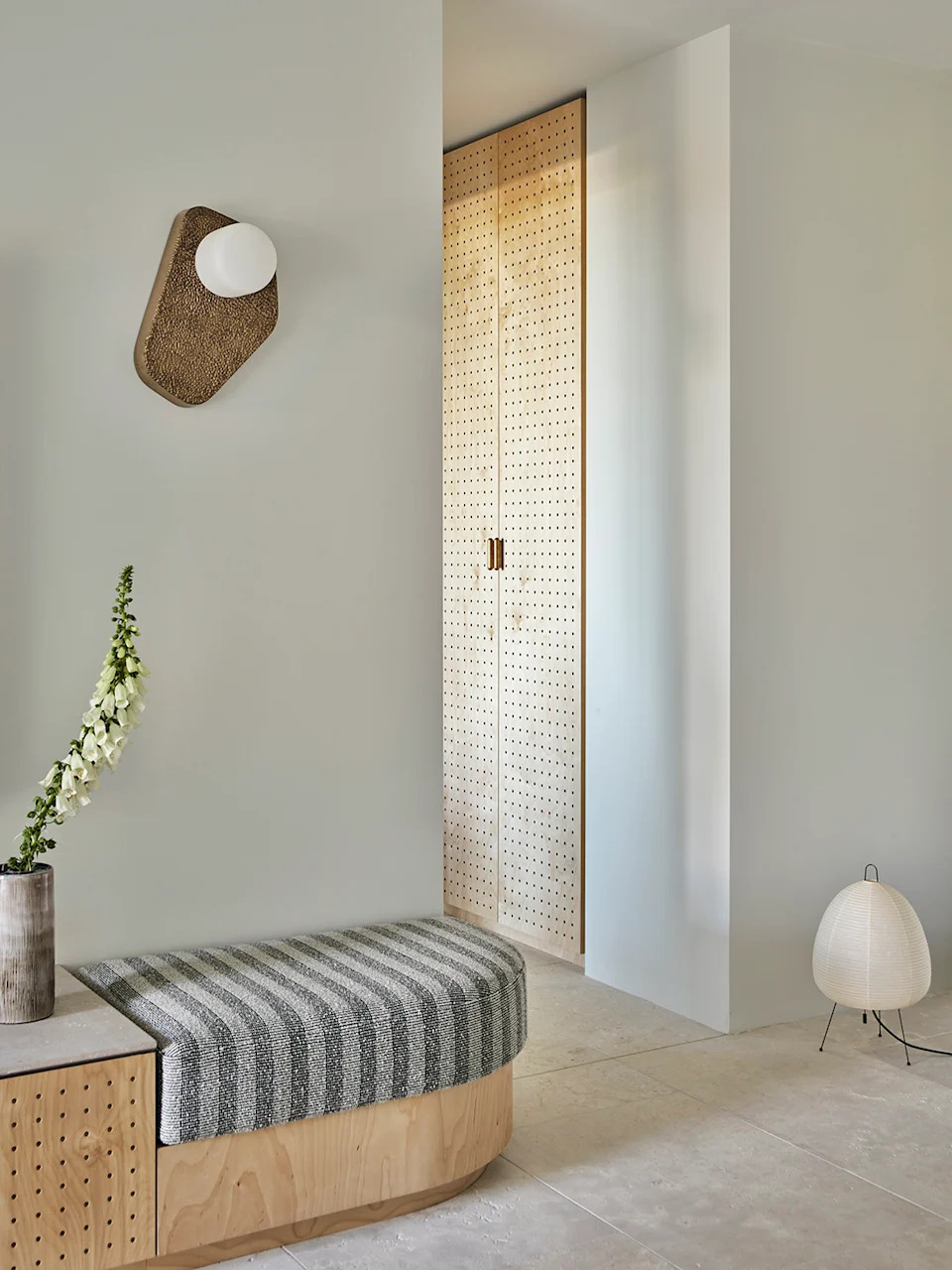
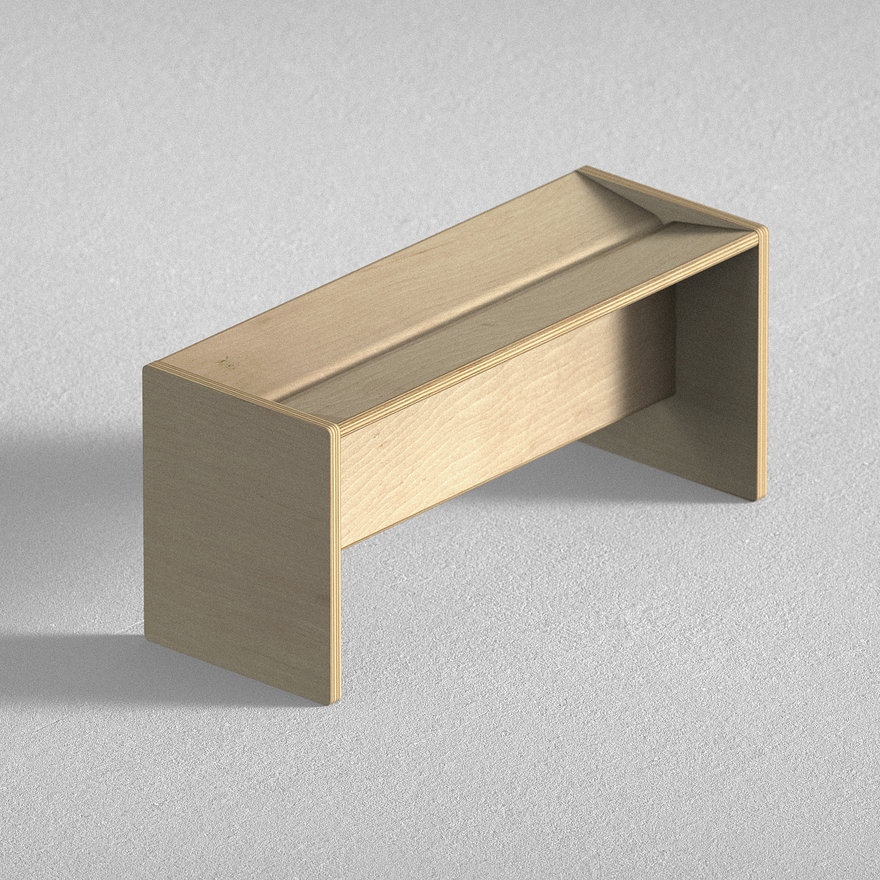
This article highlights the design process and final product of the Kai entryway bench, a project by Industrial Design student Damian Byland from the Basel Academy of Art and Design. Byland, a former bike mechanic, focused on creating an attractive, easily manufacturable, and minimal-waste piece of furniture. The Kai bench is described as a simple cloakroom bench crafted from birch plywood, featuring a clear design language and a sloping seat for comfort, with integrated storage space for shoes in its lower section.
A key aspect of the Kai bench's design is its emphasis on efficient production, primarily utilizing a Striebig panel saw. The design allows for nearly all manufacturing steps to be completed using this saw, including the precise kerf cuts necessary to bend the seat to its intended angle. This manufacturing approach aims to streamline the production process while minimizing material consumption.
Material efficiency is a core principle behind the Kai bench, as it is designed to use the entire length of a standard 2500 mm birch plywood panel. This strategic use of material significantly reduces waste during manufacturing, aligning with sustainable design practices. The bench's aesthetic and functional qualities are complemented by its thoughtful production methodology.
However, the design also attracted critical commentary. One commenter raised concerns about the long-term usability and maintenance of the bench, particularly regarding the accumulation of dust, dirt, and debris in its central area over time. This feedback underscored the importance of considering real-world usage and potential misuse when designing furniture. Another comment suggested an alternative construction method, proposing that the same aesthetic could be achieved by joining two pieces and routing a radius, potentially simplifying production and addressing cleaning challenges, while questioning if the designer had explored such alternatives. A further critique pointed out that "minimal waste" in this context only meant using a full board, not necessarily an efficient use of wood overall, suggesting a similar bench could be made with less material.
Additionally, a minor correction was made regarding the location of the Basel Academy of Art and Design, clarifying that it is in Switzerland, not Germany. These discussions reflect the rigorous evaluation inherent in design education and professional practice, where both aesthetic appeal and practical considerations, including manufacturing efficiency, material sustainability, and user experience, are critically assessed.
#IndustrialDesign #FurnitureDesign #MinimalWaste #EntrywayBench #PlywoodFurniture #SustainableDesign #ProductDesign #StudentWork #IndustrialDesign #FurnitureDesign #MinimalWaste #EntrywayBench #PlywoodFurniture #SustainableDesign #ProductDesign #StudentWork
0 comment in total
 No comments yet
You may also like
'They add so much comfort to a small space!' Architects are embracing this cleverly comfy design trend
The Most Beautiful Hallway Benches For British Homes That Combine Style, Clever Storage And True Character


The Best Benches Level Up Your Seating Slate


Shopping Guide: Benches (Published 2016)

Best Industrial Design Student Work Spotted in 2022

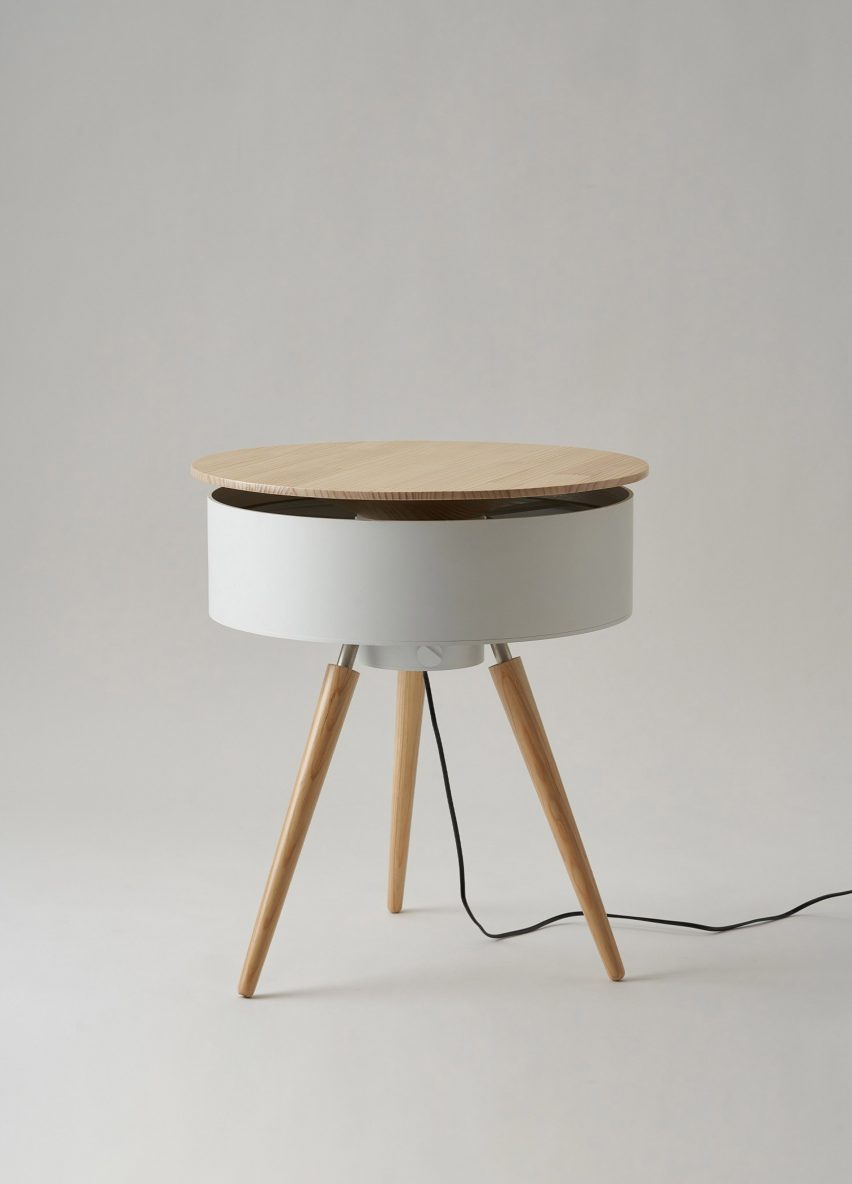
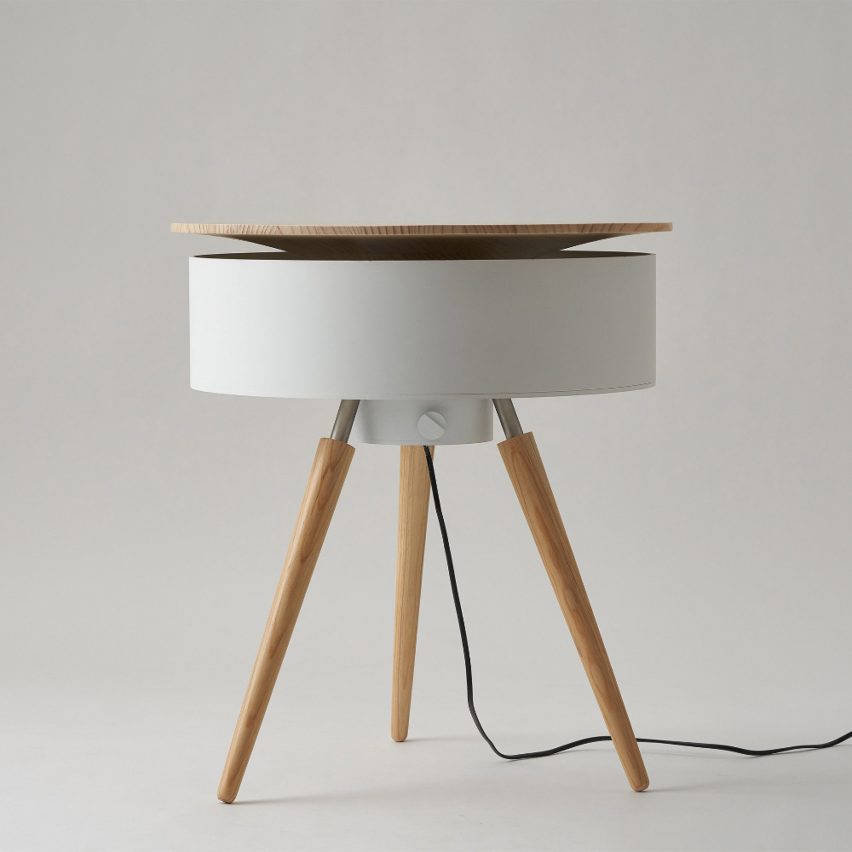
Wonho Lee creates Brise fan and side table that blends into the home
6 Things That Make Your Entryway Look TACKY, According to Designers


West Dean College spotlights ten interior design student projects
Modern entryway bench ideas – 12 tips for stylish hallway seating

Dr. Carol Bentel Tackles the Issue of Disposable Design at Design Talks 2019

8 Ideas I Stole From British Designers to Help Me Map Out My Narrow Entryway

Ideas For Business – Call #1: Meet the three winning projects

7 Entryway Mistakes Designers Instantly Notice When They Walk Into Your Home

8 gorgeous small entryway table ideas, no matter the size of your space

Industrial Designer Stefan Diez's Prototyping Shots of the Fuld Nesting Chair
Primary school children design wooden seats in Grade Three Chairs project
This simple sculptural shelf is made from a sheet of folded steel
A Delhi studio for creatives that elevates zen-like minimalism

Mary Ratcliffe Studio’s Barrow Collection Finds Its Full Form

note design studio forms furniture out of flooring material for tarkett's london showroom