1/16
Cottage staircase ideas – style inspiration for a warm and homely look
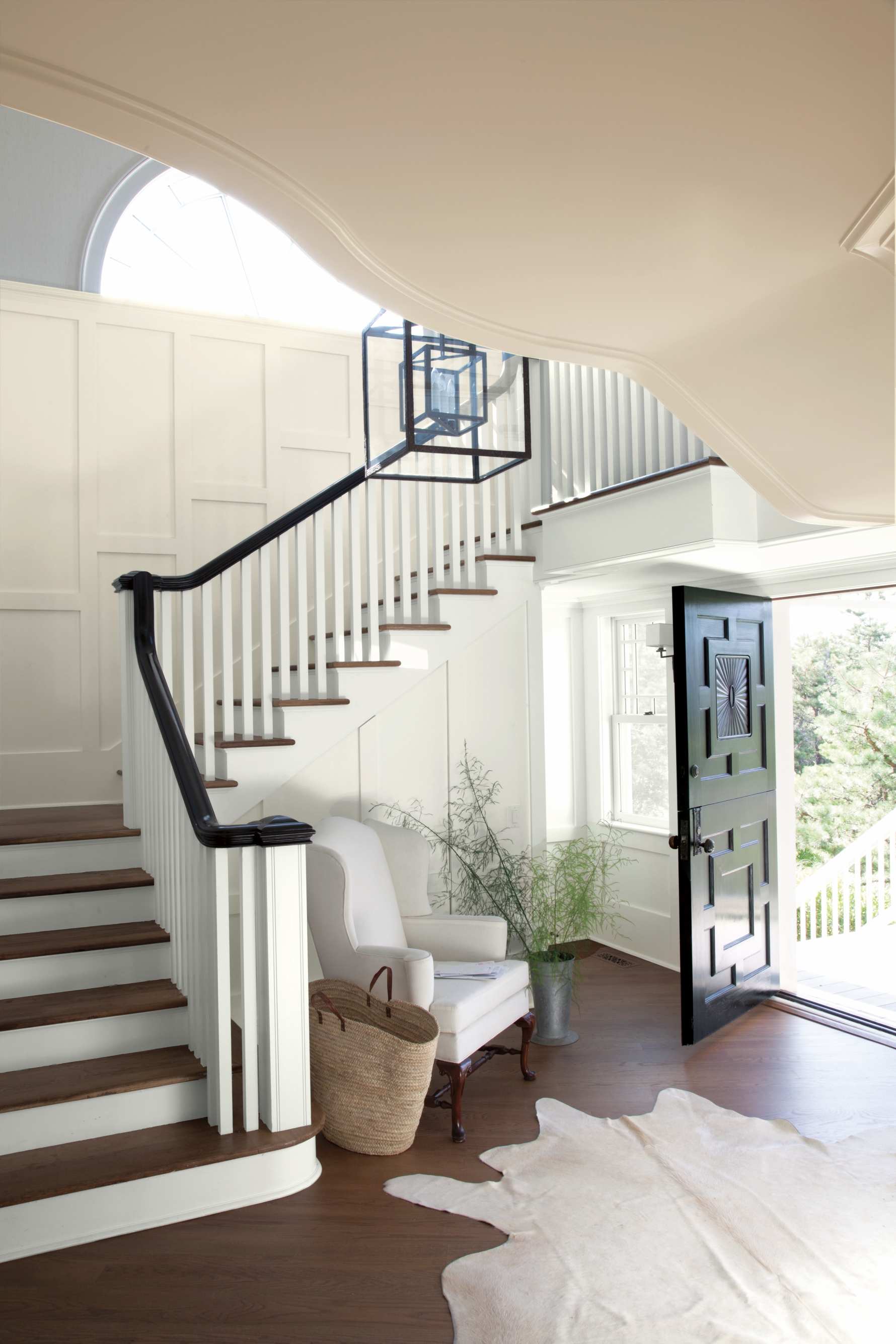
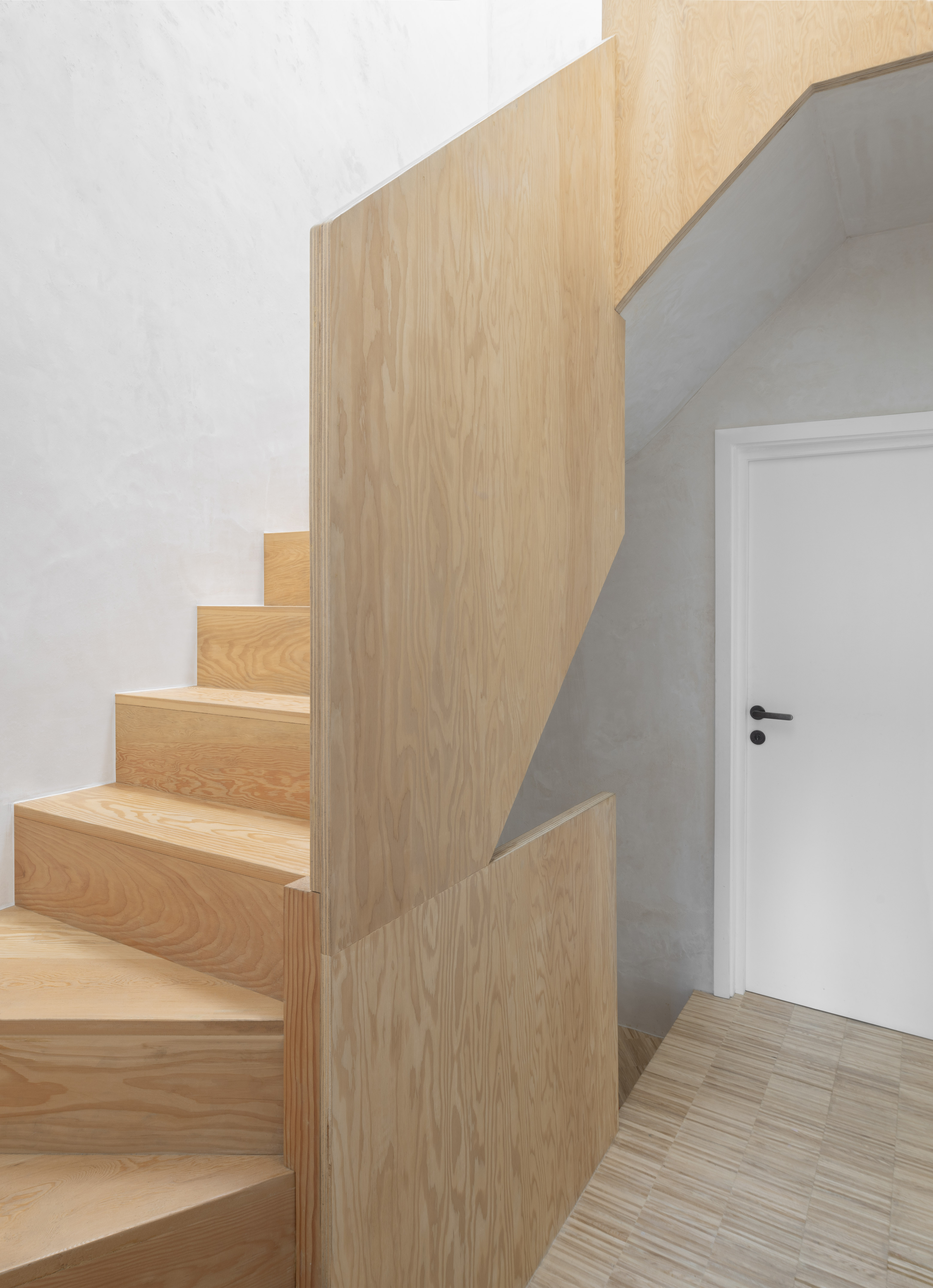
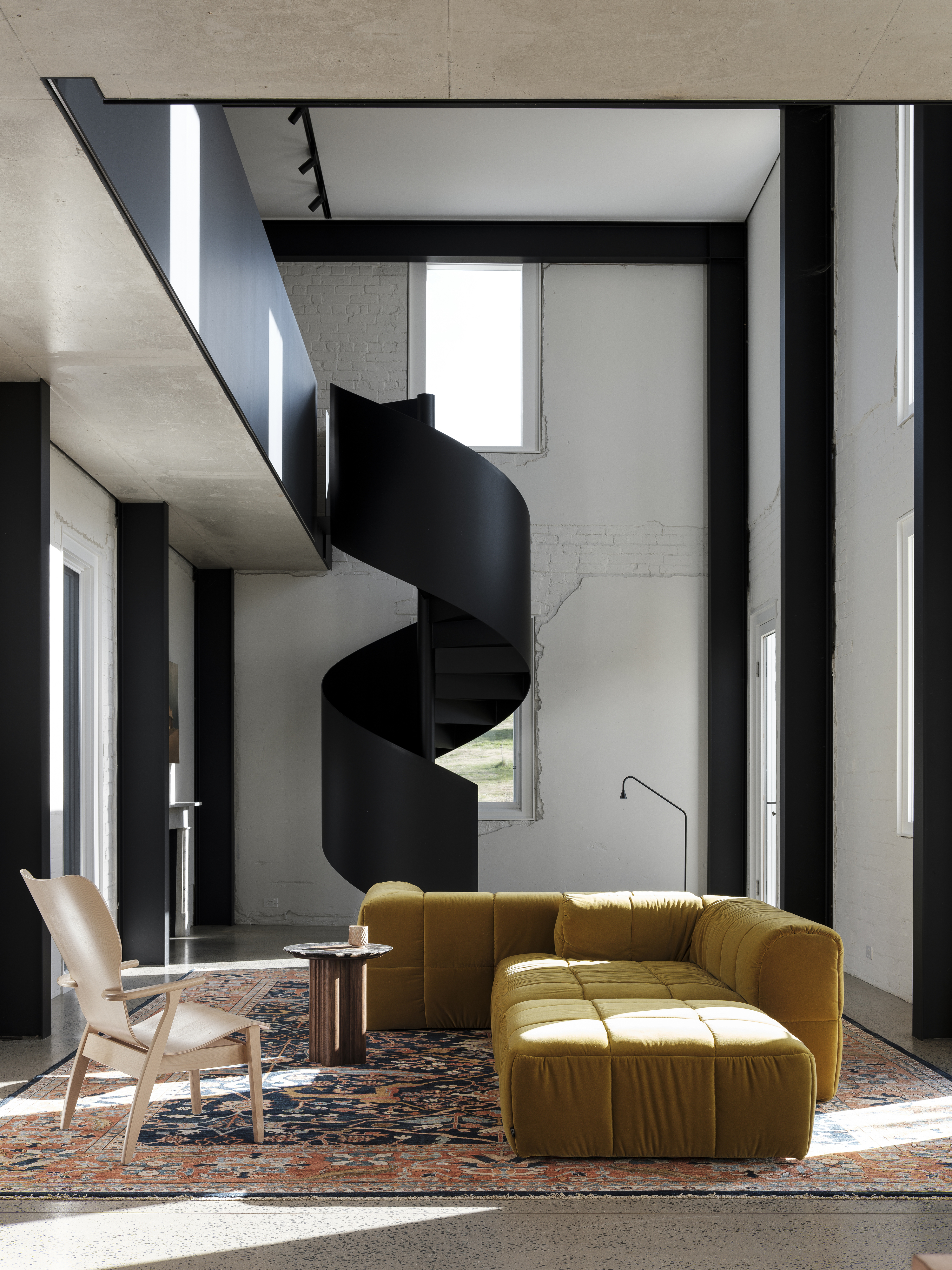
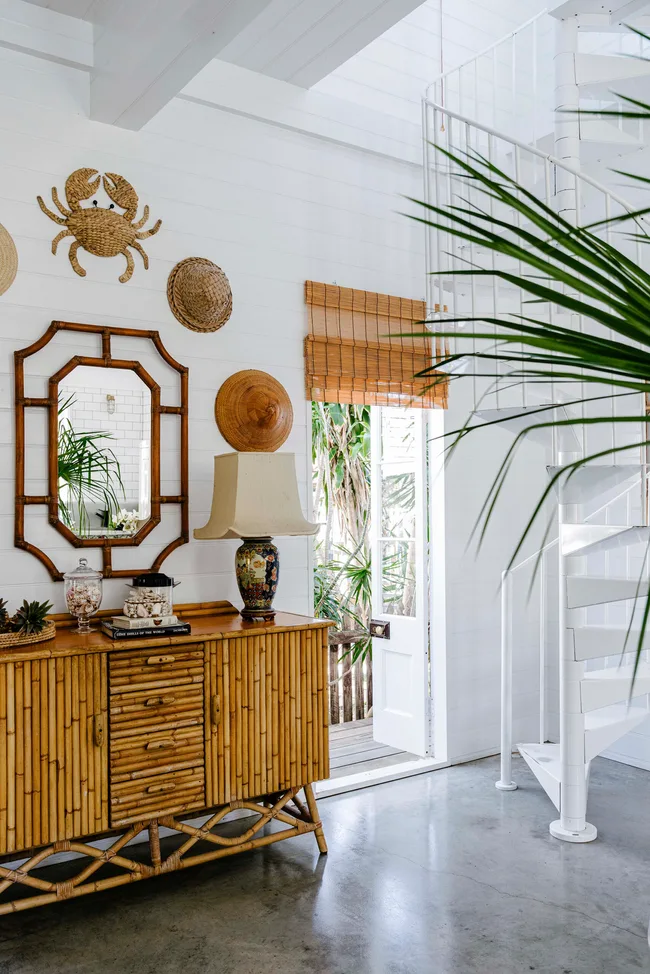
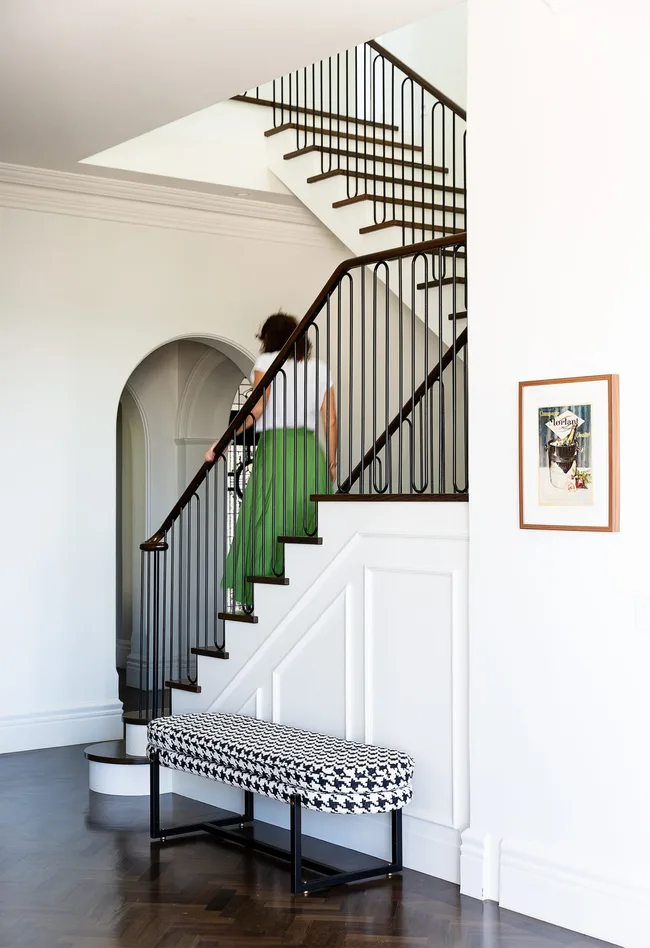
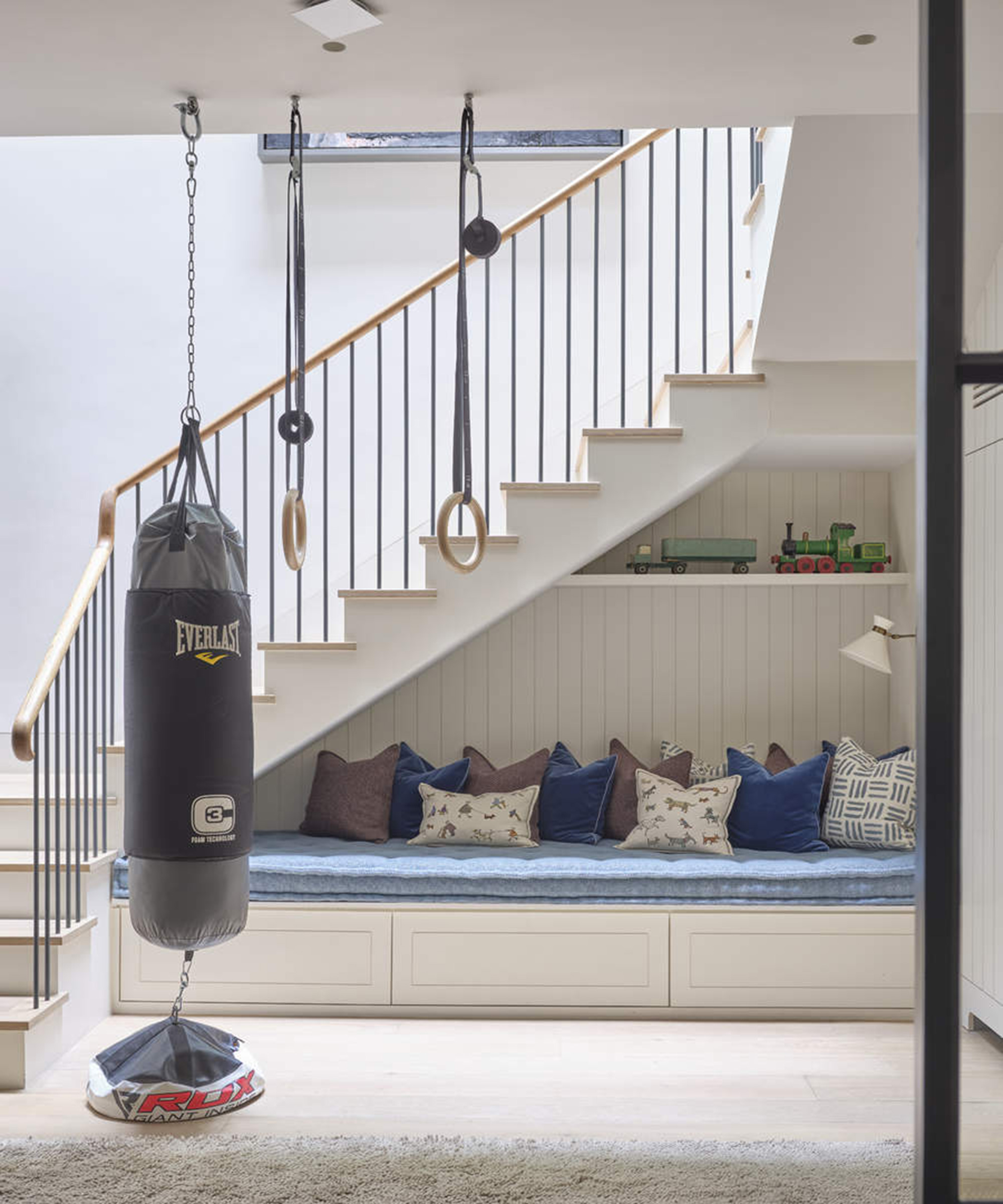
Cottage staircases, often centrally located in rustic homes, require careful consideration in their design and decoration to harmonize with the overall aesthetic. Given their typical compact and narrow nature, maximizing their vertical space can create a significant visual impact without requiring extensive renovation. This article compiles 15 expert-backed ideas to enhance the style and functionality of cottage staircases, ensuring they contribute to a warm and homely ambiance.
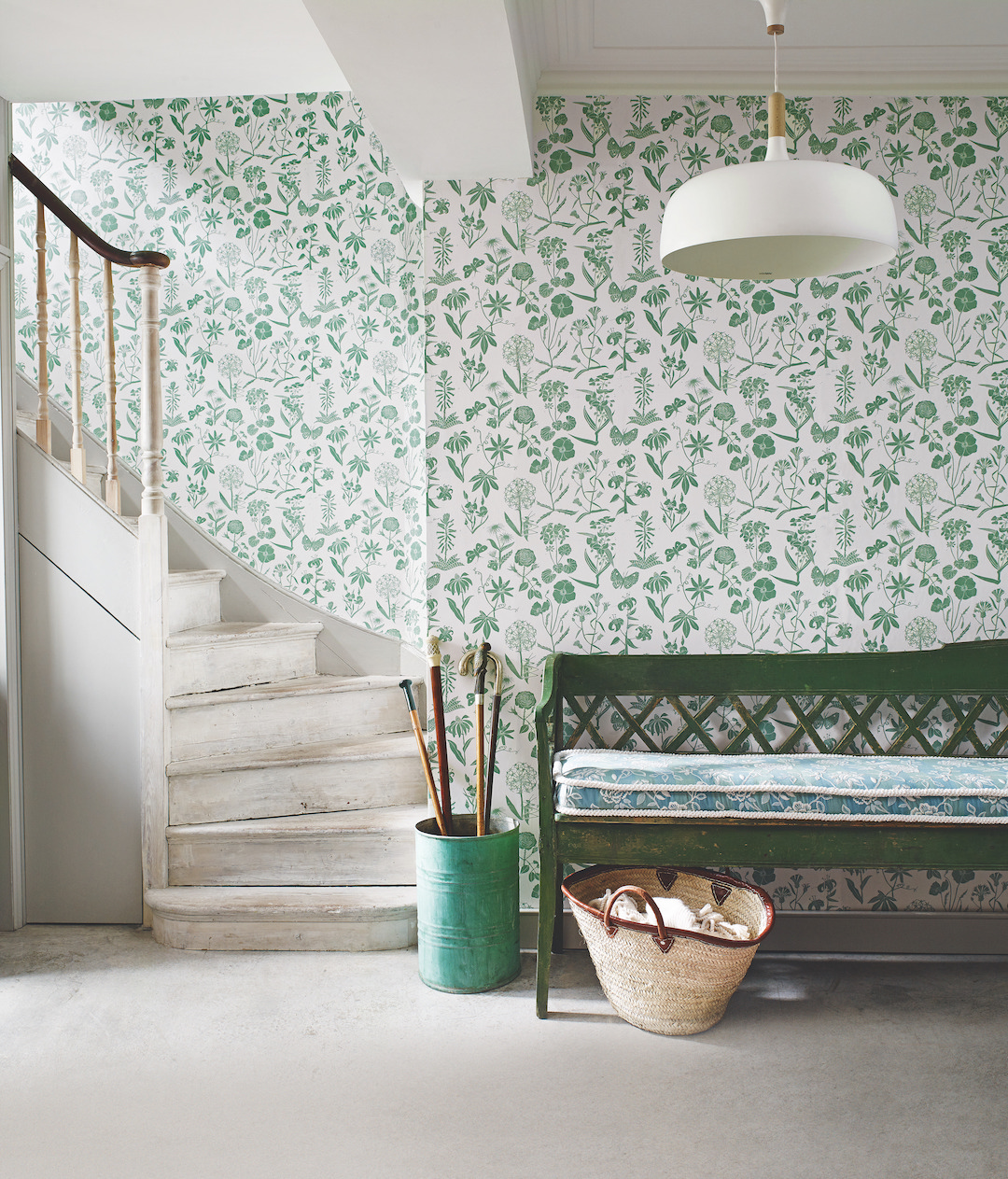
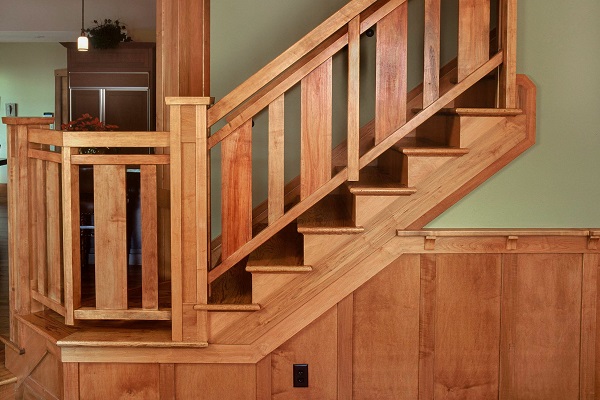
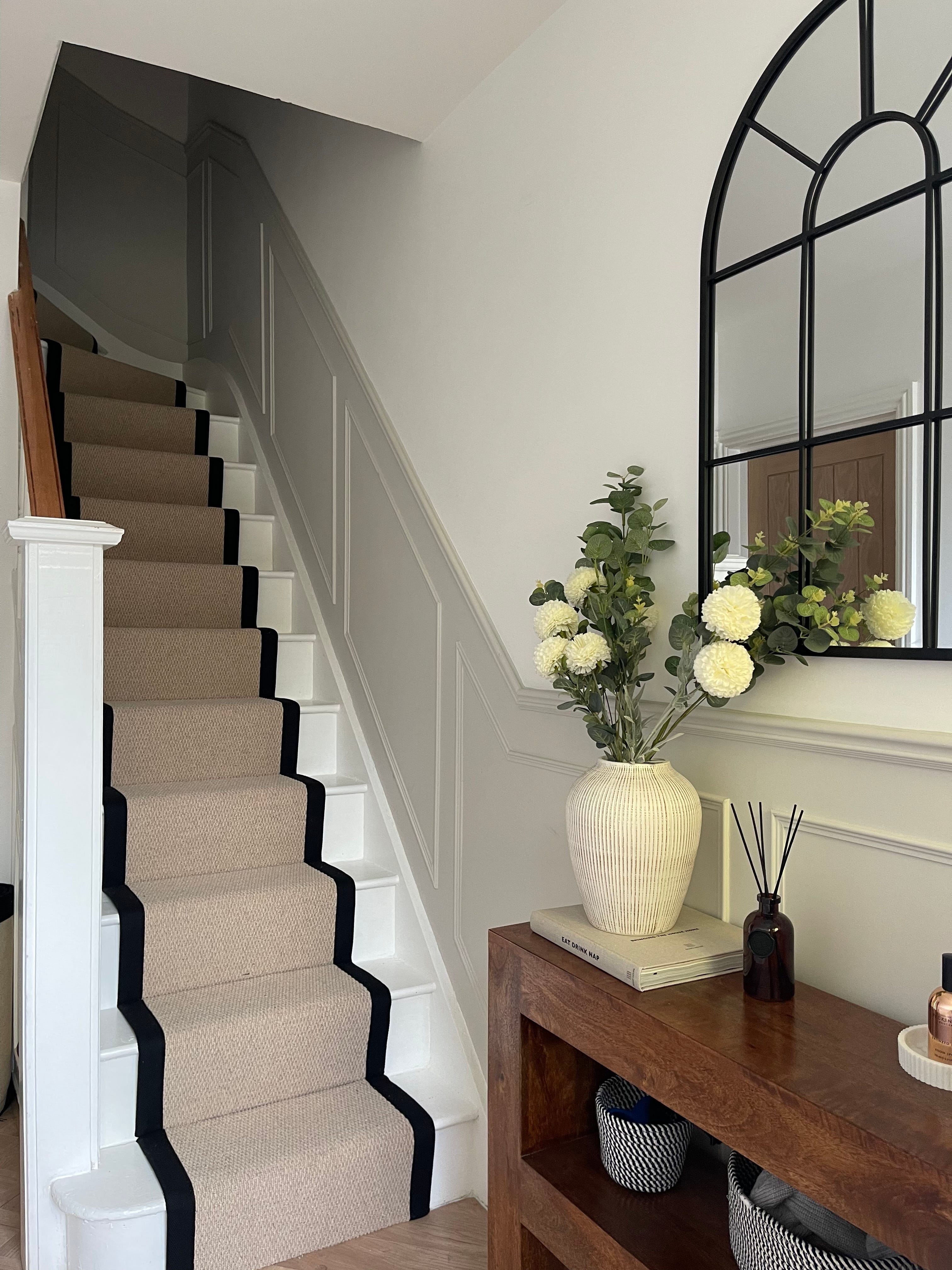
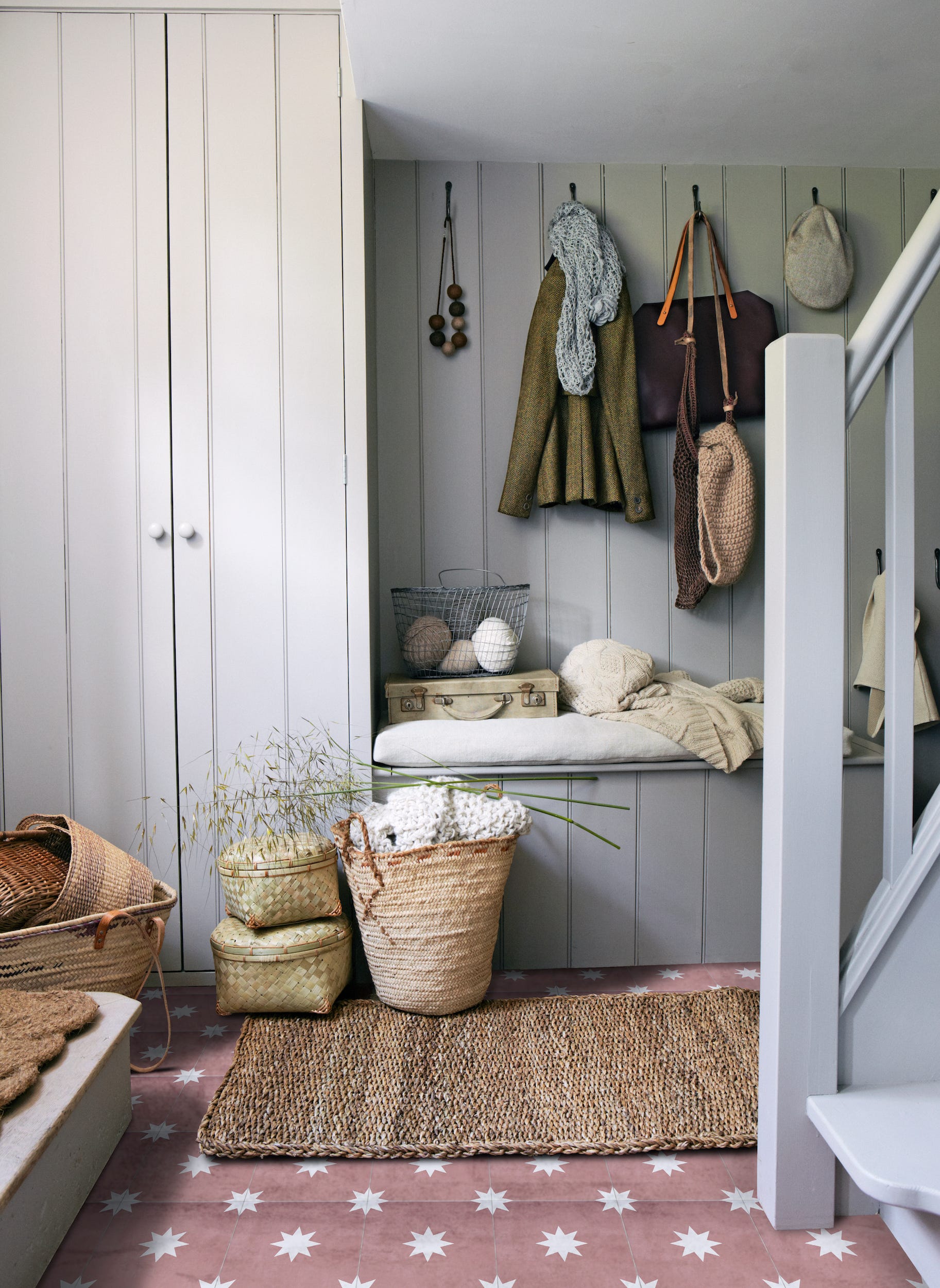
The core principle of cottage staircase design emphasizes simplicity. Daniel Slowik of Sibyl Colefax & John Fowler highlights the appeal of traditional joinery in painted wood, complemented by painted floors or natural fiber coverings like sisal or seagrass. Textile designer Vanessa Arbuthnott suggests utilitarian wool stair runners, which are easier to clean and softer than jute, advocating for a simple tacked installation over stair rods to maintain a rustic feel while also reducing noise in busy households.
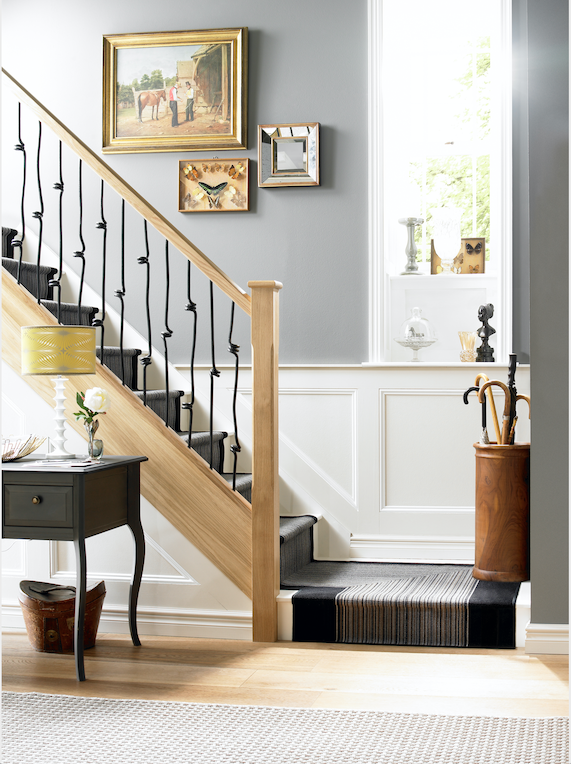
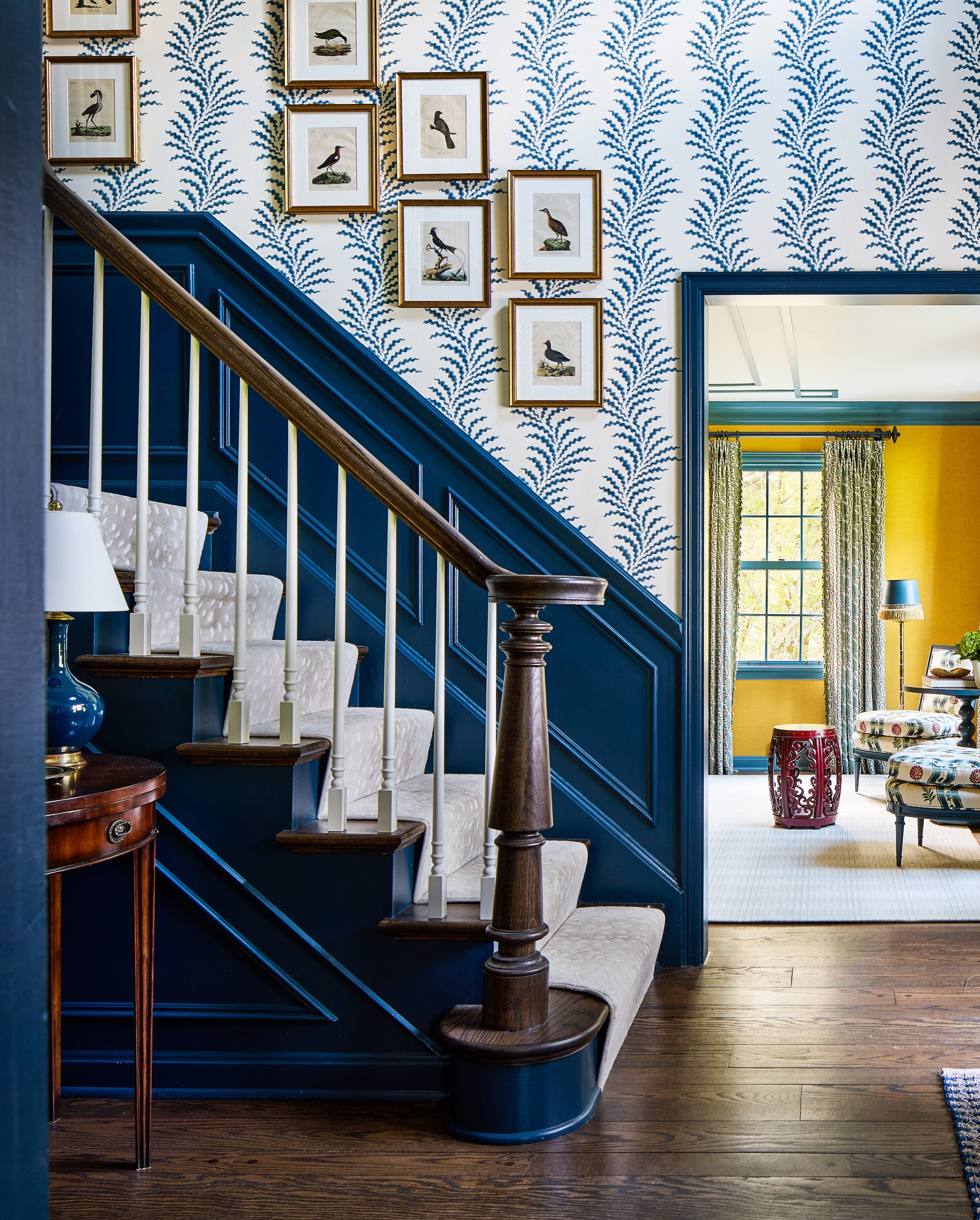
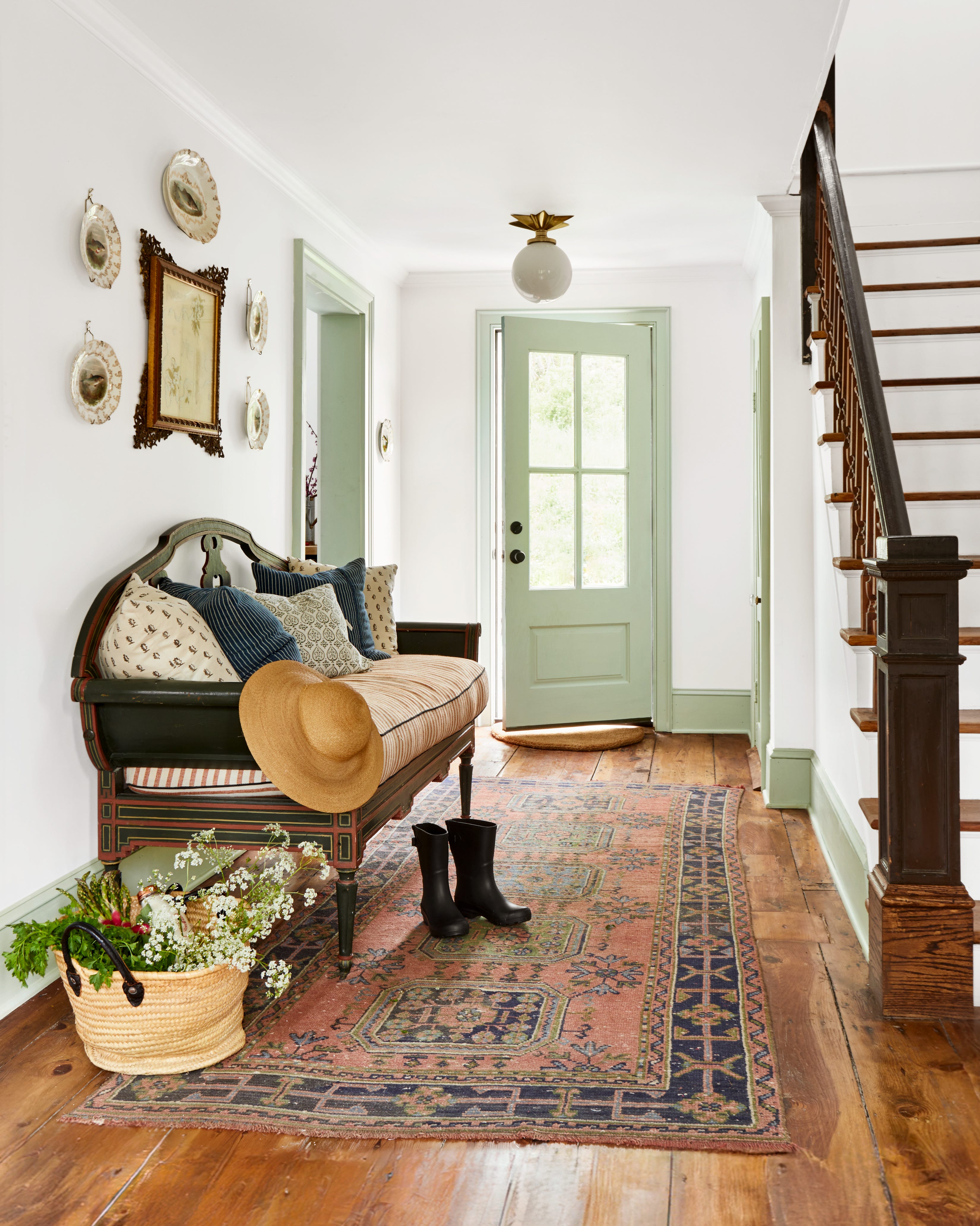
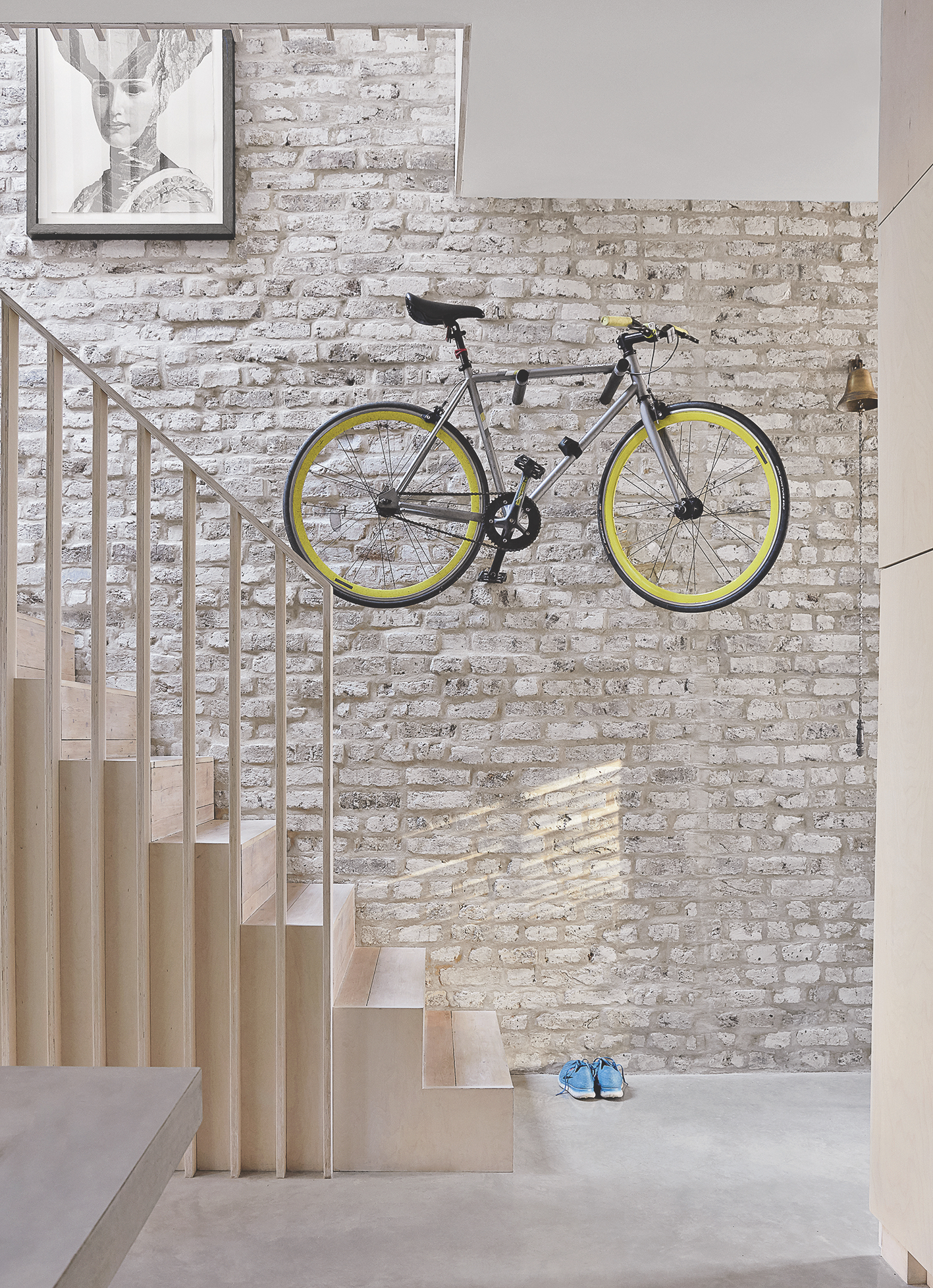
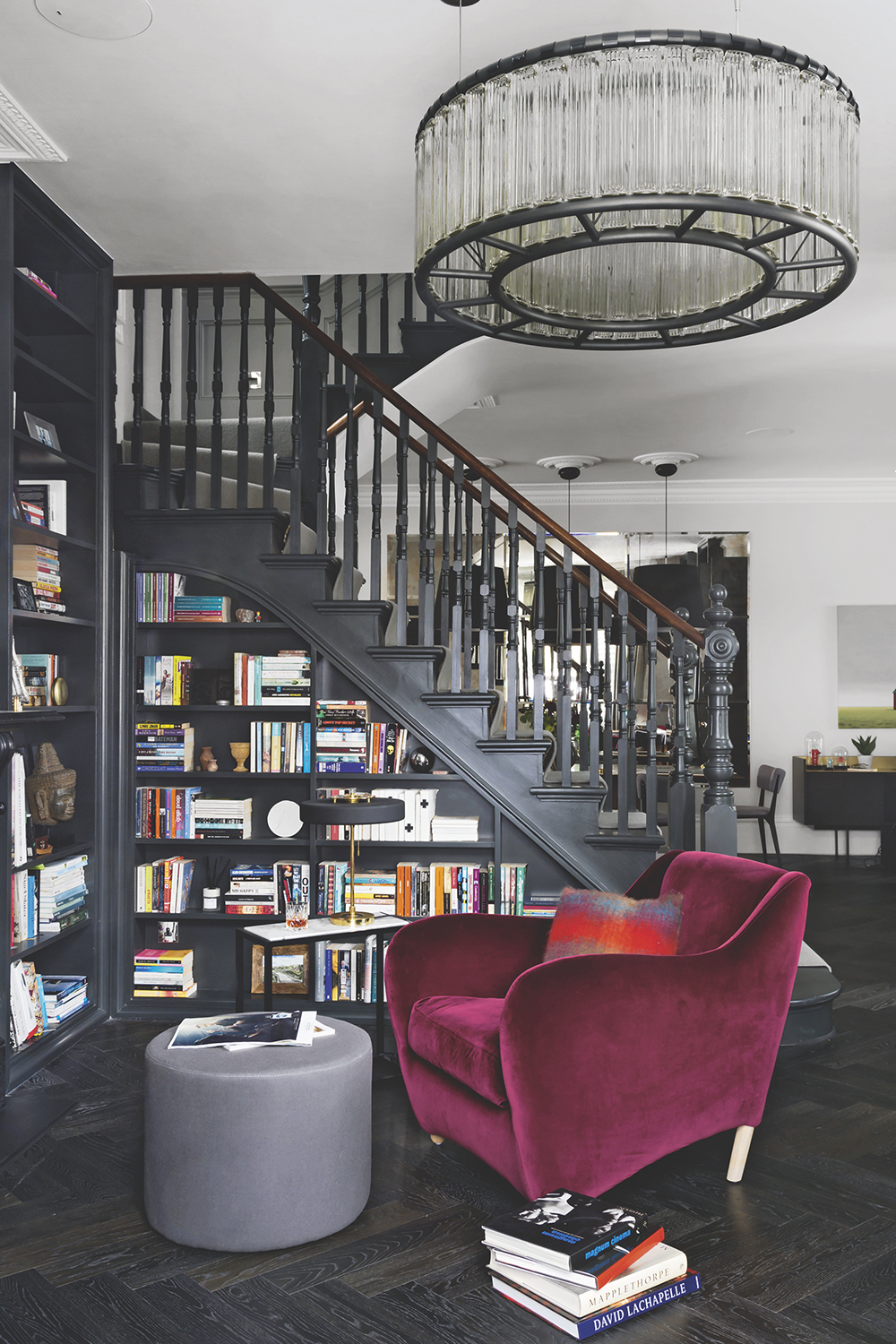
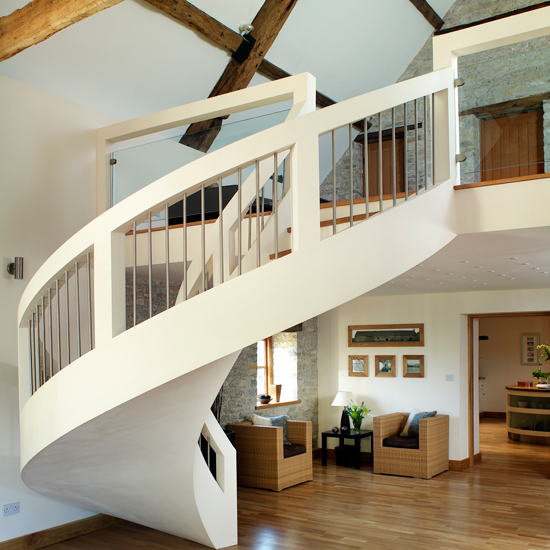
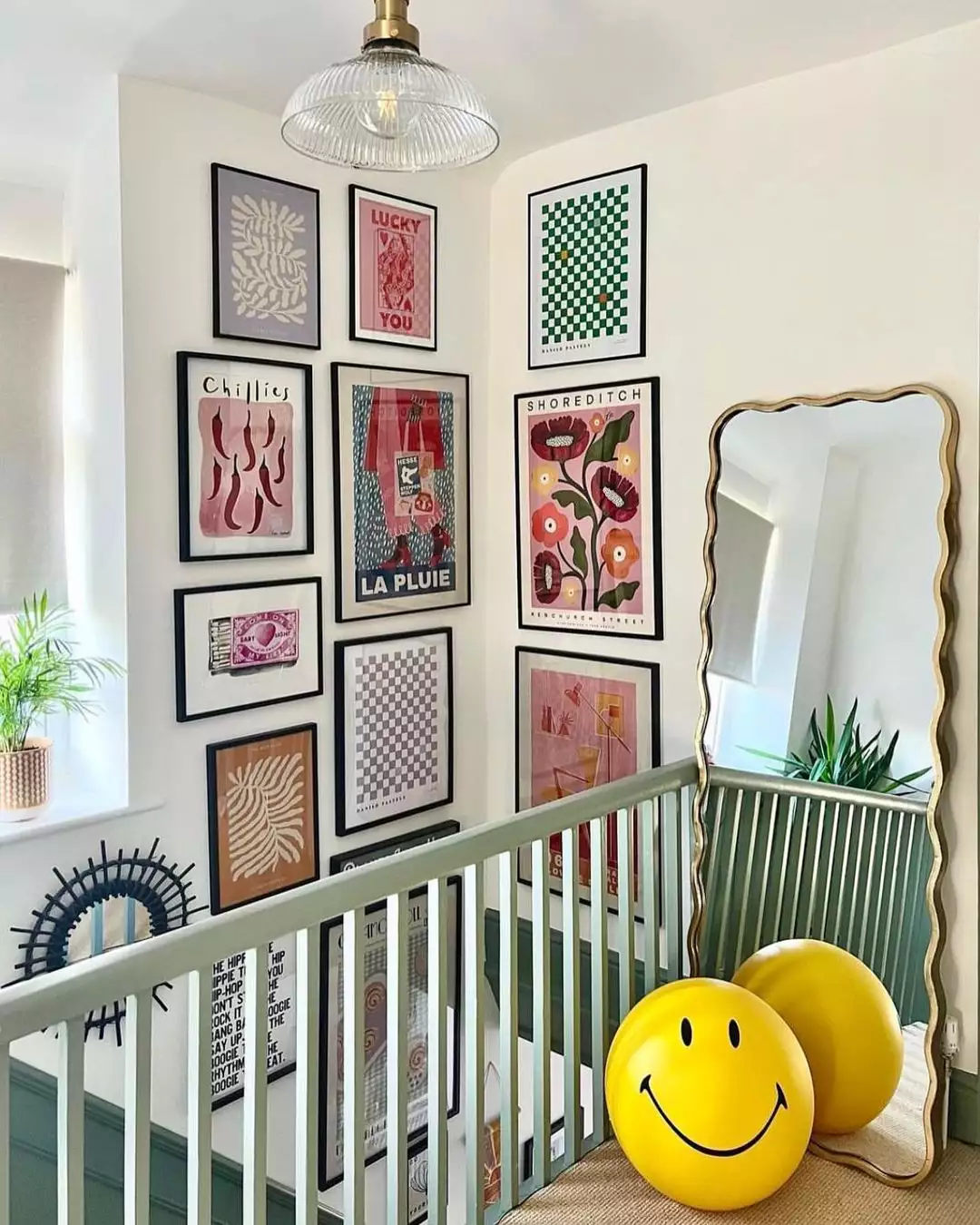
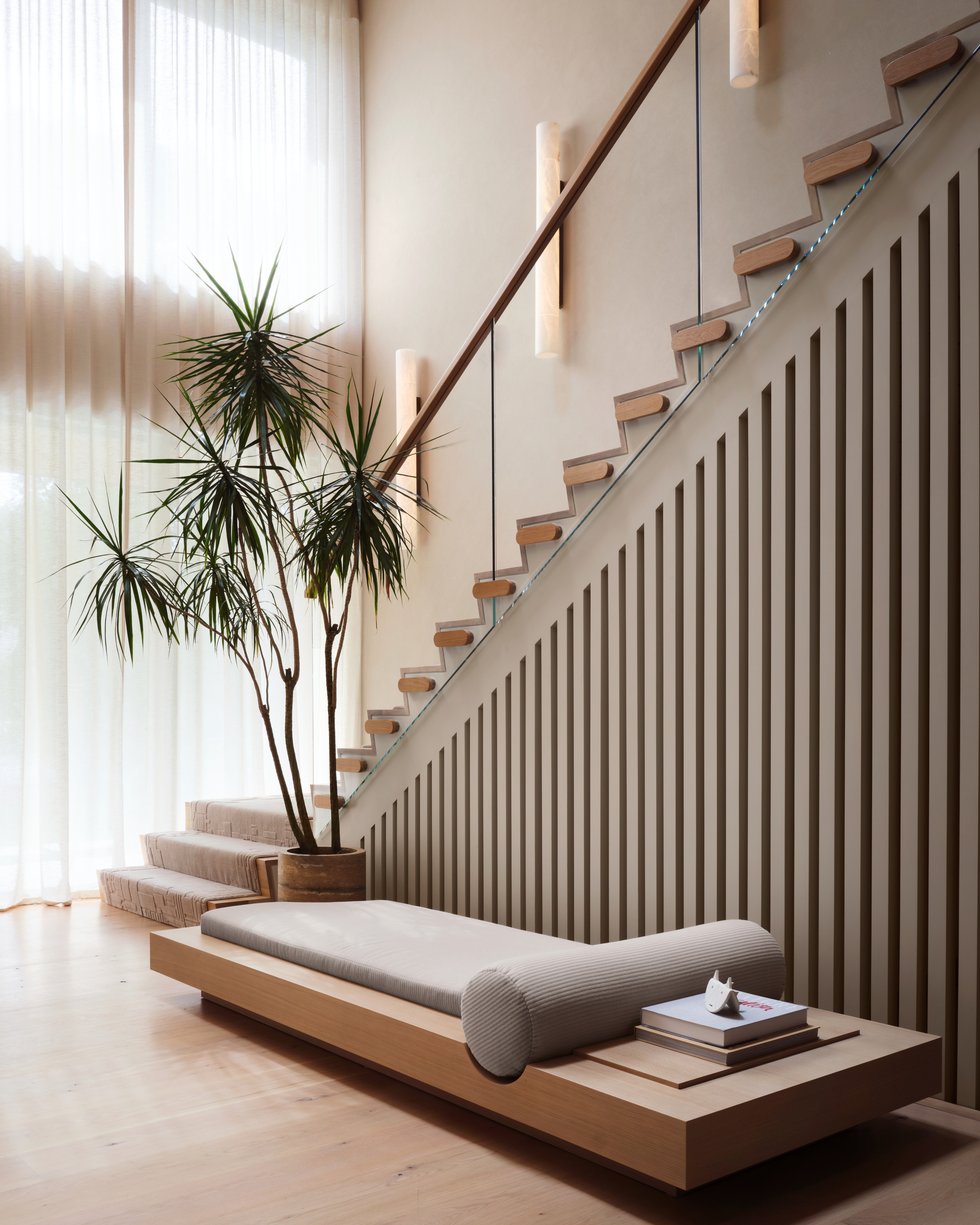
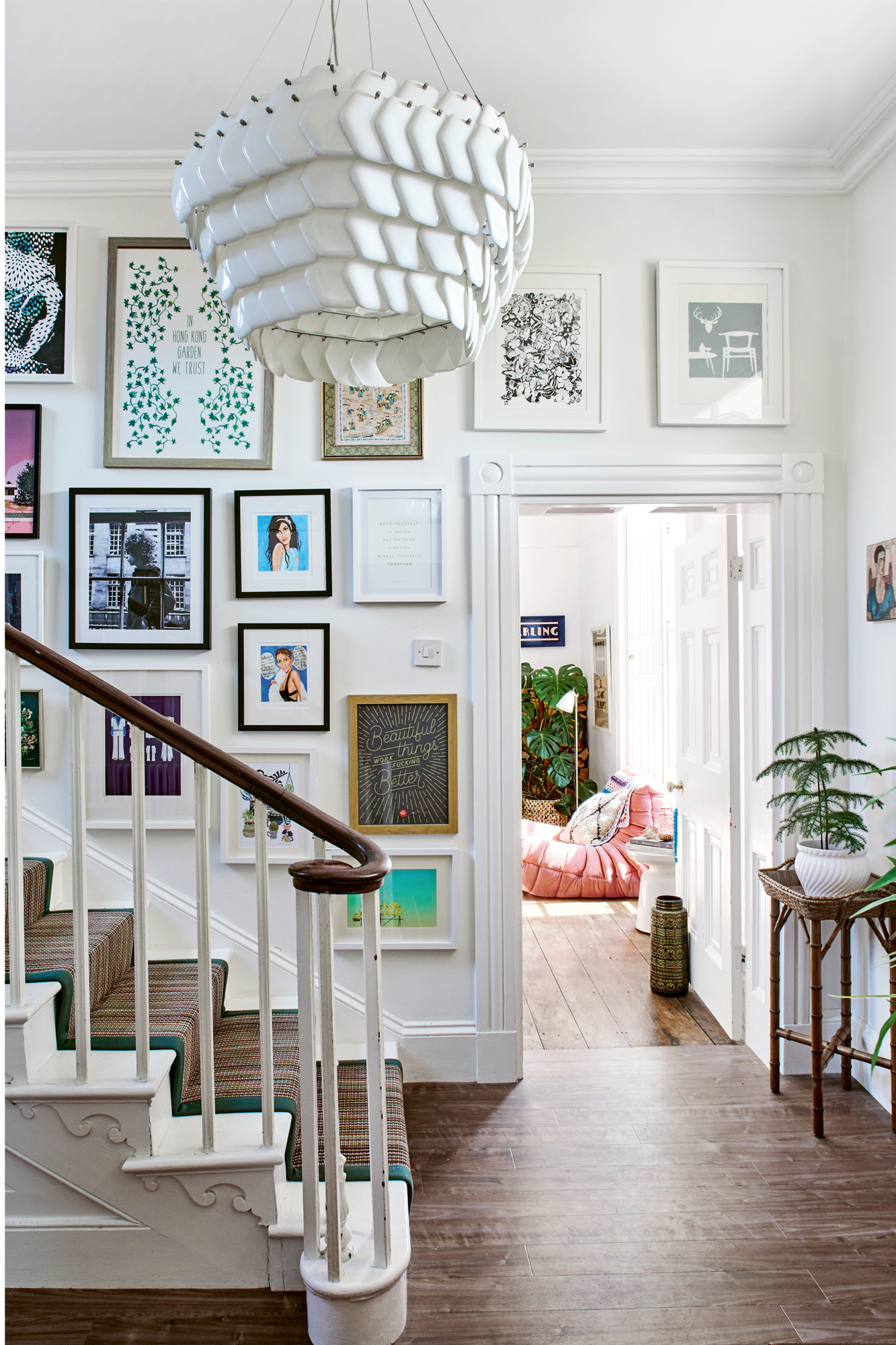
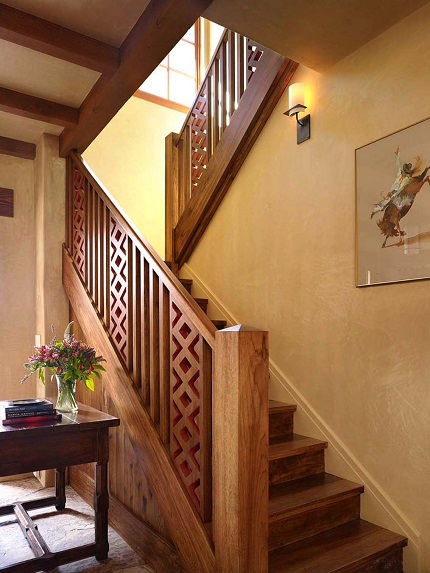
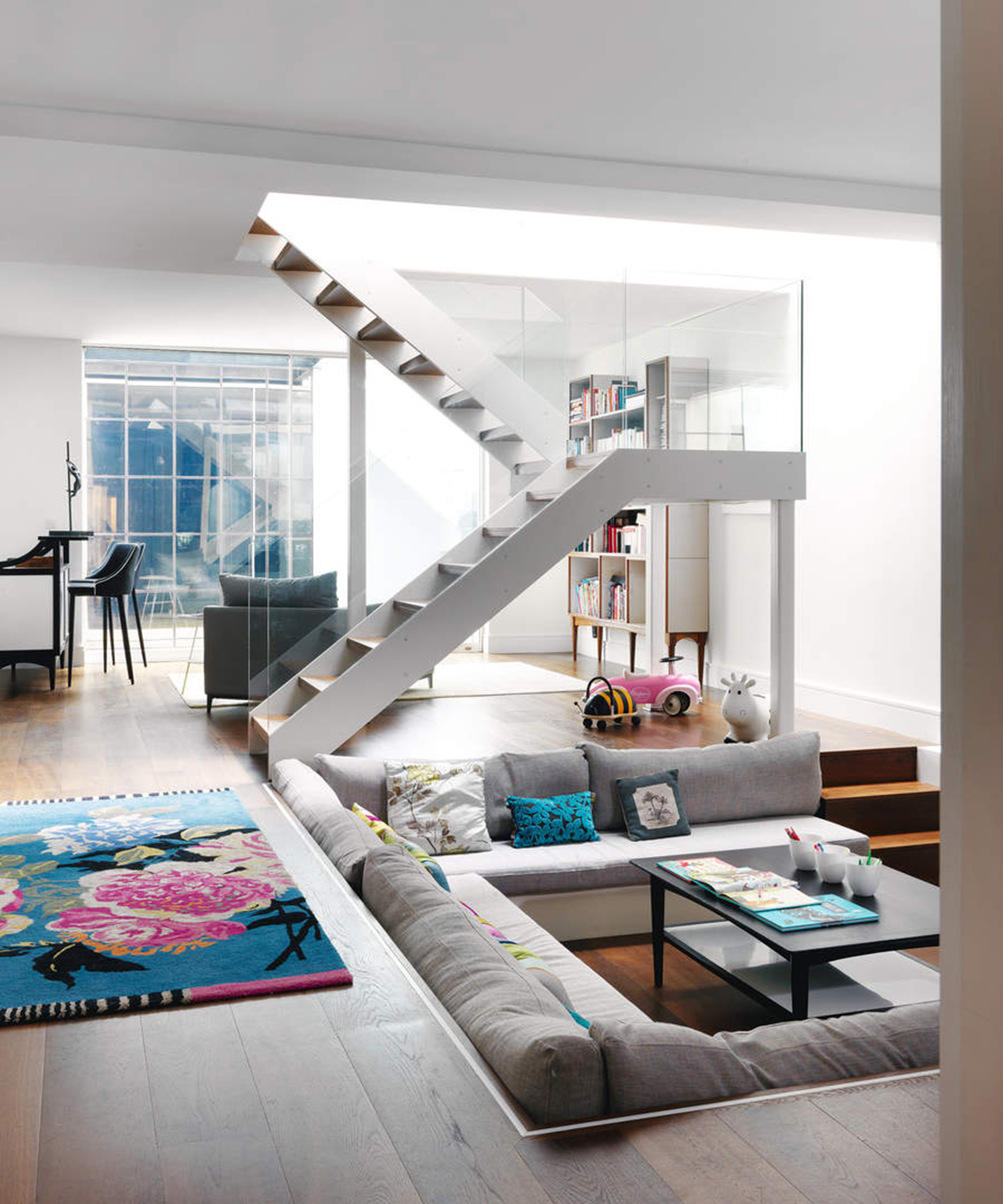
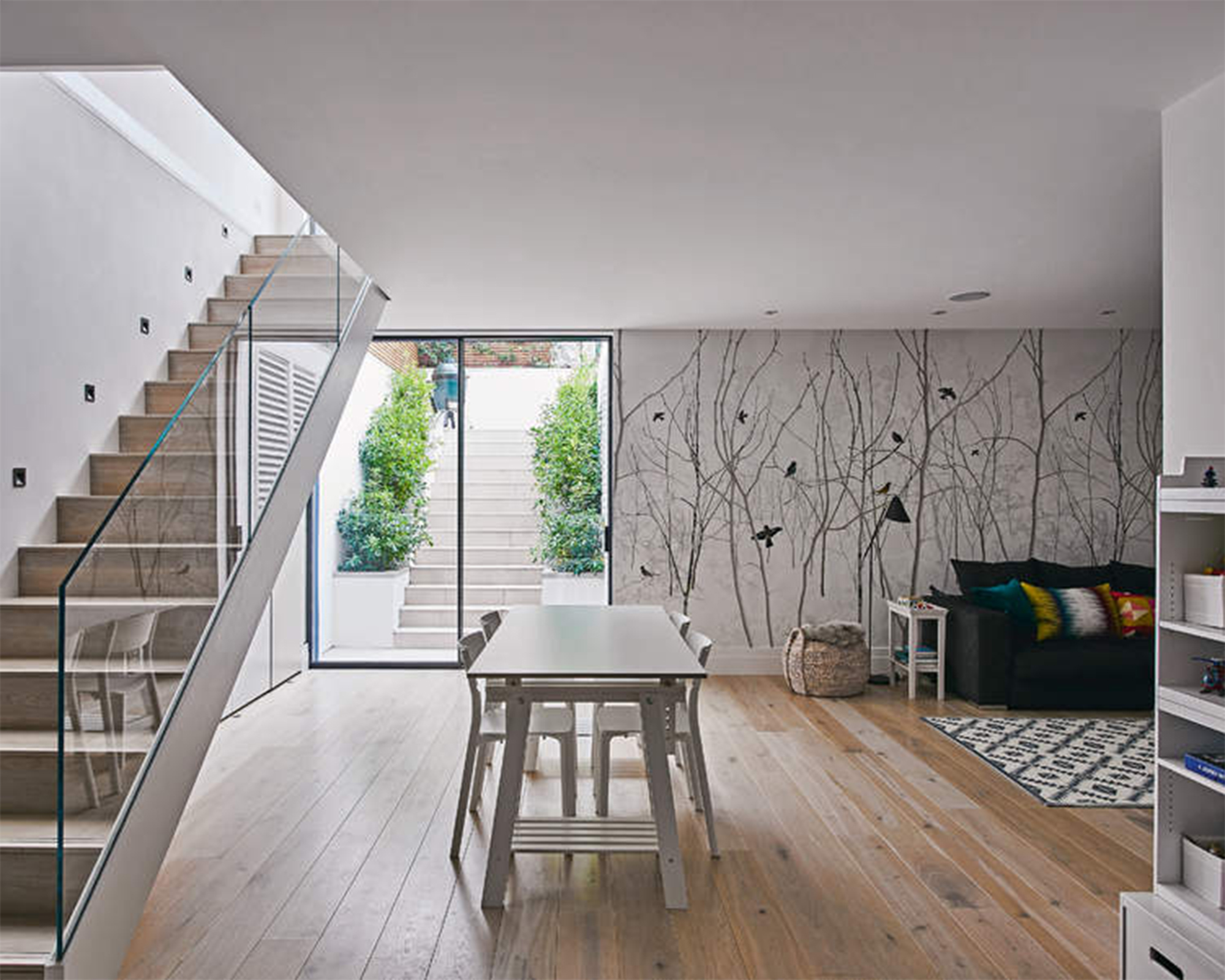
Beyond basic aesthetics, staircases can serve as dynamic display areas. Utilizing the wall alongside the stairs for a gallery of artwork, framed photos, or unique collections, such as antique Dutch wooden clogs, adds character. For open-plan cottages where the staircase is integrated into the main living space, emphasizing its simple architecture through a gallery wall on a neutral backdrop can make it a focal point. Bold, sculptural balustrades, inspired by Scandinavian design and paired with neutral color schemes, can also transform a staircase into a significant feature, especially when combined with vibrant rugs and cushions to create functional landing spaces.
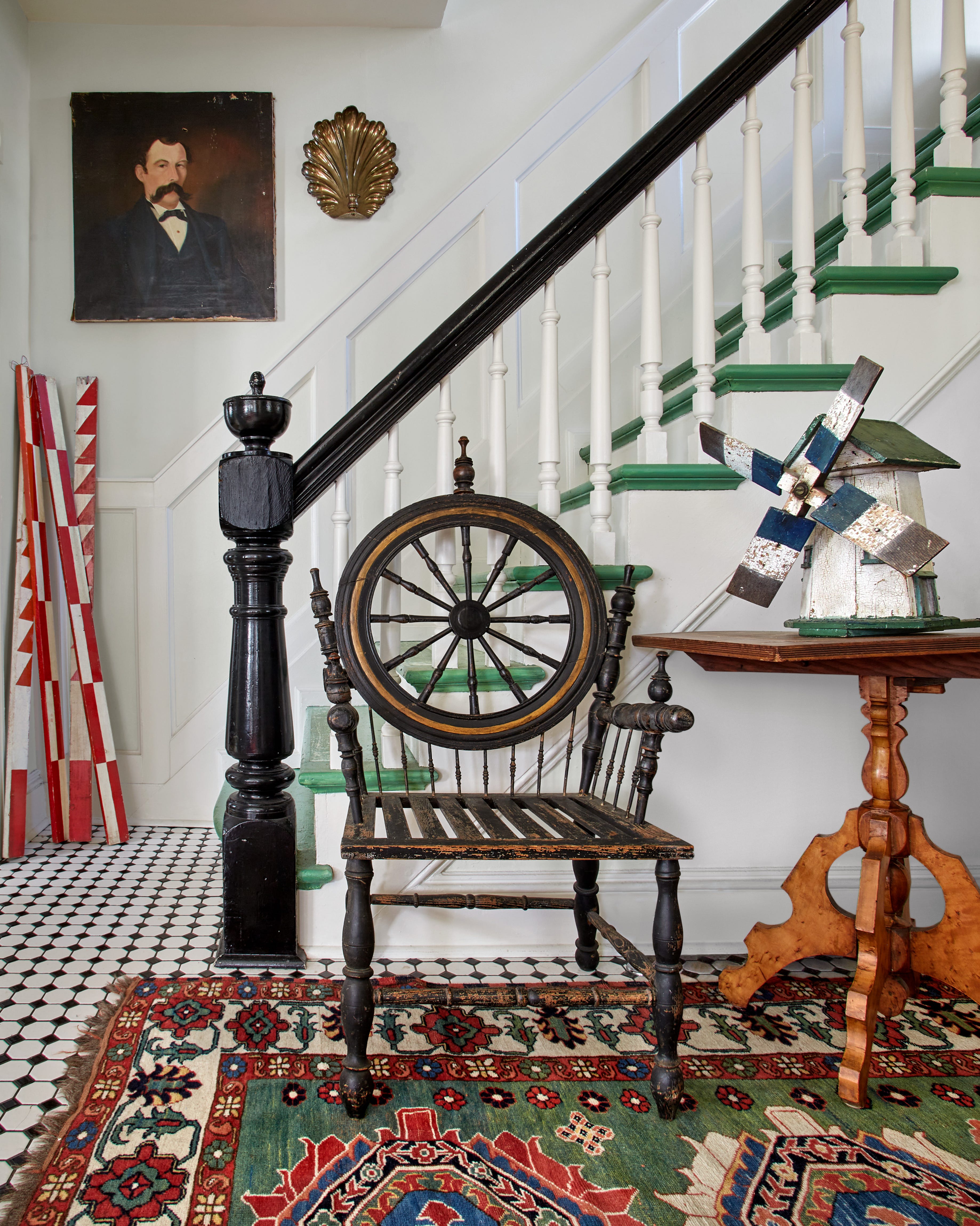
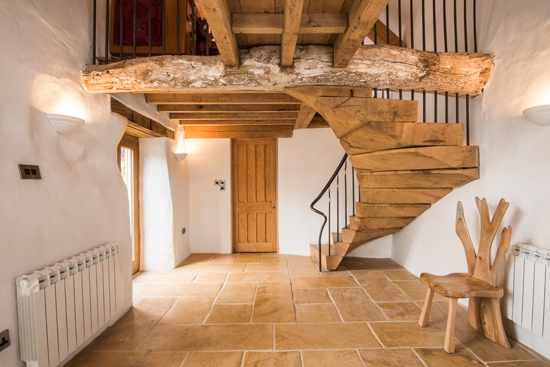
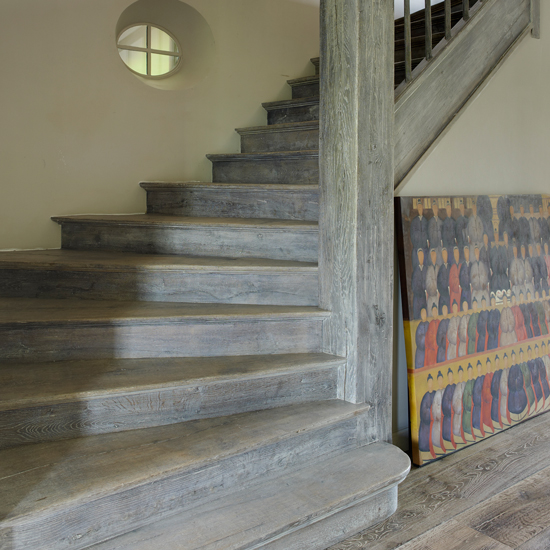
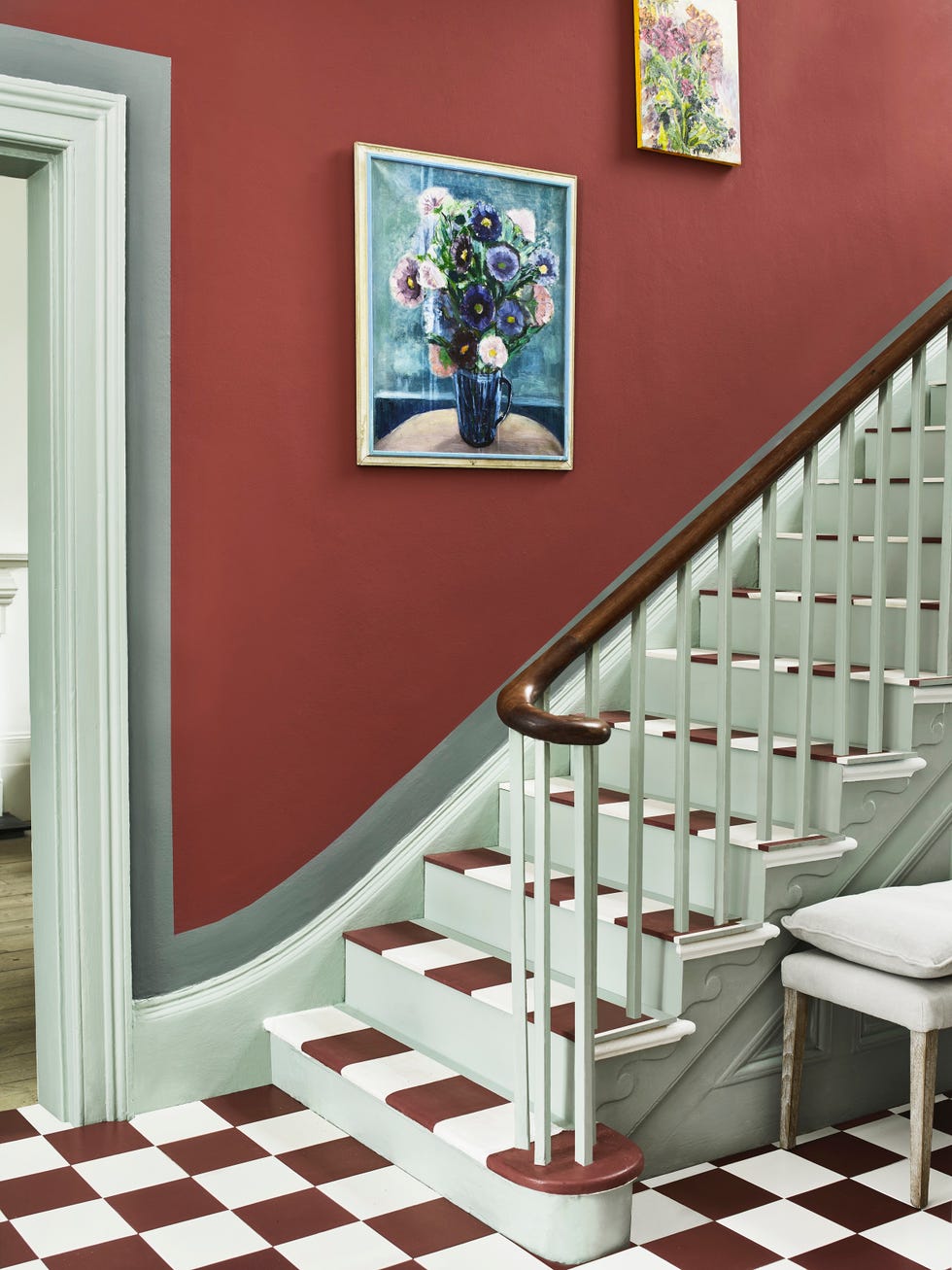
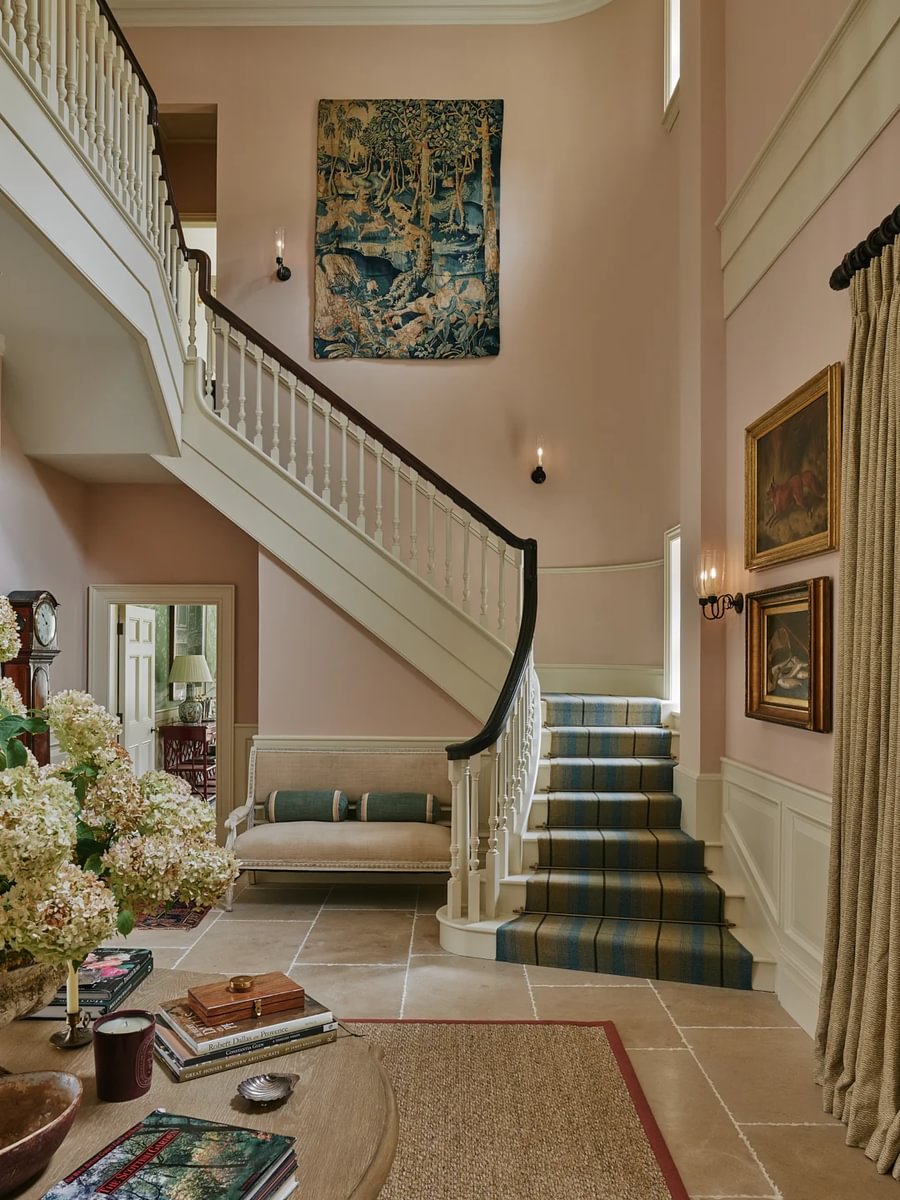
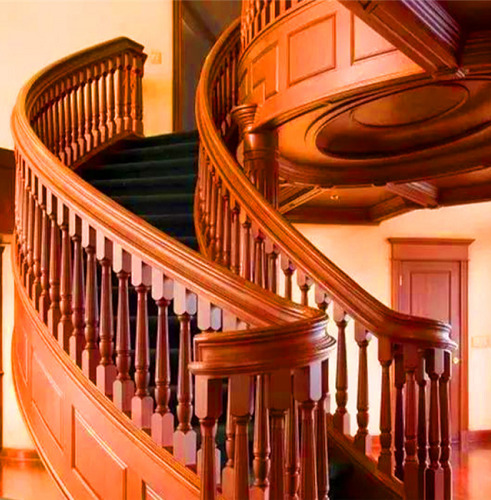
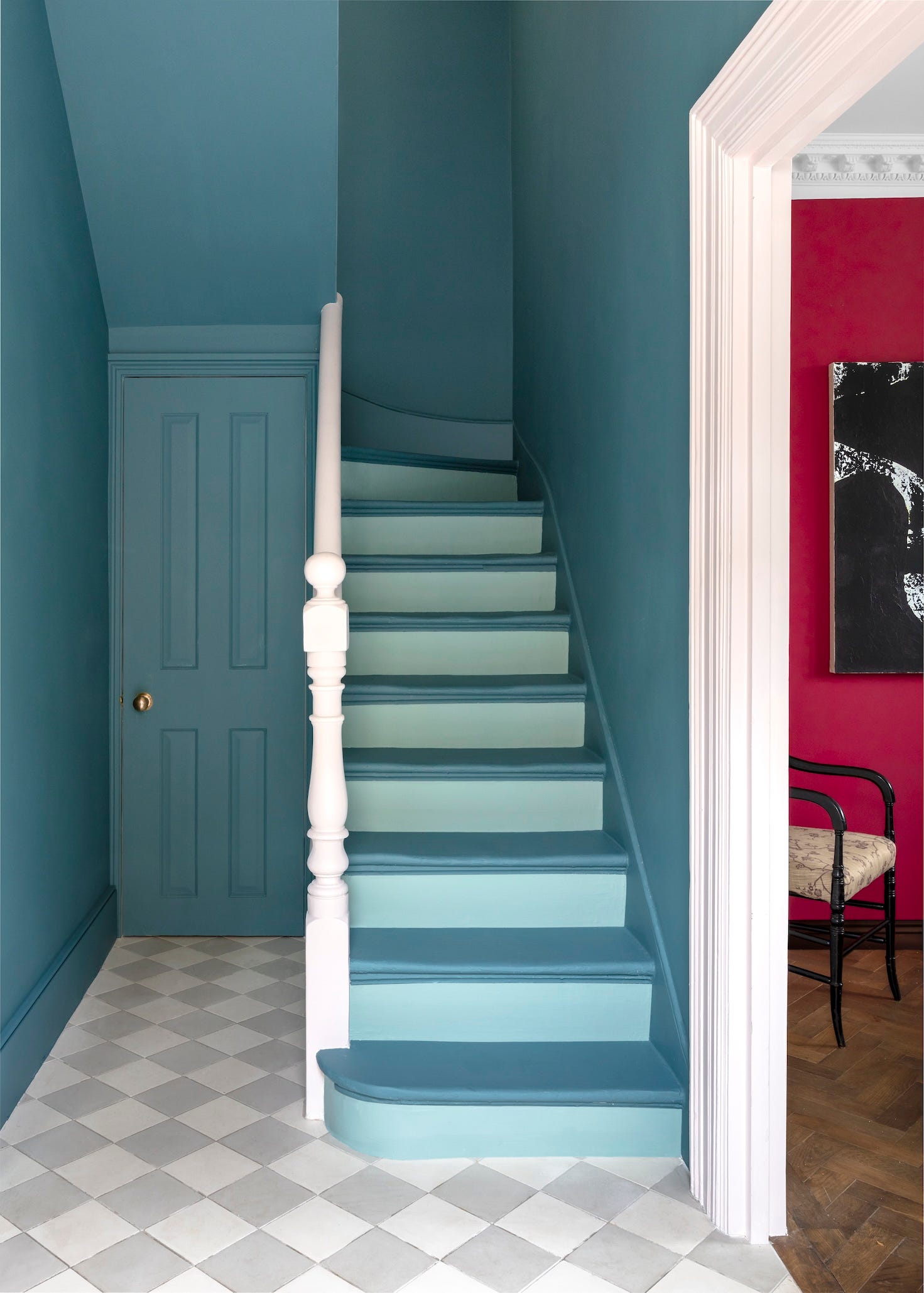
Traditional design elements remain a timeless choice, with classic features like grandfather clocks, decorative red stair runners, and black-and-white checkerboard tiled entrance halls contributing to an elegant and well-proportioned look. For new constructions or renovations in old cottages, creative repositioning of stairs can integrate old and new sections seamlessly, with simple, pared-back decor maintaining consistency with the property’s original character. Unique approaches like painting stair risers with book spines or utilizing repurposed materials, such as a handrail made from a St. John's Ambulance stretcher, offer quirky and personalized touches. Victorian cottage staircases, often visible from the front door, benefit from painted risers and natural wood treads, a Scandinavian-inspired approach, or by allowing decorative floor tiles to take precedence.
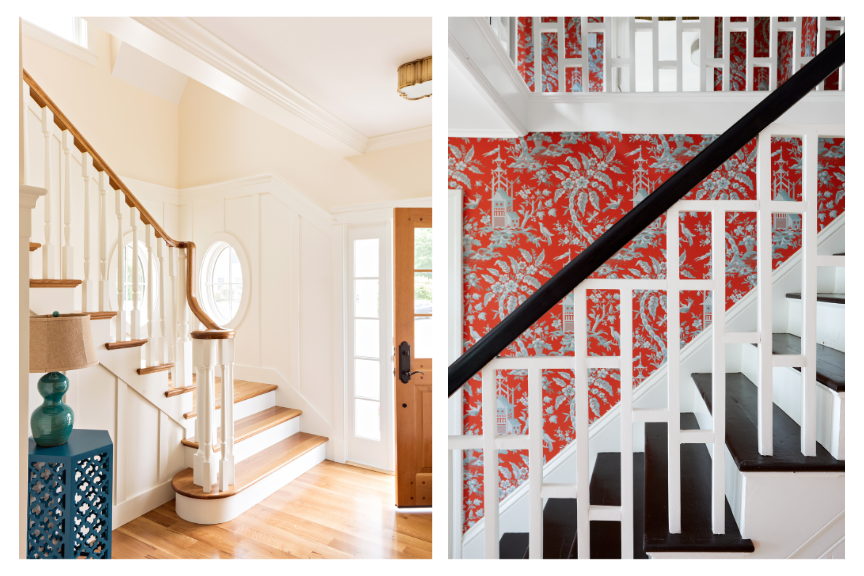
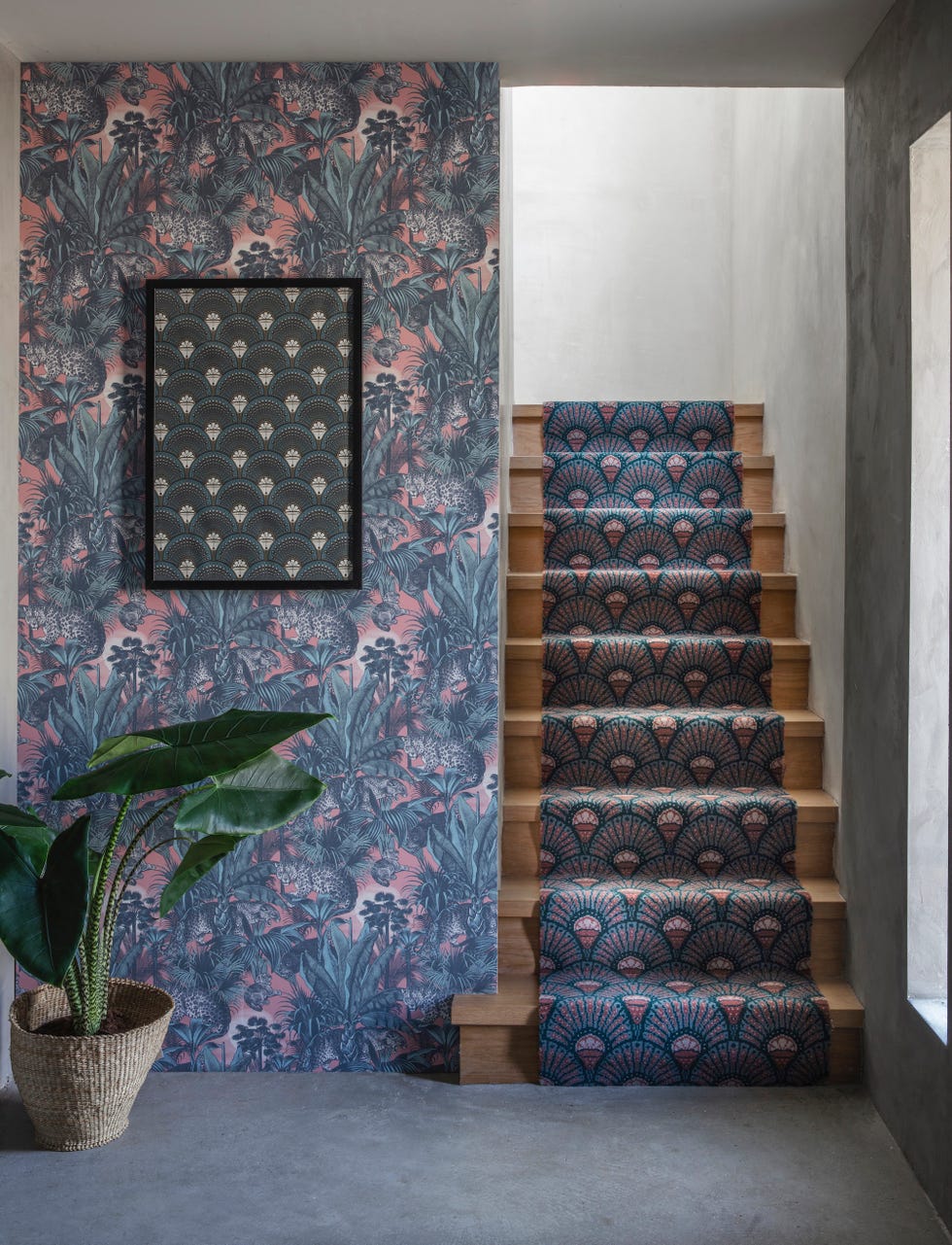
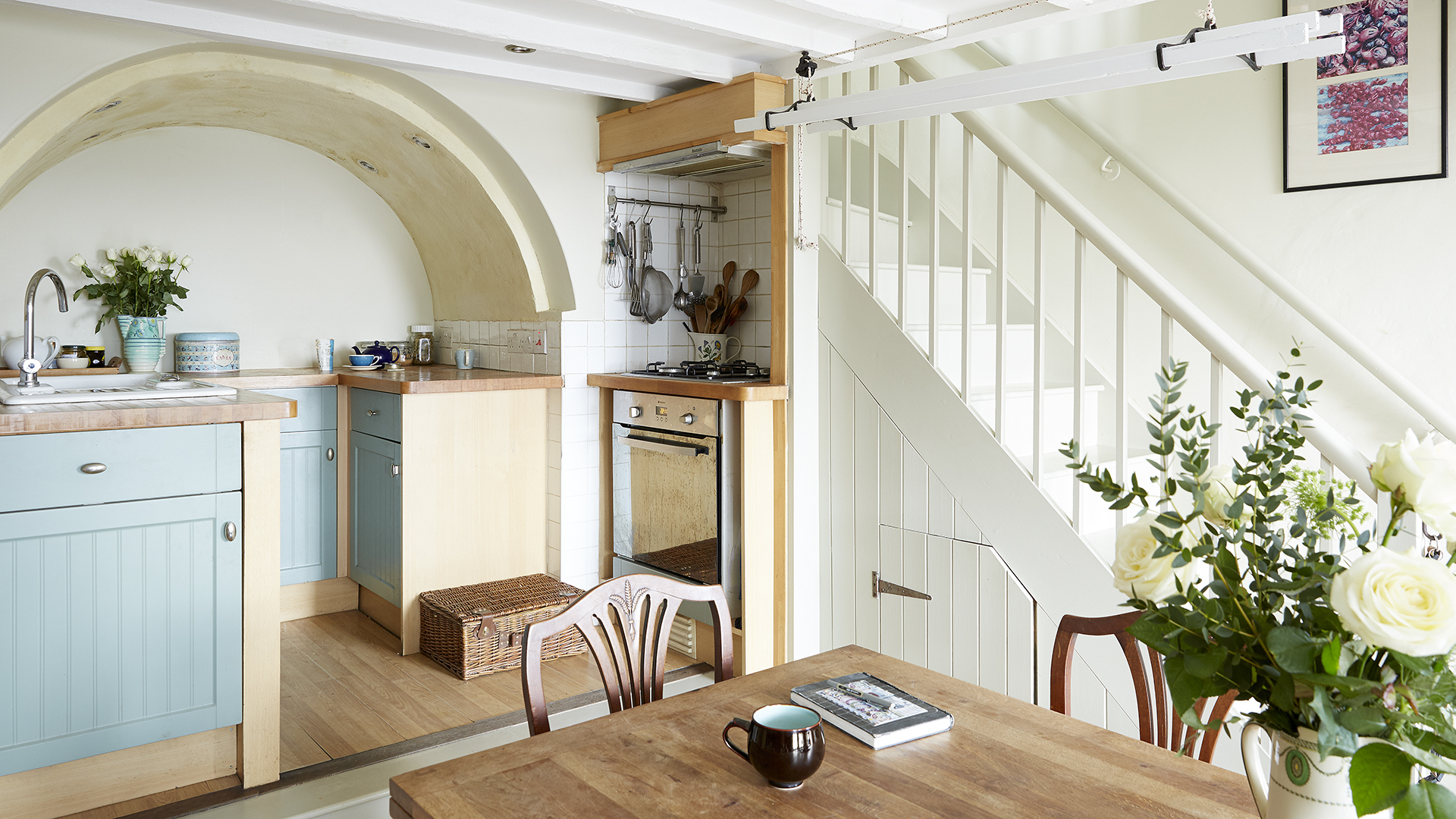
Contrasting simple joinery with bold wall patterns or colors can create dramatic effects, leveraging the expansive wall space often found on staircases to heighten their scale. For tucked-away or meandering staircases common in cottages, designers Courtney Coleman of Brockschmidt & Coleman suggest embracing their eccentric charm. This can be achieved by using striped Venetian-style carpet runners that highlight the stairs' unique shapes and continue into adjoining hallways. Finally, the landing area should not be overlooked; furnishing and accessorizing it with rugs, fresh flowers, and vintage pieces can transform it into a functional and inviting extension of the living space. Some cottage staircases are so integral to the home’s layout that they become the heart of the home, as seen in early 18th-century former wool weaver’s cottages where stairs are part of the kitchen-diner, with soft white shades ensuring they do not detract from original architectural features like deep arches.
#CottageStaircase #HomeDecor #InteriorDesign #StaircaseIdeas #RusticHome #ArchitecturalDetail #GalleryWall #TextileDesign #SpaceUtilization #CottageStaircase #HomeDecor #InteriorDesign #StaircaseIdeas #RusticHome #ArchitecturalDetail #GalleryWall #TextileDesign #SpaceUtilization
Há 0 comentários no total
 Ainda não há comentários
Você também pode gostar
Cottage hallway ideas – style inspiration to create a welcoming space
Staircase decorating ideas - be inspired by colour, pattern and material wizardry

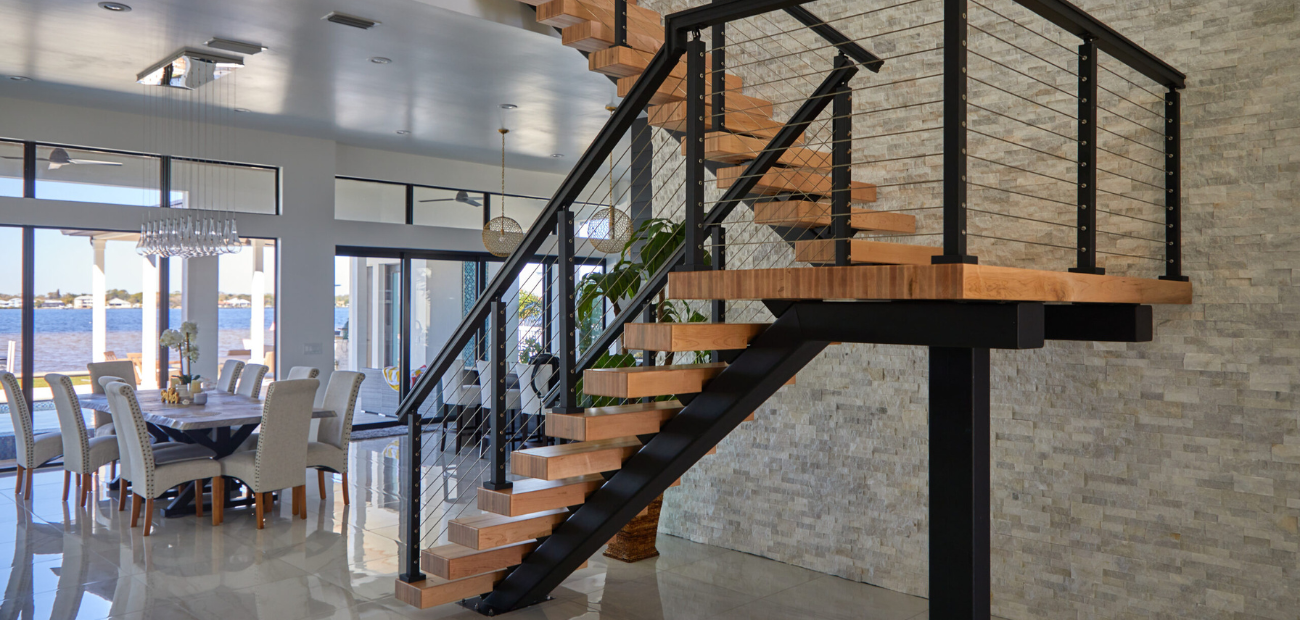
Let the Staircase Set the Stage for Style
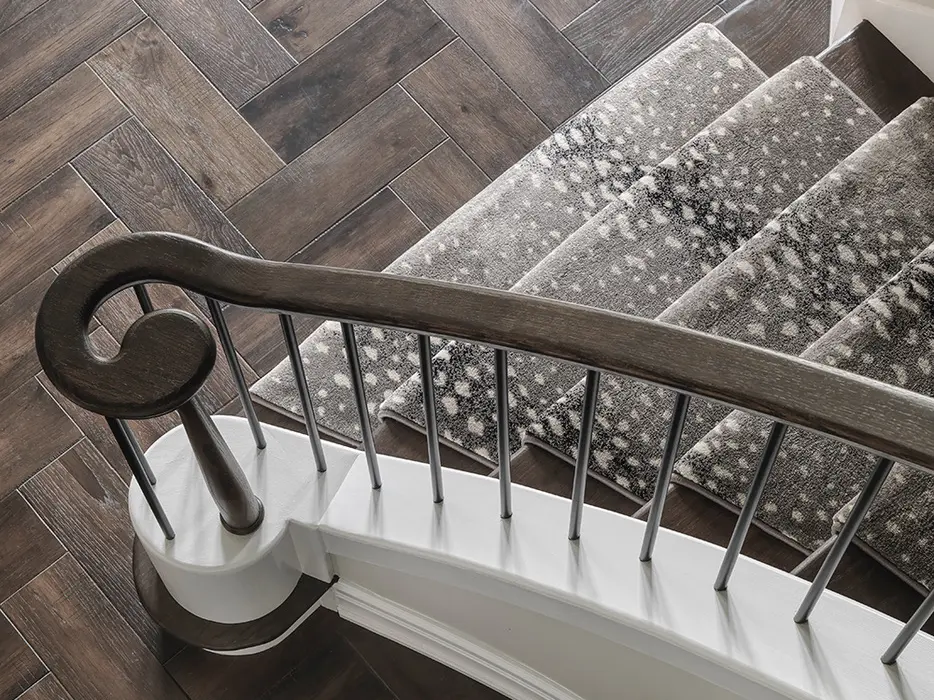
Ask Veronica: Why decorate with a stair runner?

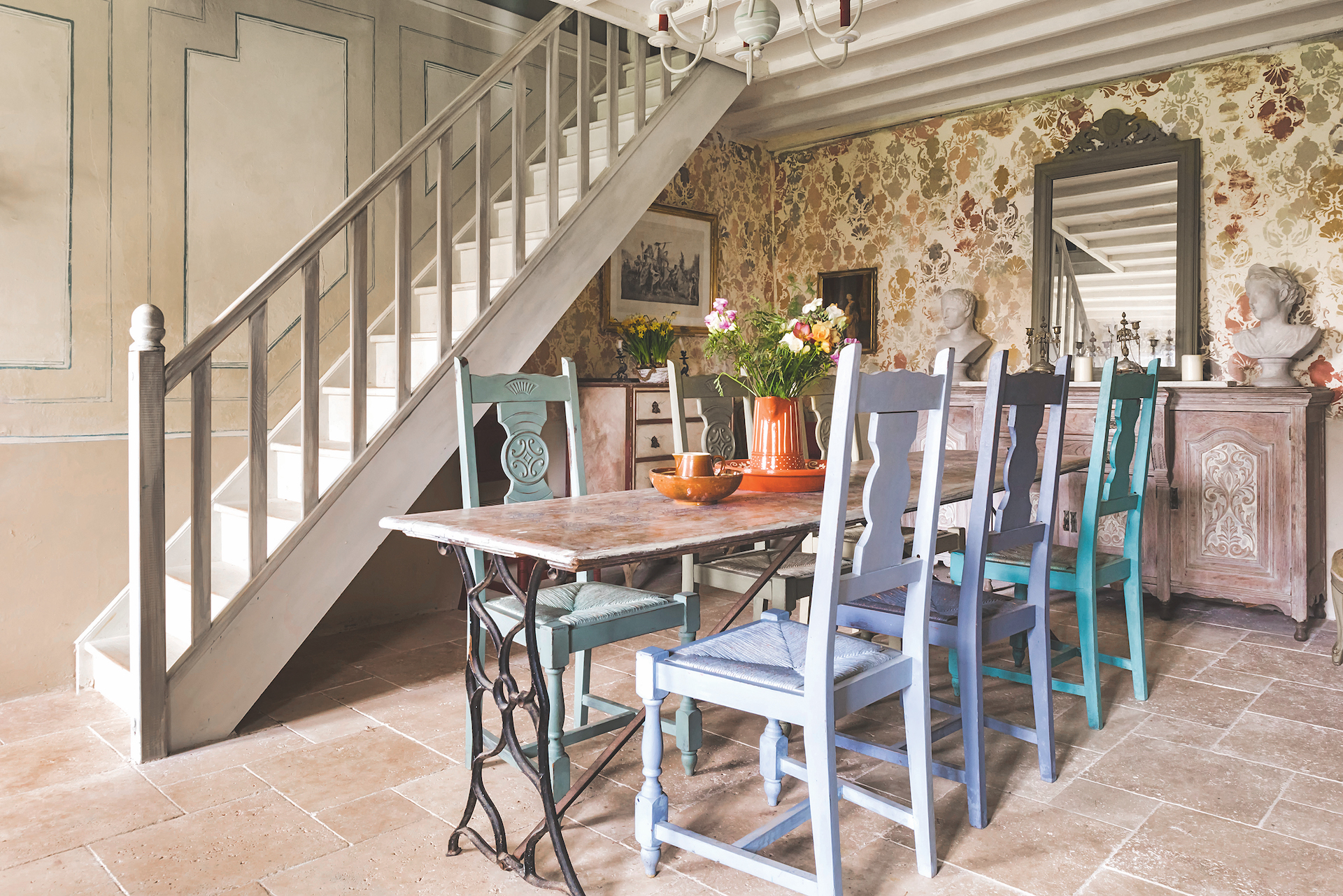
Staircase ideas – 25 inspirational features for treads, rails, materials and more
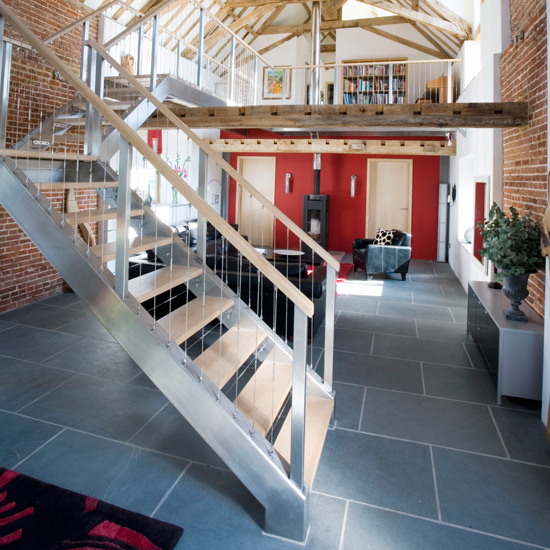
7 wow factor staircases
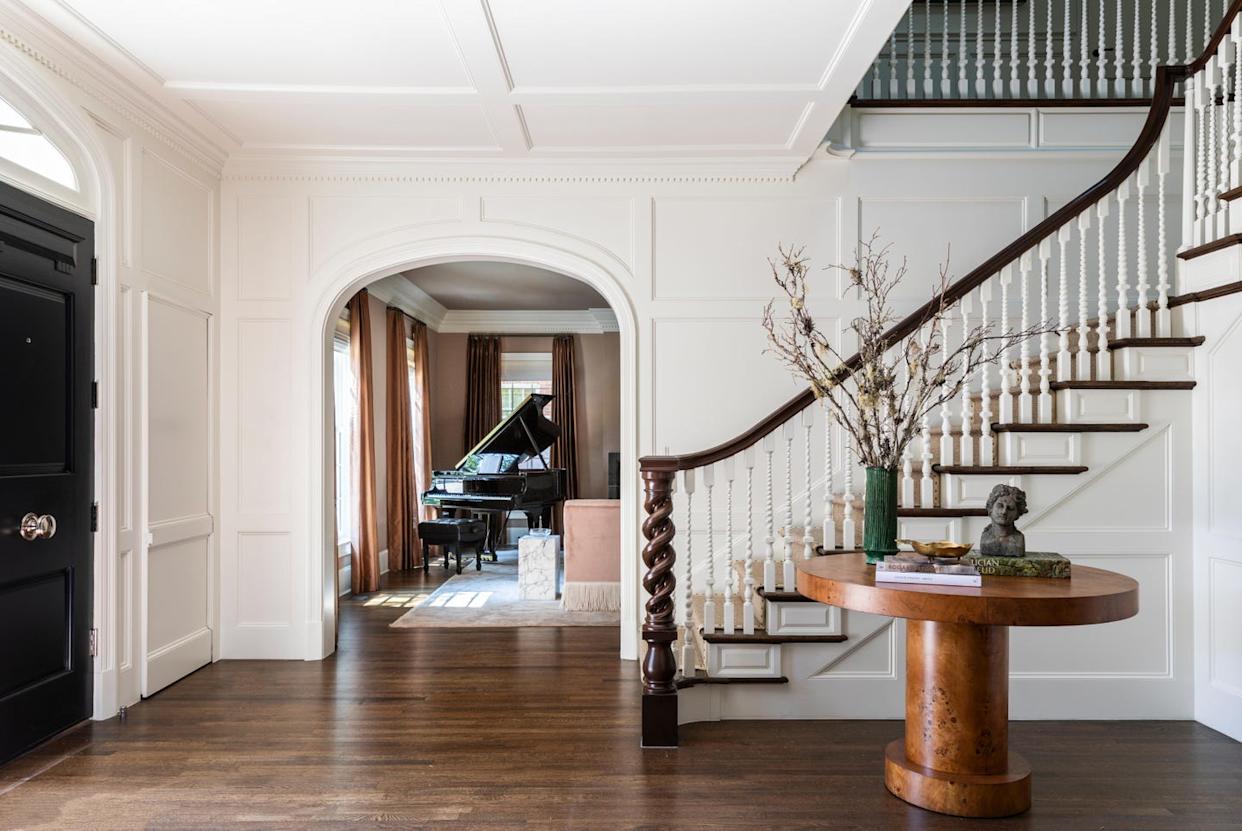
Upgrading THIS Simple Feature Makes Your Home Look More Expensive, According to Designers

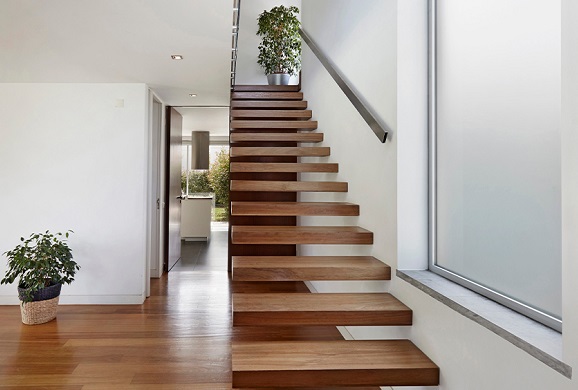
15 Best Wooden Staircase Designs For Homes 2024

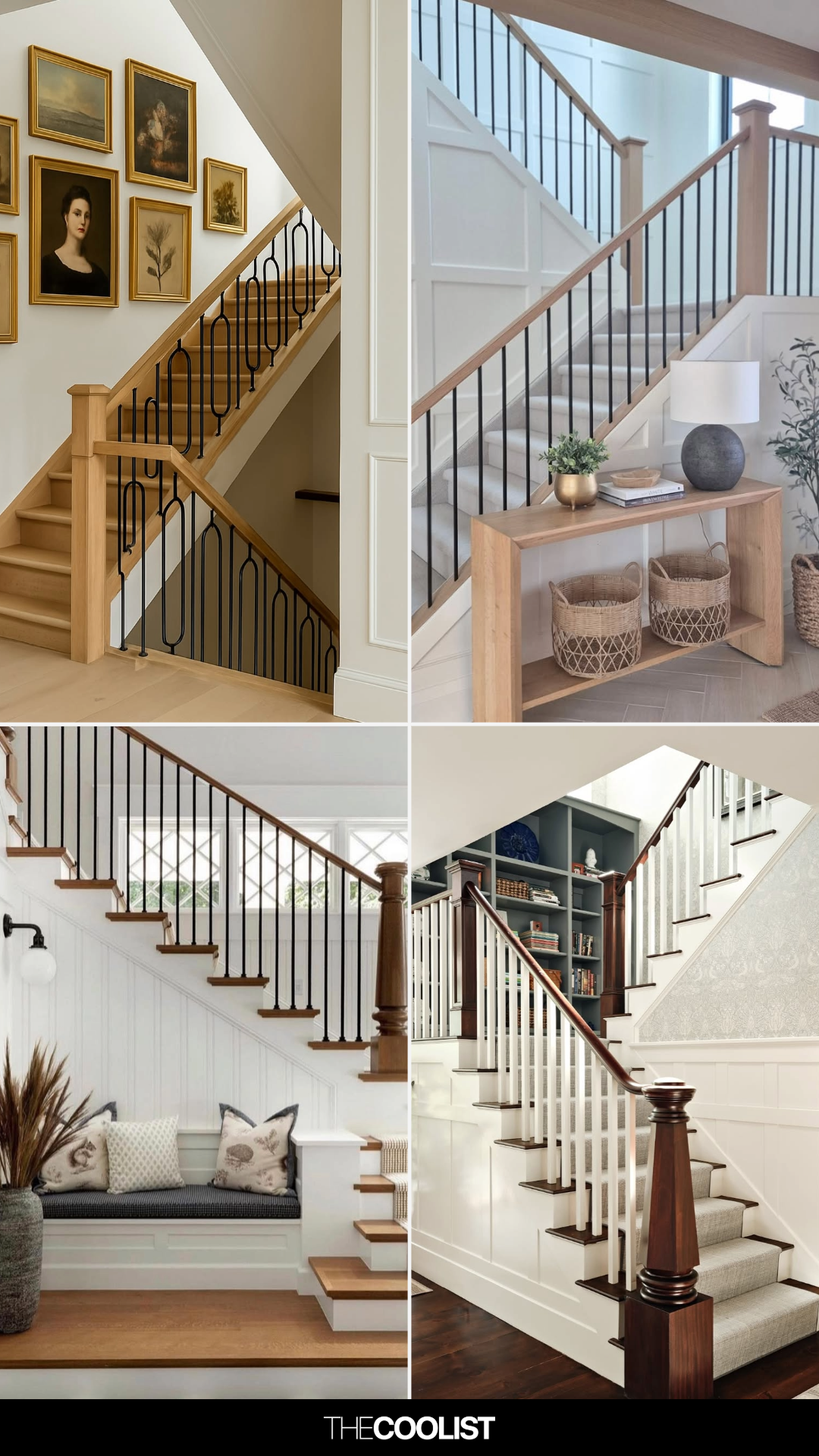
25 Staircase Makeover Ideas That Turn the Most Ignored Spot in Your House Into a Feature
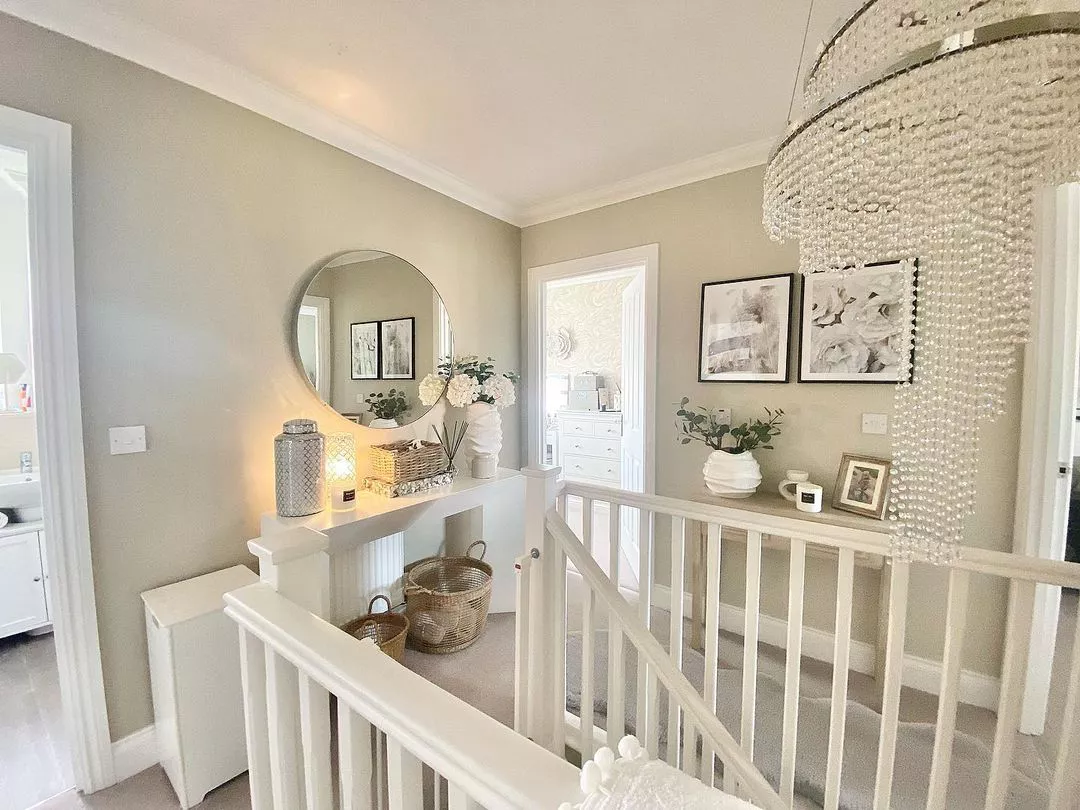
25 Staircase Landing Ideas That'll Add Style

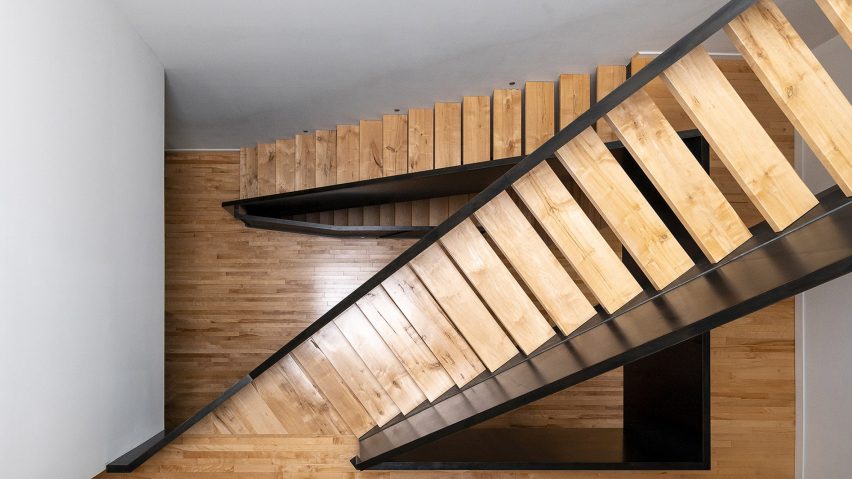
Ten bold residential staircases designed by architects
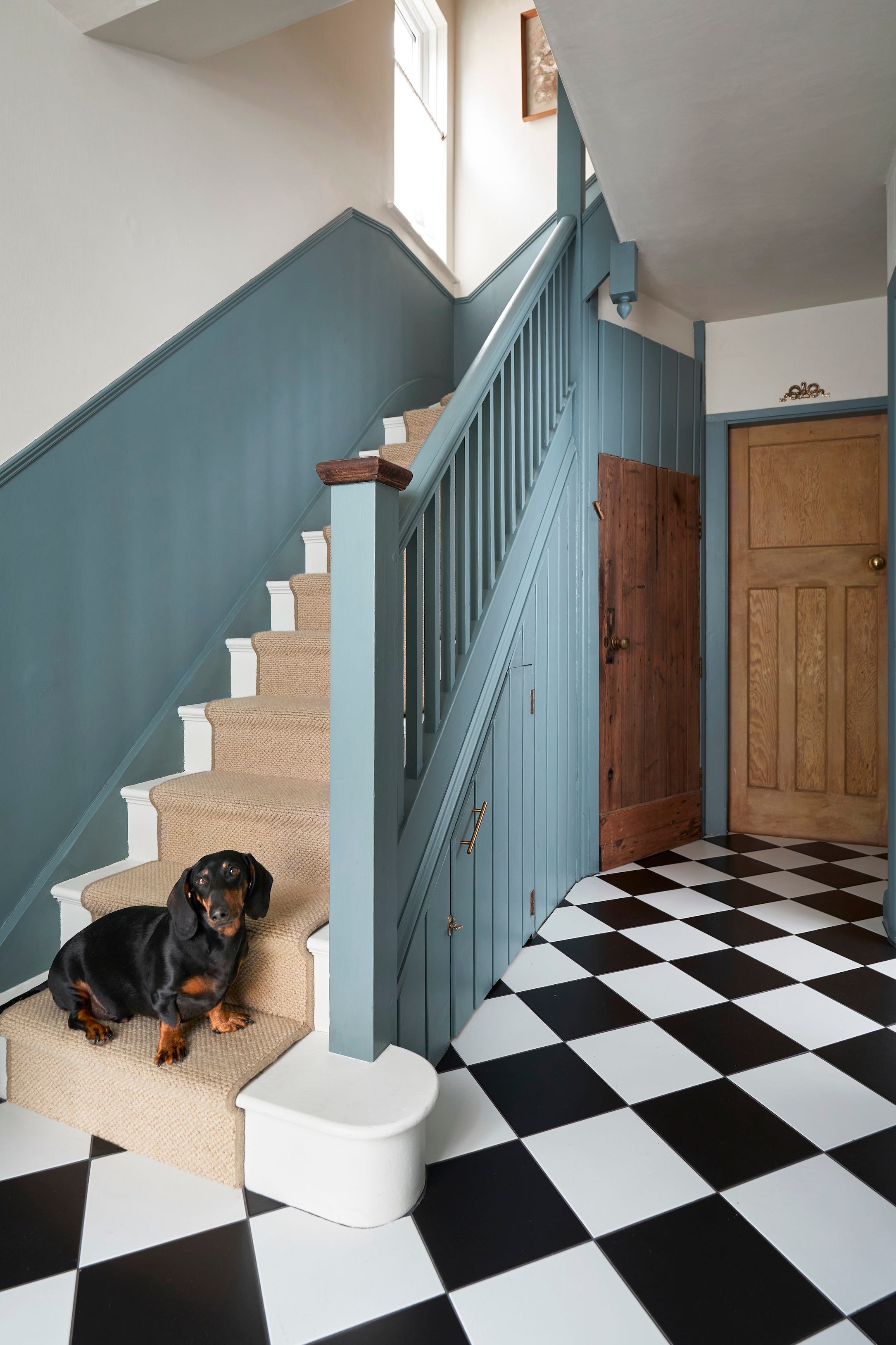
14 stylish staircase ideas to upgrade your space
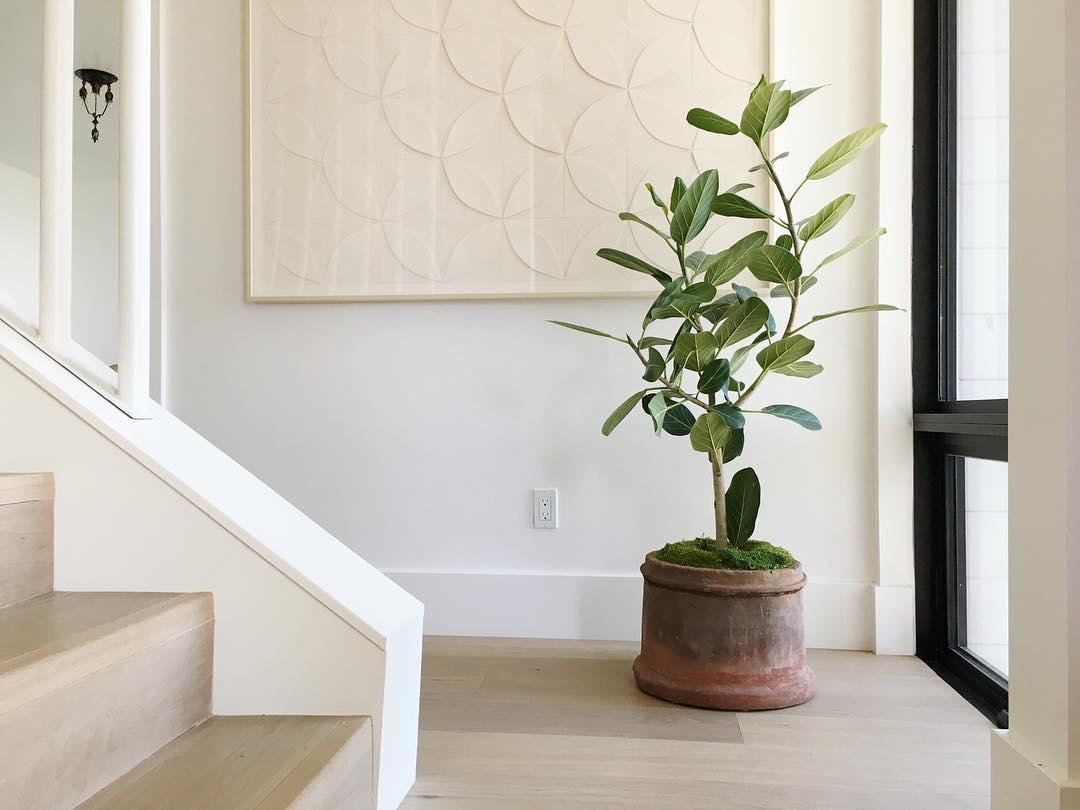
Sunset Makeover: How to Style Your Stairway Like a Pro
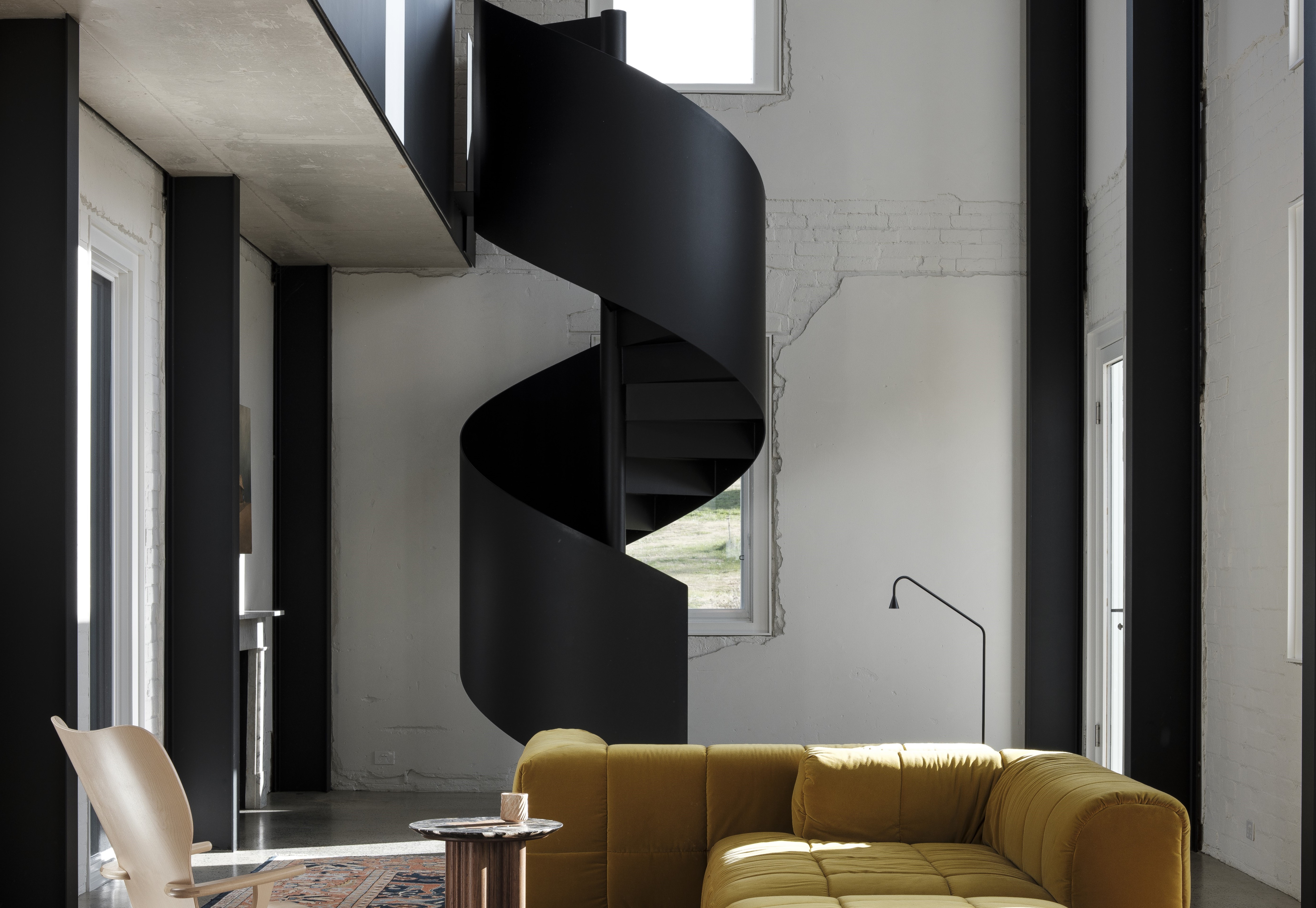
Staircase Ideas — 50 Designs That Make Your Stairs the Centerpiece of Your Home
The best staircase ideas for 2022, according to the experts

18 staircase ideas – stunning looks for your hall or entryway

Step Up Your Staircase With These Decorating Ideas
22 stunning staircases to inspire

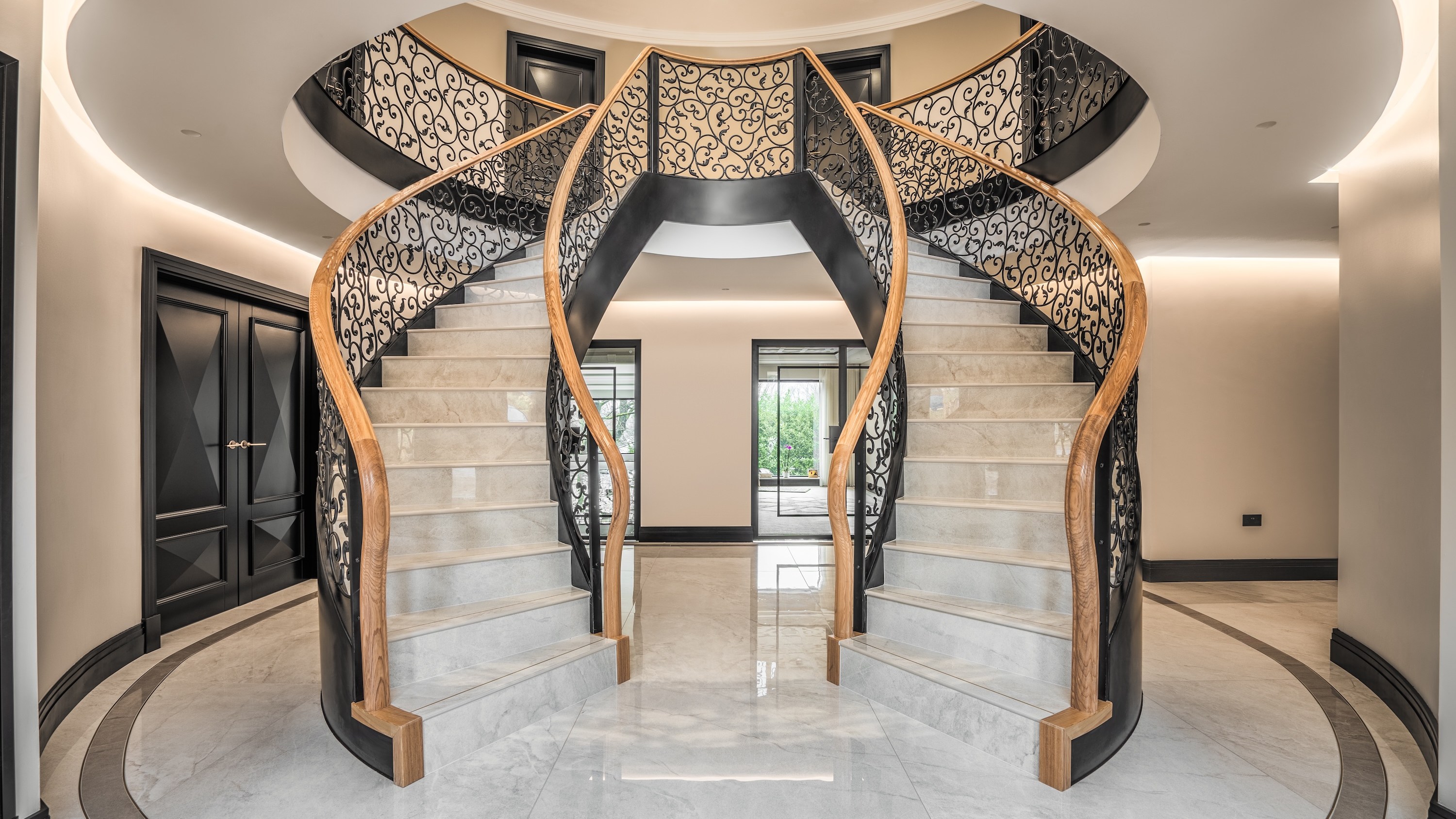
How to make a style statement with your staircases
25 Cottage Living Room Ideas You’ll Regret Skipping When You See How Others Use Them