1/5
Cooling Canvas: When Air Conditioning Meets Interior Design
The perception of air conditioning has shifted significantly since its invention in 1902 by electrical engineer Willis Carrier. Initially designed to control humidity in industrial settings, AC units have evolved from large, centralized, and often concealed systems to increasingly integrated and aesthetically considered elements within modern interiors. This evolution is driven by technological advancements, particularly the rise of energy-efficient ductless systems, and a growing consumer demand for appliances that blend seamlessly with home décor.
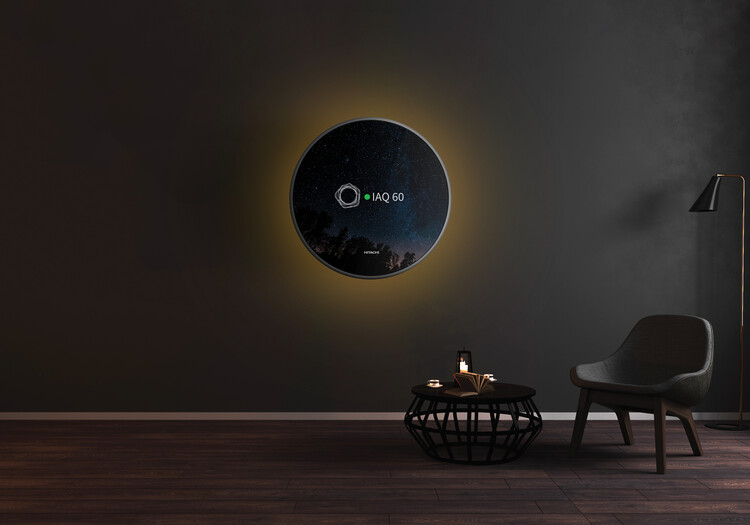
An exemplary illustration of this shift is the 'airPure' concept developed by Johnson Controls-Hitachi Air Conditioning. This concept re-imagines the air conditioner not merely as a functional appliance but as an artistic and multifunctional piece of furniture. The 'airPure' unit features a minimalist, round design with retractable air vents that ensure indirect airflow, preventing uncomfortable drafts by diffusing air across walls, ceilings, and floors. This design philosophy earned it the prestigious Red Dot Award for Design Concept 2024, signaling a new era for air conditioning aesthetics.
A key innovation of the 'airPure' is its integrated OLED display, which serves multiple purposes beyond basic temperature control. It can function as a mirror, a digital photo frame, or an ambient light source, enabling it to adapt dynamically to the aesthetic and functional needs of a living space. This multifunctionality allows the unit to contribute to the home's ambiance and décor, making it an interactive element rather than a discrete utility.
The development of 'airPure' was heavily influenced by the preferences of Generation Z homeowners, a demographic known for prioritizing personalized, visually appealing, and tech-savvy living environments. These consumers seek solutions that are not only functional but also discreet and strikingly integrated into their homes. Johnson Controls-Hitachi Air Conditioning embraced a user-centered design approach, viewing technical constraints as opportunities for innovation and emphasizing the product's aesthetic contribution alongside its primary function.
The design process involved extensive exploration of numerous concepts to achieve a low-profile architecture that harmonizes with modern living spaces. This dedication ensured that the unit’s exterior and interior design aligned with the brand’s guiding principles of being "Quiet yet iconic" and delivering "Comfort." The result is a device that enhances living environments without compromising aesthetic appeal, transforming air conditioning from a purely utilitarian item into a statement of design and technology. This trend indicates a future where even the most practical home appliances are expected to contribute to the overall beauty and intelligence of a living space.
#InteriorDesign #AirConditioning #ProductDesign #SmartHome #TechnologicalInnovation #HomeComfort #AestheticIntegration #RedDotAward #InteriorDesign #AirConditioning #ProductDesign #SmartHome #TechnologicalInnovation #HomeComfort #AestheticIntegration #RedDotAward
Há 0 comentários no total
 Ainda não há comentários
Você também pode gostar

Reimagining Air Conditioning: Traditional Cooling Methods for the Future

The Clever Drawer System Your Laundry Room Is Missing

The best air conditioners, and why we still recommend the Midea U
6 Ways to Choose the Right Window Designs for Your Home

Why curtains are the year's biggest – and most unexpected – interior design trend

This 4,800-Square-Foot Apartment Features the Smartest Trick for Hiding Ugly Heating Units
Meeting of minds - 5 Jun 2025 - Homes and Gardens - UK Magazine


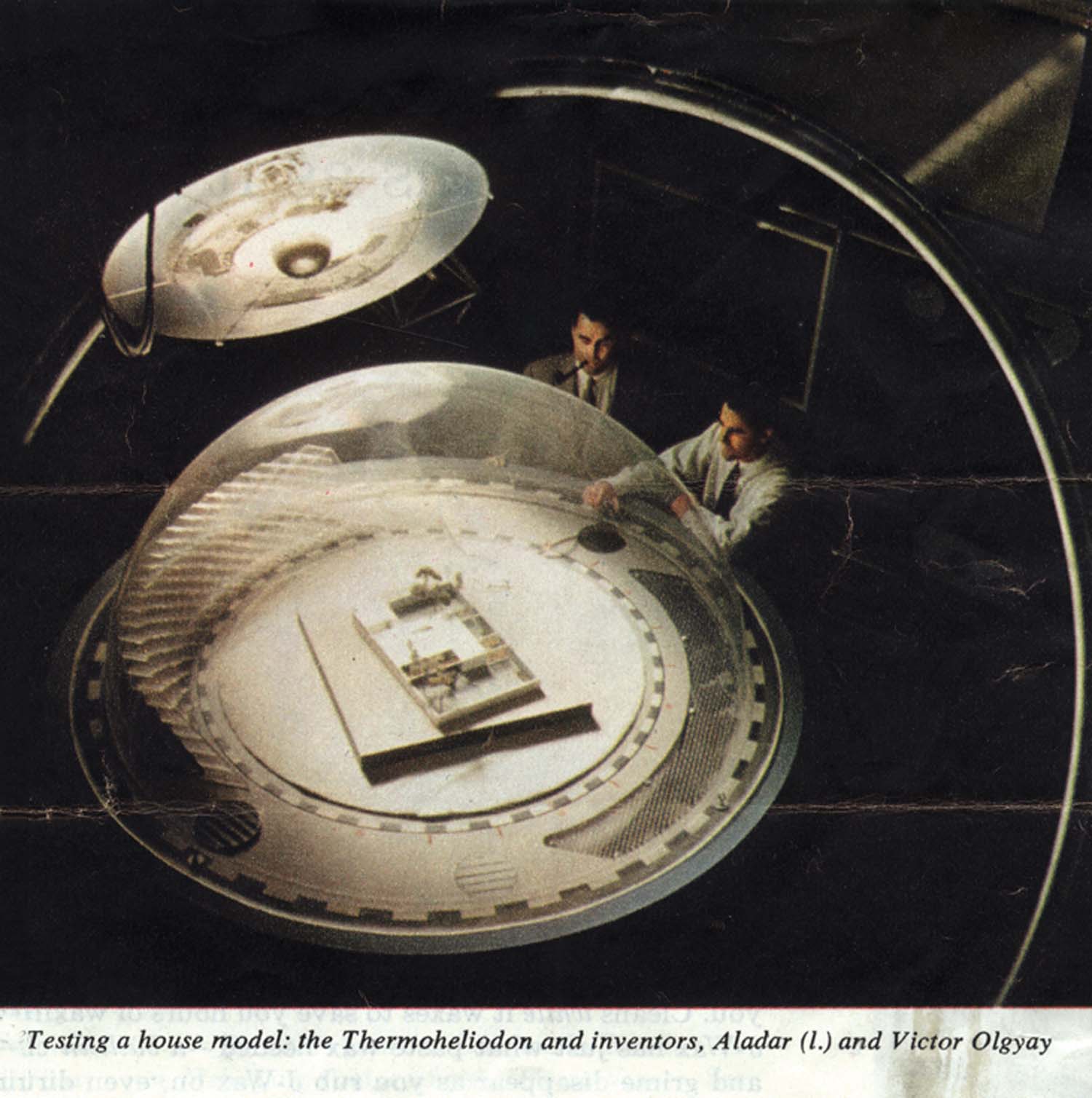
This is How People Dealt with Summer Heat Before Air Conditioning
Roadmap to developing a geometrical design guide for windcatchers

Best Dressed

Our Favorite ACs Keep You Cool Quietly and Efficiently
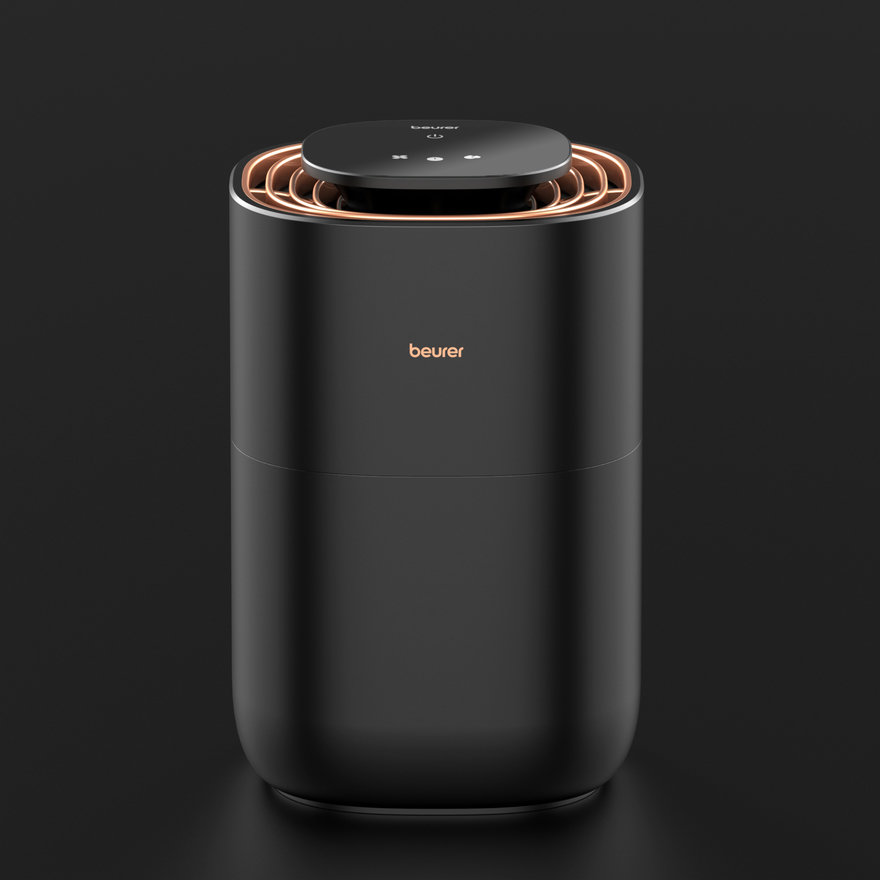
Industrial Design Case Study from Germany: An Elegant Air Humidifier

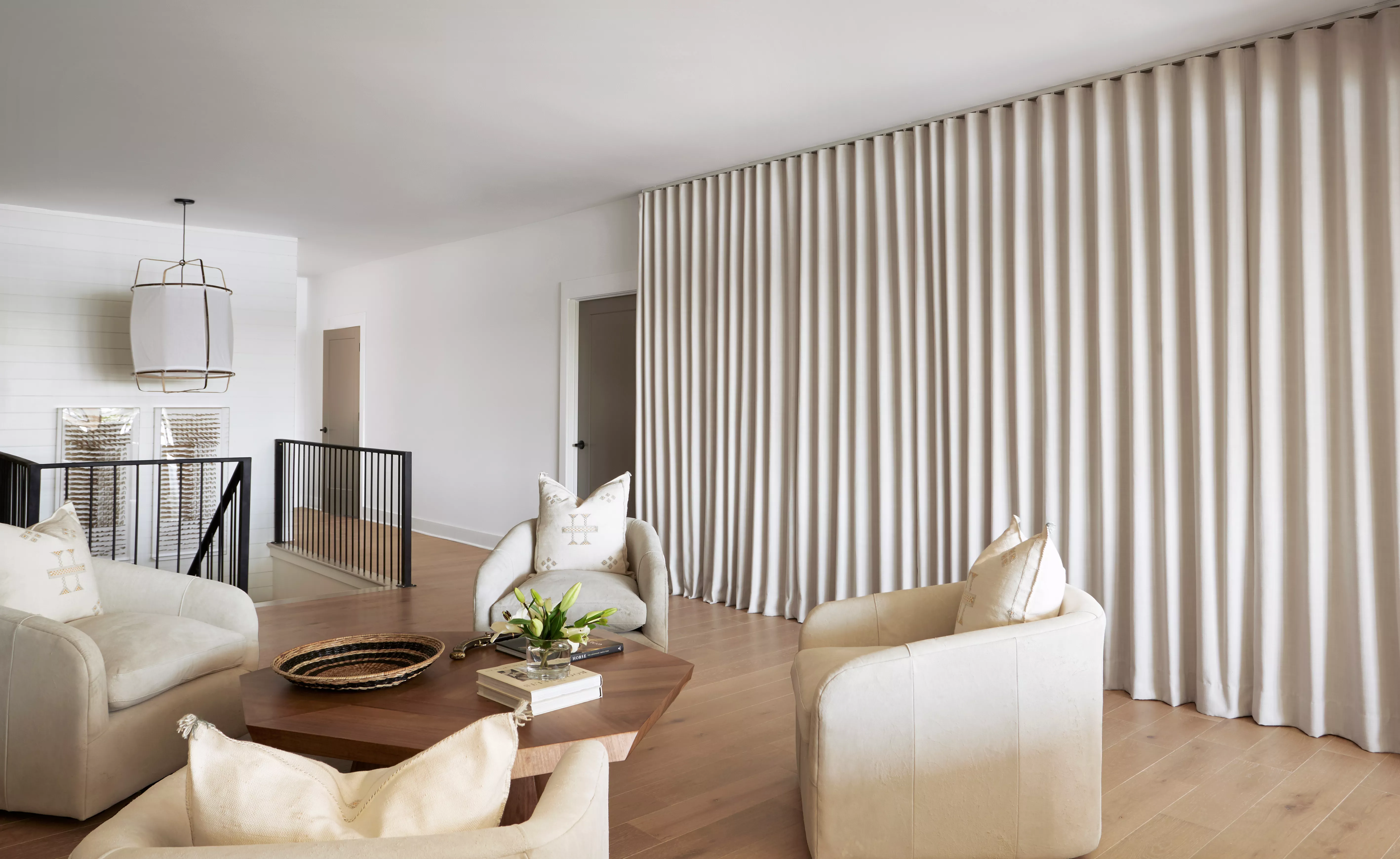
Curtain Walls Are Proof That Draperies Aren't Just for Windows Anymore


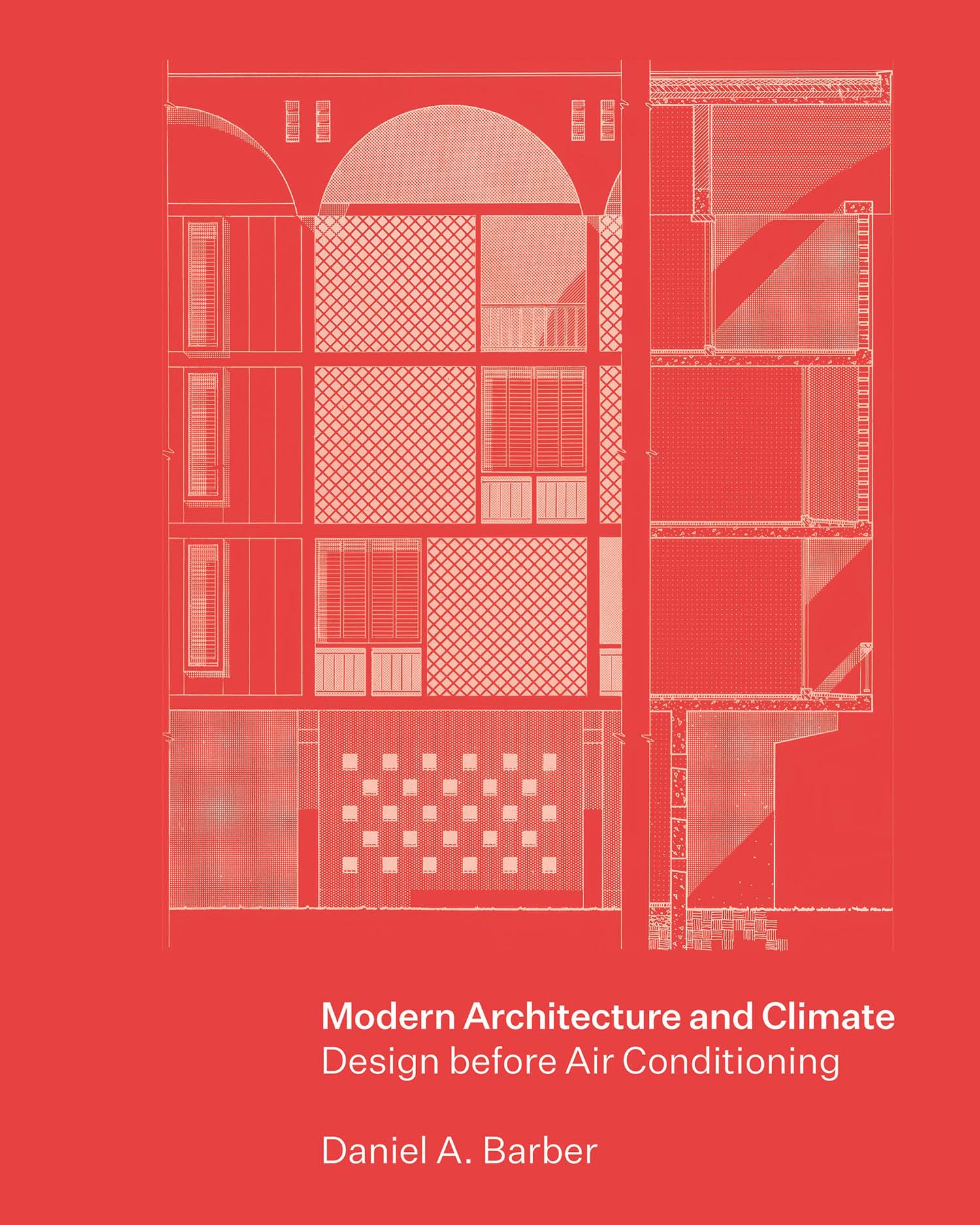
Book Review: Modern Architecture and Climate—Design before Air Conditioning

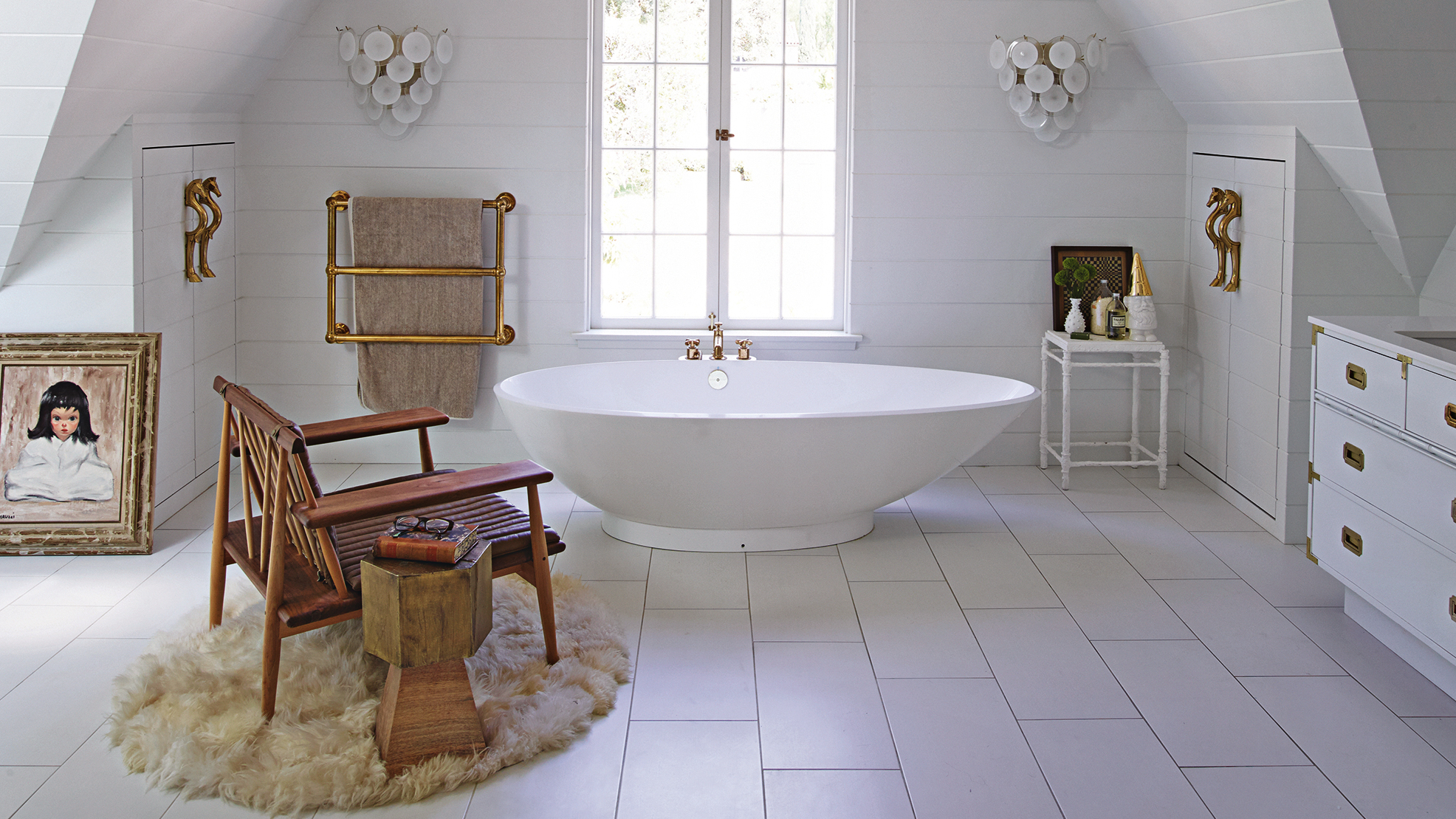
How to hide a radiator - the expert guide to decorating tricks to help them blend in

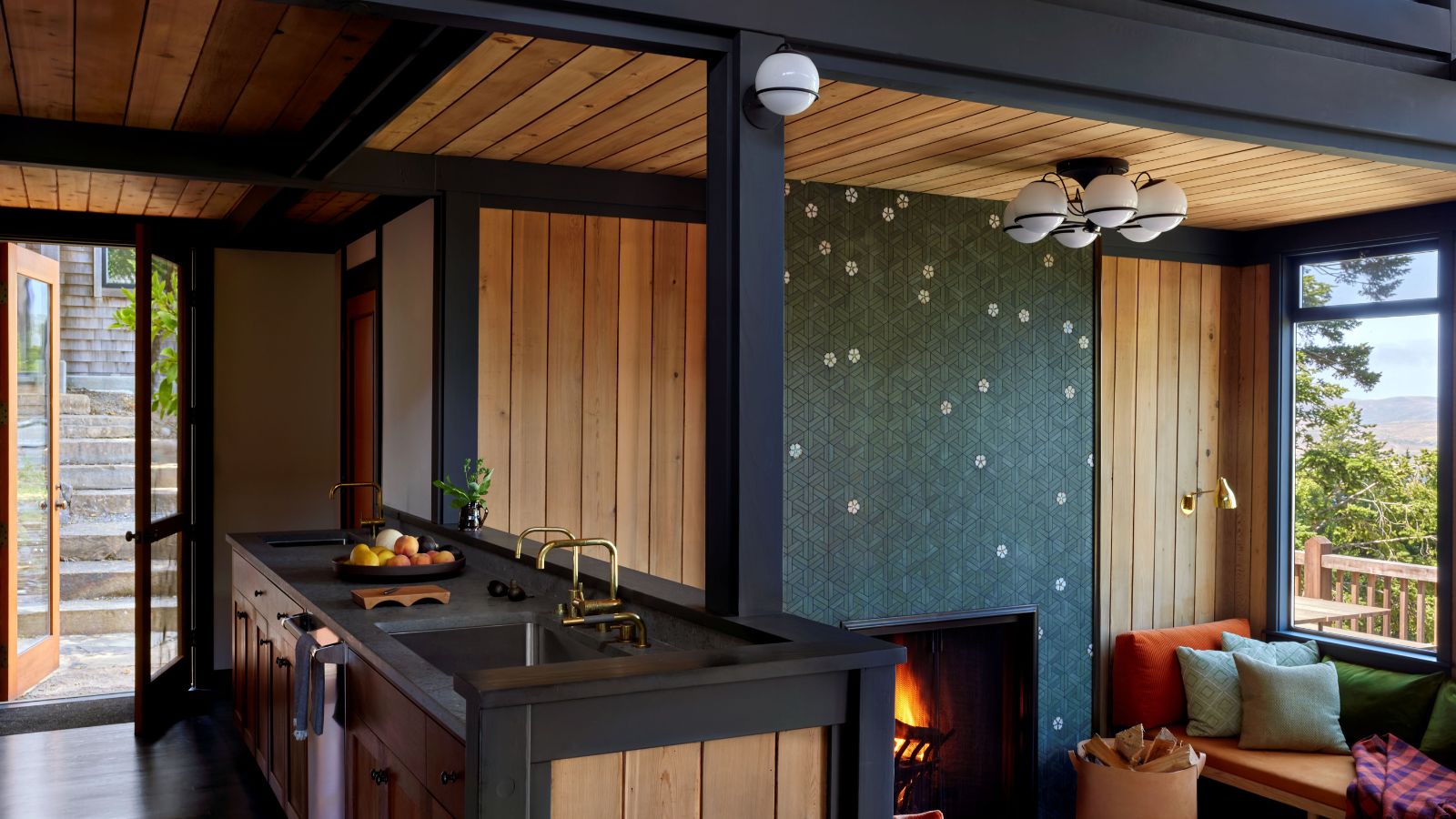
Designers definitely approve of this statement trend that elevates a cozy room
Your Blackout Blinds and Curtains Might Actually Be Making Your Bedroom Hotter — Here’s What You Should Have Chosen for Your Windows Instead
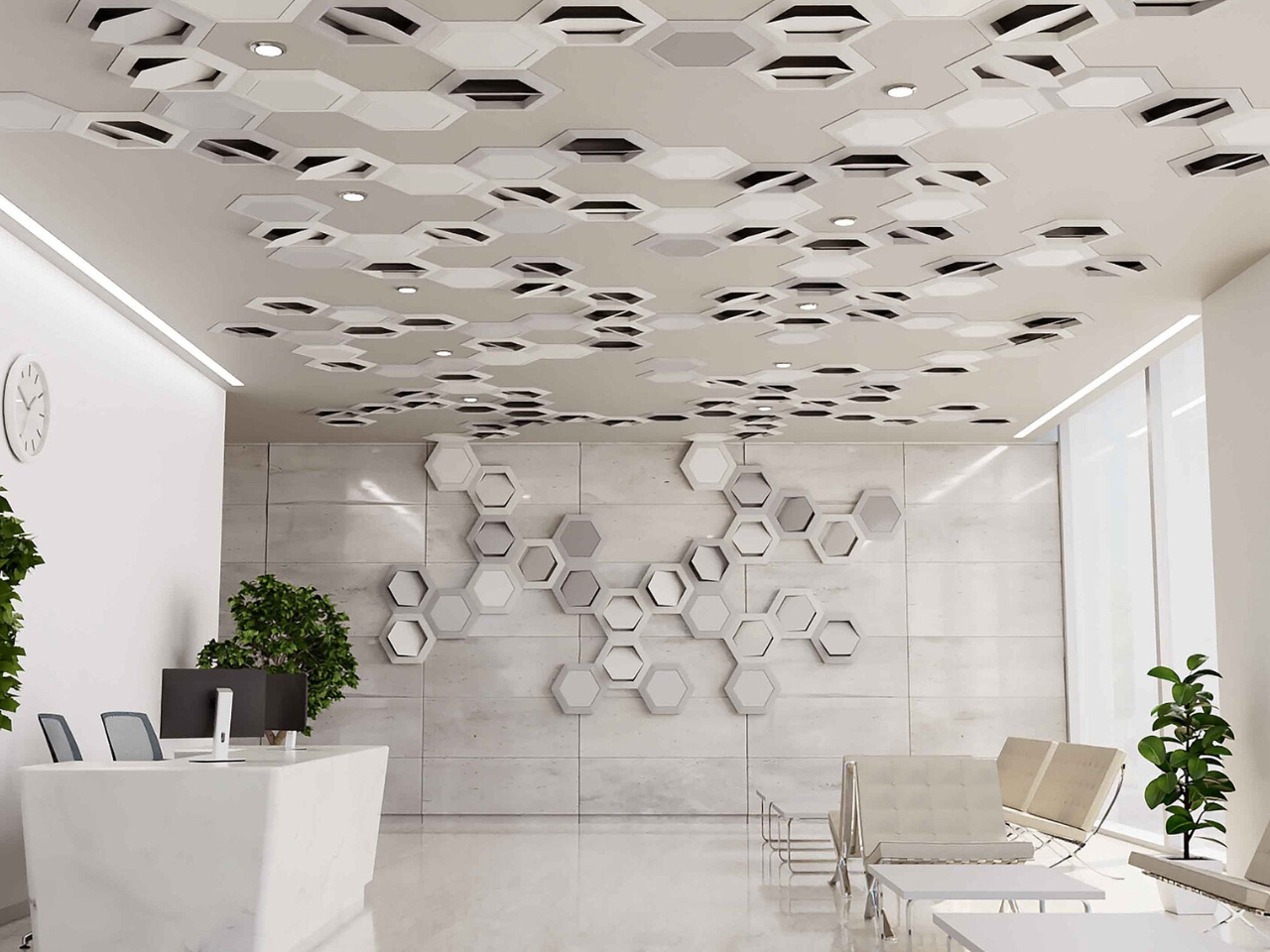
This Hexagonal Ceiling Tile System Rethinks Office Air

How to Cool Down Your Sunroom — 5 Simple Methods to Stop This Spot Overheating in Summer
Accent walls: Pinterest trend or here to stay?