1/6
There’s No Secret Recipe for Restoring Wallpaper—But This Approach Is Close
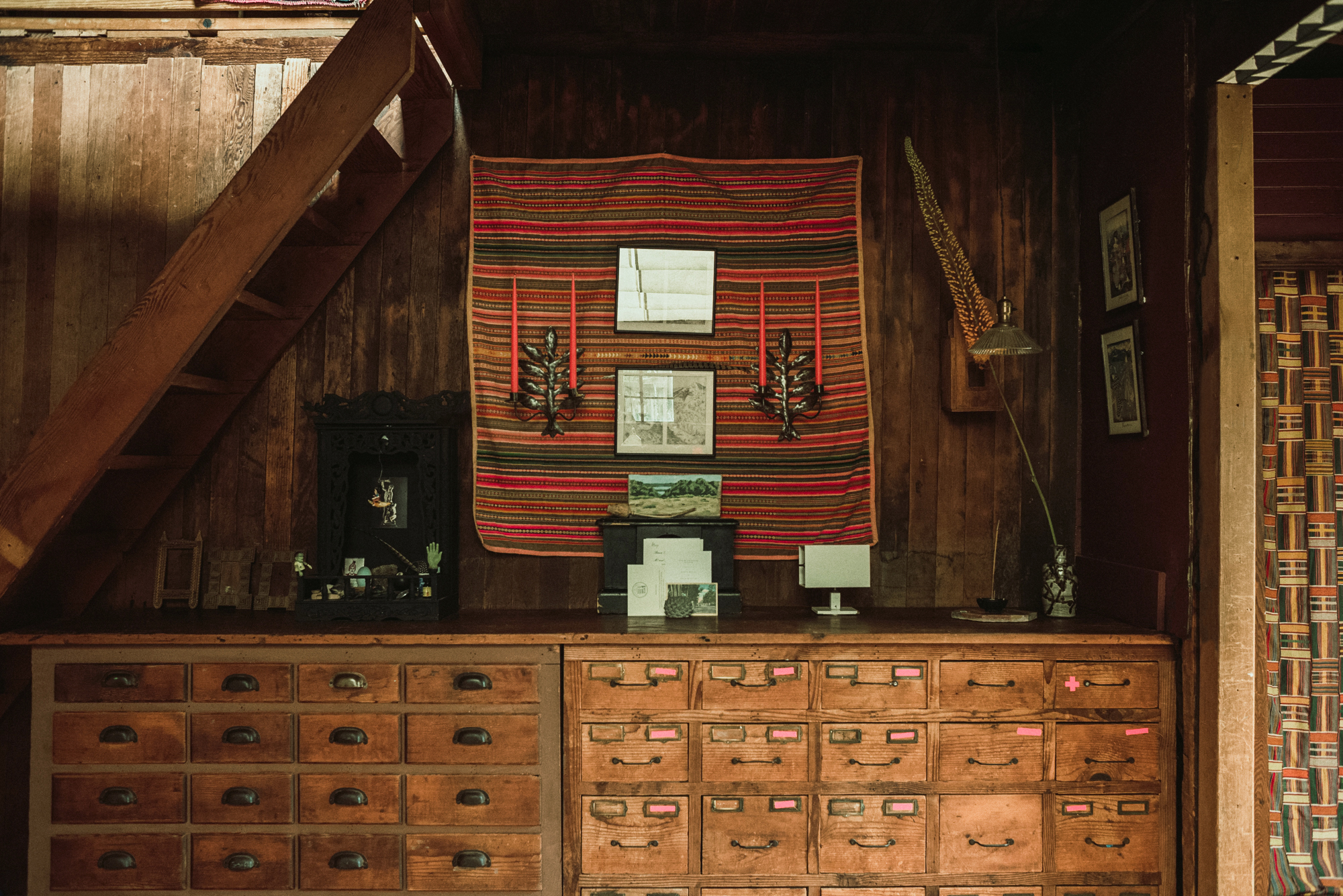
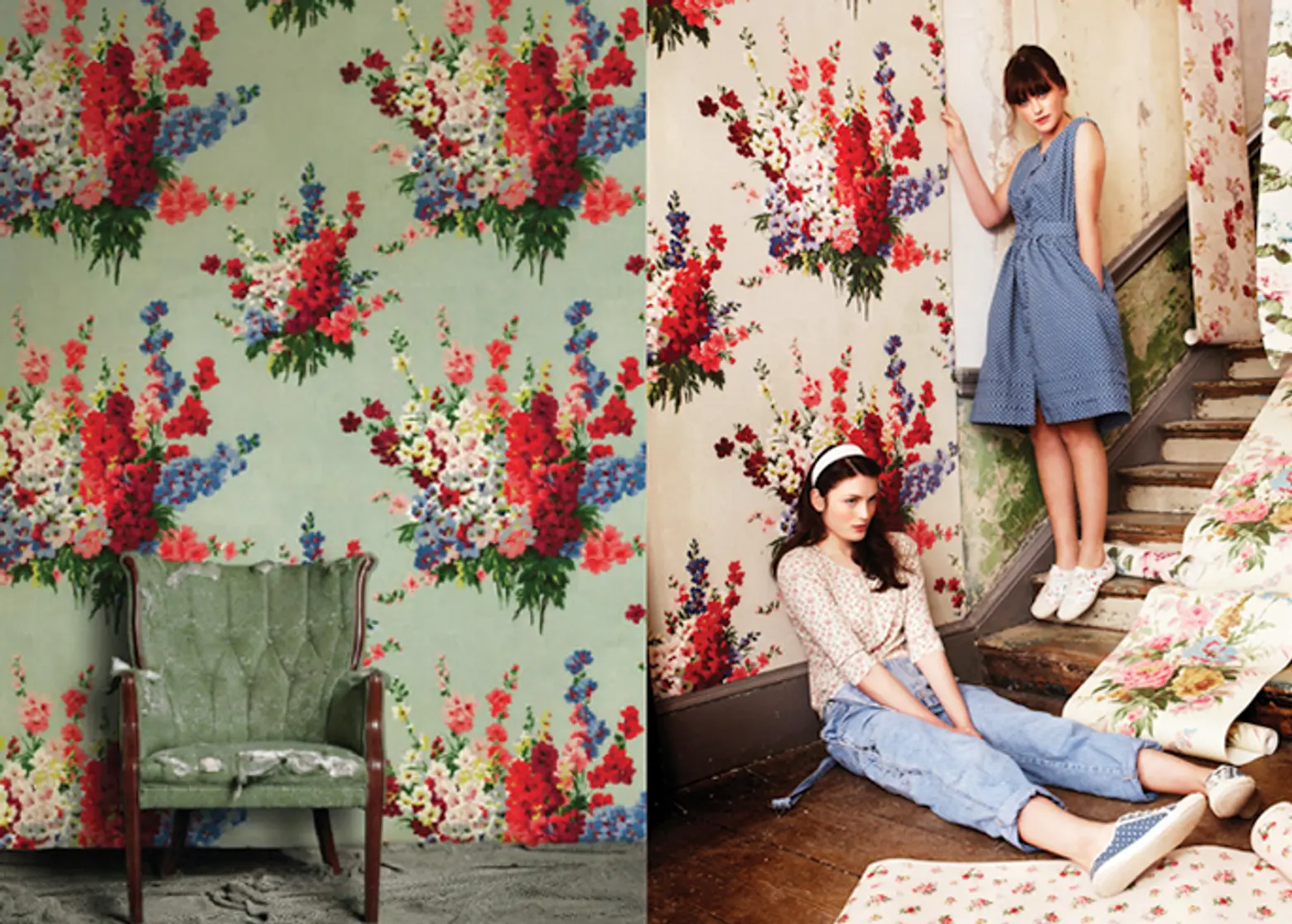
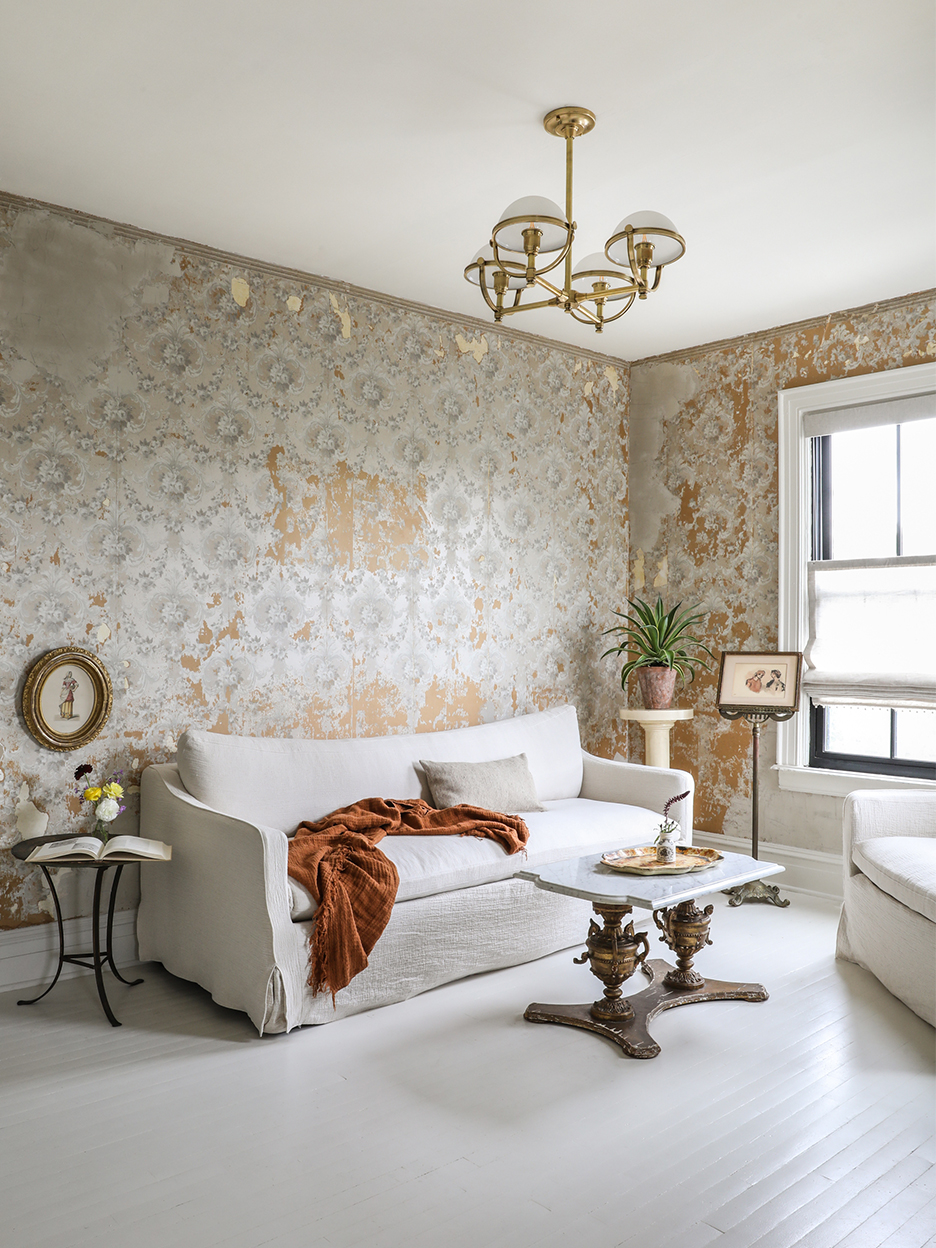
The article details the process of restoring century-old wallpaper in an historic home, drawing insights from Anthony D’Argenzio of Zio and Sons. The restoration began during a demolition phase when original wallpaper, dating back to around 1910, was discovered beneath later additions. The wallpaper featured a classic, old-world motif with silvery muted tones, aligning well with the restorer's aesthetic, leading to the decision to preserve it throughout the living room and master suite. This preservation effort highlights an organic design evolution, where the choice to keep the wallpaper dictated subsequent design elements like white-painted floors and soft-toned linen drapes and sofa upholstery to create balance. Gilded golds, brass, and antique fixtures were introduced to complement the ornate motif.
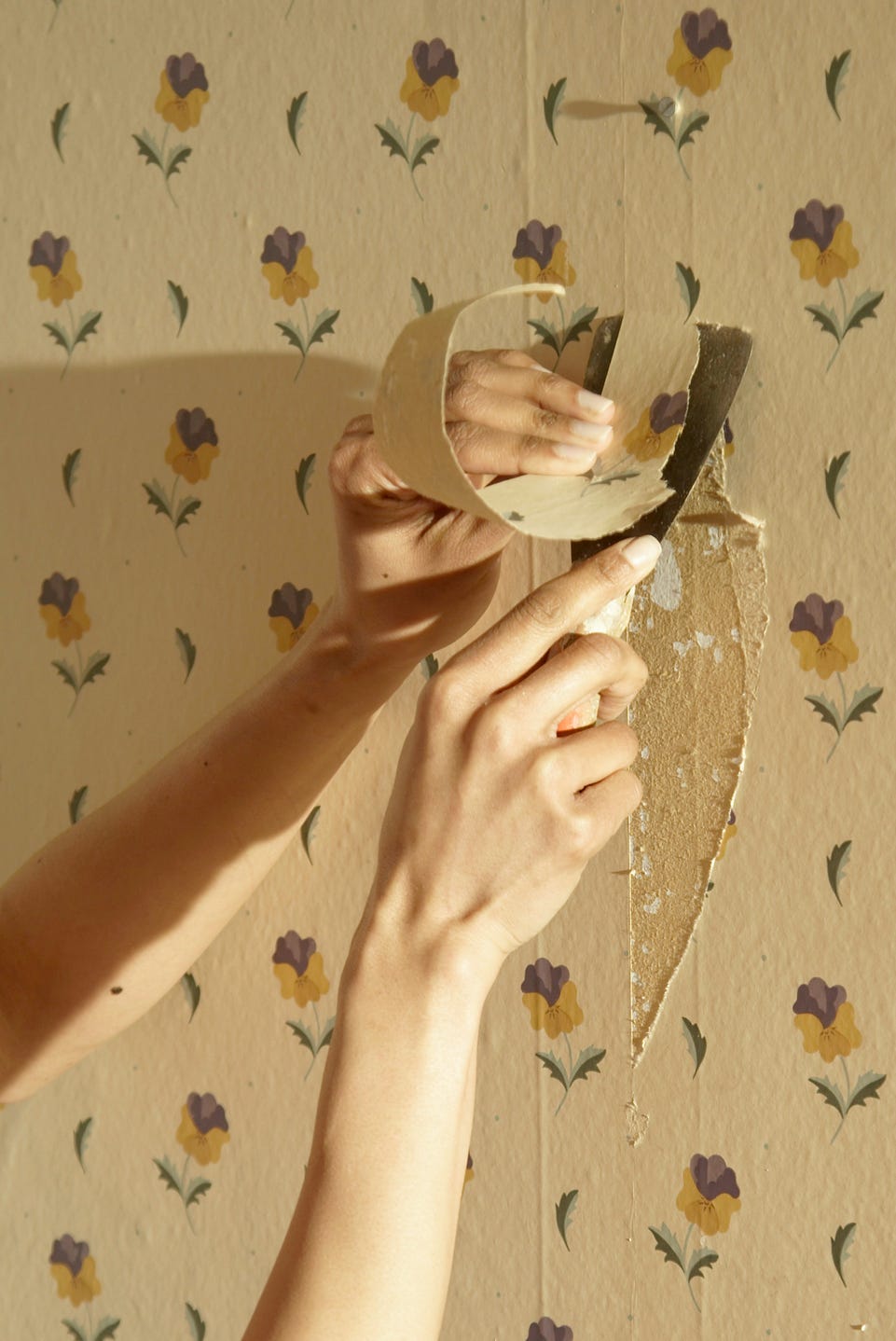
The restoration process is described as primarily trial and error, emphasizing the absence of a fixed method for dealing with found wallpaper. A key consideration is determining the desired texture: whether to retain some layers of newer wallpaper for a layered effect or remove everything for a low-texture finish. The author opted for a more stripped-back approach, using a non-abrasive paint scraper to carefully remove layers without damaging the original paper. Crucially, the use of steam is advised against, as it can cause water damage. The process is characterized as time-consuming, recommending a patient approach, perhaps with music or a companion.
Following the removal of superficial layers, the article outlines the use of plaster for patching. Venetian plaster, specifically a product with a lime base and Carrara marble dust, was applied to certain areas. This choice aimed to achieve a more finished look for the room, balancing the intricate wallpaper pattern with a natural, subtle glimmer. The application of plaster is detailed, including the use of one base coat and two subsequent finishing layers, with drying time between each application. Practical tips for plaster application include creating a clean surface by dry brushing the wallpaper to remove loose particles (while wearing a mask due to potential old materials), avoiding application on excessively warm days to prevent premature drying and crumbling, and practicing on drywall sheets before working on the actual walls.
Overall, the restoration of old wallpaper, particularly through a combination of careful removal and plaster patching, is presented as a labor-intensive but rewarding endeavor that contributes to the preservation of historical aesthetics. The article underscores that while challenging, it is not as daunting as it might initially appear, provided one takes a methodical and patient approach. The subsequent steps in D’Argenzio’s renovation of This Old Hudson Maison, focusing on blending bathroom finishes to honor the building’s heritage, are previewed, indicating a consistent theme of respectful historical renovation.
#WallpaperRestoration #HistoricHomes #DIYHomeImprovement #InteriorDesign #RenovationTips #VintageWallpaper #PlasterApplication #HomePreservation #DesignProcess #WallpaperRestoration #HistoricHomes #DIYHomeImprovement #InteriorDesign #RenovationTips #VintageWallpaper #PlasterApplication #HomePreservation #DesignProcess
Há 0 comentários no total
 Ainda não há comentários
Você também pode gostar
How to remove wallpaper - expert-approved steps to prevent damage and ensure a smooth finish
How to Hang Wallpaper (the Permanent Kind!)

Wallpaper Is Back. Here's How to Add this Bold Accent Into Your Home.

8 Common Wallpaper Mistakes (and How to Fix Them)


Even Wallpaper Skeptics Can Tackle The Trend With This Foolproof Tip
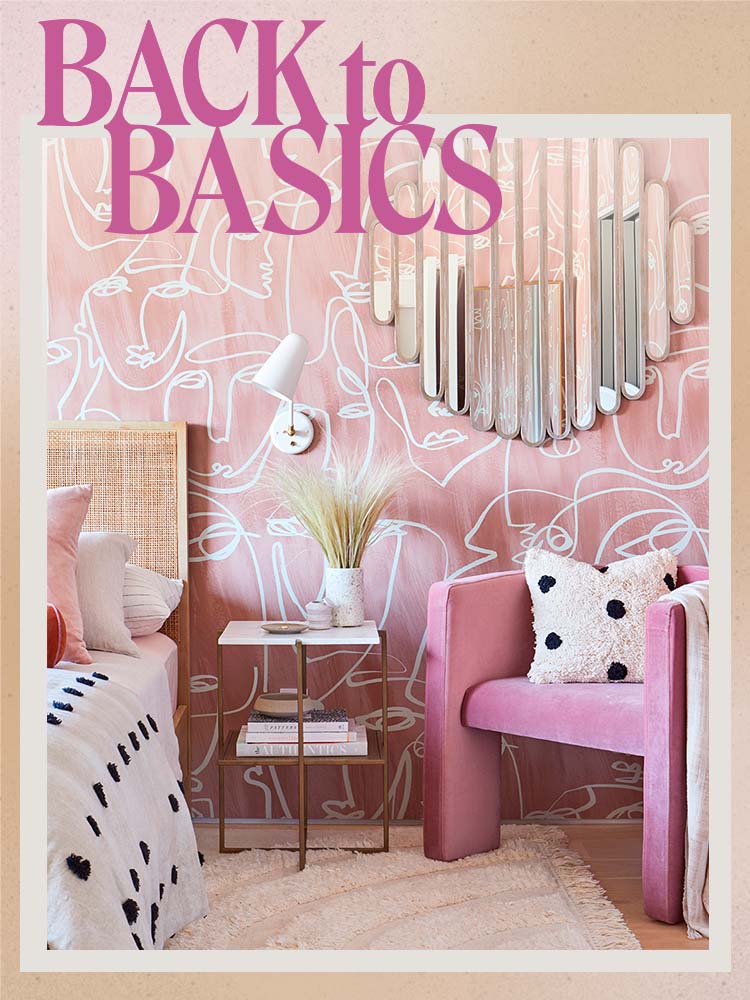
How to Hang Wallpaper (the Permanent Kind!)

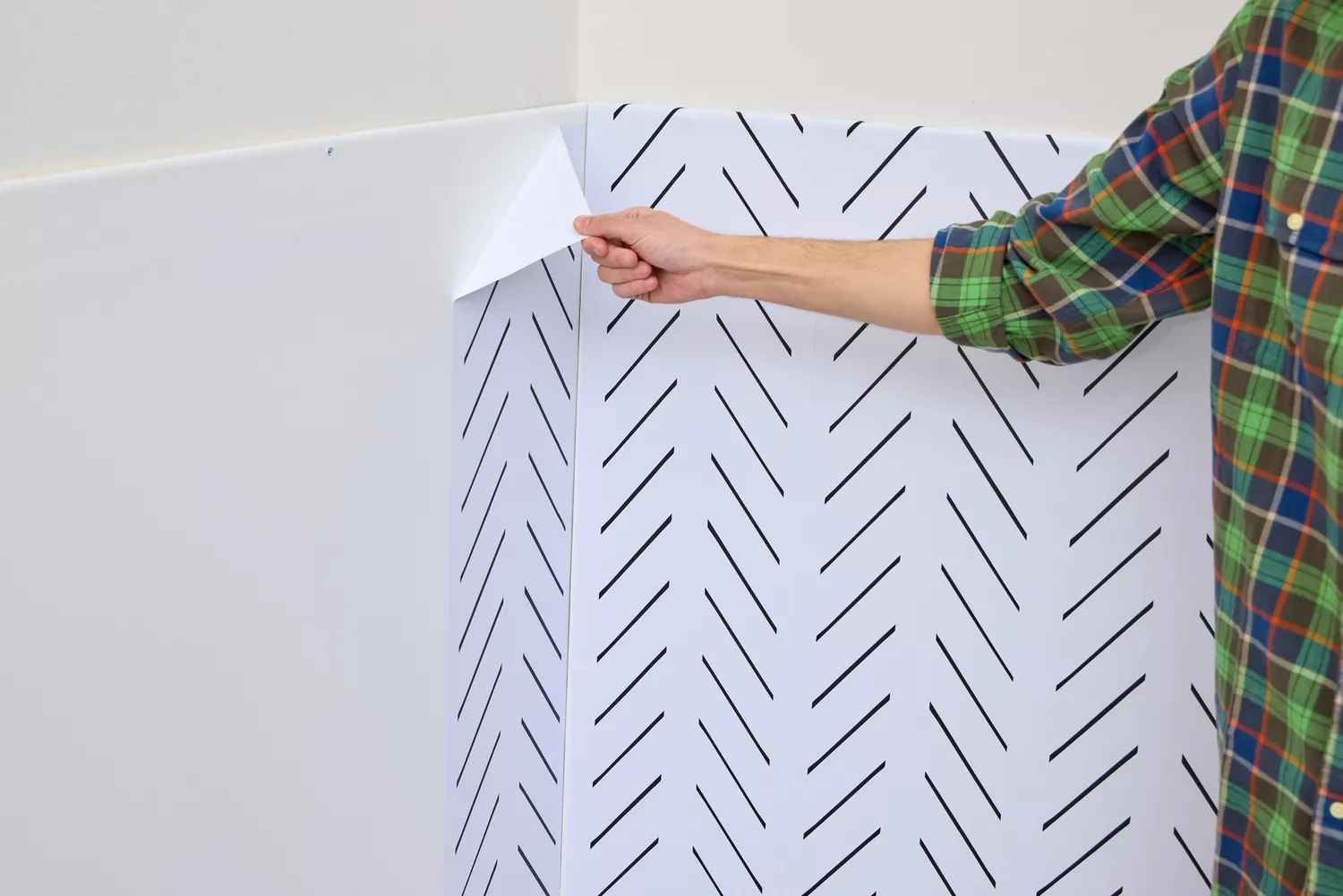
Say Goodbye to Damaged Walls—These 6 Removable Wallpapers Come Off Clean

You’d Never Know That These Stylish Wallpapers Are Totally Removable

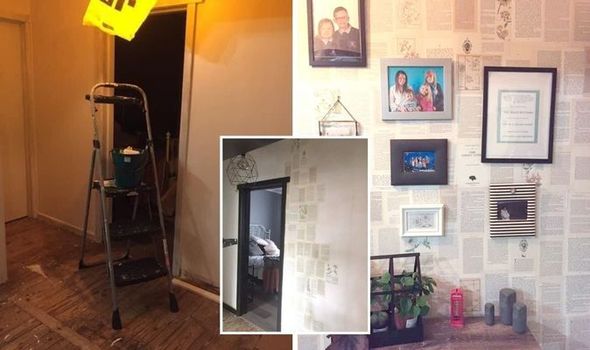
'I saved over £250' DIY mum shares £5 trick to save money on wallpaper - 'so simple'

The Wallpaper That Made Antique Prints Feel Fresh Again

12 unique wallpaper ideas for renters and homeowners at every budget

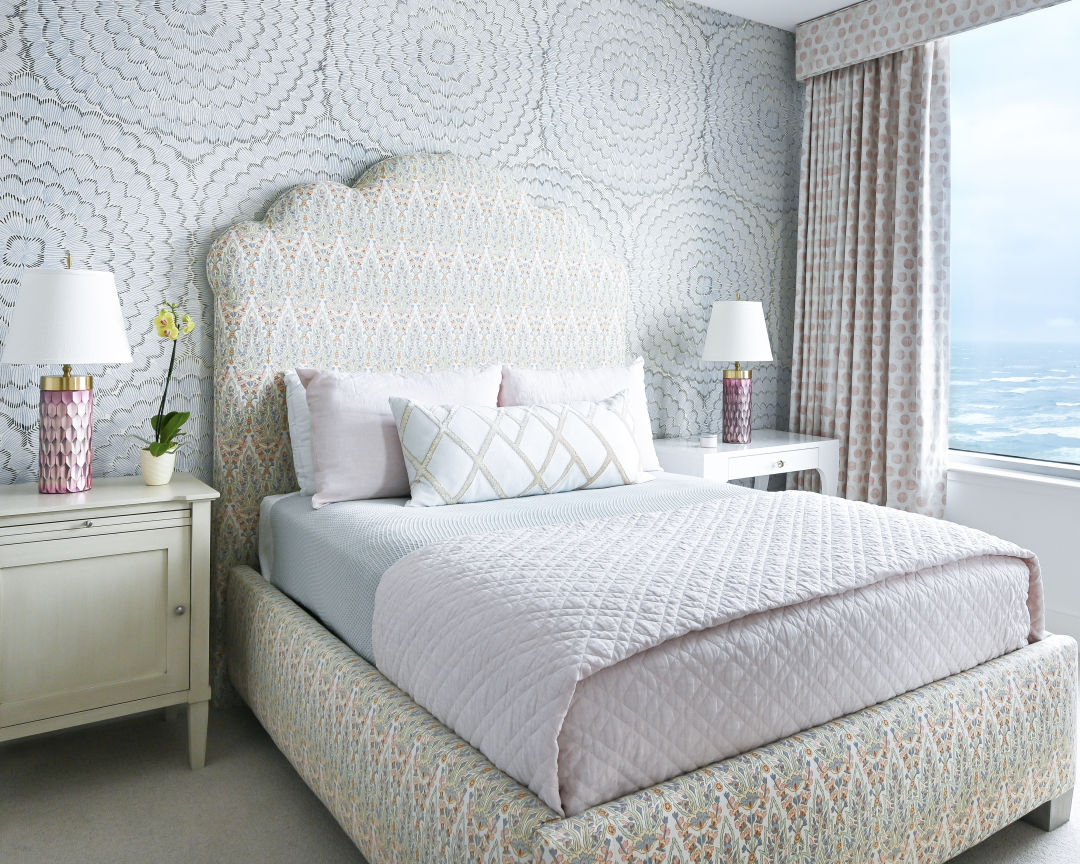
Wallpaper Is Back, Baby
This Wall-Decor Hack Is Even Easier Than Peel-and-Stick Wallpaper
How to Hang Wallpaper (the Permanent Kind!) | domino
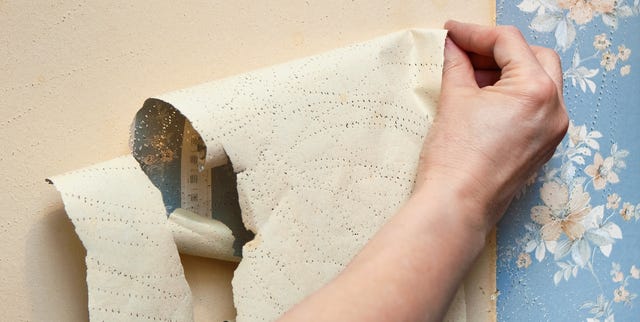
A Stress-Free Way to Remove Wallpaper
These Removable Wallpapers Will Completely Transform Your Space (Without Damaging Your Walls)

Skip Wallpaper in Favor of an (Almost) Free Painter’s Tape DIY
Wallpaper is back, in a big way

Can you put wallpaper on textured walls? Experts reveal it is indeed possible with this vital step

6 Wallpaper Mistakes Designers Immediately Notice in Any Home