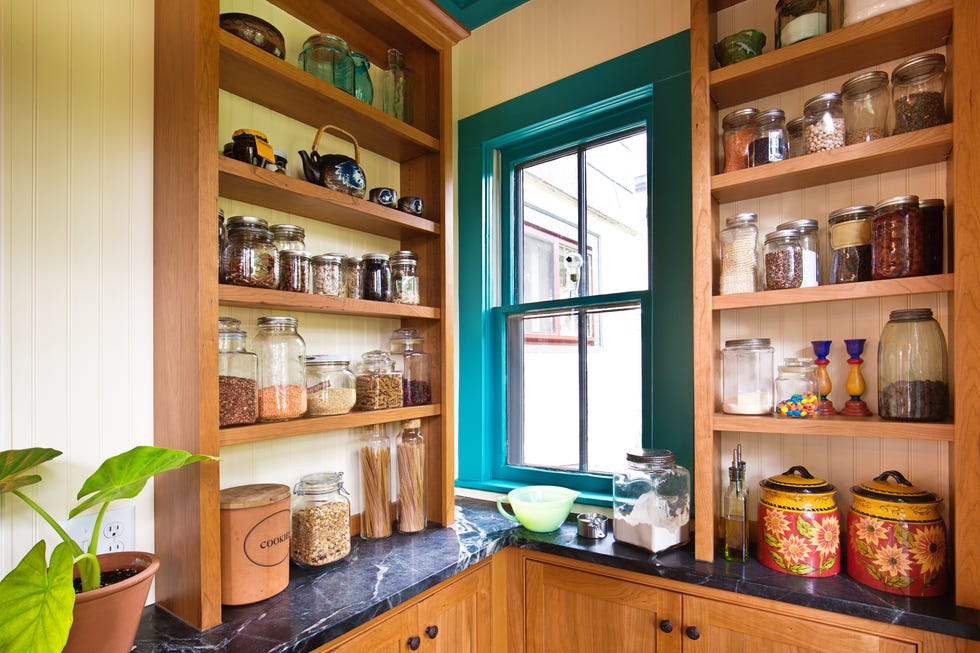
How to Organize Canned Goods in Cabinets, Pantries, and More
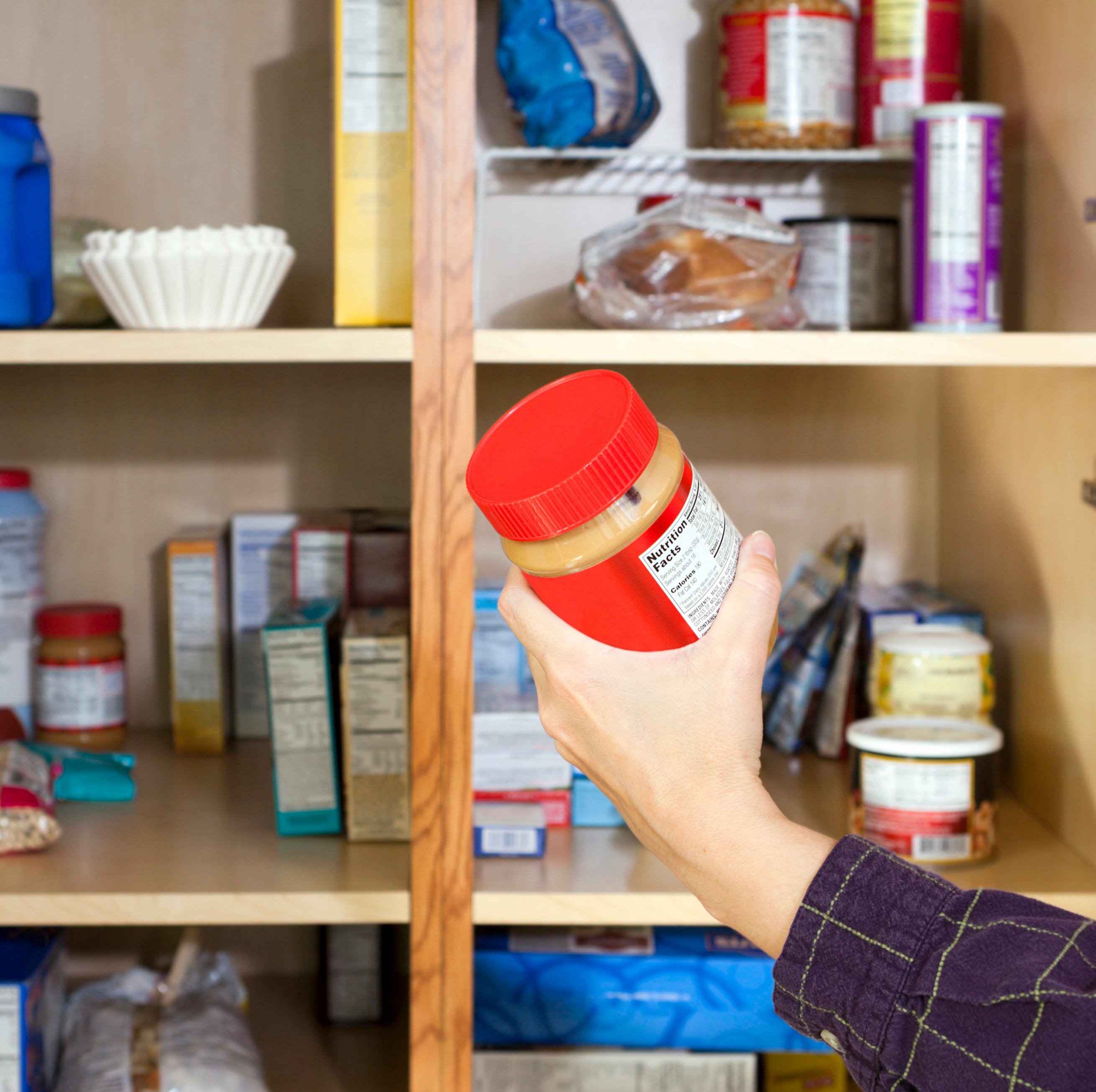
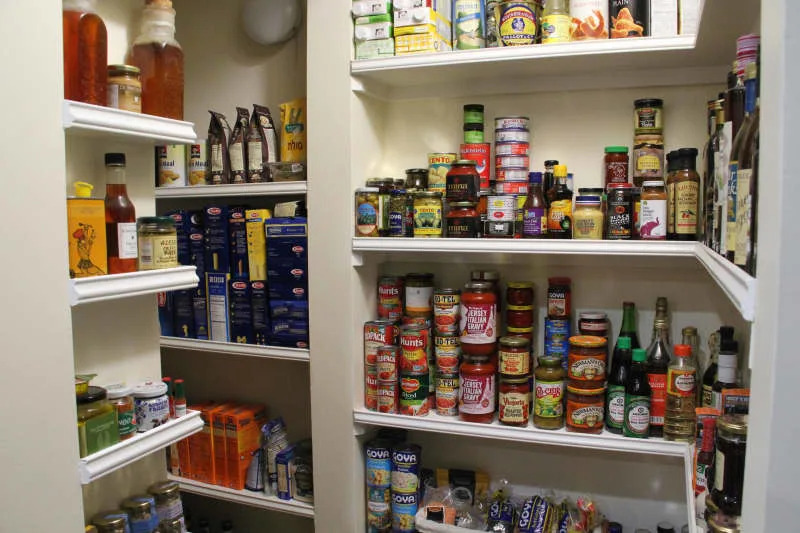
Efficient organization of canned goods is crucial for maximizing storage space, ensuring visibility, and preventing food waste in kitchens. Canned goods, being a pantry staple, often occupy significant space in cabinets and drawers. Implementing effective storage systems not only streamlines meal preparation but also helps in quickly identifying expired or spoiled items. The ideal storage environment for canned foods is a cool, dry place away from direct sunlight, such as a pantry or kitchen cabinet, to preserve their shelf life and quality.
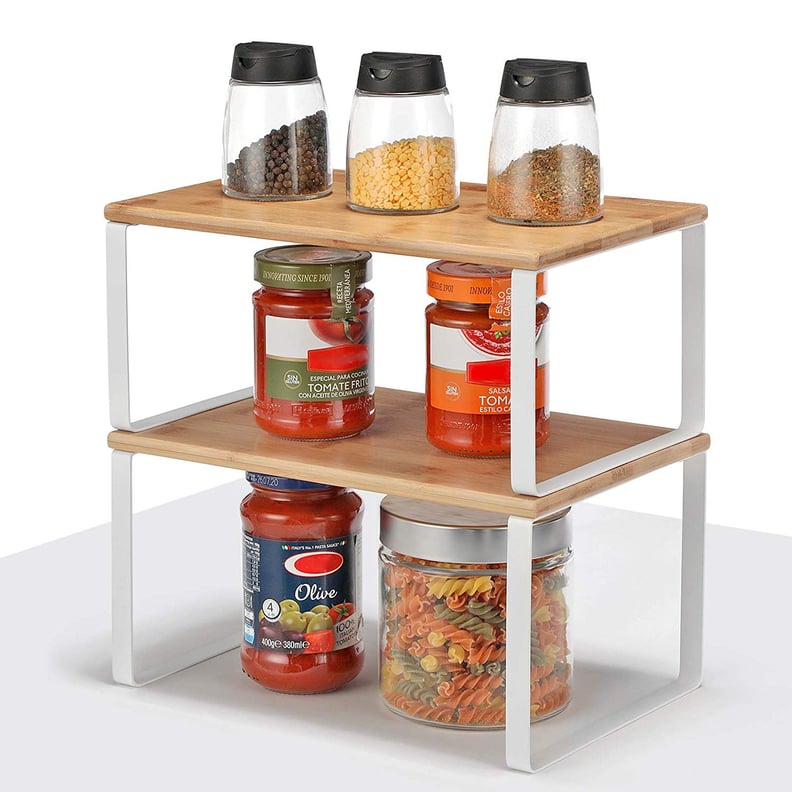
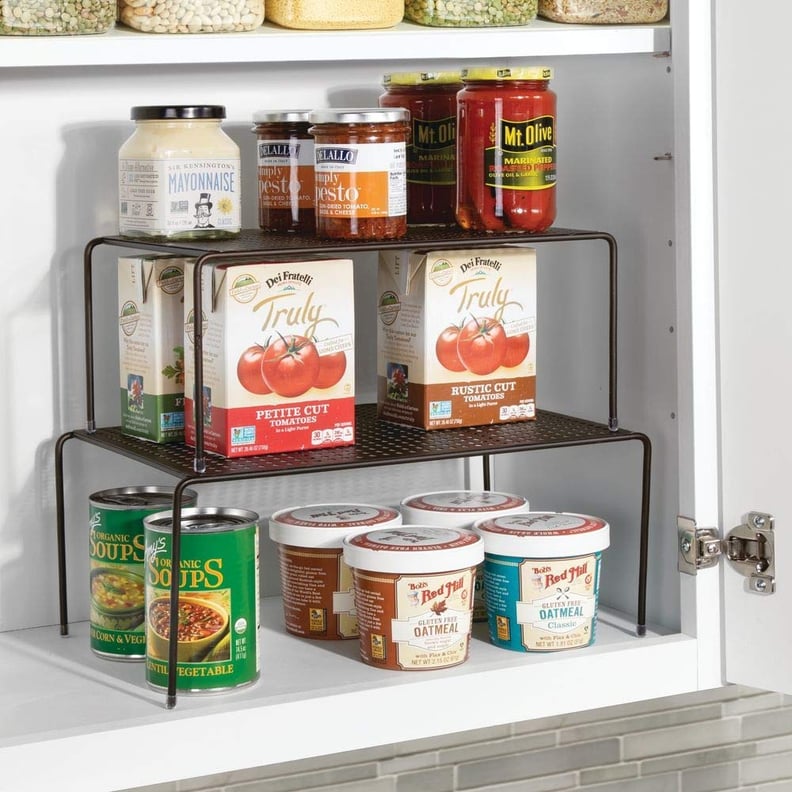
Several methods can be employed to organize canned goods effectively. One popular technique is the "stadium seating" method, which utilizes tiered risers made from materials like acrylic, bamboo, or metal. These risers elevate cans at different levels, ensuring that all items, even those at the back, are visible and easily accessible. This approach is particularly beneficial for deep shelves or cabinets, allowing for quick inventory checks and reducing the likelihood of items getting lost or forgotten.
For smaller collections of canned goods, a lazy Susan can be an excellent space-saving solution. Its circular design maximizes storage in corners or on shelves, allowing users to rotate it to find the desired can effortlessly. However, for households with a large stock of canned items, other methods capable of accommodating more volume are recommended.
When storing cans in drawers, it is advisable to use sturdy bottom drawers due to the weight of multiple cans. Organizing them in neat rows by type (e.g., soups, vegetables, beans) and using label tape on the drawer's inside lip to indicate categories can greatly improve efficiency. Drawer dividers can also be utilized to prevent cans from shifting. Prioritizing cans with the soonest expiration dates by placing them at the front ensures they are used before spoiling.
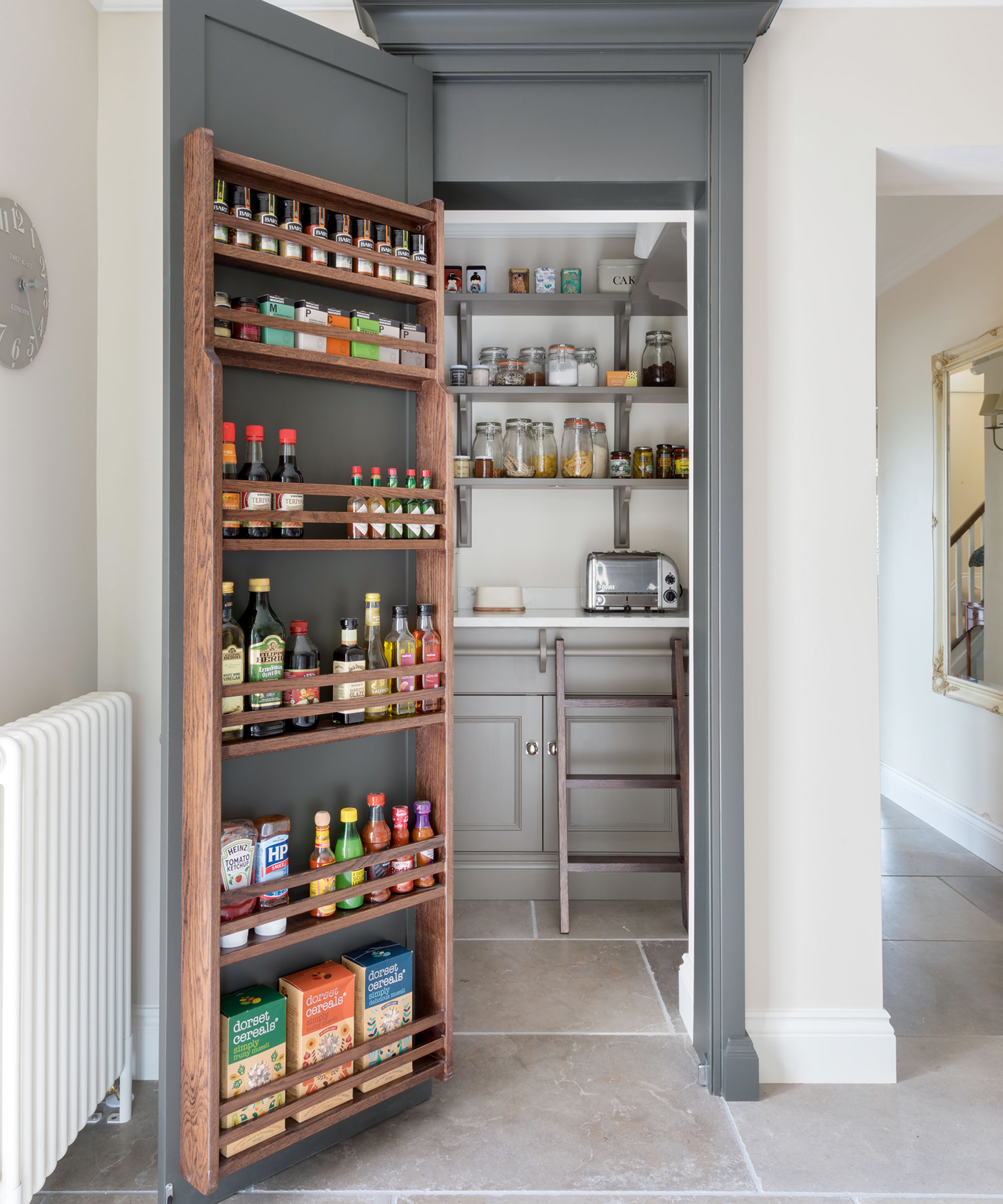
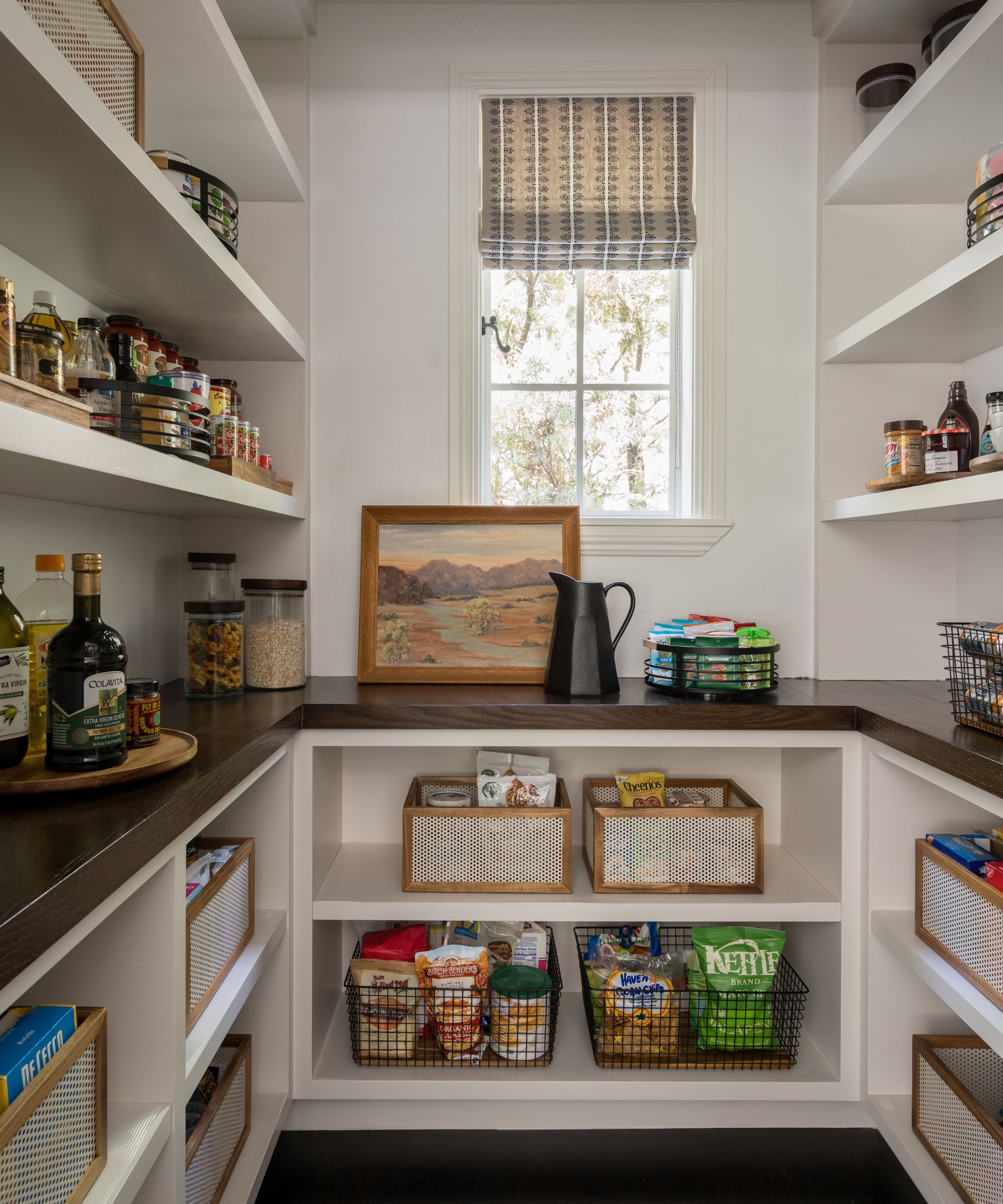
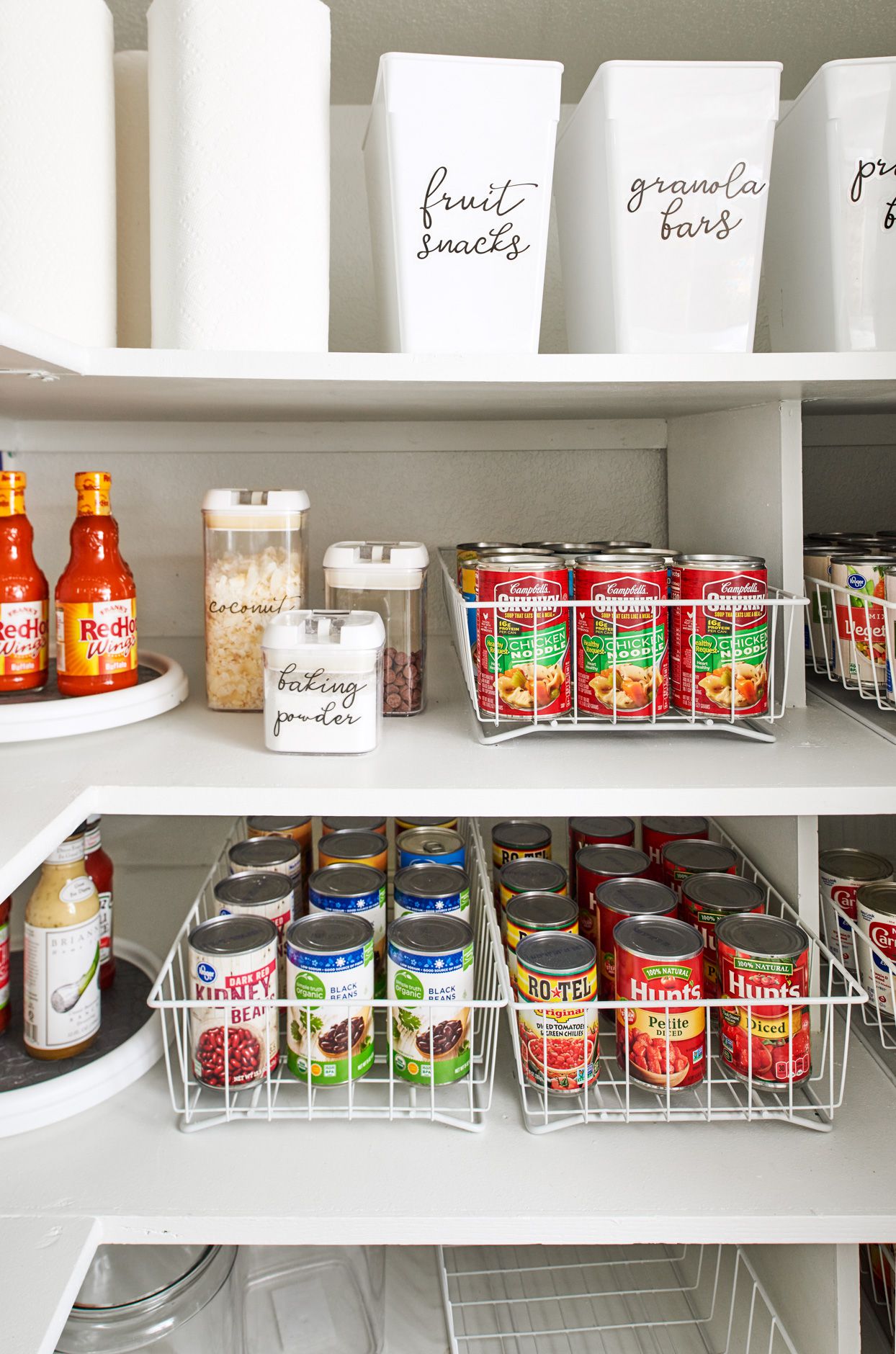
Leveraging vertical space is another effective strategy, especially in walk-in pantries. Installing durable metal racks with baskets on blank walls or the inside of pantry doors allows for floor-to-ceiling storage. Cans can be grouped by type within these baskets, providing quick access without consuming valuable shelf or drawer space. This method also helps maintain a clutter-free visual environment.
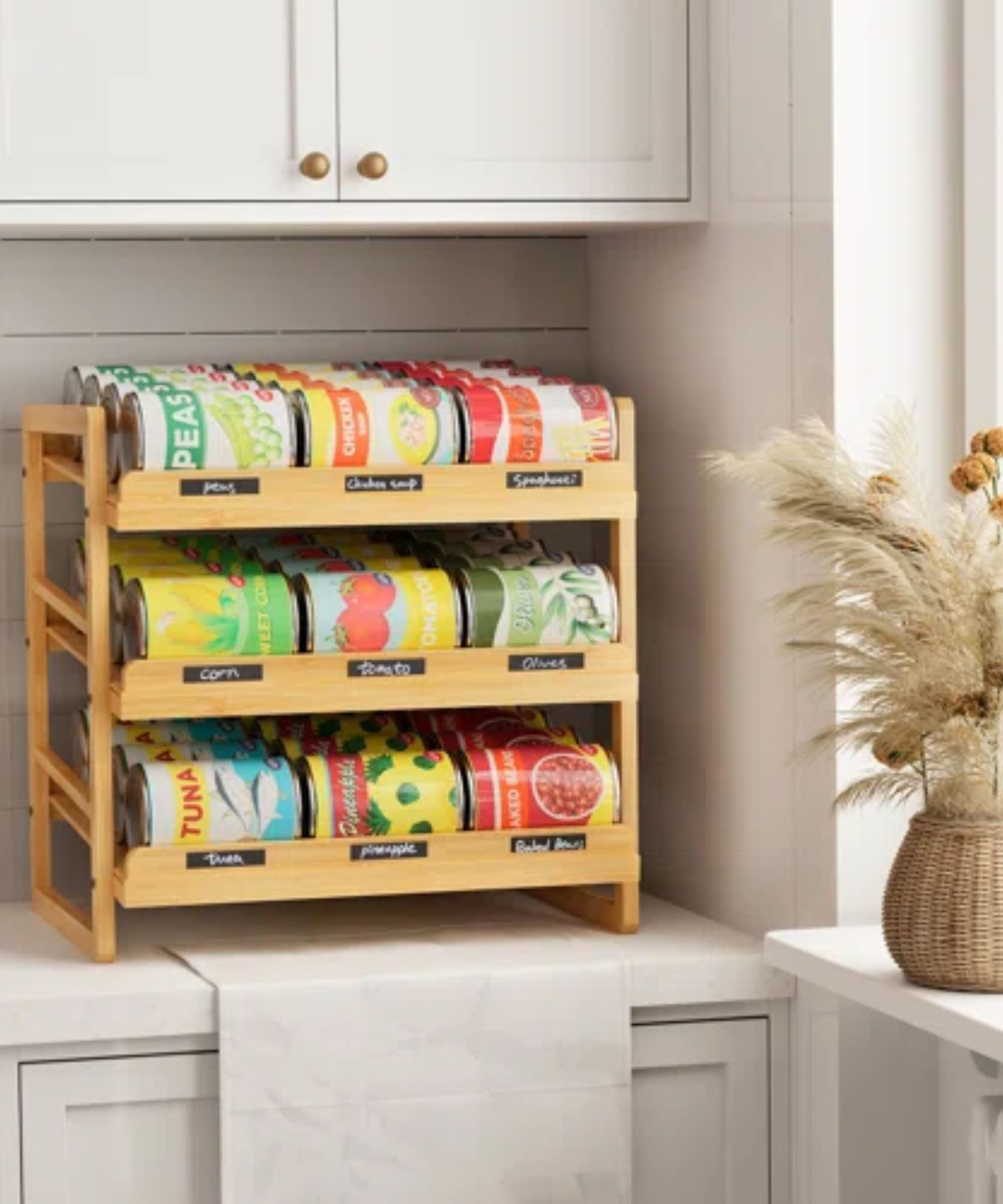
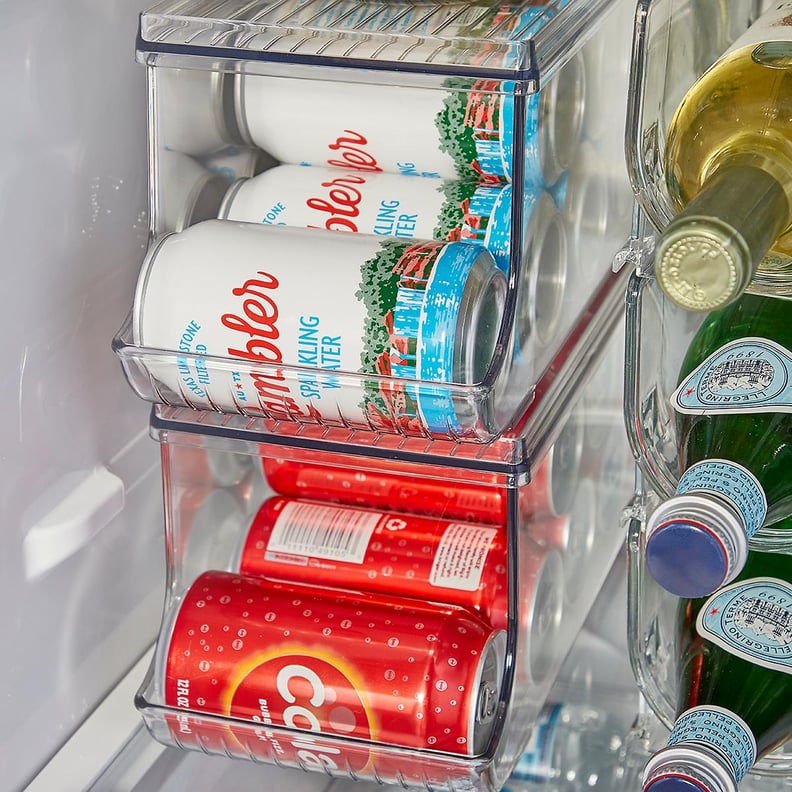
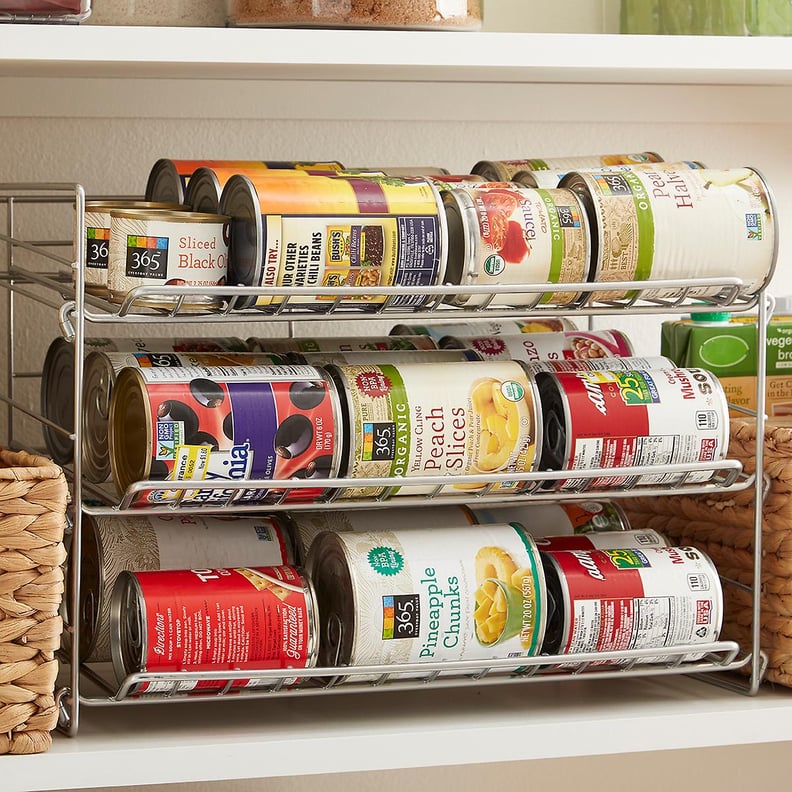
Can dispensers are particularly useful for deep shelves, offering a multi-level organization system that can be customized to fit various can sizes. These dispensers typically have three levels, allowing for larger cans at the bottom and smaller ones at the top. This system ensures a continuous flow, as new cans roll forward when an item is removed. Categorizing canned goods by row in these dispensers makes it easy to monitor inventory levels.
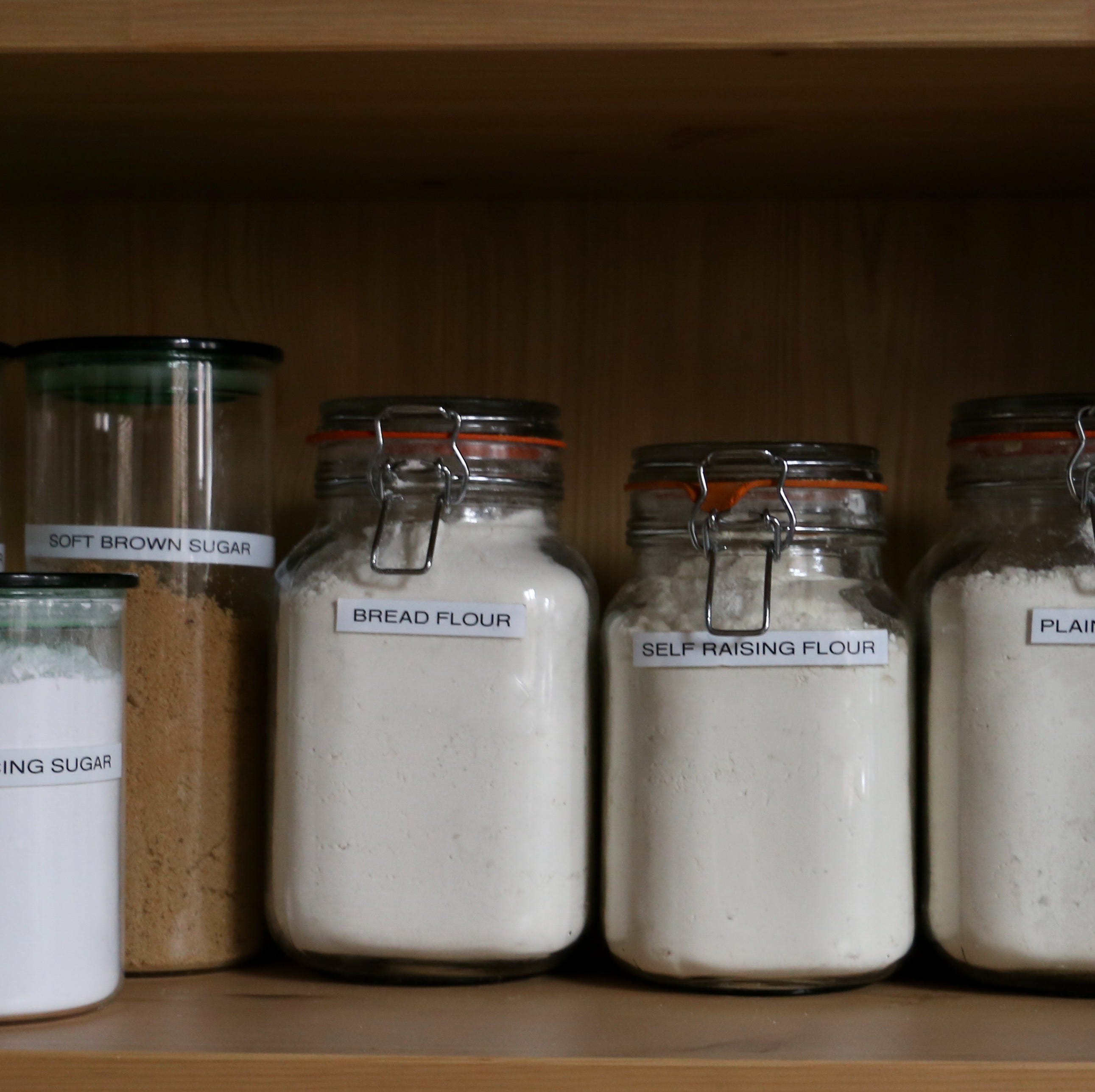
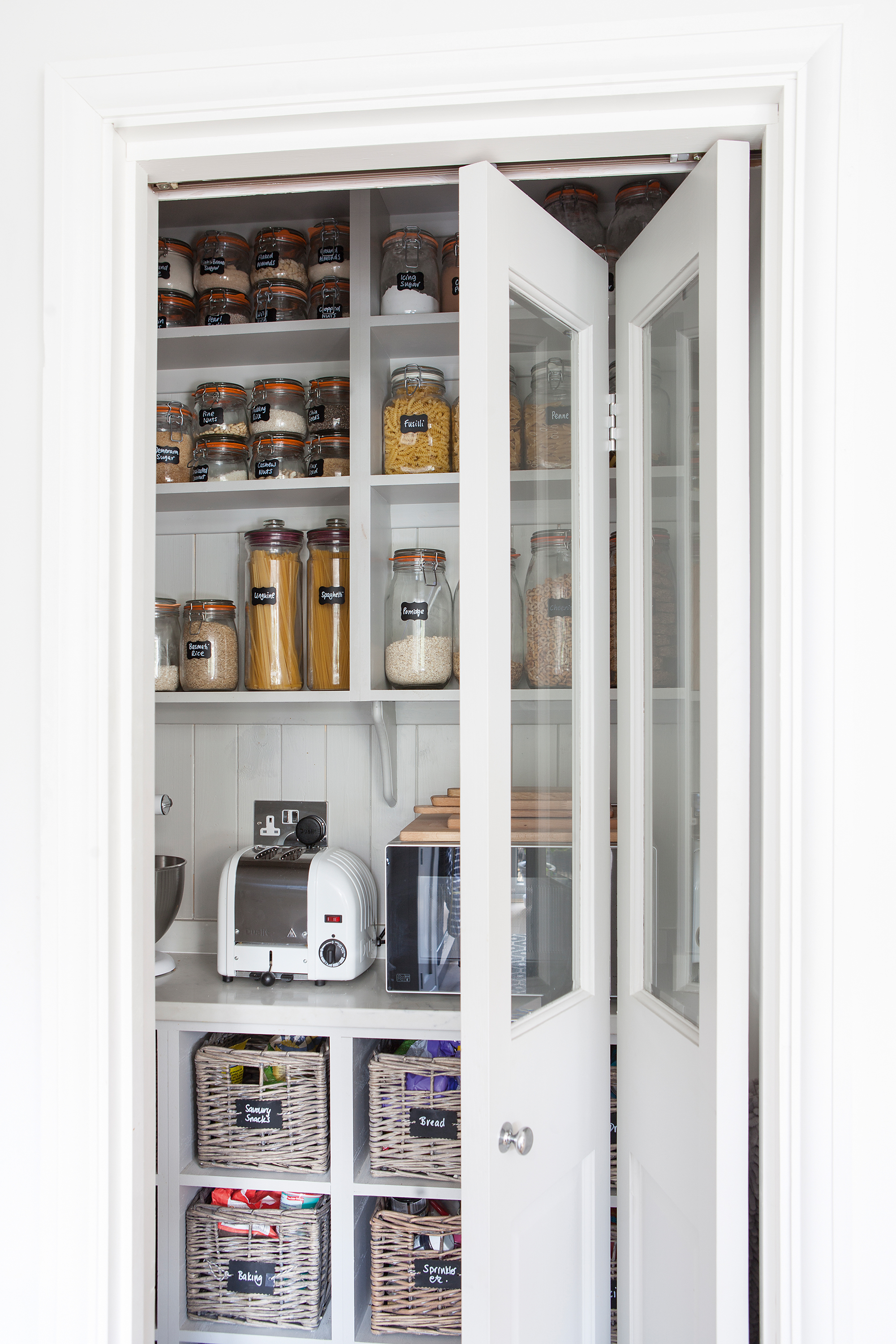
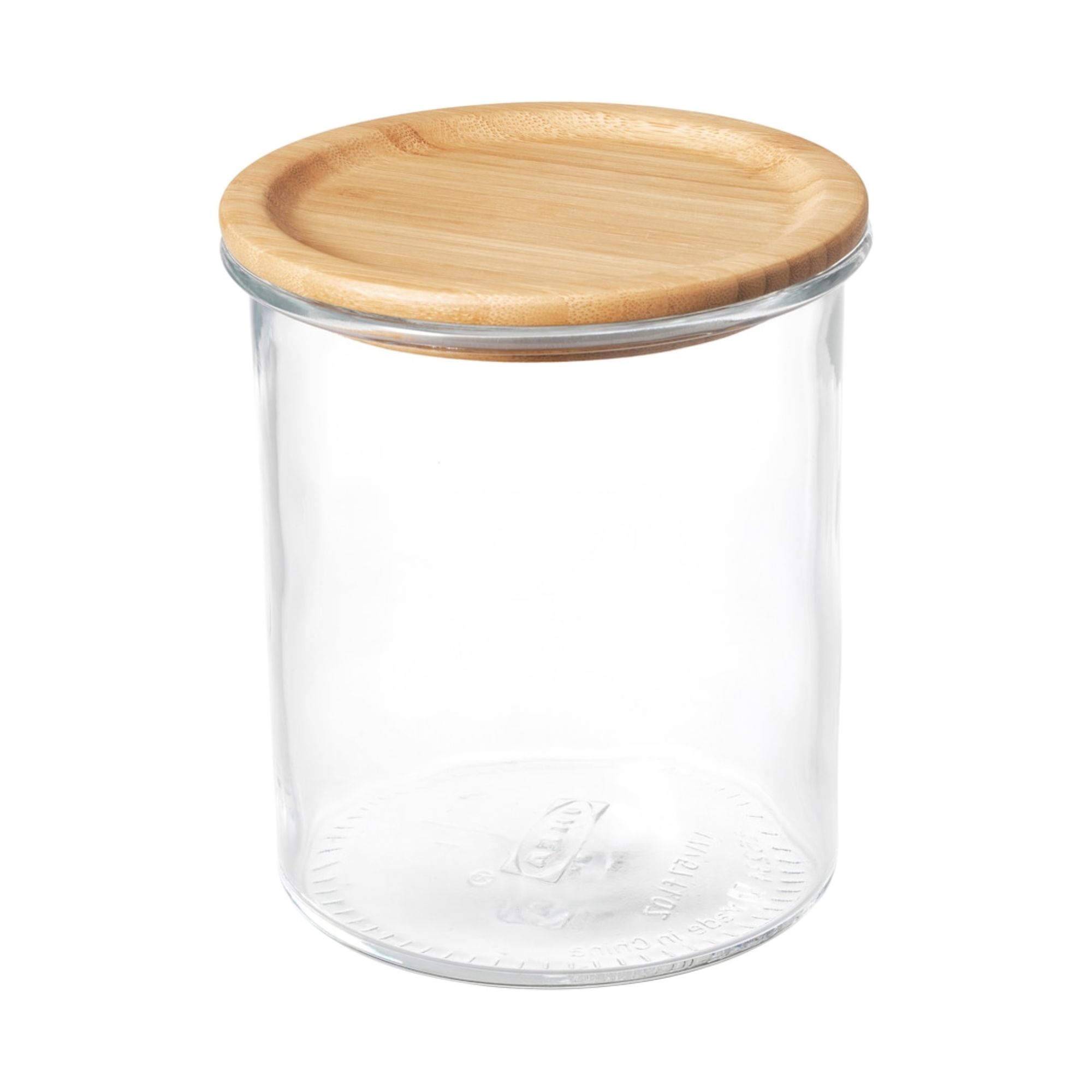
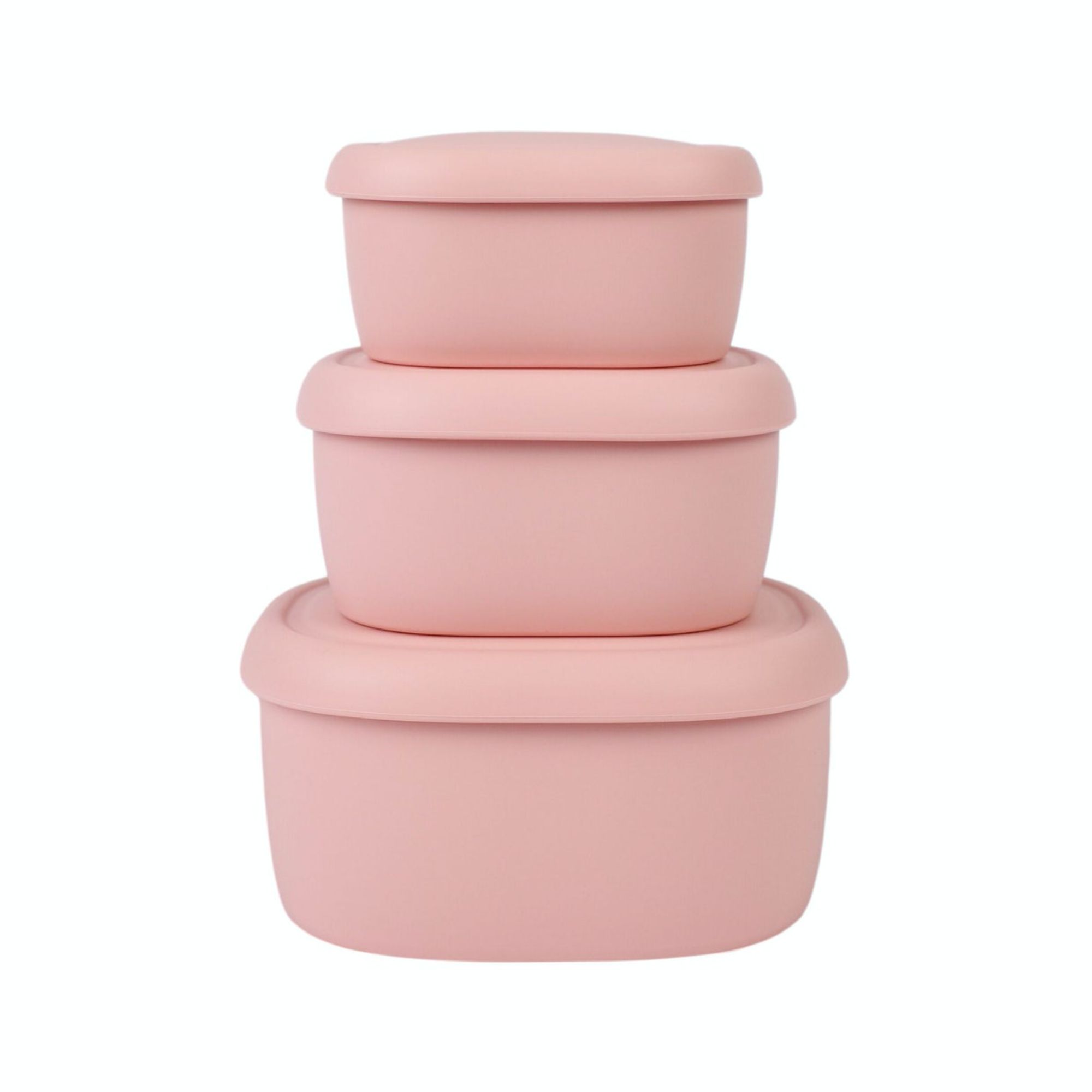
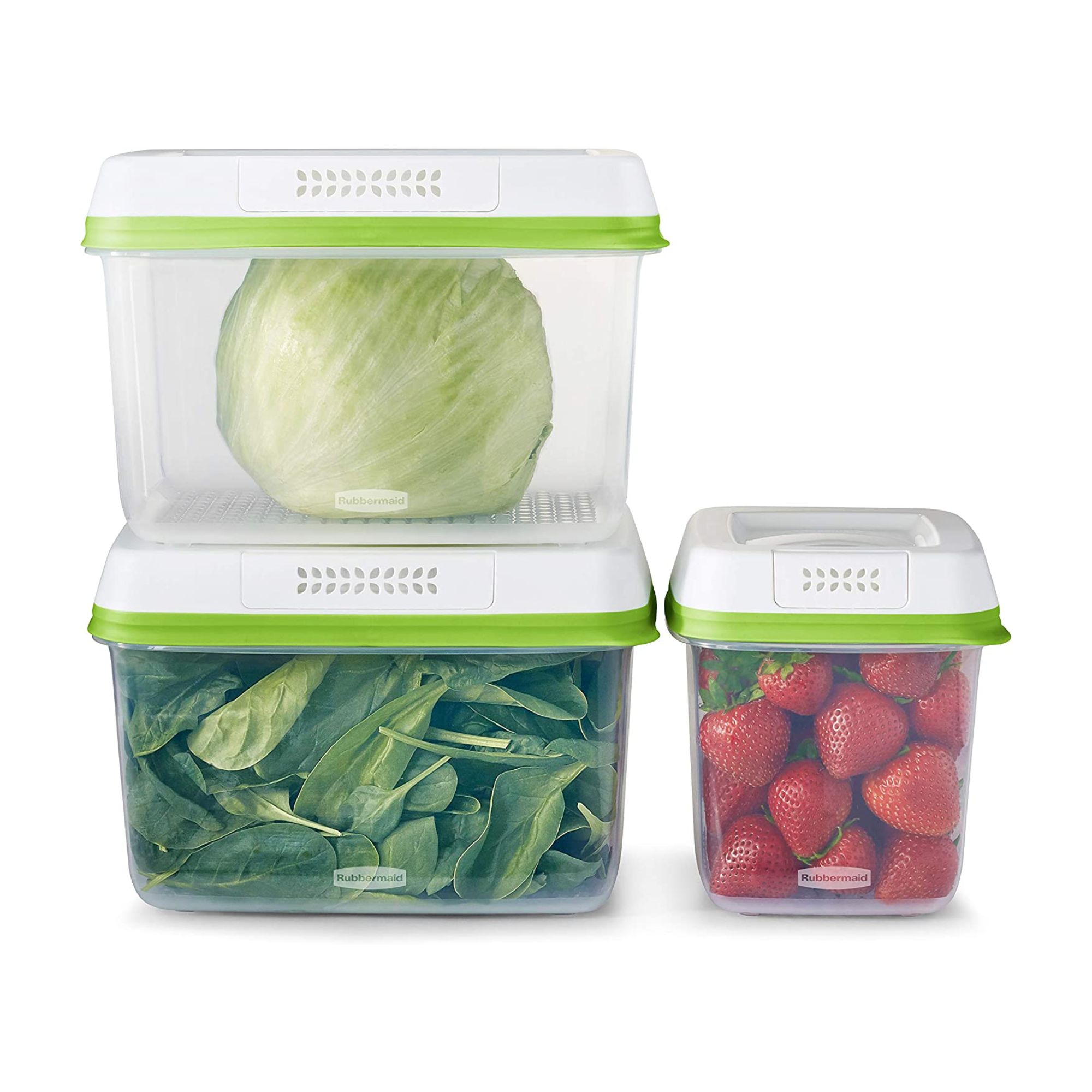
Finally, using bins and baskets provides a simple yet effective way to contain and categorize canned goods on shelves or within drawers. Assigning specific bins for different categories, such as baking items or canned seafood, helps keep items organized and prevents over-purchasing. Labels on each bin further enhance organization, allowing for quick retrieval and inventory management. By implementing these organizational strategies, households can maintain an orderly pantry, reduce waste, and simplify meal preparation.
#CannedFoodOrganization #PantryOrganization #KitchenStorage #HomeOrganization #StorageSolutions #SpaceSaving #FoodStorage #LazySusan #CannedFoodOrganization #PantryOrganization #KitchenStorage #HomeOrganization #StorageSolutions #SpaceSaving #FoodStorage #LazySusan
Há 0 comentários no total
 Ainda não há comentários
Você também pode gostar
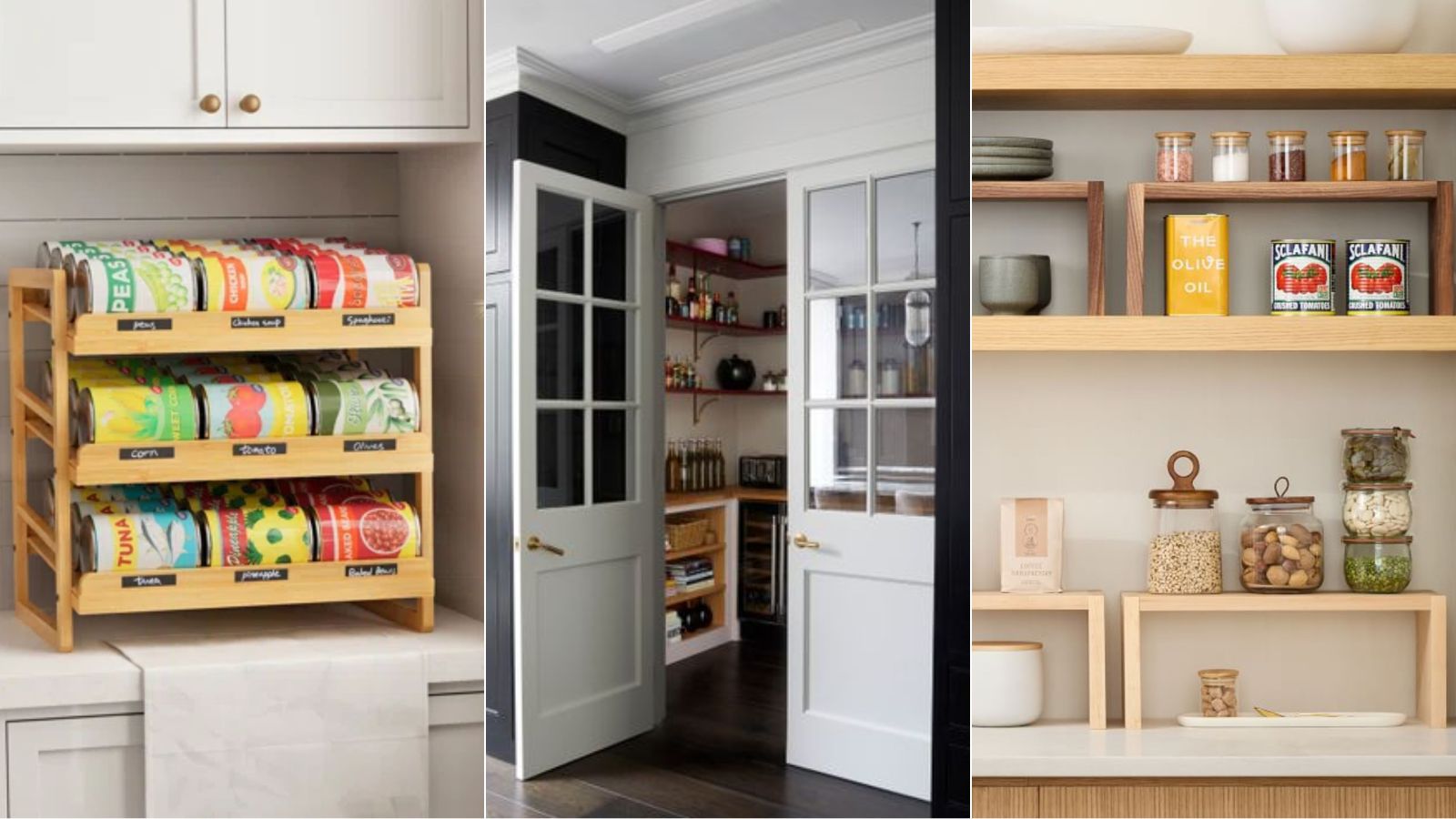
8 ways to organize canned goods so you can actually find them – expert tips

Pros warn never to keep these 8 things in your pantry
These Storage Containers Will Give Your Pantry the Organized Aesthetic You Crave

How to organize your kitchen pantry
6 Things You Should NEVER Keep In Your Pantry, According To Pro Organizers & Chefs
Now's the Time to Clean Your Cluttered Pantry With These 10 Genius Can Organizers
7 Items You Should Never Store In Kitchen Cabinets
The 6 Best Food Storage Containers
9 pantry storage containers to make your snack organization look TikTokable

13 Items You Should Remove from Your Pantry Right Now
5 Items in Your Pantry to Throw Away Right Now, and What to Buy Instead

The Best Advice I Got from 2 Pro Organizers About the Smartest Way to Organize a Pantry

How to Organize Your Food Storage Containers the Right Way
11 things you should never store in a pantry, according to experts

Pantry design tips: how to organise your kitchen storage

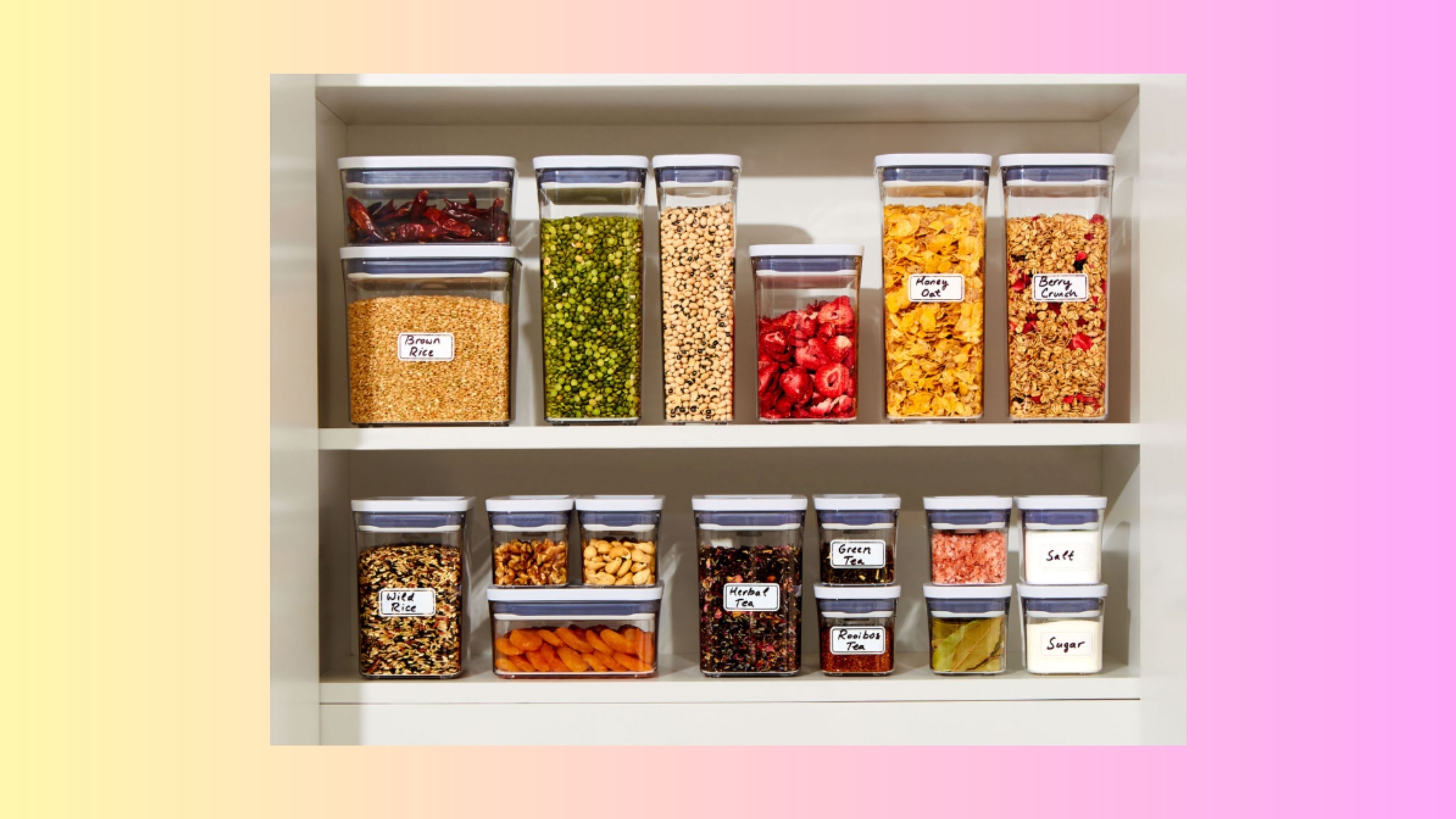
Kickstart your kitchen decluttering with the kitchen storage containers reviewers are raving about
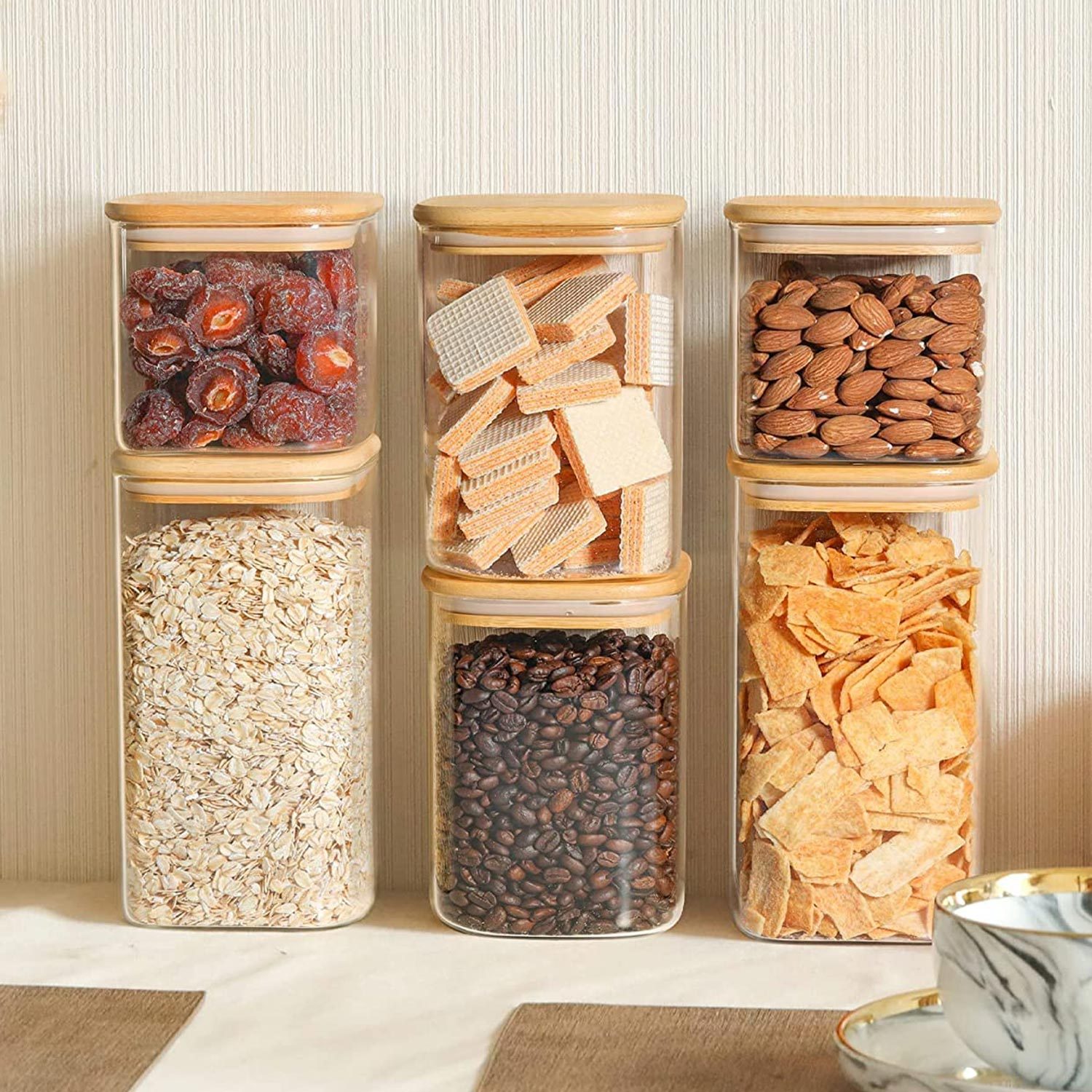
The 8 Best Pantry Storage Containers of 2025

7 things people with organized kitchen pantries always do
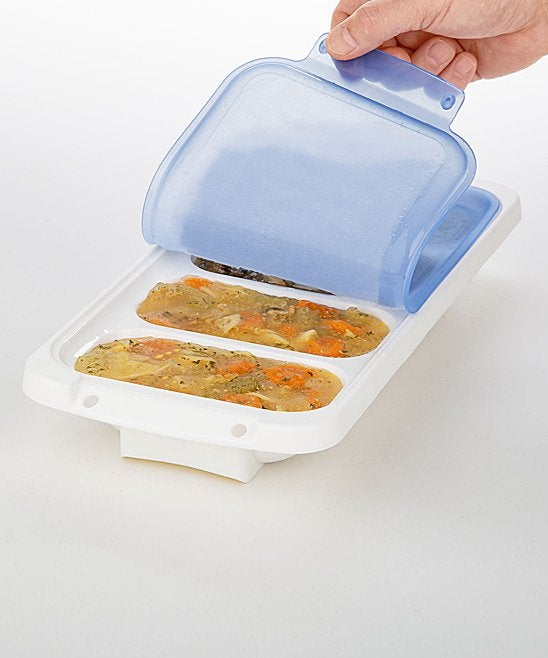
This Sparks Joy: The Food Storage Containers That Really Get Me Goin'

7 Surprising Things Pro Organizers NEVER Do in Their Own Pantry