1/23
Upcycled furniture ideas – 23 easy DIY revamps and repurposing projects
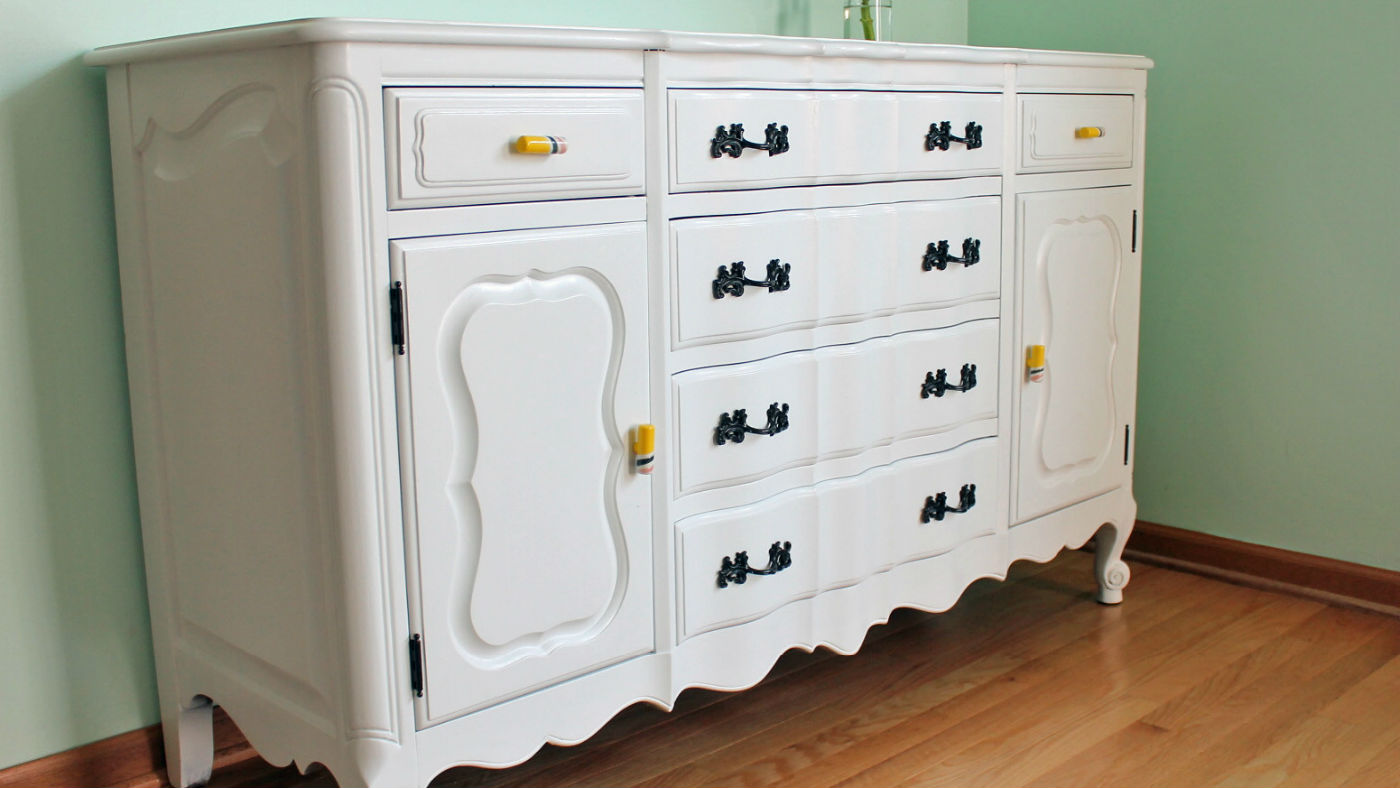
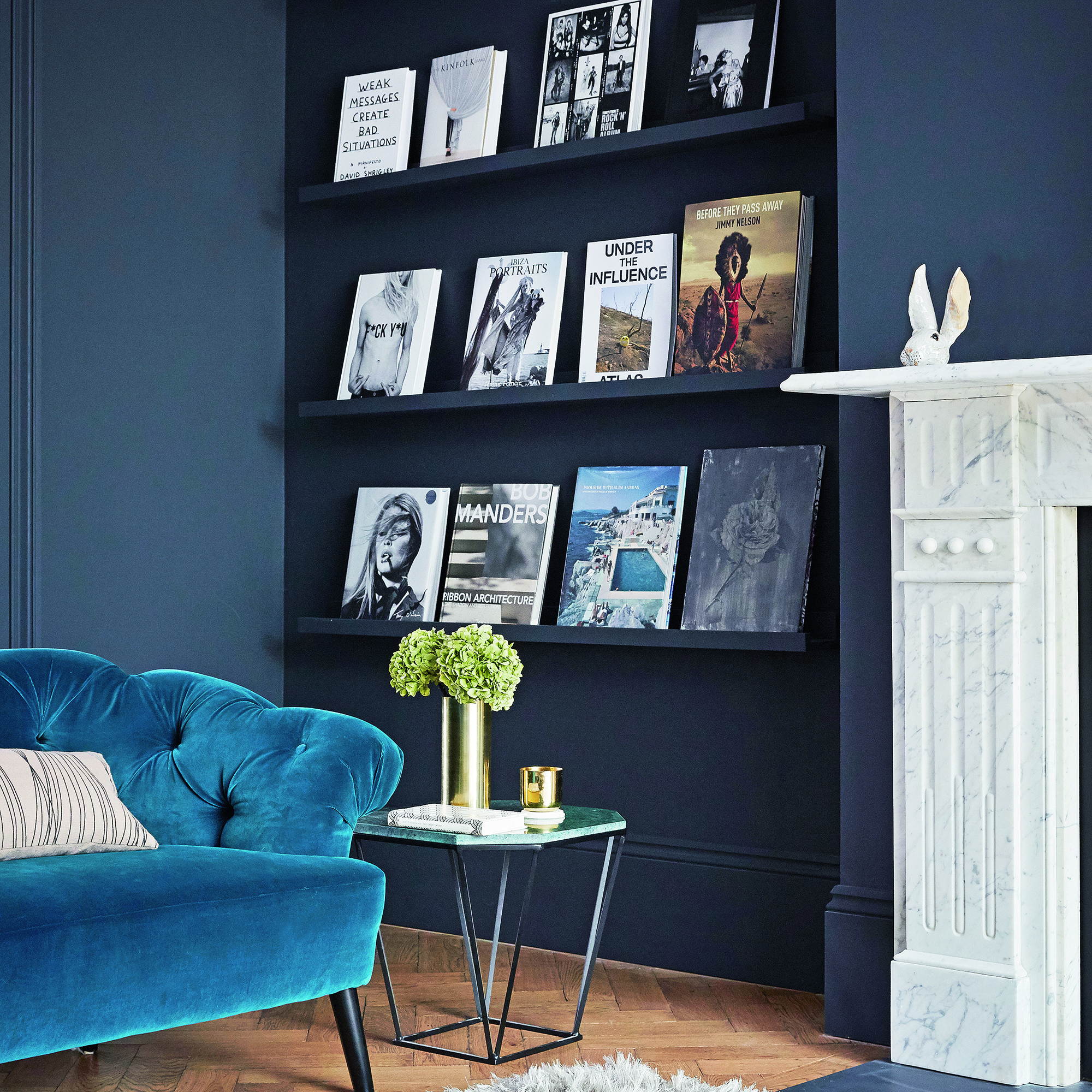
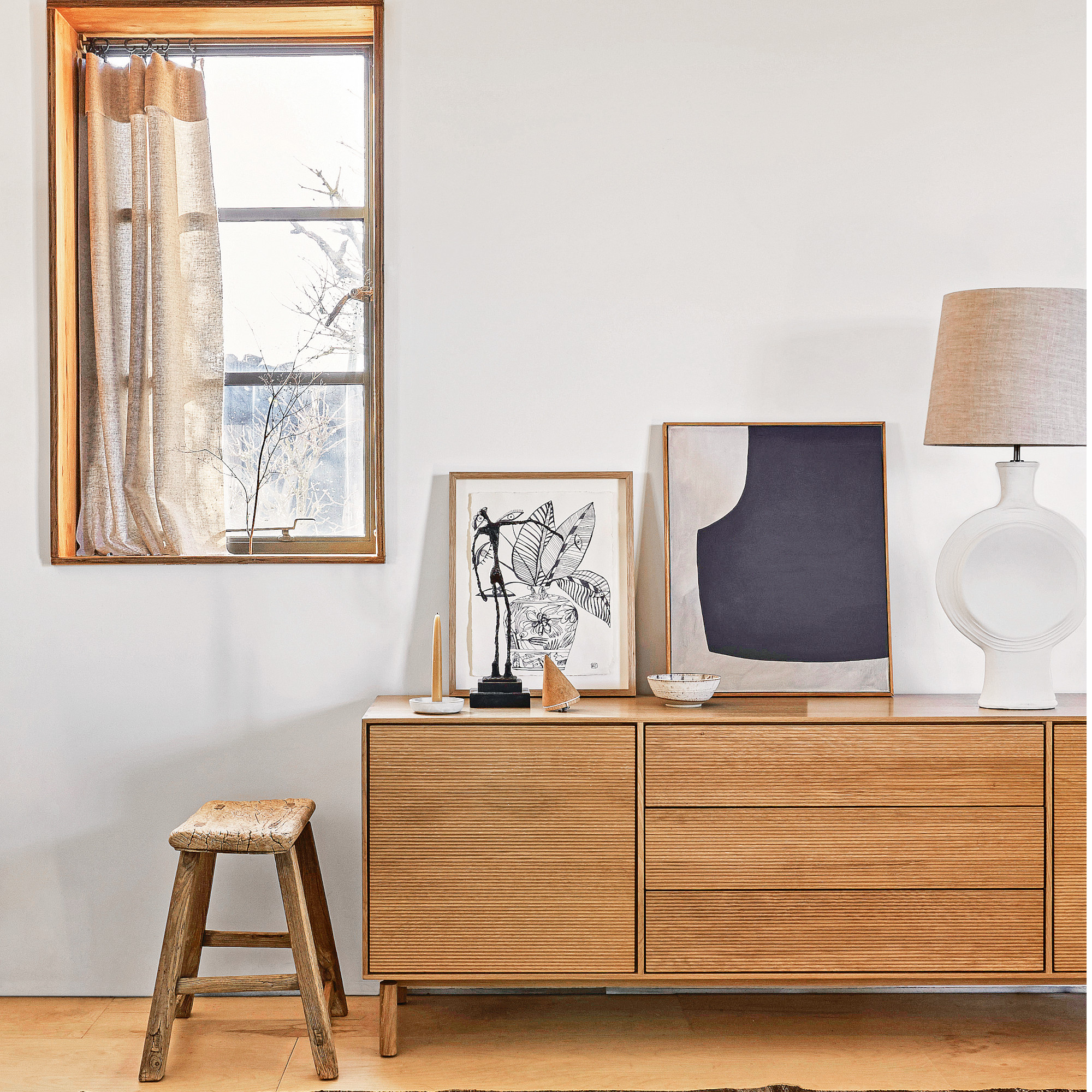
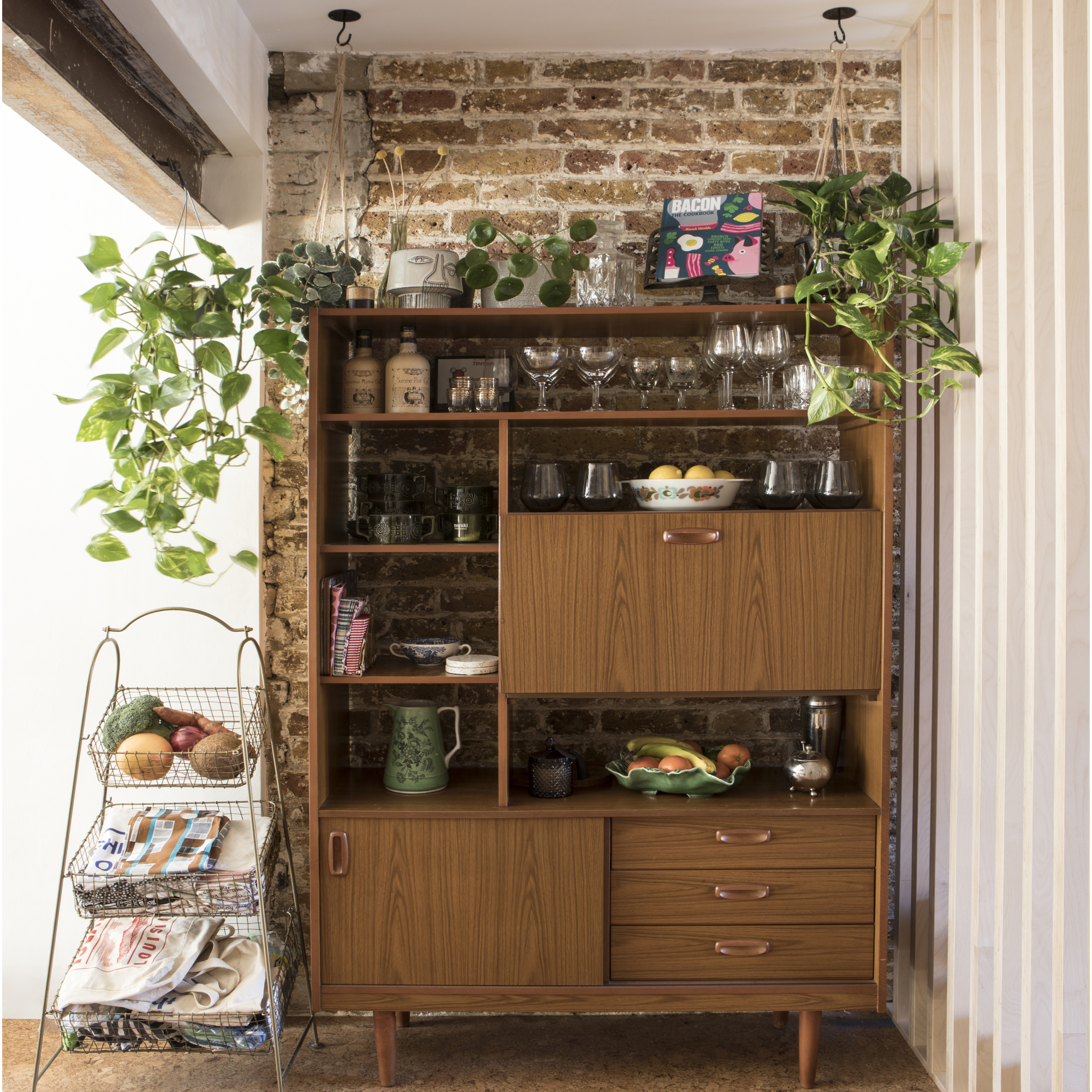
The article explores the growing trend of upcycled furniture, emphasizing its role in reducing waste, promoting sustainability, and creating bespoke pieces for the home. Upcycling, as defined by designer Max McMurdo, involves adding value to old items through clever design, making them more desirable financially, aesthetically, and emotionally, distinguishing it from mere recycling. This movement transforms preloved furniture and household accessories into beautifully personalized items.
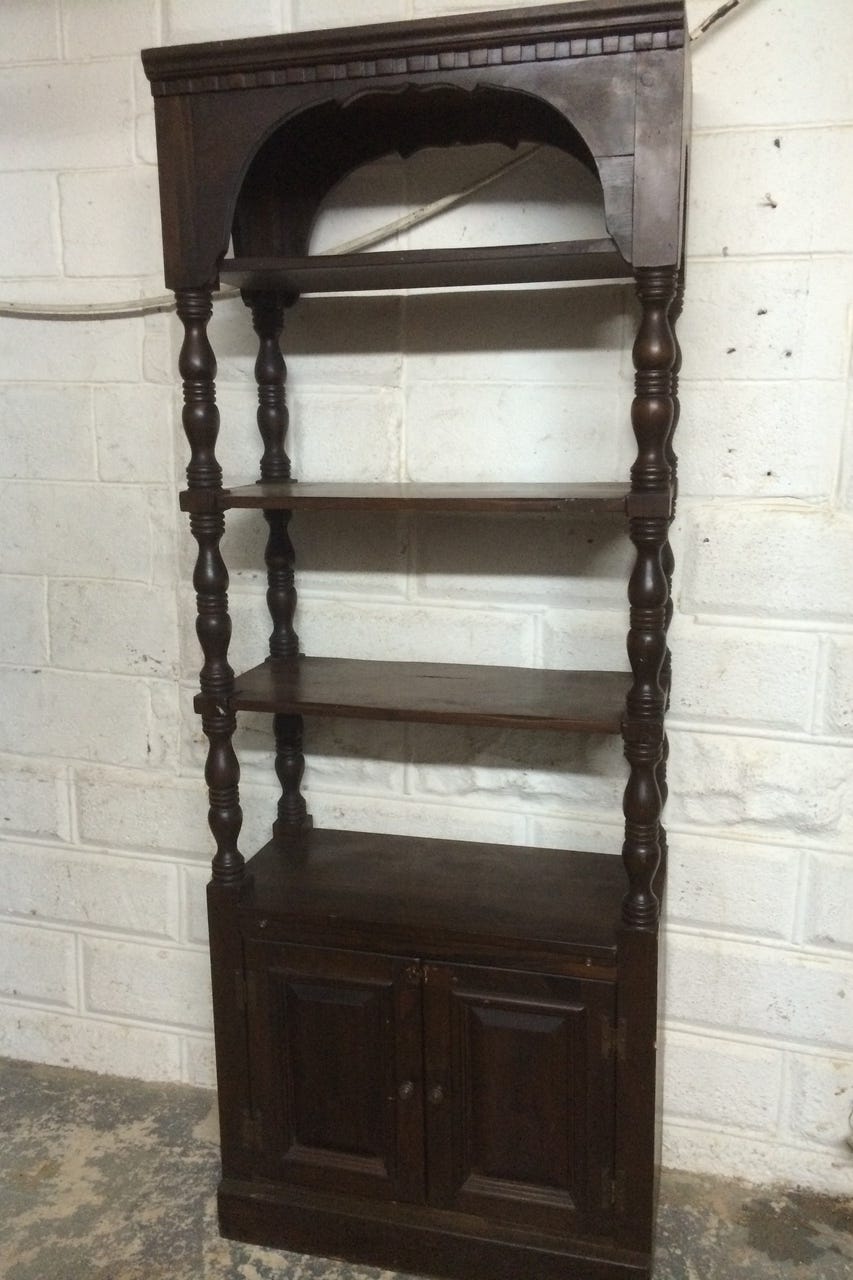
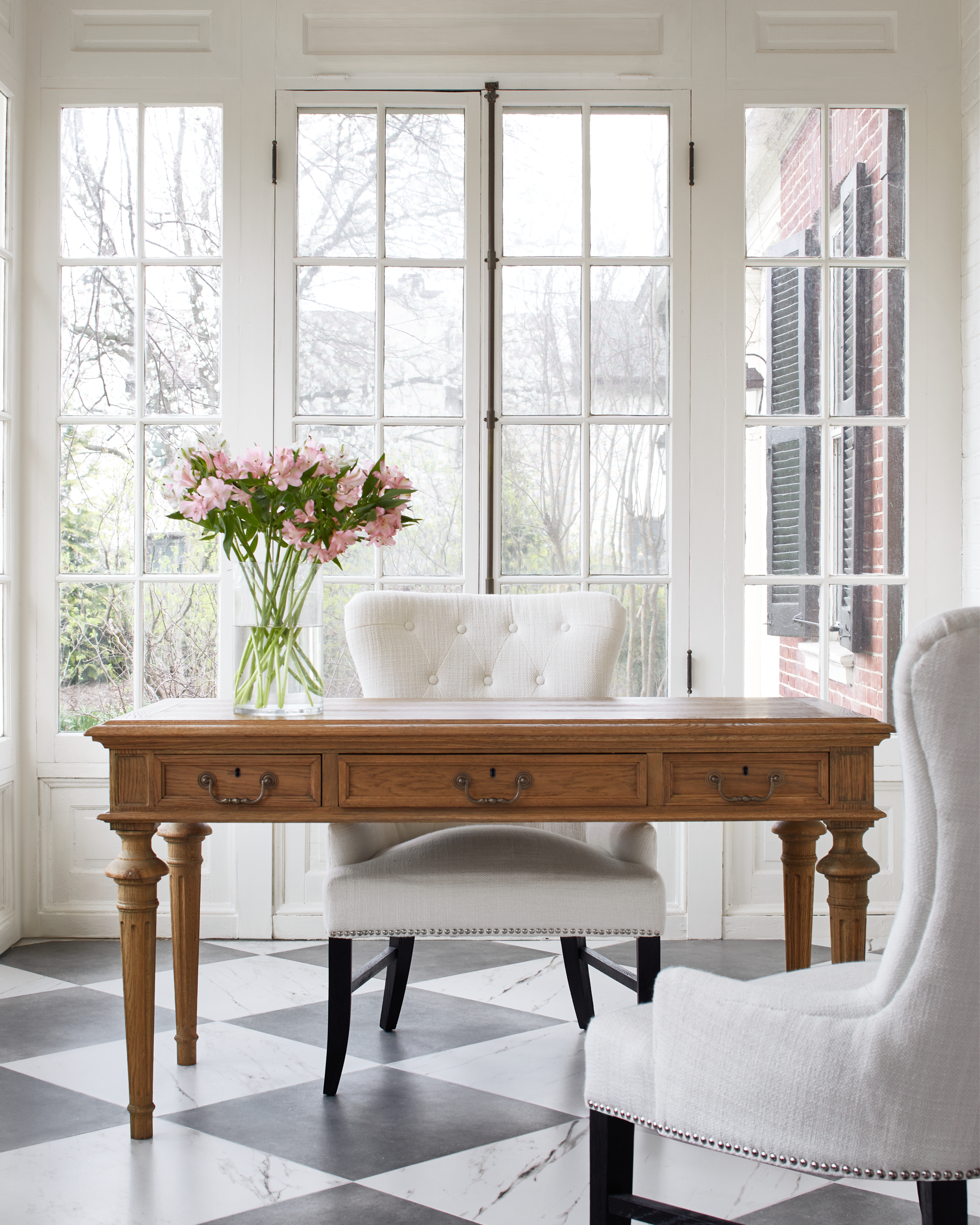
The core concept of upcycling revolves around imagination and a few simple tools, allowing individuals to save money and reduce waste. The article provides 23 distinct ideas for upcycling, ranging from transforming sideboards into fashionable statement pieces to crafting bathroom vanity units from old tables. Each idea offers a practical DIY project, suitable for various skill levels and tastes.
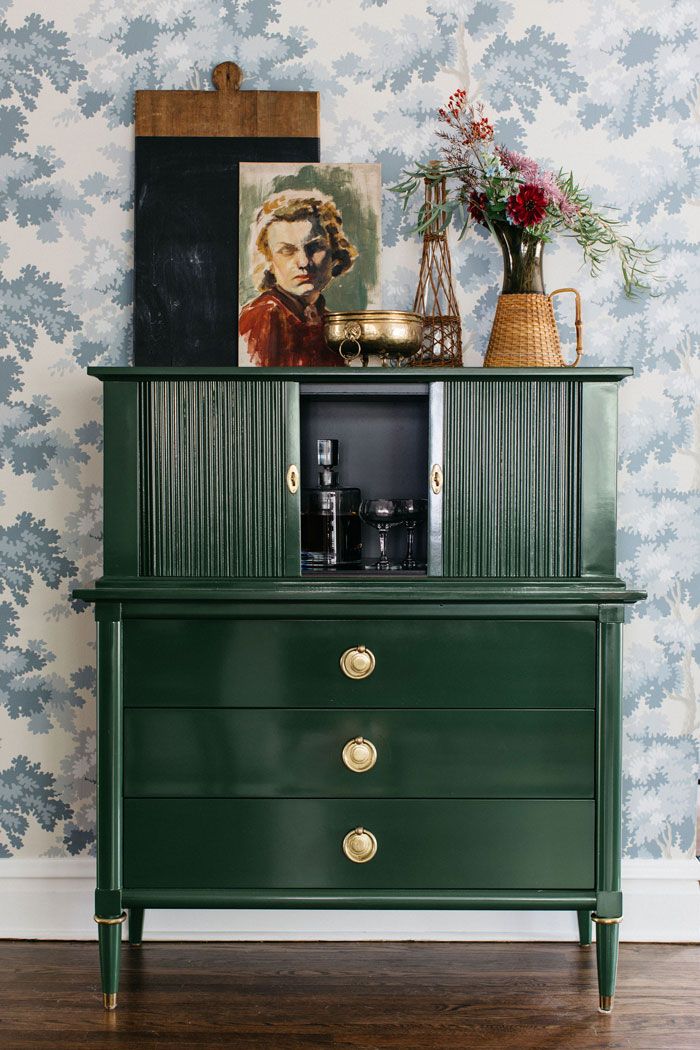
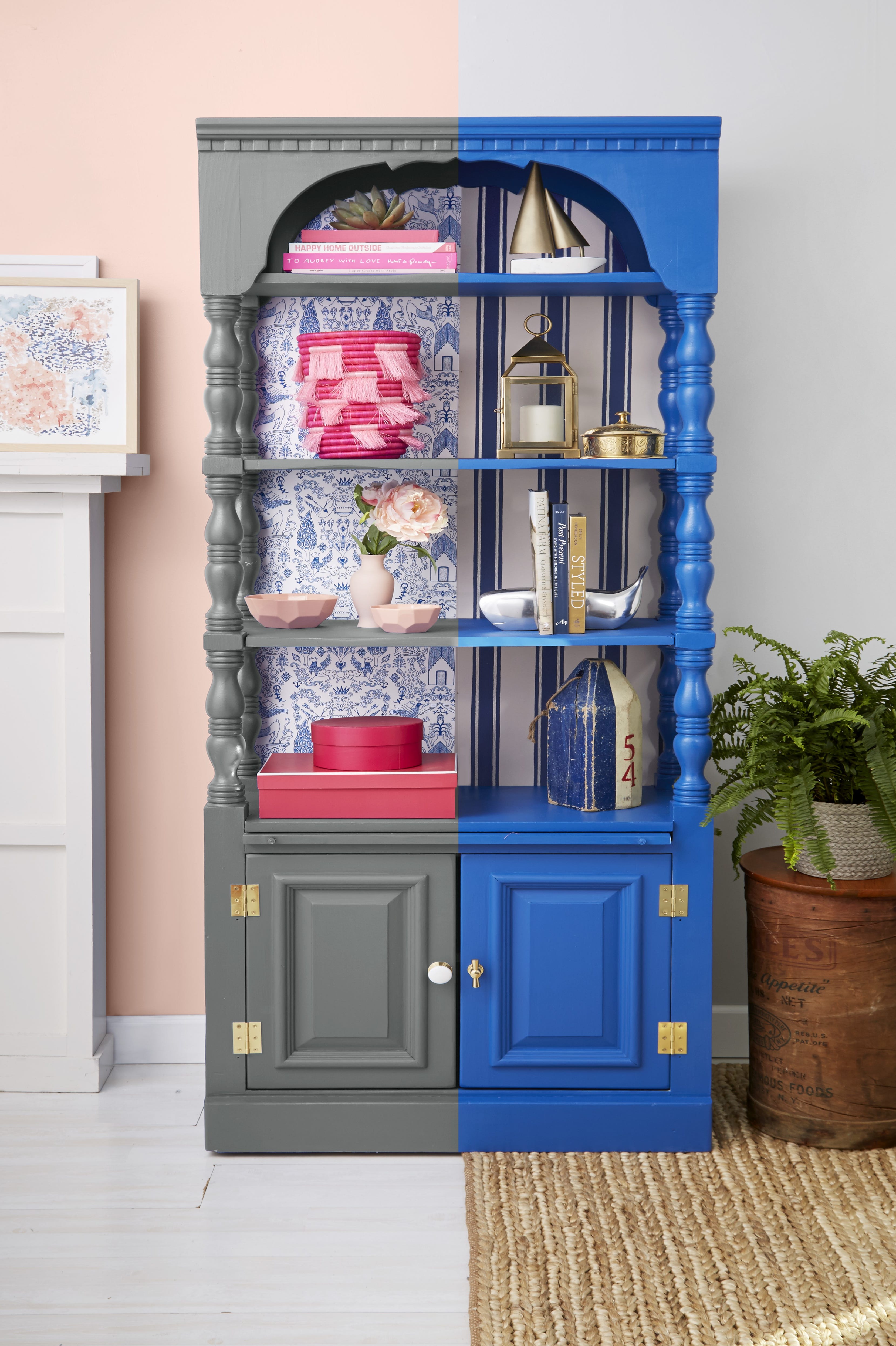
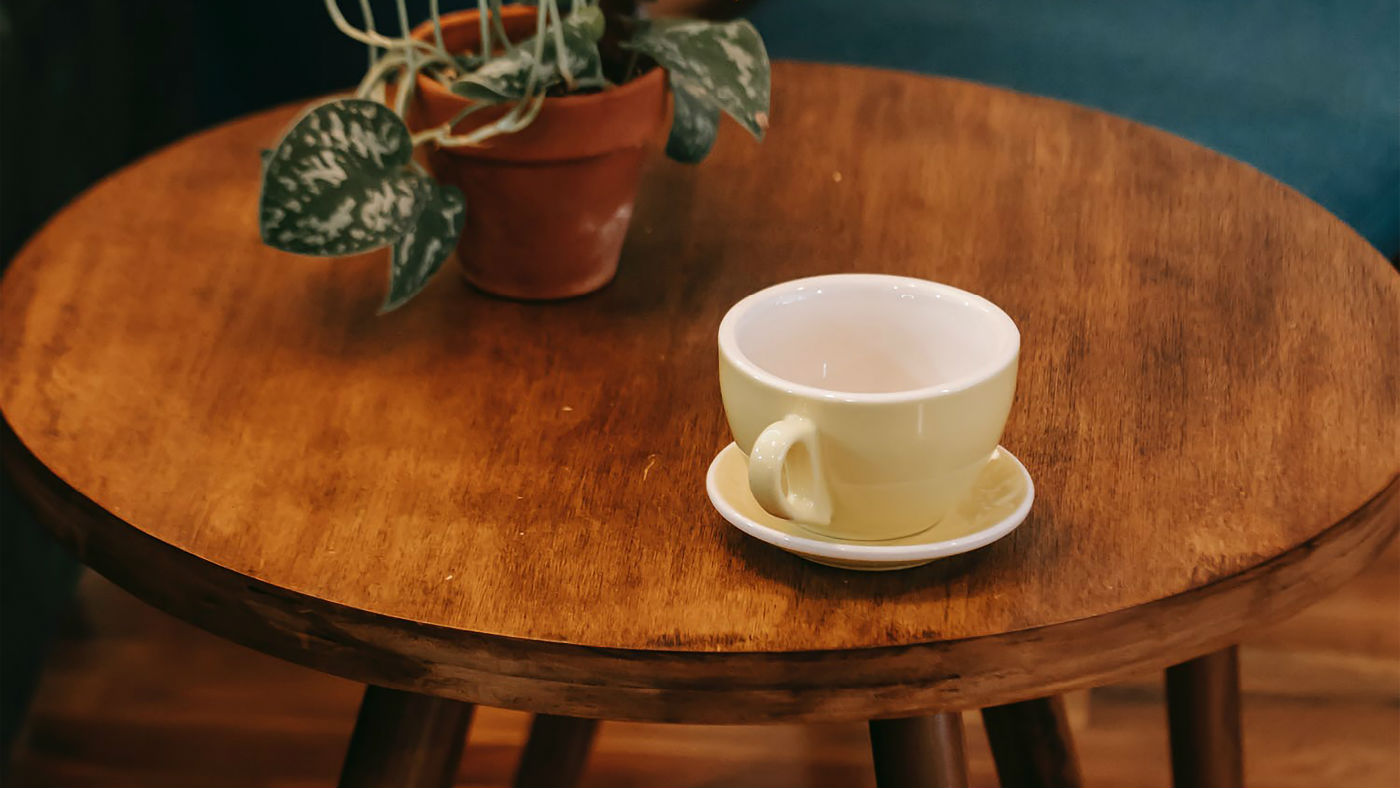
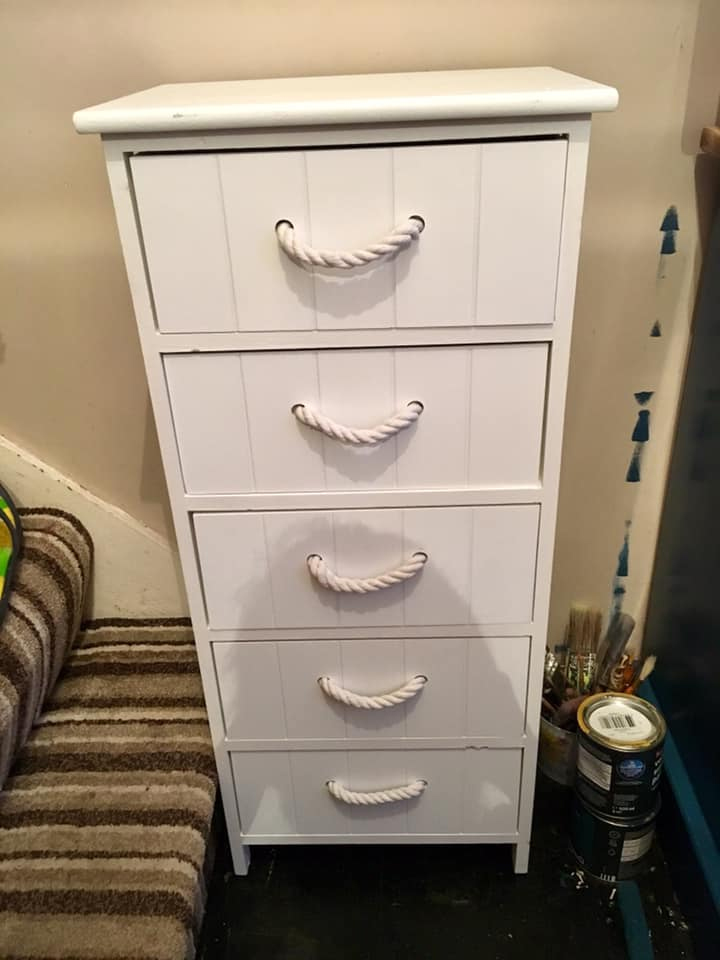
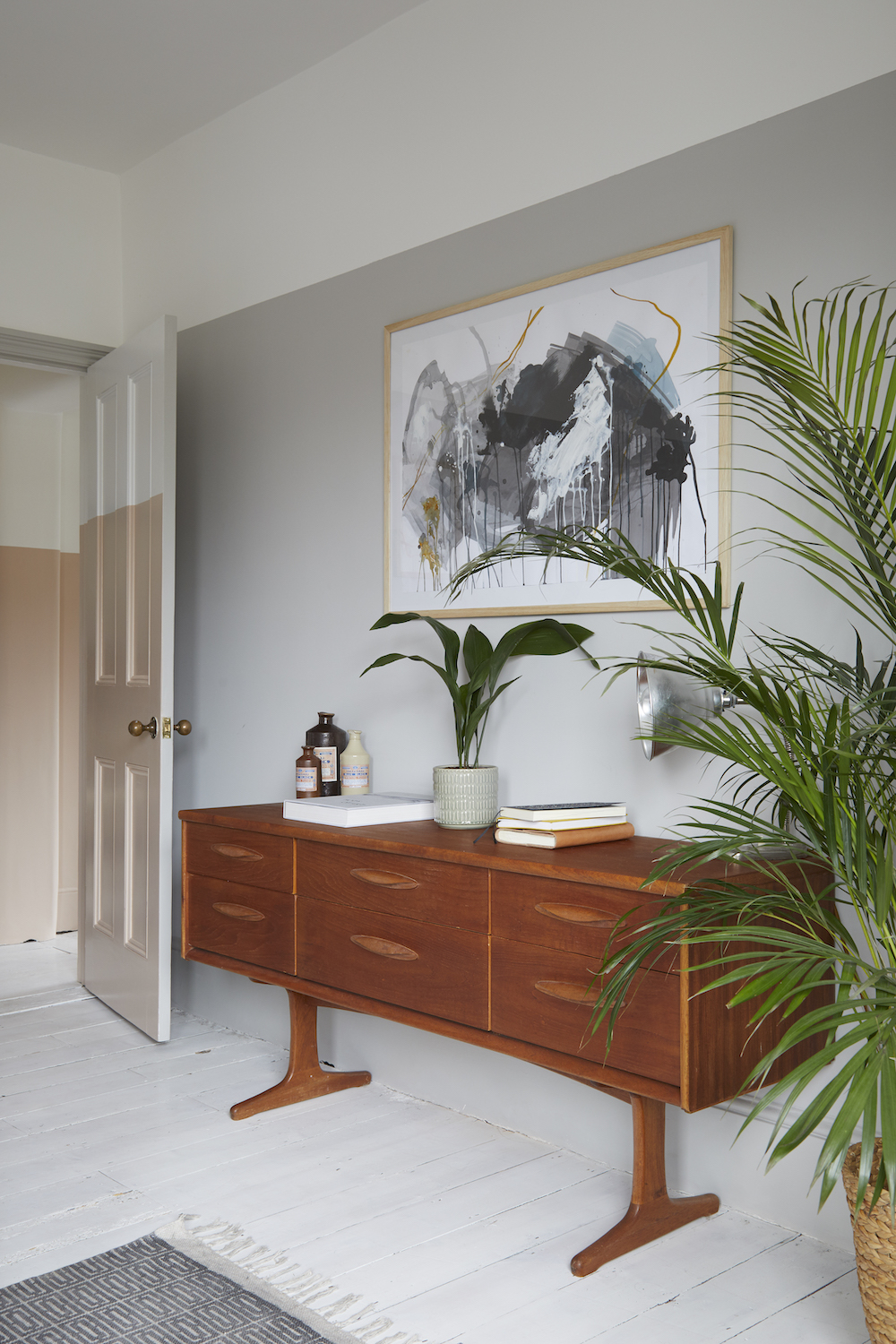
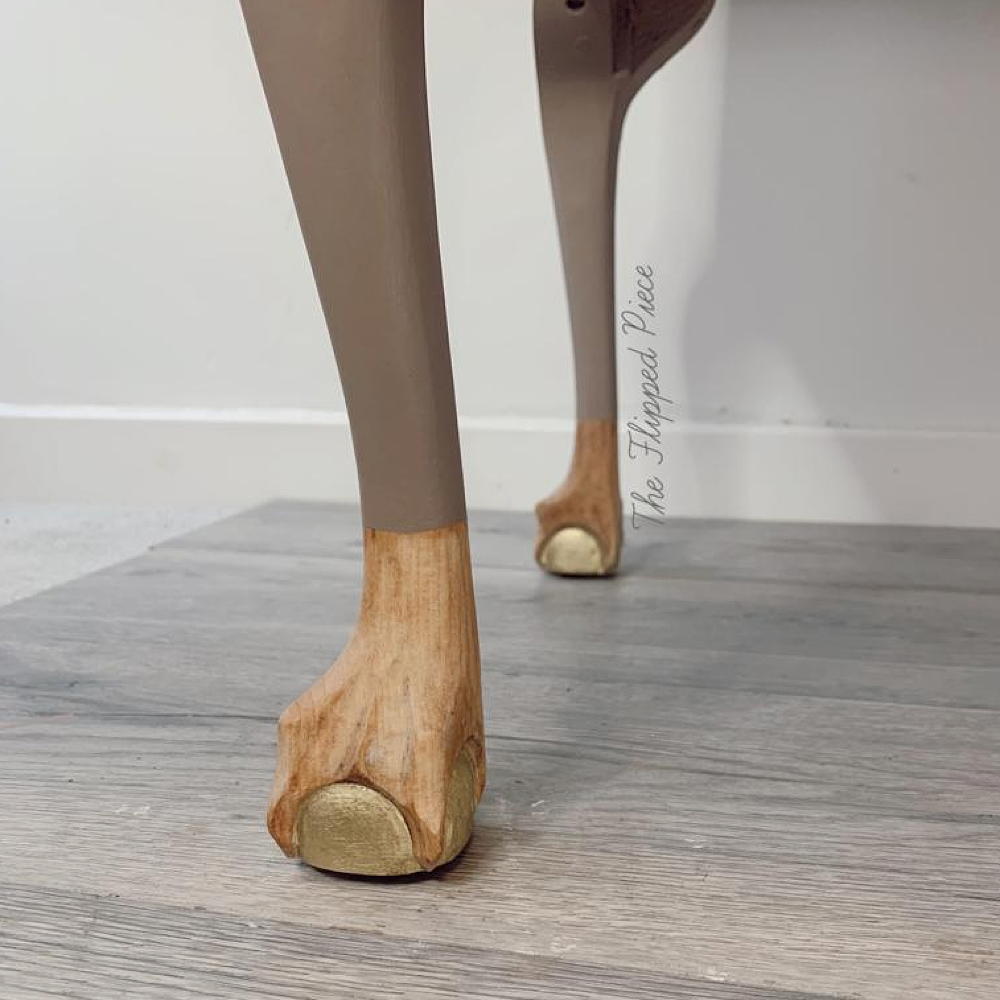
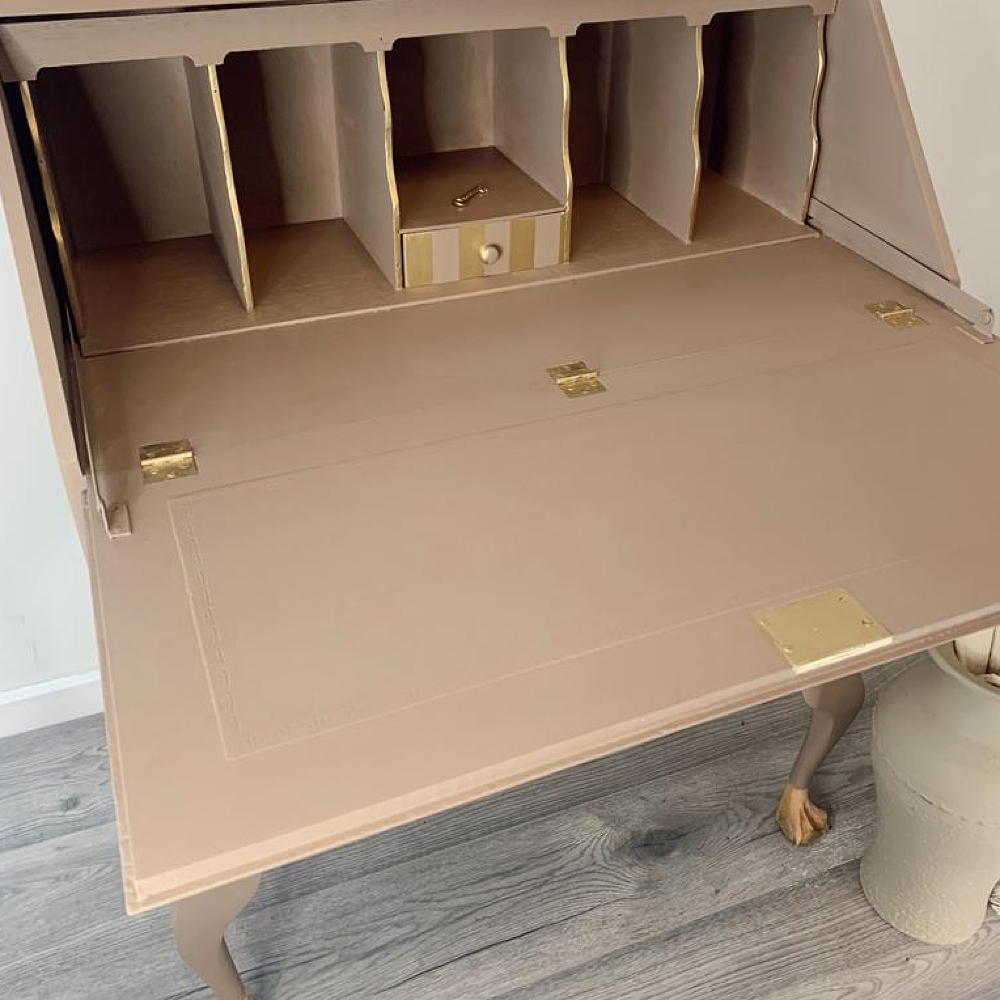
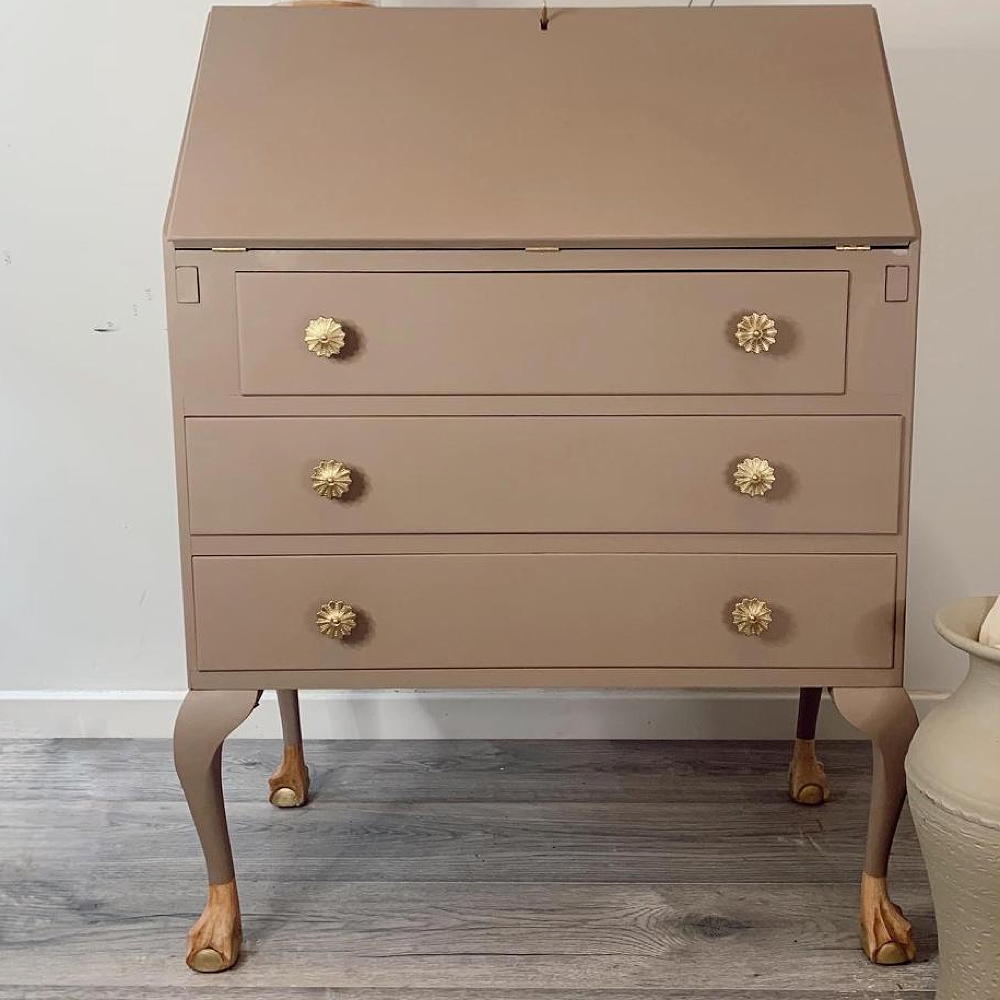
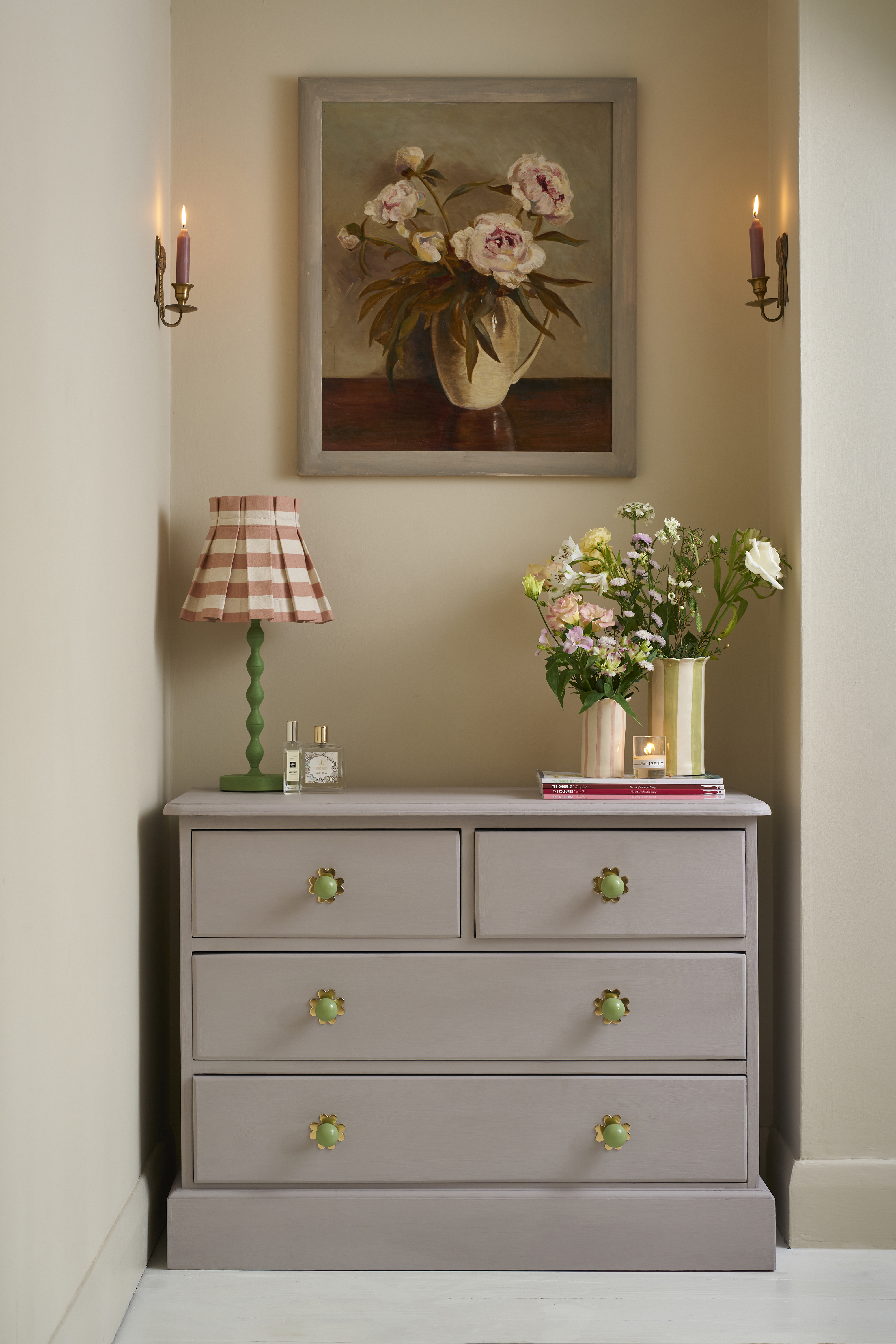
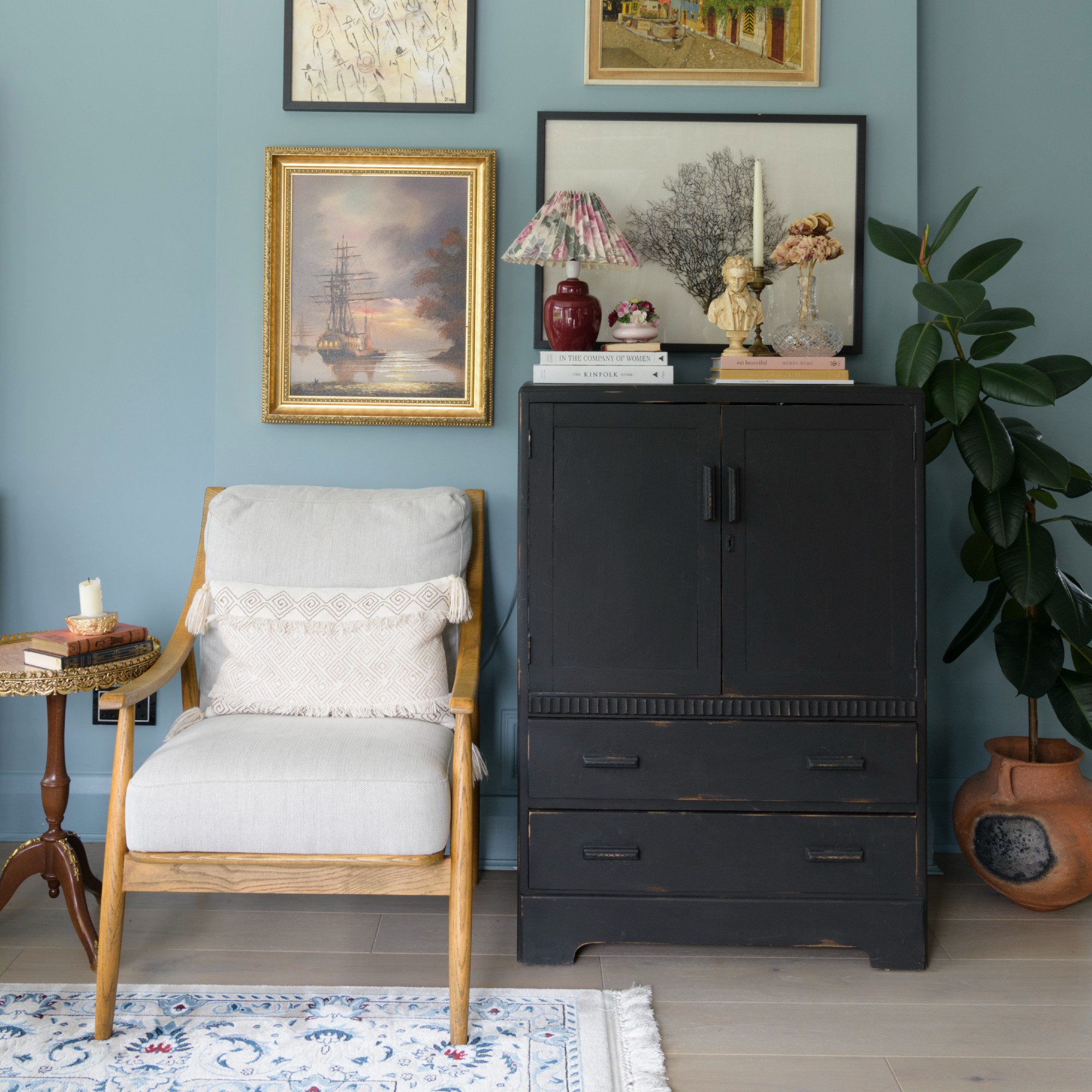
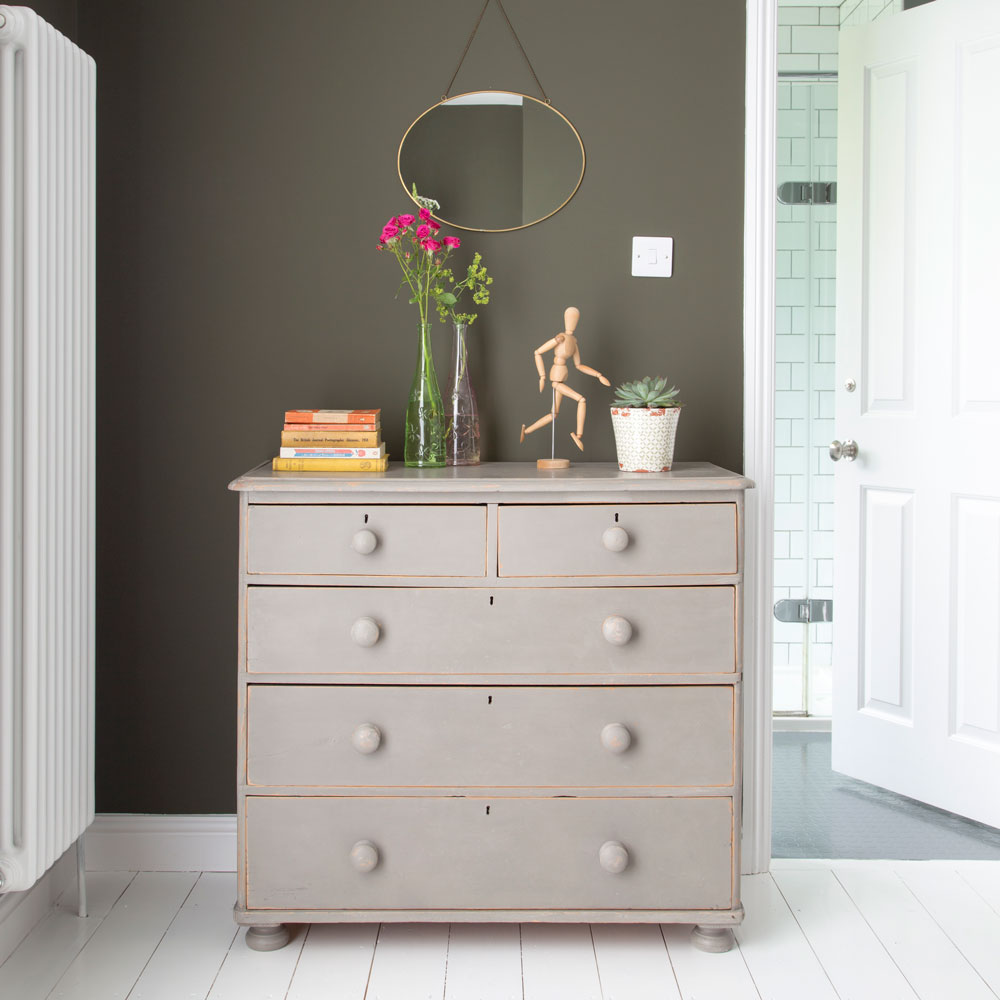
Several ideas focus on paint as a primary tool for transformation. For instance, painting the inside of drawers with a vibrant color while keeping the exterior neutral can create a pleasant surprise and add a pop of color to a room. Modernizing a dated sideboard with an on-trend color requires careful planning to avoid mistakes and ensure a chic finish. Annie Sloan, a notable expert in furniture painting, suggests planning the style beforehand to suit one's home and personality. She also highlights painting dining table legs a different color from the top as an effective way to refresh an old wooden table, concealing scuff marks with a burst of color.
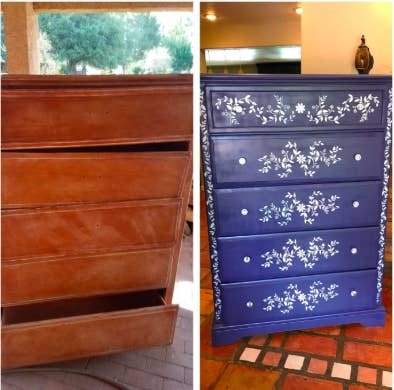
Beyond paint, the article delves into more structural and creative repurposing. Charity shop finds or small items like old stools are recommended as starting points for beginners. A plain white sideboard can be transformed into a captivating cane creation by adding cane webbing to doors and updating handles, offering a cost-effective alternative to purchasing new designer pieces. Stencils provide another avenue for personalizing furniture, especially large items like sideboards or chests of drawers, to reflect individual taste. Max McMurdo's idea of constructing a dining table from salvaged scaffolding materials demonstrates how industrial elements can be combined with rustic boards for a robust and stylish solution, emphasizing modularity and ease of storage.
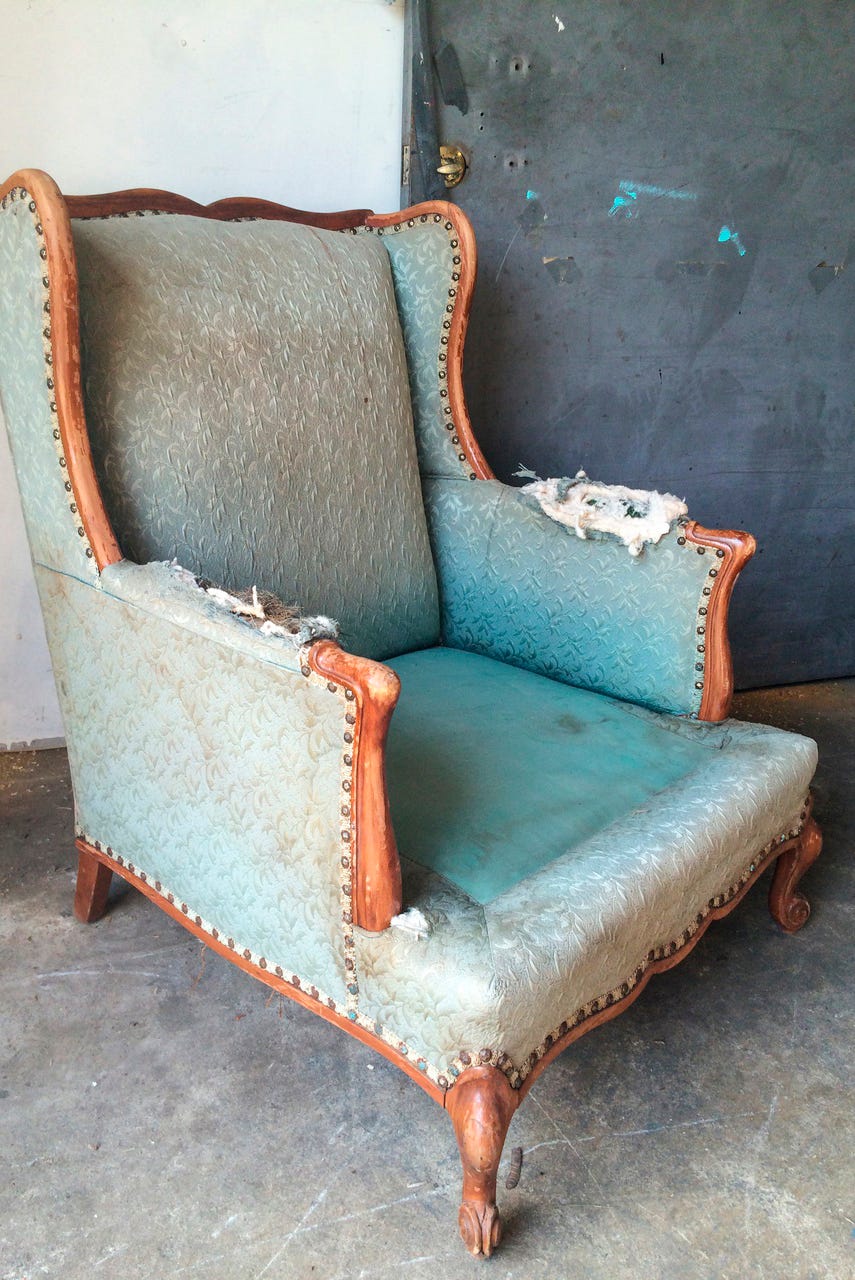
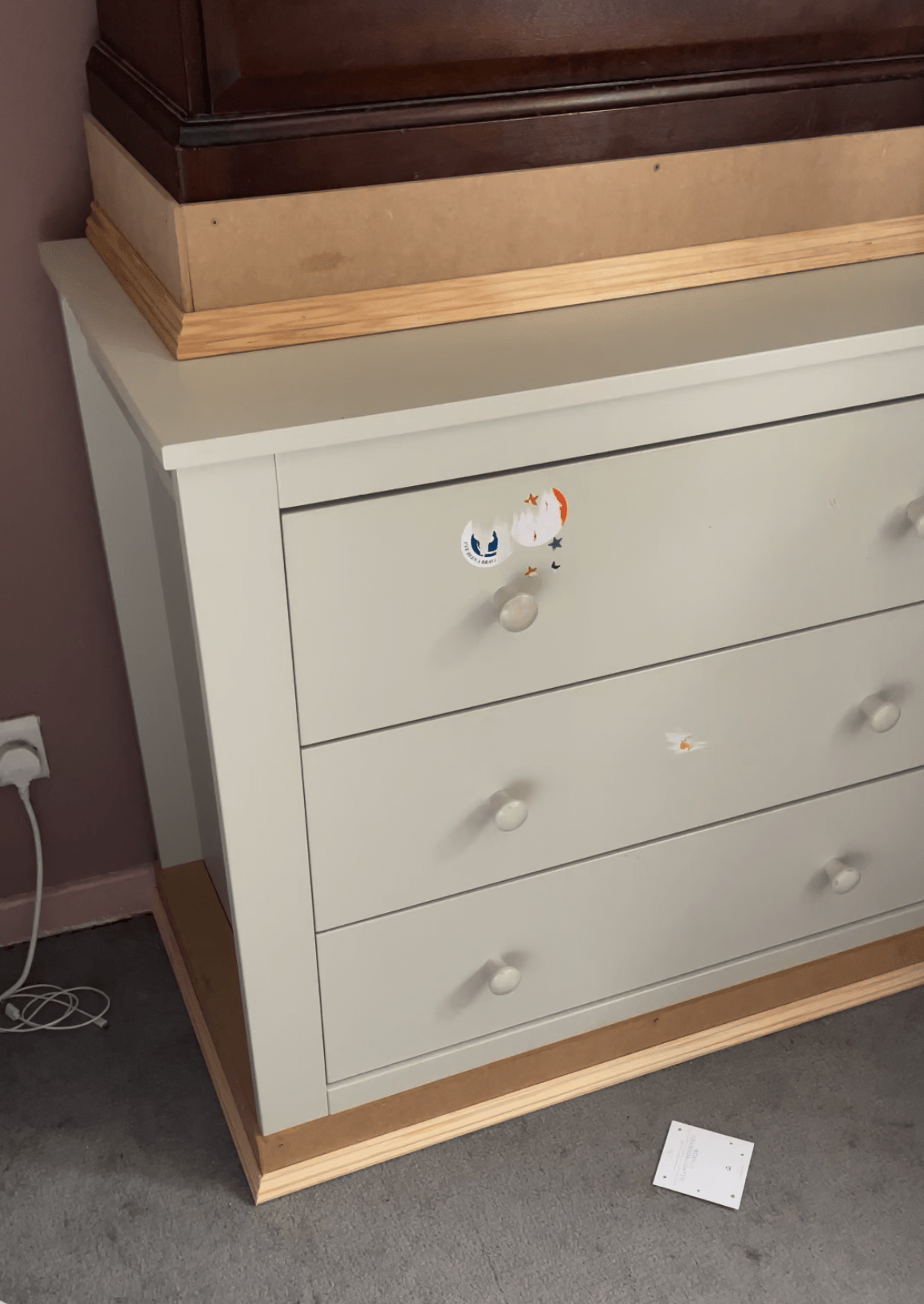
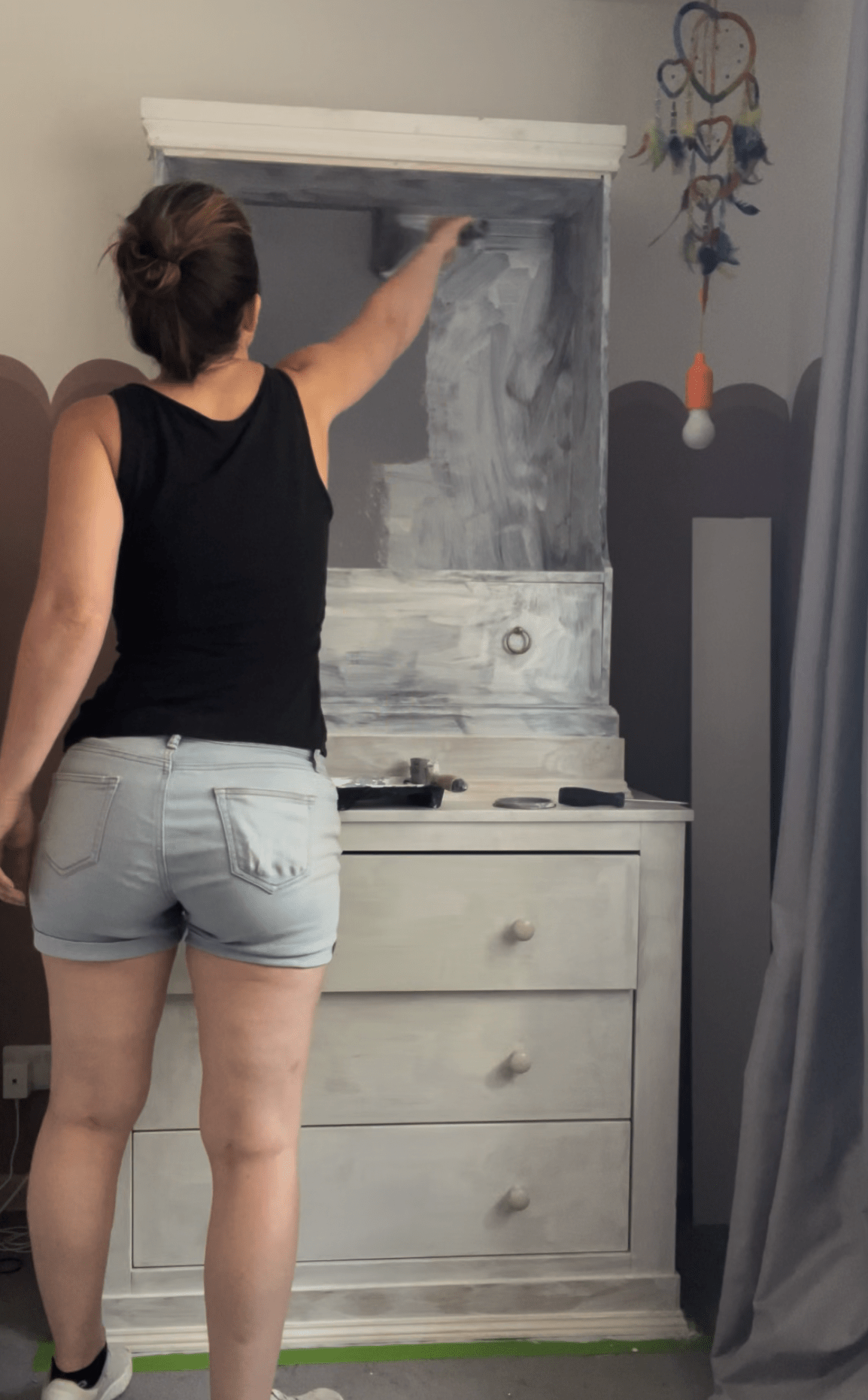
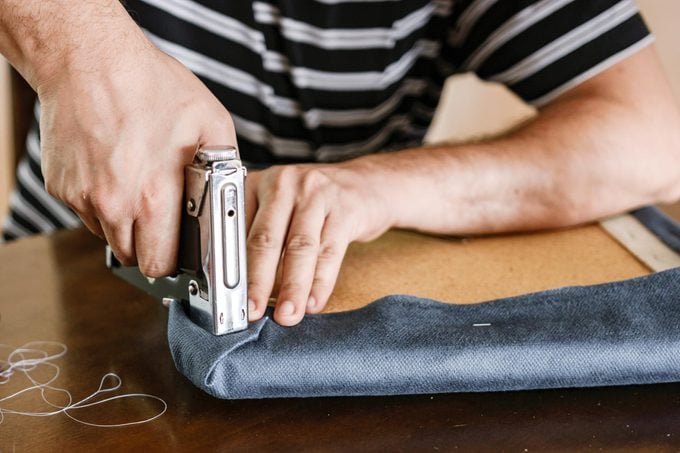
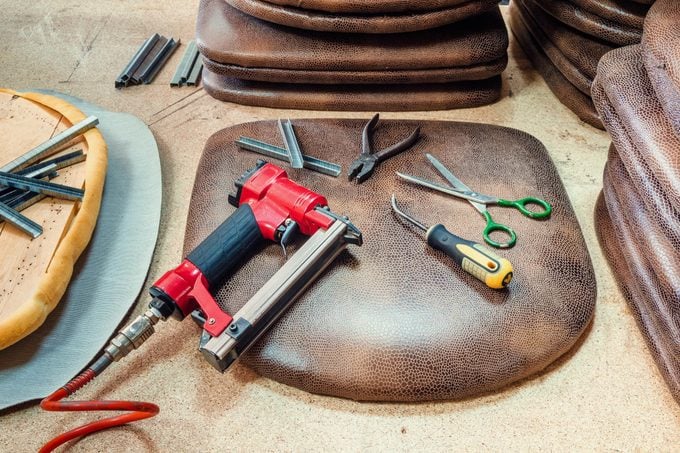
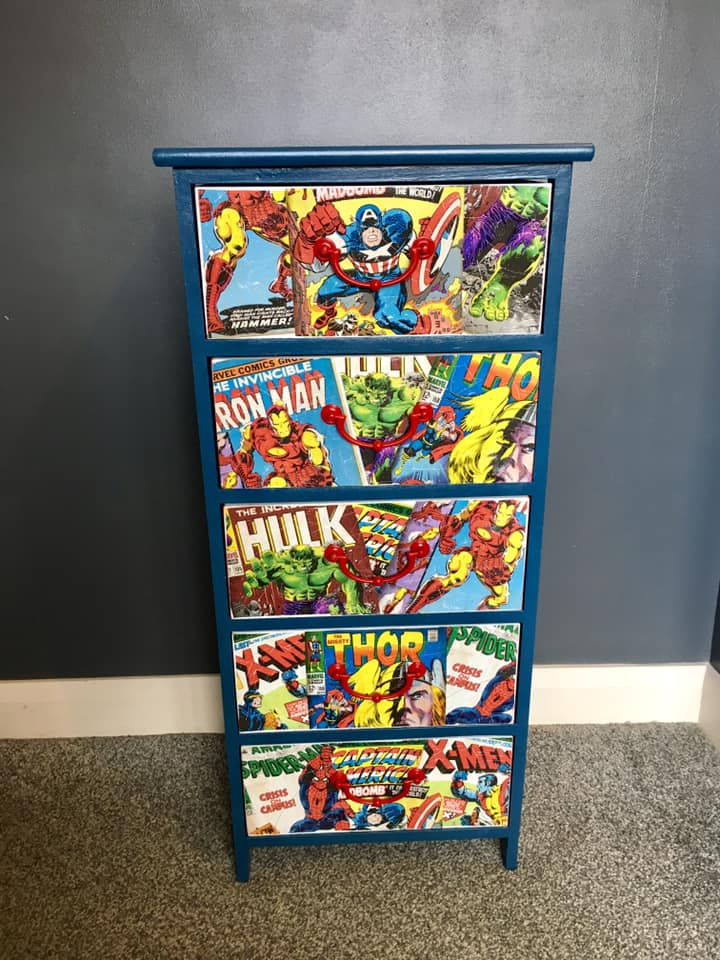
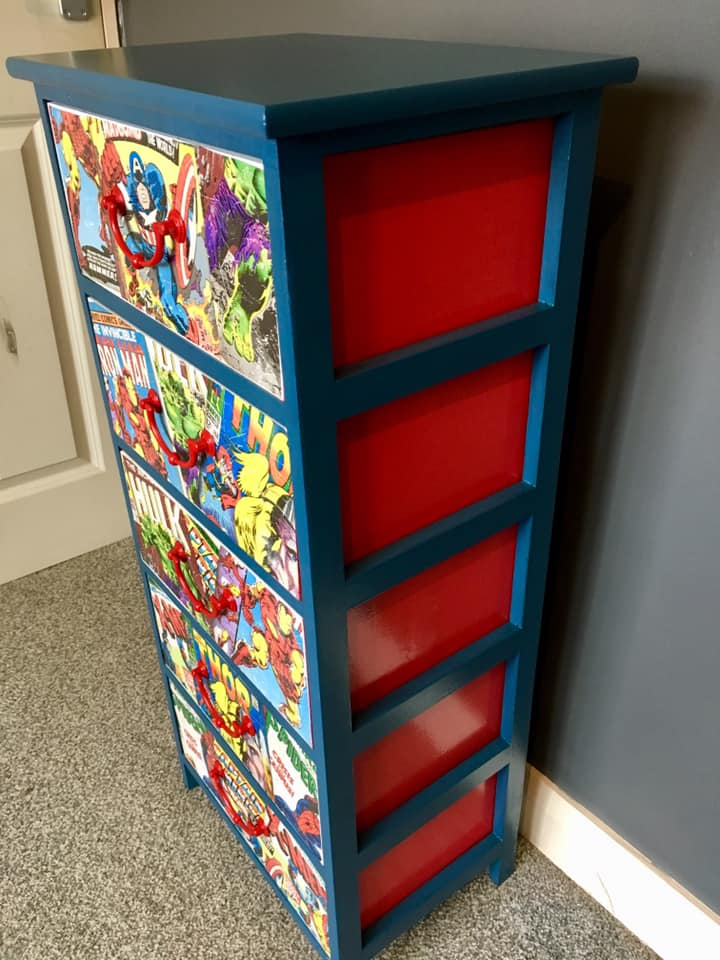
Playful patterns can be introduced to table tops using stencils, encouraging creativity and transforming a functional piece into a decorative focal point. Wooden boxes, once painted and wall-mounted, can serve as curated wall displays or bookshelves, provided they are securely fixed. Old chairs can be updated with paint and new upholstery, while stacked wooden crates can form unique side tables, offering open storage and customizable aesthetics. For children's rooms, old furniture can be revamped with playful patterns painted directly onto drawers, utilizing sample paint pots for an economical makeover. An heirloom wardrobe can be given a new lease of life with a fresh coat of paint, demonstrating how sentimental items can be modernized without losing their value.
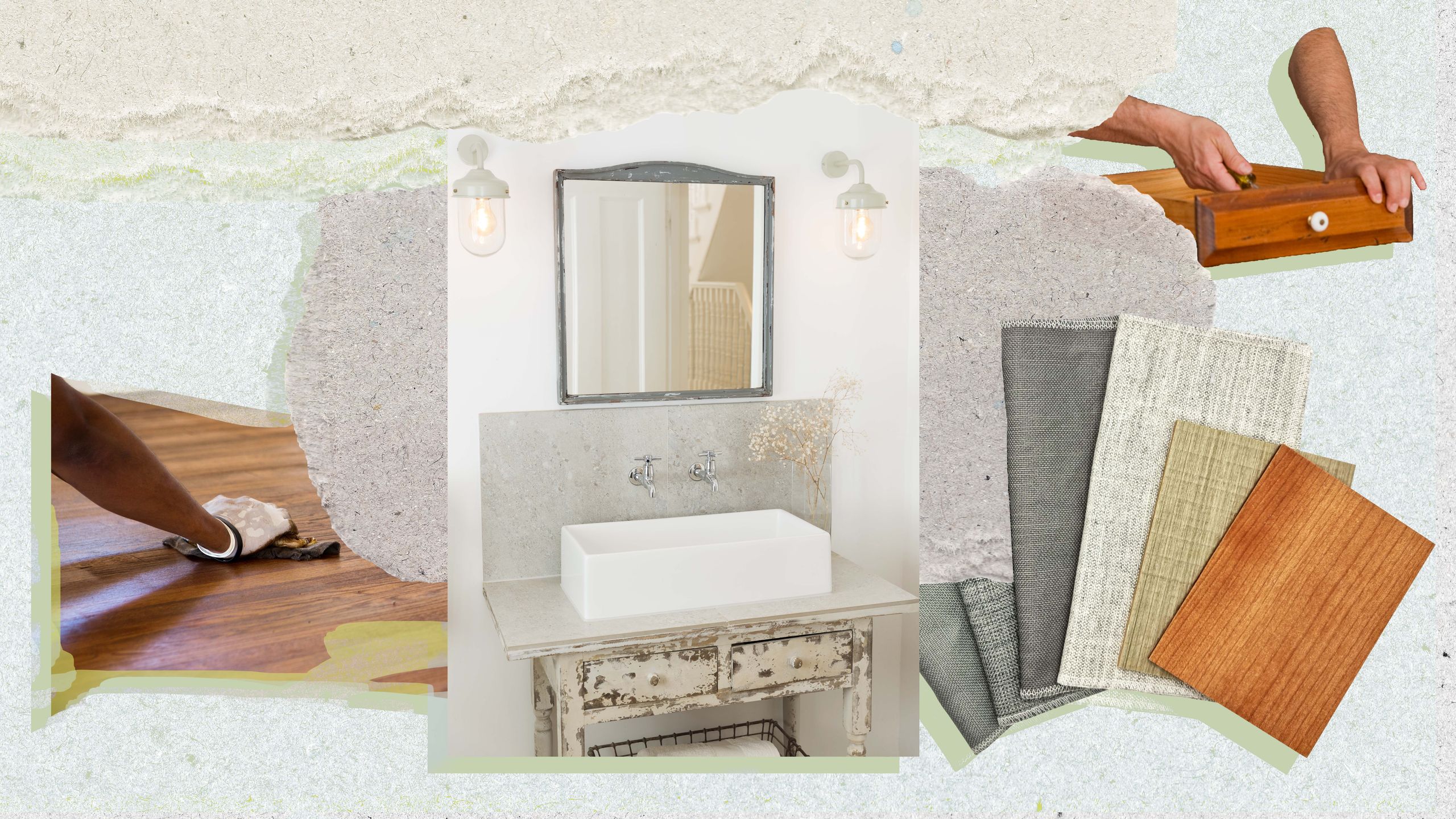
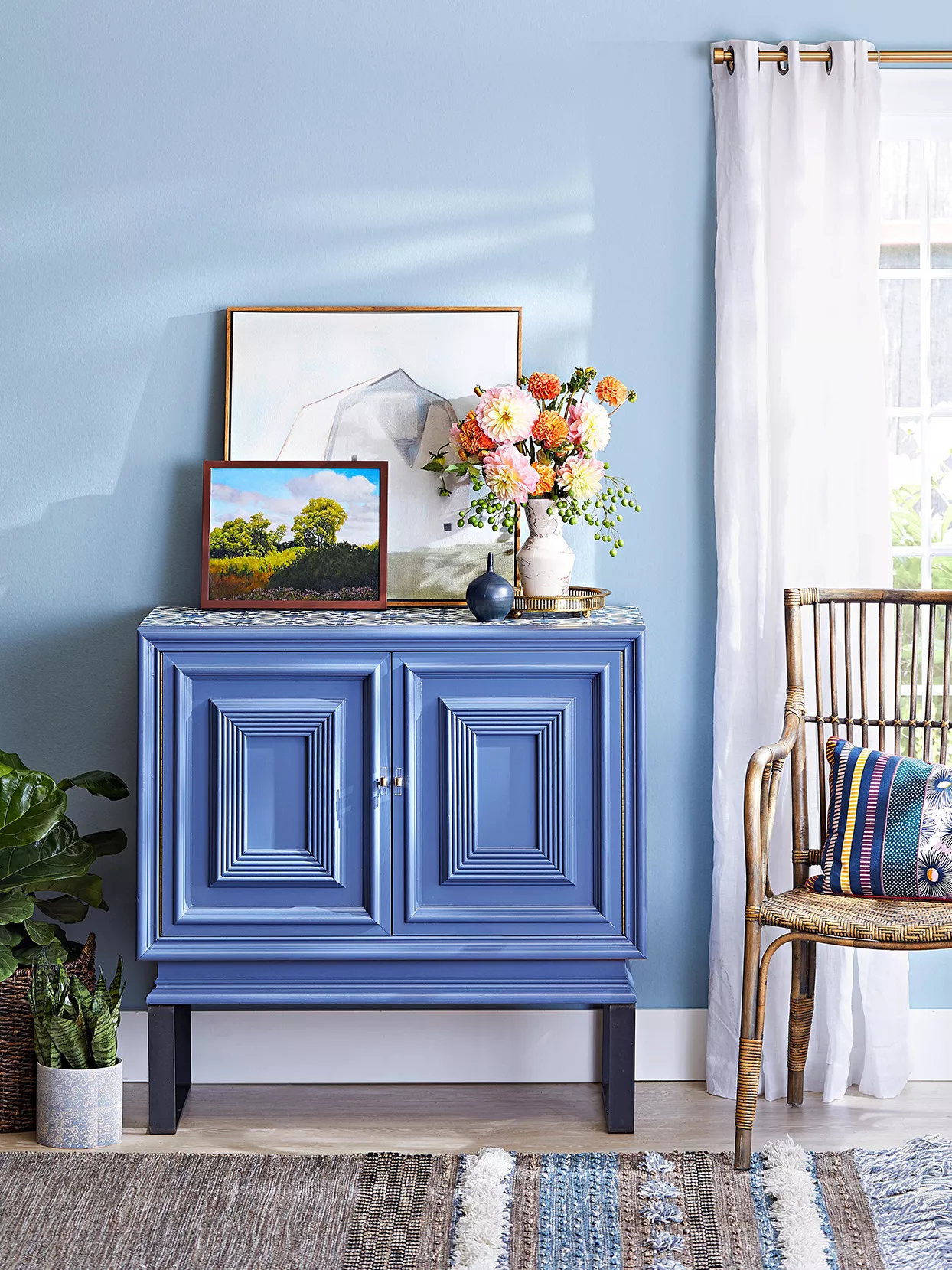
Bathrooms also benefit from upcycling, with old tables being repurposed as washstands, offering a cost-effective and customized solution for vanity units. Salvaged wood planks can be used for shelving, providing character to simple storage, while reclaimed wood pieces can become stylish wall hooks. Offcuts of wood can be utilized to build bespoke furniture solutions, such as corner seating, especially useful for awkward spaces. Old ladders can be repurposed as storage for towels or tea towels, blending seamlessly into the decor with a coordinating paint job. Hallway sideboards can receive a statement makeover with bold colors, turning them into focal points. Furthermore, old pallets can be fashioned into bathroom caddies, and offcuts can create mosaic-effect coffee tables, making them mobile with the addition of castors. Finally, upturned crates mounted to the wall offer versatile and stylish storage solutions for any room.
The article also provides practical advice on paint selection, recommending chalk paint for its no-primer, durable qualities, and ease of use on various surfaces. Annie Sloan's advice on not overloading brushes is highlighted for achieving a smooth finish. The discussion extends to the emotional aspect of upcycling heirlooms, suggesting that transforming them to suit modern tastes is preferable to letting them go unused, thereby making them work for the home and retaining their sentimental value.
Ultimately, the article concludes that the possibilities for what can be made from old furniture are vast, limited only by imagination. From simple paint makeovers to creative structural changes, upcycling offers endless opportunities to refresh and personalize home interiors sustainably and economically.
#UpcycledFurniture #DIYHomeDecor #SustainableLiving #FurnitureRevamp #CreativeRepurposing #HomeRenovation #InteriorDesignTips #ChalkPaint #MaxMcMurdo #UpcycledFurniture #DIYHomeDecor #SustainableLiving #FurnitureRevamp #CreativeRepurposing #HomeRenovation #InteriorDesignTips #ChalkPaint #MaxMcMurdo
0 komentarzy łącznie
 Brak komentarzy jeszcze
Możesz również polubić

15 Repurposed Furniture Ideas That Will Give Your Pieces a Fresh Look

Beginner’s Guide To Reupholstering Furniture

How to Flip Furniture — And Sell It for Profit, According to a 'Professional Thrifter'

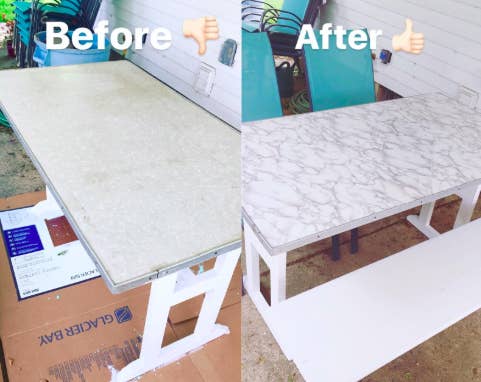
20 Ways To Make Old Furniture Look Fancy

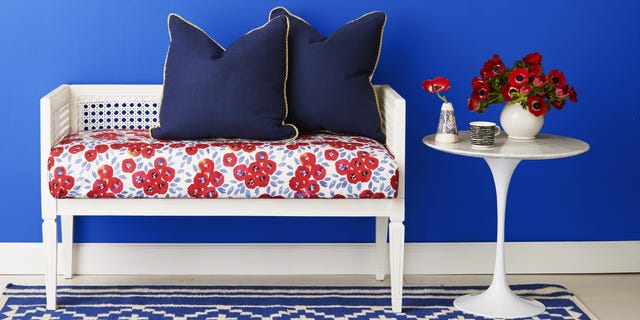
15 Upcycled Furniture Ideas That Turn Trash Into Treasure

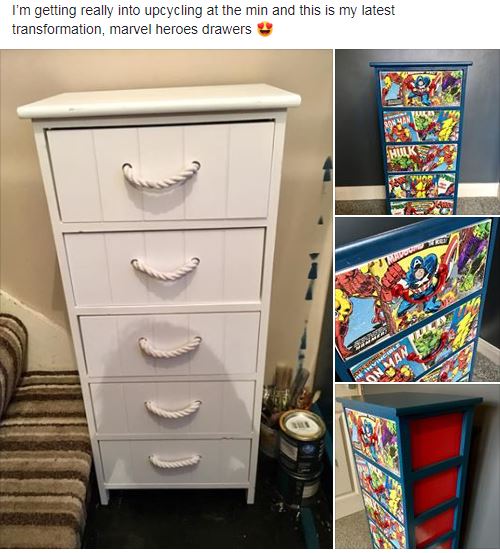
Mum reveals how she transformed dull drawers into a Marvel-themed cabinet with leftover wallpaper and paint

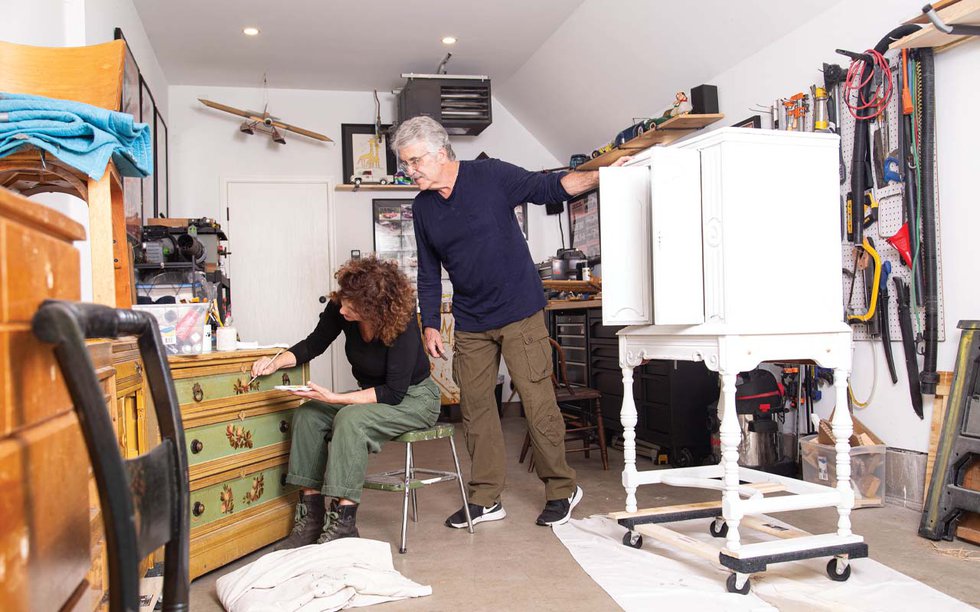
Franklin and Irving Will Fix or Flip Your Furniture

How to upholster furniture without breaking the bank
‘Furniture flipping’: the next big trend in home sustainability?

5 things that can be used in home upcycling projects
Budget living room ideas – 23 ways to give your lounge an update without breaking the bank
HiLo Brooklyn’s Upcycled Furniture Can Make Your Vintage Sofa Dreams Come True

How to upcycle furniture like a pro

How to refinish wood furniture - easy ways to totally overhaul your decor

Experts reveal the new way to upcycle secondhand furniture in 2023
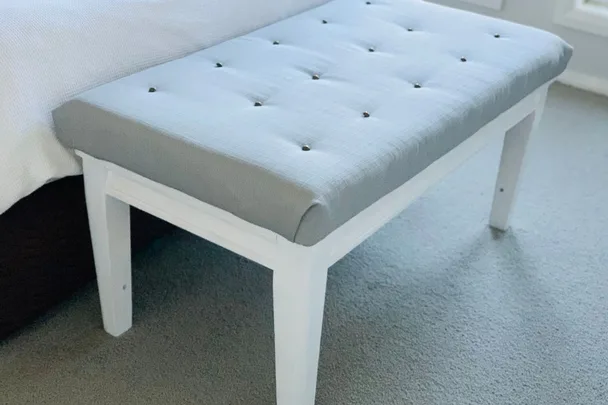
Reader project: From old coffee table to Hamptons-style ottoman

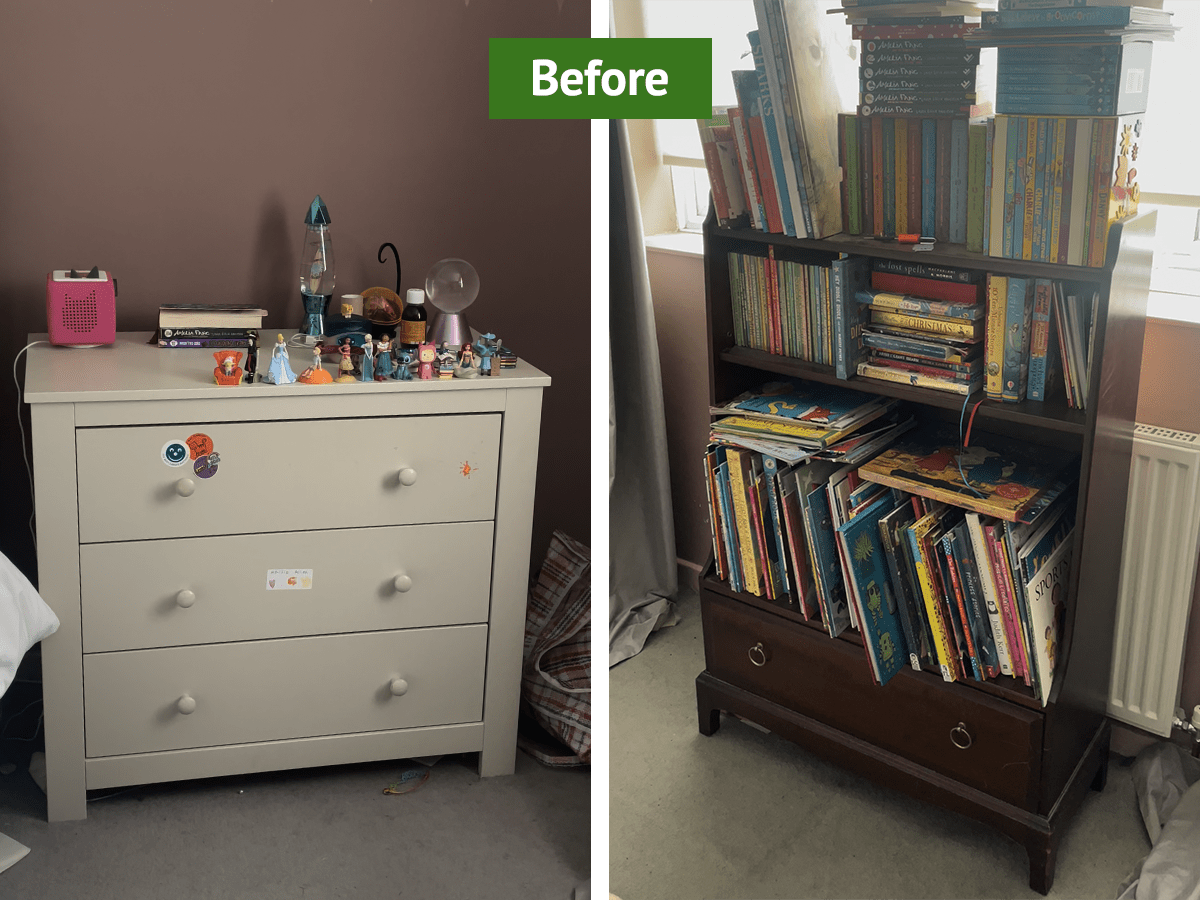
Before & After: Watch This Unique DIY Furniture Combo Come to Life
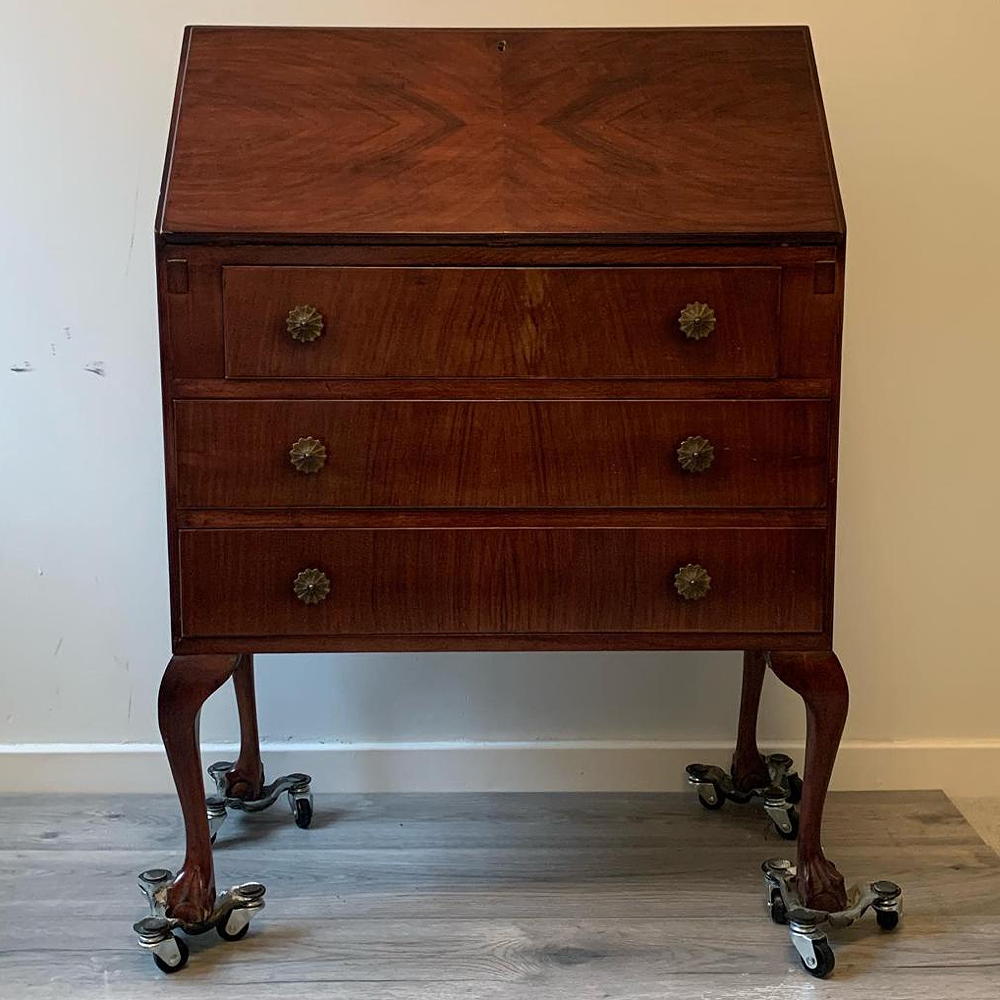
A furniture flipper reveals her simple tips for how to source and upcycle furniture to sell on
DIY bar carts – 10 homemade drinks trolleys because it's 5pm somewhere

Creative and Impressive Before-and-After Furniture Makeovers