1/7
Transitional Design: Everything You Need to Know About This Traditional and Modern Style
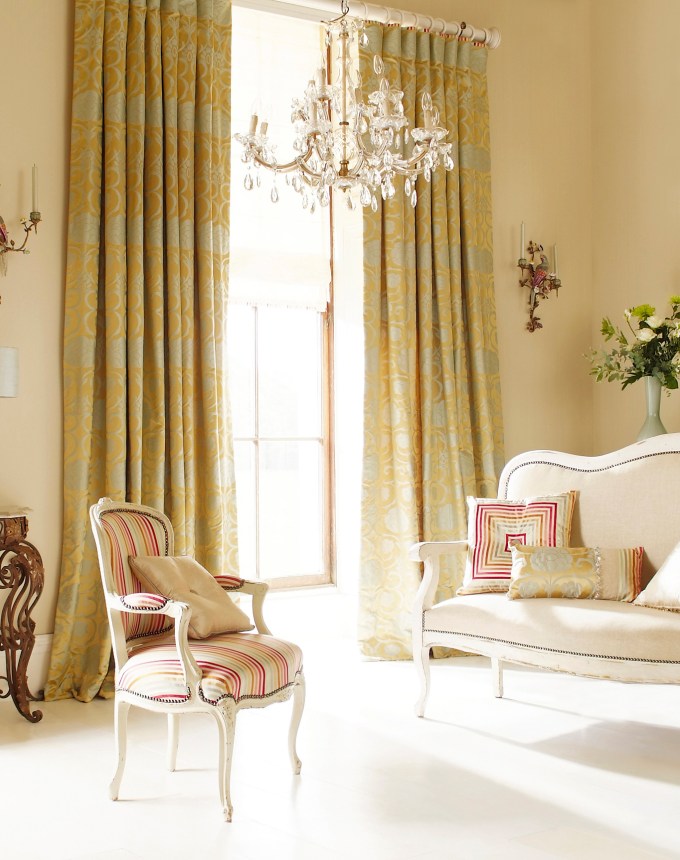
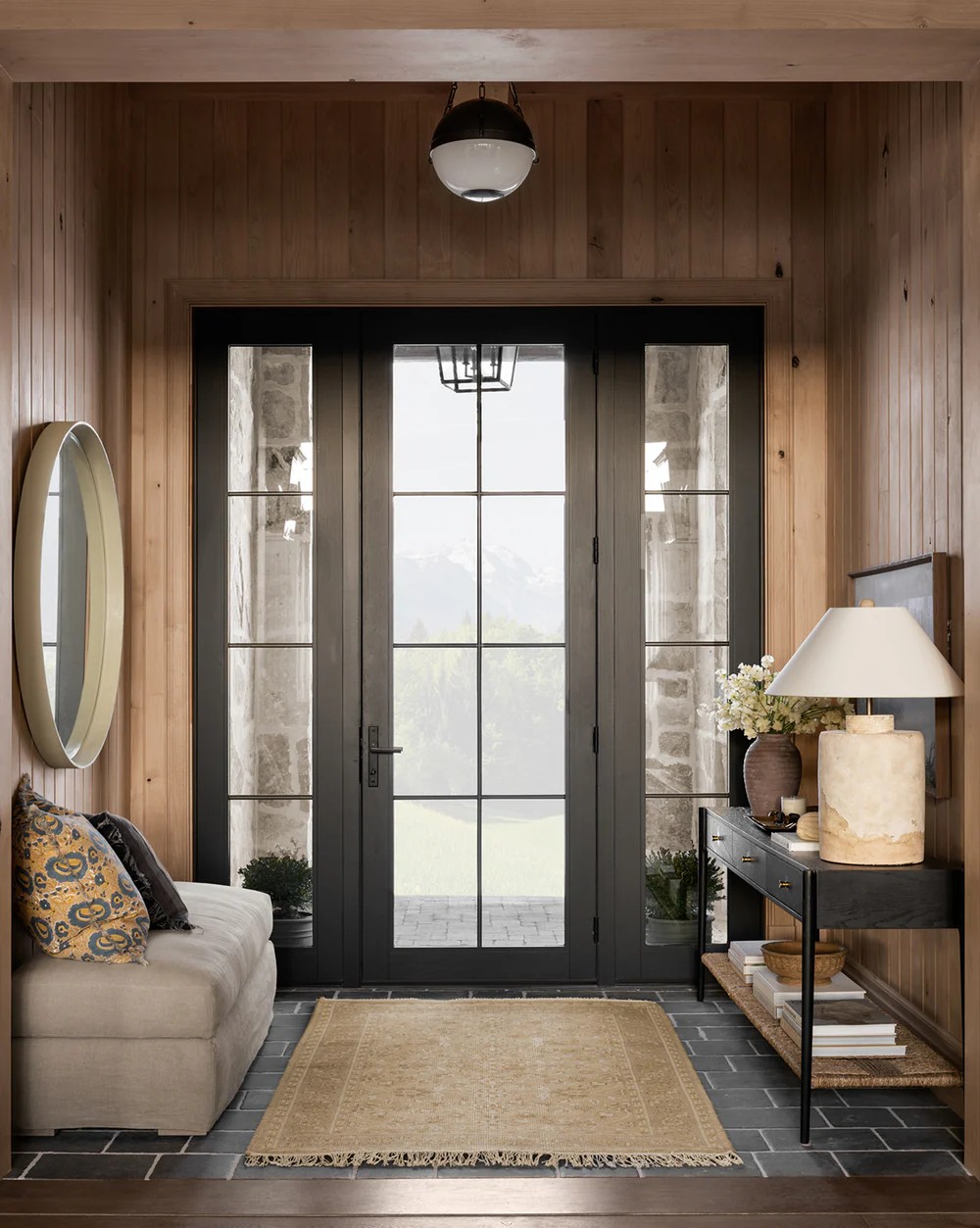
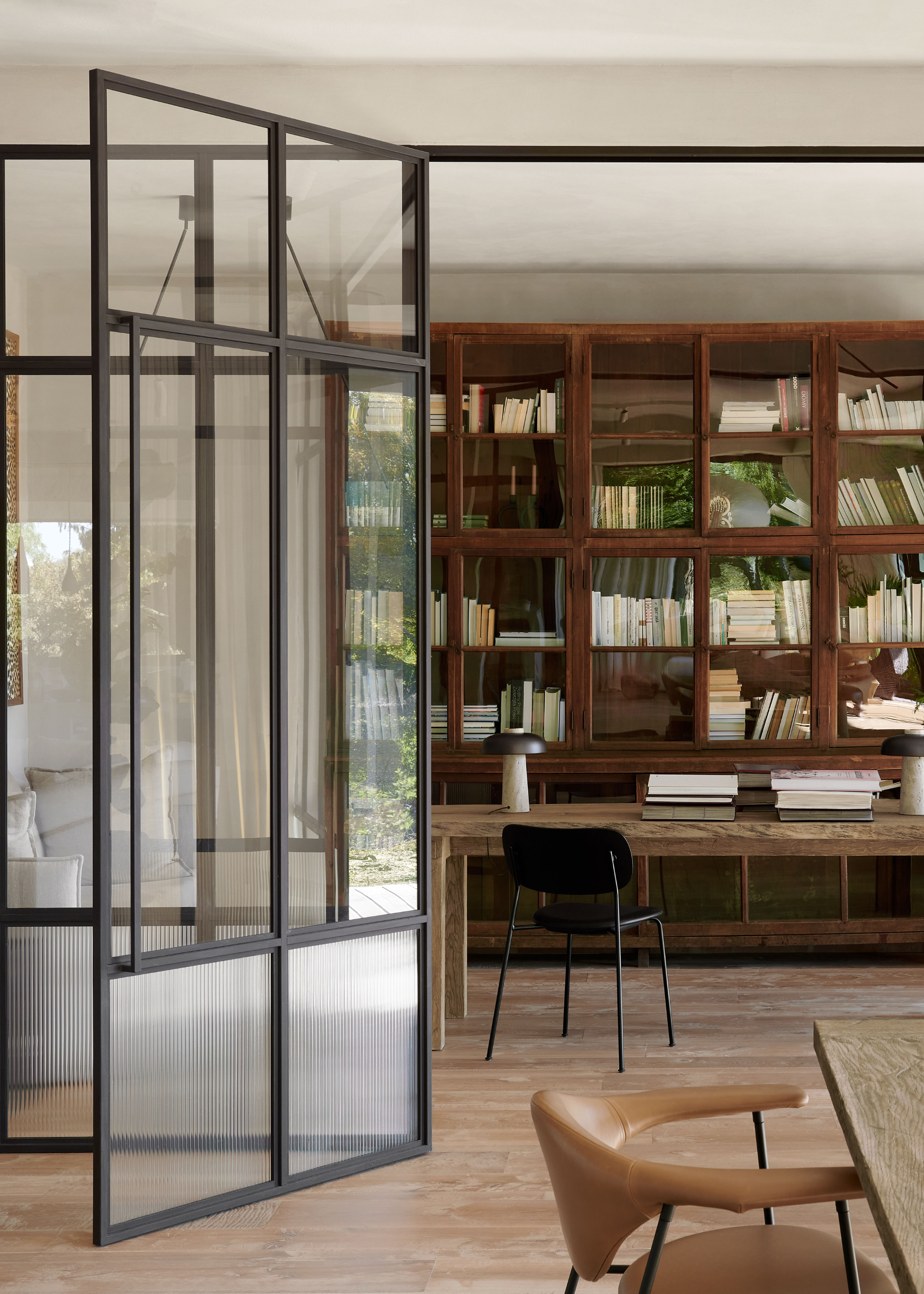
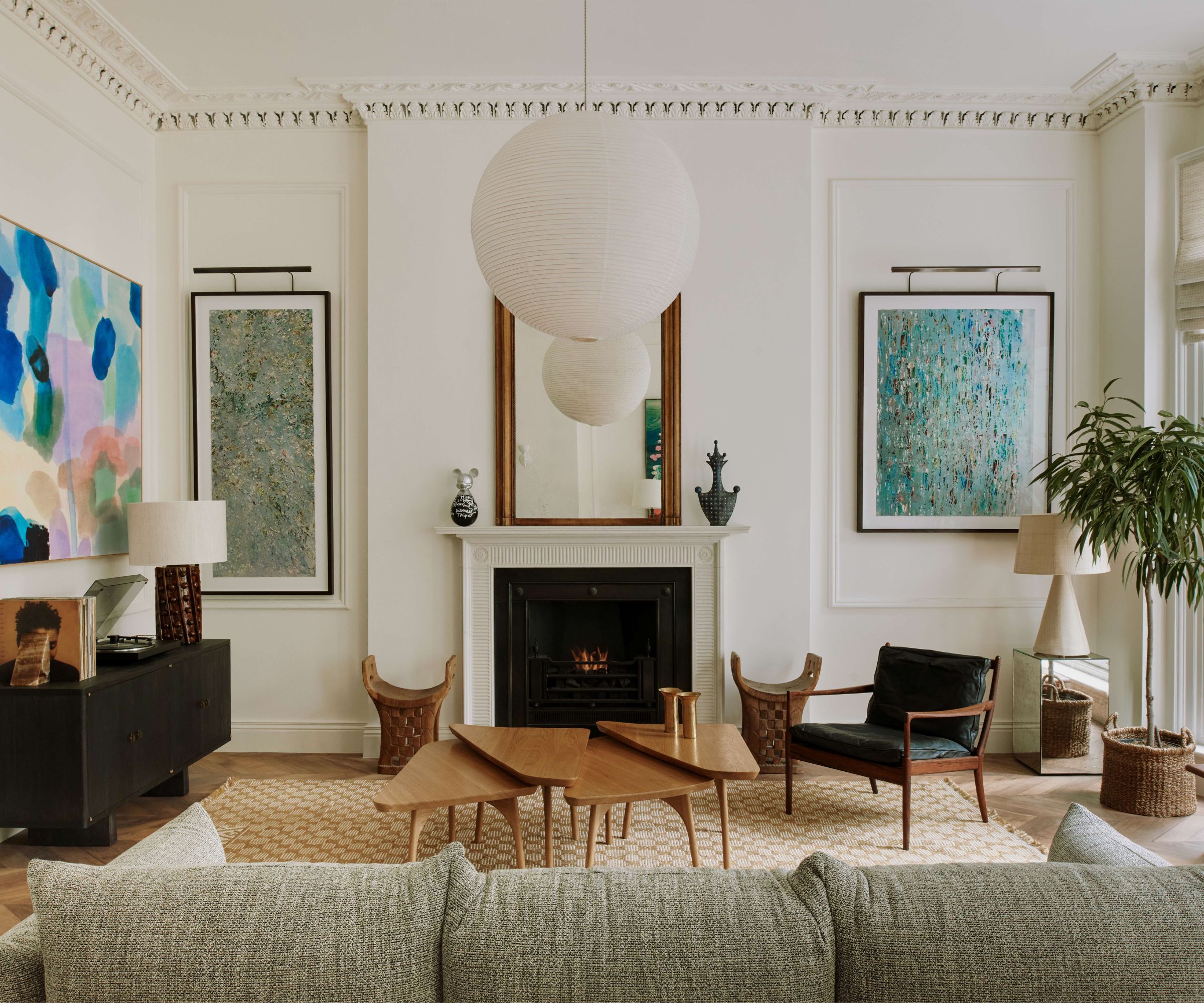
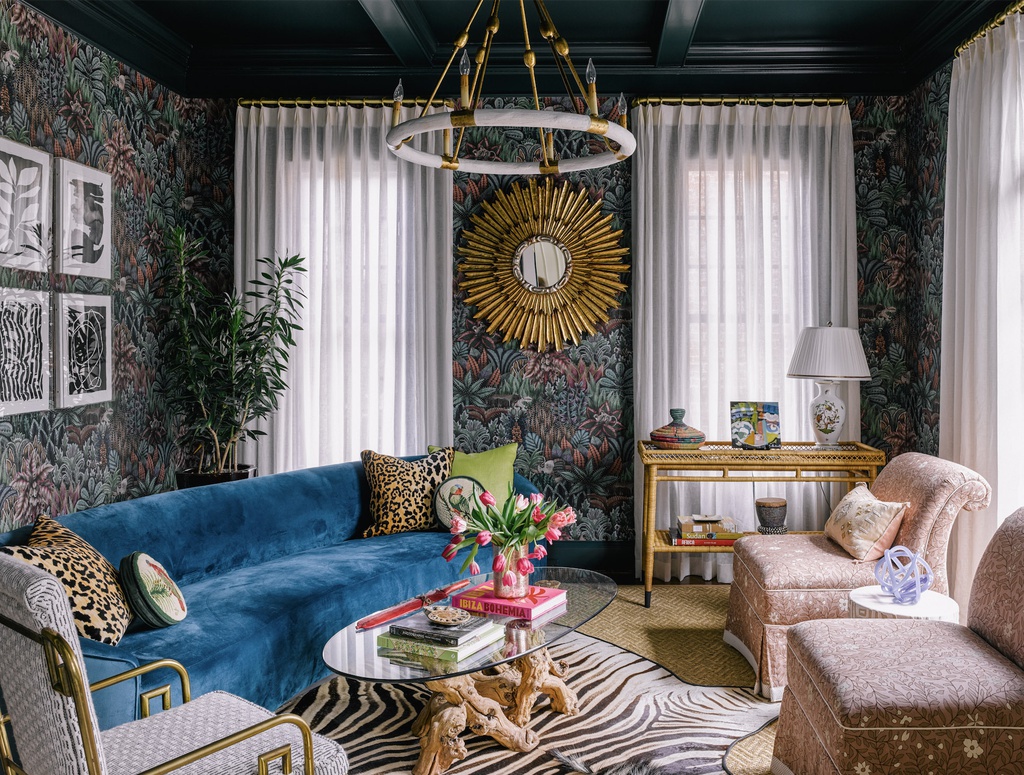
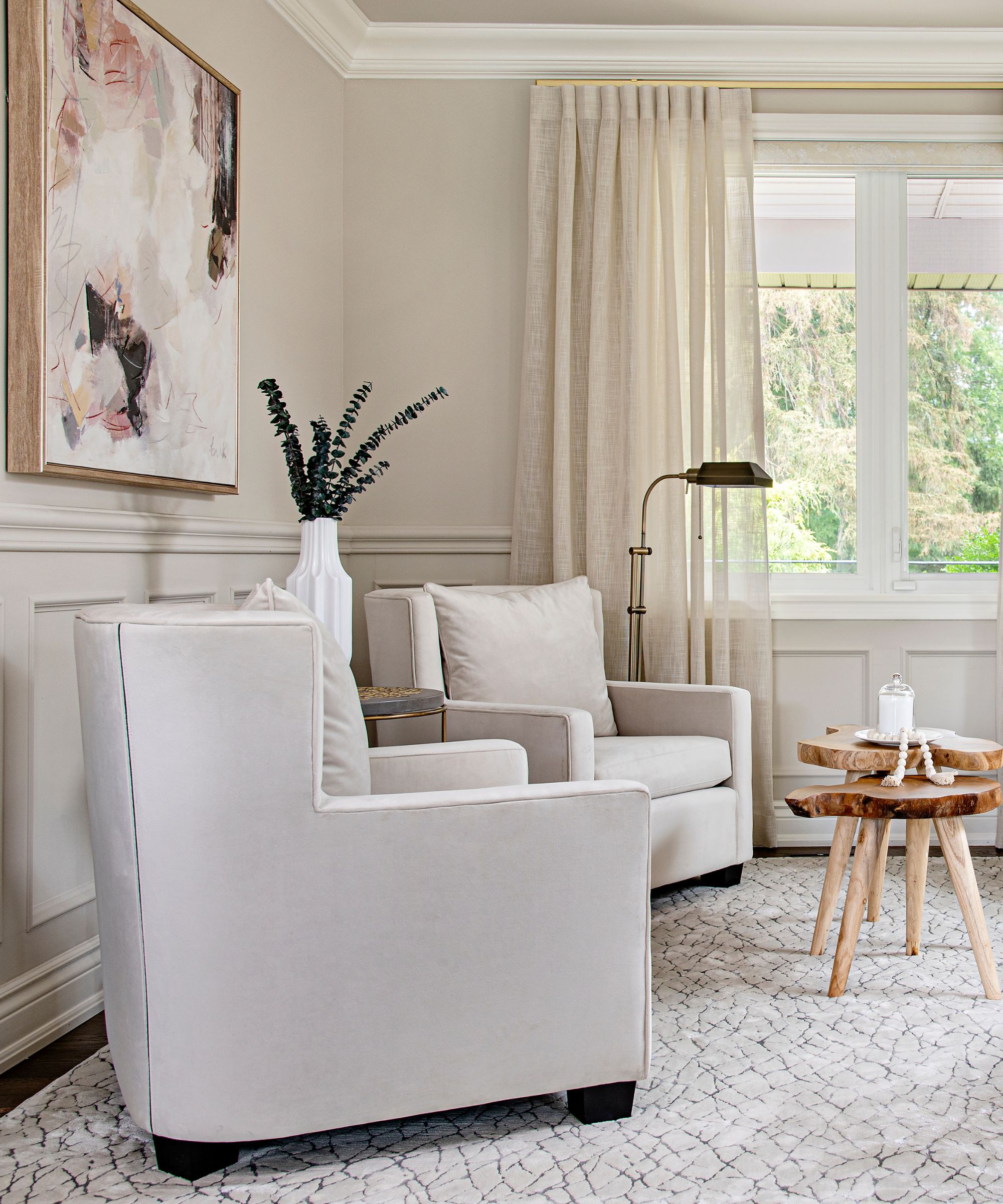
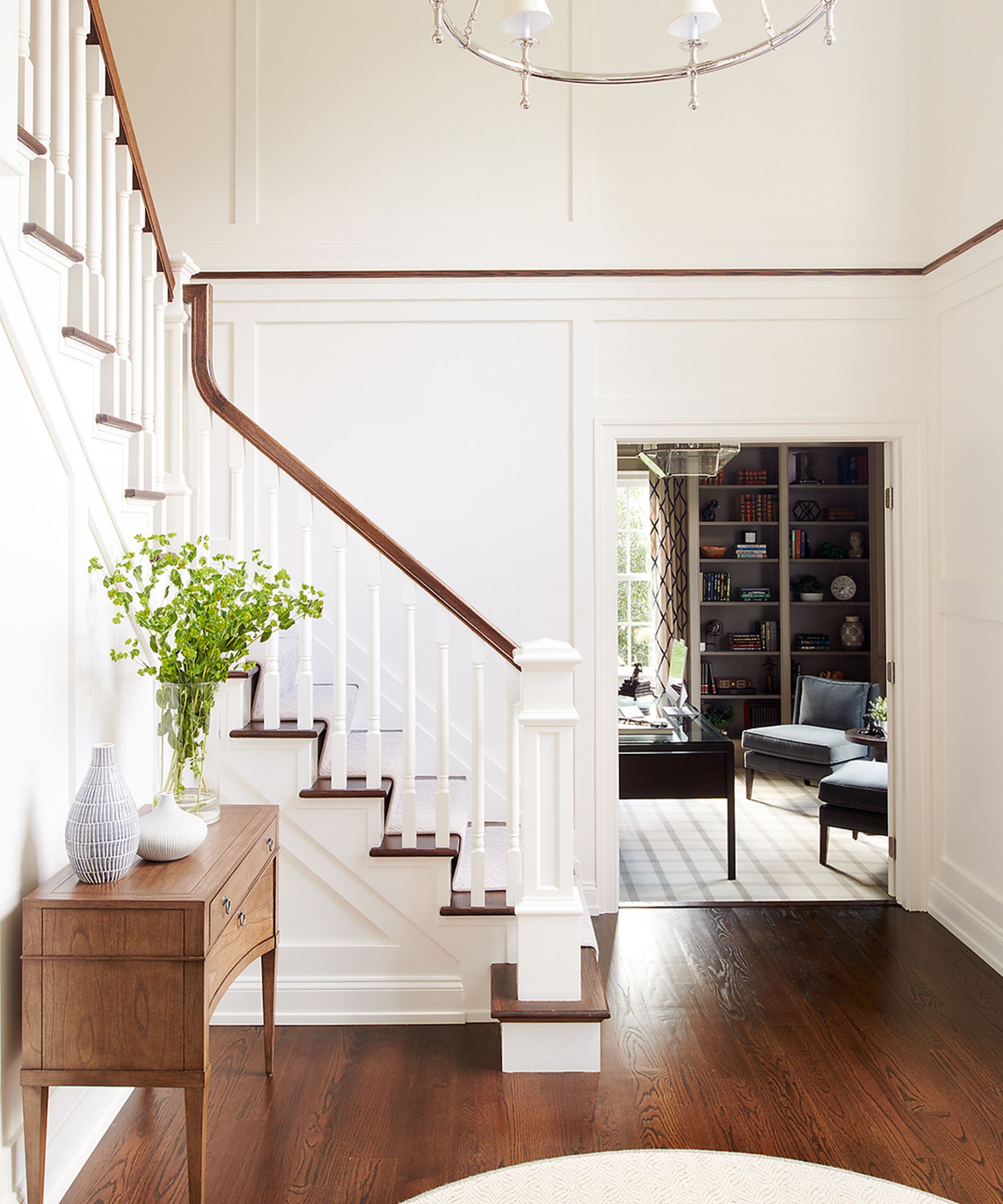
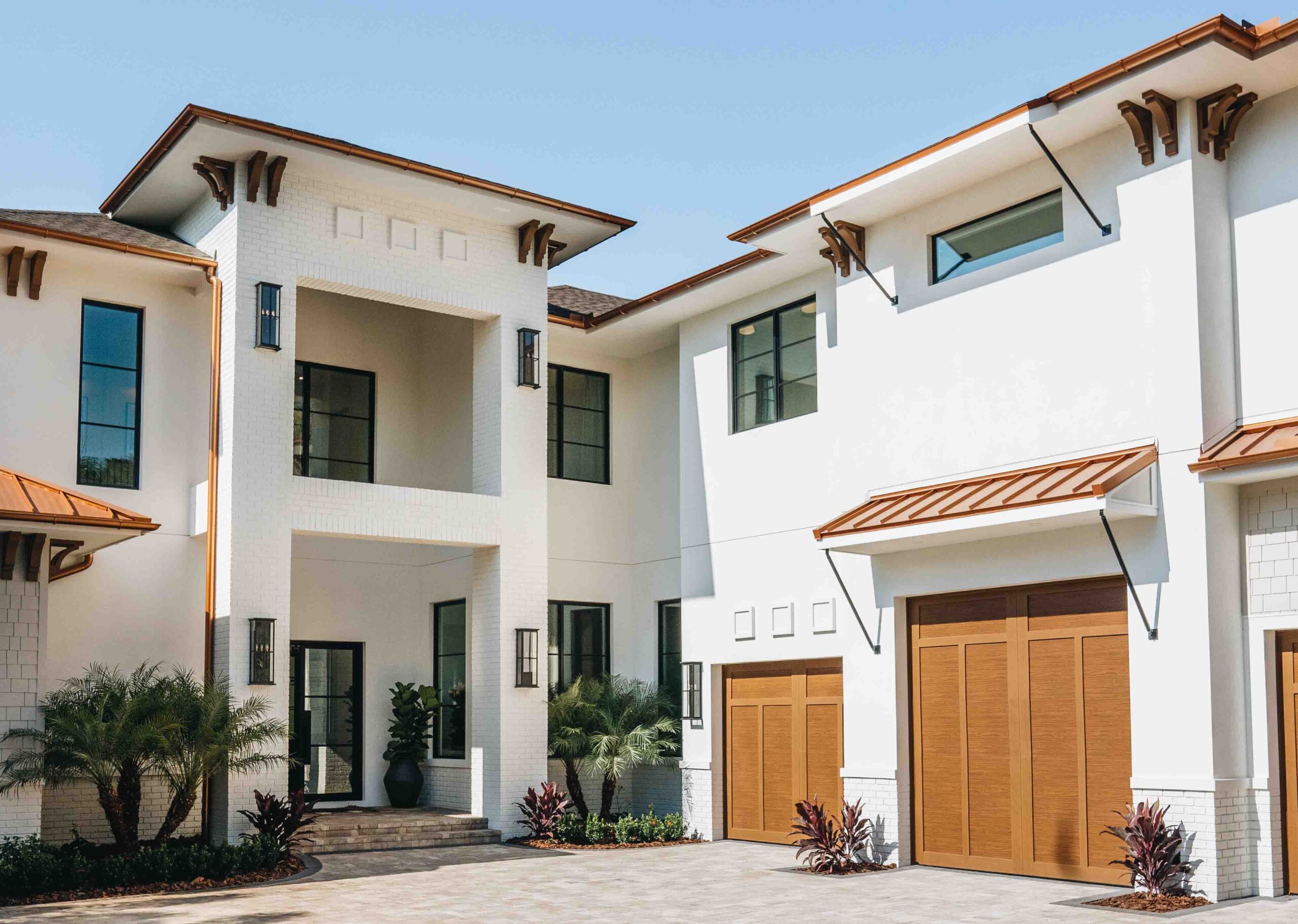

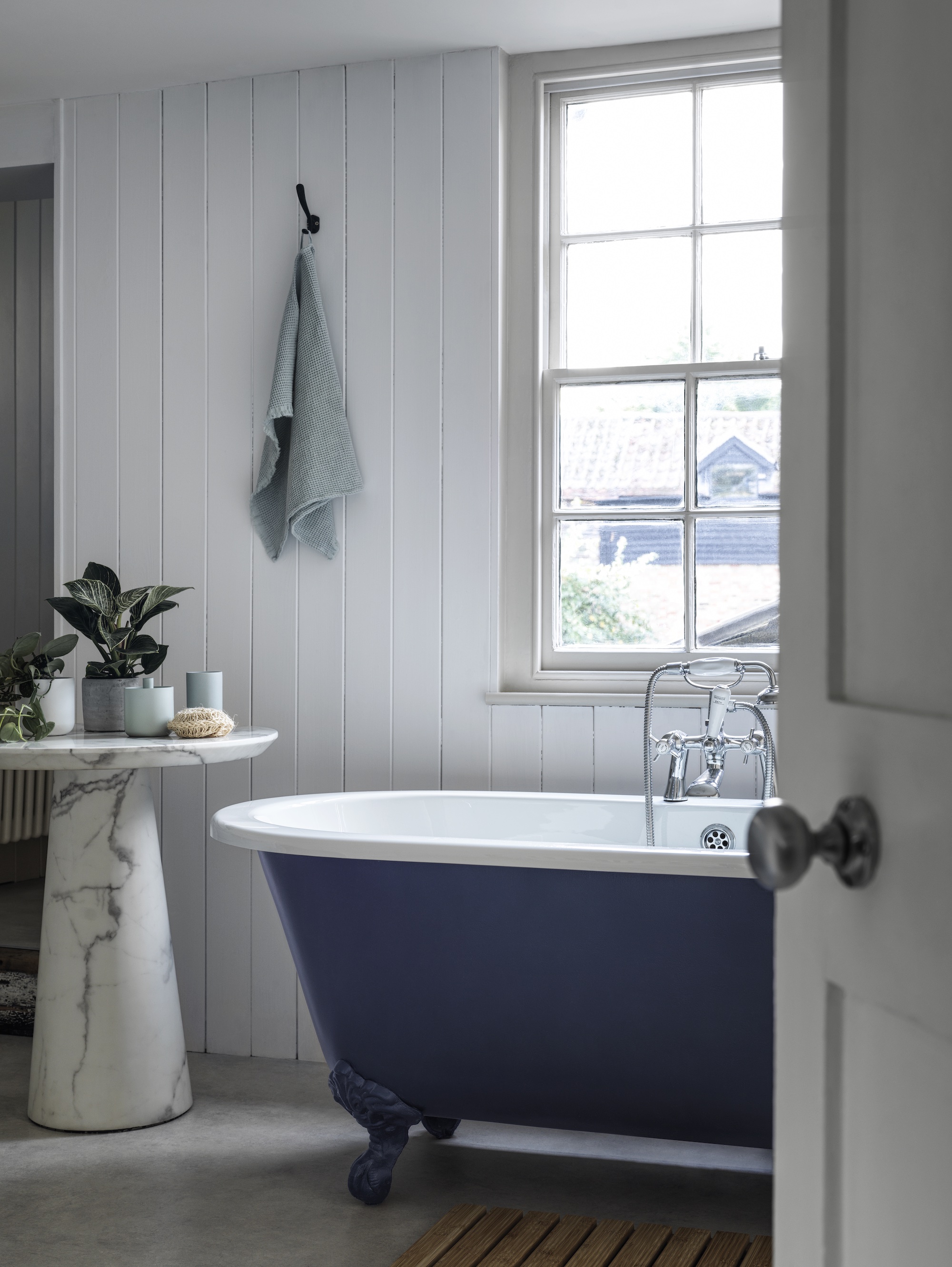
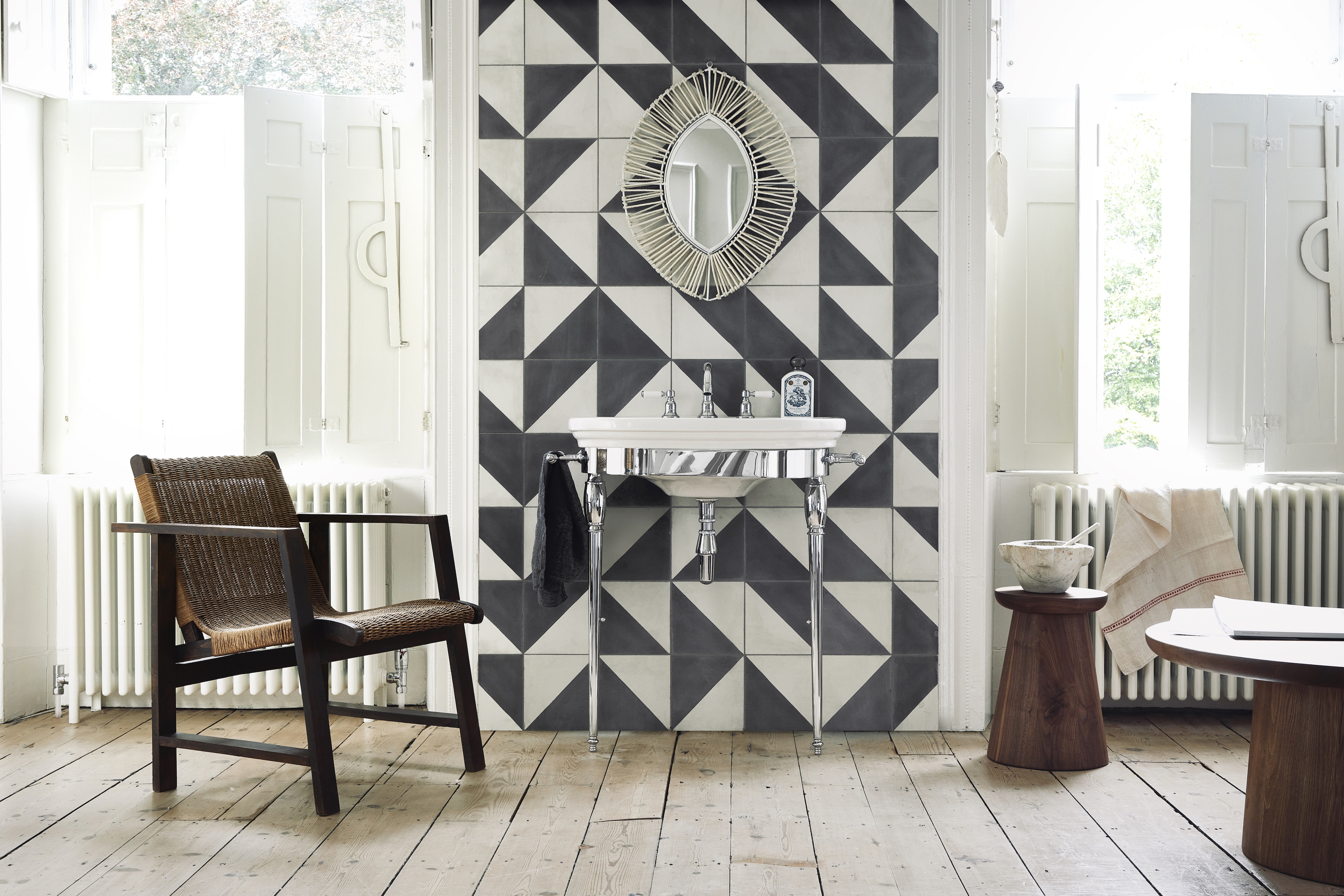
Transitional design is an interior style characterized by its blend of traditional and modern elements, offering a timeless and chic aesthetic. This approach acts as a "palate cleanser" among more rigidly defined design styles, combining formal and ornate features with relaxed touches to create cohesive and inviting spaces. Interior designers Jenn Feldman and Ariel Okin highlight that transitional spaces are often defined by a tonal, textural, monochromatic, and minimal aesthetic, though they can incorporate elements from various styles like minimalism or midcentury design without losing their transitional essence. The core idea is to achieve a fresh, updated look with cleaner lines and softer palettes than purely traditional styles, while also being warmer, more layered, and softer than contemporary interiors.
While transitional and contemporary designs might appear similar, a key distinction lies in their temporal focus. Contemporary interiors reflect current popular styles and are ever-evolving, whereas transitional interiors aim for timelessness by merging modern and traditional aesthetics. Contemporary design, originating from the 1970s, borrows from diverse styles to define an 'on-trend' look, often utilizing cooler metals and palettes. In contrast, transitional design leans towards warmer greige palettes, unlacquered brass, and nubby neutrals, making it feel more enduring.
Historically, traditional design traces back to the 17th and 18th centuries in Europe, marked by ornate elements like chandeliers and crown molding. The emergence of modern design in the mid-20th century, favoring minimalist principles, led to the development of transitional style as a harmonious merger of these two distinct aesthetics. This style, therefore, offers a "best-of-both-worlds" scenario, balancing clean lines and neutral color palettes with pared-back ornamentation.
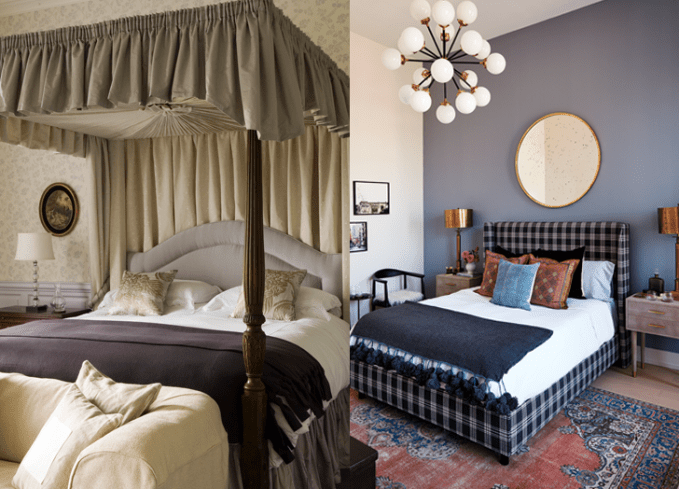
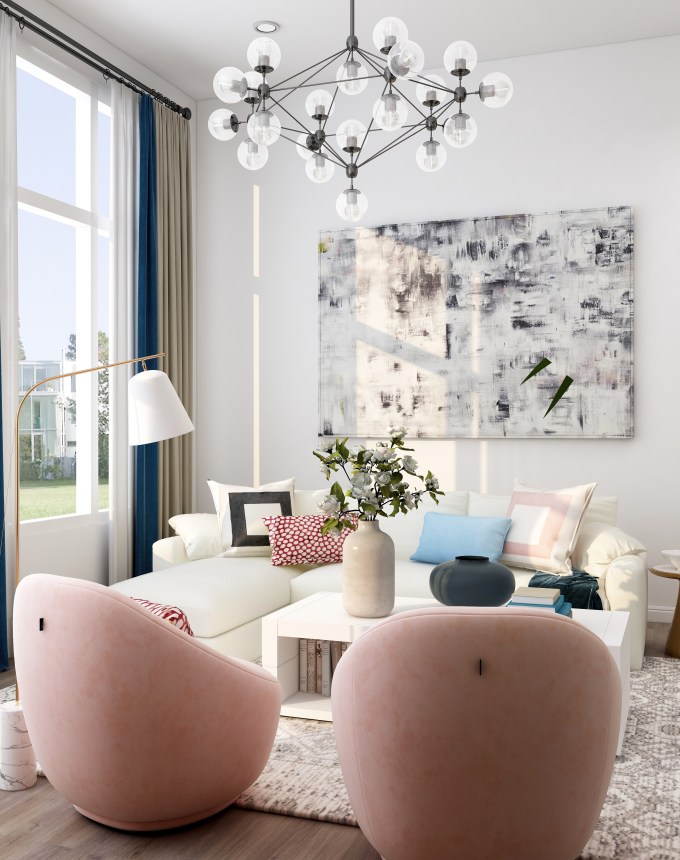
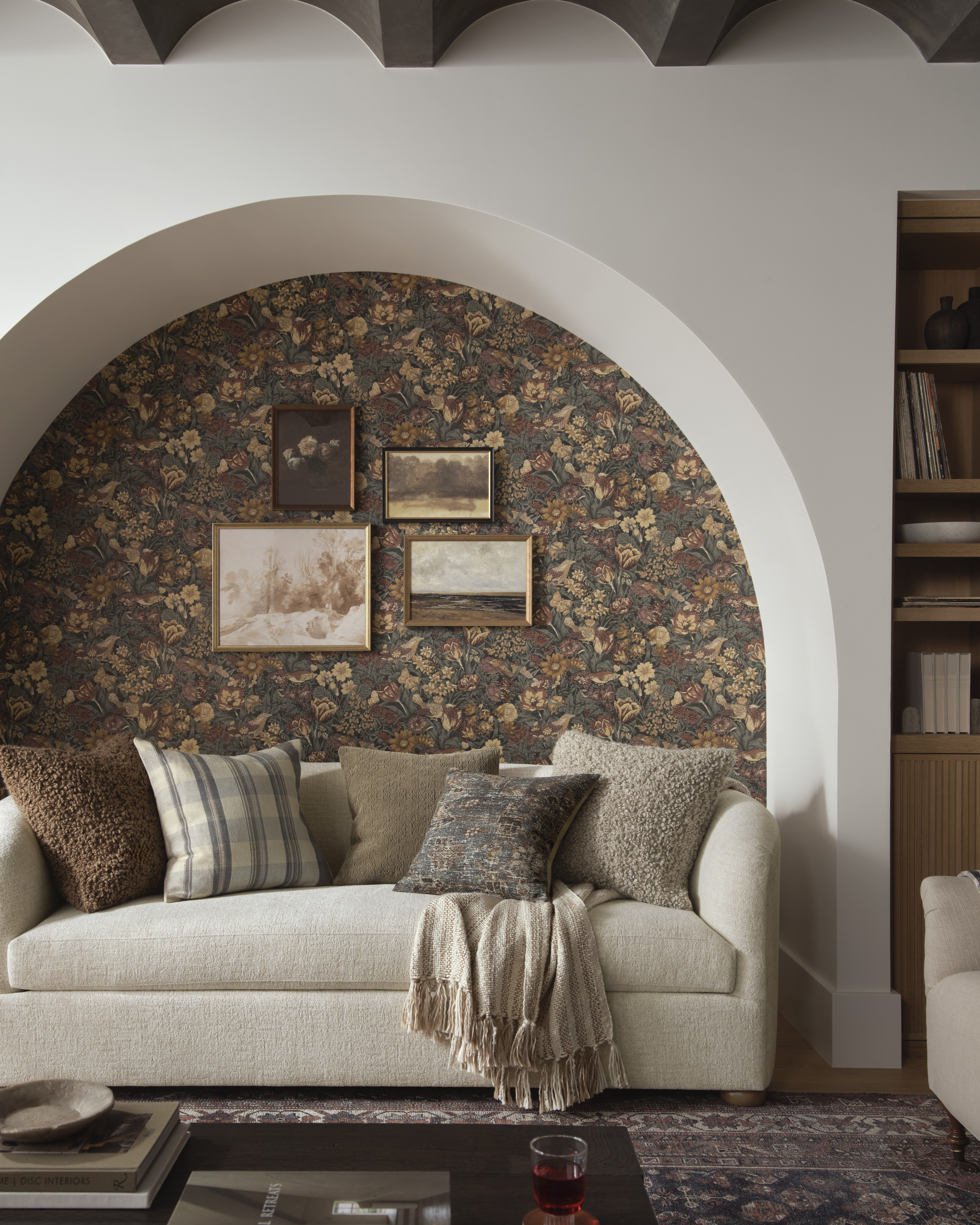
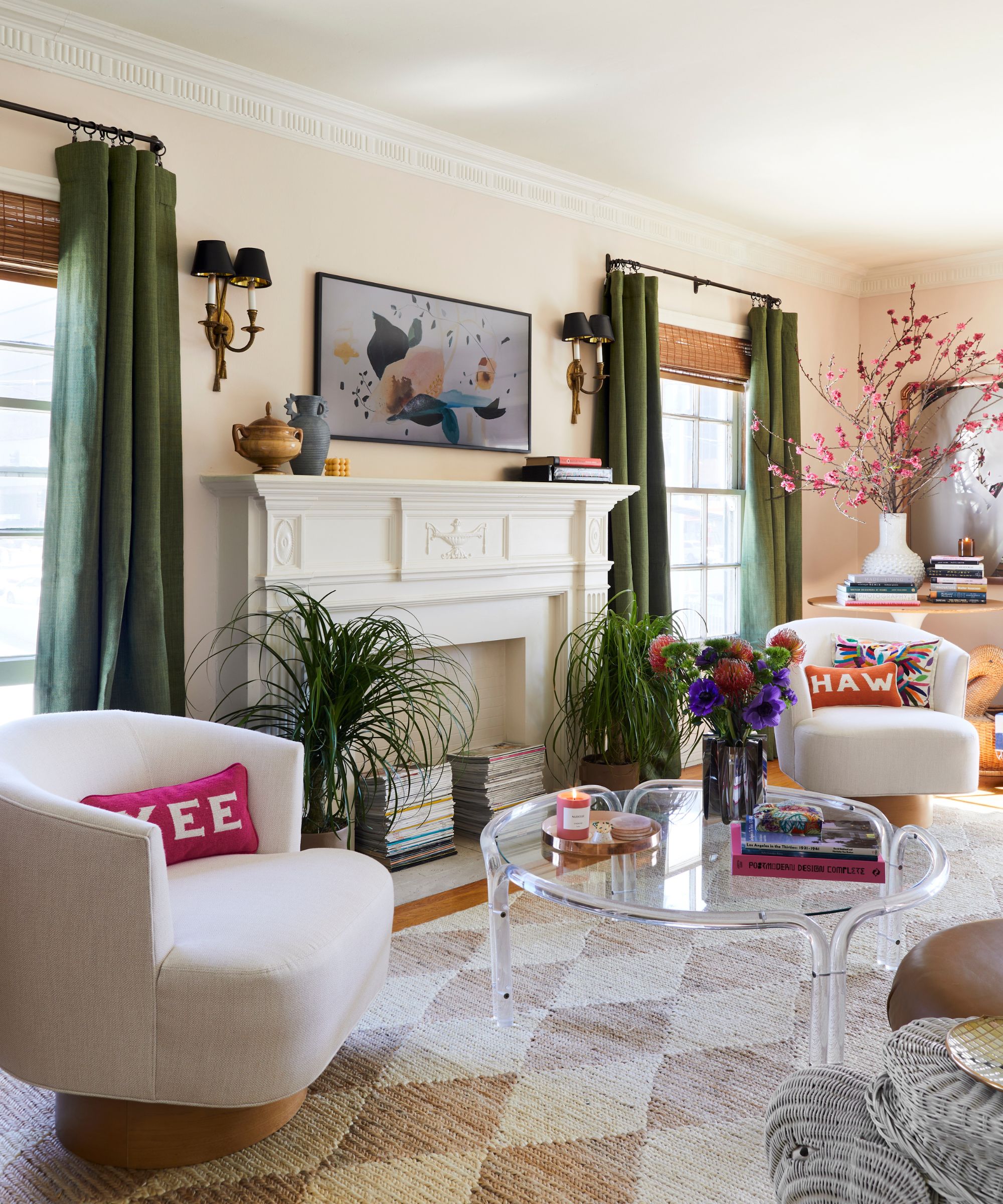
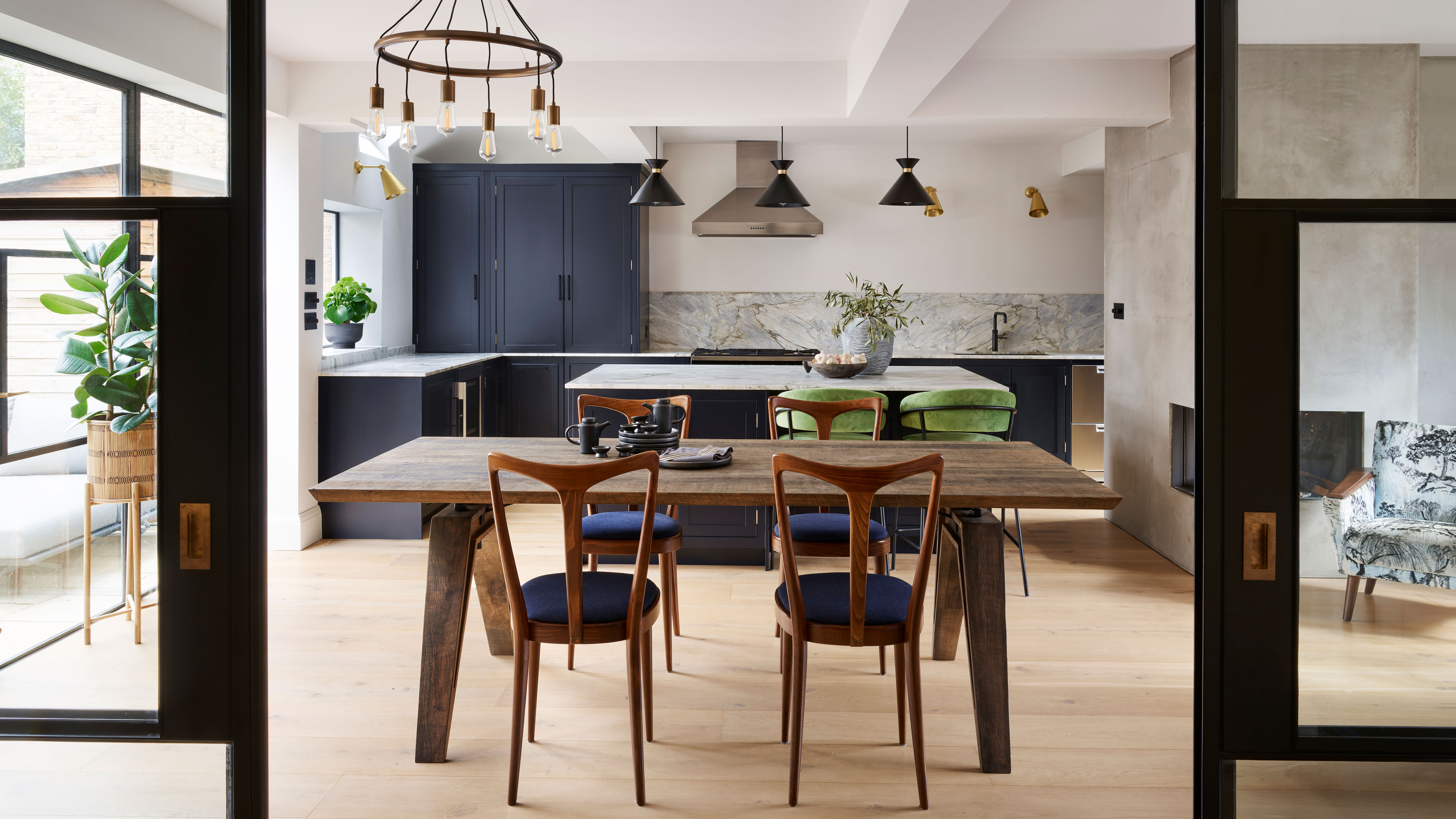
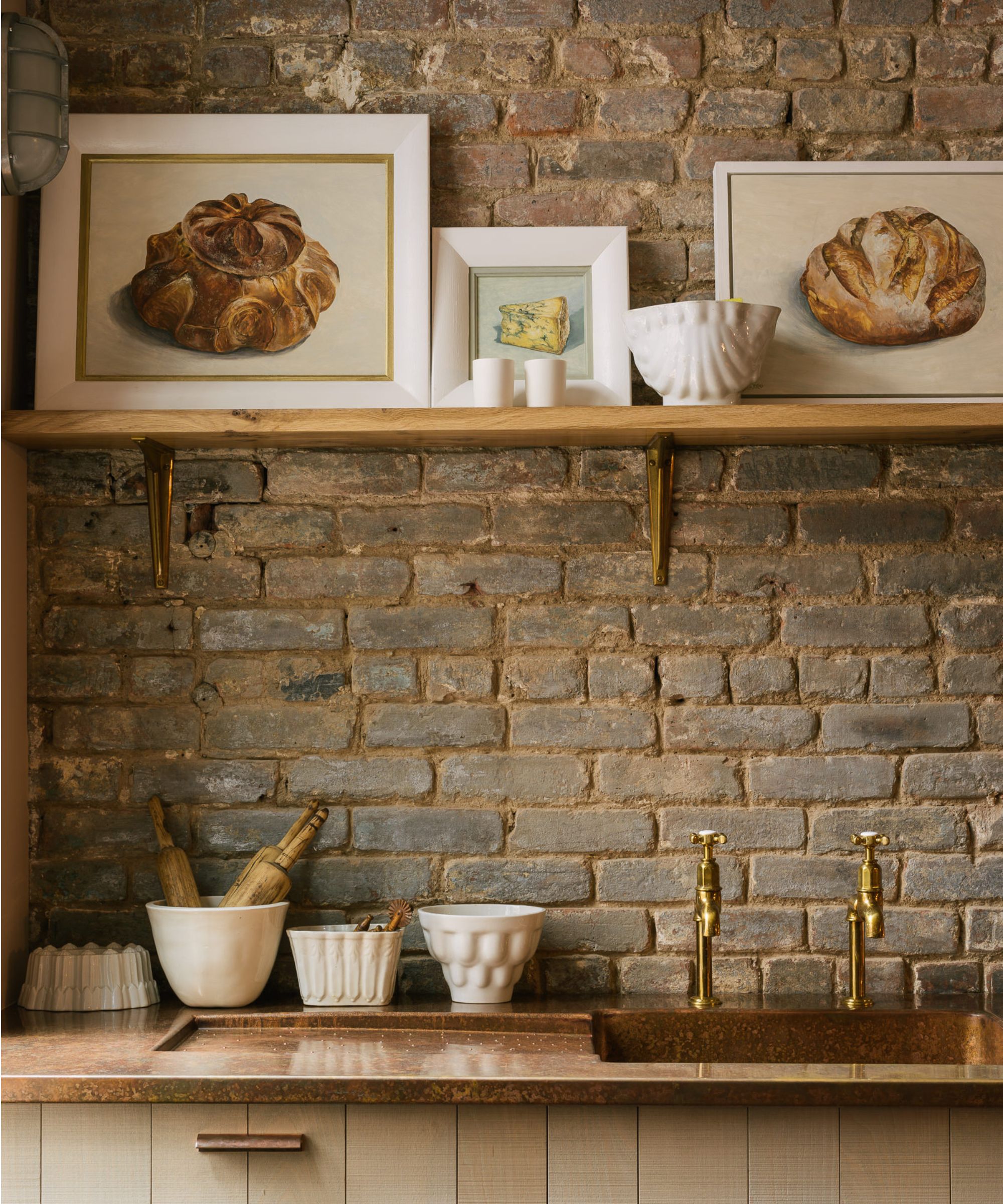
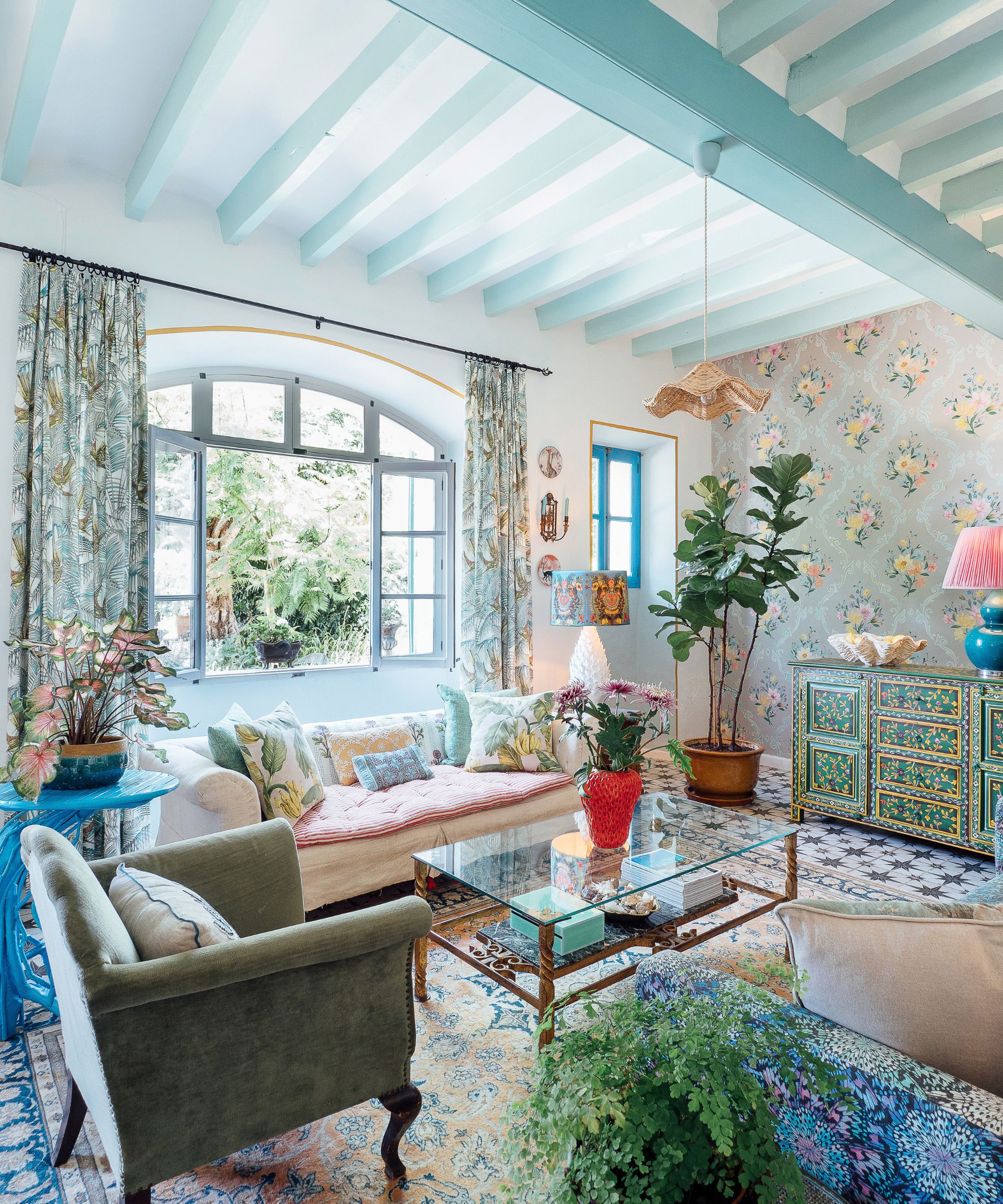
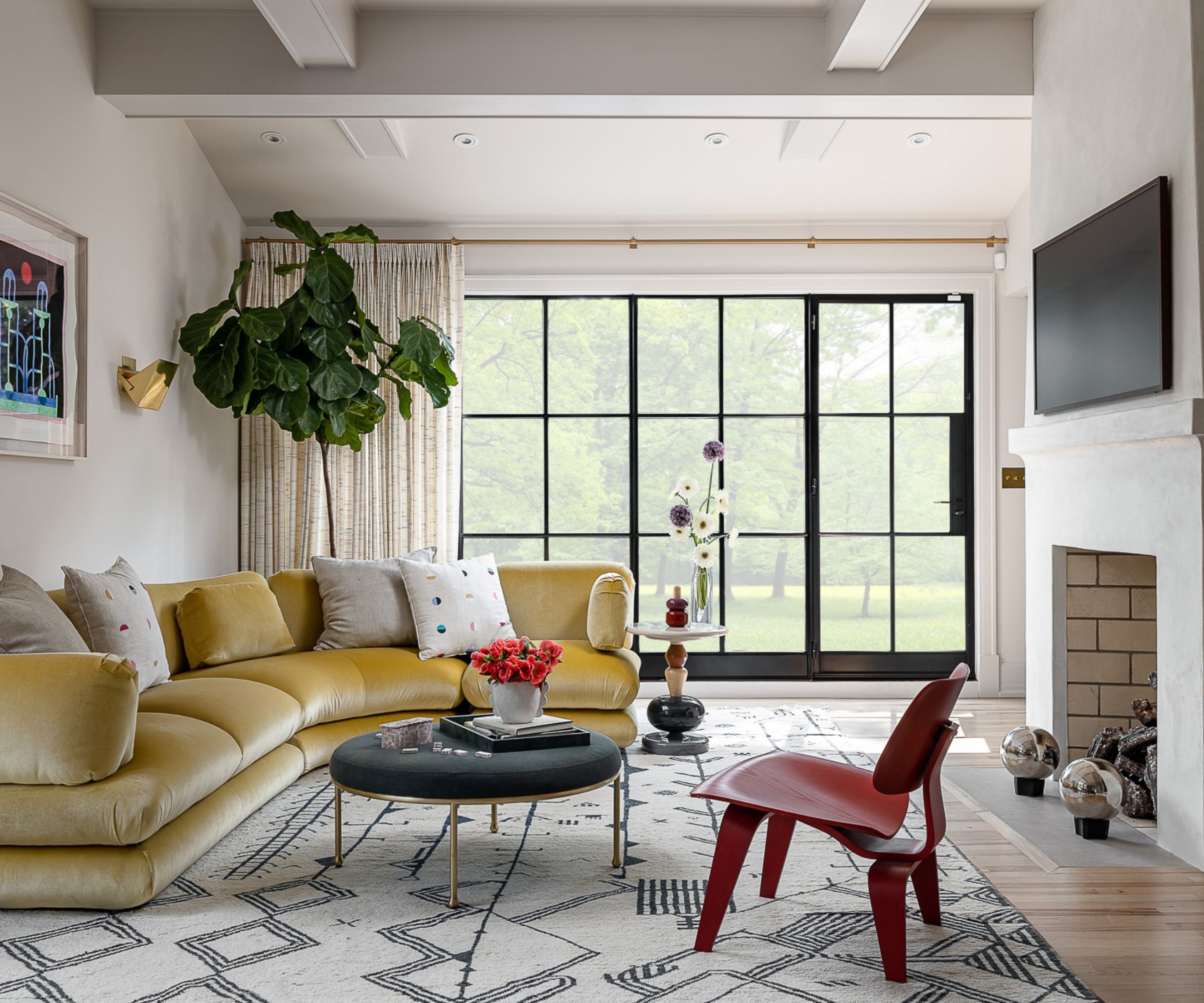
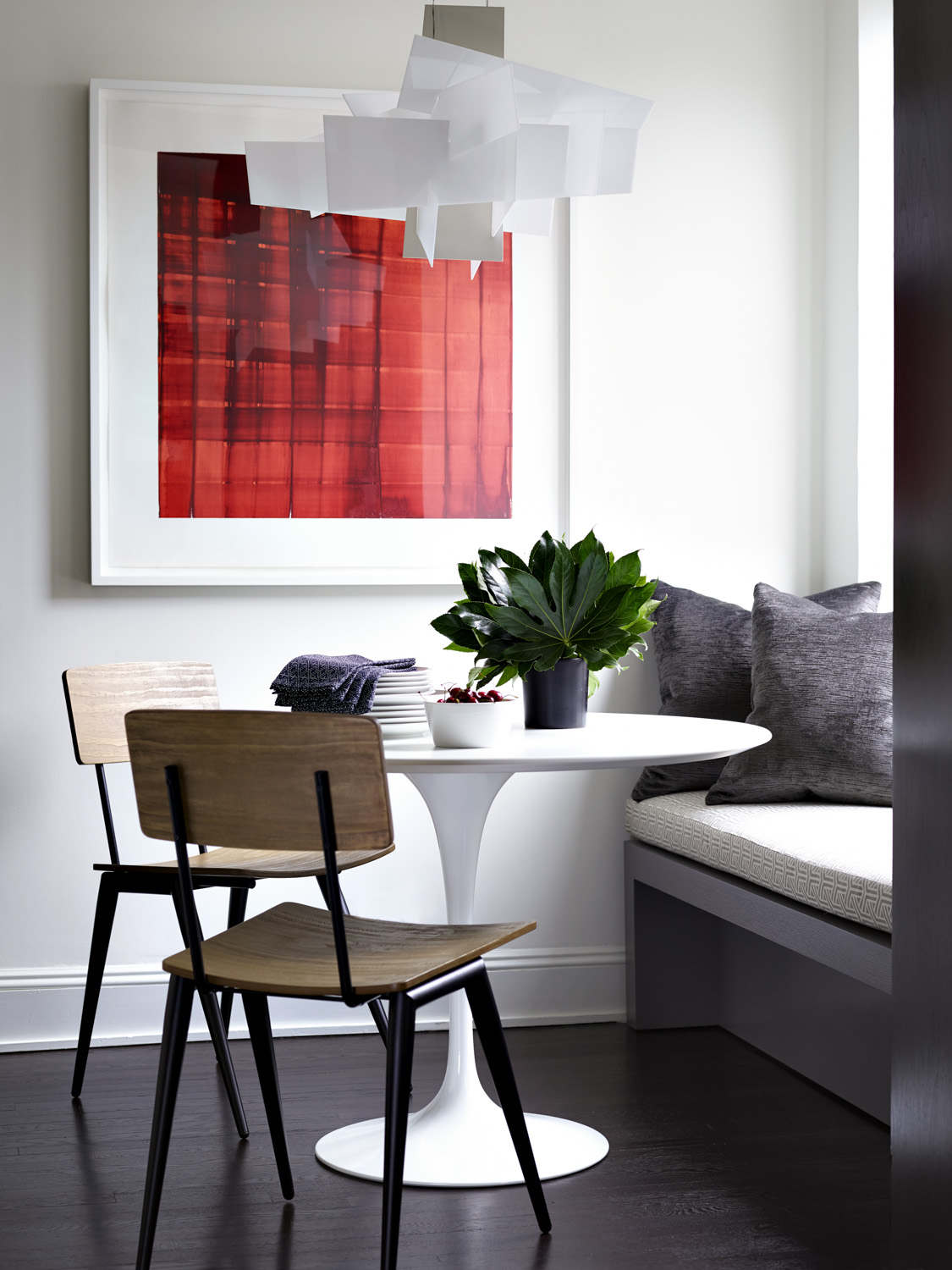
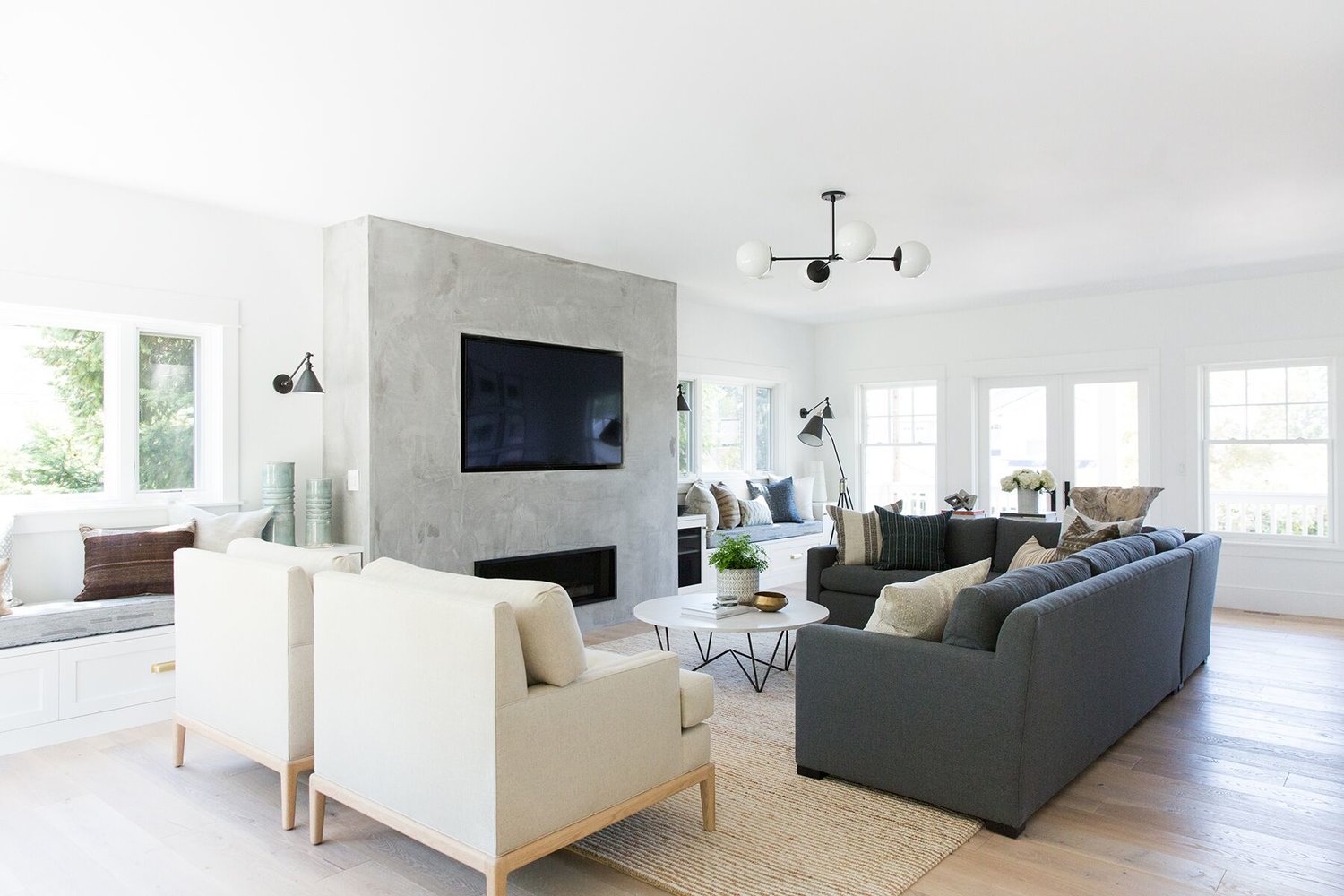
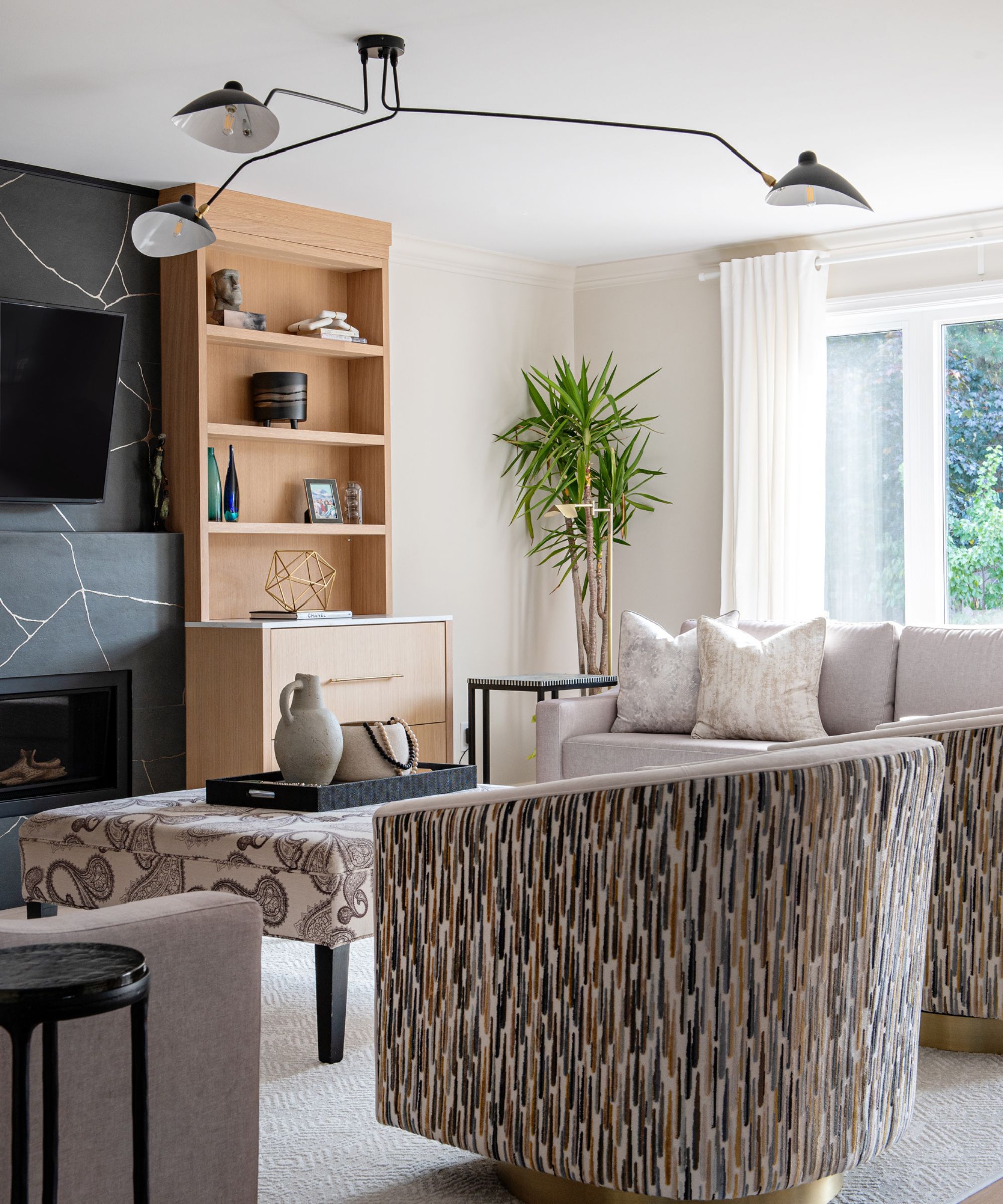
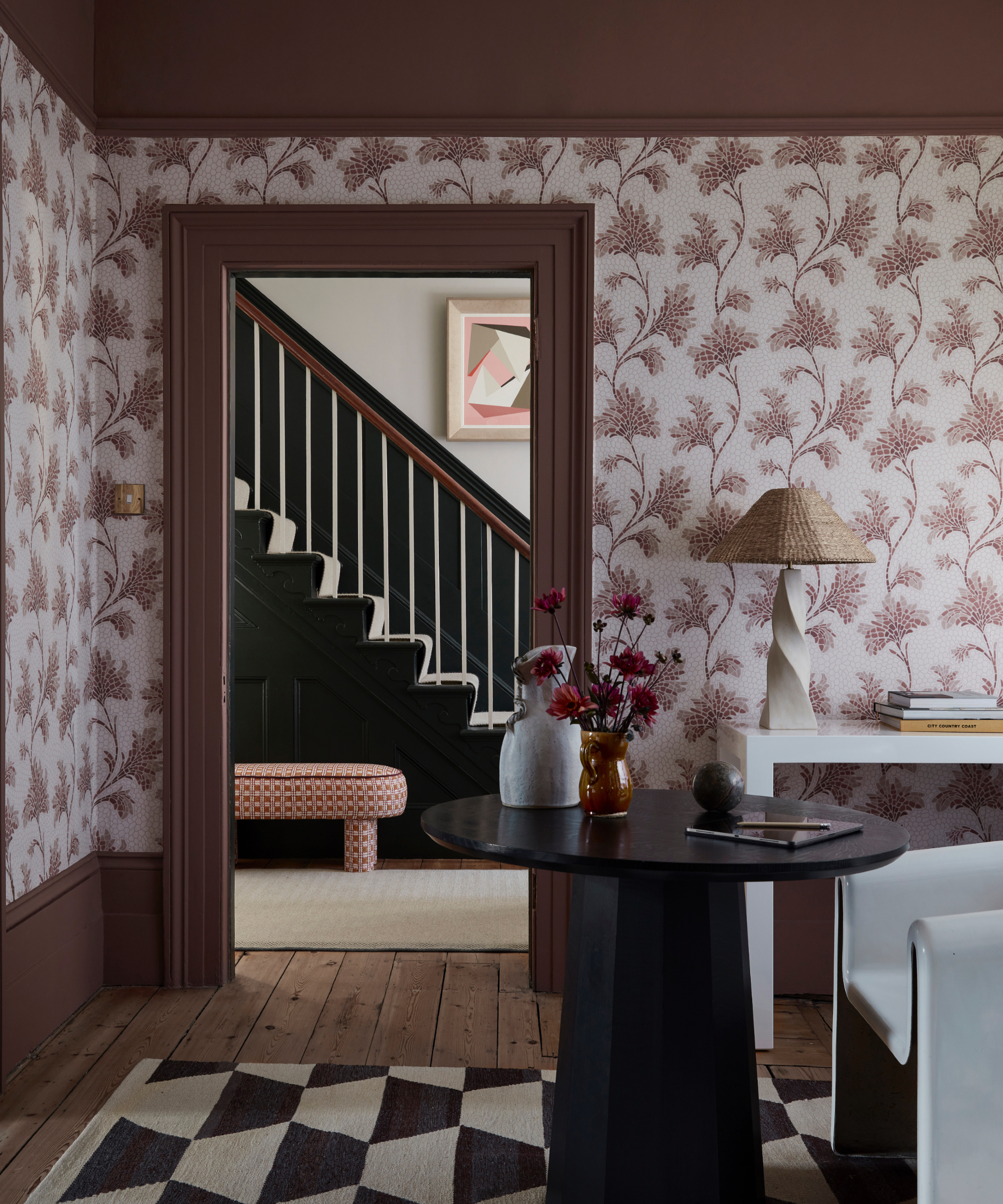
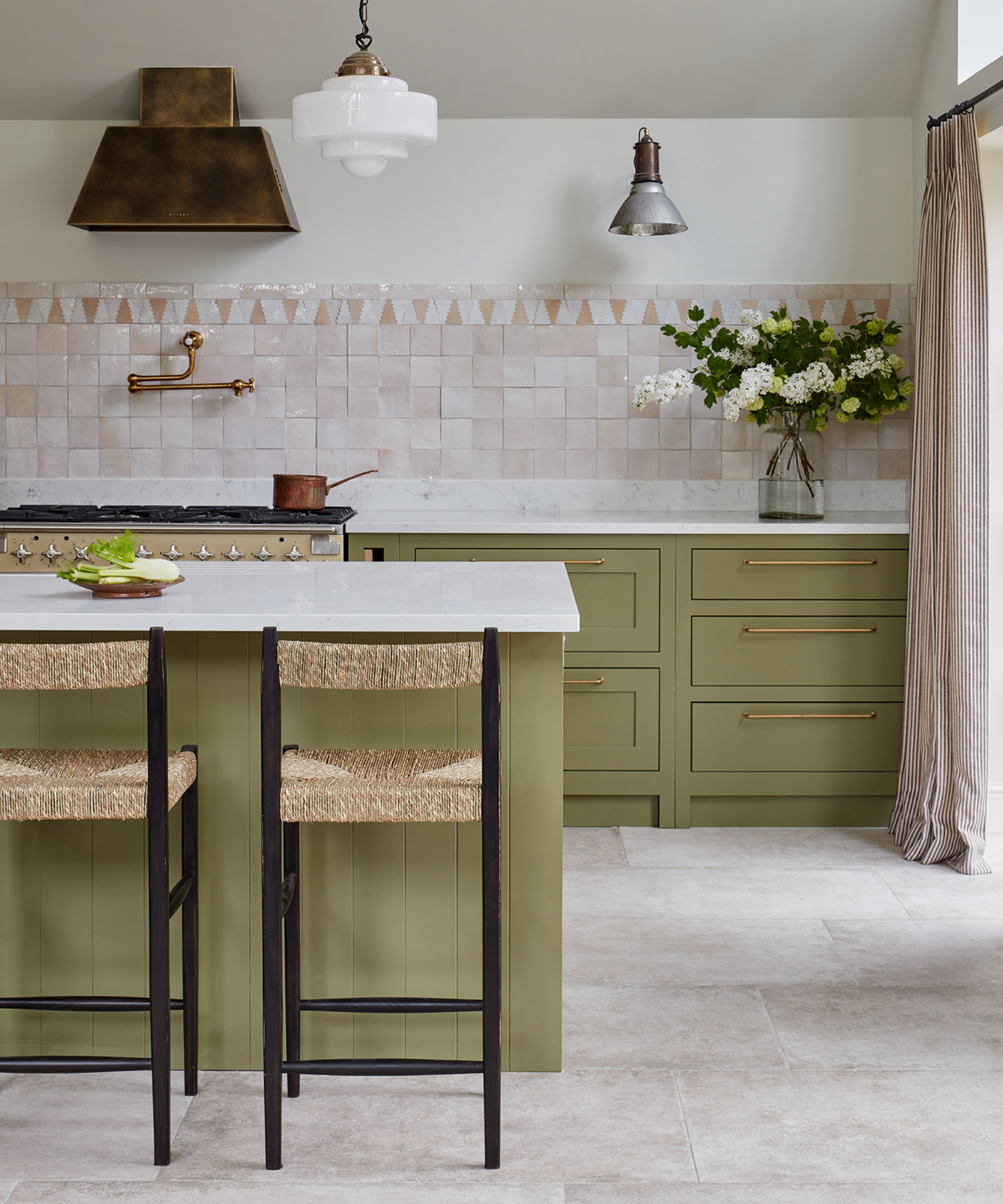
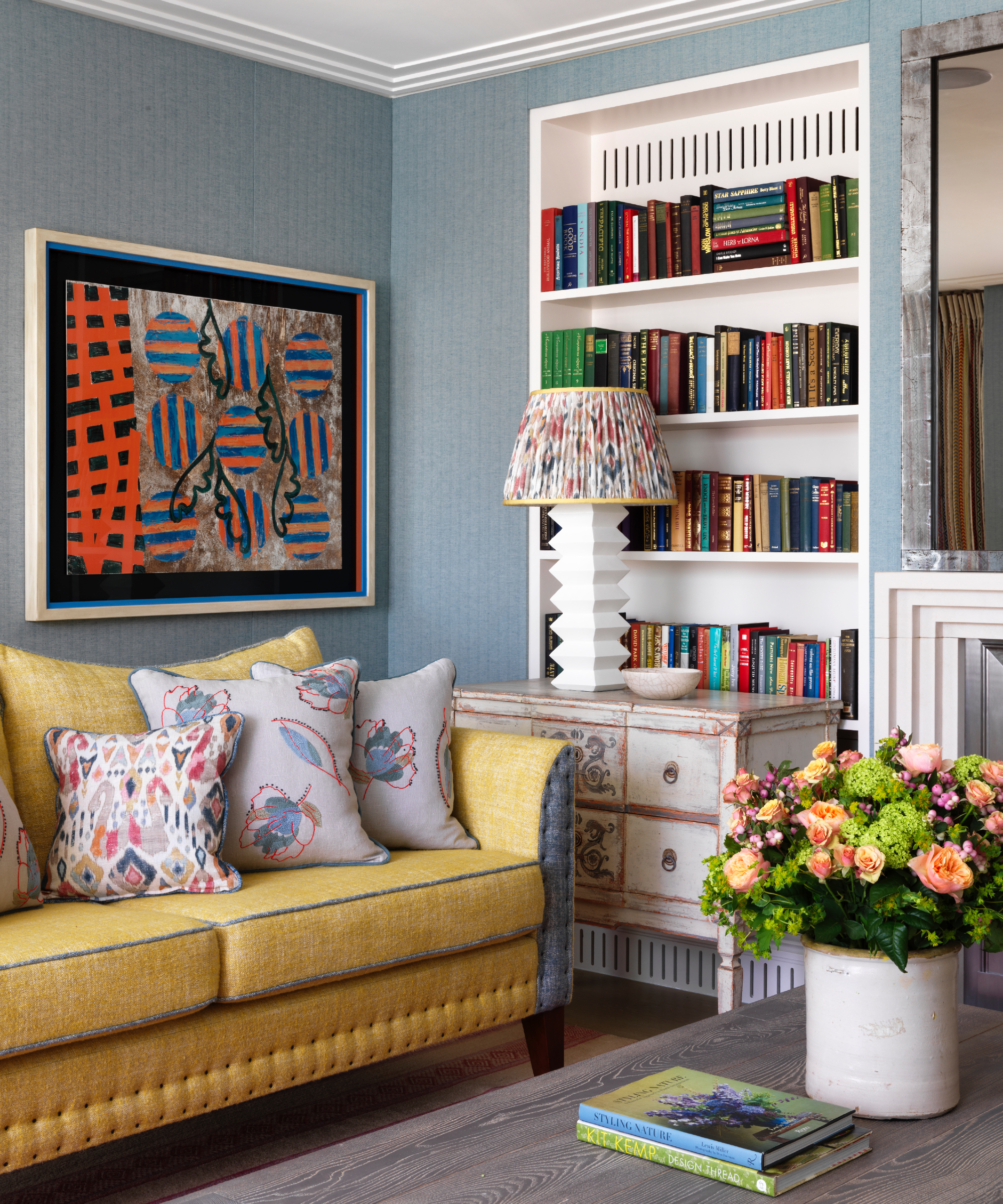
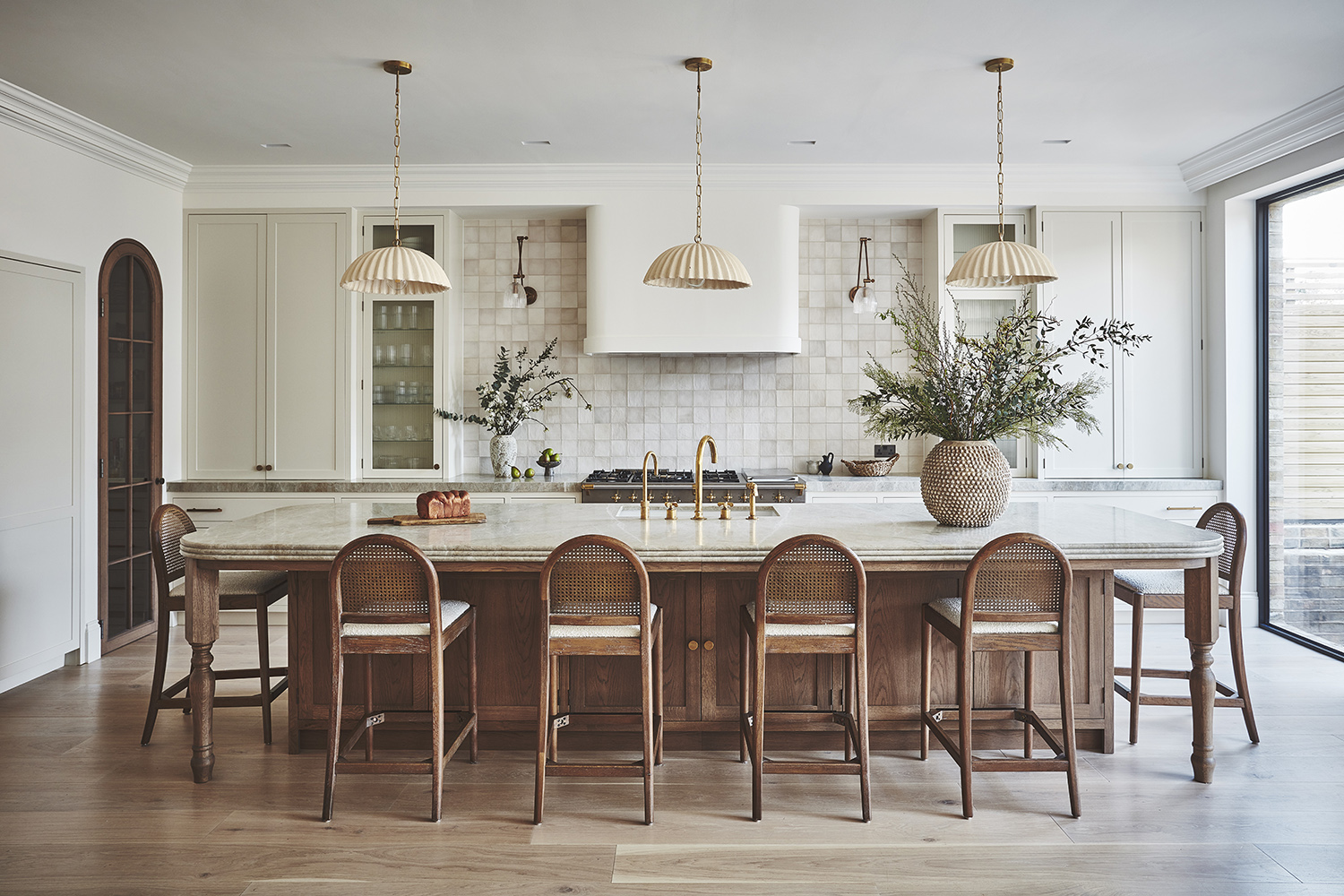
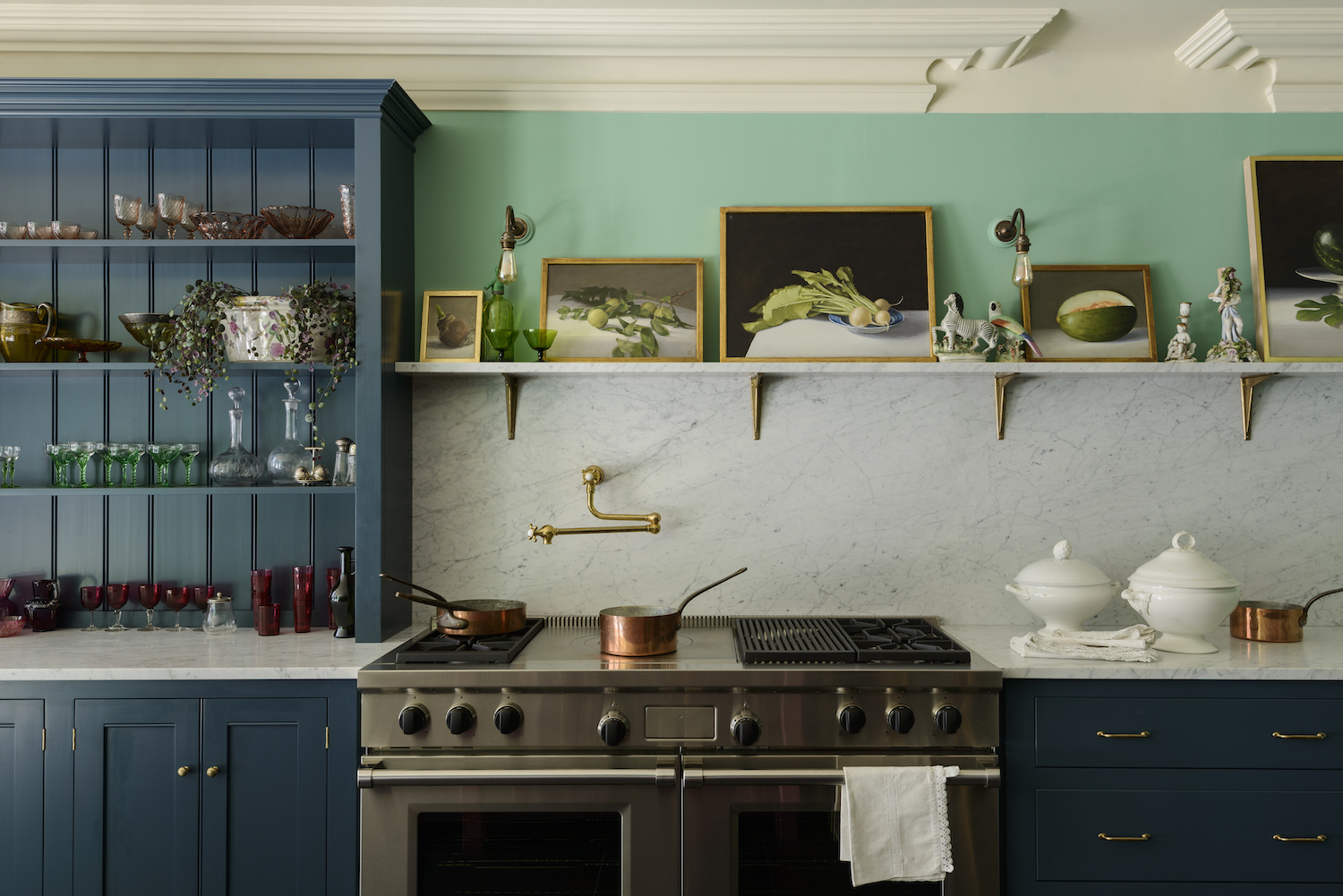
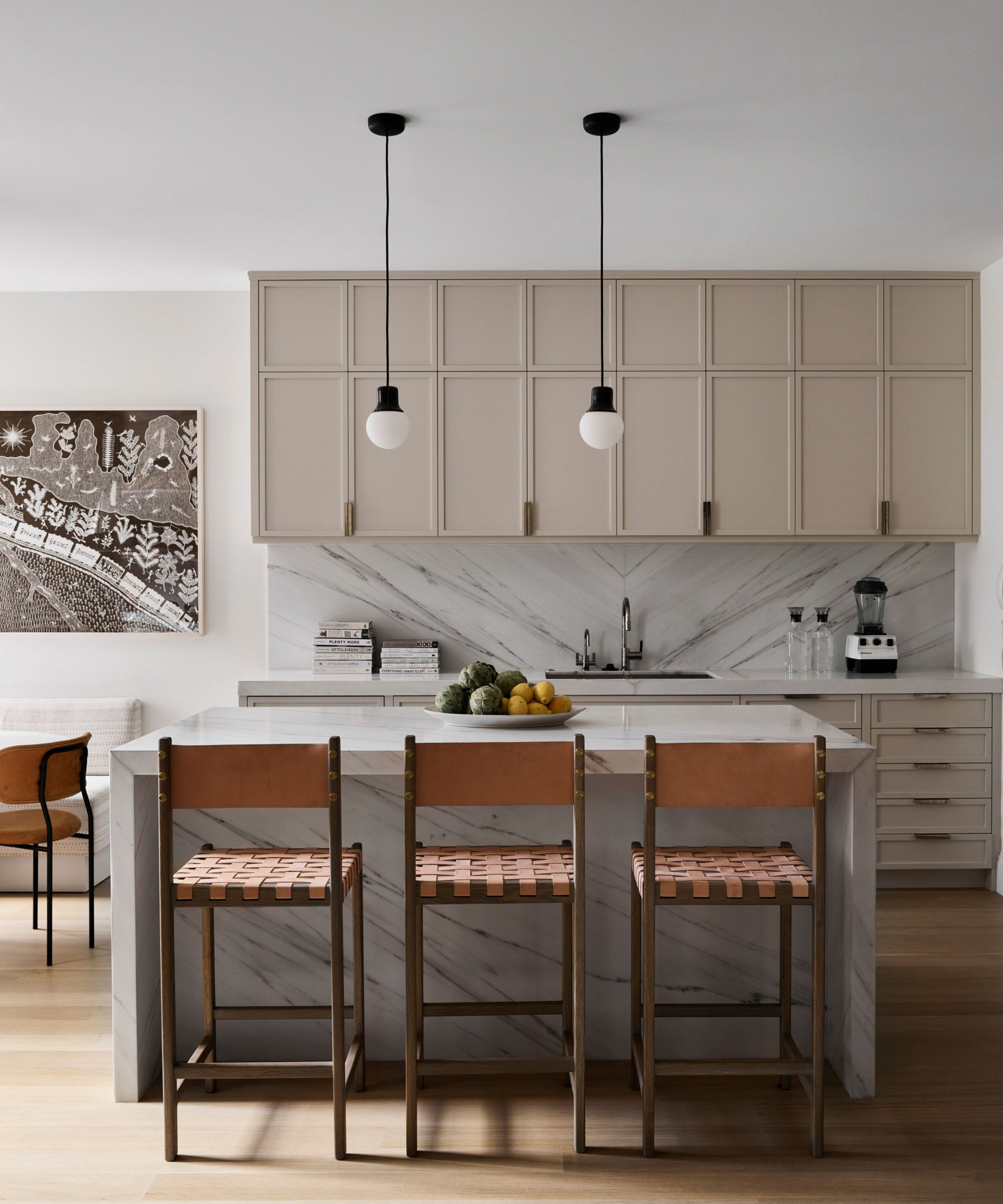
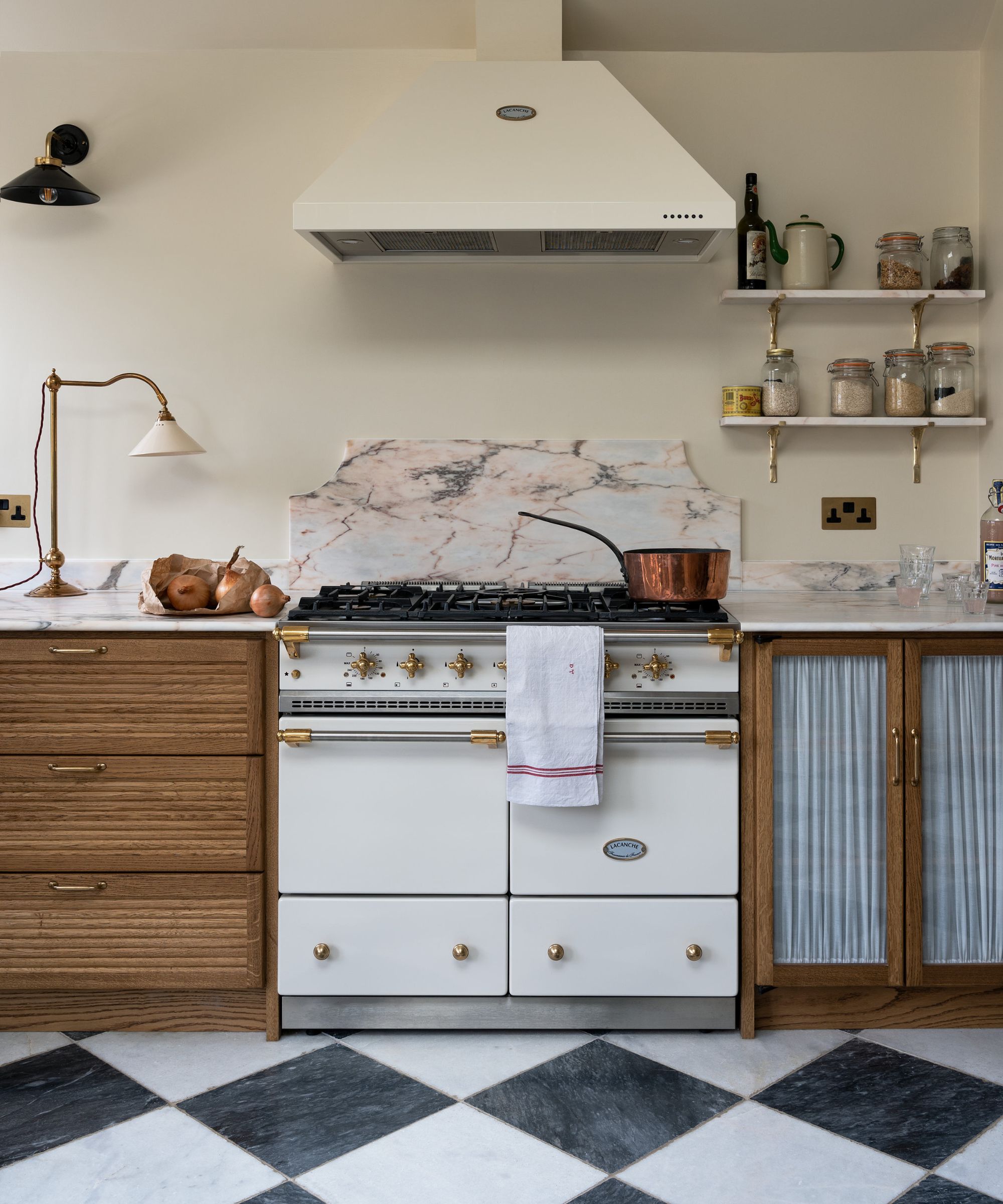
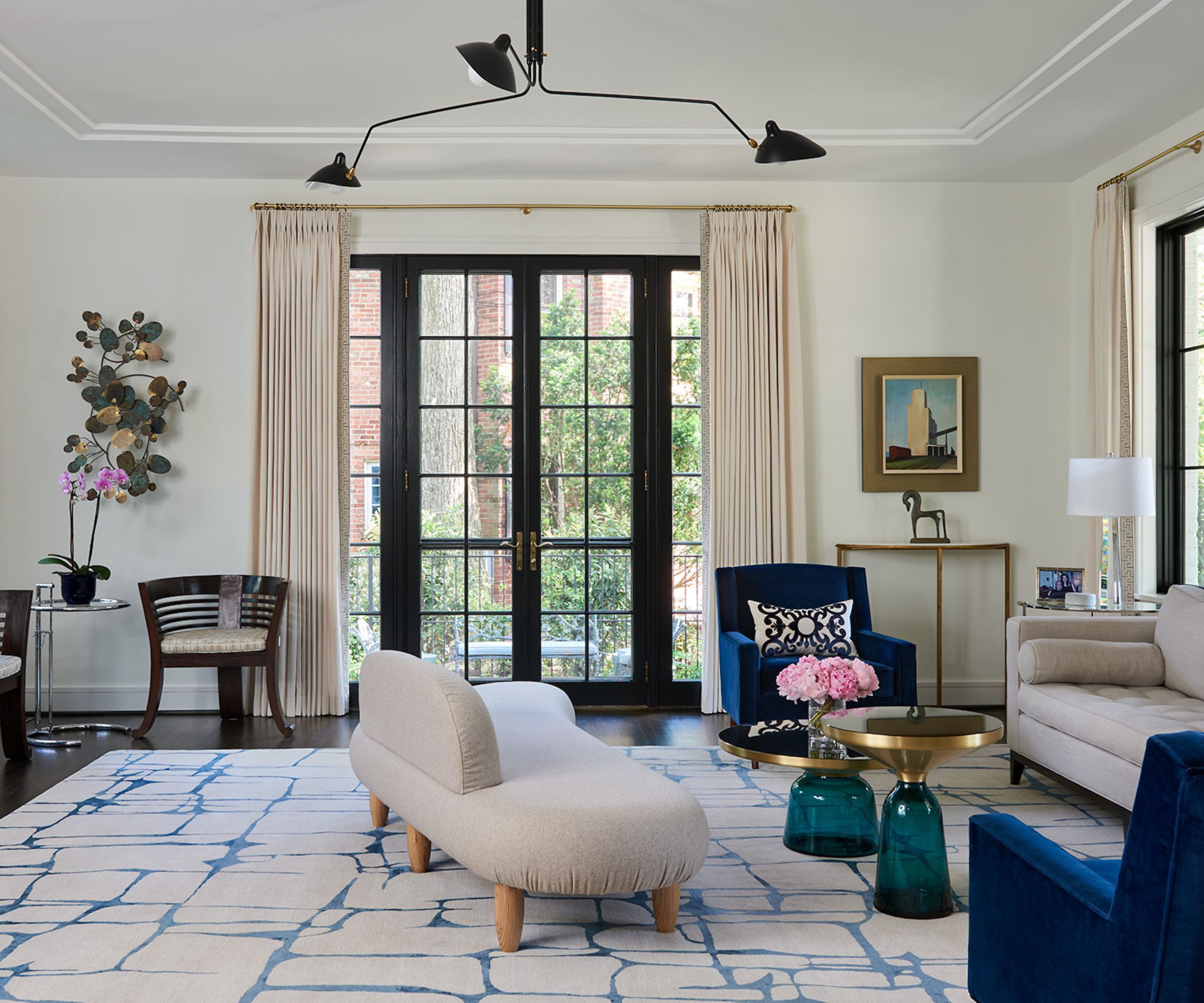
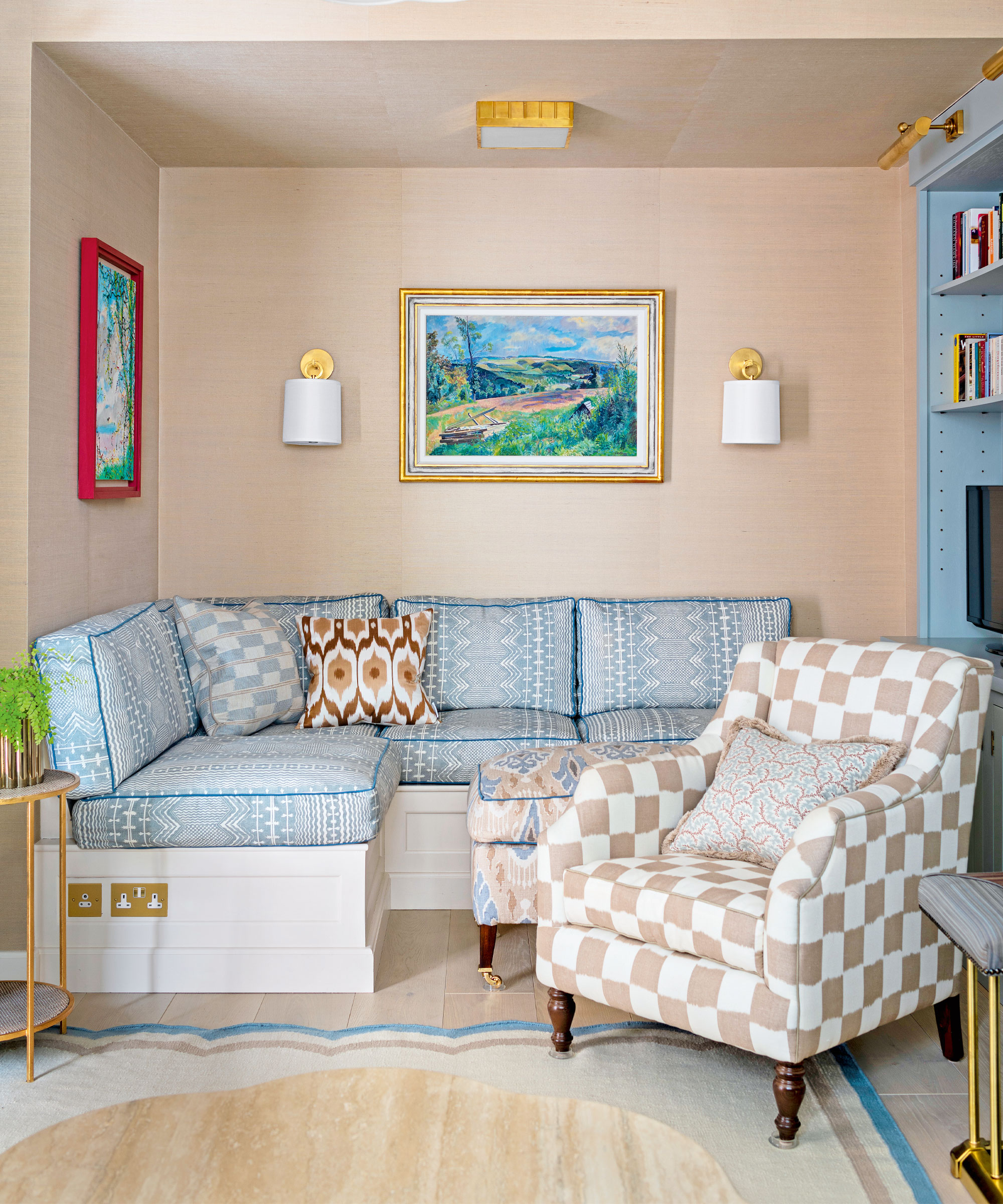
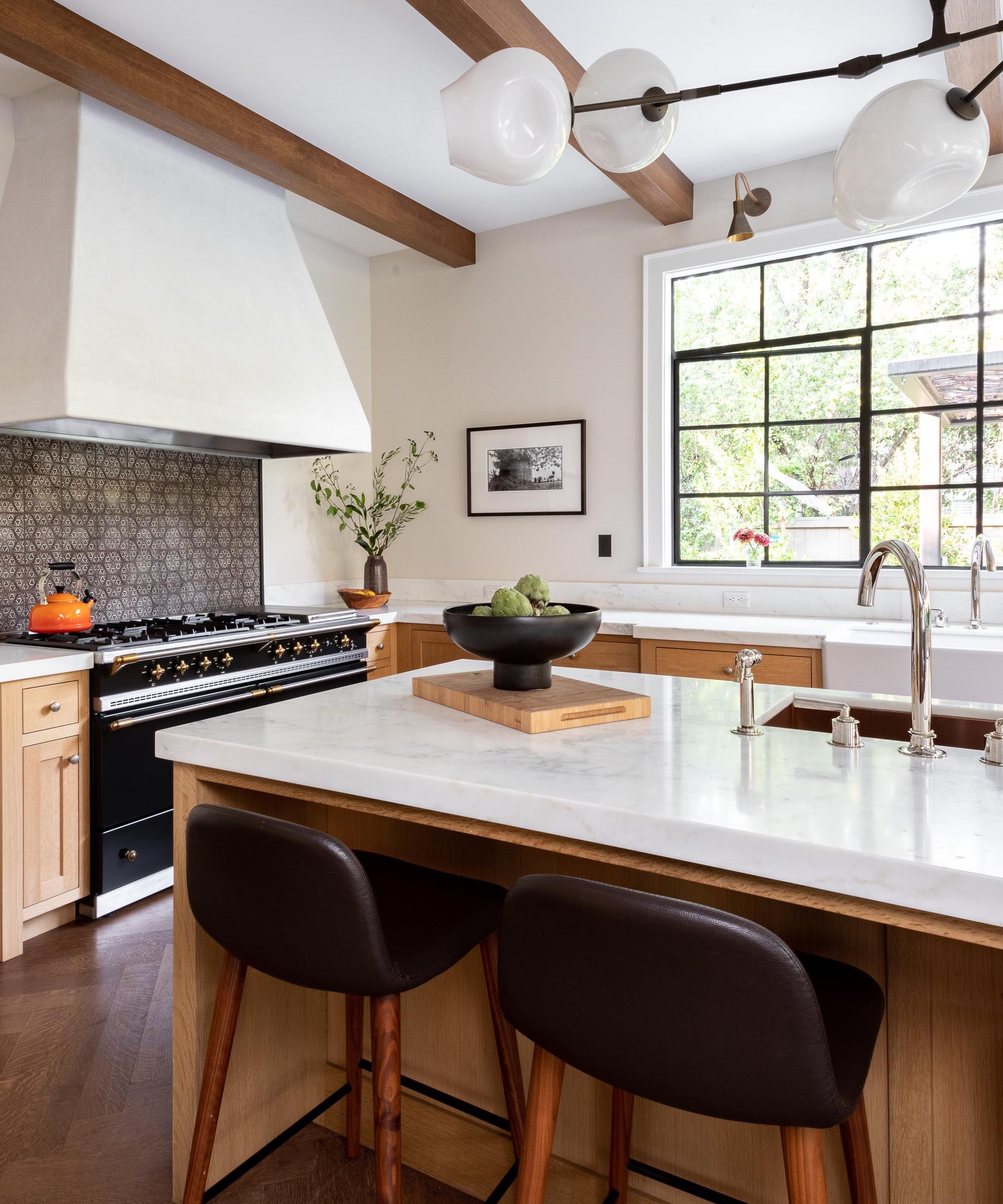
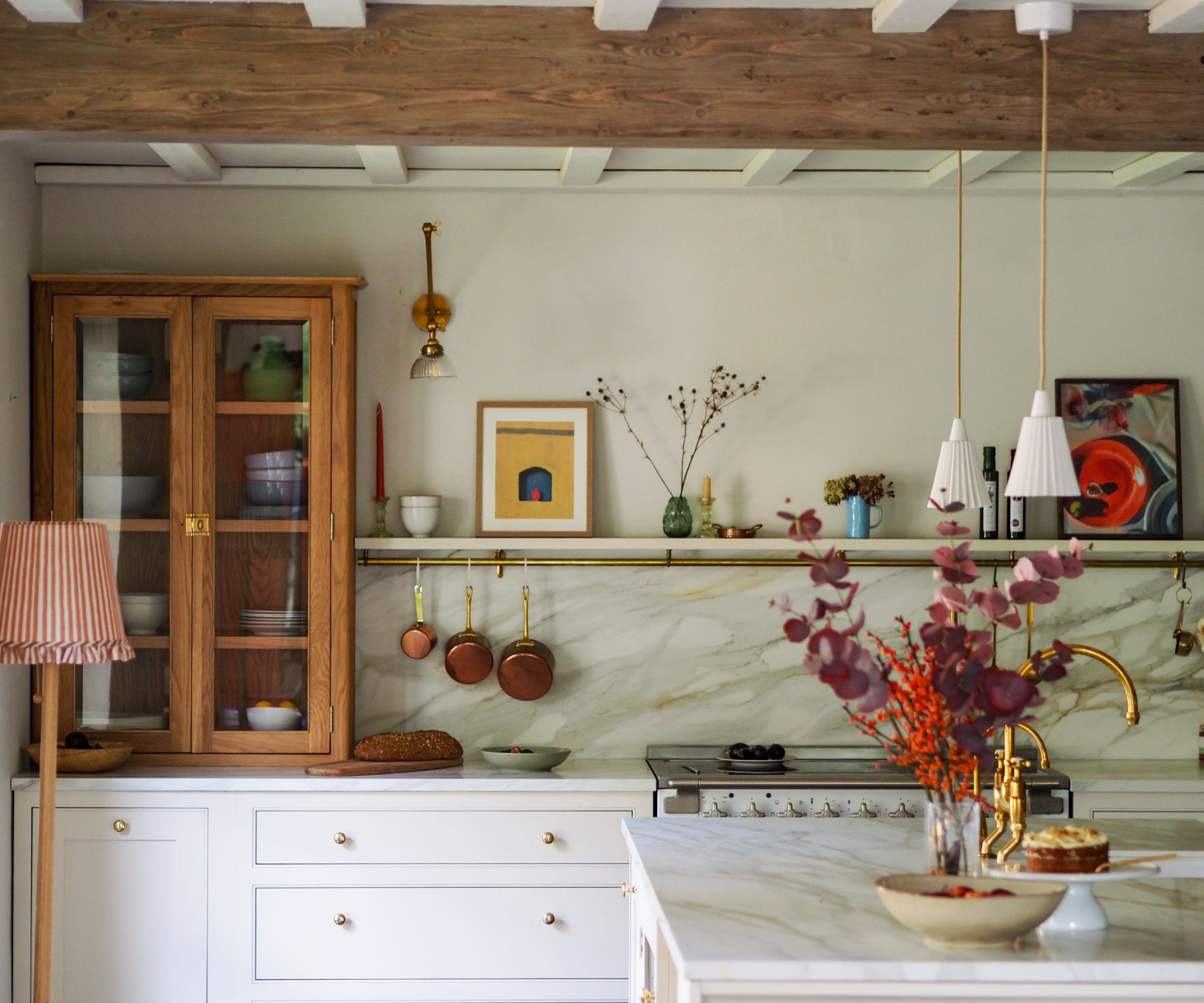
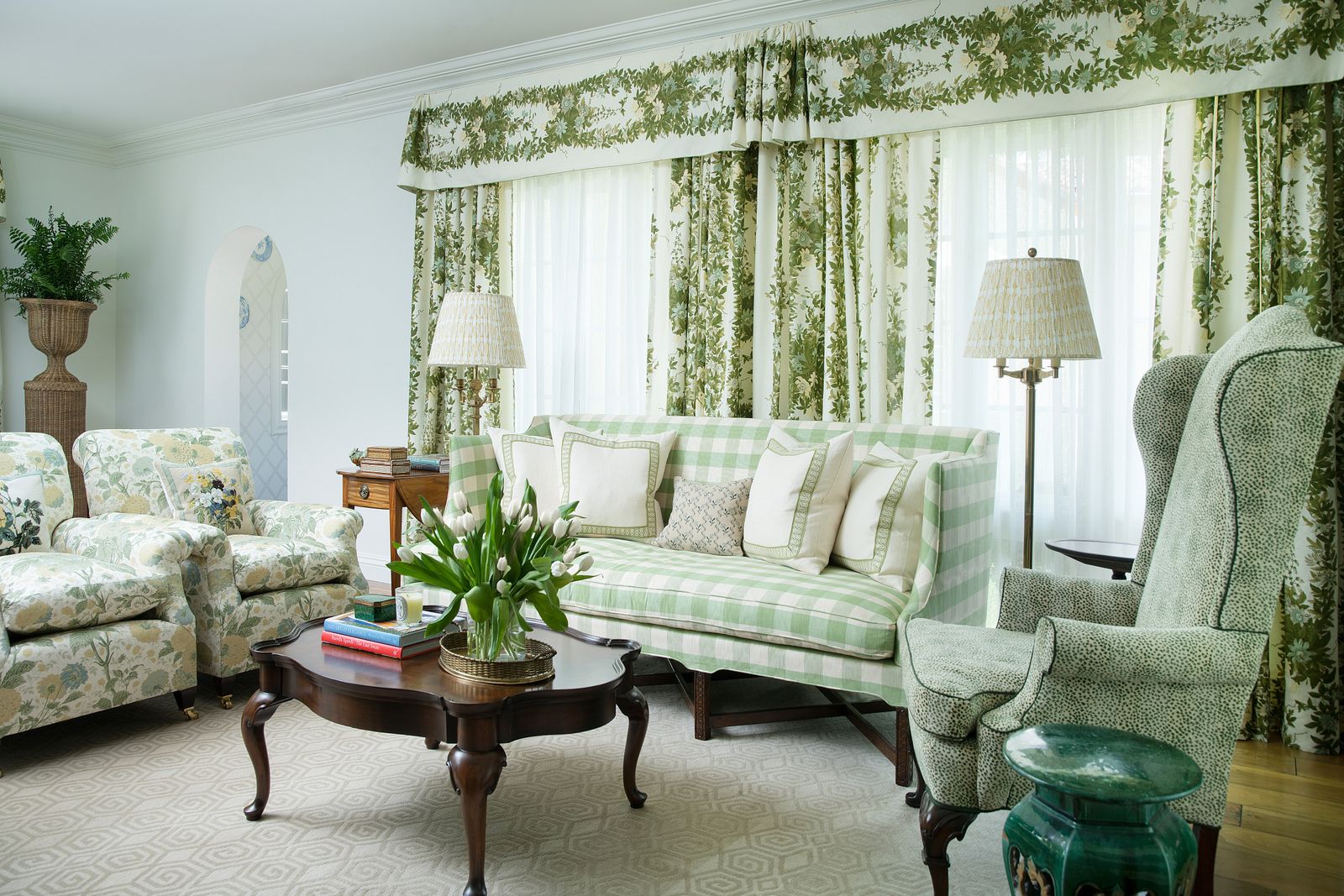
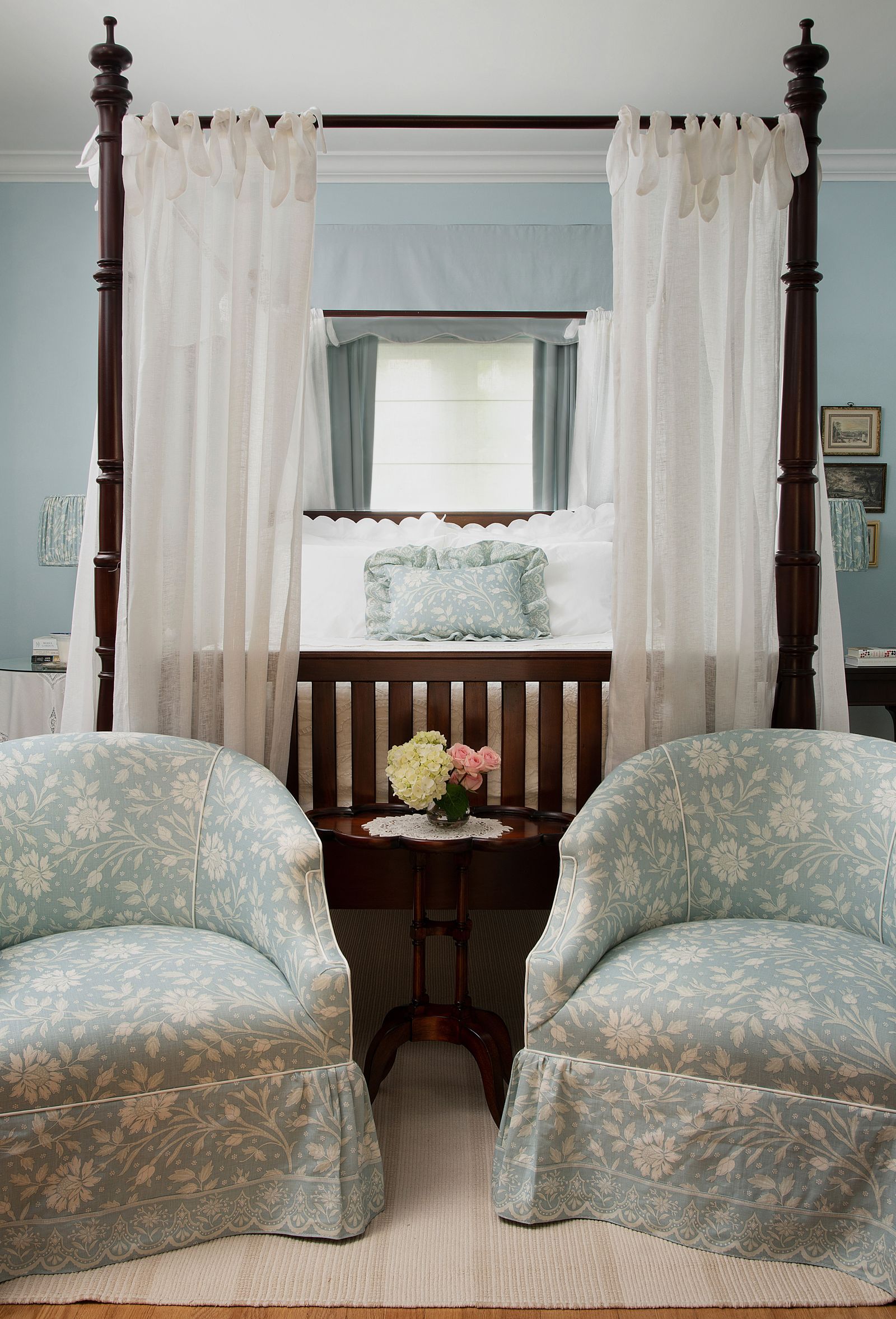
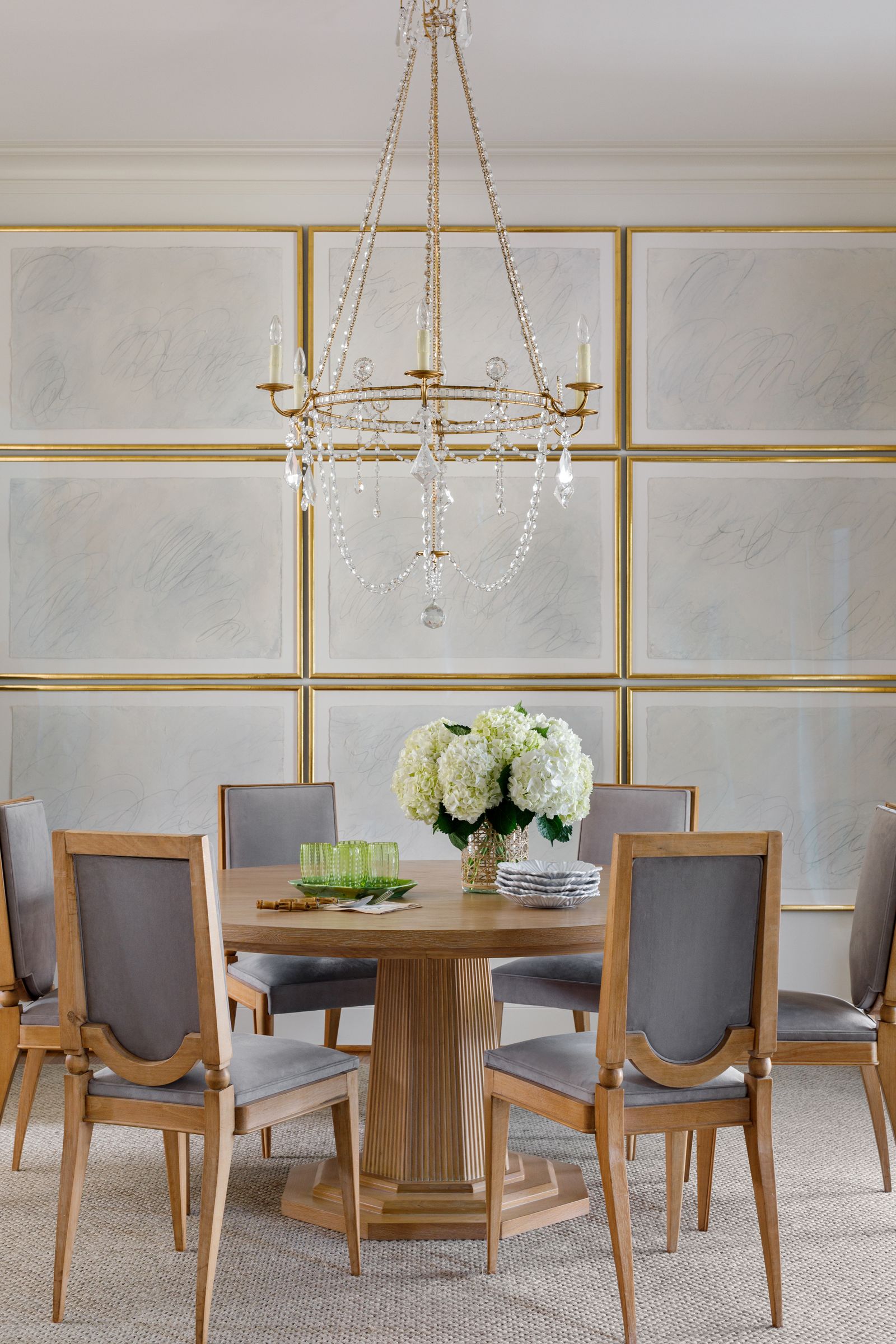
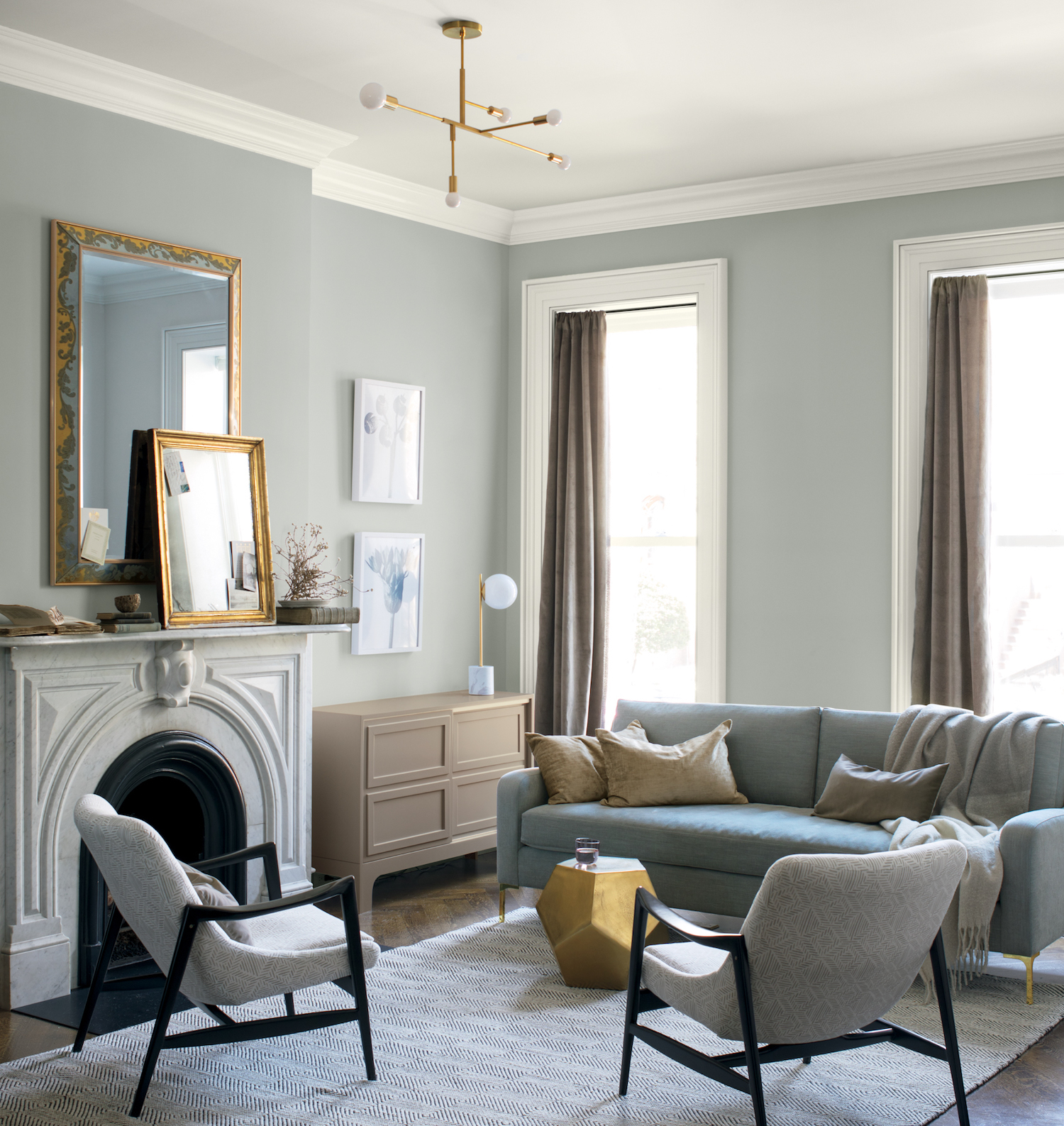
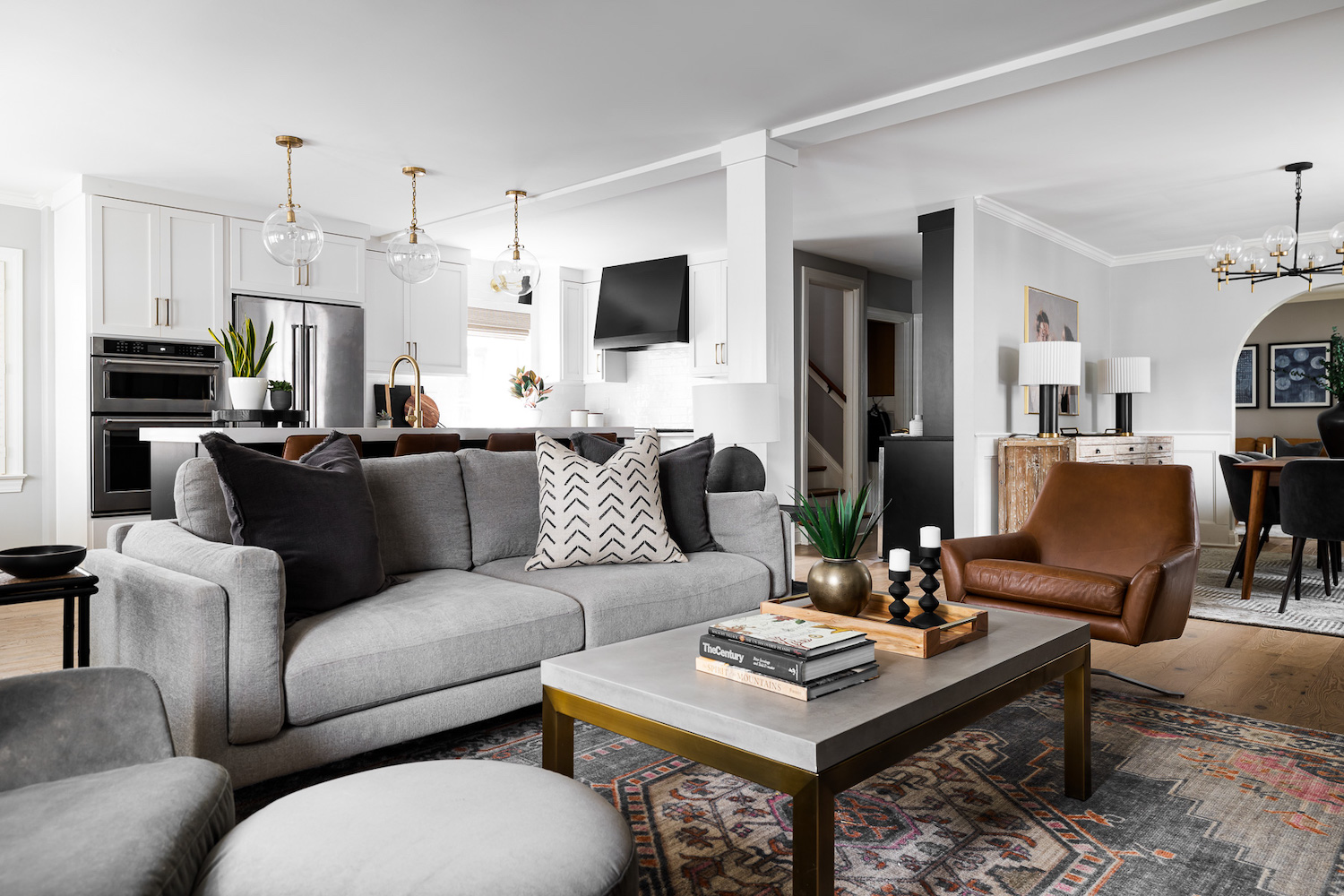
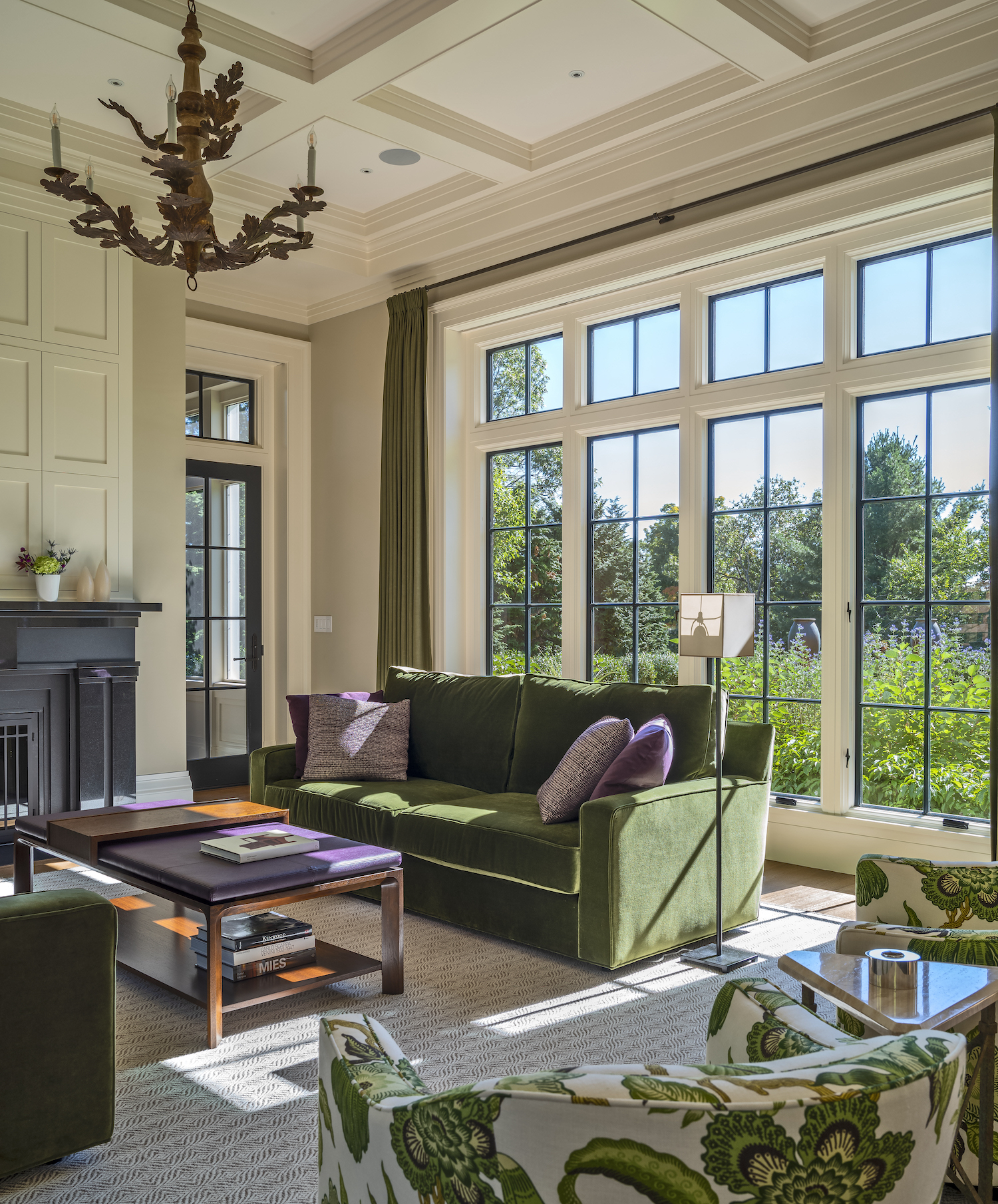
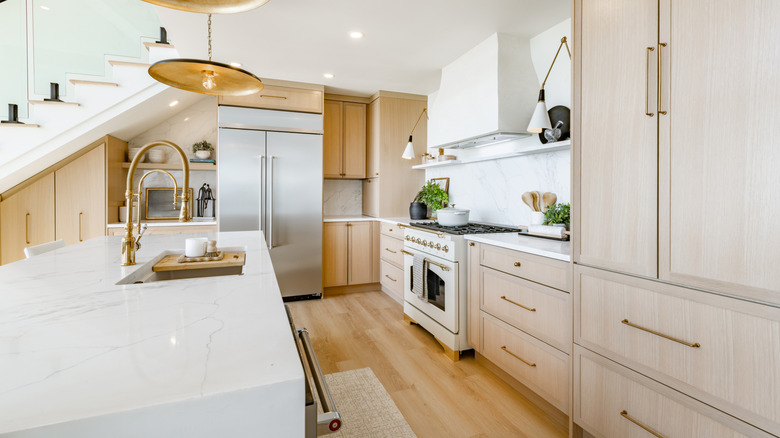
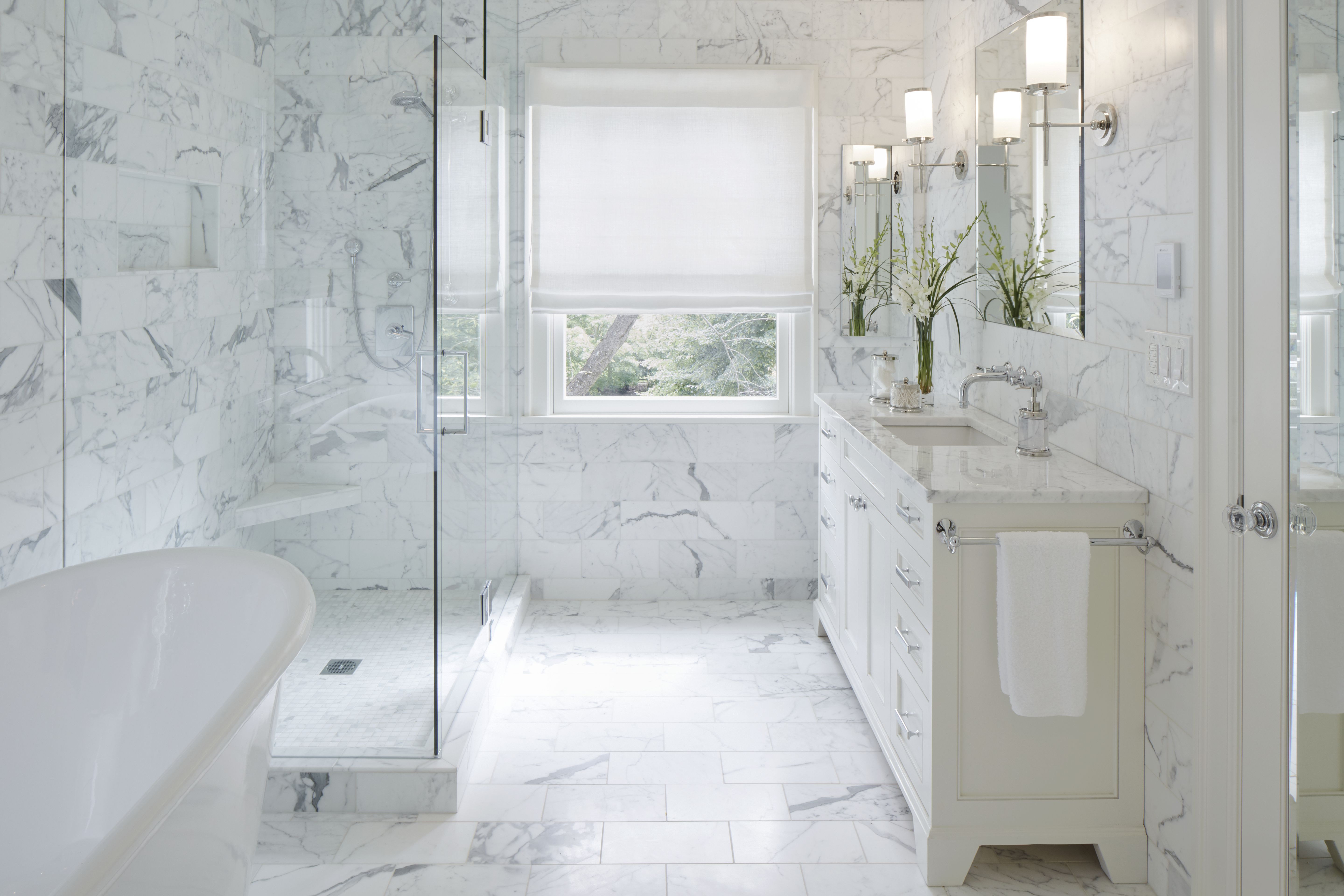
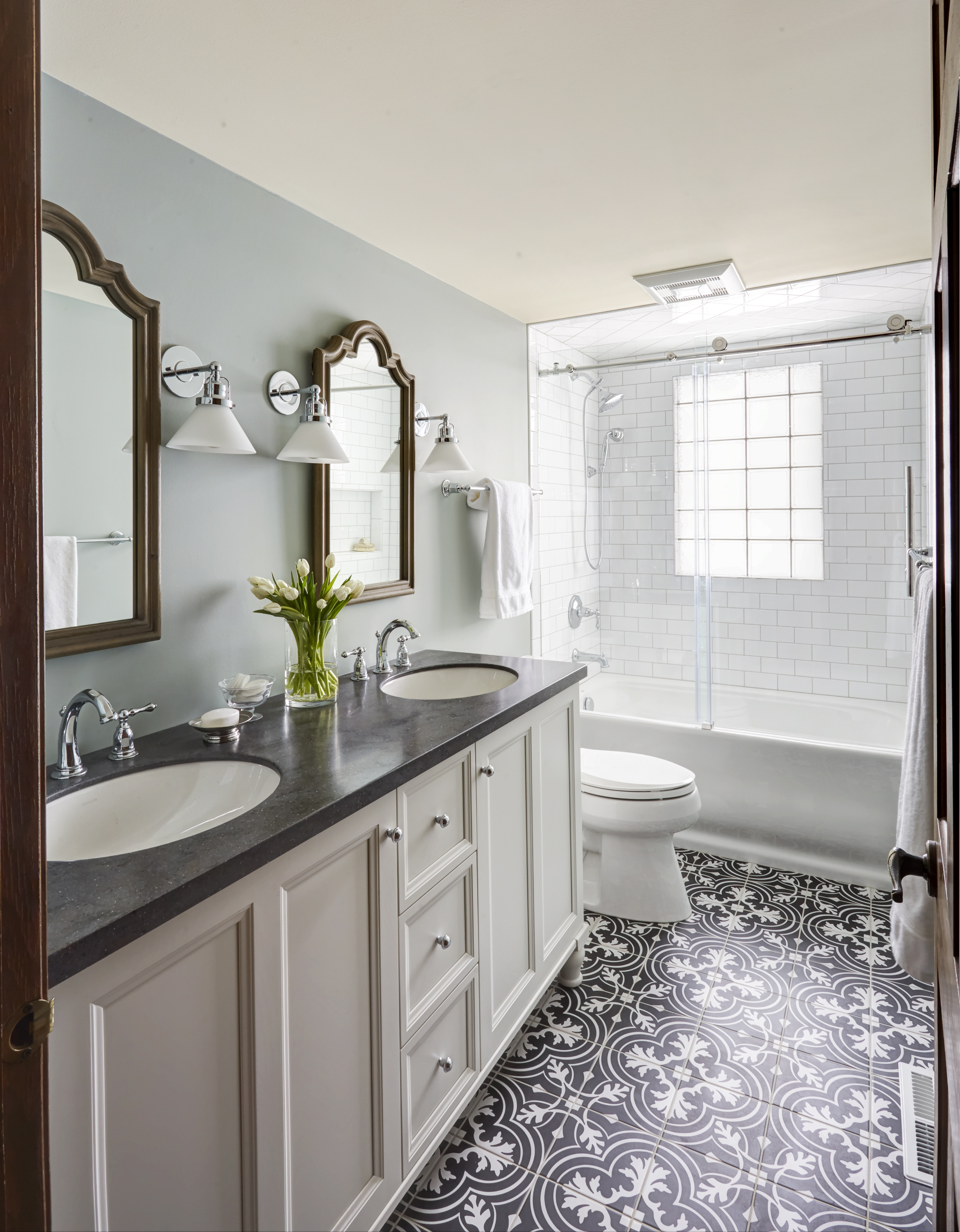
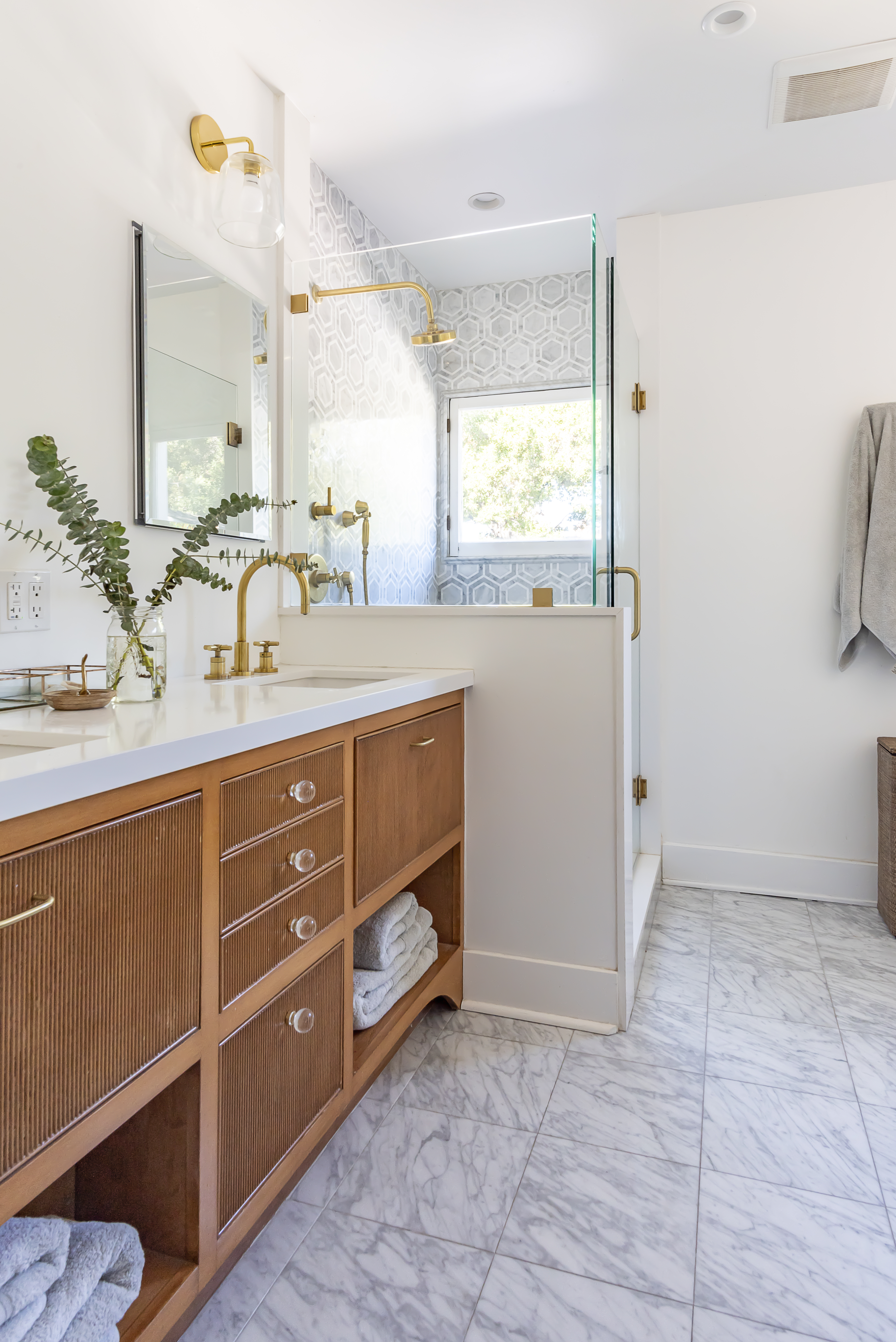

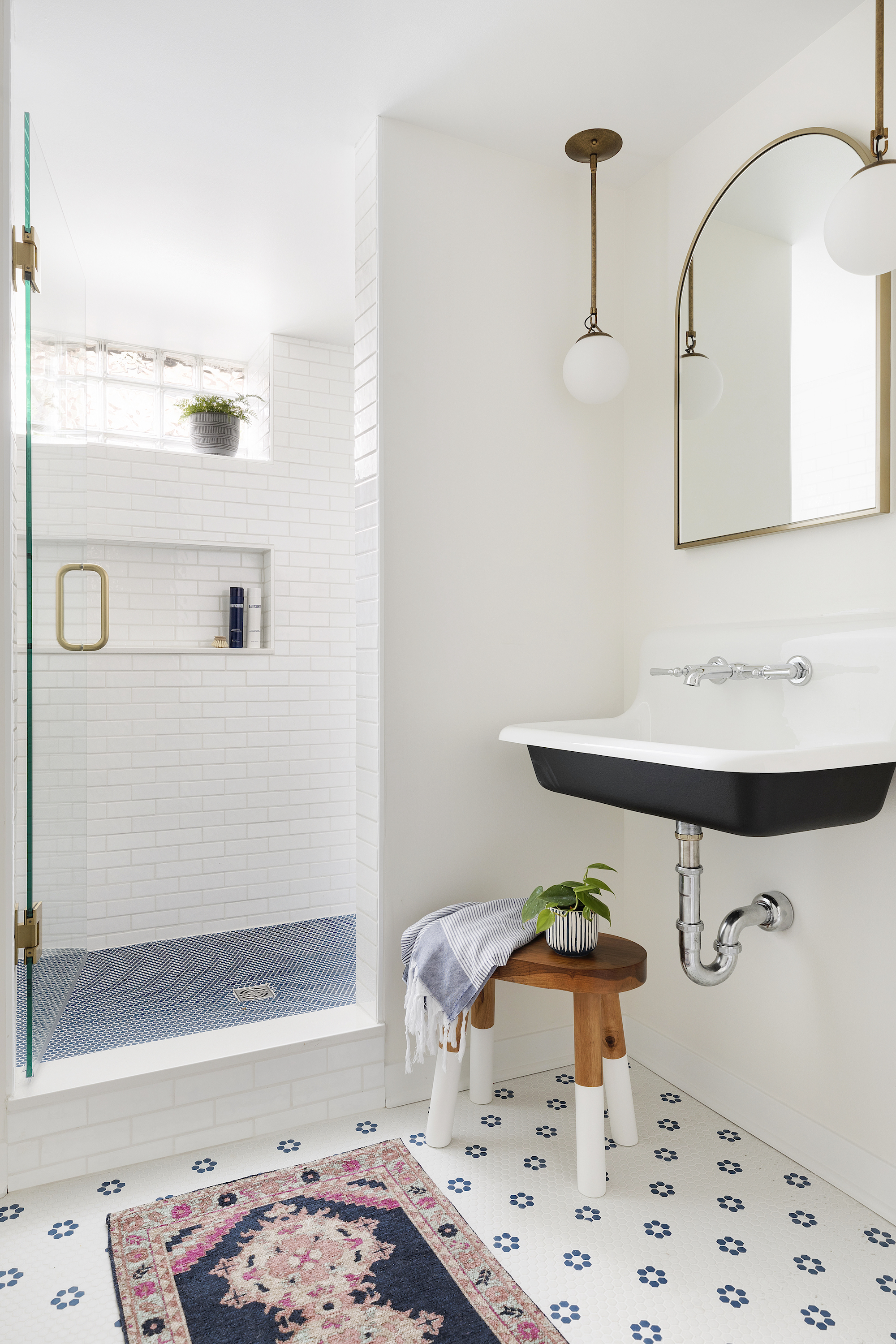
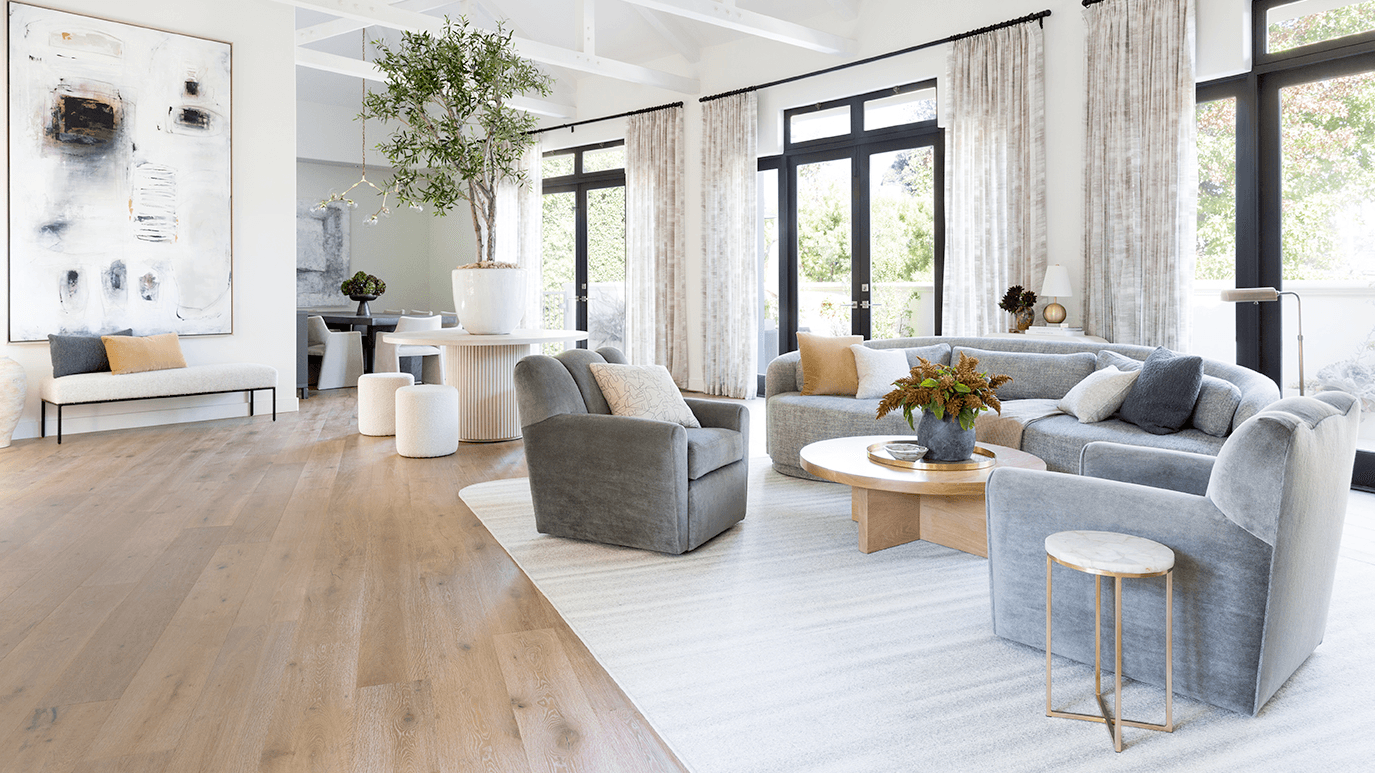
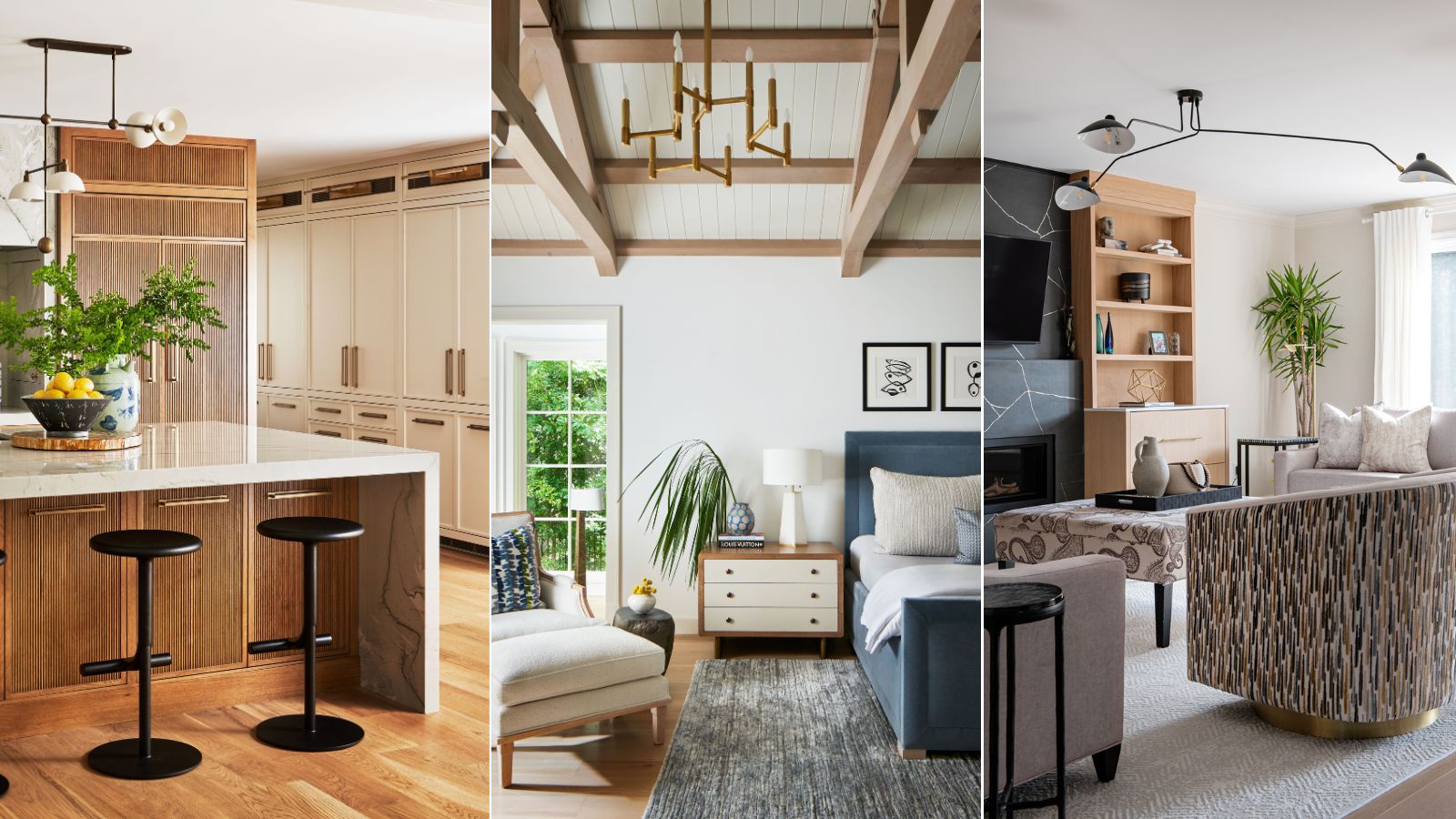
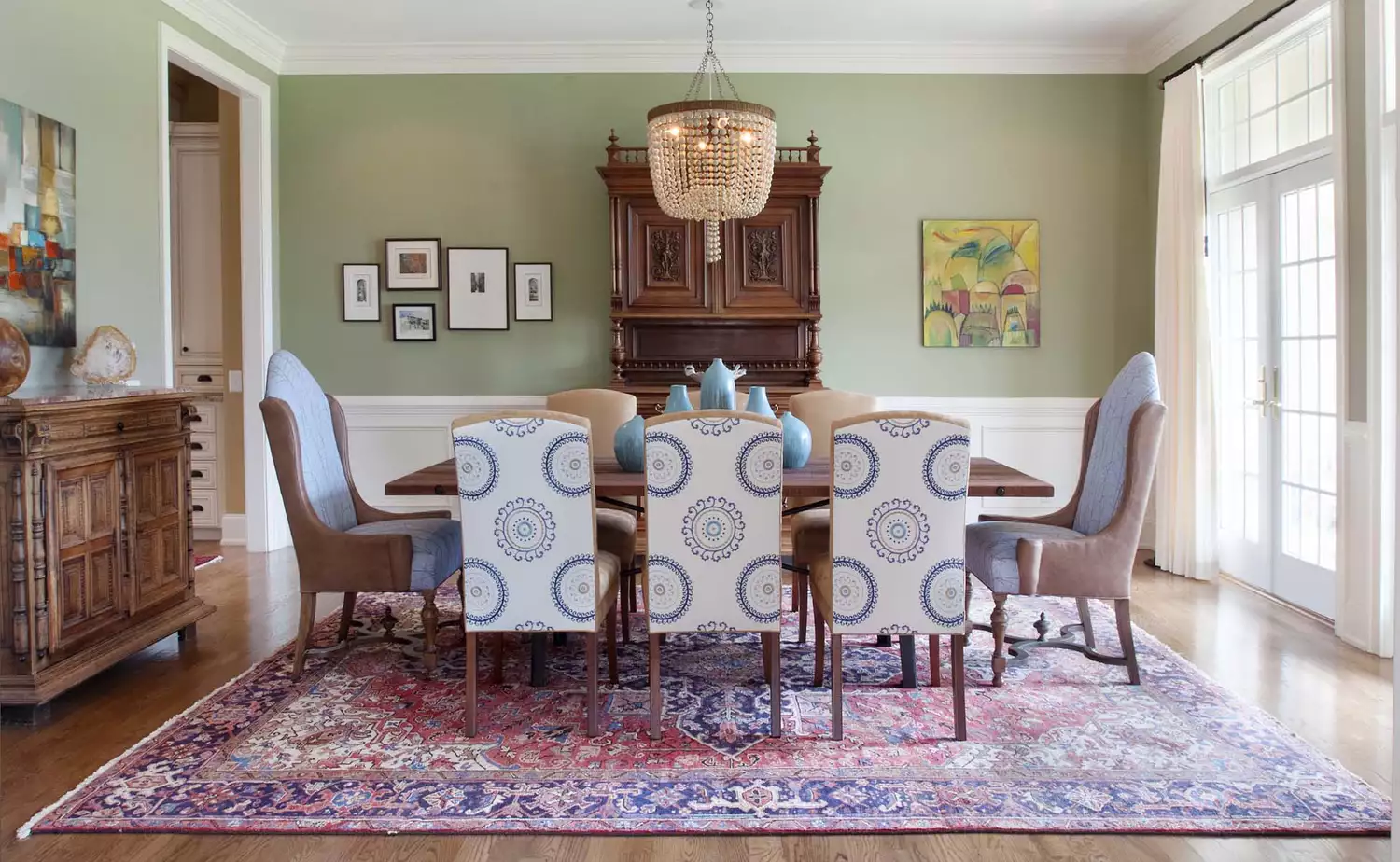
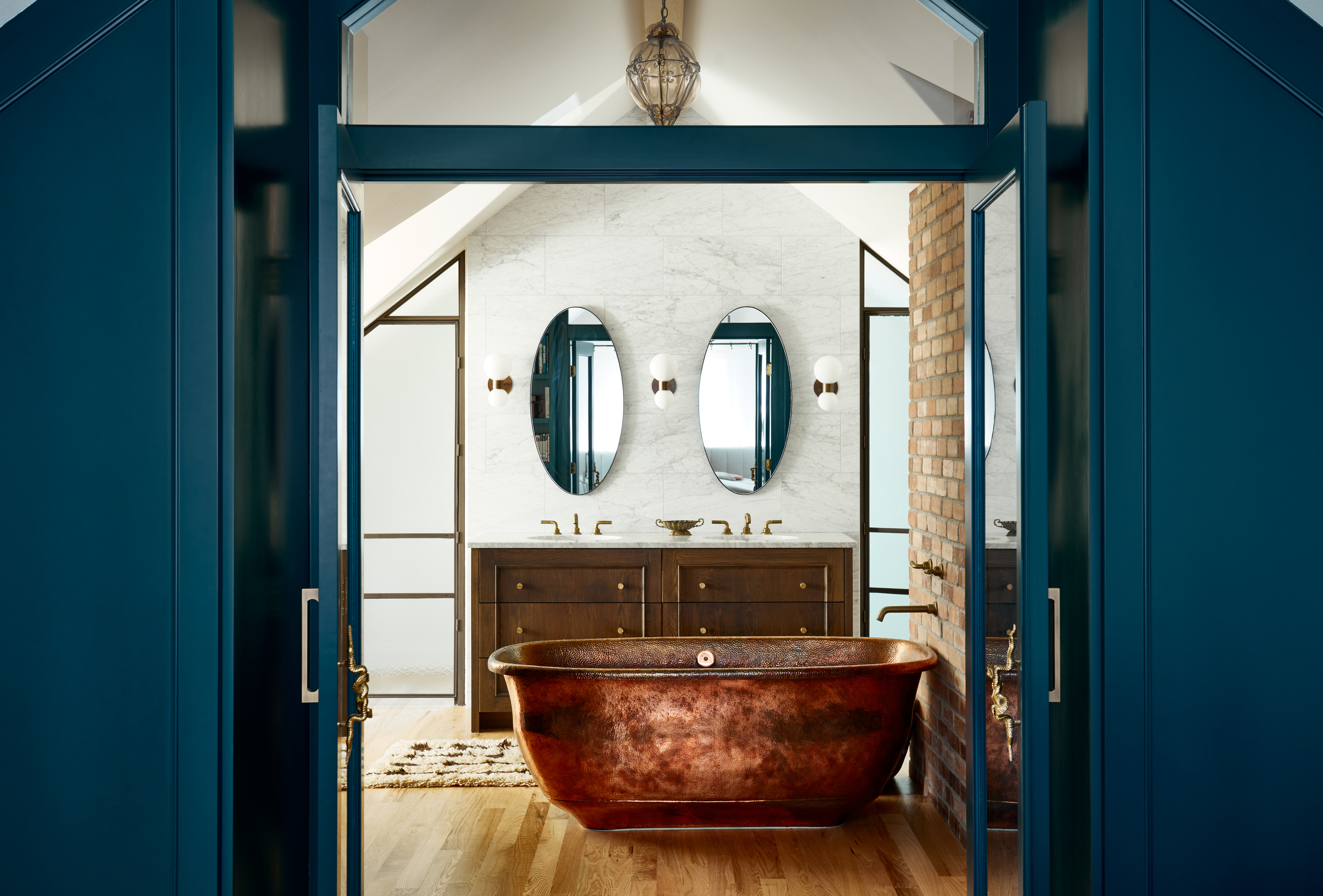
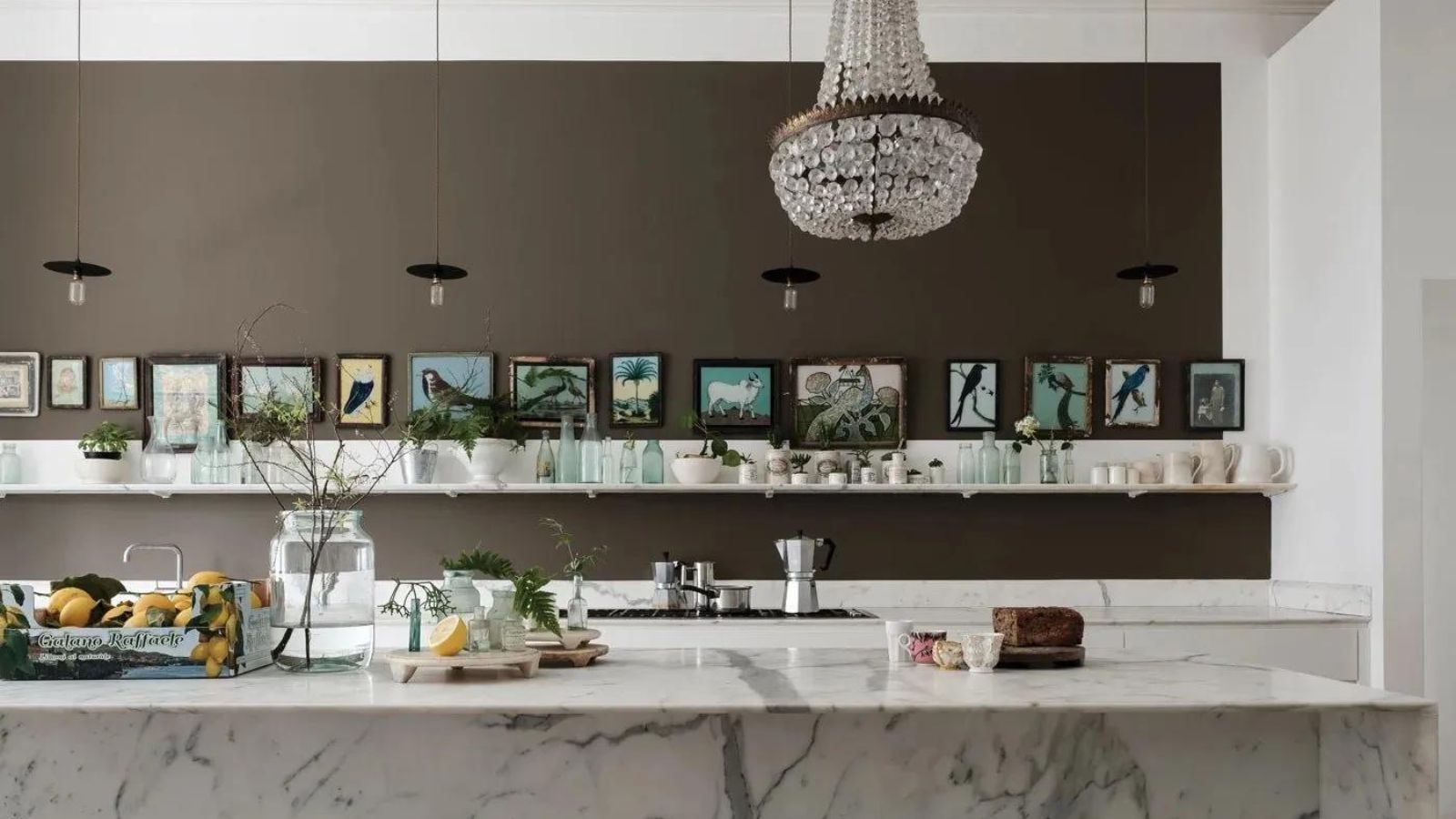
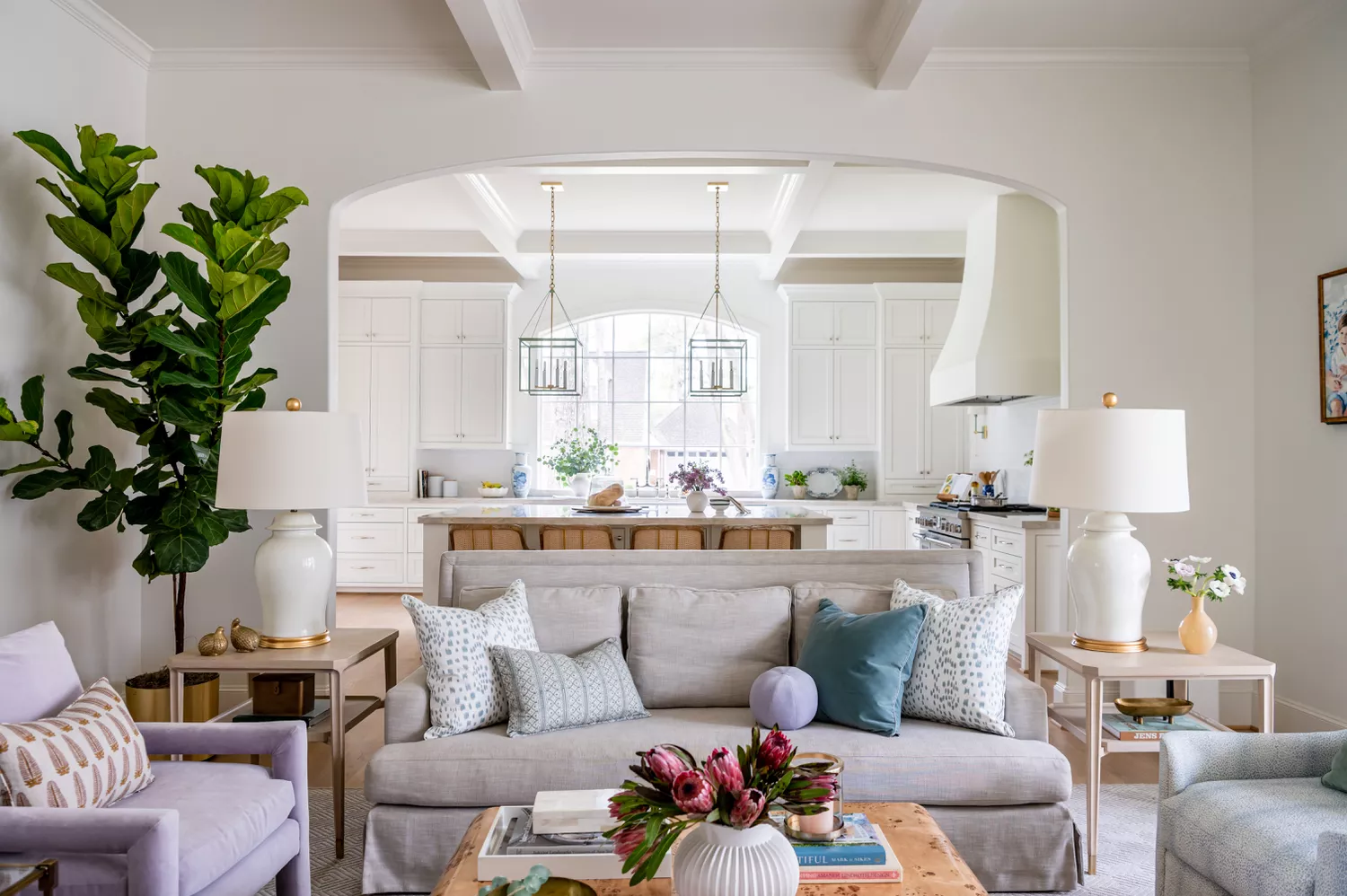
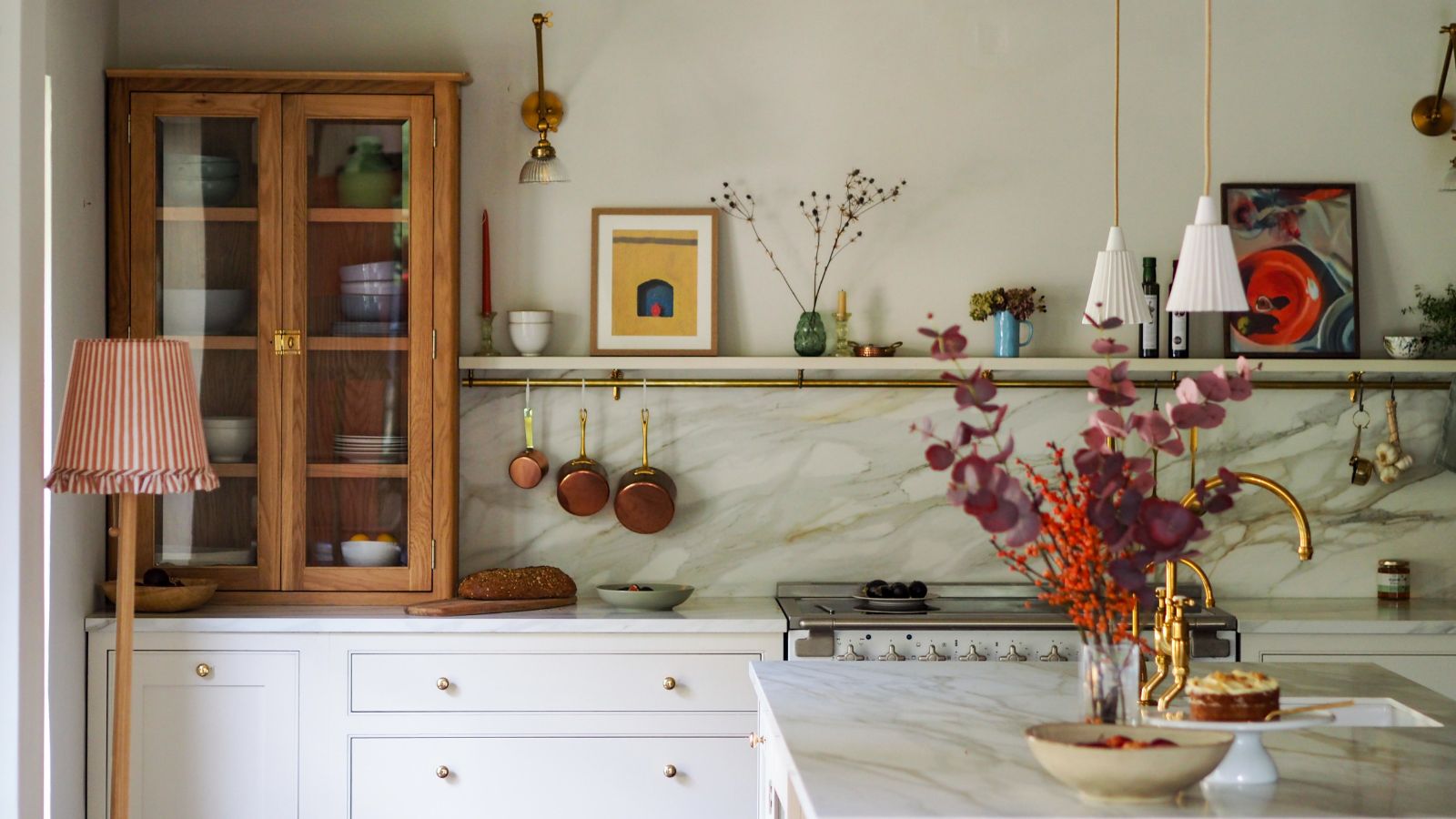

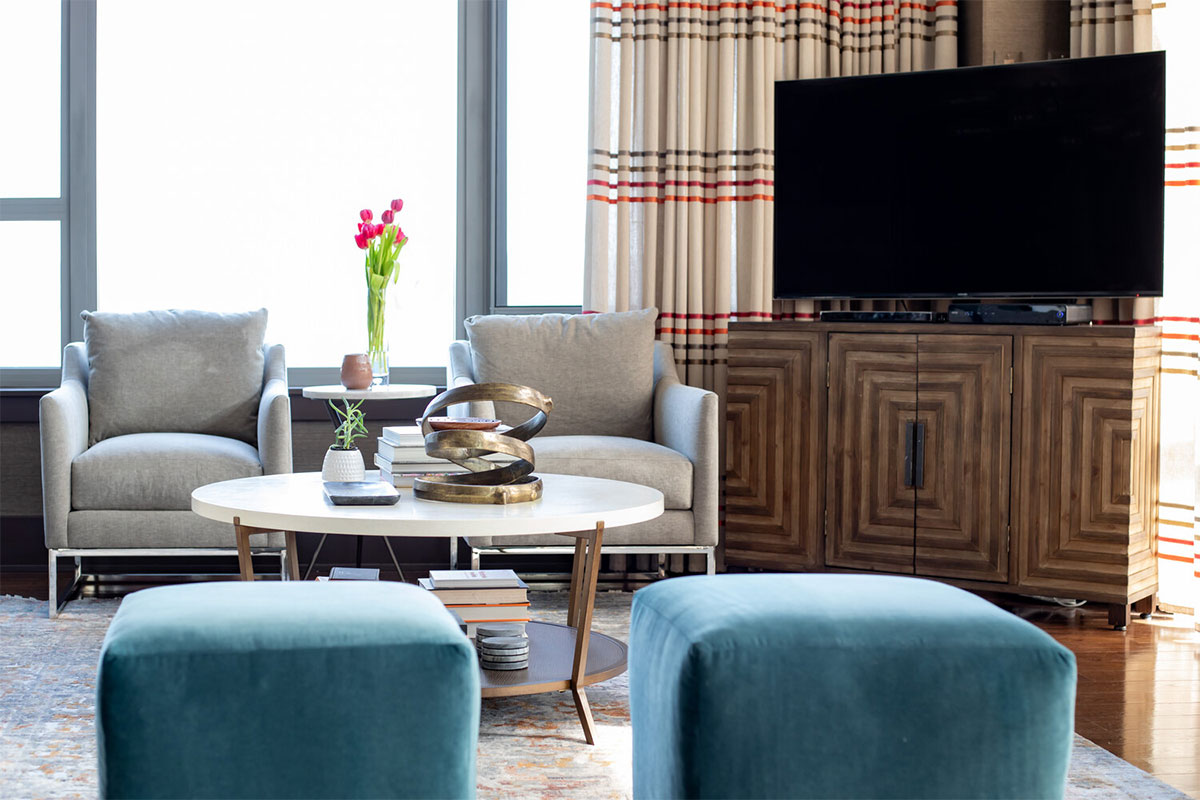
Defining elements of transitional design include neutral color palettes (whites, creams, tans, grays) with potential pops of color through accessories, organic textures with an emphasis on layering, statement lighting, metallic accents, and comfortable, practical furniture that combines both curved and straight lines. The overall feeling of a transitional space is monolithic and cohesive, even when incorporating diverse details, patterns, or styles. Examples across various rooms illustrate these principles: kitchens feature sleek cabinetry, neutral palettes, and pendant lighting; dining rooms emphasize clean lines and textured upholstery; living rooms opt for warm palettes and coarser textiles; and bedrooms blend modern furniture with traditional decor accents like chandeliers.
To integrate transitional design into a home, designers suggest starting by selecting three beloved objects or furniture pieces and identifying common connections among them, such as a shared color or complementary textures. This approach allows for the gradual layering of elements that maintain a cohesive aesthetic. Another strategy involves incorporating neutral textiles, layering tone-on-tone colors, and utilizing elements like unlacquered brass and clean-lined furniture to achieve the desired transitional look. This design philosophy offers flexibility and longevity, allowing spaces to evolve while maintaining a classic yet current appeal.
#InteriorDesign #HomeDecor #TransitionalStyle #ModernDesign #TraditionalDesign #NeutralPalettes #HomeInteriors #DesignElements #TimelessDesign #InteriorDesign #HomeDecor #TransitionalStyle #ModernDesign #TraditionalDesign #NeutralPalettes #HomeInteriors #DesignElements #TimelessDesign
0 komentarzy łącznie
 Brak komentarzy jeszcze
Możesz również polubić
Here’s What Transitional Style *Actually* Means (and 6 Tips to Nail the Look)
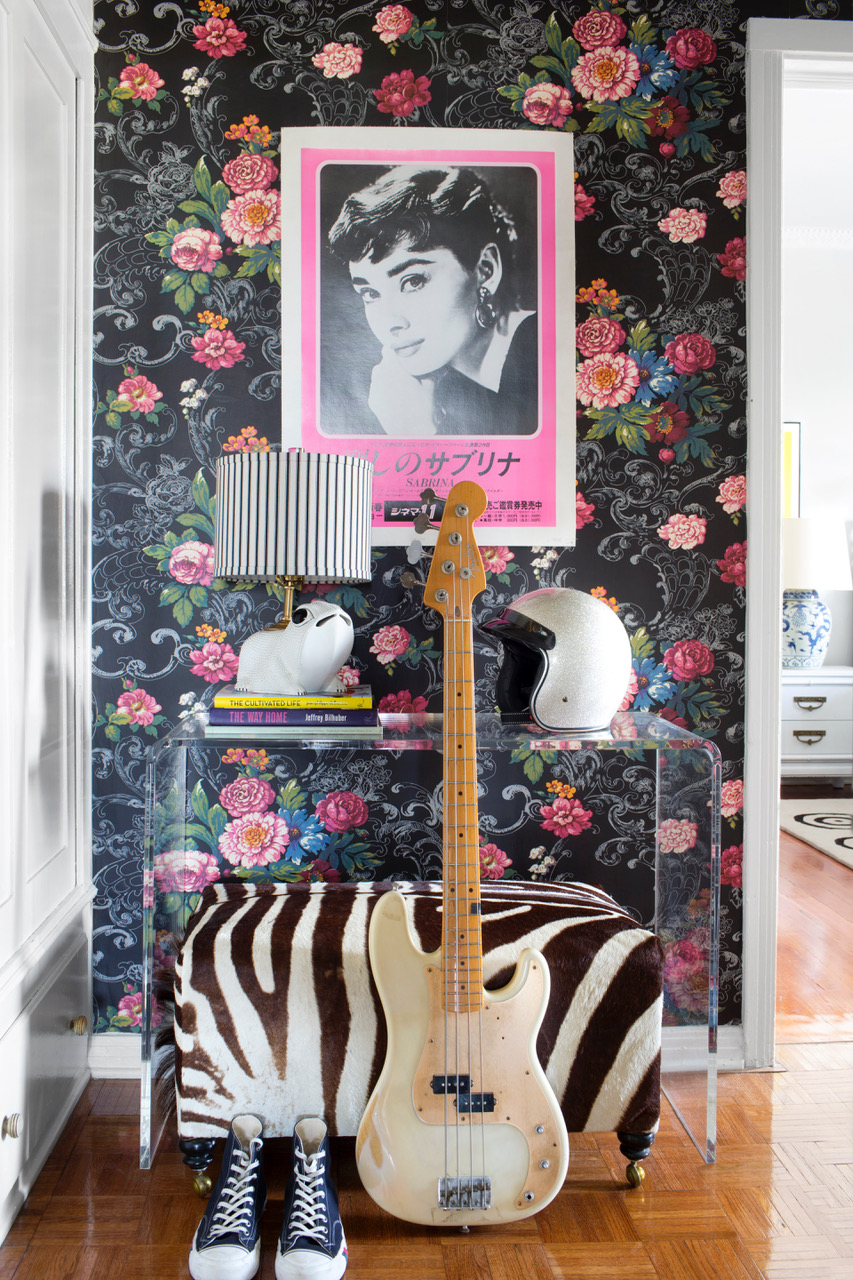
Don’t Know Your Design Style? These Are the 5 Most Popular Ones
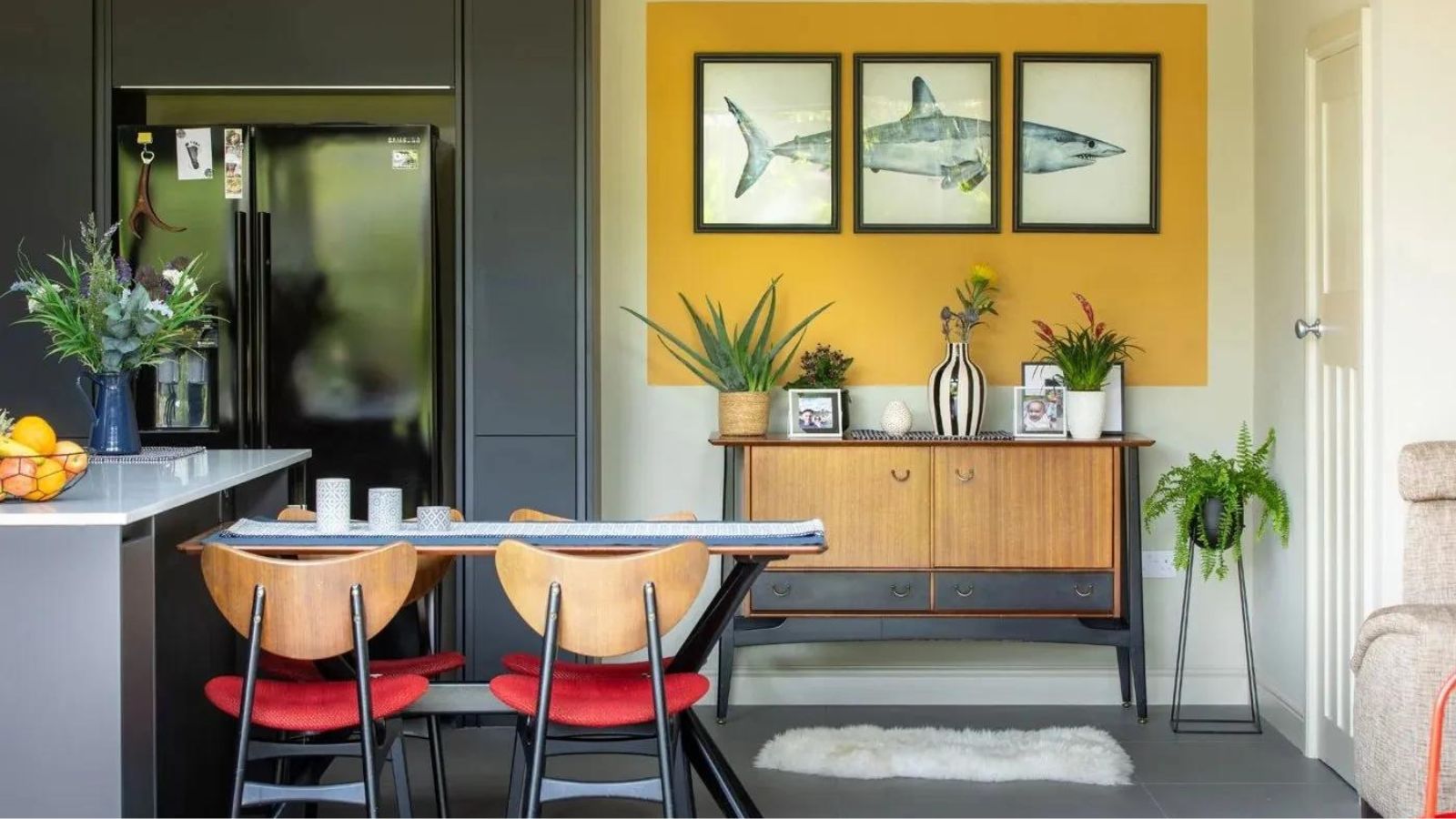
Should you follow interior design trends? Do they create a stylish home or one that will date fast?
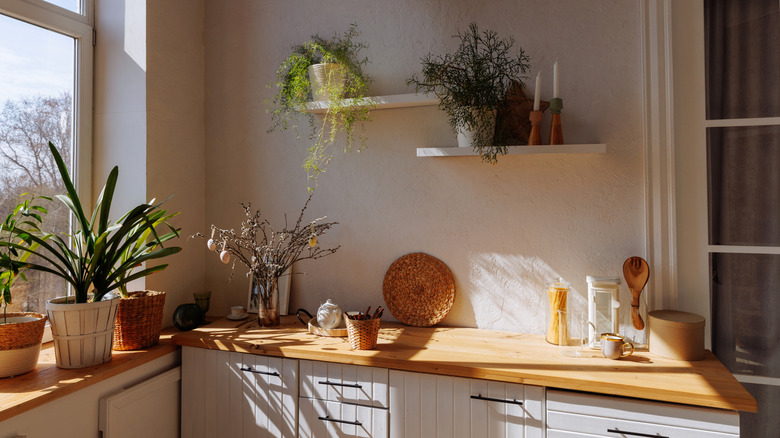
The Popular Kitchen Style You'll See Everywhere In 2026
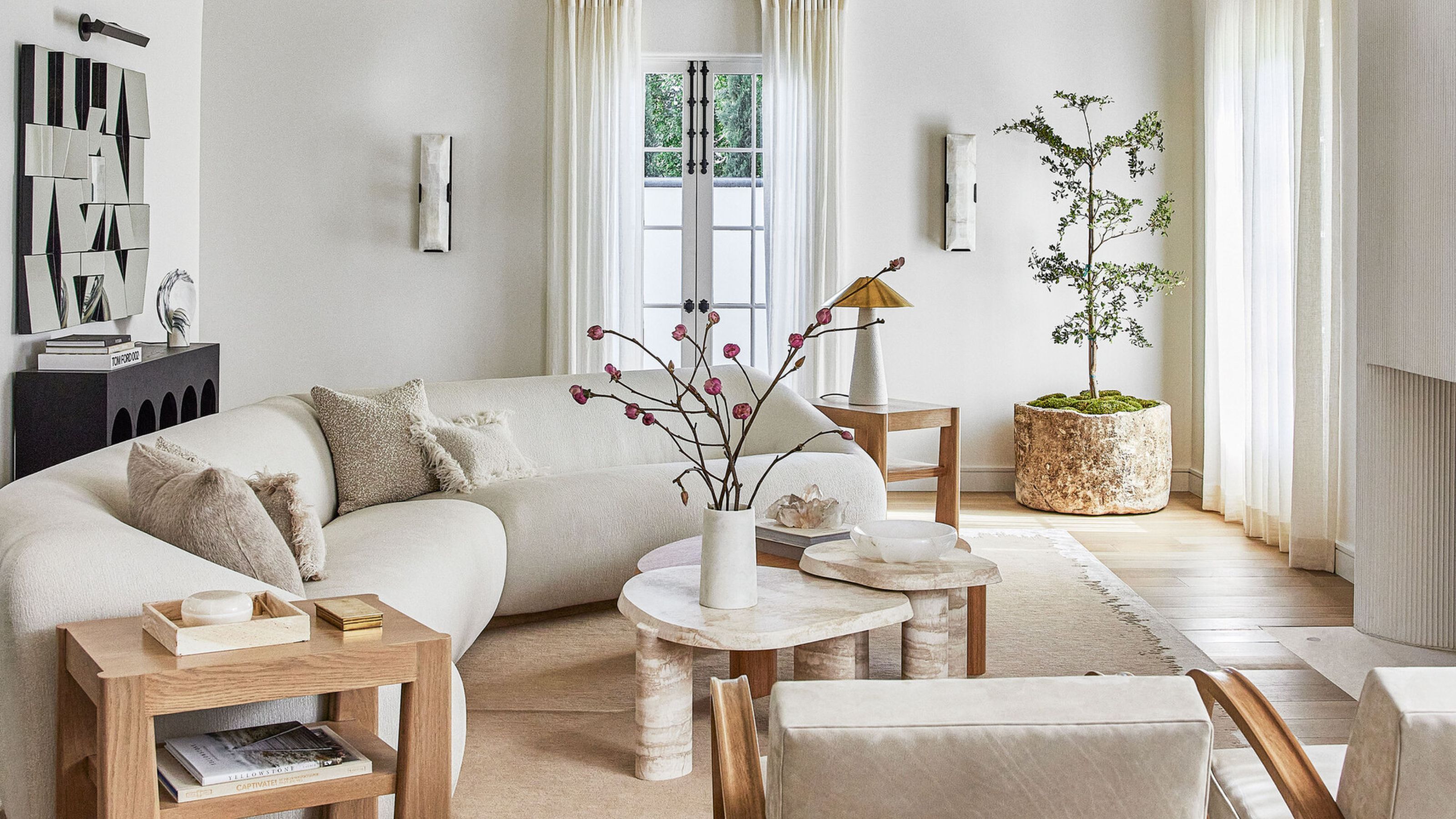
How to Achieve Transitional Style — 14 Designer Tips to Capture the Trend Taking Over Interiors

9 transitional style decorating rules – the ultimate checklist to channel the perfect old-meets-new look

Traditional Design Is Here to Stay—Here's Everything You Need to Know About the Style

'Transitional' bathrooms combine the best parts of traditional and modern style – here's how the experts get the mix right
7 mistakes you are making with transitional style – and expert strategies for avoiding them
What Is Transitional Style? Designers Share Why They Love It and How to Get the Look
13 transitional kitchen ideas that effortlessly blend old and new
Home Design: Timeless Meets Modern

What is transitional design? Get the scoop on the trend from a local expert
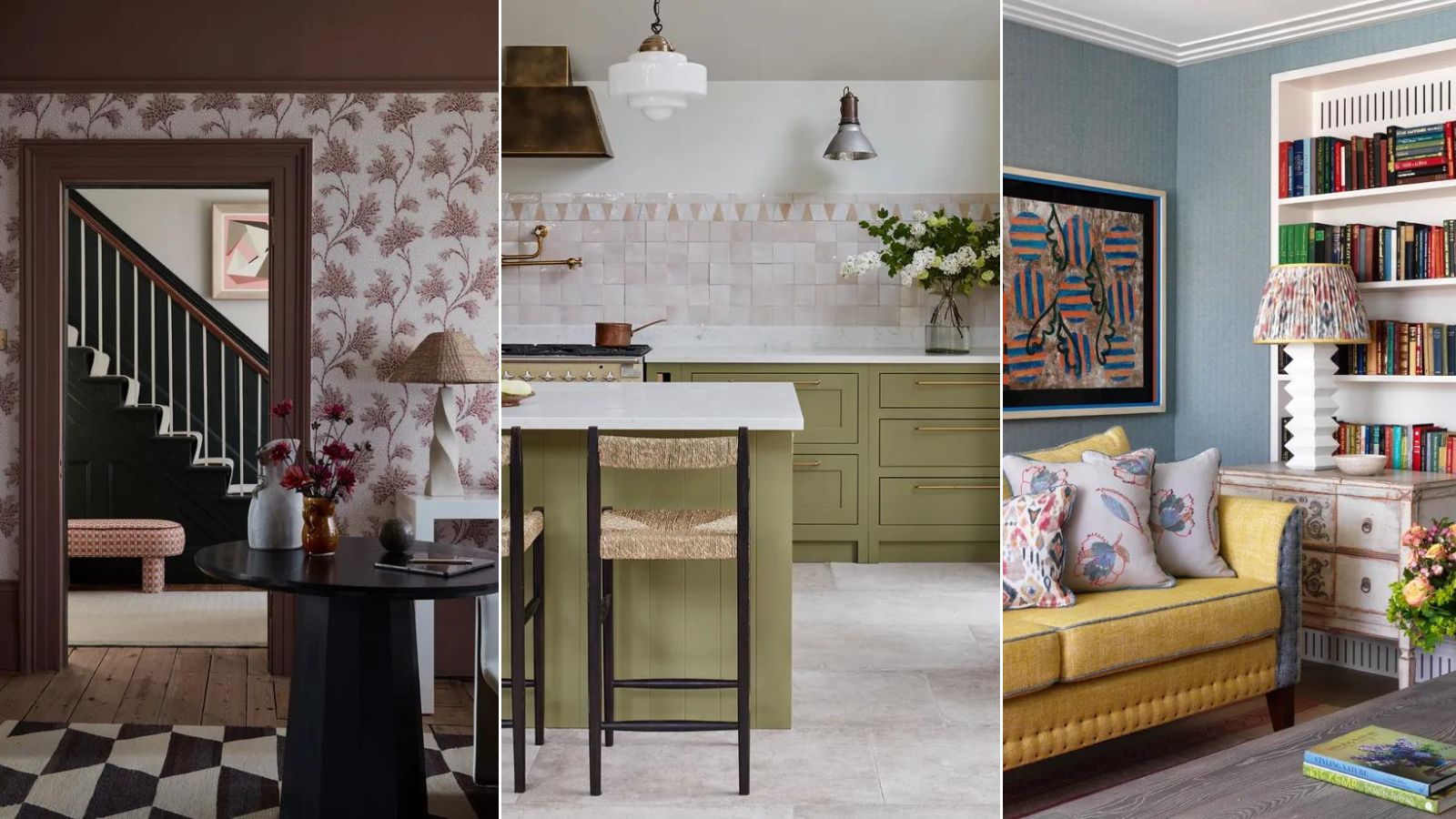
10 beautiful transitional color schemes for every room in the house
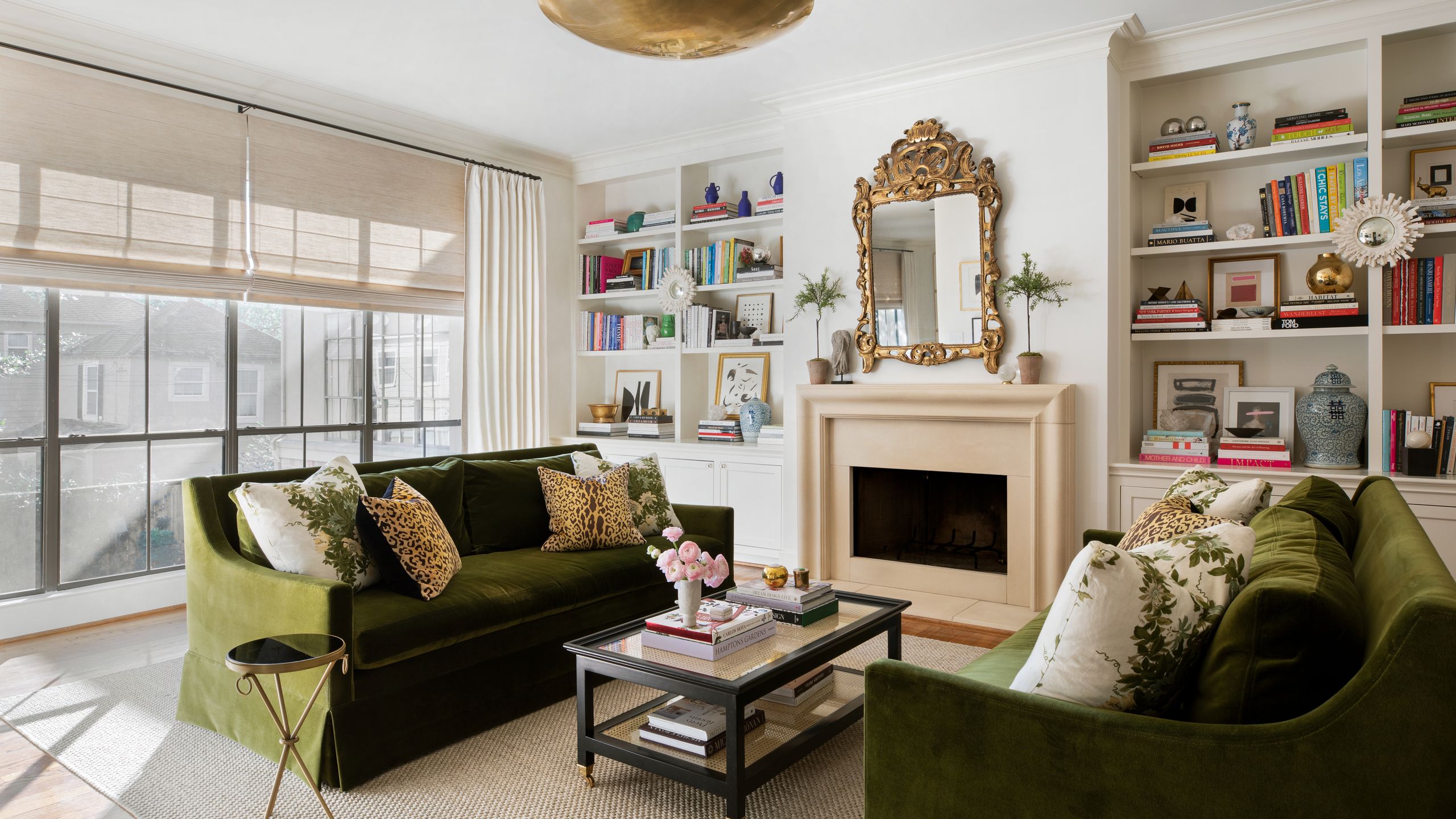
Traditional Interior Design: Everything You Need to Know About This Classic and Timeless Style
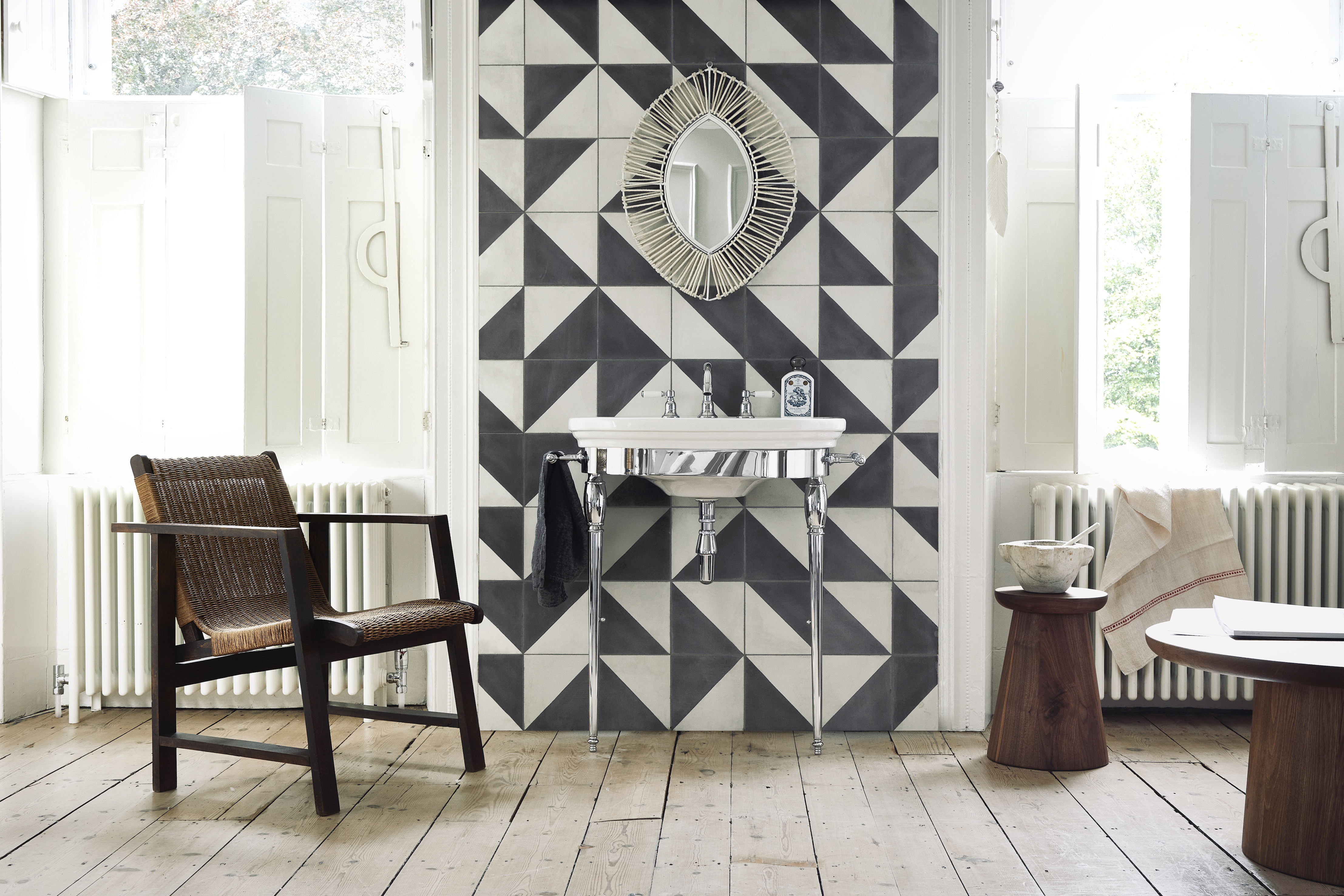
Transitional bathroom ideas – 12 ways to embrace this increasingly popular style

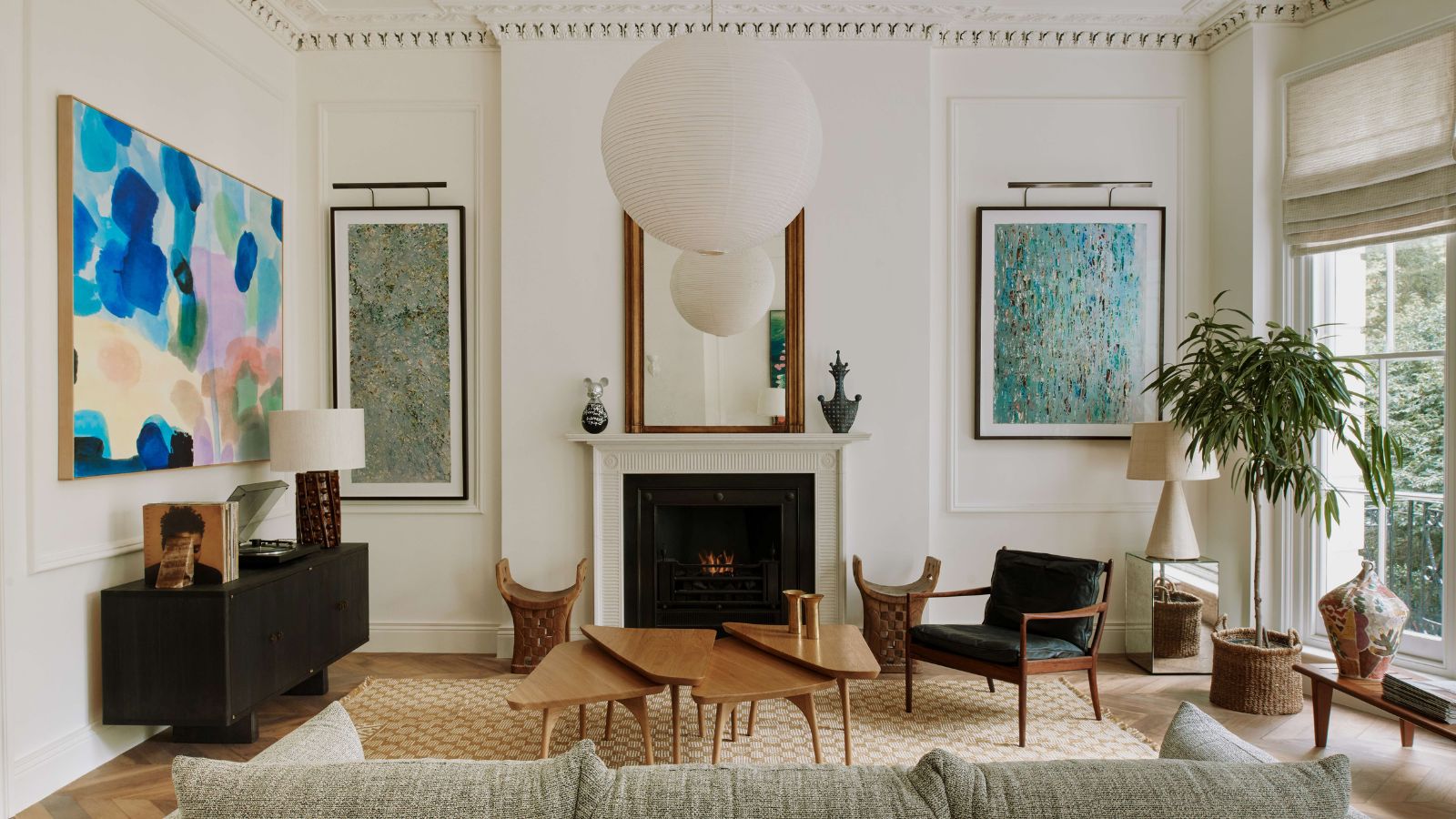
9 transitional living room ideas that nail this old-meets-new style
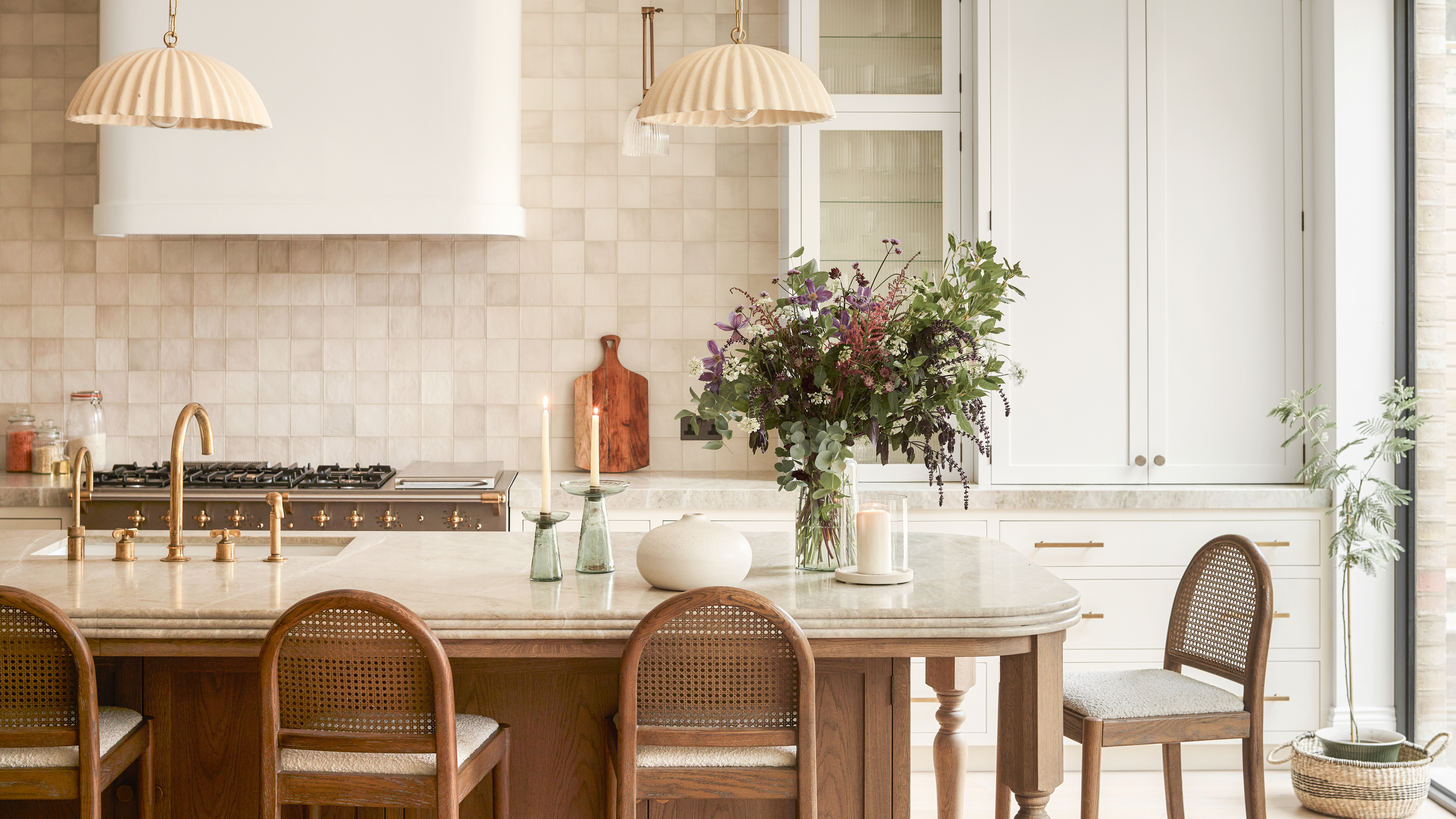
Transitional-Style Kitchens — 13 Ideas to Blend the Best of Traditional and Modern Elements in Your Design
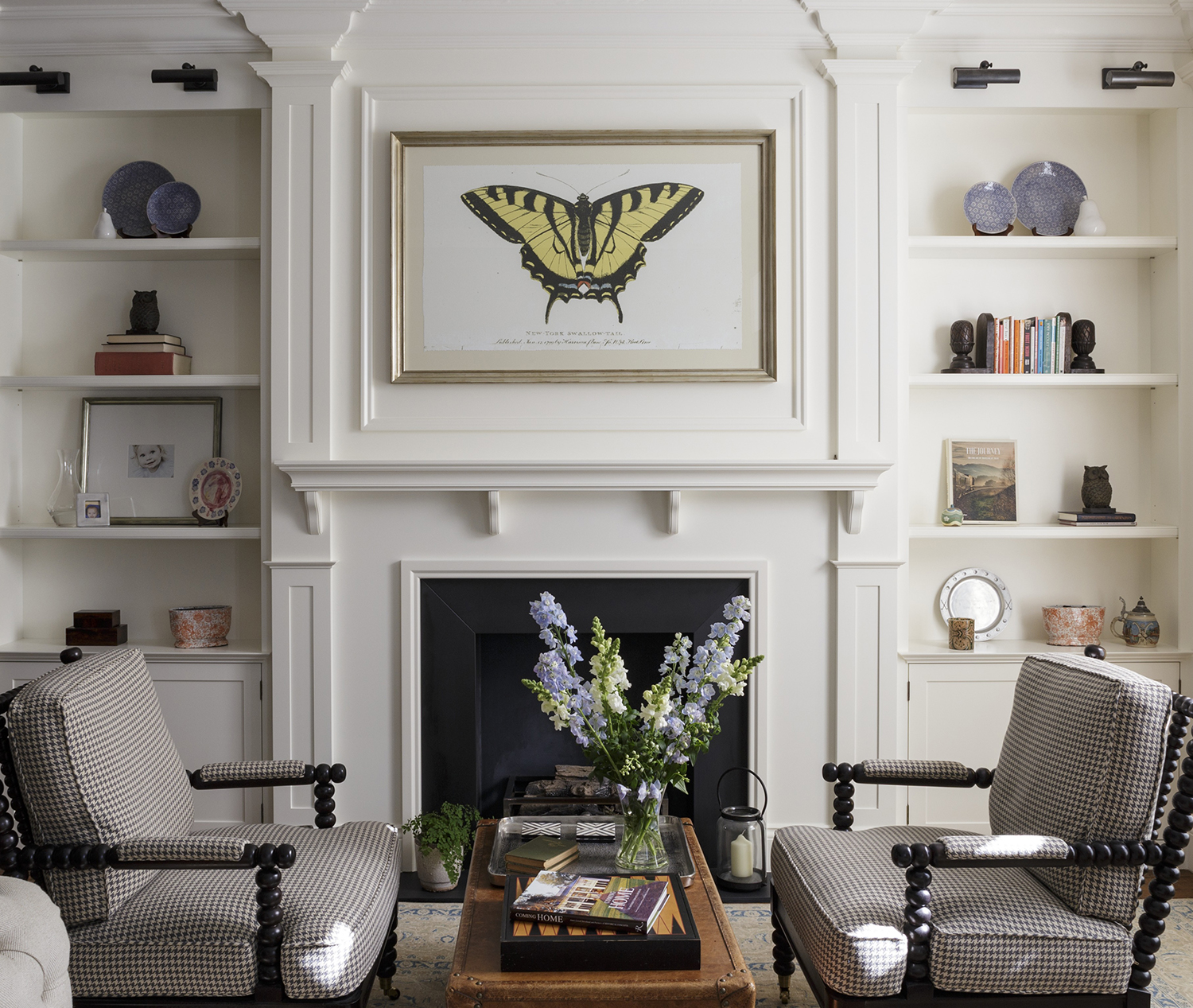
9 perfect color palettes for transitional- style living rooms - the design trend of the moment
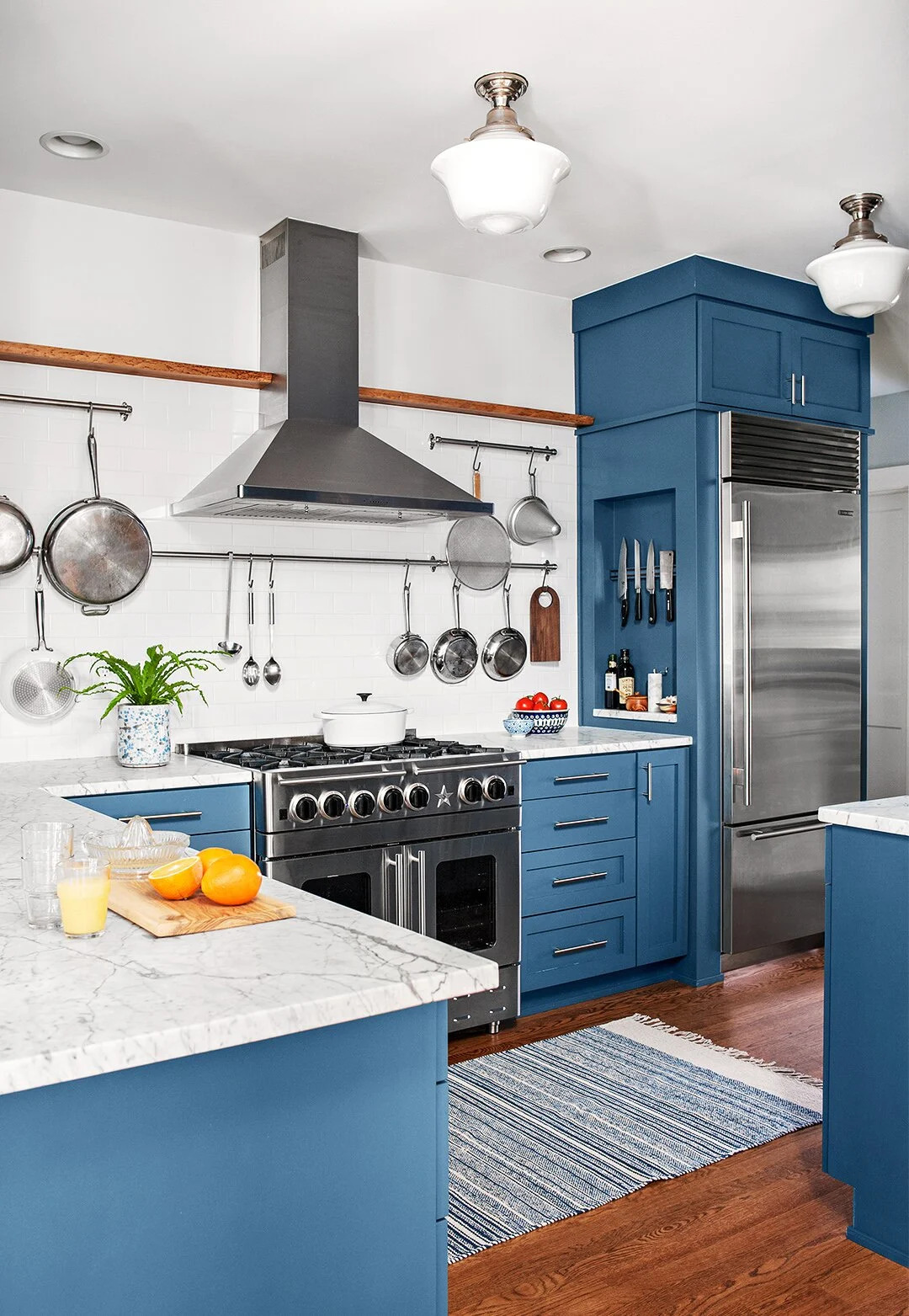
Transitional Style Kitchens Are Most Popular—Here's How to Ace the Look