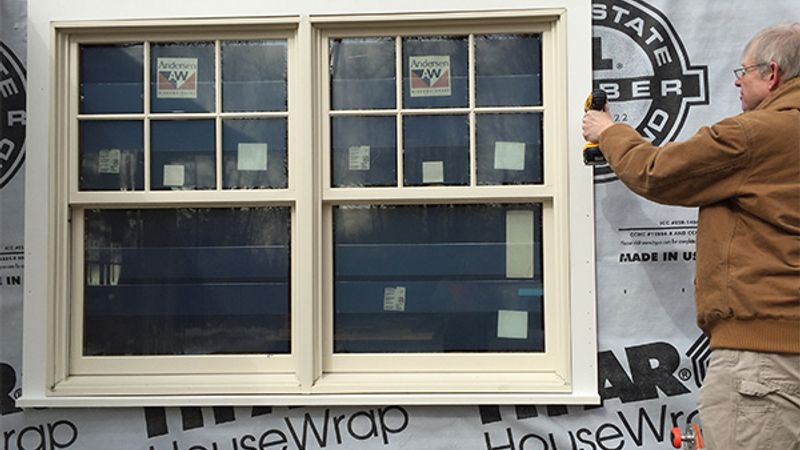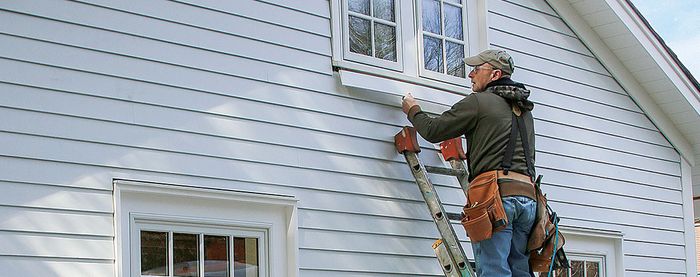
Tips for Fastening PVC Trim
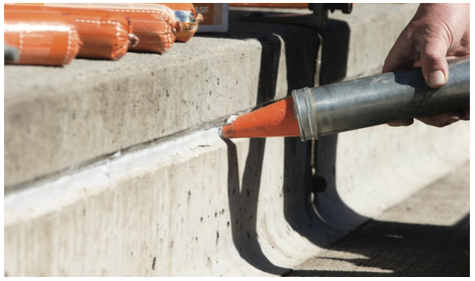
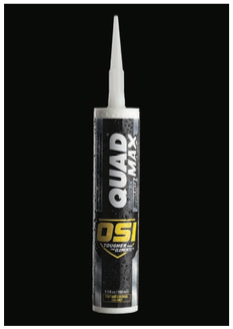
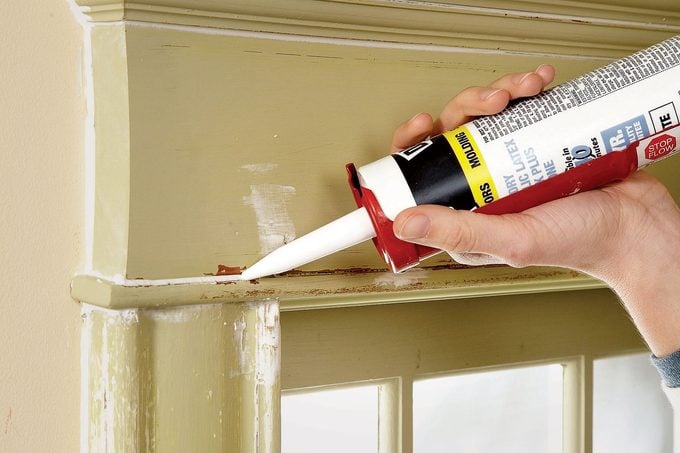
PVC trim offers the aesthetic appeal of wood but necessitates distinct installation techniques due to its material properties. Unlike wood, PVC expands and contracts significantly with temperature changes, a crucial factor to consider during installation. For instance, a gap of approximately 1/8th inch per 18 feet is recommended for PVC installed at 70 degrees Fahrenheit to accommodate expansion. This gap should be adjusted based on the ambient temperature during installation: slightly smaller in hot weather and larger in cold weather. Manufacturer-recommended sealants are essential for filling these expansion gaps, ensuring a durable and weather-resistant finish.
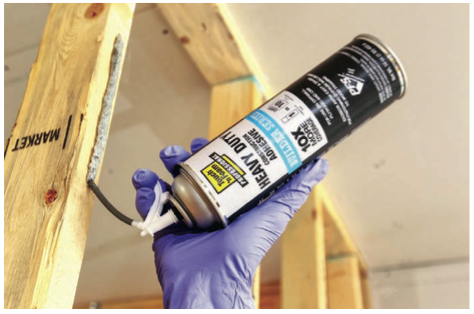
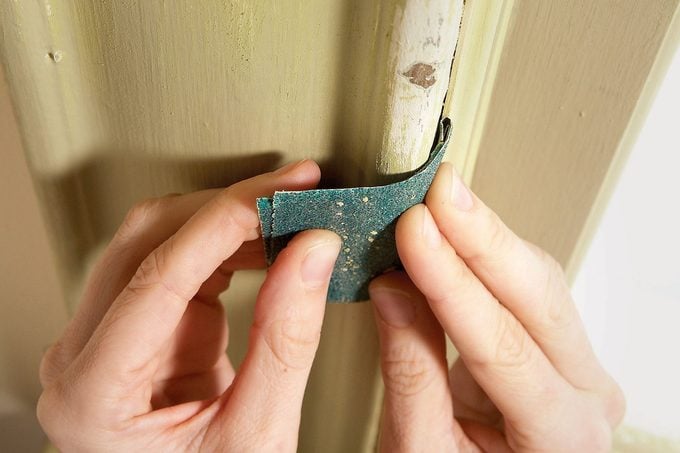
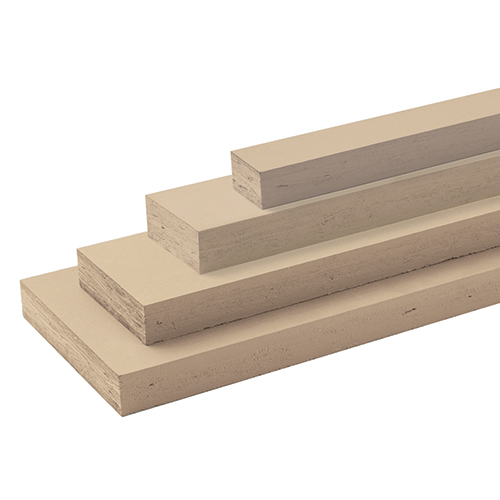
When joining PVC trim boards, a scarf joint is the preferred method, similar to wood applications. This joint involves cutting two opposing miters and securing them with manufacturer-recommended PVC cement. PVC cement is specifically used for joints that do not require an expansion gap, creating a strong, permanent bond. For fastening, stainless steel trim nails are recommended, as their longevity matches that of the PVC trim itself. These nails should be placed within two inches of the board edges and at intervals of at least every 18 inches along the length to ensure secure attachment. Alternatively, a screw and plug system, such as those offered by Fasten Master with matching plugs, provides an excellent fastening solution. After installation, any sharp or rough edges should be smoothed using 150 or 220 grit sandpaper for a refined finish.
While PVC trim offers ease of installation and aesthetic benefits, some considerations regarding its environmental impact and combustion byproducts have been raised. Concerns include potential environmental hazards during manufacturing and the release of toxic vapors, specifically sulfuric acid, if the material combusts. However, some argue that these fire combustion concerns are often overstated, especially when compared to the immediate dangers of a significant fire itself, or other common household combustion sources like fireplaces or gas cooktops. They emphasize the importance of robust smoke and carbon monoxide detection systems, and potentially sprinkler systems, as more critical safety measures. Despite these discussions, the material's workability and cost-effectiveness make it a popular choice for exterior trim applications, provided proper installation techniques are followed to manage its unique characteristics.
#PVCTrim #ExteriorTrim #HomeImprovement #BuildingMaterials #InstallationTips #FasteningTechniques #ConstructionGuide #DIYHome #PVCTrim #ExteriorTrim #HomeImprovement #BuildingMaterials #InstallationTips #FasteningTechniques #ConstructionGuide #DIYHome
0 komentarzy łącznie
 Brak komentarzy jeszcze
Możesz również polubić
IN DEPTH: Caulking & Adhesives

Easy install marble wood textile philippines ceiling wall pvc panel

Handyman Hints: Installation method is key to avoiding creaks and squeaks in your vinyl flooring

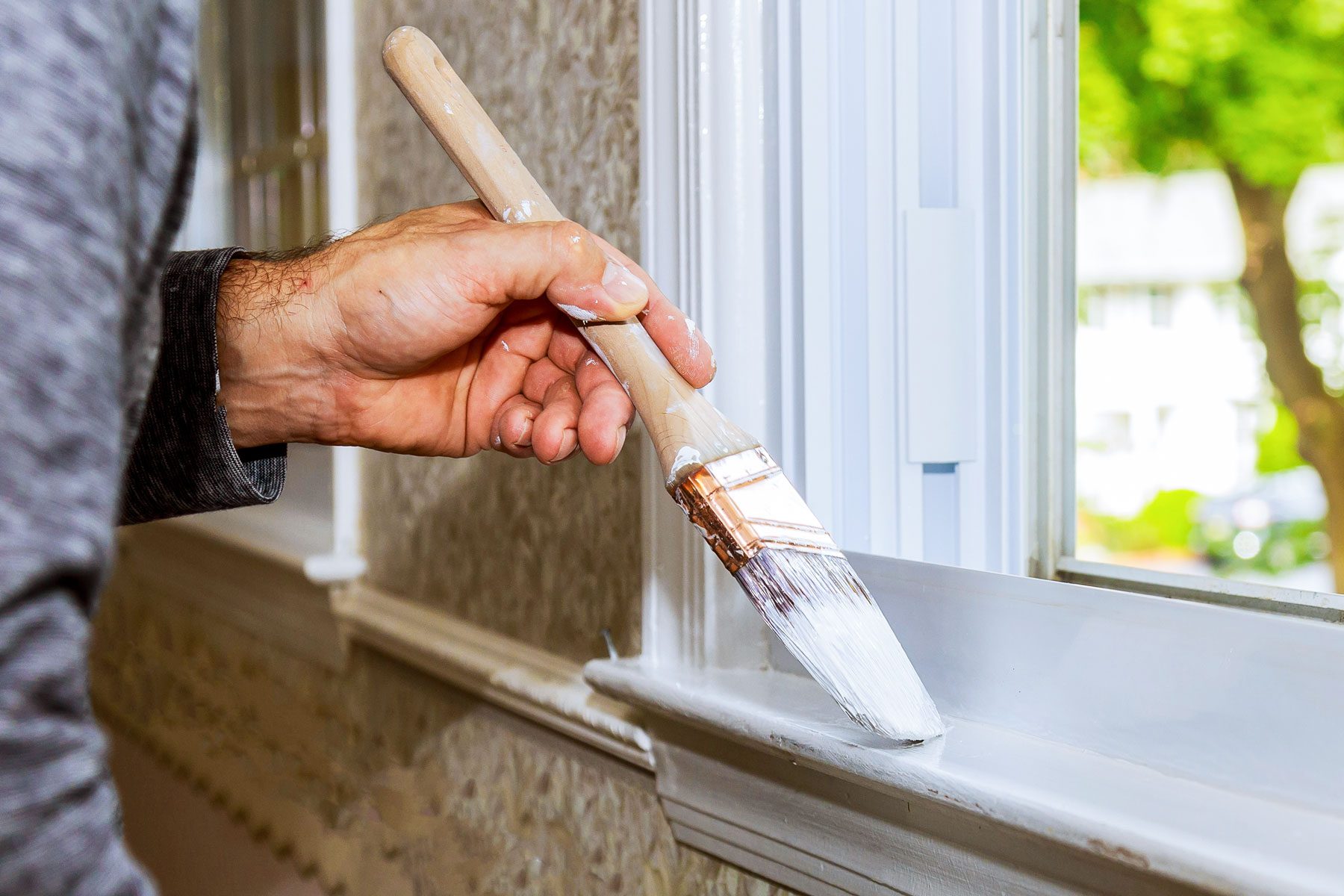
11 Pro Tips for How To Paint Trim

Shower Panel Accessories | Trim, Caps & Adhesives for Shower Panels

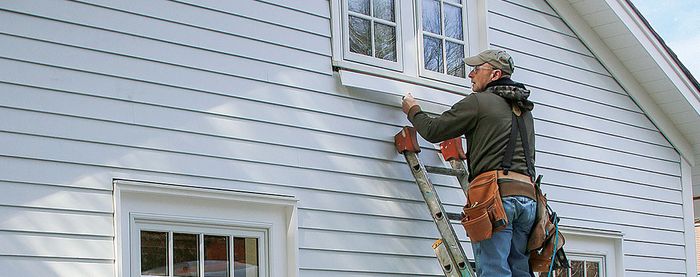
How to Trim an Exterior Window

In Depth: Trim & Moulding
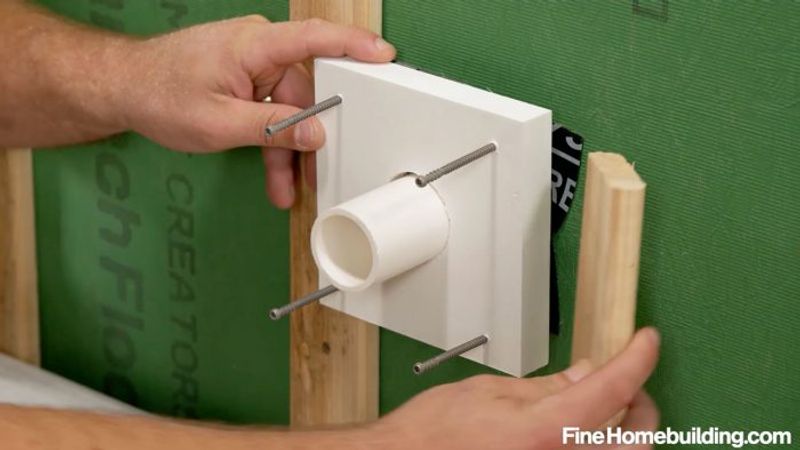
Exterior PVC Trim: Wire and Pipe Penetrations
10 Home Repairs You Can Do With Just Glue—No Extra Tools Needed

How To Install Exterior PVC Trim

How To Replace Brickmold On A Door

The Easiest Material To DIY A Shiplap Ceiling (& How To Do It)

Specialty adhesives (Bostik)

Exterior PVC Trim: Soffits, Fascias, and Rakes