10 Home Repairs You Can Do With Just Glue—No Extra Tools Needed
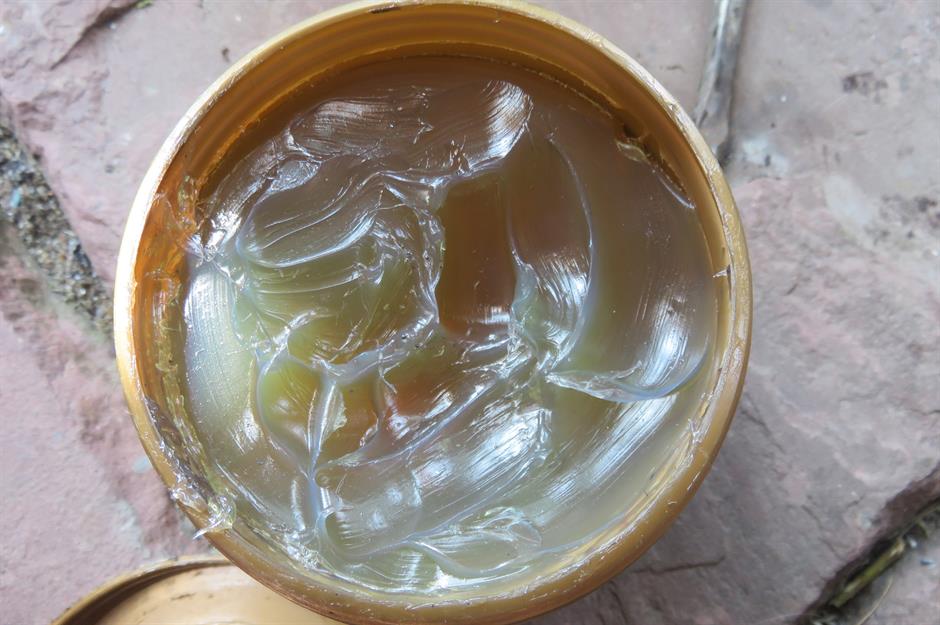
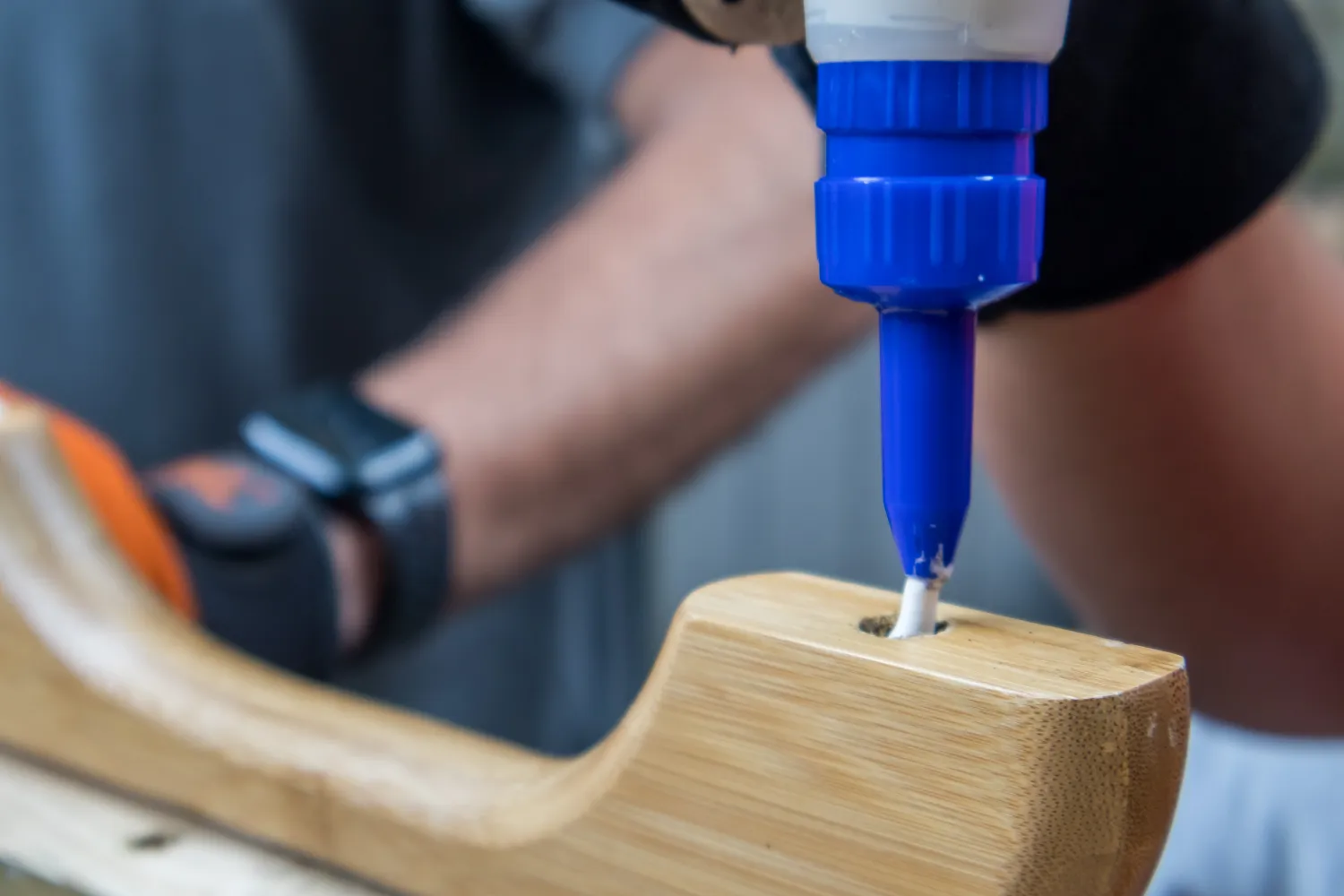
Glue is presented as a versatile and often overlooked tool for a variety of home repairs, extending its utility beyond typical craft projects. Experts Rick Berres, Meir Lavi, and Josh McGrath provide insights into different applications where glue can offer quick and effective solutions, eliminating the need for more complex tools like screws or nails. The article emphasizes that while glue is suitable for lightweight or minor fixes, choosing the correct type of adhesive for specific materials is crucial for ensuring lasting results.
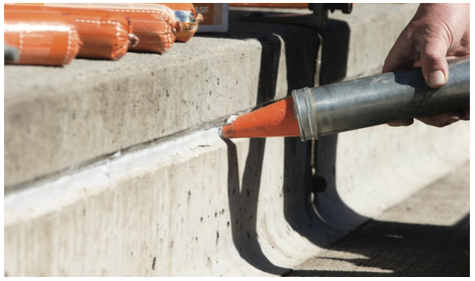
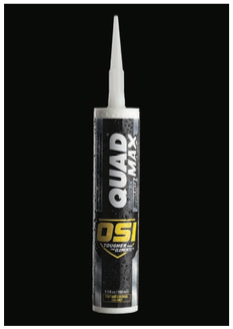
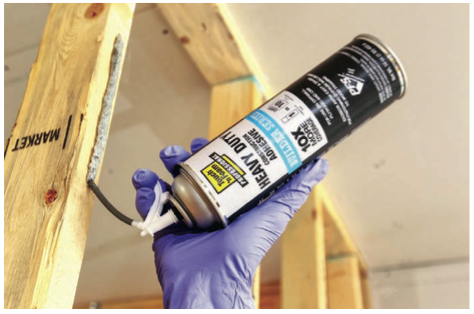
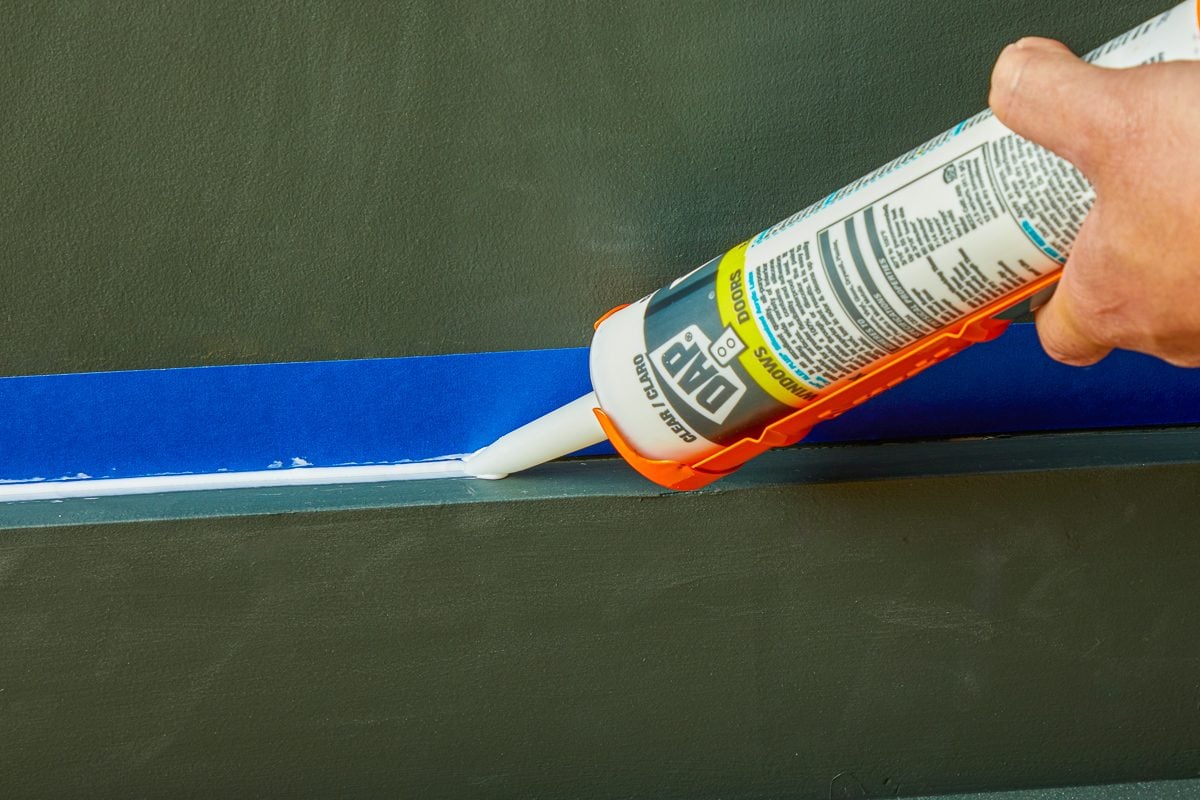
Minor repairs around the house, such as those involving creaky drawers, are ideal candidates for glue. Drawer boxes are commonly assembled using glue, staples, or dovetail joints, making glue a natural choice for repairs. Loose trim or molding can also be securely reattached with high-quality construction adhesive, provided the items are lightweight. It's recommended to firmly press the trim into place and clean up any excess adhesive before it dries.
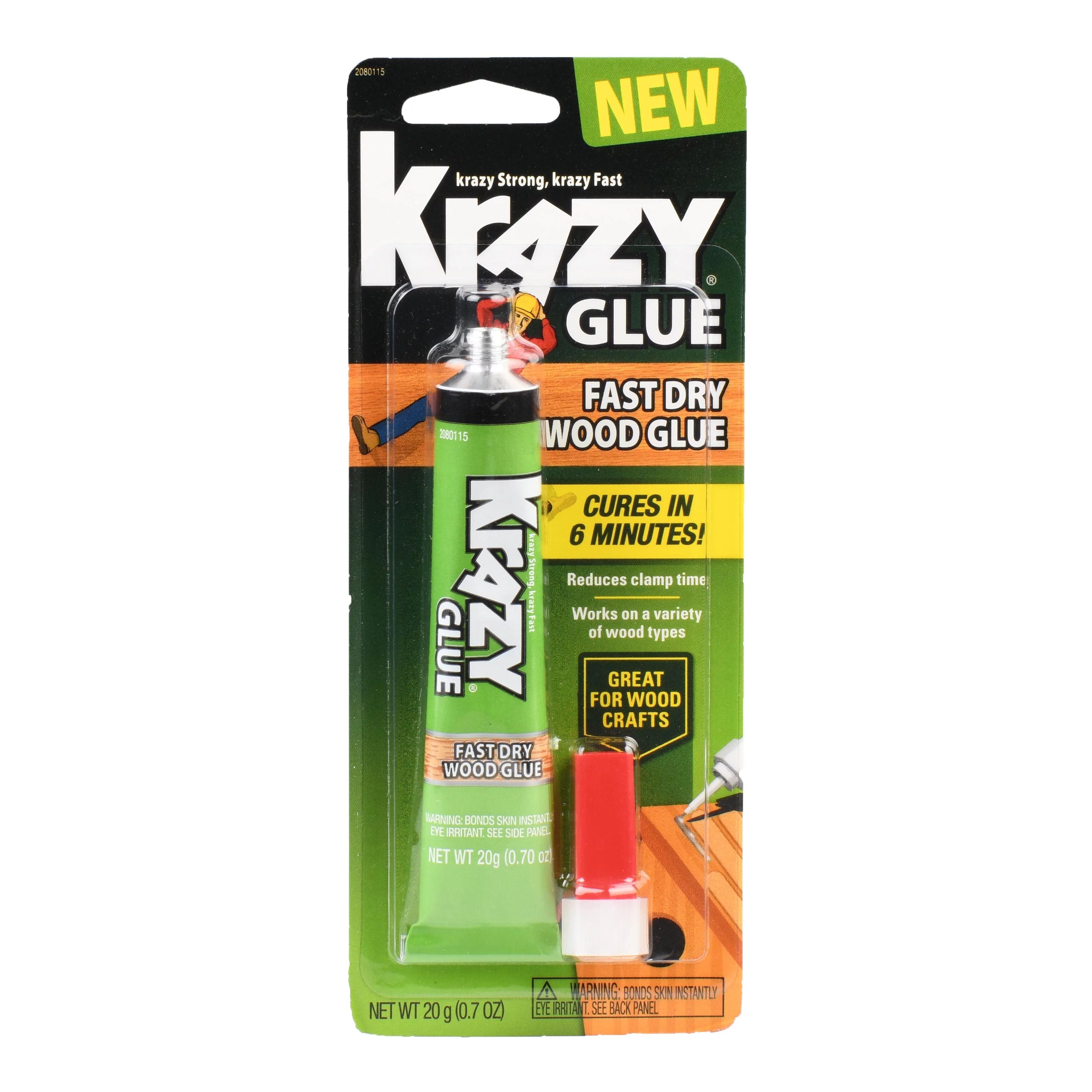
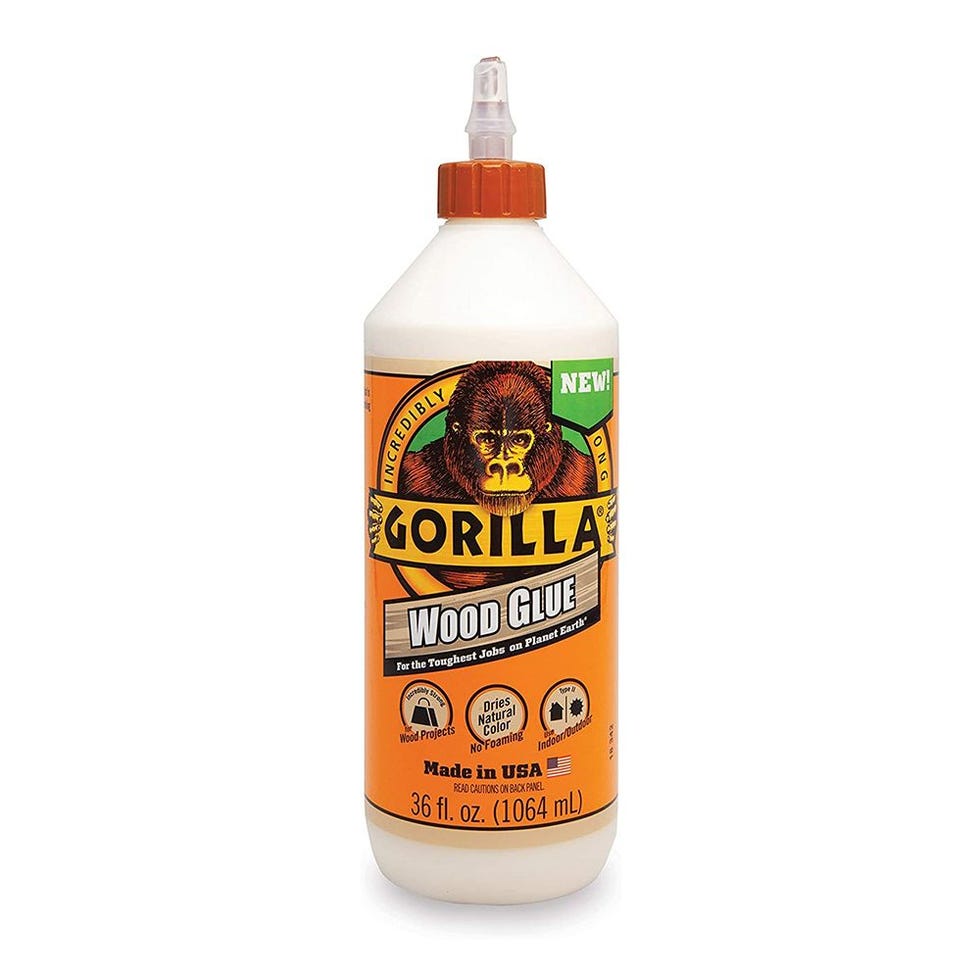
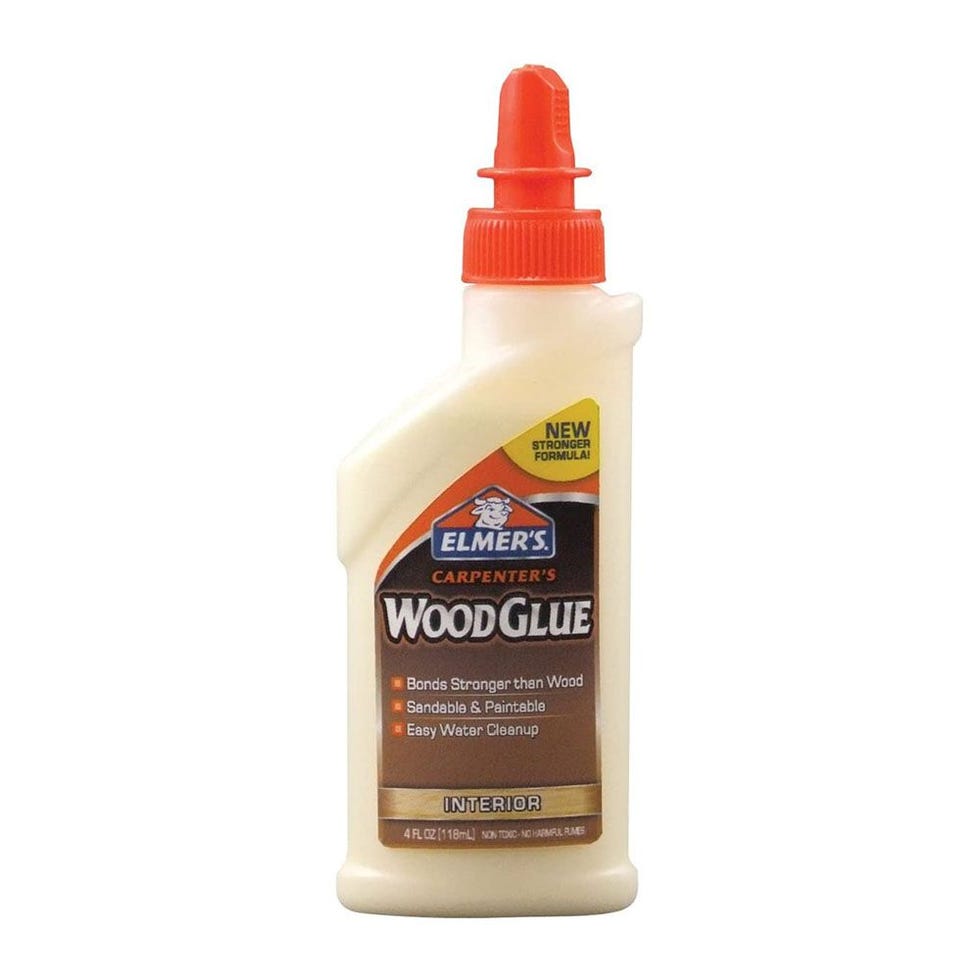
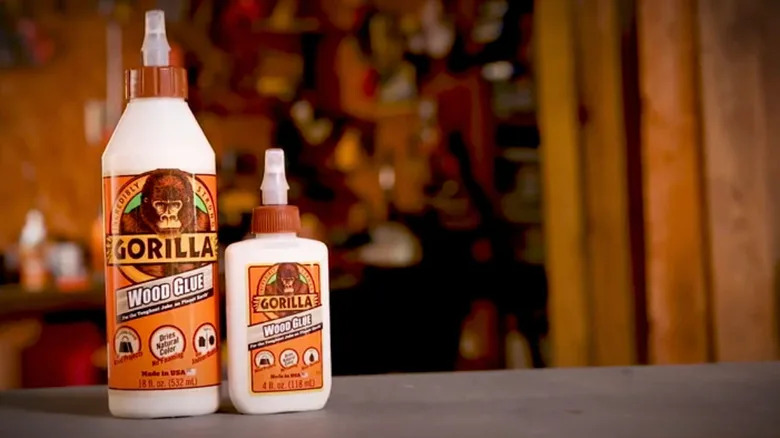
Squeaky floorboards, a common household annoyance, can be addressed with glue. By identifying the specific problematic board and applying a bead of glue along its edge or underneath, the creaking can be significantly reduced or eliminated. For broken ceramic and glassware, glue offers a classic repair solution, allowing vases, statues, and other ceramic items to be restored. While the repair might not result in a flawless finish, it can make the items reasonably intact and functional again. Cracked or wobbly wooden chairs and tables can also be salvaged using wood glue. Proper application, including clamping the joint tightly and allowing it to cure completely, is essential for maximizing the strength of the bond.
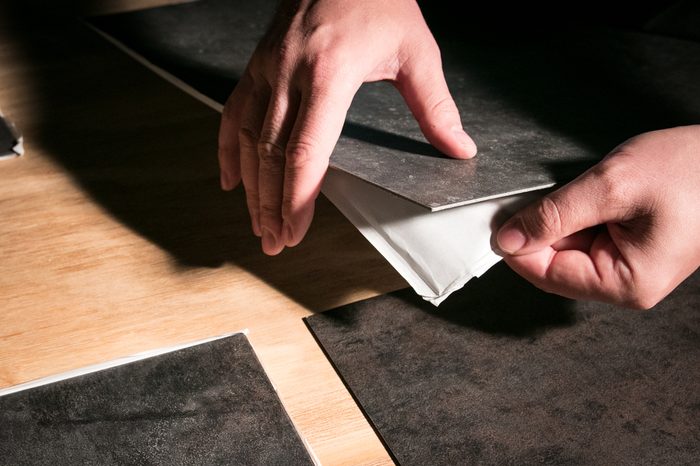
Loose floor or wall tiles can be re-secured using construction adhesive or specialized tile glue, bypassing the need for nails or hammers. This method requires applying the adhesive, pressing the tile firmly, and holding it in place until it sets. Peeling laminate countertops, an economical option for kitchens and bathrooms, can be reattached using contact cement. The process involves applying the cement to both surfaces, waiting for it to become tacky, and then pressing the laminate down firmly. This technique can refresh the appearance of countertops without requiring a full replacement.
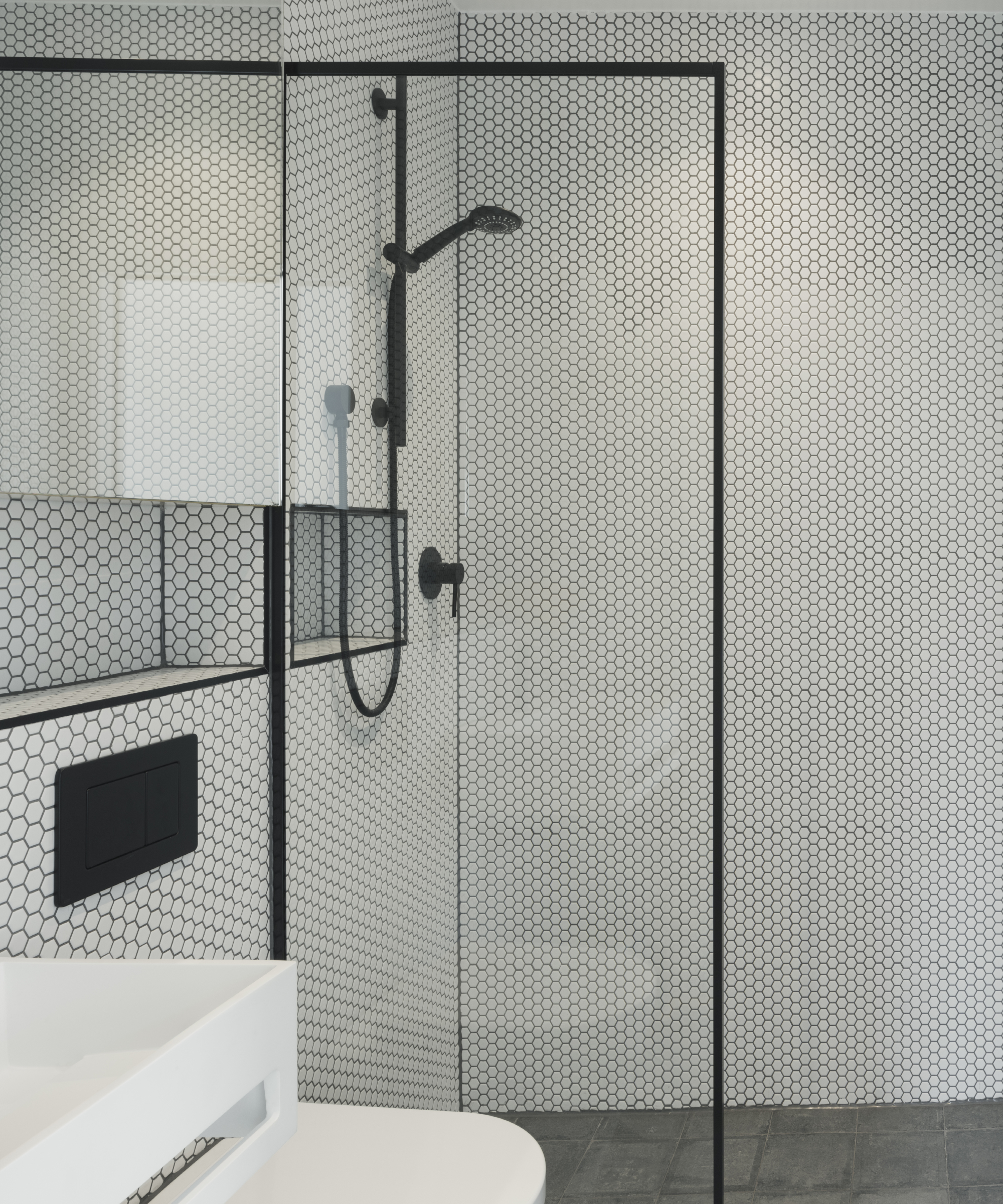
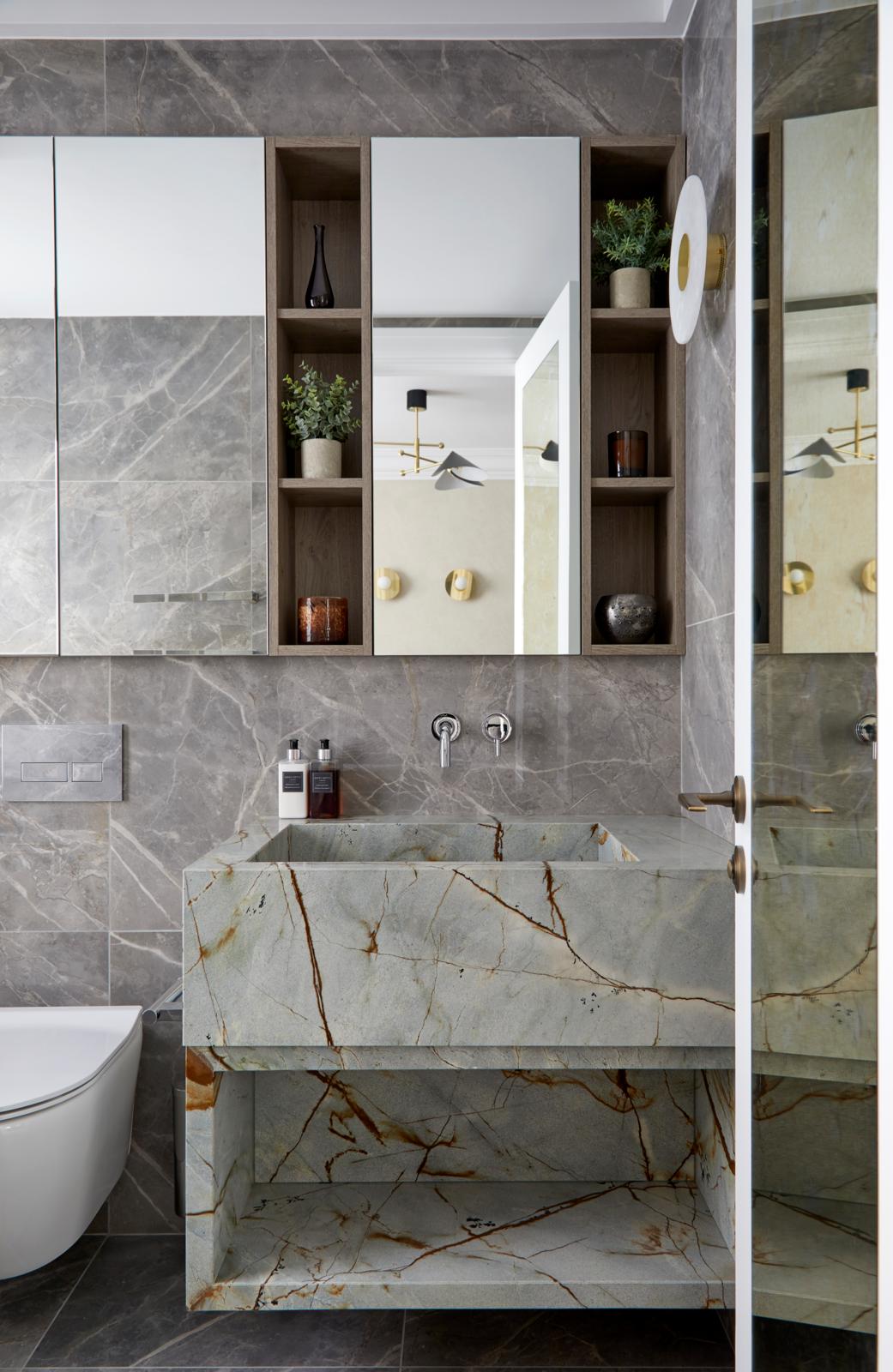
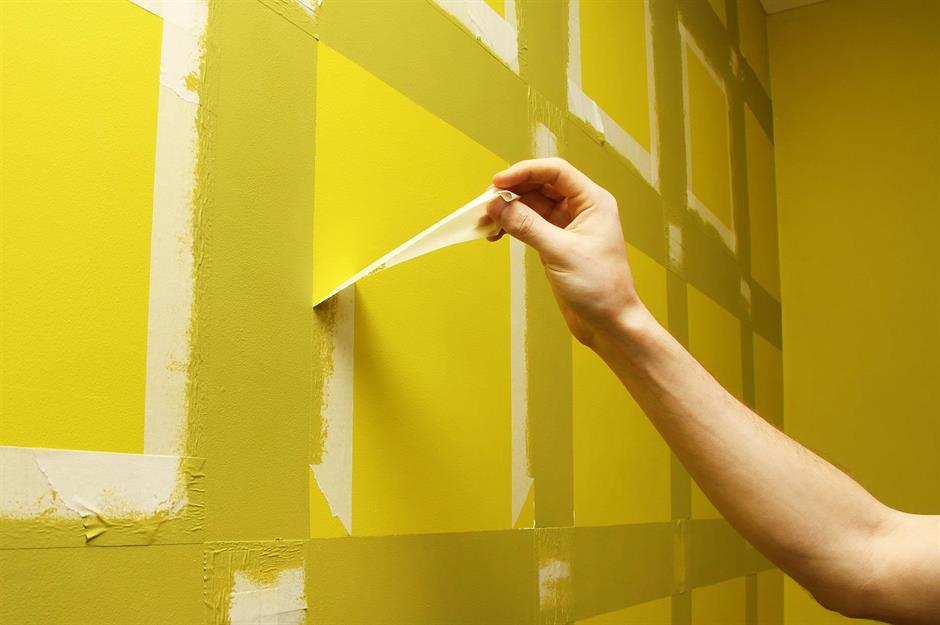
For hanging bathroom mirrors, a heavy-duty adhesive can be used to re-secure lightweight mirrors when wall anchors fail. This method provides a clean, modern aesthetic by eliminating visible clips or supports, and it also removes the need to drill into wall studs. Similarly, fallen ceramic soap dishes in showers or bathtubs can be reattached to ceramic, porcelain, or stone tiles using construction adhesive or an adhesive designed for tile or stone. Finally, loose towel hooks can be reattached with construction adhesive, ensuring a strong bond. It is important to clean the wall surface before application and use painter's tape to hold the hook in place while the glue cures.
#HomeRepair #DIY #Adhesives #HouseholdFixes #HomeImprovement #MaintenanceTips #GlueApplications #InteriorRepair #HomeSolutions #HomeRepair #DIY #Adhesives #HouseholdFixes #HomeImprovement #MaintenanceTips #GlueApplications #InteriorRepair #HomeSolutions
0 comment in total
 No comments yet
You may also like
Every DIYer Should Have One of These Carpenter-Approved Wood Glues
Screws

11 Home Improvement Projects You Can Do Yourself Instead of Hiring a Professional

The Internet Is Fighting Over "Wall Chapstick"

Here's How To Find The Best Screw For Your Project
Fillers, Putty & Caulk

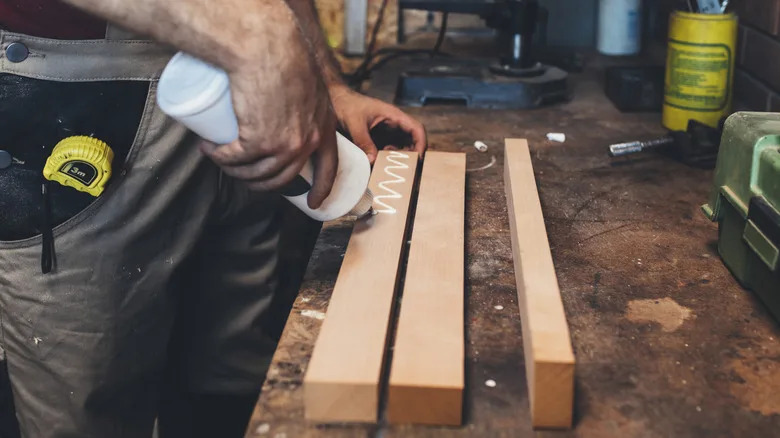
The Best Wood Glue For Home Improvement Projects If You're Balling On A Budget

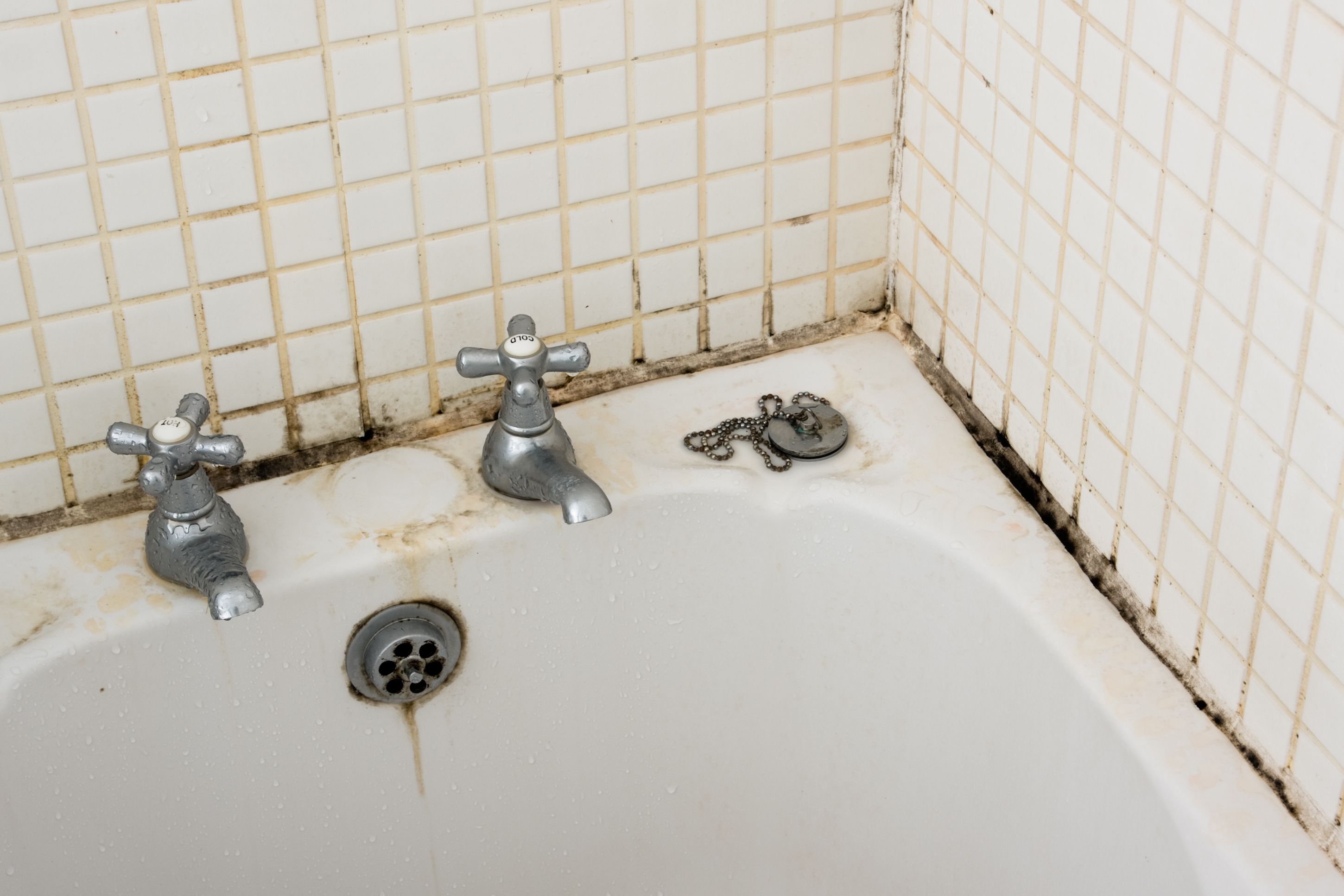
Simple home DIY projects anyone can try | Produced by Seattle Times Marketing

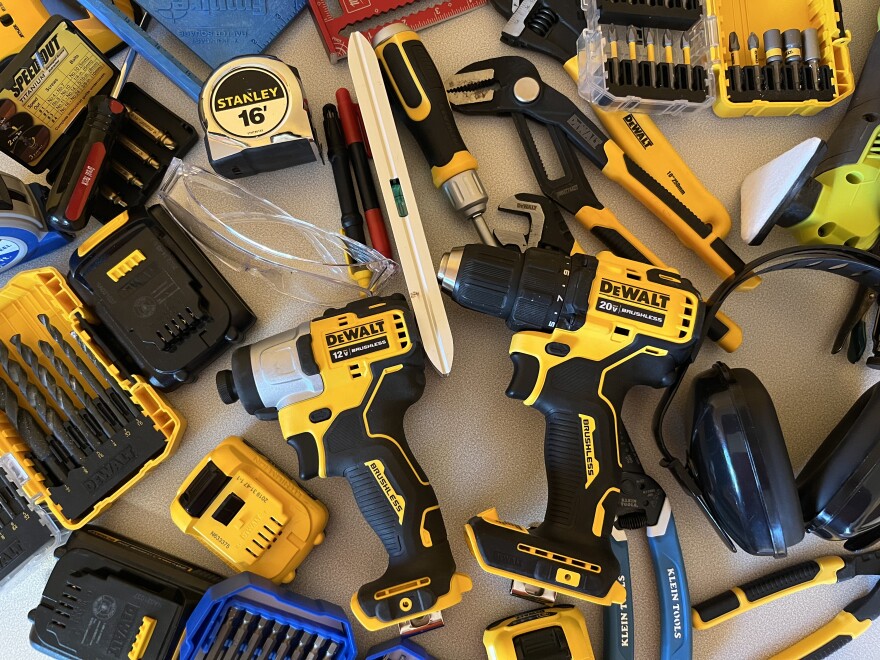
Home improvement tools for the handy person in your life

7 Best Super Glue Brands Reviewed for Strength, Usage, & Dry Time
IN DEPTH: Caulking & Adhesives

10 inexpensive bathroom upgrades you can DIY with no costly or difficult installation needed

A beginner's guide to the different types of glue and their uses


7 things you should repair instead of replace in your home

14 Essential Problem-Solving Products for DIYers

The ultimate DIY hacks | loveproperty.com

How to repair a wall or ceiling
Parts of the House

These DIY Home Decor Projects Are Way Easier Than They Look

The 5 Best Caulk Guns for Home Improvement Projects