Exterior PVC Trim: Wire and Pipe Penetrations
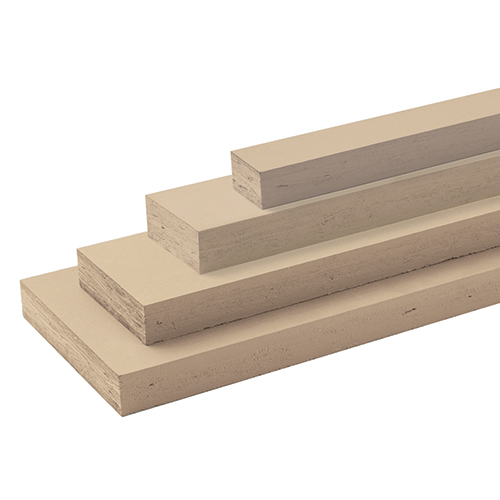
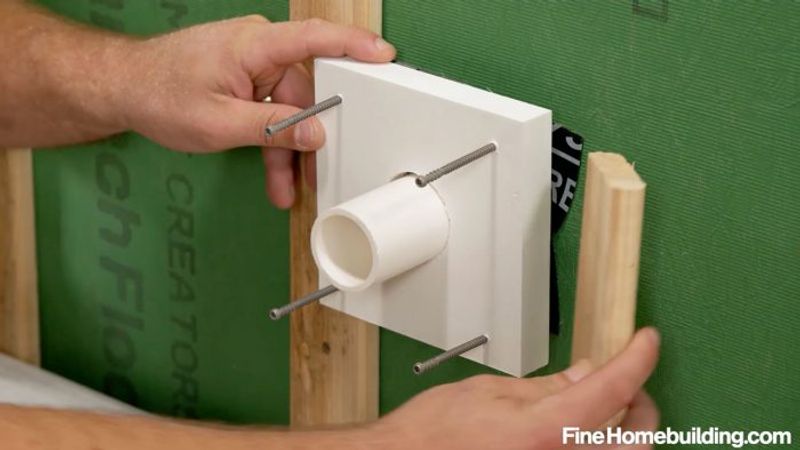
When installing exterior trim, especially over a rainscreen system, special attention is required for penetrations such as wires and pipes exiting the sheathing. This article focuses on creating durable and watertight escutcheon blocks to provide solid mounting surfaces for exterior electrical and plumbing fixtures. The process begins by preparing the area where the wire or pipe will penetrate. Small pieces of 1x3 strapping are cut and installed as backing directly onto the sheathing. This backing ensures a stable and secure foundation for the subsequent escutcheon block, which needs to withstand the elements and provide a flush surface for siding.
After the backing is firmly in place, the escutcheon block itself is installed. For enhanced protection against water infiltration, a piece of rigid metal head flashing is recommended to be added over the top of the escutcheon blocks. This flashing diverts water away from the penetration point, significantly reducing the risk of moisture damage. Instead of screws, 15-gauge stainless finish nails are used for securing the block in this specific application, a method deemed acceptable for smaller trim pieces.
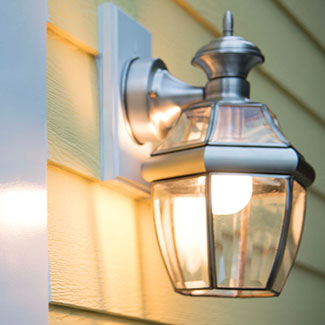
For instances involving wires, such as those intended for future lamp installations, the block needs to be adequately padded out to align with the face of the siding. This is achieved by adding additional pieces of 1x3 around the wire, creating the necessary depth. A notable advantage of maintaining a space between the sheathing and the back of the escutcheon block is the flexibility it offers during installation. This gap allows for minor adjustments to align the block precisely with the courses of the siding, ensuring a clean and aesthetically pleasing finish.
Prior to the siding installation, it is crucial to level the escutcheon blocks. This step ensures that any cuts made to the siding or trim around these blocks will be square and parallel, contributing to a professional and high-quality appearance. The article emphasizes that cellular PVC is a resilient and visually appealing alternative to traditional wood trim, particularly suitable for outdoor applications due to its ability to withstand environmental exposure. While PVC trim can be shaped and fastened using the same tools as wood, understanding specific differences in installation techniques is beneficial for achieving optimal results. This method, demonstrated by builder Ben Bogie in the Shop Class series, offers practical tips for ensuring proper sealing and aesthetic integration of utility penetrations within exterior PVC trim systems.
#ExteriorPVCTrim #WirePenetrations #PipePenetrations #EscutcheonBlocks #RainscreenInstallation #BuildingEnvelope #HomeImprovement #ConstructionDetails #Waterproofing #ExteriorPVCTrim #WirePenetrations #PipePenetrations #EscutcheonBlocks #RainscreenInstallation #BuildingEnvelope #HomeImprovement #ConstructionDetails #Waterproofing
0 comment in total
 No comments yet
You may also like

A Colonial-Style Home Gets a Second Life Without Losing Its Charm


In Depth: Trim & Moulding

Weather-resistant barriers: Advanced technologies for modern construction
The Plastic Plumbing Materials Selection Checklist
Vinyl Siding: Costs and Key Considerations, Explained (2025)

You Can Save Thousands of Dollars With a DIY Vinyl Siding Installation
Exterior PVC Trim: Soffits, Fascias, and Rakes

How To Replace Brickmold On A Door

Podcast 209: Exterior Caulk, Tub Drains, and Adding Insulation to Leaky Walls
Tips for Fastening PVC Trim

Cladding

Vapor: Pressure, Permeance, and Permeability

How To Install Exterior PVC Trim
Cold-Climate Attic Air-Sealing
In Depth: Moulding, millwork & trim

How Reinforced PVC Membranes are Redefining ICF Pool Construction

WPC PVC Wall Panels Interior Boards, 3D Others Wall Panels Sheet Boards
15+ Latest PVC Ceiling Designs With Pictures In India 2025

TASCO Plumbing & Mechanical: Focus on Efficiency, Reliability
How to Trim an Exterior Window