1/8
This time last year, everyone was obsessed with quiet luxury – but the new trend for heritage maximalism is just as classic but far more exciting
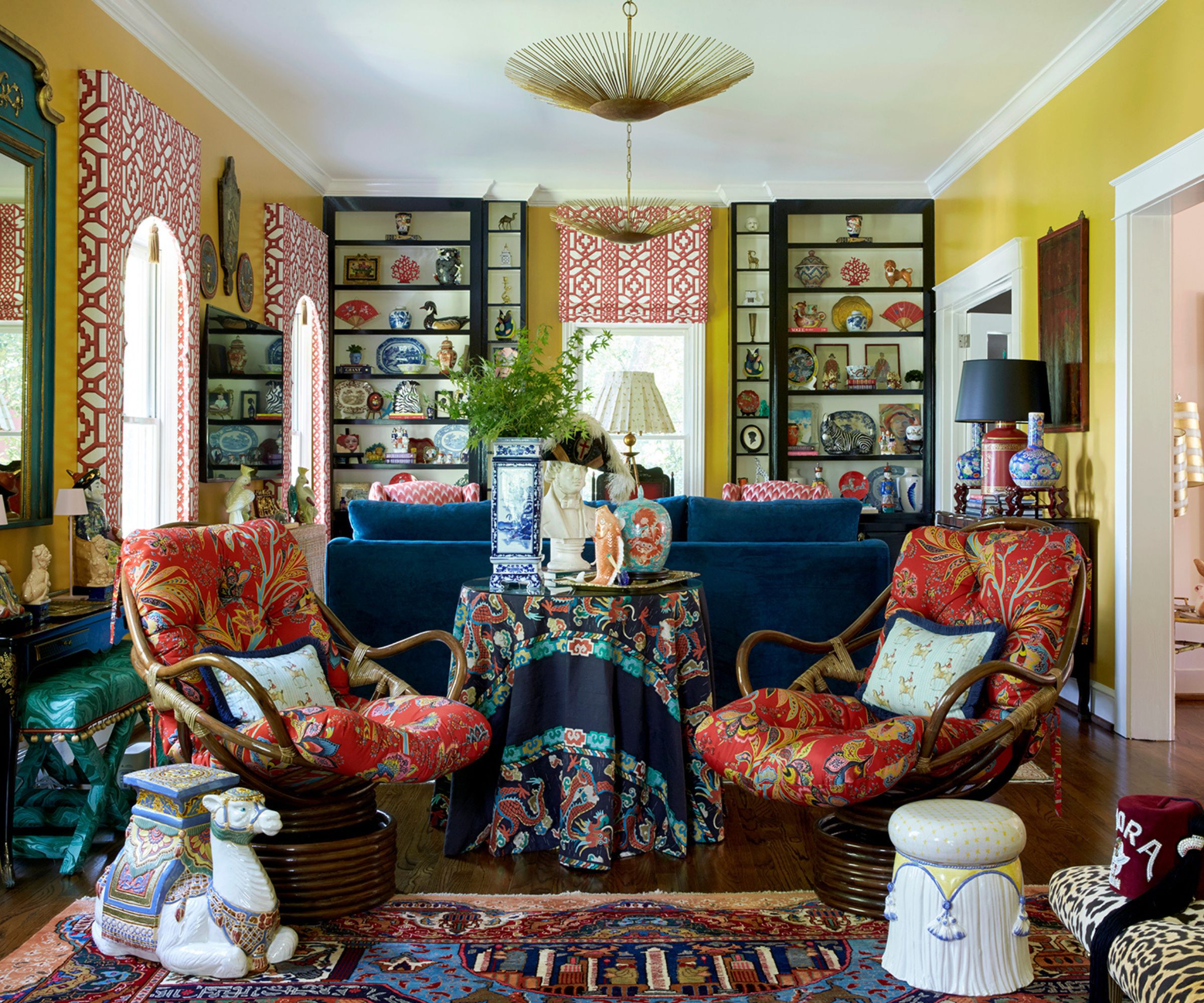
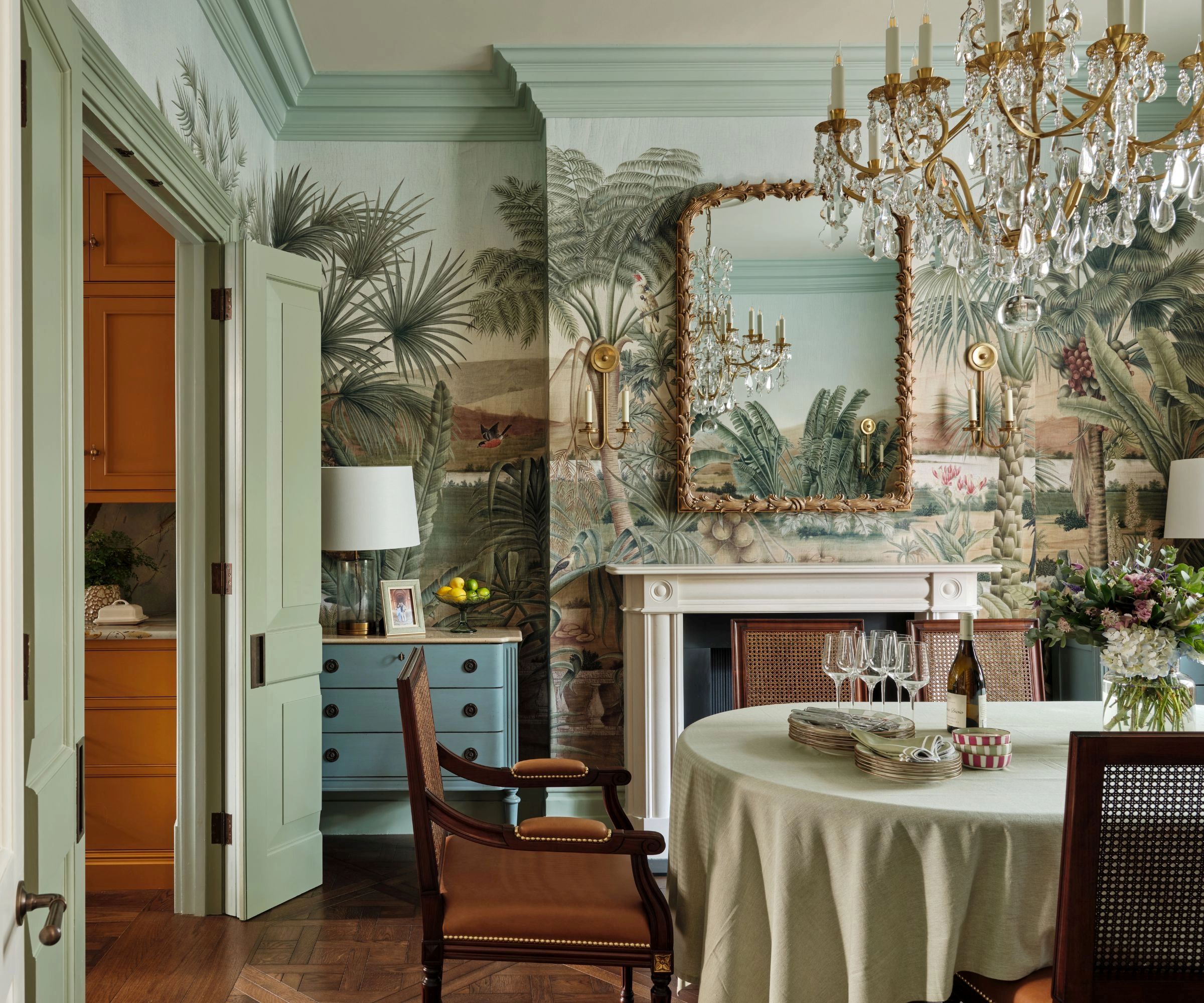
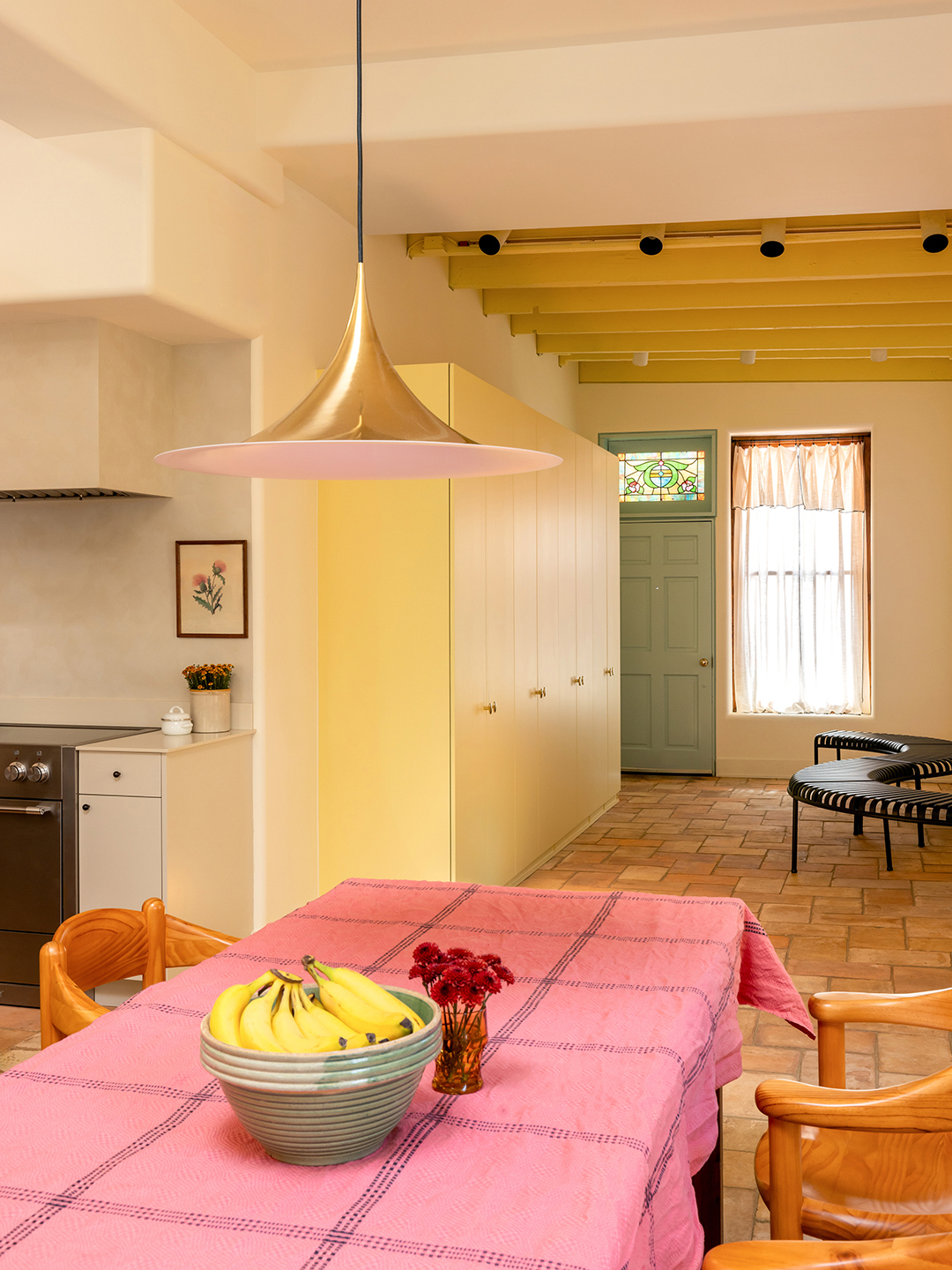
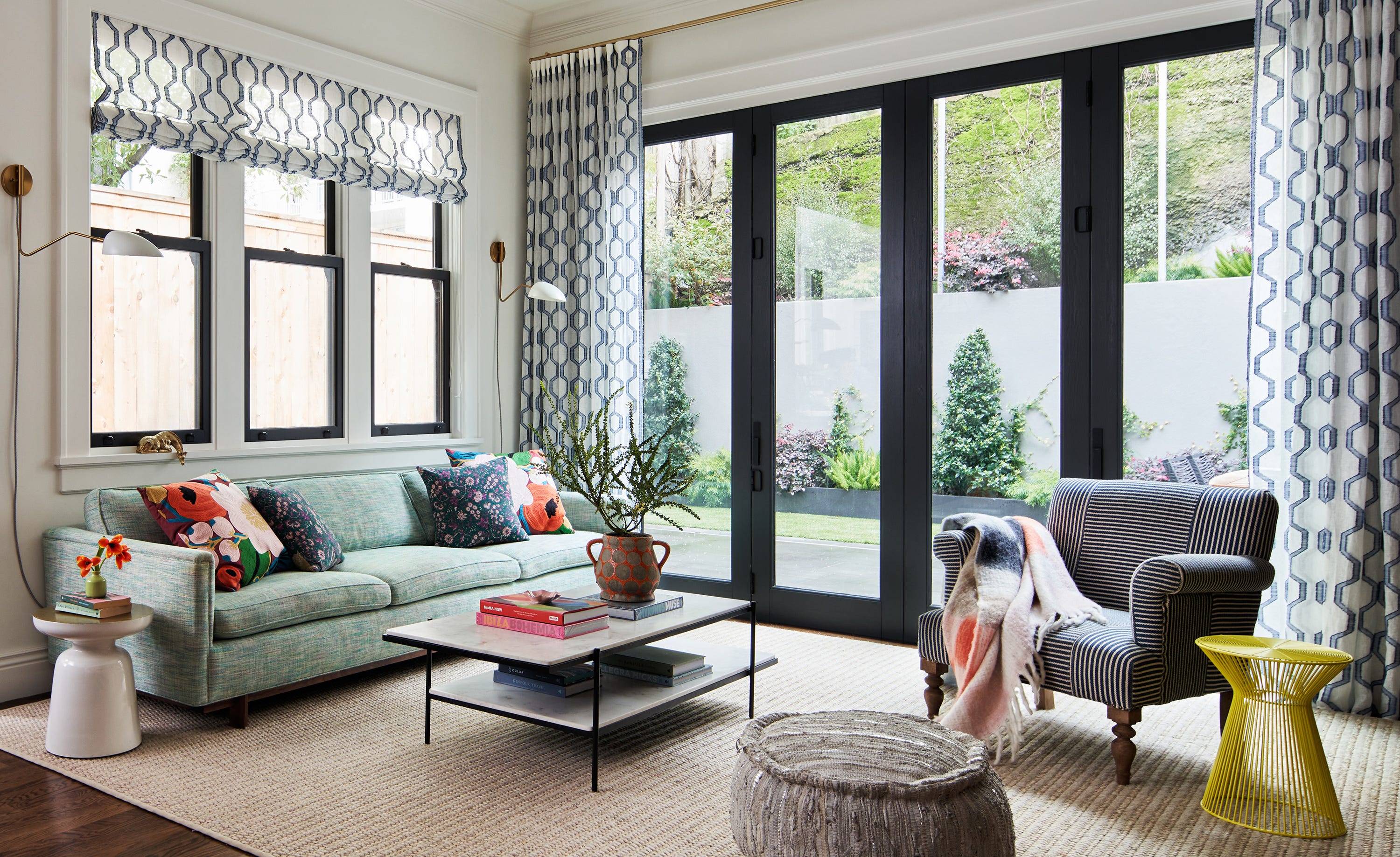
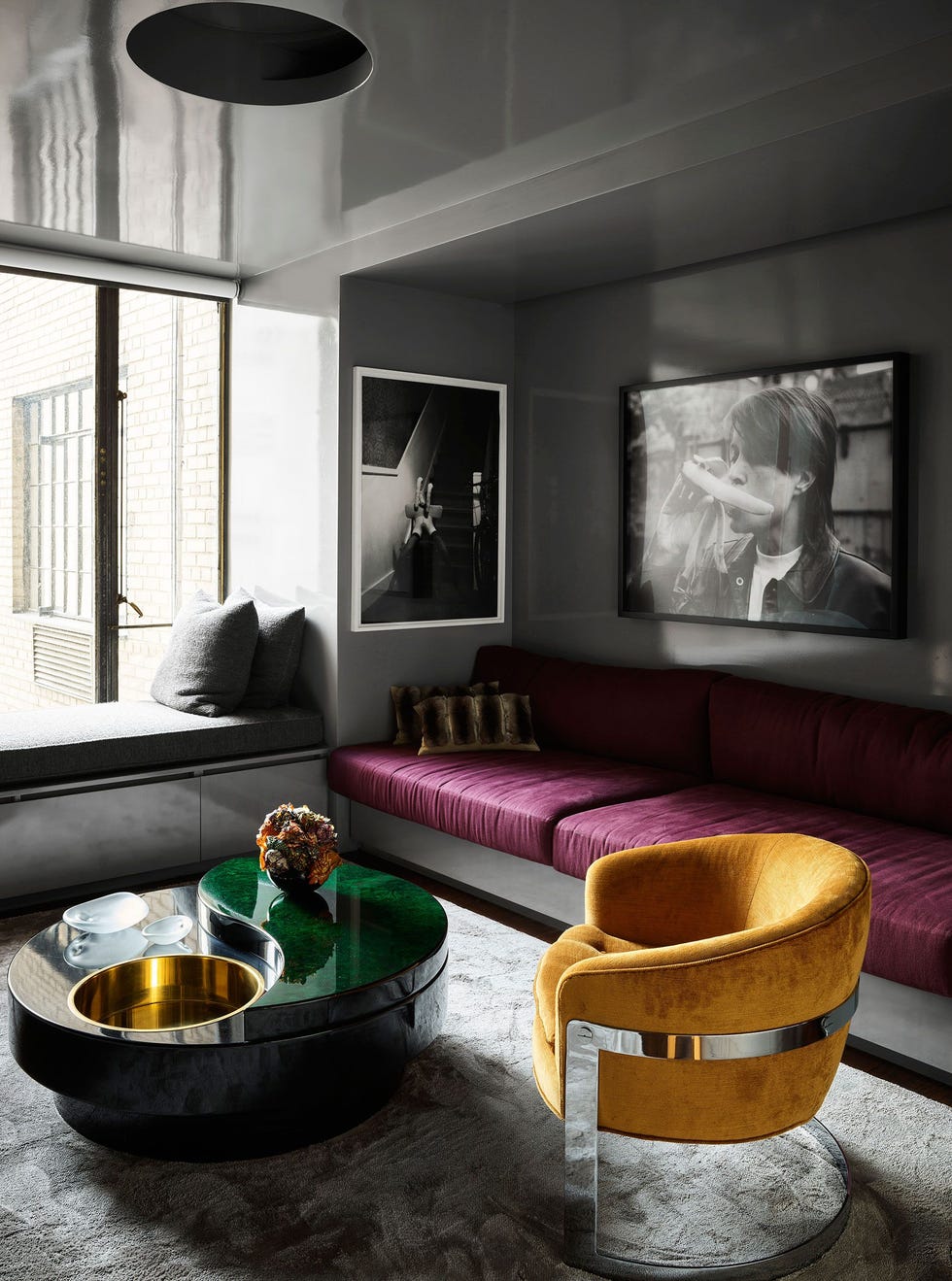
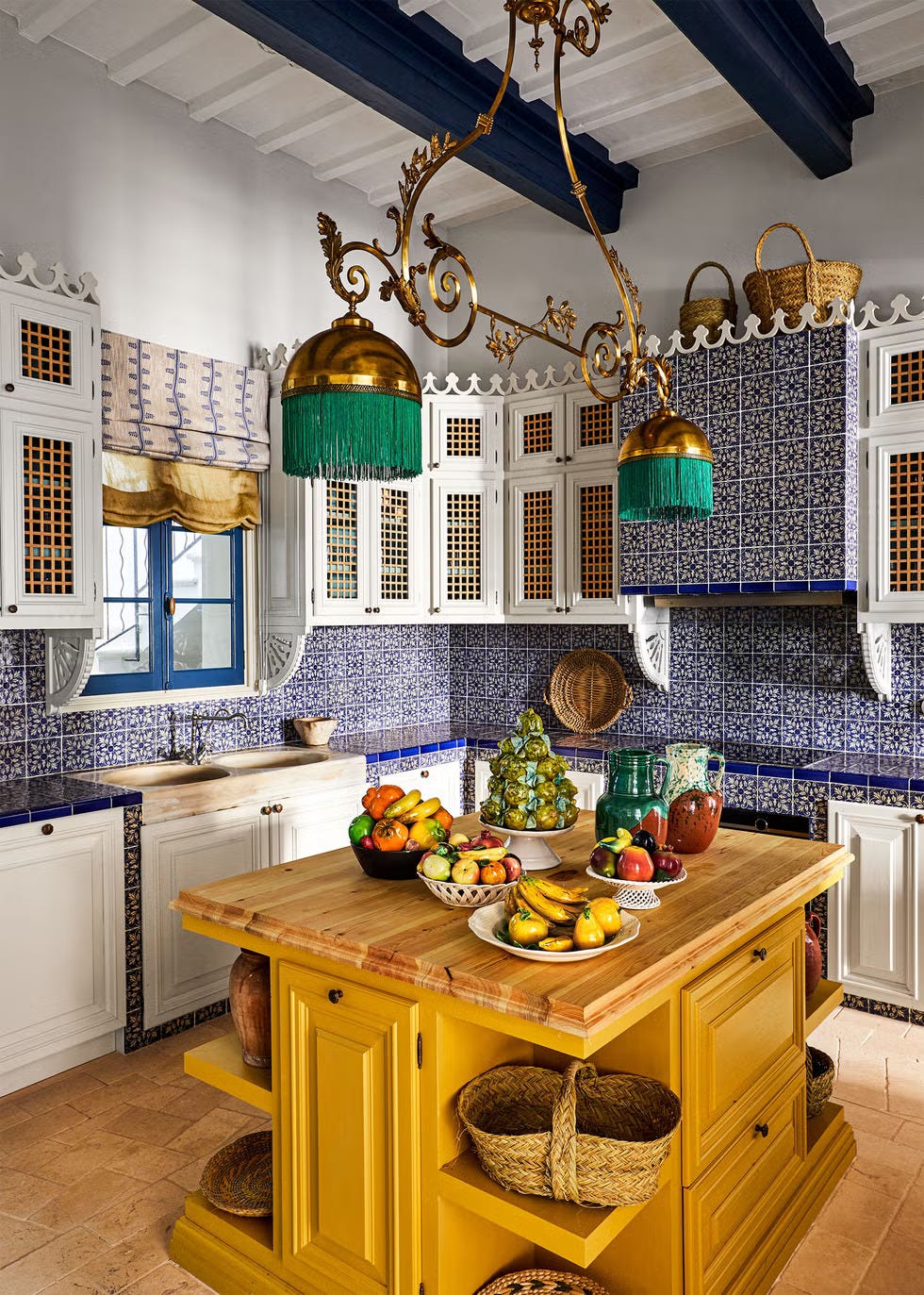
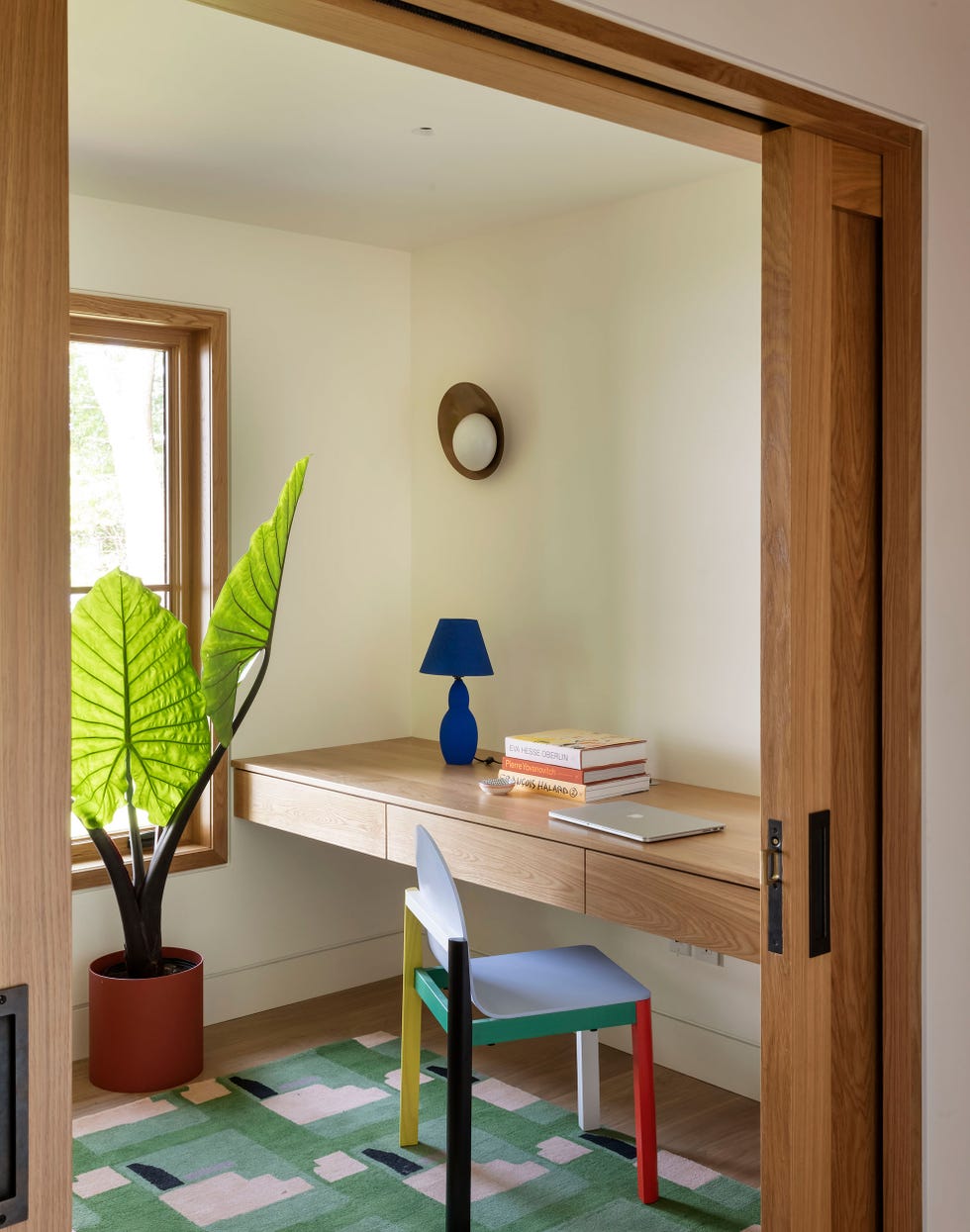
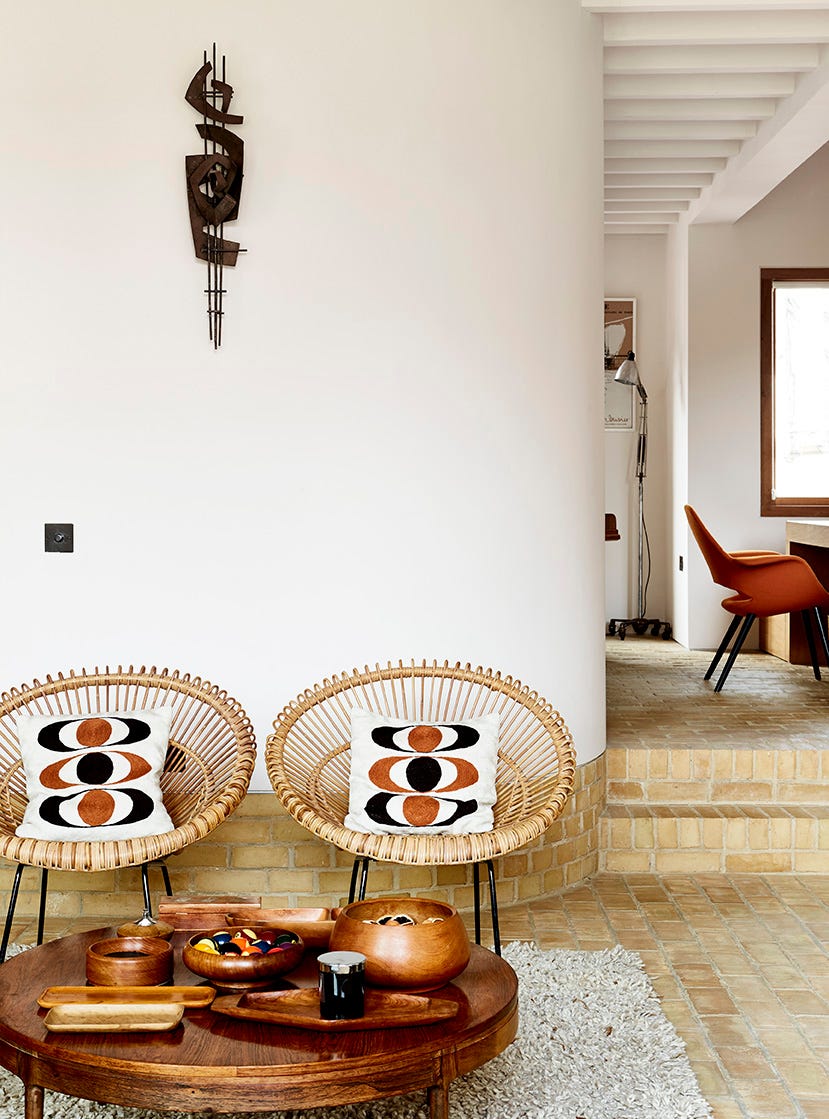
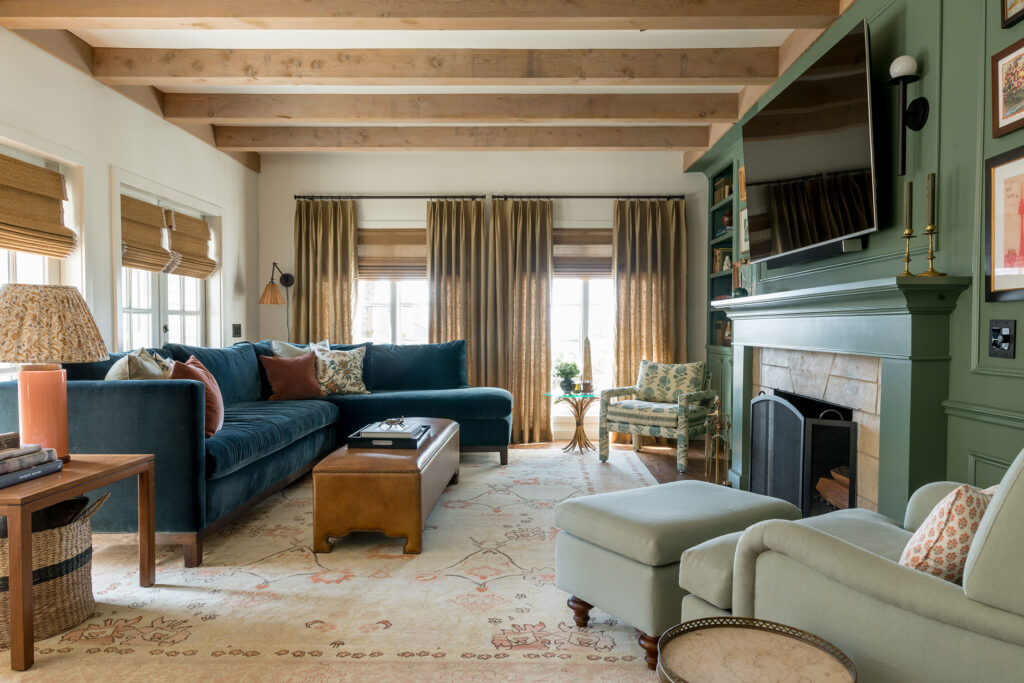
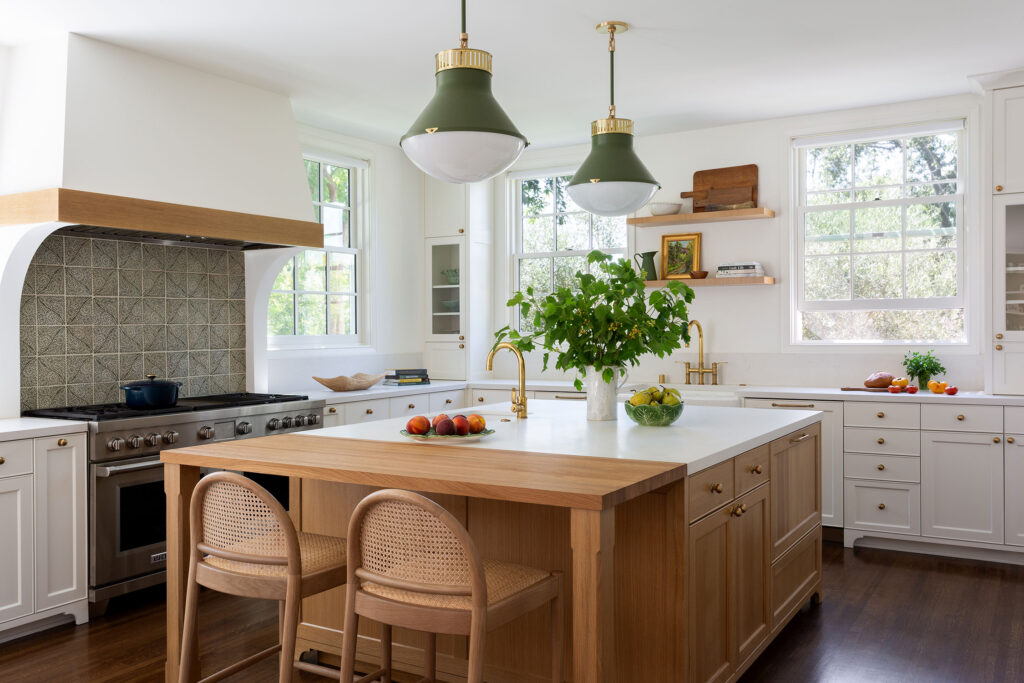
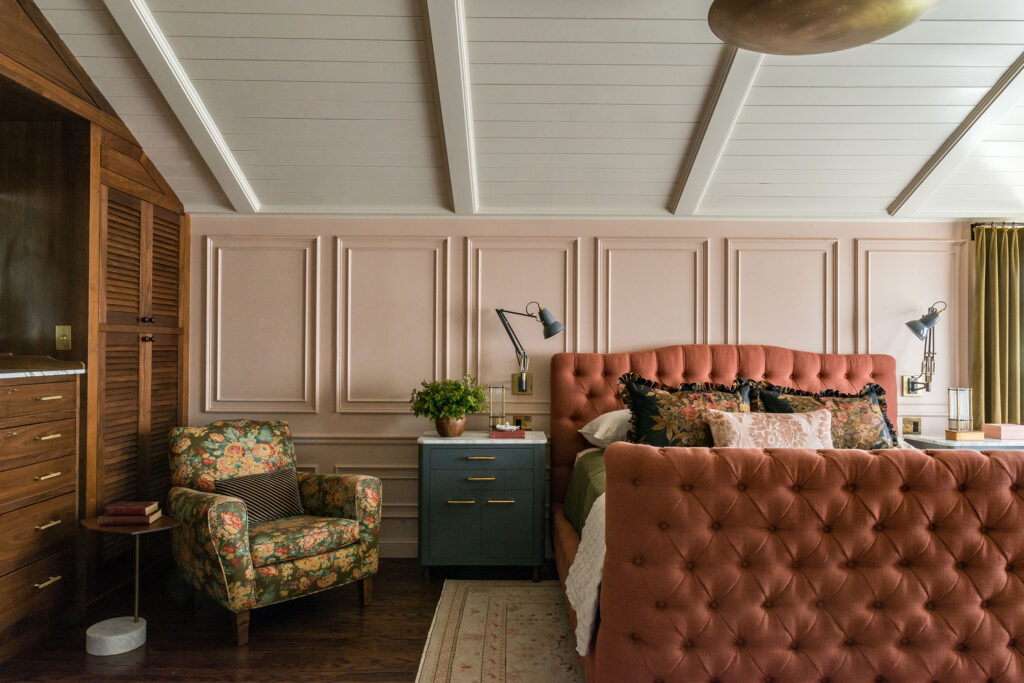
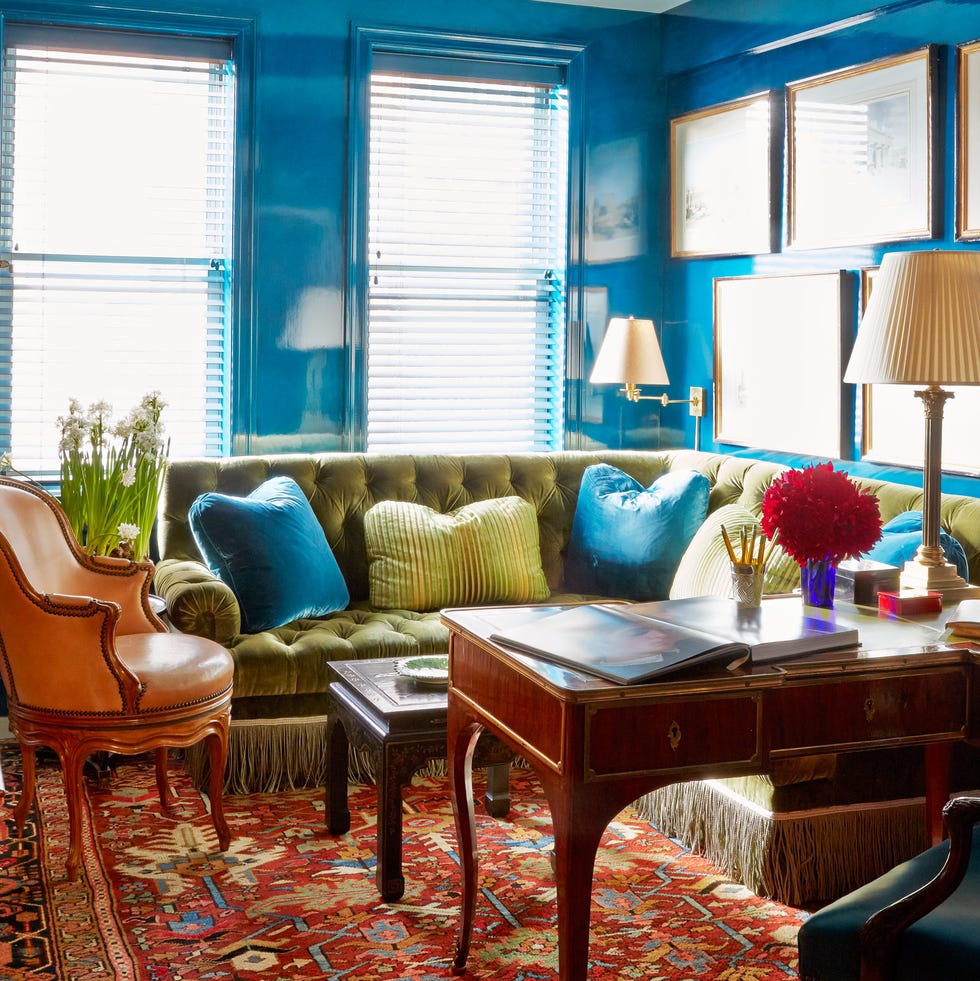
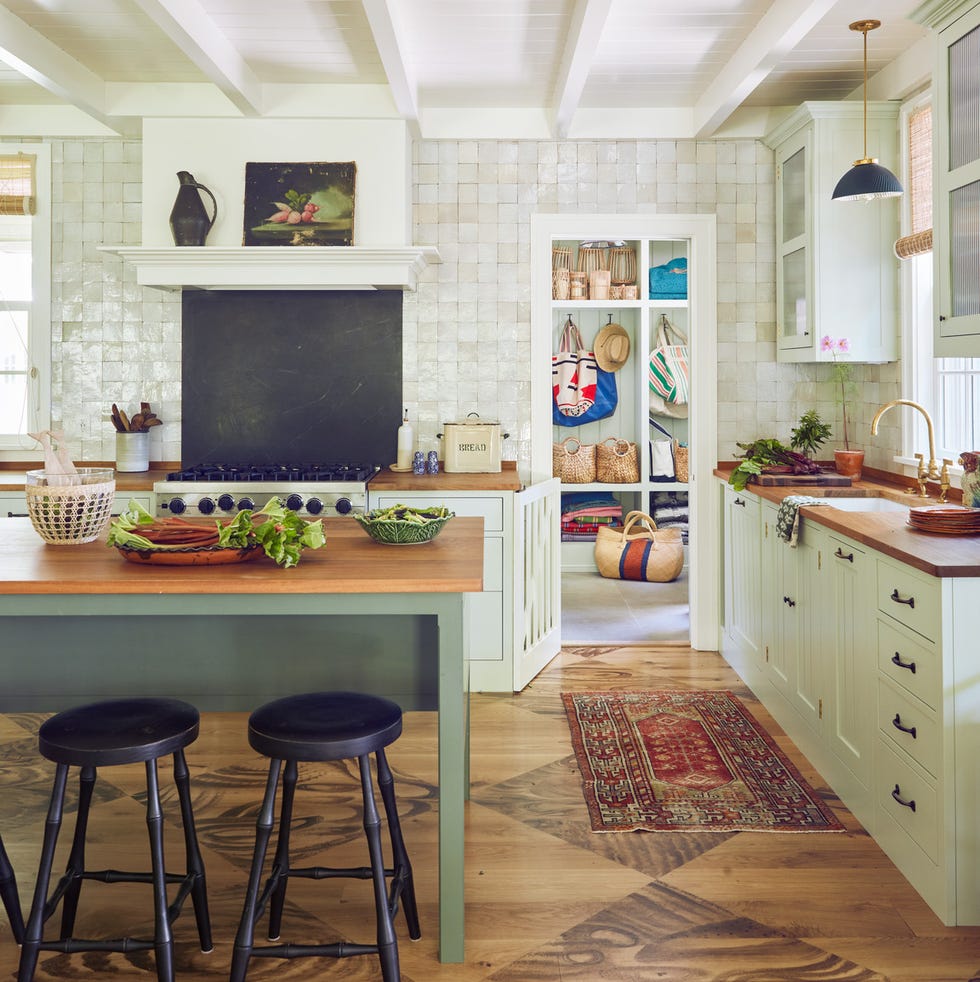
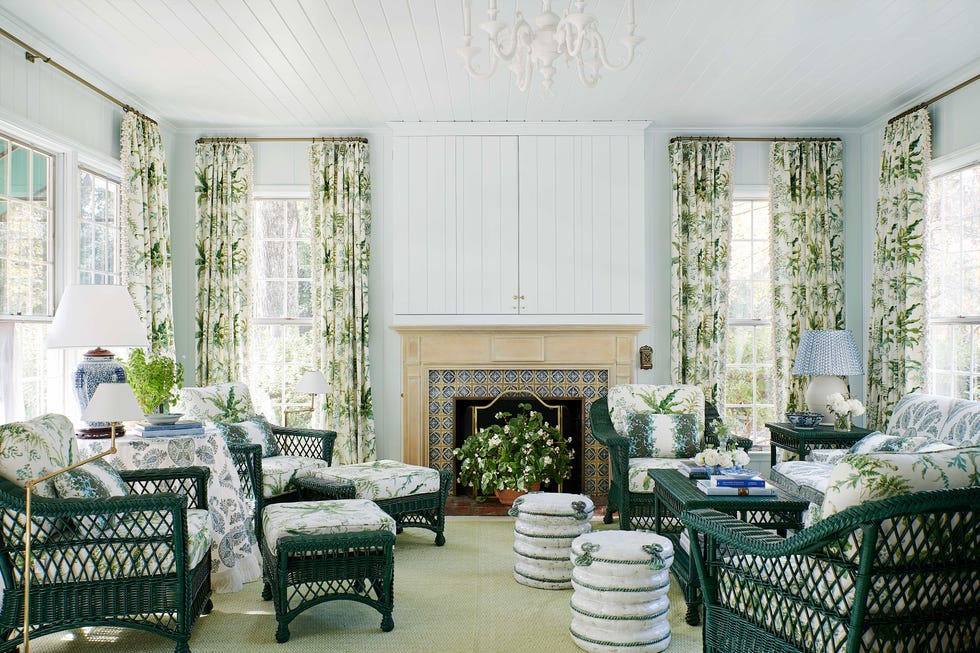
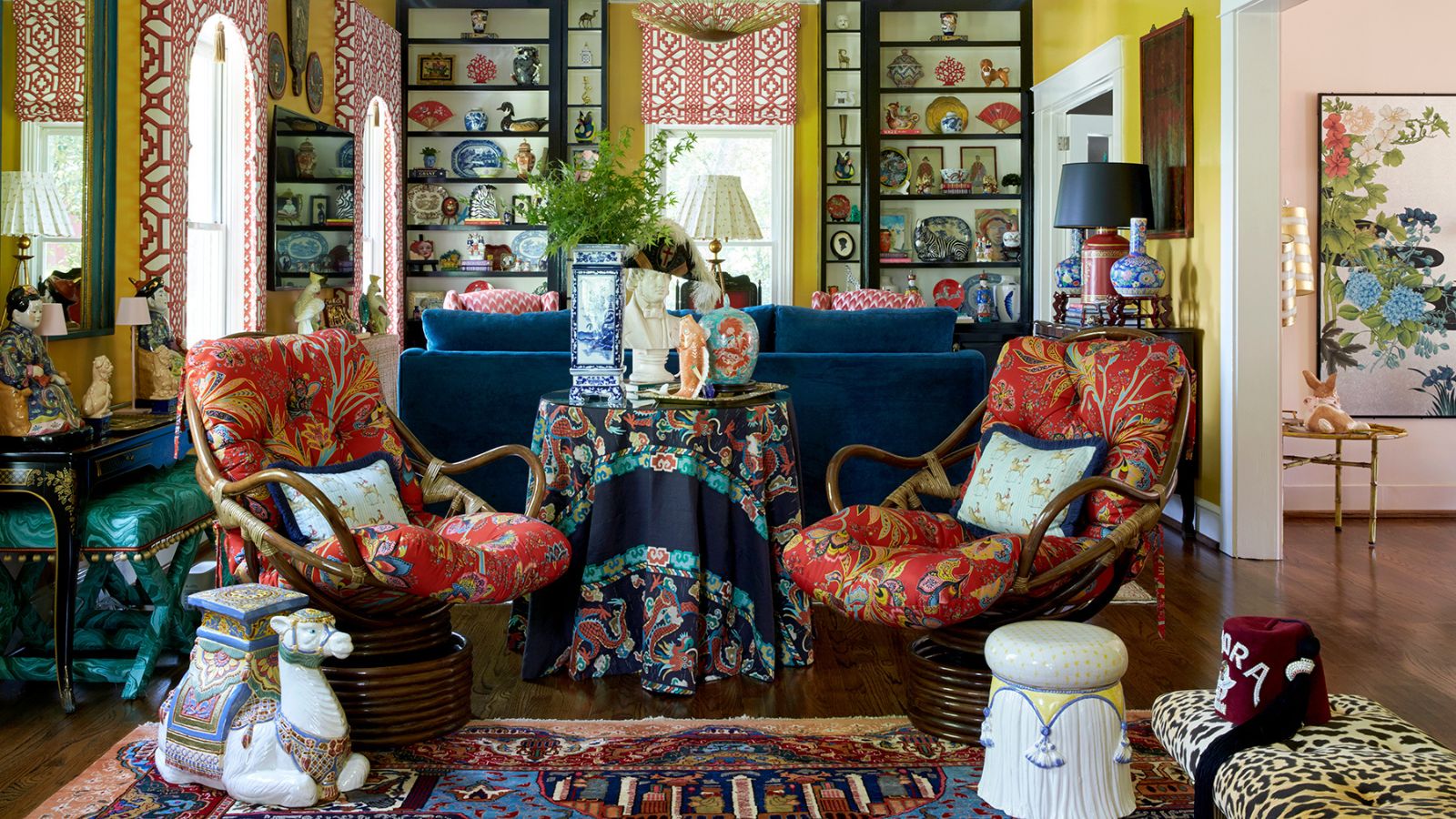
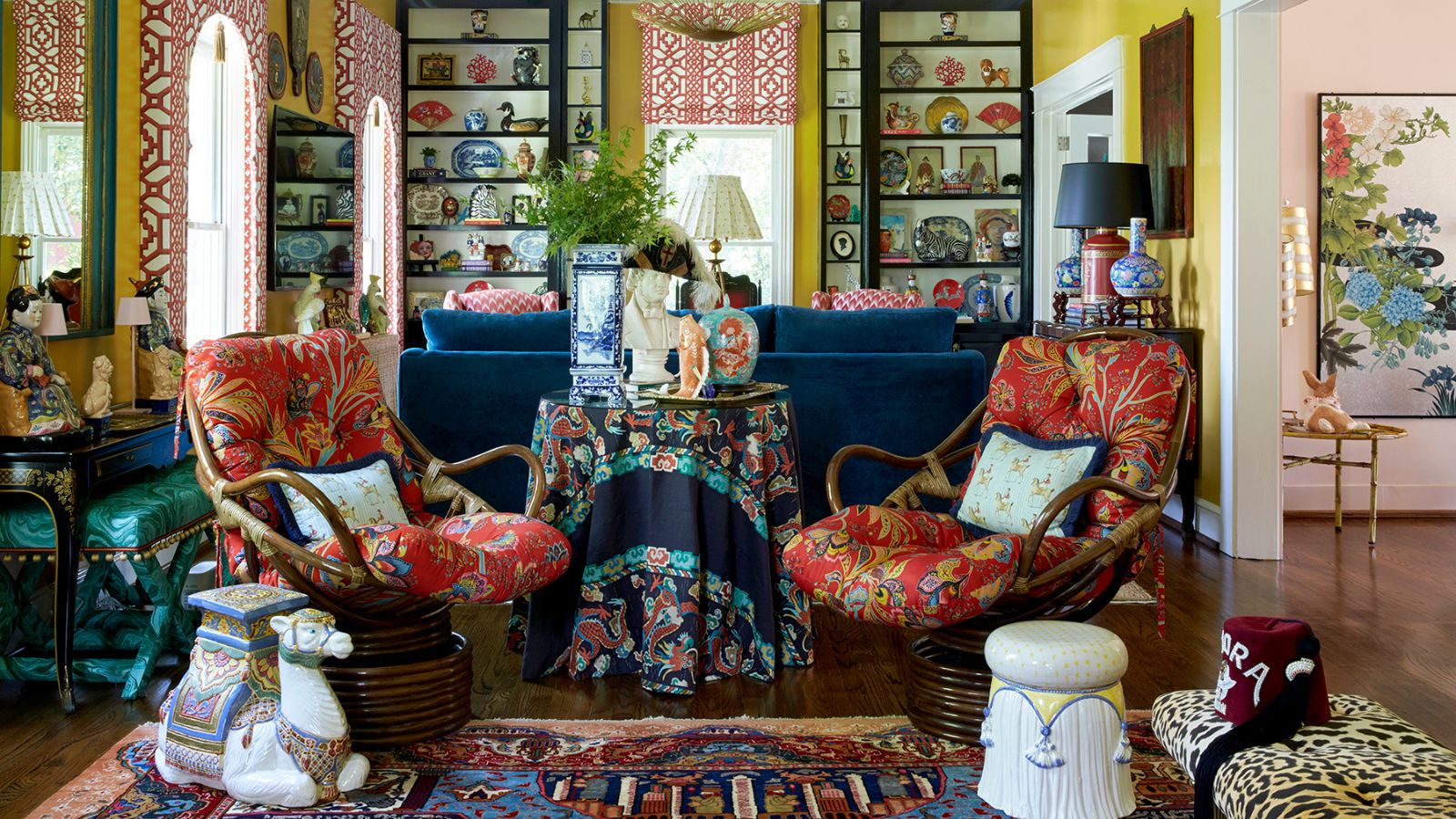
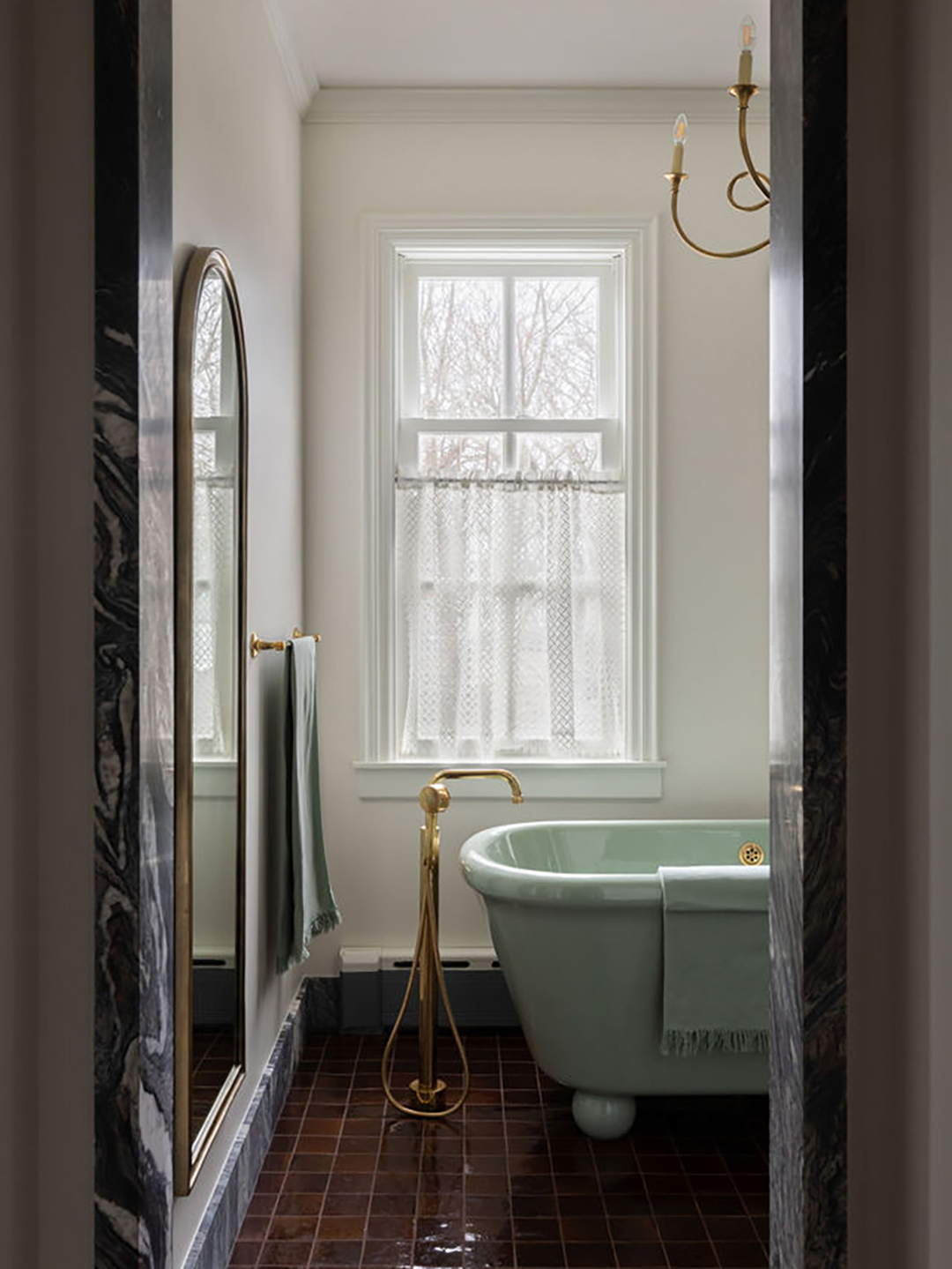
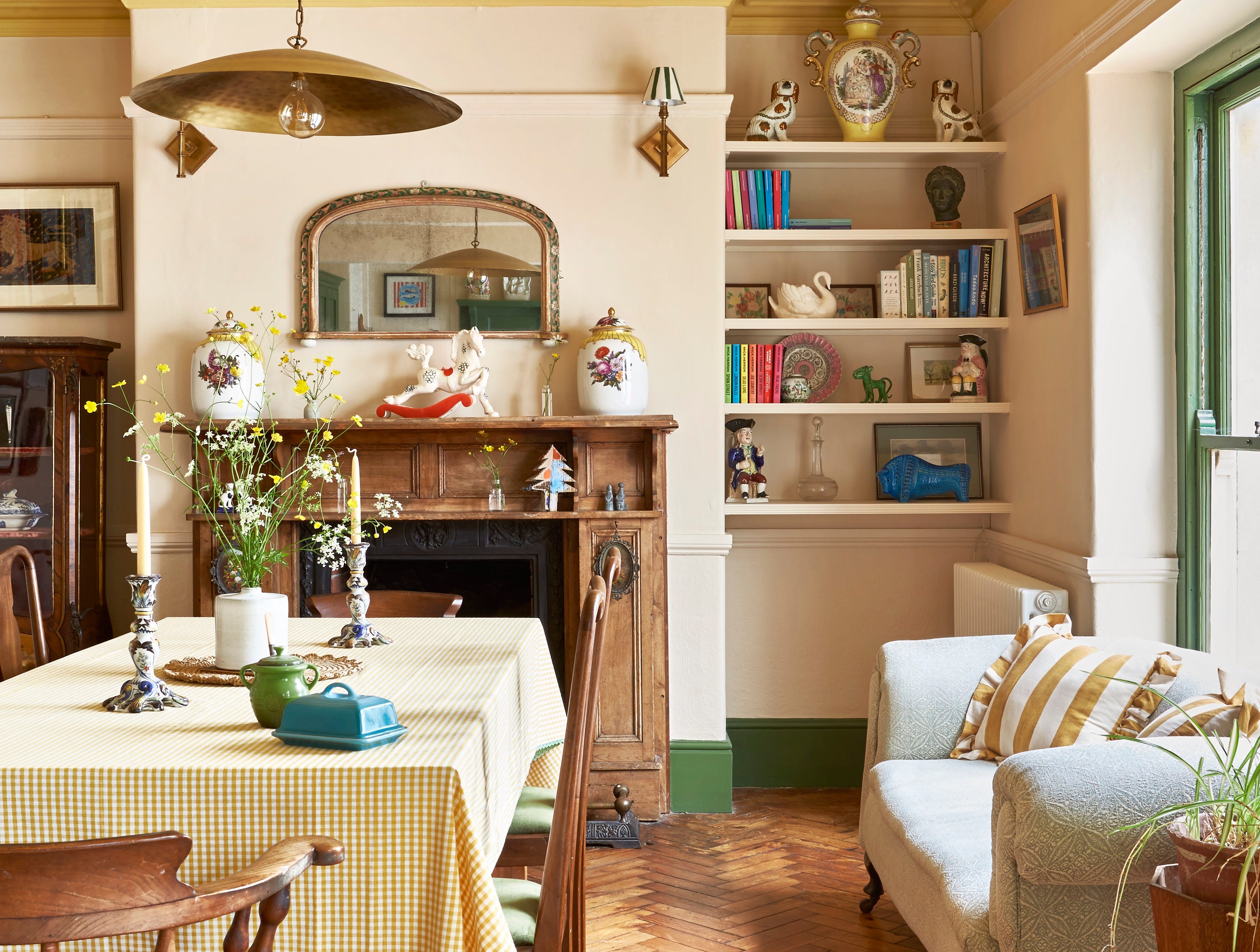
Heritage maximalism is an emerging interior design trend that merges traditional aesthetics with the expressive and vibrant elements of maximalist style. This approach emphasizes history, craftsmanship, and personal storytelling through rich, layered spaces. Unlike some maximalist interpretations that can appear chaotic, heritage maximalism is characterized by intentional curation, integrating color, pattern, and collected objects with specific meaning and a strong respect for vintage decor. Interior designers Nina Lichtenstein and Tanner Morgan describe this style as a “soulful reclamation of depth, history, and identity,” focusing on thoughtfully chosen items that evolve over time and contribute to a unique home narrative. Kailee Blalock from House of Hive Design Co. highlights the movement's drive for nostalgia and authenticity, translating into custom touches like carved furniture, heirloom-quality trim work, and elaborate drapery.
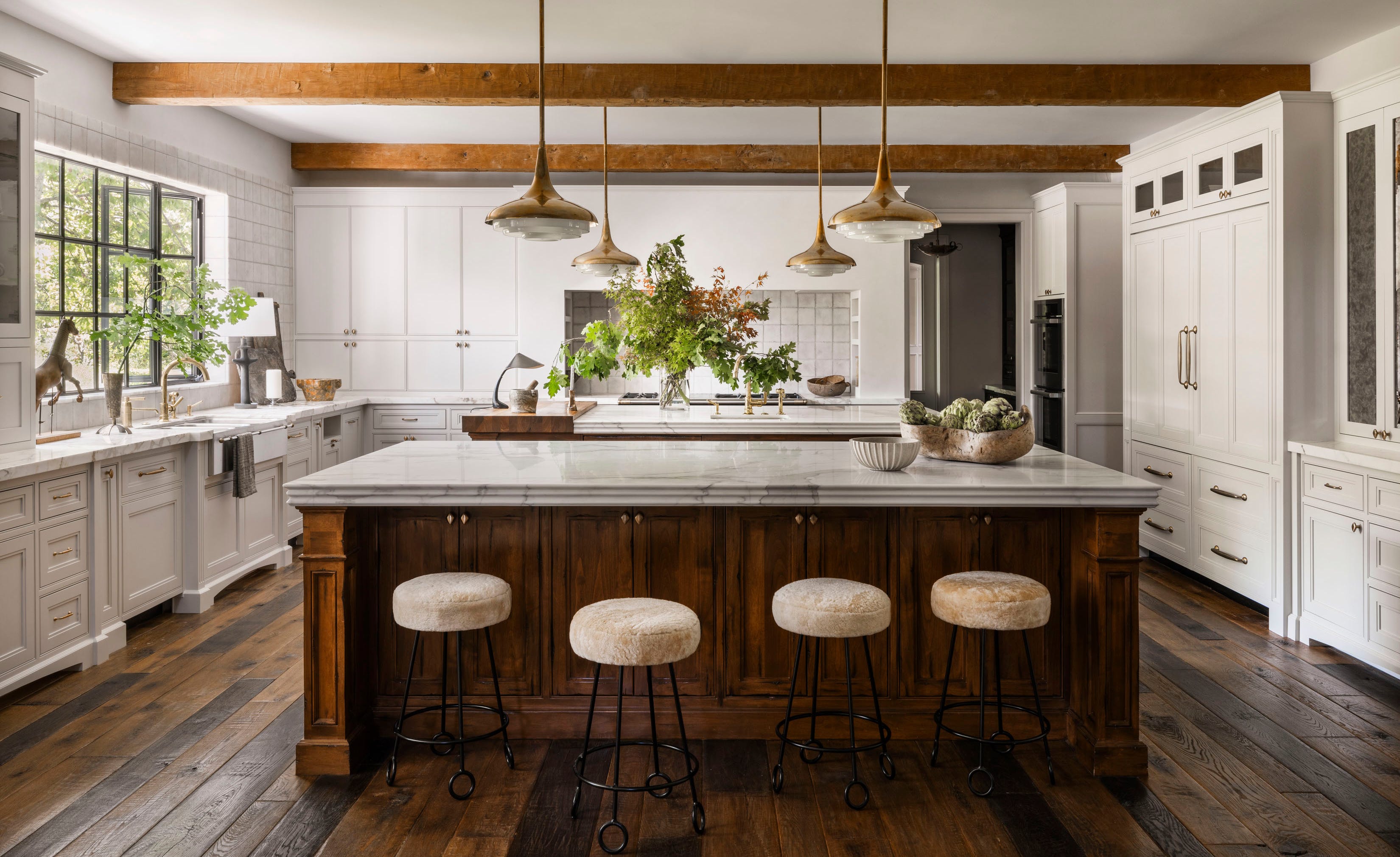
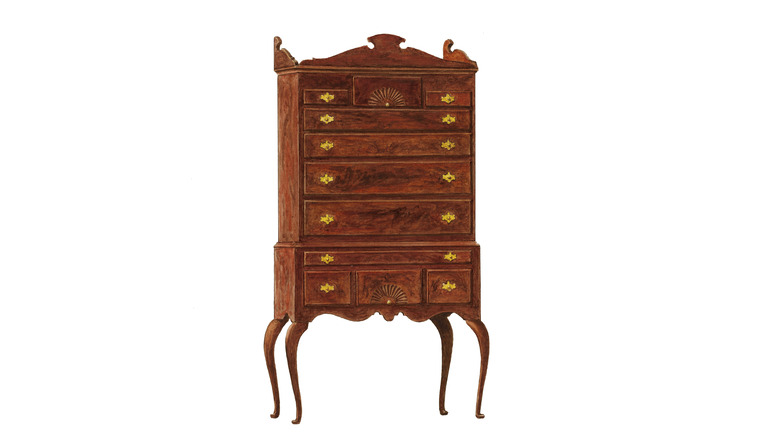
Achieving the heritage maximalist look involves a four-step process. First, it requires establishing meaningful foundations, starting with significant elements like room color, flooring, and staple furniture pieces. These foundational items serve as anchors, creating a base for subsequent layers. Sherrell Neal, founder of Sherrell Design Studio, notes that this style embraces history without being confined by it, blending old and new elements to create a personal and evolving space. Traditional craftsmanship in case goods and tables provides a solid grounding, which then allows for the introduction of contemporary fabrics, artwork, rugs, and window treatments to reflect modern living, ensuring the space feels both permanent and dynamic.
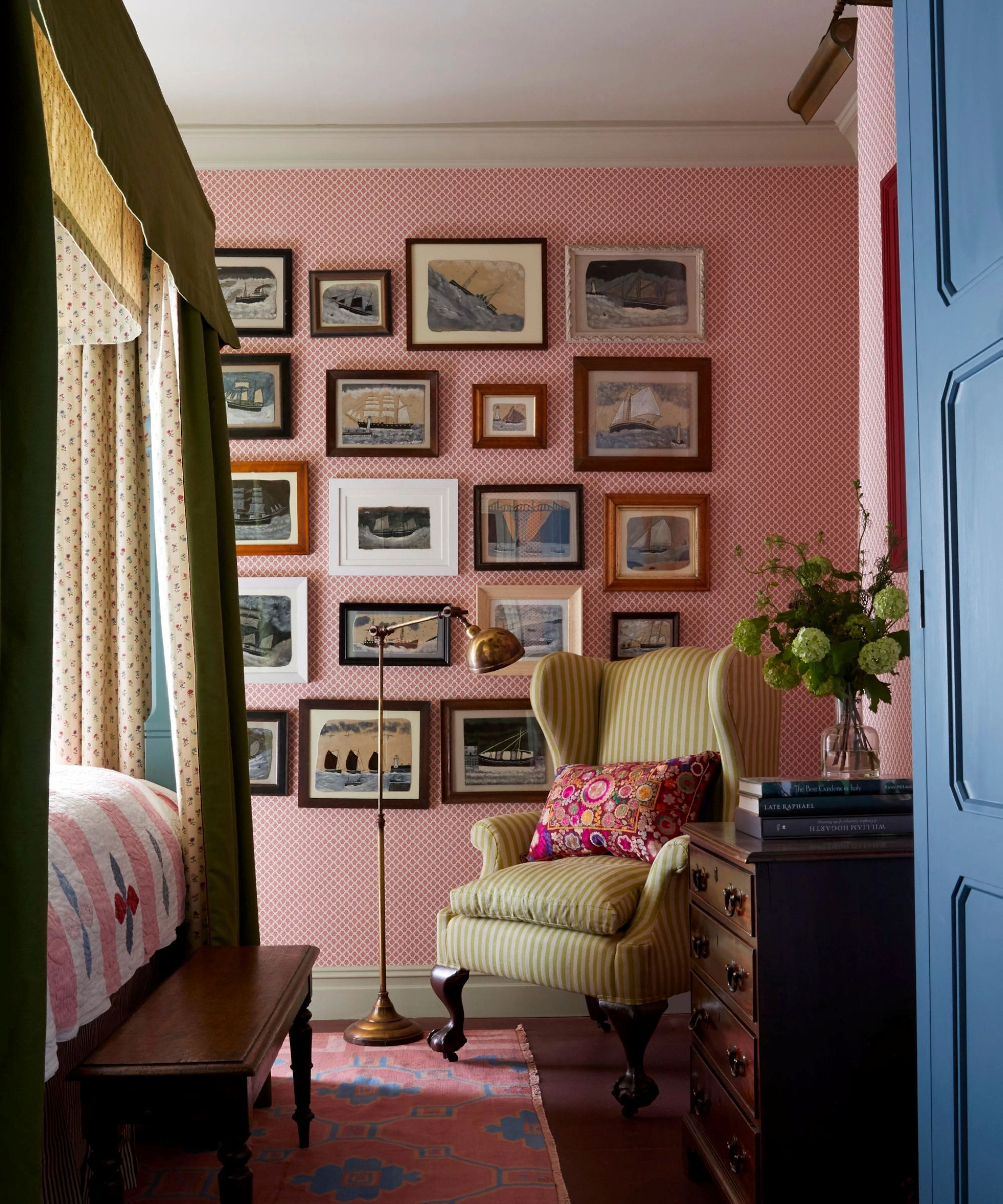
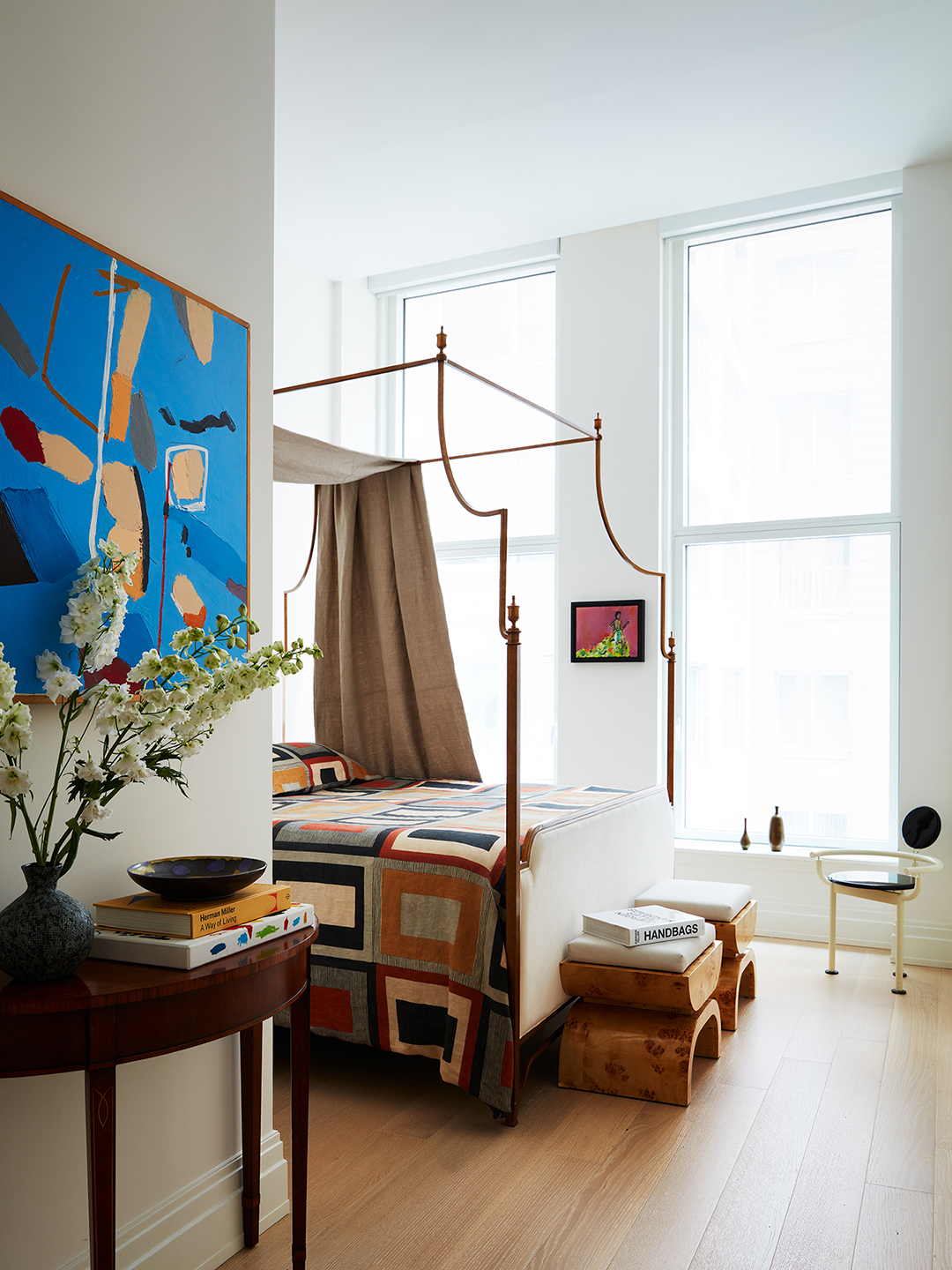
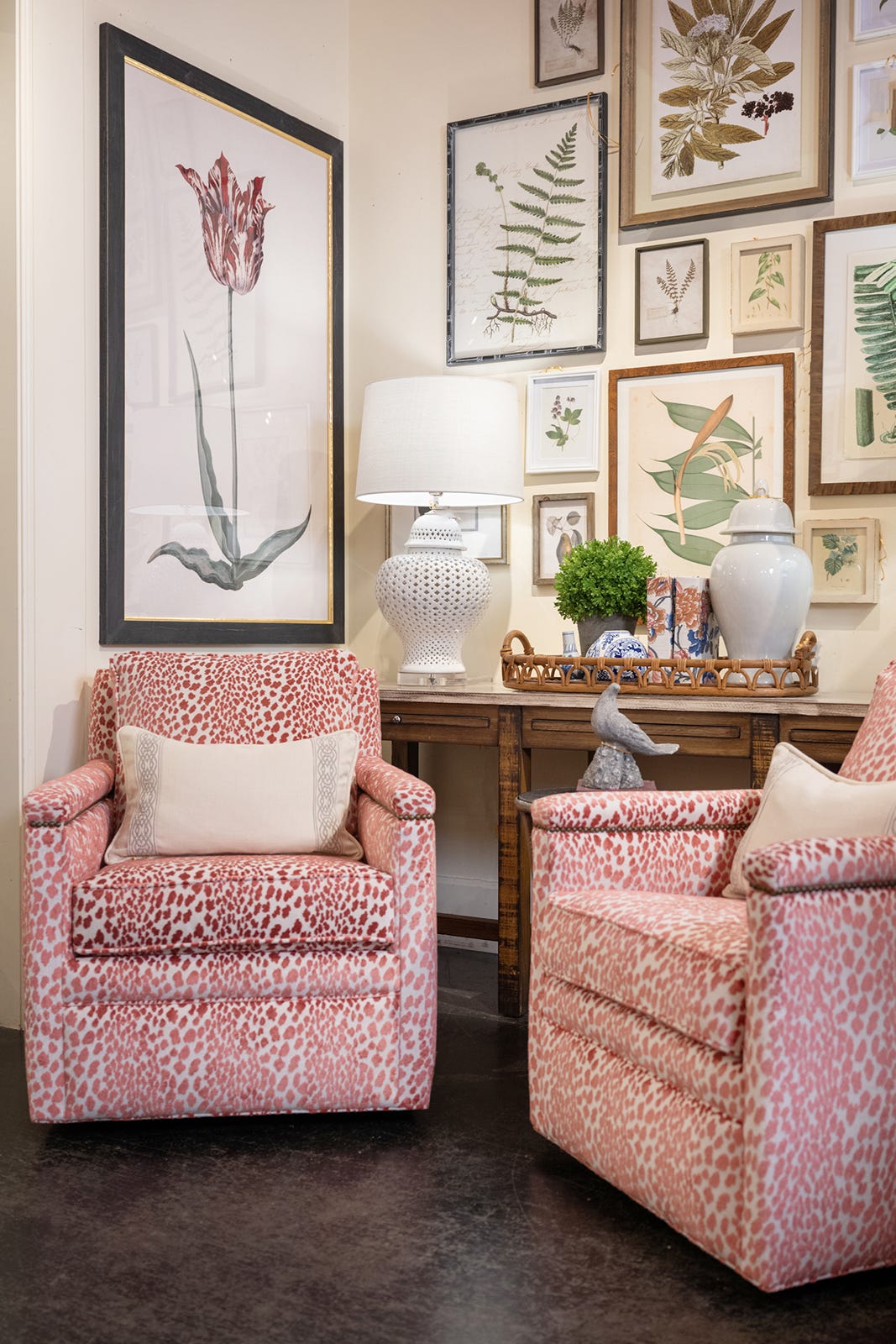
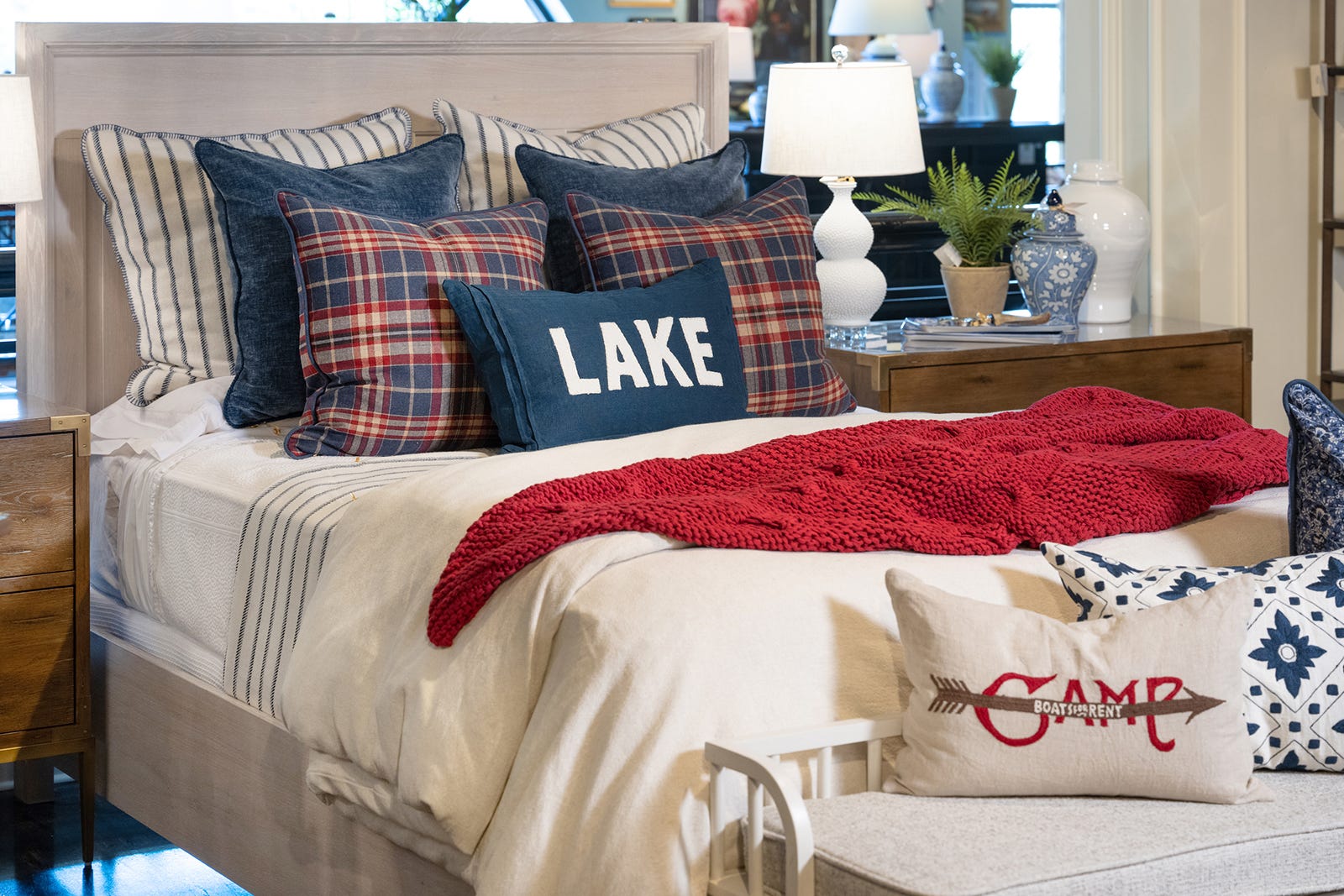
Second, the trend comes alive through extensive layering of texture and pattern. Patterns are central to heritage maximalism, often featuring items with historical provenance such as vintage tapestries, block-printed textiles, inherited quilts, or evocative wallpapers. The art of mixing these patterns requires careful consideration of balance, tone, and narrative. Designer Danielle Balanis emphasizes that the style thrives on this diverse mix of patterns, textures, and objects to maintain visual interest and playfulness.
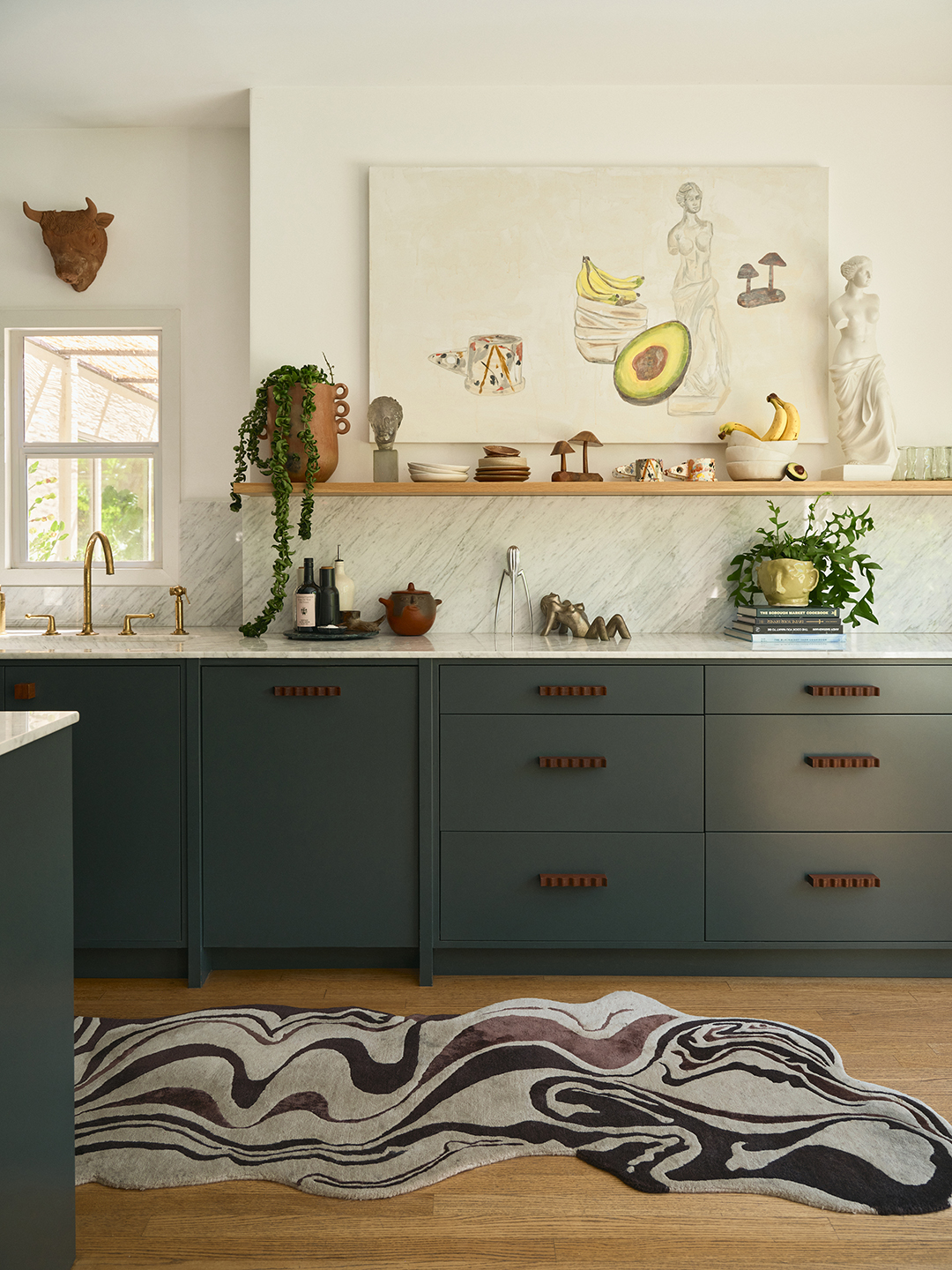
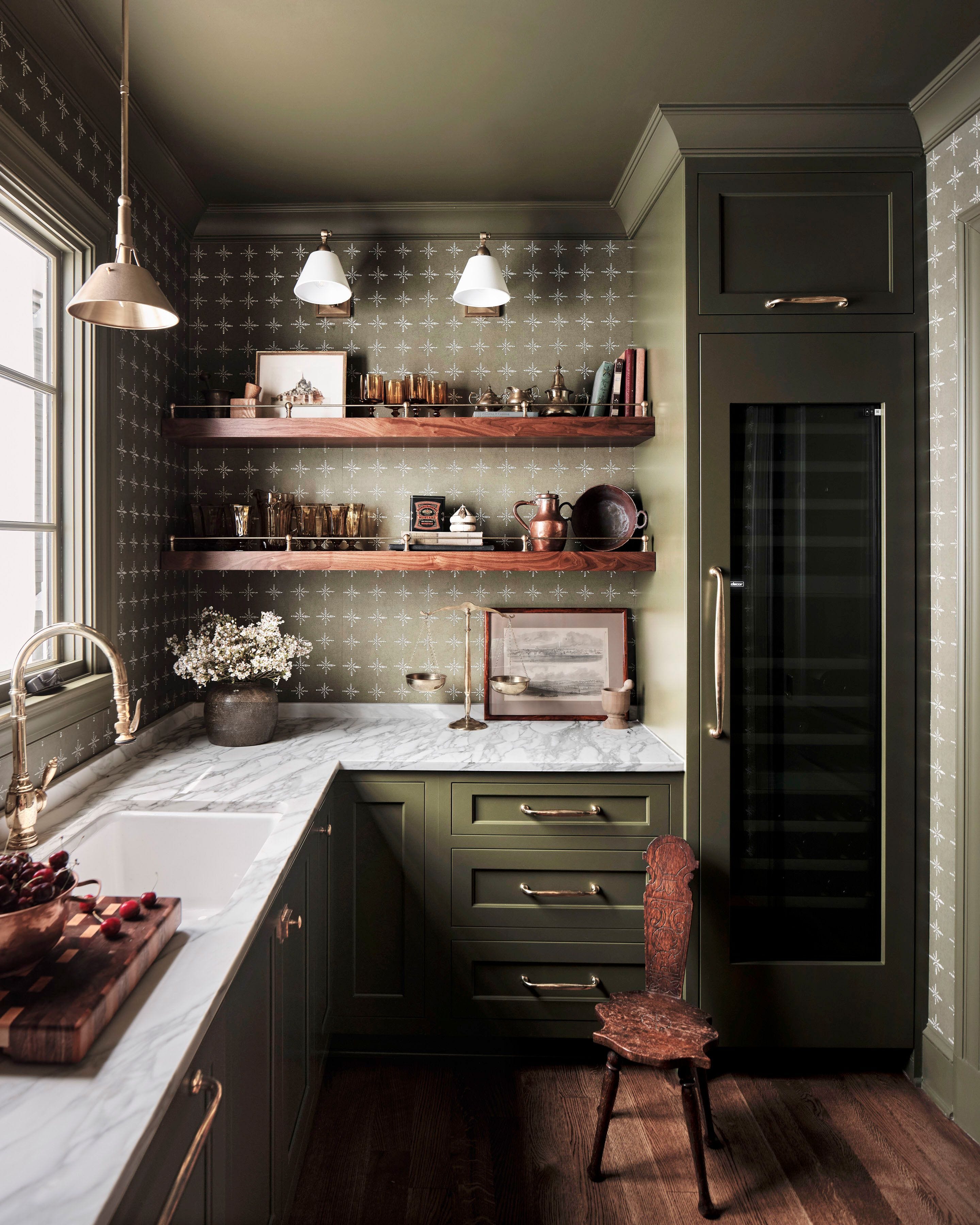
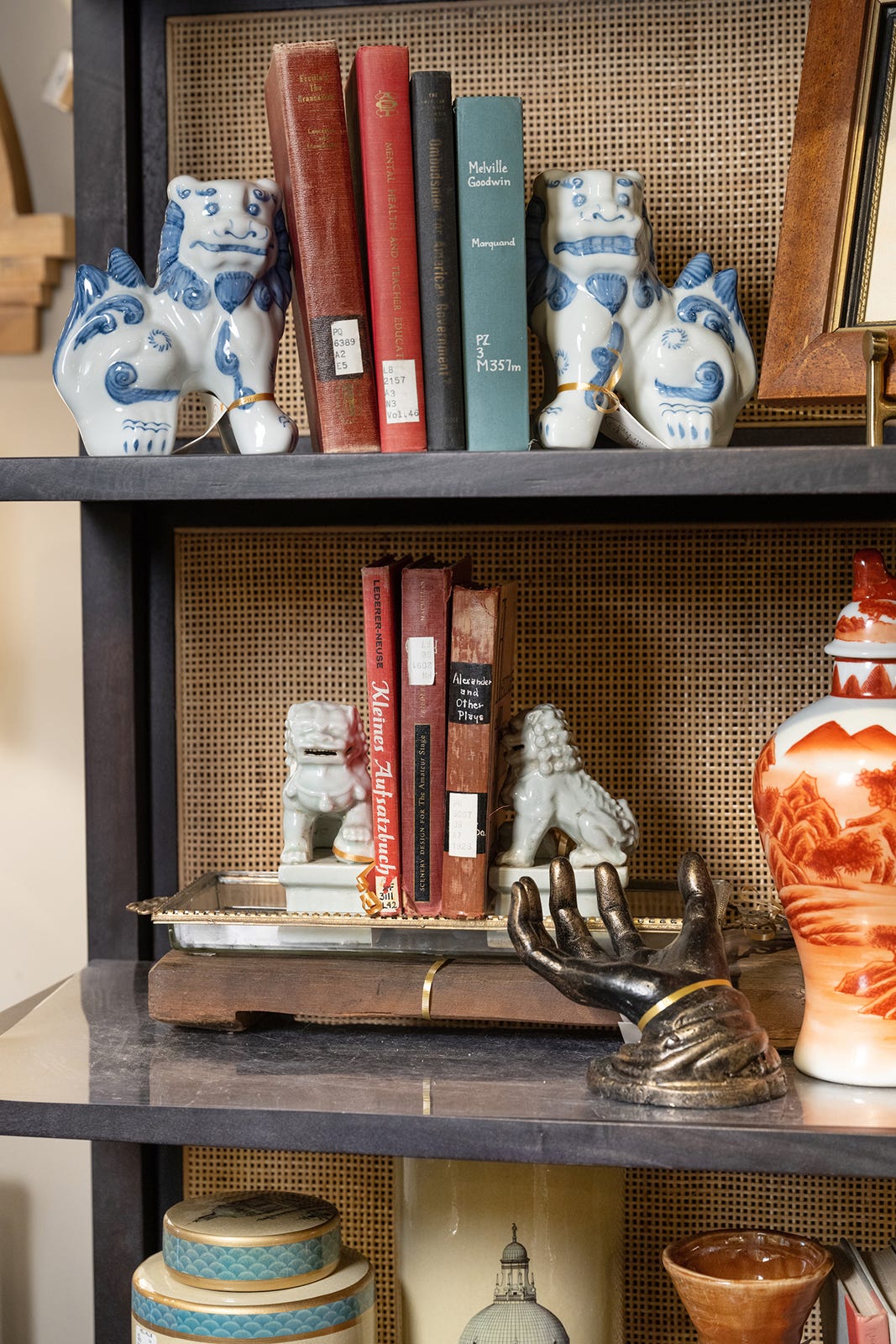
Third, personal stories are told through carefully chosen objects and collections. This aspect moves beyond mere styling to genuine storytelling, where every visible item earns its place through personal or cultural history. Examples include open shelving, glass-front cabinets, and layered mantels used to display meaningful items such as old books, handmade pottery, postcards, and a mix of original and thrifted art. This approach fosters a sense of authenticity and personal connection within the living space.
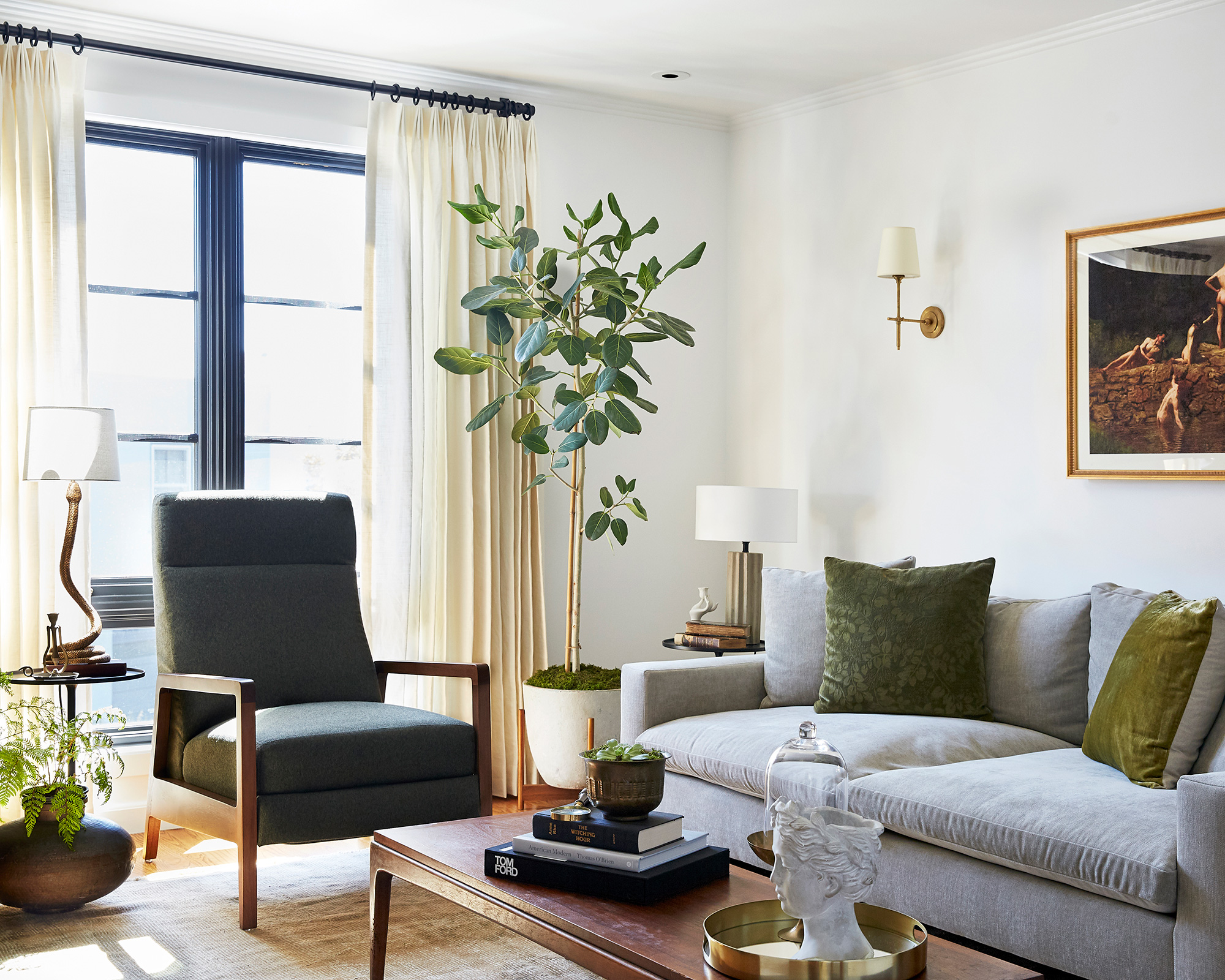
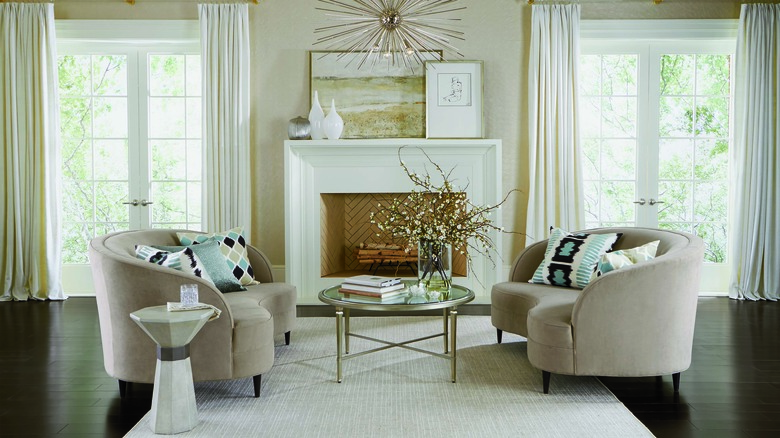
Finally, the heritage maximalist look balances old and new elements, aligning with transitional design principles. This balance ensures the space avoids feeling overwhelming. Designers suggest combining antique pieces, like heirloom pillows or vintage coffee tables, with new furniture to create a harmonious tension. Sherrell Neal points out that integrating collected pieces over time fosters a sense of familiar rhythm in design, where well-built vintage or antique furnishings add character, soul, and a quiet grandeur to the home. The article concludes by emphasizing that heritage maximalism is not a rigid formula but an aesthetic that values curation, personal expression, and a layered approach to create timeless and vibrant interiors.
#HeritageMaximalism #InteriorDesign #MaximalistDecor #VintageDecor #HomeStyling #DesignTrends #LayeredInteriors #TraditionalDesign #EclecticStyle #HeritageMaximalism #InteriorDesign #MaximalistDecor #VintageDecor #HomeStyling #DesignTrends #LayeredInteriors #TraditionalDesign #EclecticStyle
0 komentarzy łącznie
 Brak komentarzy jeszcze
Możesz również polubić
Why 'quiet luxury' is the trend that keeps on giving – 10 reasons why I still love the 'old money' aesthetic

You Can Expect to See This Cool New 'Marquetry' Style in All the Most Luxe Homes This Year

Pinterest Just Released Its 2025 Fall Trends Report—Here’s What’s In (and What’s Out) in Interior Design

Opinion: Home Is the New Fashion

Heritage maximalism – the interior trend to know now
Why Is Everyone So Obsessed With Quiet Luxury?
The enduring appeal of Mid-century Modern

This Is Why Everyone’s Obsessed with Traditional Decor Right Now
Move Over Quiet Luxury—Sculptural Stone Is Taking Over Design This Year
Quiet Luxury Is the Home Design Trend That Whispers Elegance

Style at Home: Top 2024 interior design trends making waves across the web
8 Decorating Trends Designers Wish Would Go Away in 2025

"Quaint Maximalism" Is This Year's Best Home Decor Trend

The Decorating Trends Designers Are Leaving Behind in 2026

Inside the homes that 'whisper rather than scream luxury'

Outdated Furniture Pieces That Are Having A Comeback

What Rich People Put in Their Homes, According to an Interior Designer
Luxury Experts Say THESE Will Be the Most Popular High-End Home Features in 2025
These antique and vintage collectibles are in high demand this year
Top current home decor and design trends in the luxury market