1/7
Surprise: 1990s Design Trends Are Coming Back
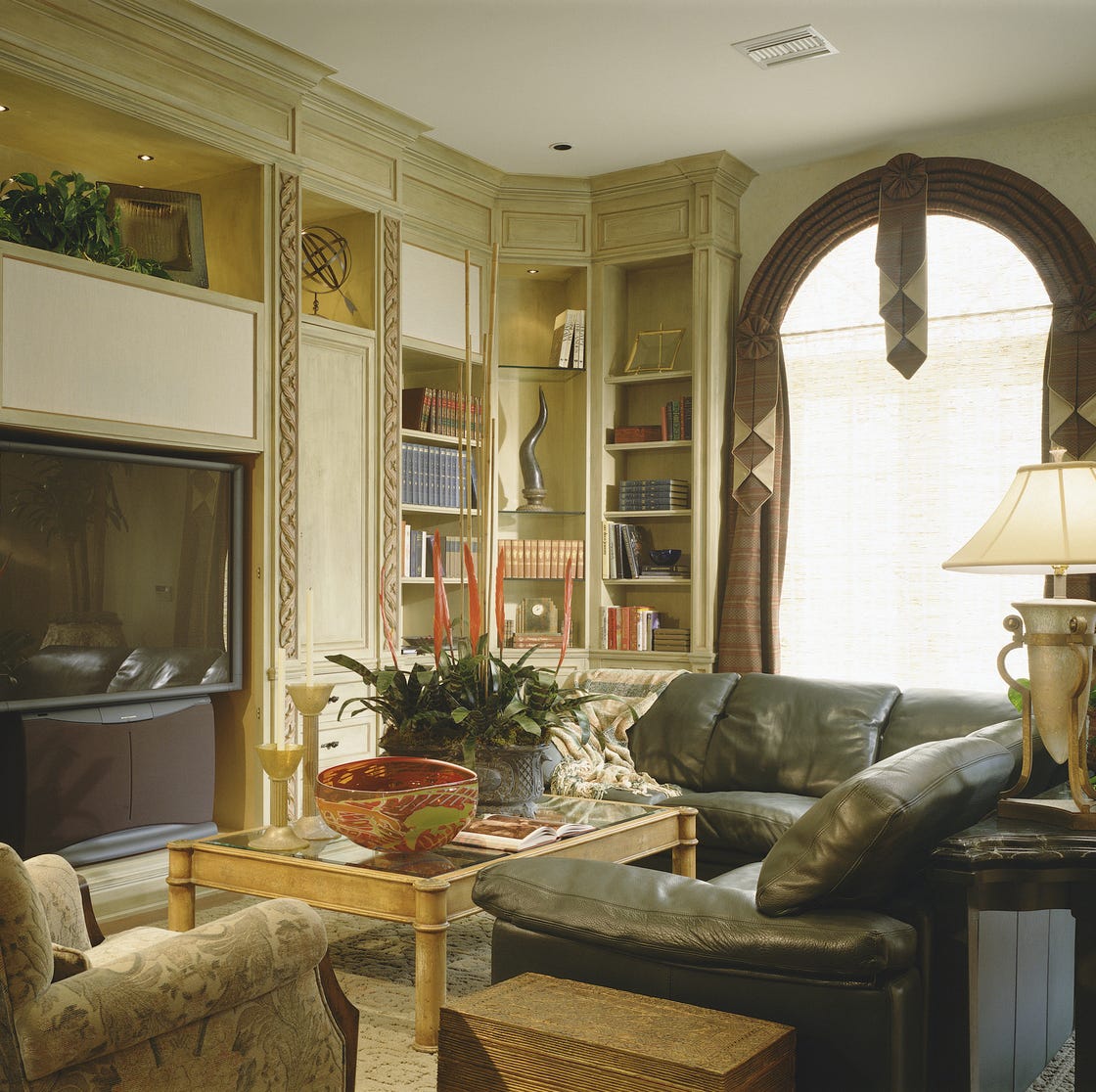
The 1990s, a decade often associated with unique cultural phenomena like Koosh balls and dial-up Internet, also left a distinct mark on home decor. While some trends from this era, such as sponge-painting and overly poufy curtain valances, have justifiably faded from memory, a surprising number of 1990s home design elements are experiencing a resurgence. This return is often characterized by a modern reinterpretation, blending nostalgia with contemporary aesthetics.
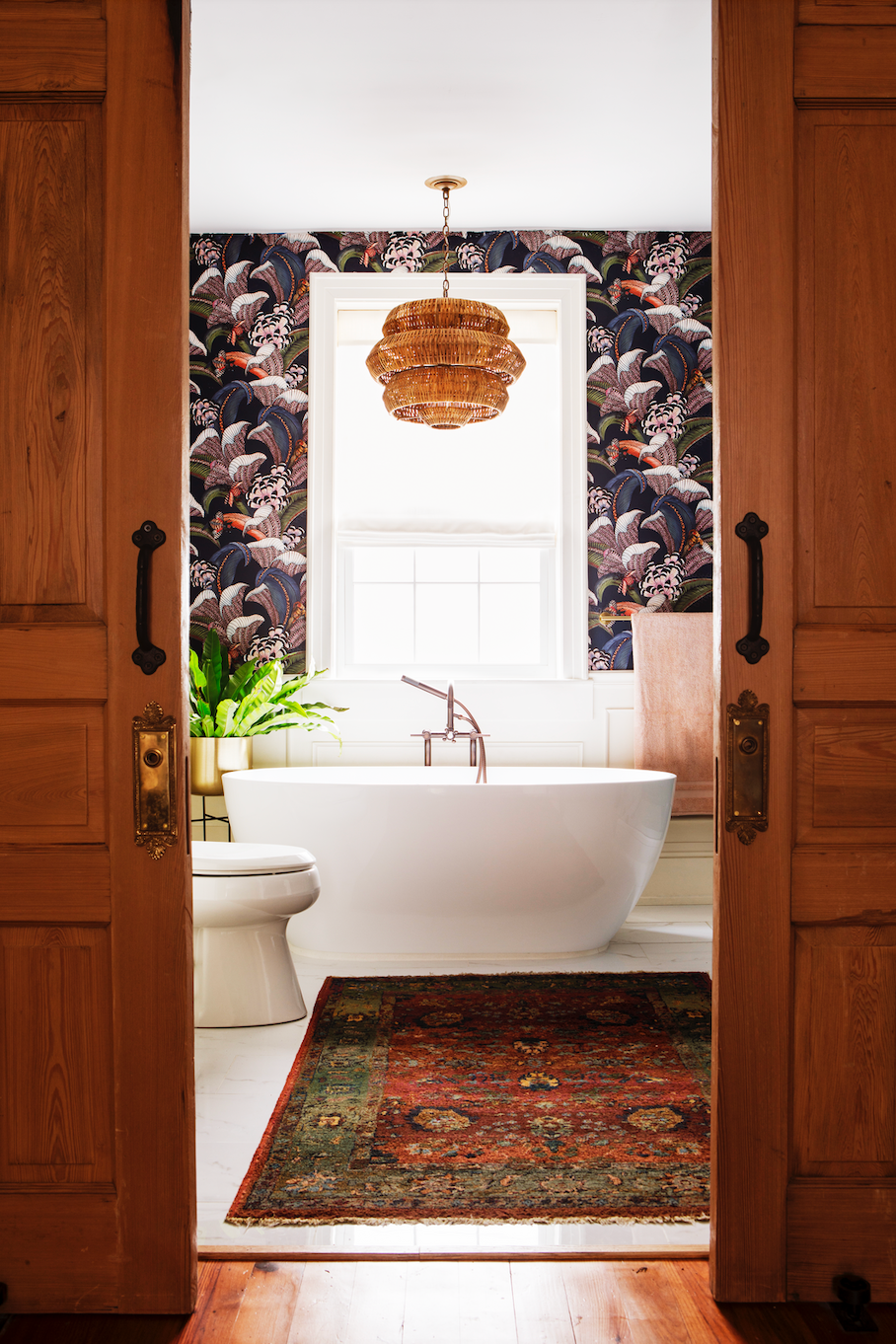
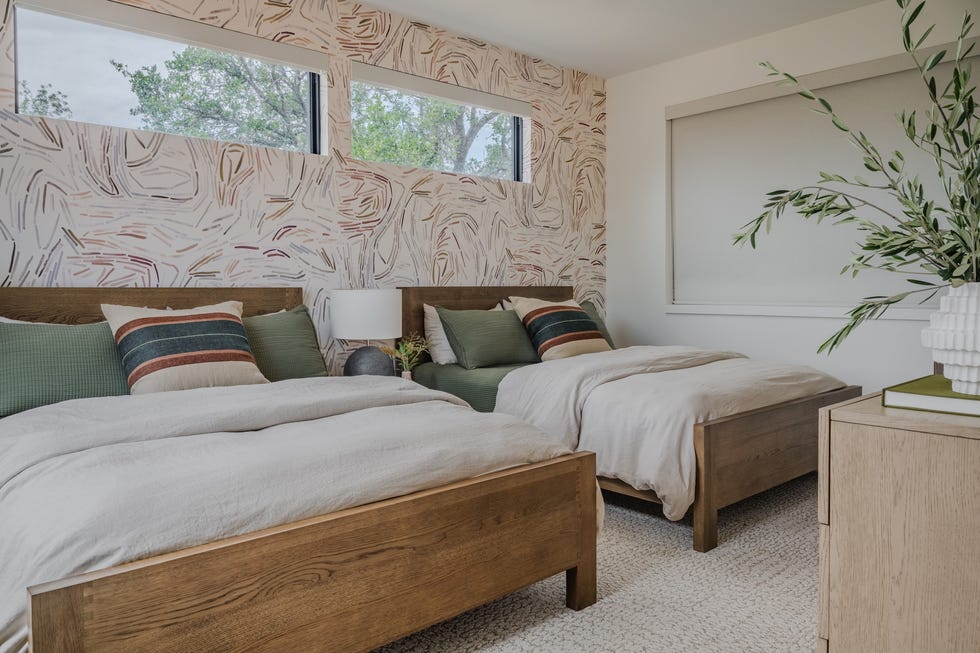
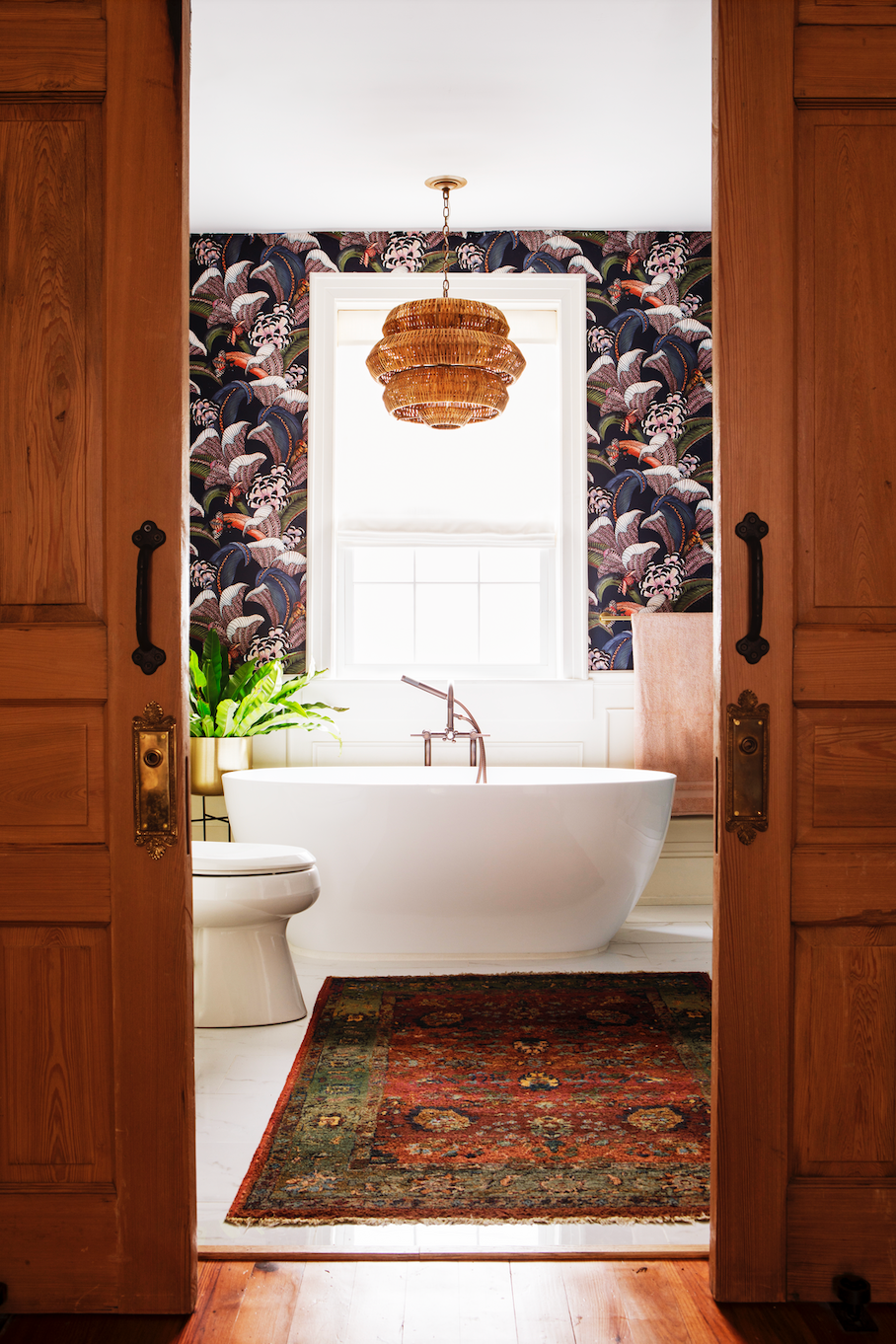
One prominent comeback is floral wallpaper. While the 2000s saw a widespread rejection of wallpaper, contemporary designers are embracing updated floral patterns, using them sparingly as accent walls in powder rooms or bedrooms. Bold, vibrant designs are particularly popular, as demonstrated by Candice Kaye Design's peony pattern featured by Cynthia Rowley. However, the article explicitly warns against the return of wallpaper borders.
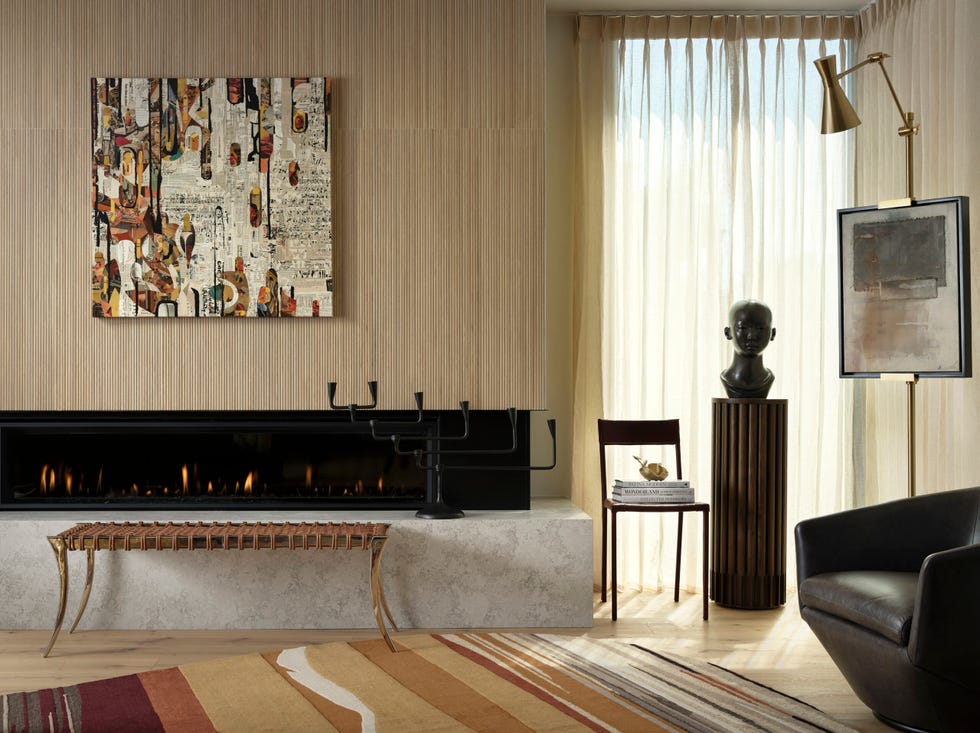
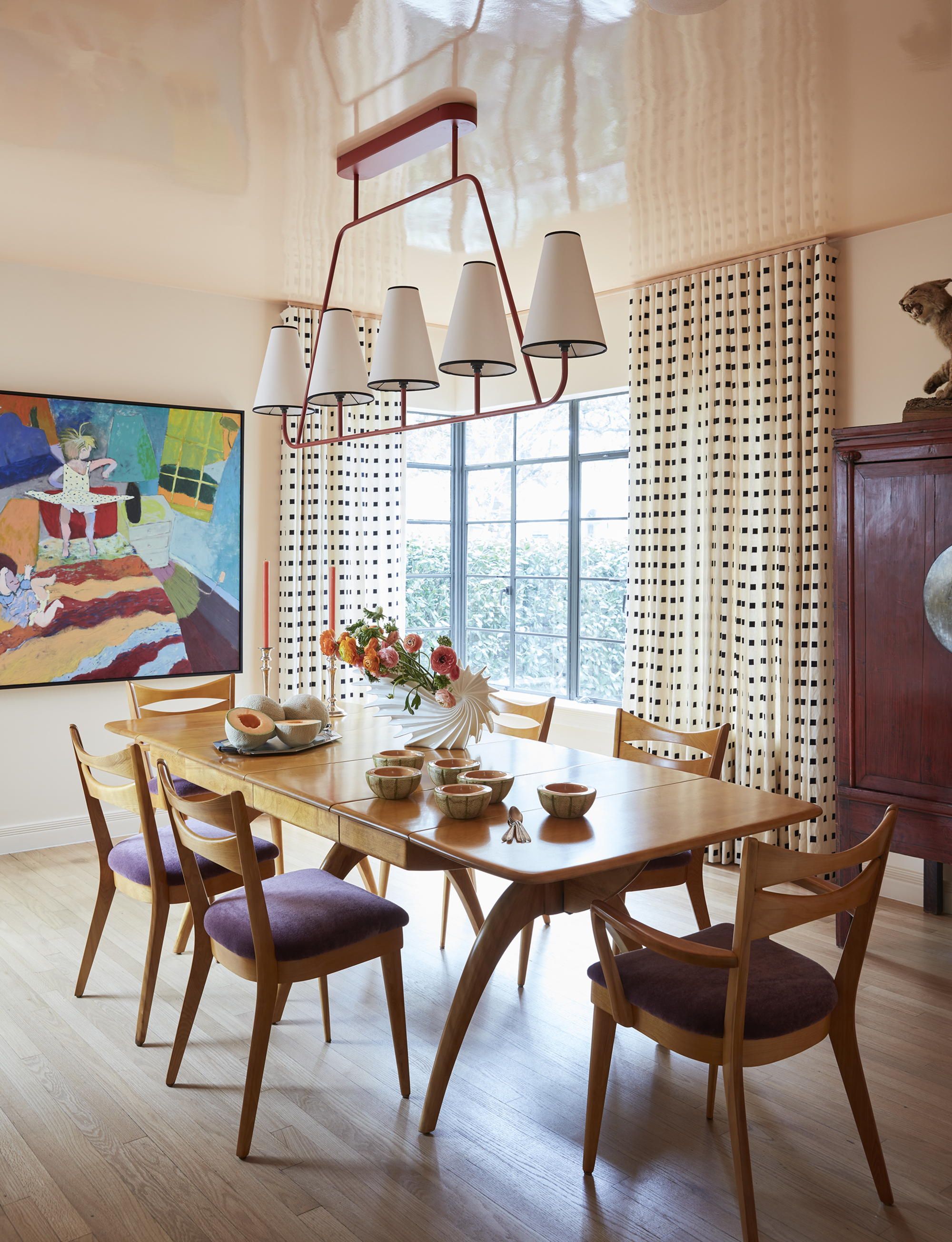
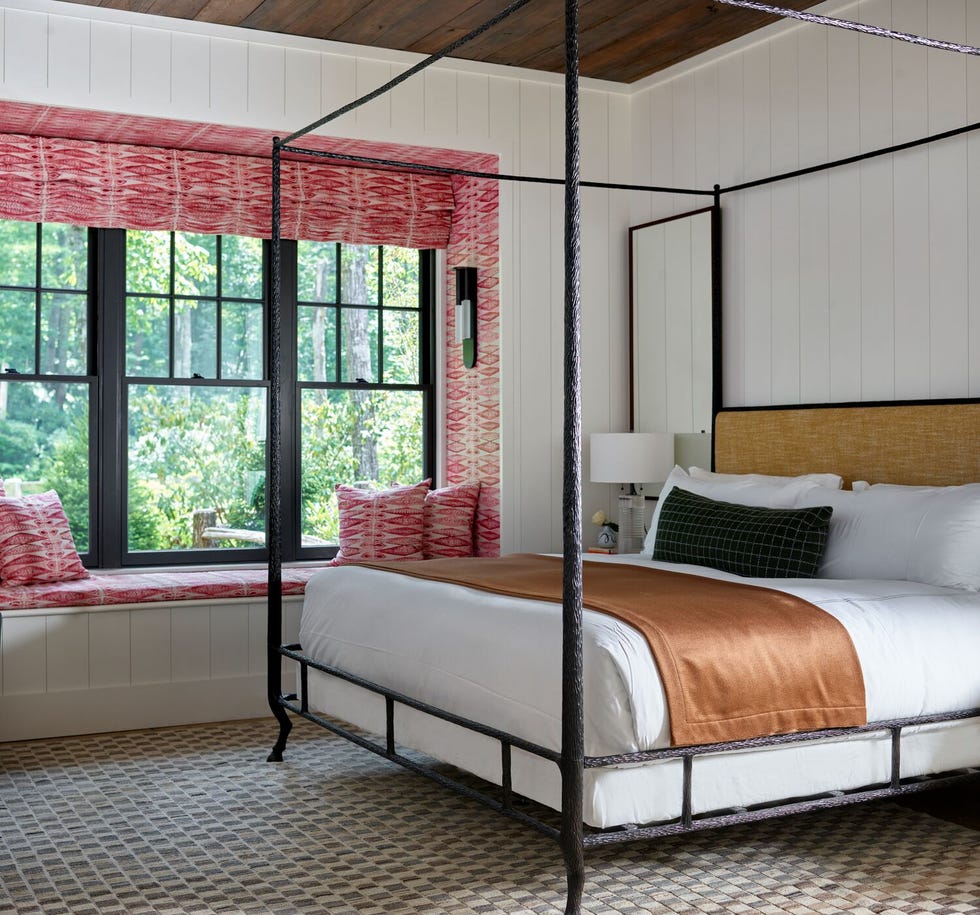
Blond wood floors are also making a return, moving away from the dark, Tuscan-brown trends of the 2000s. Interior designers like Jennifer Grey note the practicality of lighter floors, which show less dust, and align with the current movement towards fresh, bright interior hues. The key is to distinguish between the orange-toned oak prevalent in the 90s and the contemporary blond wood look, which offers a cleaner, more updated feel.
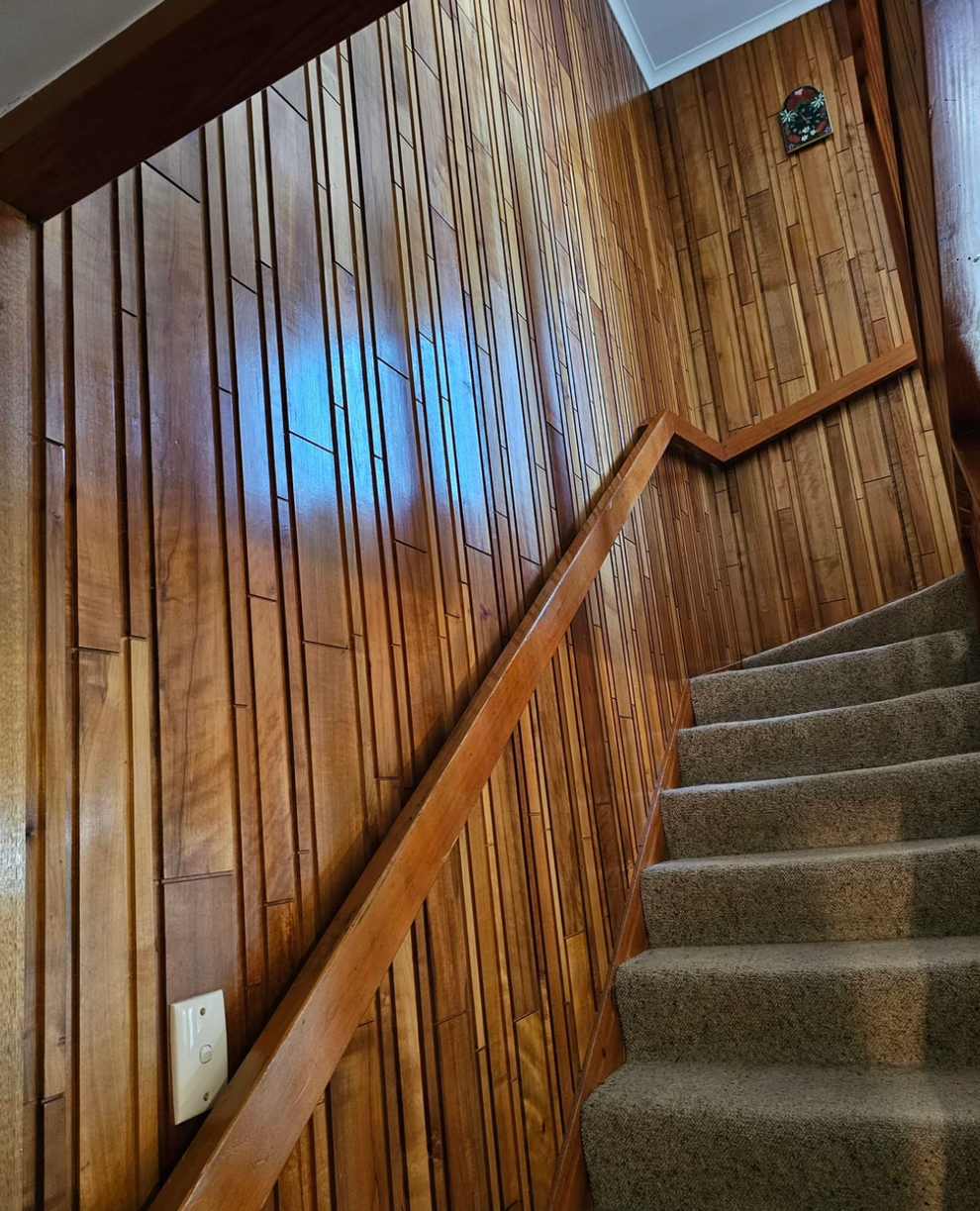
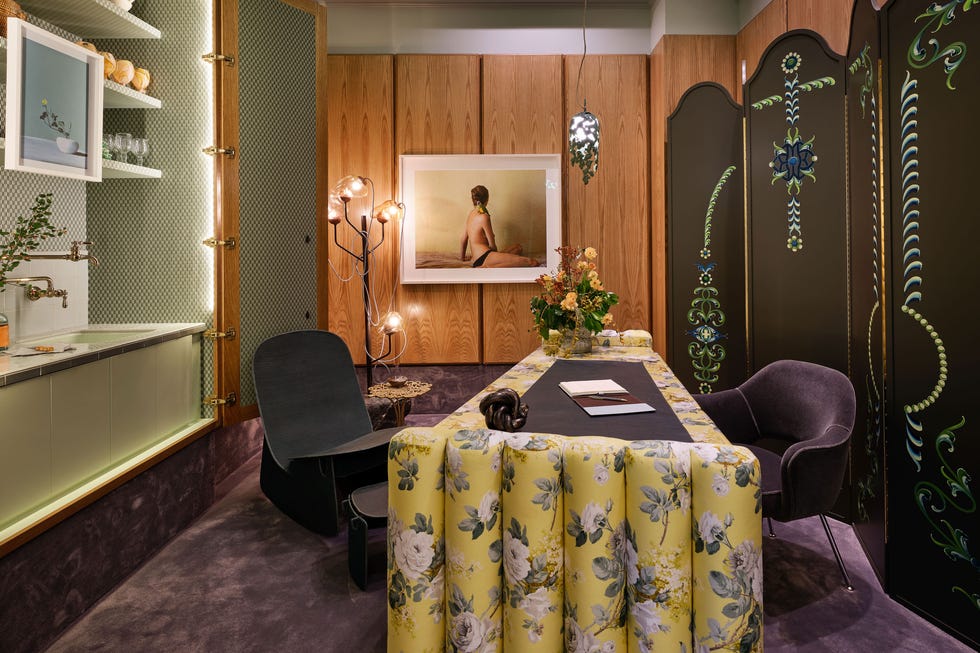
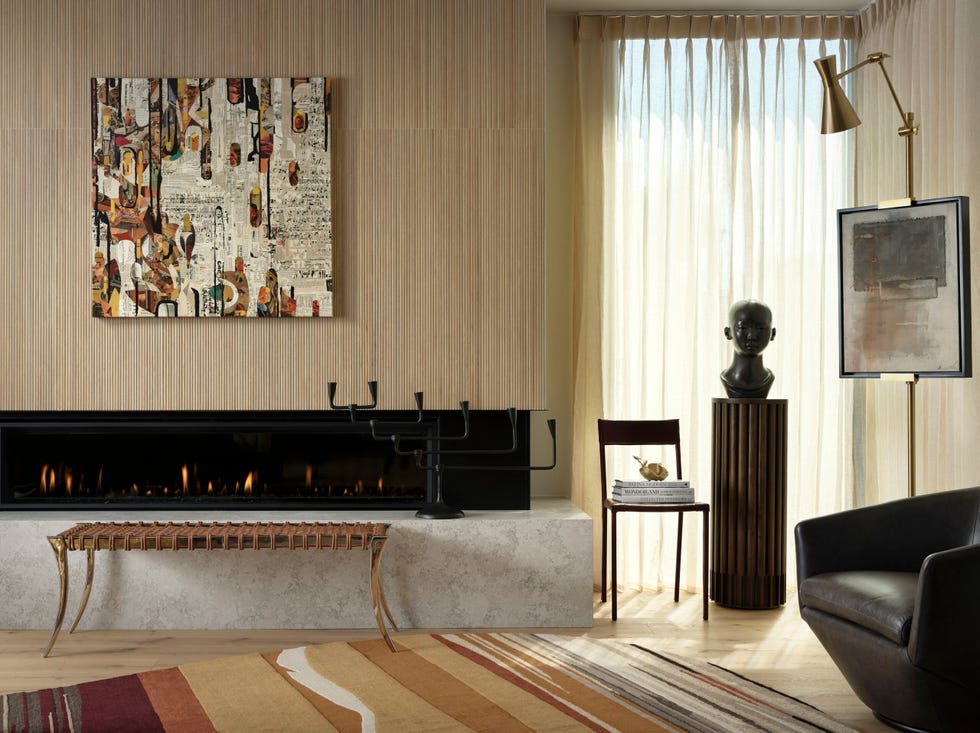
Japanese influence, a hallmark of 90s minimalism, is another trend resurfacing. This includes clean lines, natural wood elements, and shoji-style screens. Modern interpretations emphasize an uncluttered aesthetic and a connection to nature, offering a subtle nod to the Far East without fully committing to a Zen theme.
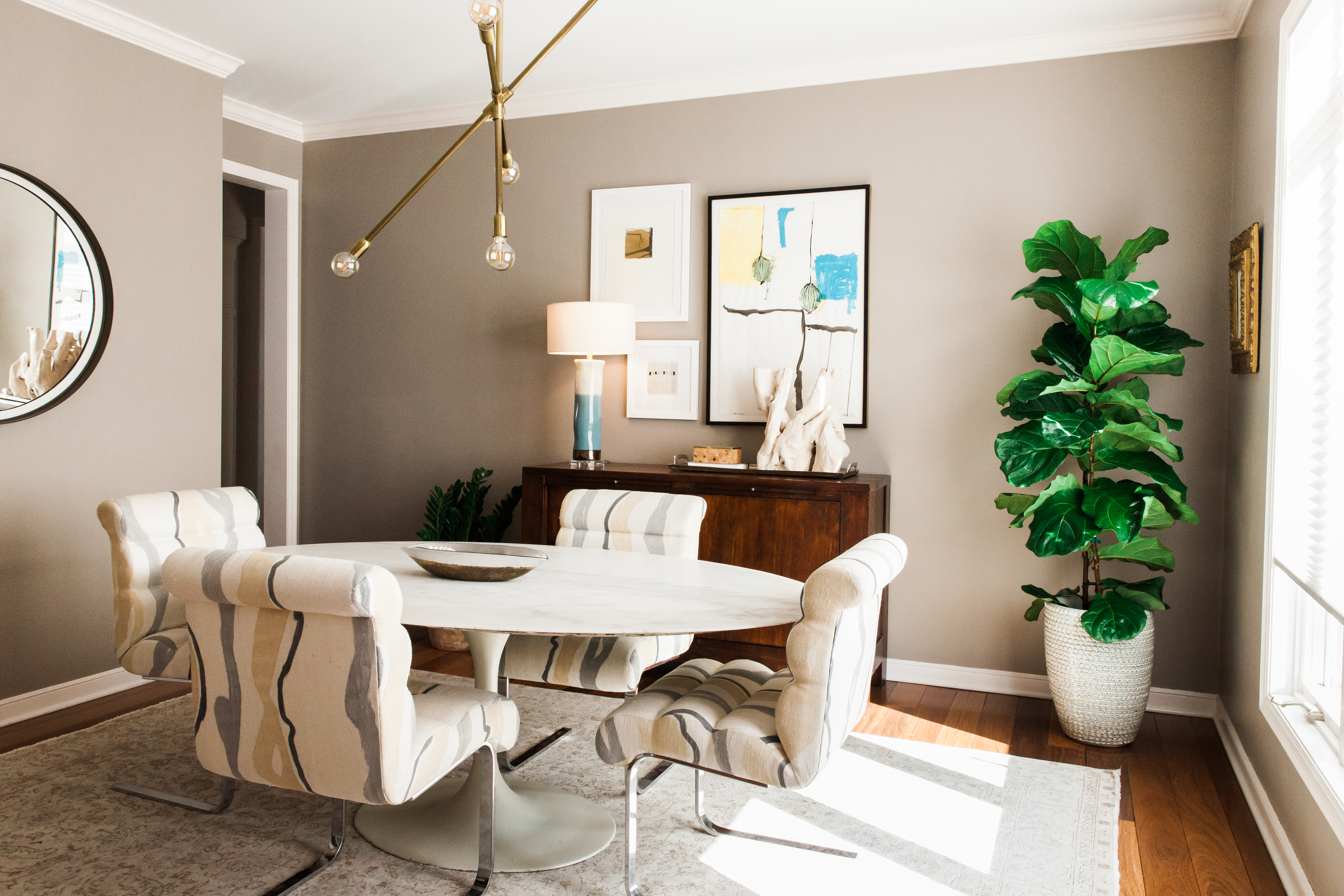
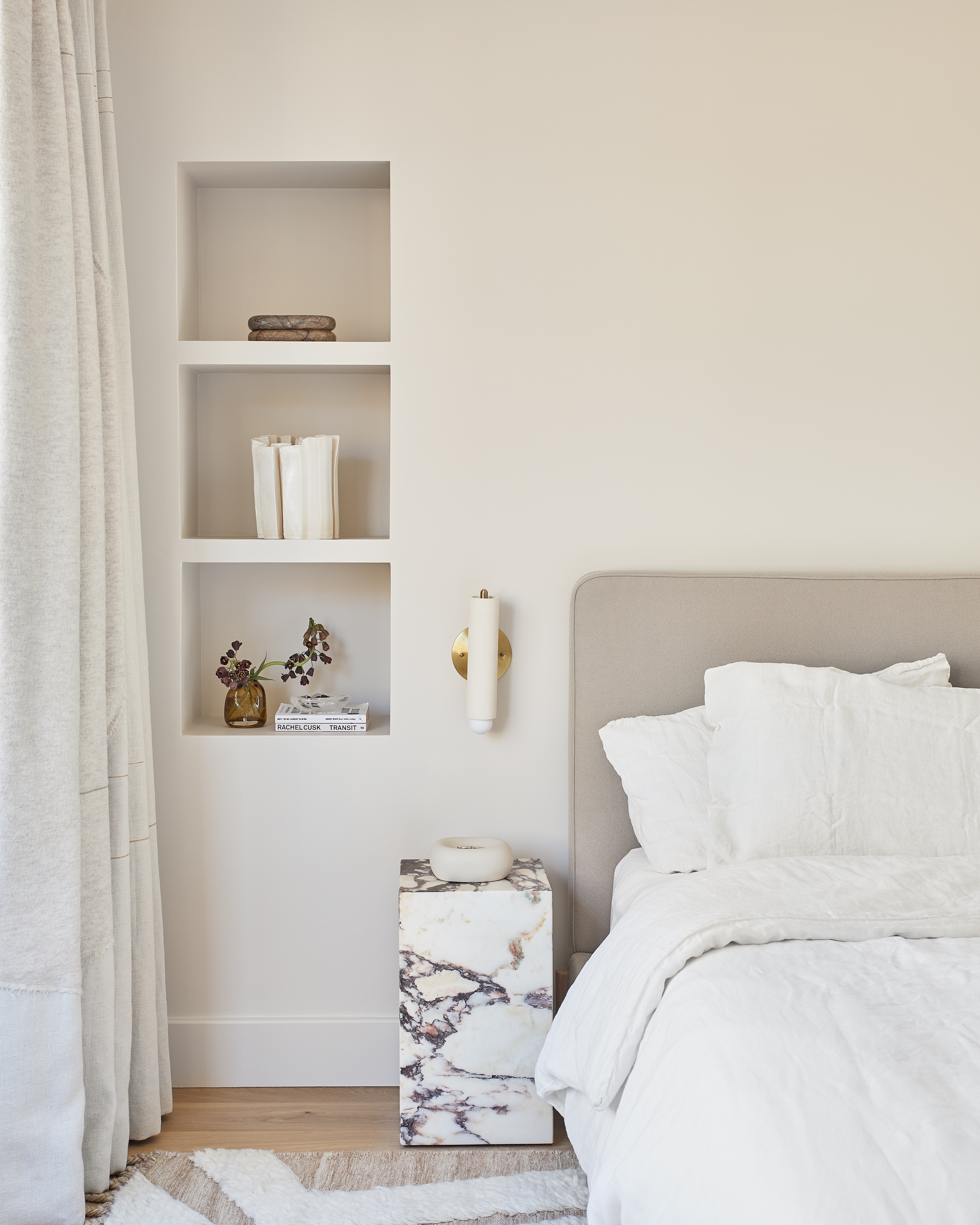
The classic combination of beige and white, reminiscent of 90s minimalism and Calvin Klein advertisements, is regaining popularity. Beige is challenging gray as the dominant neutral, with designers like Phoebe Schuh celebrating its return for its elegant and pretty appearance when reworked into modern designs. This style often involves layering different tones of beige and white to create a serene and sophisticated interior.
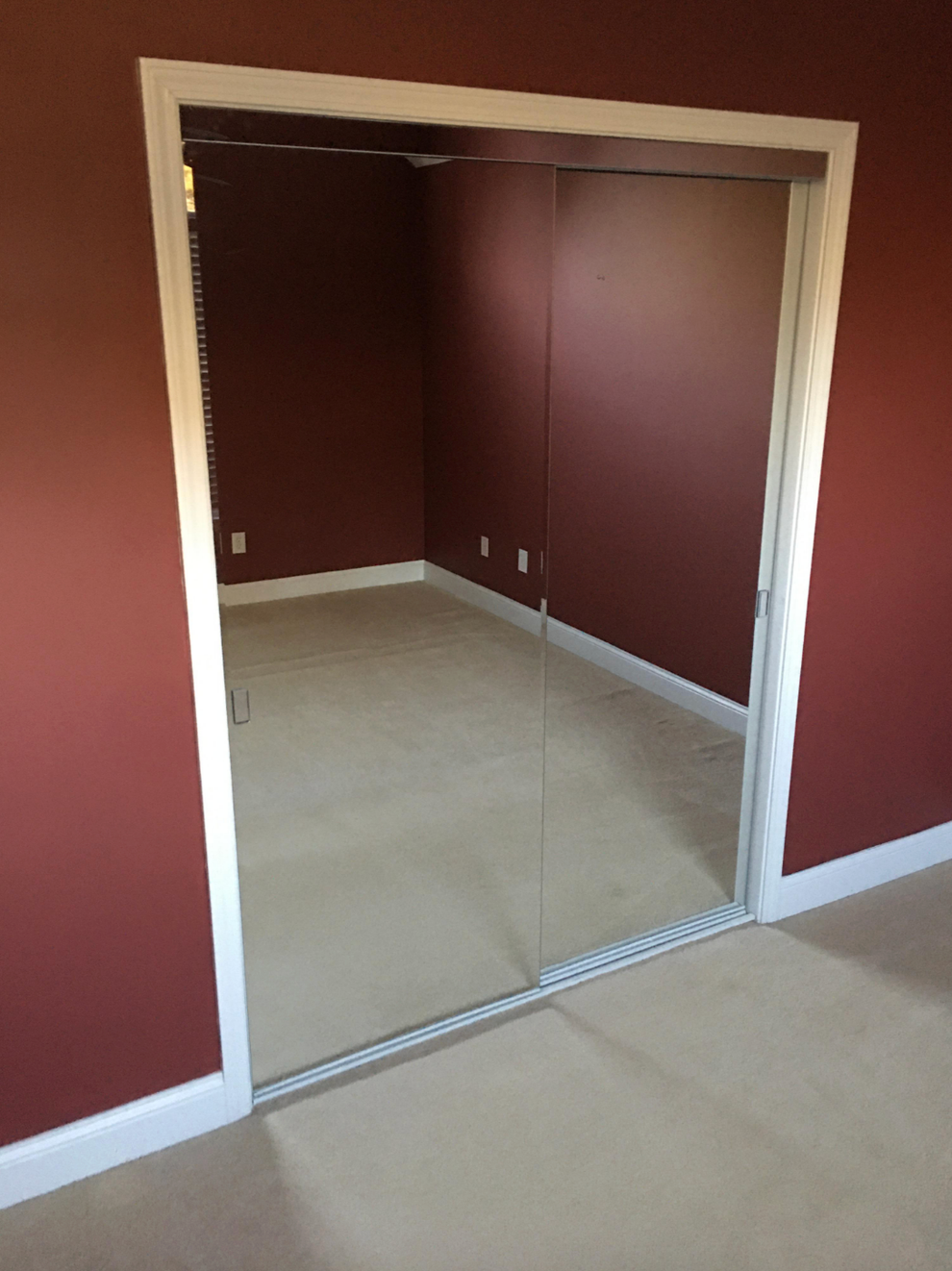
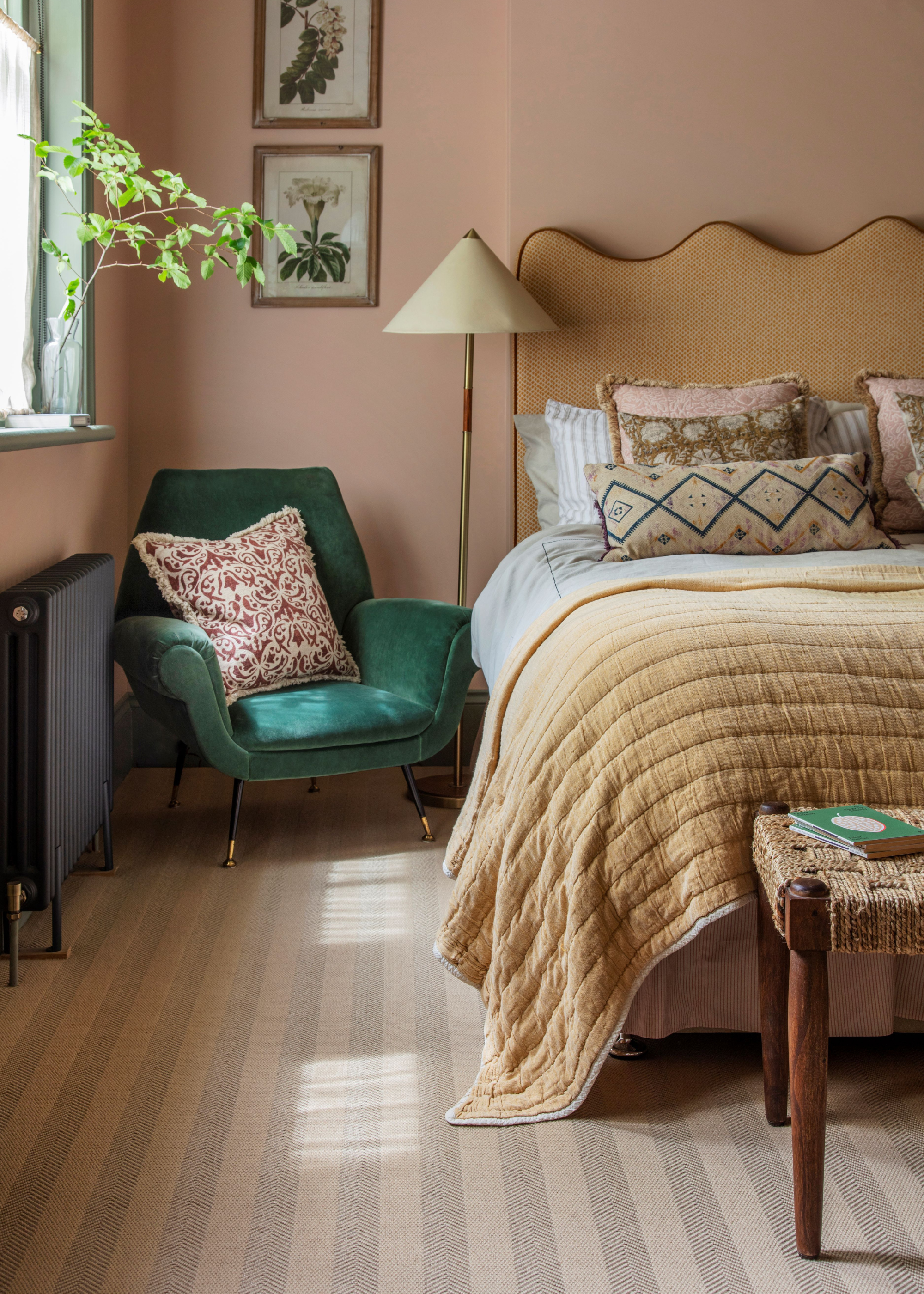
Wall-to-wall carpeting, despite the recent preference for hardwoods and wood-plank tiles, is also making a quiet comeback. The article suggests that high-quality, neutral-colored carpets can still be chic, especially when integrated into a monochromatic room design with strategic pops of color, offering comfort and style.
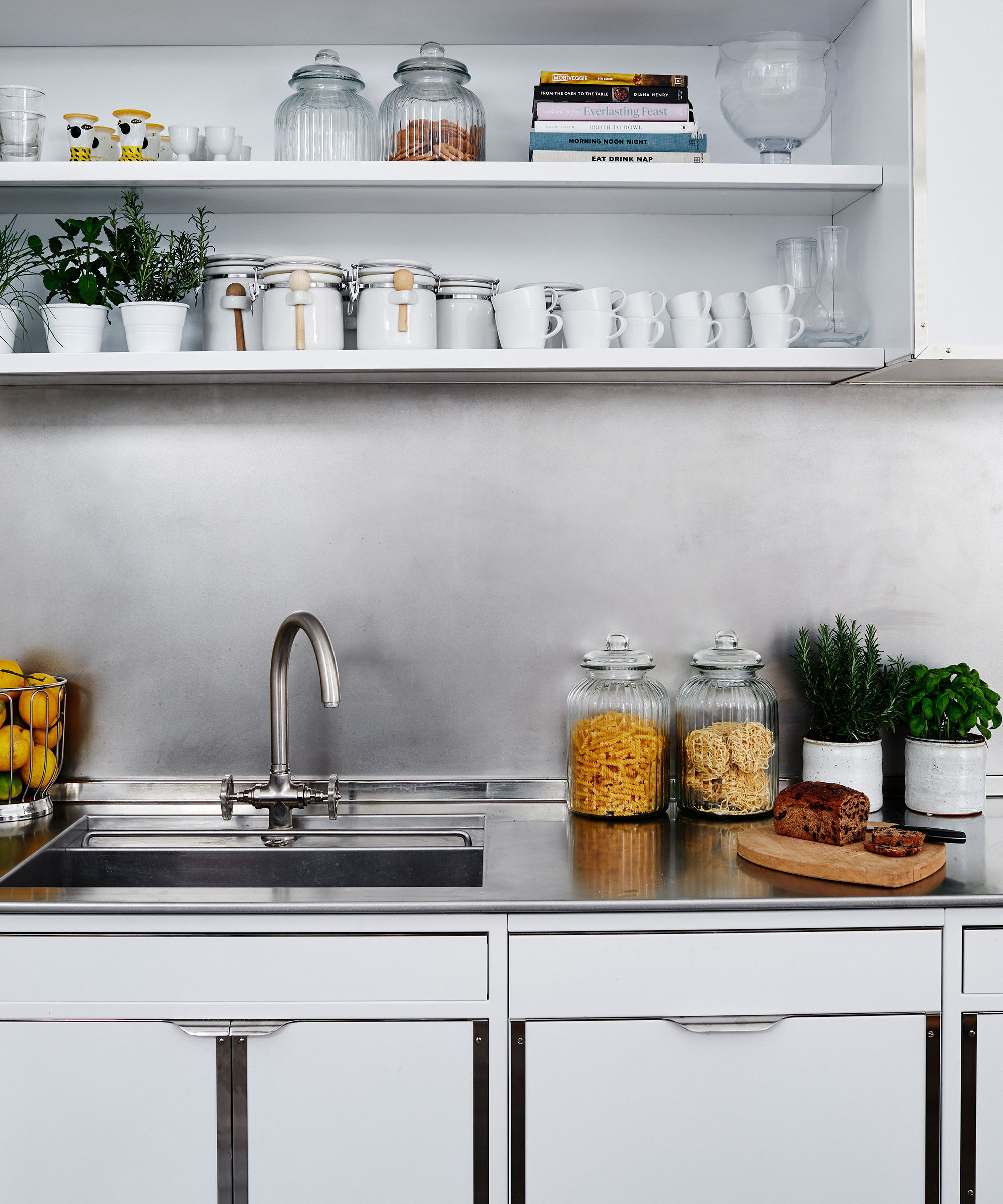
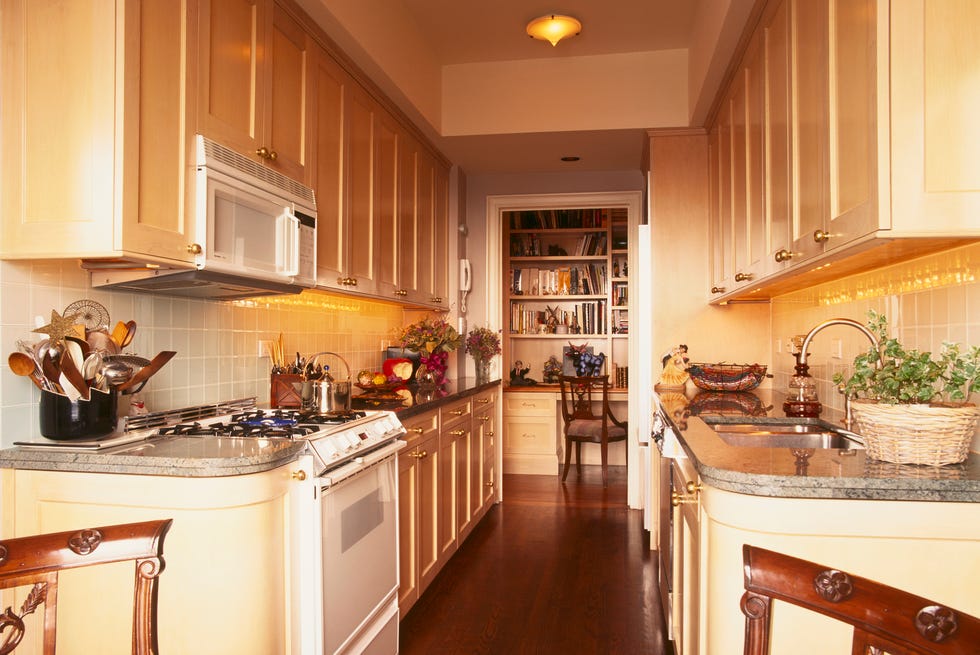
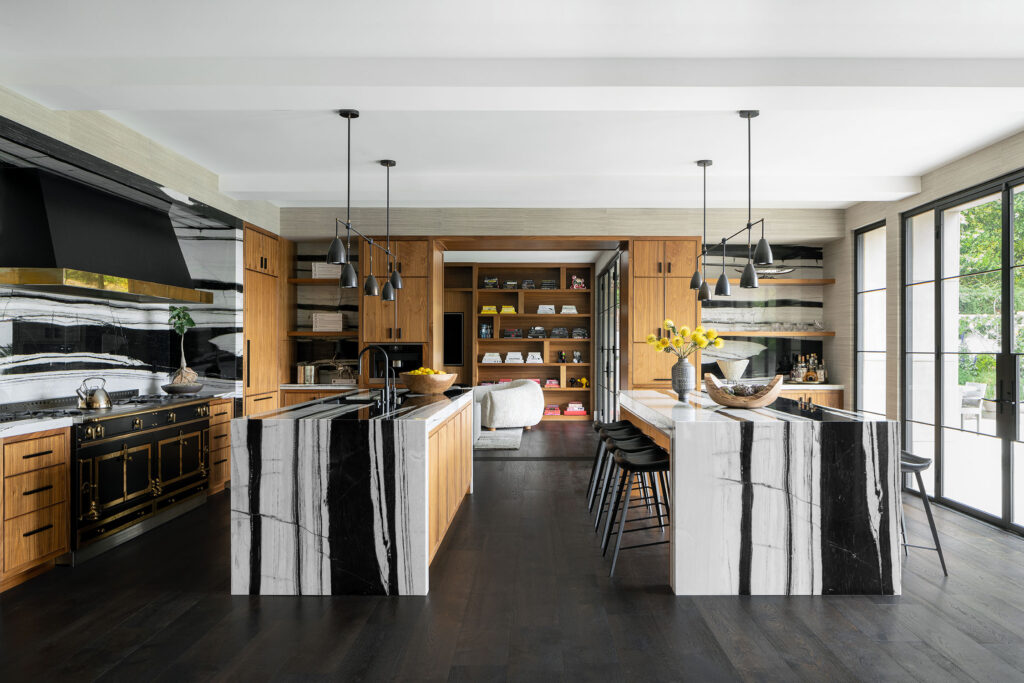
White kitchens, a staple of the 90s, continue to be highly sought after. This trend encompasses not only bright white cabinetry but also white appliances, indicating a sustained preference for a clean, bright, and timeless kitchen aesthetic. While stainless steel remains popular, the article ponders whether its dominance might wane in the future.
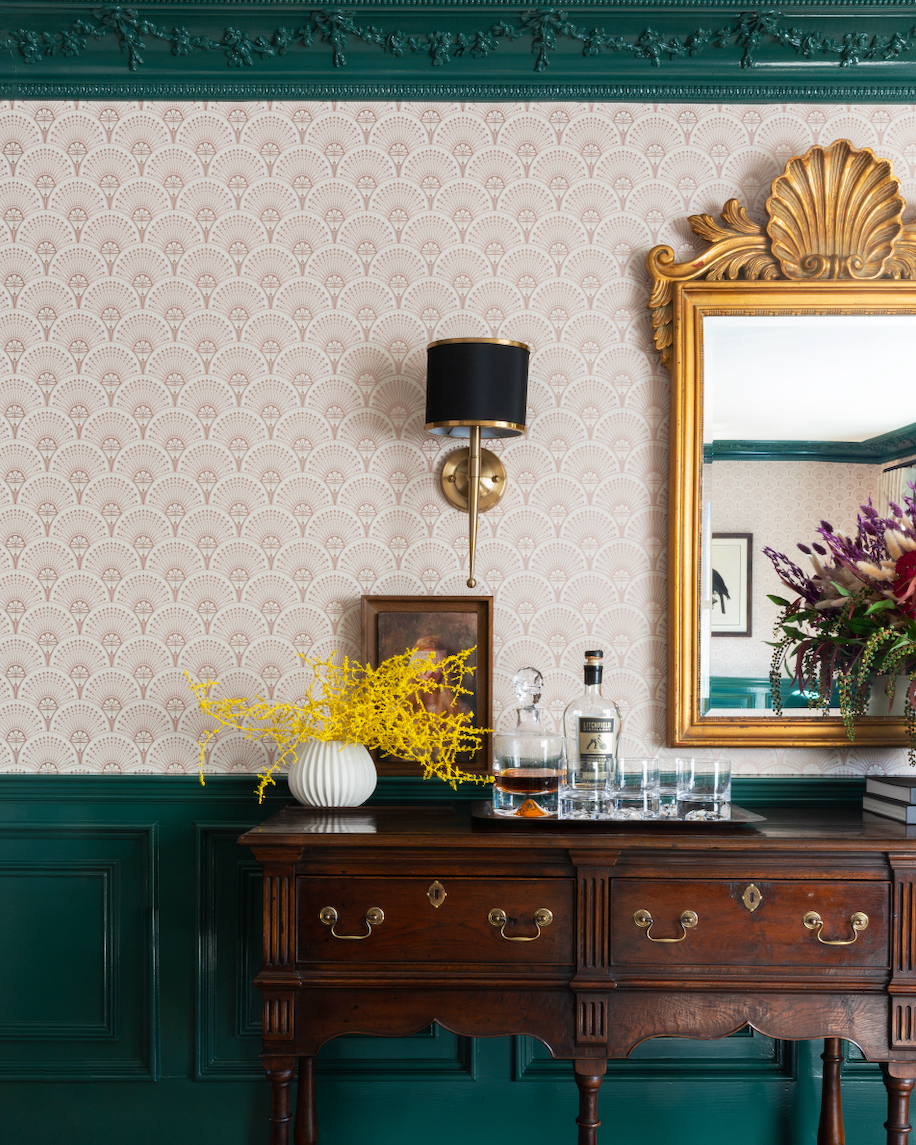
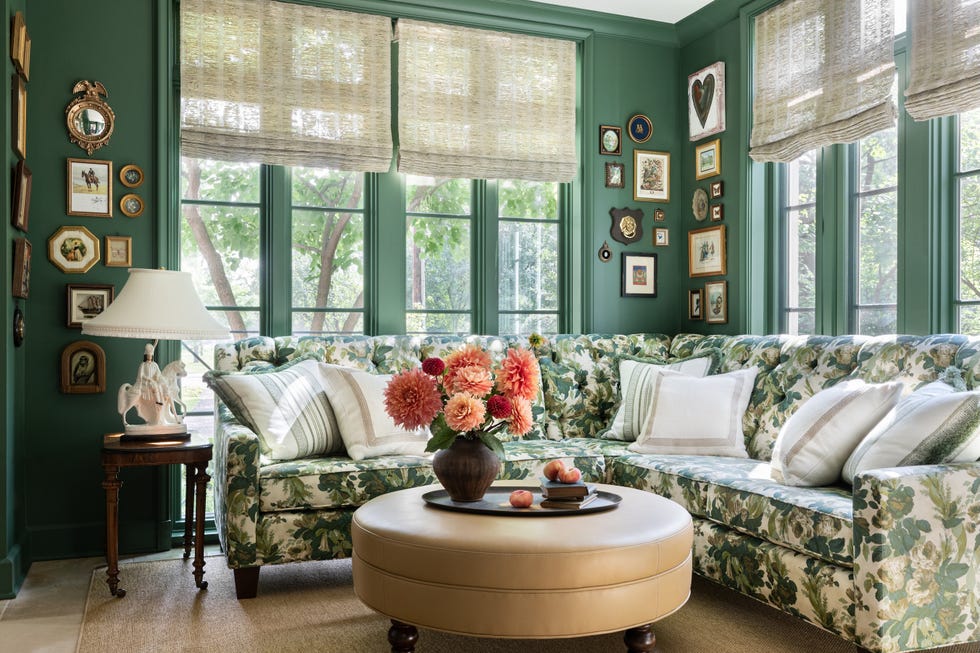
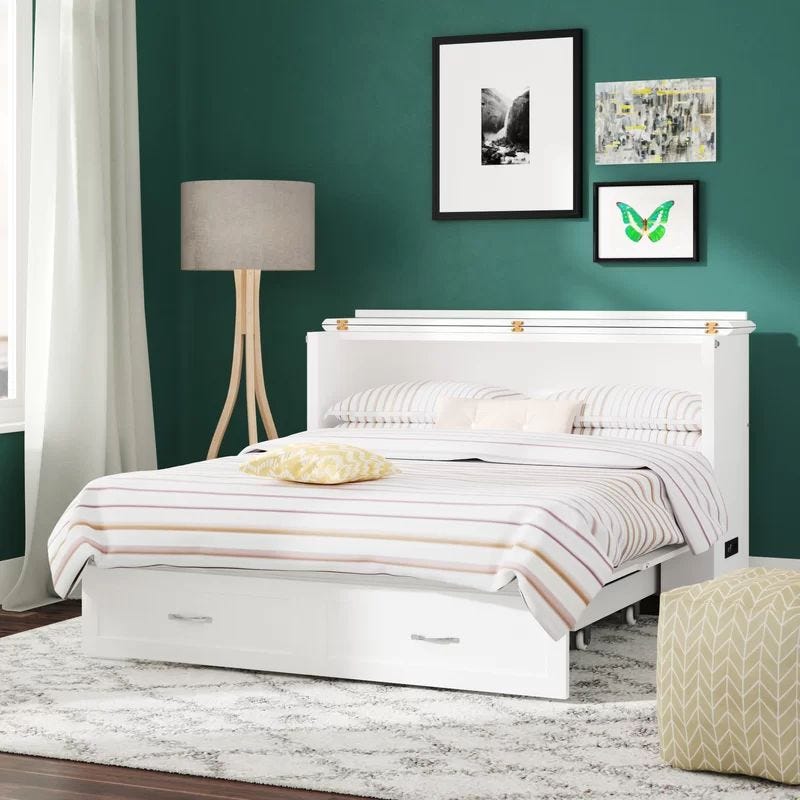
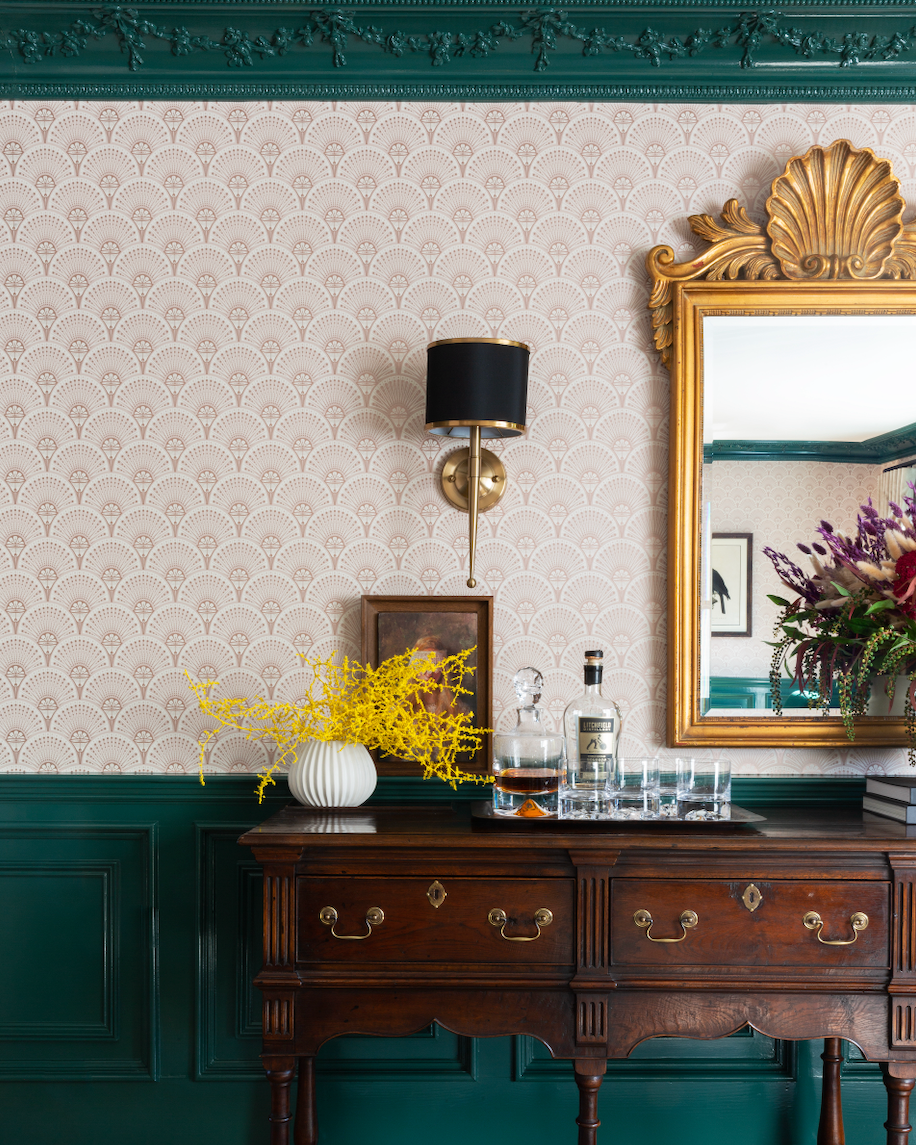
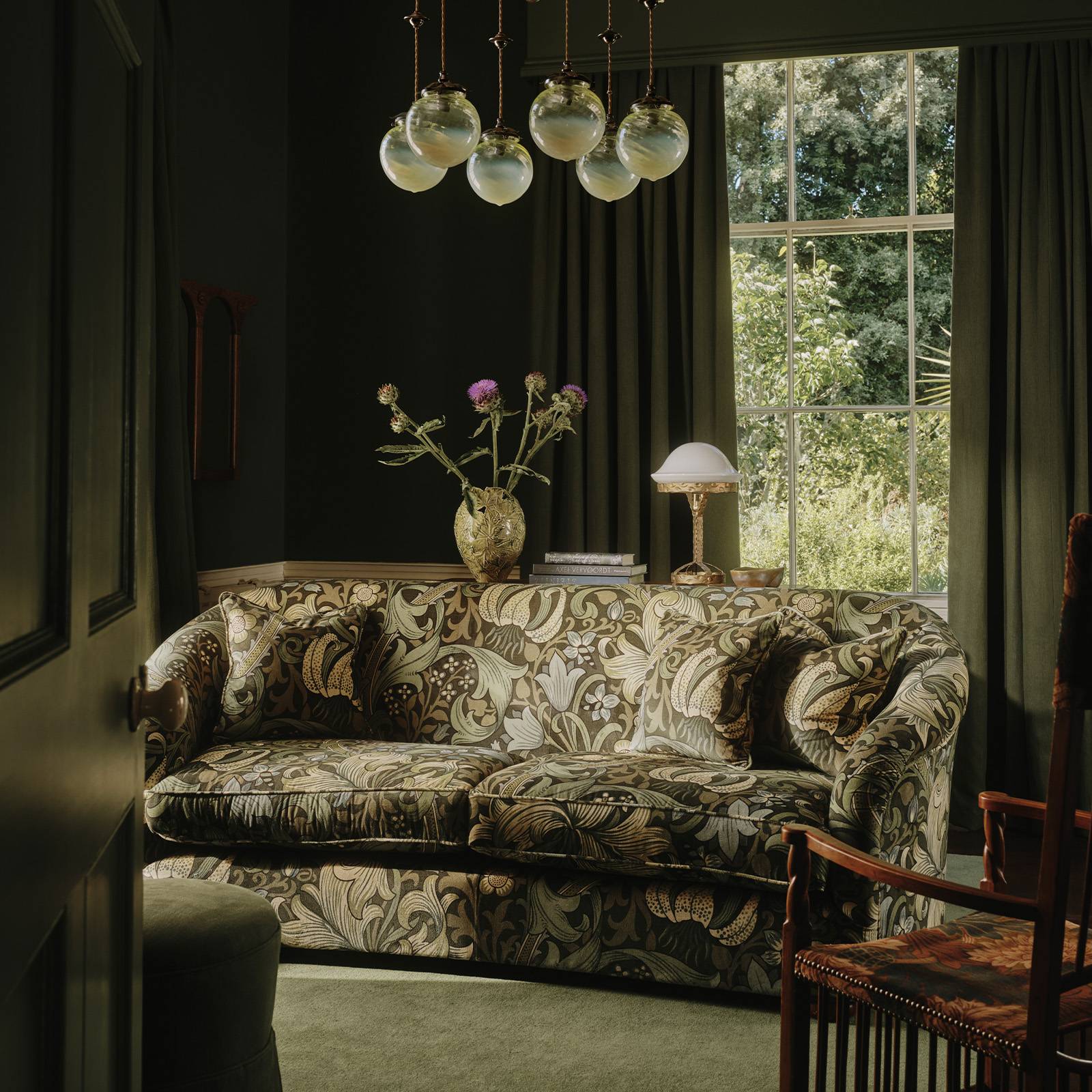
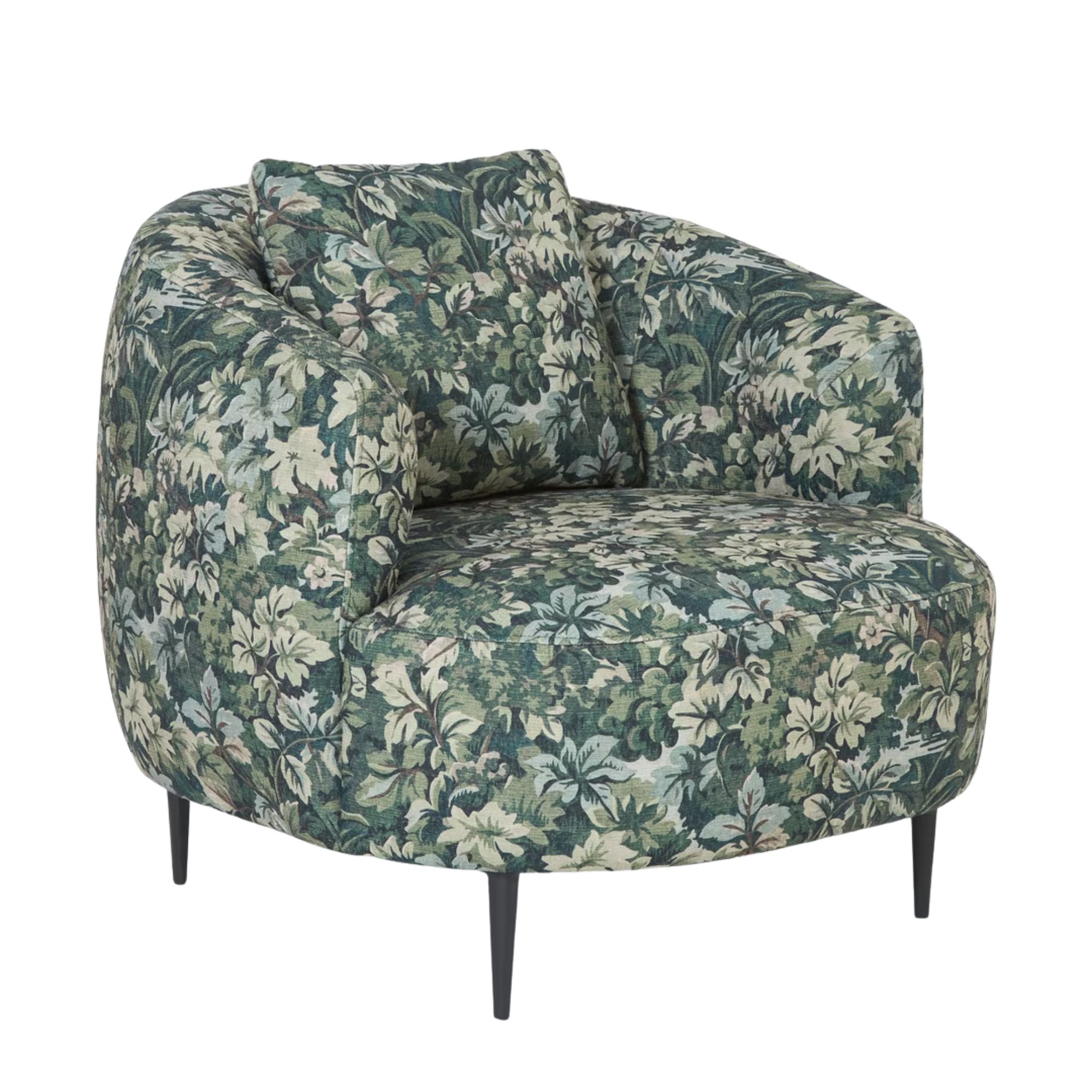
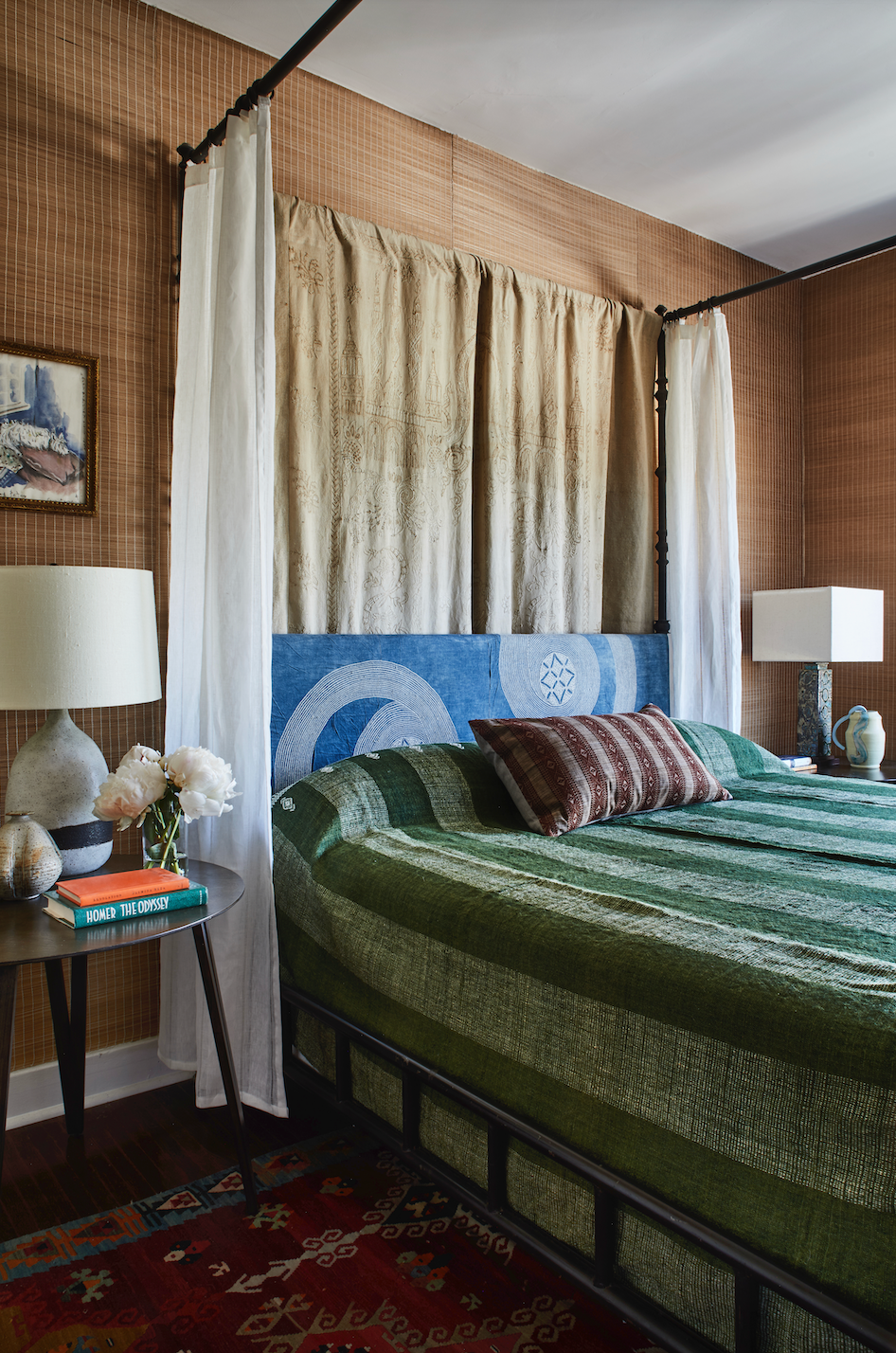
Hunter green, a saturated hue, is experiencing a revival, but not in the form of old-fashioned carpets. Instead, it's being used in refined applications such as kitchen cabinets, accent pillows, painted furniture, and even exterior siding, as seen in celebrity homes. This modern use of hunter green provides a regal and sophisticated touch to interiors.
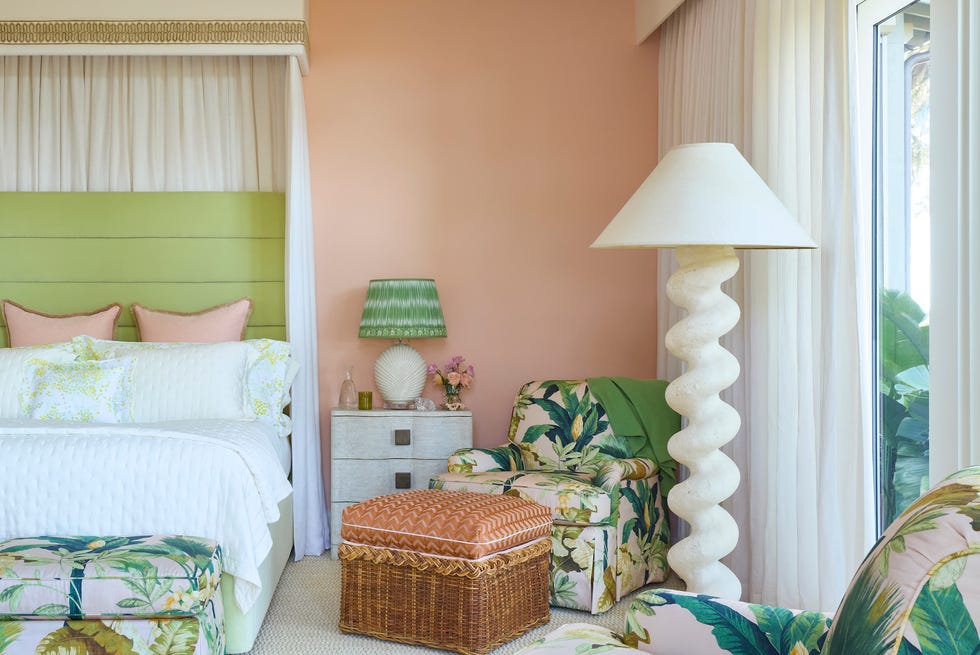
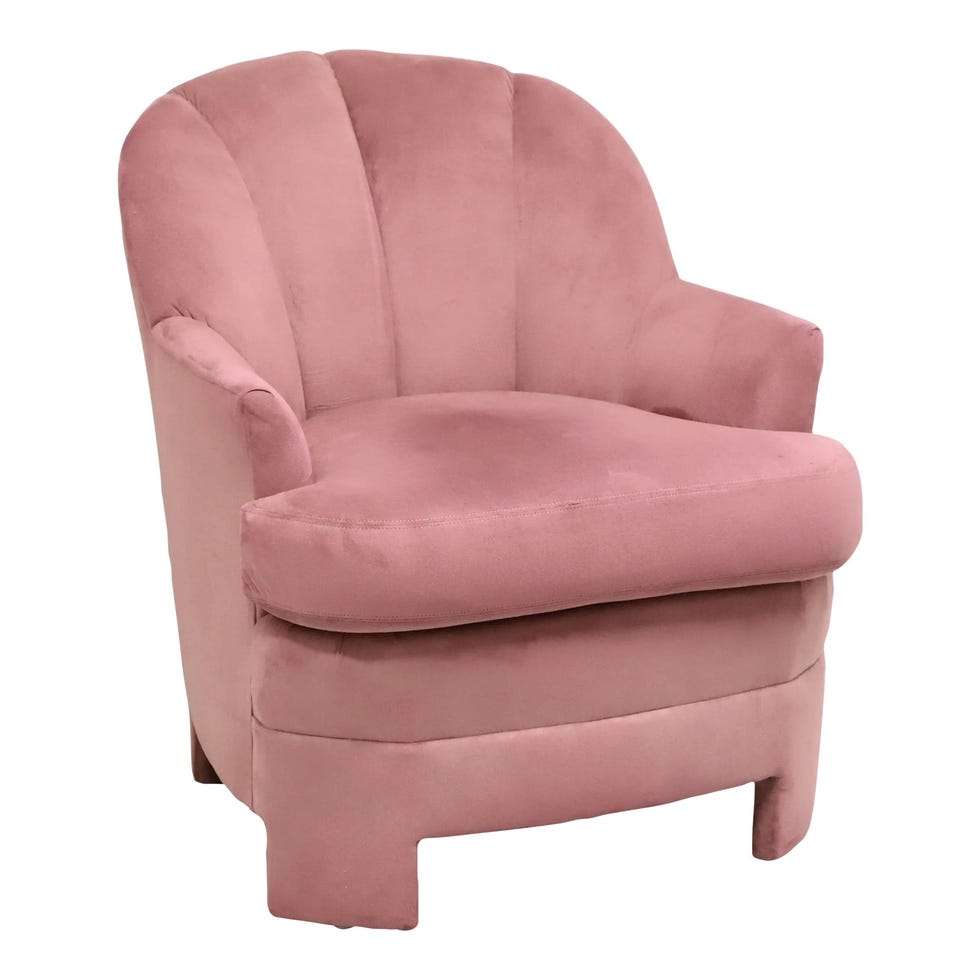
Pastels, particularly shades like rose quartz and serenity (Pantone's colors of the year), are being reincorporated into home decor. Unlike the 90s trend of painting entire rooms in pastel shades, contemporary use is more subtle, featuring pastels as accent colors in throw pillows or lamps. This approach offers a fresh change from more conventional color palettes without overwhelming the space.
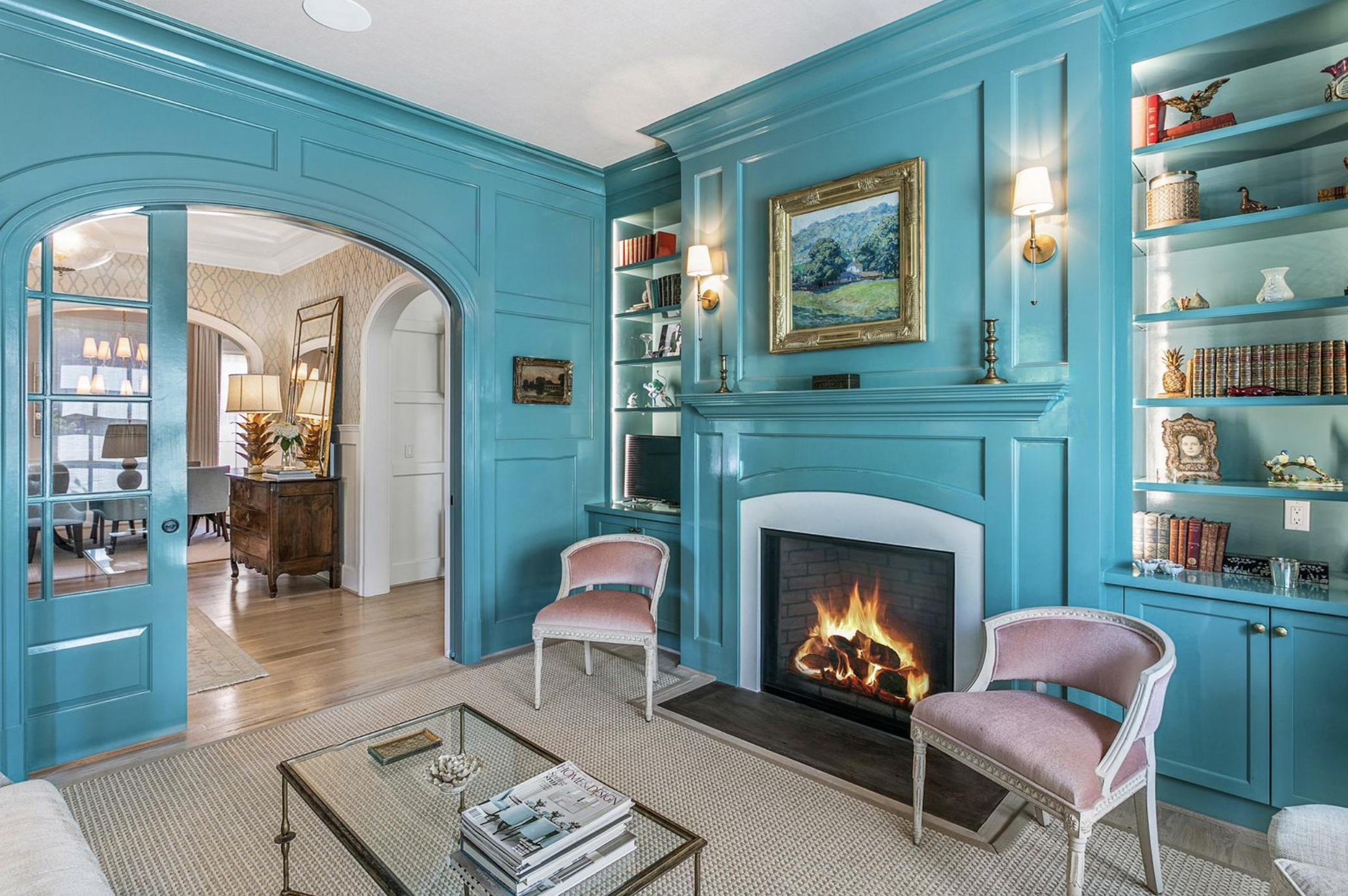
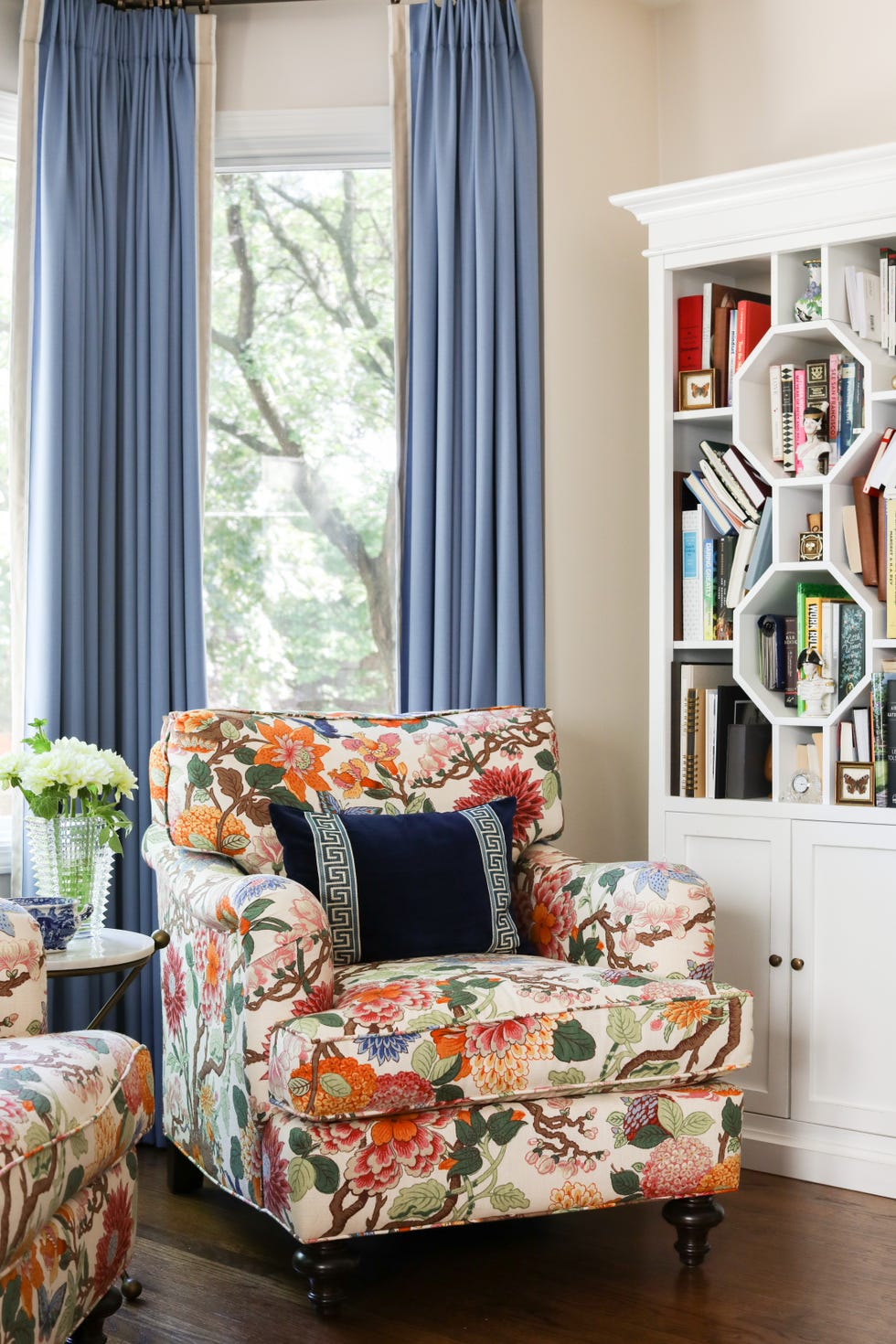
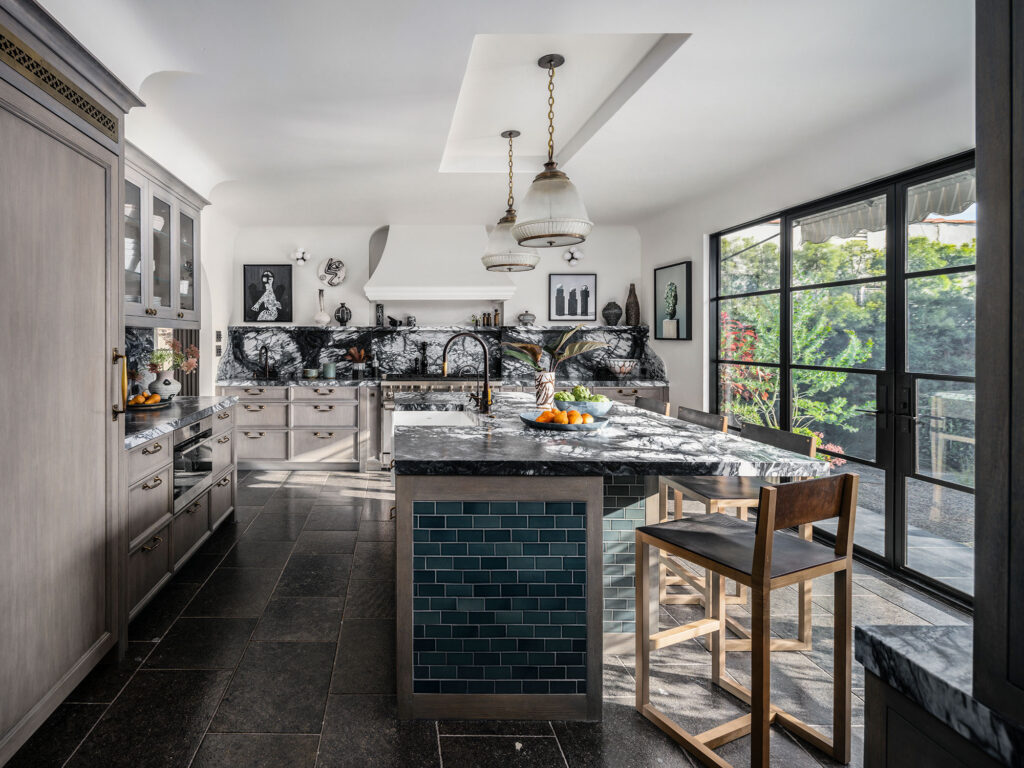
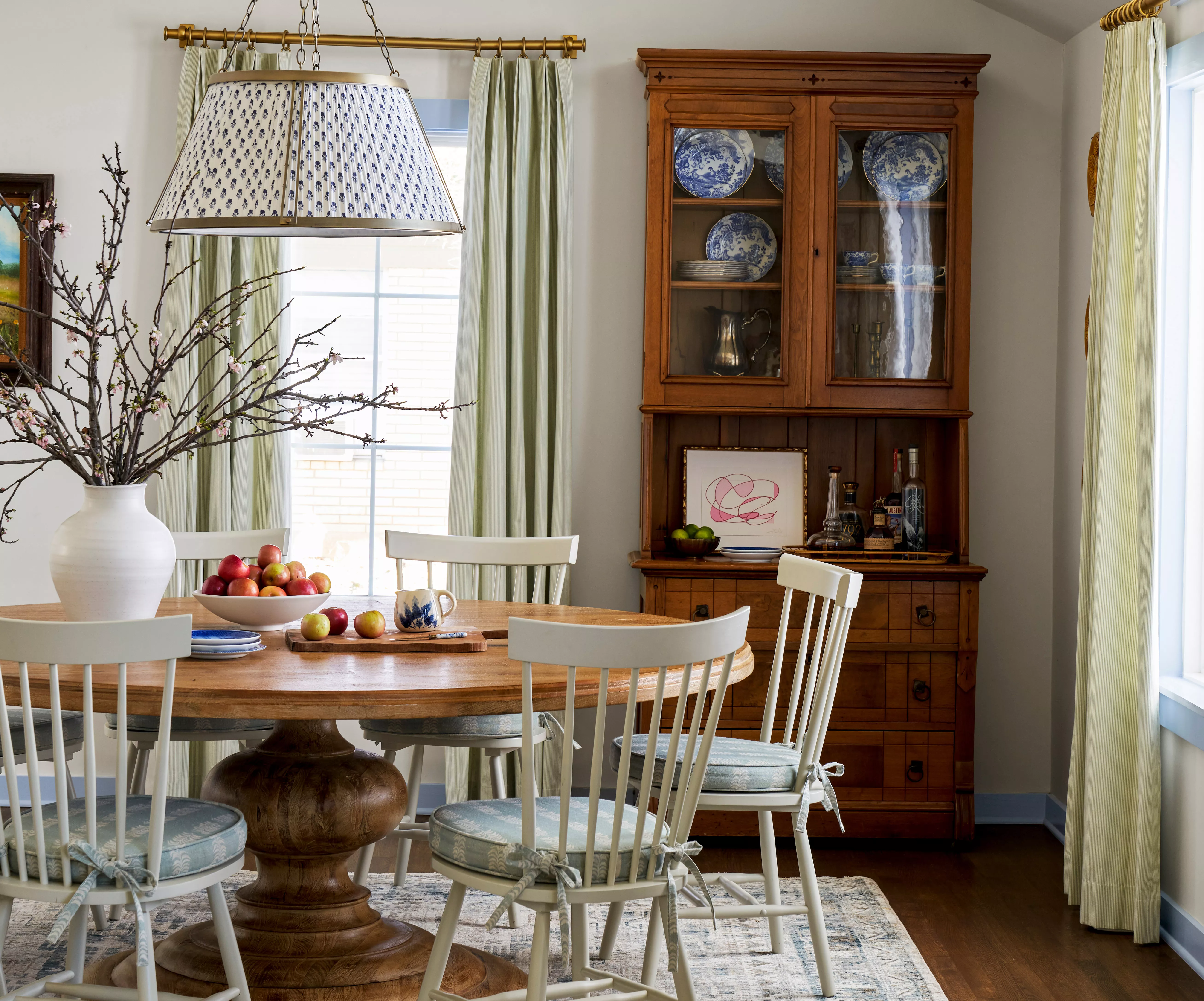
Blue-and-white accessories, a popular 90s combination, are re-emerging as a classic and beautiful pairing. From ginger jars to chevron-patterned chairs and even kitchen floor tiles, this color scheme offers a timeless appeal. Oversized, American-made blue-and-white accent pieces are particularly noted for their ability to create a significant design impact.
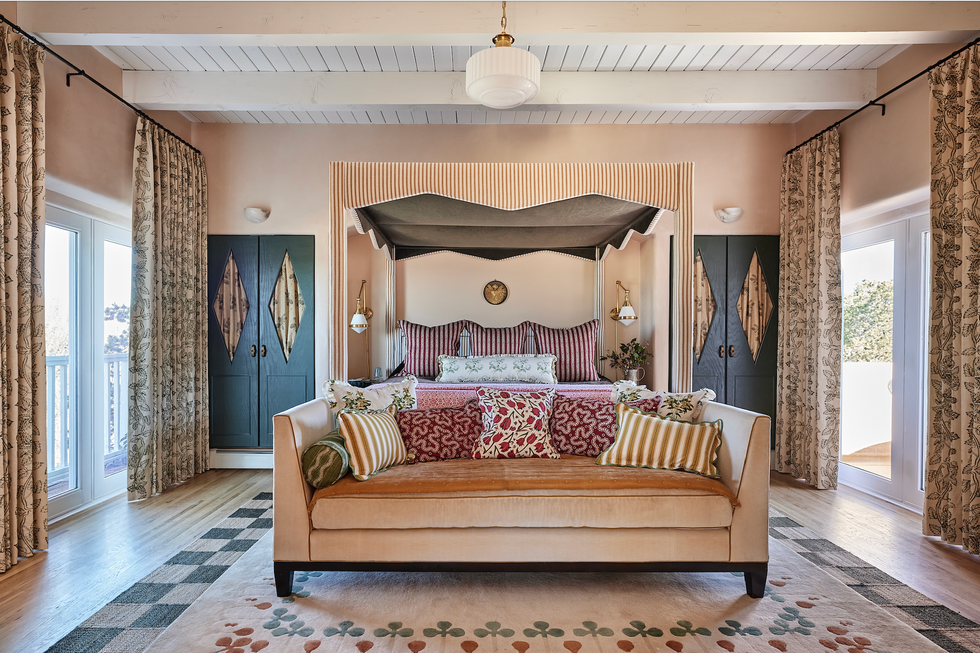
Skirted tables, a common sight in 90s bedrooms, are also making a return as a sophisticated design choice. Modern iterations move away from dated motifs like cabbage roses, favoring solid colors or bold contemporary prints. The emphasis is on quality tailoring to ensure an elegant, rather than sloppy, appearance.
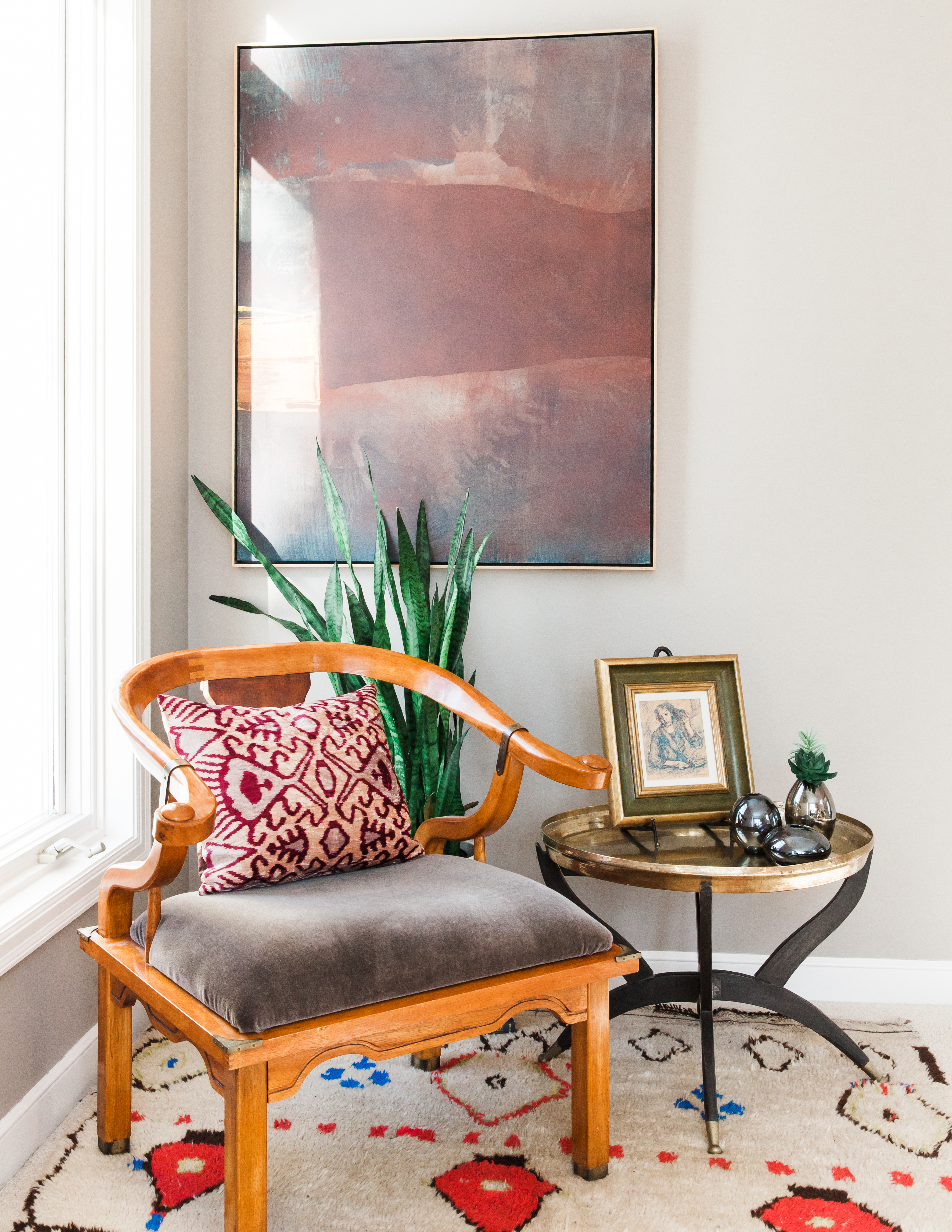
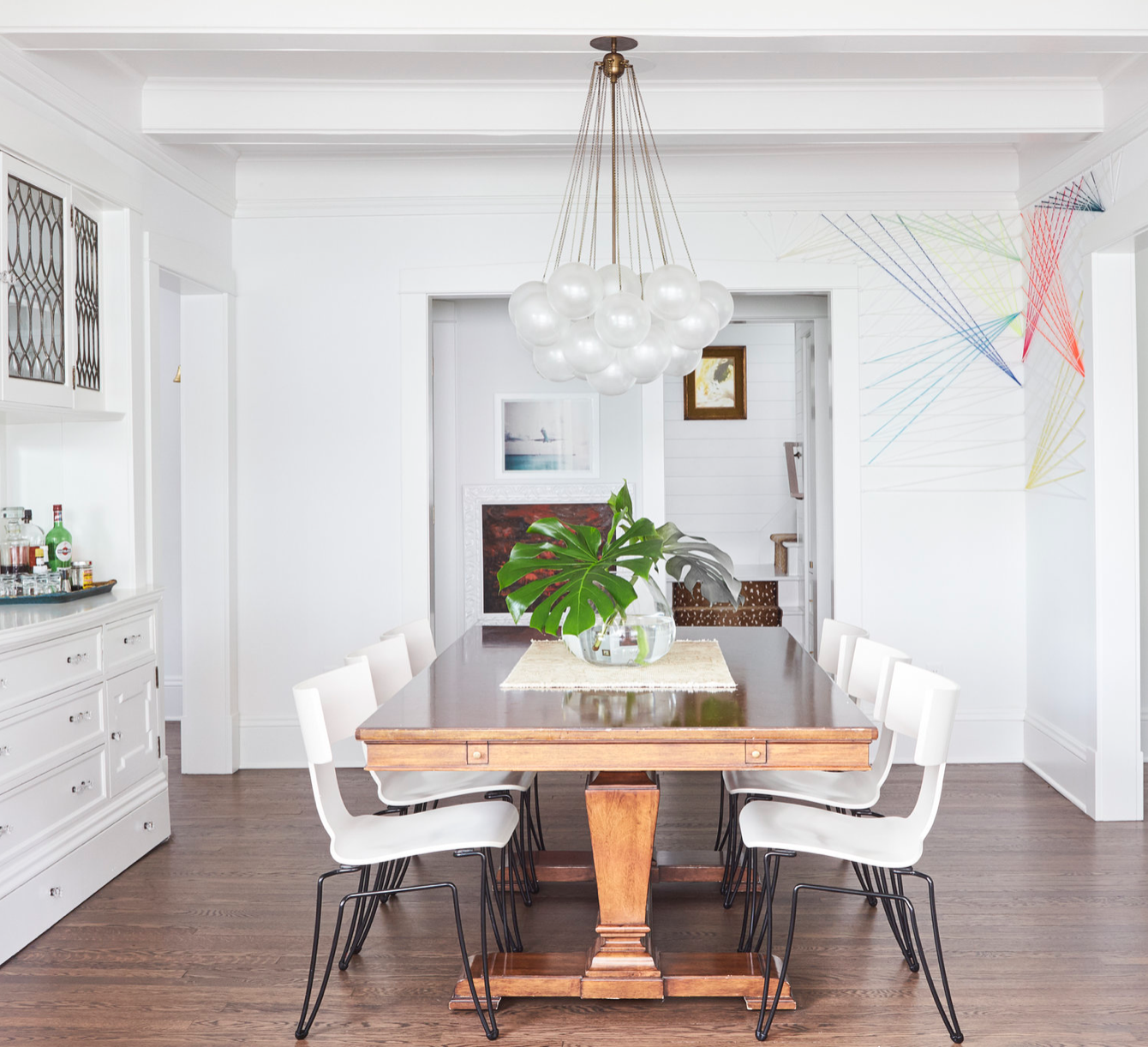
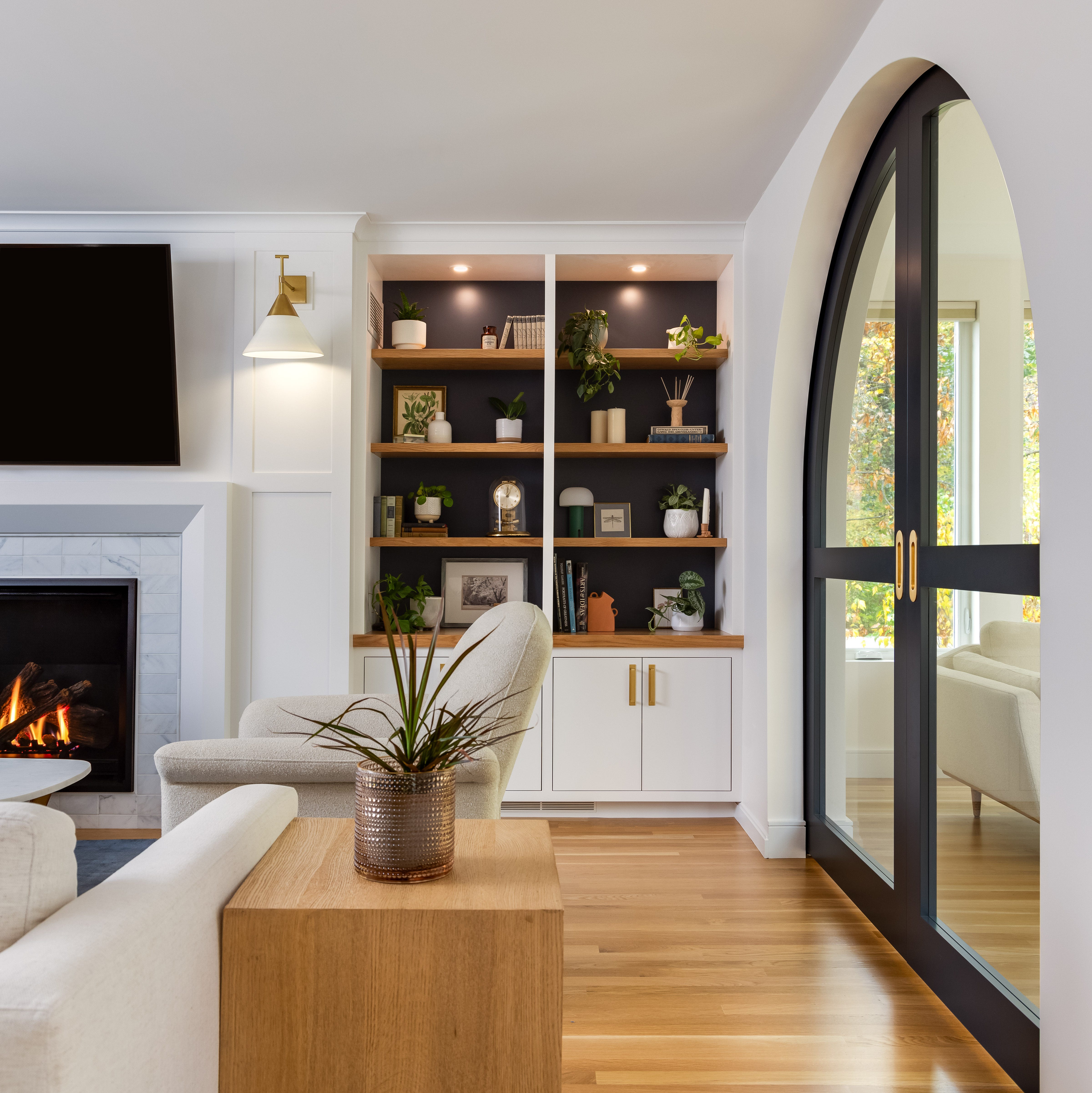
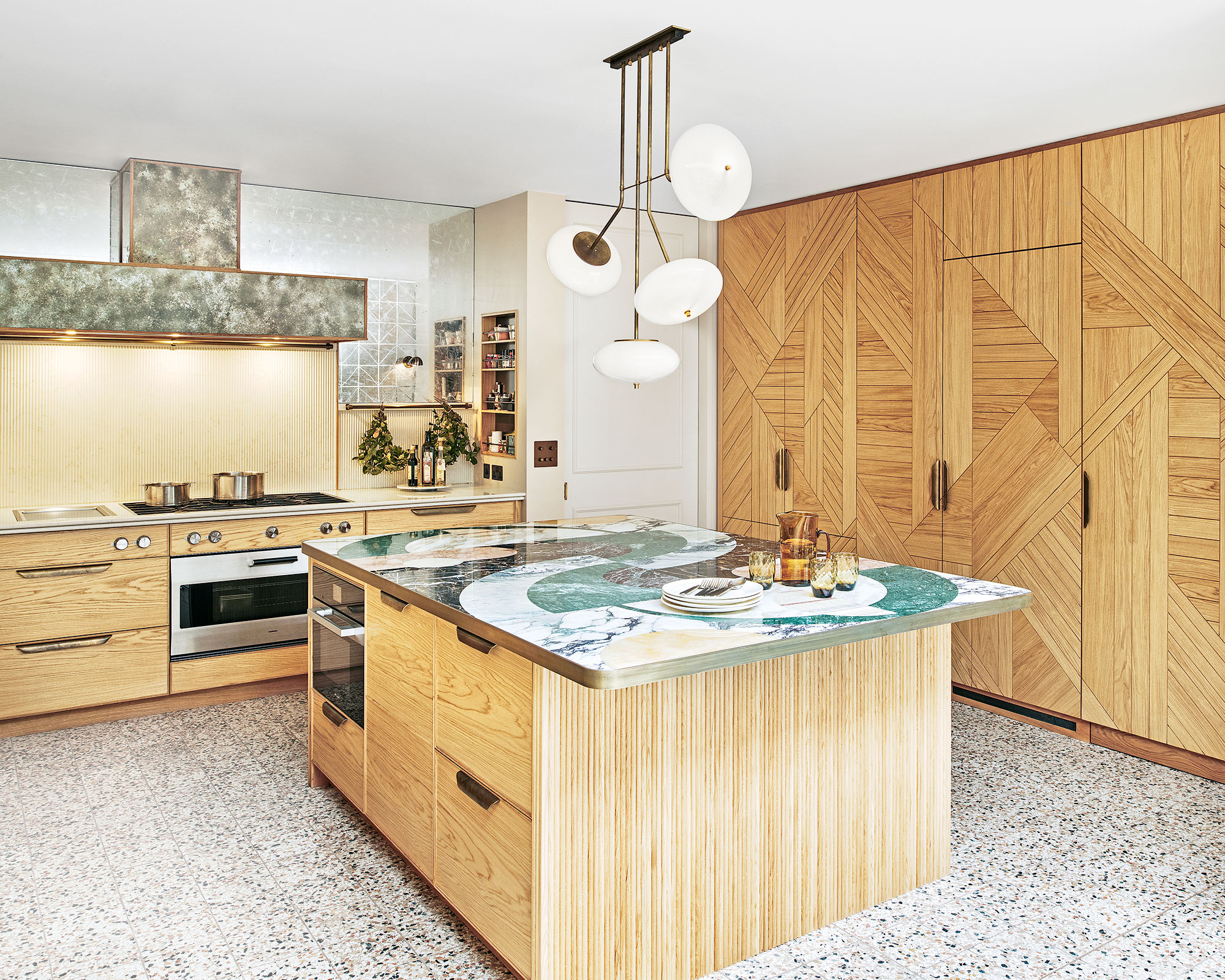
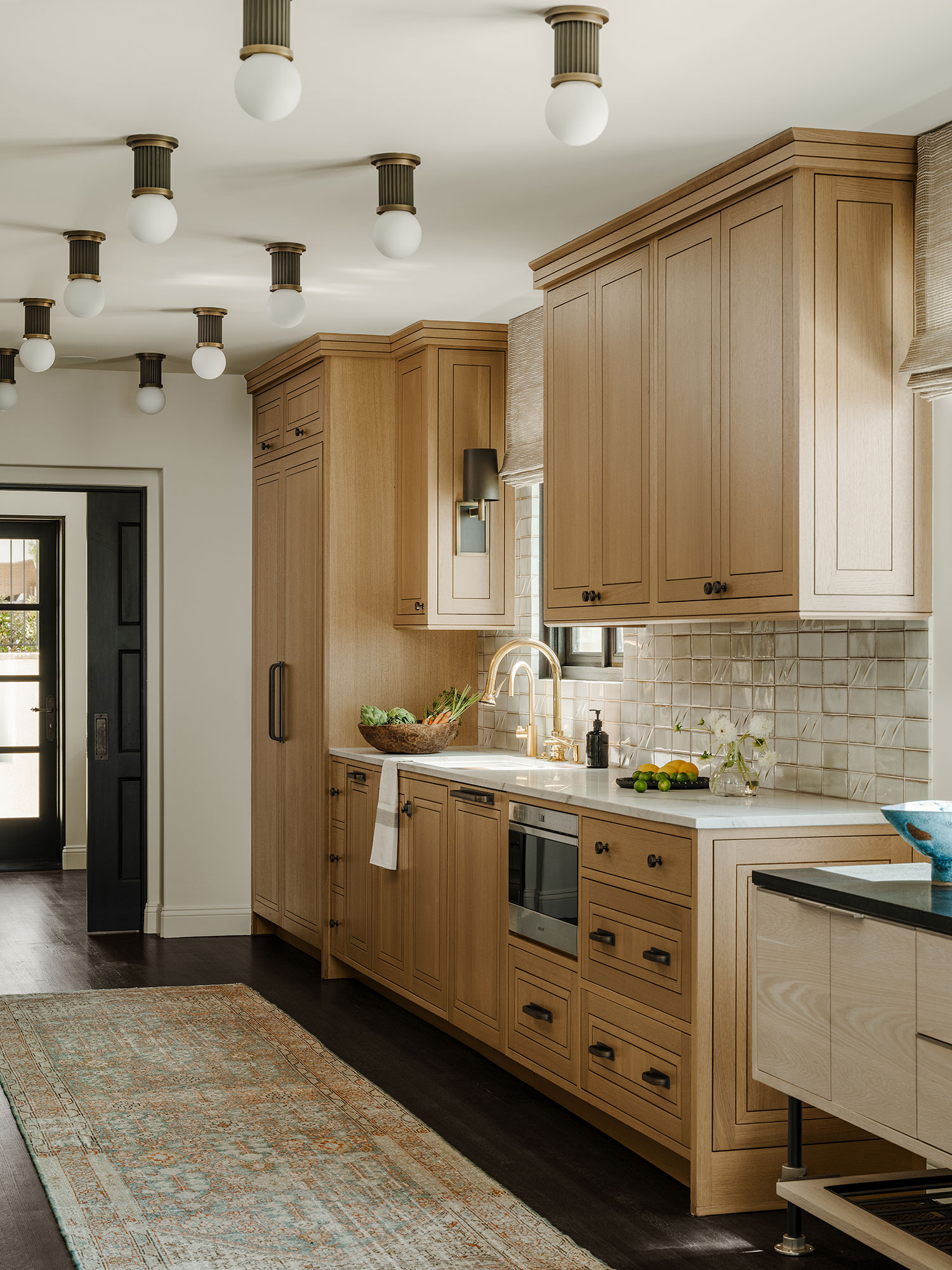
Finally, brass hardware and fixtures are experiencing a significant comeback. Modern brass differs from its 90s counterpart by being less shiny and featuring more contemporary shapes. This trend is easily incorporated through small touches like drawer pulls, faucets, light pendants, and decorative items with gold legs, adding a touch of elegance. Country accents, specifically modern farmhouse style, are also making a comeback, largely influenced by figures like Joanna Gaines. This updated country look is clean, simple, and often paired with minimalist backdrops and modern architectural elements, moving away from the '90s kitsch toward a more refined aesthetic.
#90sDesignTrends #HomeDecor #InteriorDesign #FloralWallpaper #BlondWoodFloors #JapaneseInfluence #BeigeAndWhite #WallToWallCarpet #WhiteKitchens #HunterGreen #PastelAccents #BlueAndWhite #SkirtedTables #BrassHardware #FarmhouseStyle #90sDesignTrends #HomeDecor #InteriorDesign #FloralWallpaper #BlondWoodFloors #JapaneseInfluence #BeigeAndWhite #WallToWallCarpet #WhiteKitchens #HunterGreen #PastelAccents #BlueAndWhite #SkirtedTables #BrassHardware #FarmhouseStyle
0 komentarzy łącznie
 Brak komentarzy jeszcze
Możesz również polubić
The #1 Retro Design Trend Designers Say is Making a Comeback

Interior Designers Say the 1990s Are Back—Here’s How to Capture the Look

’90s Fashion is Back—But What About ’90s Interiors? Here’s What Designers Say

This Classic ’90s Furniture Trend Is Back, and We’re Obsessed All Over Again

Design Trends: Retro Revival

This Furniture Trend From the 1920s Is Officially Back

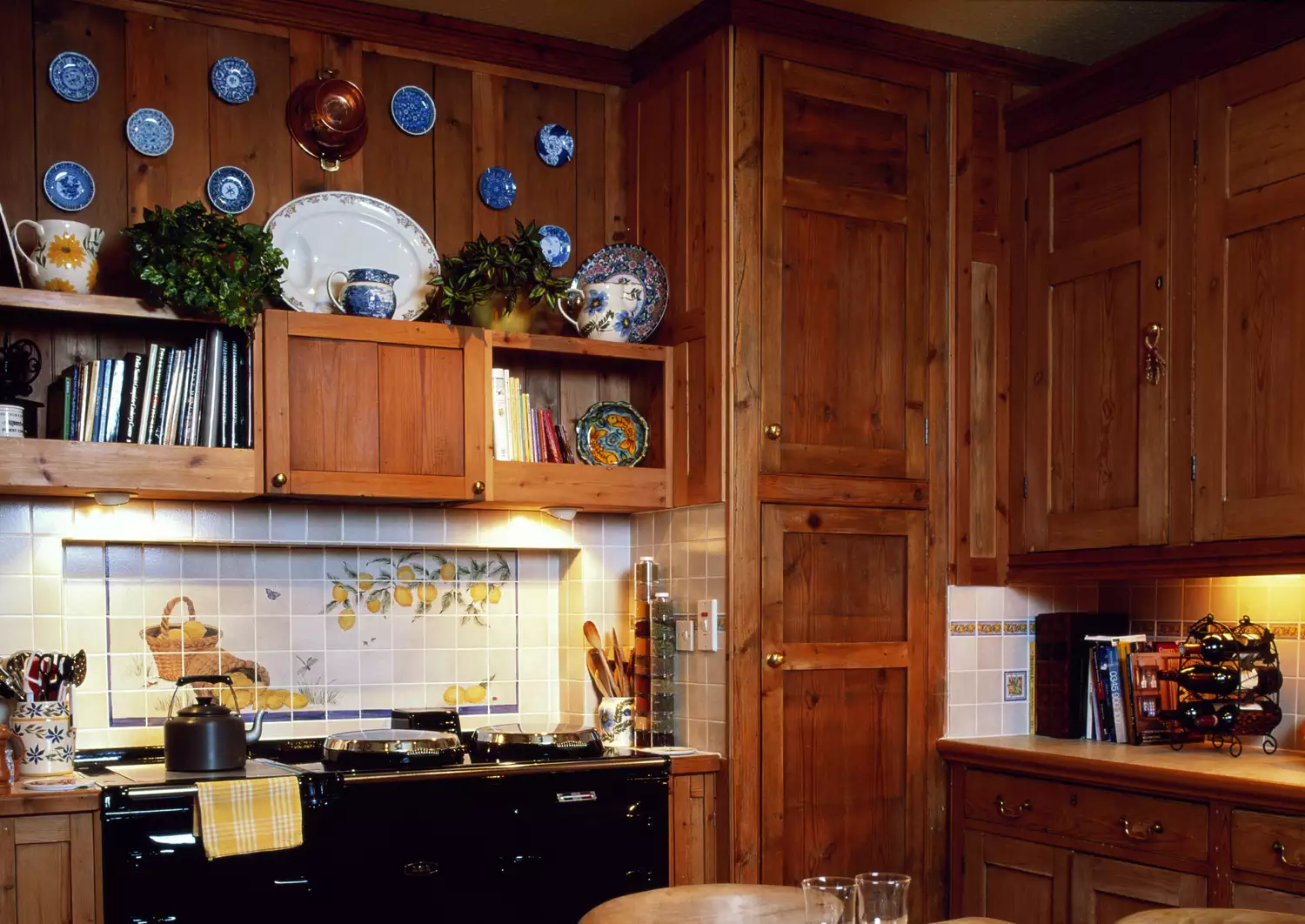
Like it or Not, 90s Décor Is Back and in Homes Everywhere, According to Interior Designers
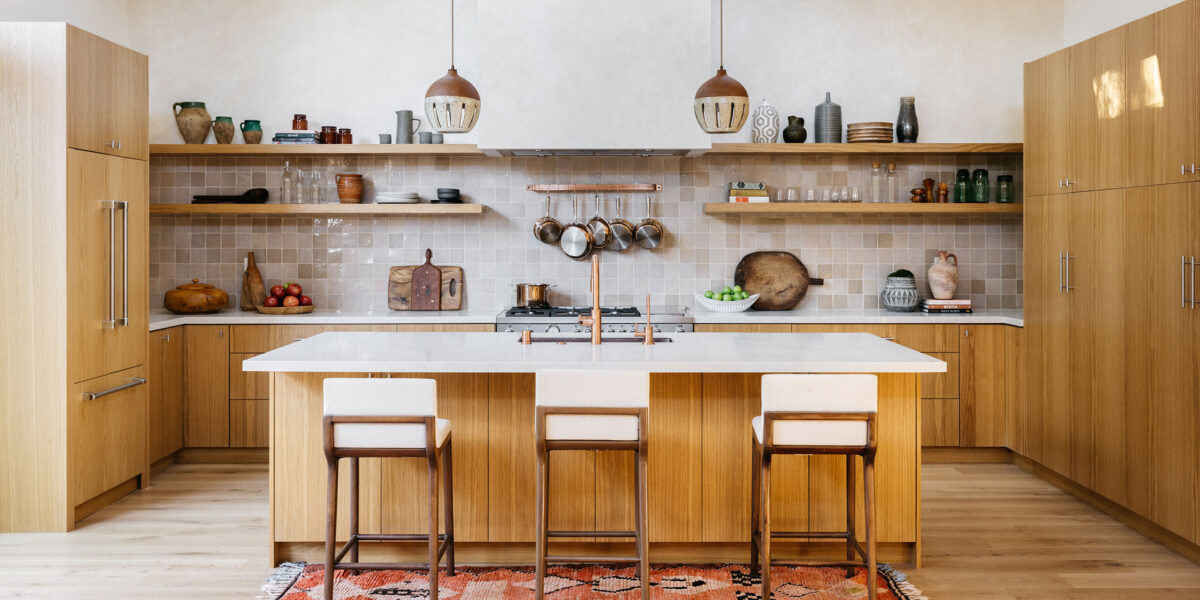
This Outdated Kitchen Design Style Is Coming Back (and That’s a Good Thing)
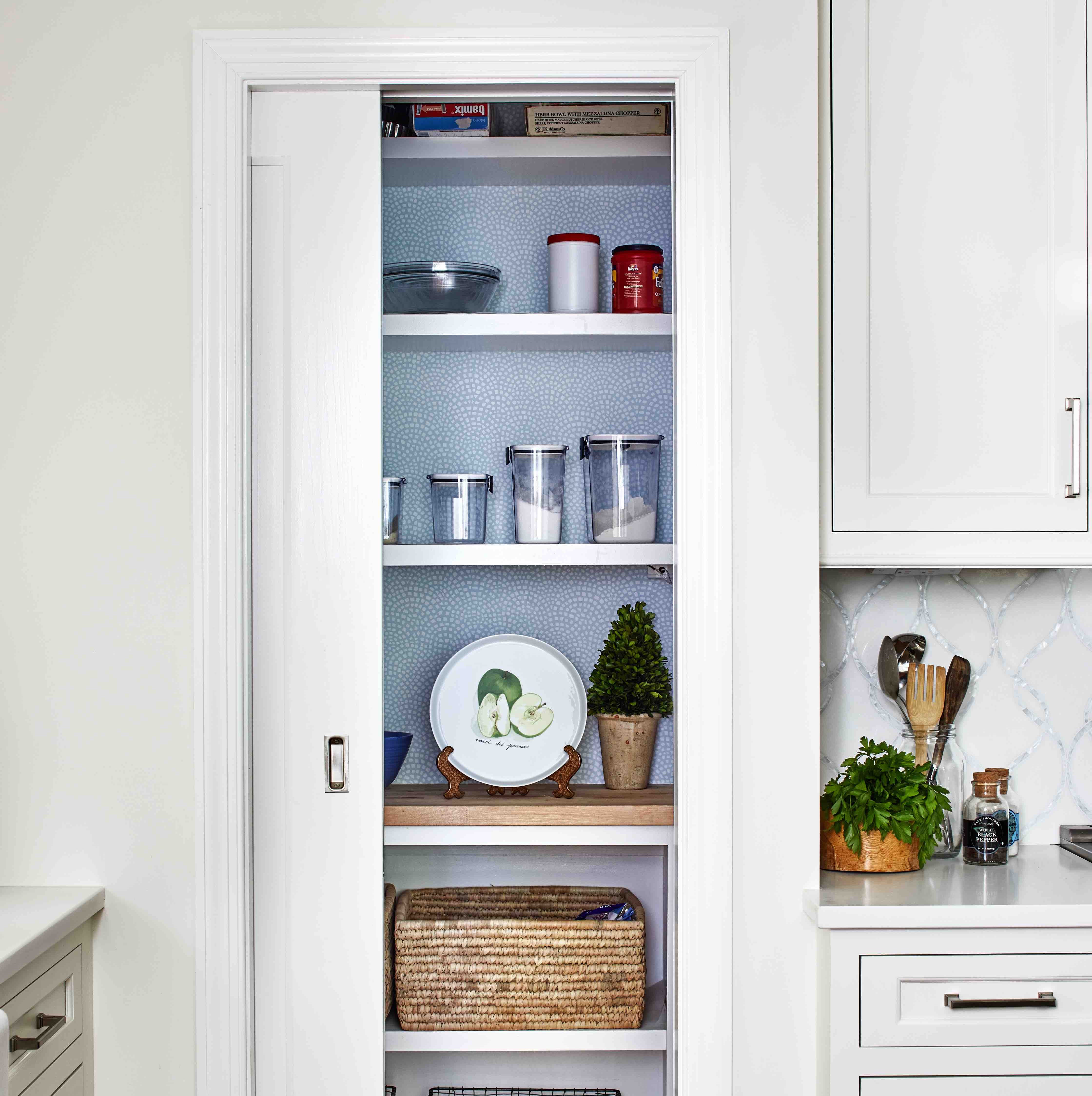
Designers Say This Vintage Home Feature Is Back
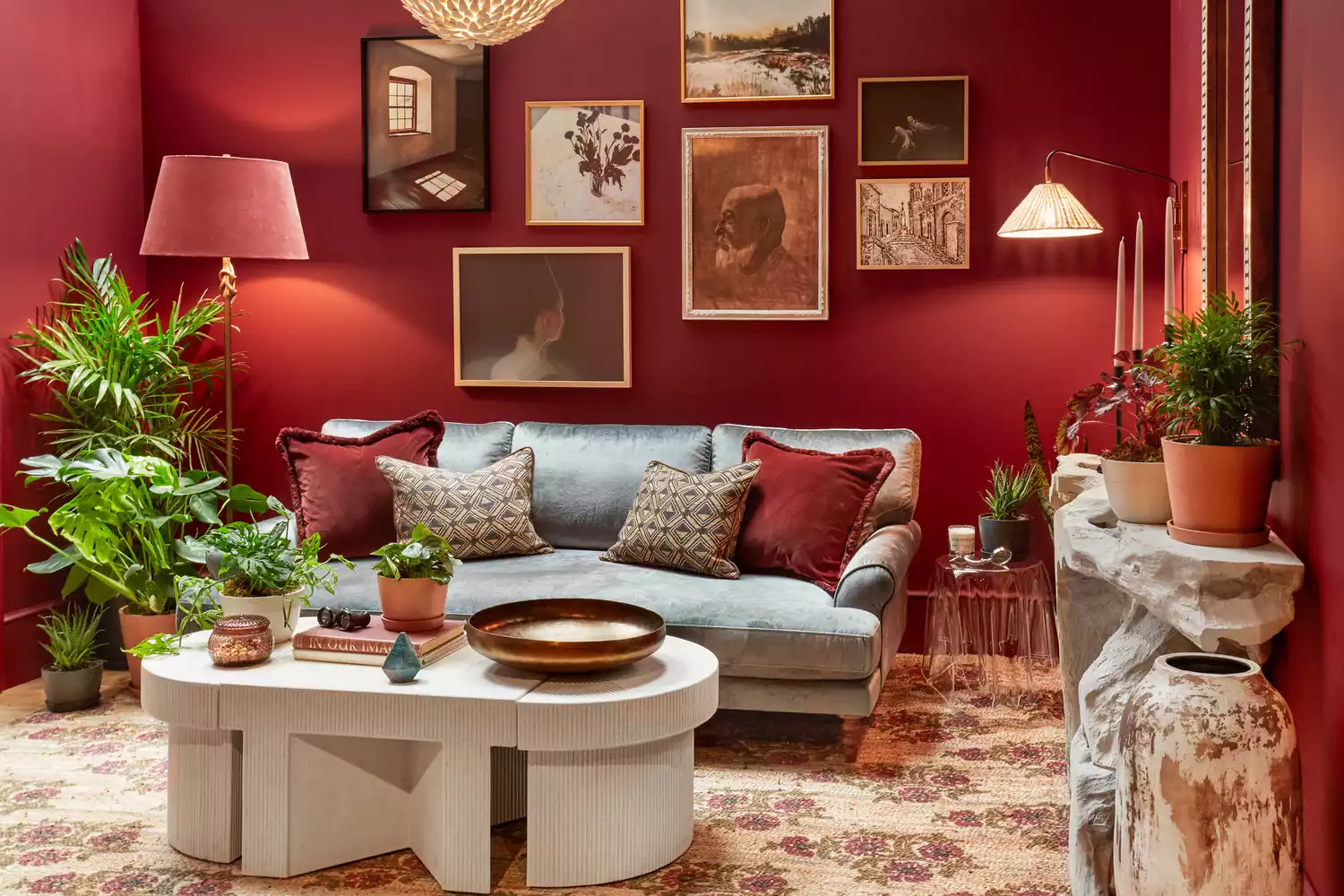
6 Early 2000s Design Trends Making a Comeback—in a New Way for 2025

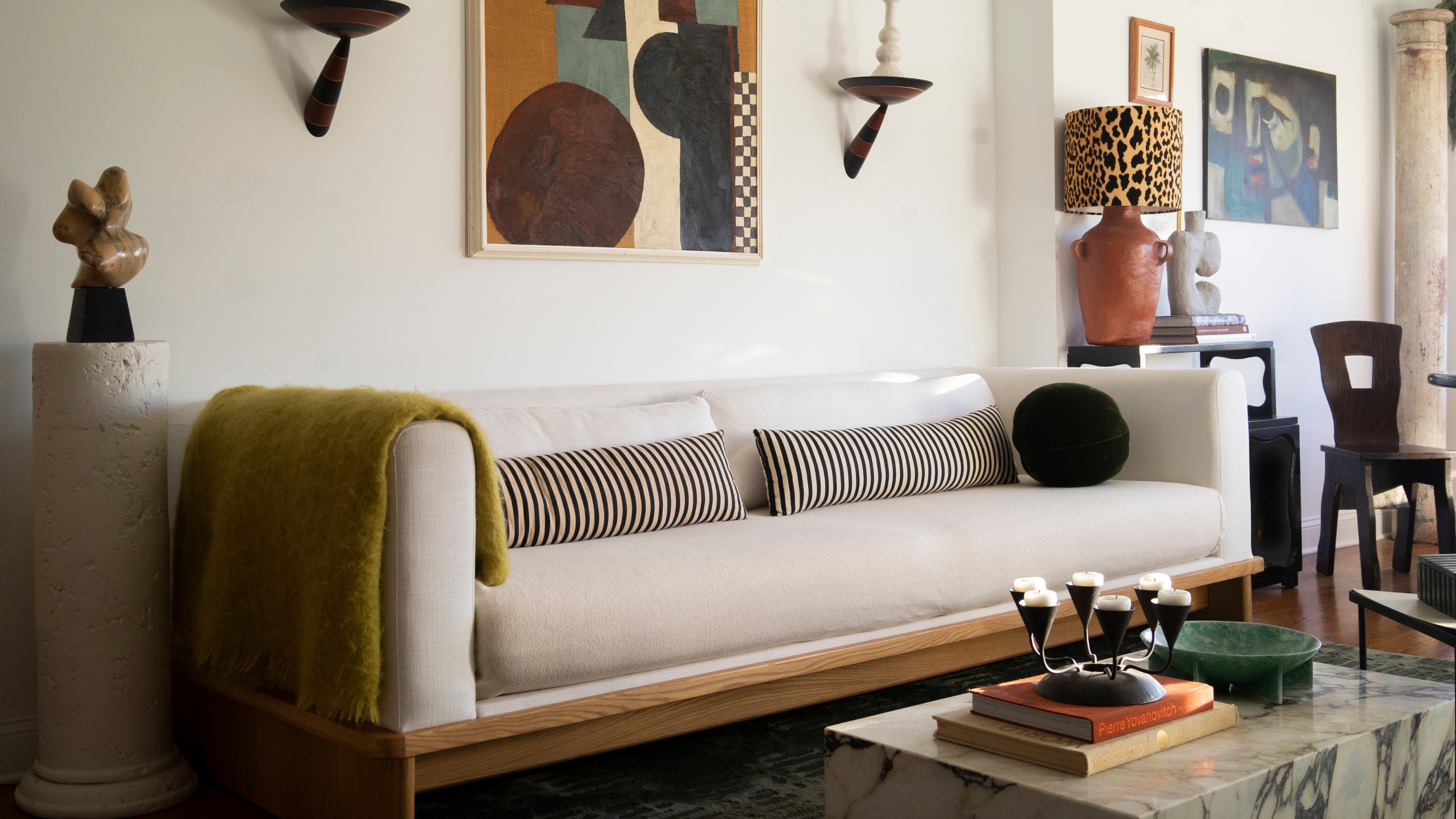
Designers' Reveal the Biggest Pattern Trends for 2025, and It's Shaping Up to Be a Bold Return to the Classics

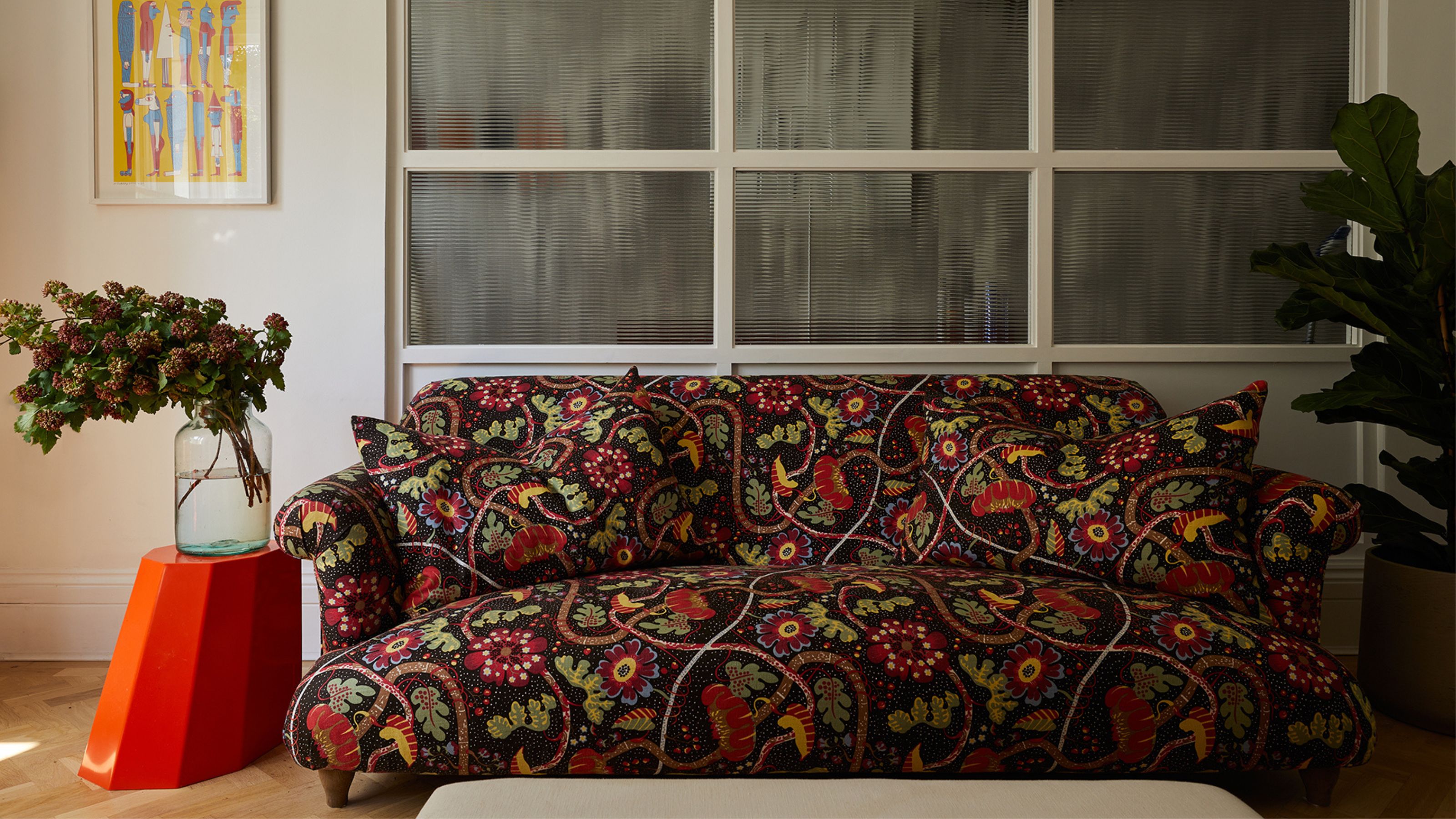
The 90s Design Revival Has Brought Back the Nostalgic 'Big Pattern' Sofa — But in a Way that Works Much Better this Time Around
This '90s Home Trend Is Back With A Vengeance
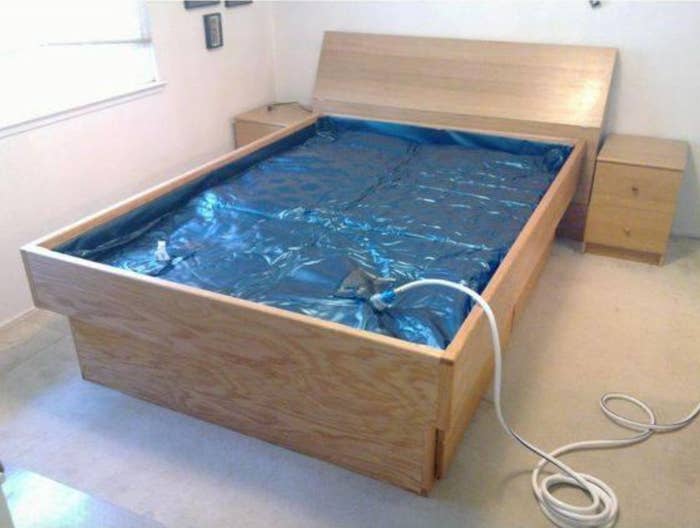
People Are Revealing The "Outdated" Home Design Trends From The '80s That Need To Come Back

7 Retro Design Trends Making a Comeback, According to Interior Designers
This Bedroom Trend From Your '90s Childhood Dreams Is BACK and More Stylish Than Ever
Are the '90s the Next Big Thing in Interior Design?
5 outdated '90s interior design trends that everyone will be decorating with again in 2024, and experts agree

How to Thrift The 1920s Design Trend Gen Z is Making Cool Again
This Throwback Trend Is Coming Back in Style—and Designers Have Mixed Opinions