1/4
’90s Fashion is Back—But What About ’90s Interiors? Here’s What Designers Say
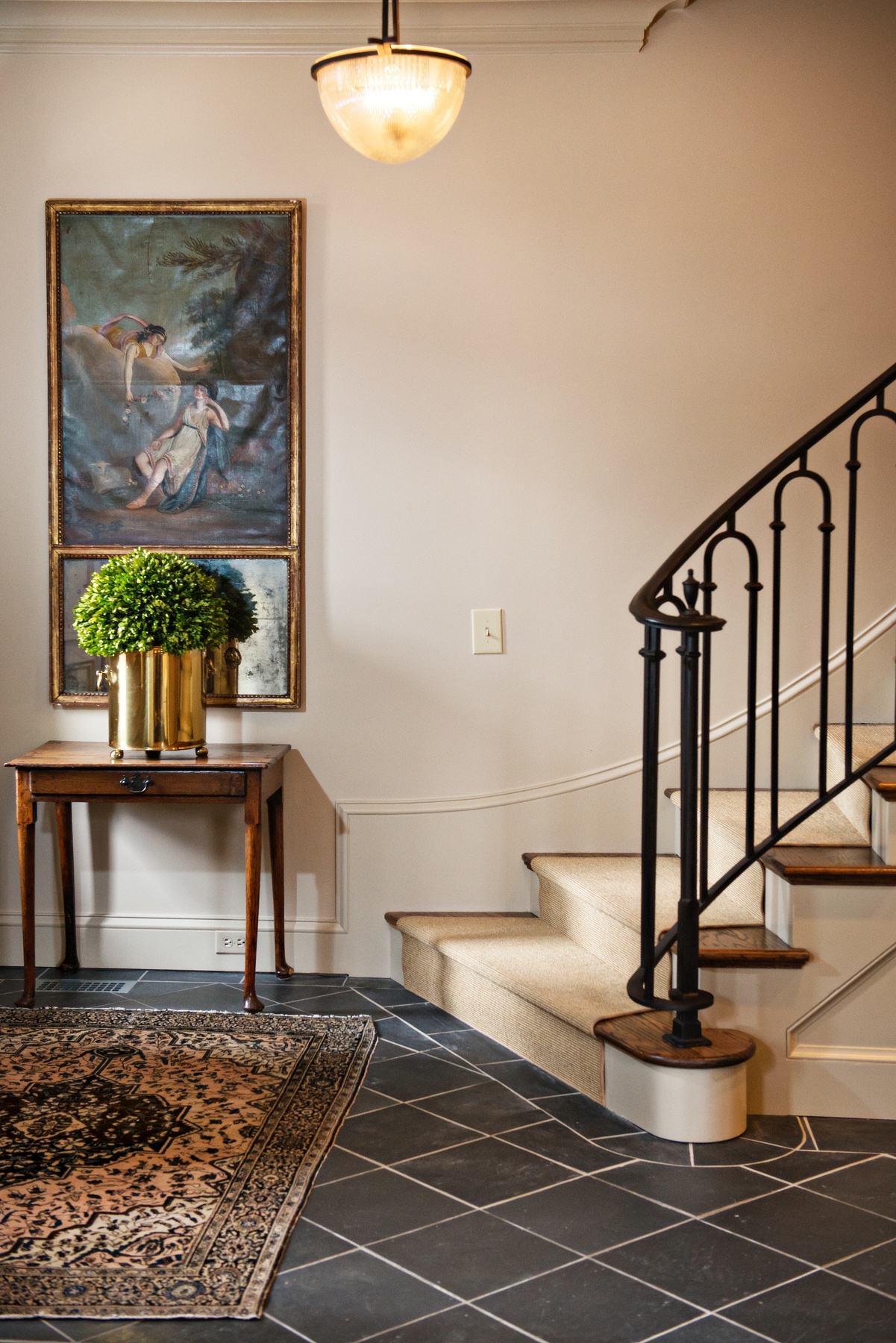
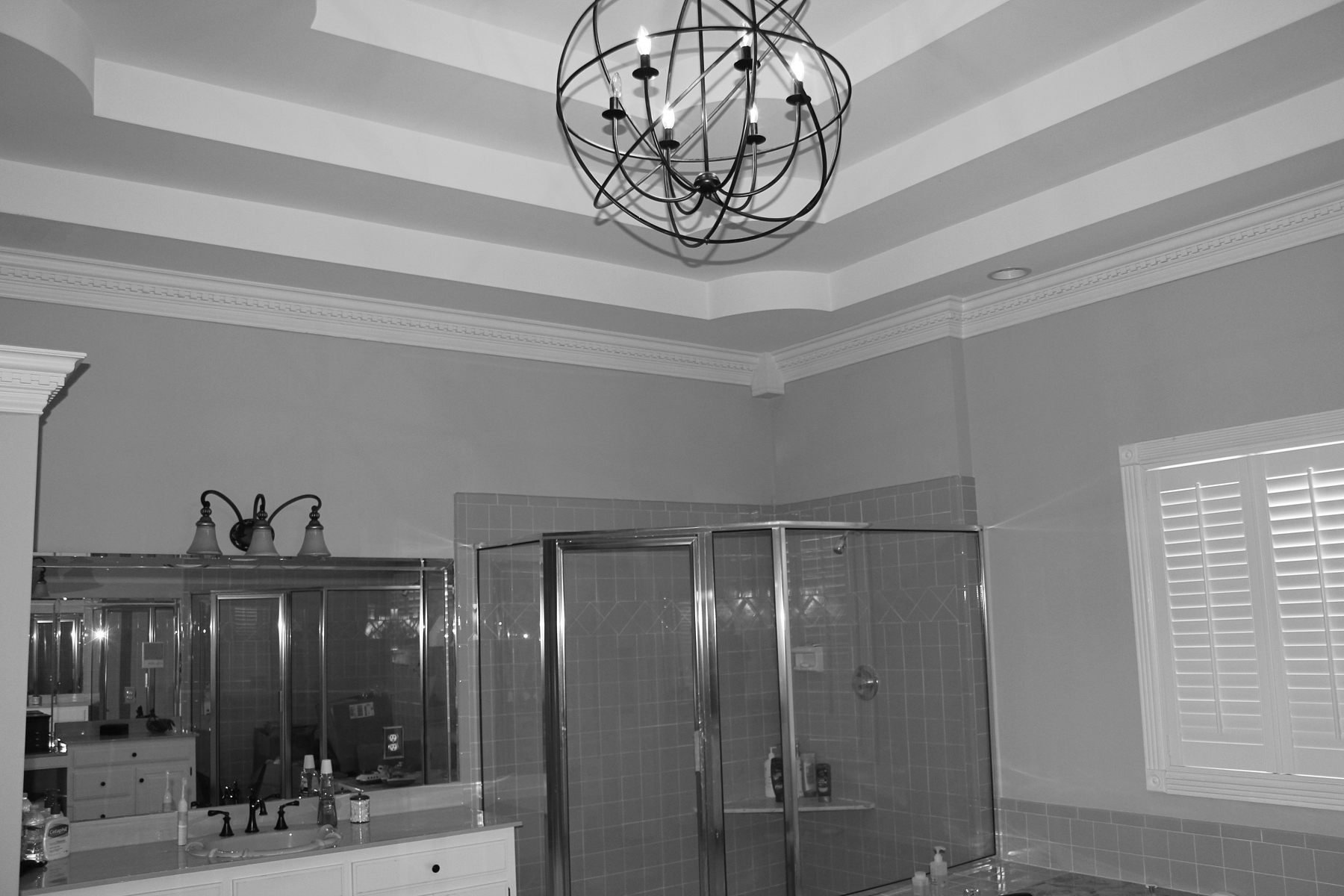
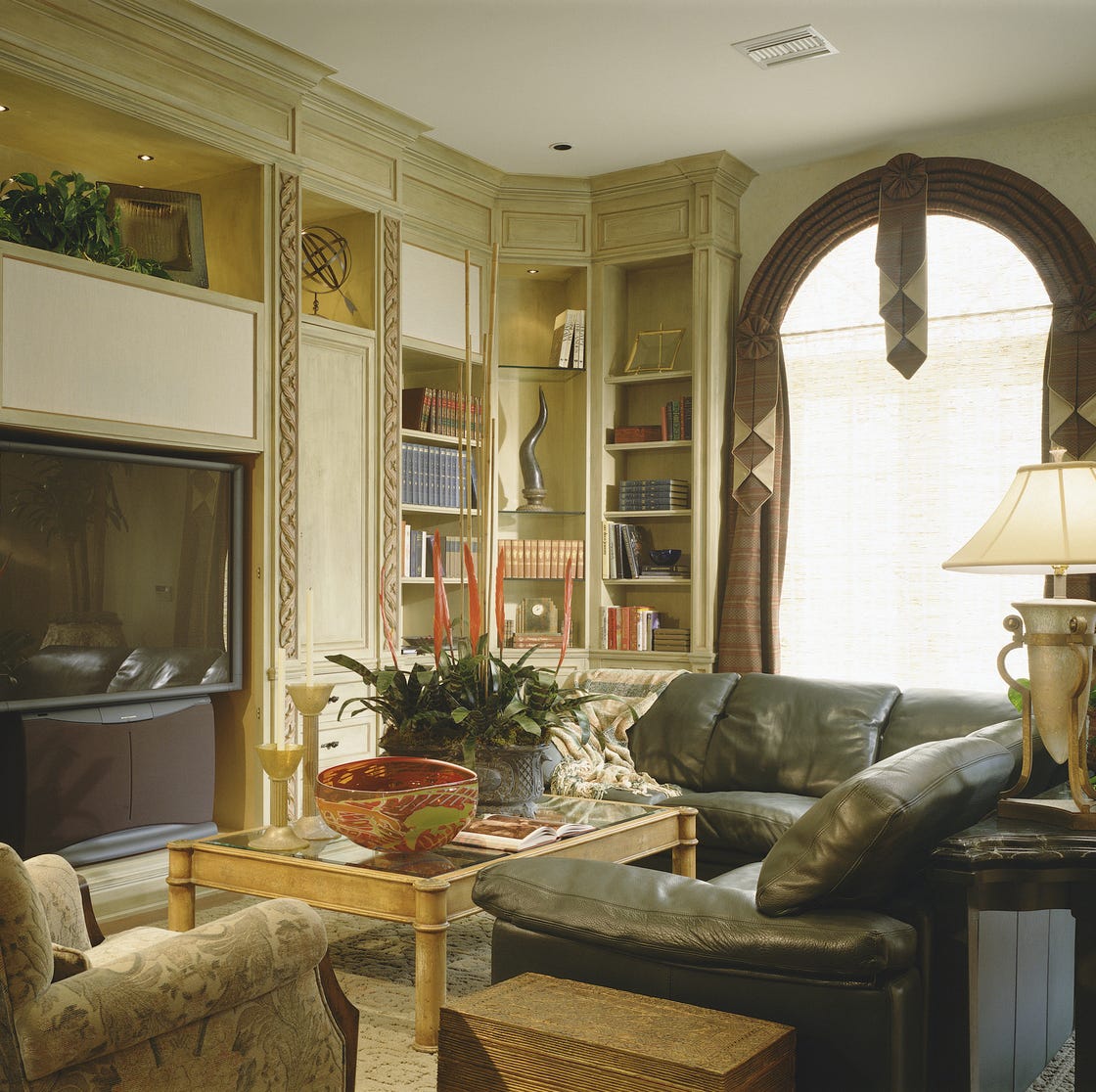
The 1990s, often seen as an expressive era in both fashion and interior design, are currently experiencing a resurgence in fashion trends. This article explores whether a similar comeback is occurring in home interiors, drawing on insights from interior designers Alex Papachristidis, Kristen Nix, and Noz Nozawa. Papachristidis characterizes the 90s as a transitional period, bridging the lavishness of 80s decor with the minimalism of the 21st century. Its aesthetic found a middle ground between these extremes.
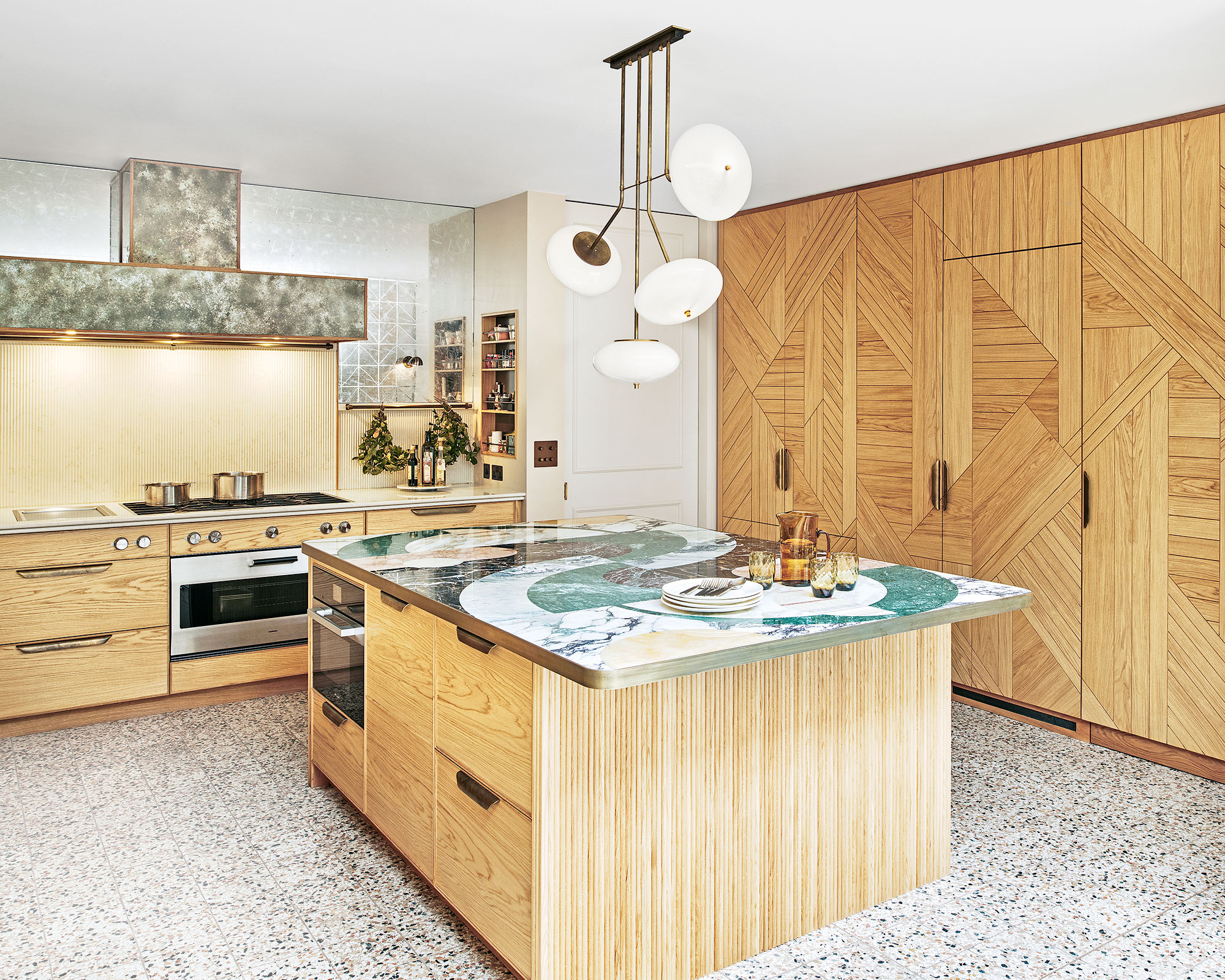
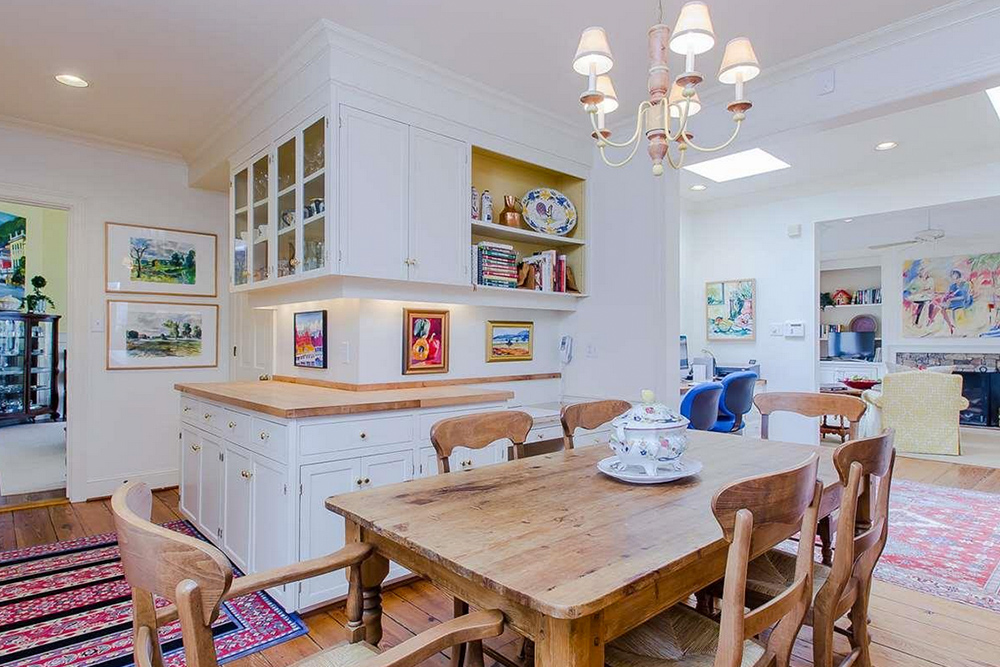
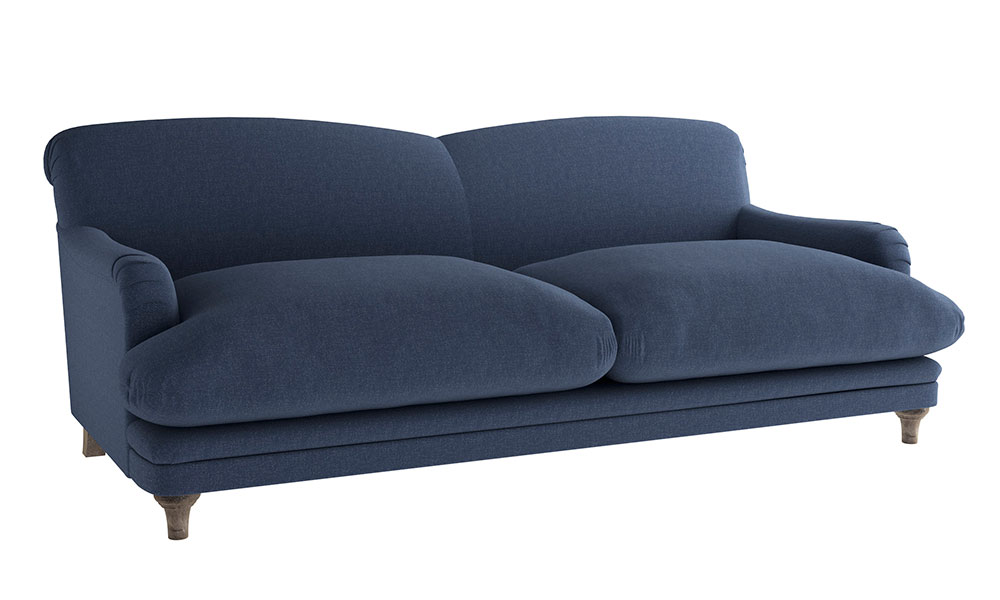
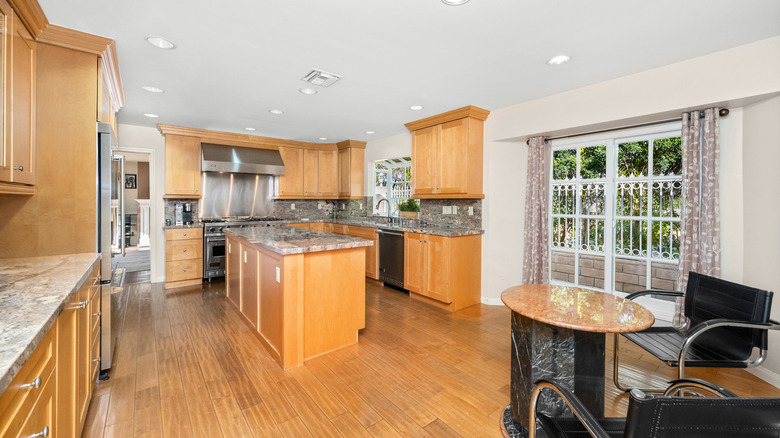
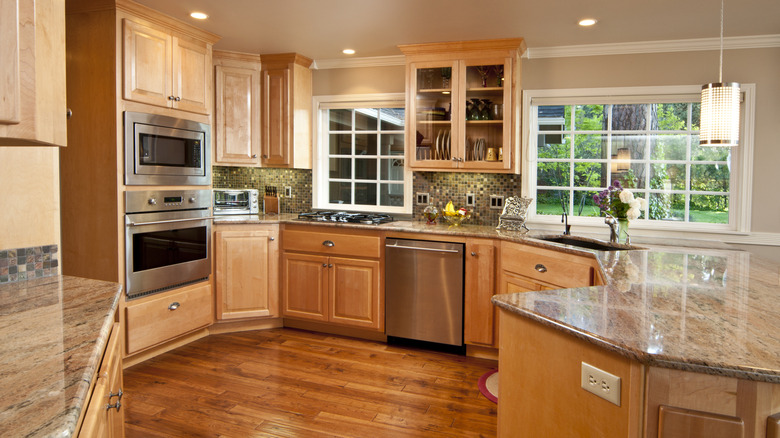
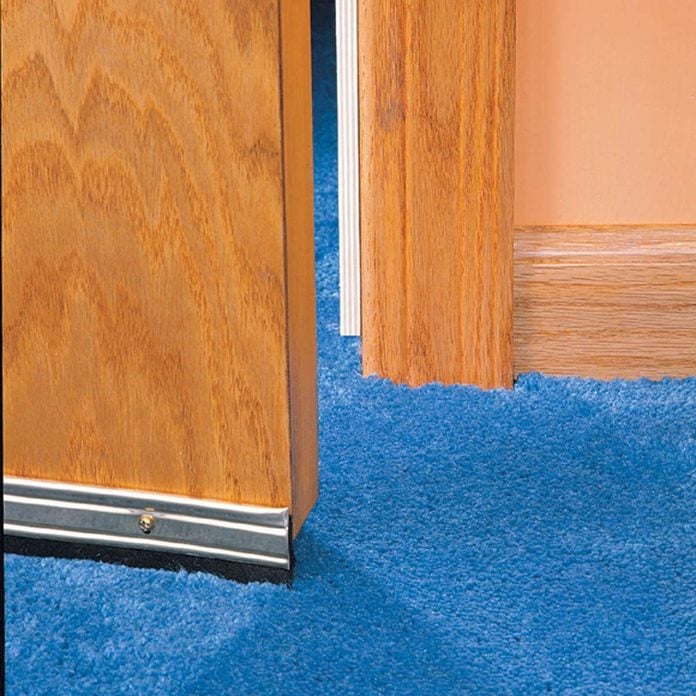
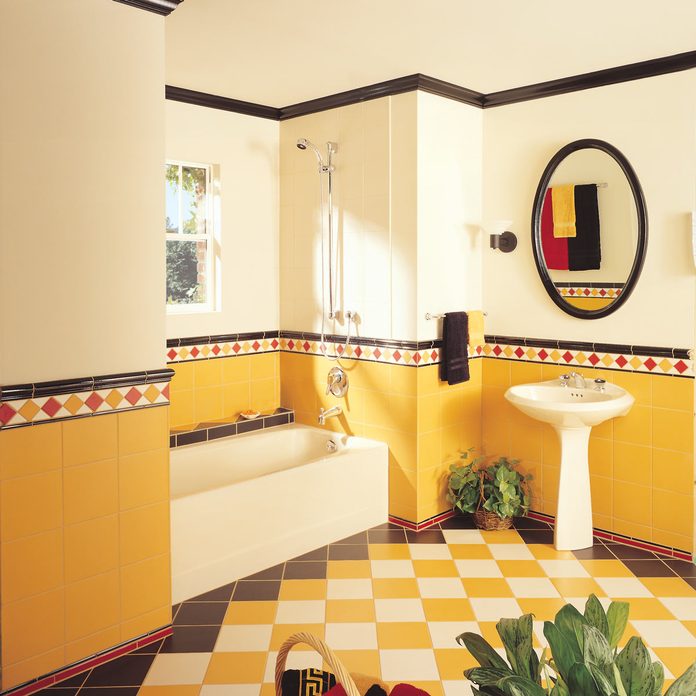
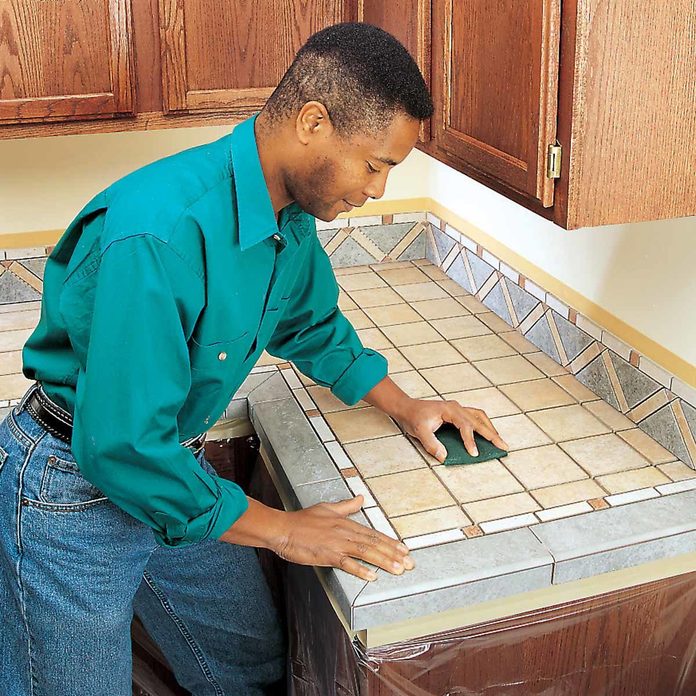
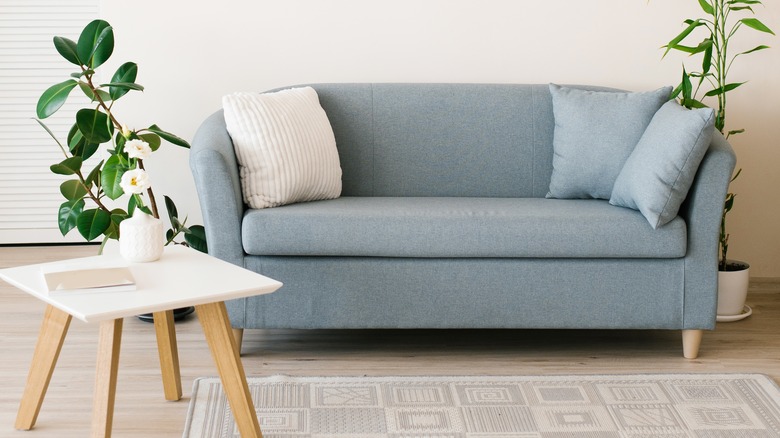
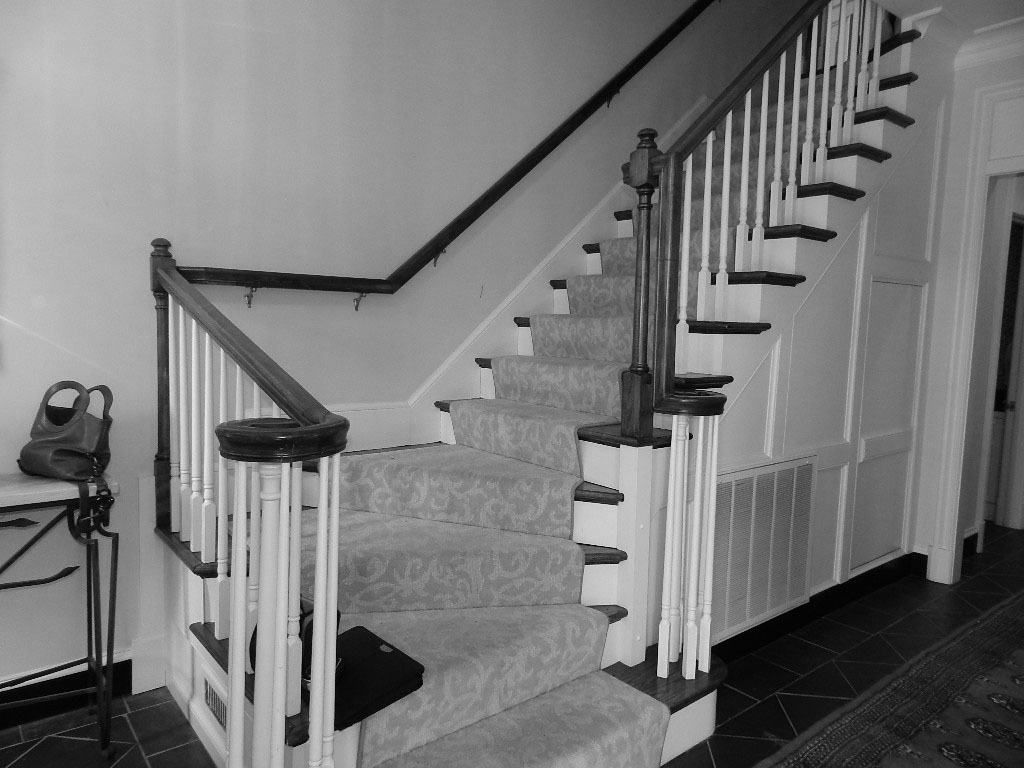
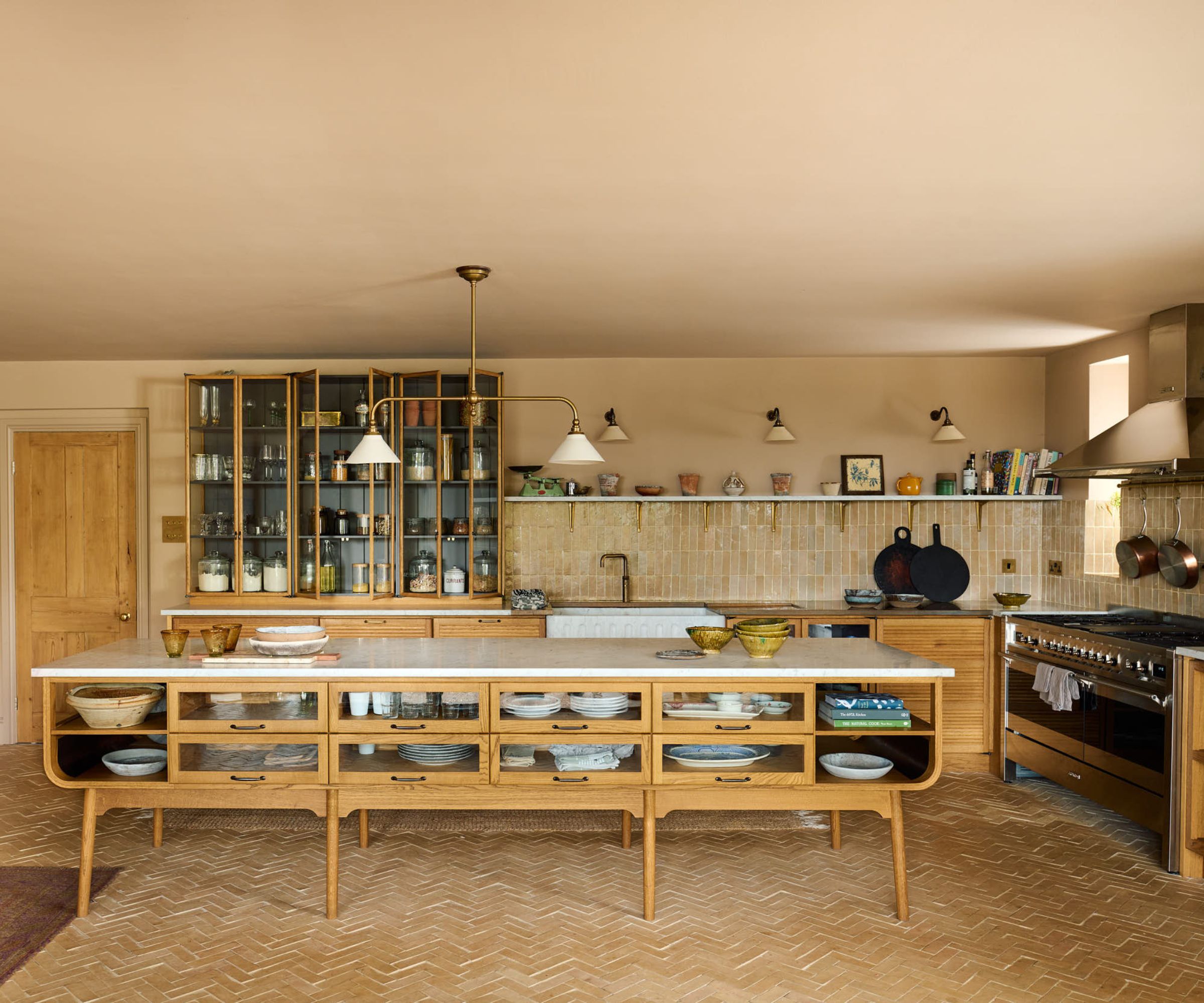
Kristen Nix fondly recalls key characteristics of 90s interior design, such as faux wall finishes, widespread use of butter yellow, and various wood stains. Noz Nozawa further details the warm neutral palette prevalent in the decade, including cherry wood floors, cabinets ranging from natural oak to birch, taupe-speckled granite countertops, and camel-hued beiges. Nozawa also highlights the popularity of furniture with taller sofa backs, which she connects to the rise of at-home entertainment like Blockbuster rentals and VCRs during that time. These elements defined the visual identity of 90s homes.
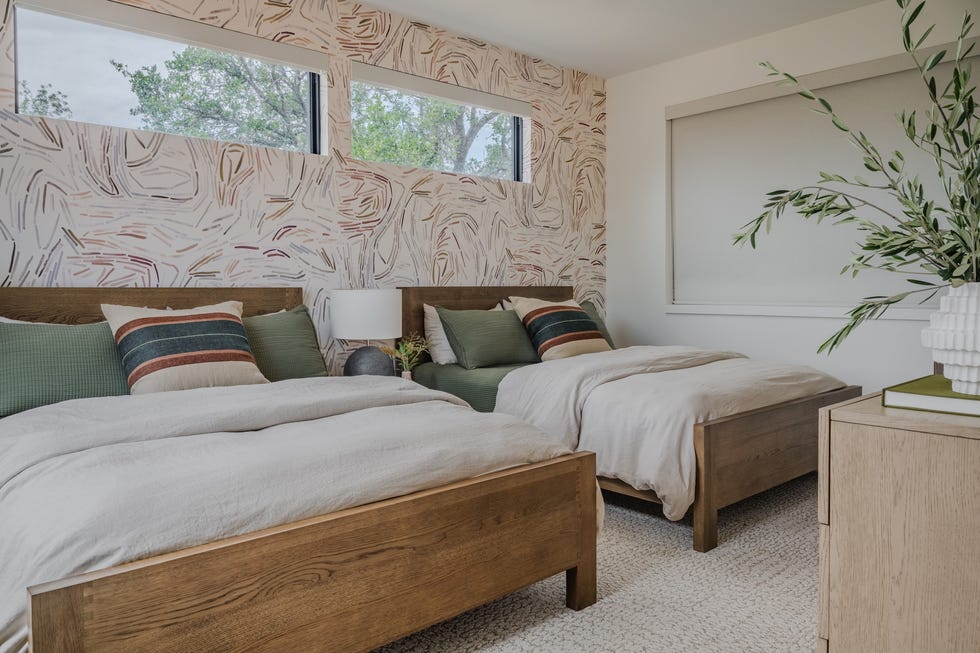
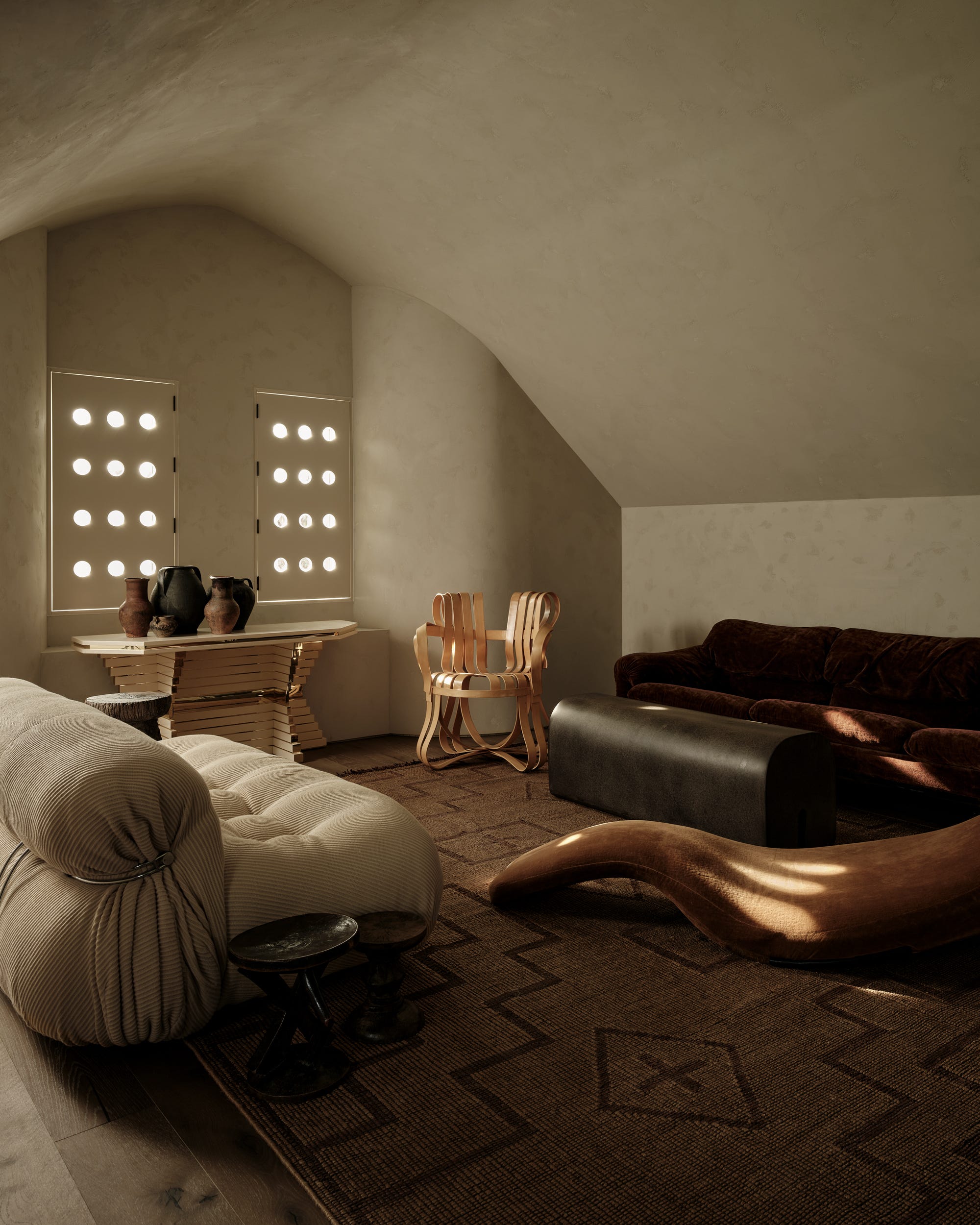
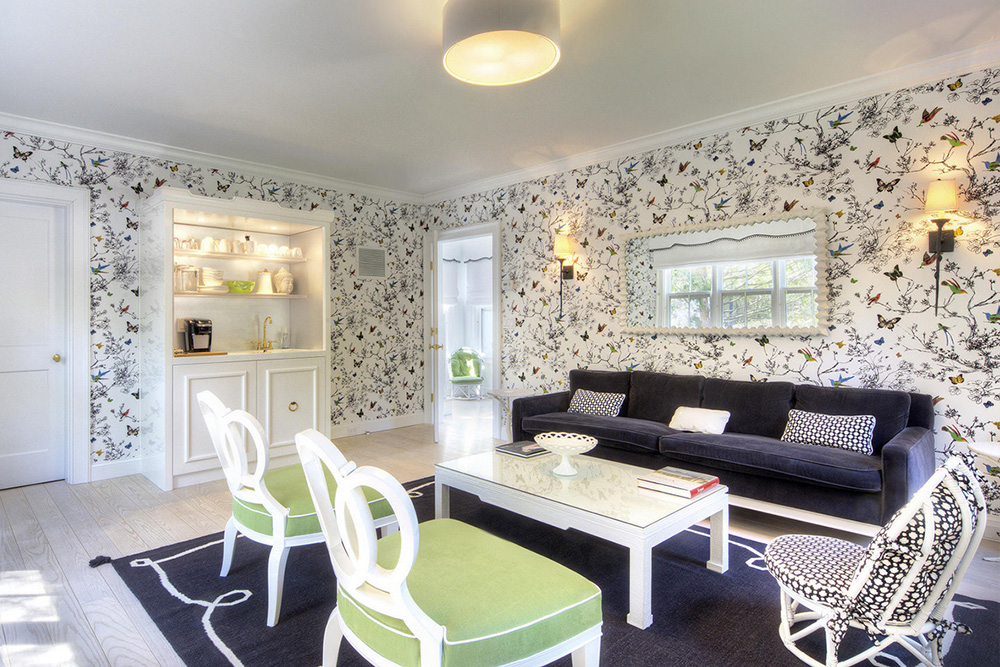
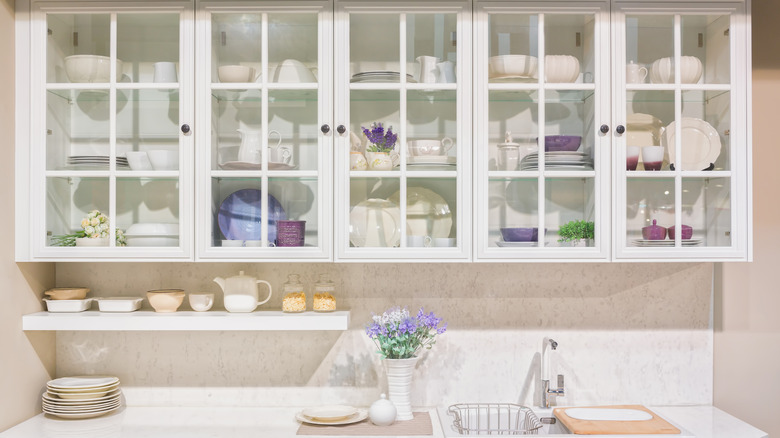
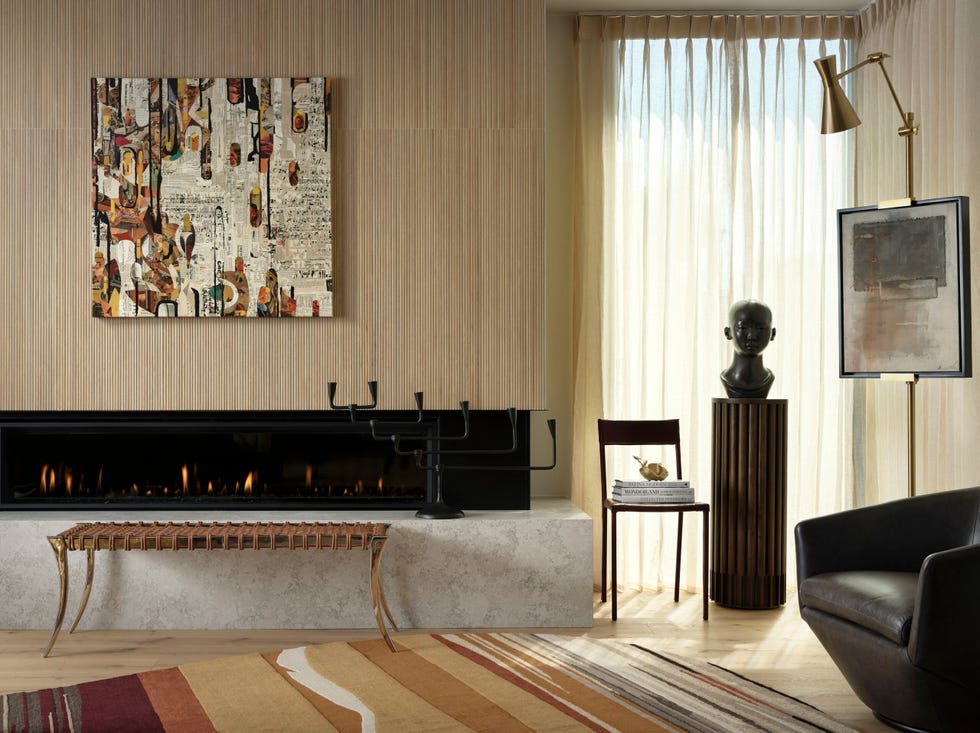
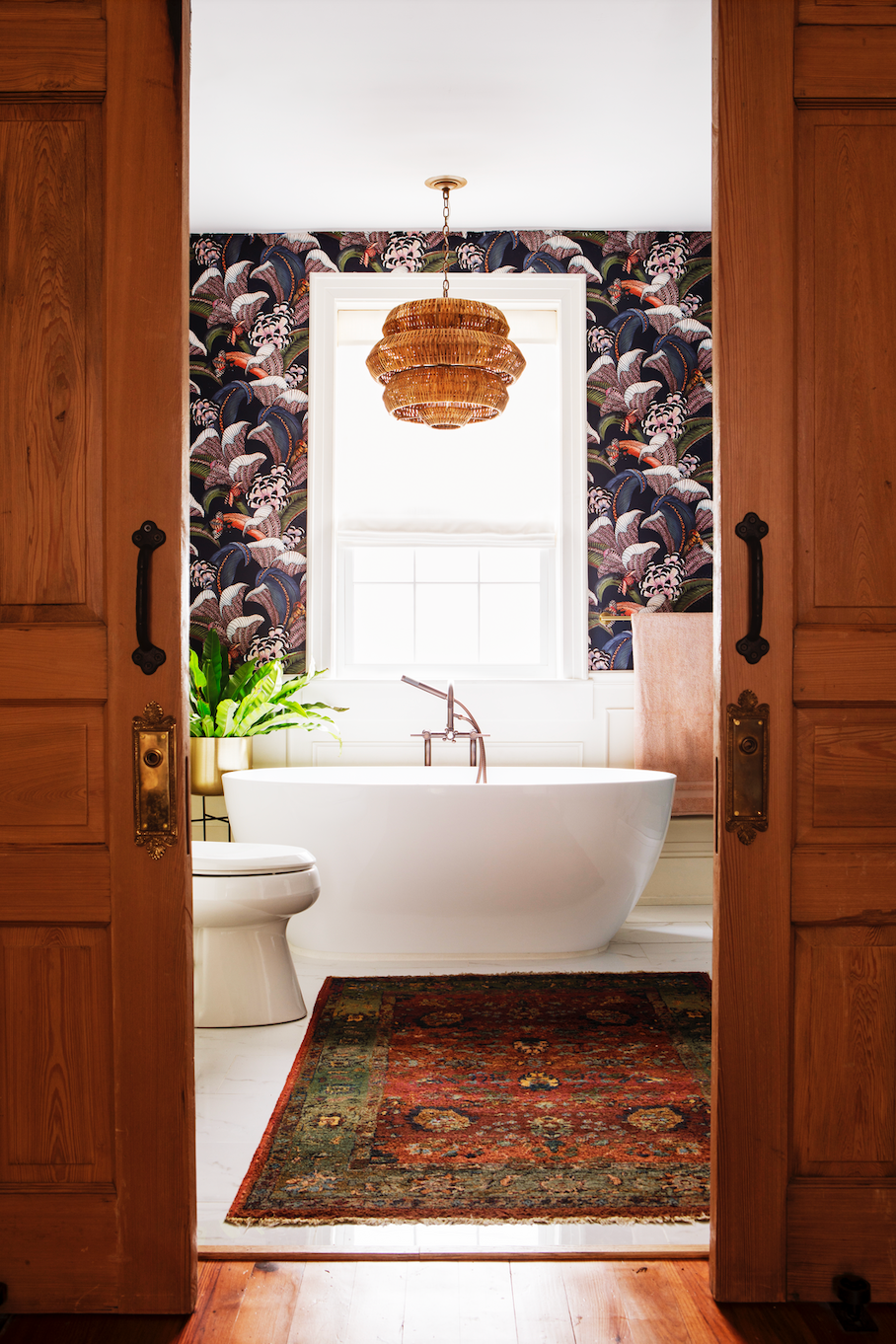
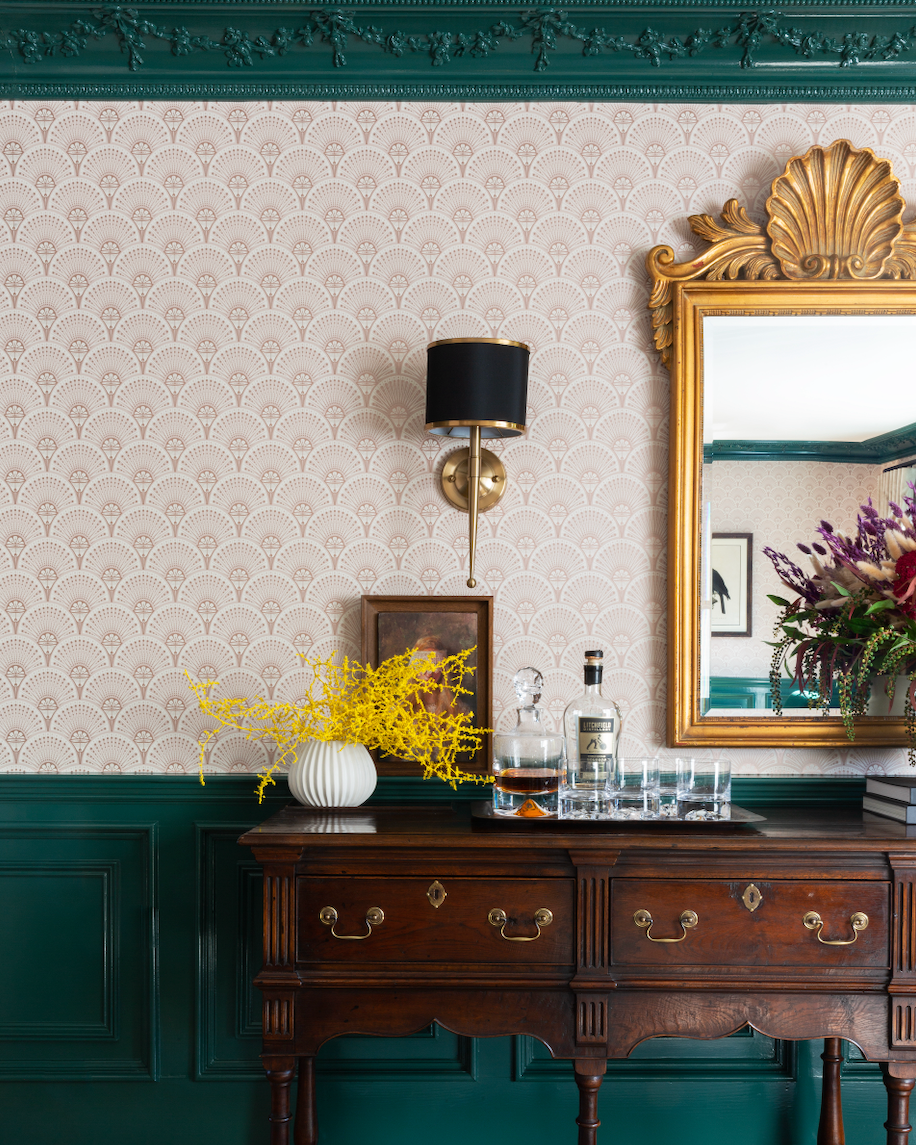
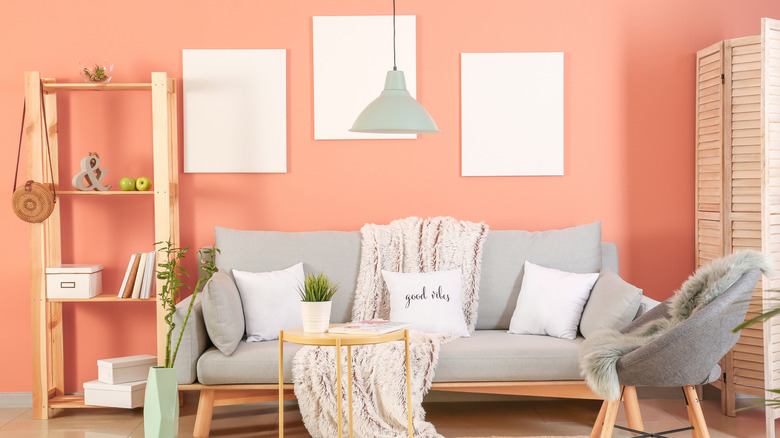
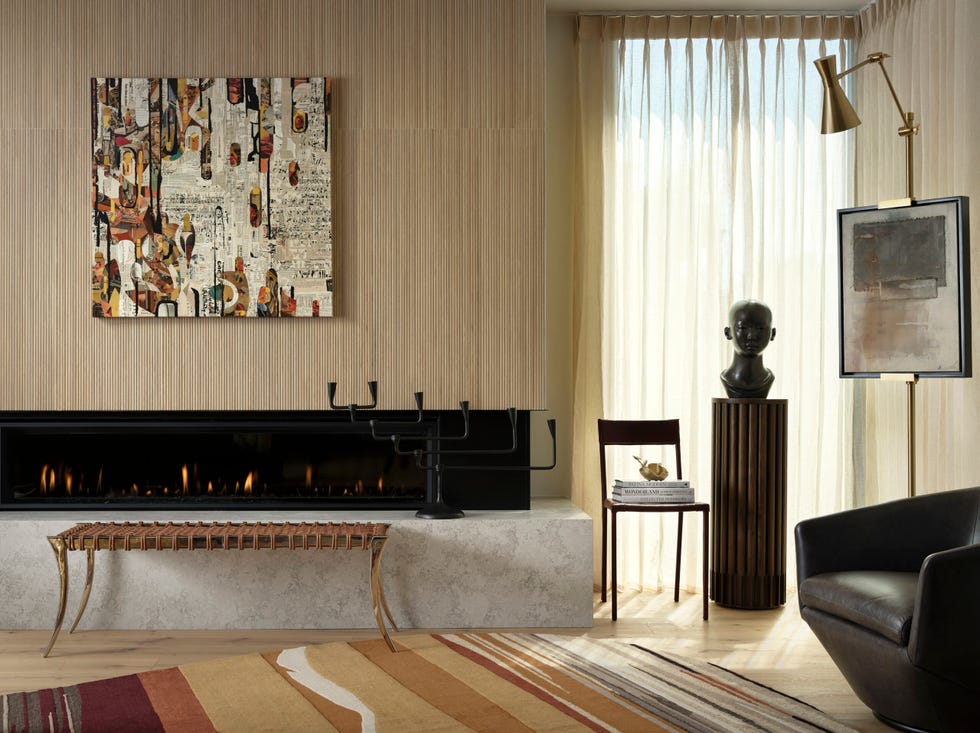
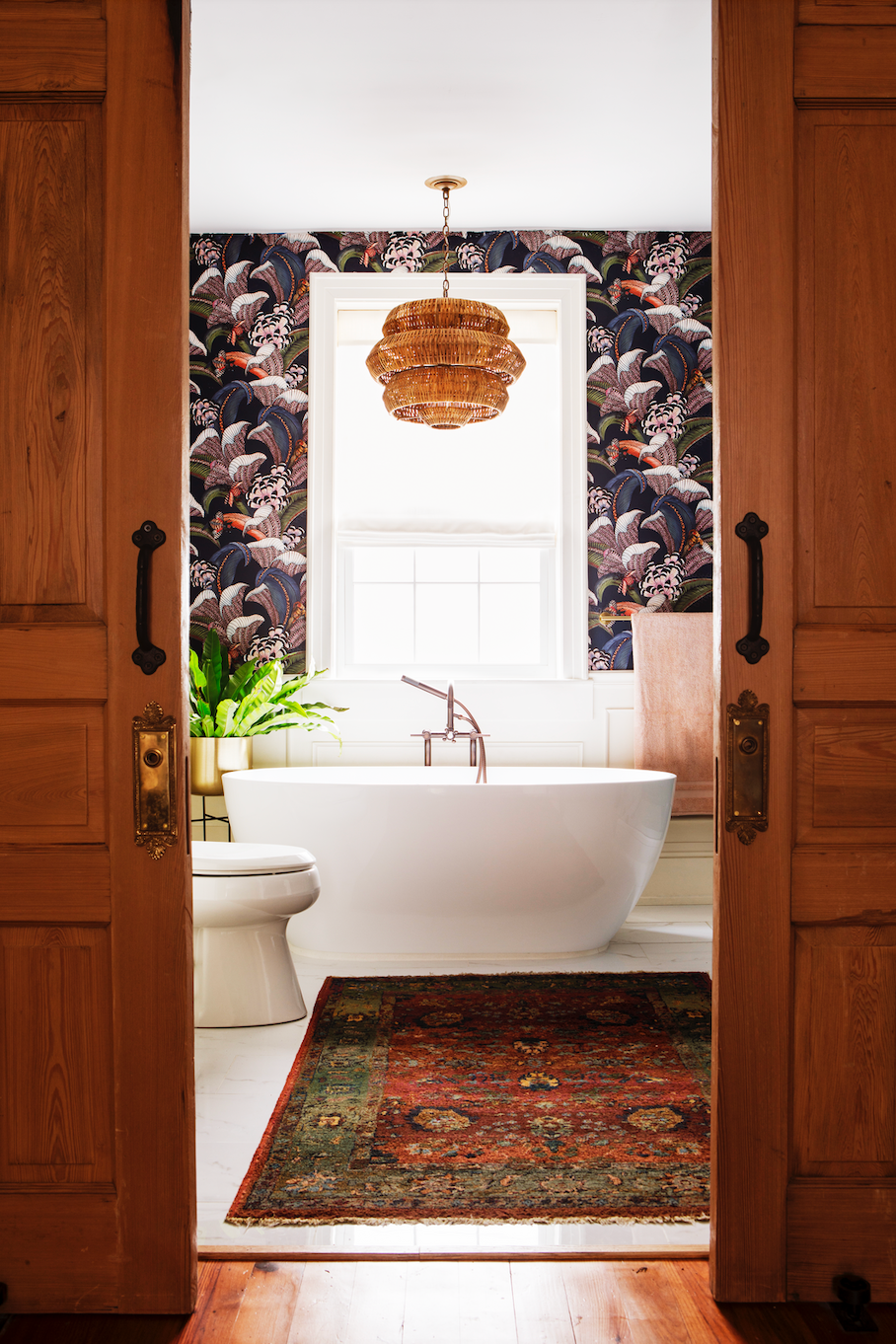
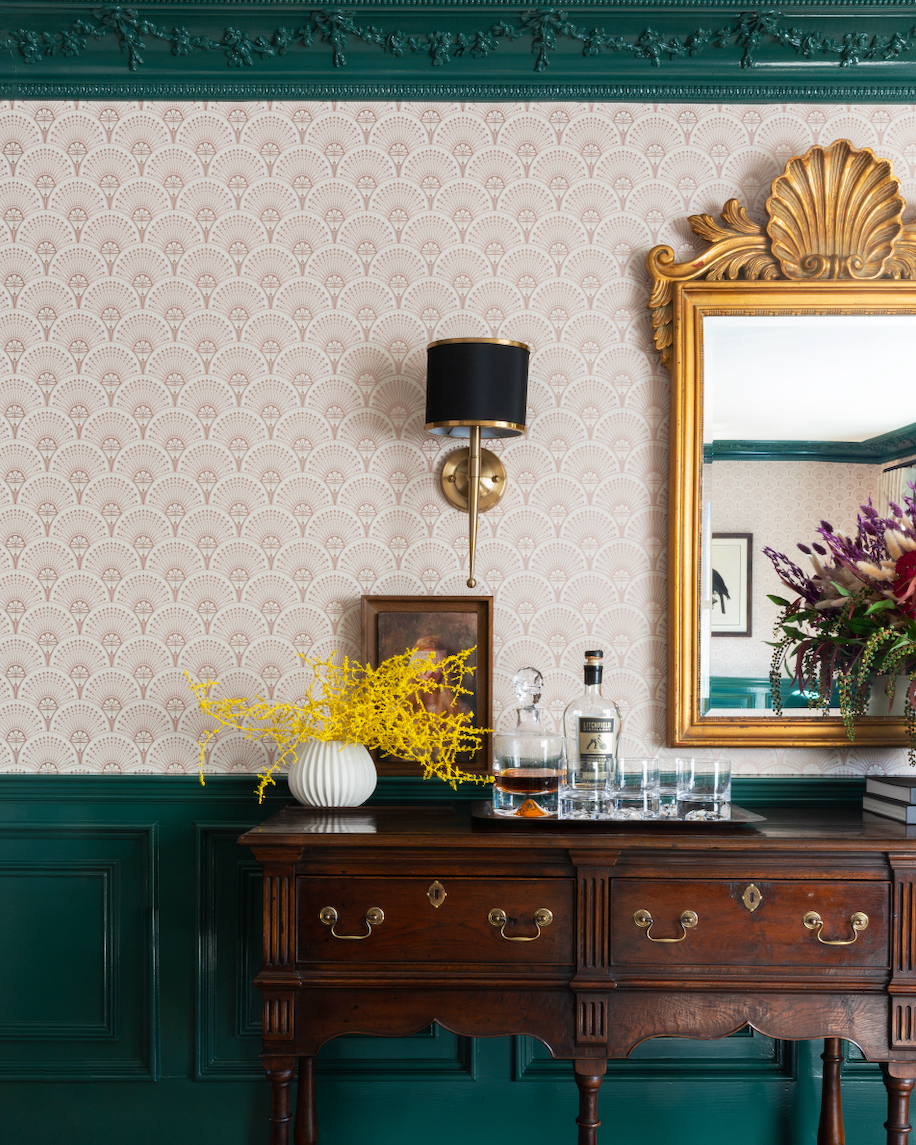
While some aspects of 90s design are reappearing, particularly among younger generations who may not have experienced the decade firsthand, these elements are often reinterpreted for contemporary tastes. Nix observes that instead of traditional faux finishes, modern interiors feature limewash plaster, Venetian plaster, and hand-painted scenic landscapes in spaces like dining rooms and powder rooms. Wood stains are also popular, but in more subdued tones such as walnut and white oak. Nozawa expresses enthusiasm for the renewed interest in visually active countertops, indicating a shift from purely sleek white marble towards speckled, variegated granite.
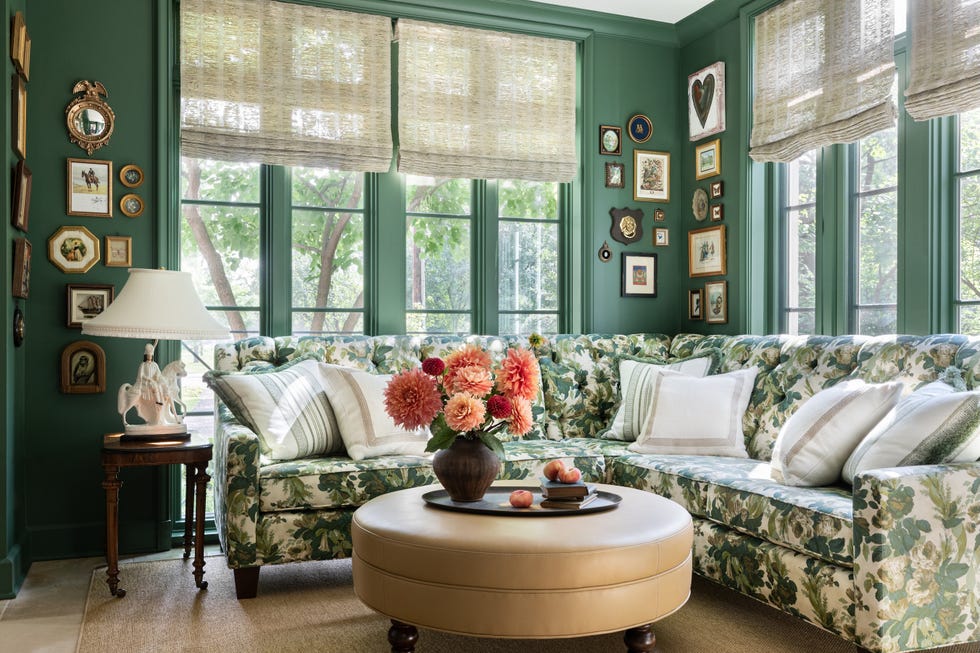
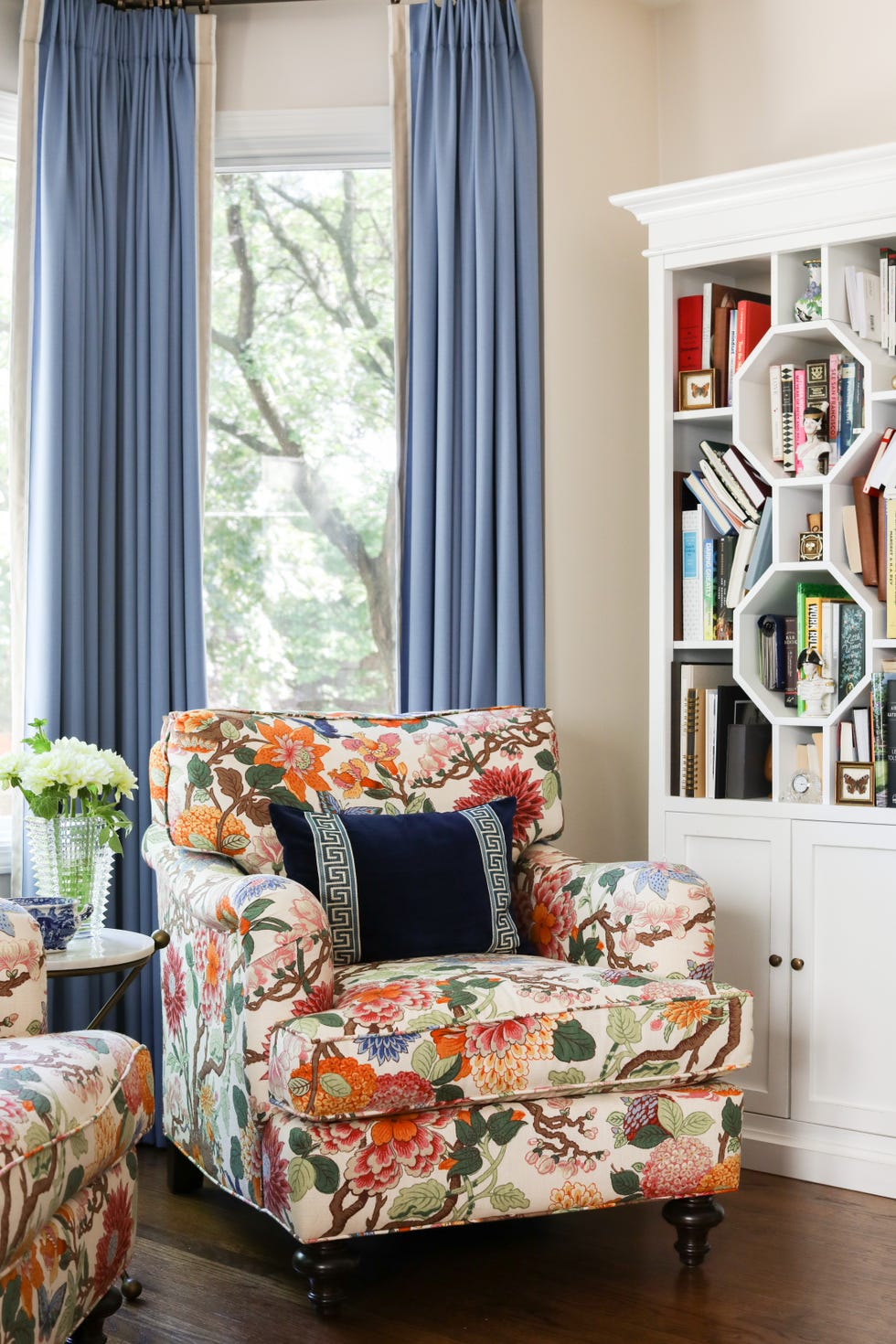
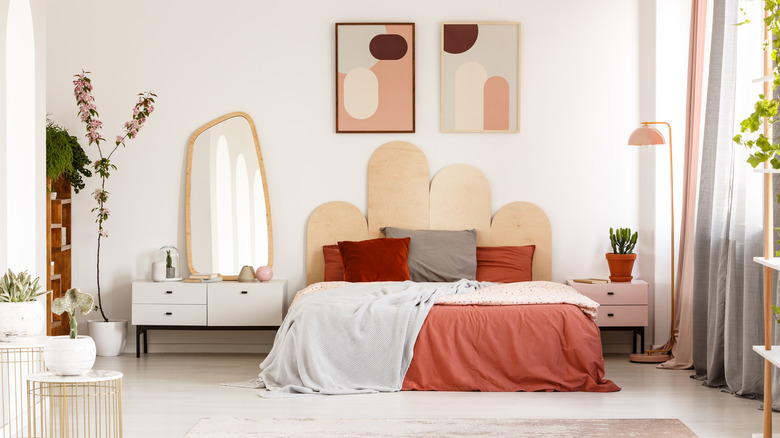
There is no universal consensus among designers regarding a full-fledged return of 90s interiors. Papachristidis suggests that current interior design is characterized by a mix-and-match approach, making it fluid and akin to fashion trends where various decades can be incorporated. Nix believes that while social media platforms like Instagram, TikTok, and Pinterest might give the impression of a full 90s revival, this doesn't necessarily translate into widespread real-life adoption. She posits that the present is heavily influenced by the 90s, but it's more of a reinvention of the decade's quiet luxury and minimalism rather than a direct replication.
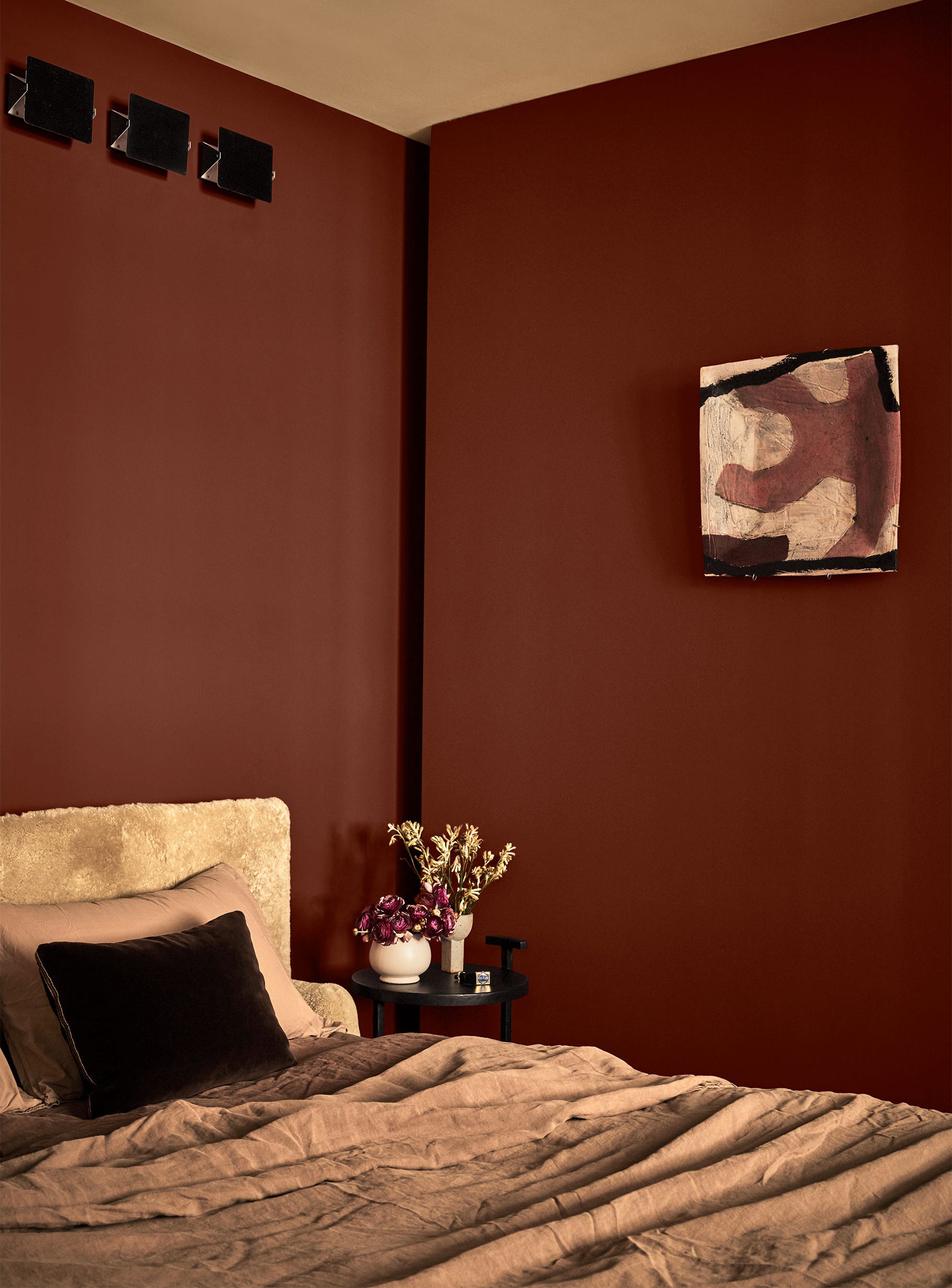
Nozawa concurs that 90s interiors are not entirely back. She notes that certain elements are reemerging, but the collective design community may not be ready for a complete return of features like dark granite or darker red woods. She draws a comparison with mid-century design, which saw a more comprehensive revival, suggesting that only select aspects of 90s home aesthetics are making a comeback. Ultimately, the article concludes that personal preference should guide design choices, encouraging individuals to embrace 90s elements in their homes if they genuinely appreciate the style, regardless of broader trends.
#InteriorDesign #90sAesthetics #HomeDecor #DesignTrends #VintageInteriors #DecoratingIdeas #DesignerAdvice #InteriorDesign #90sAesthetics #HomeDecor #DesignTrends #VintageInteriors #DecoratingIdeas #DesignerAdvice
0 comment in total
 No comments yet
You may also like
Interior Designers Say the 1990s Are Back—Here’s How to Capture the Look

Home decor in the 1990s – recreate a classic living room from then, updated for now
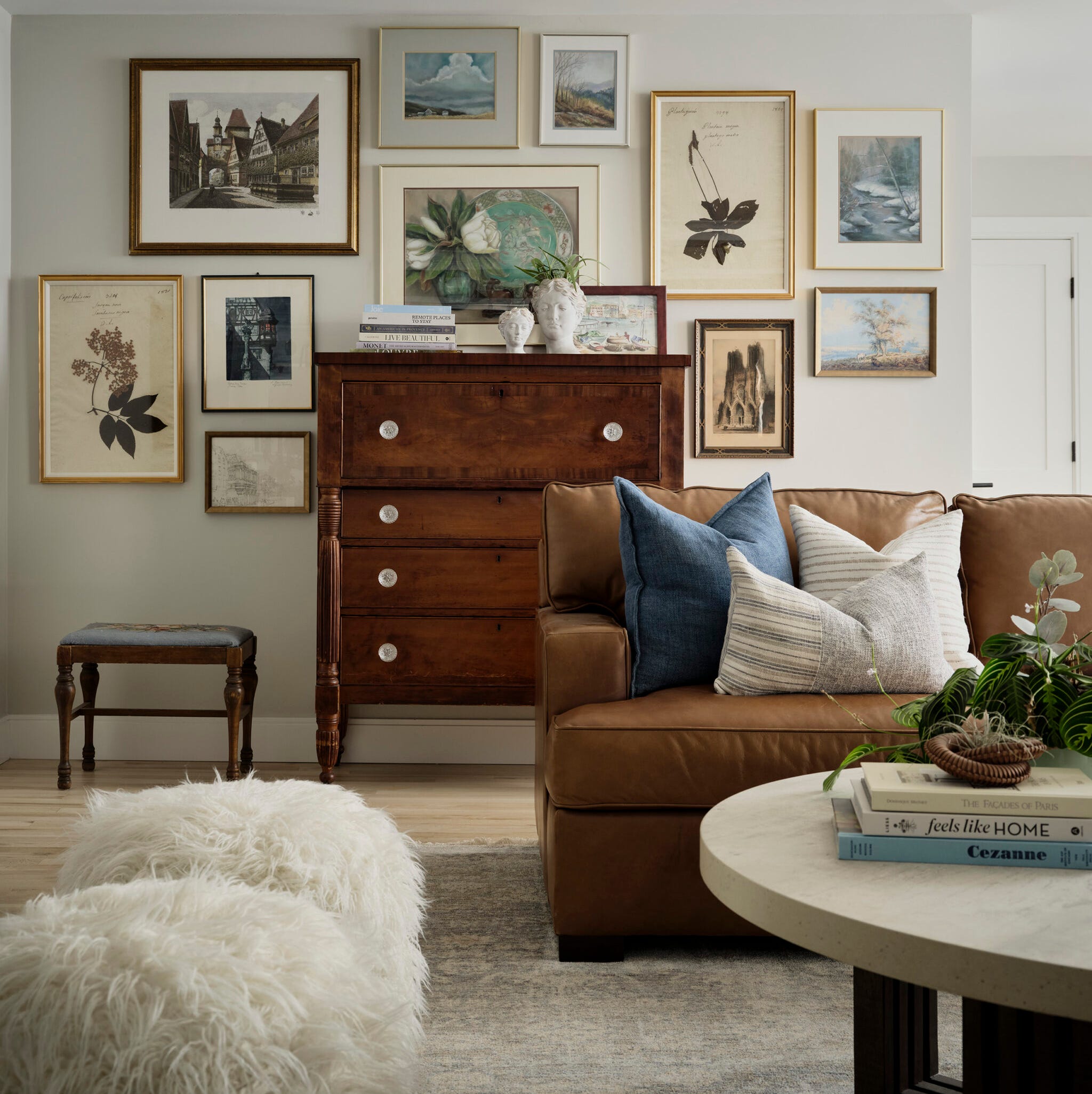
7 Retro Design Trends Making a Comeback, According to Interior Designers
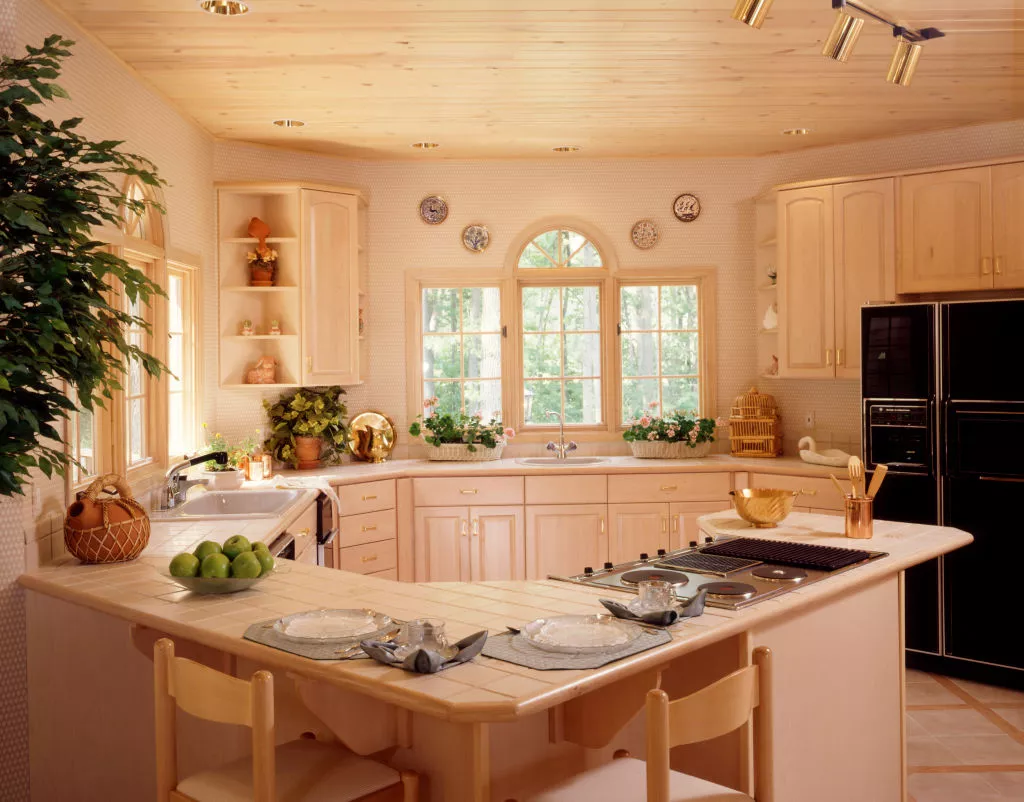
Wait, Are '90s Kitchens Back in Style? Why Designers Are Embracing Them Again

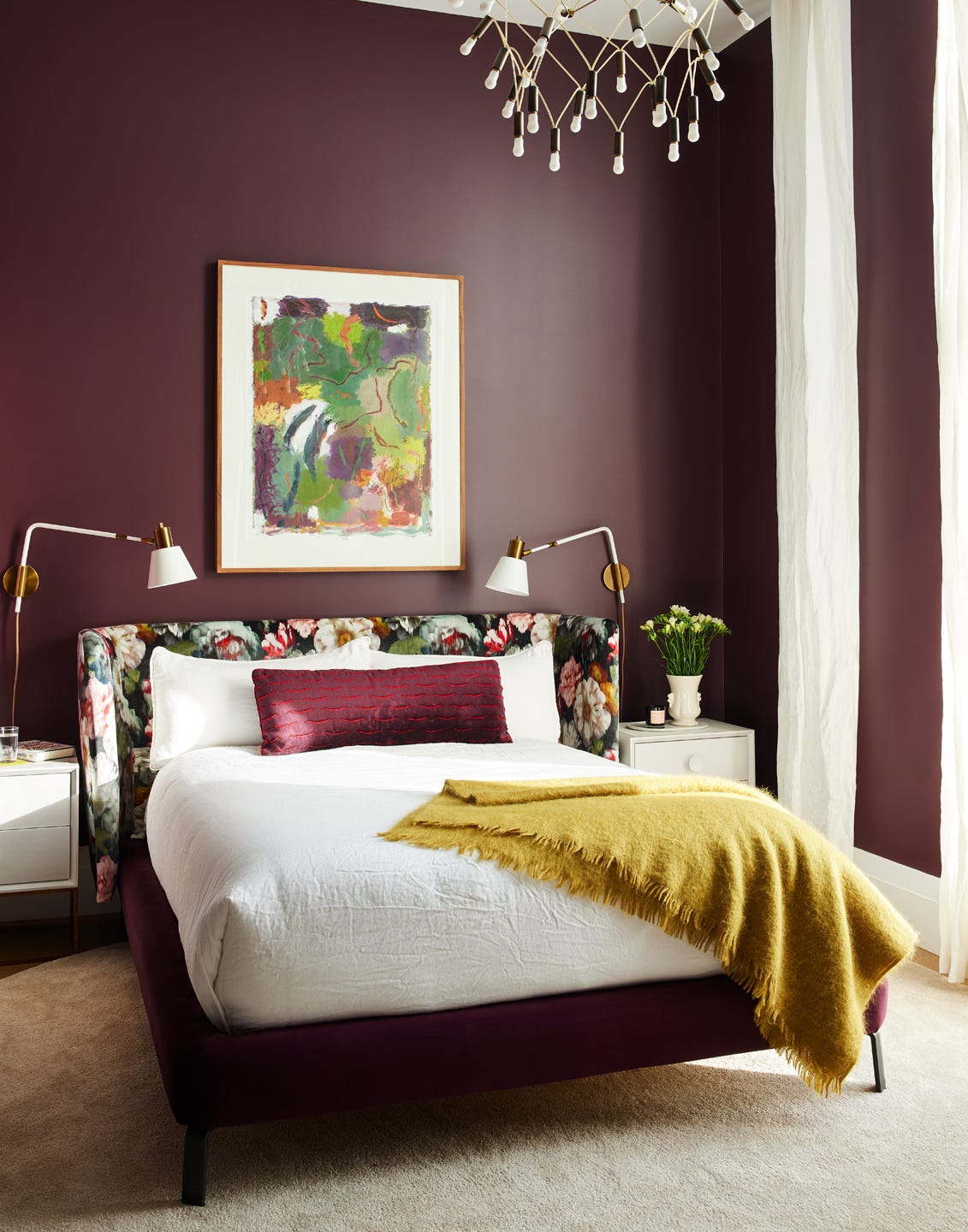
Are the '90s the Next Big Thing in Interior Design?

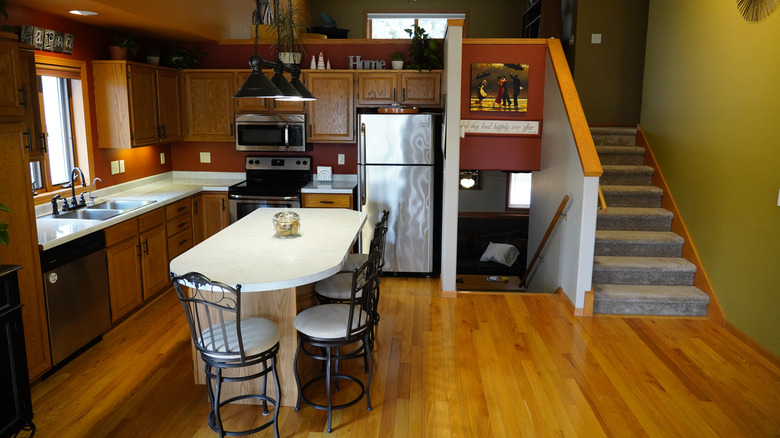
10 '90s Kitchen Design Trends We Think Need A Comeback

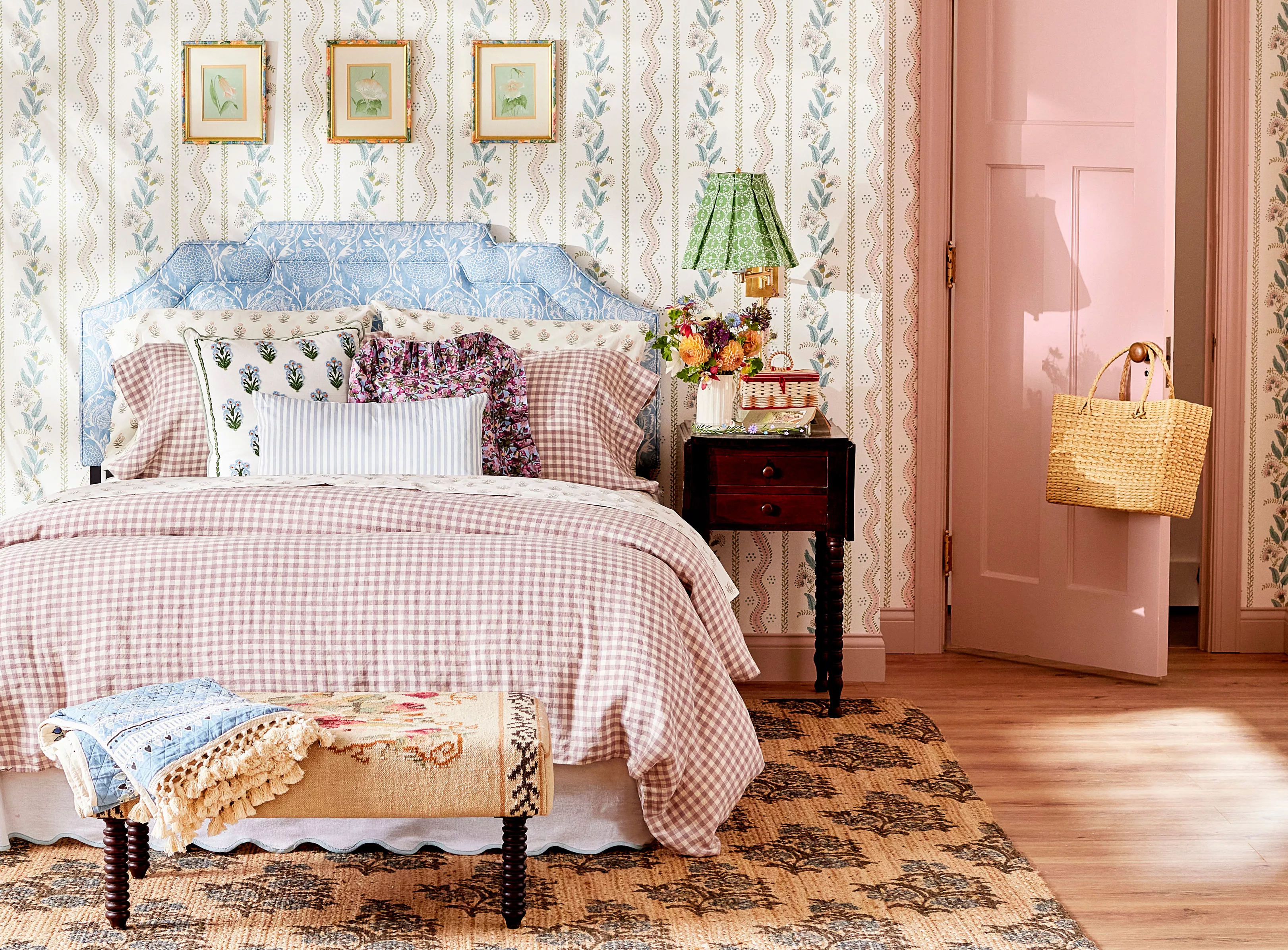
'90s Decorating Trends We're Still Obsessed With

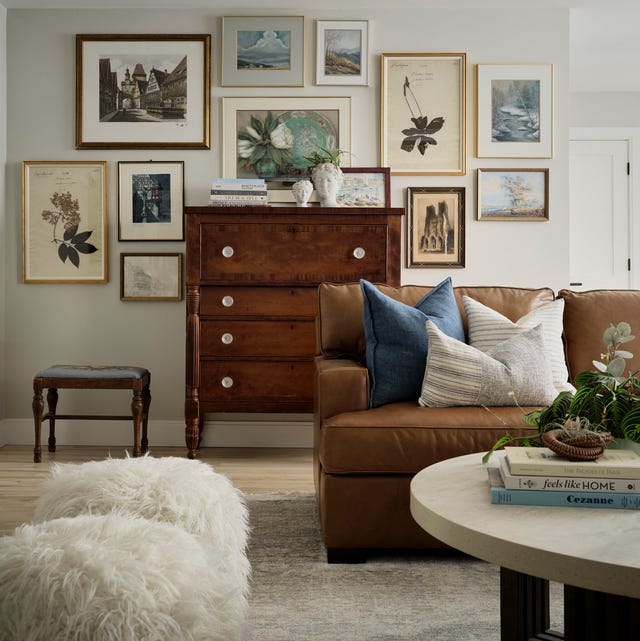
The #1 Retro Design Trend Designers Say is Making a Comeback

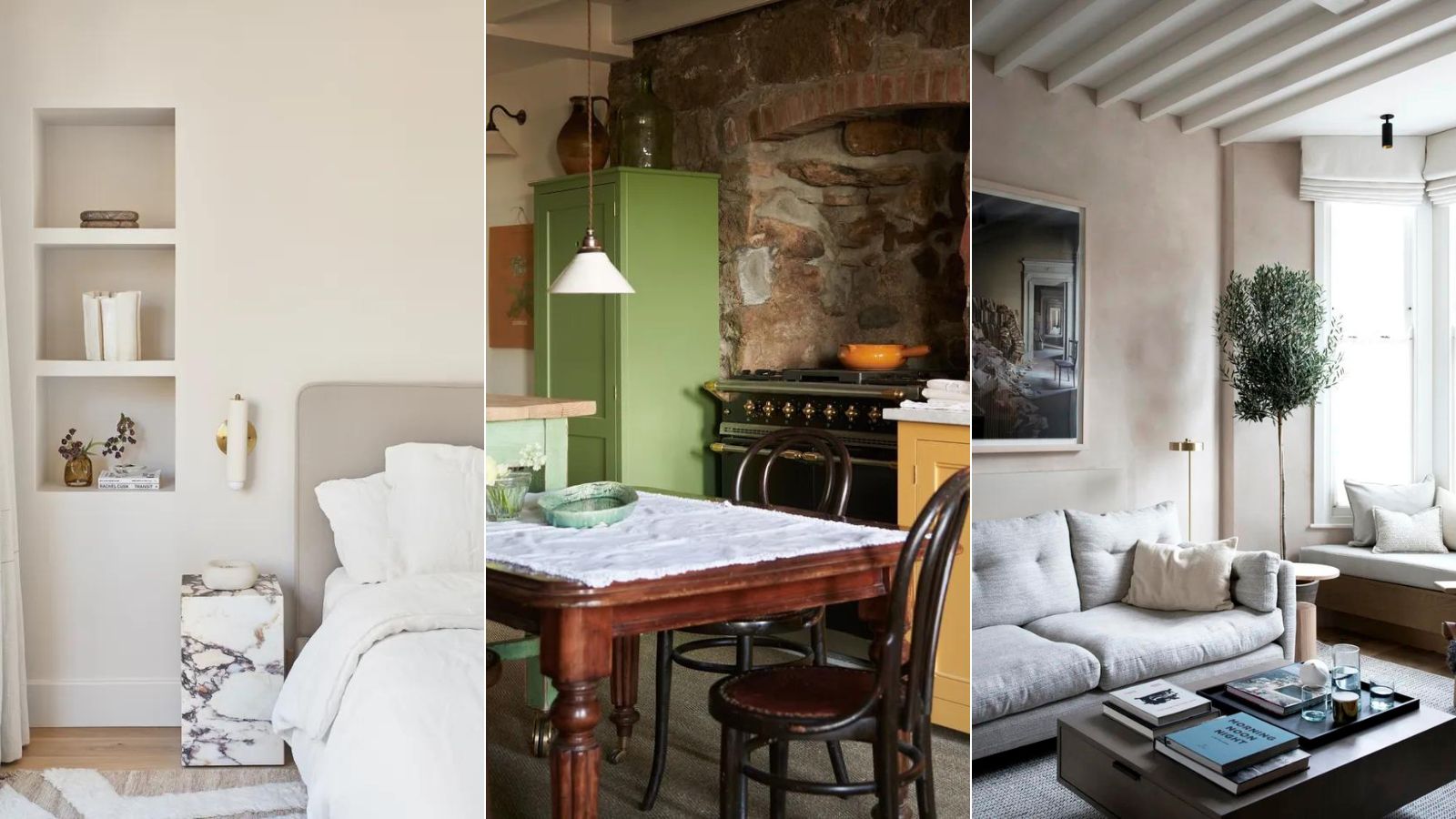
5 outdated '90s interior design trends that everyone will be decorating with again in 2024, and experts agree

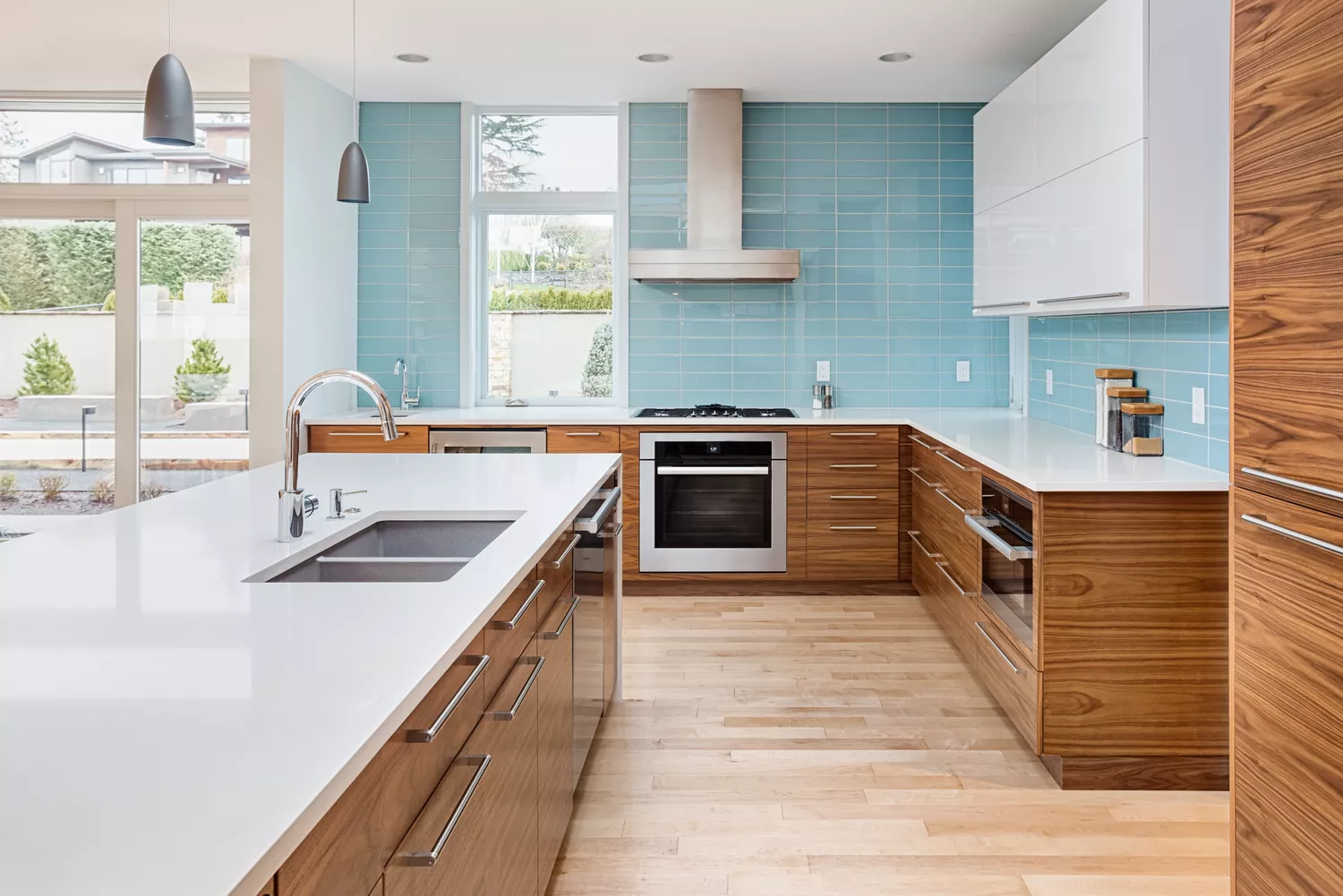
'90s Decor Trends Are So Back in Style—6 Trends to Try This Season

8 Bedroom Decor Icons From the ’90s That Are Cool Again
Cookie-Cutter No More: Reimagining Old Designs for a New Millennium

Like it or Not, 90s Décor Is Back and in Homes Everywhere, According to Interior Designers
Charming '90s Kitchen Color Schemes That Deserve A Comeback

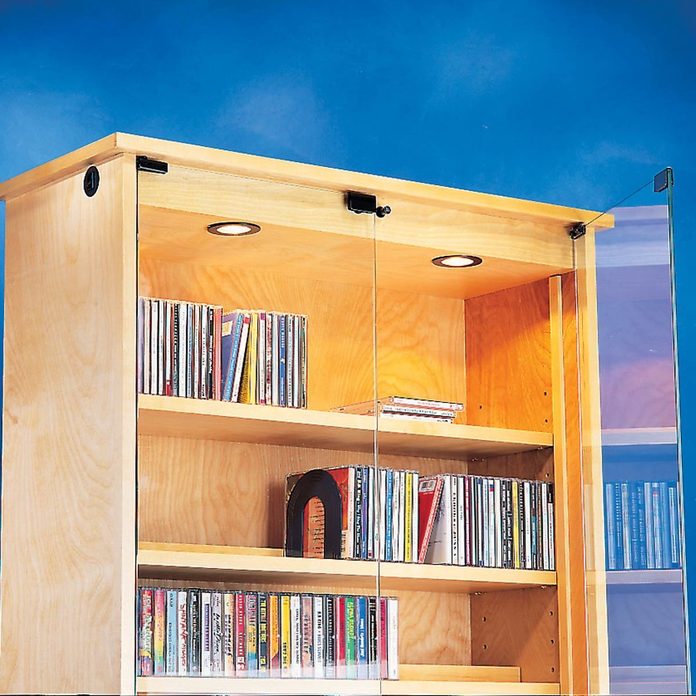
30 Home Trends Kids of the ’90s Remember

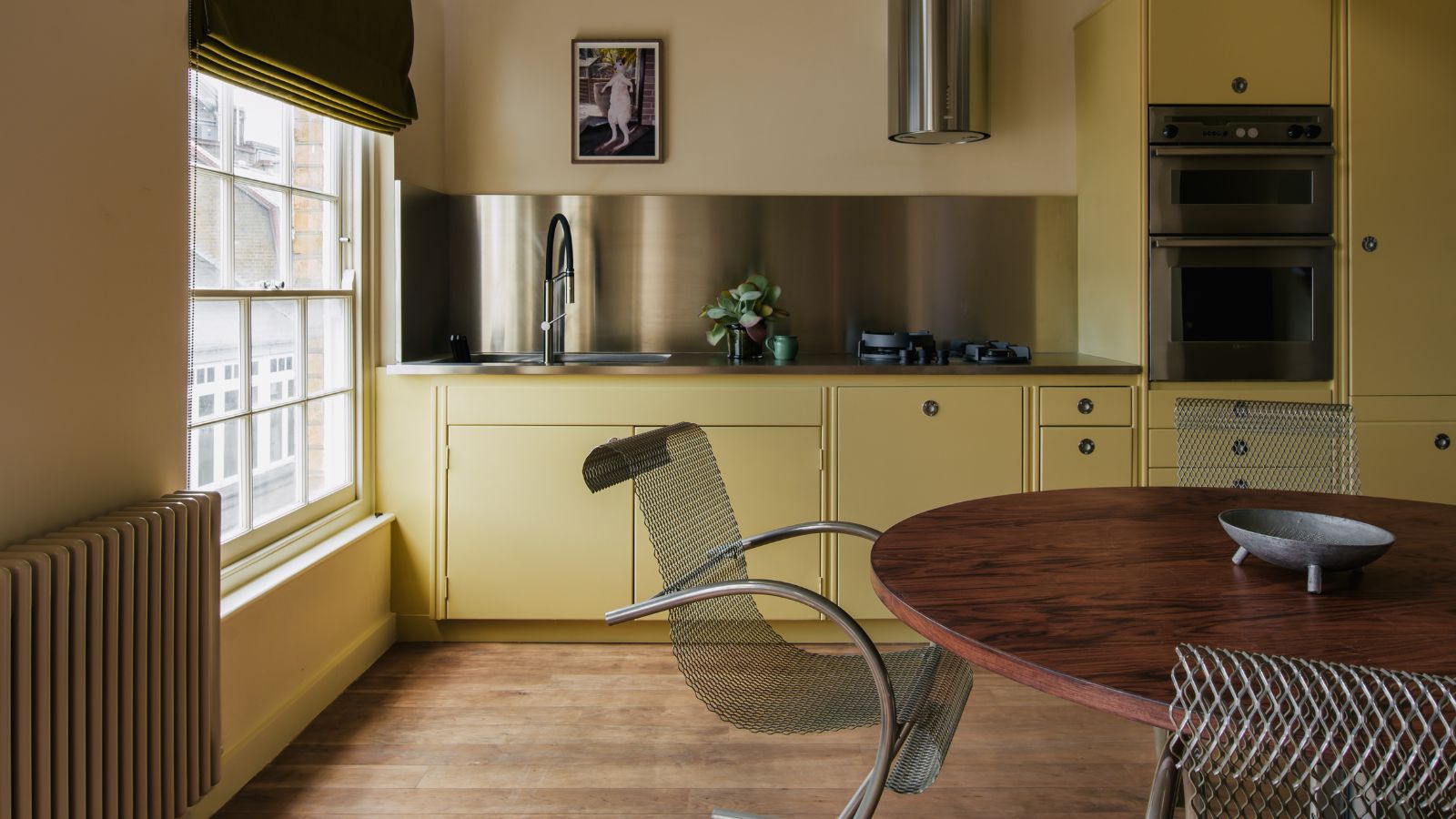
9 ideas to steal from the kitchens of the 1990s and how to make them actually look chic in 2025
Surprise: 1990s Design Trends Are Coming Back
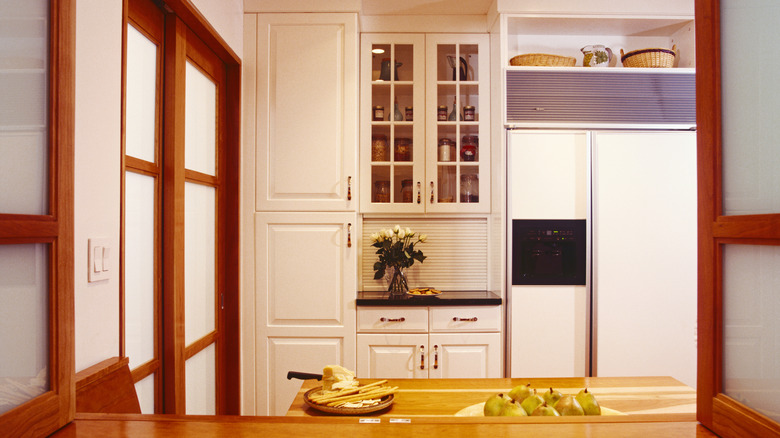
9 Kitchen Trends From The '90s That Are Making A Comeback

15 Colors To Decorate With For A '90s Aesthetic
20 Photos of 1990s Home Décor to Overwhelm You With Nostalgia