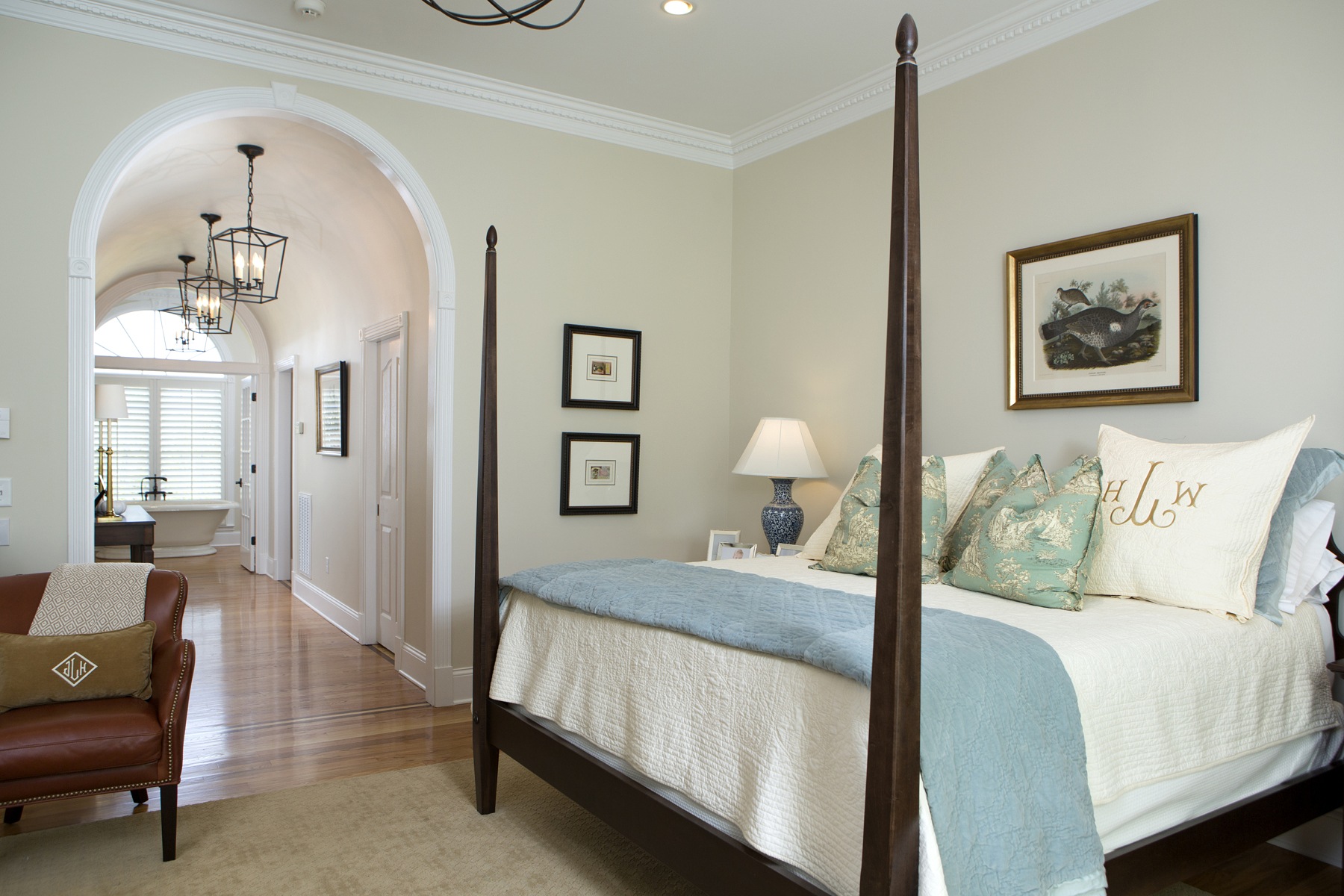
1/11
Cookie-Cutter No More: Reimagining Old Designs for a New Millennium
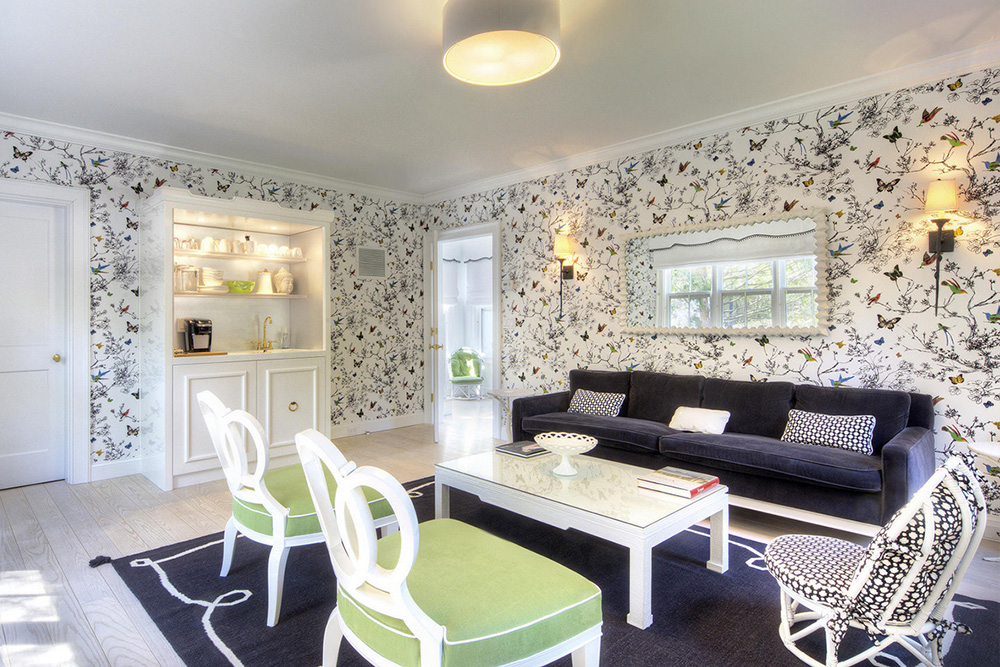
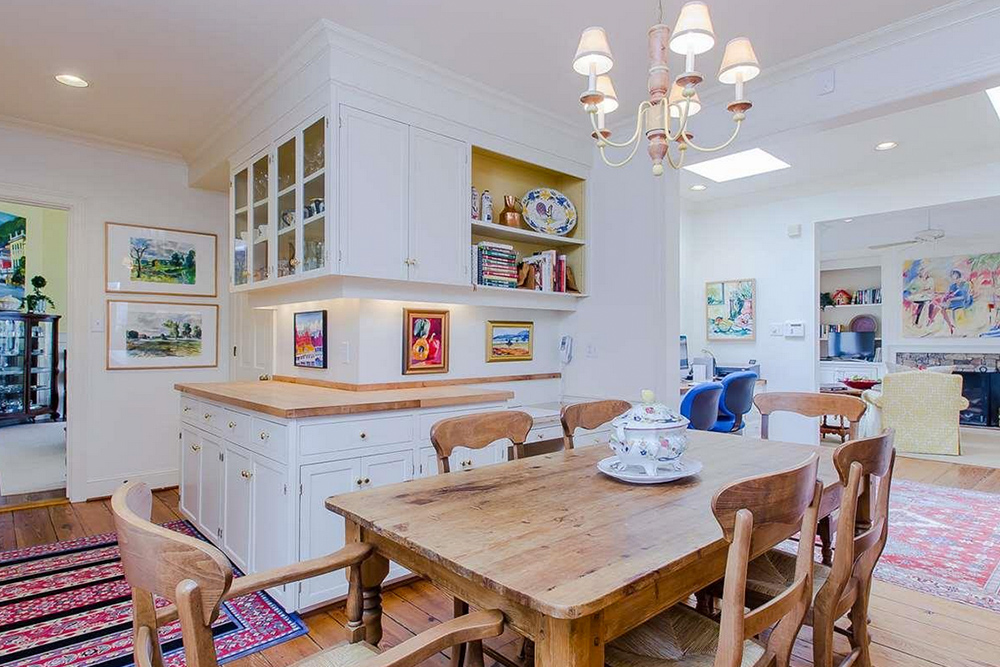
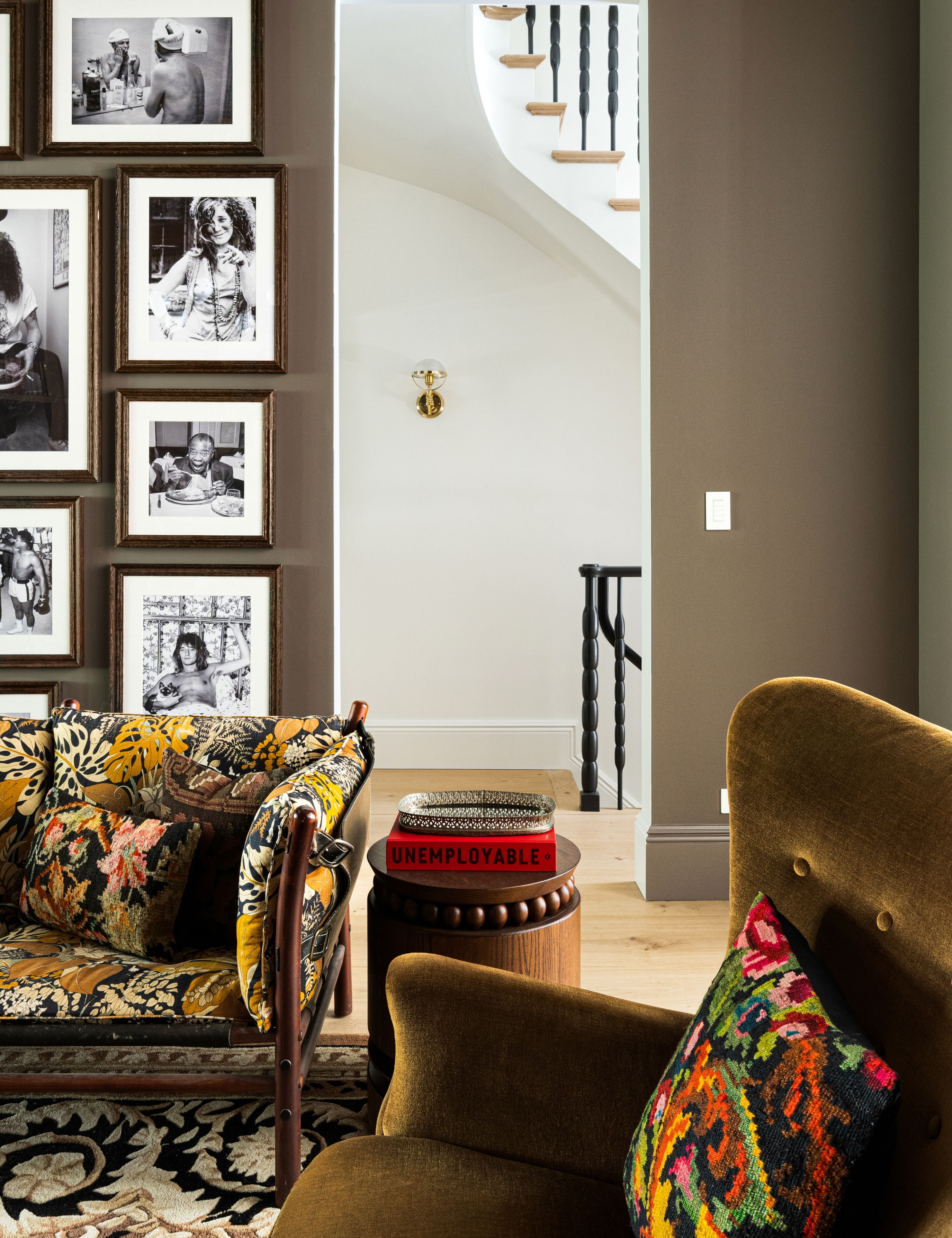
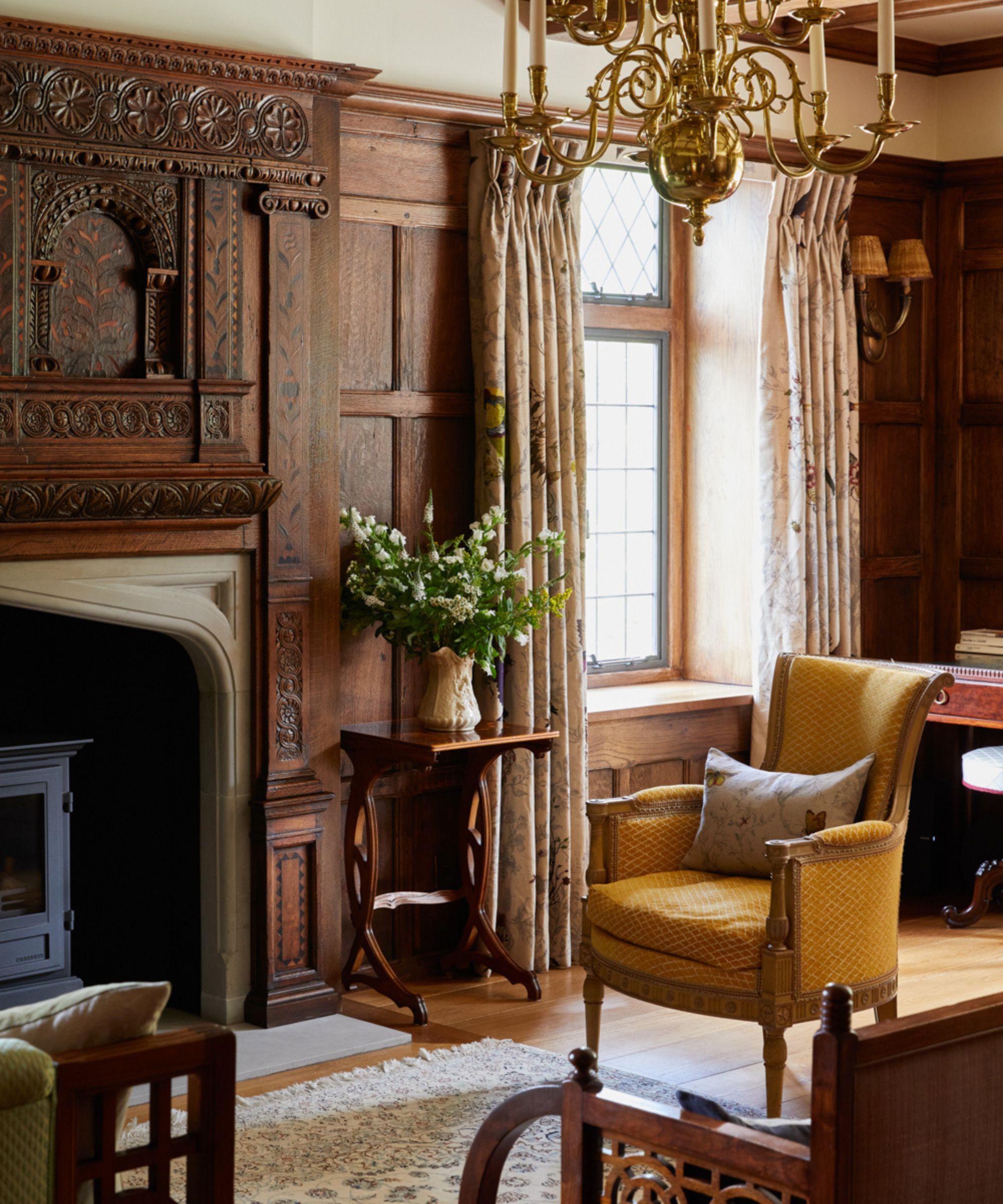
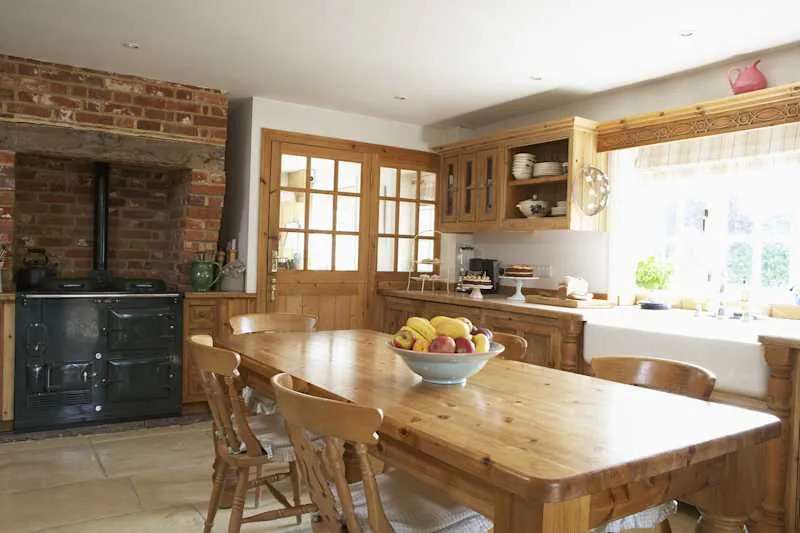
The article addresses the challenge of updating homes built in the 1980s and 1990s, often characterized by a "cookie-cutter" style, to meet contemporary design preferences. Ridley Wills, founder of The Wills Company, a Nashville design/build firm, observes that many houses constructed even into the early 2000s reflect the design trends of the late '80s and '90s, which prioritized square footage over advanced design. These homes typically feature brown, thick finishes, prominent rooflines, and an abundance of architectural elements, such as tray ceilings, wainscoting, and wall-to-wall carpeting.
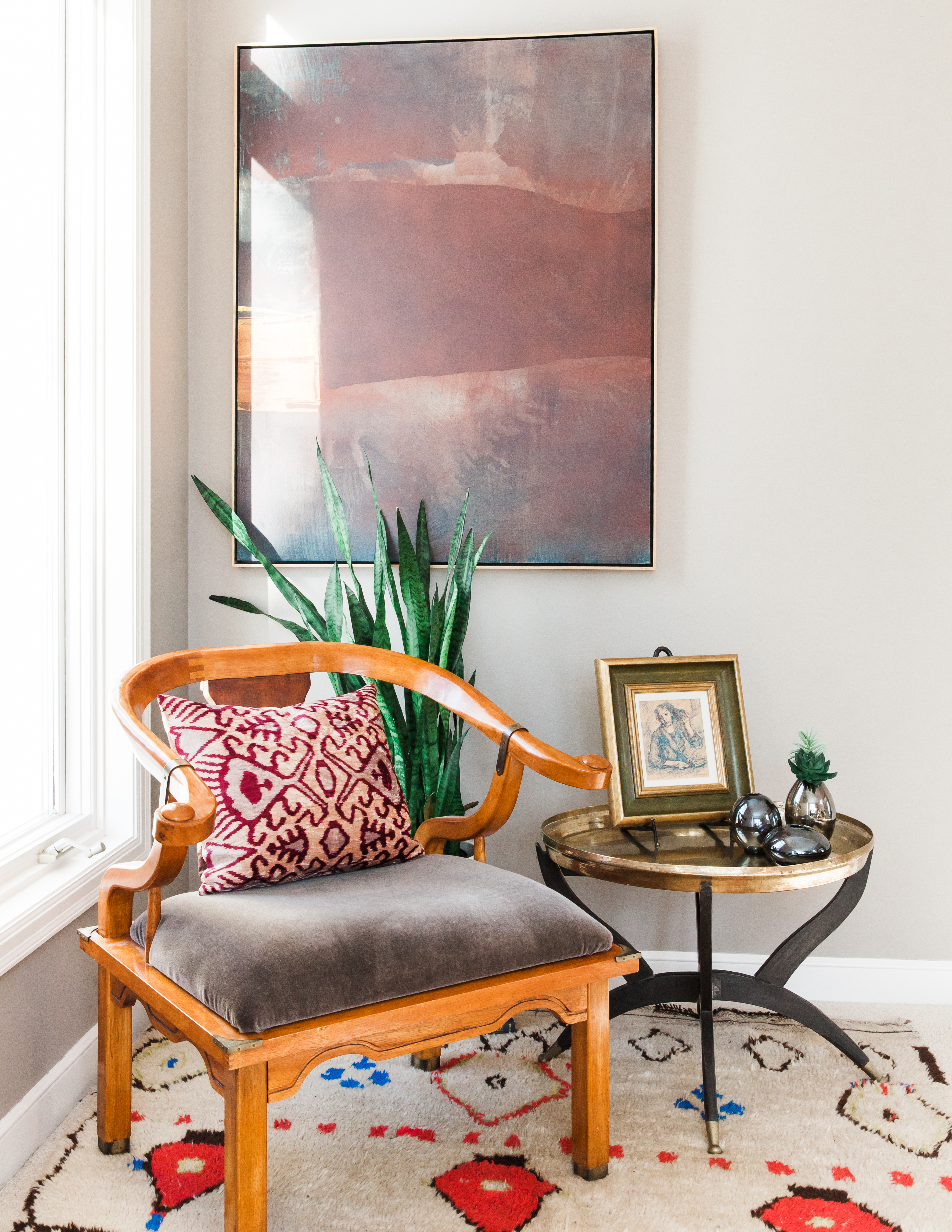
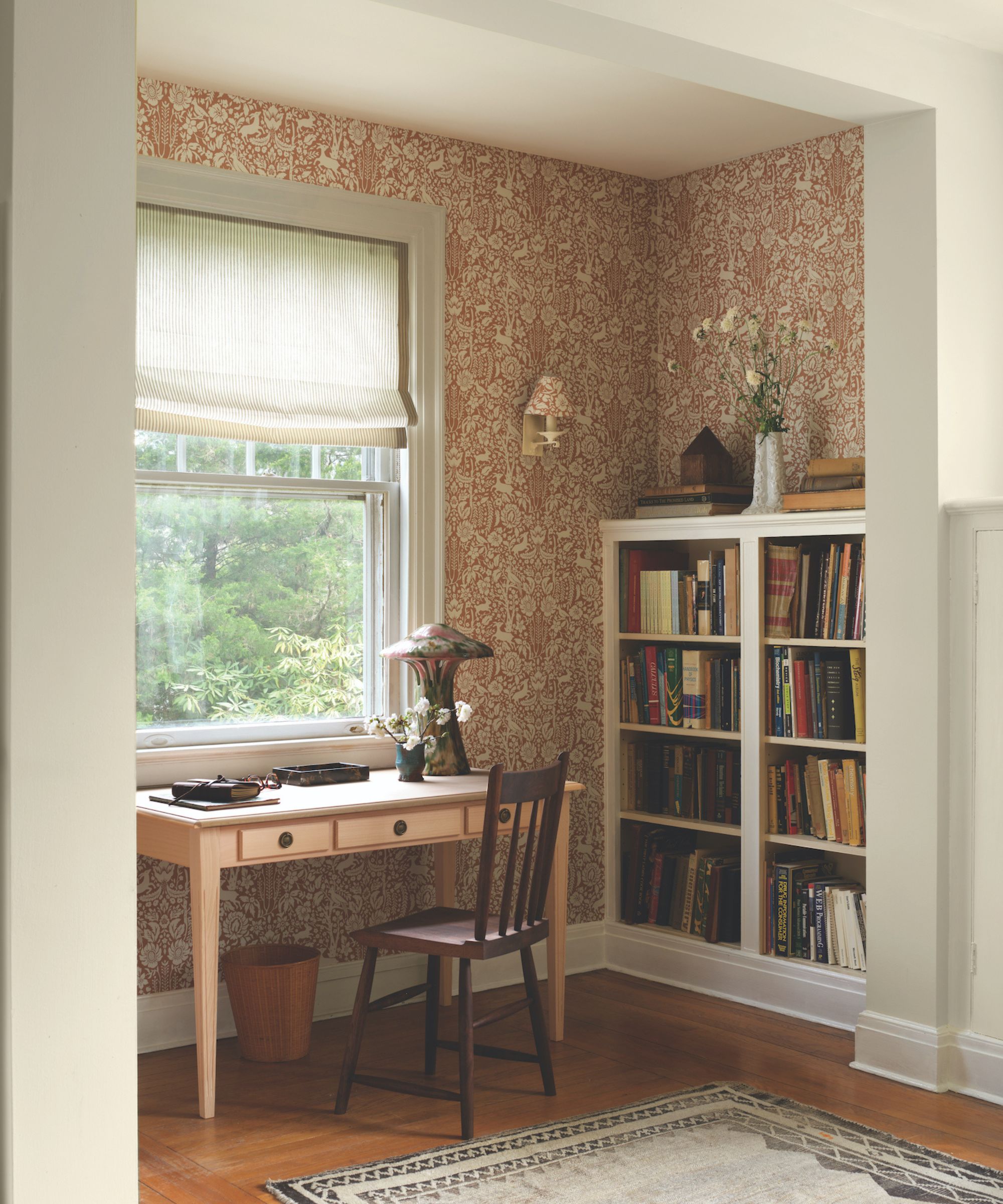
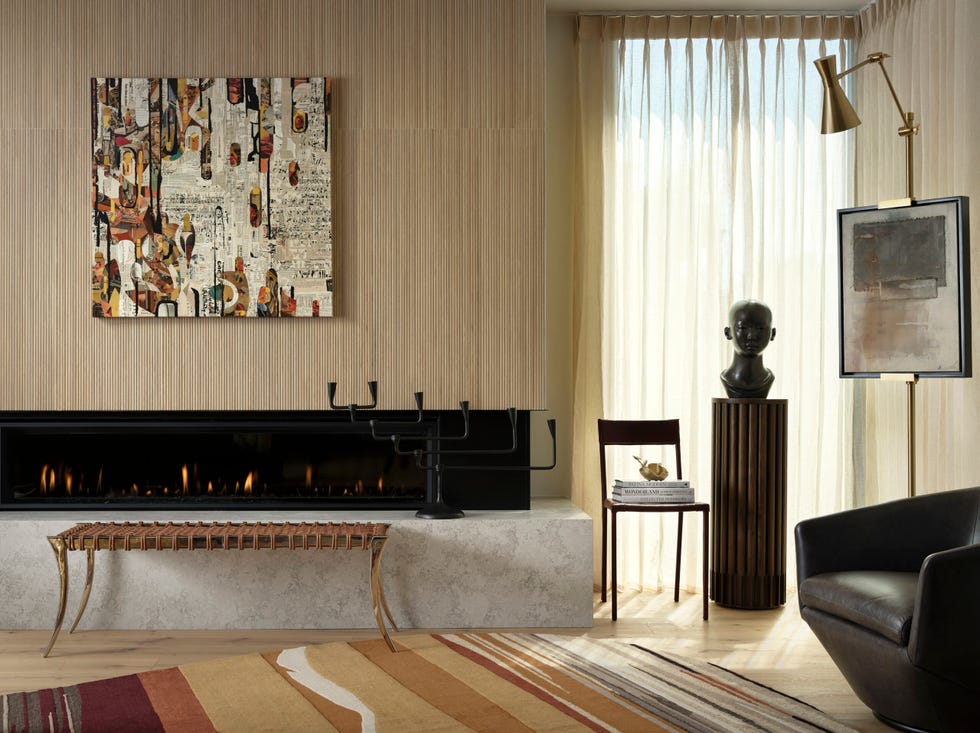
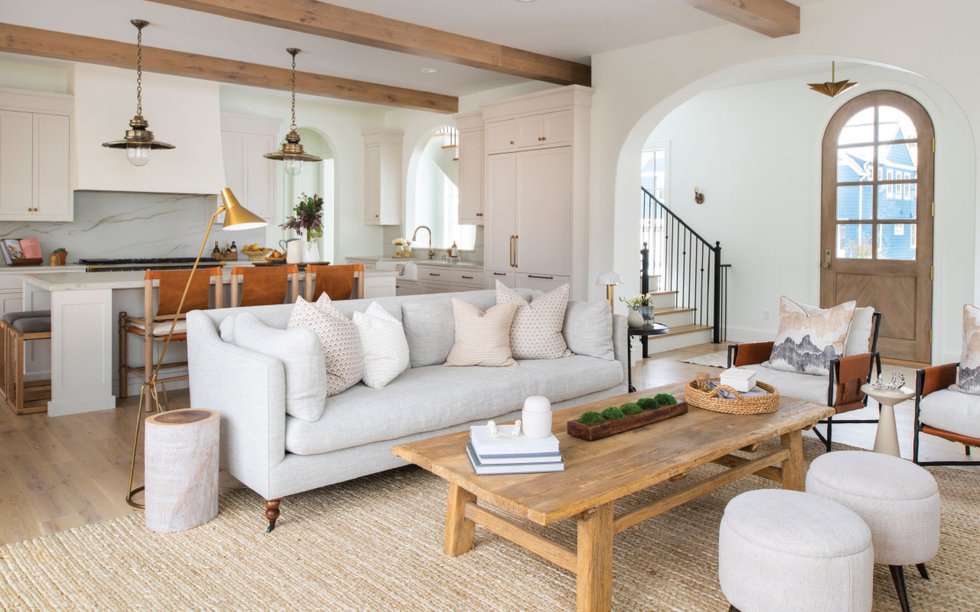
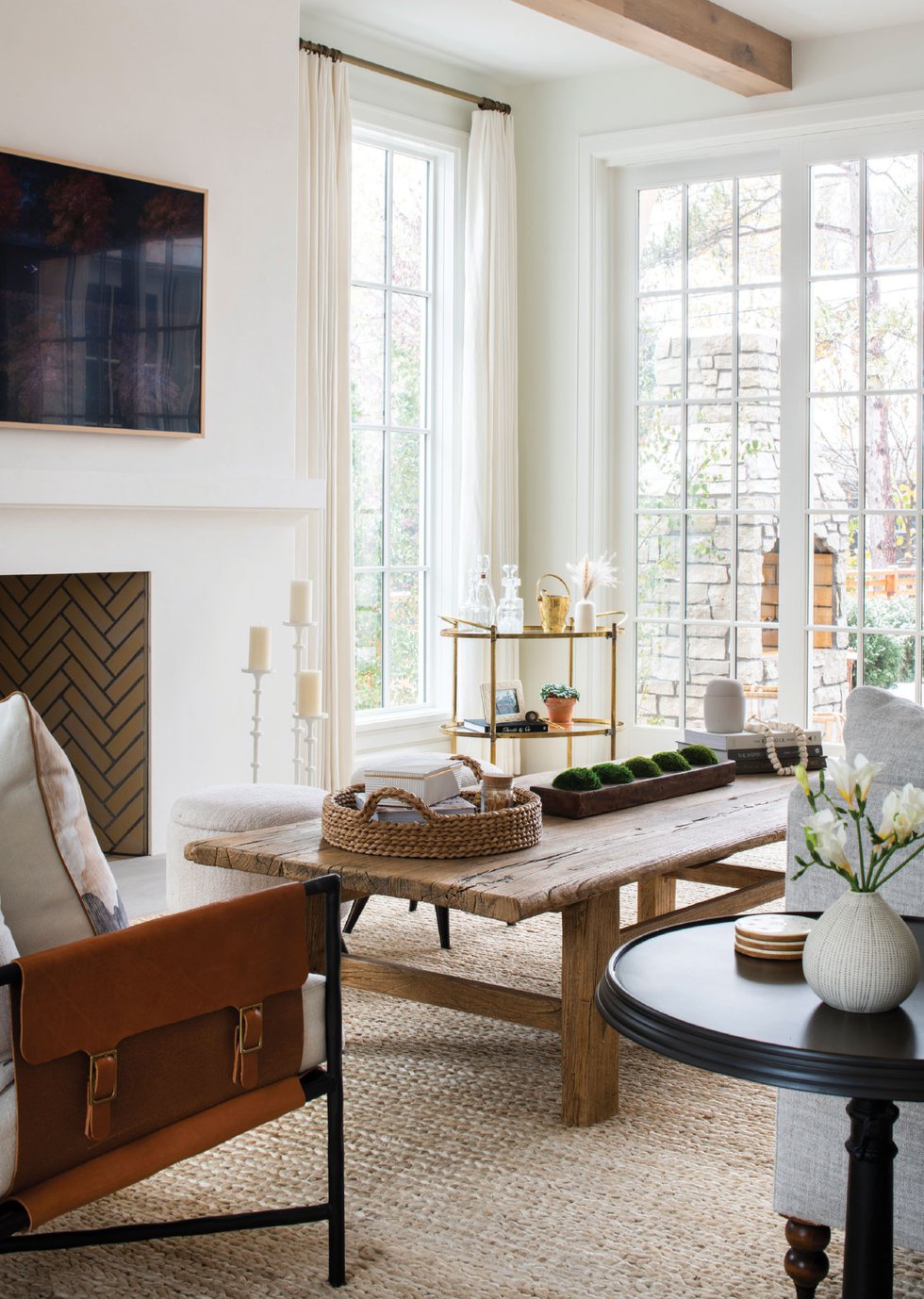
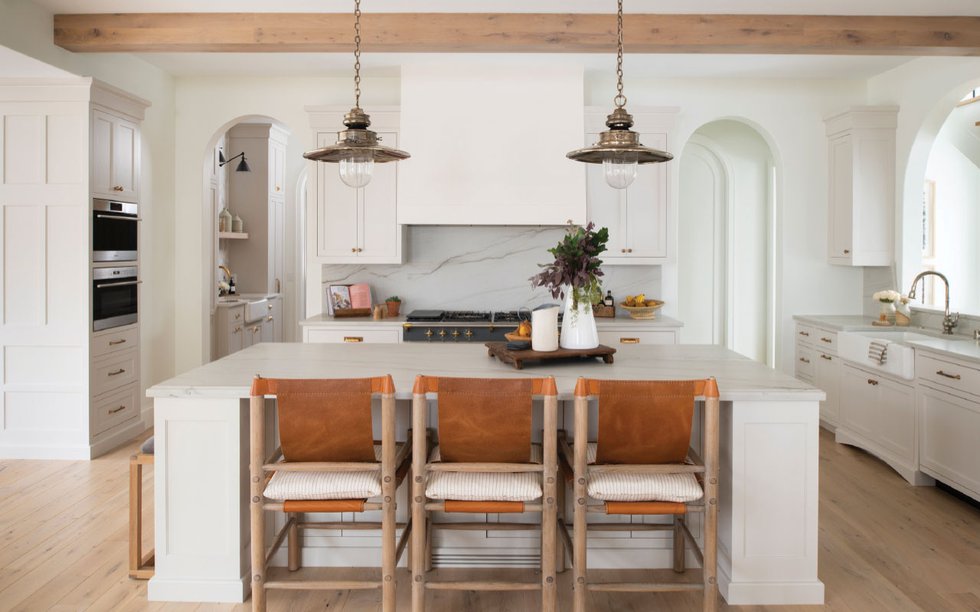
The current design movement emphasizes smart design, focusing on maximizing the potential of existing space and infusing homes with unique personality, rather than adhering to uniform styles. The Wills Company views these older homes as opportunities for renovation, with increasing client demand for transforming outdated 1990s aesthetics into modern spaces. A key goal in these renovations is to open up spaces, minimize excessive adornment, and lighten finishes to create a contemporary feel. This involves simplifying cluttered designs and creating consistency throughout the house.
Ridley highlights that certain features of 1990s homes, such as built-in TV niches, are definitively outmoded. While some elements like tray ceilings and built-in bookcases may eventually cycle back into style, the current trend avoids an overload of architectural detail. Instead, modern design concentrates drama into specific features or rooms, allowing those elements to make a more significant impact by contrast with simpler surrounding spaces. This approach ensures that dramatic features retain their specialness, unlike the all-encompassing vaulted or tray ceilings prevalent in older designs.
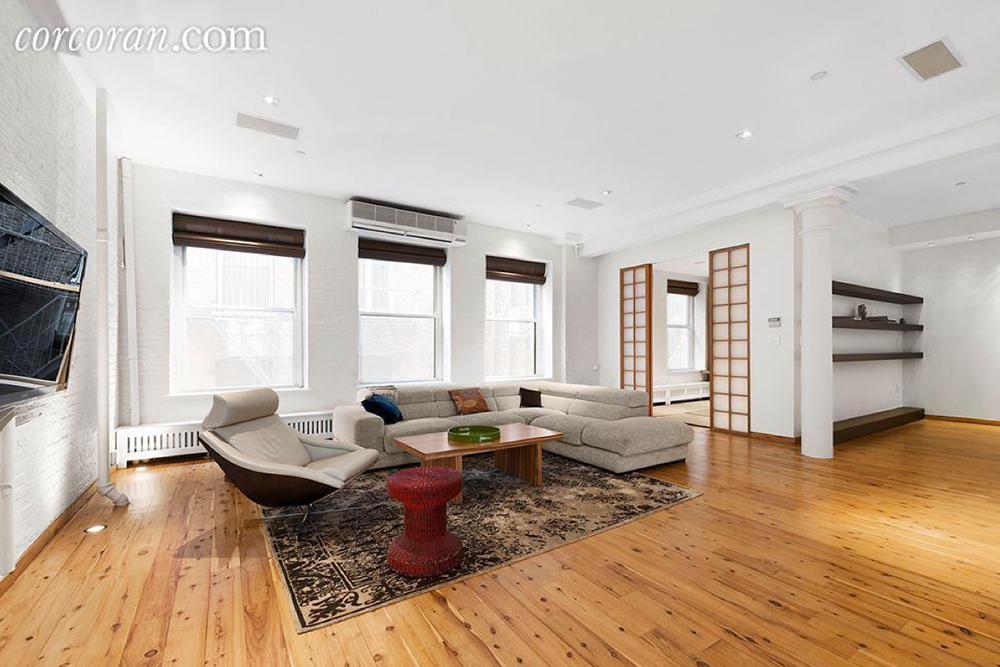
Openness is a defining characteristic of modern home design. Homeowners often seek to remove walls to create more expansive, airy interiors. However, Wills advises that renovations should respect the inherent structure and style of the house, avoiding attempts to force a "New York loft" aesthetic where it doesn't naturally fit. Simplifying the space by removing unnecessary "fussiness" can achieve a more open feel. Another effective strategy for enhancing openness is to modify entry points. For instance, raising the height of doors in rooms with high ceilings can dramatically alter the perception of space. Similarly, adjusting bathroom countertop heights to align with modern standards can make a substantial difference.
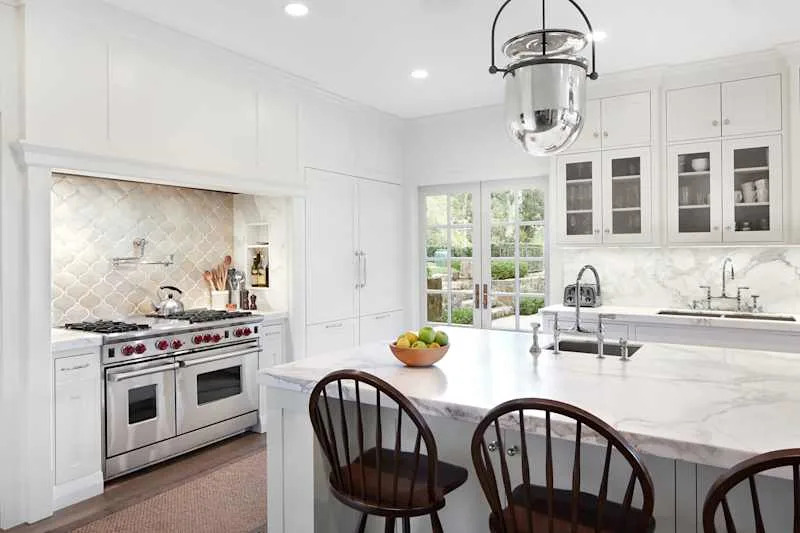
Flooring transformations, such as replacing carpeting with hardwood, painting wood-toned trim in neutral colors, and updating light fixtures and hardware, are identified as impactful yet relatively straightforward updates. The shift from the jewel tones of the 1990s and Tuscan palettes of the 2000s to cool neutrals like white, cream, and gray for paint also plays a significant role in modernizing a home's interior. Ridley attributes the "more is more" philosophy of the 1980s and 1990s to popular culture, suggesting that while nostalgic, it doesn't align with contemporary tastes for cleaner, more minimalist designs.
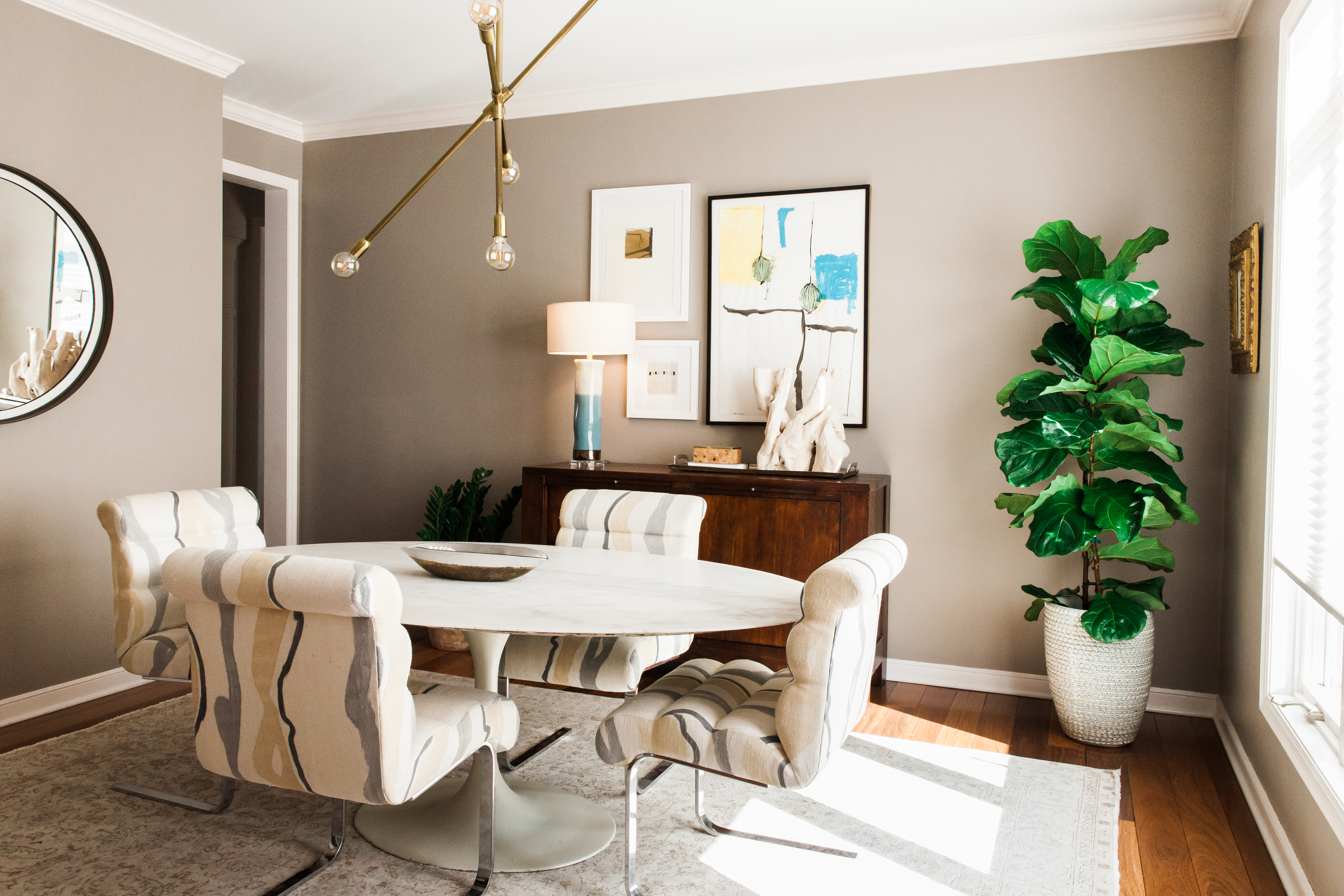
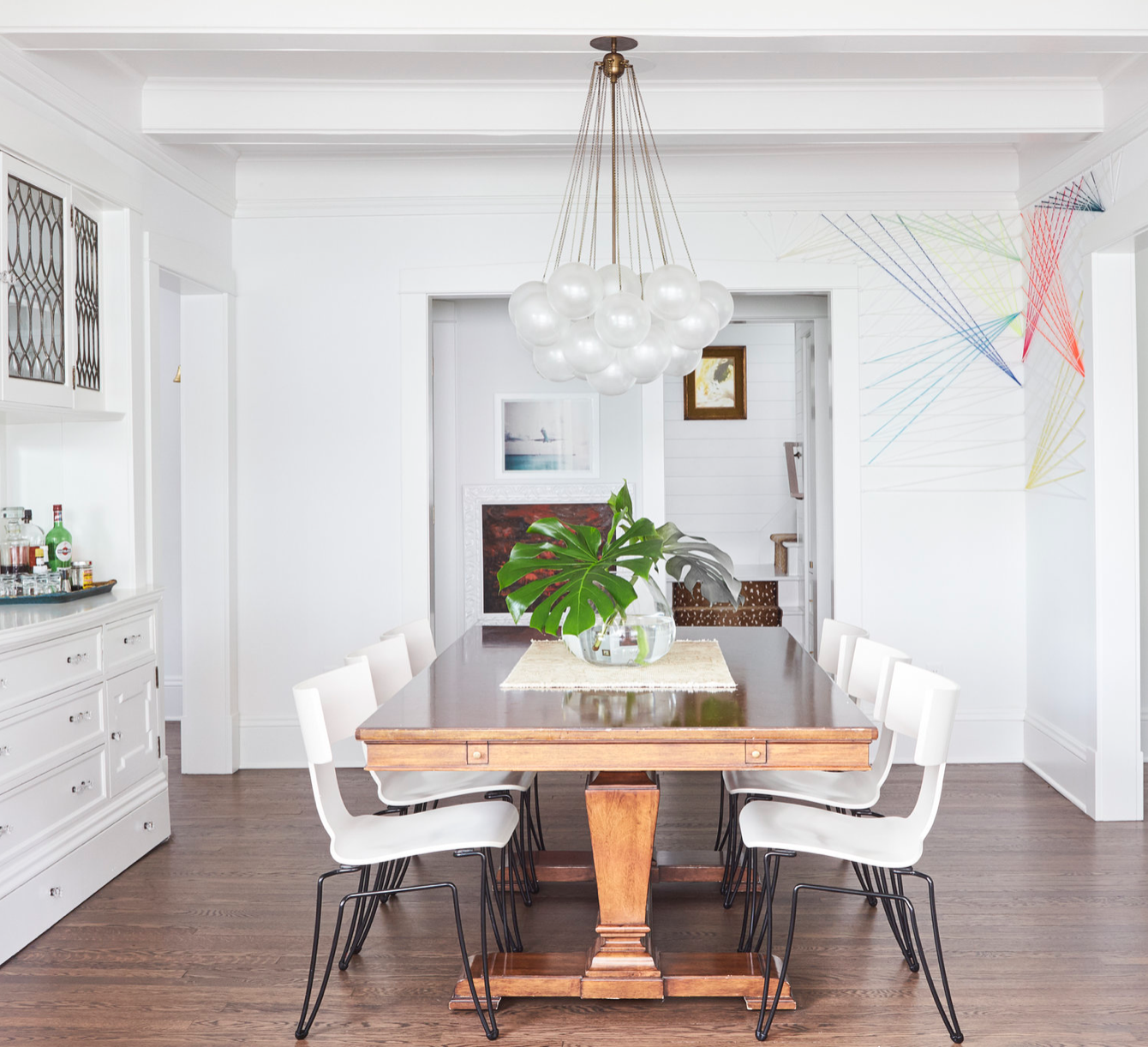
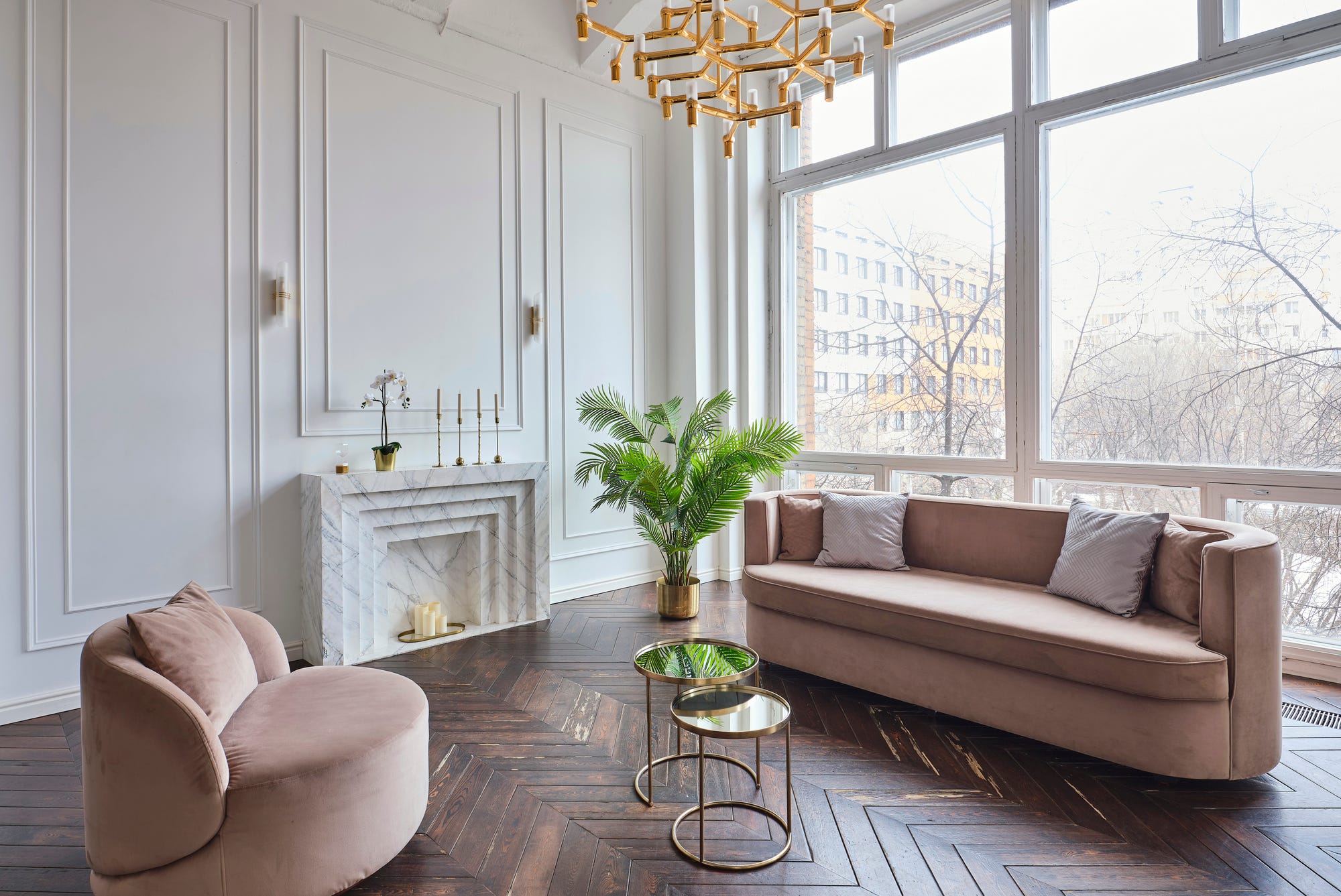
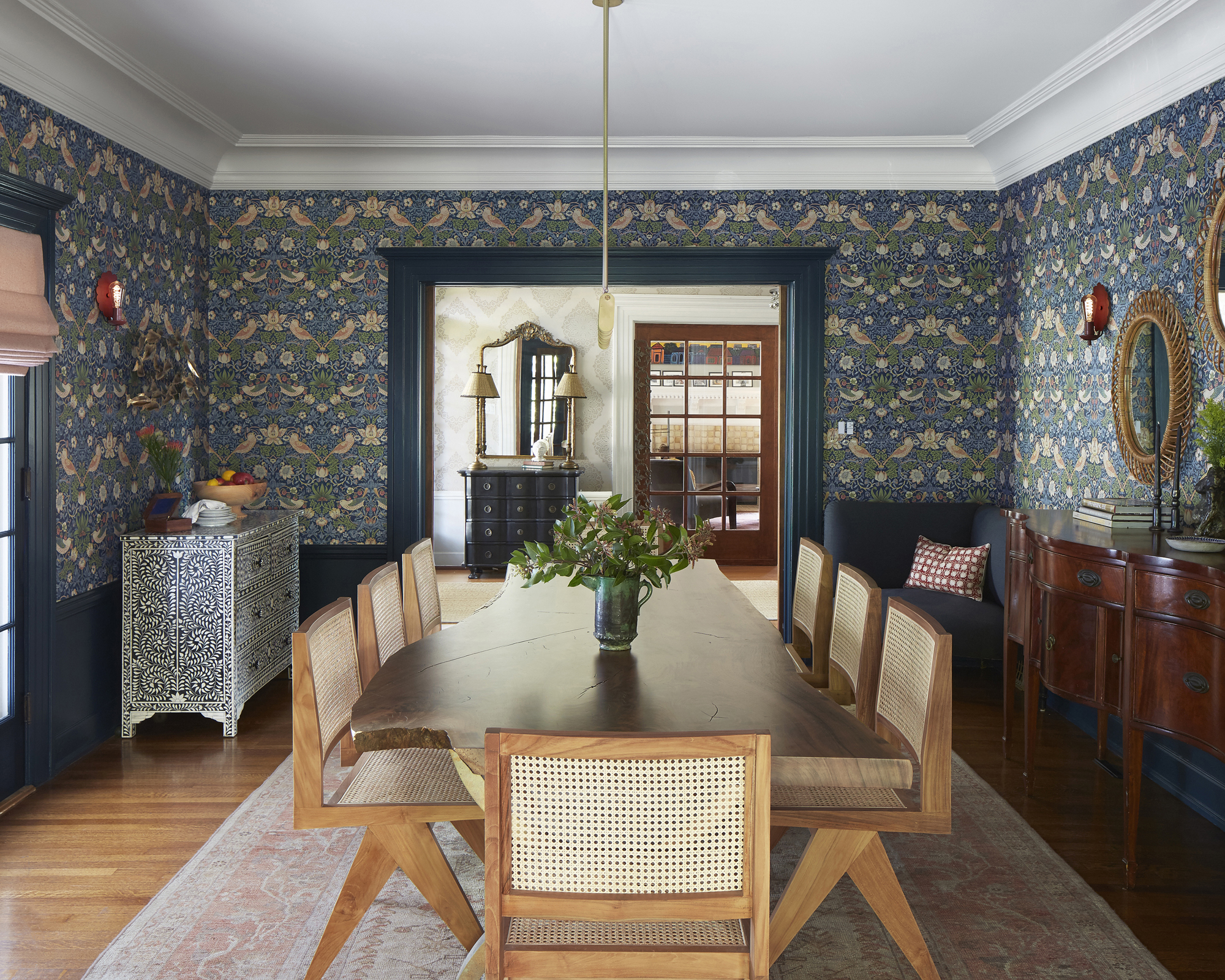
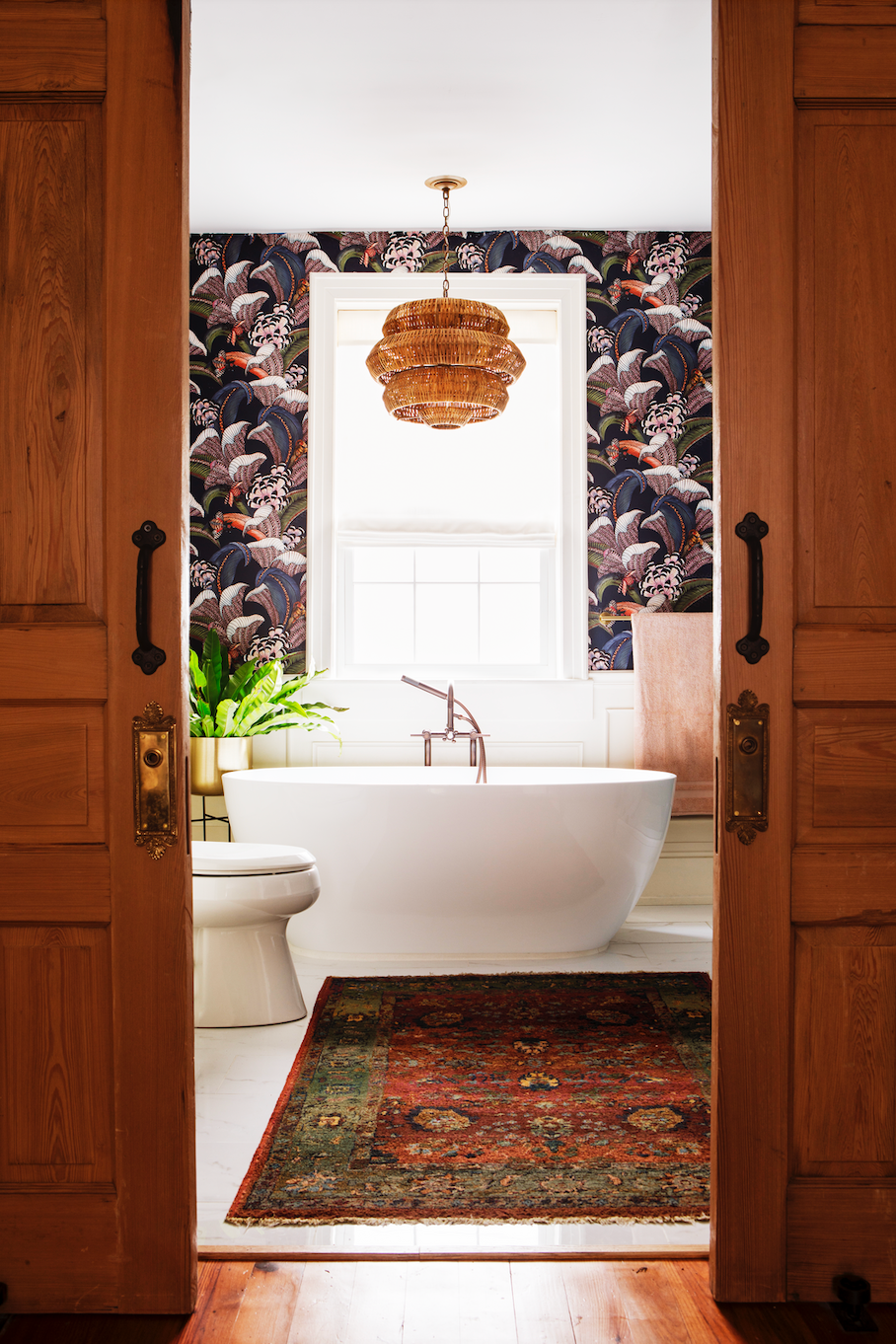
Even if a home's exterior retains its original 1990s character, its interior can be transformed into a clean-lined, relaxing modern retreat through strategic interior design. This may involve repurposing rooms, as exemplified by converting an overly dramatic living room into a grand dining room when the original layout posed furniture arrangement challenges. The overarching advice is to leverage the home's existing cues, apply personal style, and consider how the space can best support modern living by simplifying and focusing on essentials. The Wills Company's philosophy centers on working with the inherent qualities of a house to achieve a contemporary and functional design.
#HomeRenovation #InteriorDesignTrends #90sHomeDesign #ModernHome #DesignBuildFirm #OpenConcept #HomeTransformation #ResidentialDesign #NashvilleDesign #HomeRenovation #InteriorDesignTrends #90sHomeDesign #ModernHome #DesignBuildFirm #OpenConcept #HomeTransformation #ResidentialDesign #NashvilleDesign
0 comment in total
 No comments yet
You may also like
Surprise: 1990s Design Trends Are Coming Back
It’s Time to Say Goodbye to These Outdated Design Trends in 2024
“Design Feeling” and Neo-Transitional Objects - COOL HUNTING®

Restoring the Past, Building the Future

Design Trends: Retro Revival

These Modern American Design Icons Pay Homage to the Old—and Make It New

This Is Not Your Grandma’s Country Decor: Today's Rustic Style Puts a Modern Twist on a Design Staple

Is the checkerboard trend over? The designers re-inventing this classic pattern don't think so

Design gets personal: rethinking how we cook, clean, and connect

Designers Have Spoken: This Vintage Trend Is Never Coming Back

The #1 Retro Design Trend Designers Say is Making a Comeback

Home & Design | History in the Making

Goodbye, Cookie-Cutter Kitchen Cabinets: The Traditional Trend That's Back In 2026

This Designer’s Take on a Once-Dated Trend Proves…
This Is the Old-World Interior Design Trend Taking Over Kitchens Again

Art Nouveau
Skip the cookie-cutter cabinets and add pops of personality with these designer ideas

Arts and Crafts decor is making a comeback for 2025 – here's how designers are reimagining this iconic vintage style

Designers Are Moving On from Modern Farmhouse—Here’s the Style Taking Over
The Decorating Trend We Hope Never Comes Back