1/11
Sanded vs. unsanded grout – the differences, pros, cons, and how to choose the best fit for your DIY project
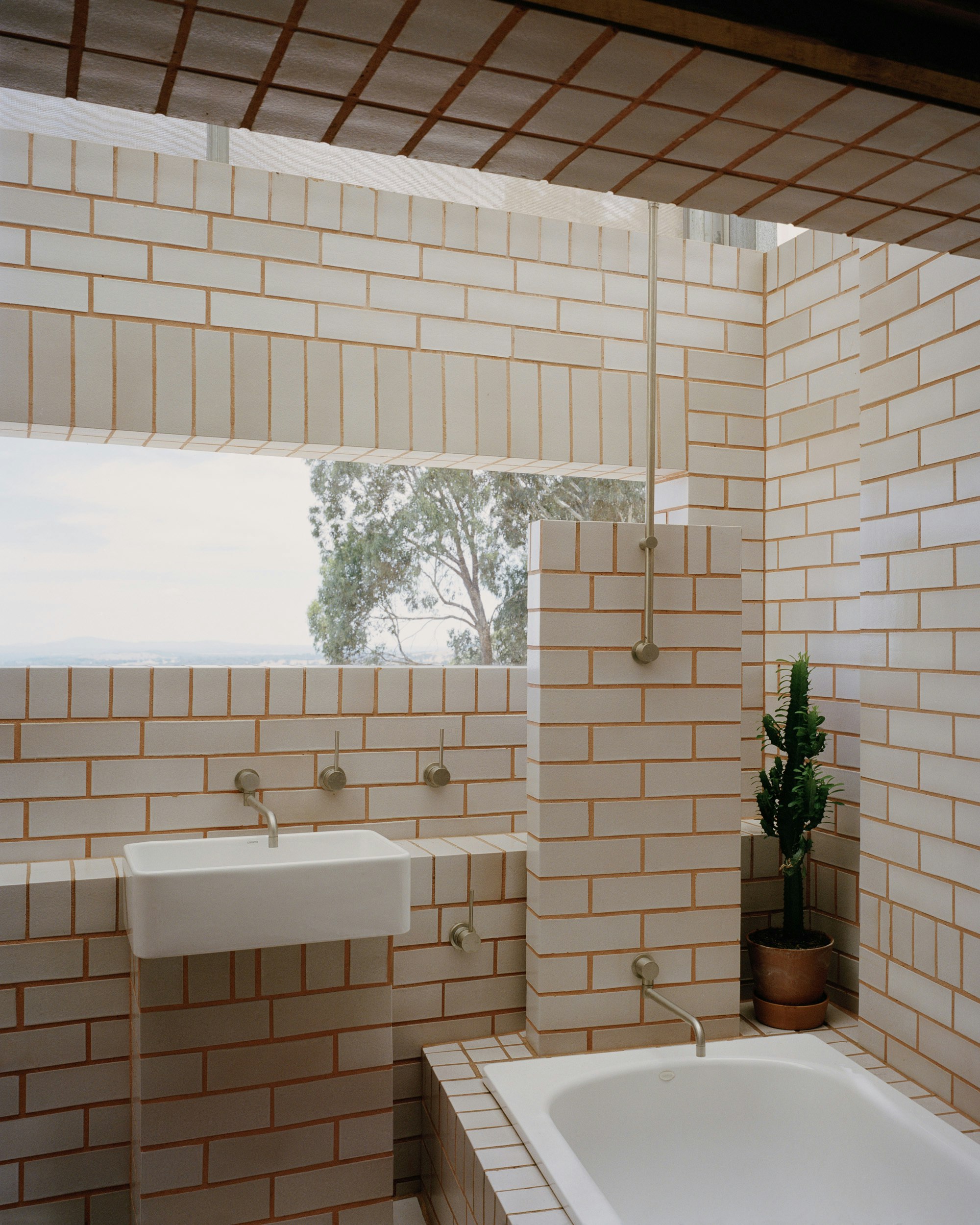
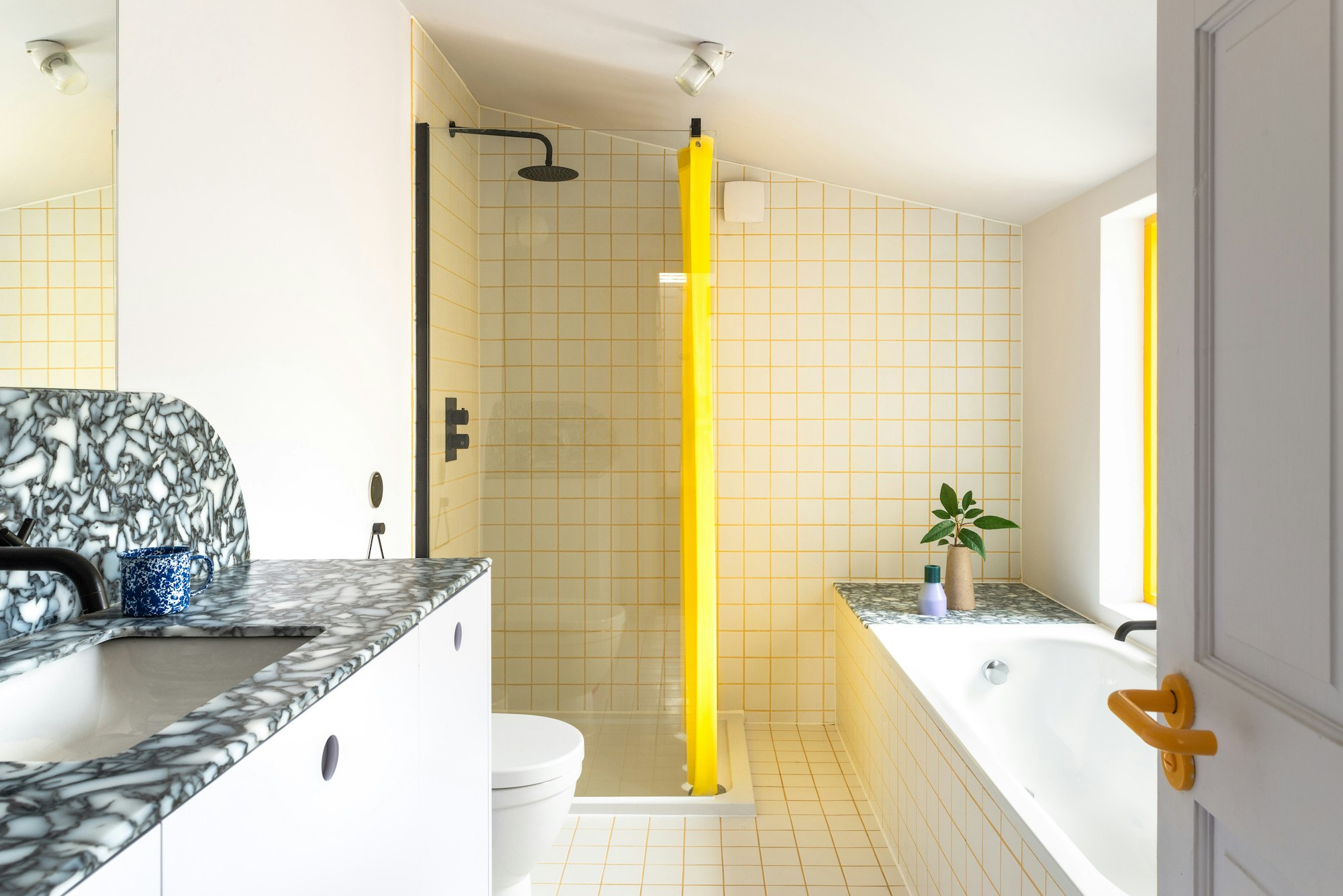
Choosing the correct type of grout for tiling projects is crucial for durability, aesthetic finish, and ease of installation. The primary distinction between sanded and unsanded grout lies in the presence of sand particles. Sanded grout contains fine sand, which makes it grittier, more robust, and less prone to shrinkage or cracking. This makes it ideal for wider grout joints, typically anything over 1/8 of an inch, and for high-traffic areas such as floors. Its sand content provides a stronger grip, resisting movement and preventing cracks. Sanded grout is also generally more affordable and comes in a wider array of colors, offering more design flexibility. However, its rough texture can scratch delicate or polished tile surfaces like glass, marble, or soft stone. It can also be more challenging to apply in very narrow joints and tends to trap dirt, requiring more rigorous cleaning to maintain its appearance.
In contrast, unsanded grout is smoother and does not contain sand. This characteristic makes it suitable for tighter grout joints, typically less than 1/8 of an inch, and for use with delicate or polished tiles where scratching is a concern. It is easier to work into confined spaces and on vertical surfaces like bathroom walls or backsplashes, offering a clean, smooth finish. However, unsanded grout is less durable than its sanded counterpart, making it more susceptible to shrinkage and cracking, especially if applied too thickly or in wider joints. It is also less ideal for high-traffic areas due to its reduced robustness.
When deciding between sanded and unsanded grout, several factors must be considered. The width of the grout lines is paramount: narrow lines (under 1/8 inch) typically call for unsanded grout, while wider lines (1/8 inch or more) benefit from sanded grout. The type of tile material is equally important; delicate tiles like glass or polished stone necessitate unsanded grout to prevent scratching, whereas more durable tiles like porcelain or ceramic can accommodate sanded grout. The location of the tiling project also influences the choice; high-traffic areas or floors generally require the strength of sanded grout, while bathroom walls or decorative tile work might be better suited for unsanded grout.
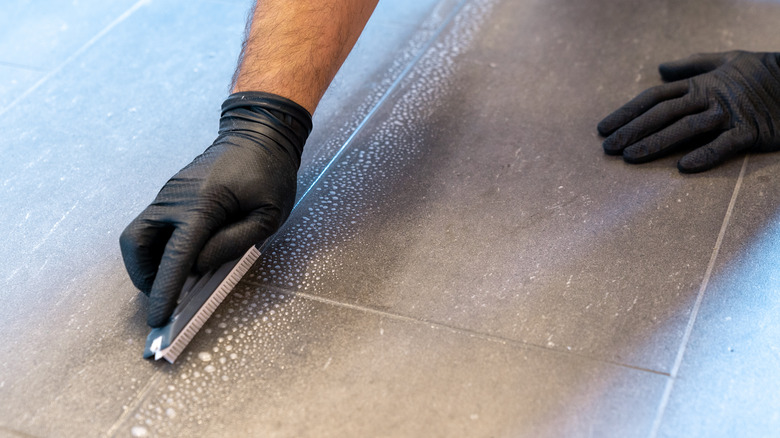
Proper application and maintenance are key to the longevity of any grout. Experts advise following manufacturer instructions for mixing and curing times to prevent issues like cracking. Sealing grout, particularly sanded grout in wet areas, is recommended to extend its lifespan and improve mold resistance. While unsanded grout is denser and can offer slightly better moisture resistance in small joints, both types benefit from good sealing and ventilation in damp environments. Mixing sanded and unsanded grout is not advisable, as it can compromise adhesion, color consistency, and structural integrity. Ultimately, an informed choice tailored to the specific project's requirements will ensure a durable and aesthetically pleasing result, avoiding common grouting mistakes and contributing to the overall success of the DIY endeavor.
#GroutSelection #DIYHomeImprovement #TilingProjects #SandedGrout #UnsandedGrout #TileInstallation #HomeMaintenance #InteriorDesignTips #GroutSelection #DIYHomeImprovement #TilingProjects #SandedGrout #UnsandedGrout #TileInstallation #HomeMaintenance #InteriorDesignTips
0 komentarzy łącznie
 Brak komentarzy jeszcze
Możesz również polubić

Getting the Grout Right
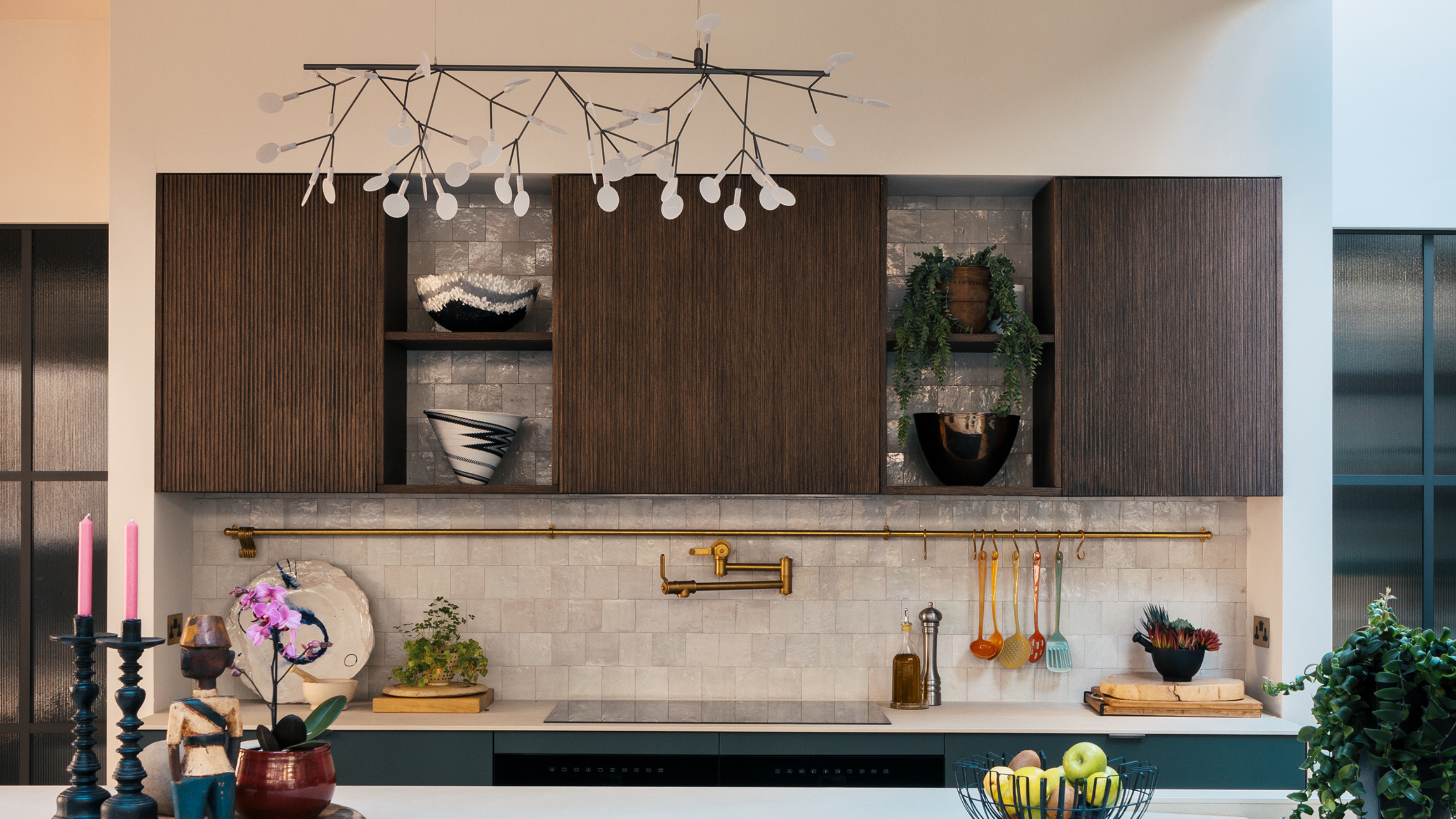
5 Costly Mistakes People Always Make When Buying Tiles — And How to Avoid Them

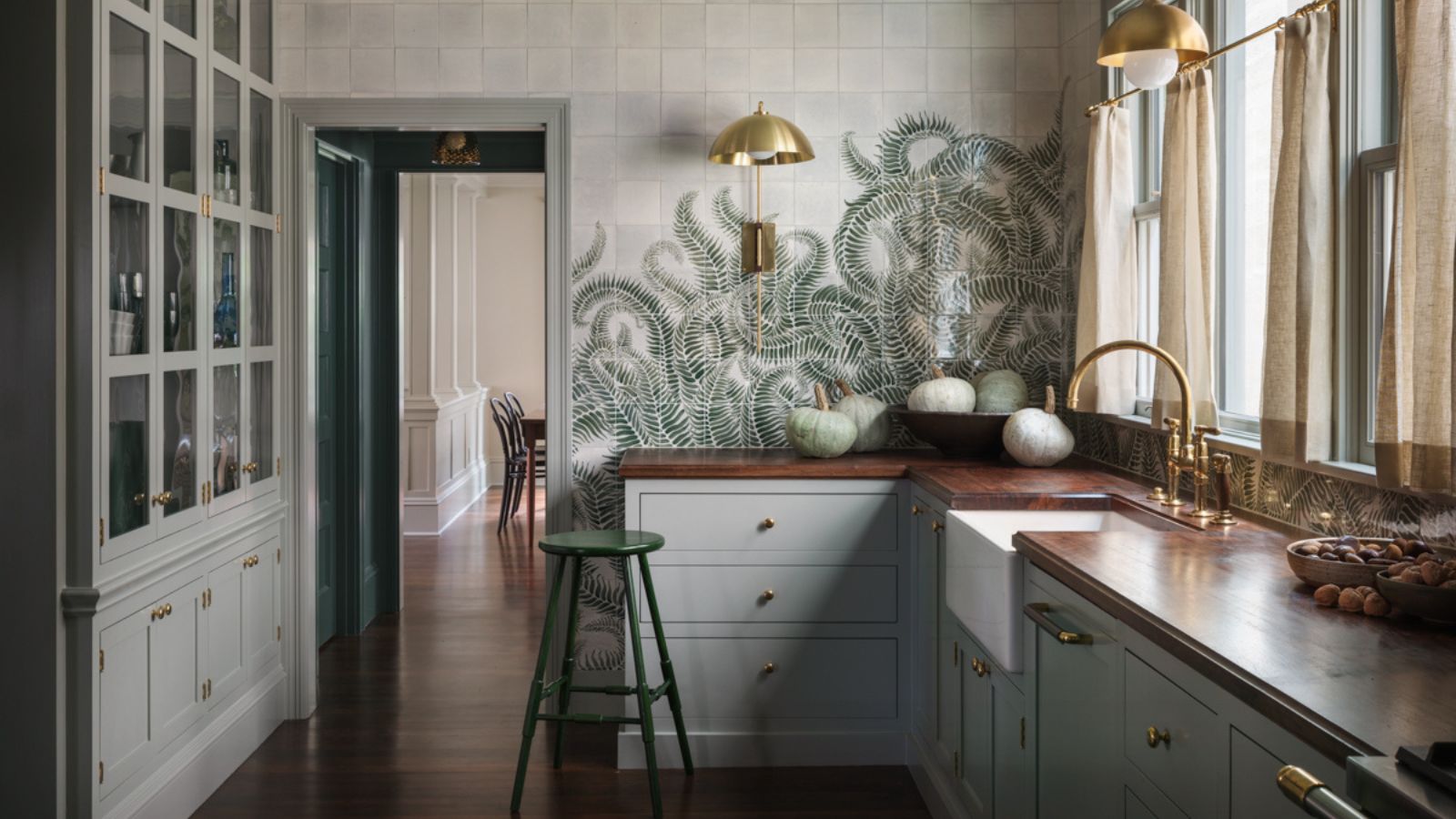
Why Joanna Gaines says grout color deserves more attention

How To Clean Grout For A Fresh And Sparkling Bathroom

Tile Grout


6 Best Grout Cleaners for a Brilliant Bathroom

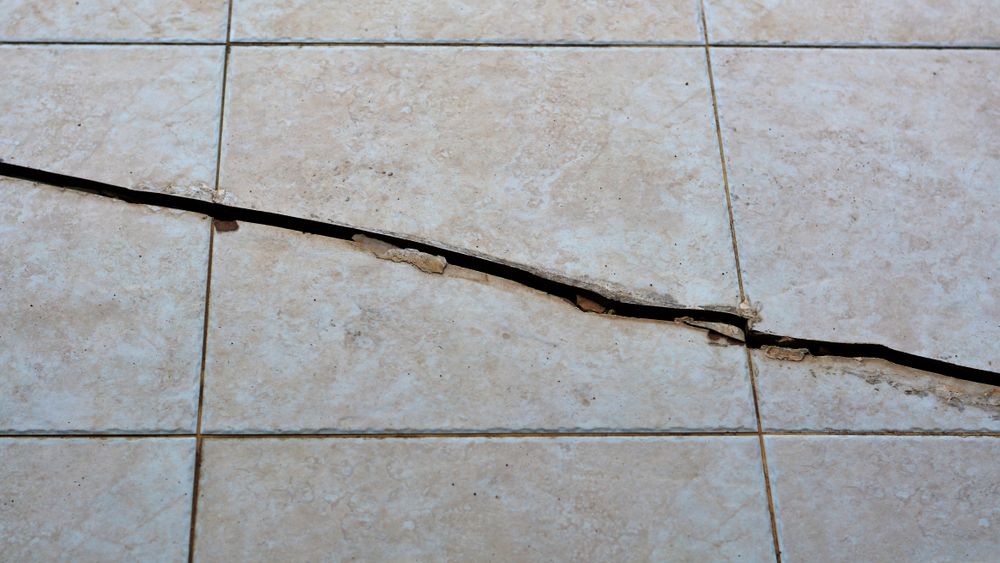
How to repair chipped or broken tile and replace grout

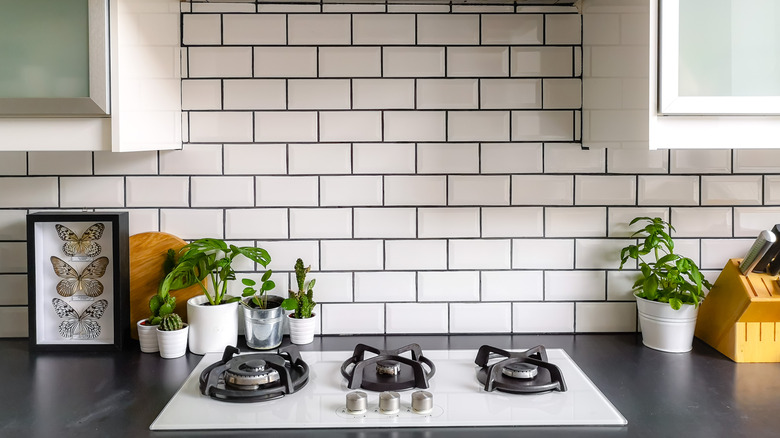
Why Interior Designers Can't Wait To Ditch Black Grout In 2022

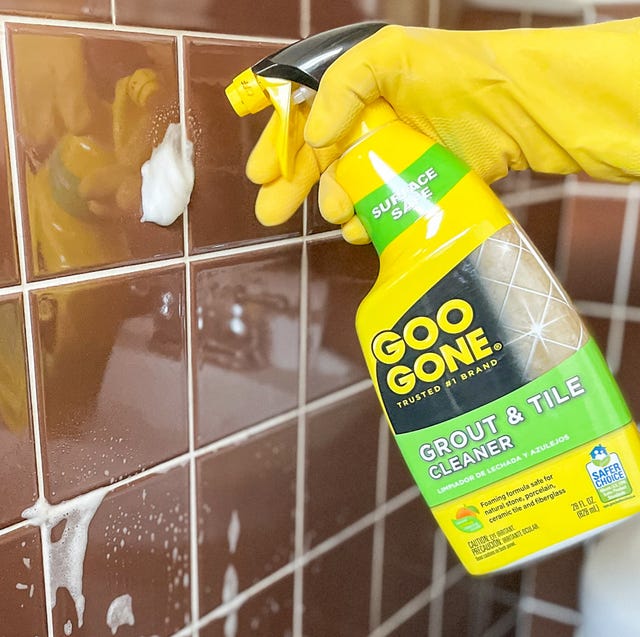
The Best Grout Cleaners for Pristine Tiles in Every Room
Can you paint grout lines? Professional painters say it could be easier than deep cleaning
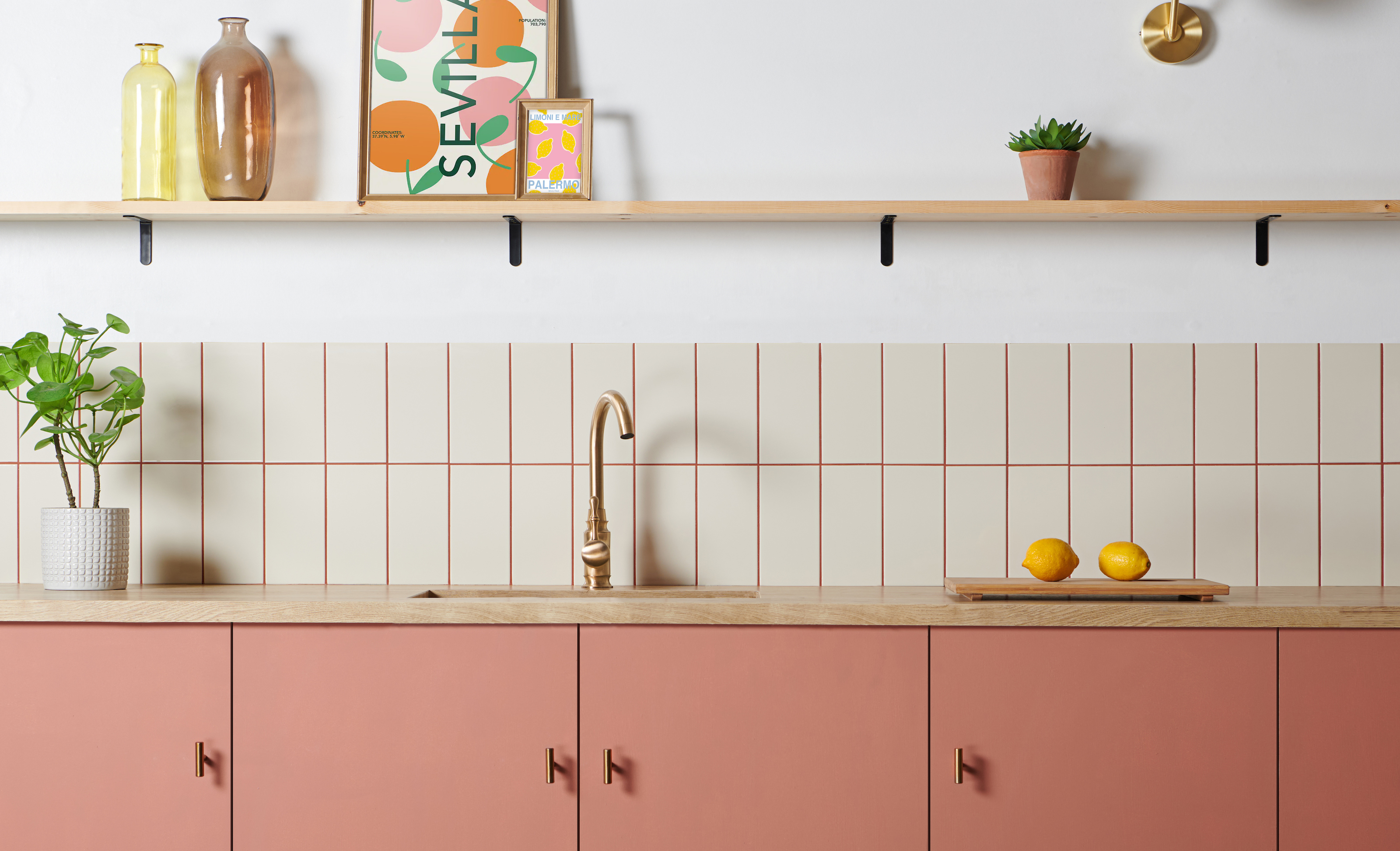
How to change grout color - the easiest little touch to make your home feel fresh again
Joanna Gaines shares my biggest design pet peeve – here's why your seemingly unimportant grout choices could be ruining your interiors

How to Choose the Perfect Grout Color for Your Next Project, According to a Designer

4 Grout Color Ideas That Take Ordinary Tile to the Next Level

How to regrout between tiles to keep them from looking tired in 6 simple steps
How to Choose Bathroom Tile That You'll Love Forever, According to a Designer