1/2
Pick Purple Clover For Its Many Health Benefits
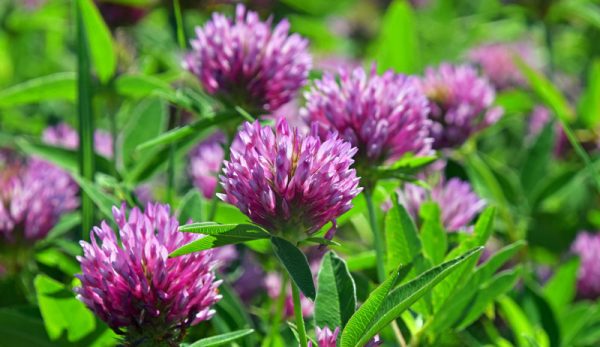
Purple clover, scientifically known as *Trifolium pratense*, also called red clover in herbal texts or purple clover by country residents, is a plant with significant health benefits for humans, alongside its established uses in agriculture. Originating from Europe, it was introduced for its ability to fix nitrogen in soil and provide forage for grazing animals. Its light-pink-to-pale-purple blooms appear from June to September, making it accessible for harvesting during these months. The plant's flowers and upper leaves are the primary parts used for herbal preparations.
The flowers of purple clover are particularly noted for their ability to stimulate bodily fluids. When consumed, they activate salivary glands, and this stimulating effect extends to other systems, aiding in digestion by promoting bile production, alleviating respiratory issues by encouraging mucus, and supporting lymphatic and skin health. This makes purple clover a valuable herb for detoxification, as it helps the body process and eliminate waste, especially when primary organs like the liver and intestines are overwhelmed. Symptoms such as persistent dry or oily skin, unusual bumps, glandular swelling, or chronic rashes can indicate an internal imbalance that purple clover may help address.
Identifying purple clover correctly is crucial for safe consumption. While often called red clover, it should not be confused with crimson clover (*Trifolium incarnatum*), which has a deeper red hue and more elongated flowers. Purple clover features a single pale chevron on its leaves and distinct club-shaped leaf sets. It is recommended that individuals new to foraging seek guidance from an experienced person for positive identification before ingestion.
For consumption, purple clover can be eaten raw in salads or prepared as a tea or tincture. For maximum benefit, consistent use over several months is suggested, such as a daily cup of tea or a dropperful of tincture. Proper drying and storage are essential to preserve its beneficial qualities. Flowers should be picked in the morning after the dew has dried and when they have just opened. They should be dried quickly, ideally using a dehydrator, to prevent fermentation of chemicals that could be problematic for individuals on blood-thinning medications. Dried flowers should be crunchy and crumble easily, retaining a deep dark purple-red color.
Purple clover is considered gentle yet potent, working subtly over time. It has been traditionally used to address uterine complaints and situations involving toxicity. While modern research has explored its benefits for menopause, particularly regarding estrogenic compounds, it is important to consult a doctor before using supplements. However, properly identified and prepared purple clover tea, especially when gathered or purchased from a knowledgeable herbalist, is generally regarded as safe for everyday health complaints, even for children.
#PurpleClover #HerbalMedicine #Foraging #NaturalRemedies #SoilHealth #Detoxification #Homesteading #HerbalTea #PlantIdentification #PurpleClover #HerbalMedicine #Foraging #NaturalRemedies #SoilHealth #Detoxification #Homesteading #HerbalTea #PlantIdentification
0 komentarzy łącznie
 Brak komentarzy jeszcze
Możesz również polubić
Purple Flowers That Hummingbirds Find Irresistible
15 Annuals That Bloom With Bold Purple Flowers
Pretty plant with purple flowers all gardeners are urged to grow in gardens this year
Chartreuse isn't just a '90s trend. Its bright green goes with anything, enlivens gardens year-round

15 Best Purple Plants For Your Flower Garden
10 Pretty Purple Flowers That’ll Make Your Garden Pop

House plants aren’t just beautiful decor—they’re healthy for you too
Plant primer: New England aster Purple Dome

Not Only Is Purple Passion Plant Gorgeous, It's Easy to Grow
13 Purple Plants to Grow for Bold Color


The Purple Flower That Boosts Soil But May Be More Hassle Than It's Worth
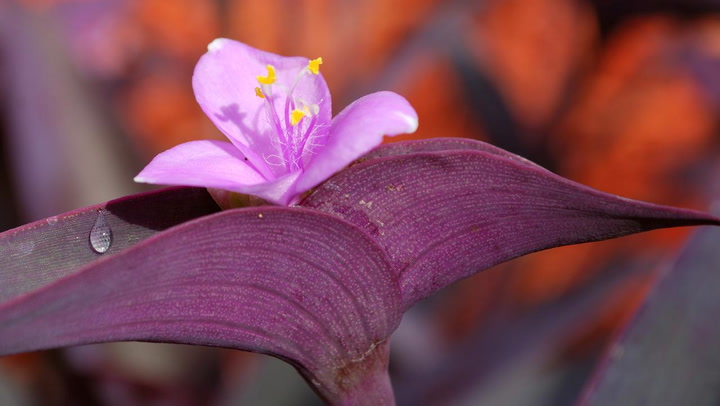
Grow Purple Heart Plant As A Ground Cover Or In A Hanging Basket
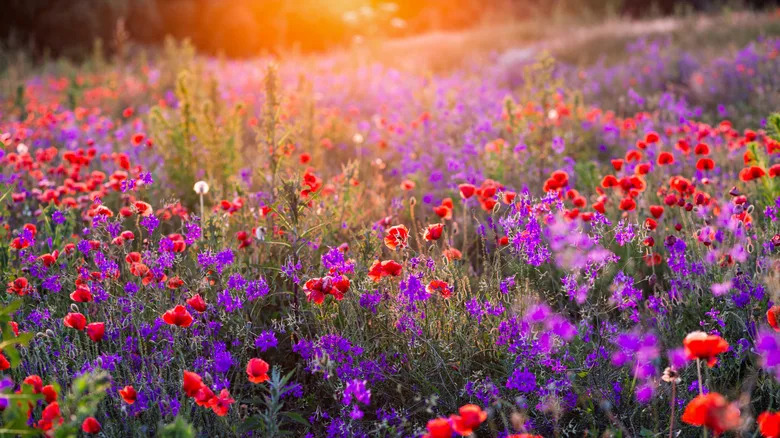
August Isn't Too Late To Plant These Gorgeous Purple Blooms

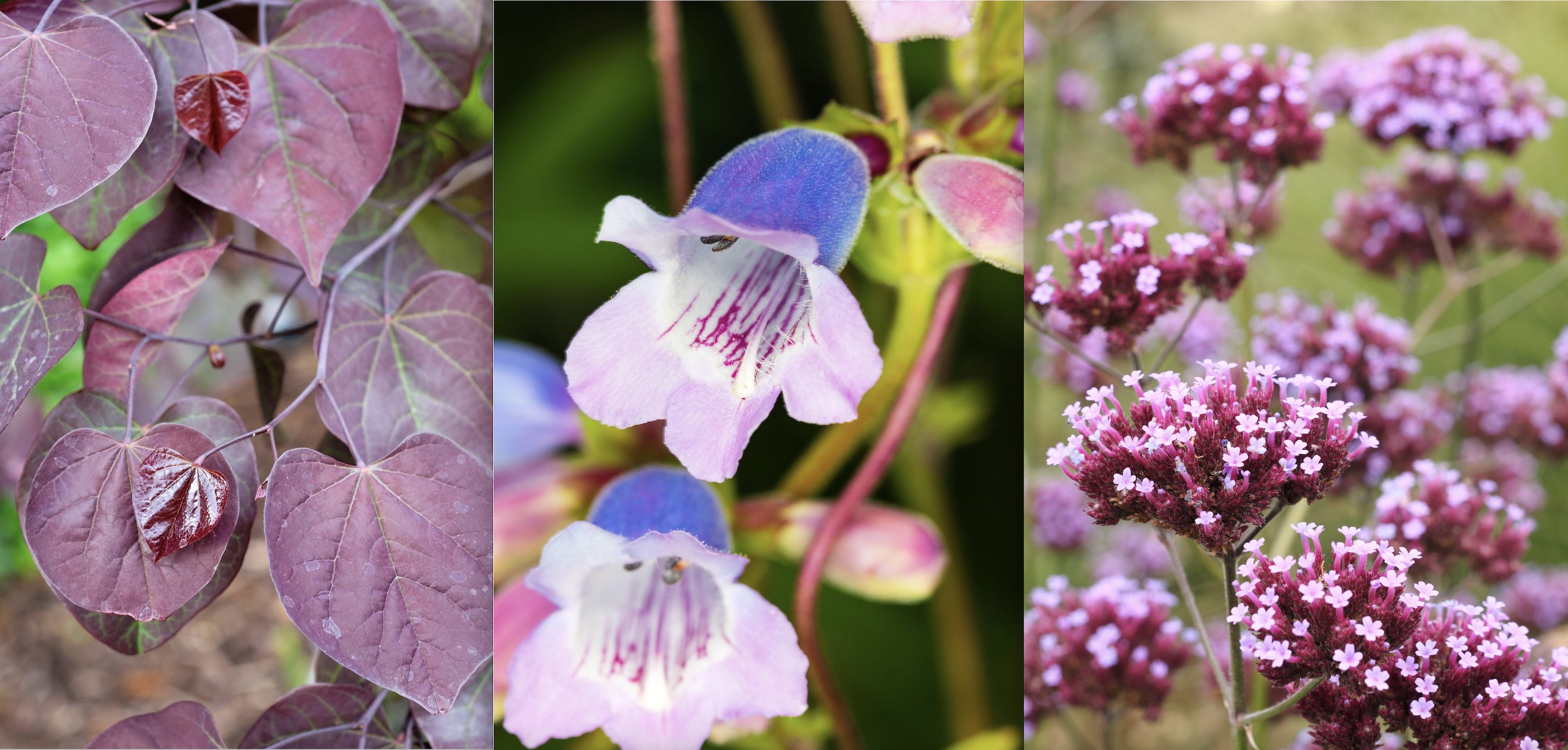
Purple plants – 5 best to choose for the perfect purple border
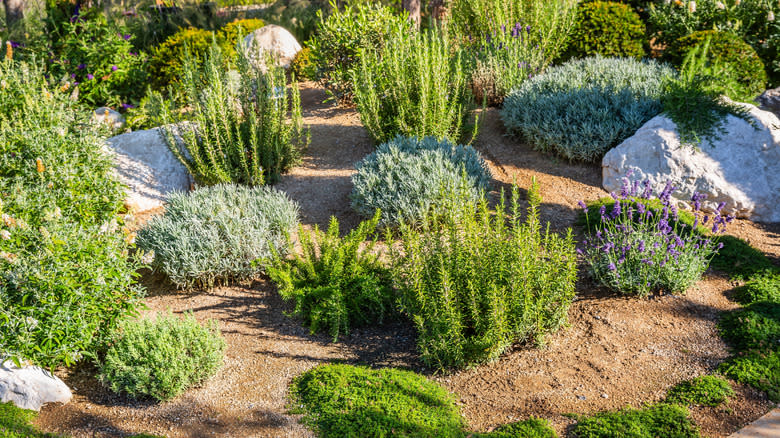
The Drought-Tolerant And Low-Maintenance Perennial That Showcases Lovely Purple Blooms
15 Purple Plants with Leaves that Stay Perpetually Purple


What Do the Purple Flowers Do in Sweet Tooth?

The Underrated And Drought-Tolerant Perennial That Yields Stunning Purple Flowers
11 Pretty Purple Flowers to Plant in Your Garden