Pantries Are Making a Comeback
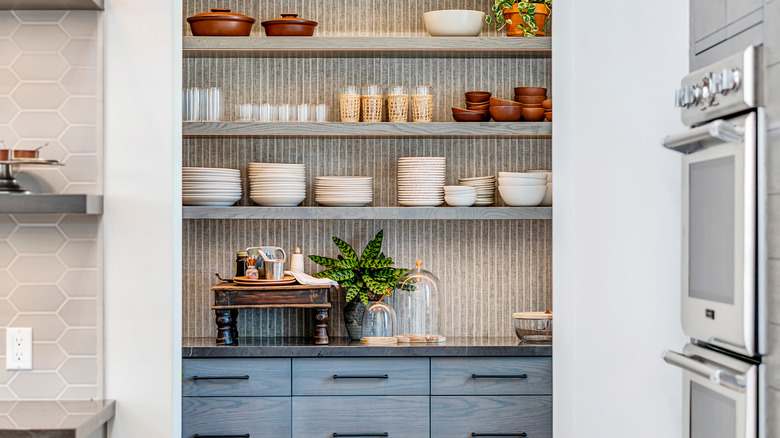
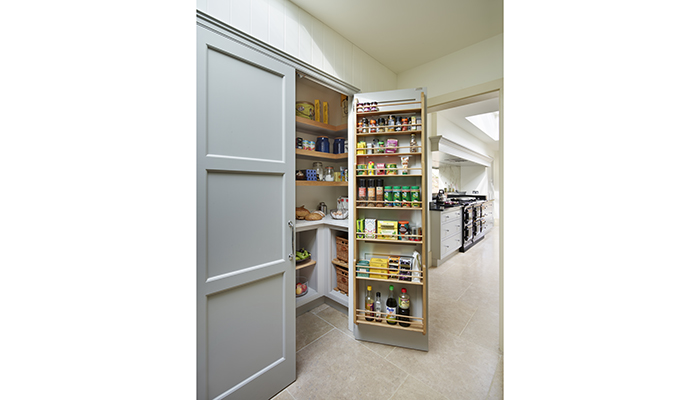
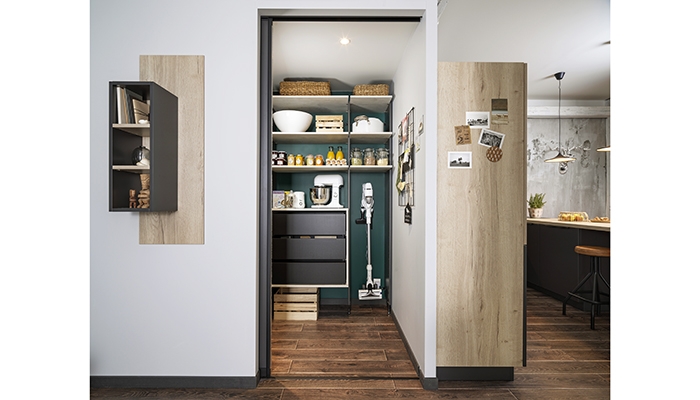
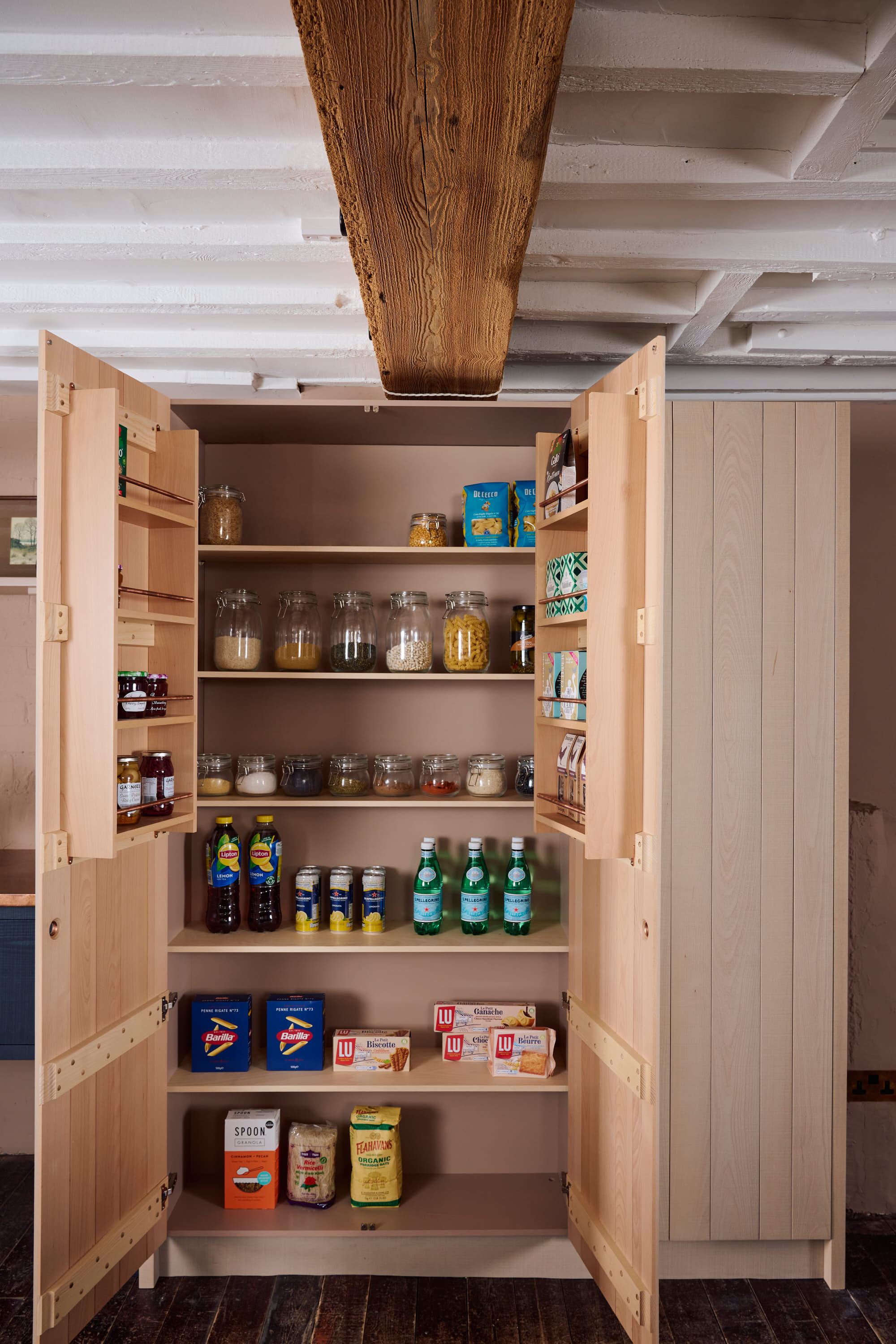
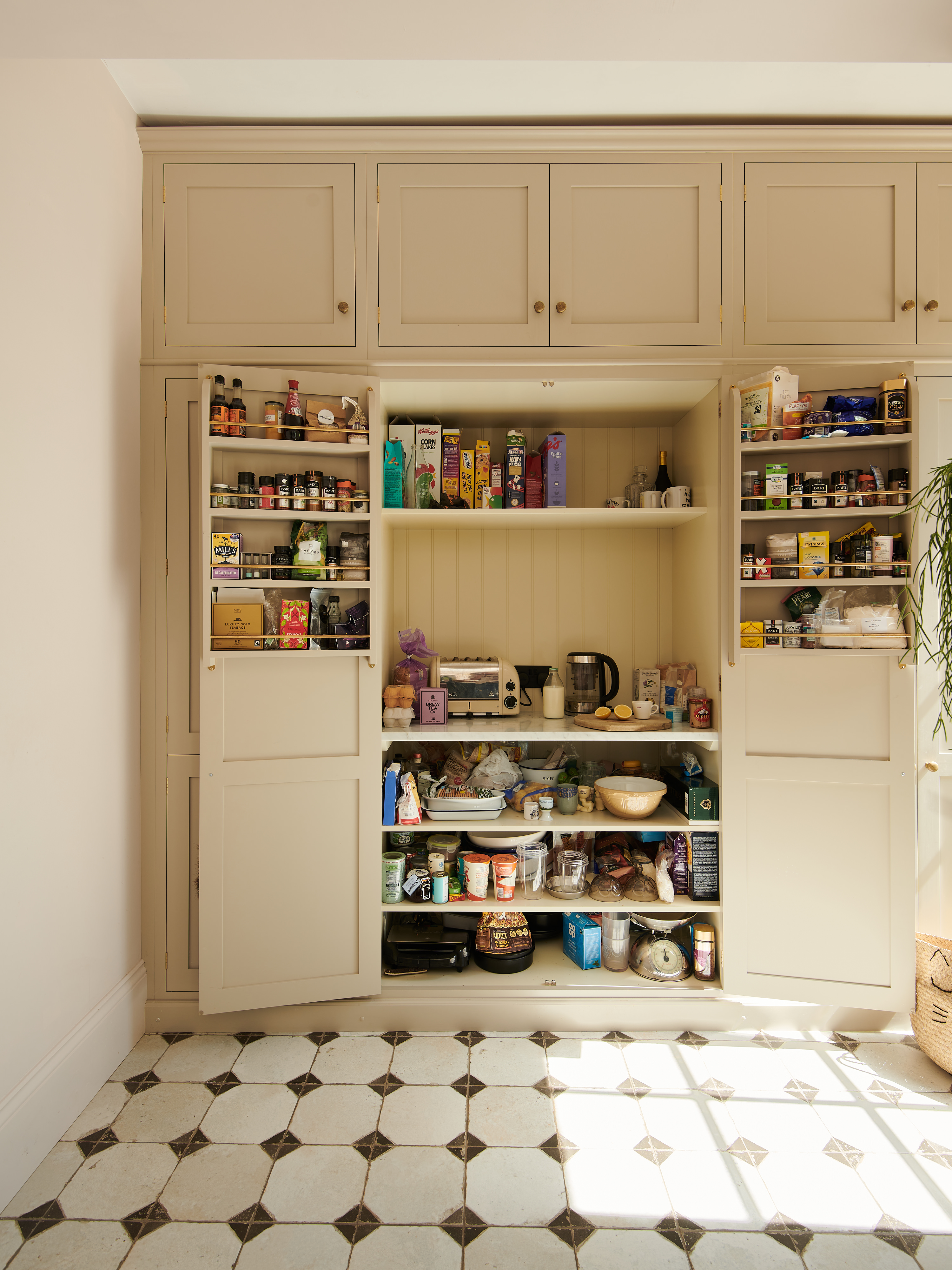
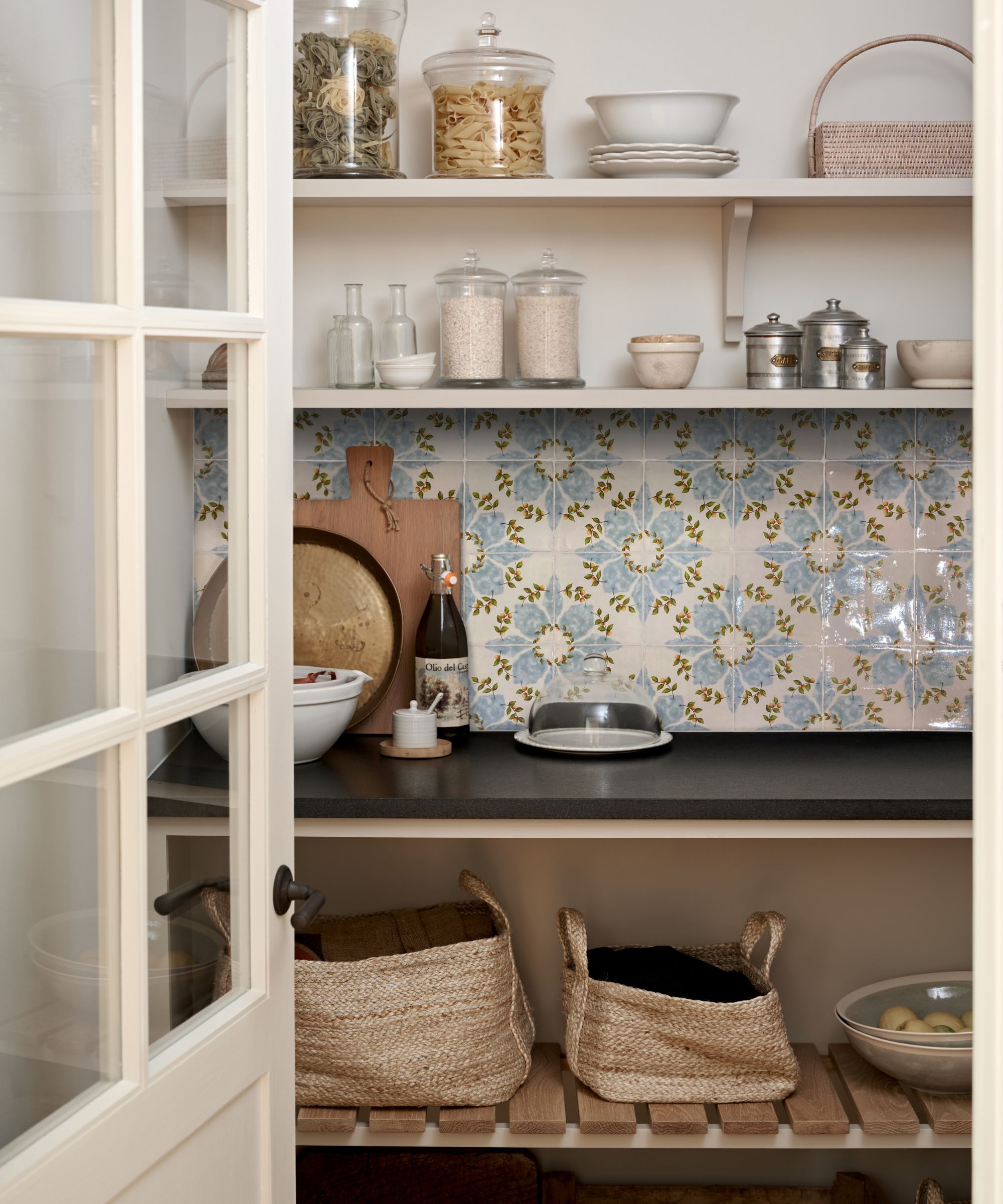
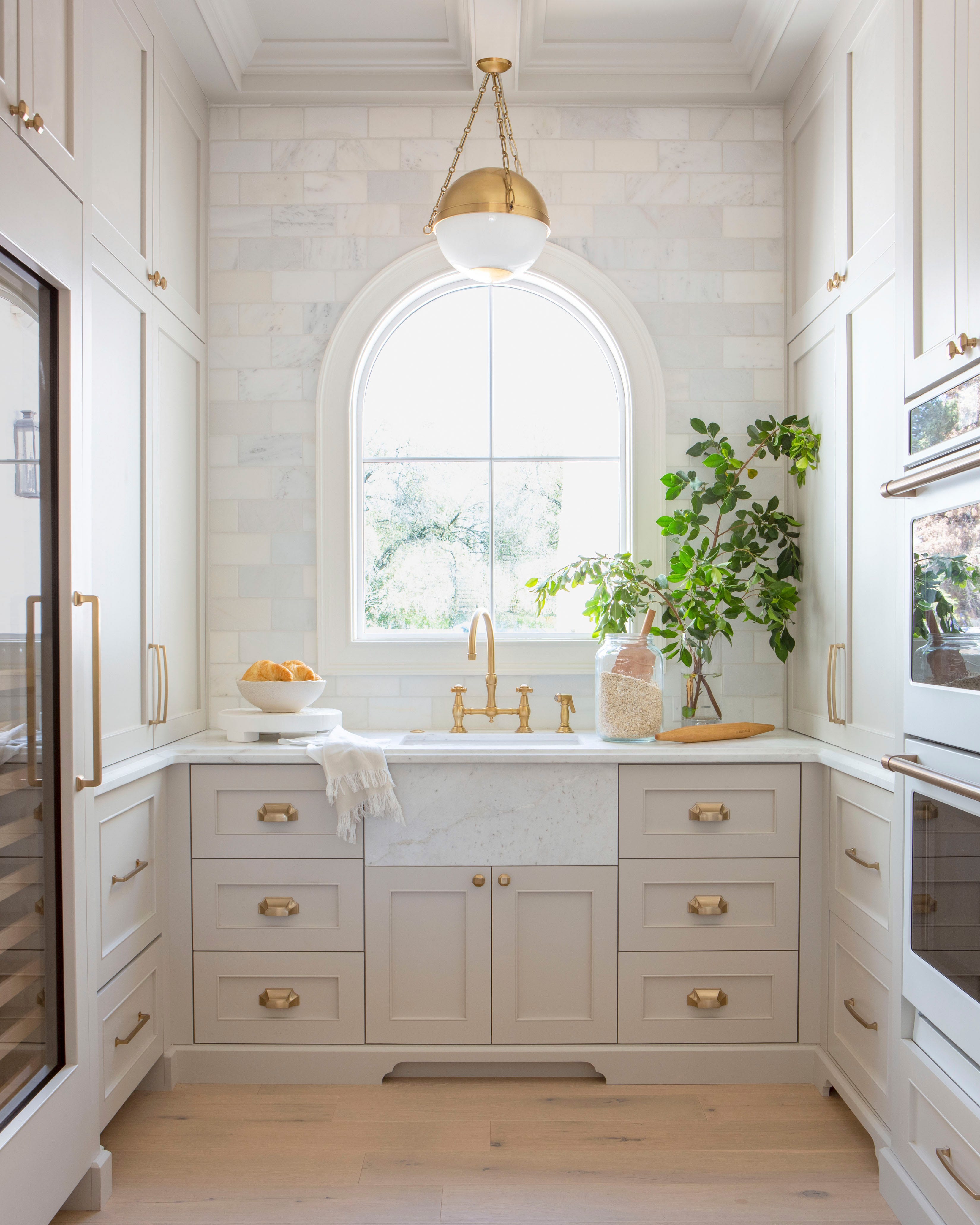
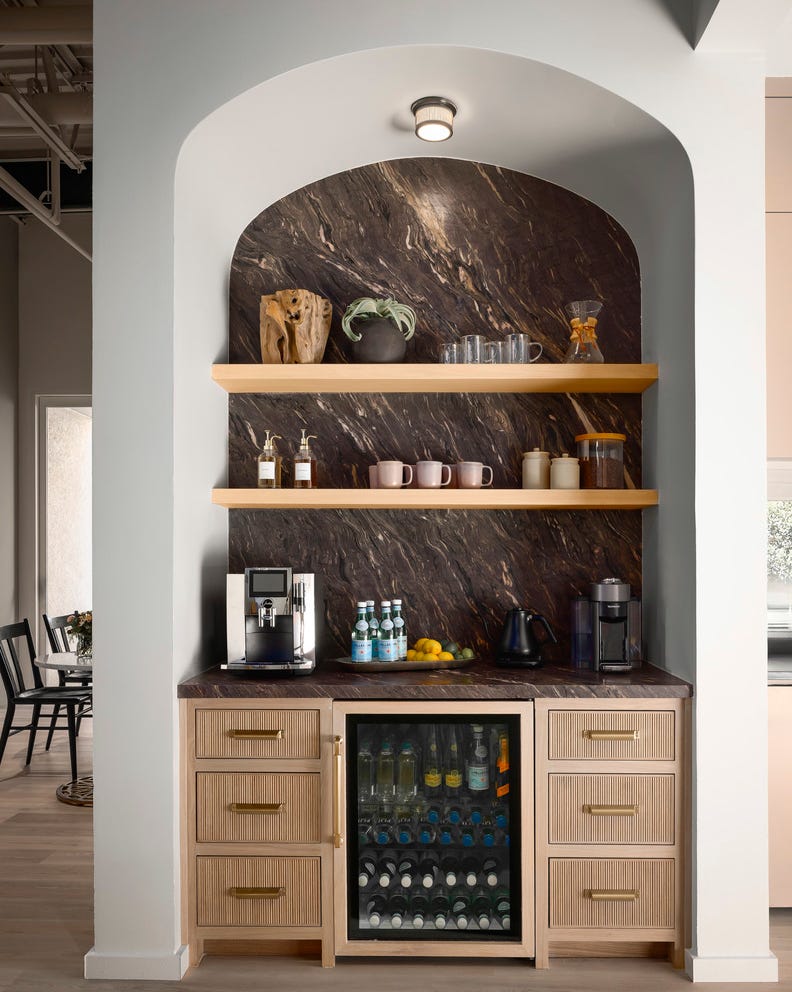
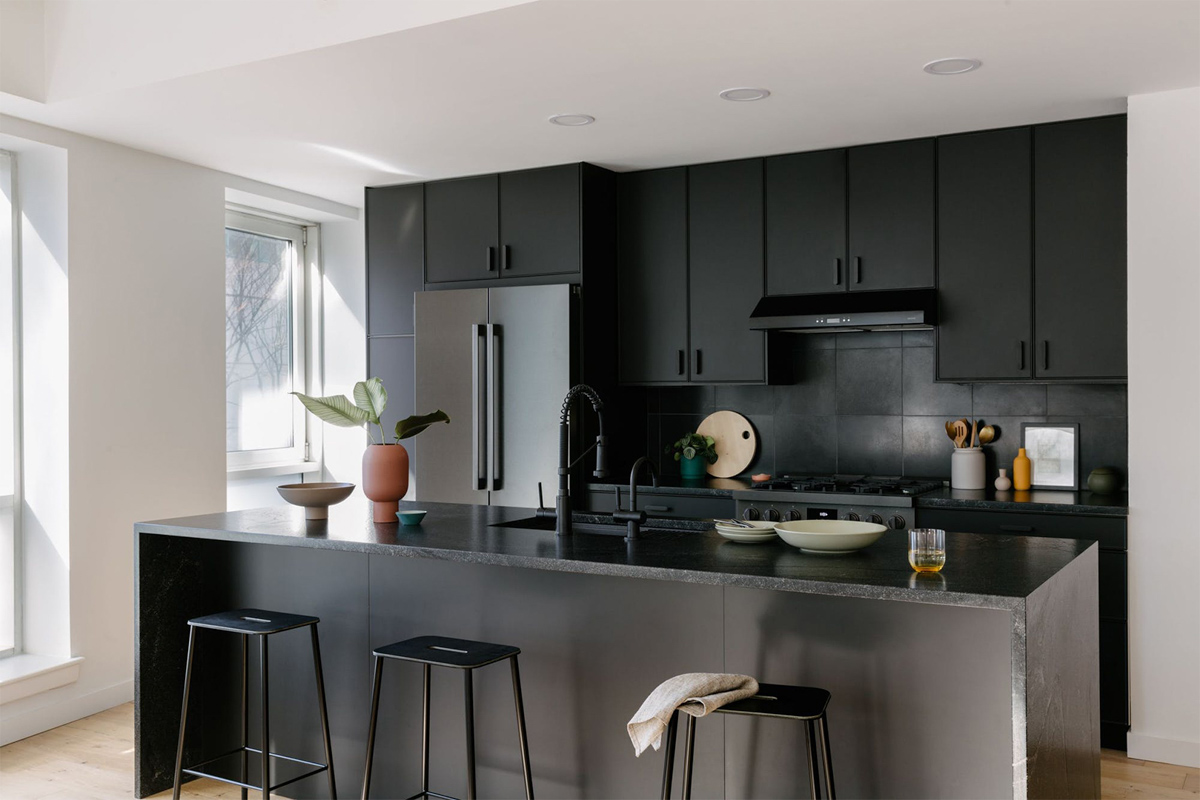
An American Institute of Architects Home Trends survey indicates a significant resurgence in the popularity of pantries across both new and existing kitchen designs. The survey highlights that pantries have become the most sought-after kitchen feature, with kitchens themselves growing in size to accommodate various types of food storage and preparation areas, such as butler’s and food prep pantries. This trend marks a notable shift from previous decades when pantries had diminished in prevalence.
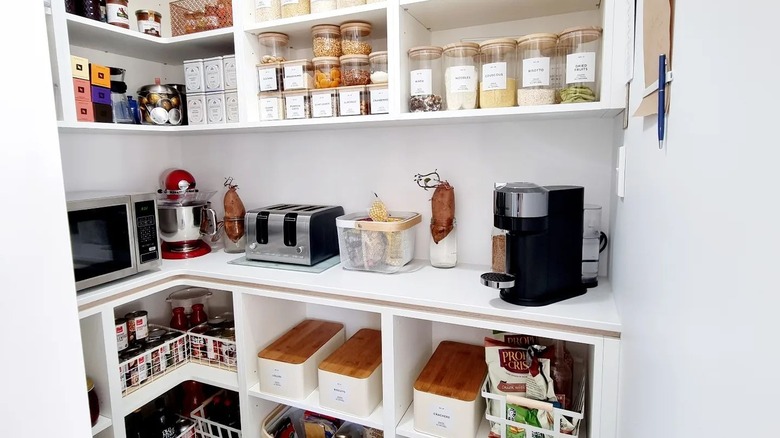
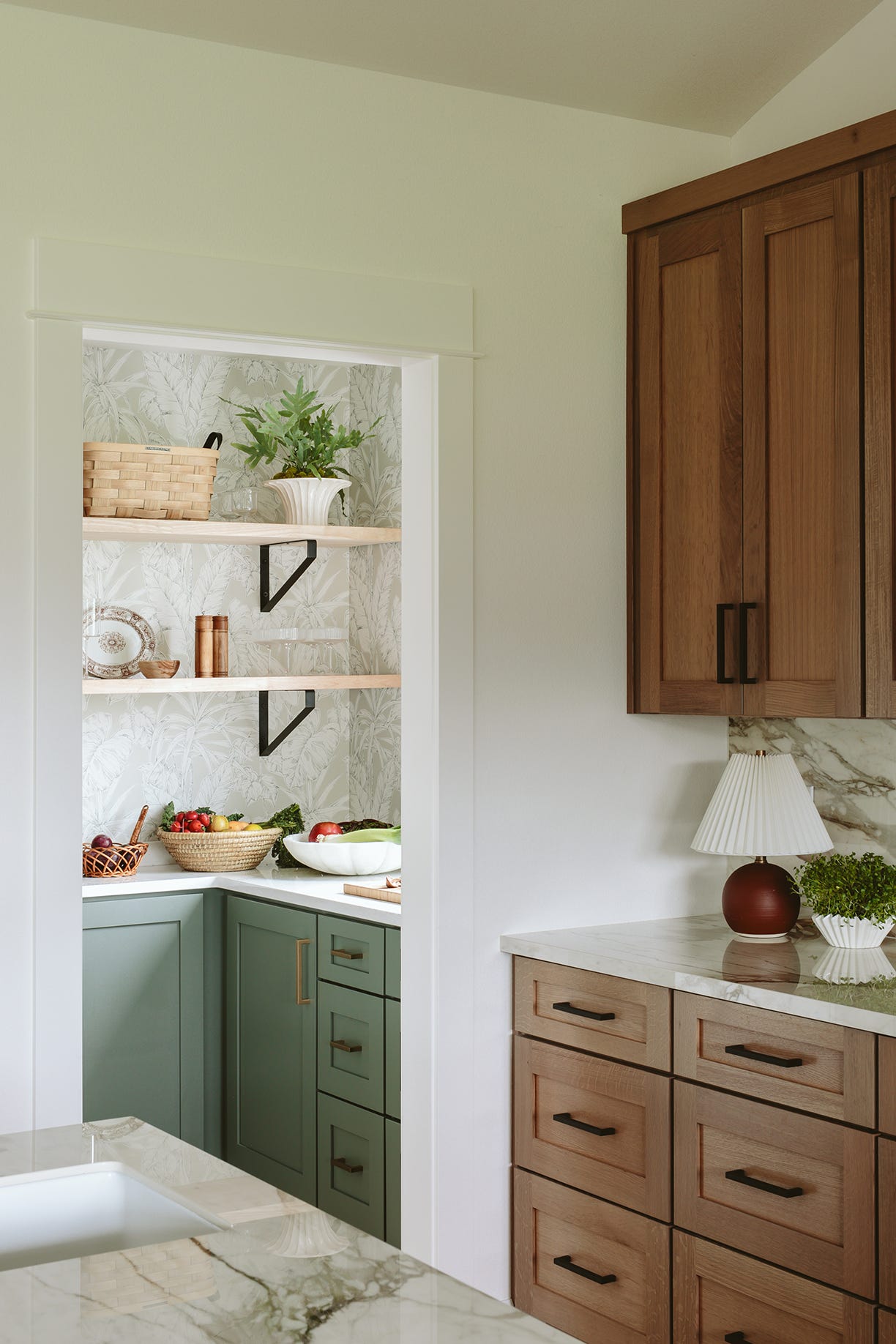
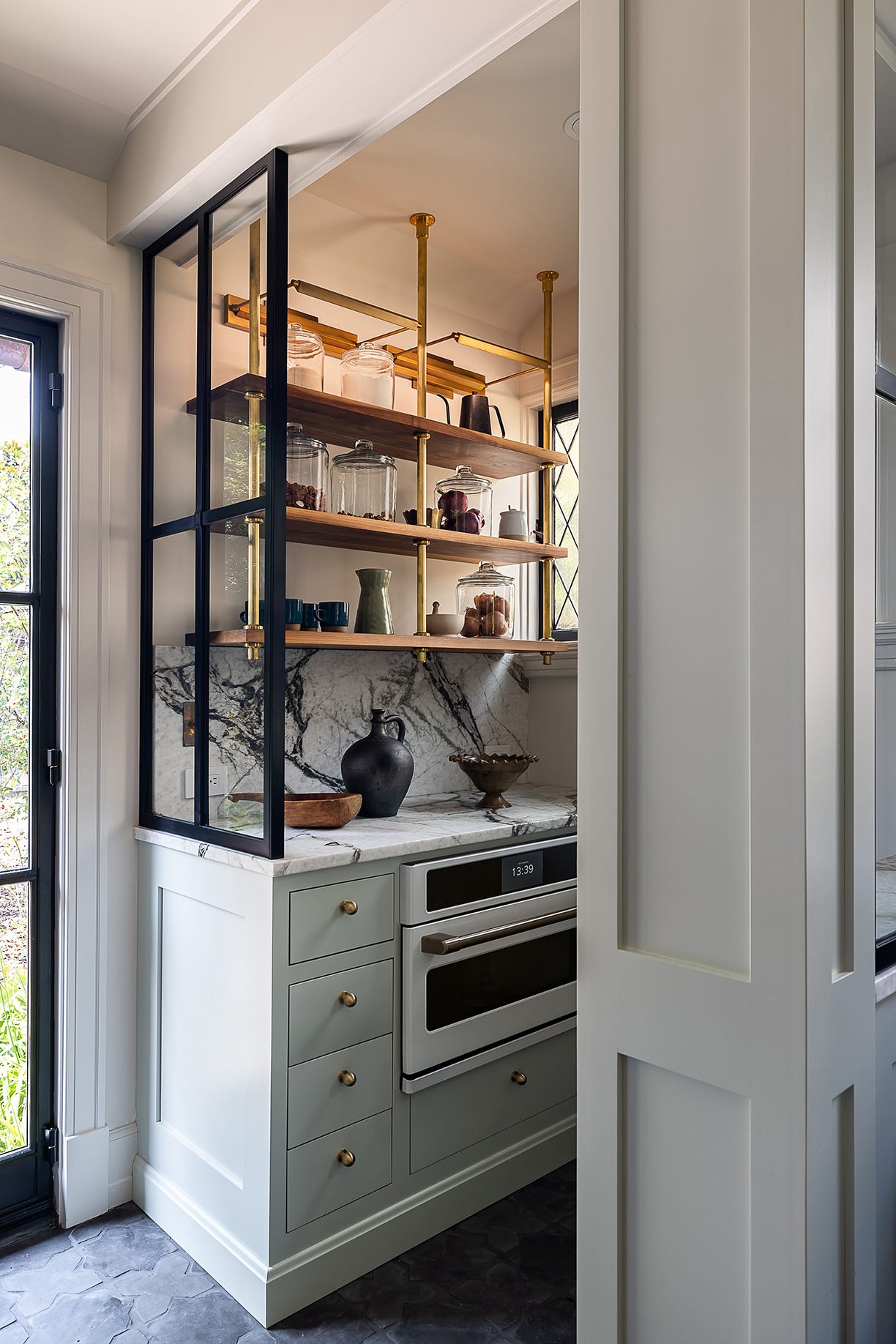
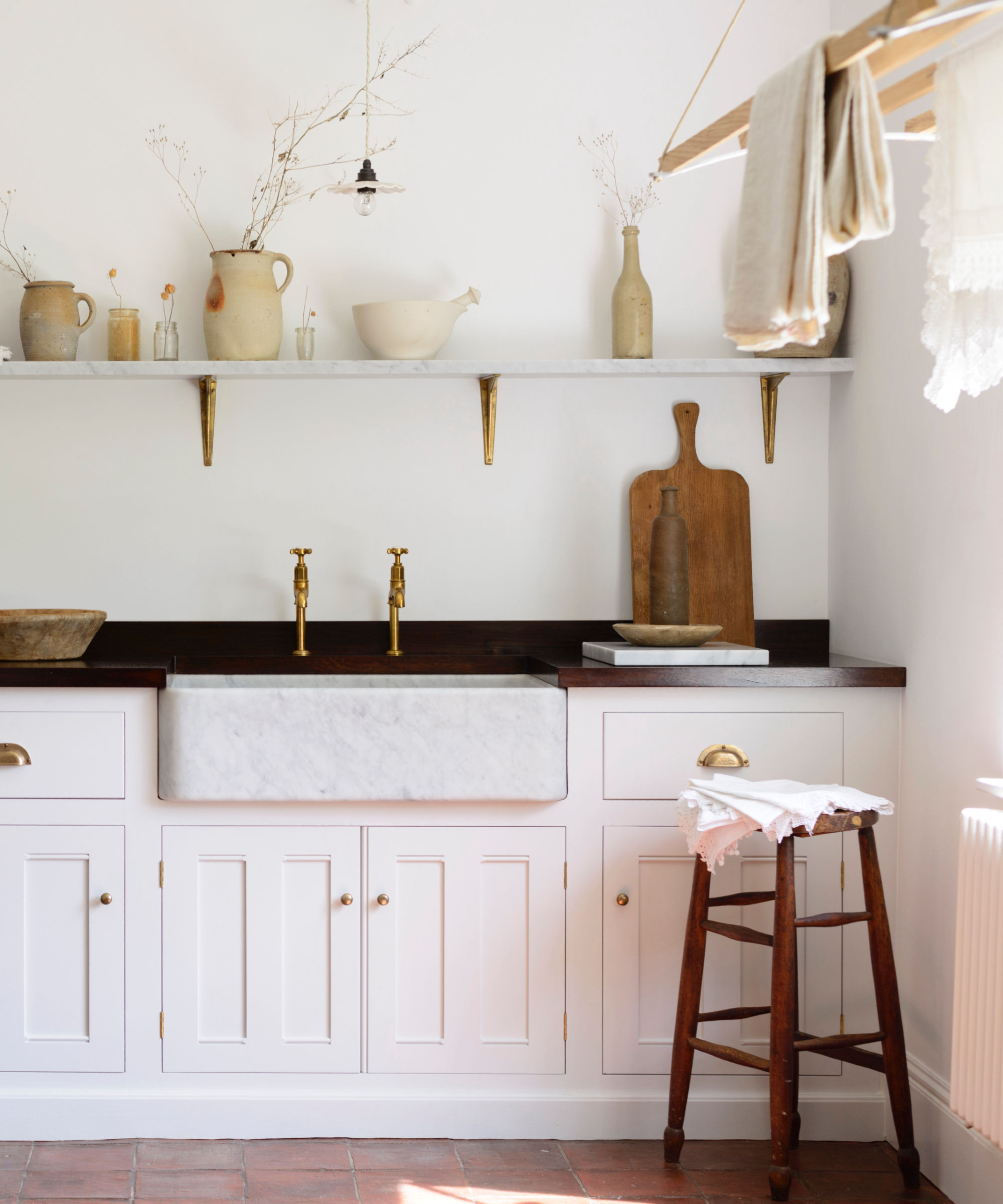
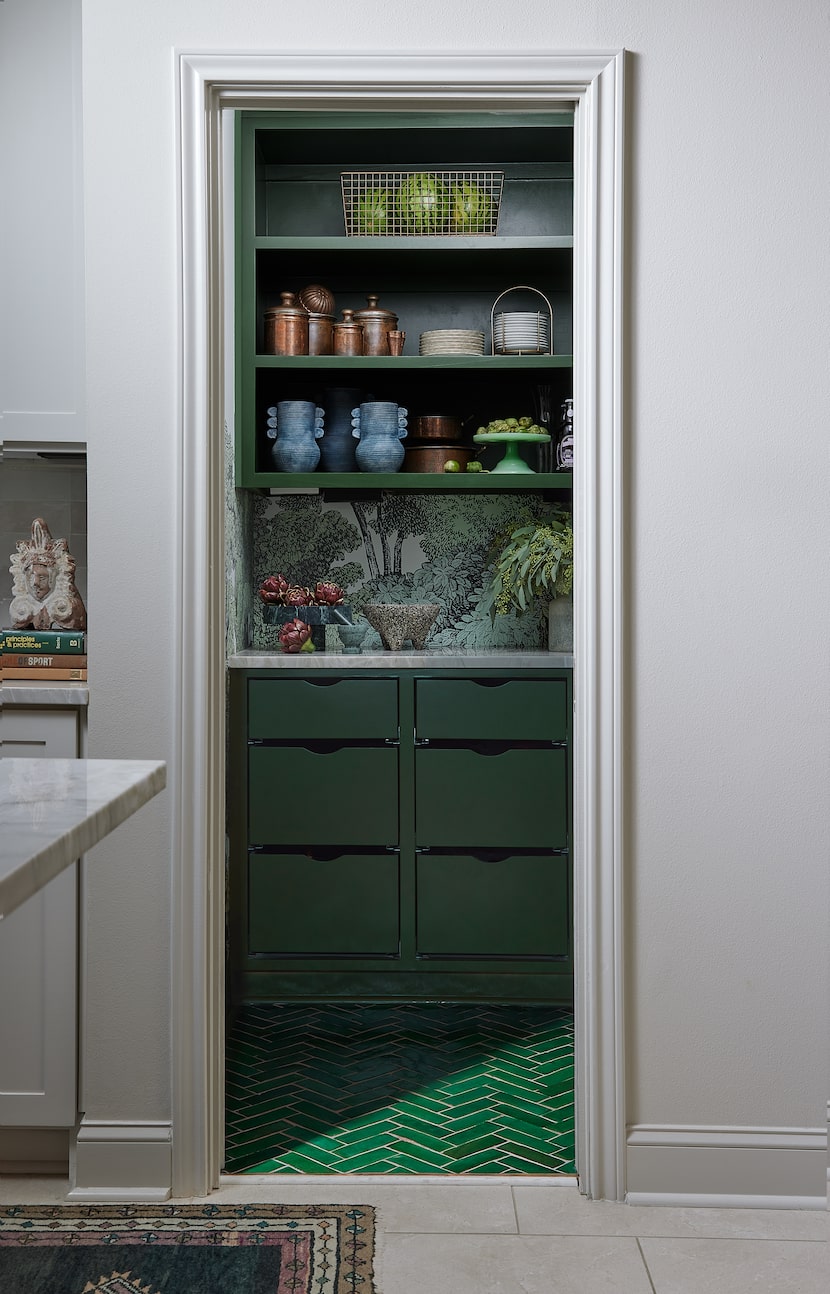
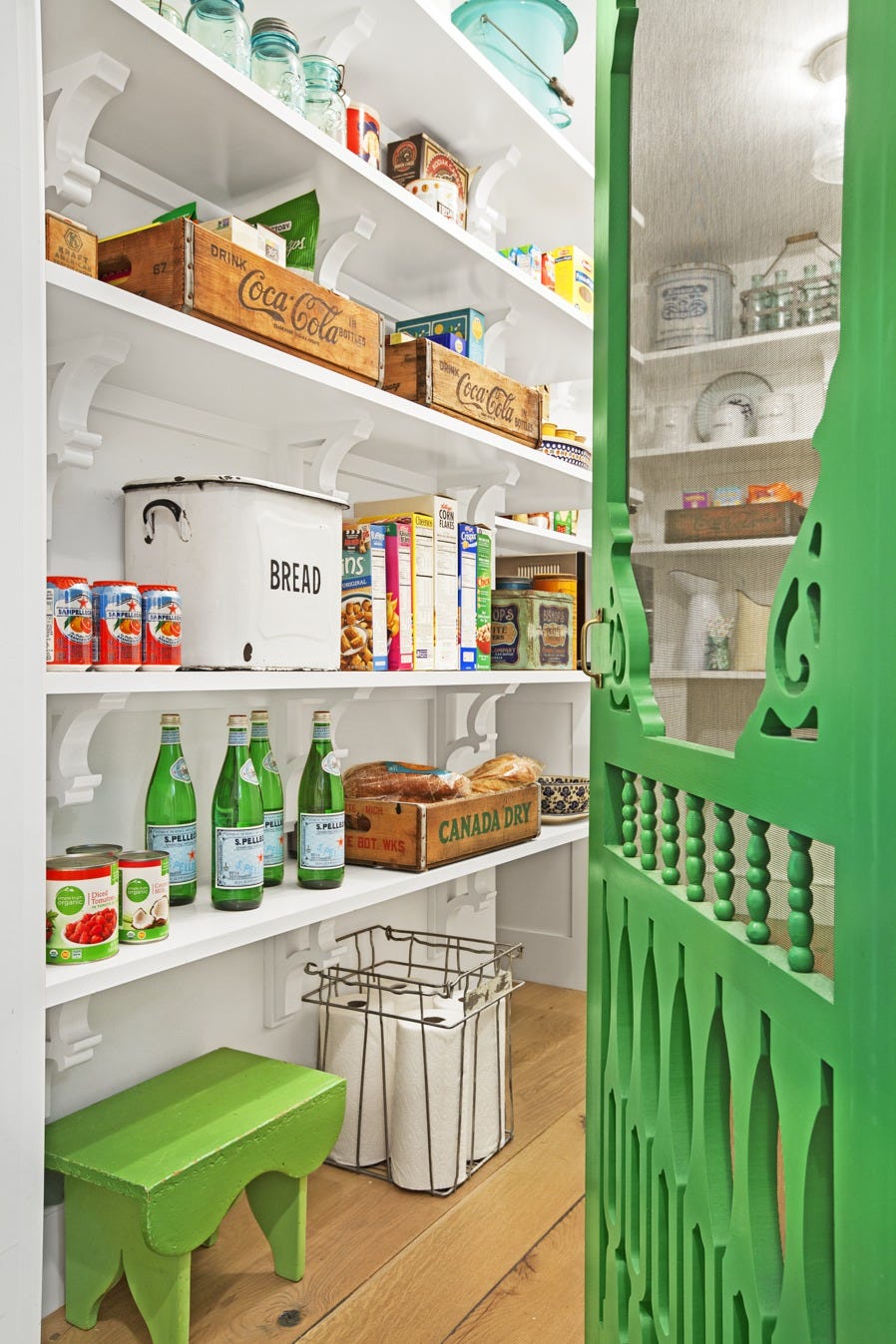
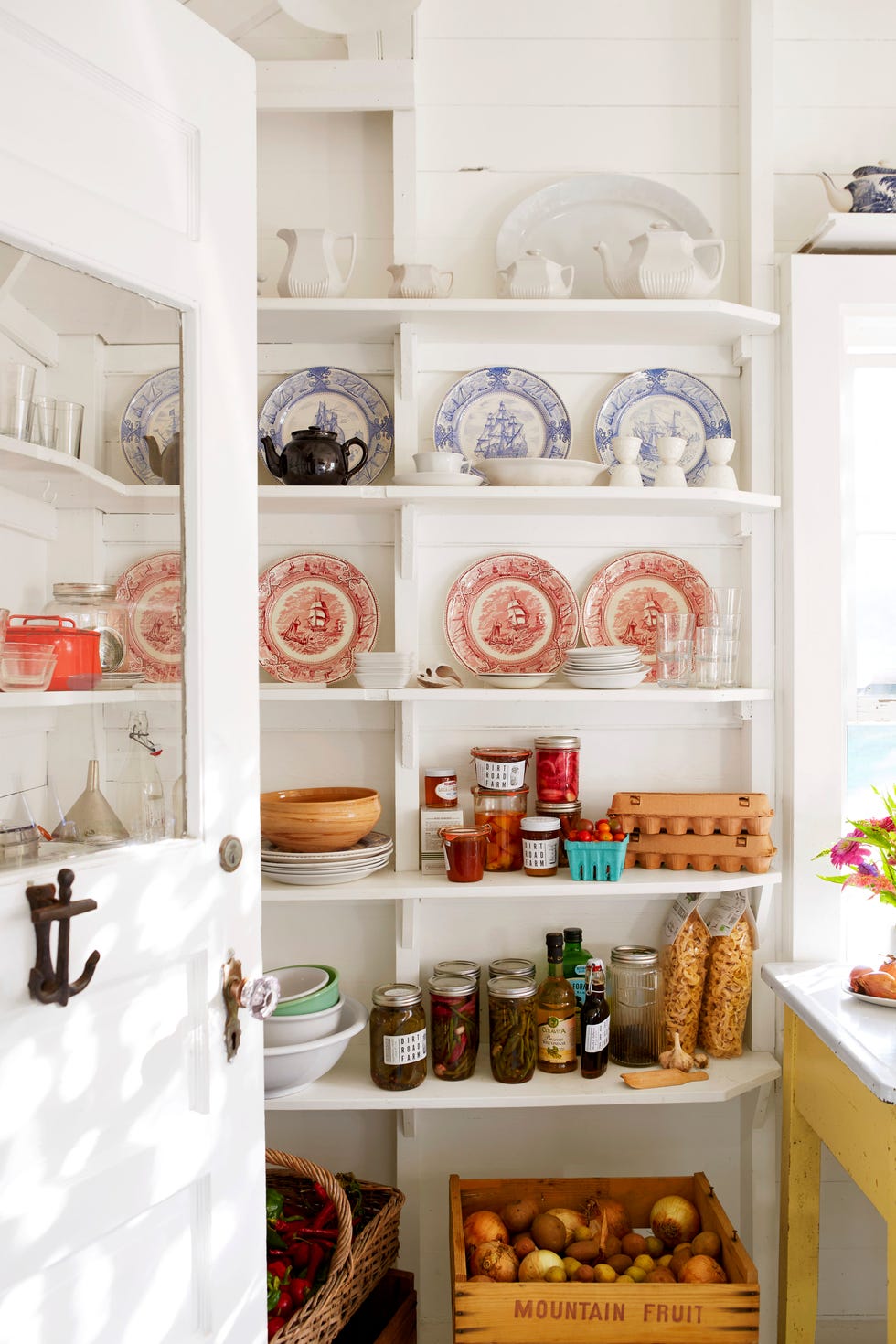
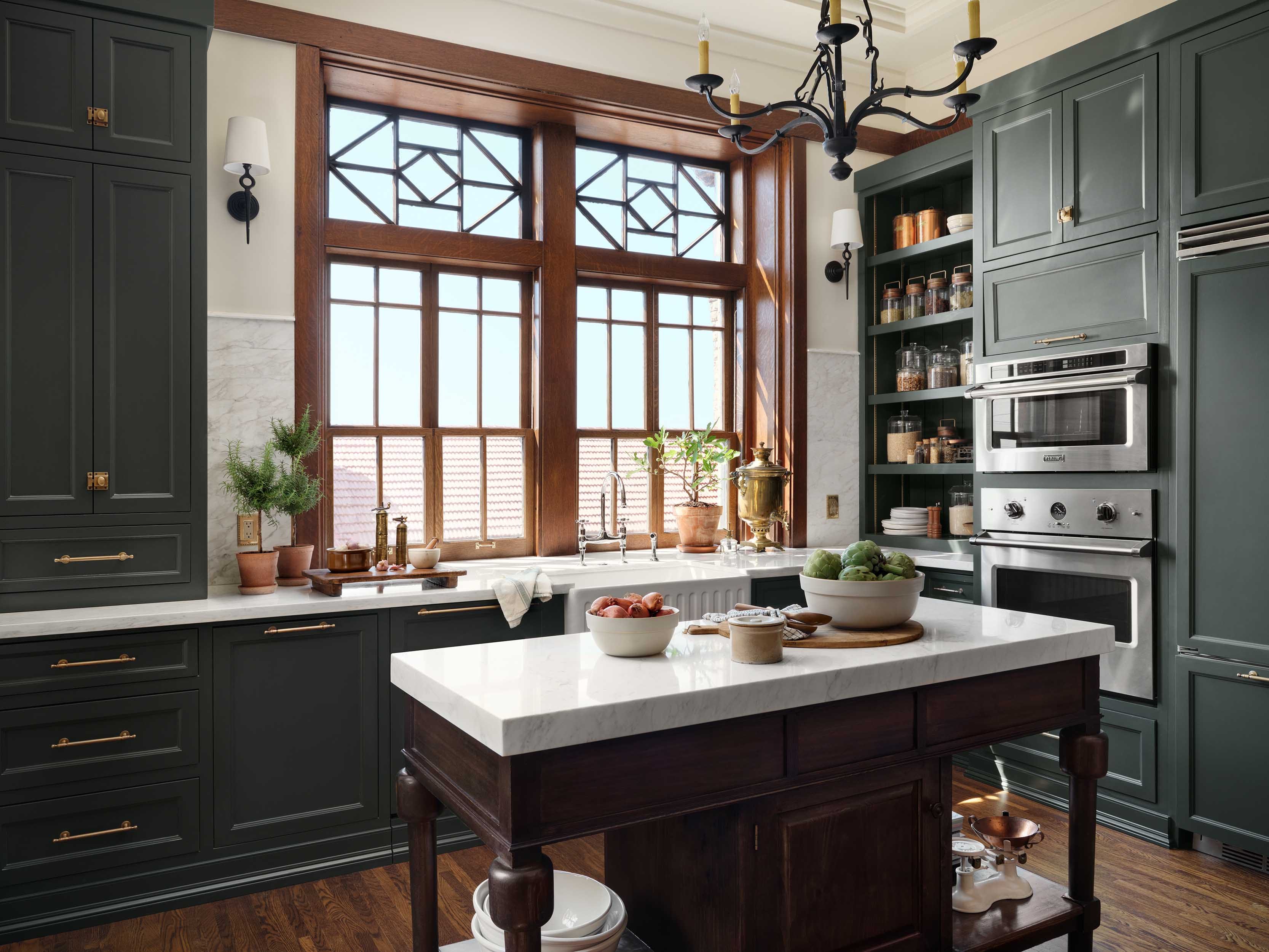
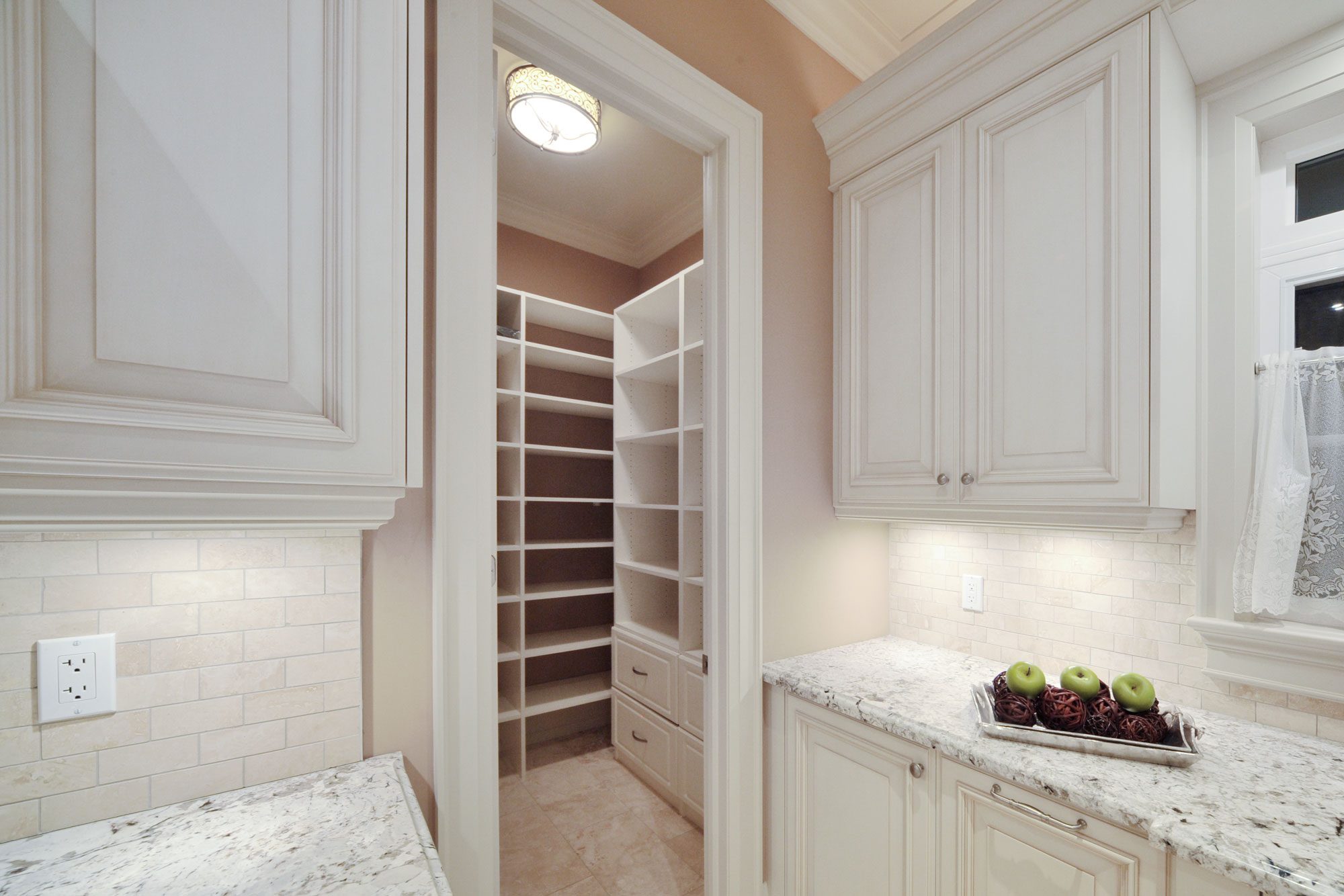
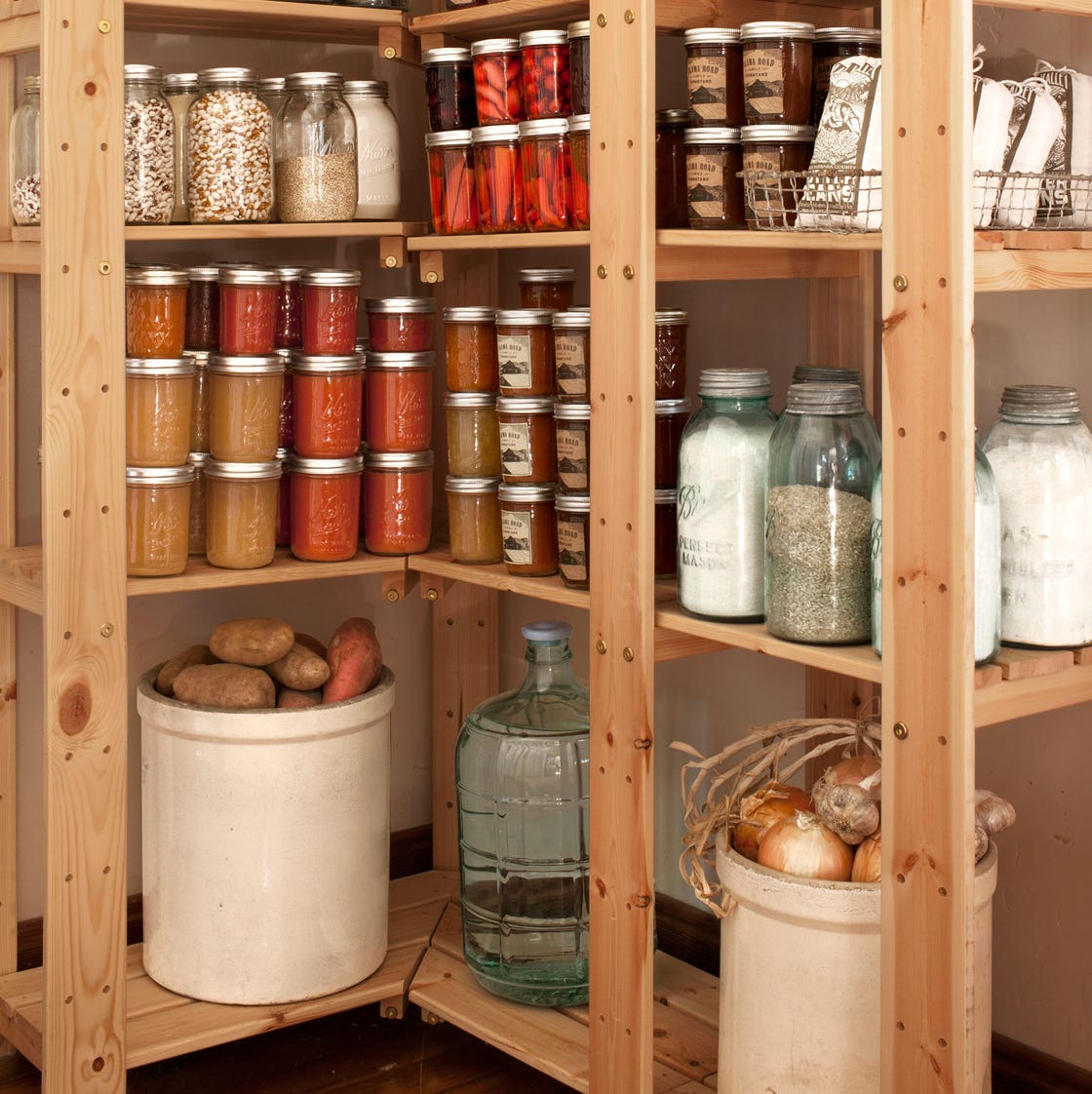
Historically, pantries were common in homes, often appearing as small alcoves or closets for storing canned goods and non-perishable items. However, with the advent of larger, more efficient refrigerators and an increased availability of fresh foods and takeout options, pantries gradually became smaller or disappeared entirely. The modern pantry, as defined by interior designer Chris Alexakis of CabinetSelect, is characterized by its comprehensive features, including cabinets, shelves, drawers, and other elements designed to optimize space and functionality. Alexakis emphasizes that for a space to be considered a pantry, it typically requires at least one door to close it off, along with counter space, a sink, shelving, drawers, and potentially electricity. He also stresses the importance of customizing the pantry to meet the client's specific needs, suggesting the integration of additional appliances like a refrigerator or microwave if the pantry is intended for both food storage and preparation.
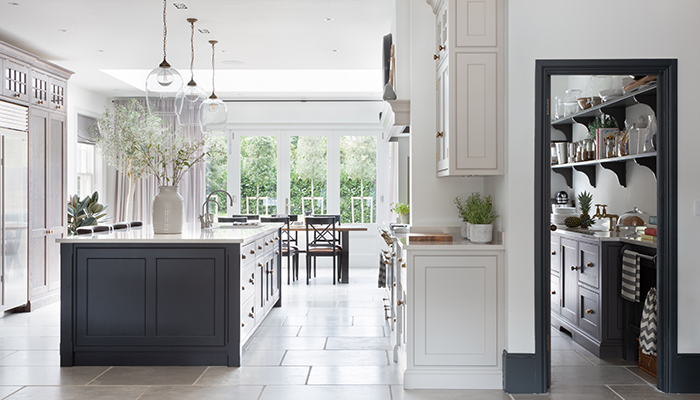
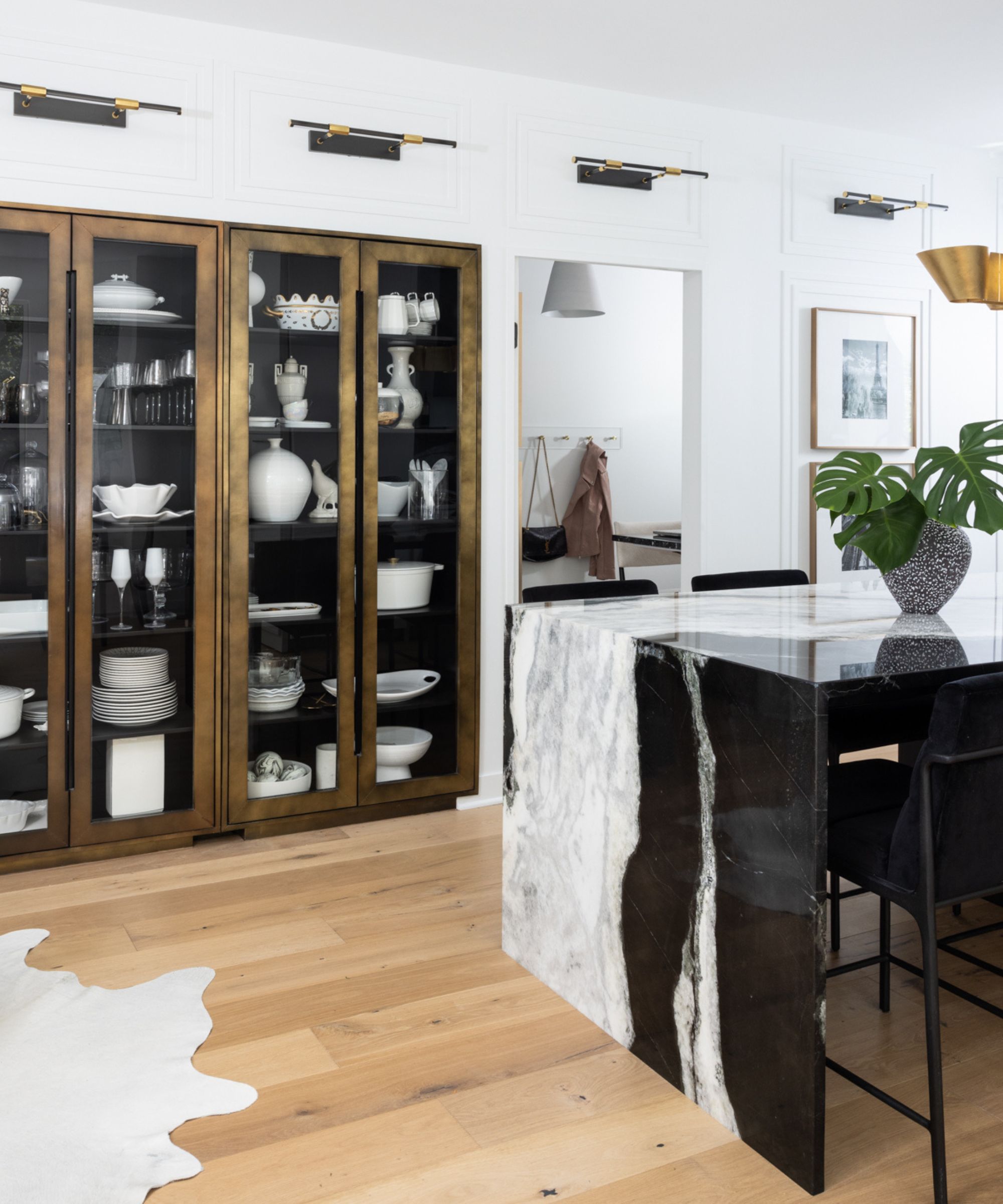
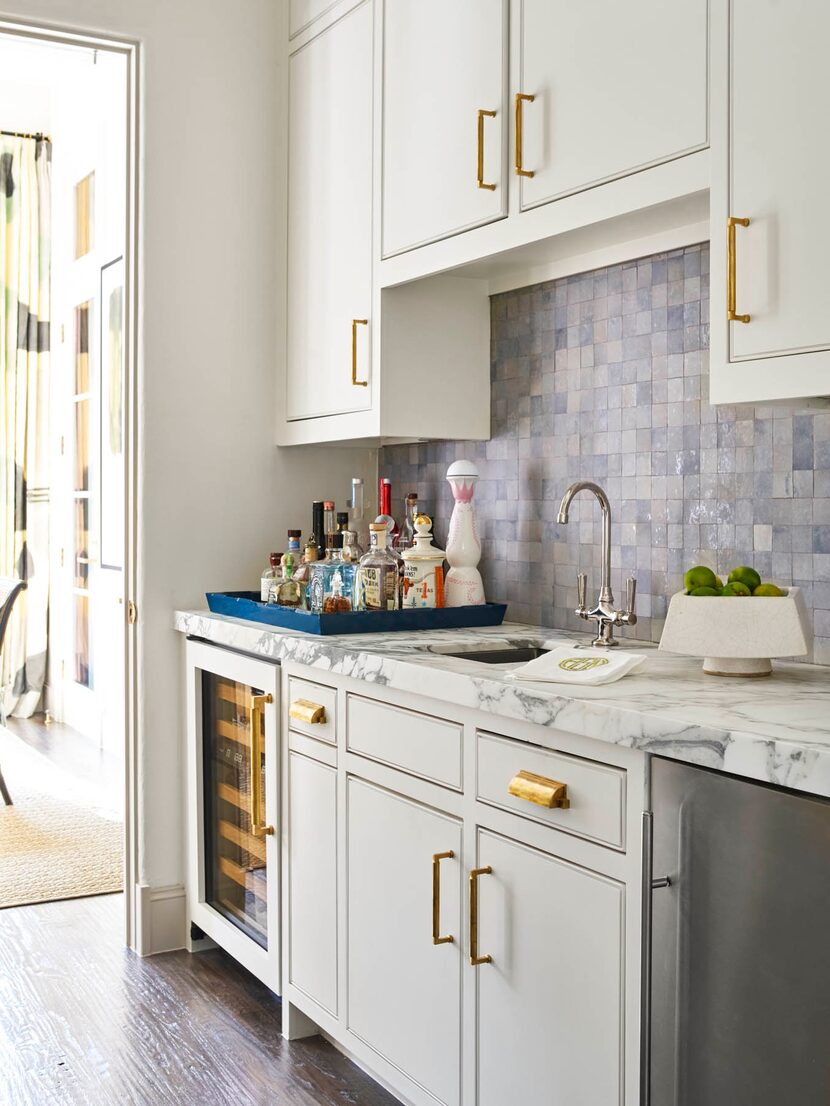
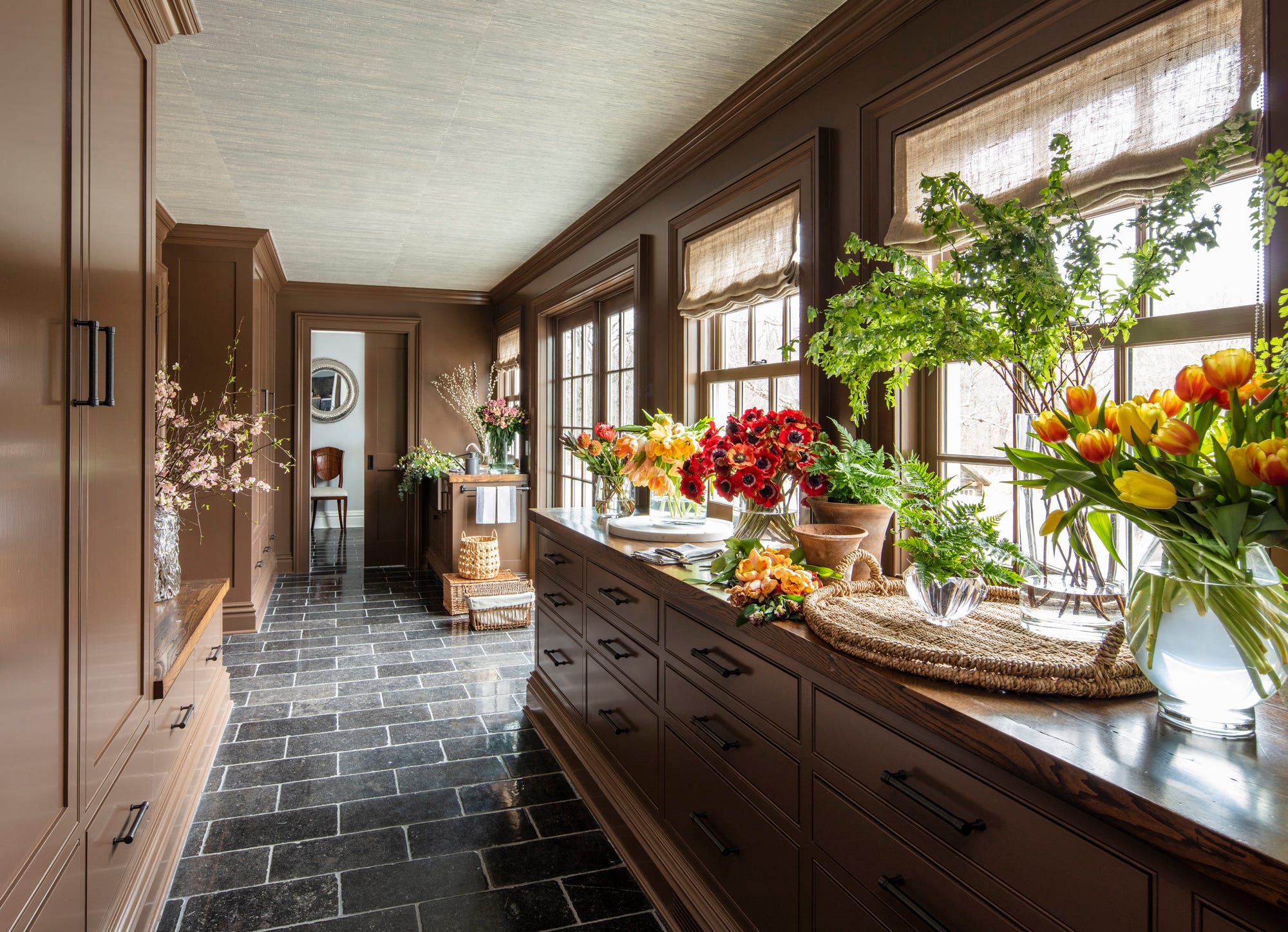
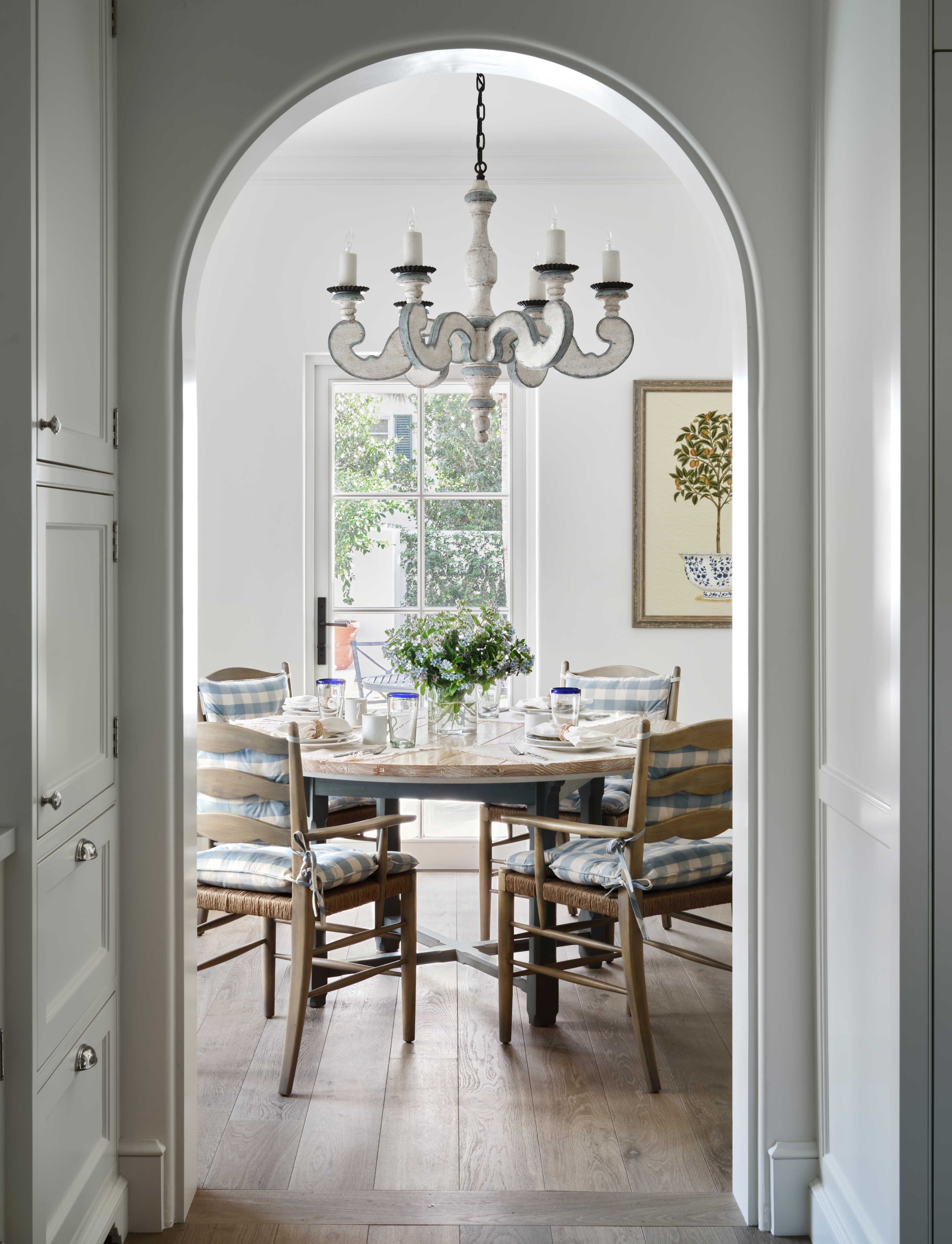
The article also details the concept of a butler’s pantry, which Alexakis describes as a distinct room situated between the dining room and the kitchen. These are generally larger than standard pantries and are equipped with counter space, a sink, and cabinetry for storing food and dishes. Butler's pantries are often favored by households that frequently entertain guests, serving as a convenient staging area for food preparation and serving before items are brought into the dining room.
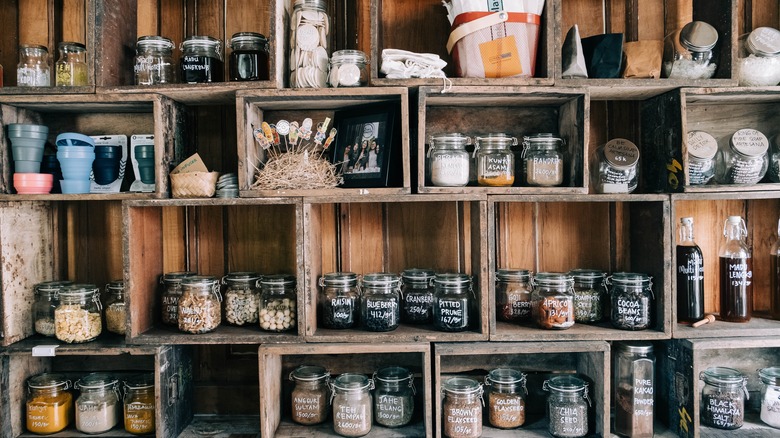
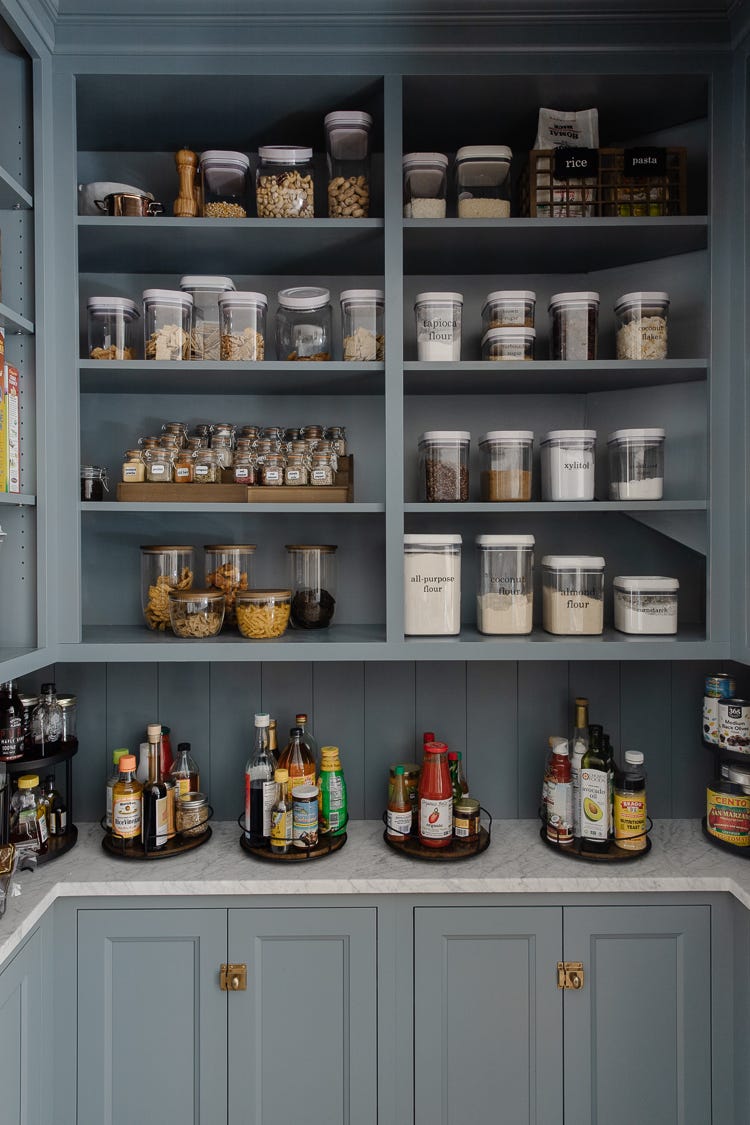
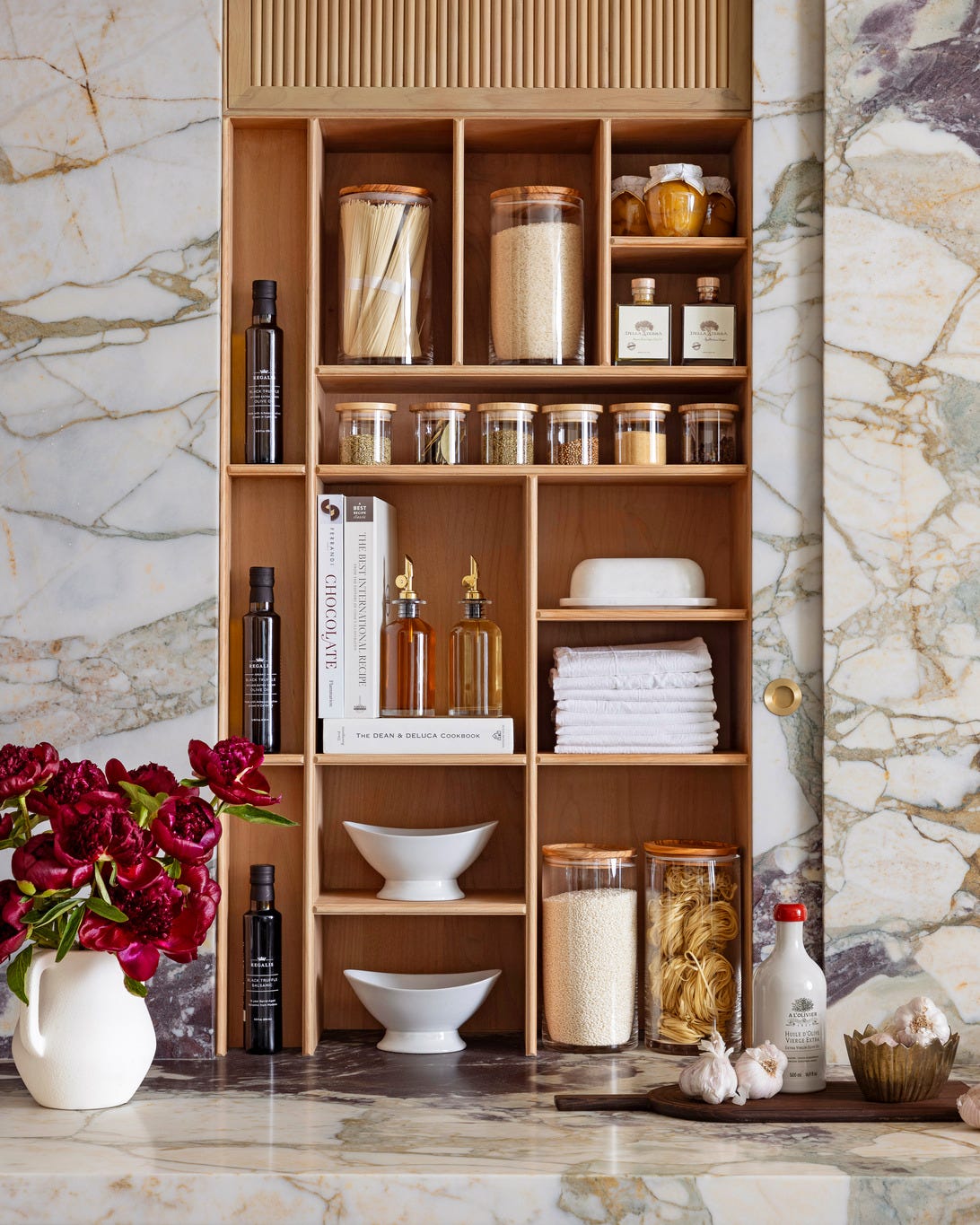
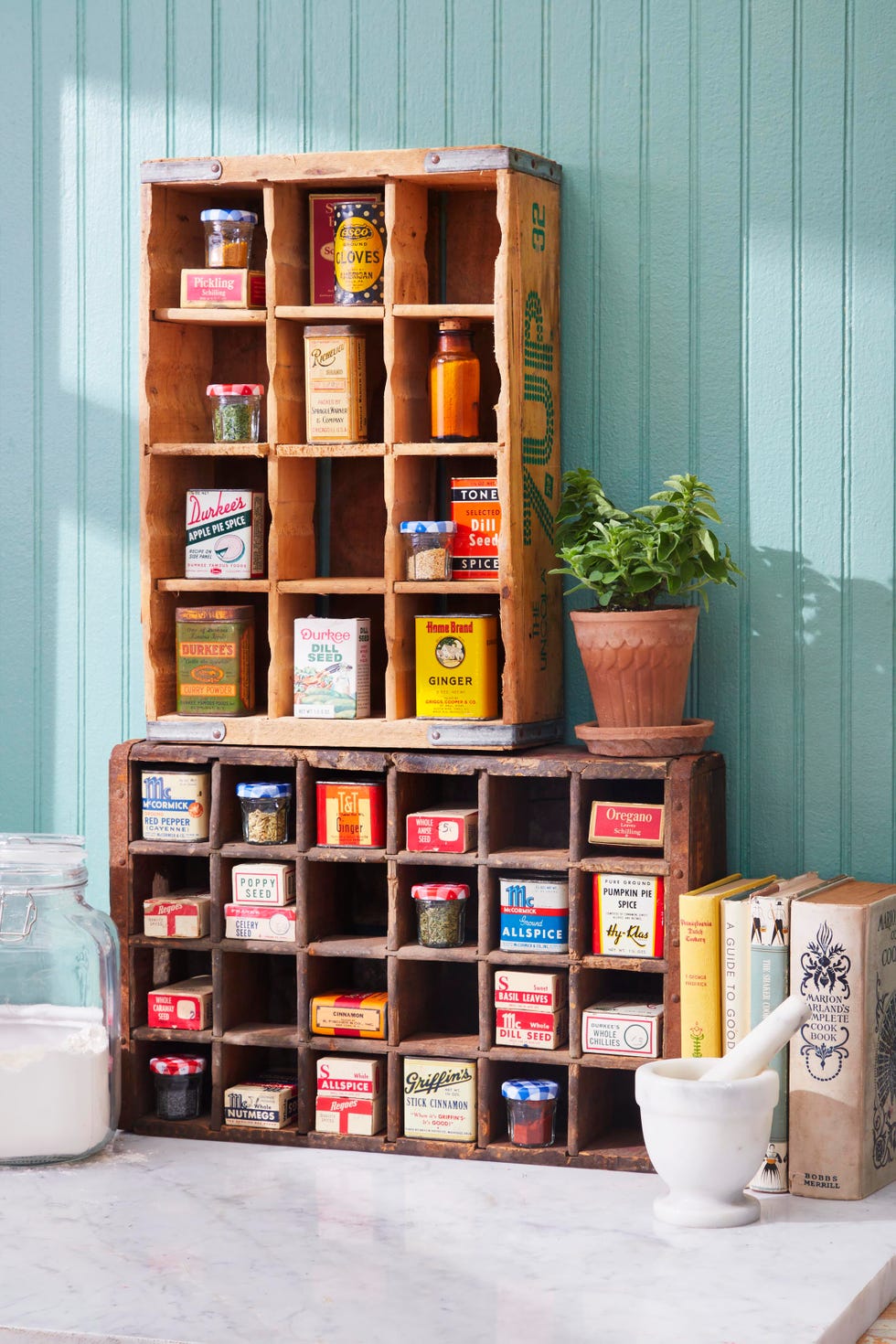
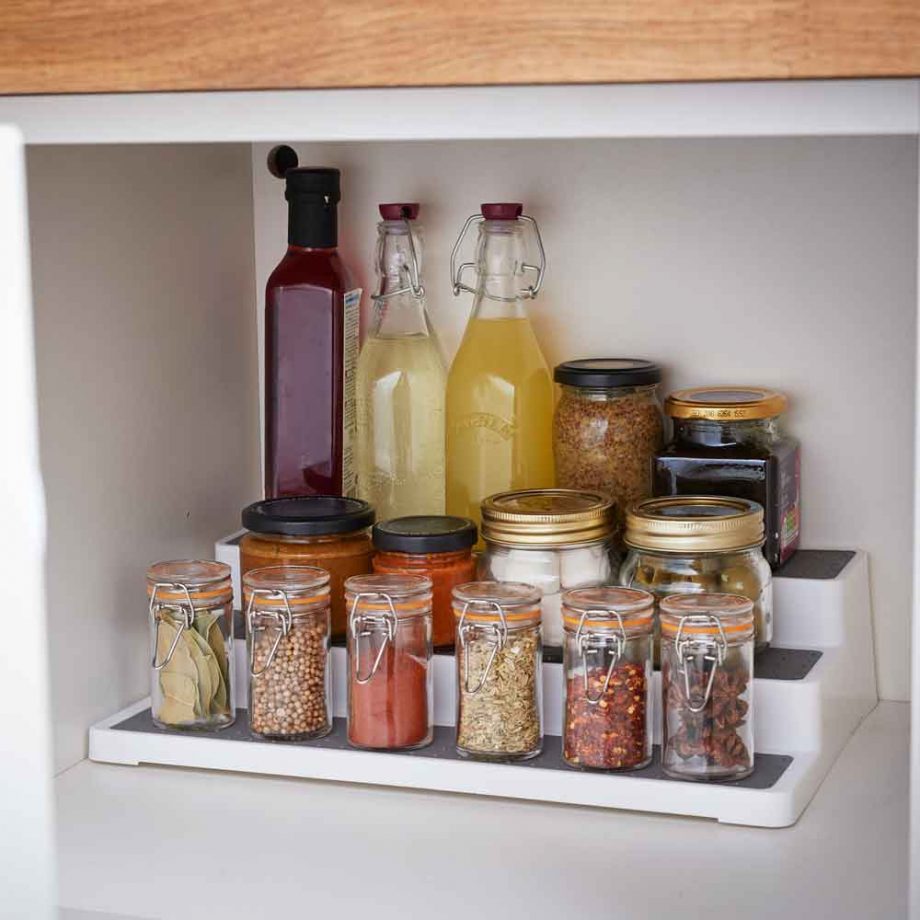
Aaron Jerez, CEO and founder of Home Bar Select, attributes the renewed popularity of pantries to several factors. The growing trend of healthy eating necessitates more storage for dry goods such as grains and legumes, which pantries effectively provide. Furthermore, the increased time spent at home and a rise in entertaining since the 2020 pandemic have contributed to the demand for butler’s pantries, as they help maintain cleaner and more organized main kitchen areas. Some homeowners are also seeking multi-purpose pantries that can serve as spaces for hobbies like crafting, painting, or studying. Jerez also notes that a pantry can elevate a home's aesthetic, adding a touch of luxury and sophistication, with options for customization ranging from basic to elaborate. For households with specific dietary restrictions, a pantry offers invaluable space for separating foods, particularly beneficial for large or multi-generational families.
For those interested in adding a pantry, the article offers practical suggestions. Jerez recommends repurposing space from a garage, converting an unused built-in desk area, adapting existing kitchen cabinets or counter space, or transforming a hallway closet. Alexakis adds further ideas, such as opening up an entryway to install shelves, utilizing often-overlooked spaces like those under stairs, incorporating cabinet systems for efficient storage in compact areas, and installing a sliding barn door to create pantry space within a nook or cranny.
#PantryDesign #KitchenStorage #HomeOrganization #HomeRenovation #InteriorDesignTrends #ButlerPantry #HealthyEatingTrends #SpaceUtilization #PantryDesign #KitchenStorage #HomeOrganization #HomeRenovation #InteriorDesignTrends #ButlerPantry #HealthyEatingTrends #SpaceUtilization
0 komentarzy łącznie
 Brak komentarzy jeszcze
Możesz również polubić
30 Perfectly Organized Pantries To Inspire A Tidy Kitchen

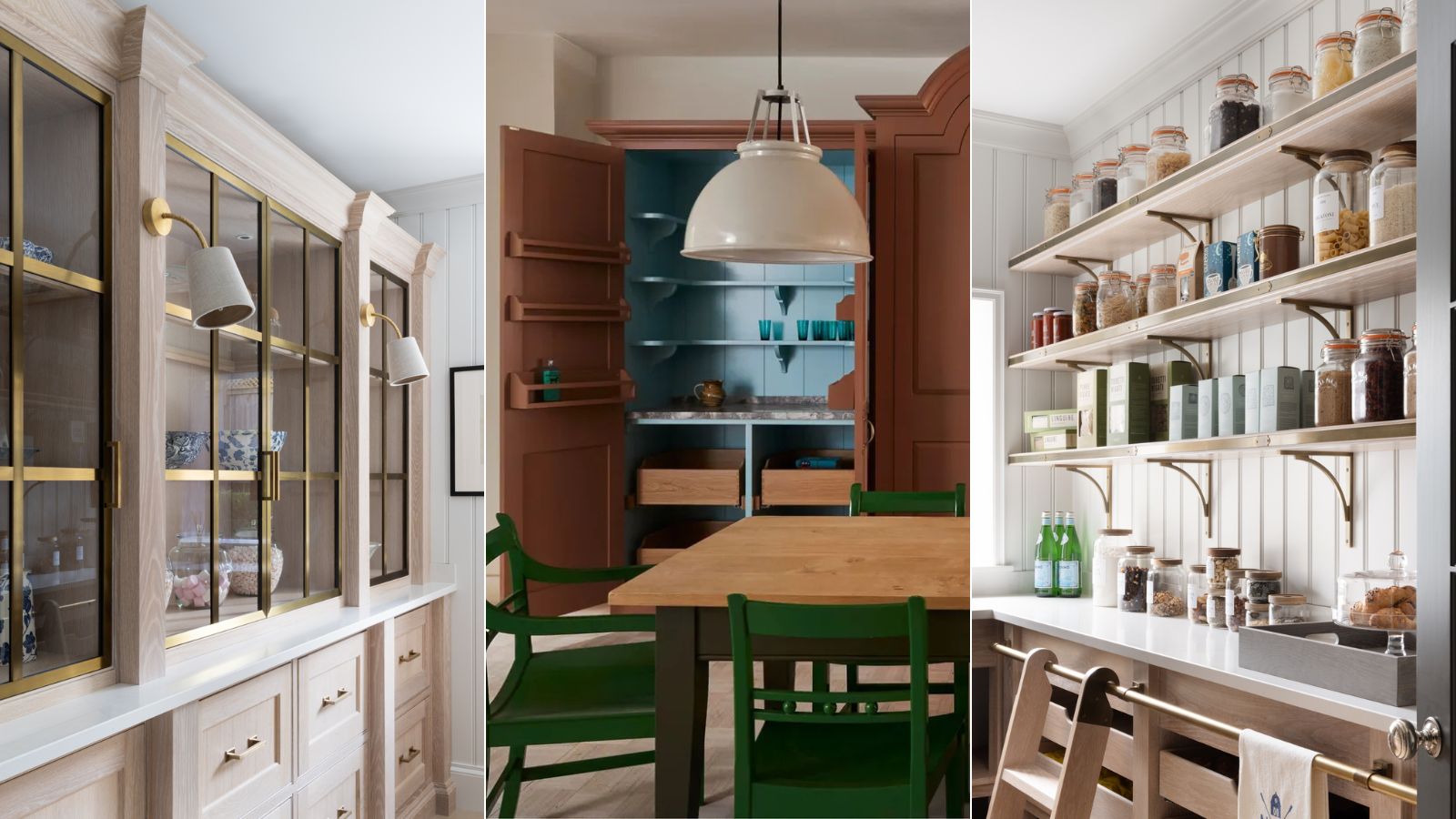
13 pantry trends for an organized yet oh-so-stylish design in 2025

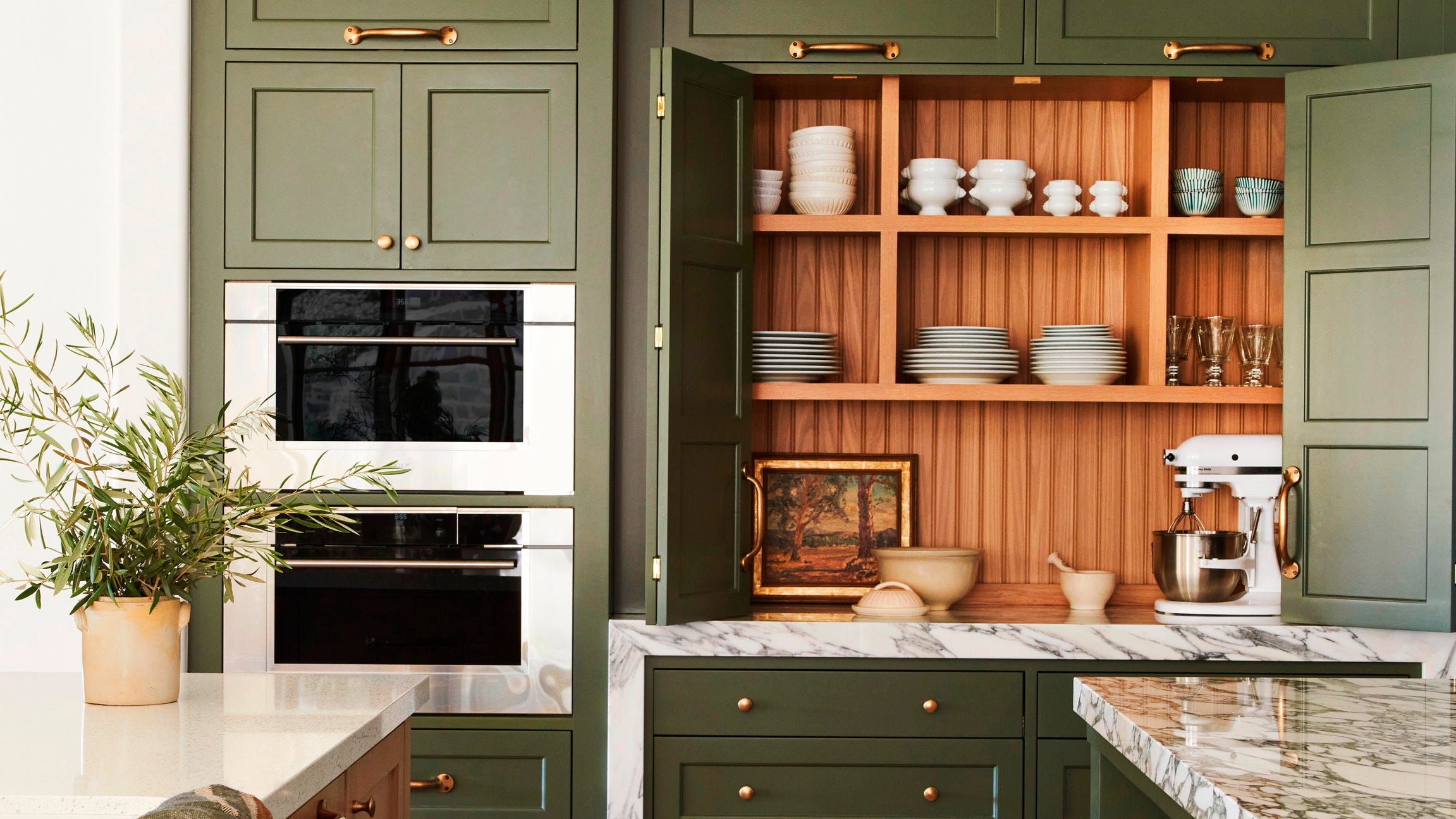
5 Genius Kitchen Pantry Trends That Will Help You Get (and Stay!) Organized

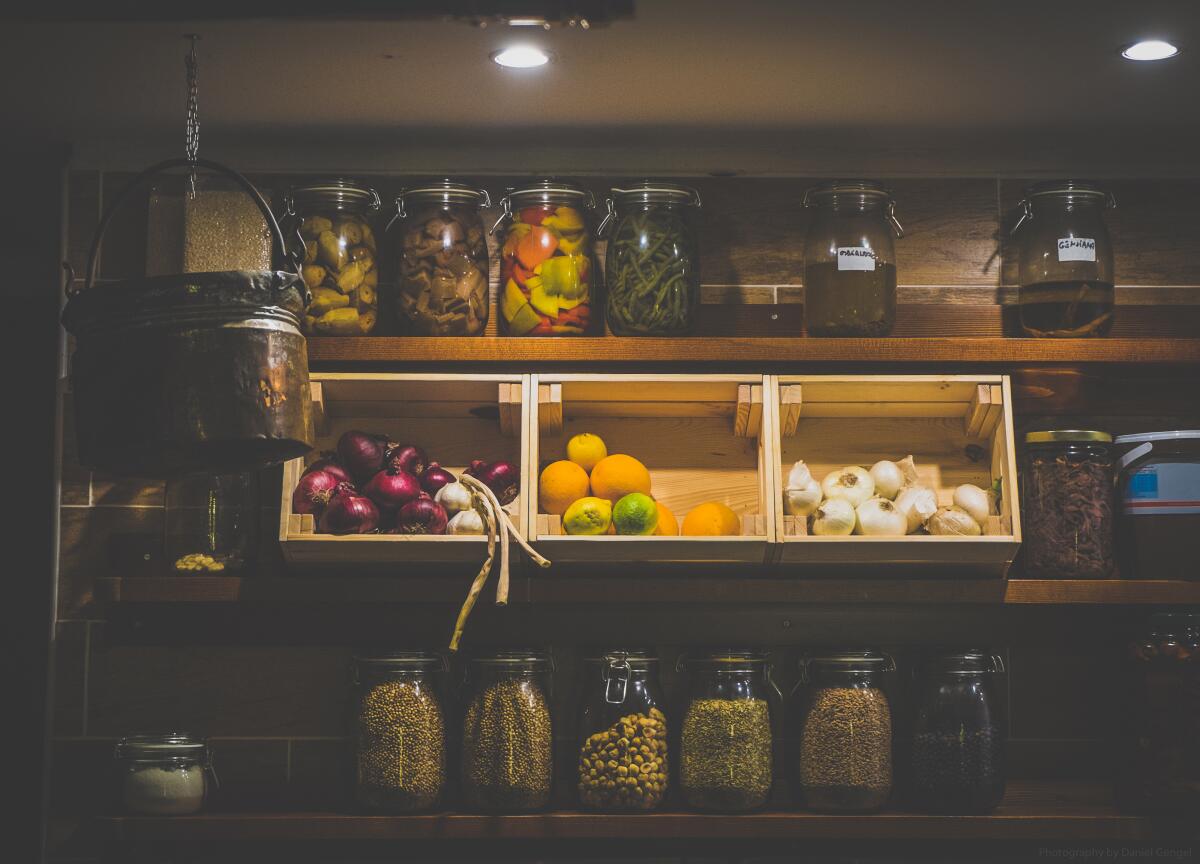
Opinion: What's with all the 'pantry porn' on Instagram and TikTok?

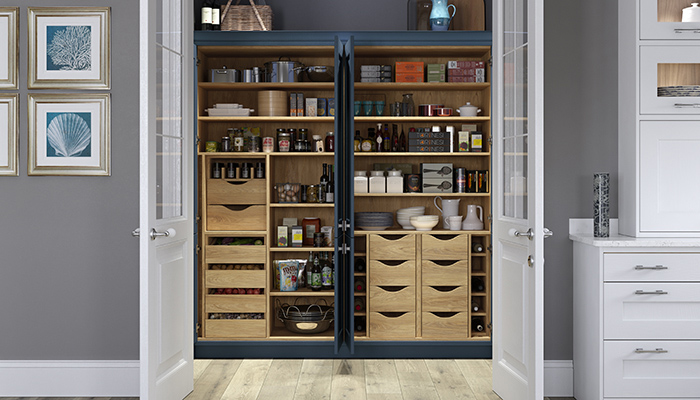
How consumers stocking up on supplies have embraced the walk-in pantry
The Lodge Pantry Just Got a Makeover!


Trend Alert: Cane Has Made a Comeback
Off the Shelf Pantries — From Dunelm to NEXT, Our Top Picks |

Colorful pantries are the new statement island
Bigger, Better Kitchen Pantries Are A Covid-Inspired Wellness Design Trend

Comfy carpet, once dismissed as out-of-date, is back in vogue

The Utilitarian Trend Is Bringing Khaki Shorts Back And We're Actually Glad

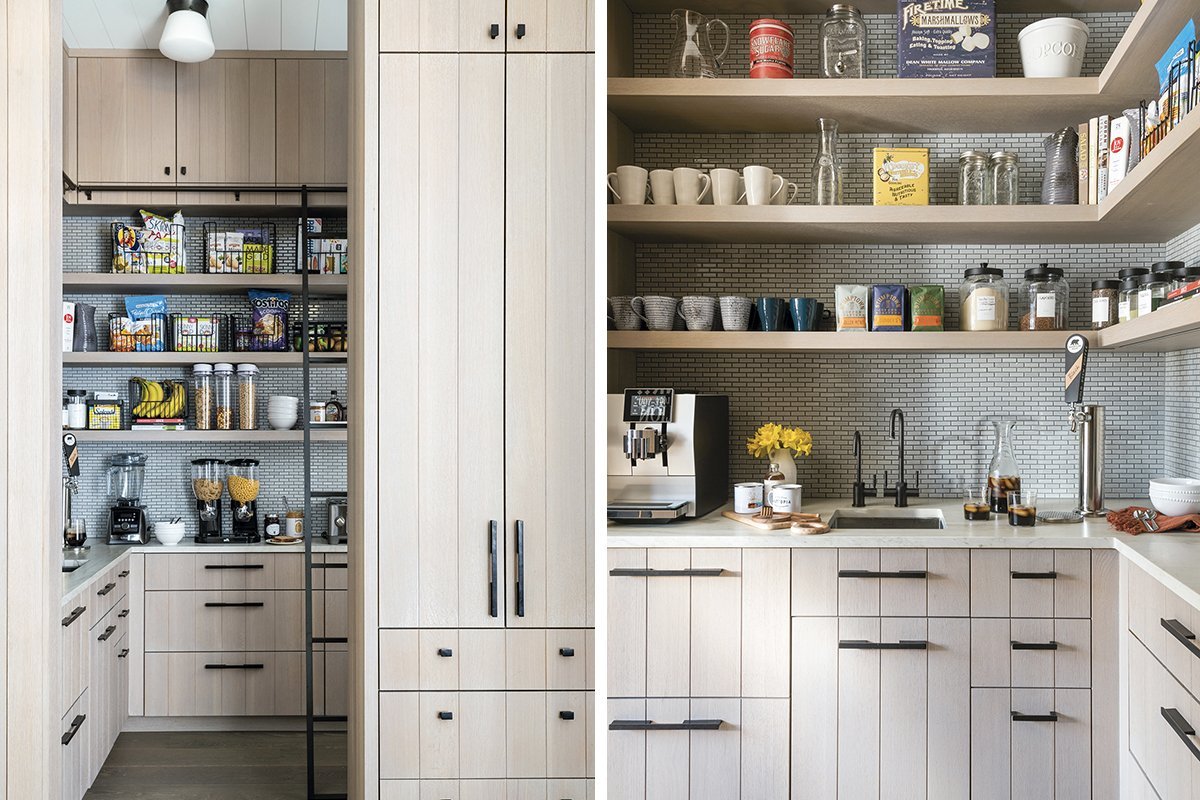
Walk-in Pantries: Hidden Gems

Pop Up Grocer’s New Shop Confirms That This Retro Flooring Material Is Cool Again

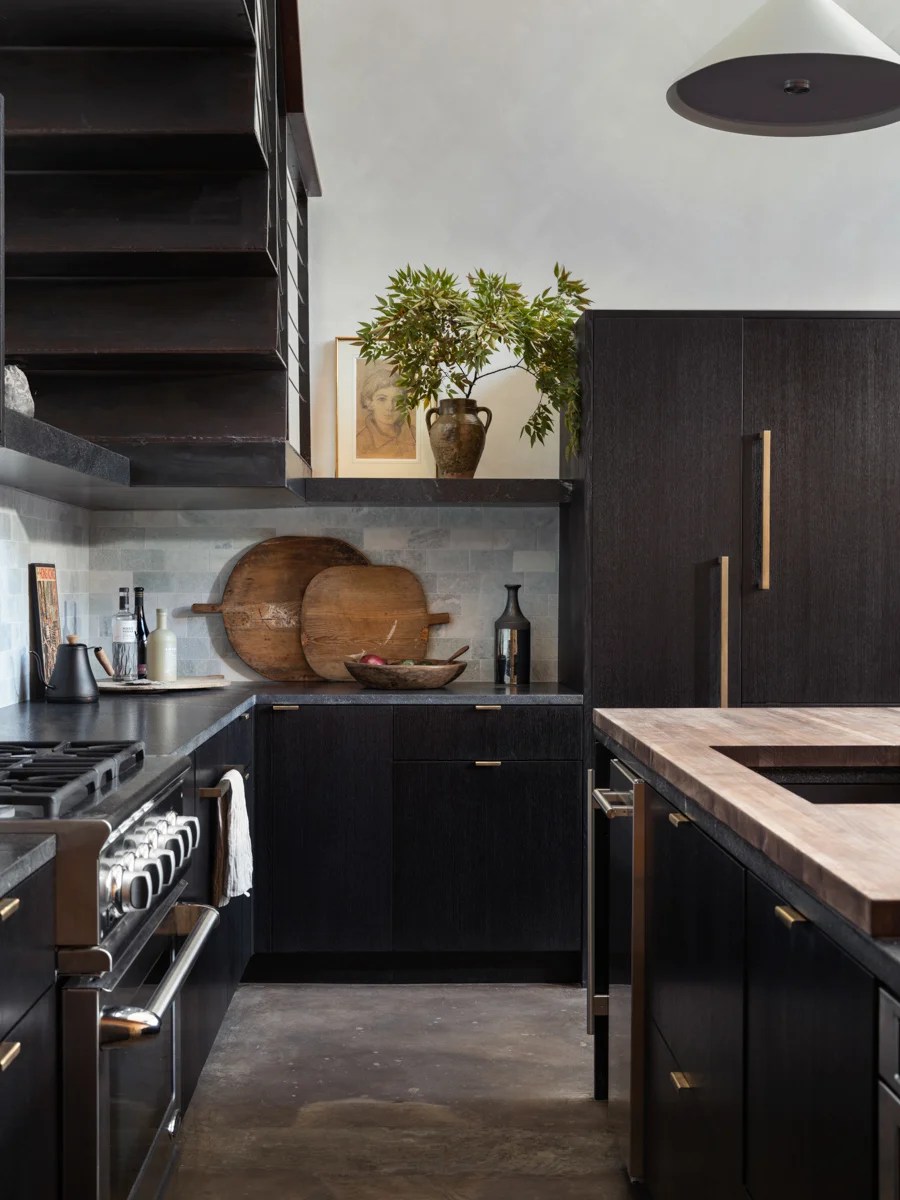
The Countertop Material That We Loved 25 Years Ago Is Coming Back

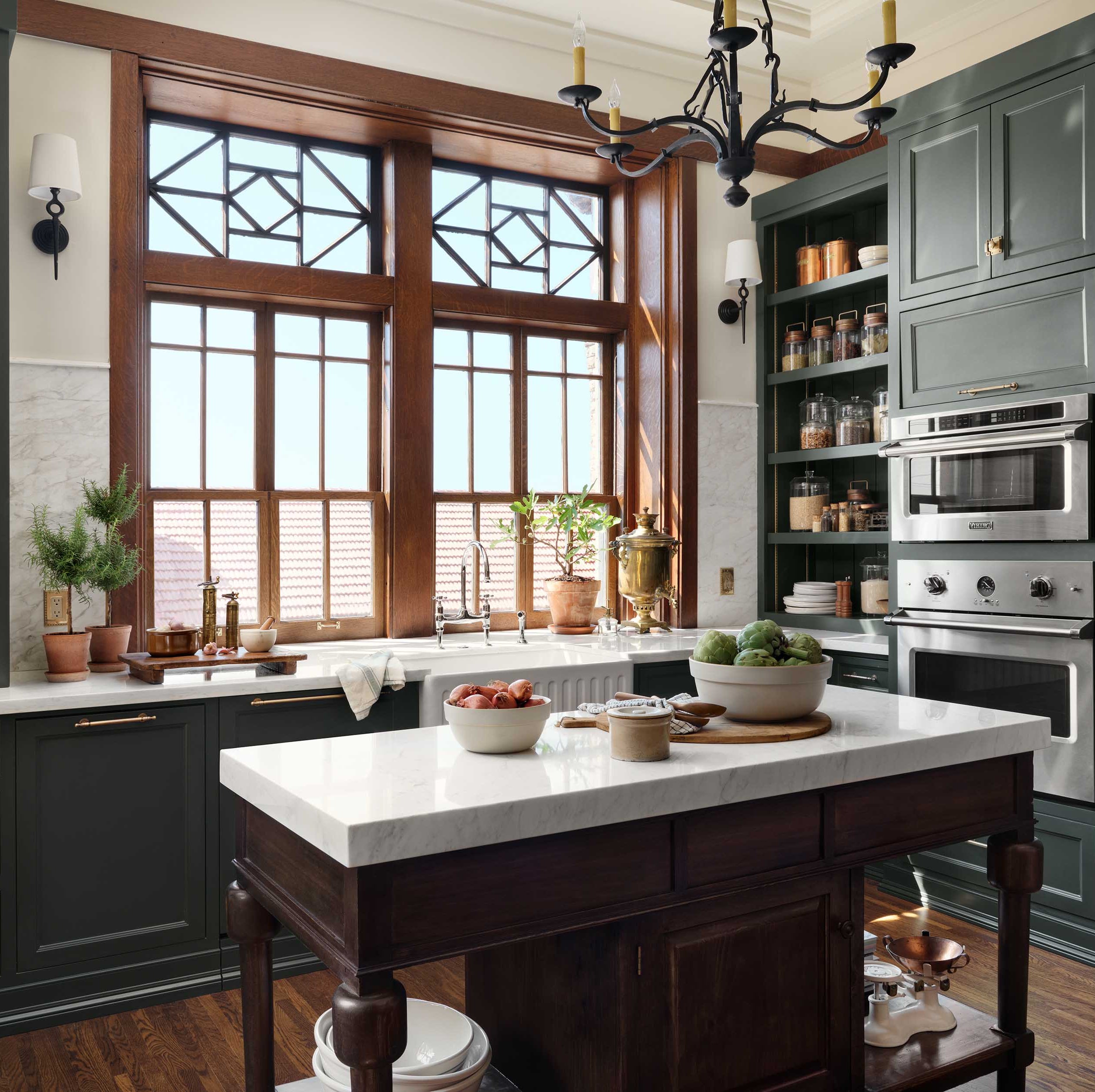
These 35+ Beautiful Butler’s Pantries Make the Perfect Culinary Companions
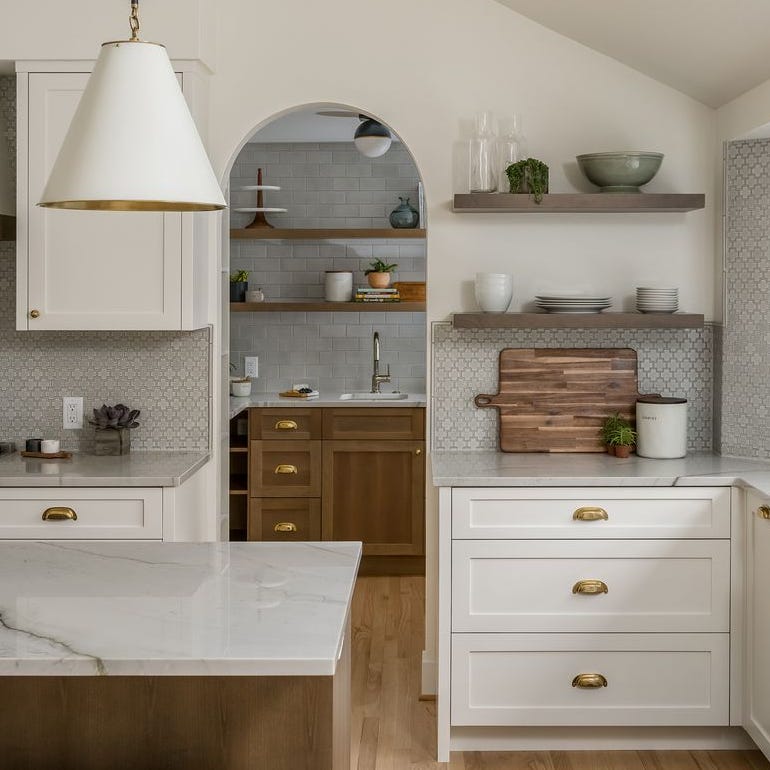
Butler's Pantries Are All the Rage, and These Designers Got It Right

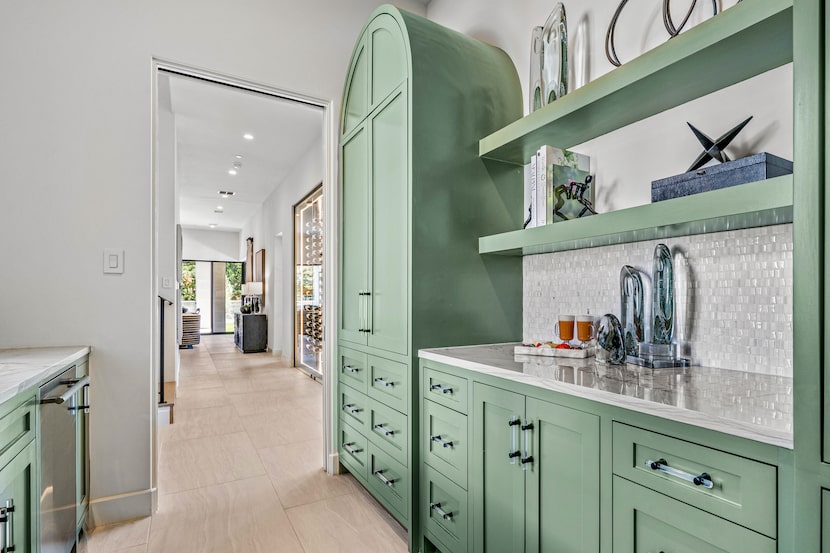
Eye-catching butler’s pantries create inviting spaces for entertaining

This Pantry Organizing Trend Is Surprisingly Nostalgic
The £3.50 buy that doubles kitchen storage in an instant is back in stock!