1/6
Kitchen chandeliers are everywhere right now – 6 designer-approved tips for bringing this luxurious lighting into a practical space
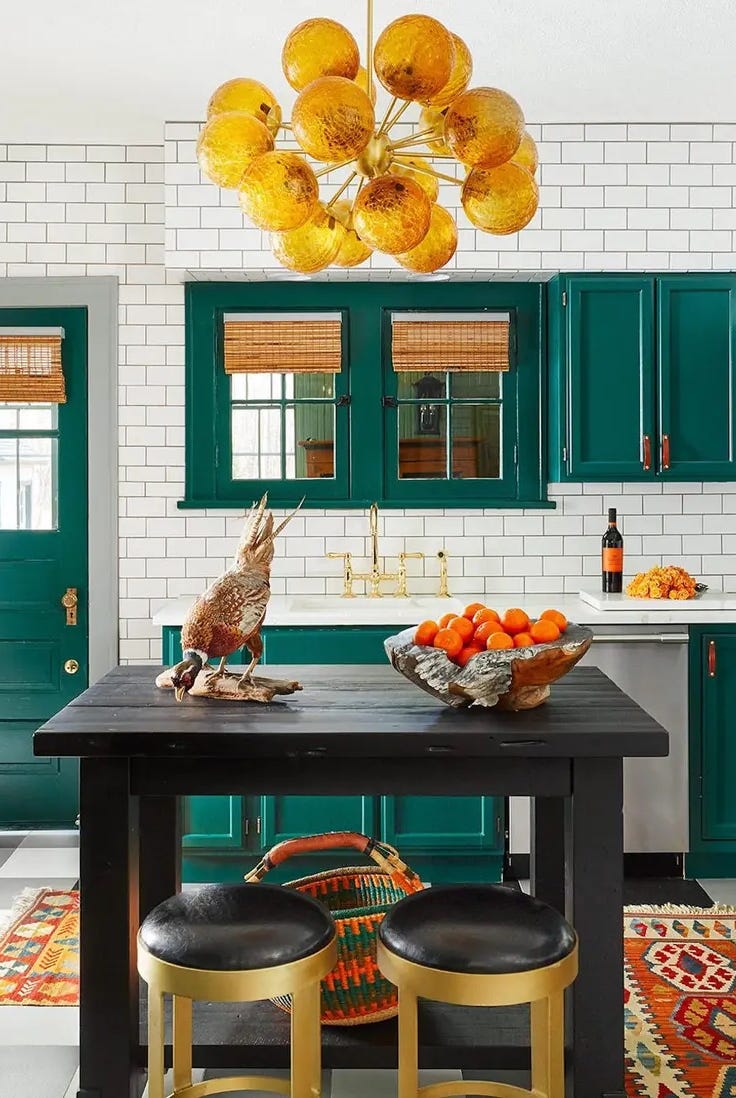
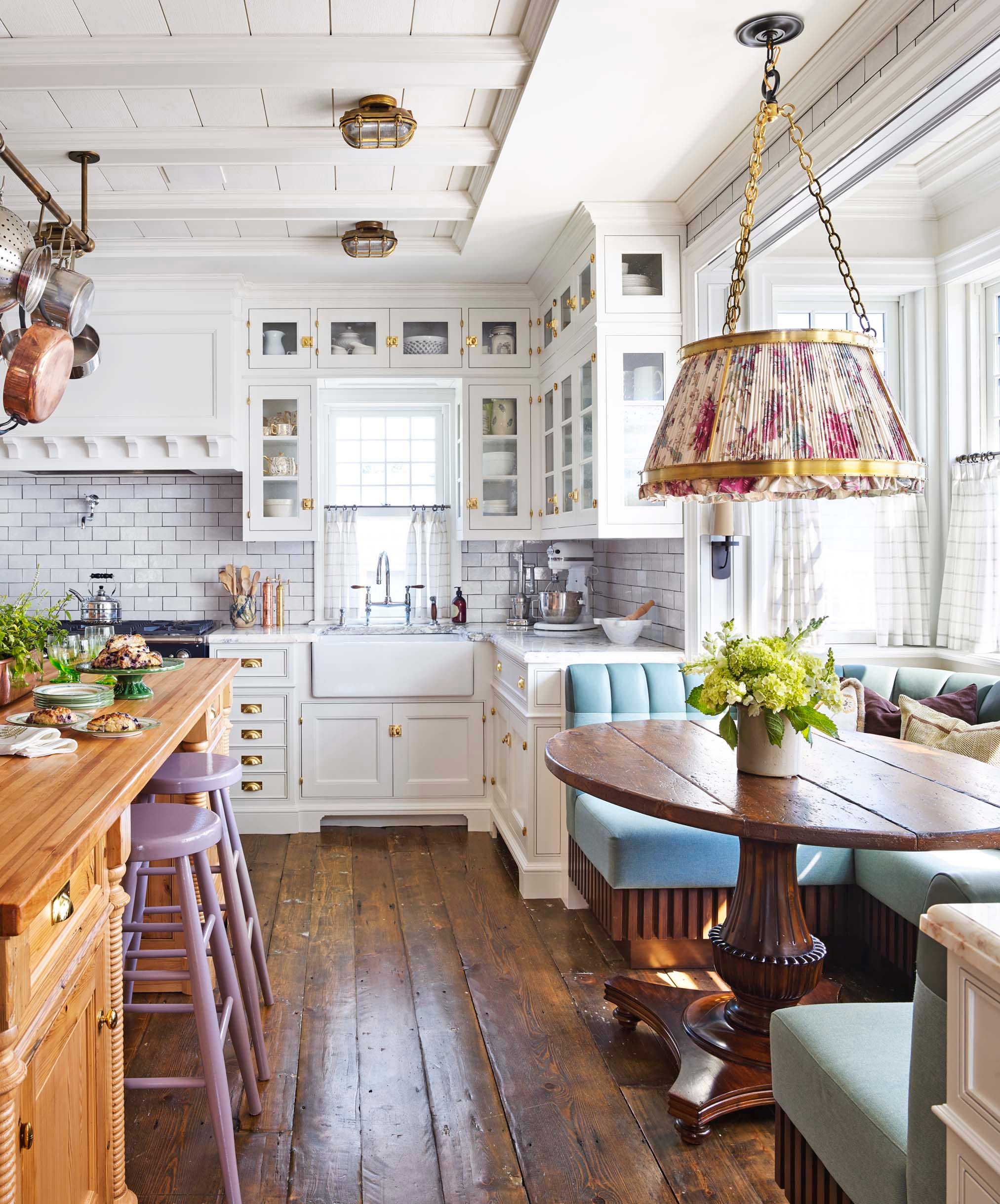
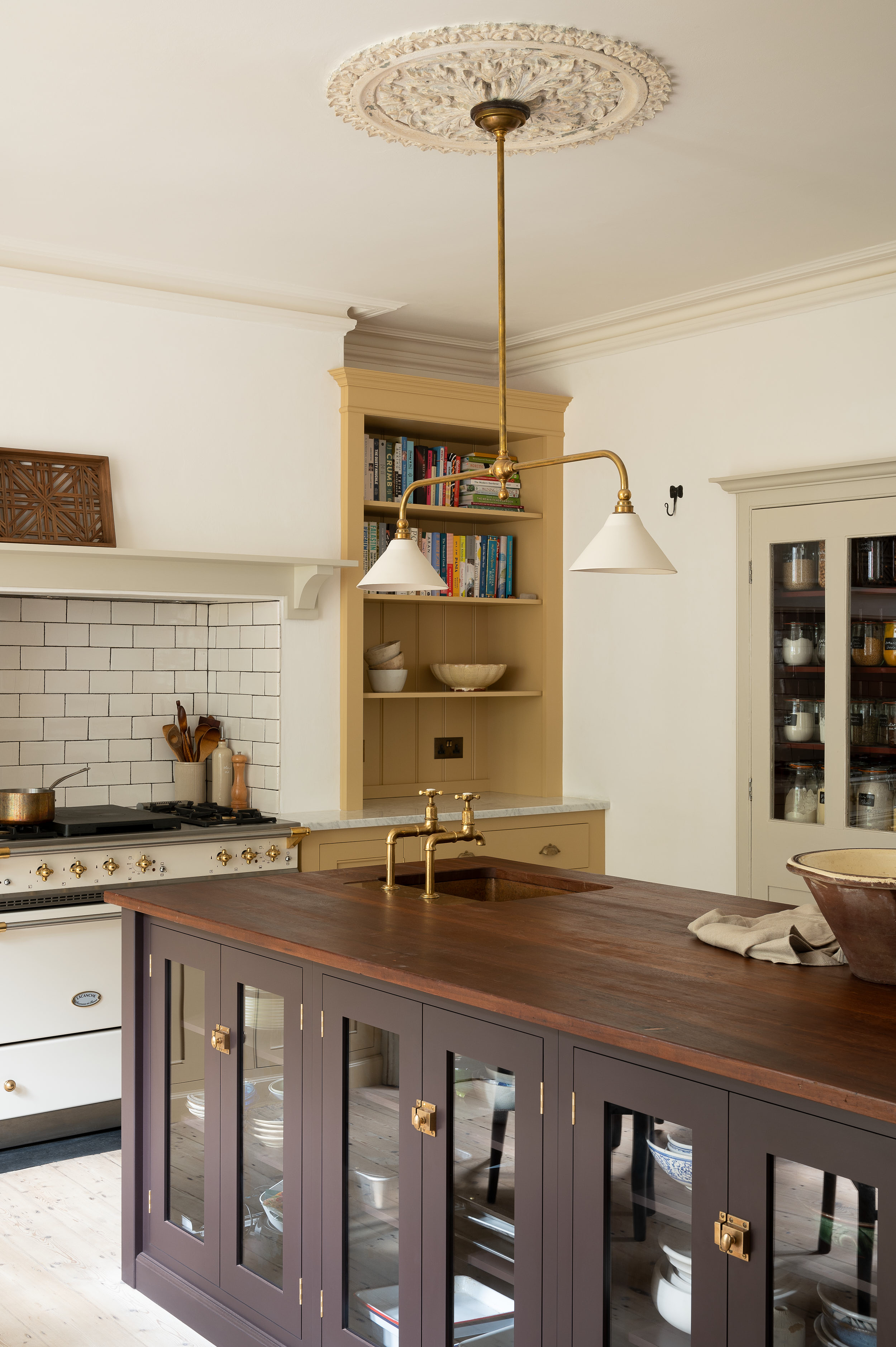

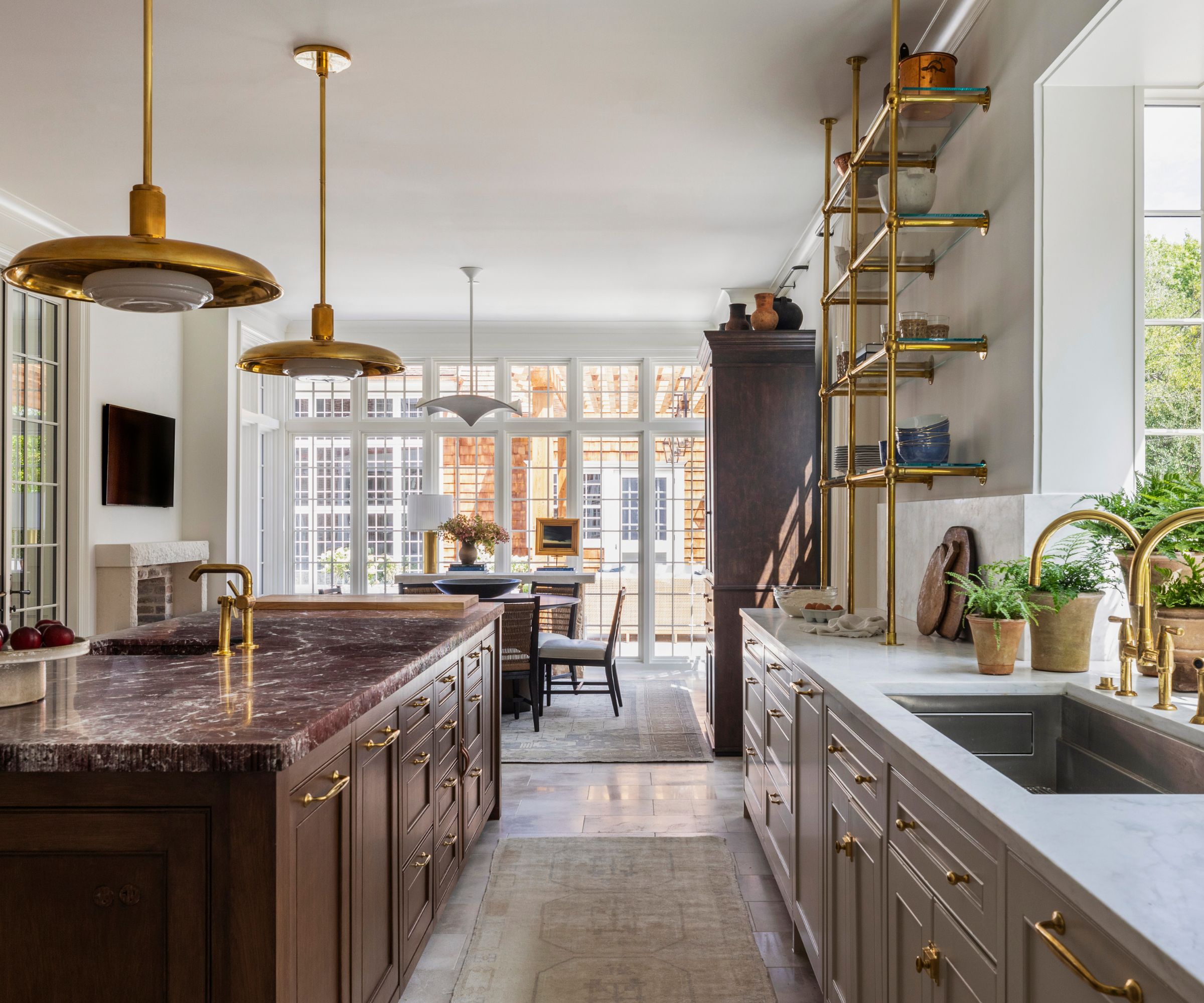
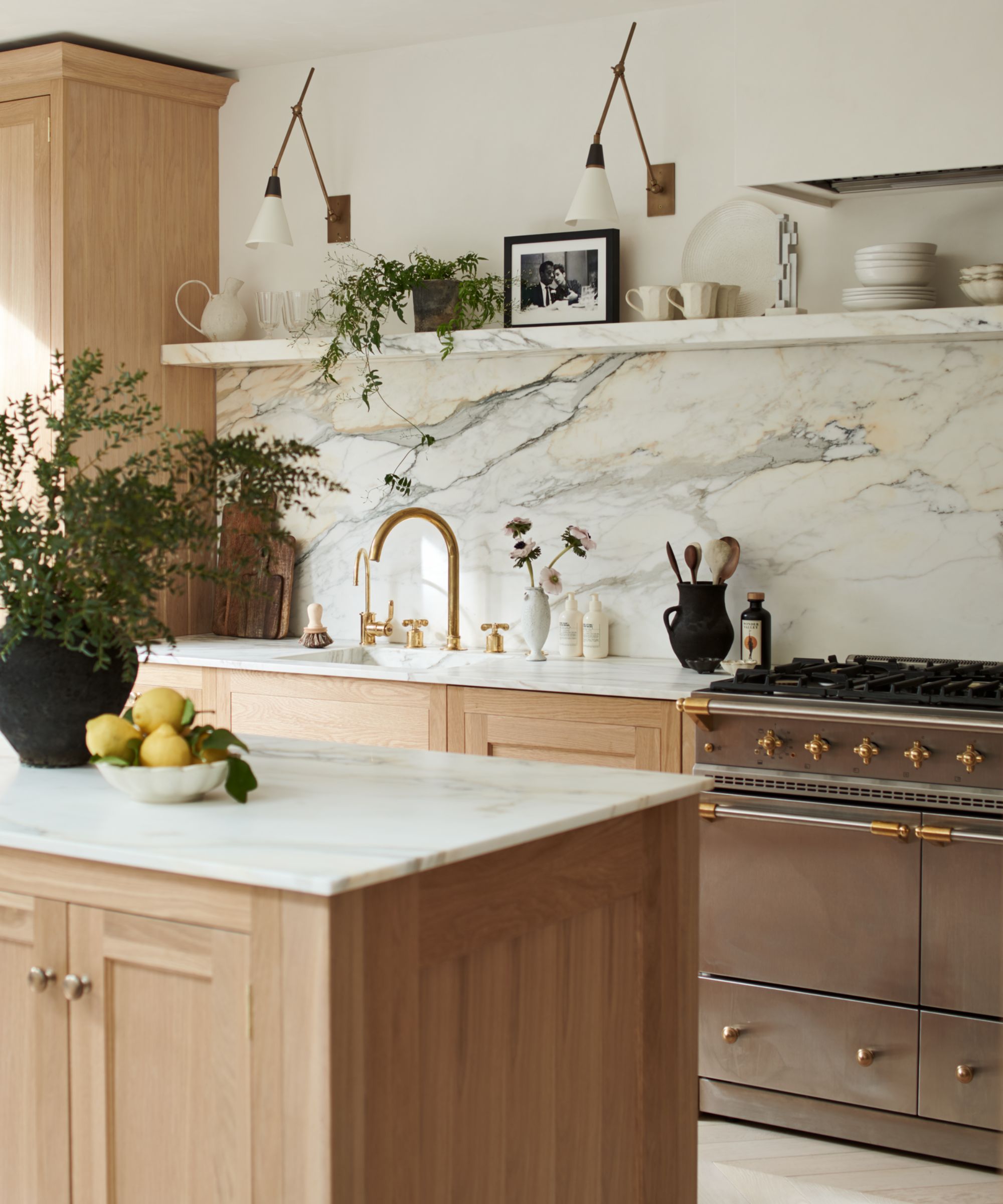
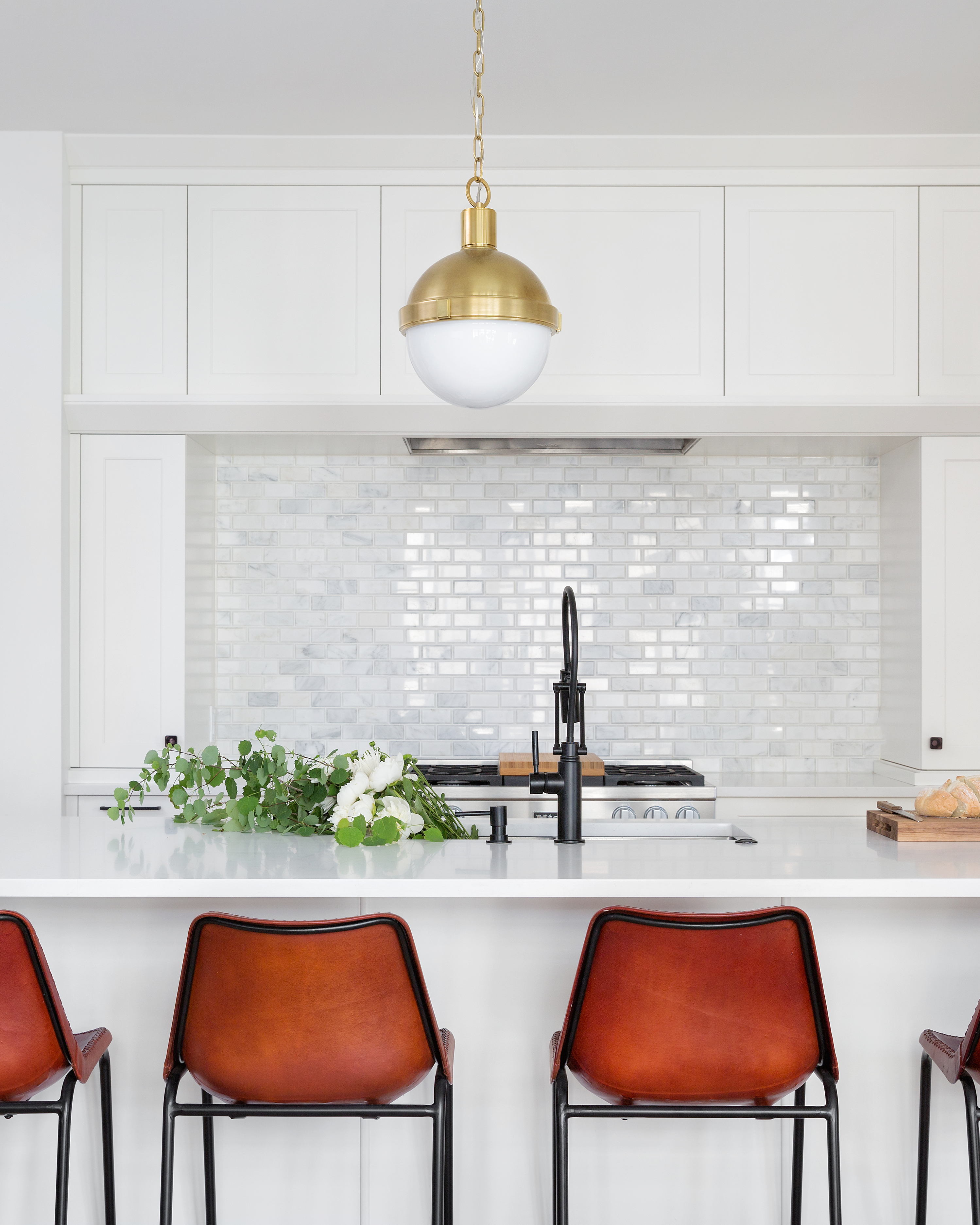
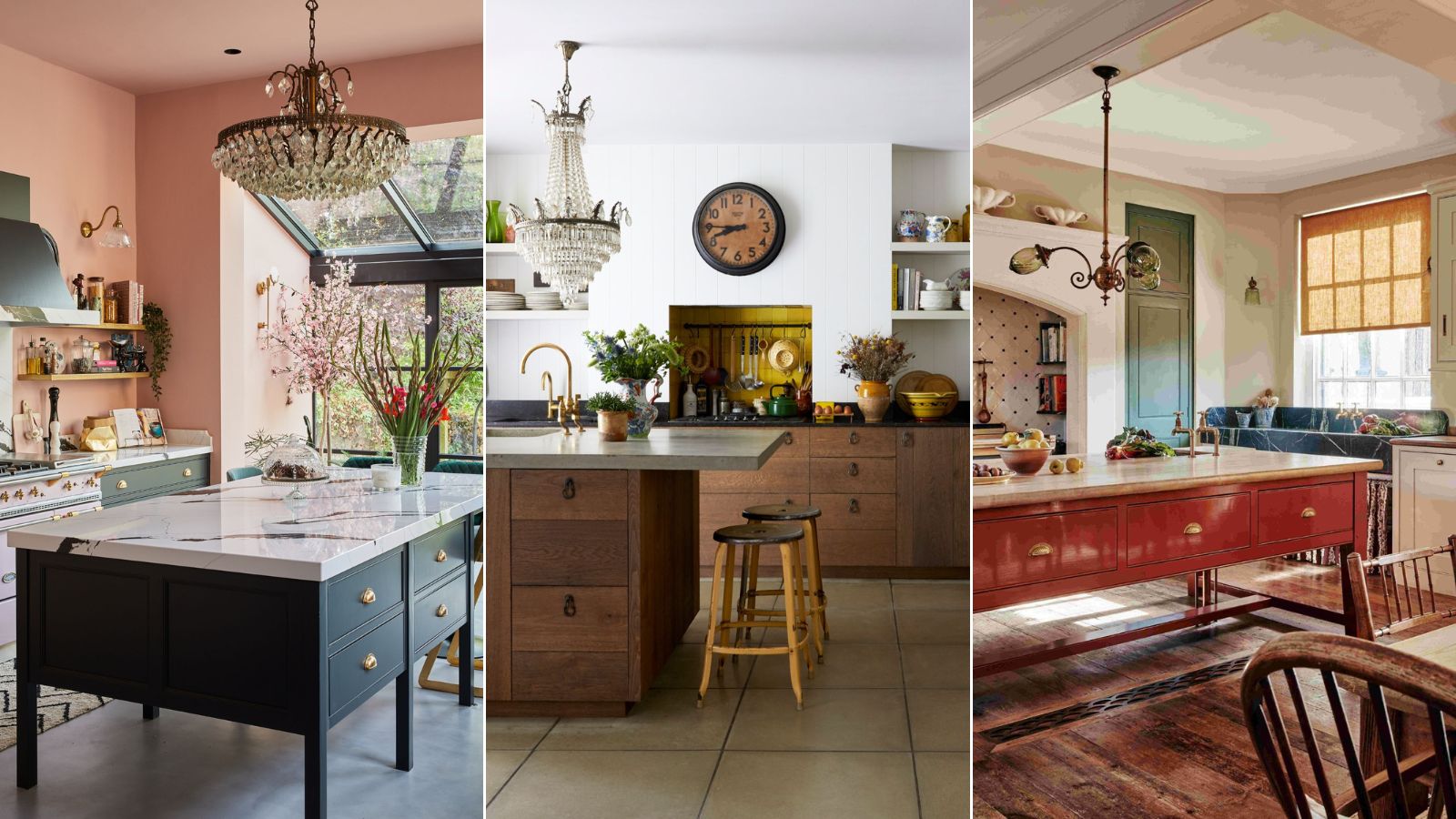
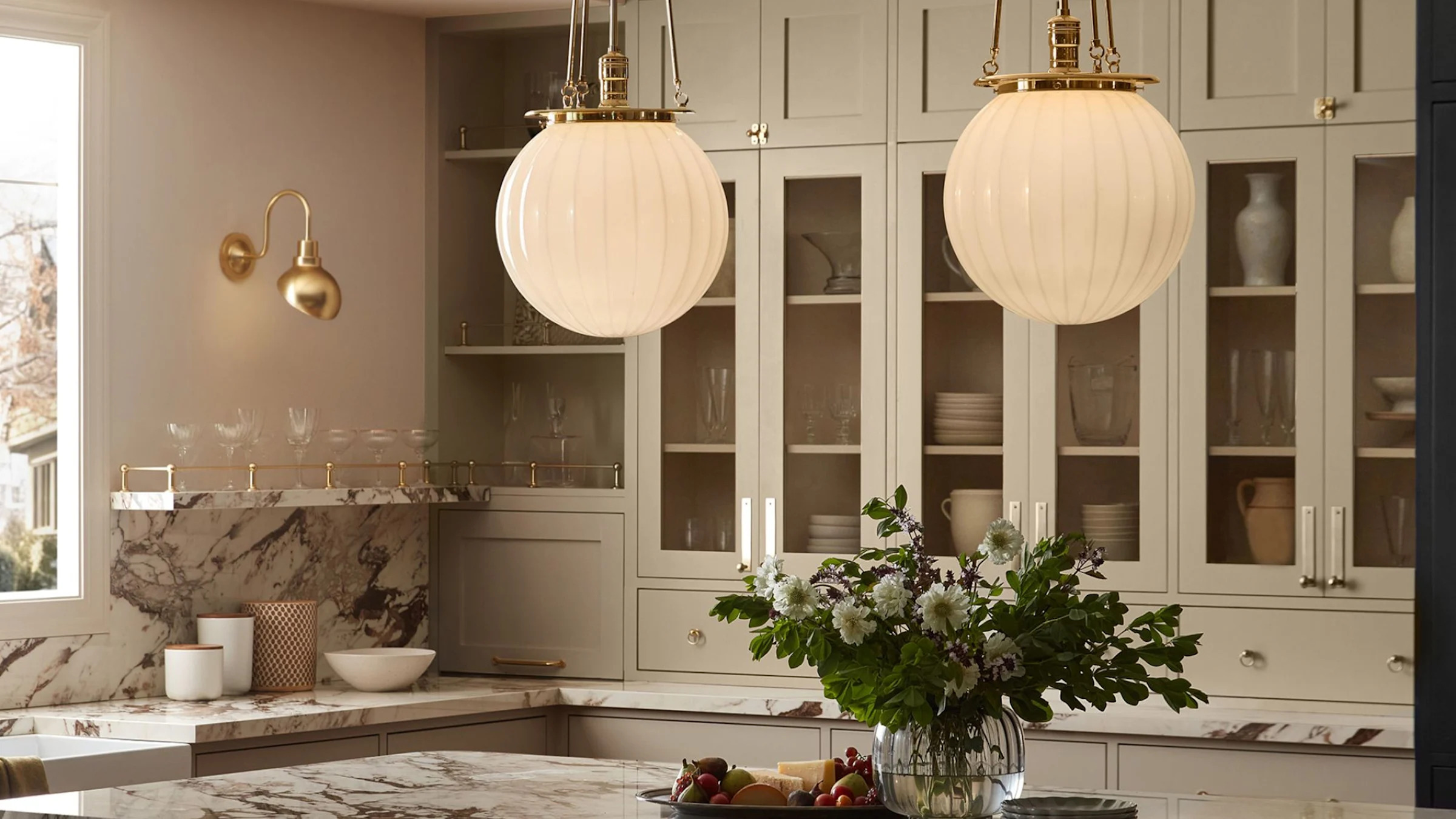
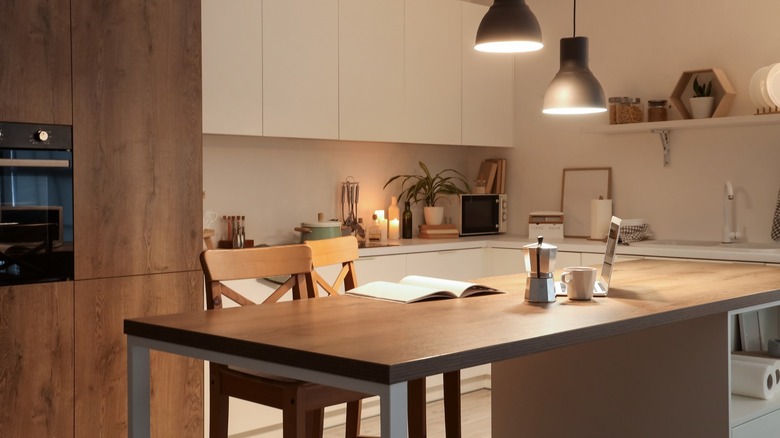
Chandeliers, traditionally reserved for formal areas like dining rooms and entryways, are experiencing a surge in popularity within kitchen design. This trend reflects a broader shift towards viewing kitchens as extensions of the home's main living spaces, requiring lighting that is both functional and aesthetically pleasing. While kitchens are inherently functional spaces for cooking and food storage, the integration of chandeliers introduces a layer of decorative lighting that transcends typical utilitarian fixtures, adding drama, sophistication, and visual interest.
Designers, such as Nina Lichtenstein, emphasize that chandeliers serve as focal points, bridging form and function to elevate the overall aesthetic of the kitchen. They contribute to a seamless flow by incorporating decorative lighting that feels less industrial and more personal. This article explores various ways to effectively incorporate chandeliers into kitchen spaces, offering designer-approved tips for different kitchen layouts and styles.
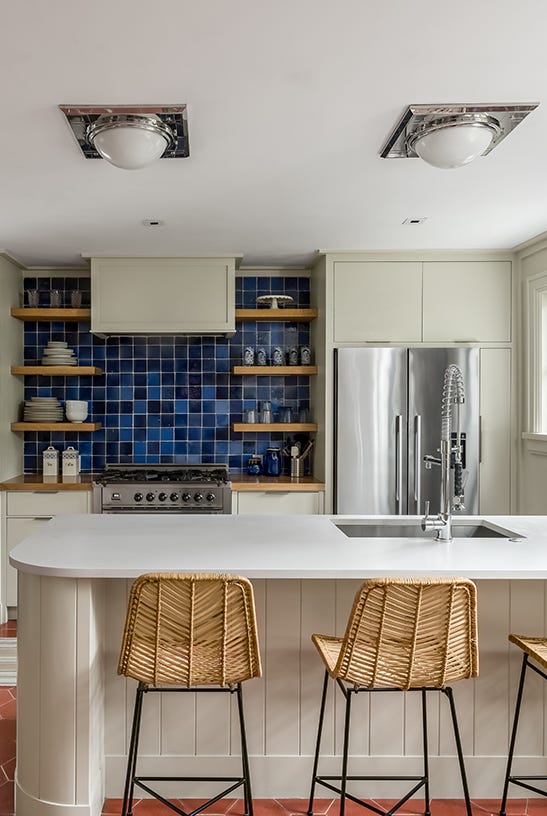
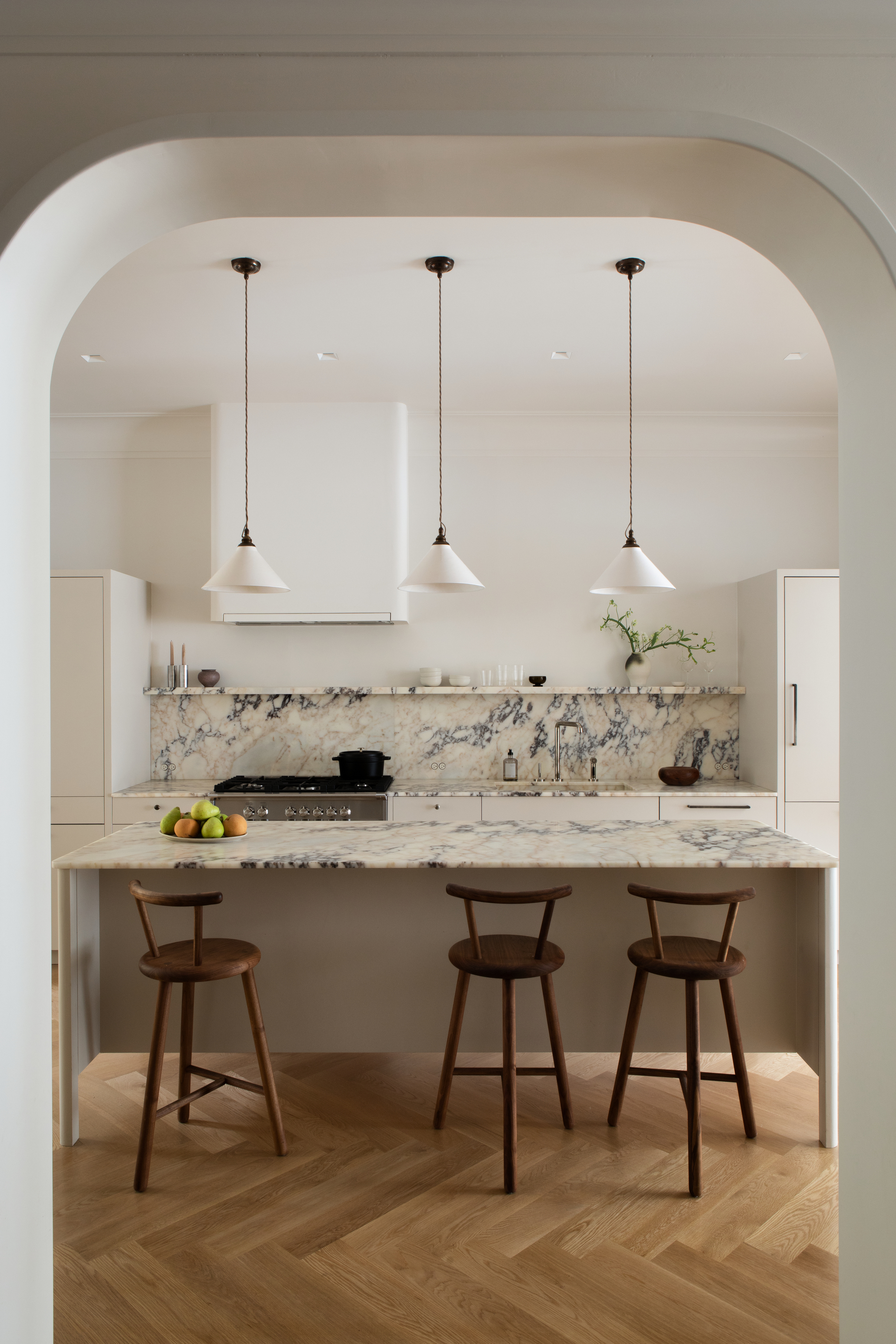
For smaller kitchens or breakfast nooks, scale is a crucial consideration. A large chandelier can overwhelm a compact space, making petite light fixtures a more appropriate choice. Recommendations include mini crystal chandeliers, lantern-style fixtures, or sculptural modern designs that add charm without dominating the area. This approach ensures that the lighting enhances rather than detracts from the room's proportions.
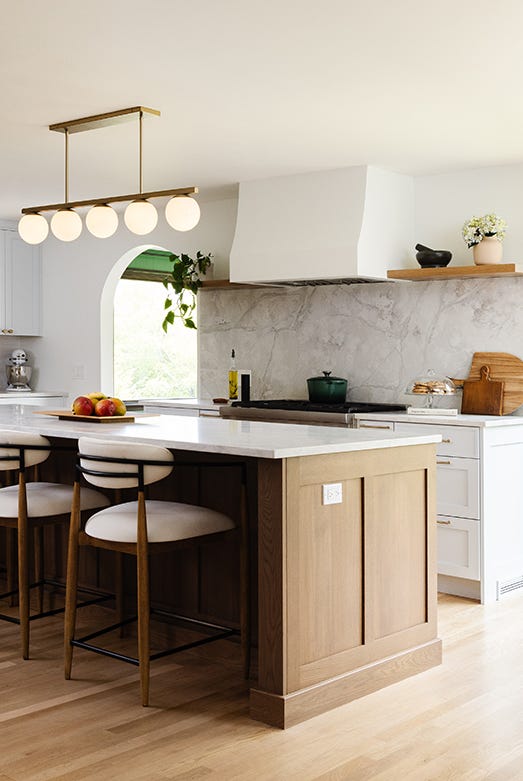
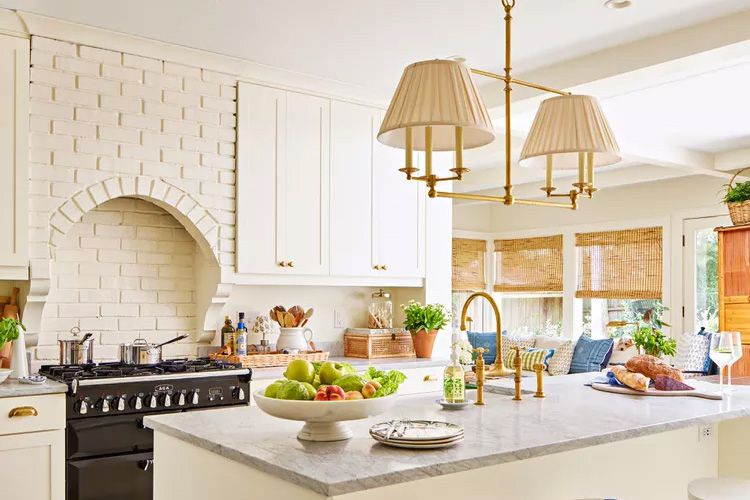
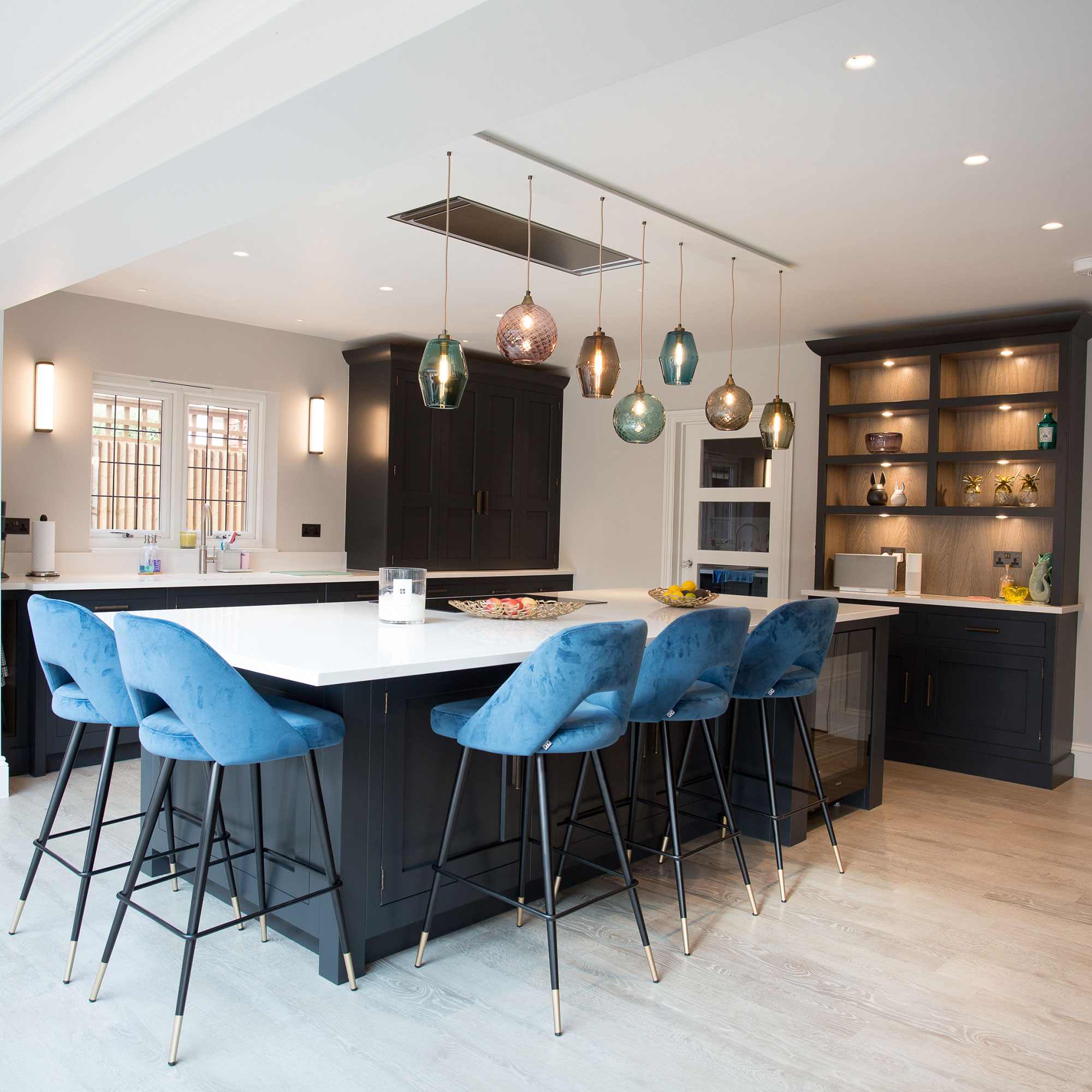
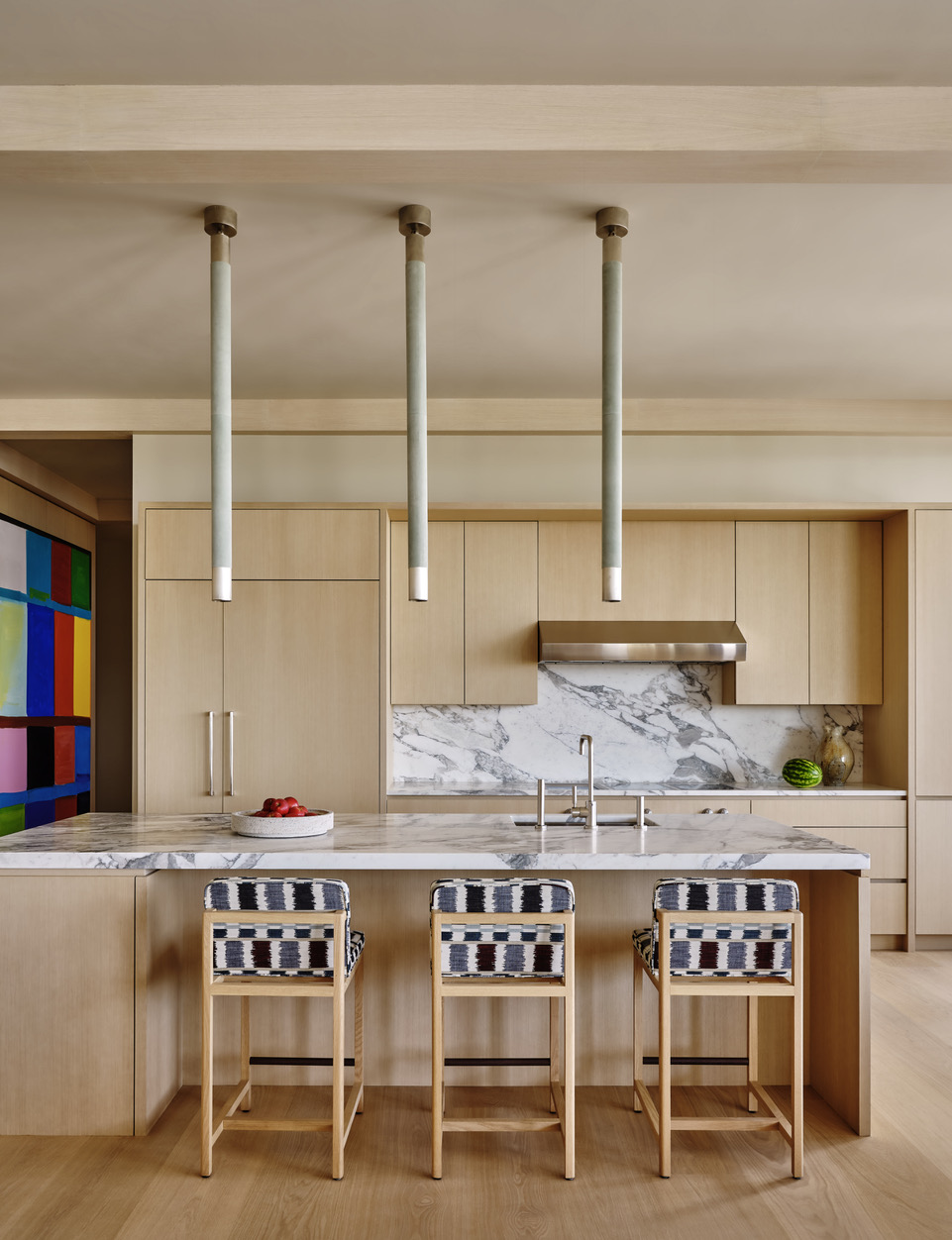
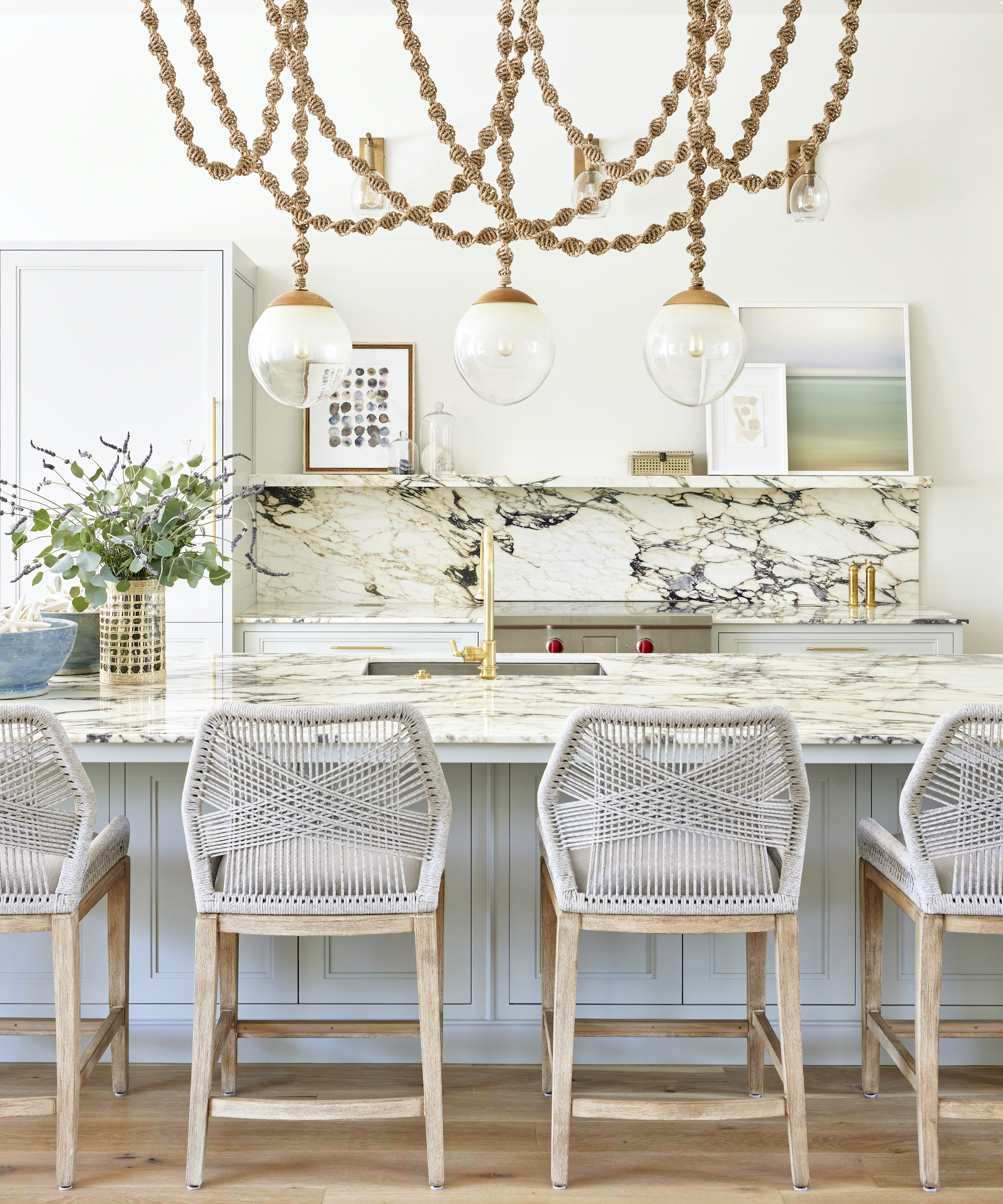
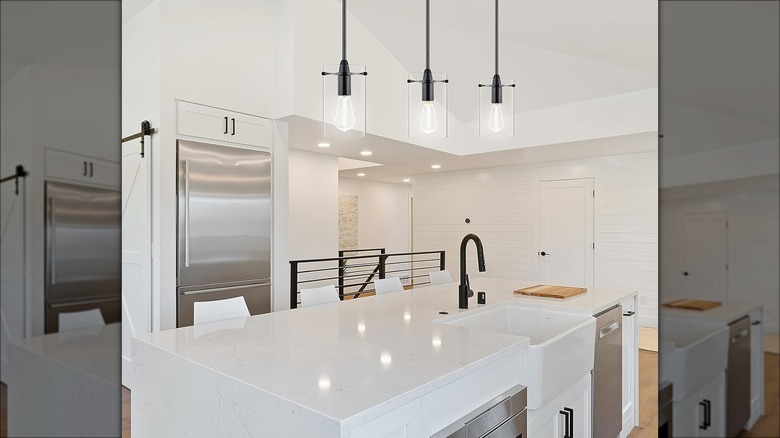
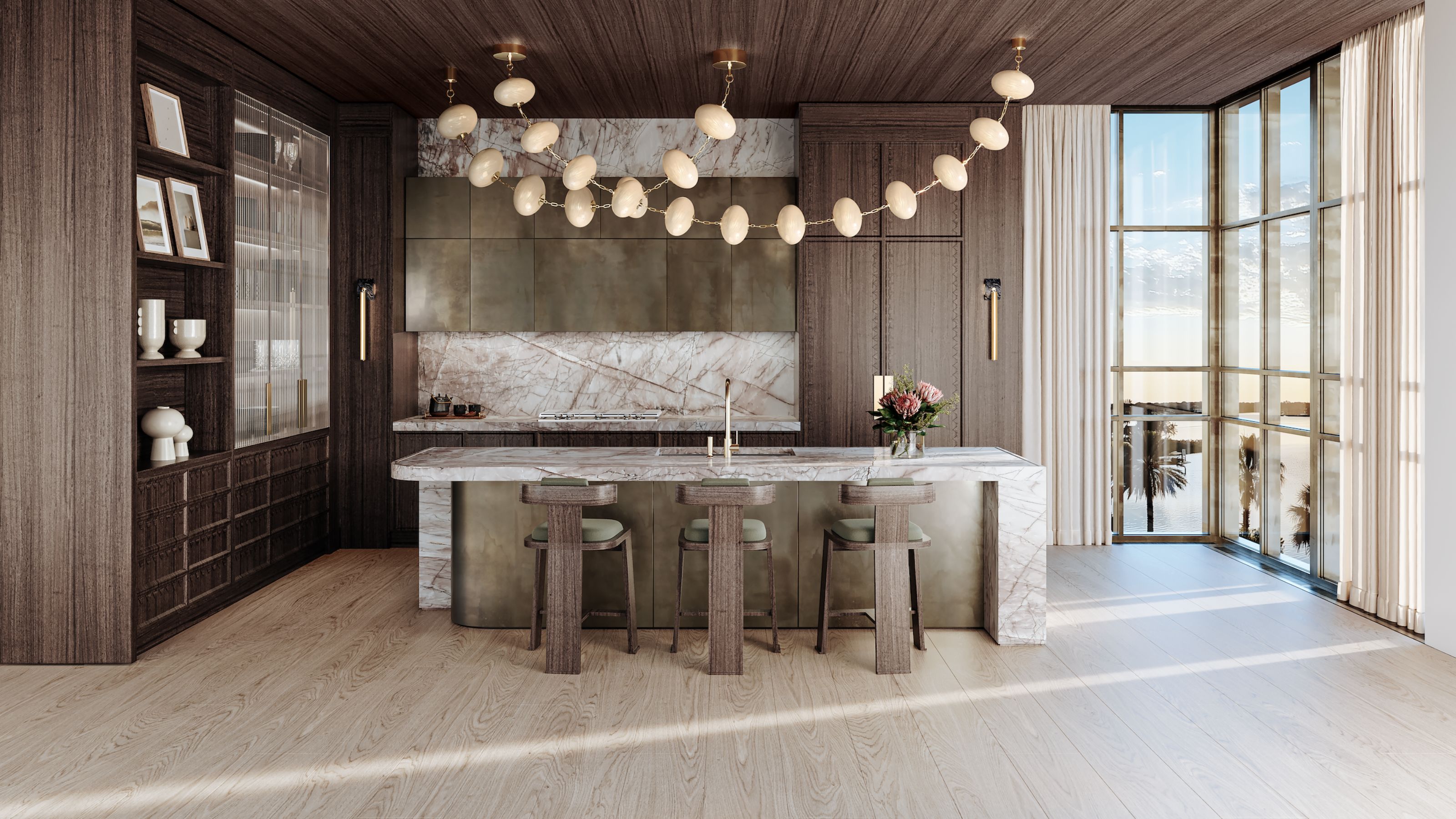
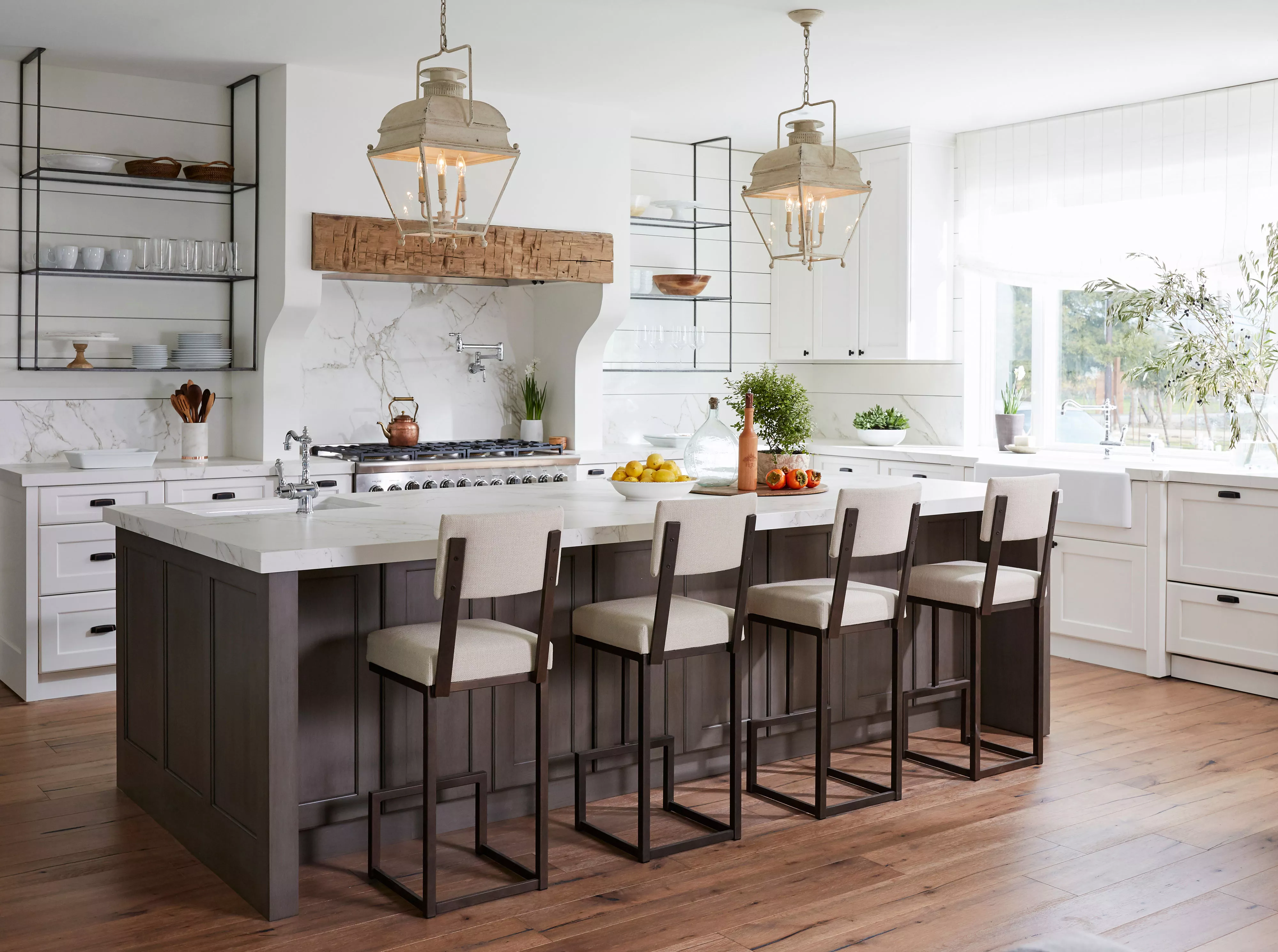
Kitchen islands, often central to kitchen activity, benefit significantly from linear chandeliers. These elongated fixtures provide balanced illumination across the countertop, making a bold visual statement. Designers suggest looking for linear chandeliers that incorporate mixed materials, such as wood and metal, or sleek glass pendants integrated into the structure, to add style and texture.
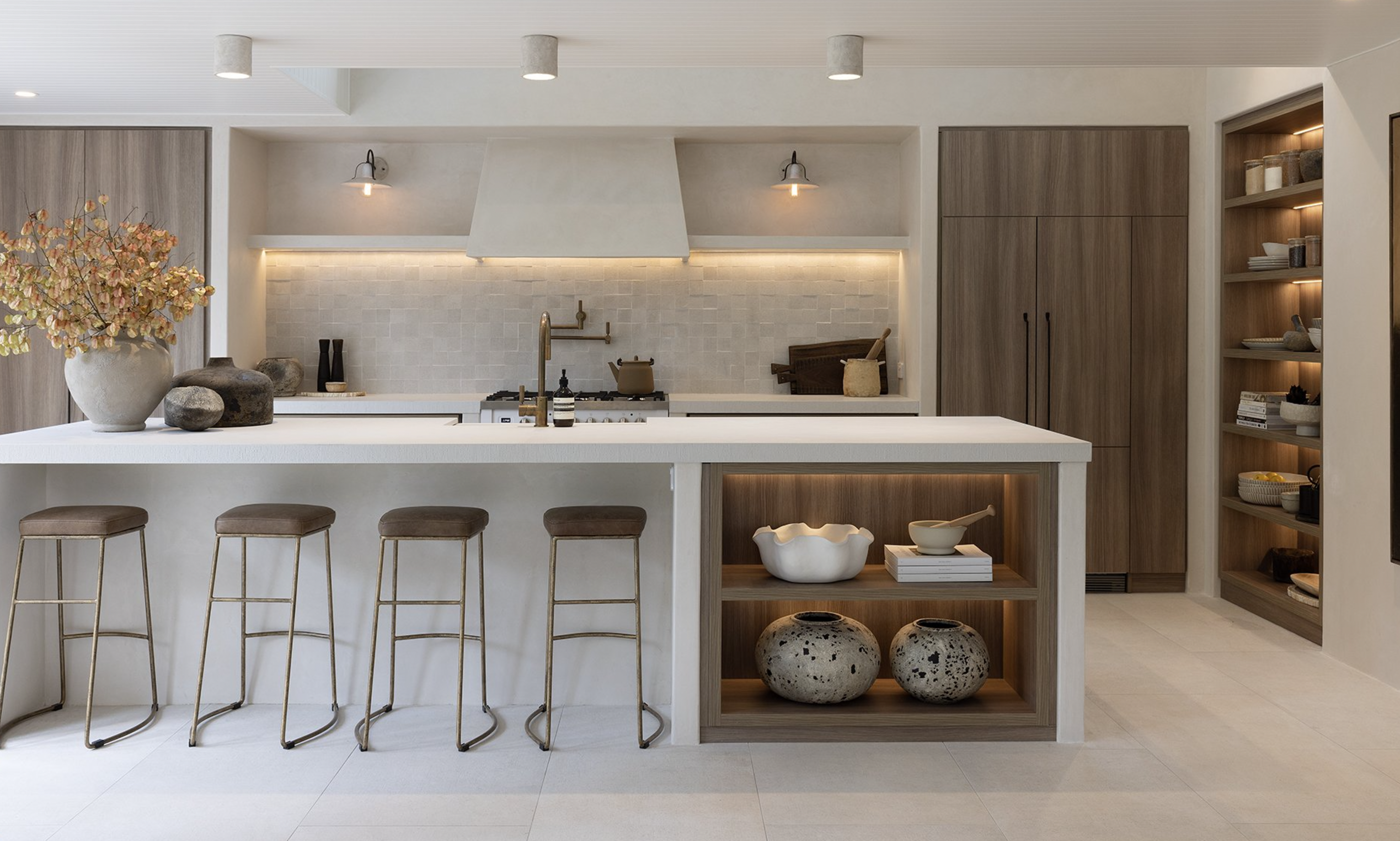
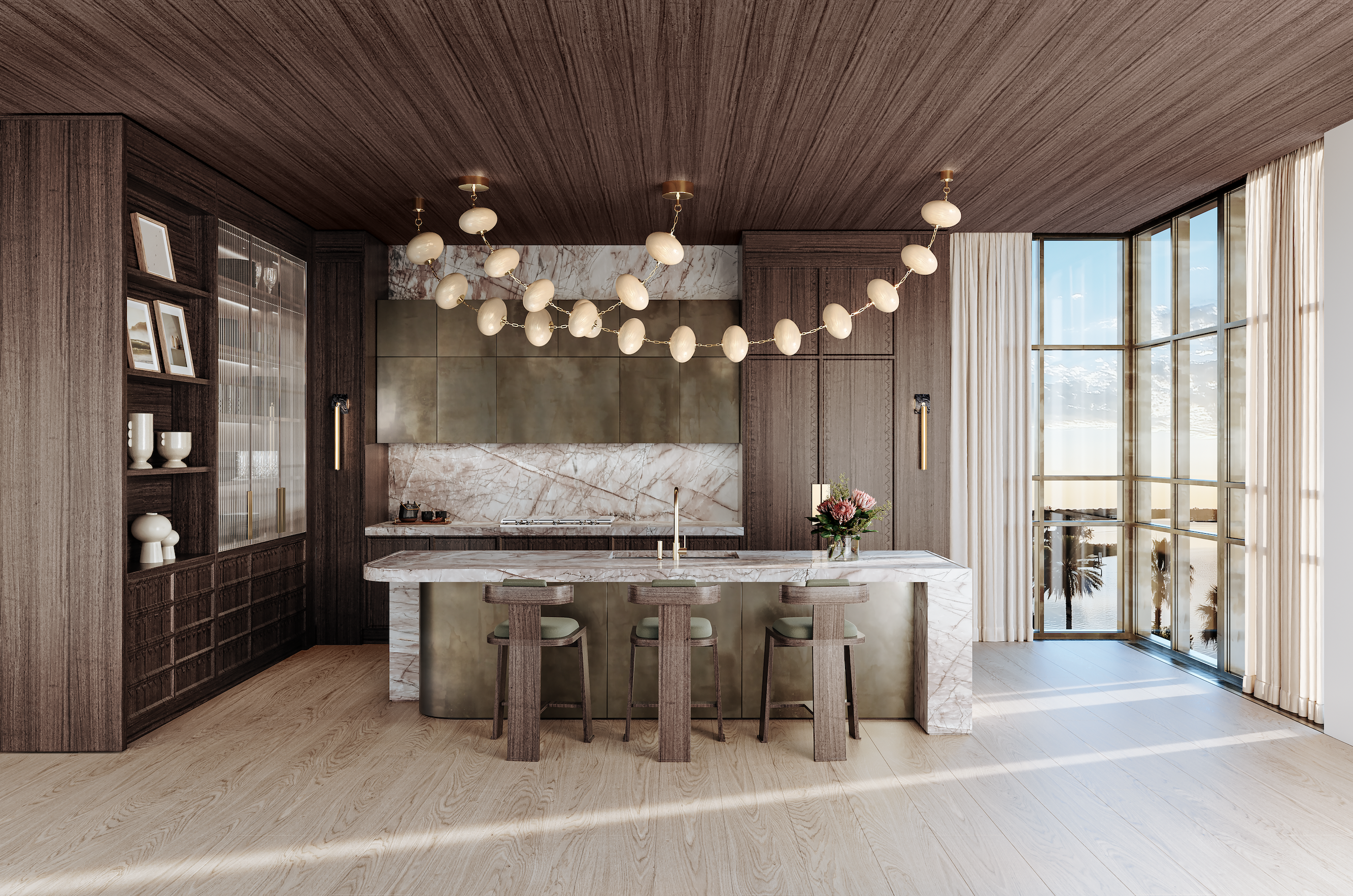
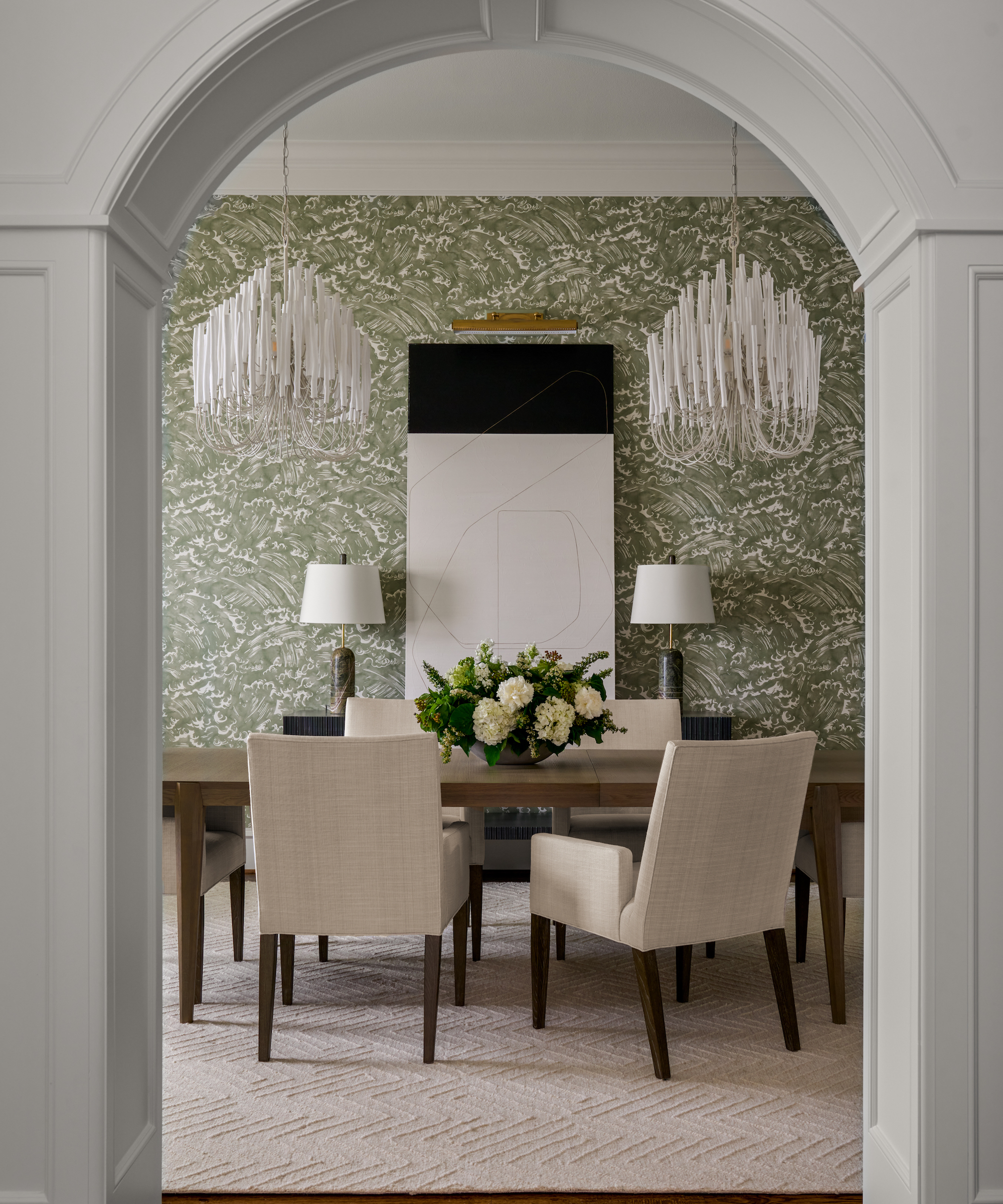
In neutral kitchens, maintaining visual interest can be achieved through layered lighting, and multi-tiered chandeliers are an effective solution, particularly in open-concept kitchens with high ceilings. These fixtures add vertical interest, volume, and dimension, establishing a dramatic and upscale tone in otherwise monochromatic spaces.
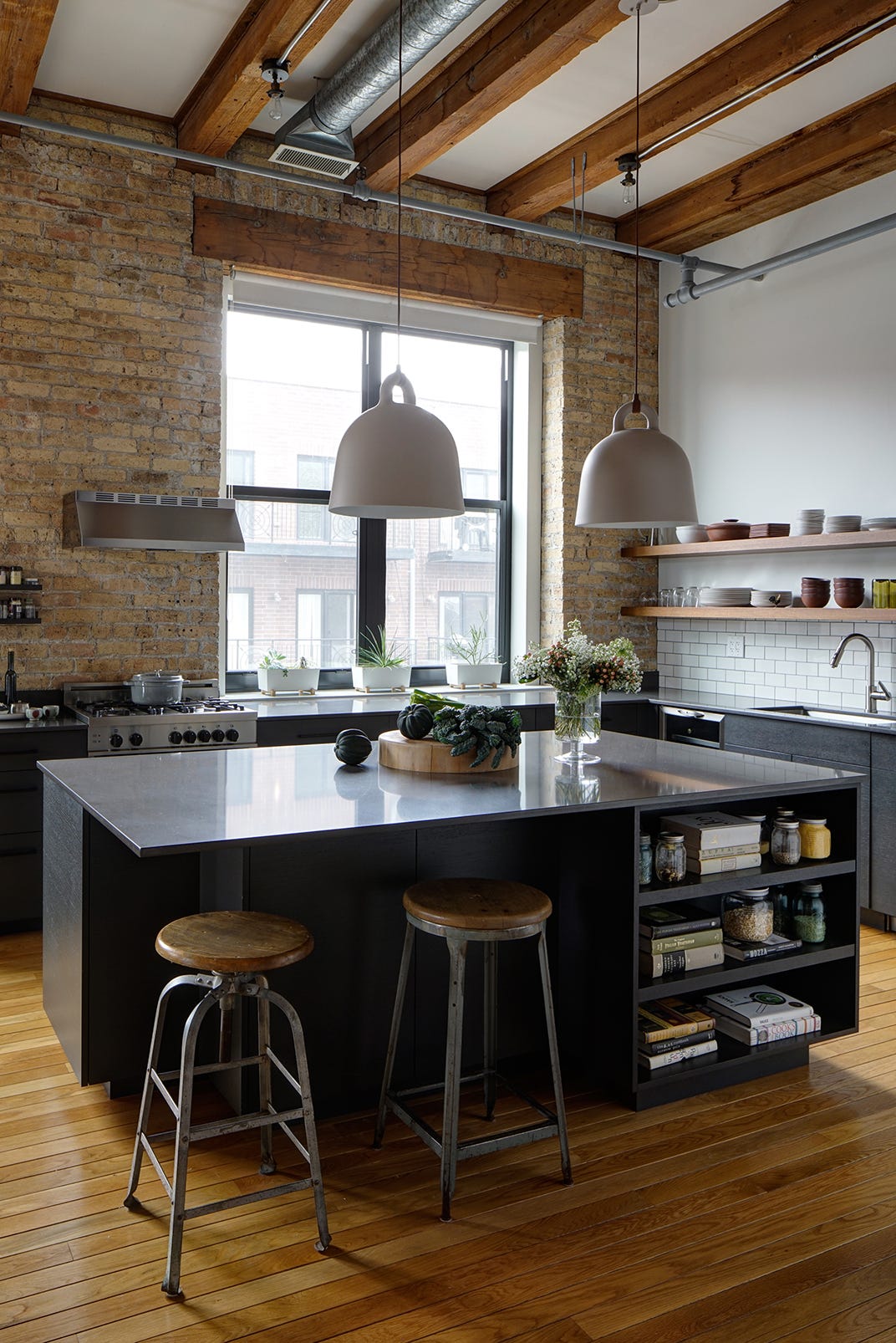
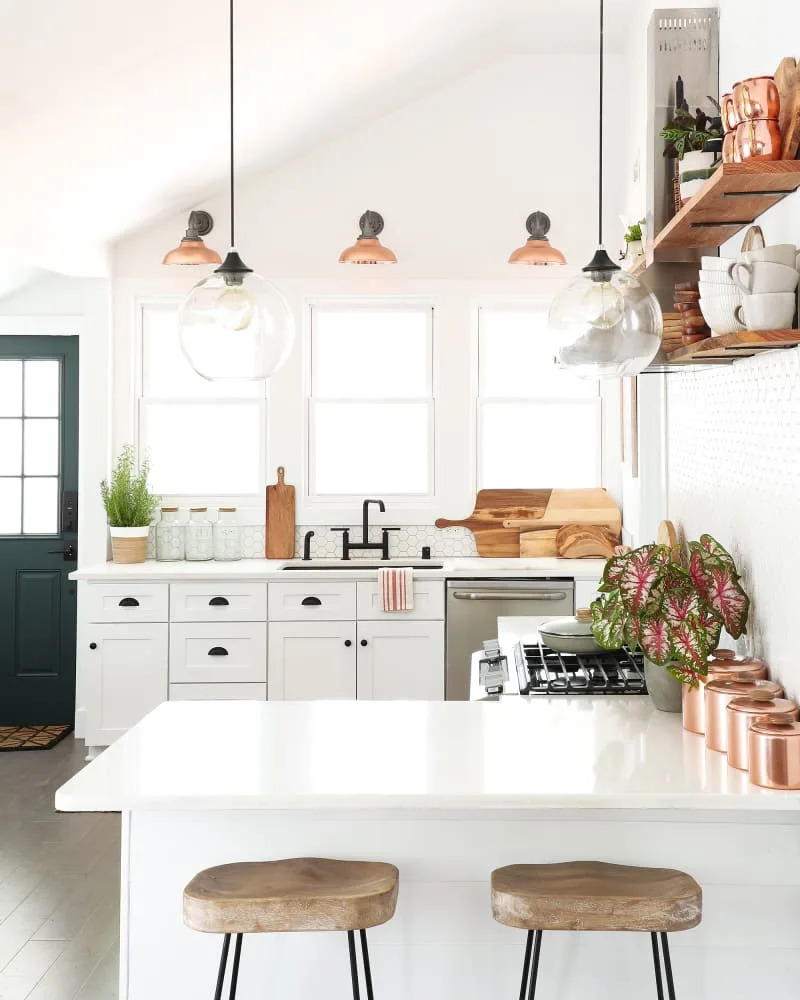
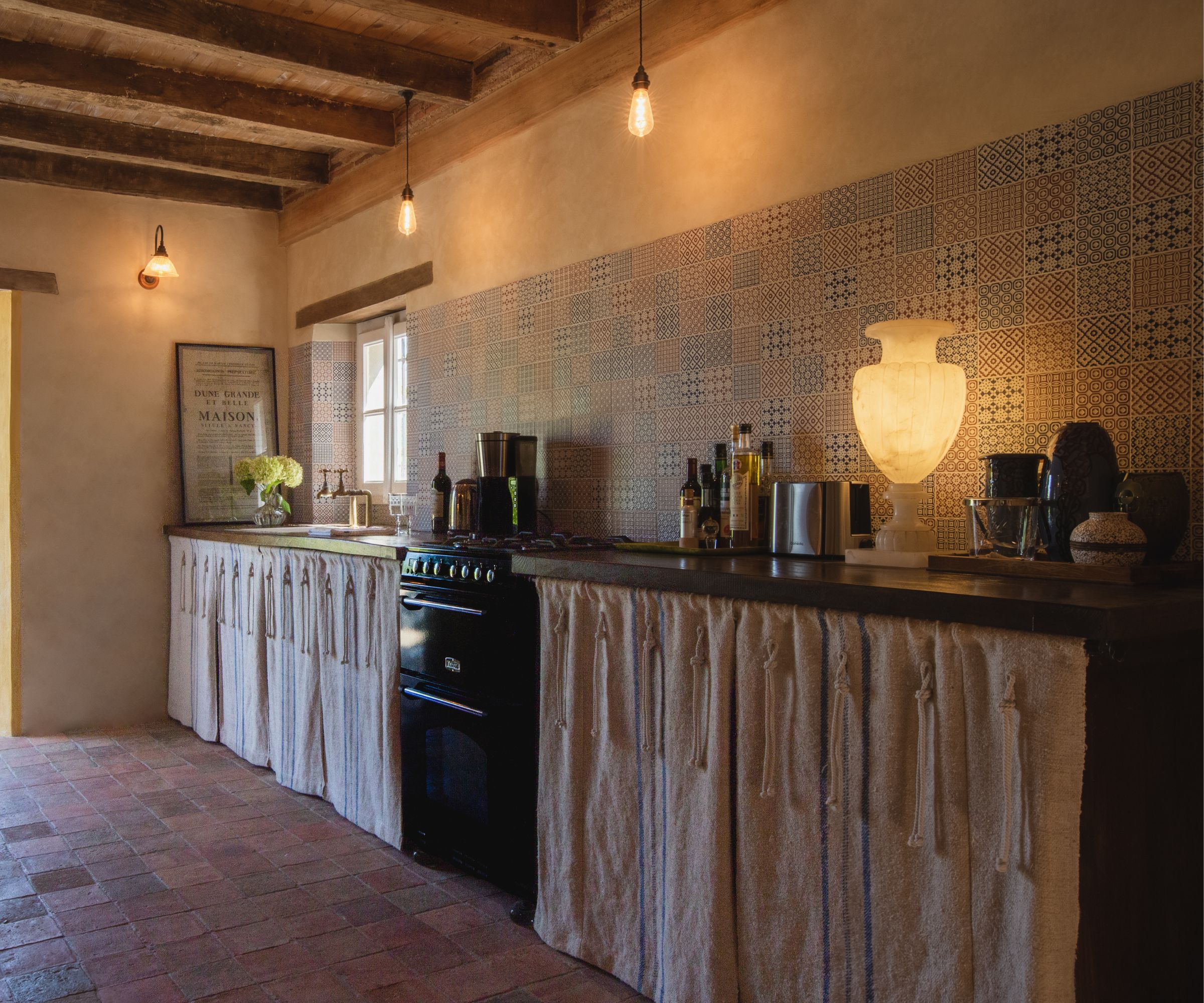
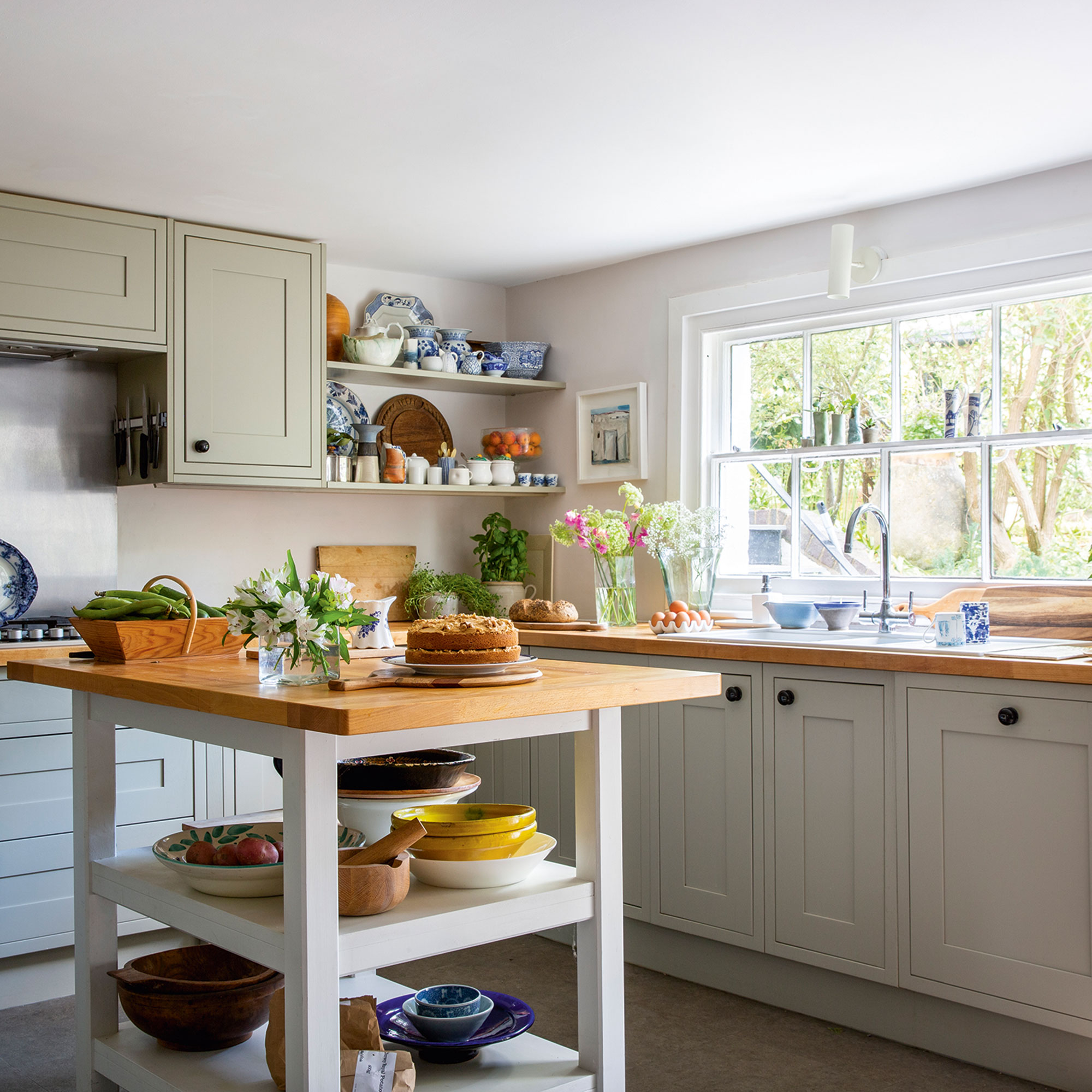
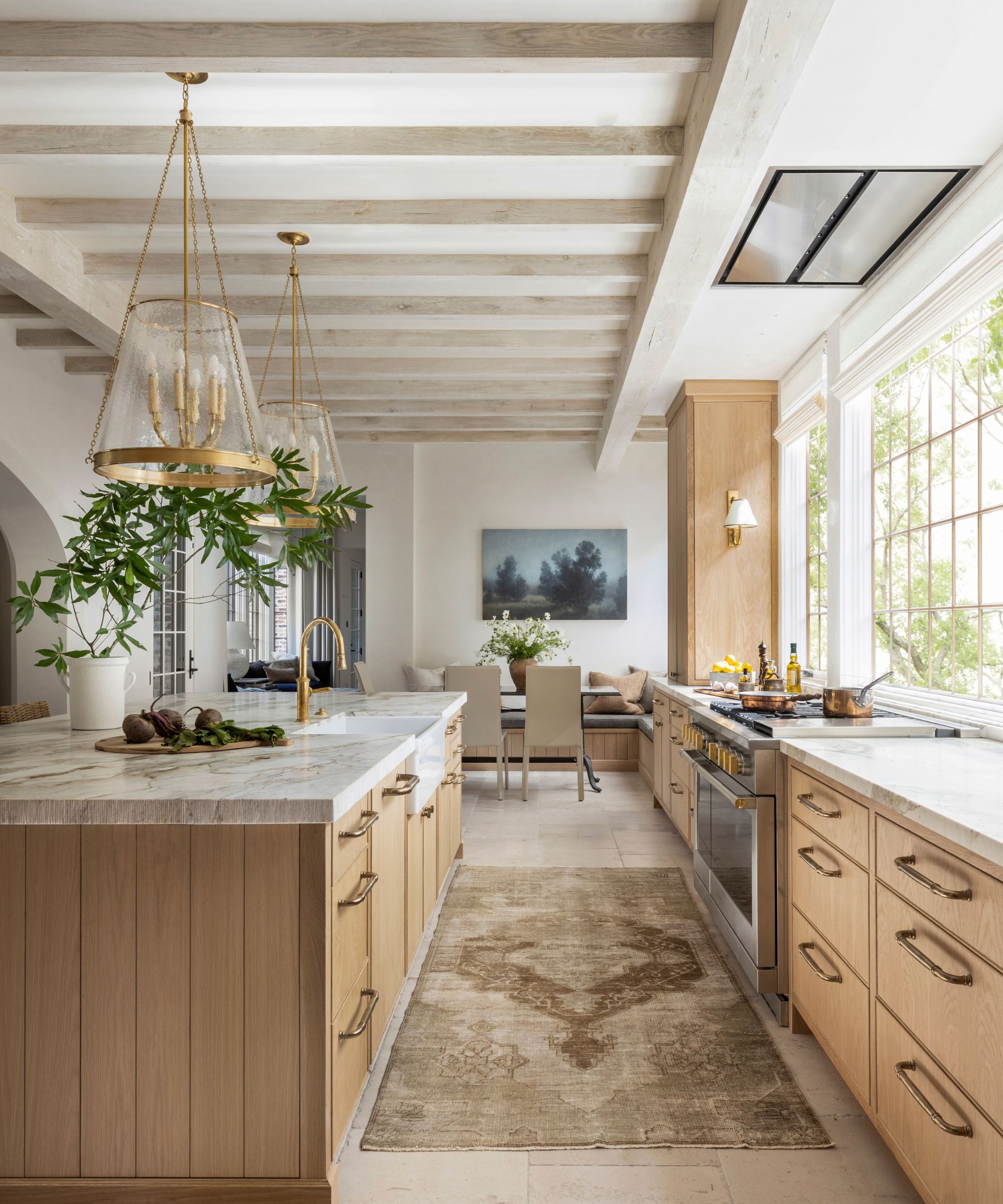
For kitchens aiming for a rustic farmhouse aesthetic, chandeliers featuring warm wood tones, wrought iron details, or Edison-style bulbs are ideal. These elements complement the natural materials and vintage sensibilities characteristic of farmhouse design, elevating the room's cozy ambiance.
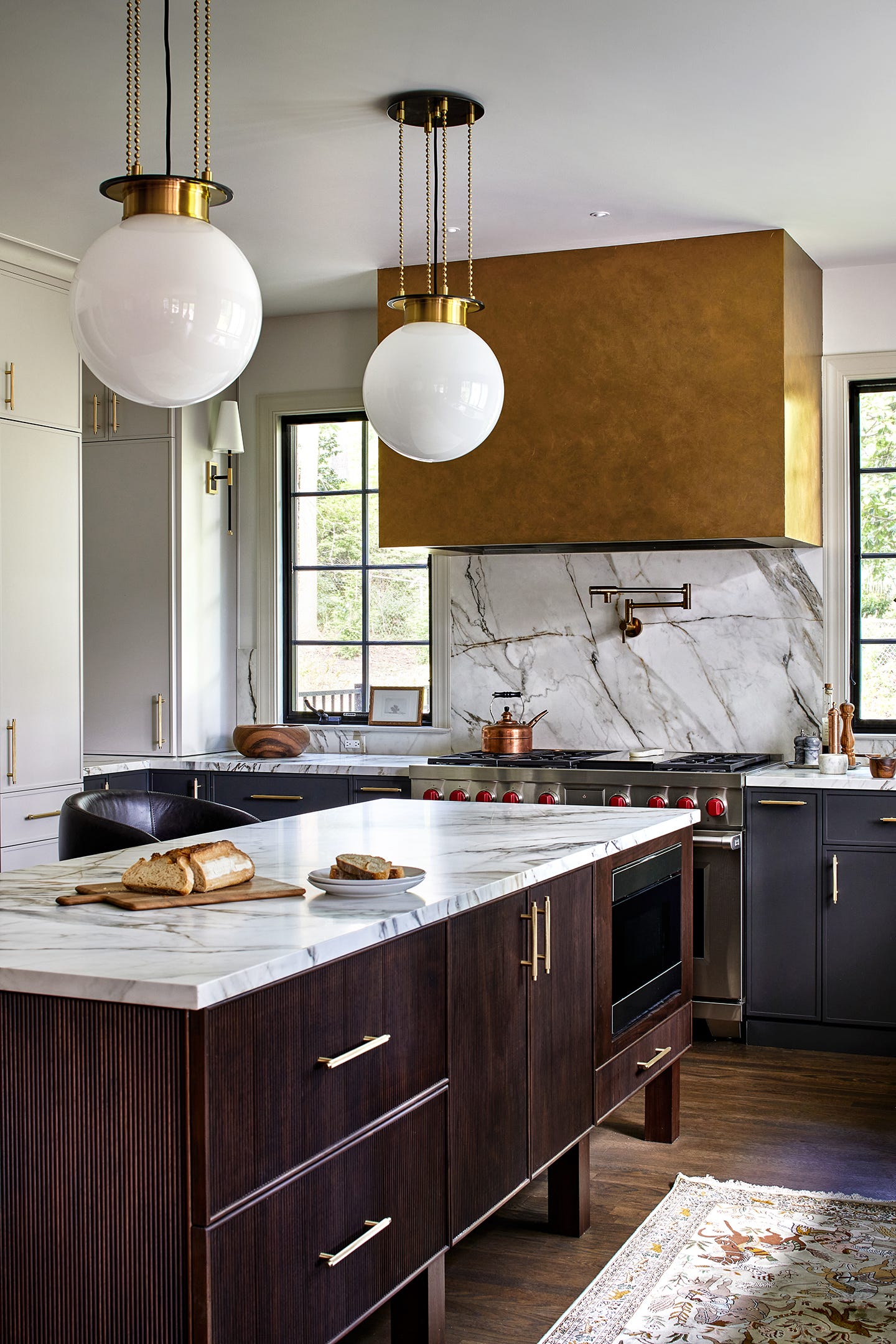
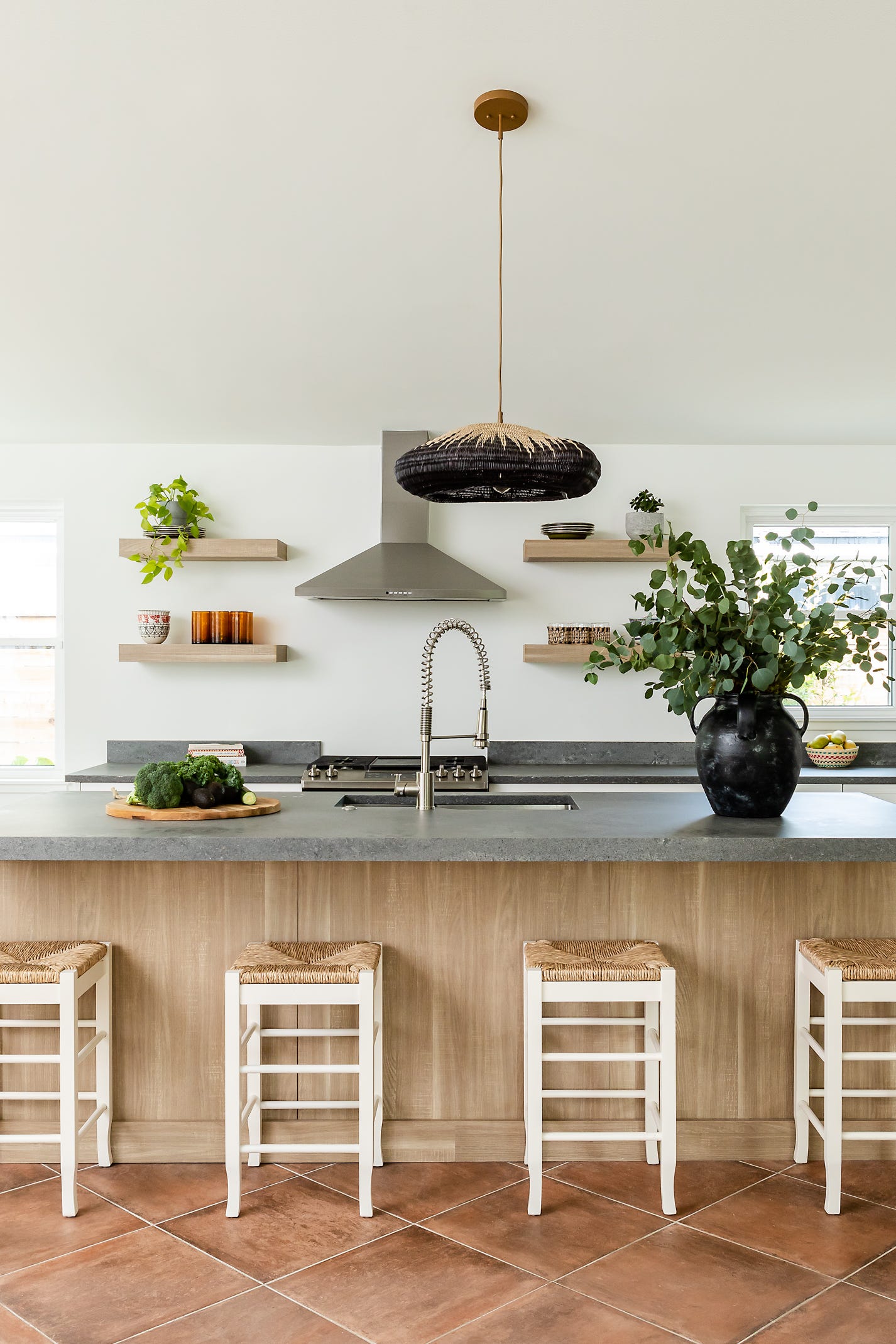
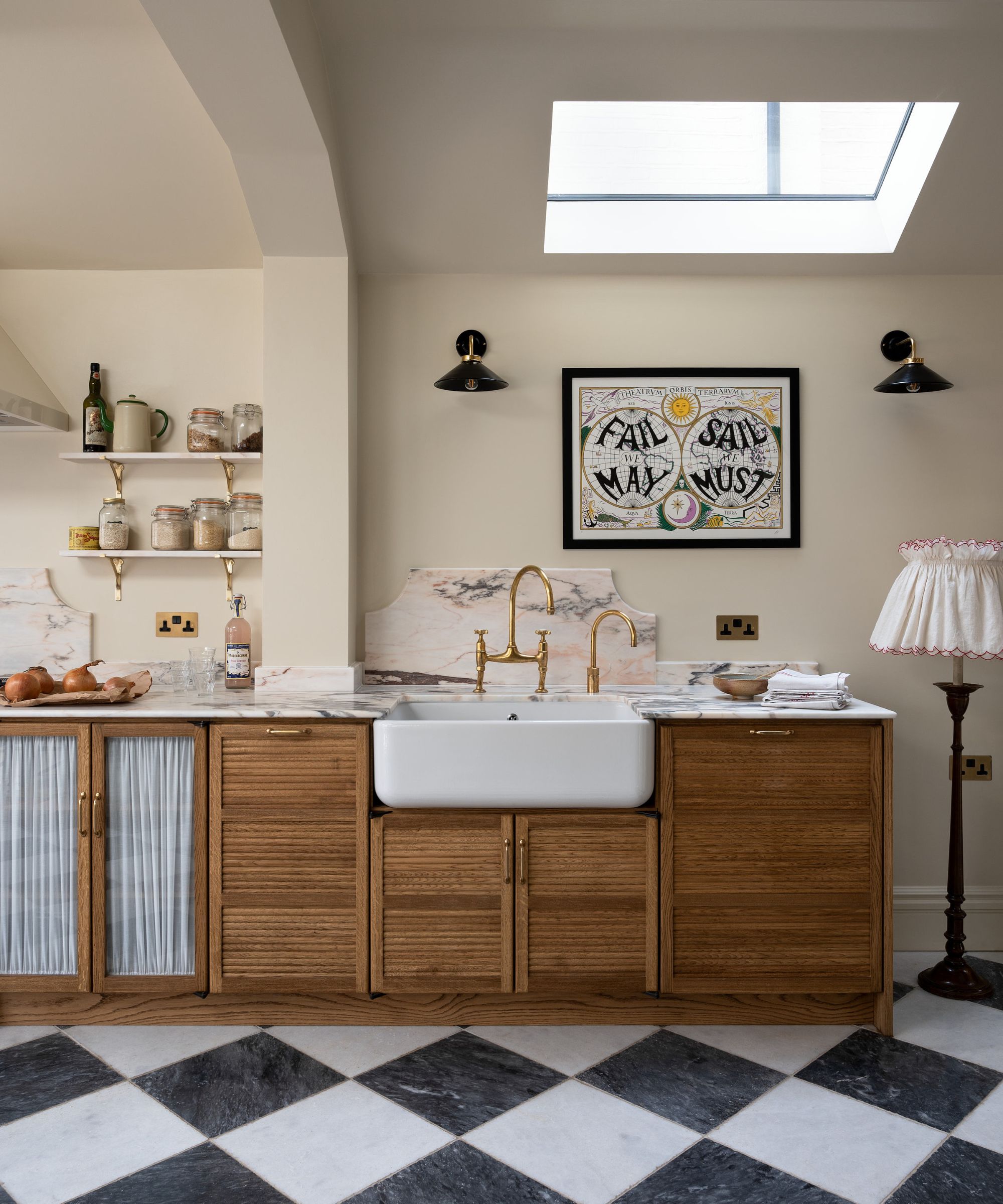
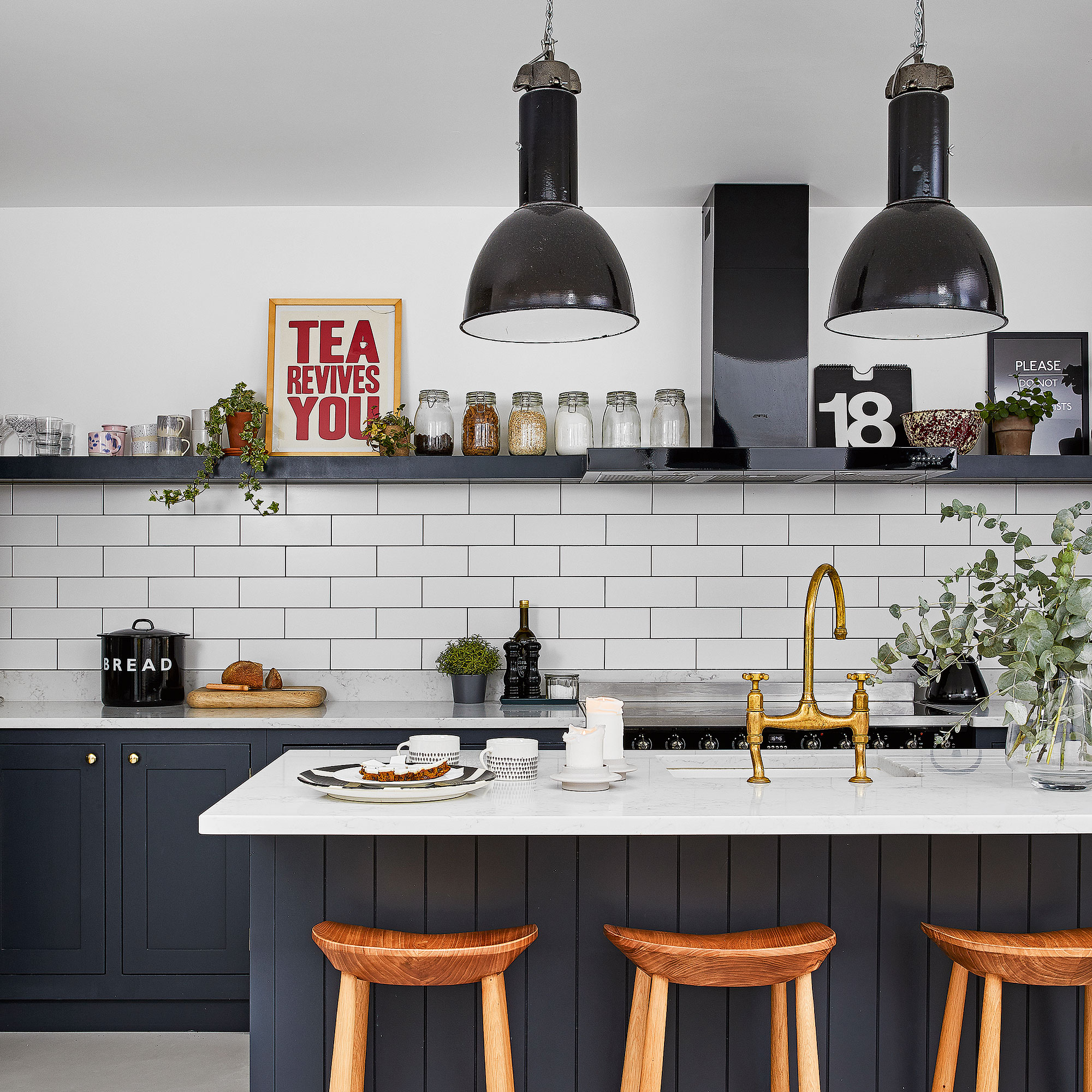
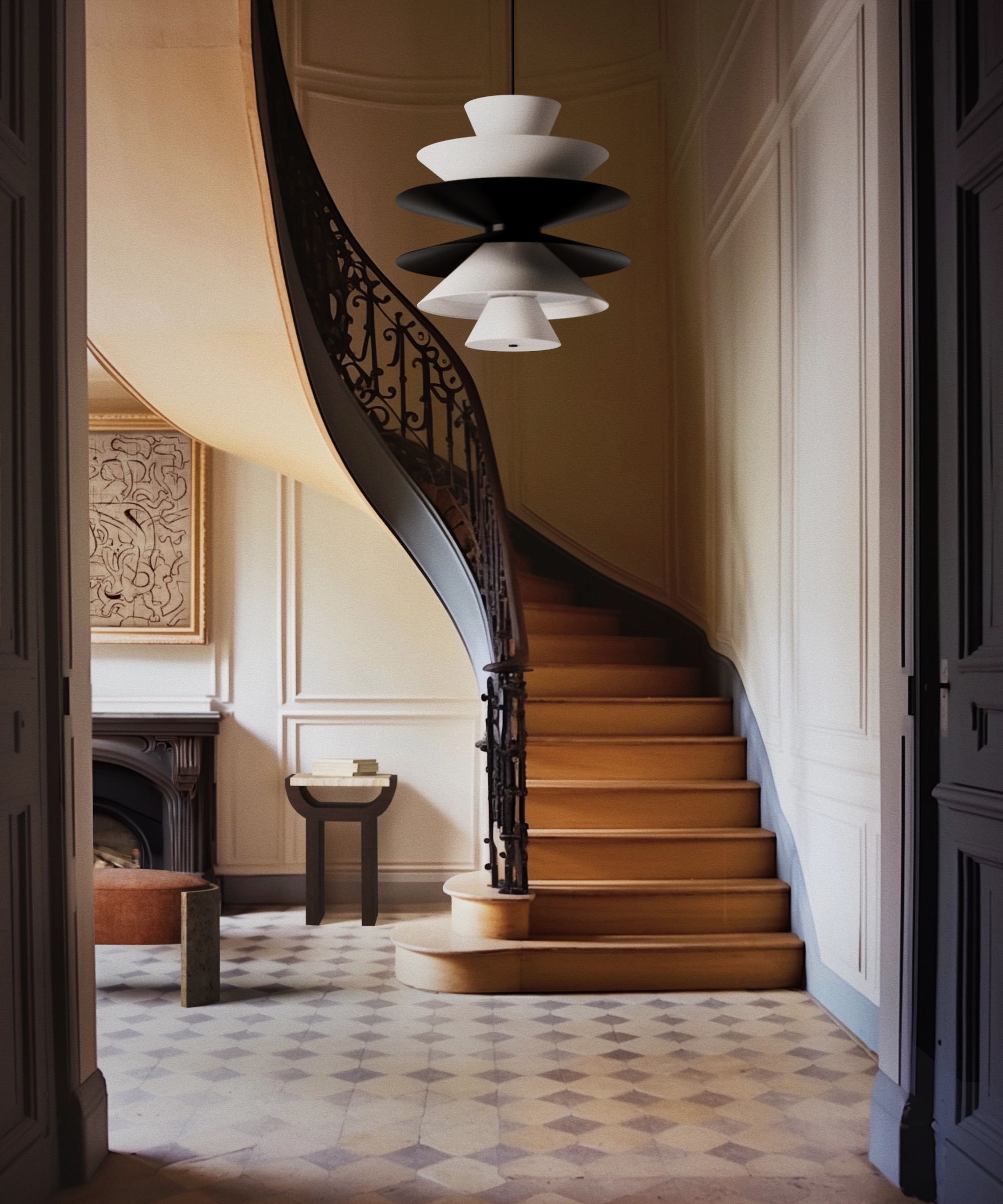
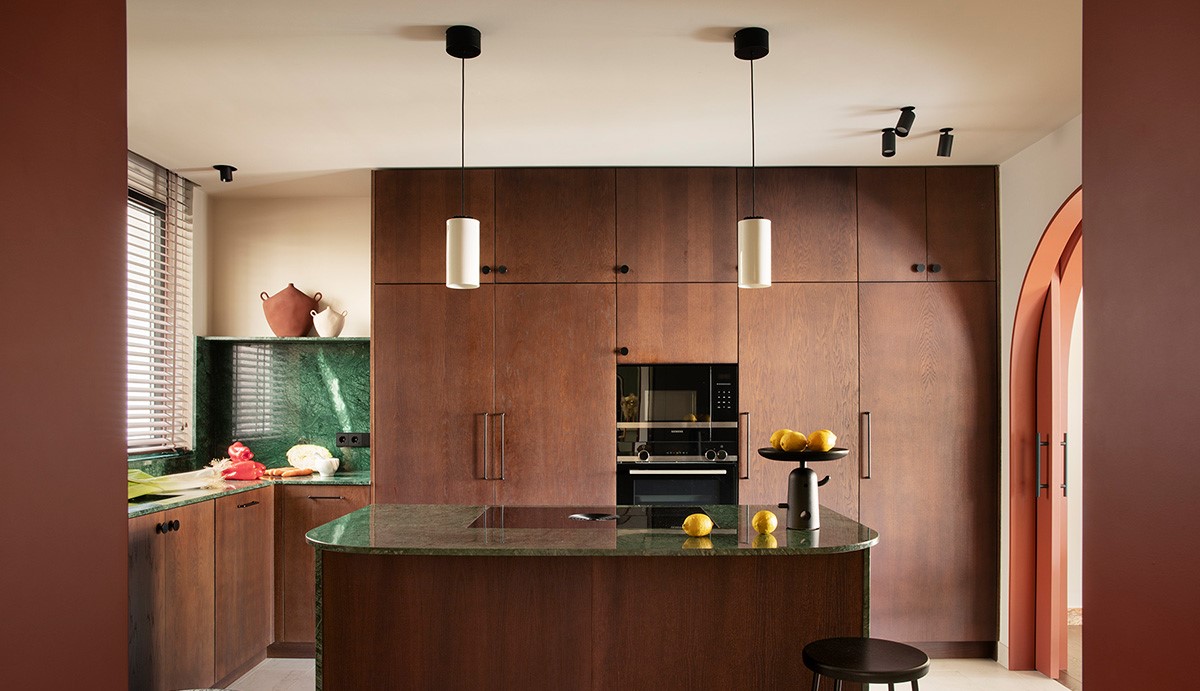
Contemporary kitchens with sleek designs can also benefit from chandeliers that align with a minimalist or modern aesthetic. This includes fixtures with clean lines, matte finishes, and bold geometric shapes. Chandeliers don't have to be traditional or ornate to add elegance; even glossy spaces can gain volume and glamour from modern interpretations. For those seeking a more adventurous statement, oversized or sculptural chandeliers with unique shapes or materials can transform the kitchen into a design showcase, provided they do not obstruct sightlines, especially in open-concept layouts.
Ultimately, incorporating chandeliers into the kitchen offers a versatile design choice. They not only elevate the kitchen's aesthetic, regardless of its size, but also provide ample illumination and visual engagement, ensuring their enduring appeal in interior design.
#KitchenDesign #ChandelierLighting #InteriorDesignTrends #HomeDecor #KitchenLightingIdeas #ModernKitchen #FarmhouseStyle #DecorativeLighting #KitchenDesign #ChandelierLighting #InteriorDesignTrends #HomeDecor #KitchenLightingIdeas #ModernKitchen #FarmhouseStyle #DecorativeLighting
0 komentarzy łącznie
 Brak komentarzy jeszcze
Możesz również polubić
Try These Kitchen Lighting Ideas to Brighten Your Space

These Kitchen Lighting Ideas Will Bring Idyllic Ambiance to the Heart of Your Home
22 Kitchen Lighting Ideas That Feel Right for 2025 Projects — To Illuminate Islands, Cabinets, Countertops, and More

Small Kitchen, Big Impact: 5 Lighting Ideas Designers Actually Use to Instantly Brighten a Space

Scroll the Best Kitchen Island Lighting Ideas to Illuminate Your Prep Station
5 kitchen lighting layouts to illuminate your space to perfection
From Now On, We're Exclusively Stealing Our Kitchen Lighting Inspiration From Fancy Restaurants

Should You Have Lights Over The Kitchen Island? Designers Unanimously Agree If They Are Worth Budgeting For
15 Creative Kitchen Lighting Ideas That Put Plain Ceiling Lights to Shame
3 Steps to Perfect Kitchen Lighting, According to an Expert

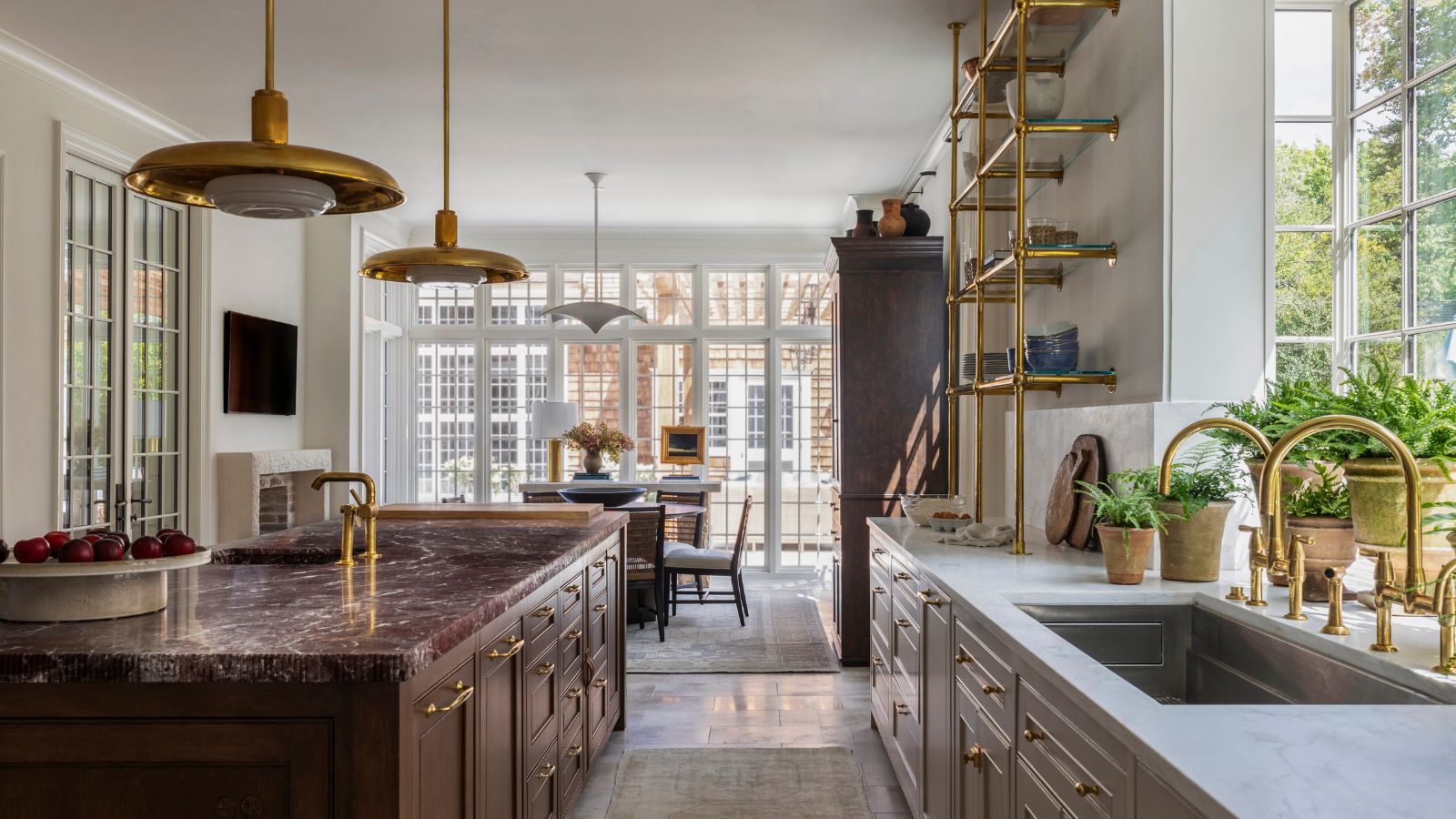
The Kitchen Lighting 'Rule Of 3' Will Instantly Make Your Space Look Expensive – And Designers Swear By It For A Perfectly Layered Scheme
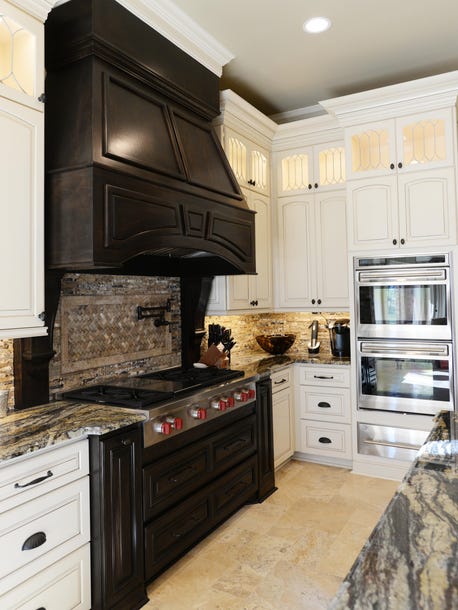
6 ways to a more luxurious kitchen
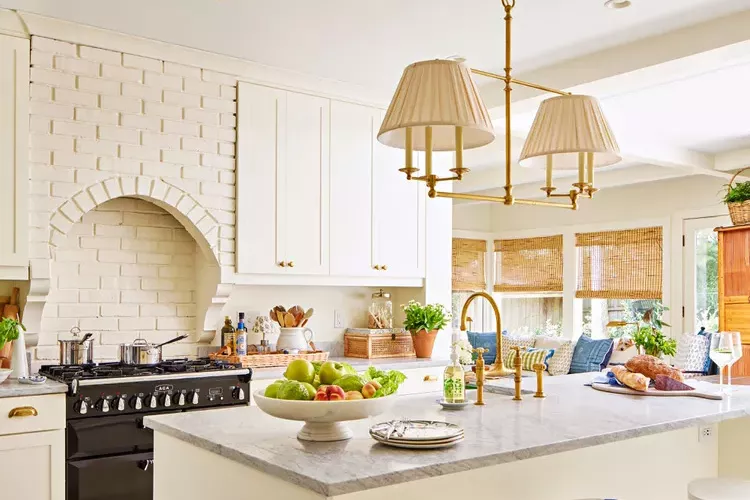
62 Kitchen Lighting Ideas That'll Transform Your Space
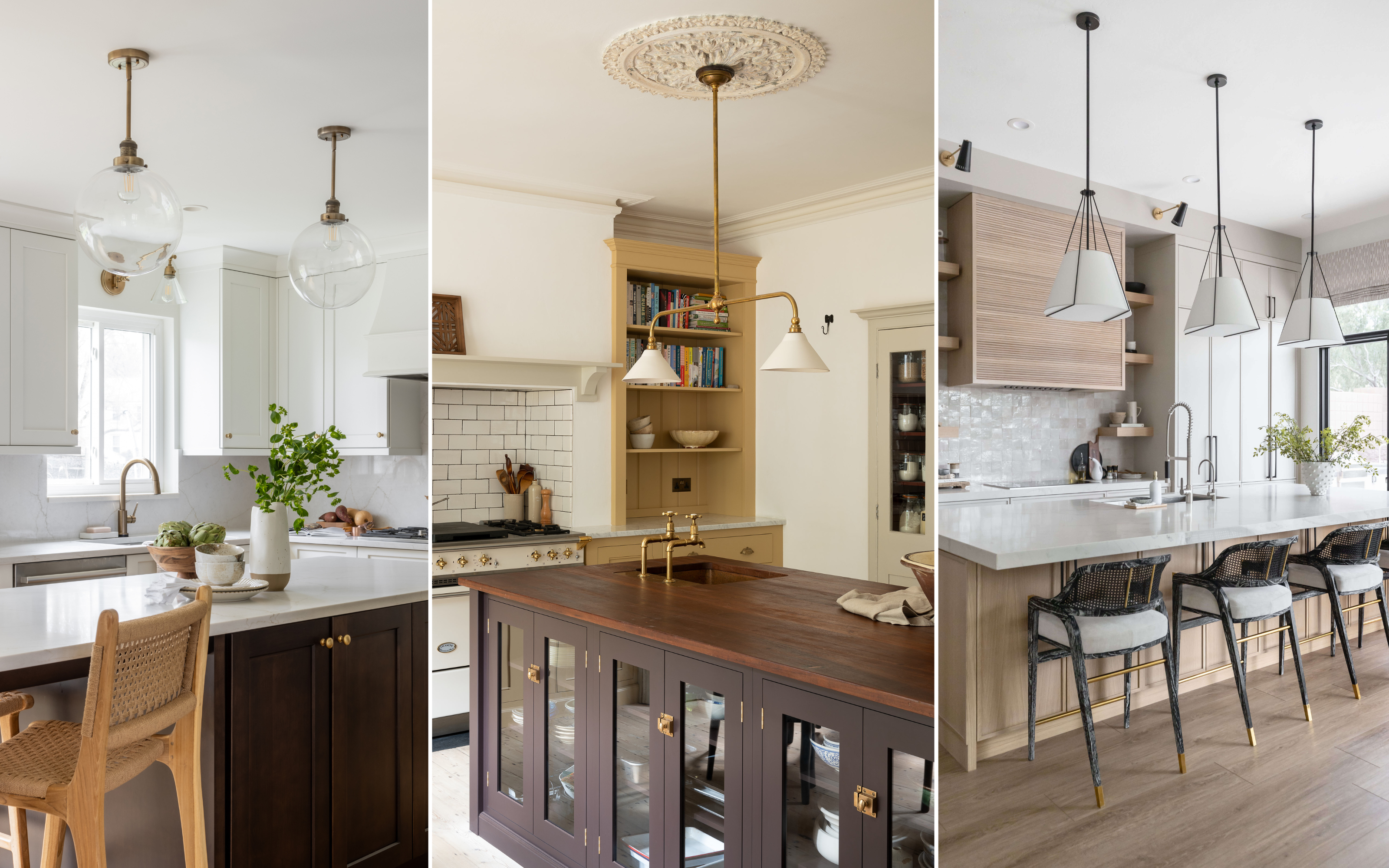
9 outdated kitchen lighting trends designers urge you to avoid, plus what to try instead
Why Everyone Needs a Kitchen Lamp

5 Trending Kitchen Light Fixtures That Will Add Spark To Your Home
Designers say that lighting is the easiest way to elevate your kitchen
17 Best Creative Lighting Ideas For Your Kitchen

How low should a chandelier hang? Experts reveal the crucial measurements for every space
The Low-Effort Kitchen Lighting Trend That Adds Instant Elegance