Home Builders Fighting Energy Efficiency
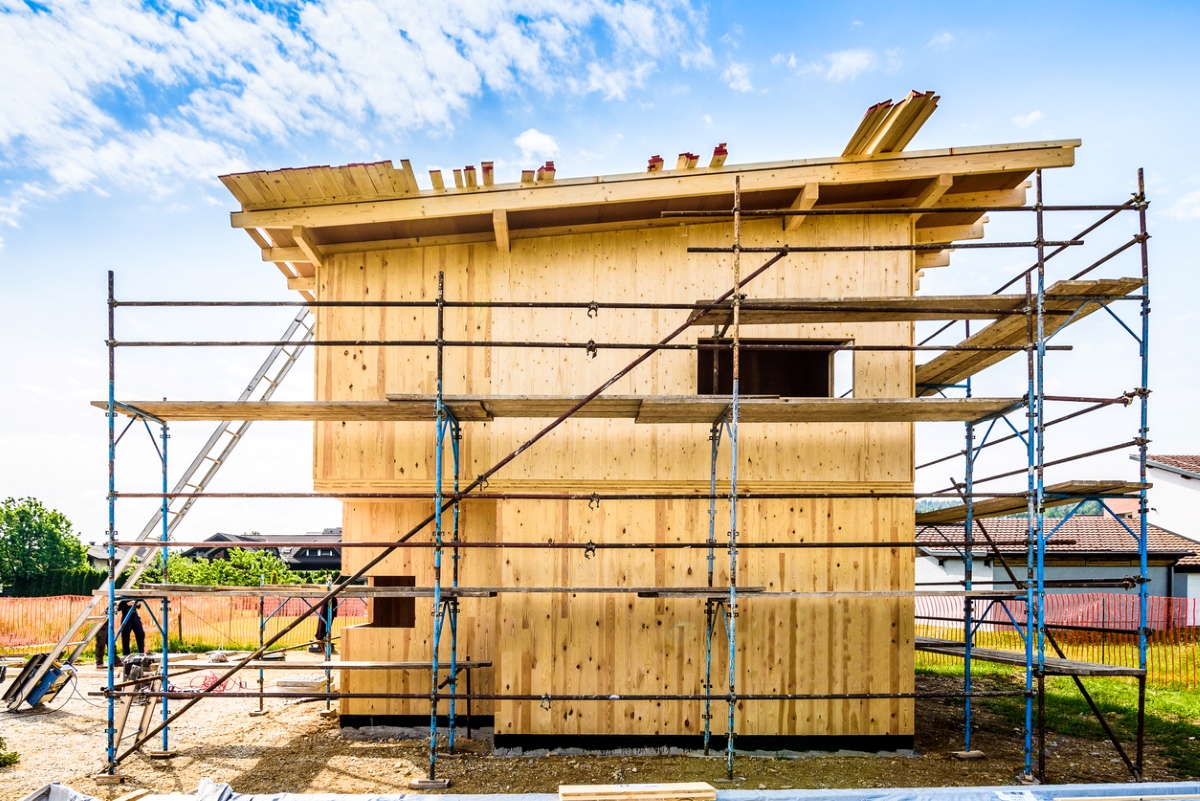
The article discusses the resistance from American home builders towards incorporating energy-efficient building codes and practices, despite the long-term benefits of energy efficiency. It highlights how home builders often argue that increased upfront costs for energy-efficient features make homes unaffordable for working-class families. A specific example from a Washington Post piece by Anna Phillips is cited, where North Carolina builders successfully blocked a state plan to tighten energy efficiency codes, claiming it would add over $20,000 to home prices. However, a federal study estimated the actual increase to be around $6,500, suggesting an inflation of figures by builders.
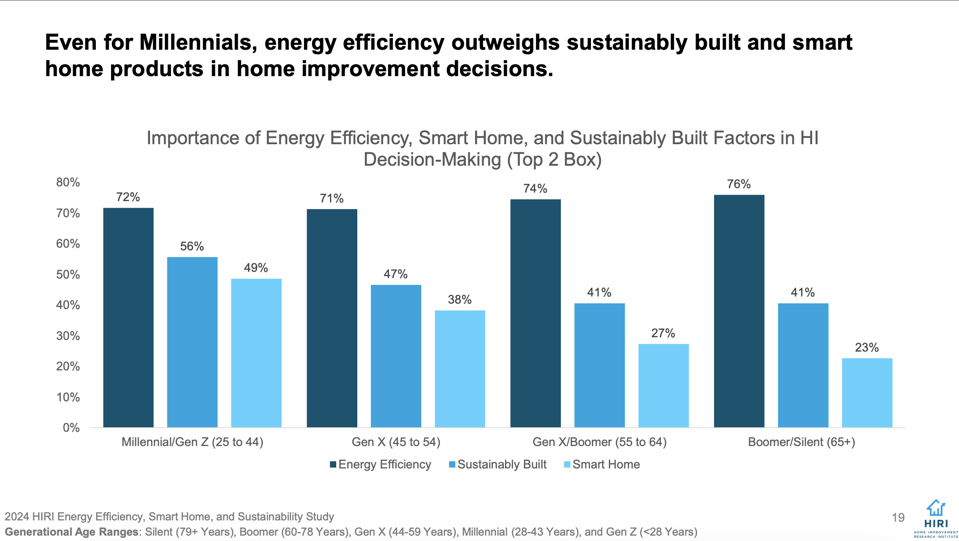
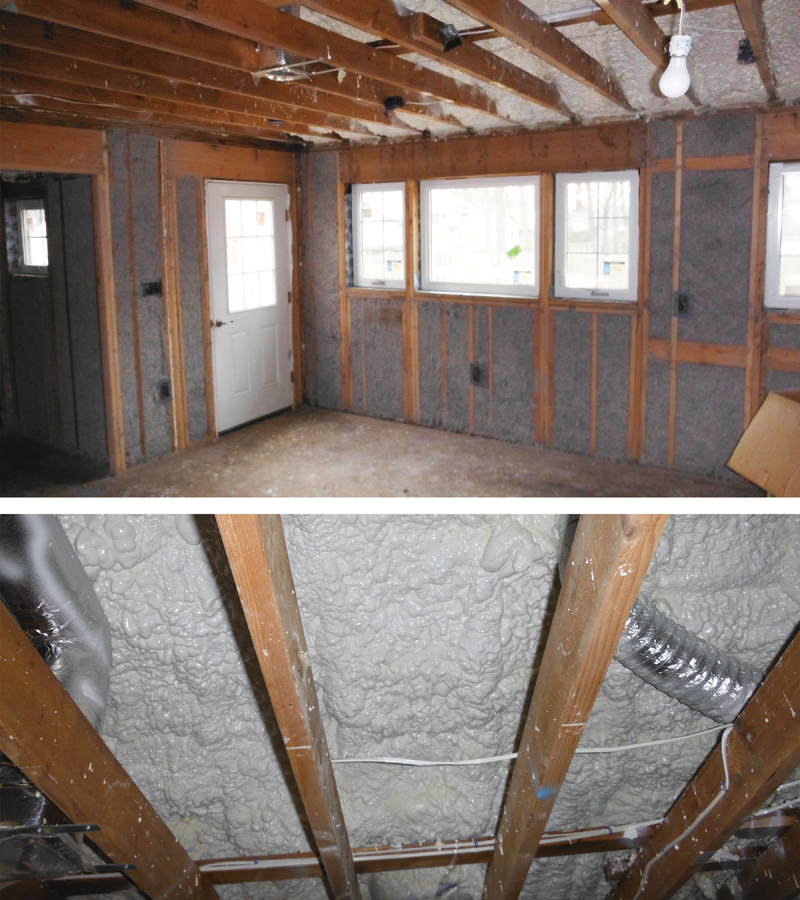
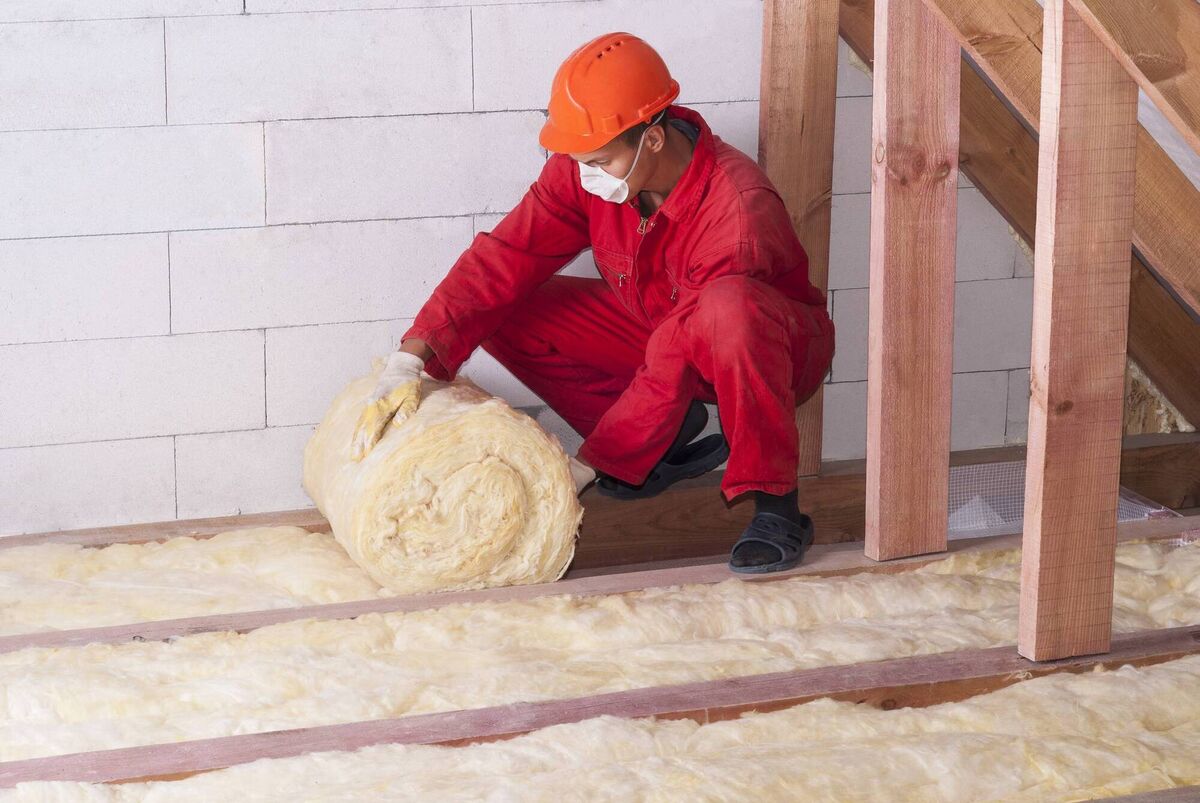
Builders' reluctance is often attributed to their desire to avoid rethinking construction methods, viewing energy efficiency as an add-on rather than an integrated design element. This contrasts with green builders who adopt a holistic approach from the ground up, minimizing additional costs in some cases. The article points out that while safety-related building codes (e.g., earthquake, fire, flood resistance) are generally accepted, energy-related codes face significant opposition. This opposition is framed as a form of deceptive pricing, where lower initial mortgage costs are offset by higher ongoing energy bills, ultimately not improving affordability. A federal analysis indicated that stronger efficiency measures, such as better insulation and windows, pay for themselves through lower heating and cooling bills within approximately 10.5 years.
The resistance to energy efficiency codes is also contextualized within broader conservative opposition to environmental regulation. While regions like New York City and California are advancing decarbonization through building codes, other parts of the U.S. exhibit mistrust of government intervention. This implies that in "red states," the market itself will need to drive the adoption of green building practices. Despite contested data, evidence suggests that the long-term benefits of green buildings for occupants often outweigh the initial costs, although this doesn't directly benefit developers focused on maximizing short-term profits.
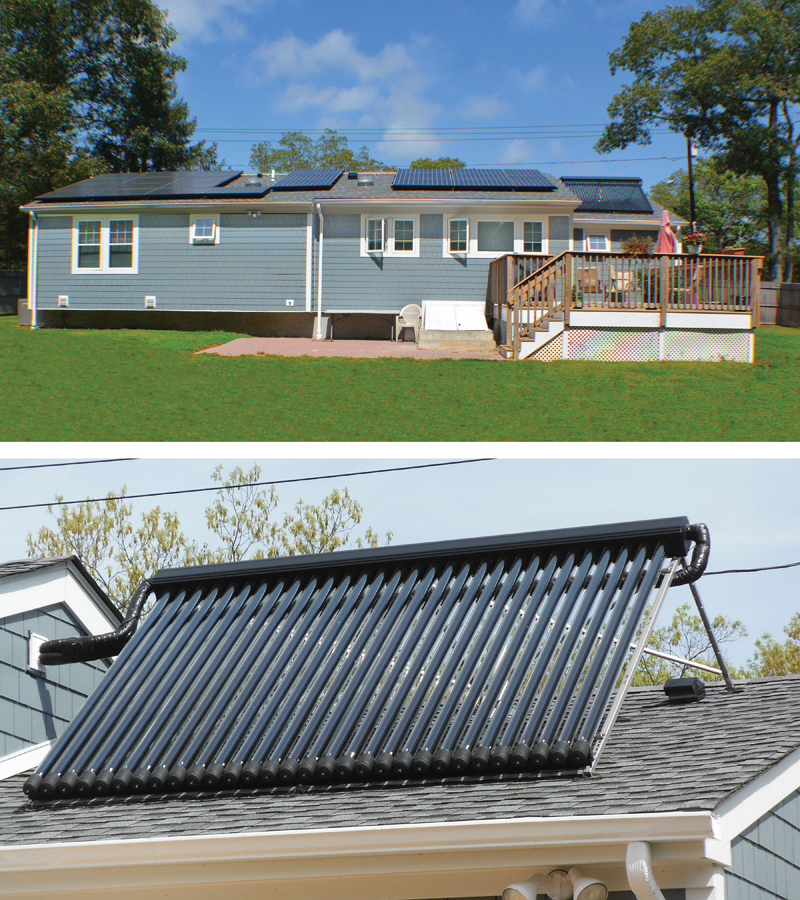
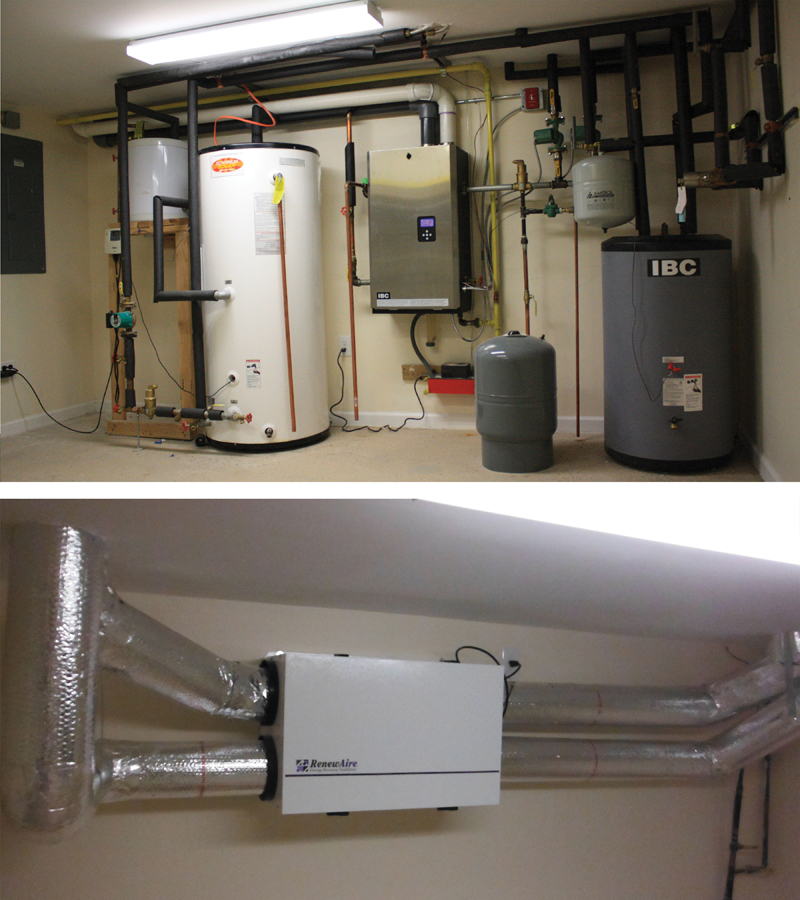
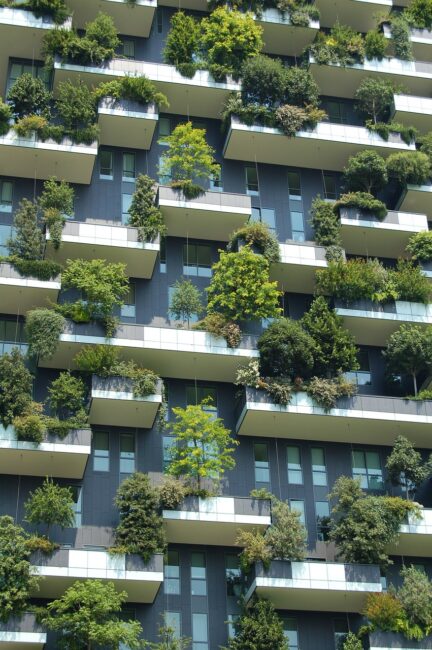
The article also identifies counter-forces promoting energy efficiency. Electric utilities, driven by regulatory requirements and efficiency goals, encourage energy conservation to manage rising energy generation and distribution costs. Digital electric meters enable variable pricing, incentivizing off-peak energy use to optimize grid efficiency. Cities like New York are subsidizing energy efficiency to avoid expensive new power plant construction. Government buildings, at federal, state, and city levels, are being retrofitted or constructed with green technologies to reduce carbon footprints and energy costs, enhancing urban competitiveness.
Finally, the article acknowledges the complex trade-offs involved. While energy efficiency is crucial for environmental and economic benefits, short-term pressures on housing affordability for working families present a challenge. It is suggested that government could facilitate both affordability and environmental goals through mechanisms like tax subsidies for capital costs of energy efficiency, advocating for policies that allow builders to keep prices down while meeting environmental objectives. The ultimate goal is to house all Americans in energy-efficient homes, balancing climate action with social equity concerns.
#EnergyEfficiency #GreenBuilding #GreenTechnology #BuildingCodes #HousingAffordability #EnvironmentalRegulation #SustainableDevelopment #ClimateAction #EnergyEfficiency #GreenBuilding #GreenTechnology #BuildingCodes #HousingAffordability #EnvironmentalRegulation #SustainableDevelopment #ClimateAction
0 komentarzy łącznie
 Brak komentarzy jeszcze
Możesz również polubić
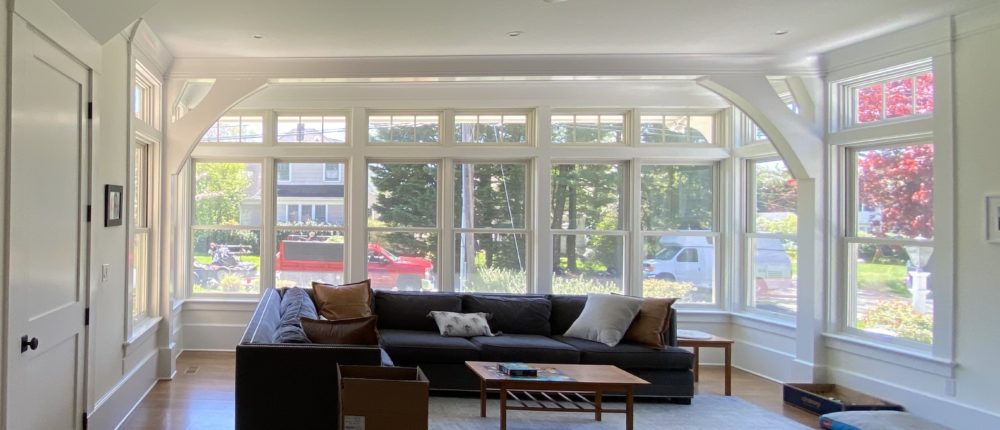
Five Simple Rules For House Design That Drastically Lower Energy Costs


Deep Retrofit 2023: Show me the money, how to pay for it all


Insulation grants UK: do you qualify for free insulation?
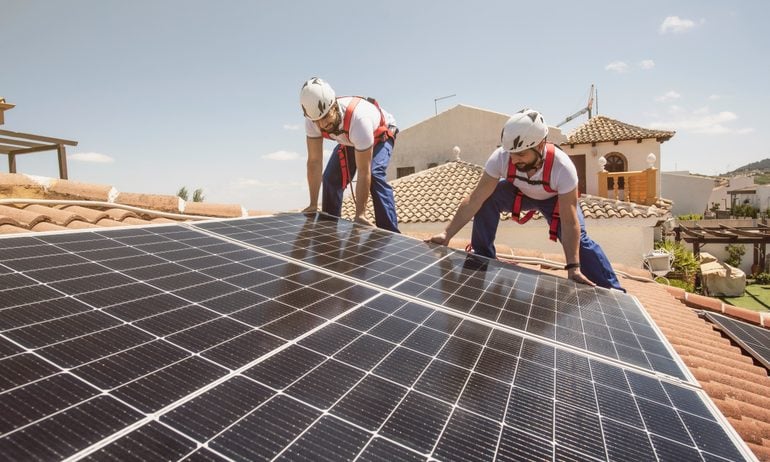
Home Improvement Tax Credits and Rebates for Energy Efficiency in 2025
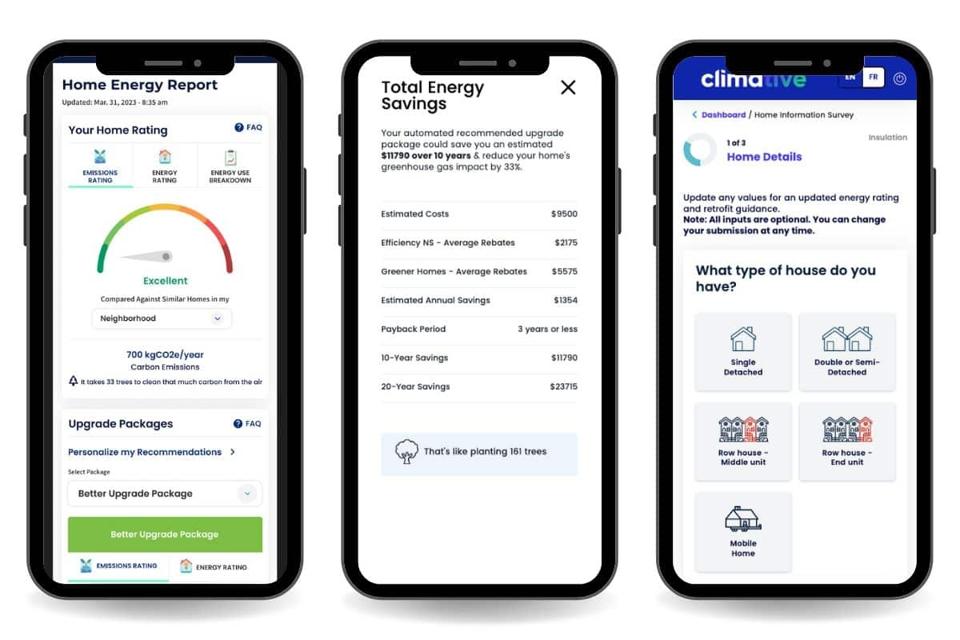
Rising Home Equity Keeps People In Place, Exploding Remodeling Tech

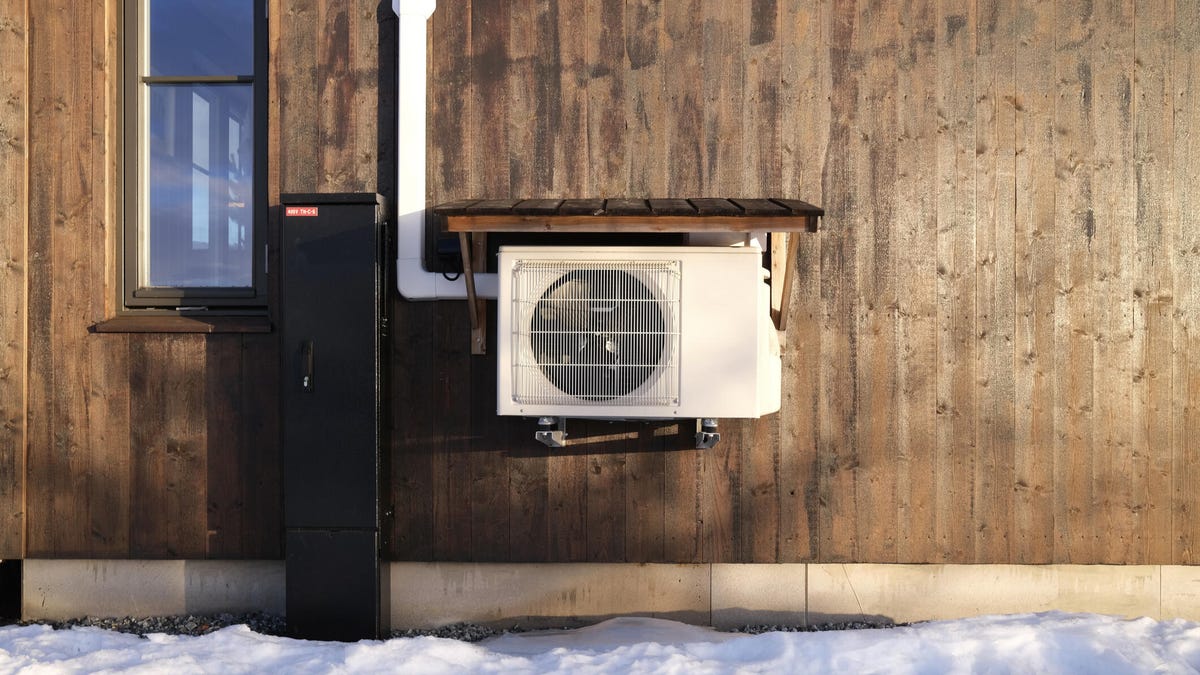
HVAC Buying Guide: What to Know When You're Shopping


How to Weatherize Your Home | Reviews by Wirecutter
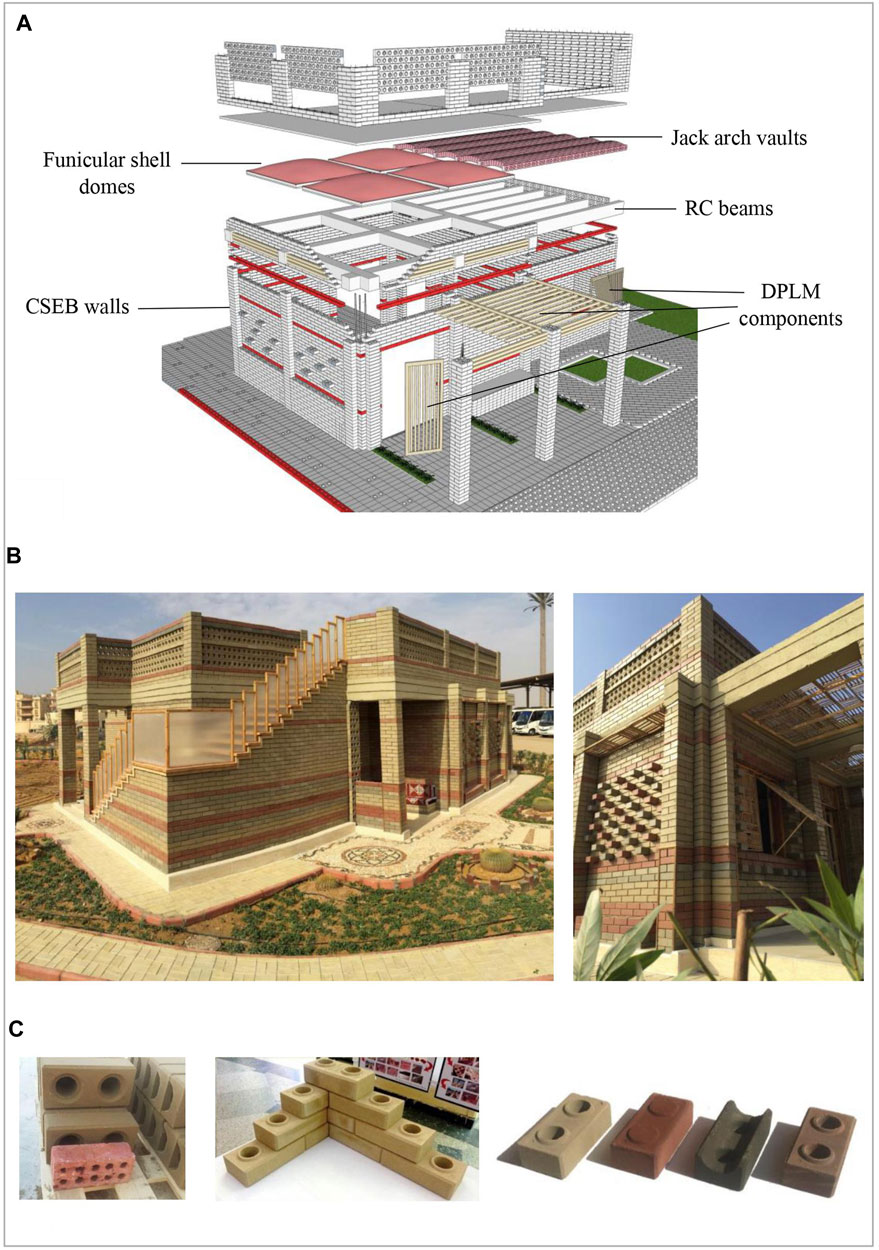
Cost-effectiveness and affordability evaluation of a residential prototype built with compressed earth bricks, hybrid roofs and palm midribs
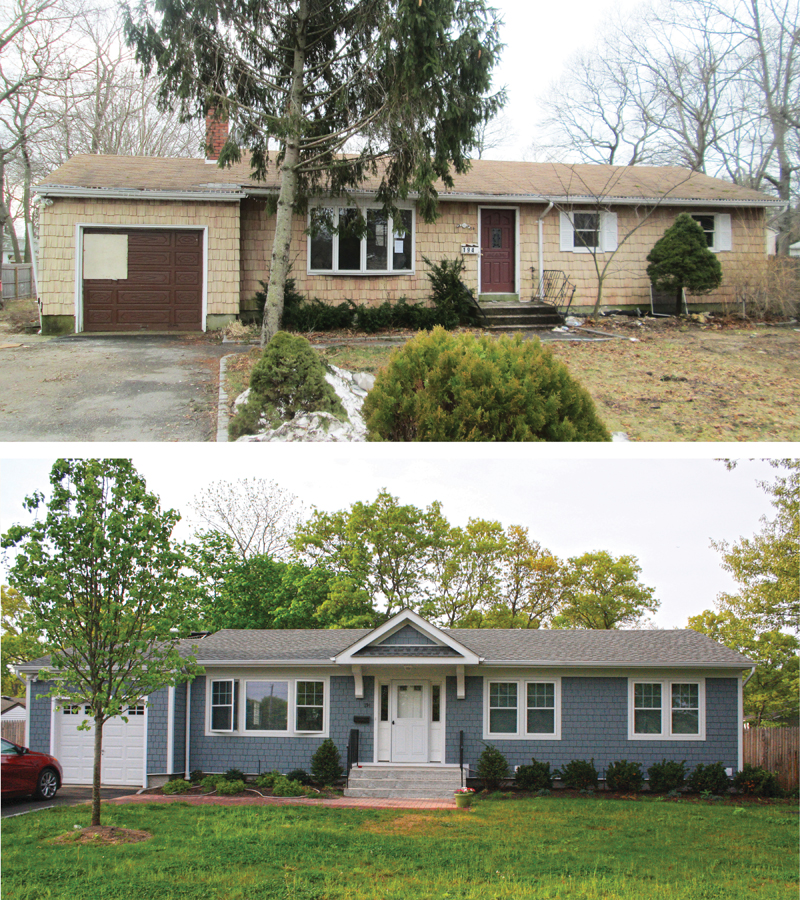
Deep Energy Retrofit for Affordable Housing


Three experts on the best ways to retrofit housing

In Depth: Engineered wood products

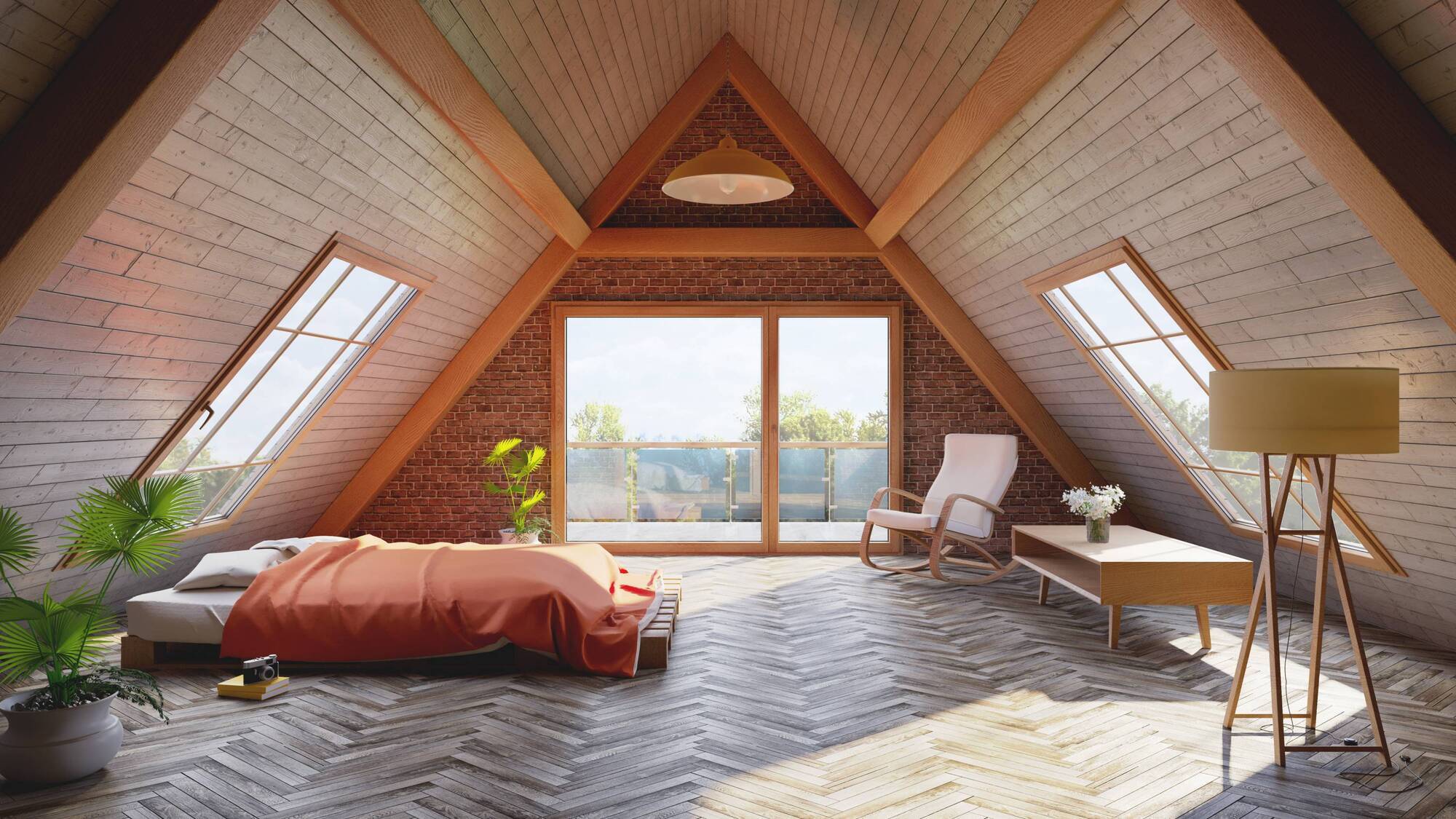
Attic conversions' lofty potential: Exploring costs and grants
Insulation Projects Increase as Property Owners Seek Lower Bills
50 Super Simple Ways to Save on Energy Costs

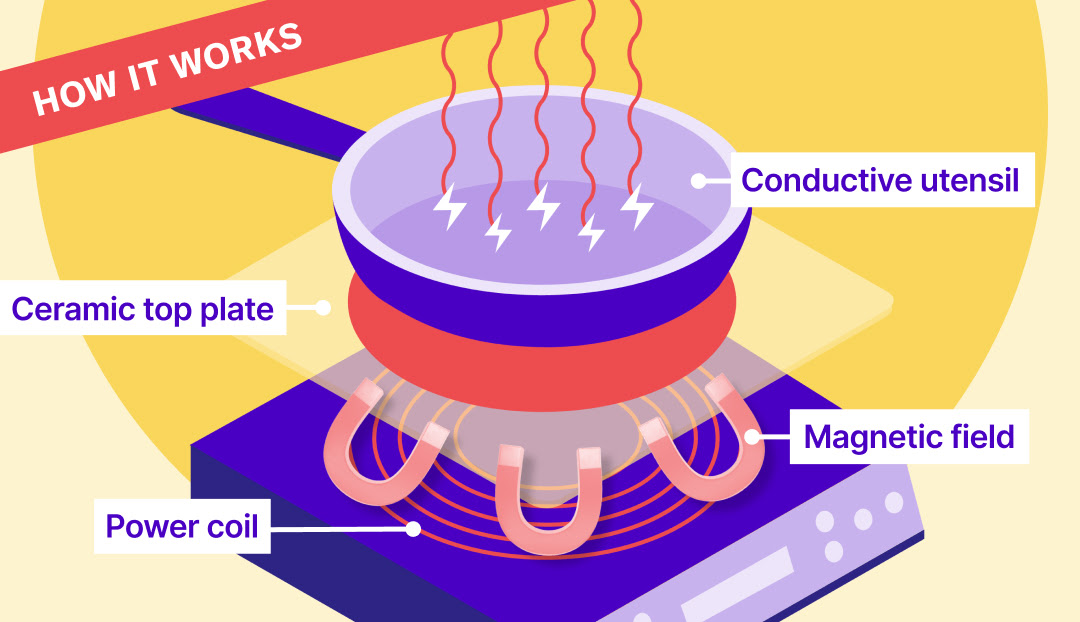
Induction 411

In Depth: Deck Fasteners
18 energy saving ideas

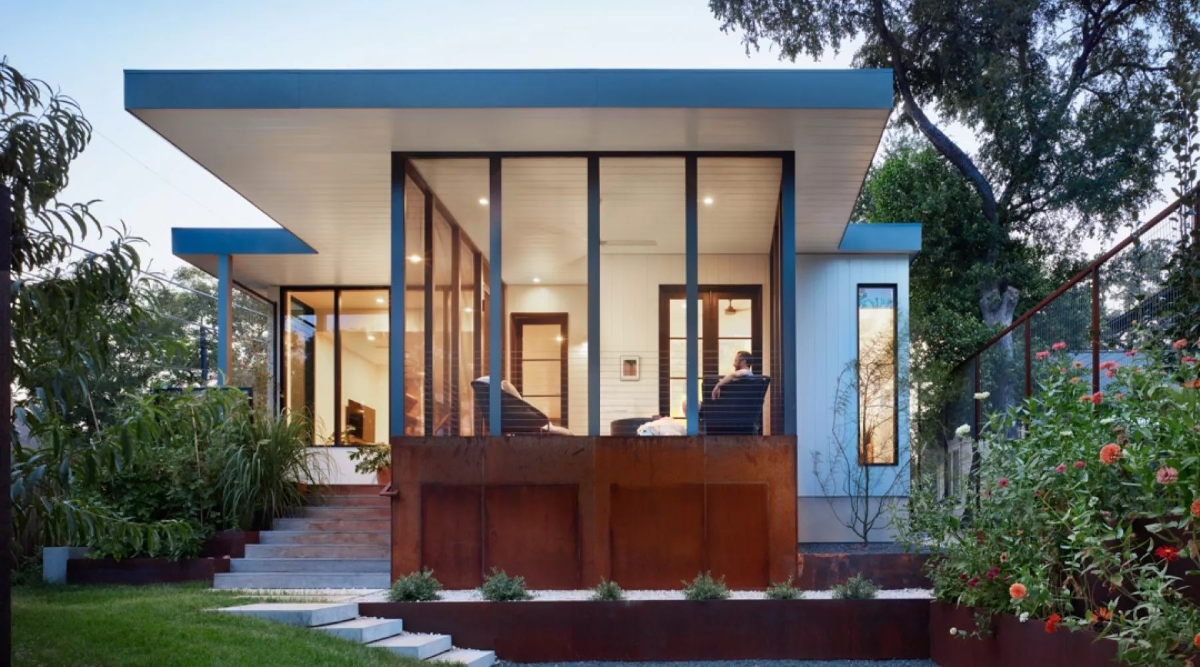
Passive House Design: What All Energy-Conscious Homeowners Should Know
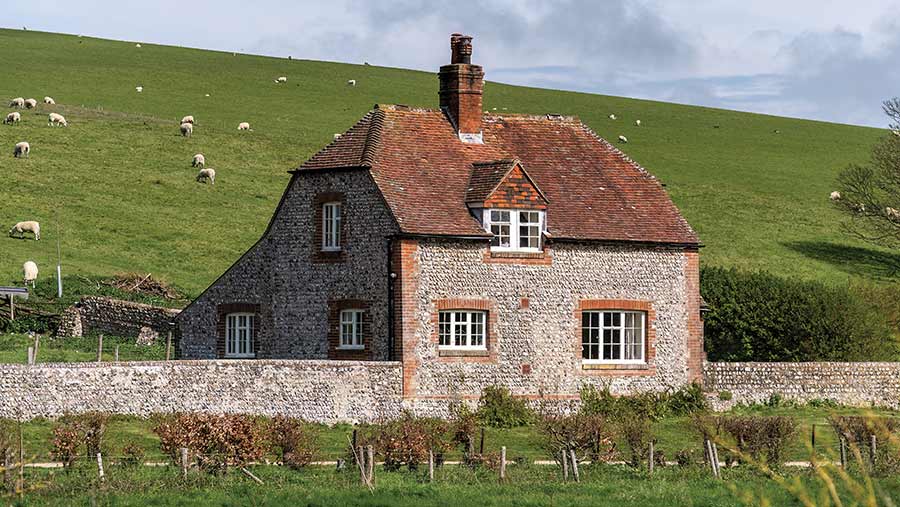
Rural housing: Options to decarbonise and improve efficiency

Are prefab homes killing the construction industry?