1/5
Designers Notoriously Hate This Feature—Here’s Why I (Respectfully) Disagree
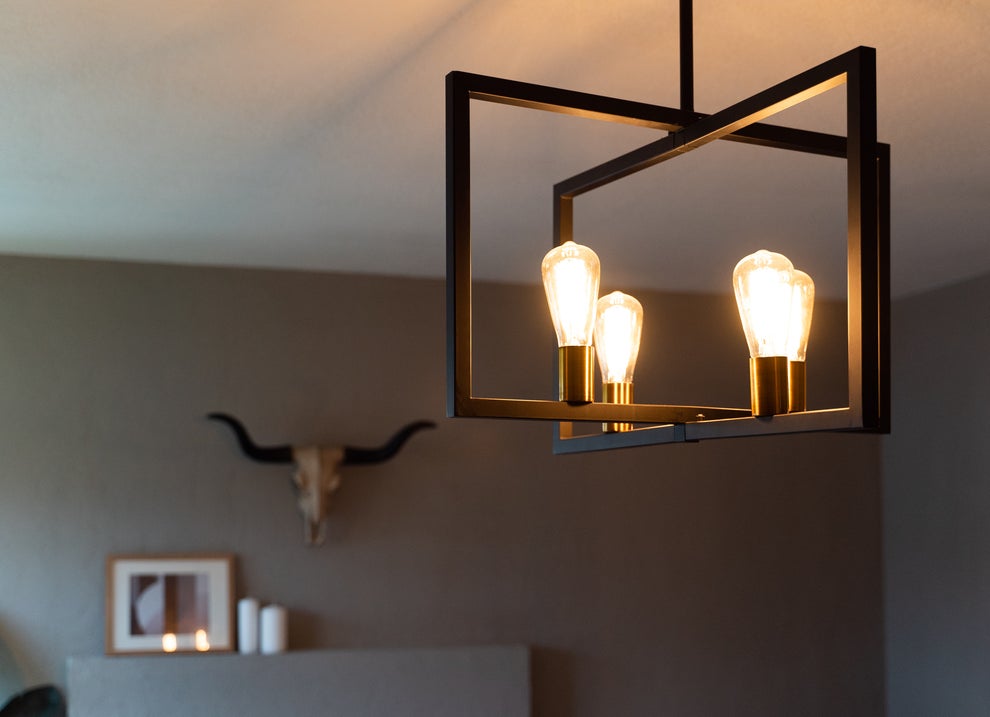
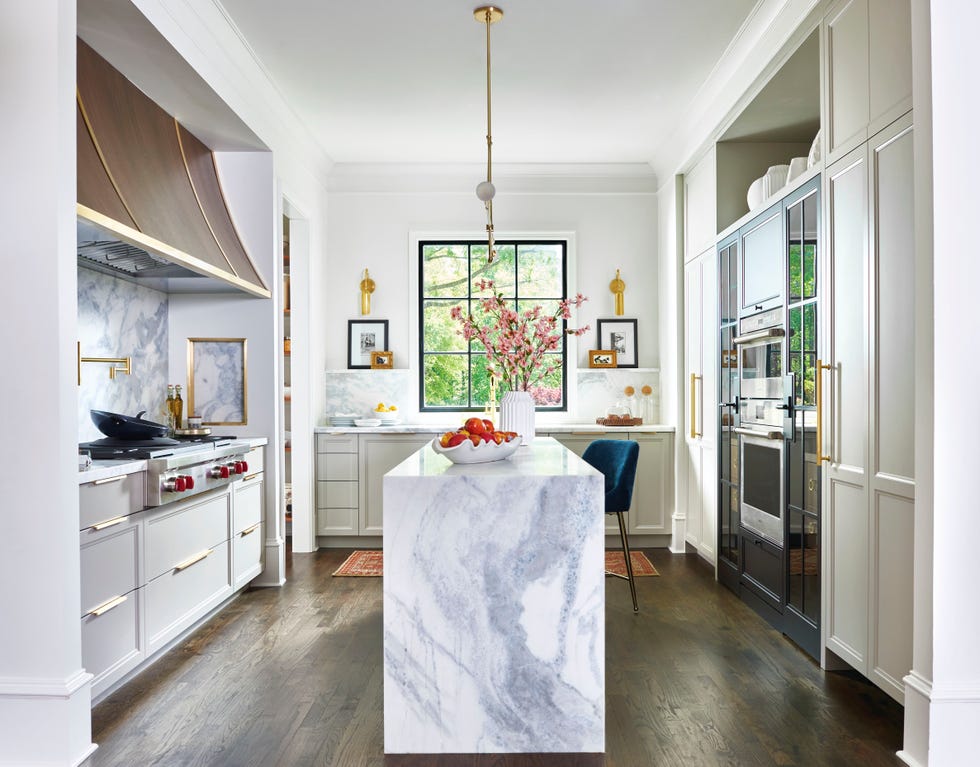
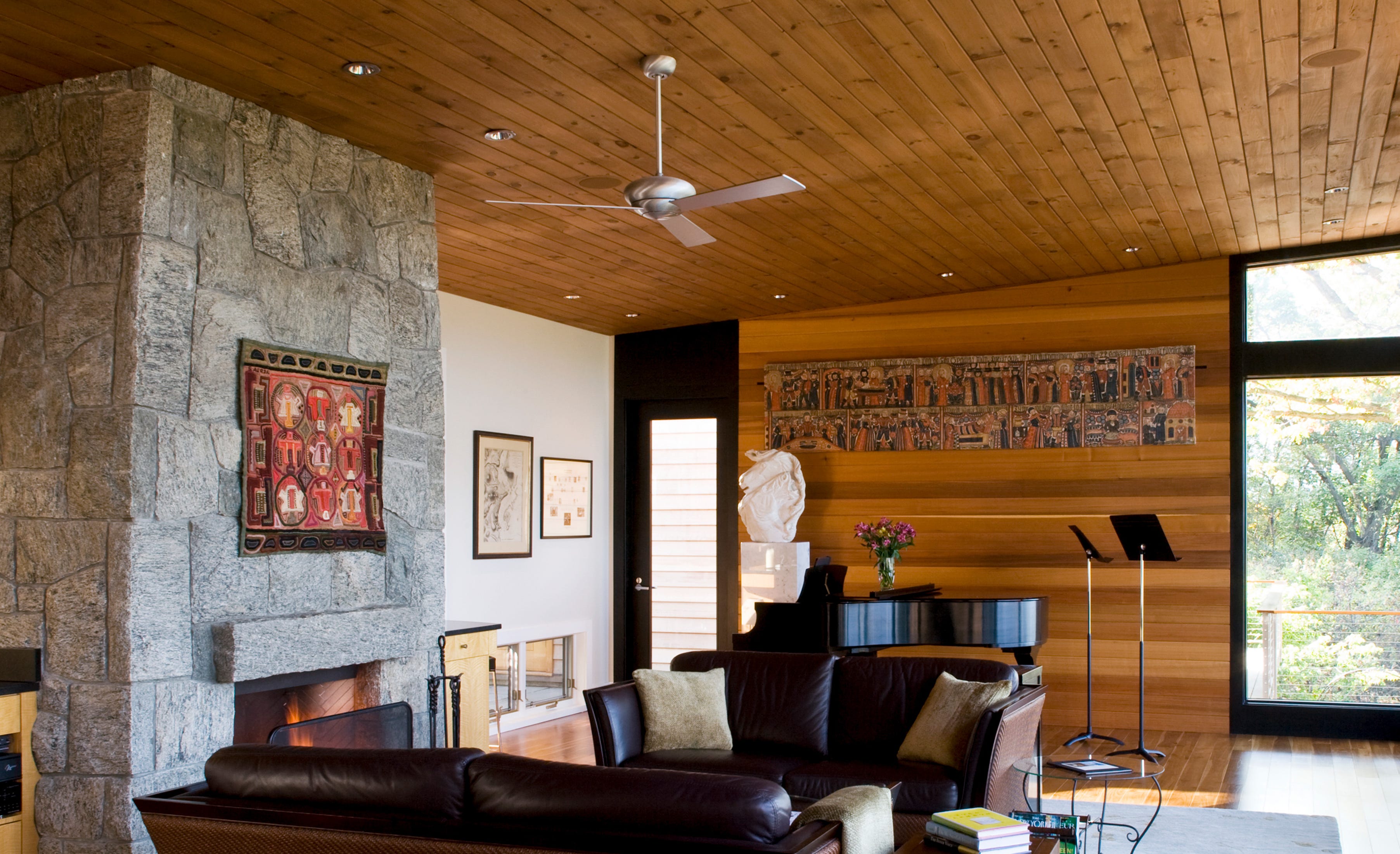
The author addresses the widespread disdain for overhead lighting among interior designers and the general public, a sentiment popularized by a viral tweet at the beginning of 2023. While acknowledging common complaints such as the creation of harsh shadows, unflattering illumination that highlights wrinkles, excessive brightness, and the tendency for light to be concentrated in one spot rather than diffused, the author respectfully counters these criticisms by advocating for the practical benefits and potential aesthetic contributions of overhead lighting. The discussion begins by recalling an interview with designer Jenna Lyons, who expressed a strong aversion to overhead lighting in her home, citing its unflattering effects, though she admitted to using it in a closet for practicality, only to regret it. This highlights the prevailing negative perception within the design community.
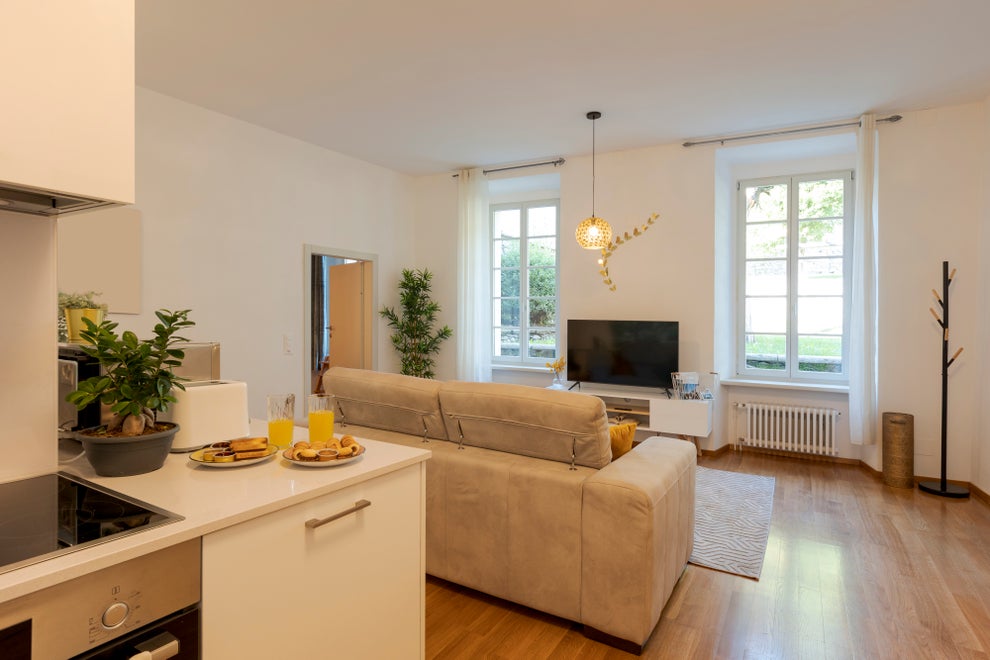
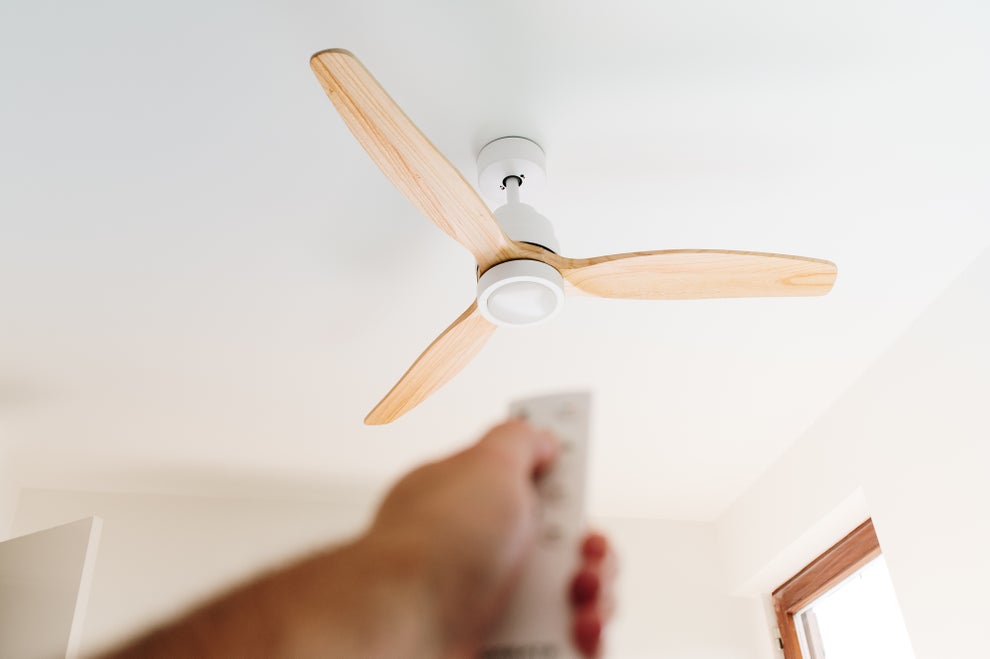
The author shares a personal history with overhead lighting, tracing back to childhood experiences in a subterranean children's library, her parents' split-level home with ceiling fan lights, and 90s school environments with fluorescent fixtures. These early positive associations shaped a different perspective. A key argument for overhead lighting's utility is its necessity for proper visibility in various activities, including reading, studying, cooking, and cleaning. The author illustrates this with an anecdote about needing it for puzzle assembly and mentions a set designer friend, typically an overhead-lighting detractor, who concedes its usefulness for finding items. Furthermore, for renters, overhead lighting offers a convenient, space-saving solution, eliminating the need for additional lamps, cords, or outlets, and can be activated with a single switch—an important consideration for accessibility (ADA requirements) in public spaces.
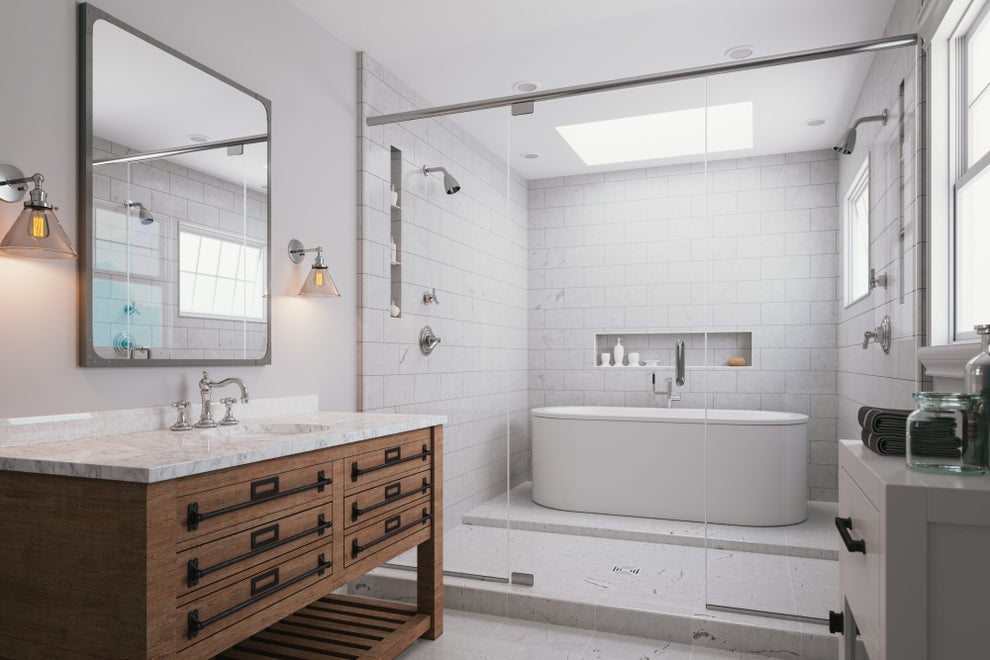
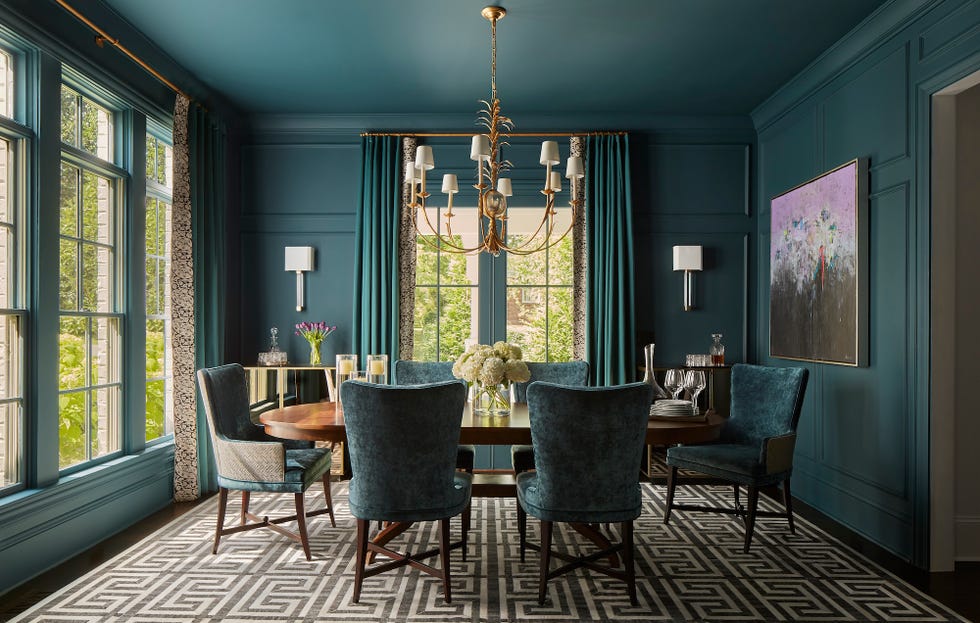
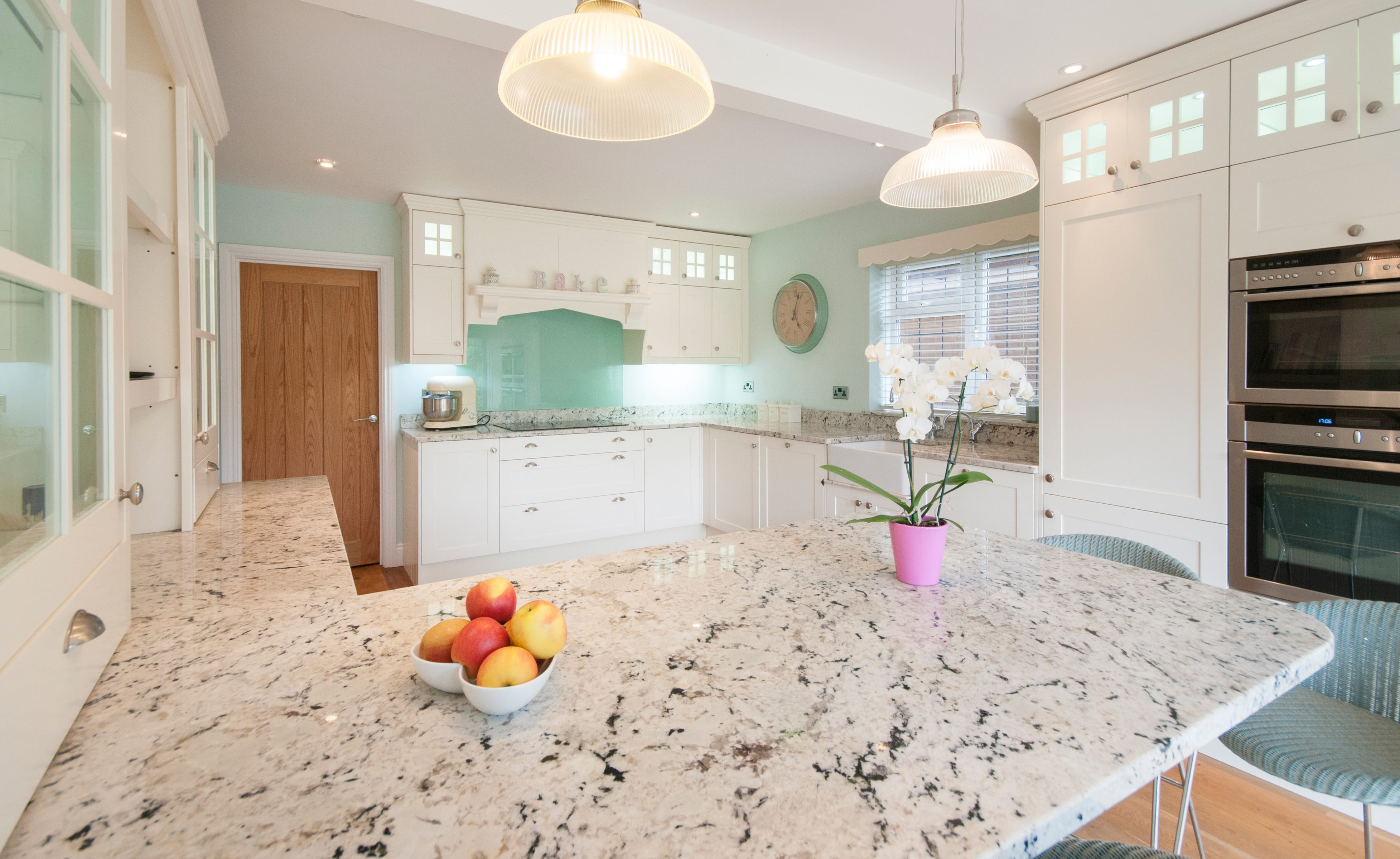
To clarify the debate, the author distinguishes between different types of overhead lighting. The primary targets of criticism are identified as recessed lighting, which creates a spotlight effect, and "boob lights," often found in rentals, which lack style and brightness control. The author agrees with the general dislike for unflattering, arctic white fluorescent ceiling lights due to their potential to cause migraines and eye strain. However, the author argues that not all overhead lighting falls into these categories, pointing to chandeliers, pendant lamps, and task lighting as potentially appealing options. The consensus among designers, as revealed in a panel discussion hosted by the author, is that overhead lighting can be acceptable if used with a dimmer. This simple hardware store purchase, costing around $35, allows users to adjust the light intensity for various moods and tasks, from a cozy glow to bright illumination for cleaning.
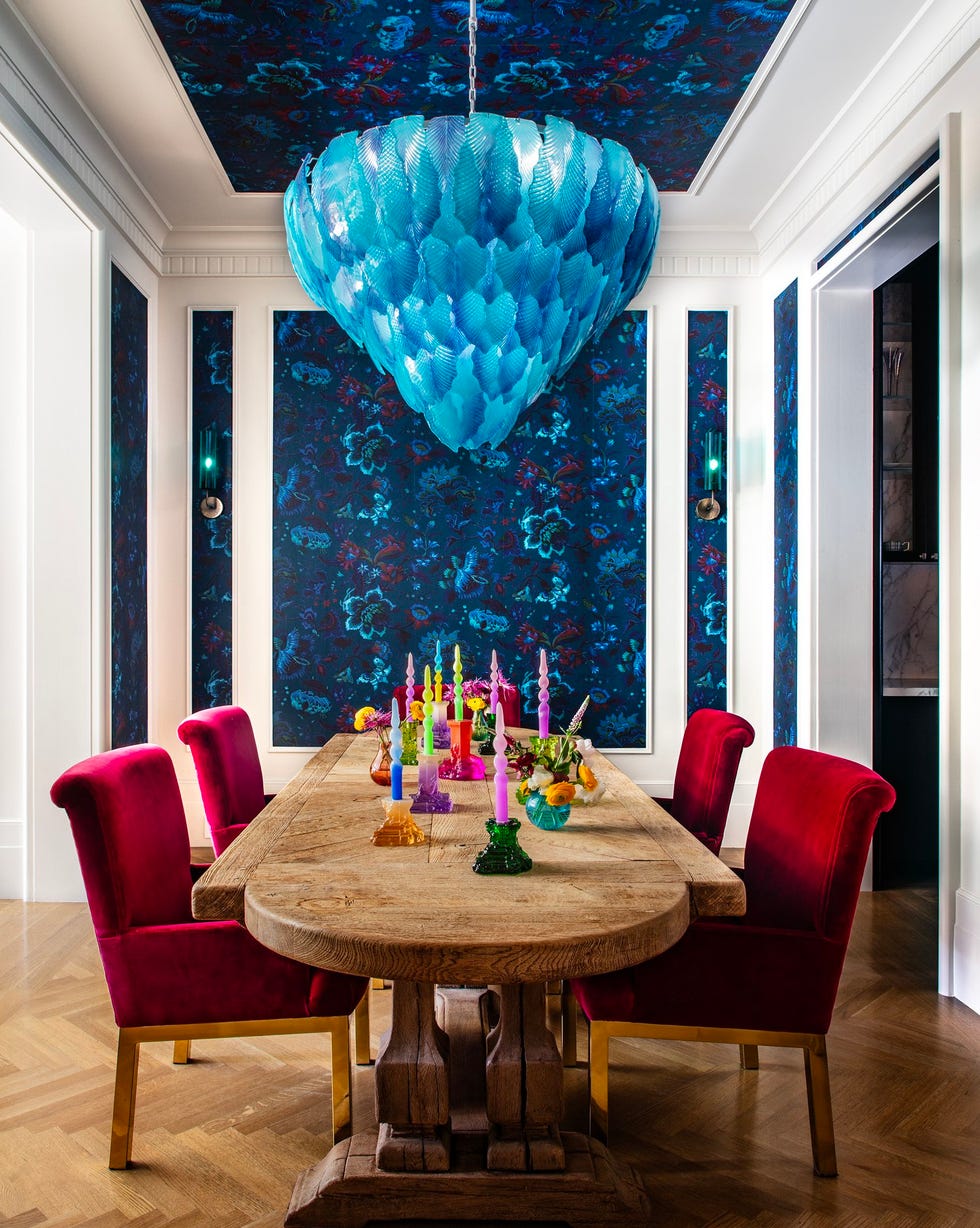
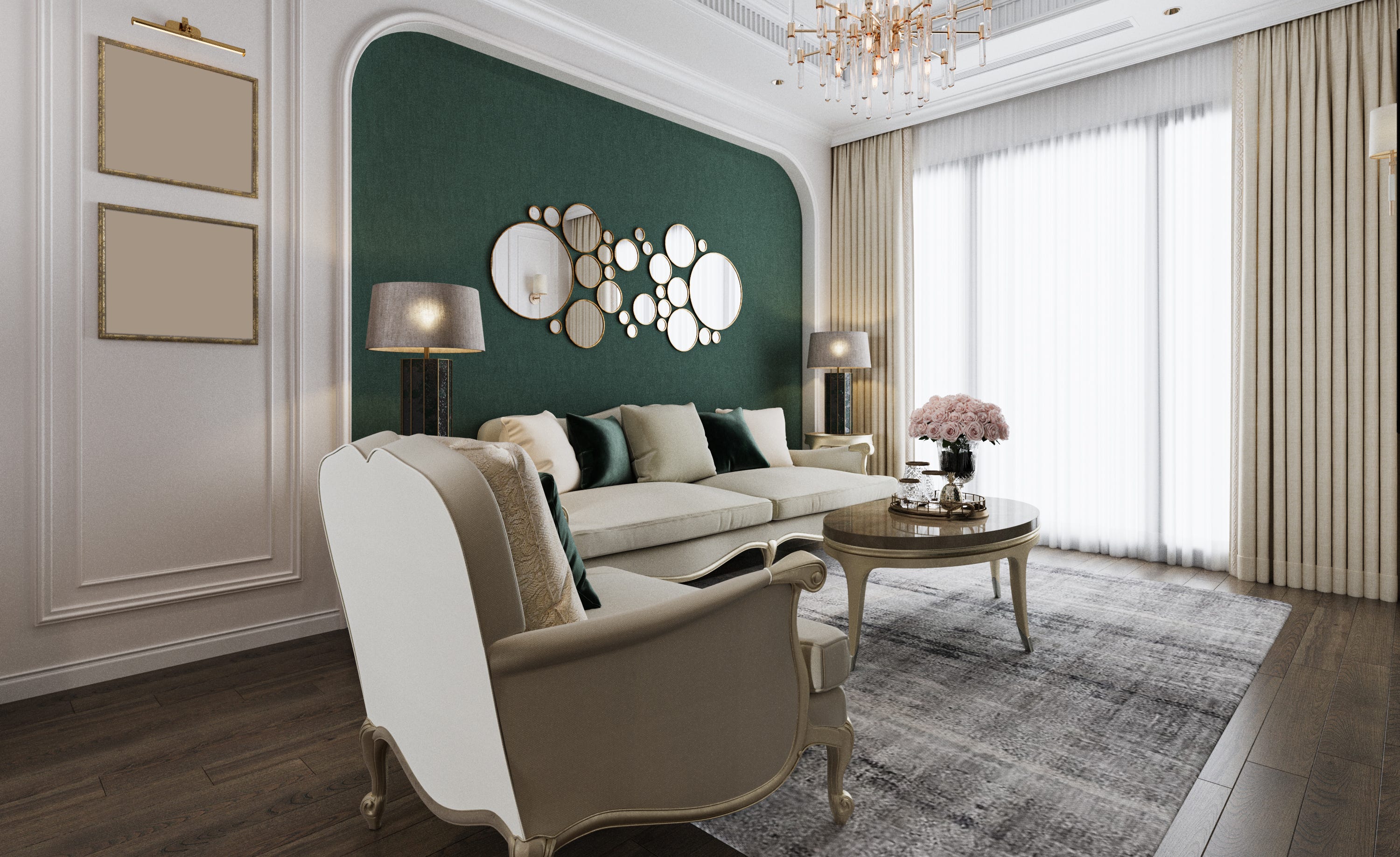
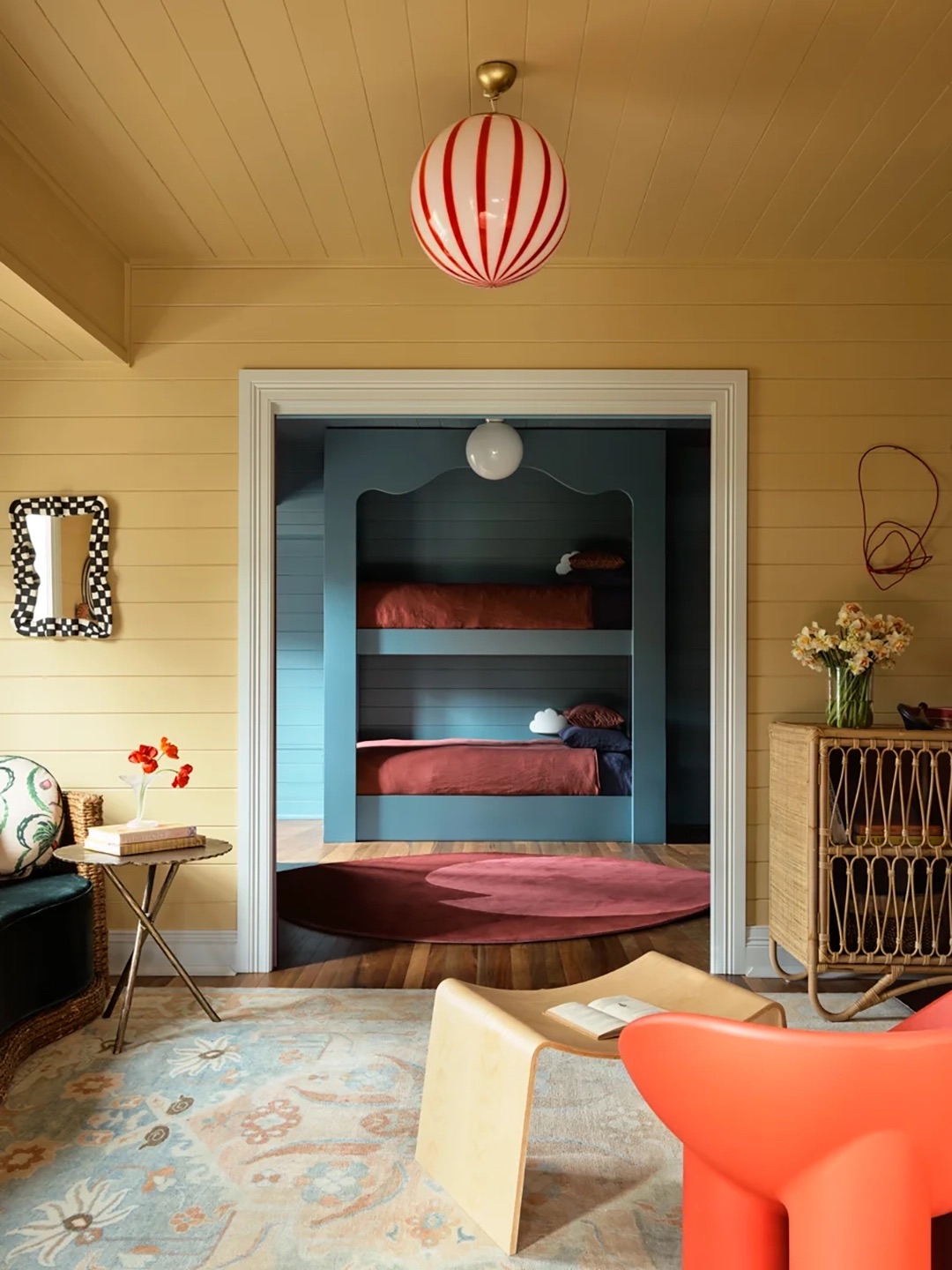
Additional quick fixes to improve the quality of overhead lighting include switching from cool to warm-toned LED bulbs, with Long Island–based designer Danielle Chiprut suggesting 2,700K for soft, flattering light. The author also emphasizes that a significant portion of the population does not inherently dislike overhead lighting. Furniture designer Robby Simon, for instance, believes people simply don't know how to "elevate" it and expresses personal reasons for preferring illuminated ceilings. Simon suggests replacing standard fixtures with statement pieces like fringed lamps or chandeliers, viewing them as opportunities to enhance architectural features or add a decorative element, akin to an "earring for your room." Even renters, the author notes, can often persuade landlords to upgrade unappealing overhead fixtures. The article concludes by listing several appealing overhead lighting options, including specific models from Schoolhouse, Mitzi, and Lulu and Georgia, reinforcing the idea that well-chosen overhead lighting can be both functional and stylish.
#OverheadLighting #InteriorDesign #HomeDecor #LightingDesign #DesignDebate #RentalLiving #Dimmers #DesignerTips #OverheadLighting #InteriorDesign #HomeDecor #LightingDesign #DesignDebate #RentalLiving #Dimmers #DesignerTips
0 komentarzy łącznie
 Brak komentarzy jeszcze
Możesz również polubić
"Frankly, It's Tacky": People Are Revealing Common Interior Design Trends They Can't Stand

The #1 Home Trend You Should Avoid, According to Designers


How Architectural Theory Distances People from Design

Skip the Window Treatments, This Designer Says — Here's Why

9 CONTROVERSIAL Decor Choices Designers Secretly Wish You’d Stop Making

Design Ideas: Solving Pet Peeves

The One Lighting Feature Designers Hate But Home Buyers Love
"It's Like I'm On An HGTV Acid Trip": People Are Denouncing The Worst Home Design Features
Older Adults Are Sharing The Design Trends They Despise For Very Specific Reasons

Design Doesn’t Have to Be Polite

This Controversial Home Layout Has DIVIDED the Design World
"It's A Huge Fire Hazard": People Are Calling Out The Modern Home Design Trends They Secretly Hate, And It's Jarring
Designers Say They Secretly Hate This Popular Kitchen Design Trend

"Frankly, It's Tacky": People Are Revealing Common Home And Kitchen Design Trends They Can't Stand
The Controversial “Wallpaper Box” Trend is DIVIDING the Design Community

12 Client Asks That Absolutely TRIGGER Designers
No More of These, Please — 4 Outdated Window Treatments Designers Don't Want to See You Using Anymore


Why Bad Design is Good

This Once-Popular Kitchen Trend Is Actually a Huge Pain—Here’s One Designer’s Solution
Designers Swear This Bathroom Feature Is so Overrated