1/10
An easy add-on to your curtains makes rooms look expensive - designers explain
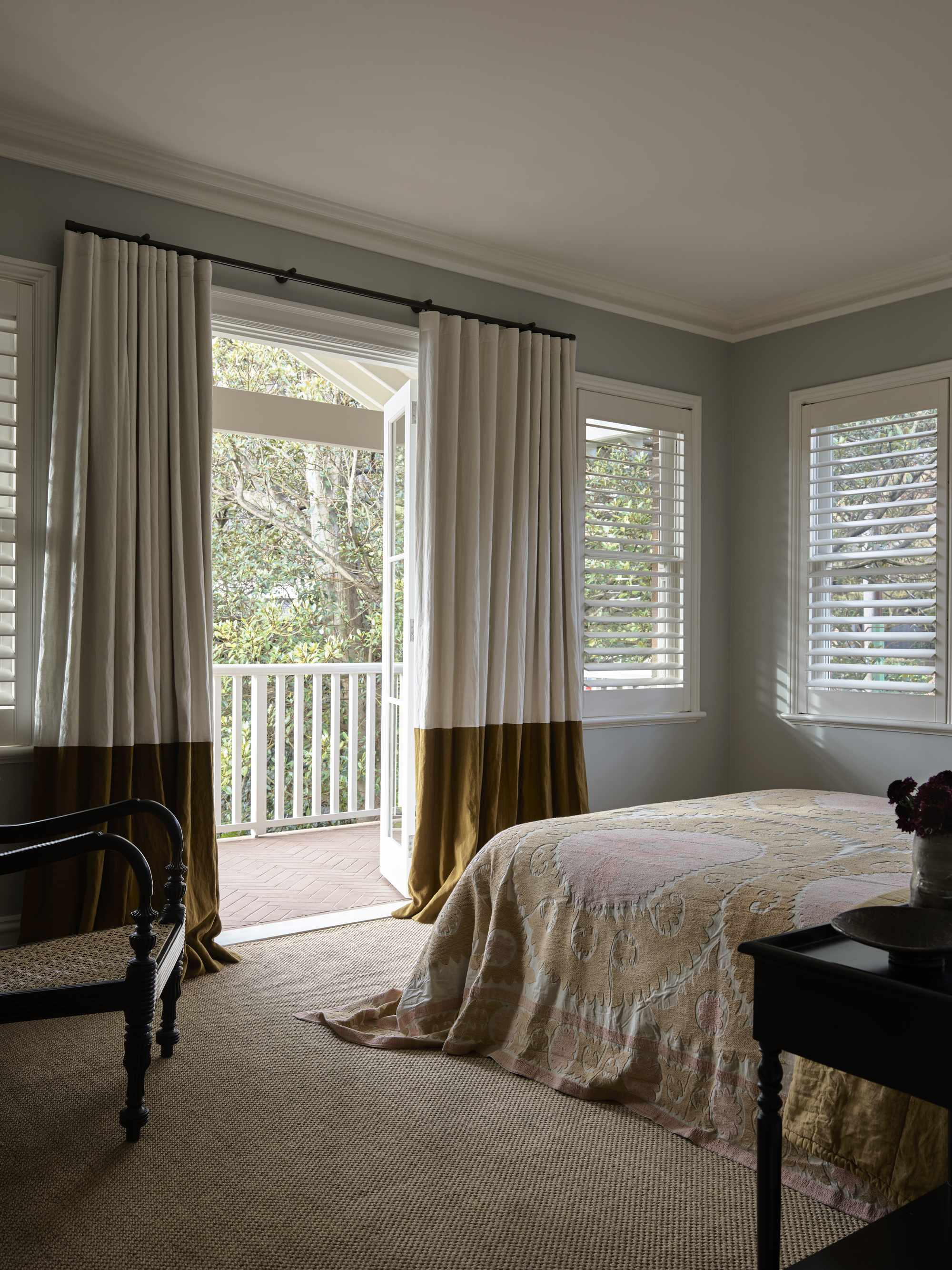
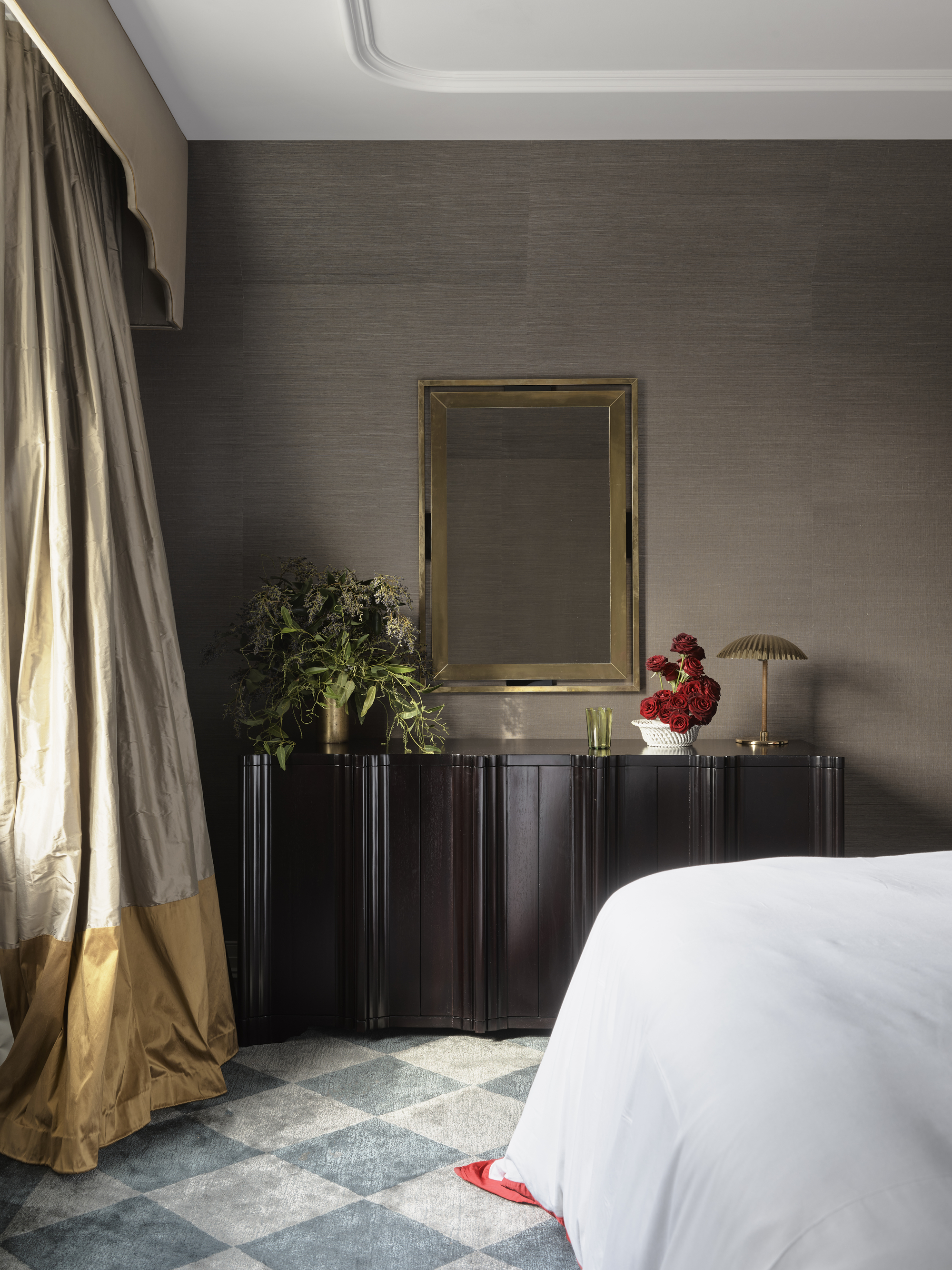
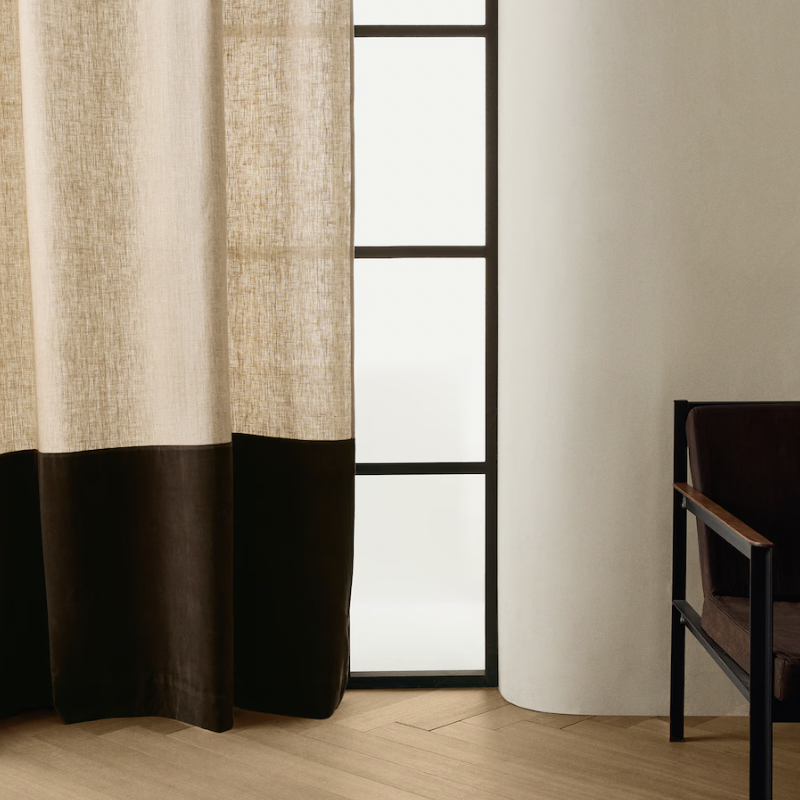
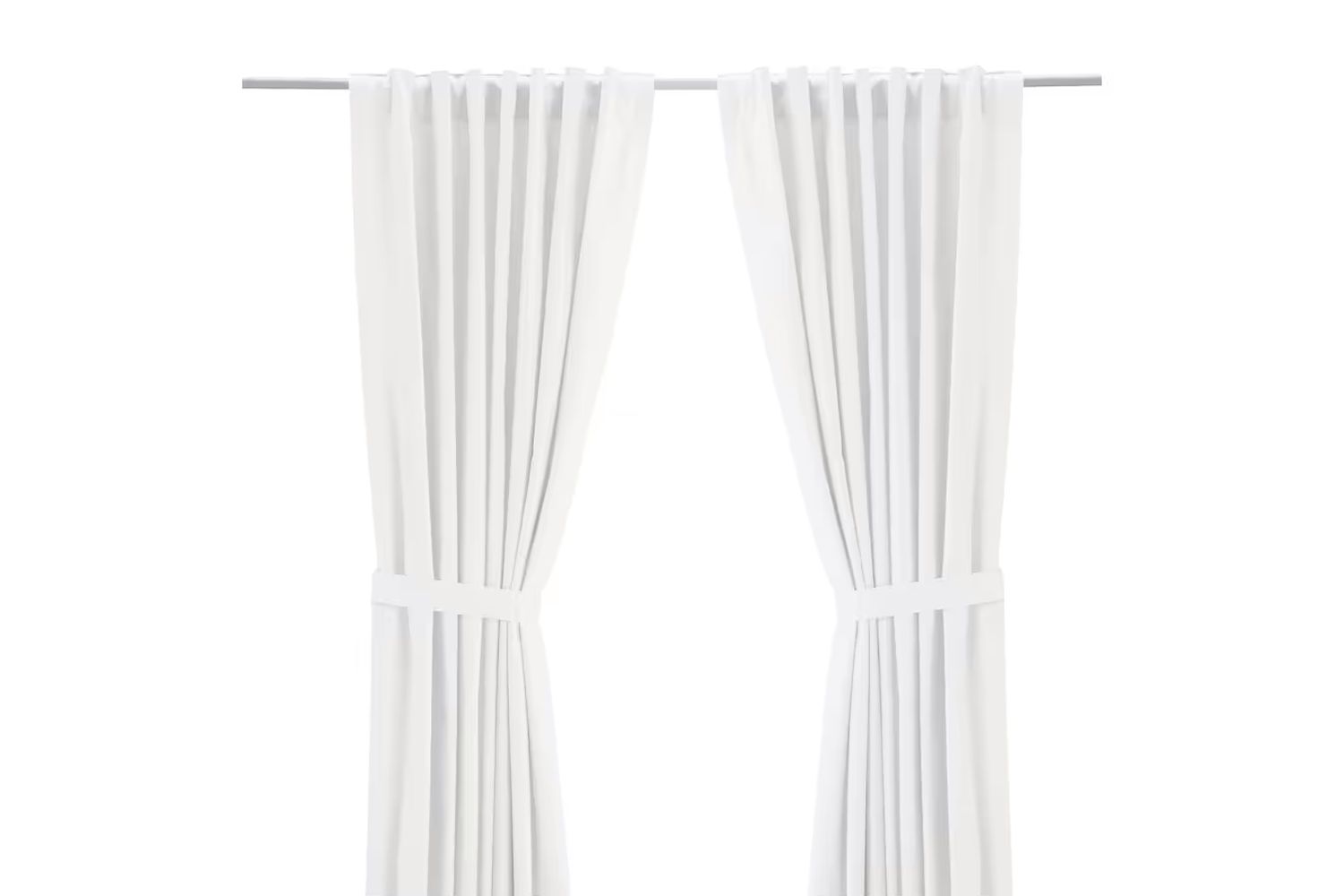
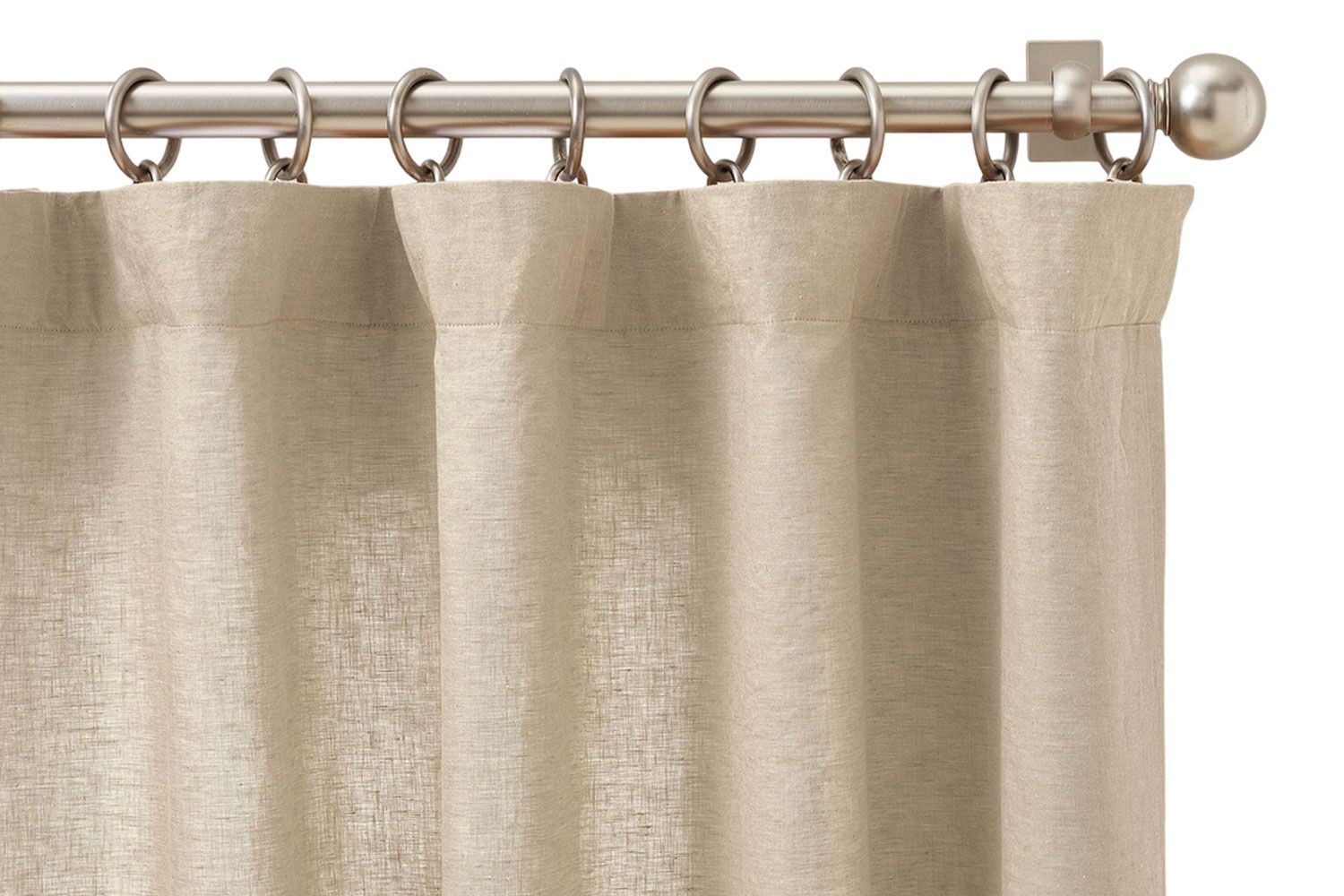
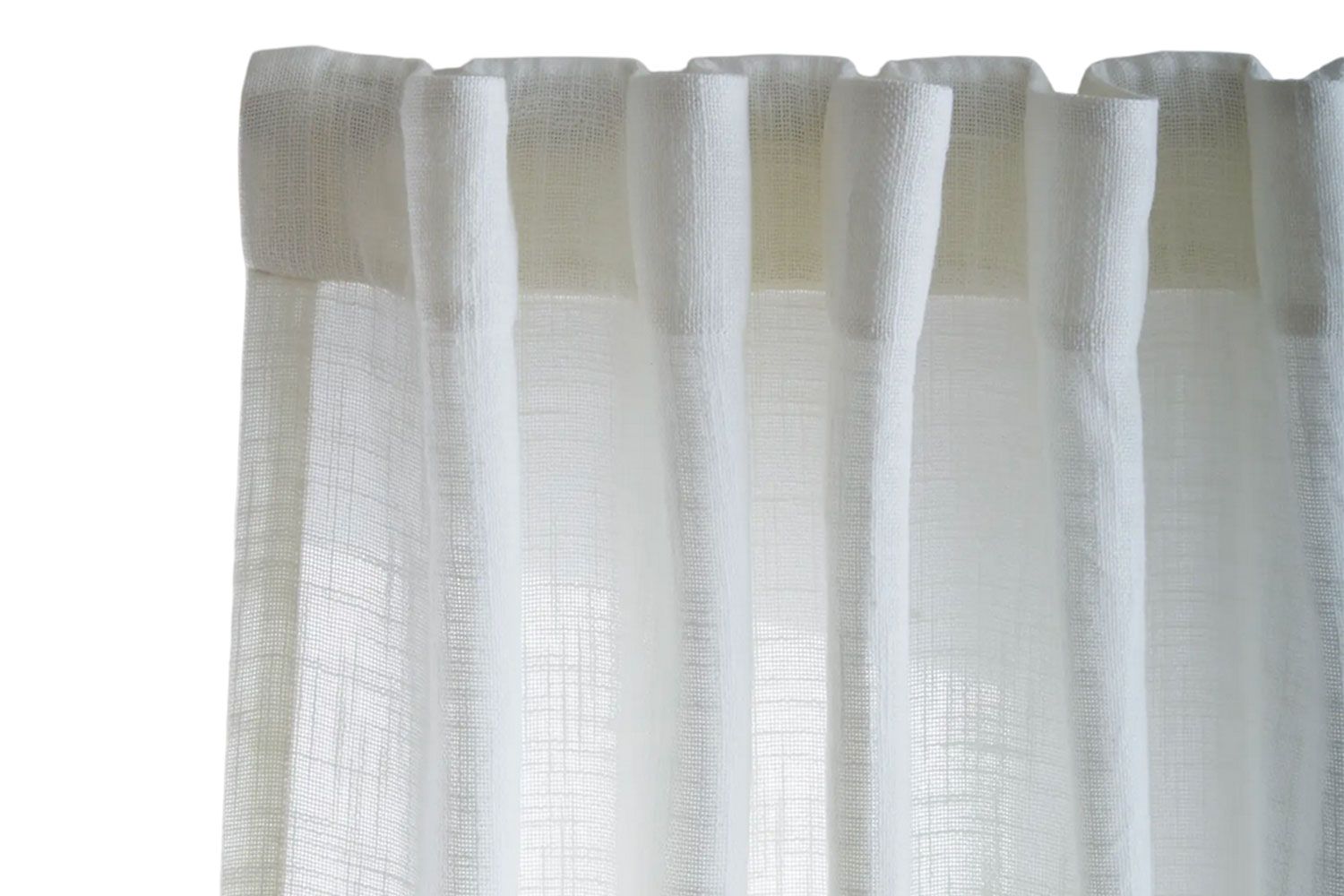
This article explores the emerging interior design trend of using borders and edging on curtains to enhance the aesthetic appeal of a room. Traditionally, curtains were often viewed as functional elements for privacy and light control, meant to blend into the background. However, contemporary designers are reimagining curtain borders in new colors, patterns, and styles, transforming them into subtle yet impactful design features that can make a space feel more luxurious and characterful.
The article highlights that this trend offers a balanced approach for those who appreciate pattern and color but are hesitant to commit to a fully patterned curtain, which can often dominate a room visually. By adding a border, designers can introduce a dose of visual interest without overwhelming the space. The concept of 'curtain edges' is introduced as a modern reinterpretation of traditional borders, moving away from fussy or ornate designs towards sleek and simple accents.
Several design applications of this trend are presented. One approach involves edging simple curtains with interesting shapes, such as wavy patterns, to introduce texture and subtle focal points within a minimalist interior. This method allows for a pop of color or an intriguing silhouette that complements a neutral color scheme without overpowering it. For instance, a bold red wavy edge on a white curtain can add detail and mirror other sculptural elements in the room, maintaining a sense of calm.
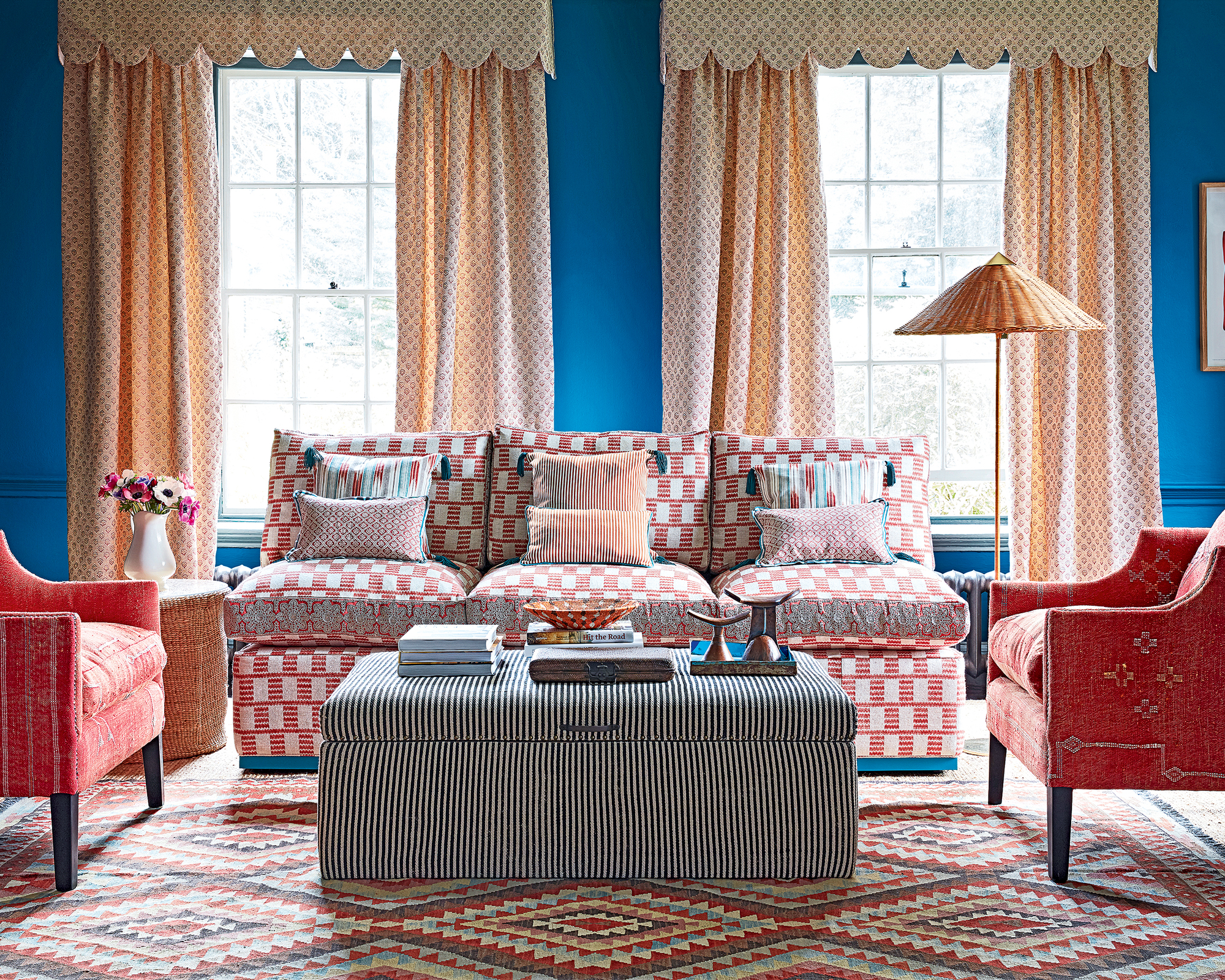
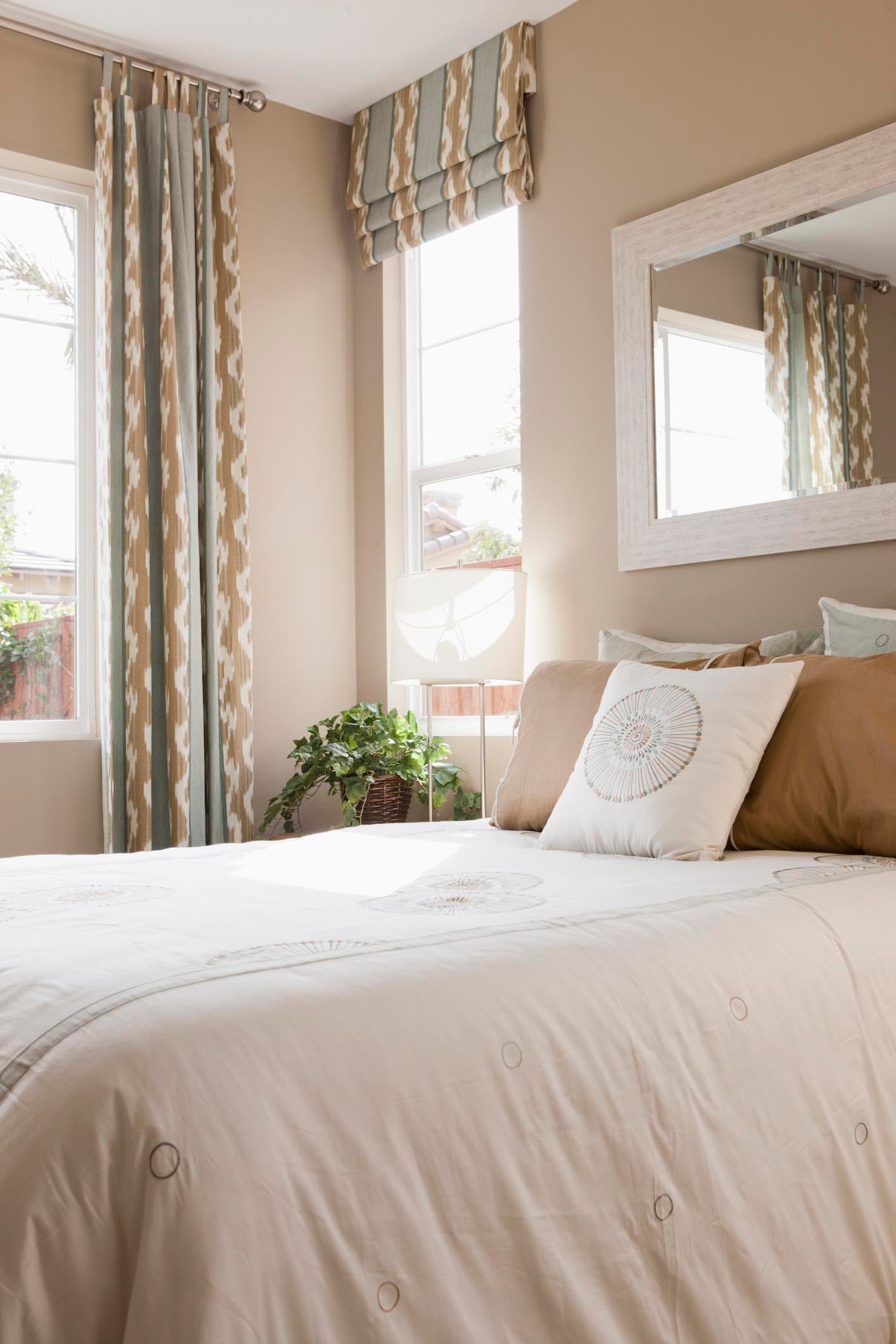
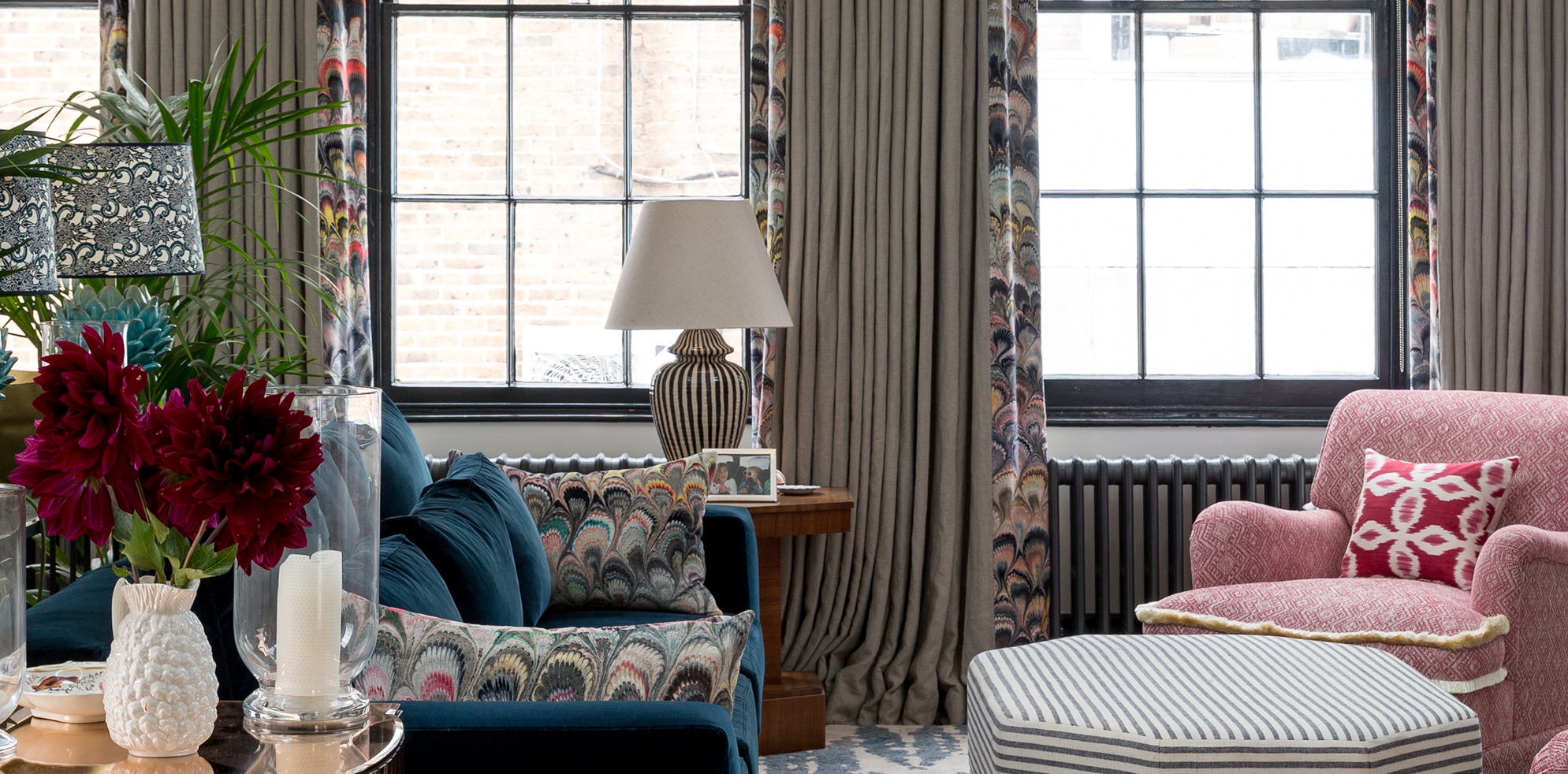
Another application is to integrate patterns from other elements in the room into the curtain edges. This technique ensures a cohesive design, as the curtain border picks up on existing motifs, tying the space together. This is particularly effective in rooms with ample natural light, where lighter curtains are preferred, and allows for the introduction of pattern without pushing the room into a maximalist aesthetic. Designers emphasize that edged curtains provide an ideal starting point for experimenting with color, offering a low-commitment way to elevate the room's perimeter.
The article also discusses how fringing, when executed with sophistication, can become a refined design choice. Instead of traditional, heavy fringes, modern applications feature sleek, texture-rich fringes that add a noble heaviness and French style without appearing anachronistic. The key is to balance the decorative edge with the simplicity of the main curtain fabric, or even match the fringe color to the curtain for a more subtle textural effect.
Furthermore, contrasting curtain edges can effectively enhance windows and frame views. By drawing the eye to the drapes, these borders highlight the window opening and any views beyond. This method is particularly useful for making large windows a central feature or creating the illusion of larger windows by extending the drapes from floor to ceiling. The article suggests that a custom-printed stripe on the leading edge of curtains can achieve this effect while allowing light to filter through.
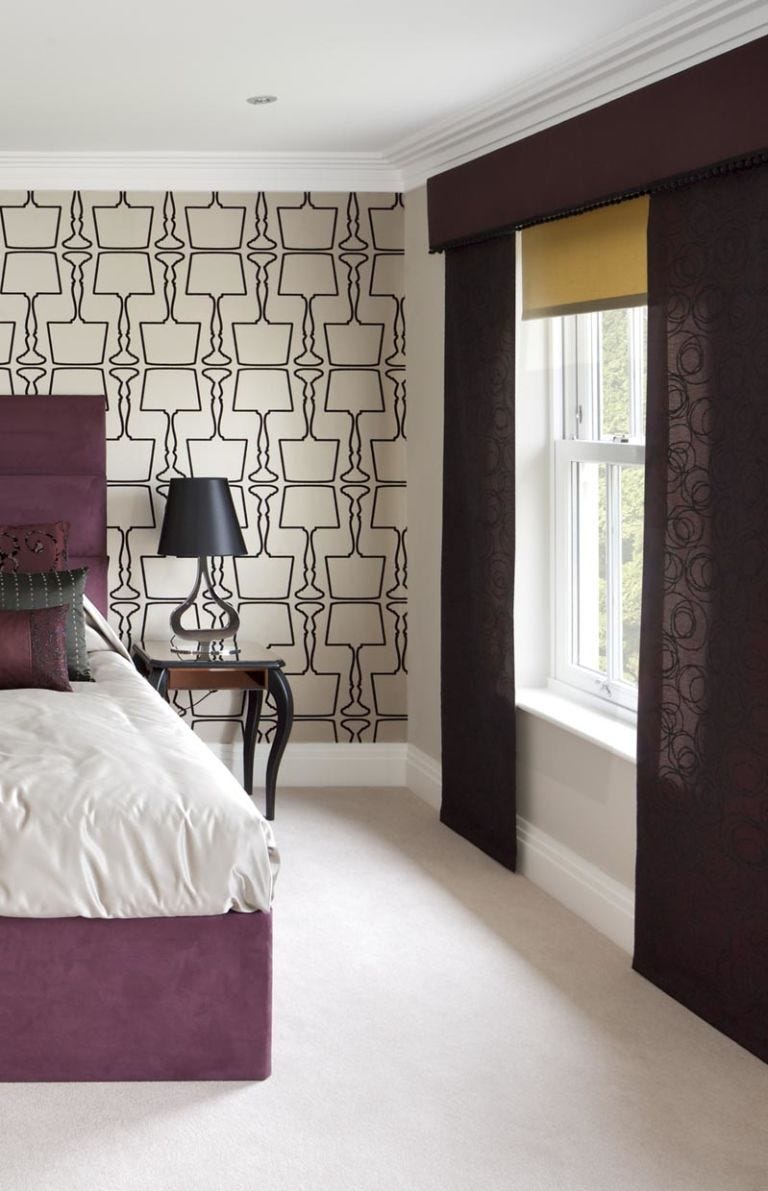
Finally, the trend offers a solution for injecting detail into spaces that already feature busy walls or extensive art collections. In such environments, heavily patterned drapes might create a cluttered feel. Curtain edges, however, allow for the introduction of vibrancy and design without adding competing patterns, ensuring the window treatment complements rather than distracts from other significant elements in the room. This approach maintains a playful yet balanced aesthetic, as demonstrated by the use of distinct fabric sections as borders.
#CurtainTrends #HomeDecor #InteriorDesign #WindowTreatments #TextileDesign #CurtainBorders #LuxuryInteriors #DesignTips #CurtainTrends #HomeDecor #InteriorDesign #WindowTreatments #TextileDesign #CurtainBorders #LuxuryInteriors #DesignTips
0 komentarzy łącznie
 Brak komentarzy jeszcze
Możesz również polubić
Upgrading THIS Simple Feature Makes Your Home Look More Expensive, According to Designers

Turns Out, This Cool Two-Tone Curtain Trick Does Something Way More Important Than Just Look Good
This paneling trend is a simple trick for making your walls look more expensive

6 Window Treatments That Instantly Make a Room Look "Tacky," Designers Say

This hack for your curtains will instantly make them look more expensive – and it evens work on ones from IKEA
Upgrading THIS Simple Feature Makes Your Bathroom Look More Expensive, According to Designers
Hanging curtains: You’re probably doing it wrong

5 finishing touches that will elevate your curtains and make them look a hundred times better
Designers say this 1 unassuming and affordable feature will make your home look more expensive
This Cheap Hack Makes Any Room Look Expensive
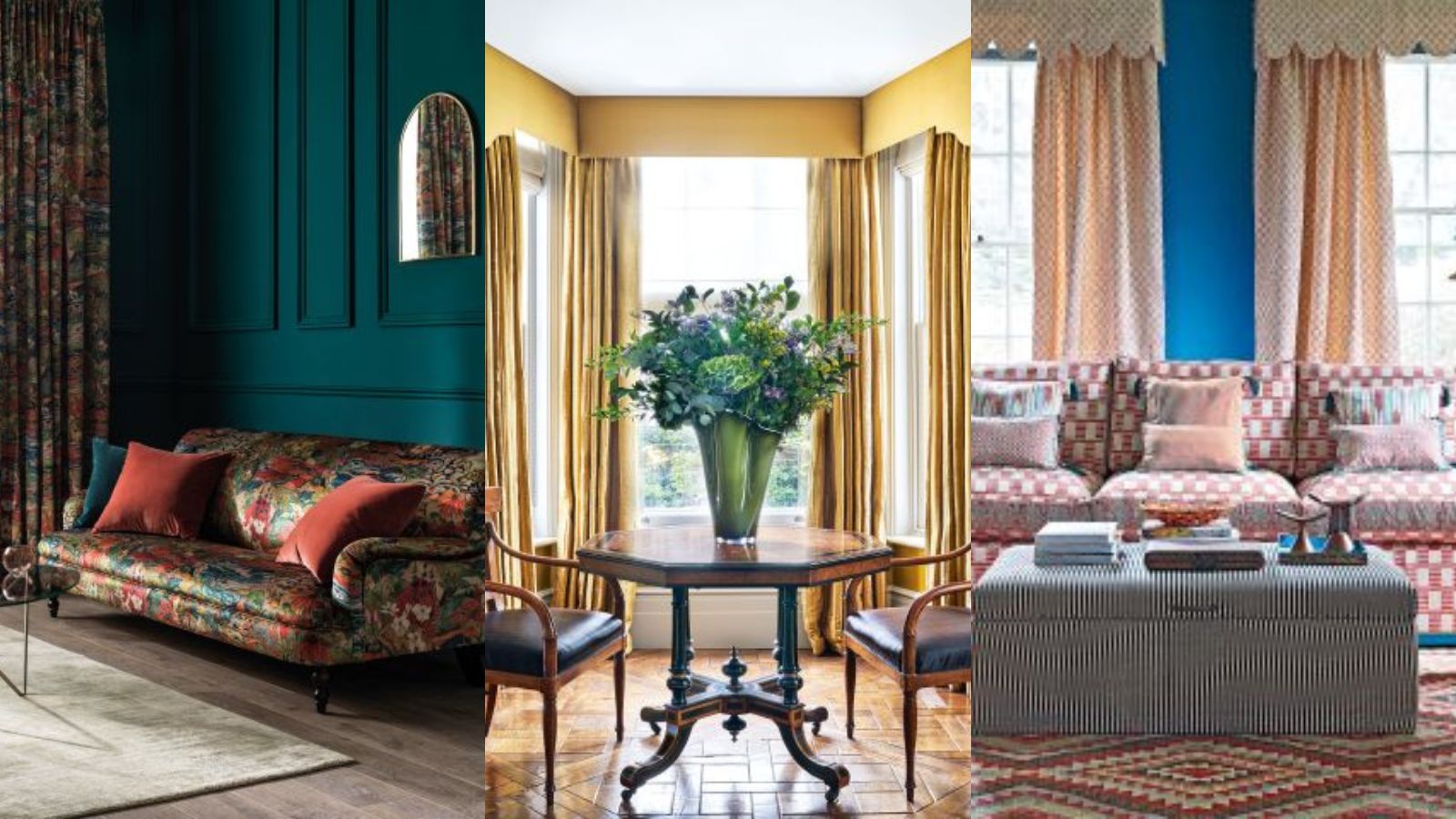
Curtain tricks – 5 ways this interior designer creates drama with drapes
Contractors Swear By These Weird Things That Make Your Home Look Way More Expensive

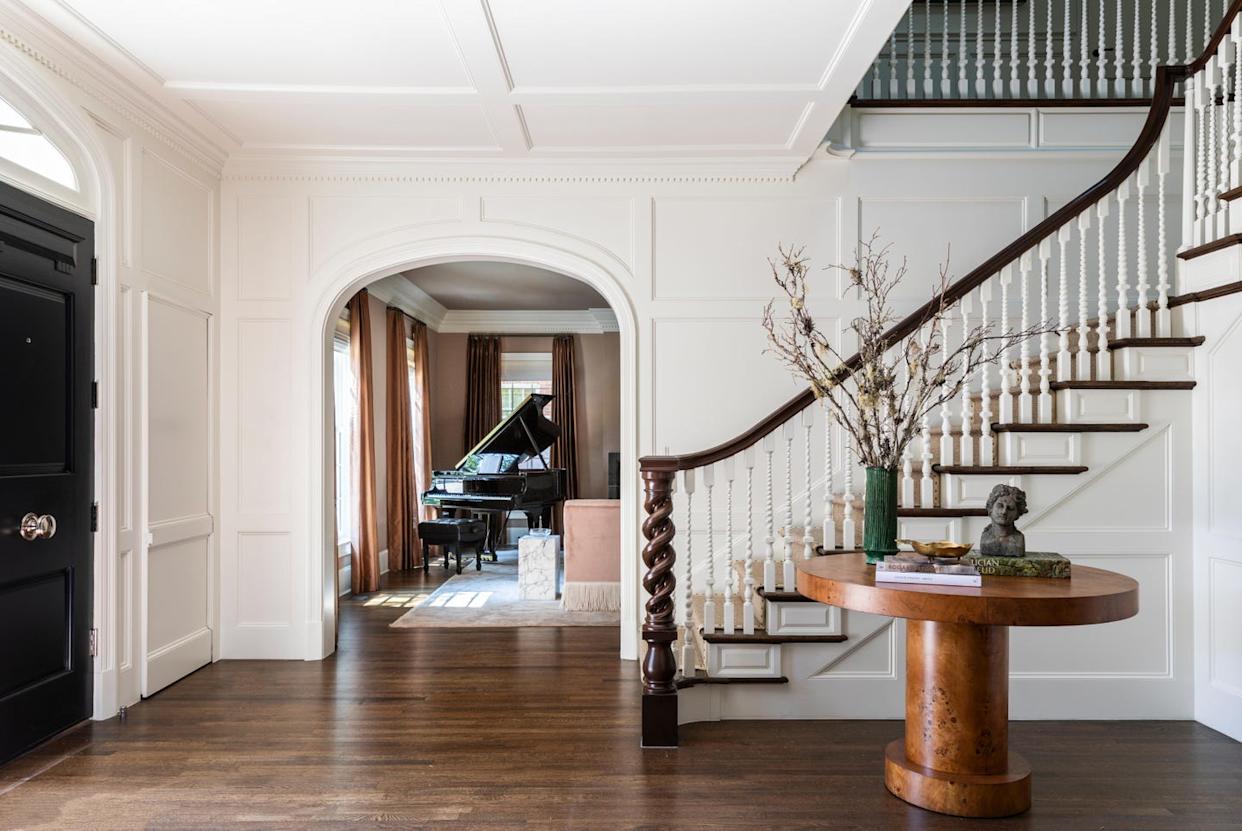
Upgrading THIS Simple Feature Makes Your Home Look More Expensive, According to Designers

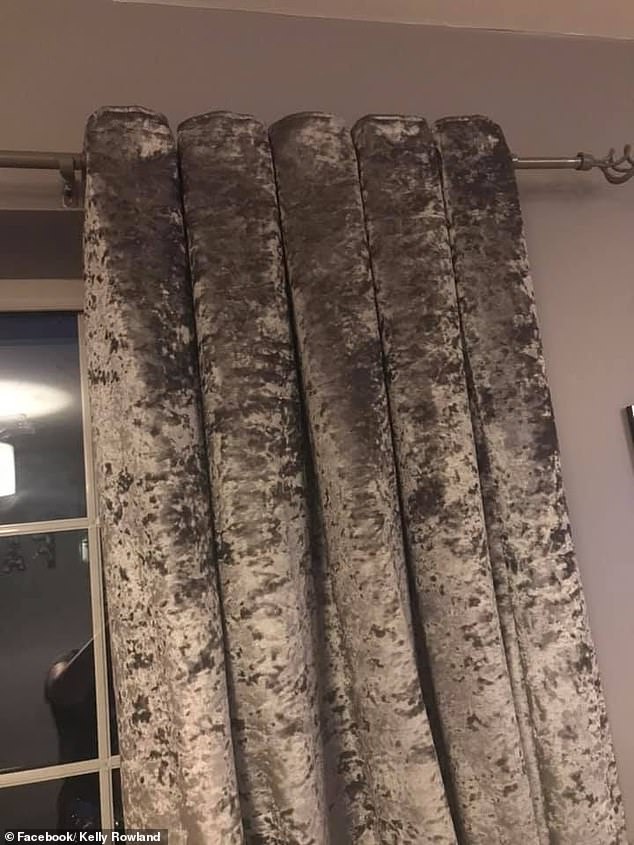
Woman reveals how she achieves neat pleats in her curtains using empty TOILET tissue rolls
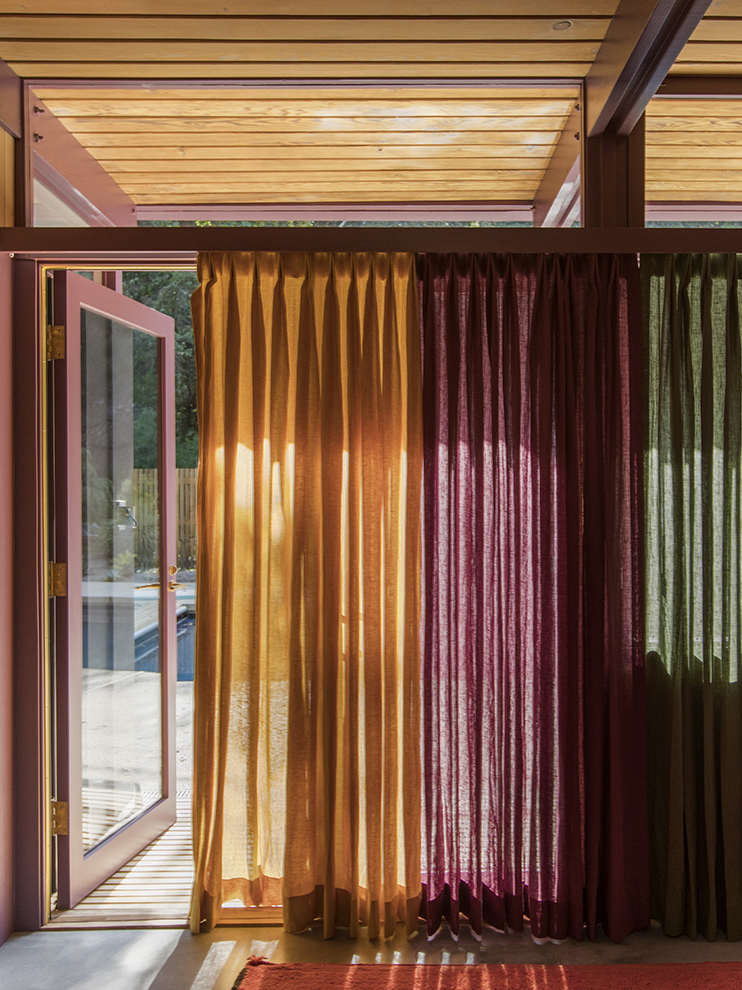
This Simple Curtain Trick Is an Instant Mood Booster

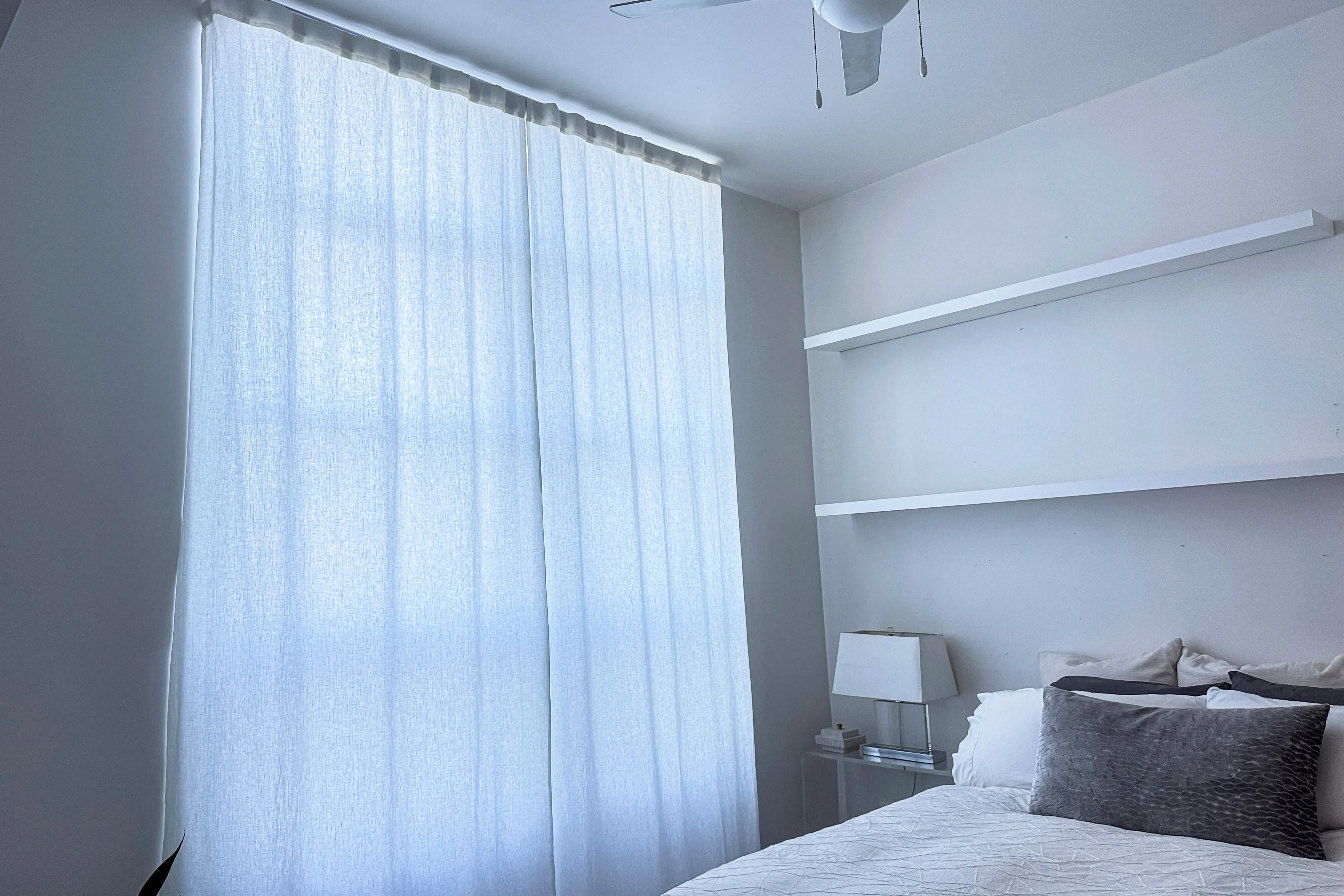
The Best Curtains for Every Style and Light Level, Tested by BHG

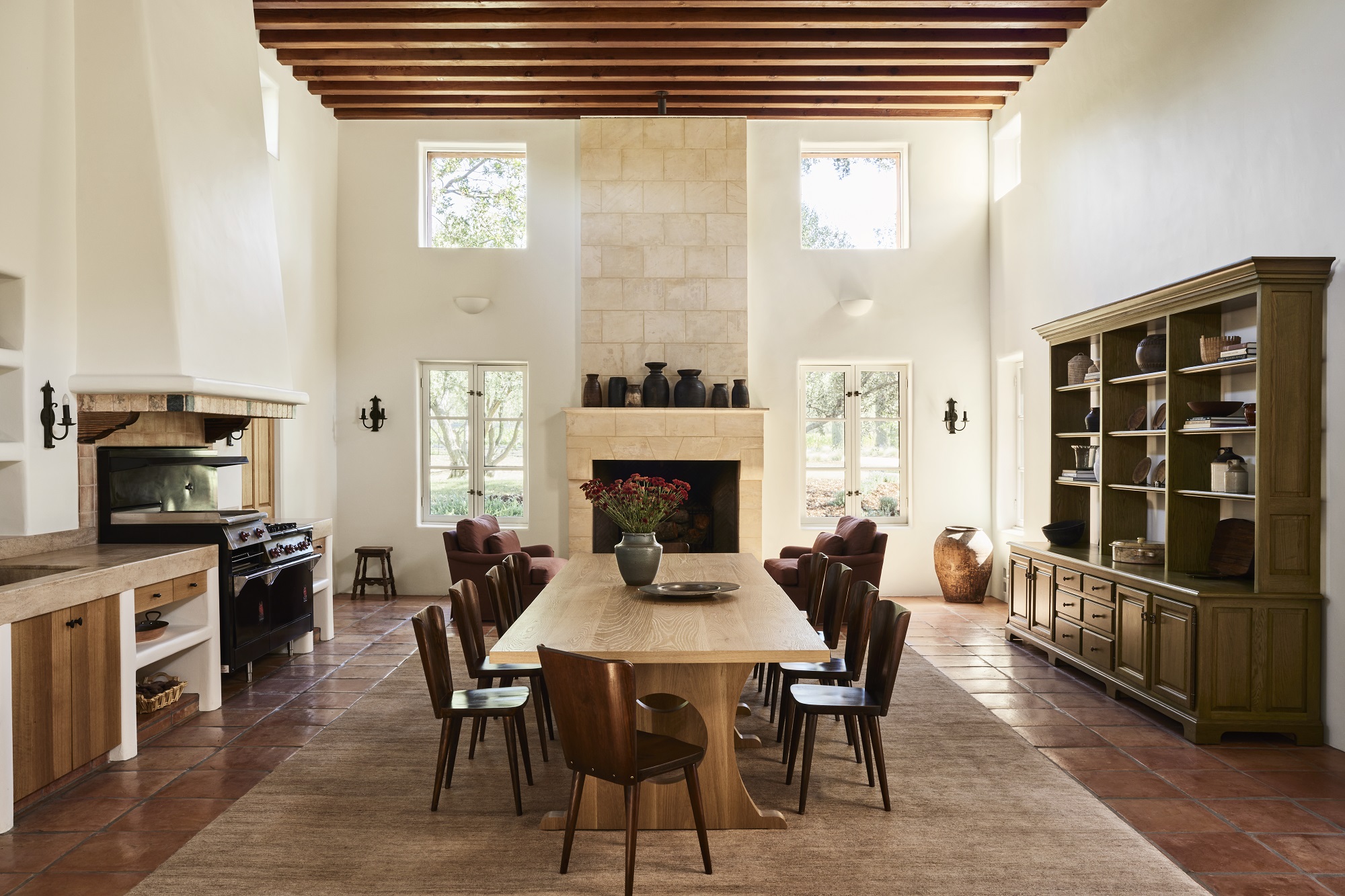
This Controversial Window Treatment Trick Might Just Make Your Room Feel Bigger and Brighter
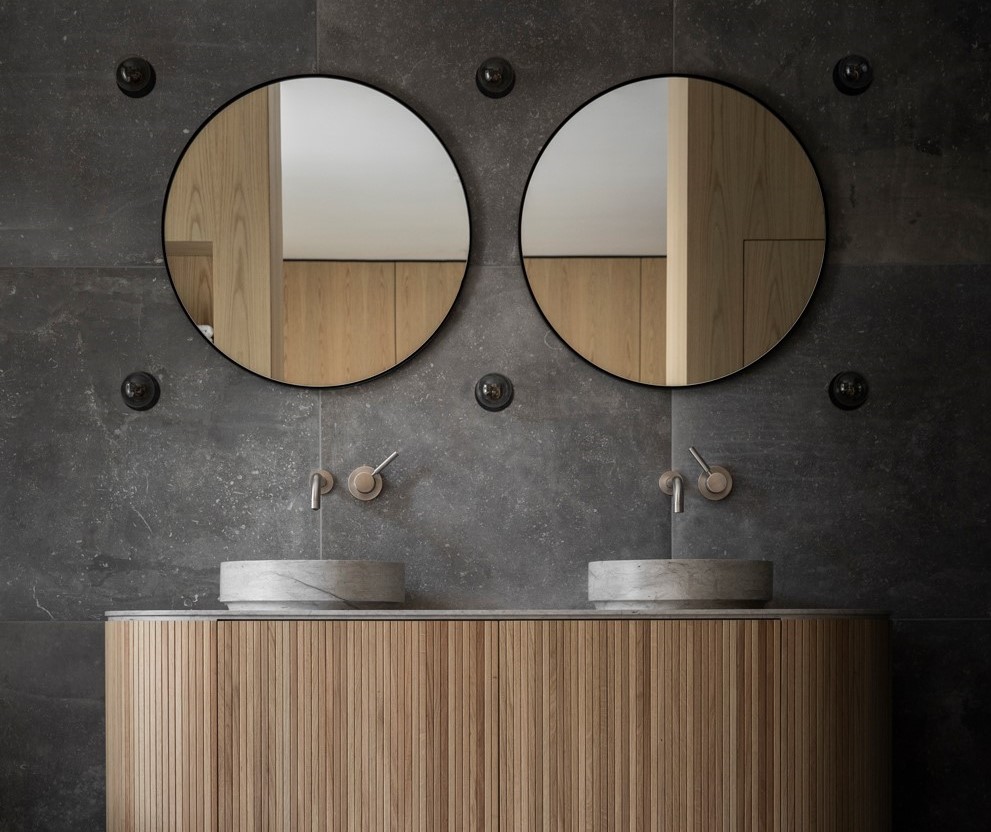
Designers use this trick to make a bathroom feel more expensive – and it can work for a small space, too
13 Professional Tricks to Make Your Windows Look Bigger
The 10 Best Places to Buy Curtains for Every Room in Your Home