1/10
10 Minimalist Apartment Ideas That Prove That Small-Space Living Doesn't Have to Be Cluttered
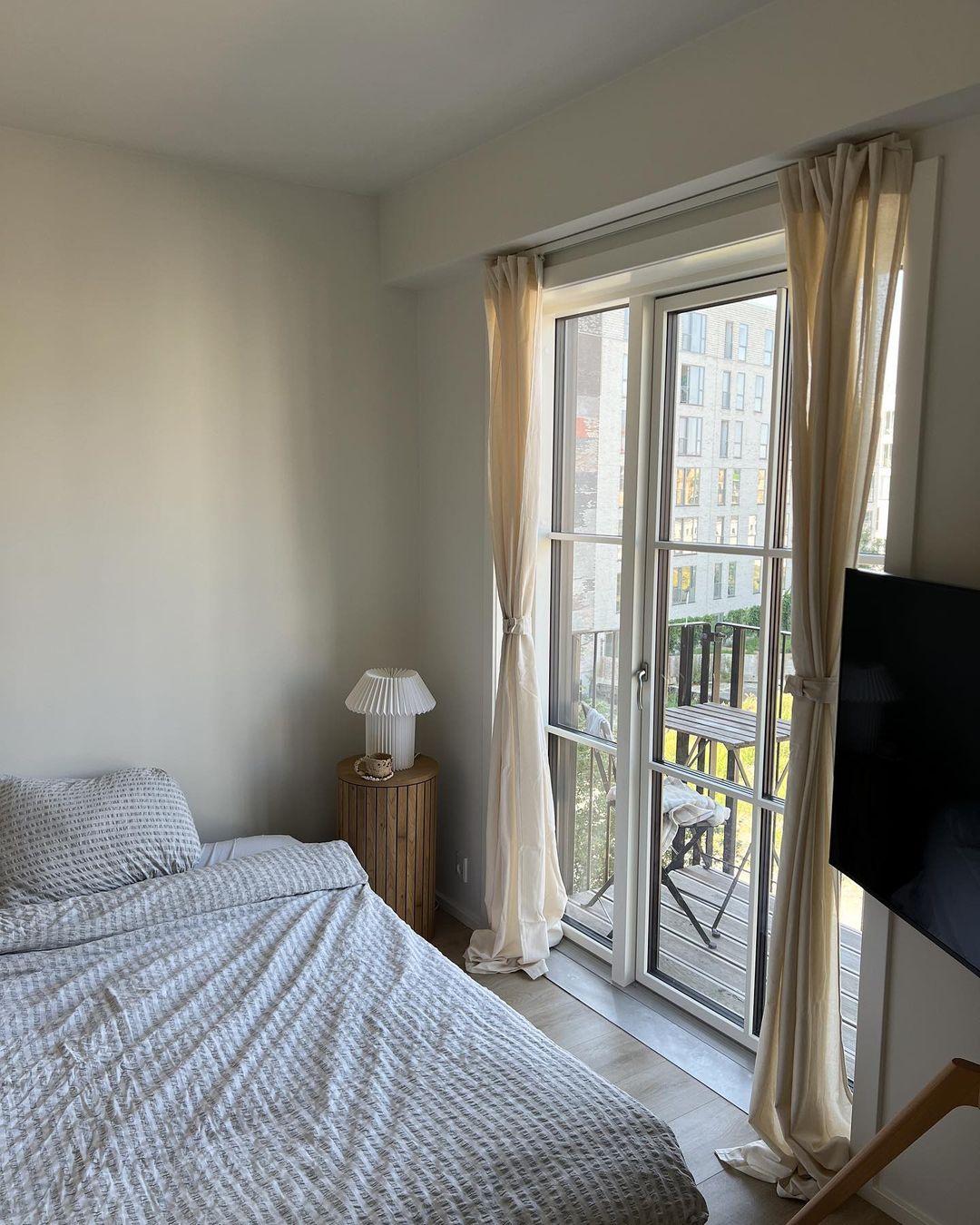
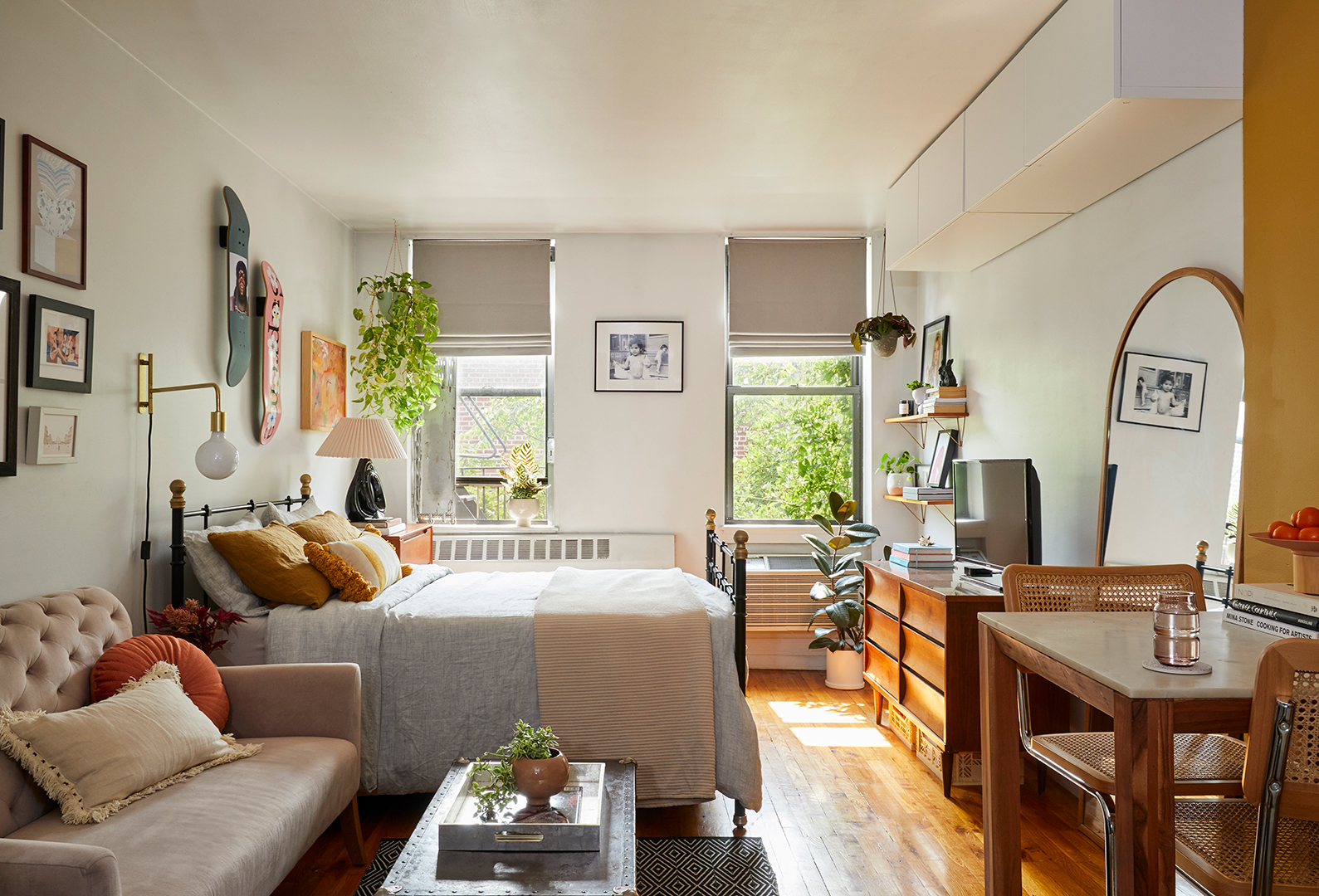

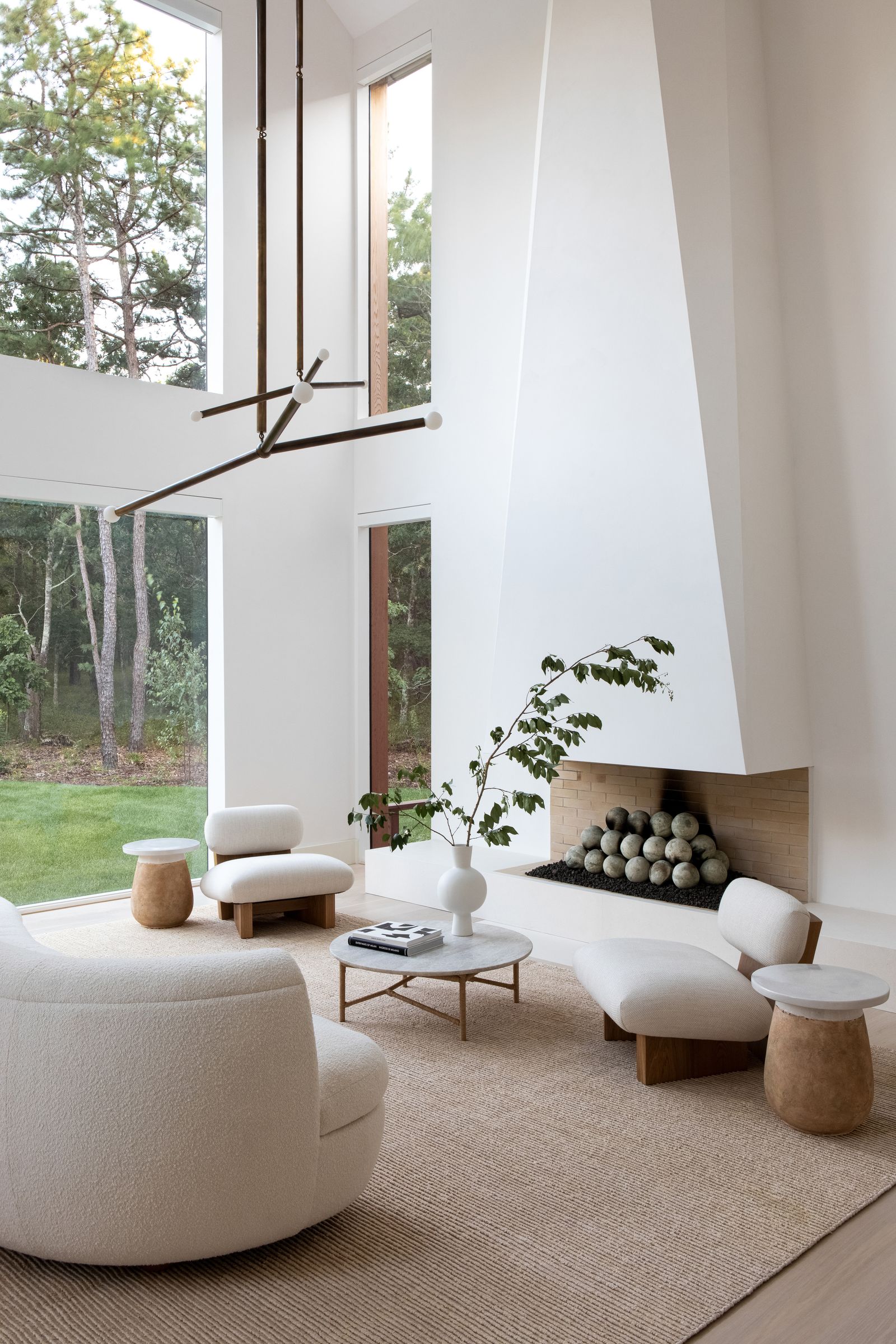
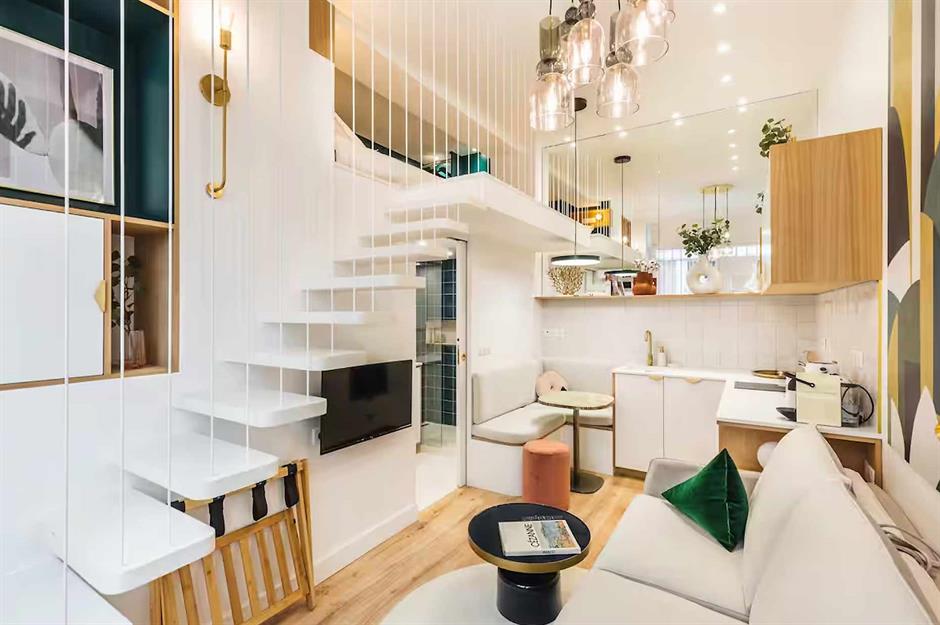
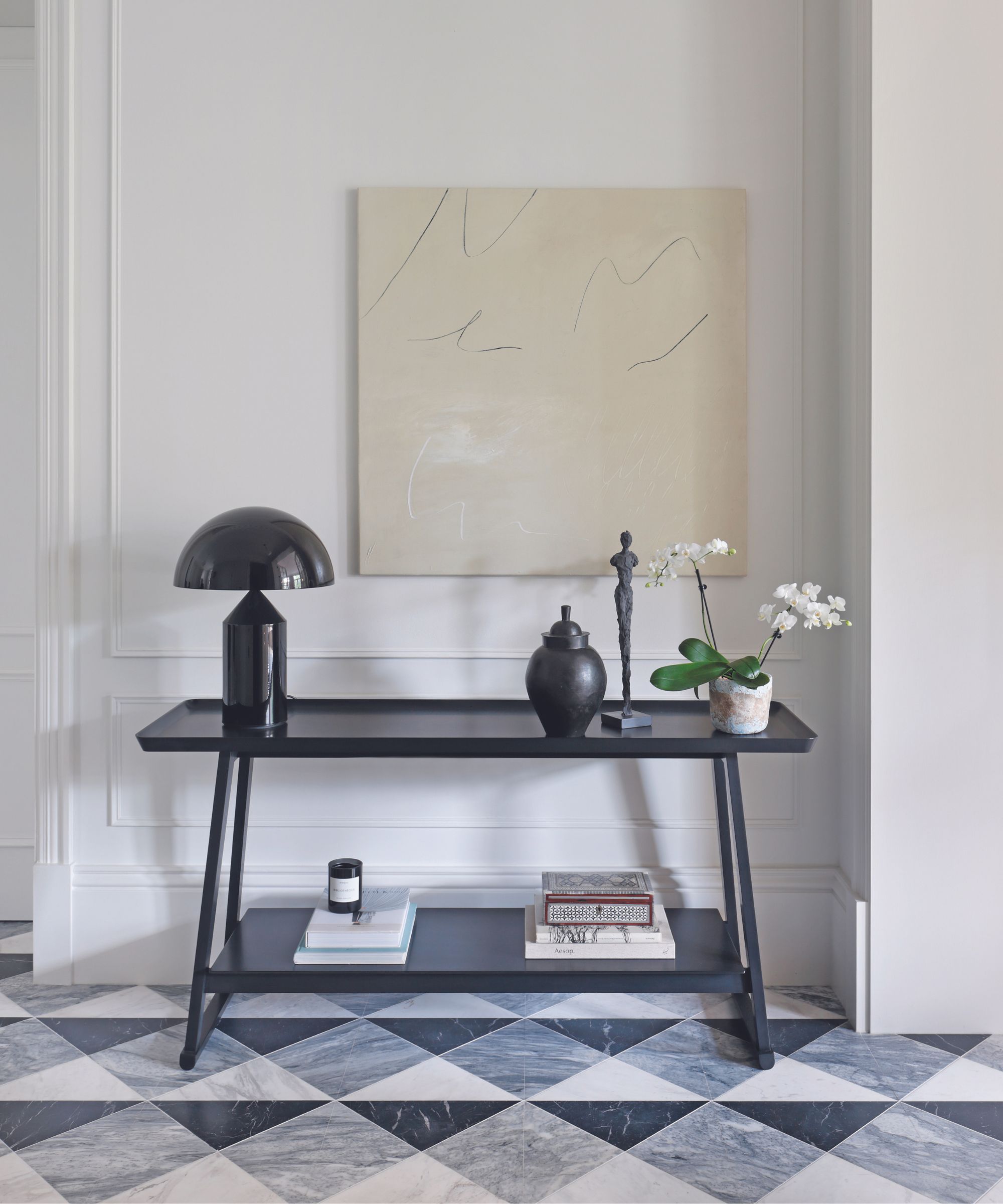
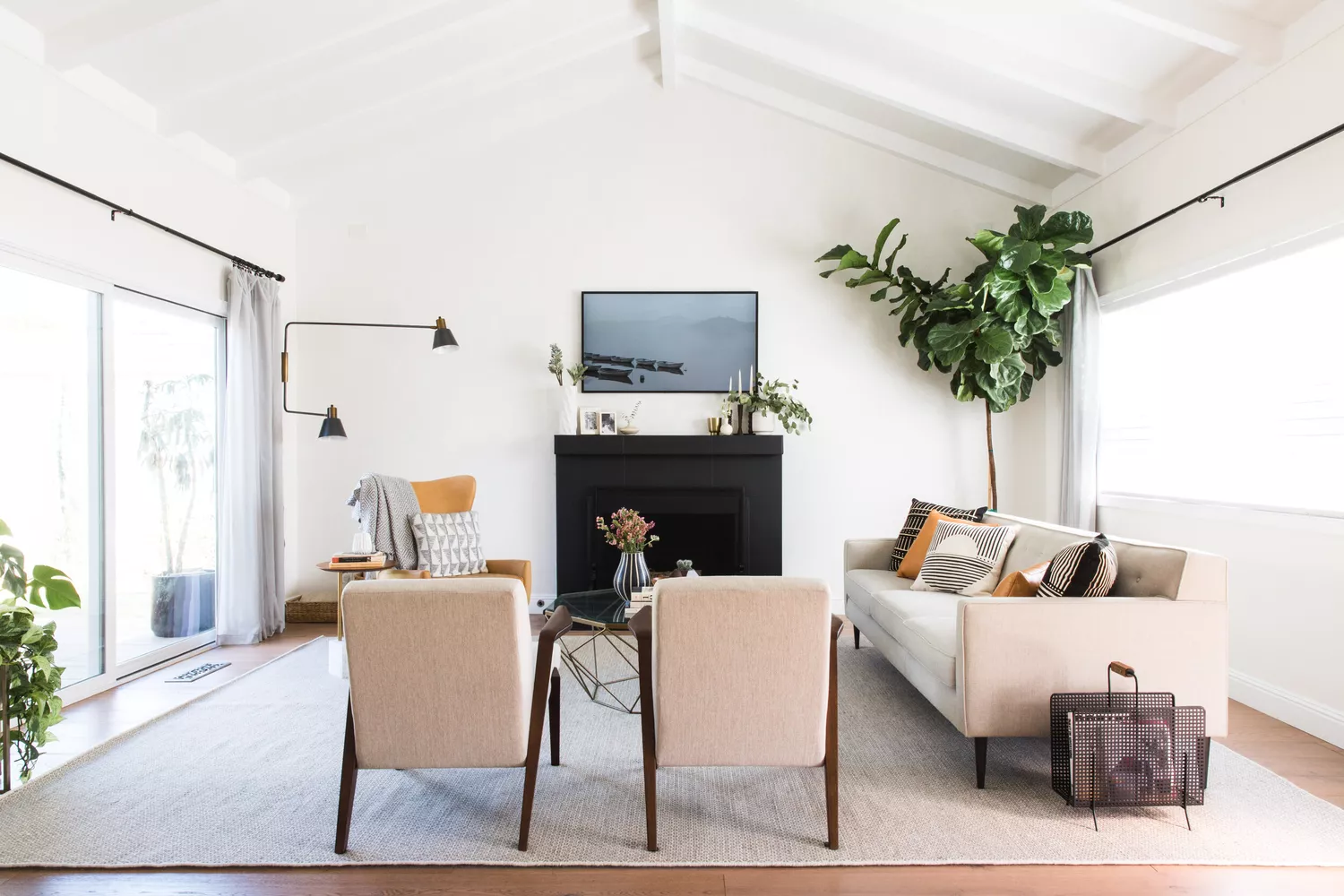
Minimalist apartment design, often perceived as stark or empty, can actually create calm, inviting, and serene interiors with strong visuals and interesting details without being overpowering. This approach is particularly effective in small spaces like apartments, where clutter can be more acutely felt. The philosophy behind this form of minimalism is not merely about owning less but about applying a decorating style that promotes a sense of comfort and well-being.
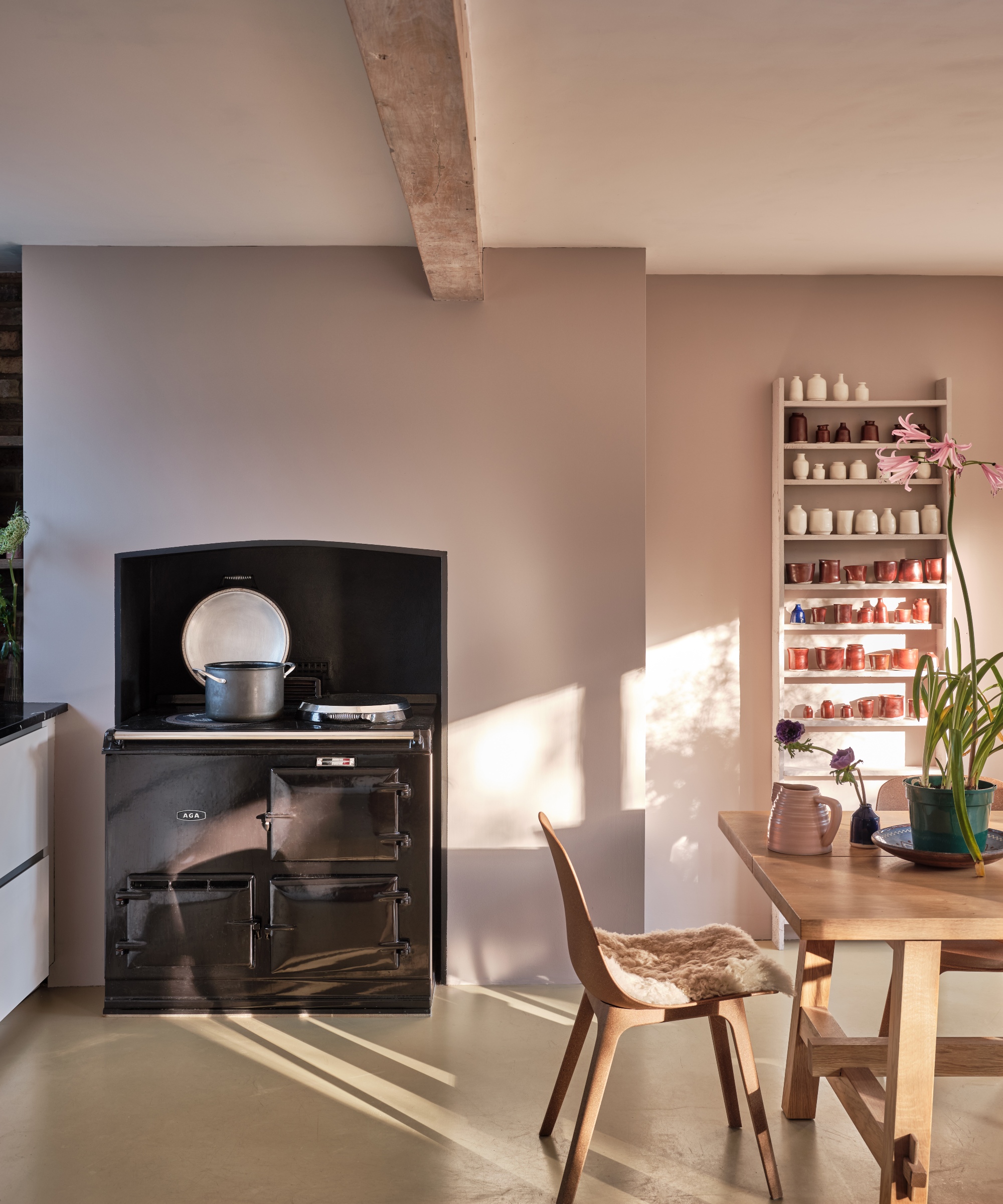
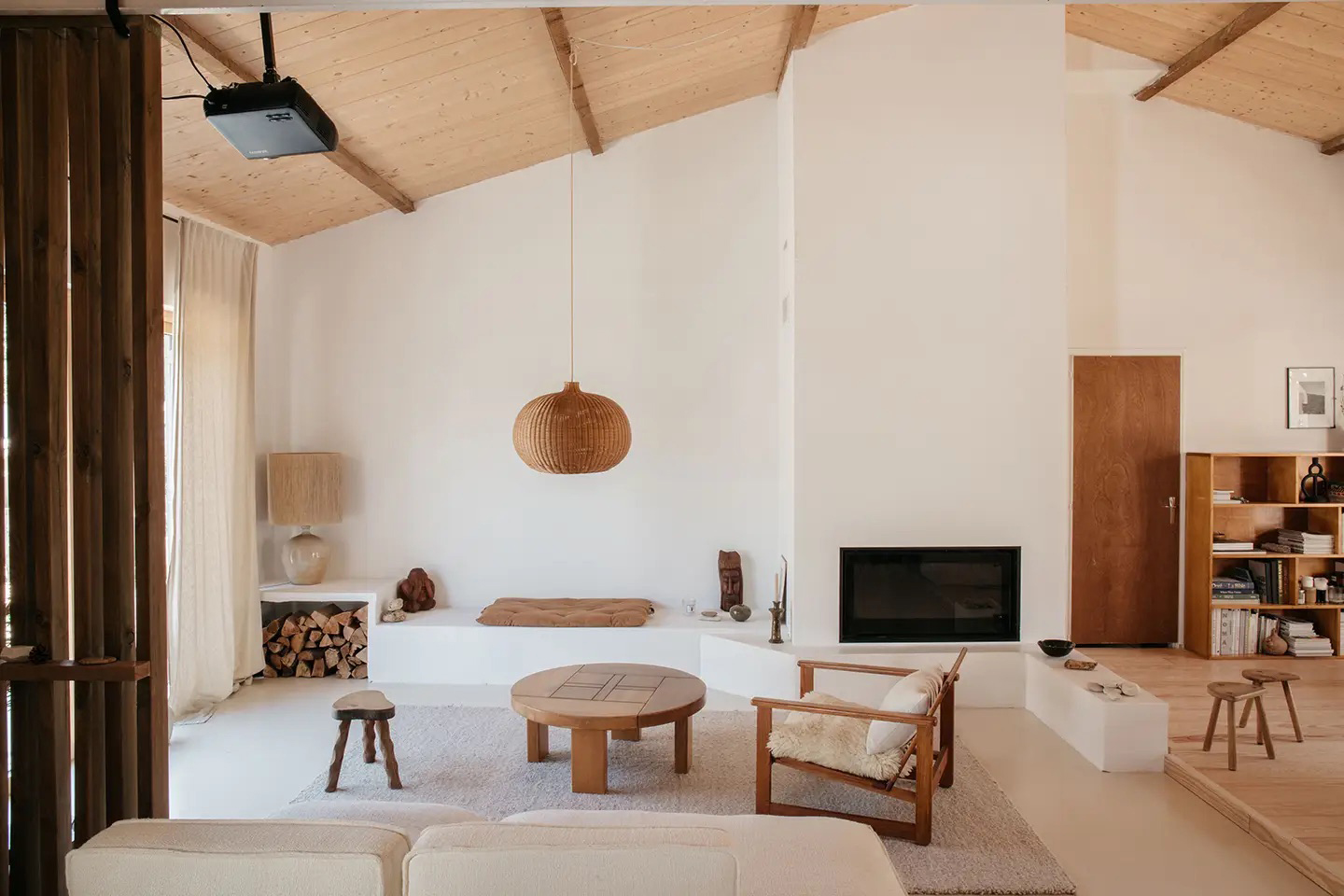
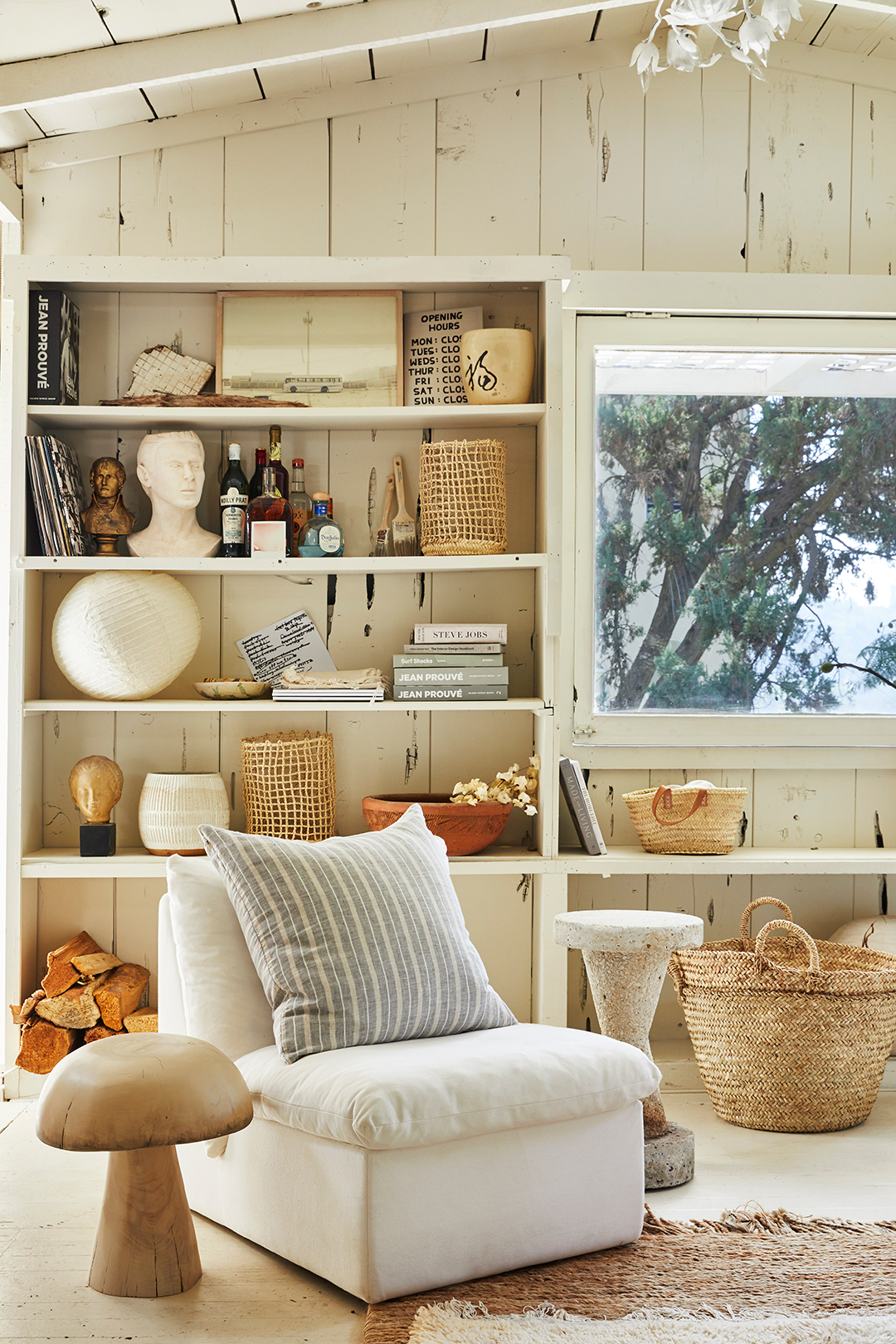
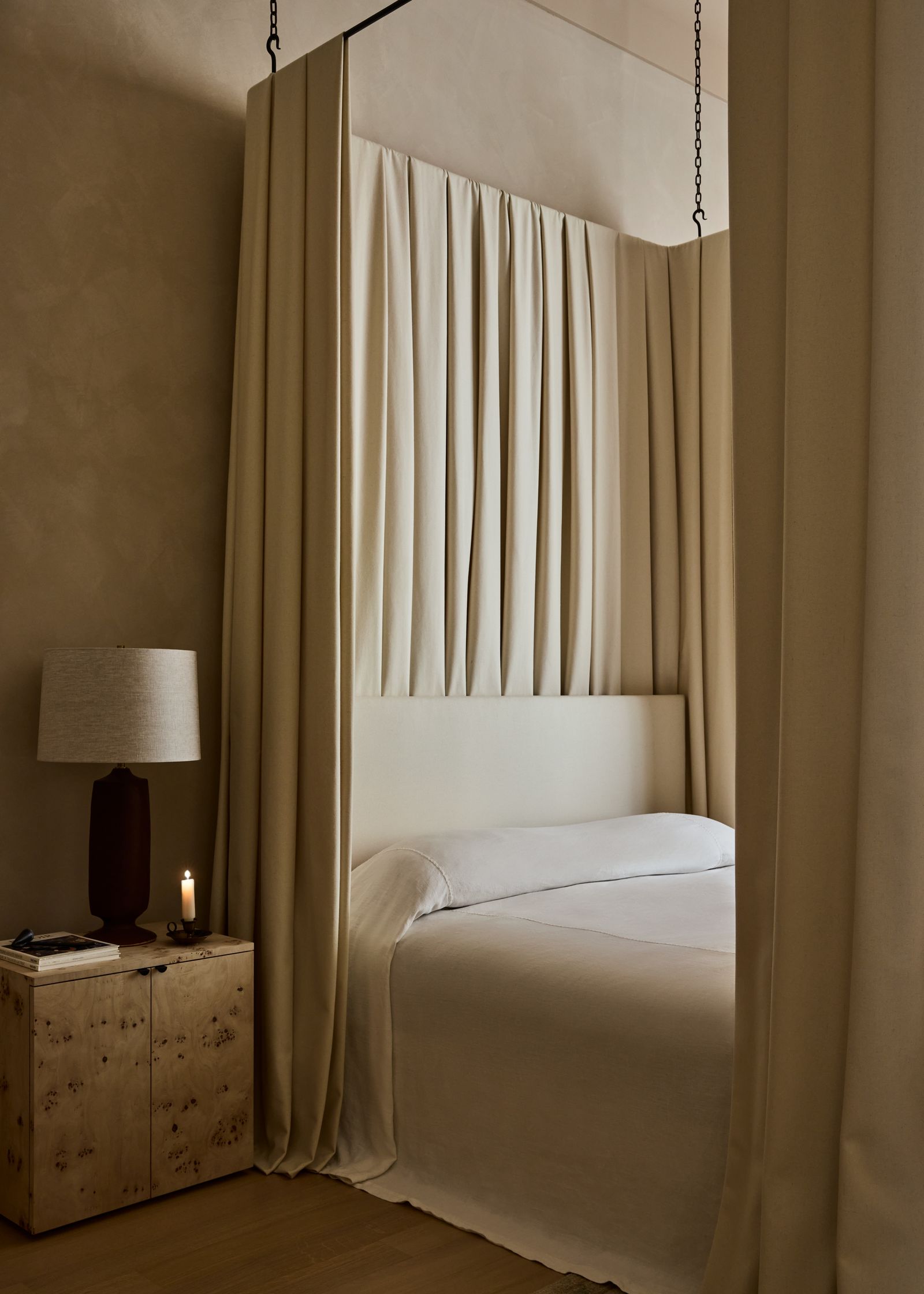
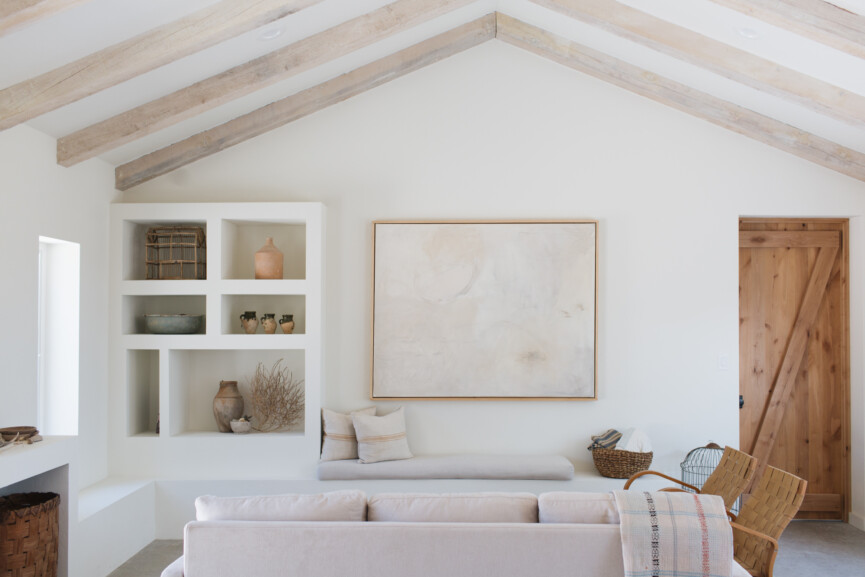
Integrating texture into walls, for instance, can prevent starkness. Designers are moving away from blank white walls, opting for finishes like clay paint that offer a multi-dimensional look, adding depth and a sense of breathing to the space. Clay paint also makes smaller areas feel larger, introduces soulfulness to bigger rooms, and helps soften acoustics, contributing to a warmer ambiance even in minimalist settings.
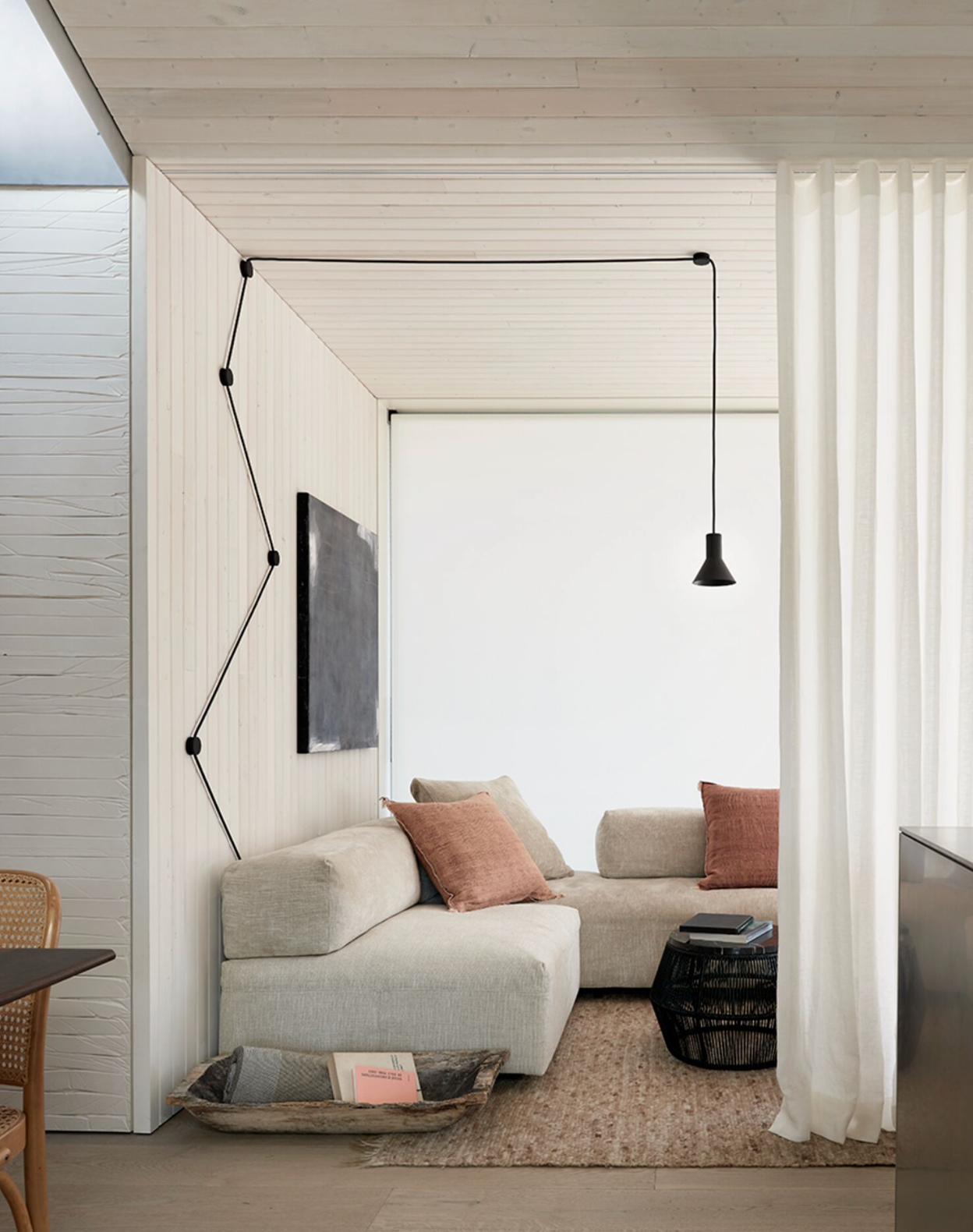
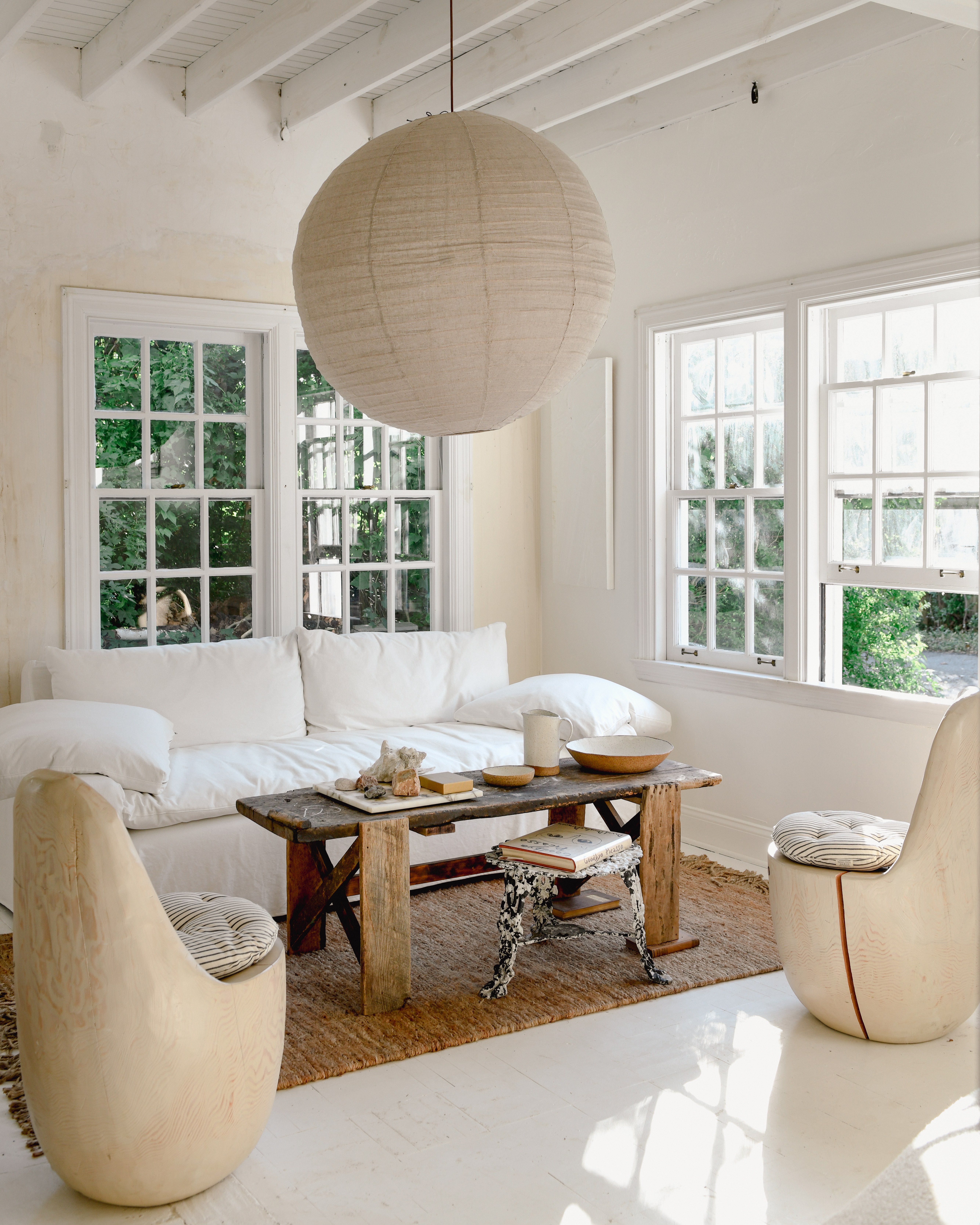
Another impactful approach draws from the ancient Japanese aesthetic of Wabi Sabi, which embraces imperfection and naturalness. This style can be incorporated into minimalist apartment designs by using antique and custom-made fixtures, textured walls, and casually draped linen blinds. This method demonstrates that minimalism doesn't require sleek, polished, or strictly contemporary elements, but can instead be grounded in humility and organic beauty.
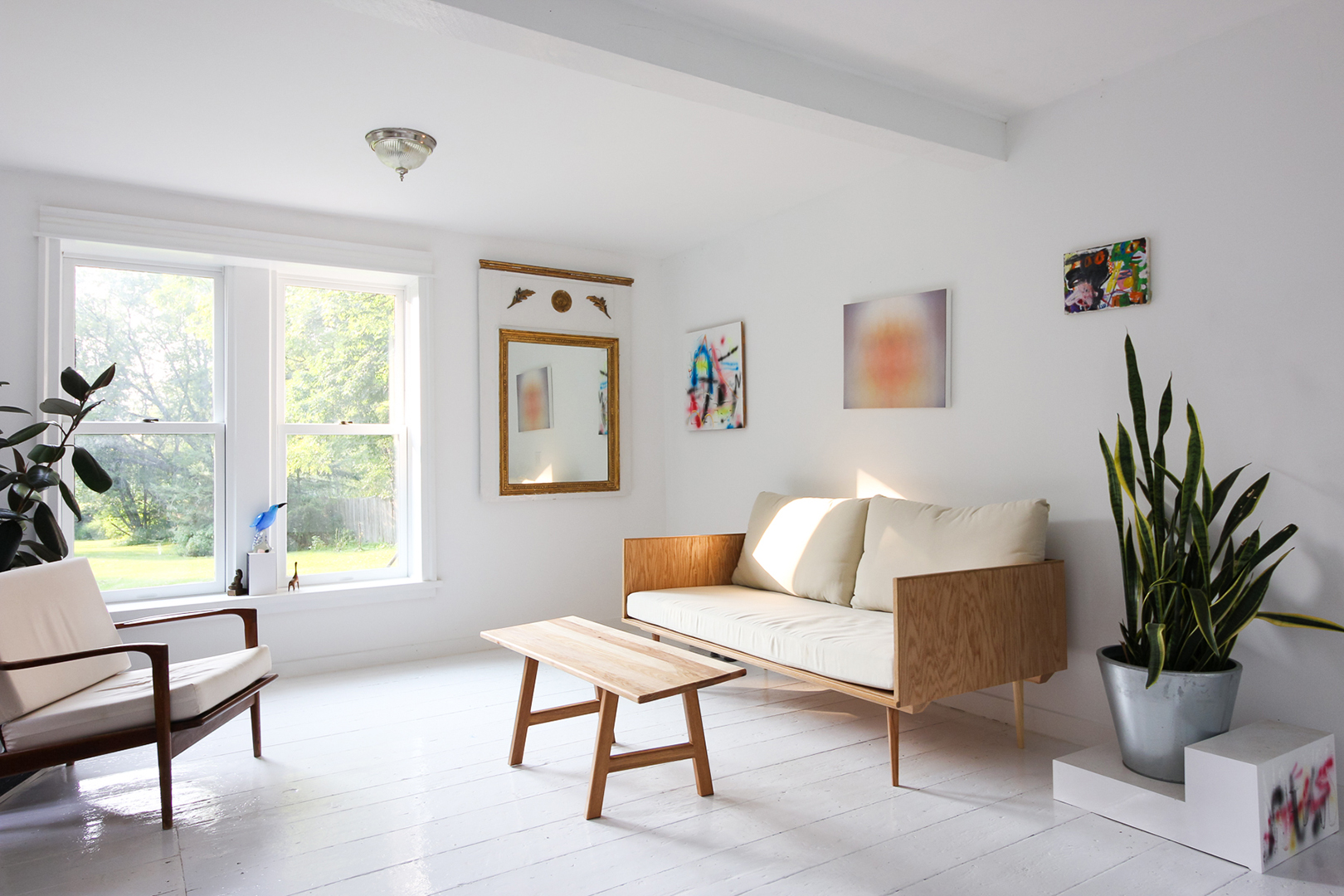
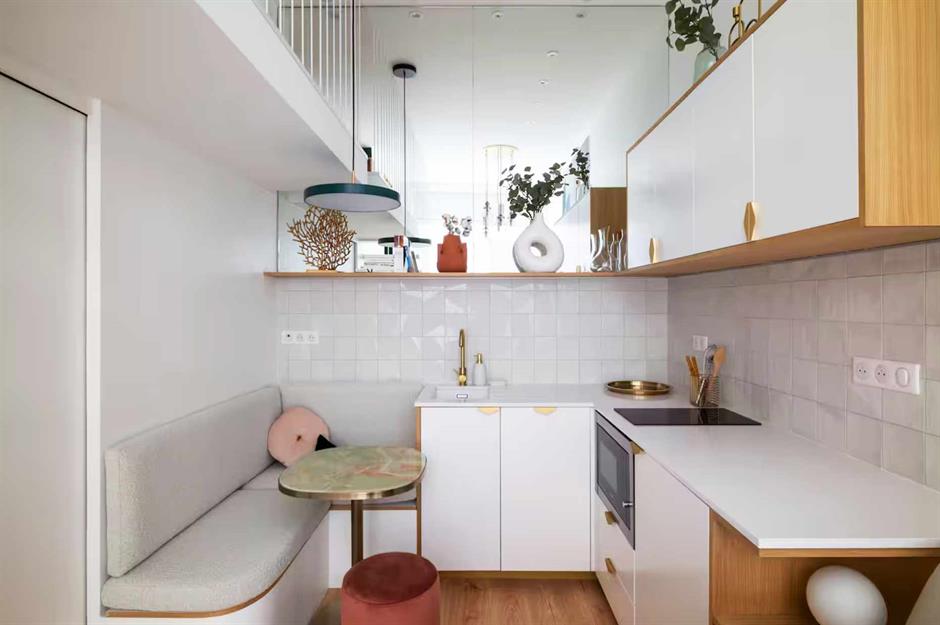
Choosing 'humble' furniture aligns with a growing trend in minimalism that prioritizes unpretentious and grounded pieces over flashy designs. This can be seen in studio apartments where custom-made seating with simple cushions and rough clay-plastered walls ground utilitarian elements like stainless steel kitchens, creating a design that feels authentic and true to the space's character.
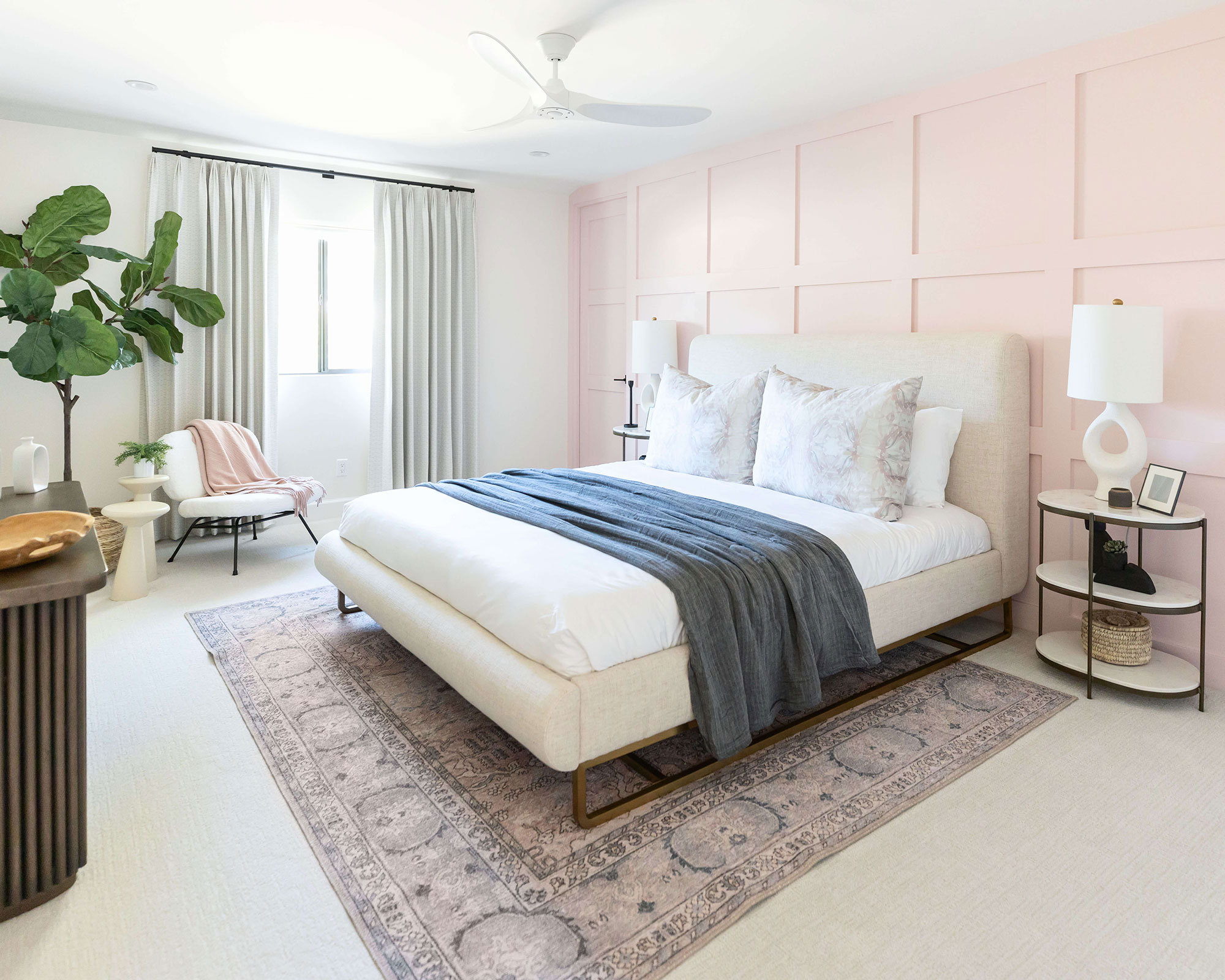
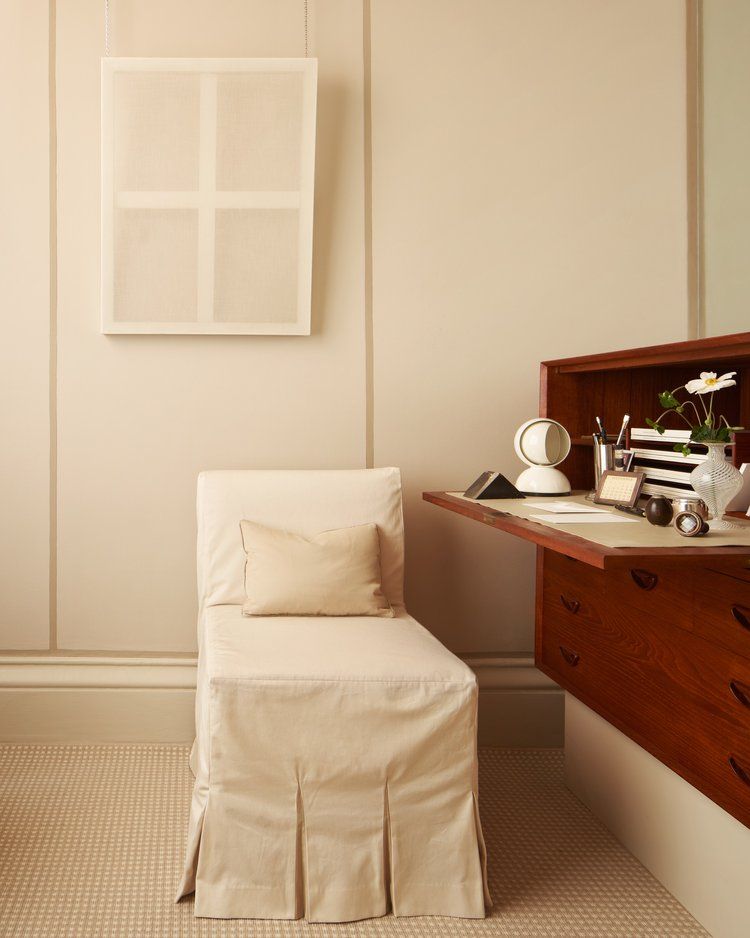
For apartments with open-concept layouts or visible connecting rooms, soft color transitions can unify and delineate spaces simultaneously. Instead of uniform colors, subtle shifts in a calm palette—such as off-white to pinkish terracotta to beige and dark tones—can add interest while maintaining a sense of flow and understated luxury. This strategy helps define distinct ambiances within an interconnected environment without disrupting the minimalist aesthetic.
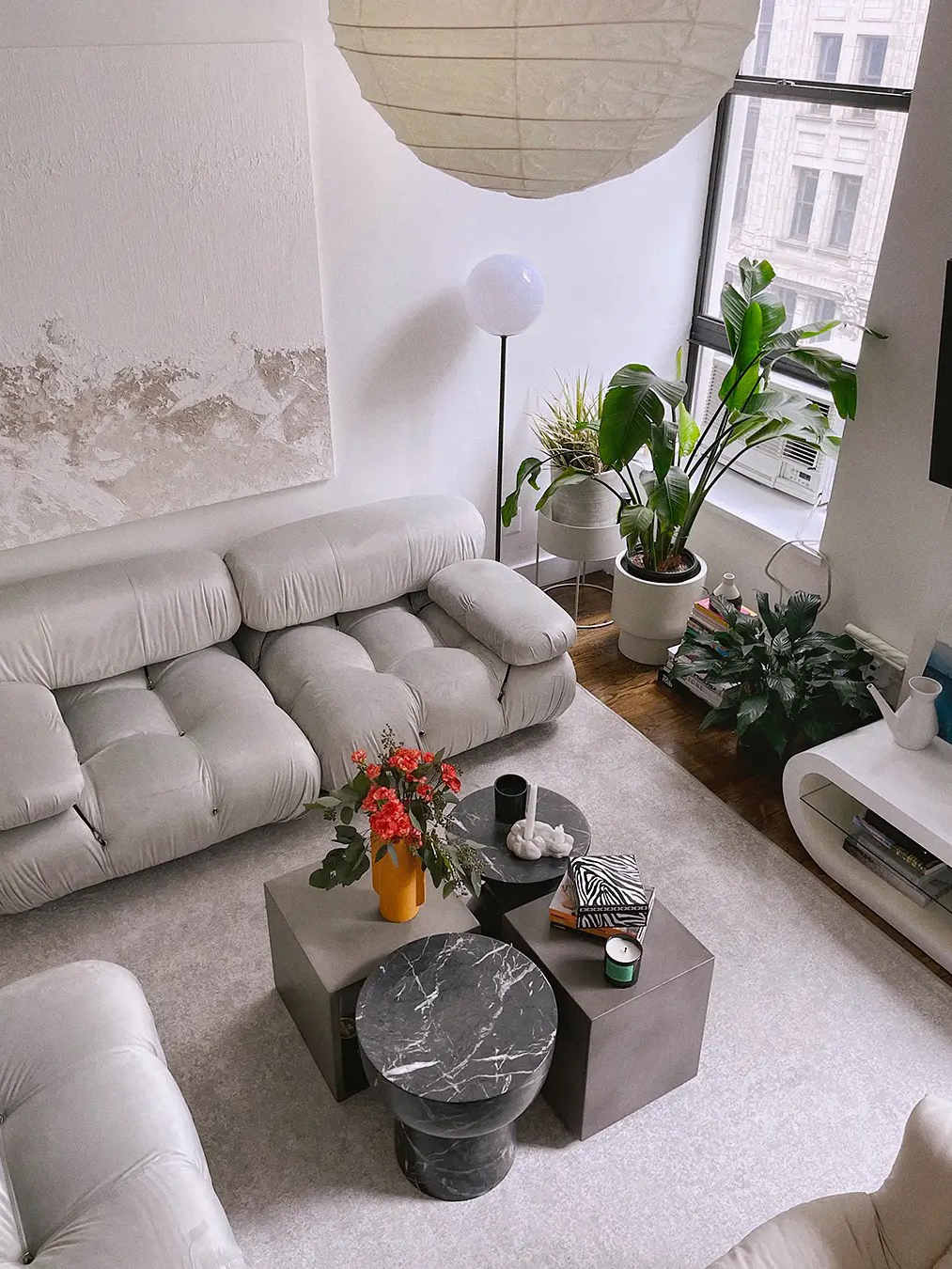
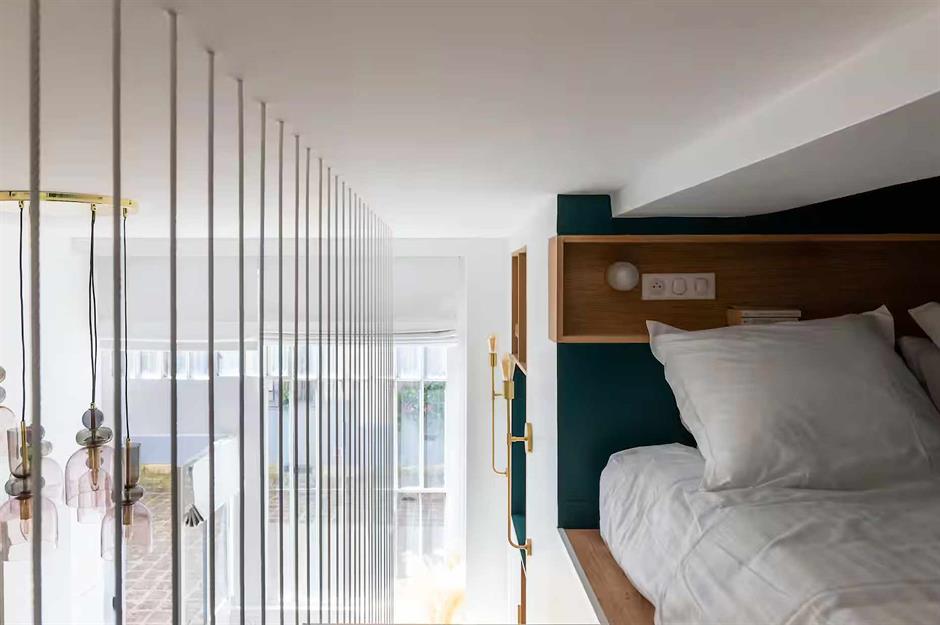
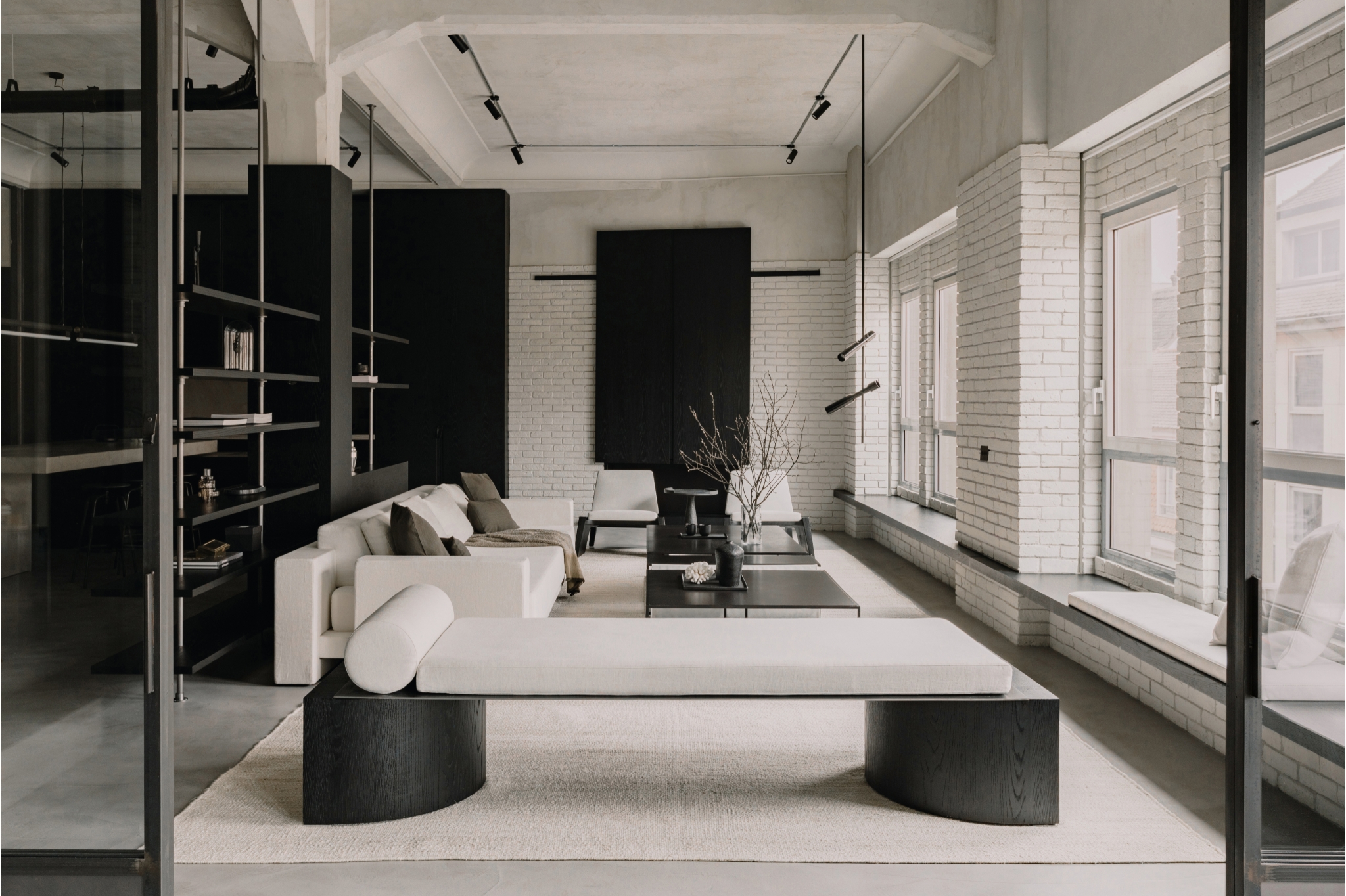
Embracing an apartment's original features, such as industrial elements in a loft-style space, allows for a unique minimalist design that emphasizes the building's narrative. By focusing on structural aspects and a muted color palette, these features can become integral parts of the design, transforming exterior views into artwork and creating comfort through minimalism. This approach proves that minimalist apartments don't need to be featureless boxes.
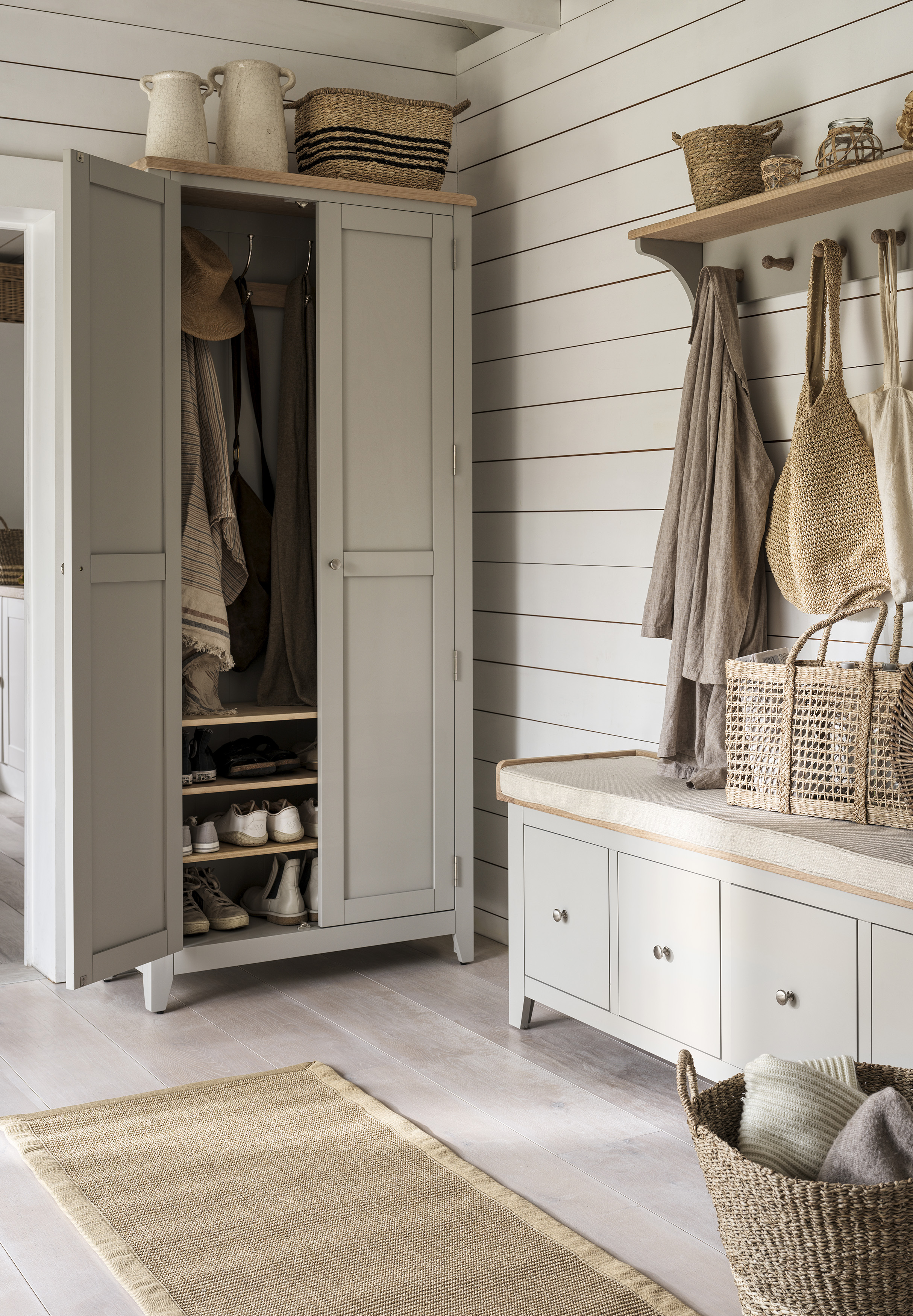
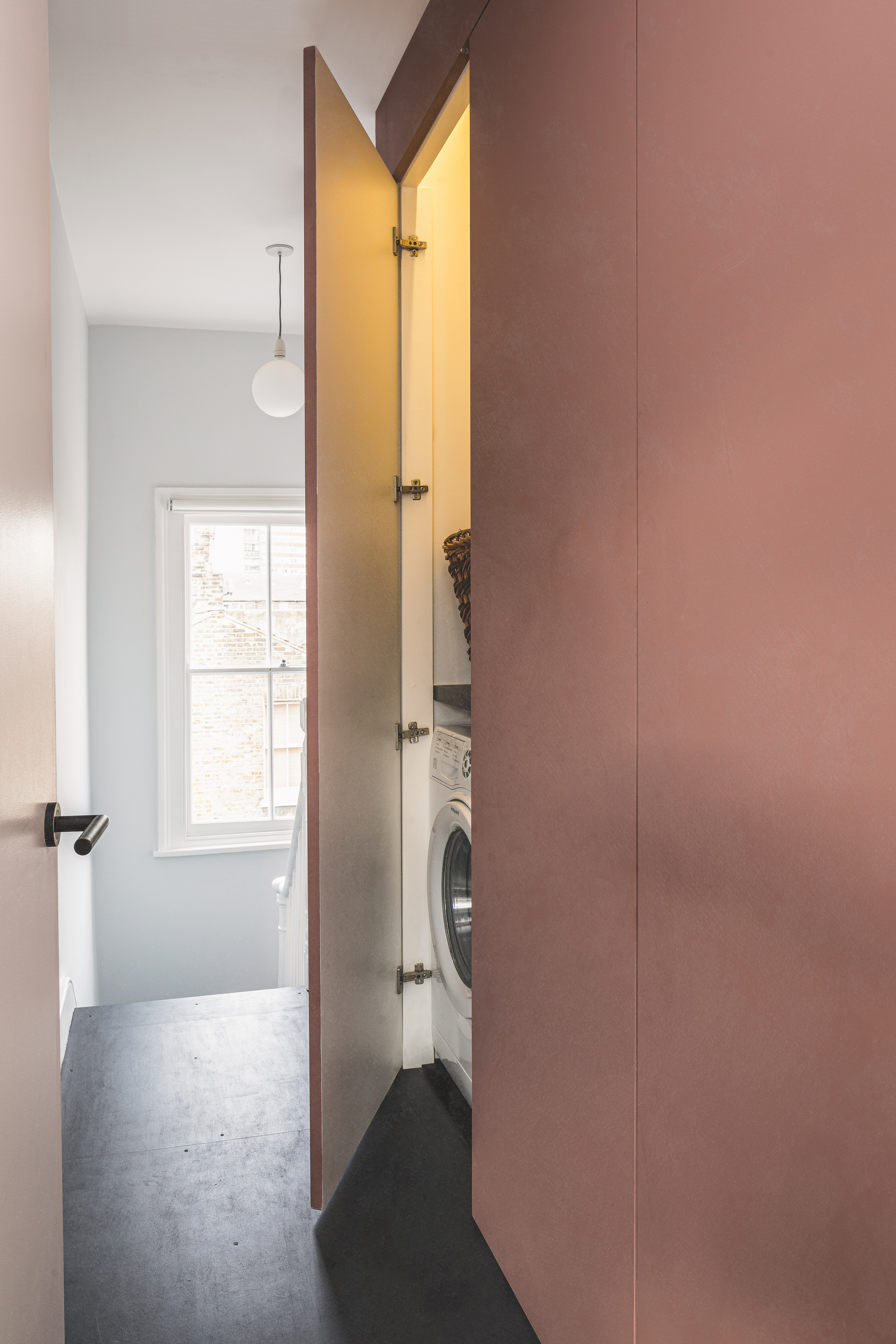
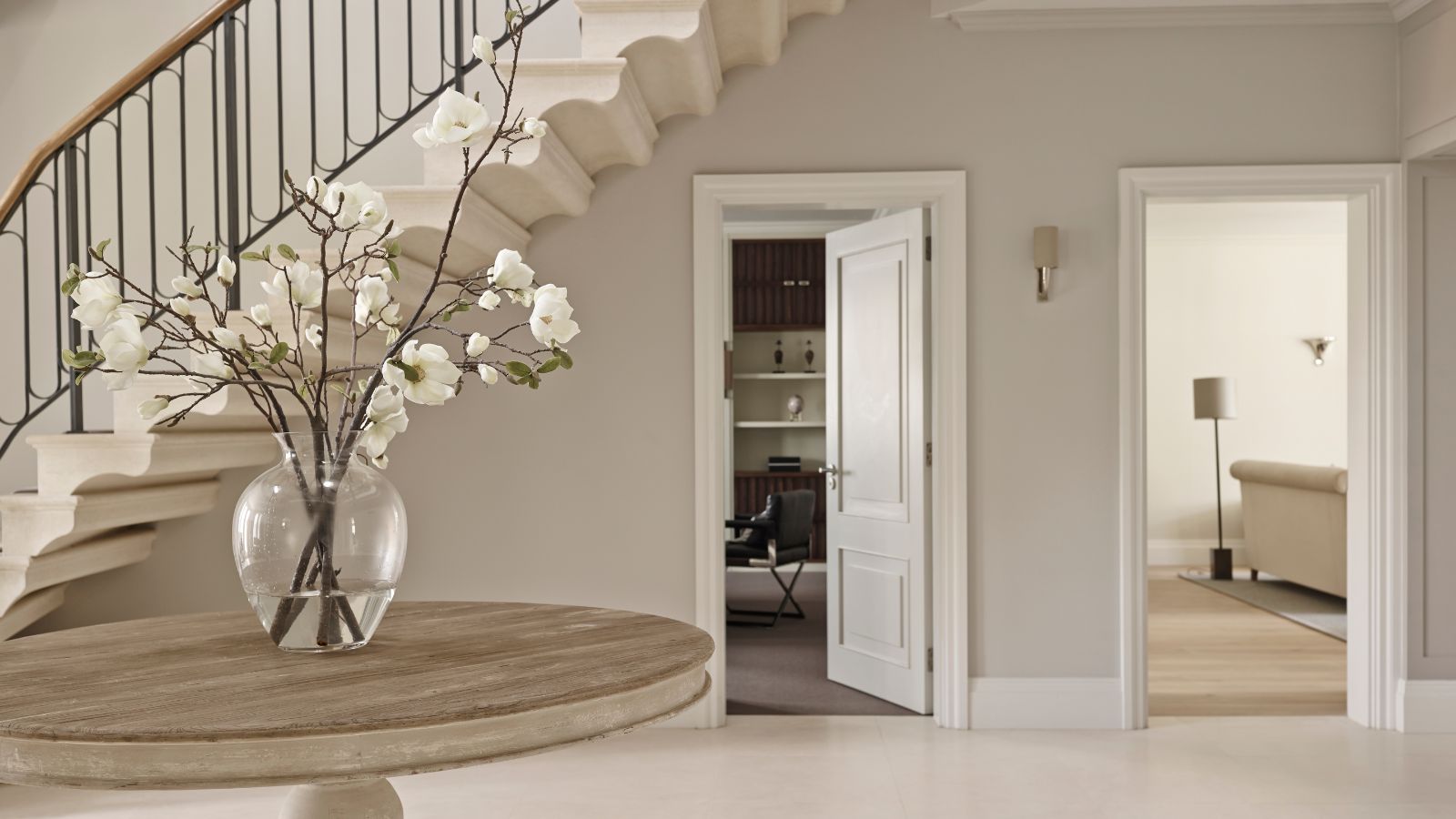
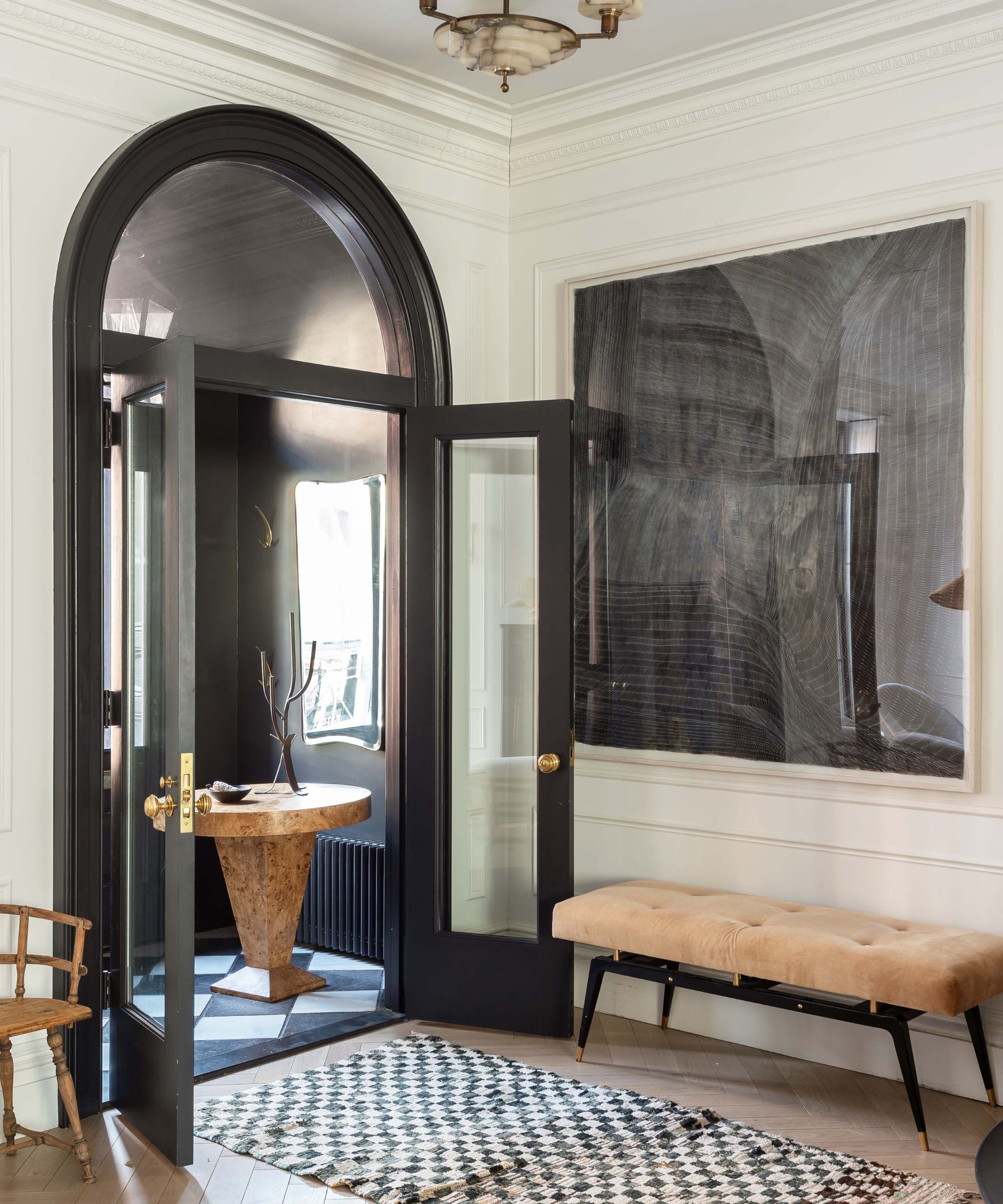
Simplifying apartment hallways, which often feature numerous internal doors in a small area, is crucial for creating a positive first impression. Creative solutions like hidden doors or the strategic placement of built-in cabinetry can eliminate the 'corridor' effect, making entryways feel more expansive and less cluttered. This allows private rooms to recede, creating a seamless and minimalist experience for residents and guests alike.
Utilizing pocket doors offers a flexible solution for maintaining an open concept while providing the option for privacy or concealing clutter. When open, pocket doors disappear into walls, creating an unobstructed entryway that appears minimalist due to the absence of architraves or trims. This design allows for the extension of spaces like kitchens into living areas while offering the practical benefit of closing them off to contain noises and smells.
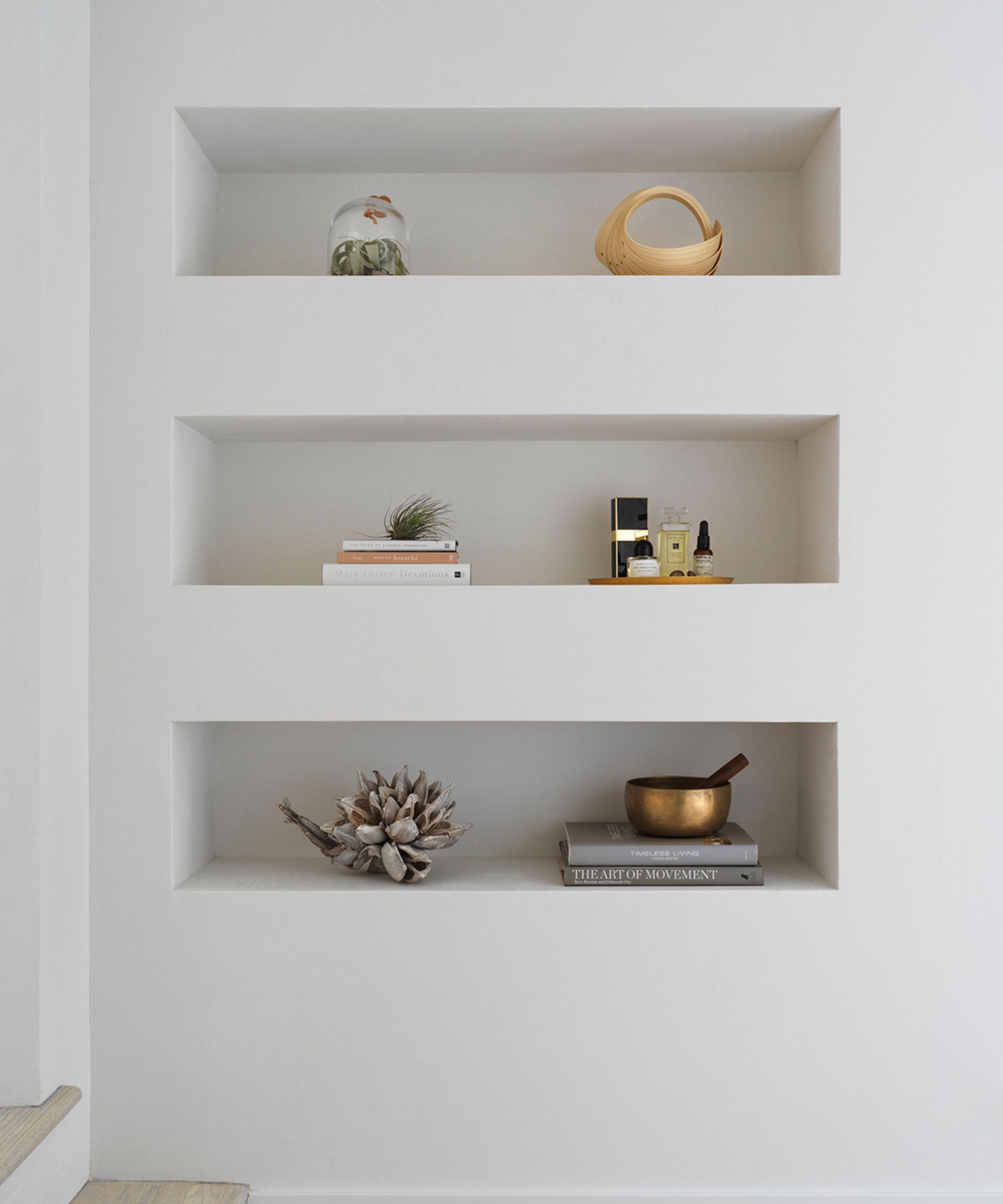
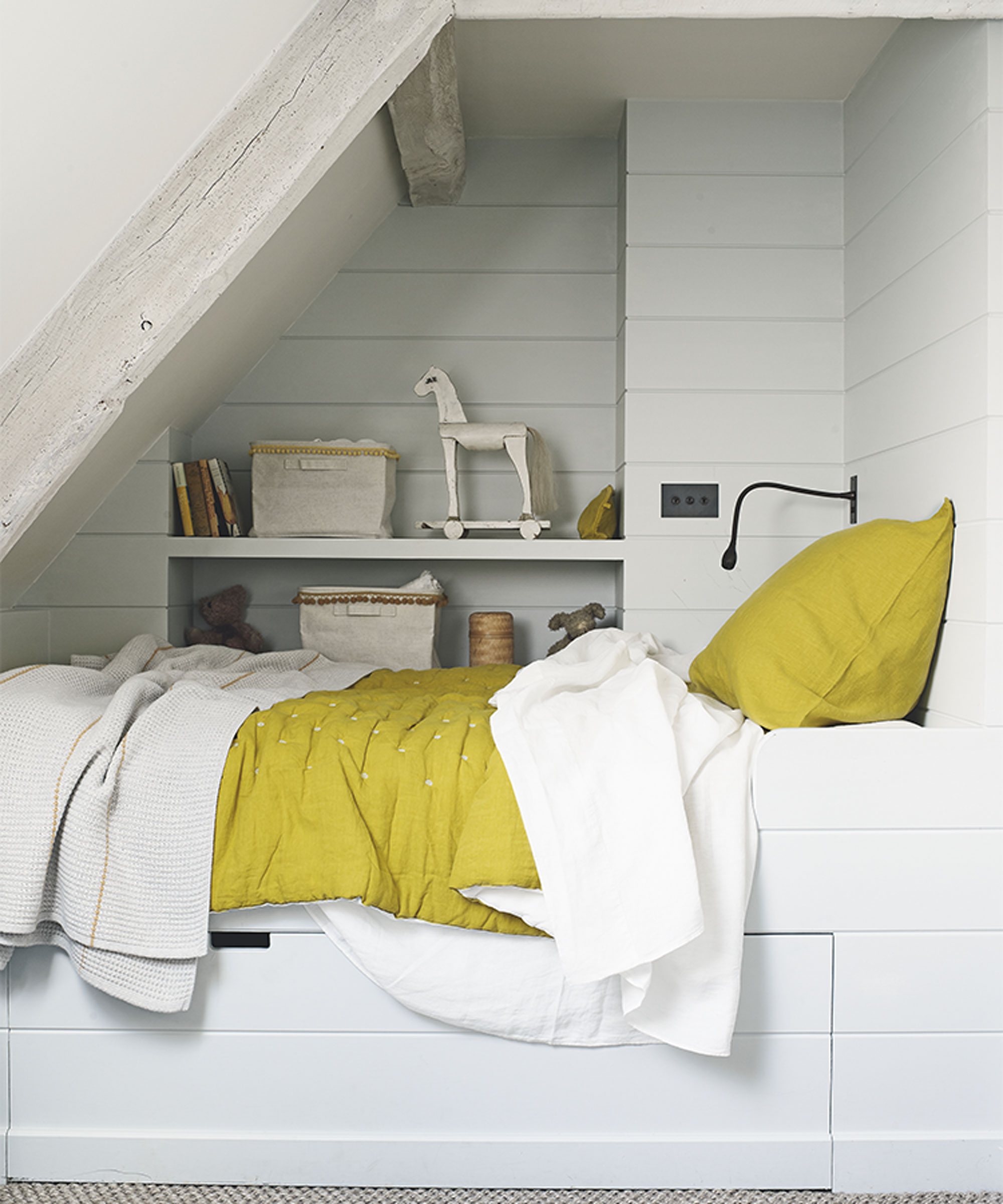
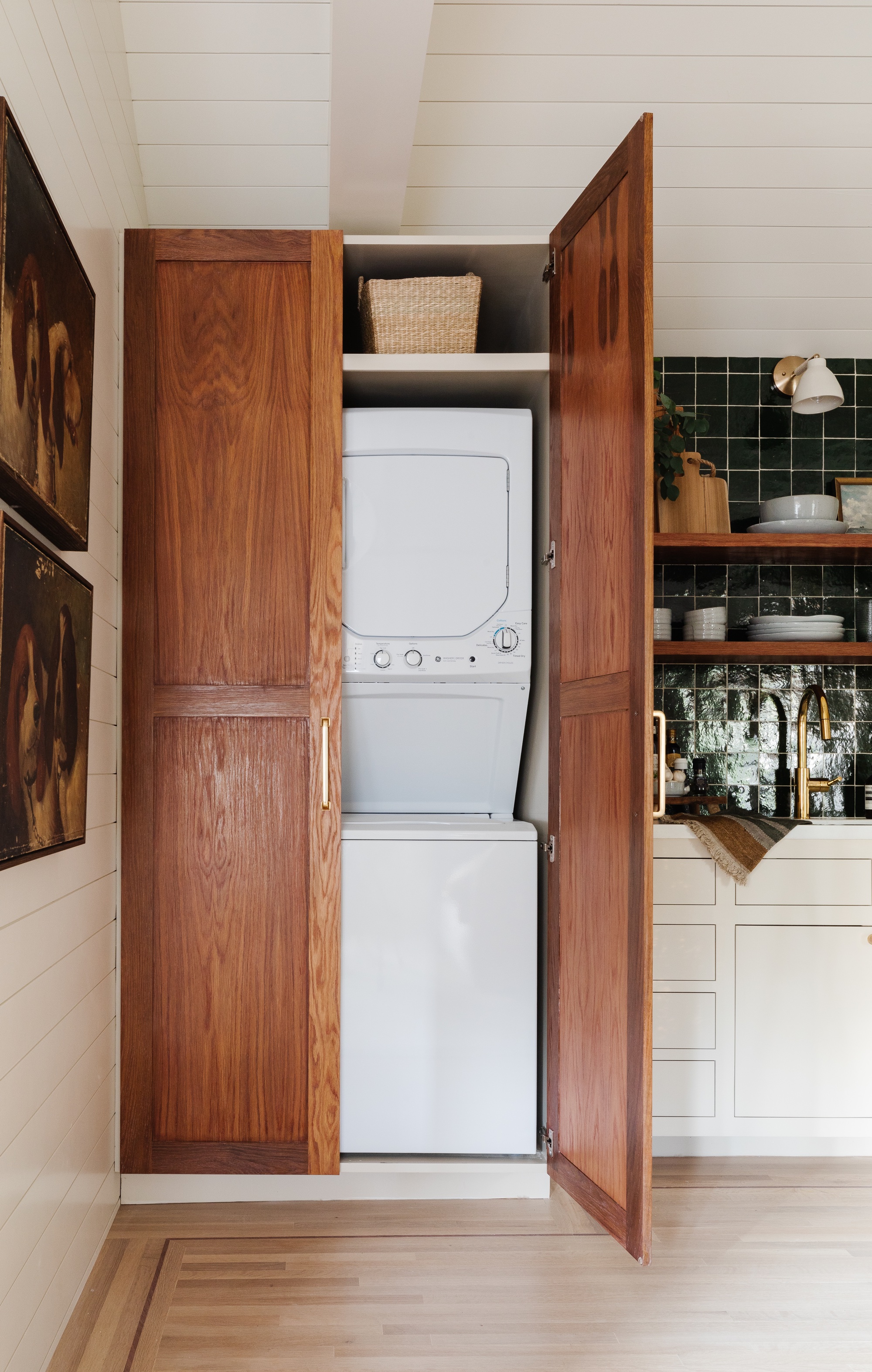
Maximizing built-in storage is essential for maintaining a clean-lined, clutter-free environment in a minimalist apartment. By integrating appliances and storage within architectural elements, such as a central joinery block that also frames an arched doorway, visual clutter is reduced. This thoughtful use of space ensures every inch is functional while contributing to a calm and minimalist aesthetic.
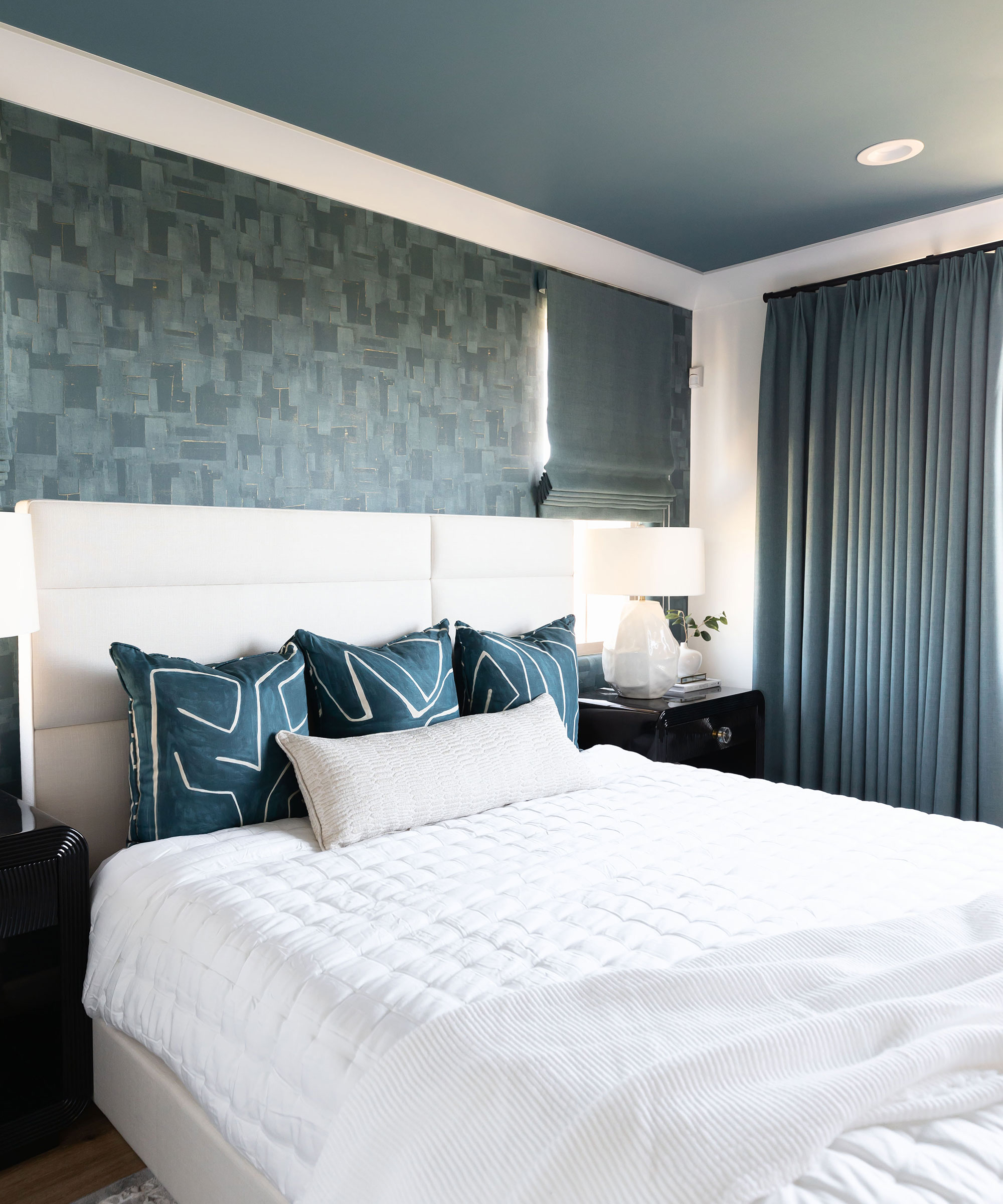
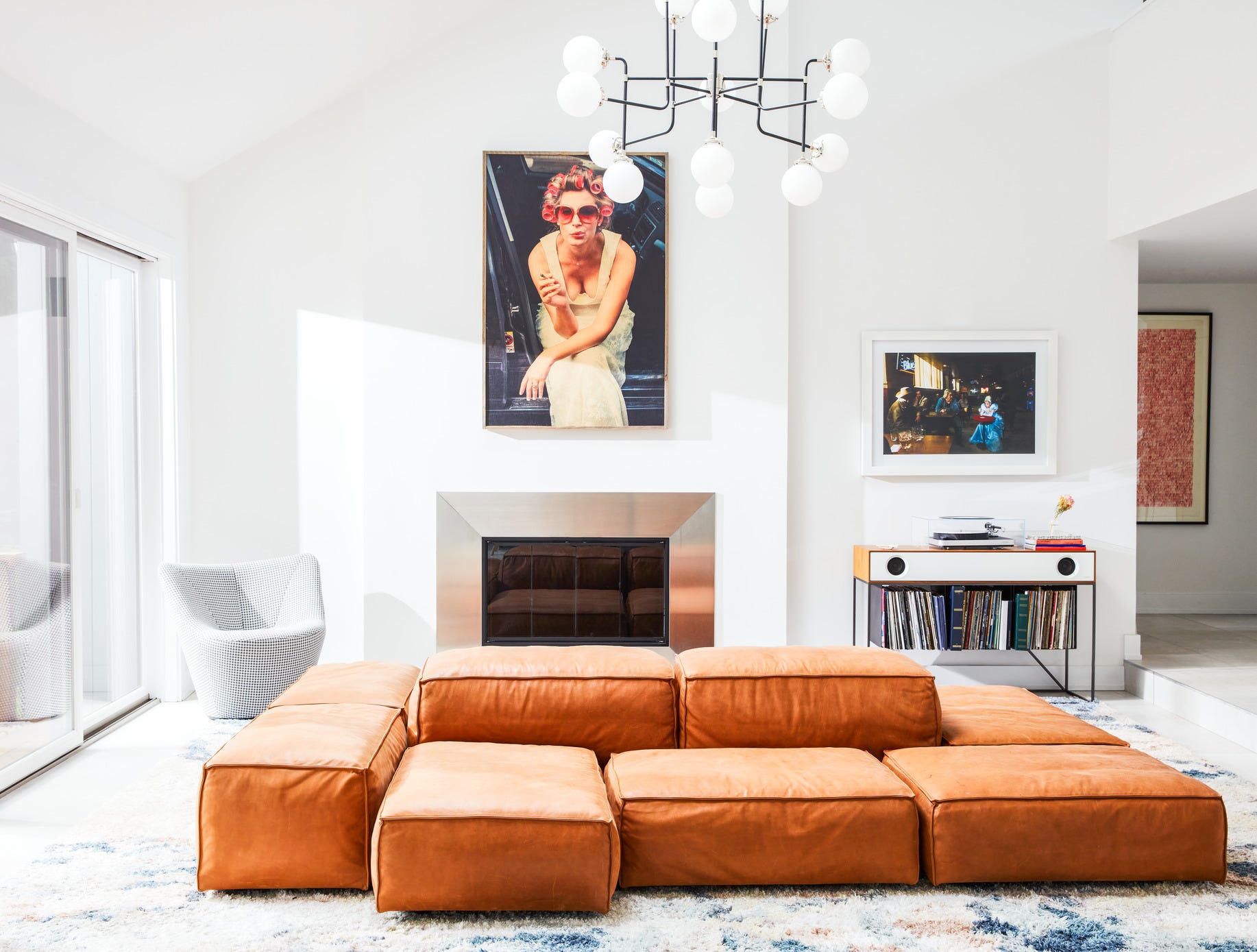
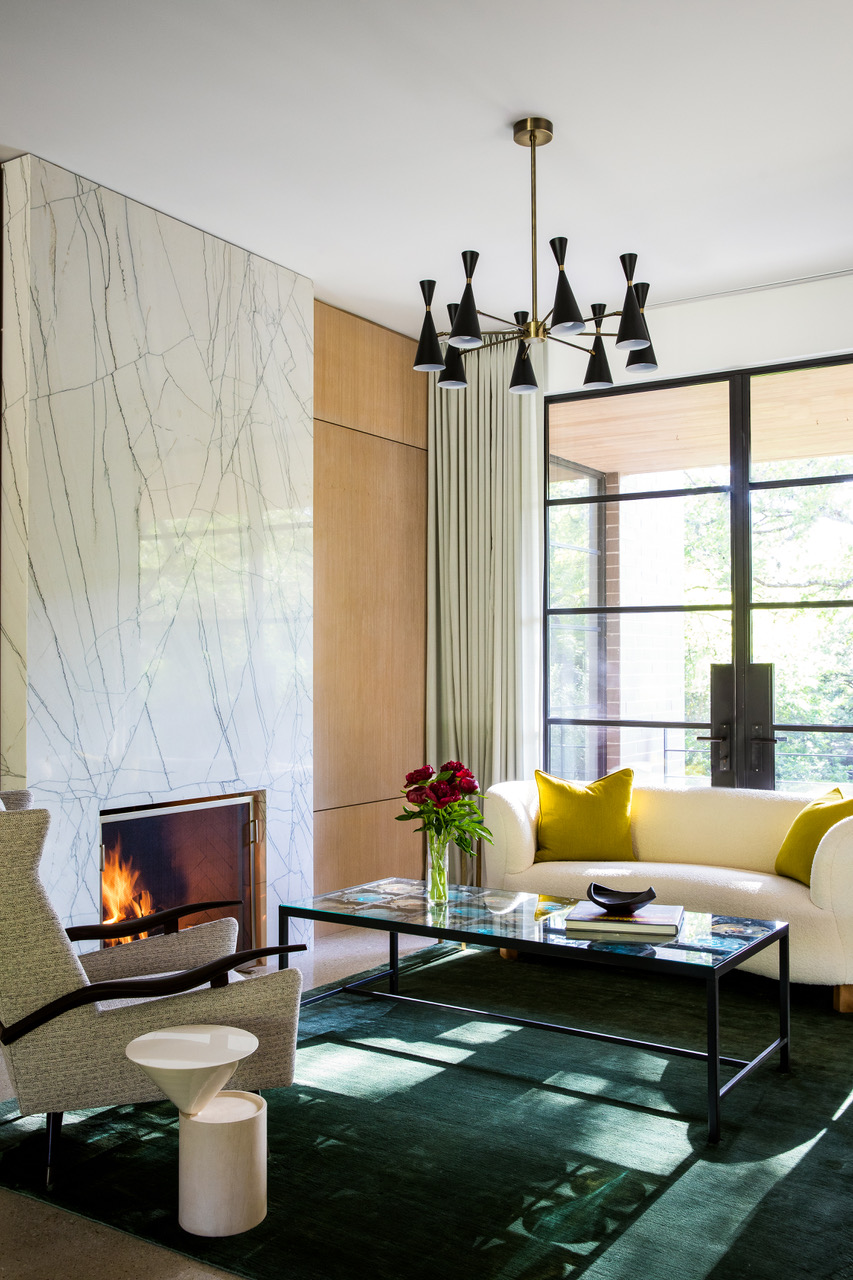
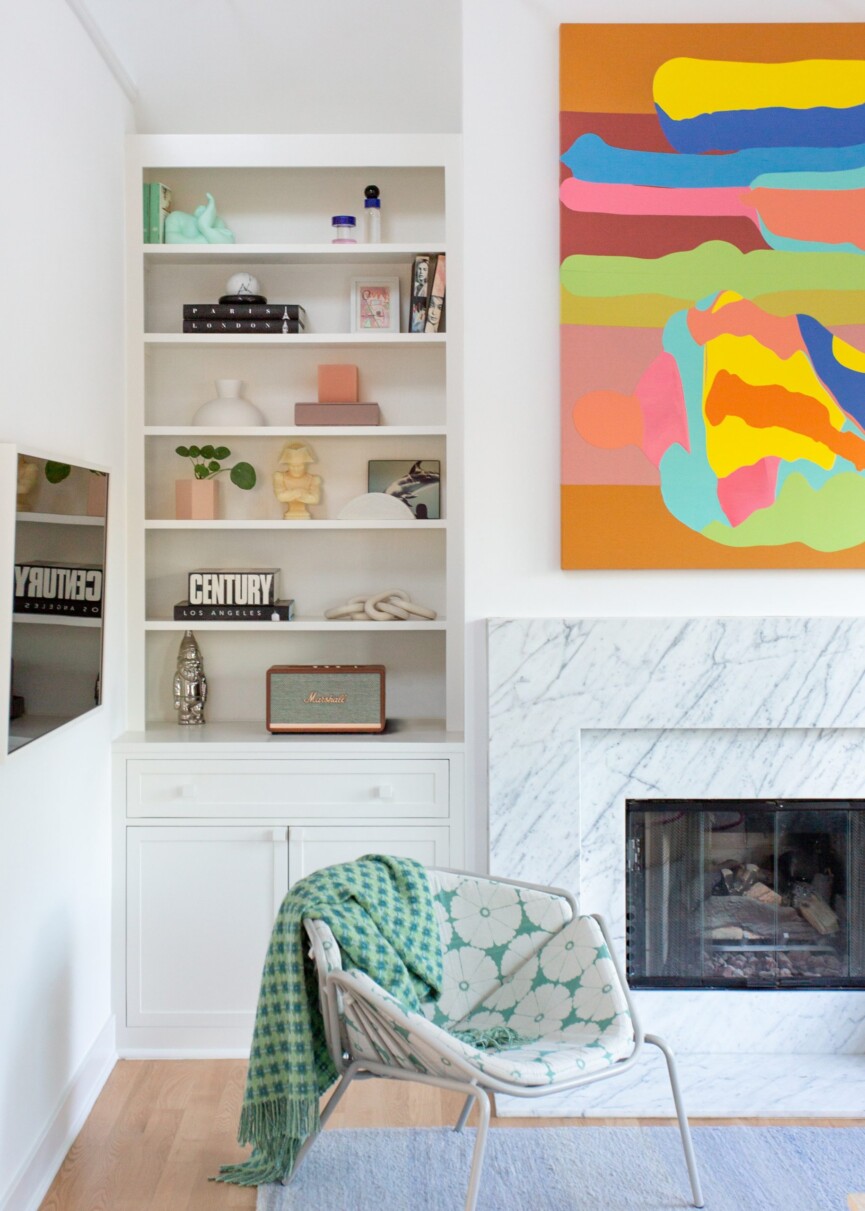
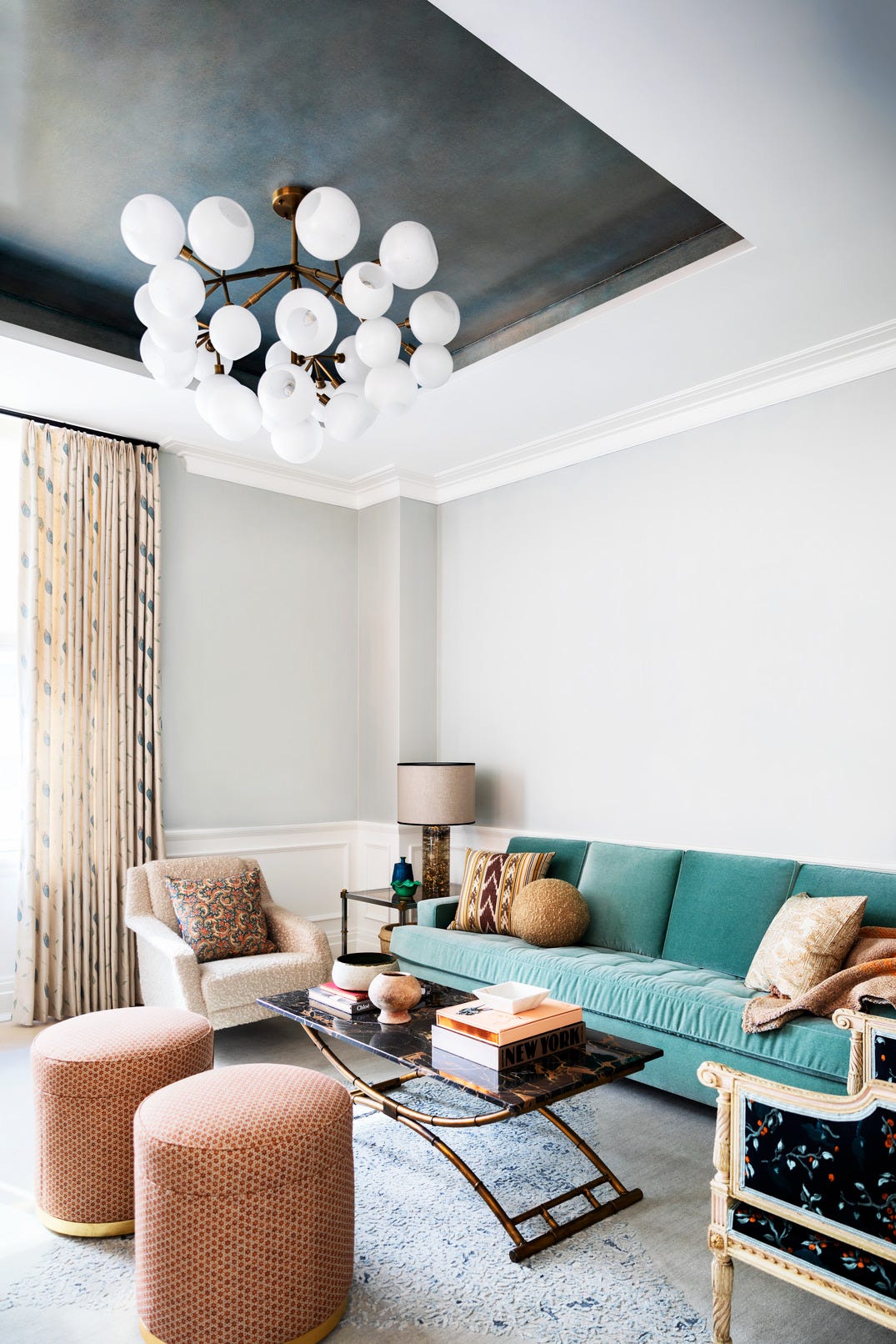
Finally, while some may find it controversial, minimalism can effectively coexist with color. The key lies in how color is incorporated—through color-blocked areas, or cabinets and countertops made from uniform materials and colors. This allows for a pared-back feel even with vibrant hues, proving that thoughtful application of color can enhance a minimalist design without compromising its serene quality. Ultimately, successful minimalist apartment design hinges on mindfulness about possessions and intentional decorating choices.
#MinimalistApartment #SmallSpaceLiving #InteriorDesign #HomeDecoration #WabiSabi #BuiltInStorage #ColorPalette #ApartmentLiving #DesignPhilosophy #MinimalistApartment #SmallSpaceLiving #InteriorDesign #HomeDecoration #WabiSabi #BuiltInStorage #ColorPalette #ApartmentLiving #DesignPhilosophy
Há 0 comentários no total
 Ainda não há comentários
Você também pode gostar
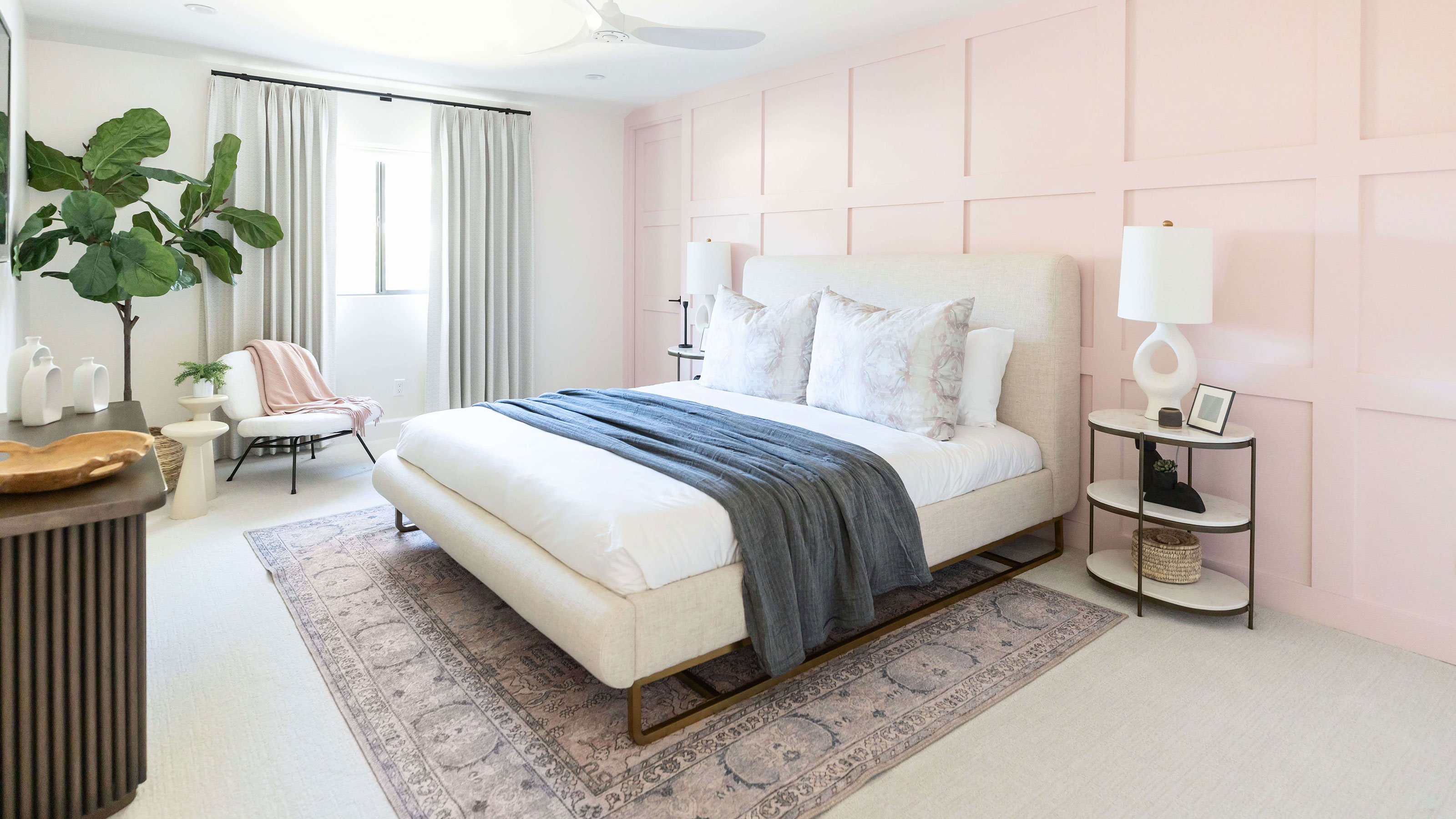
10 minimalist small bedroom ideas that still feel cozy

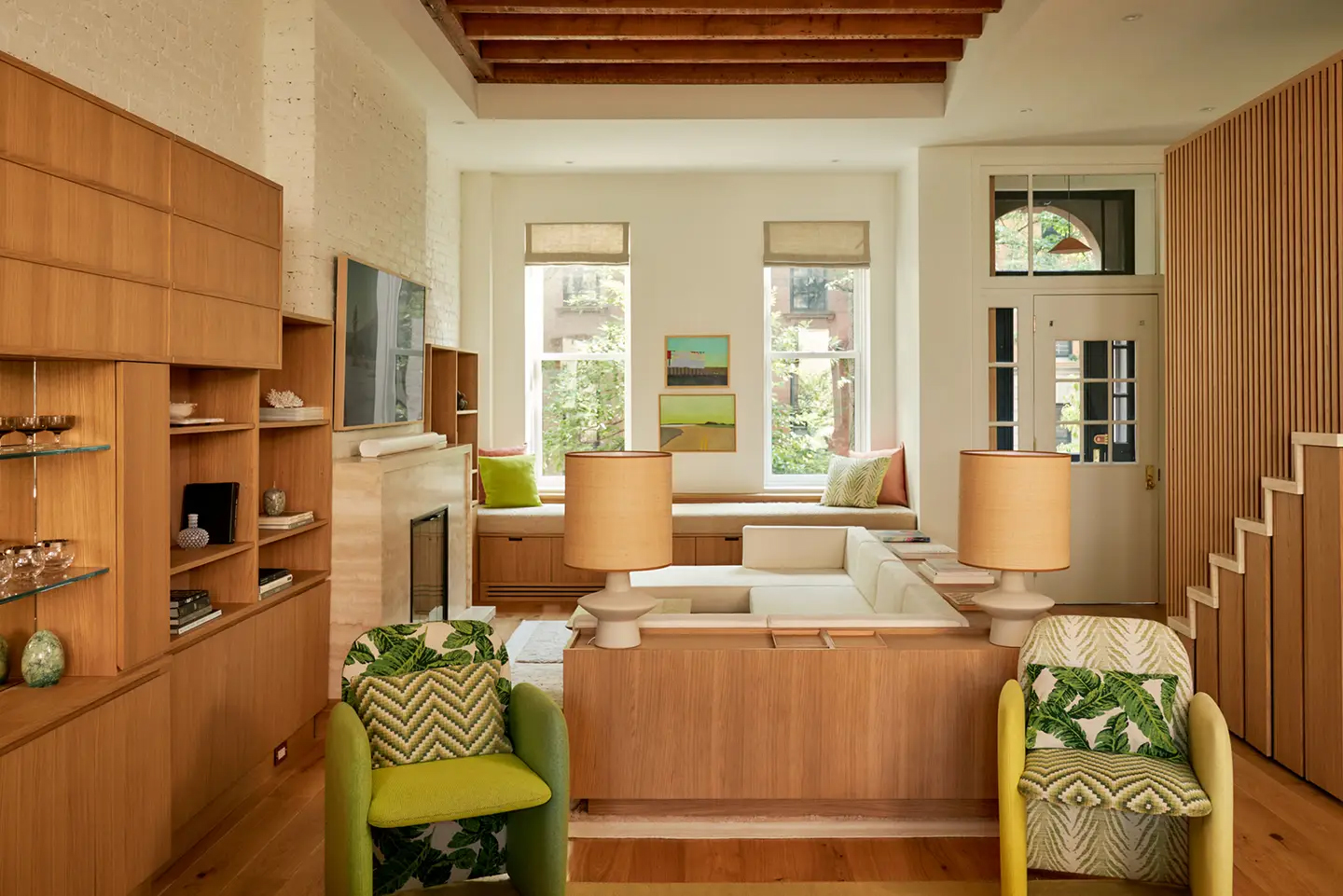
8 Minimalist Living Room Ideas That Are Still Totally Practical

5 surprising storage essentials minimalists avoid – and what they use instead

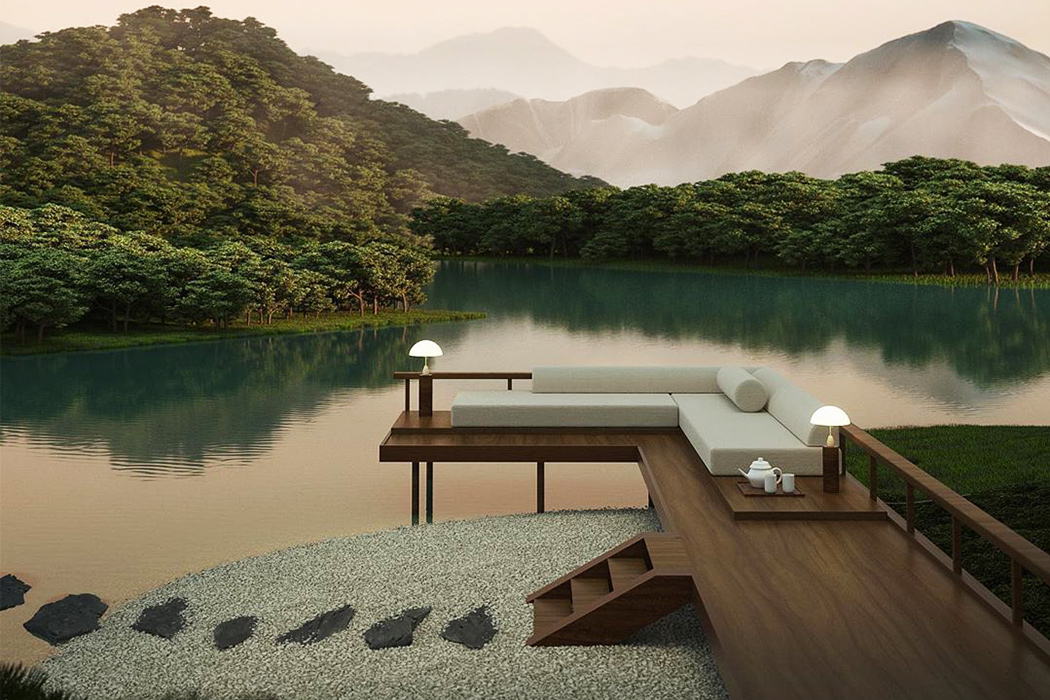
Architectural Design Renders that inspire you to create your own minimal happy space

10 minimalist decor ideas – learn how to embrace minimalism while still having a home filled with character
How to Design a Minimalist Living Room

24 Genius Small Apartment Living Room Ideas That Instantly Make Your Space Feel Bigger
4 ways to make the most of a small laundry space – even if you don't have a dedicated room in your home
7 gorgeous minimalist small living room ideas — say bye-bye to bland
7 Things Minimalists Would Never Put in Their Living Room

The Best Minimal Decor Ideas for a Streamlined Home
Inside 8 tiny apartments that prove downsizing is an upgrade | loveproperty.com
12 Minimalist Home Ideas That Prove Serene and Organized Doesn’t Mean Boring

7 Organizing Secrets I Learned From Writing a Book About—And Living in—Small Apartments
Tiny Living Room? These 10 Small-Space Solutions Will Transform Your Home

5 things minimalists never have in an entryway – items to ban for clutter-free style
10+ small apartment living tips from design experts

How to simplify a small living room – 10 designer approved tips for instantly more calming decor
How to Decorate Your Small Apartment Living Room — Even If You Rent

39 Clean, Stylish Minimalist Living Rooms We Want to Copy