1/6
The best 5 kitchen sink materials – and how to choose the best type and design for your home
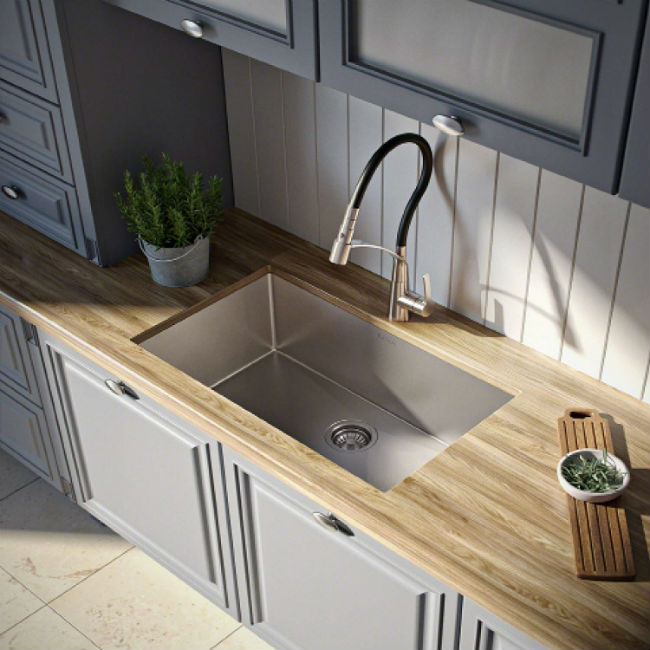
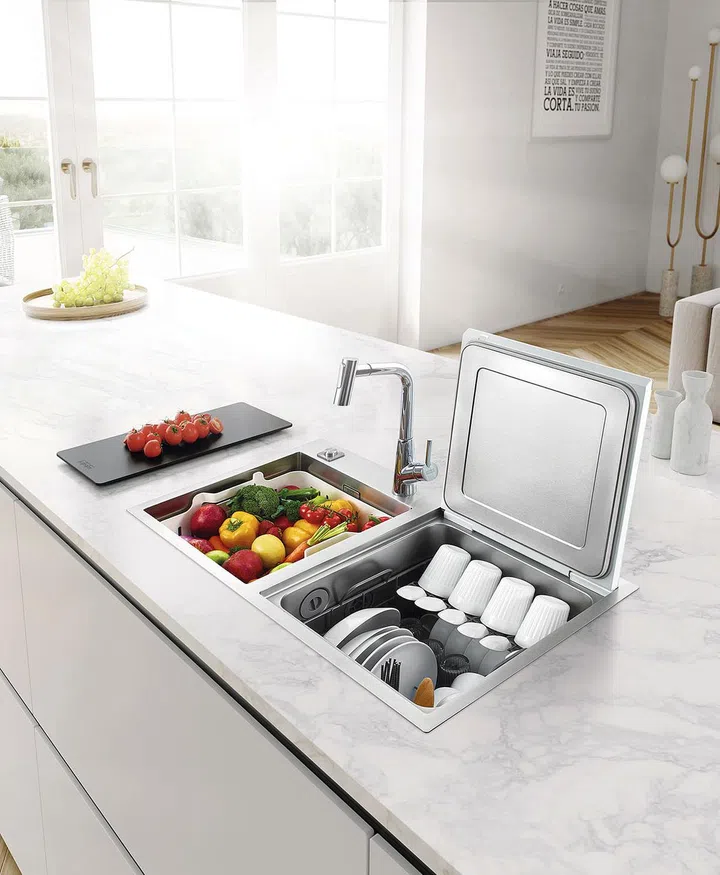
The kitchen sink, often overlooked, is presented as a crucial design element that can significantly impact the overall aesthetics and functionality of a kitchen. With an expanding array of materials and designs, the sink has evolved from a mere utility to a potential focal point. This evolution is driven by the increasing availability of diverse materials, each offering distinct stylistic and practical advantages, ranging from classic metals to advanced composites.
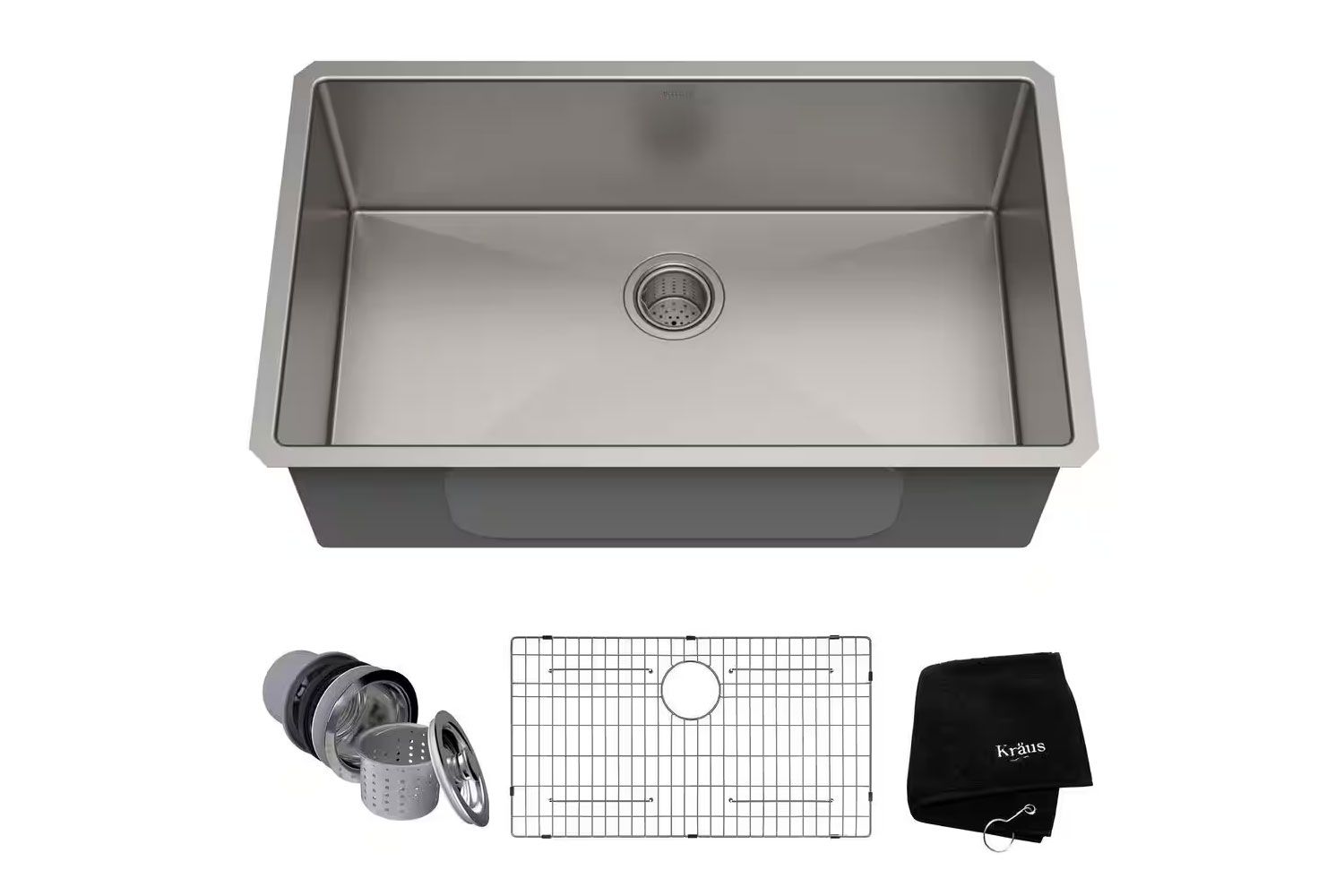
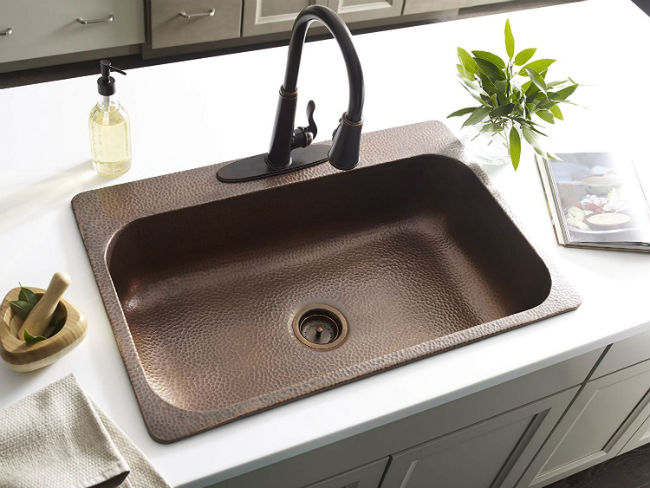
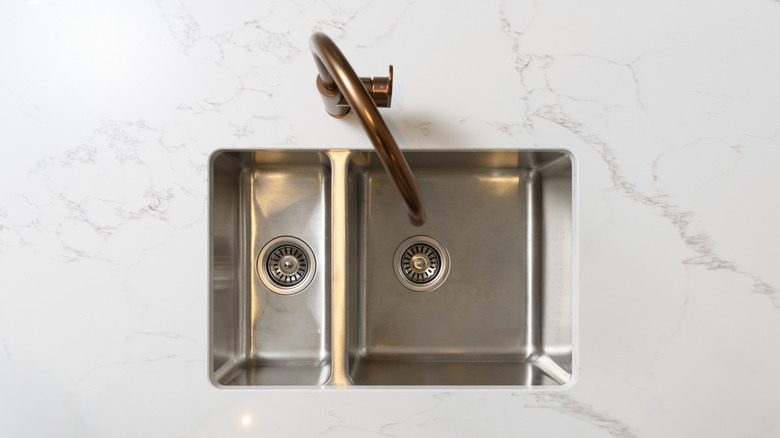
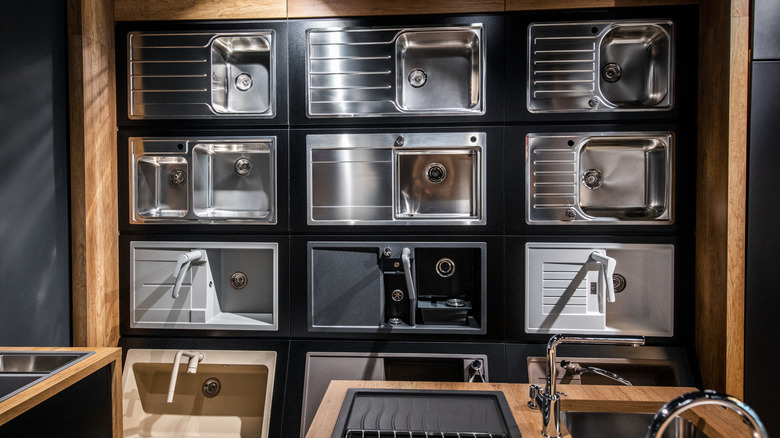
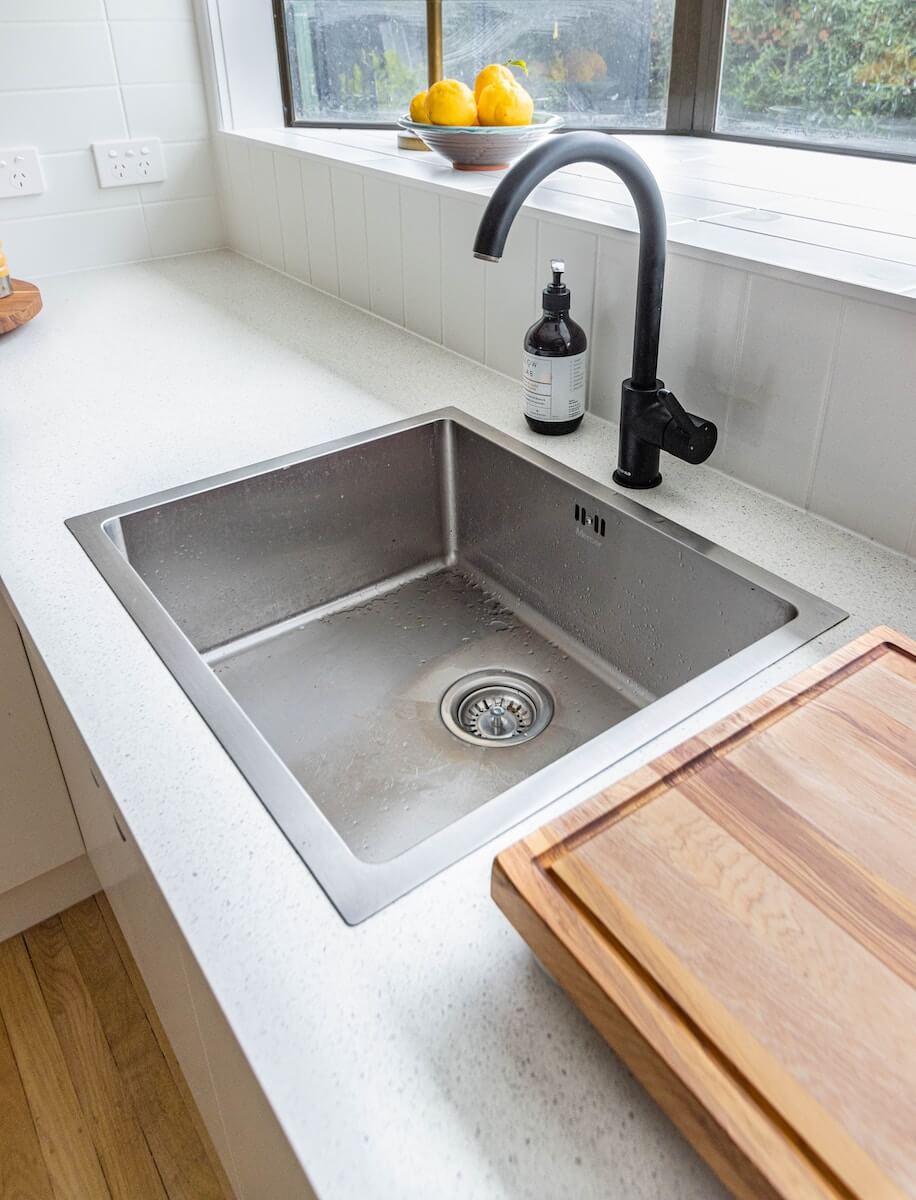
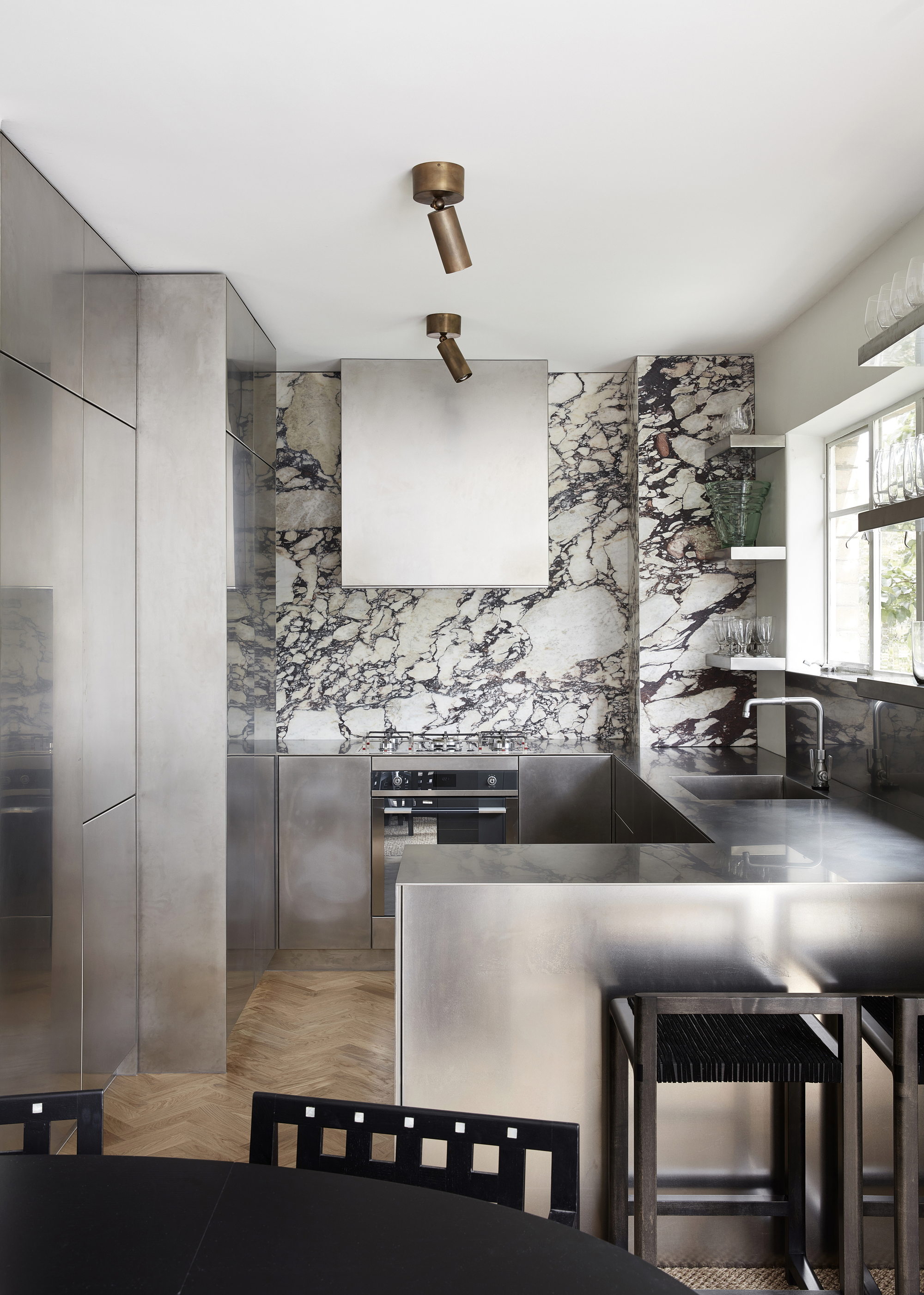
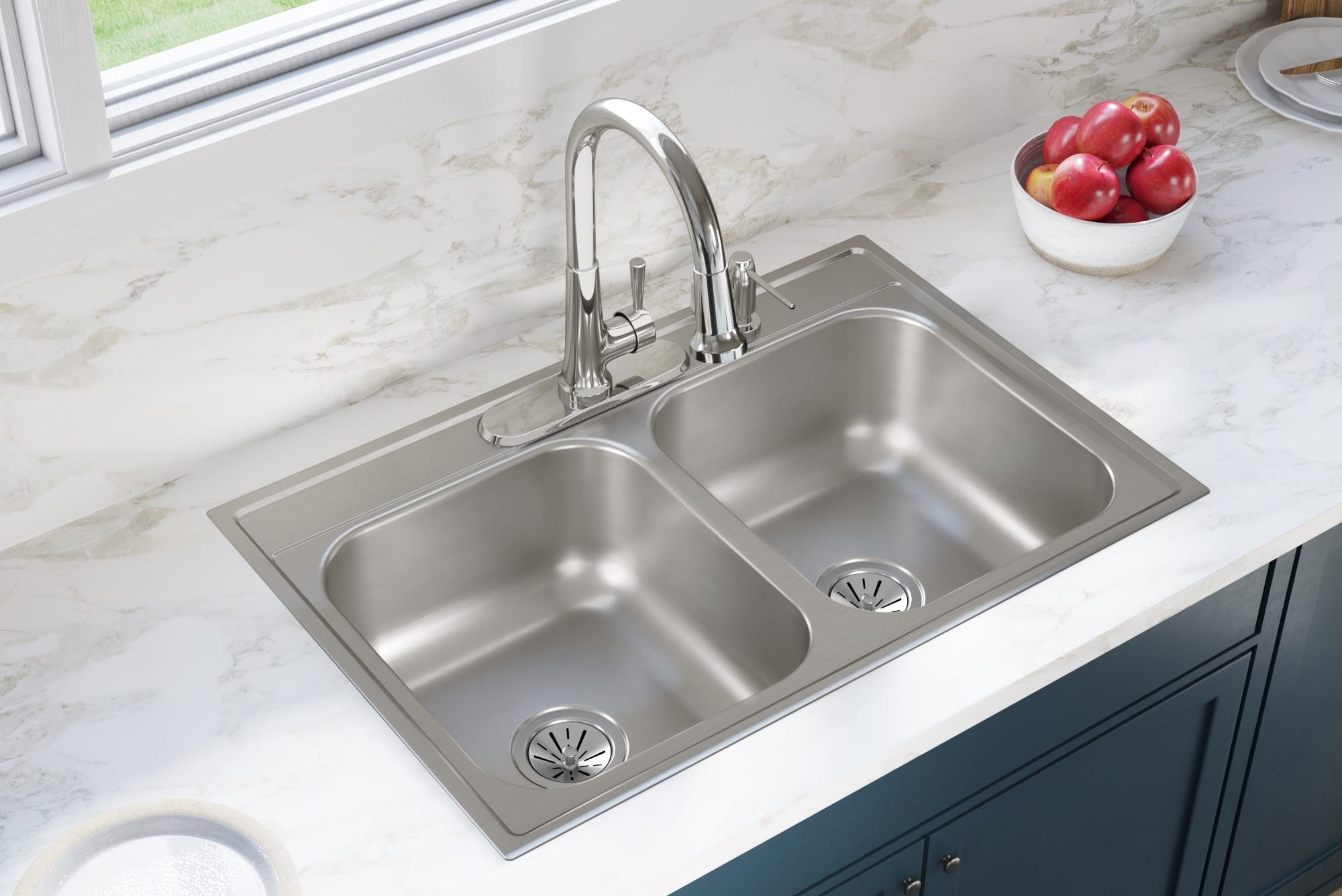
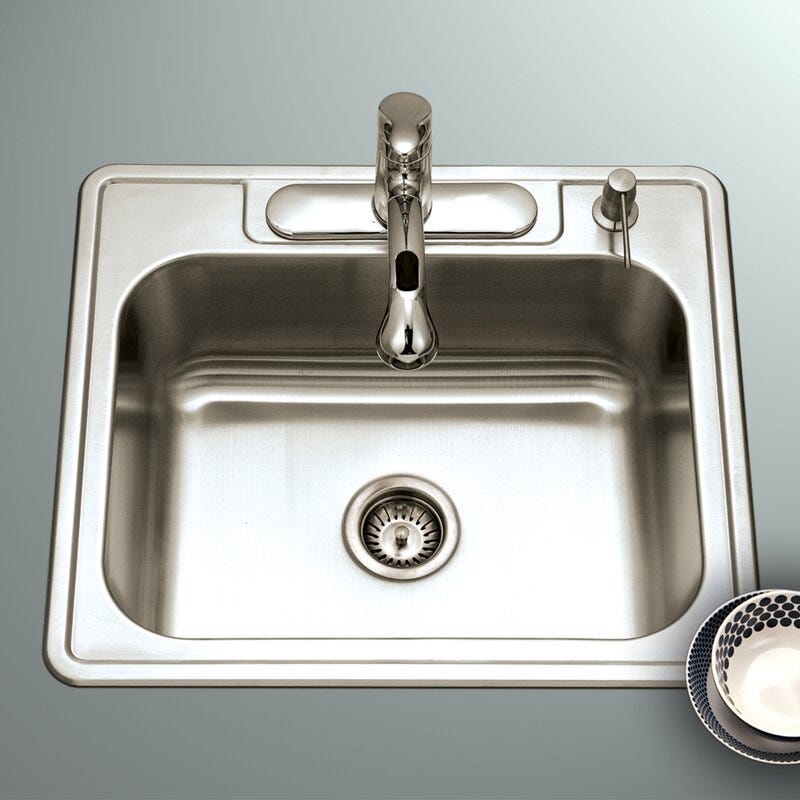
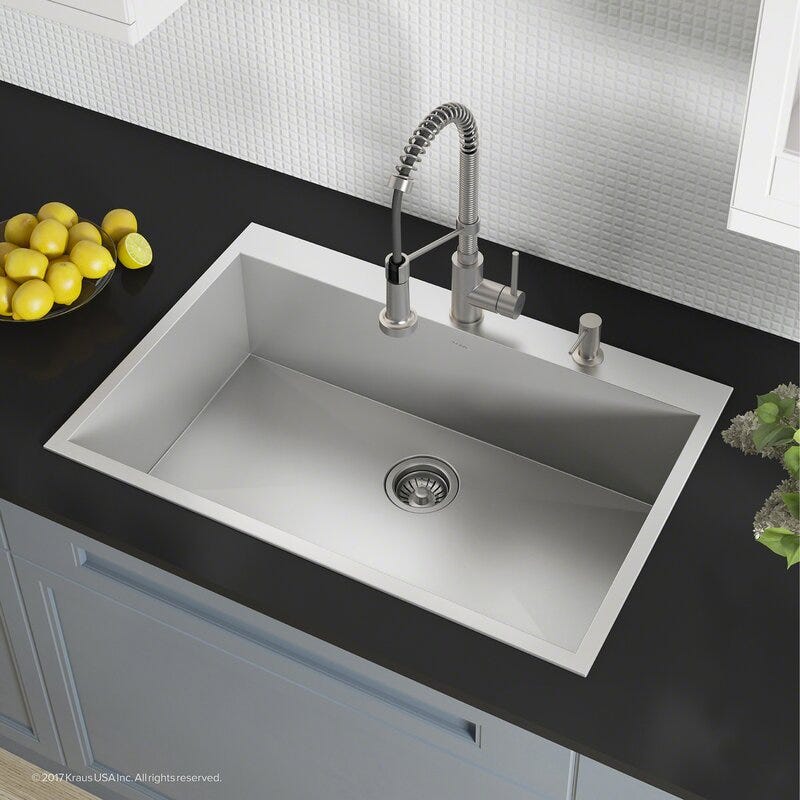
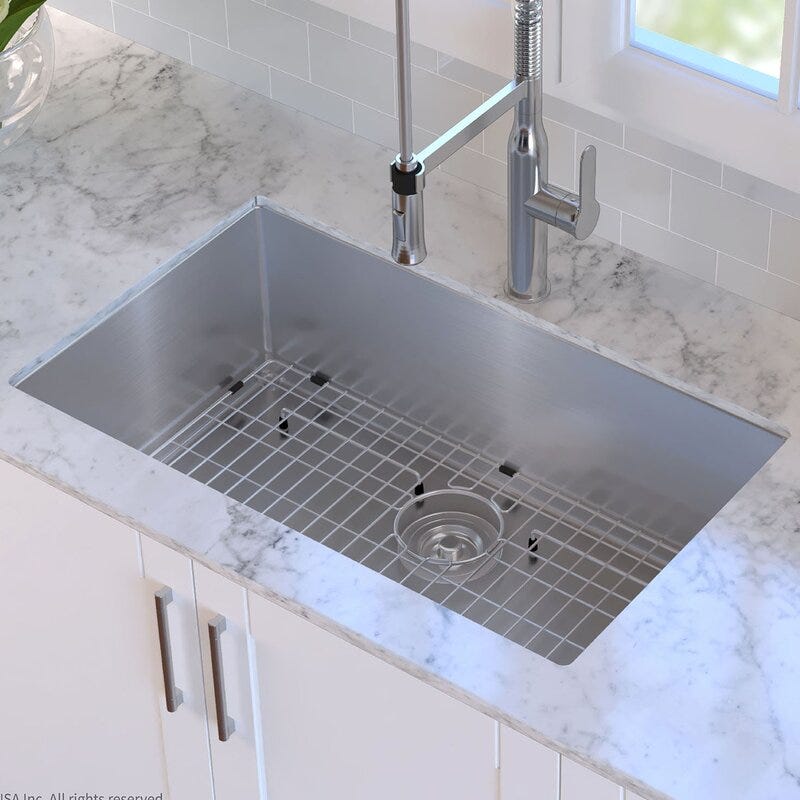
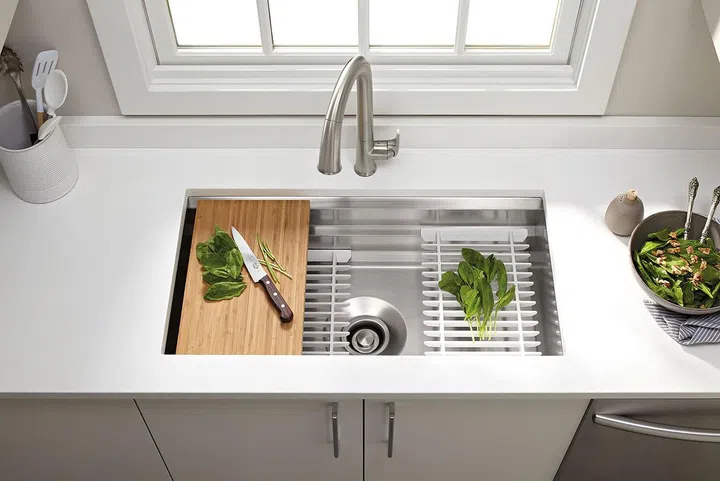
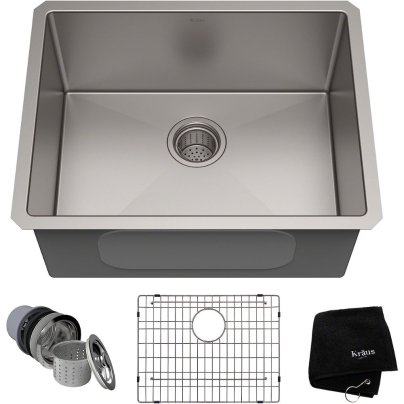
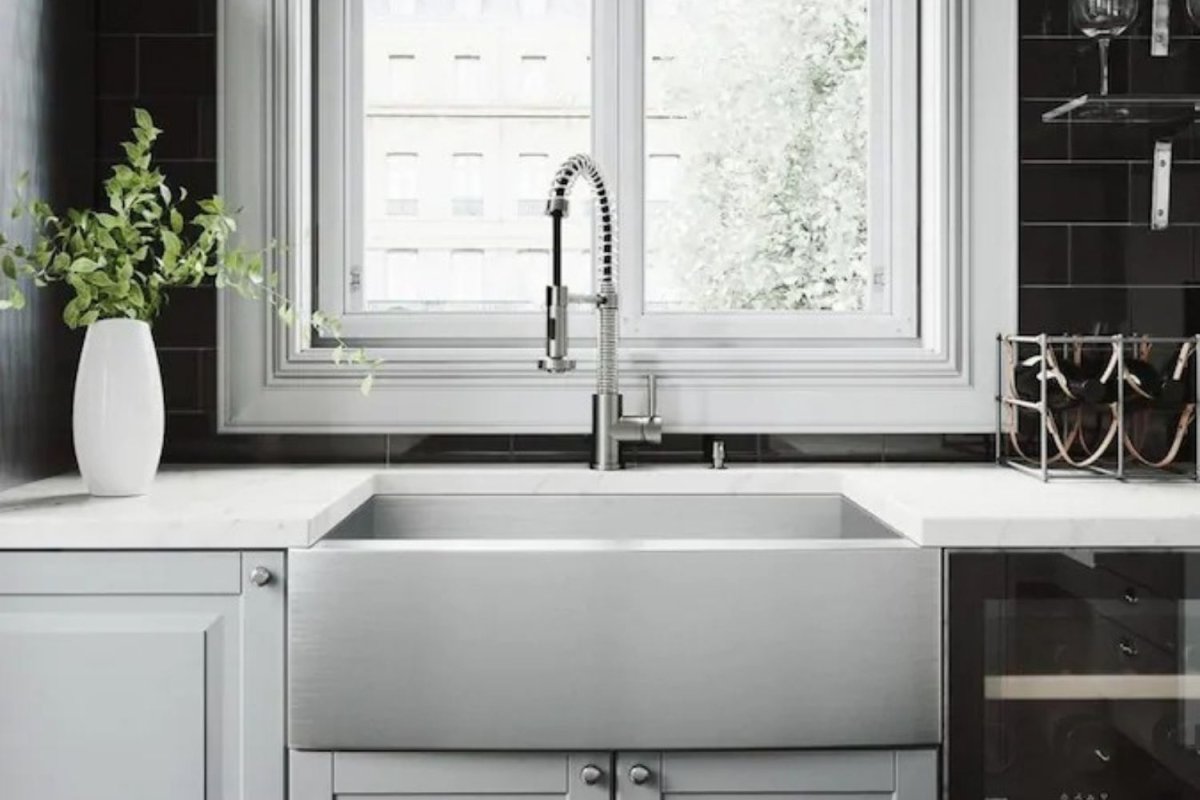
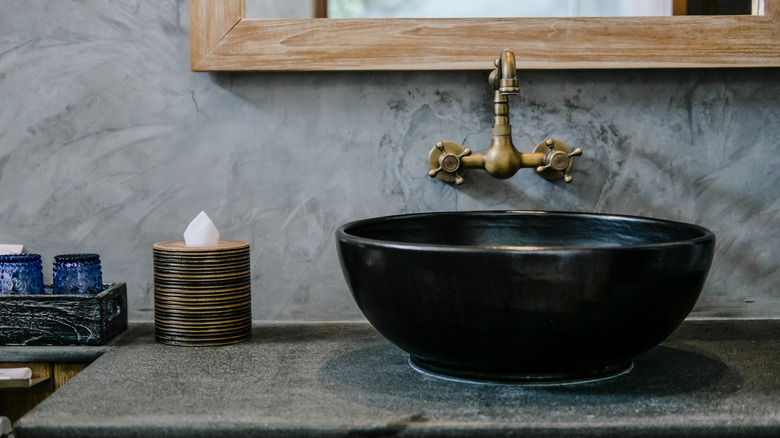
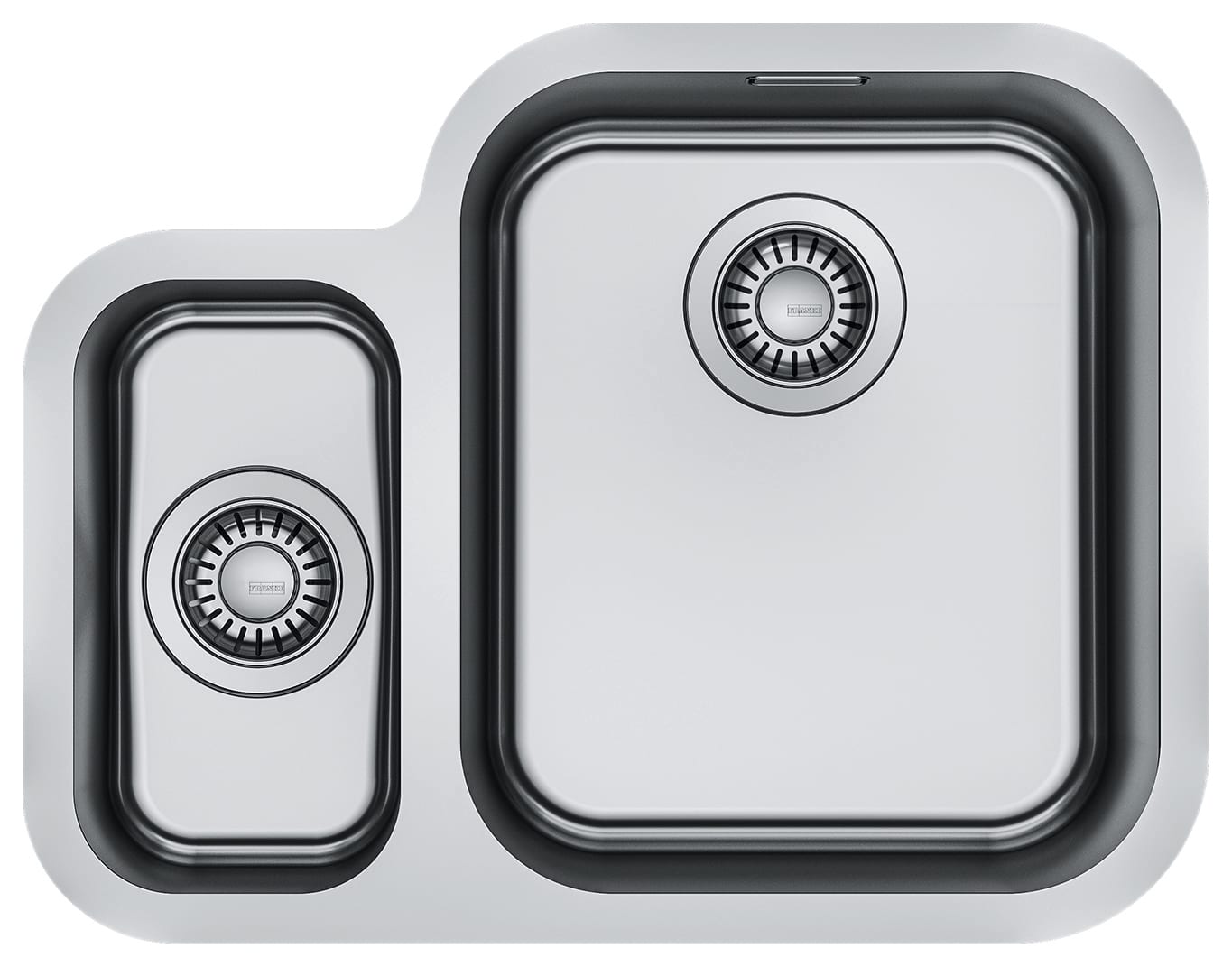
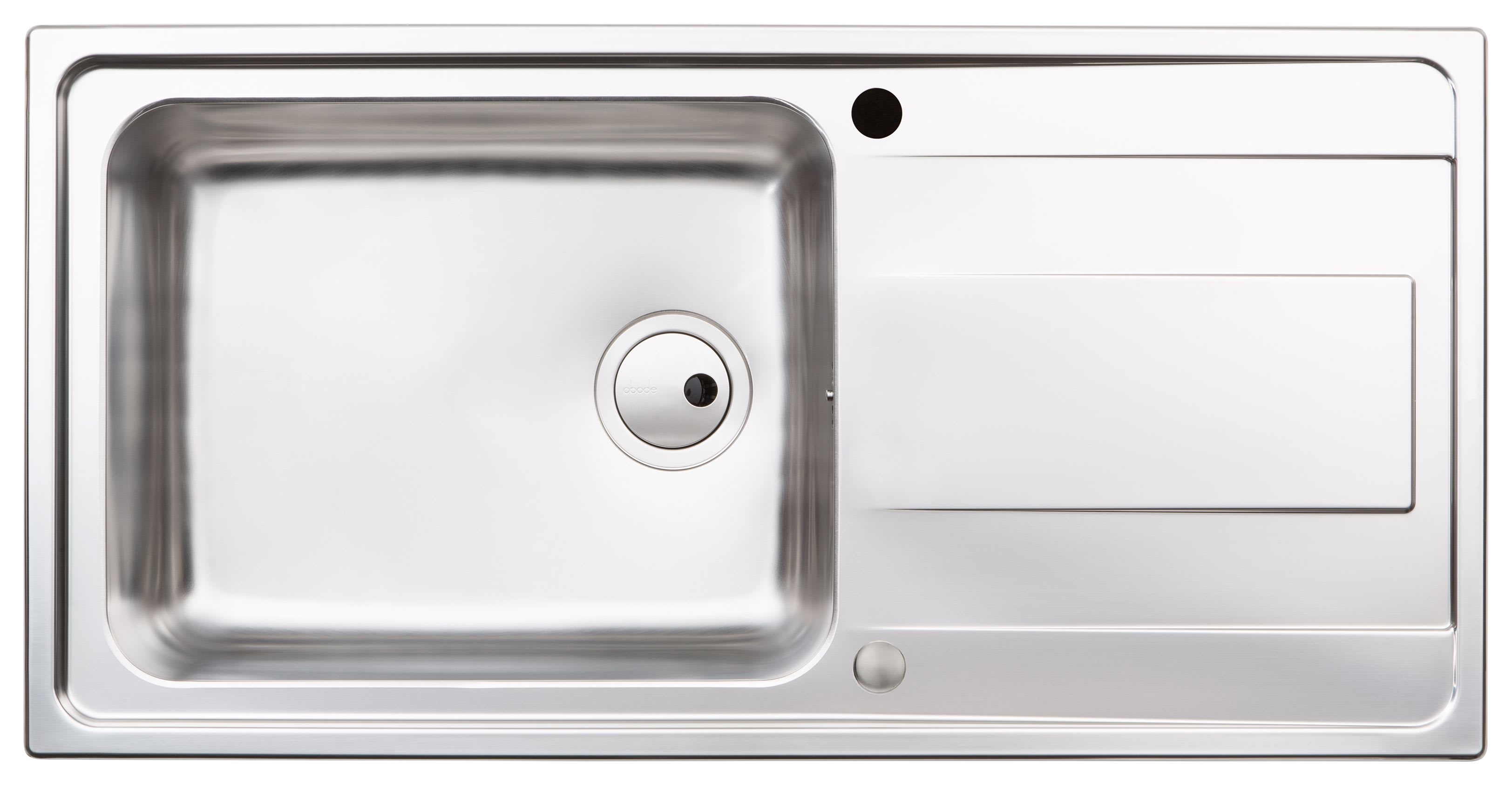
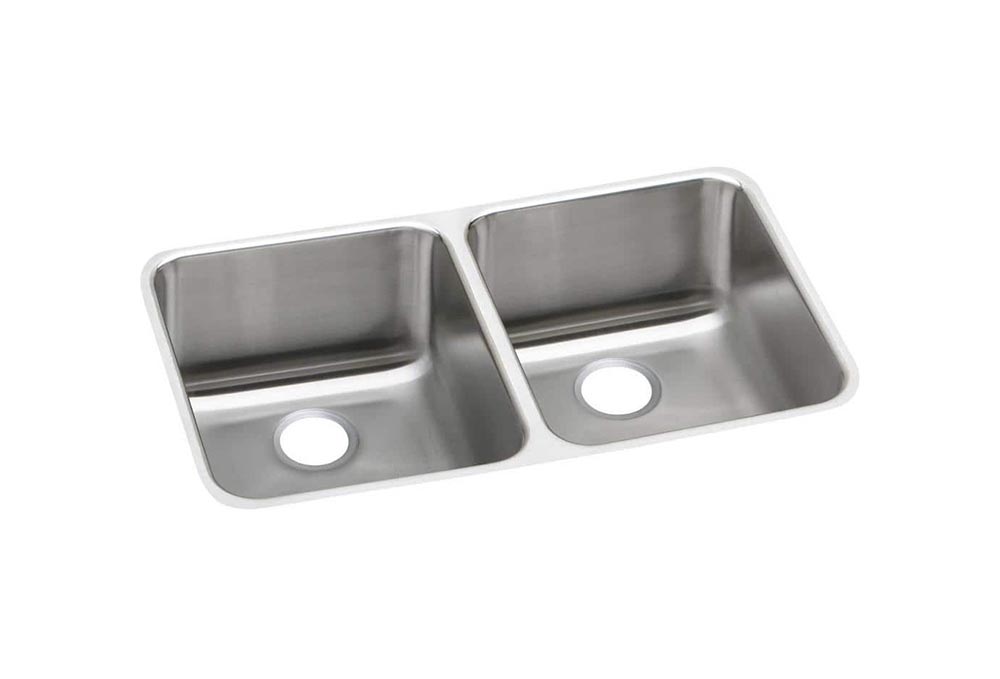
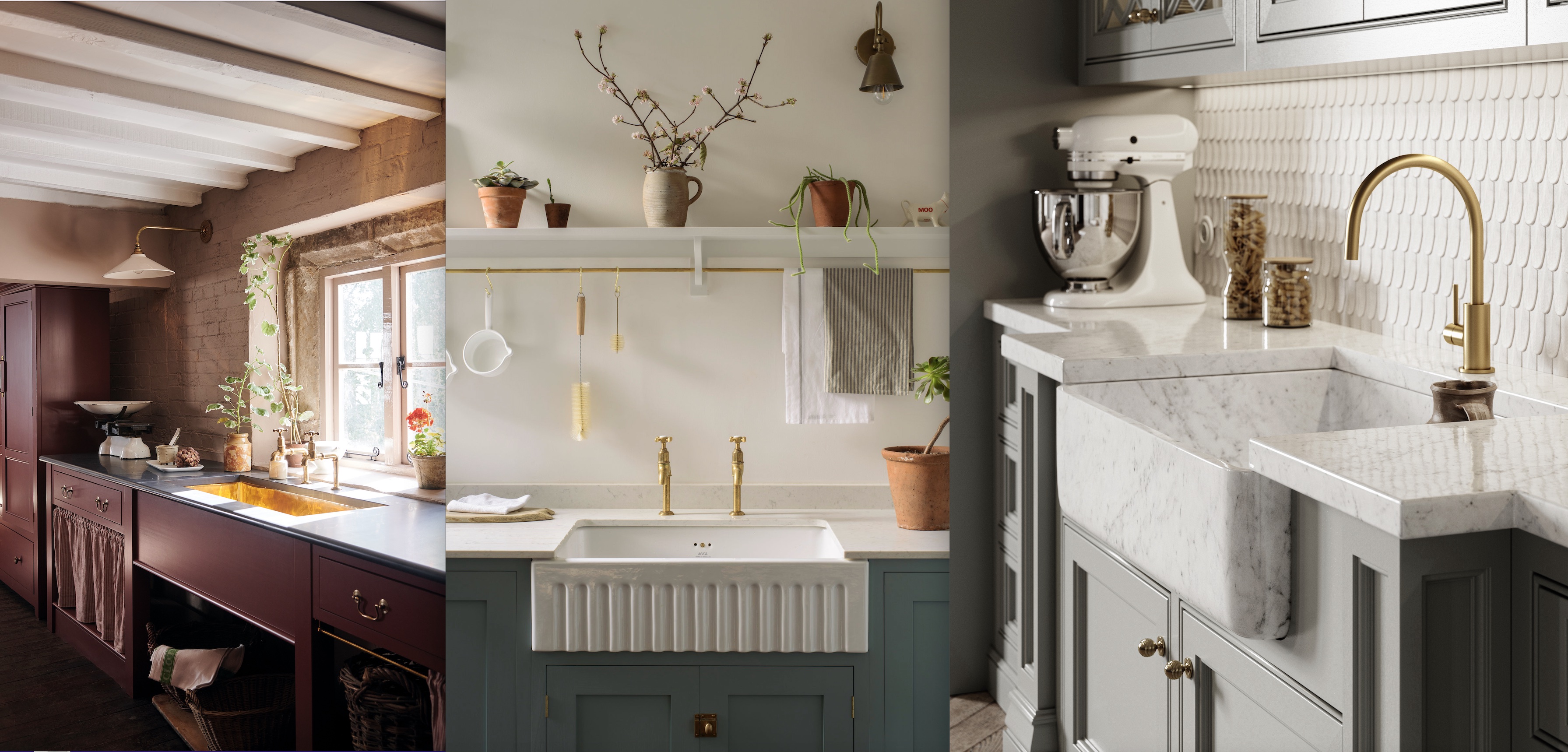
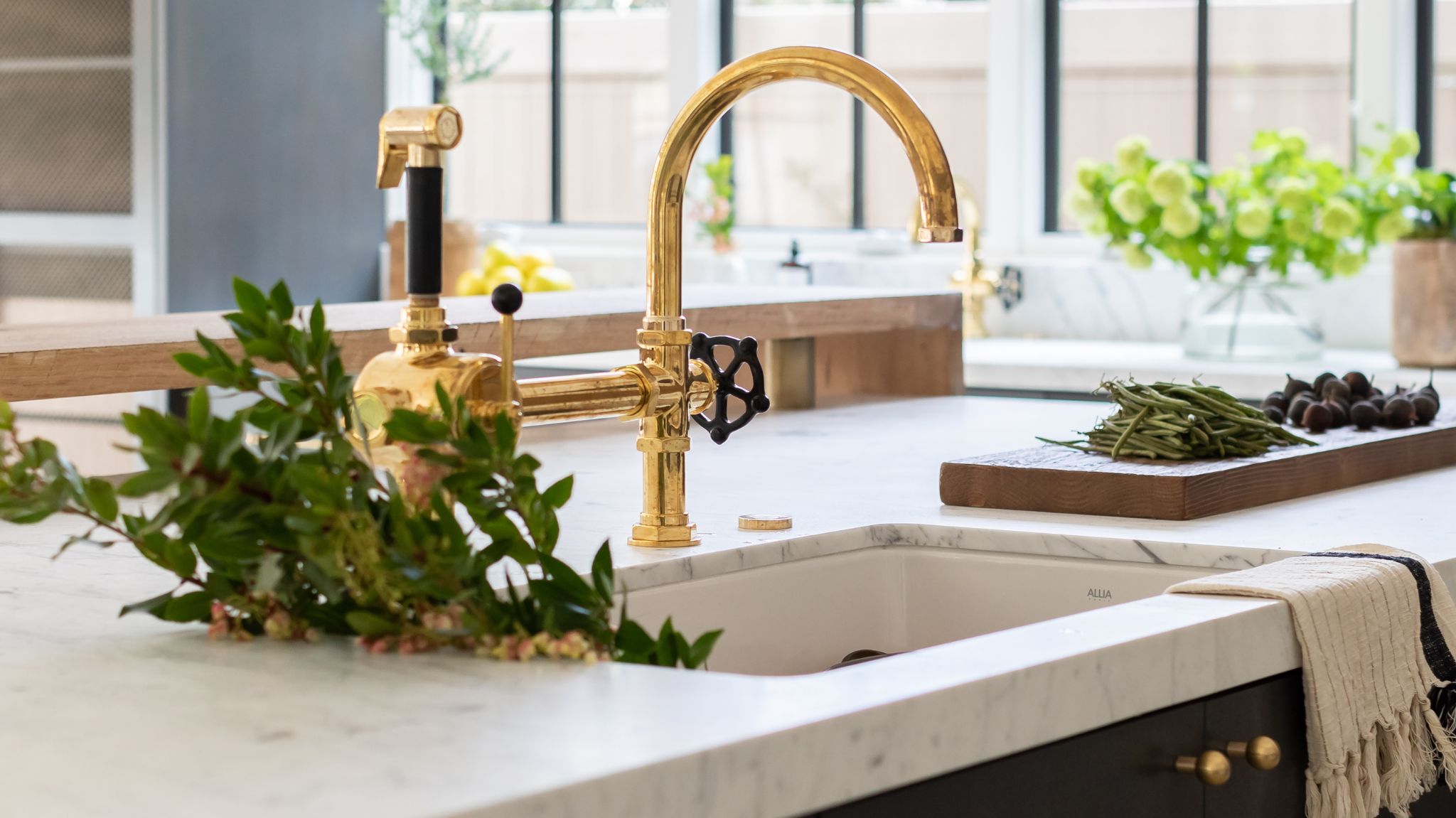
The article delves into five primary kitchen sink material categories, providing insights into their characteristics, benefits, and suitable kitchen styles. Metal sinks, for instance, are highlighted for their hygienic properties, durability, and affordability, with stainless steel being a traditional choice. Beyond stainless steel, copper and brass are presented as options for creating a design statement, with brass noted for its traditional appeal, aging gracefully over time, and practical nature. DeVOL Kitchens' creative director, Helen Parker, emphasizes brass as a "showstopper" and a practical, natural product that develops a beautiful patina.
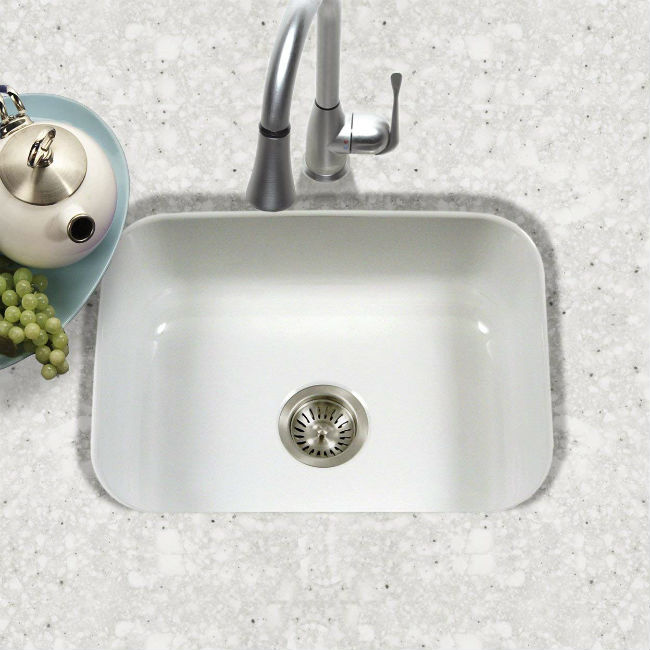
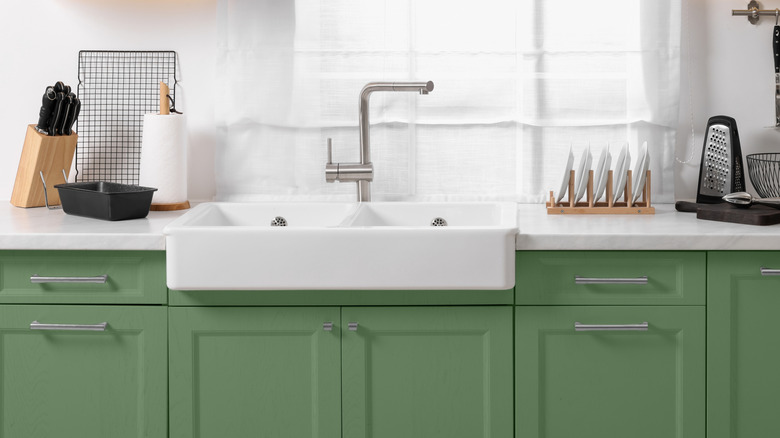
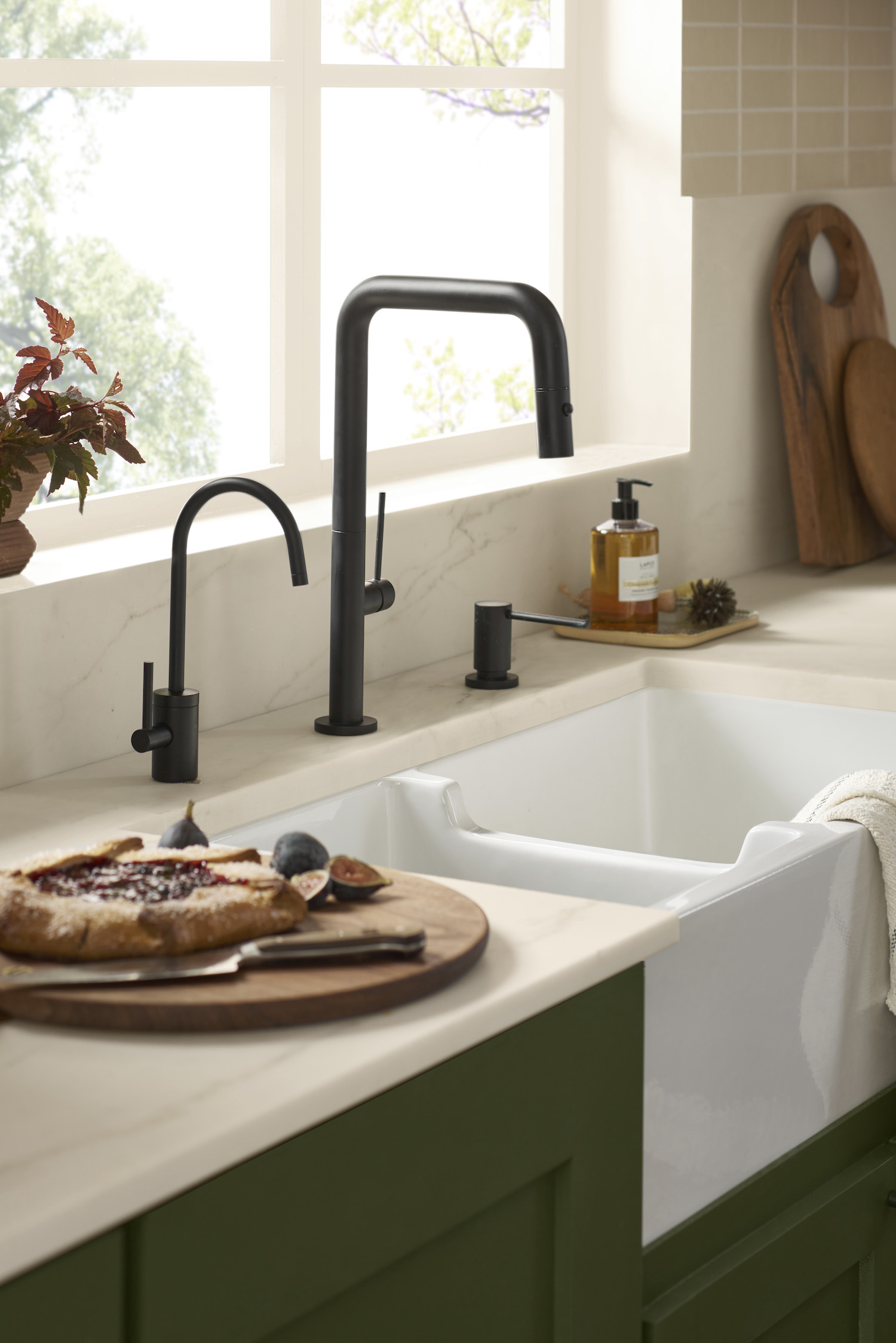
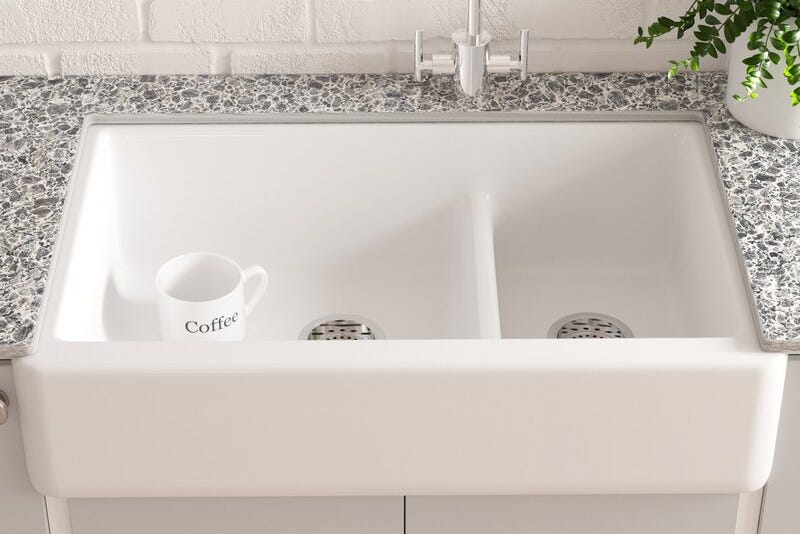
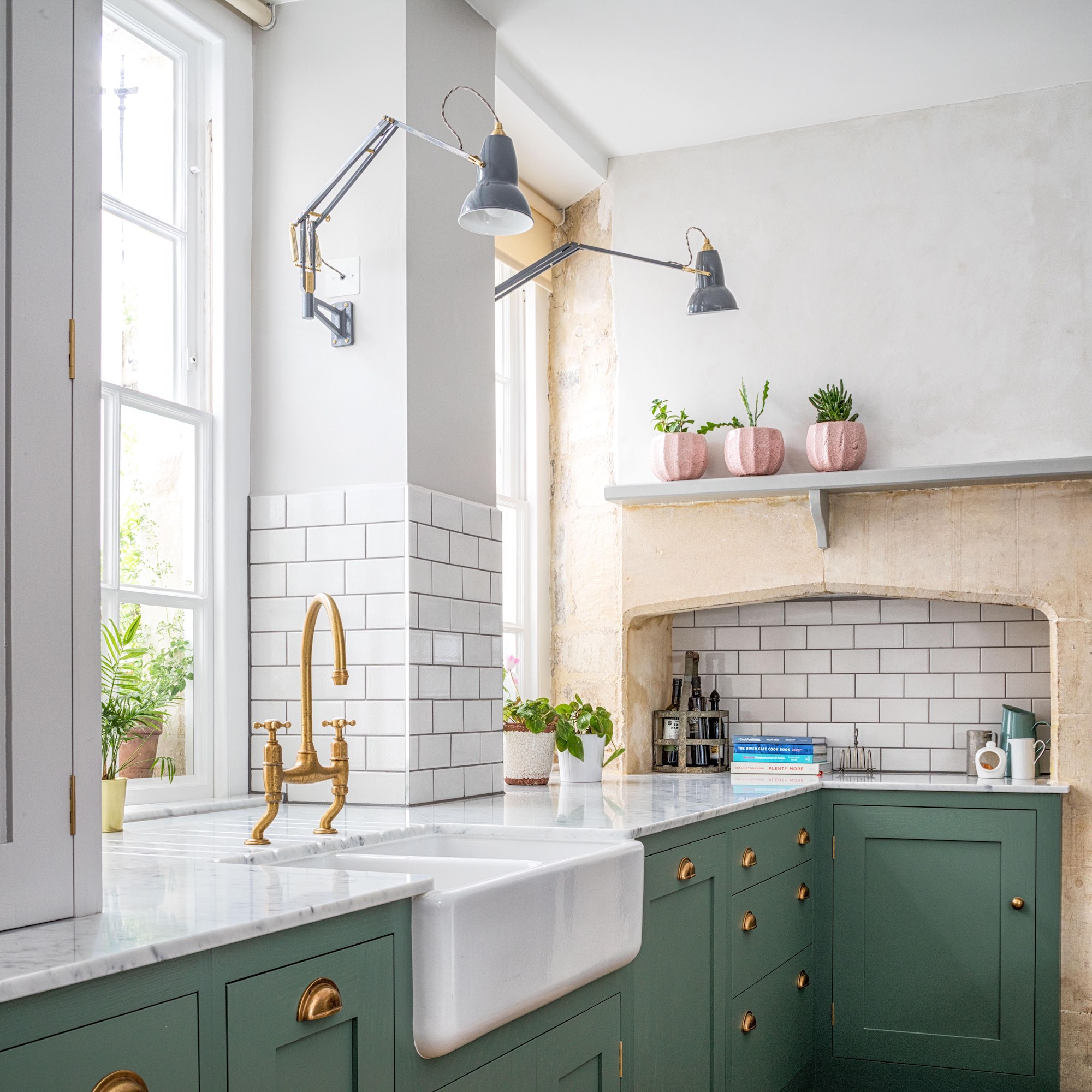
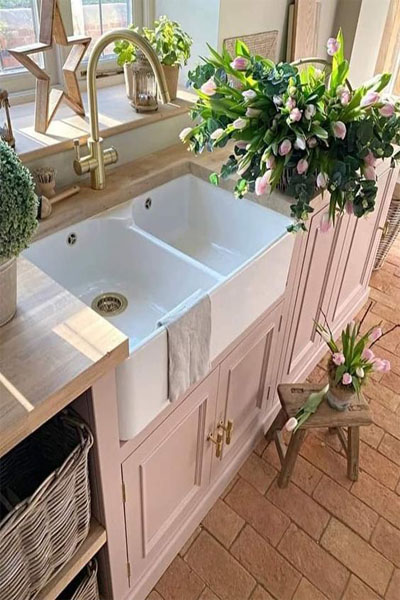
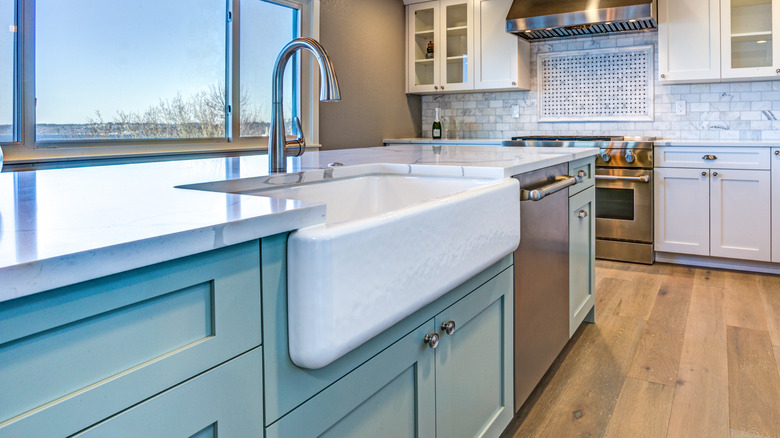
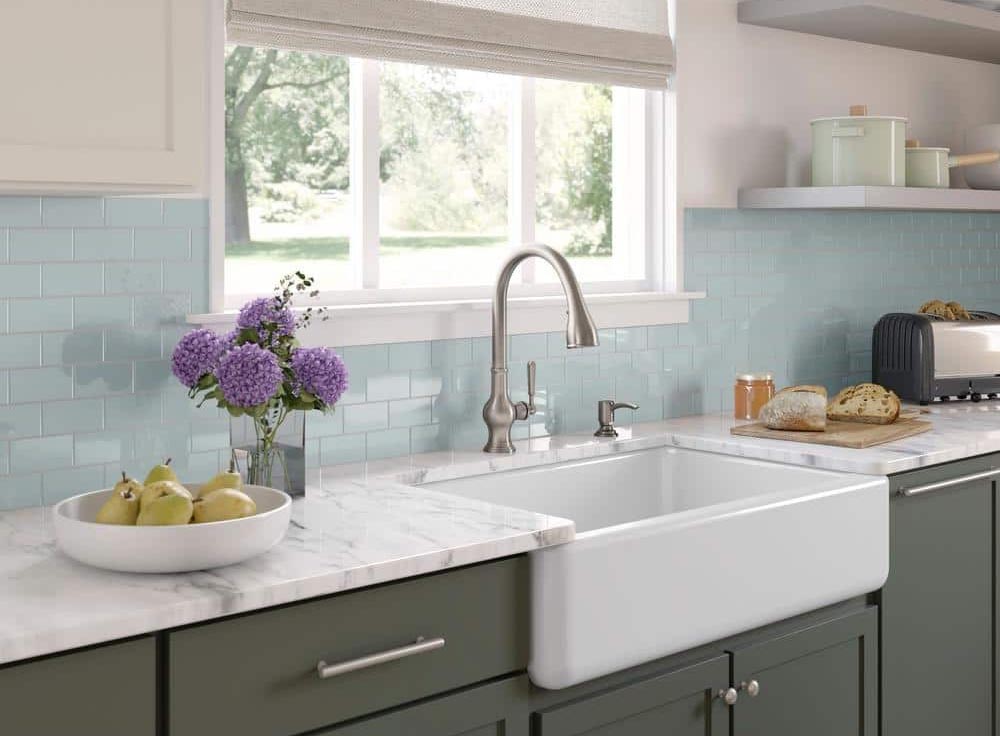
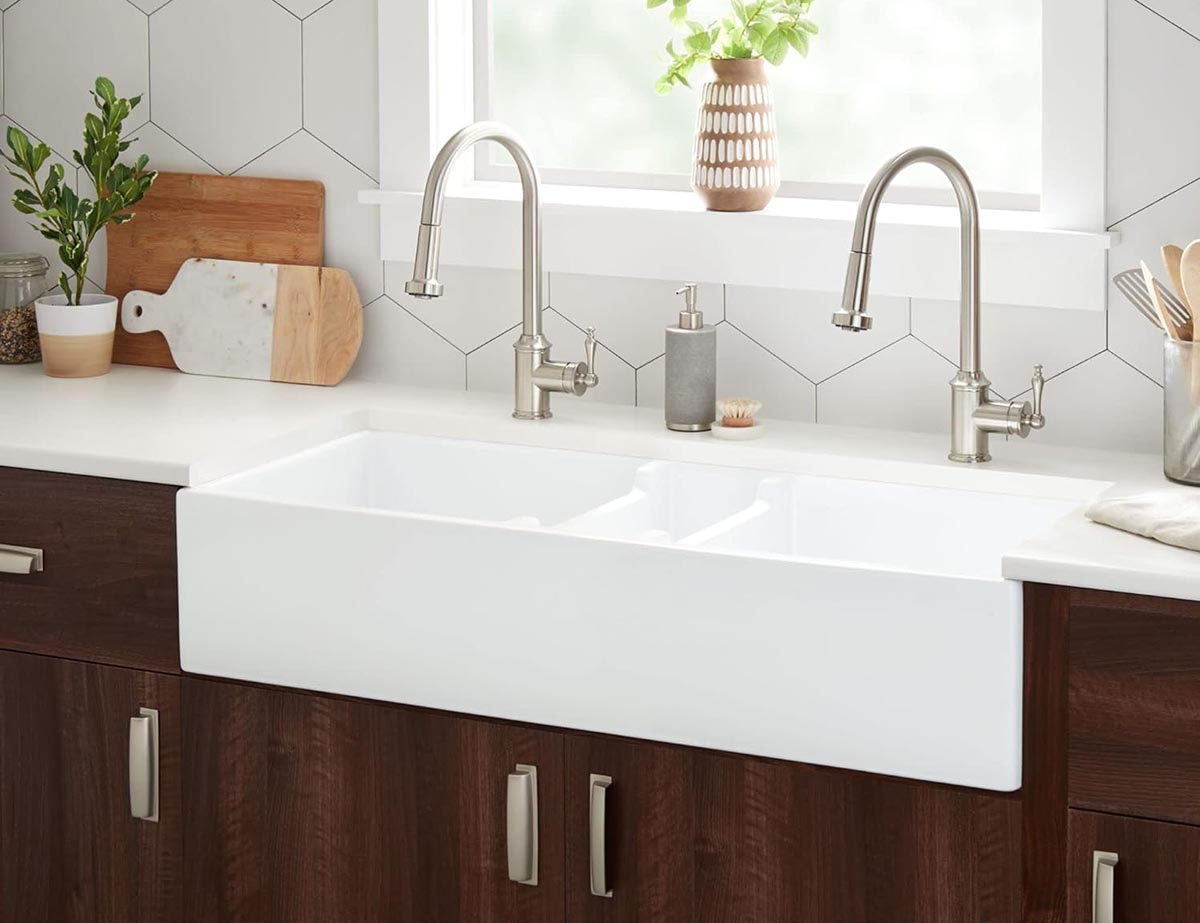
Ceramic and fireclay sinks are discussed for their hard, smooth, and impervious surfaces, making them resistant to heat, stains, and impact. These materials are particularly well-suited for country kitchen aesthetics. Jonathan Britton, kitchen brand manager at Shaws of Darwen and House of Rohl, differentiates between the Belfast and Butler sink types, noting the former's weir overflow. Fireclay, in particular, is lauded for its extra density and hardness, contributing to exceptional durability.
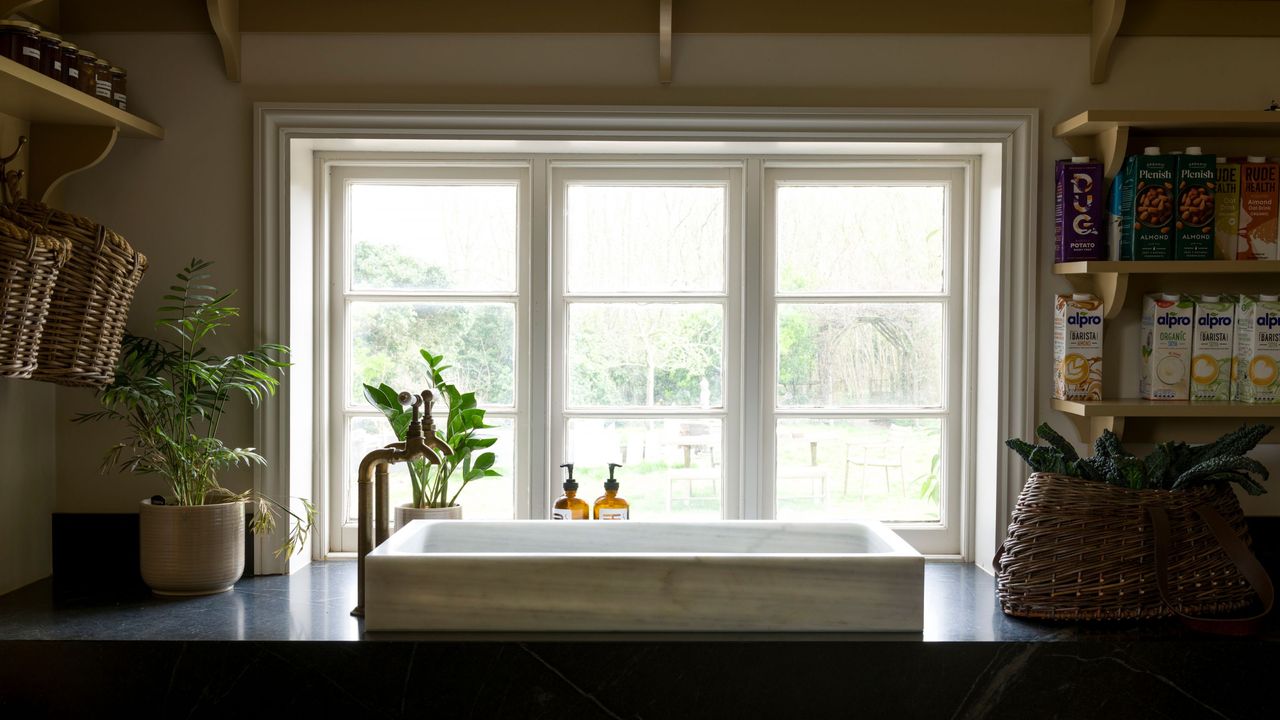
Marble sinks are introduced as a luxurious option, often seen in high-end kitchen designs for countertops and backsplashes. Mike Manders, managing director of Lusso Stone, praises marble for its excellence, durability, and unique veining, which ensures individuality. However, he also points out its porous nature, making it susceptible to stains and scratches, and requiring ongoing maintenance. The appeal of marble lies in its natural qualities and the character it gains with age.
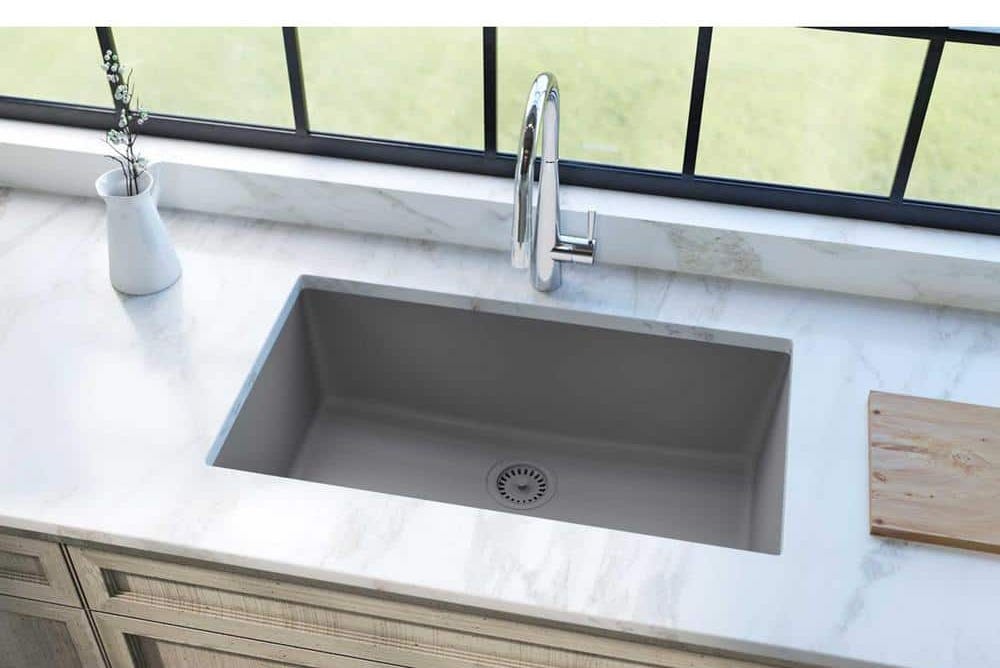
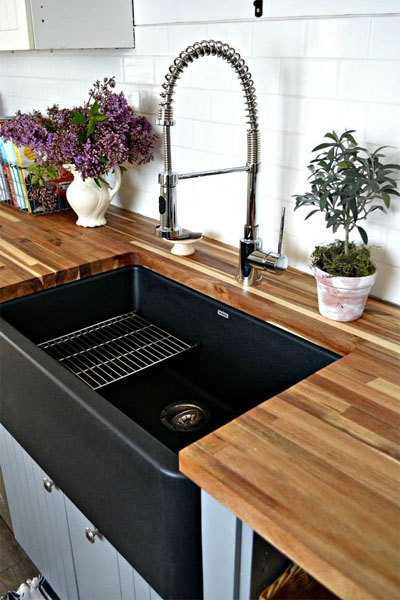
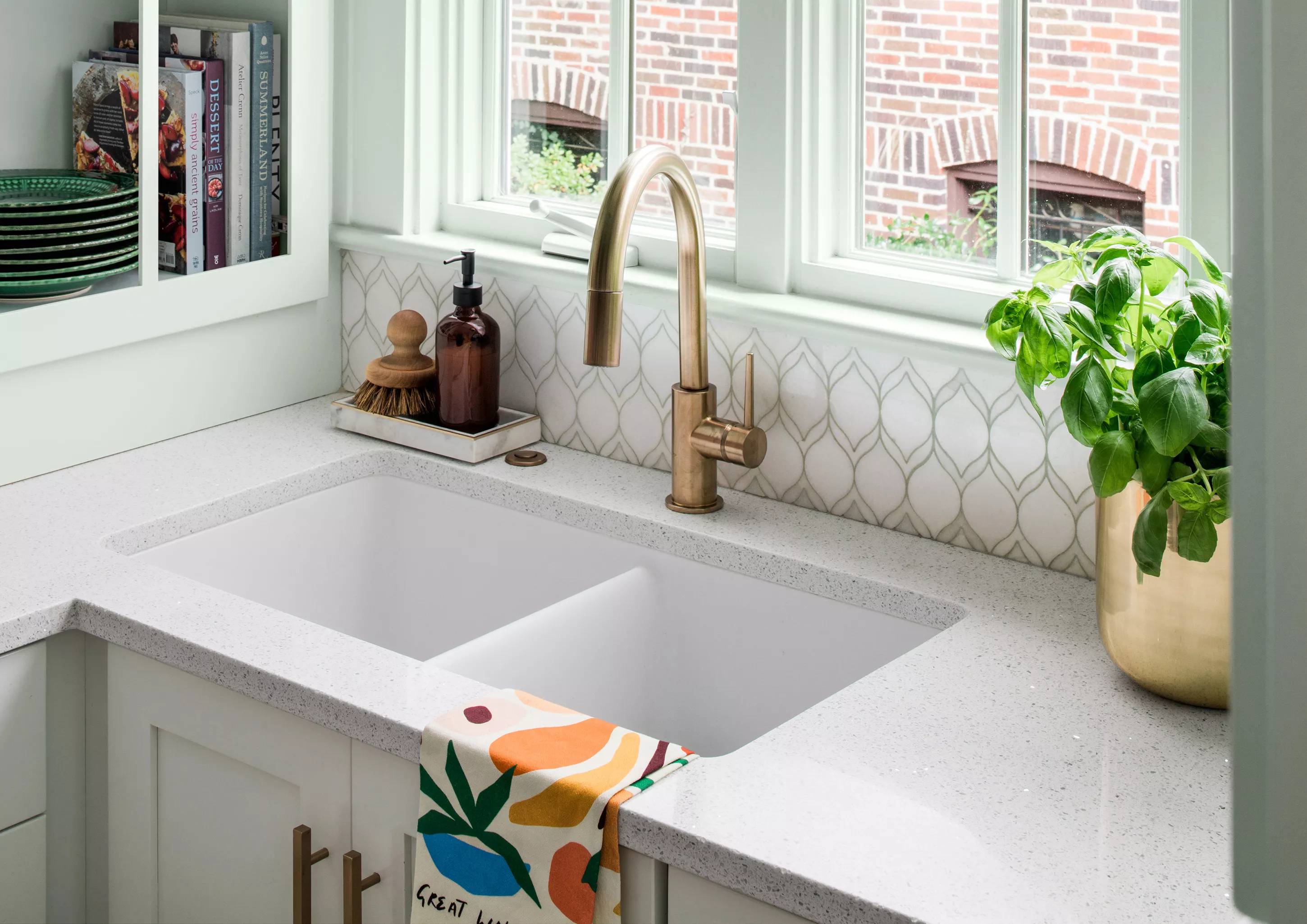
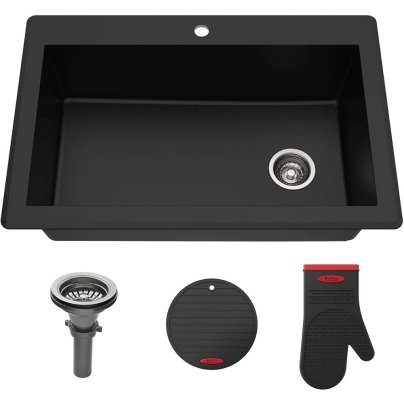
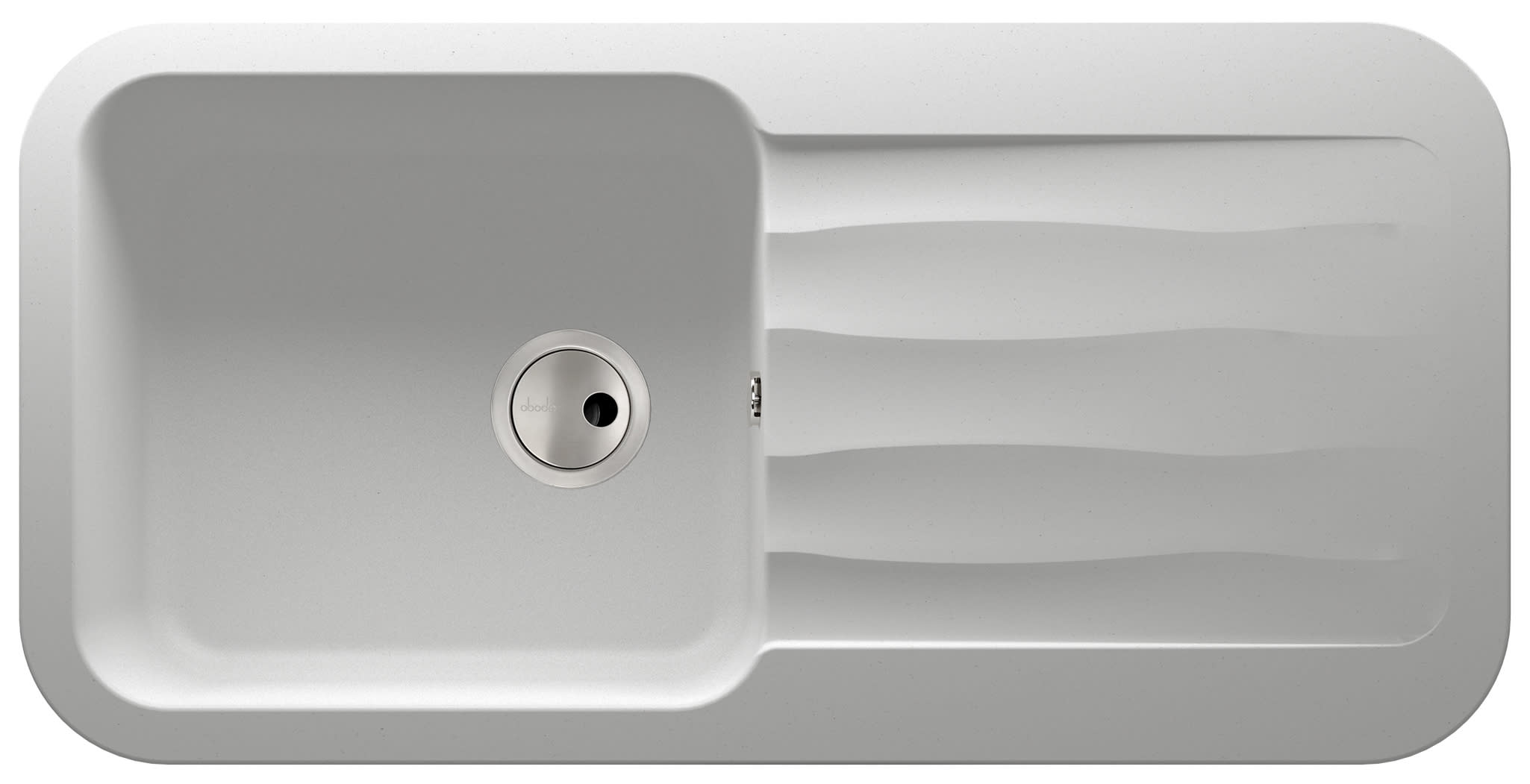
Composite sinks are presented as a modern solution, typically engineered from quartz sand mixed with acrylic resin. This combination results in a hardwearing, non-porous material available in a wide spectrum of colors, allowing for seamless integration or contrast with kitchen worktops. Ian Sanders, product manager for Blanco, highlights the durability of composite materials like Silgranit, emphasizing its resistance to stains, scratches, acids, and heat, along with its food-safe and easy-to-clean surface. Some composite sinks also incorporate anti-bacterial surface protection.
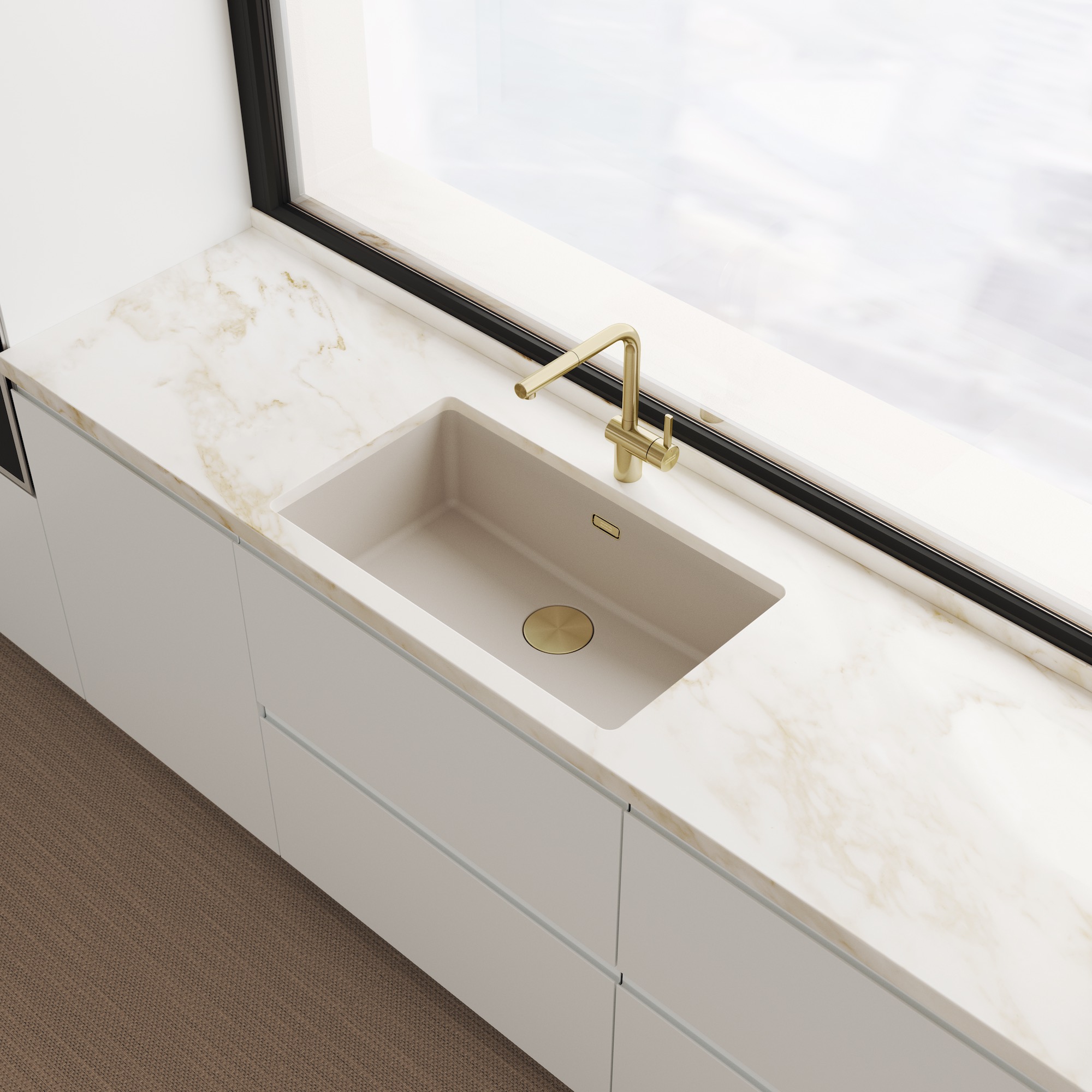
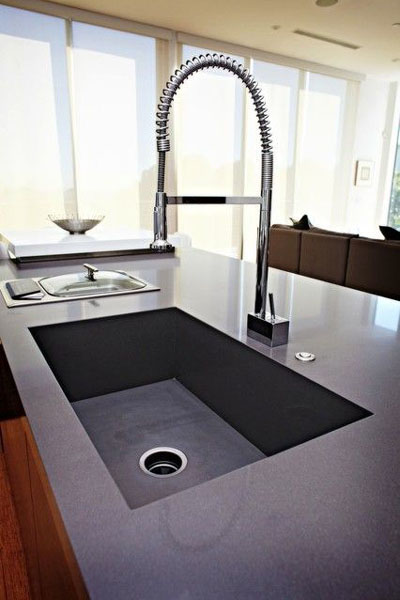
Finally, integrated sinks are discussed as a response to the trend of open-plan living, where aesthetics are paramount. These sinks are crafted from a single piece of quartz surface, creating a joint-free, cohesive look with the worktop. Laura Davie, marketing manager at Cosentino, explains that integrated sinks have transitioned from purely practical purchases to significant design statements. As manufactured materials, quartz surfaces offer hygienic properties and high resistance to scratches, staining, and heat, while being available in various neutral colors and marble effects, mimicking natural stone without the high maintenance requirements. This comprehensive overview aims to guide homeowners in selecting a kitchen sink that not only meets their practical needs but also enhances their kitchen's design.
#KitchenDesign #KitchenSinks #SinkMaterials #InteriorDesign #HomeRenovation #KitchenTrends #BrassSinks #CeramicSinks #MarbleSinks #CompositeSinks #IntegratedSinks #KitchenDesign #KitchenSinks #SinkMaterials #InteriorDesign #HomeRenovation #KitchenTrends #BrassSinks #CeramicSinks #MarbleSinks #CompositeSinks #IntegratedSinks
कुल 0 टिप्पणियाँ
 कोई टिप्पणी नहीं
आपको यह भी पसंद आ सकता है
The Best Kitchen Sinks for Your Home, Based on Sink Style

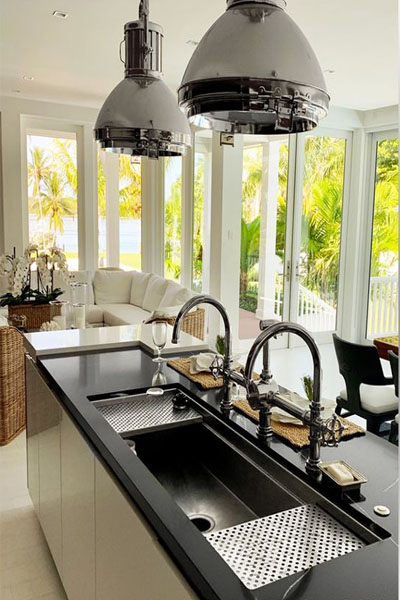
What is the best kitchen sink material for durability? These 4 expert-approved options are built to last

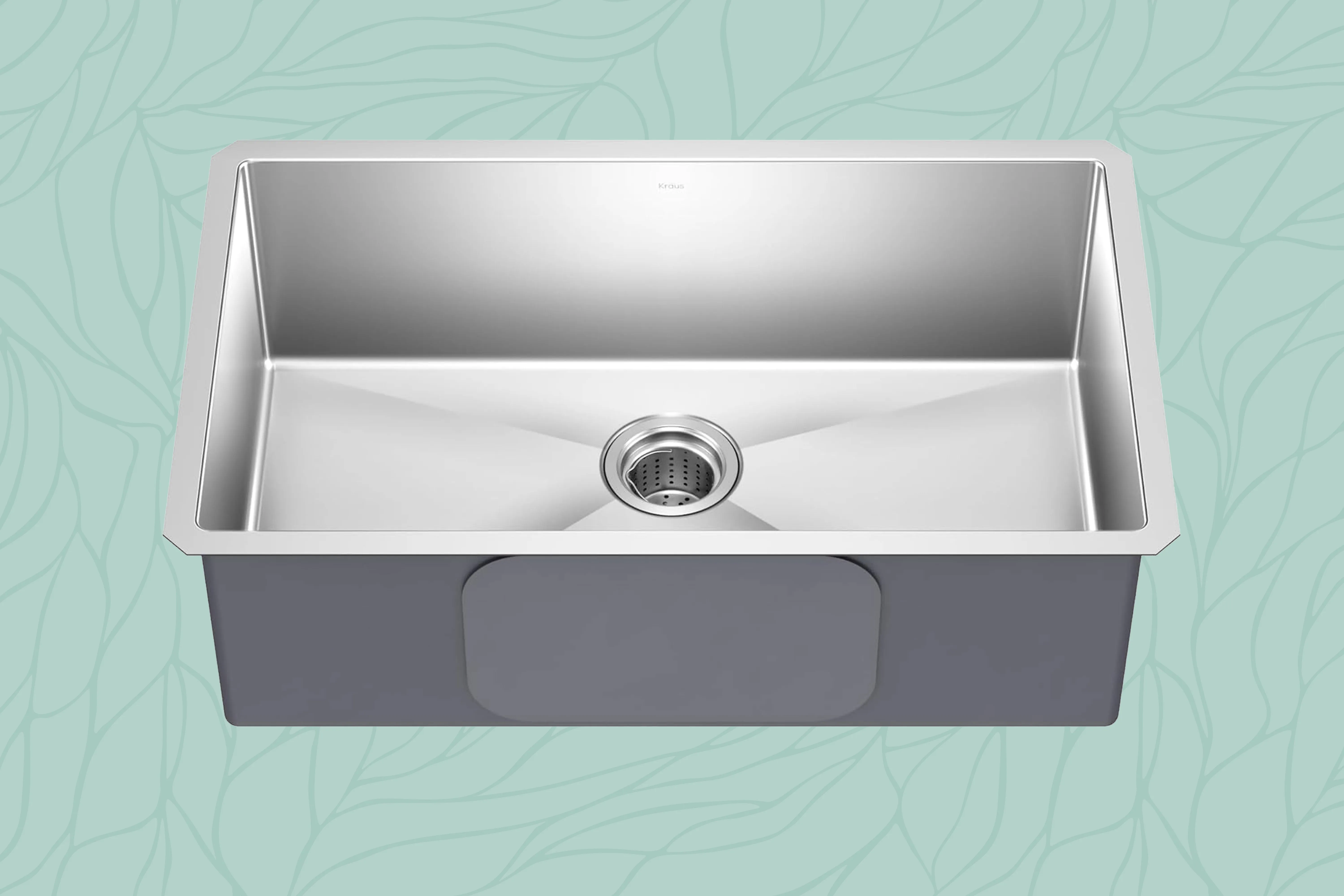
20 Simple and Latest Kitchen Sink Designs for 2024
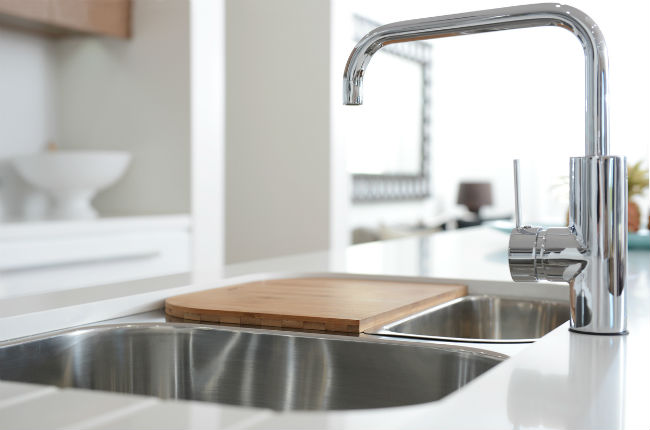
6 Kitchen Sinks Worth Upgrading to in 2026
Stylish, Stain-Resistant, or Both: Which Type of Kitchen Sink Is Right for You?
These Top-Rated Sinks Will Instantly Upgrade Your Kitchen

Our Complete Guide to Types of Sinks (And When to Choose Each One)
These Are The Best Sink Colors
The Ultimate Guide To Choosing A Sink For Your Kitchen

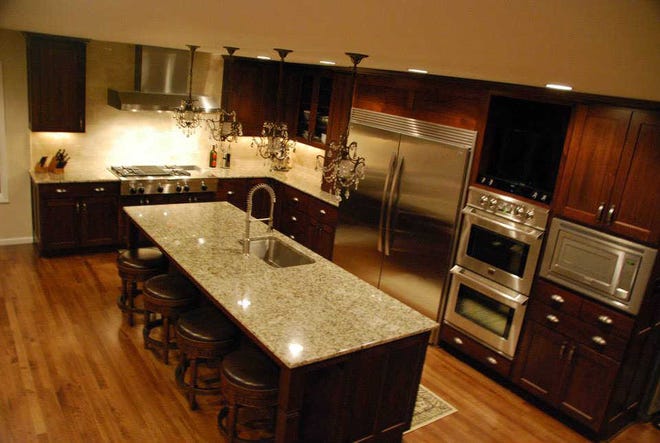
At Home Living: Find the kitchen sink you will never throw out
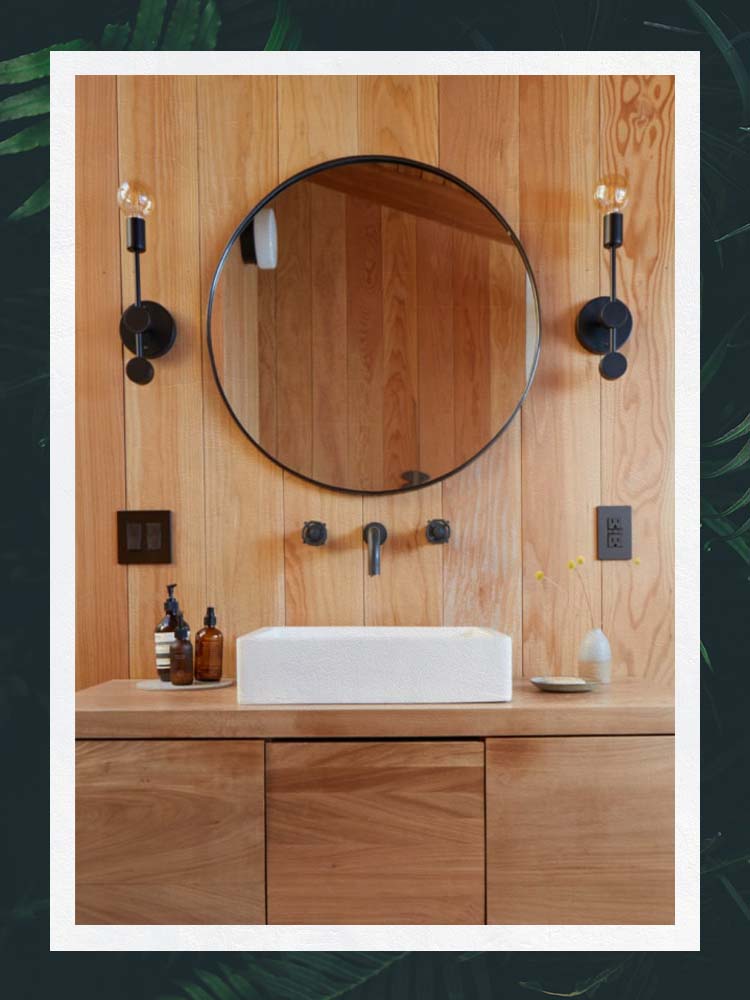
The Best Bathroom Sinks Go Beyond Porcelain to Concrete and Even Quartz


All Kitchen Sinks

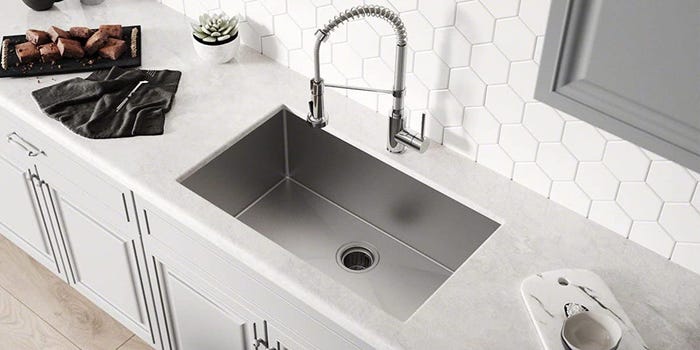
The 5 Best Kitchen Sinks

The Most Popular Kitchen Sink Styles to Transform Your Space

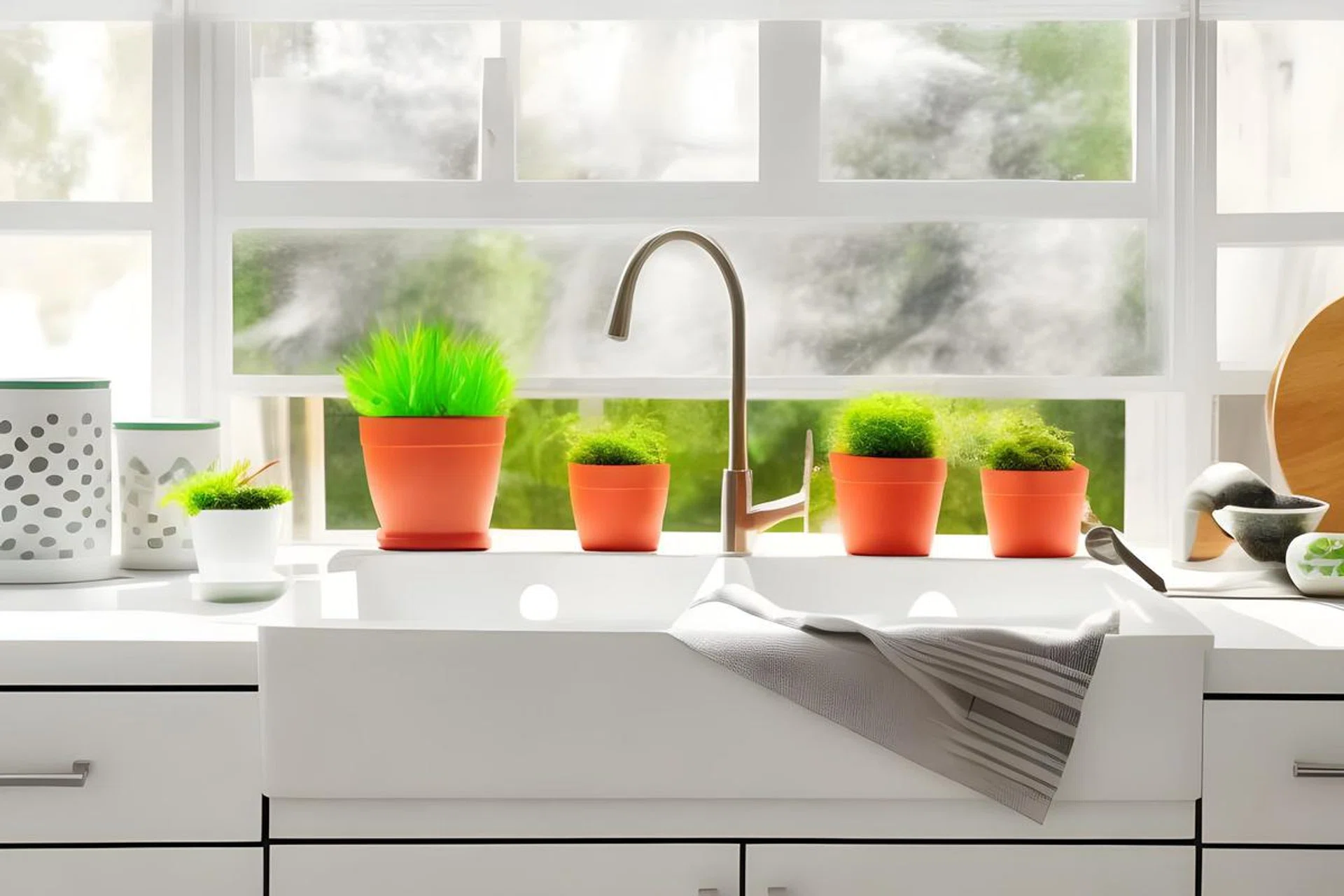
10 Best Kitchen Sinks in Singapore: Hansgrohe, IKEA, Franke, Zuhne
The 11 Best Kitchen Sink Brands of 2025

Best Kitchen Sinks: Top 5 Models Most Recommended By Design Experts

Best kitchen sink materials for hard water areas - 5 options that will make cleaning easier
Our Favorite Kitchen Sinks Are As Functional As They Are Beautiful
Our Favorite Kitchen Sinks Keep Your Workspace Efficient Without Sacrificing Style